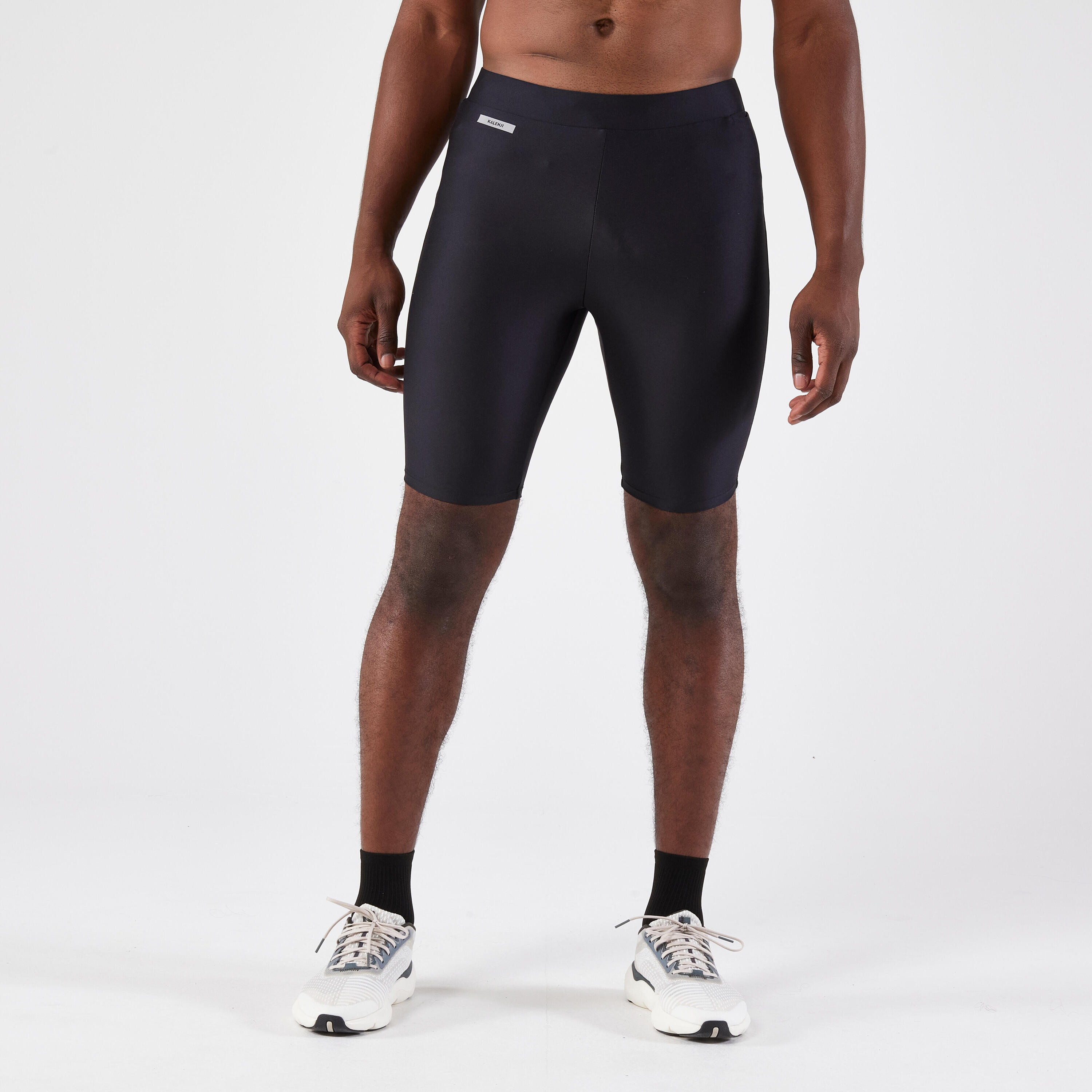
New Lower Price New Lower PriceNew Lower PriceKIPRUN Men's Running Tight Shorts - Kiprun Run 100 Black4.7(2,809)Reviews.votesAriaCurrent price {{currentPrice}} €10.00 Former price Was €11.00Lowest price: €11.00
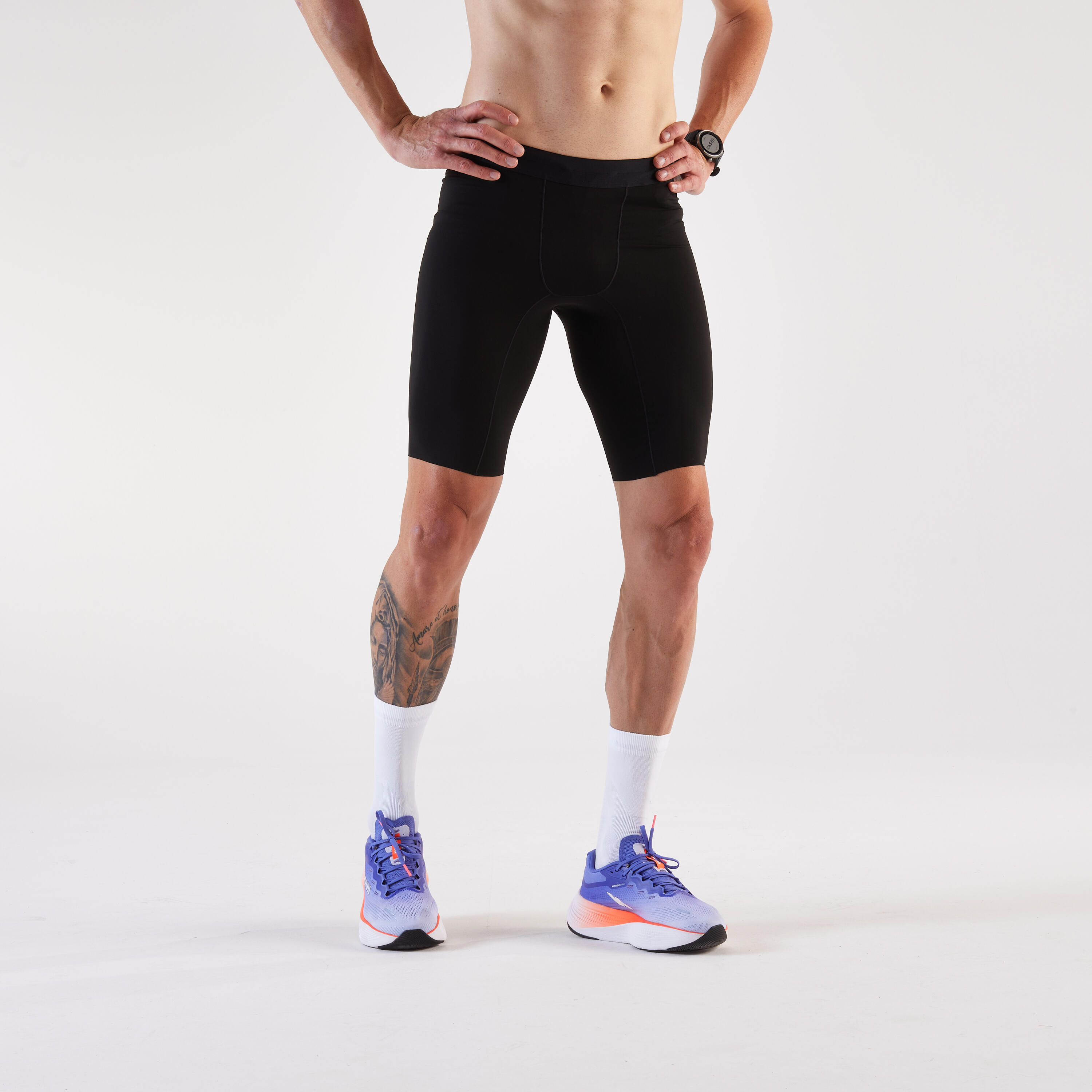
New Lower Price New Lower PriceNew Lower PriceKIPRUN Men's Running Tight Shorts KIPRUN Run 500 Comfort Black4.8(1,146)Reviews.votesAriaCurrent price {{currentPrice}} €19.00 Former price Was €20.00Lowest price: €20.00
Marketplace -Online Only Marketplace -Online Only2 coloursMarketplace -Online OnlyVIRTUS Short 2-in-1 extensible Virtus Dylan4.5(2)Reviews.votesAria2 coloursCurrent price {{currentPrice}} €24.00Sold and shipped by Sport & Go EU
Marketplace -Online Only Marketplace -Online Only2 coloursMarketplace -Online OnlyVIRTUS Short 2-in-1 extensible Virtus Dylan4.5(2)Reviews.votesAria2 coloursCurrent price {{currentPrice}} €24.00 Former price €29.01 17% offLowest price: €29.01Starting on 19/10/2026 and valid for the entire duration of the promoSold and shipped by Sport & Go EU
New Lower Price New Lower PriceNew Lower PriceKIPRUN Men's Trail Running Tights Kiprun Trail Run 900 Ultra Black x RHEON4.7(270)Reviews.votesAriaCurrent price {{currentPrice}} €48.00 Former price Was €50.00Lowest price: €50.00
Marketplace -Online Only Marketplace -Online OnlyMarketplace -Online Only2XU 2-in-1 5-inch shorts 2XU AeroCurrent price {{currentPrice}} €114.50Sold and shipped by Sport & Go EU
Marketplace -Online Only Marketplace -Online OnlyMarketplace -Online OnlyACERBIS Short Acerbis MizardCurrent price {{currentPrice}} €21.50Sold and shipped by Sport & Go EU
Marketplace -Online Only Marketplace -Online OnlyMarketplace -Online OnlyCOMPRESSPORT Compressport Racing Split Shorts BlackFromCurrent price {{currentPrice}} €57.75Sold and shipped by Bikexperience
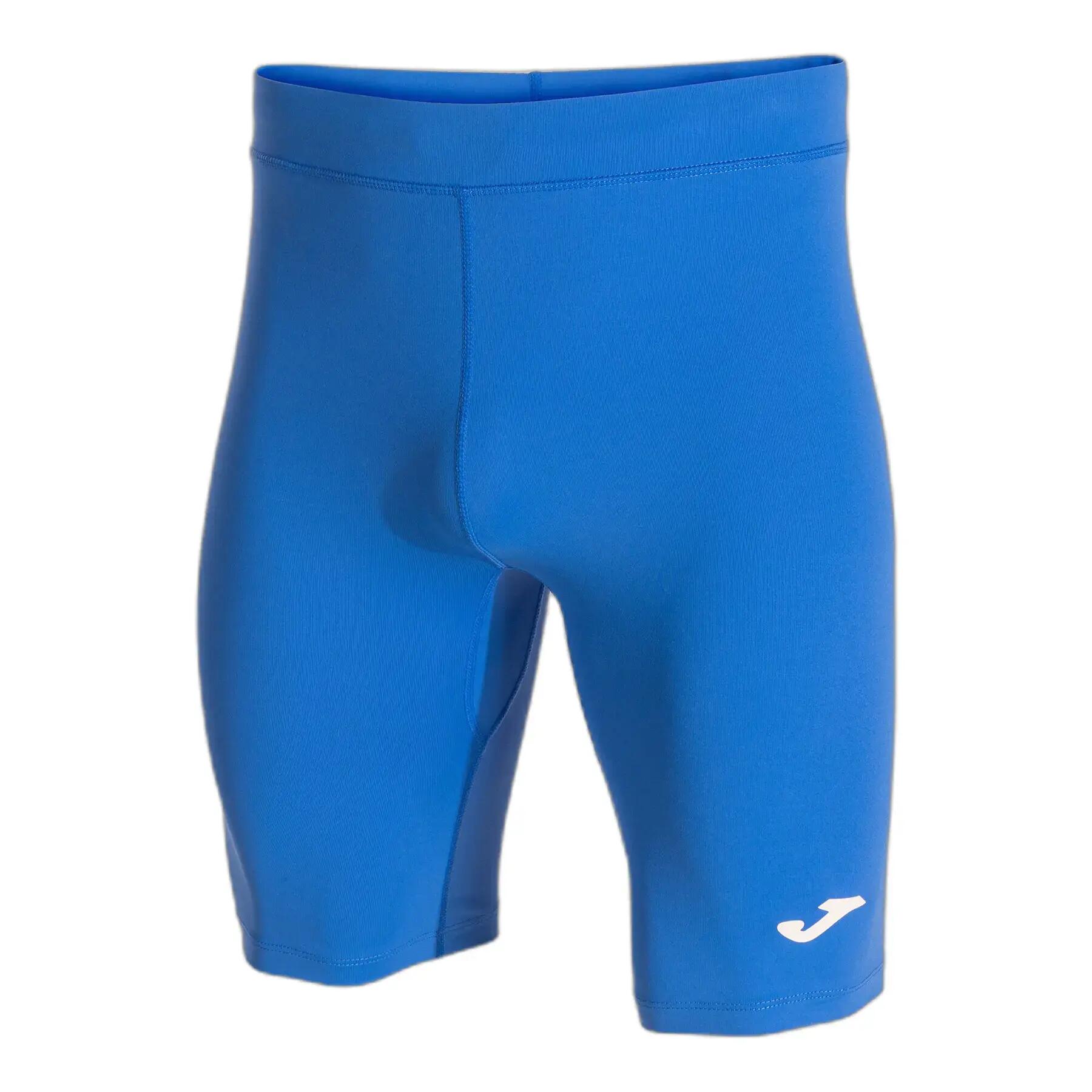
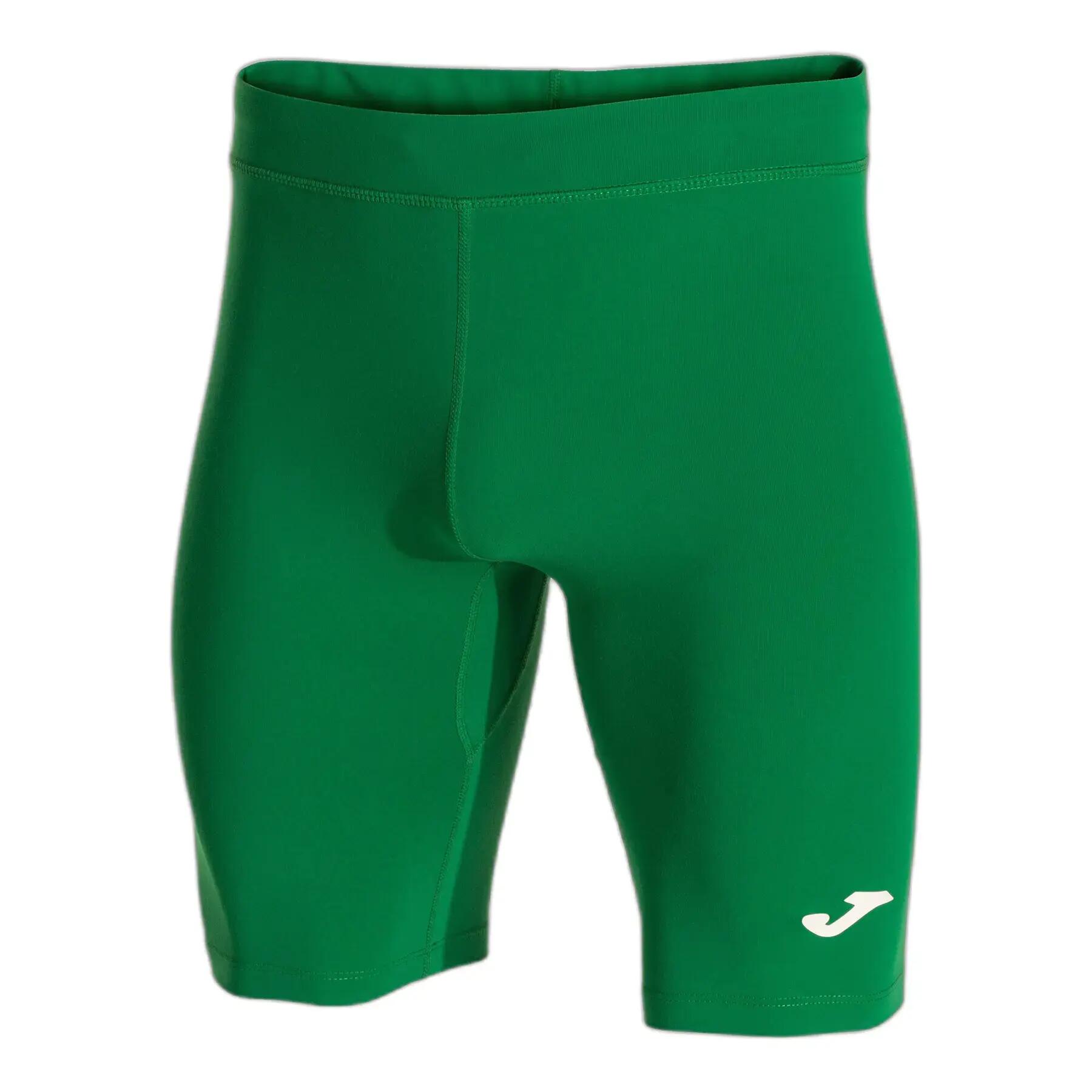
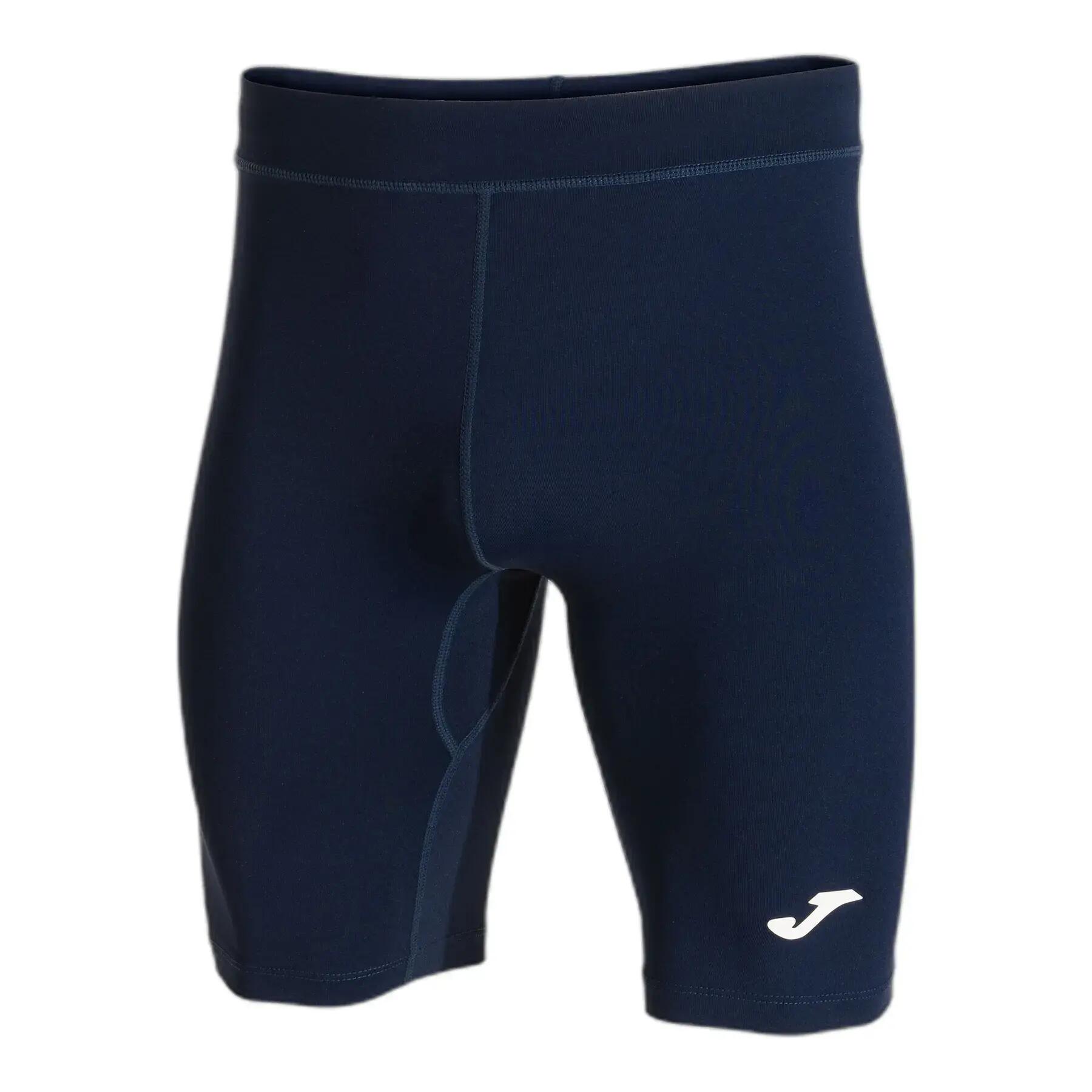
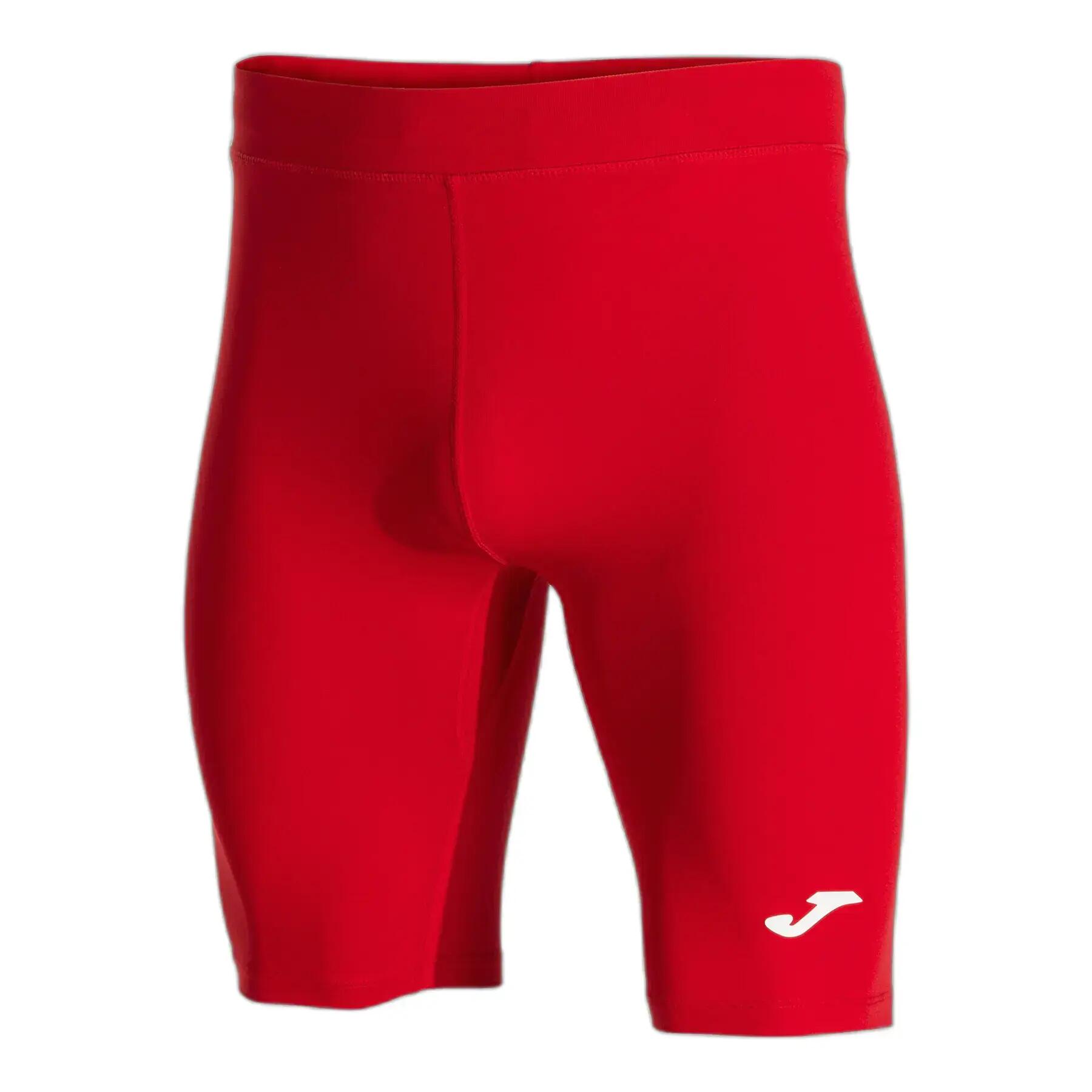
Marketplace -Online Only Marketplace -Online OnlyMarketplace -Online OnlyJOMA Short Joma Elite X5(1)Reviews.votesAriaFromCurrent price {{currentPrice}} €18.00Sold and shipped by Sport & Go EU
Marketplace -Online Only Marketplace -Online OnlyMarketplace -Online OnlyVIRTUS Short Virtus Zayne V2Current price {{currentPrice}} €20.00 Former price €20.36 1% offLowest price: €20.36Starting on 19/10/2026 and valid for the entire duration of the promoSold and shipped by Sport & Go EU
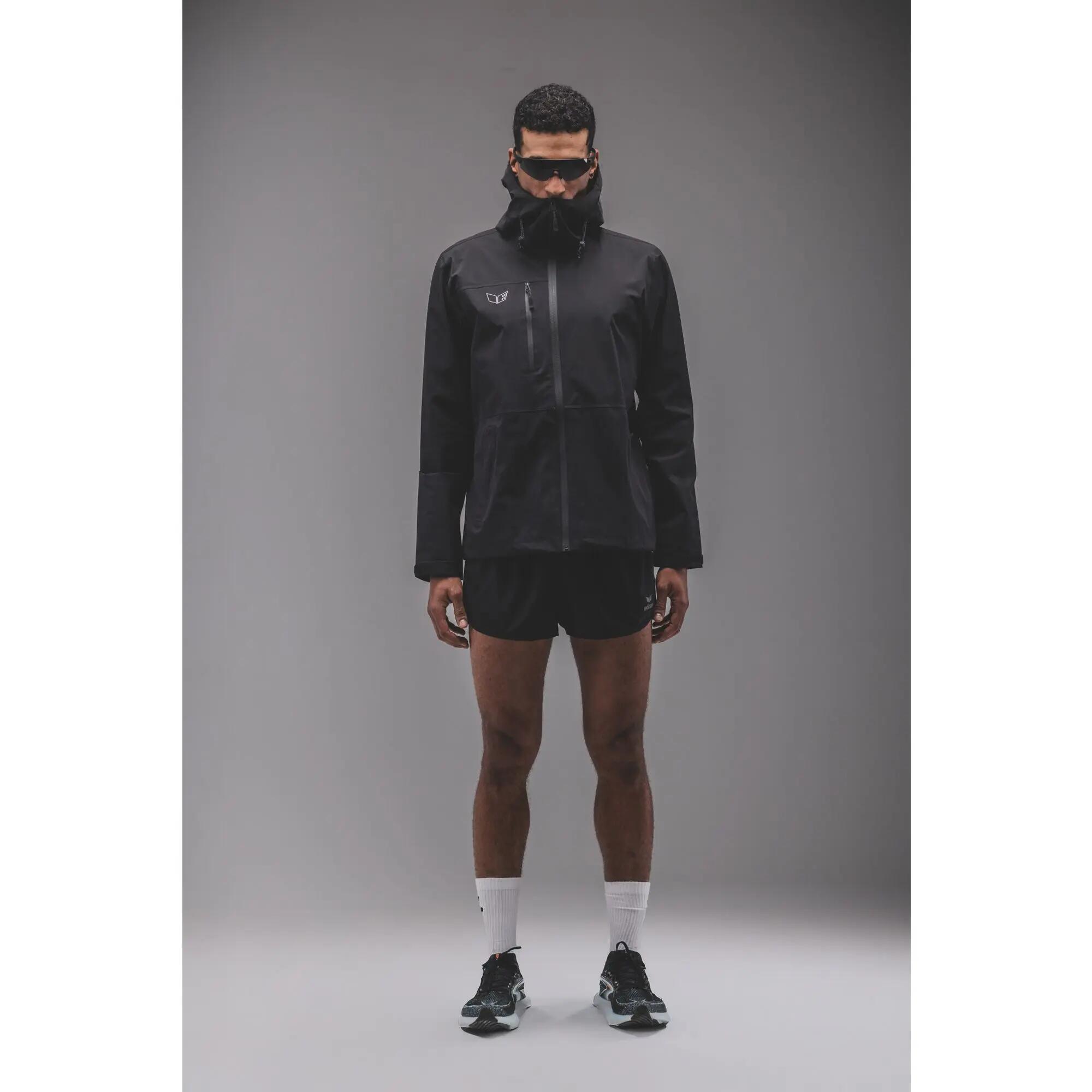
Marketplace -Online Only Marketplace -Online OnlyMarketplace -Online Only575 FACTORY Erima Marathonshort Zwart 4Current price {{currentPrice}} €44.08€44.08/unitSold and shipped by 247Group.de
Marketplace -Online Only Marketplace -Online OnlyMarketplace -Online OnlyMIZUNO Short Mizuno 8 In FlexCurrent price {{currentPrice}} €37.95Sold and shipped by OdP - Ofertas de Padel
Marketplace -Online Only Marketplace -Online Only7 coloursMarketplace -Online Only909 Joma Record III7 coloursCurrent price {{currentPrice}} €44.35Sold and shipped by Accesoralia
Marketplace -Online Only Marketplace -Online Only7 coloursMarketplace -Online Only909 Joma Record III7 coloursCurrent price {{currentPrice}} €44.35Sold and shipped by Accesoralia
Marketplace -Online Only Marketplace -Online Only7 coloursMarketplace -Online Only909 Joma Record III7 coloursCurrent price {{currentPrice}} €44.35Sold and shipped by Accesoralia
Marketplace -Online Only Marketplace -Online Only7 coloursMarketplace -Online Only909 Cuissard Joma Record III7 coloursCurrent price {{currentPrice}} €44.35Sold and shipped by Accesoralia
Marketplace -Online Only Marketplace -Online Only7 coloursMarketplace -Online Only909 Joma Record III7 coloursFromCurrent price {{currentPrice}} €29.40€29.40/unitSold and shipped by Sports Lab IE
Marketplace -Online Only Marketplace -Online Only7 coloursMarketplace -Online Only909 Joma Record III7 coloursFromCurrent price {{currentPrice}} €28.10Sold and shipped by Sports Lab IE
Marketplace -Online Only Marketplace -Online Only7 coloursMarketplace -Online Only909 Children's shorts Joma Record III7 coloursCurrent price {{currentPrice}} €44.35Sold and shipped by Accesoralia
Marketplace -Online Only Marketplace -Online Only5 coloursMarketplace -Online OnlyNEWLINE Compression shorts Newline tech sprinters5(6)Reviews.votesAria5 coloursCurrent price {{currentPrice}} €34.68€34.68/unitSold and shipped by 247Group.de
Marketplace -Online Only Marketplace -Online Only5 coloursMarketplace -Online OnlyNEWLINE Compression shorts Newline tech sprinters5(6)Reviews.votesAria5 coloursCurrent price {{currentPrice}} €34.68€34.68/unitSold and shipped by 247Group.de
Marketplace -Online Only Marketplace -Online Only5 coloursMarketplace -Online OnlyNEWLINE Compression shorts Newline tech sprinters5(6)Reviews.votesAria5 coloursCurrent price {{currentPrice}} €34.68€34.68/unitSold and shipped by 247Group.de
Marketplace -Online Only Marketplace -Online Only5 coloursMarketplace -Online OnlyNEWLINE Compression shorts Newline tech sprinters5(6)Reviews.votesAria5 coloursCurrent price {{currentPrice}} €34.28€34.28/unitSold and shipped by 247Group.de
Marketplace -Online Only Marketplace -Online Only5 coloursMarketplace -Online OnlyNEWLINE Compression shorts Newline tech sprinters5(6)Reviews.votesAria5 coloursCurrent price {{currentPrice}} €34.68€34.68/unitSold and shipped by 247Group.de
Marketplace -Online Only Marketplace -Online OnlyMarketplace -Online OnlyJOMA Short Joma OlimpiaCurrent price {{currentPrice}} €78.46Sold and shipped by Accesoralia
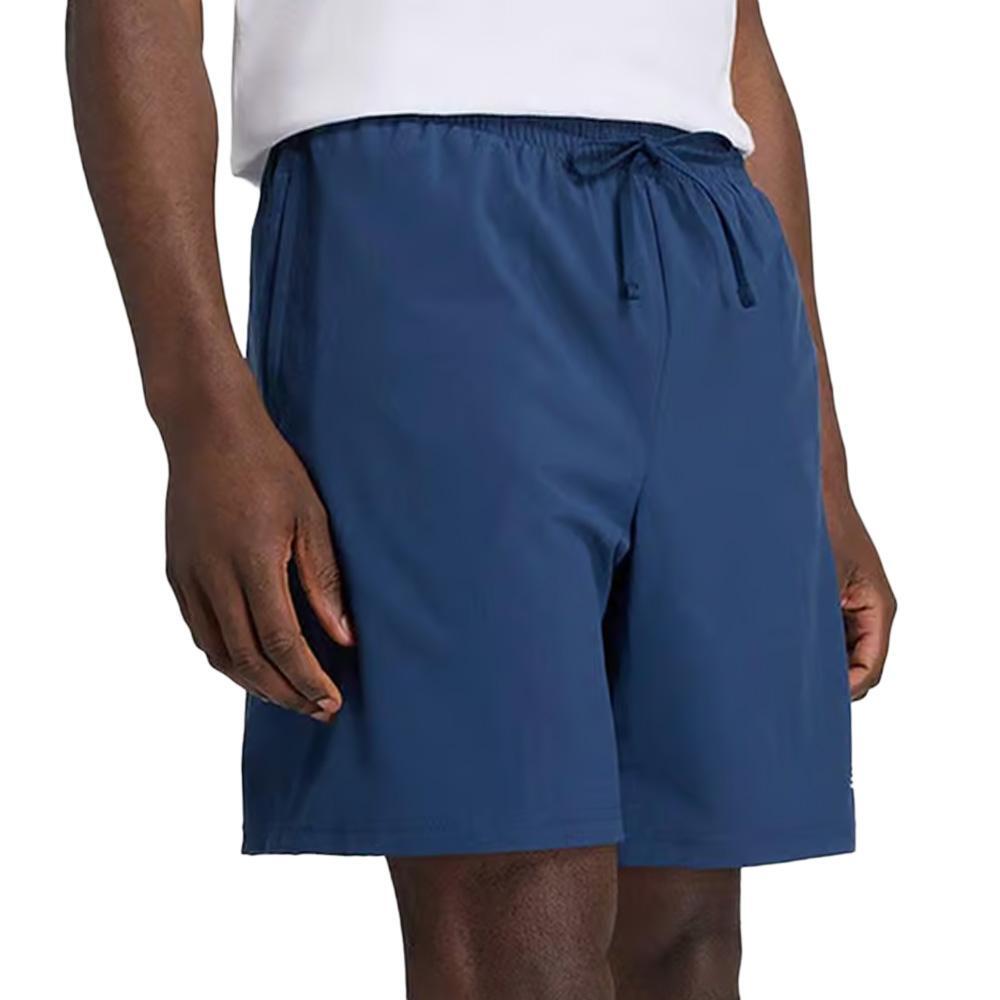
Marketplace -Online Only Marketplace -Online OnlyMarketplace -Online OnlyNEW BALANCE New Balance Men's Blue Shorts MS41232FromCurrent price {{currentPrice}} €33.15Sold and shipped by Sports Lab IE
Marketplace -Online Only Marketplace -Online Only3 coloursMarketplace -Online OnlyODLO Odlo X-Alp Trail Cargo Short Tights Black3 coloursCurrent price {{currentPrice}} €71.25Sold and shipped by Sports Lab IE
Marketplace -Online Only Marketplace -Online Only3 coloursMarketplace -Online OnlyODLO Odlo X-Alp Trail Cargo Short Tights Grey3 coloursFromCurrent price {{currentPrice}} €71.40Sold and shipped by Bikexperience
Marketplace -Online Only Marketplace -Online Only3 coloursMarketplace -Online OnlyODLO Odlo X-Alp Trail Cargo Short Tights Dark Blue3 coloursCurrent price {{currentPrice}} €73.50Sold and shipped by Bikexperience
Marketplace -Online Only Marketplace -Online OnlyMarketplace -Online OnlySIROKO Men Fitness 's workout capri leggings Bardsley GreenCurrent price {{currentPrice}} €37.39 Former price €43.95 14% offLowest price: €43.95Promo 2/10/2026 from to 30/10/2026Sold and shipped by Siroko Solutions S.L.
Marketplace -Online Only Marketplace -Online Only2 coloursMarketplace -Online OnlyBV SPORT BV Sport Boston Gray Men's Shorts2 coloursCurrent price {{currentPrice}} €54.95 Former price €57.70 4% offLowest price: €57.70Starting on 3/10/2026 and valid for the entire duration of the promoSold and shipped by Bikexperience
Marketplace -Online Only Marketplace -Online Only2 coloursMarketplace -Online OnlyBV SPORT Short BV Sport Boston Noir Unisex2 coloursCurrent price {{currentPrice}} €54.95 Former price €57.70 4% offLowest price: €57.70Starting on 3/10/2026 and valid for the entire duration of the promoSold and shipped by Bikexperience
Marketplace -Online Only Marketplace -Online OnlyMarketplace -Online OnlyNEW BALANCE New Balance Men's Black Shorts MS41232Current price {{currentPrice}} €46.45Sold and shipped by Sports Lab IE
Marketplace -Online Only Marketplace -Online Only3 coloursMarketplace -Online OnlyJOMA Leggings Joma Elite X red junior unisex for running5(1)Reviews.votesAria3 coloursCurrent price {{currentPrice}} €20.00Sold and shipped by Sport & Go EU
Marketplace -Online Only Marketplace -Online Only3 coloursMarketplace -Online OnlyJOMA Leggings Joma Elite X blue junior unisex for running5(1)Reviews.votesAria3 coloursCurrent price {{currentPrice}} €58.00Sold and shipped by Sports Lab IE
Marketplace -Online Only Marketplace -Online Only3 coloursMarketplace -Online OnlyJOMA Leggings Joma Elite X black junior unisex comfort and performance5(1)Reviews.votesAria3 coloursCurrent price {{currentPrice}} €58.00Sold and shipped by Sports Lab IE
Marketplace -Online Only Marketplace -Online OnlyMarketplace -Online OnlyLEGEA Men's Running Shorts ElasticatedCurrent price {{currentPrice}} €30.90Sold and shipped by LEGEA
Marketplace -Online Only Marketplace -Online Only3 coloursMarketplace -Online Only2XU 7-inch shorts 2XU Aero3 coloursCurrent price {{currentPrice}} €50.10Sold and shipped by Sports Lab IE
Marketplace -Online Only Marketplace -Online Only3 coloursMarketplace -Online Only2XU 7-inch shorts 2XU Aero3 coloursFromCurrent price {{currentPrice}} €50.25Sold and shipped by Sports Lab IE
Marketplace -Online Only Marketplace -Online Only3 coloursMarketplace -Online Only2XU Short 2XU Aero 7"3 coloursFromCurrent price {{currentPrice}} €54.80Sold and shipped by Sports Lab IE