134 items
4.3/5 based on 1643 reviews collected online and in stores

Cycling Overshoes FAQs

What are cycling overshoes for and when do they shine?

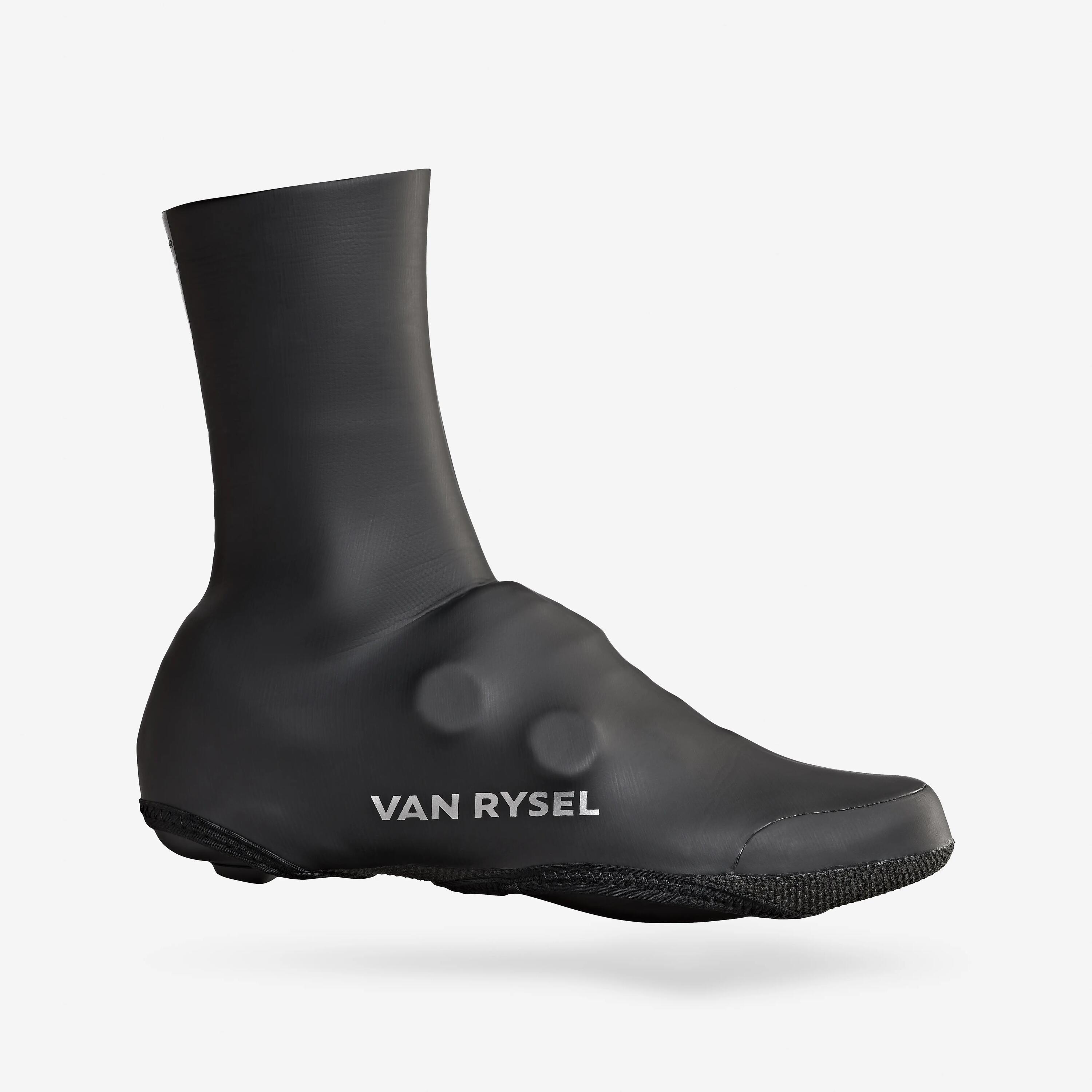
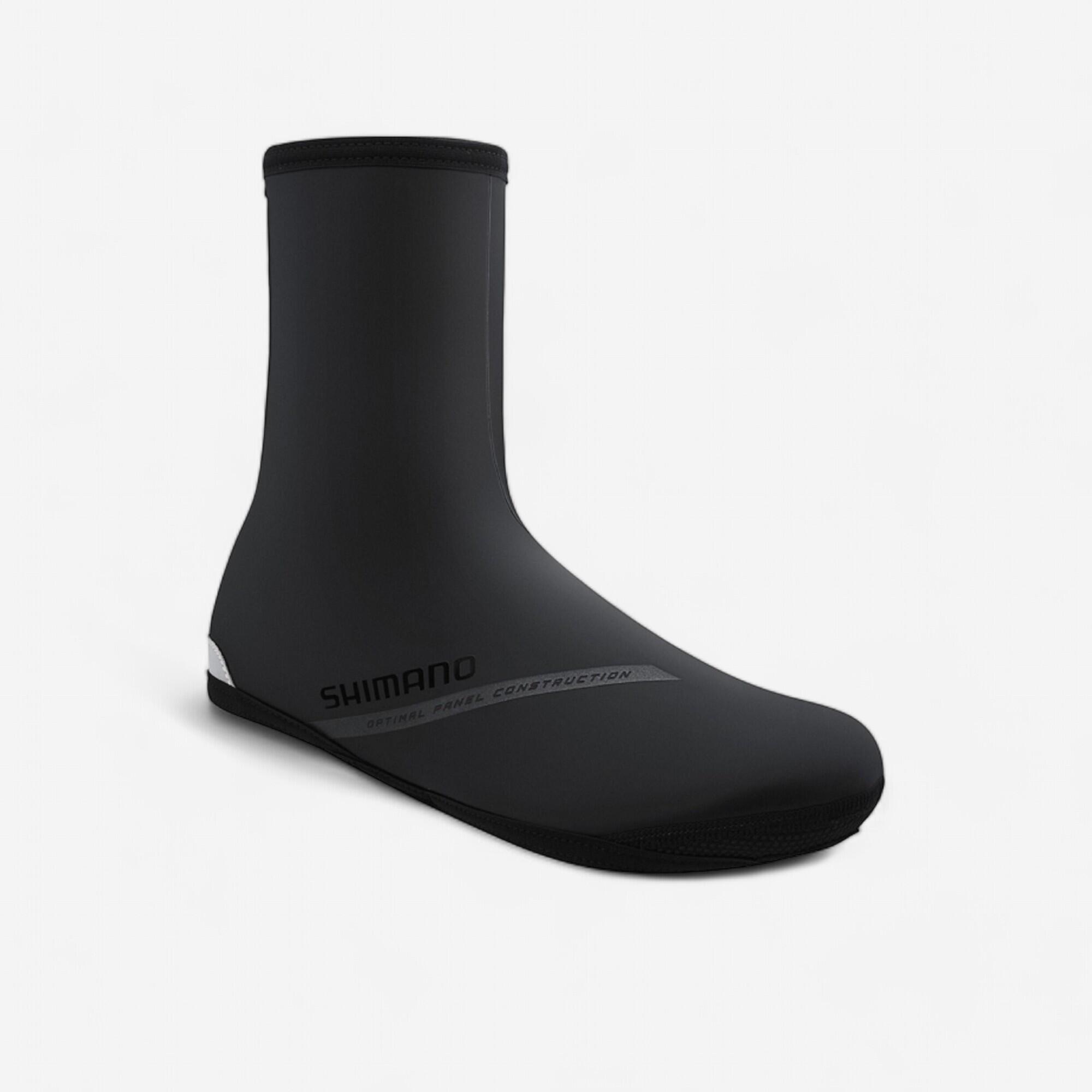
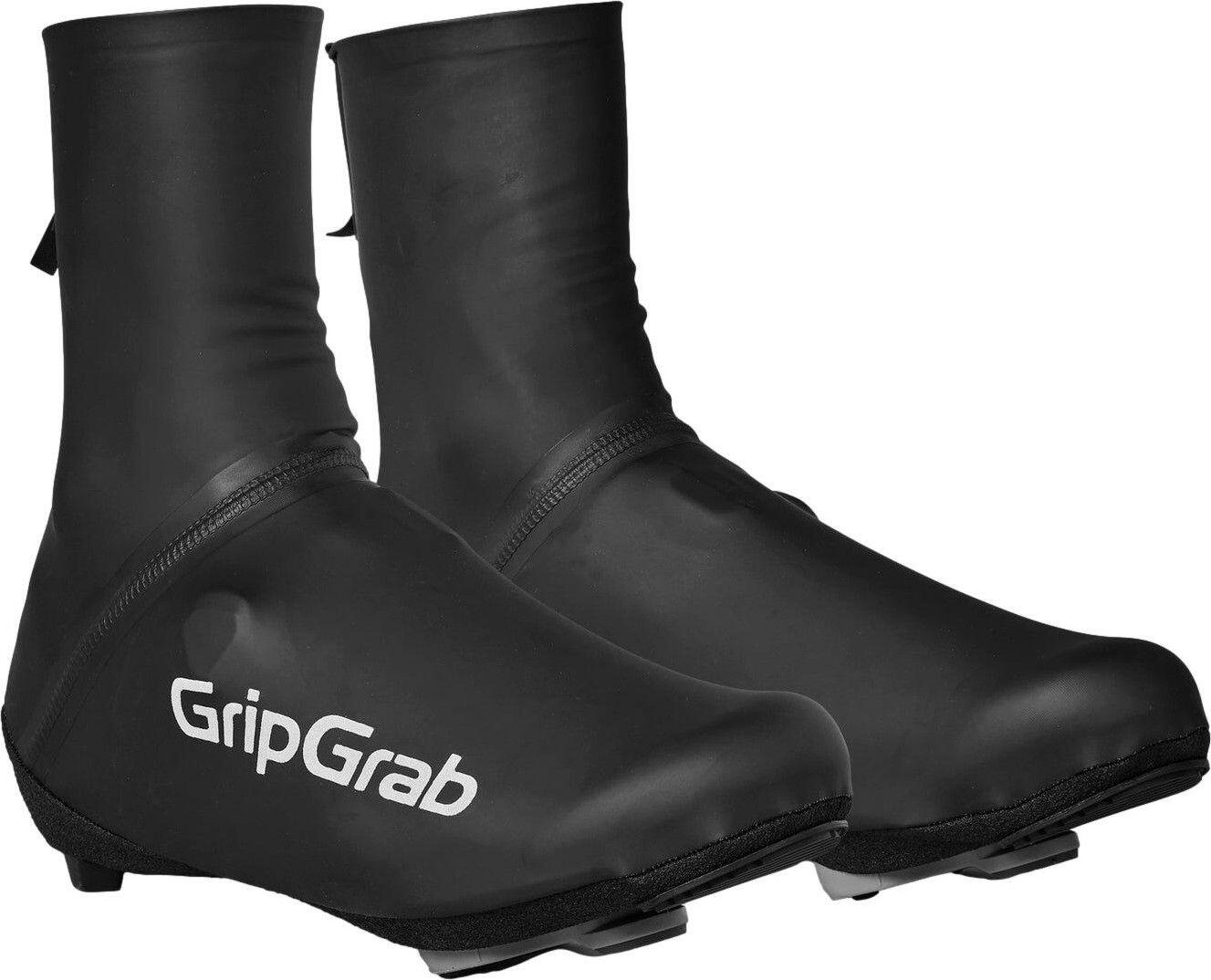
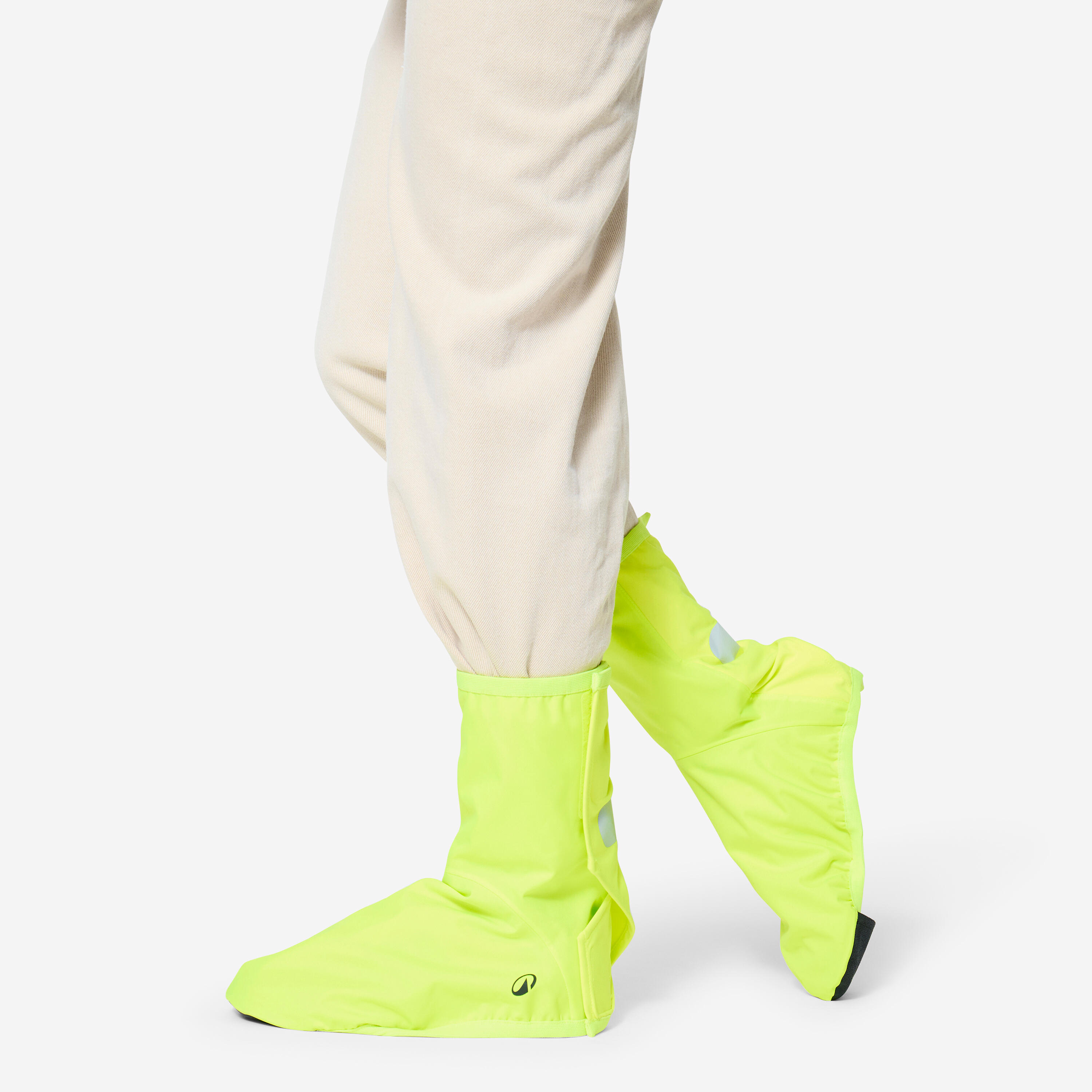
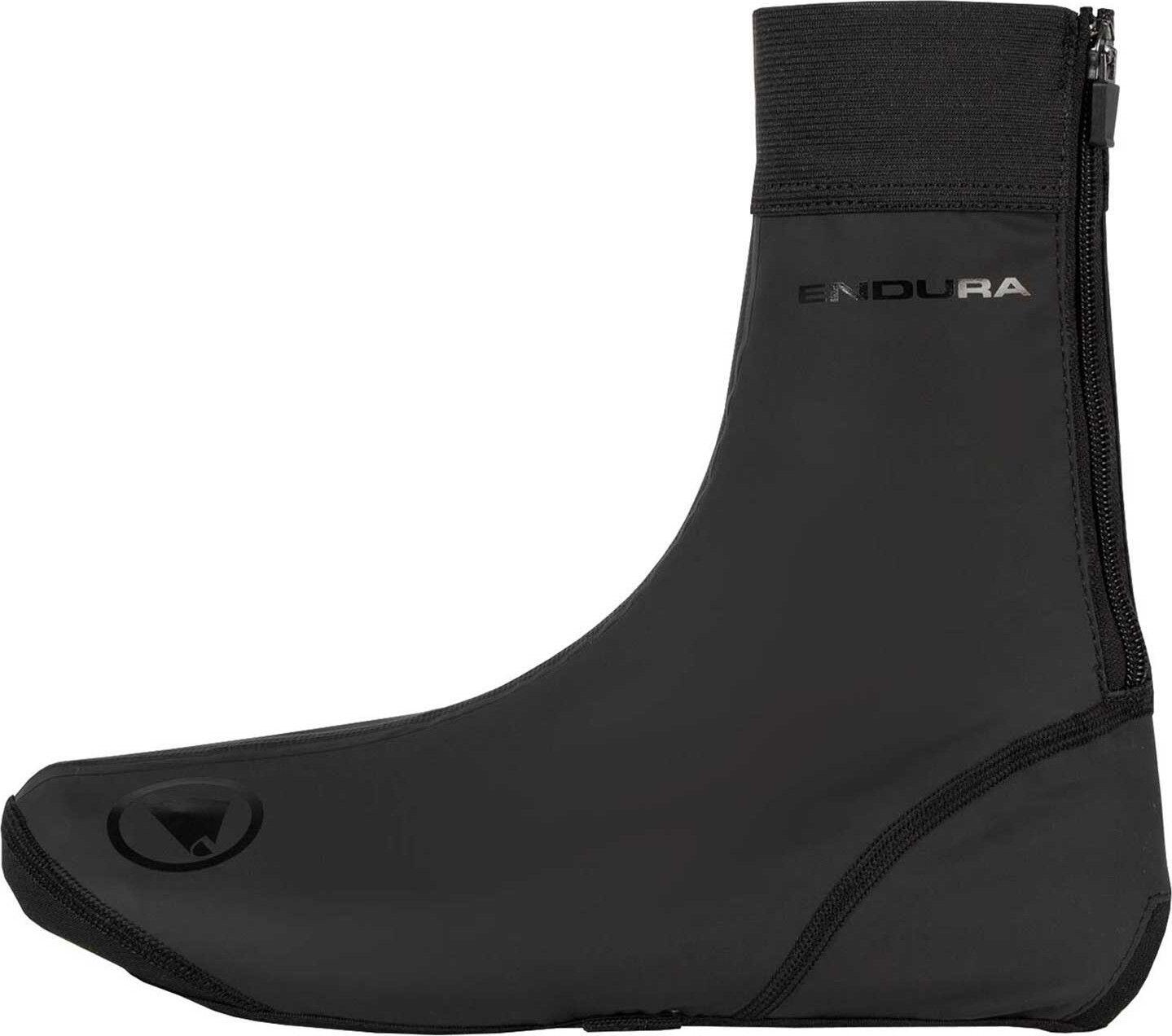
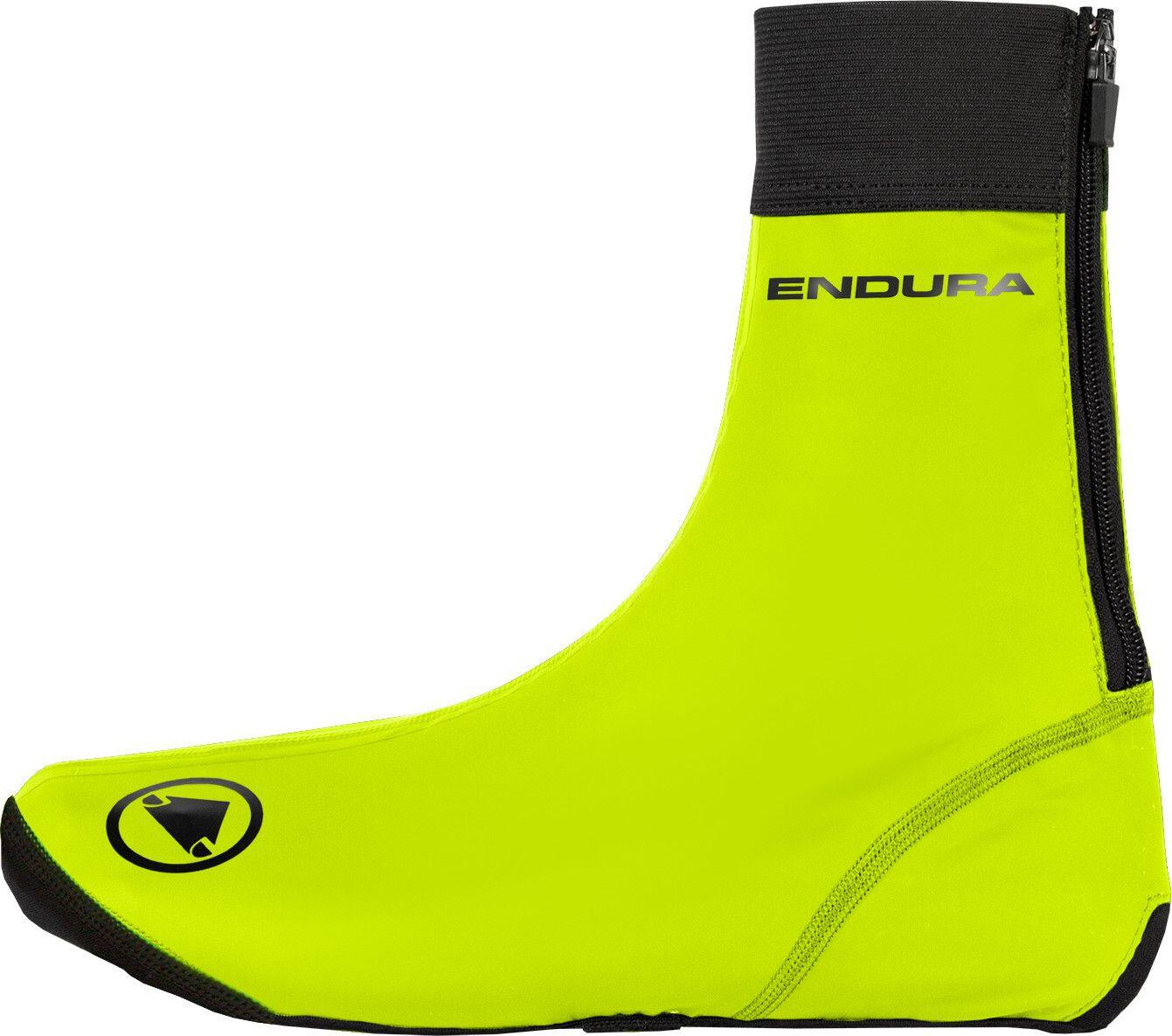
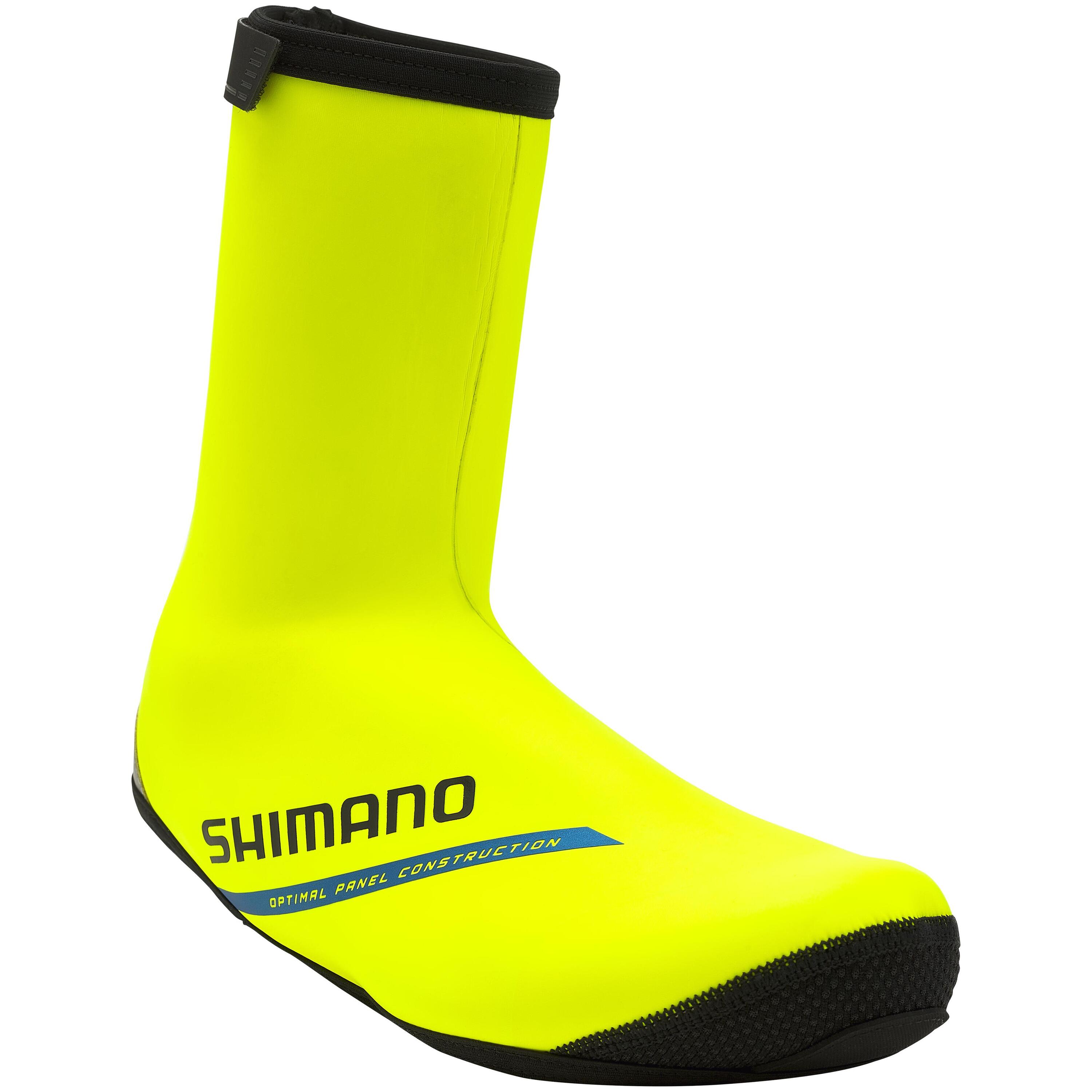
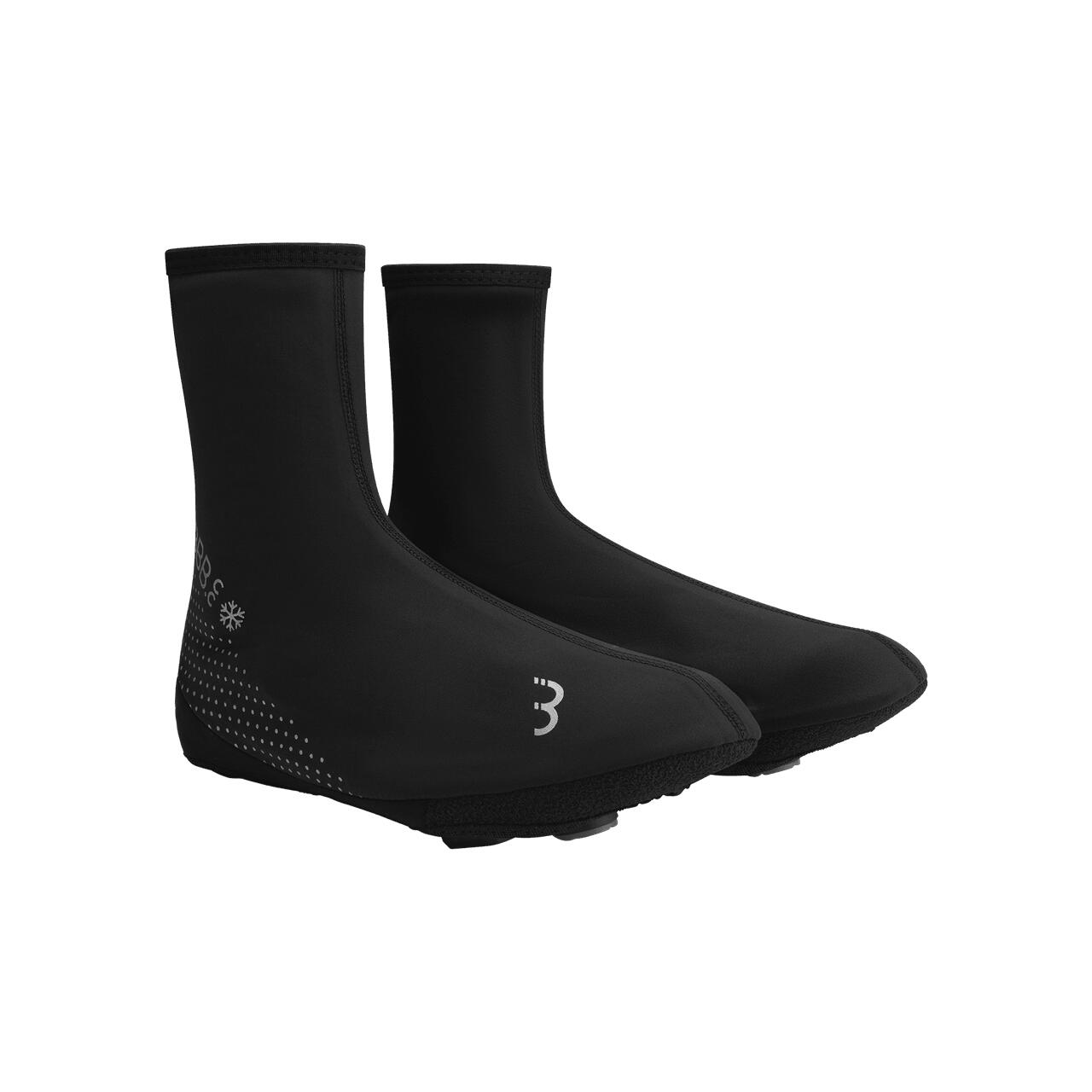
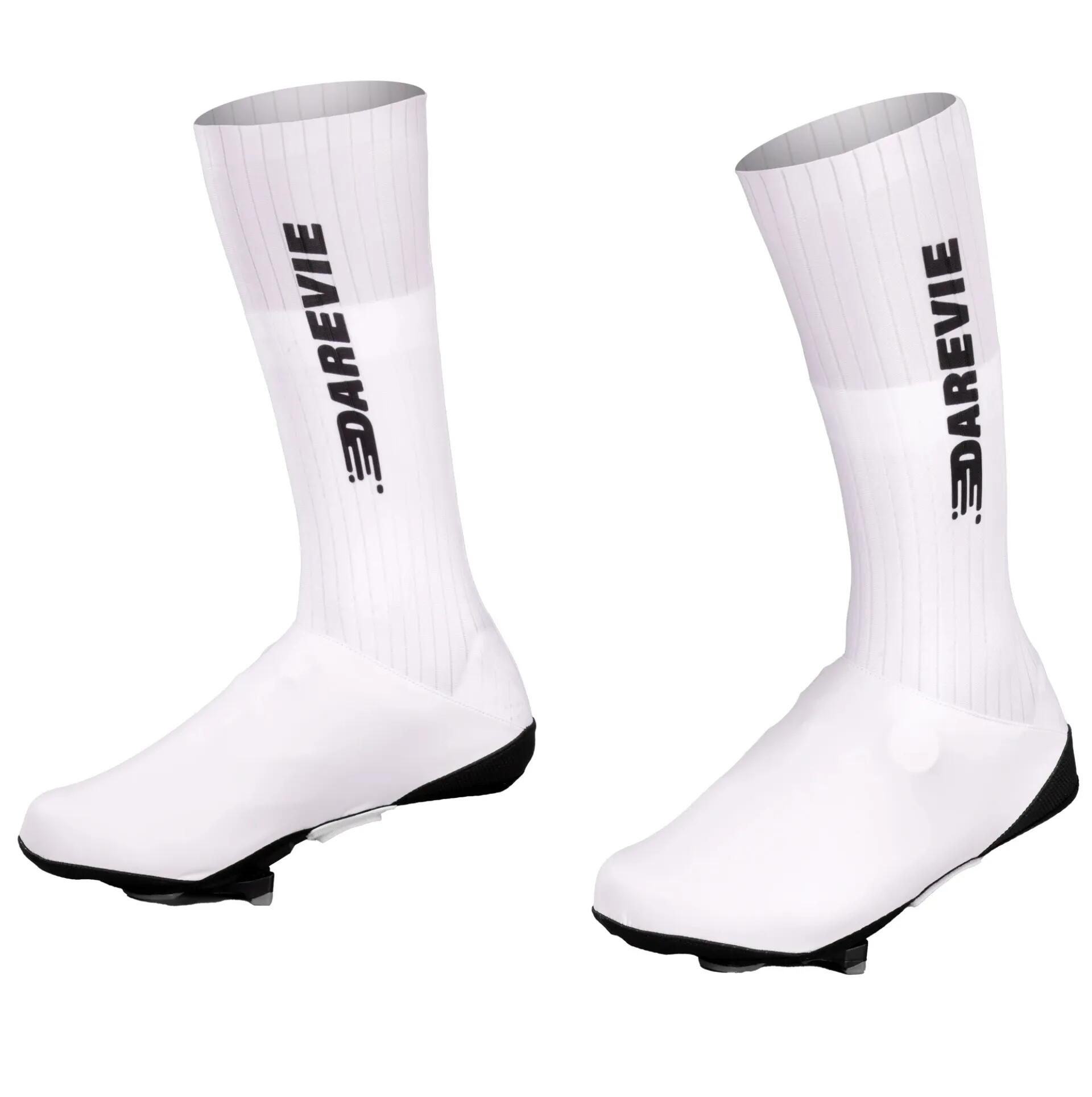
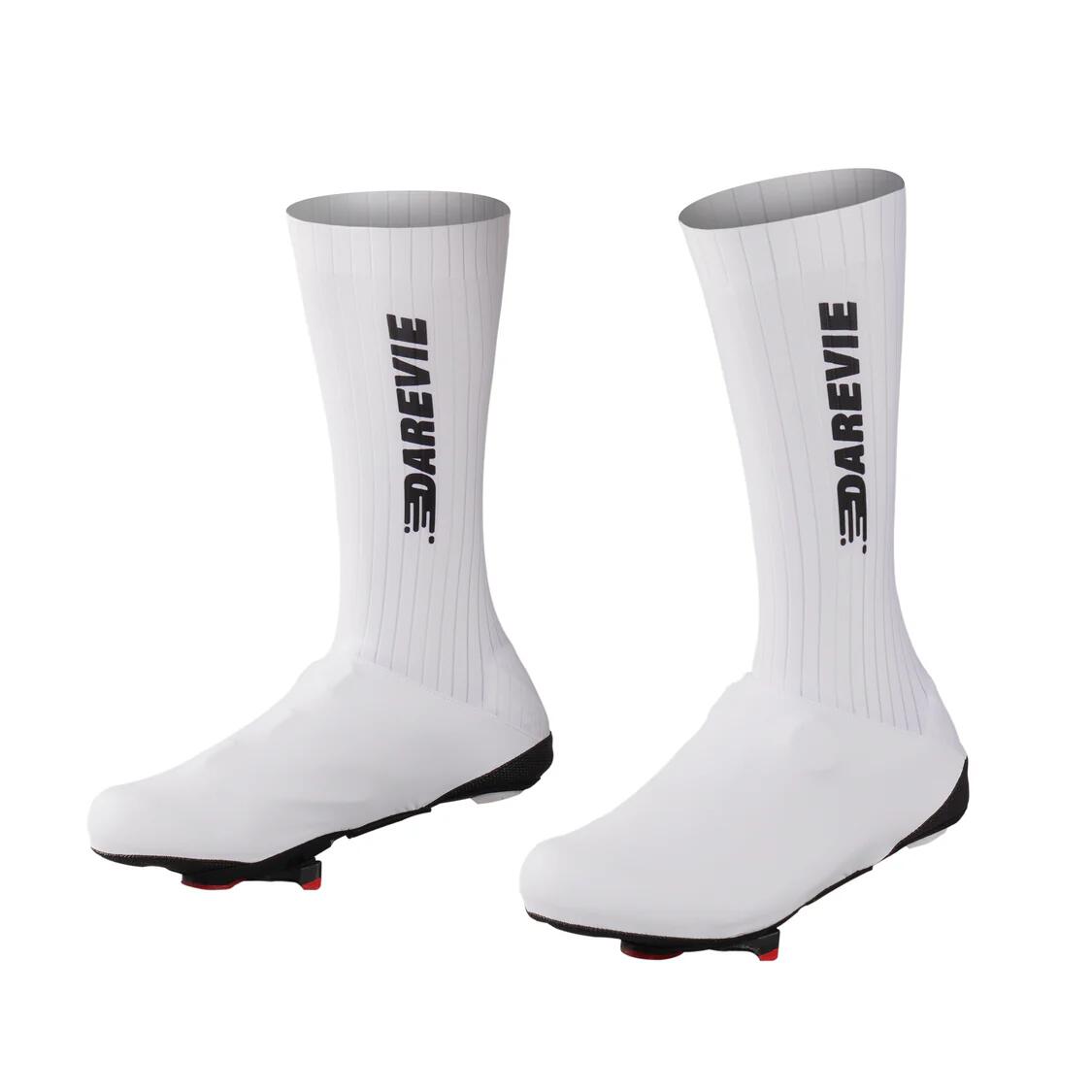
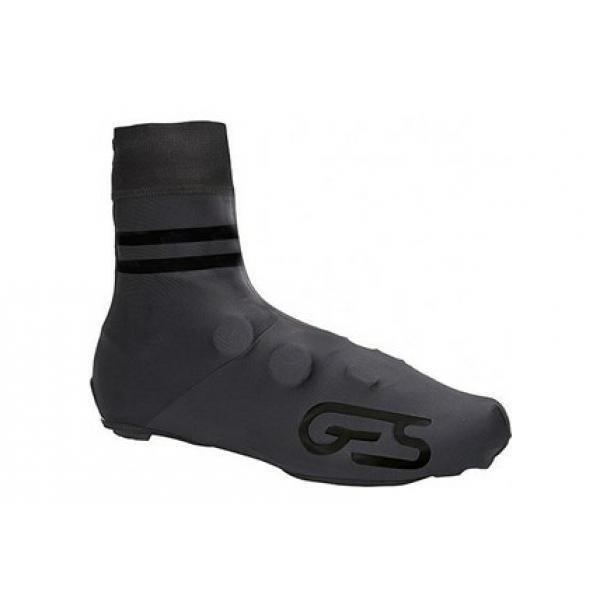
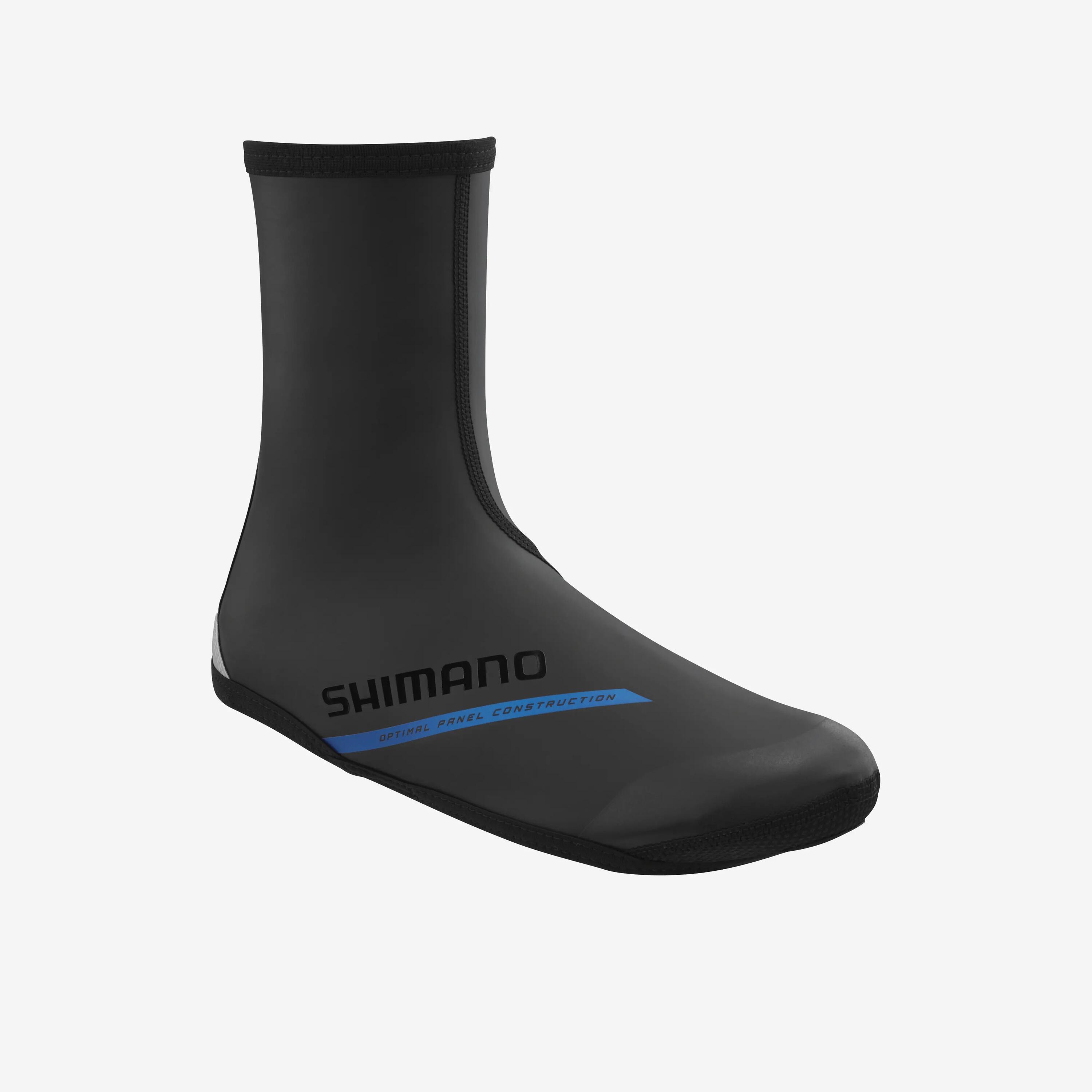
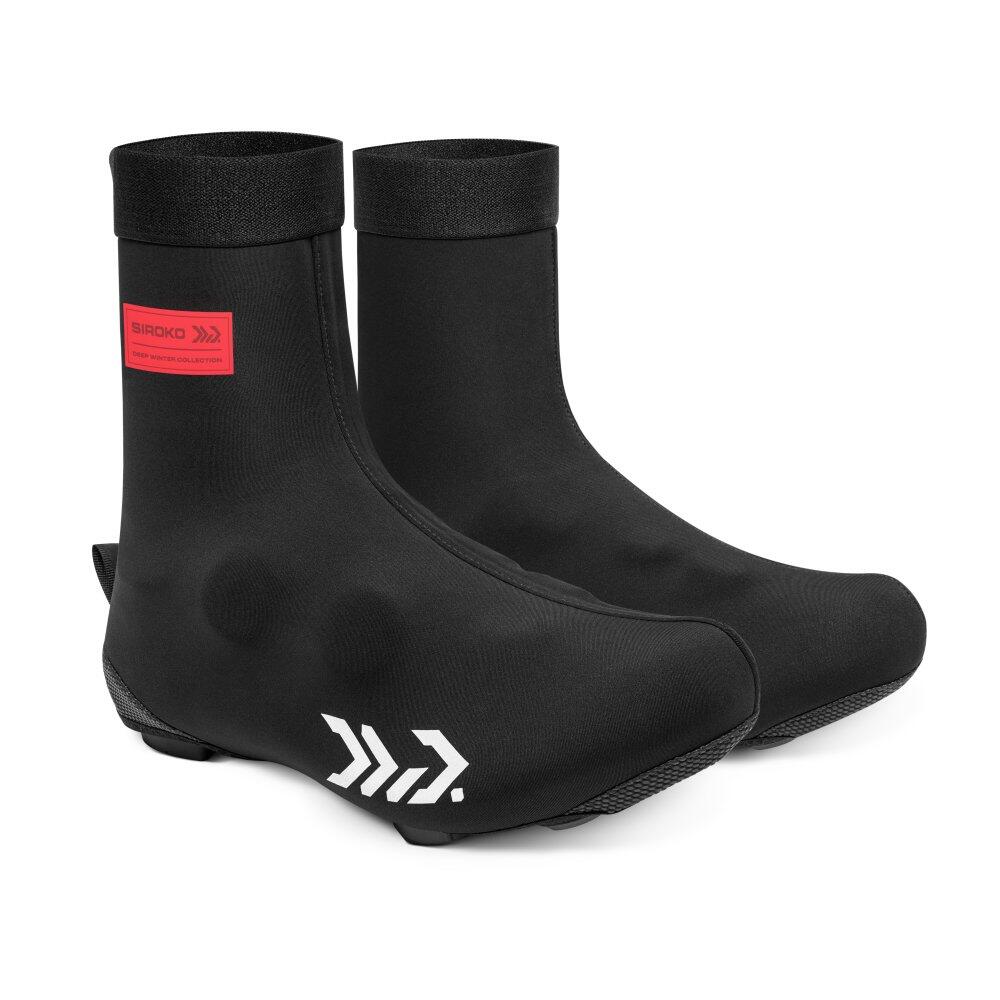
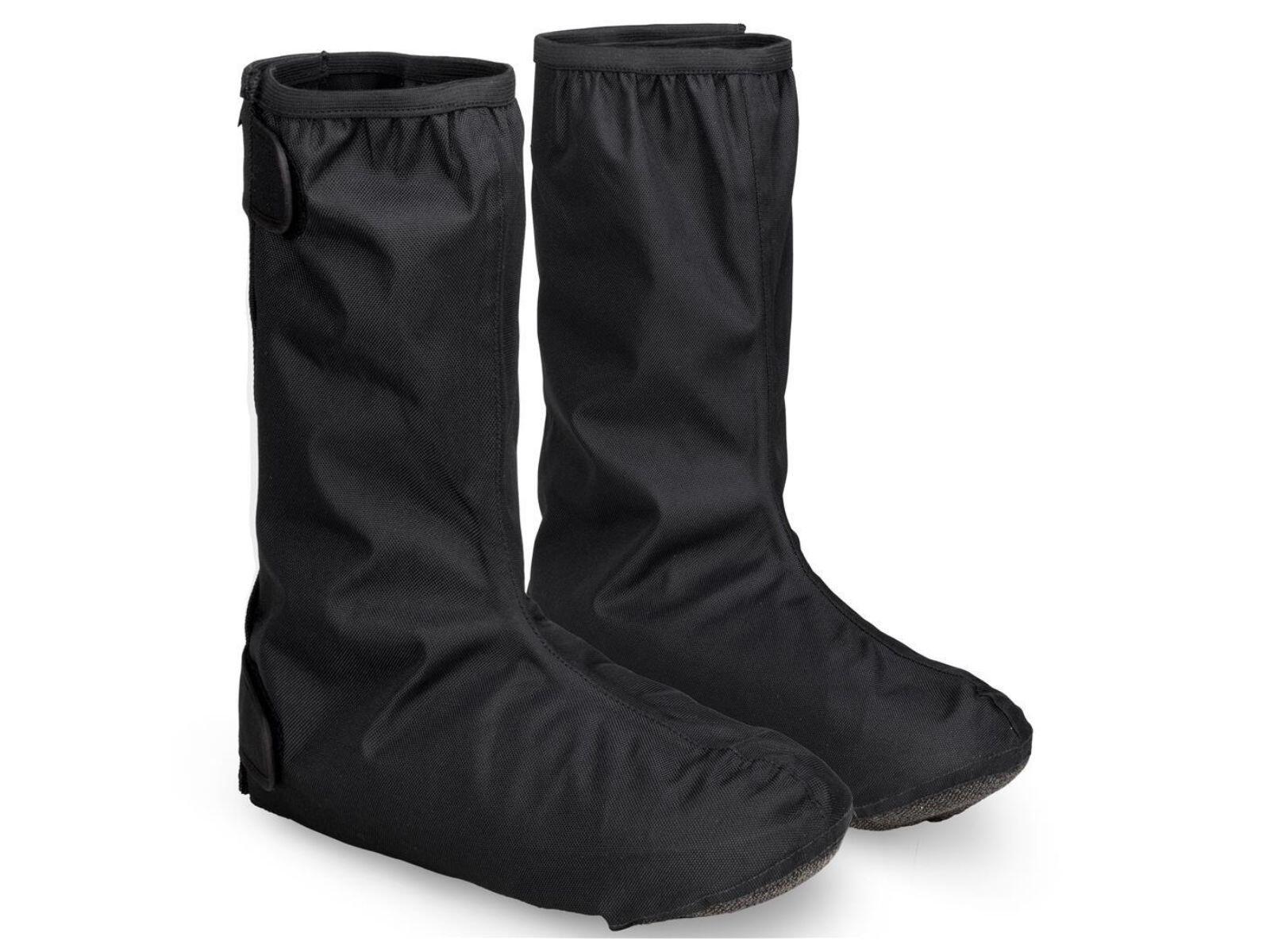
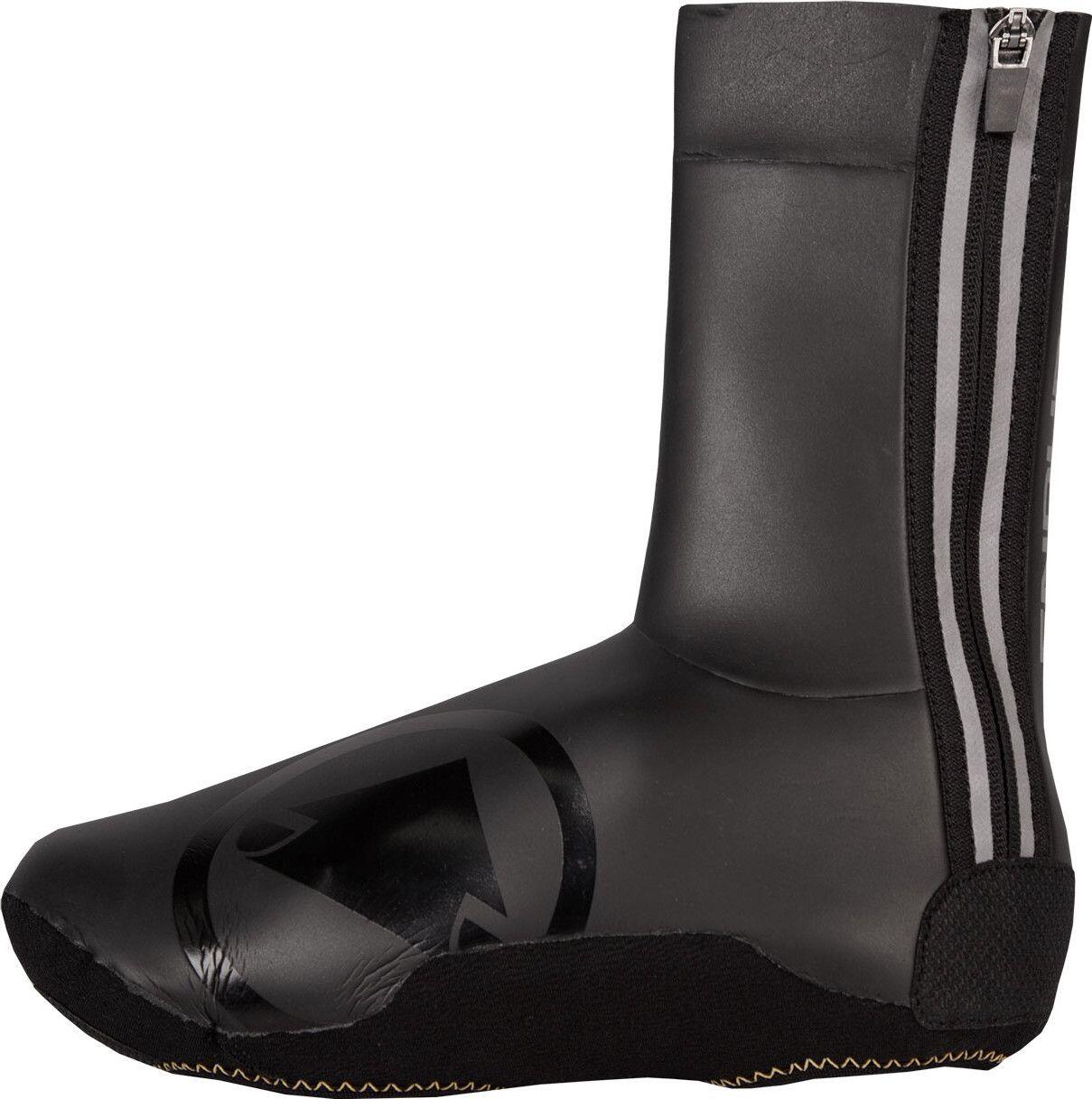
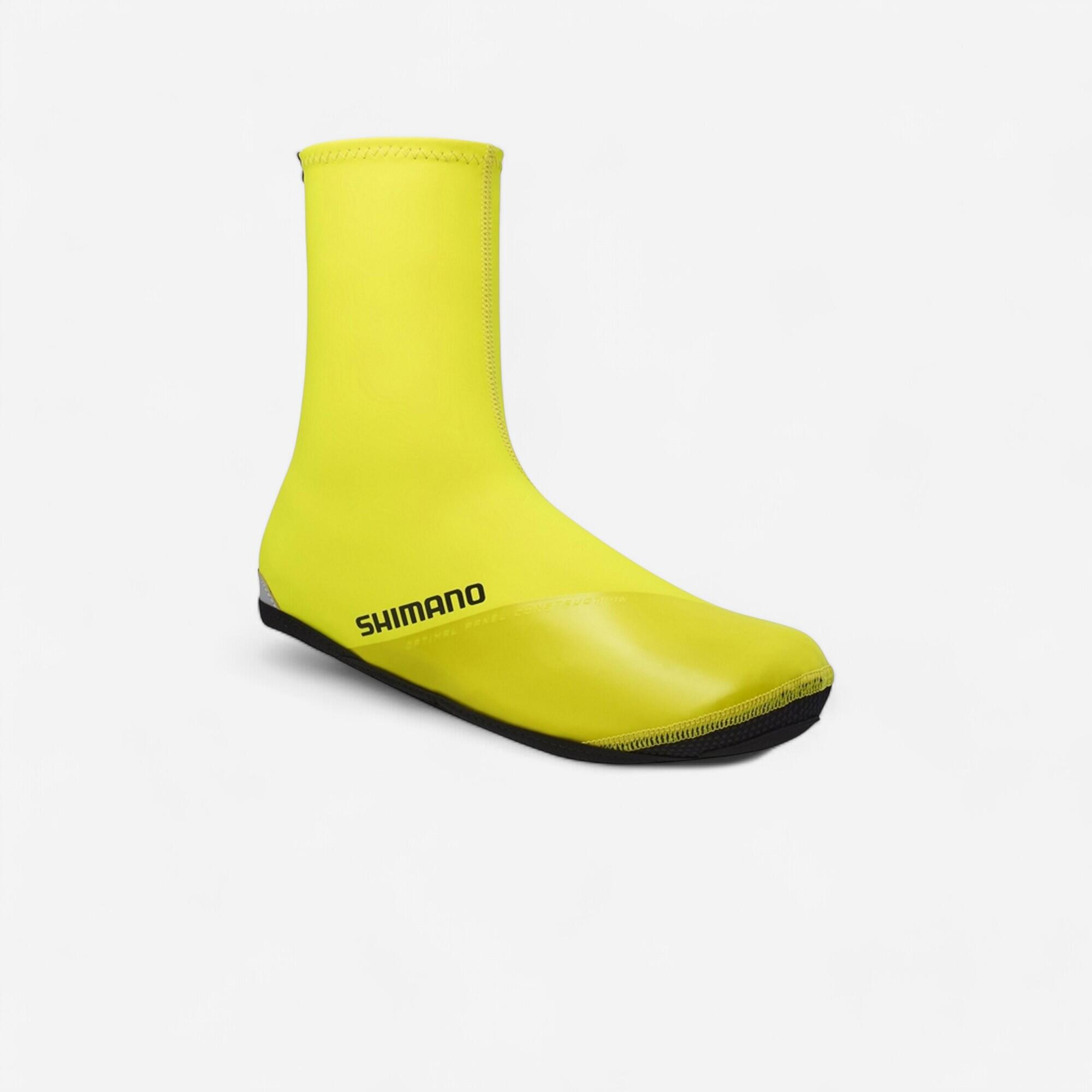
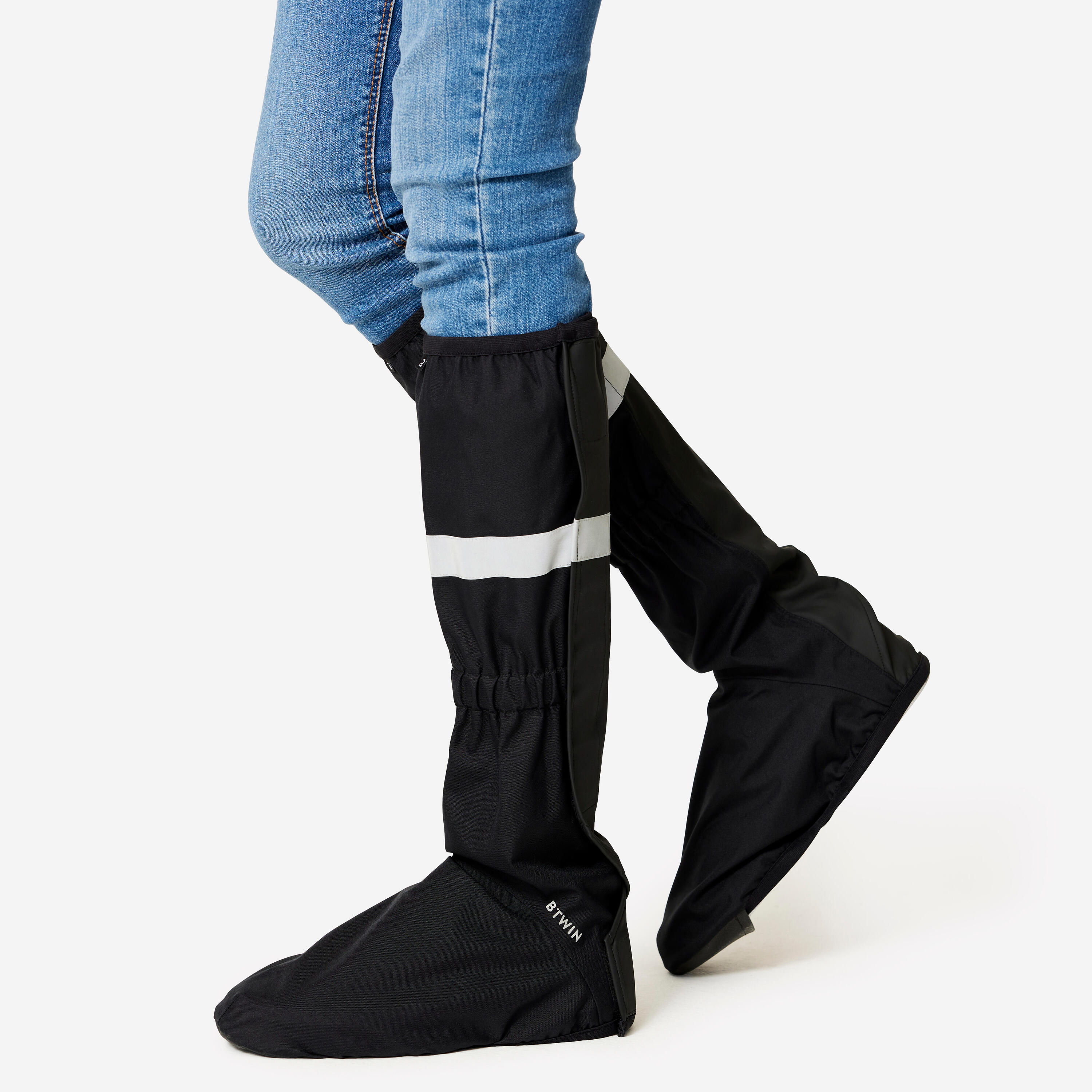
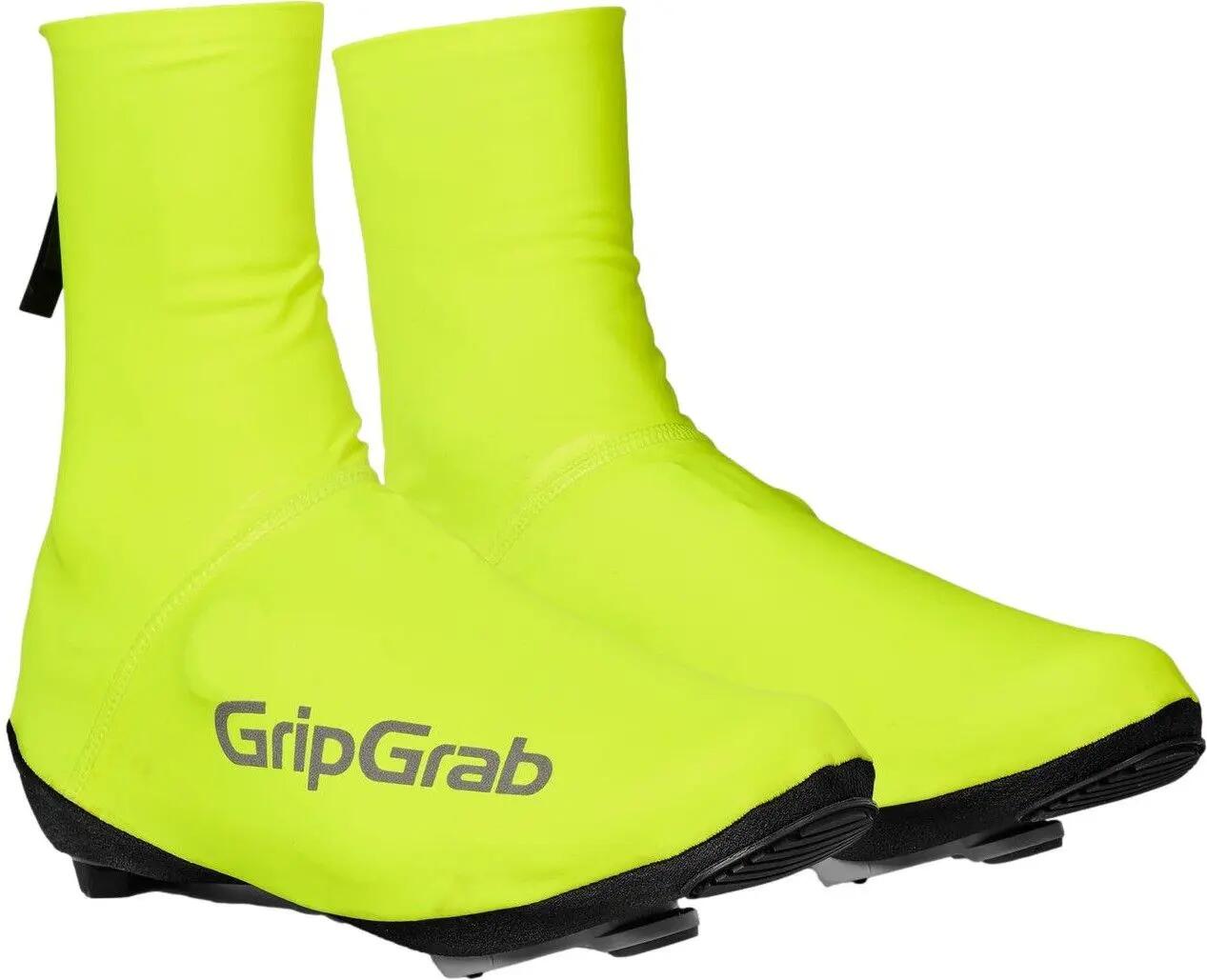
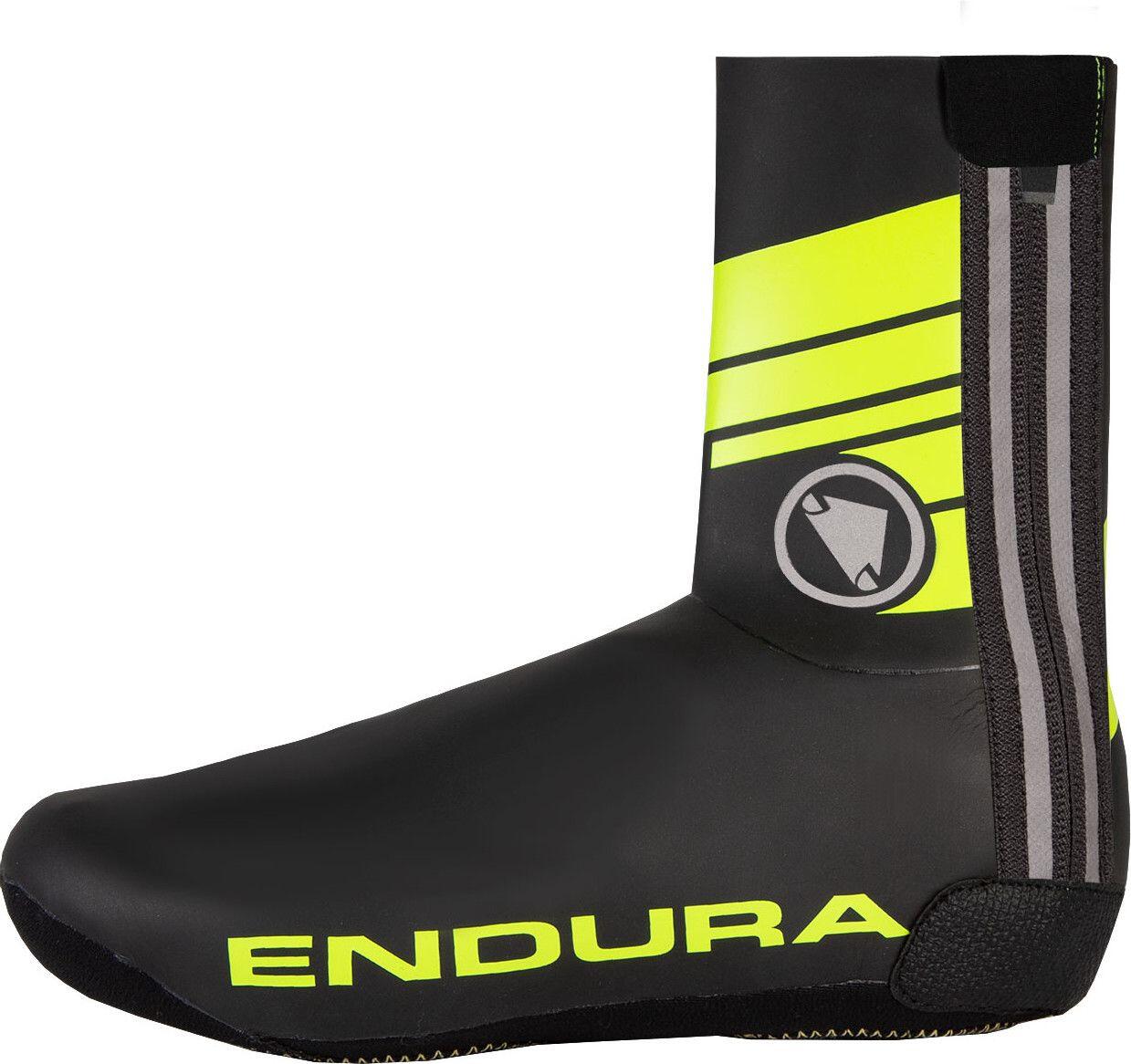
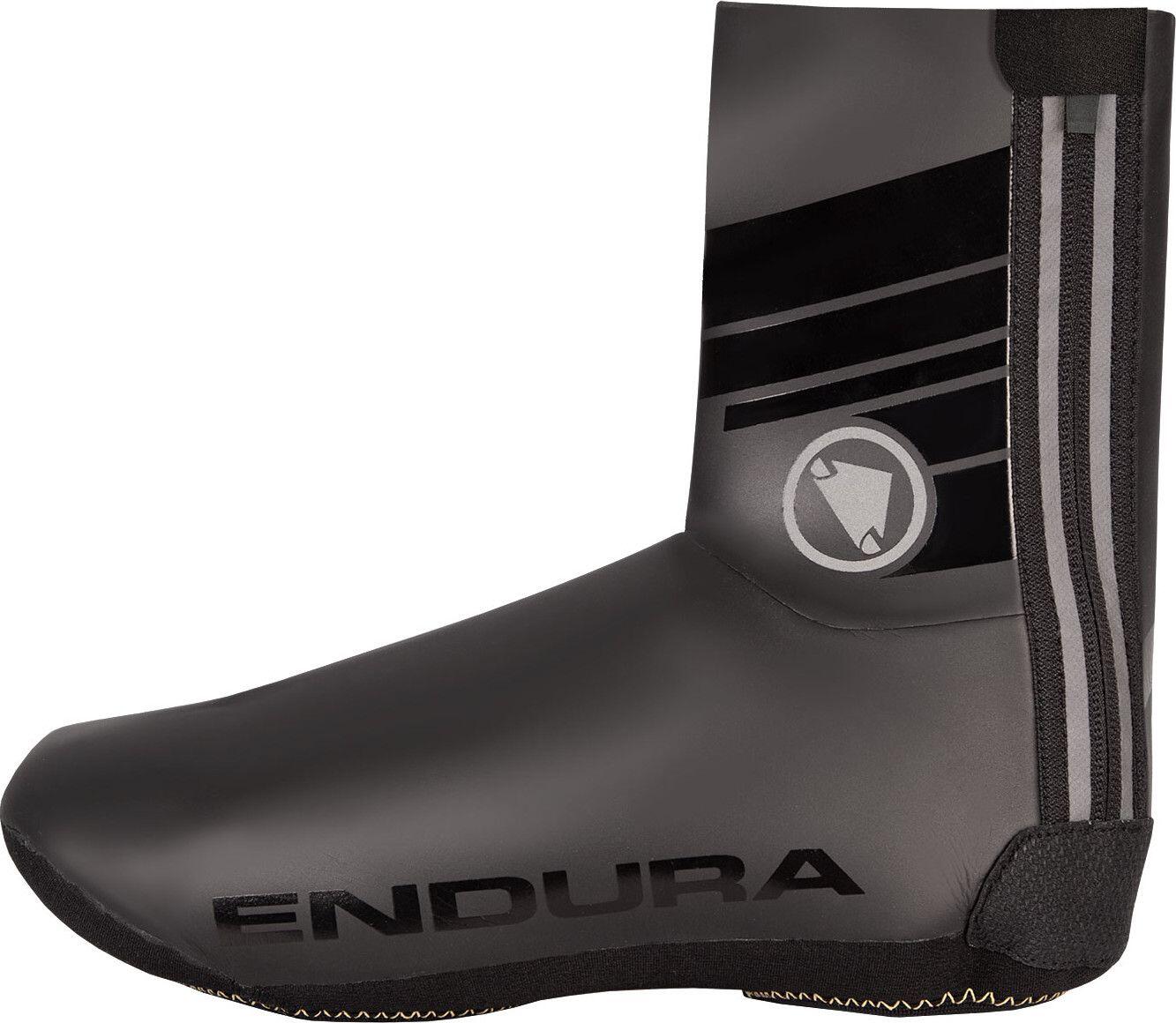
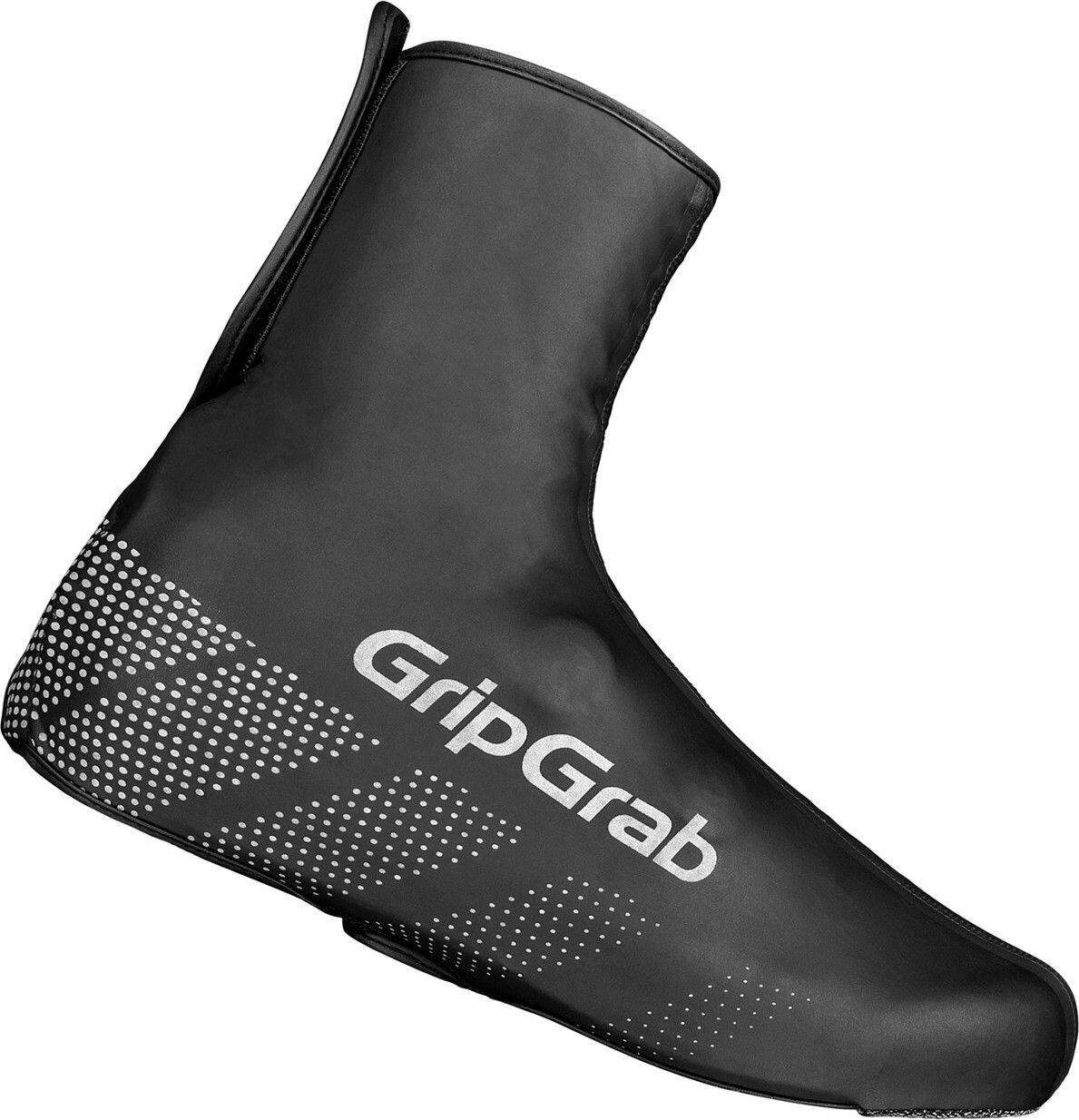
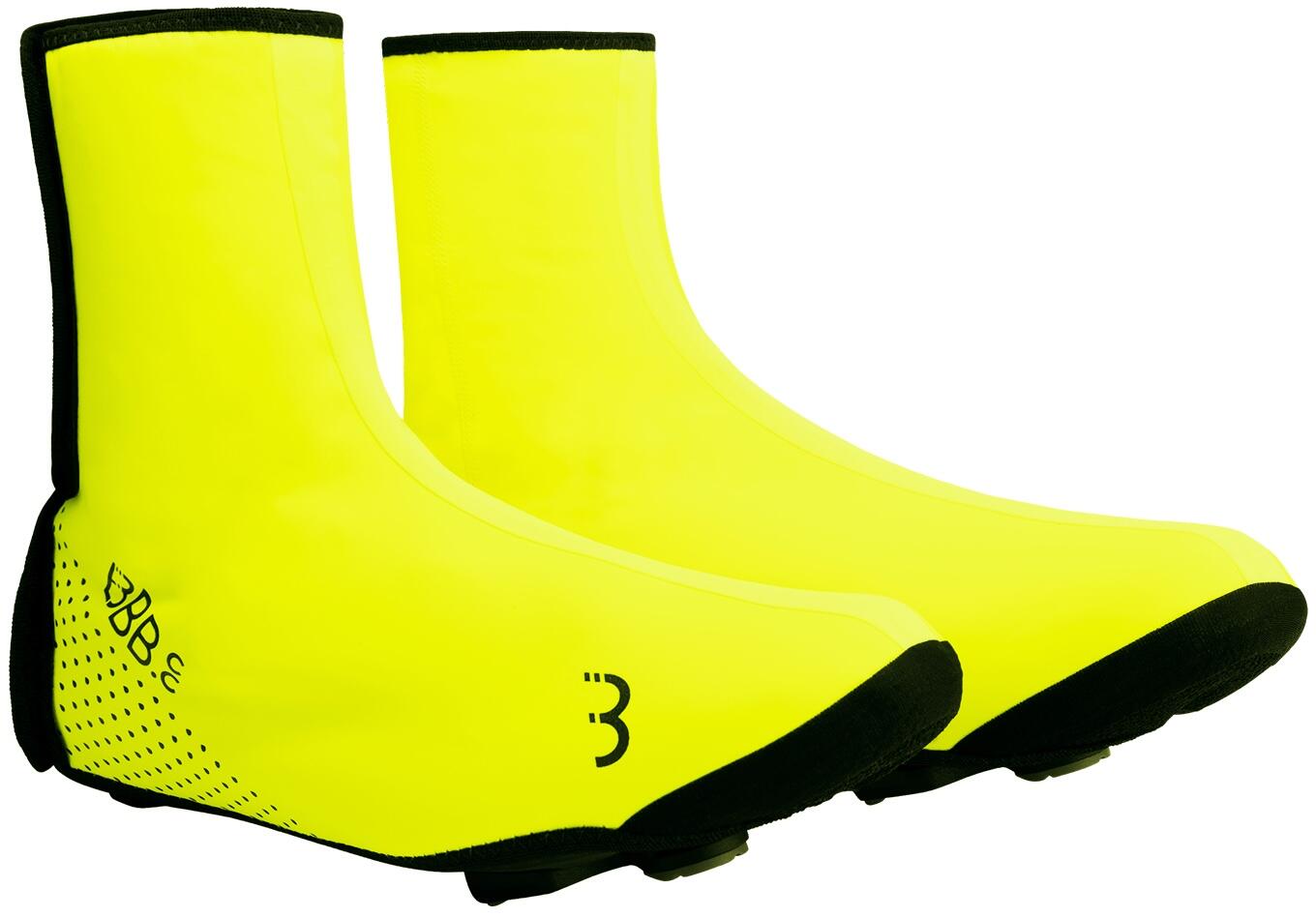
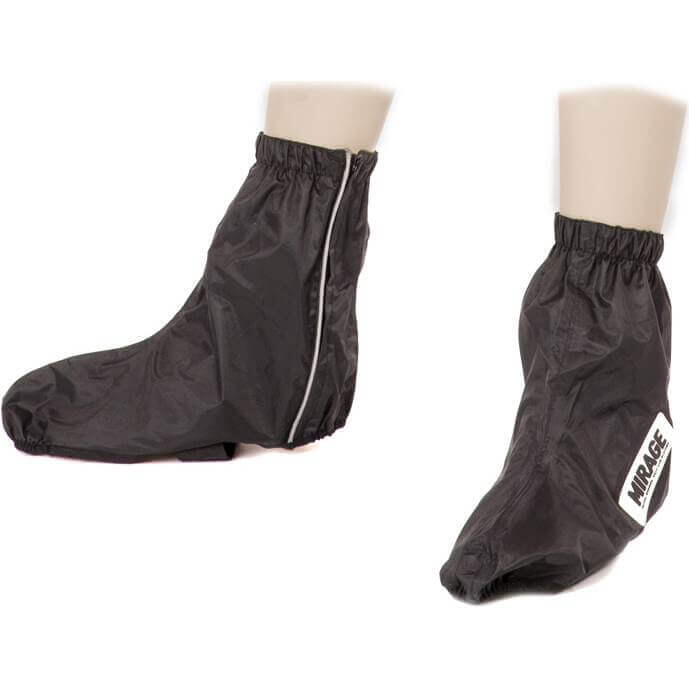
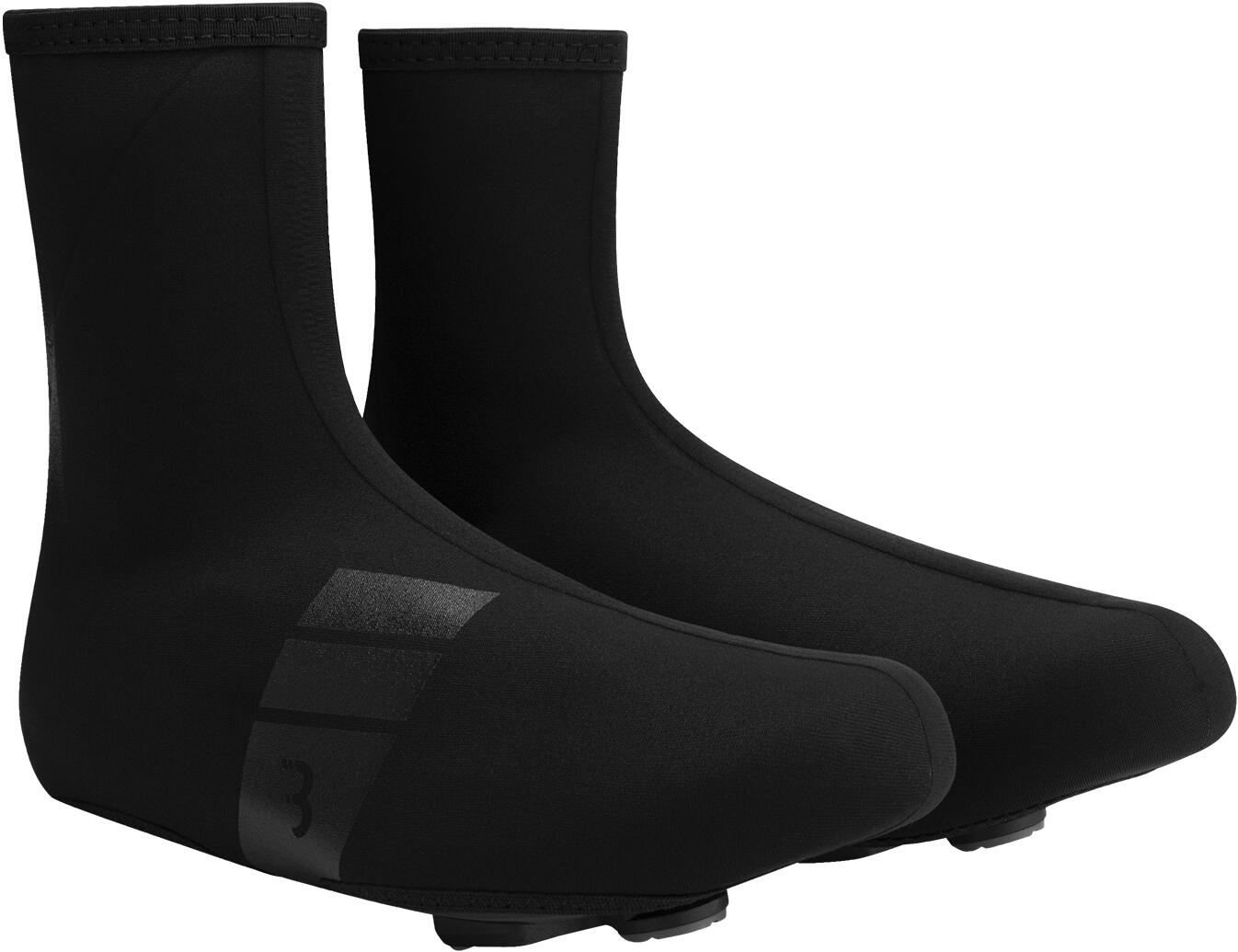
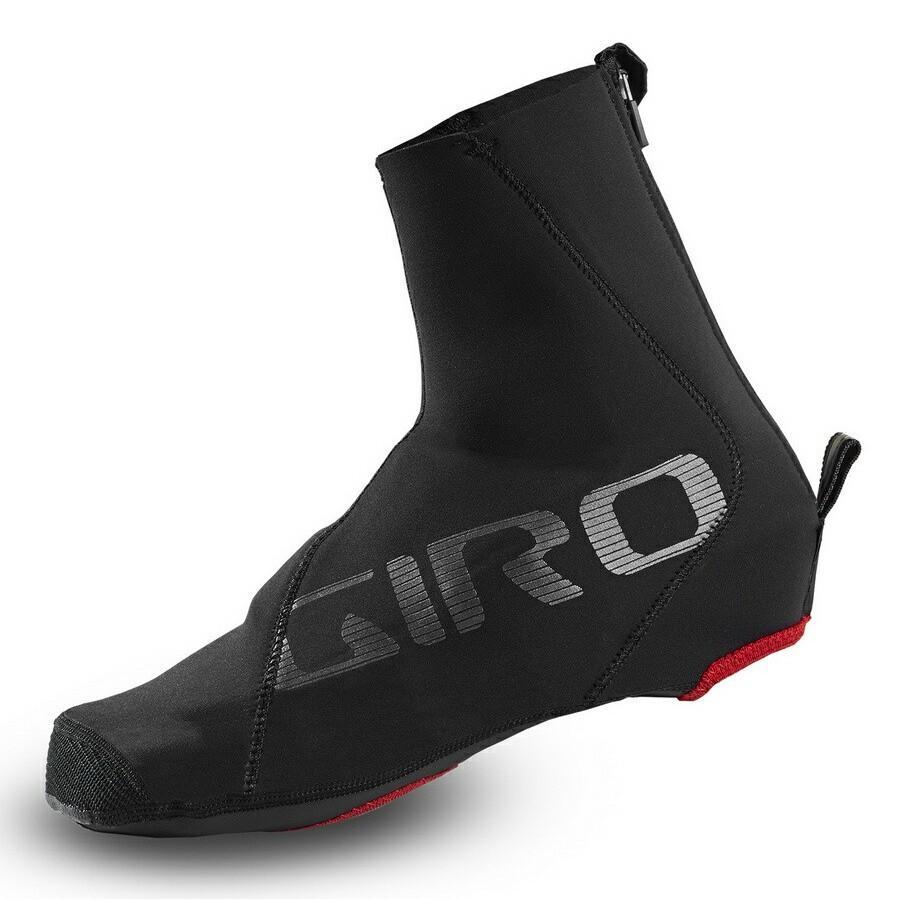
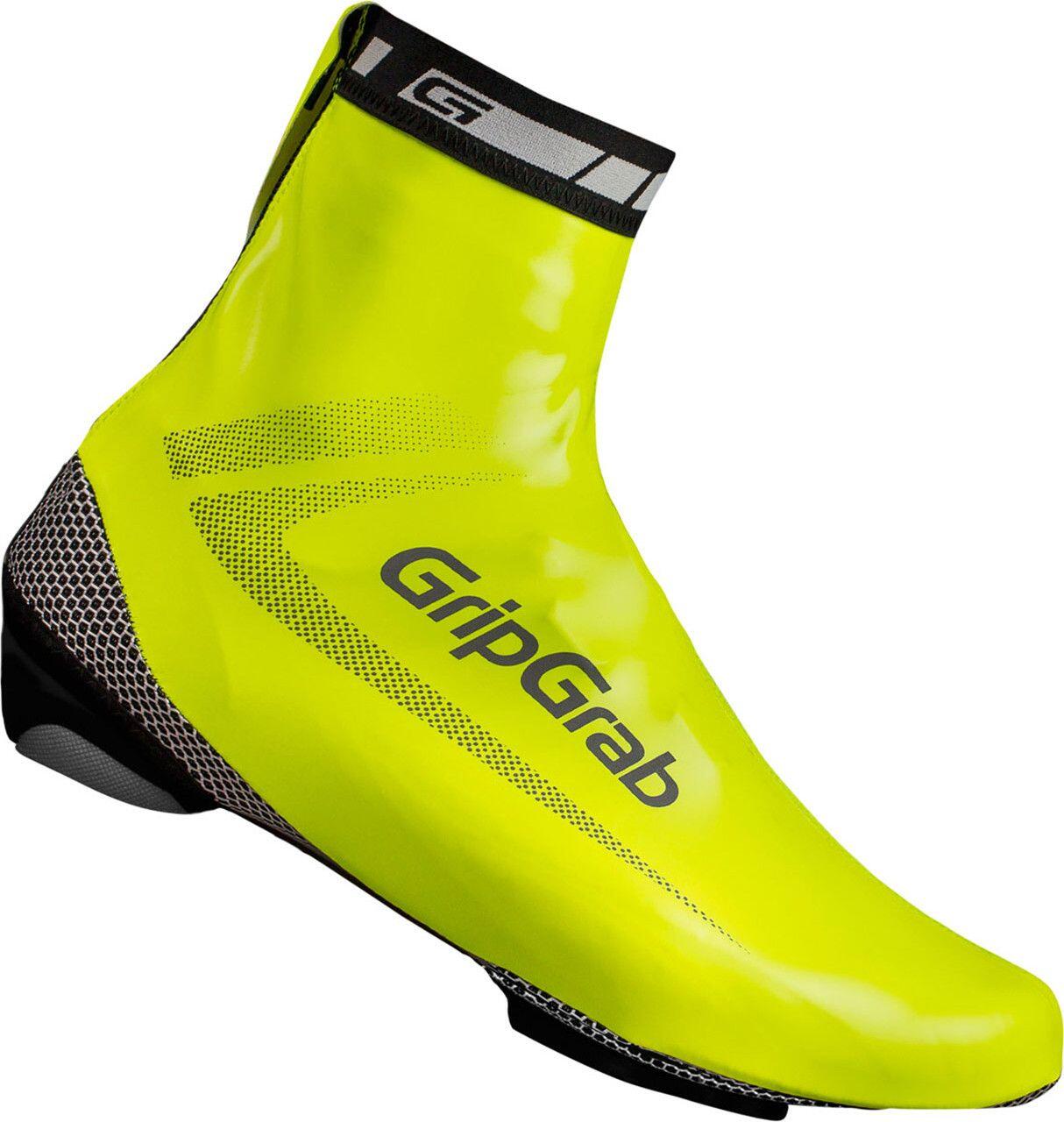
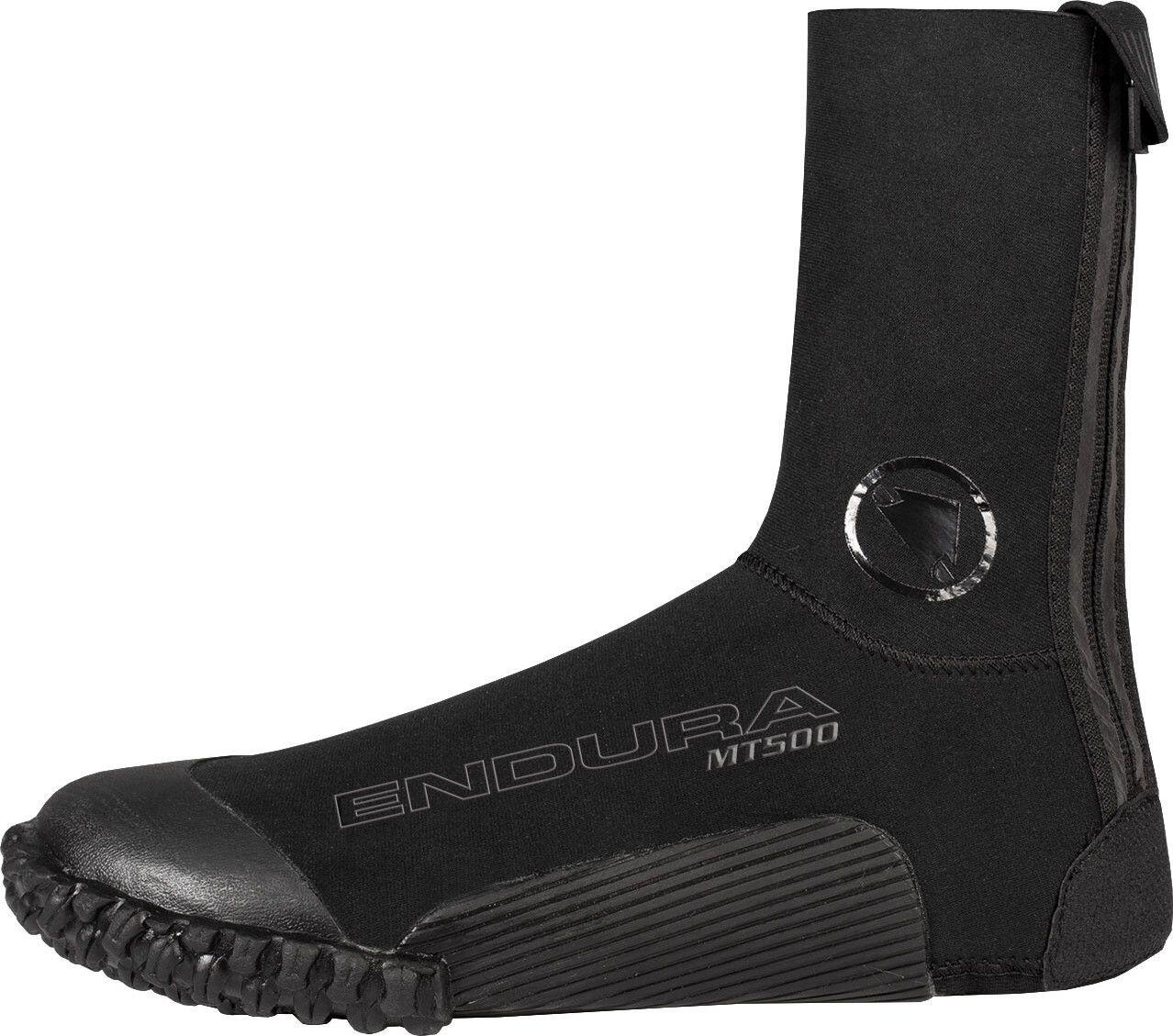
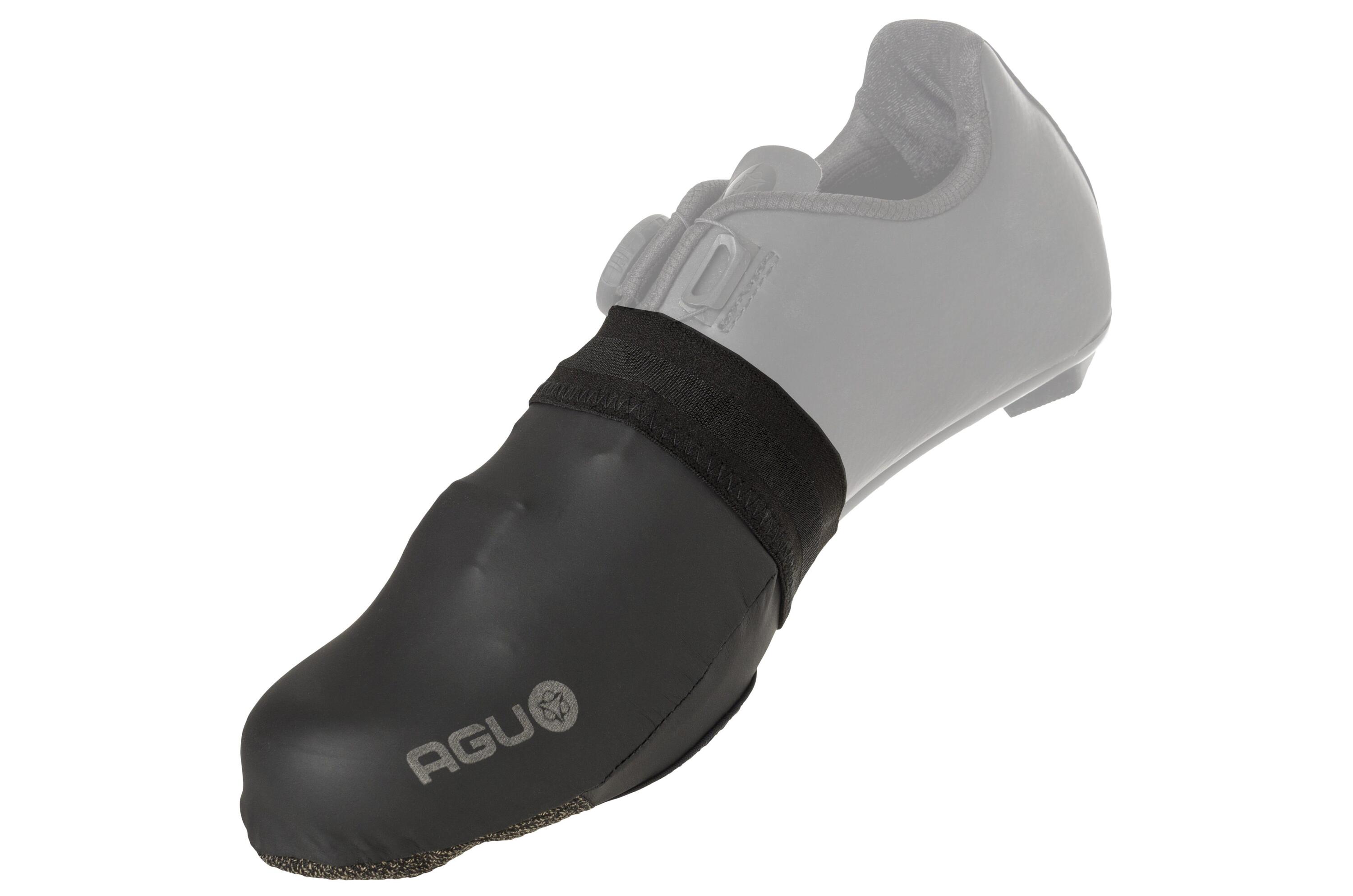
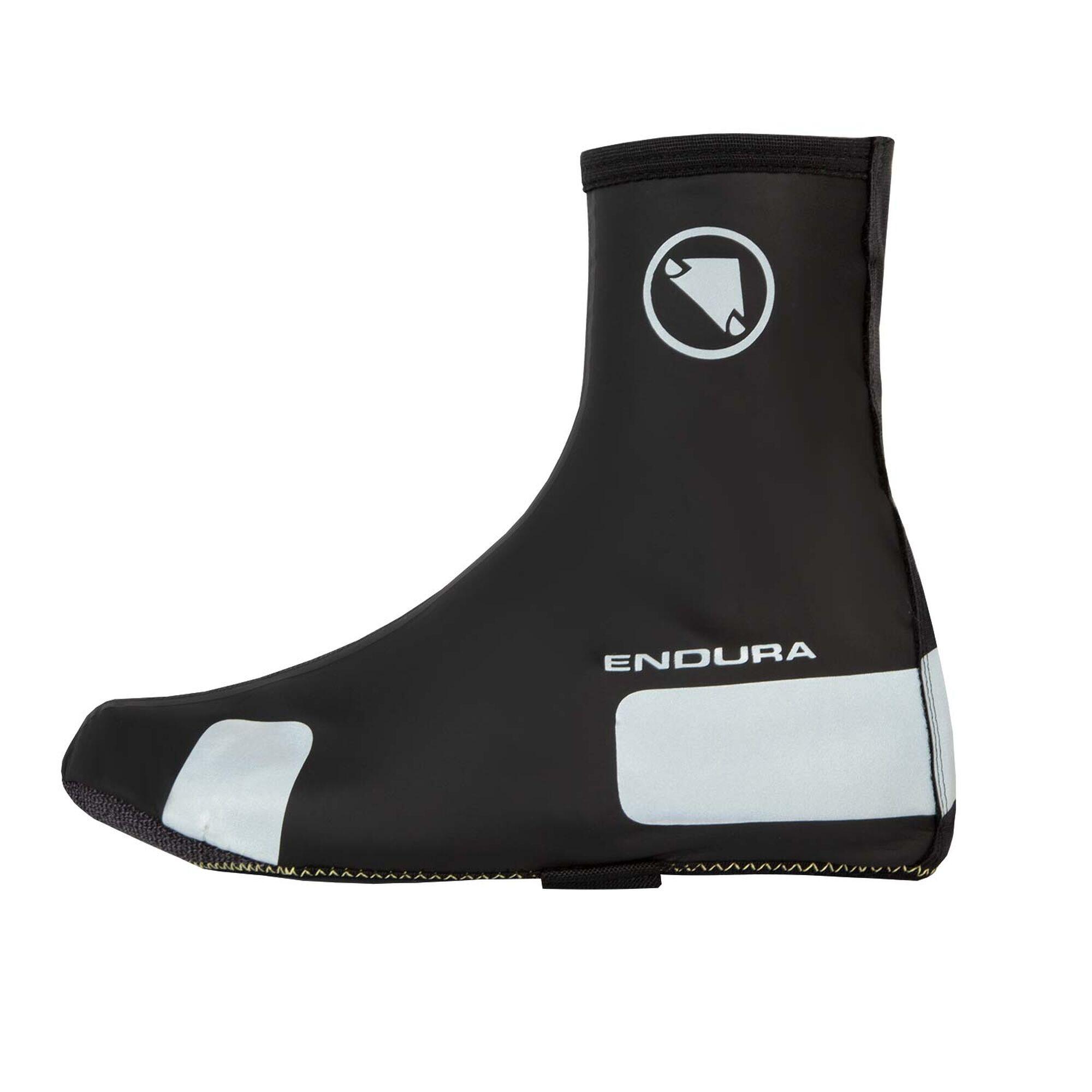
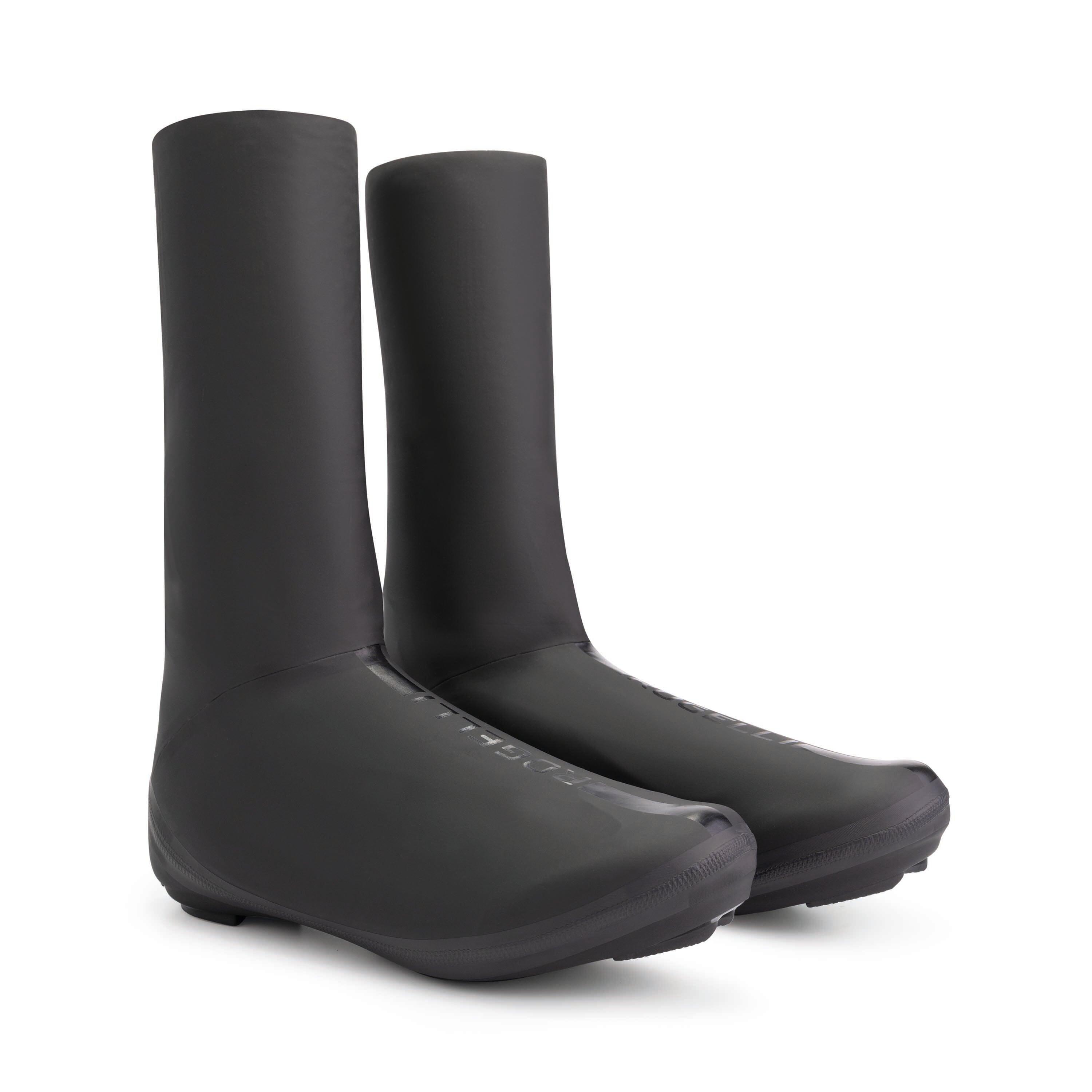
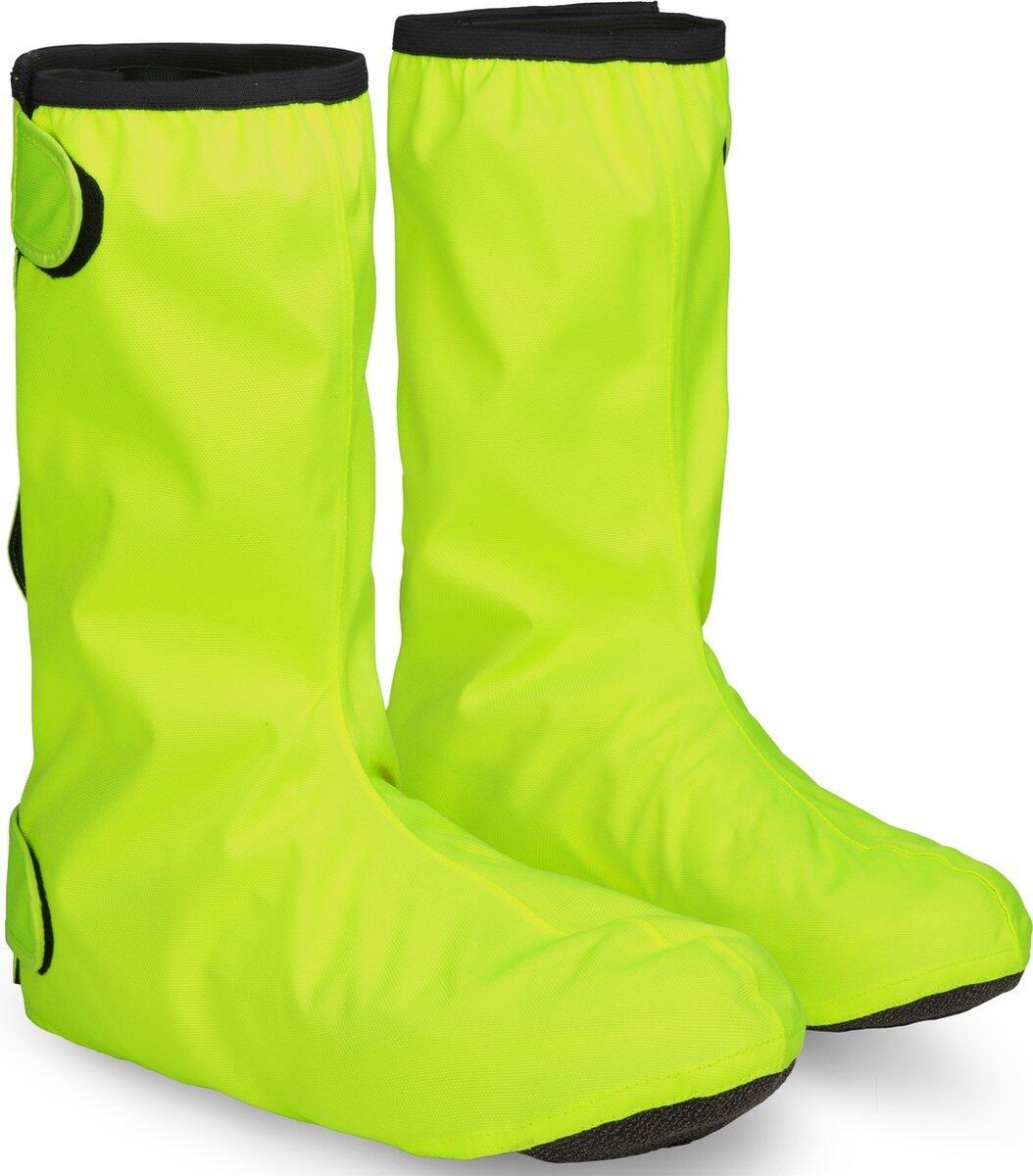
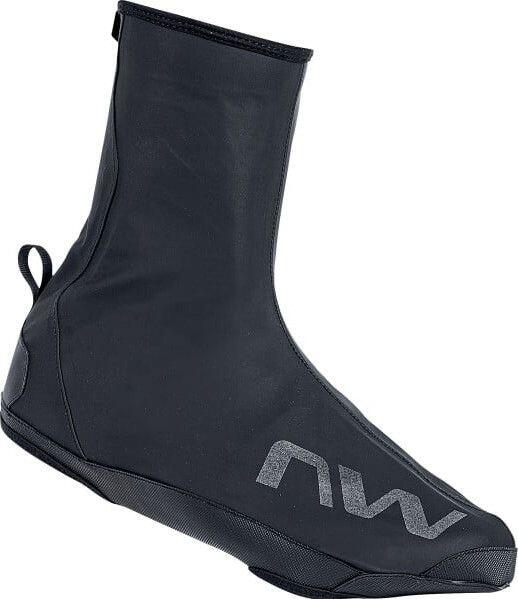
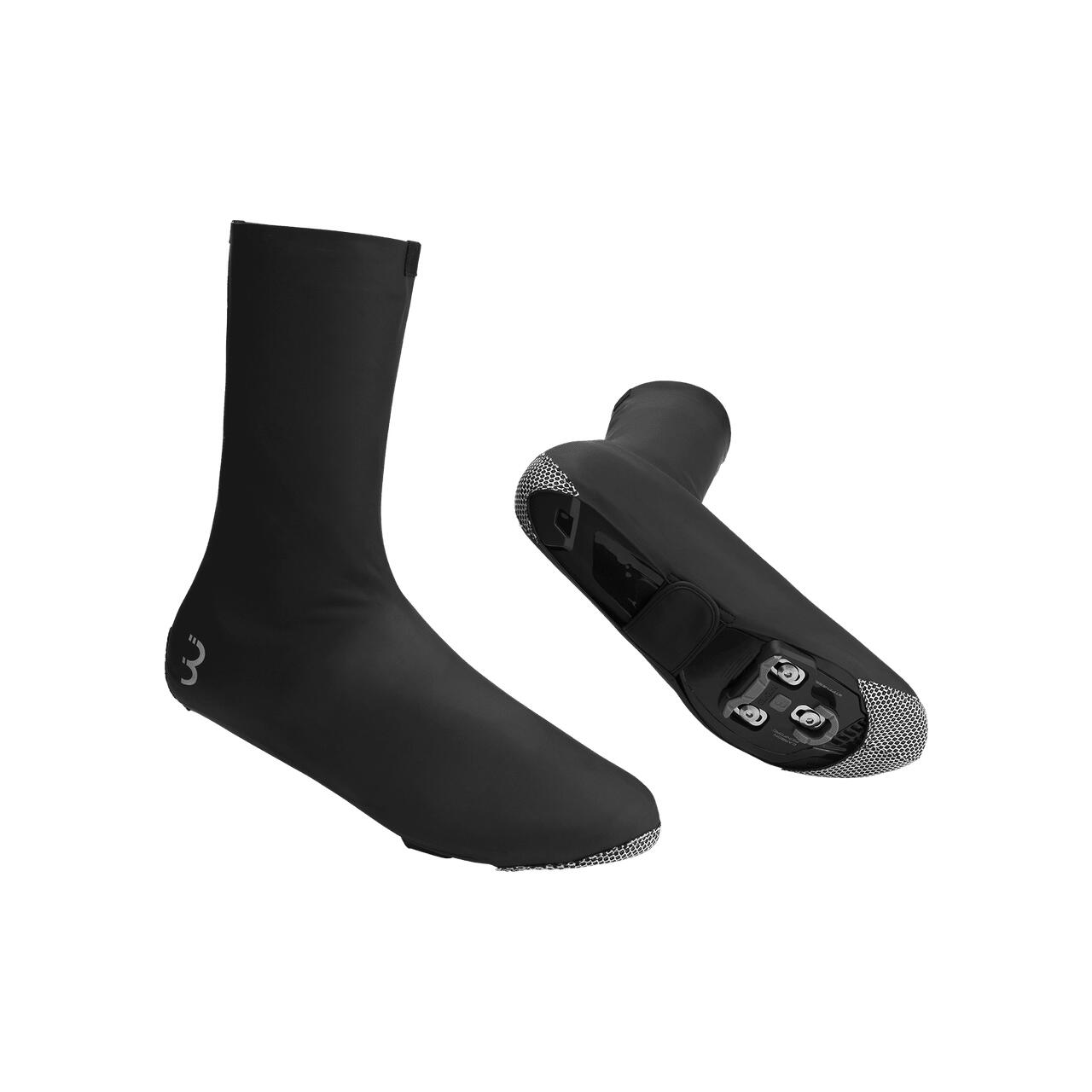
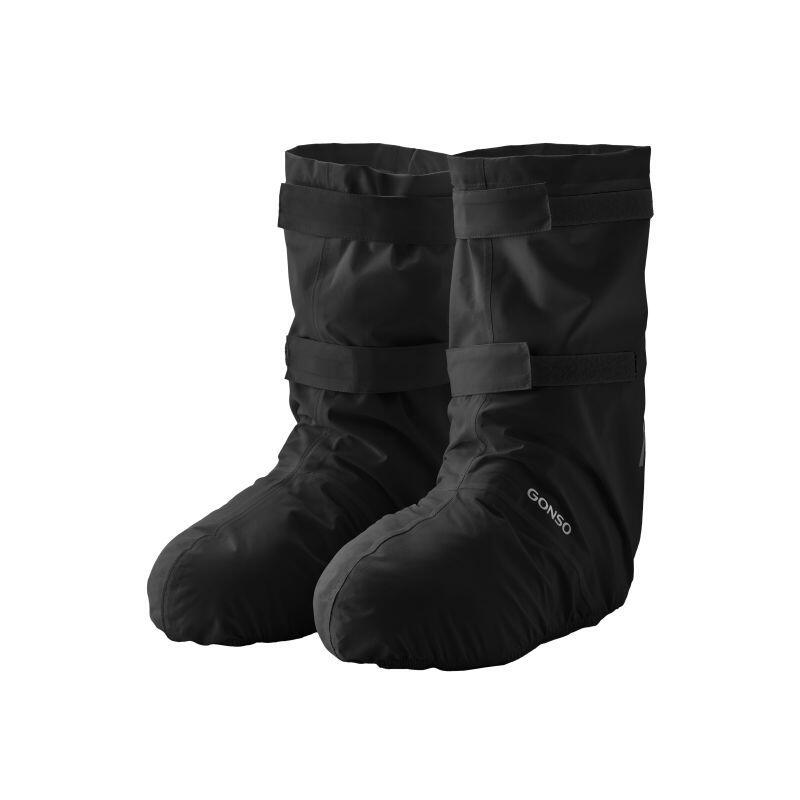
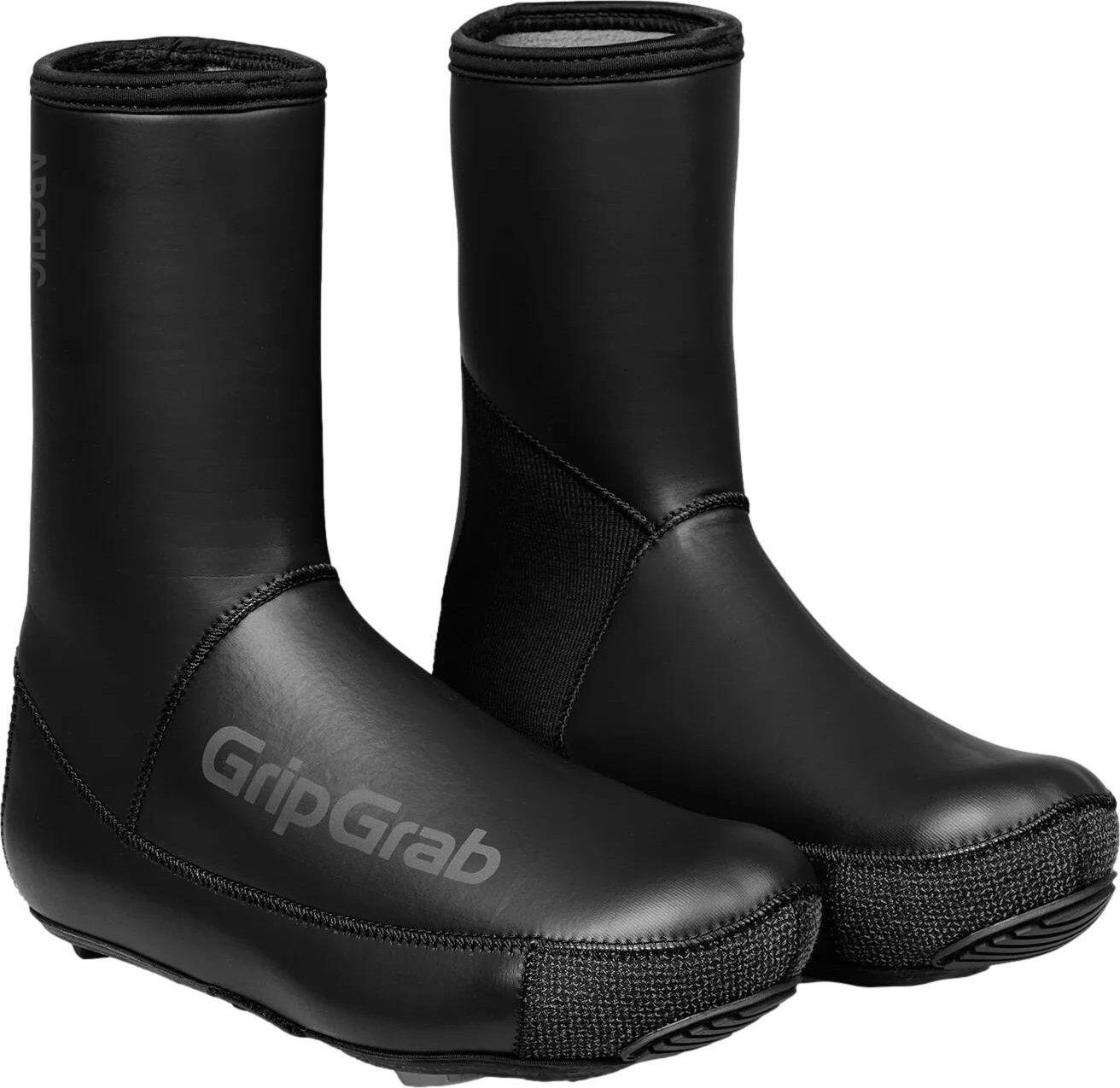
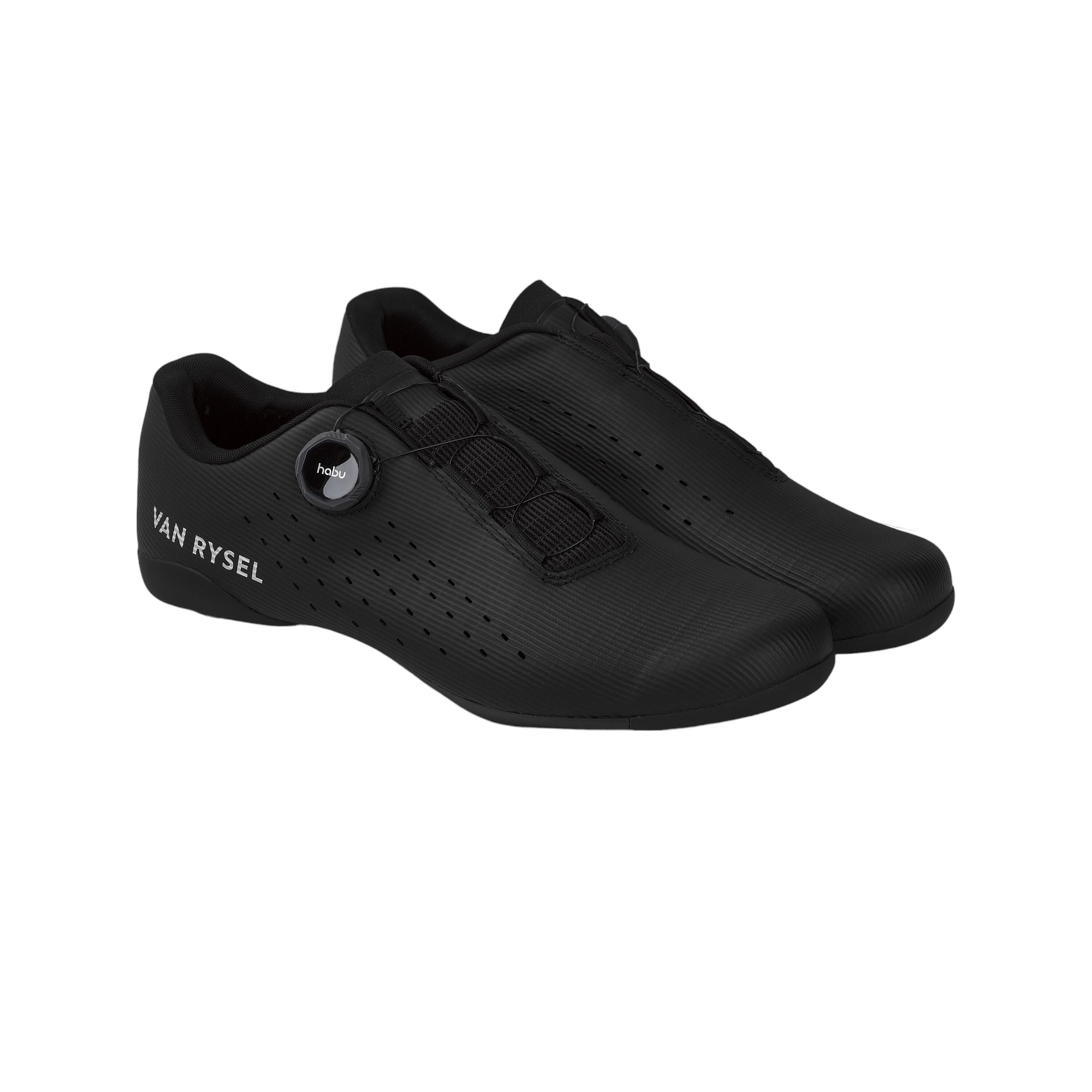
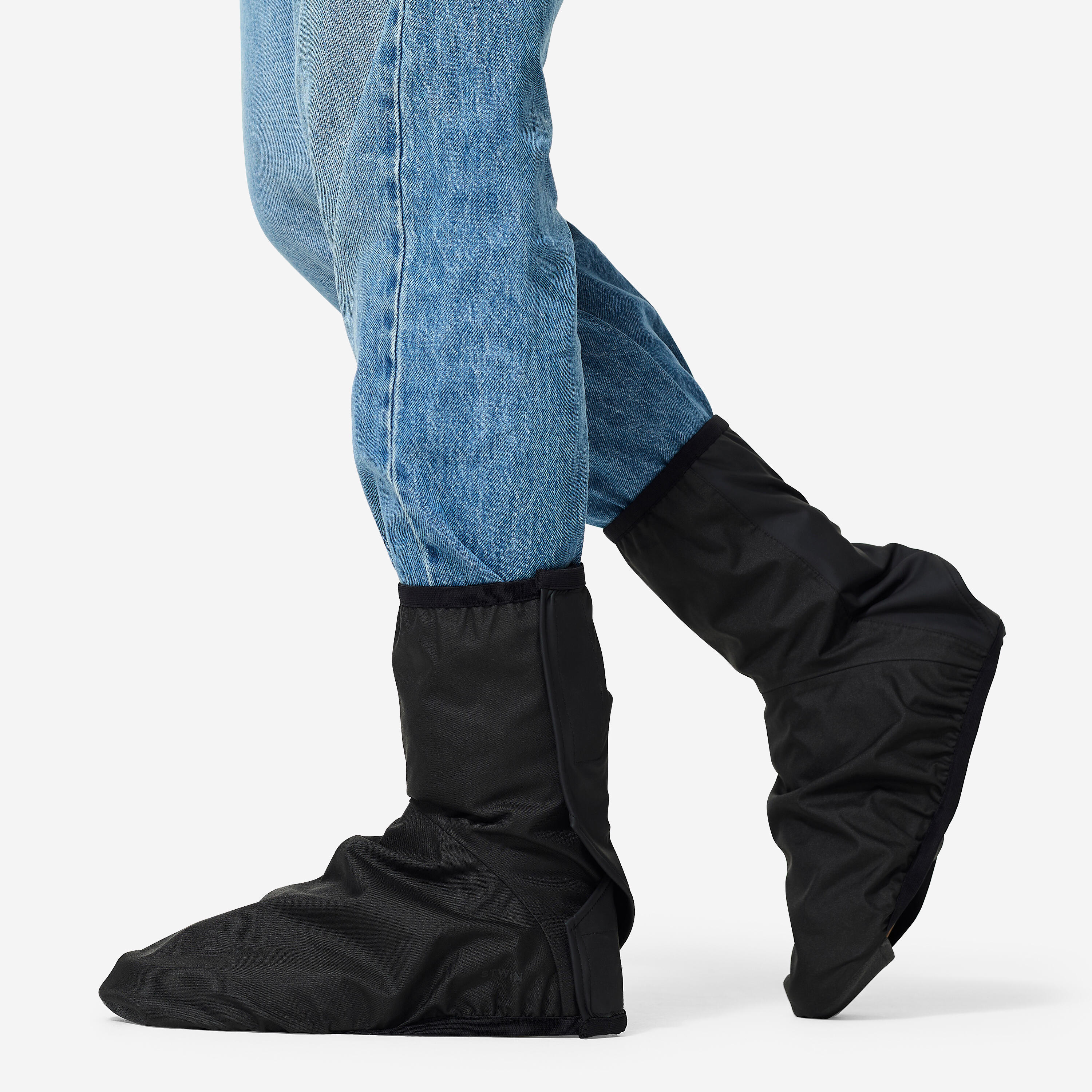
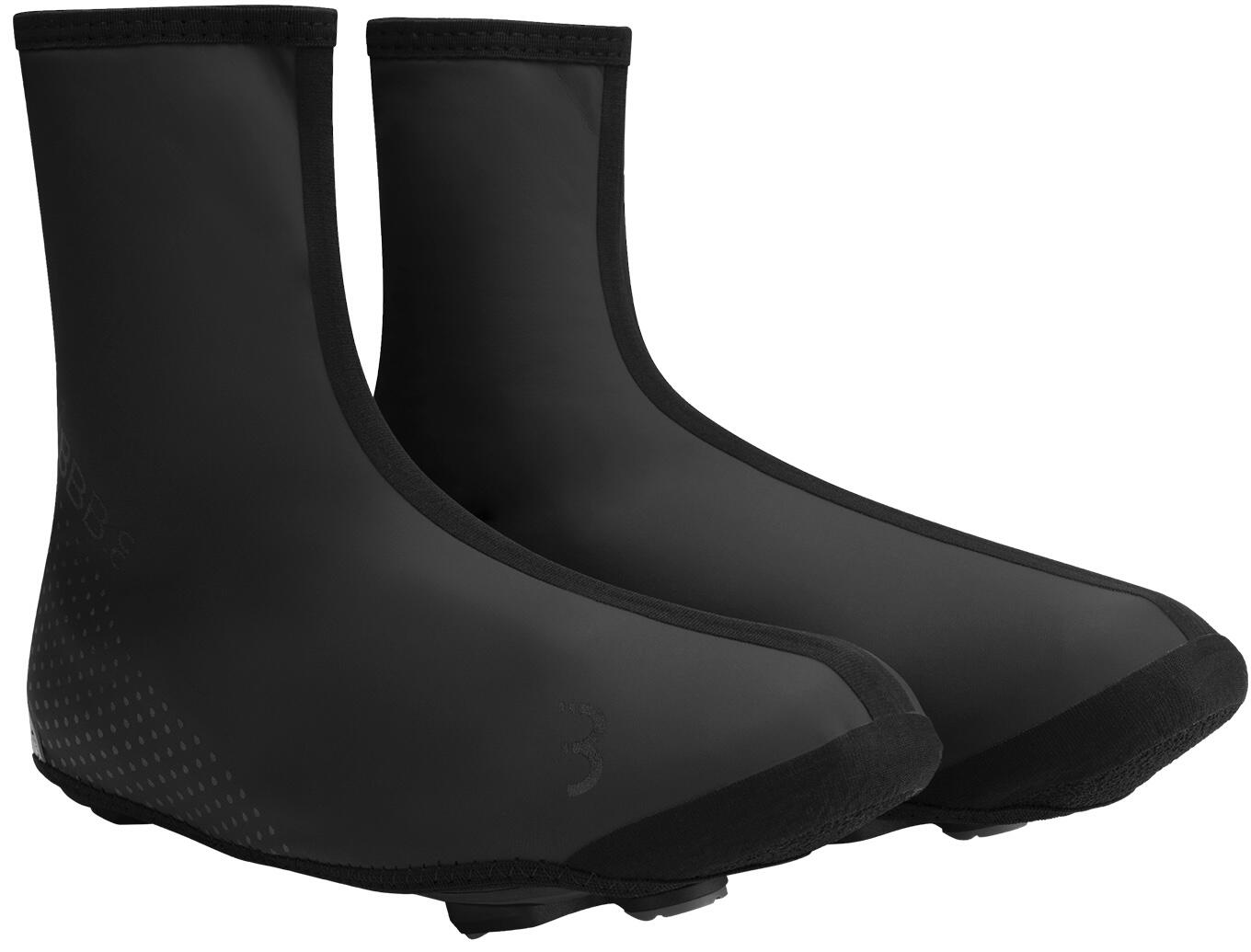
Cycling overshoes slip on top of your existing cycling shoes to block wind, rain, road spray, and cold air, keeping the feet dry and warm across long winter rides and wet commutes. On a cold or wet ride, the feet sit at the front of the bike where wind chill and road spray hit hardest, and once they are wet and cold, the ride goes from challenging to uncomfortable very quickly. Lighter mesh overshoes block wind on cool, dry days, water-repellent overshoes shed light rain on damp commutes, and fully waterproof neoprene overshoes lock out persistent rain and road spray across the wet winter months. Expert advice: buy overshoes a size up from your cycling shoe size to avoid stretching the seams and shortening their lifespan. To pair them with the right footwear underneath, the cycling shoes range across the Van Rysel, Btwin, and Rockrider labels covers road, gravel, mountain, and city cuts.
Can cycling overshoes be worn in summer or only in winter?

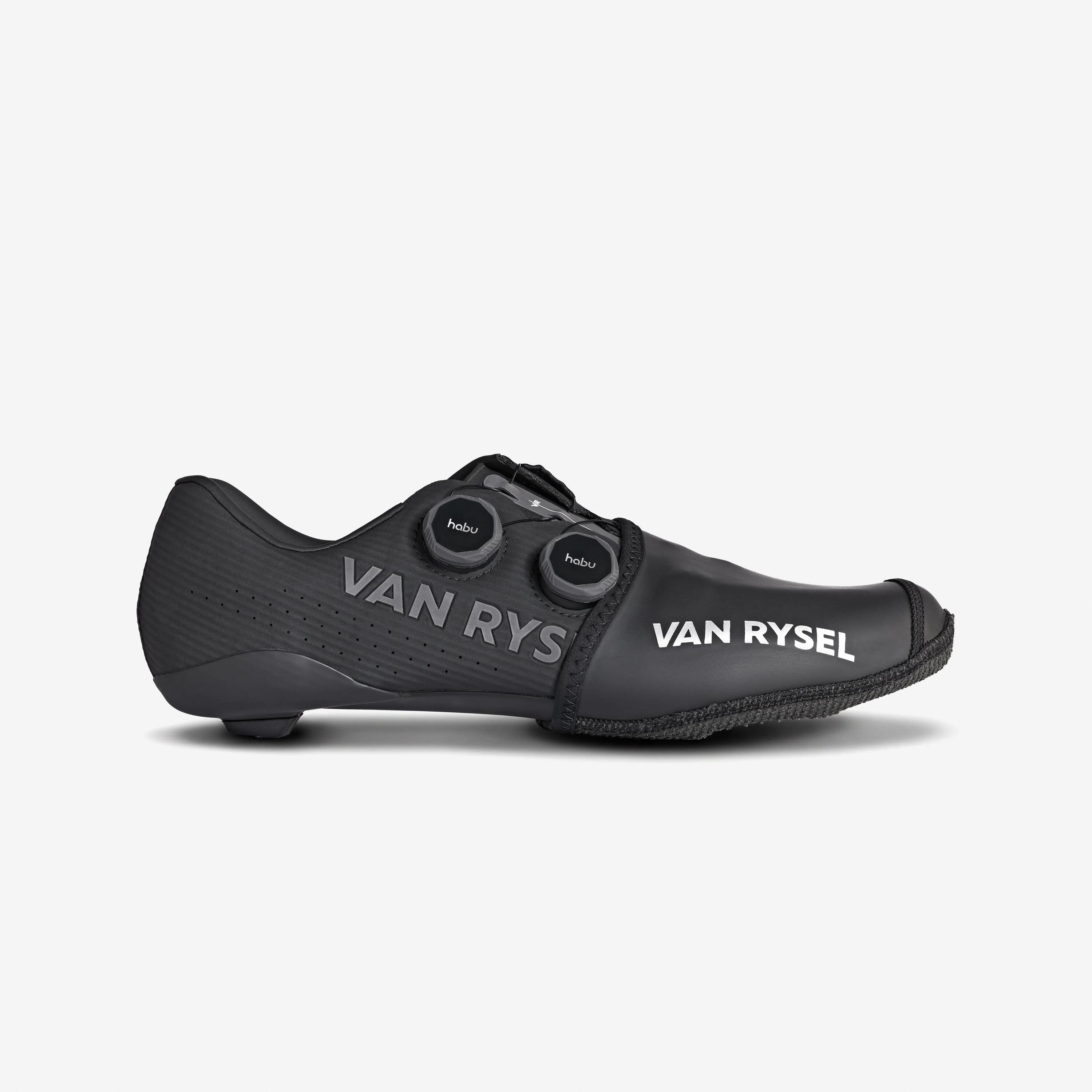
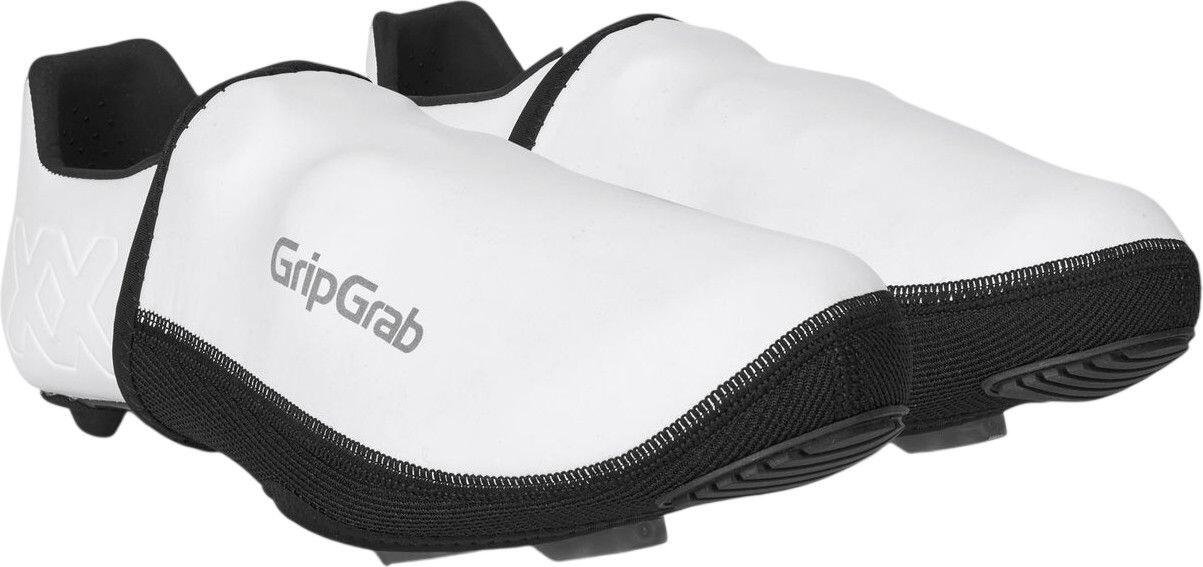
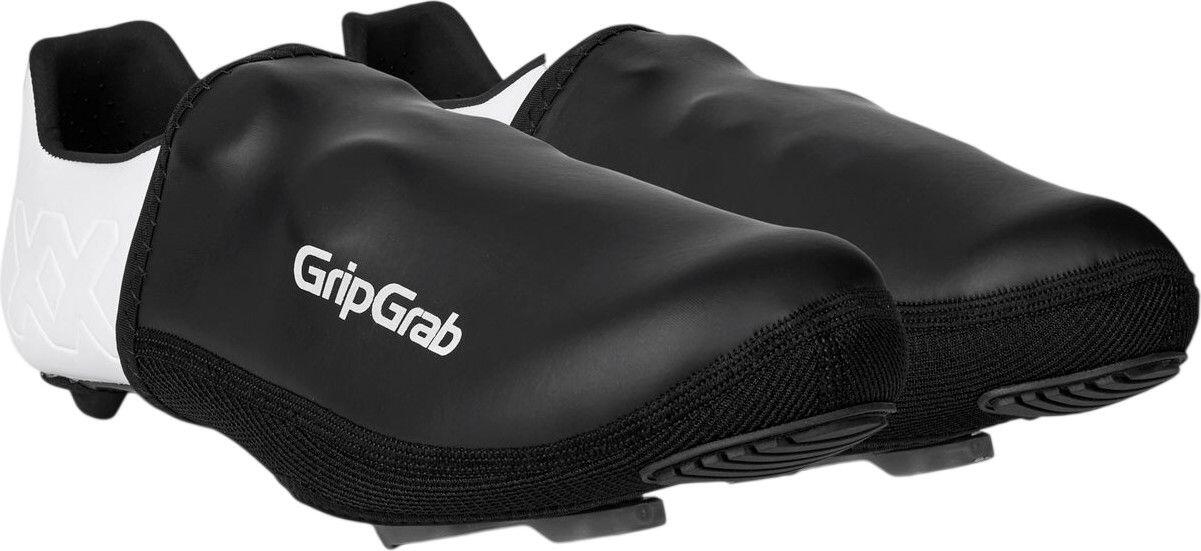
Cycling overshoes work best across cold, wet, and windy conditions rather than warm-weather riding, since the insulating layer that keeps feet warm in winter traps heat and sweat across hot summer rides. Light, breathable cycling shoes with moisture-wicking socks remain the better choice for hot-day riding, while a thin pair of lightweight aero or toe-cover overshoes handles unexpectedly cool summer mornings without overheating the foot. Throughout the year, matching the overshoe weight and material to the weather extends both rider comfort and product life. Take a look at the cycling clothing range across the Van Rysel, Btwin, and Rockrider labels for the full kit that pairs cleanly with overshoes.

How do I pick the right size and fit for cycling overshoes?

Cycling overshoes should fit snugly against the shoe without compressing the toes, since an overly tight fit cuts circulation and makes cold feet worse, while a loose fit lets water and air creep in around the ankle and the heel. On a long ride, an overshoe only delivers on its weather rating if the seal at the cuff actually closes properly against the leg. Check whether your cycling shoes are road-cleat or mountain-cleat style before buying, since the cleat cut-out on the sole differs between the two. See what's available in the cycling gloves range in winter, mid-season, and summer weights across the Van Rysel, Btwin, and Rockrider labels to extend the warmth at the hands.

What other cycling kit pairs well with overshoes for winter rides?

Cycling overshoes form one part of a full cold-weather kit that protects the rider's extremities and core across long winter rides. Knee and elbow protection, padded shorts, and impact-resistant pads matter most for off-road and gravel riders who face the risk of slipping on wet roots, mud, or loose gravel. Layered protection matters because cold hands and feet are uncomfortable, but a cut knee or a bruised elbow can end a ride or a season entirely. Pick from the cycling protections range for knee pads, elbow pads, and full protective kit across the Btwin and Rockrider labels.

How do cycling overshoes fit into a complete weatherproof cycling kit?

Cycling overshoes fit into a complete weatherproof cycling kit alongside waterproof jackets, water-repellent trousers, winter gloves, base layers, and headwear that together turn a miserable wet ride into a manageable one. Headwear helps reduce heat loss during cold rides, and a thin cap under the helmet adds meaningful warmth without bulking up the fit. In practice, a single piece of kit rarely covers a wet morning, a dry-but-cold afternoon, and a windy evening commute in the same week. Have a look at the cycling caps range in winter-weight, summer-weight, and helmet-friendly cuts across the Van Rysel and Btwin labels.