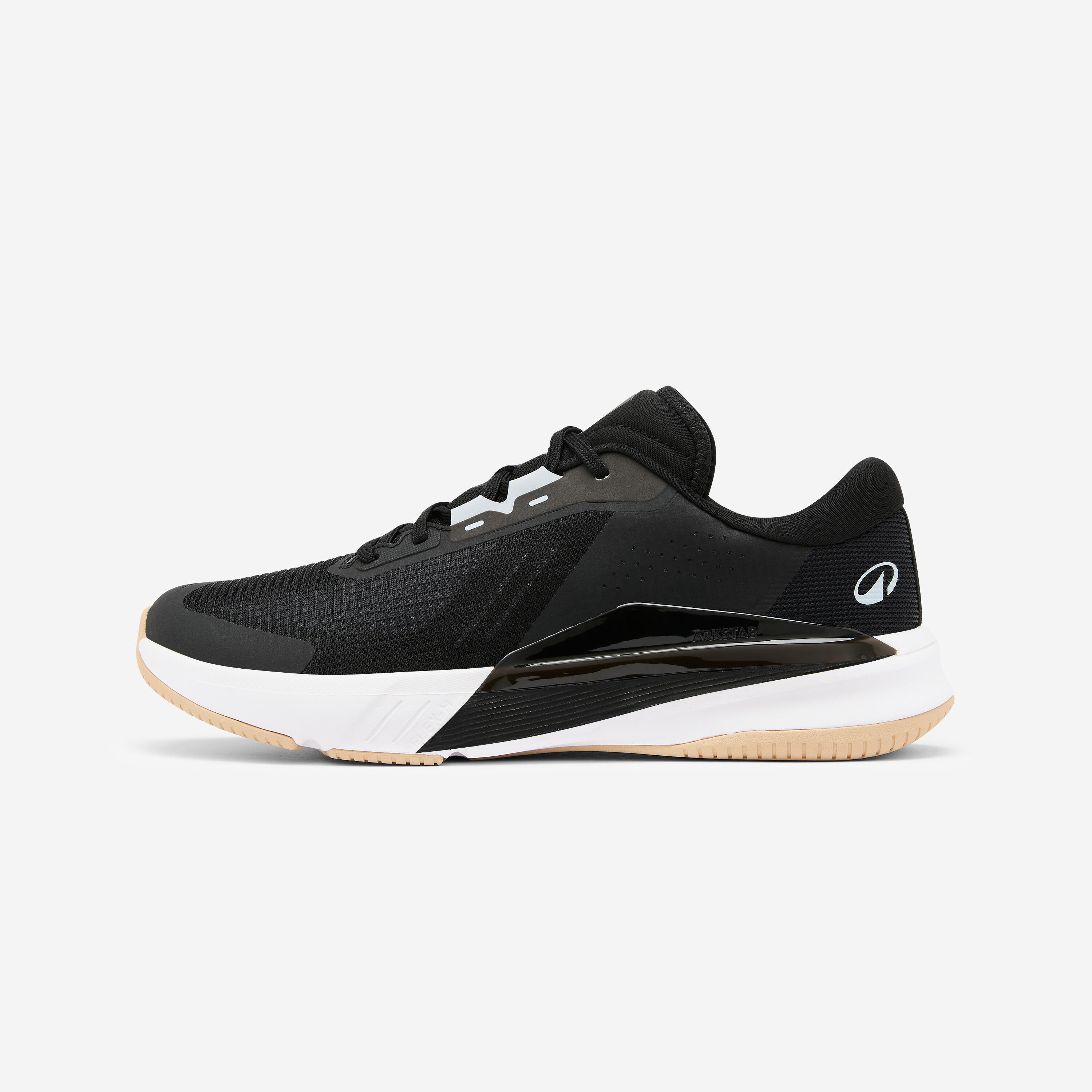
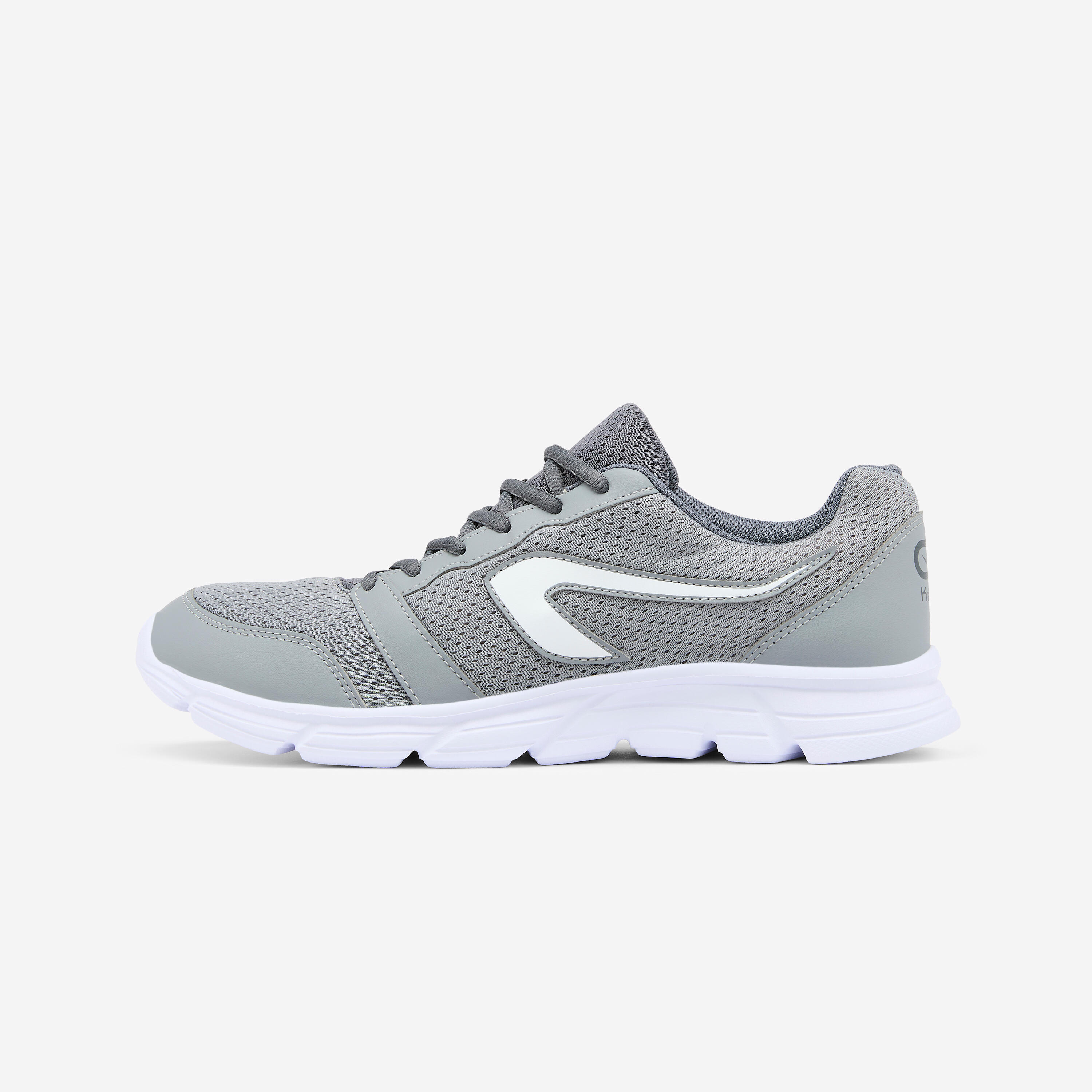
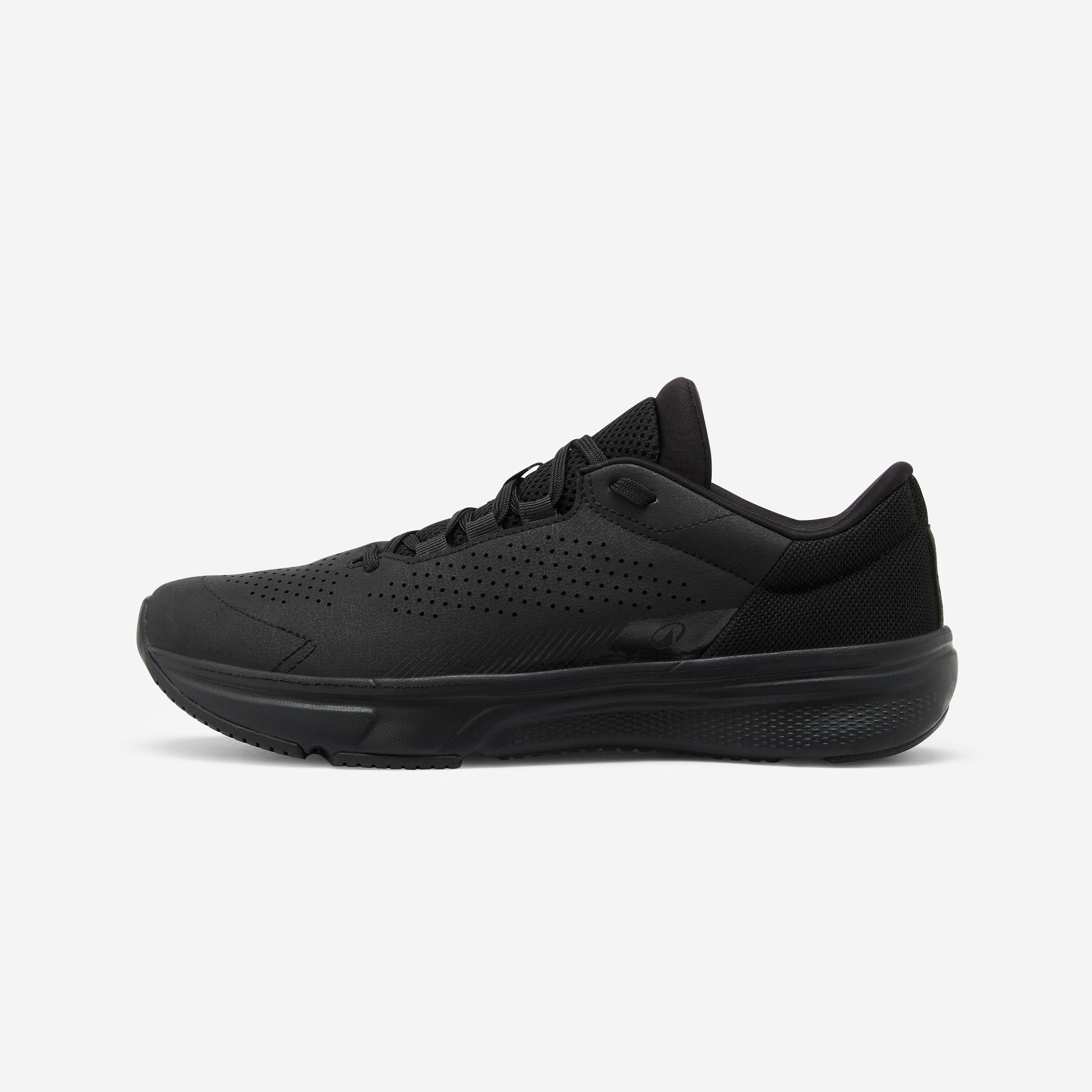
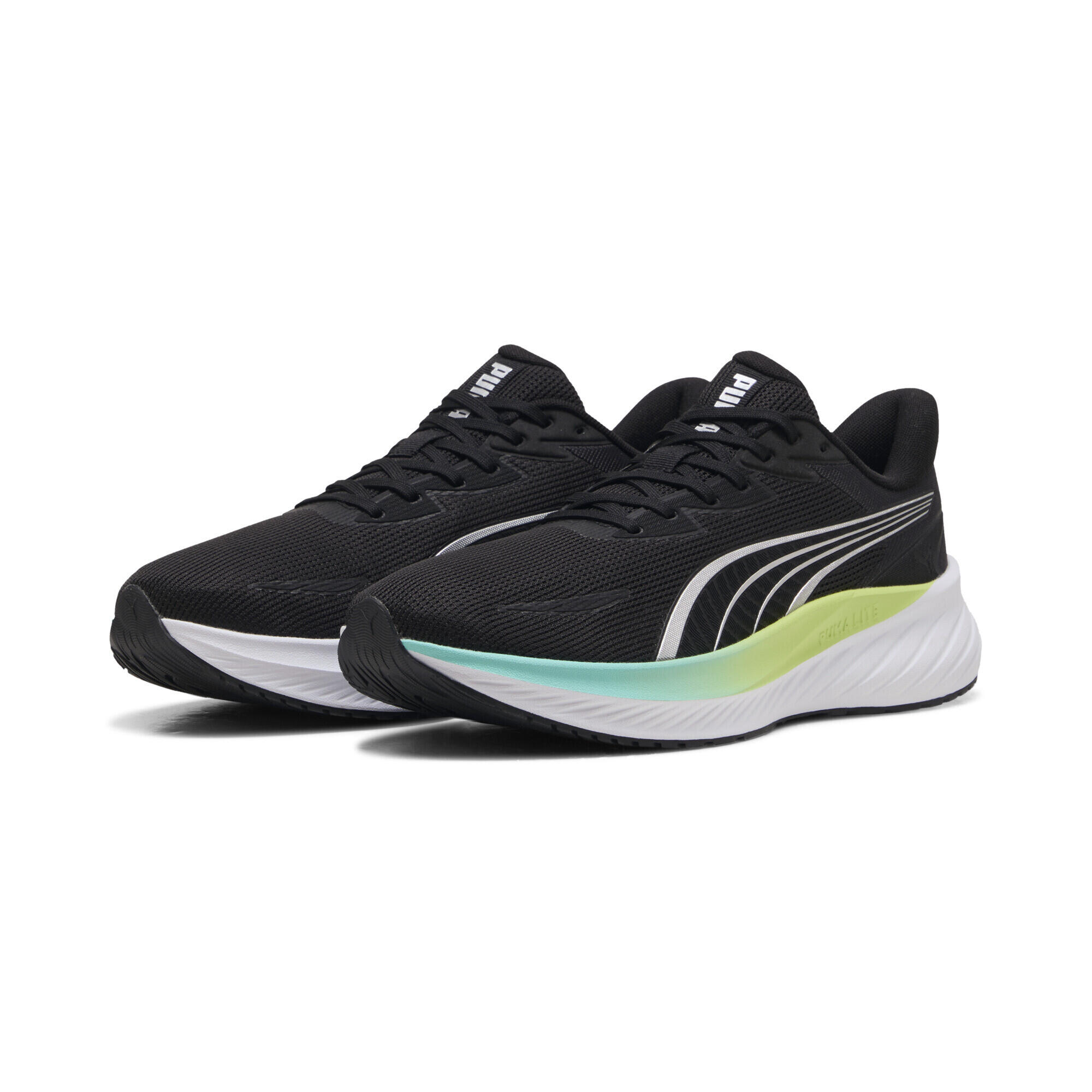
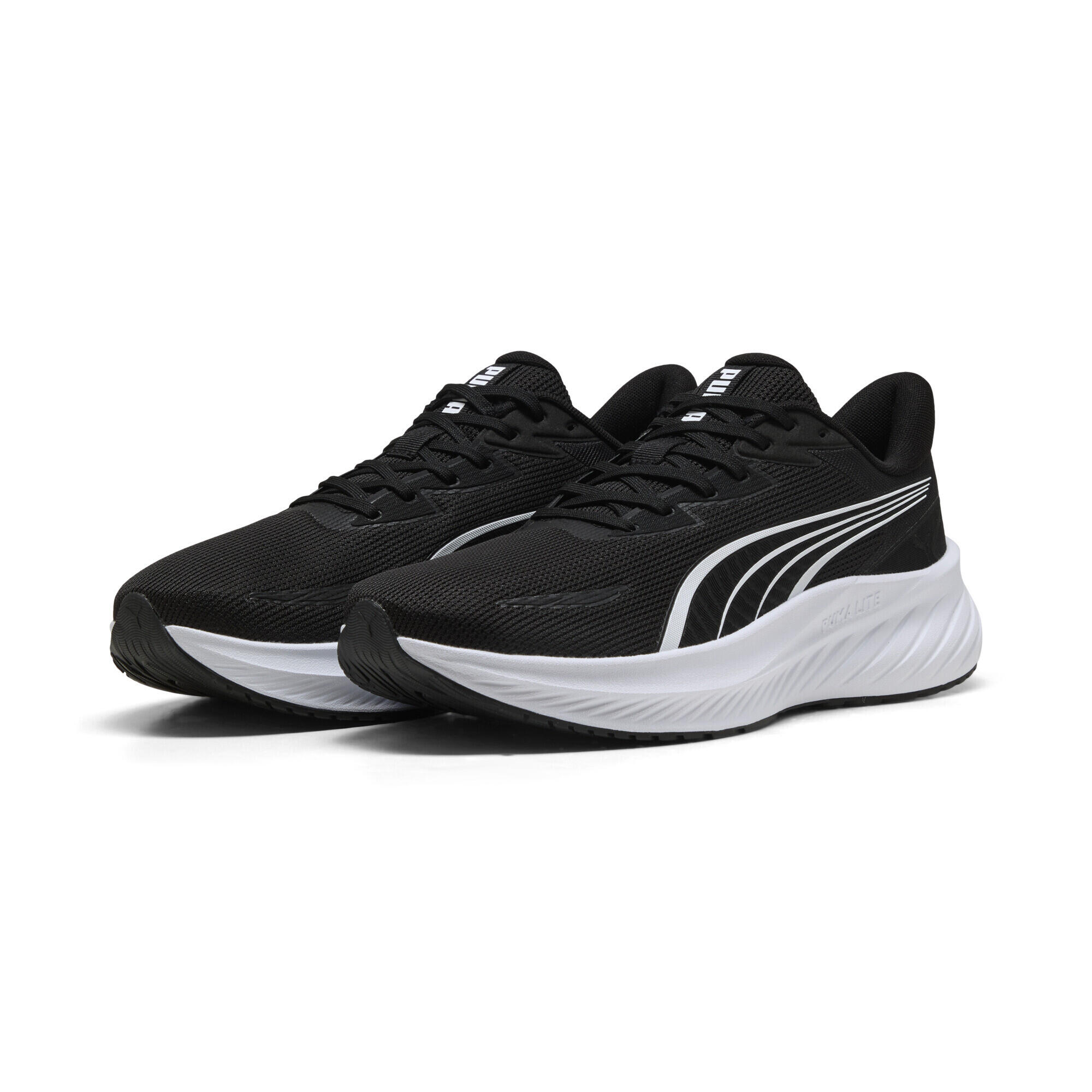
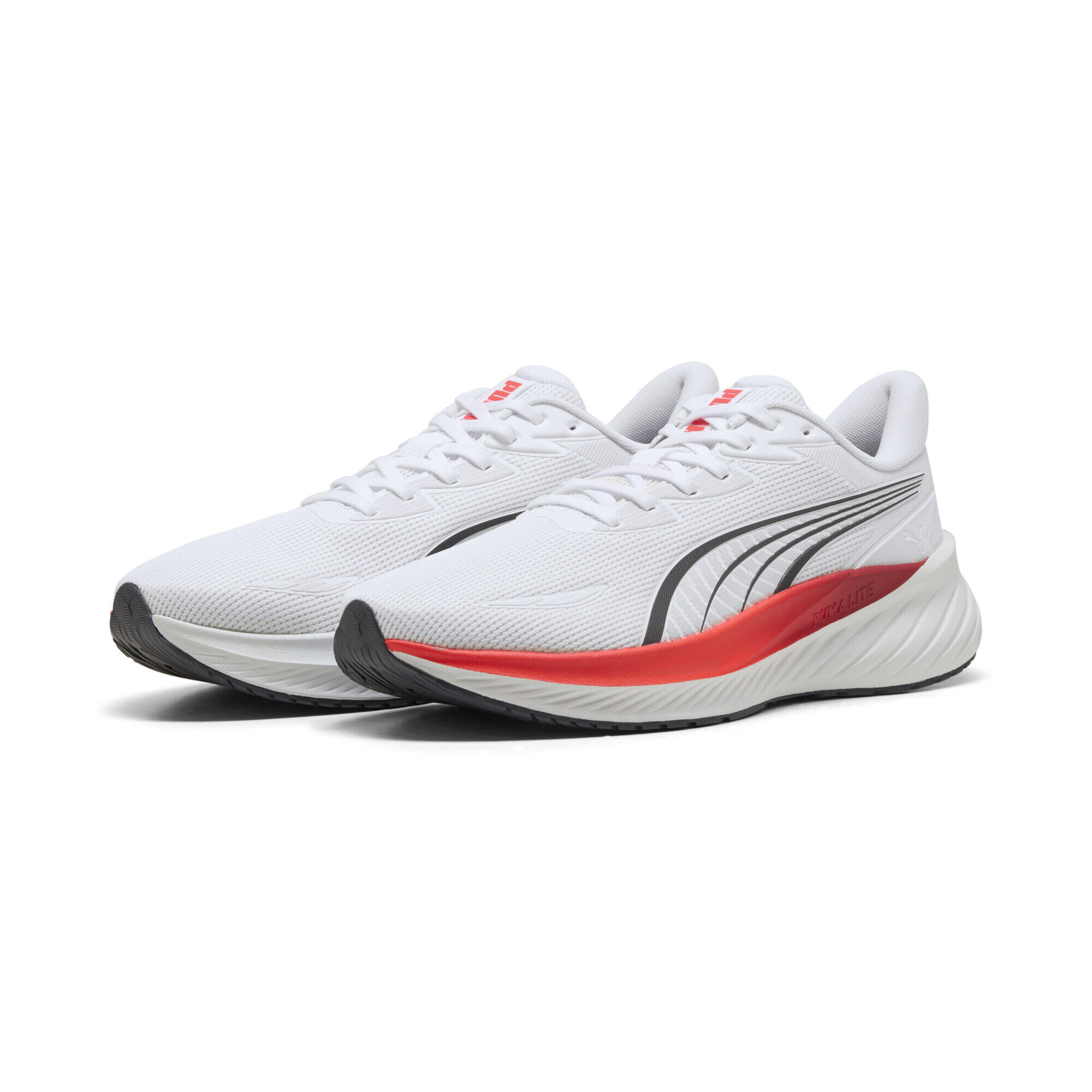
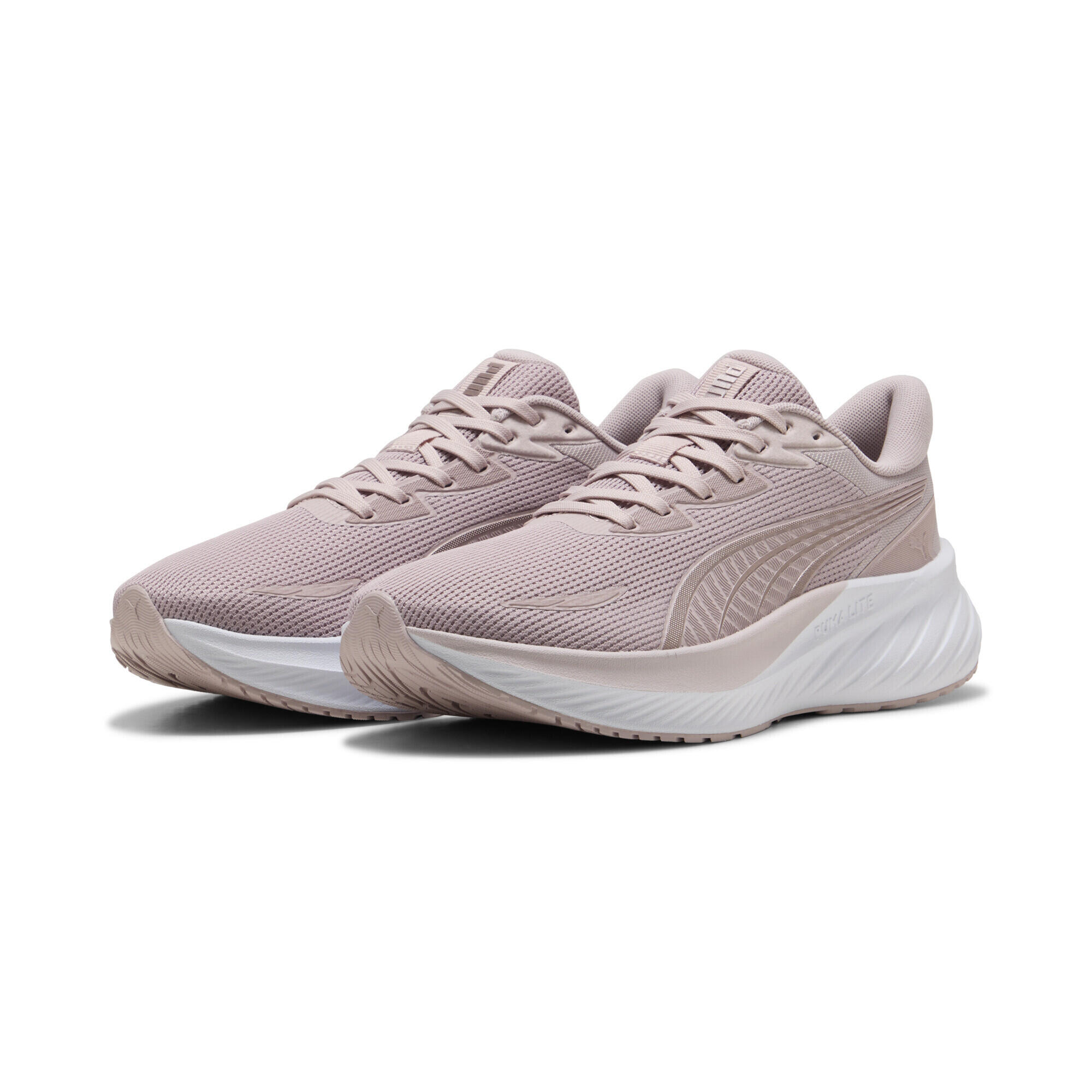
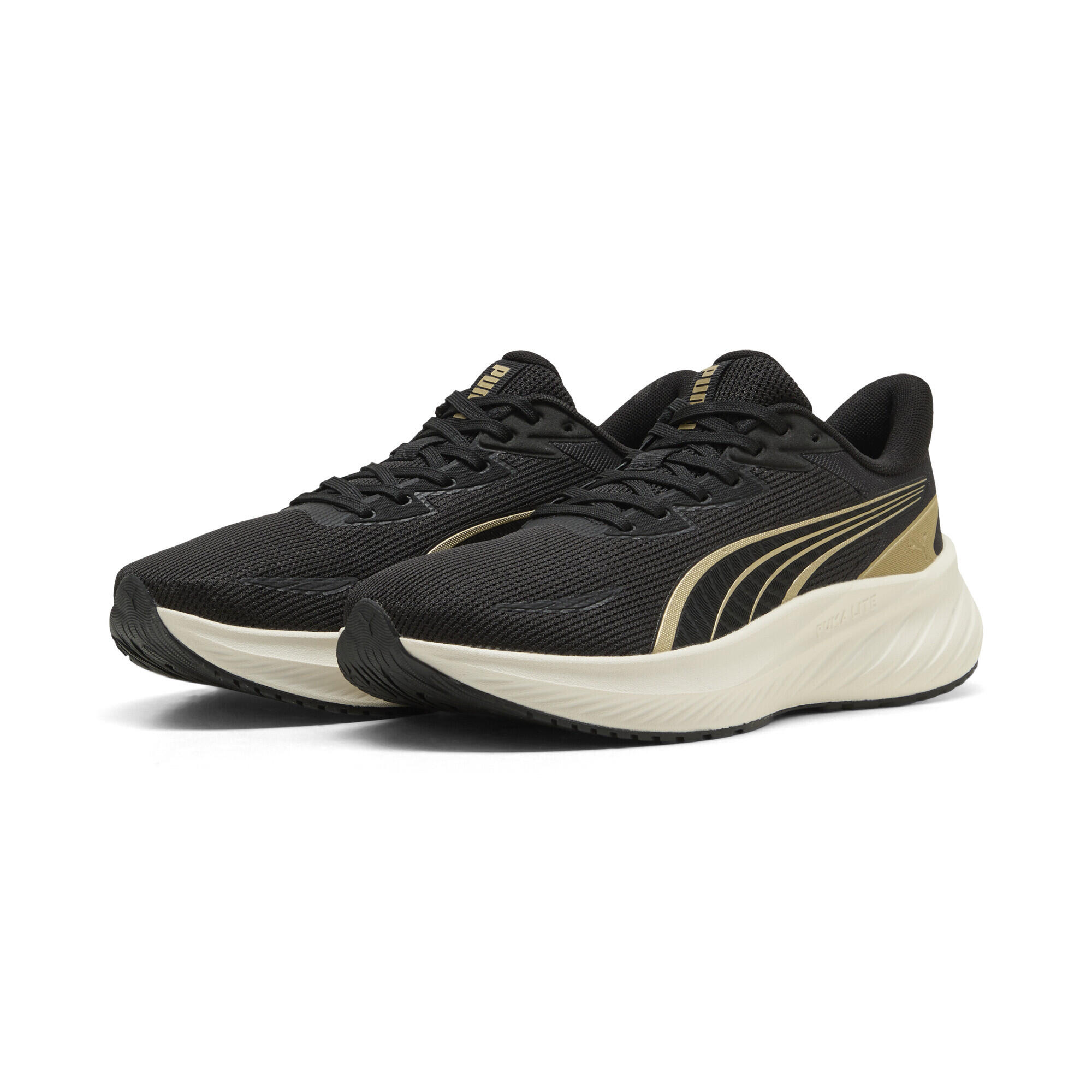
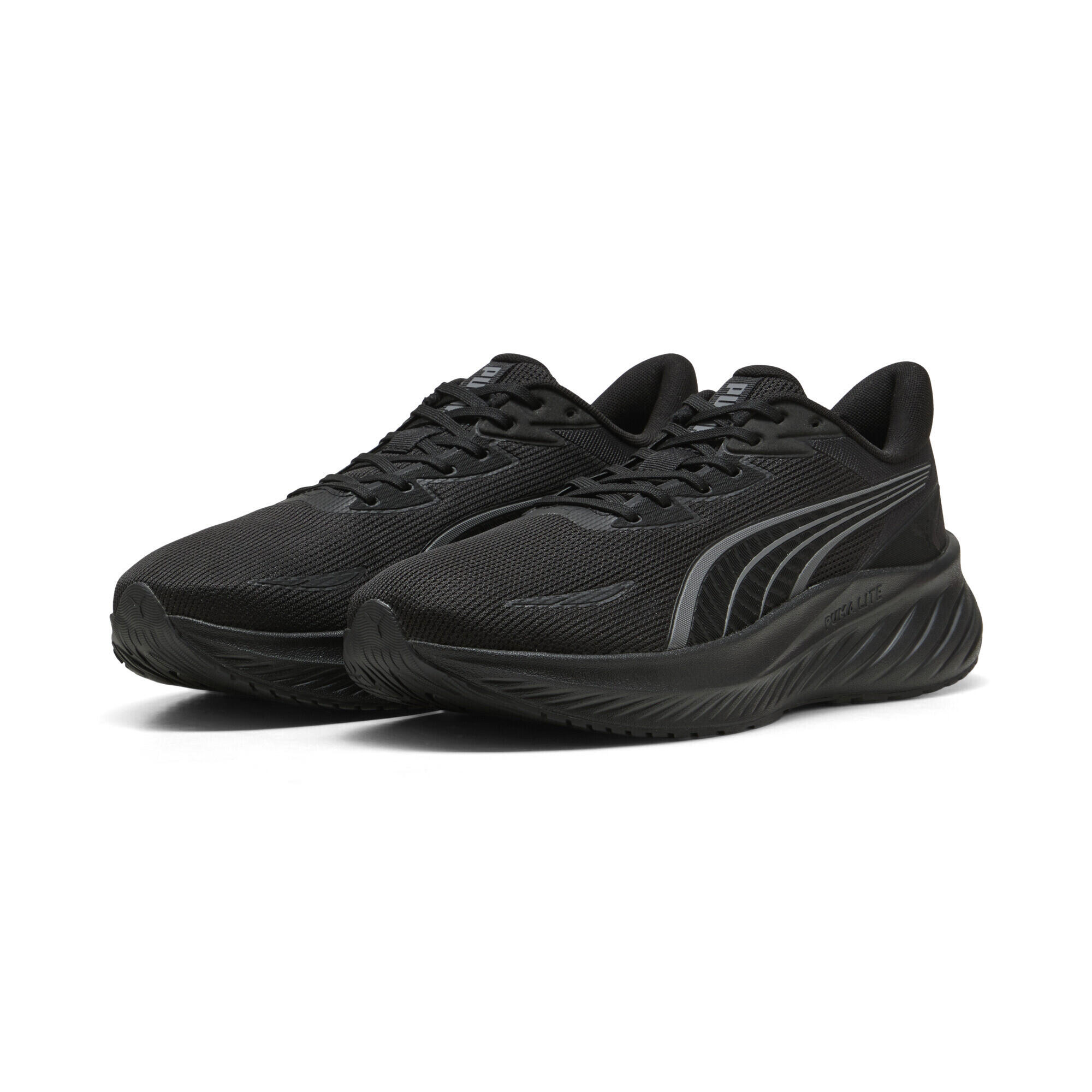
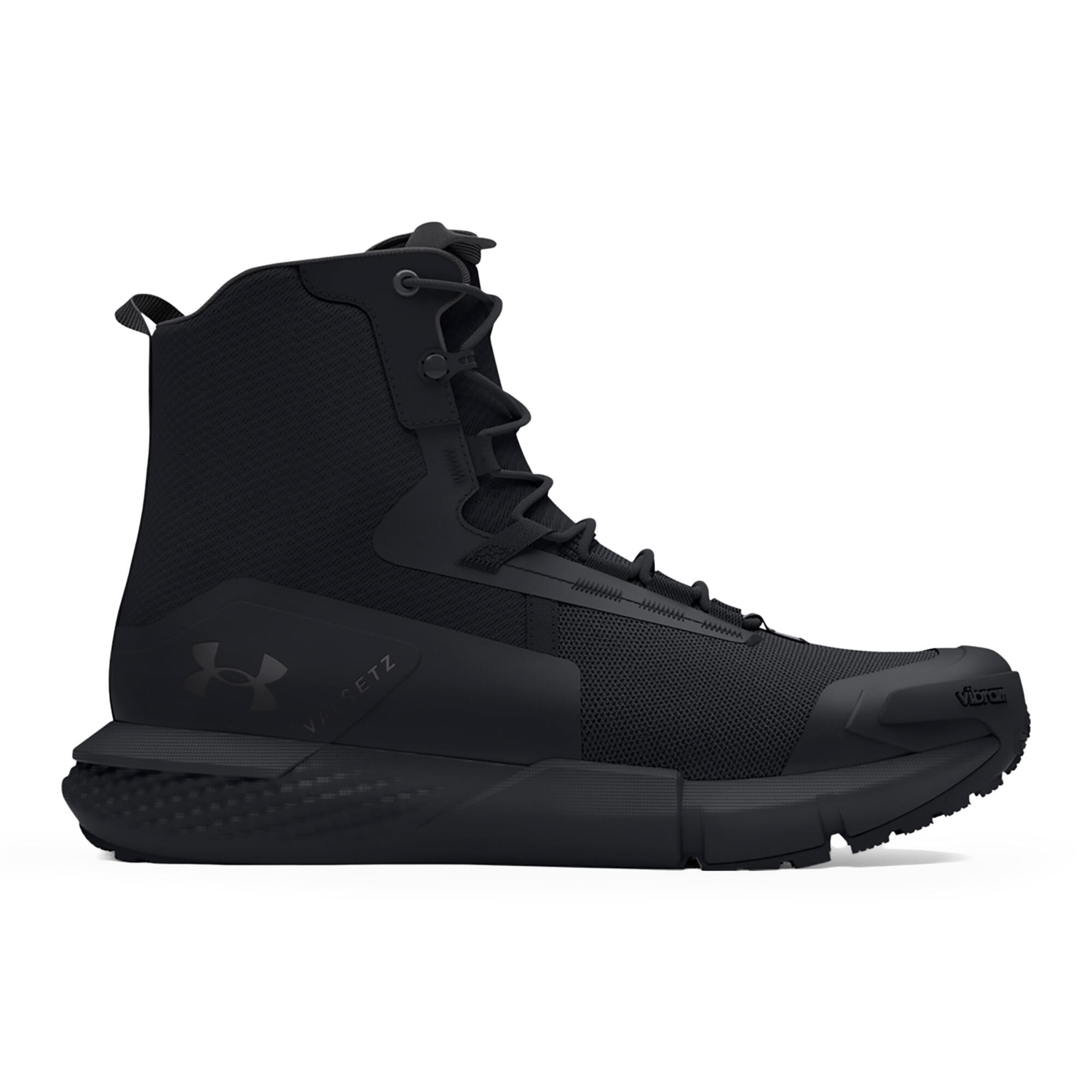
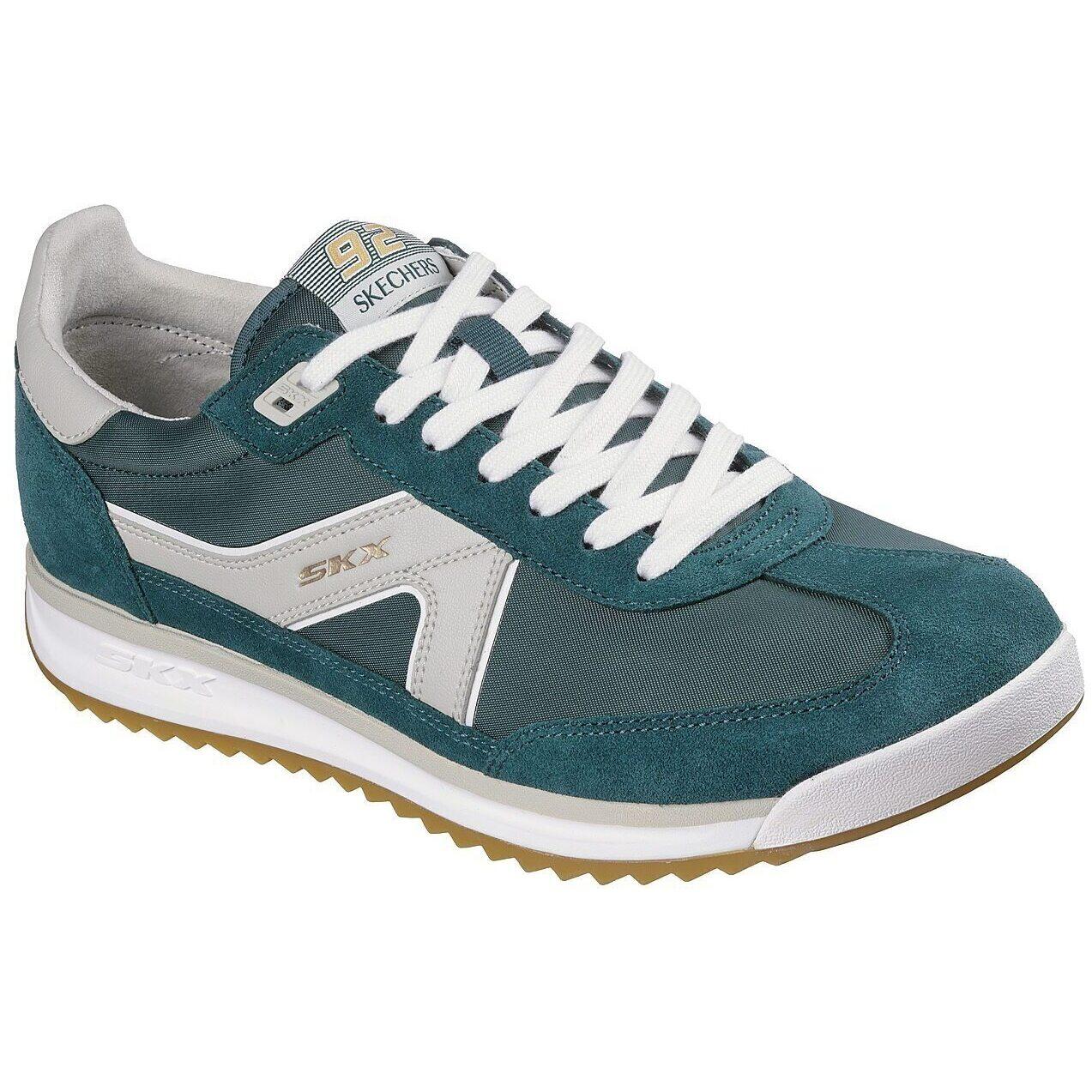
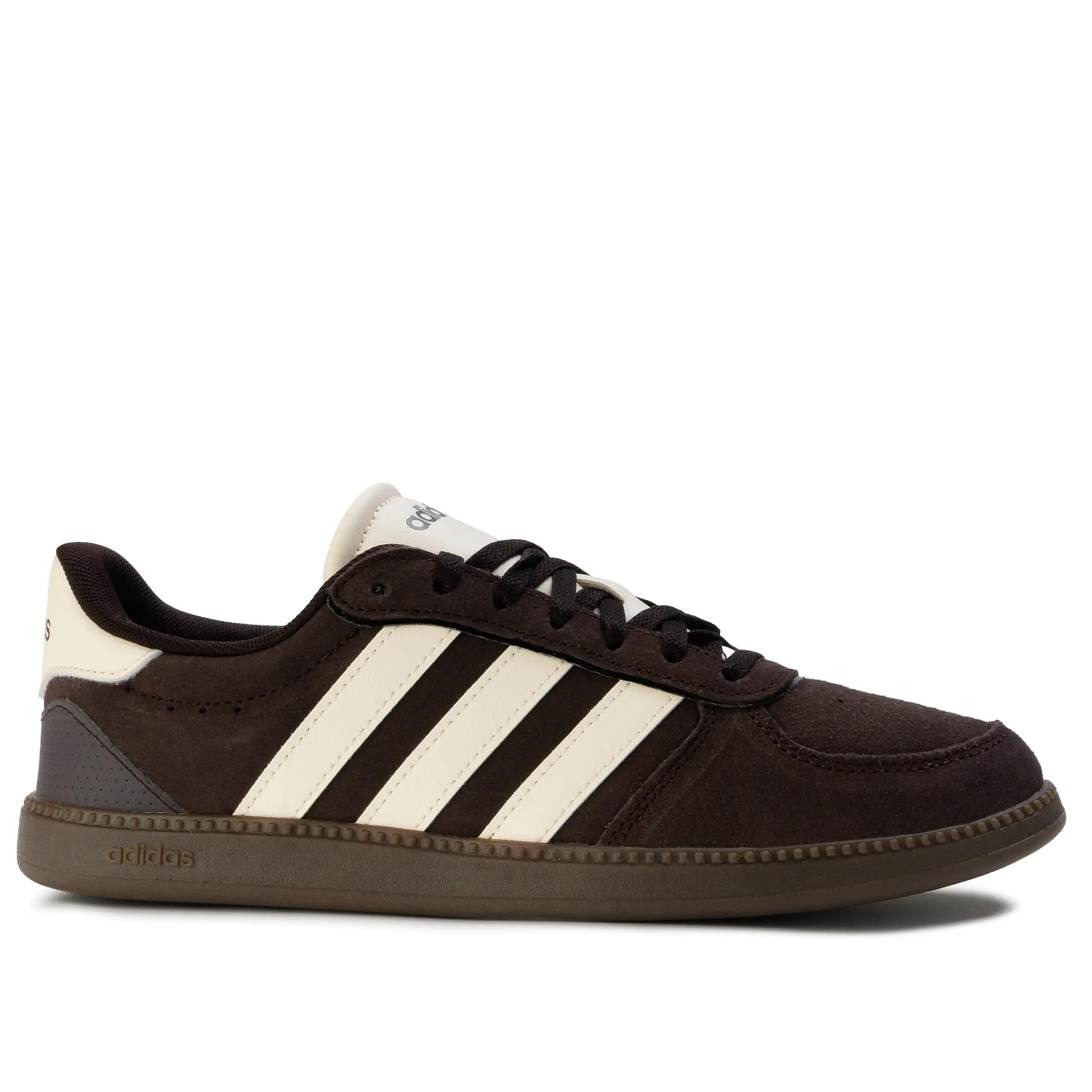
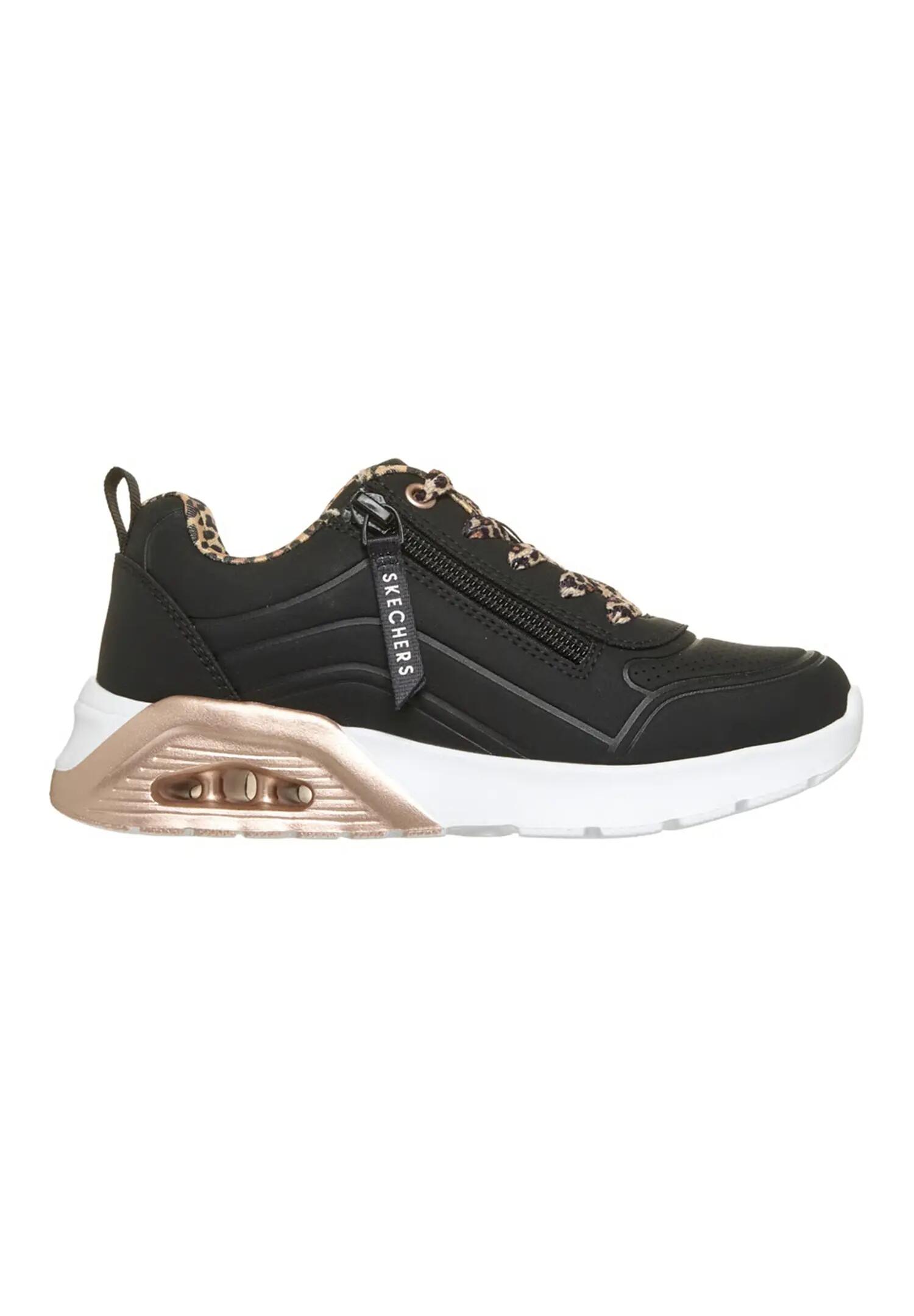
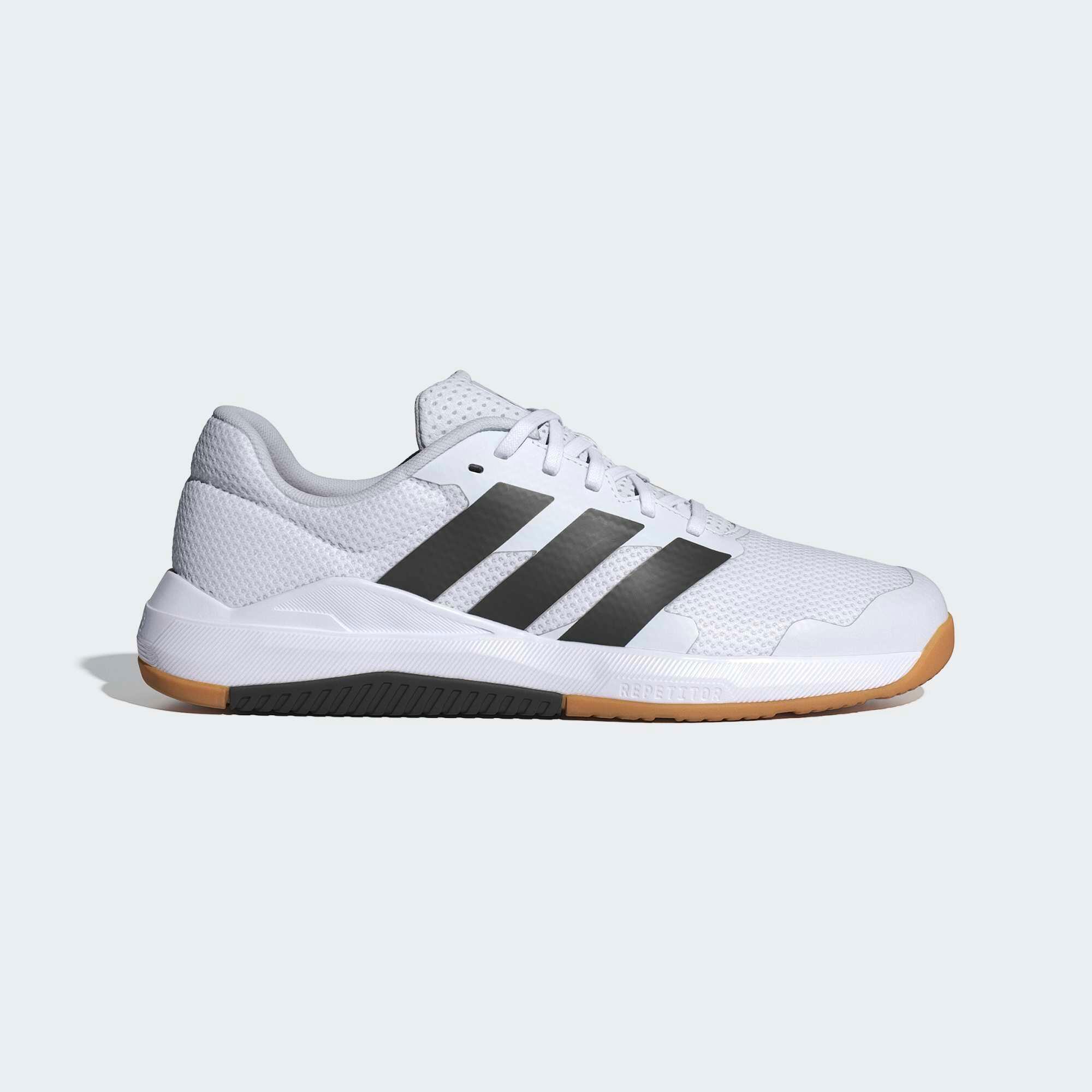
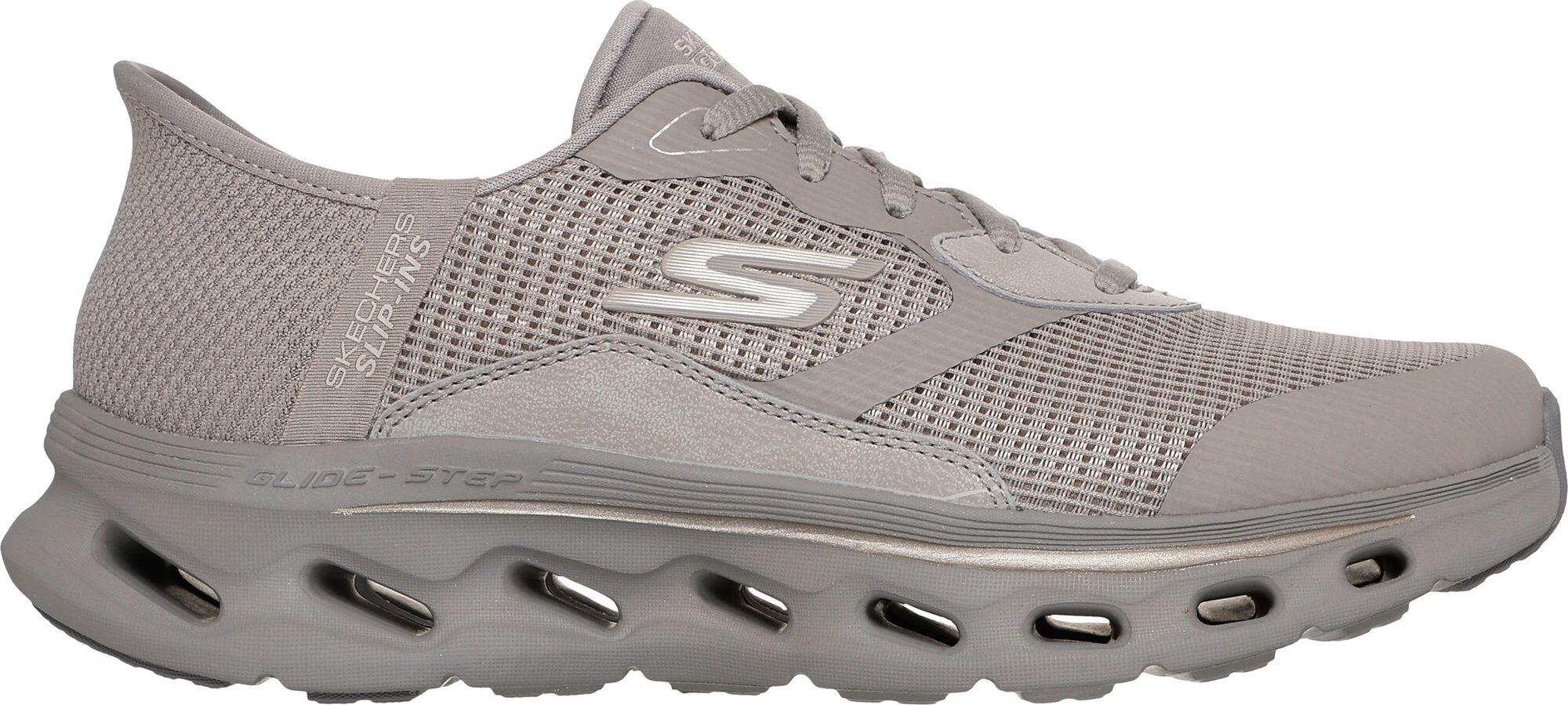
2,374 items
  • Marketplace -Online Only Marketplace -Online Only
  • Marketplace -Online Only Marketplace -Online Only
  • Marketplace -Online Only Marketplace -Online Only
  • Marketplace -Online Only Marketplace -Online Only
  • New Lower Price New Lower Price
  • Marketplace -Online Only Marketplace -Online Only
  • New Lower Price New Lower Price
  • Promotion Promotion
  • Marketplace -Online Only Marketplace -Online Only
  • Marketplace -Online Only Marketplace -Online Only
  • Marketplace -Online Only Marketplace -Online Only
  • Marketplace -Online Only Marketplace -Online Only
  • Marketplace -Online Only Marketplace -Online Only
  • Marketplace -Online Only Marketplace -Online Only
  • Marketplace -Online Only Marketplace -Online Only
  • Marketplace -Online Only Marketplace -Online Only
  • Marketplace -Online Only Marketplace -Online Only
  • Marketplace -Online Only Marketplace -Online Only
  • Marketplace -Online Only Marketplace -Online Only
  • Marketplace -Online Only Marketplace -Online Only
  • Marketplace -Online Only Marketplace -Online Only
  • Marketplace -Online Only Marketplace -Online Only
4.6/5 based on 40811 reviews collected online and in stores

Gym Trainers & Shoes FAQs

What gym trainers are best suited to your workout style?

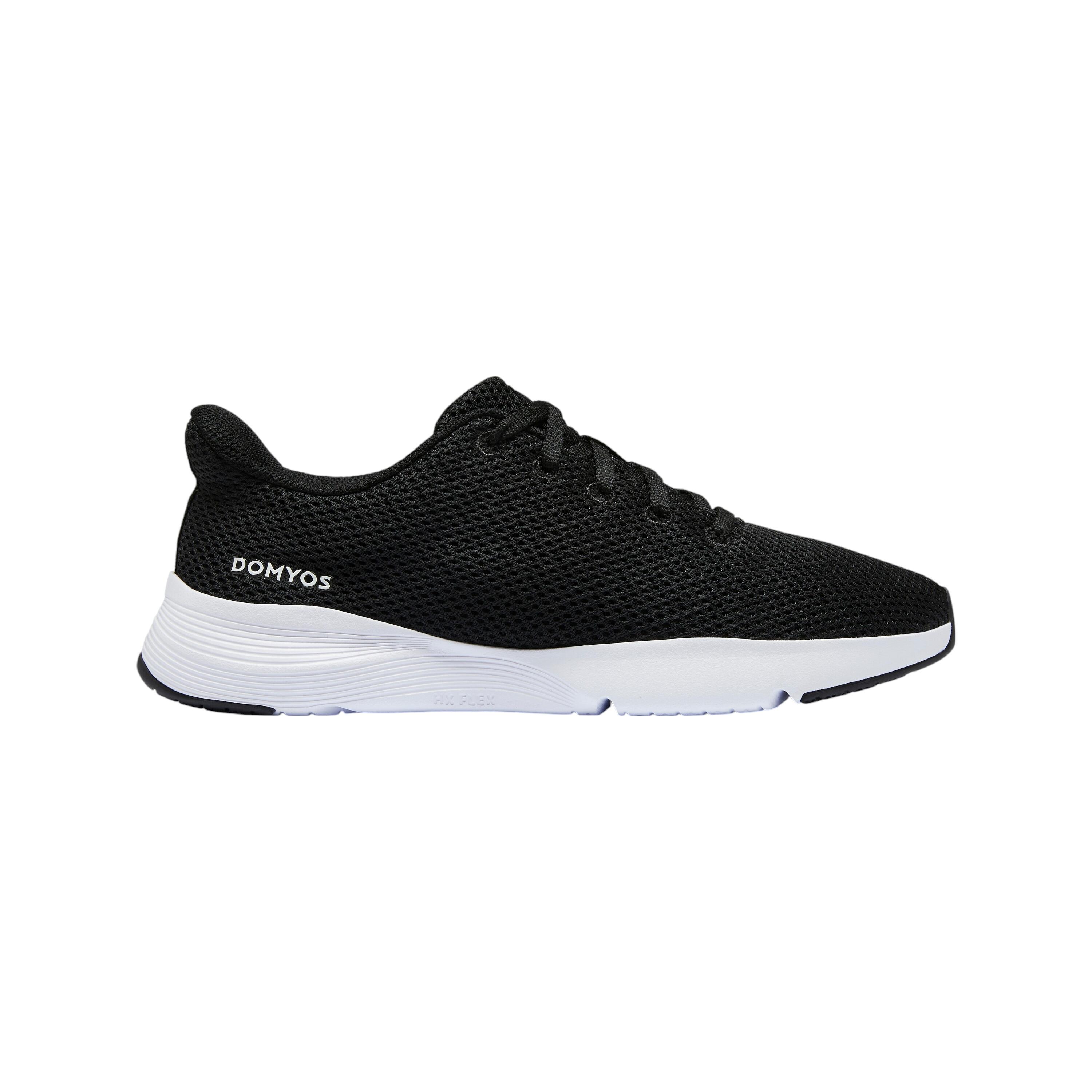
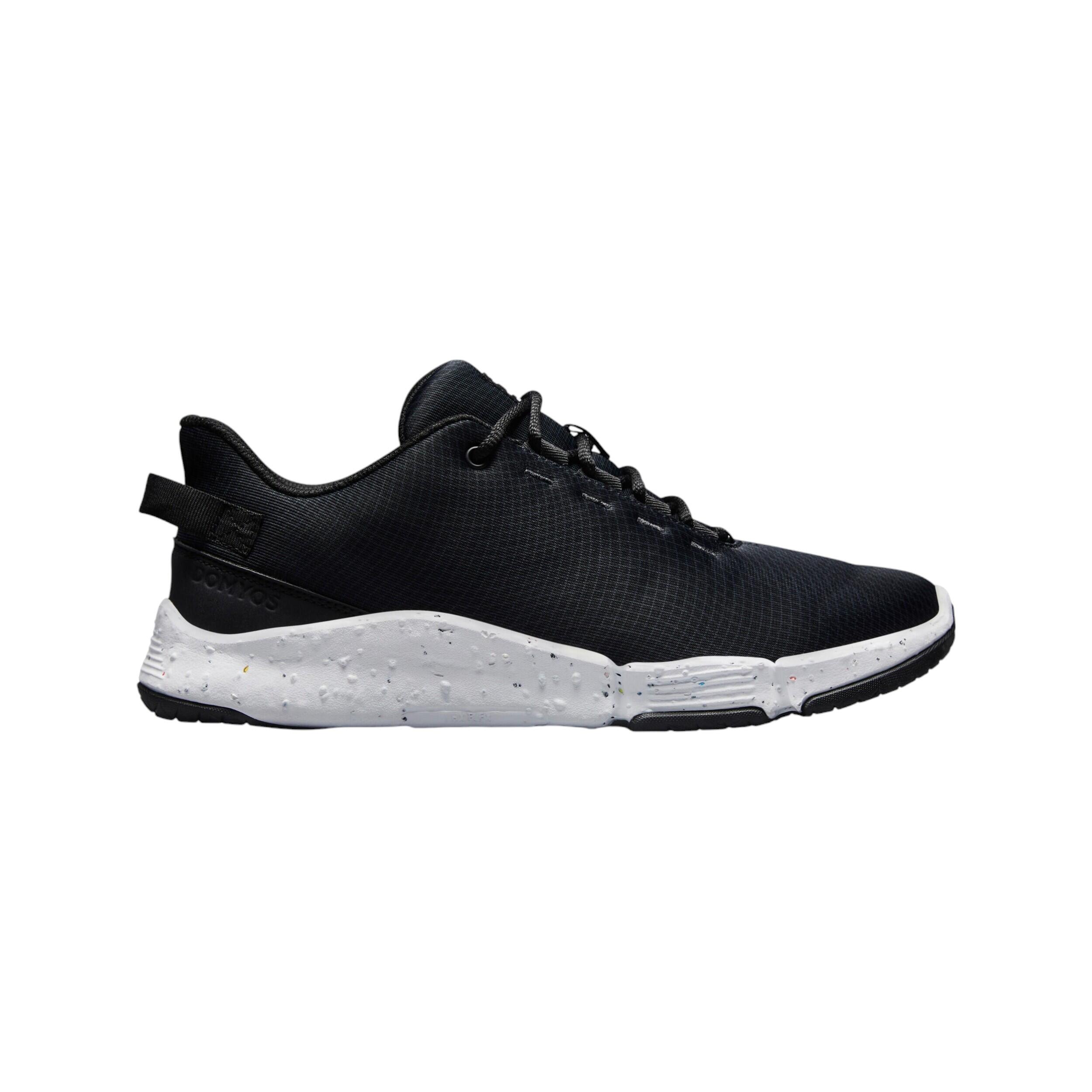
Start with the movements you perform most often, because gym footwear needs can change between strength work, circuits, classes and treadmill sessions. Shoes for dynamic fitness should allow the forefoot to flex during lunges, jumps and changes of direction while still giving you enough stability when you land or lift. DOMYOS gym fitness shoes use features such as flexible outsole grooves, broader bases and lower sole drops on training-focused models rather than copying the construction of a running shoe. Your footwear should also match the fitness & gym equipment you regularly use. Pro tip: if your session combines lifting and cardio, look for a balanced shoe with a stable base and enough cushioning for repeated impacts instead of choosing the softest or stiffest option available.
What must women look for in gym trainers?

Fit should hold the heel and midfoot securely while leaving enough room for your toes to move naturally during squats, jumps and lateral steps. For comparing women's gym trainers & shoes, consider sole flexibility, stability, ventilation and the level of cushioning required by your training. Lightweight mesh uppers can suit lower-impact fitness, while more structured models can give extra support when workouts include strength exercises or fast directional changes. Pro tip: test gym shoes with a squat, lunge and side step rather than only walking in them. Your heel should stay secure and the shoe should bend with the forefoot without making your foot slide around inside.

How might men choose gym shoes for strength and cardio sessions?

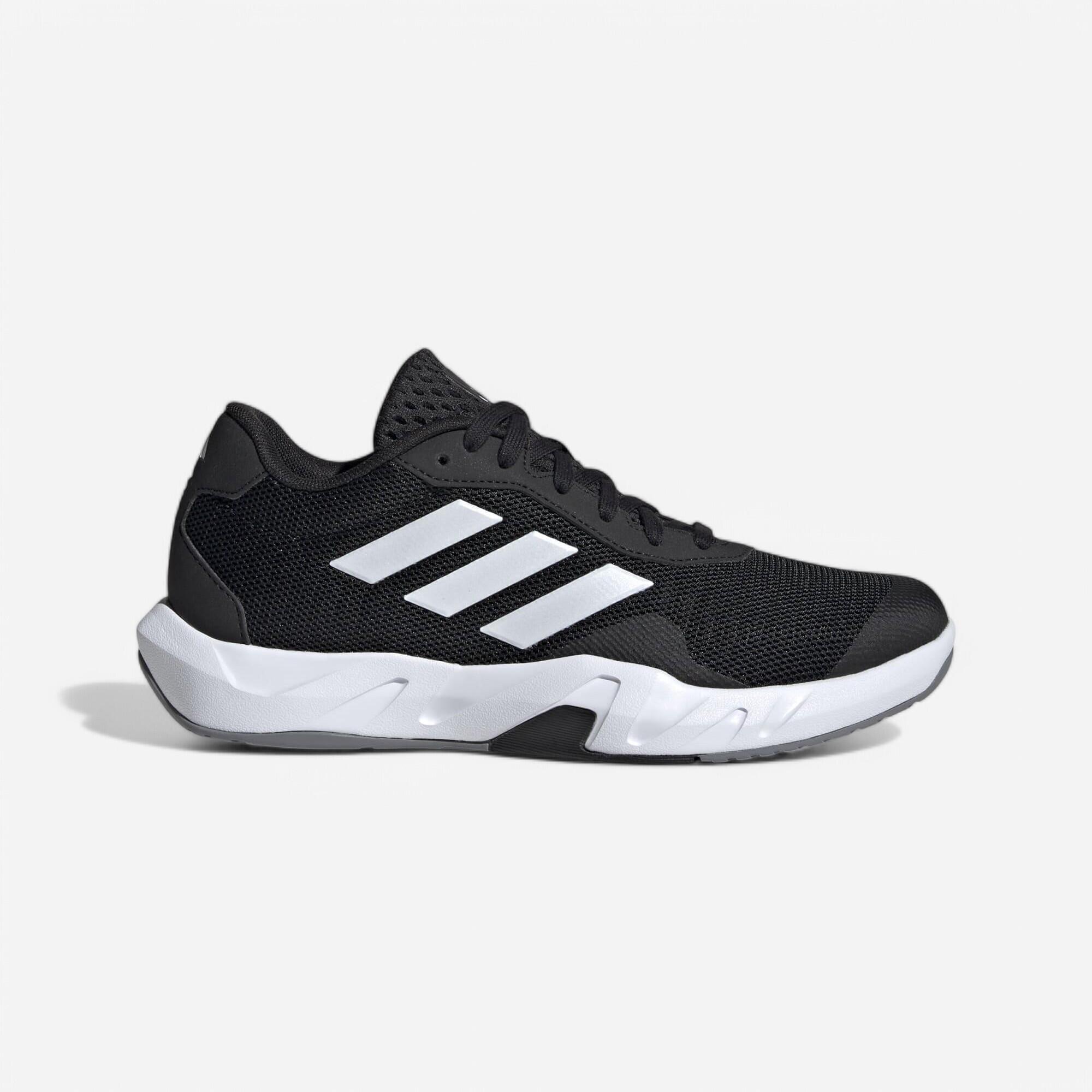
A mixed workout usually needs more lateral stability than a running shoe because gym movements are not limited to travelling straight ahead. The men's gym trainers & shoes range includes models aimed at general fitness, functional movement and sessions combining strength with cardio. A broad outsole can create a steadier platform for squats and weighted movements, while strategically placed flex grooves help during burpees, lunges and quick transitions. Pro tip: avoid an excessively tall, soft sole if heavy lifting forms a large part of your workout. Keeping your foot closer to the floor can provide a more direct and stable base when pushing against the ground.

Why can fitness-specific shoes work better than running trainers in the gym?

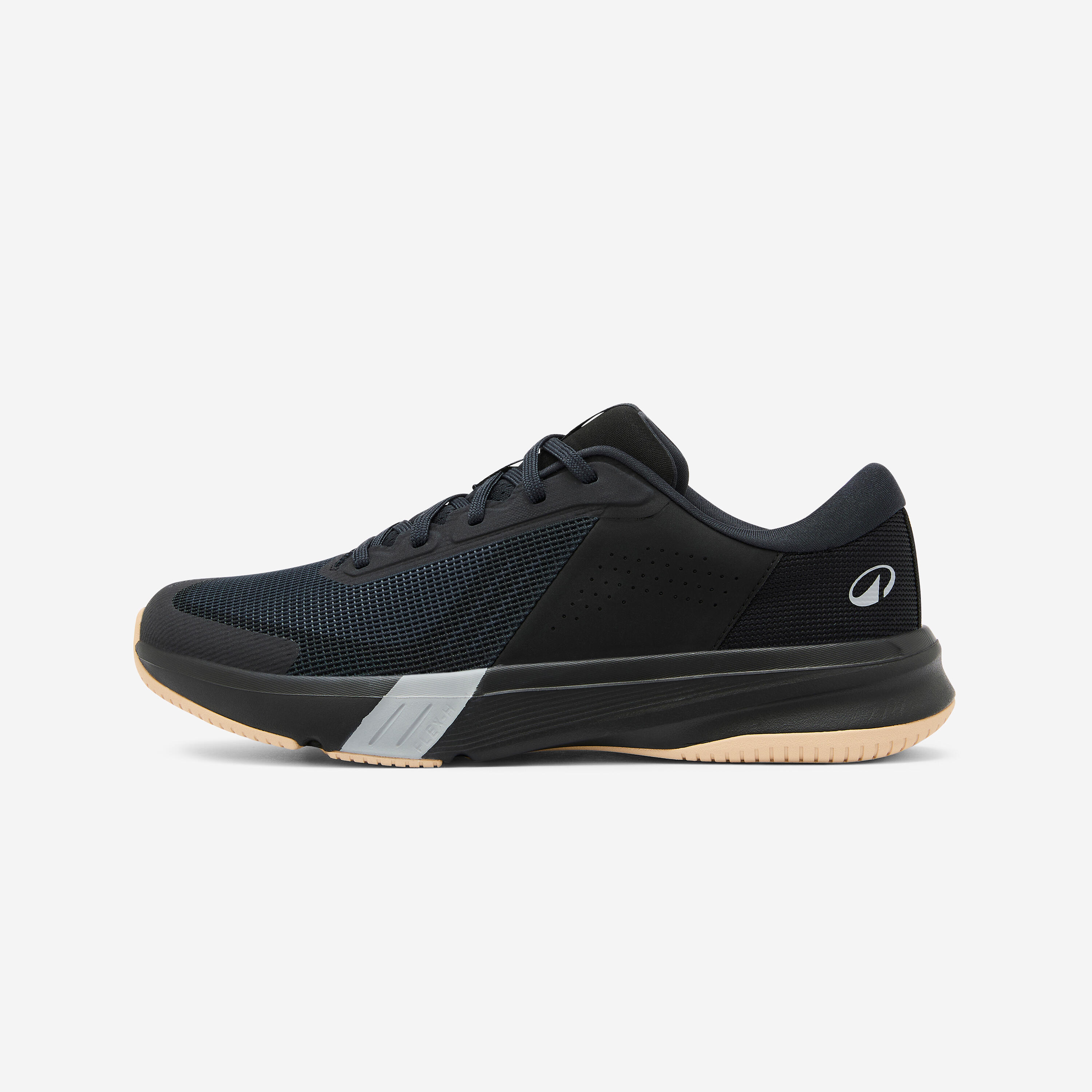
Running mainly involves forward movement, while gym training can include rotation, lateral steps, jumping, squatting and rapid changes of direction. Fitness-specific footwear is therefore built to flex and support the foot differently. This becomes particularly useful when your fitness & gym training equipment includes resistance bands, skipping ropes, weights or equipment used for multidirectional exercises. DOMYOS technologies such as Flex-H use strategically positioned grooves to support natural bending, while stabilising structures on some models help control movement through the midfoot. Pro tip: keep highly specialised running shoes for running if their tall cushioning feels unstable during strength work or quick lateral movements.

What care do gym trainers need after repeated use?

Allow trainers to dry properly after sweaty sessions and store them somewhere clean and ventilated rather than leaving damp footwear sealed inside a bag. A suitable gym bag or backpack with separate storage can help keep shoes away from clean clothing and other training items. Check the outsole regularly for worn grip, especially if you use lightweight gym trainers several times a week. Some indoor-focused rubber compounds are intended mainly for gym flooring and can wear faster when repeatedly used on tarmac. Pro tip: follow the care instructions for the individual shoe rather than automatically machine washing it. Remove loose dirt by hand, dry footwear naturally away from strong heat and make sure the inside is completely dry before your next session.