2,834 items
4.3/5 based on 437577 reviews collected online and in stores

HIKING TROUSERS & LEGGINGS FAQS

How do I choose the right hiking trousers for different terrains?

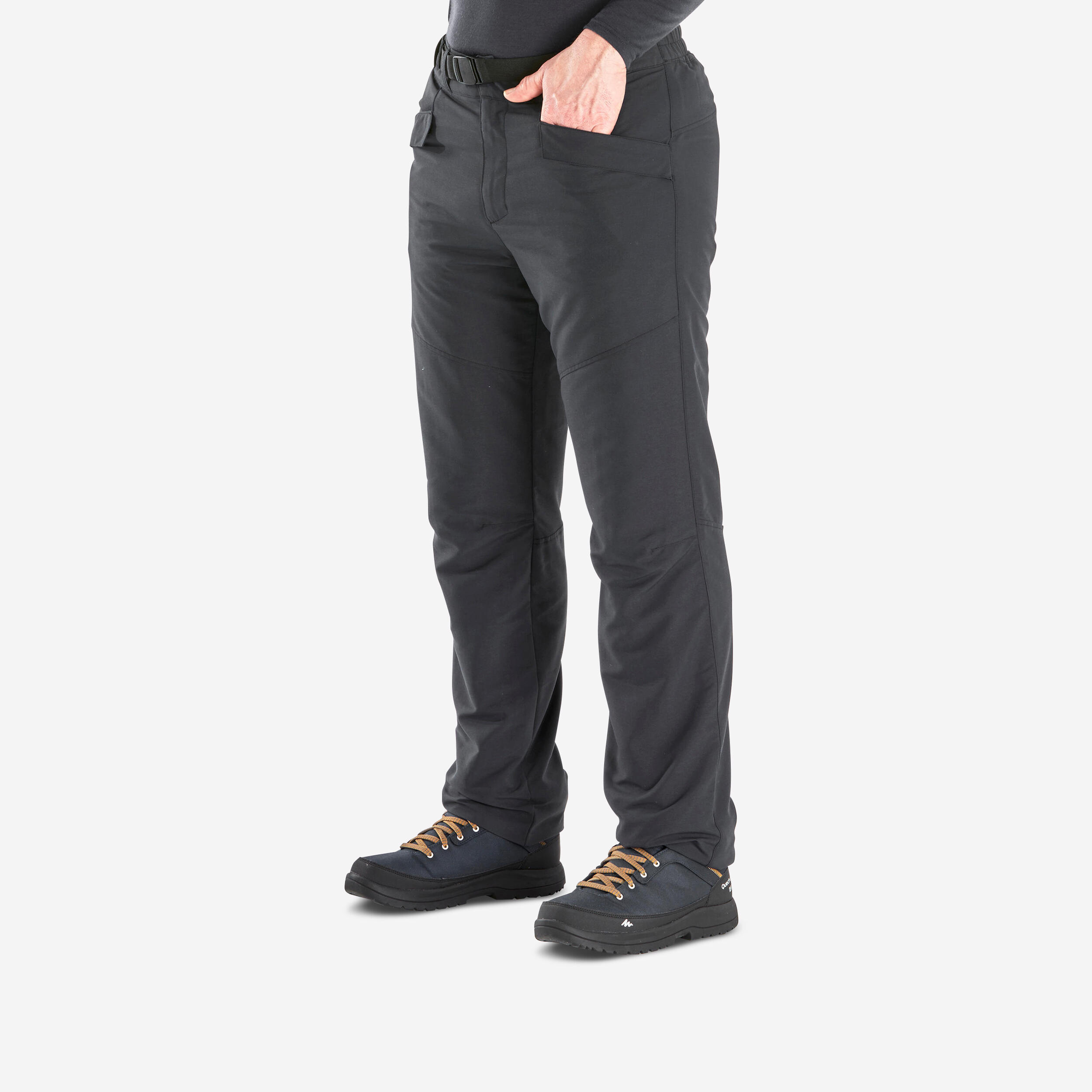
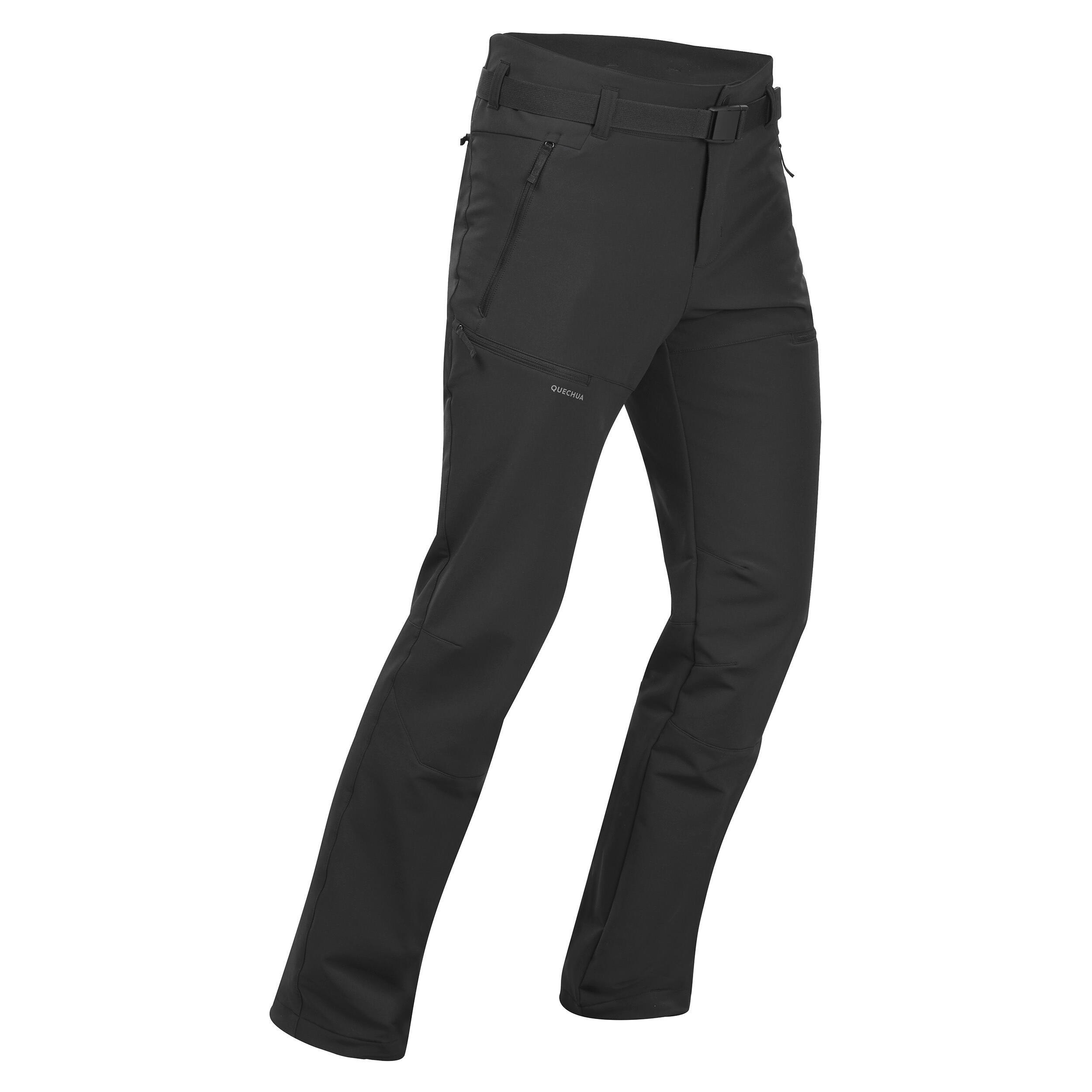
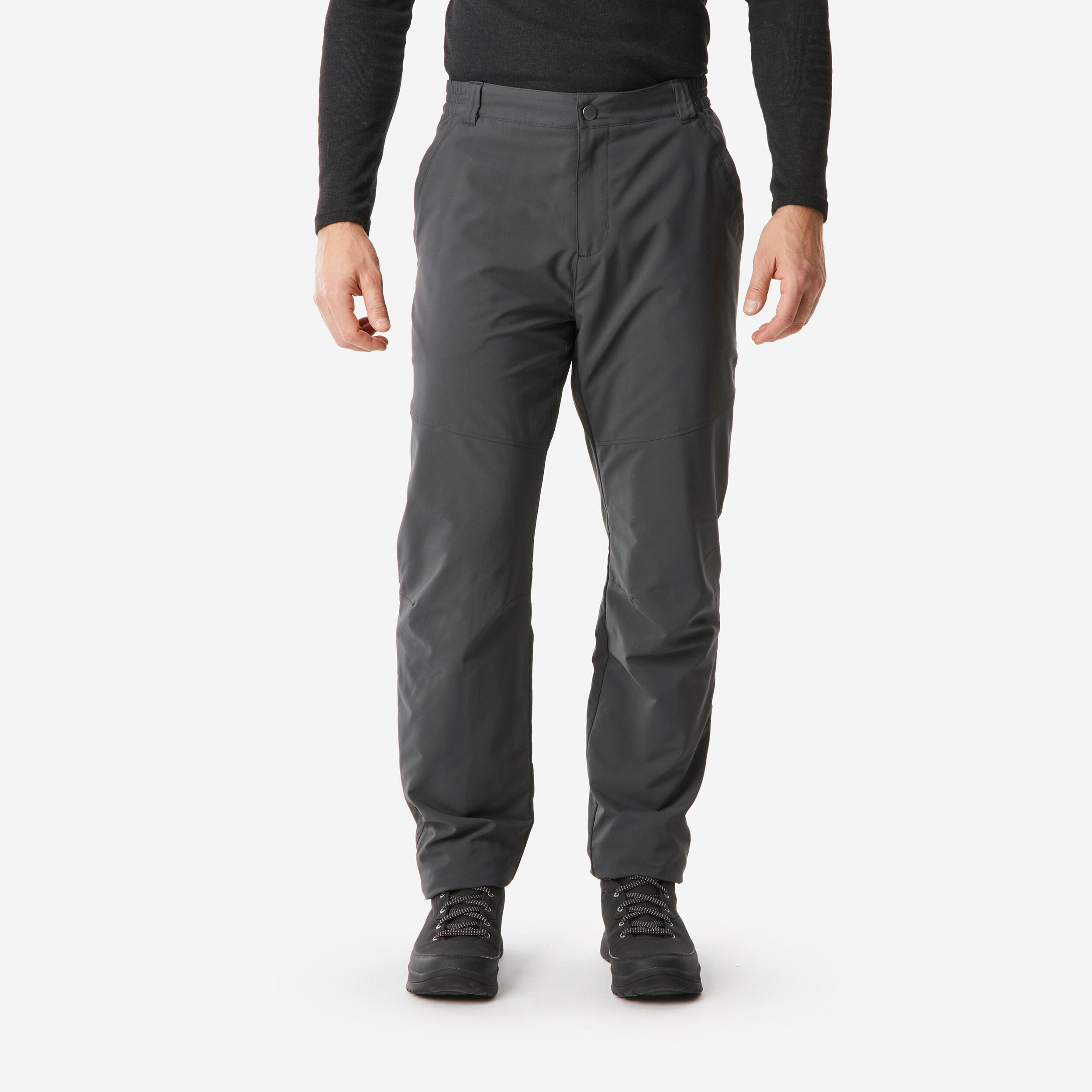
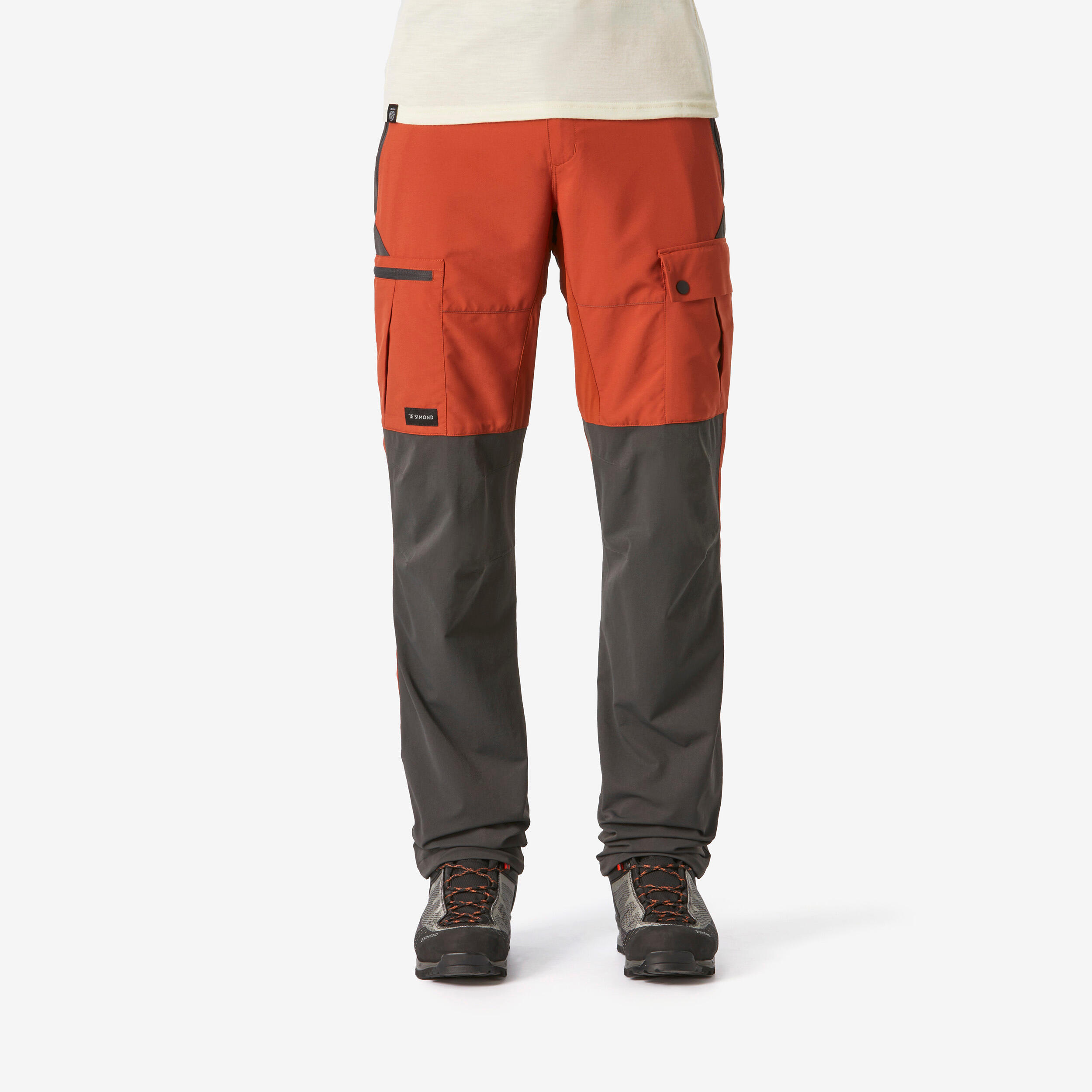
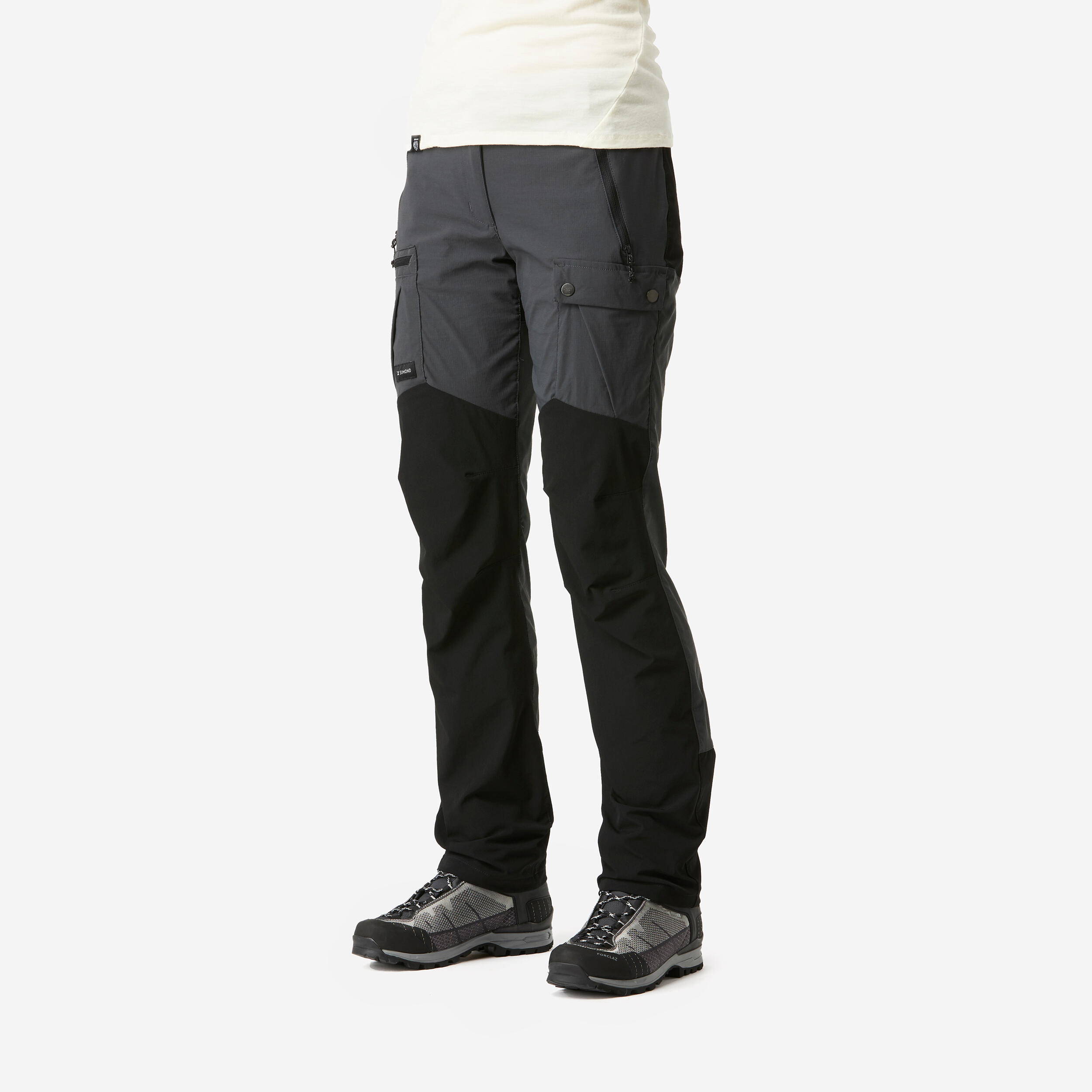
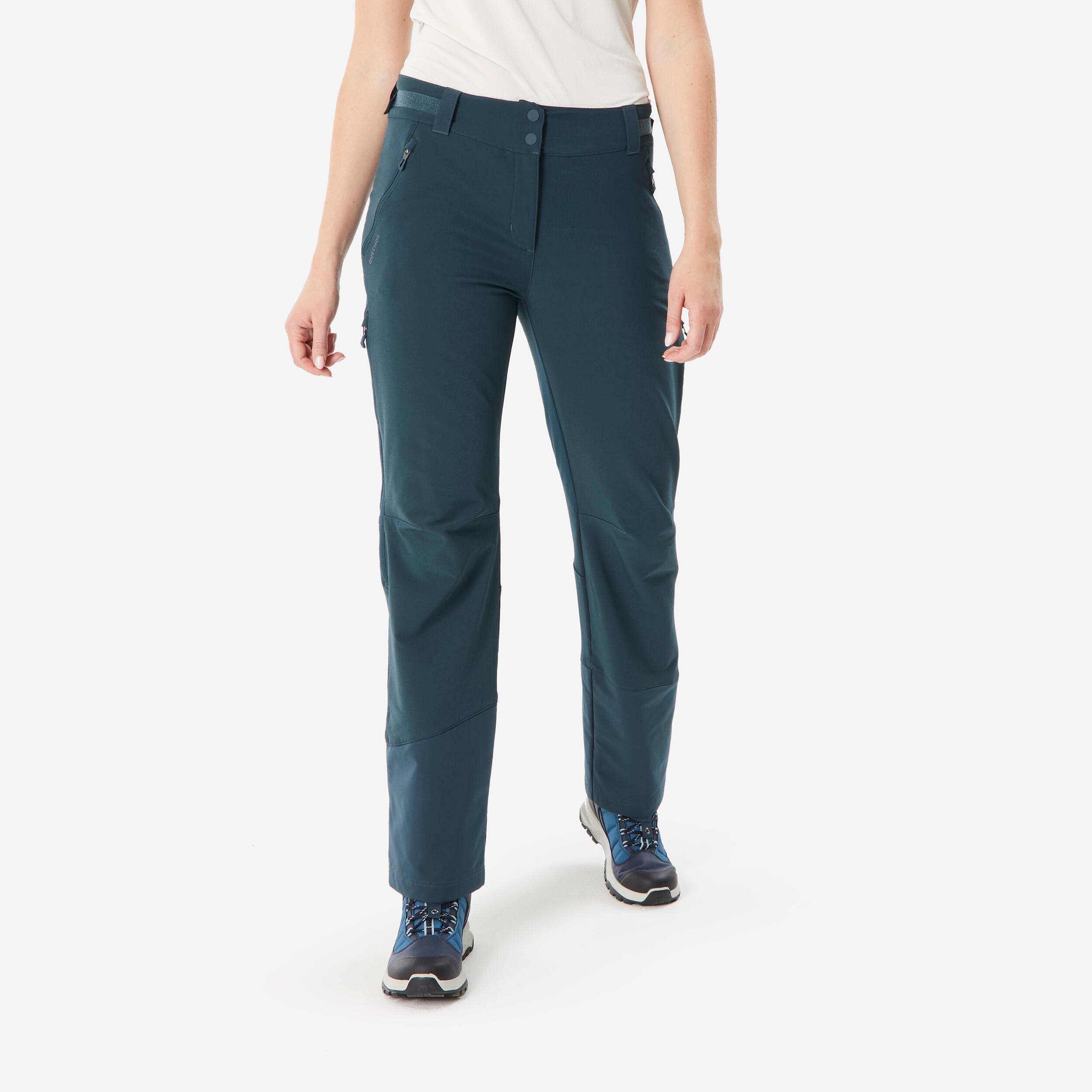
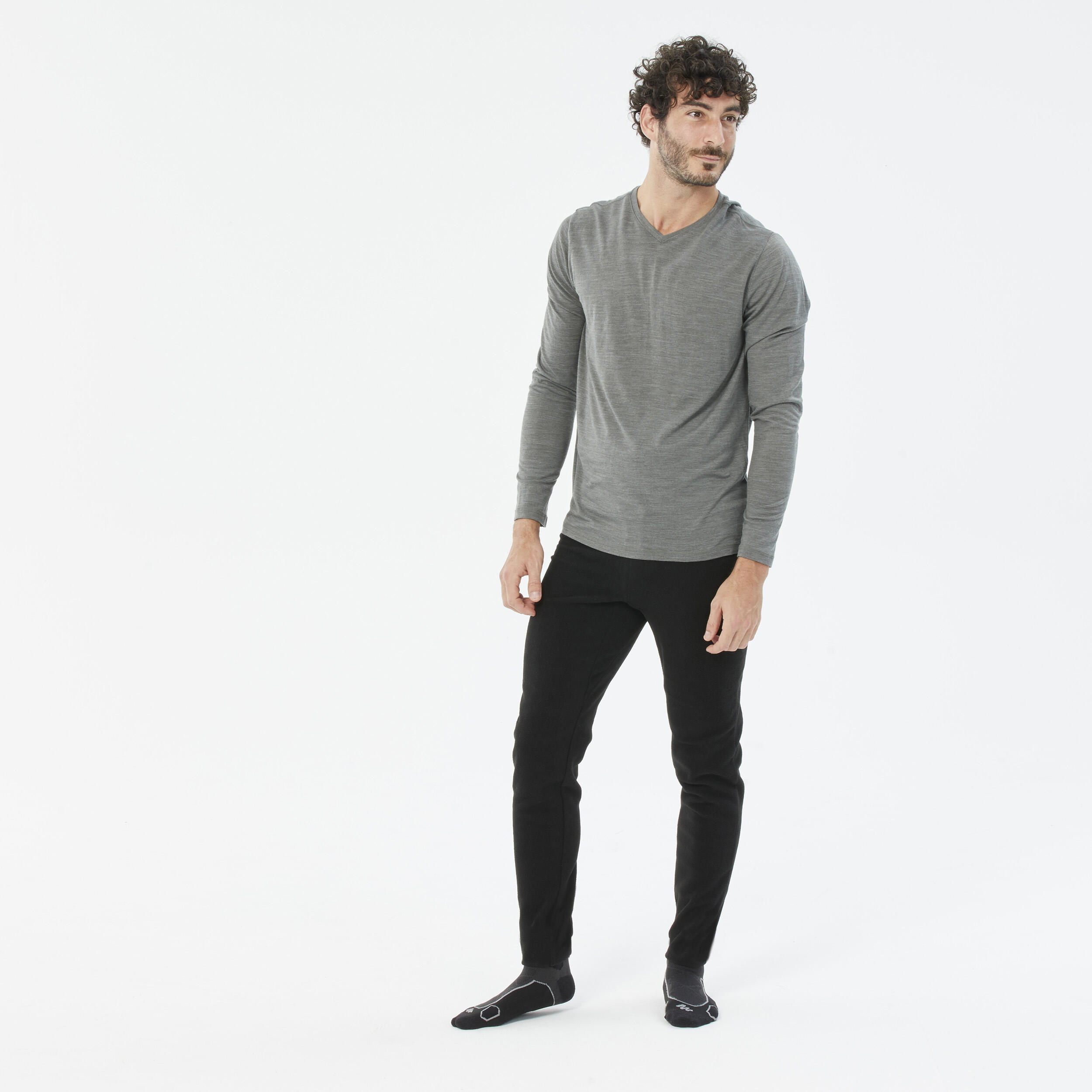
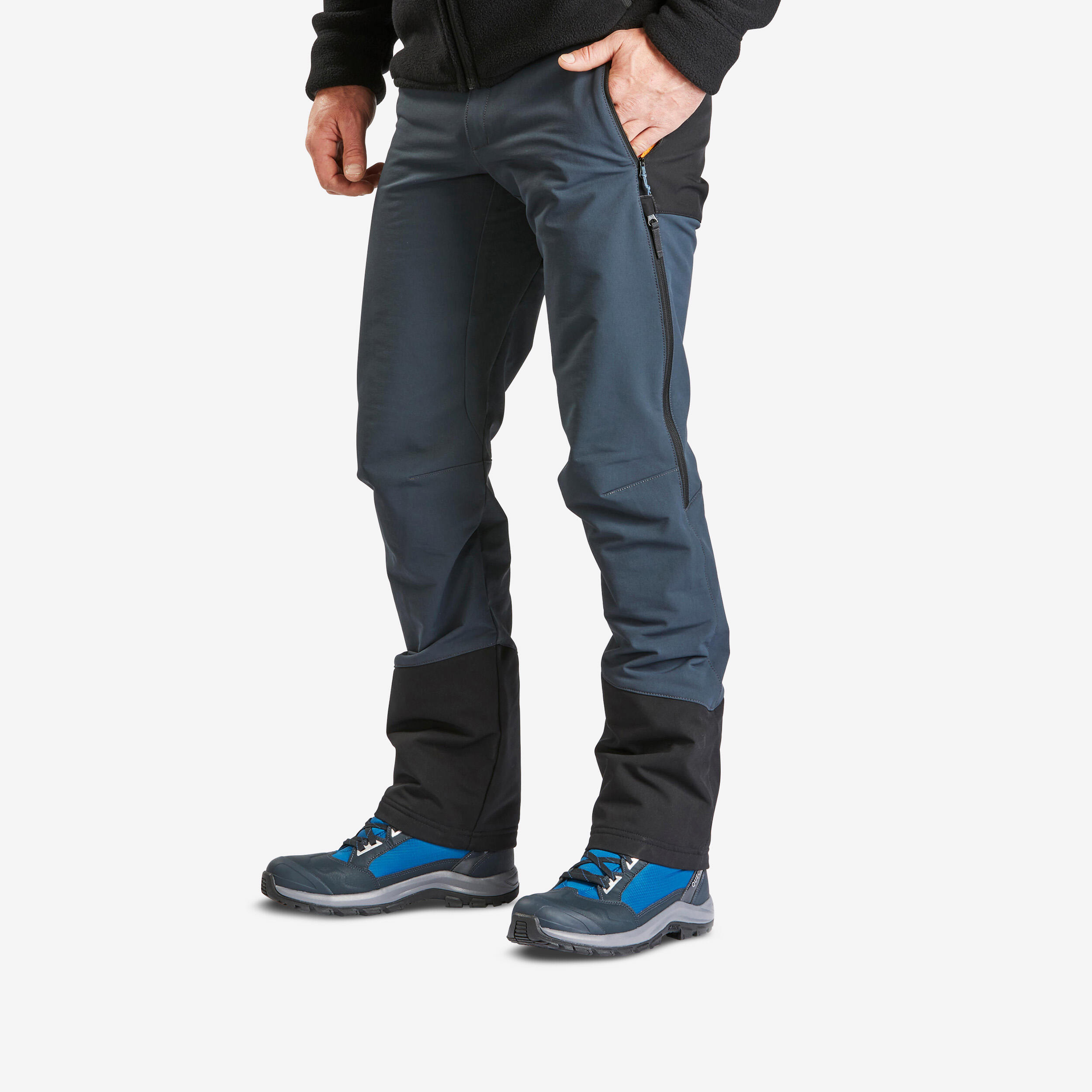
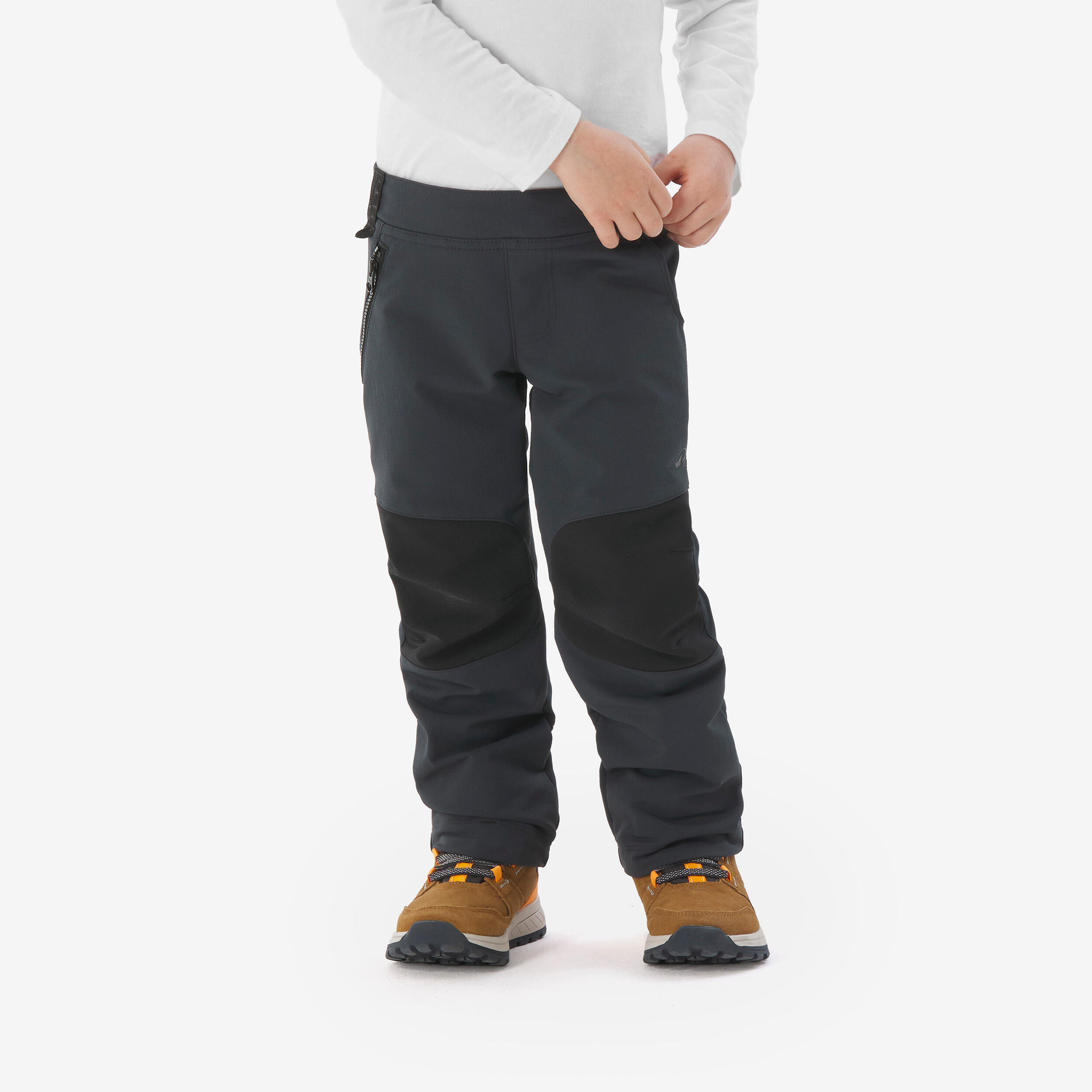
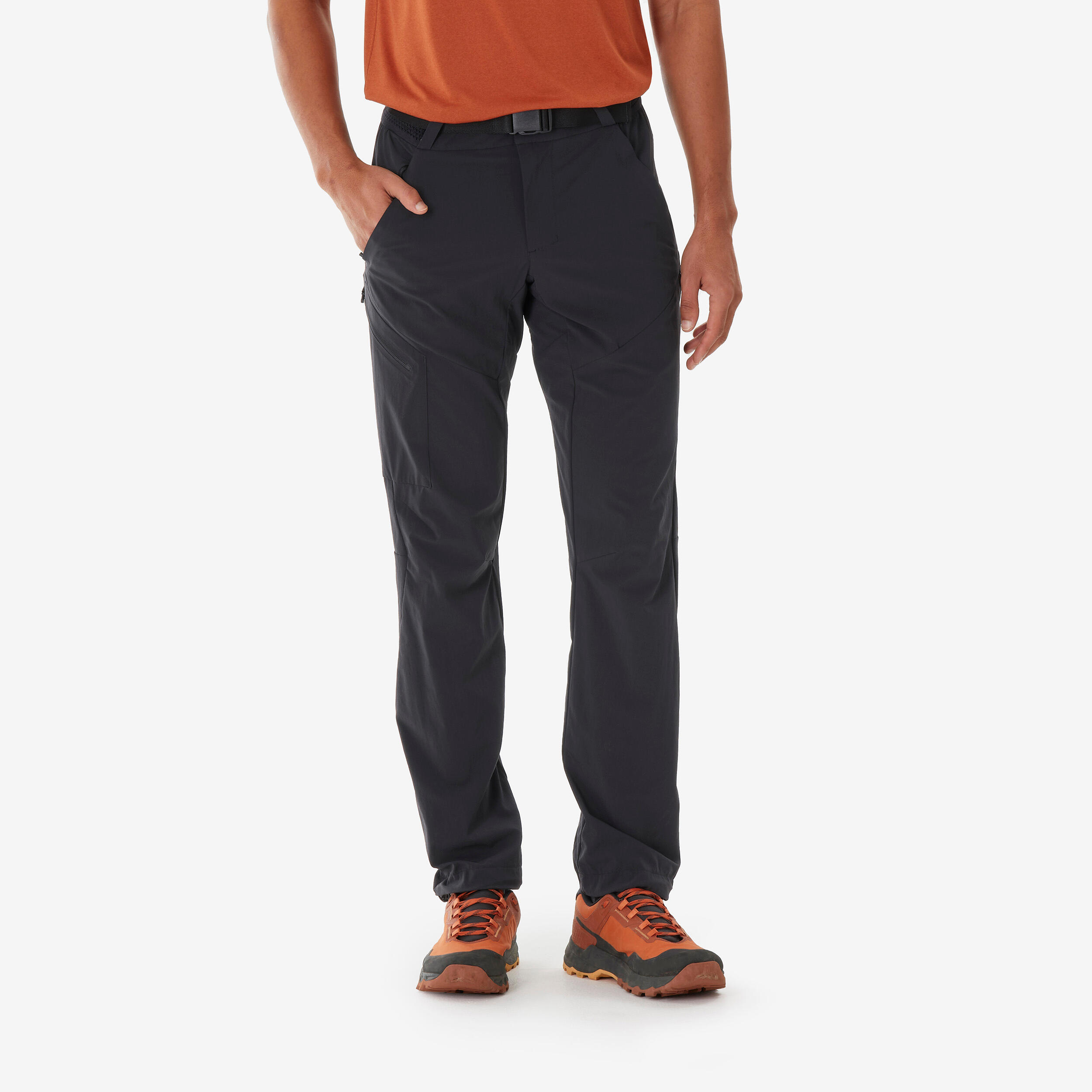
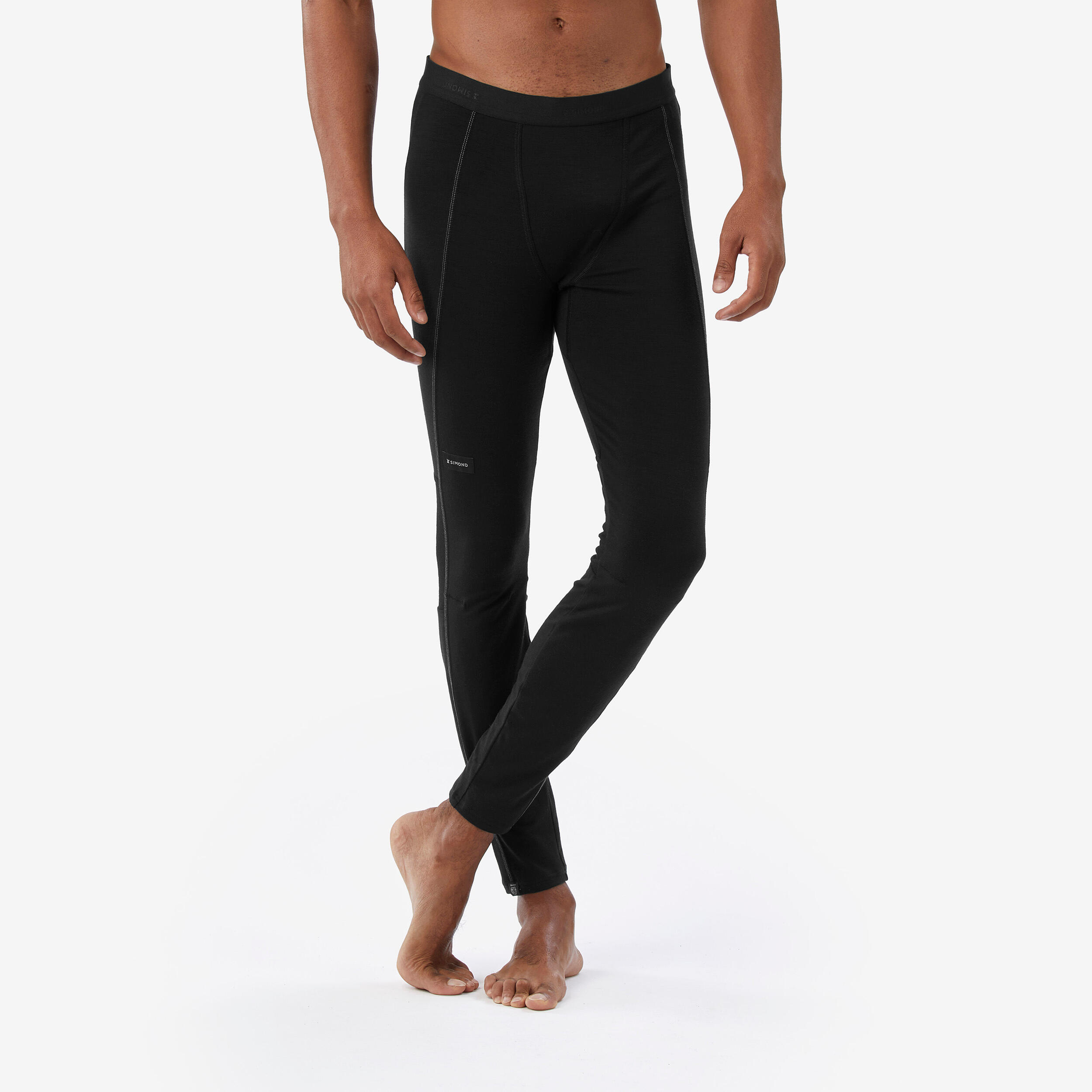
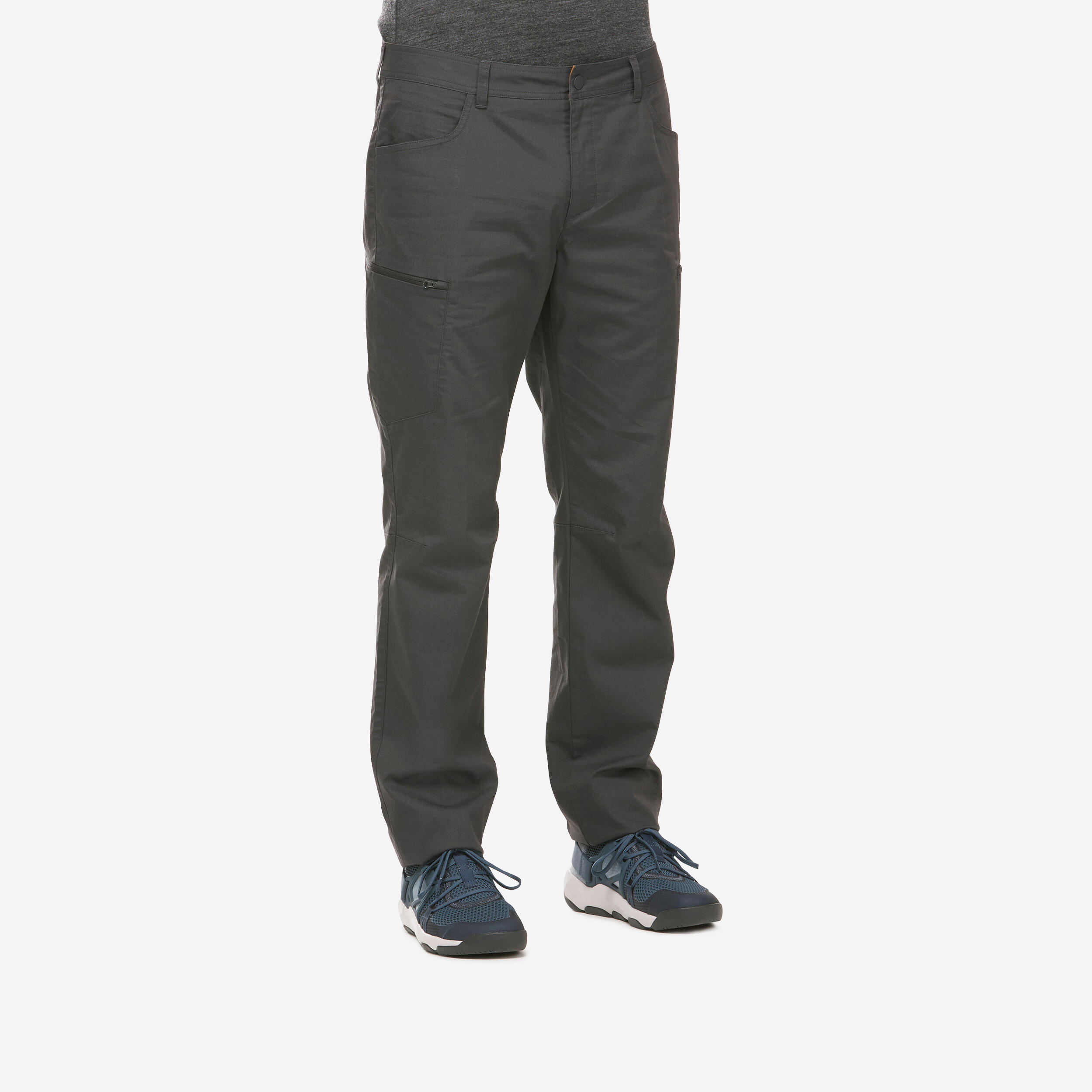
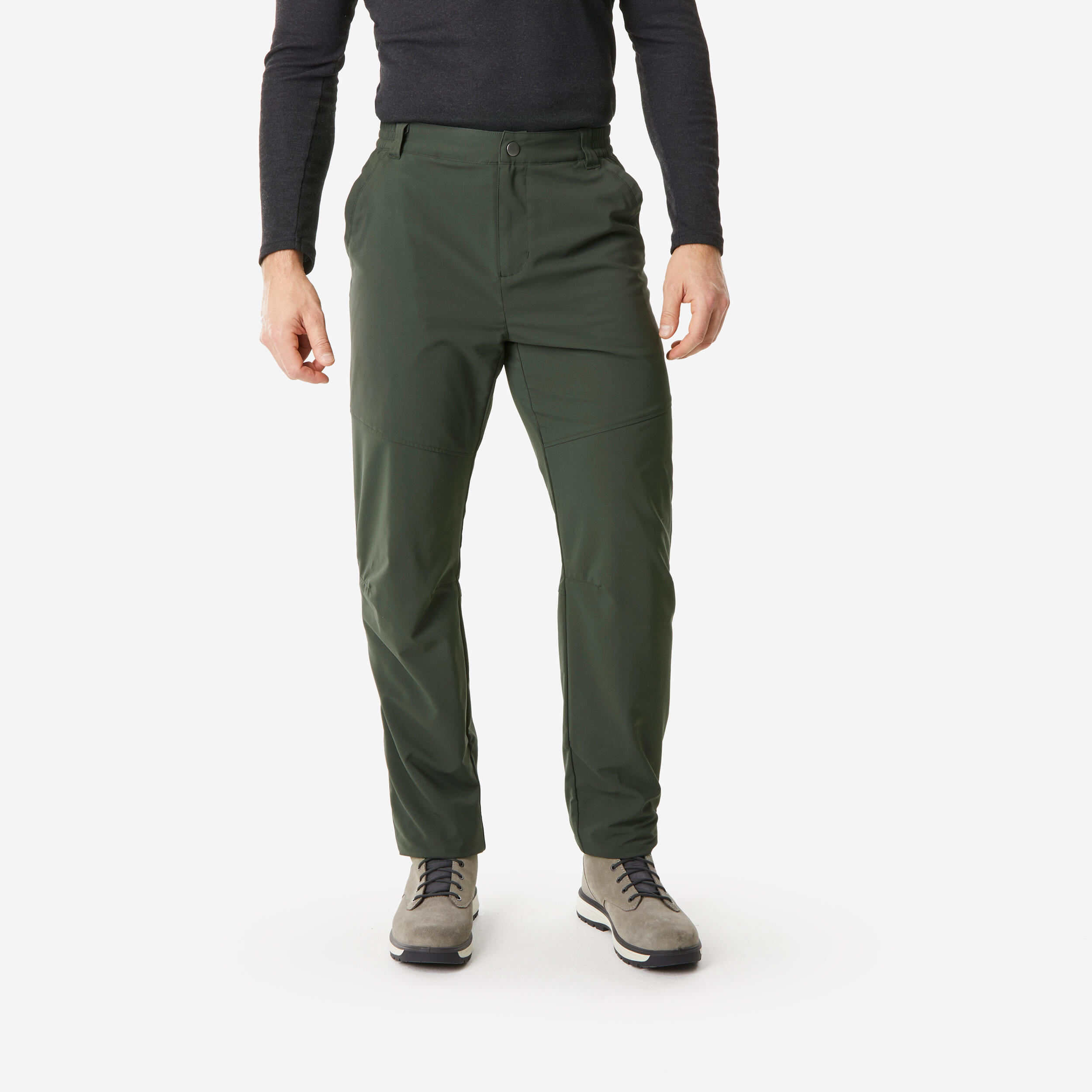
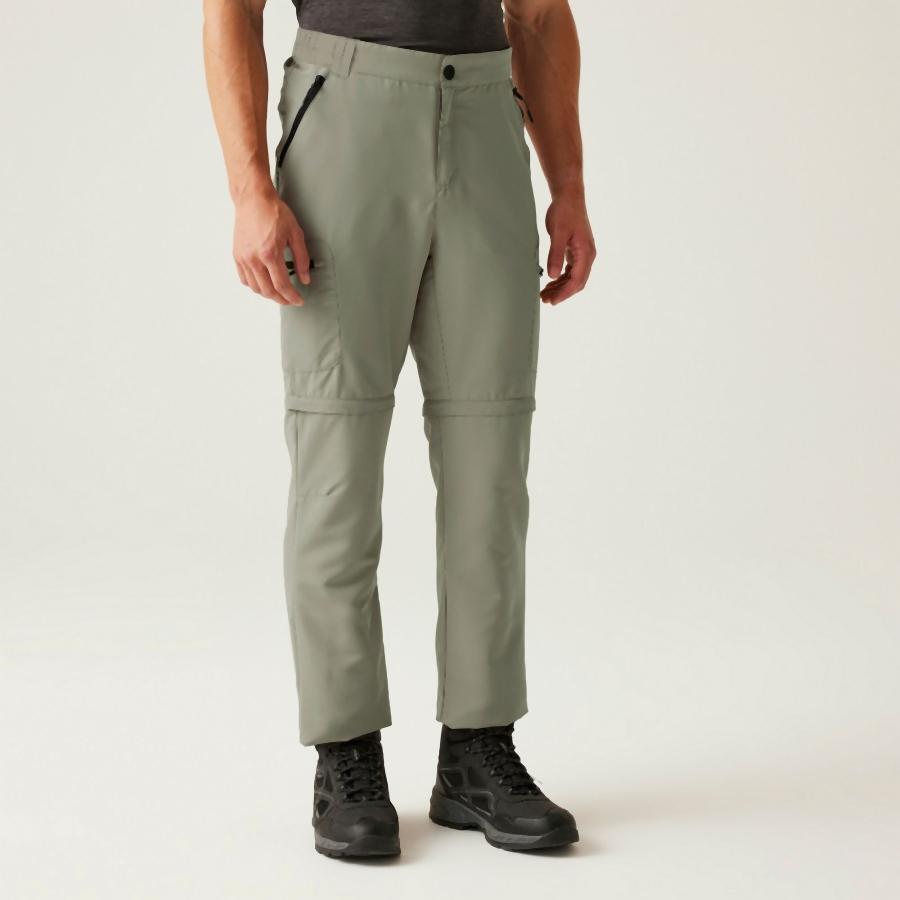
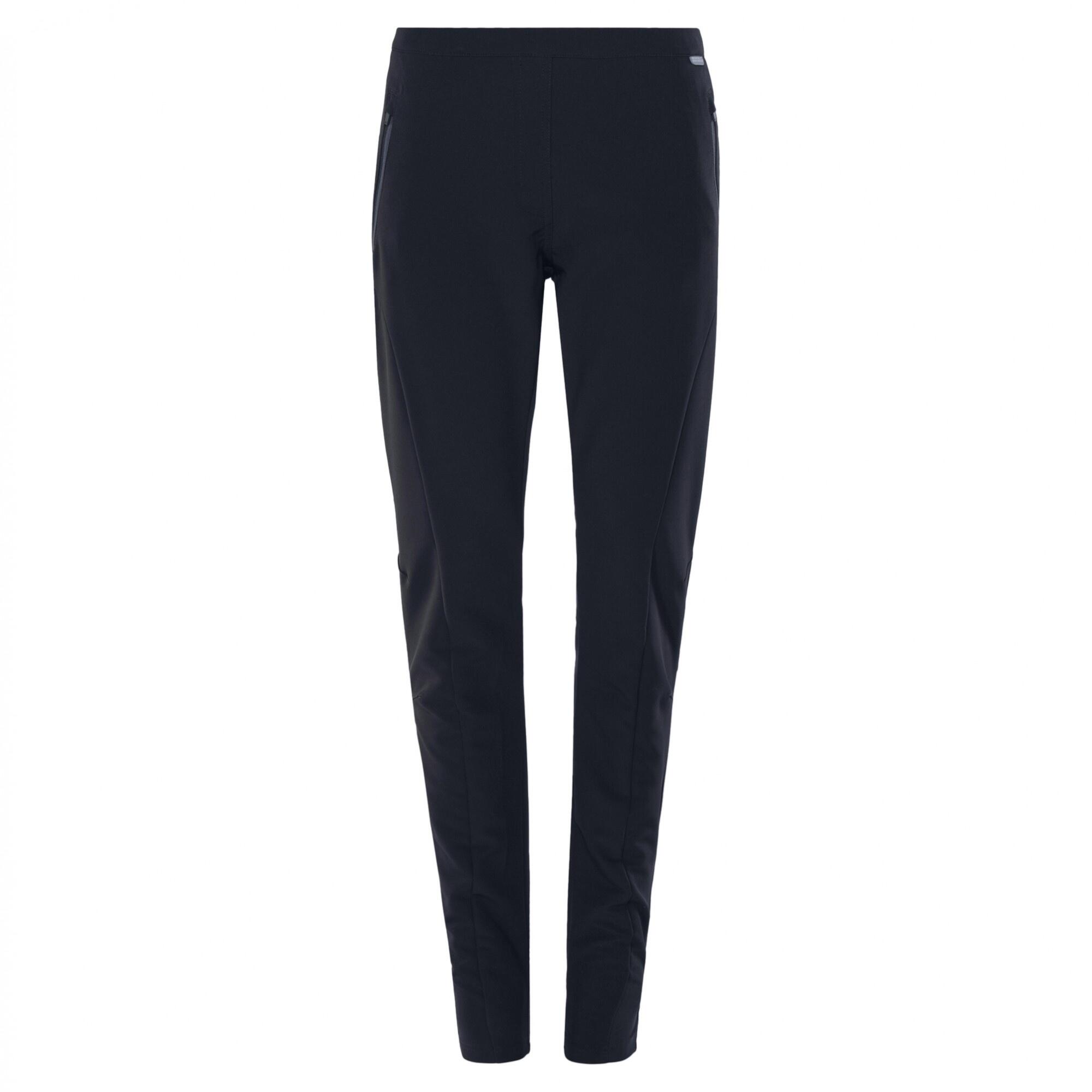
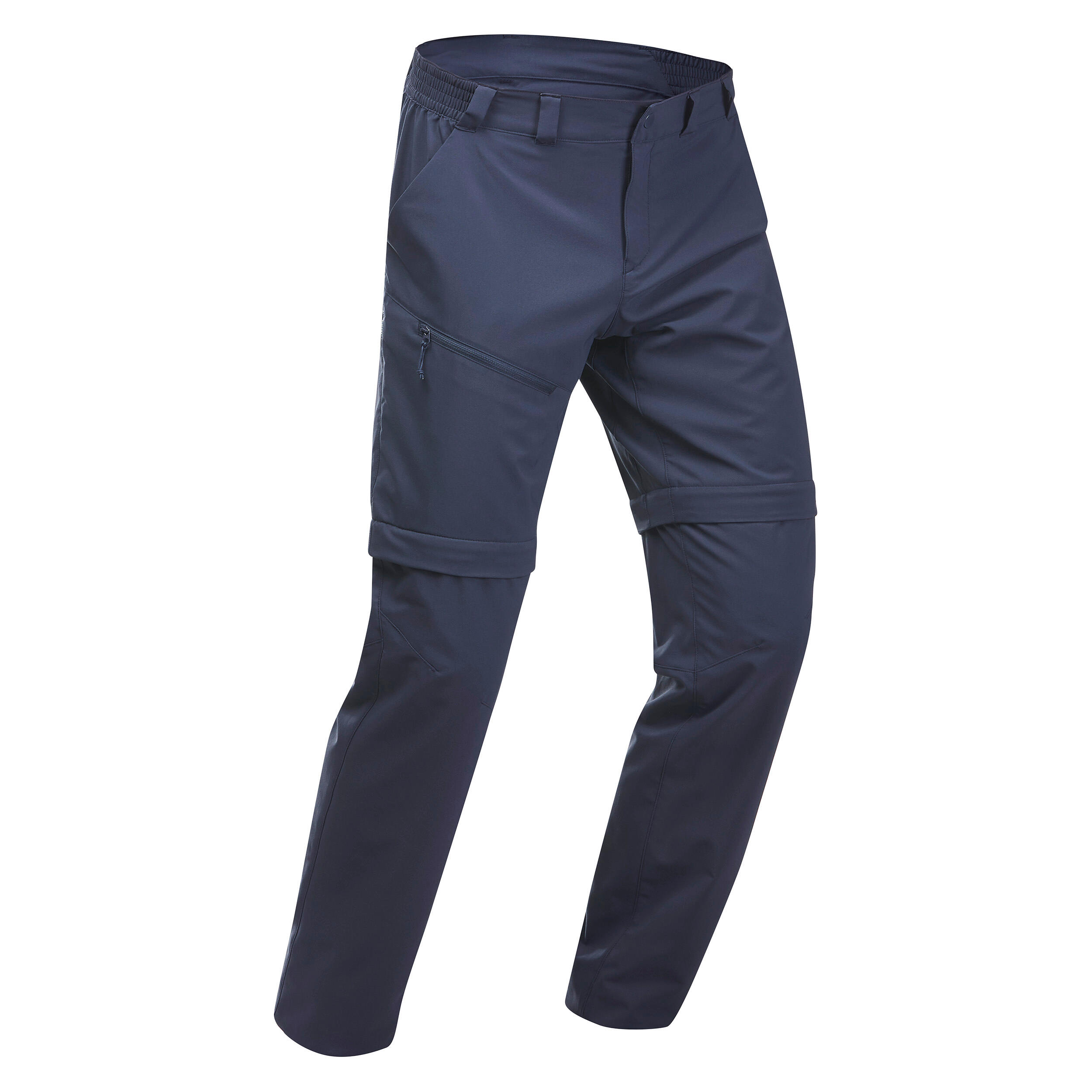
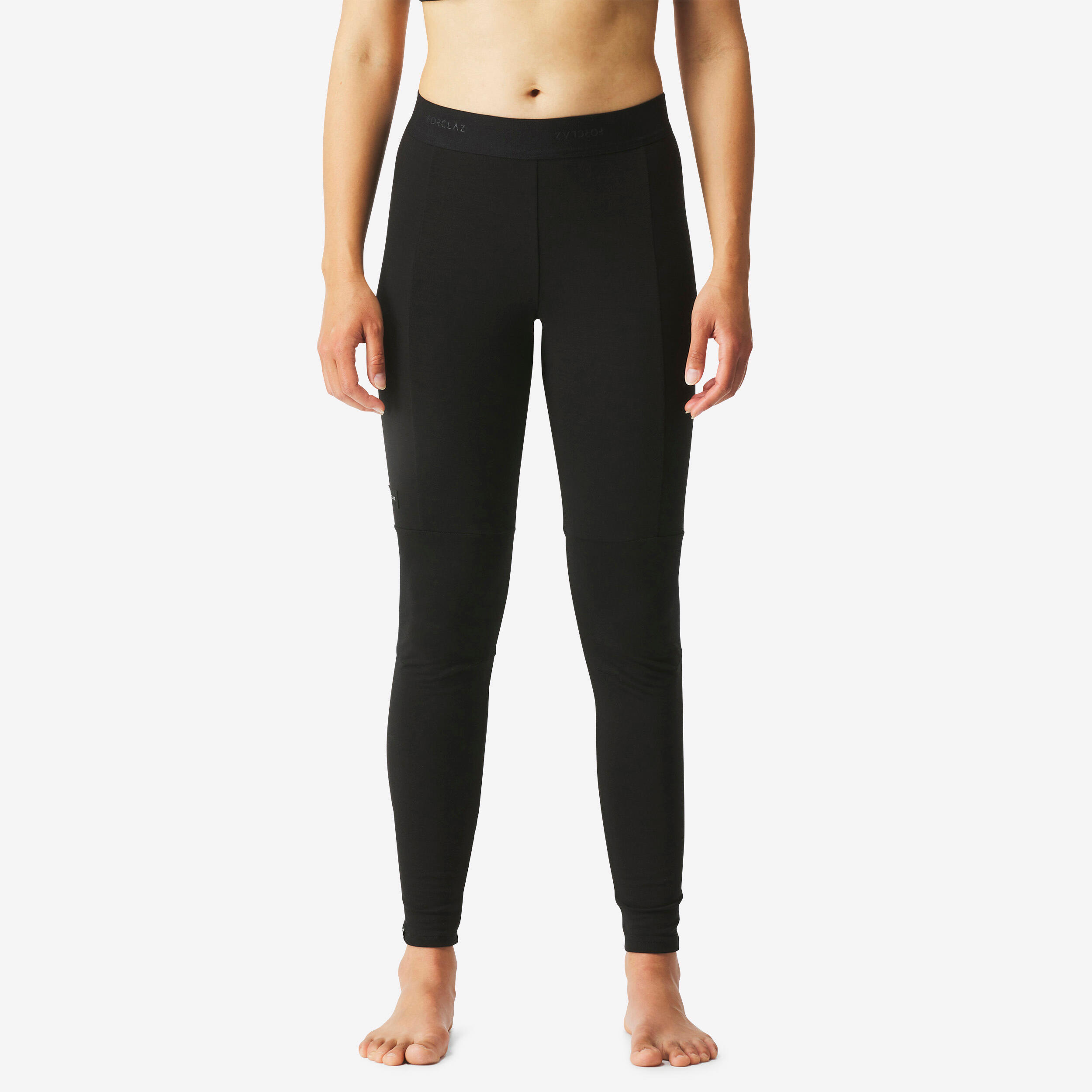
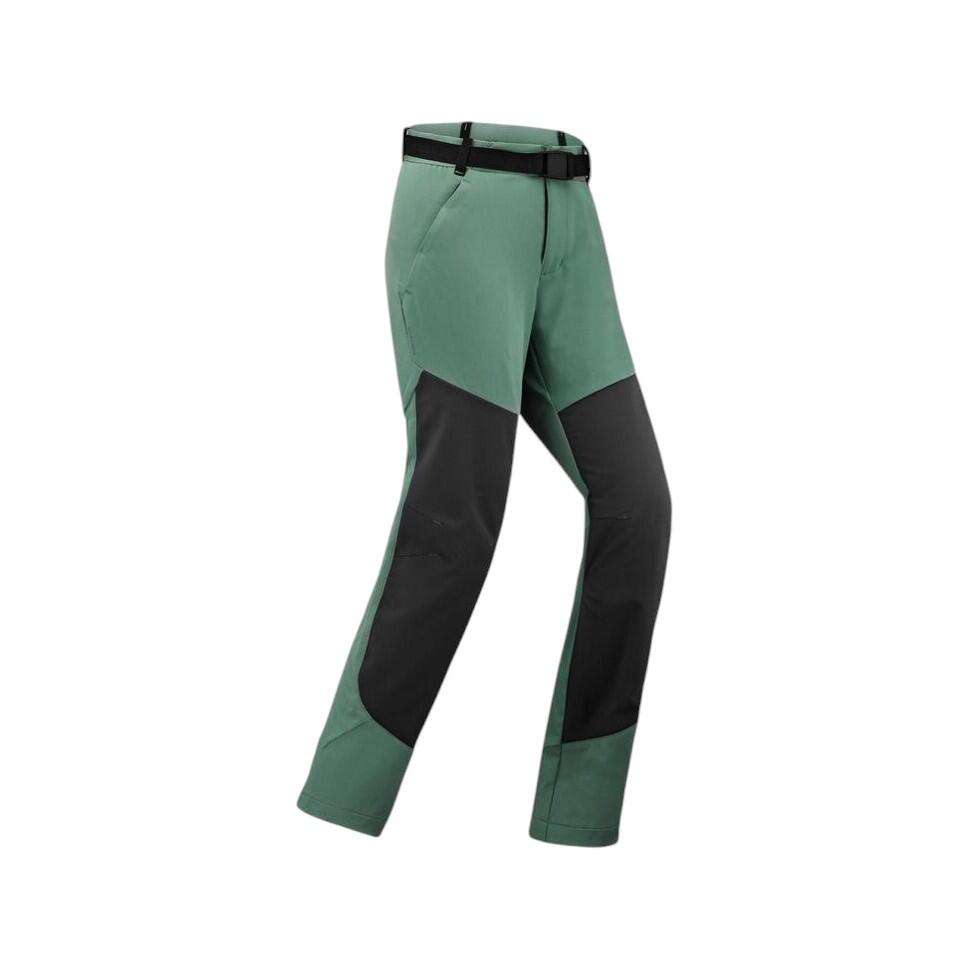
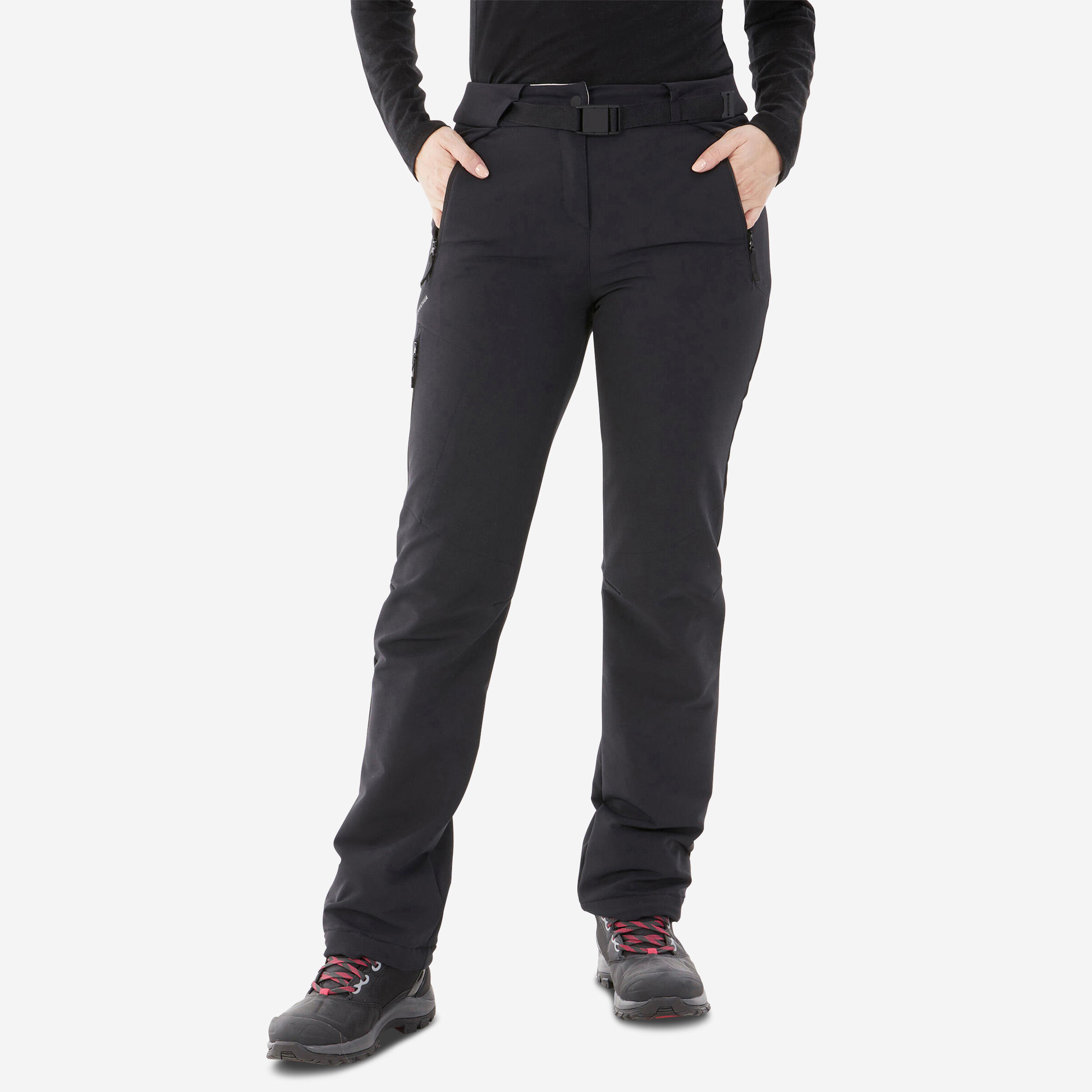
Choosing the right hiking trousers depends on the density of the terrain and the roughness of the paths you plan to explore. For technical ascents where flexibility is paramount, slim-fitting men’s hiking trousers often feature articulated knees and four-way stretch fabrics to allow for a full range of motion. Reinforced hems and ripstop materials are essential for preventing abrasions from sharp rocks or gorse bushes common on coastal trails. If you are moving through wet undergrowth, look for a tight weave that offers natural wind resistance. For those who prefer a streamlined feel, hiking leggings provide a compressive fit that reduces drag and prevents fabric from snagging on low-lying branches. Ensure your choice features a semi-elasticated waistband to accommodate high-stepping movements during steep climbs without the fabric digging into your torso.

What is the difference between standard hiking trousers and hiking leggings?

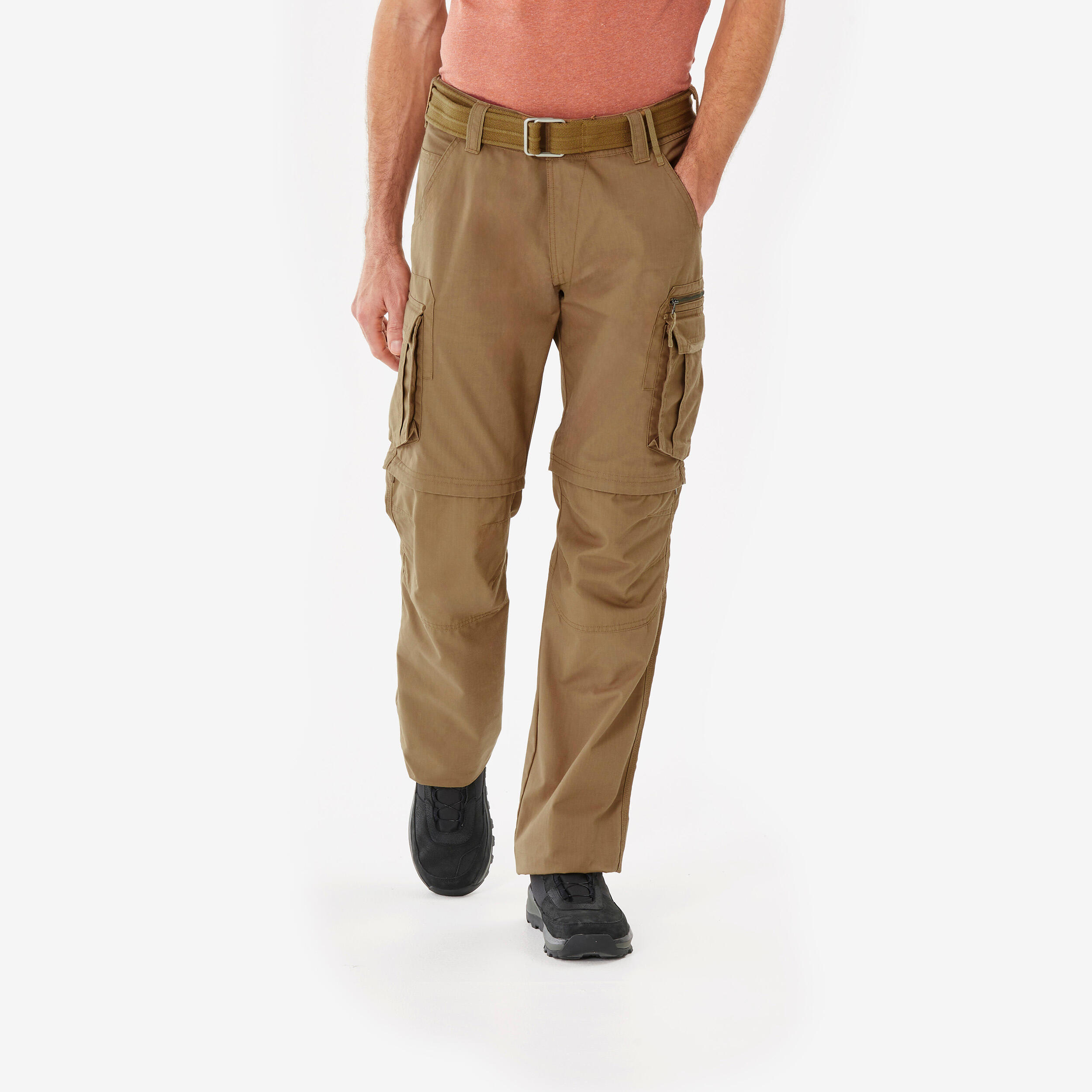
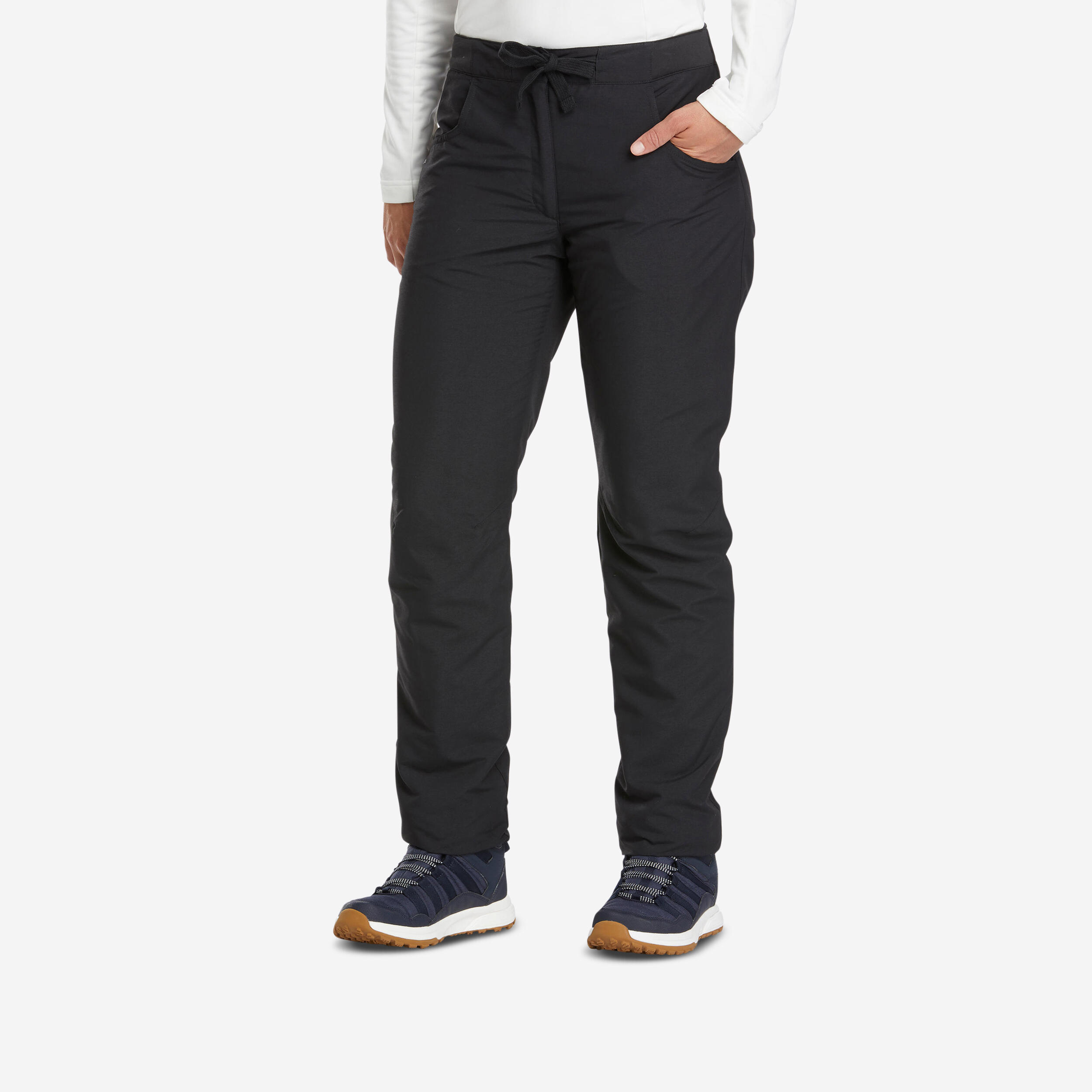
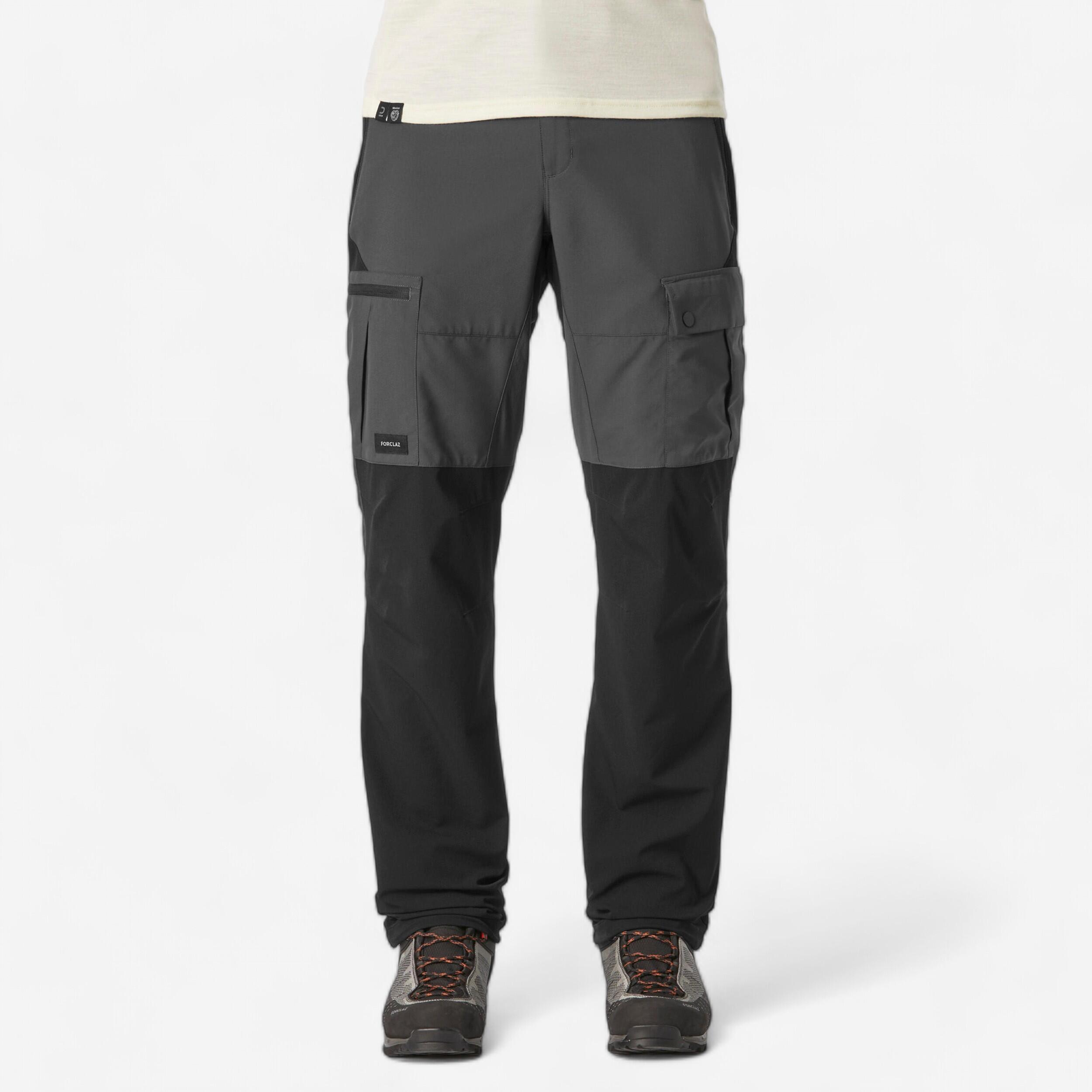
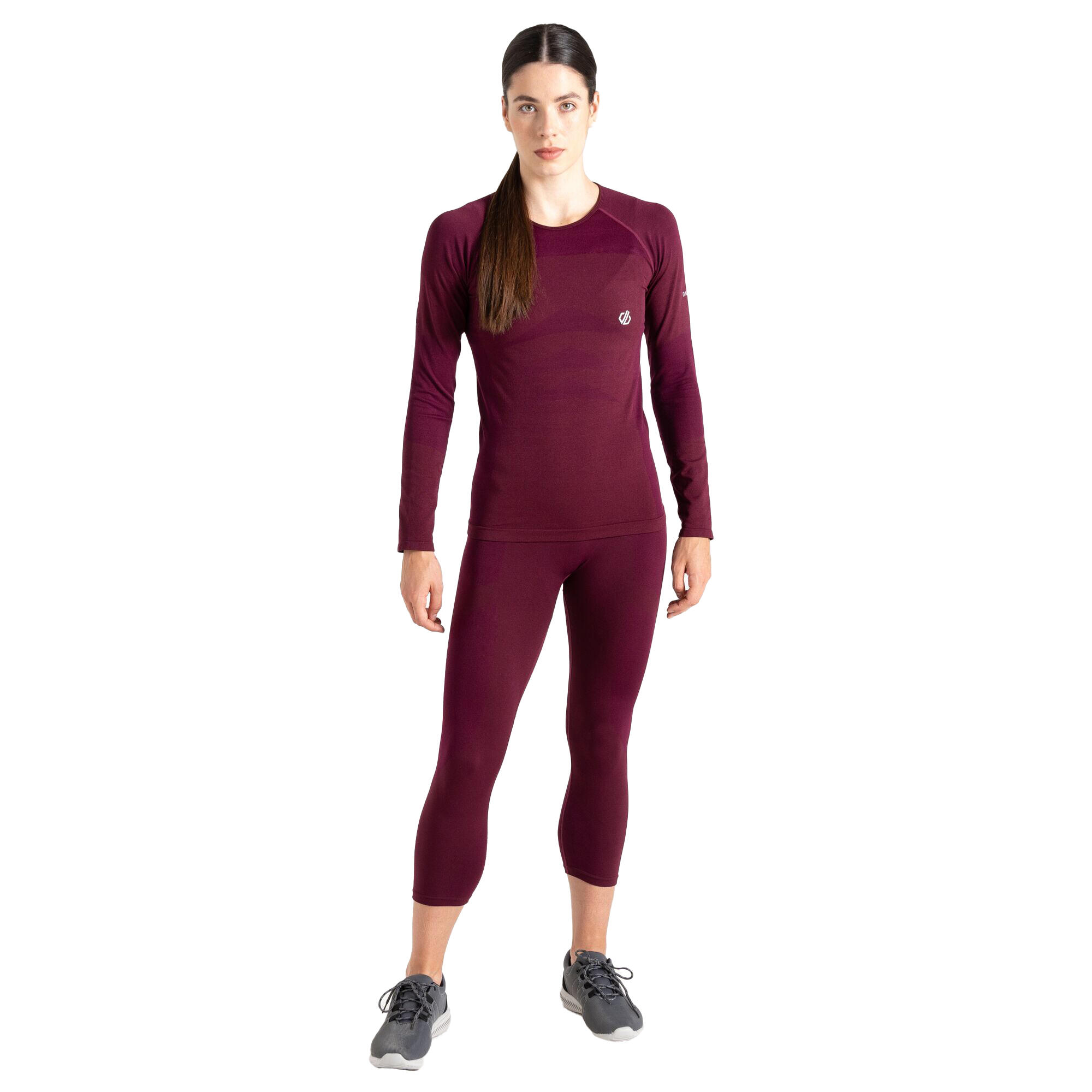
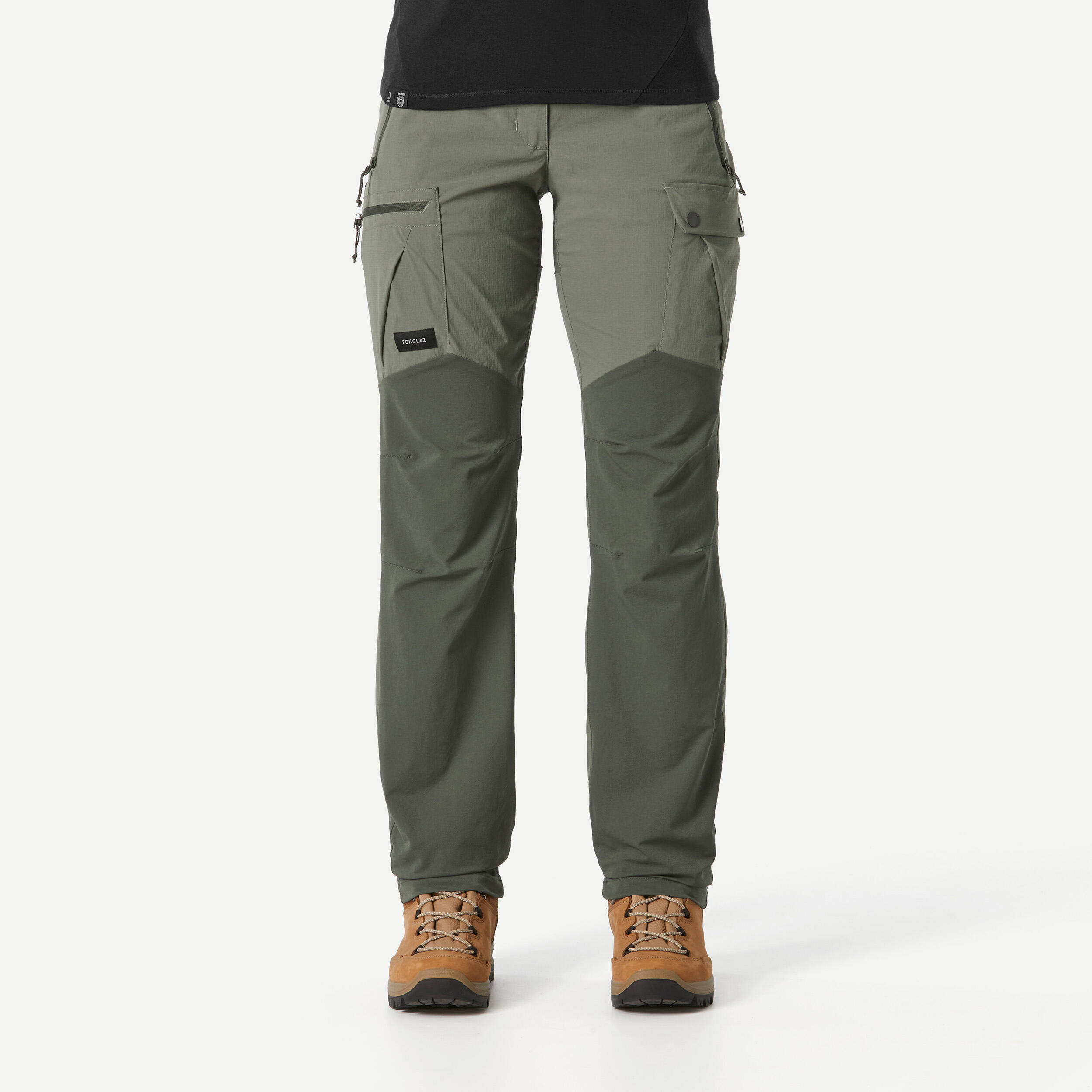
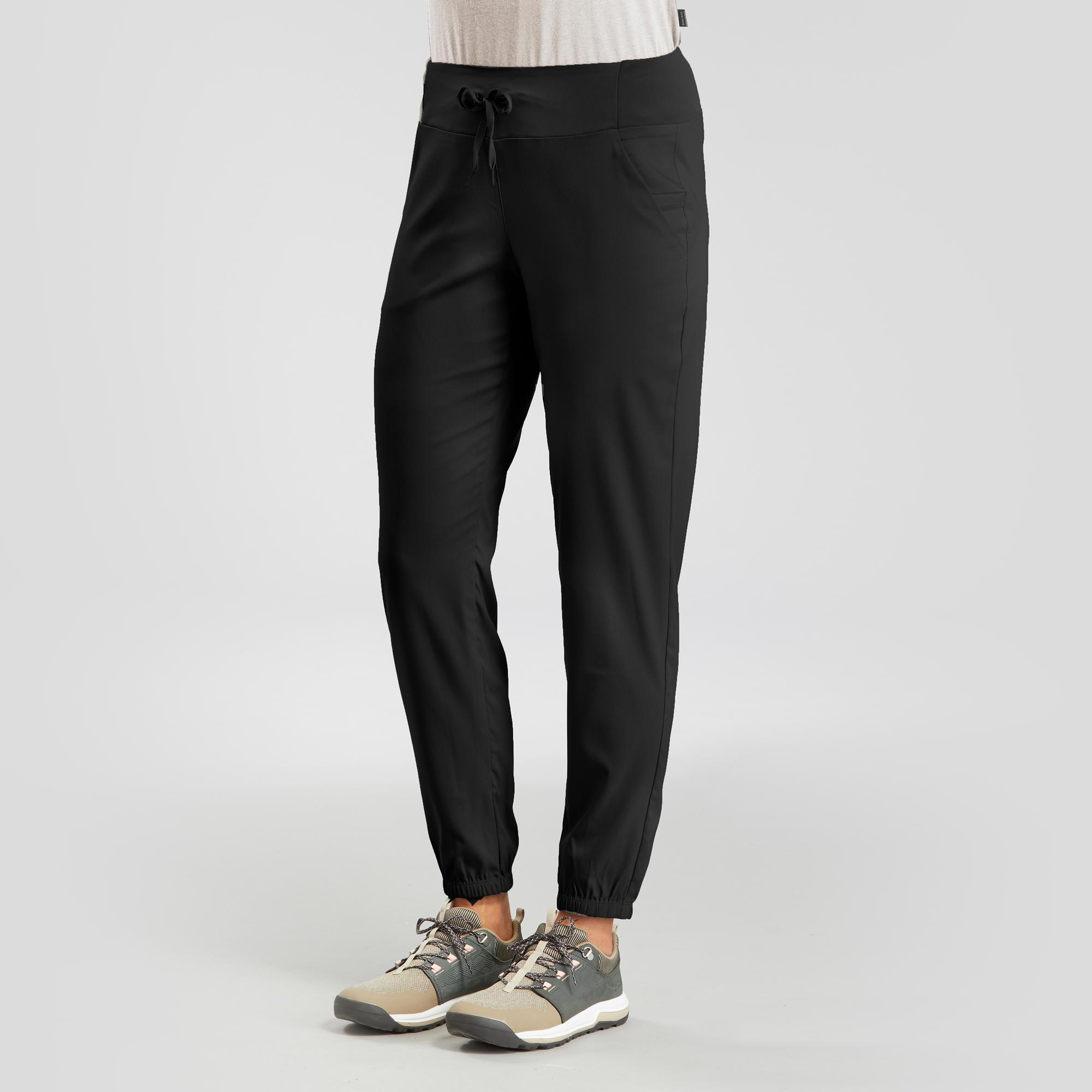
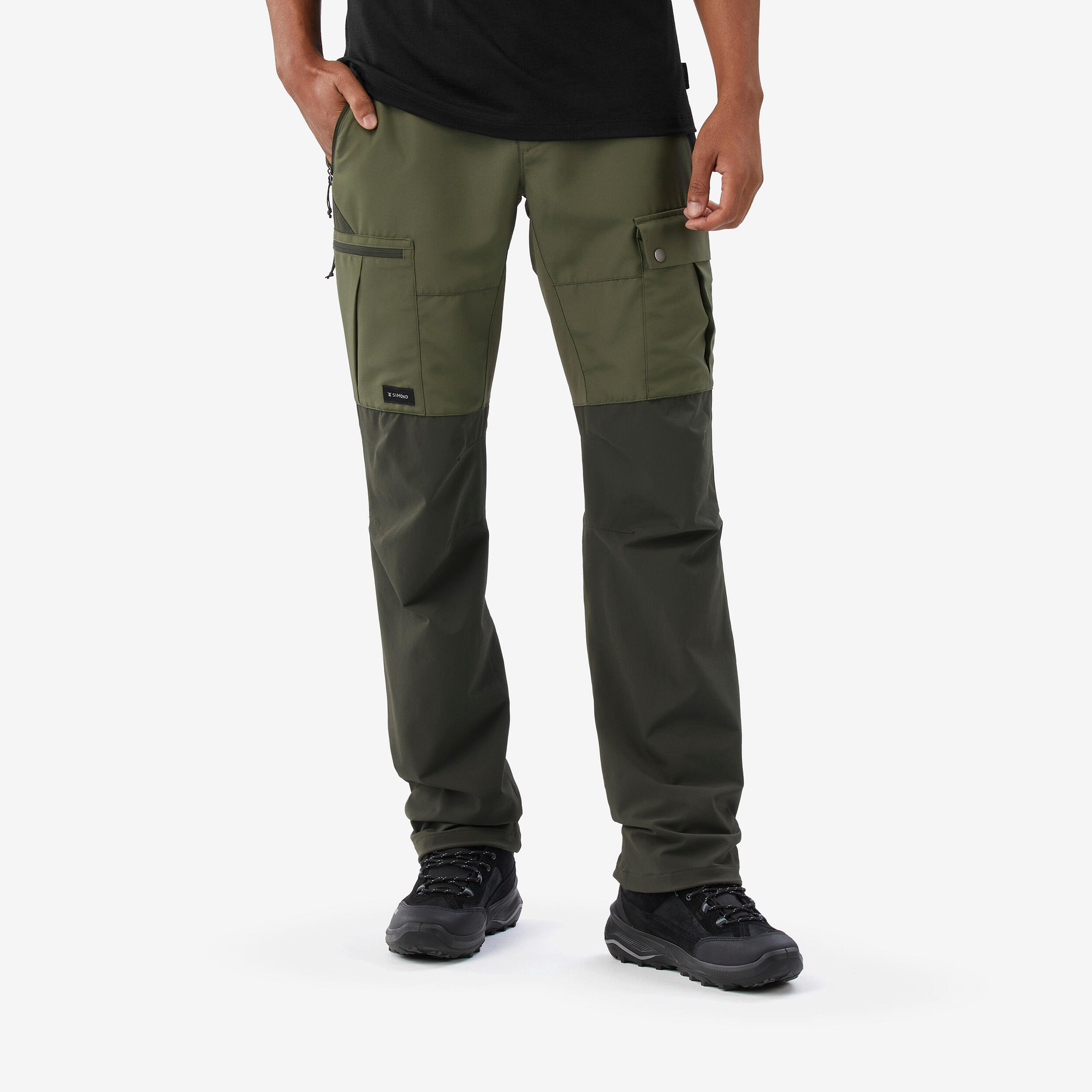
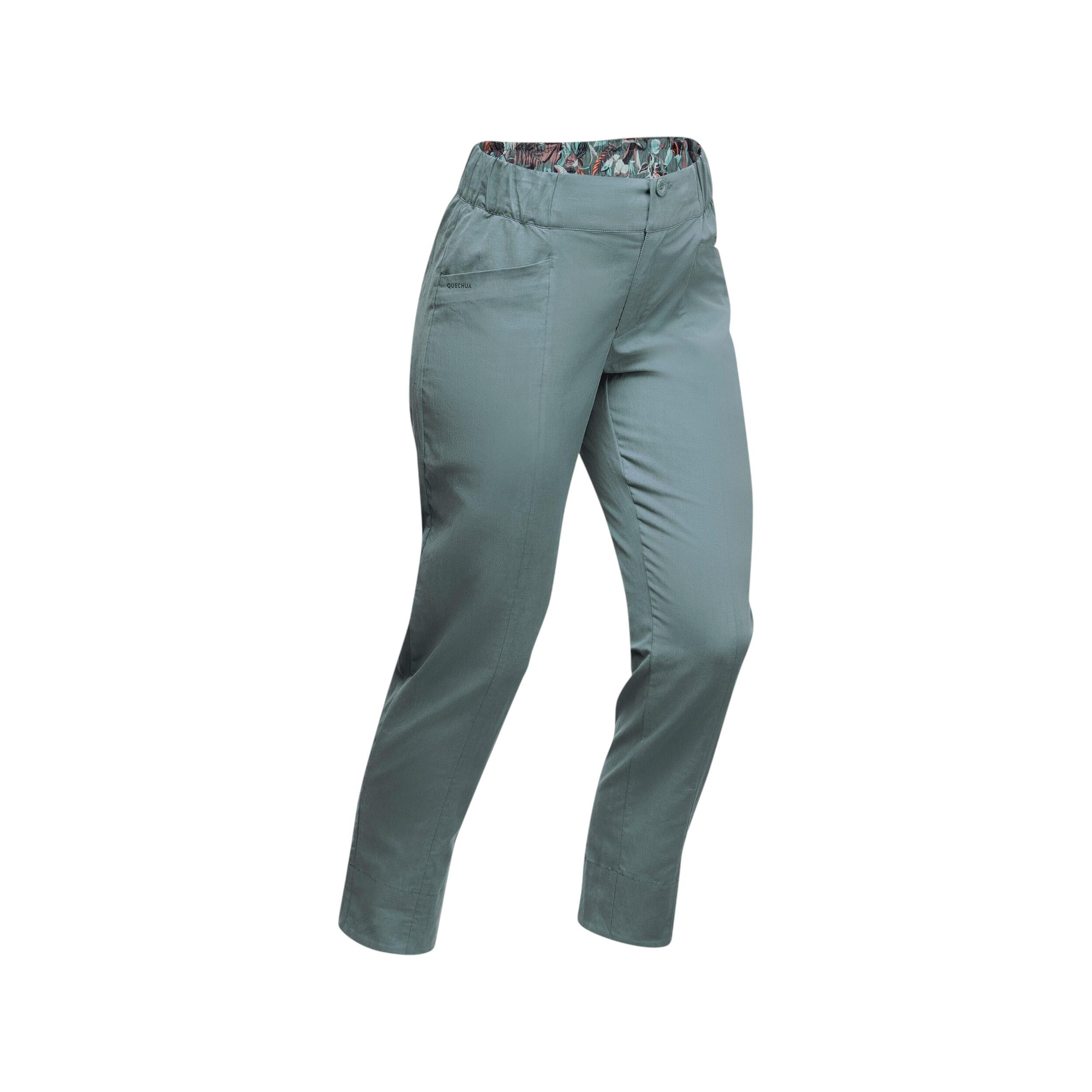
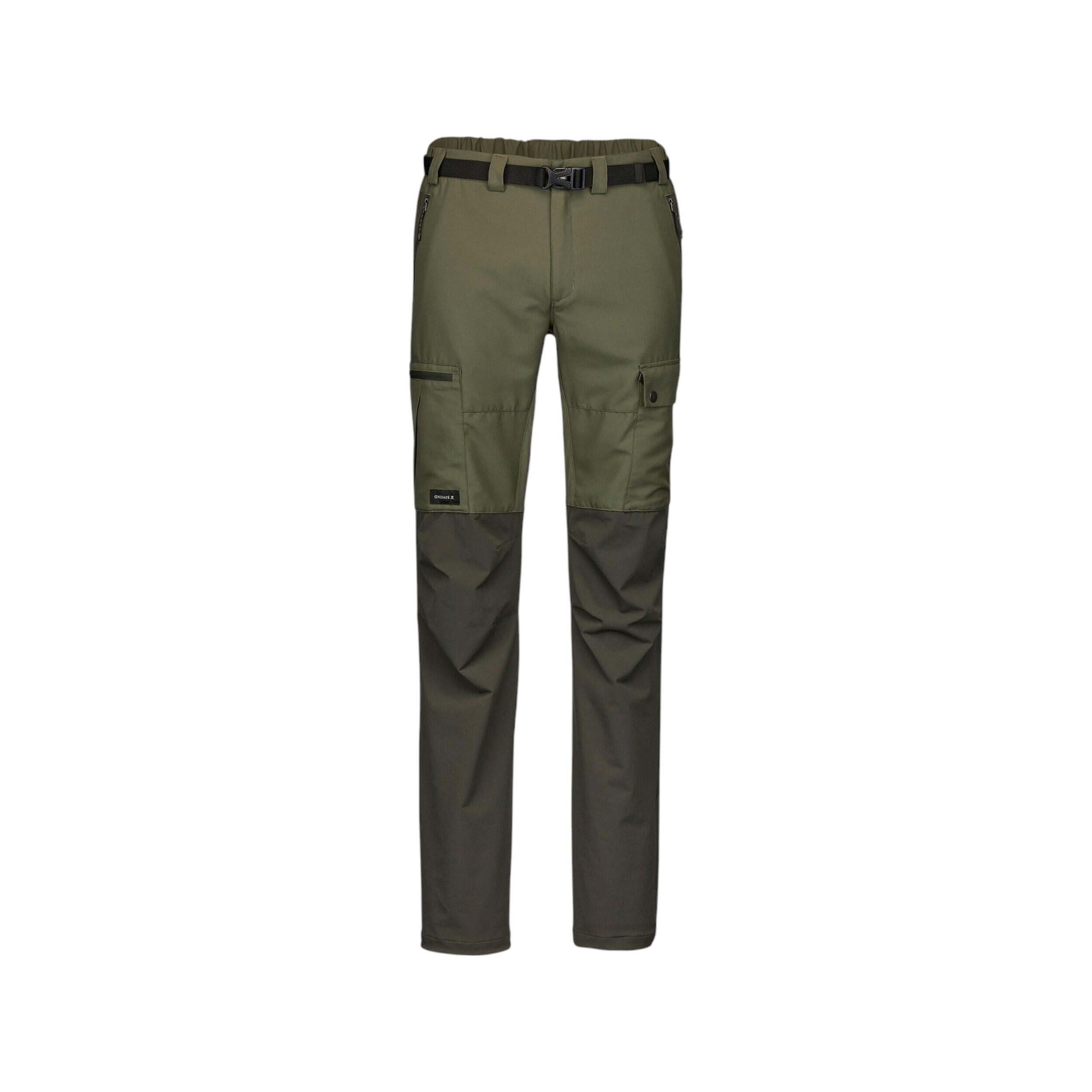
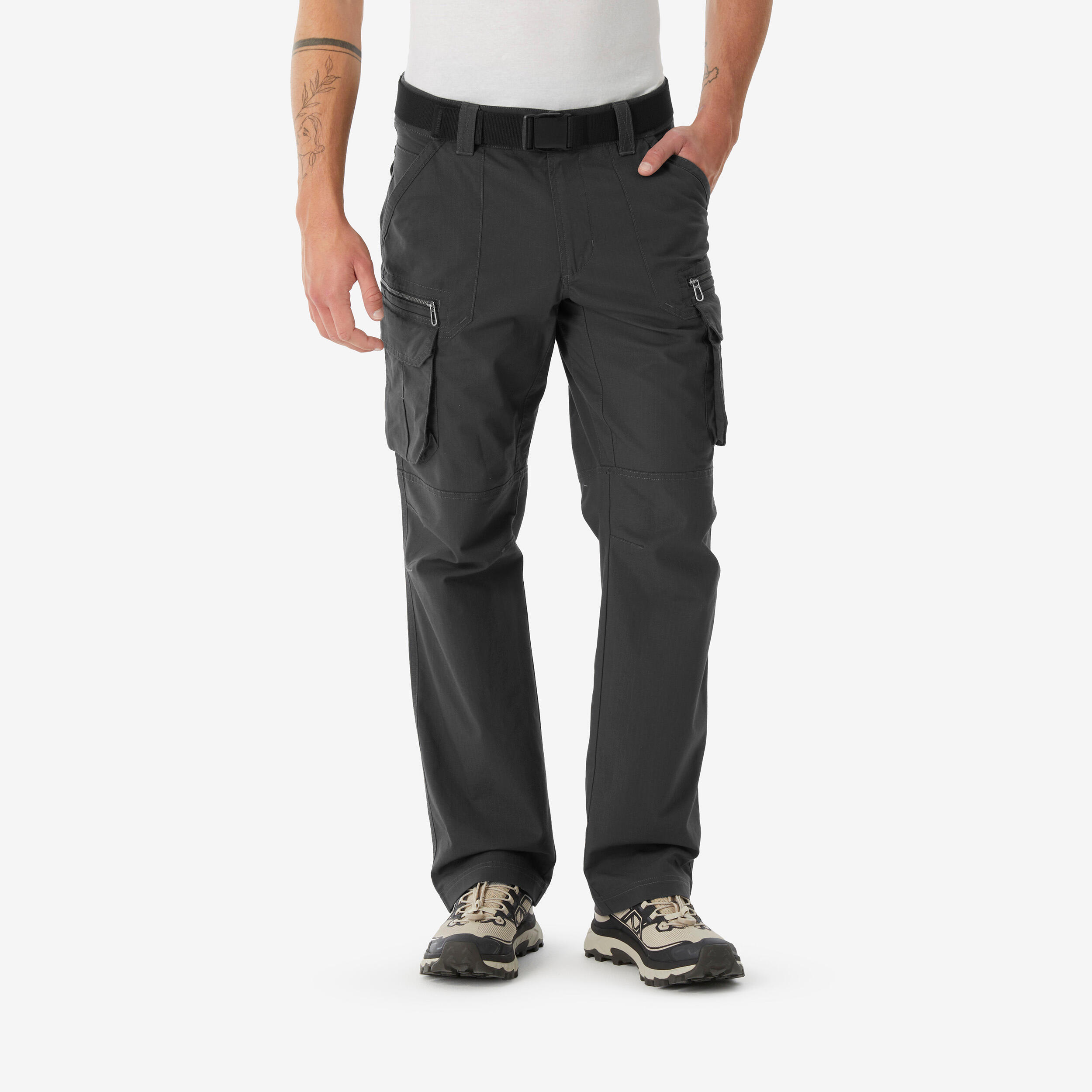
Traditional hiking trousers focus on durability and storage, often incorporating multiple zipped compartments found in hiking cargo trousers to keep maps and compasses secure. In contrast, women’s hiking trousers and leggings prioritize moisture management and a lightweight feel for high-tempo activities. Hiking leggings are typically constructed from high-elastane blends that wick sweat away faster than woven fabrics, making them ideal for summer hillwalking or trail speed-hiking. The thicker waistband found in outdoor-specific leggings is designed to prevent the garment from sliding down under the weight of a heavy rucksack hip belt.
When should I use waterproof hiking over-trousers instead of water-repellent pants?

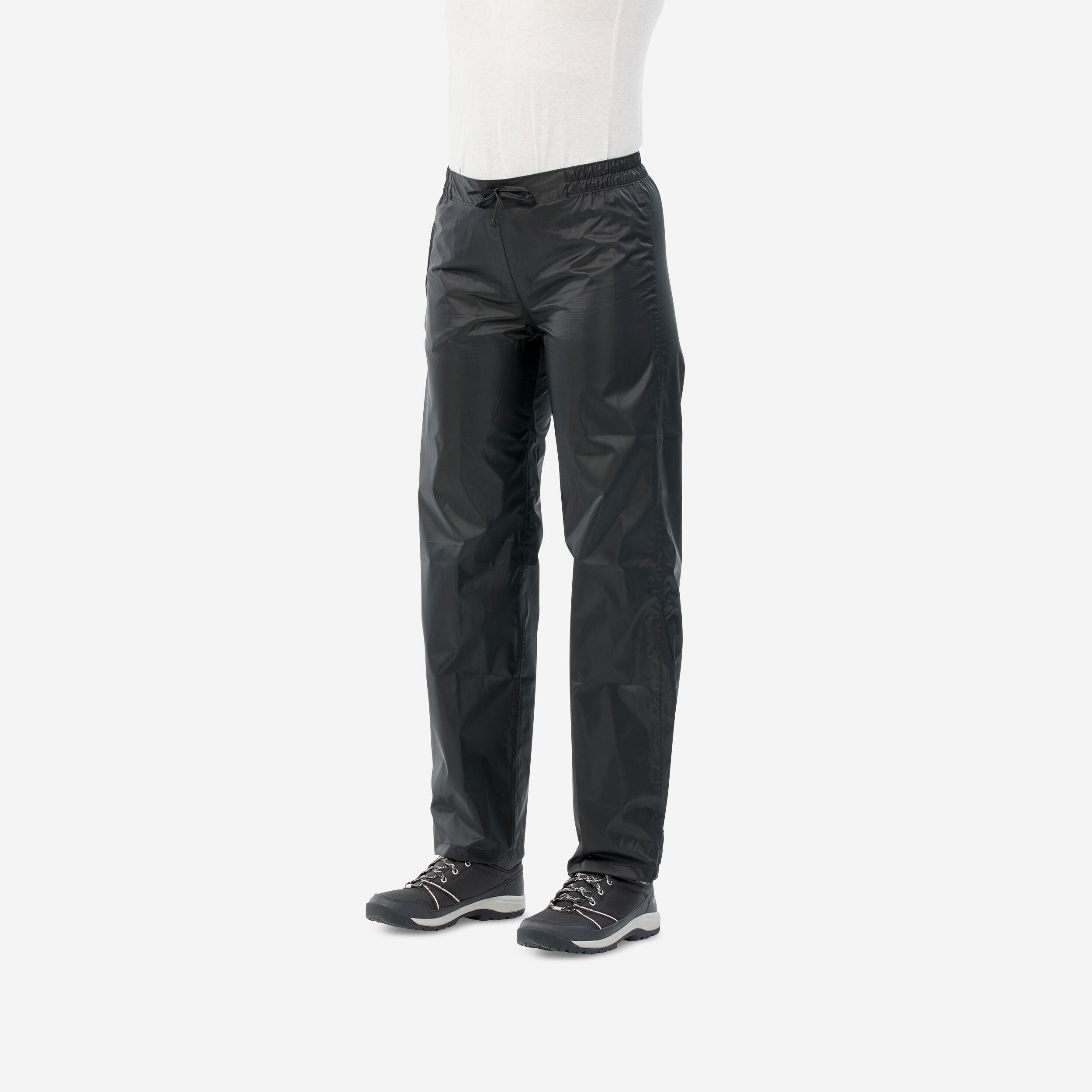
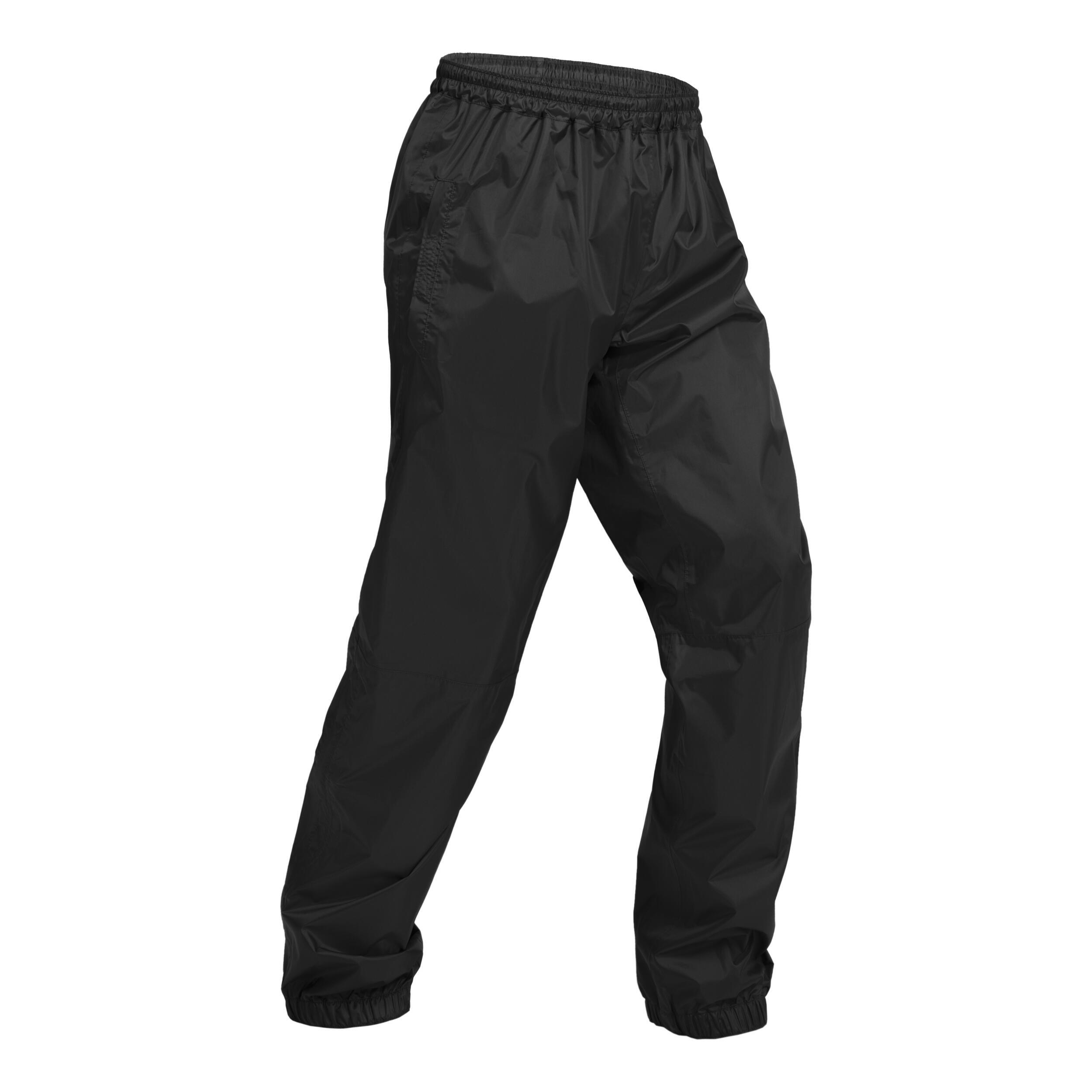
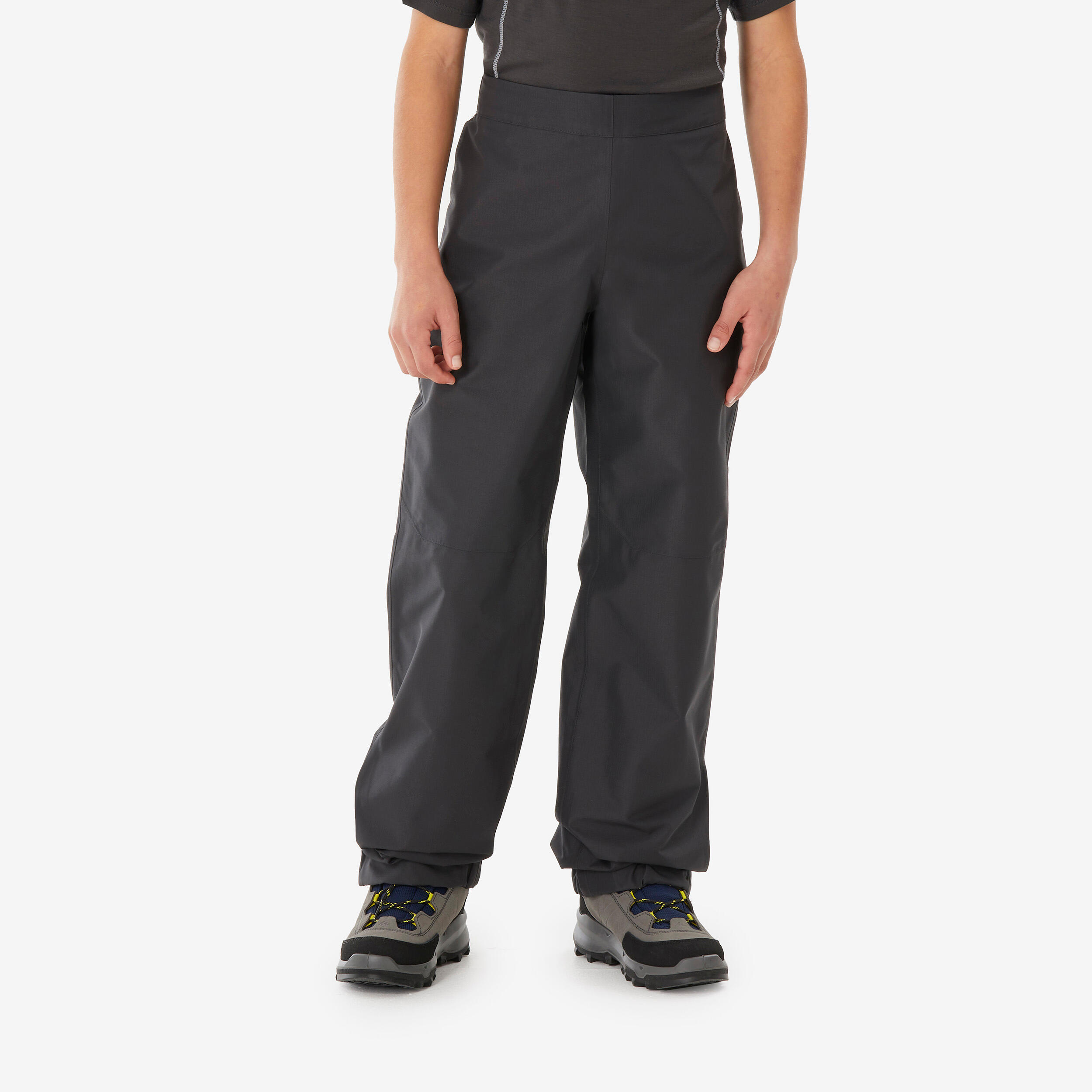
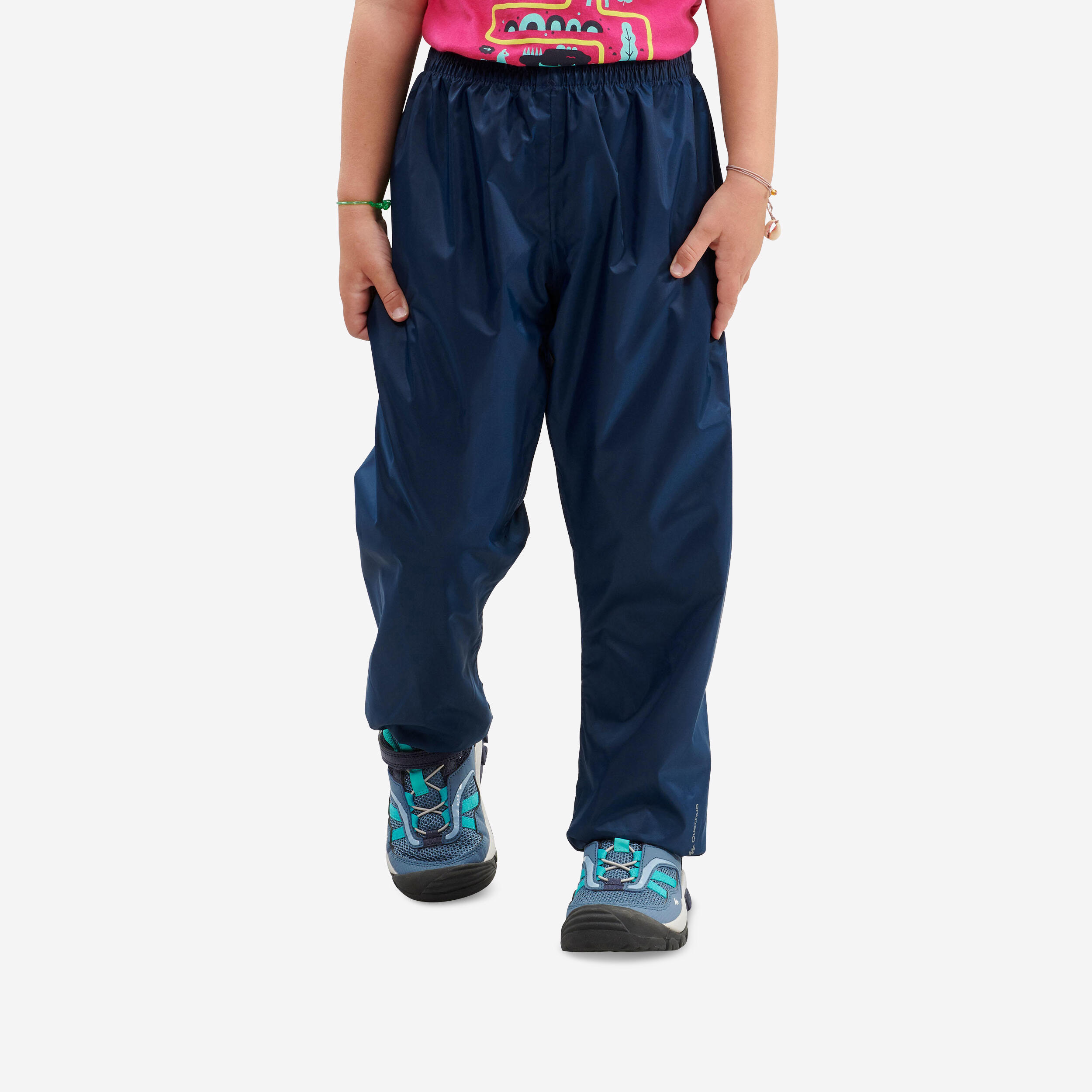
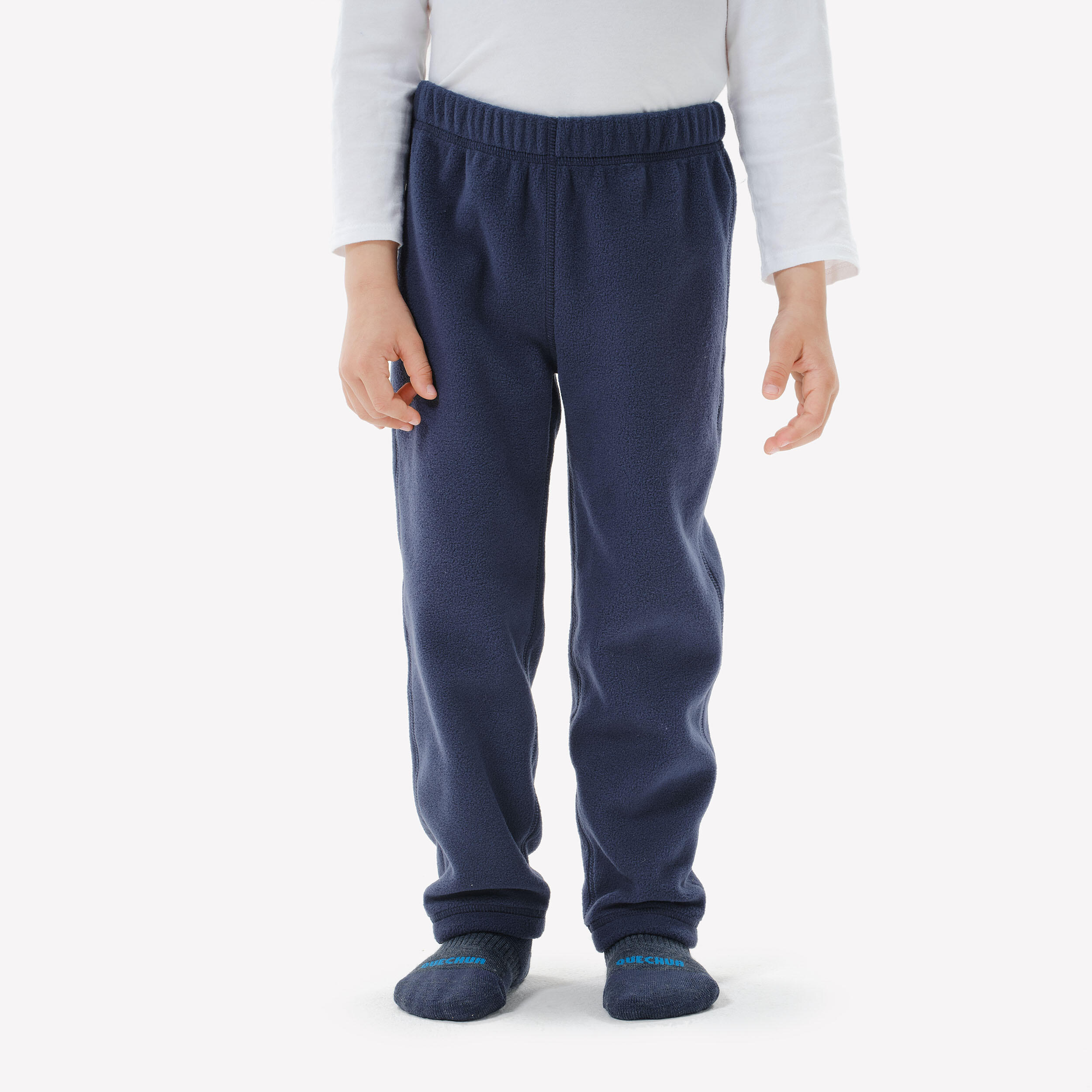
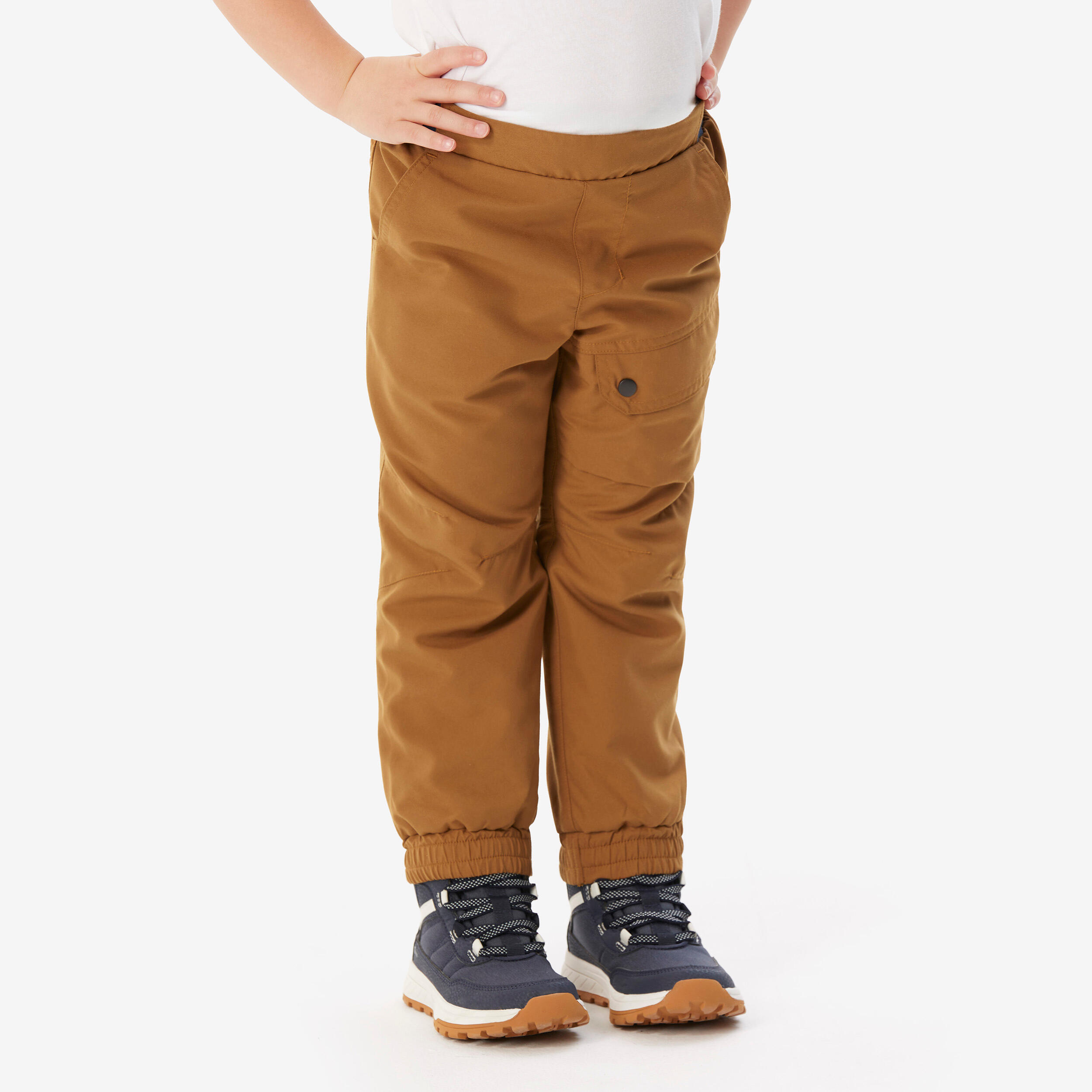
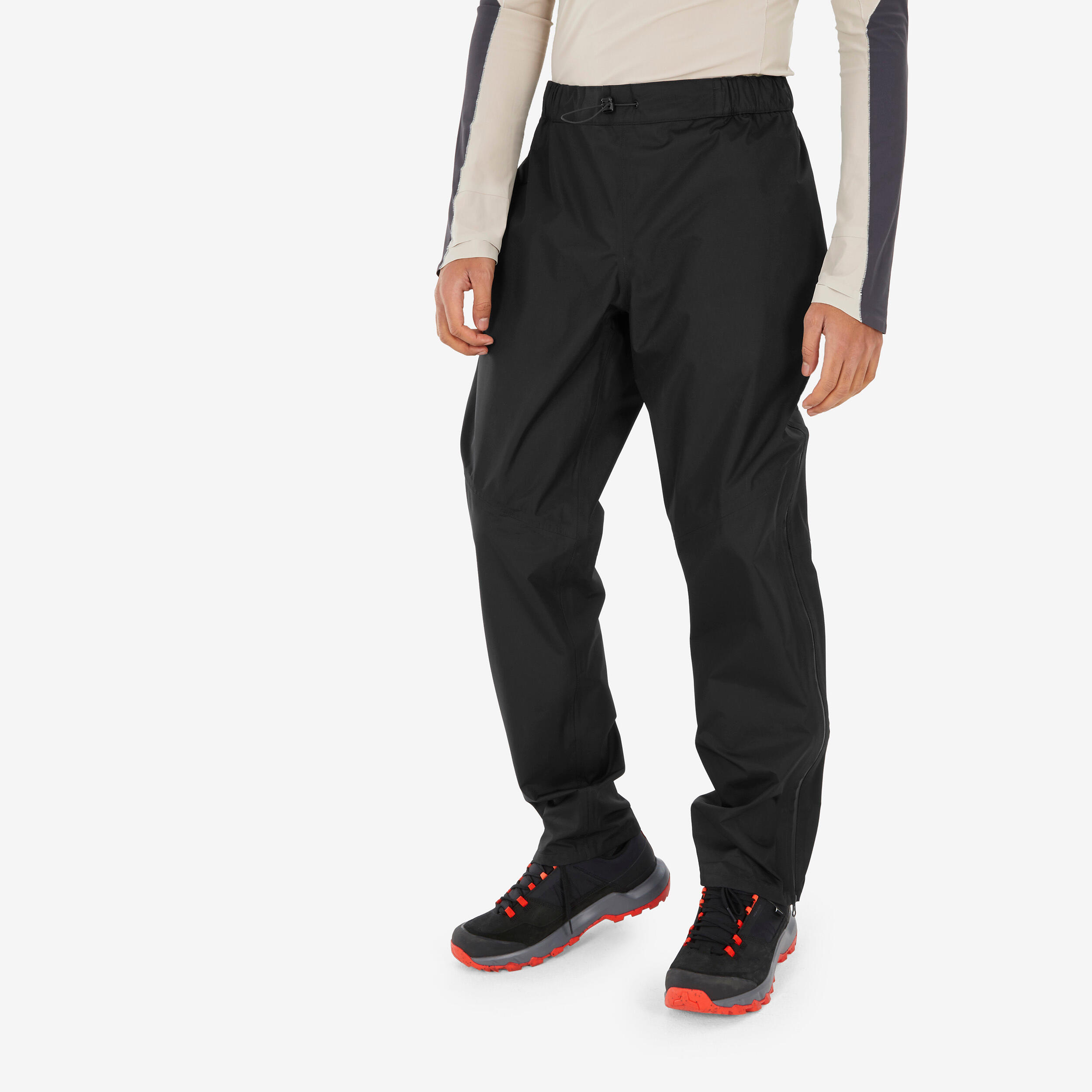
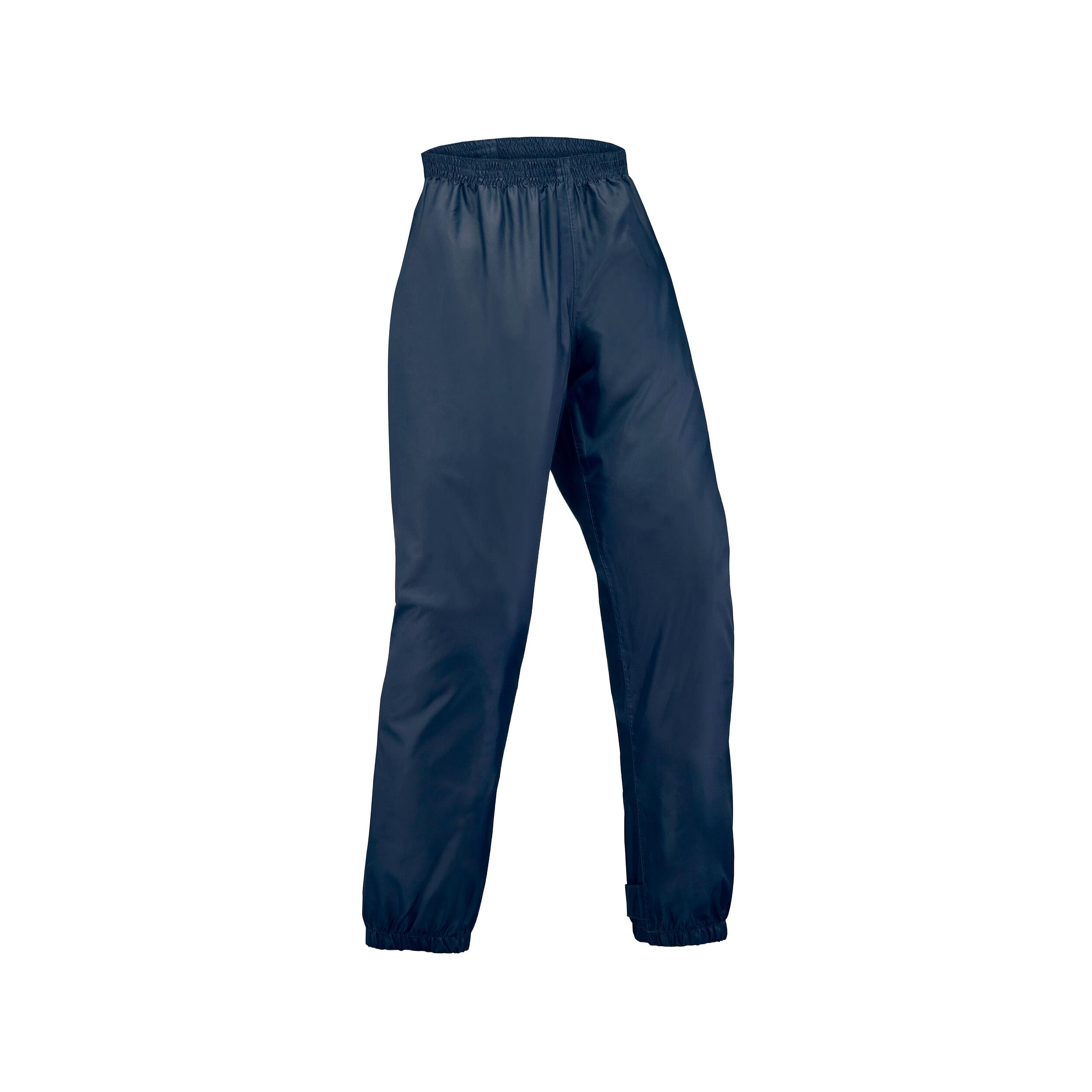
Water-repellent fabrics allow droplets to bead off the surface during light showers, but they may eventually saturate during prolonged rainfall. To stay completely dry in a downpour, you should layer kids’ hiking trousers and leggings or adult gear with dedicated waterproof hiking over-trousers. These garments use a polyurethane coating or a breathable membrane to block external moisture while letting internal sweat vapour escape. The slightly looser fit of waterproof hiking over-trousers creates an insulating air gap and allows them to be pulled on over boots quickly when the weather turns. Look for options with side zips to facilitate easy changing on muddy ground.
Can I use a hiking tracksuit for multi-day trekking?

While a standard cotton tracksuit is not suitable for the outdoors, a technical hiking tracksuit made from synthetic polymers is a versatile option for base camp or low-level walks. These sets should be paired with robust hiking jackets to ensure full protection against the elements. Synthetic hiking tracksuit blends dry much faster than natural fibres, which is critical for maintaining body temperature if you get caught in a mist. The brushed fleece interior of these sets provides excellent thermal insulation for cold mornings outside the tent.

Why is layering important with hiking fleeces and pullovers?

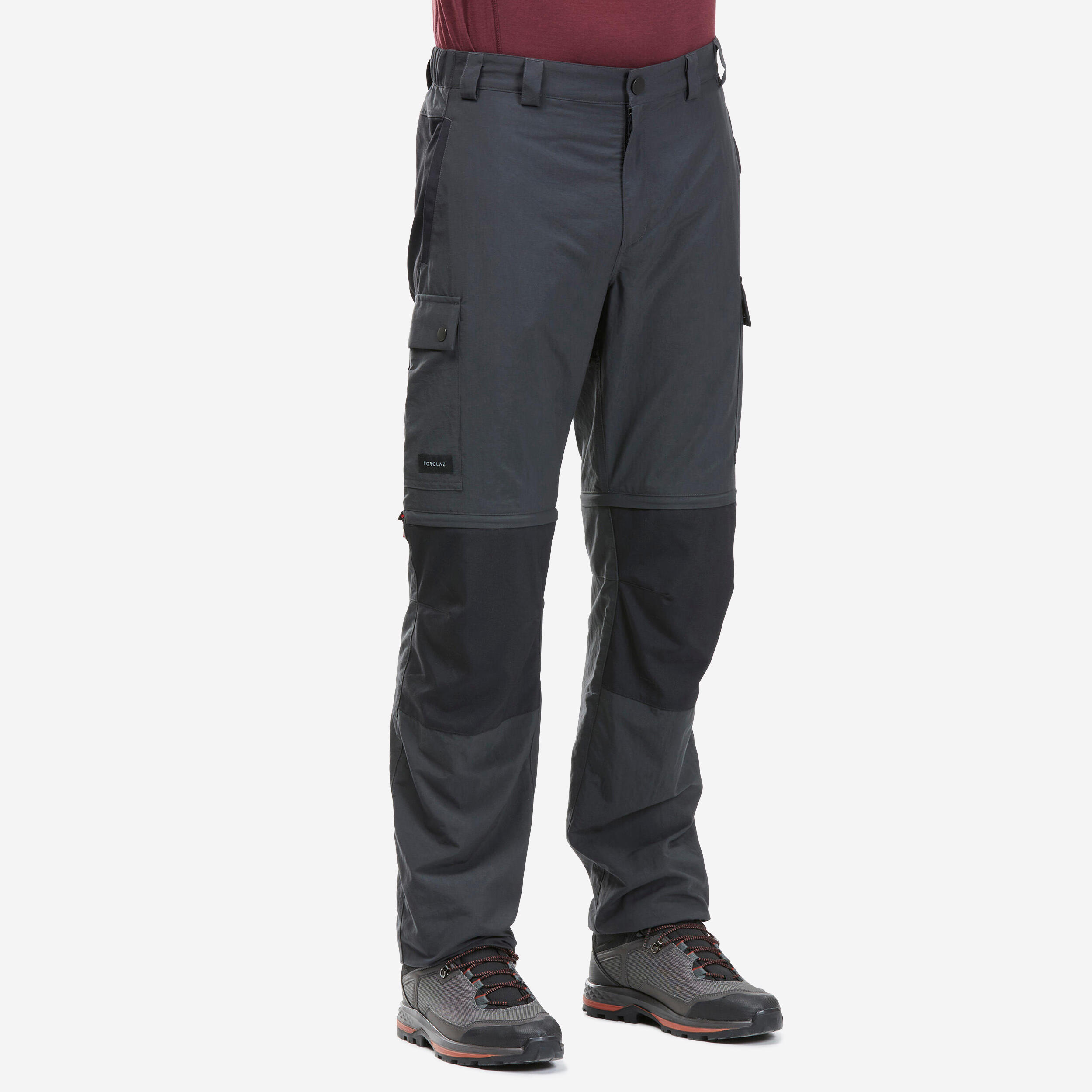
The goal of technical outdoor clothing is to regulate your body temperature as your exertion level changes. Combining your hiking trousers & leggings with hiking fleeces and pullovers creates a modular system where the base layer wicks moisture, the mid-layer traps heat, and the outer layer protects against wind and abrasion. This approach is far more effective than wearing a single heavy garment, as it prevents overheating and the subsequent chilling sensation from trapped sweat. If your hiking trousers have thigh vents, keep them closed at the start of your hike to retain warmth, and open them once you reach a steady incline to increase airflow.