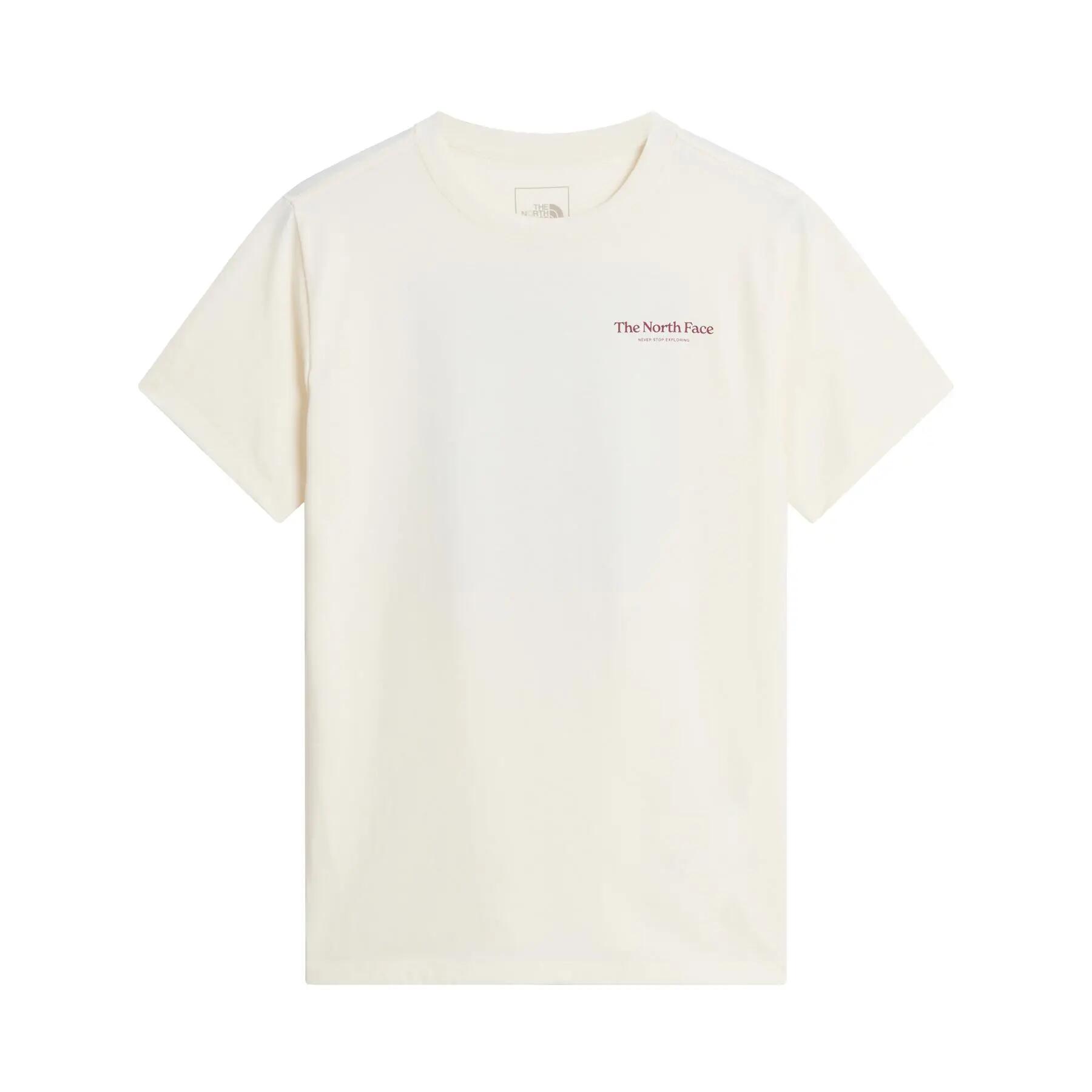
Marketplace -Online Only Marketplace -Online OnlyMarketplace -Online OnlyTHE NORTH FACE THE NORTH FACE MONTE REG women's sports shirtCurrent price {{currentPrice}} €2,993.91Sold and shipped by Super Merchant EUR
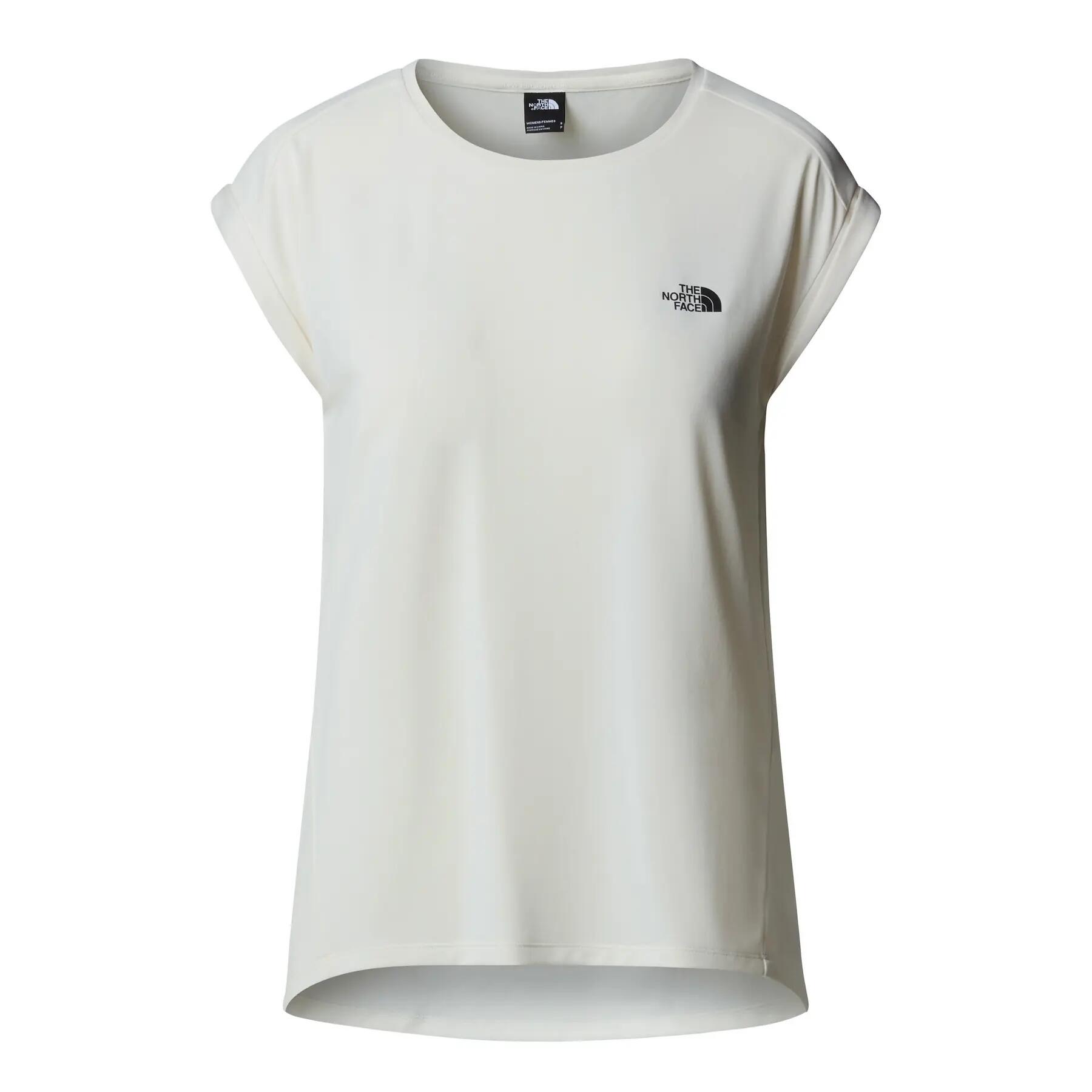
Marketplace -Online Only Marketplace -Online OnlyMarketplace -Online OnlyTHE NORTH FACE THE NORTH FACE TANKEN NF0A8BS2QLI Women's Running T-shirtCurrent price {{currentPrice}} €44.62Sold and shipped by Super Merchant EUR
Marketplace -Online Only Marketplace -Online Only2 coloursMarketplace -Online OnlyBV SPORT BV Sport "DBDB" Burger Short Sleeve Jersey Blue2 coloursCurrent price {{currentPrice}} €38.00Sold and shipped by Bikexperience
Marketplace -Online Only Marketplace -Online OnlyMarketplace -Online OnlyREEBOK Women training T-Shirt Reebok Essentials MarbleCurrent price {{currentPrice}} €39.00Sold and shipped by Takemore
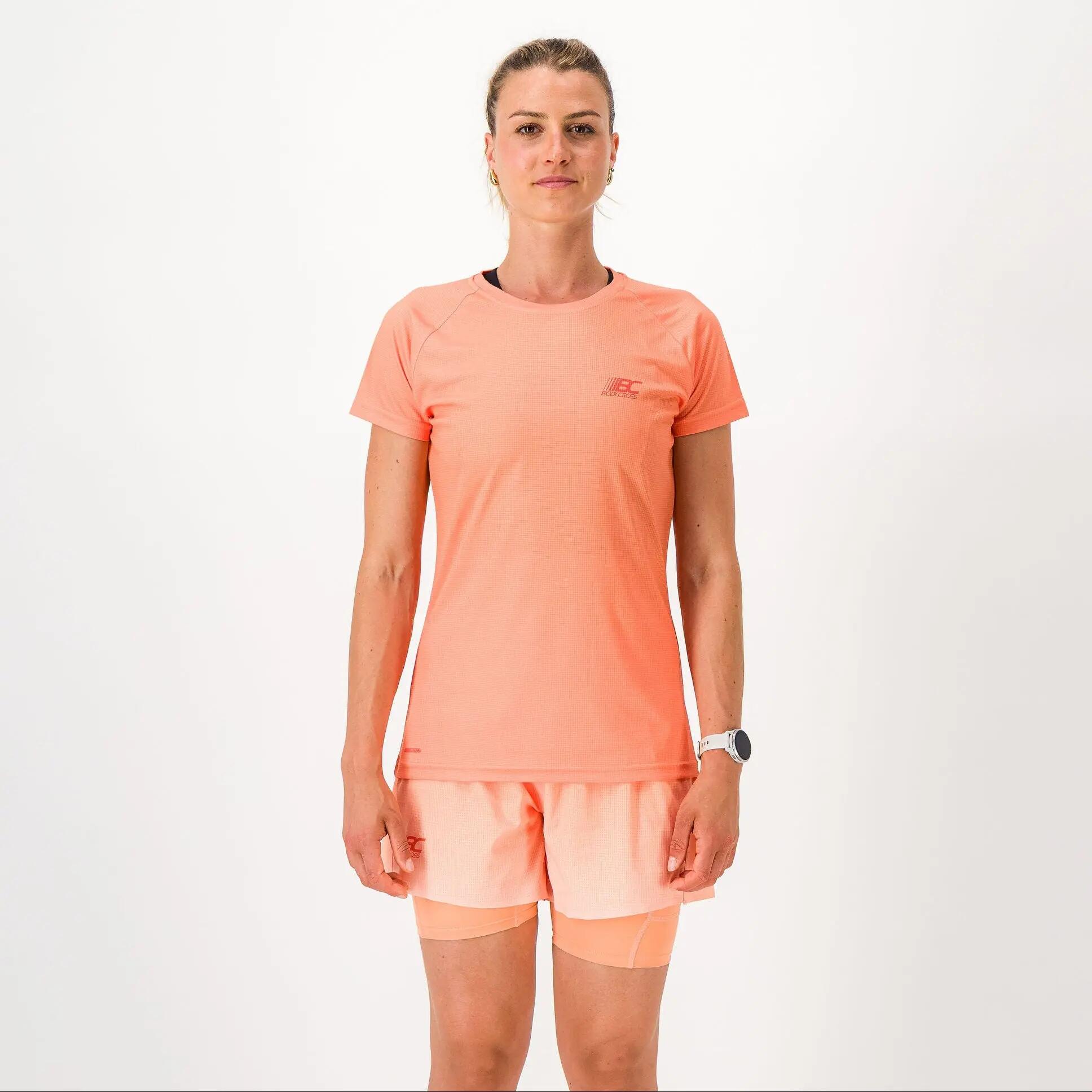
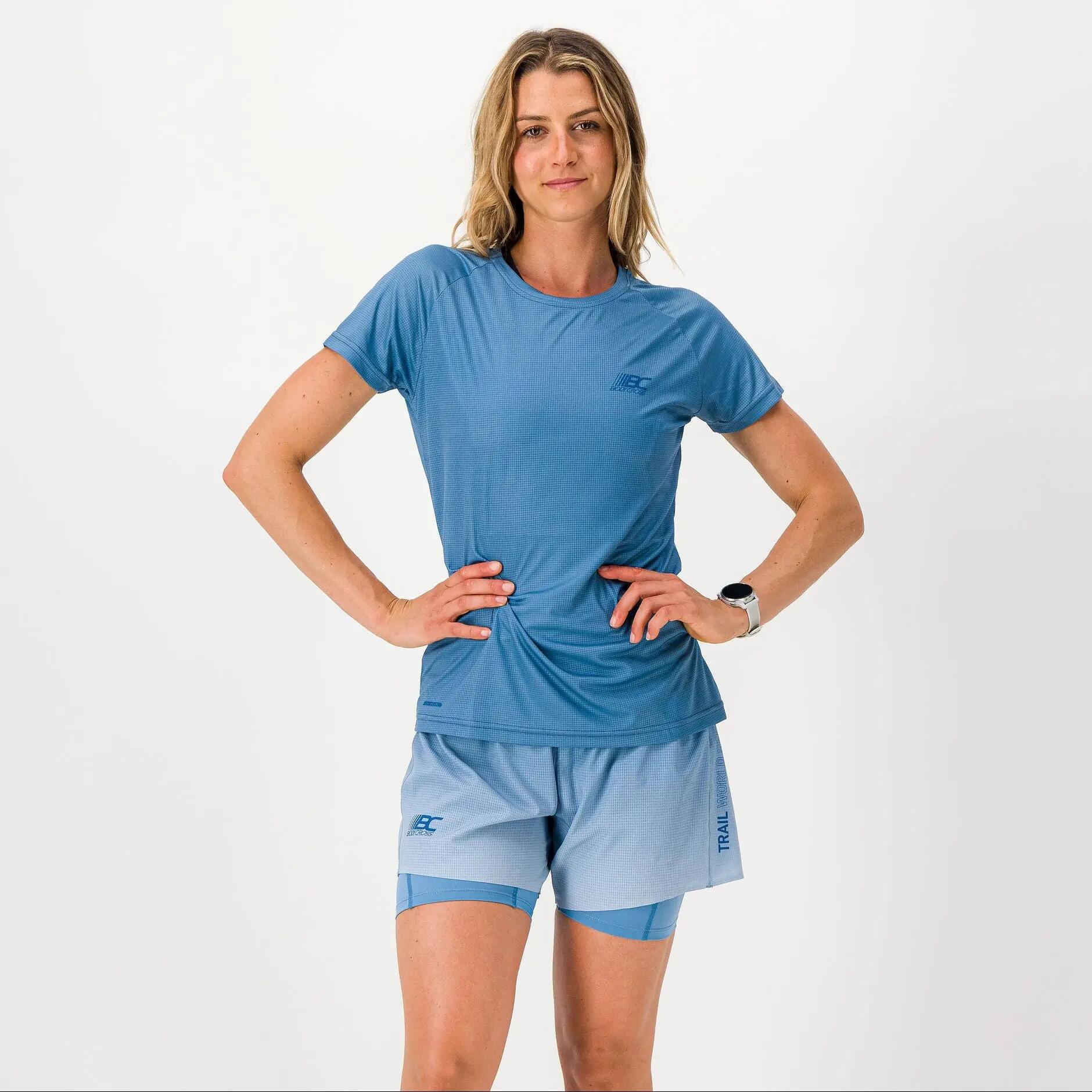
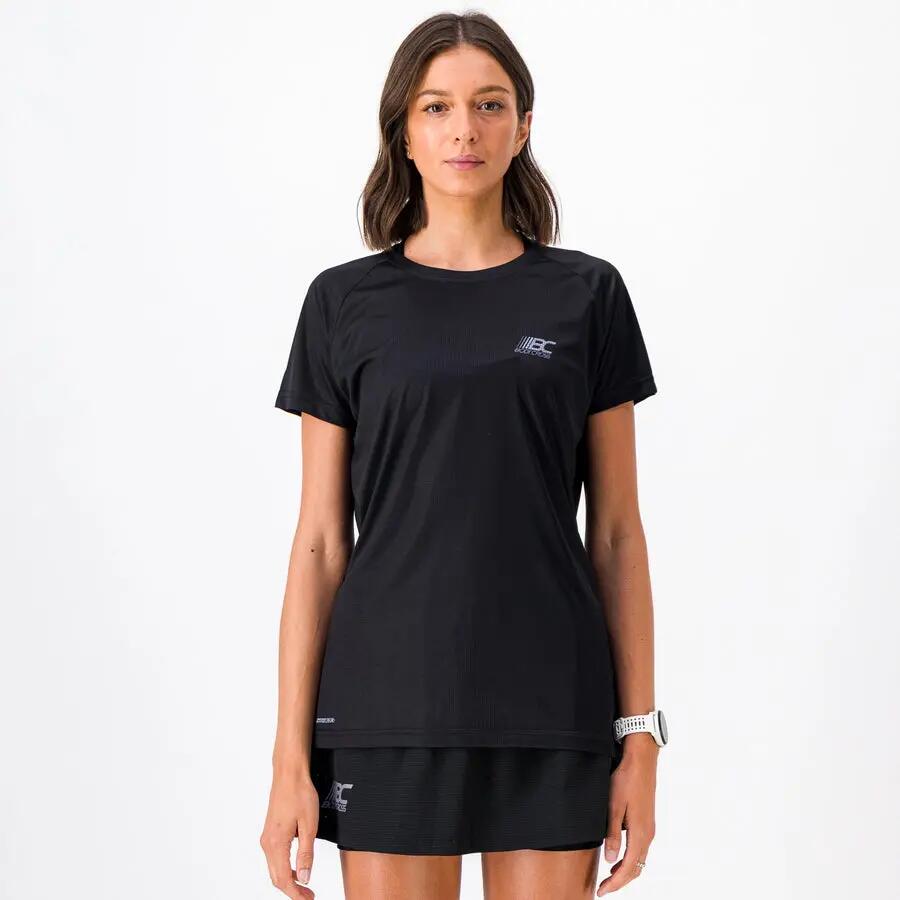
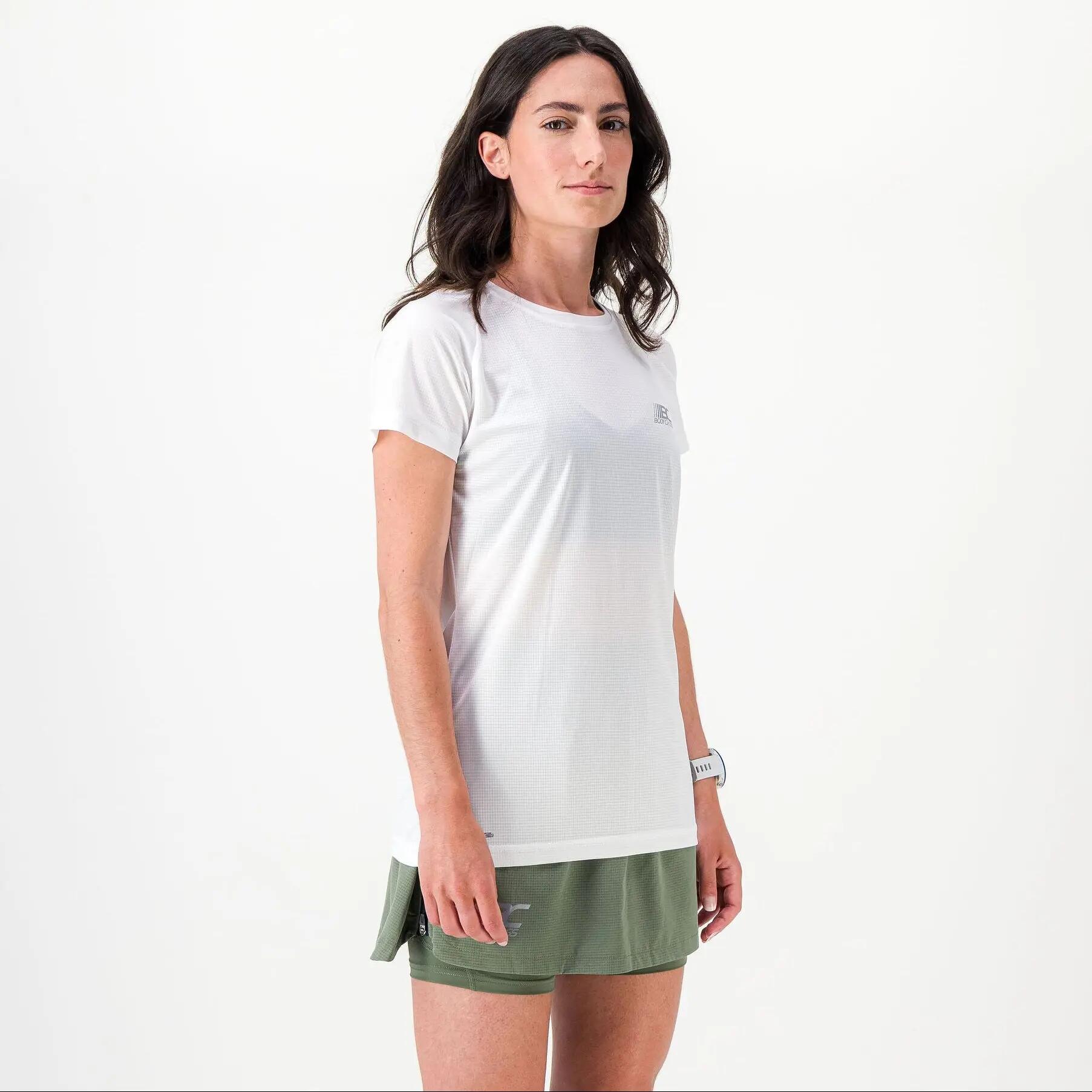
Marketplace -Online Only Marketplace -Online Only11 coloursMarketplace -Online OnlyBODYCROSS T-shirt breathable Women's Running-Trail AERO11 coloursCurrent price {{currentPrice}} €45.49Get it as soon as 2 working daysSold and shipped by BODYCROSS
Marketplace -Online Only Marketplace -Online Only11 coloursMarketplace -Online OnlyBODYCROSS T-shirt breathable Women's Running-Trail AERO11 coloursCurrent price {{currentPrice}} €45.49Get it as soon as 2 working daysSold and shipped by BODYCROSS
Marketplace -Online Only Marketplace -Online Only11 coloursMarketplace -Online OnlyBODYCROSS T-shirt breathable Women's Running-Trail AERO11 coloursCurrent price {{currentPrice}} €45.49Get it as soon as 2 working daysSold and shipped by BODYCROSS
Marketplace -Online Only Marketplace -Online Only11 coloursMarketplace -Online OnlyBODYCROSS T-shirt breathable Women's Running-Trail AERO11 coloursCurrent price {{currentPrice}} €45.49Get it as soon as 2 working daysSold and shipped by BODYCROSS
Marketplace -Online Only Marketplace -Online Only11 coloursMarketplace -Online OnlyBODYCROSS T-shirt breathable Women's Running-Trail AERO11 coloursCurrent price {{currentPrice}} €45.49Get it as soon as 2 working daysSold and shipped by BODYCROSS
Marketplace -Online Only Marketplace -Online Only11 coloursMarketplace -Online OnlyBODYCROSS T-shirt breathable Women's Running-Trail AERO11 coloursCurrent price {{currentPrice}} €45.49Get it as soon as 2 working daysSold and shipped by BODYCROSS
Marketplace -Online Only Marketplace -Online Only11 coloursMarketplace -Online OnlyBODYCROSS T-shirt breathable Women's Running-Trail AERO11 coloursCurrent price {{currentPrice}} €45.49Get it as soon as 2 working daysSold and shipped by BODYCROSS
Marketplace -Online Only Marketplace -Online Only11 coloursMarketplace -Online OnlyBODYCROSS T-shirt breathable Women's Running-Trail AERO11 coloursCurrent price {{currentPrice}} €45.49Get it as soon as 2 working daysSold and shipped by BODYCROSS
Marketplace -Online Only Marketplace -Online Only11 coloursMarketplace -Online OnlyBODYCROSS T-shirt breathable Women's Running-Trail AERO11 coloursCurrent price {{currentPrice}} €45.49Get it as soon as 2 working daysSold and shipped by BODYCROSS
Marketplace -Online Only Marketplace -Online Only11 coloursMarketplace -Online OnlyBODYCROSS T-shirt breathable Women's Running-Trail AERO11 coloursCurrent price {{currentPrice}} €45.49Get it as soon as 2 working daysSold and shipped by BODYCROSS
Marketplace -Online Only Marketplace -Online Only11 coloursMarketplace -Online OnlyBODYCROSS T-shirt breathable Women's Running-Trail AERO11 coloursCurrent price {{currentPrice}} €45.49Get it as soon as 2 working daysSold and shipped by BODYCROSS
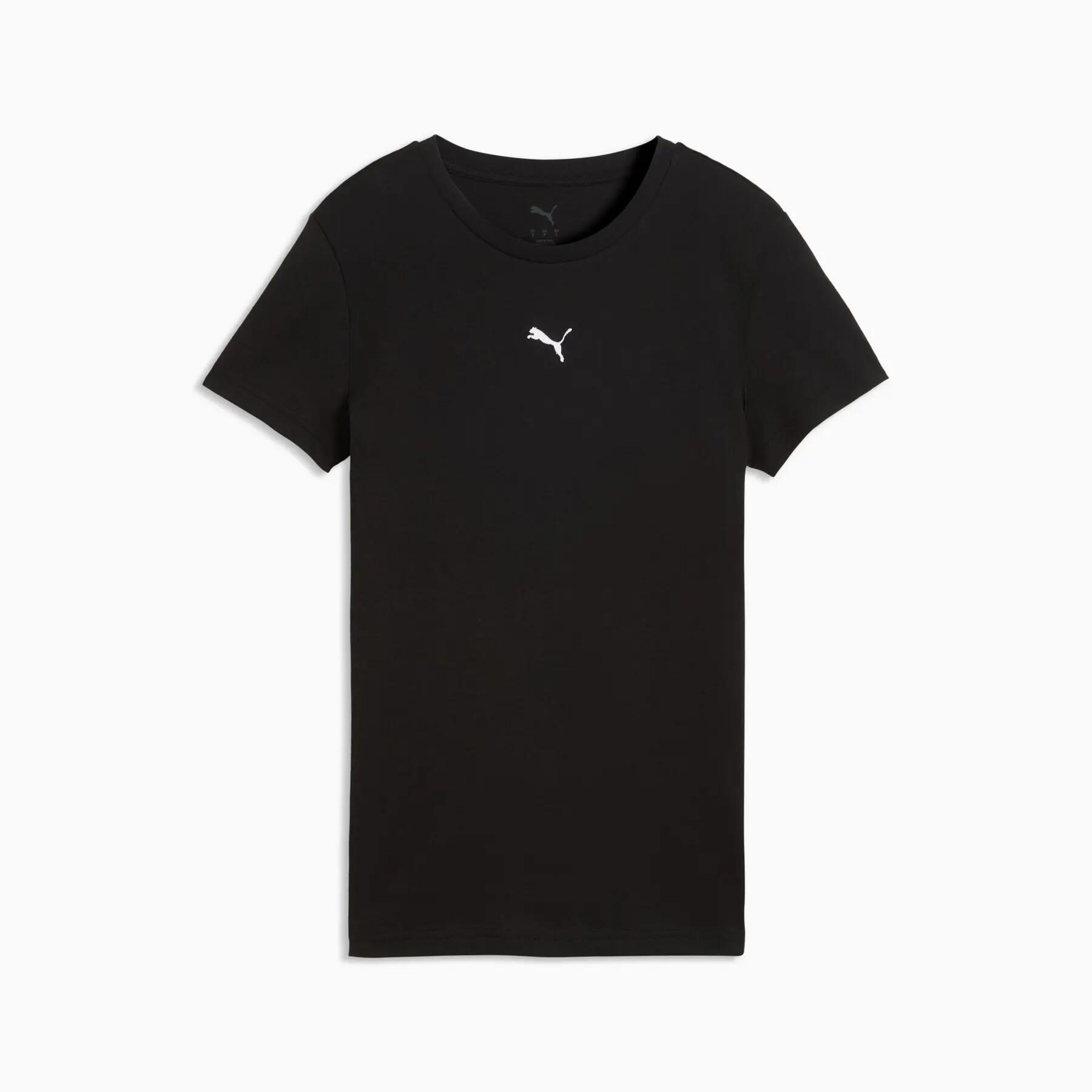
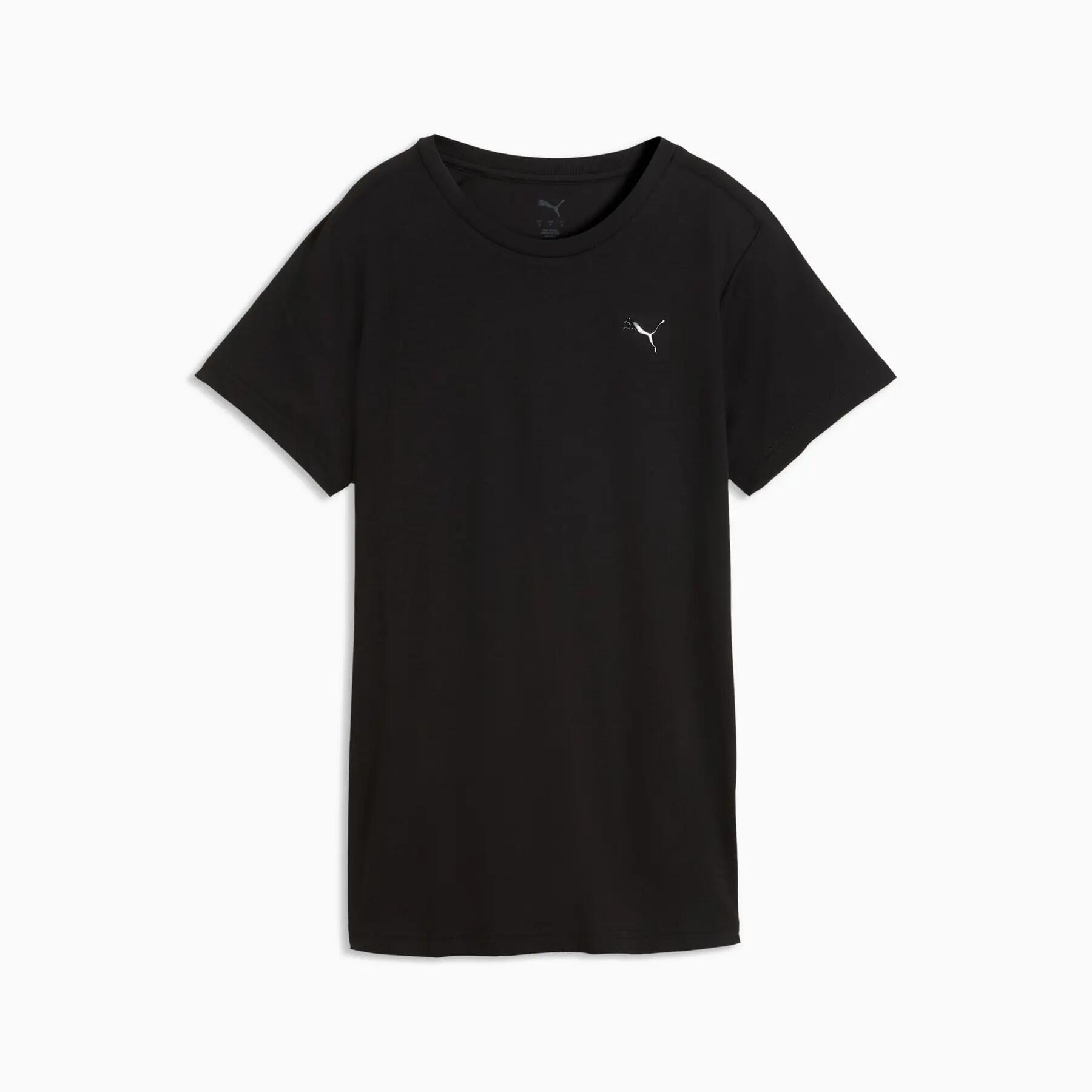
Marketplace -Online Only Marketplace -Online OnlyMarketplace -Online OnlyPUMA Puma ESS CENTERDE women's sports shirtCurrent price {{currentPrice}} €31.32Sold and shipped by Super Merchant EUR
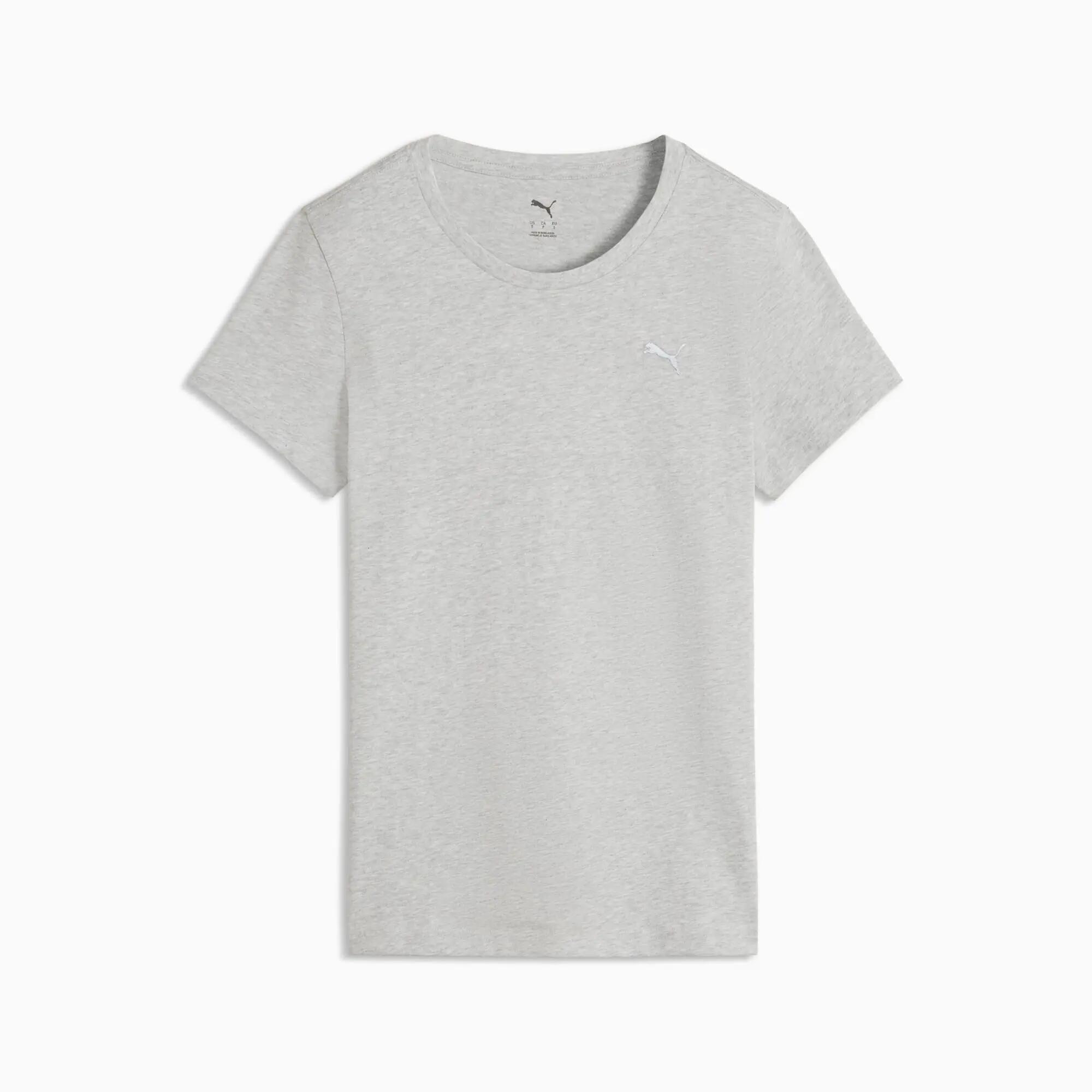
Marketplace -Online Only Marketplace -Online OnlyMarketplace -Online OnlyPUMA Puma ELEVATED ESS women's sports shirtCurrent price {{currentPrice}} €36.05Sold and shipped by Super Merchant EUR
Marketplace -Online Only Marketplace -Online Only2 coloursMarketplace -Online OnlyPUMA Women's PUMA Run Brightstride Cloudspun Running T-Shirt2 coloursCurrent price {{currentPrice}} €65.99Sold and shipped by Sportano EU
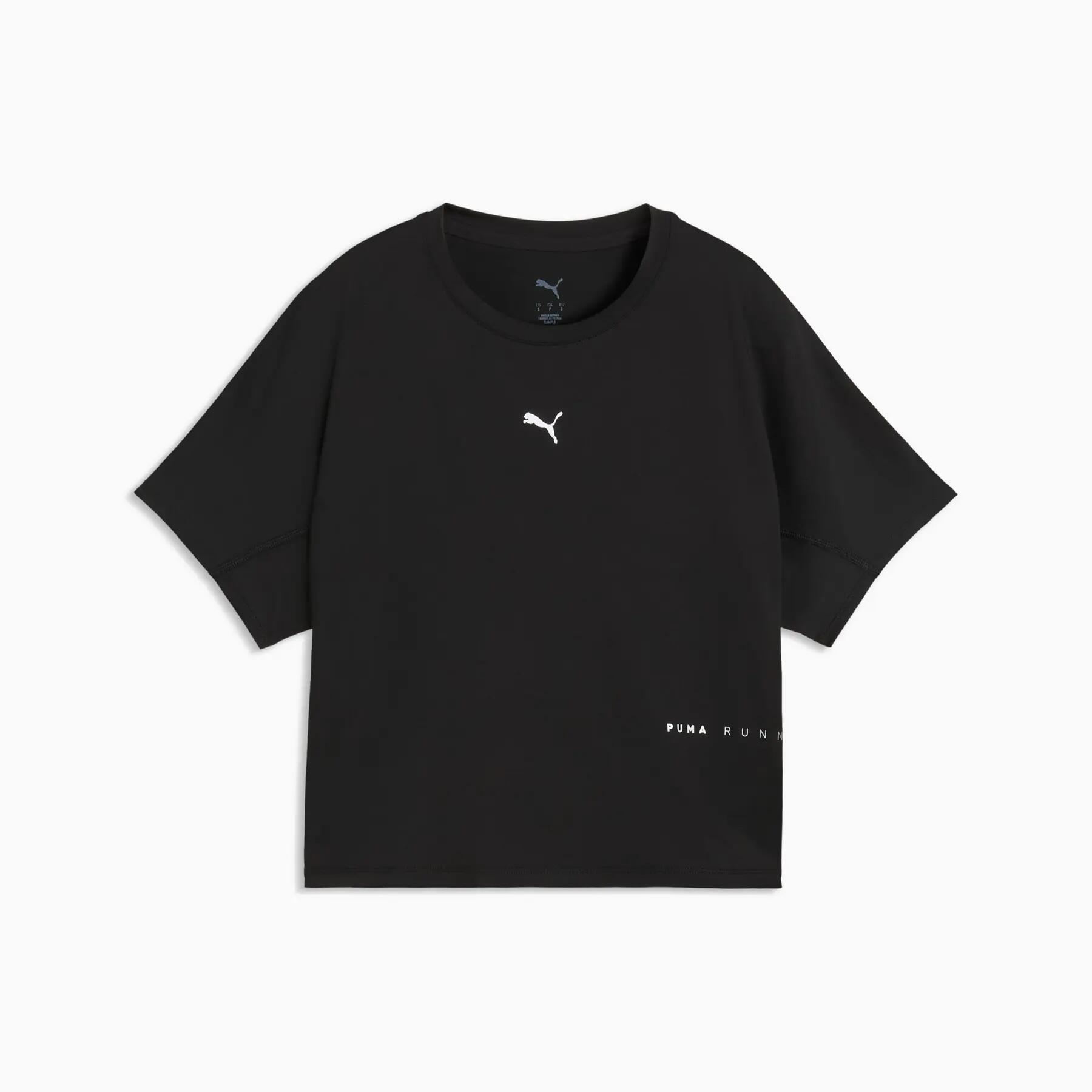
Marketplace -Online Only Marketplace -Online Only2 coloursMarketplace -Online OnlyPUMA Puma RUN BRIGHTSTRIDE Women's Running T-Shirt2 coloursCurrent price {{currentPrice}} €54.78Sold and shipped by Super Merchant EUR
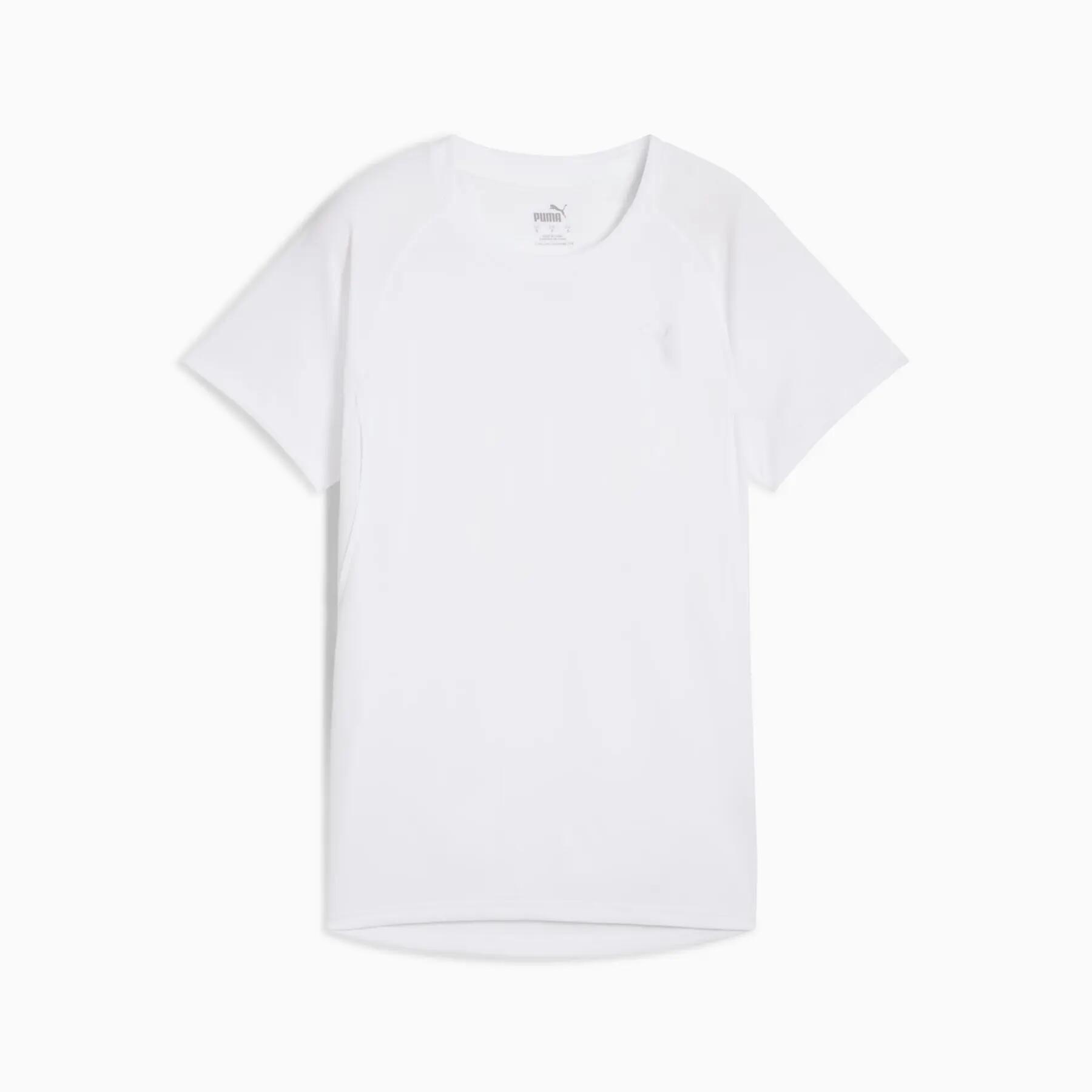
Marketplace -Online Only Marketplace -Online OnlyMarketplace -Online OnlyPUMA Puma RUN VELOCITY Women's Running T-shirtCurrent price {{currentPrice}} €32.23Sold and shipped by Super Merchant EUR
Marketplace -Online Only Marketplace -Online Only2 coloursMarketplace -Online OnlyCRAFT ACTIVE EXTREME X ROUND NECK SHORT SLEEVE BASELAYER WOMEN BLACK2 coloursFromCurrent price {{currentPrice}} €68.96Sold and shipped by Sport & Go EU
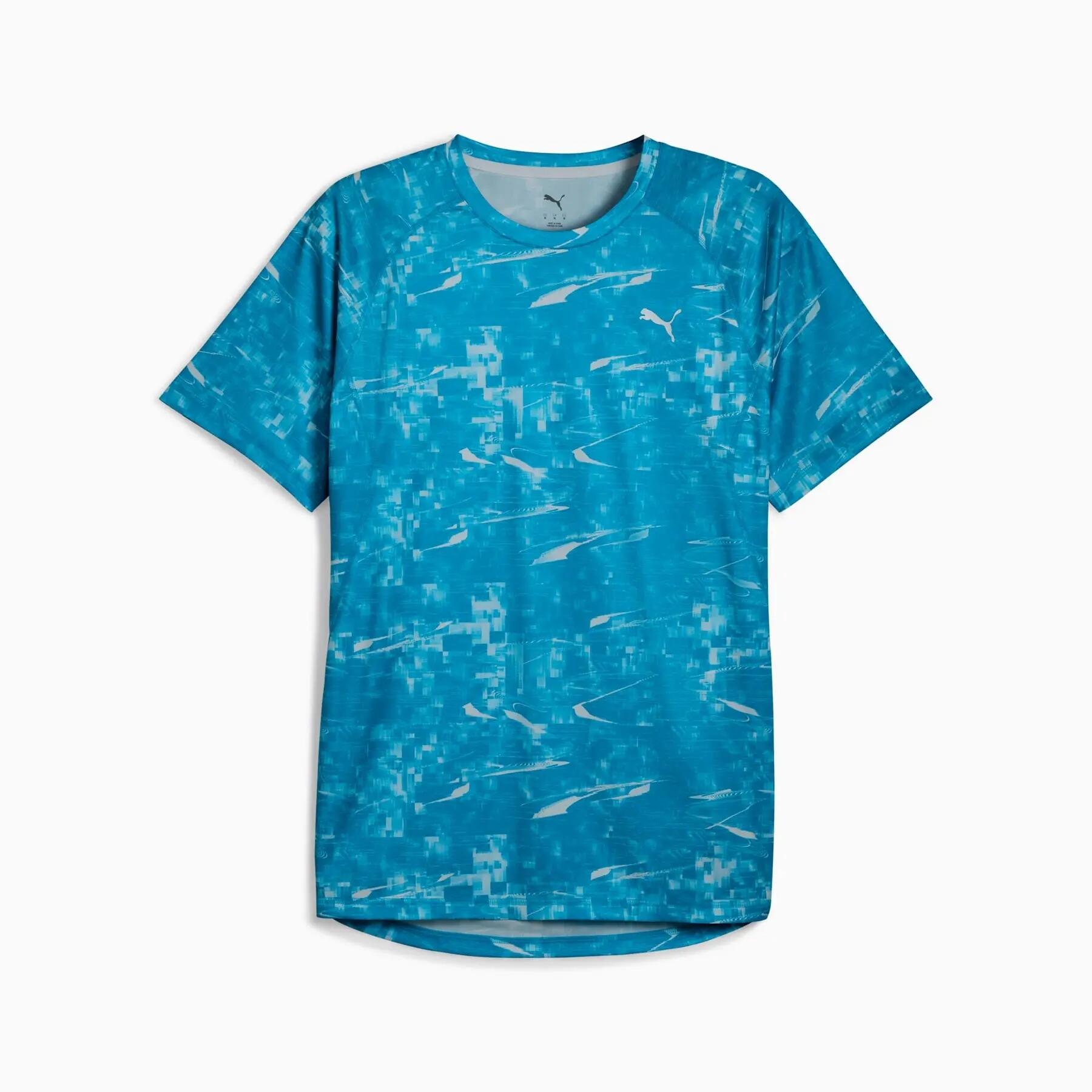
Marketplace -Online Only Marketplace -Online OnlyMarketplace -Online OnlyPUMA Puma RUN VELOCITY Men's Running T-ShirtCurrent price {{currentPrice}} €36.05Sold and shipped by Super Merchant EUR
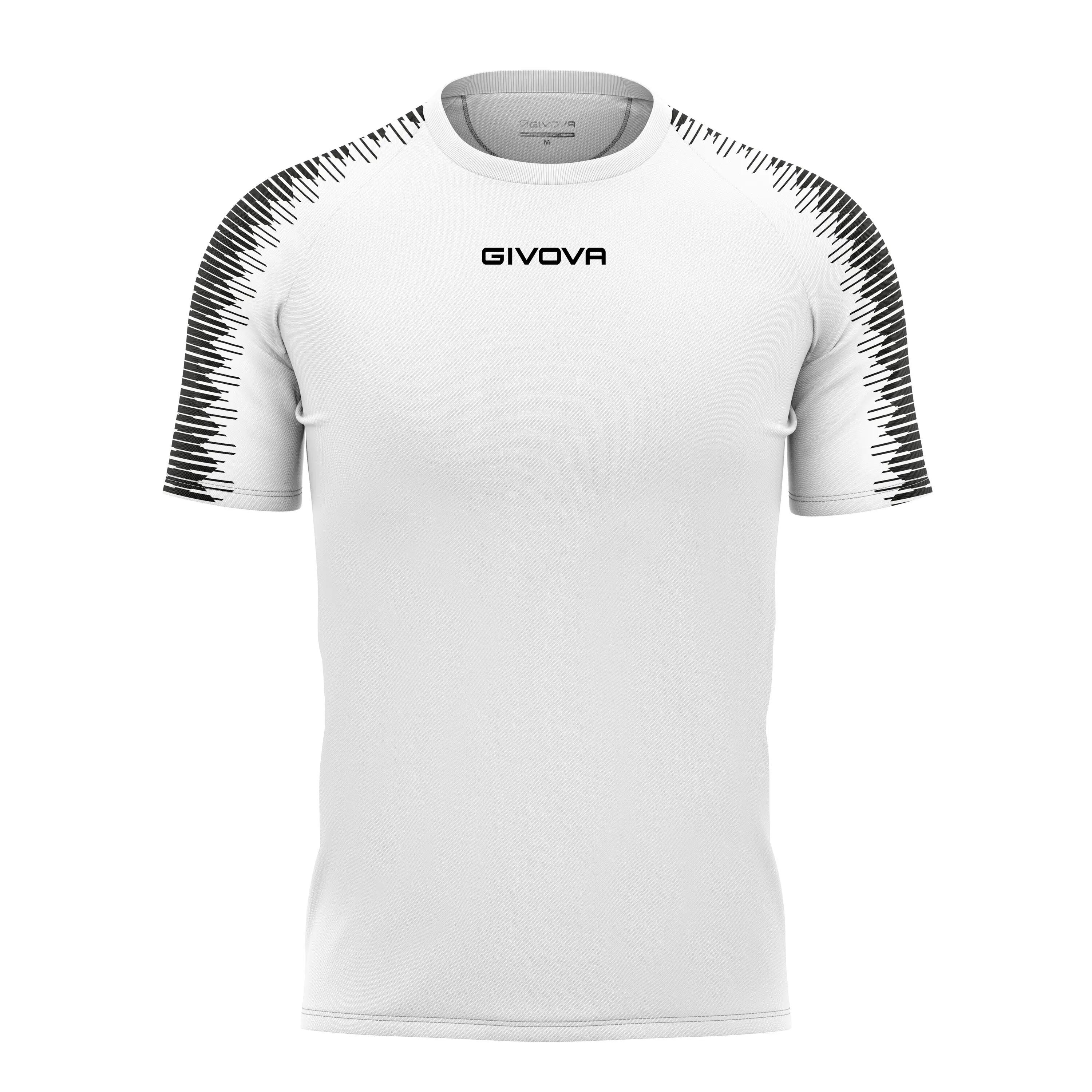
Marketplace -Online Only Marketplace -Online OnlyMarketplace -Online OnlyGIVOVA Jersey Givova ClubCurrent price {{currentPrice}} €33.13€4.15/unitSold and shipped by Sport is good
Marketplace -Online Only Marketplace -Online OnlyMarketplace -Online OnlyTHE NORTH FACE THE NORTH FACE EVOLUTION SIMPLE women's sports shirtCurrent price {{currentPrice}} €34.73Sold and shipped by Super Merchant EUR
Marketplace -Online Only Marketplace -Online Only4 coloursMarketplace -Online OnlyPUMA Essentials Elevated Tee Women PUMA4 coloursCurrent price {{currentPrice}} €49.99€49.99/unitSold and shipped by Takemore
Marketplace -Online Only Marketplace -Online Only4 coloursMarketplace -Online OnlyPUMA Essentials Elevated Tee Women PUMA4 coloursCurrent price {{currentPrice}} €49.99€49.99/unitSold and shipped by Takemore
Marketplace -Online Only Marketplace -Online Only4 coloursMarketplace -Online OnlyPUMA Essentials Elevated Tee Women PUMA4 coloursCurrent price {{currentPrice}} €49.99€49.99/unitSold and shipped by Takemore
Marketplace -Online Only Marketplace -Online Only4 coloursMarketplace -Online OnlyENDURANCE Women's T-shirt Endurance Nan4 coloursCurrent price {{currentPrice}} €15.50Sold and shipped by Sport & Go EU
Marketplace -Online Only Marketplace -Online Only4 coloursMarketplace -Online OnlyENDURANCE Women's T-shirt Endurance Nan4 coloursFromCurrent price {{currentPrice}} €20.00Sold and shipped by Sport & Go EU
Marketplace -Online Only Marketplace -Online Only4 coloursMarketplace -Online OnlyENDURANCE Women's T-shirt Endurance Nan4 coloursFromCurrent price {{currentPrice}} €20.00Sold and shipped by Sport & Go EU
Marketplace -Online Only Marketplace -Online Only4 coloursMarketplace -Online OnlyENDURANCE Women's T-shirt Endurance Nan4 coloursCurrent price {{currentPrice}} €21.00Sold and shipped by Sport & Go EU
Marketplace -Online Only Marketplace -Online OnlyMarketplace -Online OnlyNIKE Nike Dri-FIT ShirtCurrent price {{currentPrice}} €33.20Sold and shipped by Sports Lab IE
Marketplace -Online Only Marketplace -Online OnlyMarketplace -Online OnlyGIVOVA Cotton T-shirt Givova FreshCurrent price {{currentPrice}} €26.00Sold and shipped by Sport is good
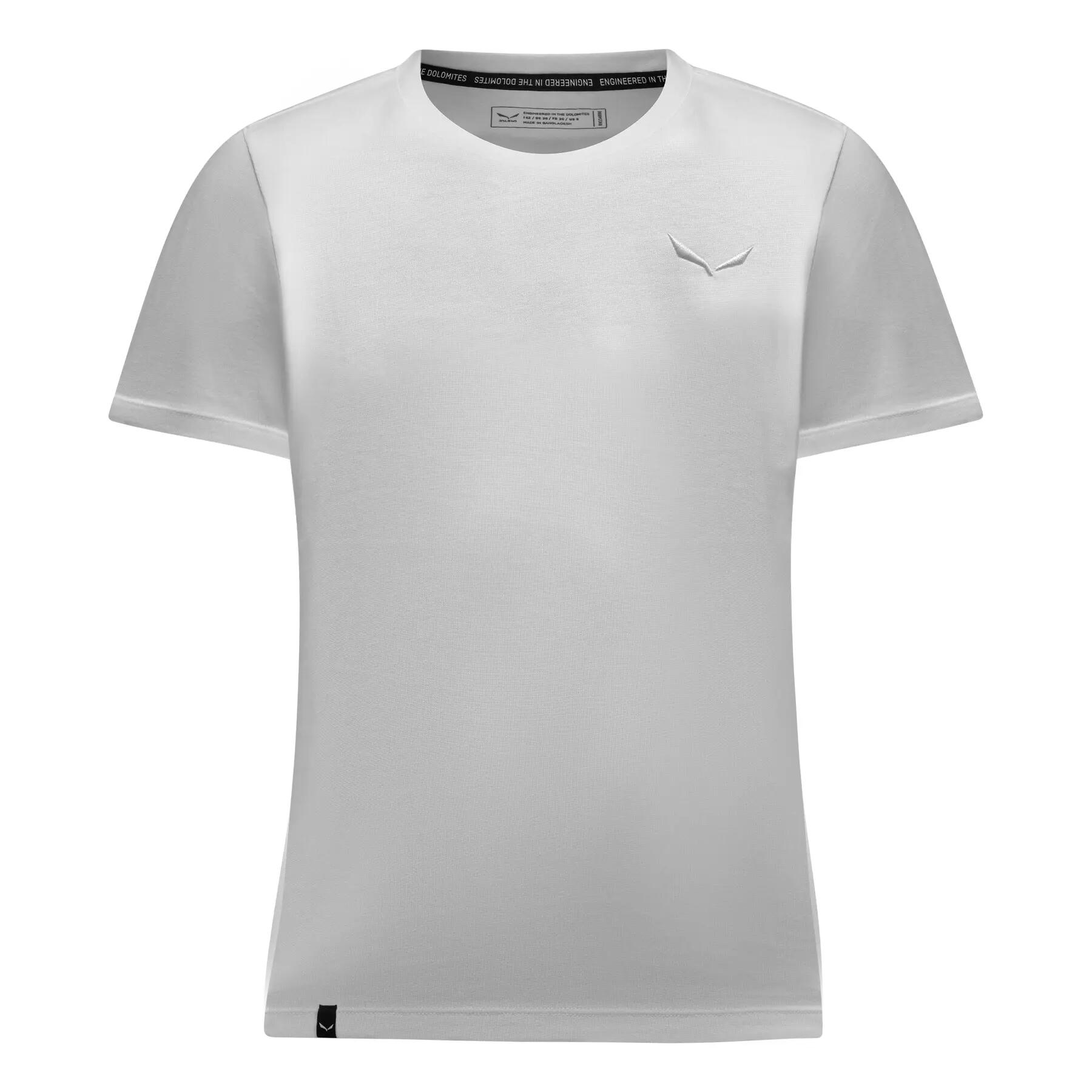
Marketplace -Online Only Marketplace -Online OnlyMarketplace -Online OnlySALEWA Salewa EAGLE 0000029391_0060 women's sports shirtCurrent price {{currentPrice}} €49.80Sold and shipped by Super Merchant EUR
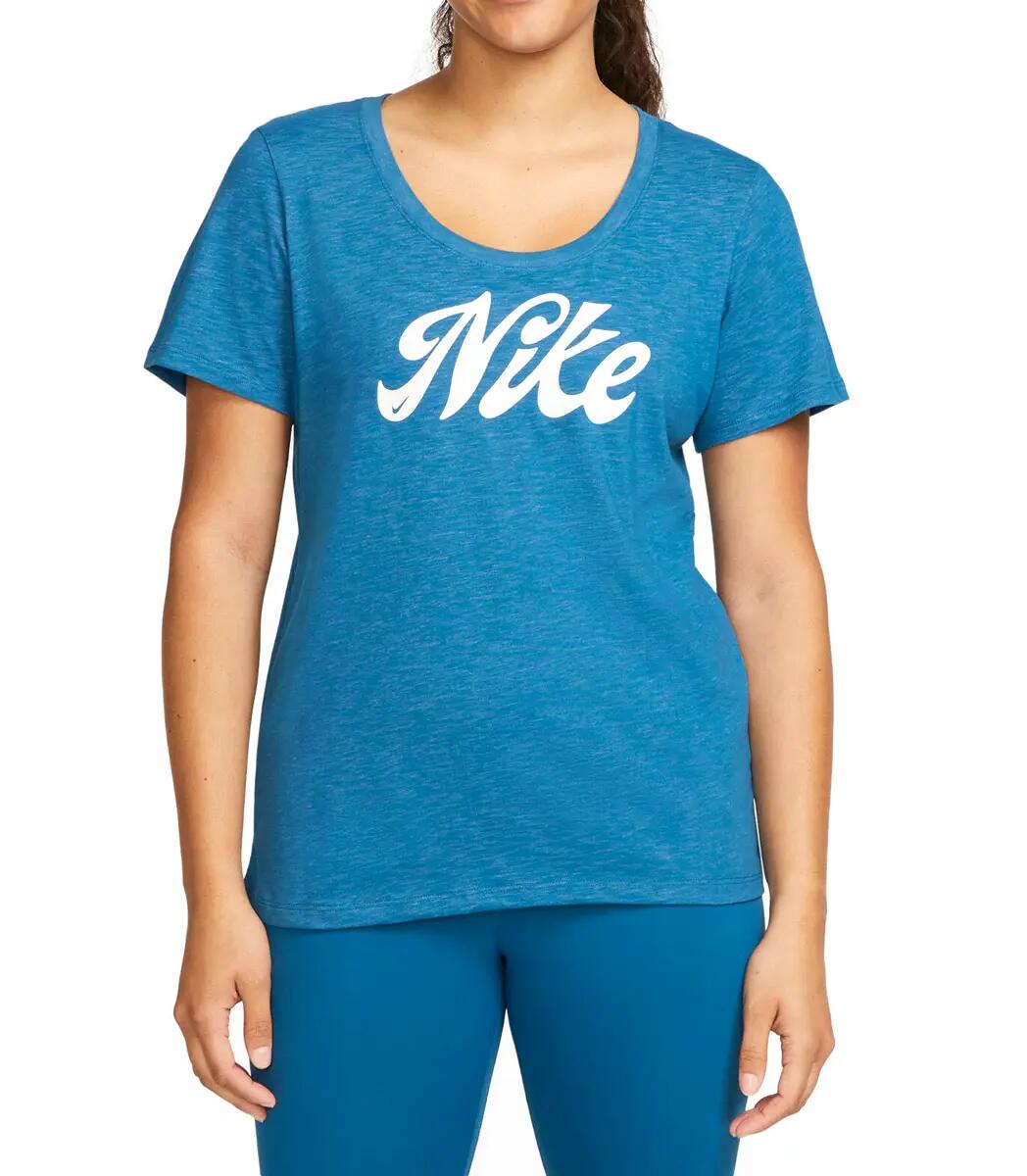
Marketplace -Online Only Marketplace -Online OnlyMarketplace -Online OnlyNIKE Women running T-Shirt Nike HV2772Current price {{currentPrice}} €83.00Sold and shipped by Takemore
Marketplace -Online Only Marketplace -Online OnlyMarketplace -Online OnlyPUMA Puma ELEVATED ESS women's sports shirtCurrent price {{currentPrice}} €36.05Sold and shipped by Super Merchant EUR
Marketplace -Online Only Marketplace -Online OnlyMarketplace -Online OnlyDYNAFIT Women's T-shirt Dynafit TraverseCurrent price {{currentPrice}} €121.67Sold and shipped by Solution 4YOU
Marketplace -Online Only Marketplace -Online OnlyMarketplace -Online OnlyCRAFT Craft ADV Cool Intensity Lavender Women's short-sleeved jerseyFromCurrent price {{currentPrice}} €37.80Sold and shipped by Bikexperience
Marketplace -Online Only Marketplace -Online OnlyMarketplace -Online OnlyUNDER ARMOUR Womens/Ladies Stride Regular TShirt (White)FromCurrent price {{currentPrice}} €36.60Sold and shipped by Sports Lab IE
Marketplace -Online Only Marketplace -Online OnlyMarketplace -Online OnlyPUMA Puma PUMATECH SENSE women's sports shirtCurrent price {{currentPrice}} €36.01Sold and shipped by Super Merchant EUR