41 items
4.7/5 based on 7905 reviews collected online and in stores

SUP Buoyancy Aids FAQs

Which SUP buoyancy aid size is right for you?

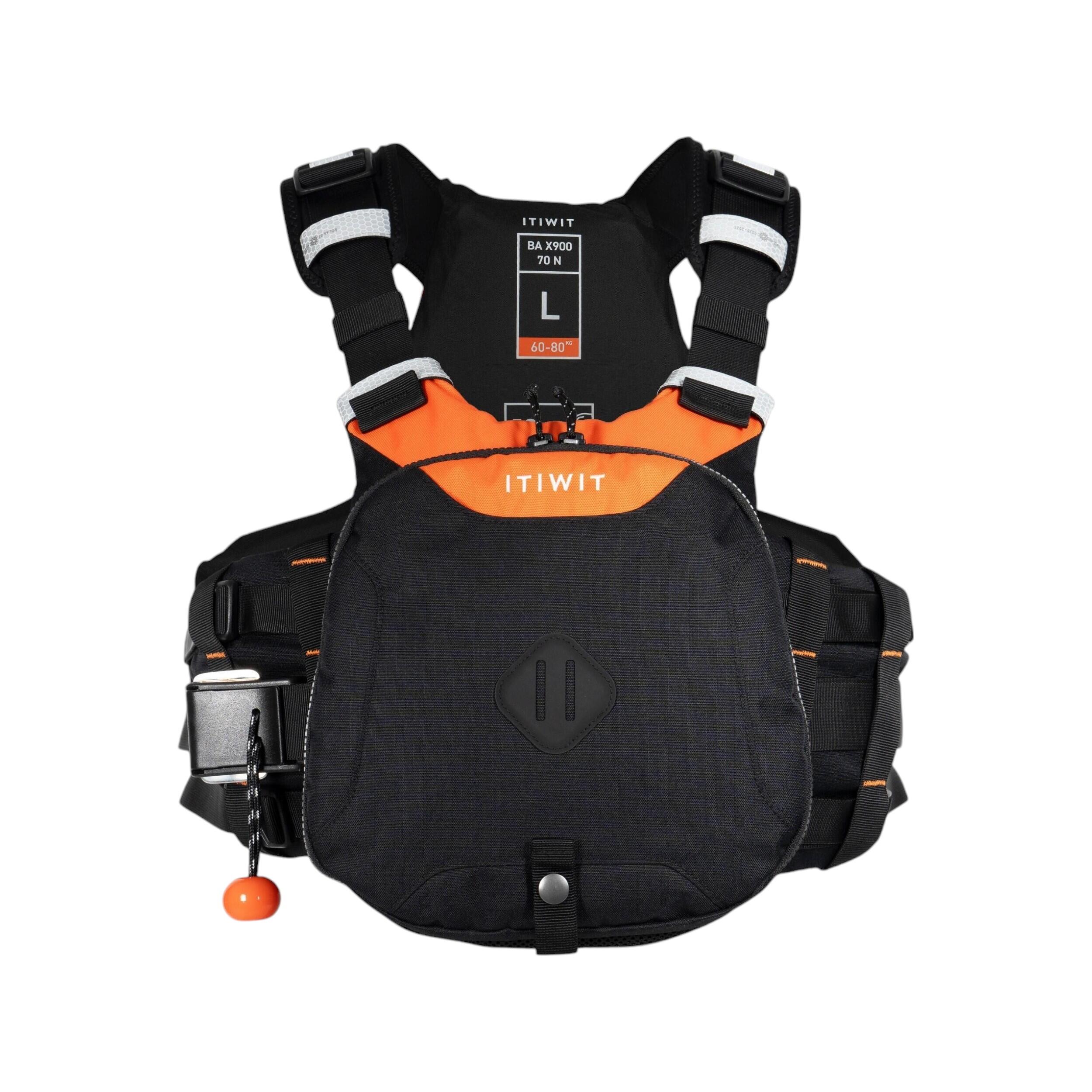
Start with the user-weight range stated on the product, then adjust the vest so it stays secure without restricting normal paddling movement. Decathlon treats fit as part of buoyancy performance rather than relying only on standard clothing sizes. Many adult buoyancy aid vests use shoulder and side adjustment systems, while simpler beginner models may use two-buckle fastening. Once fitted, check that the aid does not ride excessively upwards when you lift your arms or simulate remounting a board. Different models also use segmented or zoned foam to follow the torso more closely, which can improve freedom of movement when paddling. Always follow the product's stated weight range, buoyancy rating and intended watersport rather than choosing by chest size alone.

What is the difference between adult and kids buoyancy aids?

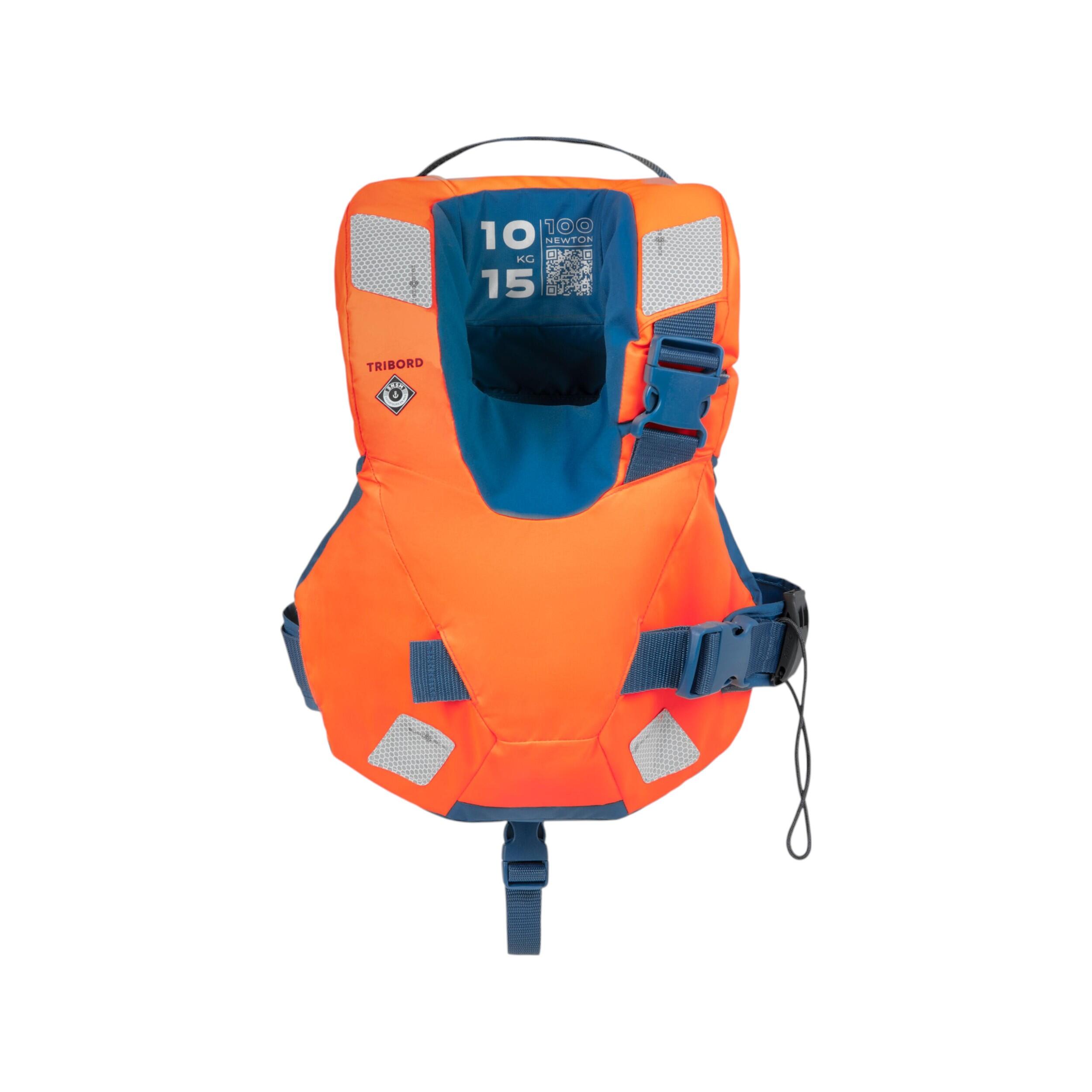
Children's flotation products often include additional fit, visibility and recovery features that are not always present on adult SUP vests. Decathlon's kids buoyancy aid vests can include crotch straps, bright colours, reflective details, whistles and grab handles to help an adult locate or assist a child around the water. Some 100N child life jackets are also designed to support a stable face-up position, which is a different function from a typical 50N buoyancy aid intended for competent users in suitable conditions. Choose according to the child's weight and the exact product standard, and do not substitute an adult vest simply because it can be tightened enough to appear secure.

Why do some SUP buoyancy aids use segmented or zoned foam?

One thick block of foam can feel restrictive when you rotate your torso, paddle continuously or climb back onto a board. Decathlon therefore separates foam into multiple panels on selected models and varies thickness according to movement zones and areas needing more protection. Higher-specification impact versions can combine segmented flotation with stretch neoprene, allowing the vest to sit close to the body while bending more naturally. Some models also place tougher materials under the arms, around the sides or at the lower edge where rubbing is more likely. For regular stand up paddle sessions, consider whether the cut leaves enough shoulder and torso movement for your paddling style while still remaining secure once properly adjusted.