1,929 items
4.6/5 based on 680025 reviews collected online and in stores

Swimming Accessories FAQs

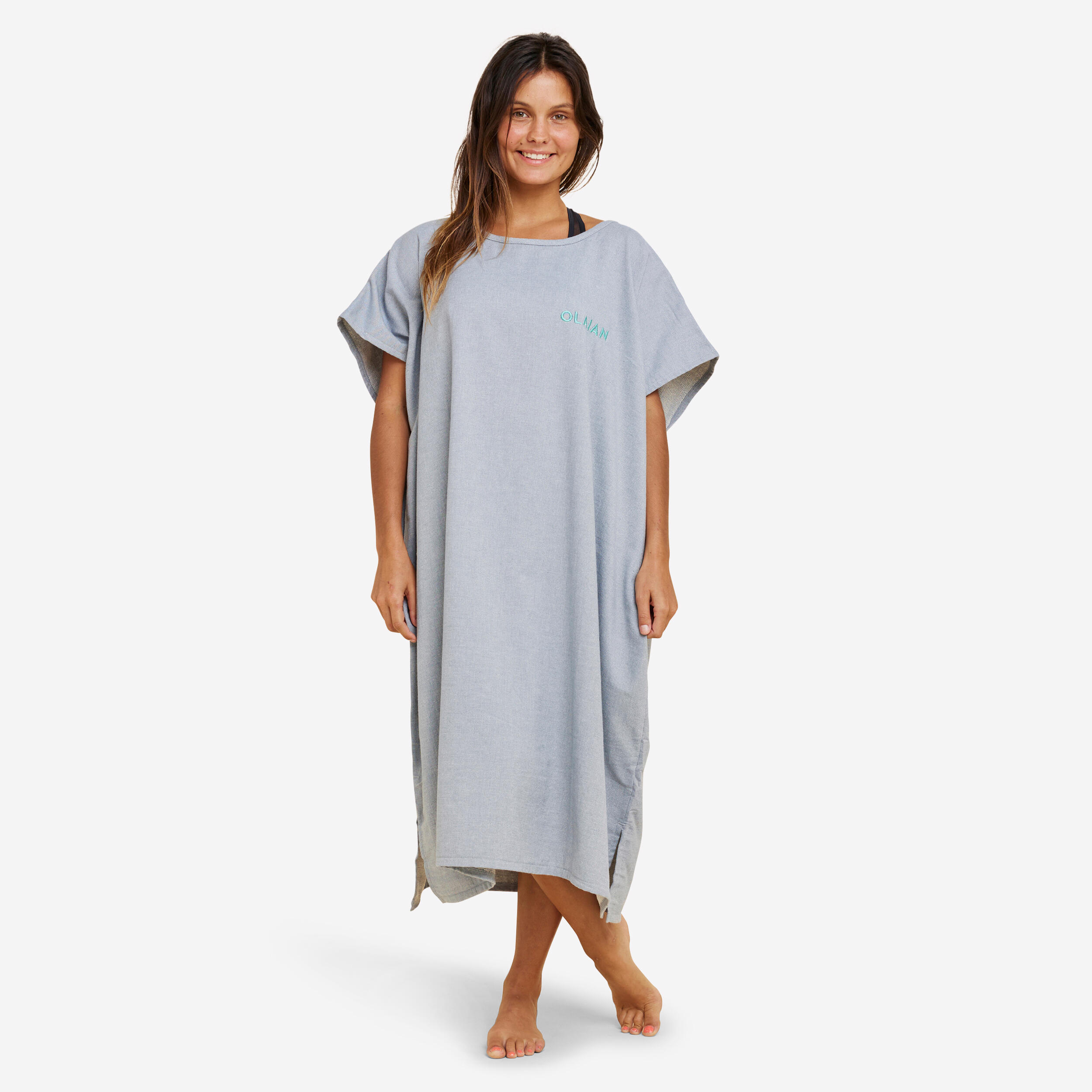
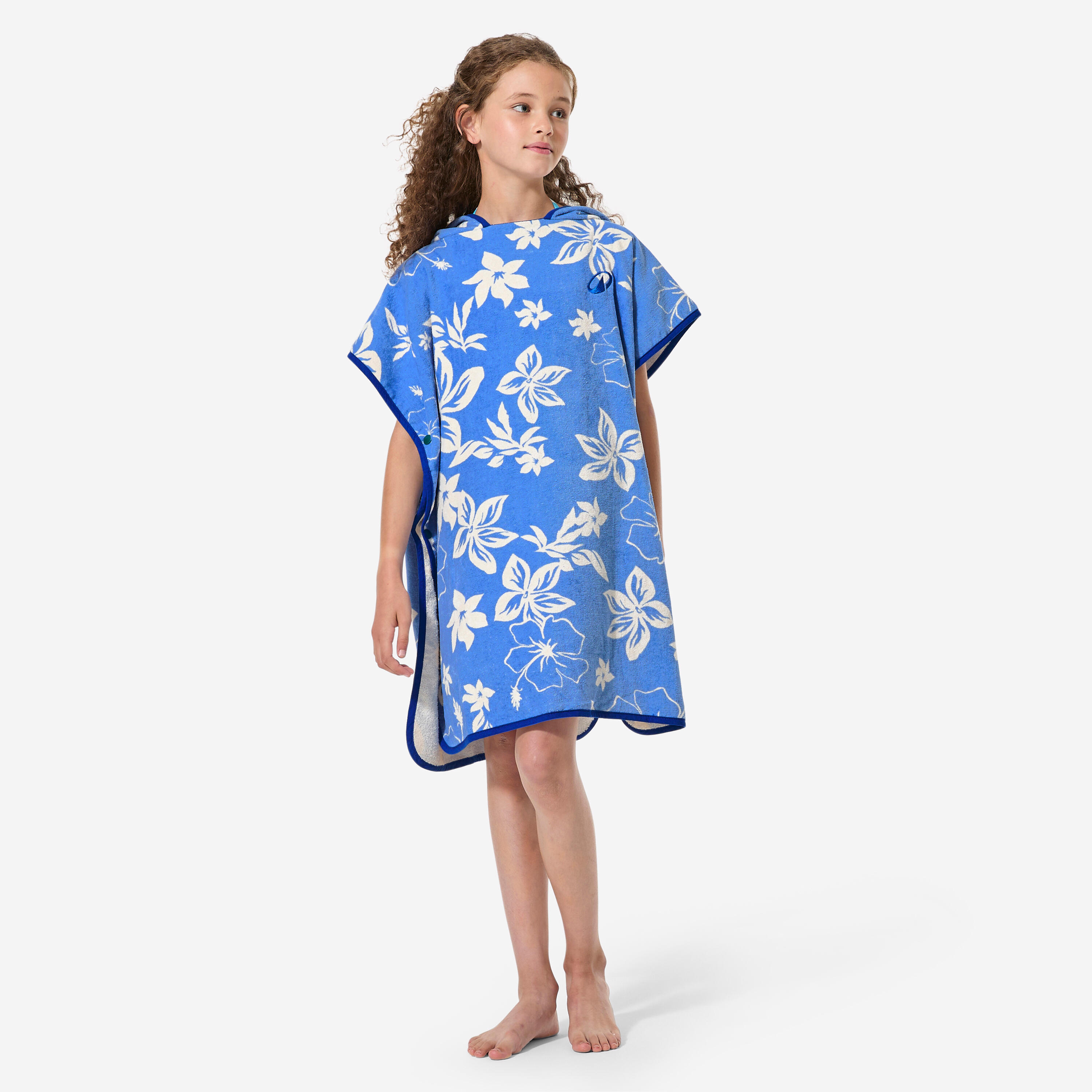
What should I look for in a poolside changing poncho?

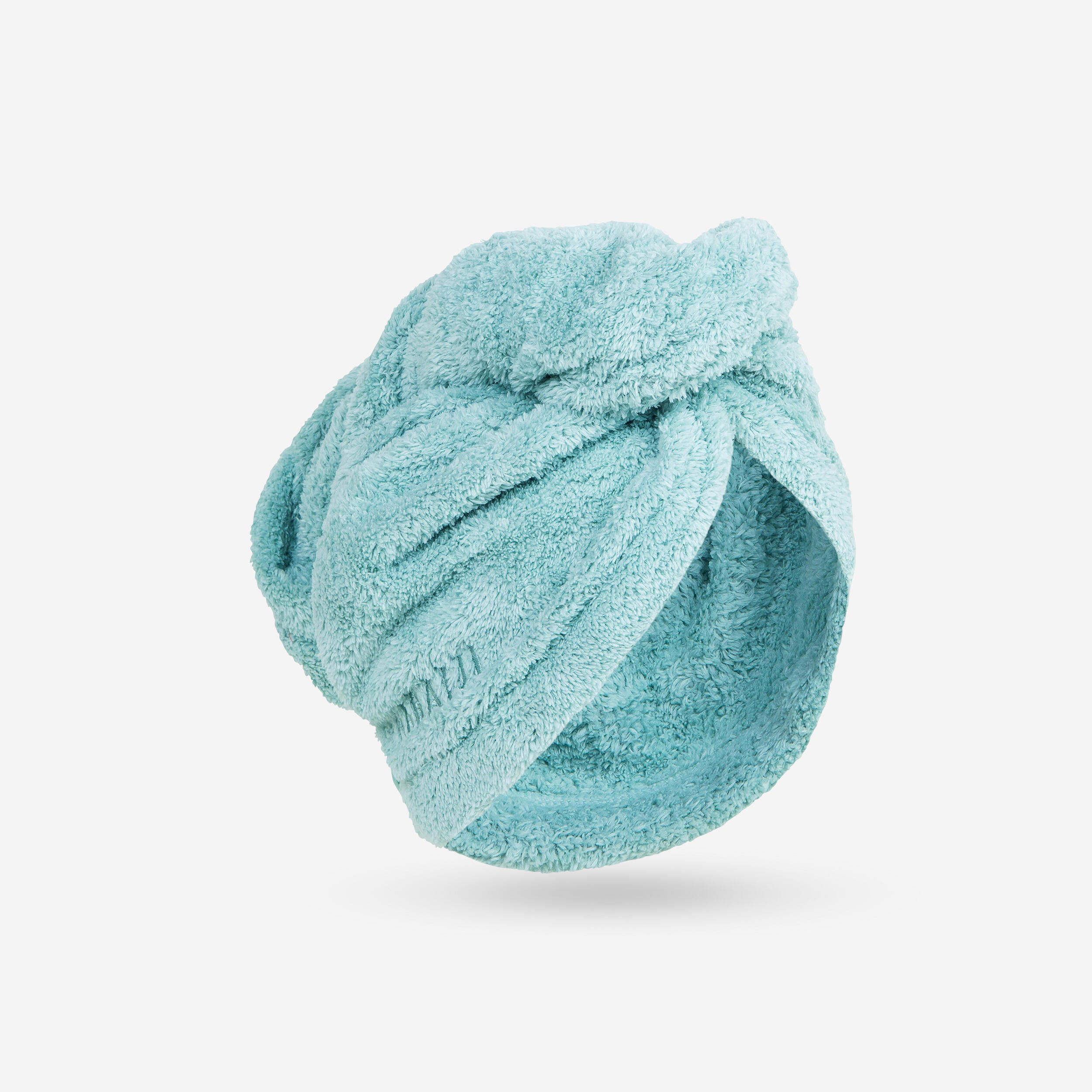
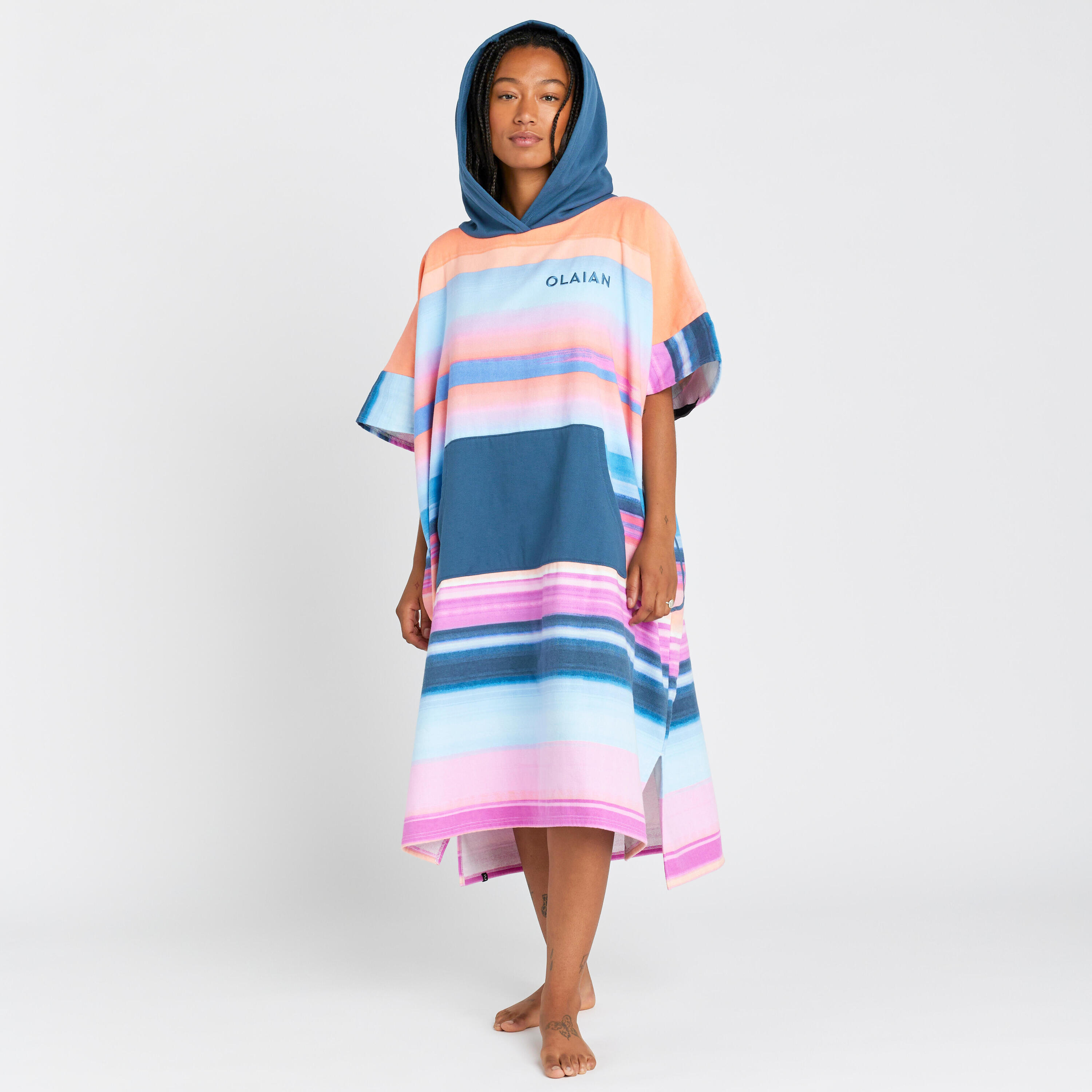
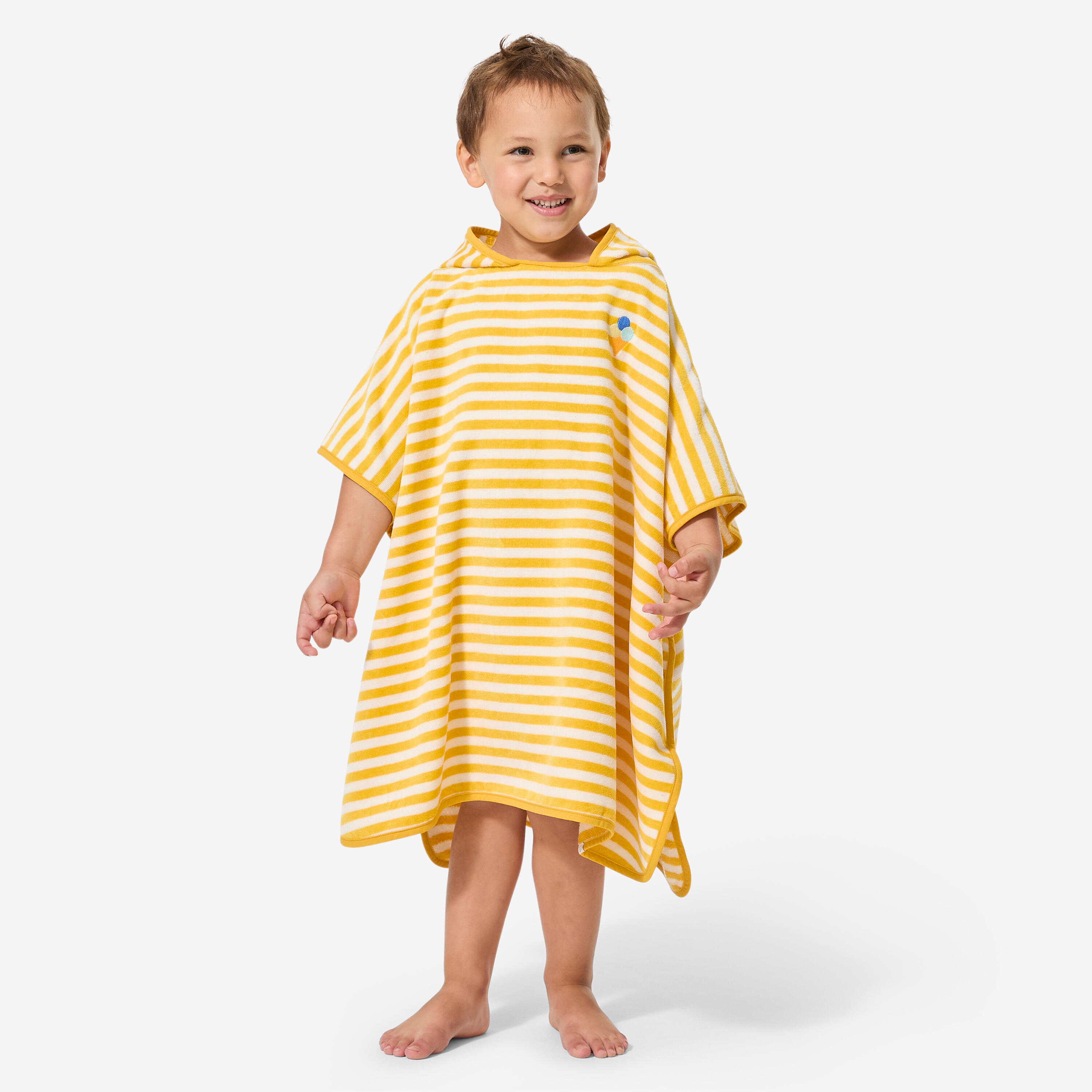
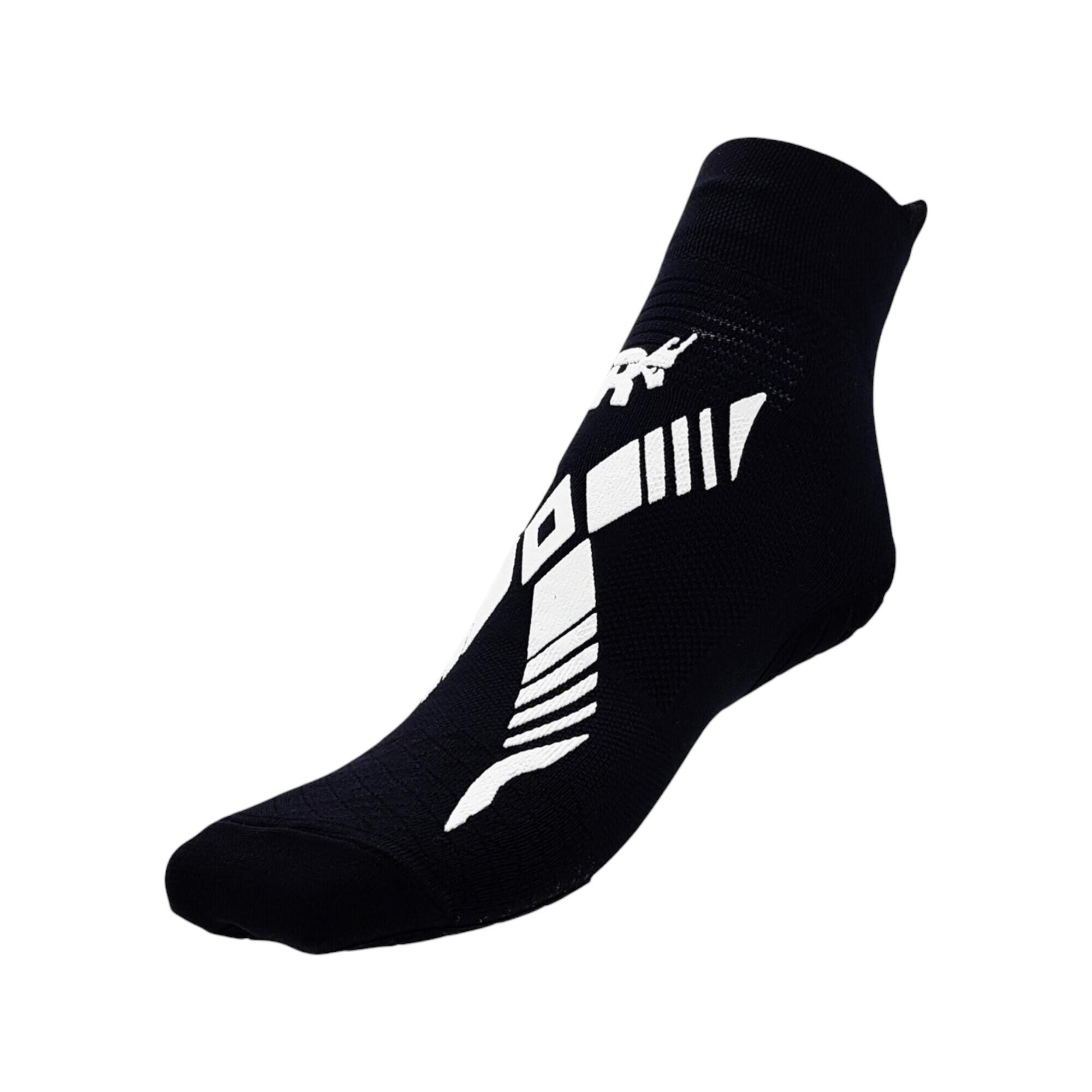
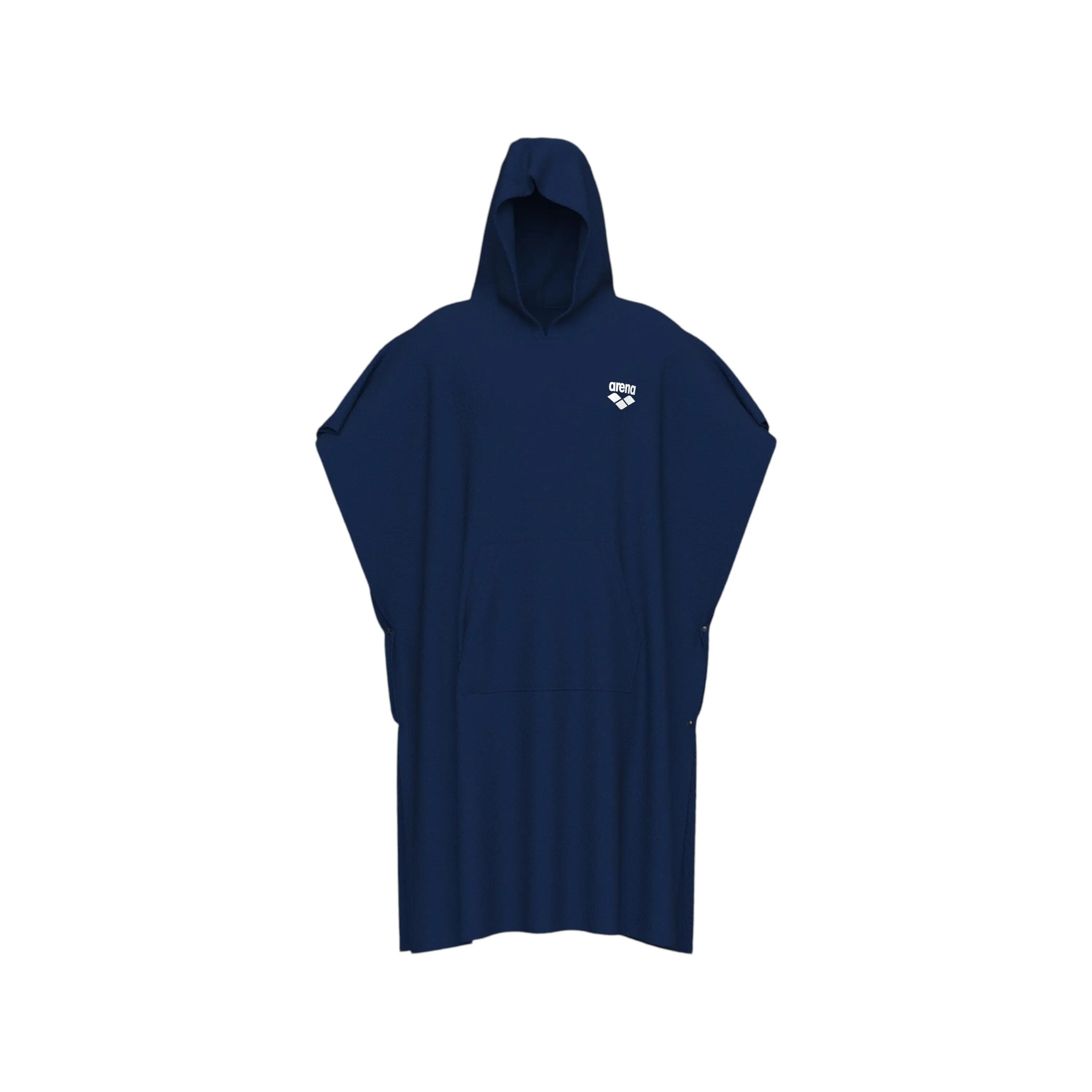
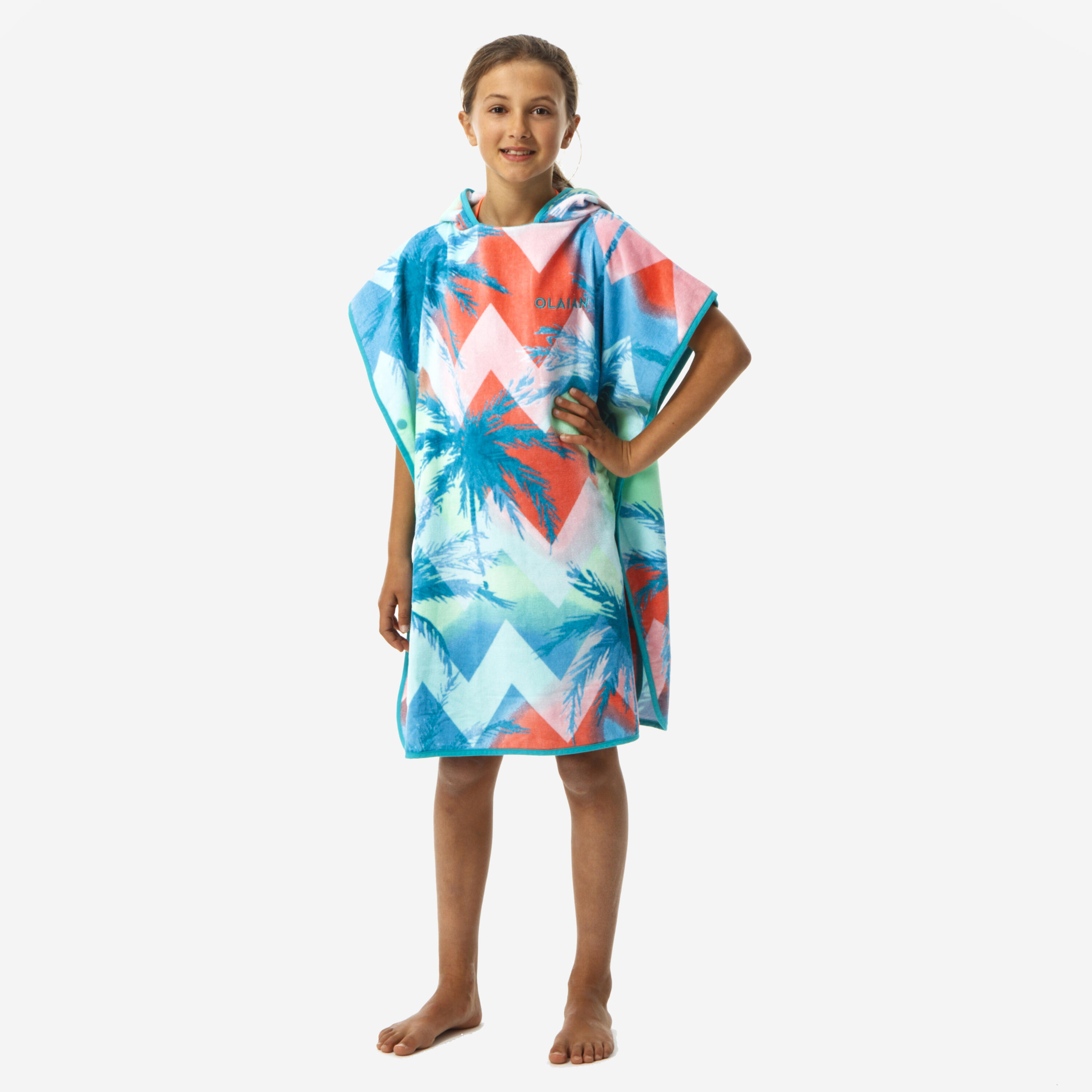
A poolside poncho needs to balance absorbency, coverage, and quick-dry speed. Microfibre fabric dries faster than cotton but feels less plush. Towelling fabric is slower to dry but absorbs surface water more effectively in a single pass. The hood matters for keeping wet hair off the shoulders and for warmth immediately after exiting a cold pool. The length of the poncho is the other key factor. A longer cut works better for adults who need to change discreetly at an outdoor venue. Sizing matters too: most changing ponchos are cut by height rather than clothing size, so check the length against your own measurements rather than relying on S/M/L alone. To round out the kit, a pair of swim socks keeps your feet warm and protected on cold, wet poolside tiles while you change. Expert advice: wring out your swimsuit inside the poncho before removing it rather than after; this keeps the wet suit contained and speeds up the overall post-swim routine without soaking the poncho lining unnecessarily.
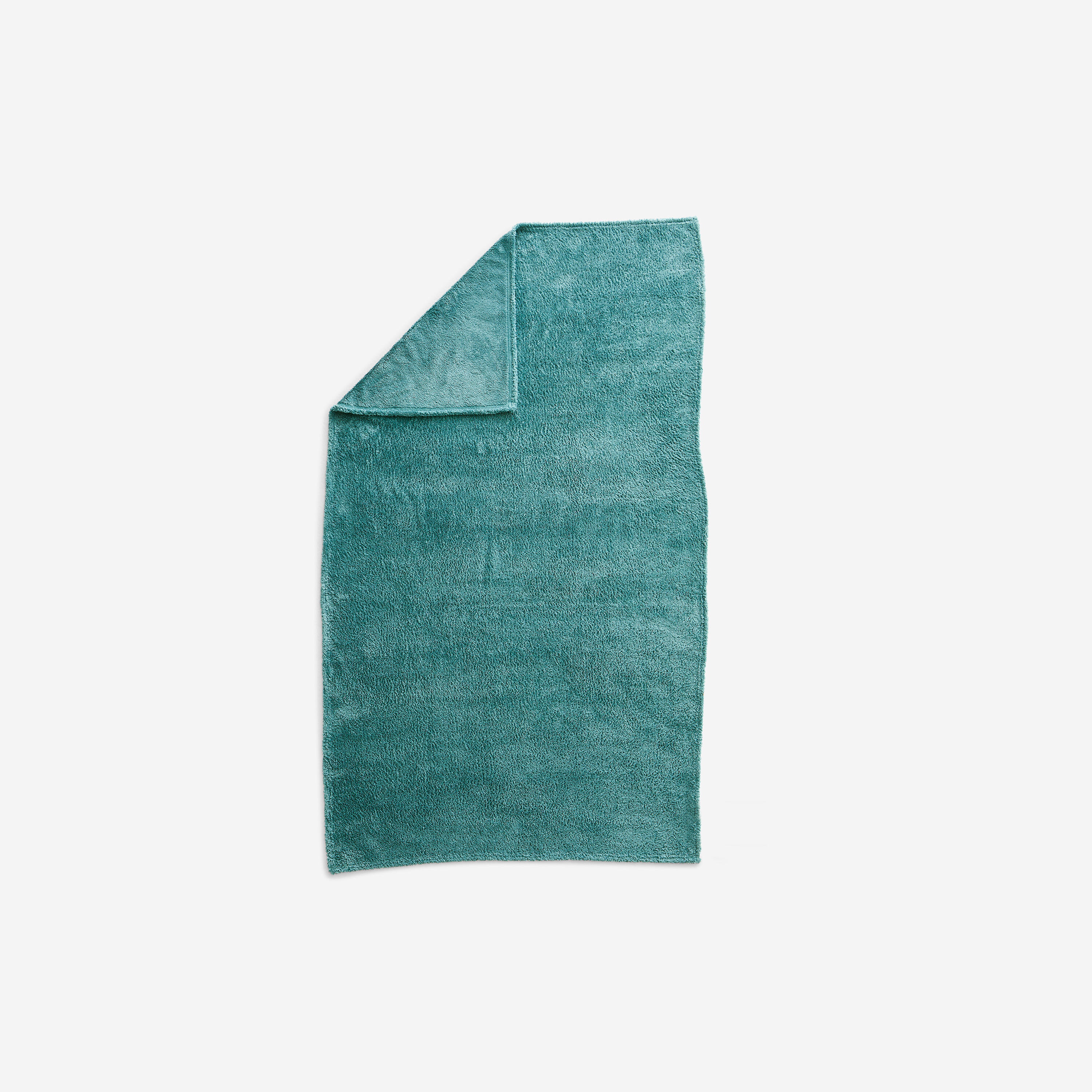
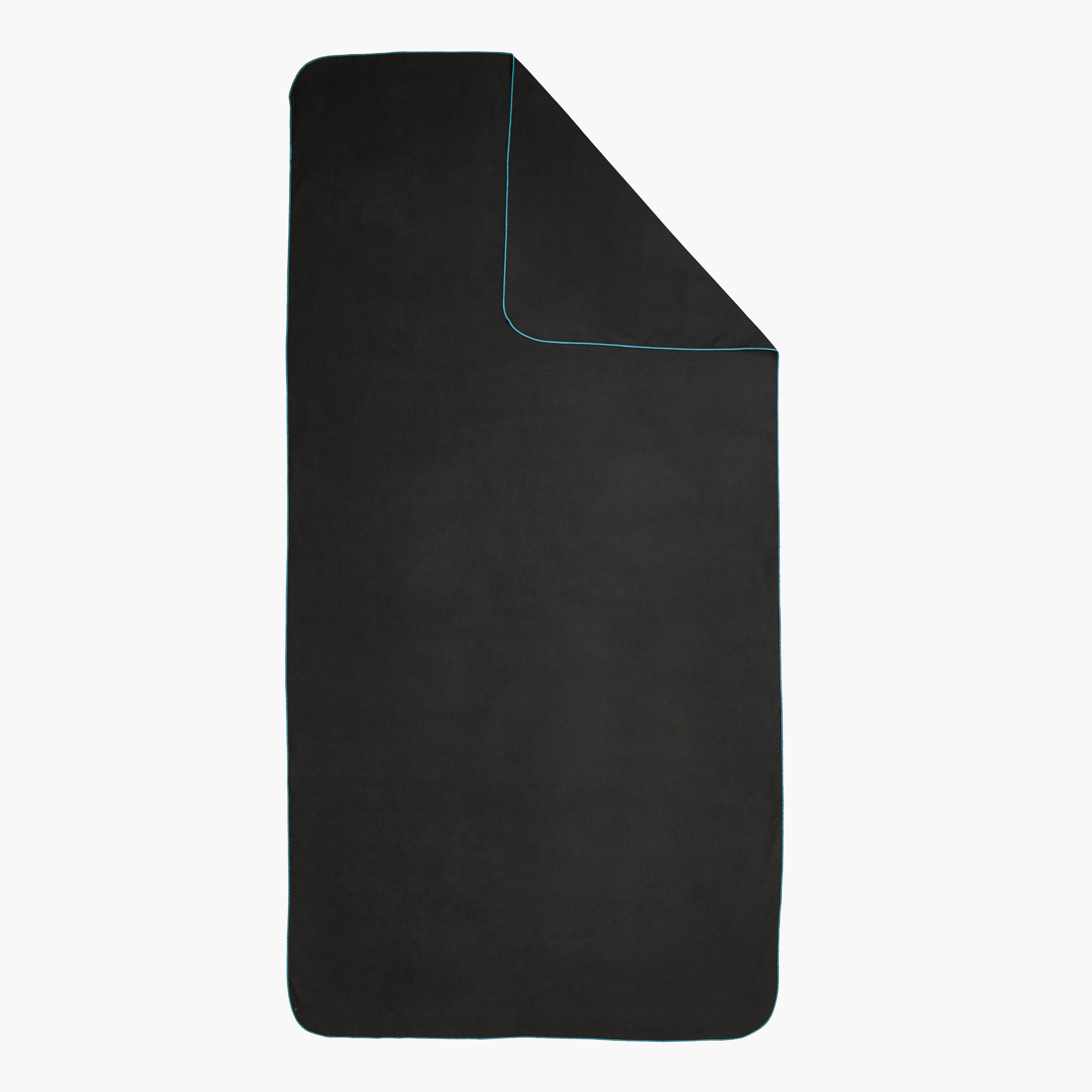
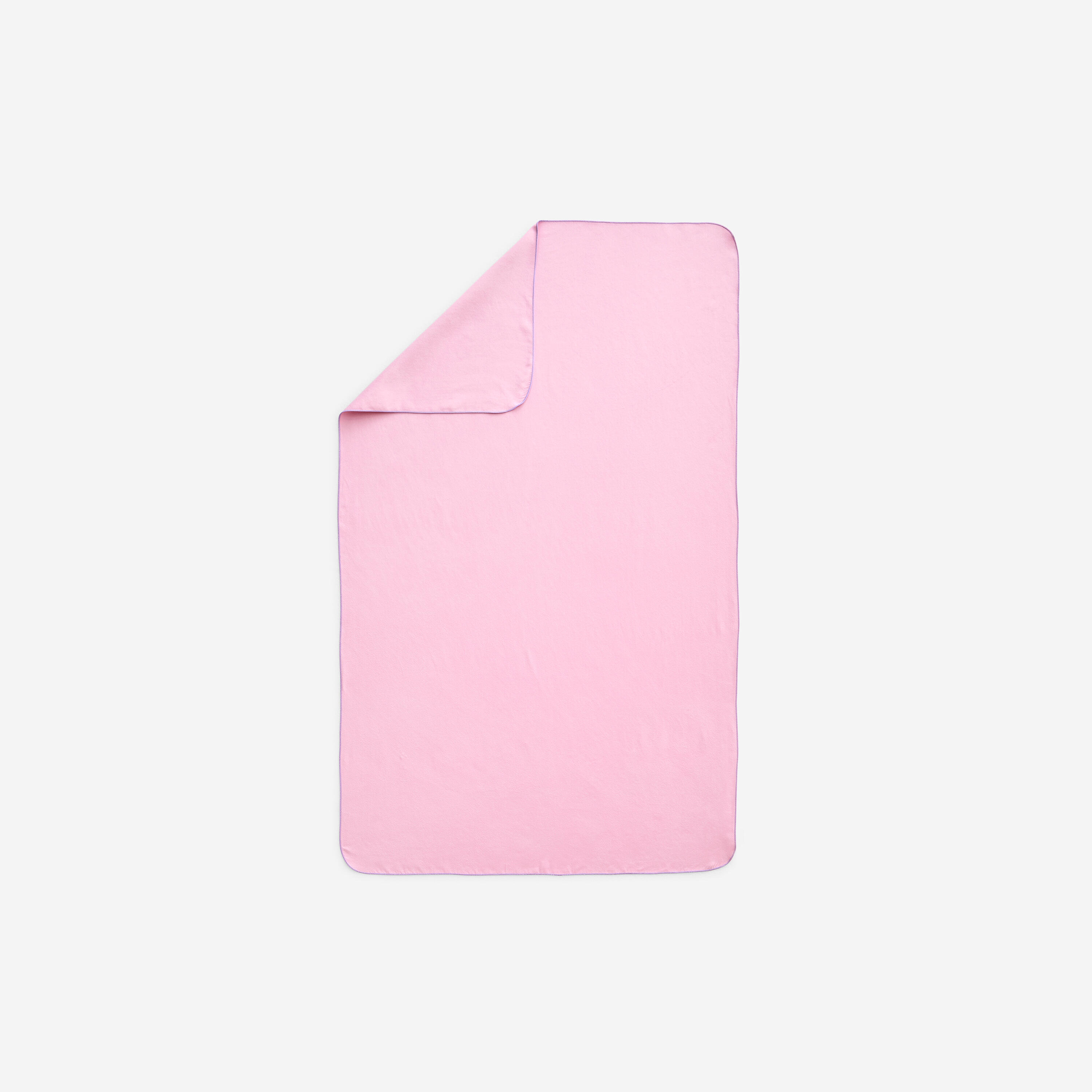
How do microfibre swimming towels differ from standard cotton towels?

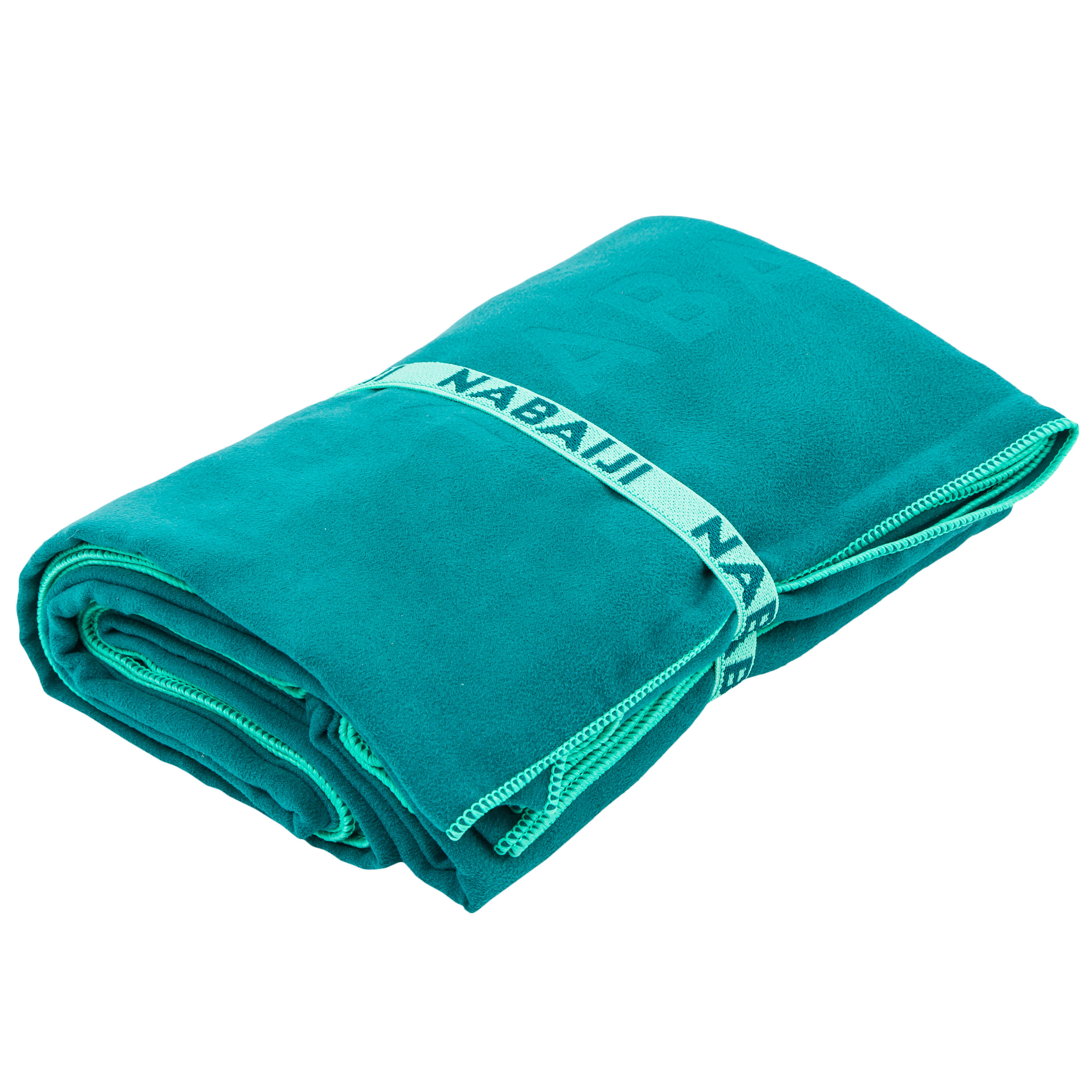
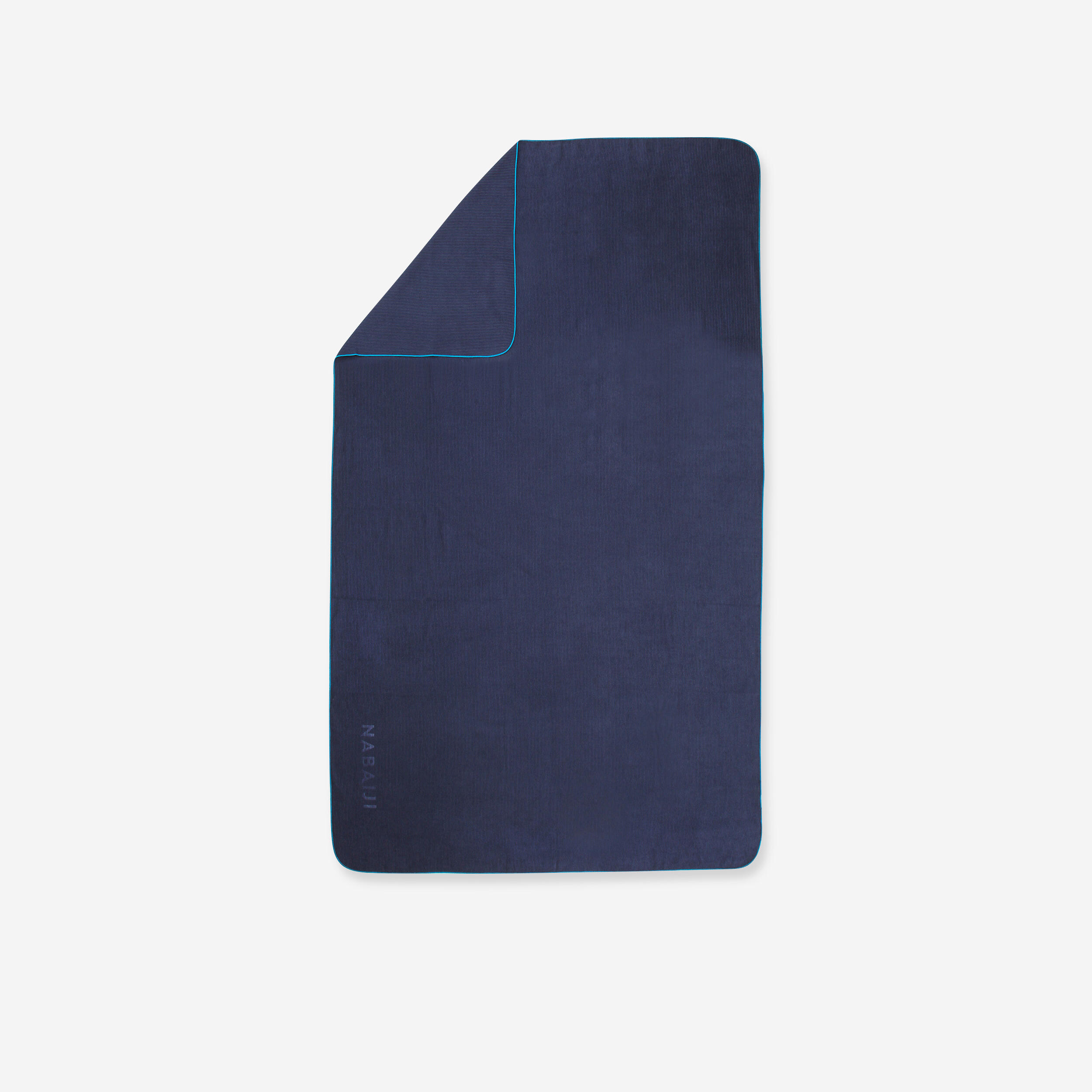
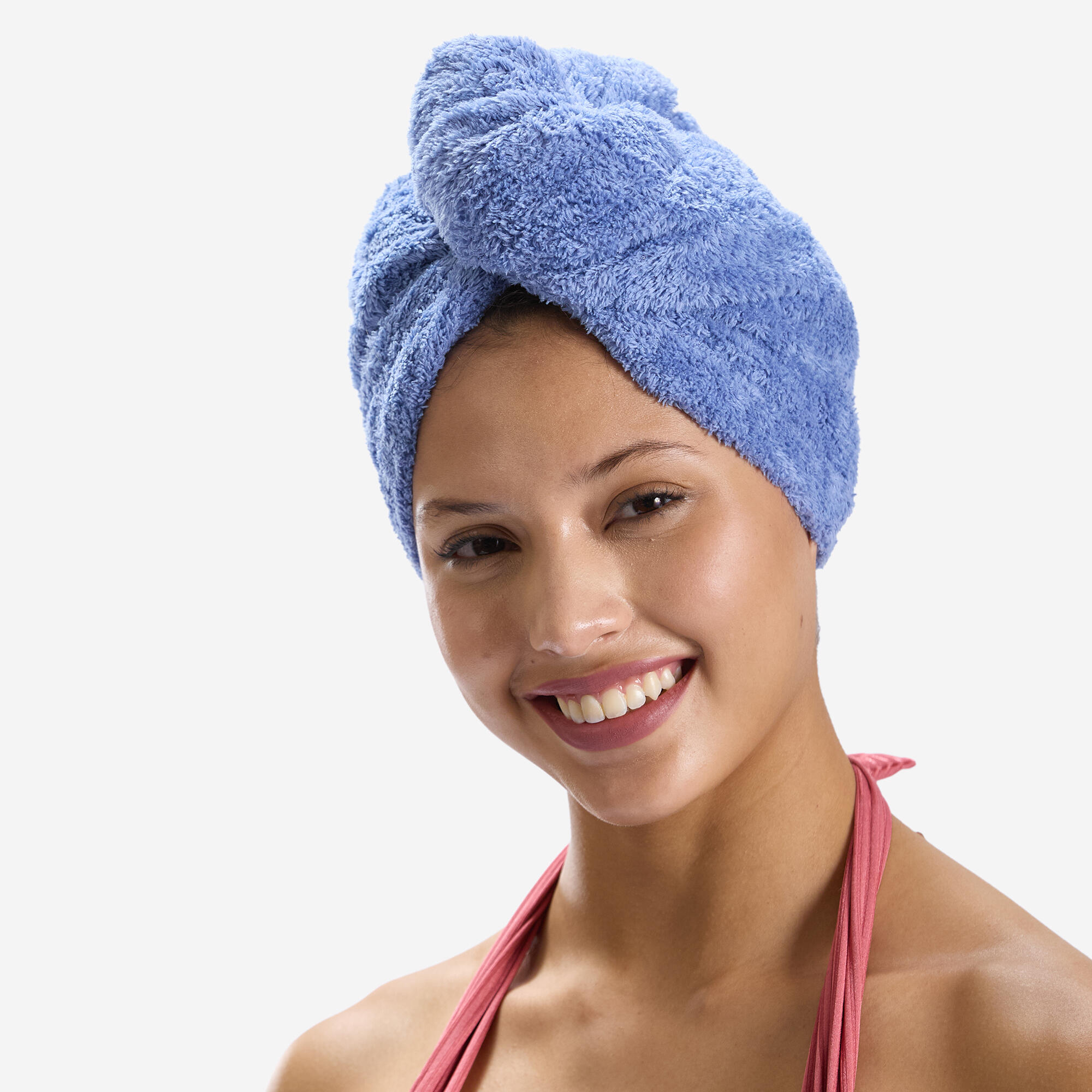
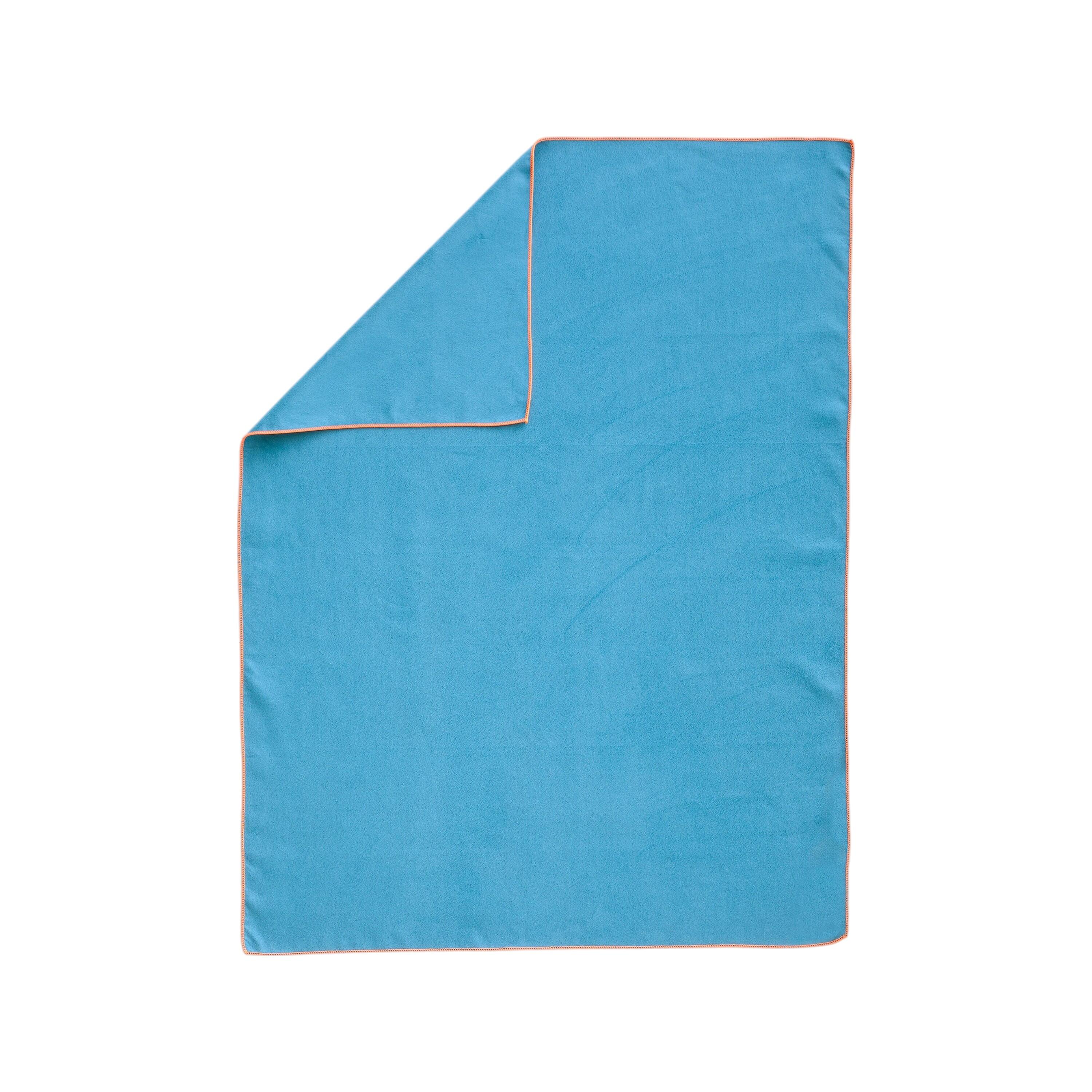
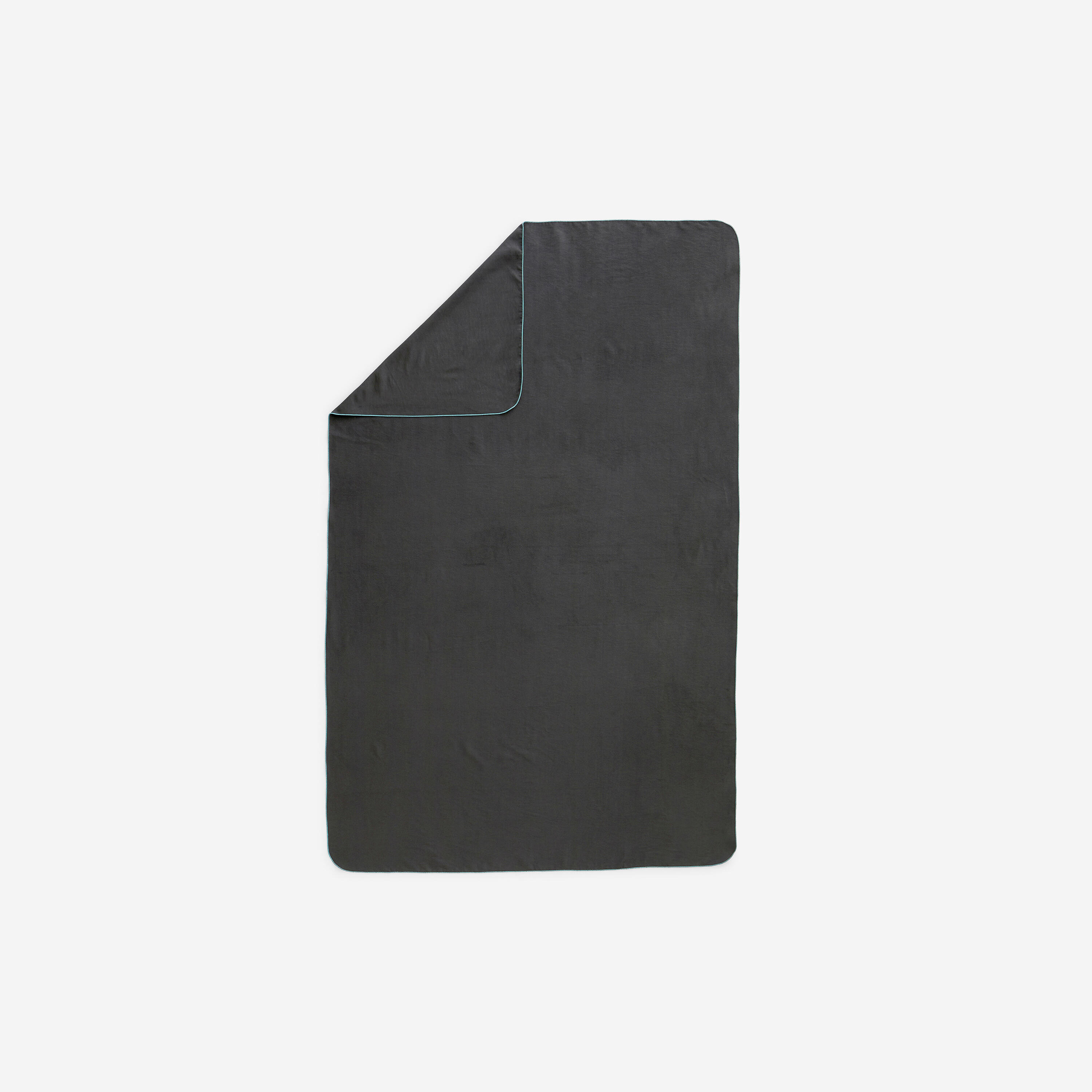
Microfibre strands are many times finer than cotton fibres, which creates a much larger total surface area within the same fabric weight and pulls moisture away from skin through capillary action rather than simple absorption. The practical result is that a microfibre swimming towel absorbs up to 3 times its weight in water and dries in roughly a third of the time it takes a cotton towel of equivalent size. For swimmers who commute to the pool or pack a kit bag, the weight and pack size difference is significant enough that a compact microfibre towel replaces a bulky cotton one without sacrificing dry-down performance. Smart tip: do not use fabric softener on microfibre towels, as it coats the fibres and reduces their absorbency over time.

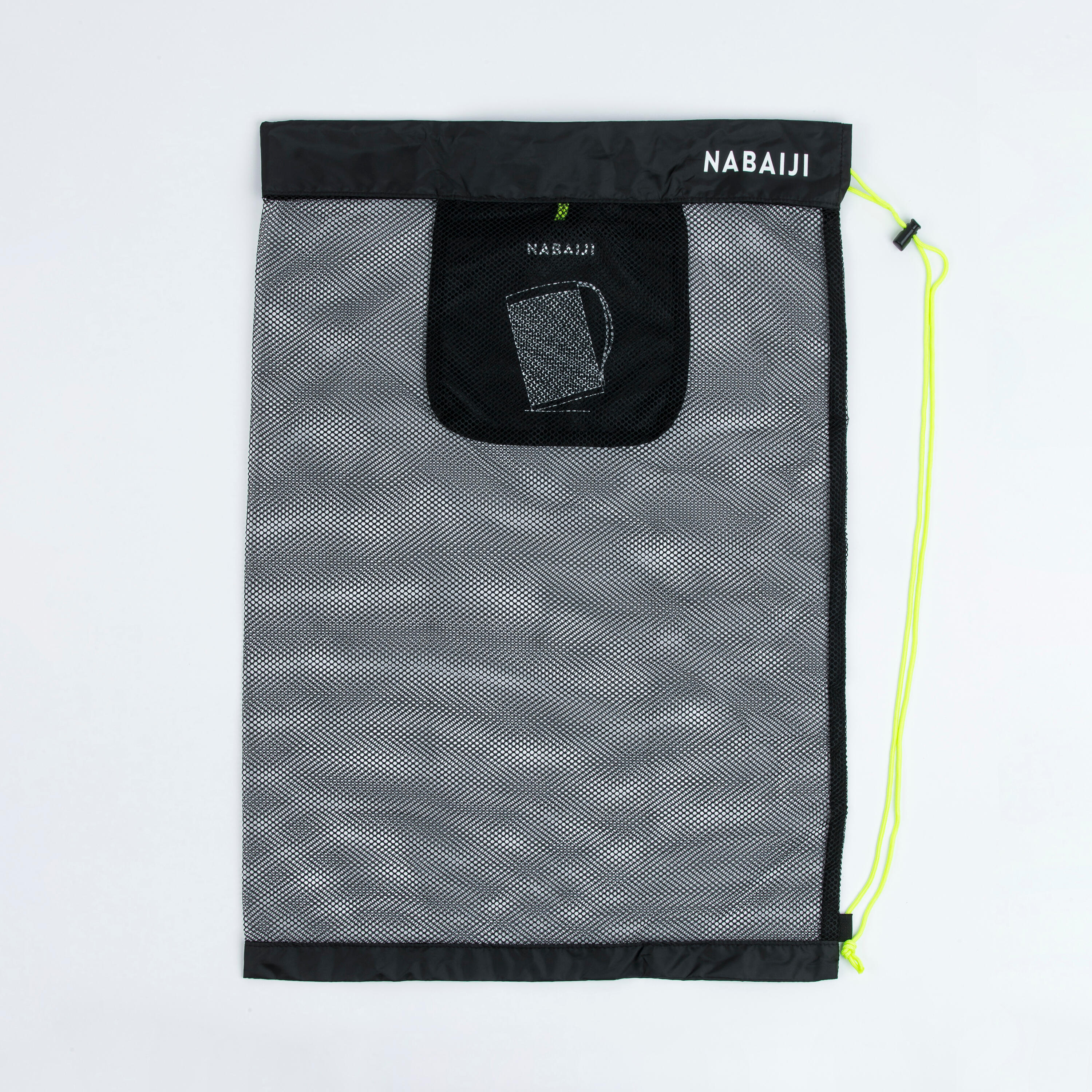
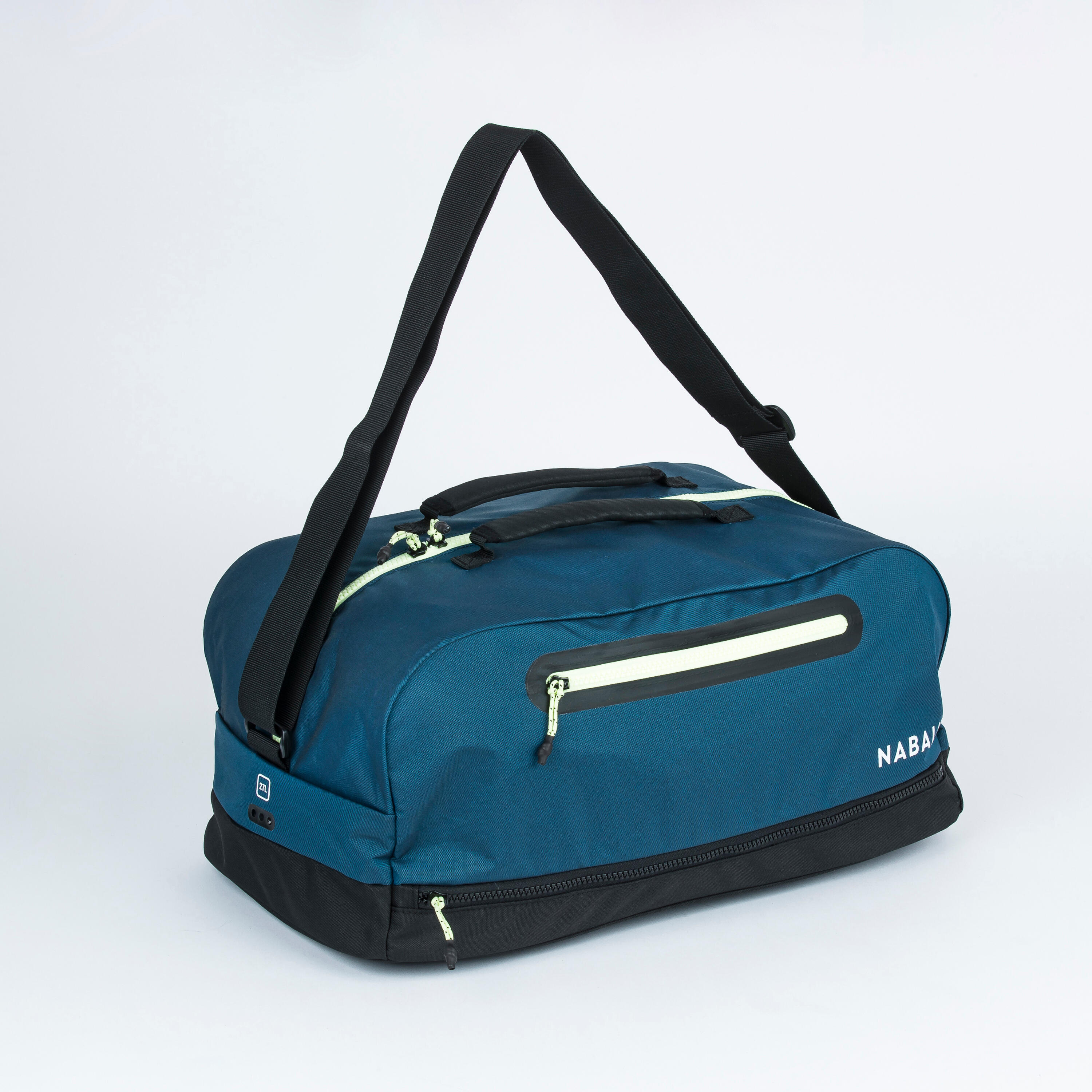
What features matter most in a swim kit bag?

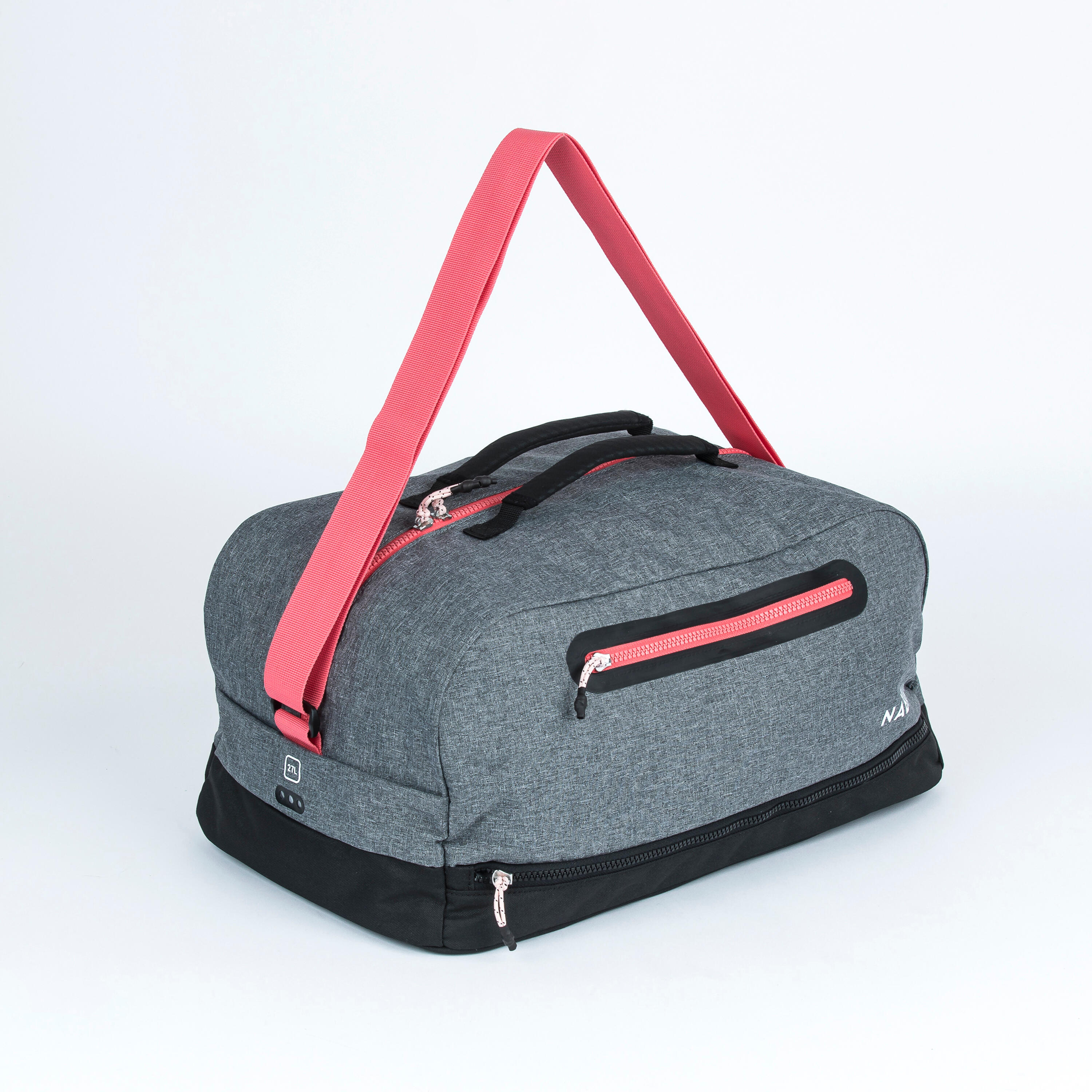
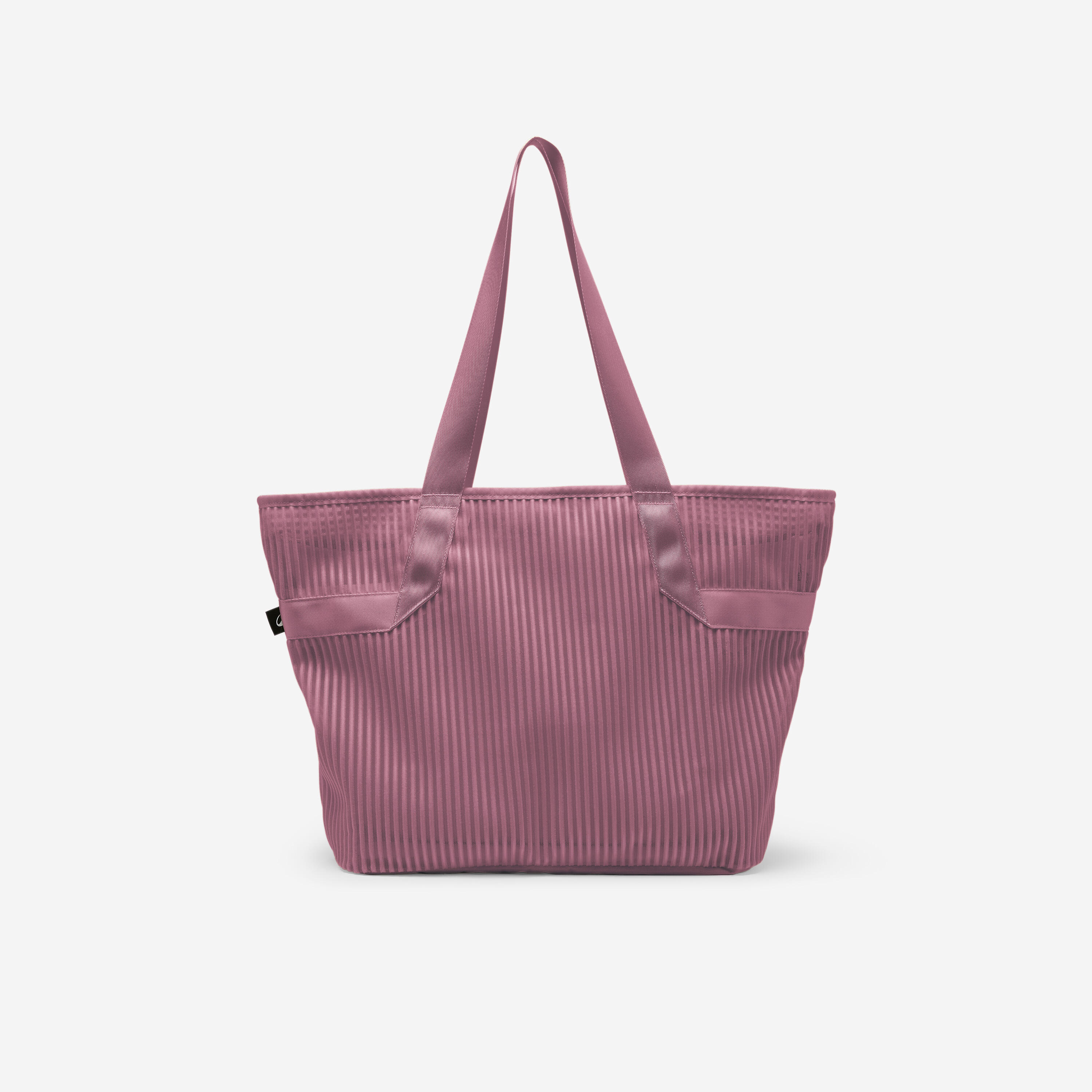
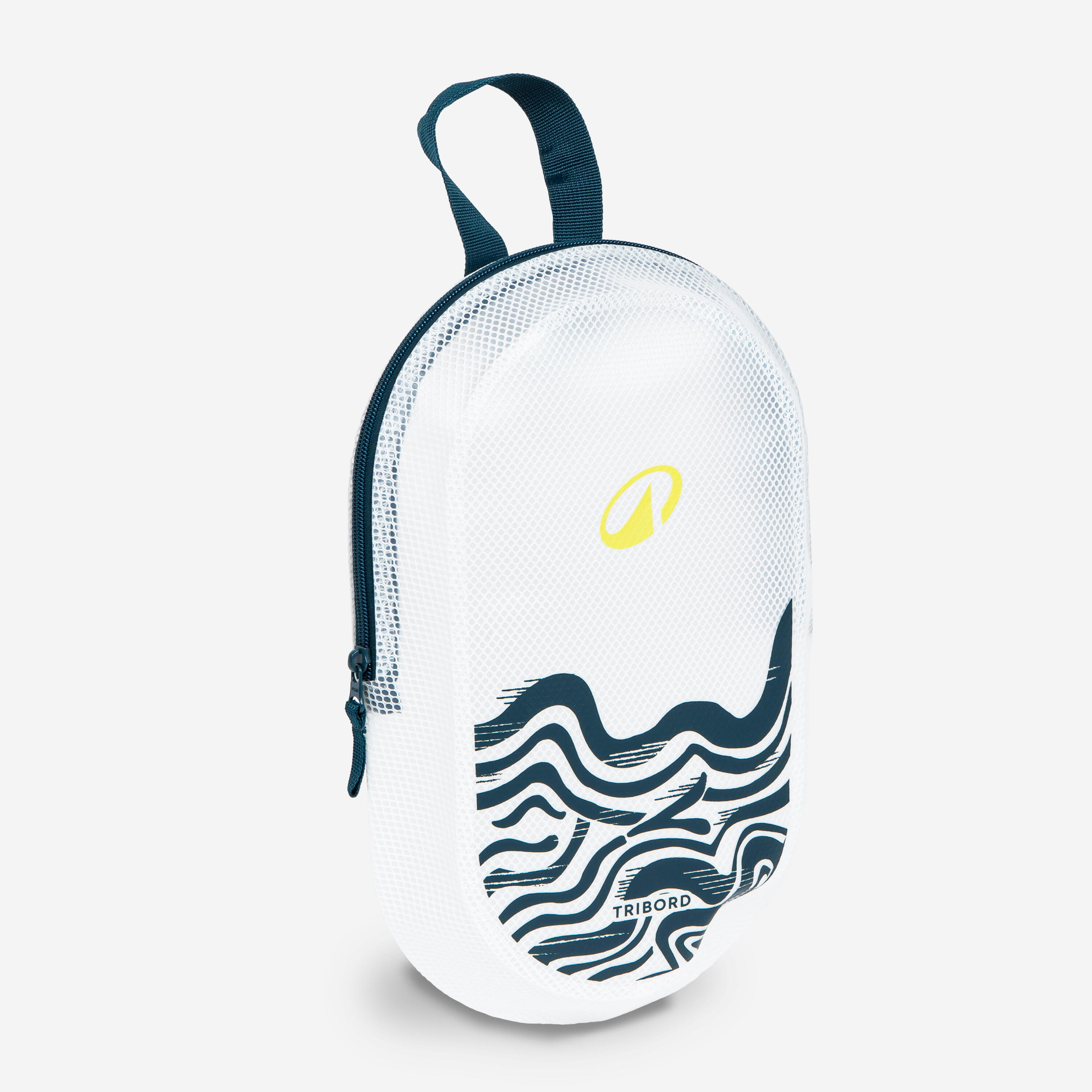
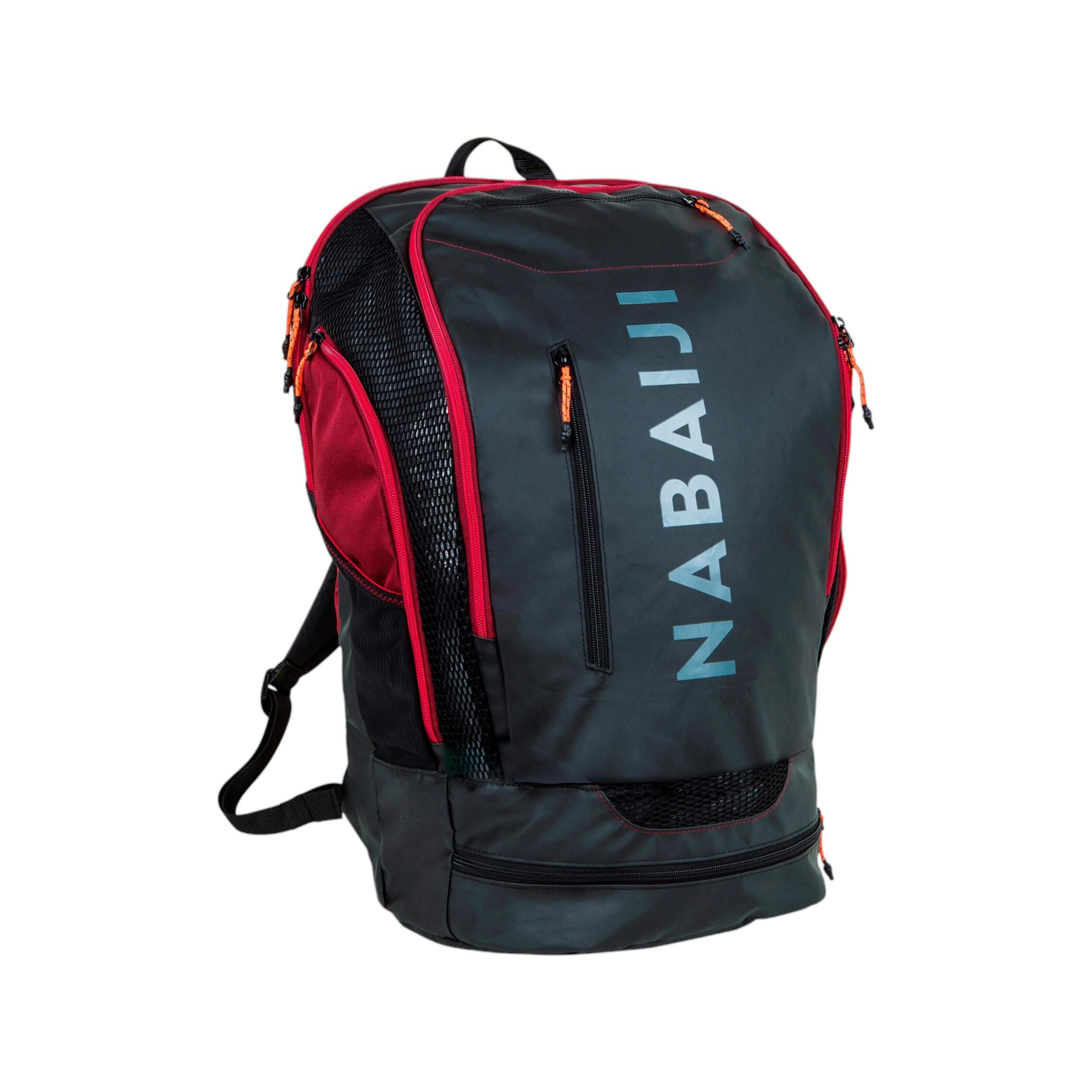
Wet and dry separation is the most important feature in any swim bag, because storing a wet swimsuit or towel against dry clothes causes mildew and dampens everything packed alongside it. A dedicated wet compartment with a waterproof lining or a removable mesh inner achieves this without adding bulk to the overall bag. Ventilation panels on the main compartment help prevent odour build-up from the damp kit stored between sessions. Shoulder strap comfort matters for commuters carrying their bag from the pool to work; a padded strap on a bag that regularly holds a wet towel, swimsuit, goggles, and a bottle prevents shoulder fatigue over a full week of training.

When does a pool bathrobe make more sense than a poncho?

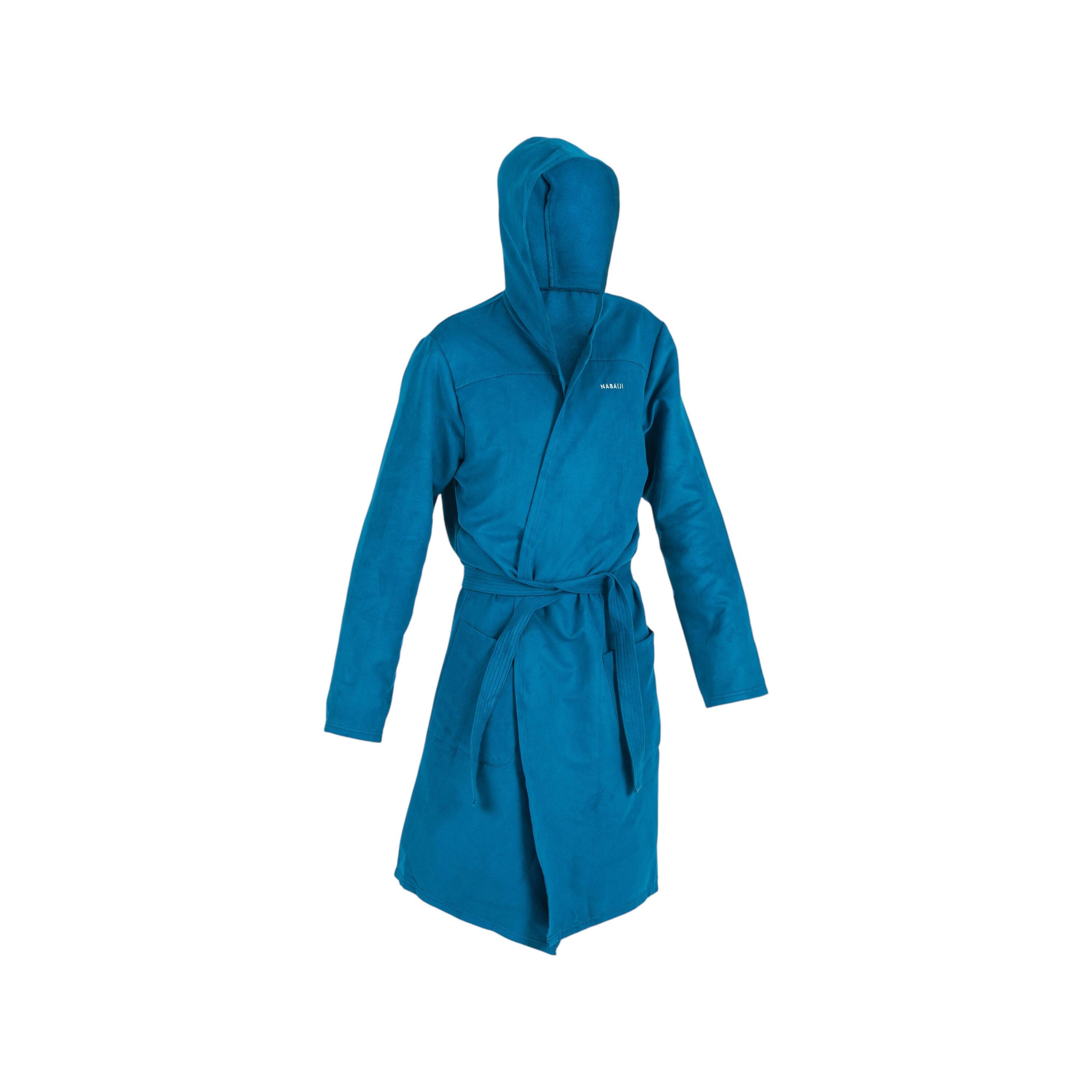
A pool bathrobe suits post-swim recovery sessions, aqua fitness classes, or leisure pool environments where the priority is warmth and comfort over a longer period rather than fast poolside changing. A poncho is optimised for speed and discreet changing. A bathrobe is worn after the change is complete and provides sustained warmth during cool-down or stretching. Terry cotton bathrobes retain heat longer than microfibre but take longer to dry between uses. Fleece-lined options offer a middle ground with a faster dry time and good insulation, making them the more practical choice for swimmers who train multiple times per week.

What equipment do swimming coaches and club organisers typically need at poolside?

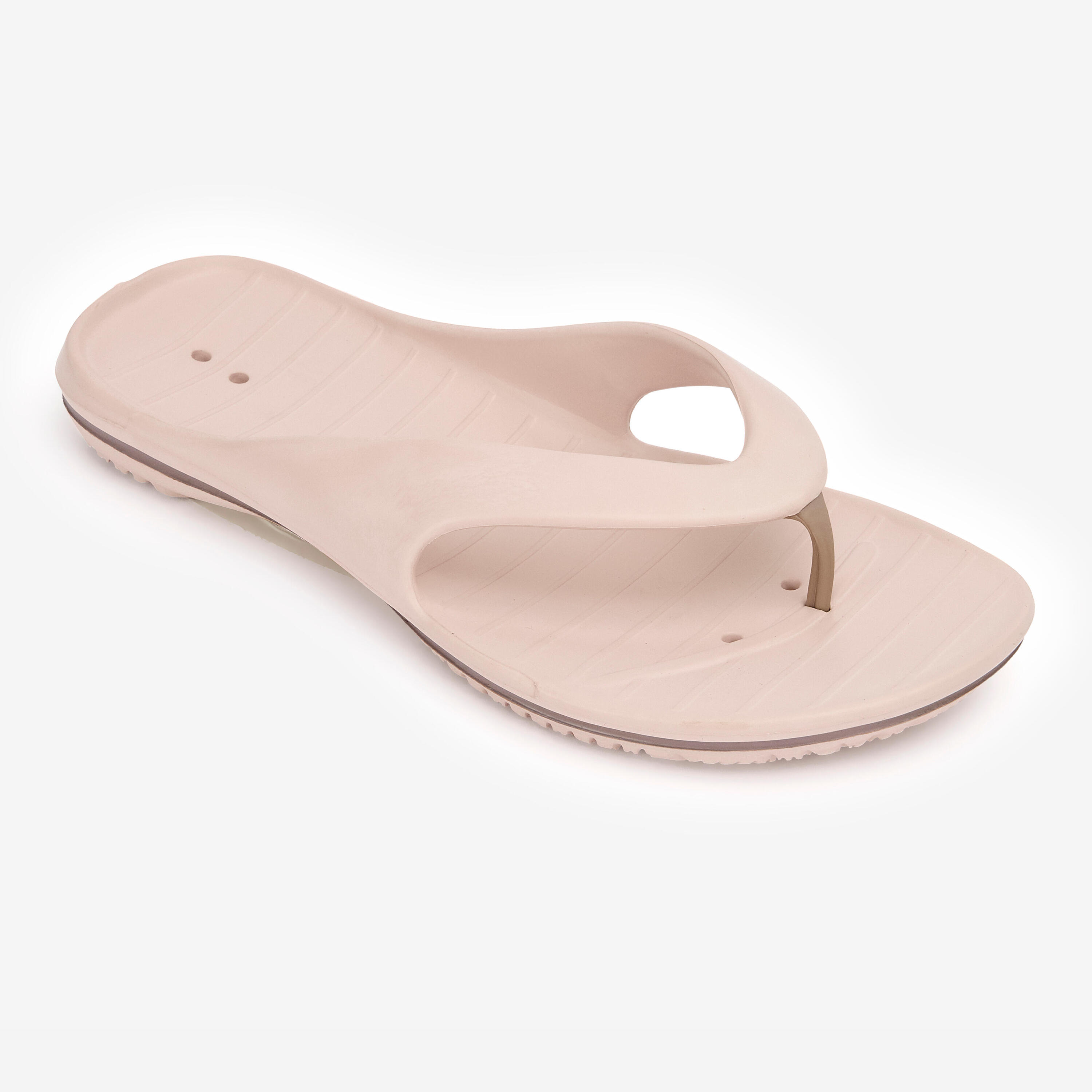
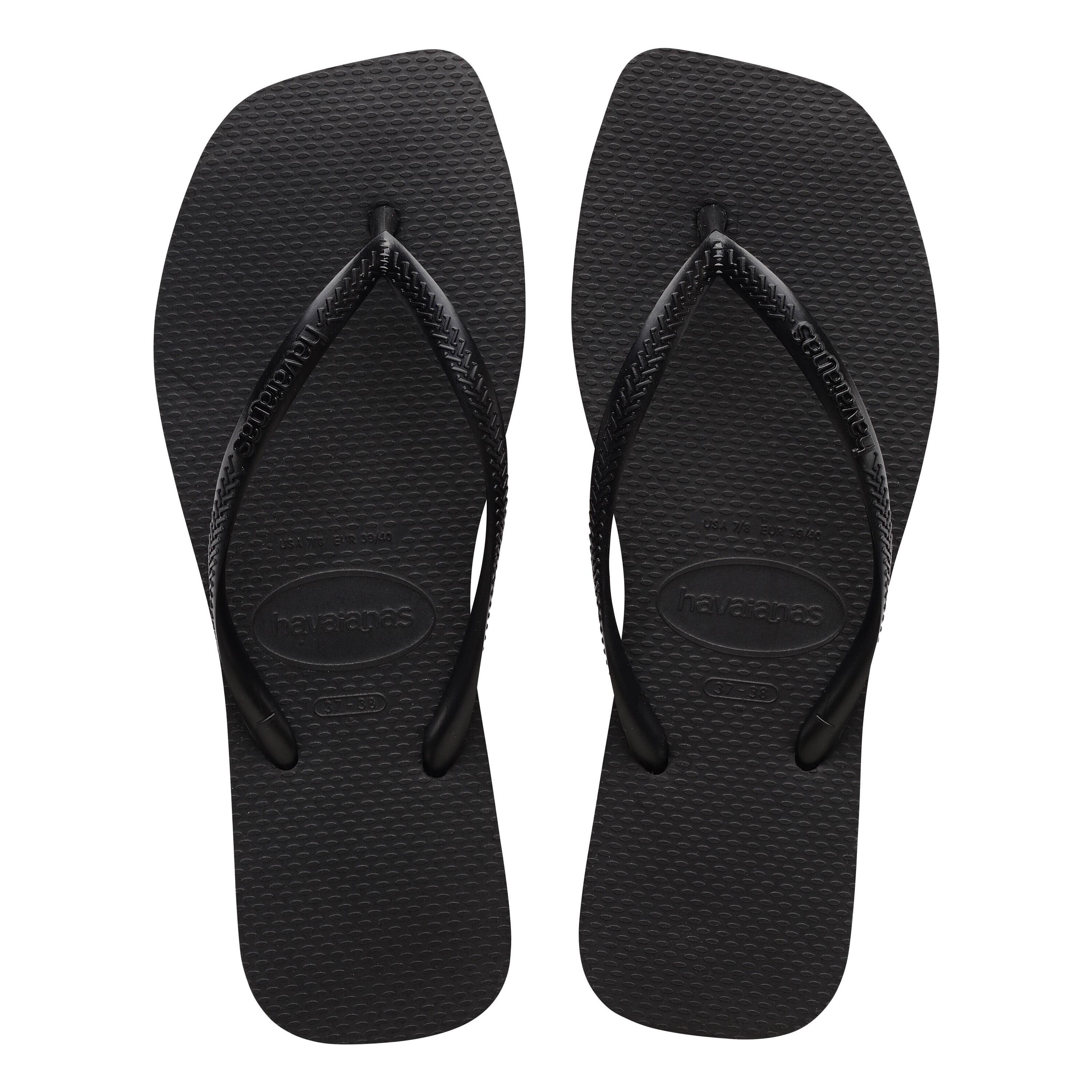
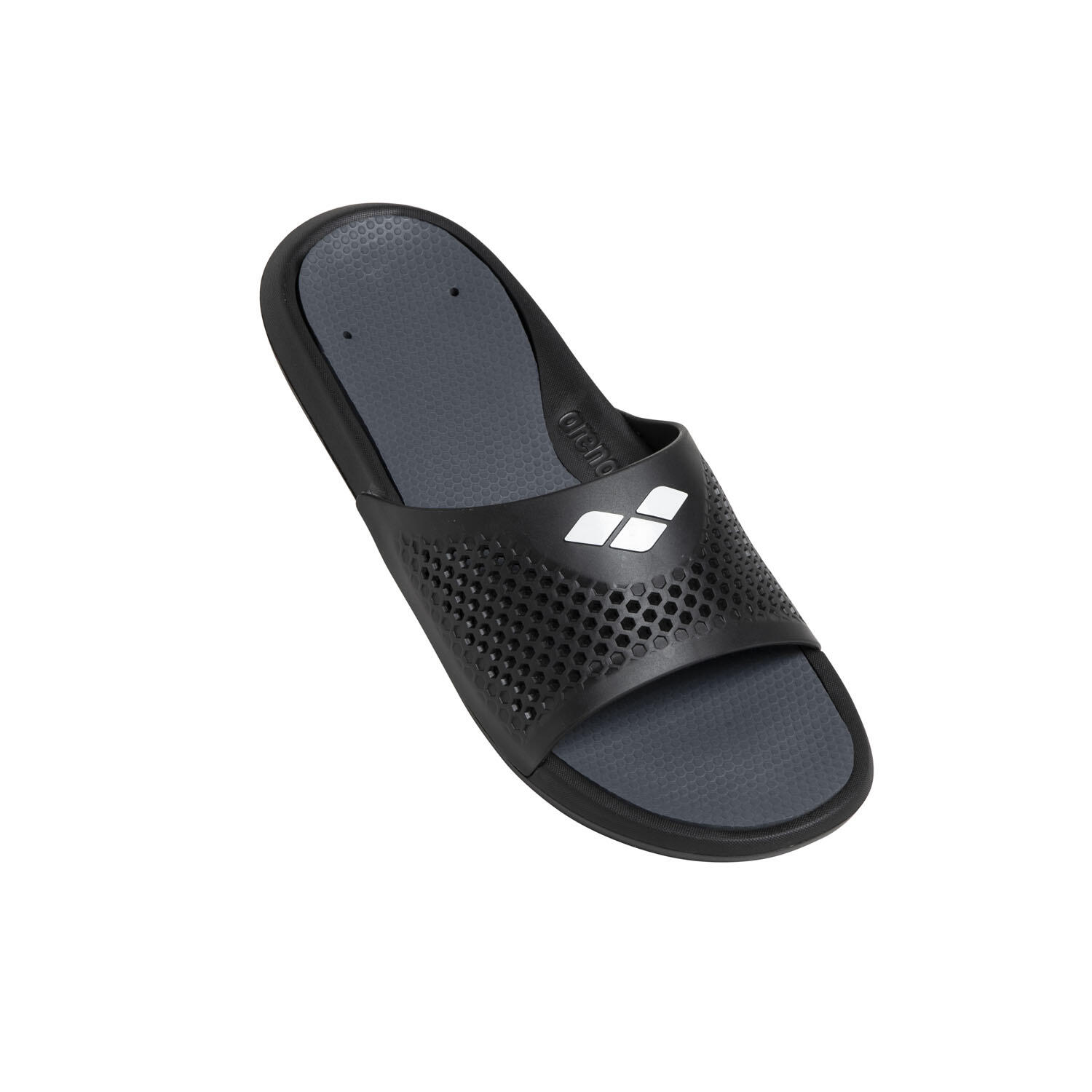
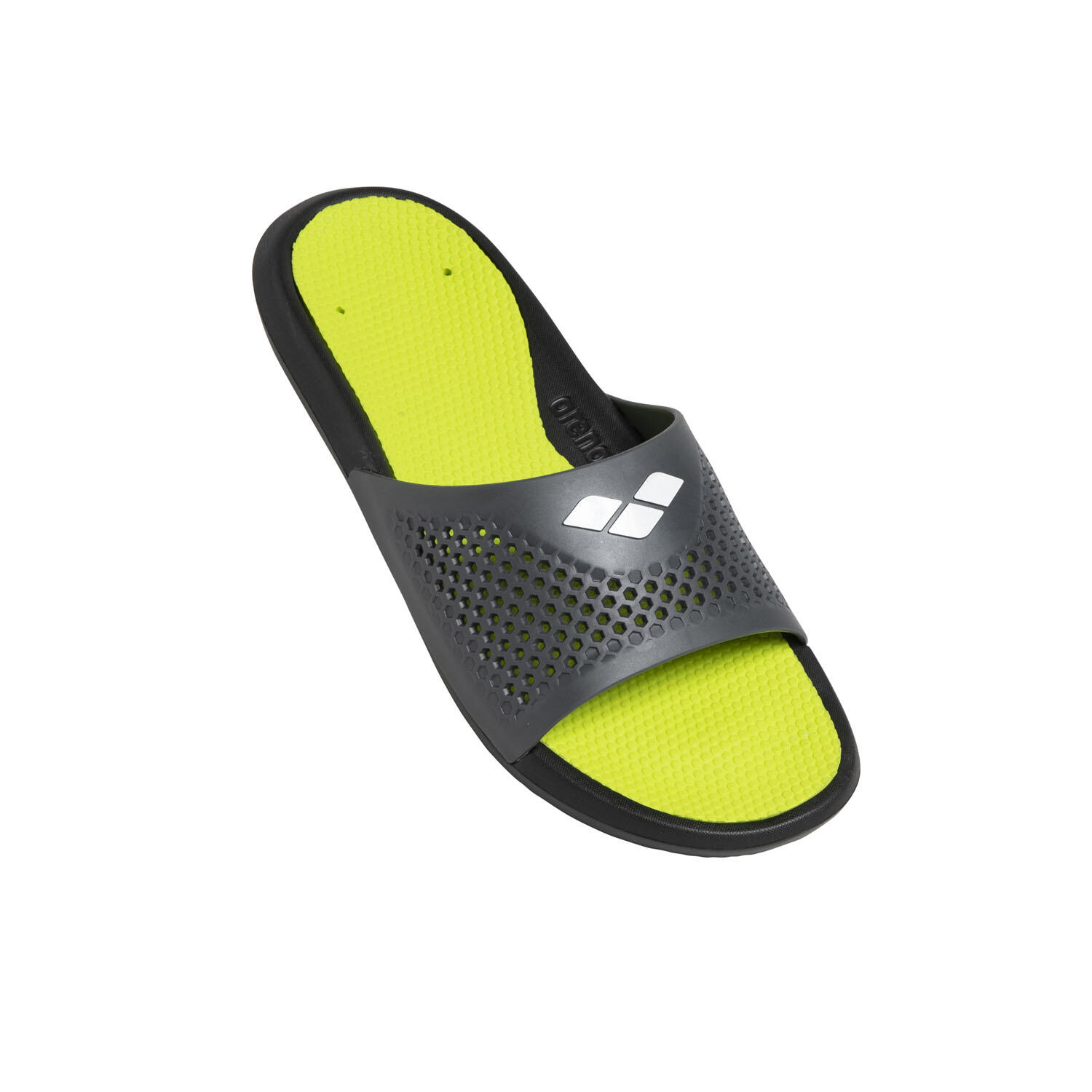
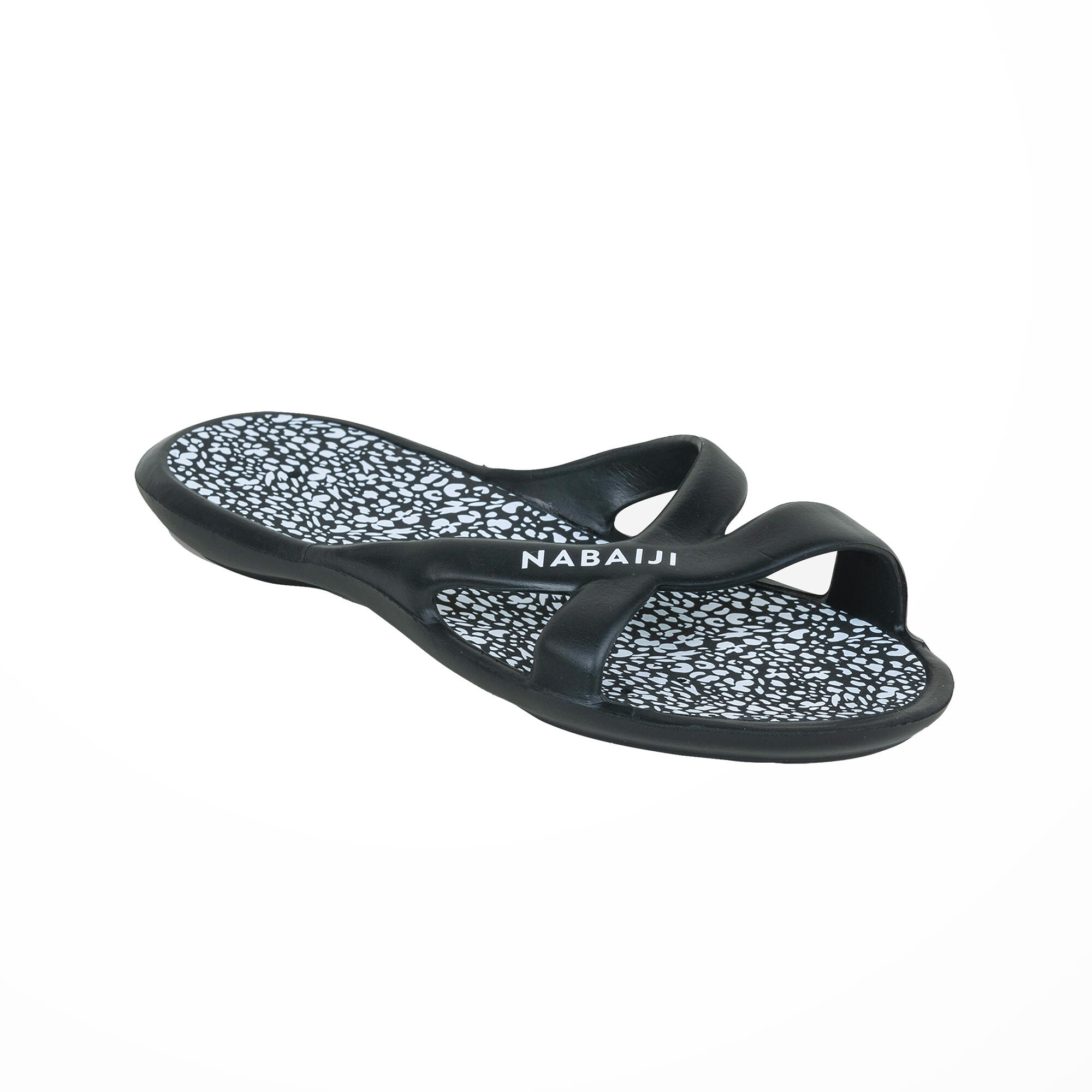
Coaching and squad sessions require a different set of poolside tools compared to individual training. A stopwatch or pace clock is the most fundamental item, used to record interval times and monitor progress across training blocks. Kickboards, pull buoys, and resistance bands are the most commonly used training aids for technique work and conditioning sets. Whistles, lap counters, and waterproof notepads round out the practical toolkit for coaches tracking multiple swimmers at once. Coaches and organisers also spend long stretches on wet poolside surfaces, so a sturdy pair of pool shoes provides grip and protection across the deck throughout a session.