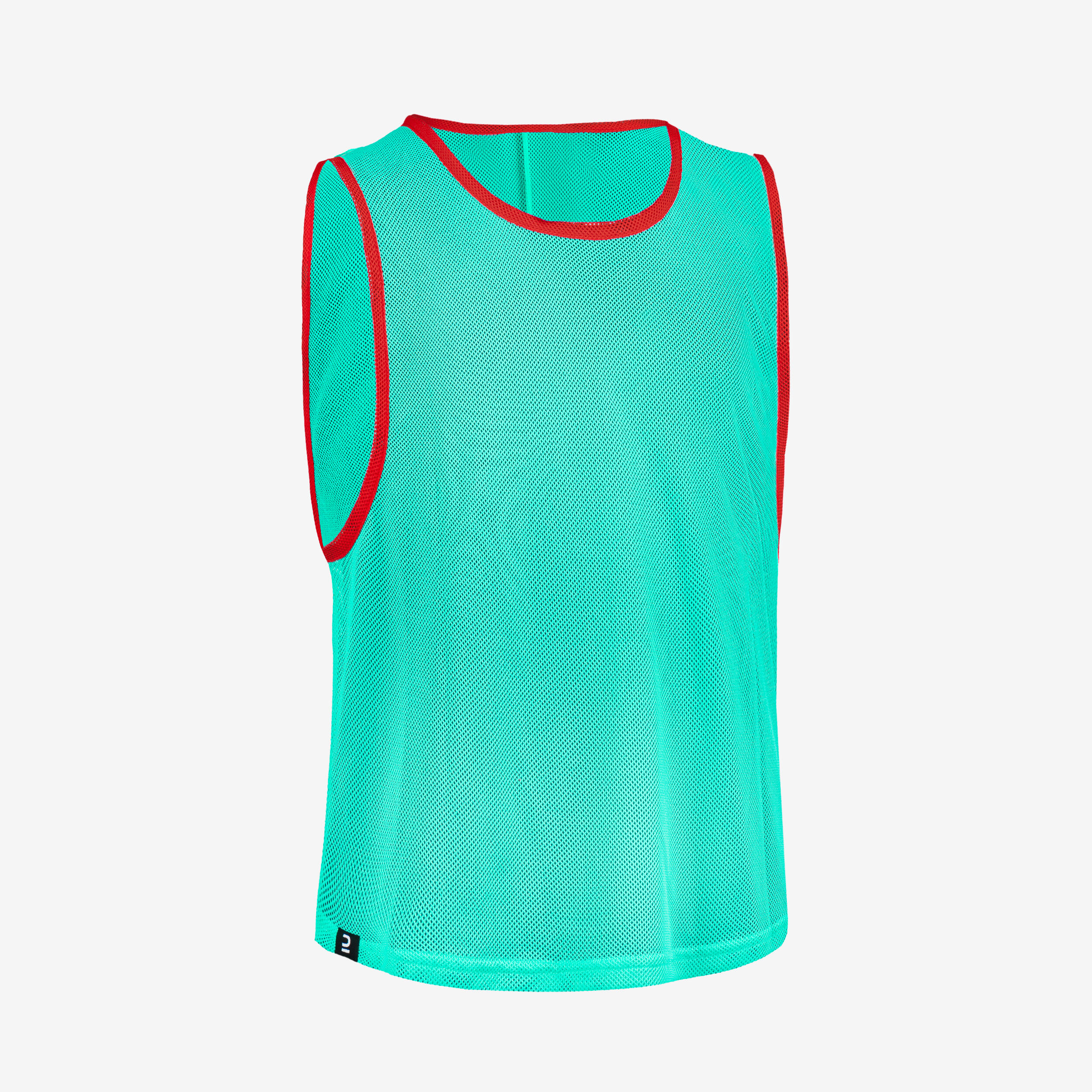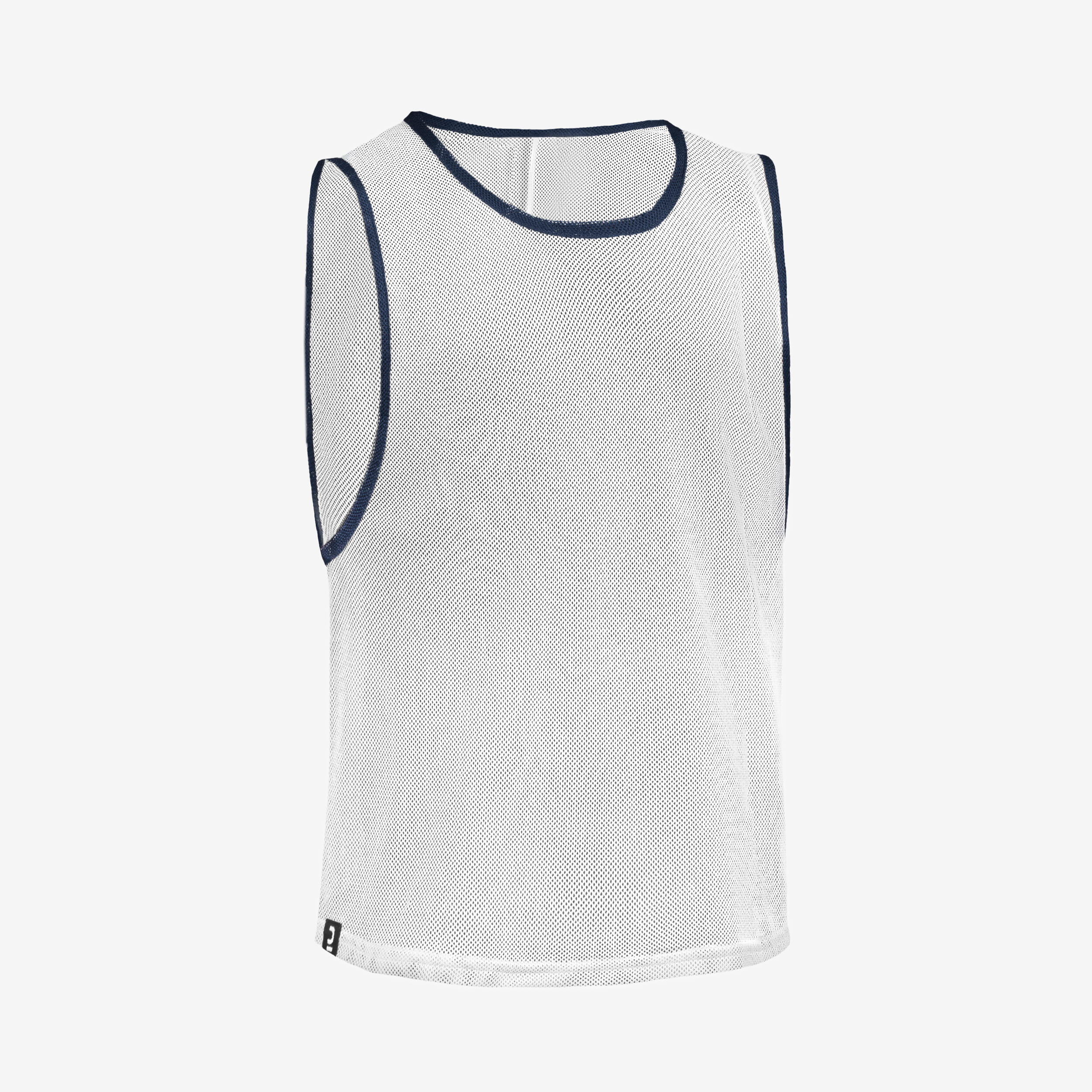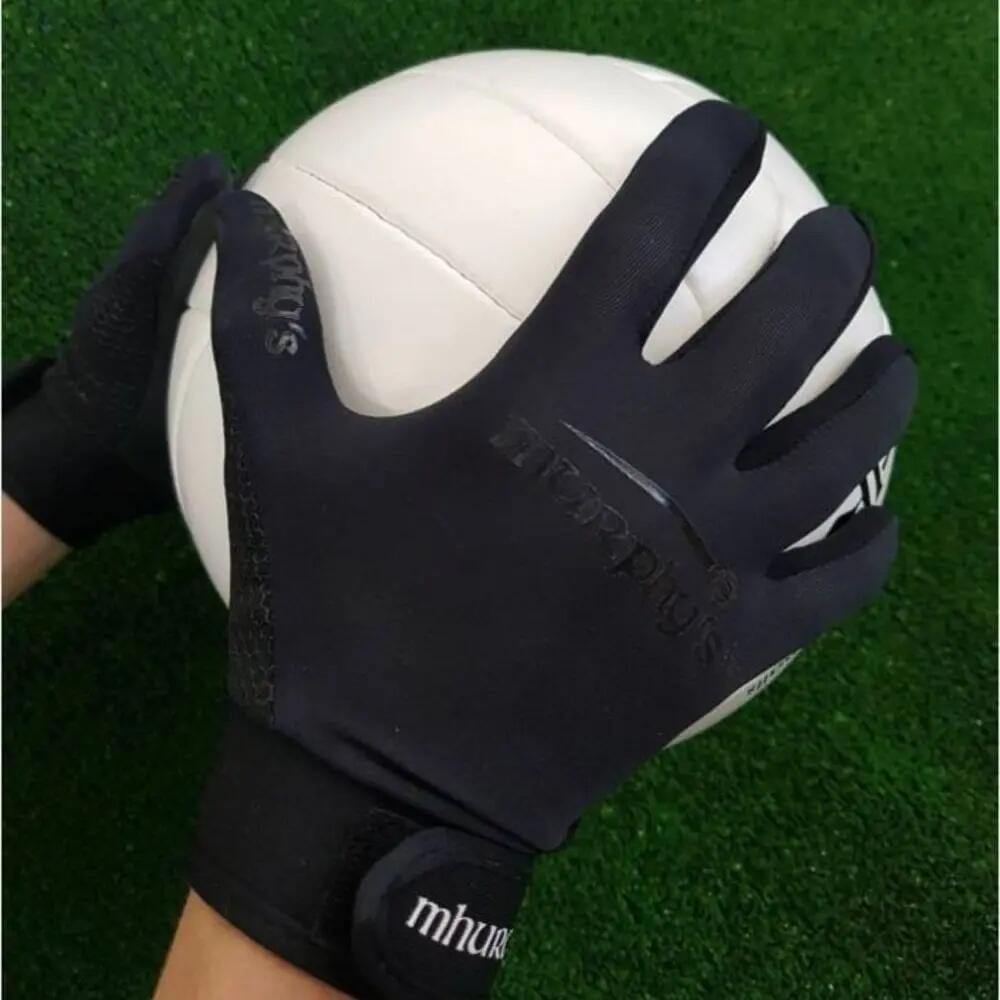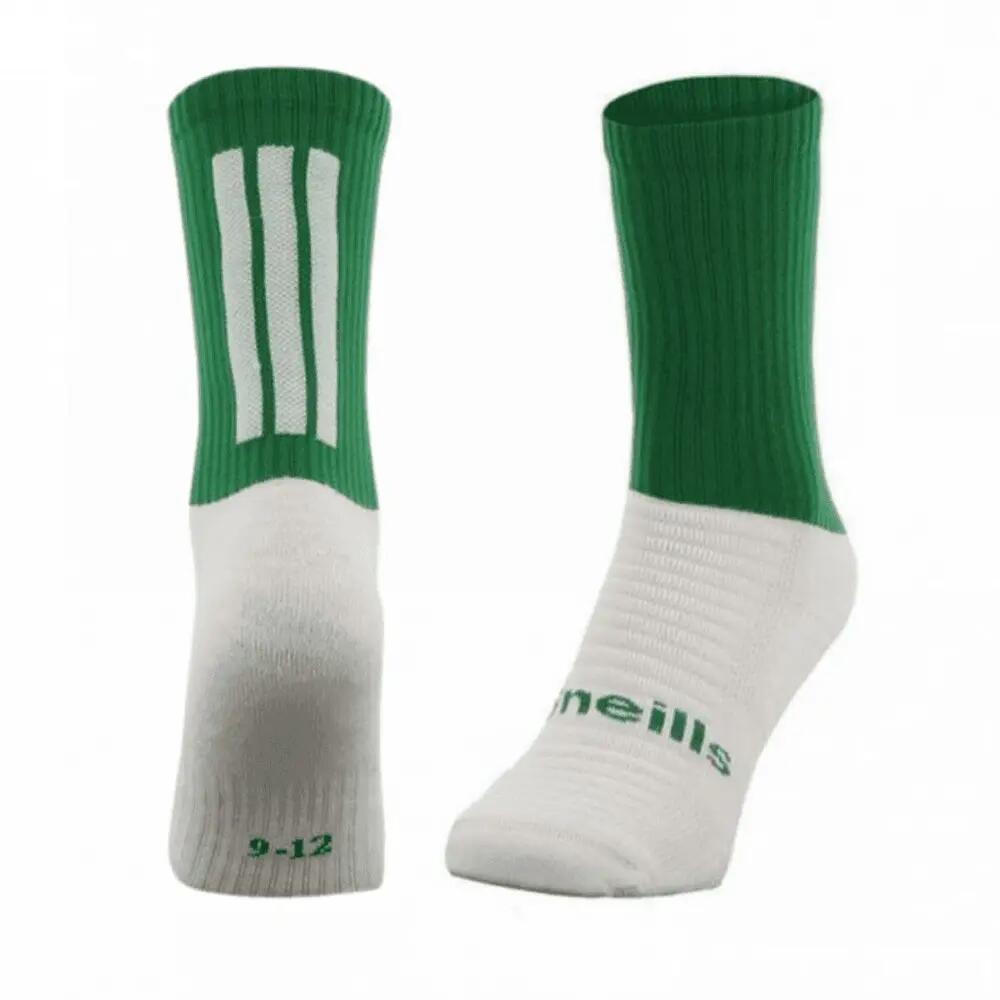
2,331 items
4.3/5 based on 28696 reviews collected online and in stores

Gaelic Games FAQs

Which size Gaelic footballs are required for different age groups?

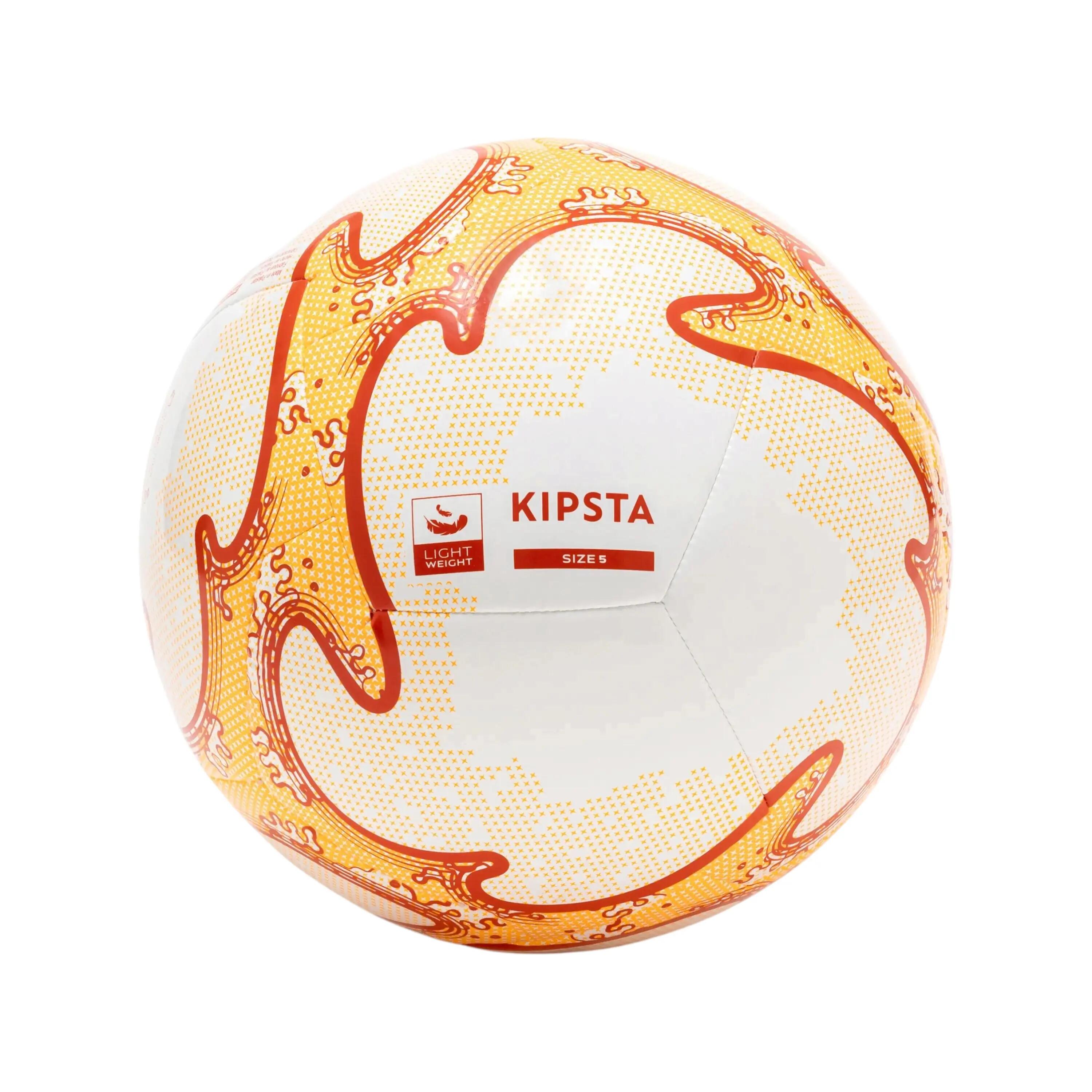
Selecting the correct size ensures proper skill development and ball control on the pitch. Young players up to under-11 levels utilise a size 3 leather or synthetic ball to develop clean handling techniques. As players progress through youth levels from under-12 up to under-14 requires transitioning to a size 4, which mirrors the weight parameters needed for building kicking distance. Senior squads and players over 15 years of age match official match standards with size 5 Gaelic footballs. These matches require consistent bounce and aerodynamic stability under wet conditions, meaning heavier hand-stitched panels become vital for maintaining passing accuracy on game day.
What structural features matter most when selecting a hurling stick?

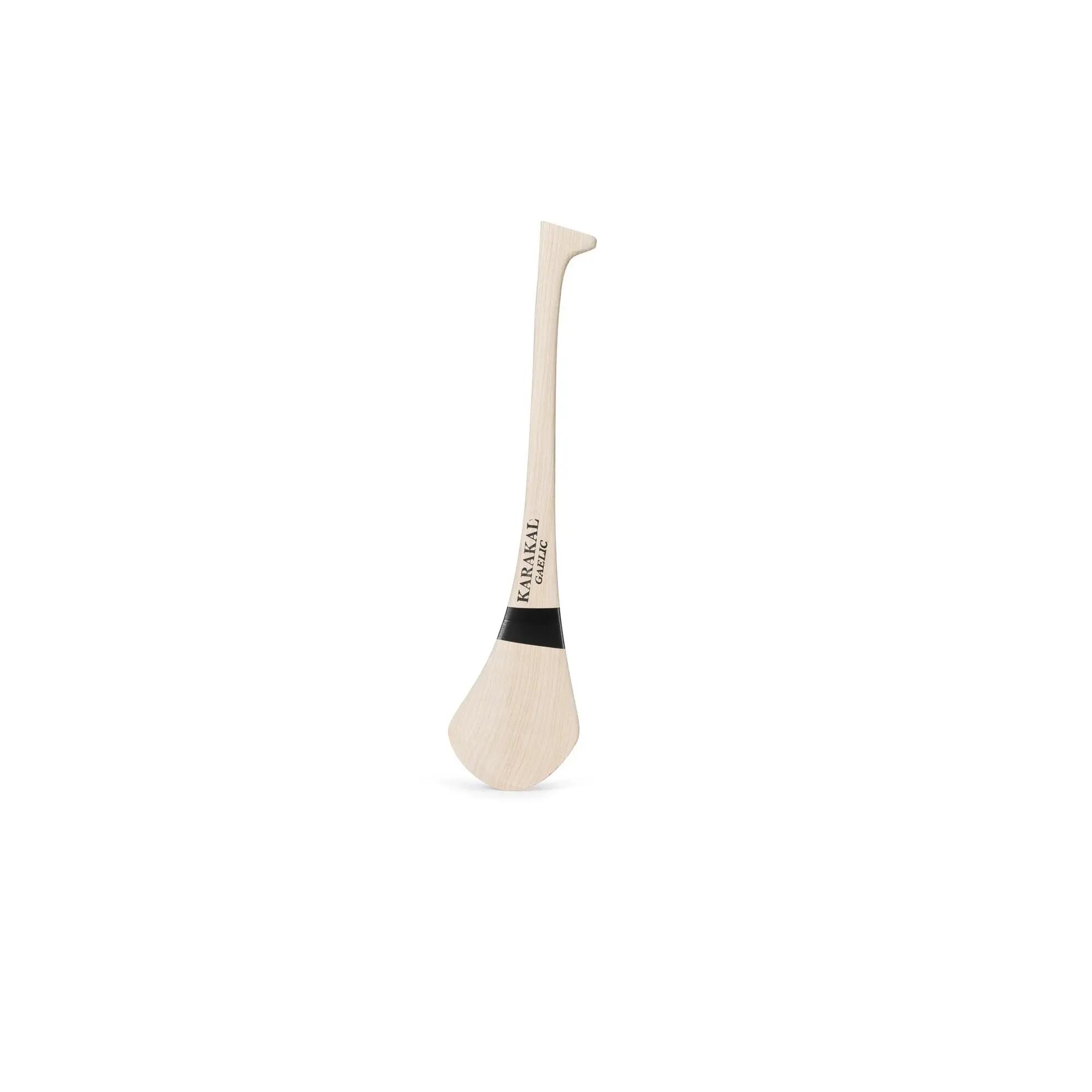
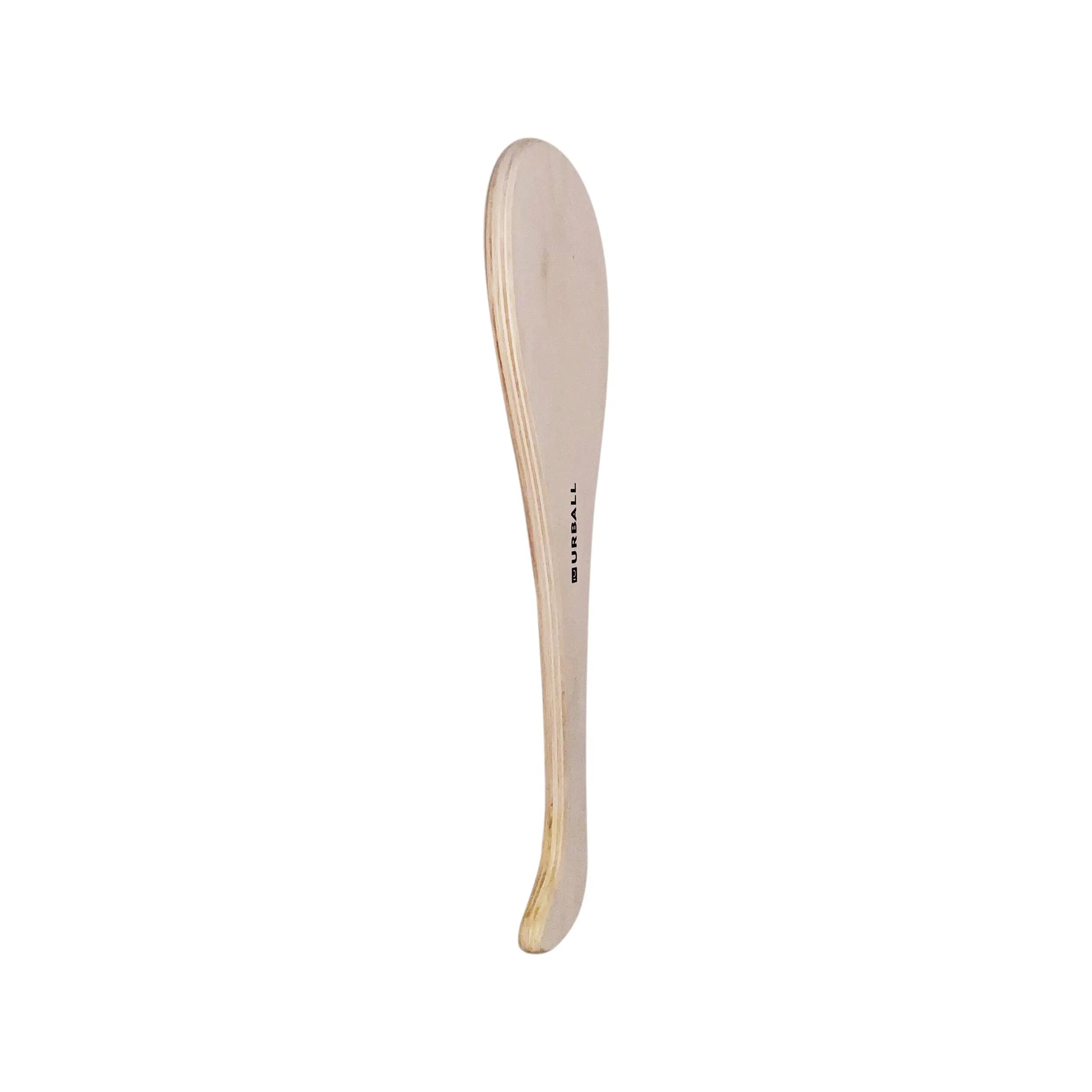
The performance of a hurley relies heavily on weight distribution, grain structure, and band reinforcement. Players looking for quick defensive clearance often select a larger base for blocking, whereas clean balance points suit standard midfield striking styles. It is essential to pair your stick choice with defensive safety items from our hurling and camogie selection, which includes face-guard helmets and specialised ash hurley. The technical reason behind selecting premium ash is its shock-absorption capacity, which dampens harsh vibrations during intense impacts and solo runs.

How do specialised GAA clothing materials manage thermal regulation during winter training?

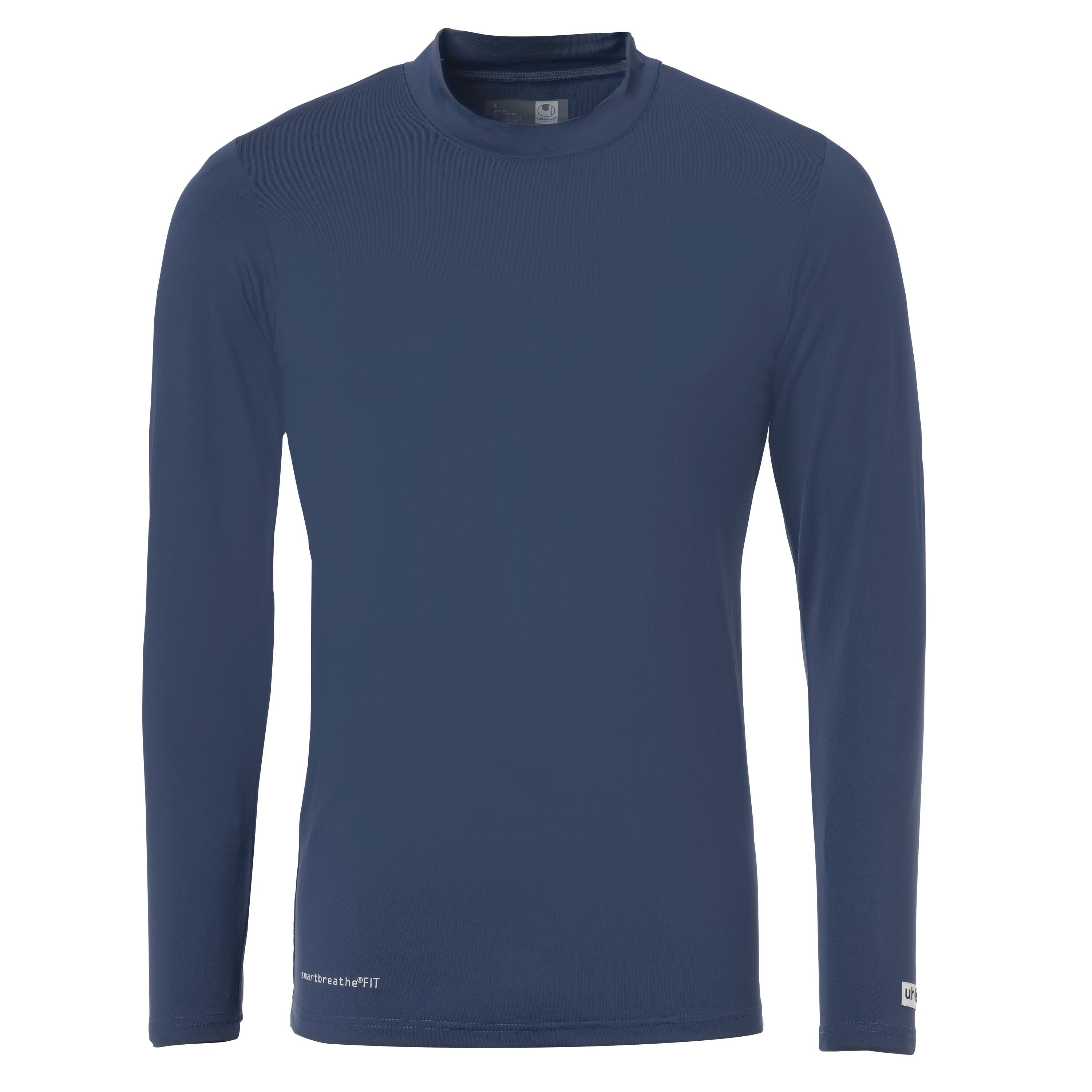
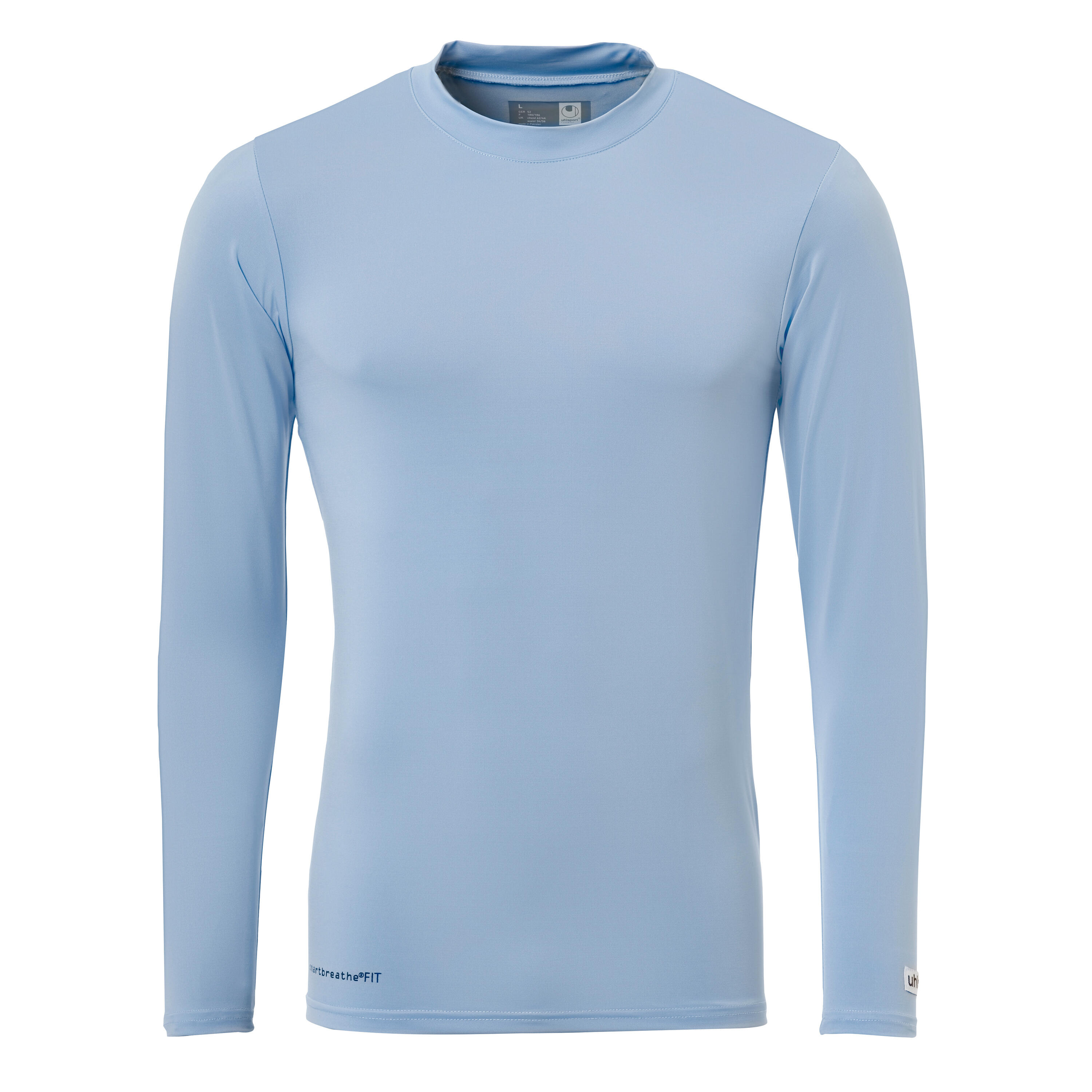
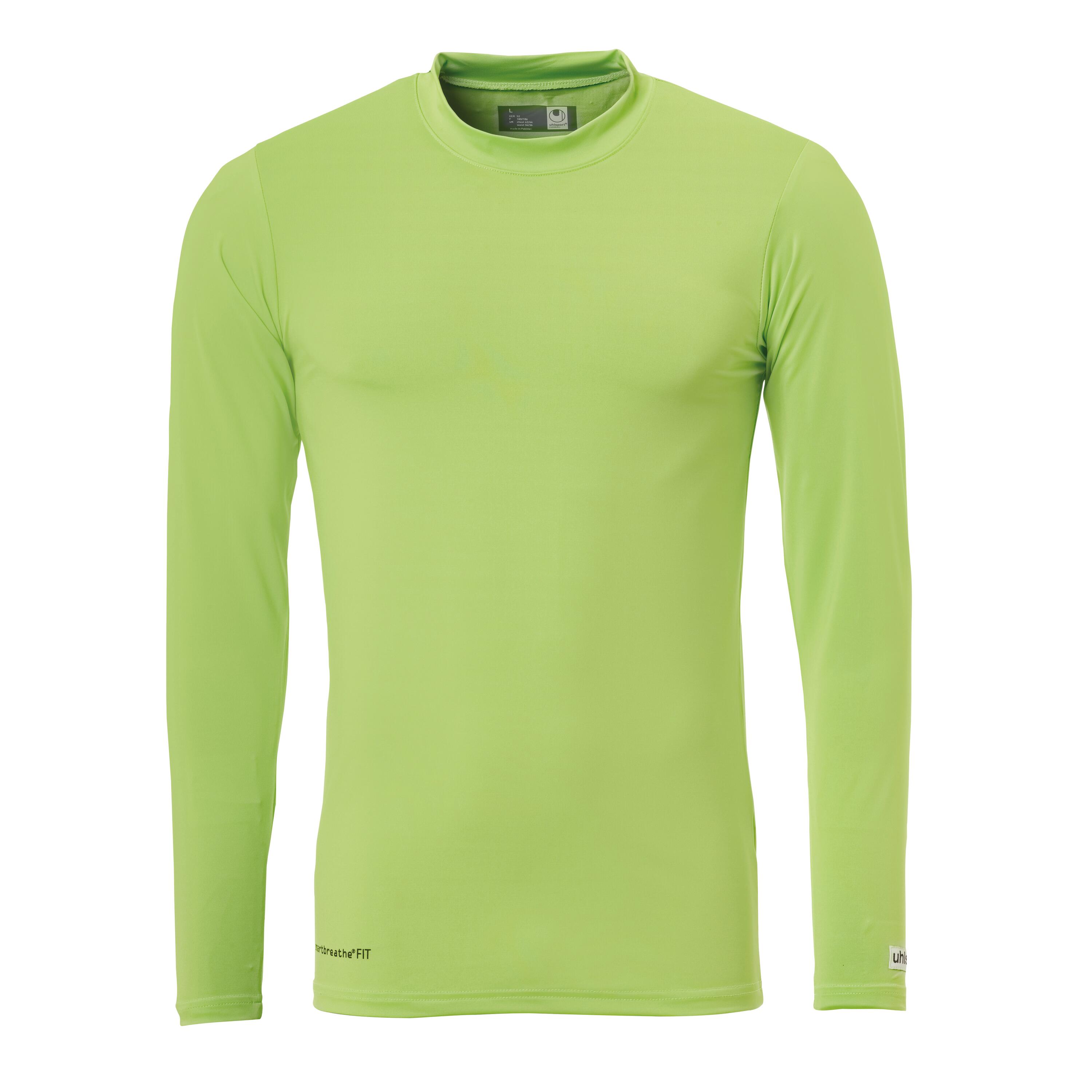
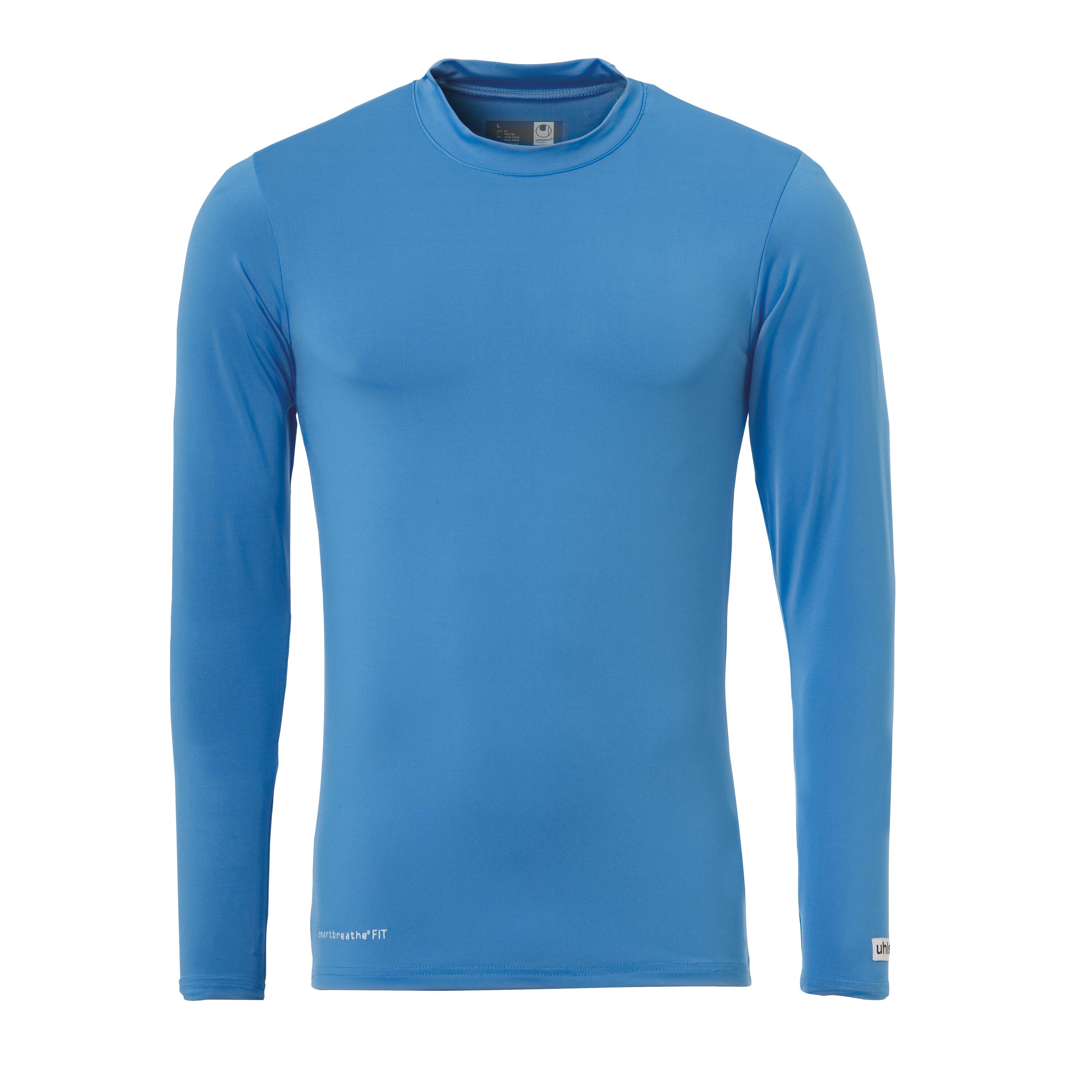
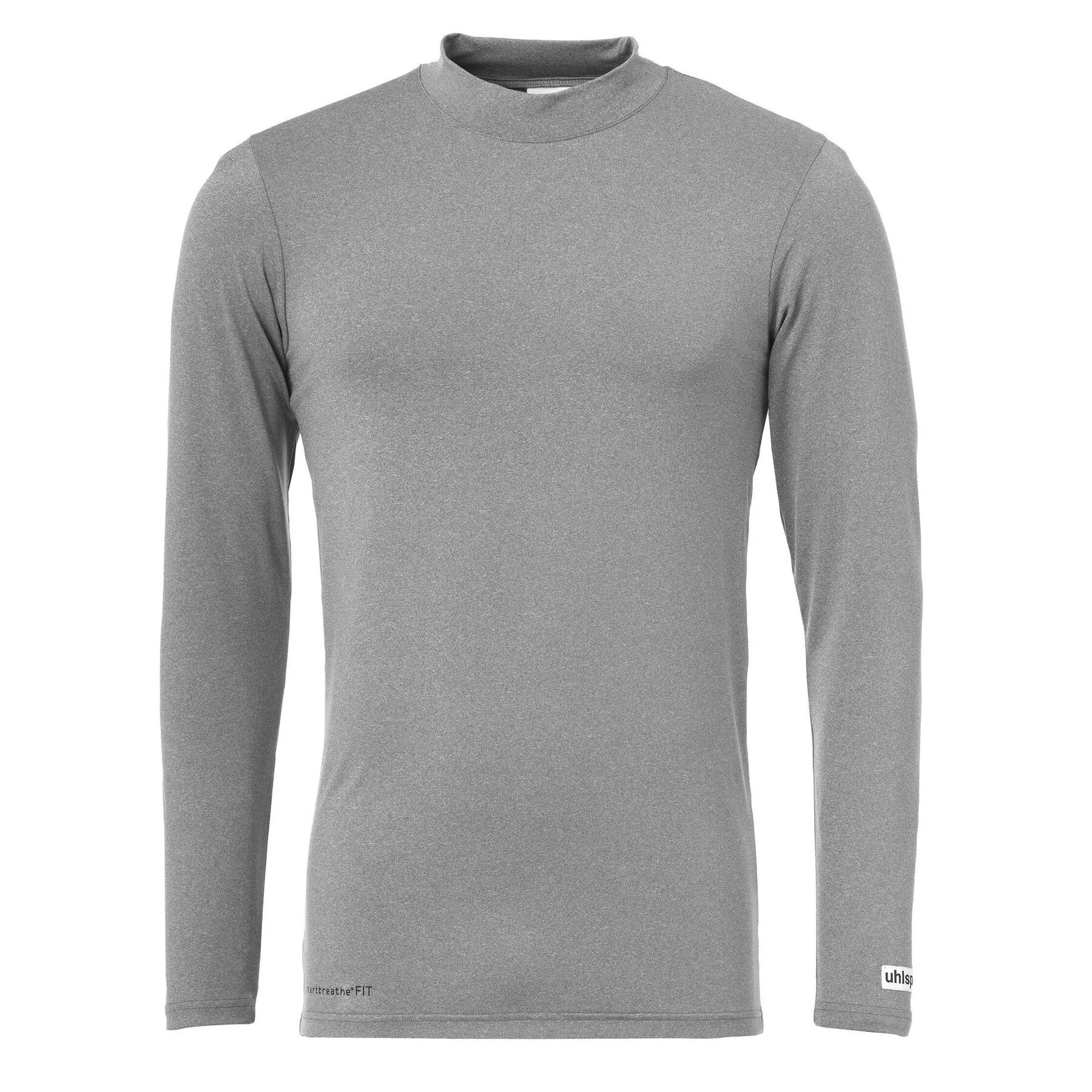
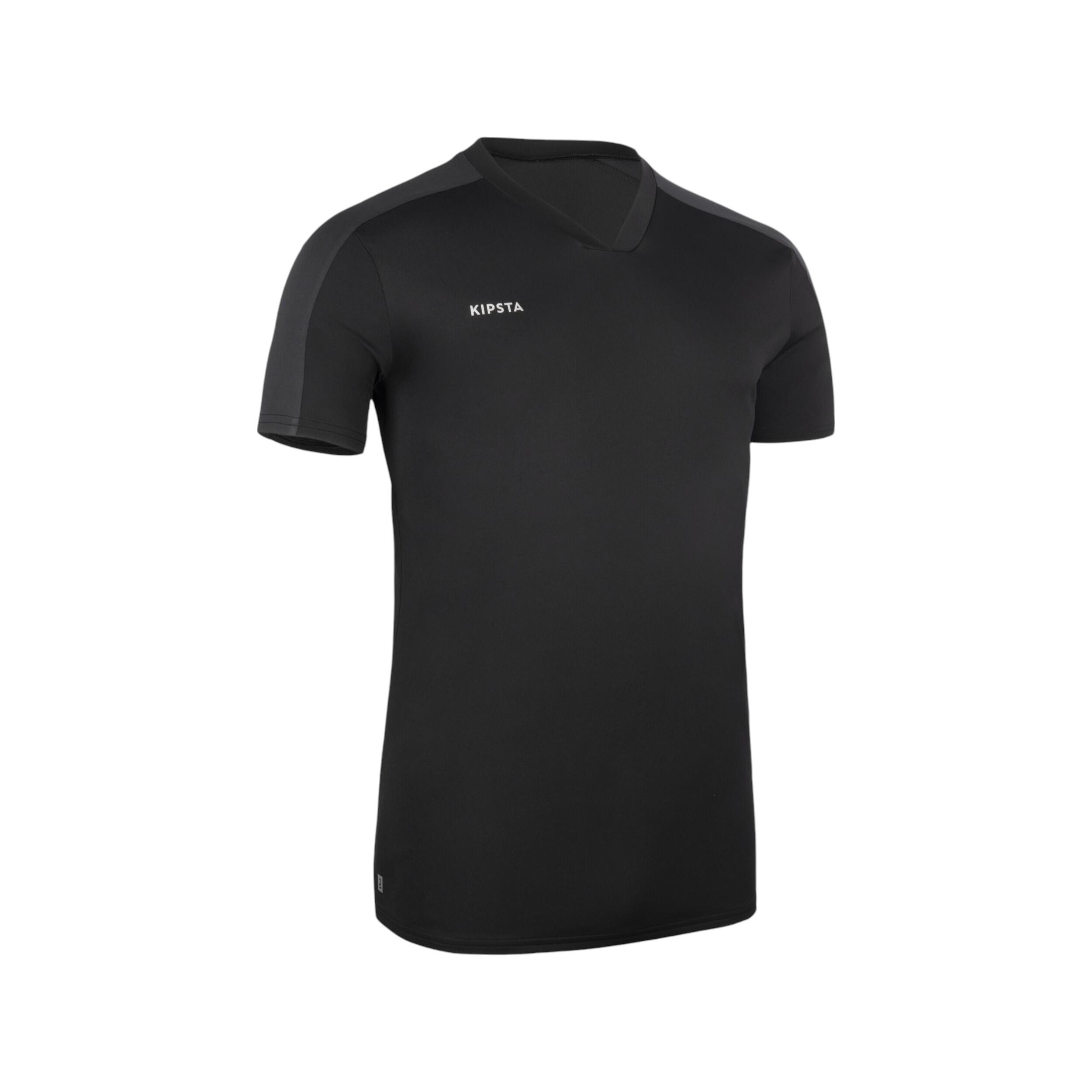
Winter field sessions demand advanced technical fabrics that wick moisture away from the torso while locking in body heat. High-performance base layers utilise tight-knit mesh configurations under the arms to facilitate ventilation during high-tempo drilling. Standard cotton fibres trap moisture, causing body temperatures to drop rapidly during stagnant sideline intervals. Selecting specialised synthetic or poly-blend jerseys found in our GAA clothing selection ensures proper moisture evaporation. This mechanical fabric structure helps keep muscles warm, directly minimising soft-tissue strains on cold, wet evenings.

What compartment layout is ideal for transporting muddy footwear after training?

Keeping wet garments and grease-stained boots separate from dry clothes requires a smart luggage system with distinct physical barriers. Look for storage containers that utilise independent, waterproof-lined compartments situated at the base to trap damp mud securely. Using tough fabrics from our GAA boot bags and backpacks collection protects your pristine post-match leisurewear from cross-contamination. Strong reinforced zippers and targeted air vents allow consistent airflow, preventing unpleasant odour buildup and moisture retention while commuting home from club grounds.

How does junior GAA equipment adapt to developing muscle groups?

Youth training configurations require distinct modifications in weight and scale to foster correct mechanical execution without straining growing joints. Smaller handles on composite or junior ash sticks allow smaller hands to maintain a secure grip during complex striking manoeuvres. Soft-touch composite training balls featured in our kids GAA range lower the risk of bruising during catching drills, building confidence in early training sessions. This weight reduction allows younger club members to master basic hand-passing, high-catching, and lifting fundamentals safely before stepping into competitive matches.