1,214 items
4.6/5 based on 436094 reviews collected online and in stores

GOLF APPAREL FAQS

How do I choose the right golf apparel for weather?

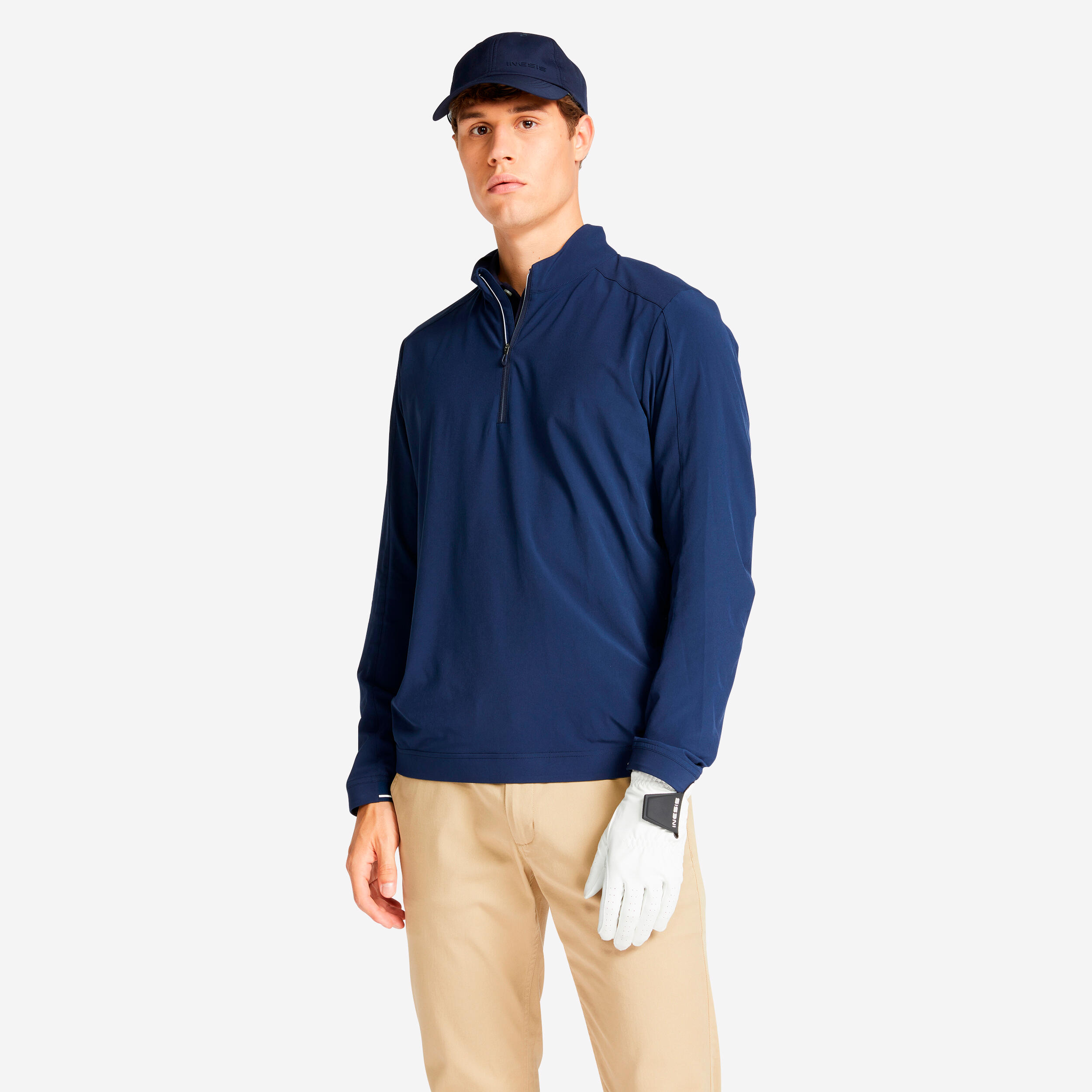
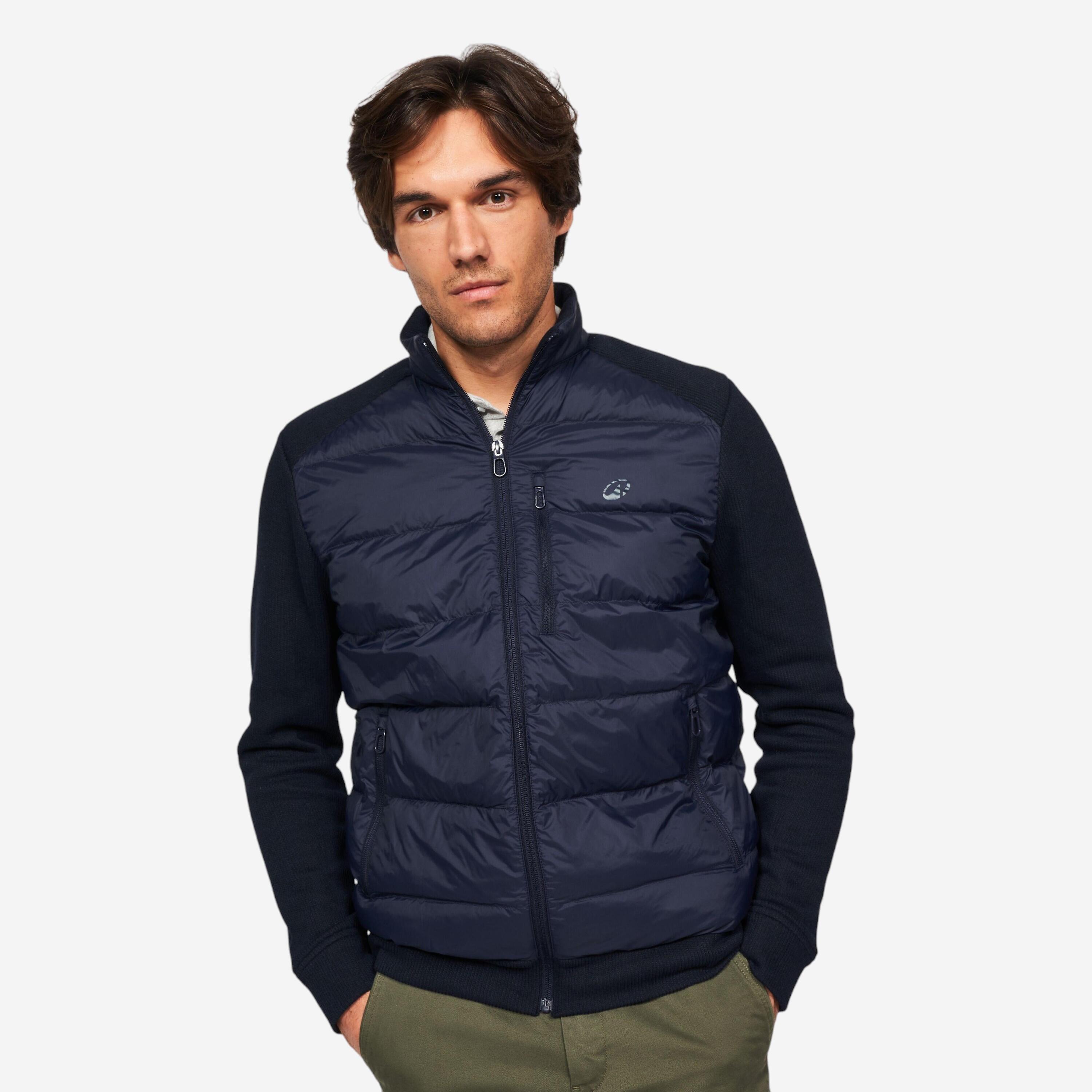
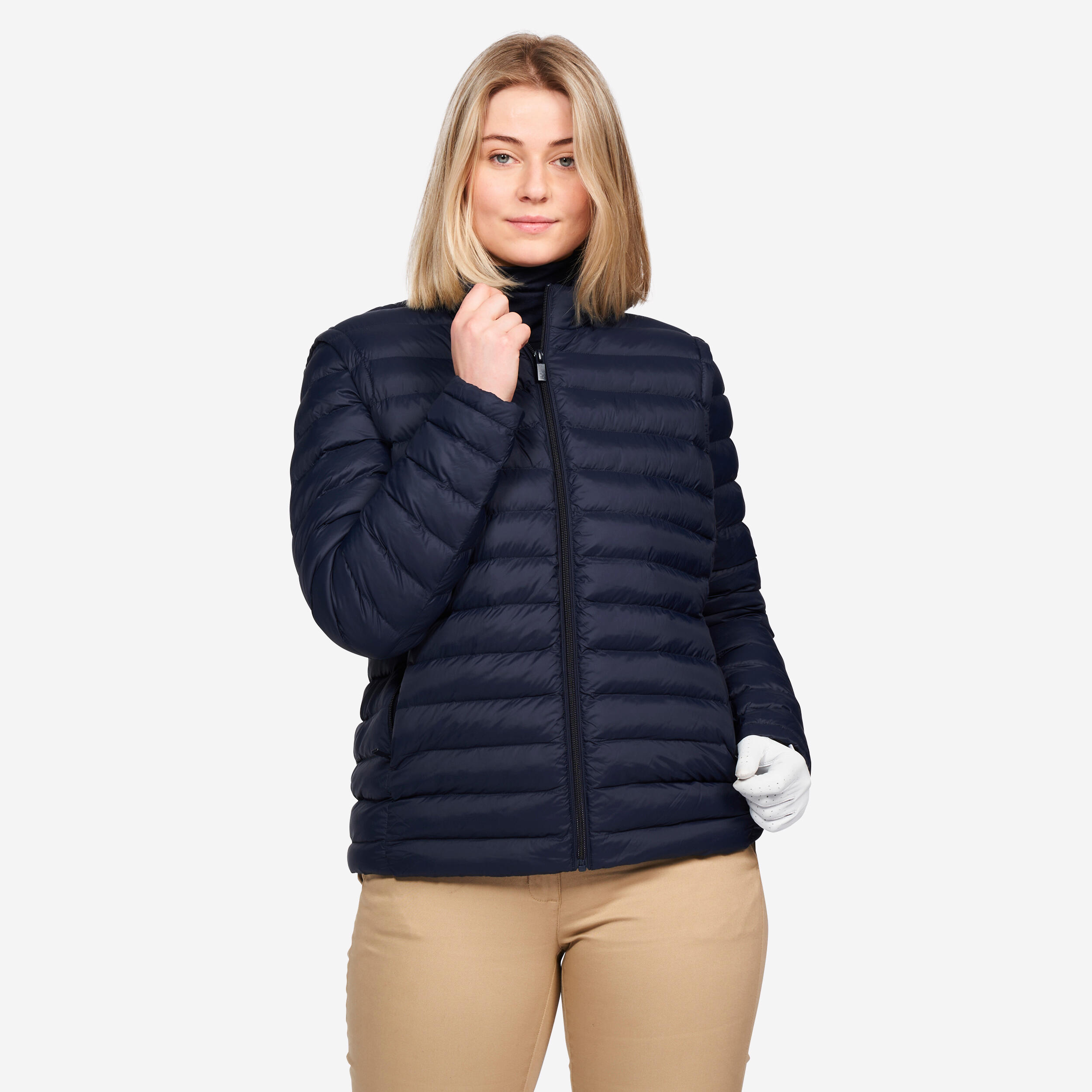
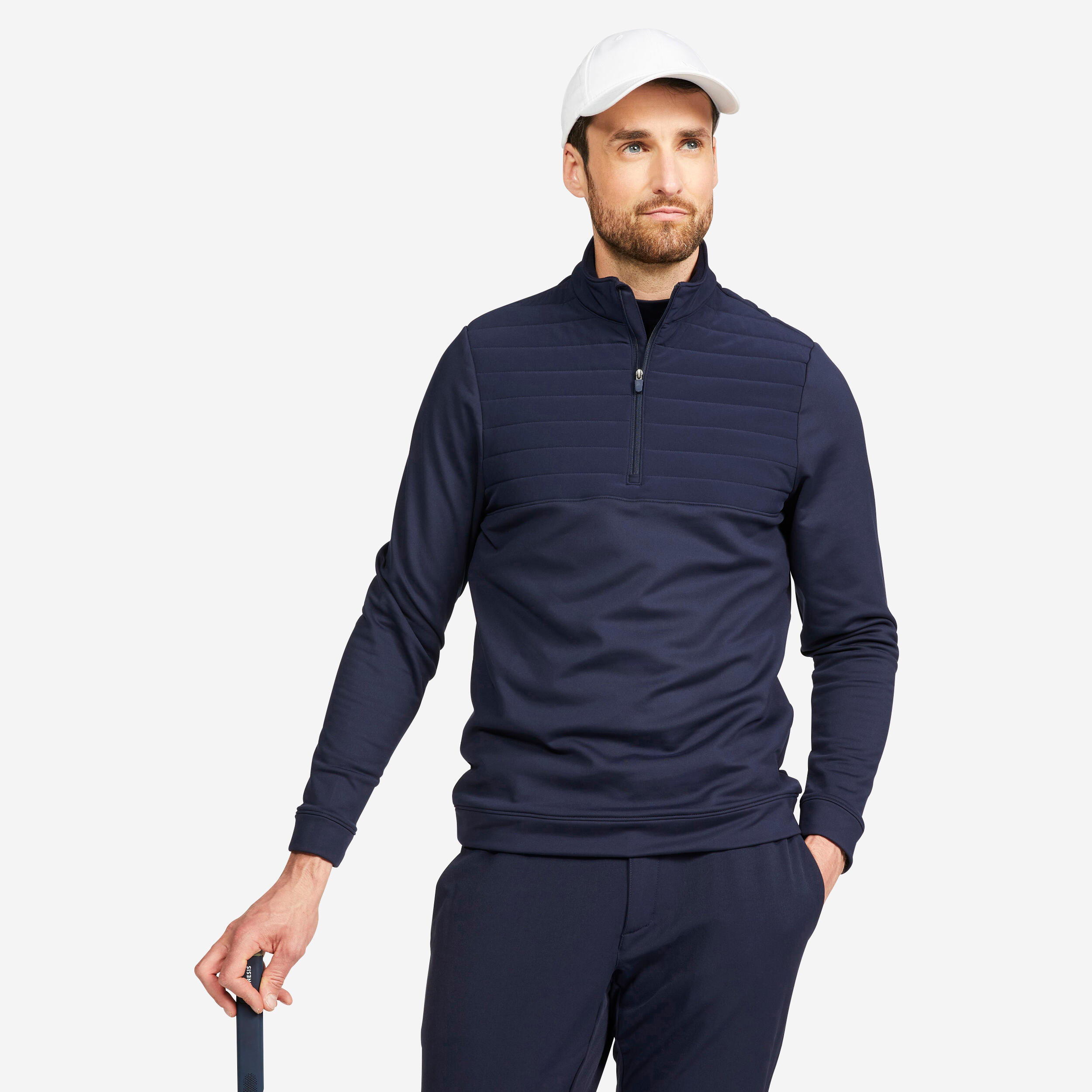
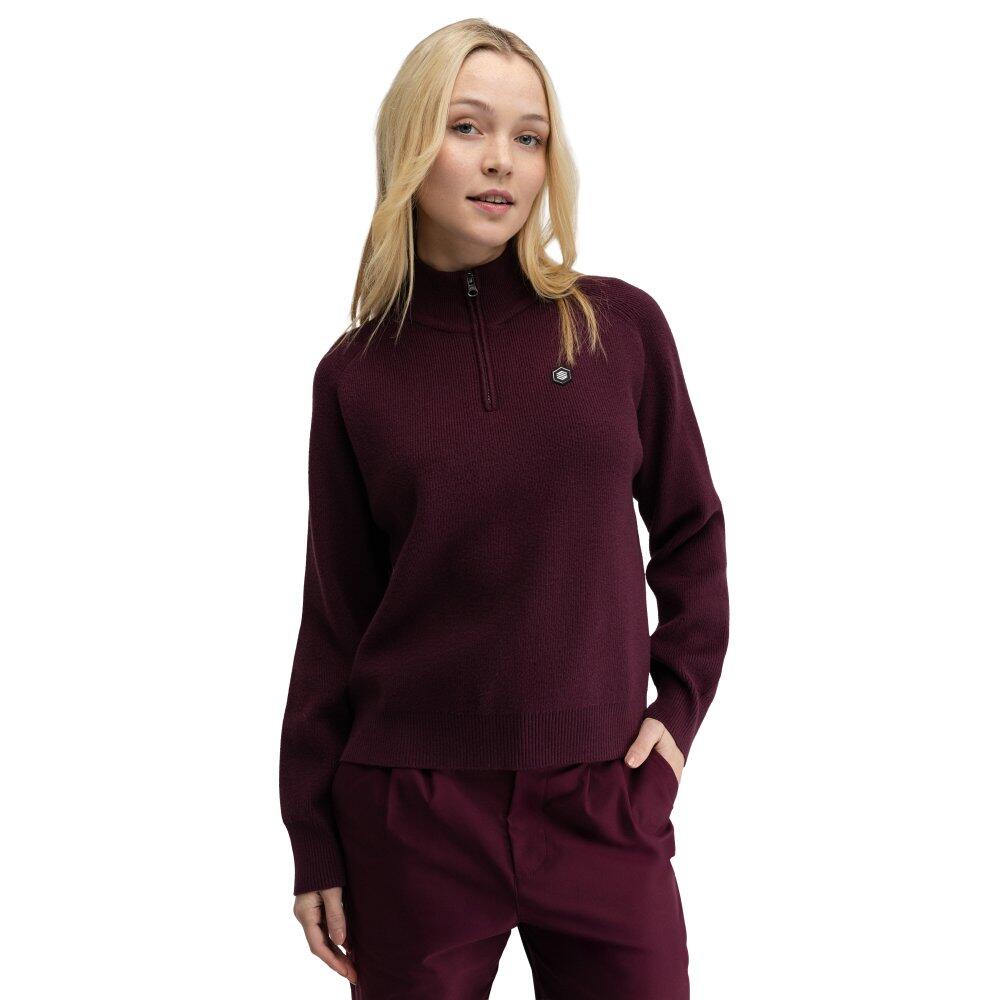
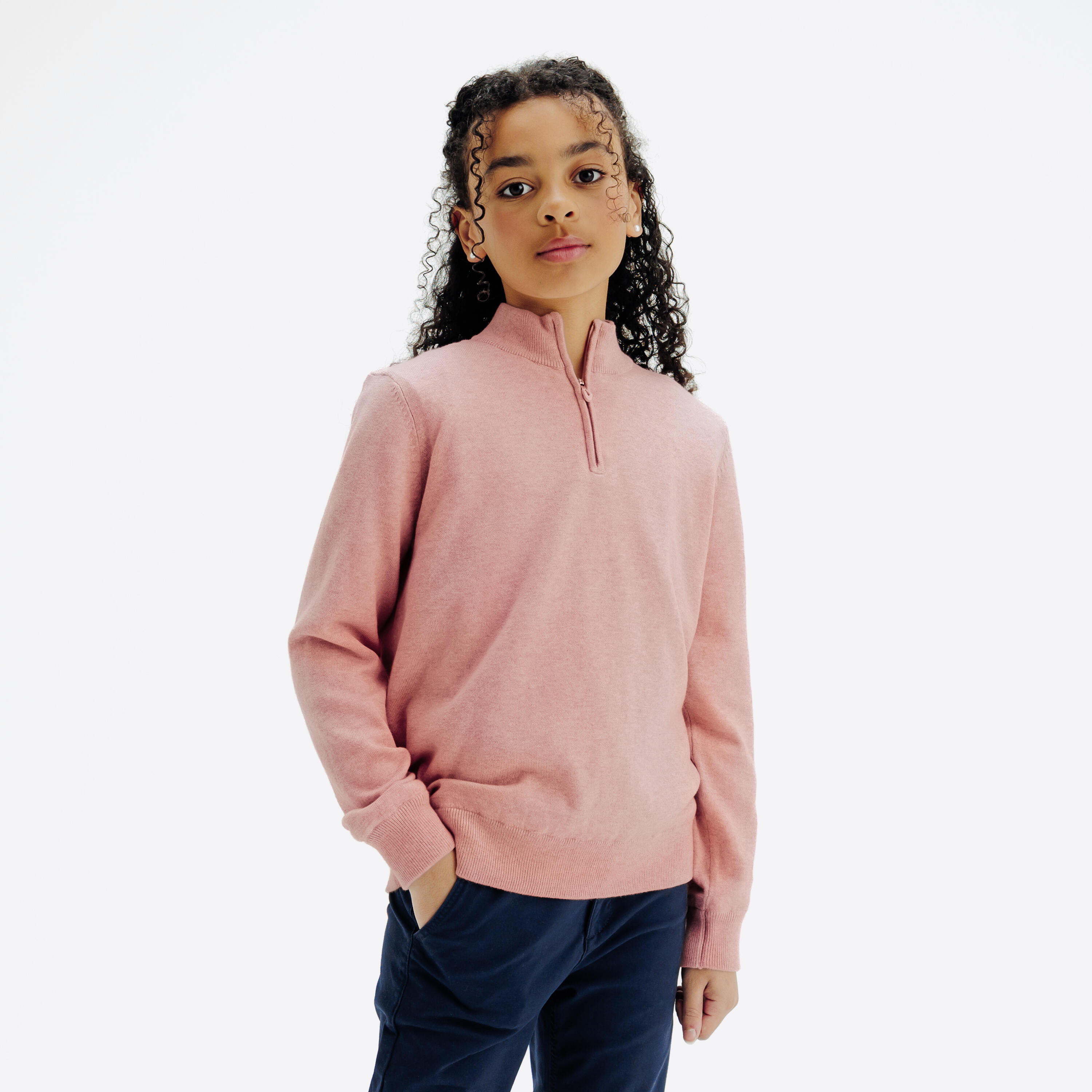
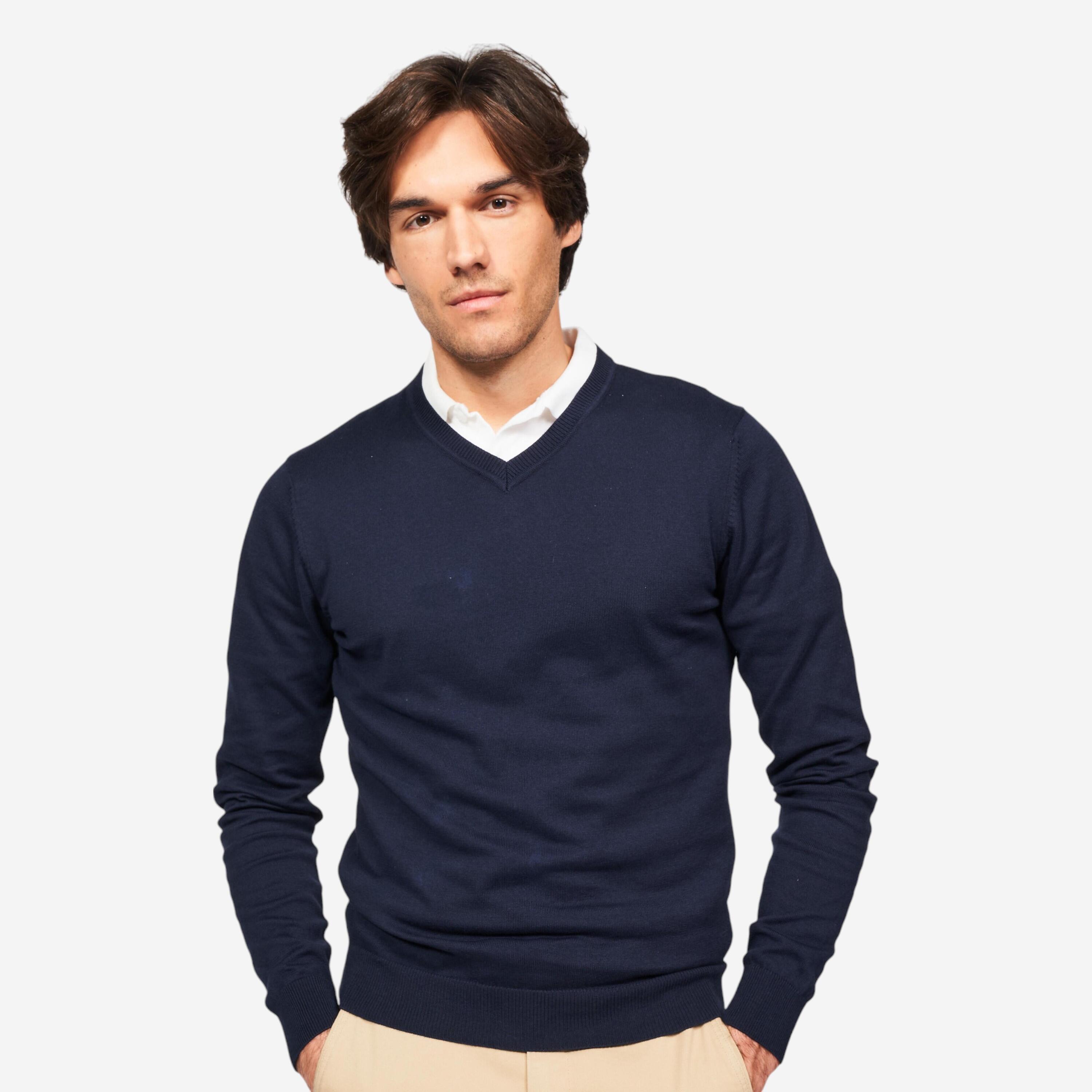
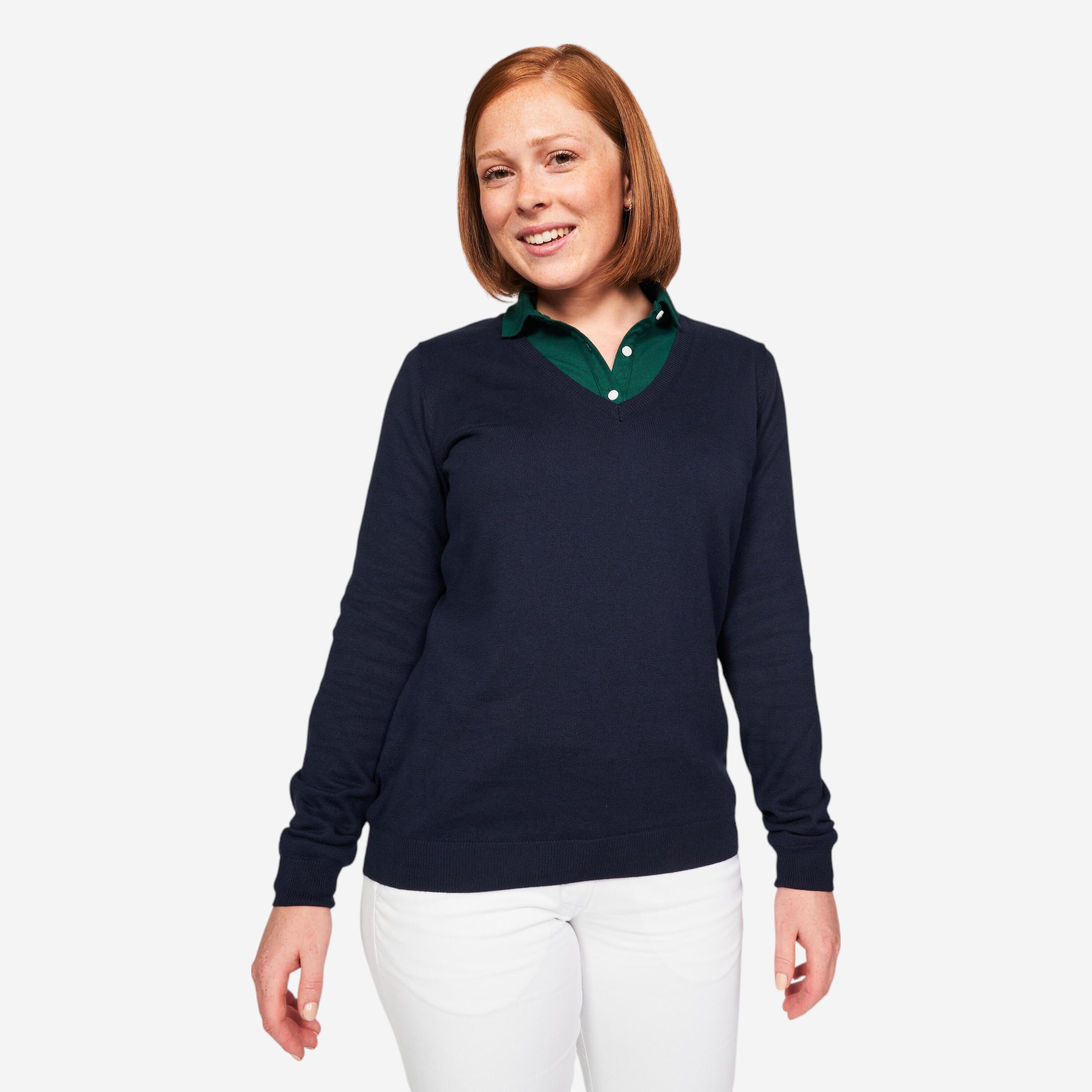
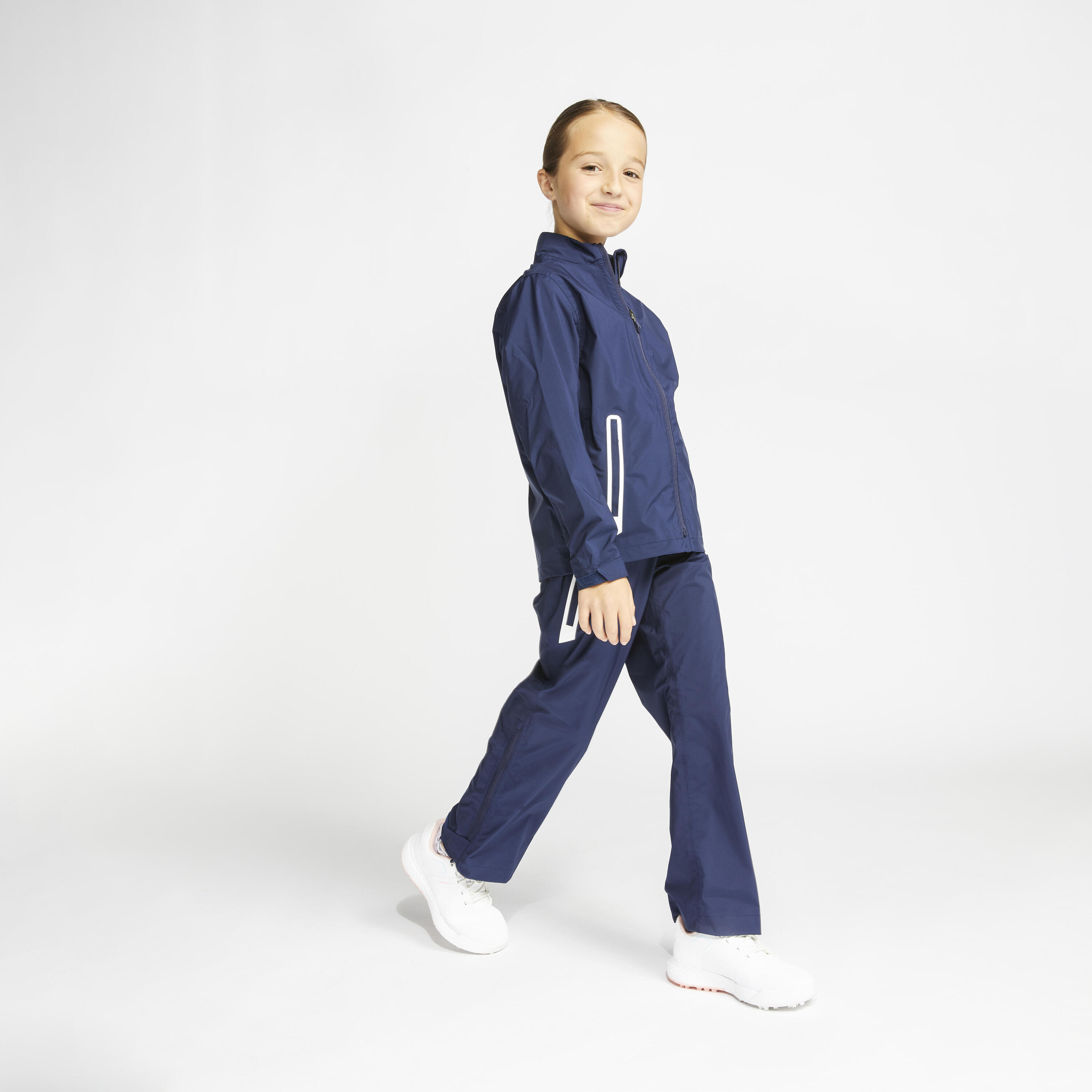
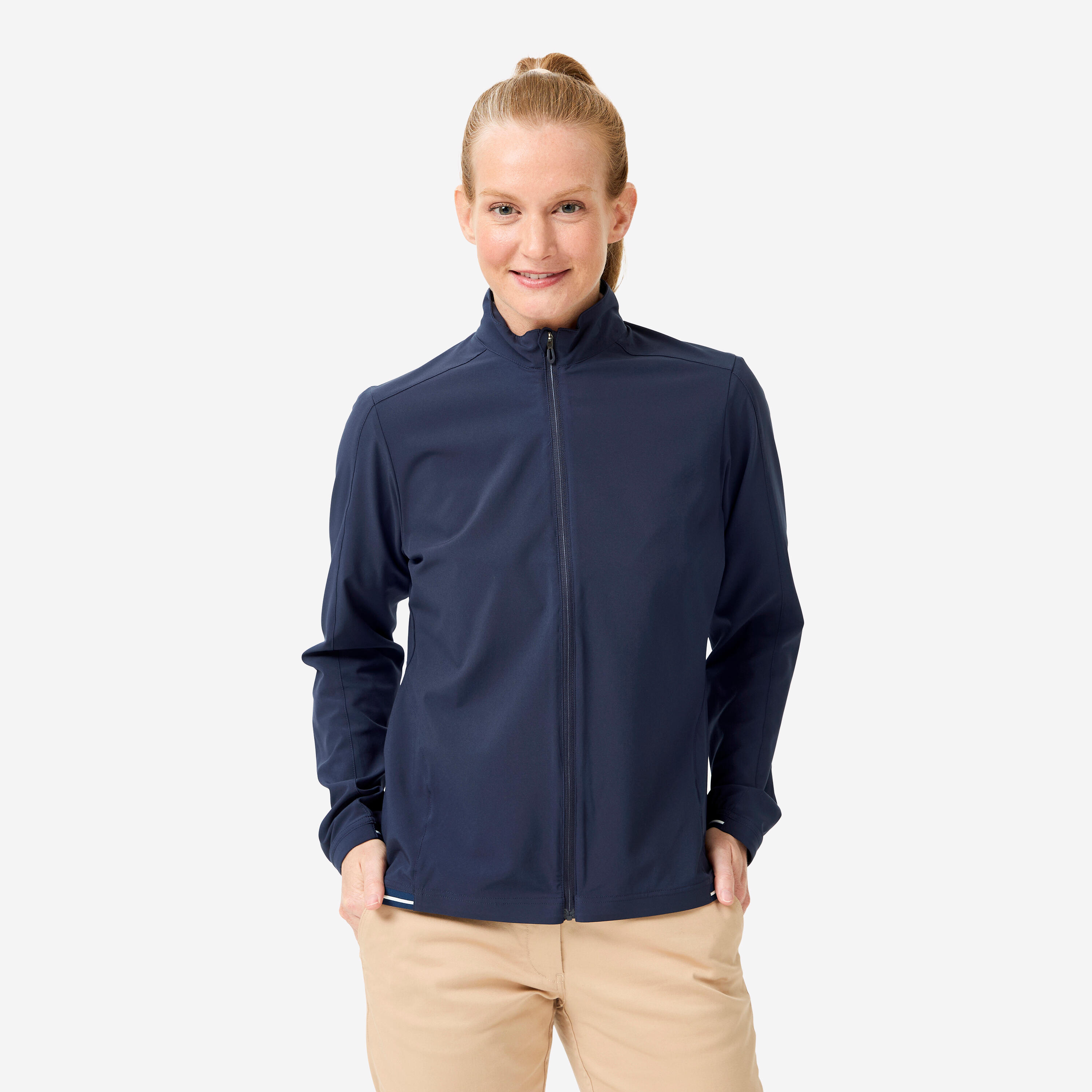
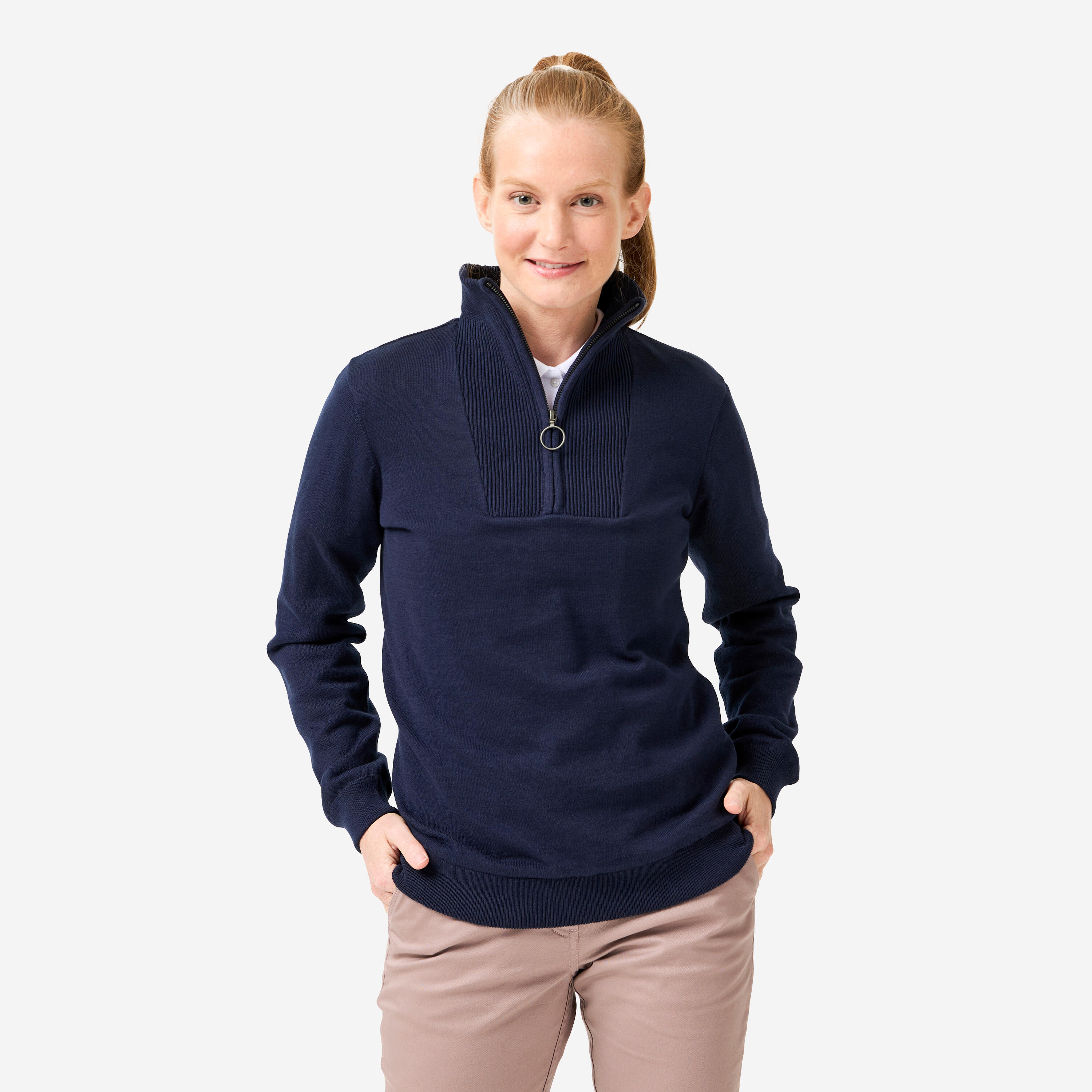
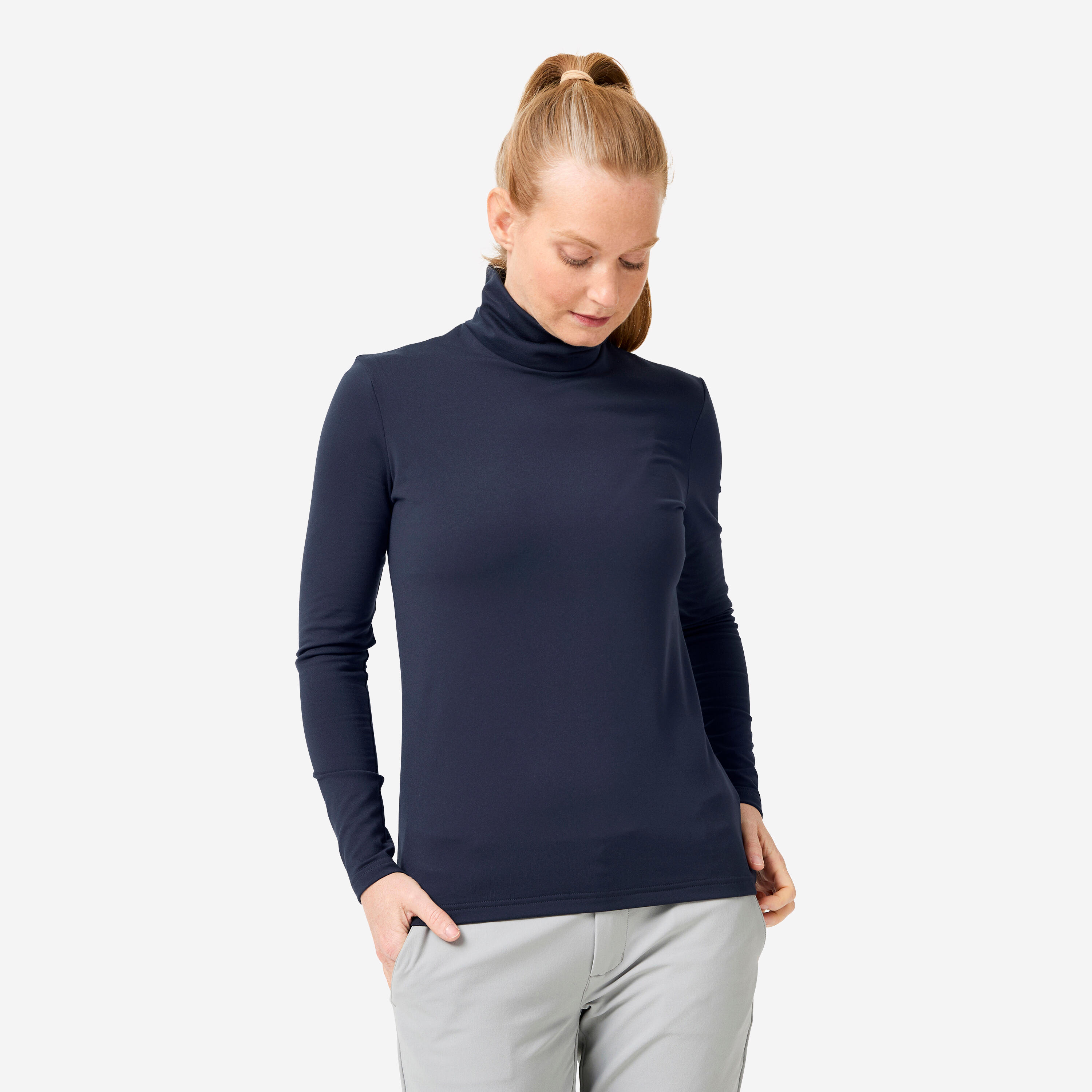
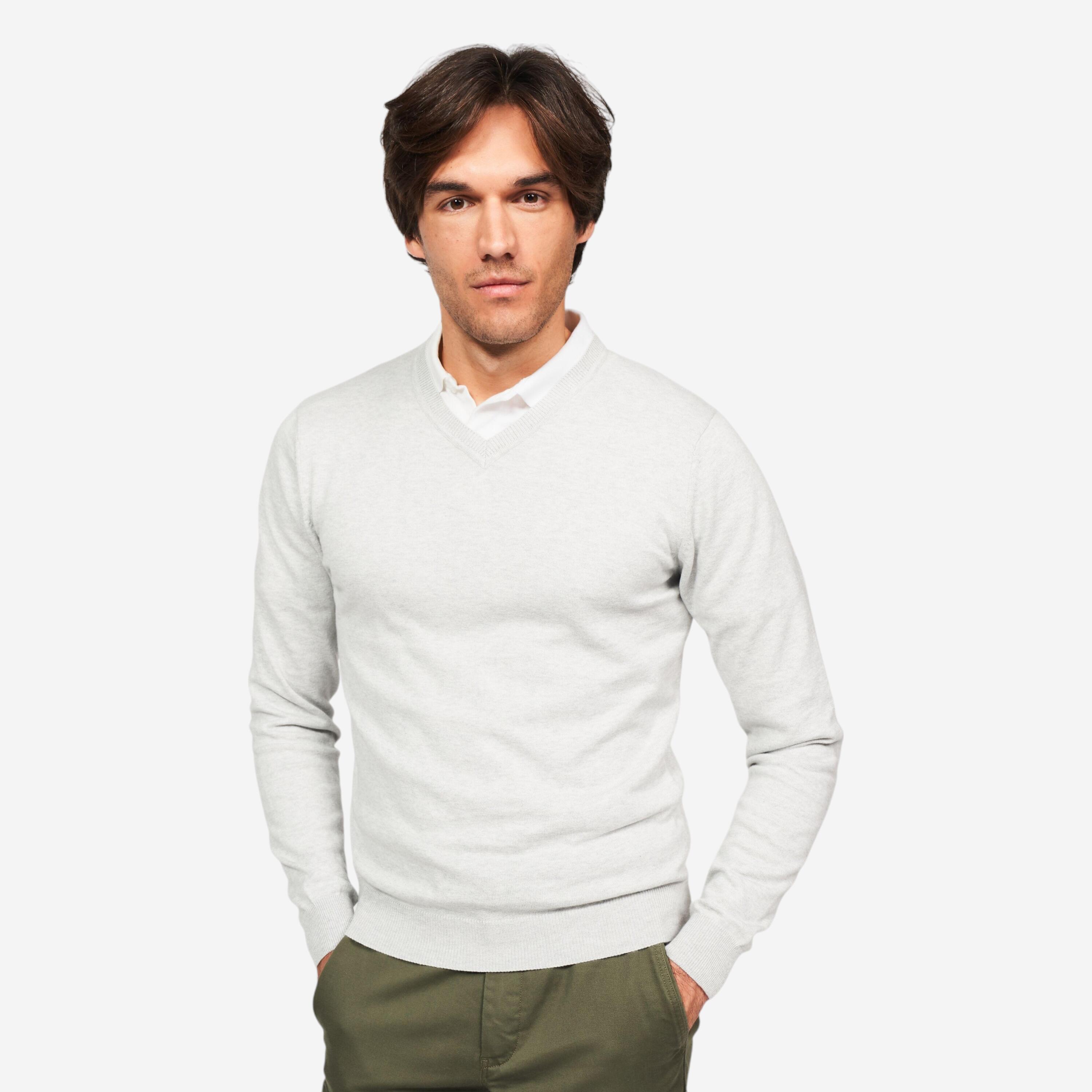
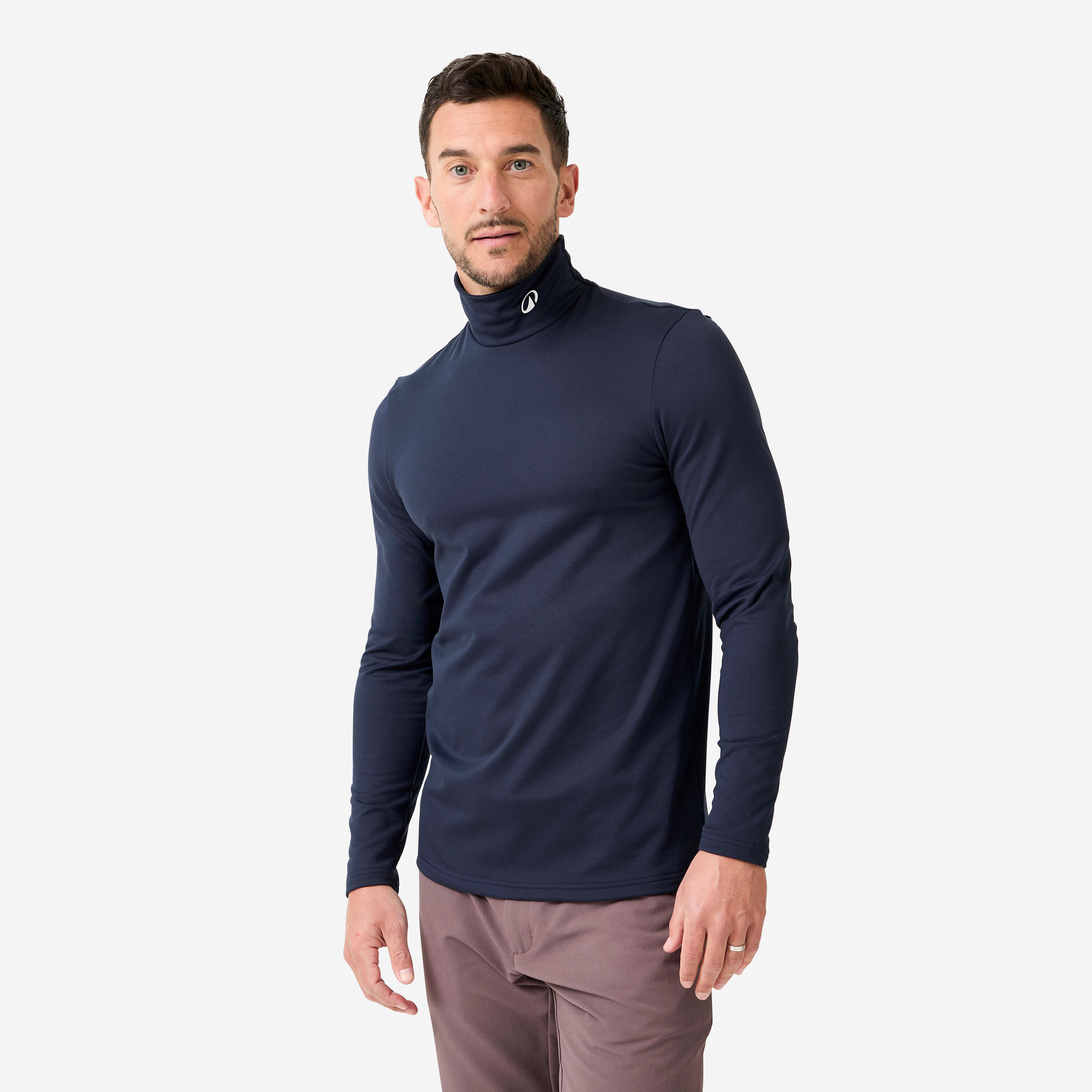
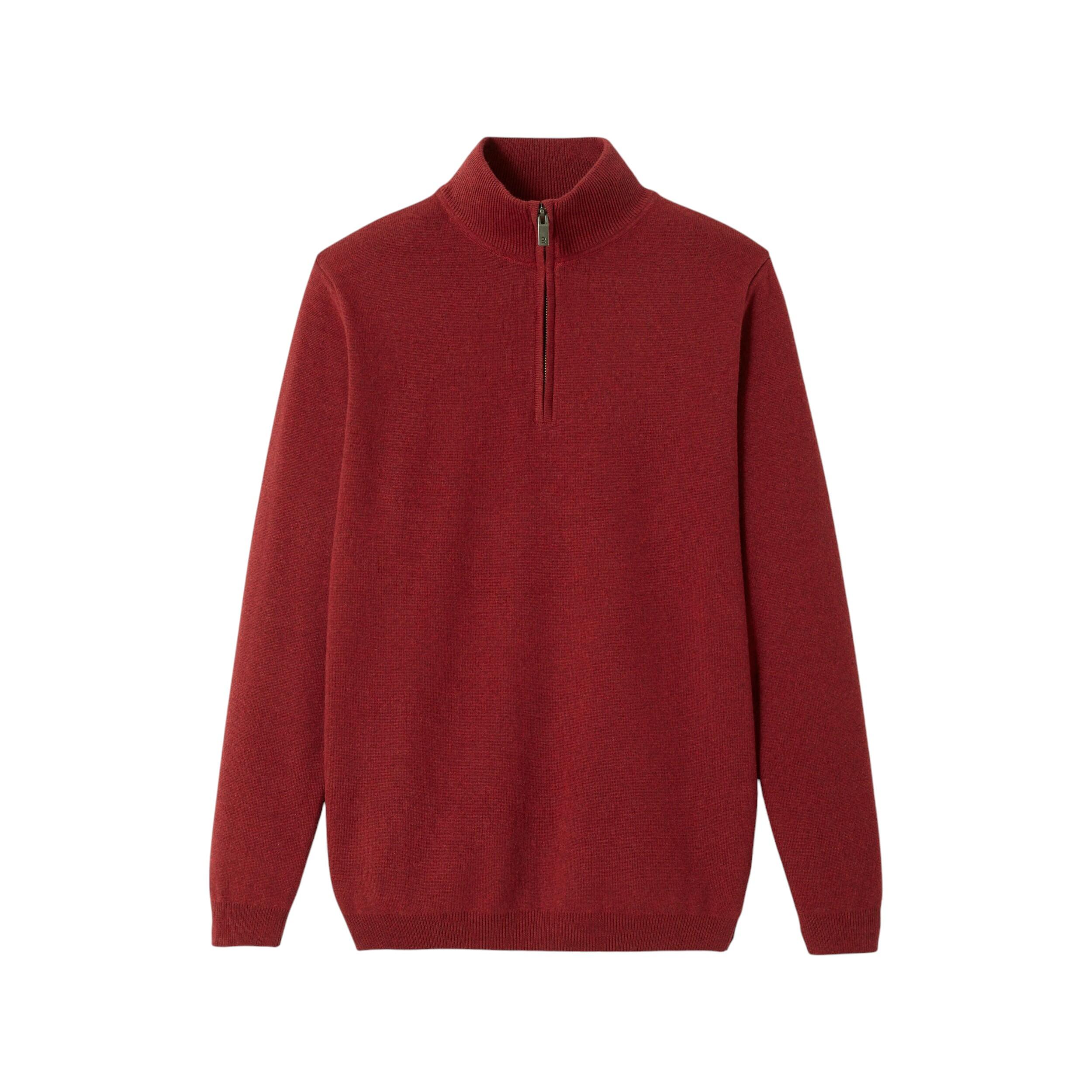
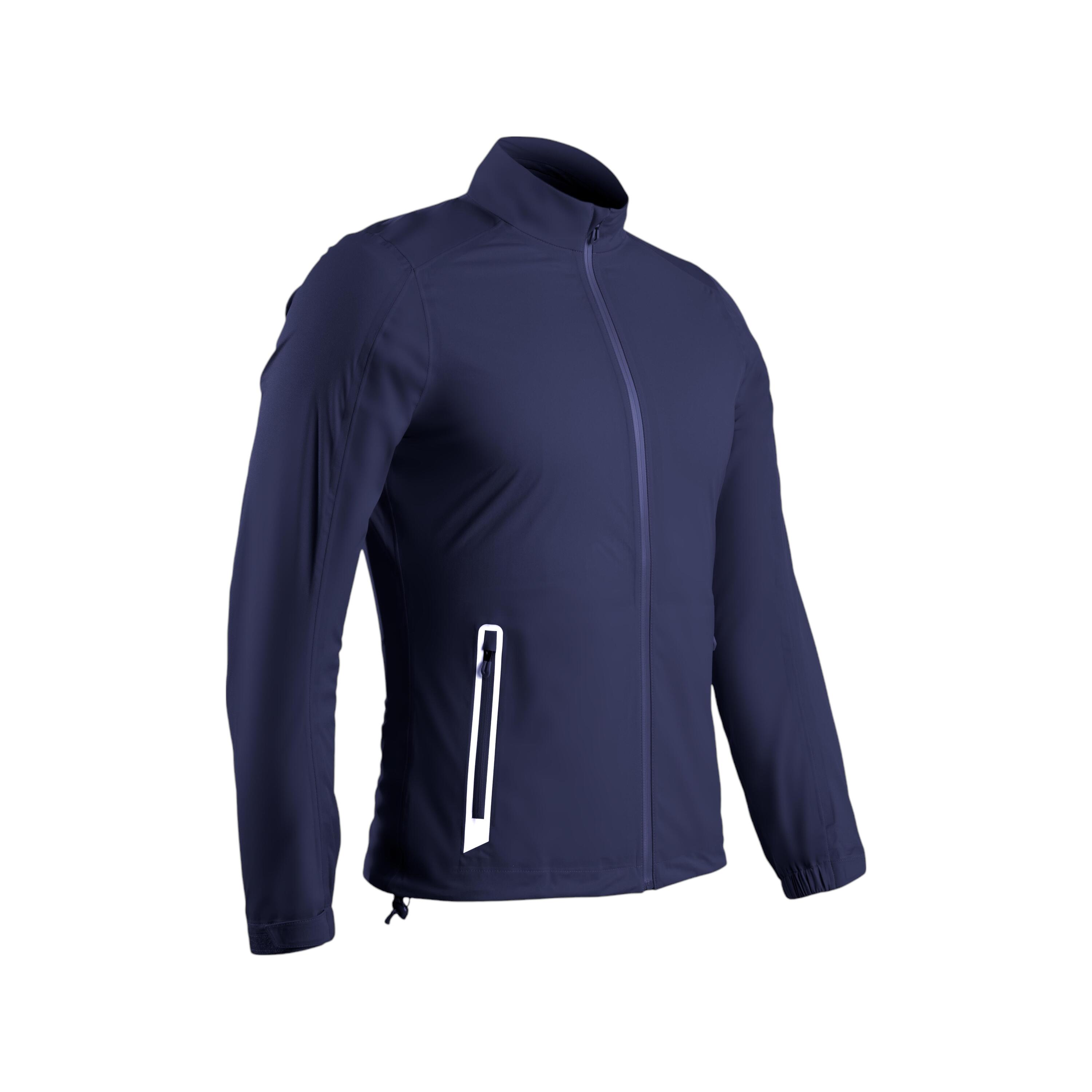
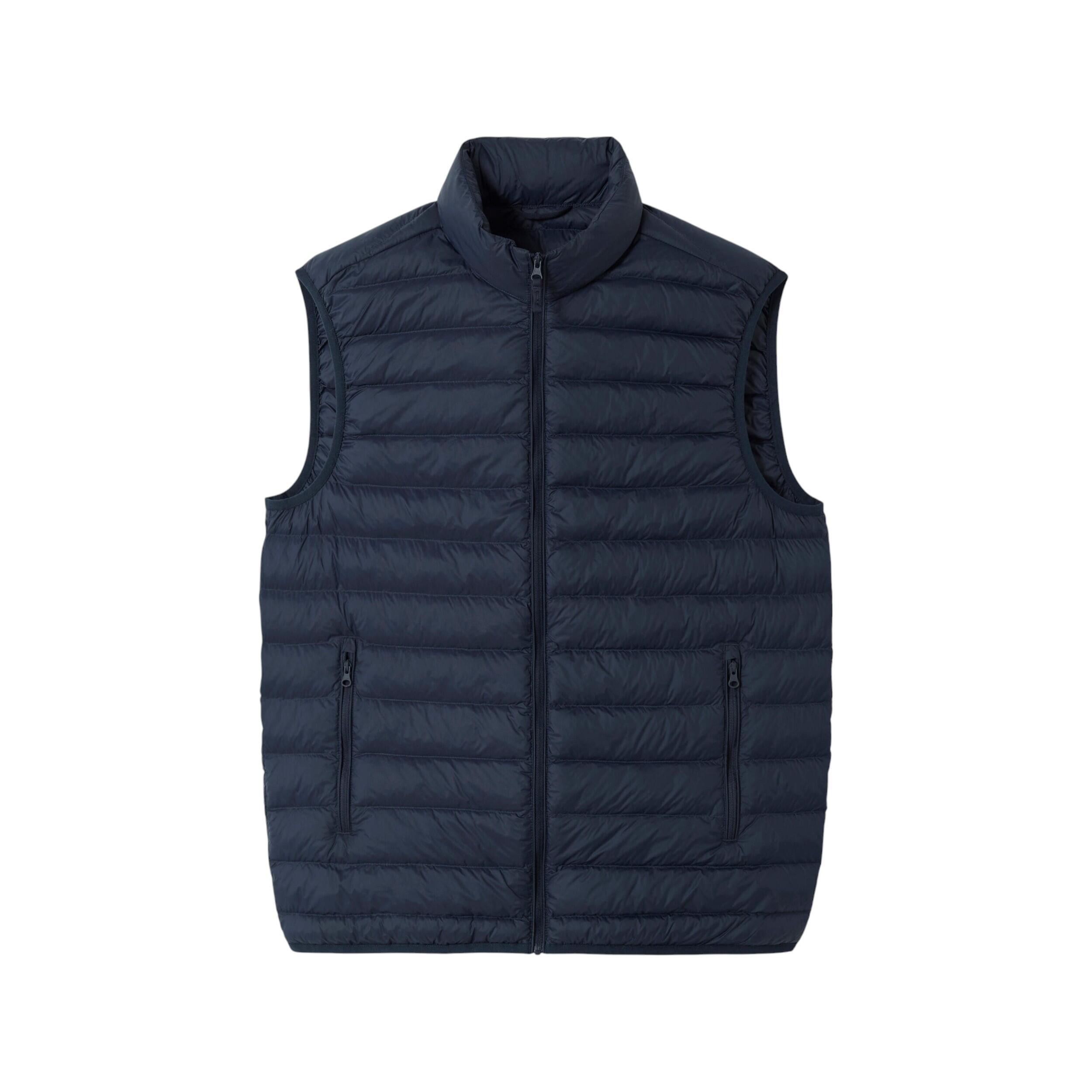
Selecting the correct golf apparel requires a balance between traditional etiquette and technical fabrics that can withstand the unpredictable climate. For many players in Ireland, the layering system is the most effective way to maintain a steady core temperature while allowing for full rotational movement during a drive. Starting with a moisture-wicking base is essential to prevent the chill that occurs when sweat cools against the skin. Over this, golfers often layer technical golf sweaters which provide thermal insulation without the bulk of a standard jumper. The technical "why" behind our golf knitwear lies in the blend of synthetic and natural fibres, crafted specifically to reduce friction under the arms during your swing. Pro-tip: Always carry a compact windbreaker in your bag, as even a light breeze on a coastal links course can significantly drop your perceived body temperature.
What are the essential components of modern golf outfits?

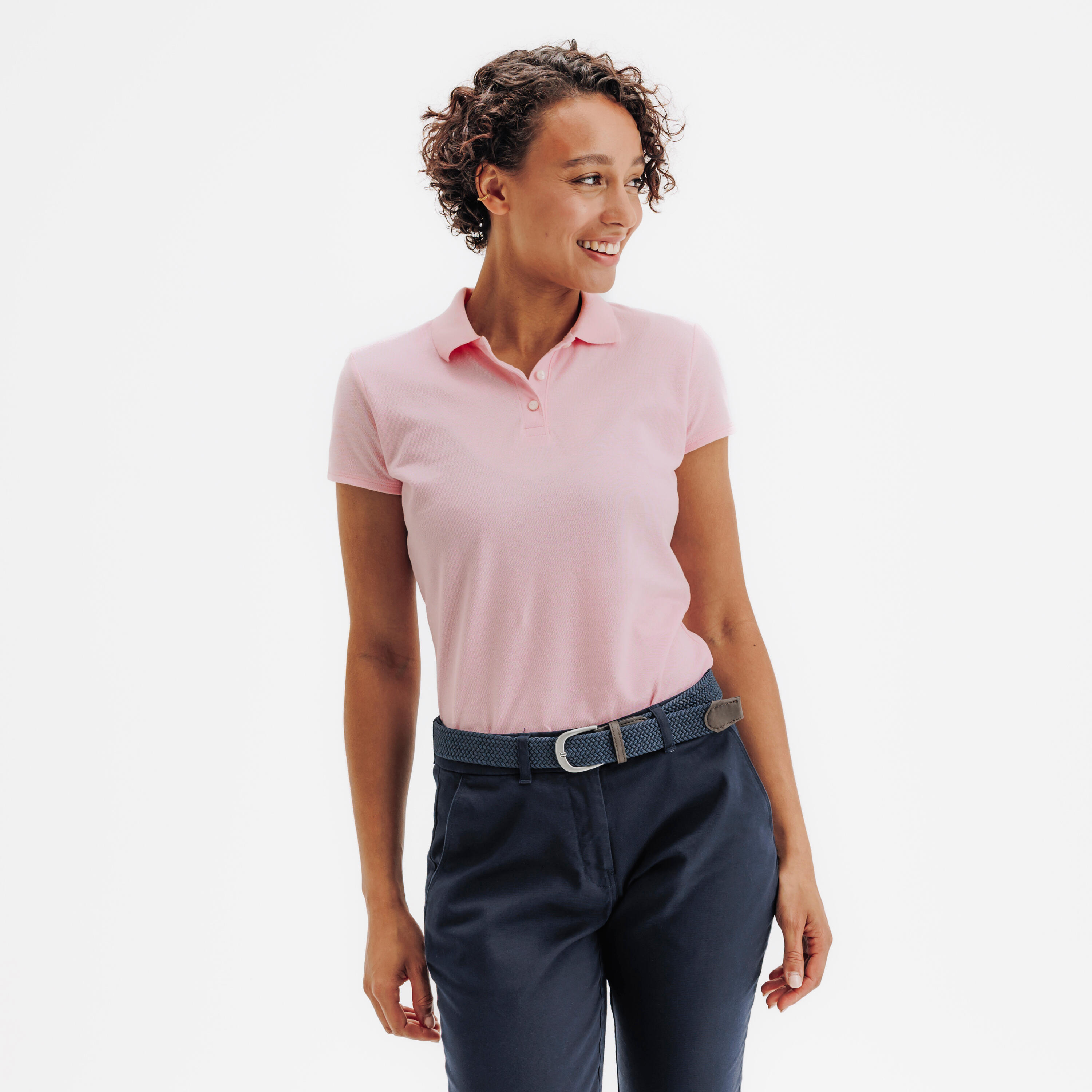
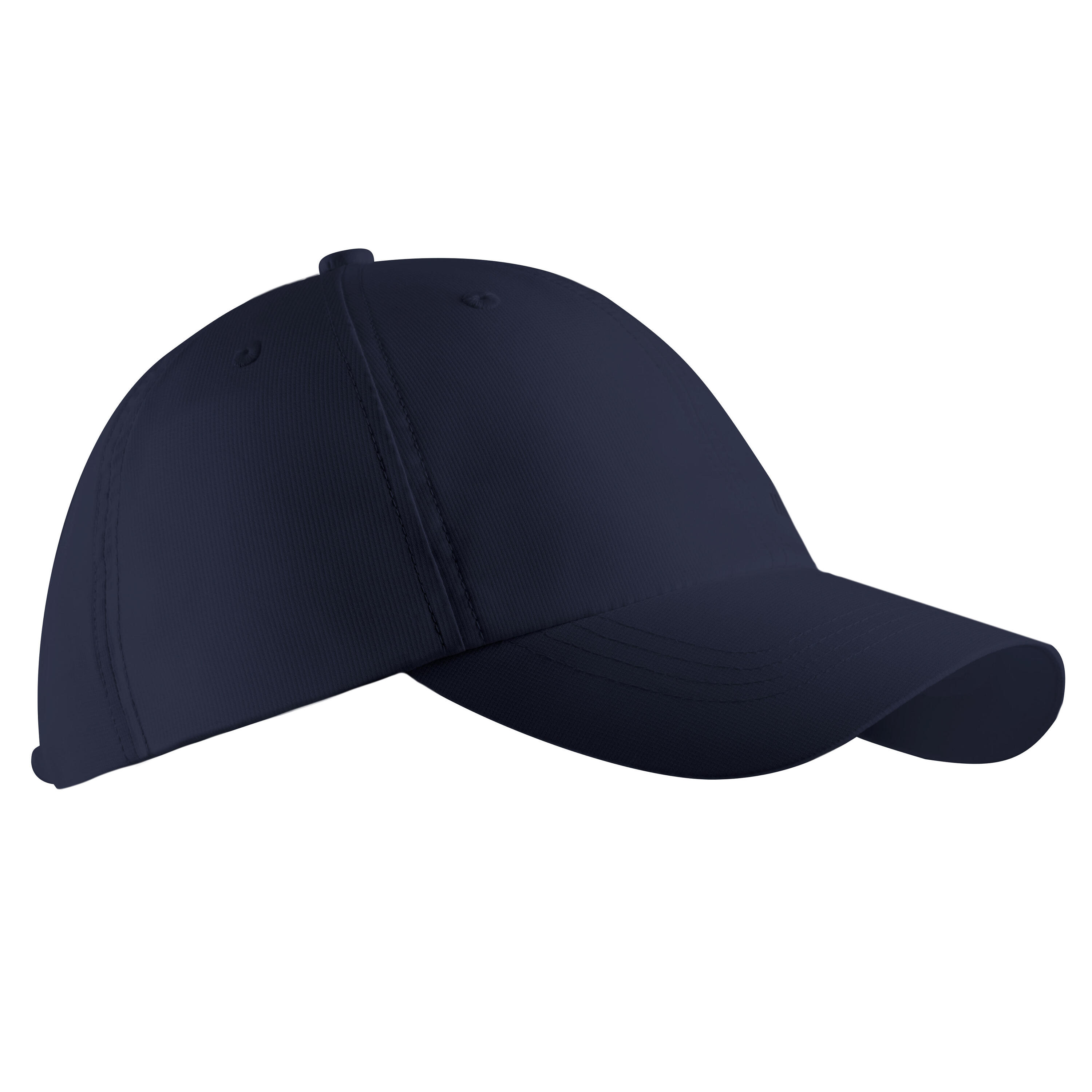
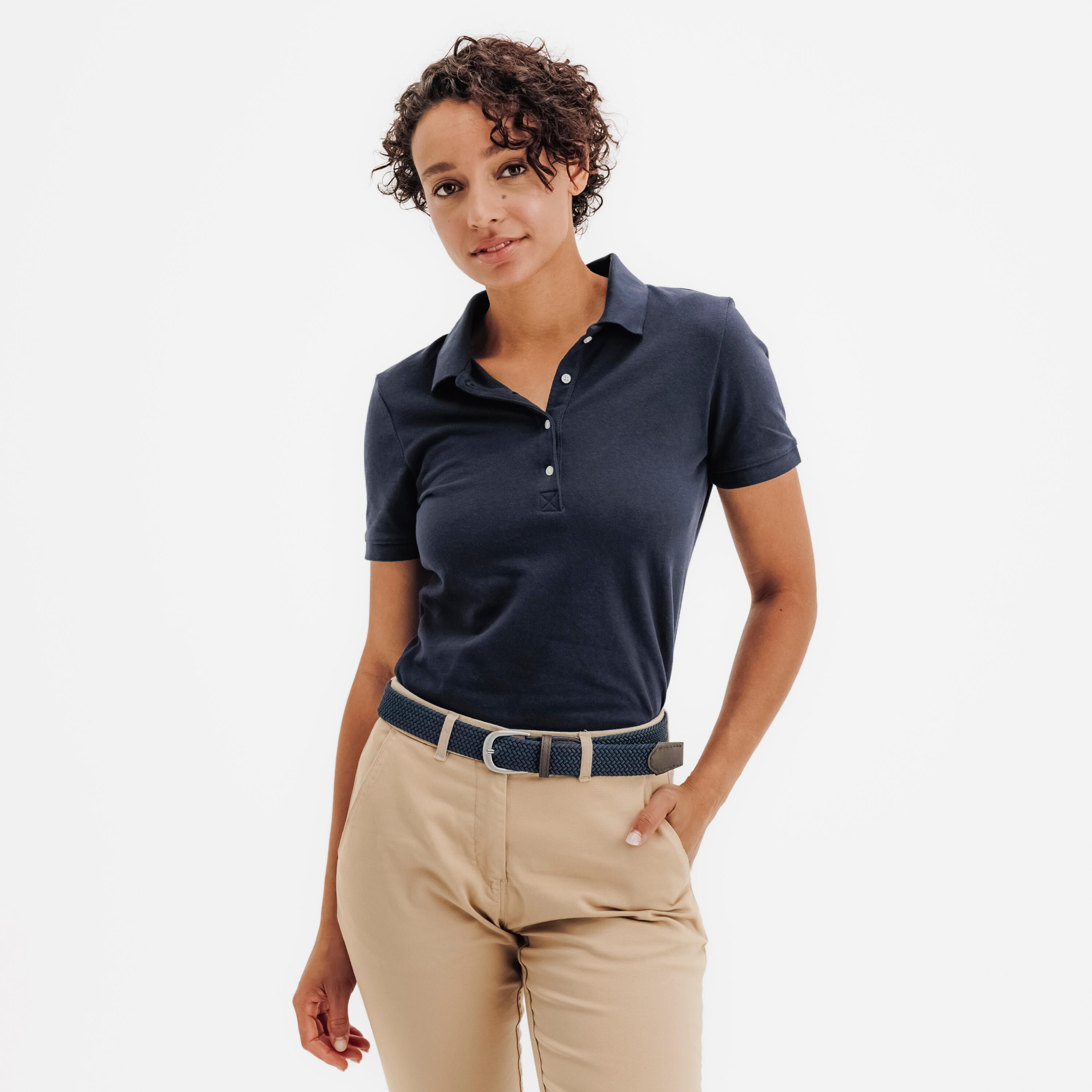
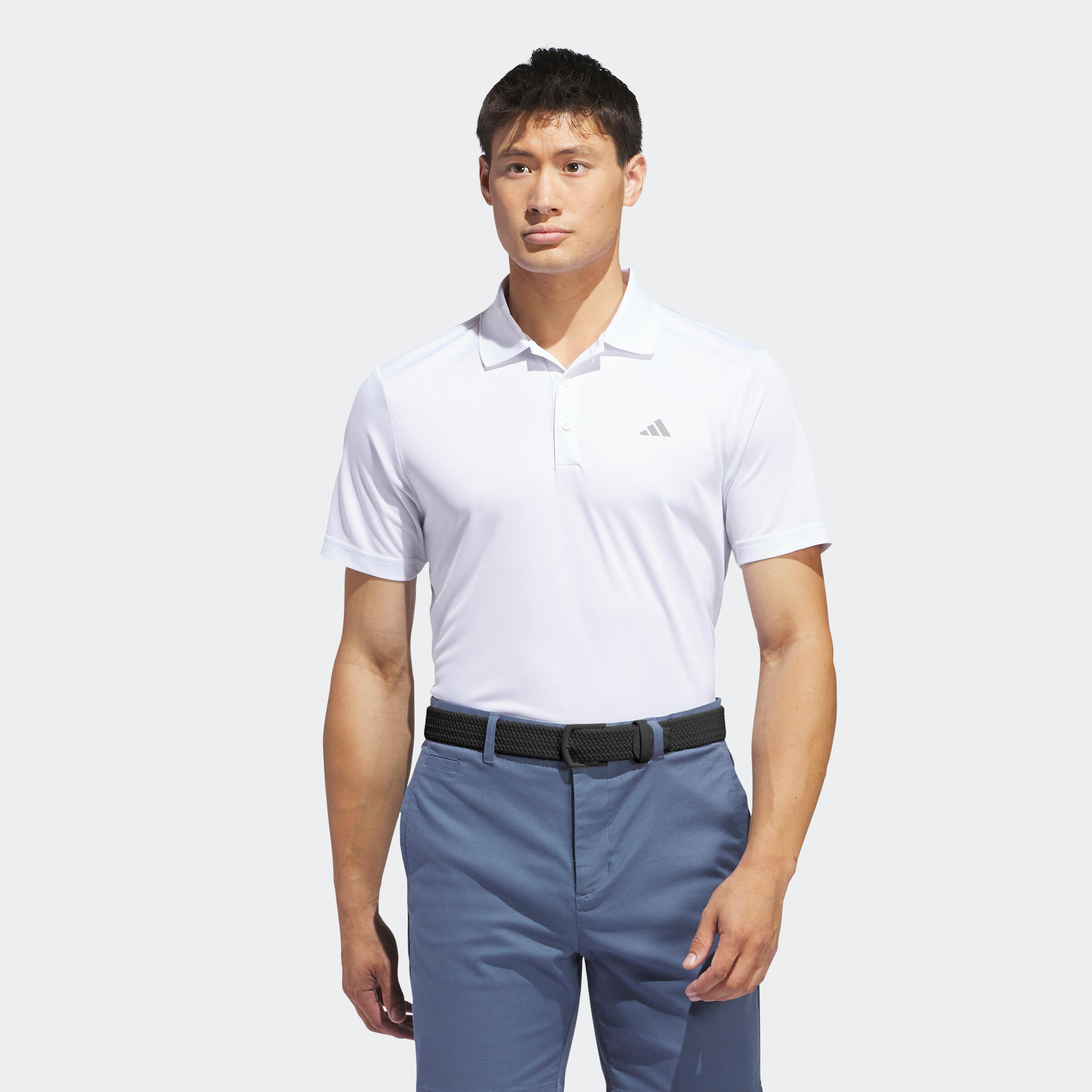
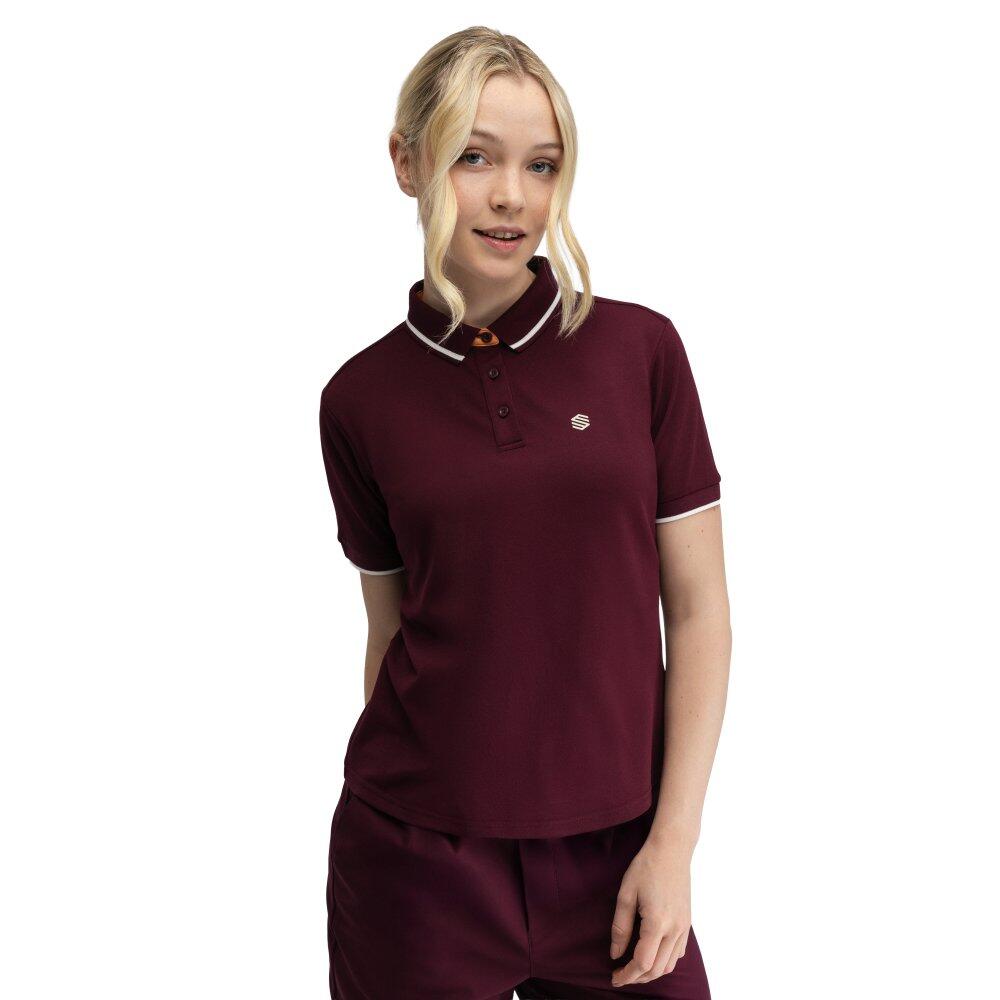
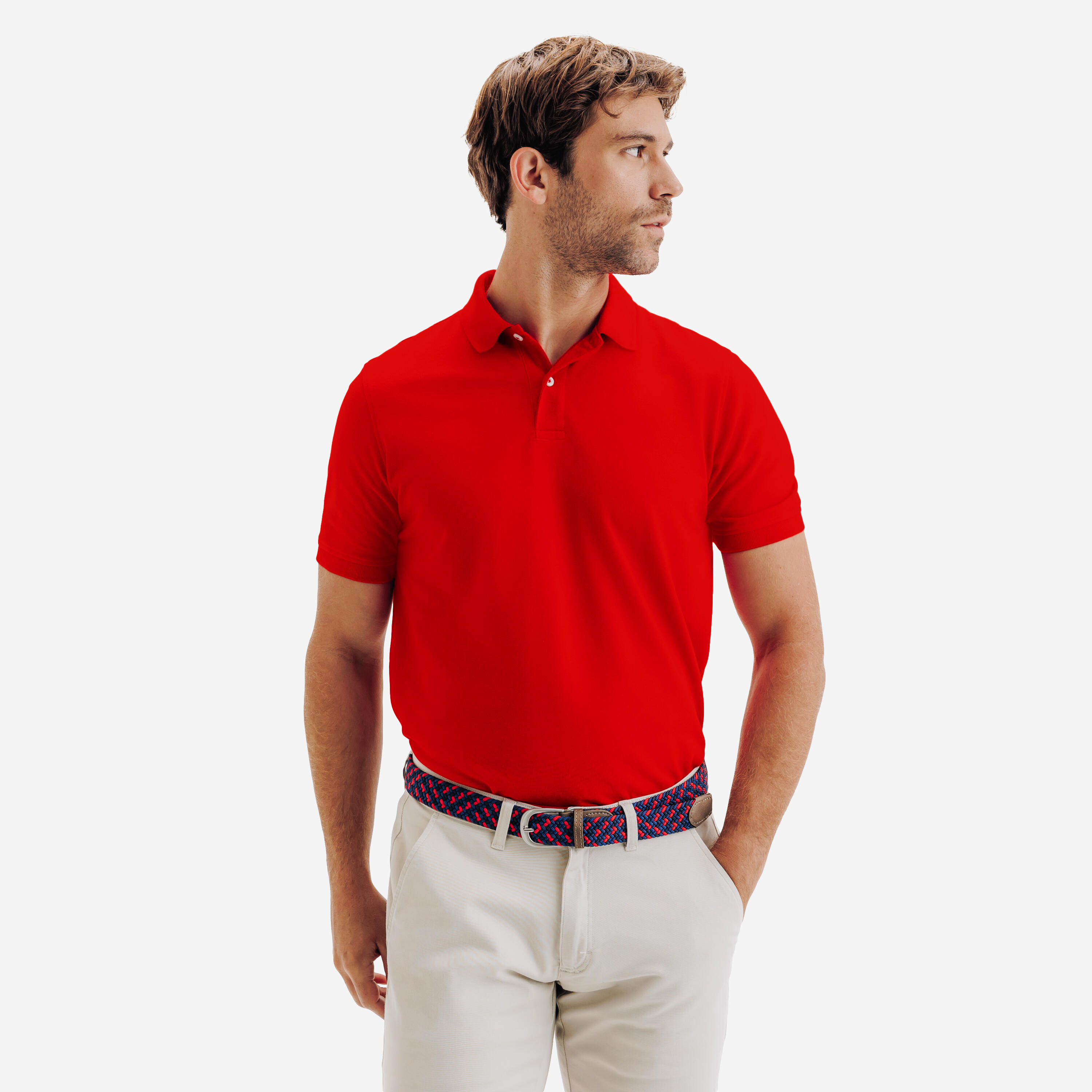
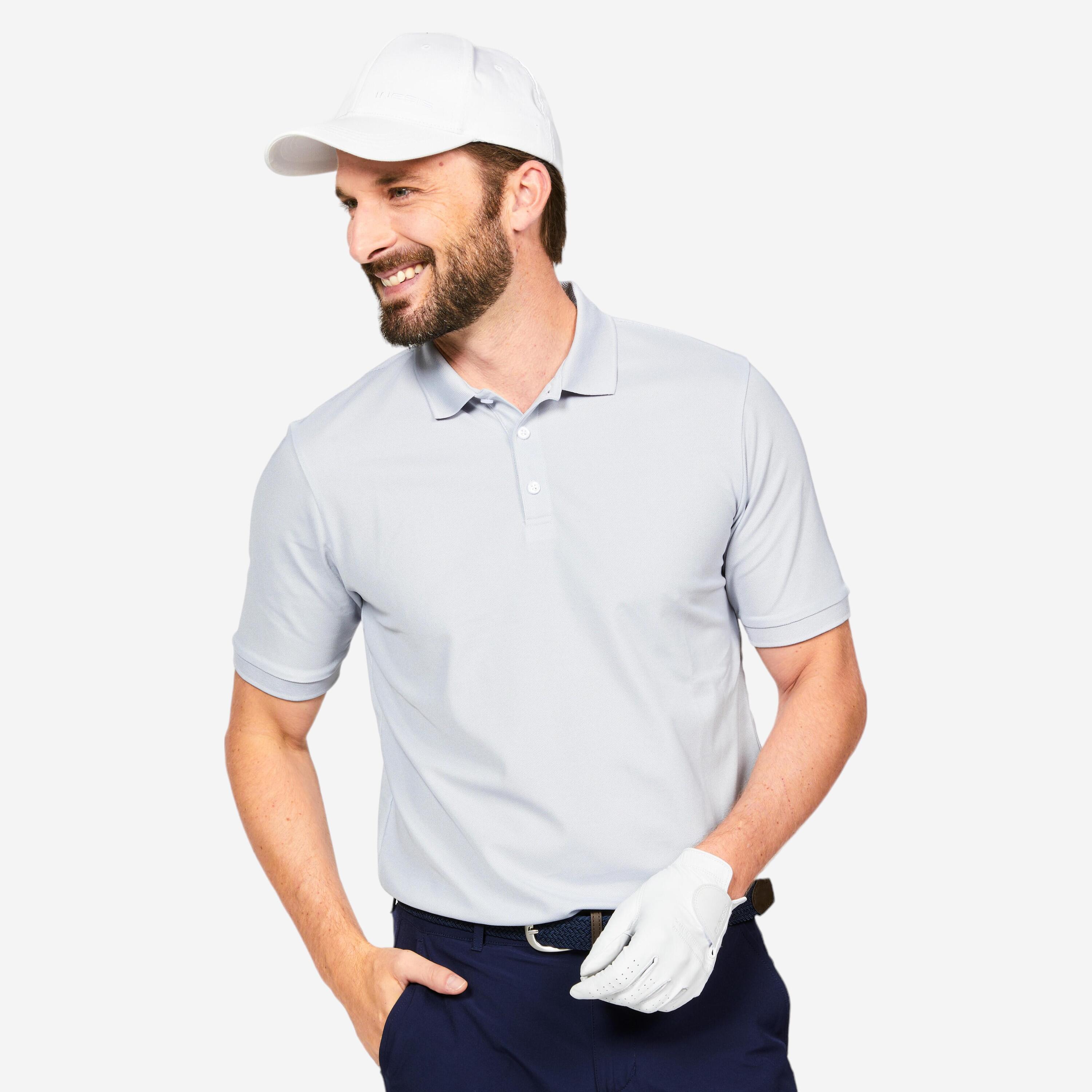
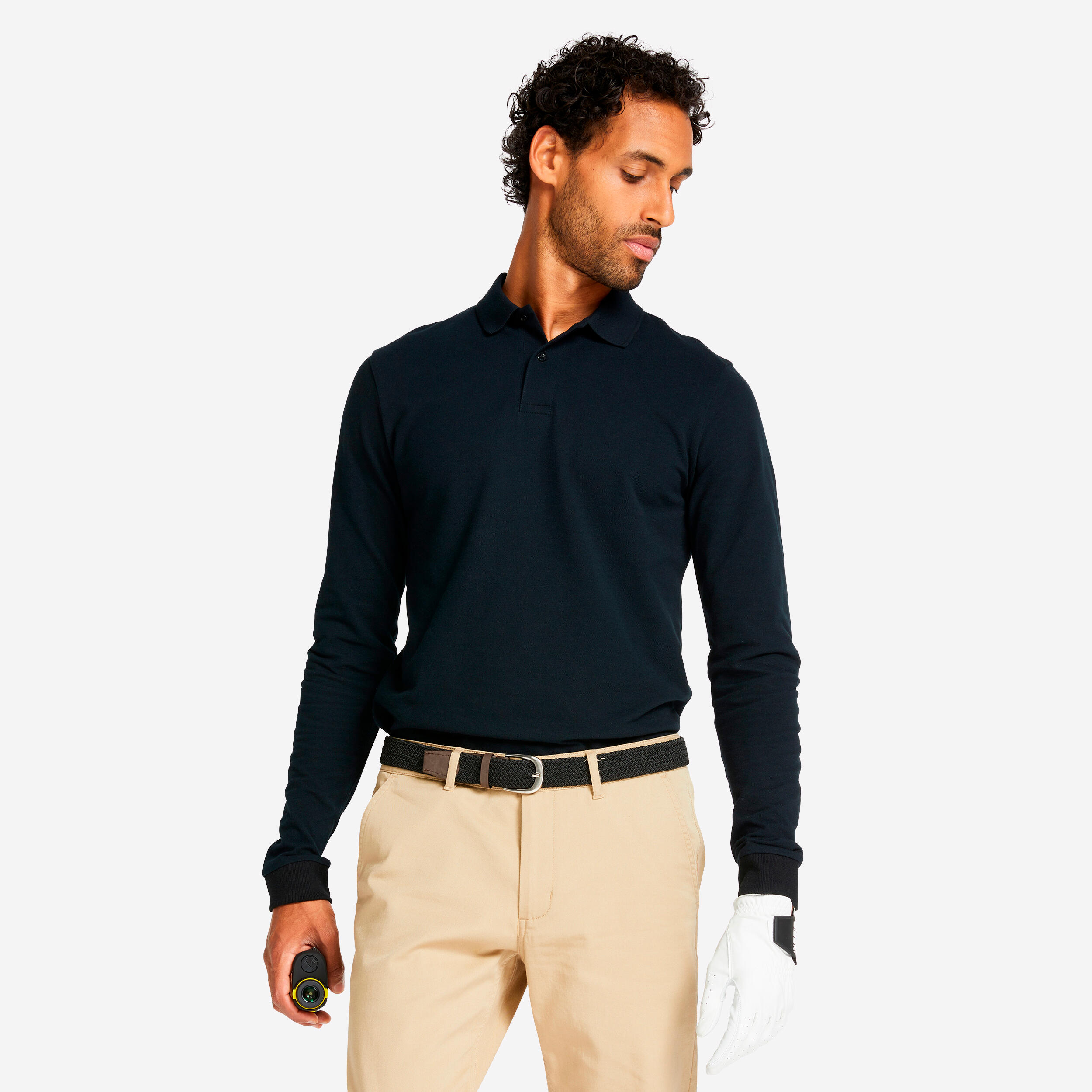
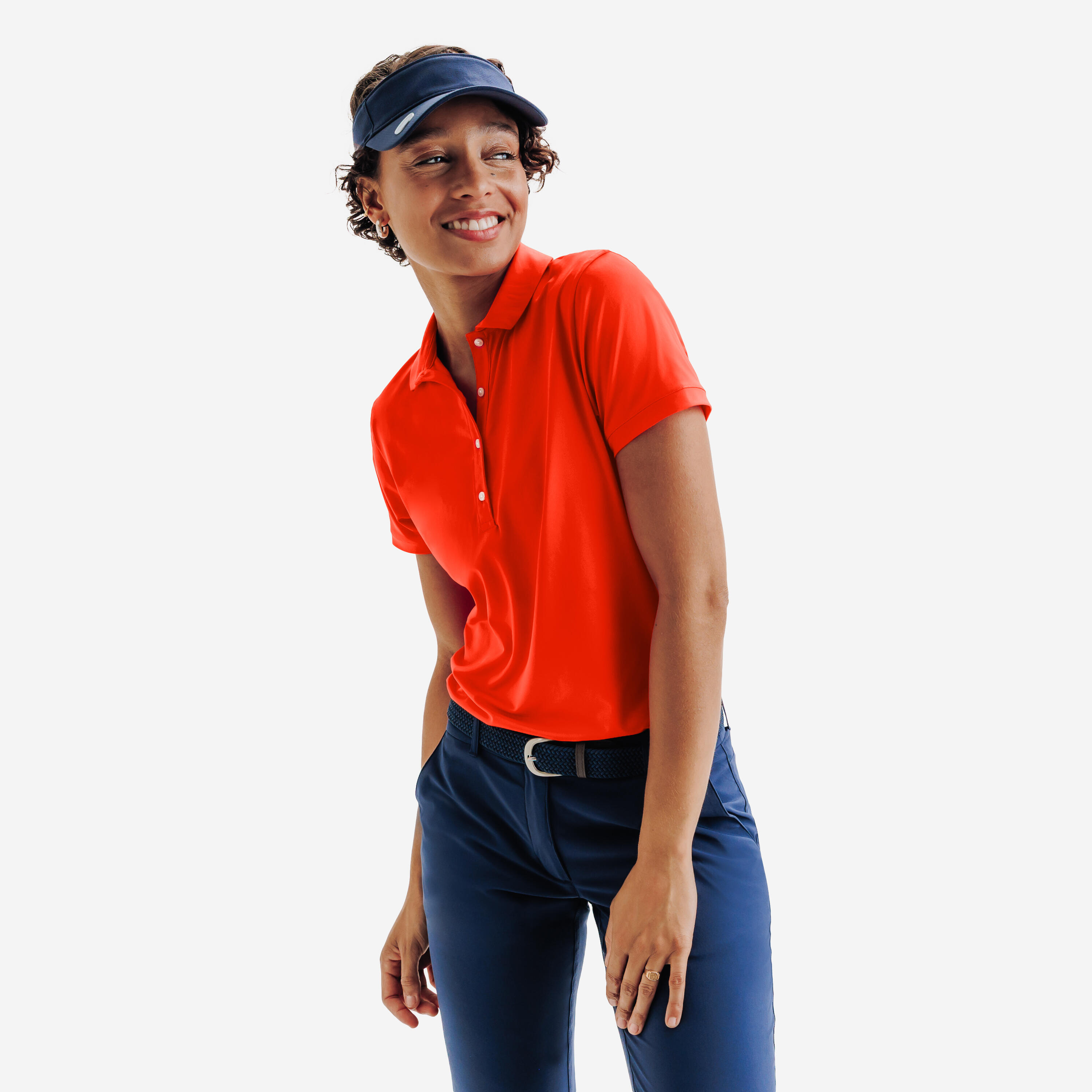
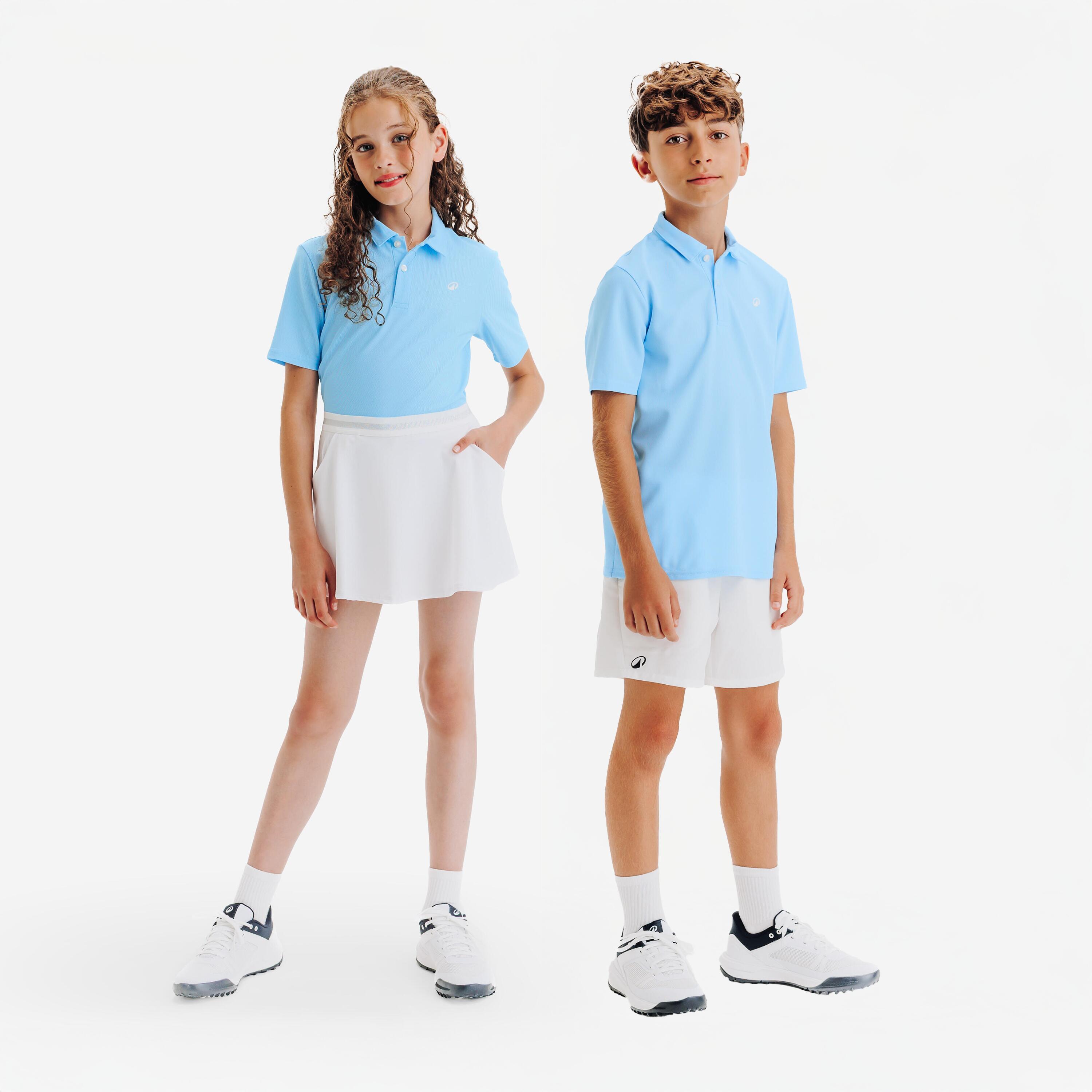
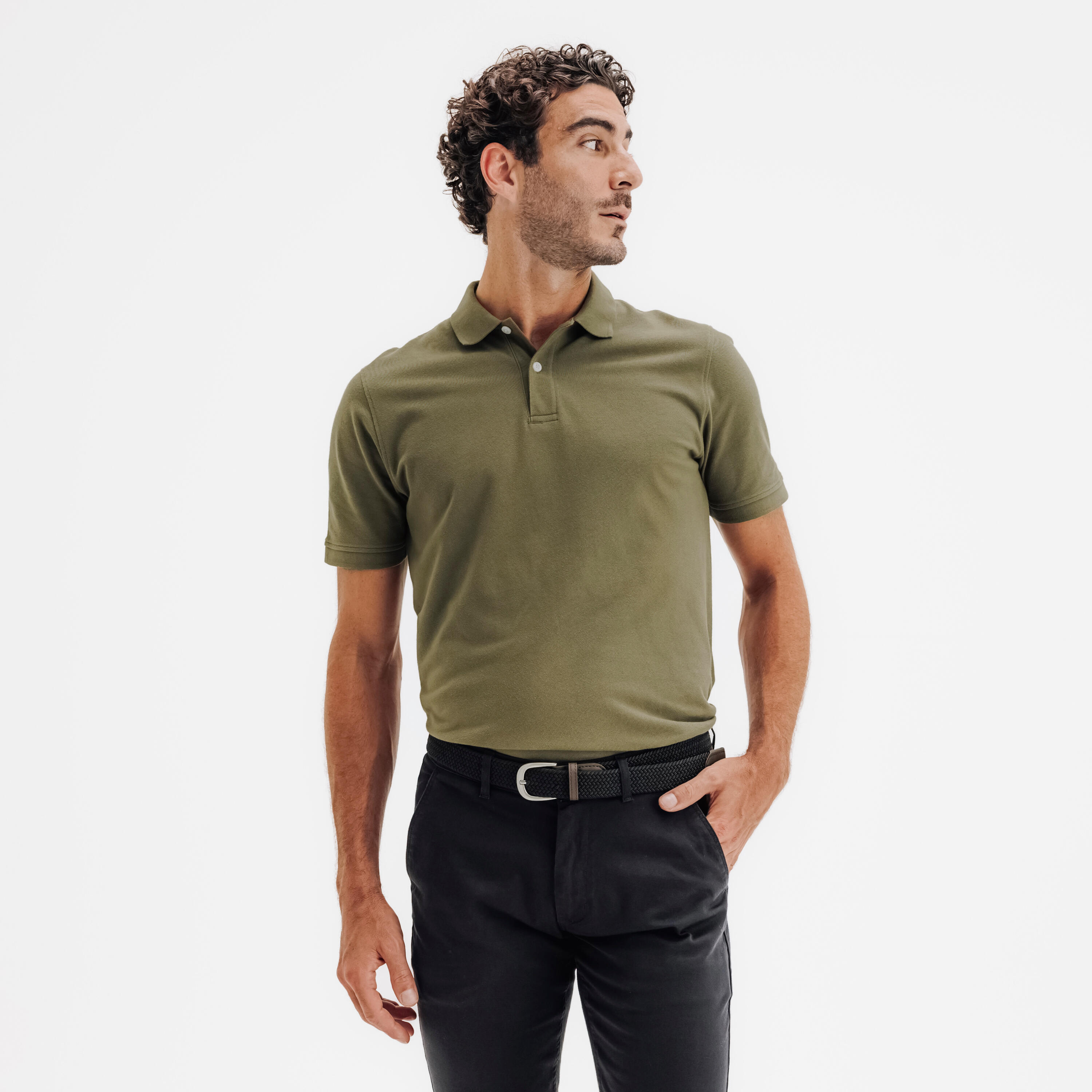
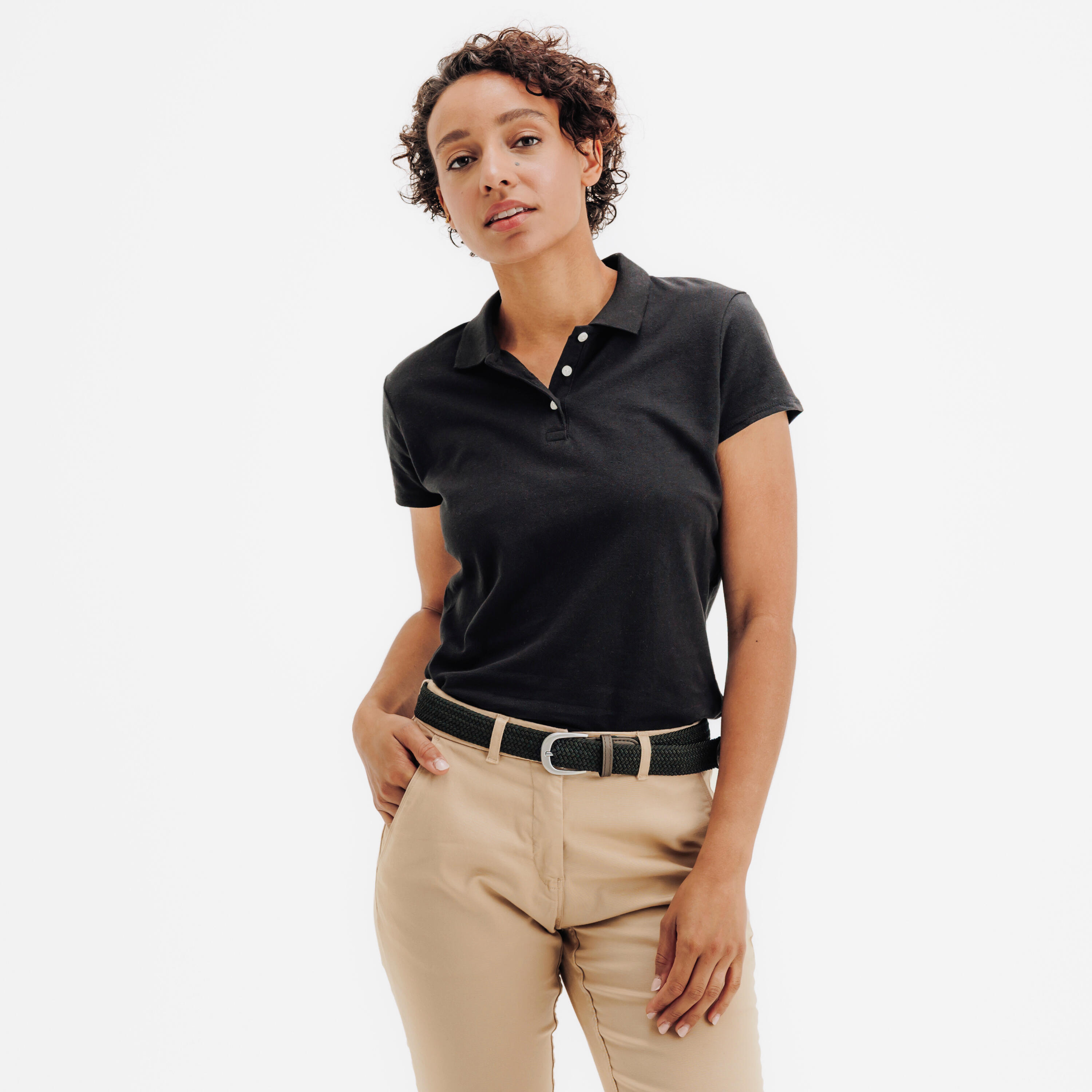
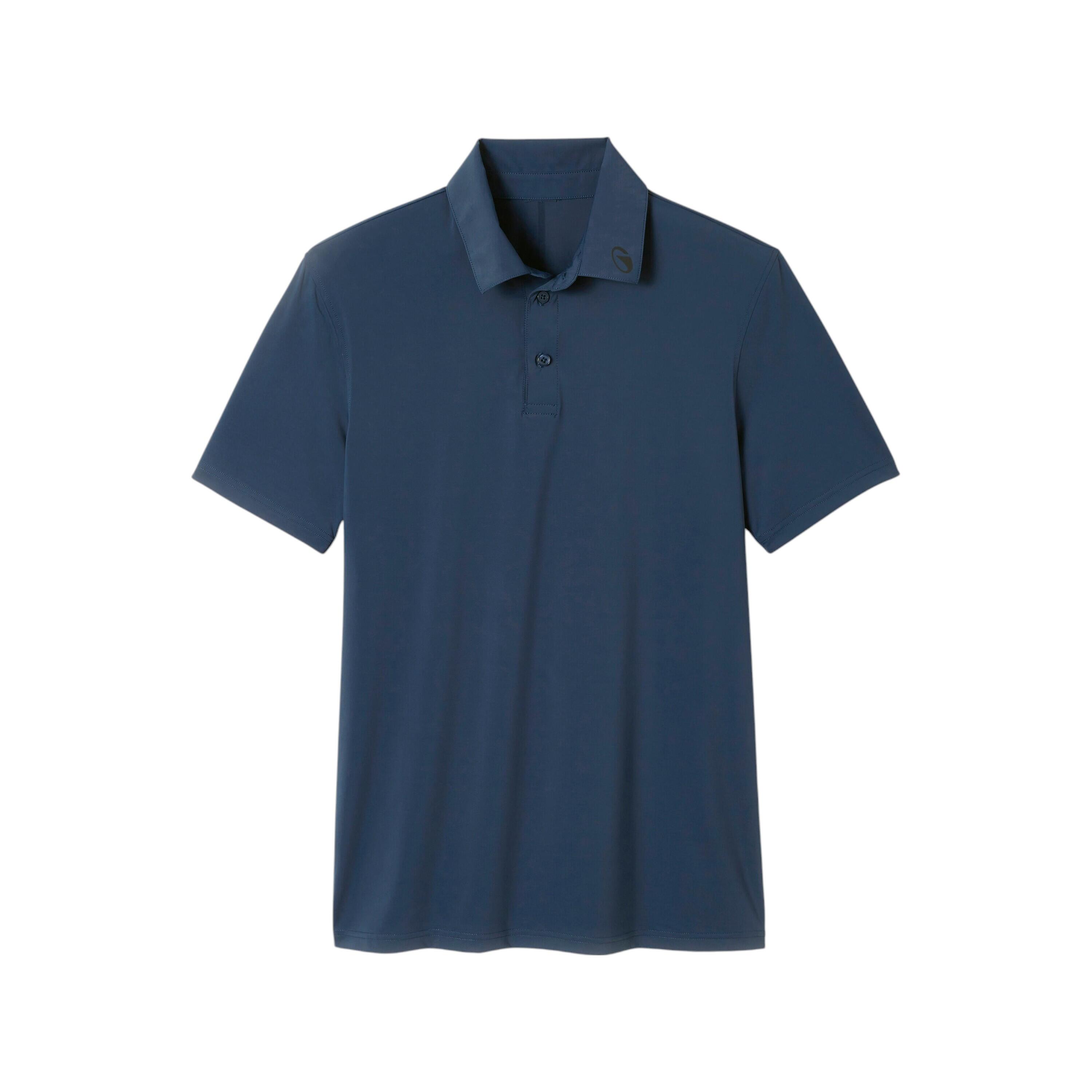
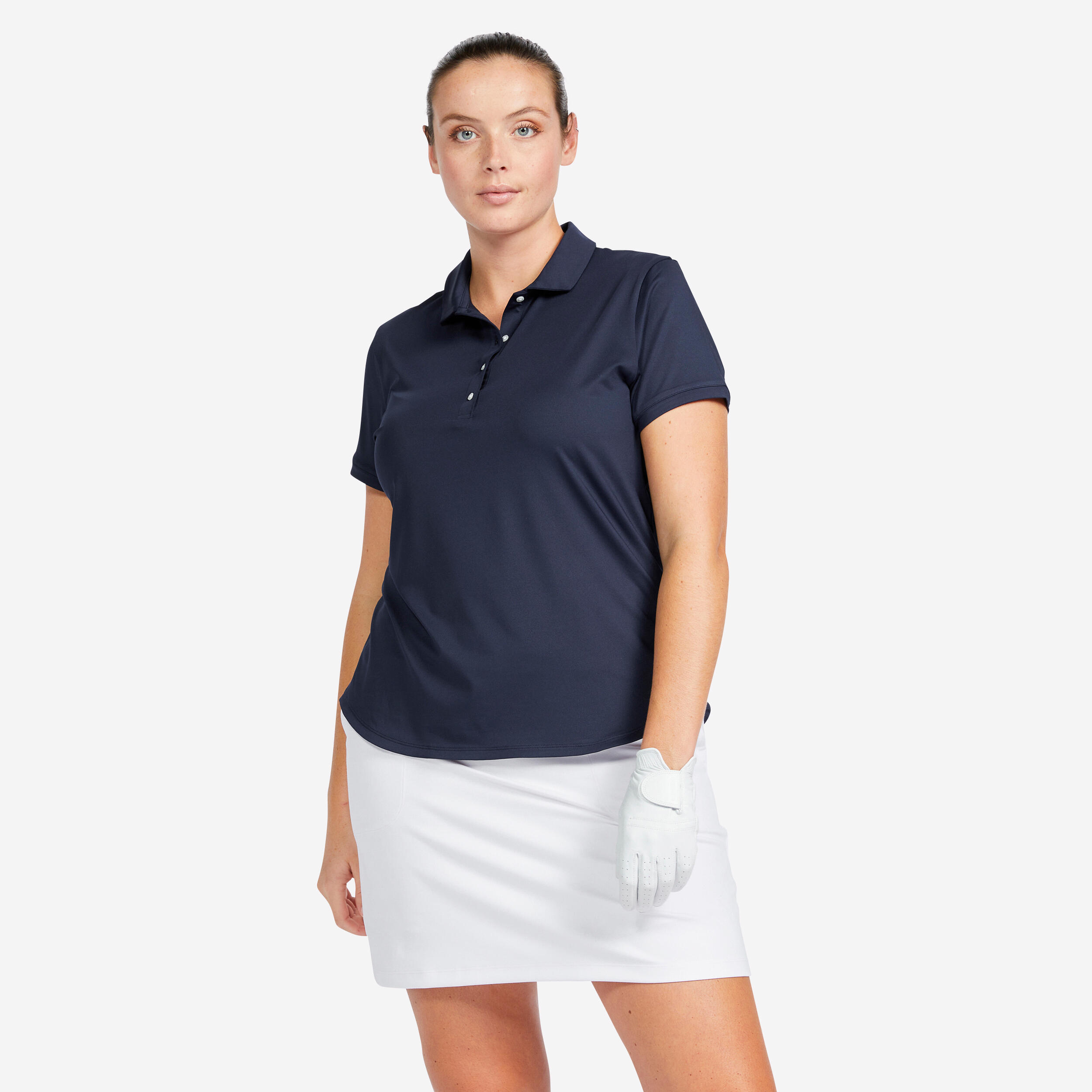
Modern golf outfits have evolved from heavy, restrictive materials to lightweight, high-performance gear. A standard kit usually begins with a collared top, which remains a requirement at the vast majority of clubs across the country. Our range of golf polo shirts features piqué and jersey knits that offer high breathability and UV protection for long summer rounds. When building your golf attire, look for four-way stretch fabrics; this mechanical elasticity ensures the garment moves with you rather than resisting your body's natural turn. For beginners, focusing on a versatile colour palette like navy, grey, or white allows you to mix and match different items easily, ensuring you always look professional from the first tee to the clubhouse. Comfort is the primary driver of performance in this sport.

Why is fit so important for golf trousers?

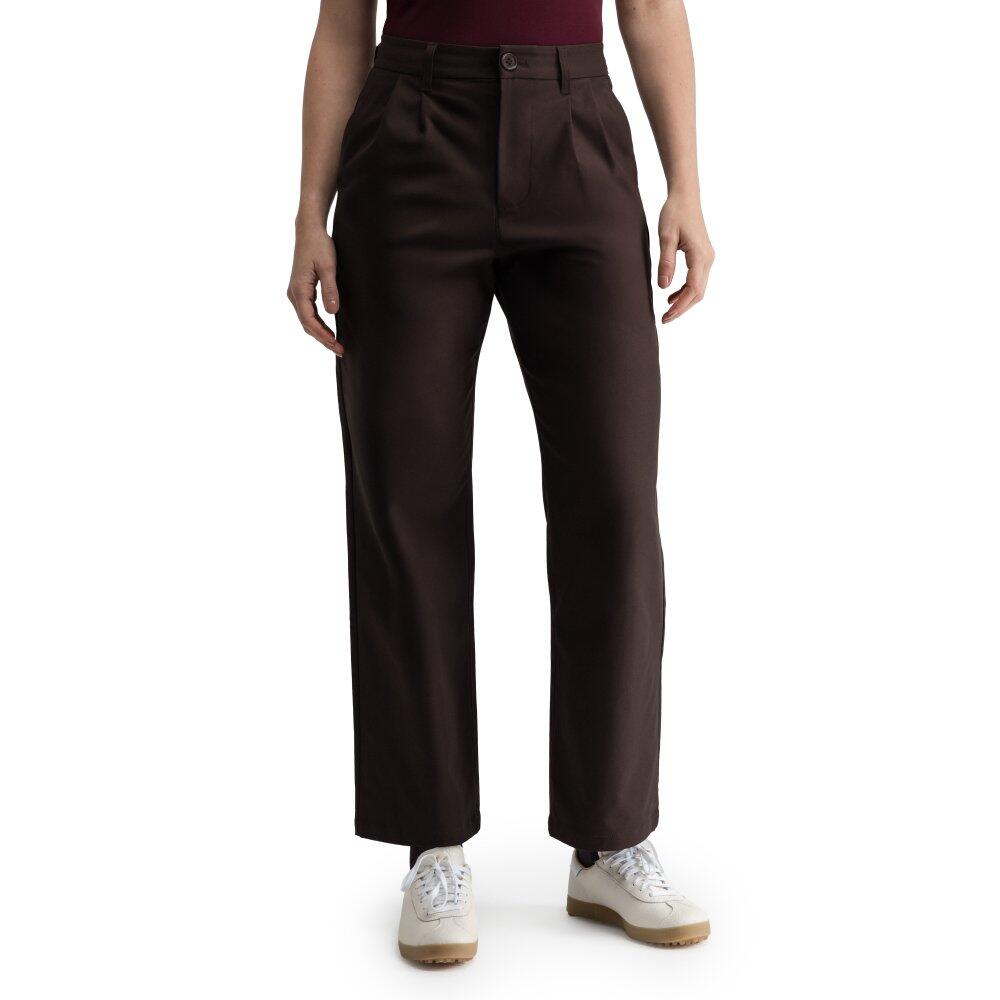
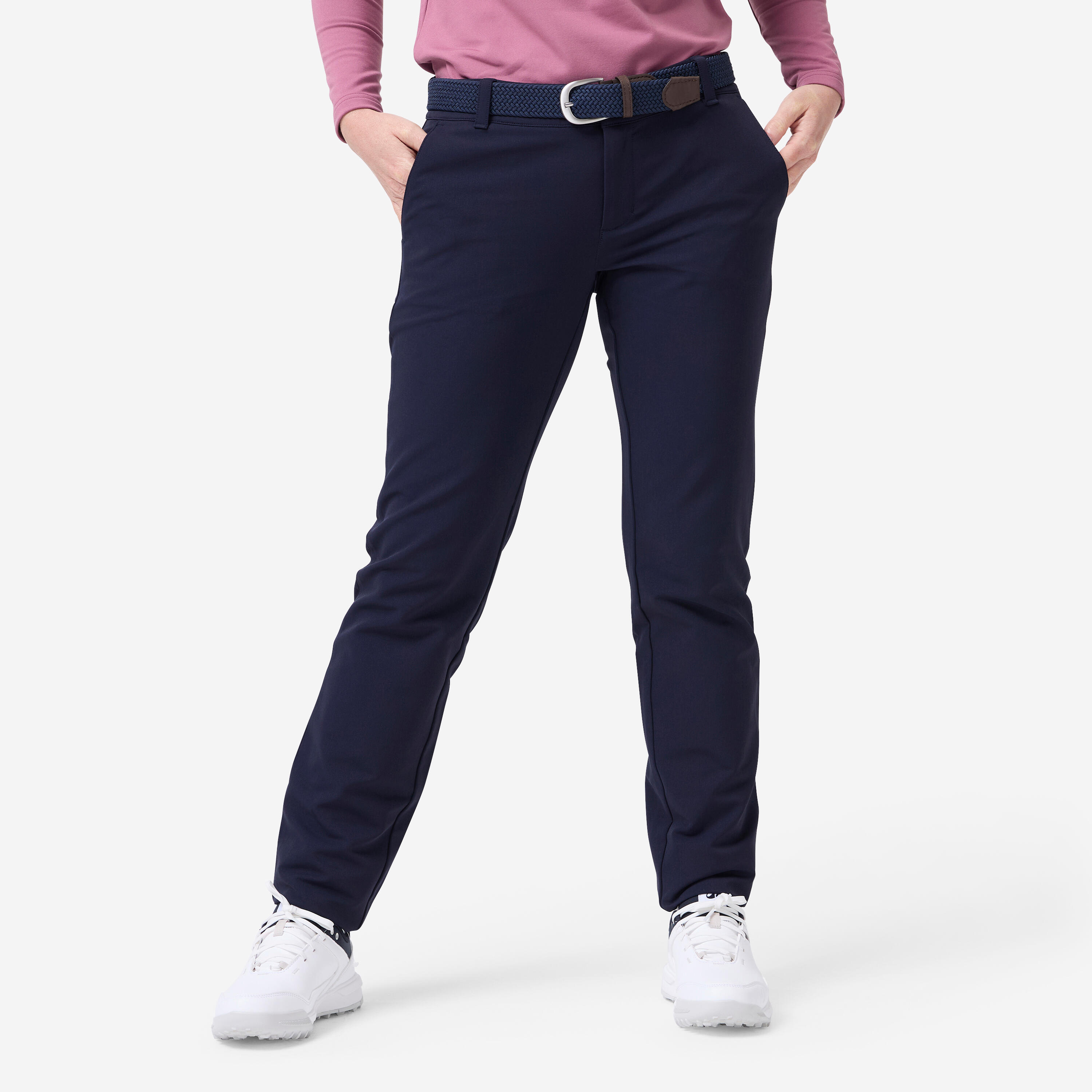
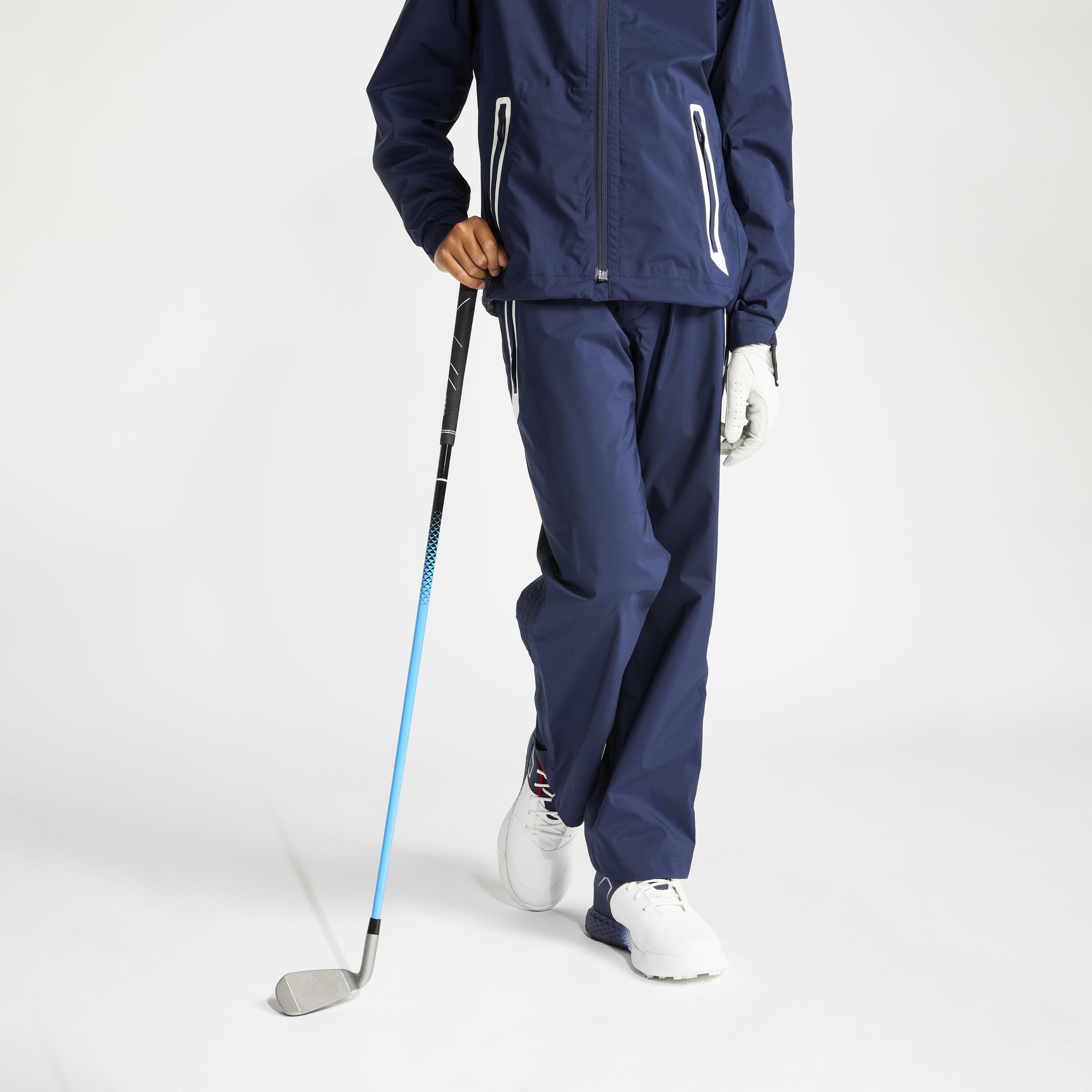
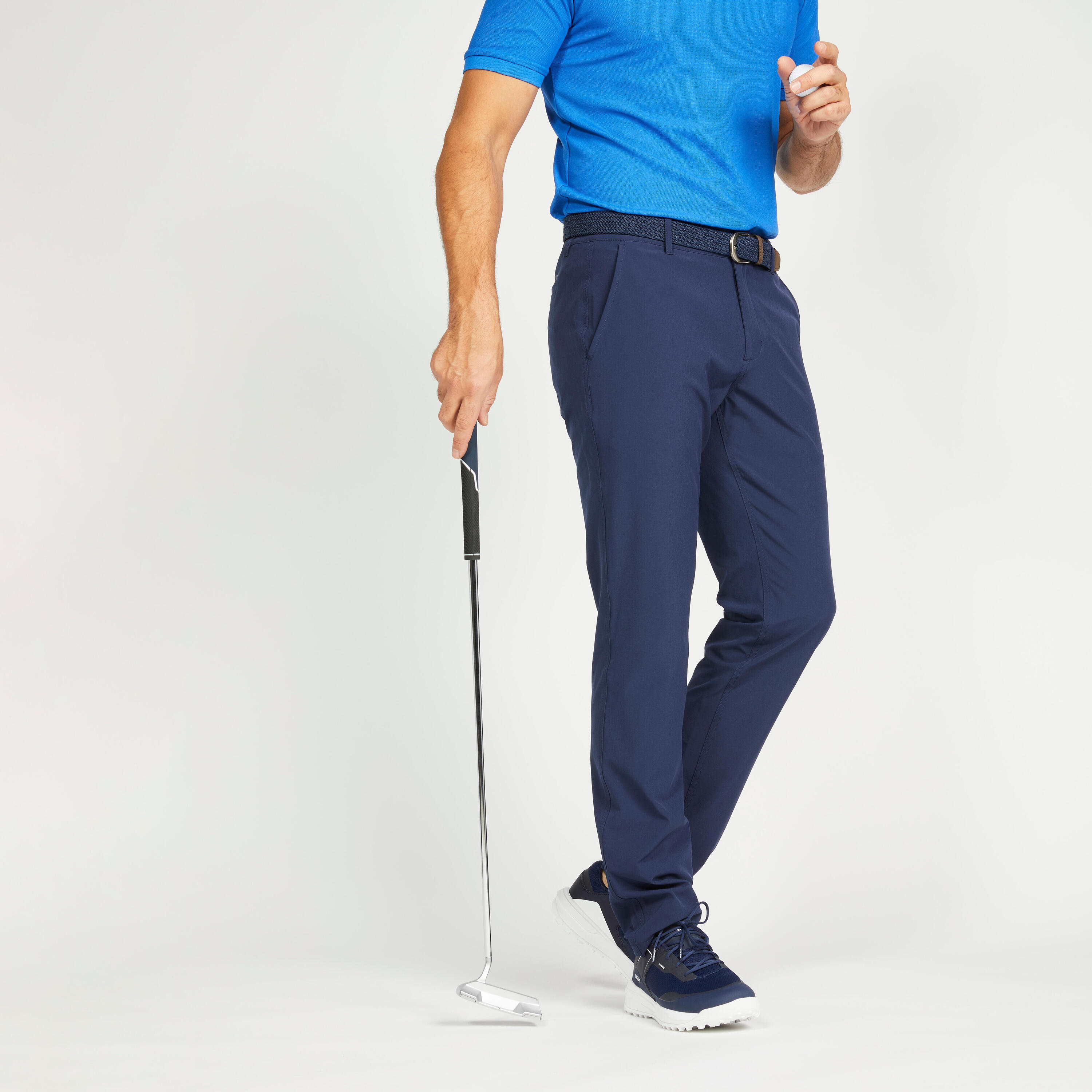
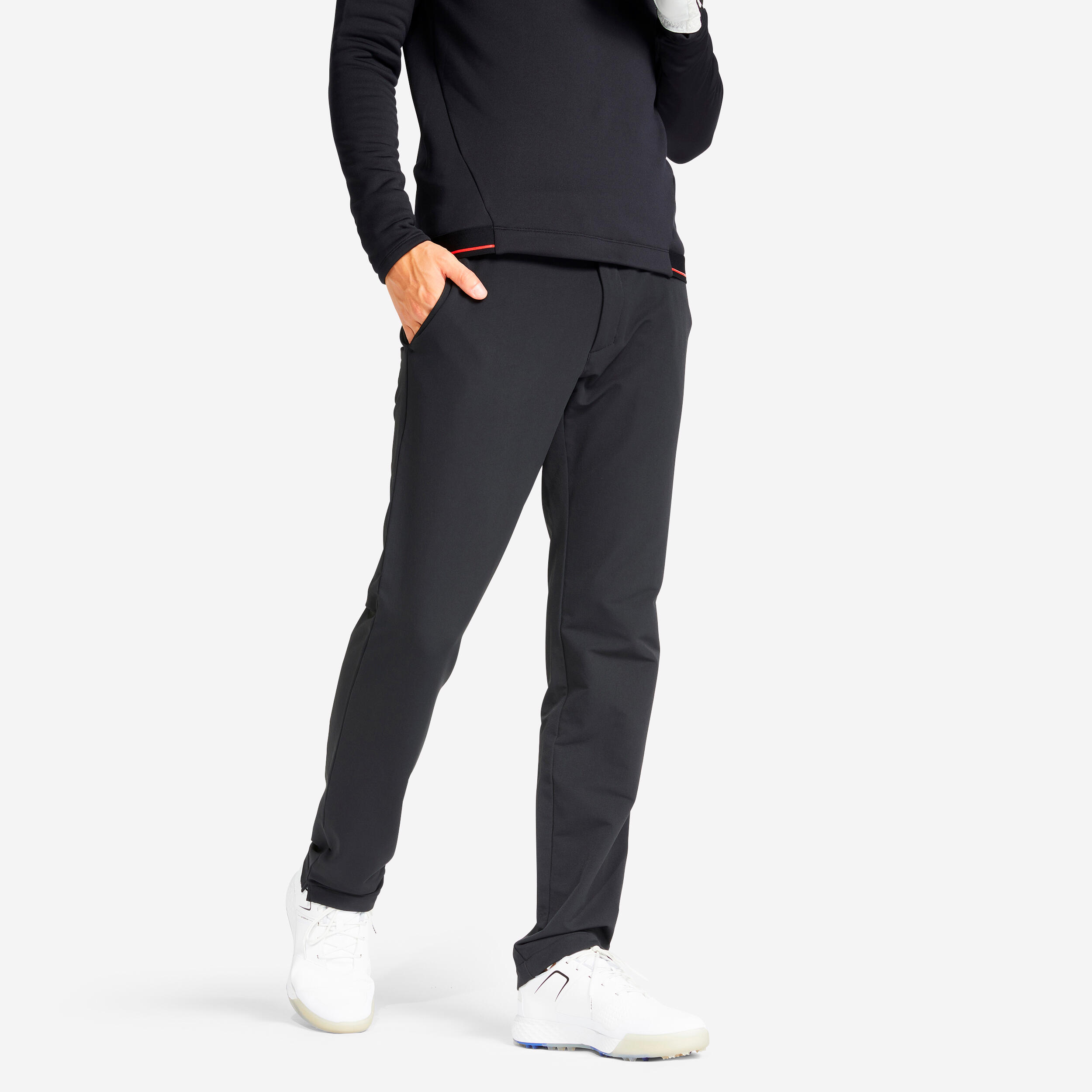
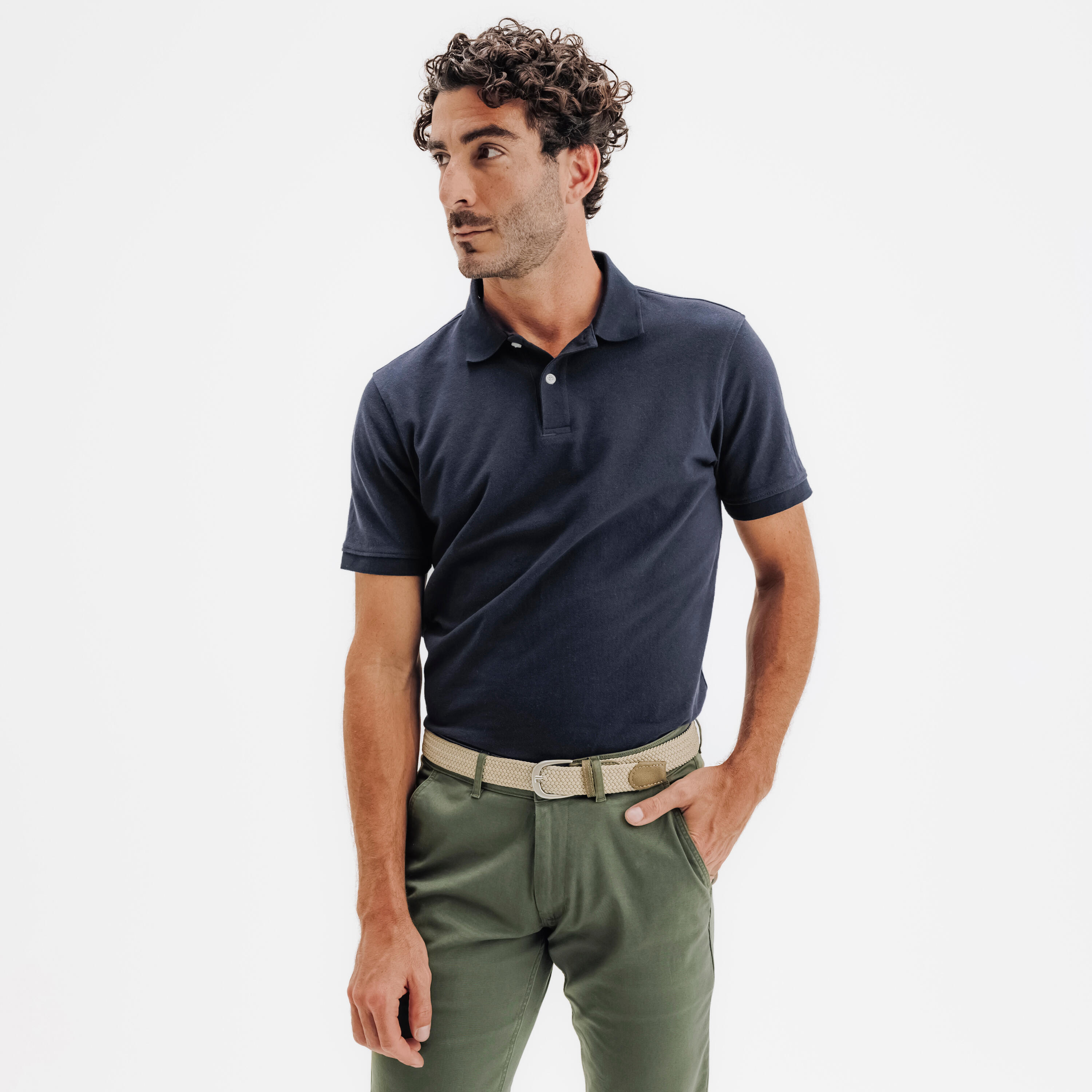
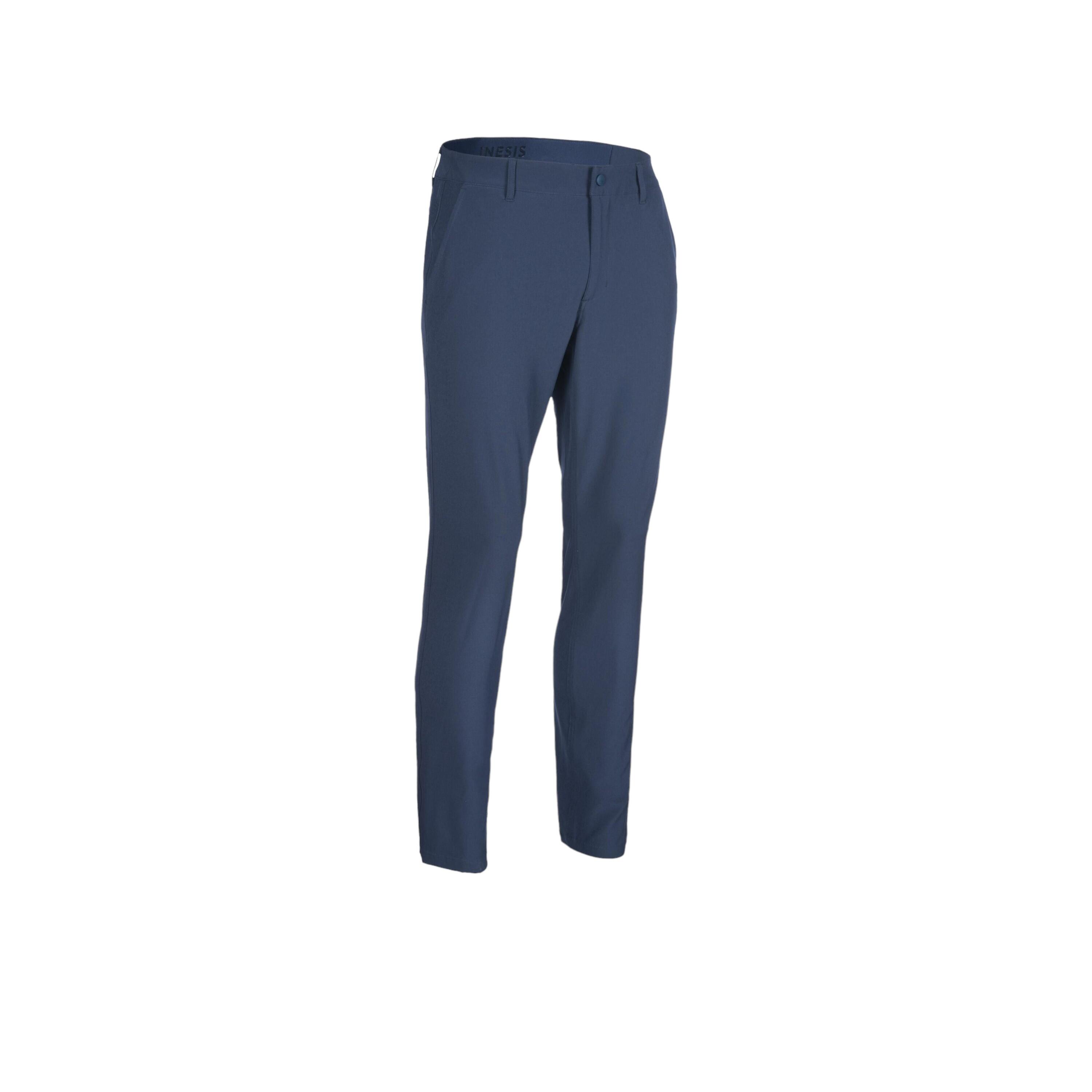
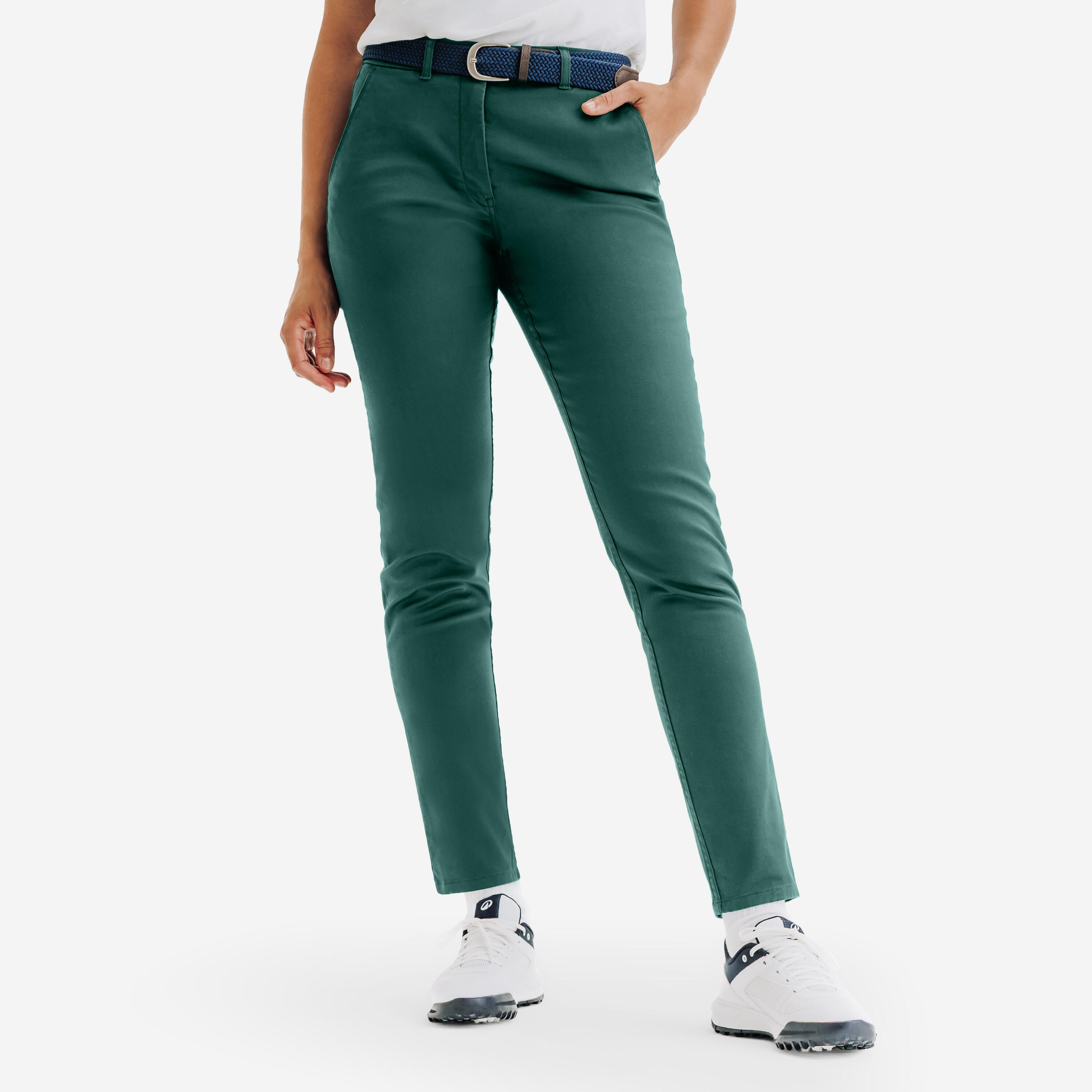
The lower half of your golf clothing needs to provide stability and ease of motion. Well-tailored golf trousers are cut specifically to sit comfortably while you are in a flexed putting stance or a wide driving stance. Unlike regular chinos, technical golf slacks often feature a silicone waistband on the interior to keep your shirt tucked in during vigorous movements. The reason we use elastane blends in our legwear is to provide "shape memory," meaning the fabric won't sag at the knees after eighteen holes of walking. For those playing on damp morning grass, many of our trousers feature a water-repellent treatment that allows light rain to bead off rather than soaking into the fibre. This keeps the garment lightweight and prevents that heavy, cold feeling that often plagues standard cotton trousers in wet conditions.

Is there a difference between summer and winter golf clothing?

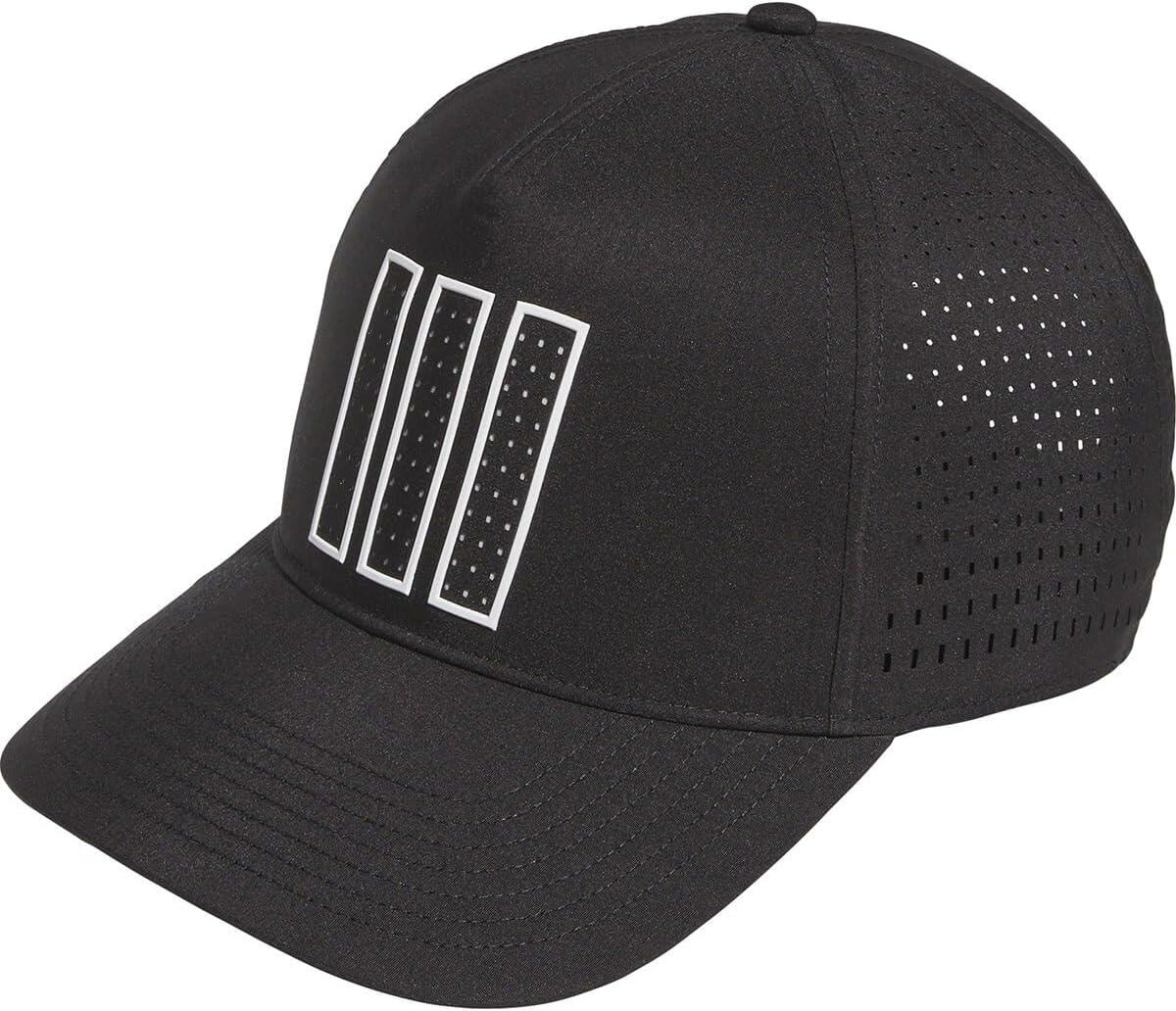
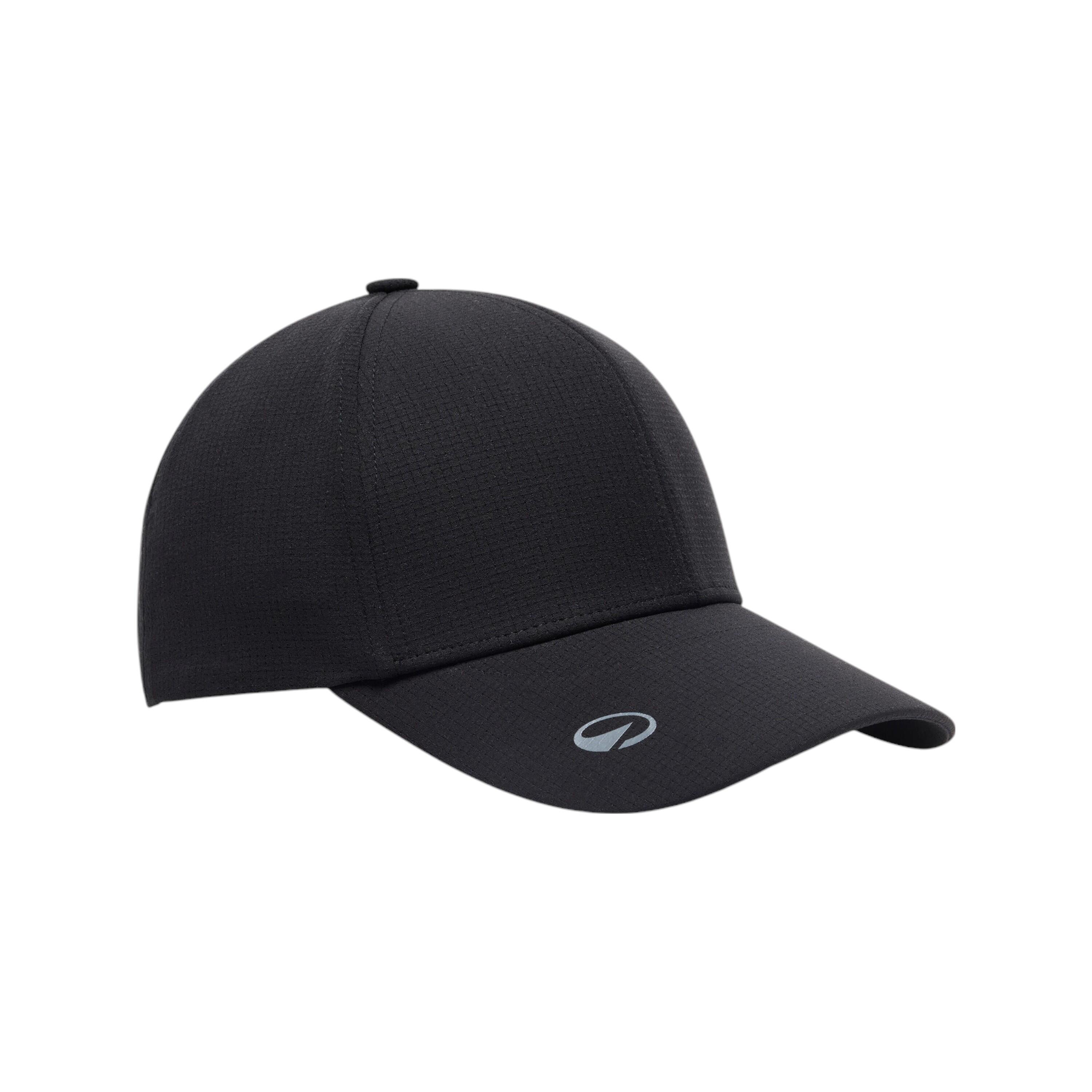
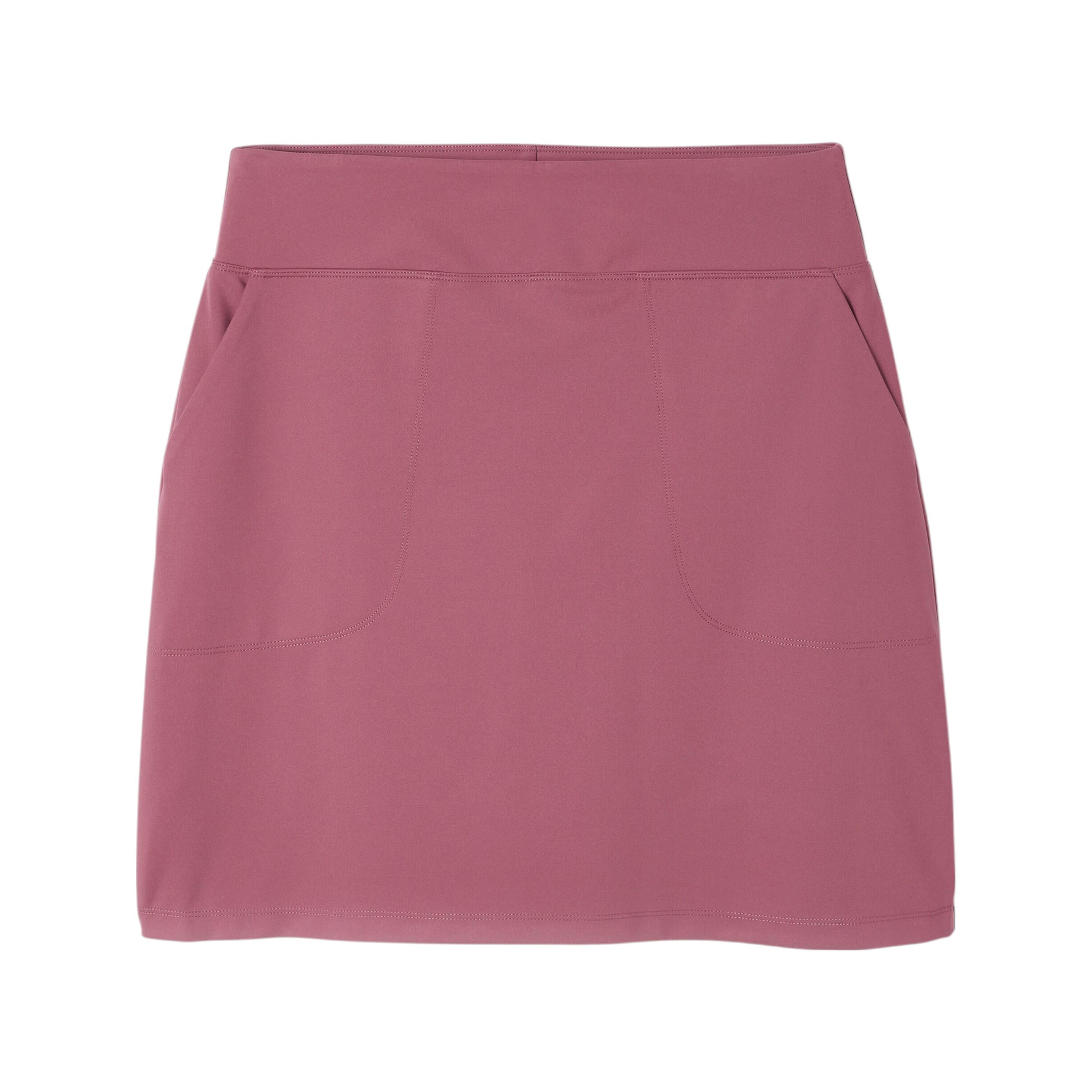
Yes, the seasonal requirements for golf apparel vary significantly. Summer golf outfits prioritise ventilation and moisture management, often utilising micro-perforated fabrics in high-heat zones like the back and underarms. In contrast, winter golf gear focuses on windproofing and heat retention. The technical challenge in winter is providing warmth without sacrificing the "swing-path" of your arms. Pro-tip: If you are playing in cold conditions, swap your standard cap for a technical beanie and ensure your mid-layers are fitted. Loose clothing can interfere with your grip or get caught in the wind, affecting your concentration. For warmer rounds, lightweight options like golf skirts offer excellent breathability and freedom of movement on the course. By investing in sport-specific golf apparel, you ensure that your clothing works as a tool to improve your game rather than a distraction that hinders your focus on the fairway.

How should I care for my technical golf attire?

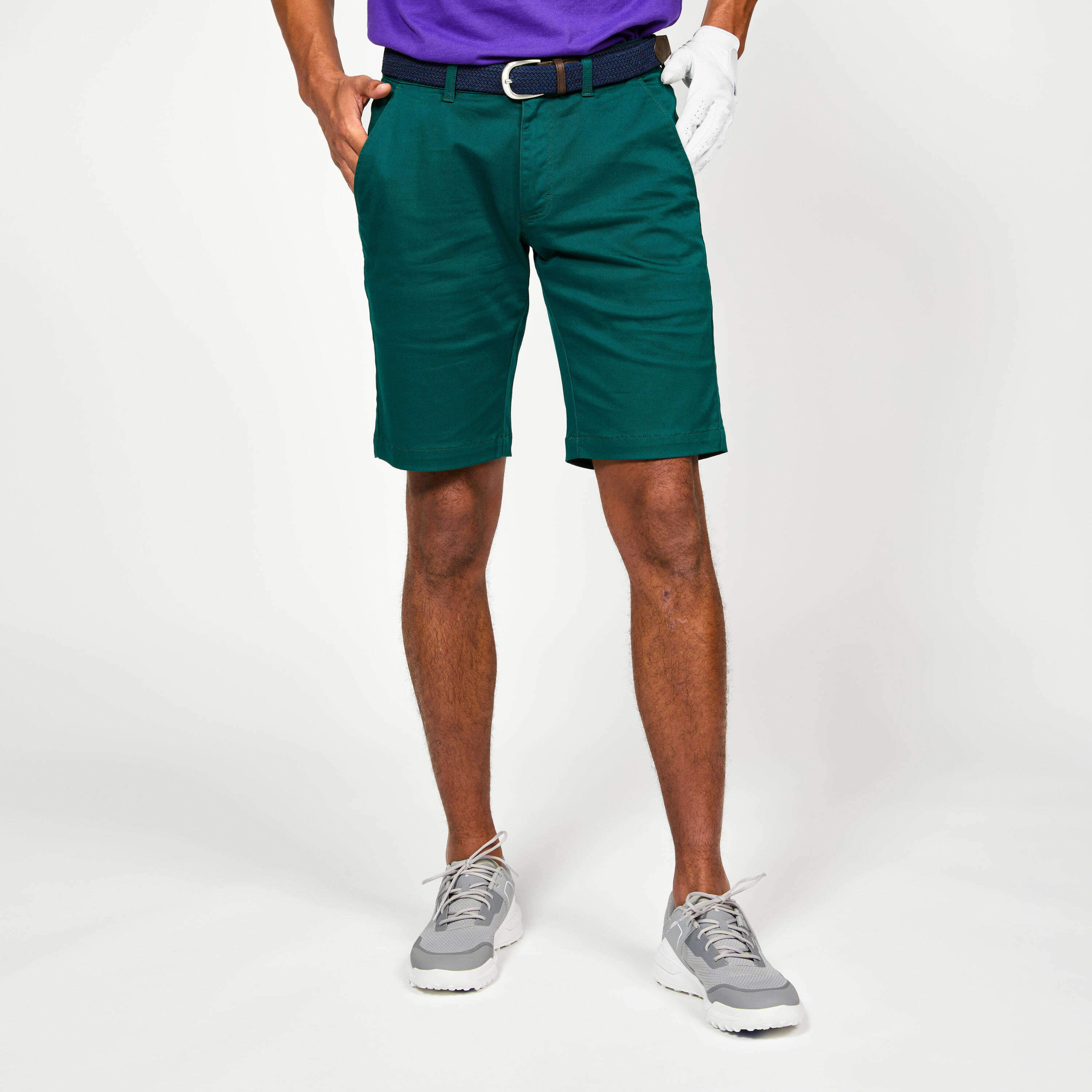
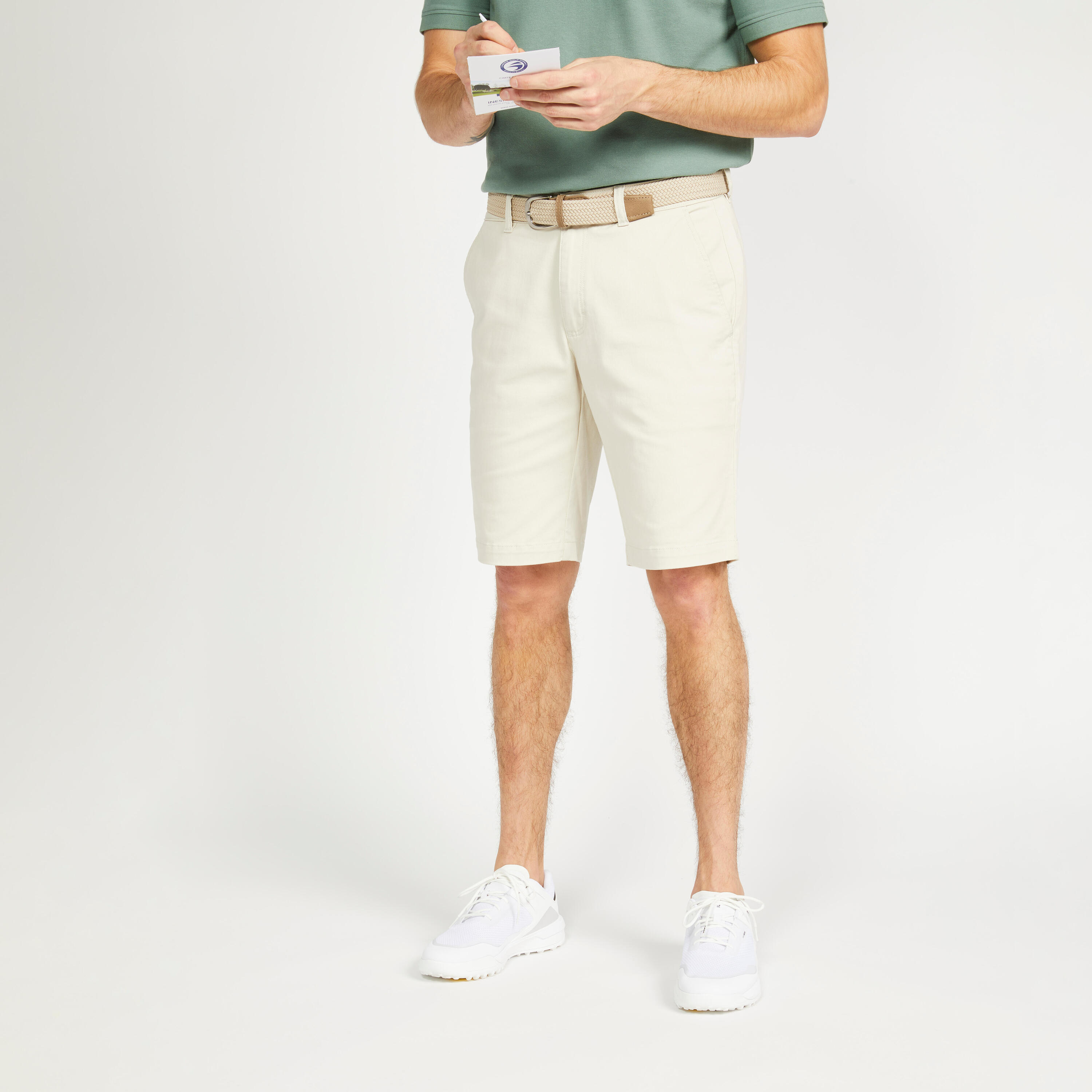
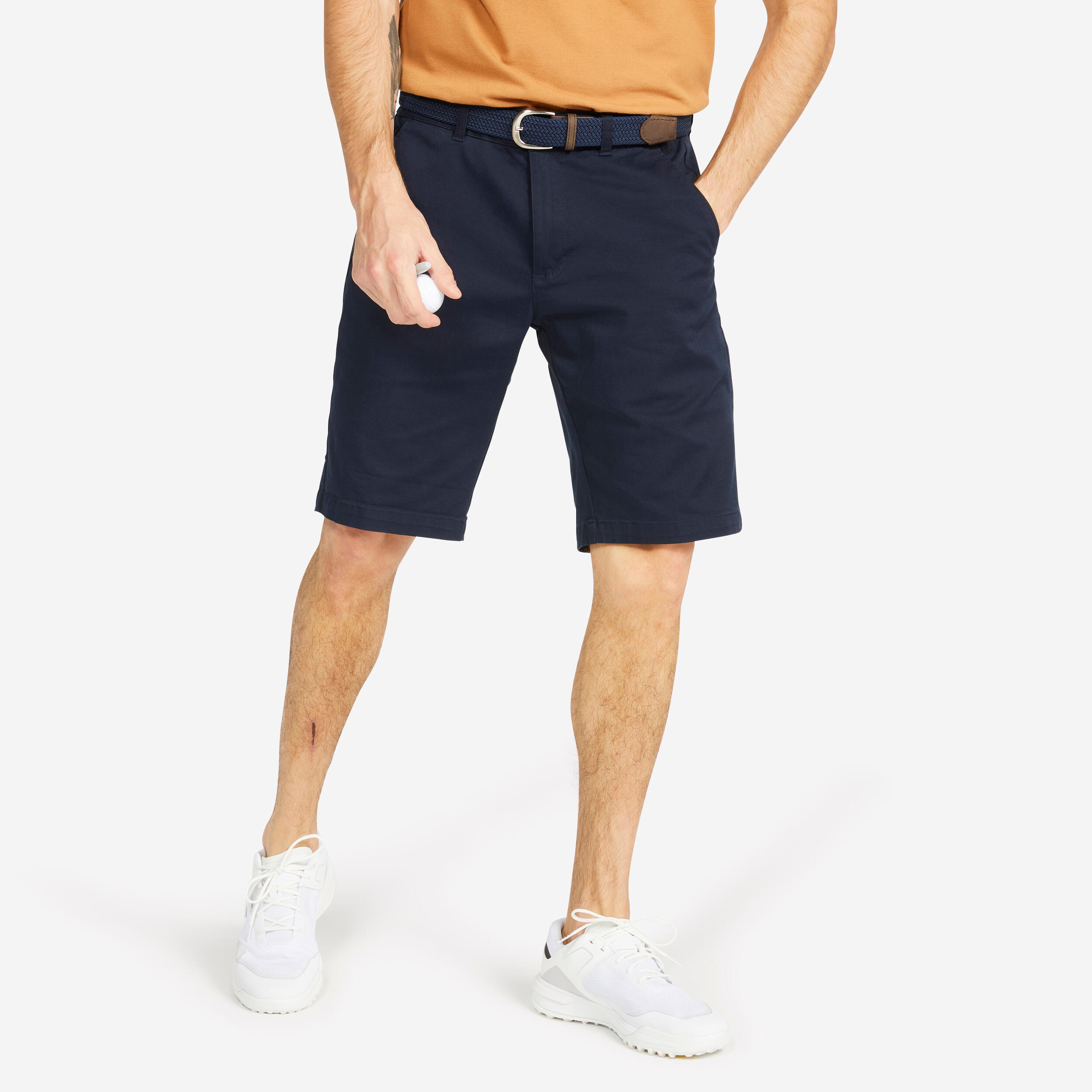
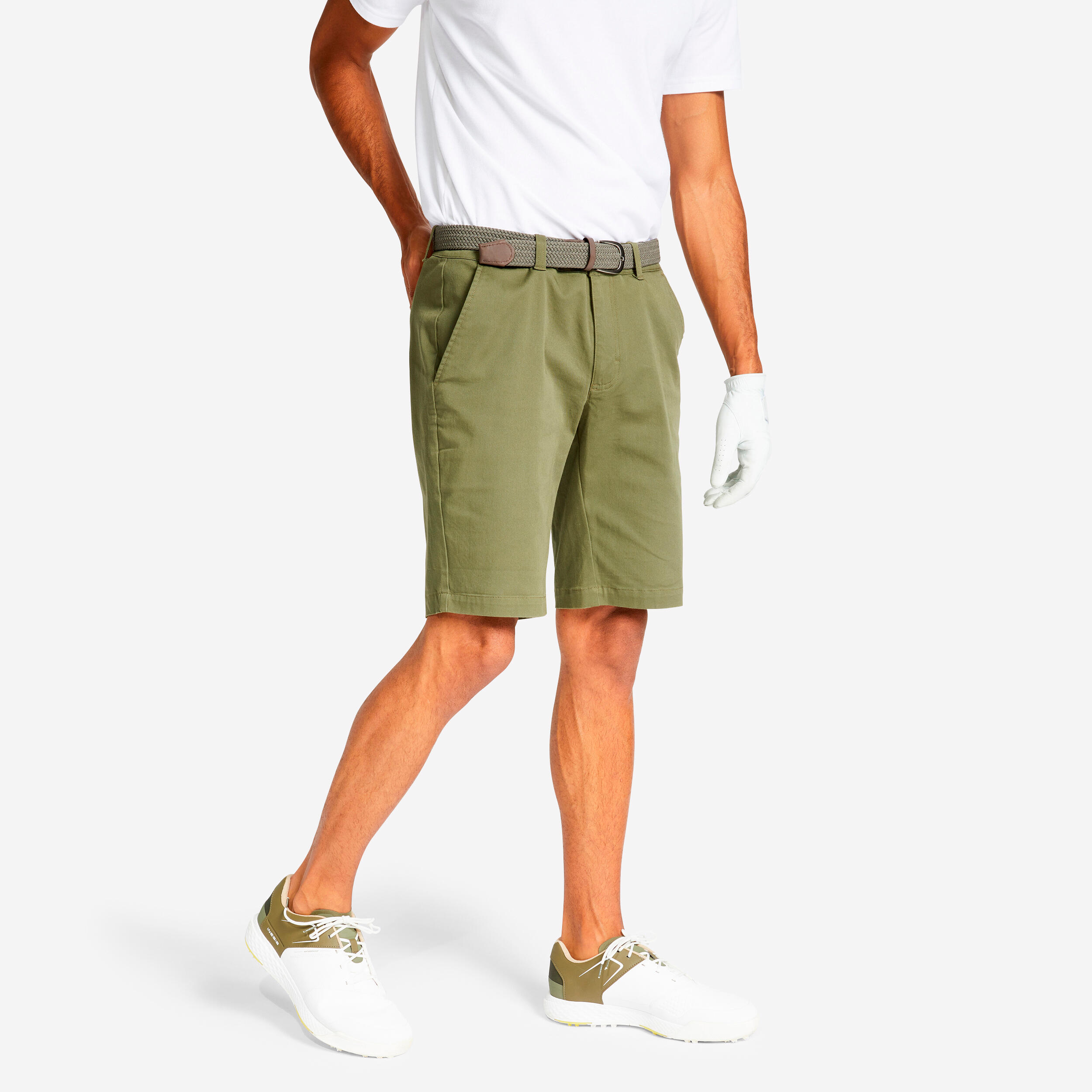
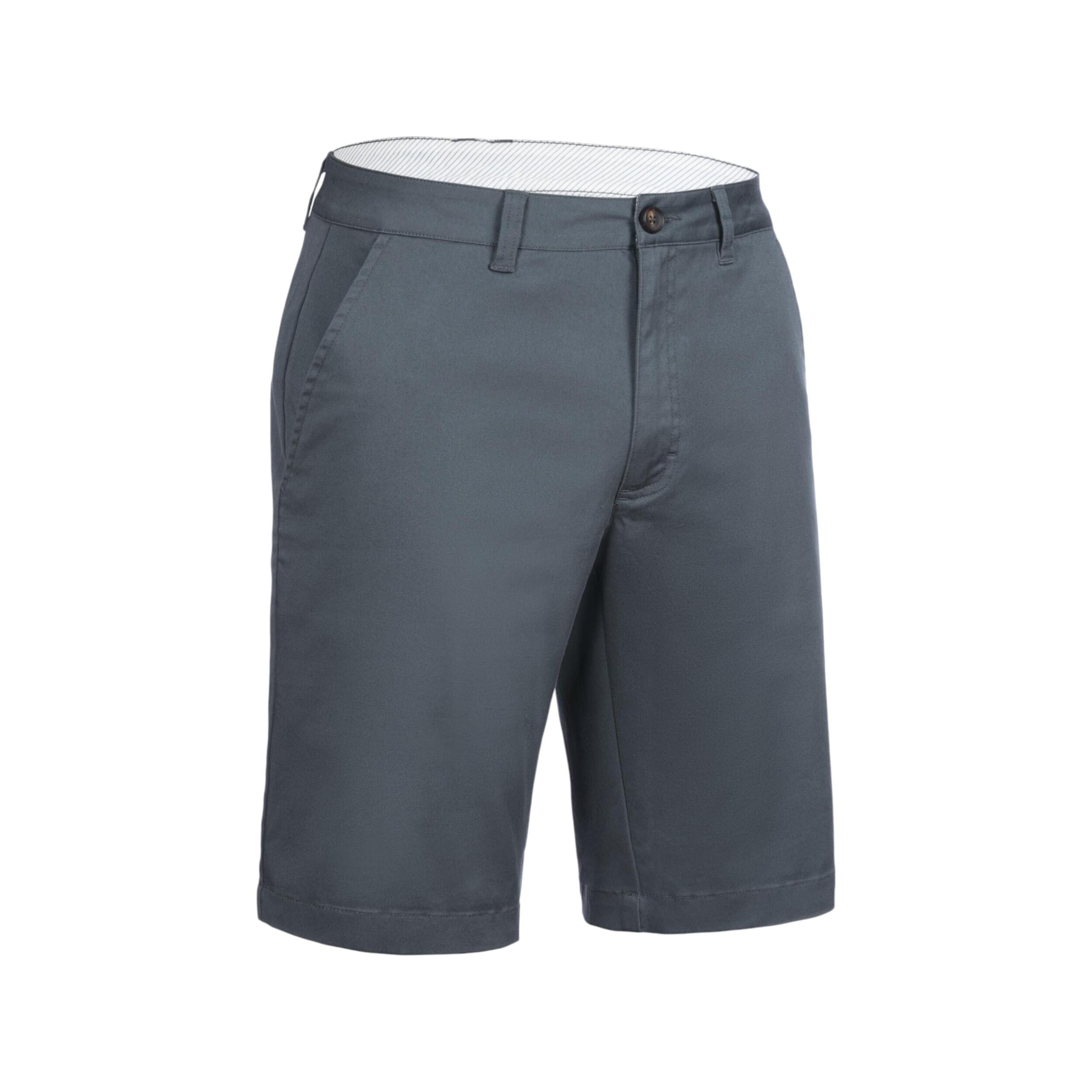
To maintain the performance features of your golf apparel, such as moisture-wicking properties and water-repellency, proper maintenance is vital. Always wash your technical polos and trousers at 30 degrees Celsius and avoid using fabric softeners. The reason for avoiding softeners is that they can "clog" the breathable pores of synthetic fabrics, reducing their ability to move sweat away from the body. Air-drying is always preferable to tumble-drying, as high heat can damage the elastane fibres that provide the necessary stretch for your swing. For waterproof items, you may occasionally need to apply a re-proofing spray after several washes to restore the surface tension of the fabric. The same care applies to warm-weather essentials like golf shorts, helping them retain their comfort and performance over time. Keeping your gear in top condition ensures that your golf clothing remains a reliable part of your sporting kit for many seasons to share.