38 items
4.5/5 based on 87654 reviews collected online and in stores

STAND UP PADDLE BOOTS FAQS

What structural features separate technical neoprene surfing boots from basic beach footwear?

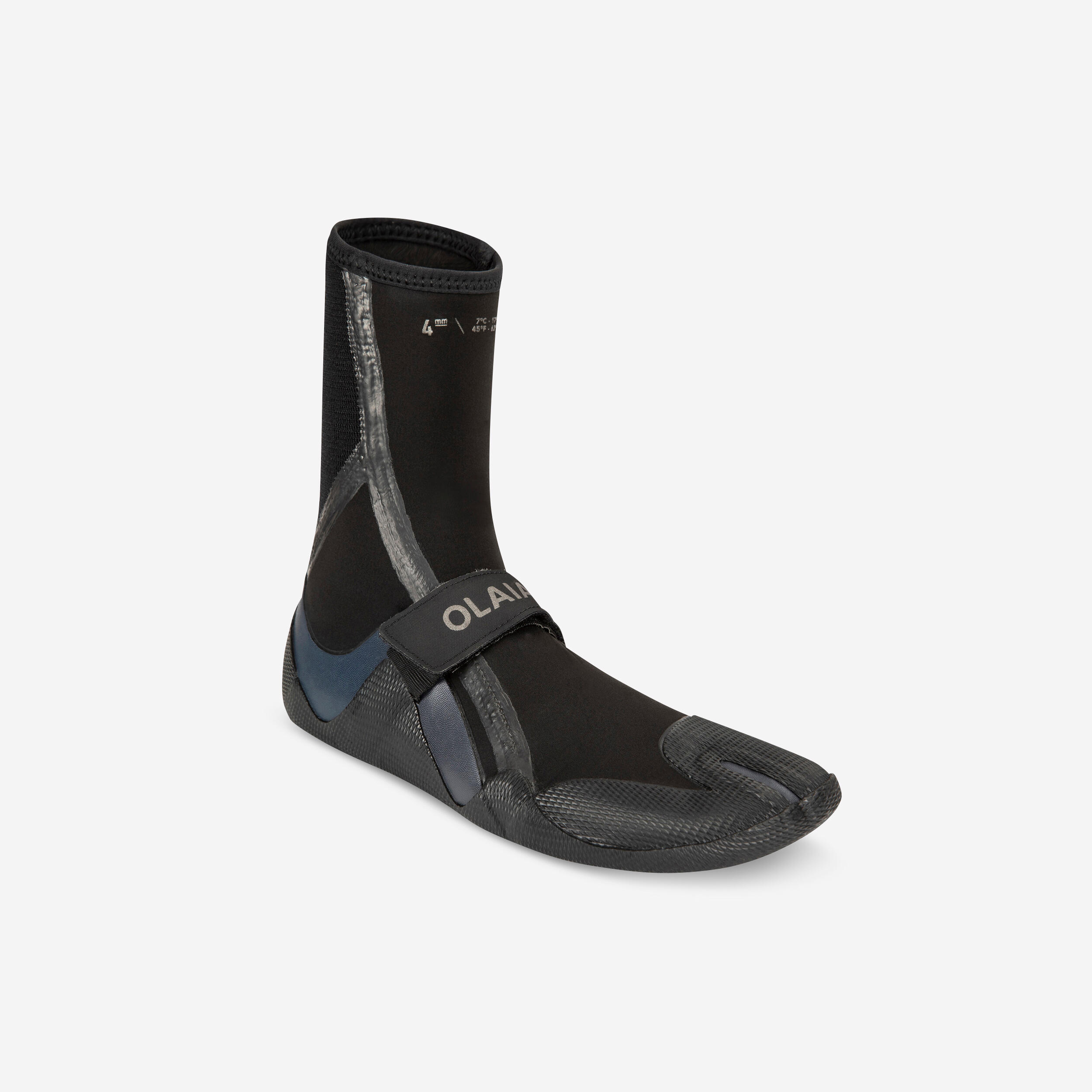
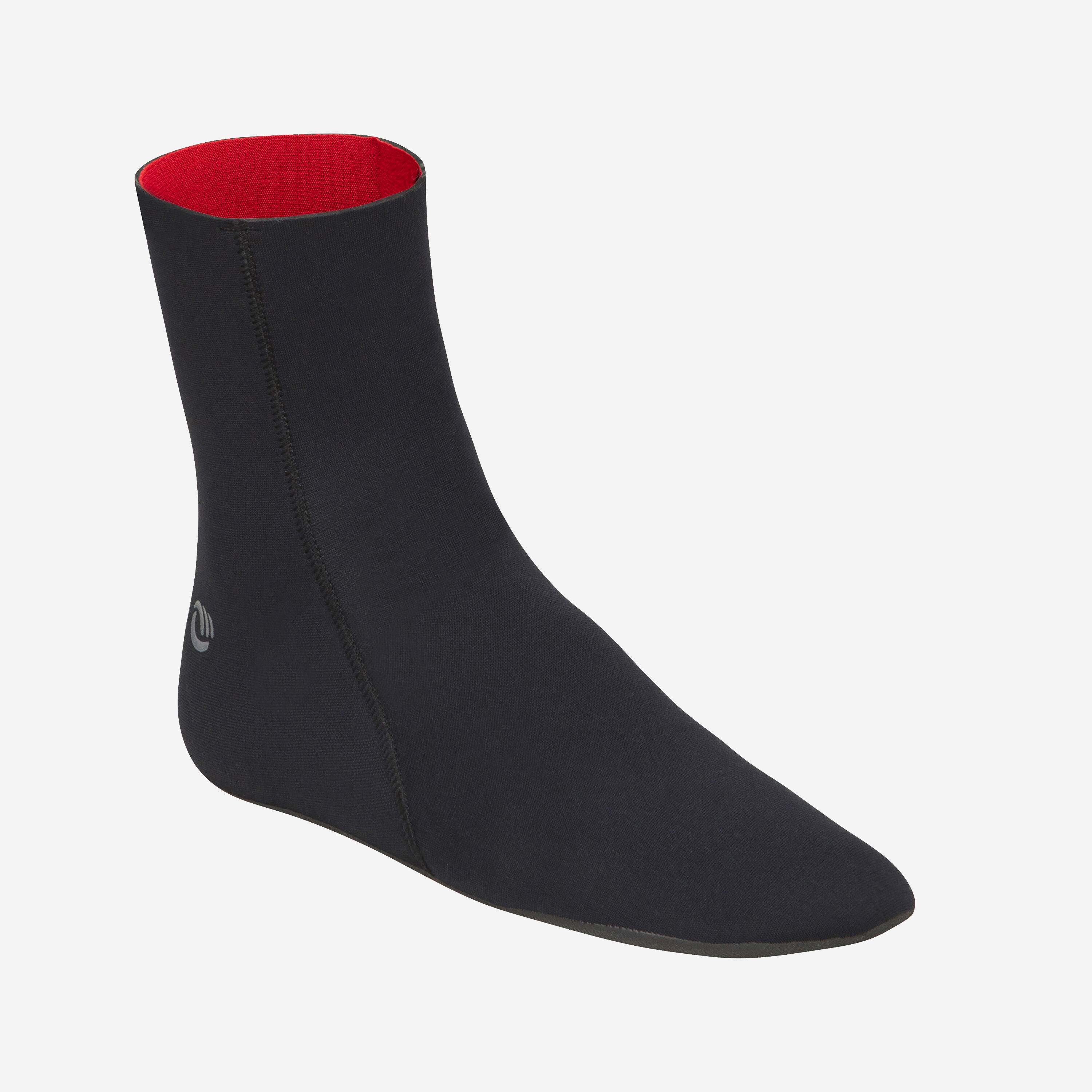
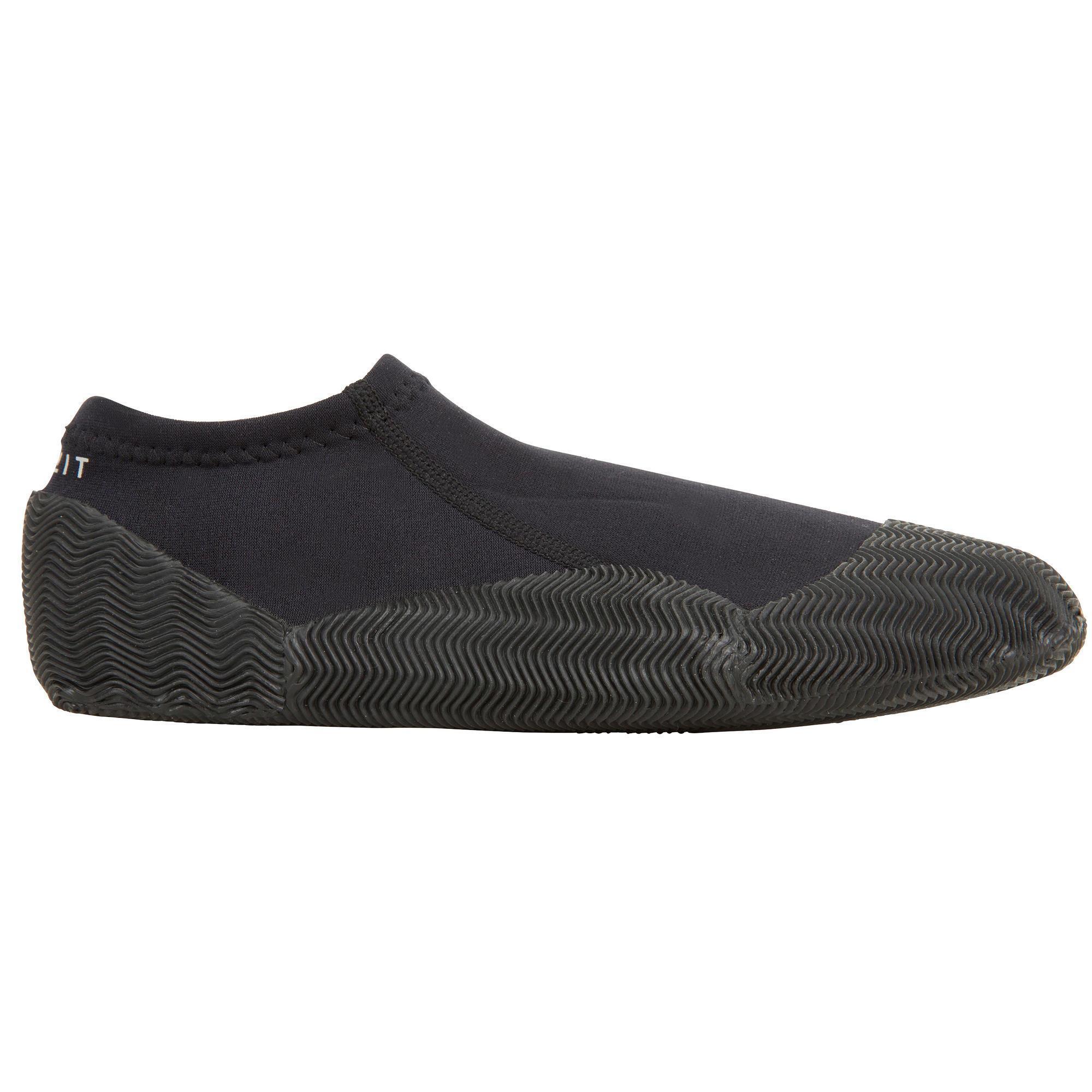
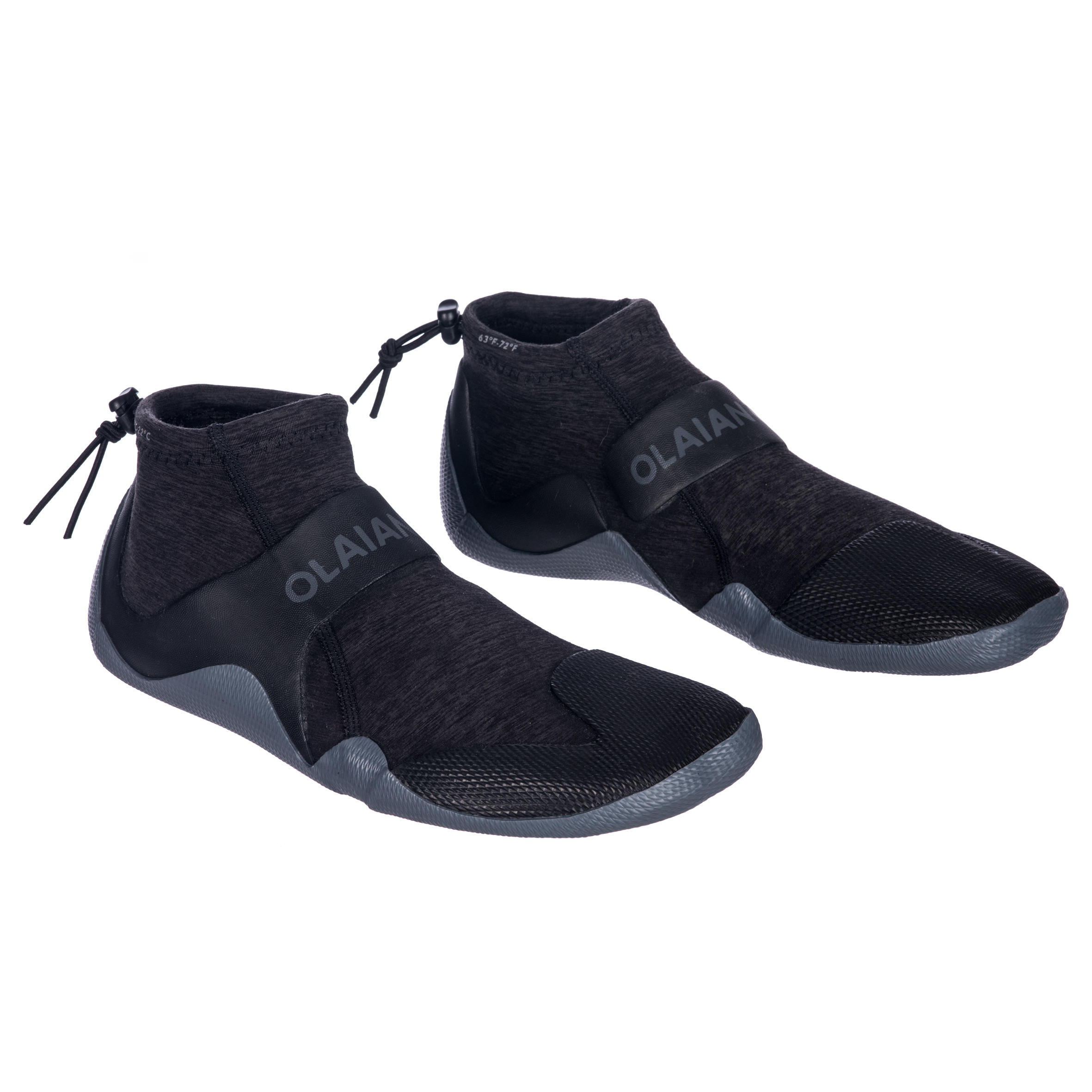
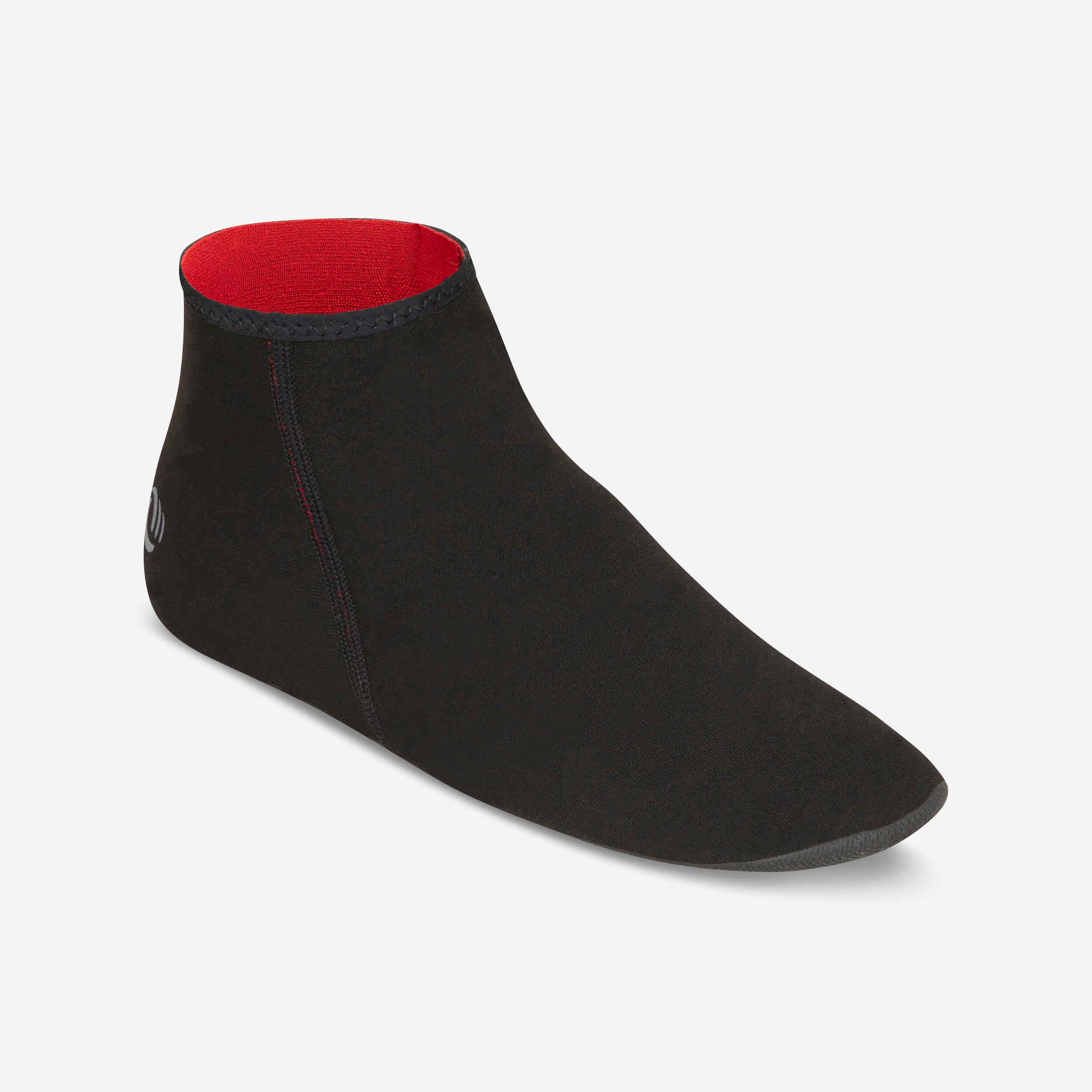
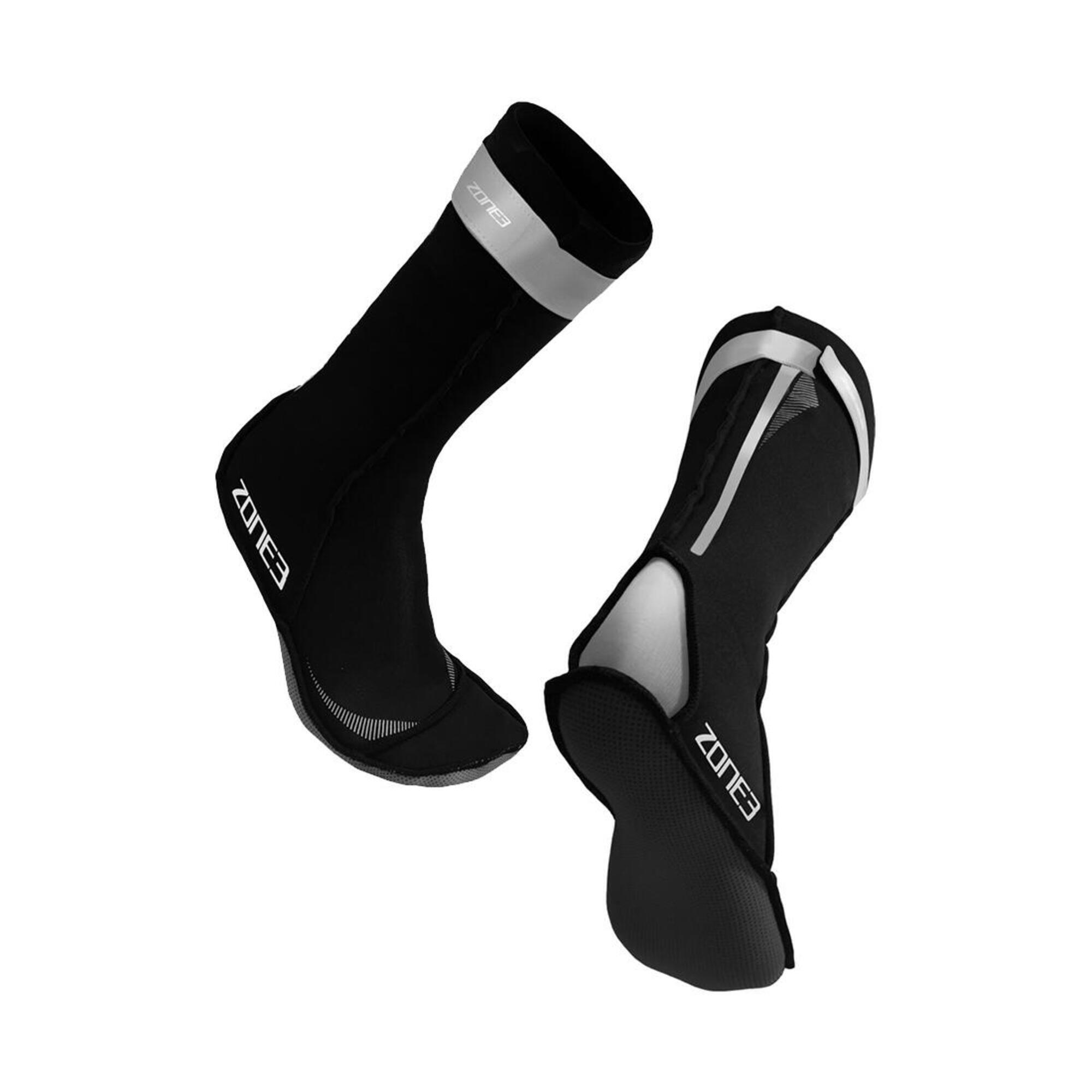
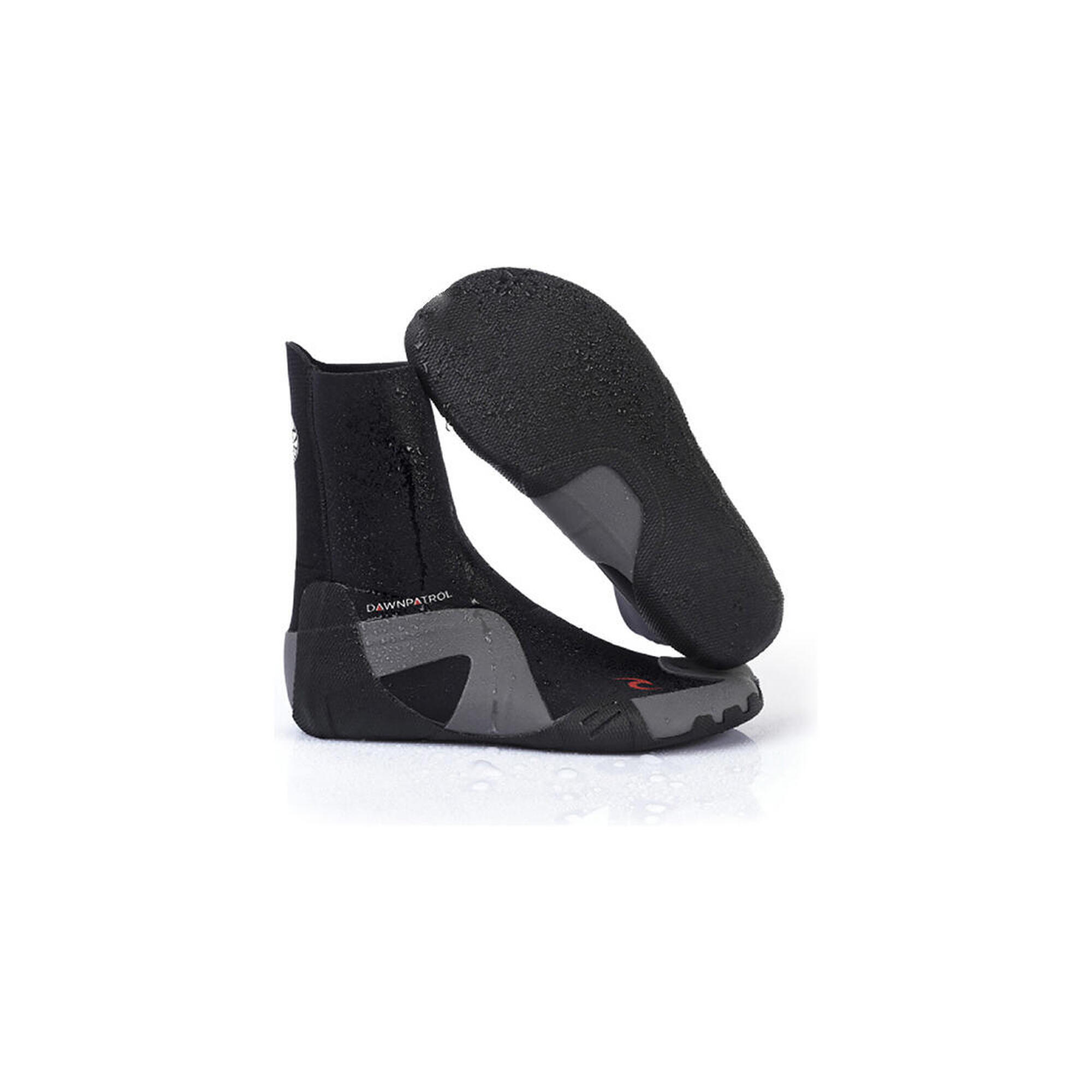
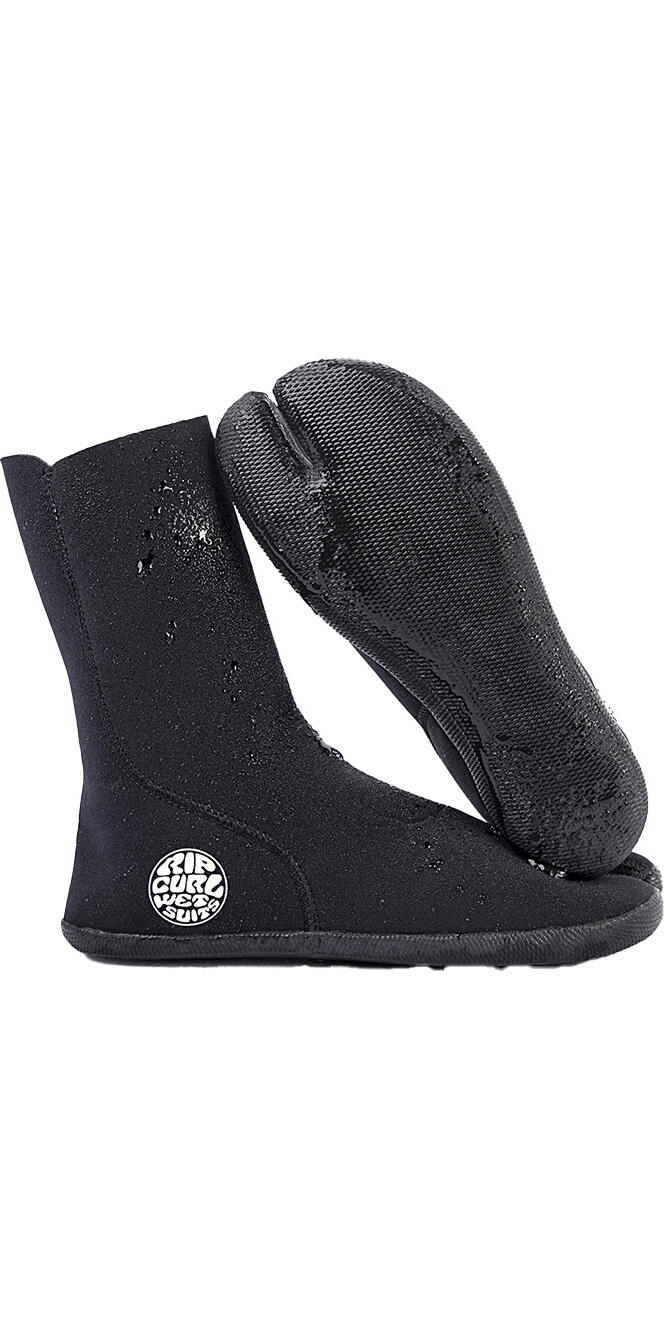
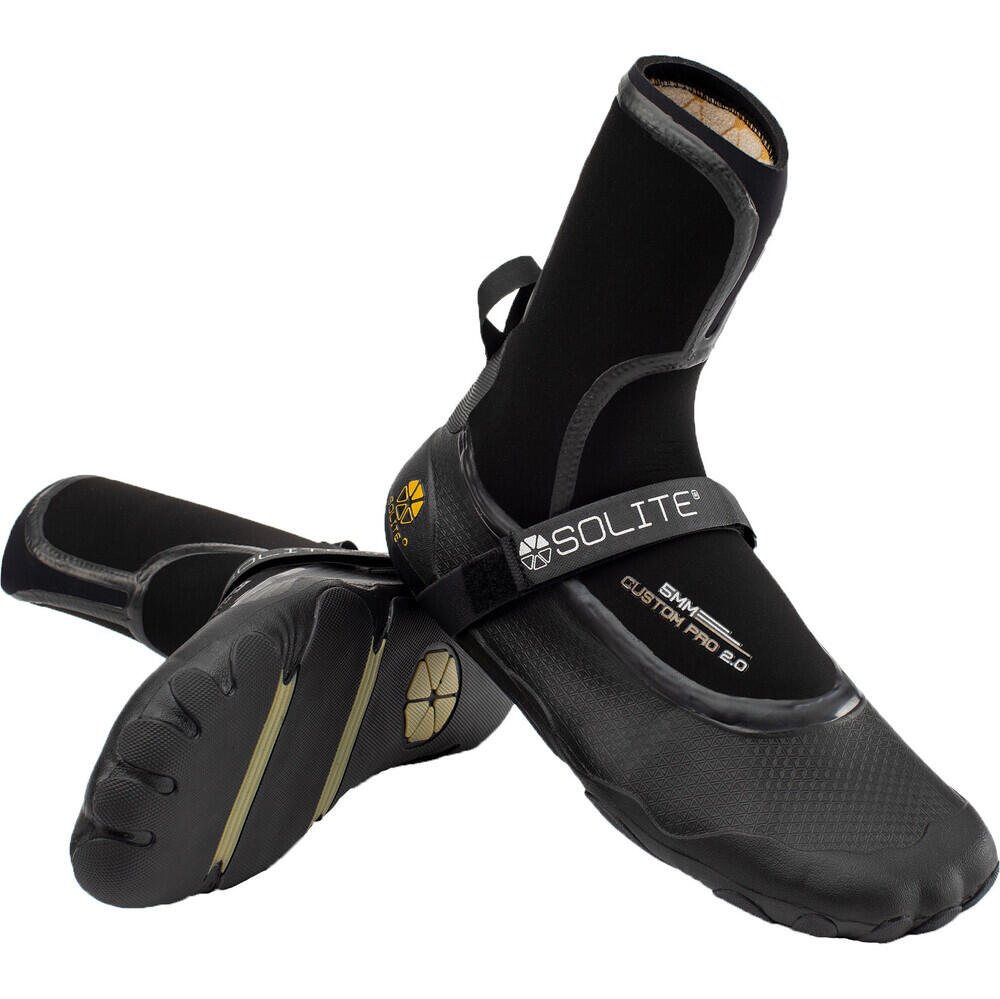
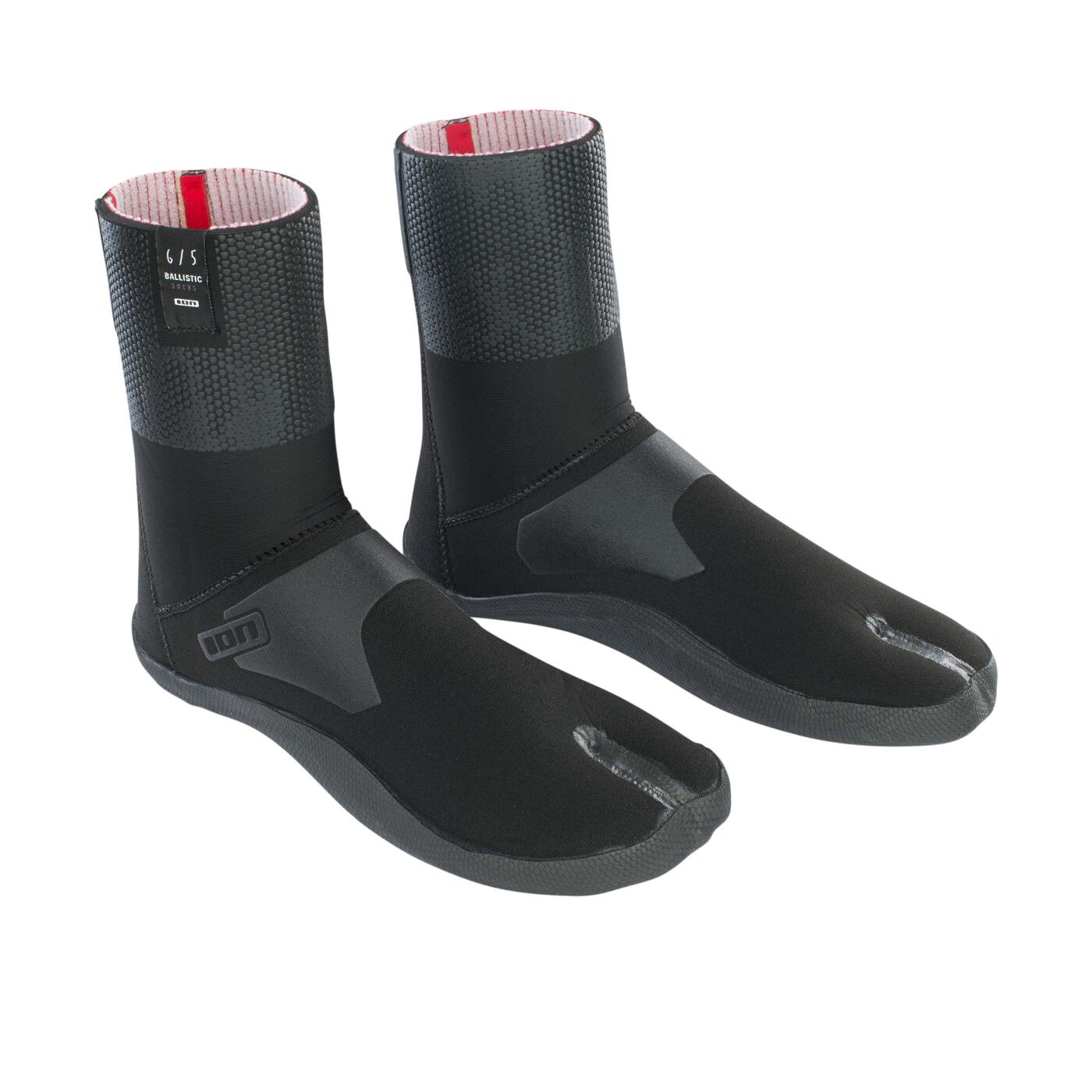
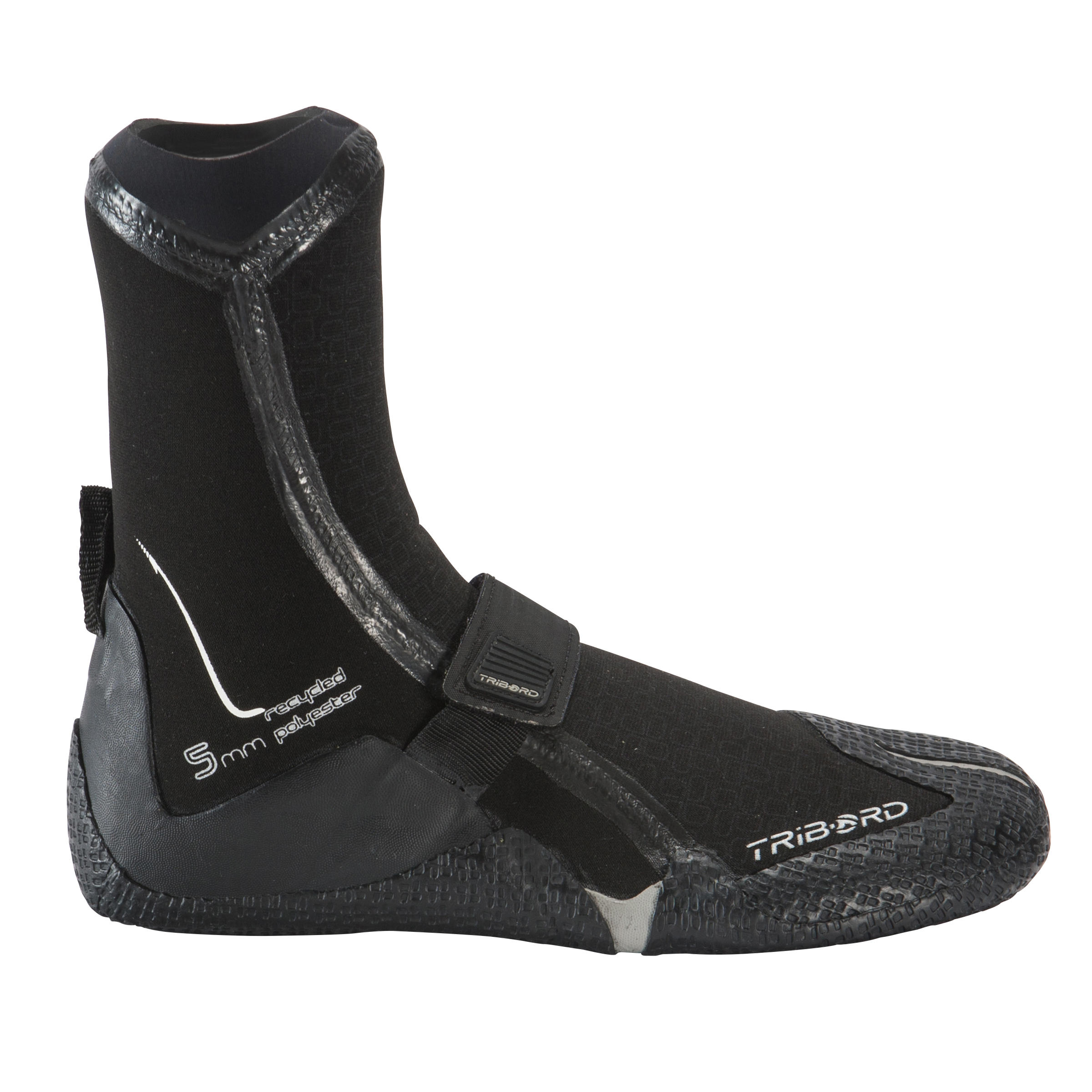
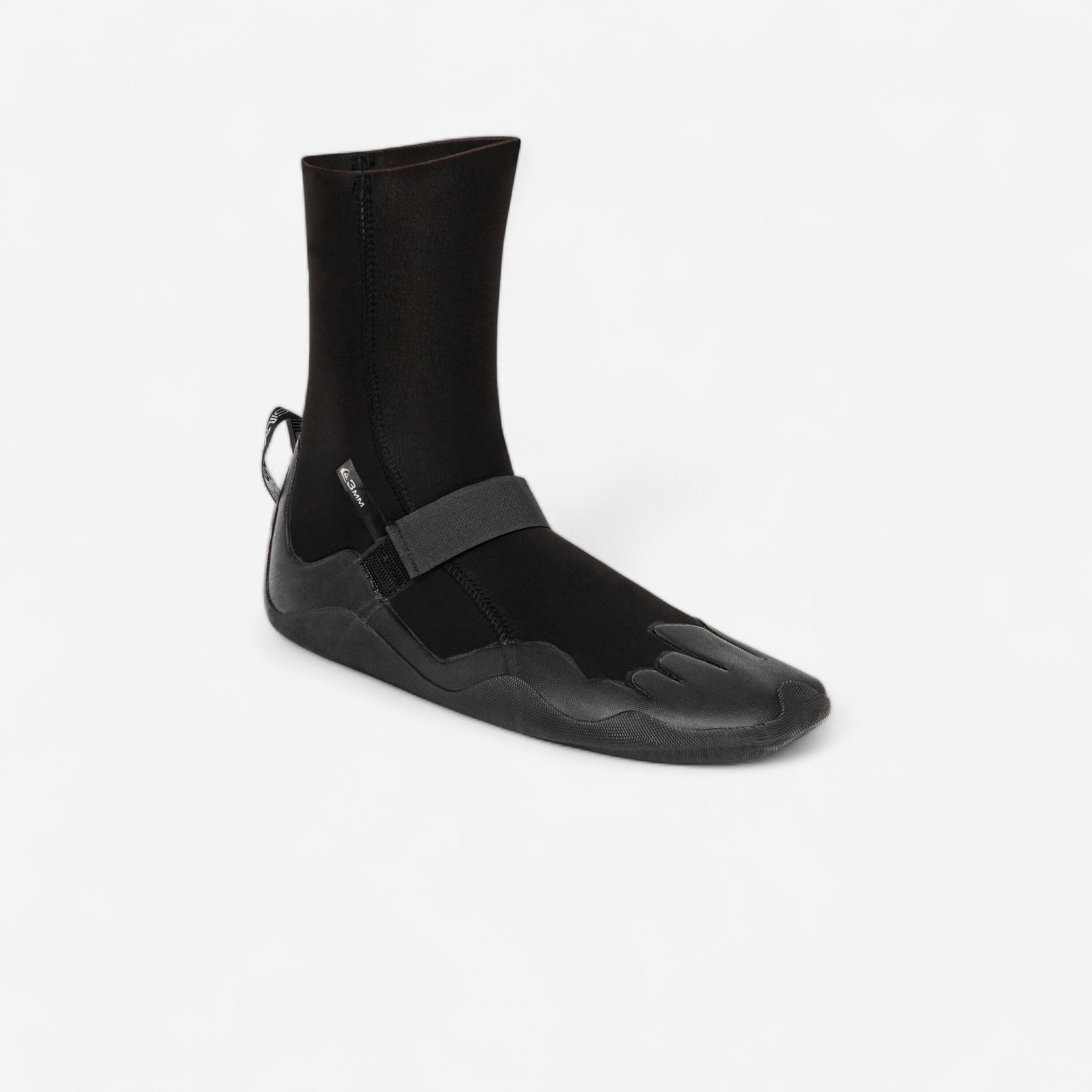
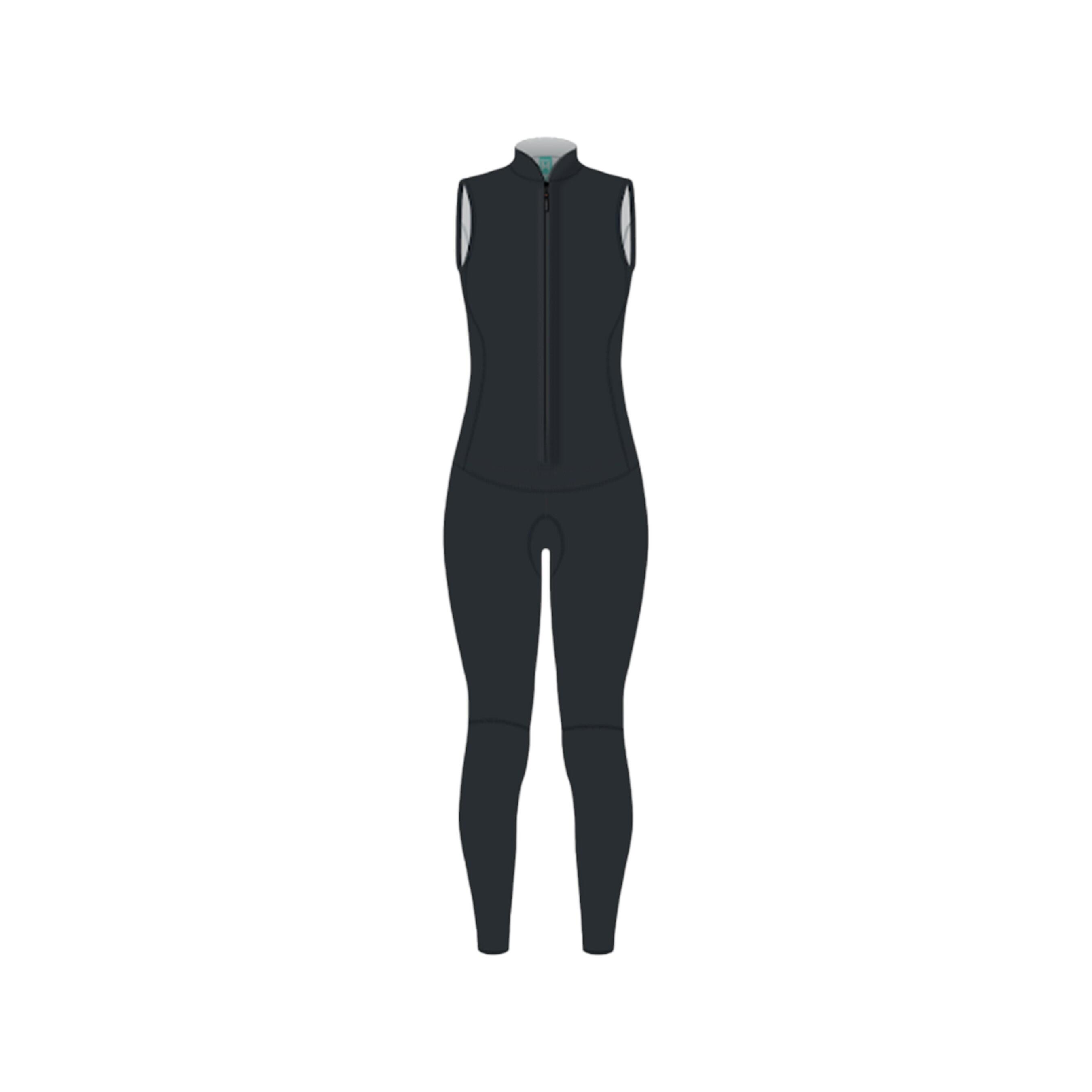
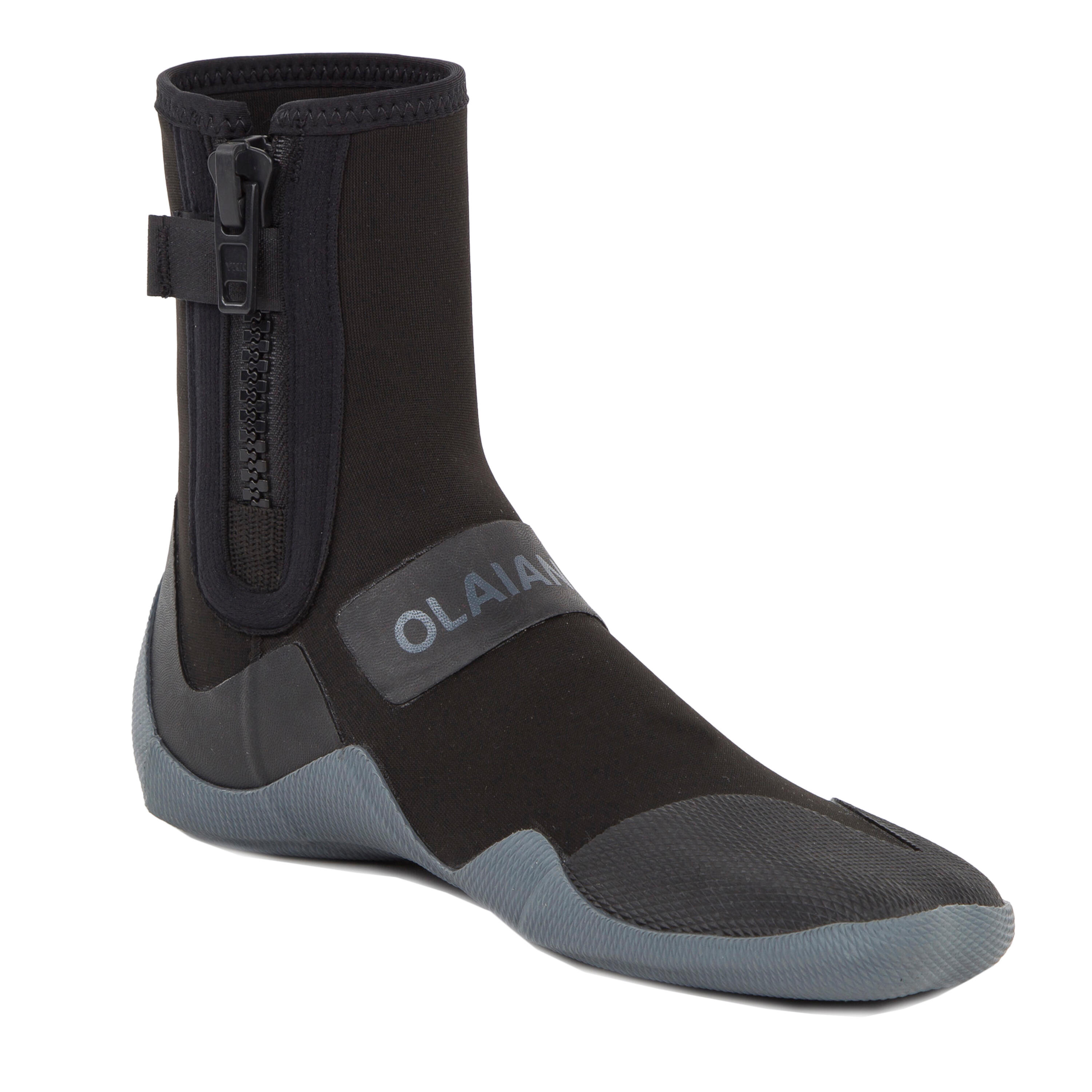
Navigating rocky shorelines and maintaining a firm stance on a wet deck requires highly specialised protection. Sturdy neoprene surfing boots feature vulcanised rubber outsoles with micro-grooved tread patterns that maximise physical friction against textured deck pads. Unlike thin recreation shoes, technical footwear utilises varying material thicknesses, often blending , to retain essential warmth in cold Atlantic waters while preserving natural toe flexibility. Combining high-insulation footwear with flexible SUP neoprene wetsuits creates an effective thermal barrier that prevents rapid cold water flushing, ensuring your feet remain warm and comfortable during extended offshore touring sessions.
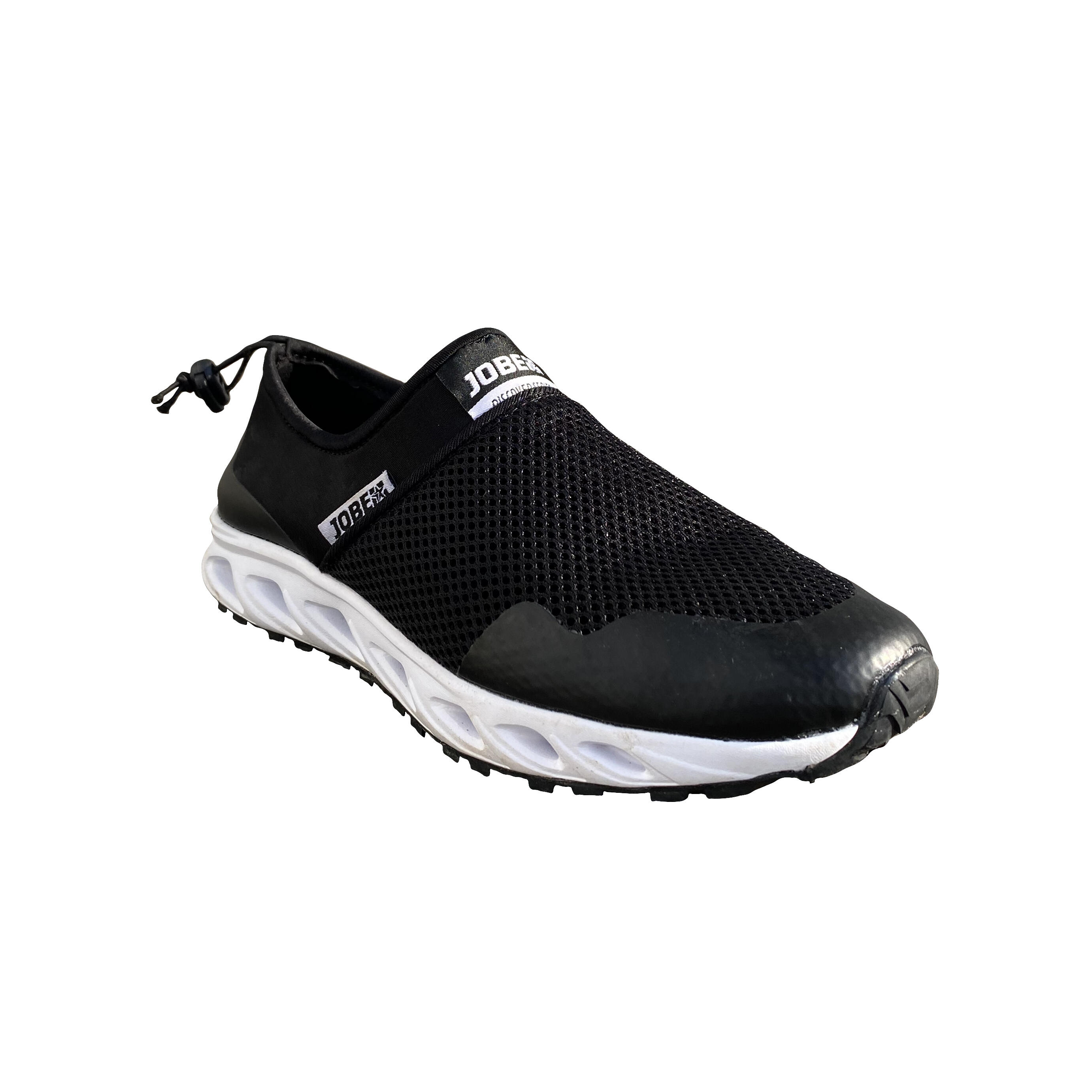
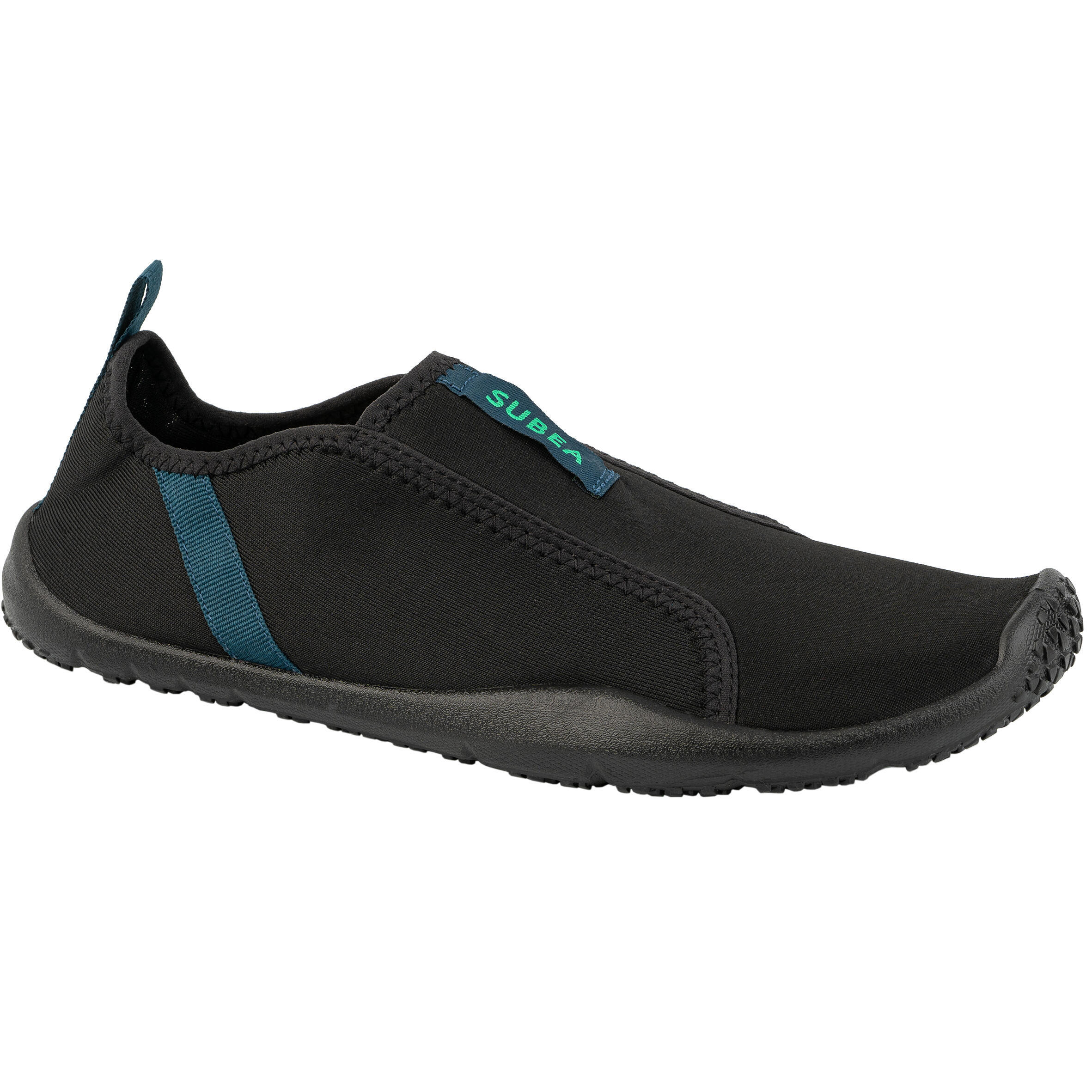
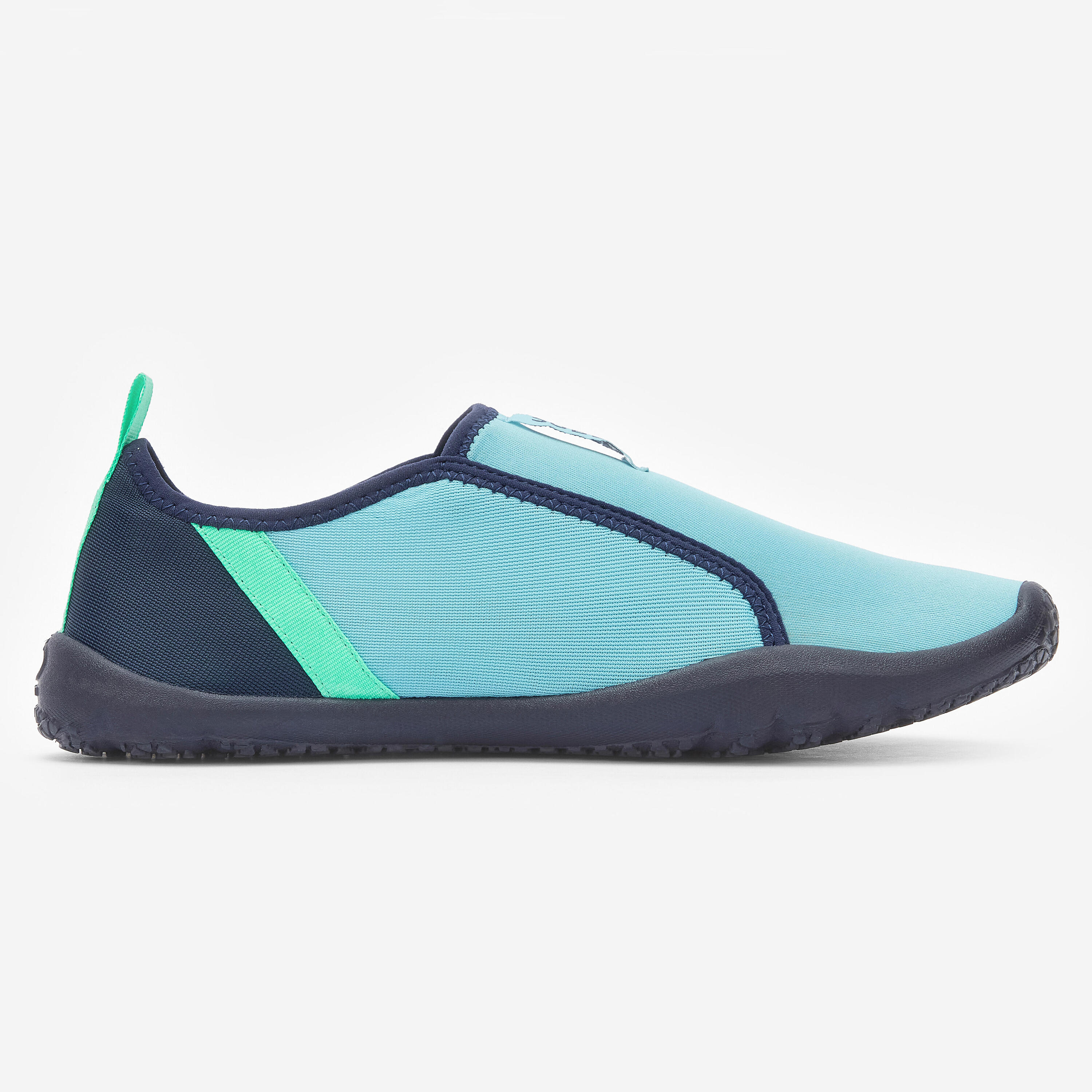
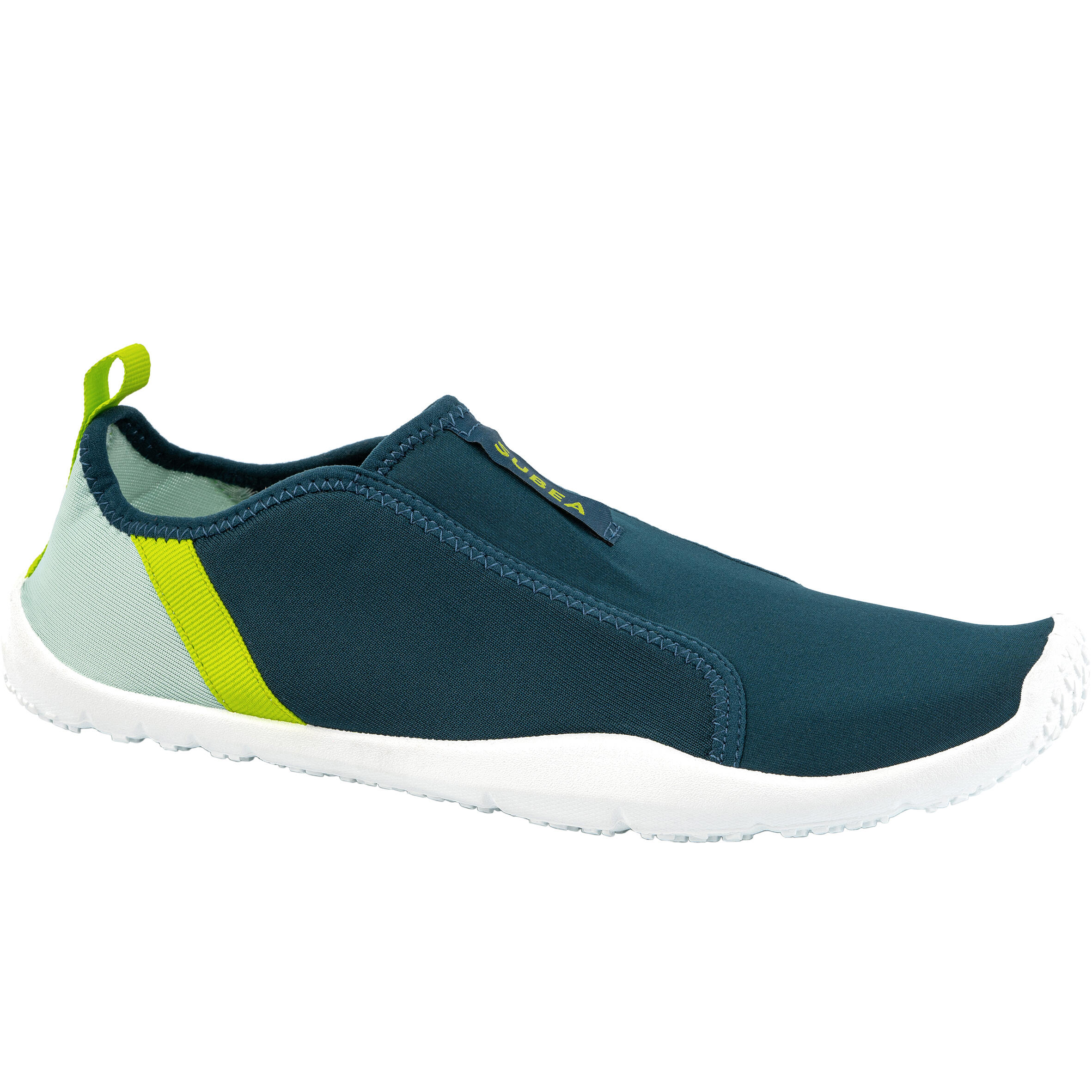
When should paddlers opt for windsurfing SUP boots over thin adult elasticated SUP water shoes?

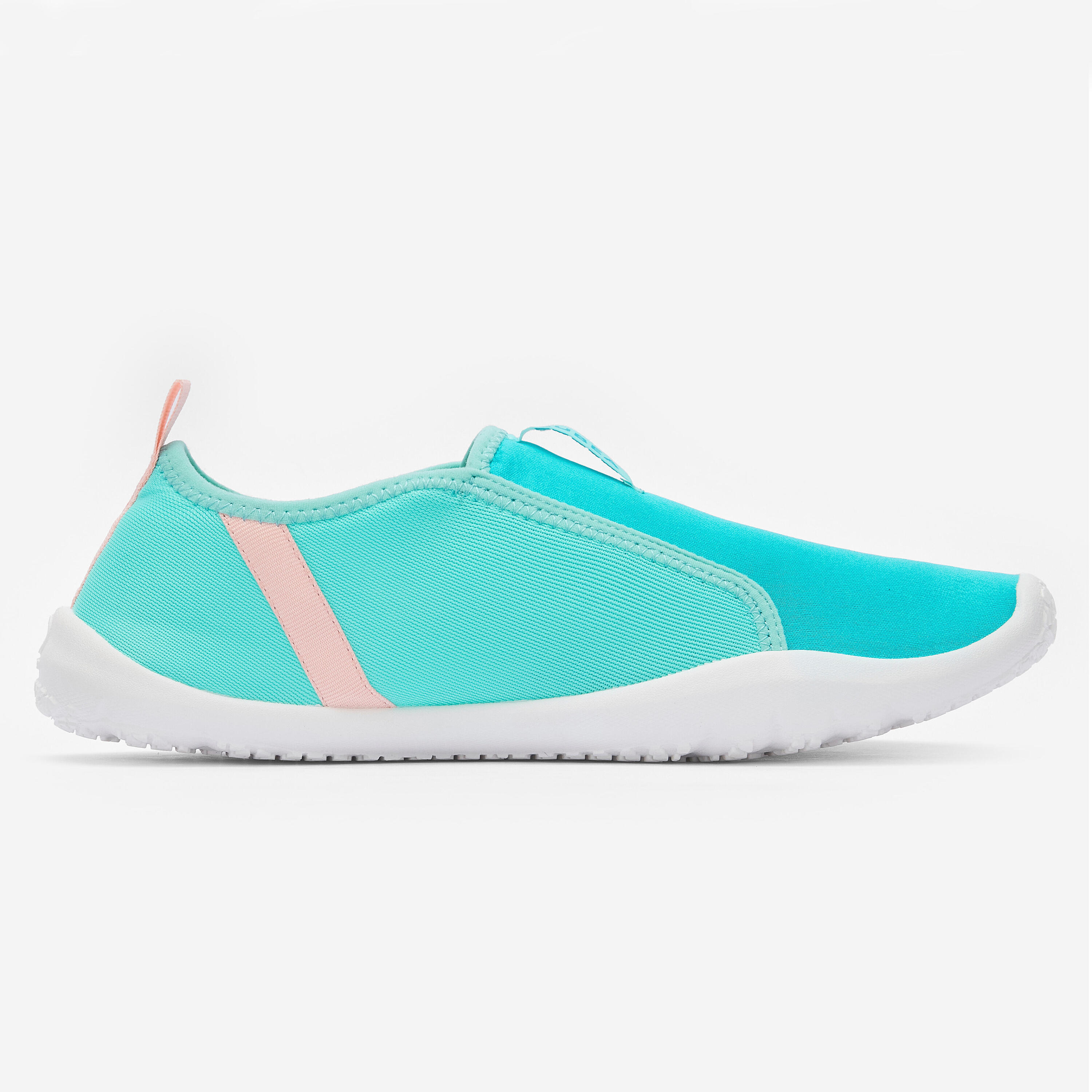
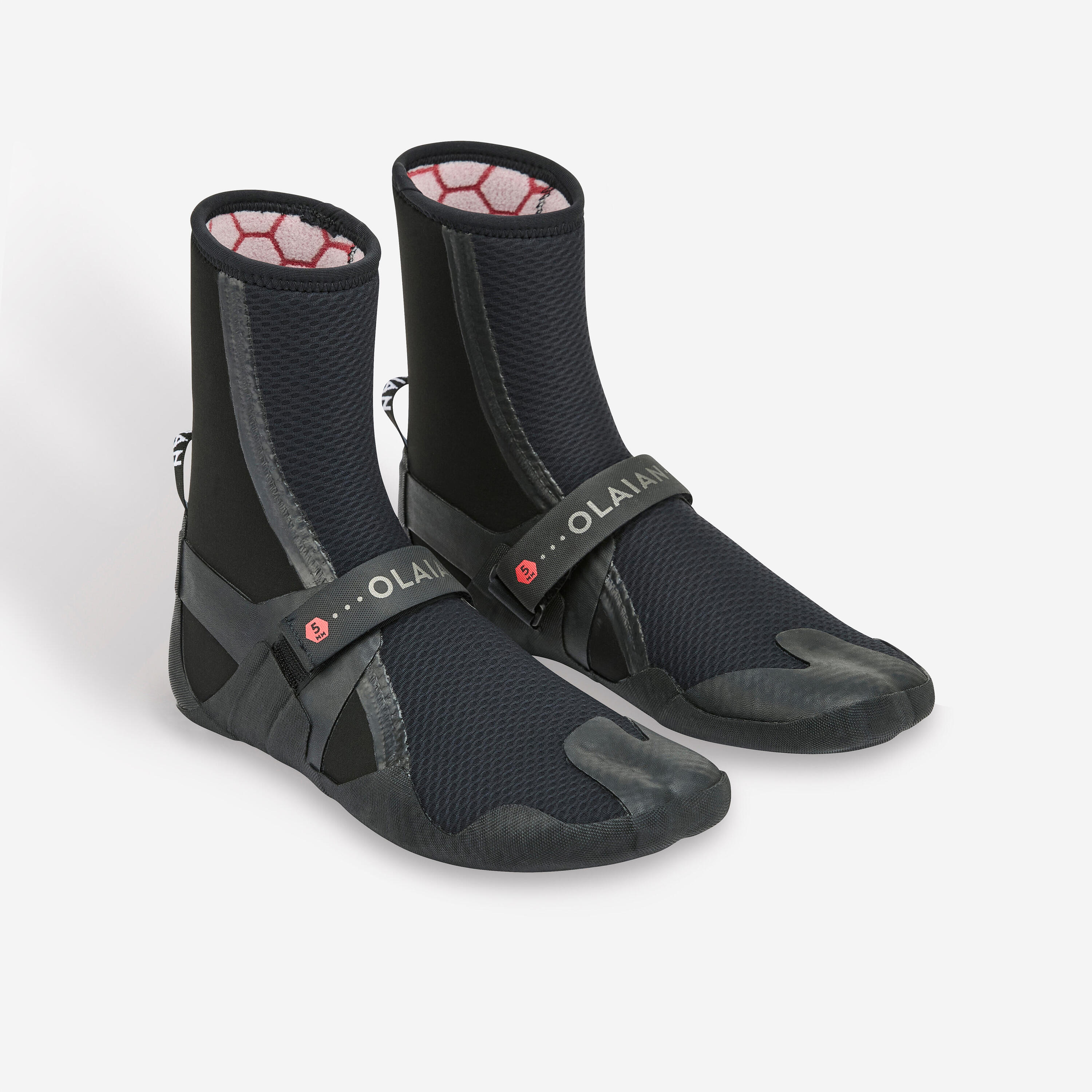
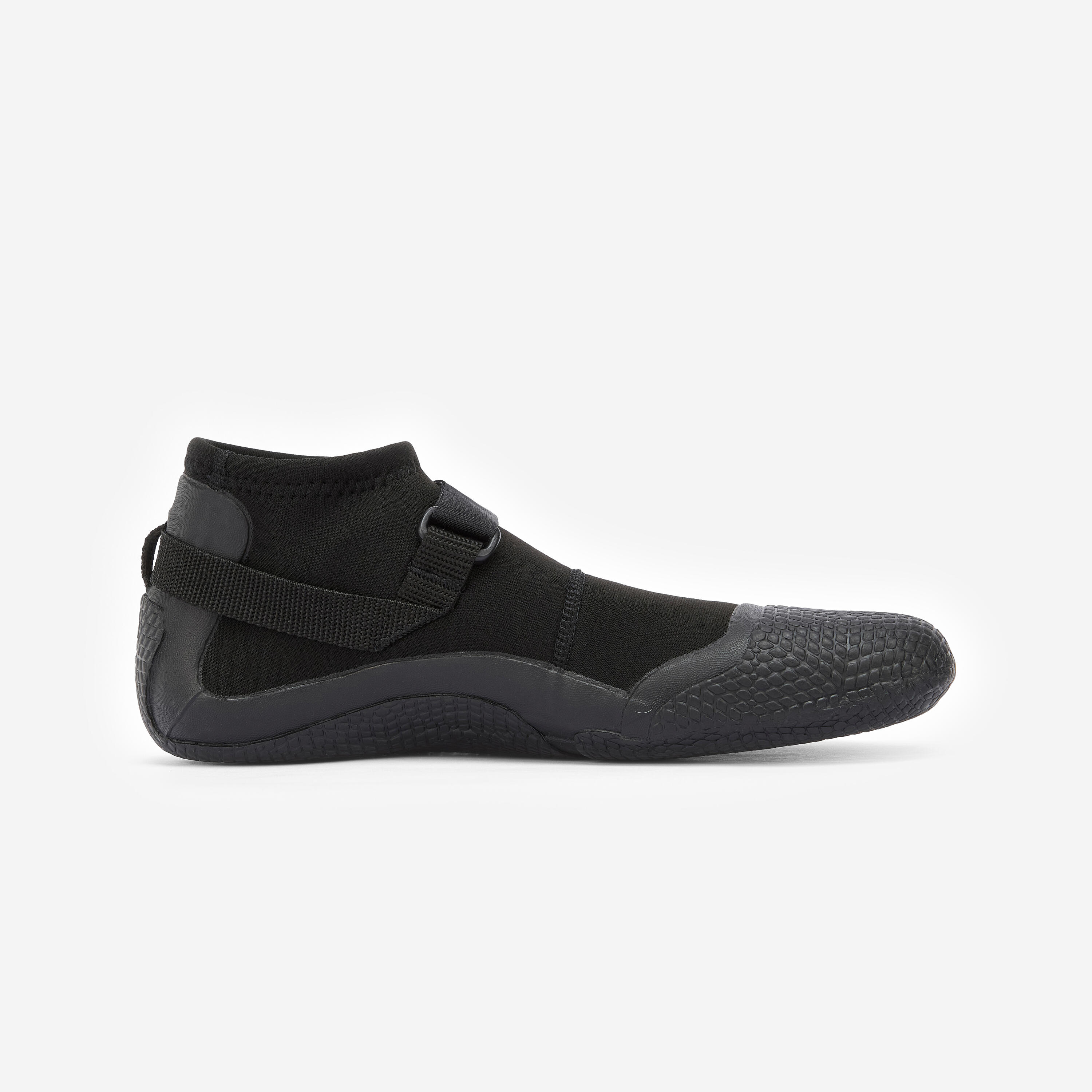
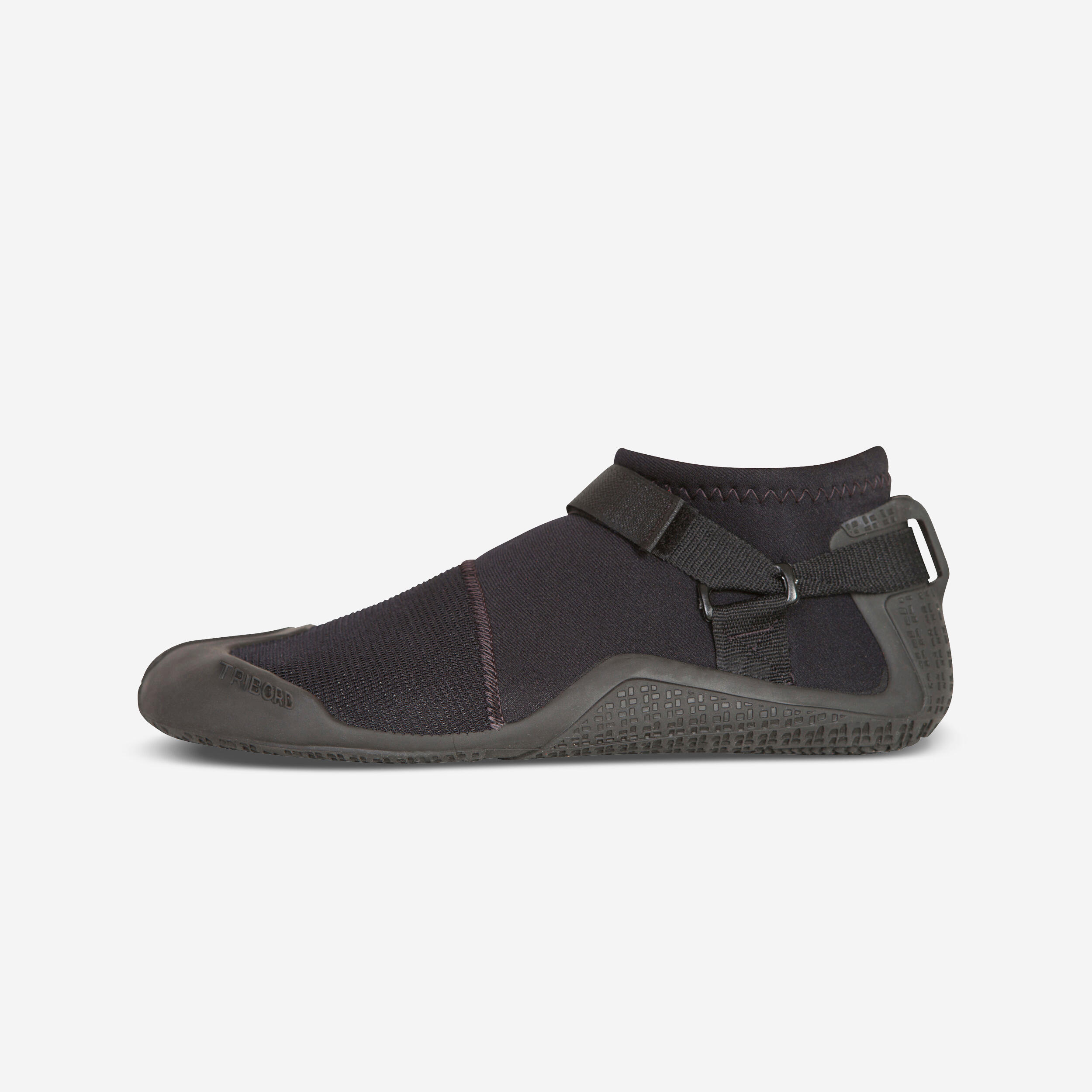
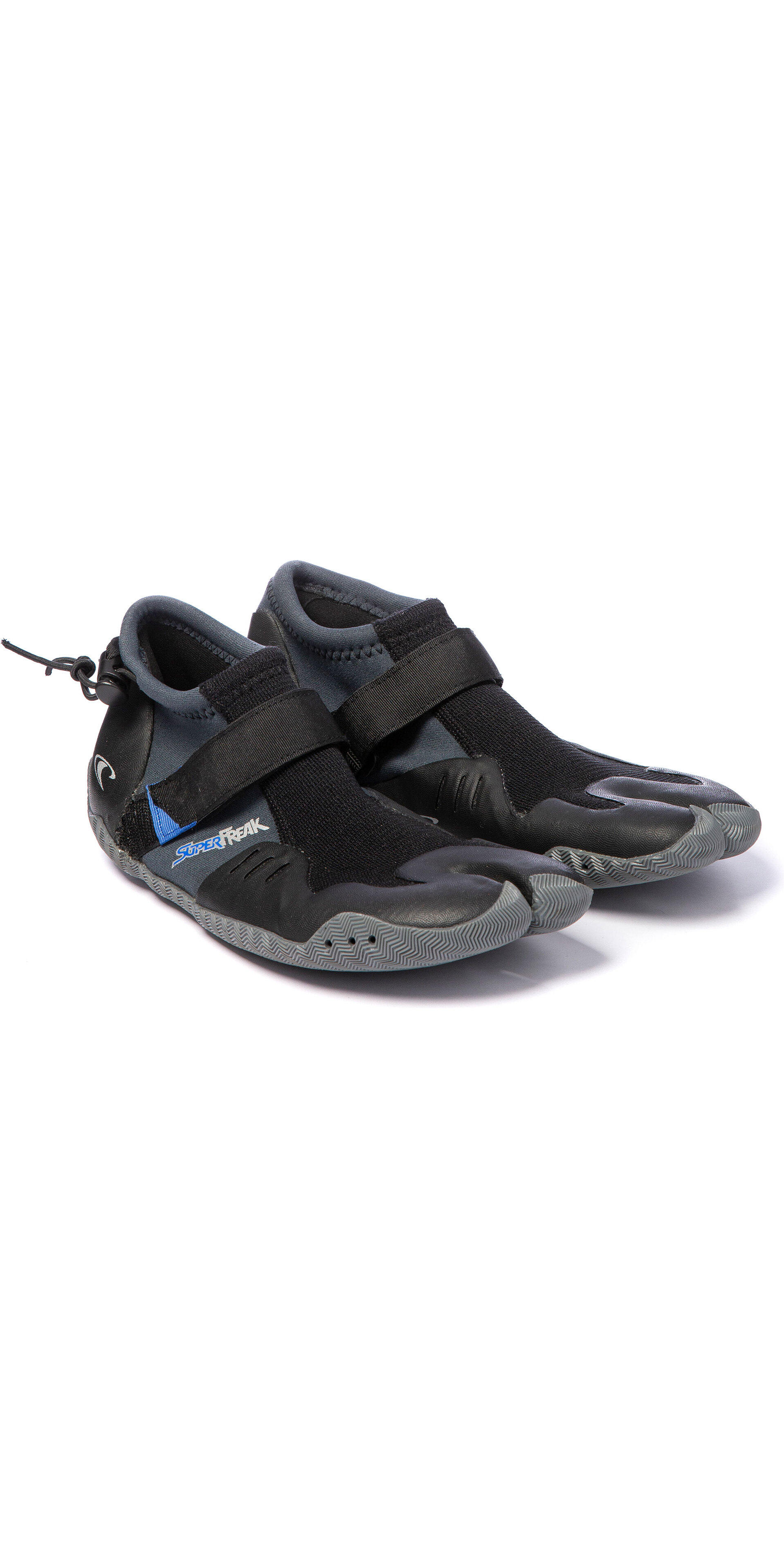
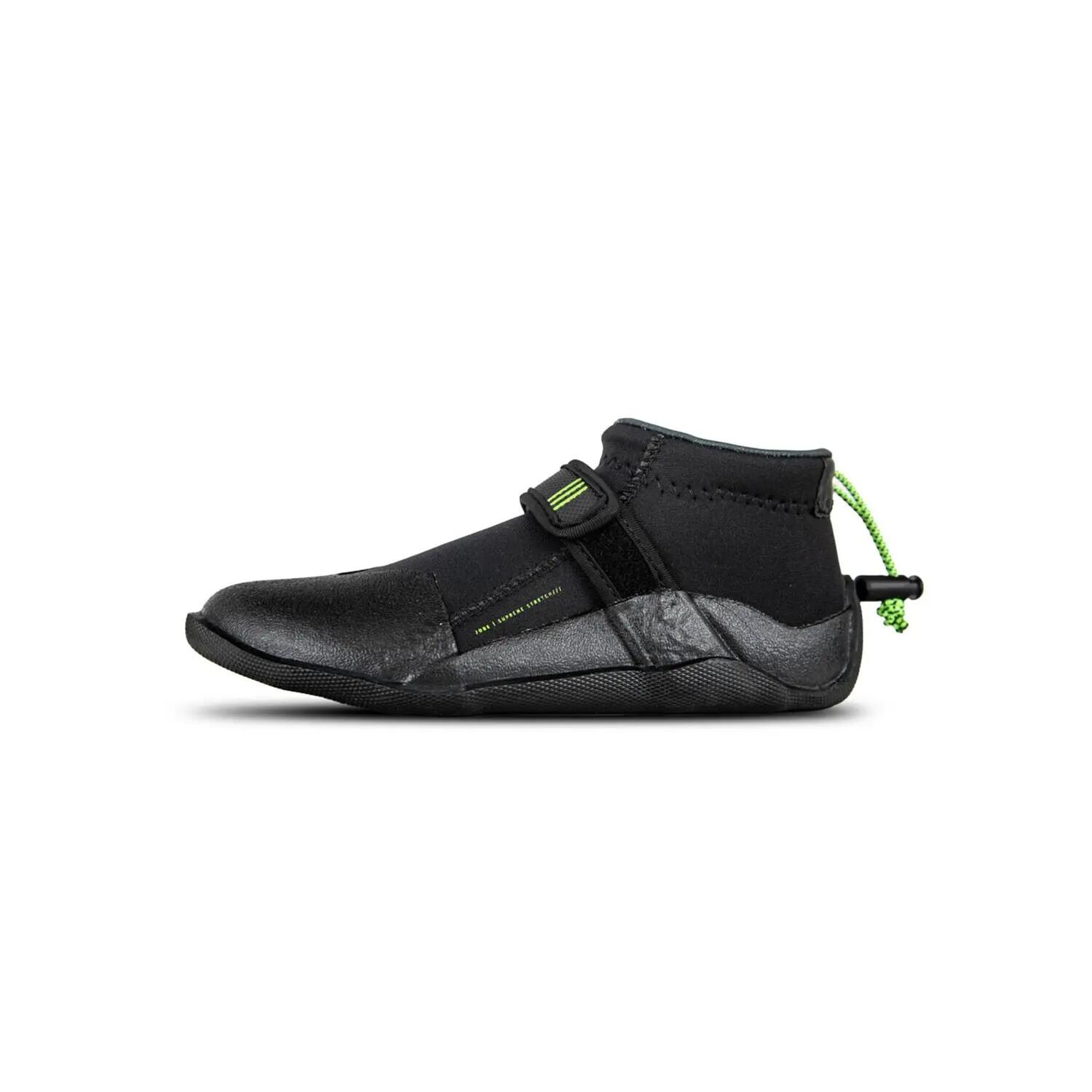
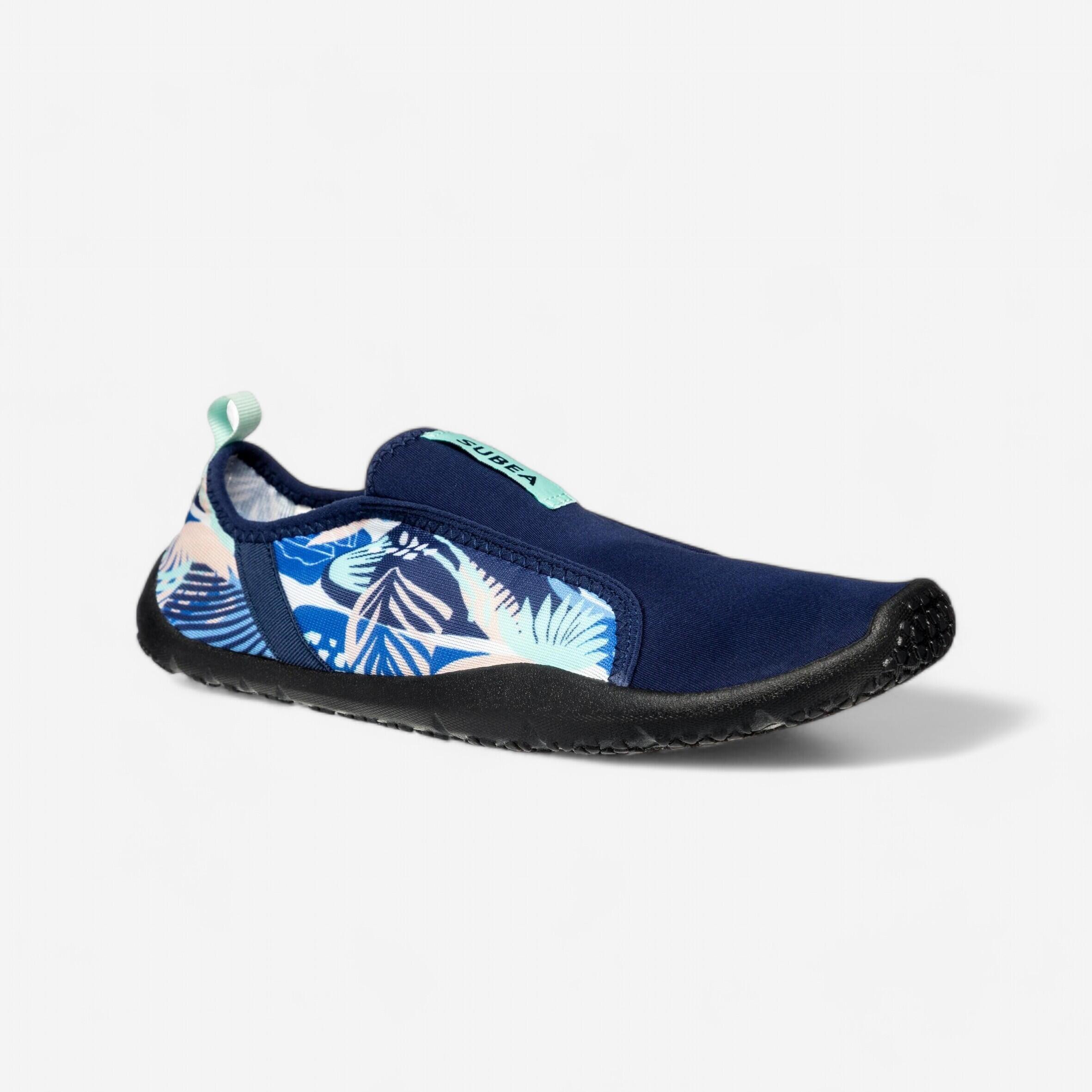
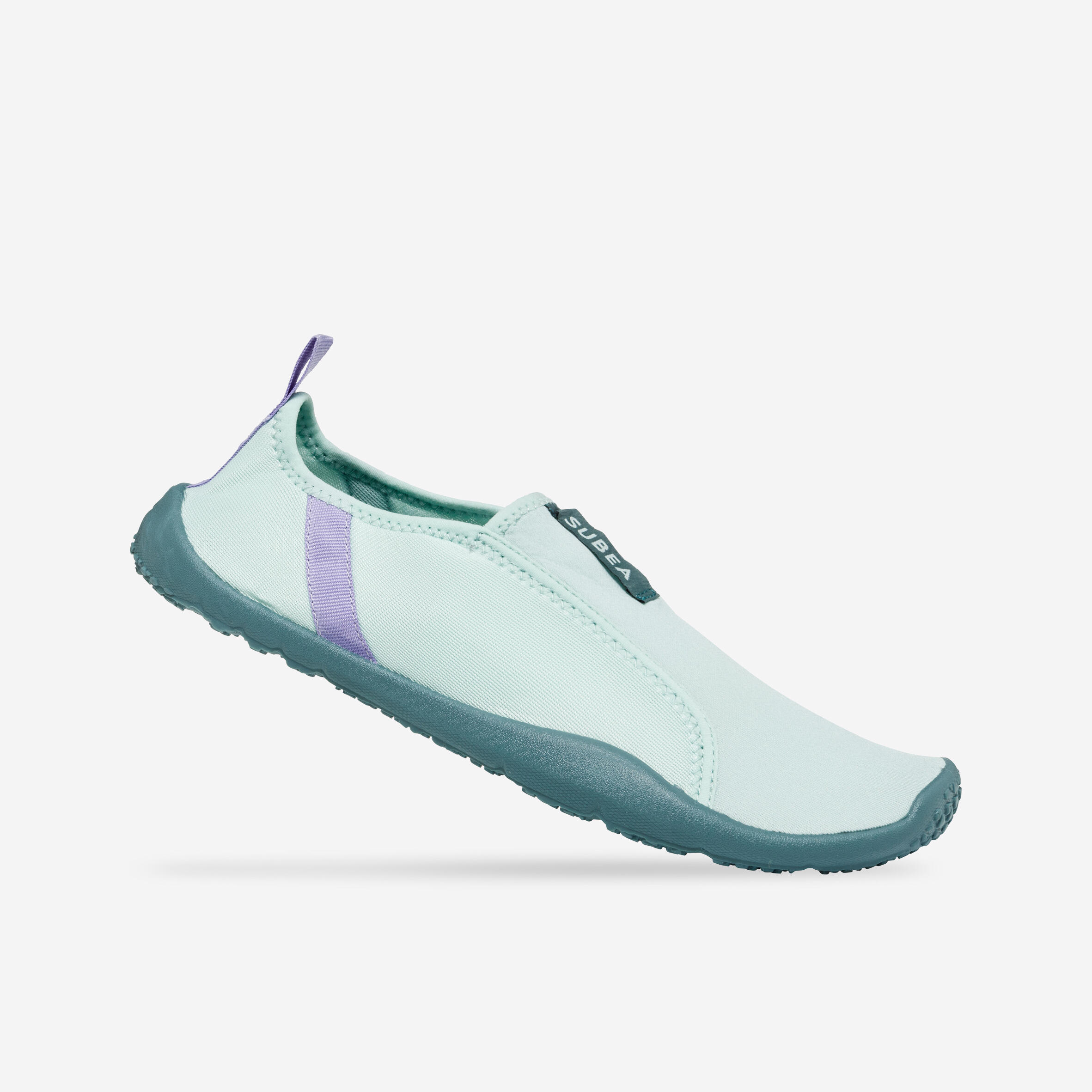
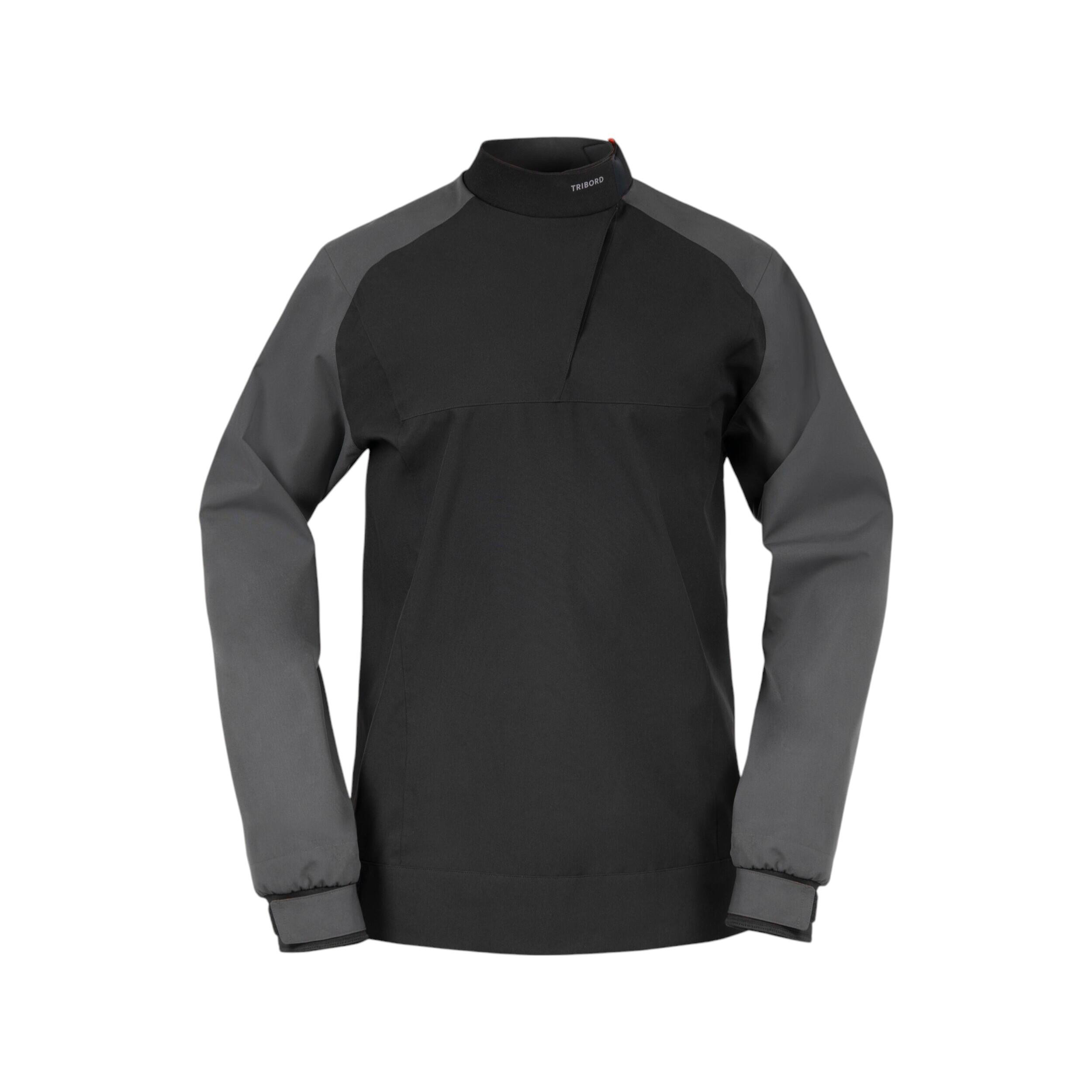
Heavy chop conditions and high-wind environments call for enhanced structural support around the ankles and instep. Reinforced windsurfing SUP boots utilise heavy-duty hook-and-loop straps across the bridge of the foot to eliminate internal slippage when leaning hard against lateral currents. While standard adult elasticated SUP water shoes provide sufficient shielding for casual summer lake paddling, they lack the rigid side walls needed to resist rolling on unstable surfaces. For harsh autumn conditions, matching these secured boots with thermal SUP jackets and Pants provides defence against cold crosswinds, keeping your balance centred when moving at speed.

How do premium O'Neill SUP boots maintain maximum board feel without sacrificing sole protection?

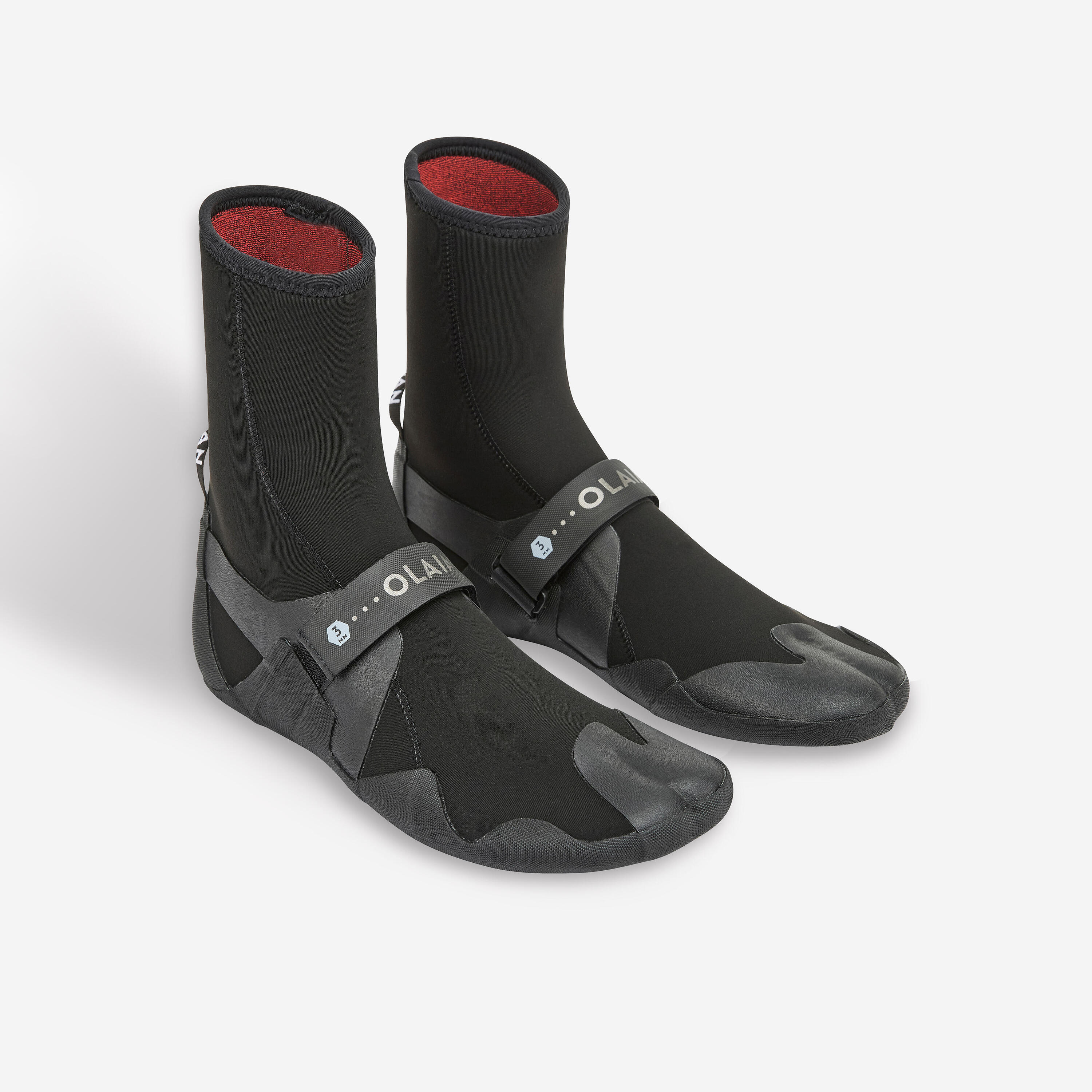
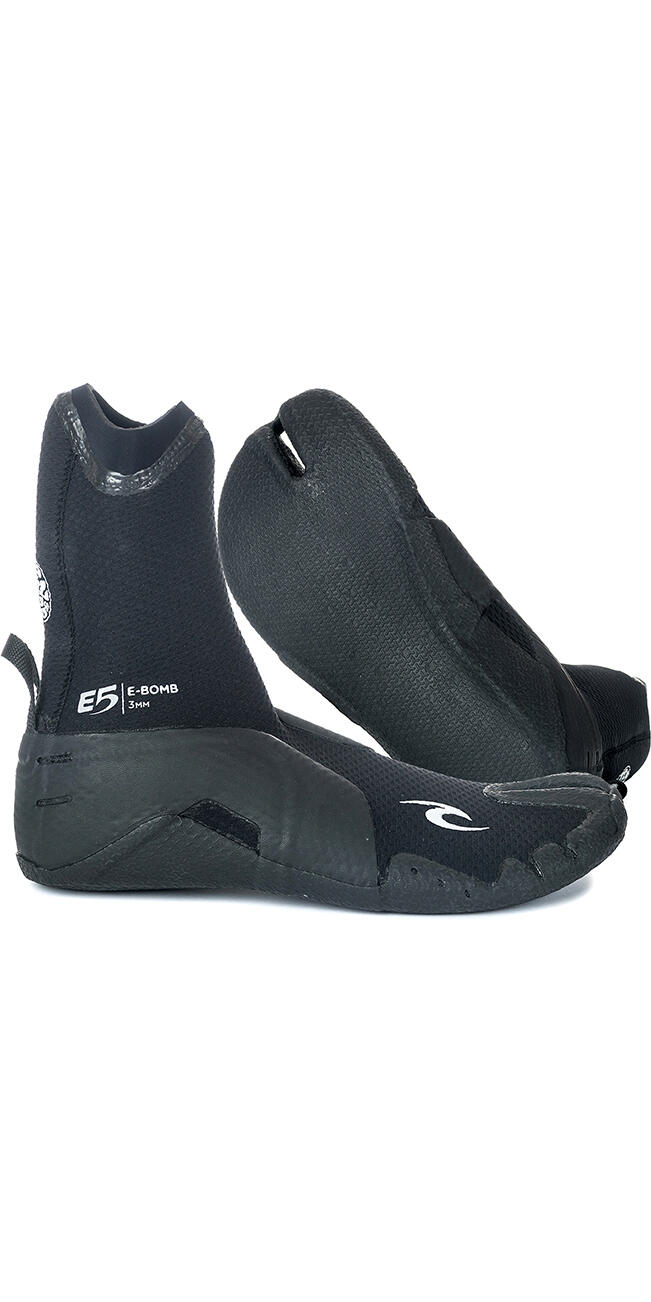
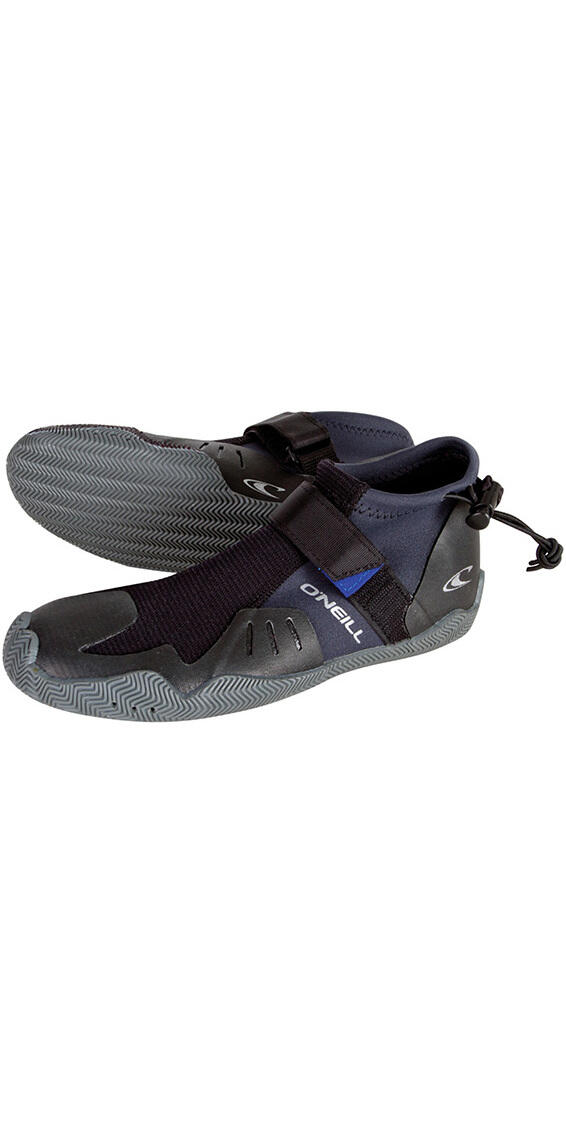
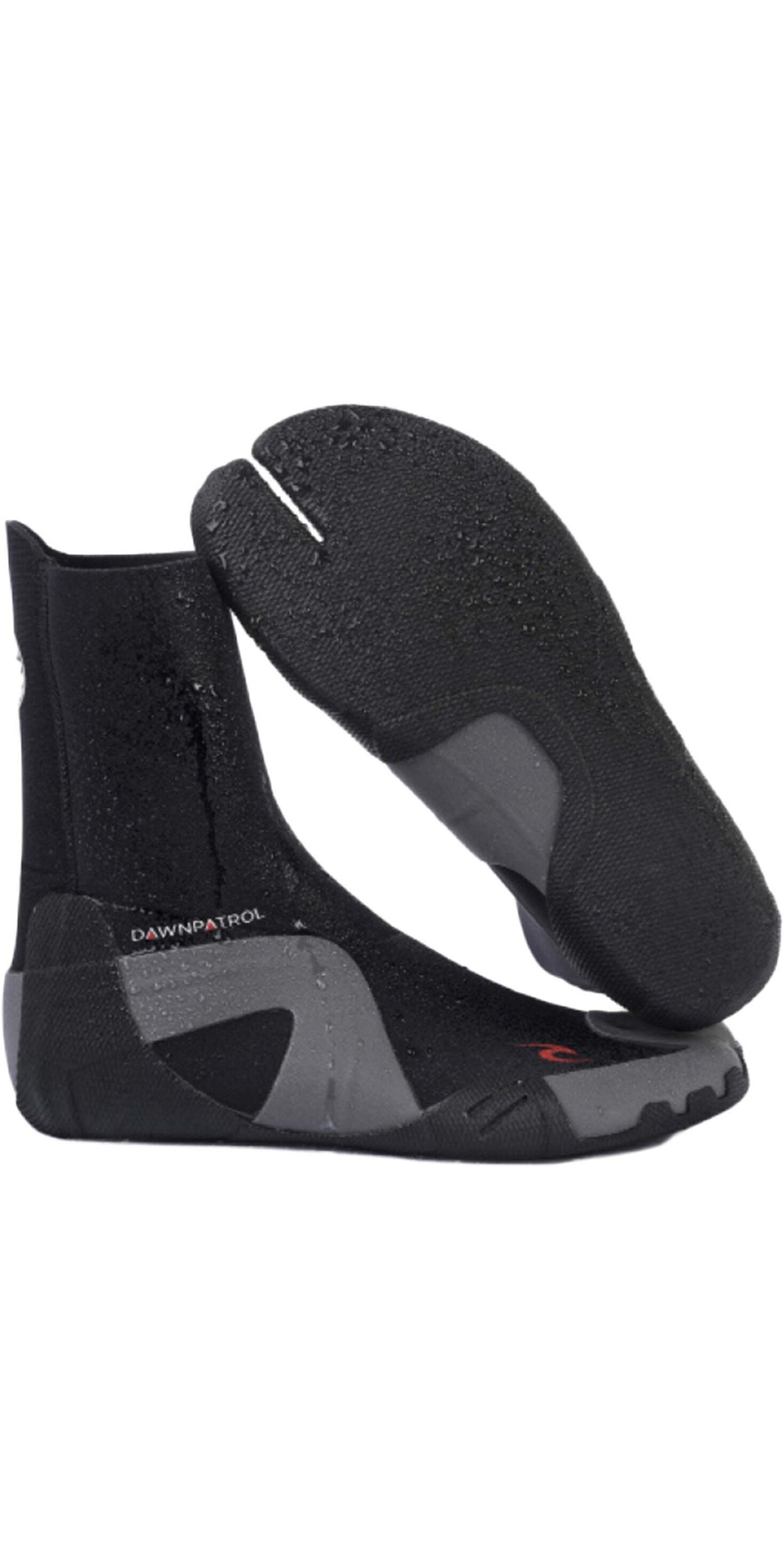
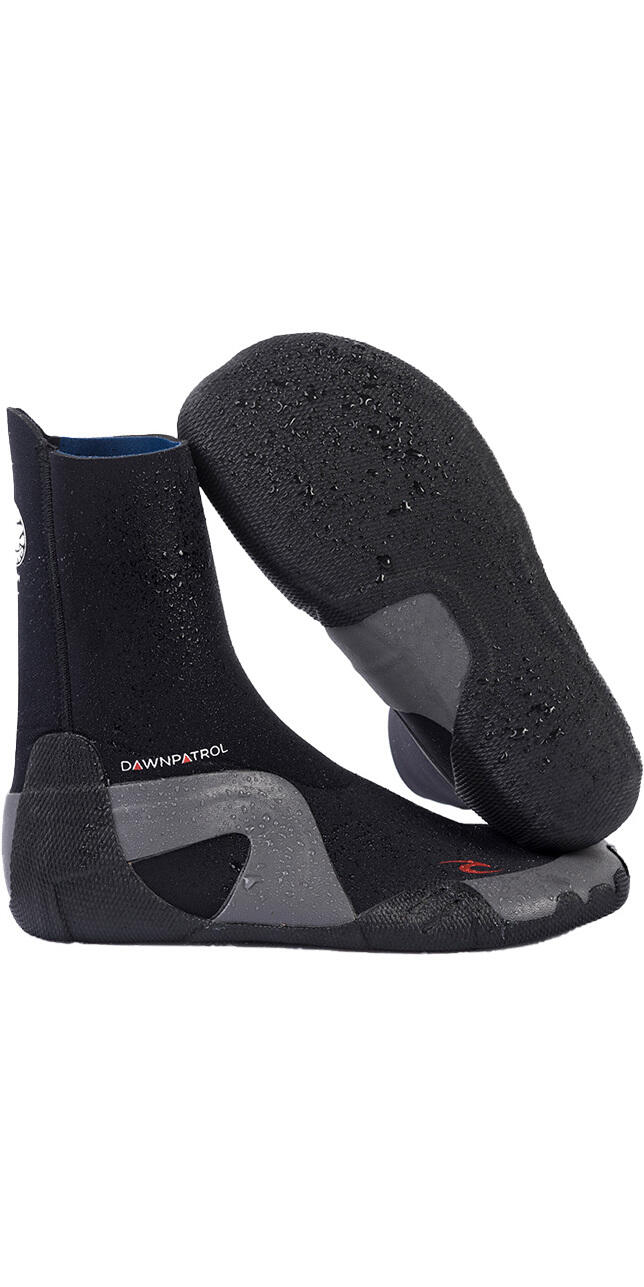
Achieving direct tactile feedback through the foot is critical for micro-adjusting posture before a wave breaks. Top-tier O'Neill SUP boots utilise ultra-thin, puncture-resistant rubber compounds that allow the nerve endings in your soles to accurately sense deck tilt. The technical secret lies in split-toe construction, separating the big toe to prevent the boot from twisting under intense lateral pressure. Securing your vital safety gear into specialised stand-up paddle accessories ensures that everything from your ankle leash to your thermal footwear remains perfectly tuned for demanding swells.

What criteria determine the ideal thickness for stand-up paddle boots during seasonal transitions?

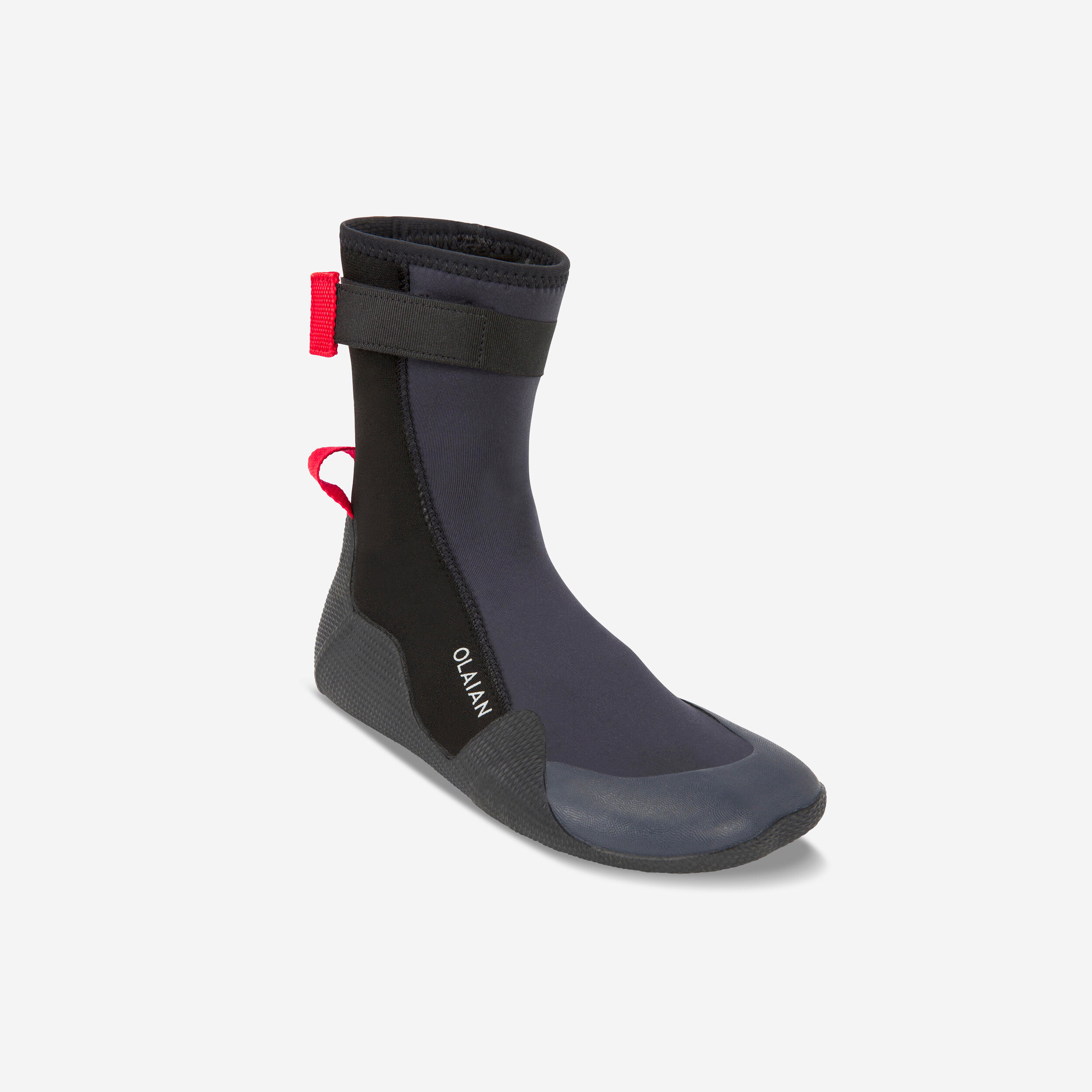
Water temperatures dictate the precise millimetre selection needed to maintain blood circulation. A thickness of five millimetres is standard for winter paddling, whereas a three-millimetre profile suits spring sessions. Selecting adaptive stand-up paddle clothing allows you to adjust core warmth to match your lower body protection. Blind-stitched and liquid-sealed seams prevent cold water from seeping through the joints, keeping your feet at a stable temperature even when submerged for long periods.
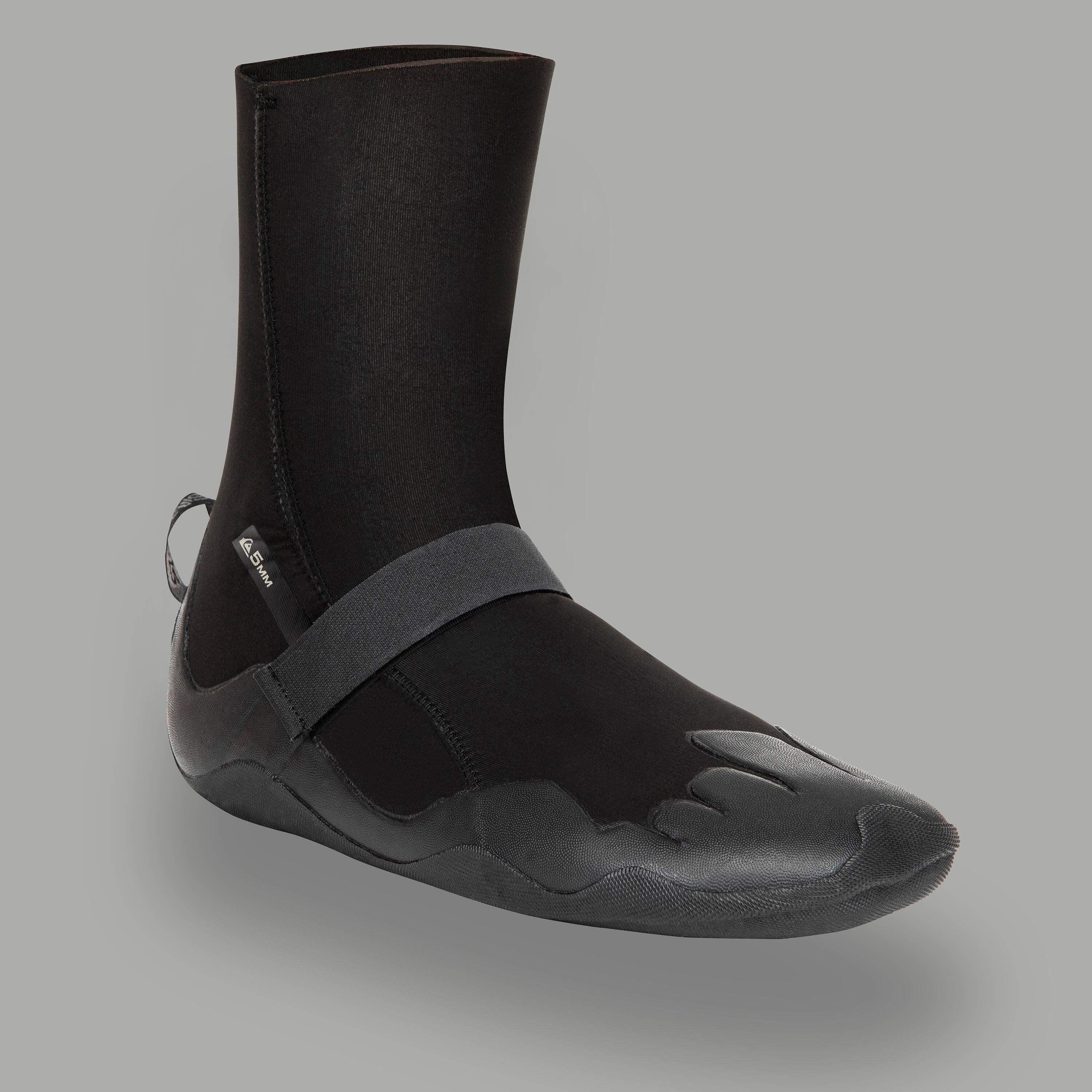
How do drainage valves and sealed linings alter internal moisture control in high-volume SUP shoes?

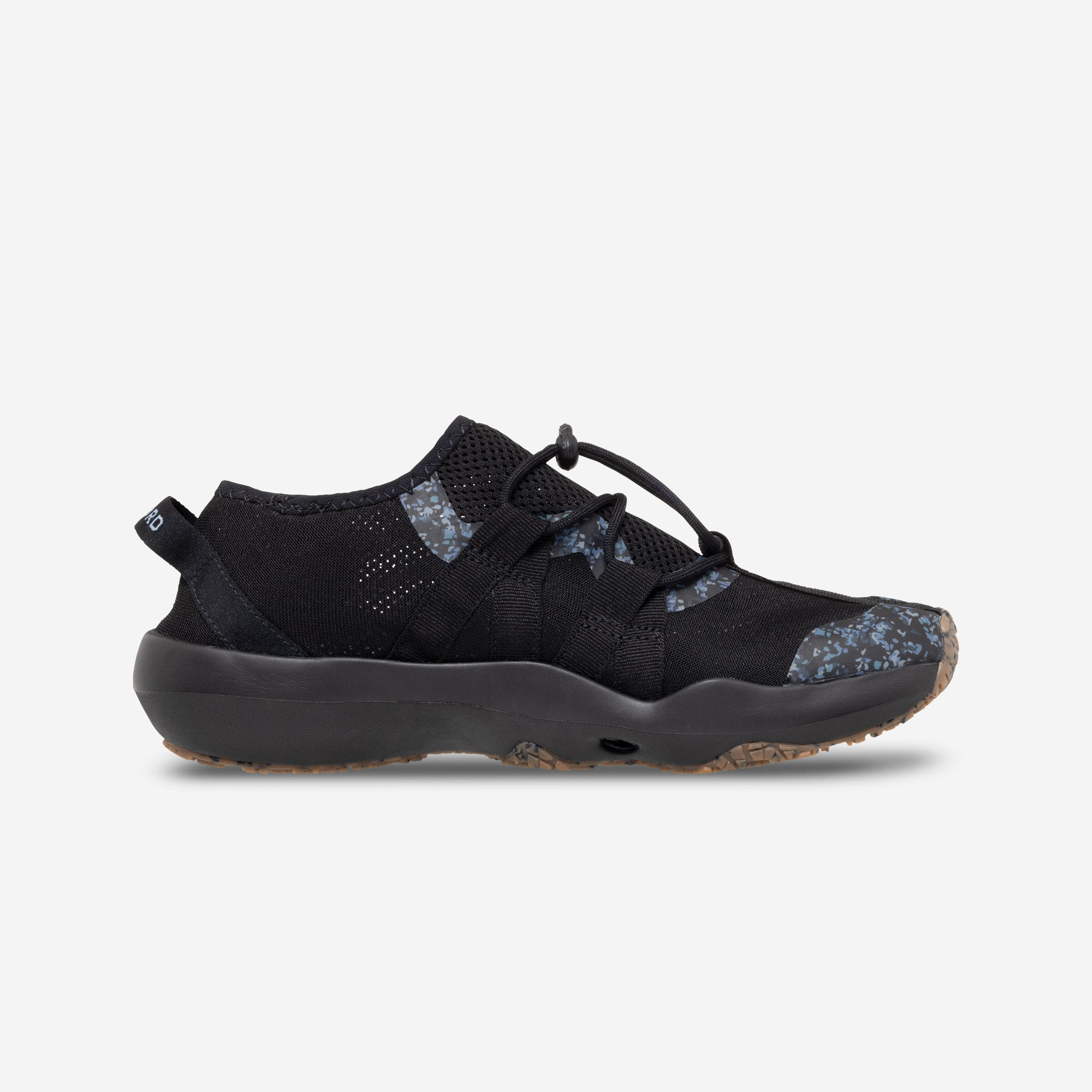
Advanced footwear manages moisture through distinct structural designs to maximise comfort. Closed-cell neoprene locks a thin layer of water inside, allowing body heat to warm it, while low-profile SUP shoes use rapid-flush synthetic mesh to shed weight instantly. Storing dry garments inside durable stand-up paddle waterproof bags and cans provides a clean change of clothes immediately after leaving the water. The choice between thermal retention and fast drainage depends heavily on whether you intend to submerge your feet frequently or stay entirely atop the board.