Football
Football clothing and equipment combine breathable fabrics, secure grip and durable materials to support freedom of movement, ball control and reliable performance.
4.8
4.8
4.8
4.8
4.8
4.7
4.8
4.8
4.8
4.7
Football Sale
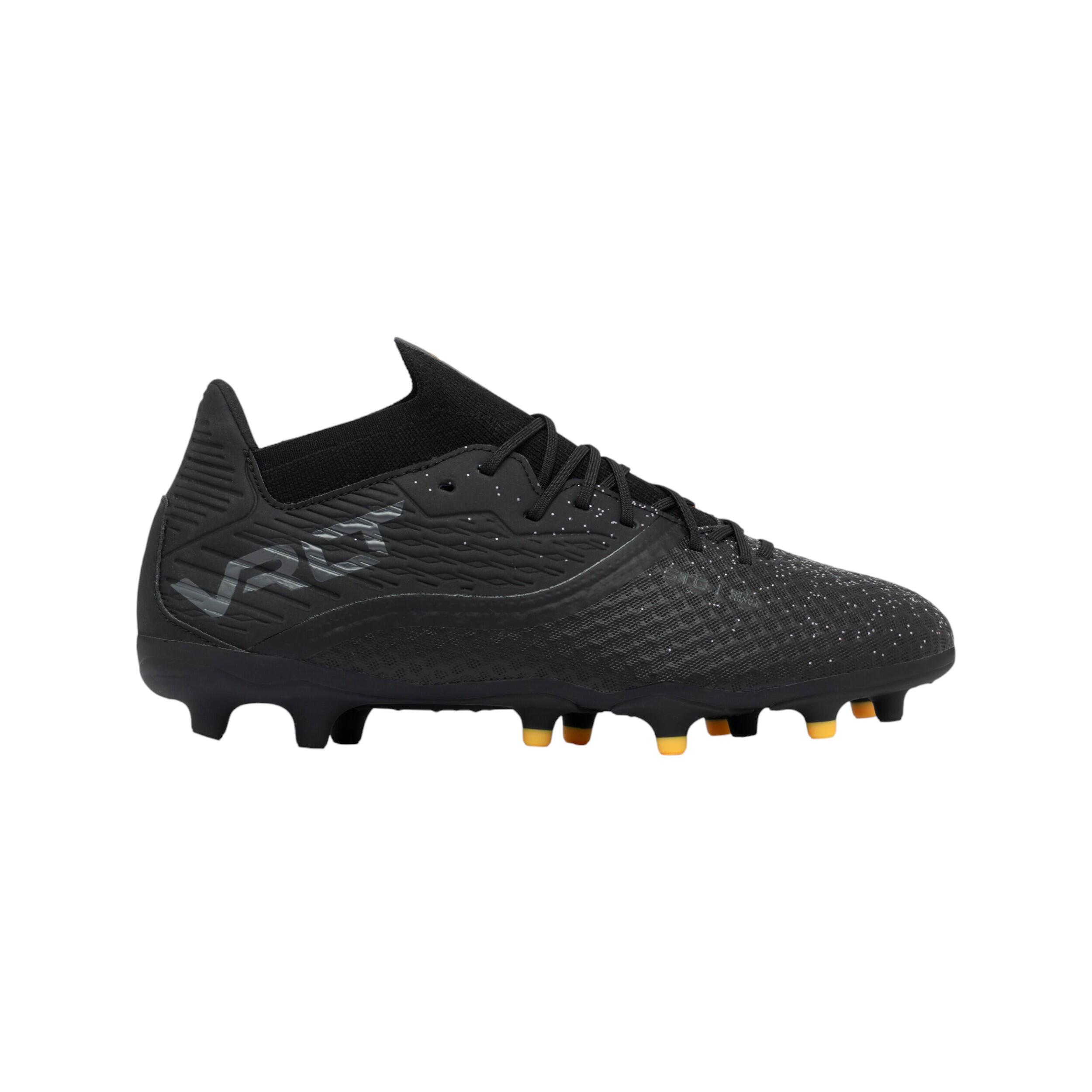
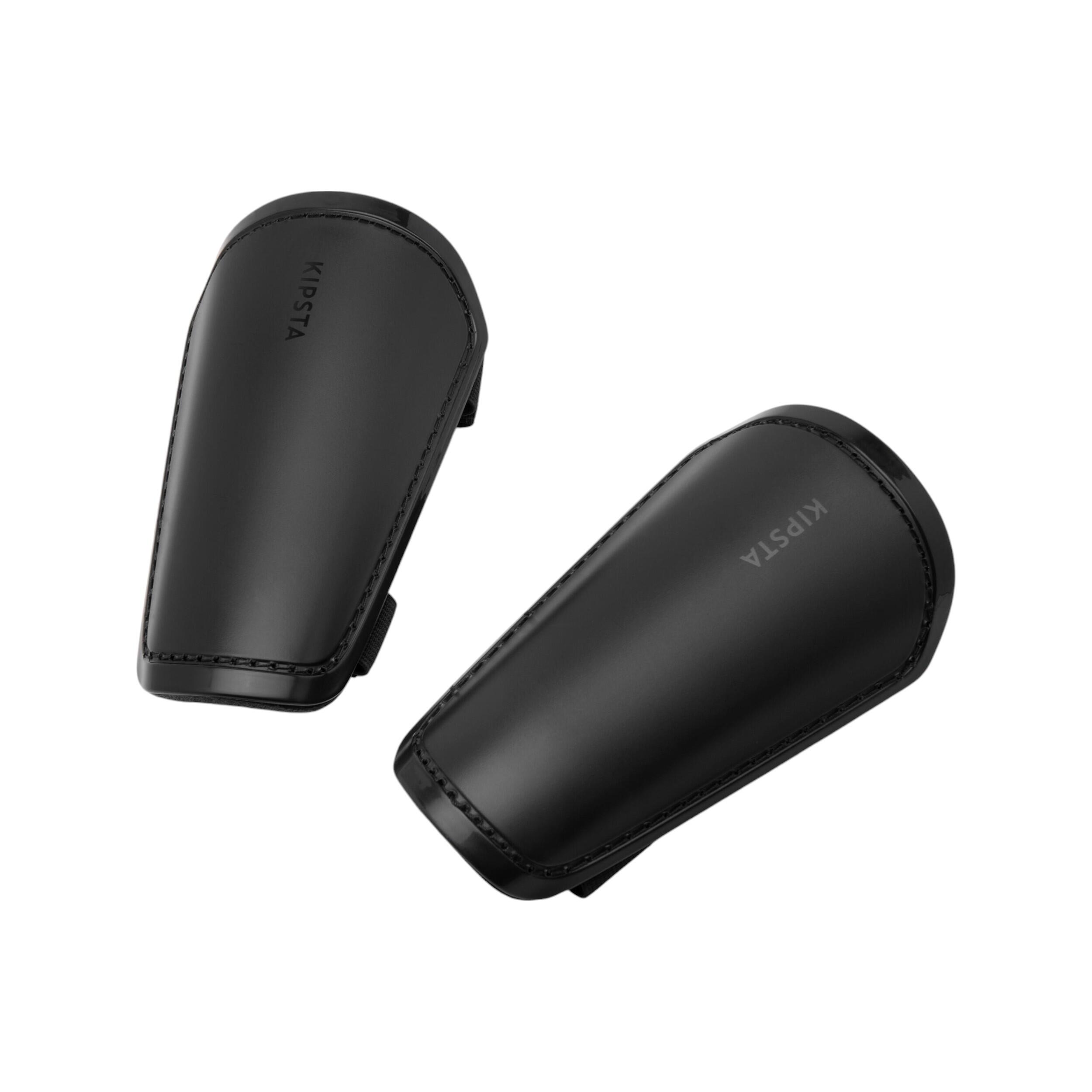
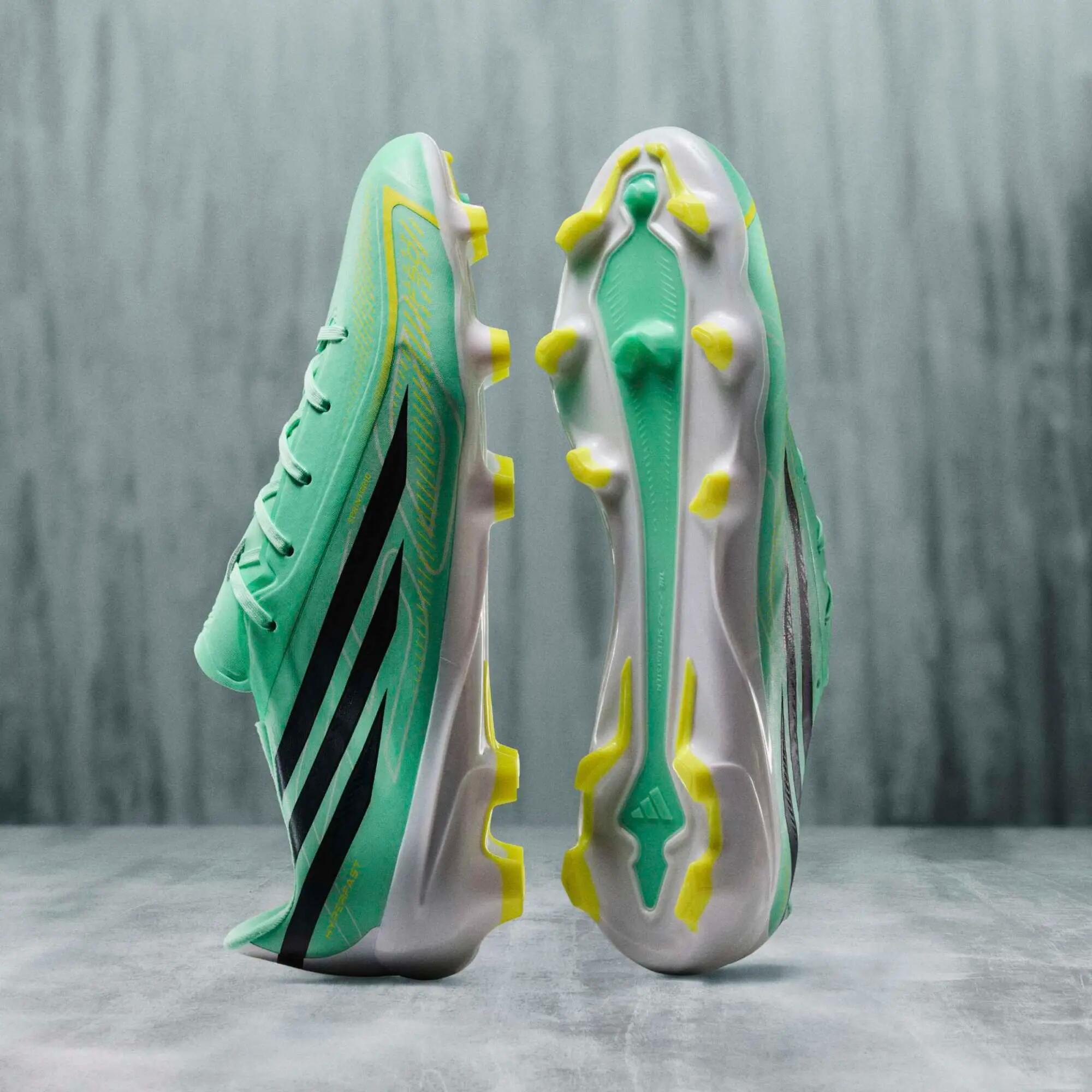
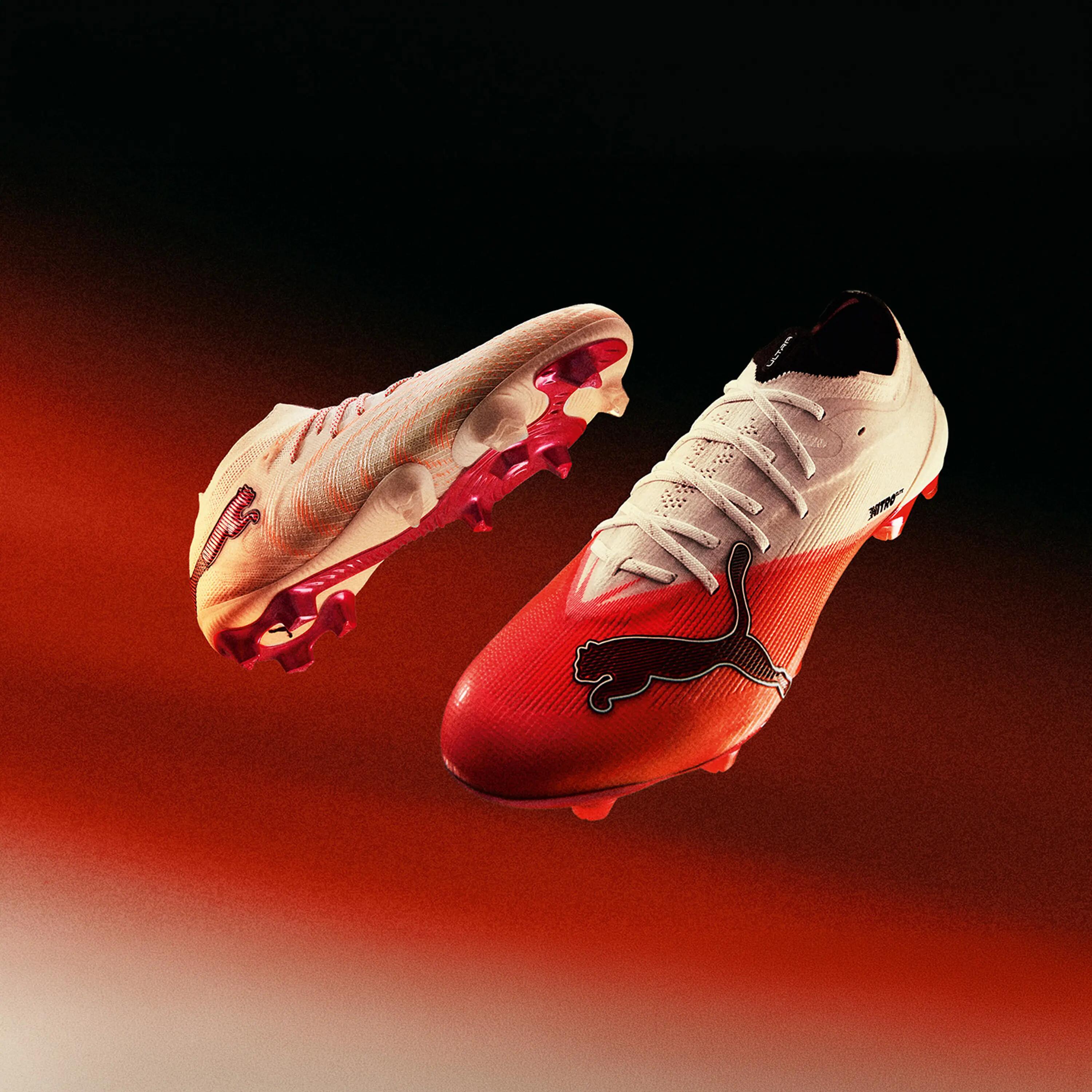
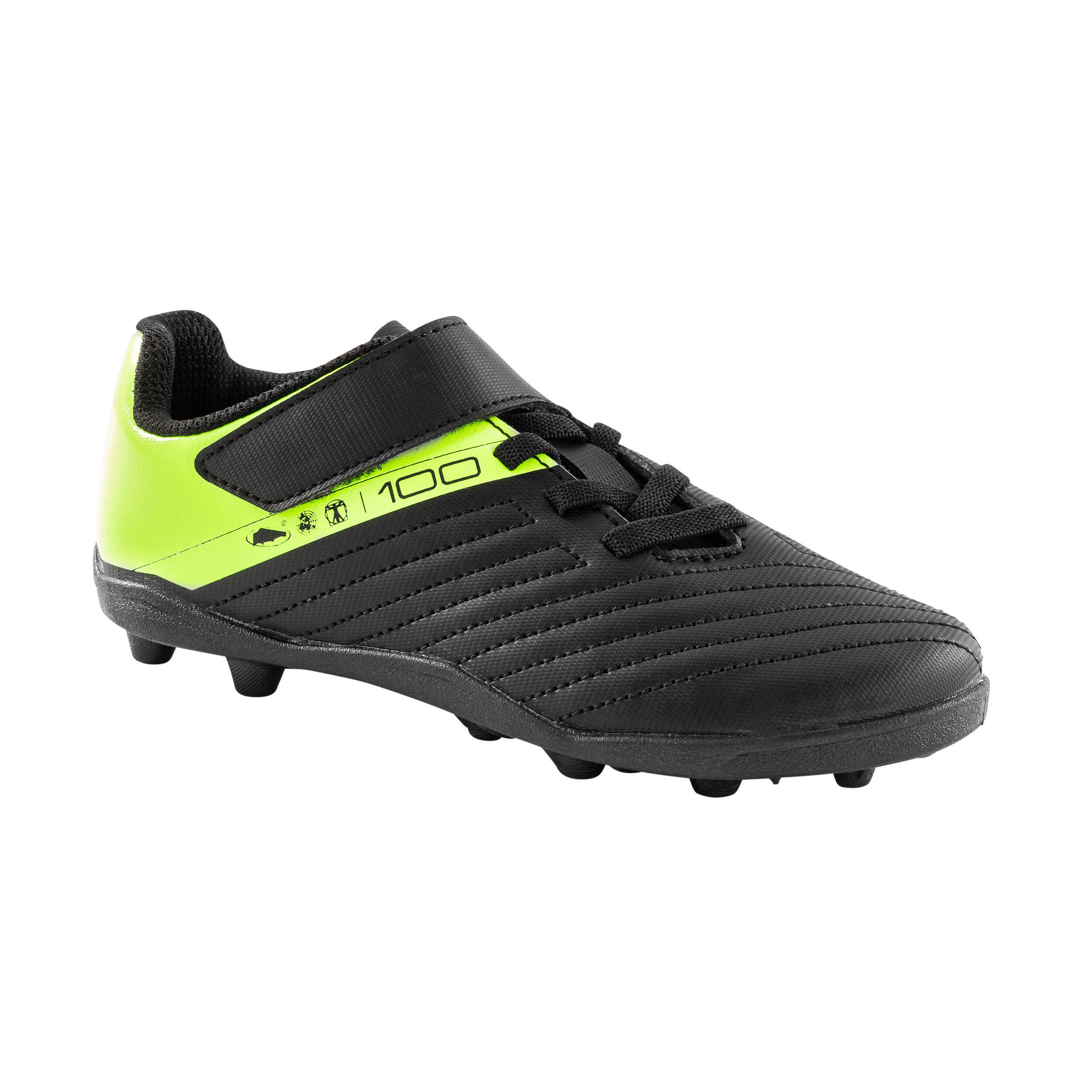
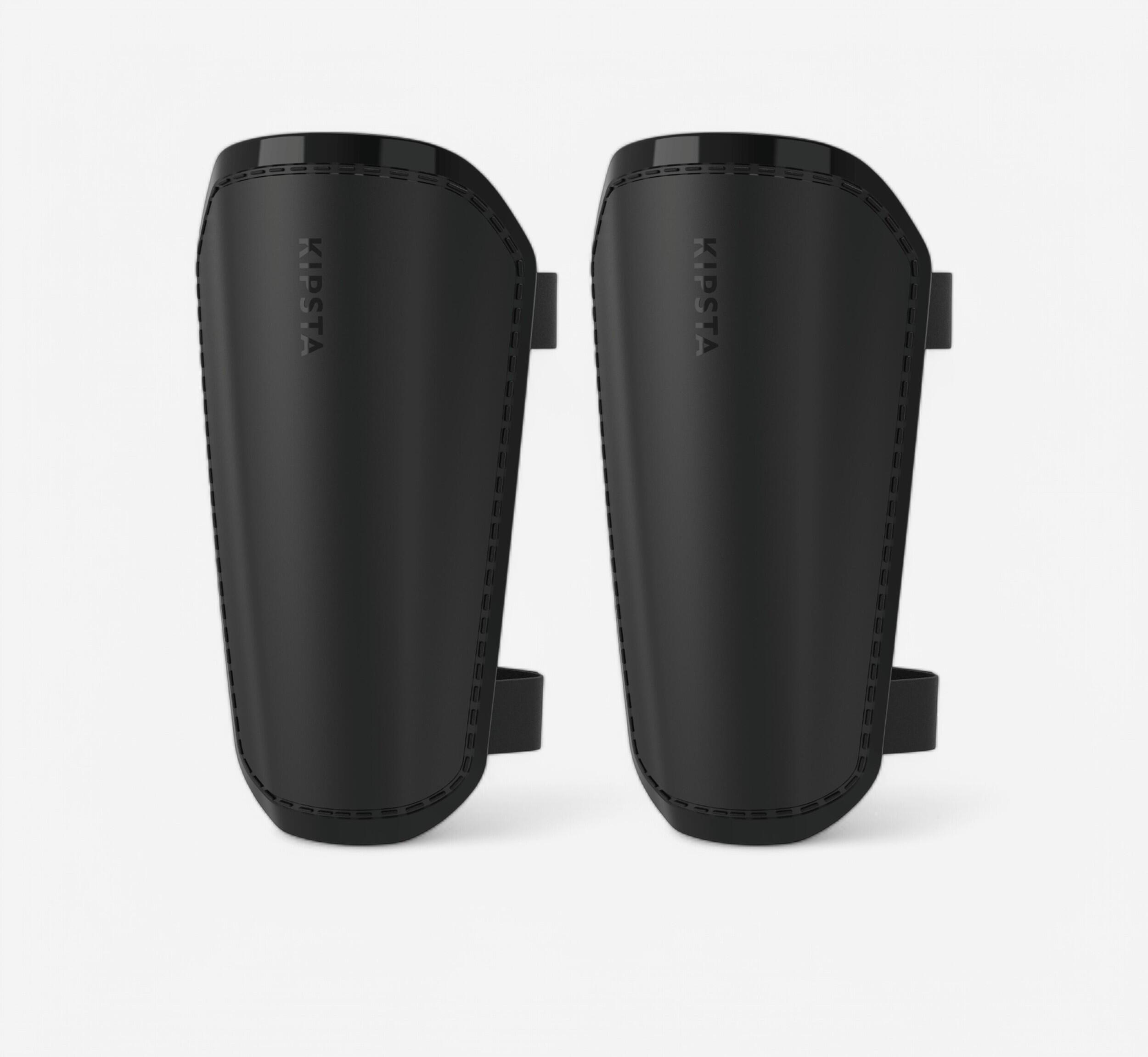
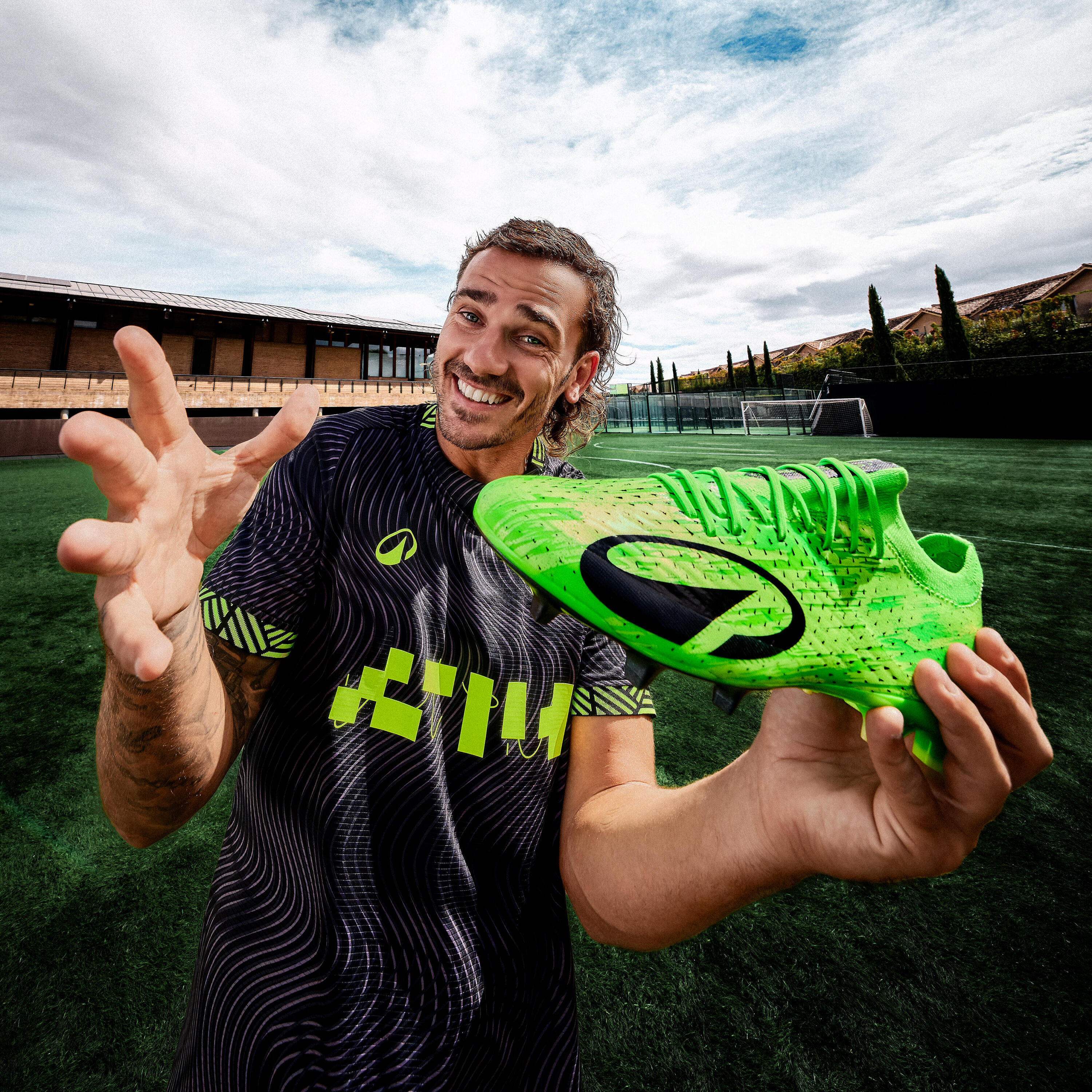
A suitable ball, secure footwear and comfortable sports clothing cover the main needs for a first football session. Match each item to the player's age, ability and usual surface rather than buying specialist equipment immediately. Footwear needs the correct outsole for grass, artificial turf or an indoor court, while clothing should allow free movement and manage perspiration. Shin pads are important for contact training and organised matches, and long socks help keep them in place. The main football boots category separates footwear by pitch type, age and playing level, making the intended surface easier to identify. A pump and spare needle are also useful because the ball must hold the correct pressure to roll, bounce and travel consistently.
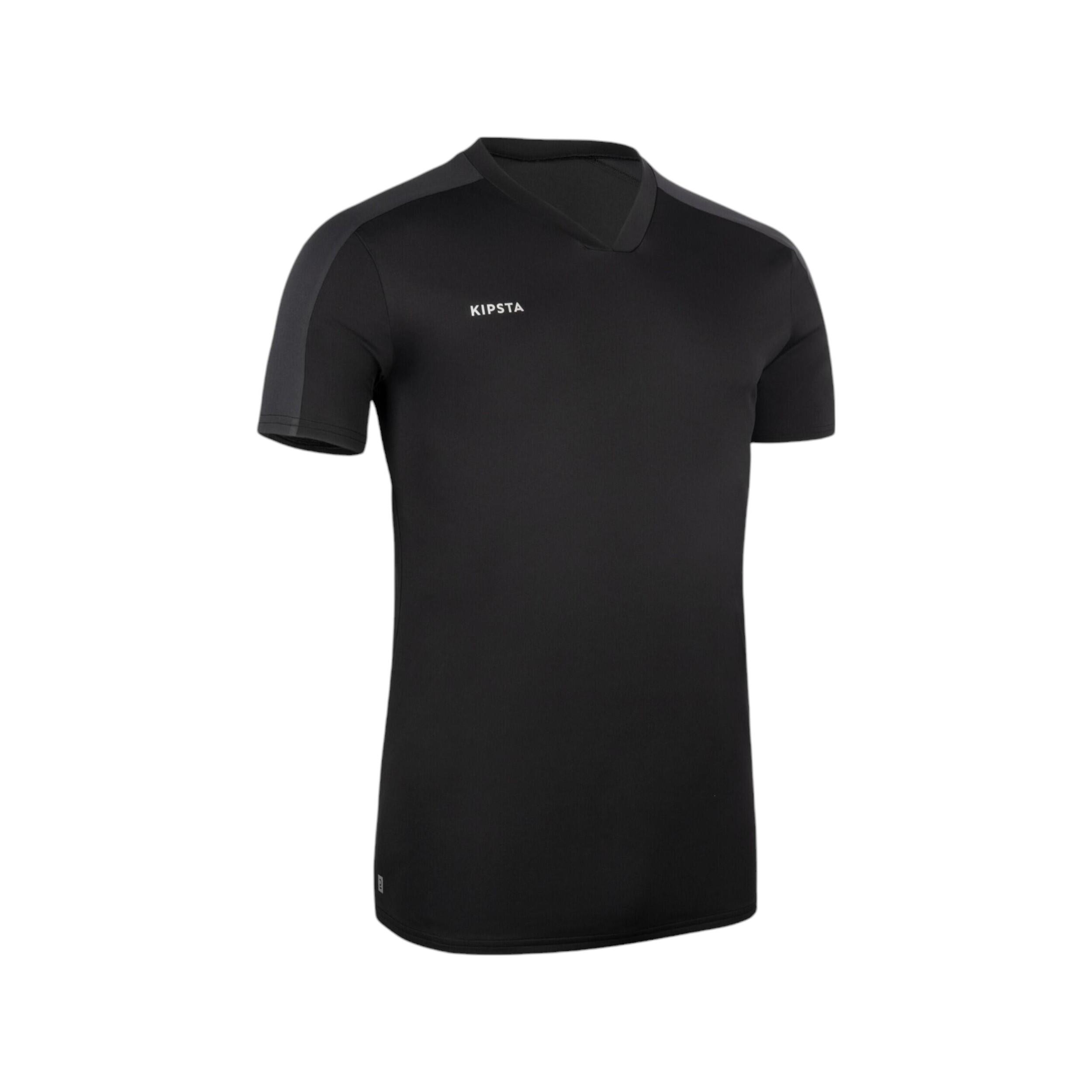
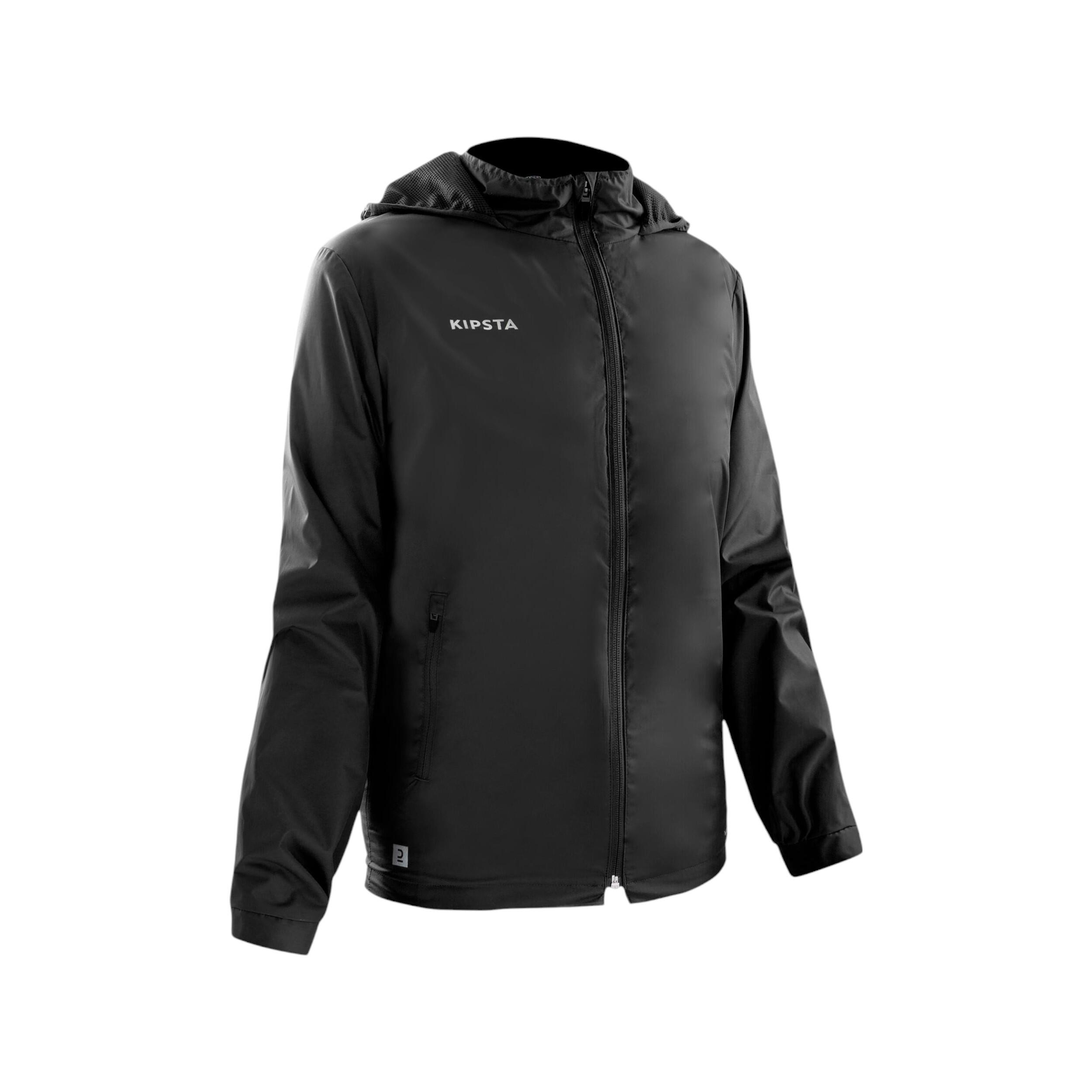
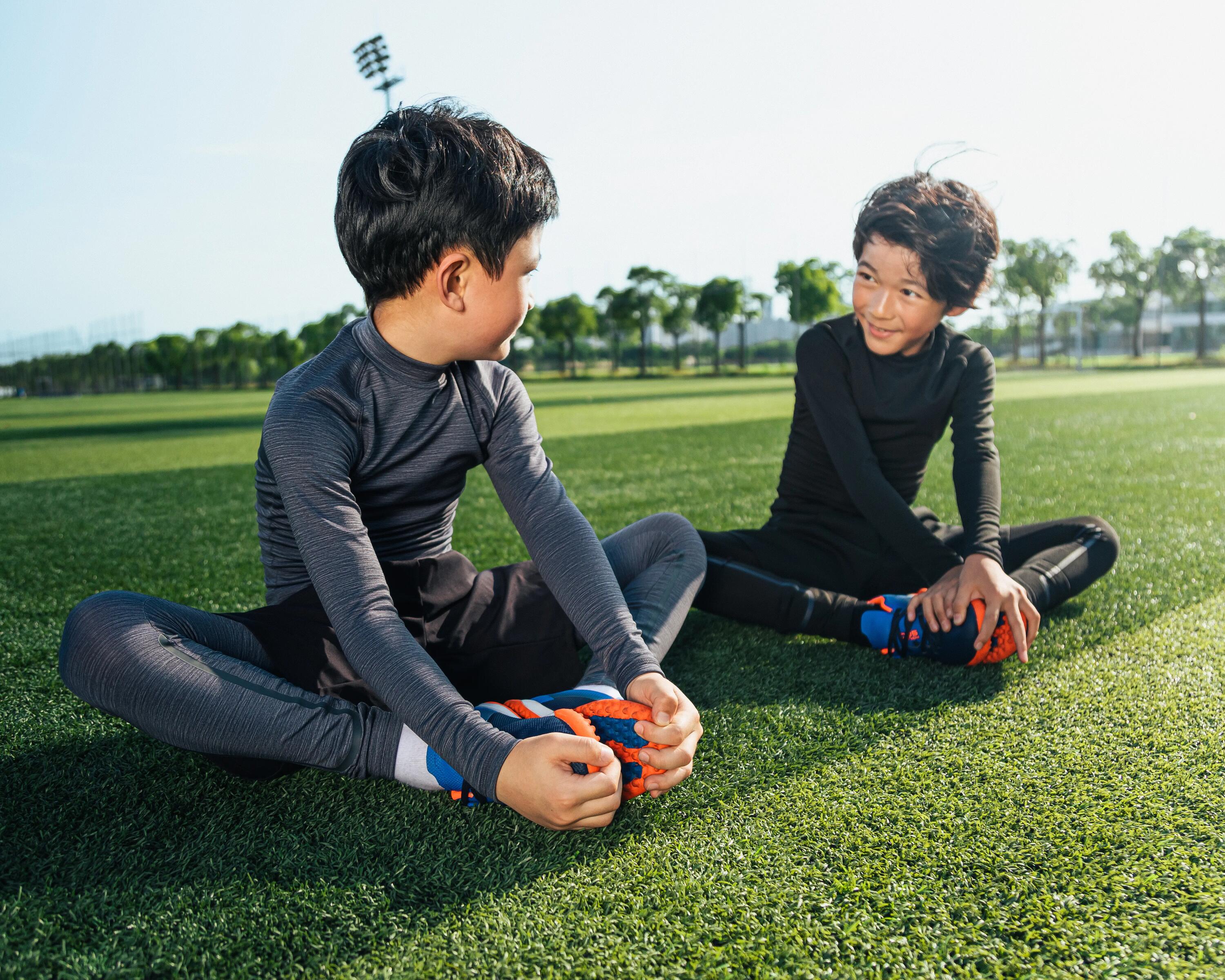
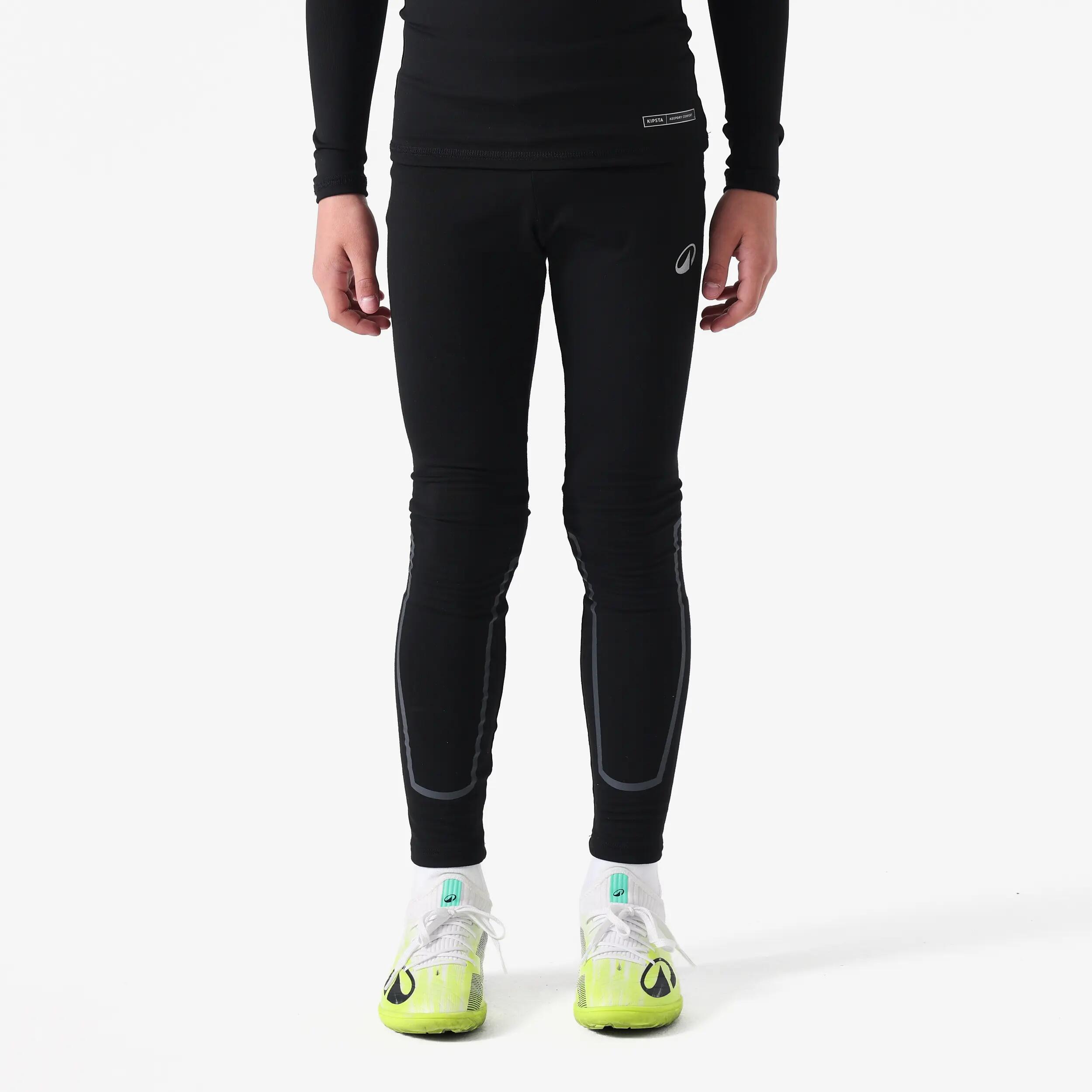
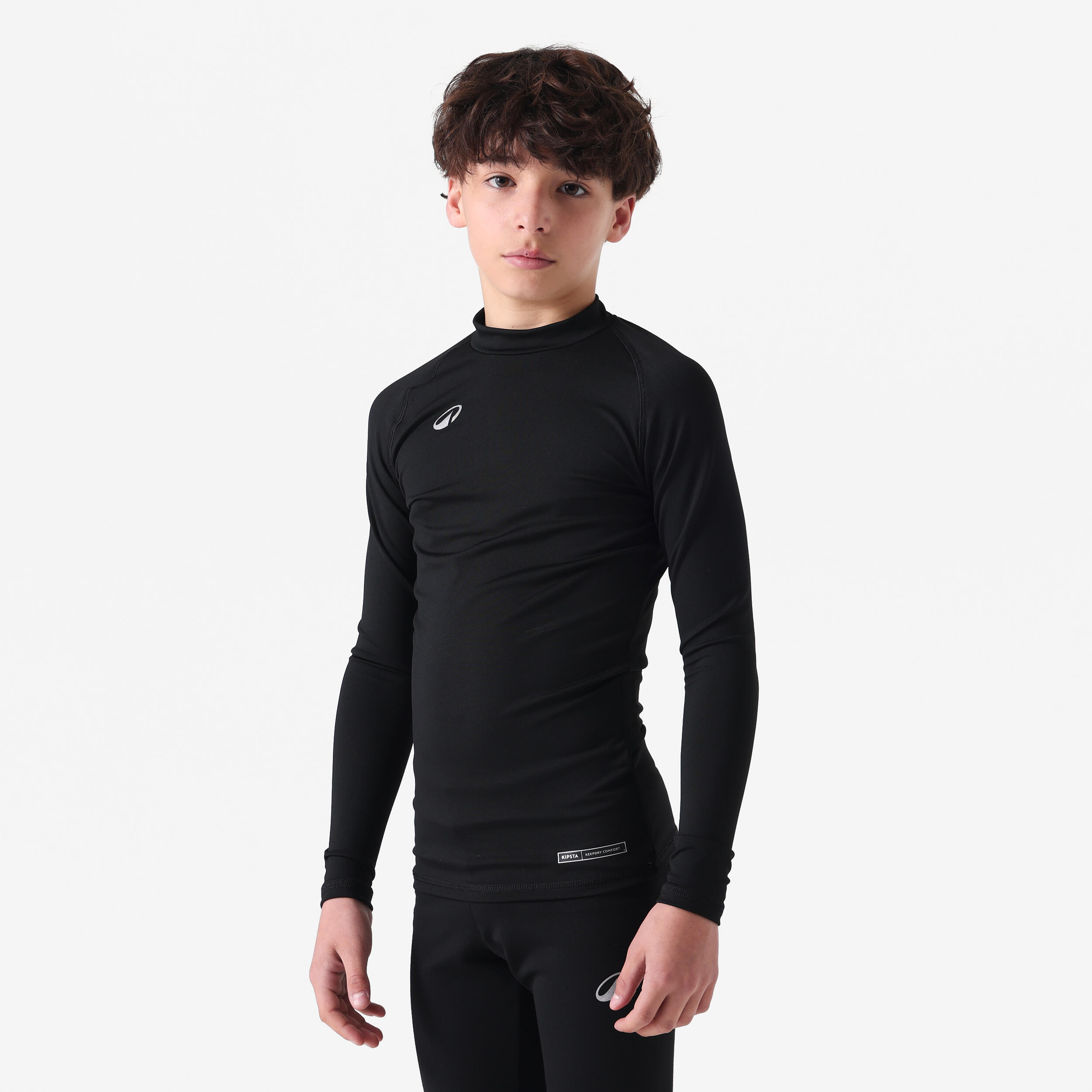
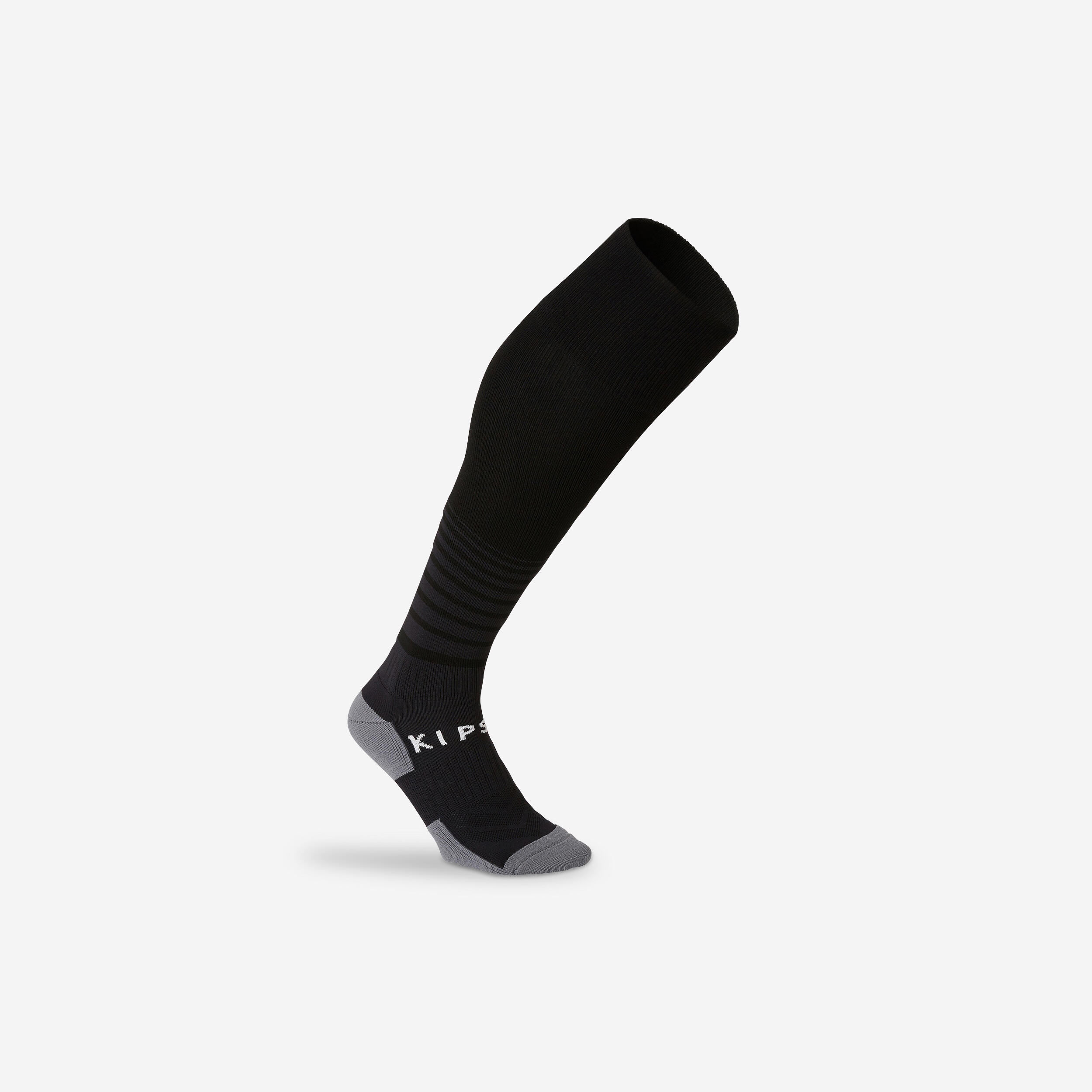
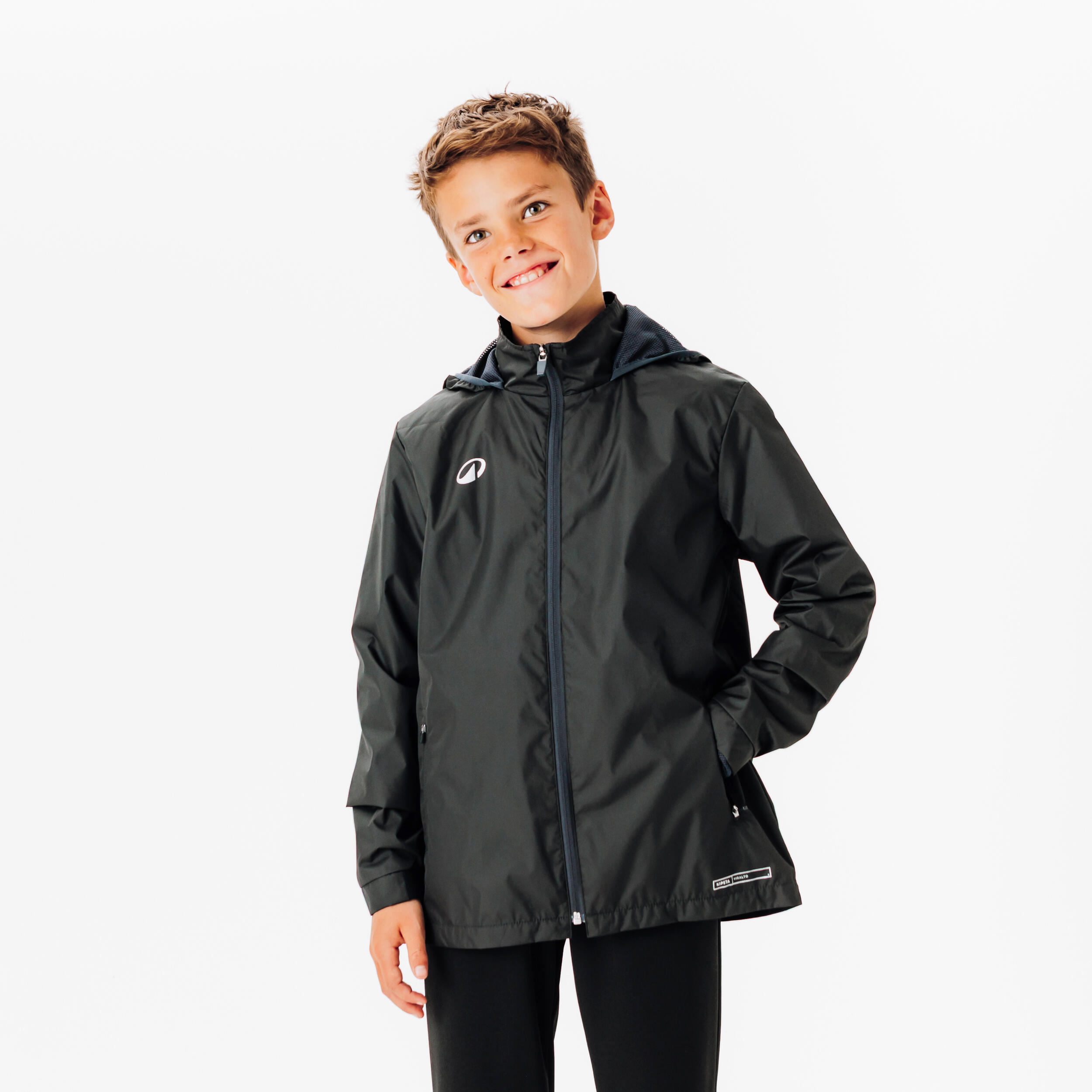
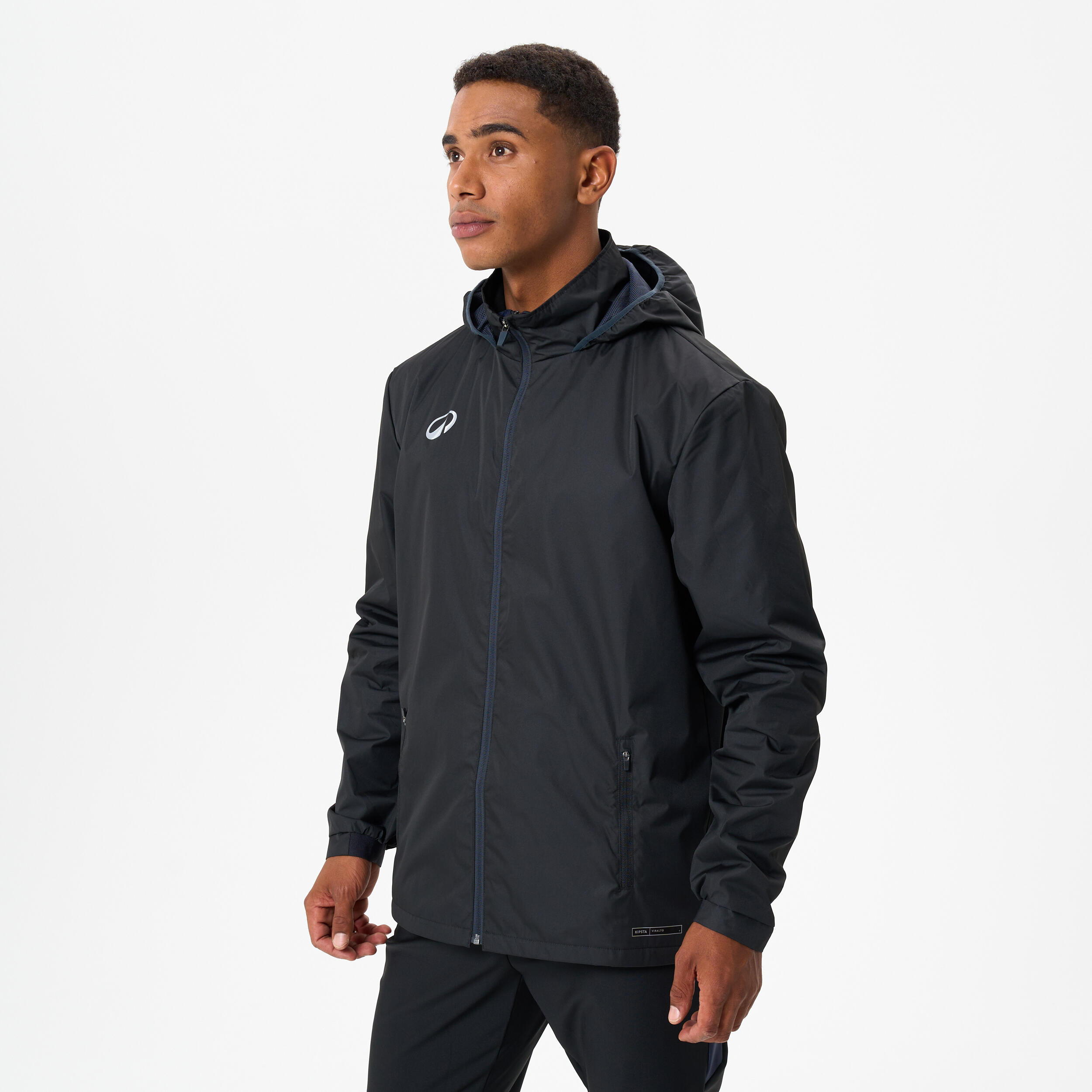
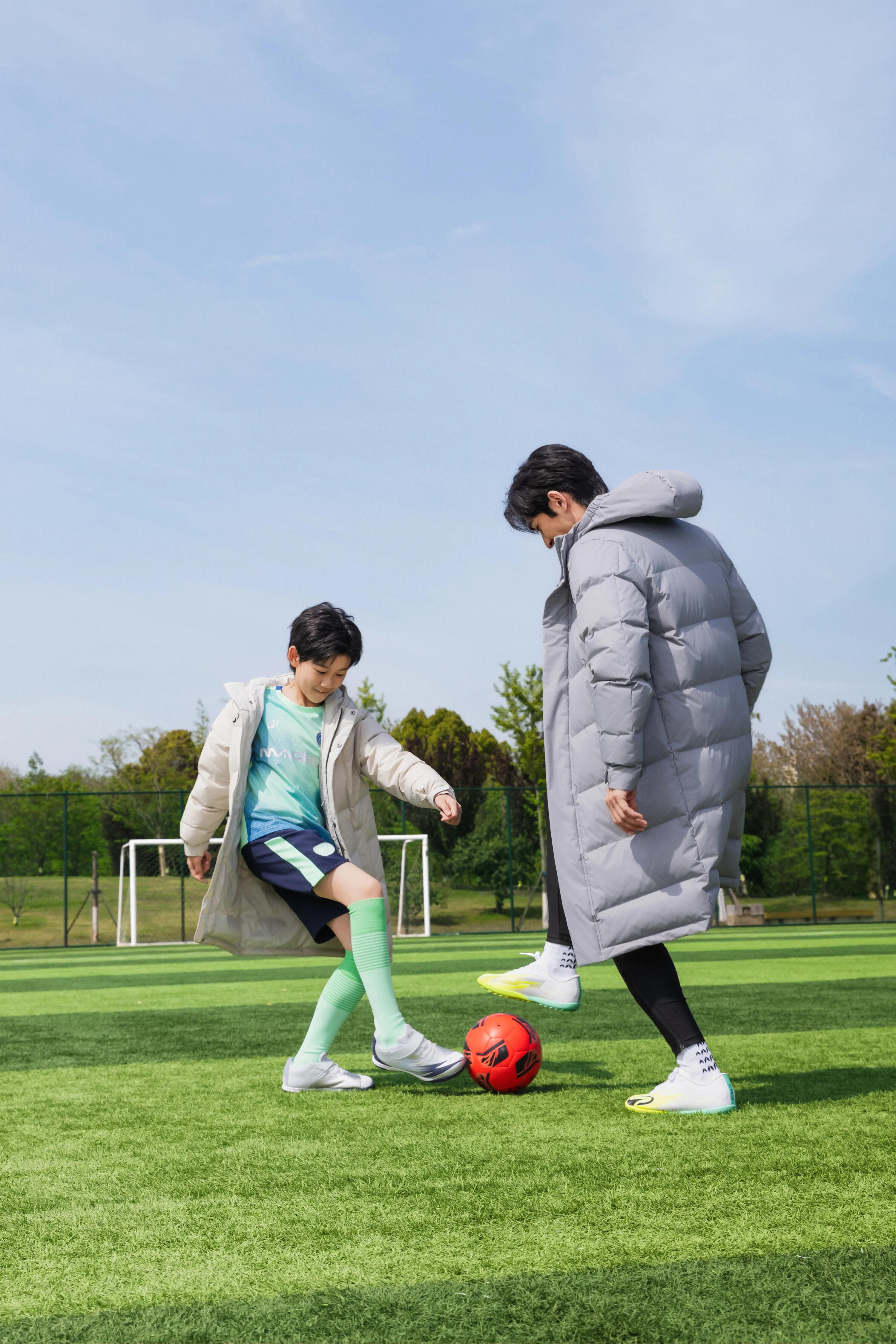
Build your kit around the weather, exercise intensity and time spent waiting between drills. A breathable shirt and shorts suit warmer sessions, while a close-fitting base layer can add warmth without restricting running or kicking in cooler conditions. Moisture-wicking polyester moves perspiration away from the skin, which matters because damp cotton can become heavy and cold when activity slows. Kipsta tests selected thermal layers for heat retention and moisture management, with some Keepcomfort garments recommended for moderate football between approximately 7 degrees Celsius and 20 degrees Celsius. The football clothing selection includes shirts, shorts, socks, base layers and cold-weather accessories. Young players should remove wet layers after training rather than travelling home in damp kit.
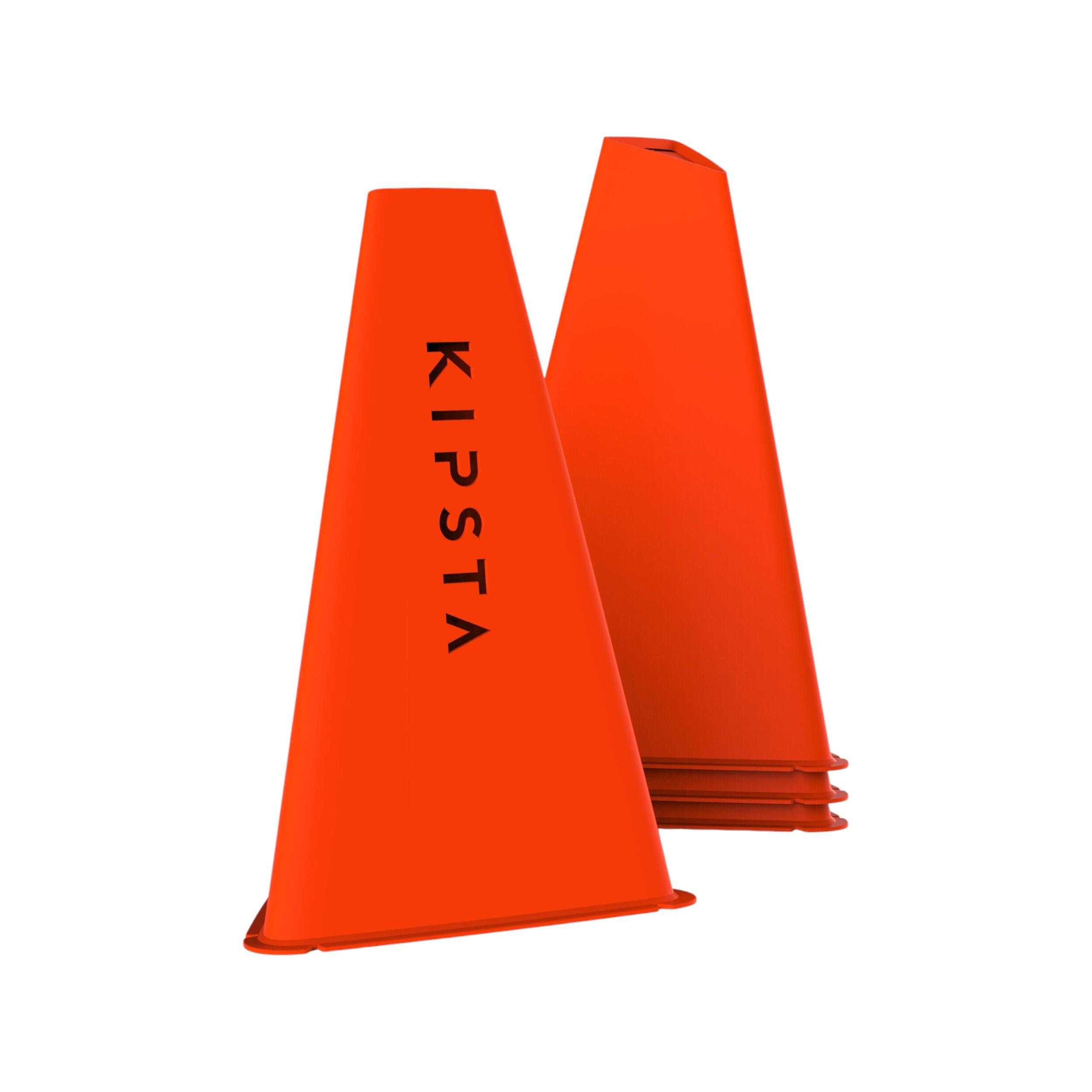
Cones, flat markers, hurdles and rebound equipment allow coaches and players to create structured drills for passing, movement, speed and decision-making. Bright markers are easier to recognise across a busy pitch, while directional shapes can show where players should run or move the ball. KIPSTA's raised pyramid markers also create a more realistic rebound when the ball crosses them than completely flat discs. Organise your football training equipment around the purpose of the session instead of placing every item on the pitch. A short passing drill may need only markers and several balls, while agility work can add hurdles or poles. Keep distances appropriate for the players' age so the drill develops technique without creating unnecessary fatigue.
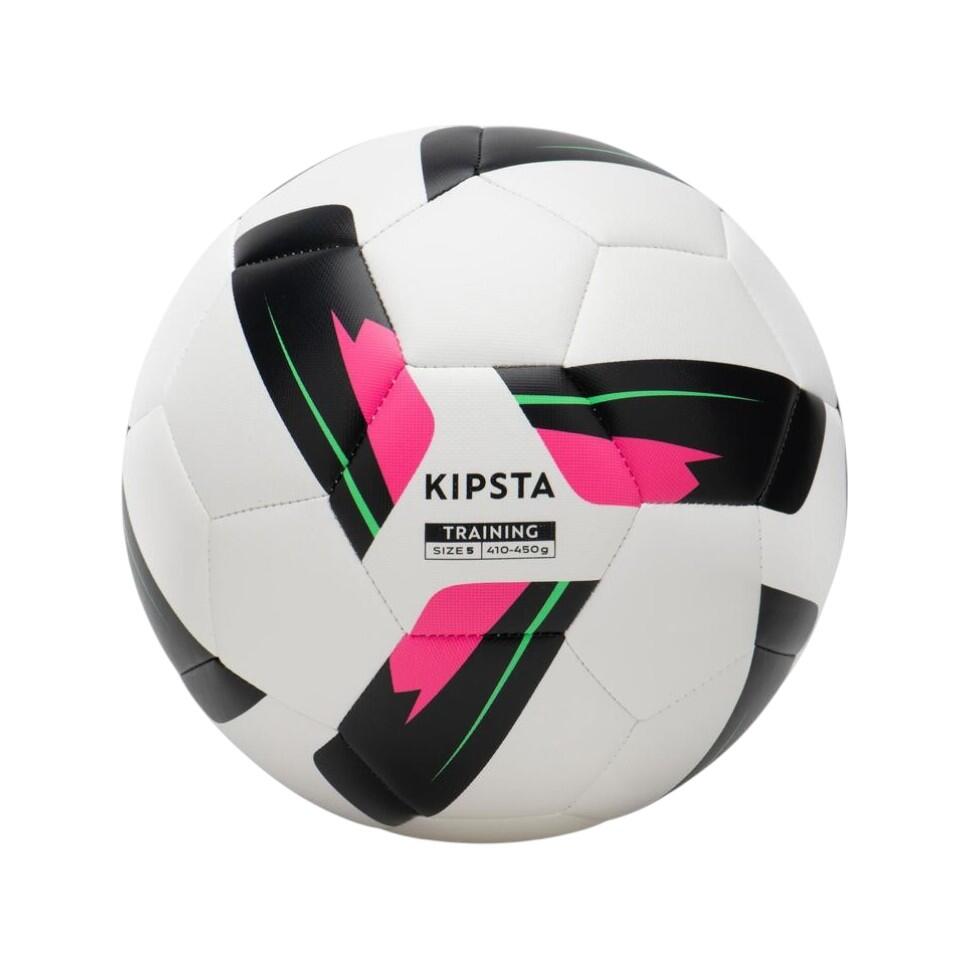
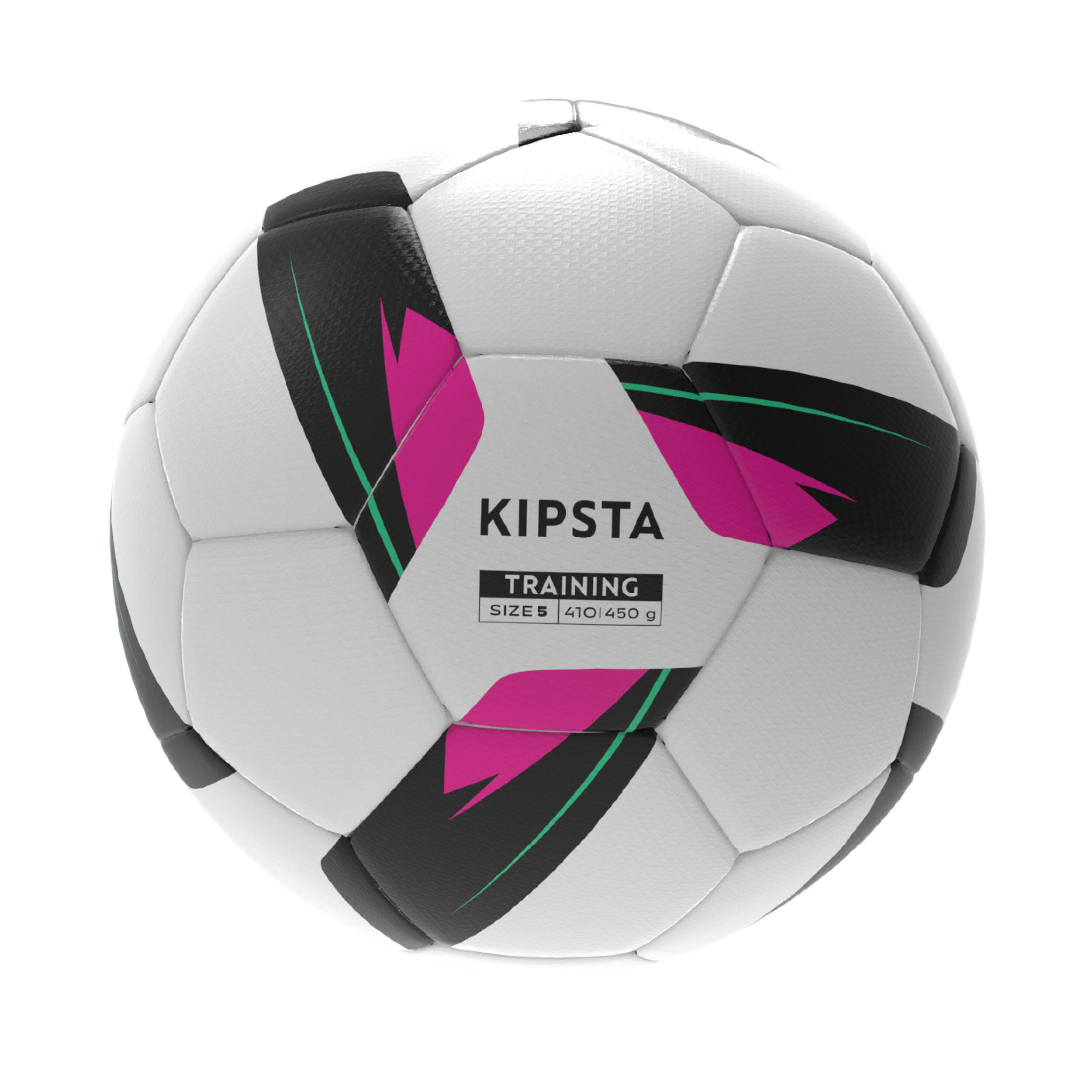
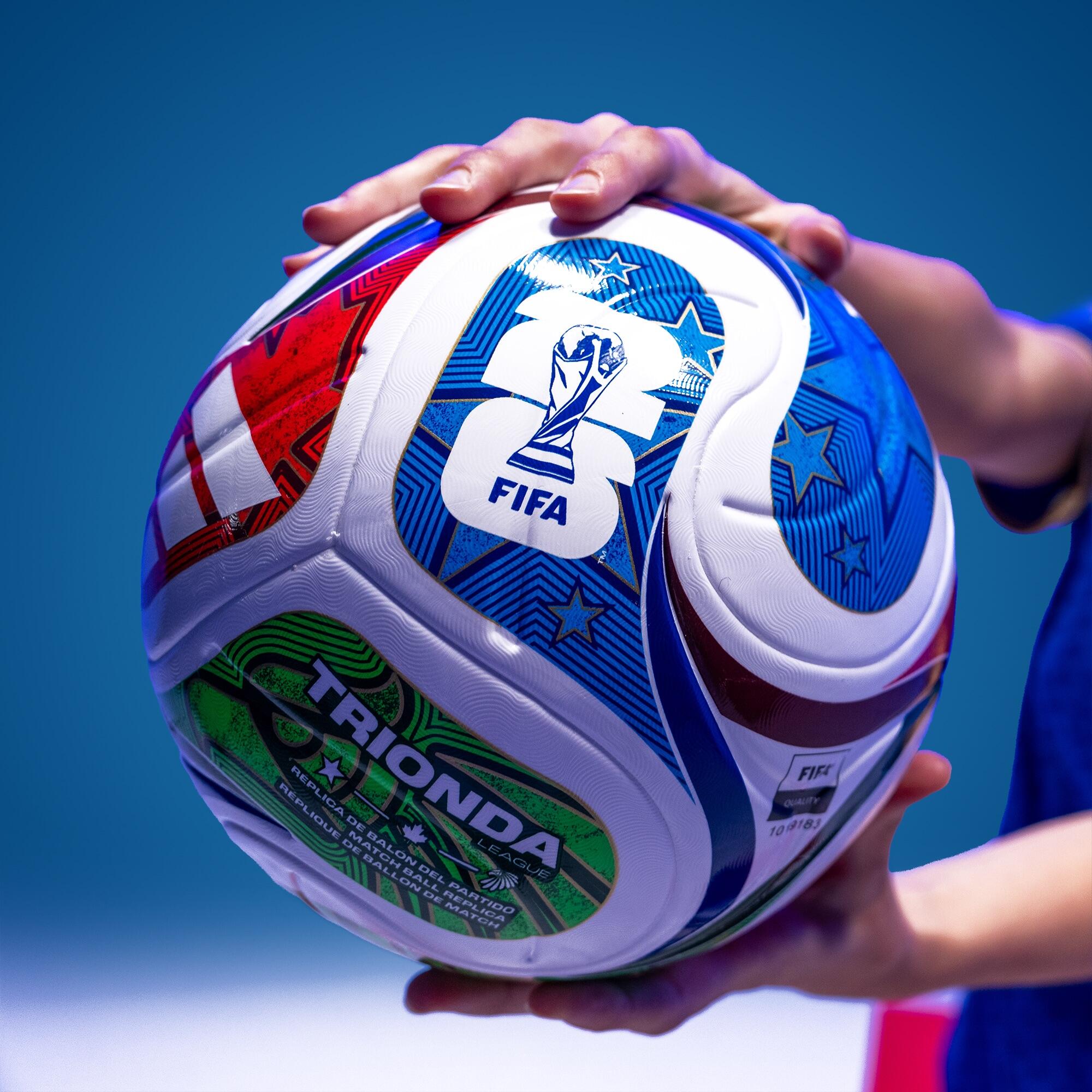
Age, playing level and training purpose influence the most suitable ball size and weight. Younger children may gain confidence with a lighter learning ball because it reduces the effort needed for kicking, heading and longer passes. KIPSTA's size 5 learning model weighs approximately 340-360 g, around 15% less than a conventional size 5 ball, while retaining recognised bounce characteristics. Standard footballs are available for training, matches, futsal and learning, so check the stated use before selecting one. Inflation also affects performance: an underinflated ball can feel slow and unstable, while excessive pressure may make control uncomfortable. Use a compatible pump, follow the pressure marking near the valve and keep the ball away from unsuitable abrasive surfaces.
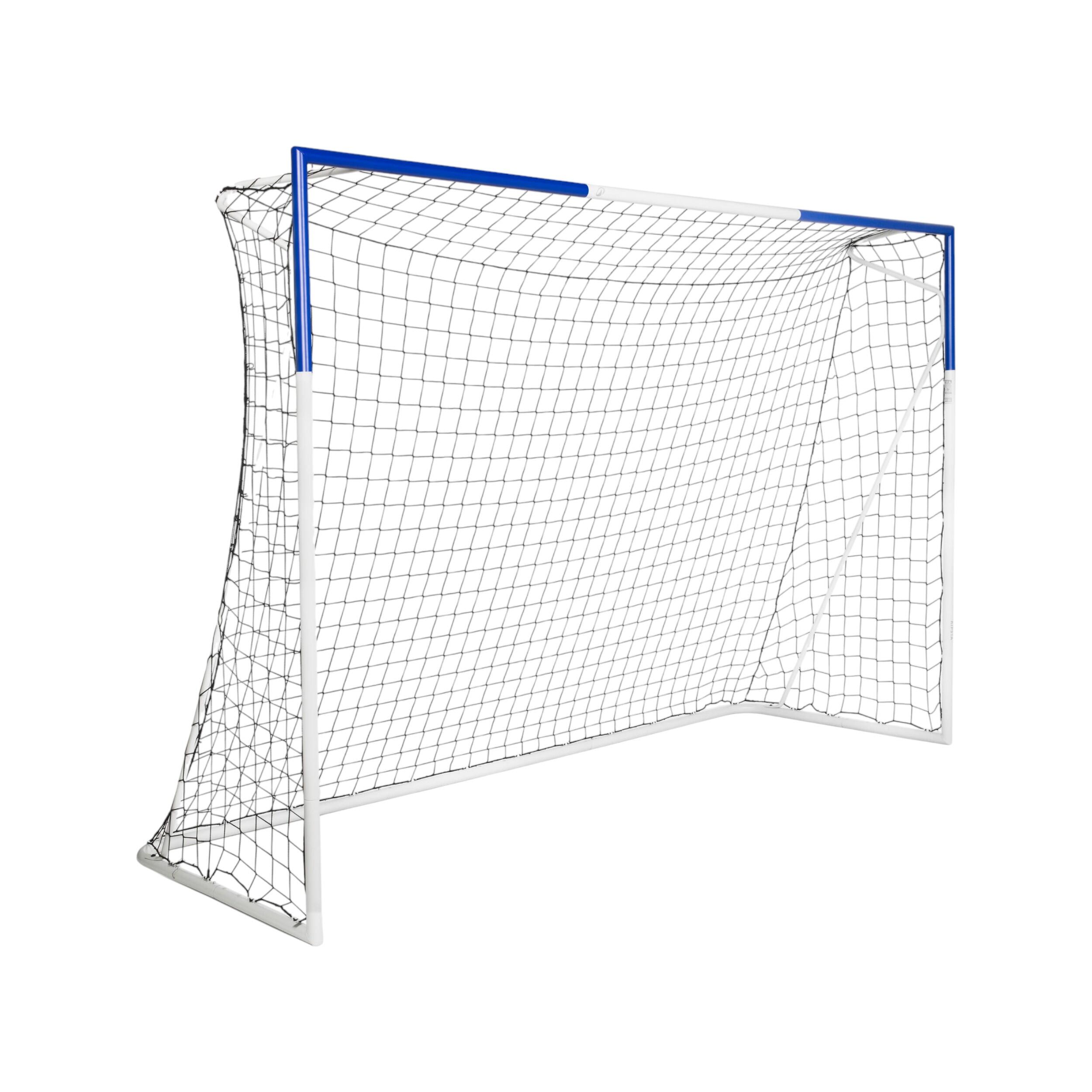
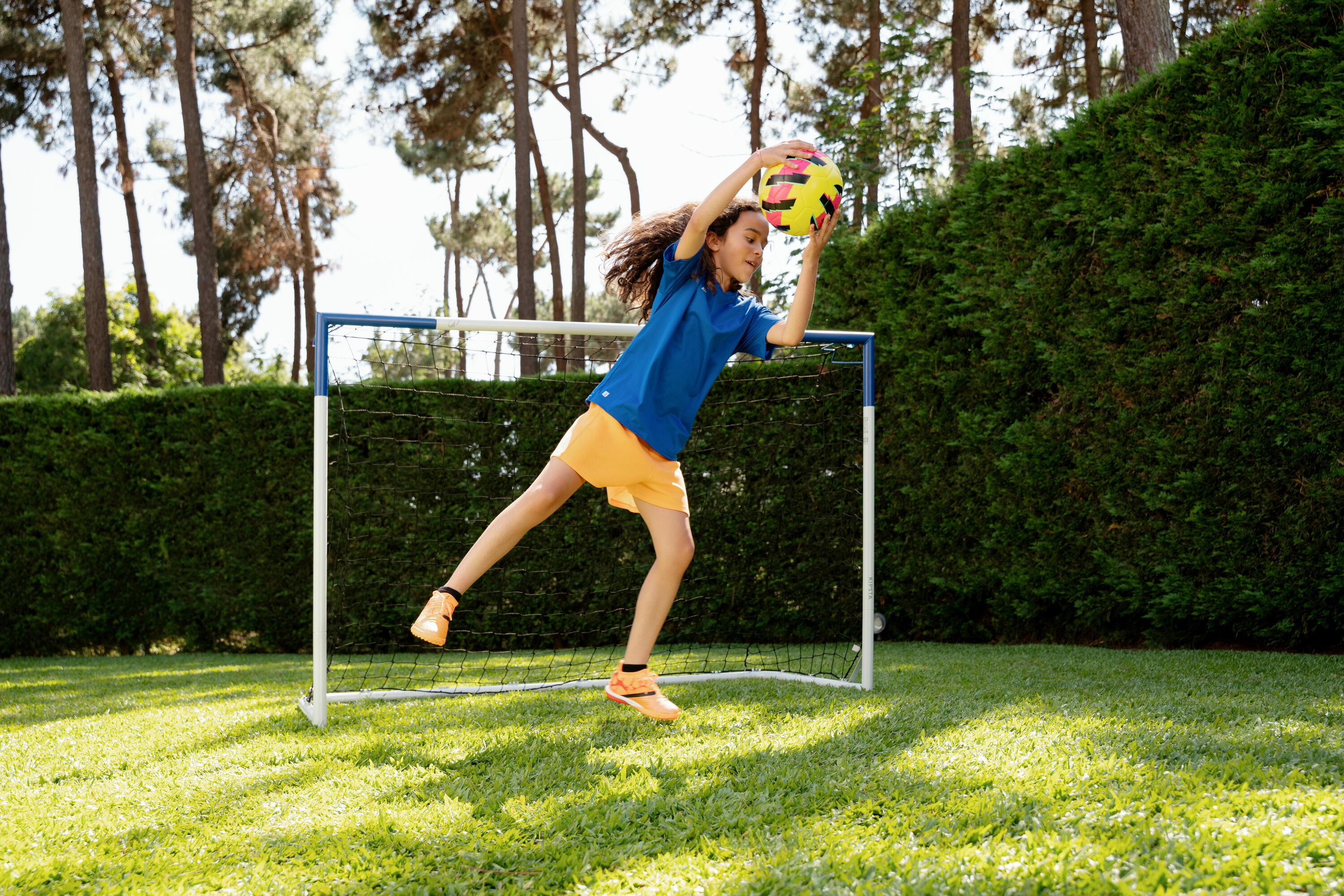
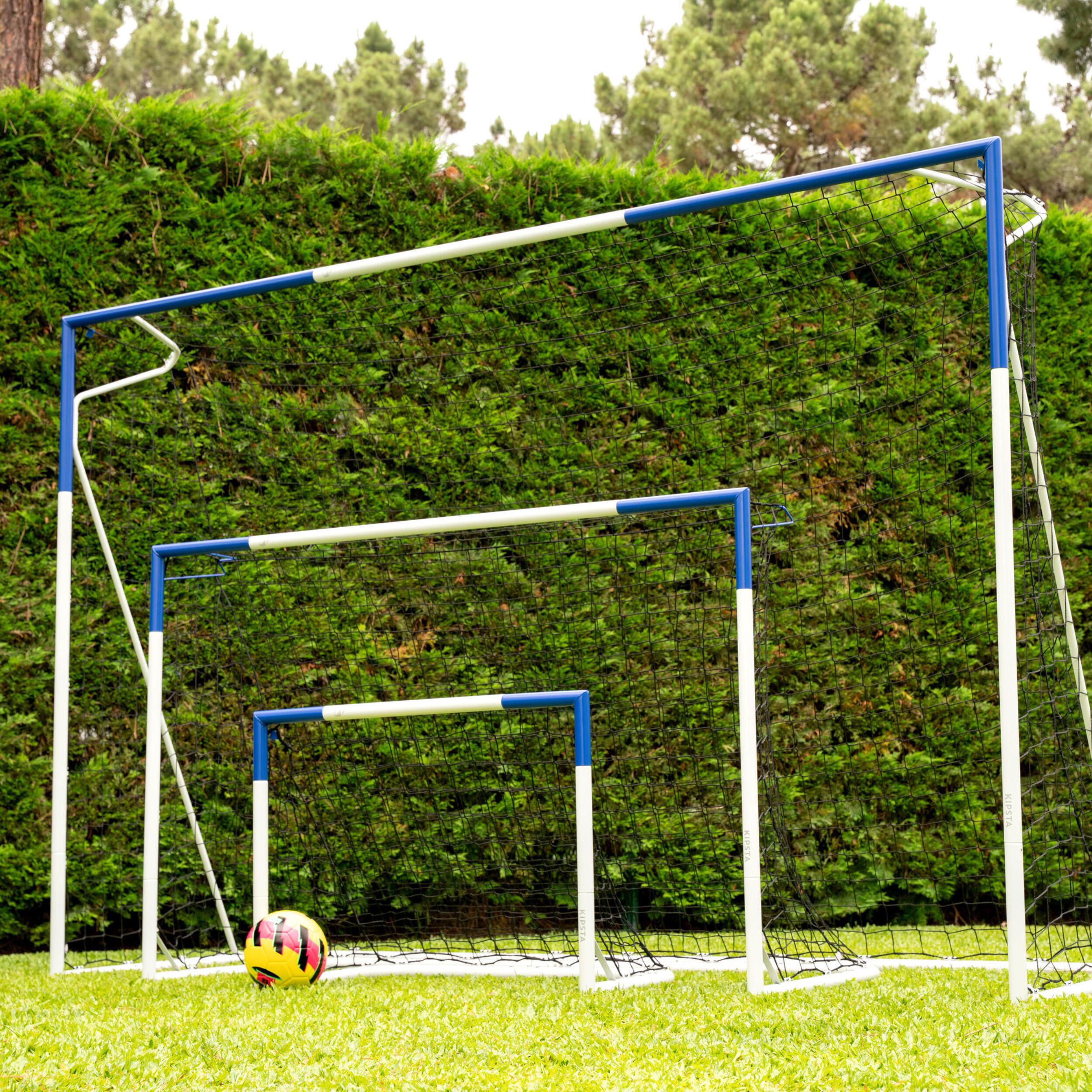
Start with the available space, player age and whether the goal will remain outside or be moved after each session. Small portable goals suit gardens and basic shooting practice, while larger frames provide a more realistic target for team drills. Look at assembly, anchoring and net availability as well as the frame dimensions. A goal must be secured according to its instructions before play, even when it appears stable on level ground. The football goals category includes different sizes and constructions for home use and organised training. Replacement nets can extend the usable life of compatible frames, reducing the need to replace the complete goal when only the net is worn. Store removable parts dry and inspect joints, anchors and net attachment points regularly.