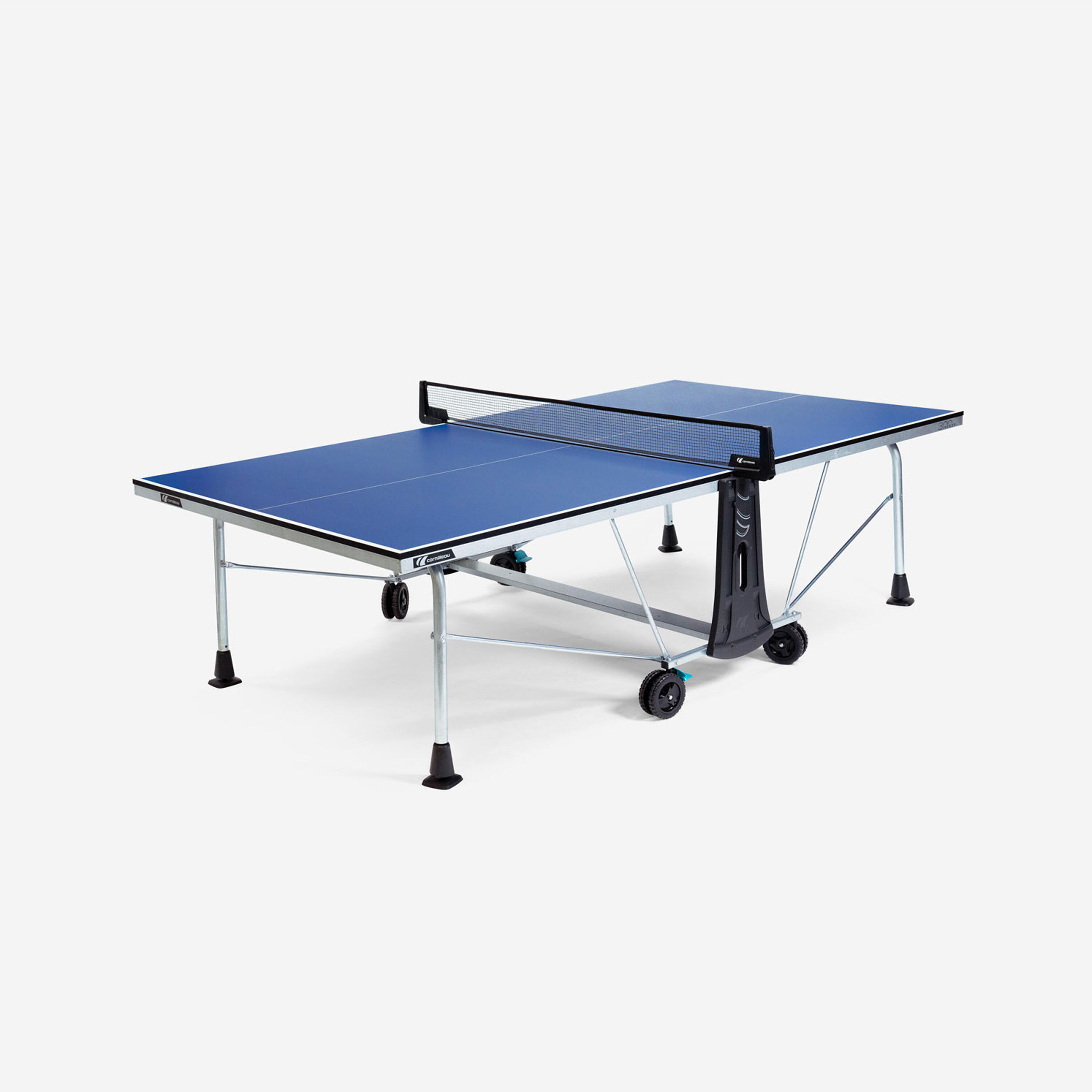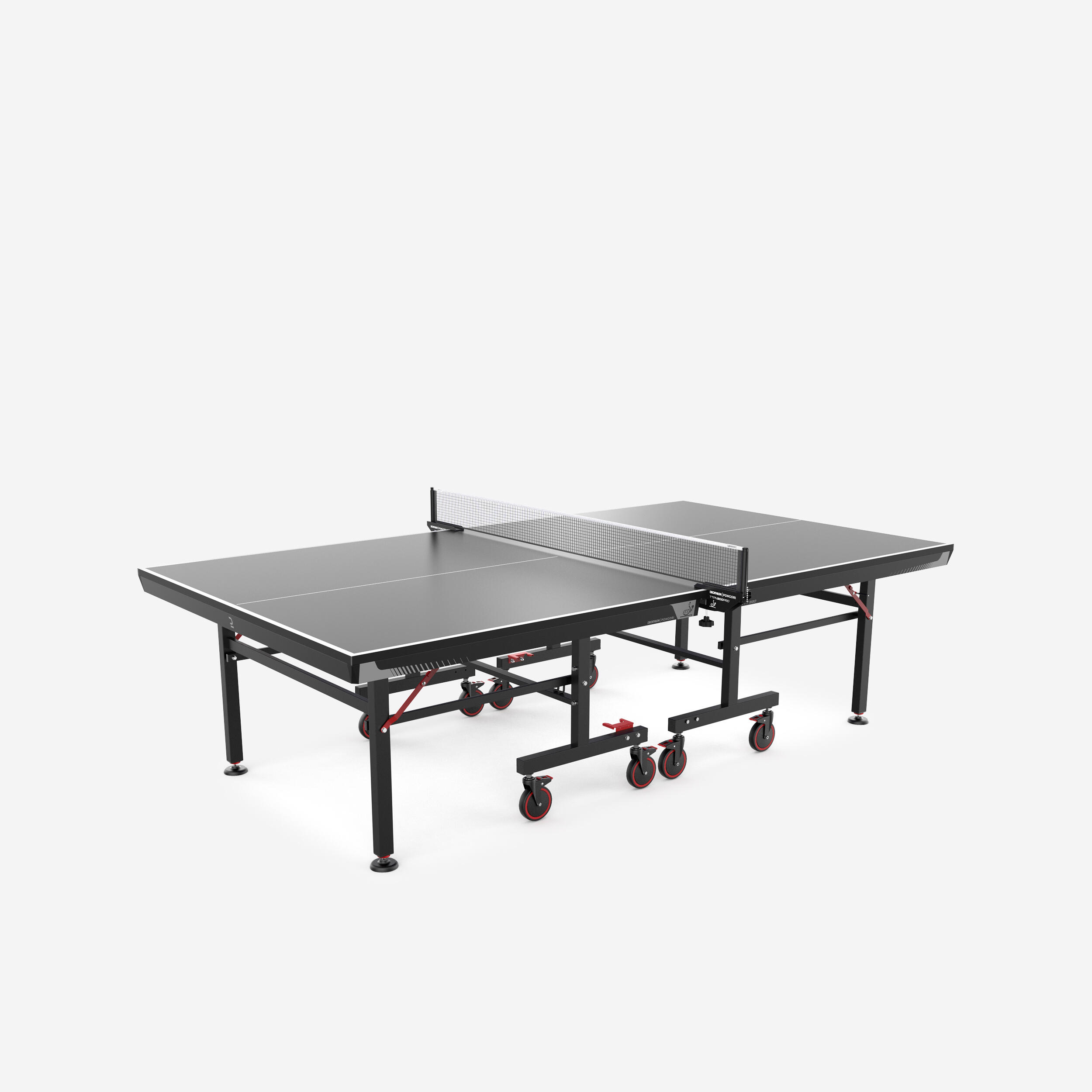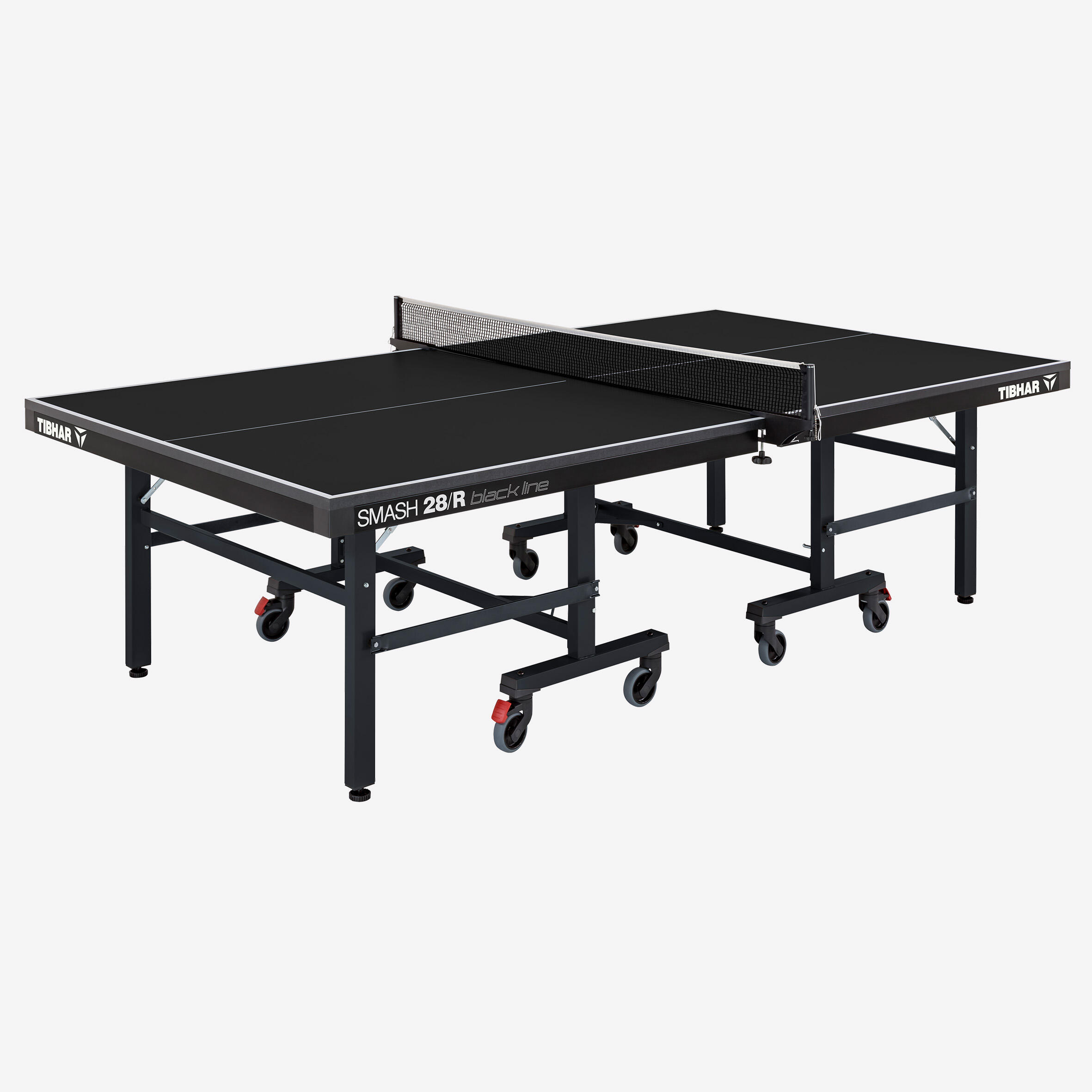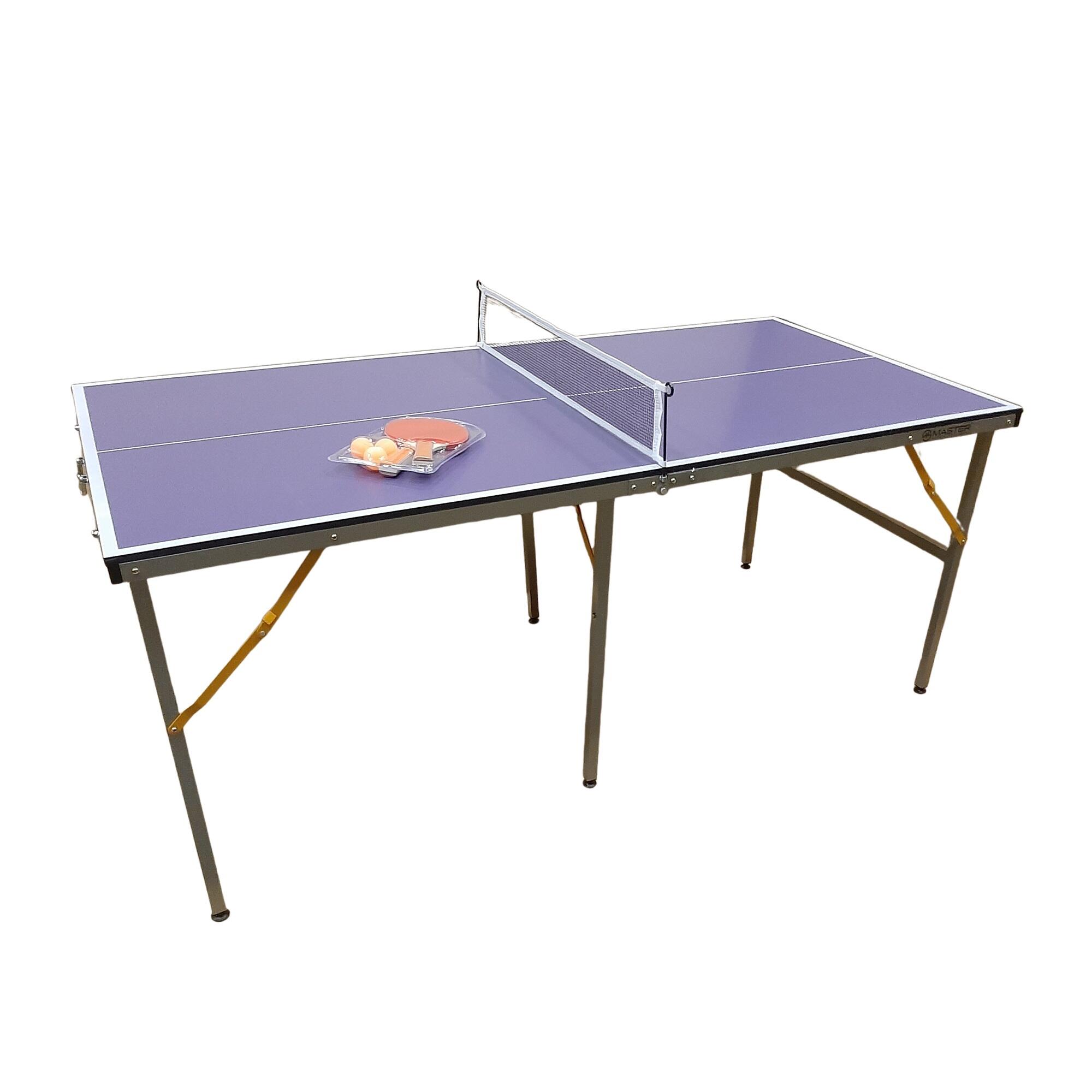
21 items
4.6/5 based on 477 reviews collected online and in stores

INDOOR TABLES FAQS

What is the difference between an indoor table tennis table and an outdoor one?

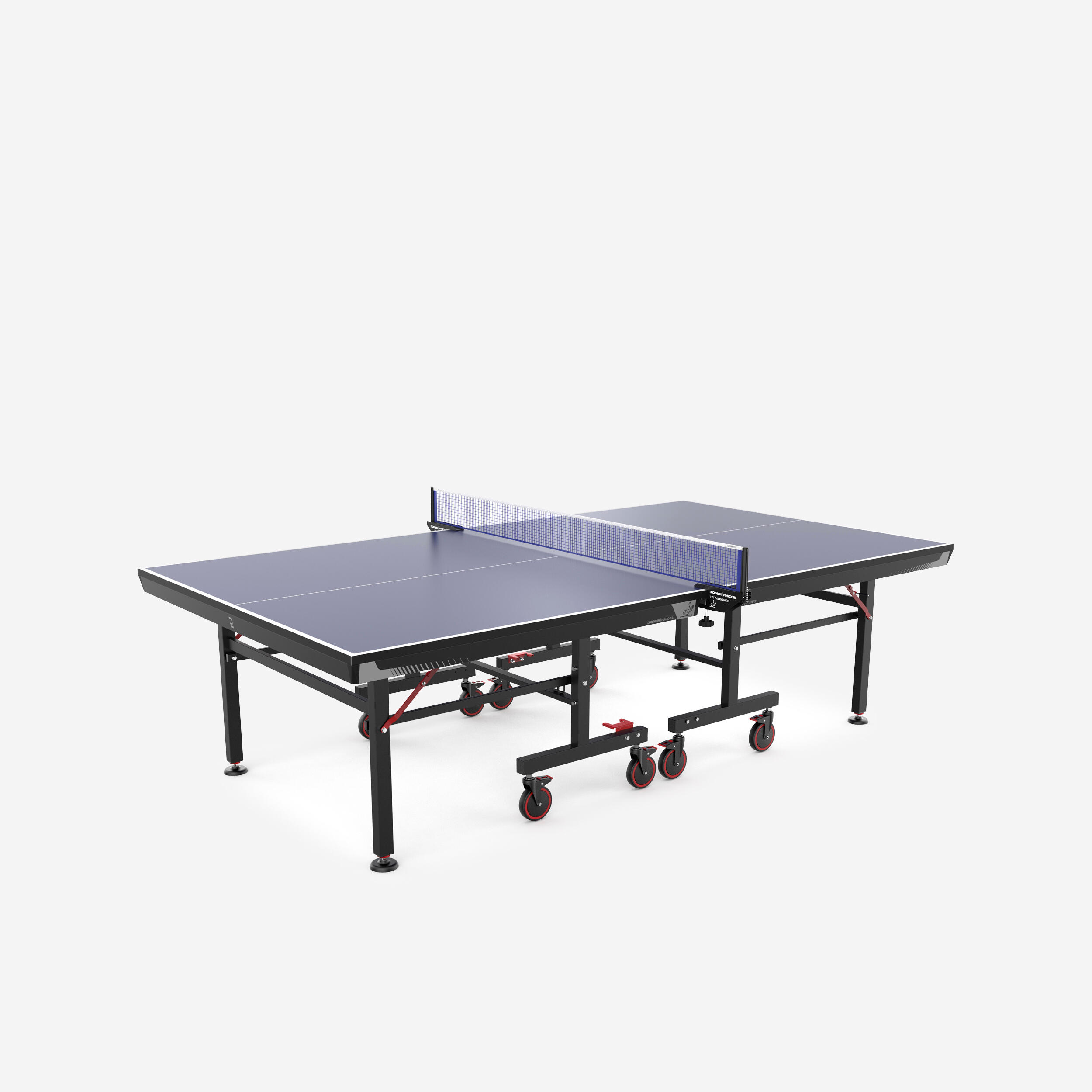
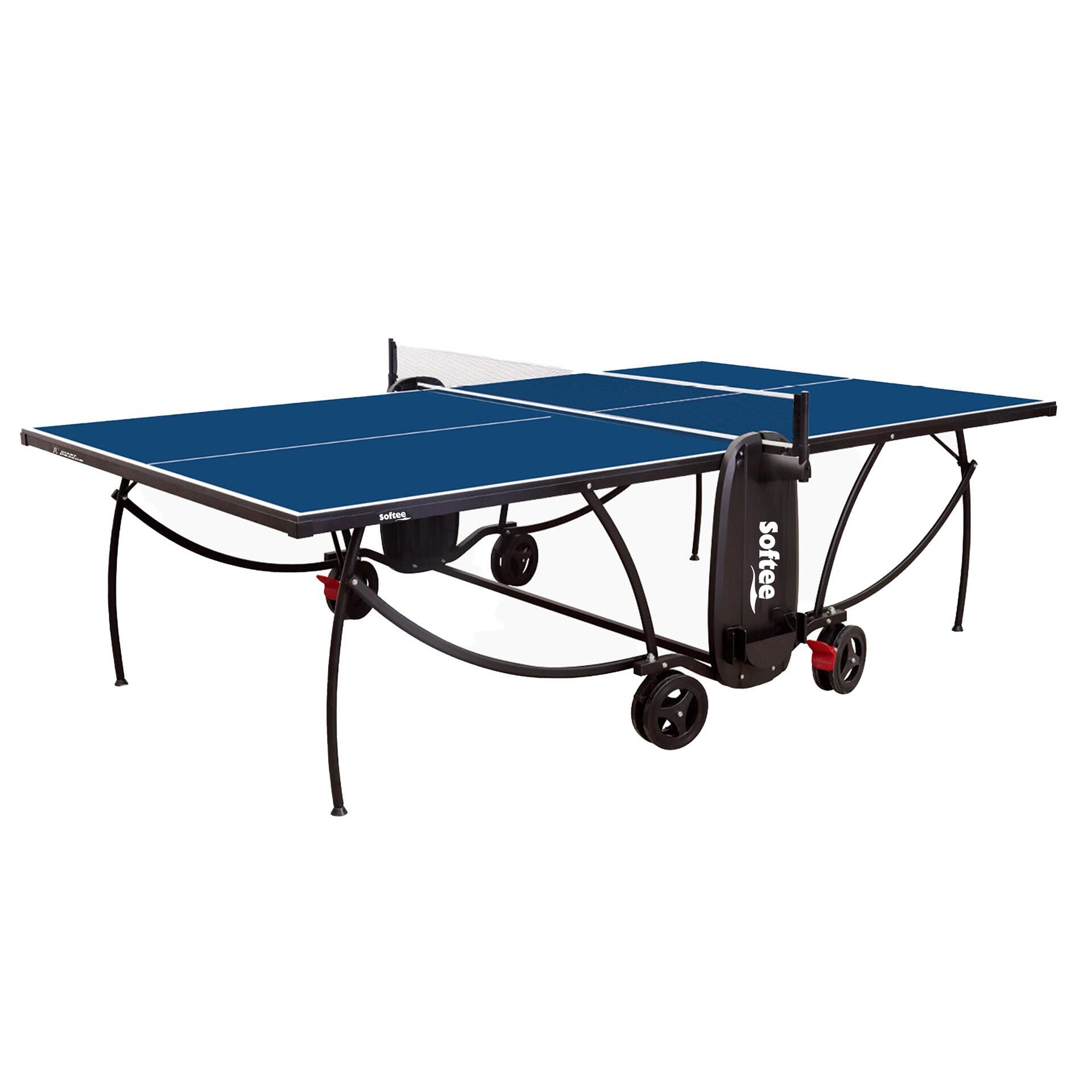
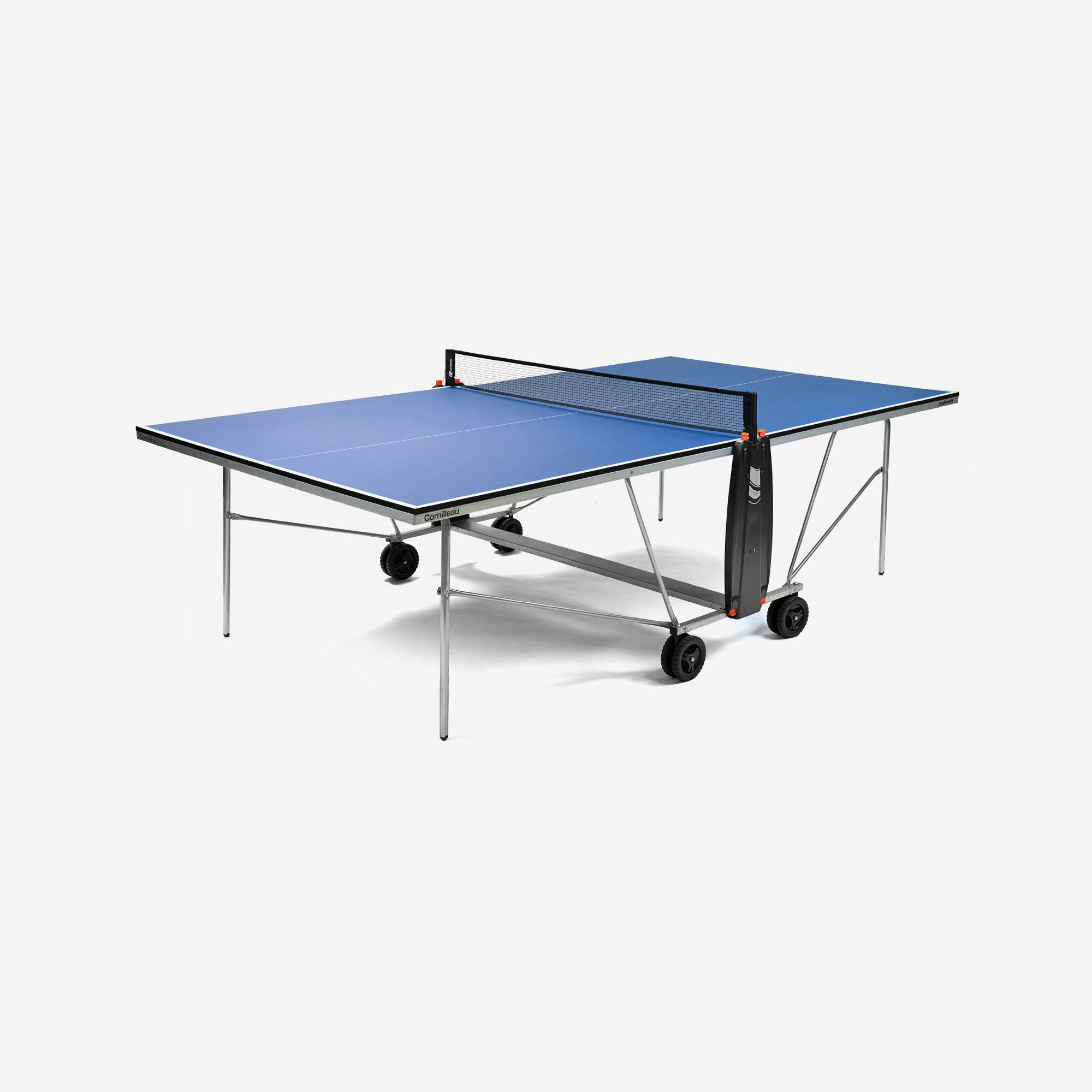
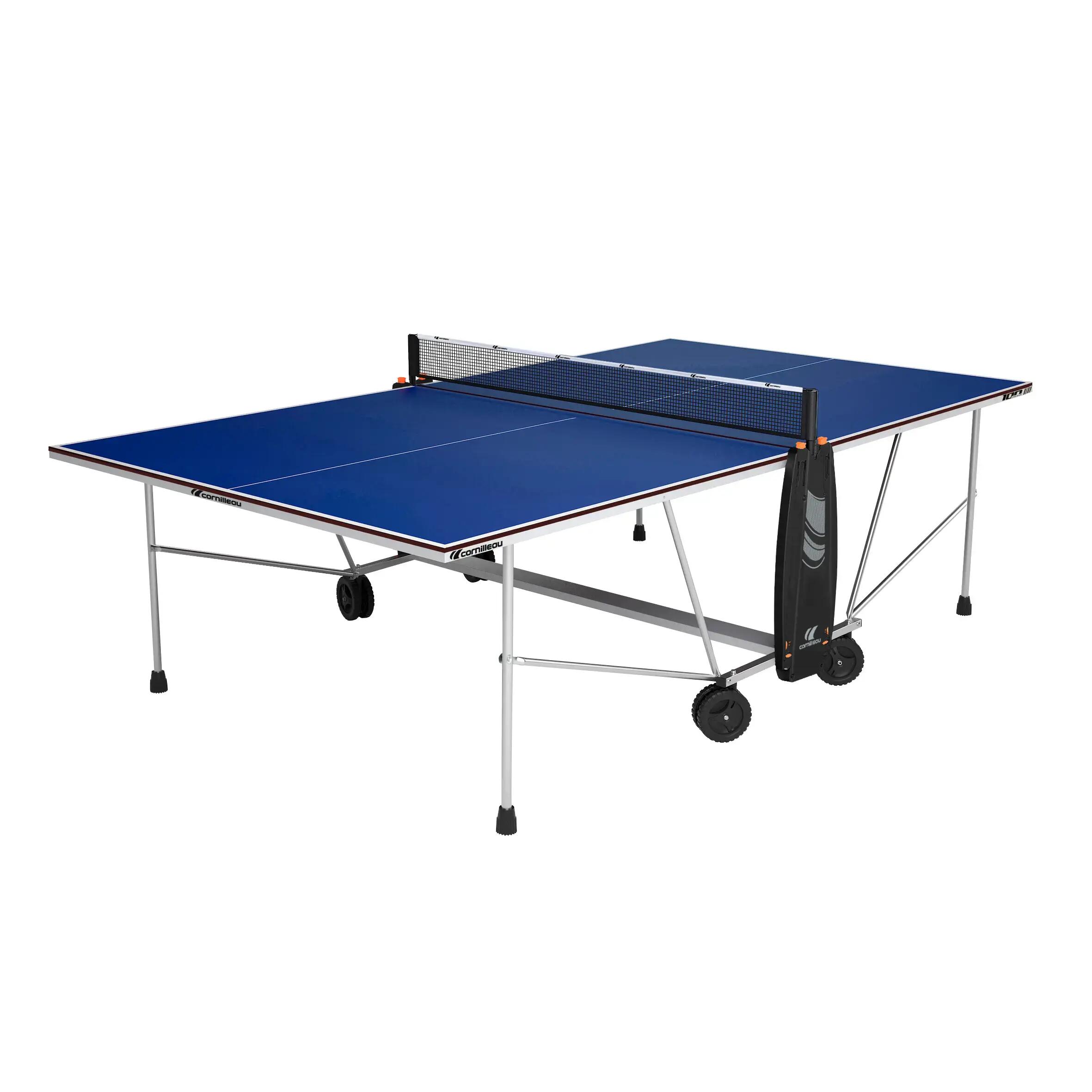
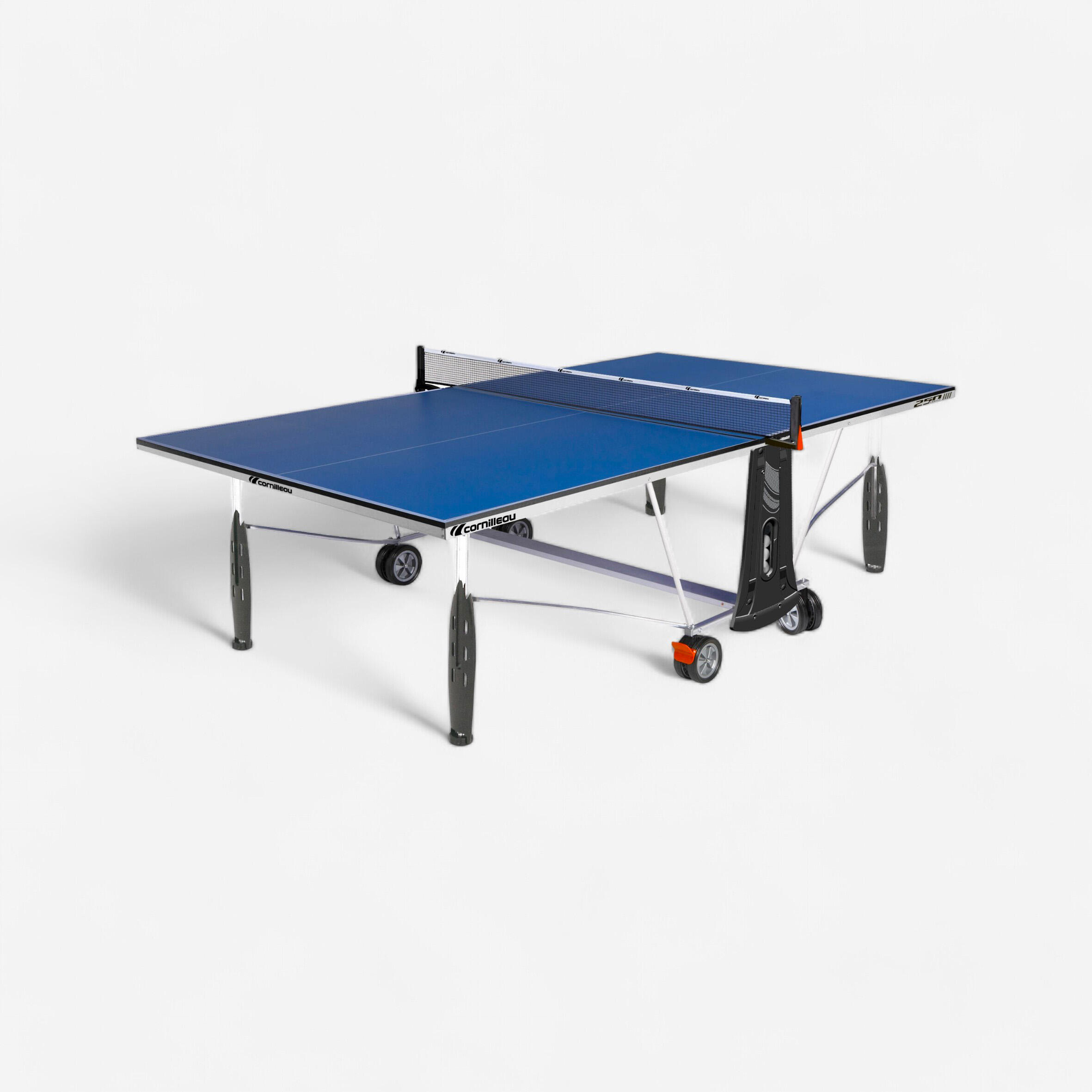
The primary distinction lies in the material composition of the playing surface and the frame's resistance to environmental factors. Most indoor tables feature a chipboard or high-density wood top that provides a superior, consistent ball bounce preferred for competitive play. In contrast, outdoor versions use melamine resin to prevent warping under humidity. When you buy indoor tables, you are prioritizing the technical quality of the game over weatherproofing. The frames on indoor sports tables are often lighter because they do not require the anti-corrosion treatments found on garden models. If you are setting up a dedicated playroom, pairing your setup with quality table tennis nets/rollnet ensures proper playability and convenience across different table setups. Smart tip: A 19mm or 22mm tabletop will offer a much truer bounce than a thinner 15 mm entry-level version, as the denser wood absorbs less energy from the ball impact.

Can you store an indoor ping pong table in the garage?

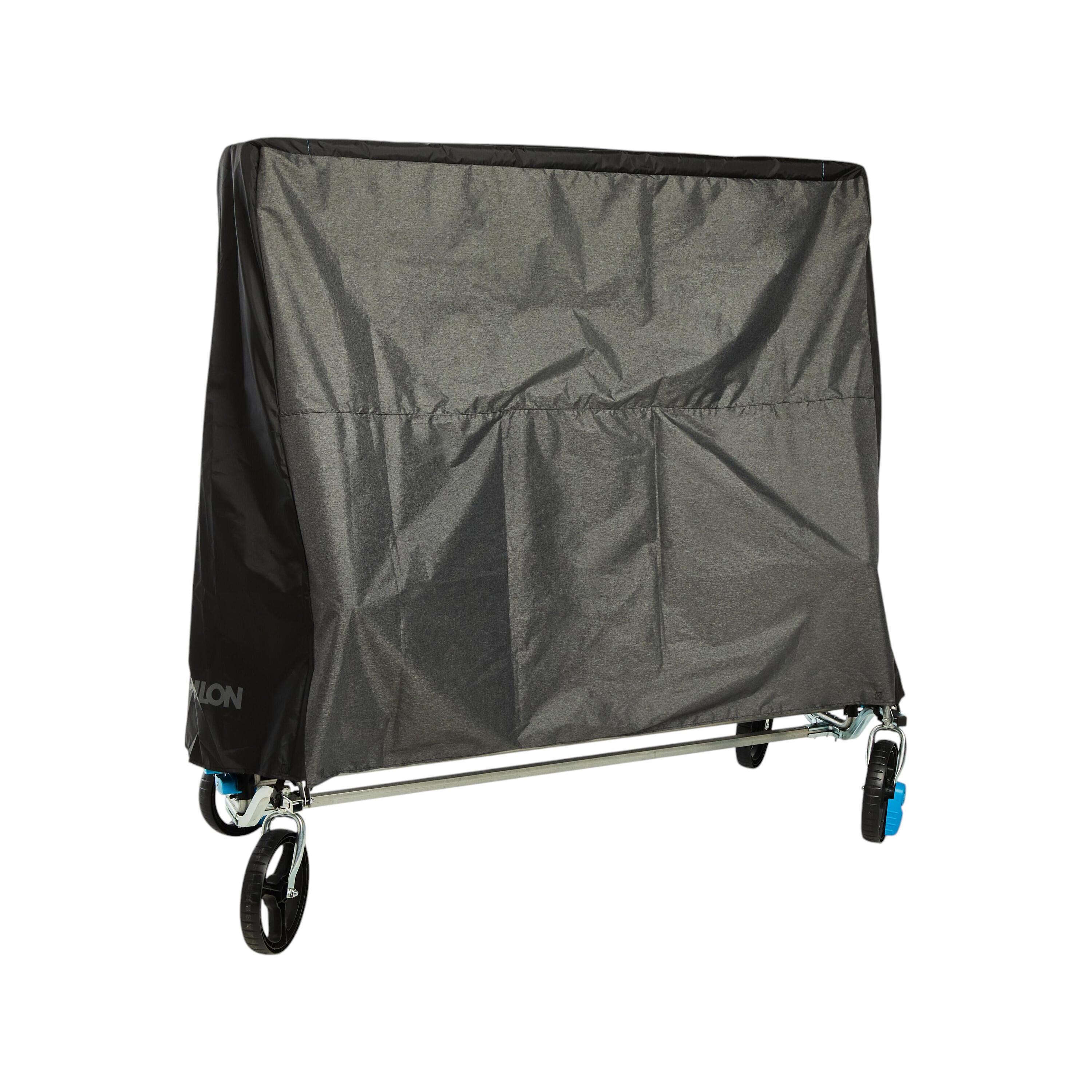
Yes, only if the environment remains completely dry and well-ventilated throughout the year. Indoor tables are highly sensitive to hygrometry; moisture in the air can penetrate the wood fibres, causing the surface to blister or lose its flatness. For those with limited space, compact indoor table tennis tables offer foldable mechanisms that make it easier to tuck the unit away in a corner after use. If the garage is prone to dampness during winter, the metal undercarriage can also develop surface rust. To ensure the longevity of your equipment, always use a protective cover even when stored inside. Small tip: Check the locking wheels before folding; keeping the brakes engaged while in the vertical storage position prevents the table from shifting and damaging the delicate edges of the playing surface. Choosing weather-resistant table tennis outdoor tables can also be a practical solution for spaces exposed to temperature fluctuations or higher humidity levels.

What are the benefits of compact indoor table tennis tables?

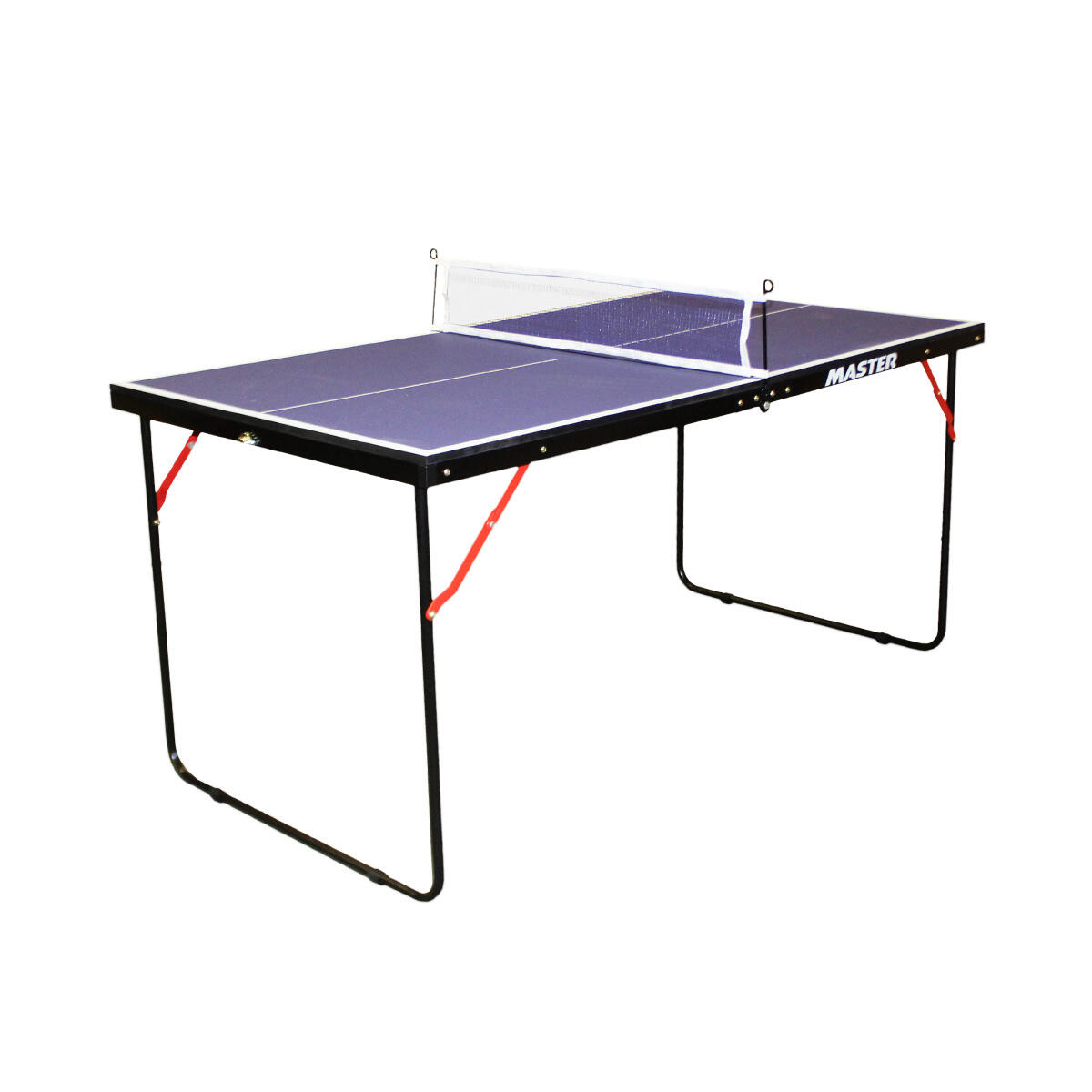
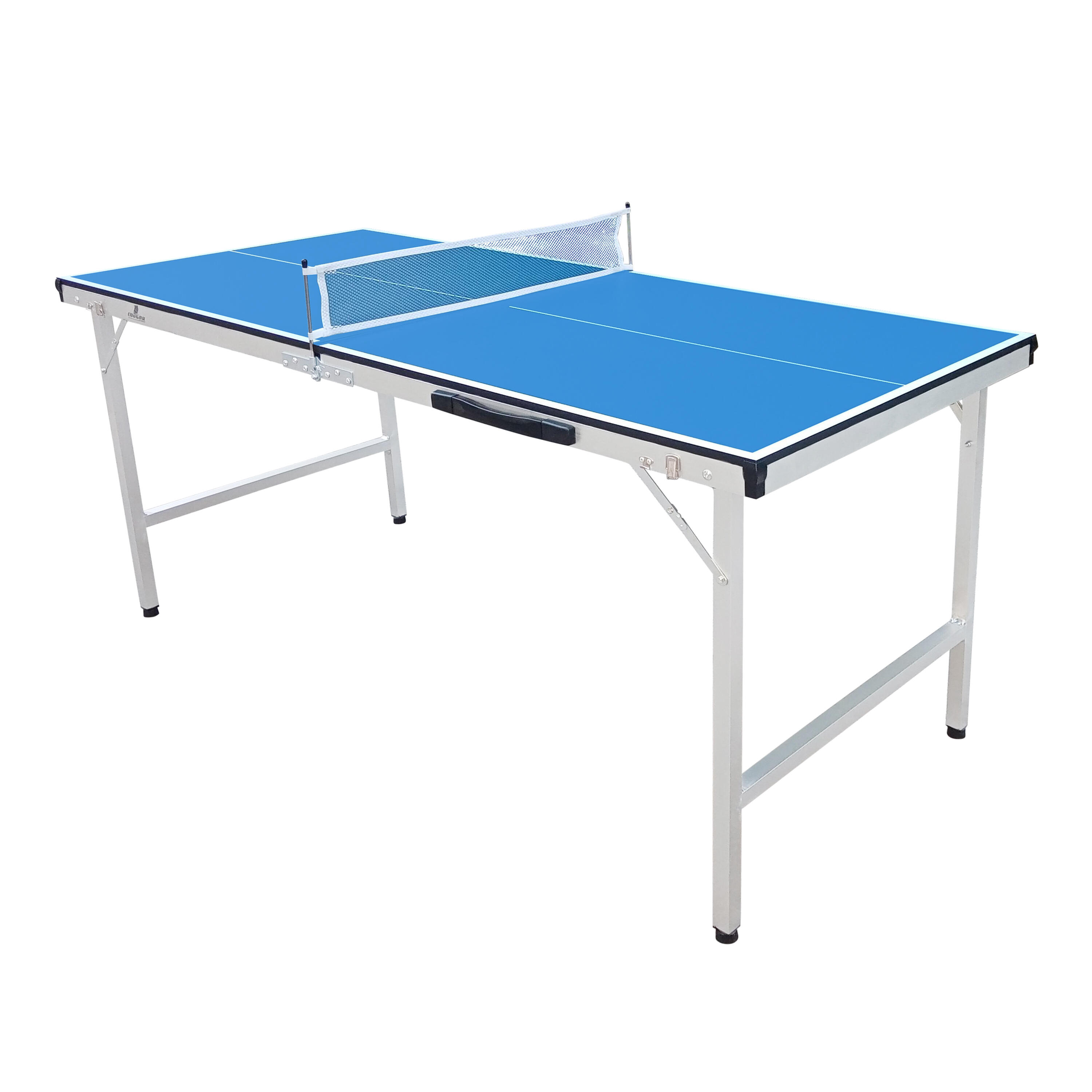
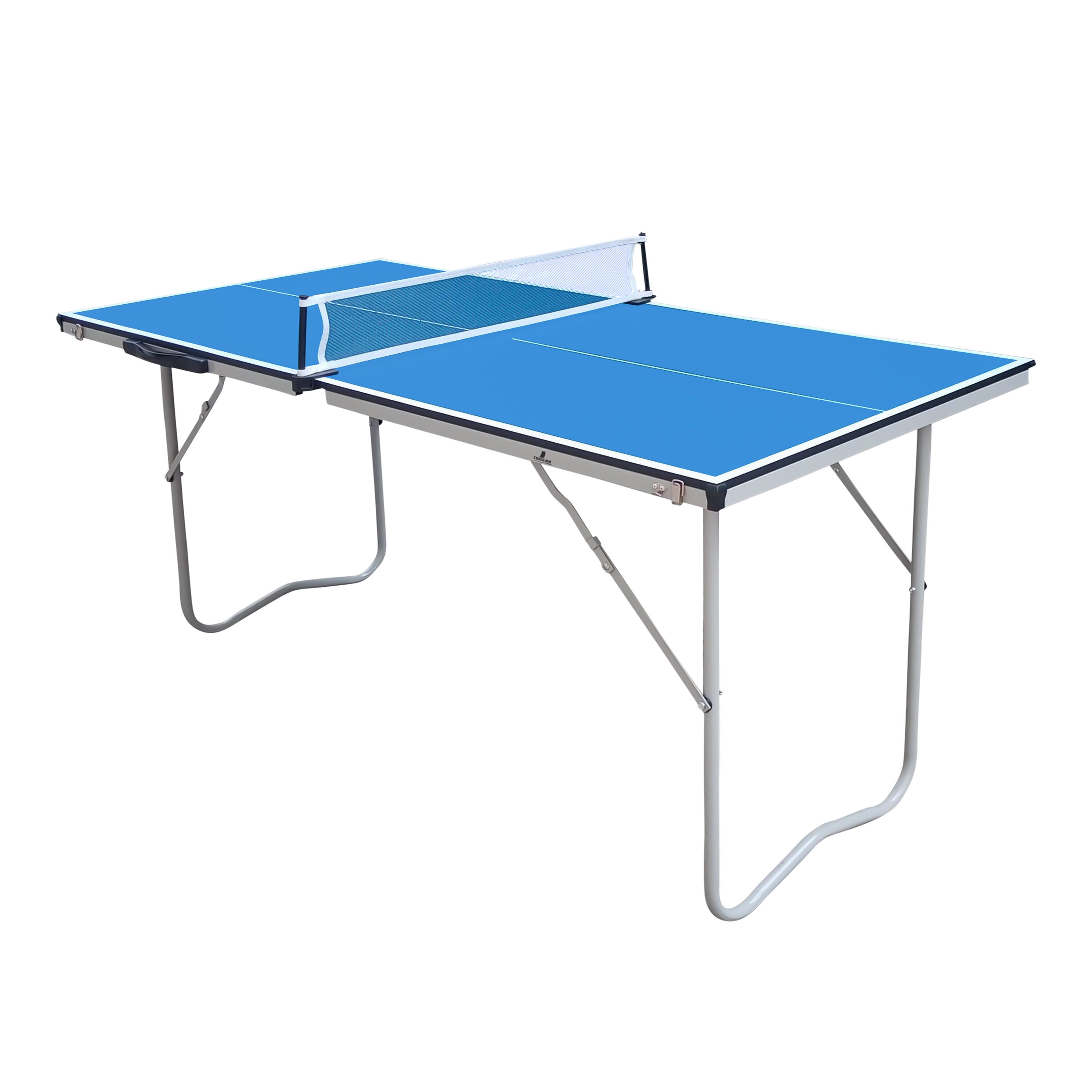
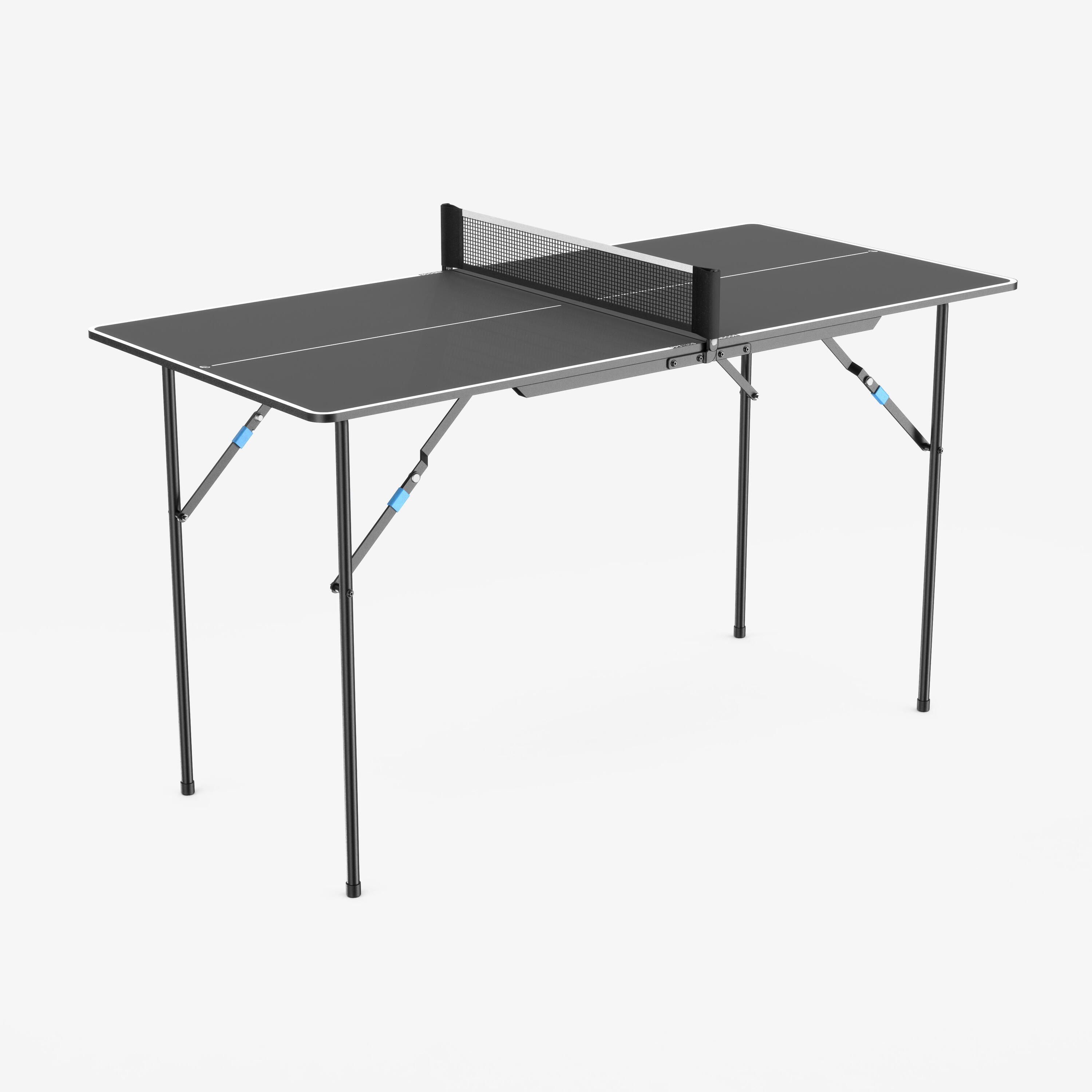
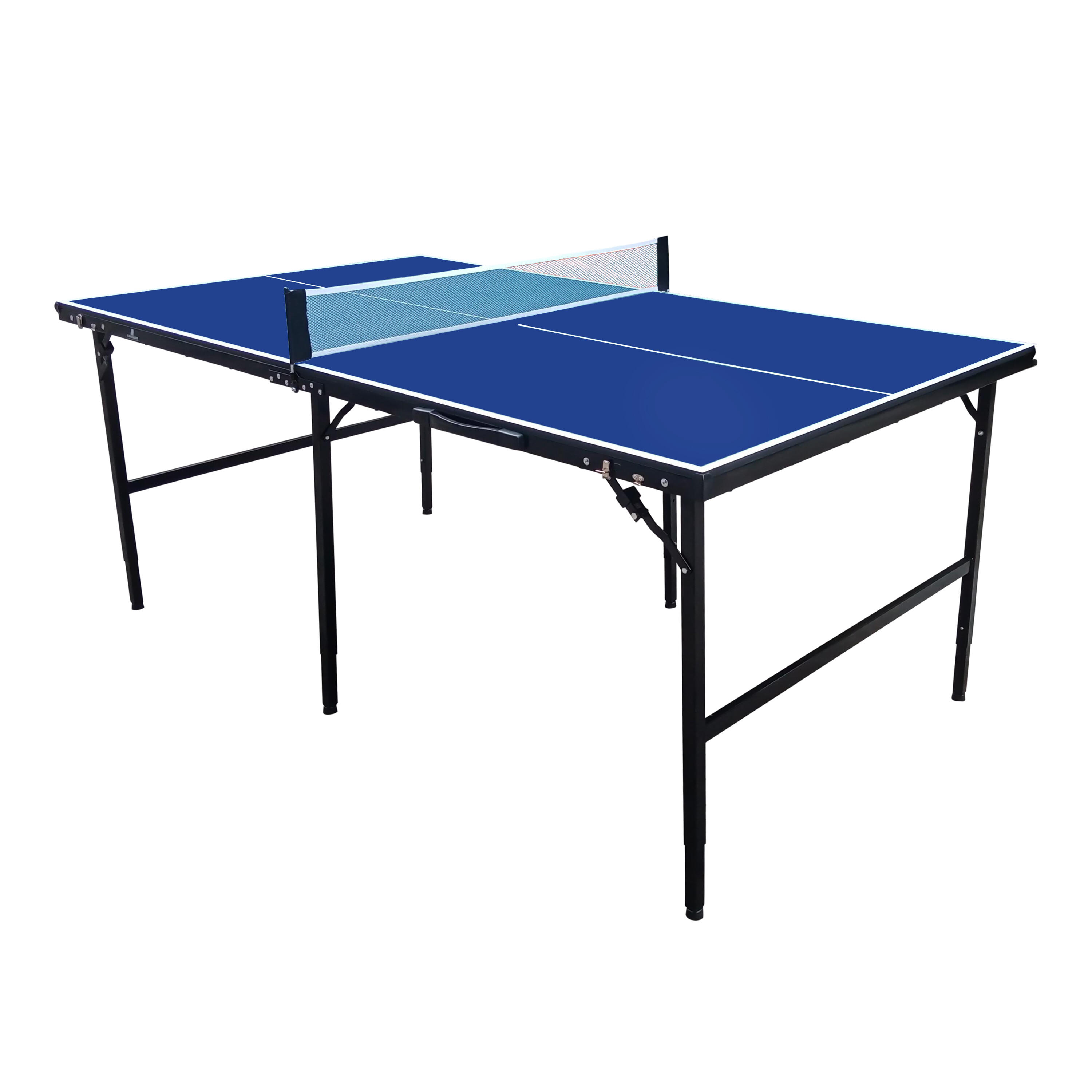
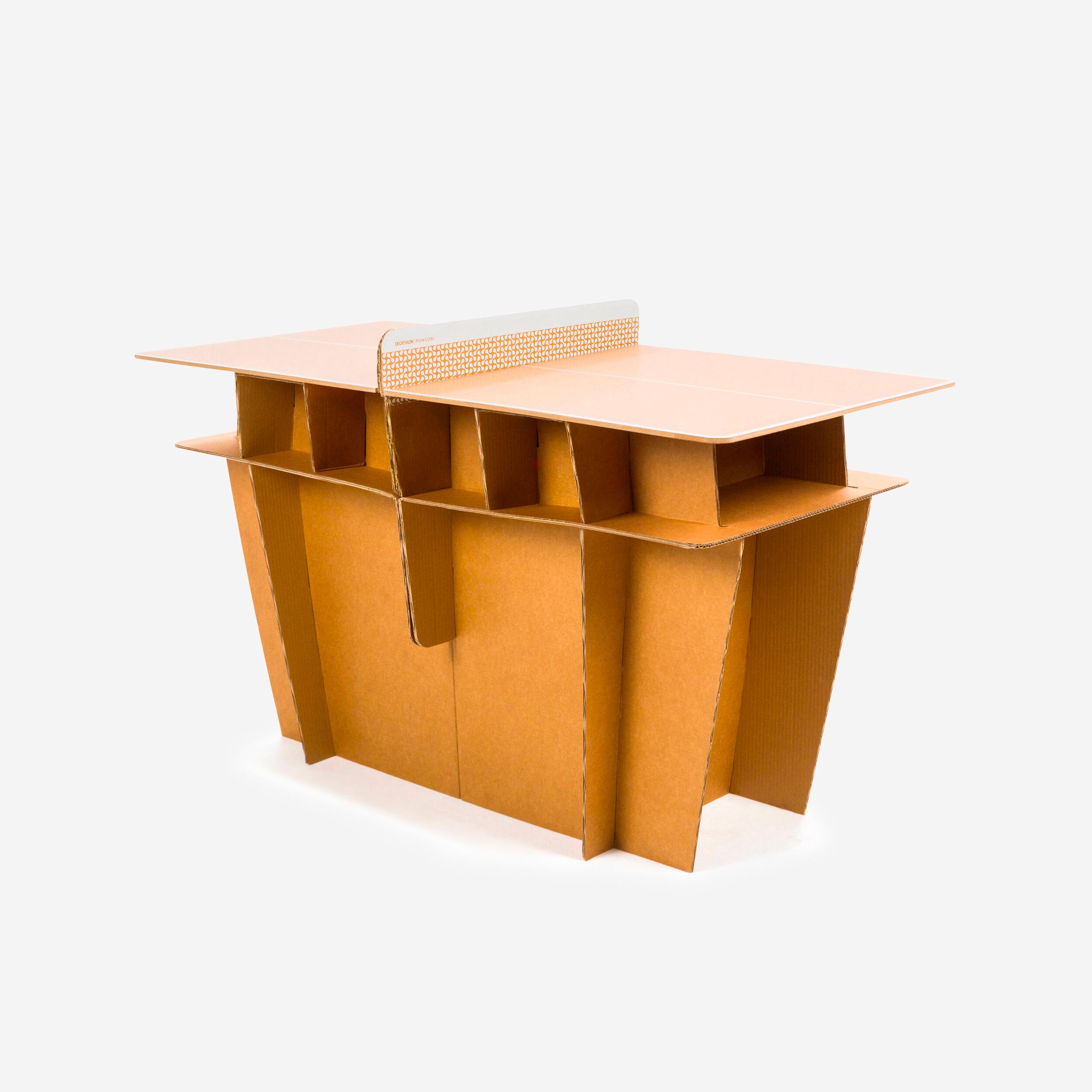
Modern compact indoor table tennis tables are engineered to provide a professional feel without requiring a full-sized room. These indoor sports tables are ideal for apartments or smaller recreation rooms where a standard 9 ft table would obstruct movement. The technical "why" behind the popularity of these models is the inclusion of detachable legs or central folding joints that reduce the storage footprint by over 60%. To protect the playing surface from dust and moisture during storage, durable table tennis table covers are commonly used to maintain the table’s condition and extend its lifespan. Expert advice: When using a compact model, ensure the floor is level; many small tables feature adjustable feet to prevent the ball from drifting due to a slanted surface. This ensures that your indoor tables provide a fair playing field regardless of the flooring type in your home or office.

How do you maintain the surface of indoor tables?

Proper maintenance of the playing deck is essential to keep the friction levels consistent for spin shots. When you buy indoor tables, avoid using household detergents or abrasive cloths that can strip the matte finish or damage the white boundary lines. Instead, use a slightly damp microfibre cloth to remove dust and perspiration marks after each session. Dust is the enemy of a good game as it acts like a lubricant, making the ball slide rather than bounce. The reason for the specific paint used on indoor sports tables is to reduce glare from overhead lighting while providing a grippy texture for the ball. Players looking for space-efficient options often choose versatile table tennis small/medium tables that are easier to maintain and store in compact environments. Smart tip: Never sit or lean on the table edges, as the weight can stress the central hinges and cause the two halves to become unaligned over time, resulting in a "lip" at the net line that ruins the game flow.