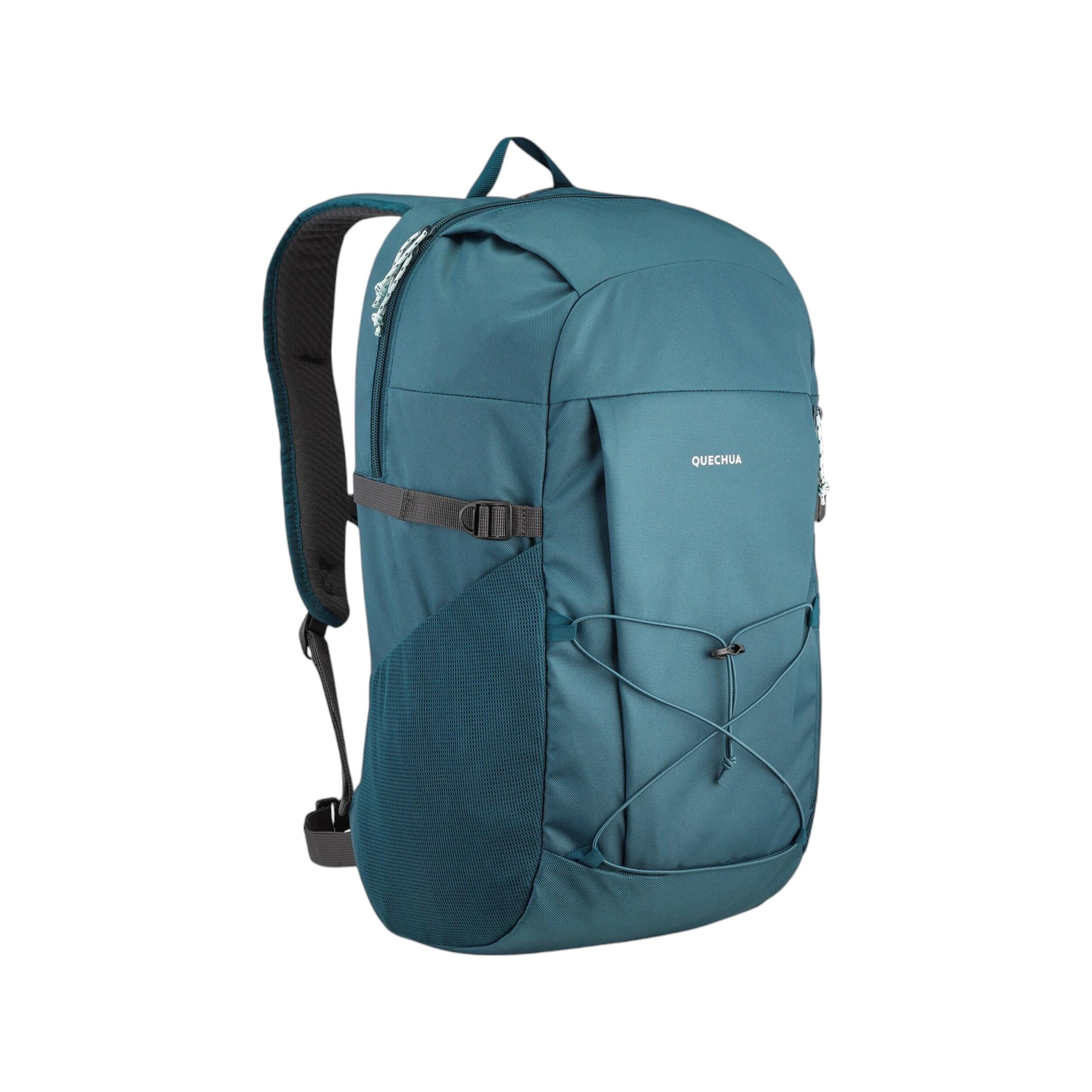
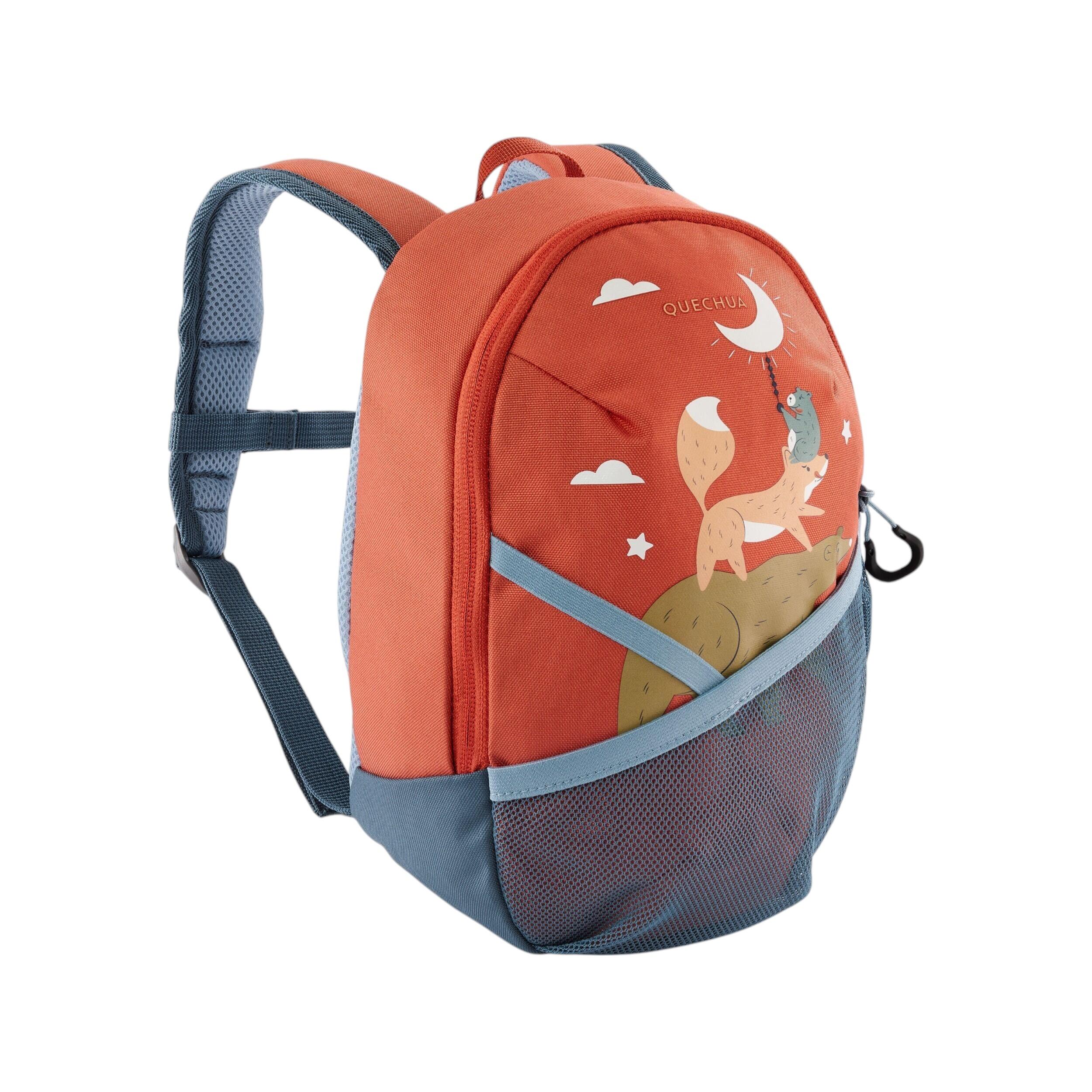
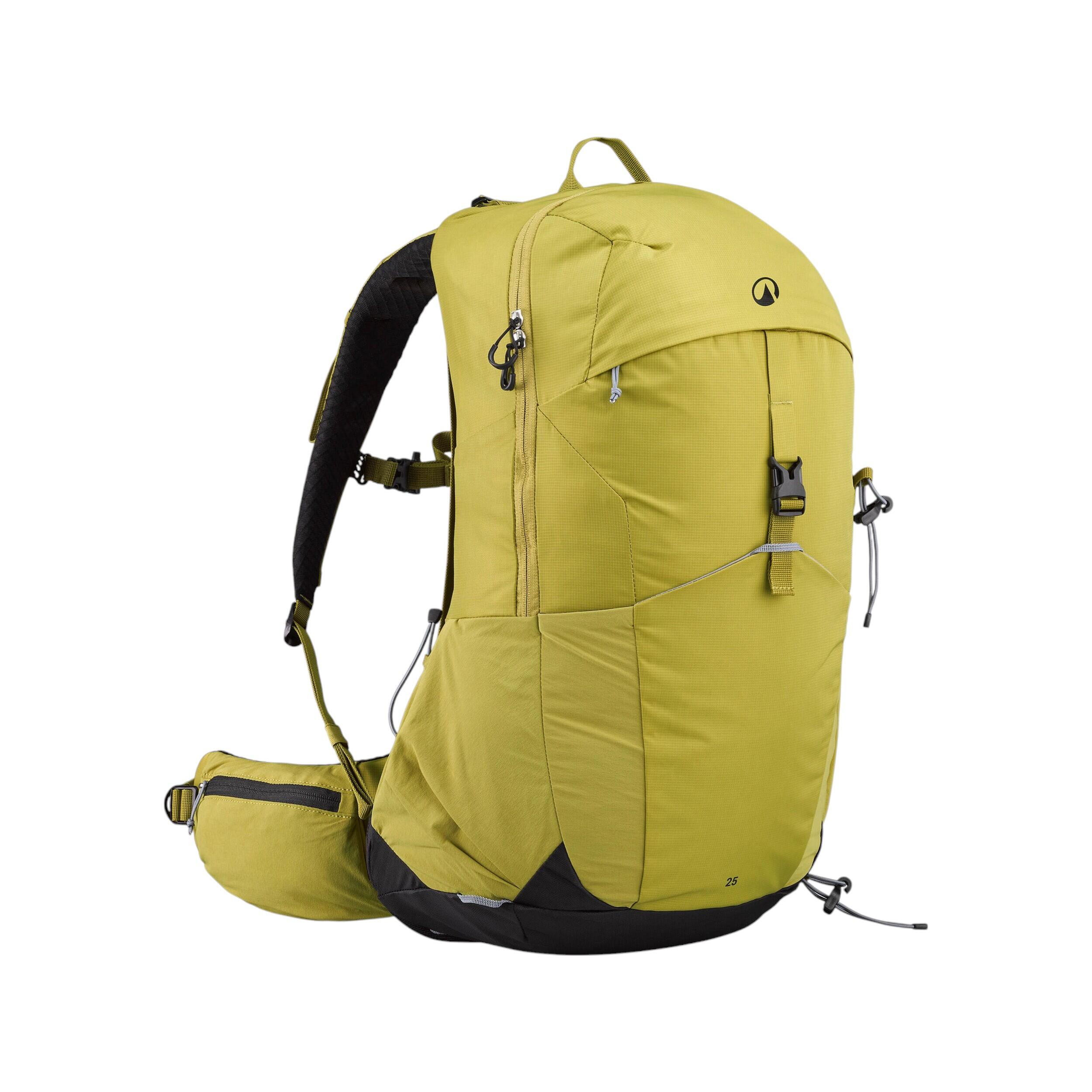
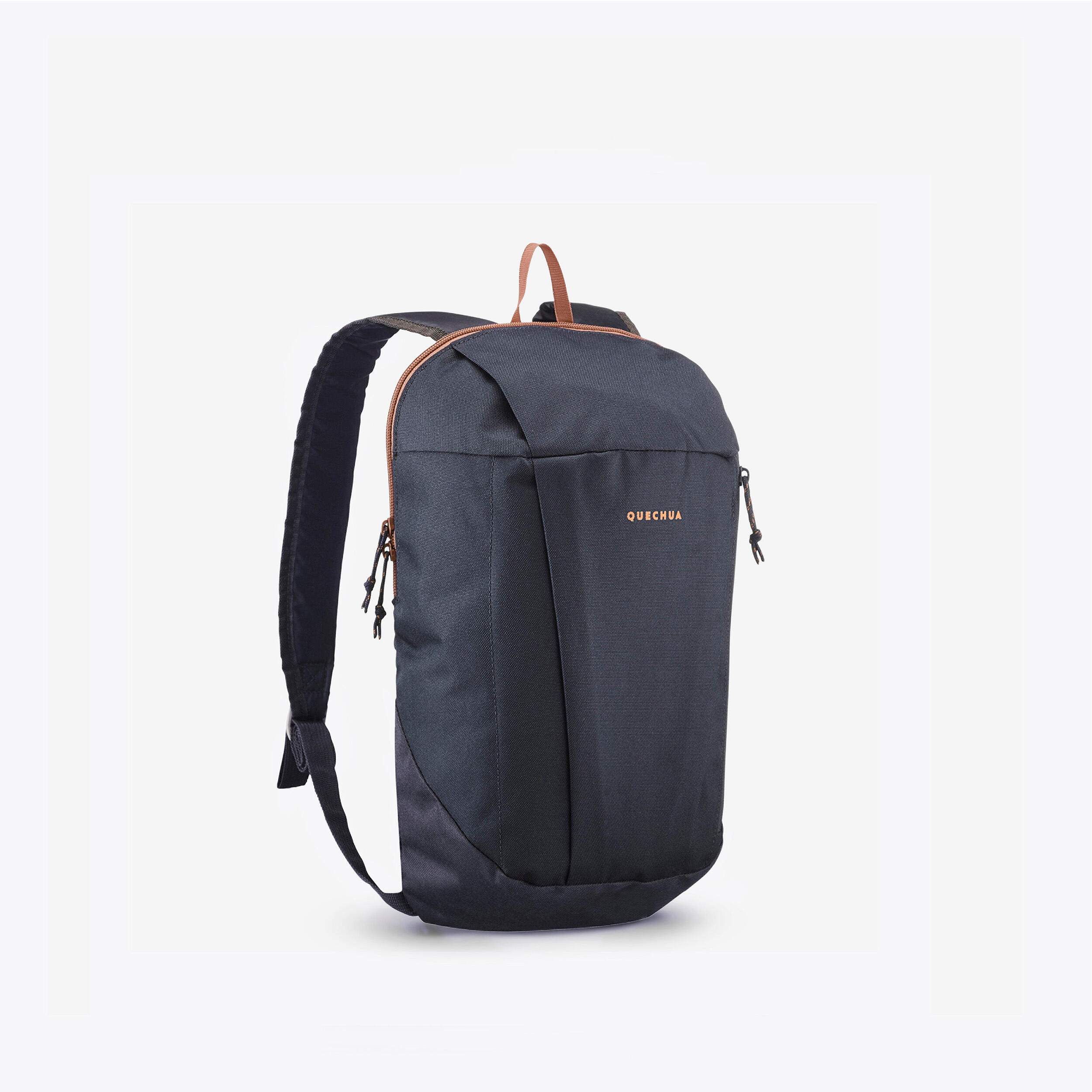
1,963 items
4.6/5 based on 446792 reviews collected online and in stores

WOMEN'S HIKING BACKPACKS FAQS

What’s the difference between a women's rucksack and a women's backpack?

While a standard bag might be suitable for light city use, these technical women’s hiking backpacks are created to support movement on the trail and adapt to changing weather conditions. A backpack is a general term for any storage solution worn on the back, but a rucksack is often larger and optimized for outdoor use with specific features for load stability. Many hikers choose men’s hiking backpacks if they have a broader frame, though women-specific models offer superior comfort for narrower shoulders. Rucksacks frequently include mechanical support systems such as hip belts and chest straps that distribute the weight of your gear onto your pelvic bones rather than your lumbar spine. This is a critical technical distinction, by shifting the centre of gravity closer to your core, you reduce muscle fatigue in your upper back during long ascents. Our mountain hiking backpacks for women also feature specialized back panels, such as suspended mesh or perforated foam, to maximize airflow and keep you dry. Using a rucksack over a standard backpack ensures that your gear stays secure even when you are navigating steep gradients or uneven surfaces.
How are women's backpacks different from unisex models?

The female anatomy requires a specific harness shape, which is why women's hiking backpacks feature S-shaped shoulder straps that curve around the chest rather than crossing directly over it. For parents heading out with the whole family, matching these technical fits with kids hiking backpacks ensures that everyone stays comfortable without straining developing muscles. A lady’s rucksack also has a shorter back length (torso size) to prevent the bottom of the pack from rubbing against the lower back or hitting the hips. The hip belts are often angled more steeply to sit comfortably on the iliac crest, providing better mechanical weight transfer. Practical tip: When fitting your pack, always tighten the hip belt first to ensure the weight is supported by your legs before adjusting the shoulder straps for stability.

Is it better to wear a bag or a women's backpack for short hikes?

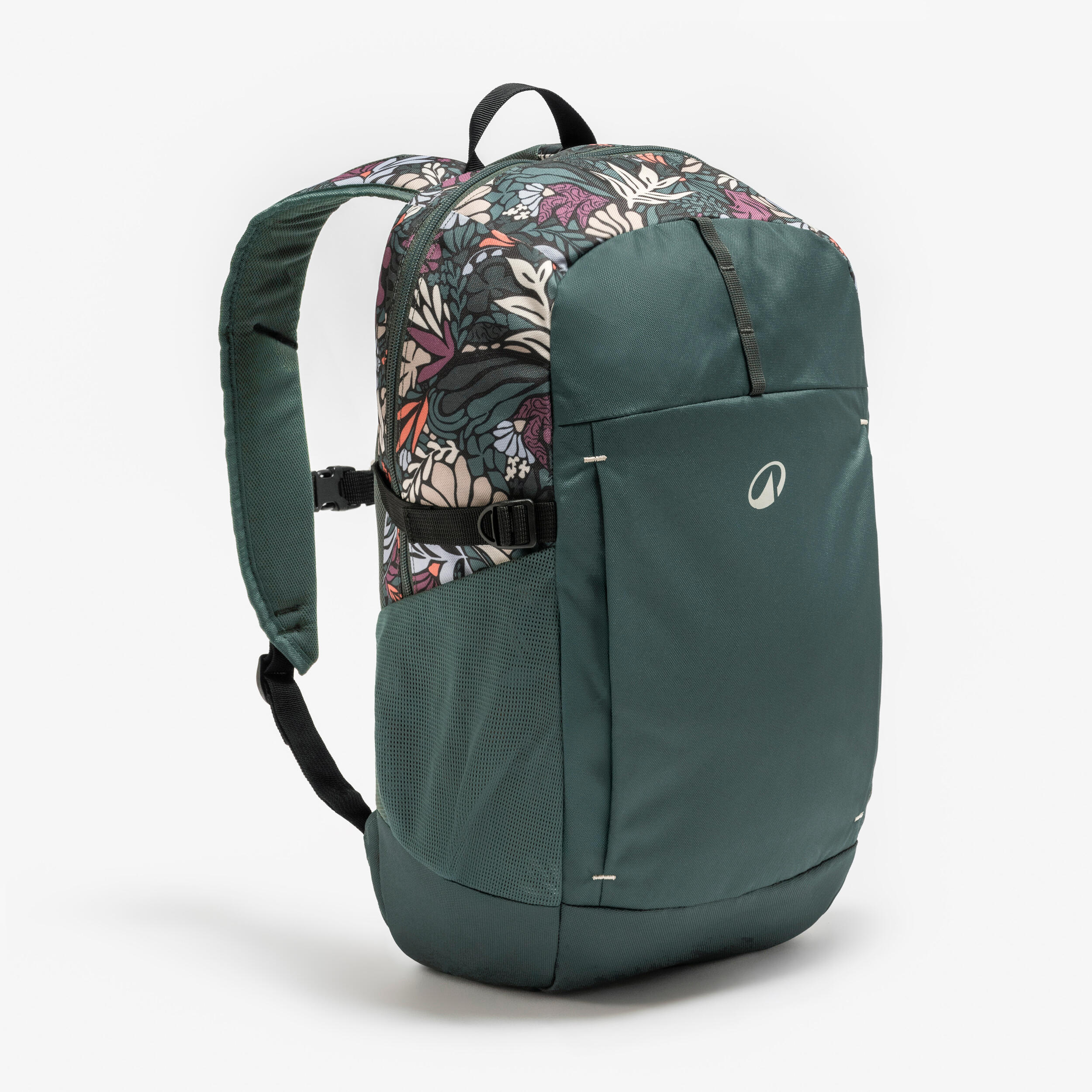
For short excursions lasting a few hours, a dedicated hiking pack is superior to a single-strap shoulder bag because it supports your posture and prevents spinal misalignment. If you only need to carry basic layers and water, selecting from our 5 to 20 litres backpacks provides a lightweight solution that won't feel bulky. These smaller models often include specialized waterproof pockets, allowing you to store your phone or keys in a protected compartment. The primary benefit of a backpack over a tote or messenger bag is symmetrical loading; by distributing weight across both shoulders, you prevent repetitive strain on one side of your body. Even on short walks, using the sternum strap helps keep the bag secure and prevents the shoulder straps from sliding while you move.

What is the best backpack size for a full-day hike?

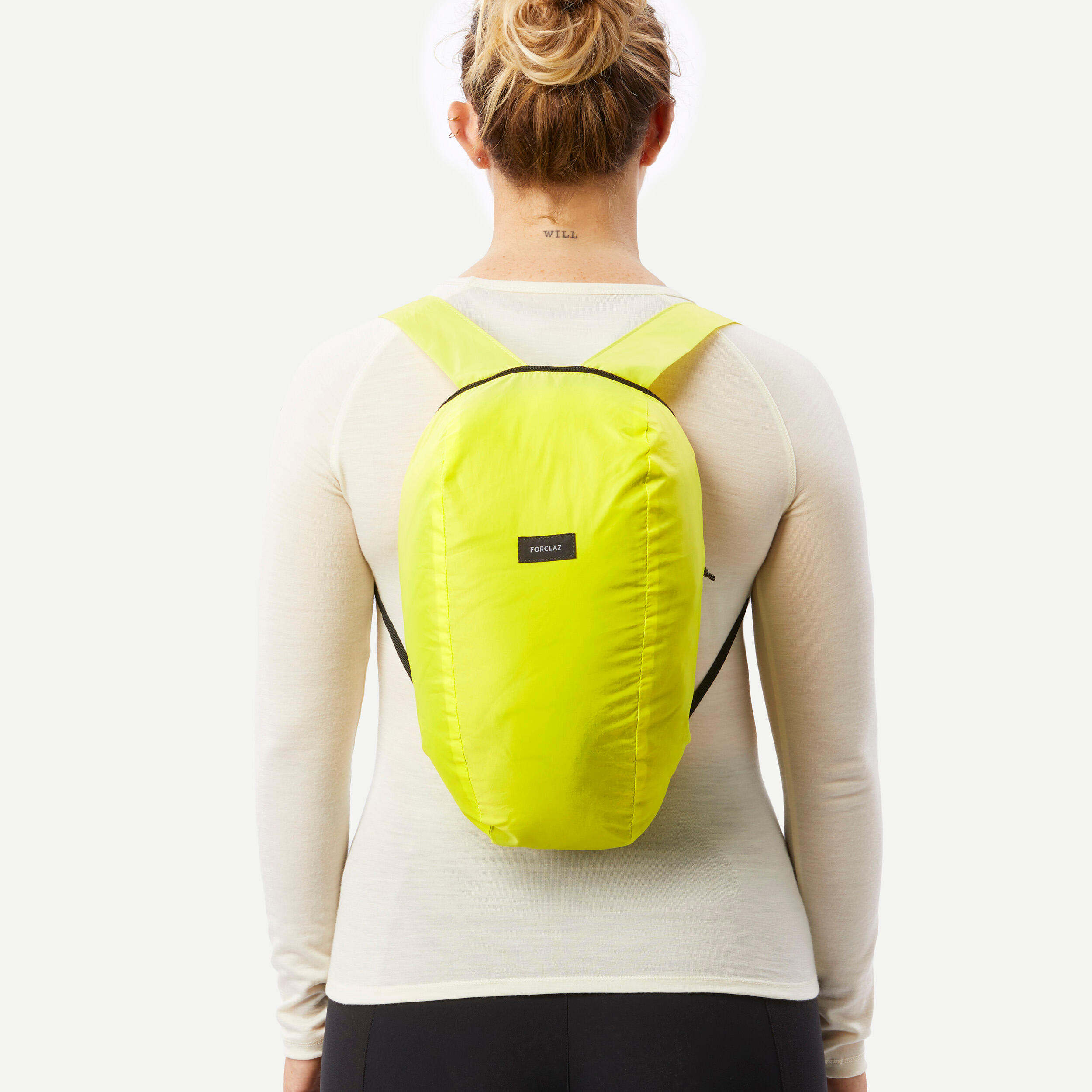
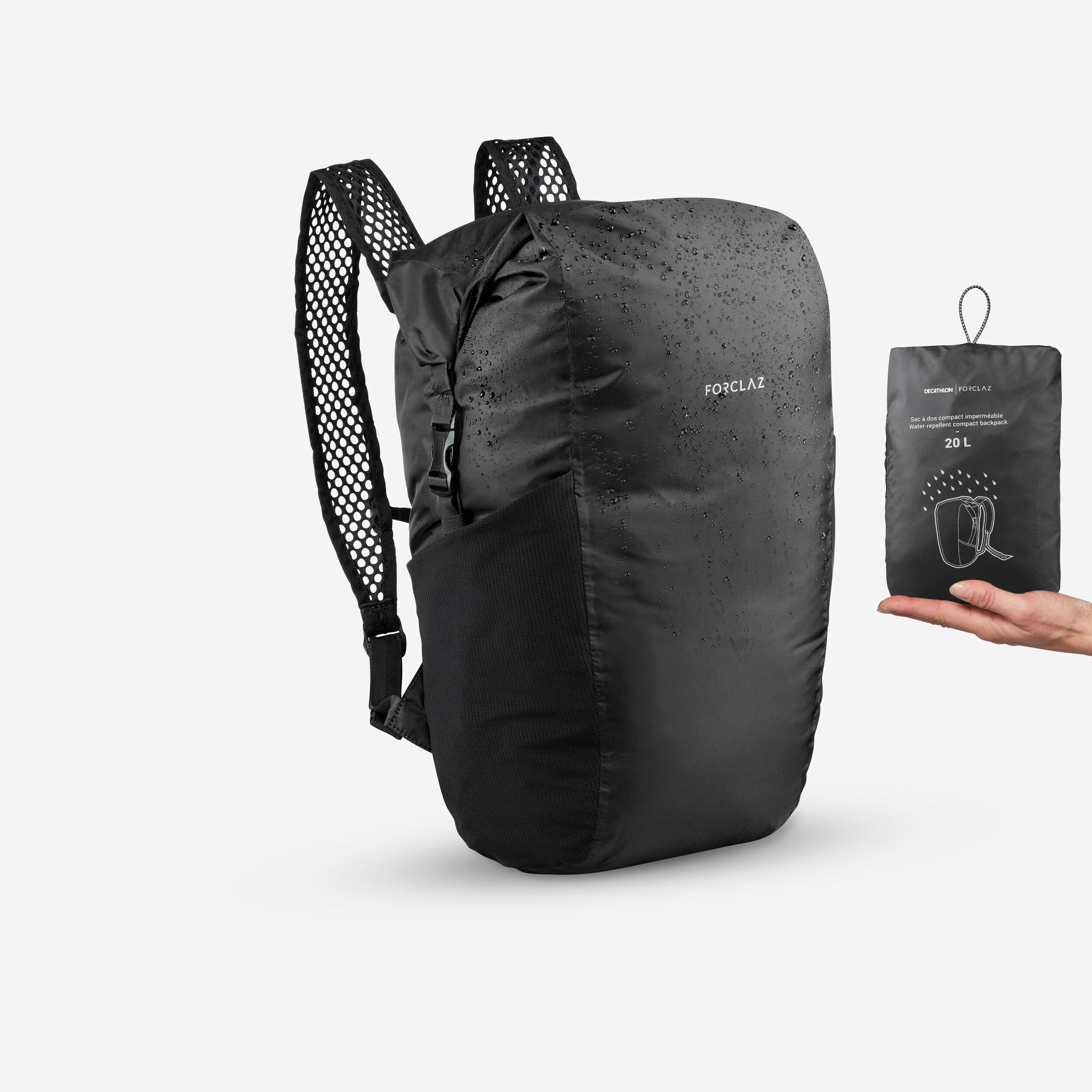
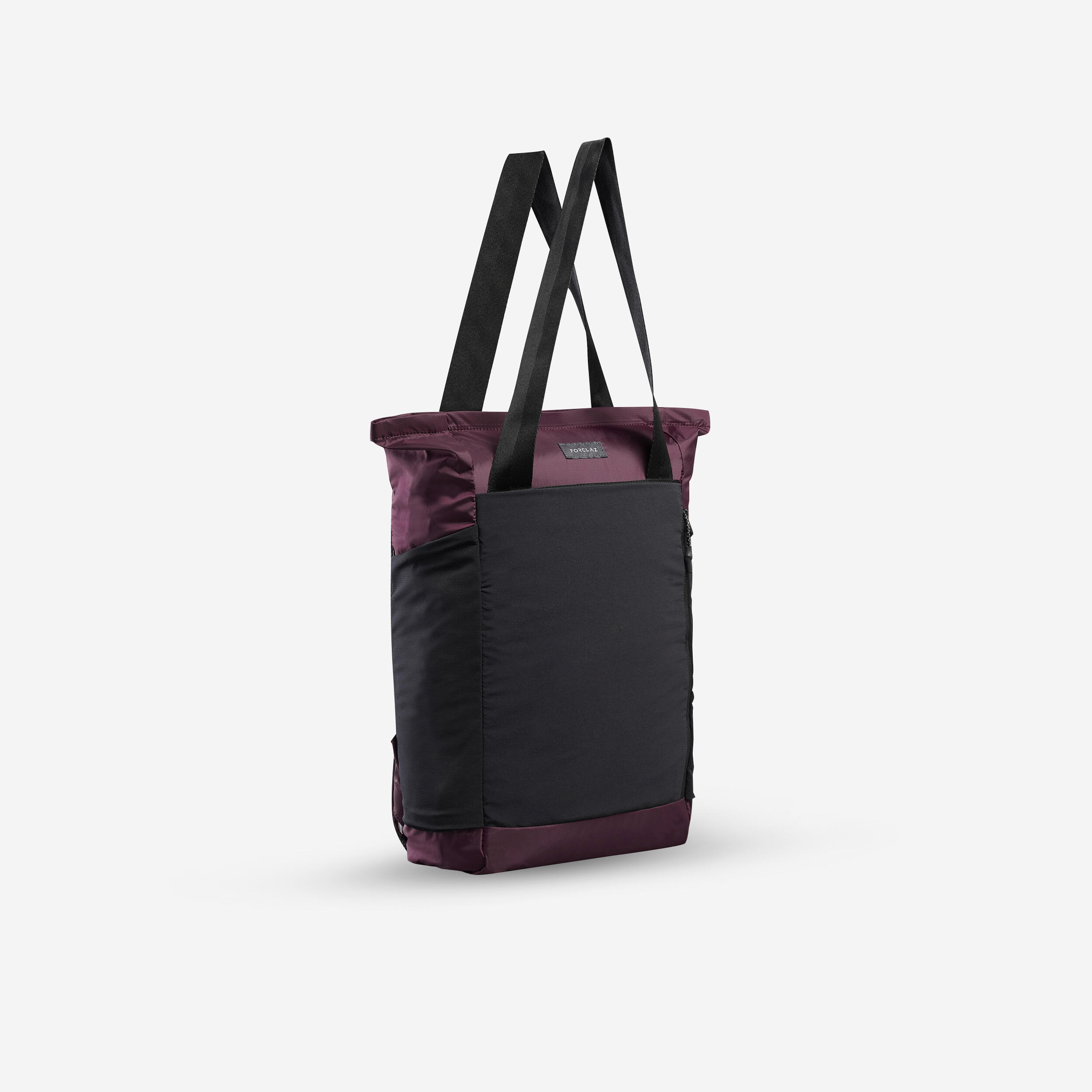
For a full day on the trail where you need to carry a lunch, extra fleeces, and a rain jacket, you must check our range of 21 to 40 litres backpacks. This capacity allows you to pack everything required for changing weather conditions without overstuffing the bag. If space is a concern, women's foldable hiking backpacks are a great option as they can be tucked away into their own pocket when not in use. The technical reason behind choosing a 30L bag over a 10L bag for a day hike is, a big bag like 30L bag can be tightened with straps to keep your gear from moving around, even if it’s not full, making it more stable than a small 10L bag. Try to place heavier items like water bladders and food closest to your back and at mid-height to maintain a stable balance on rocky paths.

Should I choose an insulated or waterproof backpack?

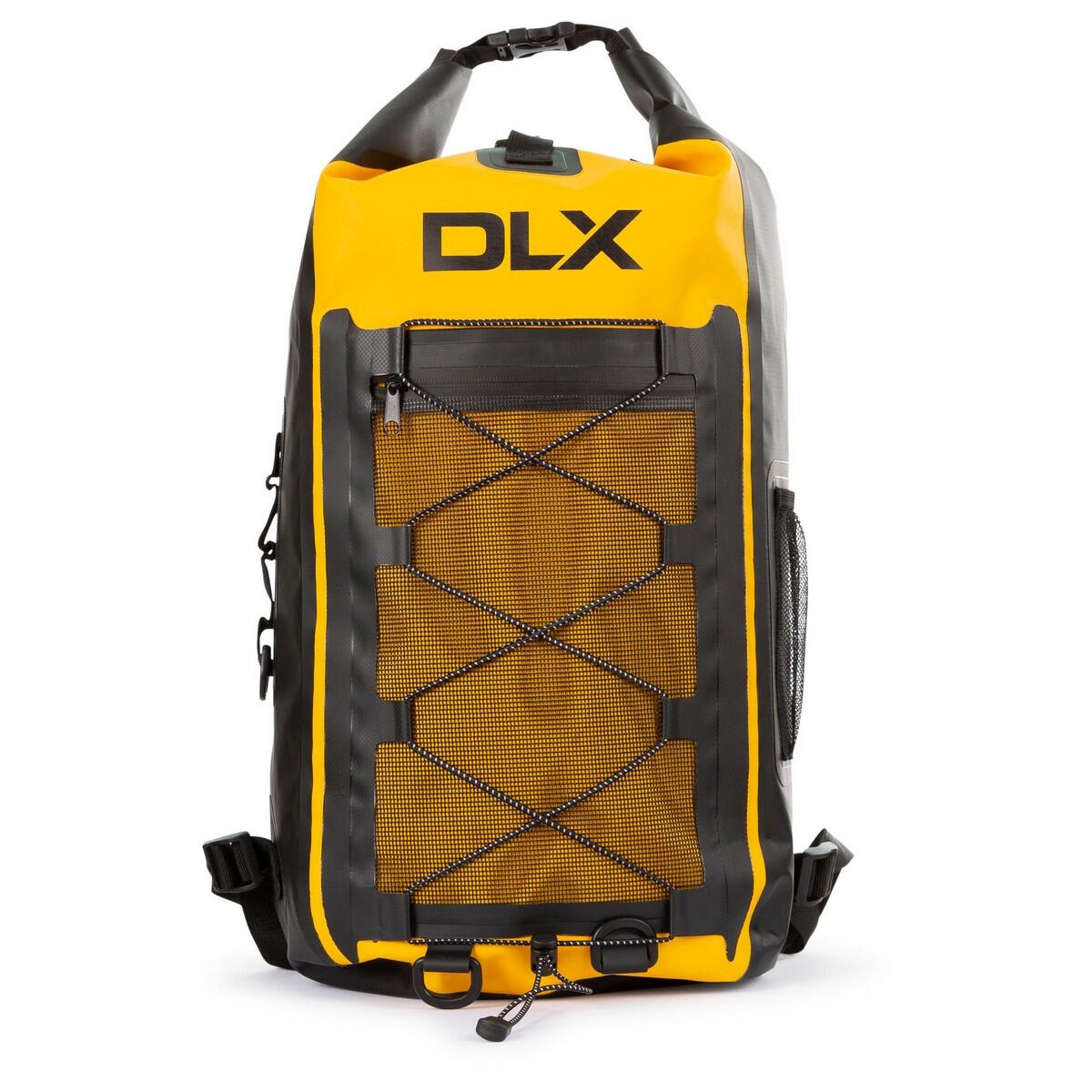
Choosing between an insulated or waterproof backpack depends on the environment you are going to, for instance, insulated hiking backpacks are excellent for winter treks where you want to keep food from freezing or water from getting too cold. For more general use, browsing the full range of hiking backpacks and rucksacks will show you models with integrated rain covers or water-repellent fabrics. The technical reason for using an insulated compartment is to create a thermal barrier that slows down heat transfer between your gear and the outside air. If you often hike in wet conditions, look for bags with high-denier polyester fabrics and polyurethane coatings, which provide a physical barrier against moisture. Make sure to always dry your backpack in the shade after a wet hike, direct heat from a radiator can degrade the waterproof membranes and melt the synthetic fibres.