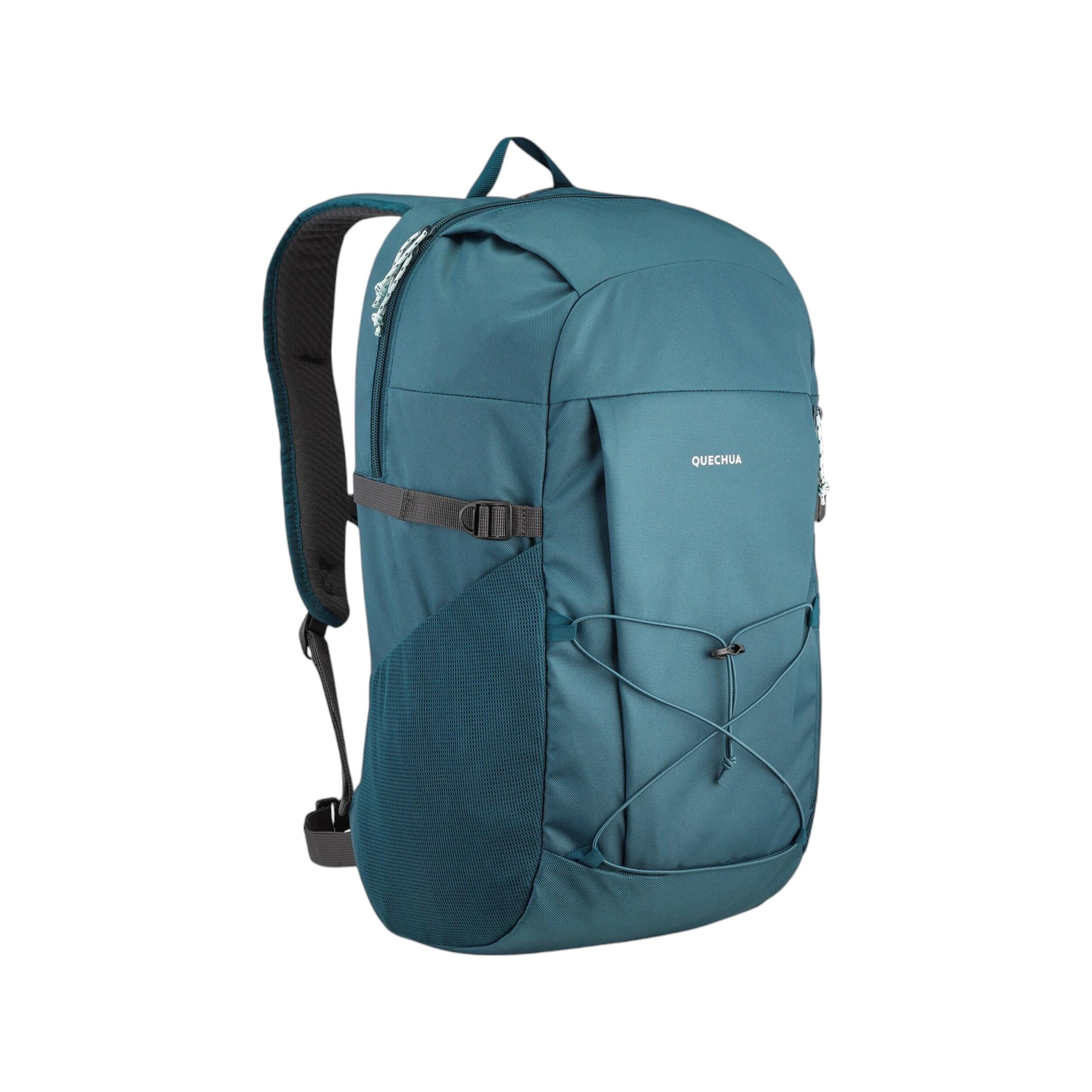
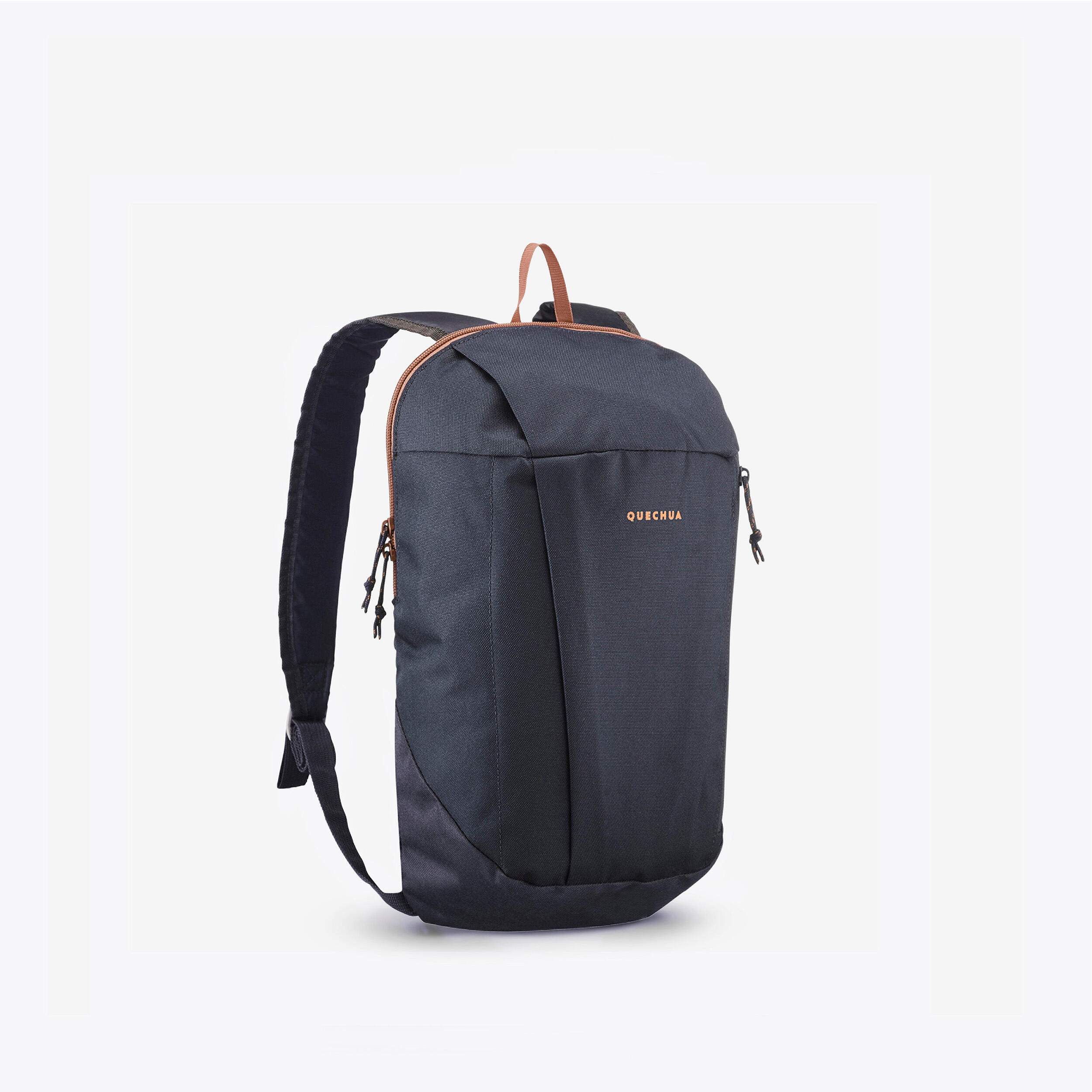
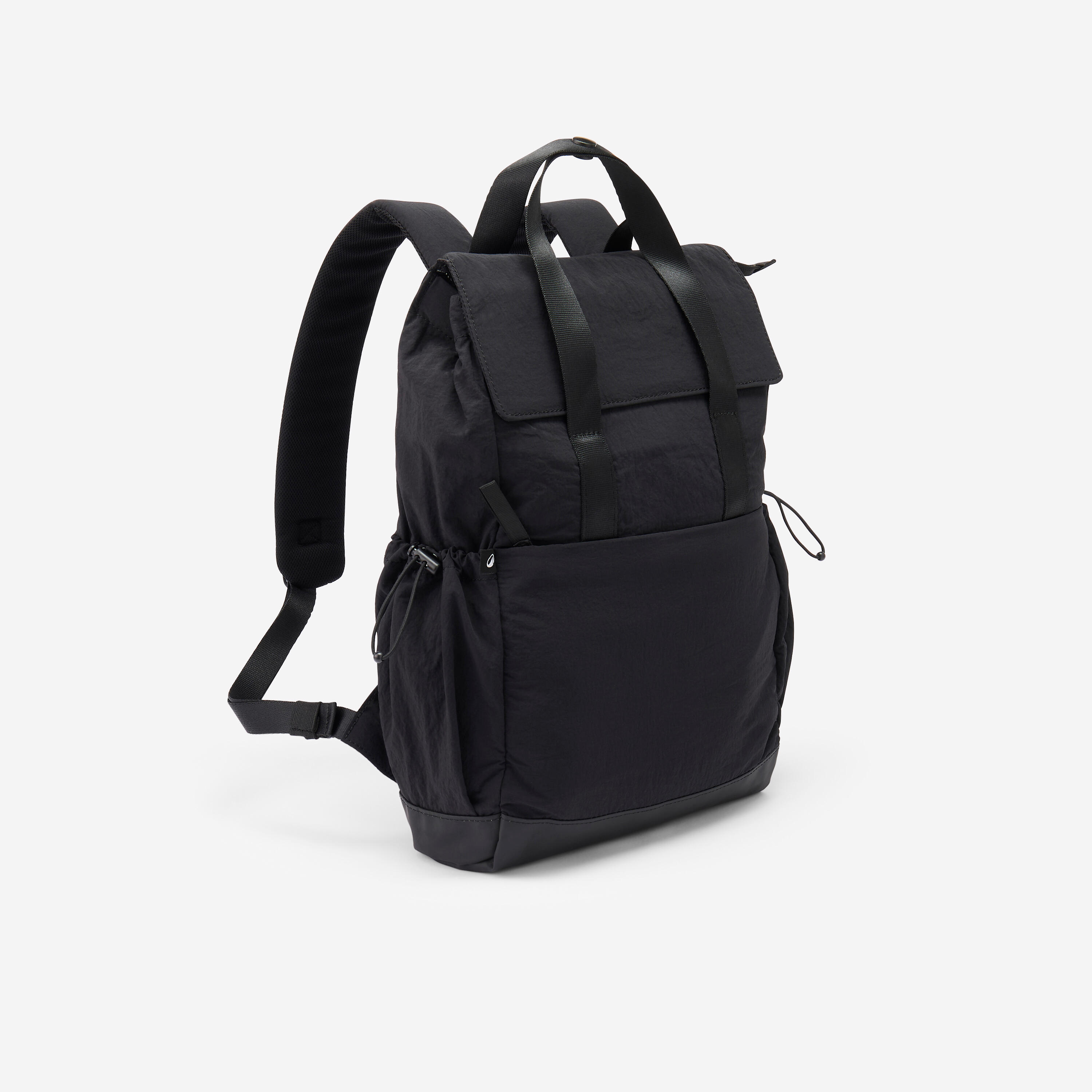
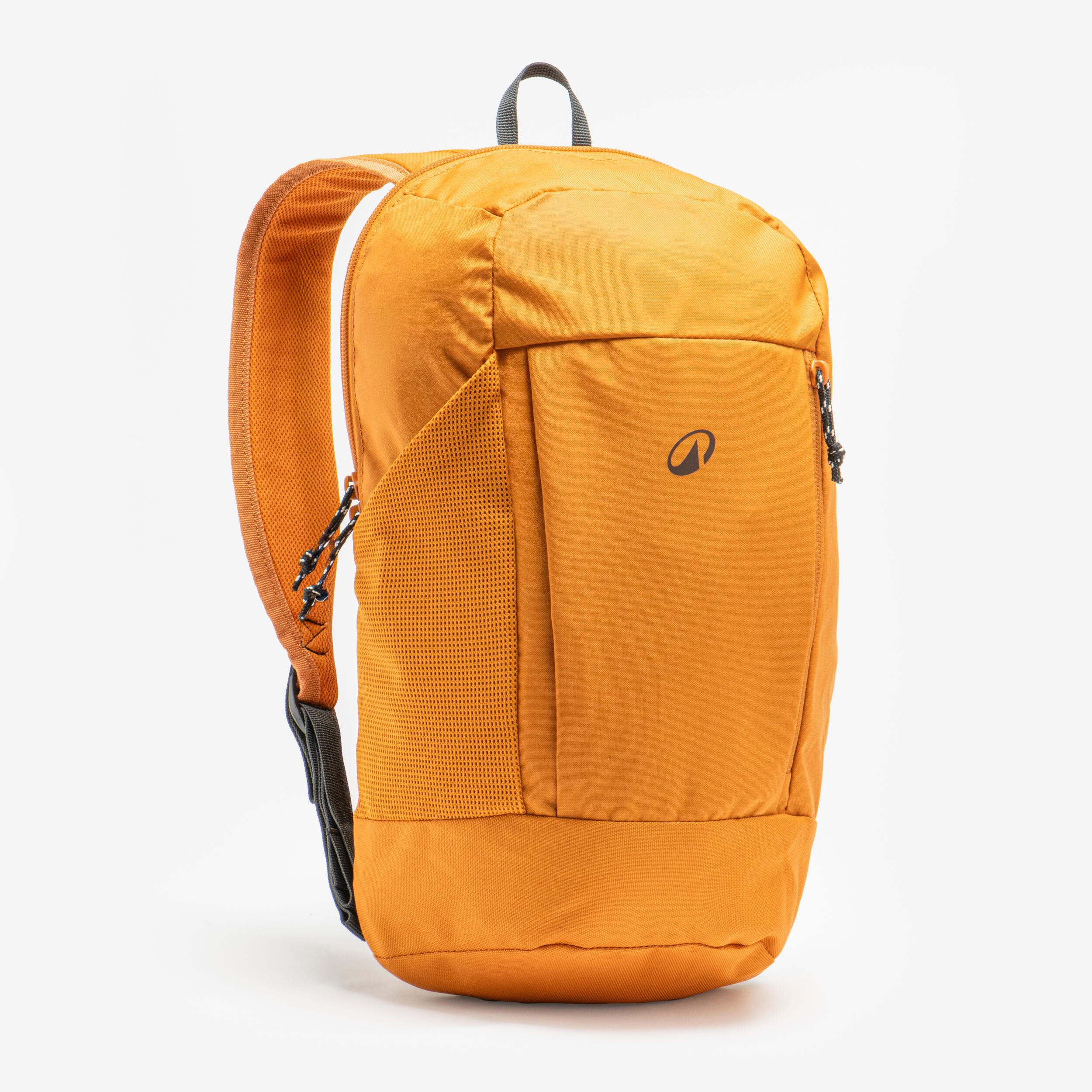
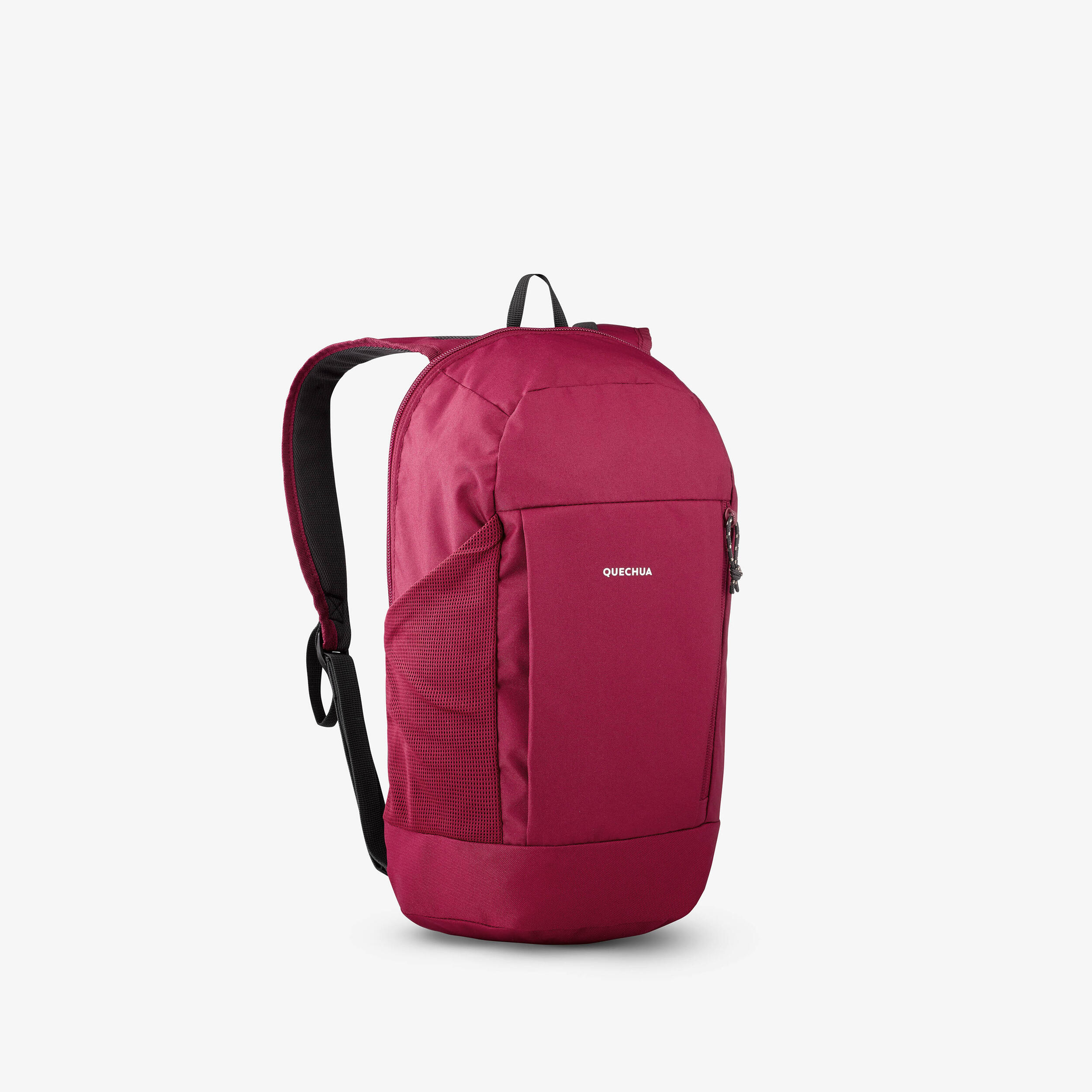
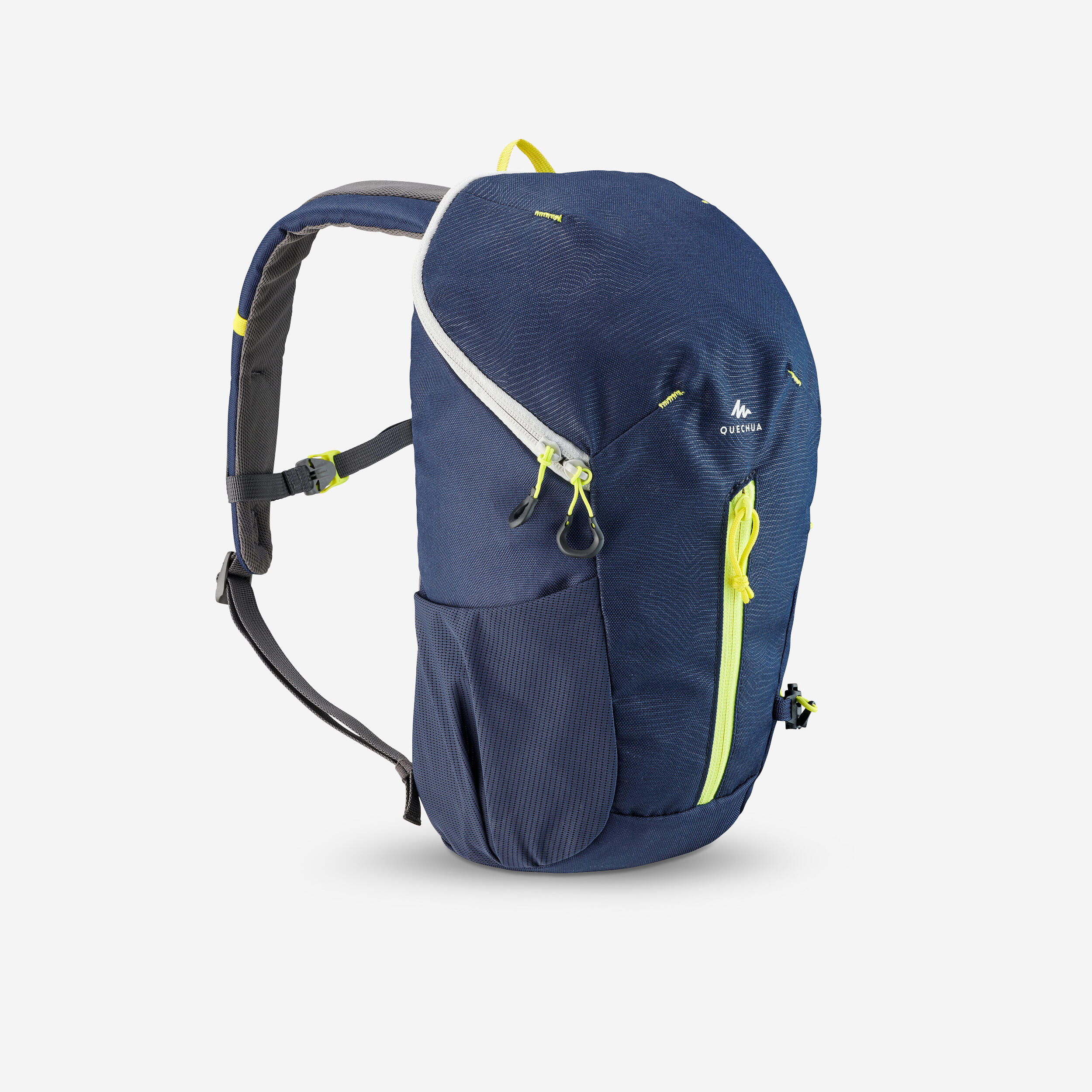
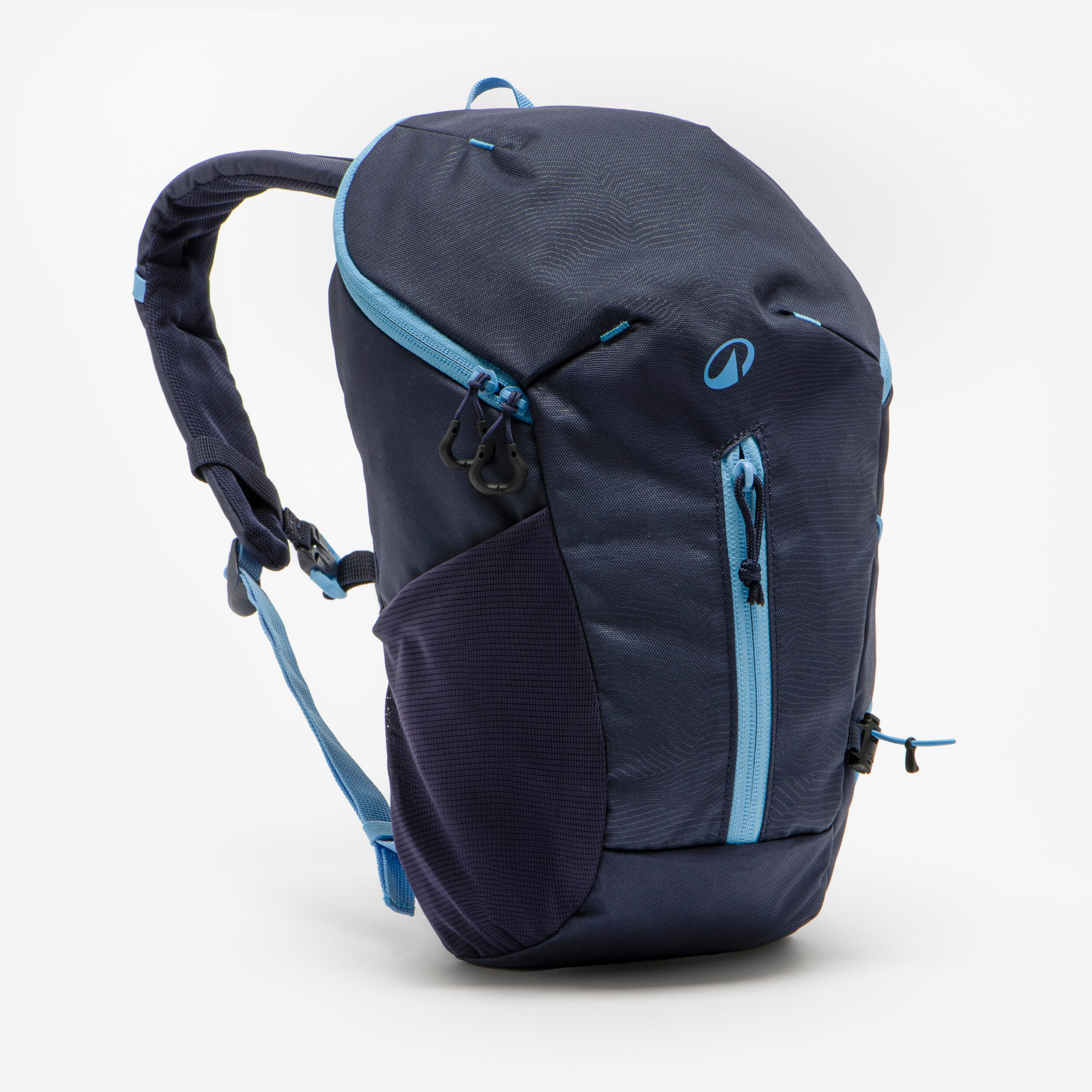
4 coloursQUECHUA Hiking backpack 10 L, Arpenaz 50 - Blue4.8(23,954)Reviews.votesAria4 coloursCurrent price {{currentPrice}} €4.00
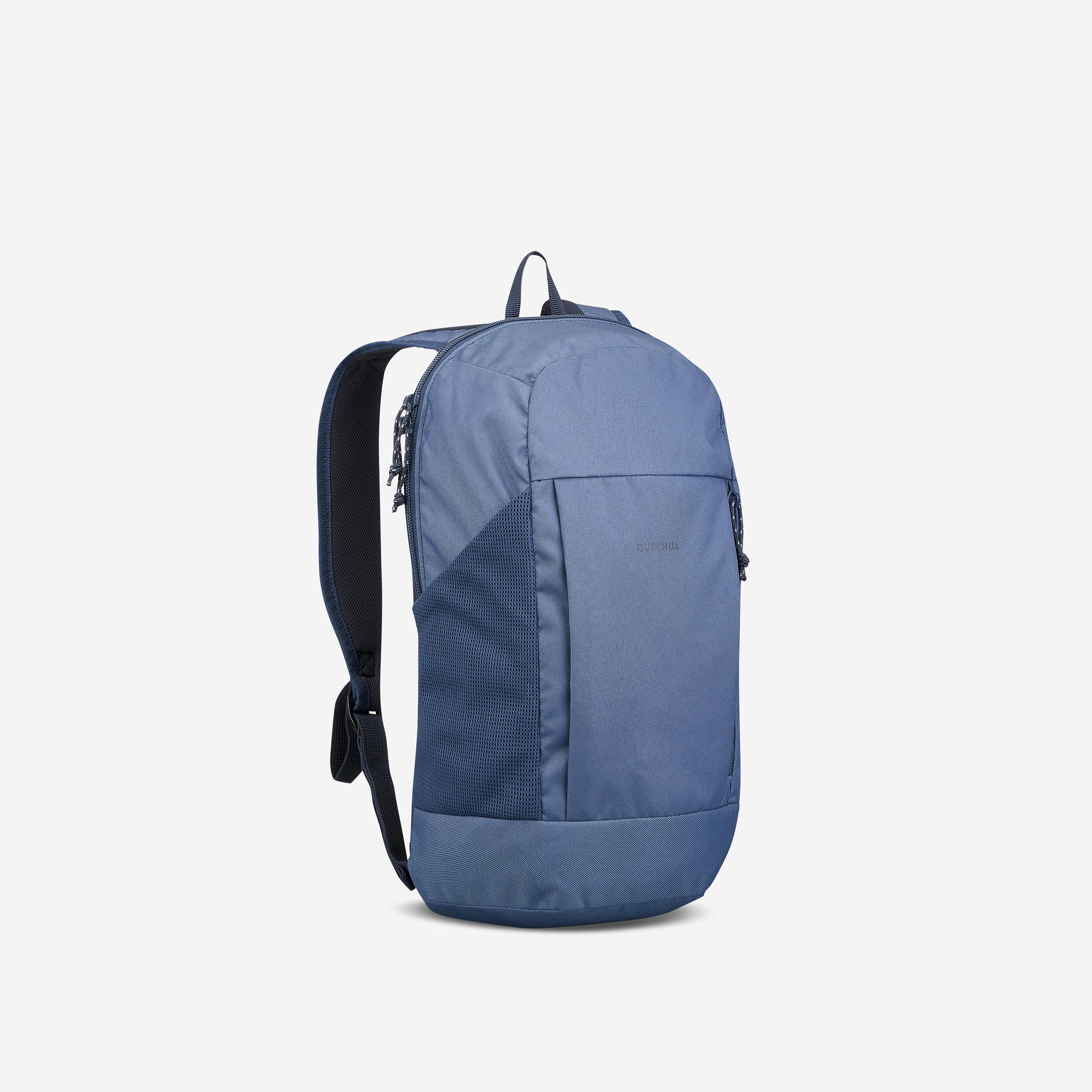
9 coloursQUECHUA Arpenaz 100 10L hiking backpack - Blue4.8(21,586)Reviews.votesAria9 coloursCurrent price {{currentPrice}} €7.00
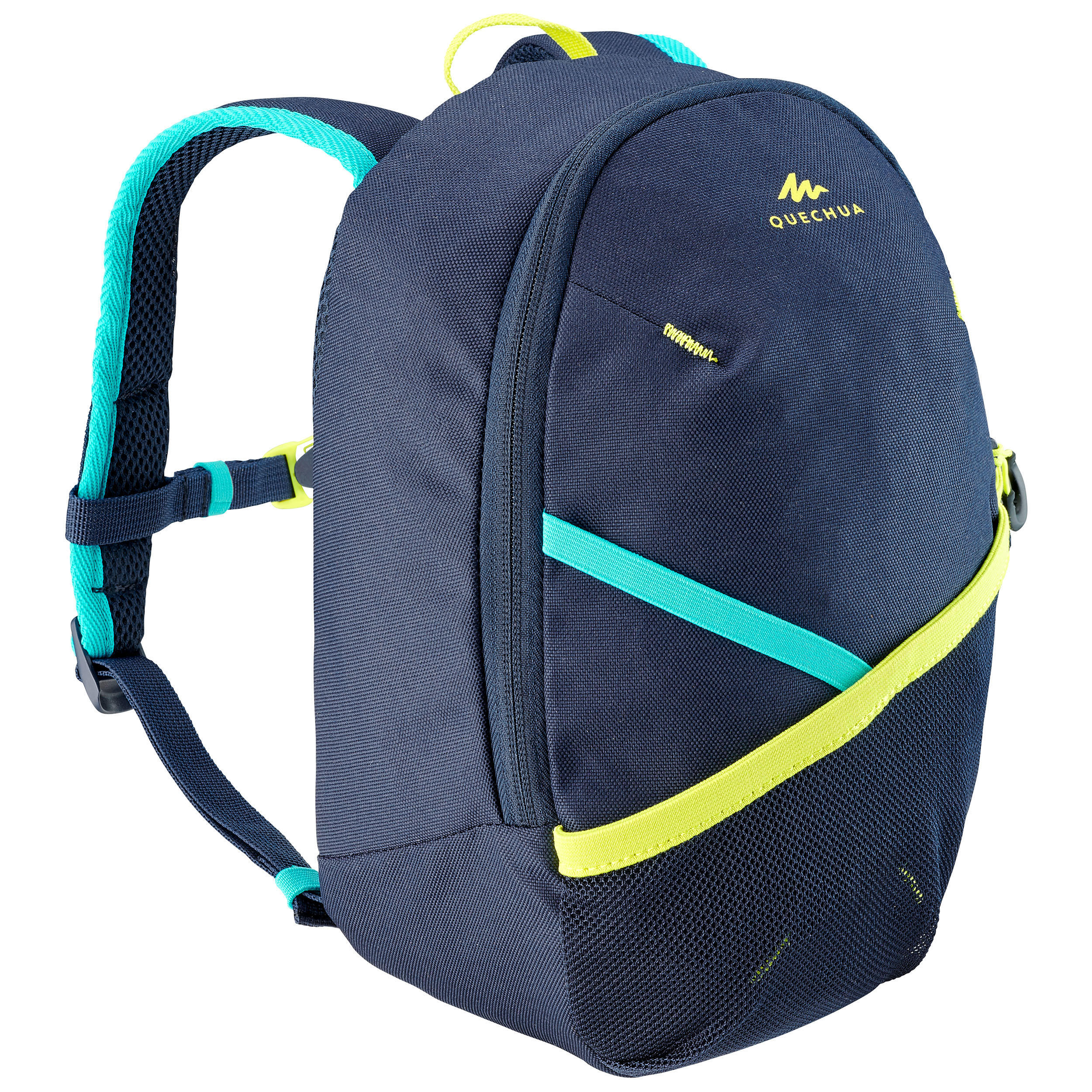
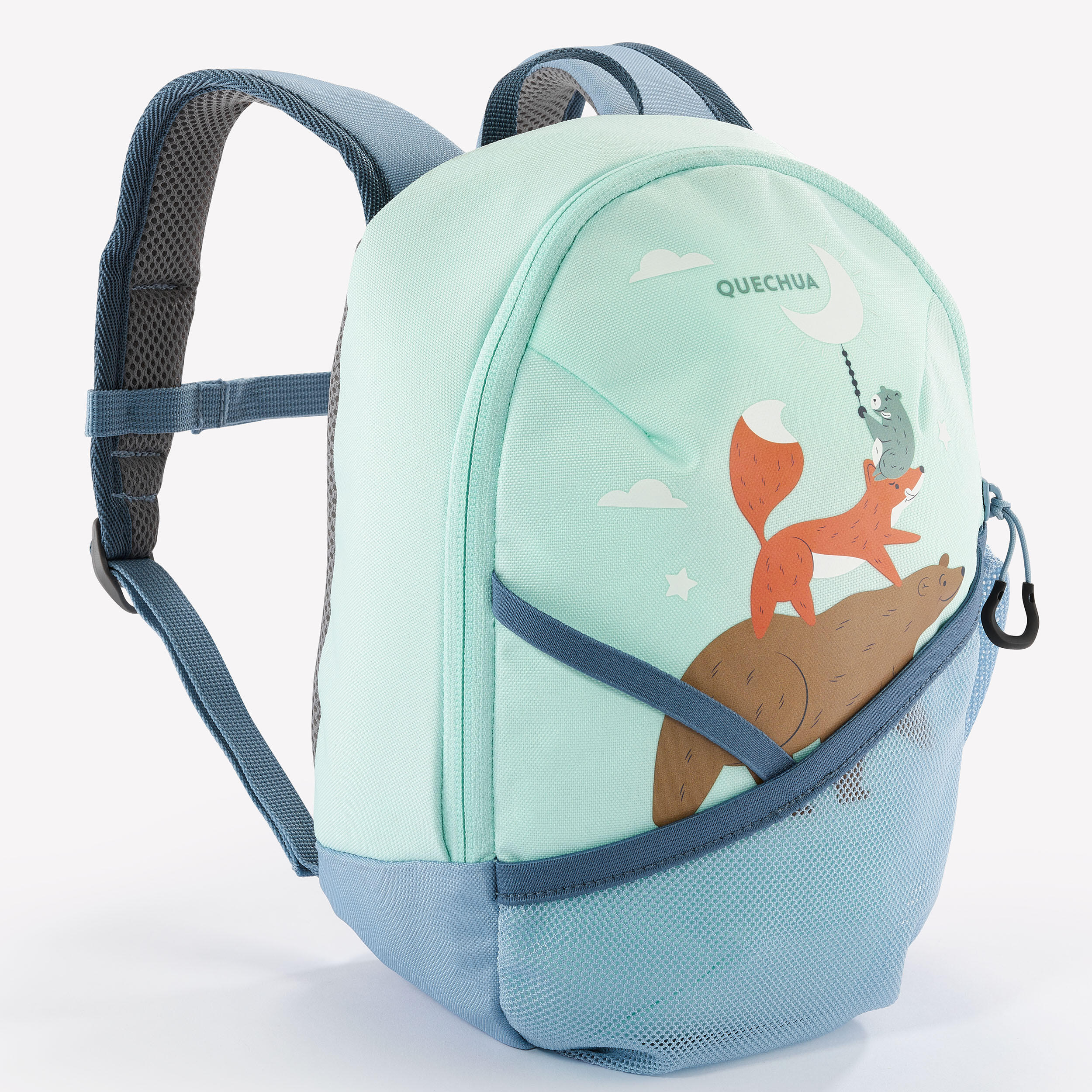
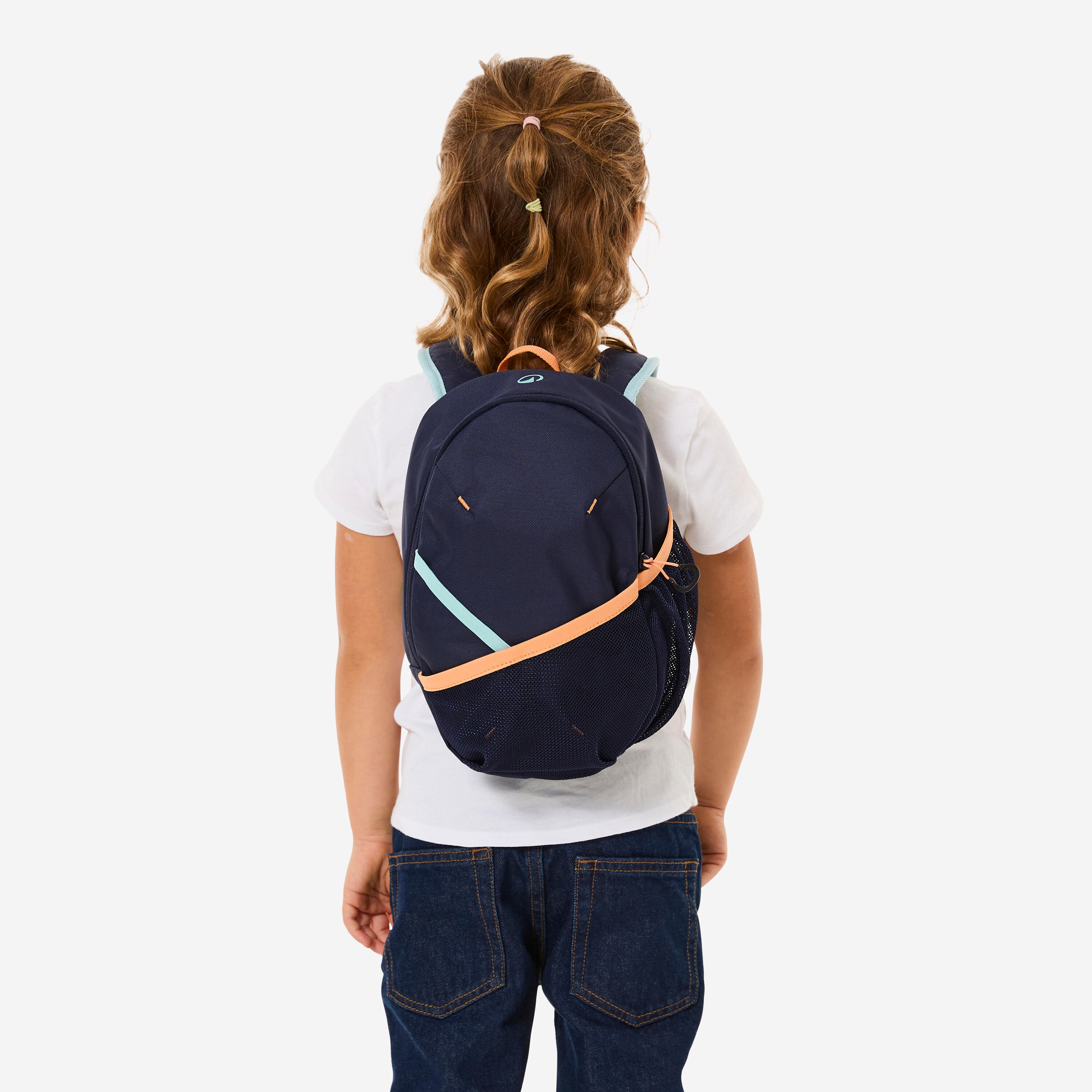
4 coloursQUECHUA Hiking backpack 5 L, 2-5 years, MH100 - Blue4.9(2,865)Reviews.votesAria4 coloursCurrent price {{currentPrice}} €6.00
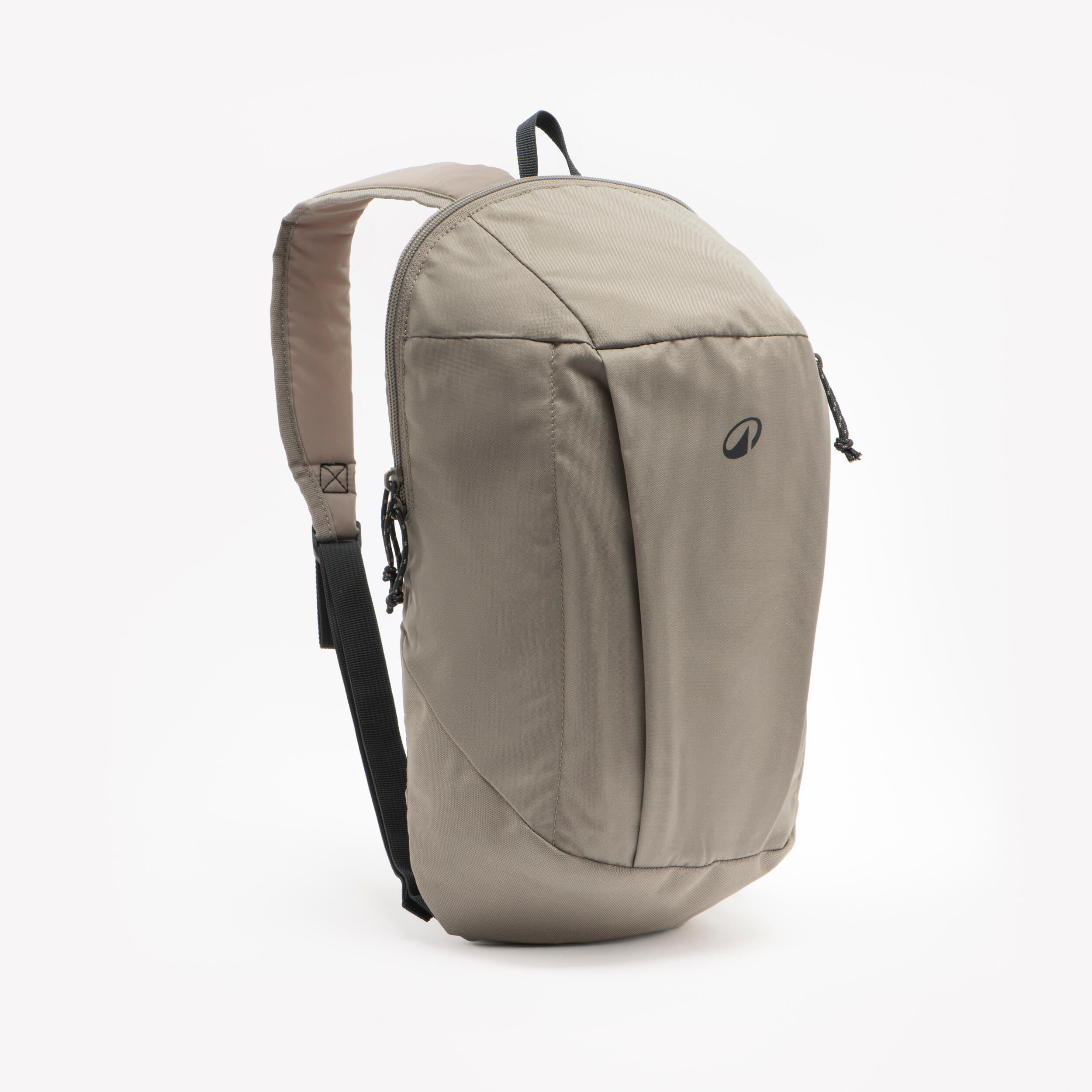
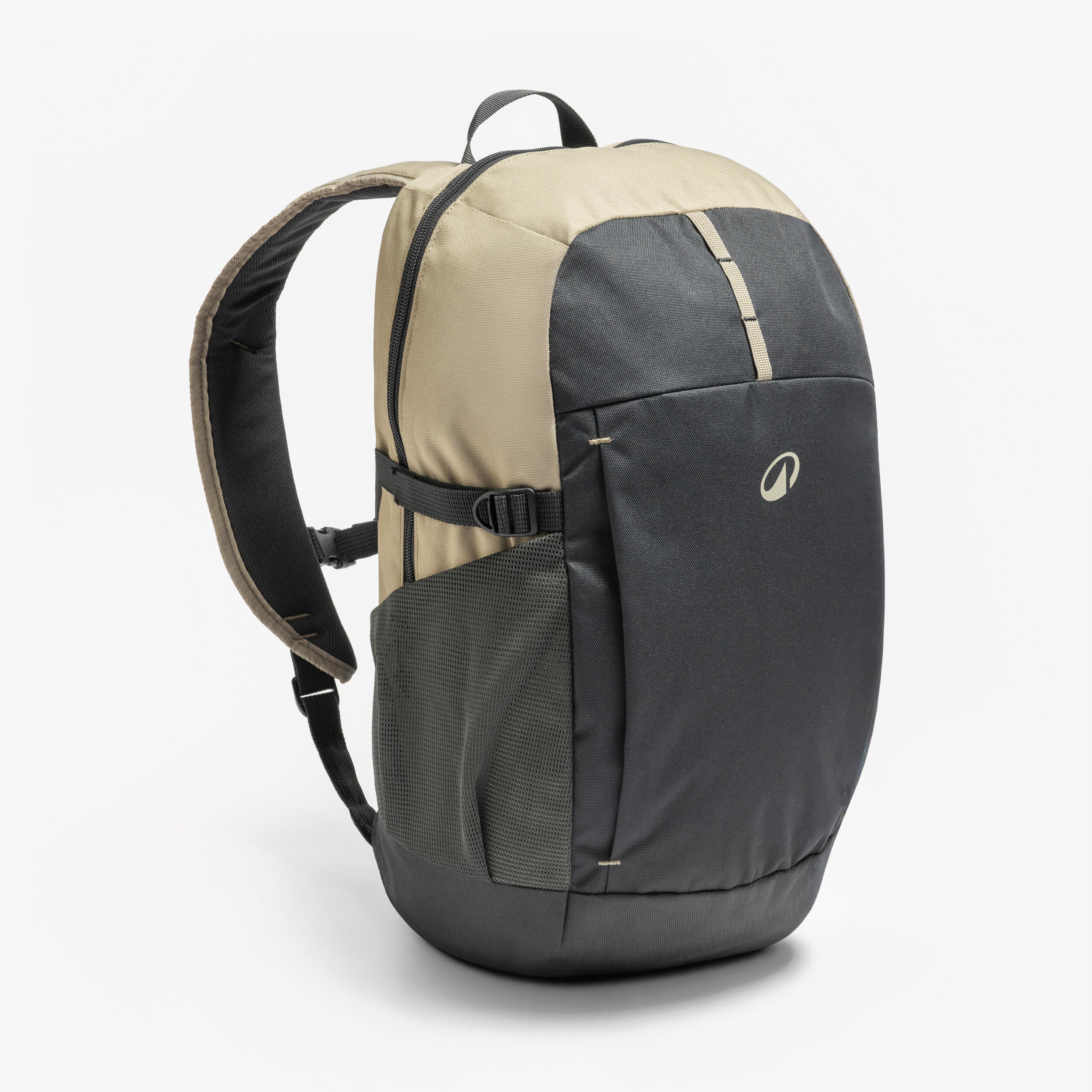
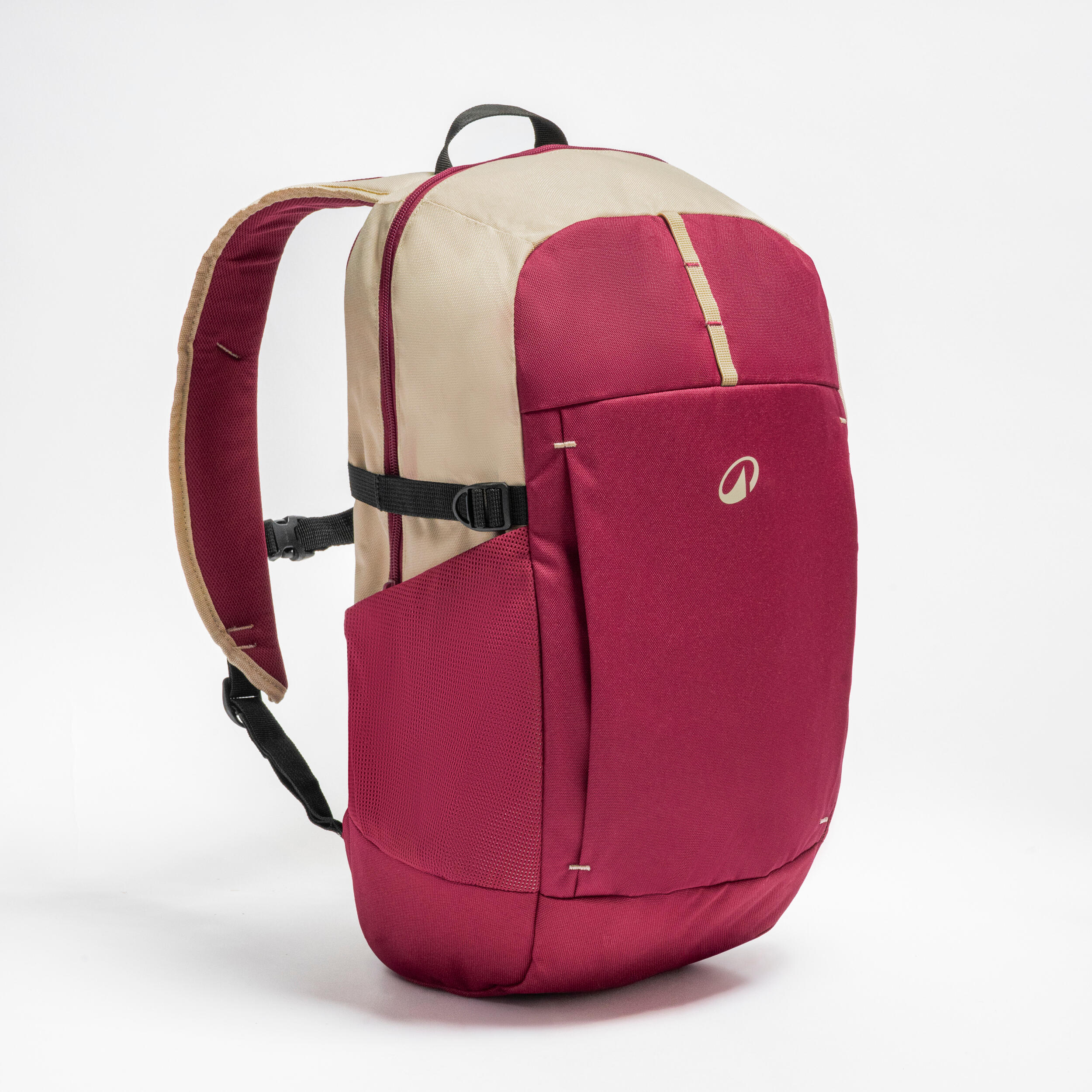
4 coloursQUECHUA Arpenaz 50 10 L hiking backpack - Beige4.8(23,954)Reviews.votesAria4 coloursCurrent price {{currentPrice}} €4.00
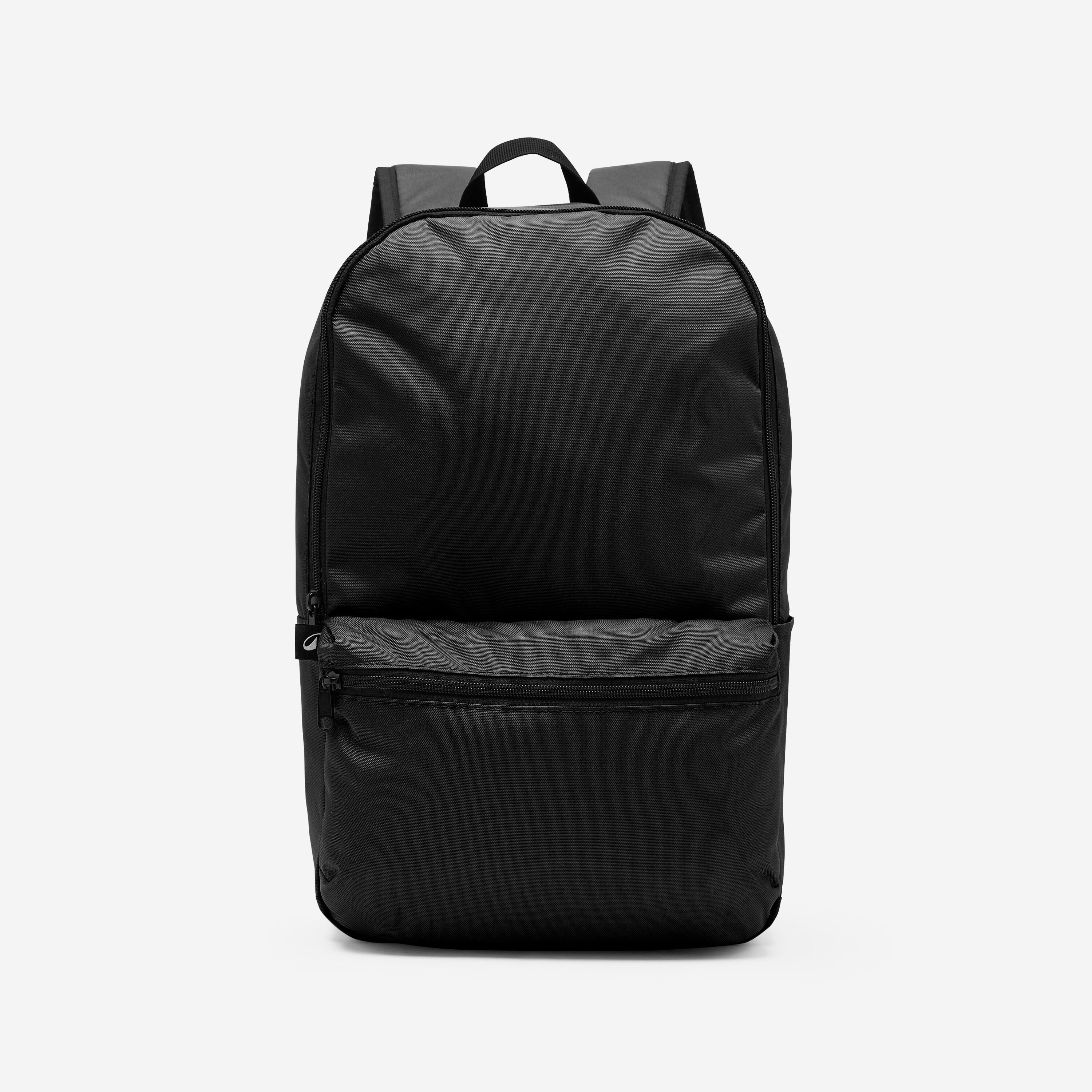
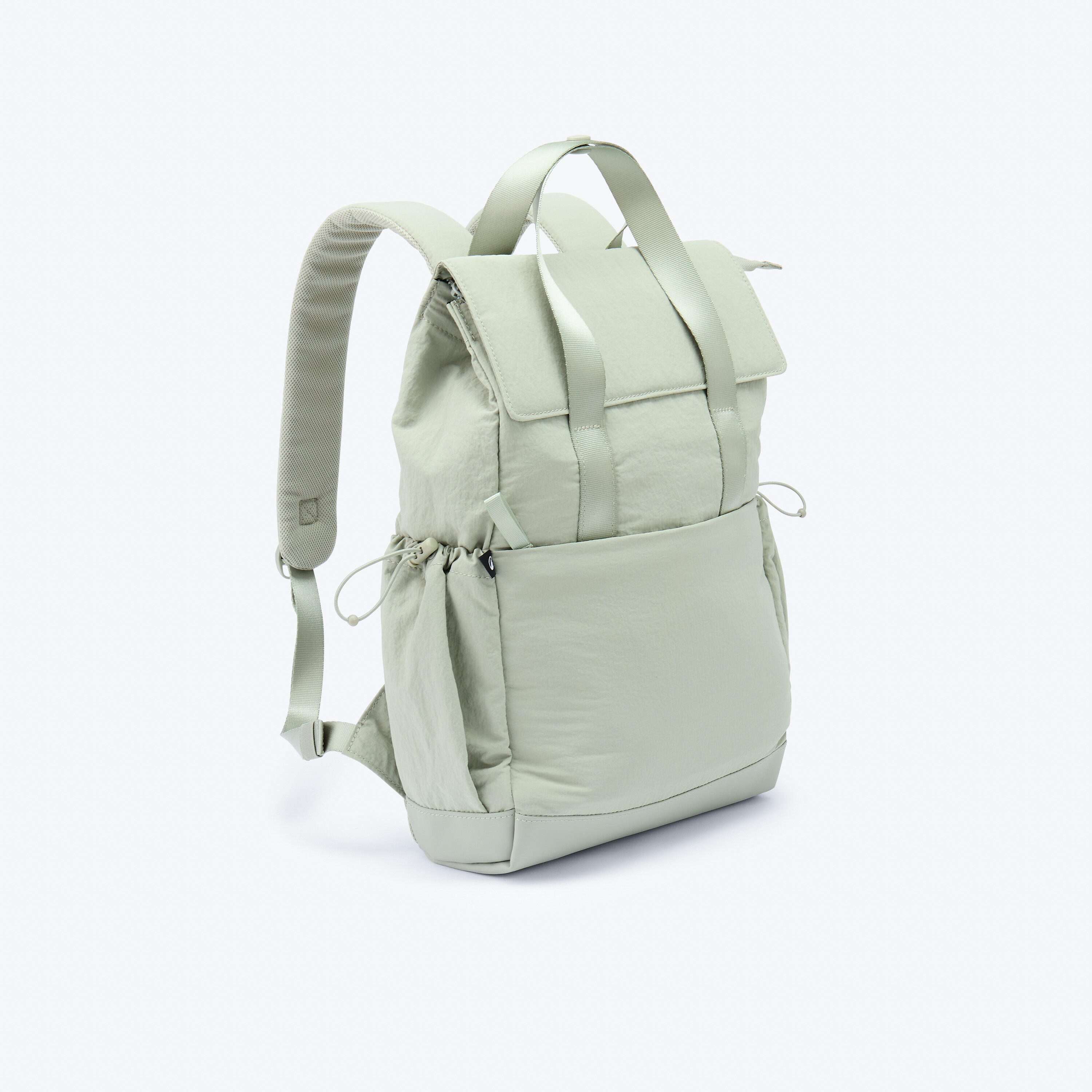
2 coloursDECATHLON Backpack, laptop pocket, Commute 100 15L4.8(382)Reviews.votesAria2 coloursCurrent price {{currentPrice}} €7.00
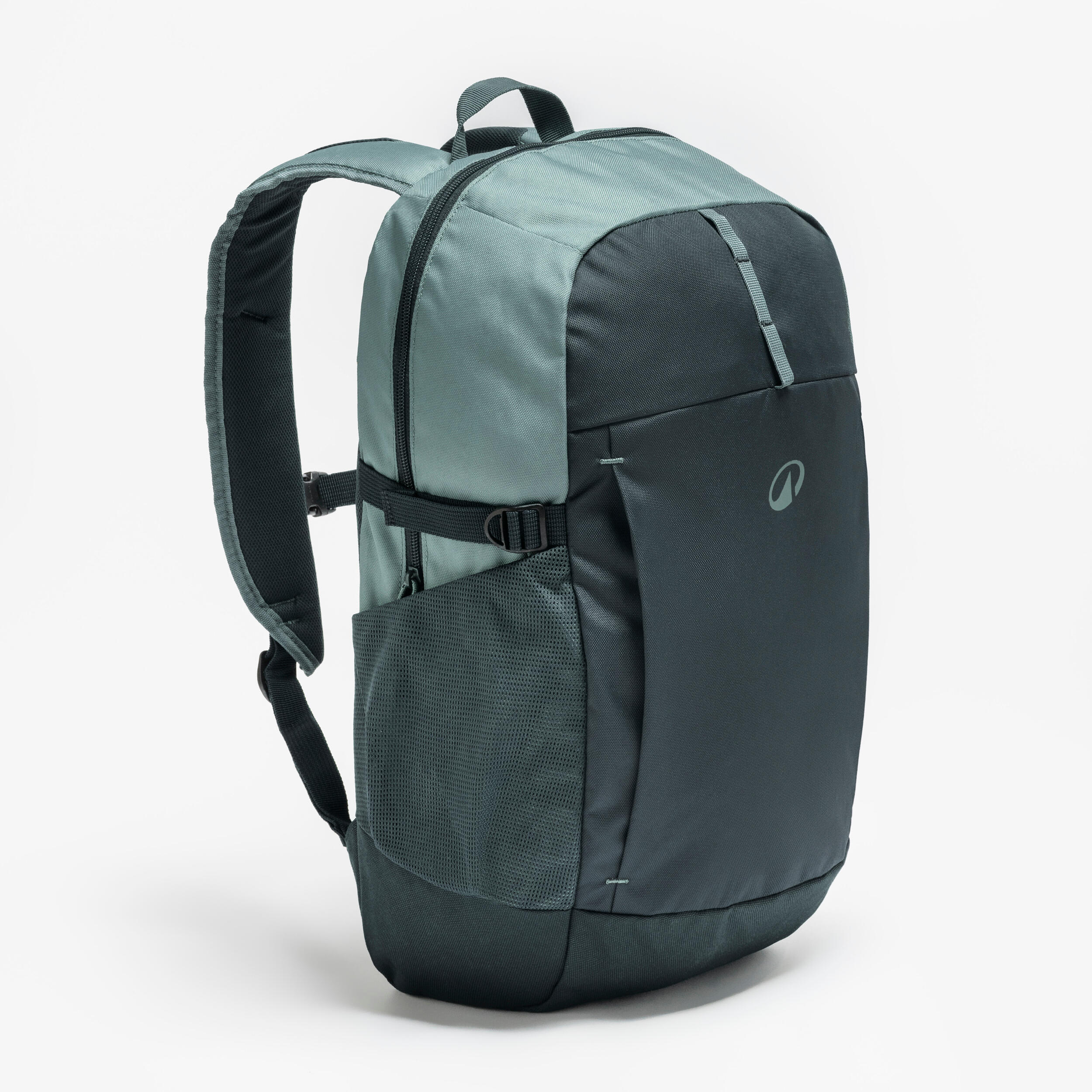
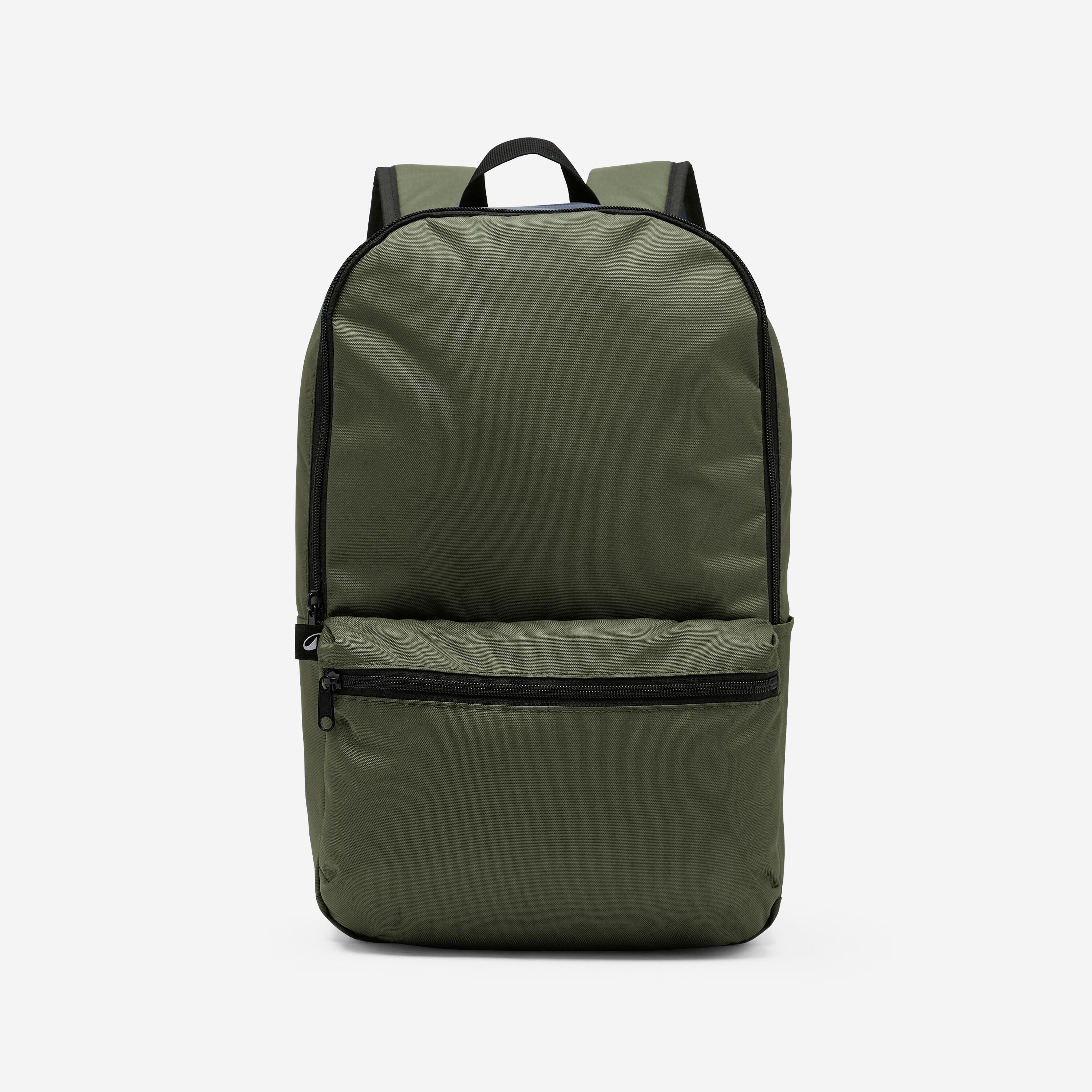
5 coloursQUECHUA 20 L backpack, Arpenaz 100 - Green4.8(2,010)Reviews.votesAria5 coloursCurrent price {{currentPrice}} €13.00
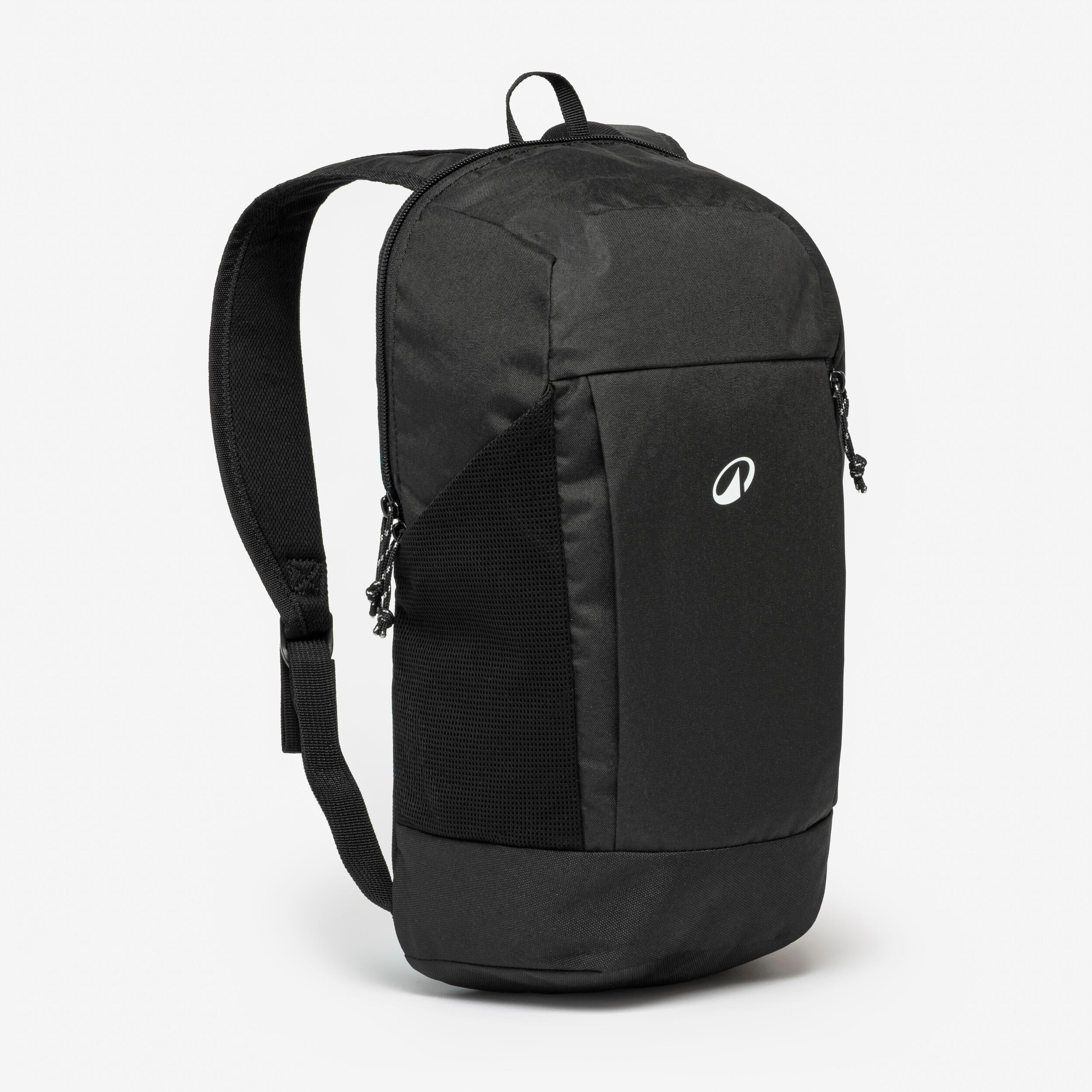
9 coloursQUECHUA Arpenaz 100 10L hiking backpack - Black4.8(21,586)Reviews.votesAria9 coloursCurrent price {{currentPrice}} €7.00
5 coloursQUECHUA 20 L backpack, Arpenaz 100 - Beige4.8(2,010)Reviews.votesAria5 coloursCurrent price {{currentPrice}} €13.00
New New3 coloursNewQUECHUA Hiking backpack 18 L, 7-15 years, MH500 - Red4.9(1,001)Reviews.votesAria3 coloursCurrent price {{currentPrice}} €25.00
5 coloursQUECHUA 20 L backpack, Arpenaz 100 - Brown4.8(2,010)Reviews.votesAria5 coloursCurrent price {{currentPrice}} €13.00
5 coloursQUECHUA 20 L backpack, Arpenaz 100 - Green4.8(2,010)Reviews.votesAria5 coloursCurrent price {{currentPrice}} €13.00
2 coloursDECATHLON Backpack, laptop pocket, Commute 100 15L4.8(382)Reviews.votesAria2 coloursCurrent price {{currentPrice}} €7.00
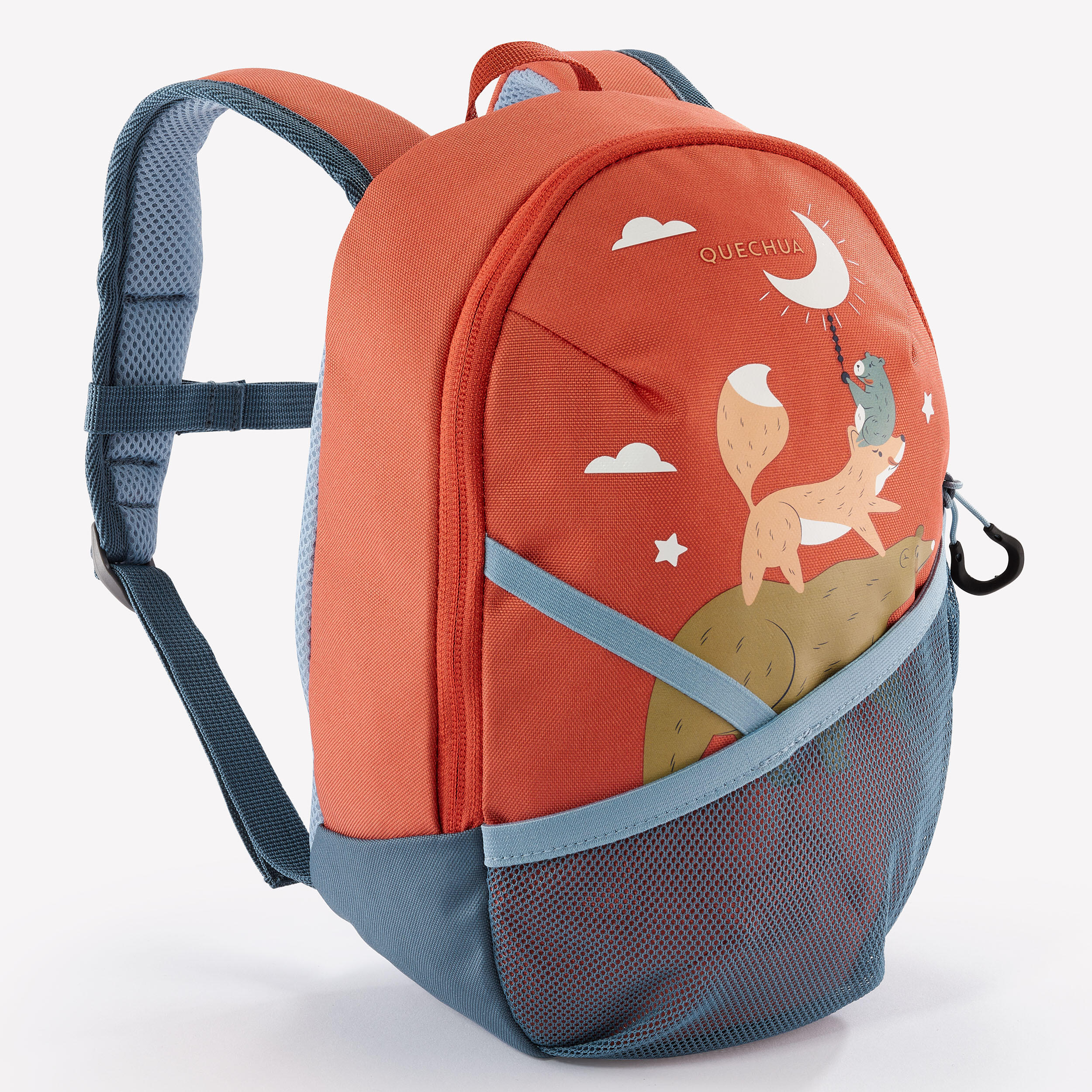
4 coloursQUECHUA Hiking backpack 5 L, 2-5 years, MH100 - Orange4.9(2,865)Reviews.votesAria4 coloursCurrent price {{currentPrice}} €8.00
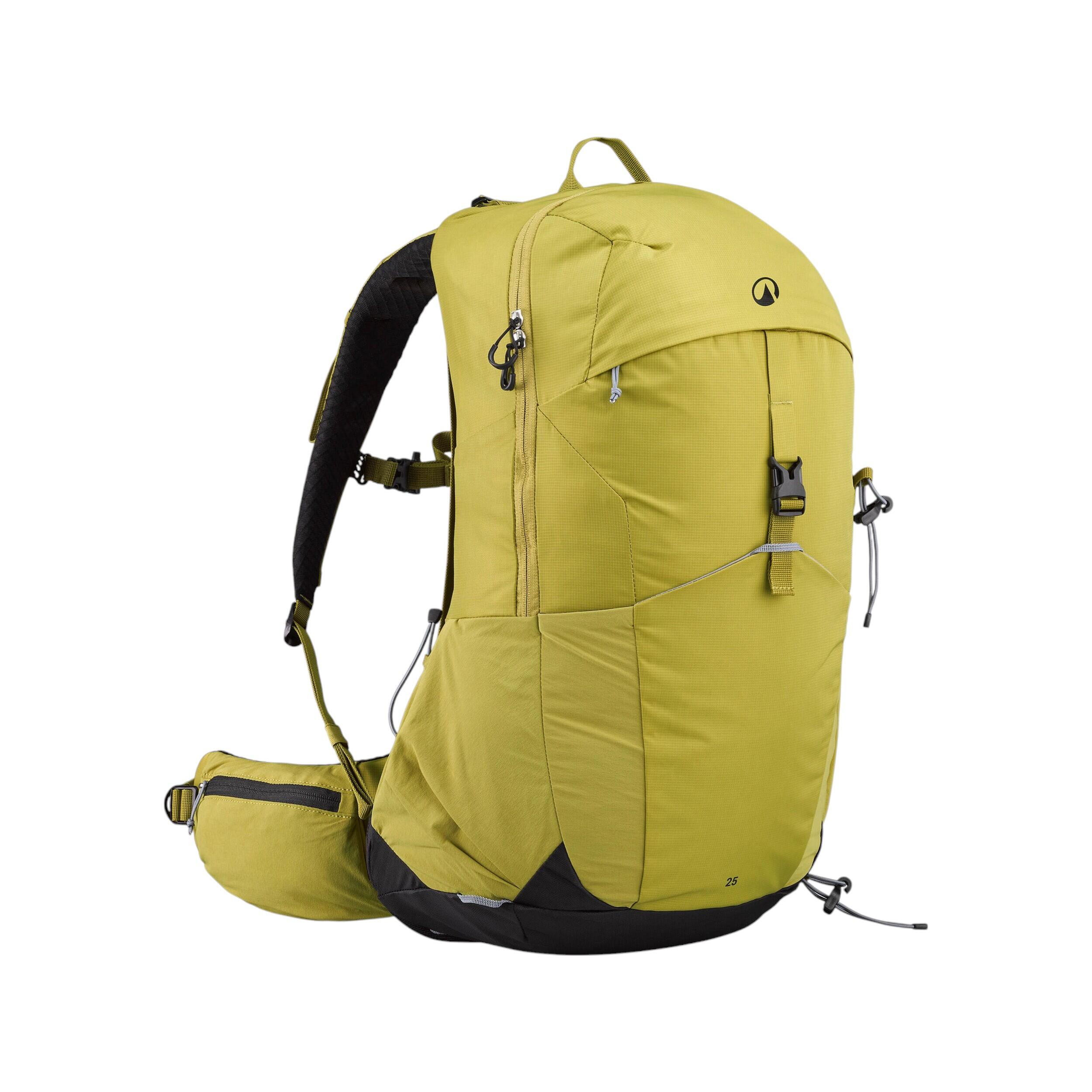
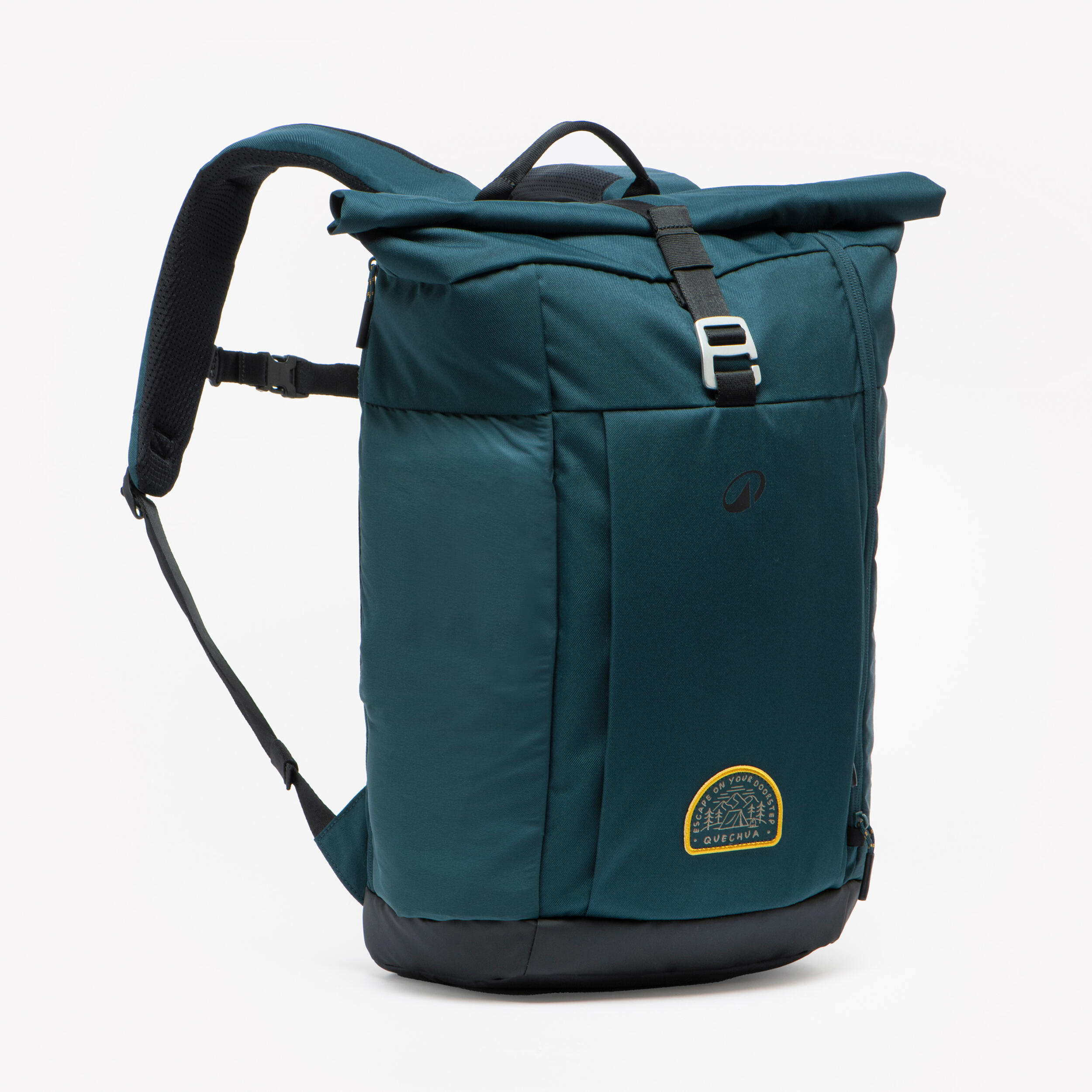
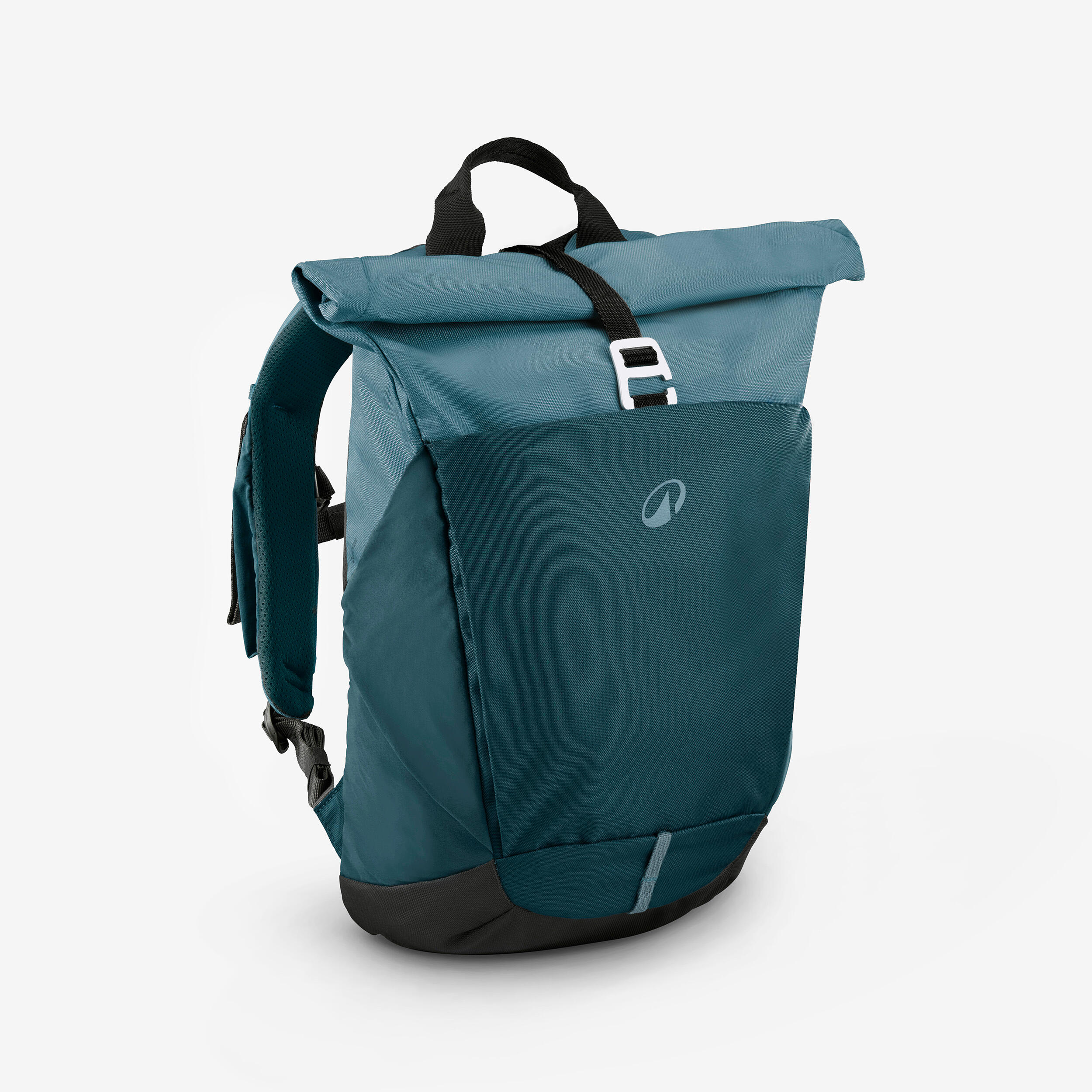
Promotion Promotion3 coloursPromotionQUECHUA Hiking backpack 23 L, Escape 500 Rolltop - Green4.8(1,843)Reviews.votesAria3 coloursCurrent price {{currentPrice}} €30.00 Former price €40.00 25% offLowest price: €40.00Promo 4/9/2026 from to 23/10/2026
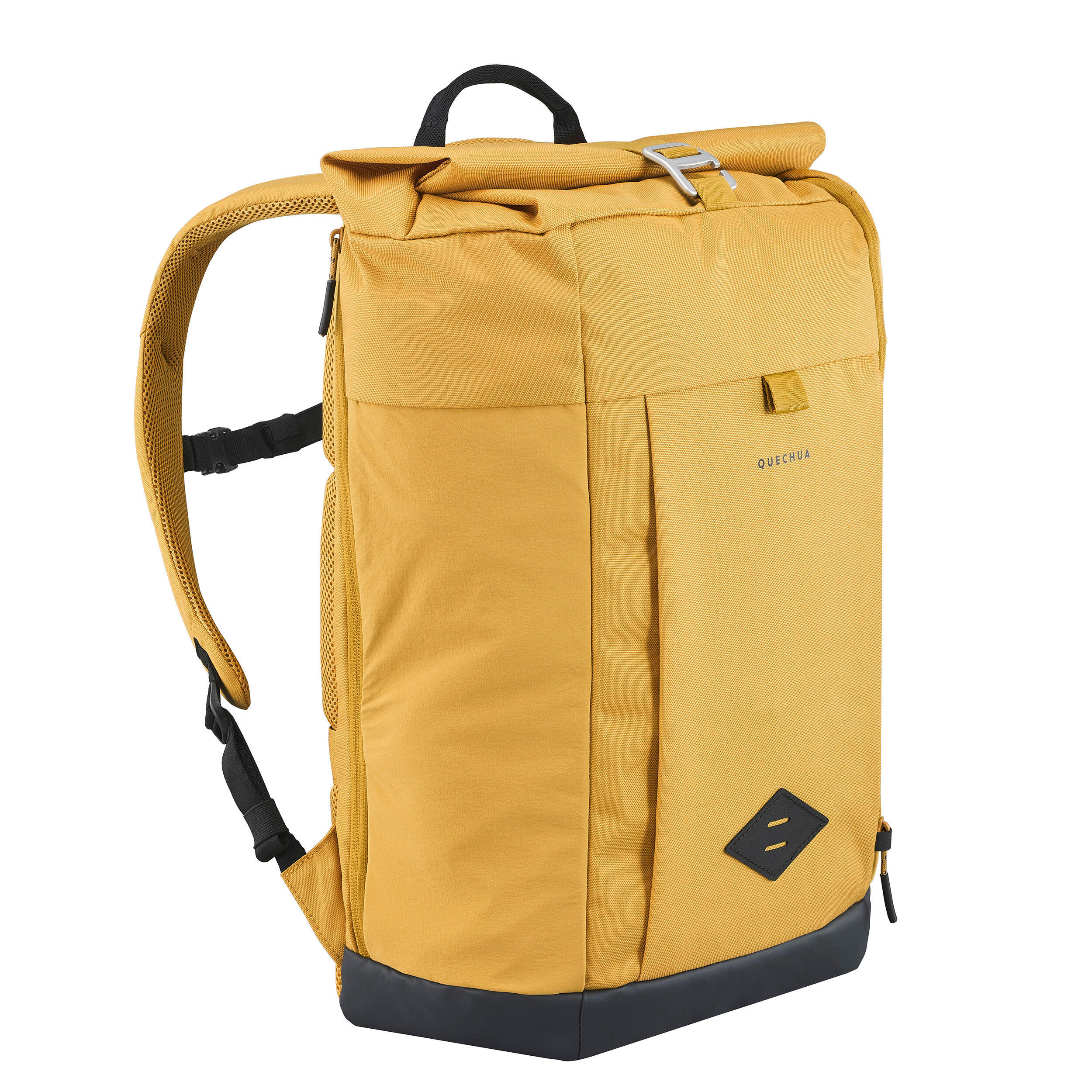
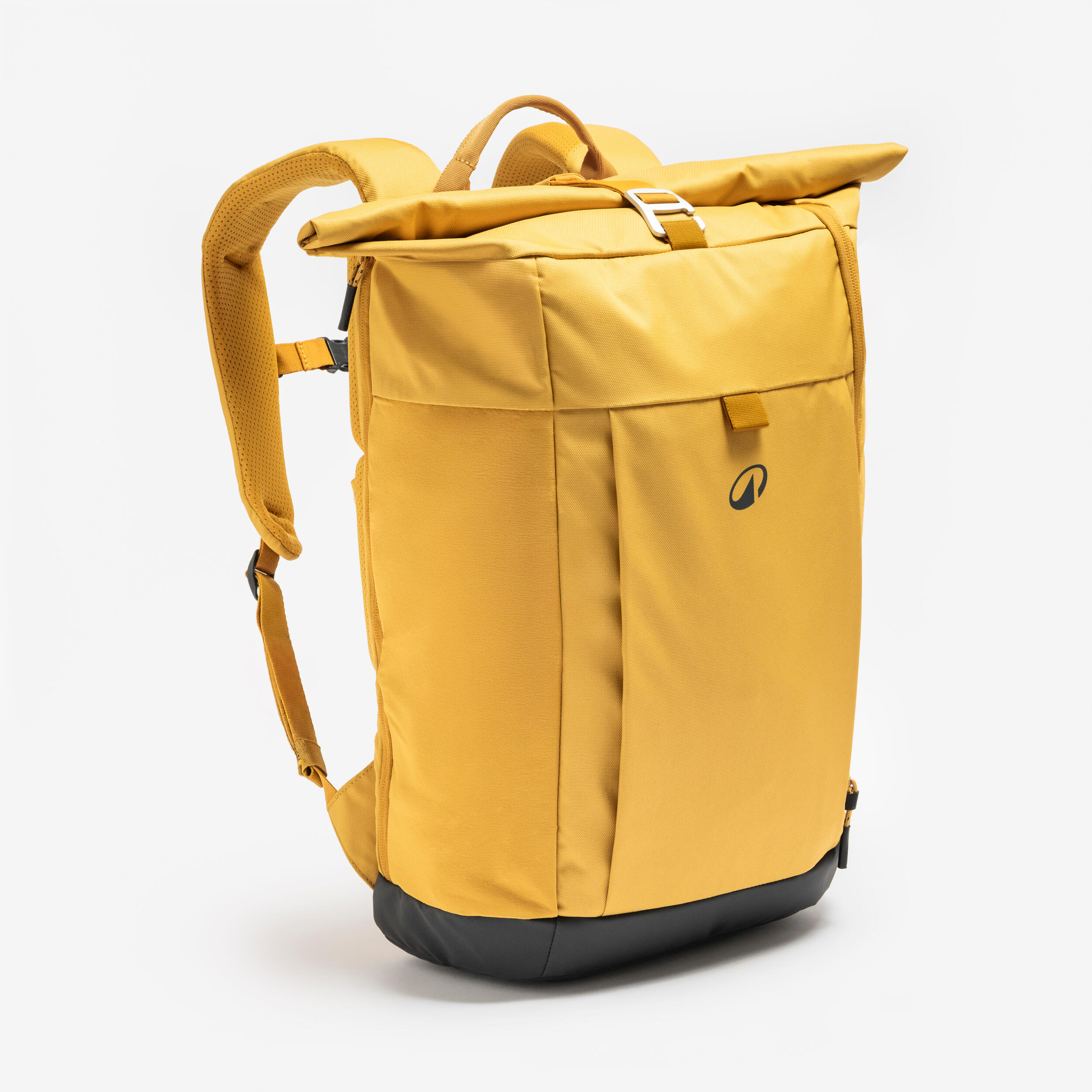
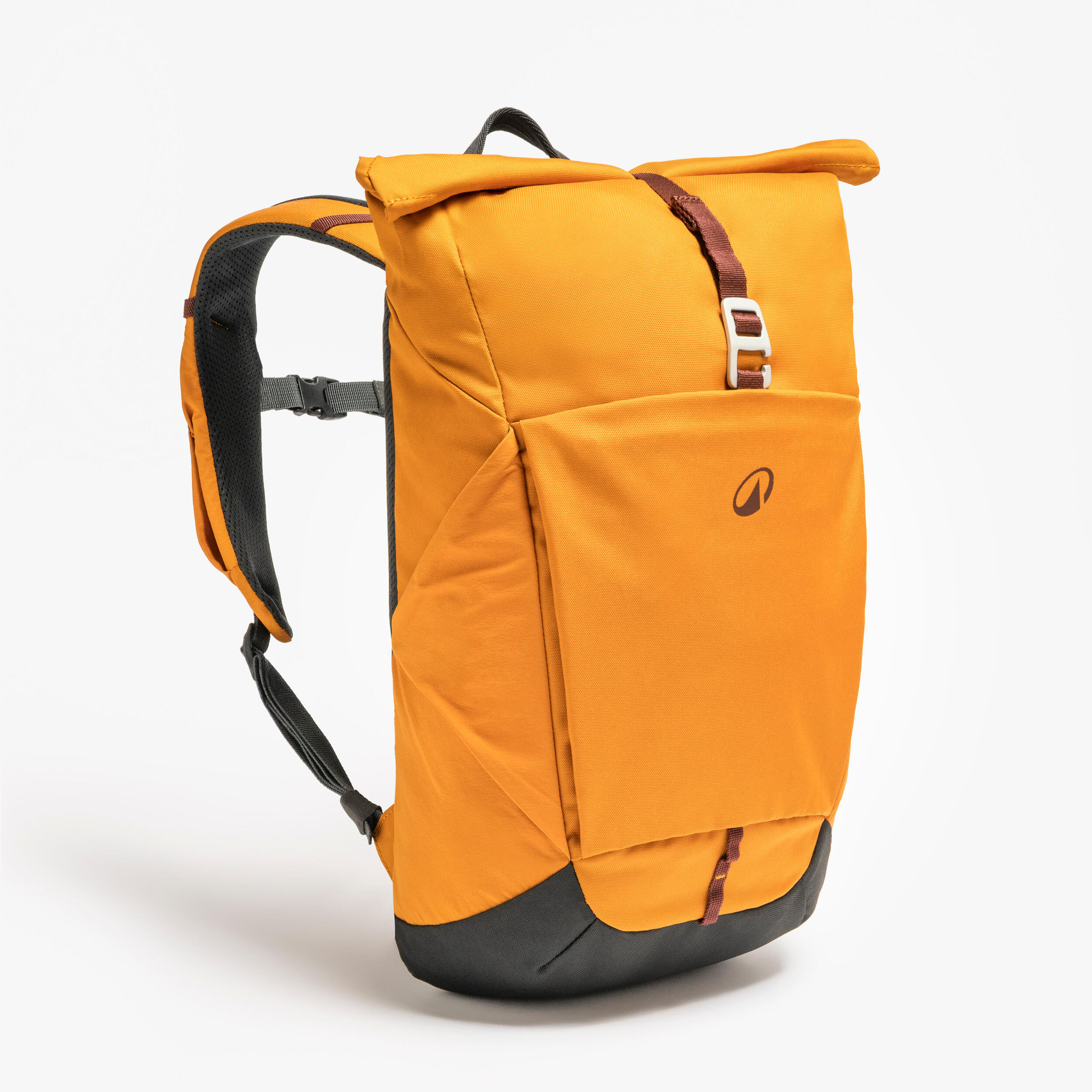
Last chance Last chance3 coloursLast chanceQUECHUA Hiking backpack 23 L, Escape 500 Rolltop - Yellow4.8(1,843)Reviews.votesAria3 coloursCurrent price {{currentPrice}} €39.00
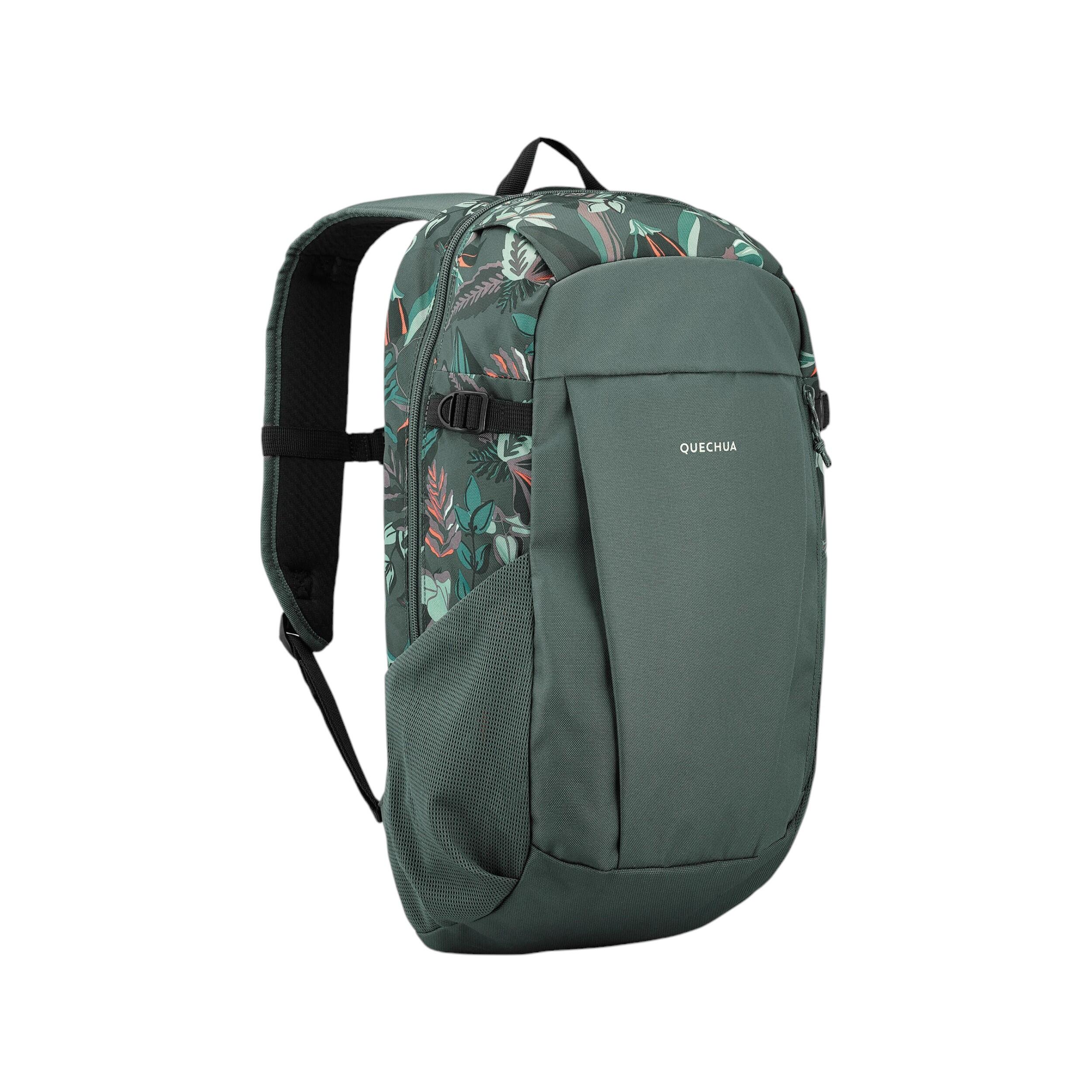
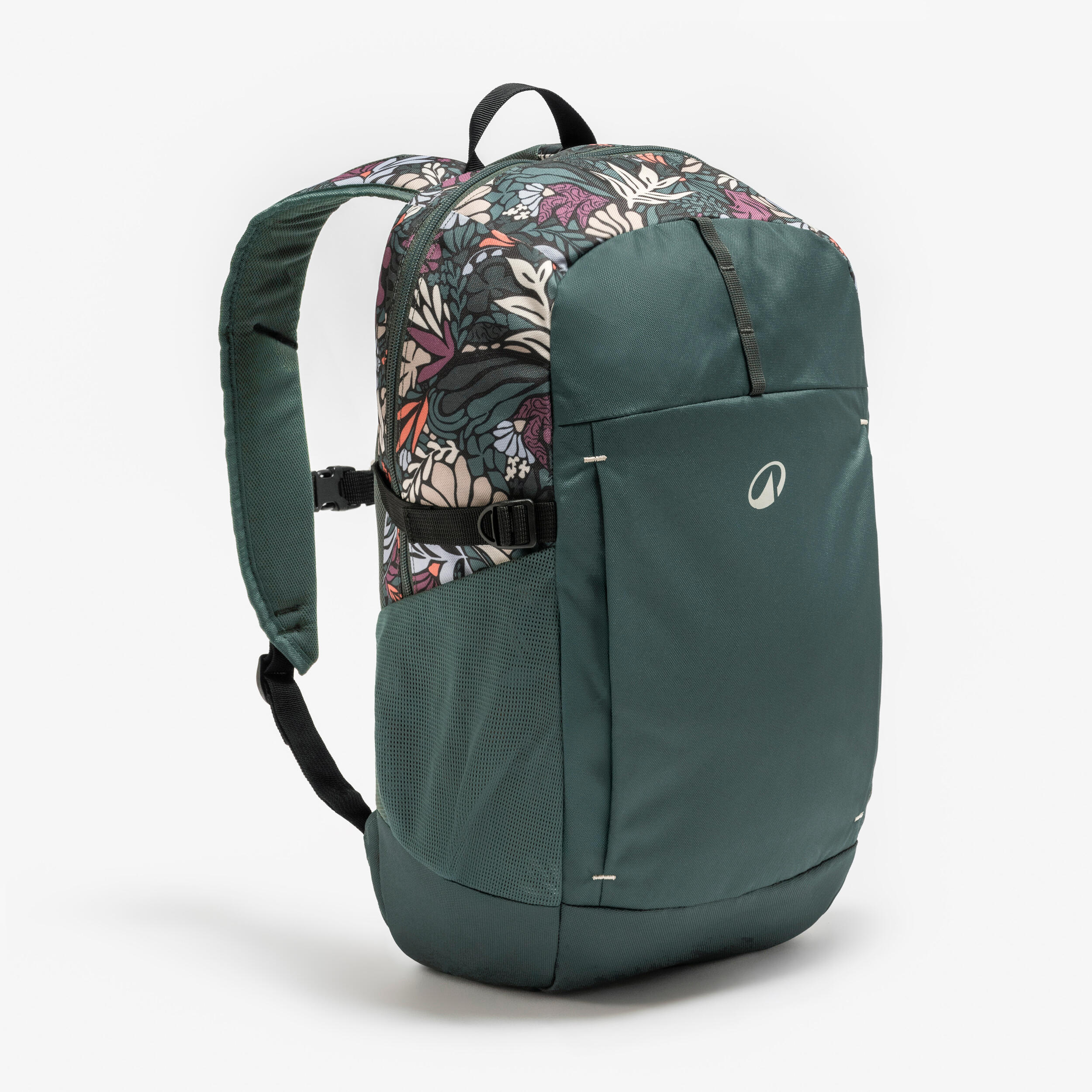
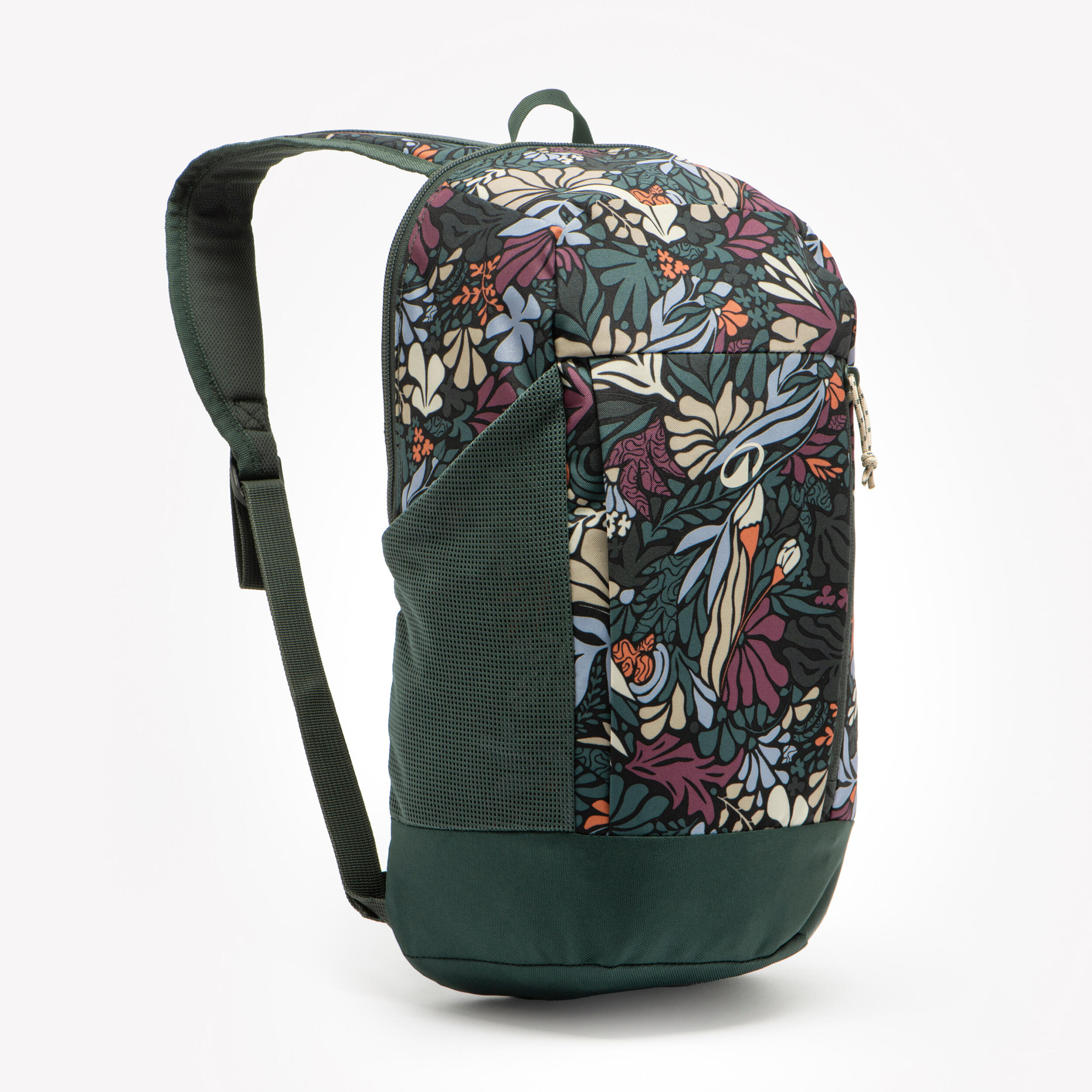
9 coloursQUECHUA 10 L hiking backpack, Arpenaz 100 - Flower4.8(21,586)Reviews.votesAria9 coloursCurrent price {{currentPrice}} €7.00
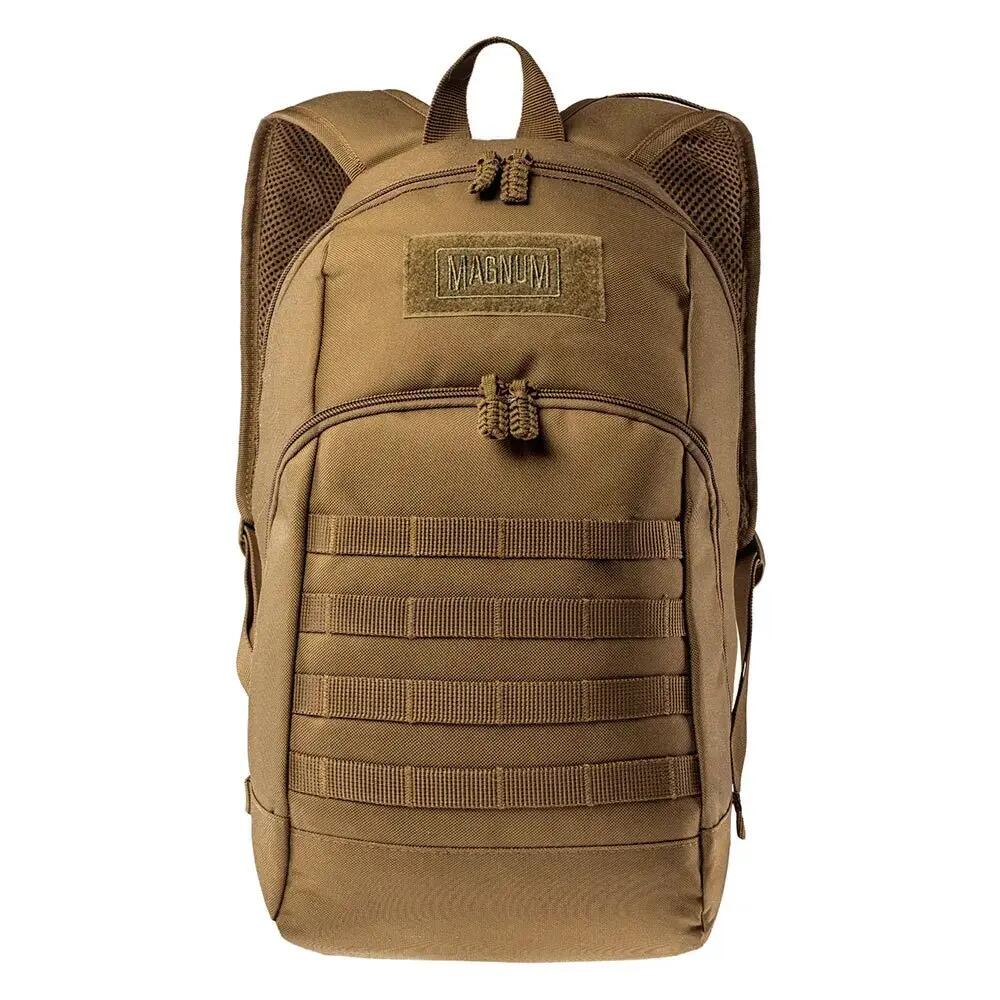
Marketplace -Online Only Marketplace -Online OnlyMarketplace -Online OnlyMAGNUM Backpack Magnum KamelCurrent price {{currentPrice}} €29.95Sold and shipped by Sports Lab IE
5 coloursQUECHUA 20 L backpack, Arpenaz 100 - Purple4.8(2,010)Reviews.votesAria5 coloursCurrent price {{currentPrice}} €13.00
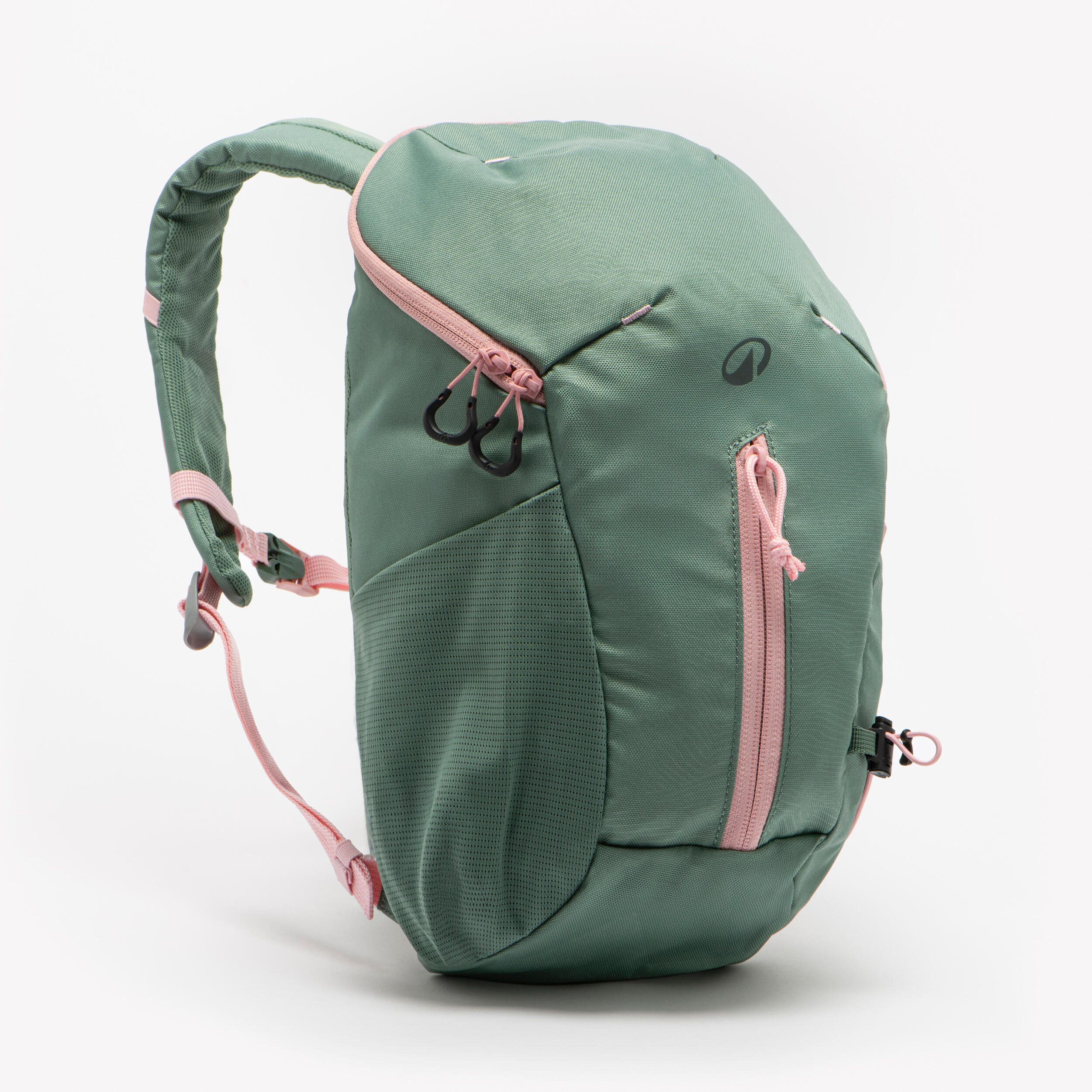
4 coloursQUECHUA Hiking backpack 5 L, 2-5 years, MH100 - Green4.9(2,865)Reviews.votesAria4 coloursCurrent price {{currentPrice}} €8.00
2 coloursDECATHLON Move 500 10L small backpack with laptop compartment 4.8(877)Reviews.votesAria2 coloursCurrent price {{currentPrice}} €26.00
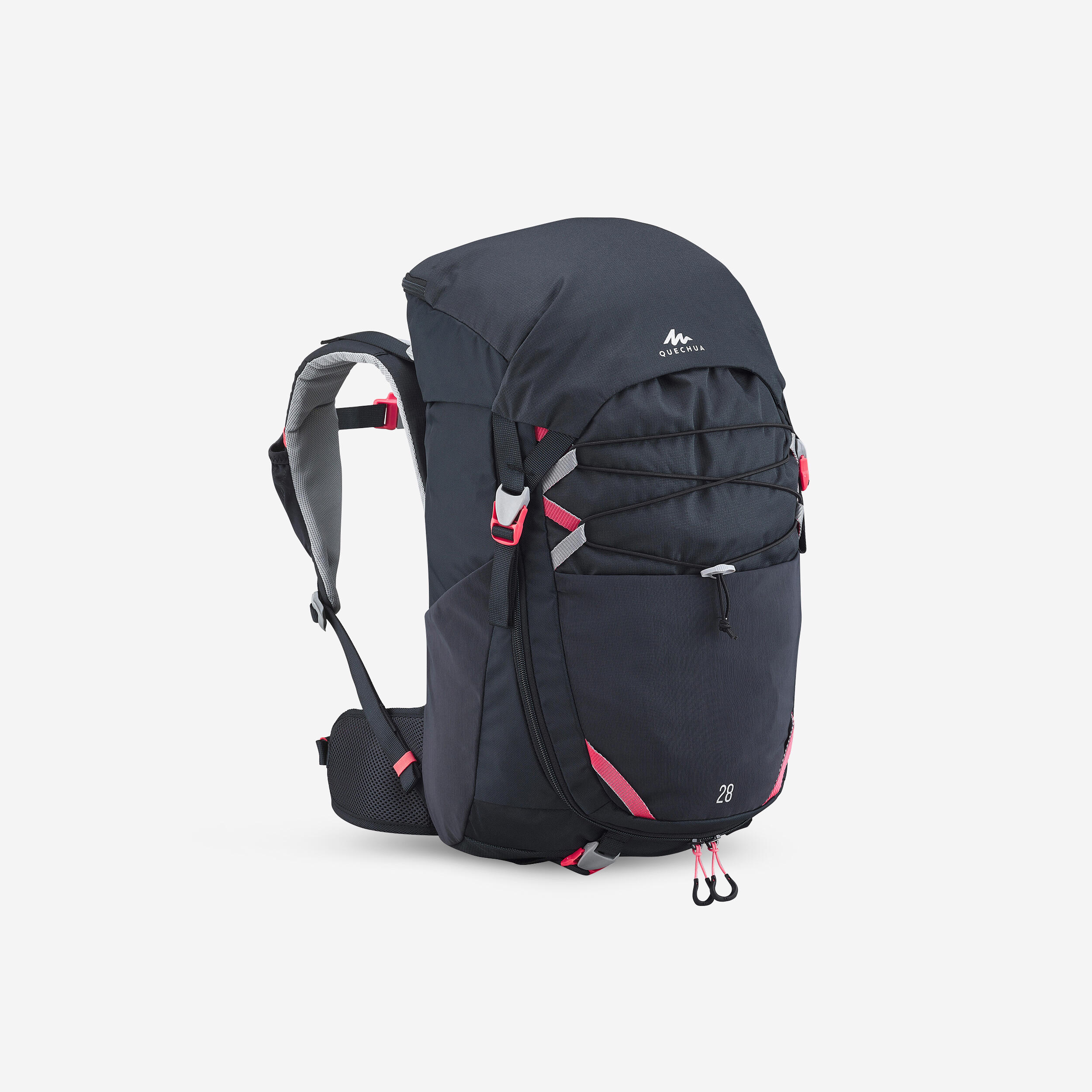
3 coloursQUECHUA Kids’ 28L hiking backpack, 7-15 years, MH500 - Grey4.8(570)Reviews.votesAria3 coloursCurrent price {{currentPrice}} €42.00
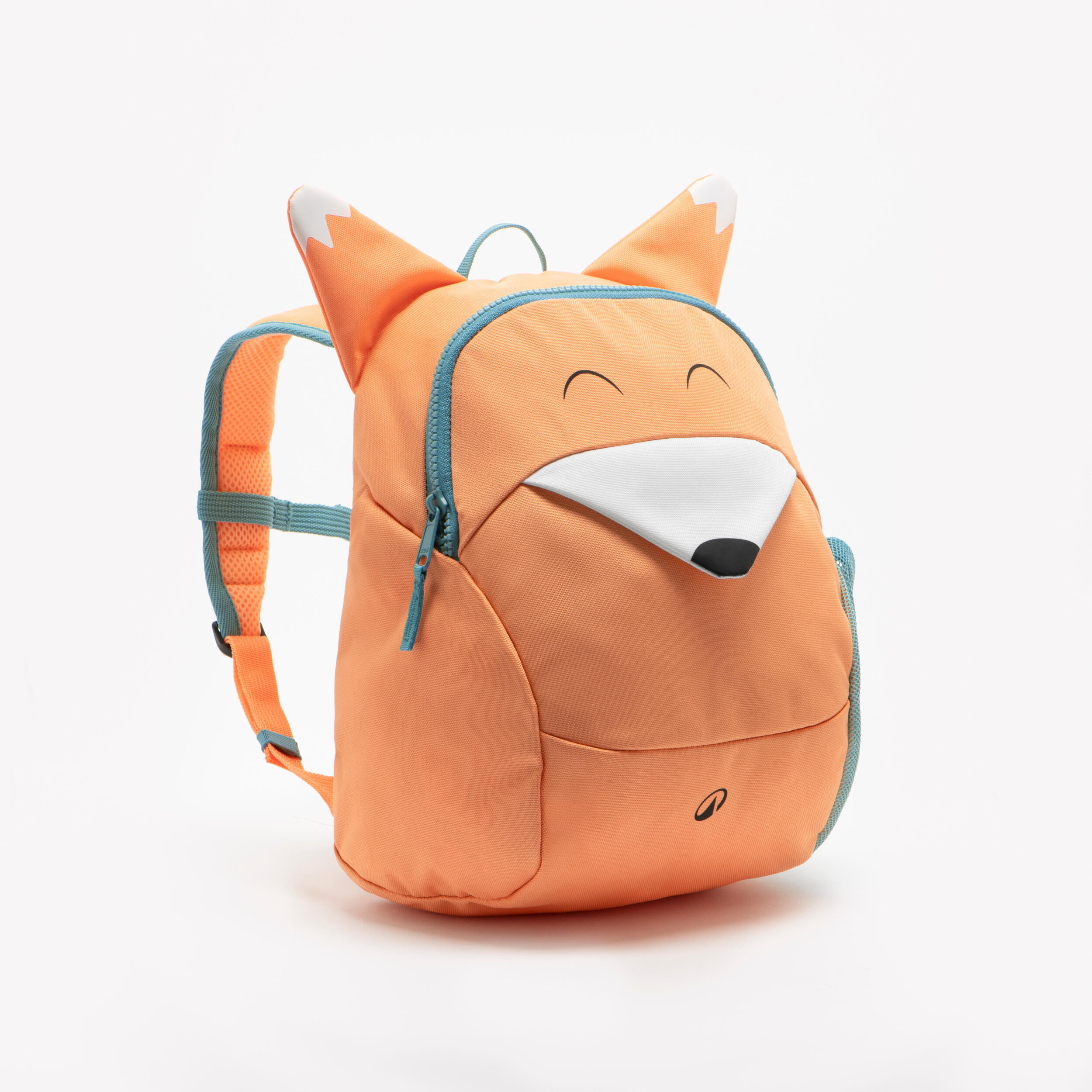
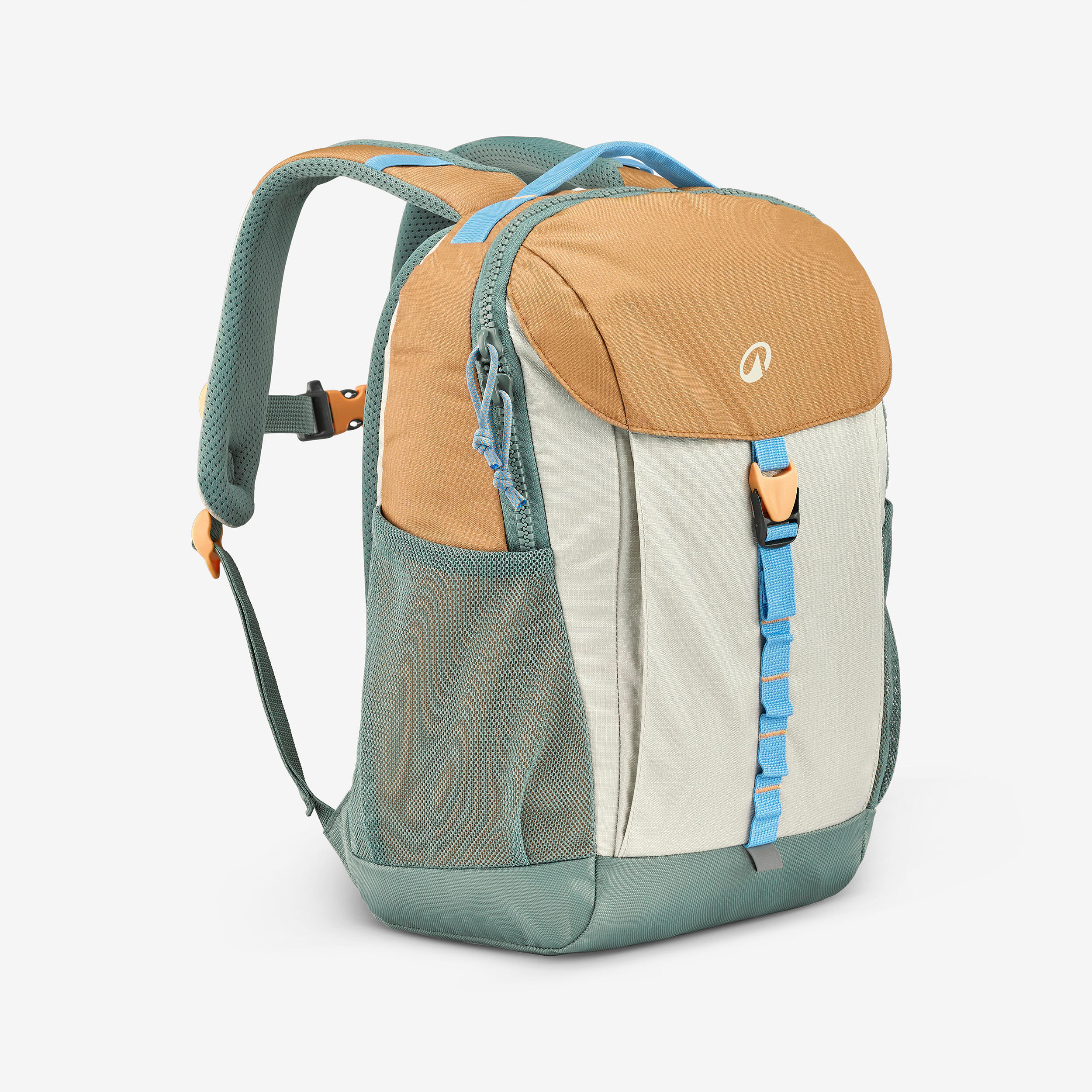
4 coloursQUECHUA Kids’ hiking backpack 7 L, 2-5 years, NH100 - Fox Orange5(267)Reviews.votesAria4 coloursCurrent price {{currentPrice}} €12.00
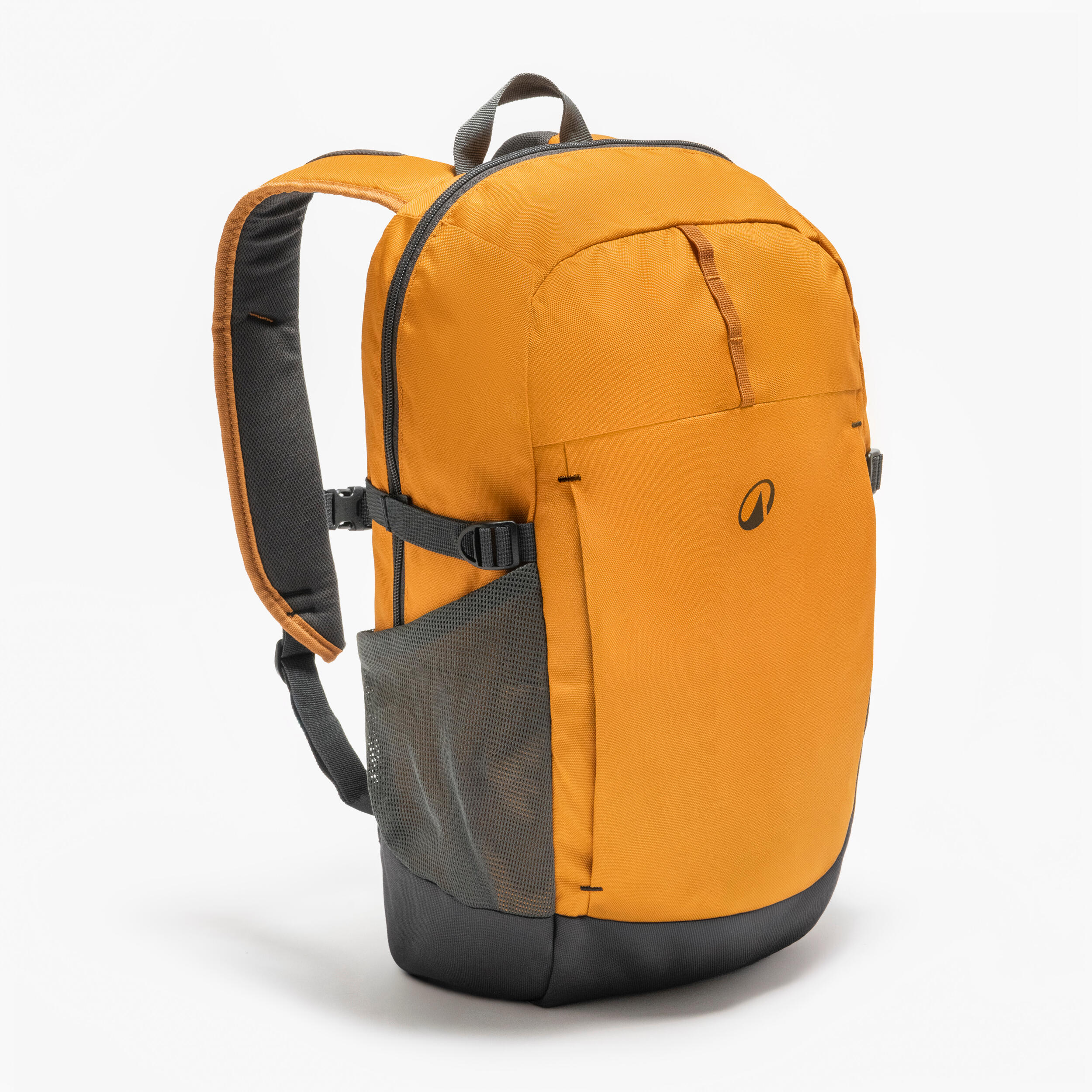
9 coloursQUECHUA Hiking backpack 10 L, Arpenaz 100 - Brown4.8(21,586)Reviews.votesAria9 coloursCurrent price {{currentPrice}} €7.00
9 coloursQUECHUA Arpenaz 100 10L hiking backpack - Purple4.8(21,586)Reviews.votesAria9 coloursCurrent price {{currentPrice}} €7.00
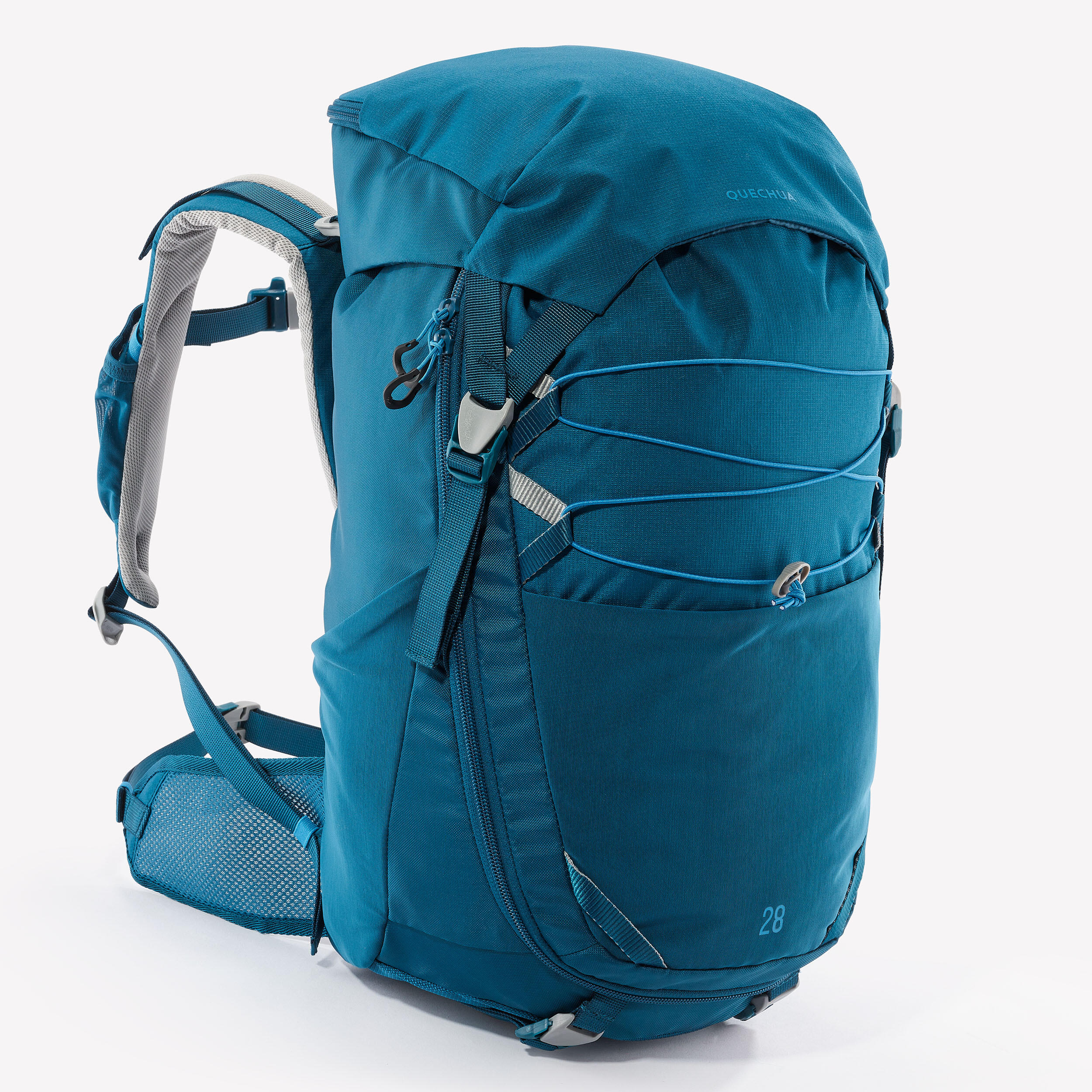
3 coloursQUECHUA Kids’ Hiking Backpack MH500 Age 7-15 28L - Blue4.8(570)Reviews.votesAria3 coloursCurrent price {{currentPrice}} €42.00
Promotion Promotion2 coloursPromotionQUECHUA Kids’ 15 L backpack (ages 7–15), NH900 - Brown4.9(736)Reviews.votesAria2 coloursCurrent price {{currentPrice}} €21.00 Former price €26.00 19% offLowest price: €26.00Starting on 3/8/2026 and valid for the entire duration of the promo
3 coloursQUECHUA Kids’ hiking backpack 10 L, 7-15 years, MH500 - Blue / Green4.8(951)Reviews.votesAria3 coloursCurrent price {{currentPrice}} €10.00
Last chance Last chance3 coloursLast chanceQUECHUA Kids’ Hiking backpack 10 L, 7-15 years, MH500 - Blue4.8(951)Reviews.votesAria3 coloursCurrent price {{currentPrice}} €10.00
3 coloursQUECHUA Kids’ Hiking backpack 10 L, 7-15 years, MH500 - Blue4.8(951)Reviews.votesAria3 coloursCurrent price {{currentPrice}} €10.00
3 coloursQUECHUA Hiking backpack 23 L, Escape 500 Rolltop - Yellow4.8(1,843)Reviews.votesAria3 coloursCurrent price {{currentPrice}} €40.00
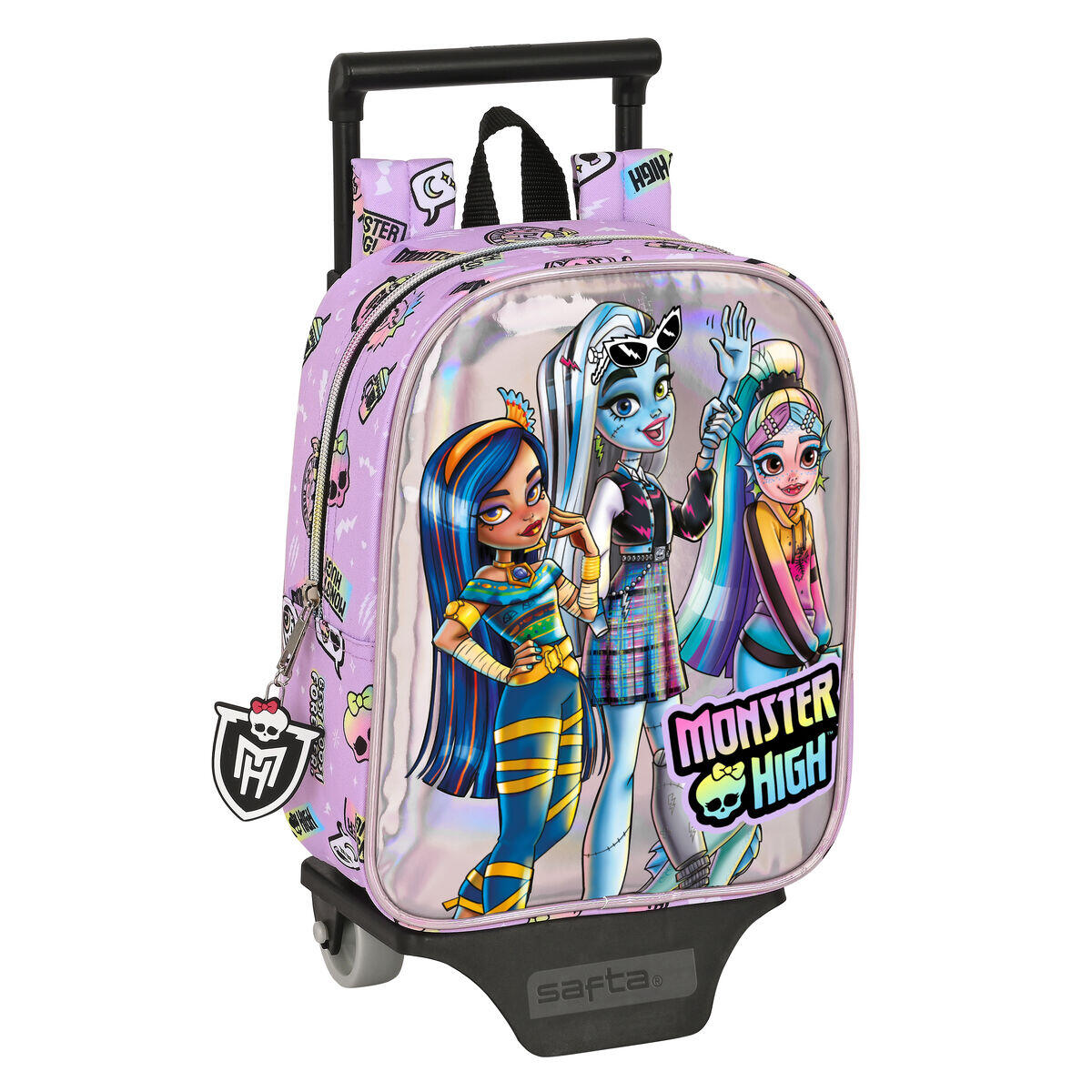
Marketplace -Online Only Marketplace -Online OnlyMarketplace -Online OnlyMONSTER HIGH School Rucksack with Wheels Monster High Best boos Polyester 300DCurrent price {{currentPrice}} €34.25Sold and shipped by Sports Lab IE
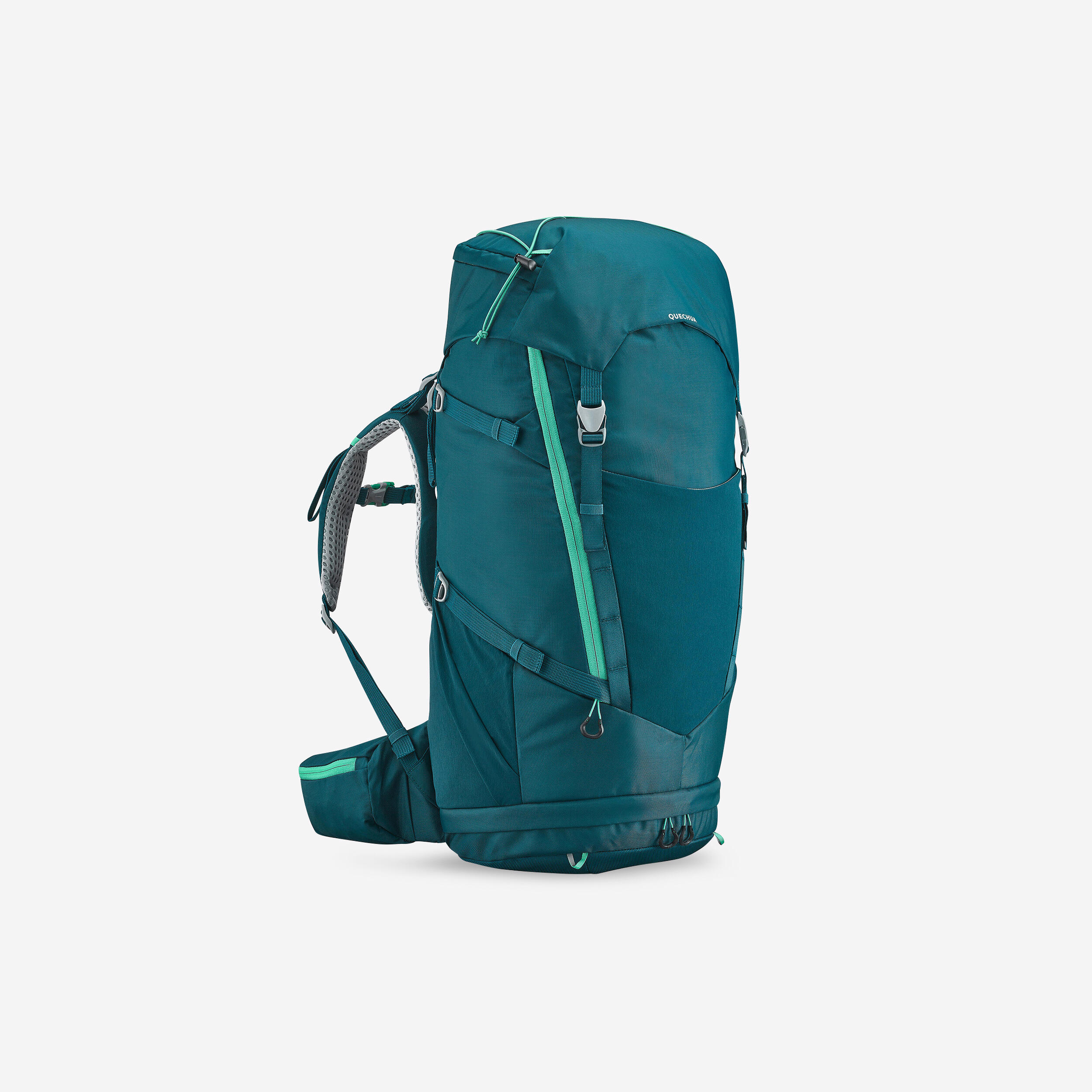
2 coloursQUECHUA Kids’ comfortable and ventilated hiking backpack 40 + 10 L, MH900 - Blue4.8(601)Reviews.votesAria2 coloursCurrent price {{currentPrice}} €60.00
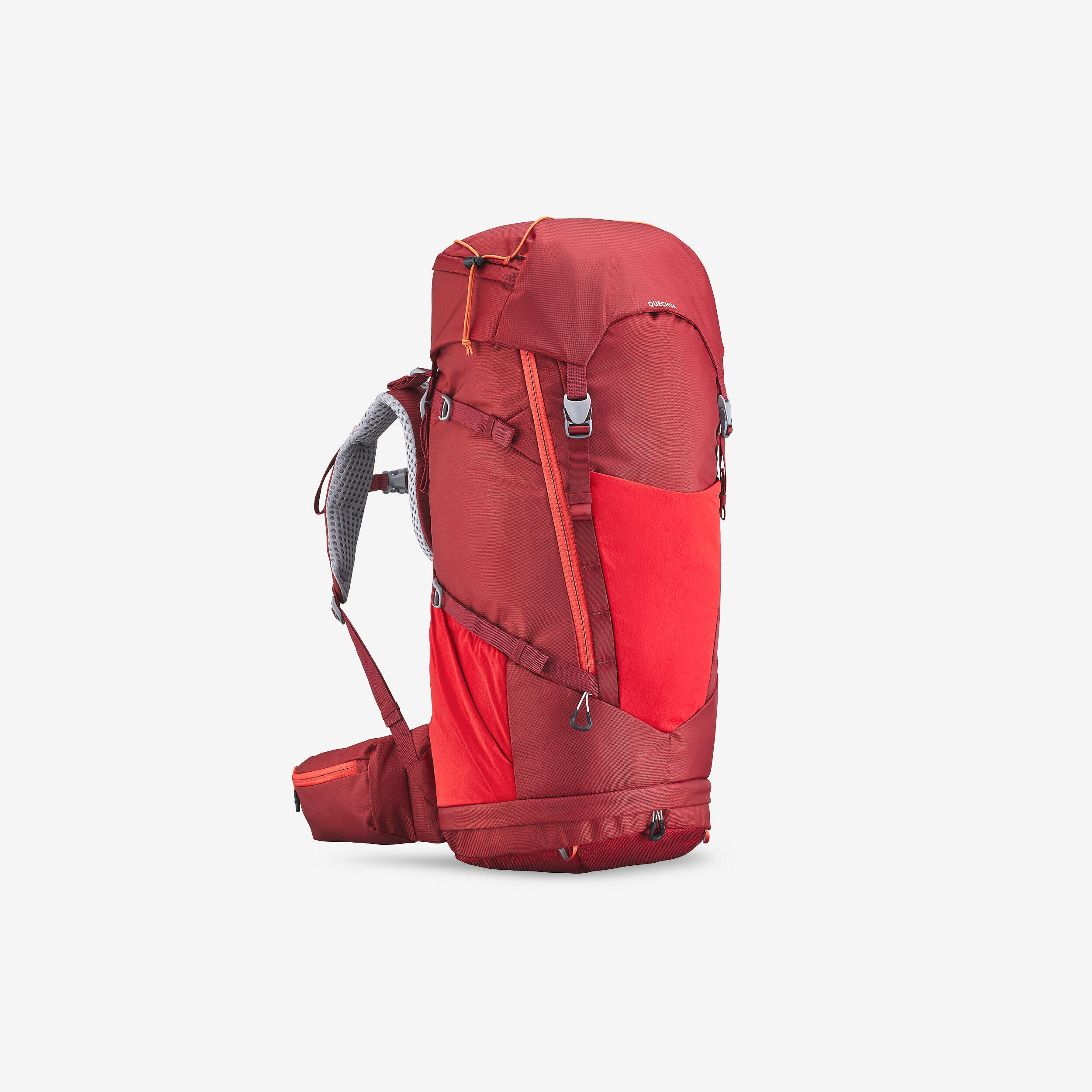
2 coloursQUECHUA Kids’ comfortable and ventilated hiking backpack 40 + 10 L, MH900 - Red4.8(601)Reviews.votesAria2 coloursCurrent price {{currentPrice}} €60.00
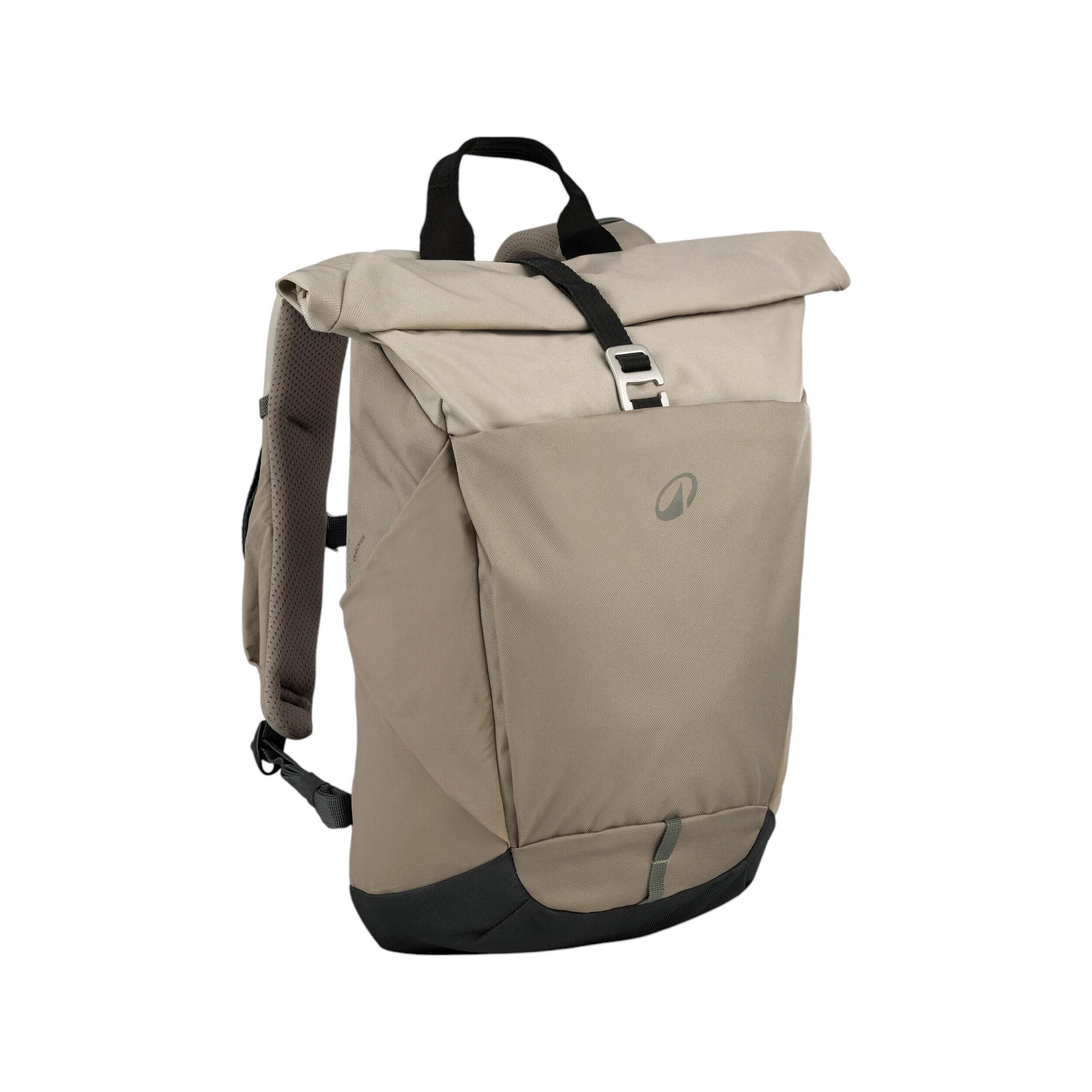
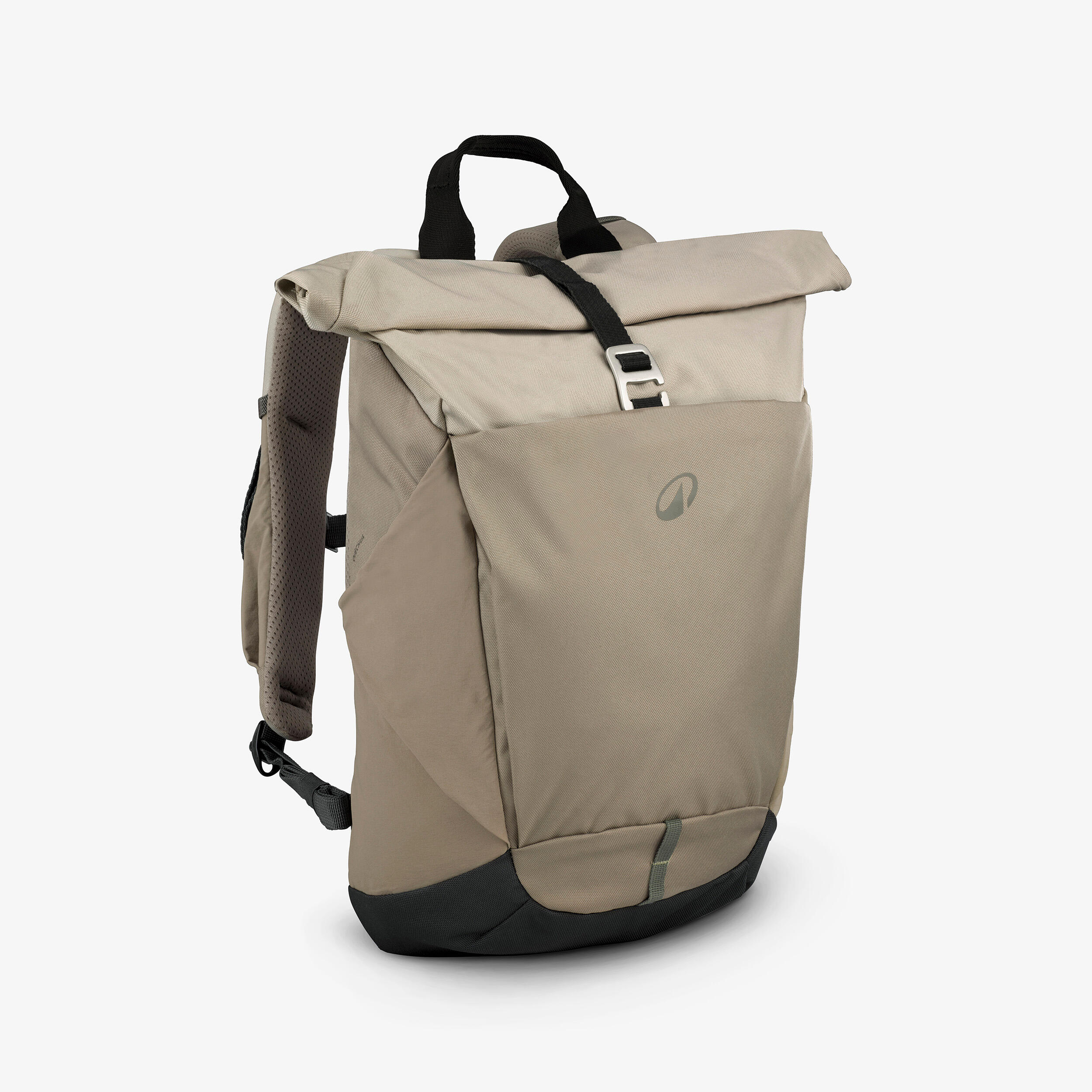
4 coloursQUECHUA Escape 500 Rolltop 16+ 4L hiking backpack - Beige4.8(976)Reviews.votesAria4 coloursCurrent price {{currentPrice}} €30.00
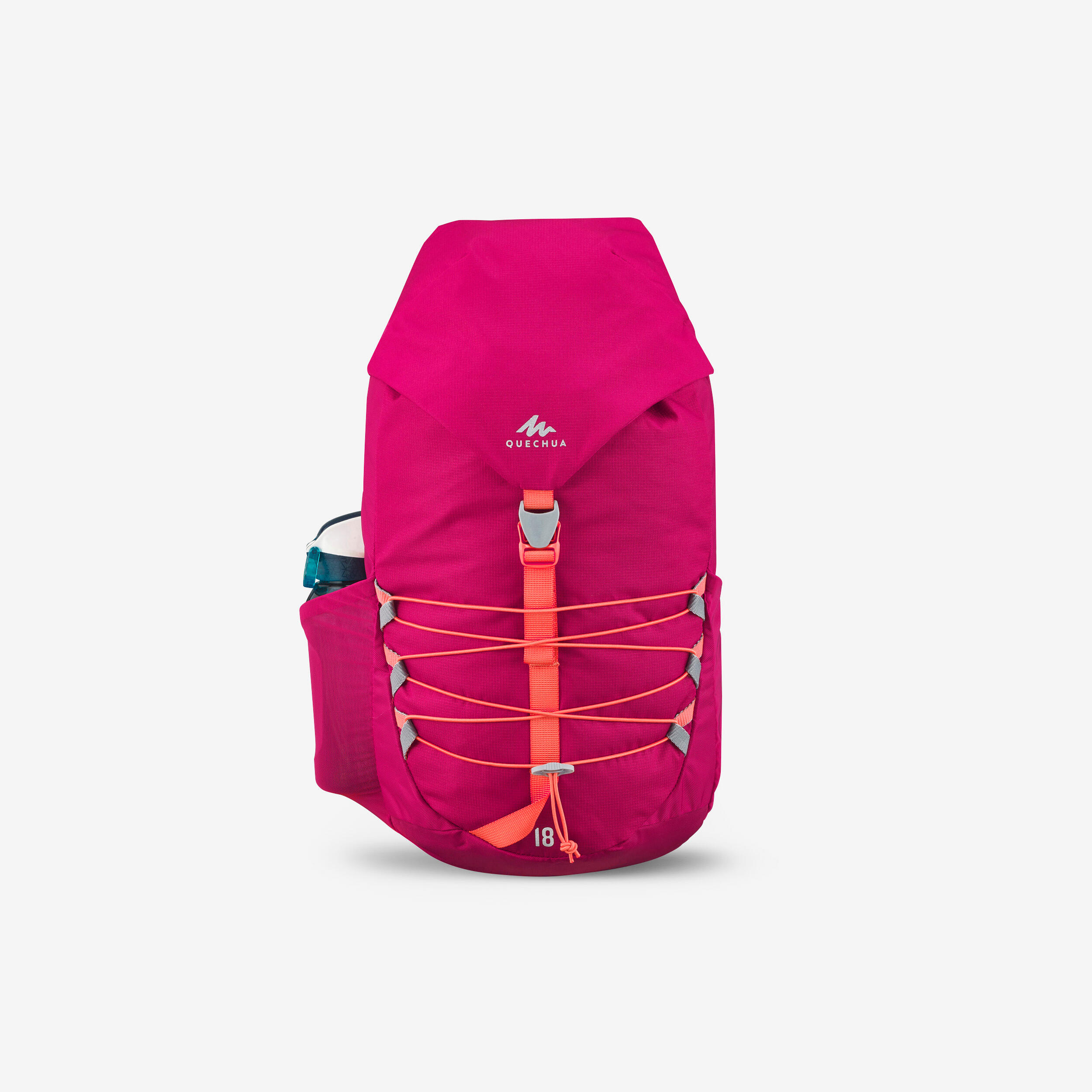
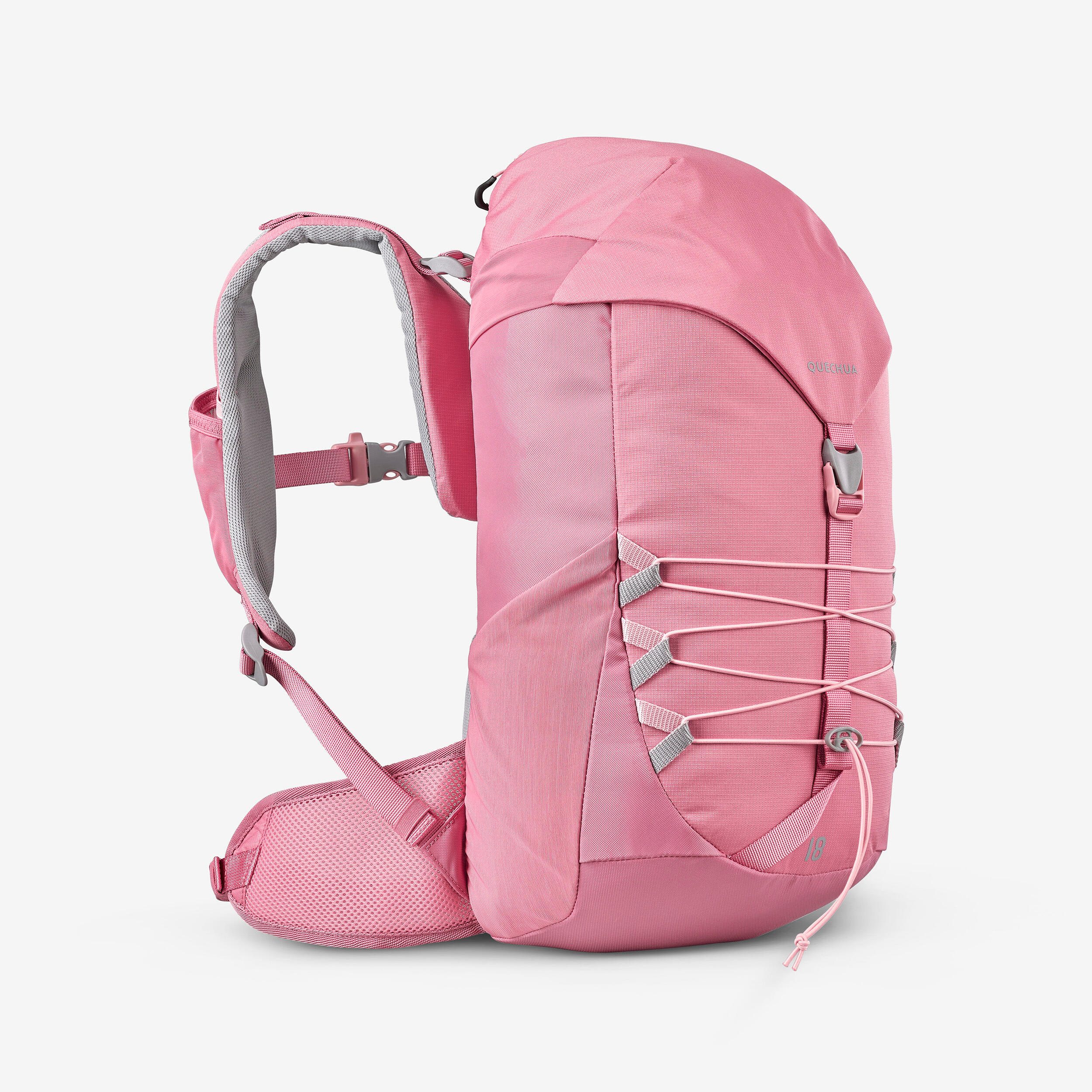
3 coloursQUECHUA Hiking backpack 18 L, 7-15 years, MH500 - Pink4.9(1,001)Reviews.votesAria3 coloursCurrent price {{currentPrice}} €26.00
4 coloursQUECHUA Hiking backpack 16+4 L, Escape 500 Rolltop - Green4.8(976)Reviews.votesAria4 coloursCurrent price {{currentPrice}} €30.00
4 coloursQUECHUA Hiking backpack 5 L, 2-5 years, MH100 - Blue4.9(2,865)Reviews.votesAria4 coloursCurrent price {{currentPrice}} €6.00
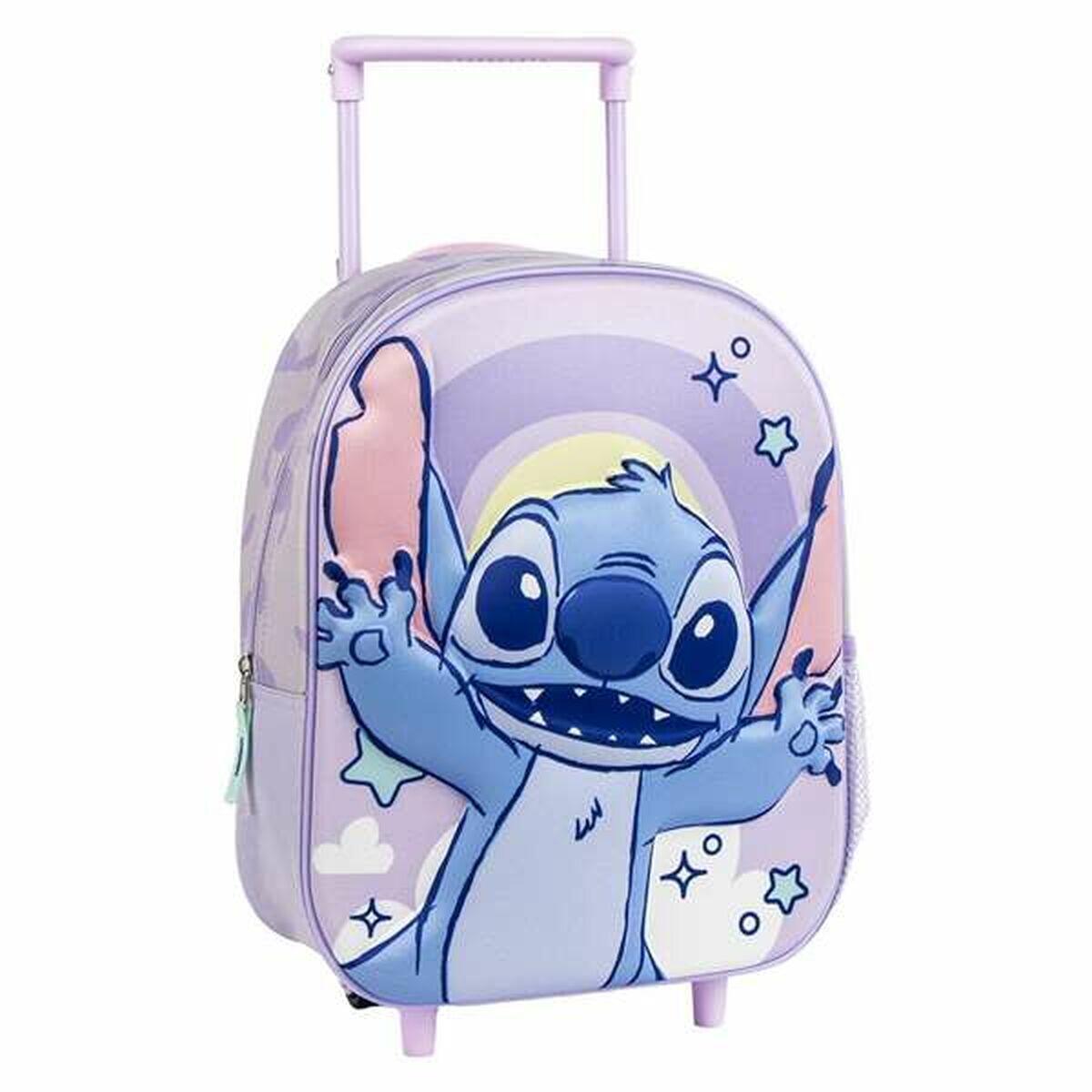
Marketplace -Online Only Marketplace -Online OnlyMarketplace -Online OnlyDISNEY School Rucksack with Wheels Stitch 67 % PolyesterCurrent price {{currentPrice}} €26.50Sold and shipped by Sports Lab IE
2 coloursDECATHLON Move 500 10L small backpack with laptop compartment 4.8(877)Reviews.votesAria2 coloursCurrent price {{currentPrice}} €26.00
Last chance Last chance4 coloursLast chanceQUECHUA Escape 500 Rolltop 16 + 4L hiking backpack - Brown4.8(976)Reviews.votesAria4 coloursCurrent price {{currentPrice}} €30.00