3 items
4.2/5 based on 1810 reviews collected online and in stores

Body Weight Scales FAQs

What can body weight scales measure?

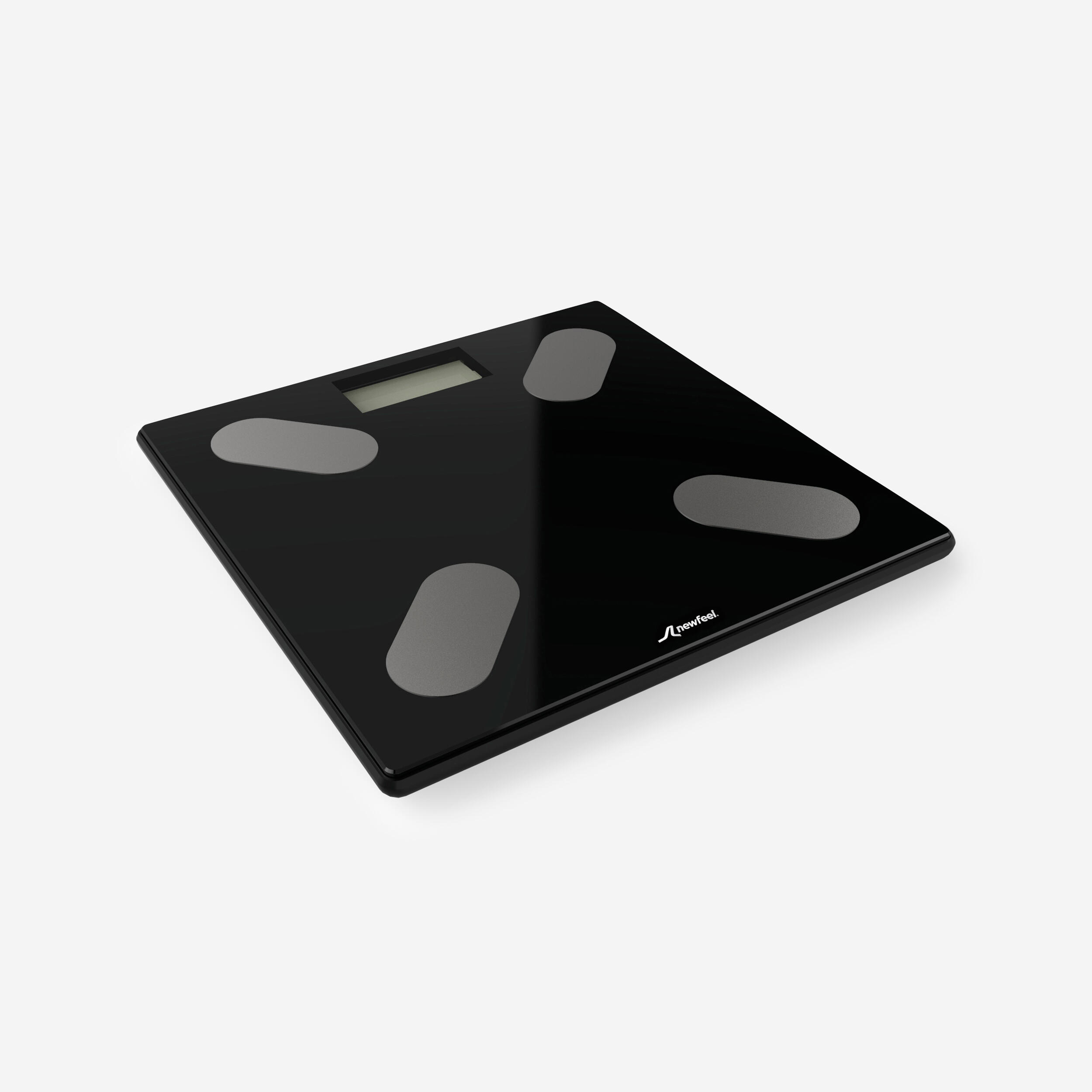
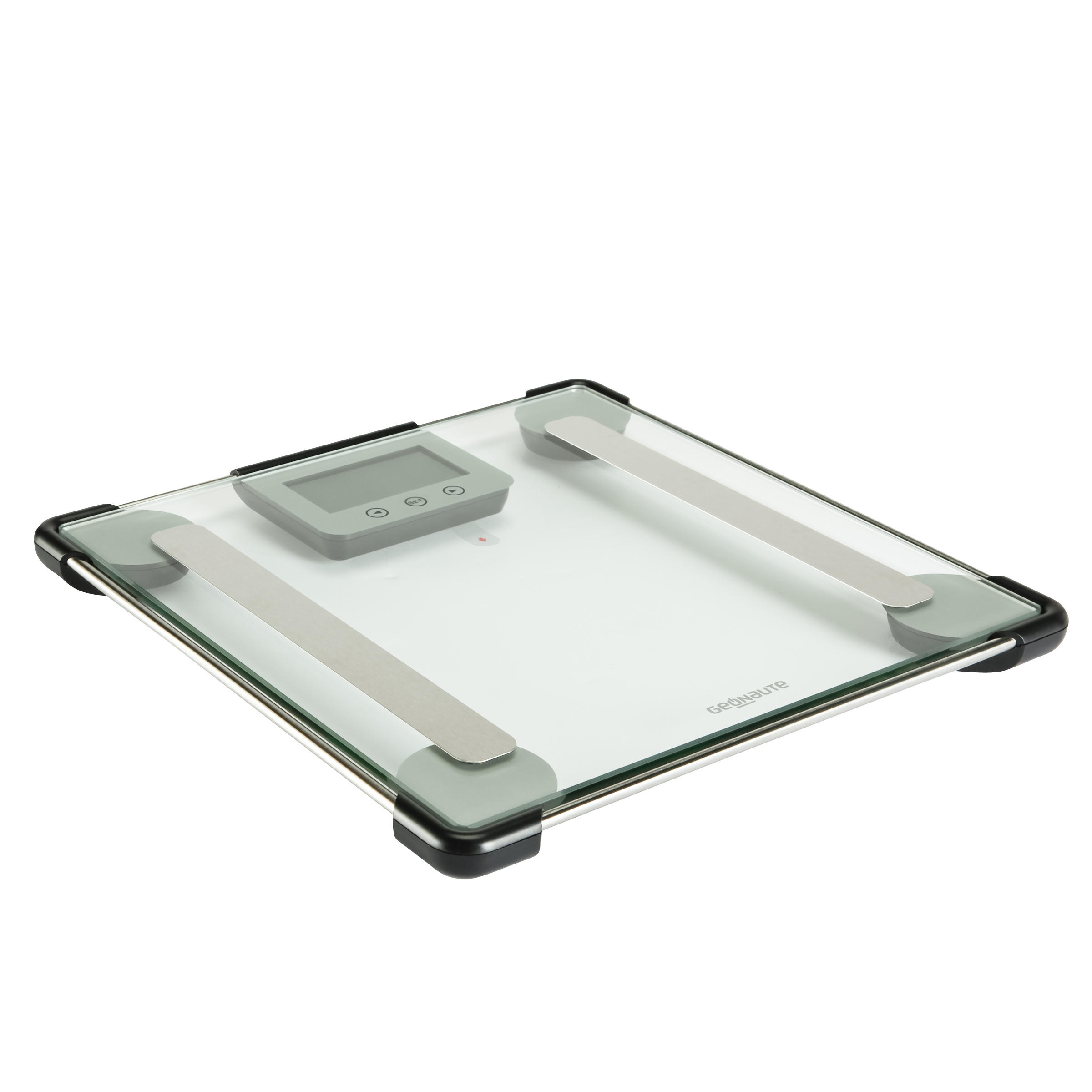
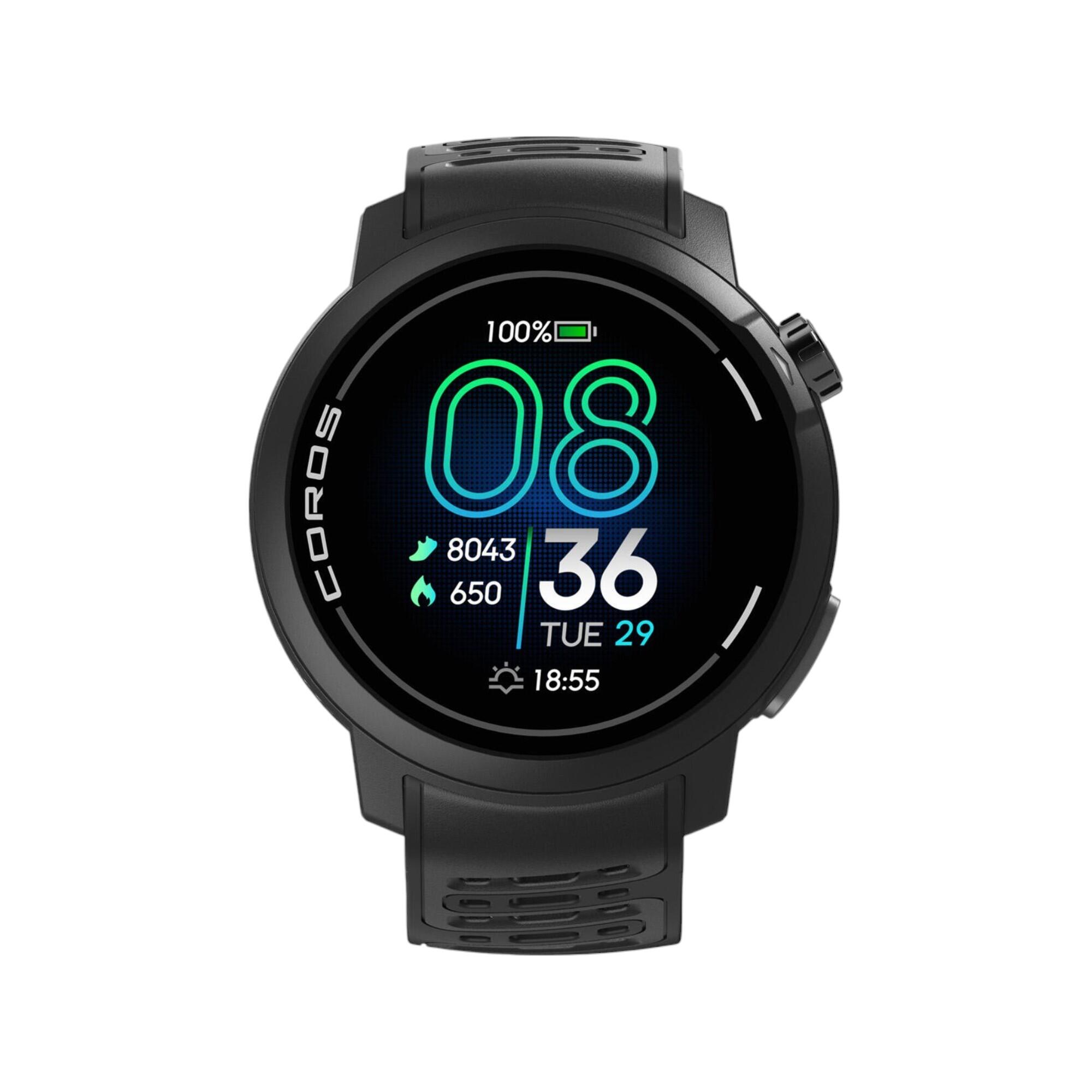
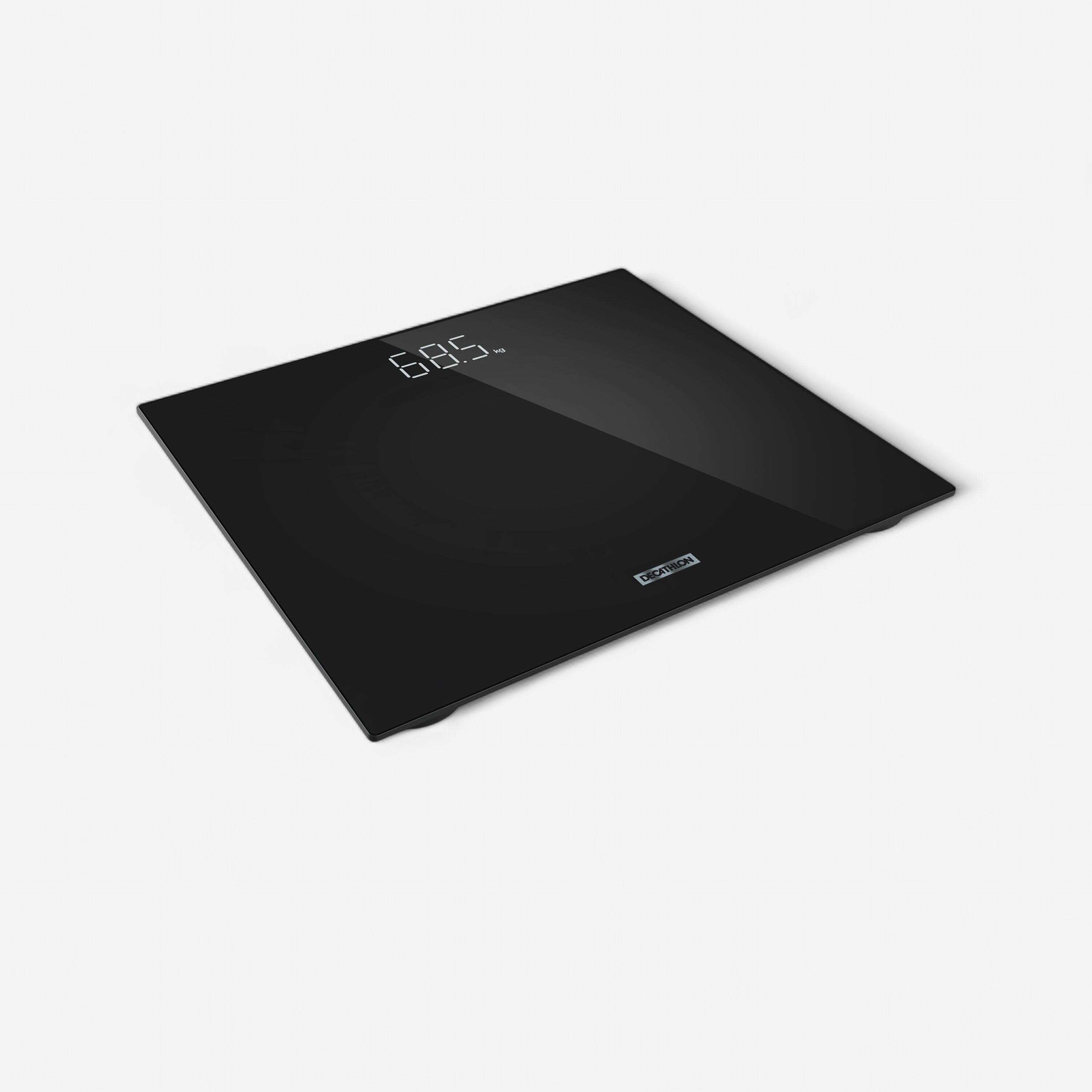
Body weight scales show your weight, while smart models can also estimate body composition details such as body fat, muscle mass and water percentage. App-connected scales help you follow trends over time instead of focusing on one single reading. For the most useful results, weigh yourself in similar conditions each time, such as the same time of day on the same hard floor surface. To get activity data alongside weigh-ins, use trackers and watches.

How reliable are body weight scales for home tracking?

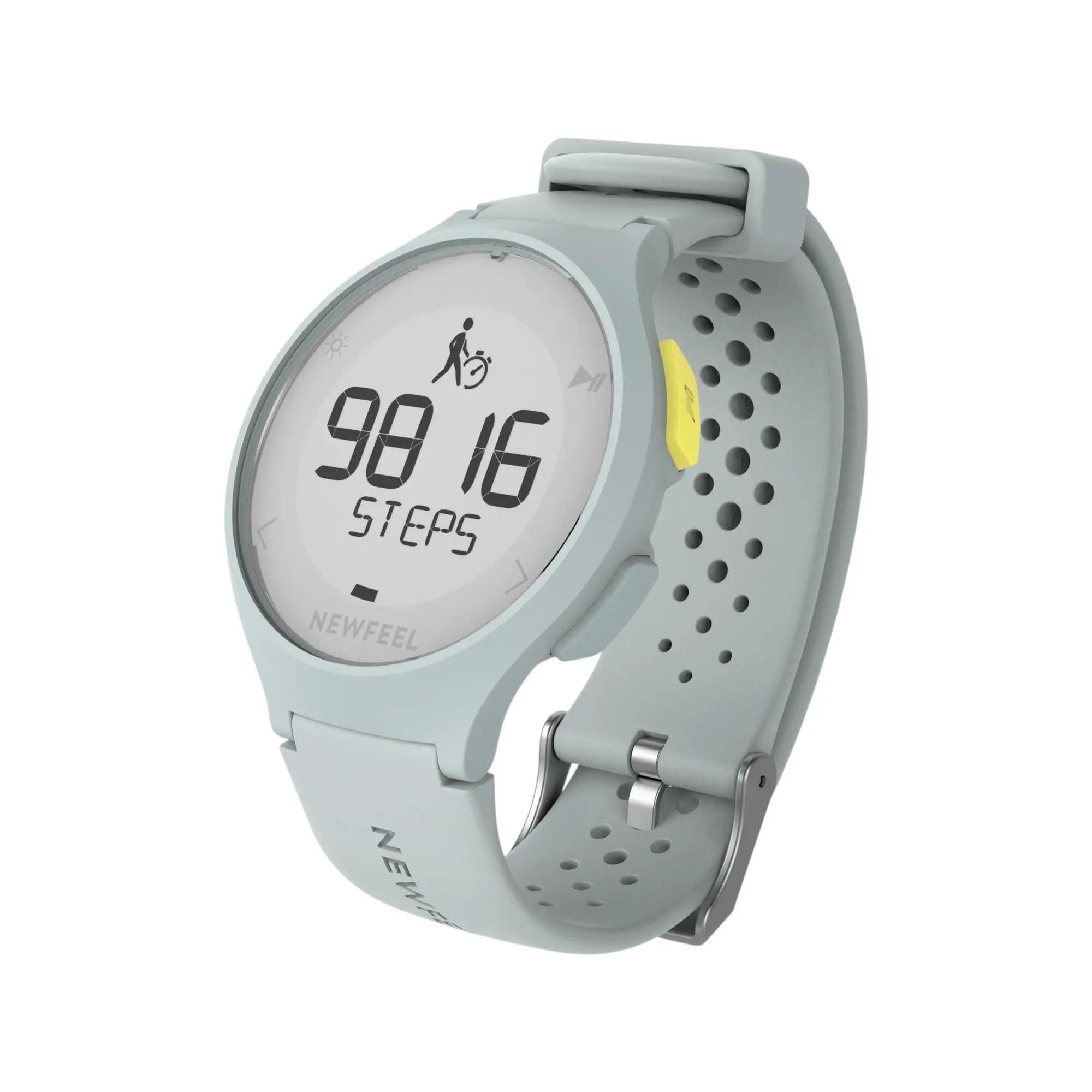
Good home scales are useful for everyday tracking when they give consistent readings over time. Smart body-composition figures should be treated as general trends rather than exact clinical measurements. Placing the scale on a hard, level floor helps improve consistency, while weighing under similar conditions makes changes easier to compare. Step data from pedometers can add extra context to your progress.

How often should you use body weight scales?

Once or twice a week is enough for most people following a gradual goal. Body weight can change naturally with hydration, food, training and time of day, so weekly averages often give a clearer picture than daily readings. Pick a regular time, such as first thing in the morning, and focus on the longer-term trend. Simple fitness basics from walking equipment can support a steady routine.

Where should body weight scales be placed?

Body weight scales work best on a hard, flat floor rather than carpet, which can affect the reading. Keeping the scale in the same dry spot helps you compare results more fairly each time. Wipe the surface regularly, replace batteries when the display weakens and avoid storing it in damp areas where moisture may affect the sensors. Small care items and spare essentials sit under walking accessories.

Can smart body weight scales show progress over time?

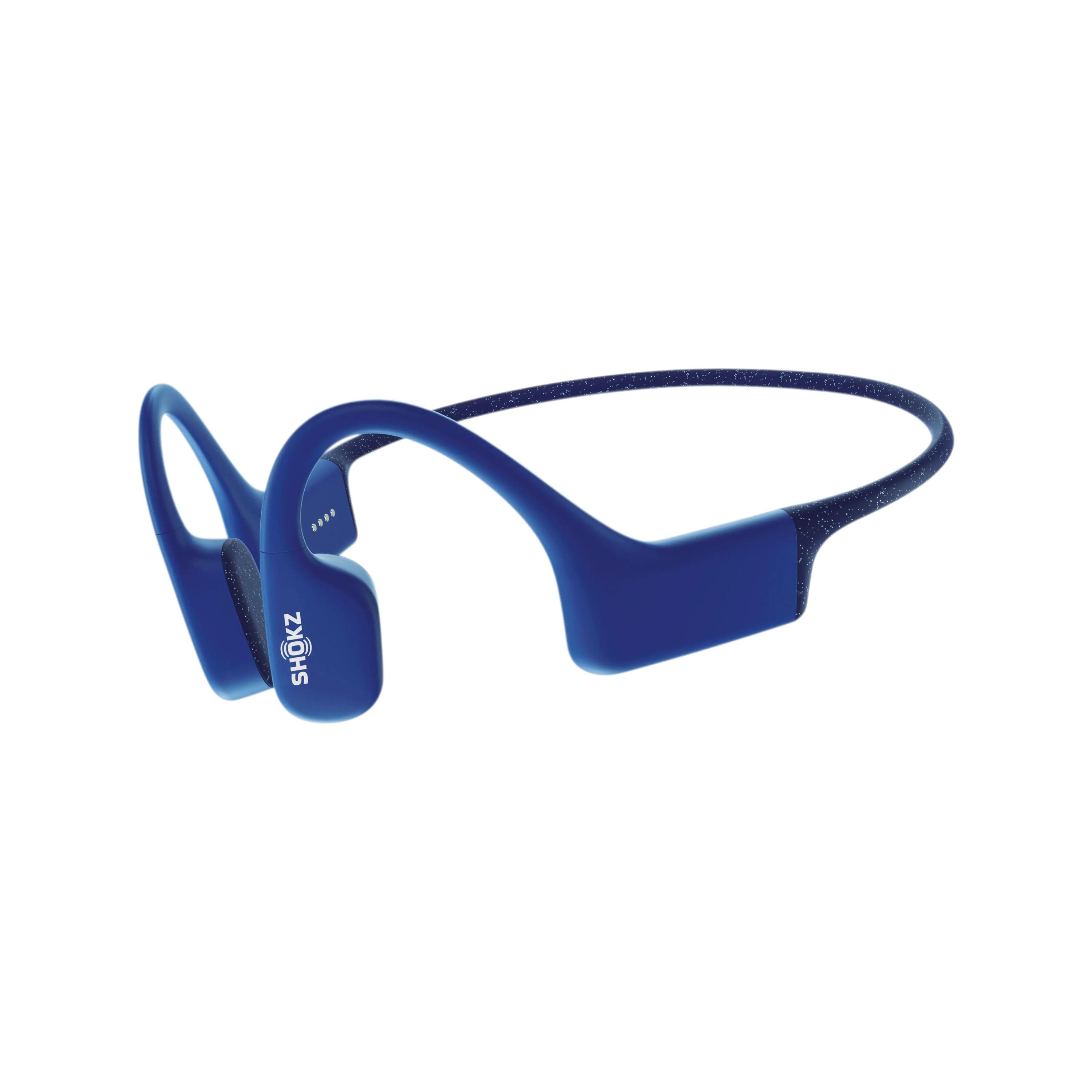
Smart body weight scales can save readings in an app, turning individual weigh-ins into a clearer progress trend. This can help you see whether changes in walking, training or daily activity are having an effect over several weeks. Pairing weight trends with movement data gives a fuller view than weight alone. Phone-carrying and audio extras are available through earphones and armbands.