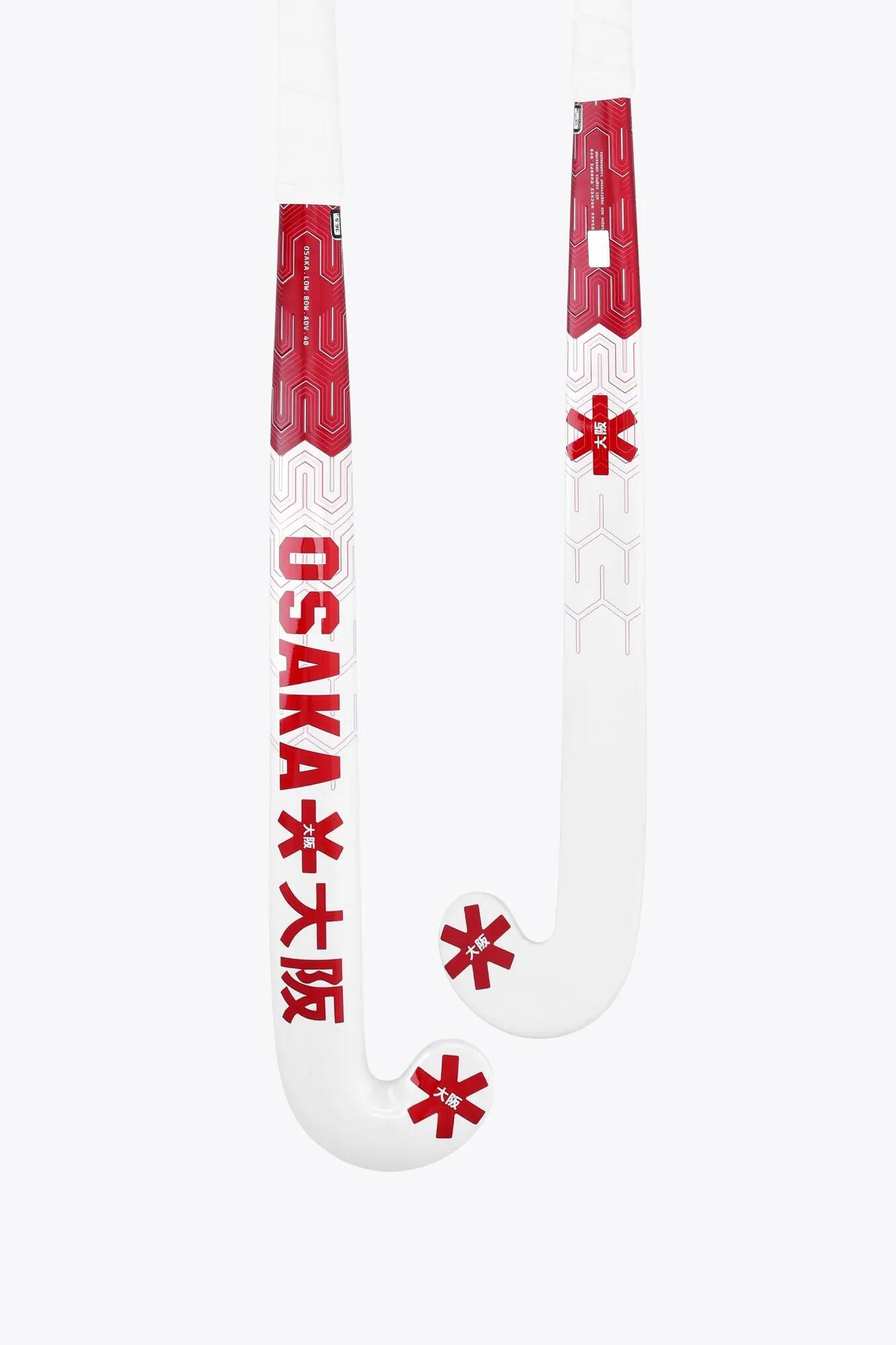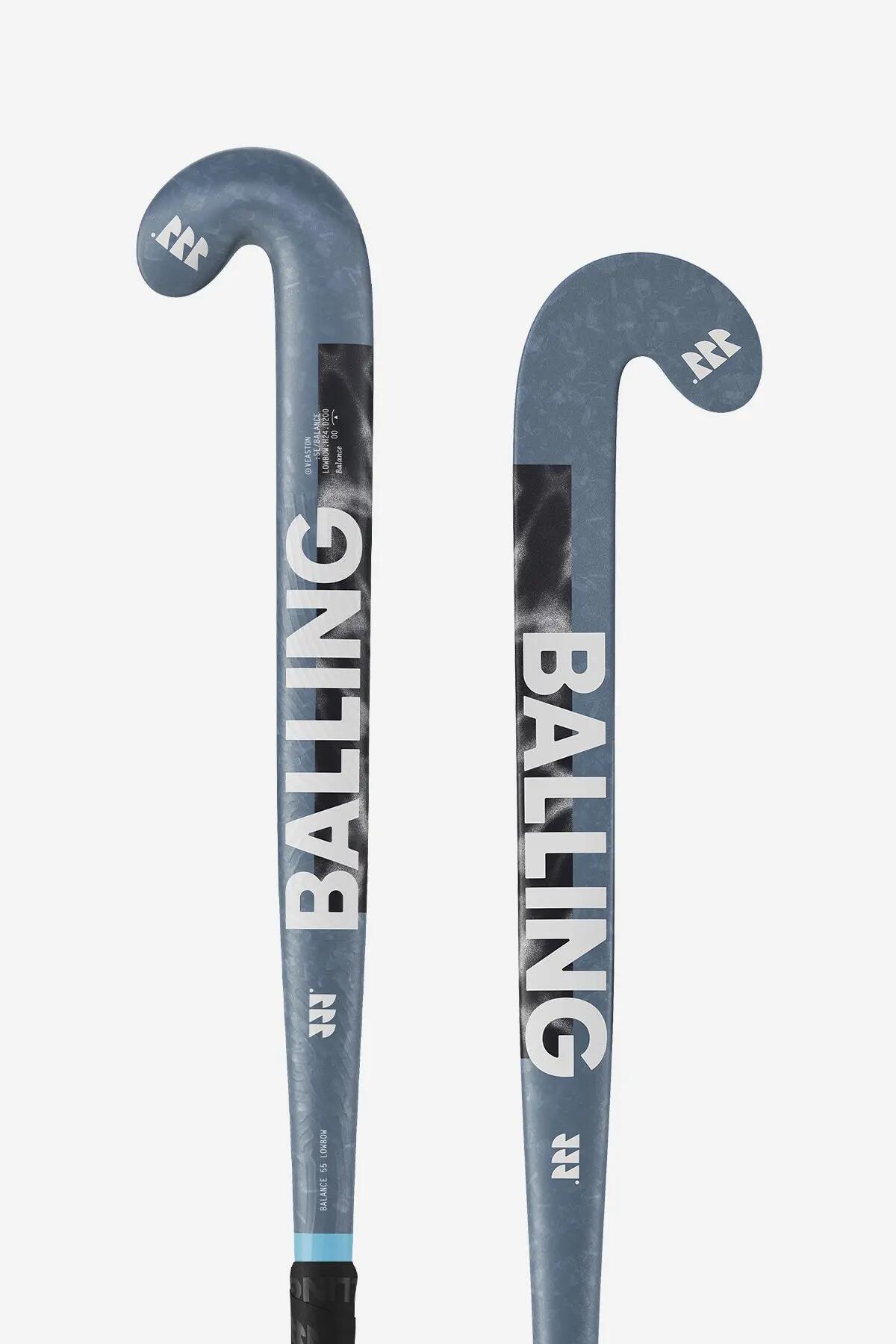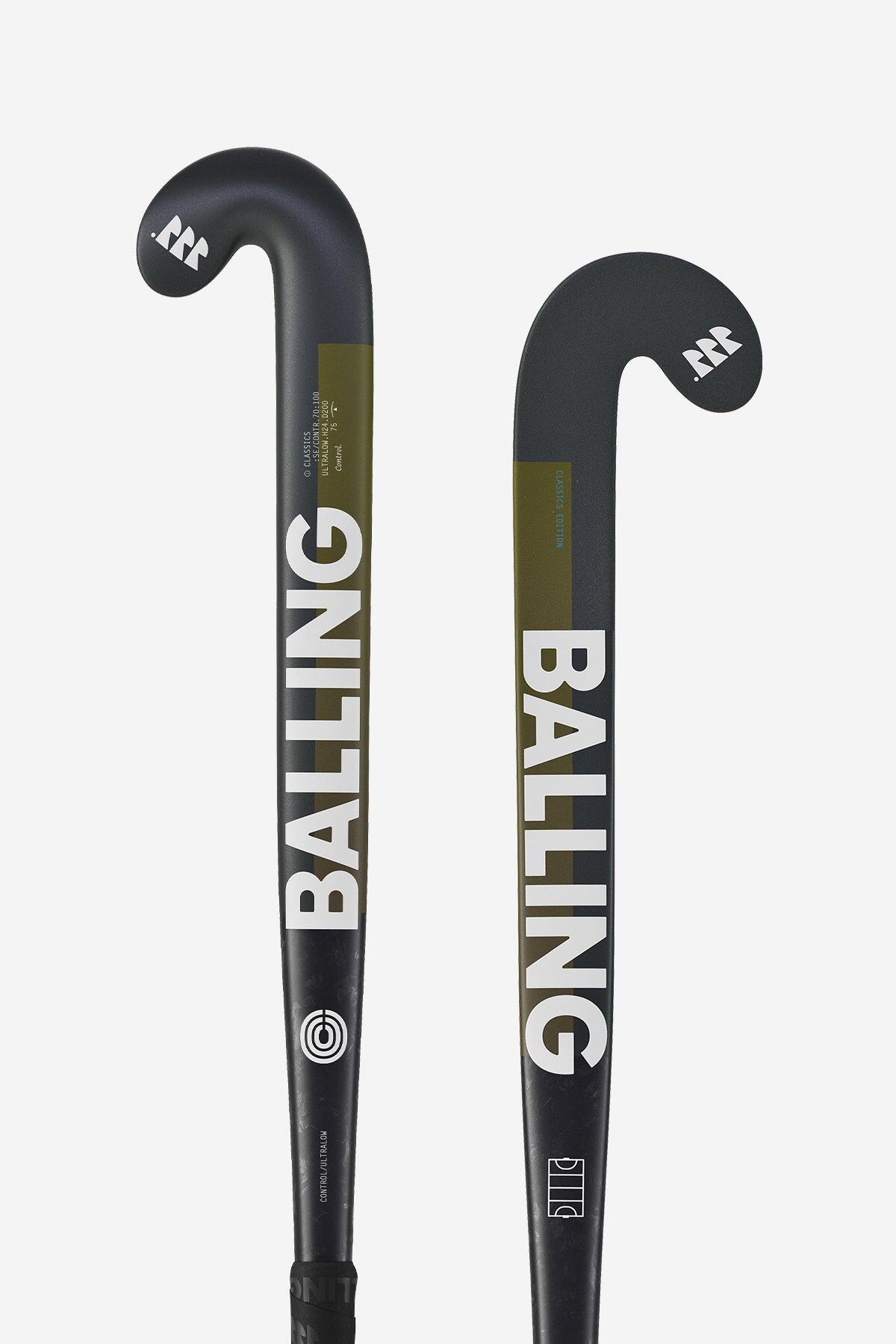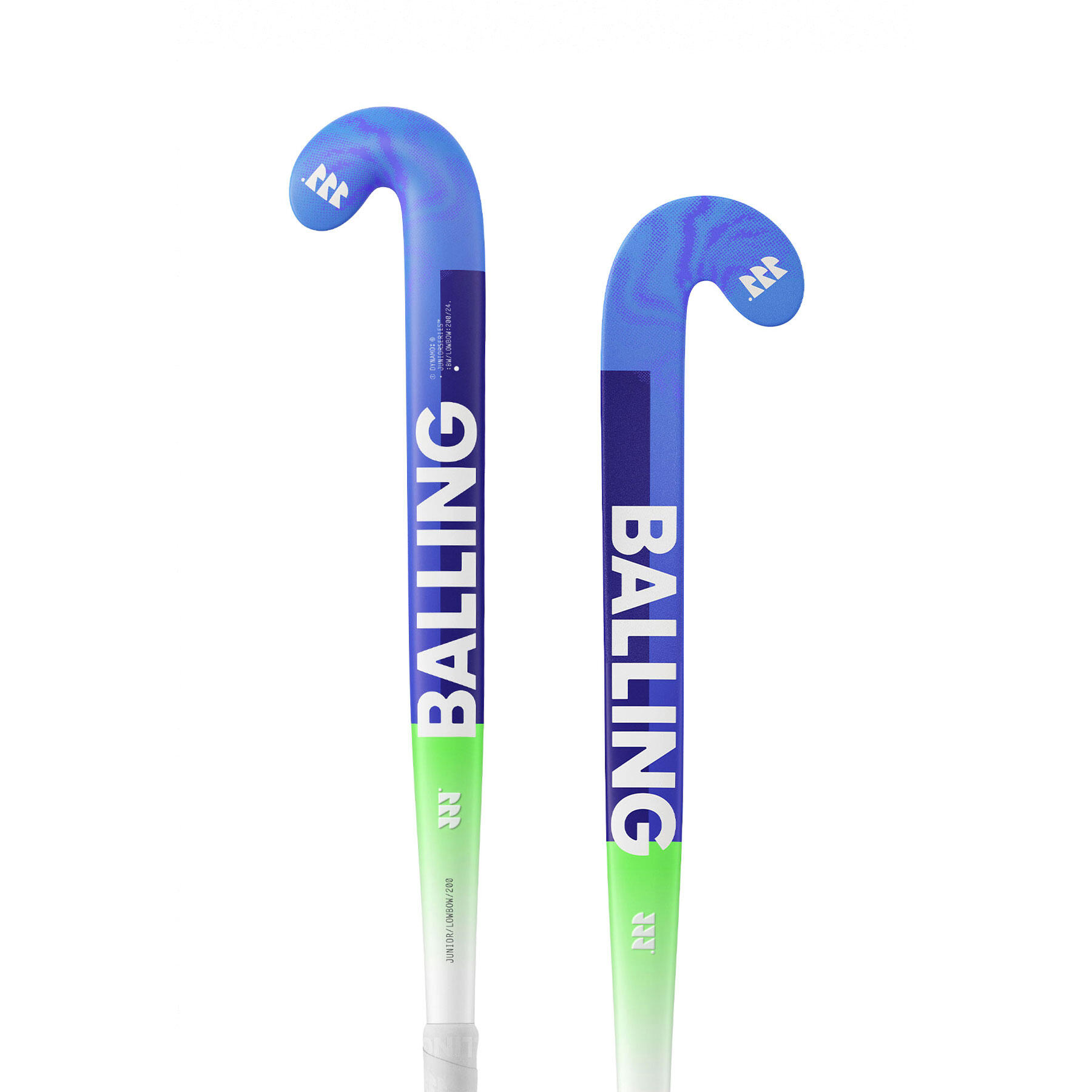
139 items
4.6/5 based on 82 reviews collected online and in stores

FIELD HOCKEY STICKS FAQS

How do I know what size hockey stick to buy?

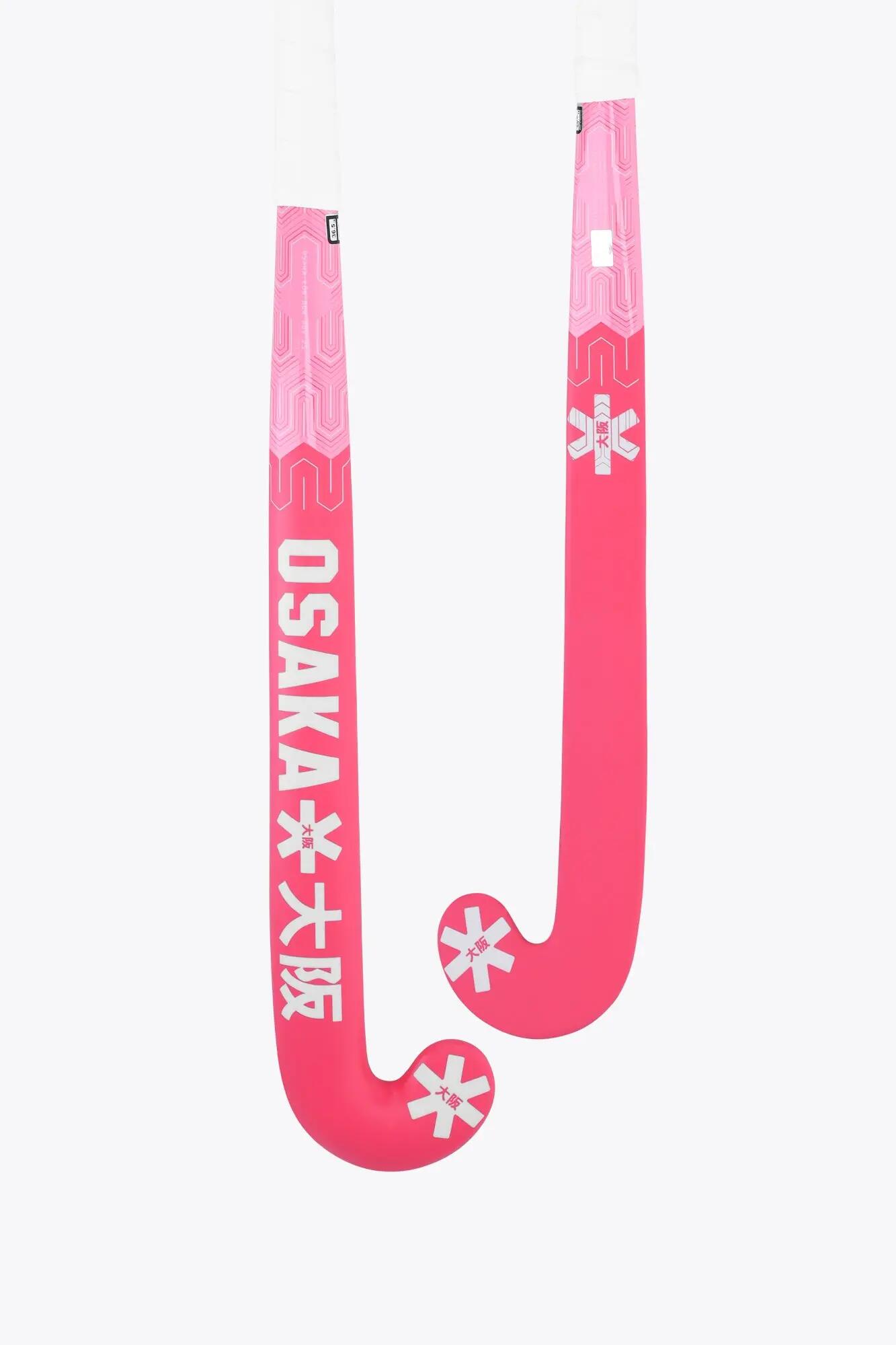
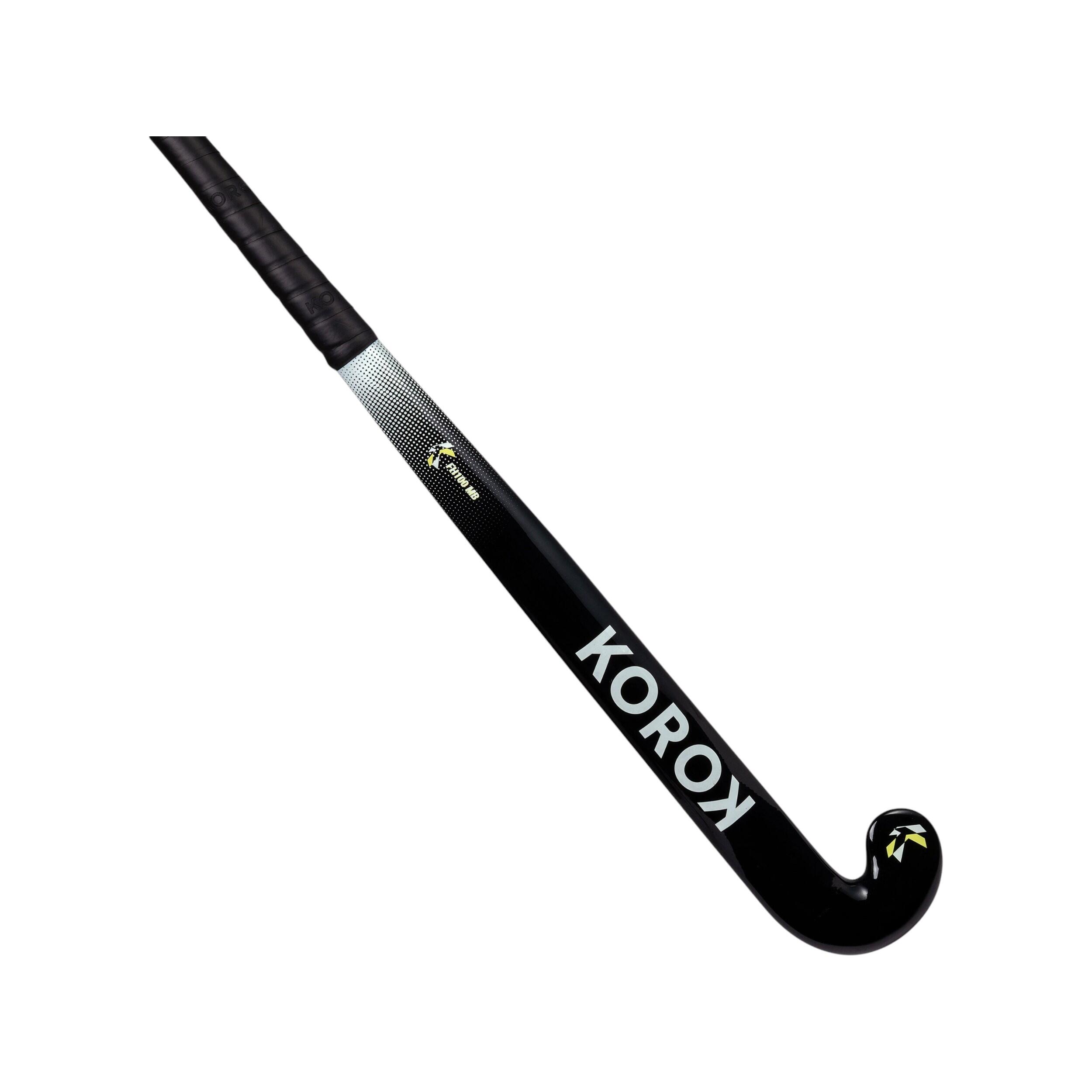
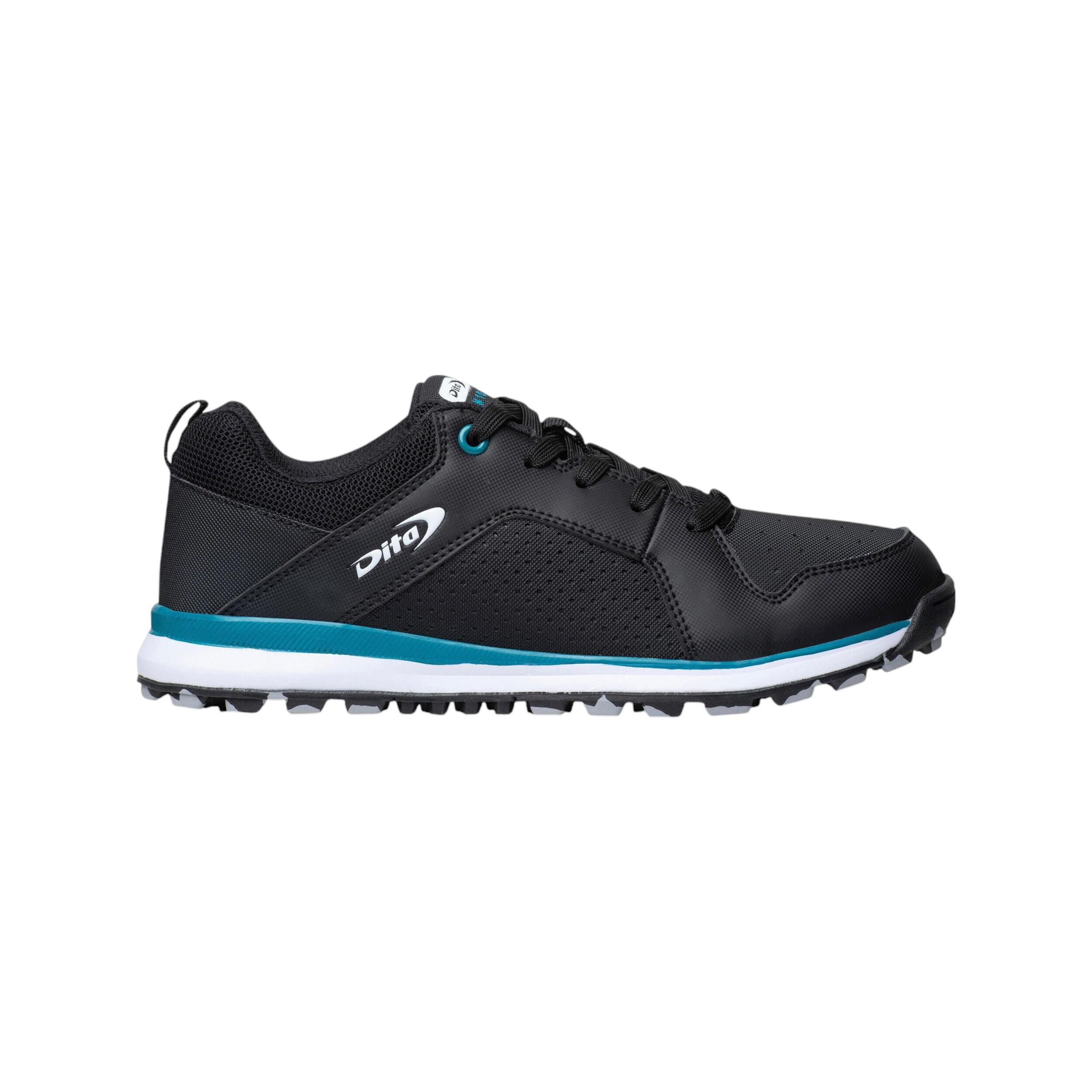
The right size for field hockey sticks depends entirely on your height and playing style. As a general rule, the stick should reach just below your belly button when standing upright next to you on a flat surface. Choosing the correct length is vital because a stick that is too long will impede your ability to dribble close to your body, while one that is too short can lead to unnecessary back strain during a match. For those building their kit with the right field hockey equipment, you will notice that outdoor sticks have a flatter face and a different weight distribution to handle the heavier ball. The technical "why" behind the 36.5 inch standard for hockey sticks is that it provides the optimal balance of reach and leverage for most adult players. Expert advice: Always measure your height while wearing your turf shoes to ensure the stick length accounts for the extra stack height of the outsole. If you find yourself constantly hitting the top of the ball, your stick might be too short for your natural stance.

What are hockey sticks made from?

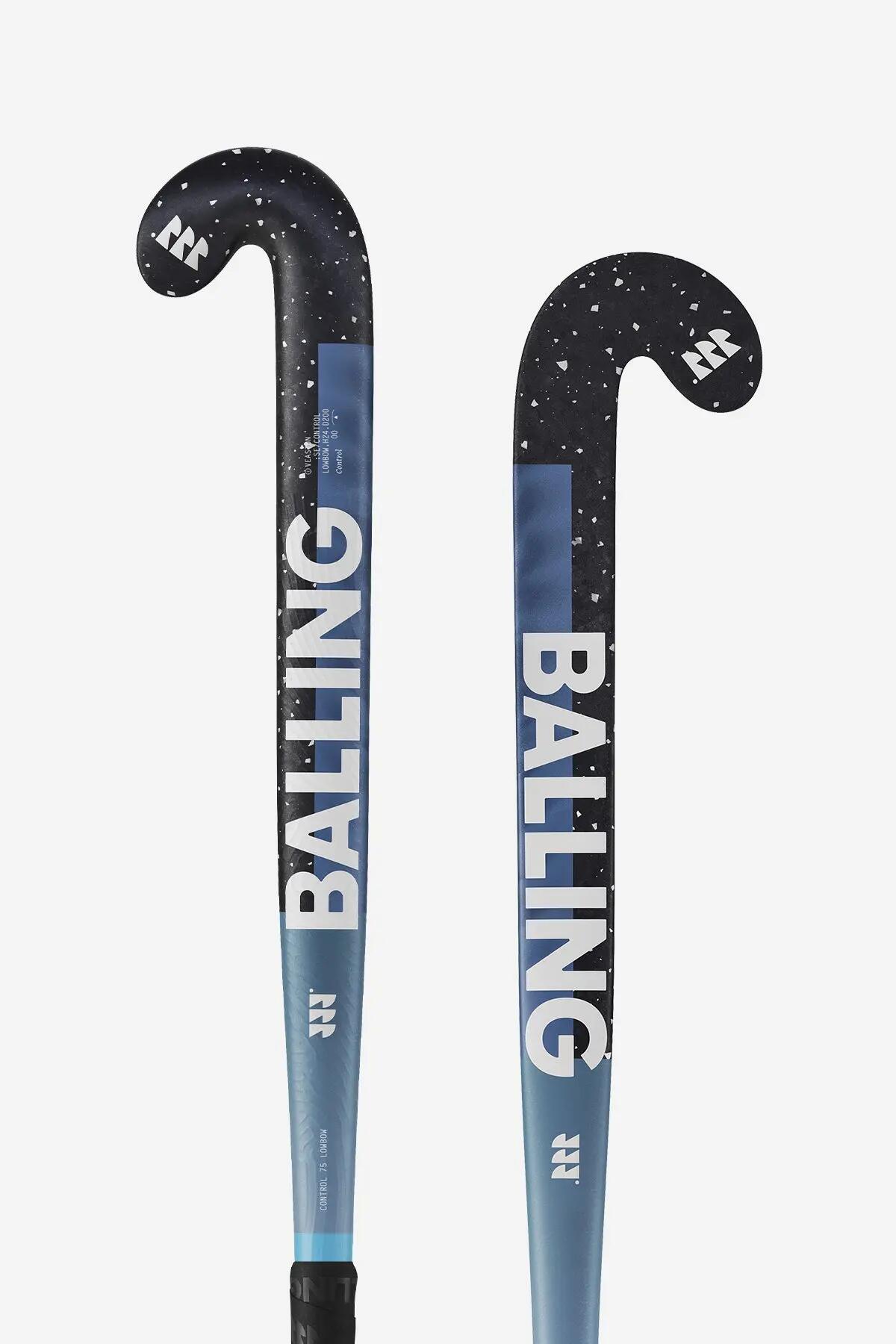
Modern hockey sticks for sale are typically made from composite materials such as carbon, fibreglass, and aramid. These materials offer a superior strength-to-weight ratio compared to traditional wood. Carbon provides the stiffness required for high-velocity hits, while fibreglass adds durability and a better "feel" when receiving a hard pass. Players participating regularly in competitive field hockey often prioritize proper storage and handling to maintain the performance and lifespan of their equipment. Aramid is technically integrated into the heel and edges to act as a shock absorber, reducing vibrations that travel up the shaft on cold mornings. Smart tip: Beginners should start with a higher fibreglass content as it is more forgiving, preventing the ball from "bouncing" off the head during the learning phase of trapping.
What is a hockey stick grip?

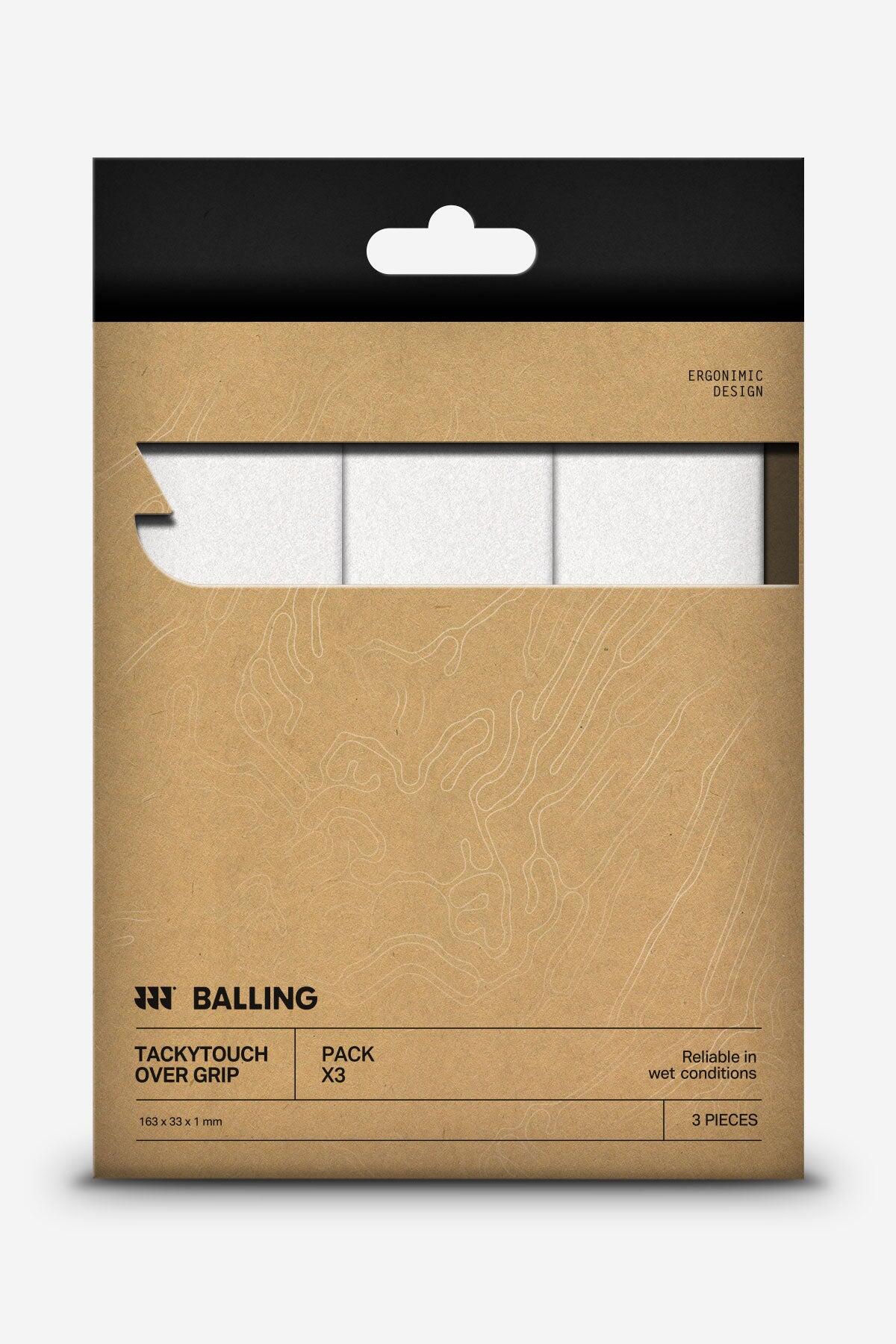
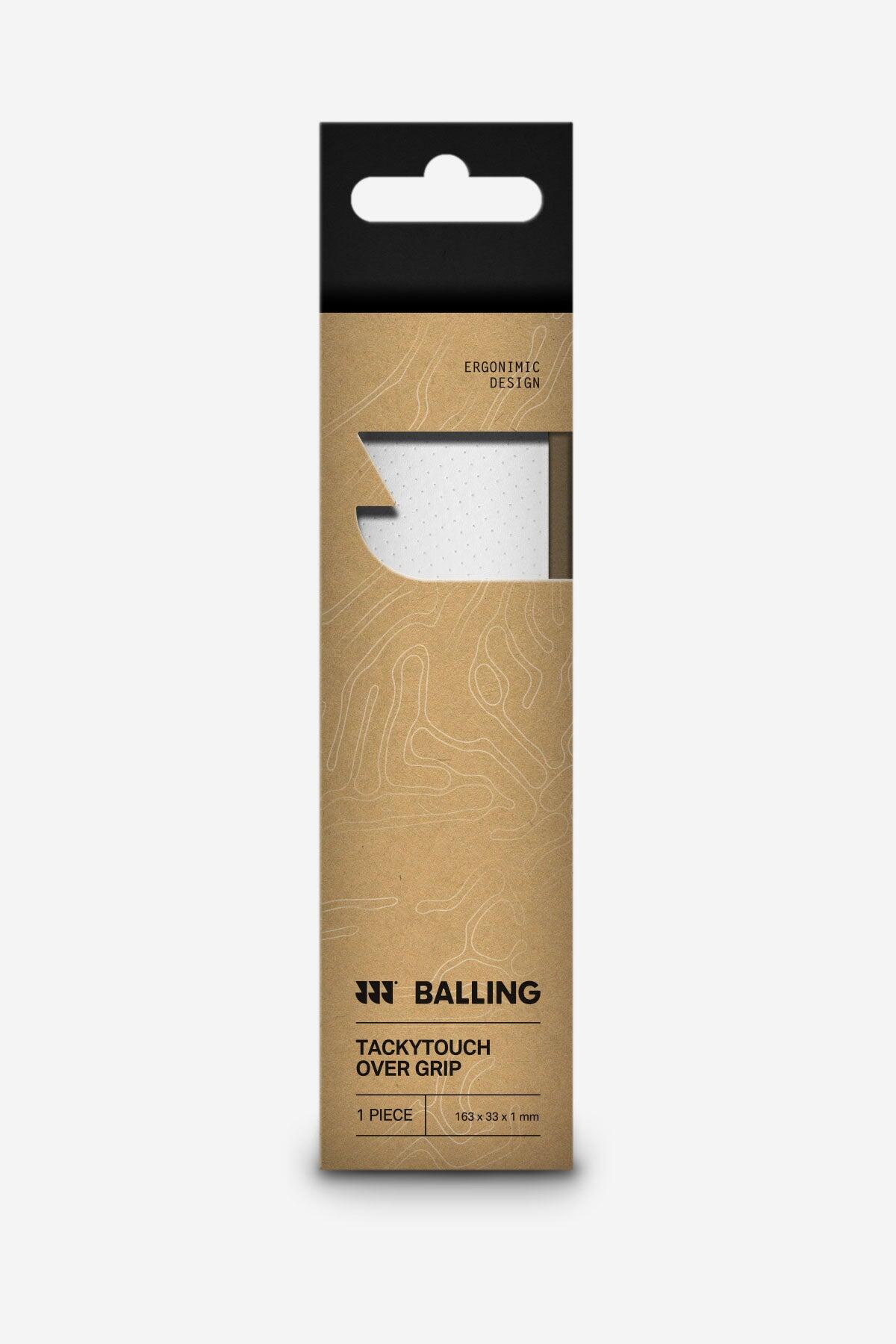
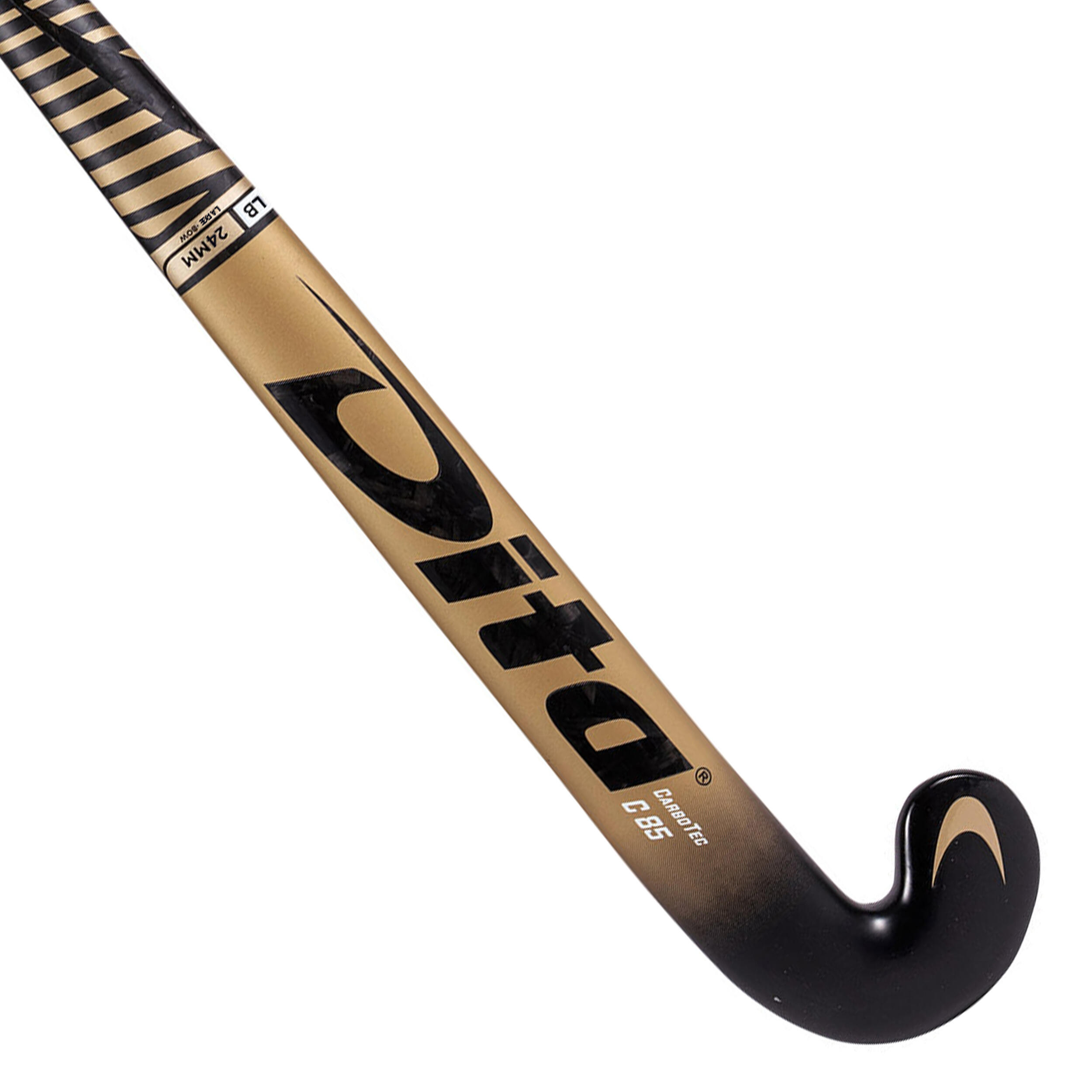
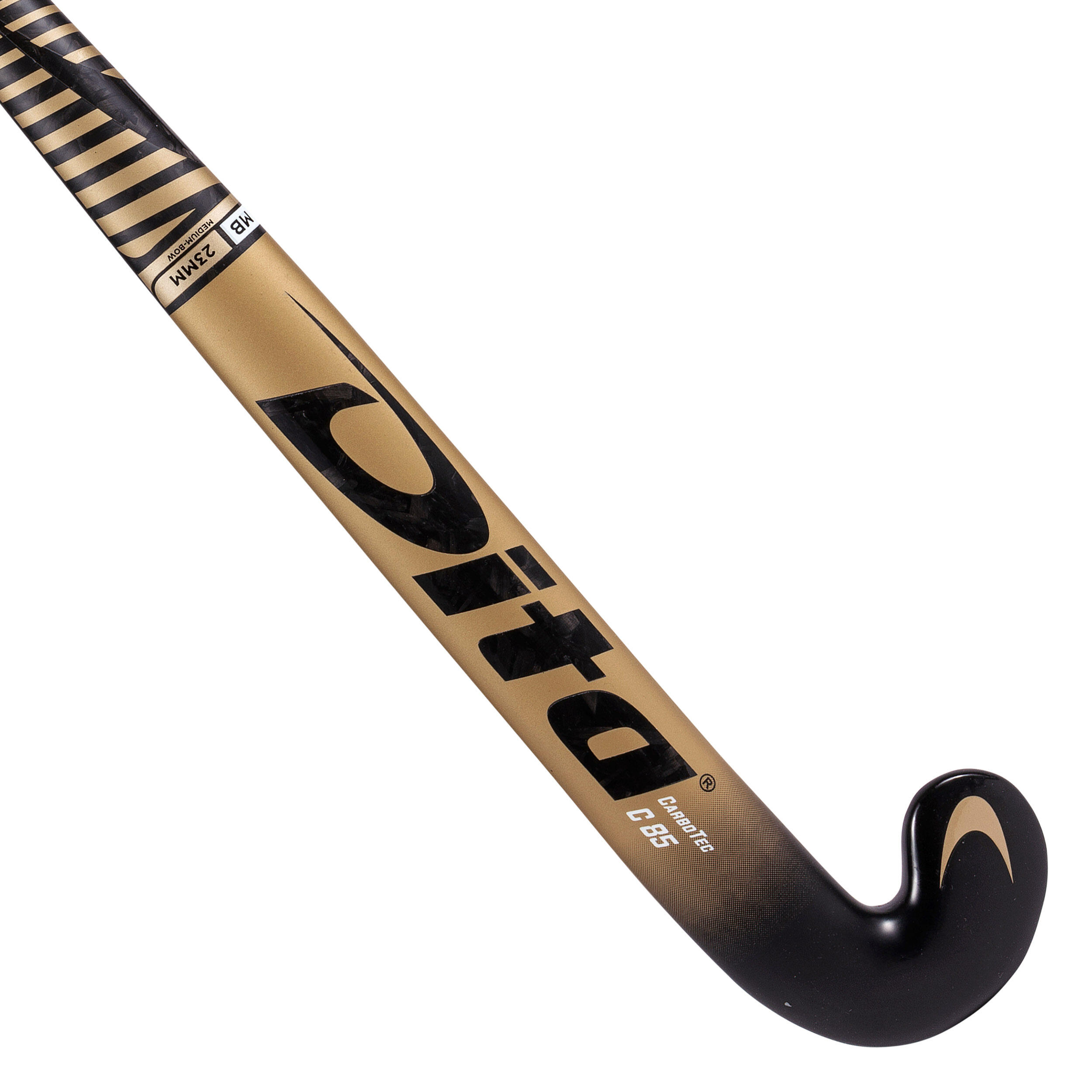
A hockey stick grip is the technical outer layer wrapped around the handle to provide better control, comfort, and moisture absorption. Over time, the factory grip on field hockey sticks can wear down or lose its tackiness, especially when playing in wet weather. Many players choose to apply a chamois overgrip, which actually improves its friction when damp. The reason for maintaining a fresh grip is to ensure "torque control," preventing the stick from twisting in your hands during a heavy slap shot. To maintain consistent performance across your kit, reliable field hockey sticks and balls are essential for practicing control, passing accuracy, and match readiness. Tip: To extend the life of your grip, avoid leaving your stick in a hot car, as the heat can break down the adhesives and cause the wrap to shift during play.

How do I choose a hockey stick for beginners?

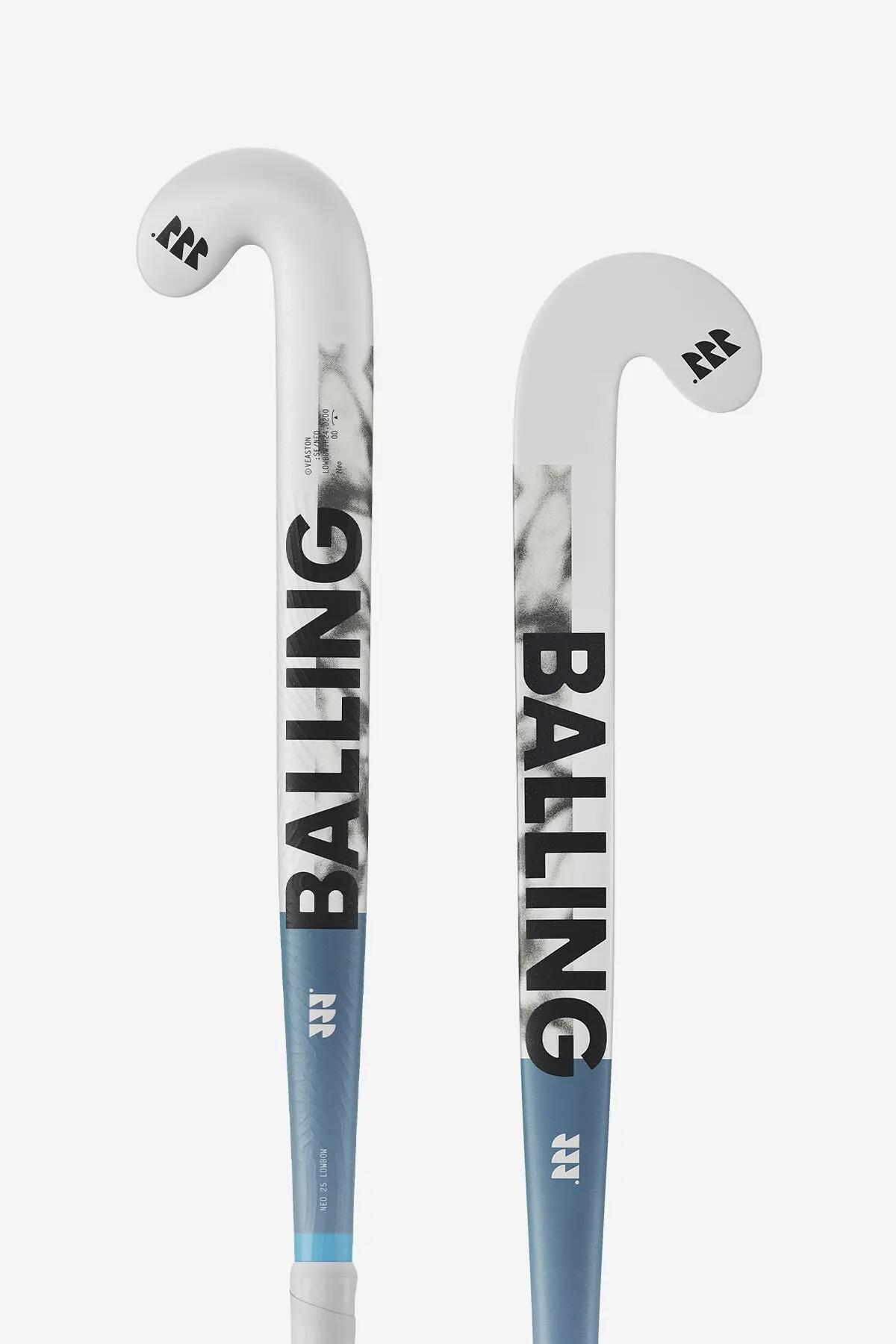
Beginners should focus on hockey sticks with a lower carbon content to allow for better ball feel and easier handling. While indoor hockey sticks are much lighter and thinner for use on hard gym floors, outdoor hockey sticks need to be robust enough to withstand sand and water-based turf. A mid-bow stick is usually recommended for those starting out, as it provides a predictable surface for all-around play. The reason for the mid-bow is that it keeps the ball flatter on the ground, making it easier to learn the fundamentals of passing and hitting. Tip: Check the weight of the stick, a "Light" or "Medium" weight is standard for most newcomers to help build the specific forearm strength needed for long-distance clears. For optimal traction and stability on turf surfaces, wearing proper field hockey shoes can significantly improve balance and reduce the risk of slipping during quick directional changes. Always ensure the stick head is reinforced with a durable composite cap to prevent premature wear on abrasive outdoor surfaces.