669 items
4.4/5 based on 82850 reviews collected online and in stores

Triathlon Swimming FAQs

What makes triathlon swimming unique?

Triathlon swimming is the opening leg, usually held in open water such as a lake, river or the sea. It rewards steady pacing and good sighting rather than flat-out sprinting, since the bike and run still lie ahead. Most athletes race in a single suit, adding warmth over the top when the water is cold. Getting comfortable in open water is the key skill to build. Open water feels different from a pool, so practise the transition. A full selection of swim essentials sits within the triathlon equipment.

What do you wear for the triathlon swim?

Most triathletes race in one all-in-one kit that works across all three legs, so no time is lost changing. It is snug and quick-drying, with a light pad that suits both the water and the bike. A good one stays comfortable from the first stroke to the finish line. In colder water, you add a wetsuit over the top. A steady stroke conserves energy for later. Snug and quick-drying, the triathlon trisuit works from start to finish.
When should a wetsuit be worn for a triathlon swim?

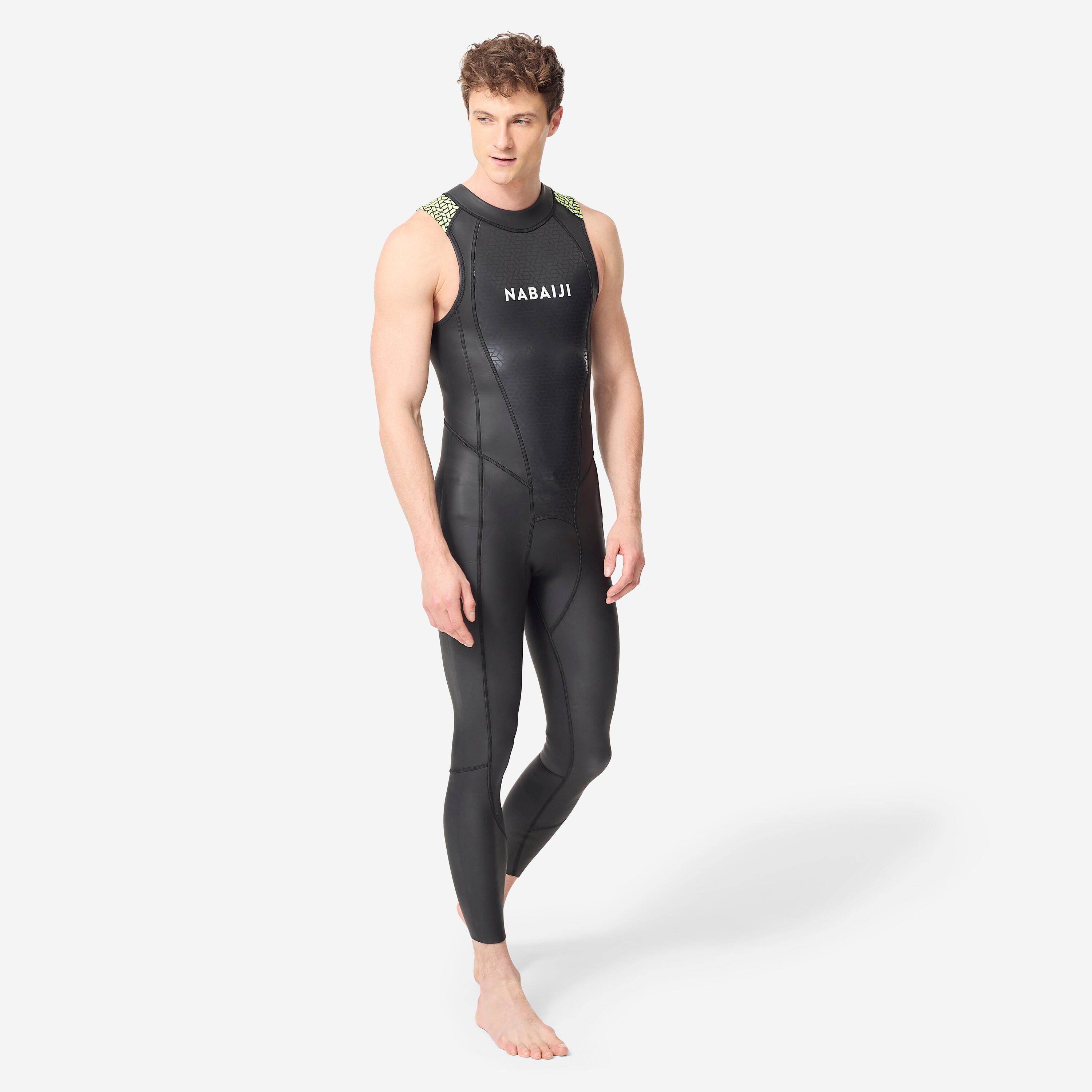
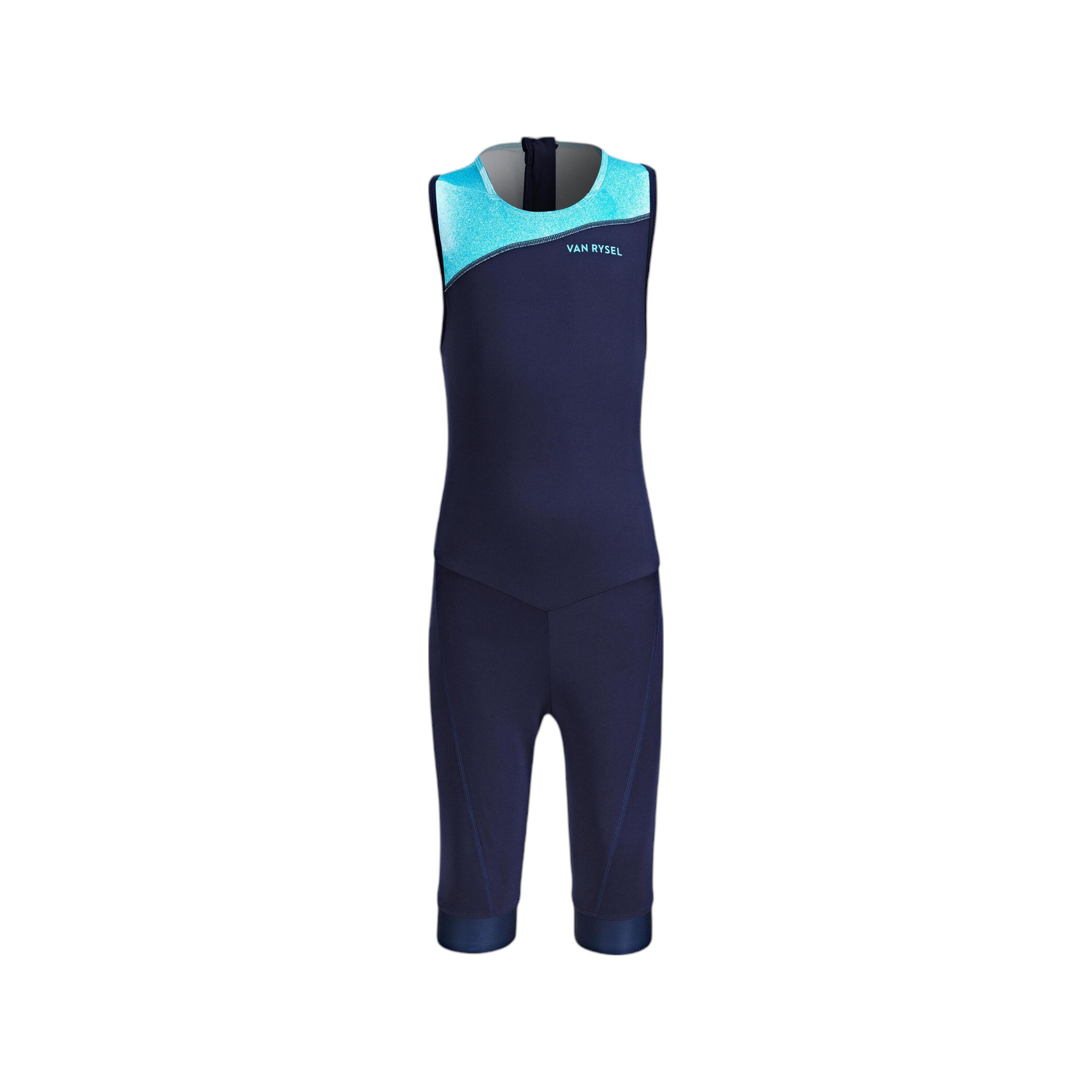
A wetsuit is worth having for cold open water, adding warmth and useful buoyancy that lifts the legs and saves energy. Many races set a water temperature below which they are allowed or required. A sleeveless cut gives a freer stroke if you feel held back. For warm swims, you may start without one. Warm water lets you race without extra layers. Lower water temperatures call for the men's triathlon neoprene suit to help maintain comfort.

How can swimmers see clearly and maintain direction in open water?

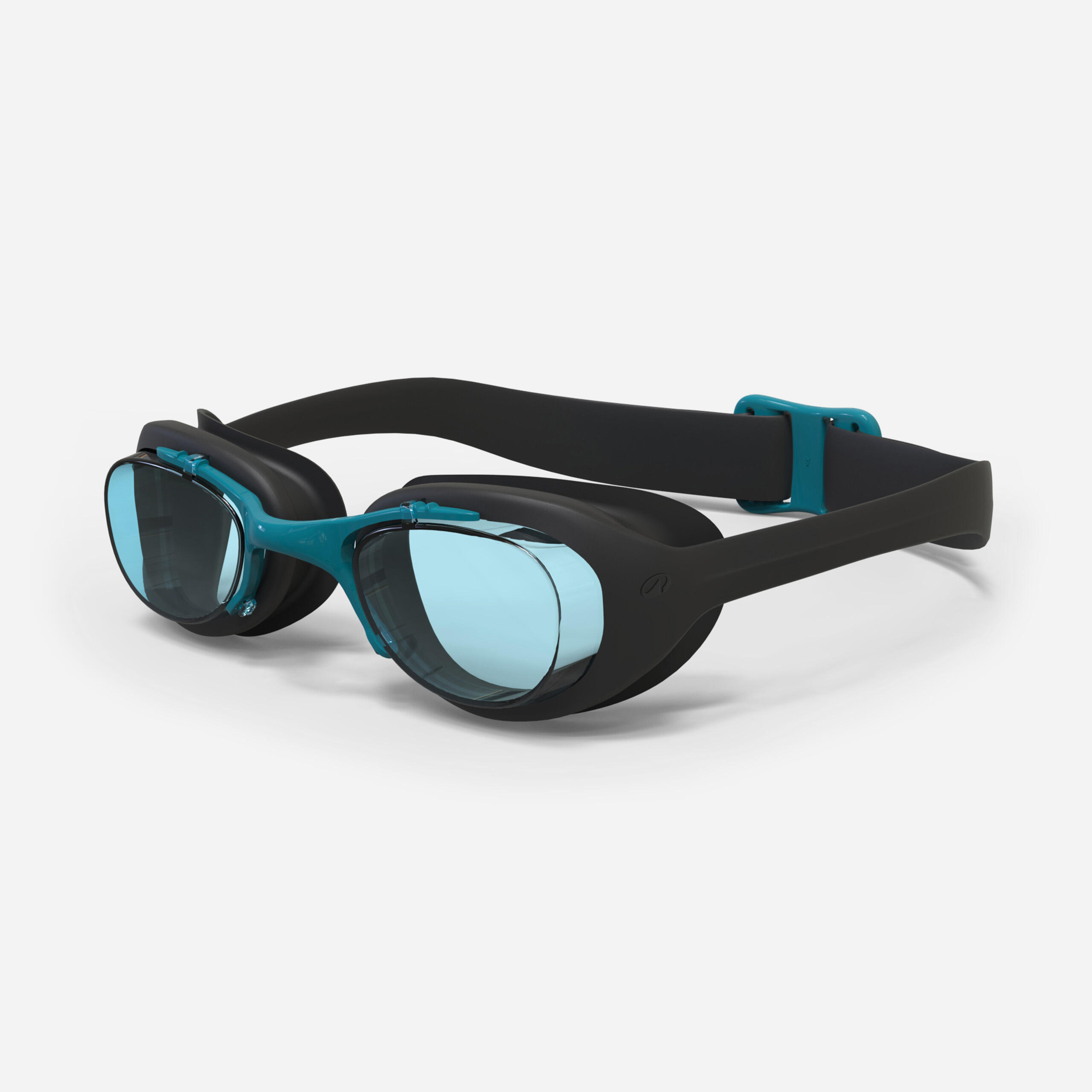
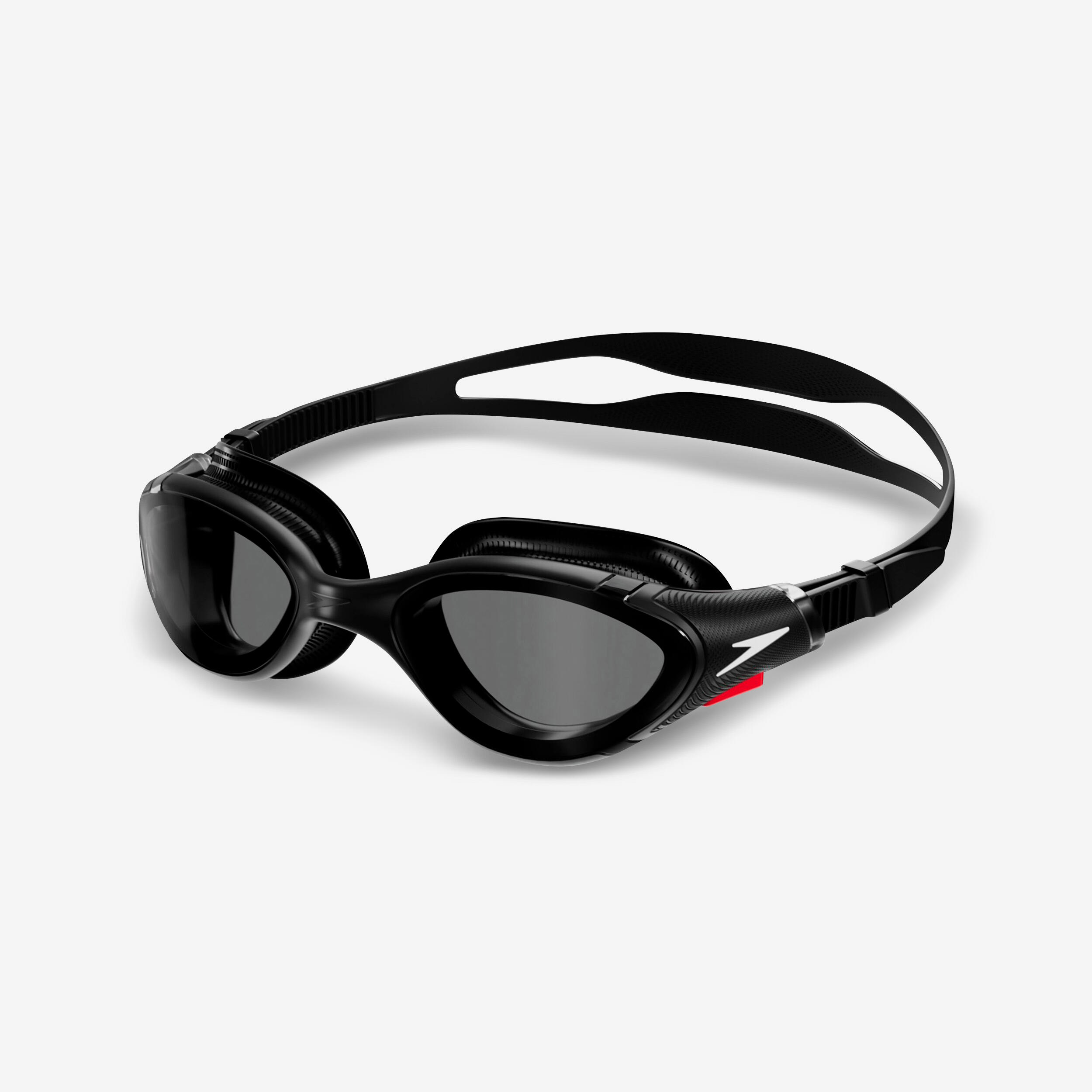
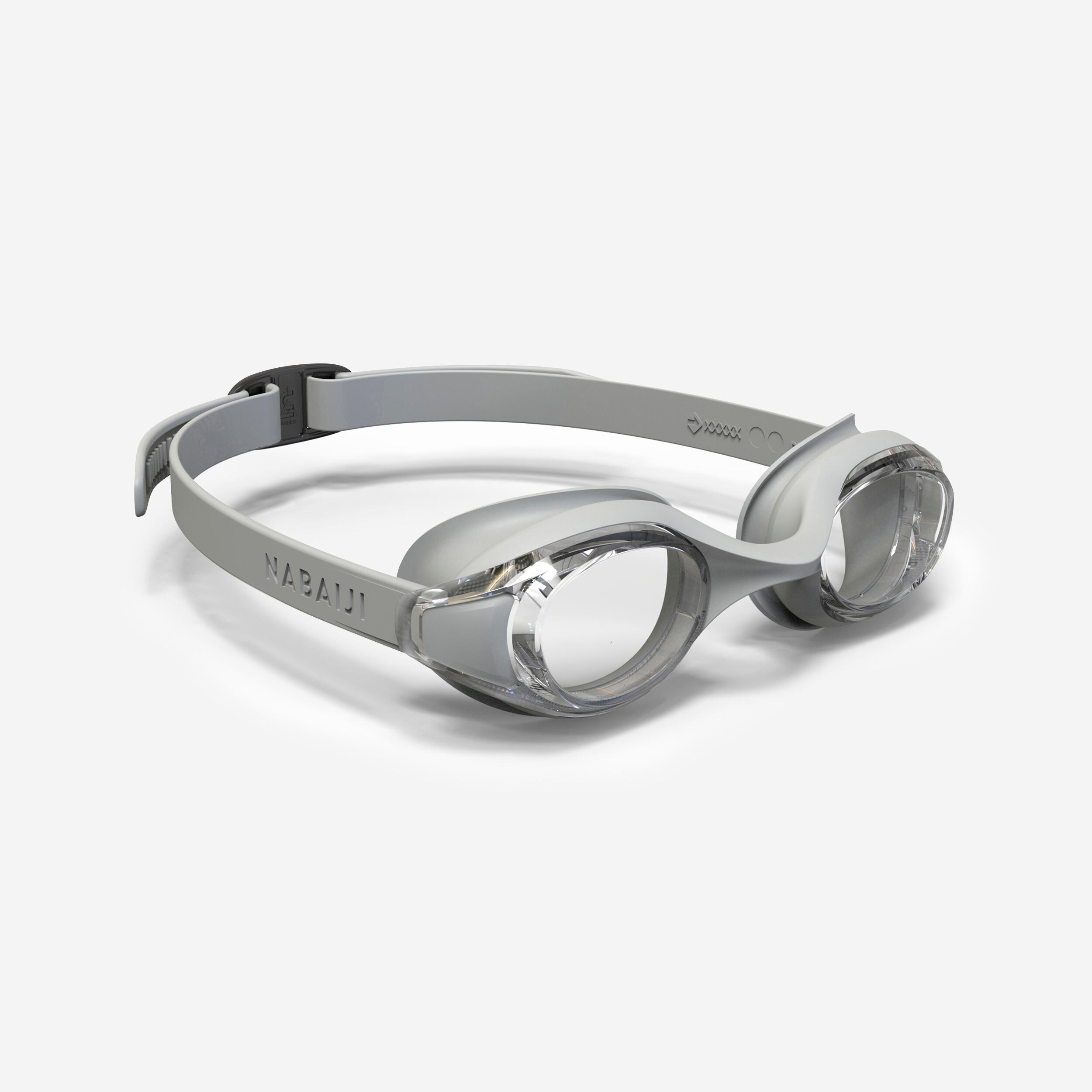
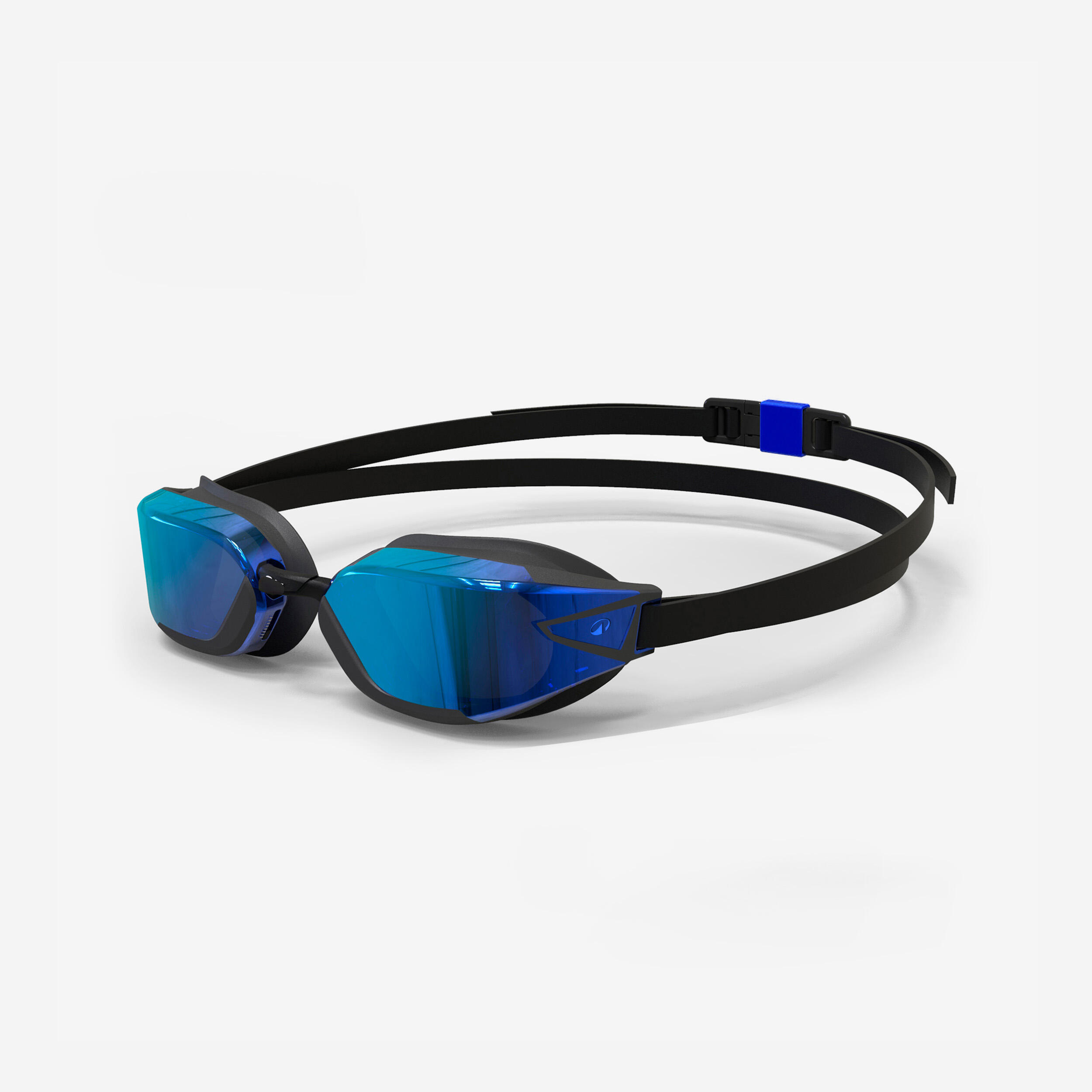
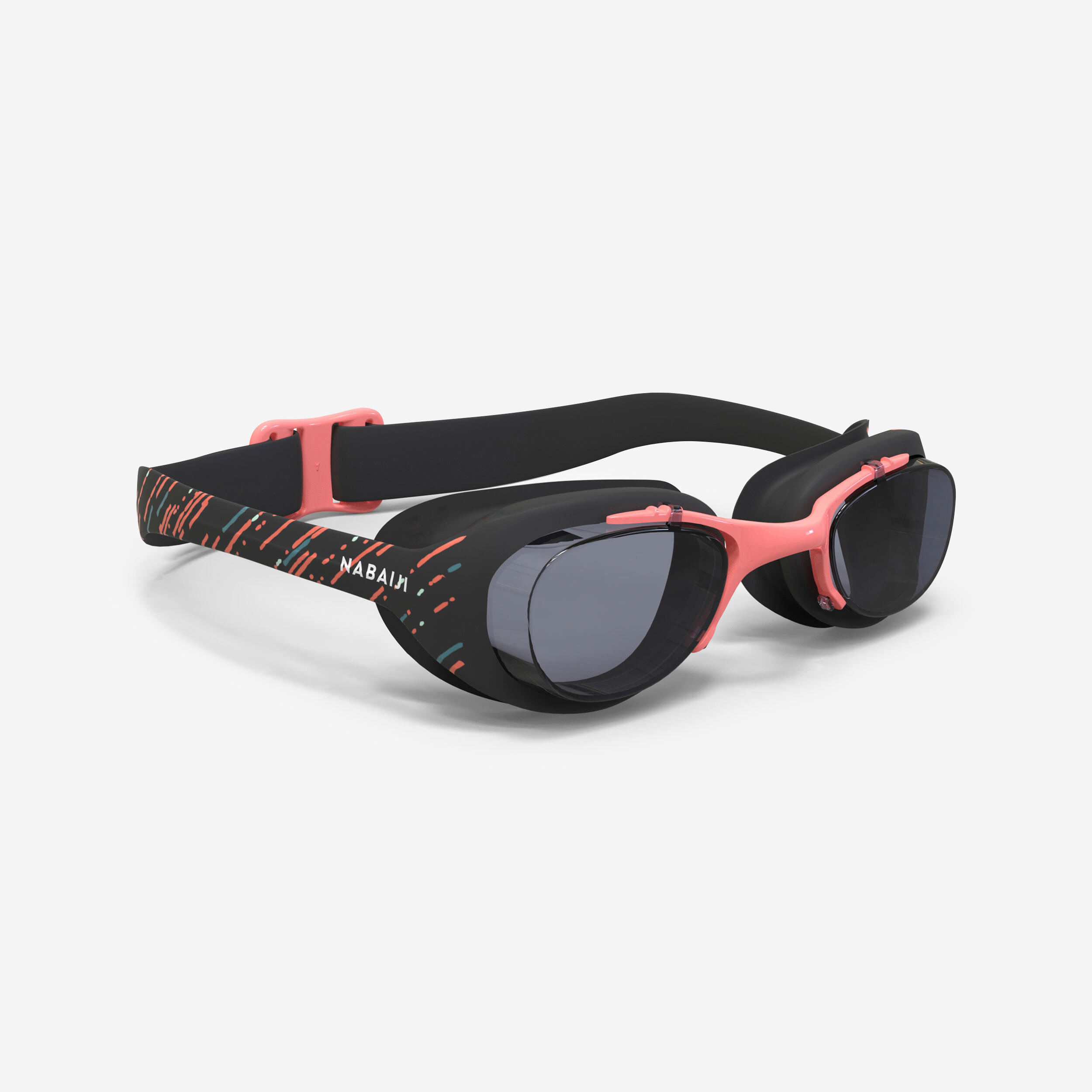
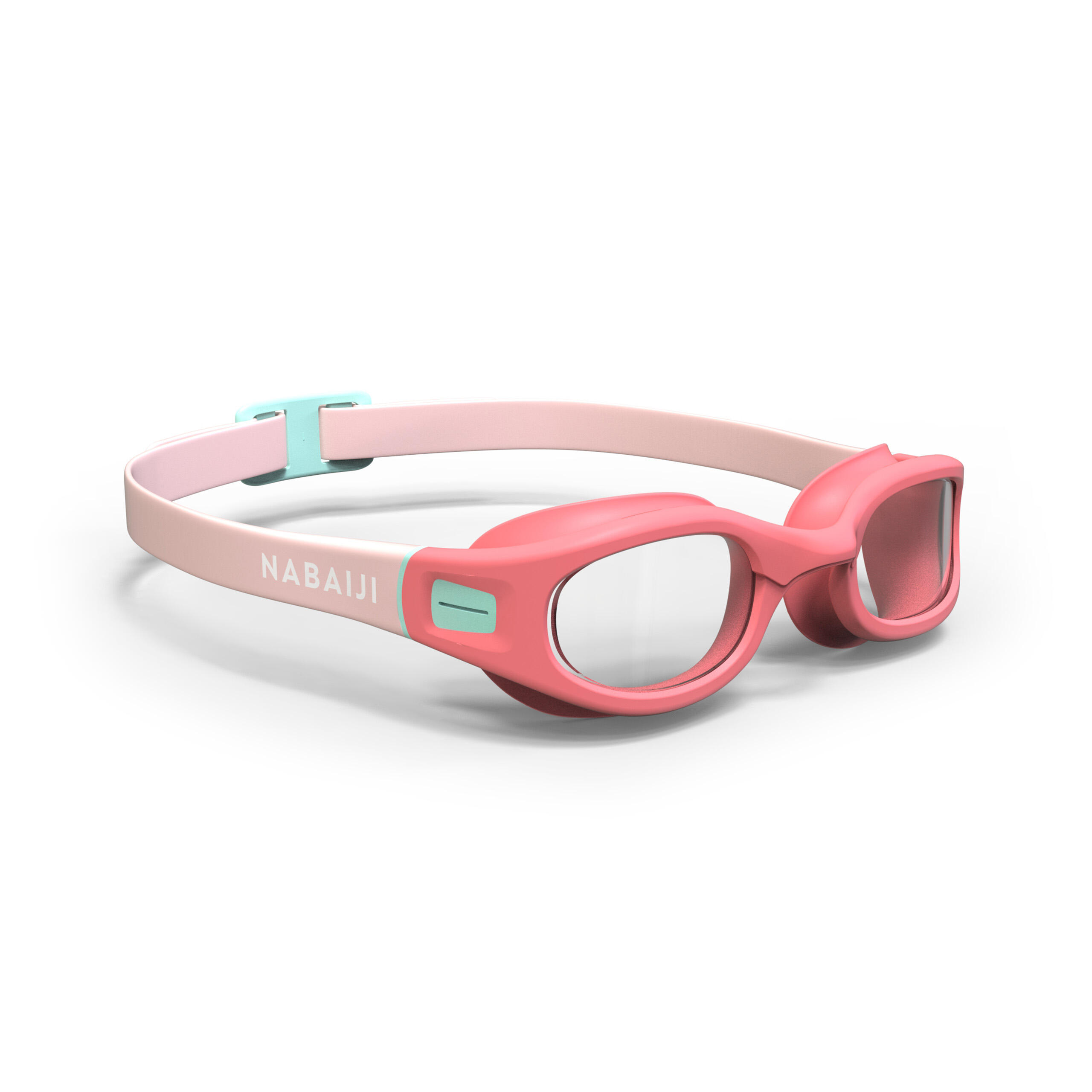
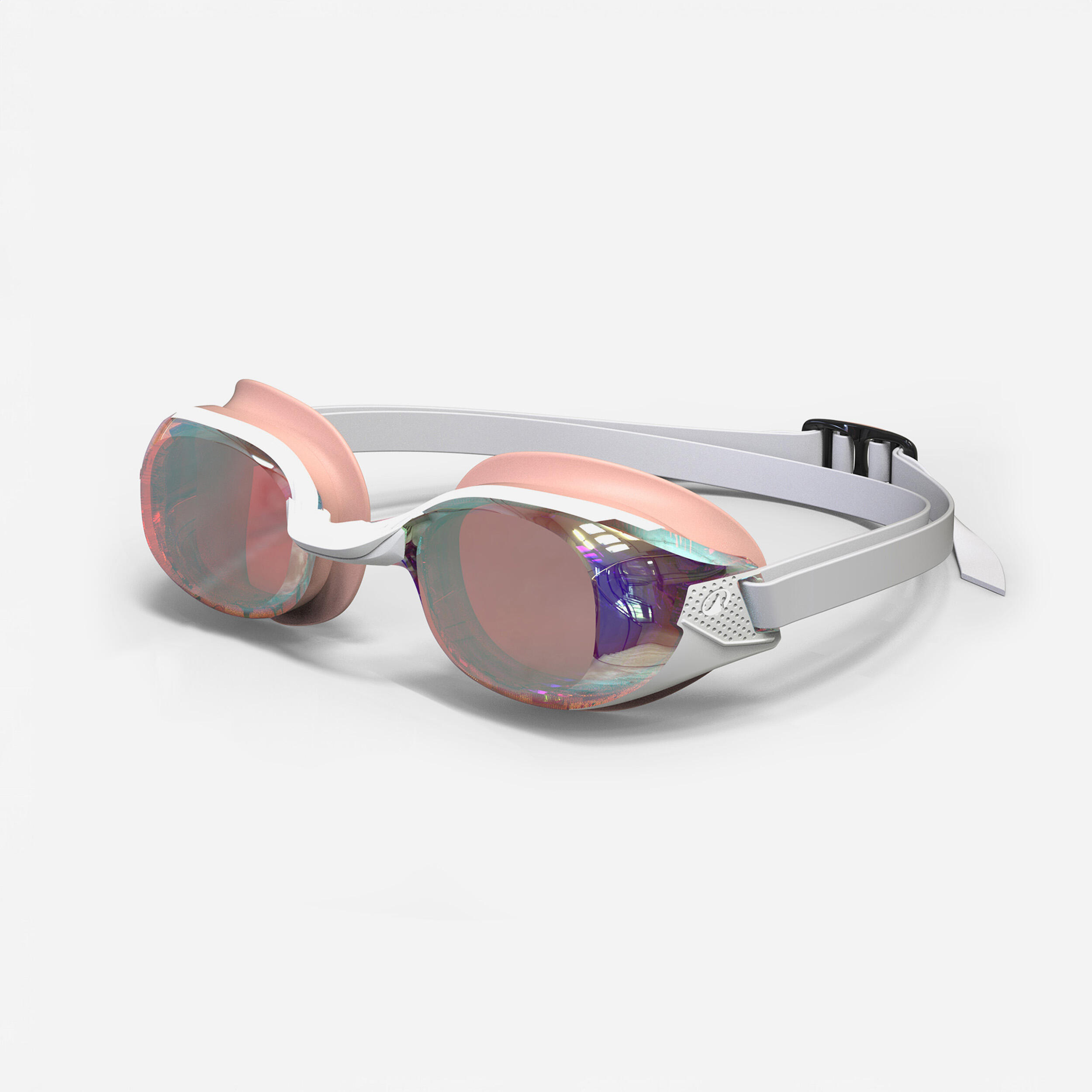
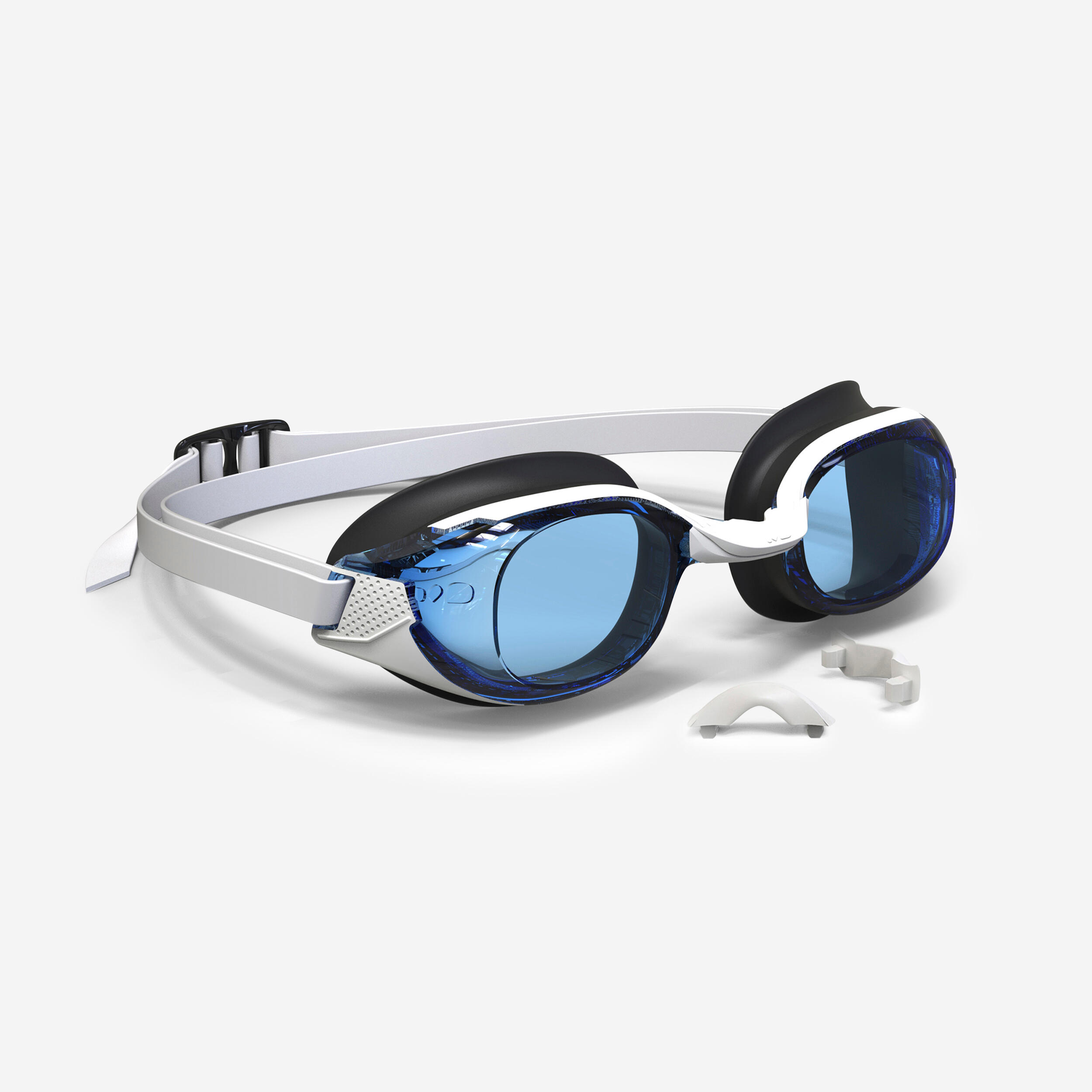
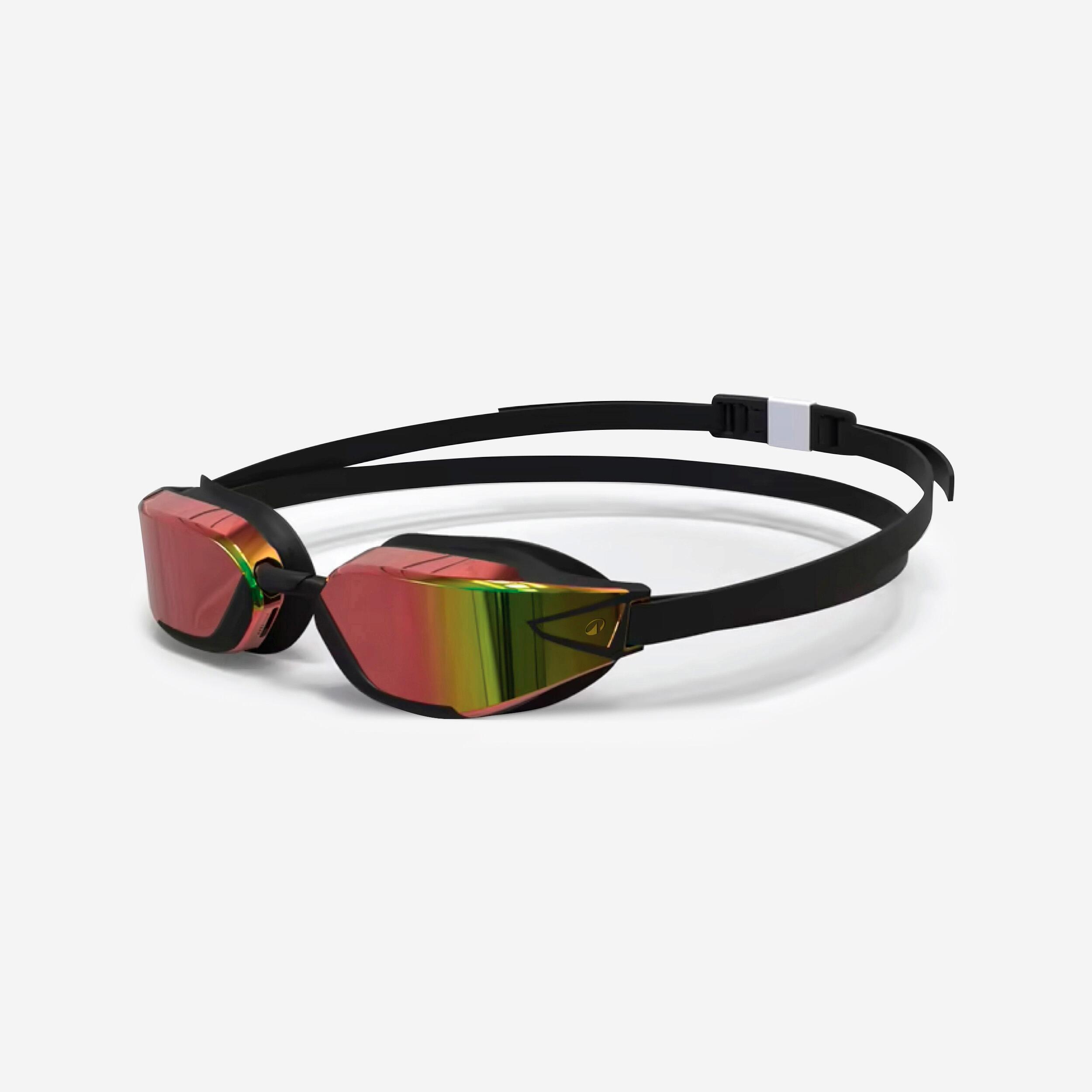
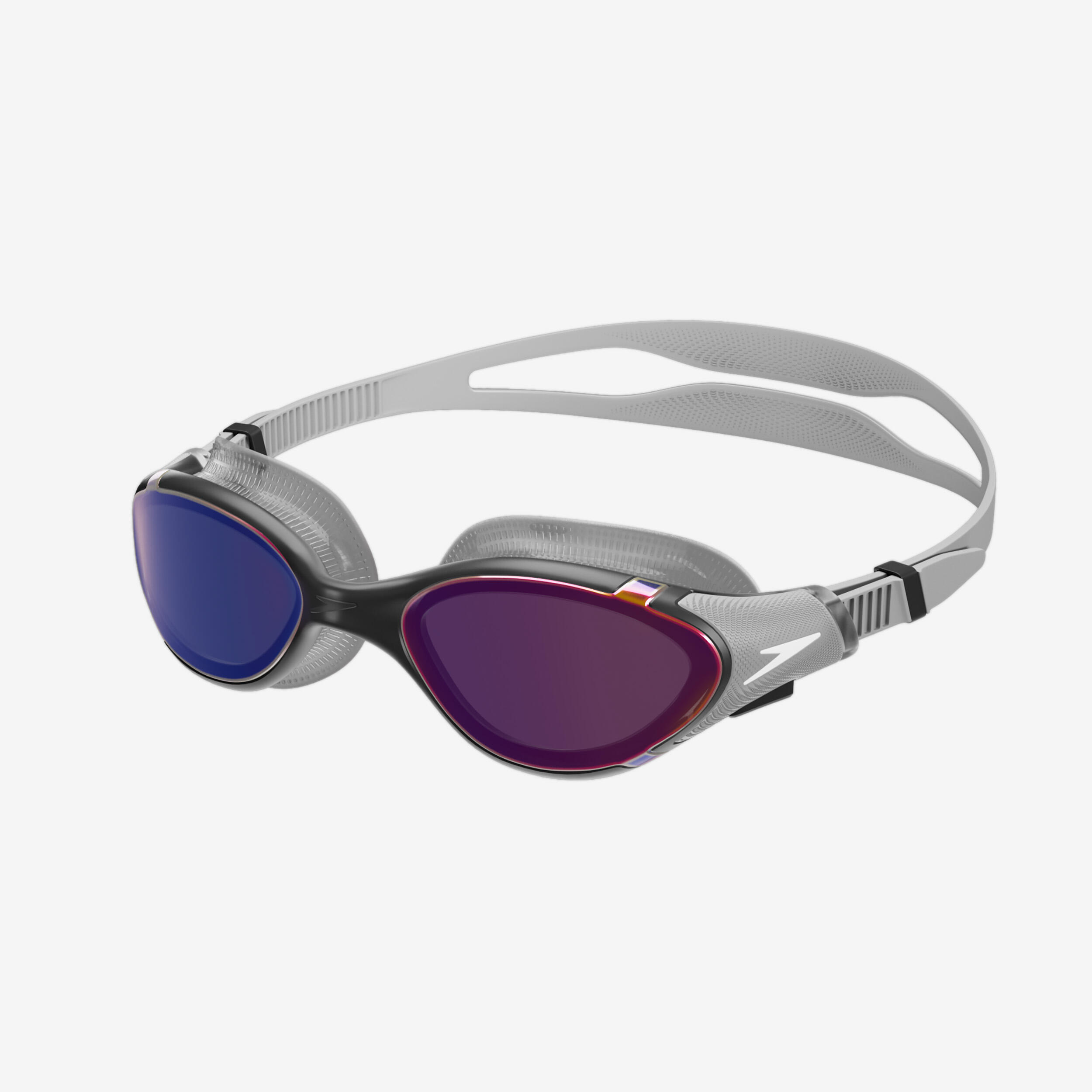
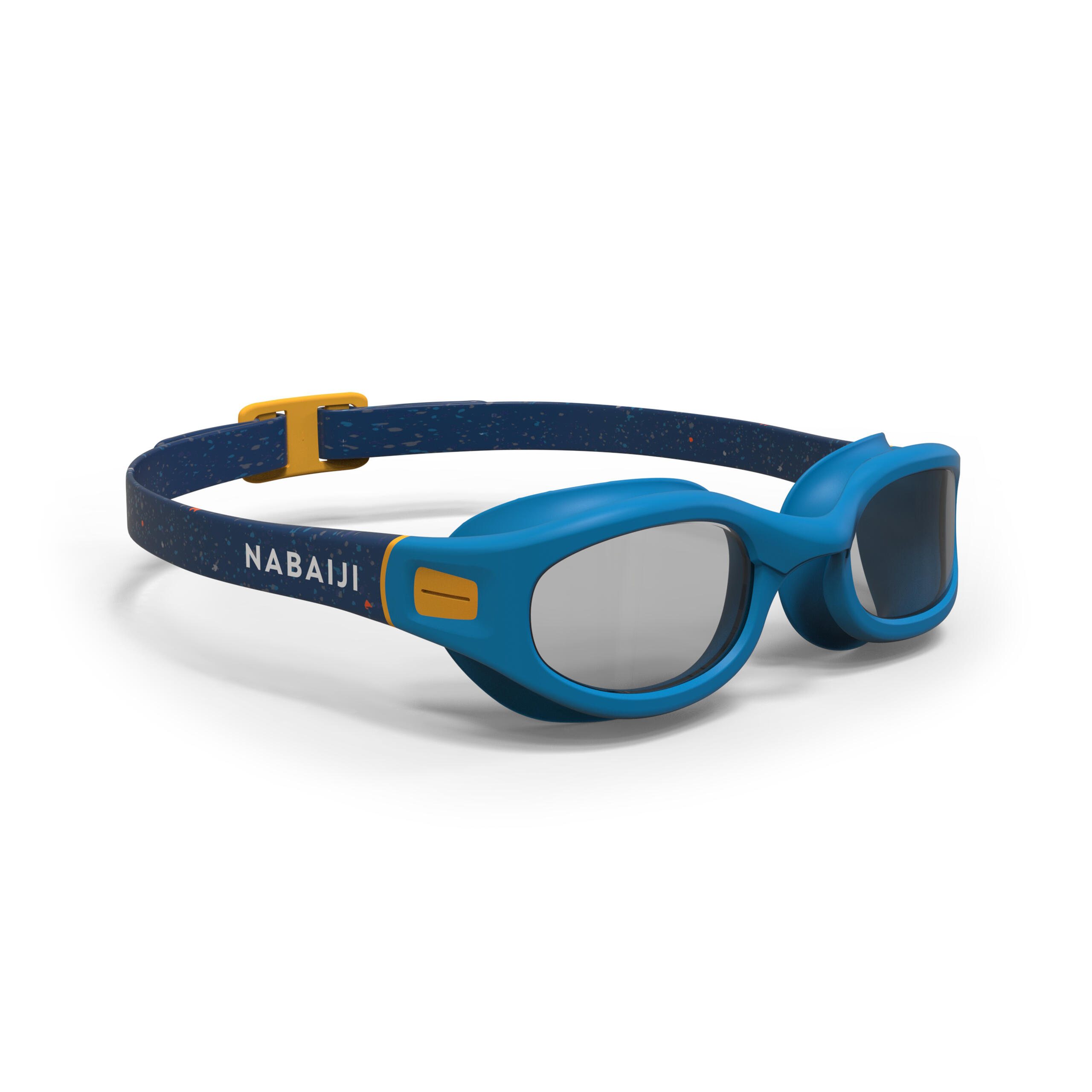
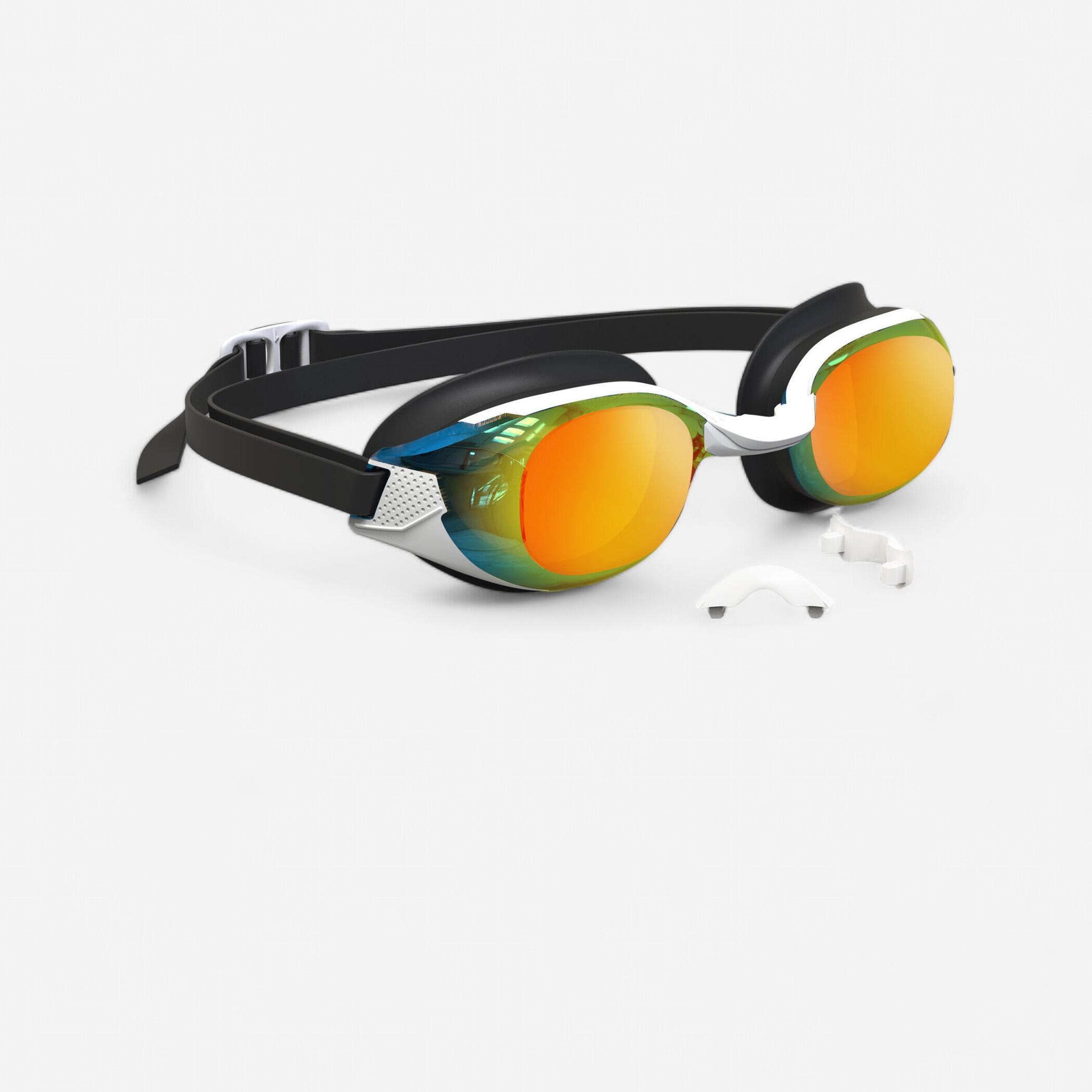
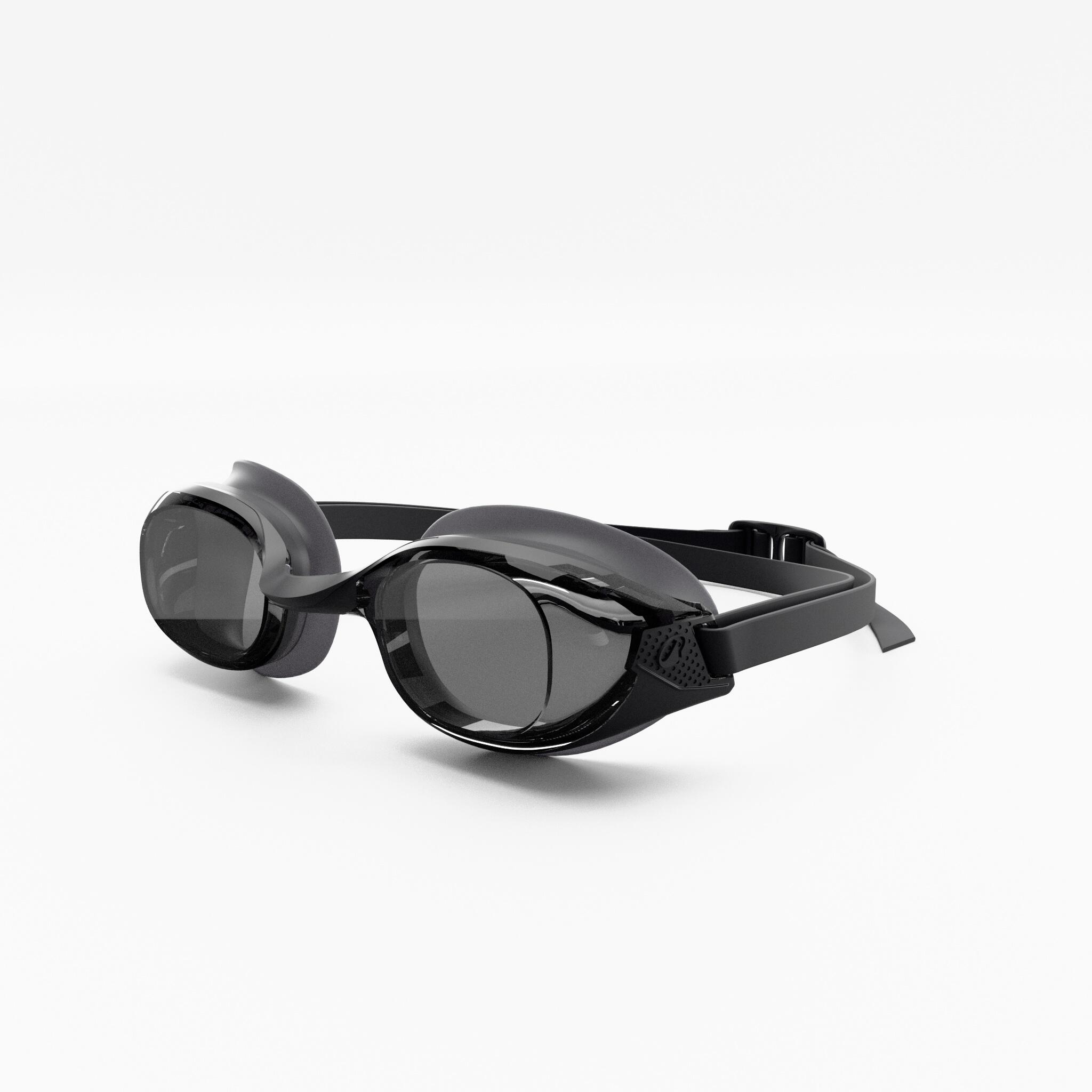
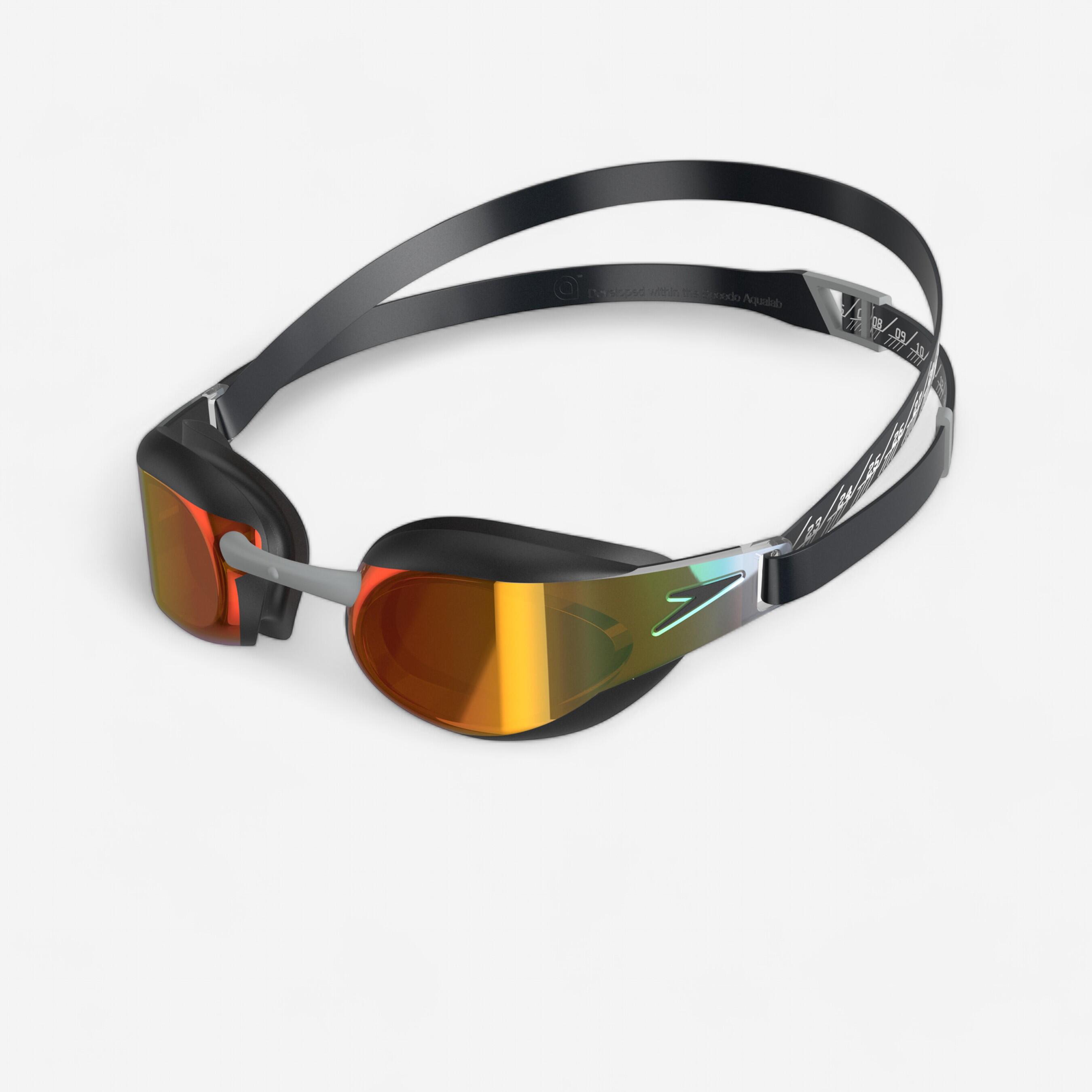
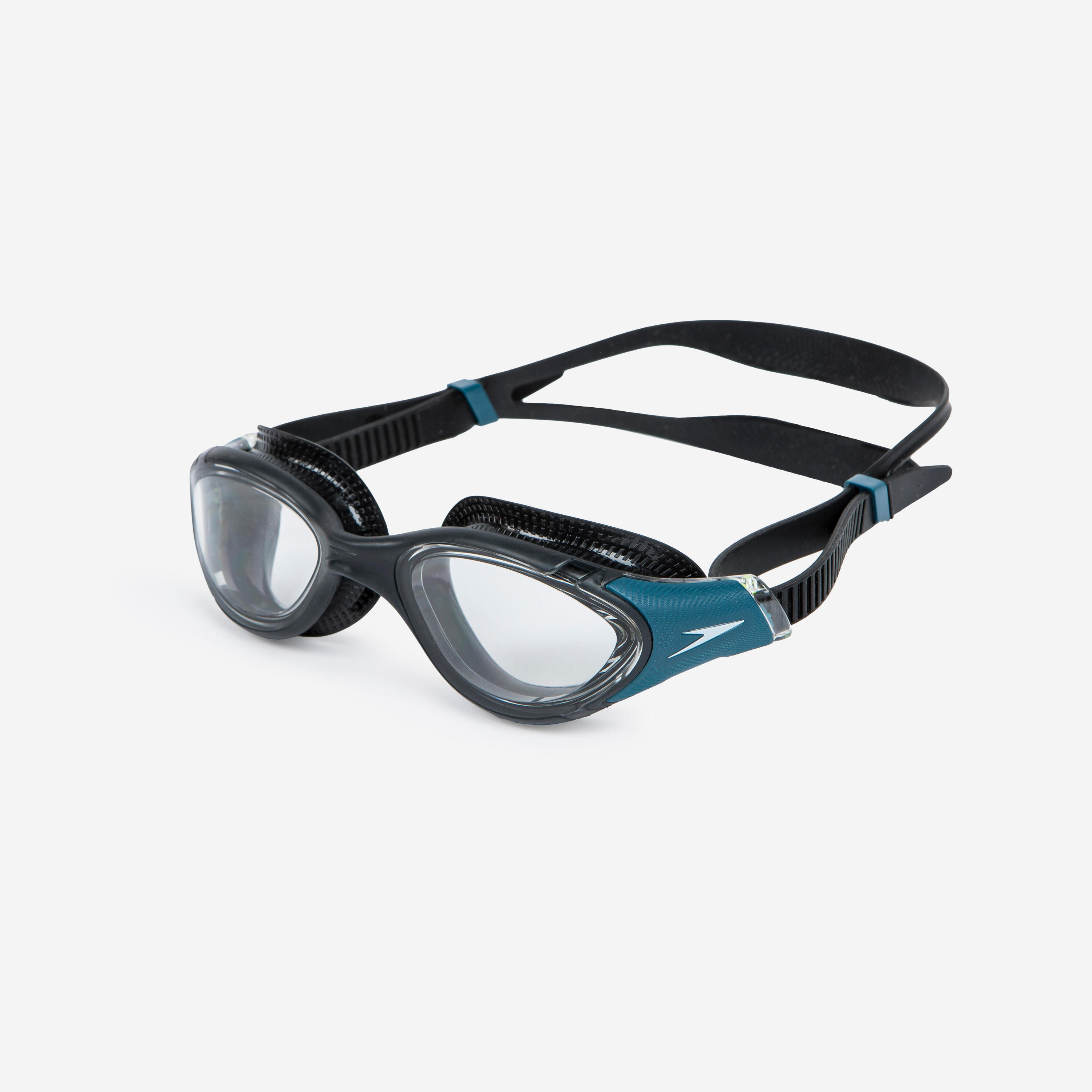
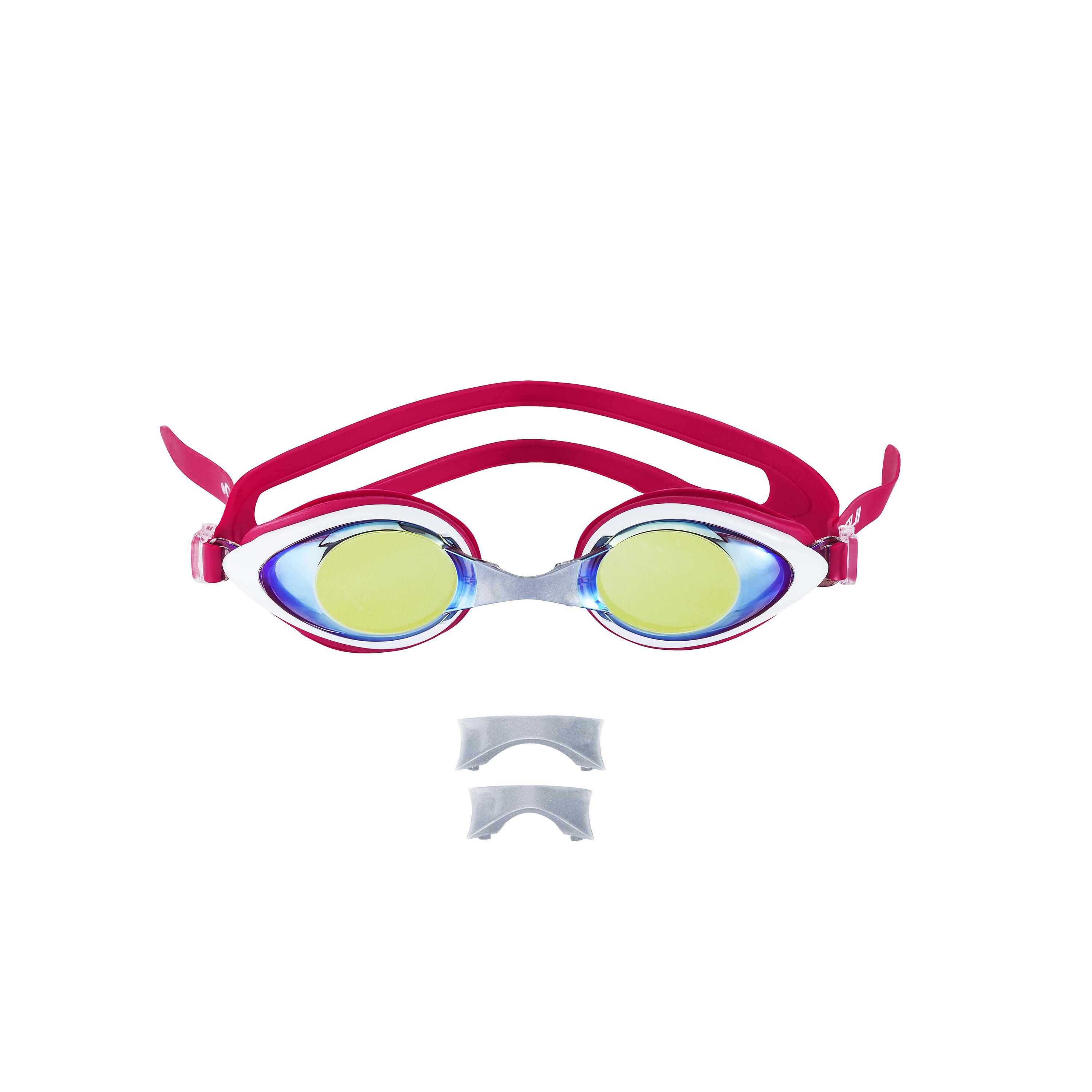
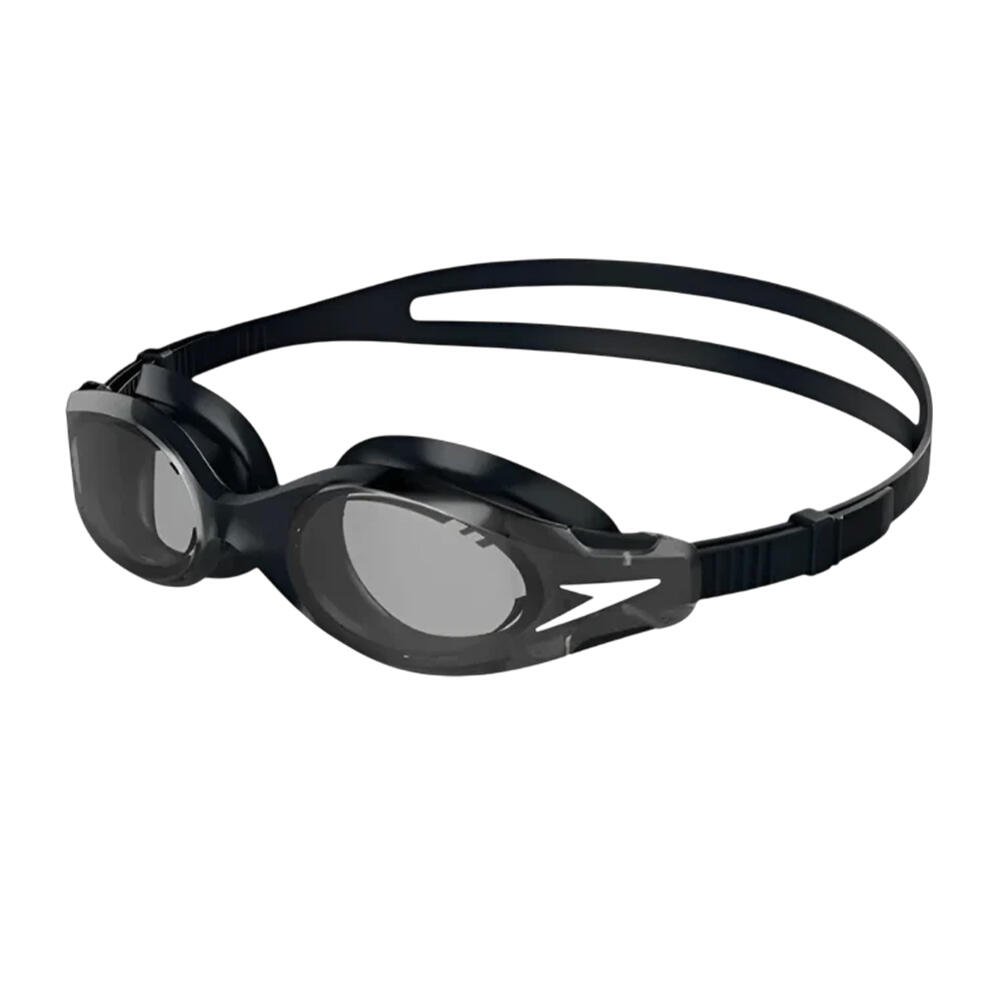
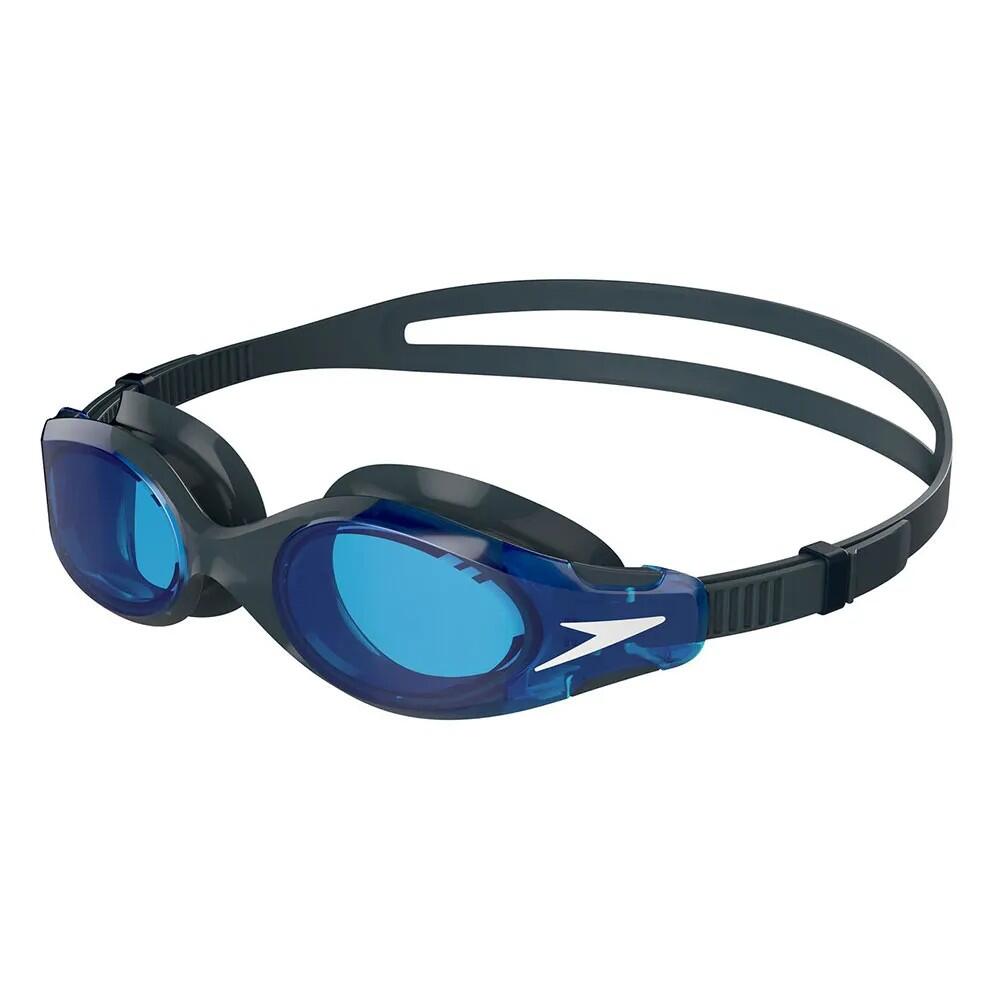
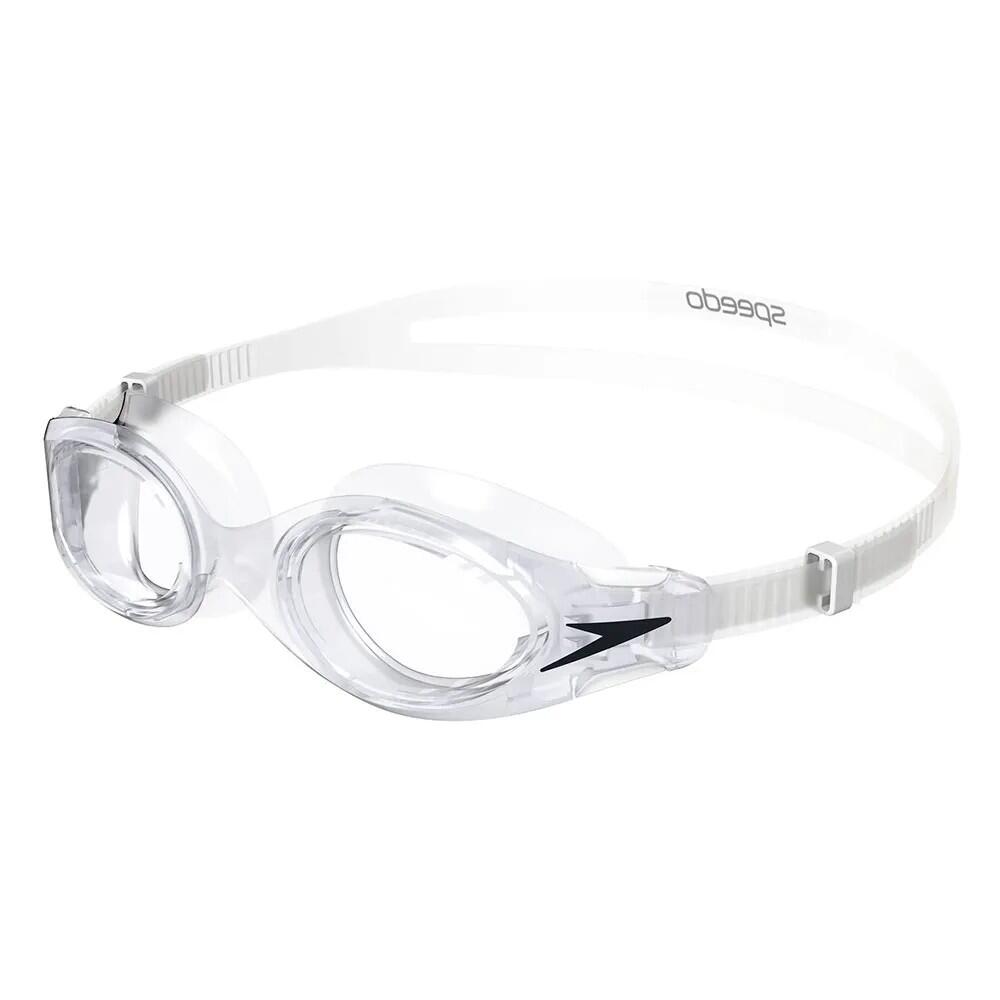
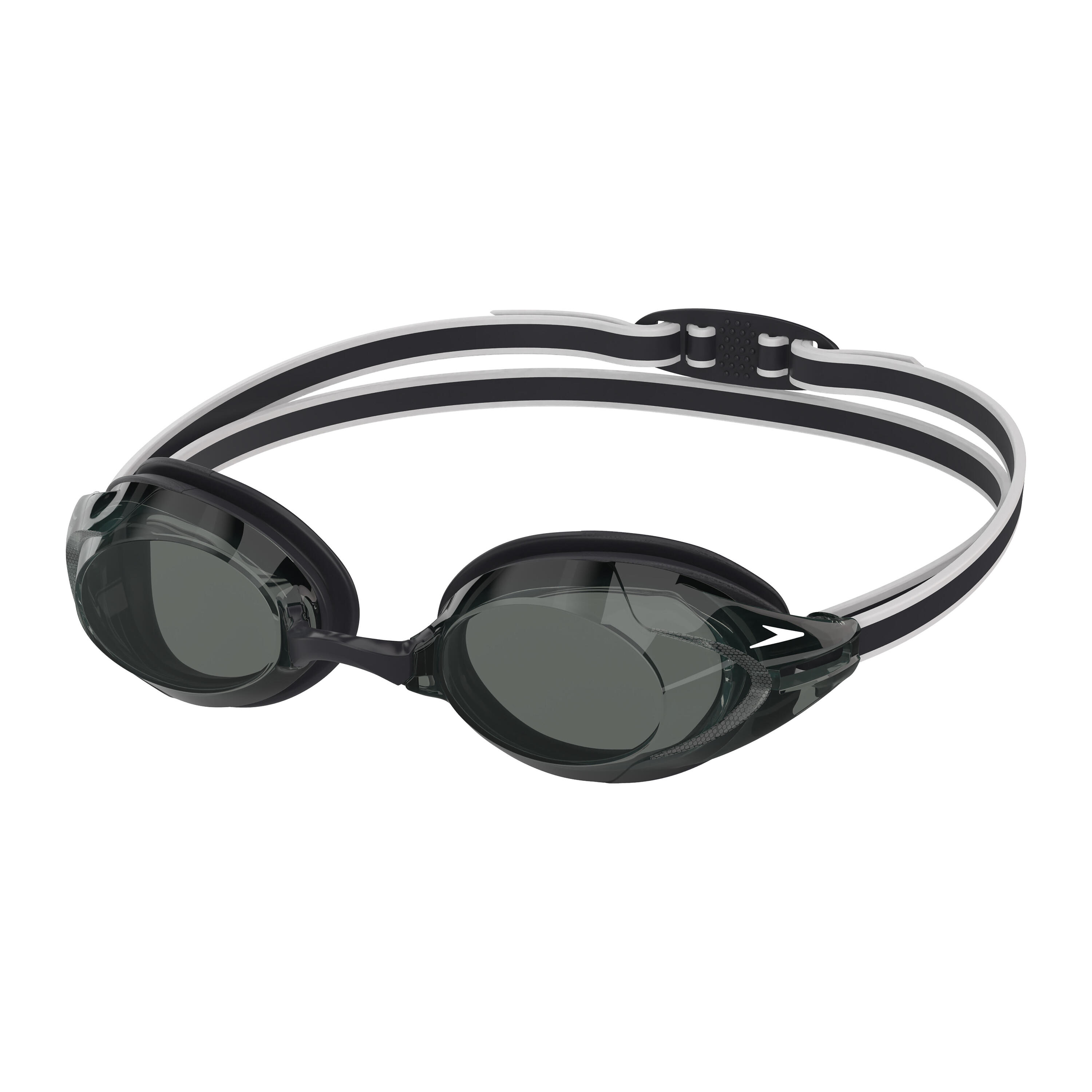
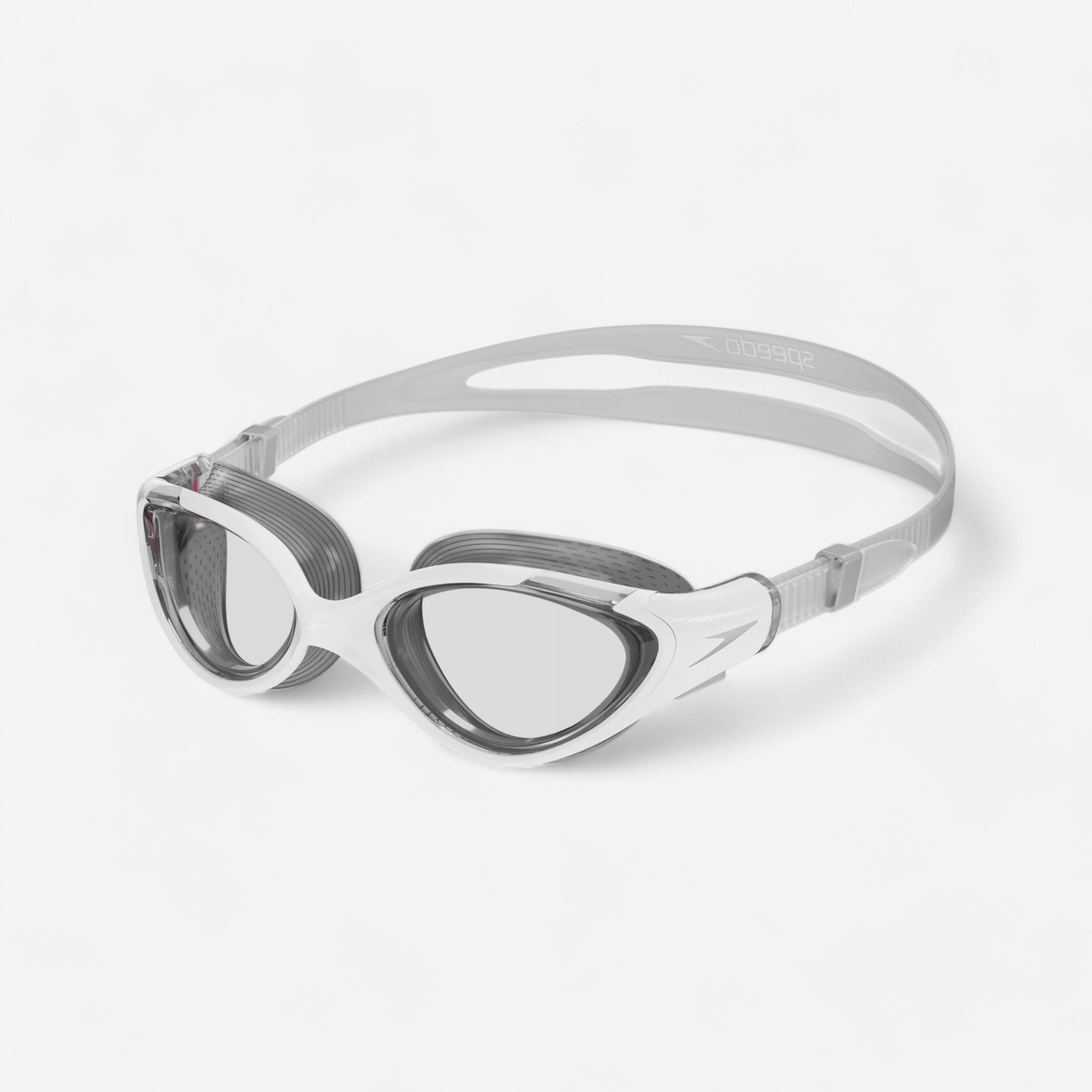
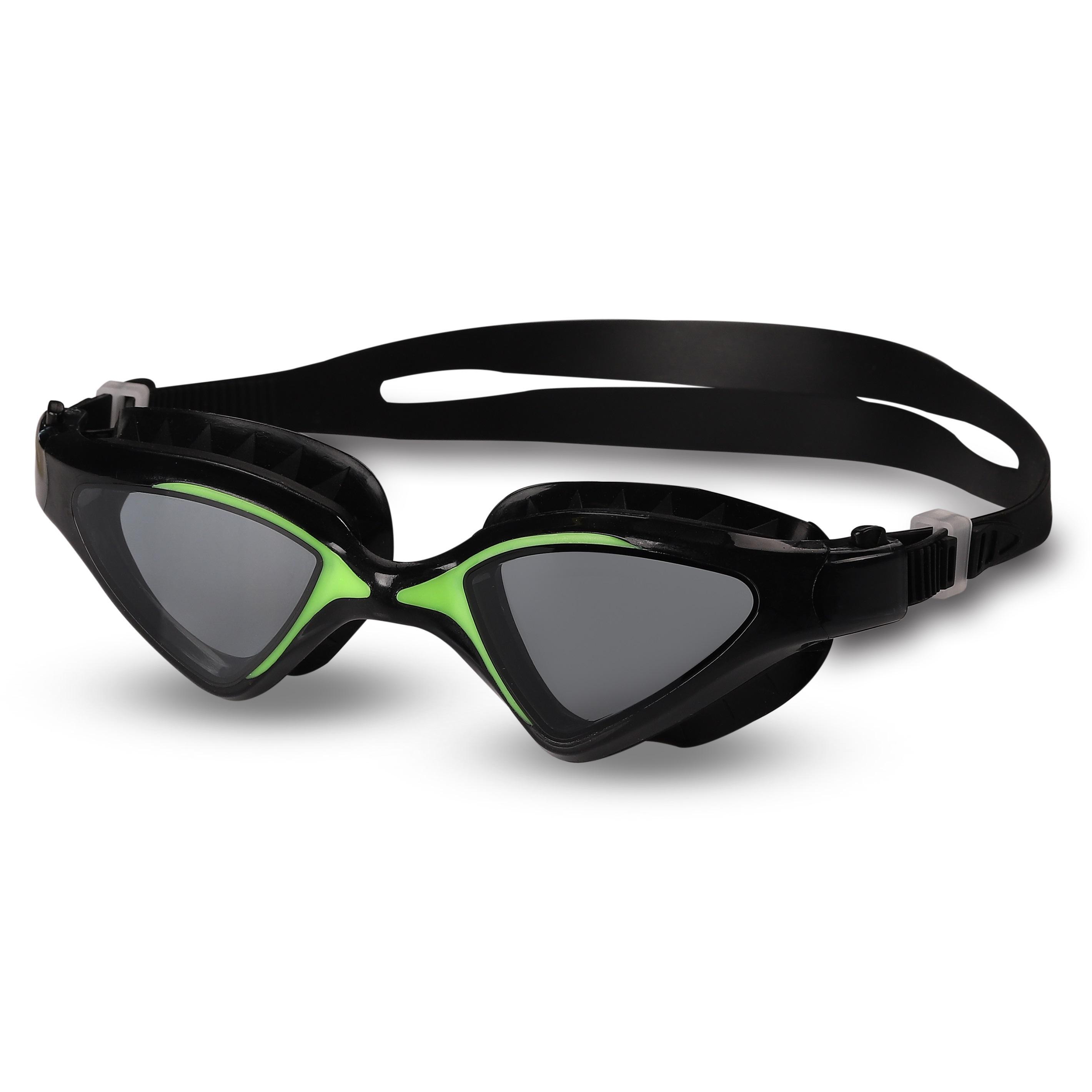
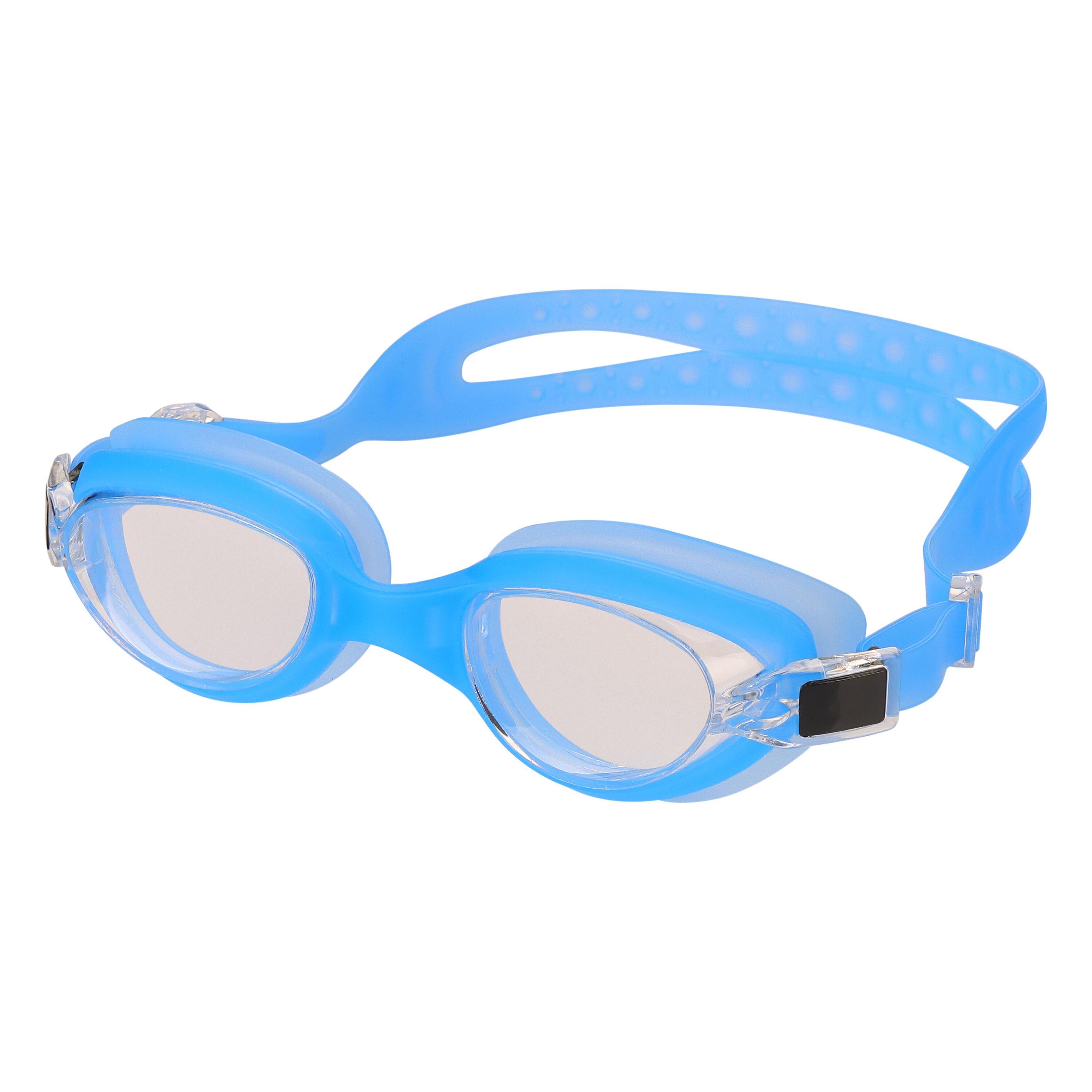
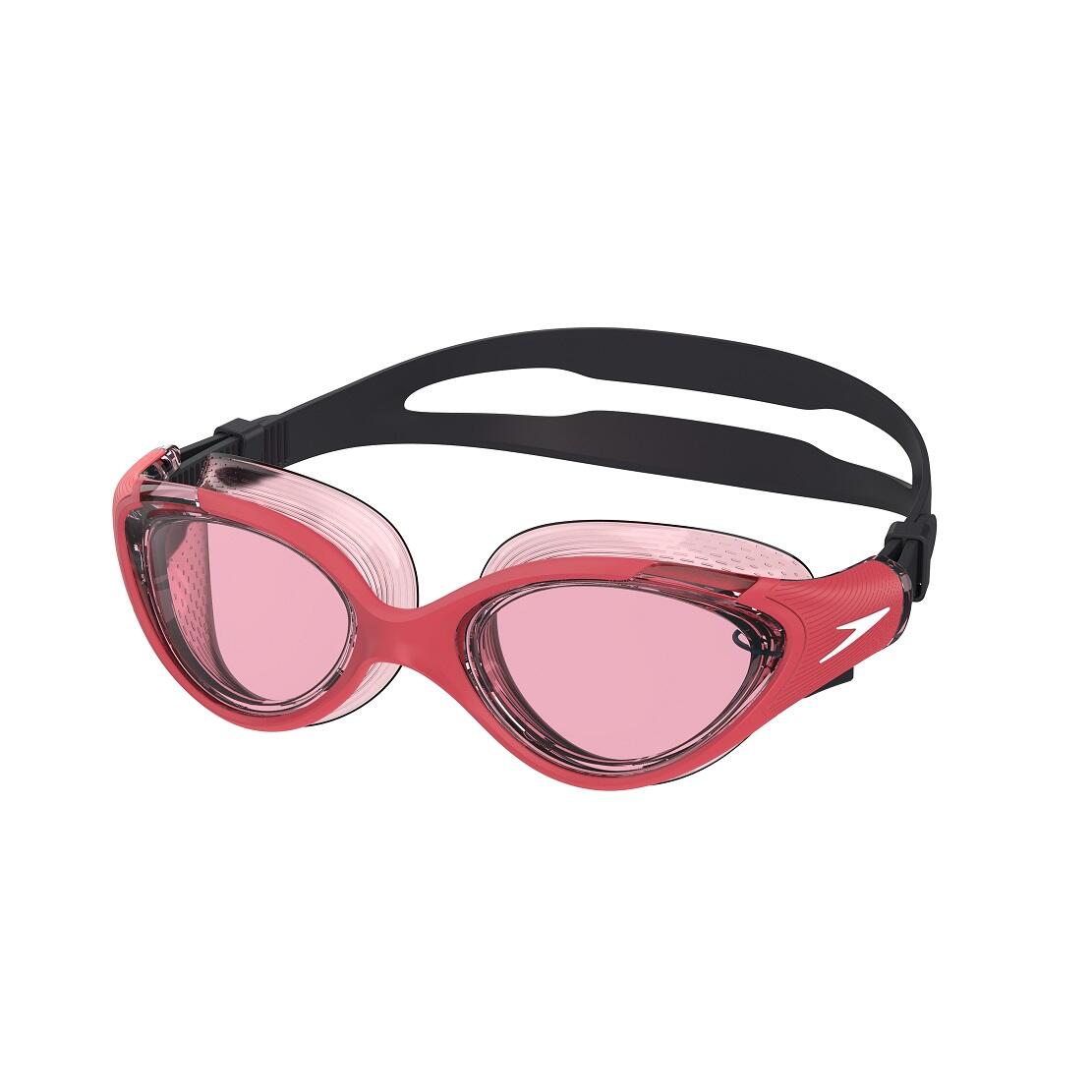
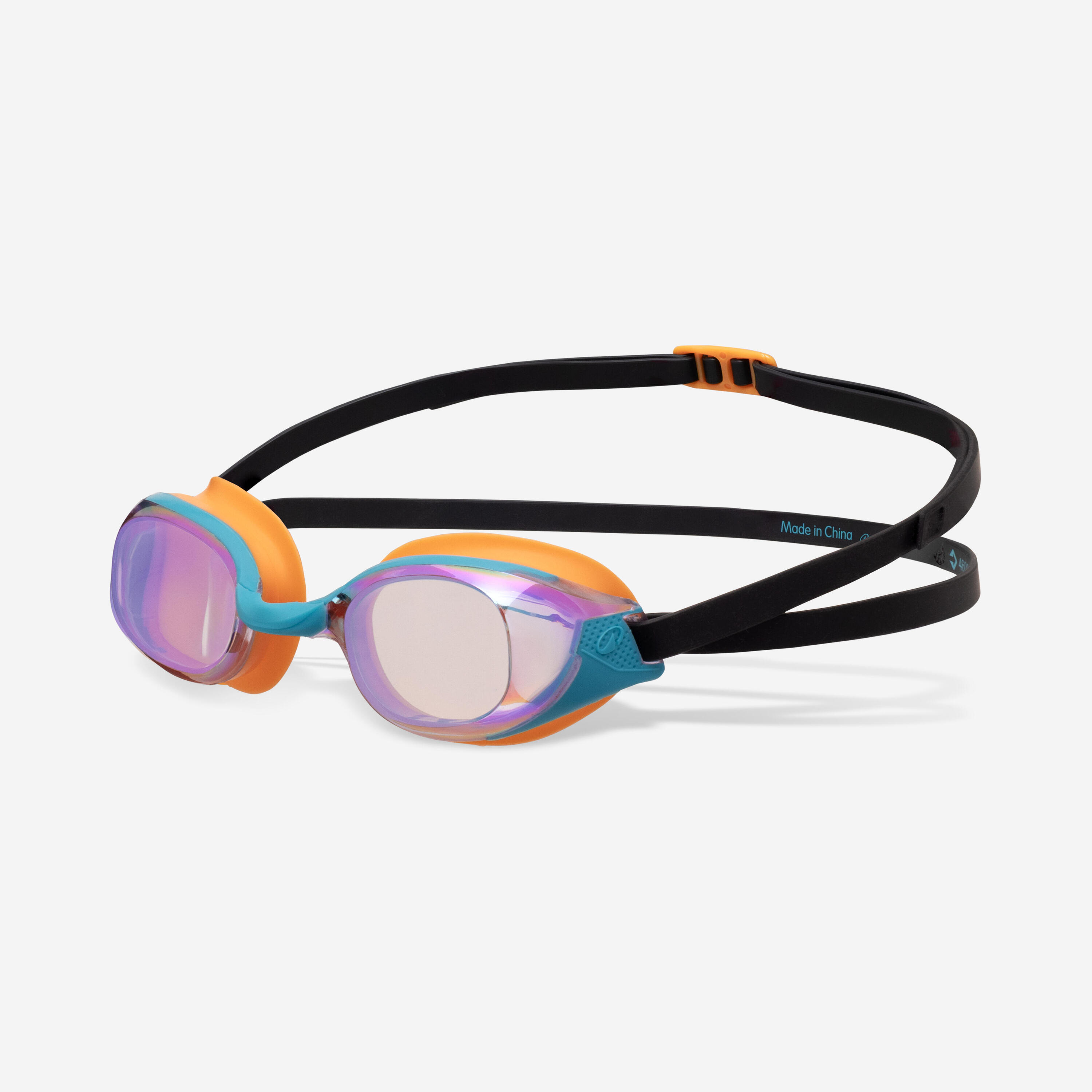
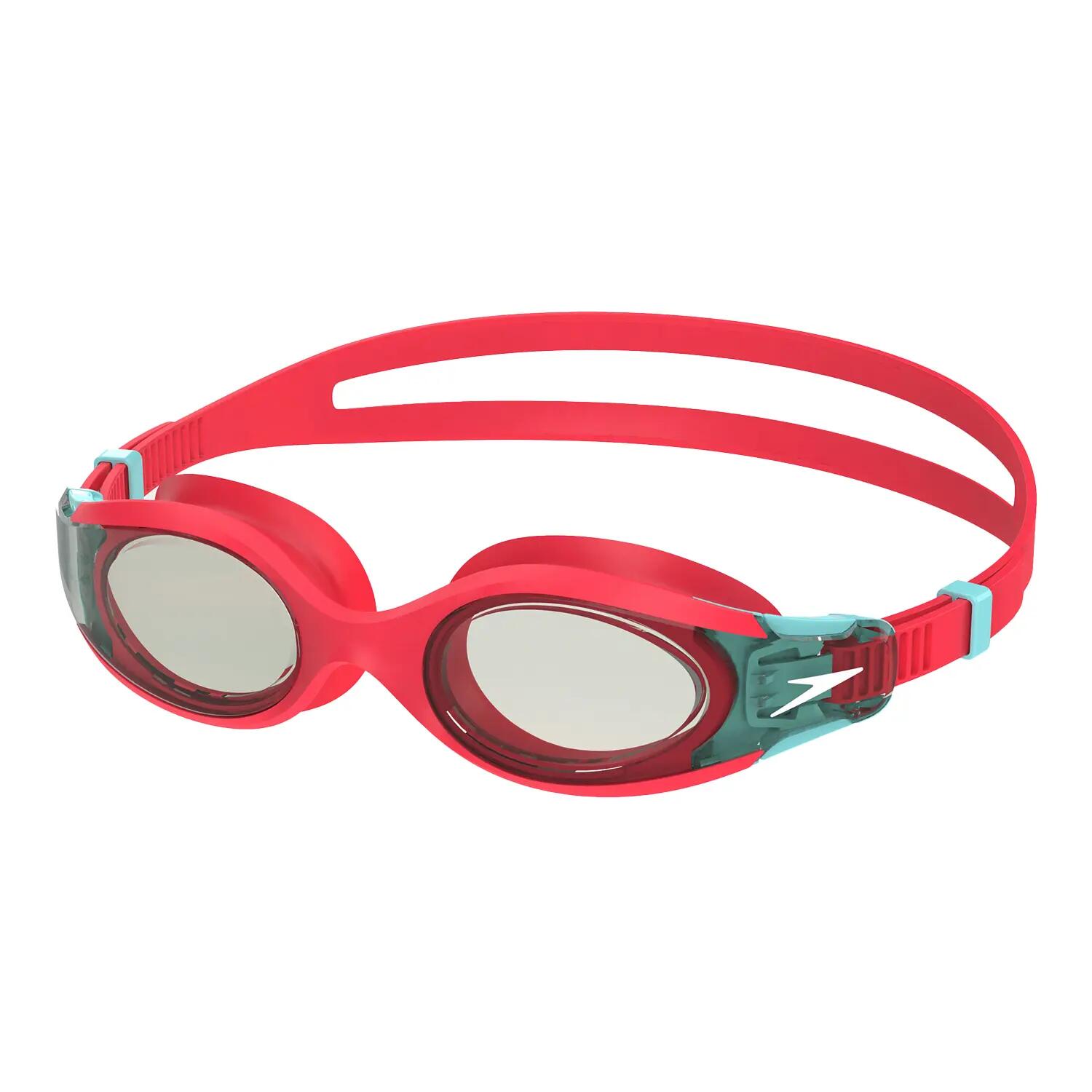
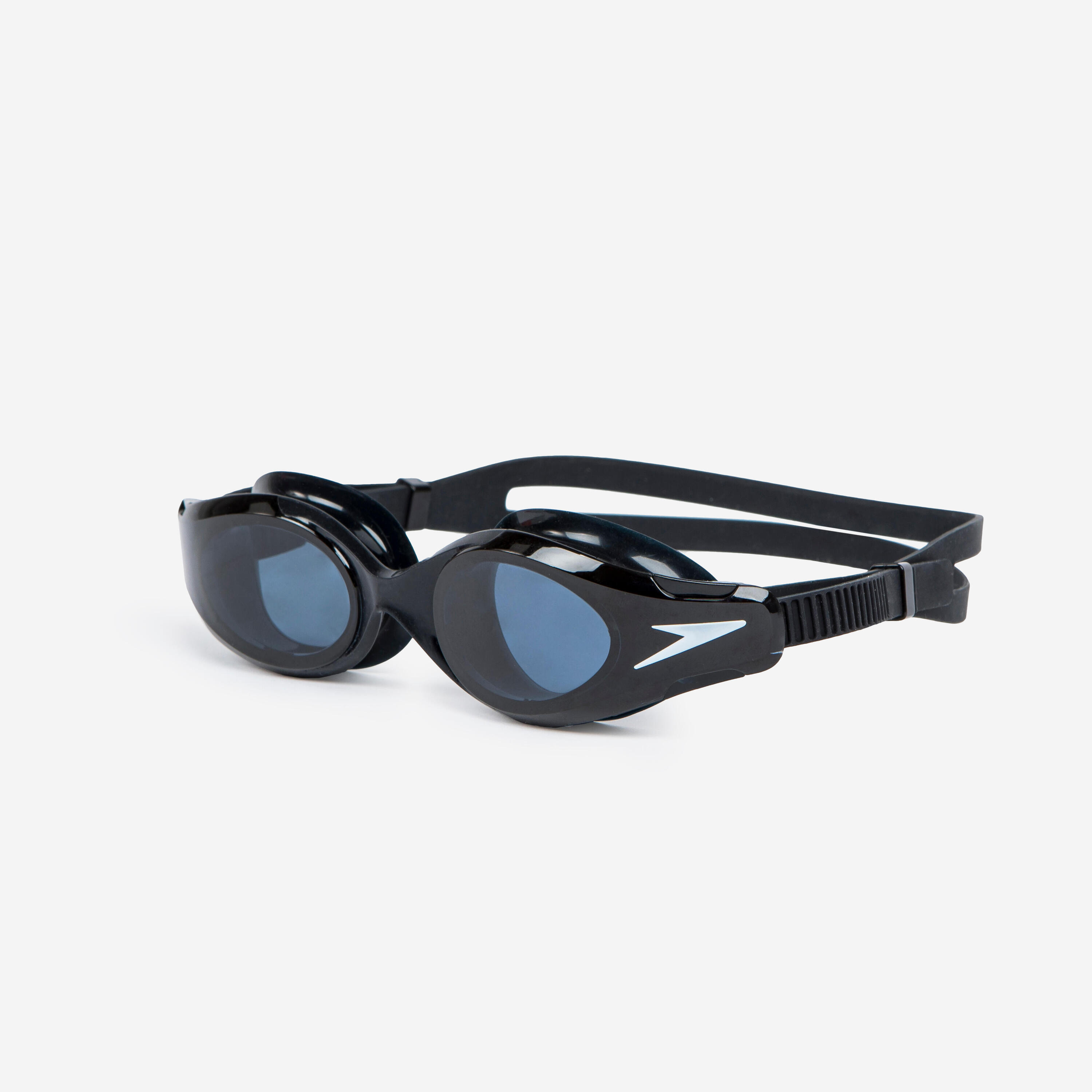
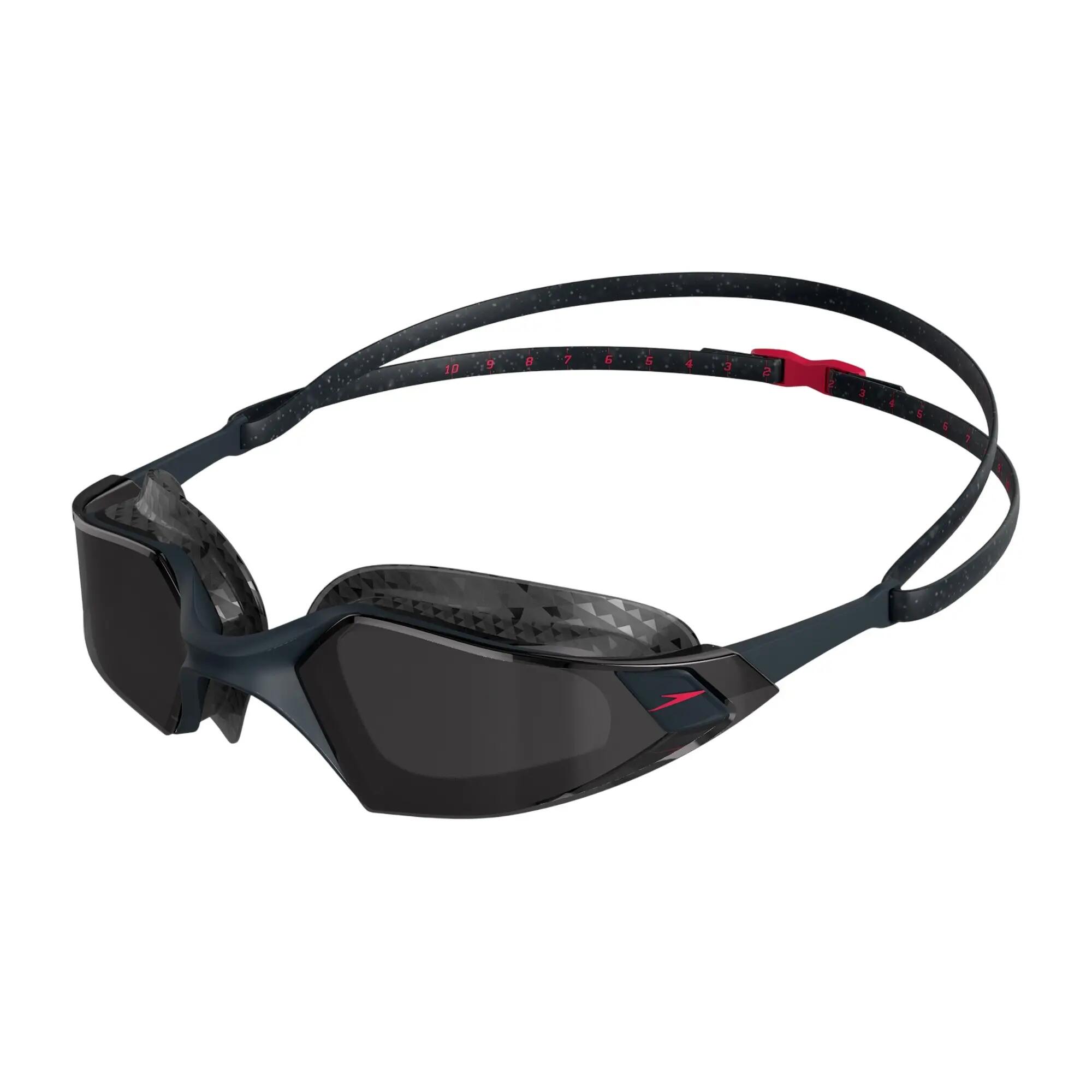
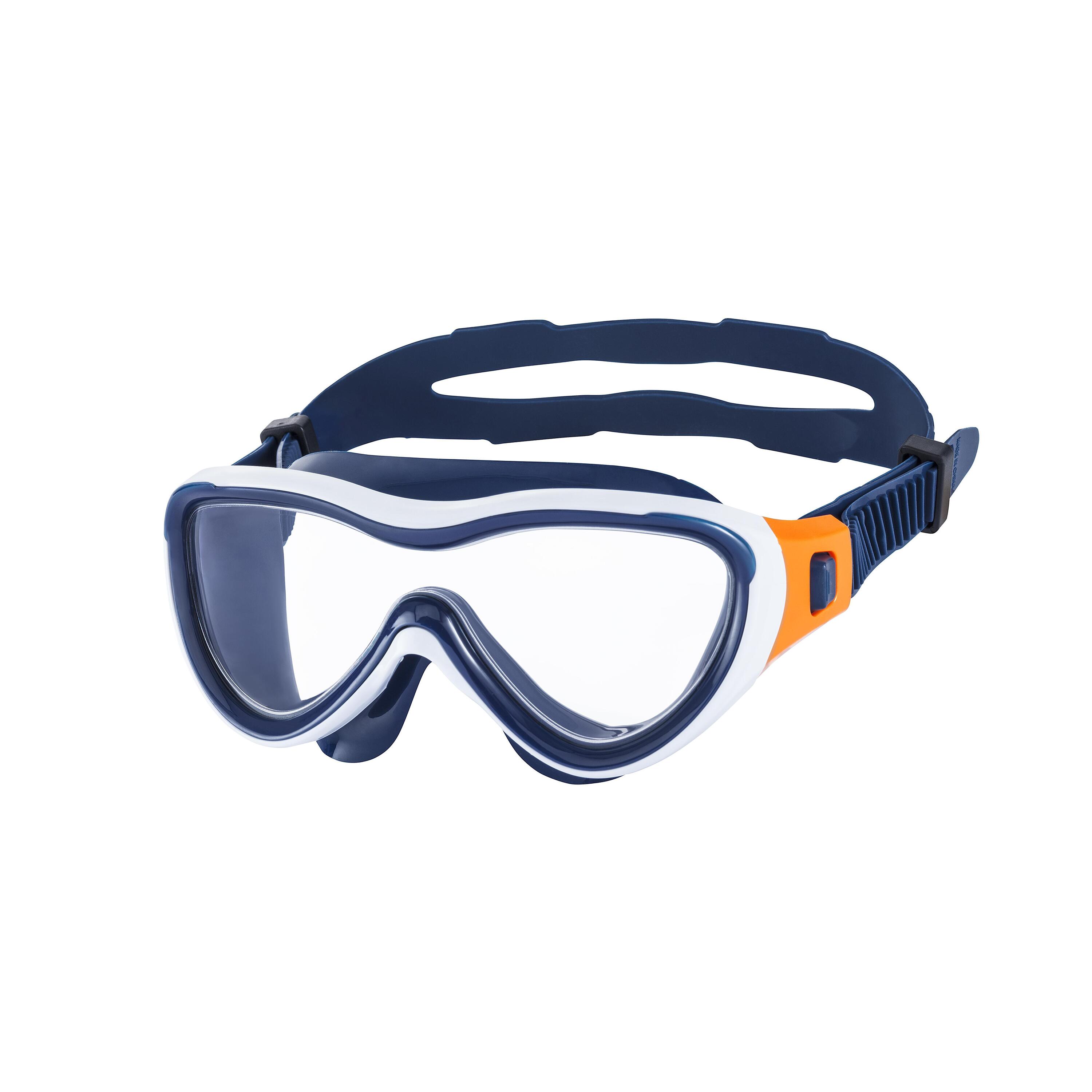
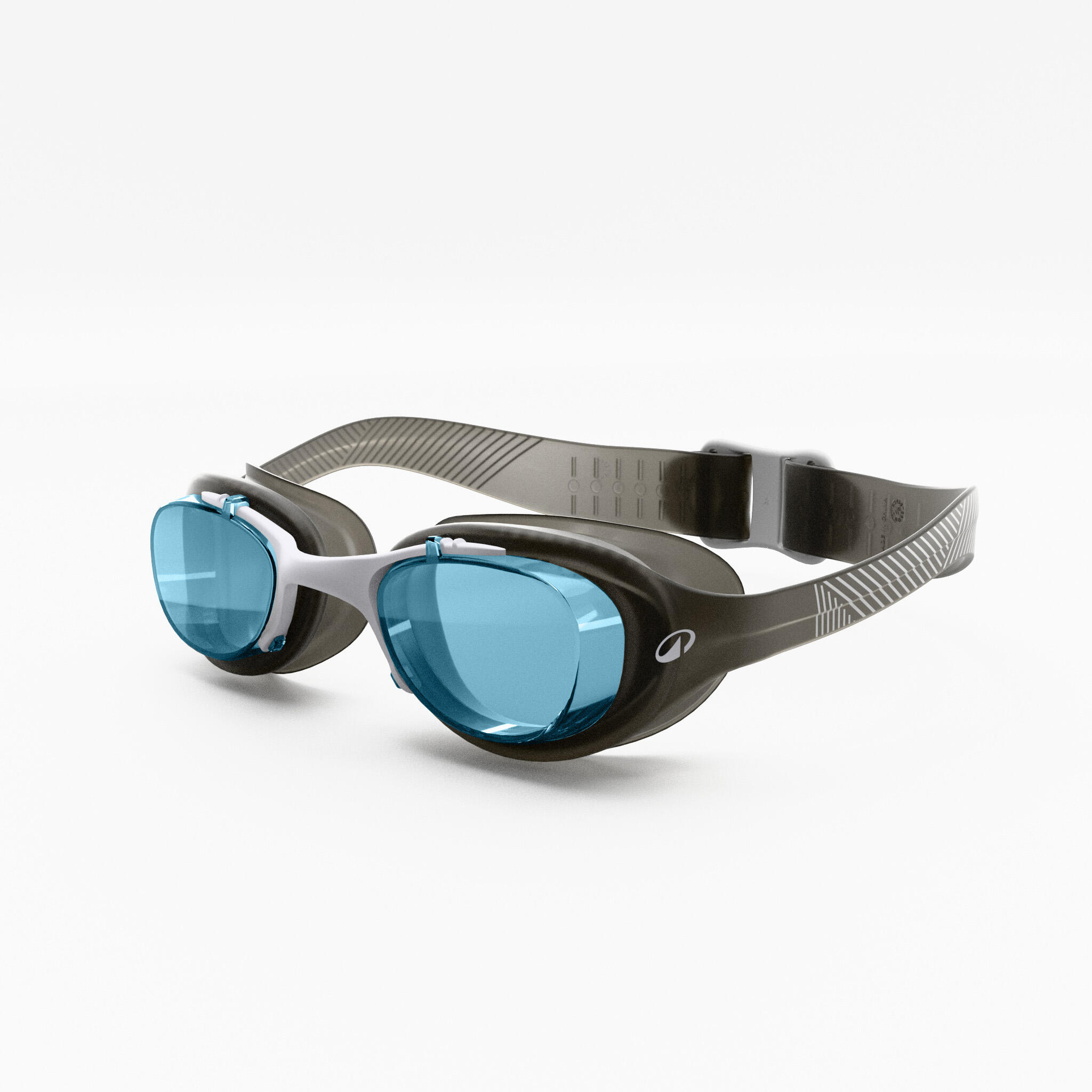
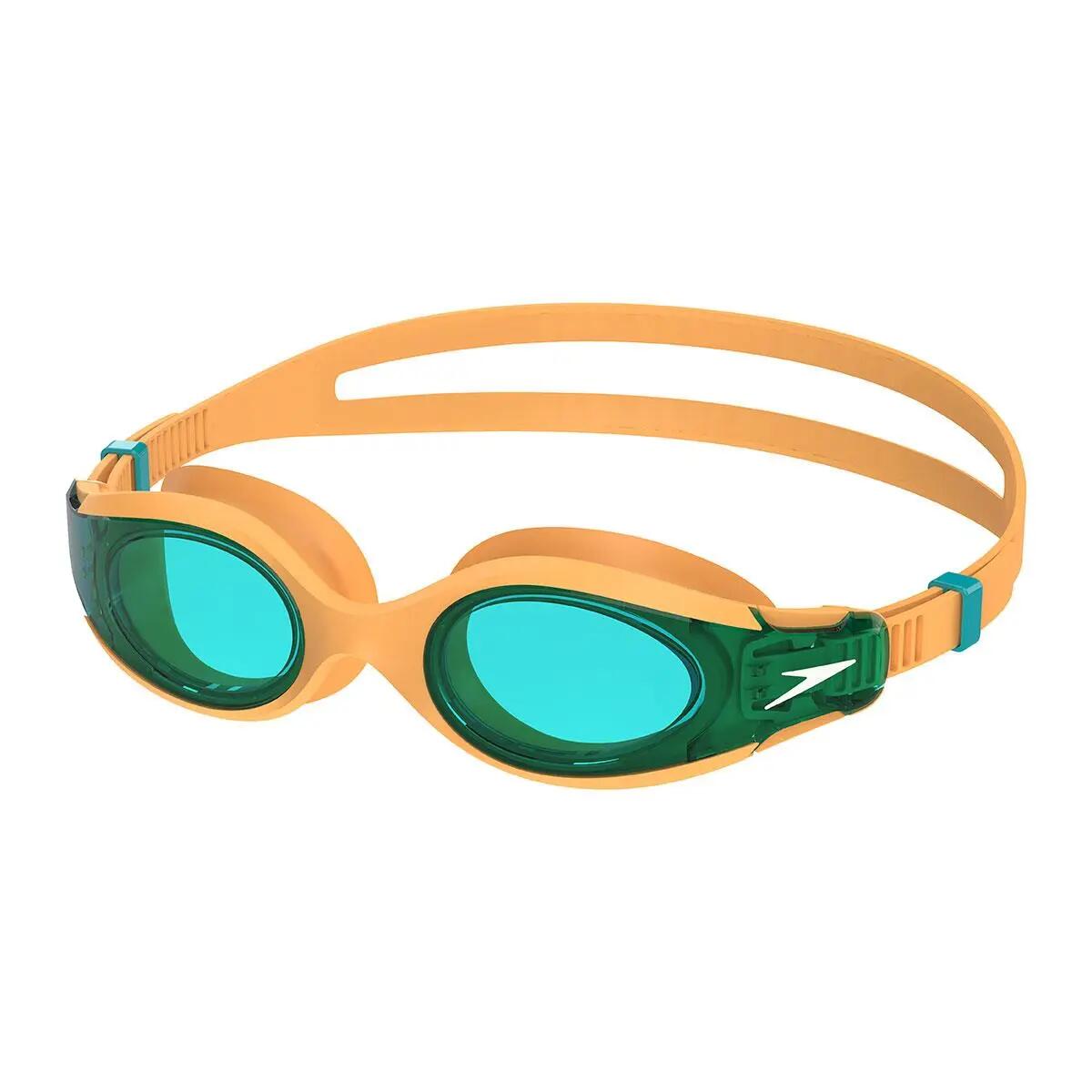
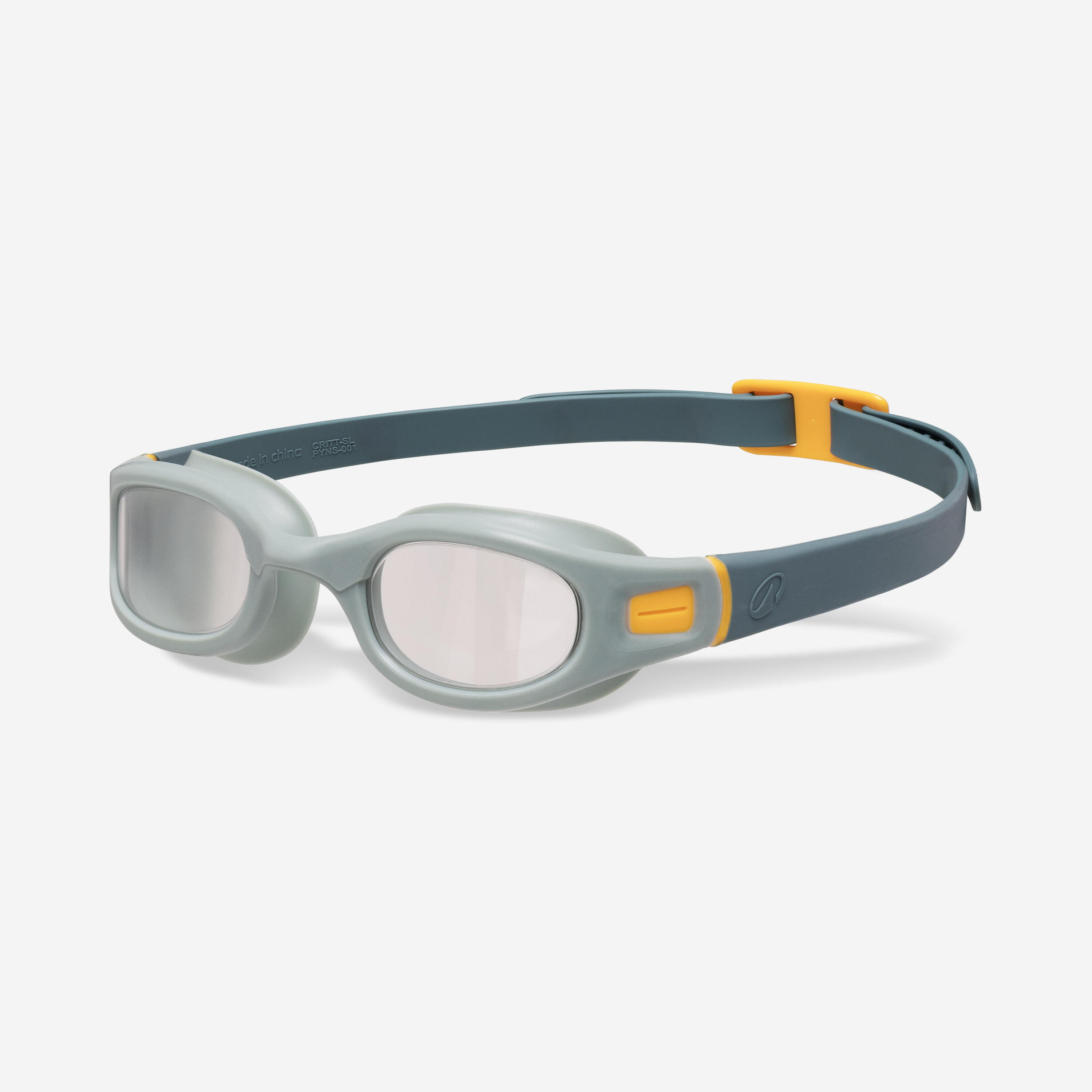
Sighting means lifting your eyes every few strokes to spot a buoy or landmark and hold your line. Sharp vision and a watertight seal make this far easier, so eyewear that fits your face matters. A light tint helps in bright sun, while a brighter pair suits dull or indoor pools. Practising sighting in training saves zig-zagging on race day. A comfortable pick is the swimming goggles' soft clear lenses.

How do you prepare for an open-water swim?

Practise in open water before race day so the conditions feel familiar rather than daunting. Warm up, start steady and settle into a rhythm instead of sprinting off the line. A quick defog and a kit check before the gun avoid last-minute faffing. Knowing the course and its sighting points builds real confidence. Handy extras like anti-fog and swim caps sit in the triathlon accessories range.