132 items
4.4/5 based on 24215 reviews collected online and in stores

RUNNING HYDRATION BAGS FAQS

How do I choose between running hydration bags and waist storage?

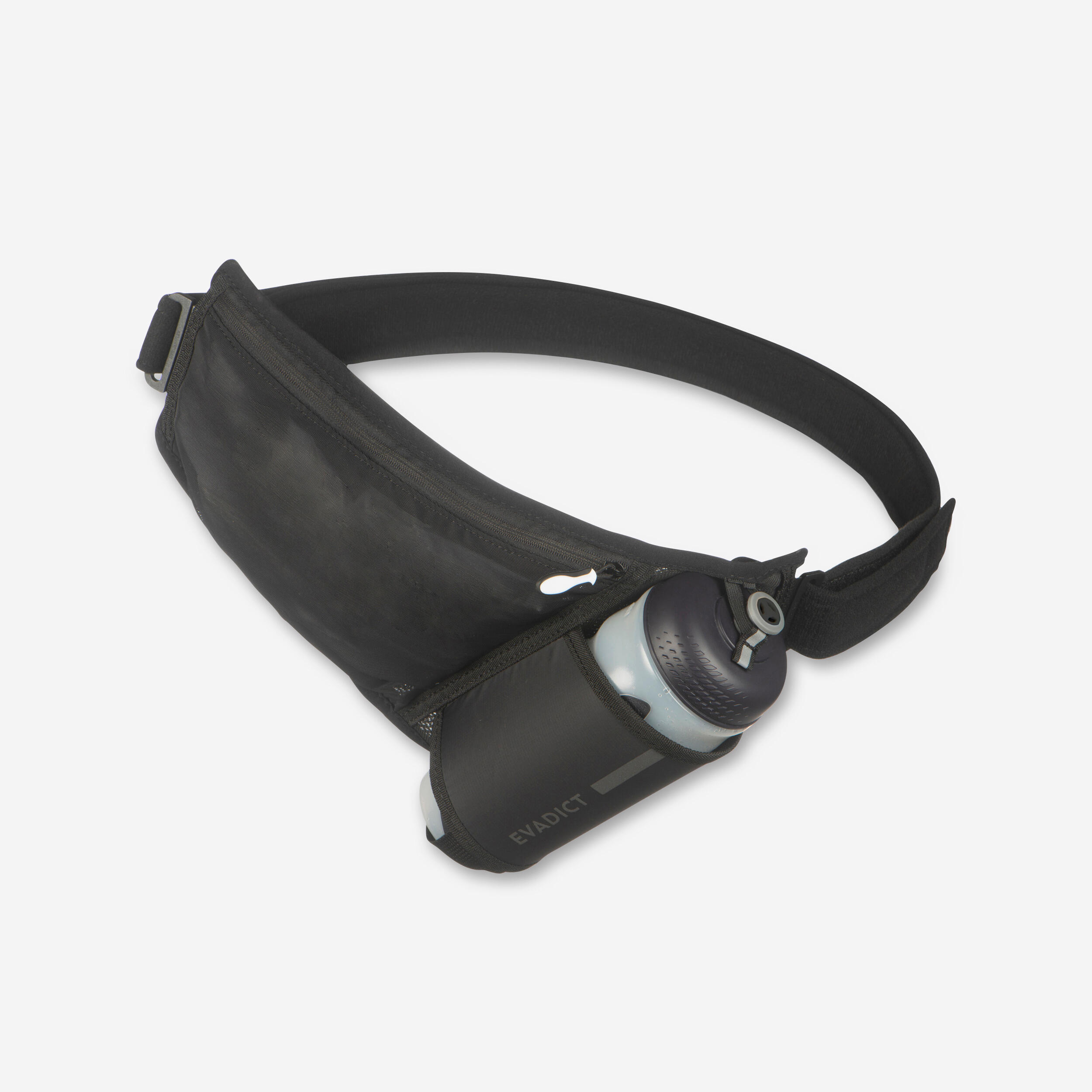
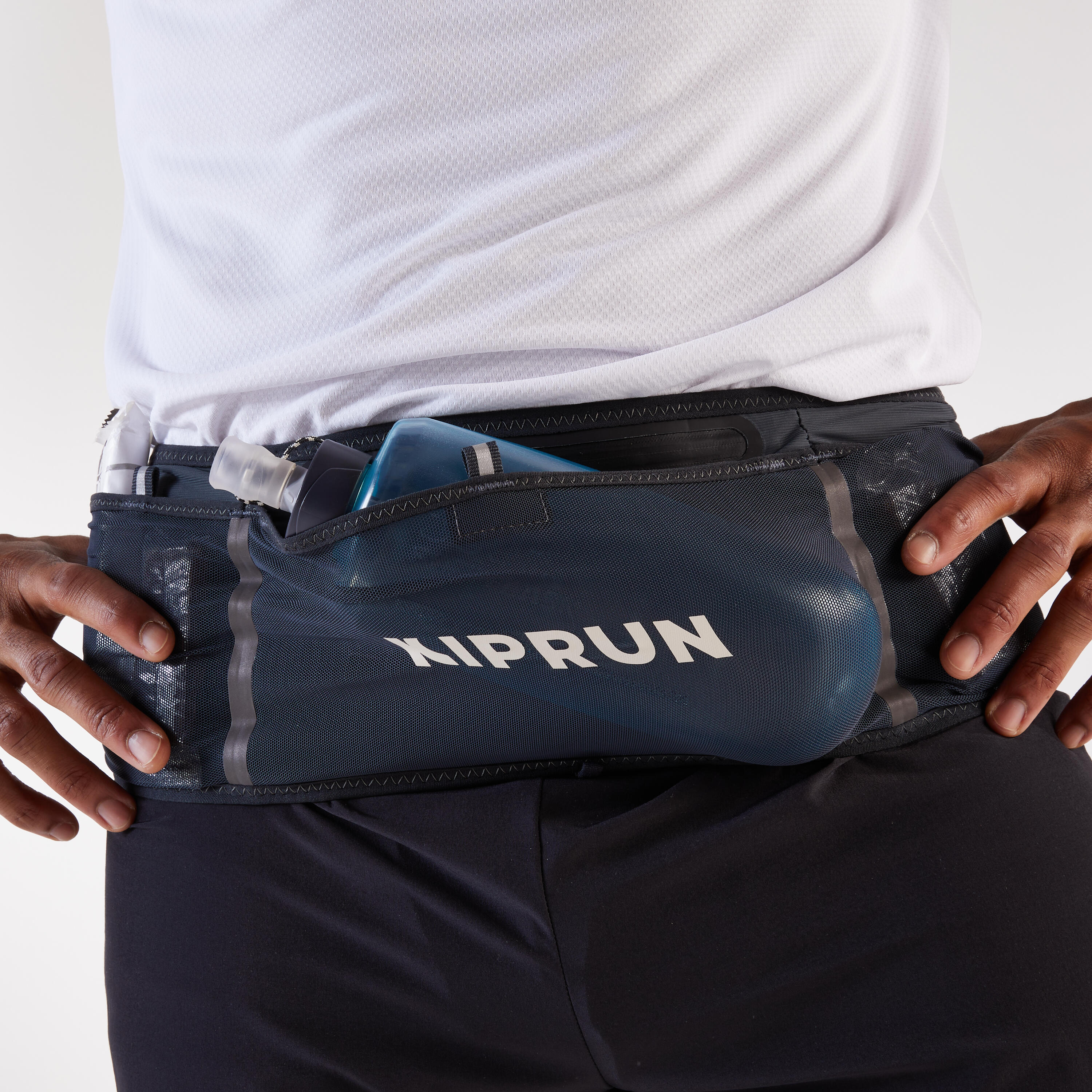
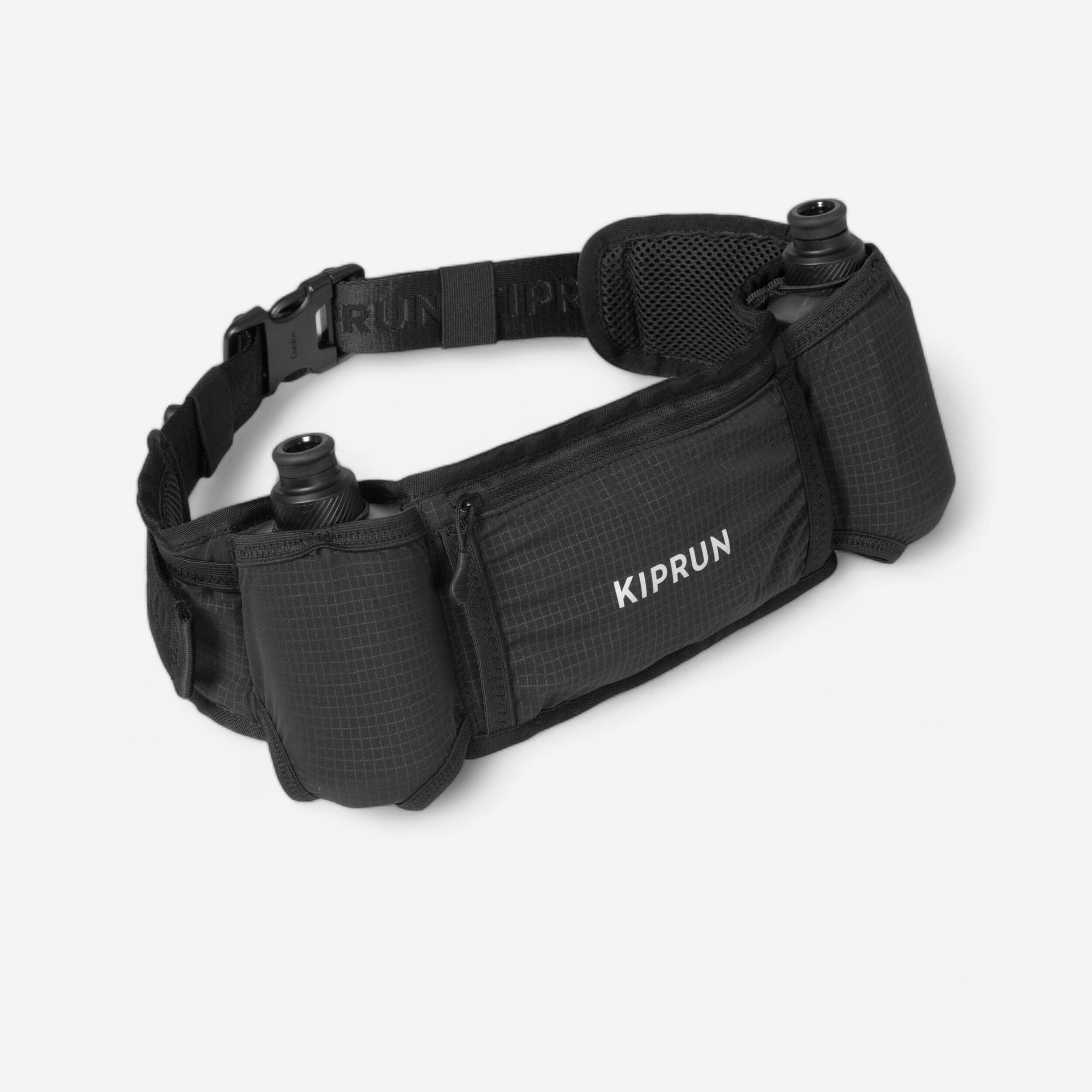
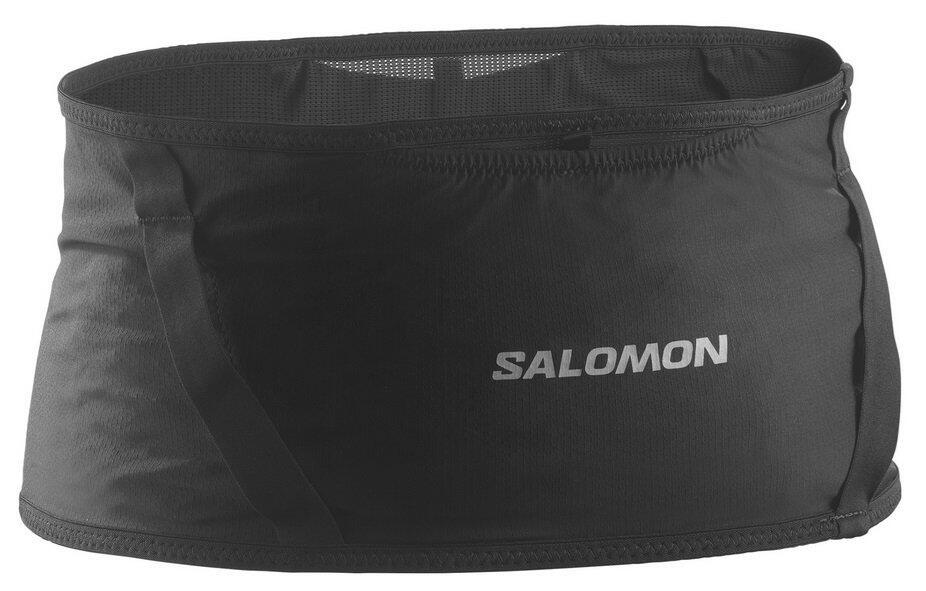
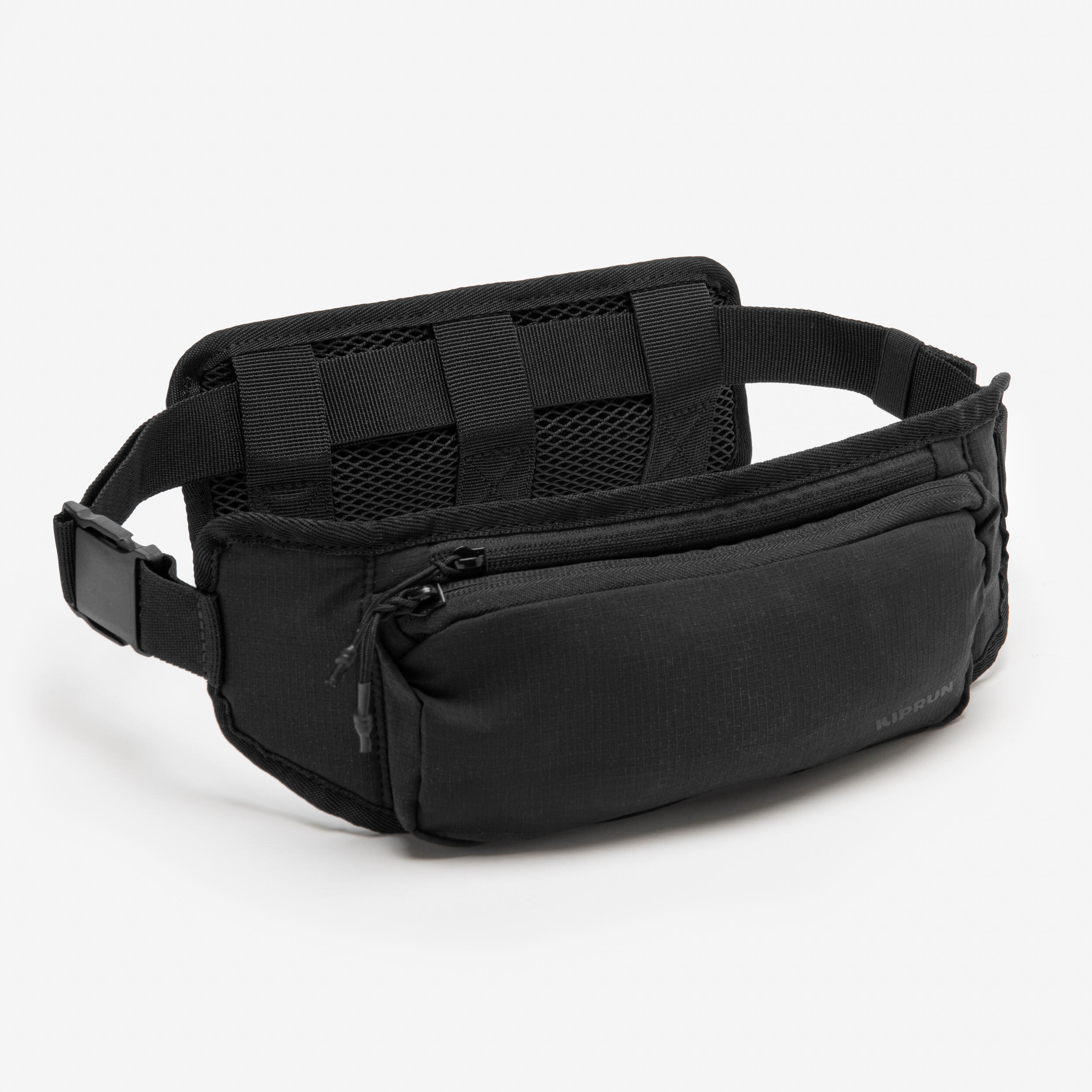
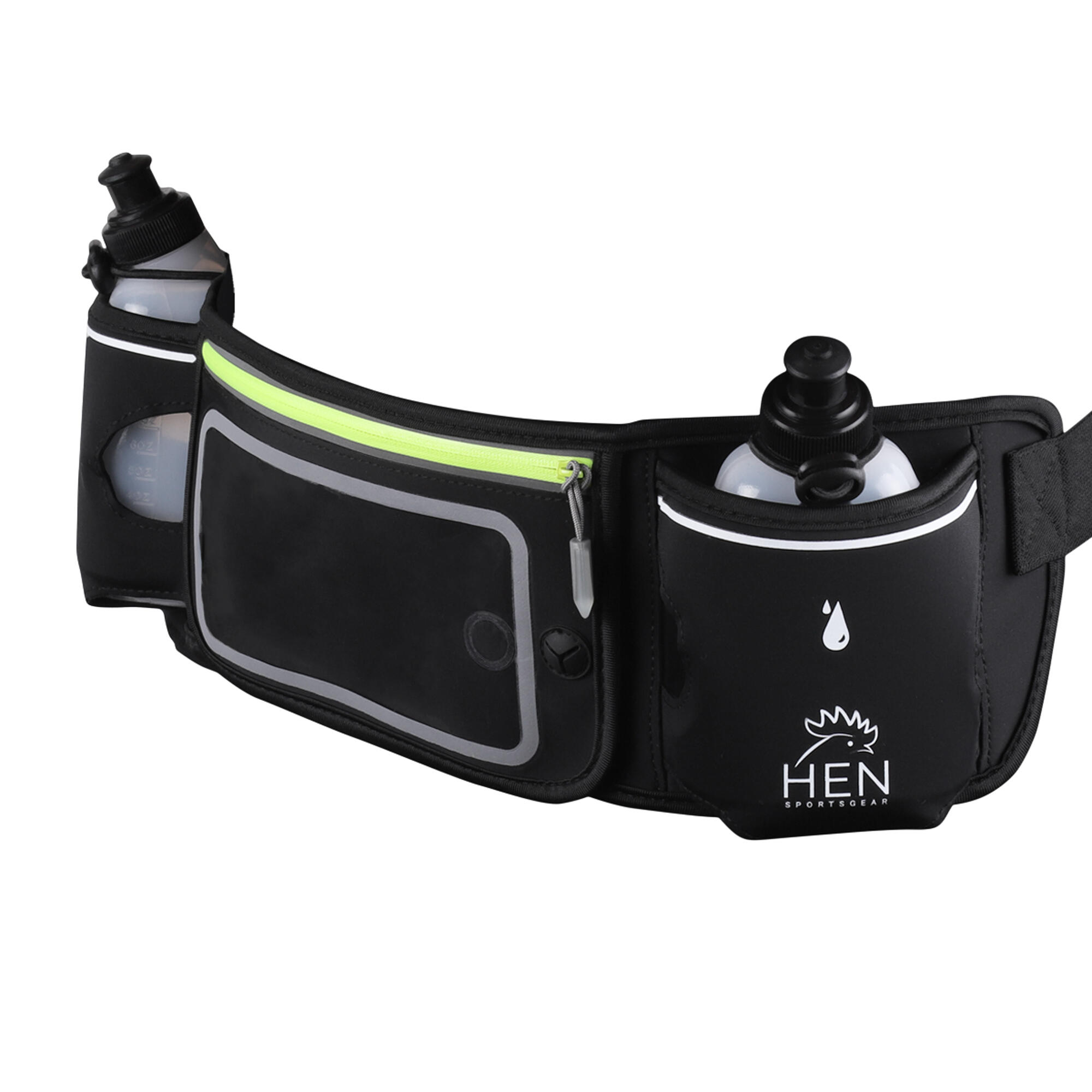
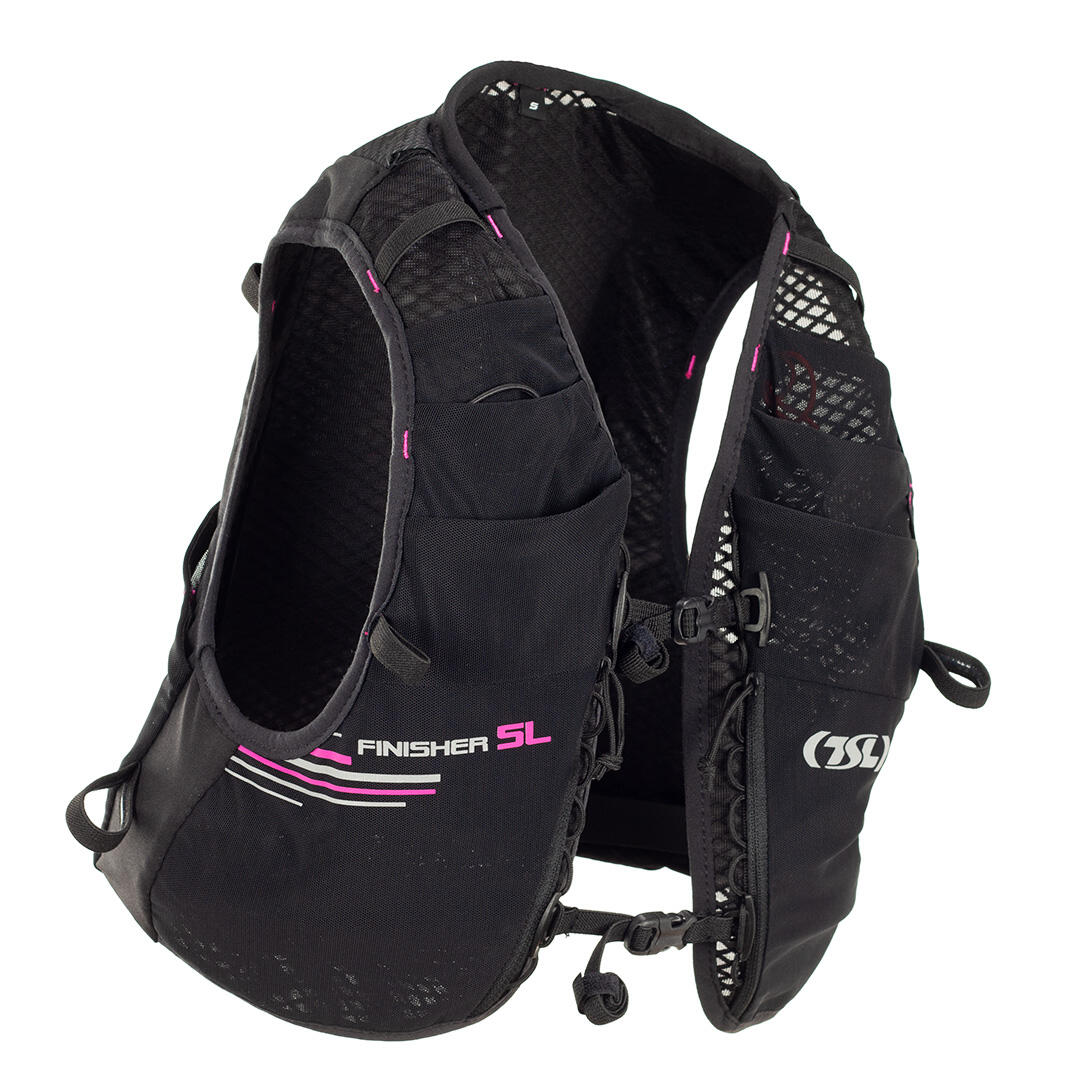
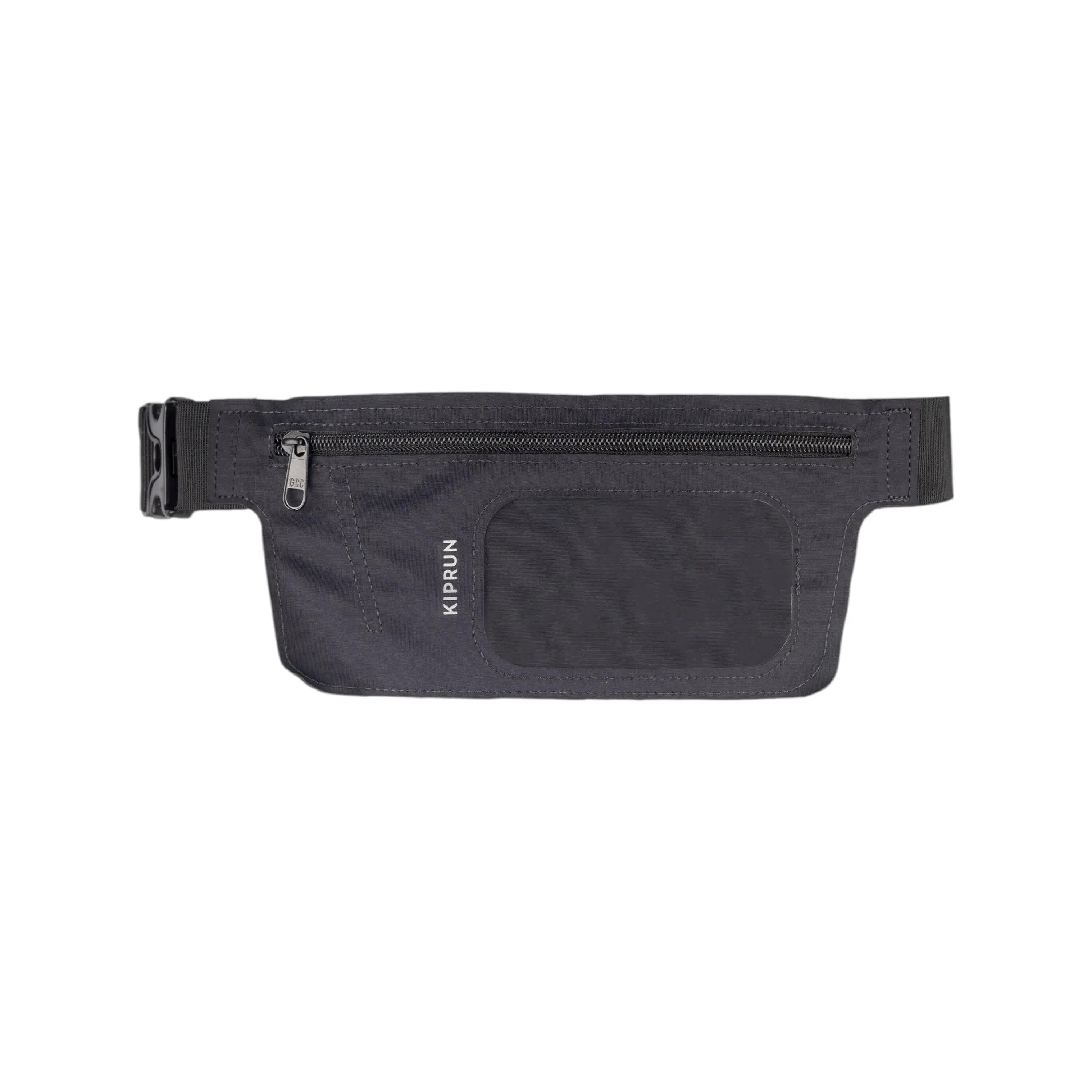
The decision between carrying a full pack or a minimalist strap depends on your total distance and the volume of water required for your outing. For short sessions under forty-five minutes, a lightweight running belt provides sufficient space for a small flask and essential keys without adding bulk to your torso. However, as your mileage increases, your body needs more fluids, so carrying enough water becomes important. A hydration pack helps spread the weight across your shoulders and upper back, so it feels more stable and doesn’t bounce around while you move. A high-quality running vest hydration system keeps the centre of gravity high and tight against the spine, which minimises energy wastage from counter-balancing a shifting load. Expert advice: When testing the fit, ensure the chest straps are tight enough to prevent movement but loose enough to allow full lung expansion during heavy breathing.

What is the benefit of a hydration vest for trail running?

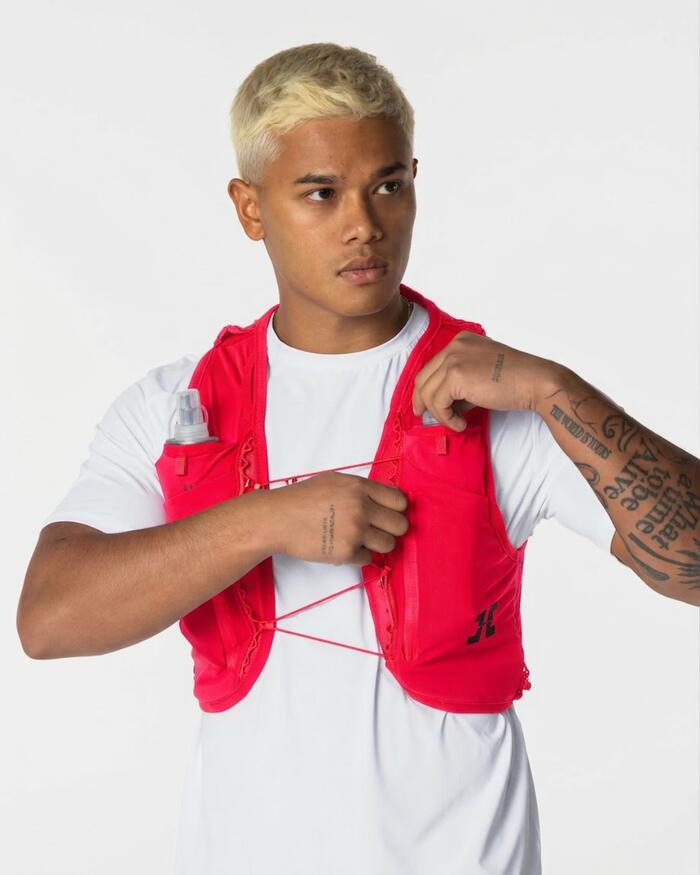
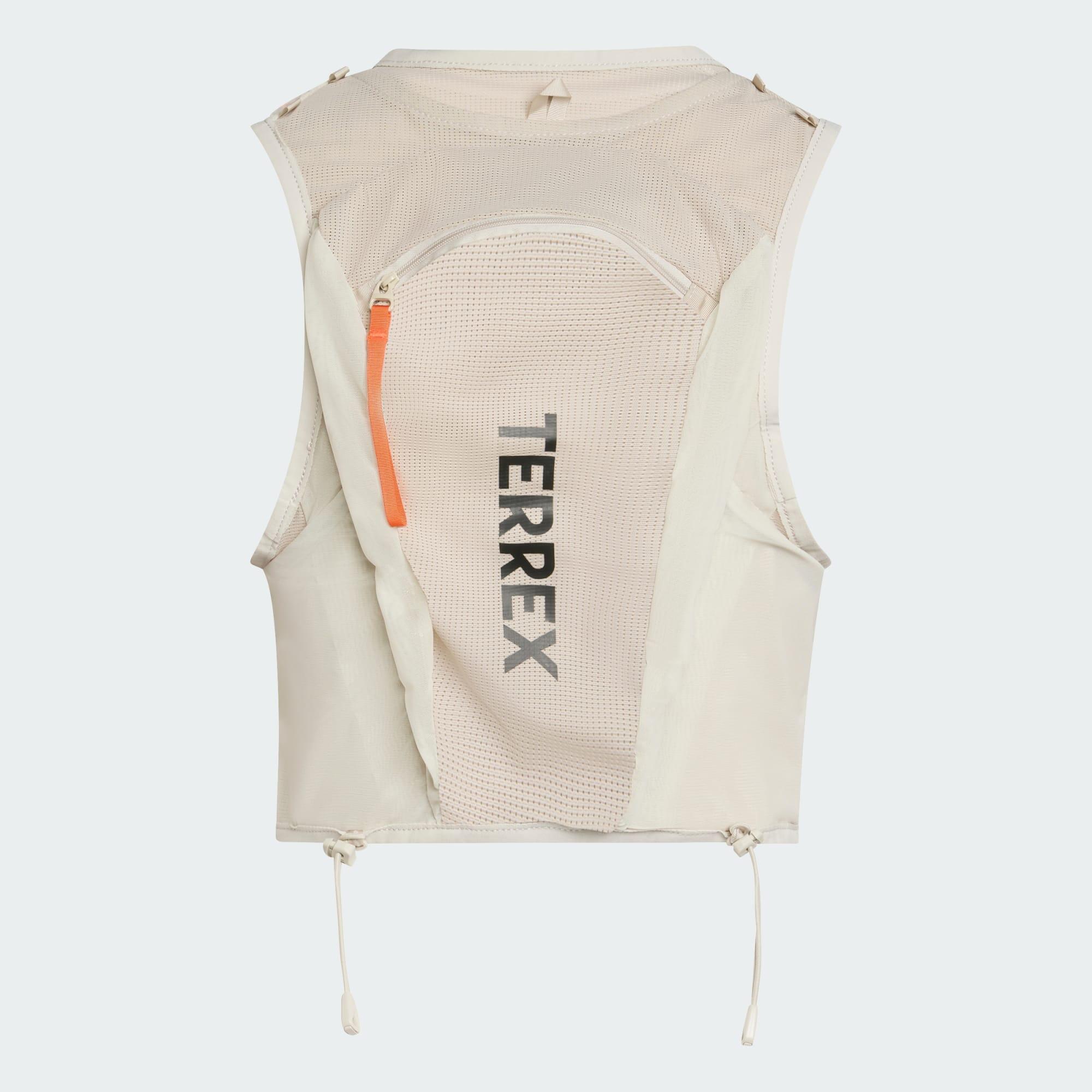
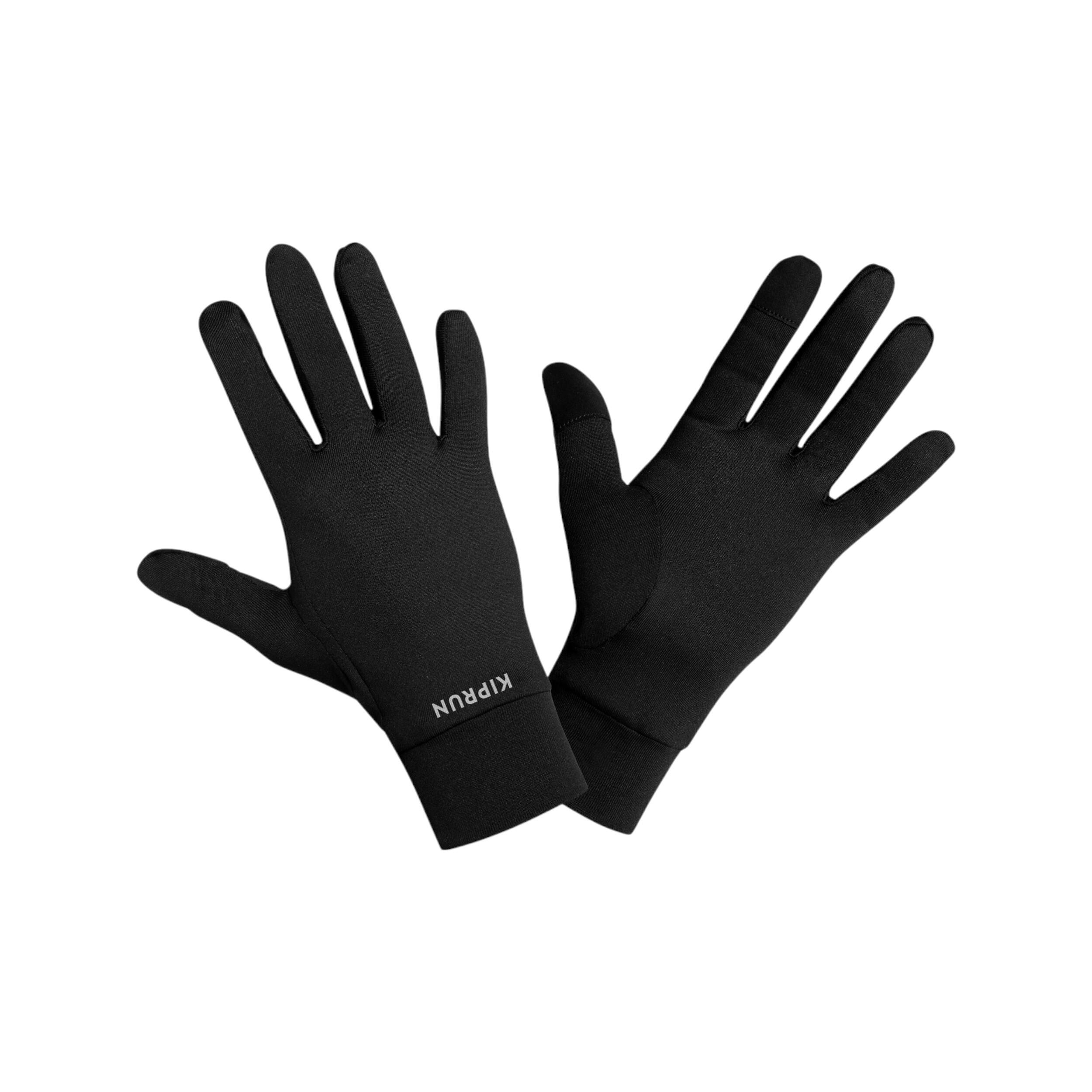
A hydration vest offers an ergonomic wrap-around fit that functions more like a piece of apparel than a traditional backpack. These running hydration packs are made with soft, flexible materials that adapt to your body shape, reducing friction and the risk of skin chafing over long durations. For athletes competing in cold conditions, pairing your pack with a thermal running glove helps keep your hands warm, making it easier to handle soft flasks or open zips on the move. The reason for the front-facing pocket placement is to allow for "on-the-go" access to electrolytes and gels without needing to stop or remove the vest. This efficiency is critical for maintaining your pace and focus on technical terrain.

Which lightweight running vest is best for carrying water and keys on a long run?

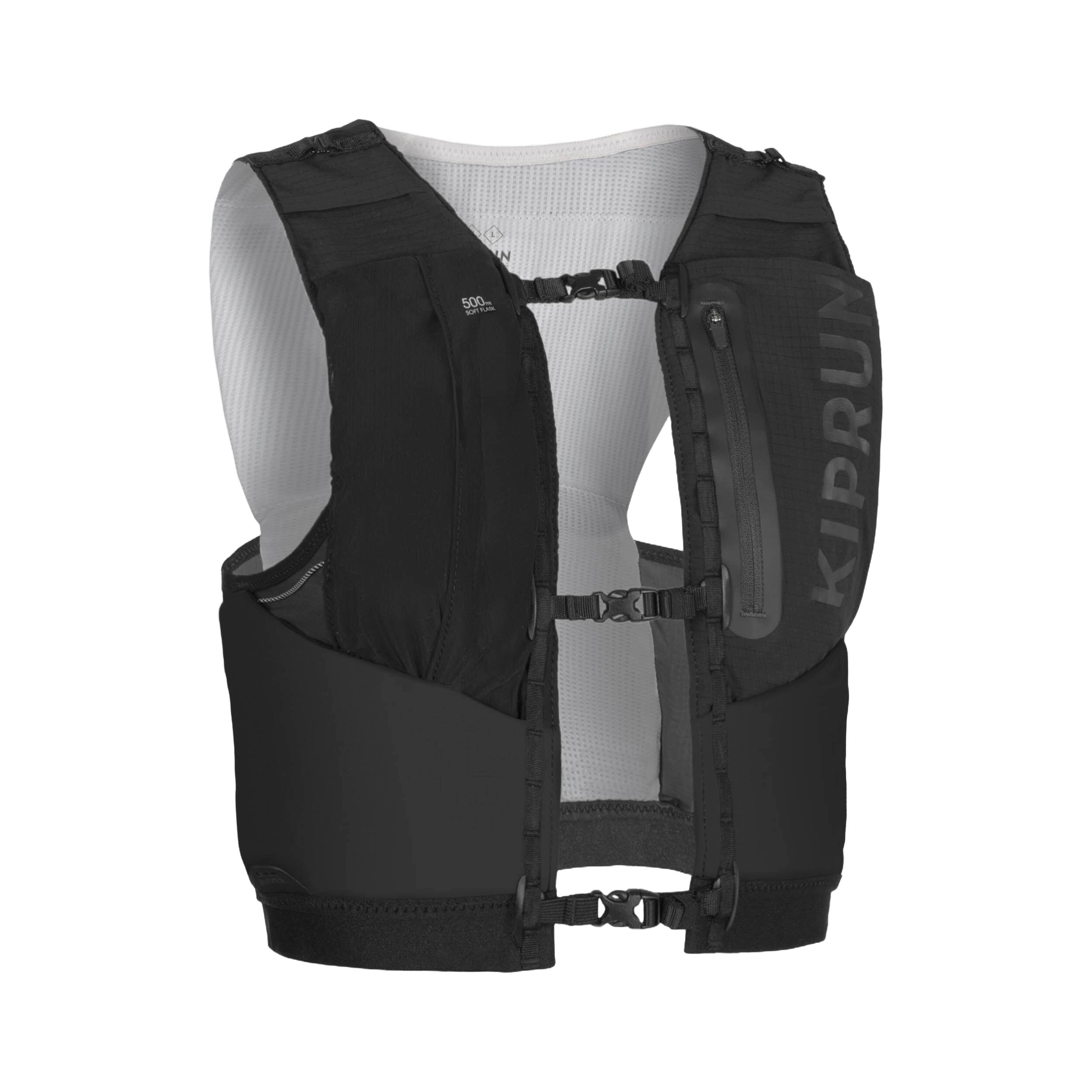
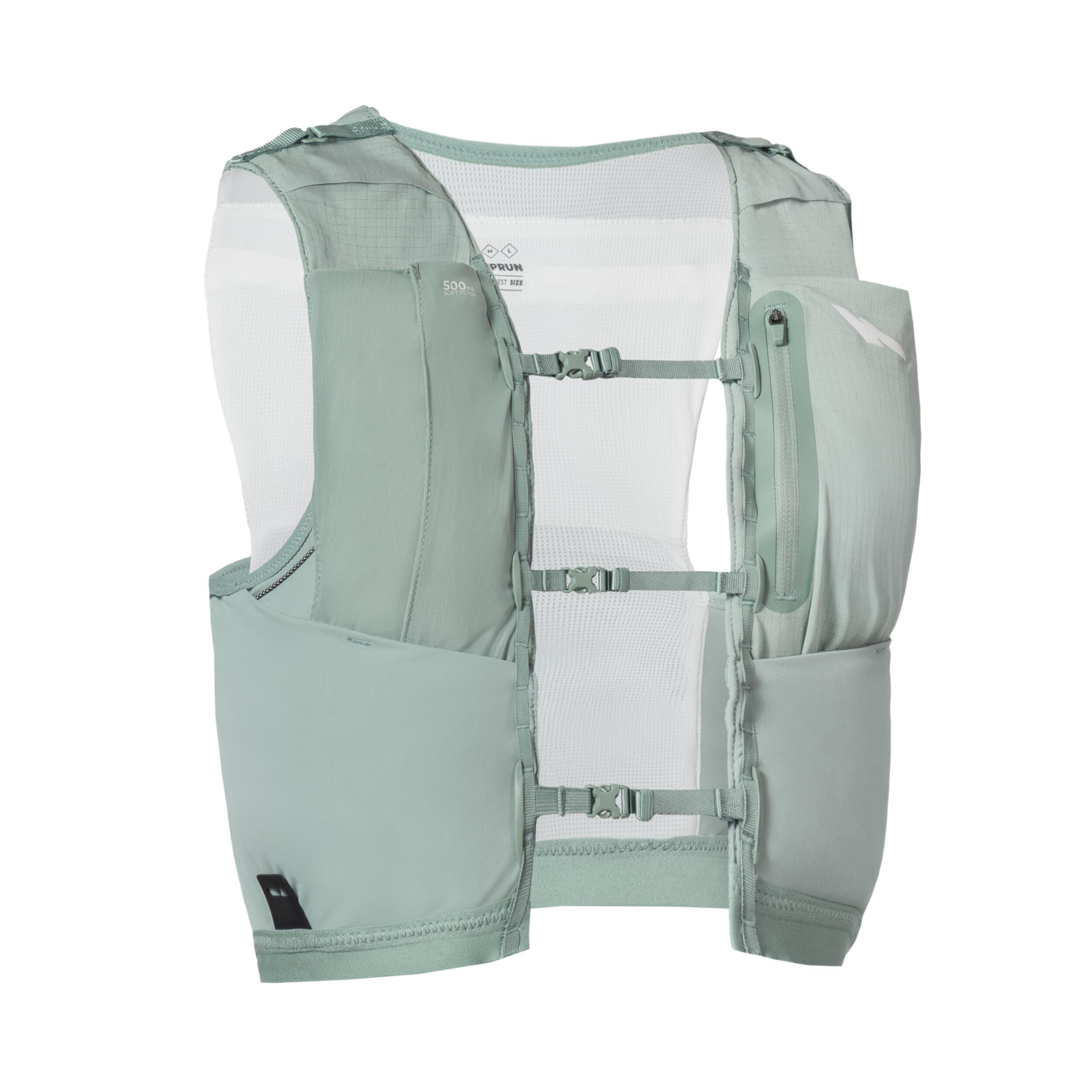
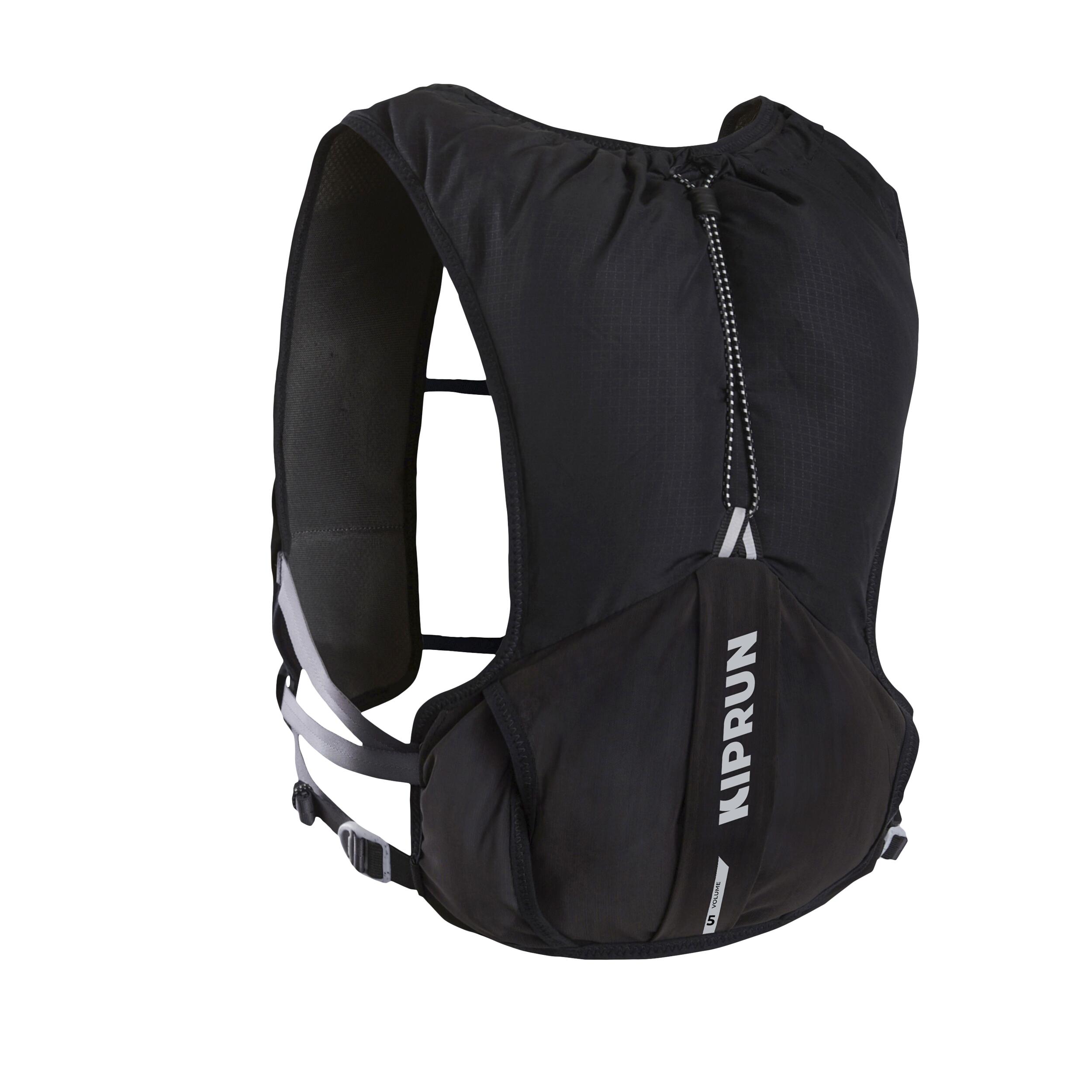
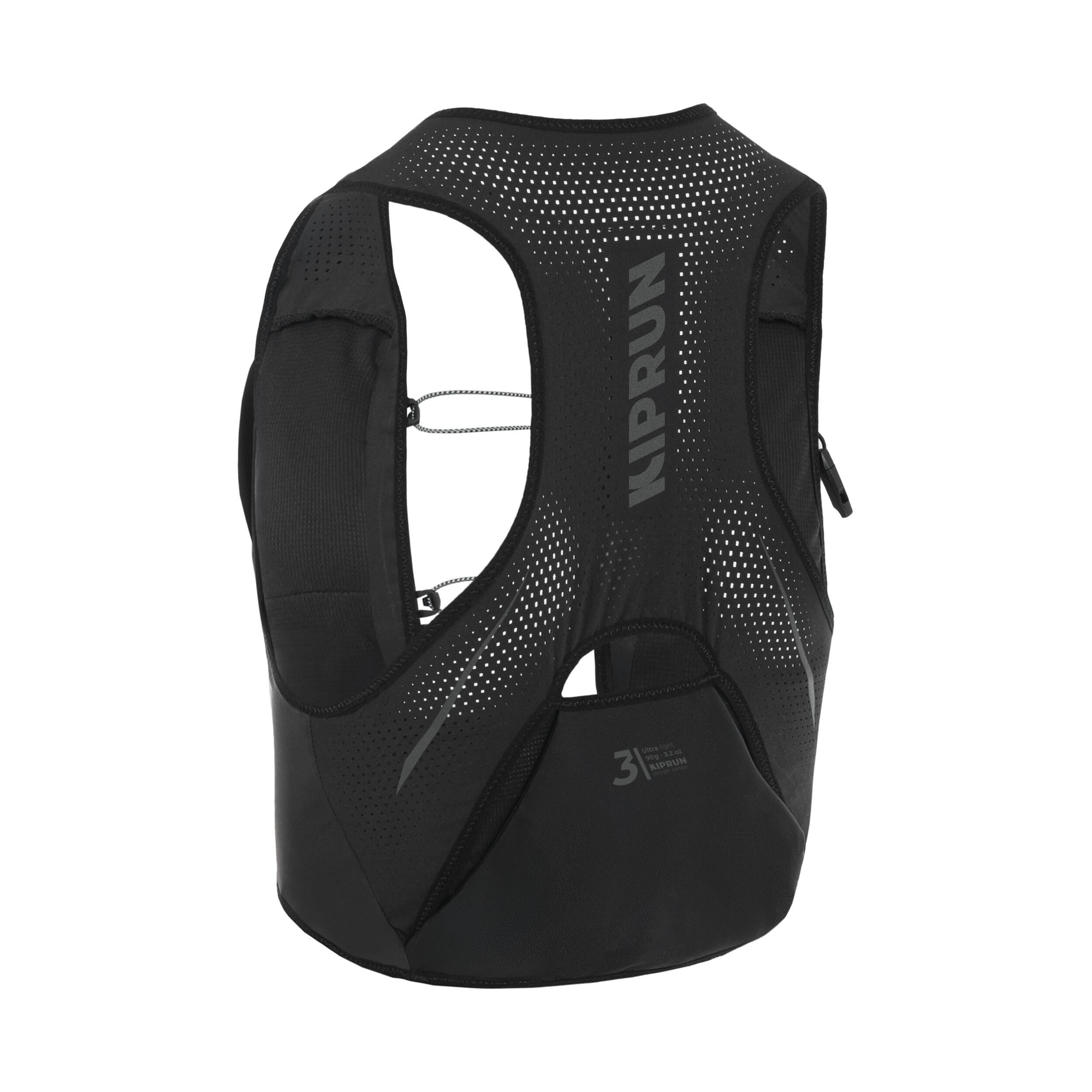
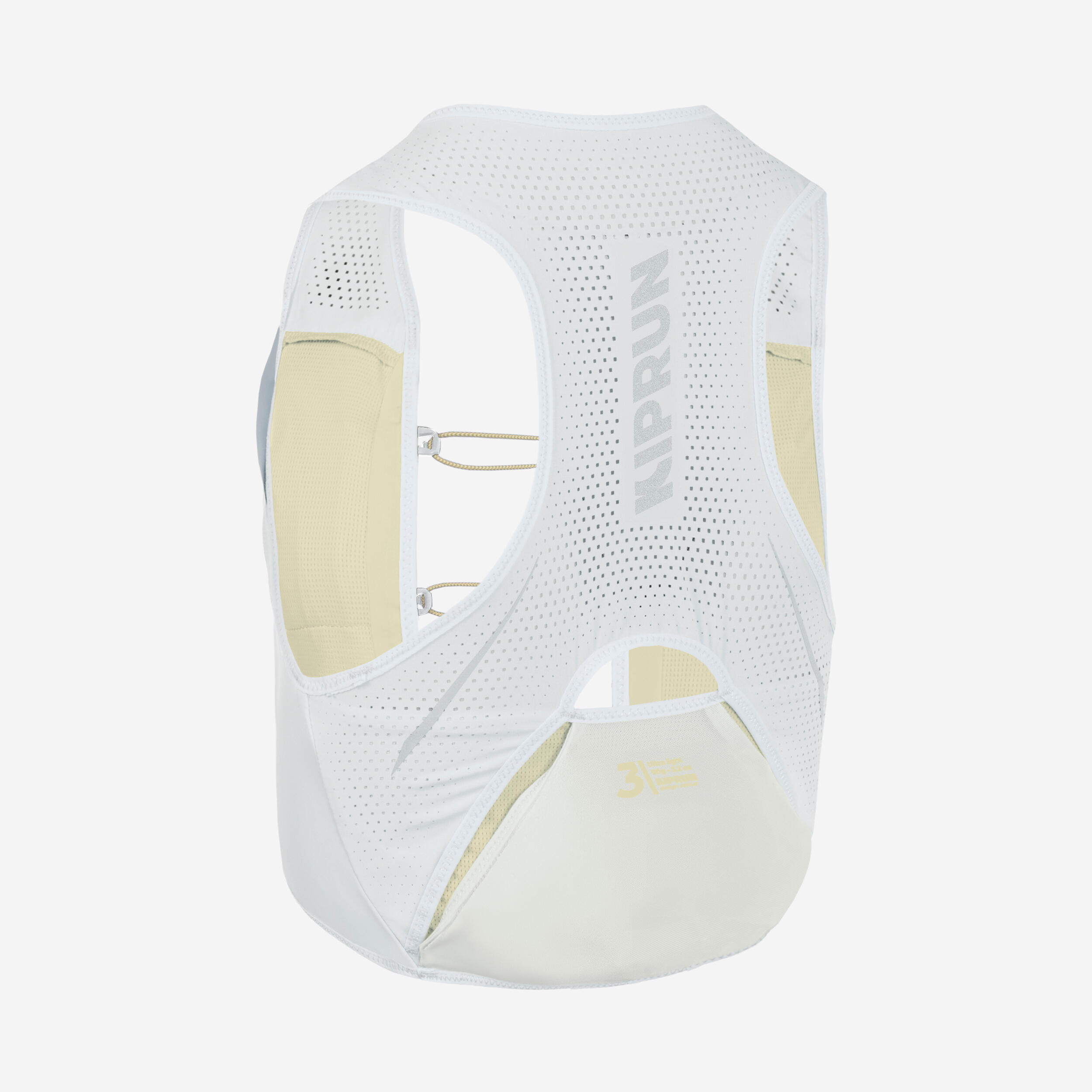
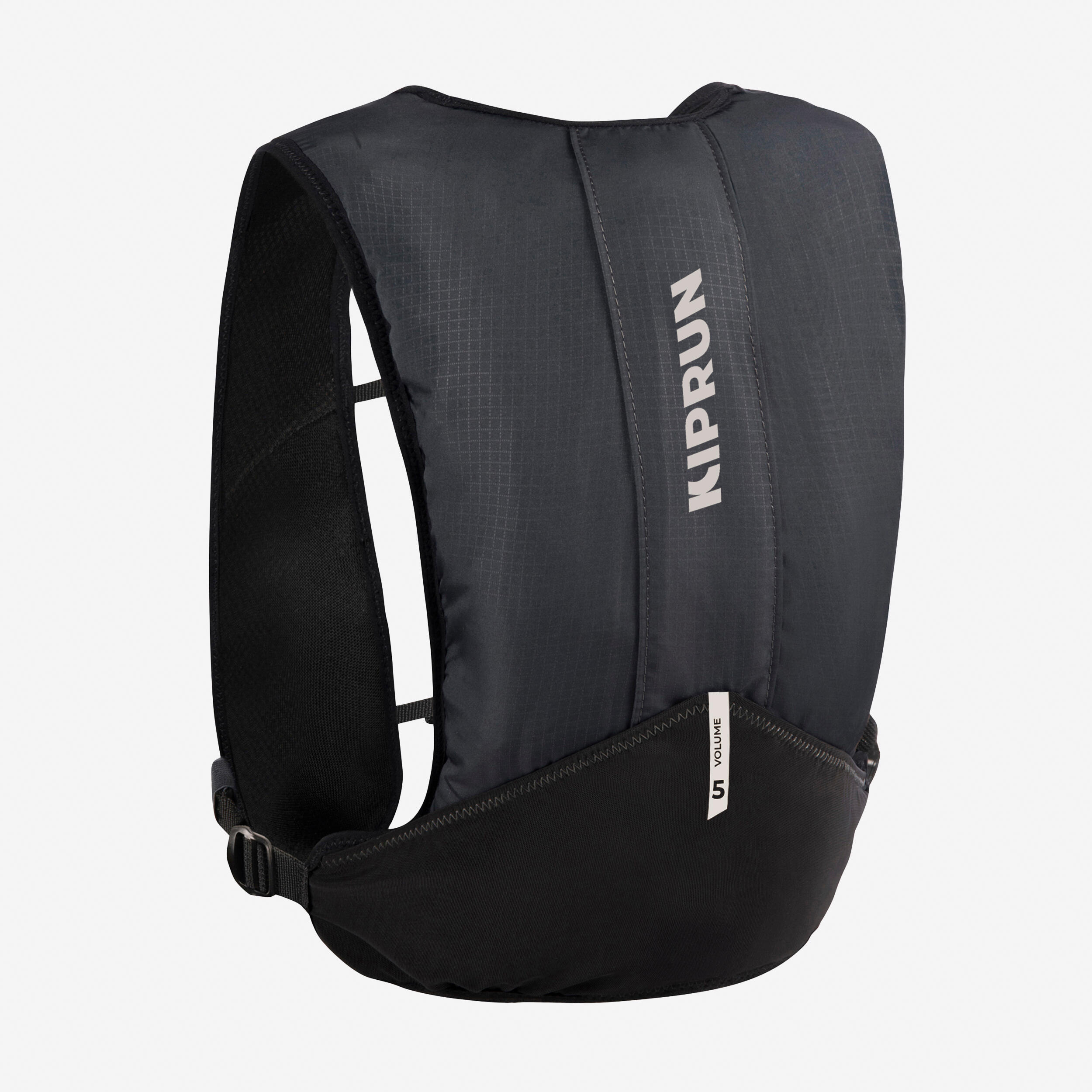
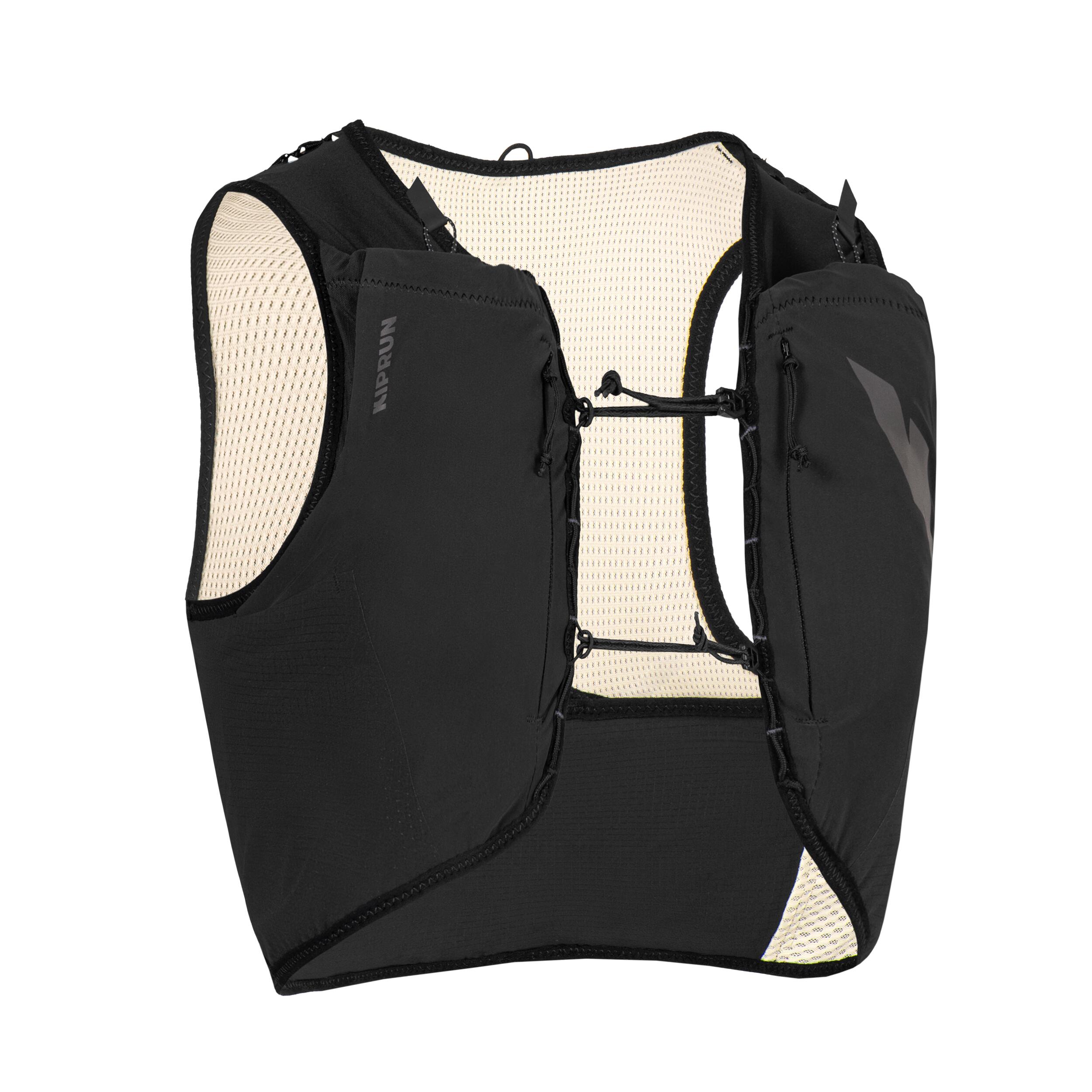
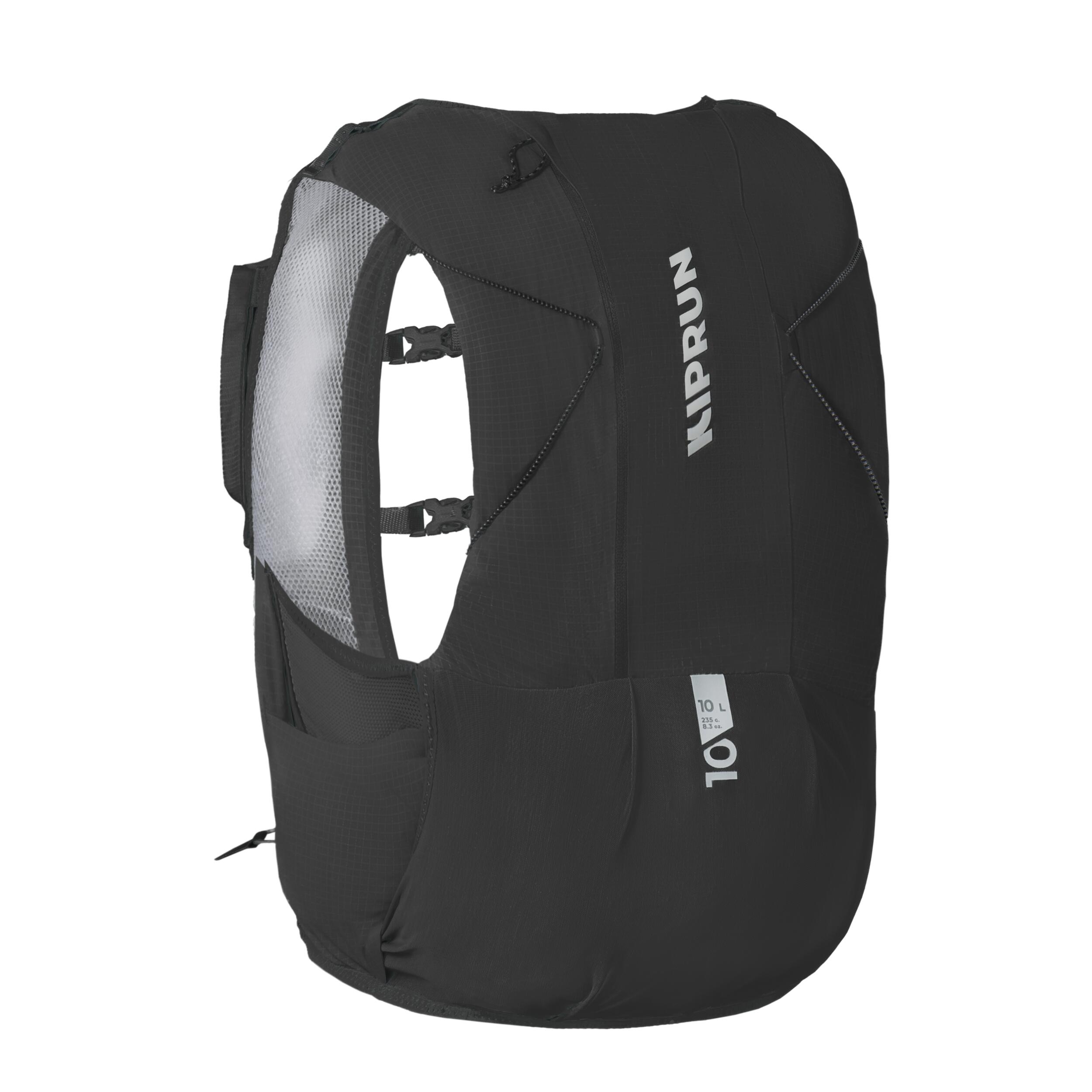
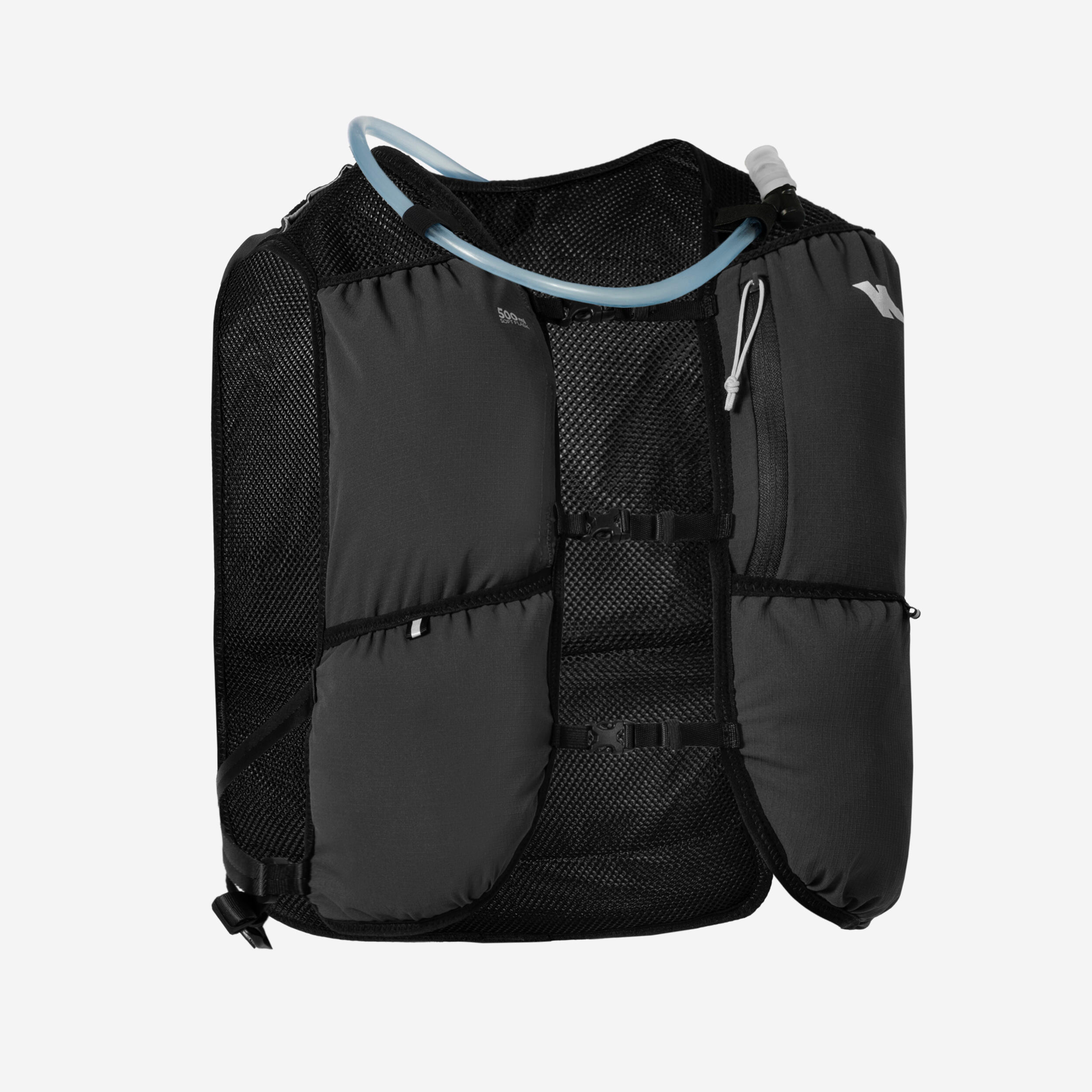
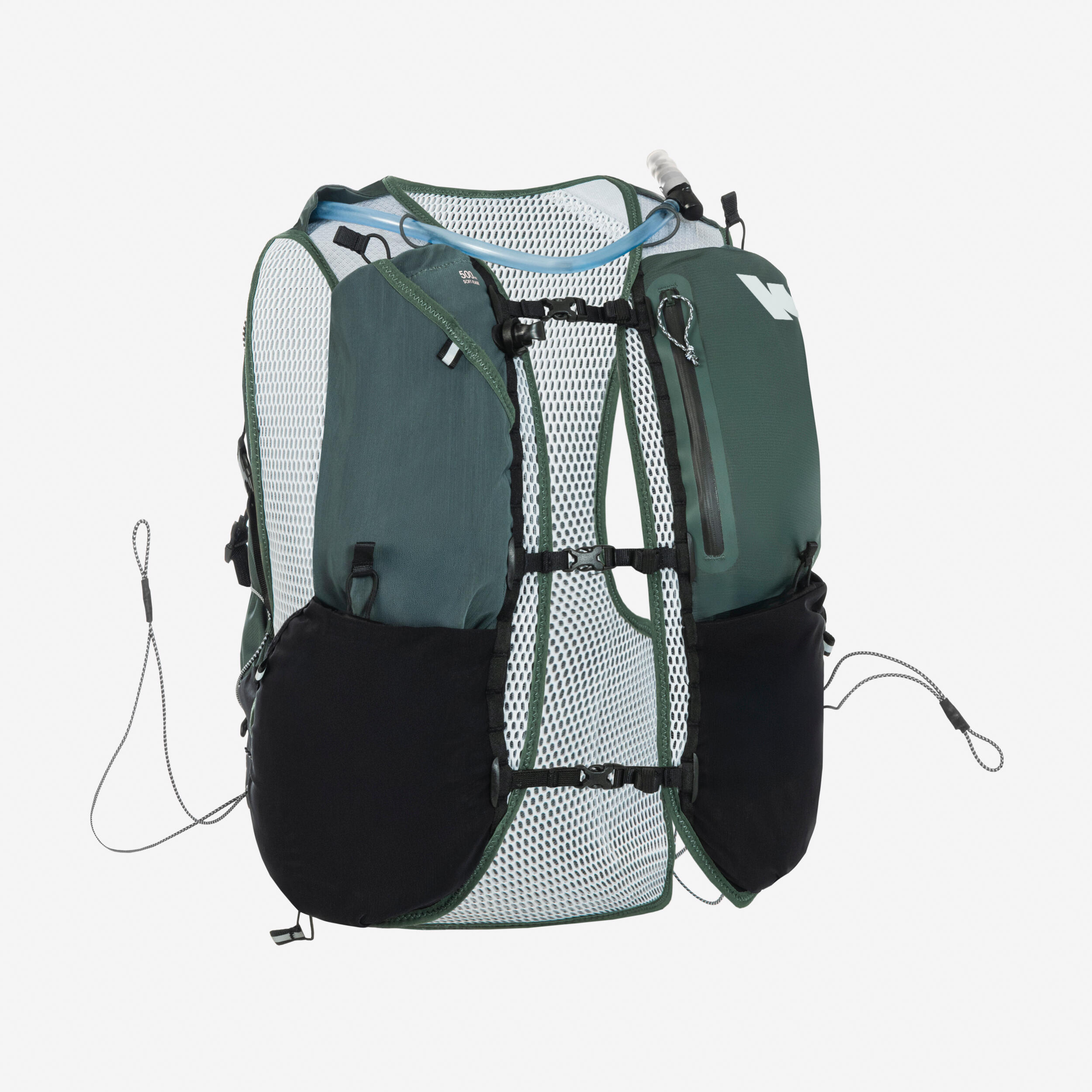
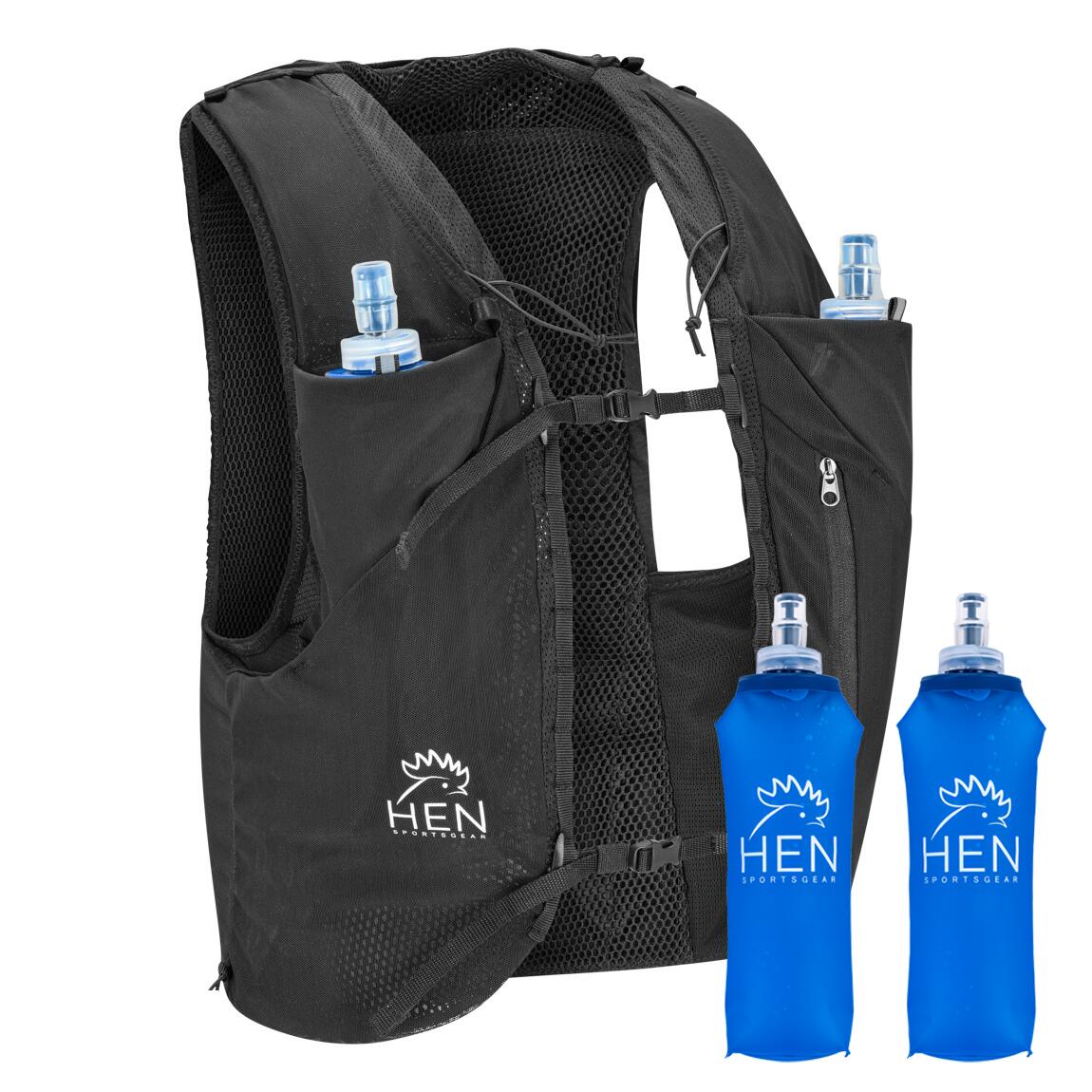
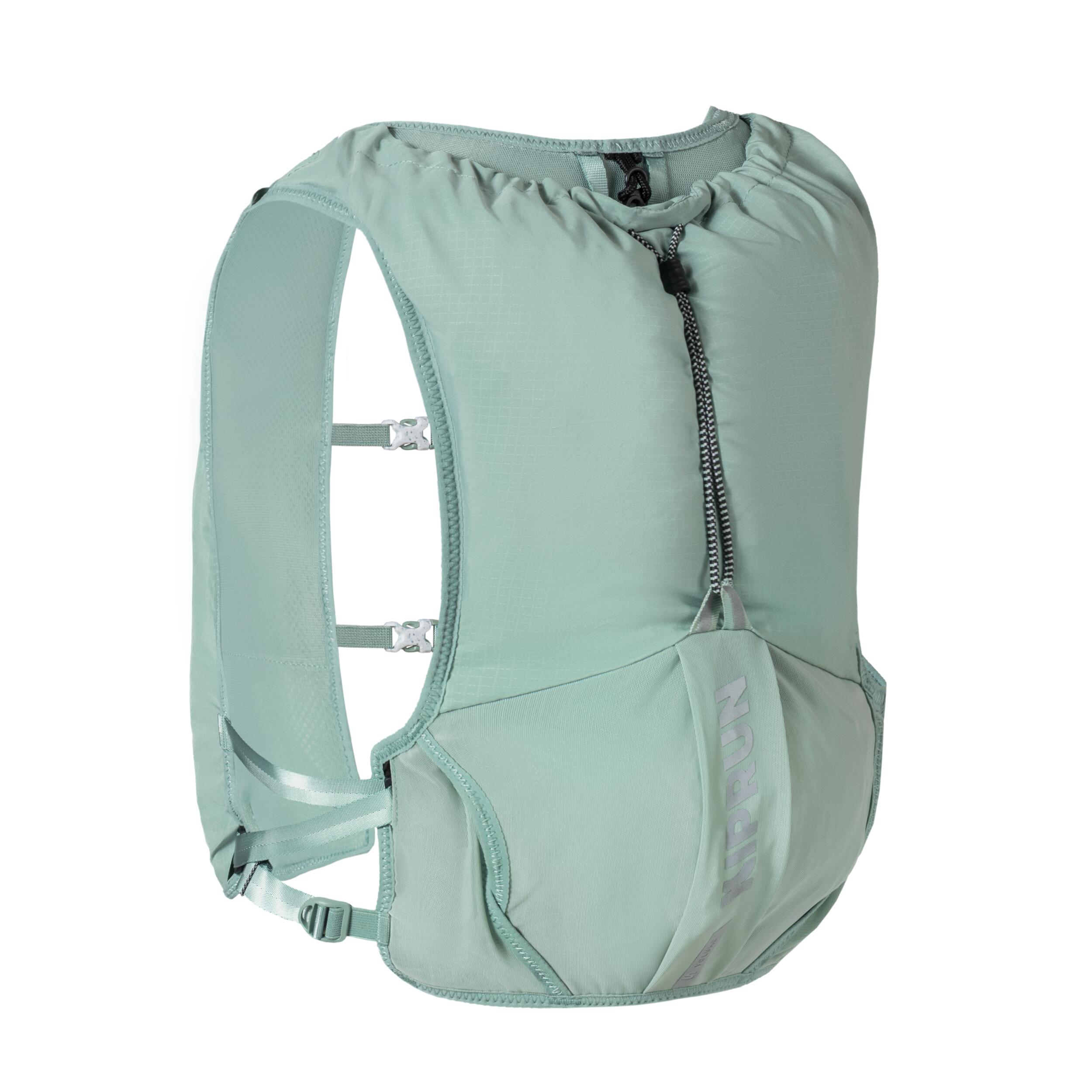
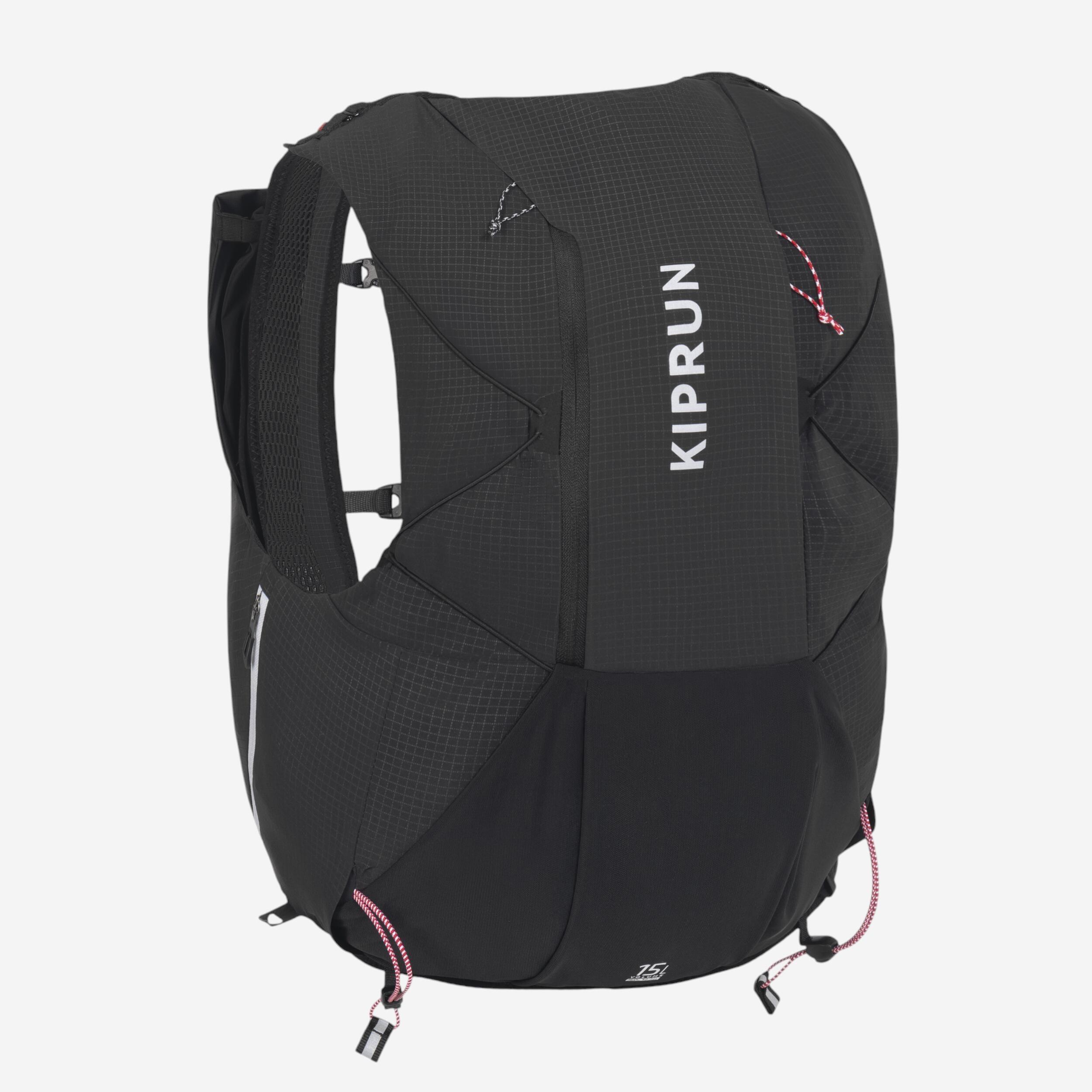
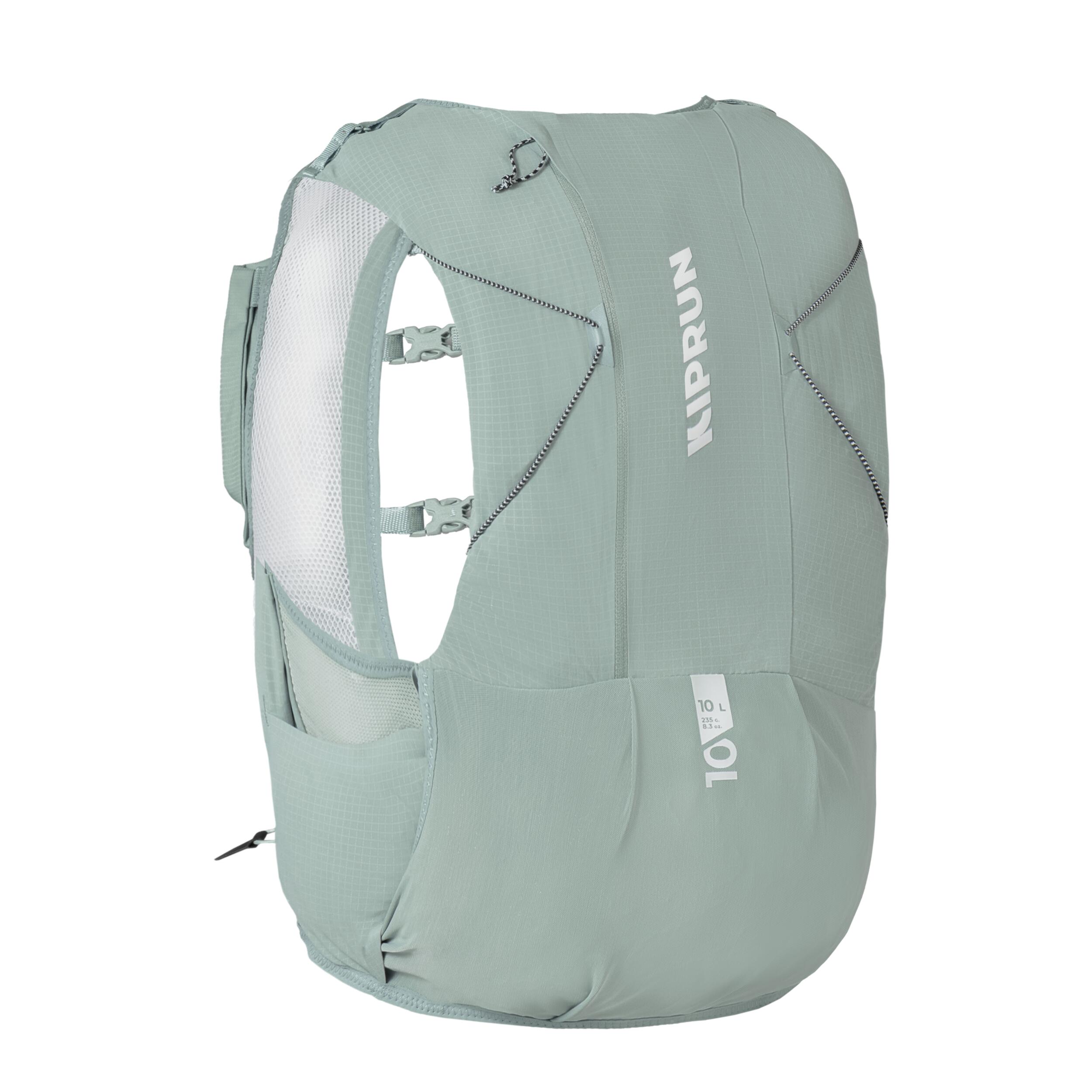
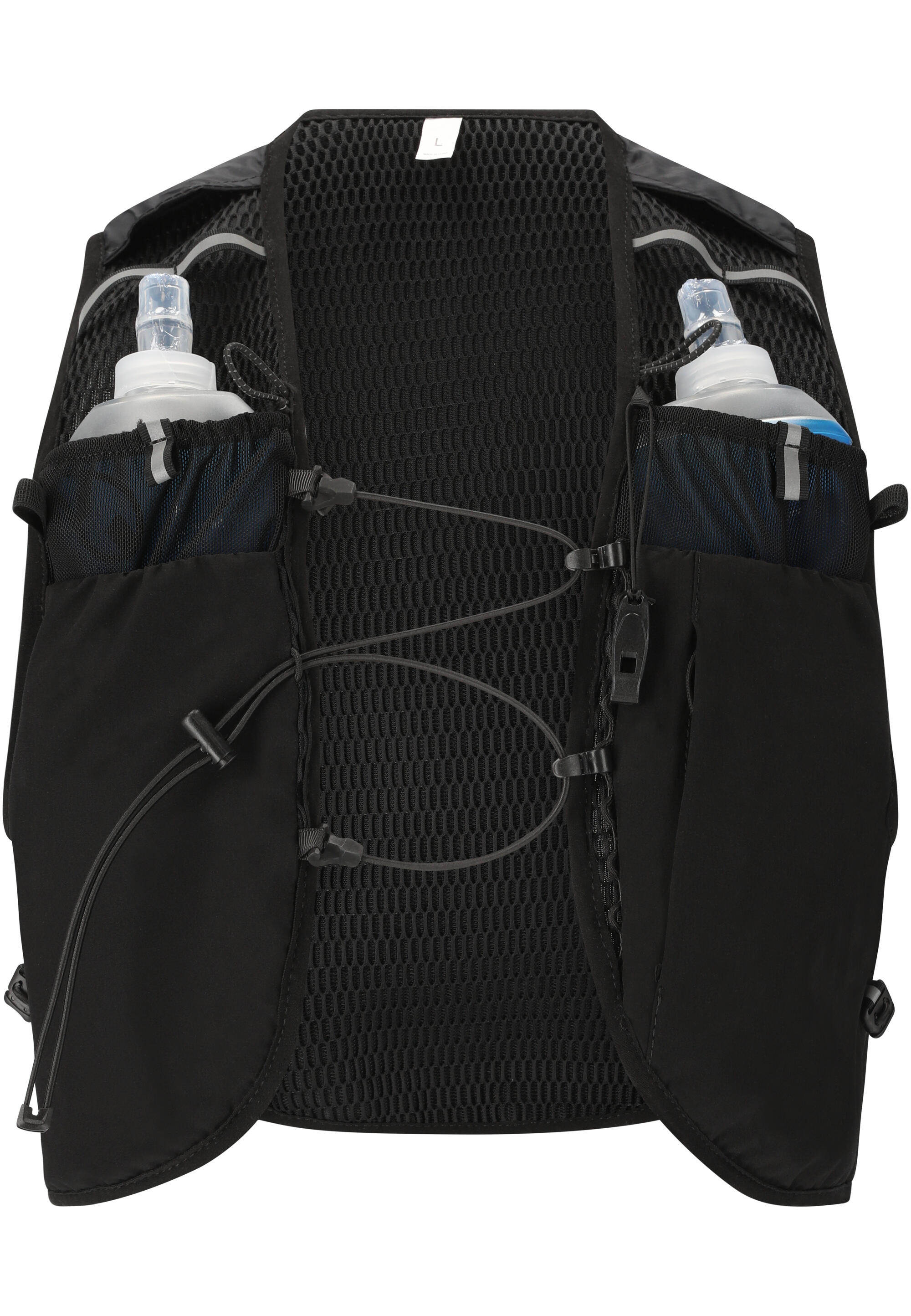
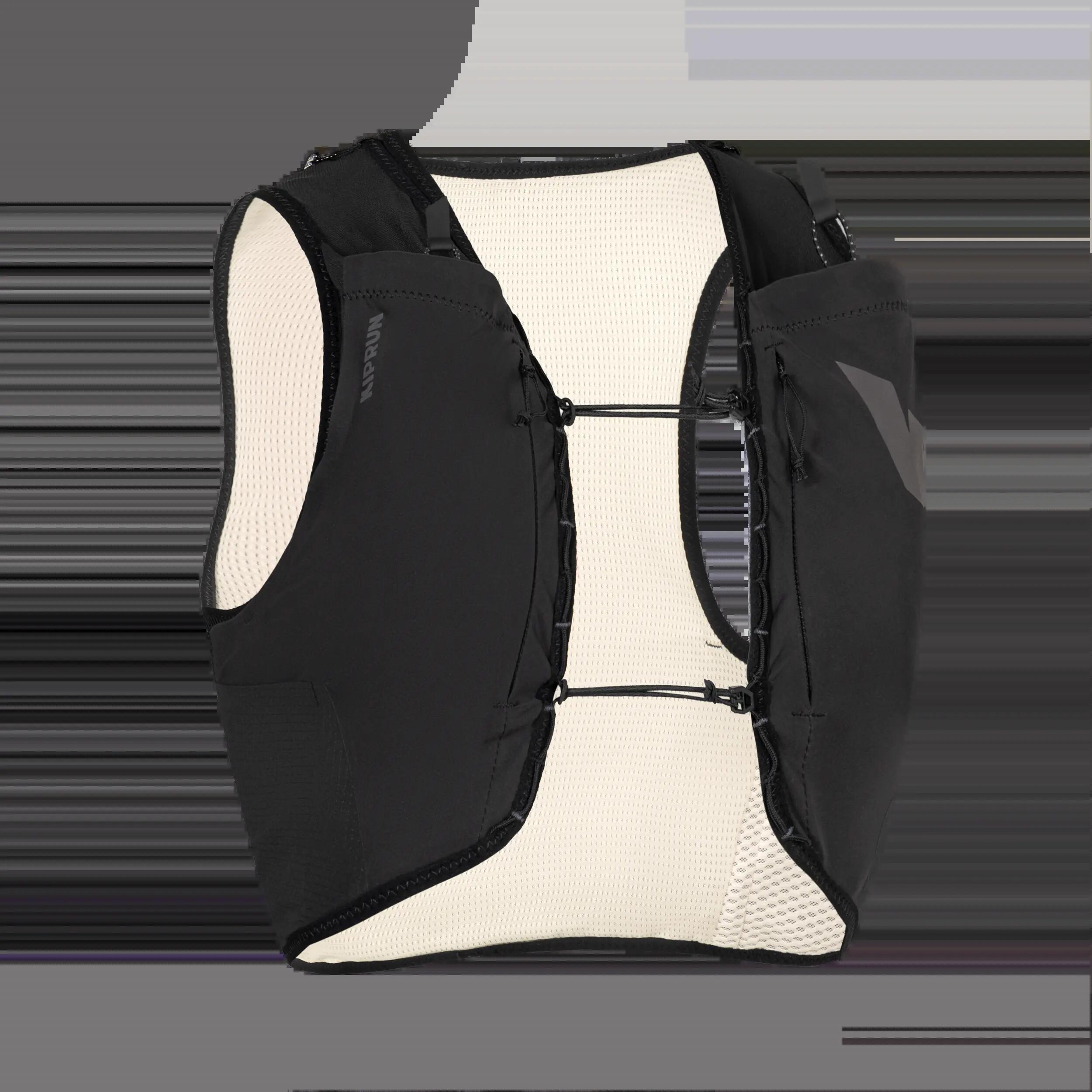
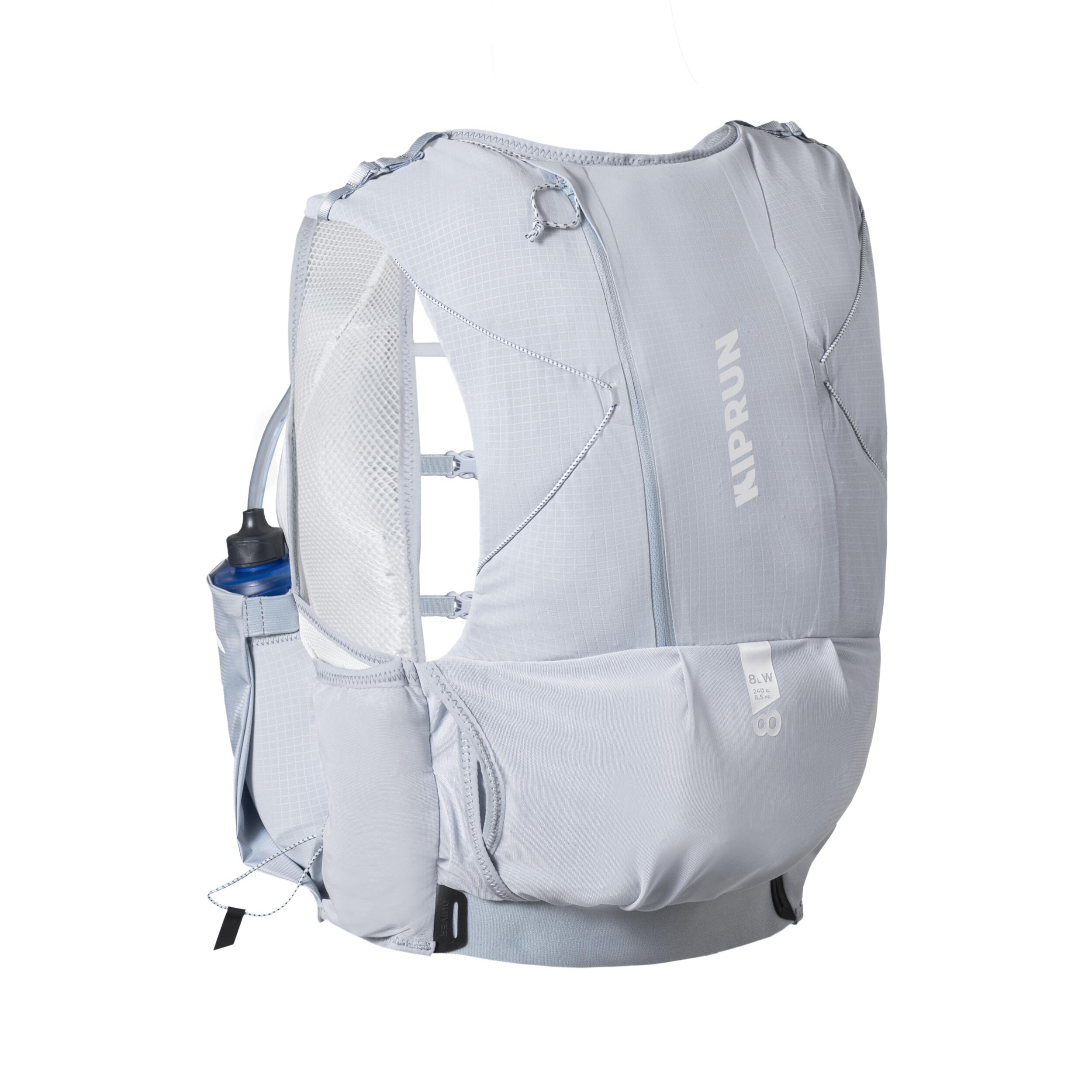
When tackling high-mileage road or trail sessions, a lightweight running hydration vest with front soft flask pockets and dedicated zip compartments offers the ideal solution for gear organization. Modern technical vests weigh under 200 grams unladen and feature twin chest holsters for two 500ml flexible flasks alongside secure zipped pockets for keys and cash. The technical reason behind wearing an ergonomic hydration vest over carrying a handheld bottle or hip pack comes down to weight distribution and biomechanics: positioning liquid and small essentials high on your chest and upper back anchors the load against your skeletal core, preventing lower back sway and eliminating stride imbalance. Specialized endurance options from Kiprun utilize multi-point chest adjustment straps and stretch mesh fabrics that flex naturally with your ribcage during deep breathing. Pro-tip: Always clip your keys to the internal lanyard loop inside the zipper pocket before zipping it shut so your keys cannot bounce around or accidentally fall out when retrieving energy gels mid-run.
How do running hydration packs assist with safety and tracking?

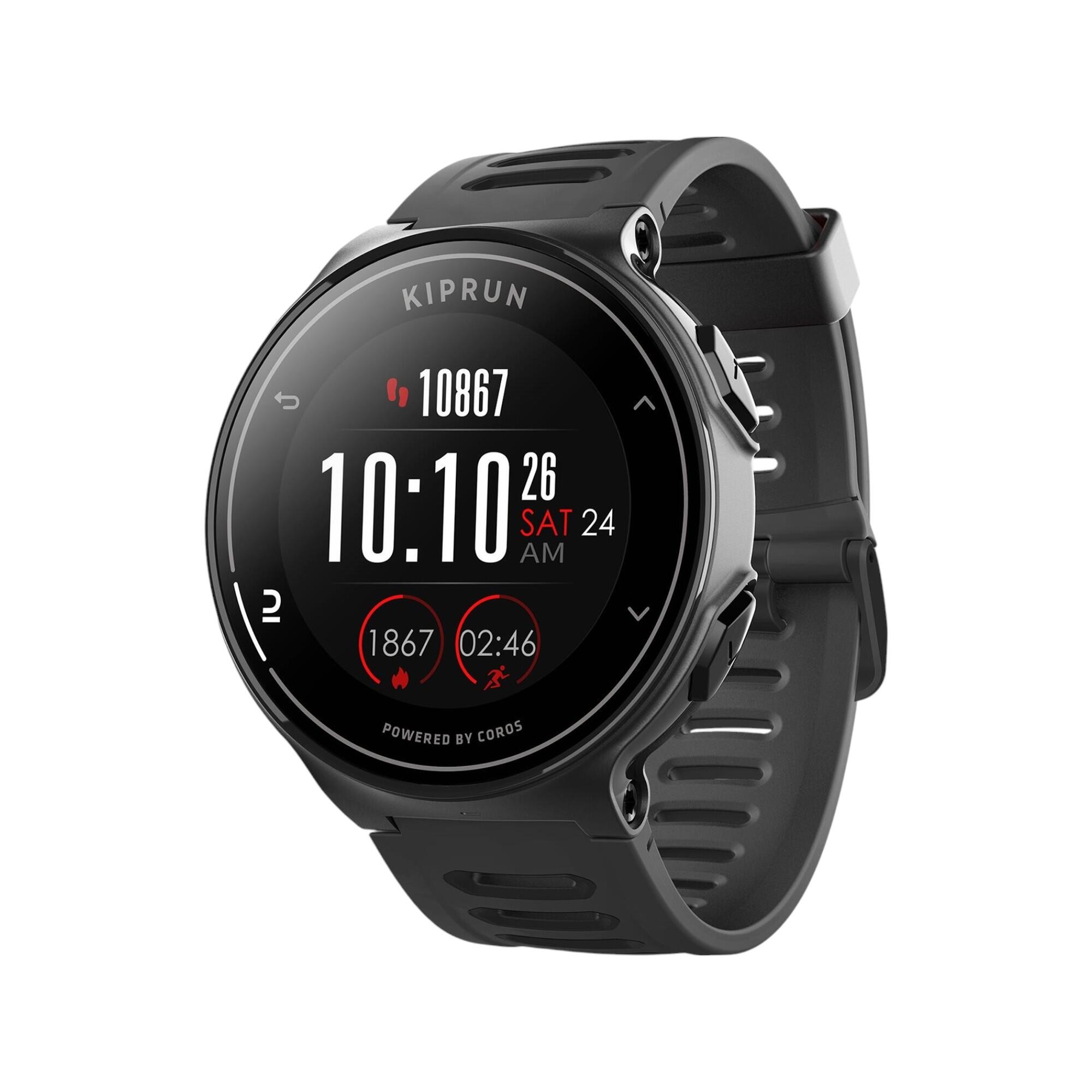
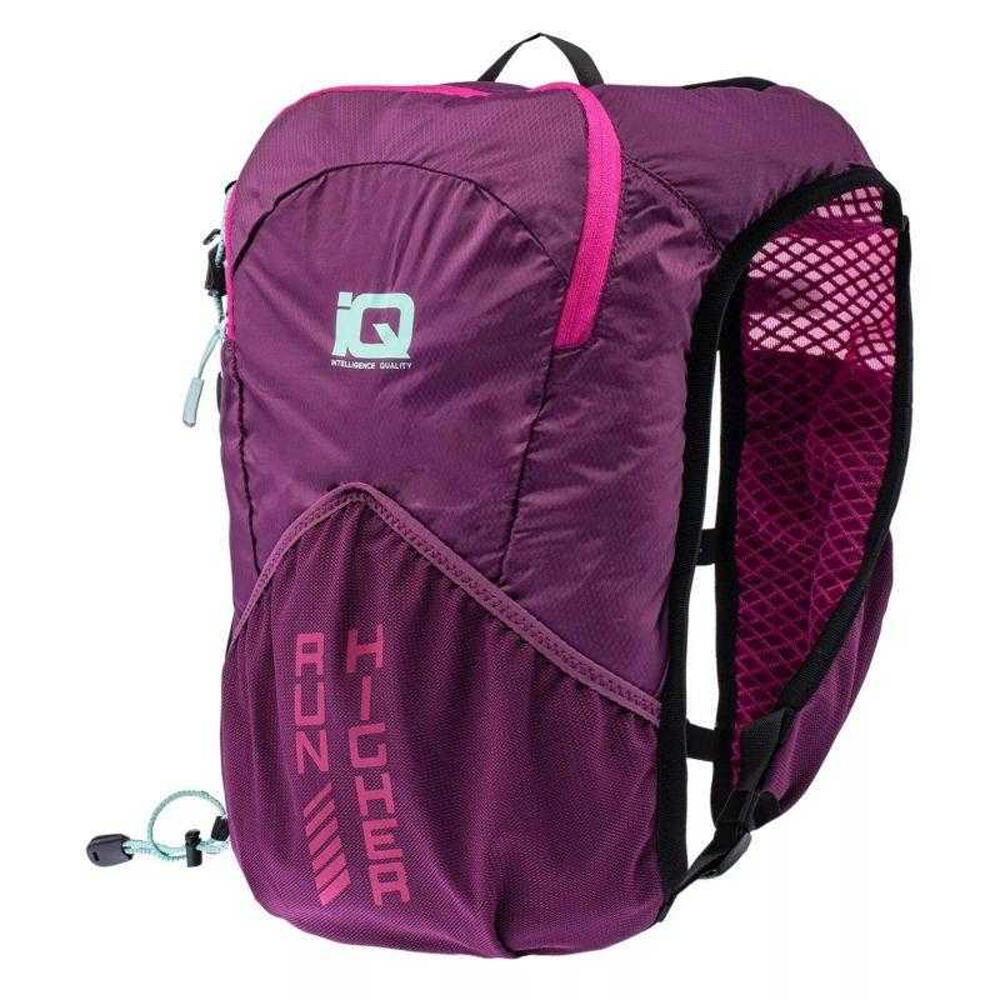
Modern running hydration bags often feature integrated whistles and reflective elements, but they also serve as the primary storage for safety gear required in many endurance events. Beyond holding water, these packs provide the necessary volume to carry emergency blankets, waterproof shells, and mobile devices. To accurately monitor your pace and heart rate alongside your fluid intake, many runners use advanced running watches to set hydration alerts every fifteen to twenty minutes. The technical expertise behind these vests involves using lightweight ripstop fabrics that provide durability without adding significant weight to your gear list. This allows you to carry 1 or 2 litres of water plus safety equipment while remaining nimble on steep climbs. Small advice: Use the rear bungees or mesh stash pockets to store discarded layers as you warm up, ensuring your core temperature remains stable throughout the session.

What is the difference between a water bladder and soft flasks in a vest?

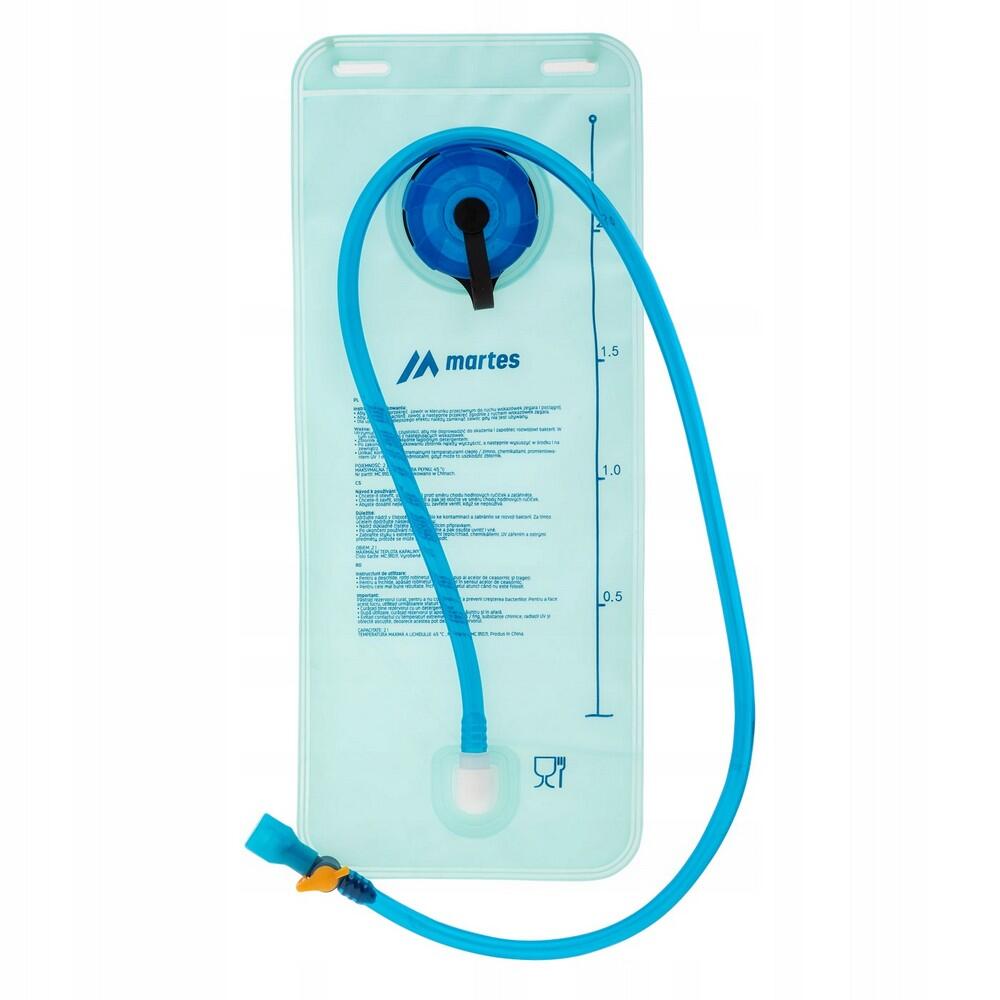
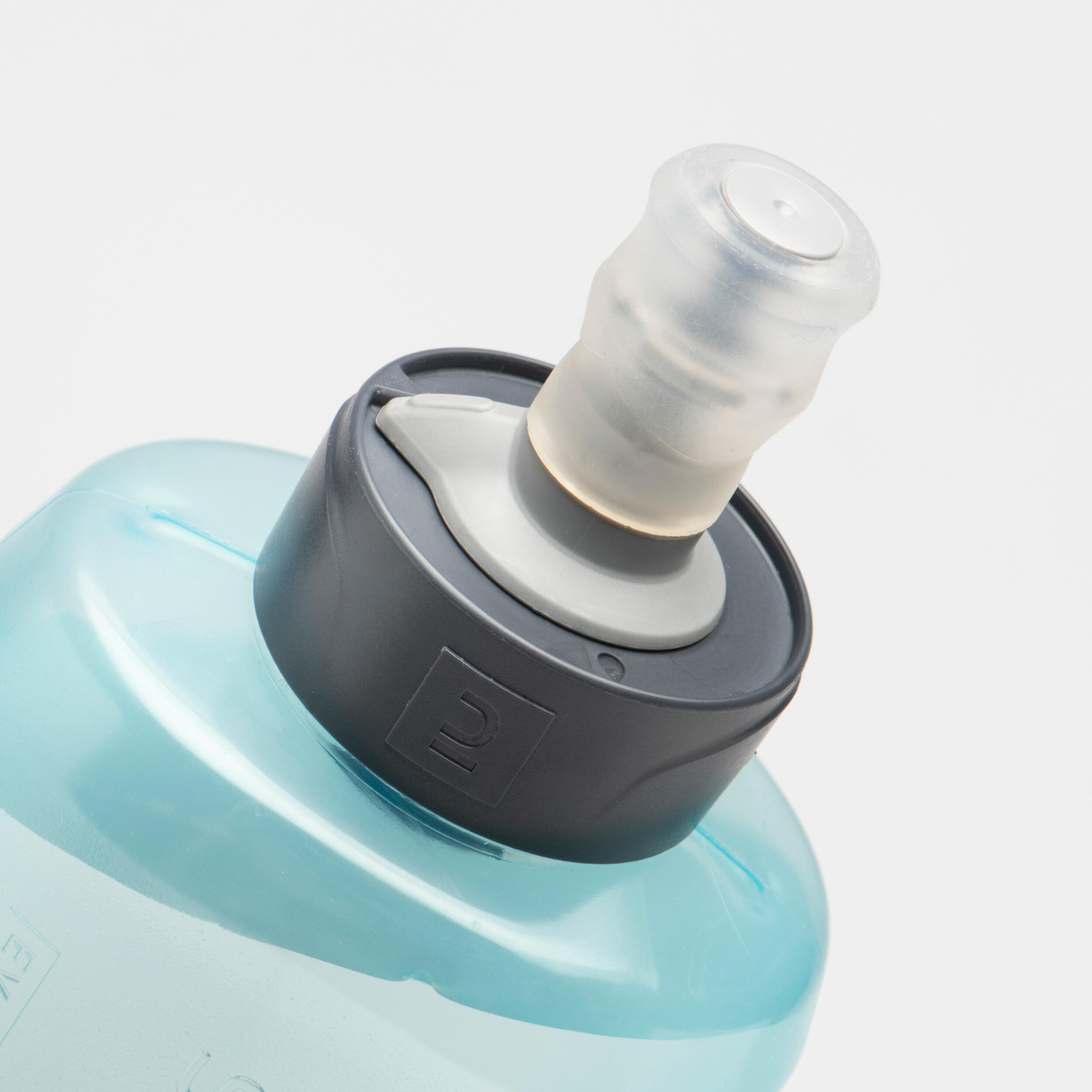
Most running hydration packs give you the choice of a large rear reservoir or two smaller front-mounted flasks. A rear bladder typically holds between 1.5 and 2 litres, making it ideal for self-supported long runs where water sources are scarce. Soft flasks, usually held in the chest pockets of a hydration vest, offer a more balanced weight distribution and allow you to carry different liquids, such as plain water in one and an electrolyte mix in the other. Runners preparing for endurance events often rely on practical running flasks and bottles to maintain steady hydration throughout long-distance sessions. The reason soft flasks are popular in competitive racing is that they shrink as you drink, preventing liquid from sloshing around and becoming unbalanced. Many runners find that front-loading their hydration makes refilling at aid stations much faster than removing a full bladder from a rear compartment. Pro advice: If you use a bladder, ensure the hose is clipped securely to the shoulder strap to prevent it from swinging and hitting your face during downhill descents.