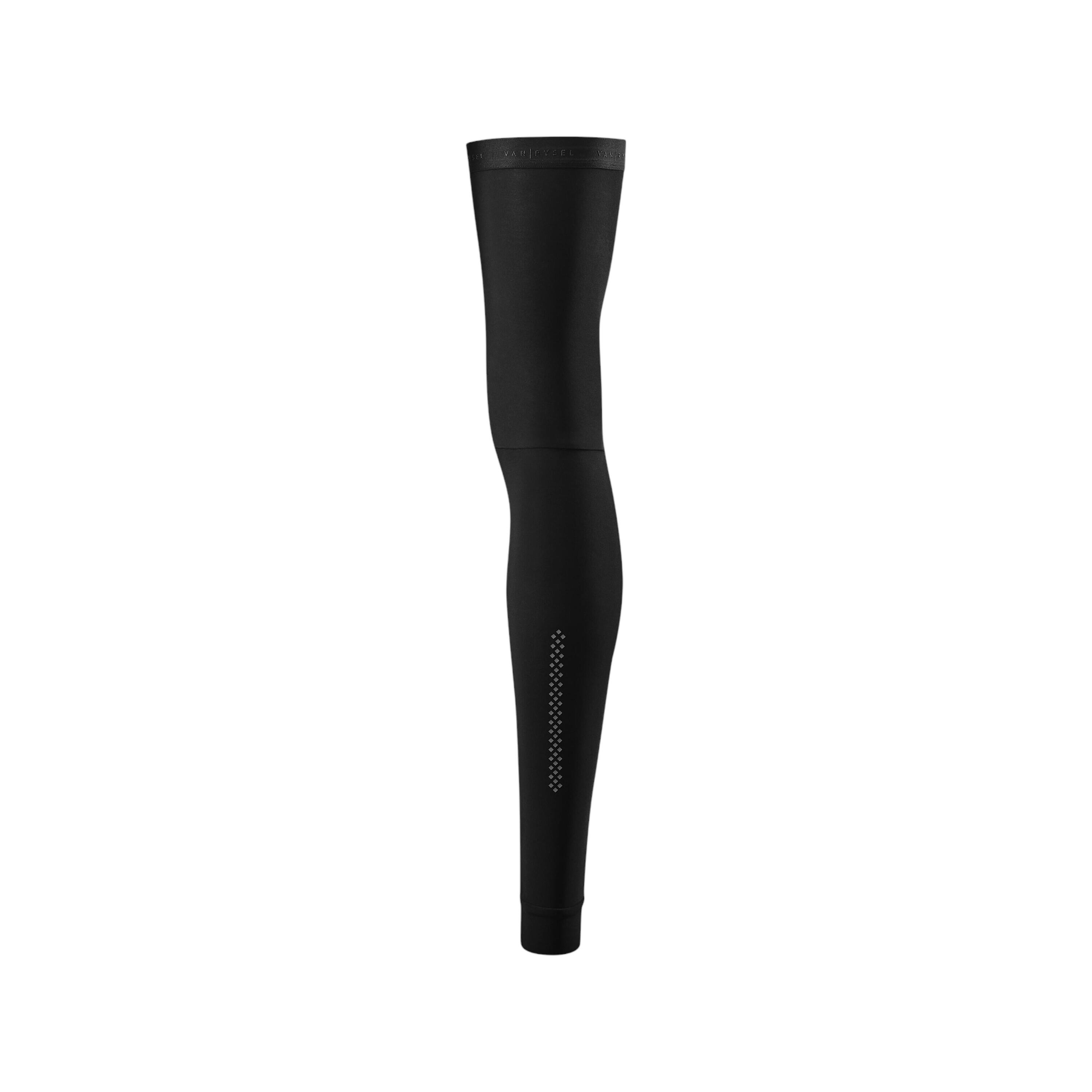
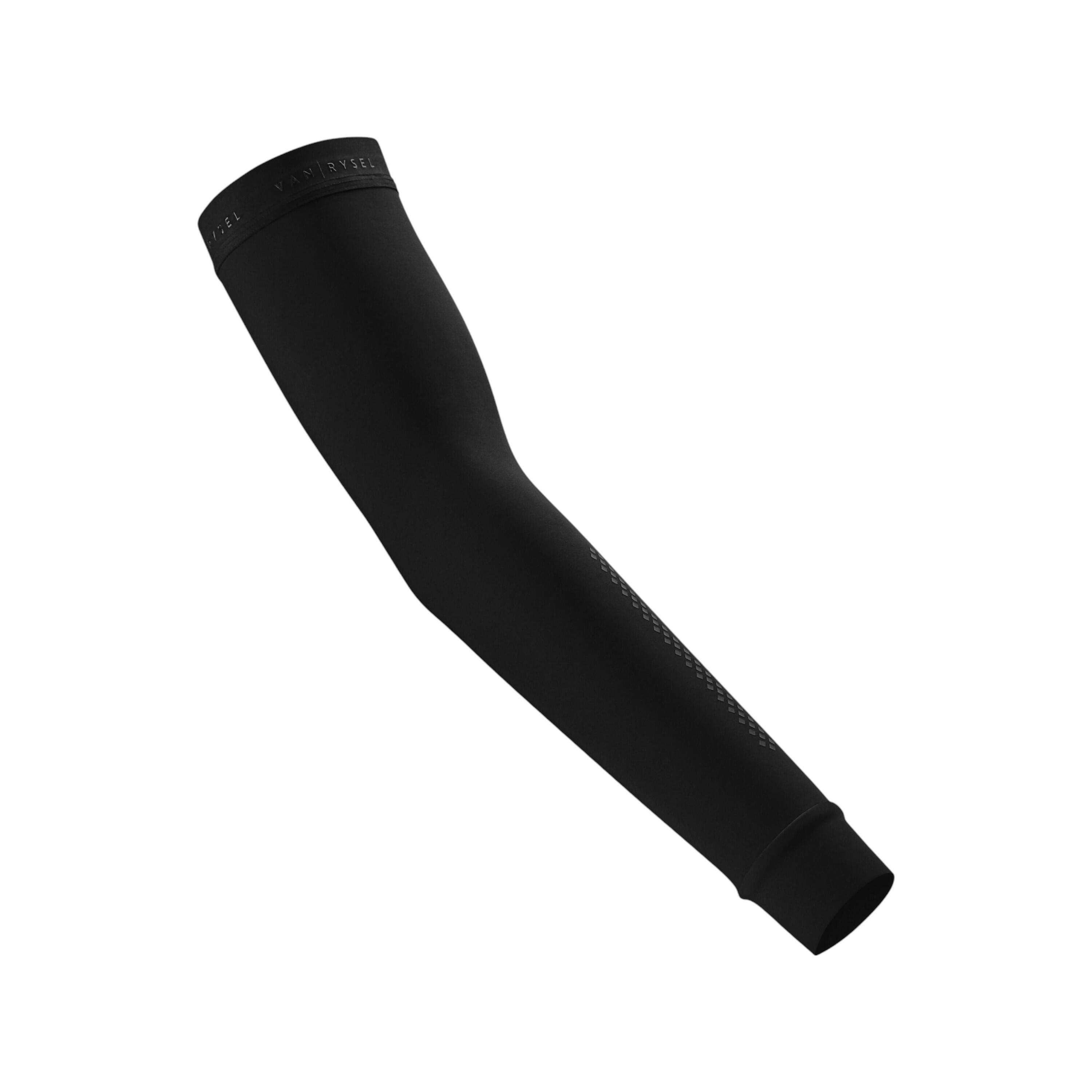
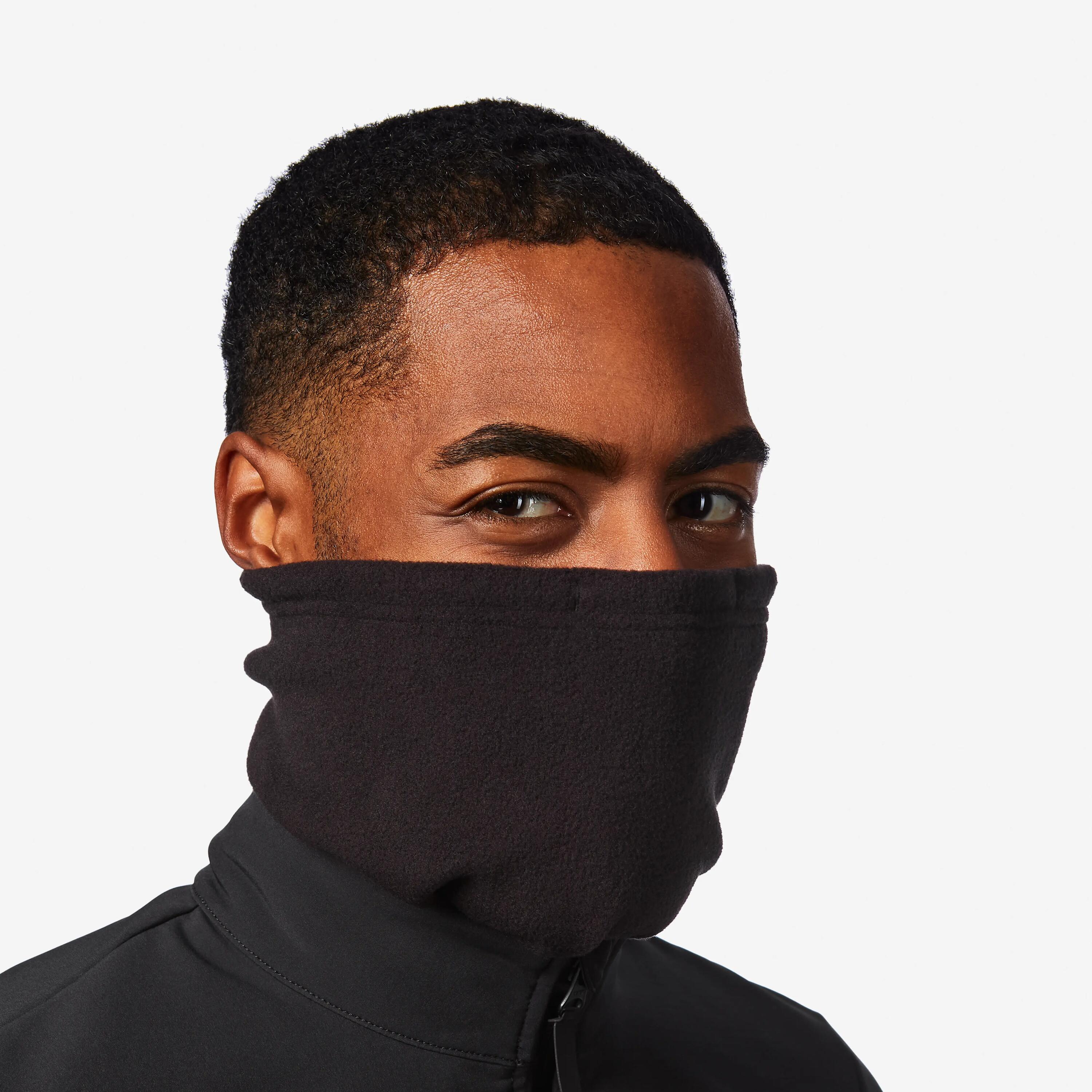
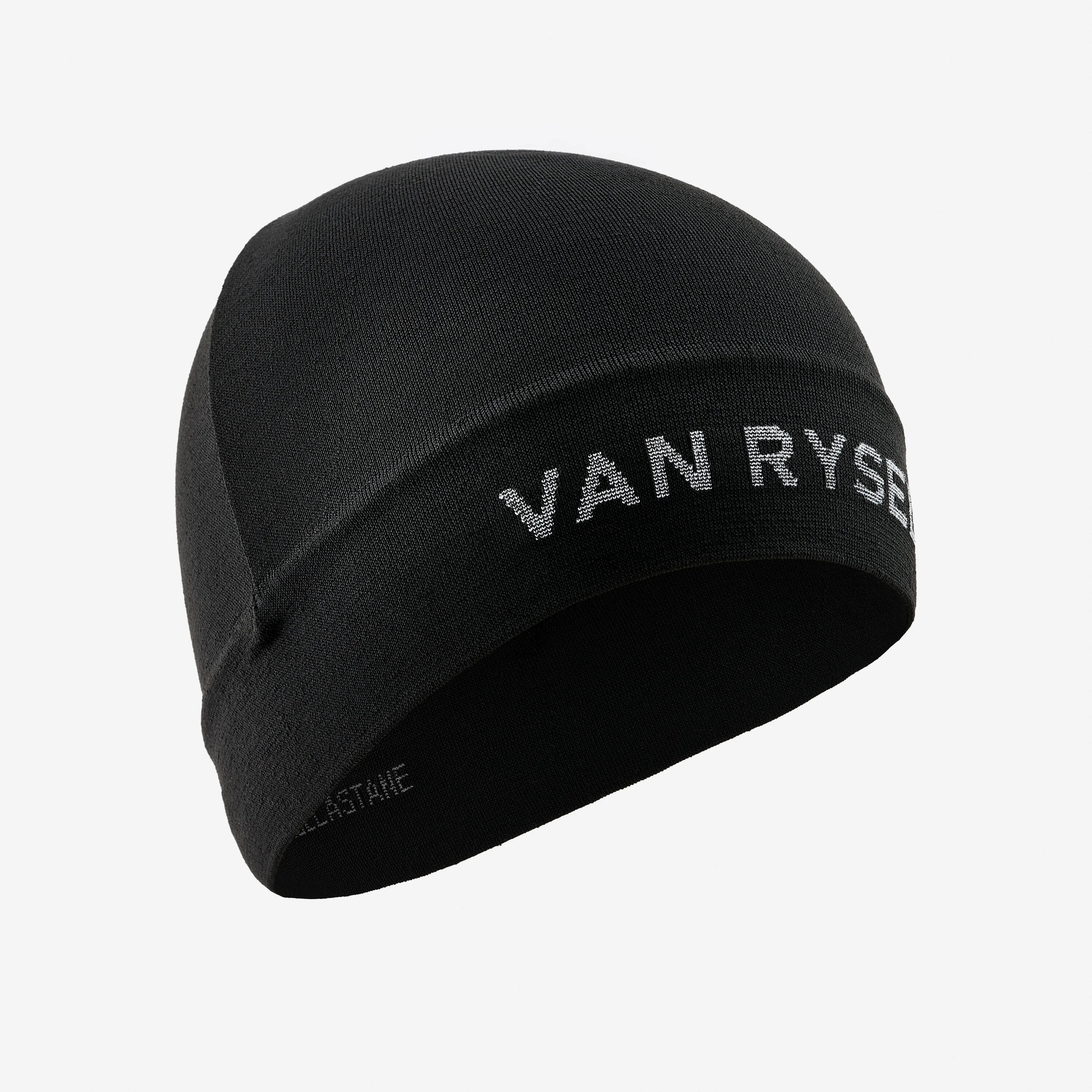
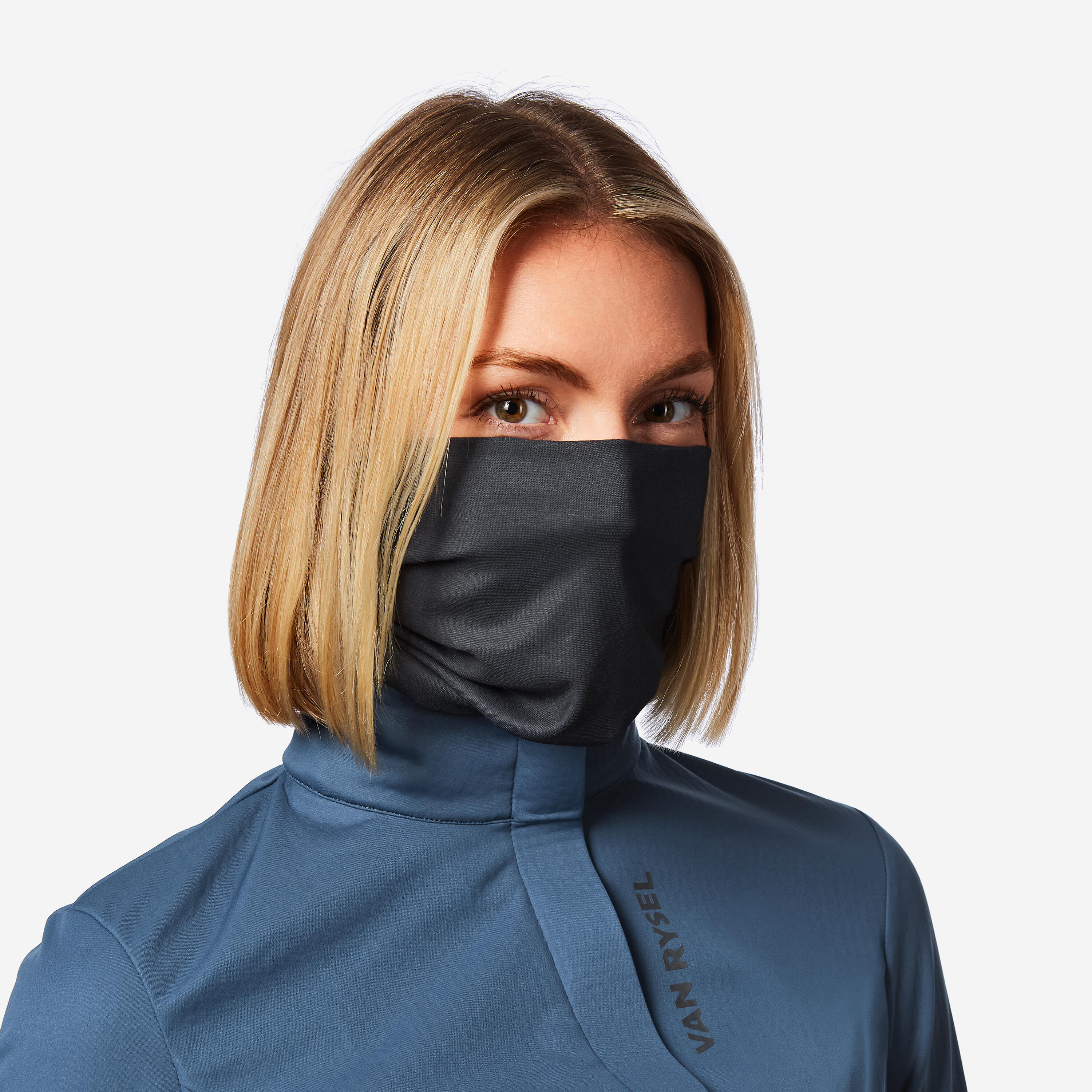
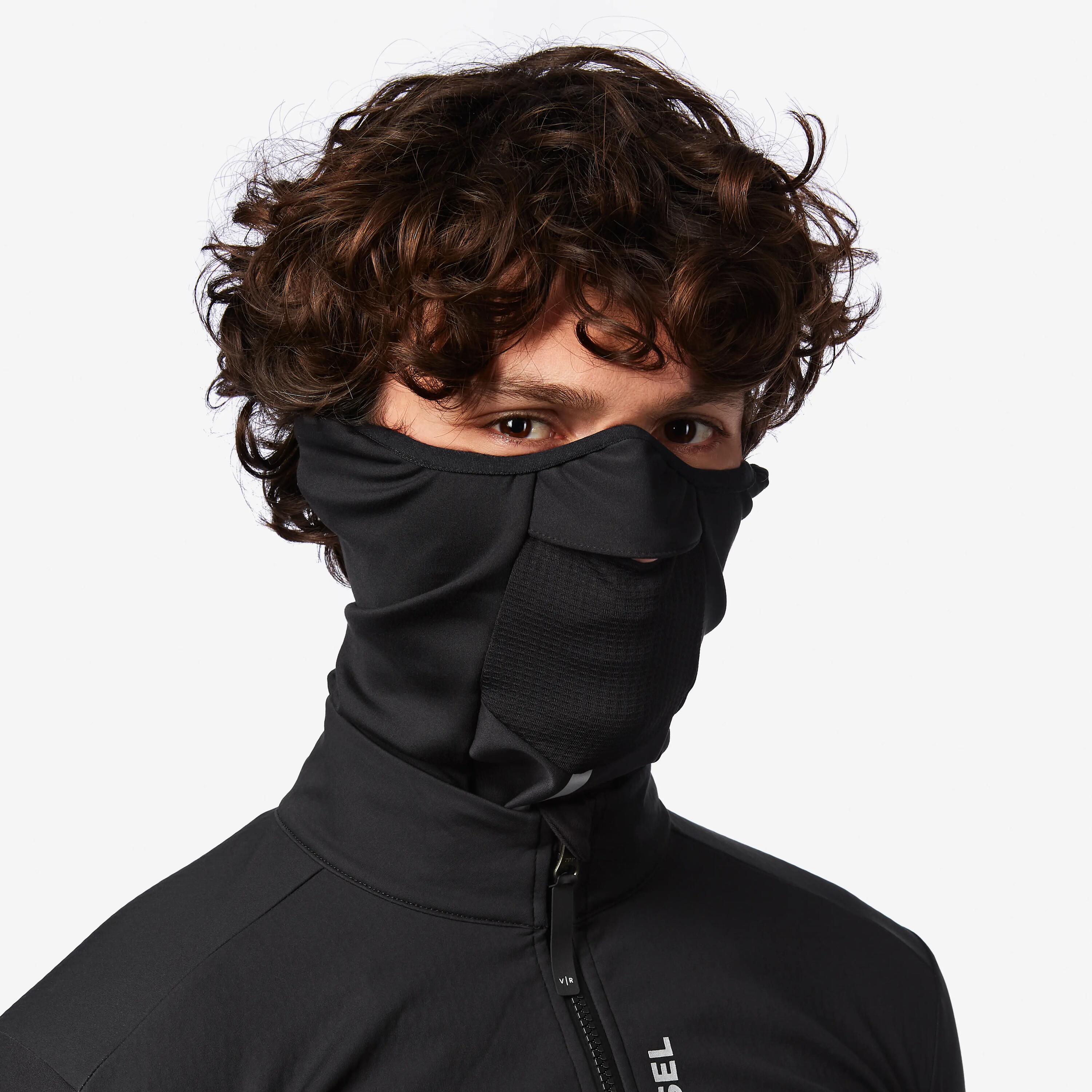
VAN RYSEL Fleece cycling neck warmer 100, black4.8(2,578)Reviews.votesAriaCurrent price {{currentPrice}} €5.00
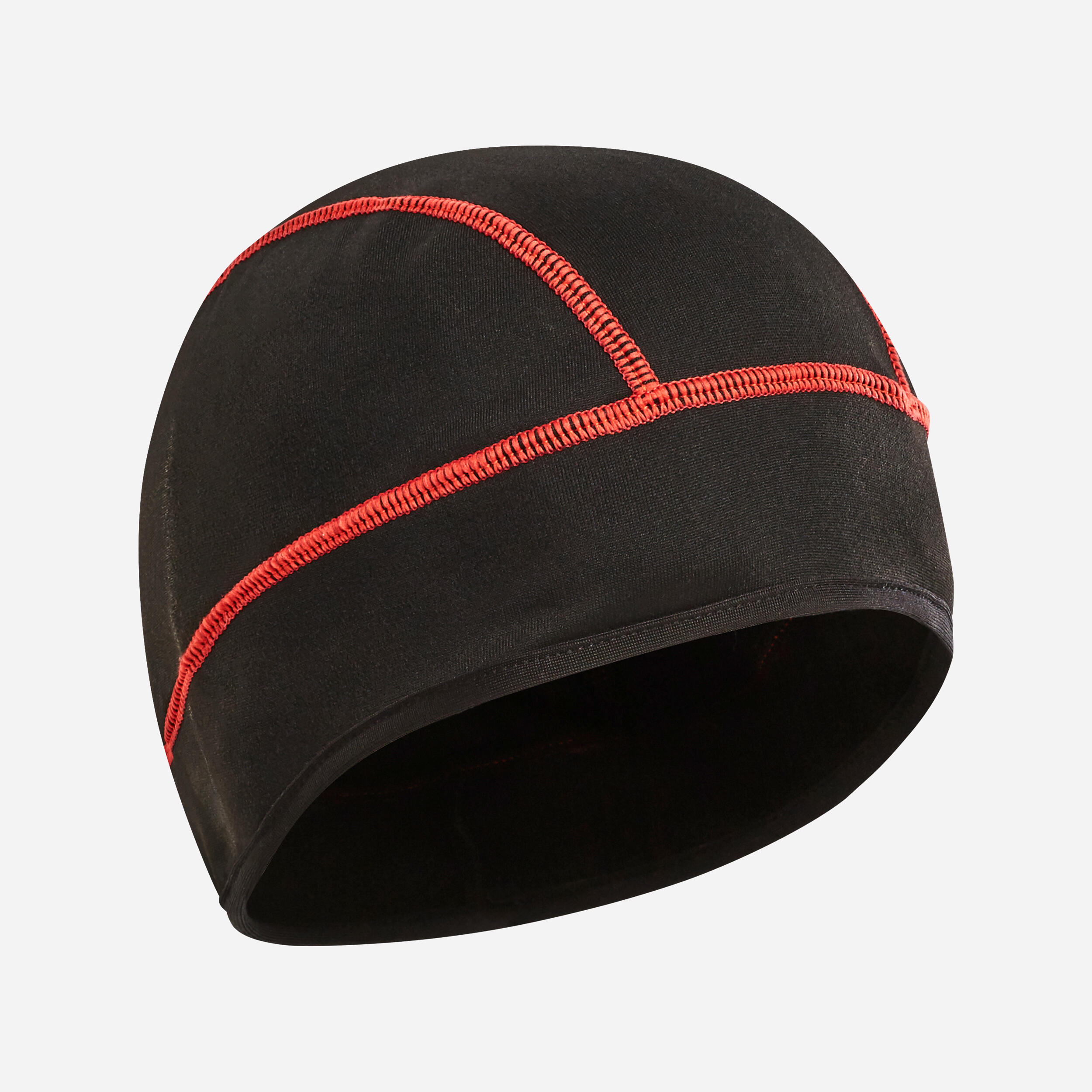
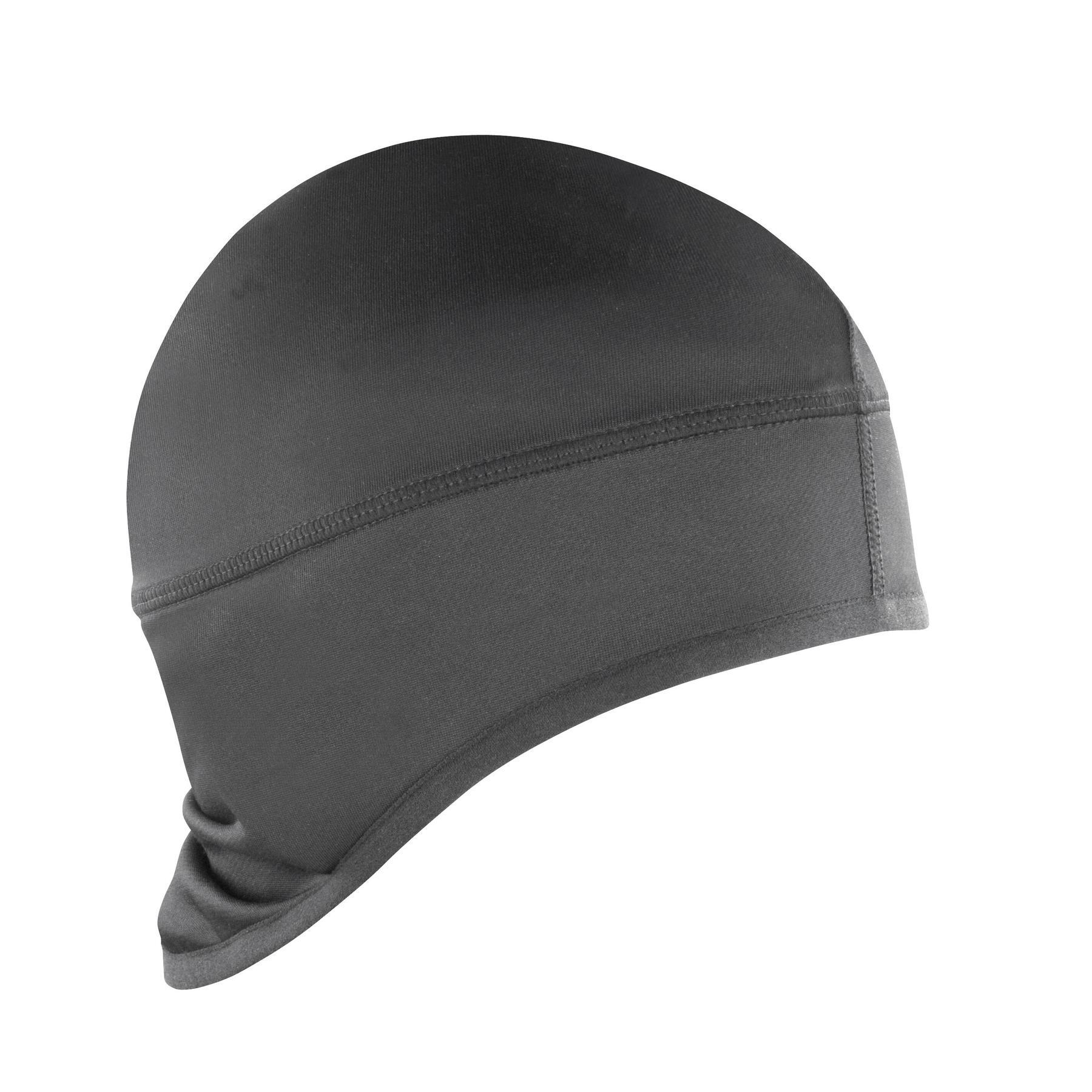
VAN RYSEL Cycling Helmet Liner - Black4.8(1,161)Reviews.votesAriaCurrent price {{currentPrice}} €11.00
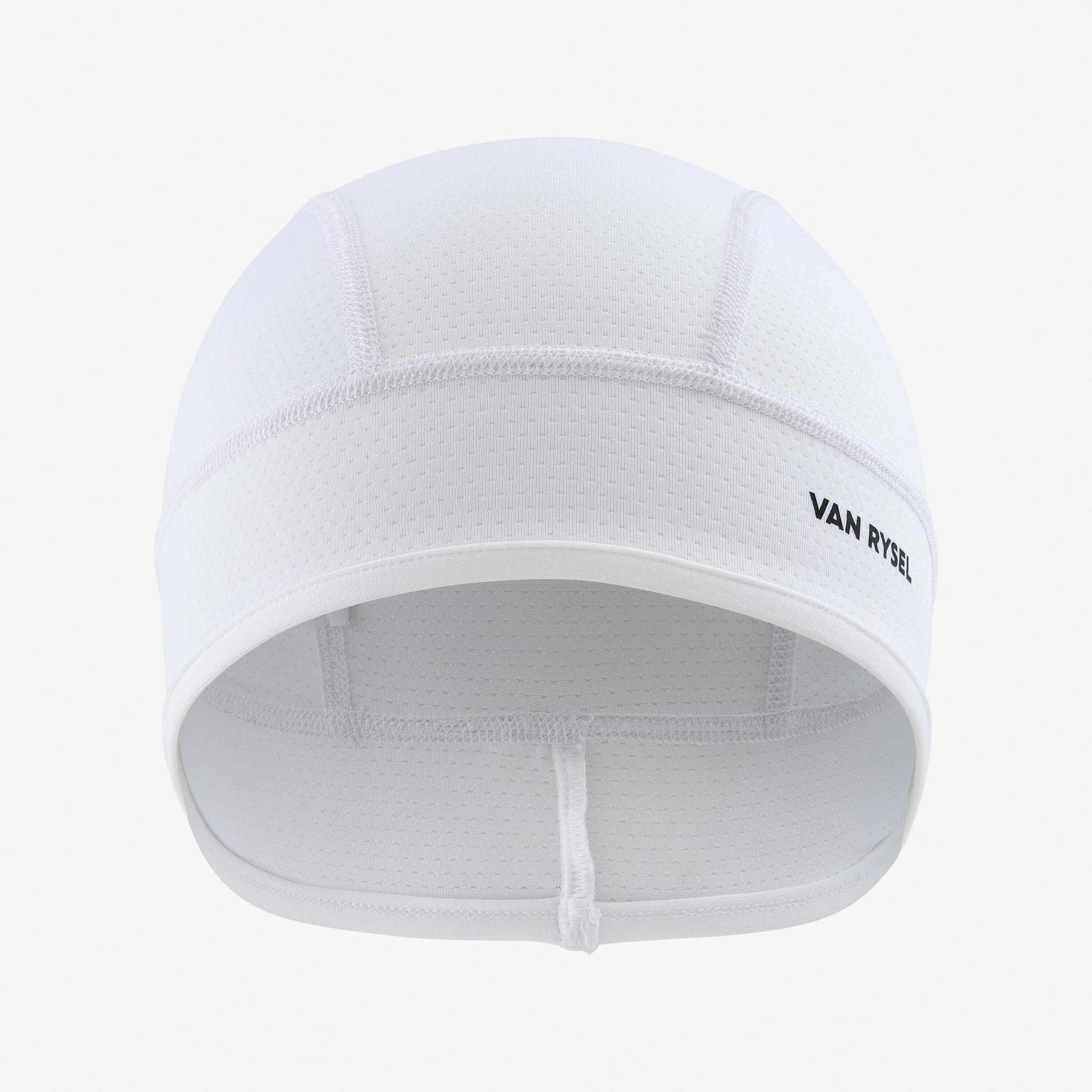
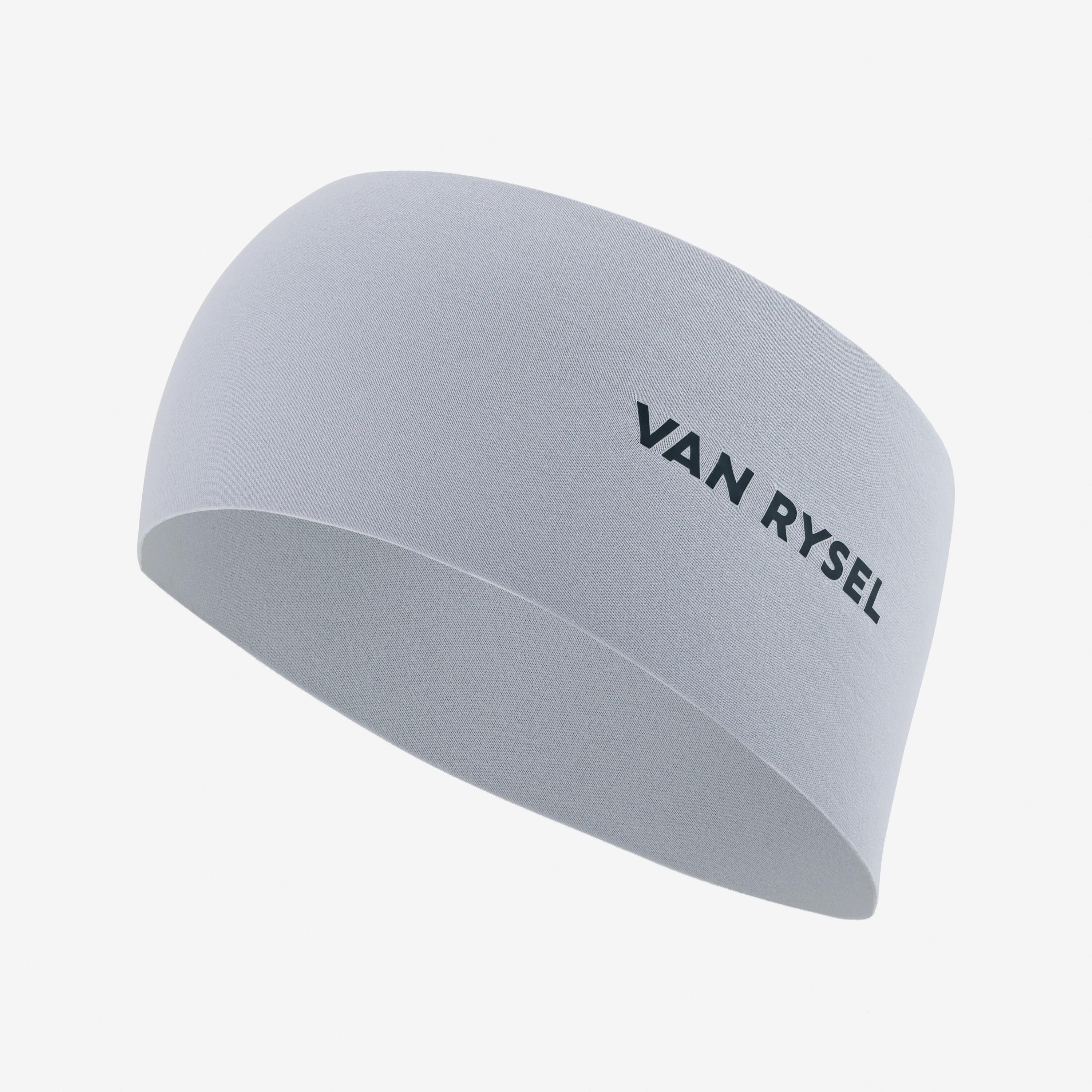
VAN RYSEL Aquafreeze Helmet Liner 500 - White4.7(433)Reviews.votesAriaCurrent price {{currentPrice}} €16.00
2 coloursVAN RYSEL Fleece neck warmer, 500 black4.7(694)Reviews.votesAria2 coloursCurrent price {{currentPrice}} €7.00
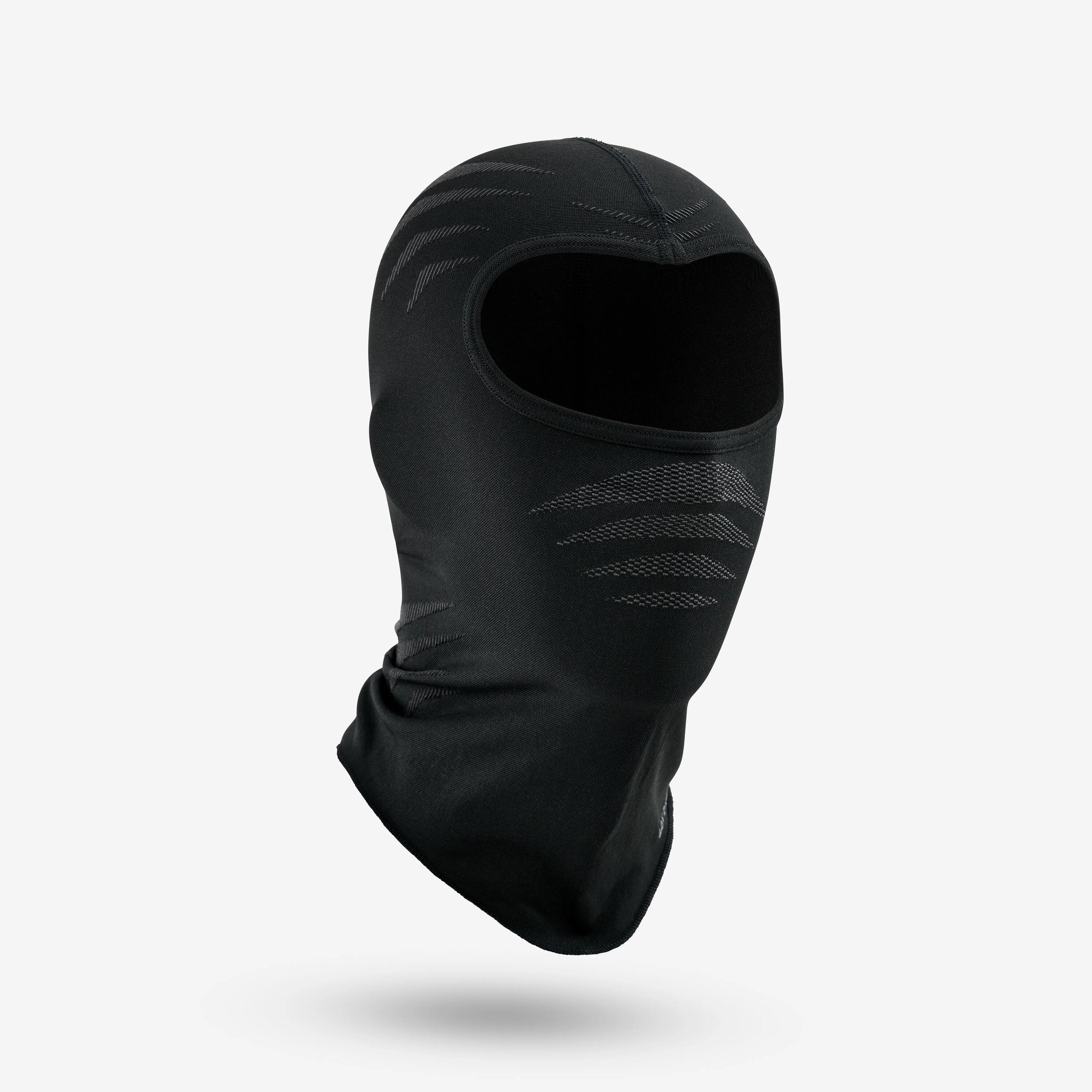
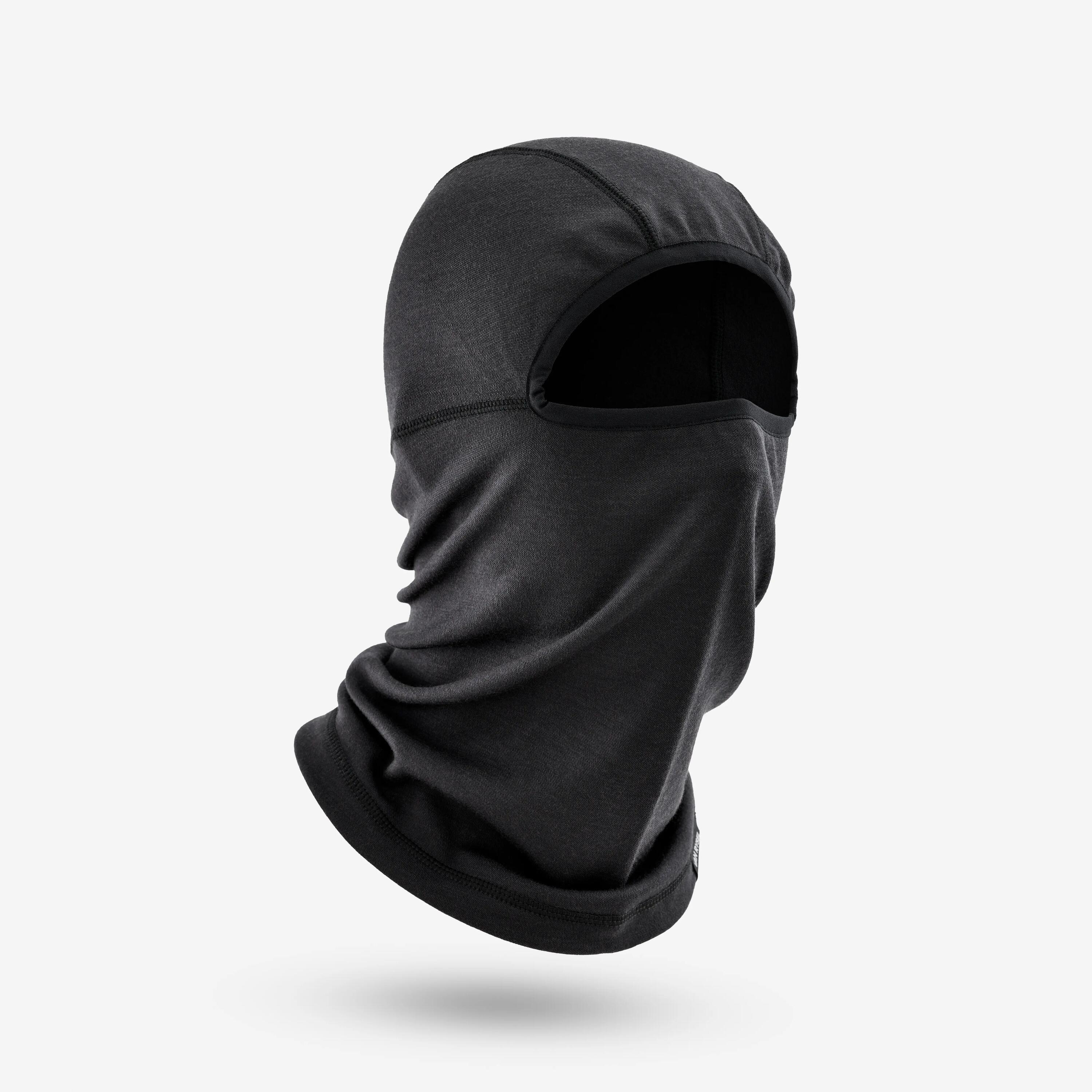
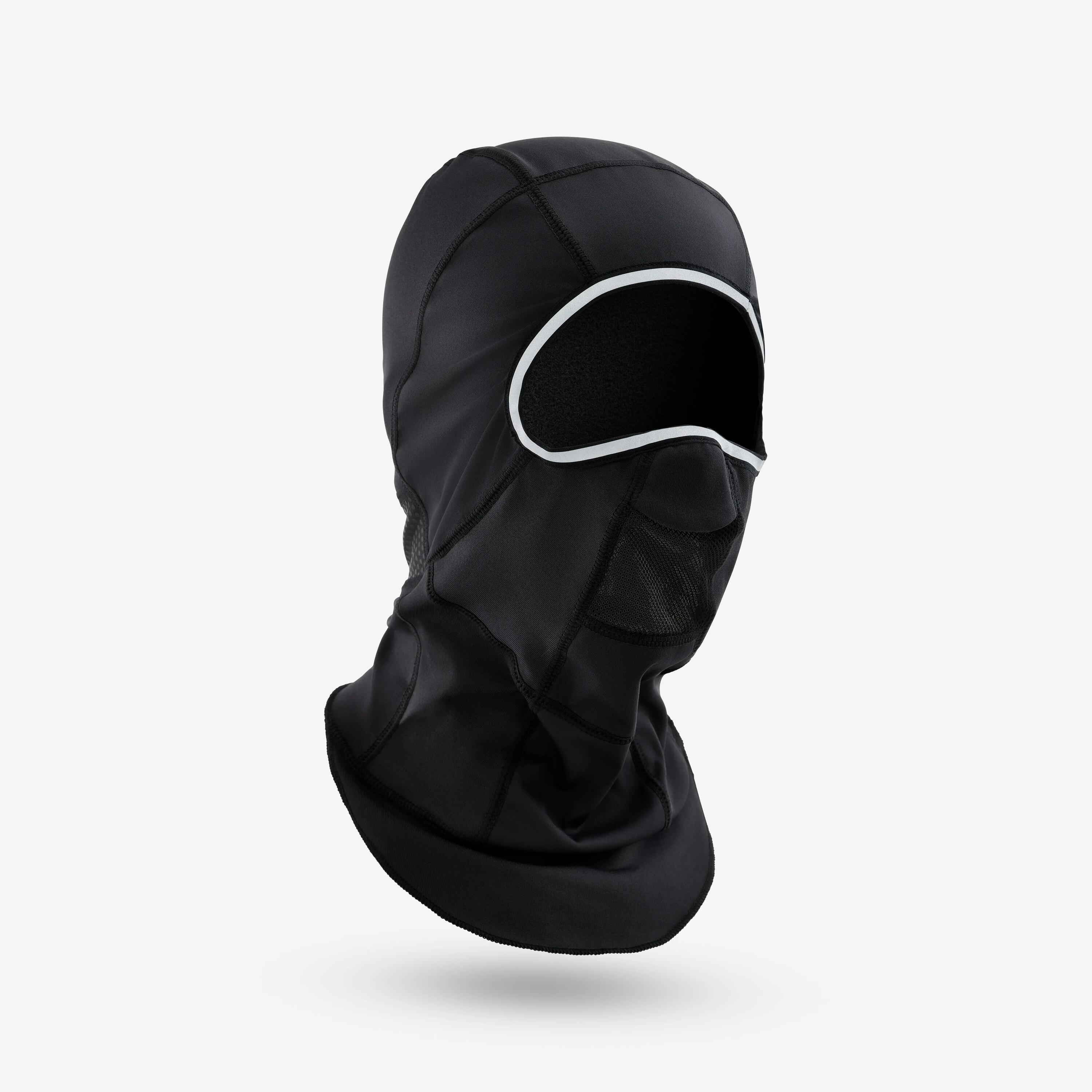
VAN RYSEL Cycling balaclava, 500 black4.8(1,126)Reviews.votesAriaCurrent price {{currentPrice}} €16.00
Marketplace -Online Only Marketplace -Online OnlyMarketplace -Online OnlyBUFF Women's choker Buff SolidCurrent price {{currentPrice}} €29.35Sold and shipped by Sport is good
VAN RYSEL 900 Windproof Cycling Neck Warmer - Black4.5(269)Reviews.votesAriaCurrent price {{currentPrice}} €16.00
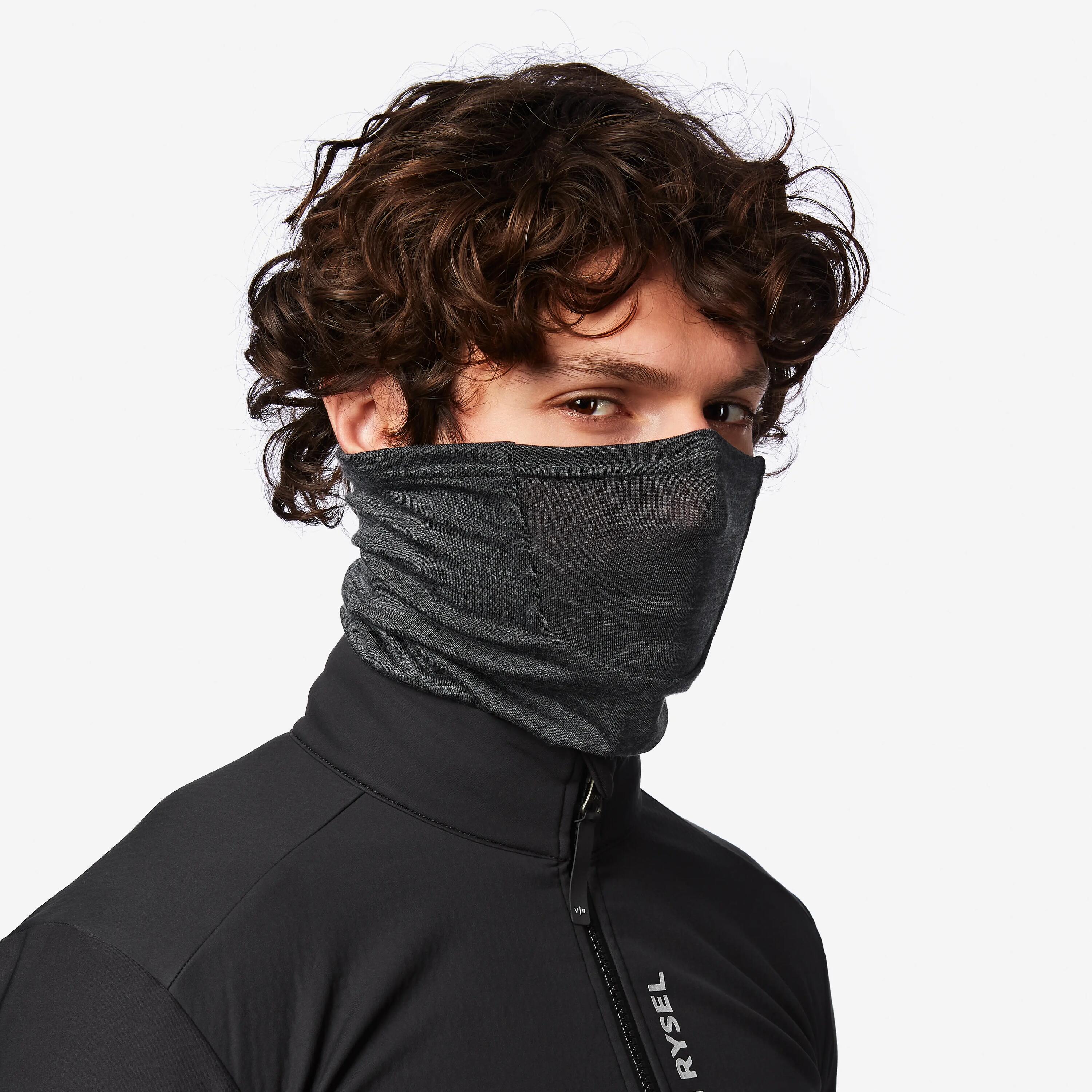
VAN RYSEL Multi-position merino wool cycling neck warmer, 500 grey4.8(1,008)Reviews.votesAriaCurrent price {{currentPrice}} €16.00
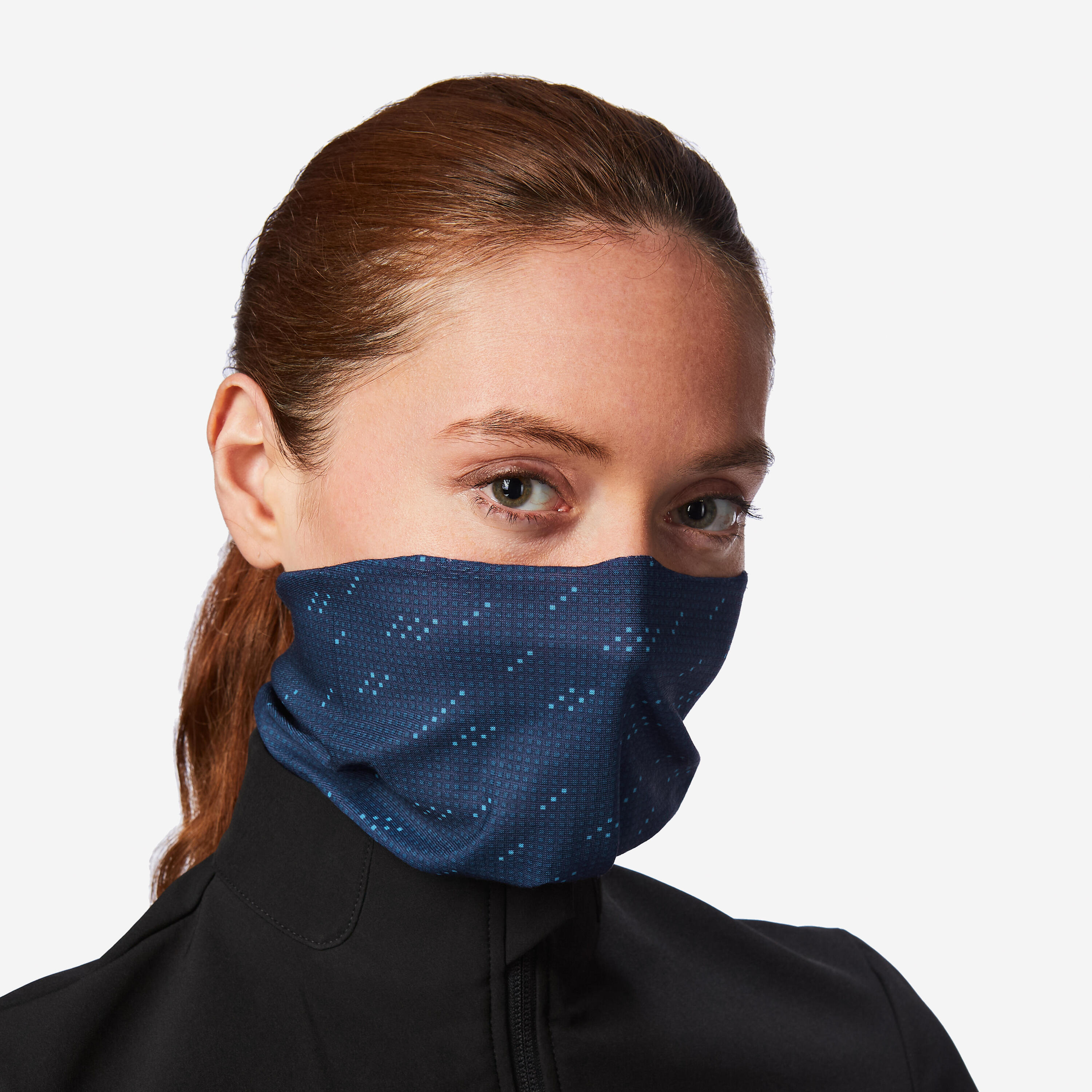
2 coloursVAN RYSEL Cycling Neck Warmer RoadR 100 - Navy Blue4.7(4,317)Reviews.votesAria2 coloursCurrent price {{currentPrice}} €5.00
VAN RYSEL Adult Merino Cycling Balaclava - Black4.8(173)Reviews.votesAriaCurrent price {{currentPrice}} €26.00
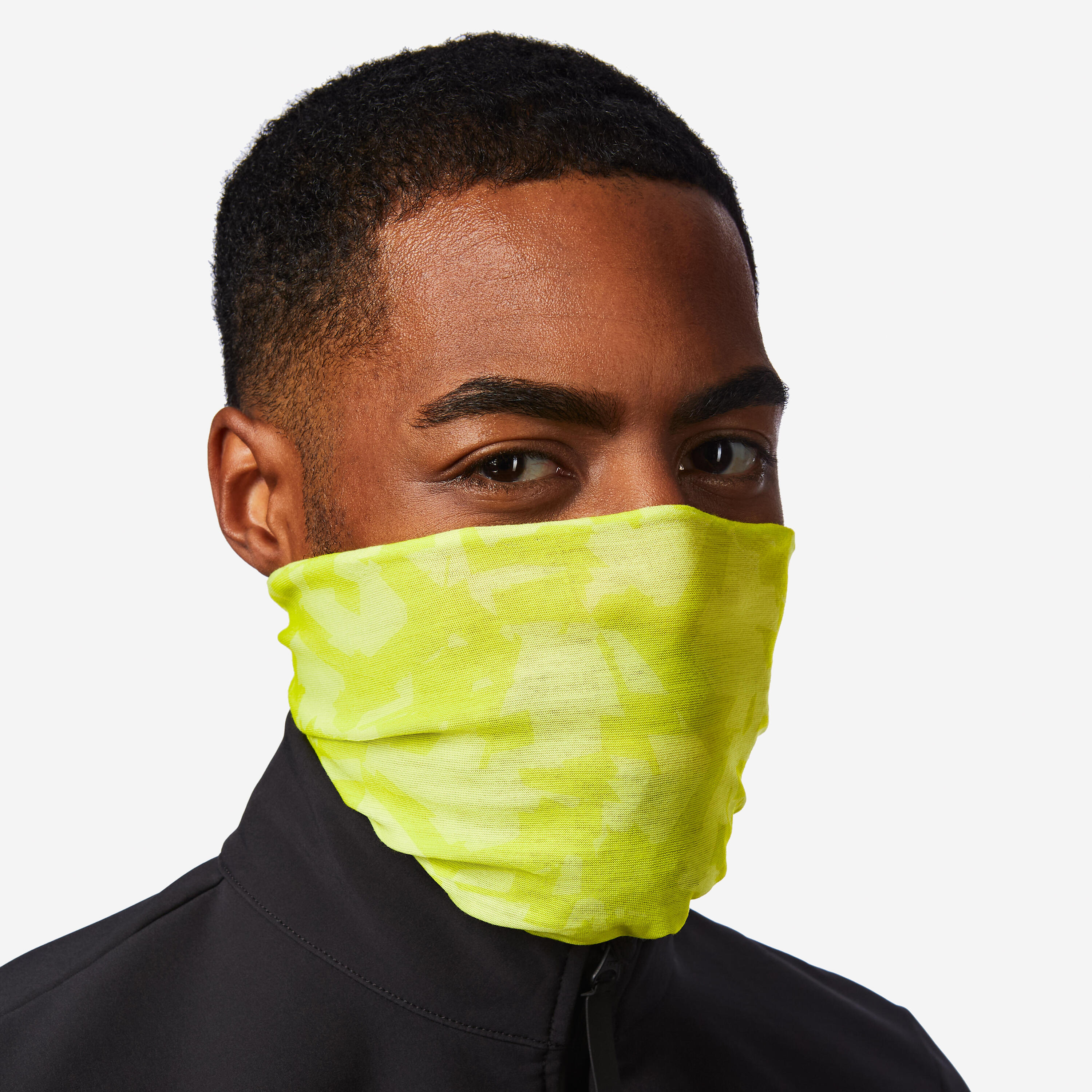
2 coloursVAN RYSEL Cycling Neck Warmer RoadR 100 - Yellow4.7(4,317)Reviews.votesAria2 coloursCurrent price {{currentPrice}} €5.00
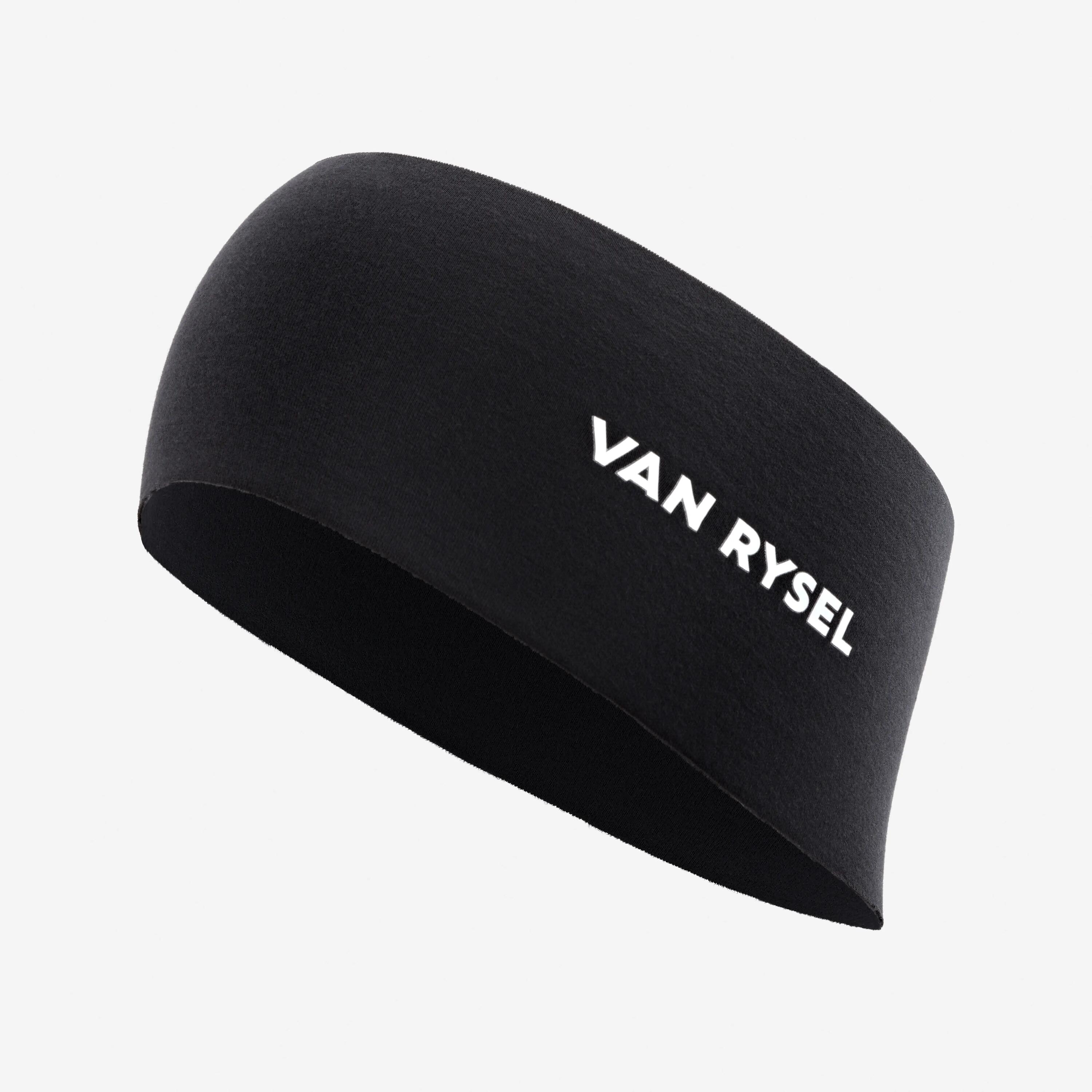
2 coloursVAN RYSEL Cycling Headband RoadR 500 - Black4.9(886)Reviews.votesAria2 coloursCurrent price {{currentPrice}} €5.00
VAN RYSEL 900 Cycling helmet headband - black4.8(399)Reviews.votesAriaCurrent price {{currentPrice}} €7.00
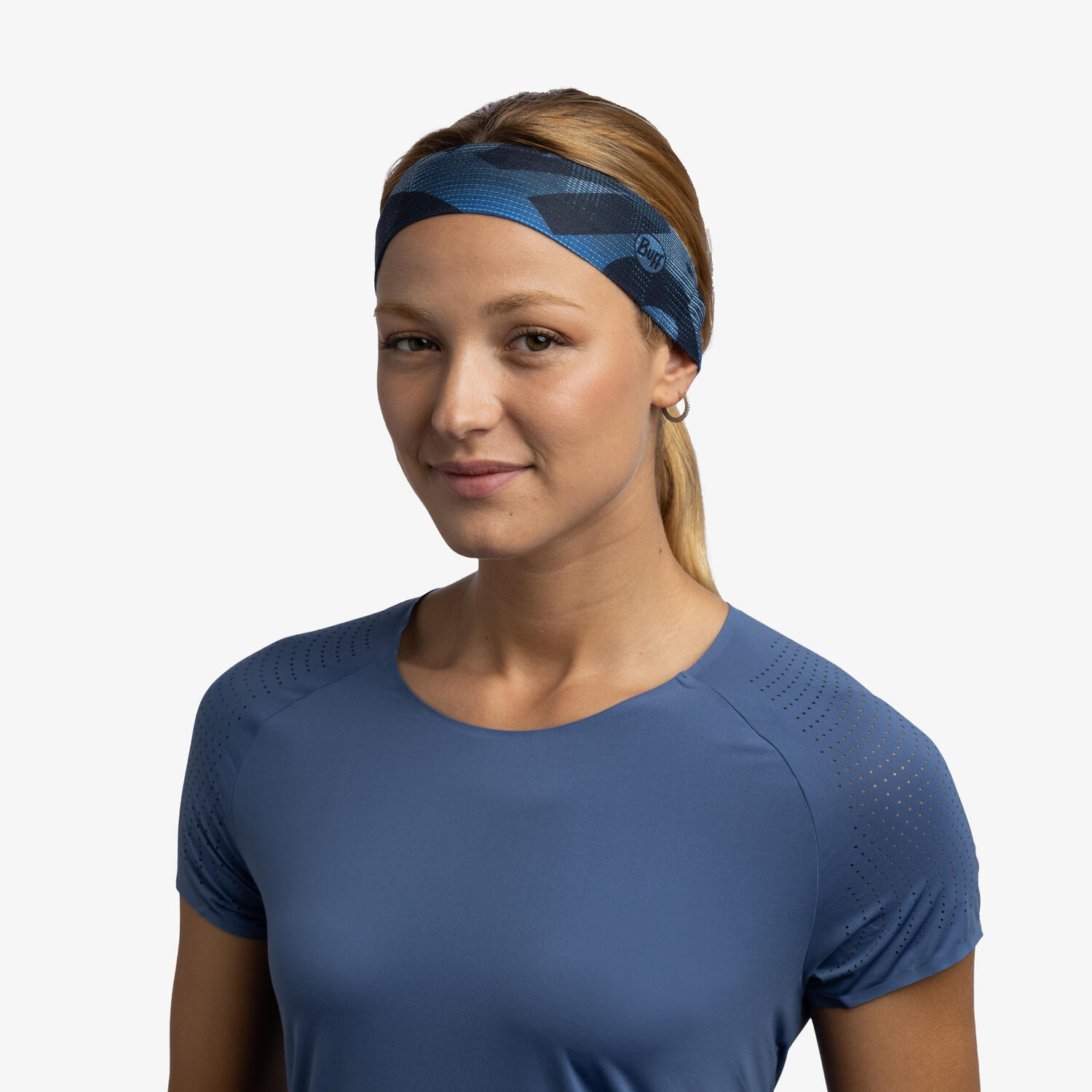
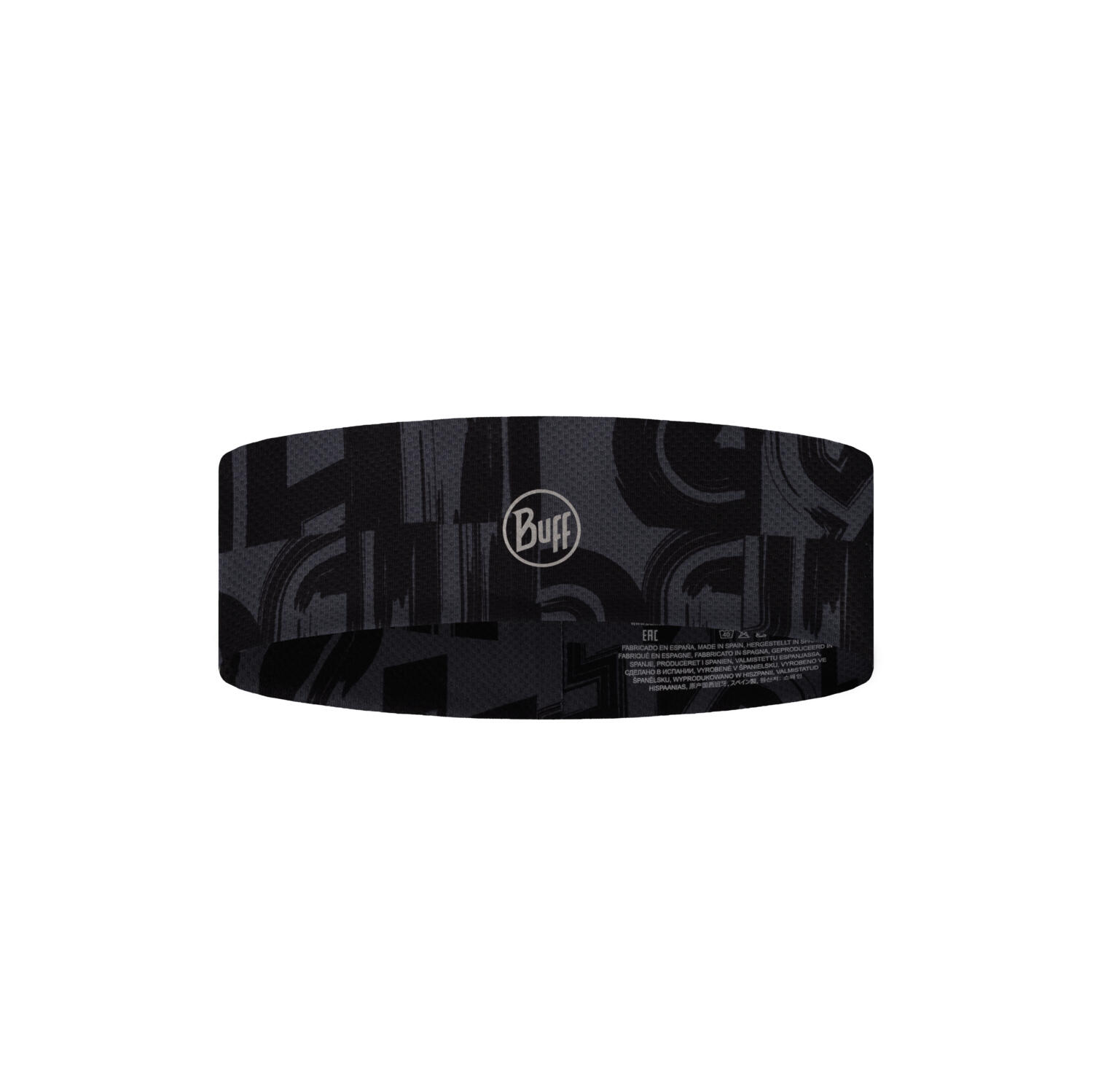
Marketplace -Online Only Marketplace -Online OnlyMarketplace -Online OnlyBUFF Slim headband Buff Coolnet UV® AhinCurrent price {{currentPrice}} €20.00Sold and shipped by Sports Lab IE
Marketplace -Online Only Marketplace -Online OnlyMarketplace -Online OnlyBUFF Buff Fastwick Headband - GrayCurrent price {{currentPrice}} €24.70Sold and shipped by Sports Lab IE
BTWIN Kids' Helmet Liner 500 6-12 Years - Black4.8(36)Reviews.votesAriaCurrent price {{currentPrice}} €11.00
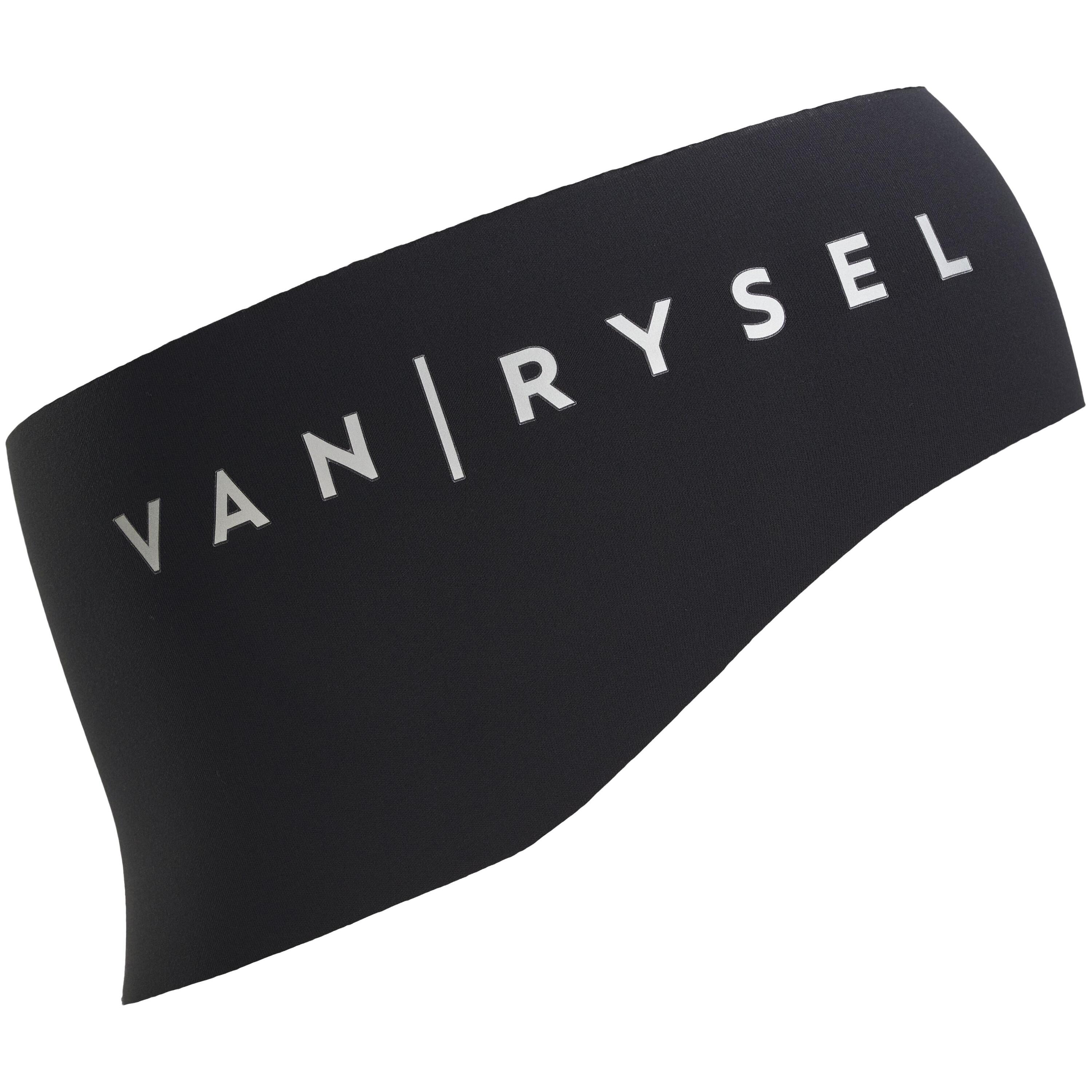
2 coloursVAN RYSEL Cycling Headband RoadR 500 - Grey4.9(886)Reviews.votesAria2 coloursCurrent price {{currentPrice}} €5.00
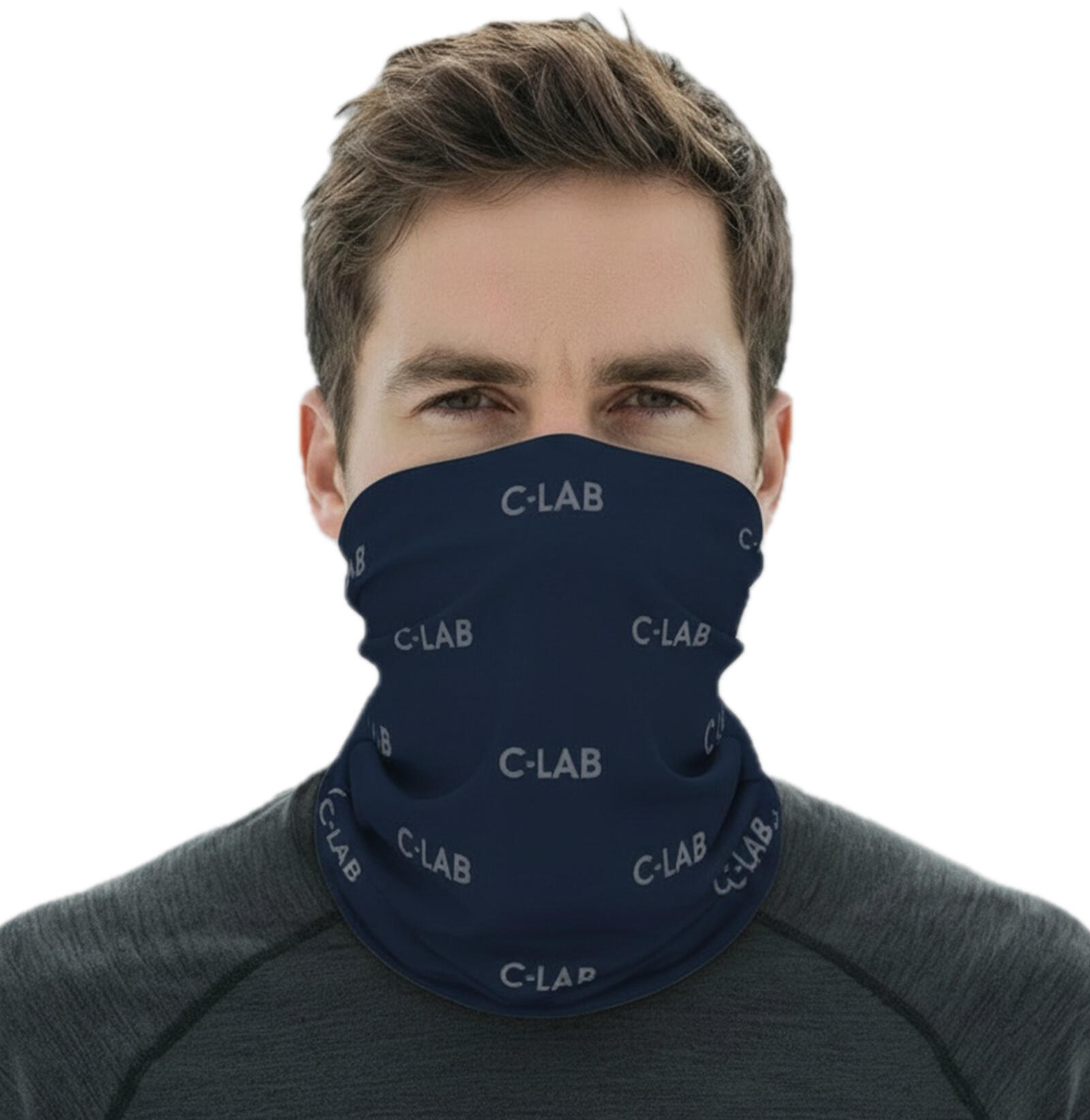
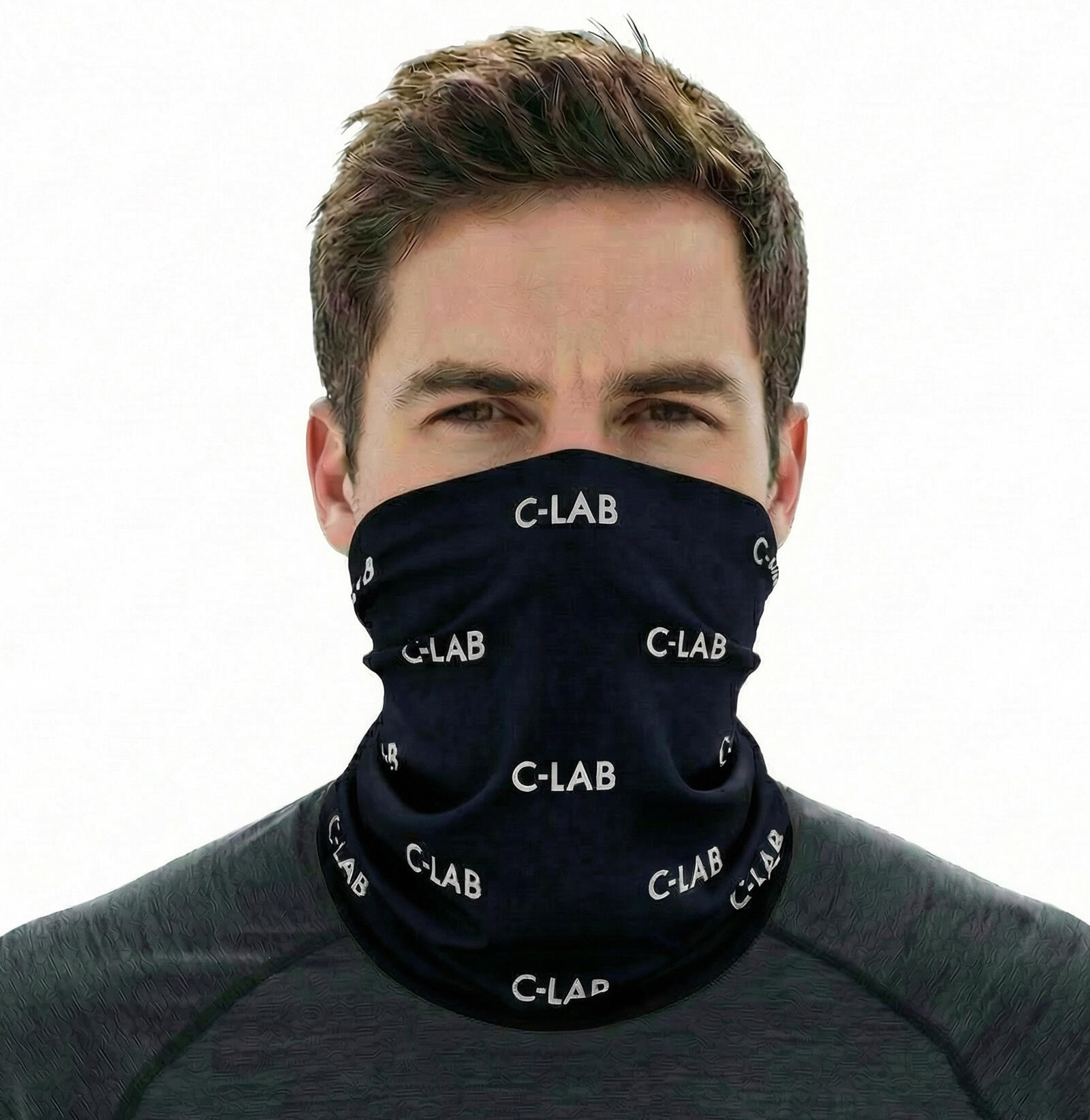
Marketplace -Online Only Marketplace -Online Only8 coloursMarketplace -Online OnlyC-LAB Navy blue Unisex light Neckwarmer8 coloursCurrent price {{currentPrice}} €15.00Sold and shipped by C-LAB Sport Apparel
Marketplace -Online Only Marketplace -Online Only8 coloursMarketplace -Online OnlyC-LAB Lightweight Unisex Neck Warmer - Black8 coloursCurrent price {{currentPrice}} €15.00Sold and shipped by C-LAB Sport Apparel
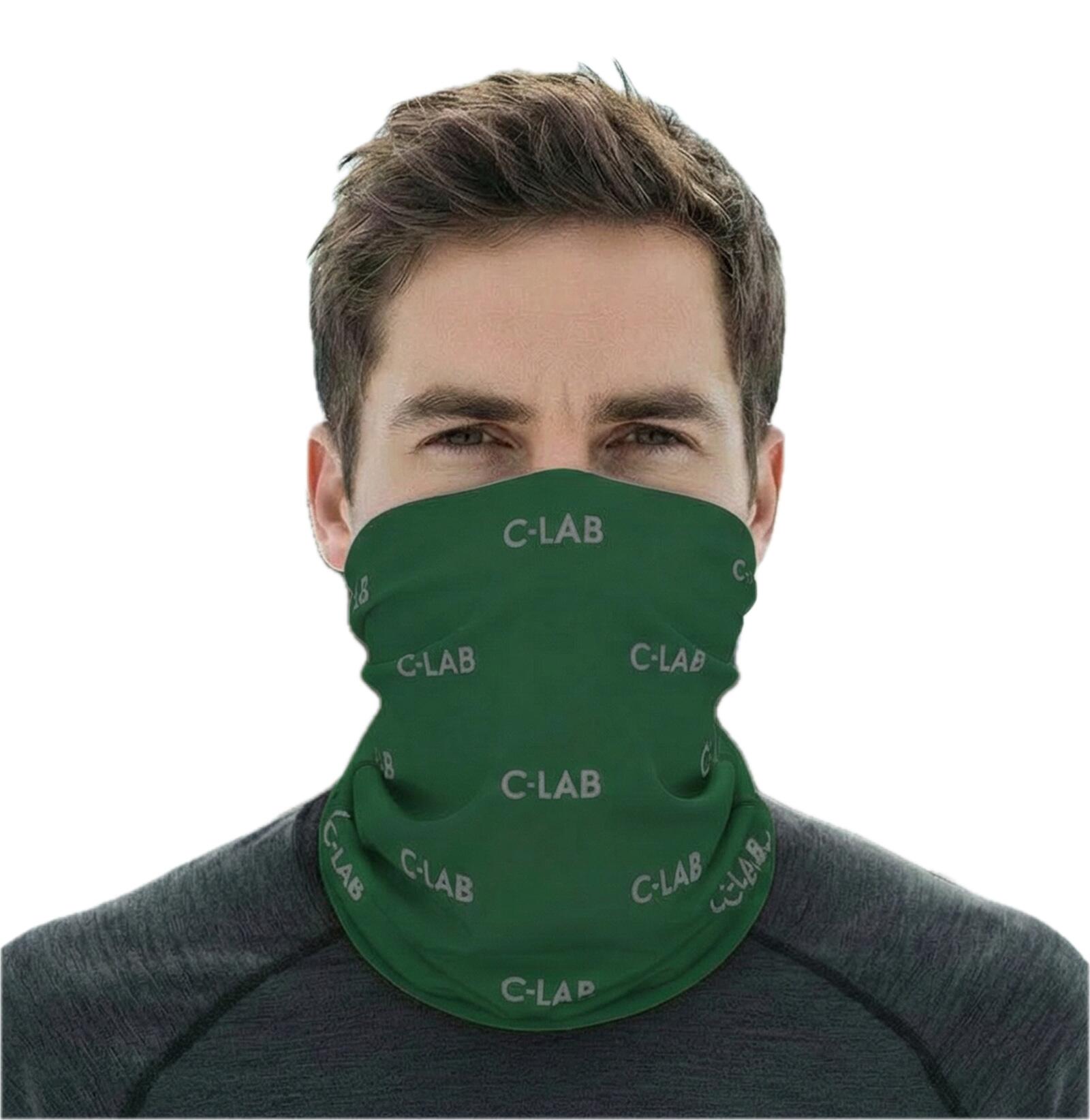
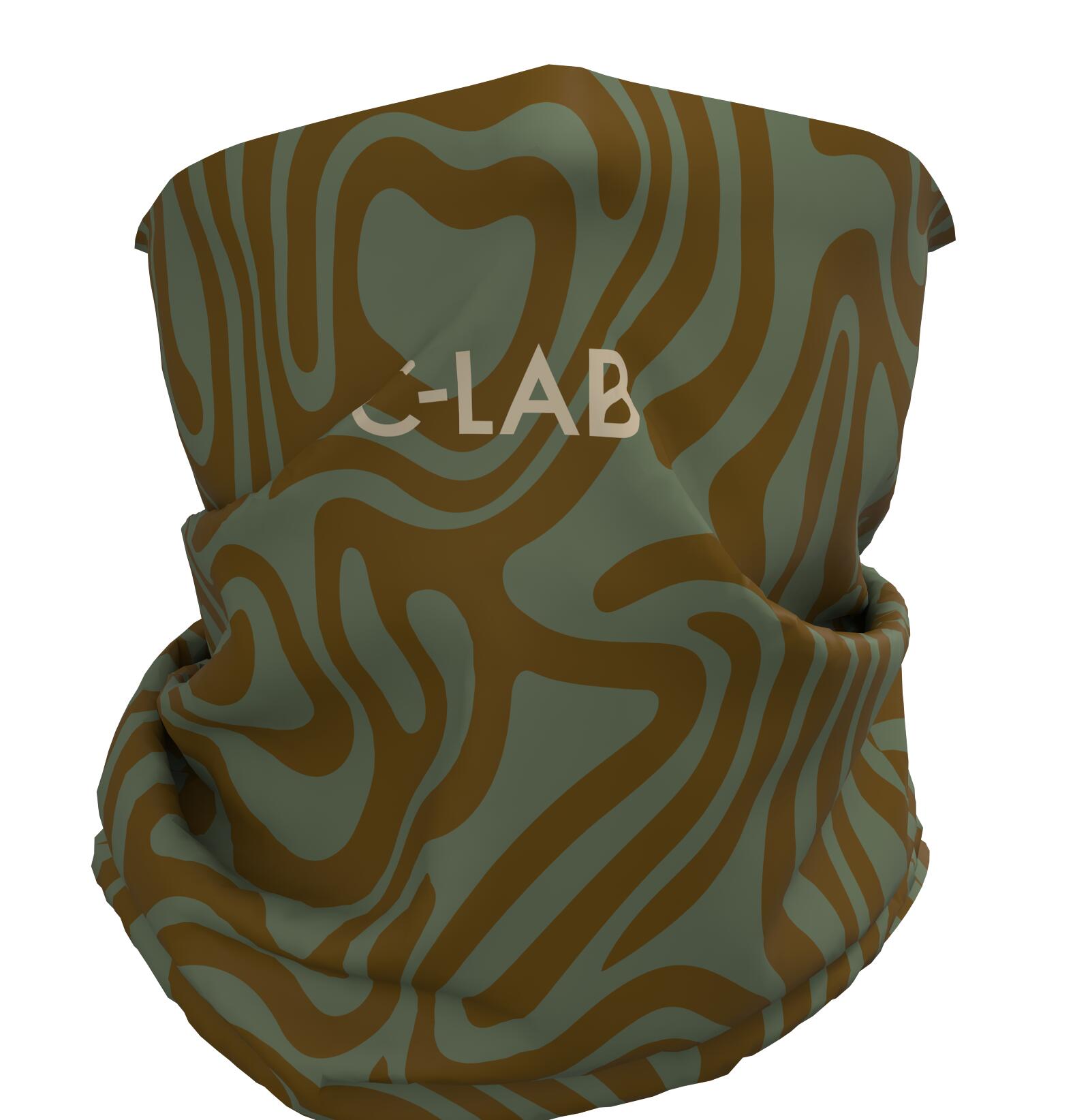
Marketplace -Online Only Marketplace -Online Only8 coloursMarketplace -Online OnlyC-LAB Lightweight Unisex Neck Warmer Green8 coloursCurrent price {{currentPrice}} €15.00Sold and shipped by C-LAB Sport Apparel
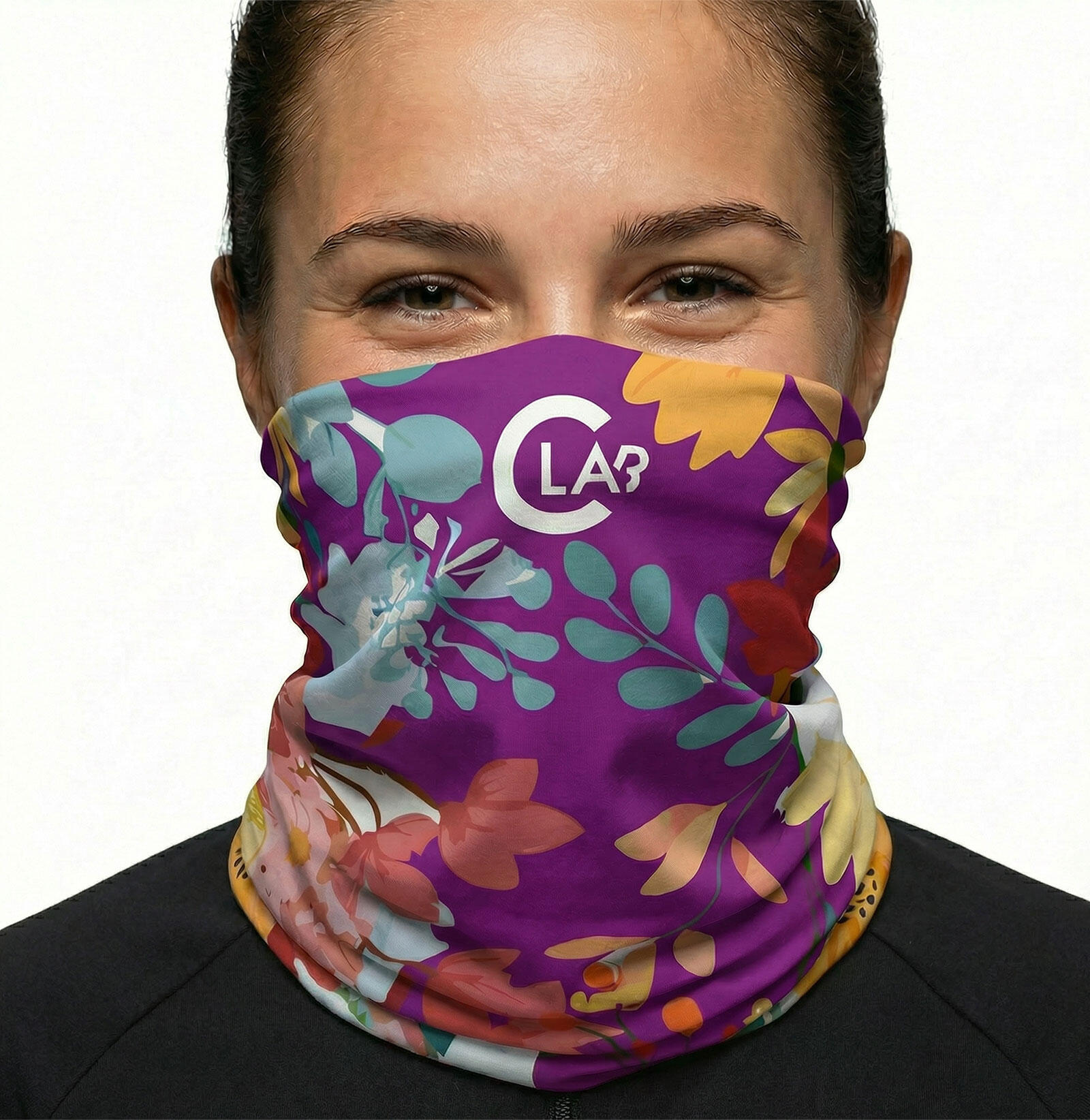
Marketplace -Online Only Marketplace -Online Only8 coloursMarketplace -Online OnlyC-LAB Ligthweight Unisex Neck Warmer - Flora8 coloursCurrent price {{currentPrice}} €15.00Sold and shipped by C-LAB Sport Apparel
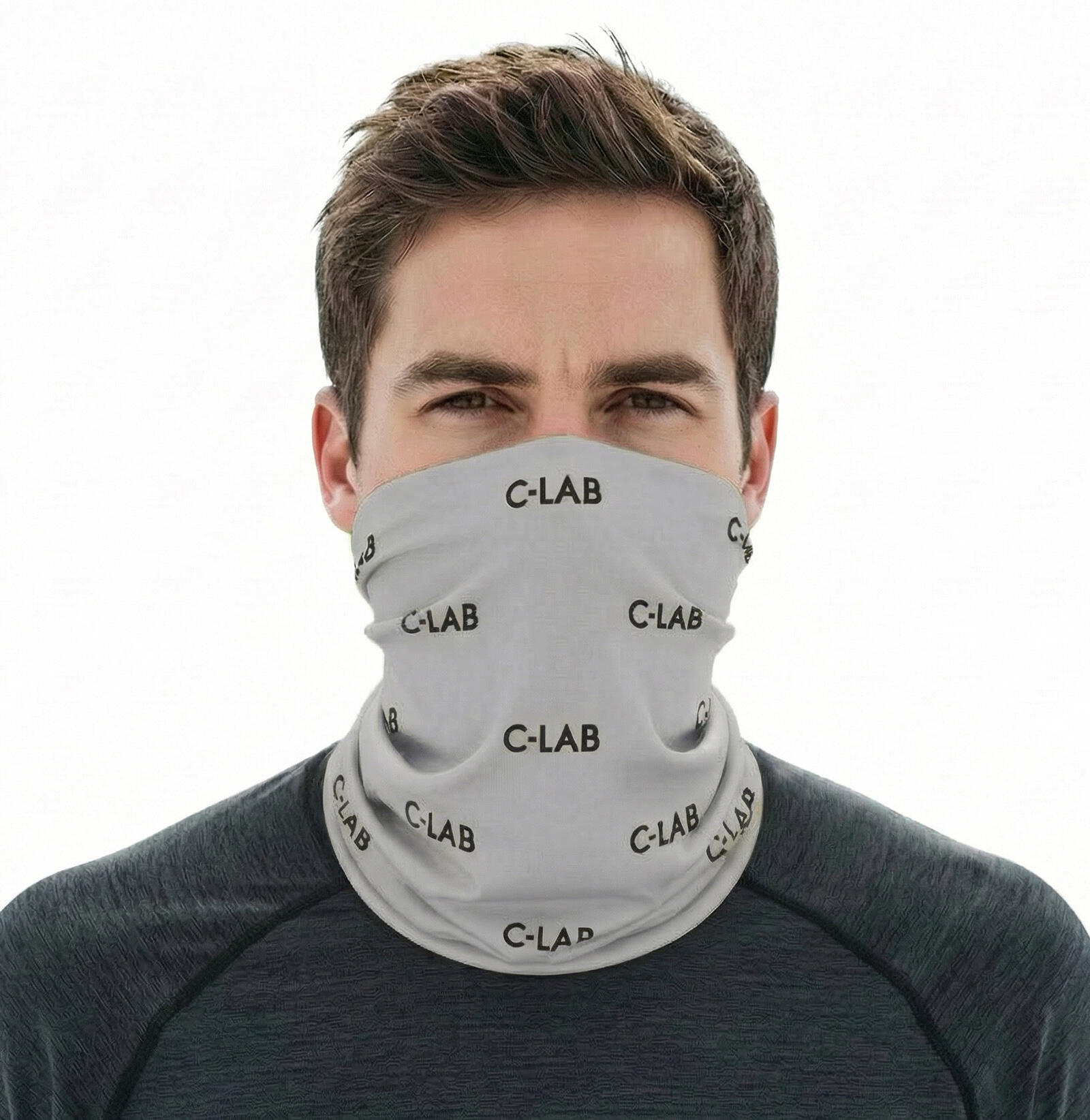
Marketplace -Online Only Marketplace -Online Only8 coloursMarketplace -Online OnlyC-LAB Lightweight unisex neck warmer – grey8 coloursCurrent price {{currentPrice}} €15.00Sold and shipped by C-LAB Sport Apparel
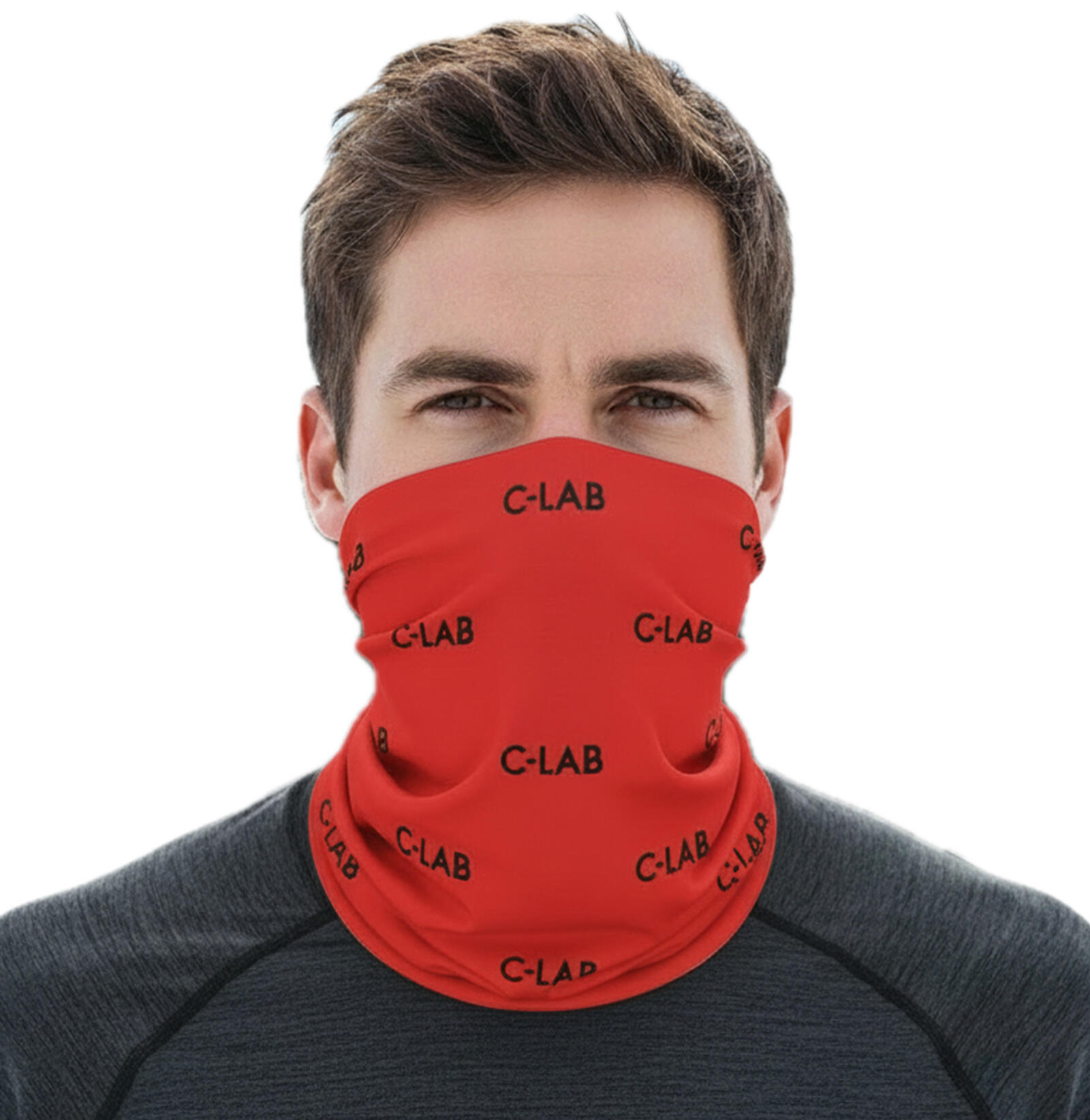
Marketplace -Online Only Marketplace -Online Only8 coloursMarketplace -Online OnlyC-LAB Lightweight Unisex Neck Warmer Red8 coloursCurrent price {{currentPrice}} €15.00Sold and shipped by C-LAB Sport Apparel
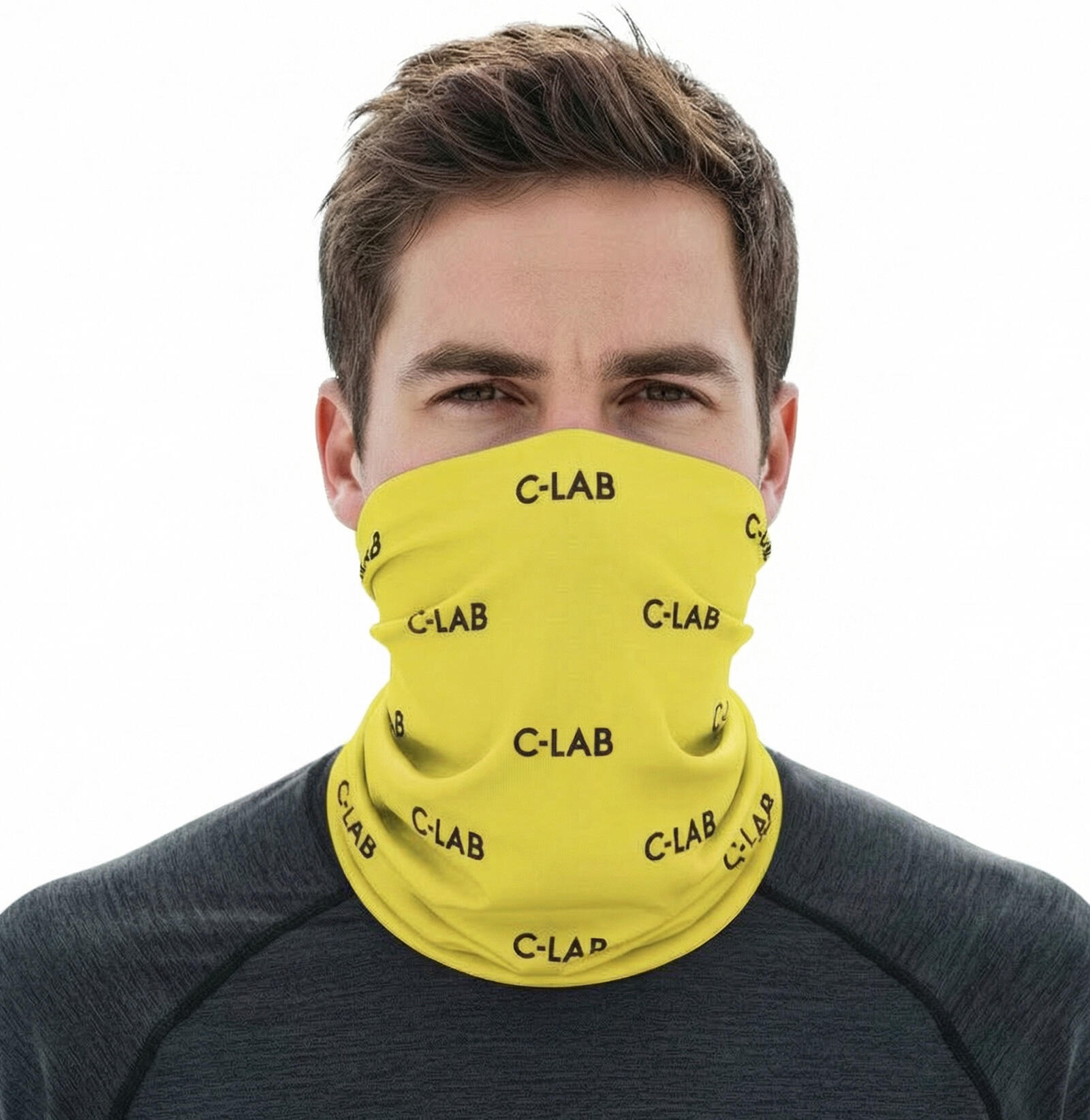
Marketplace -Online Only Marketplace -Online Only8 coloursMarketplace -Online OnlyC-LAB Lightweight Unisex Neck Warmer – Yellow8 coloursCurrent price {{currentPrice}} €15.00Sold and shipped by C-LAB Sport Apparel
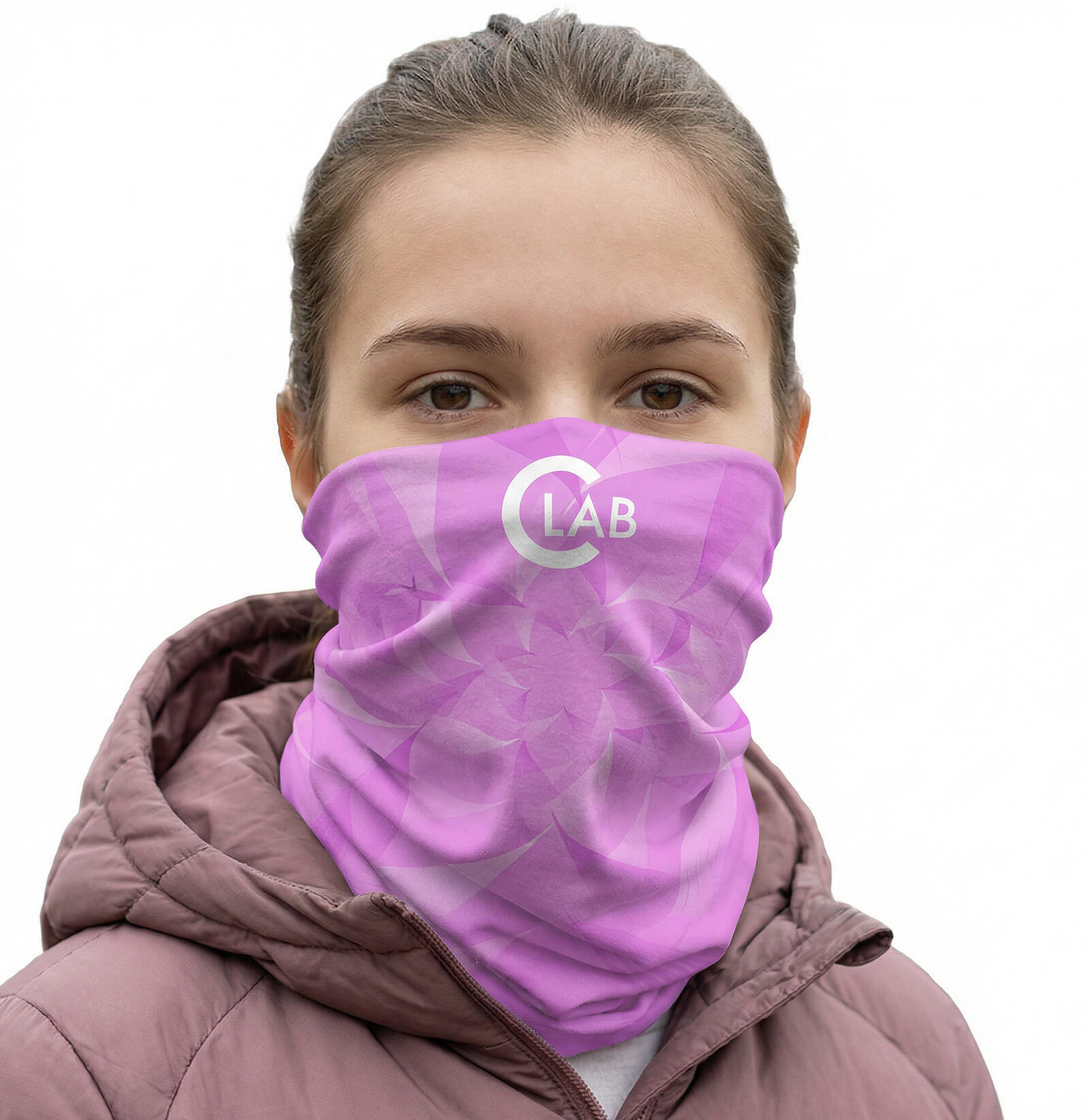
Marketplace -Online Only Marketplace -Online Only8 coloursMarketplace -Online OnlyC-LAB Unisex Light Neck Warmer - Rosa8 coloursCurrent price {{currentPrice}} €15.00Sold and shipped by C-LAB Sport Apparel
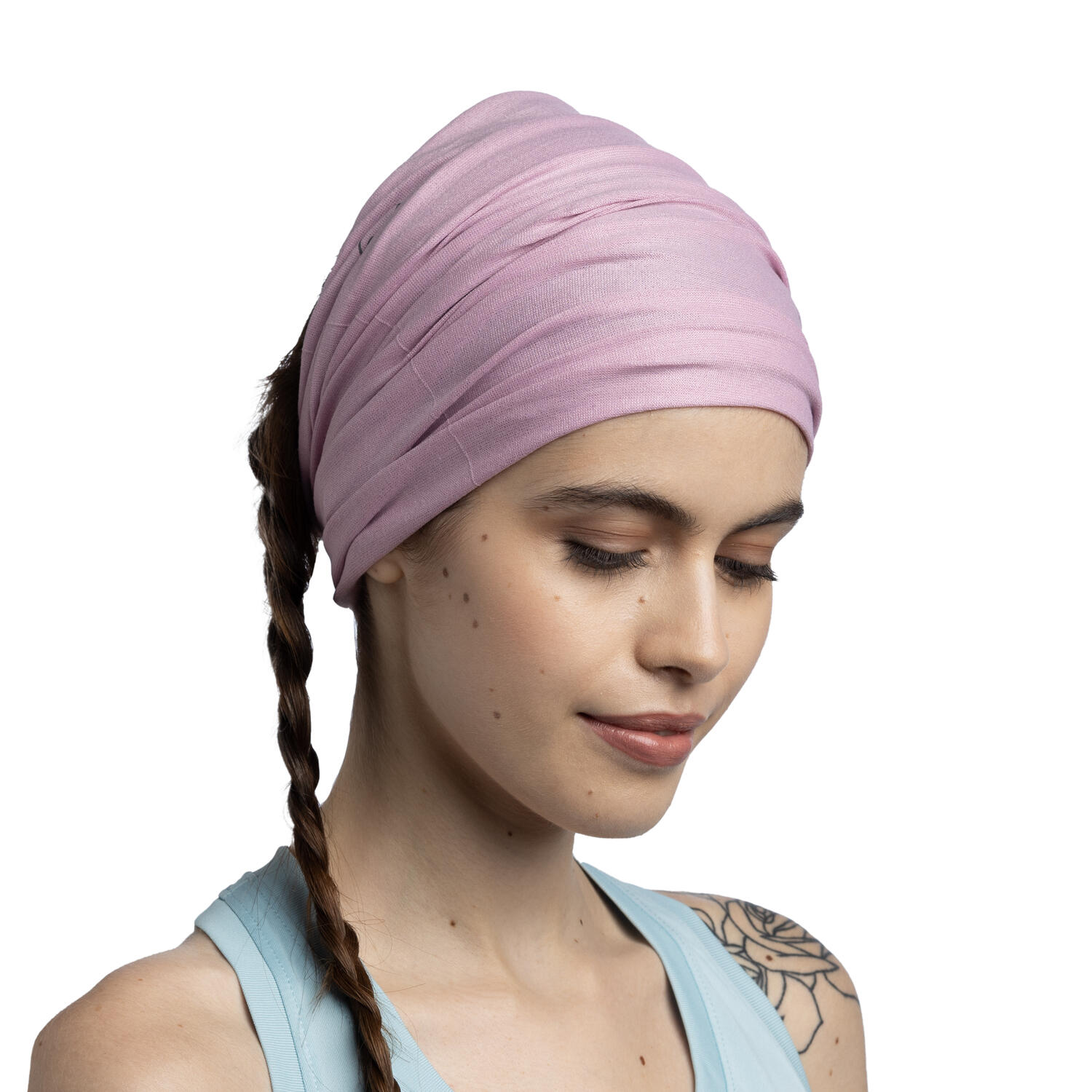
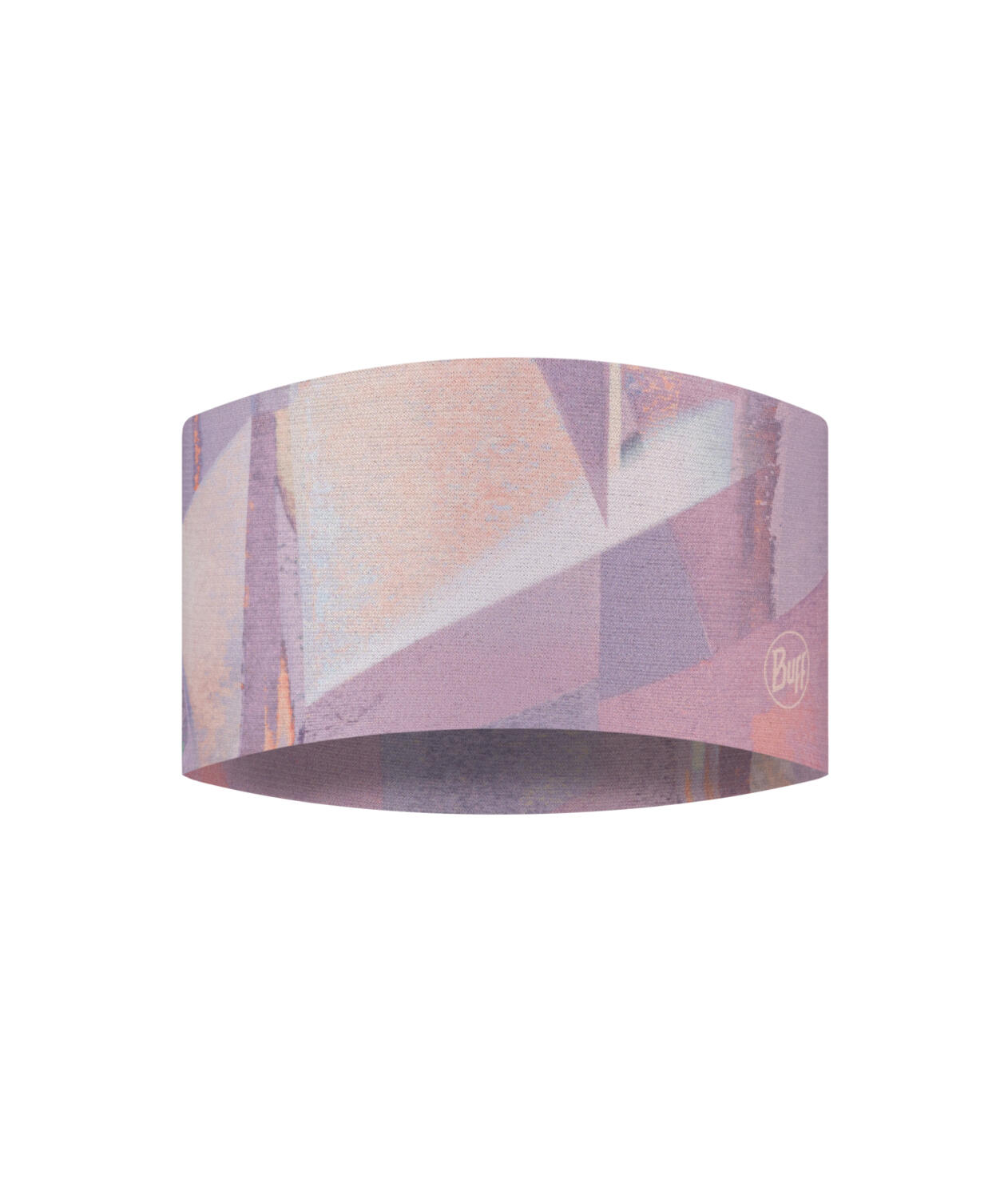
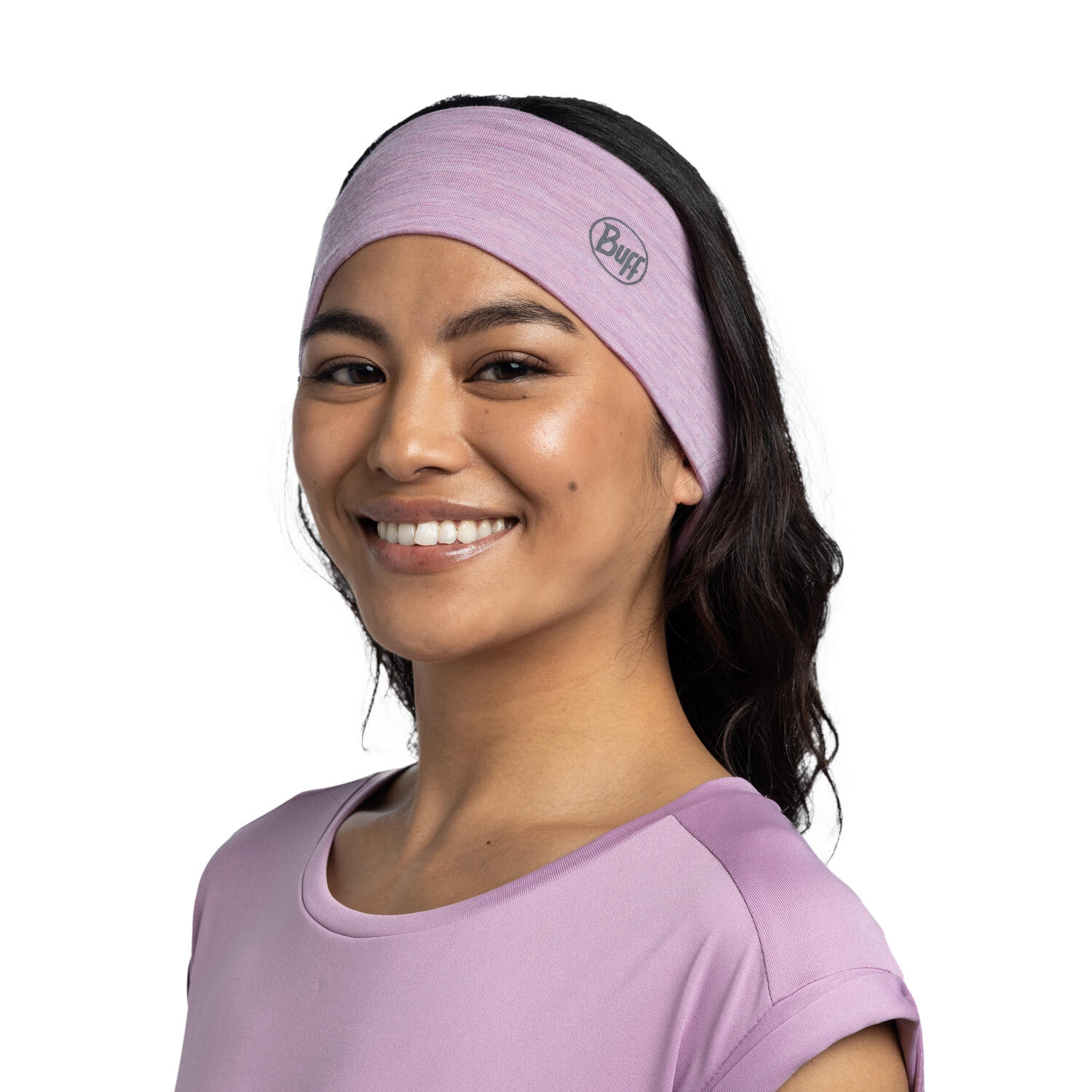
Marketplace -Online Only Marketplace -Online OnlyMarketplace -Online OnlyBUFF Buff Coolnet UV Headband Large PinkCurrent price {{currentPrice}} €25.94Sold and shipped by Sport is good
VAN RYSEL Windproof Cycling Balaclava 9004.5(169)Reviews.votesAriaCurrent price {{currentPrice}} €21.00
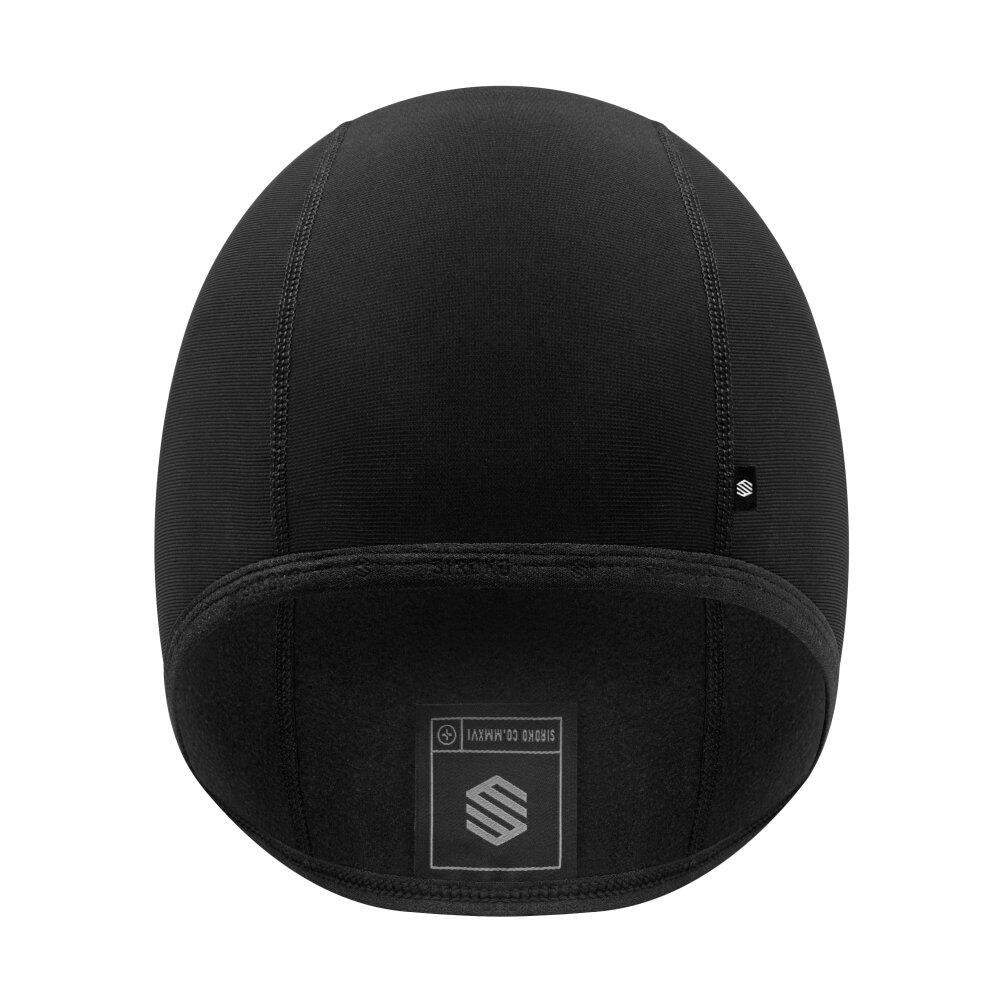
Marketplace -Online Only Marketplace -Online OnlyMarketplace -Online OnlySIROKO Men & Women Cycling thermal skull cap Essential Cap Black4.4(14)Reviews.votesAriaCurrent price {{currentPrice}} €21.95Sold and shipped by Siroko Solutions S.L.
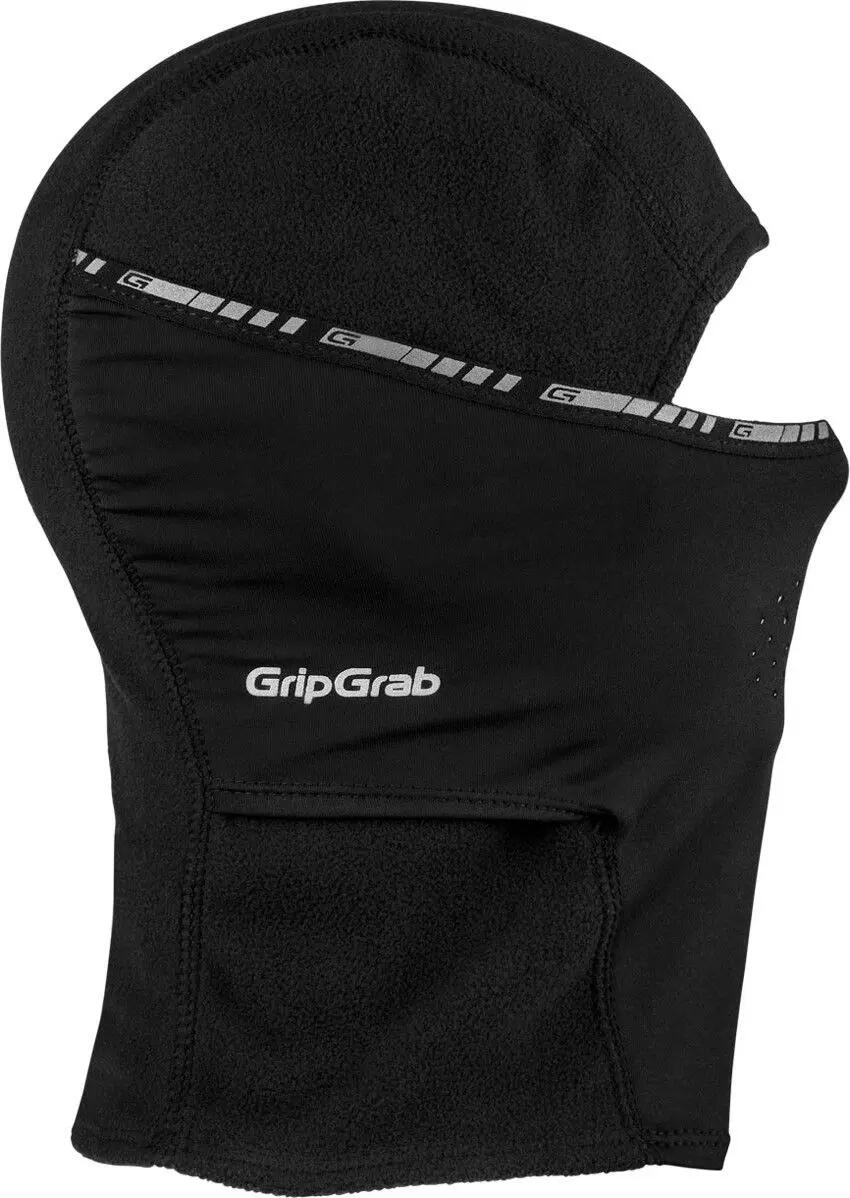
Marketplace -Online Only Marketplace -Online OnlyMarketplace -Online OnlyGRIPGRAB GripGrab Baclava Thermo Black3(2)Reviews.votesAriaFromCurrent price {{currentPrice}} €35.00 Former price €36.75 4% off€35.00/unitLowest price: €36.75Starting on 3/10/2026 and valid for the entire duration of the promoSold and shipped by Bikexperience
Marketplace -Online Only Marketplace -Online OnlyMarketplace -Online OnlyC-LAB Lightweight neck warmer – khakiCurrent price {{currentPrice}} €15.00Sold and shipped by C-LAB Sport Apparel
Marketplace -Online Only Marketplace -Online Only4 coloursMarketplace -Online OnlyBUFF Merino Wool Lightweight Headband (Pink)4 coloursCurrent price {{currentPrice}} €25.00Sold and shipped by Bikexperience
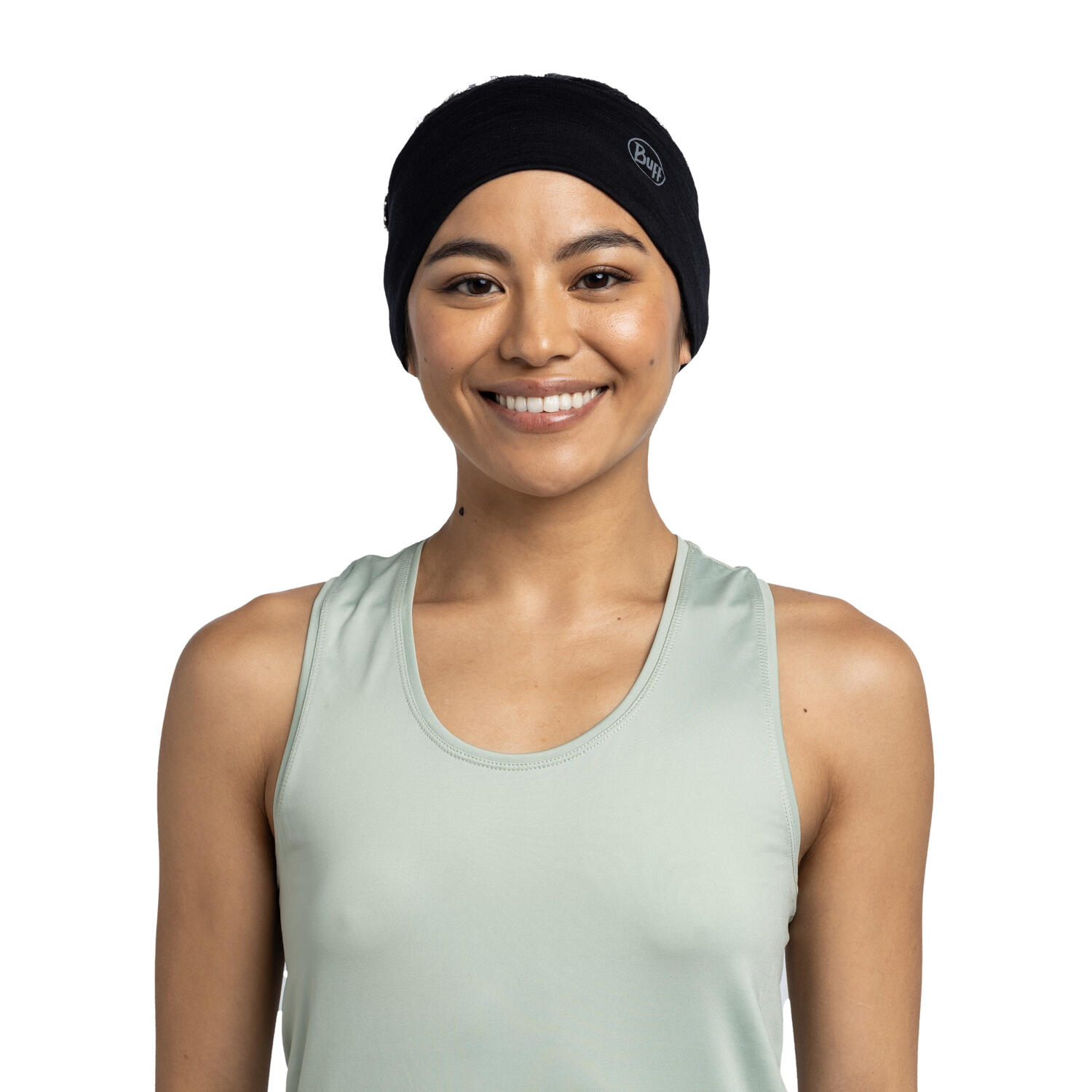
Marketplace -Online Only Marketplace -Online Only4 coloursMarketplace -Online OnlyBUFF Buff LW Merino Wool Headband Black4 coloursCurrent price {{currentPrice}} €28.30Sold and shipped by Sports Lab IE
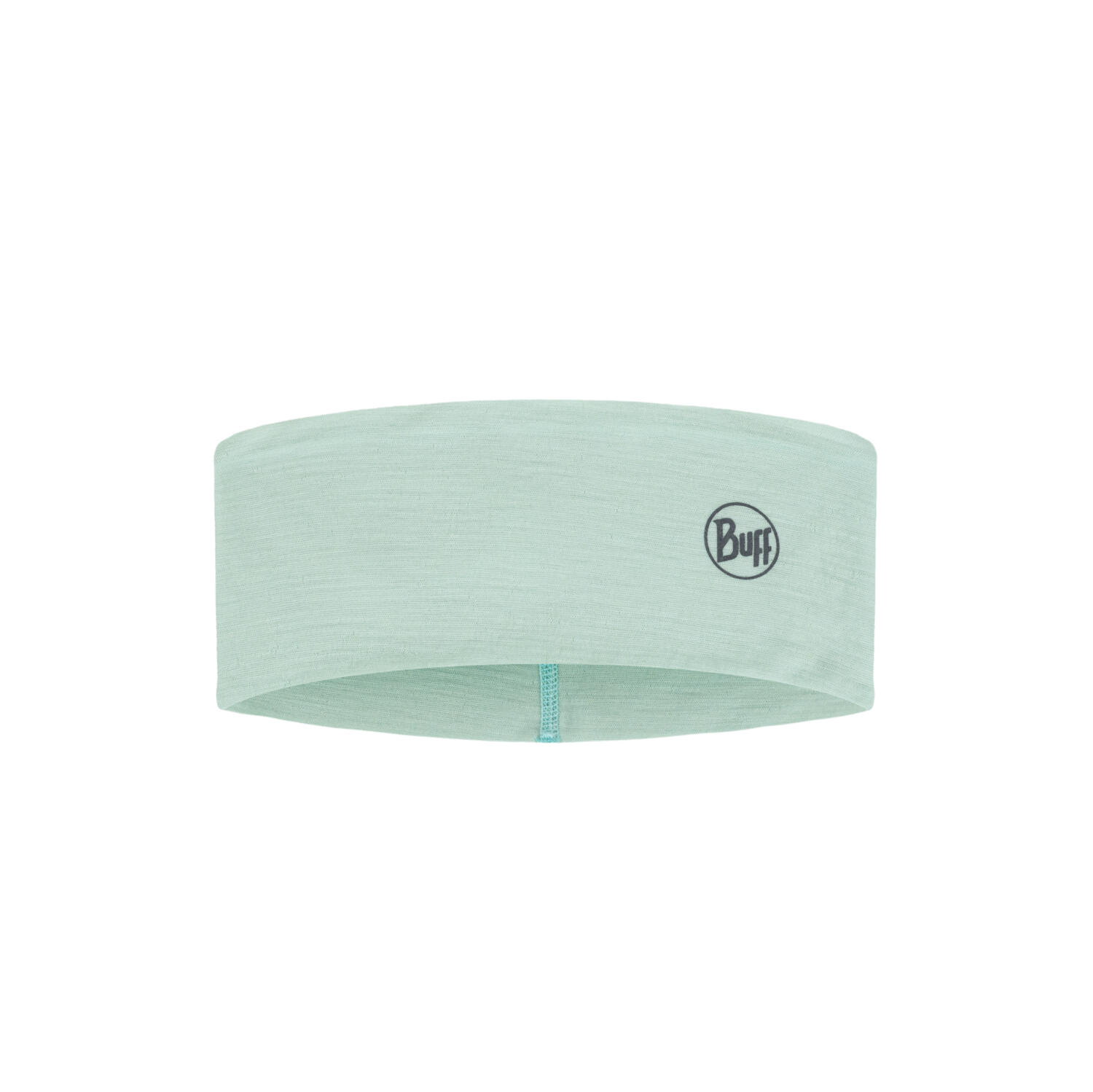
Marketplace -Online Only Marketplace -Online Only4 coloursMarketplace -Online OnlyBUFF Opaska BUFF MERINO LIGHTWEIGHT HEADBAND SOLID SEAGROVE GREEN4 coloursCurrent price {{currentPrice}} €29.70Sold and shipped by Sports Lab IE
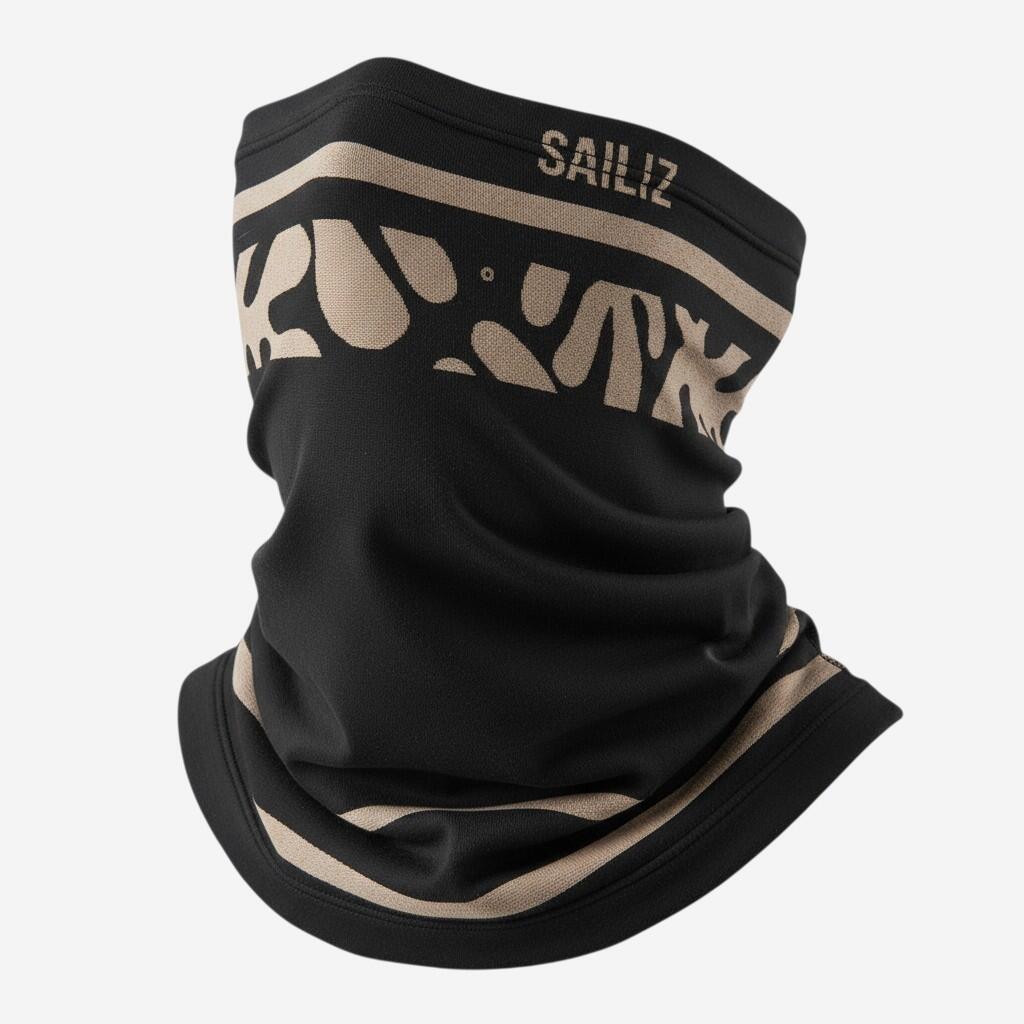
Marketplace -Online Only Marketplace -Online OnlyMarketplace -Online OnlySAILIZ Women's Sailing technical neckwarmer SailizCurrent price {{currentPrice}} €25.00Sold and shipped by Sailiz
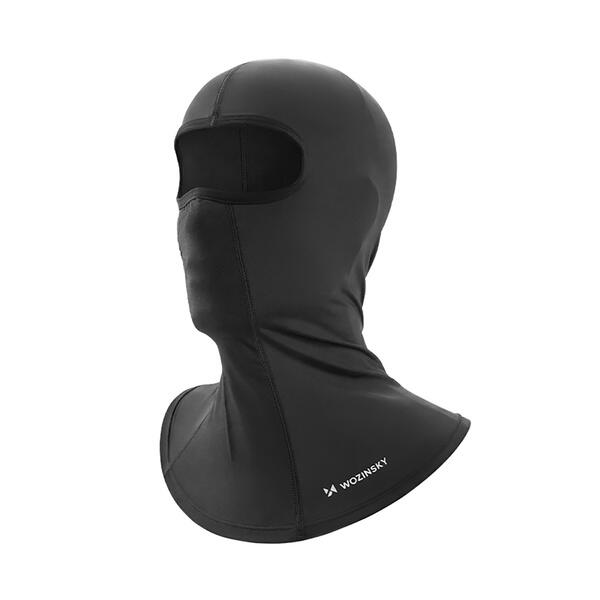
Marketplace -Online Only Marketplace -Online OnlyMarketplace -Online OnlyWOZINSKY Mask face for motorcycle bike WOZINSKYCurrent price {{currentPrice}} €21.81Sold and shipped by Super Merchant EUR
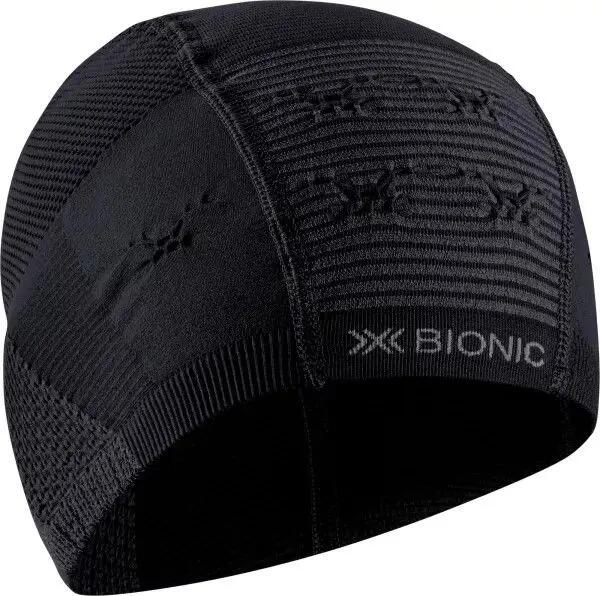
Marketplace -Online Only Marketplace -Online OnlyMarketplace -Online OnlyX-BIONIC Bonnet X-BionicCurrent price {{currentPrice}} €36.60Sold and shipped by Sports Lab IE
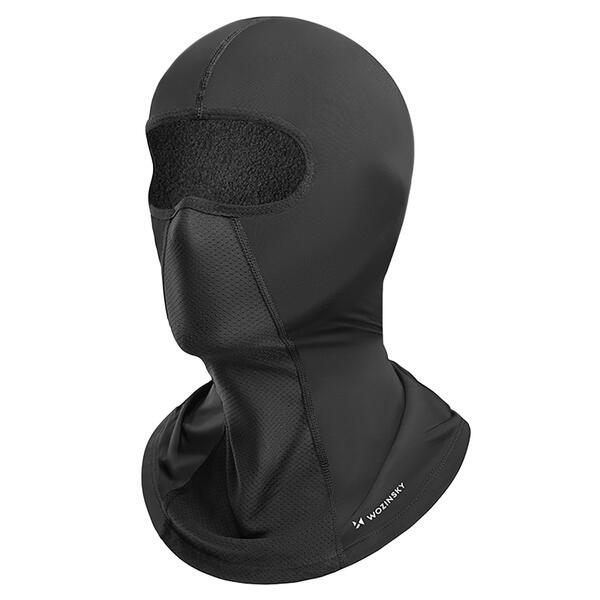
Marketplace -Online Only Marketplace -Online OnlyMarketplace -Online OnlyWOZINSKY Balaclava winter for motorcycle bike WOZINSKYCurrent price {{currentPrice}} €21.81Sold and shipped by Super Merchant EUR
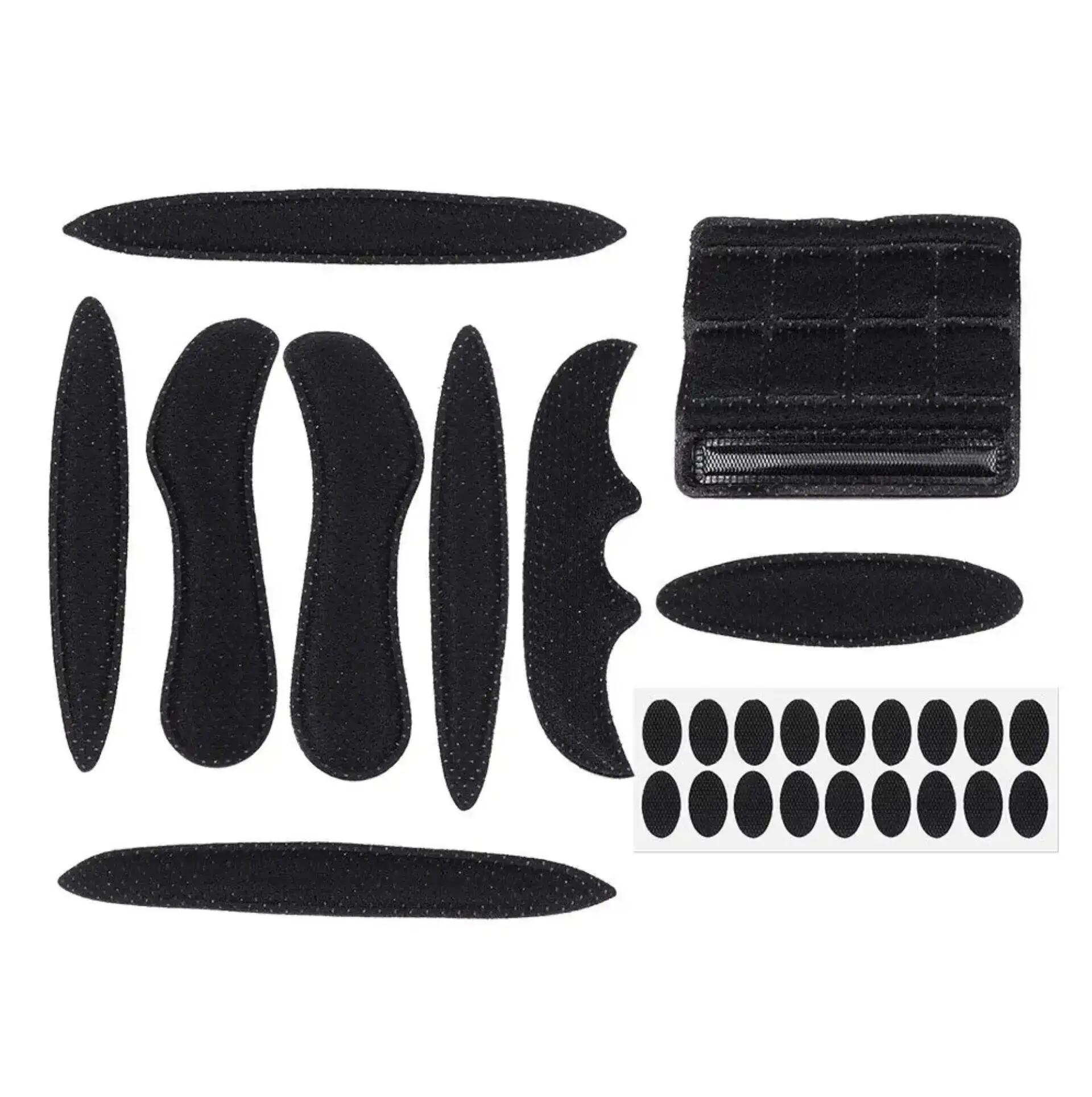
Marketplace -Online Only Marketplace -Online OnlyMarketplace -Online OnlySPORTENZIA Universal helmet padding kit - 27 memory foam piecesCurrent price {{currentPrice}} €9.99Sold and shipped by Sportenzia
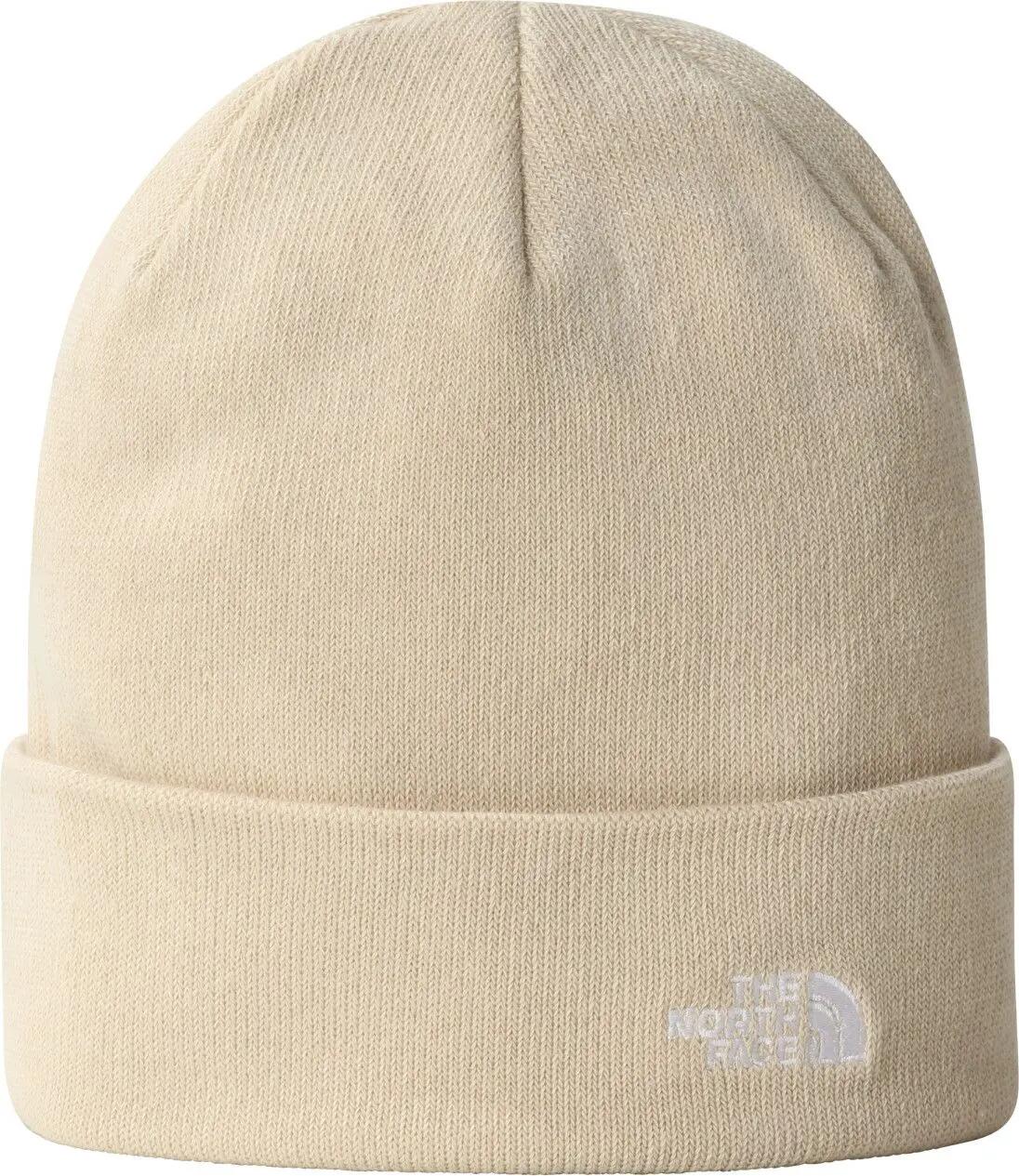
Marketplace -Online Only Marketplace -Online OnlyMarketplace -Online OnlyTHE NORTH FACE The North Face Norm Beige Unisex BeanieCurrent price {{currentPrice}} €27.29Sold and shipped by Bikexperience
Marketplace -Online Only Marketplace -Online OnlyMarketplace -Online OnlySPIRO Winter hat SpiroCurrent price {{currentPrice}} €12.30Sold and shipped by Sports Lab IE