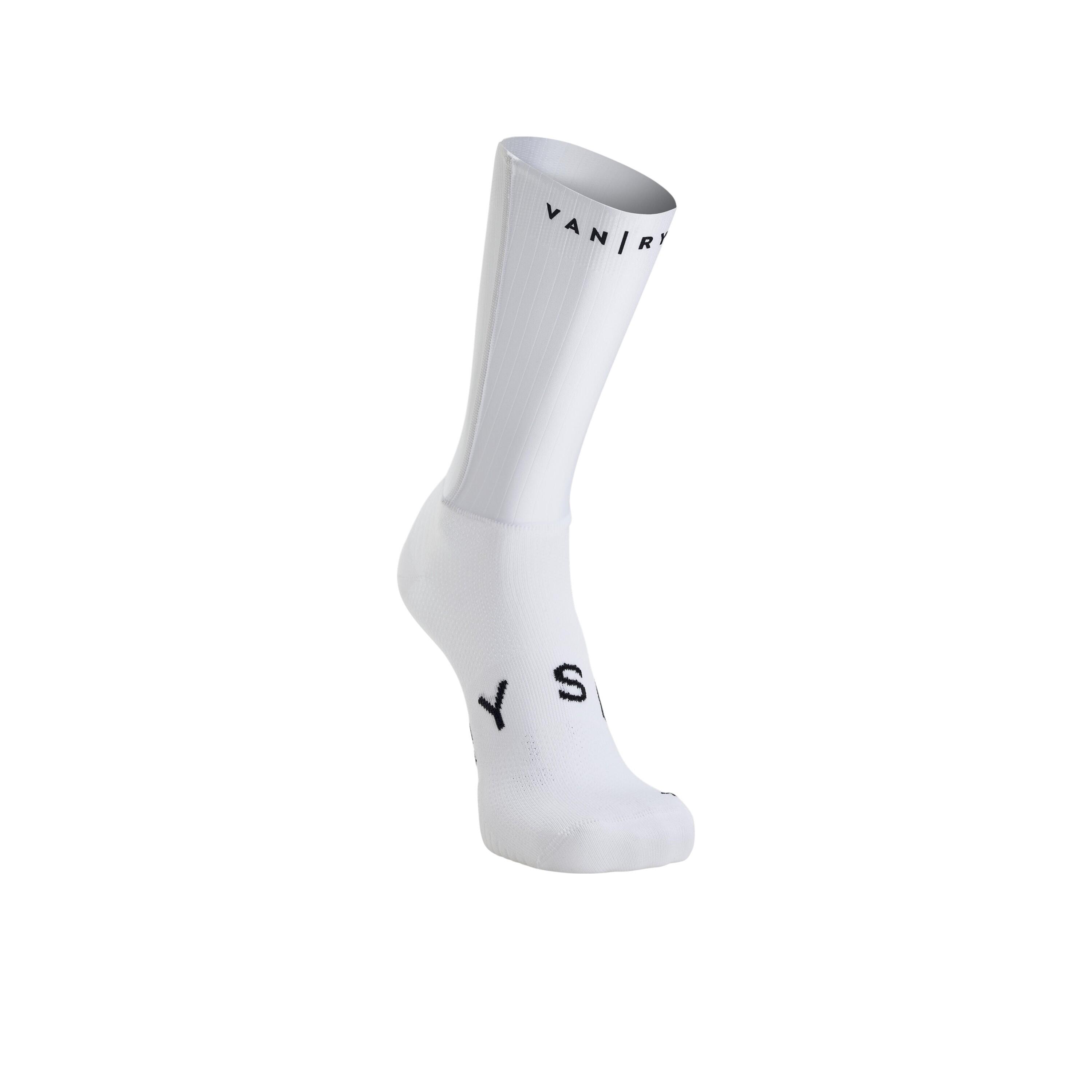
6,739 items
4.5/5 based on 178767 reviews collected online and in stores

Cycling Clothing FAQs

How does cycling apparel change when riding on the road, in the mountains, or in the city?

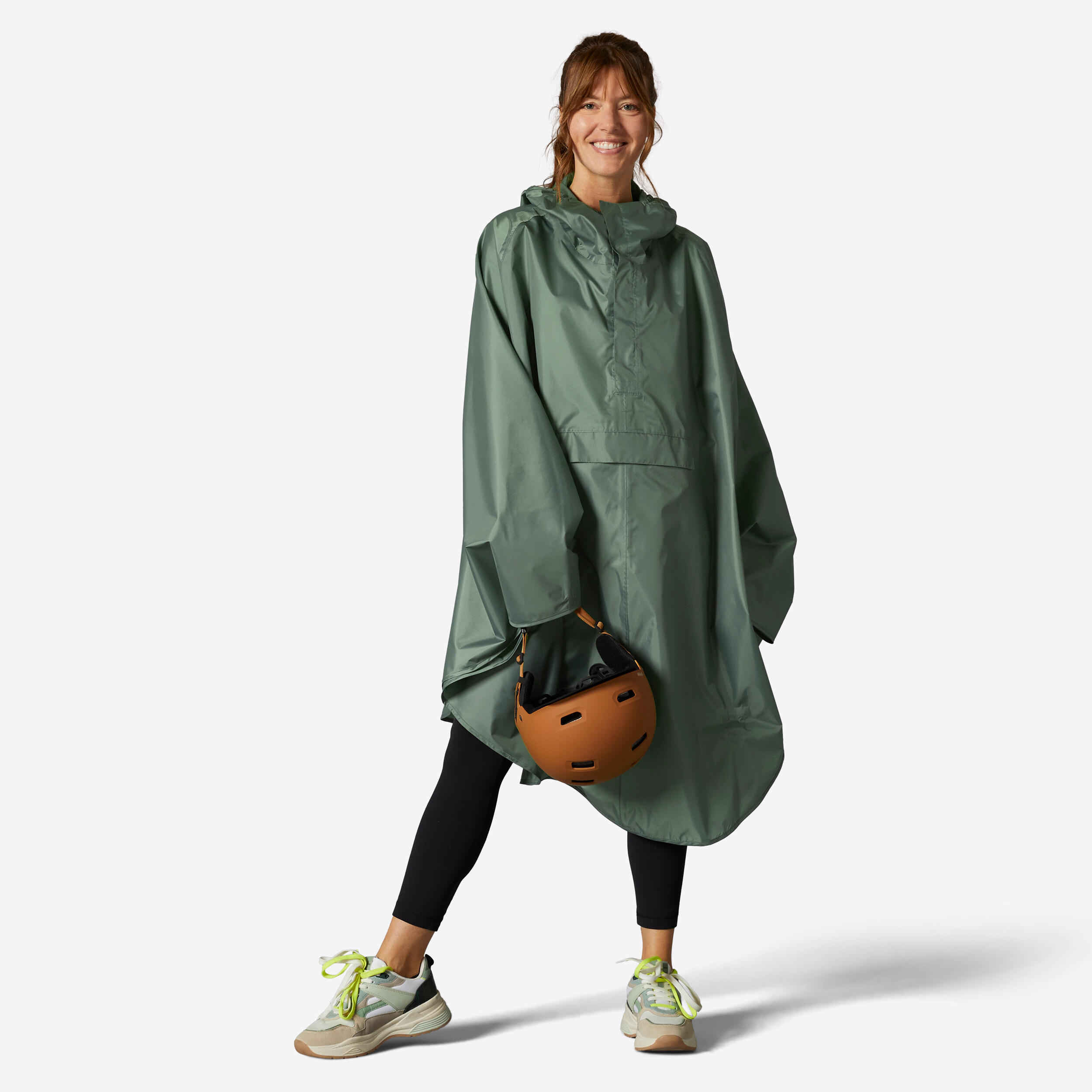
Each cycling discipline places different demands on fit, storage, weather protection and resistance to contact. Road clothing often sits closer to the body to reduce loose fabric, while mountain-bike garments may use tougher outer materials and more relaxed cuts for movement over uneven terrain. City cyclists can prioritise waterproof layers that fit over everyday clothes and add reflective details for low-light journeys. VAN RYSEL separates its road products into Discover, EDR and RCR levels, moving from regular beginner fits towards longer-distance and performance-focused clothing. Dedicated cycling jerseys also differ through sleeve length, pocket layout and intended riding conditions. Select clothing around the actual route and weather rather than building one outfit for every form of cycling.
What are the differences between padded shorts for two- and three-hour rides?

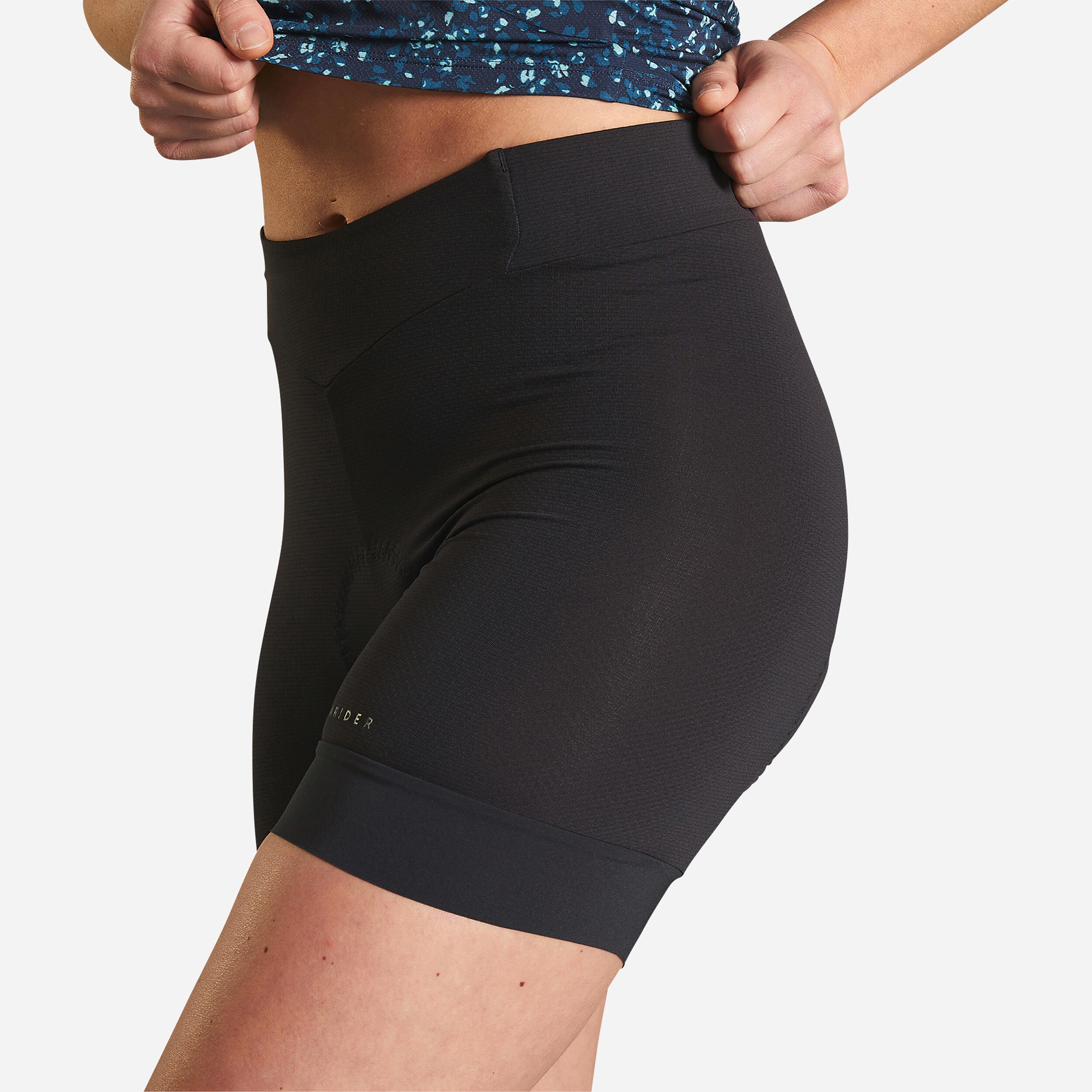
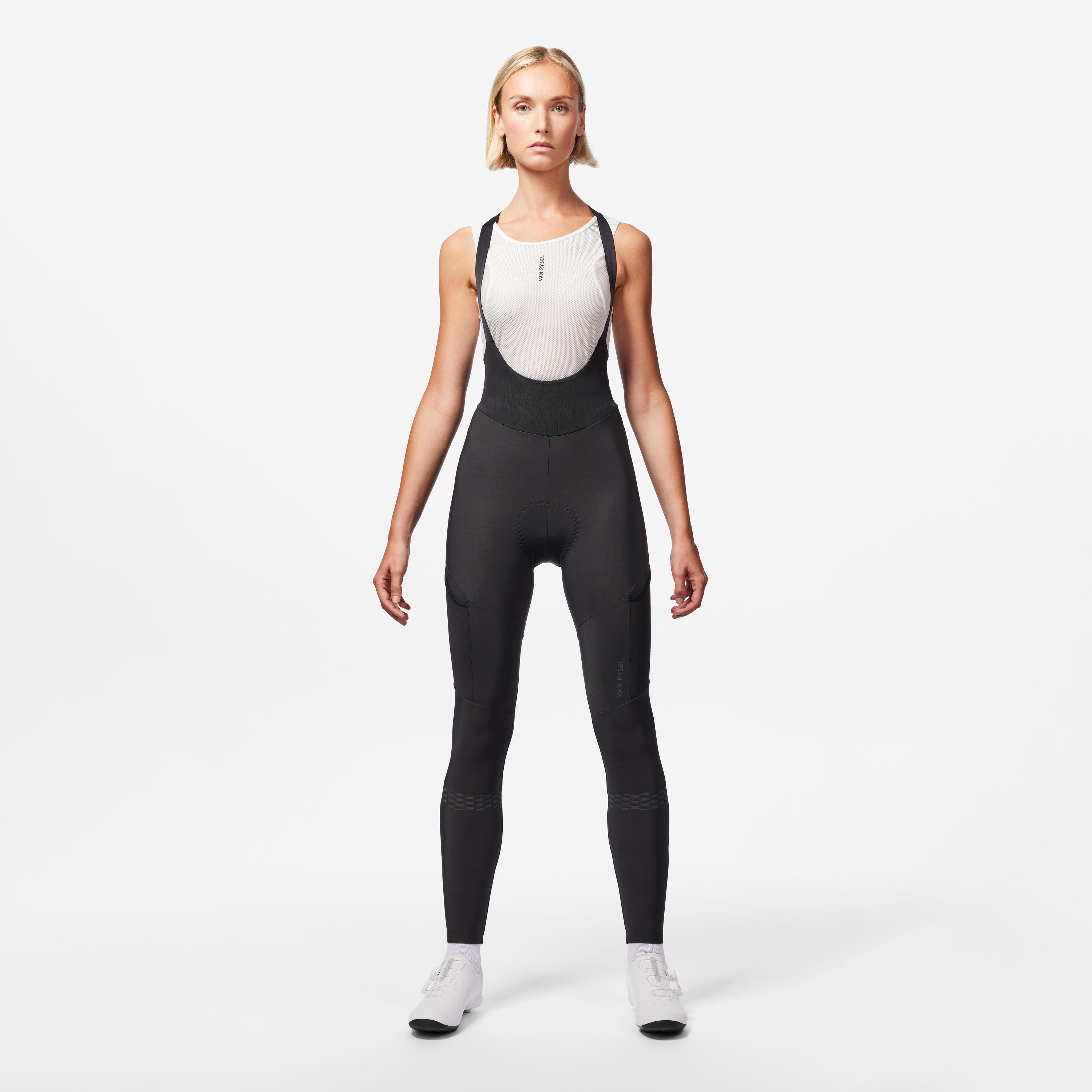
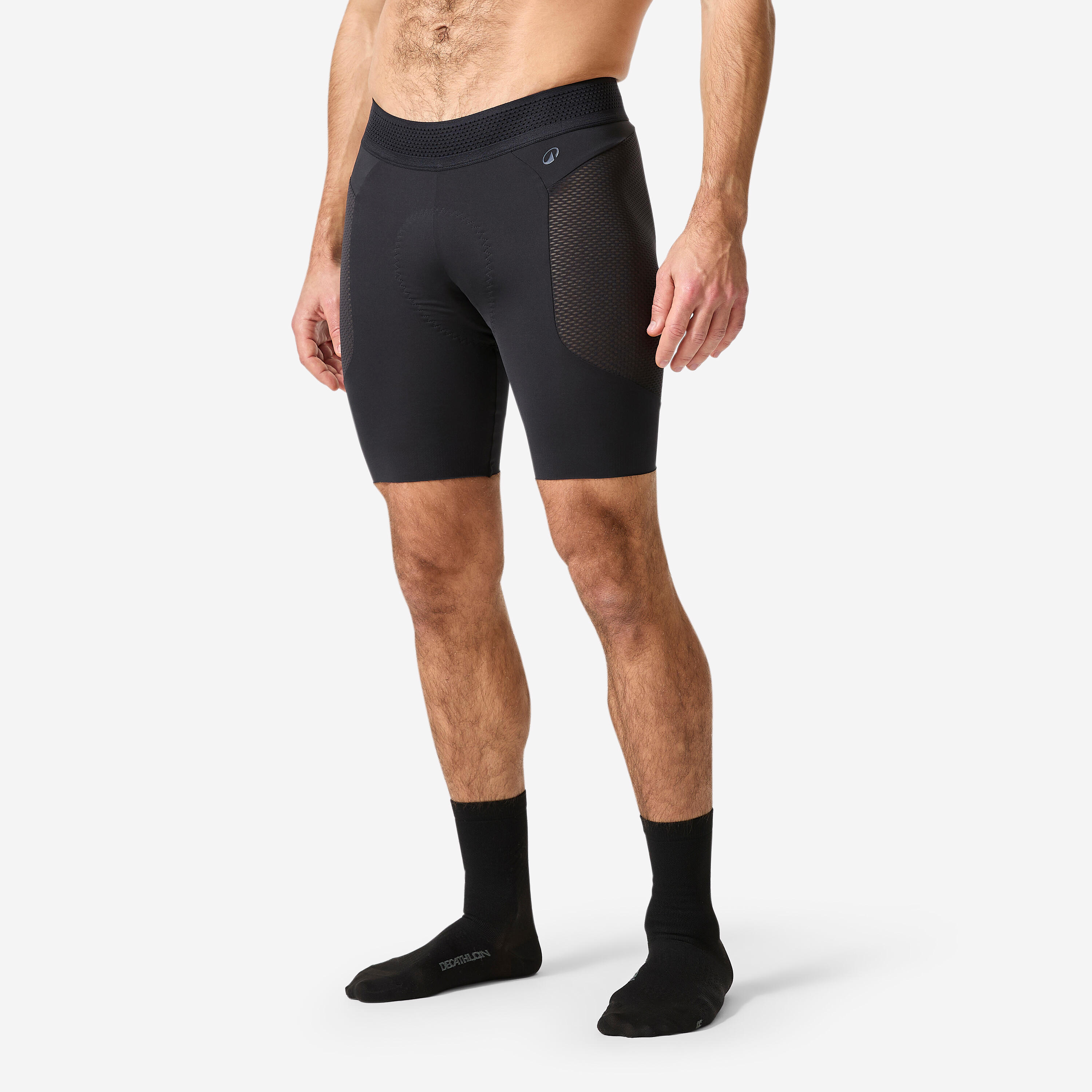
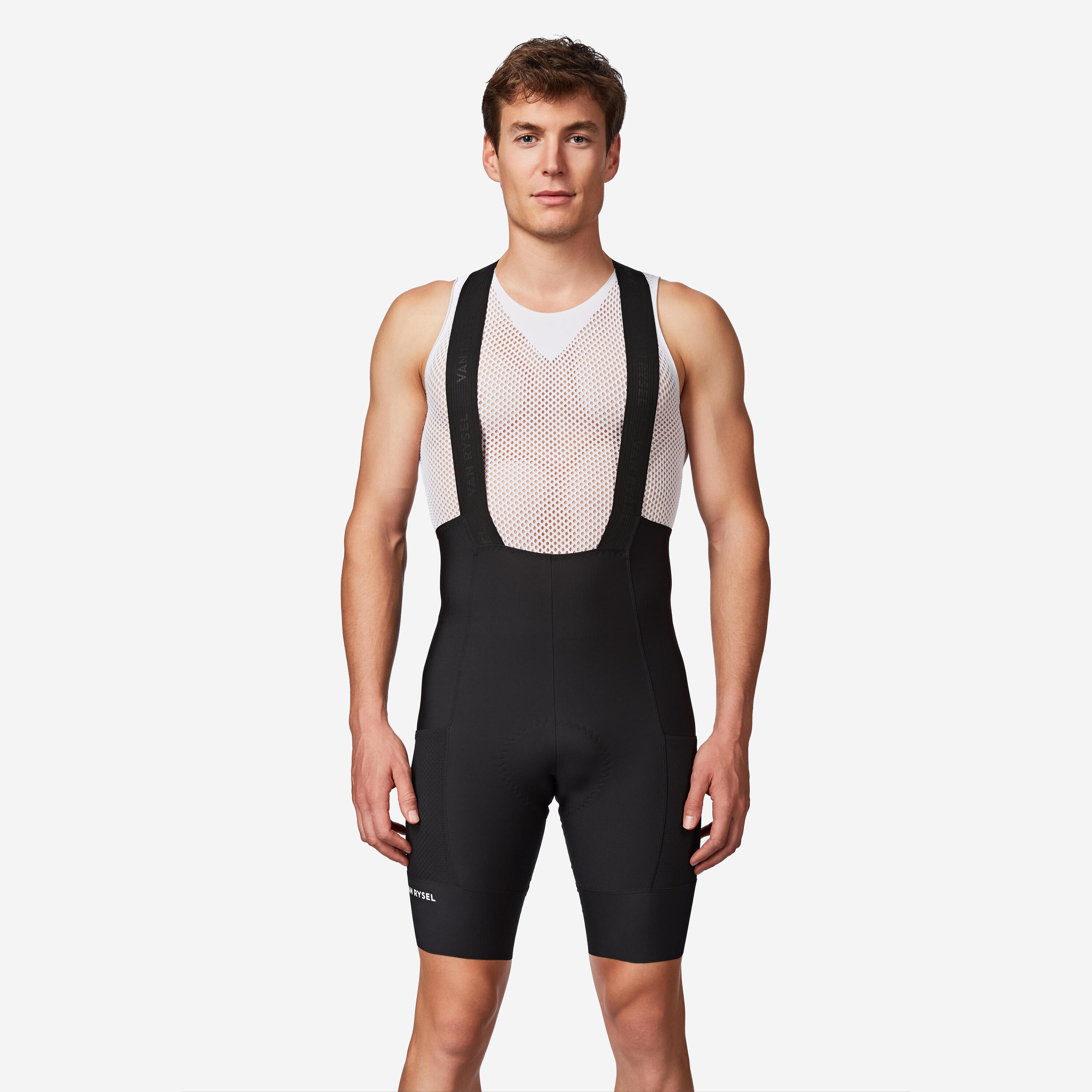
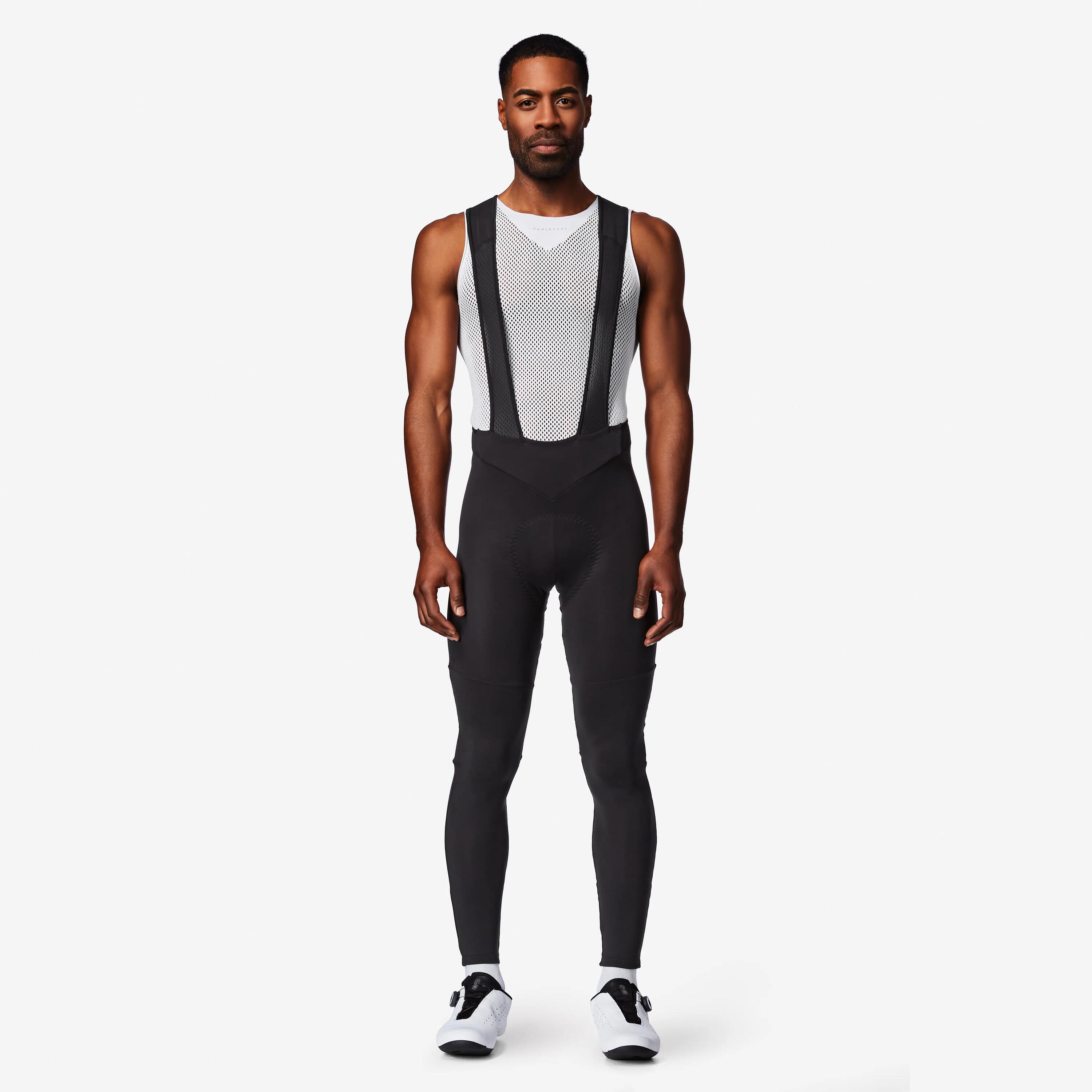
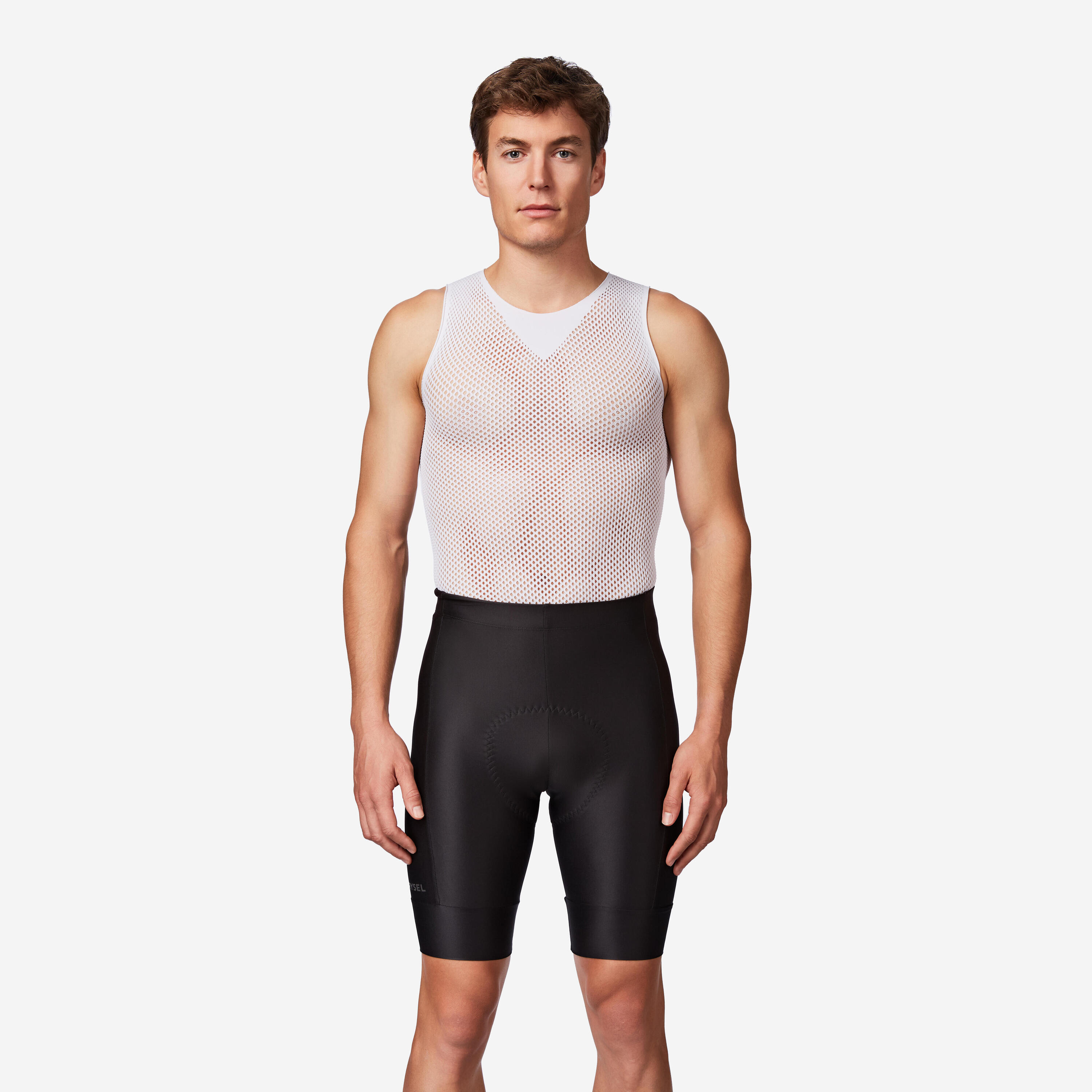
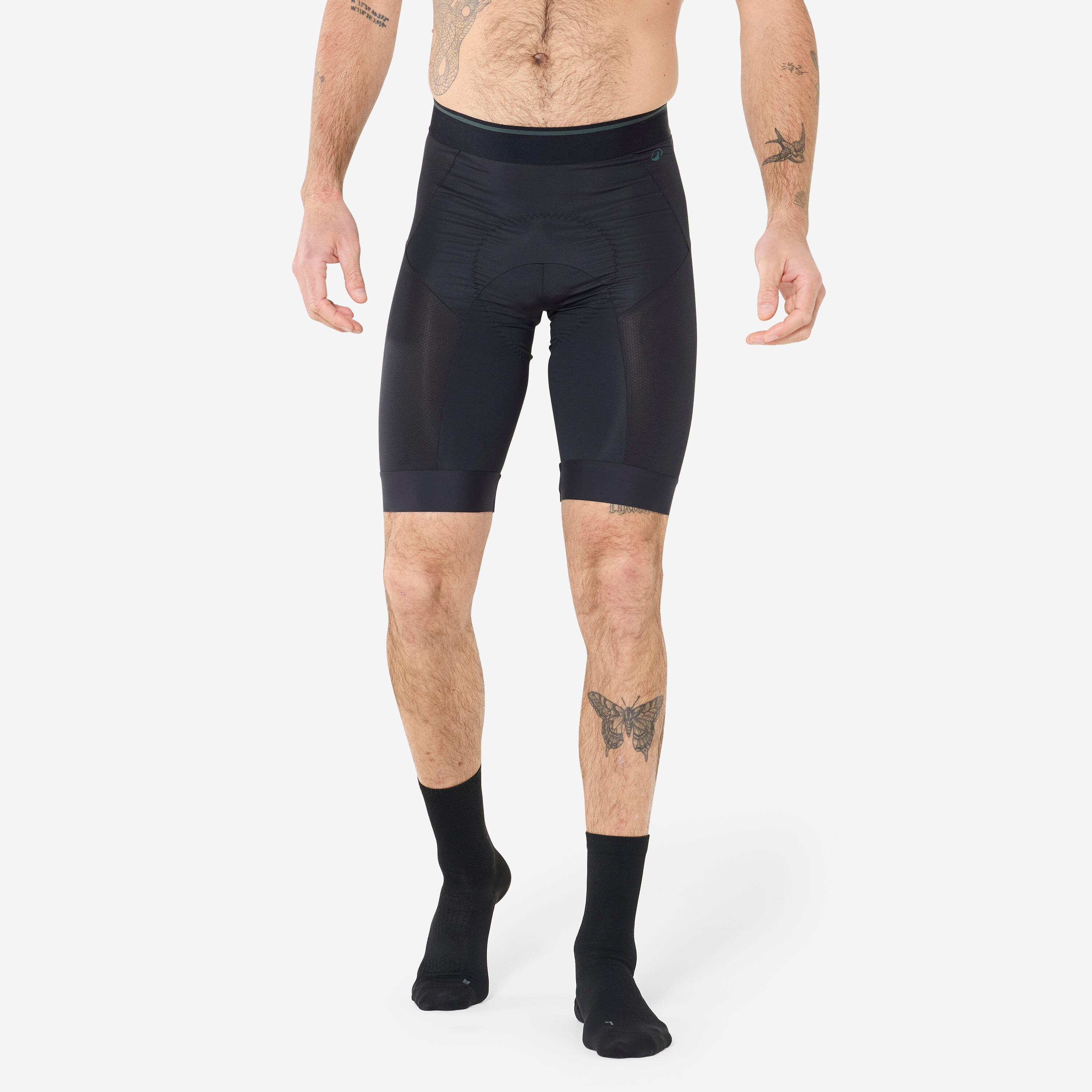
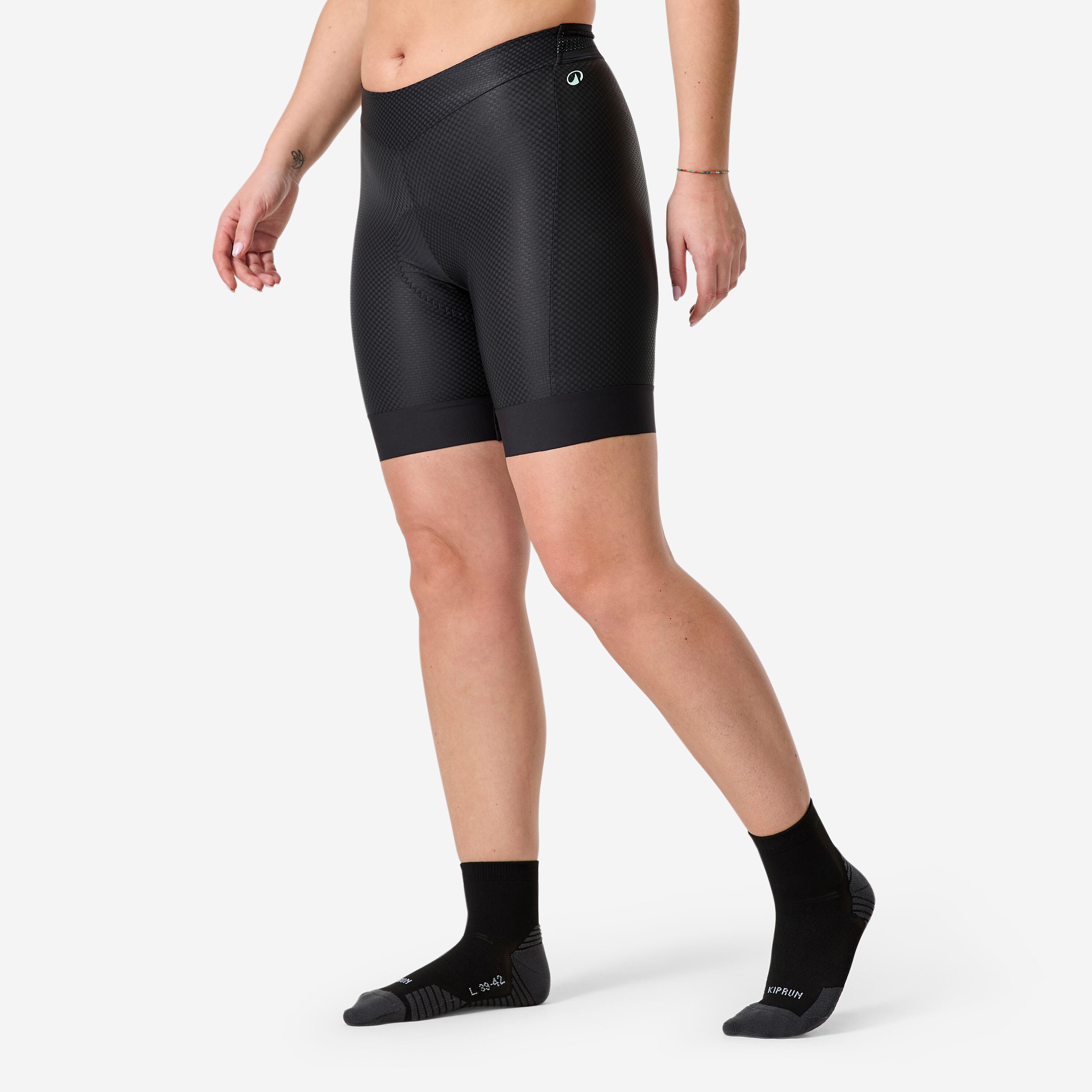
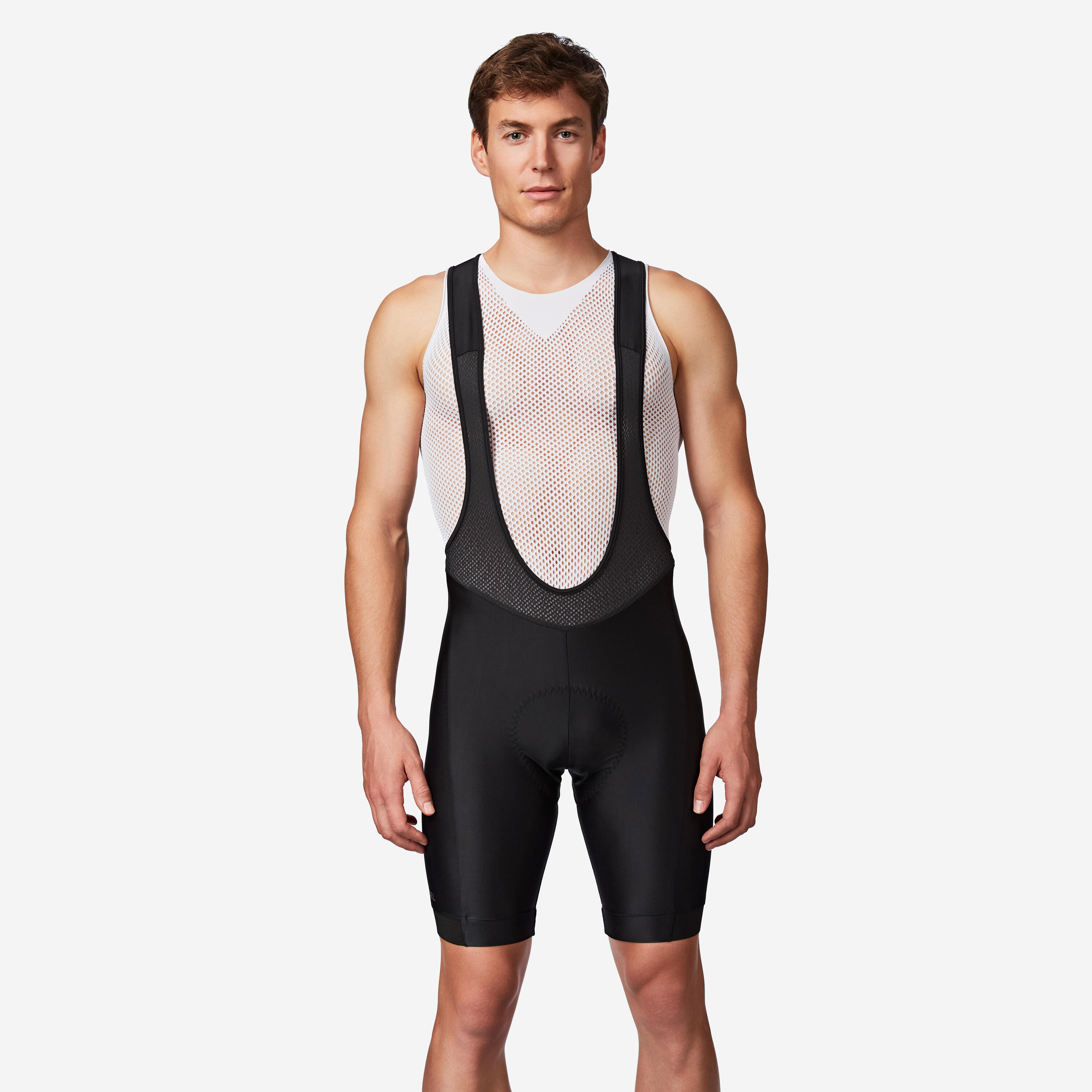
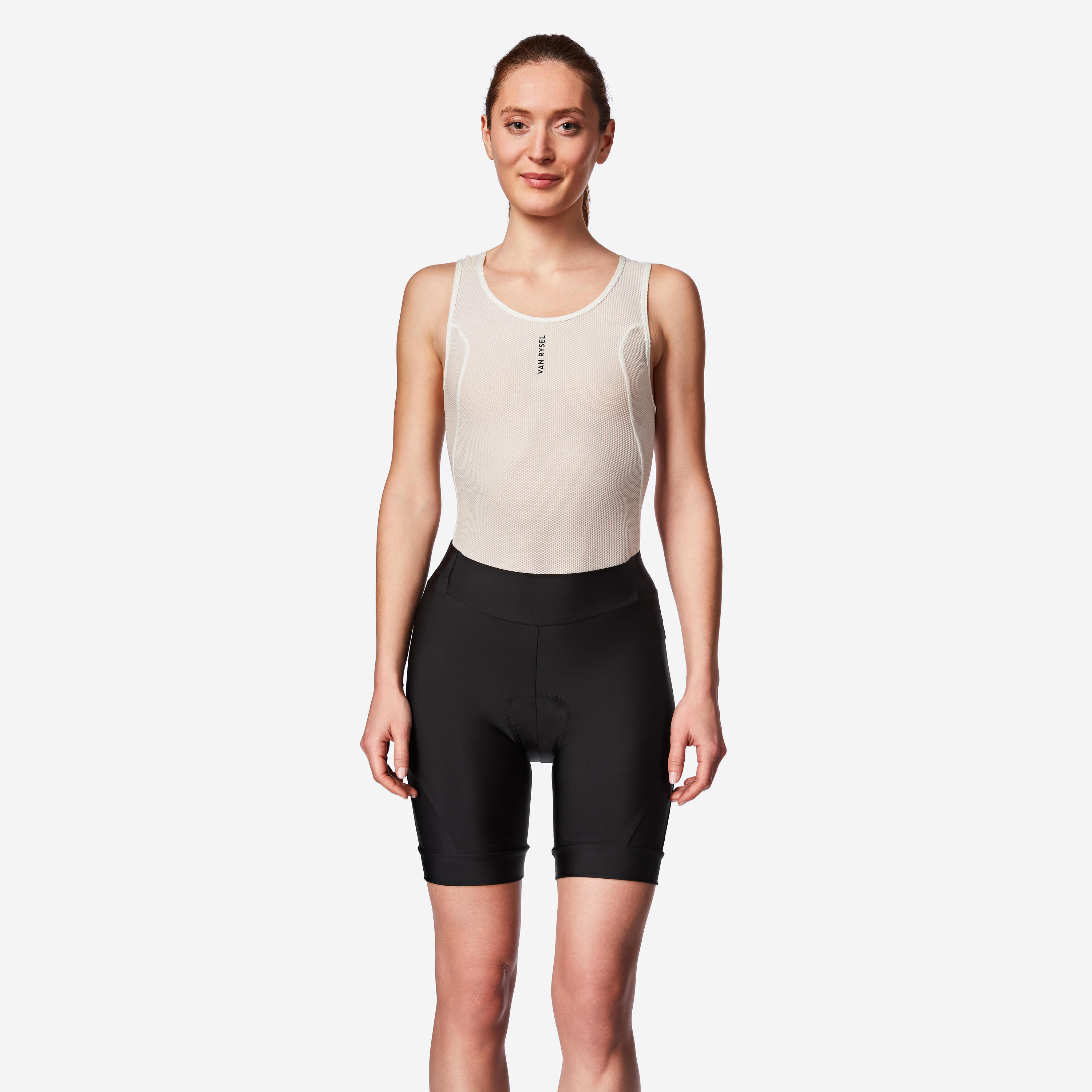
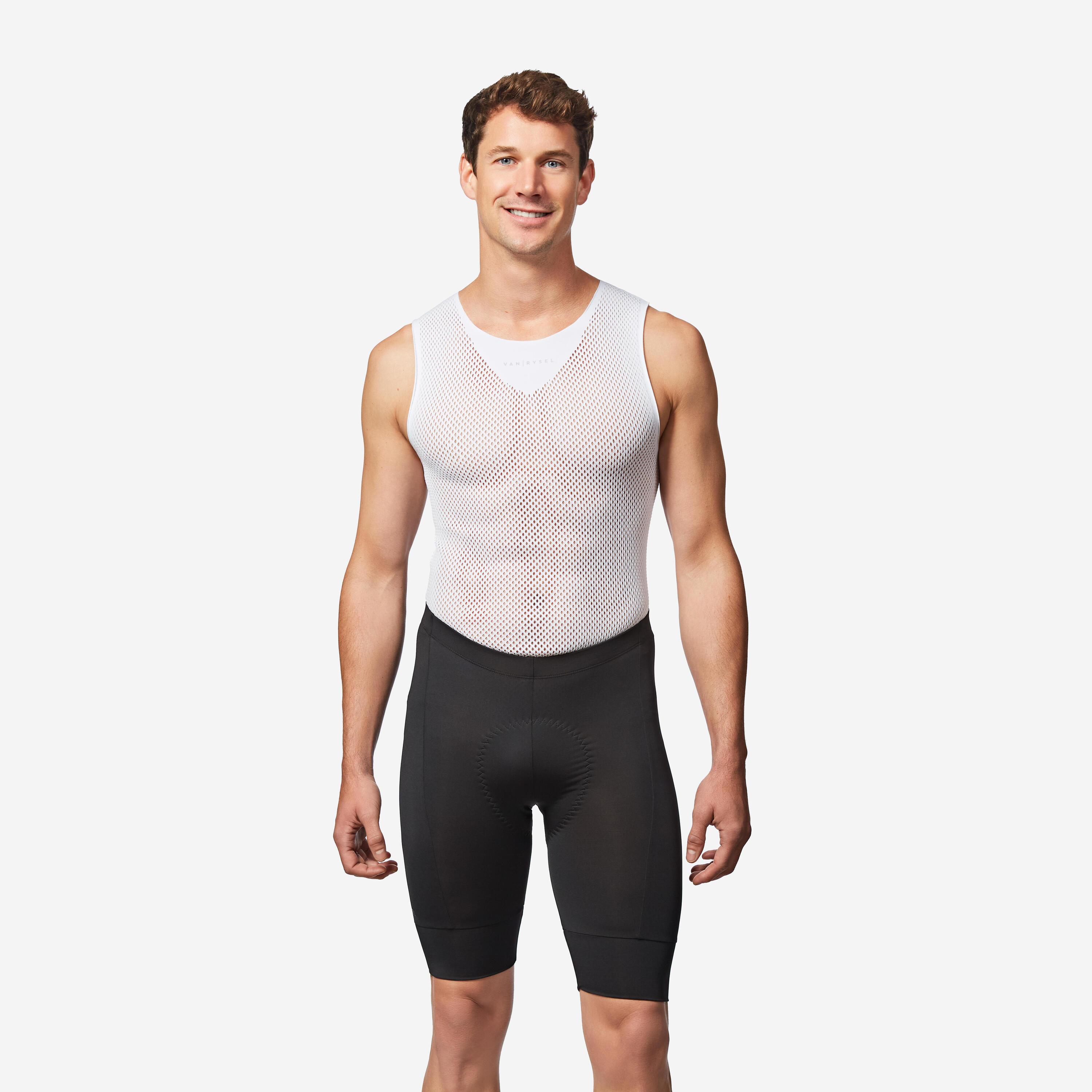
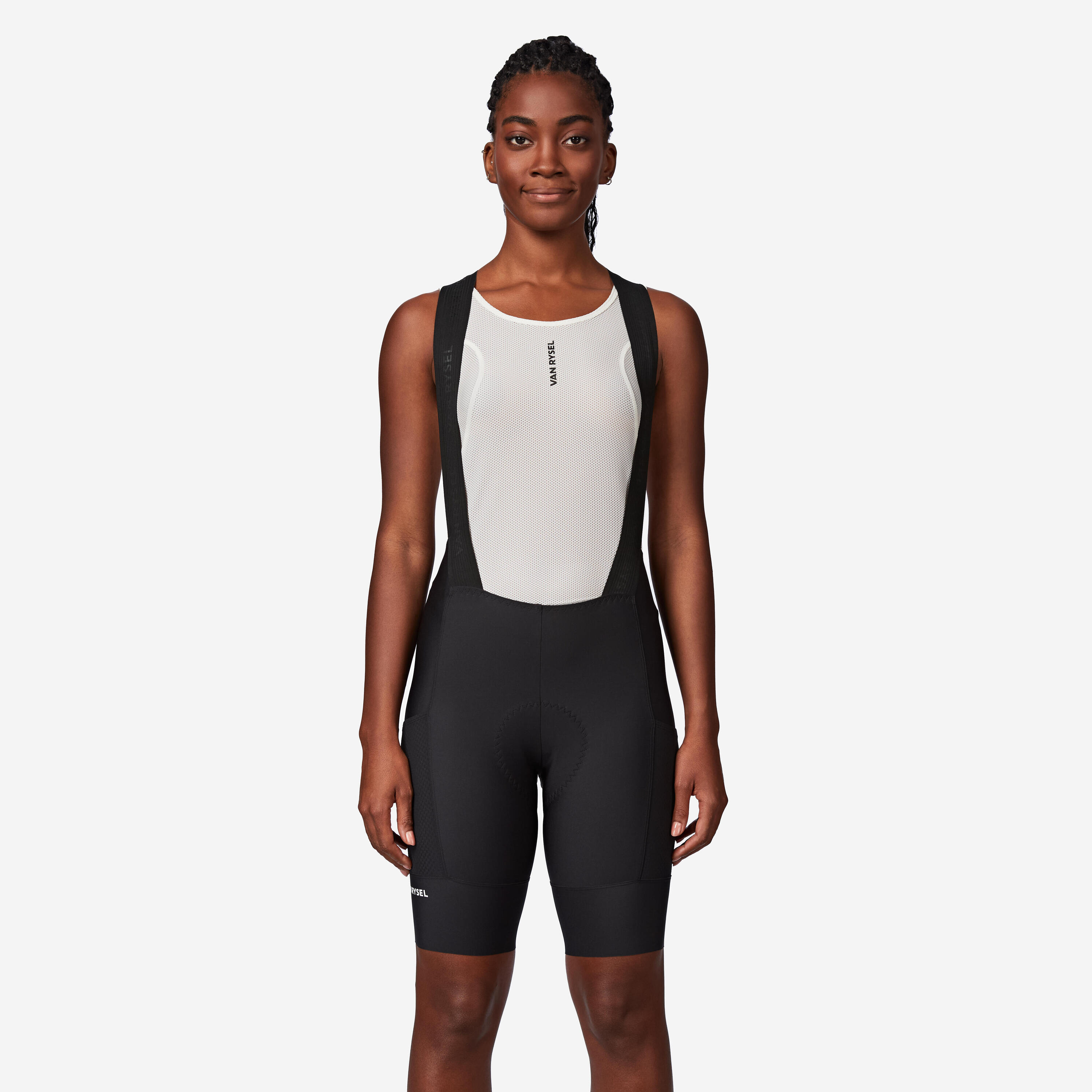
Ride duration influences the pad construction, storage and garment stability that may feel useful in the saddle. VAN RYSEL Discover shorts are positioned for outings of approximately two hours or 50 km and use a 13 mm pad with 100 kg/m³ foam. Pressure-sheet testing with cyclists helped position reinforcement around higher-contact areas, while a narrower section between the legs aims to reduce rubbing during pedalling. EDR shorts extend the comfort focus towards rides of around three hours and add thigh pockets, wide elastic sections and silicone leg grips. Options within cycling shorts and tights include bibless, bib, padded and seasonal constructions. A smooth, stable pad matters more than excessive thickness, particularly when it remains correctly aligned throughout the ride.

Which jersey features, such as pockets and fit, are useful for longer road trips?

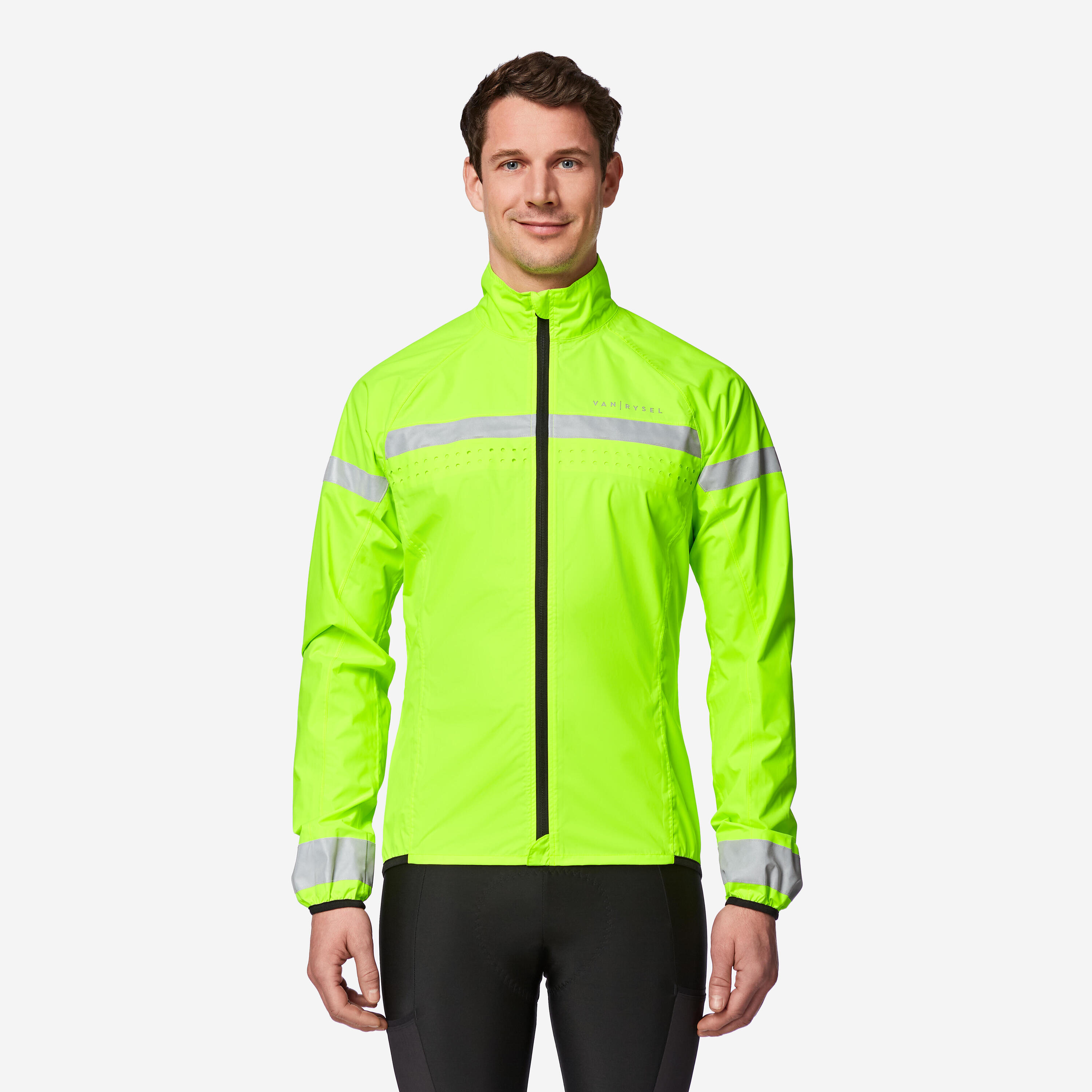
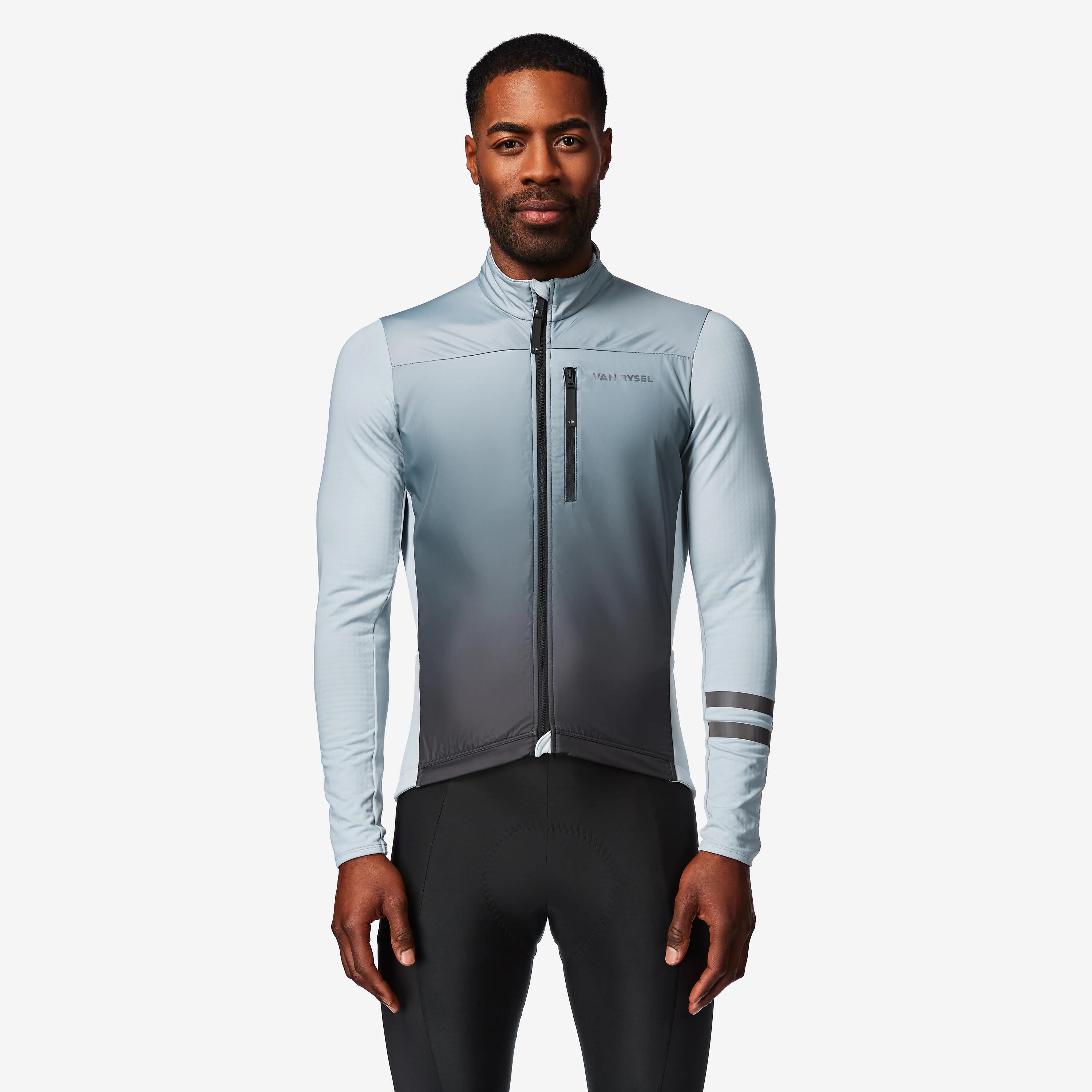
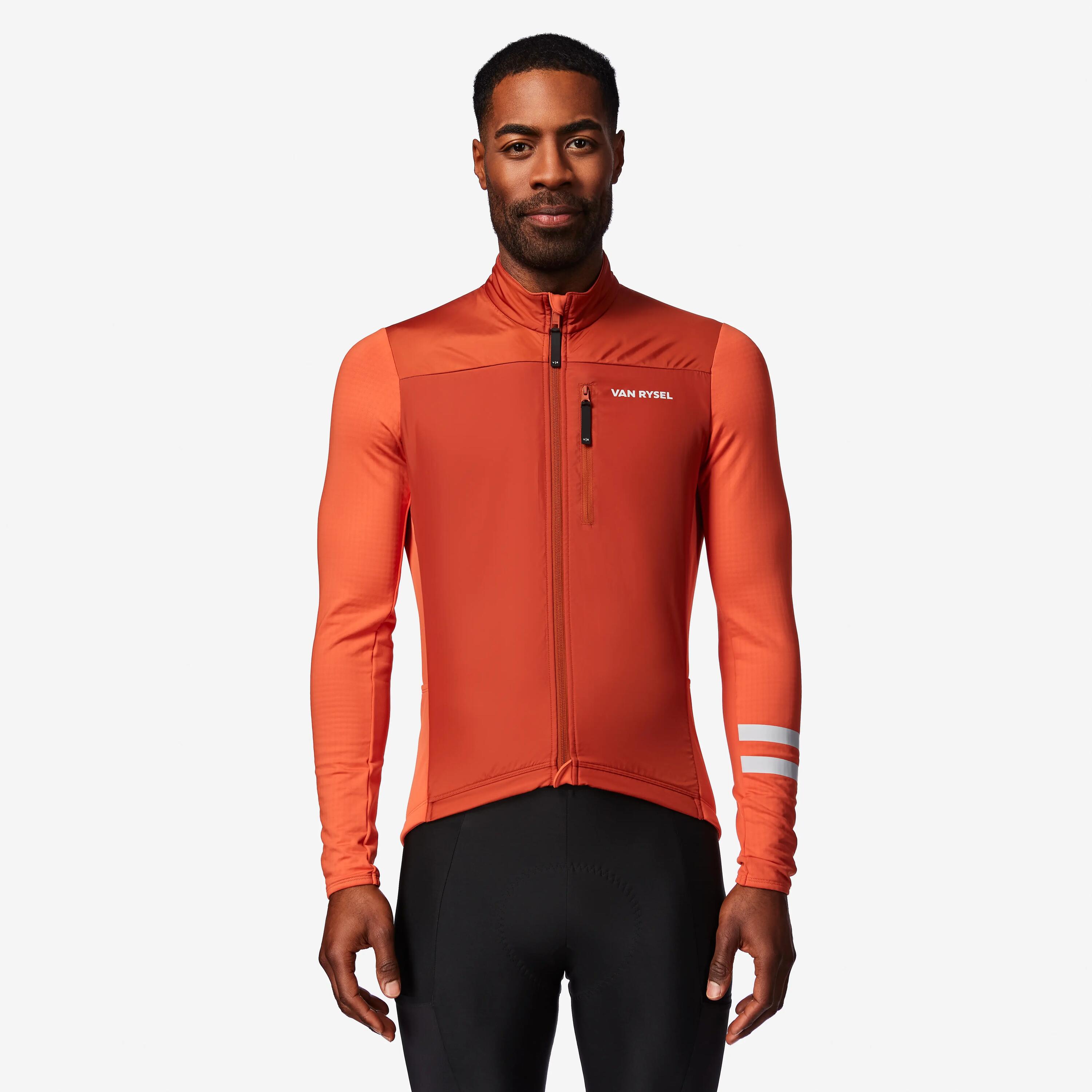
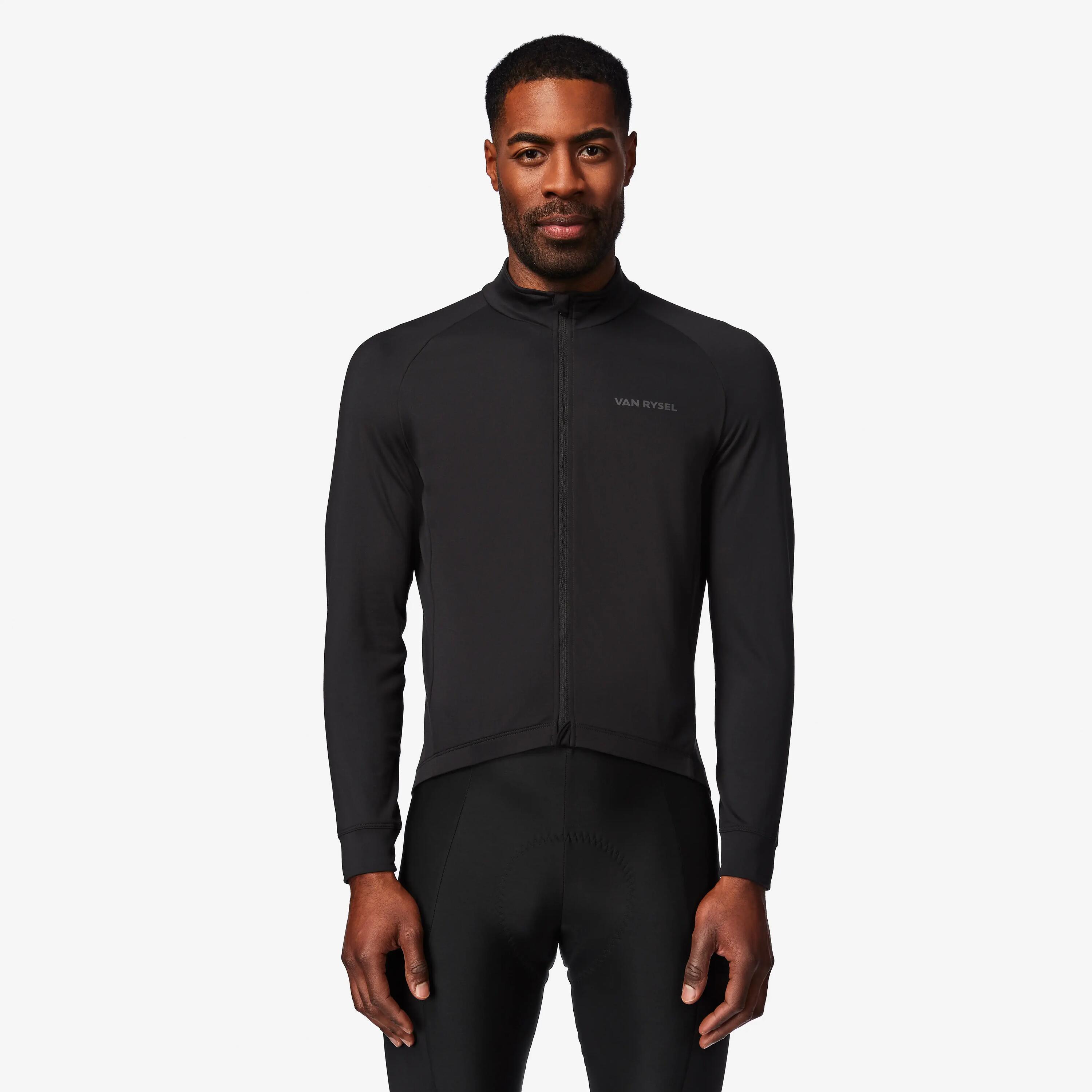
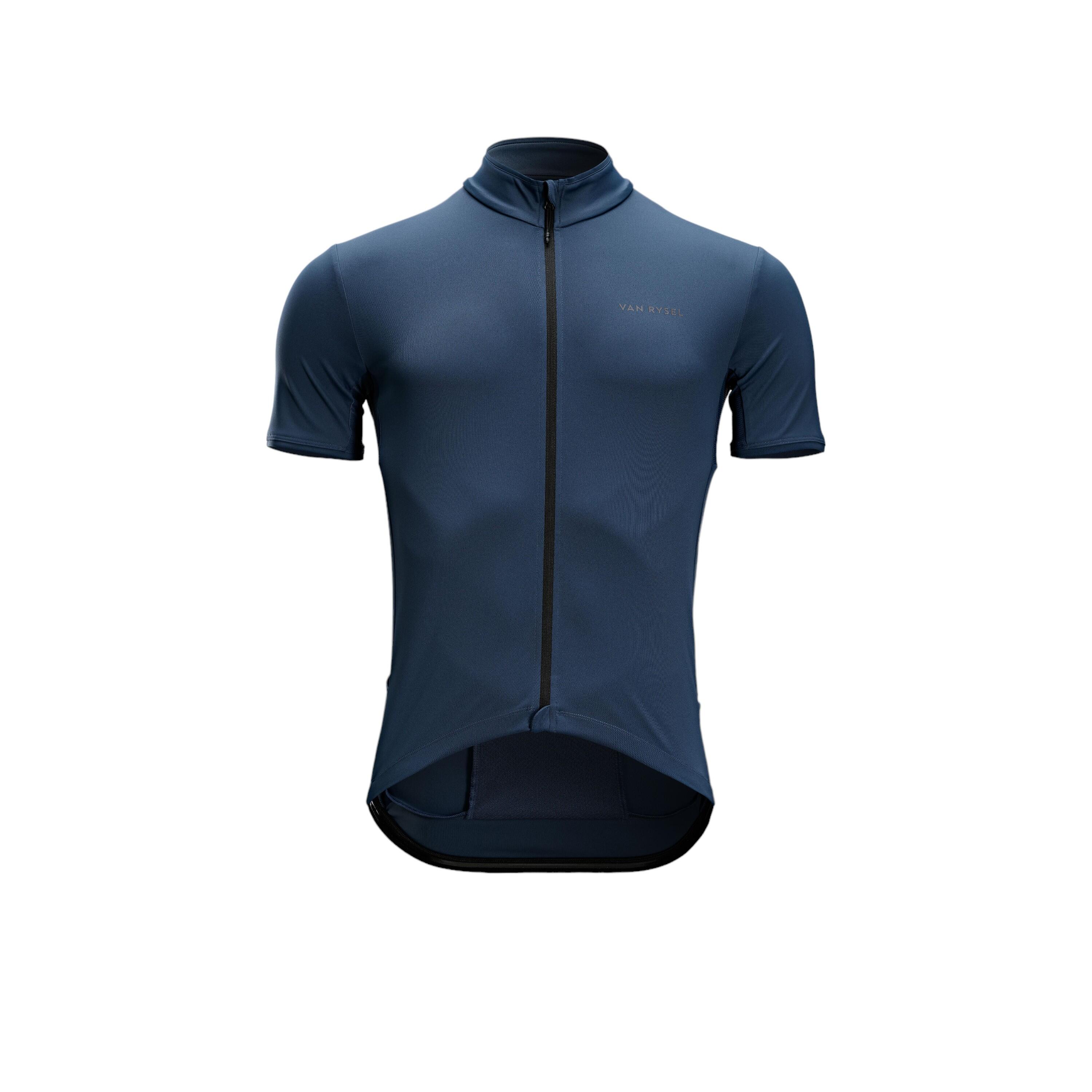
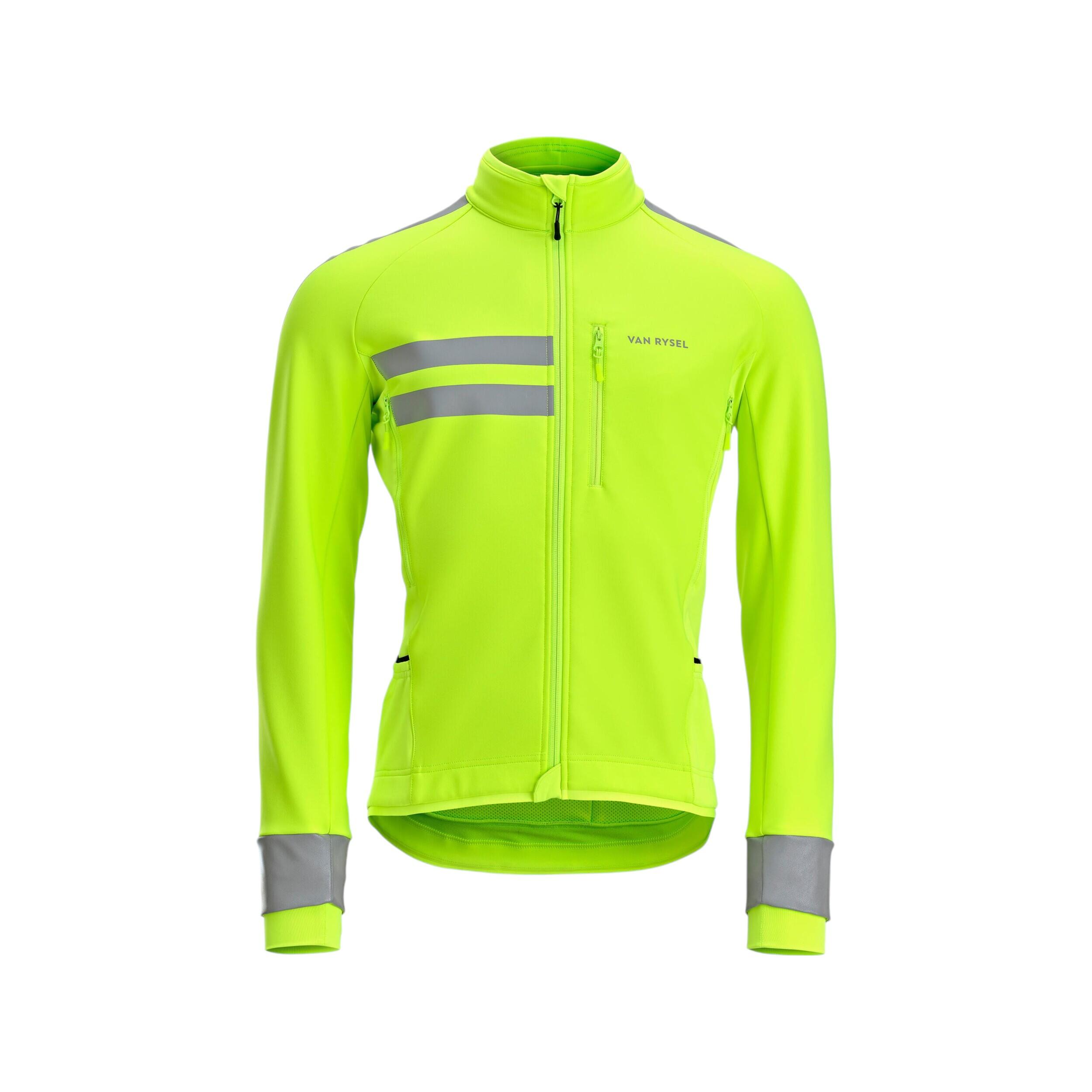
A road jersey needs to remain stable while keeping food, a phone and small essentials accessible from the saddle. Discover jerseys use a regular fit and provide six storage areas, including four rear pockets, one zipped compartment and two side pockets. The EDR 2 jersey moves closer to the body without using the tightest race cut and includes seven pockets, with separate zipped spaces for a phone and smaller valuables. A silicone waist band limits movement at the hem, while the full-length front zip allows ventilation to be adjusted on climbs or warmer sections. Riders needing an additional outer layer can add one of the available cycling jackets according to the rain, wind and temperature expected. Check pocket load before departure because overfilling one side can pull the jersey out of position.

What do visibility, sealed seams and rain ratings tell you?

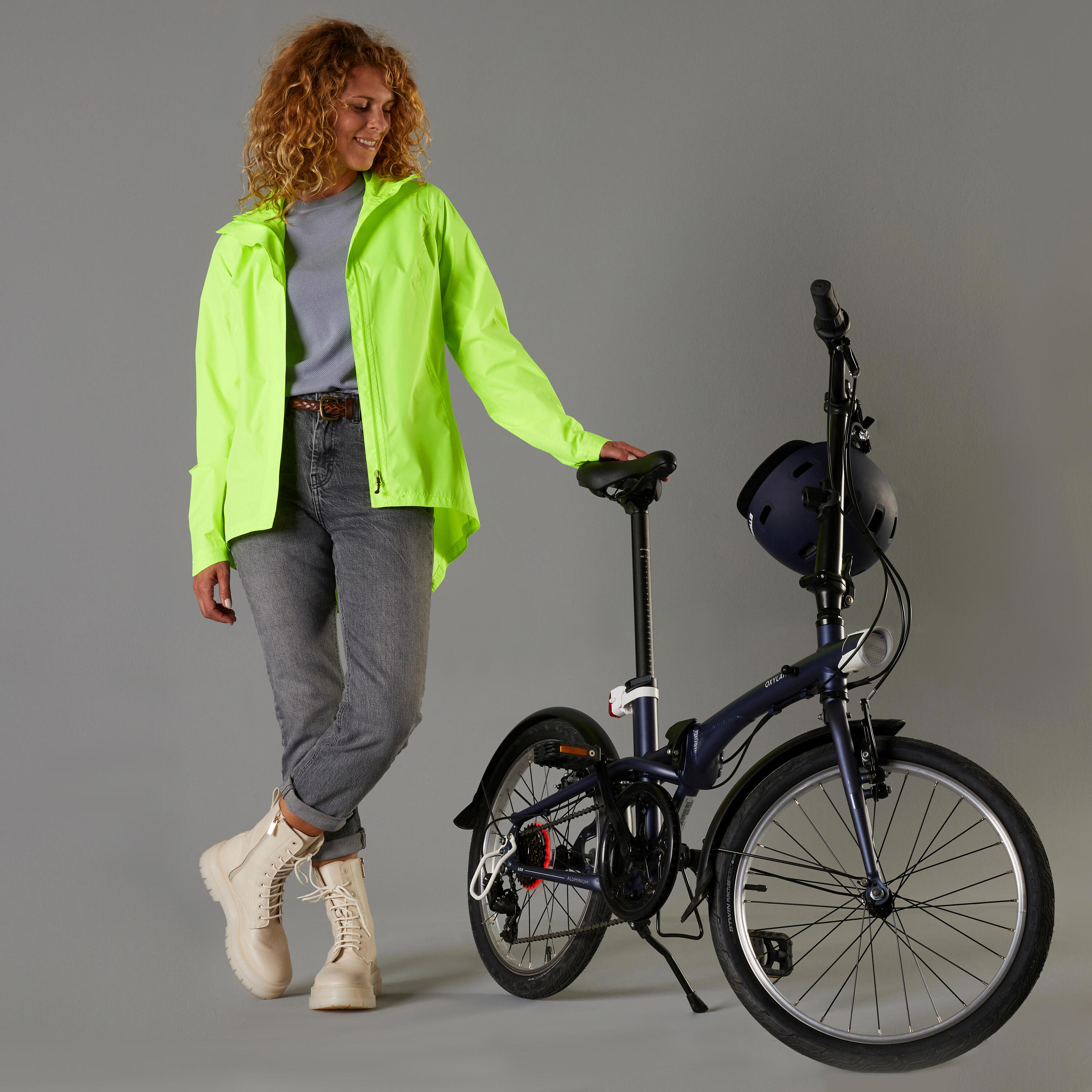
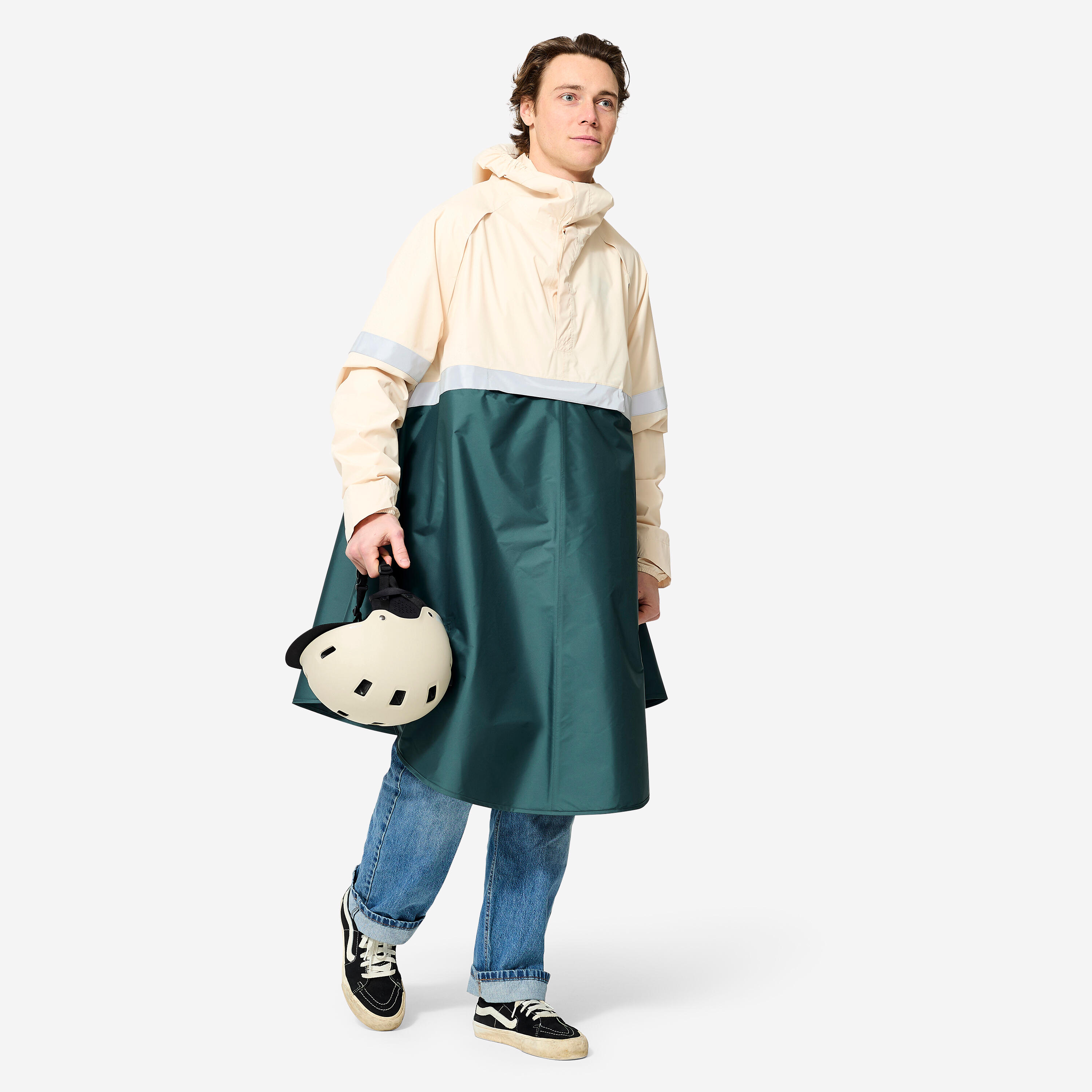
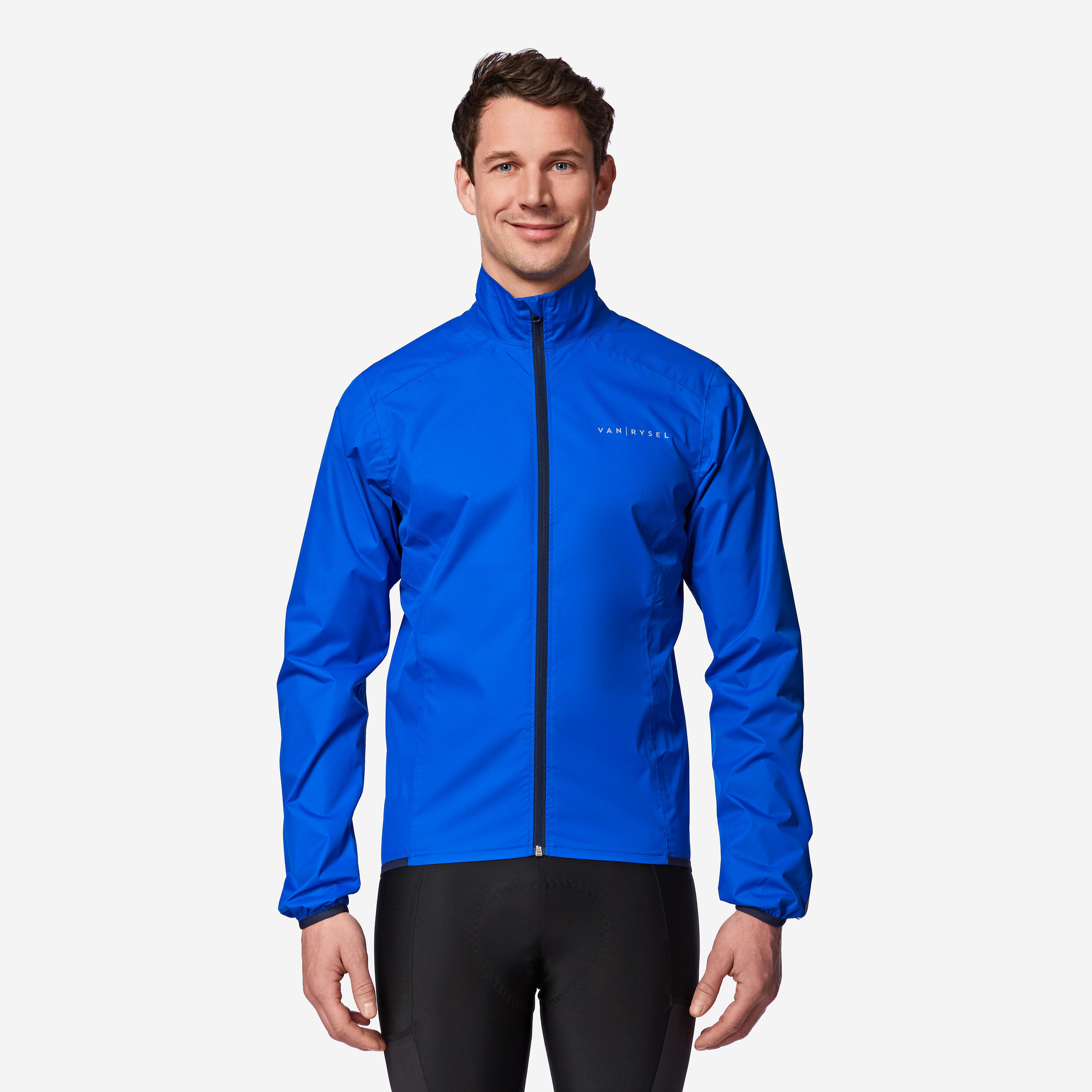
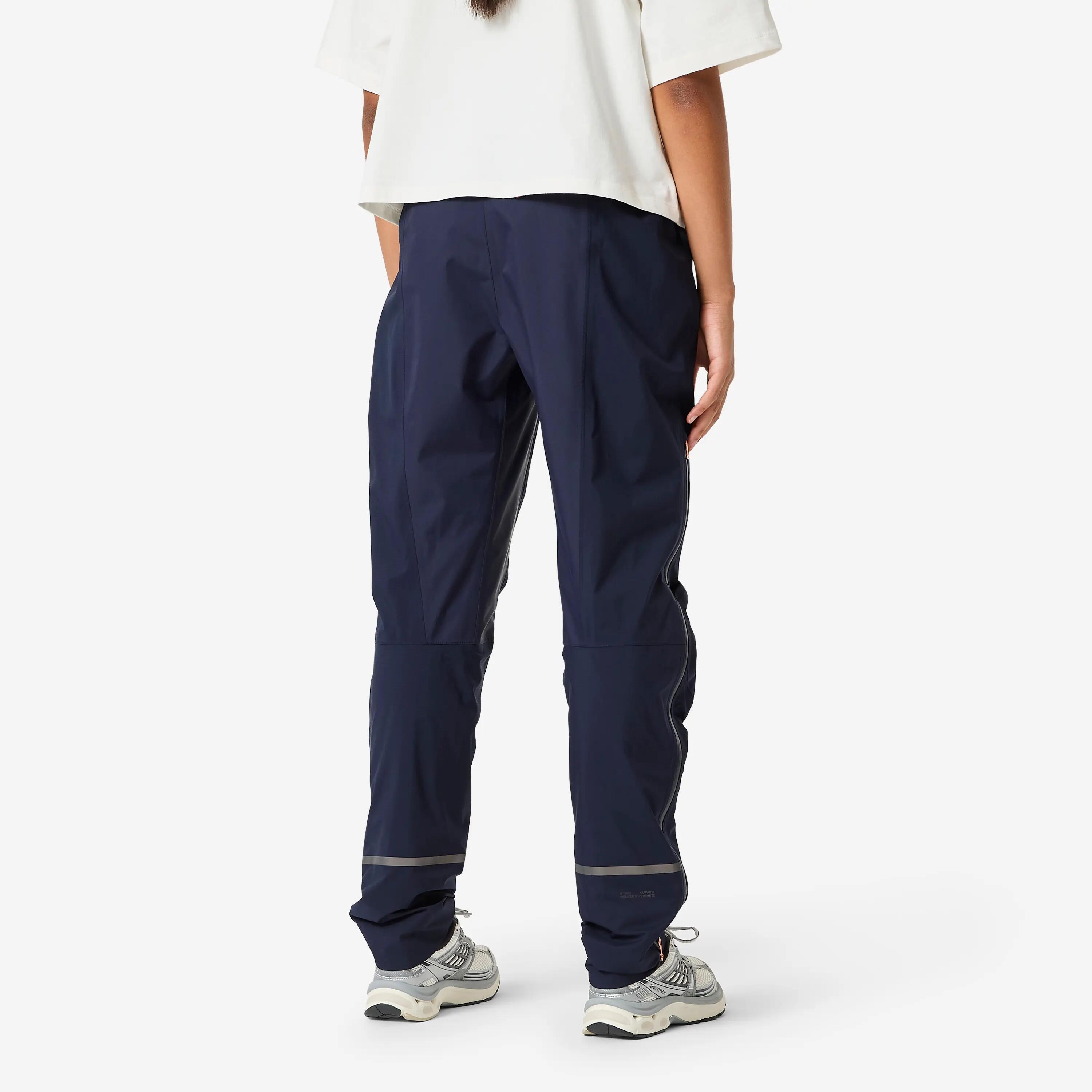
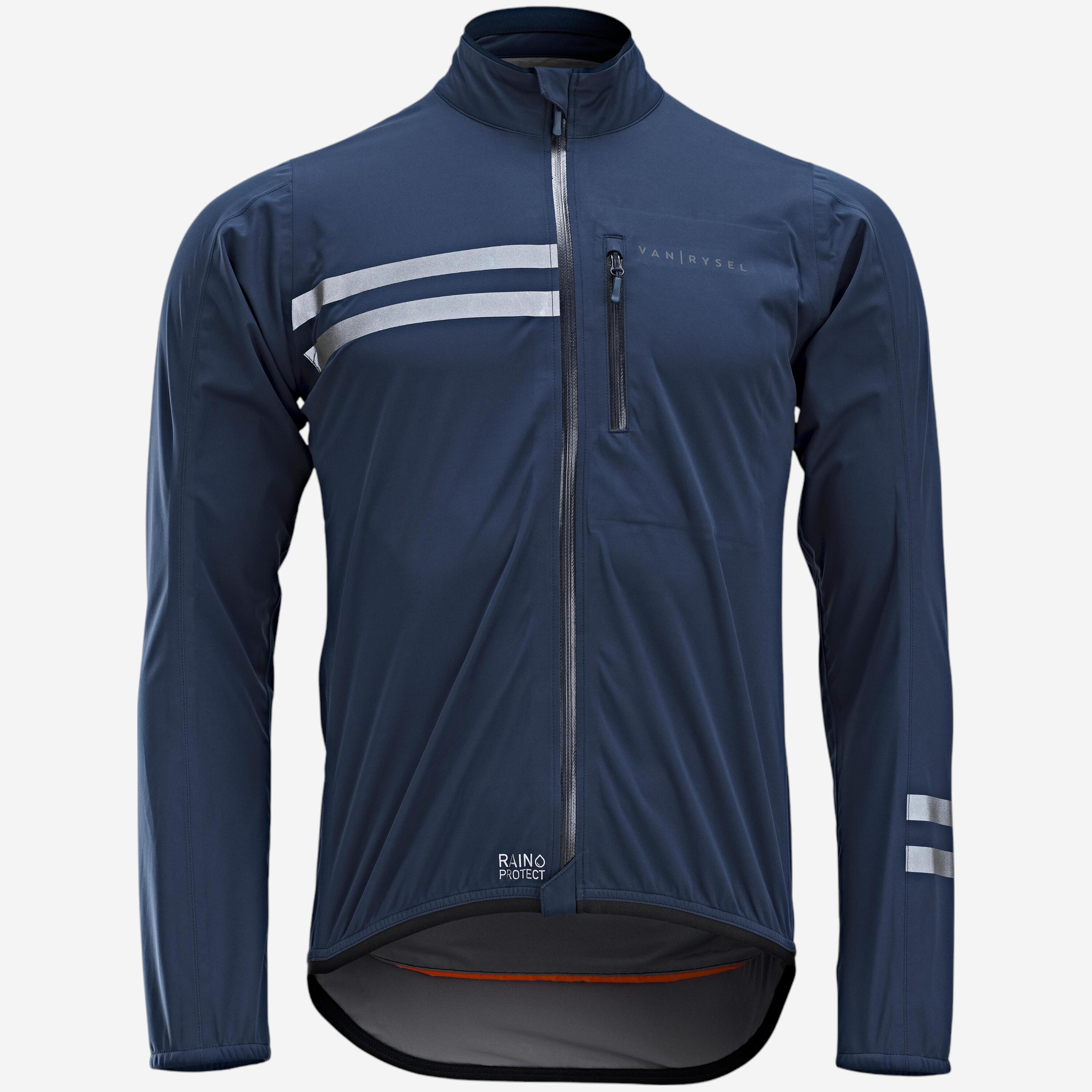
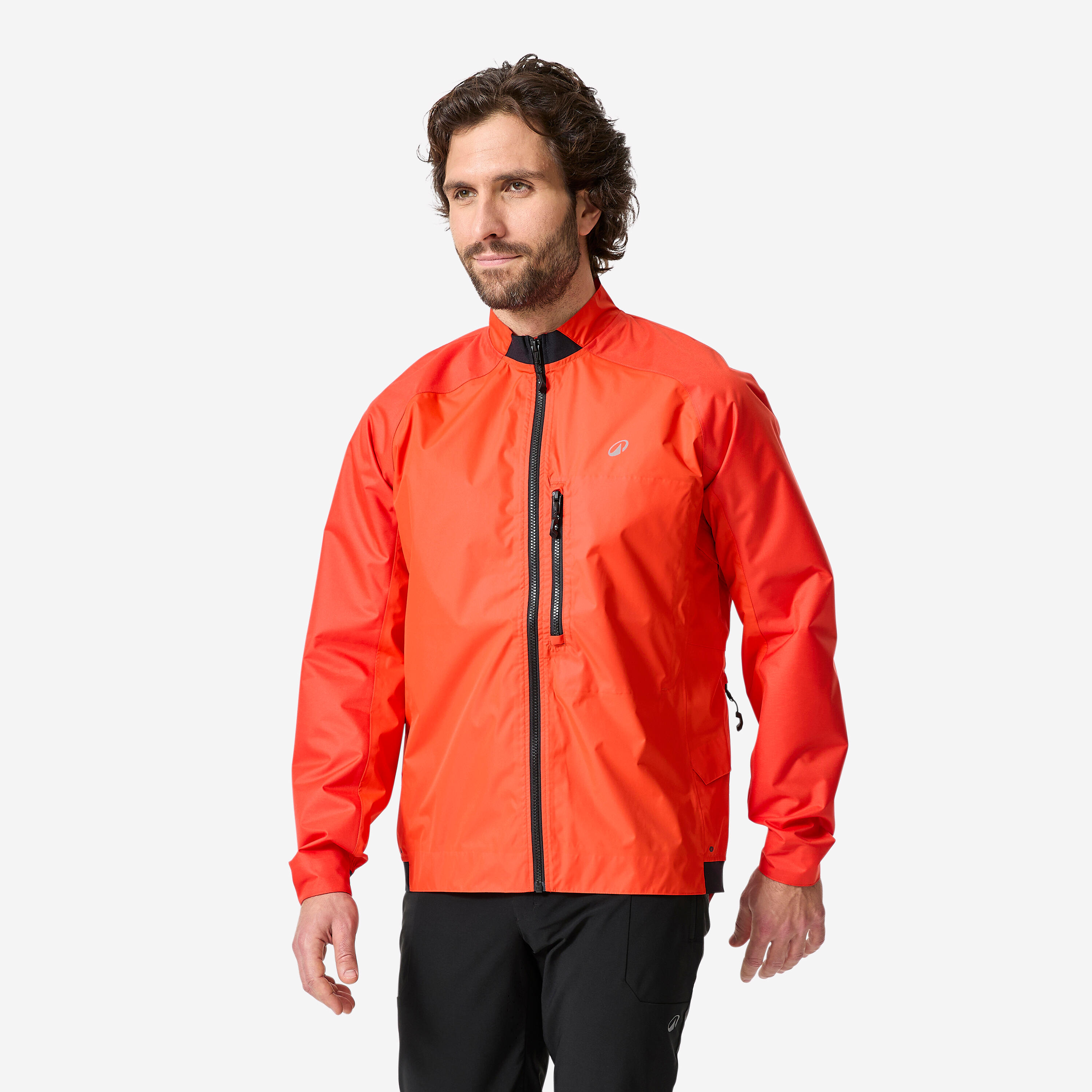
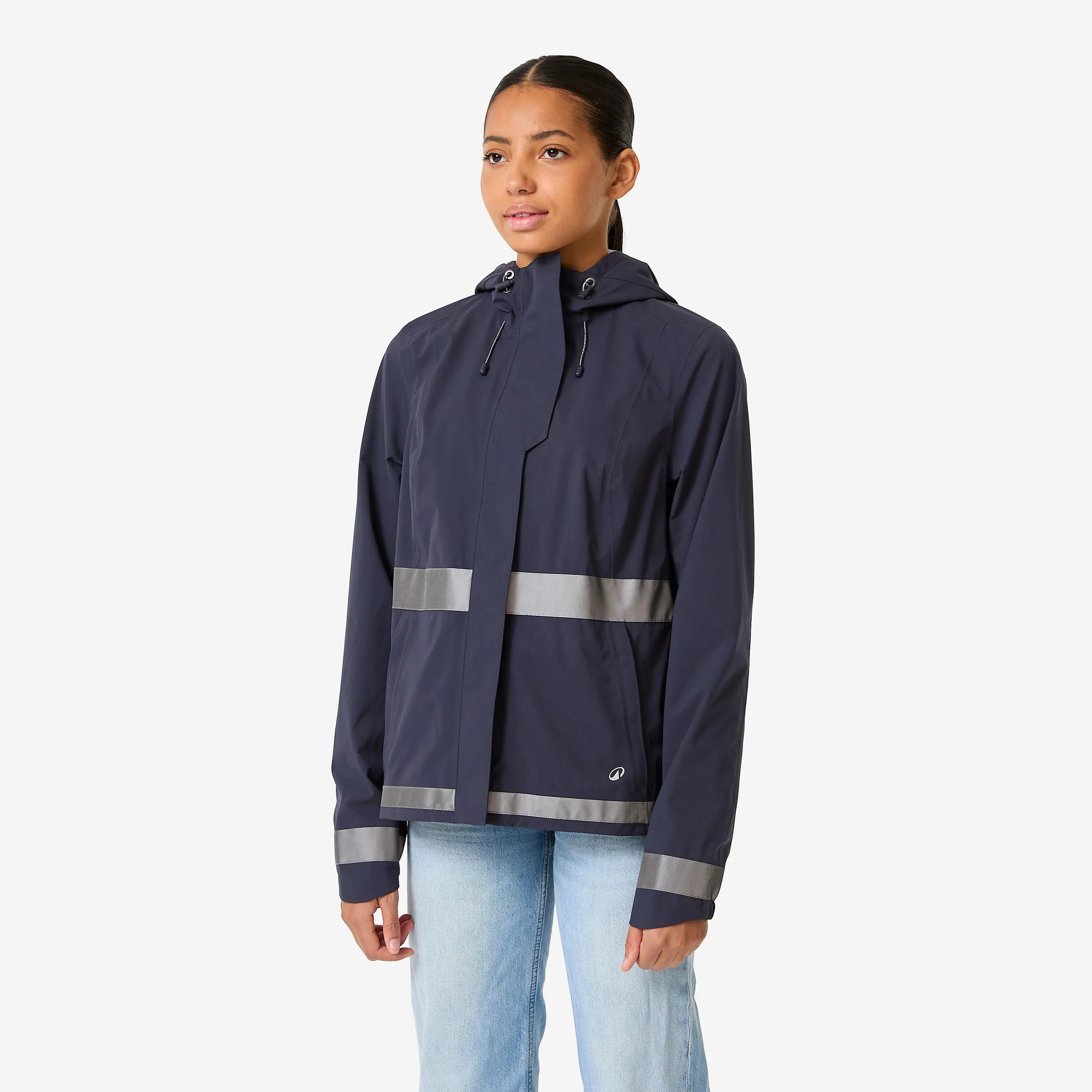
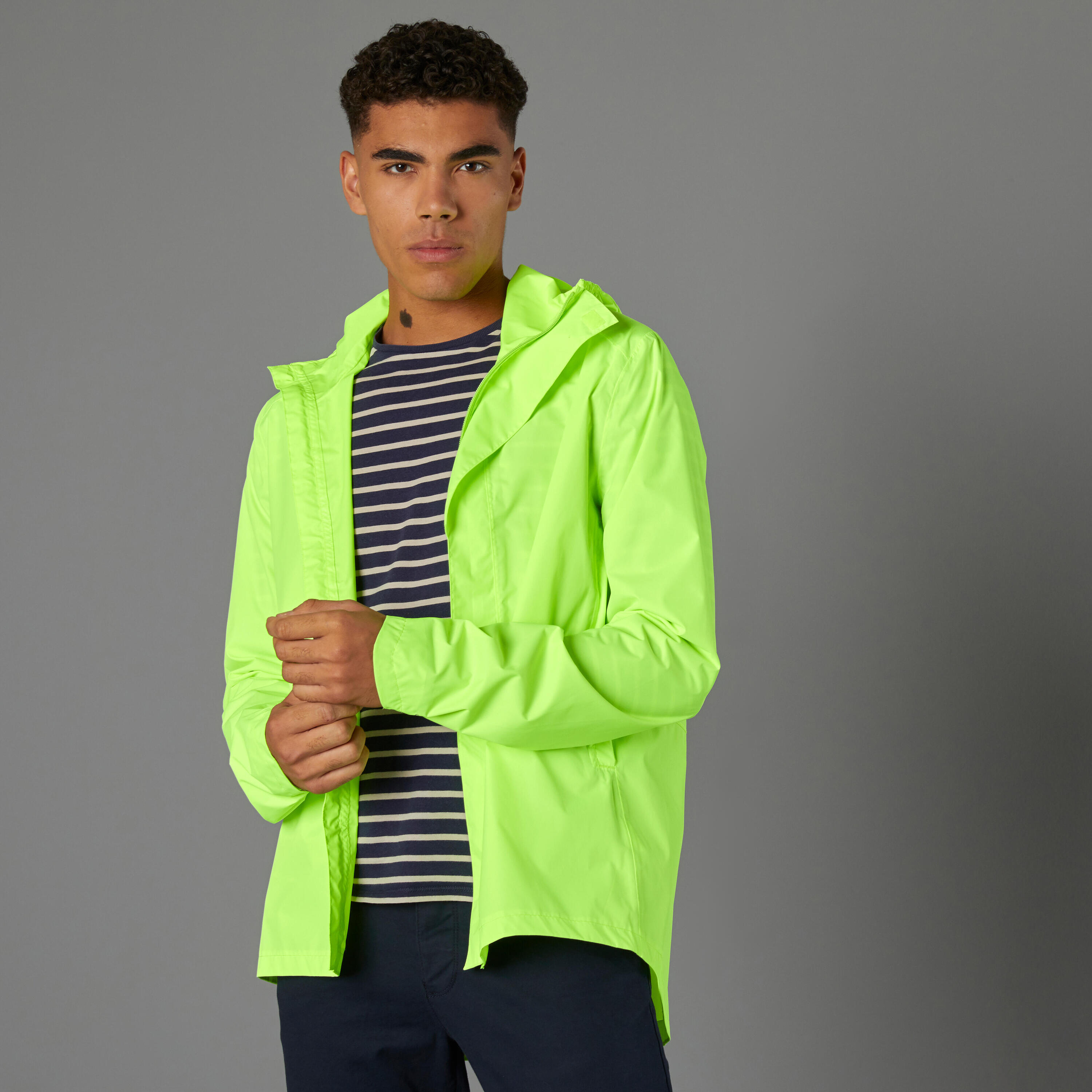
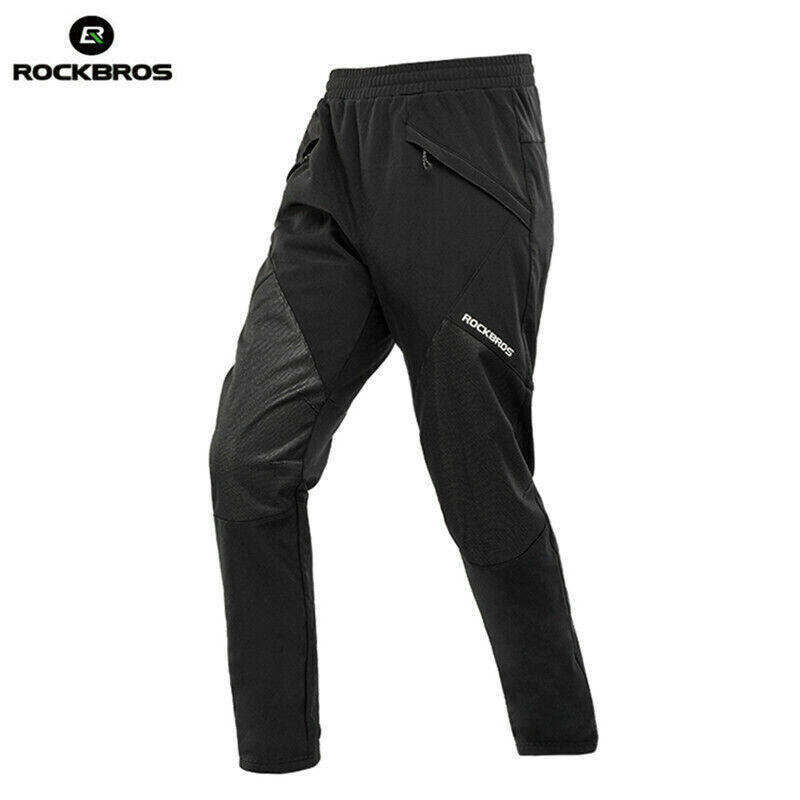
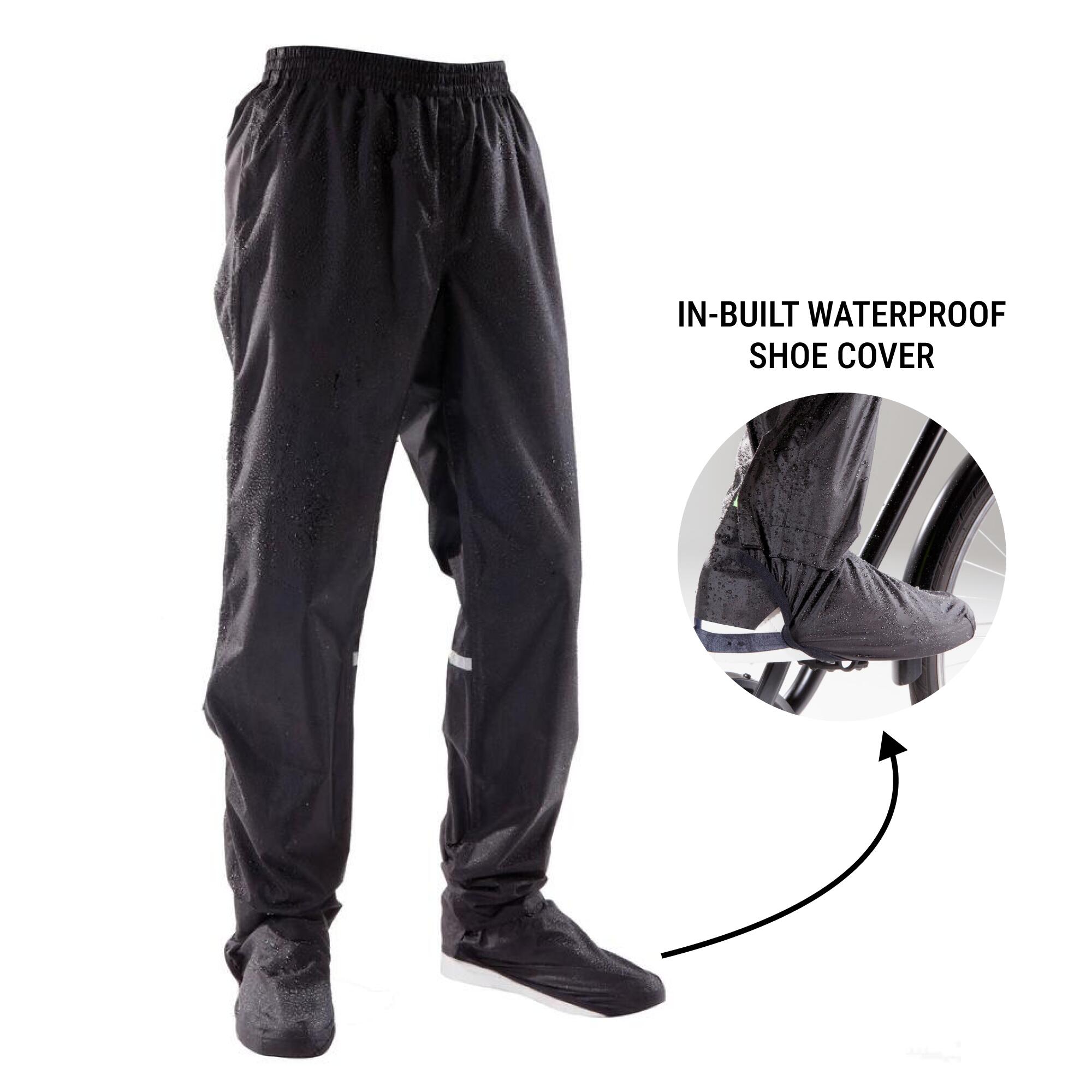
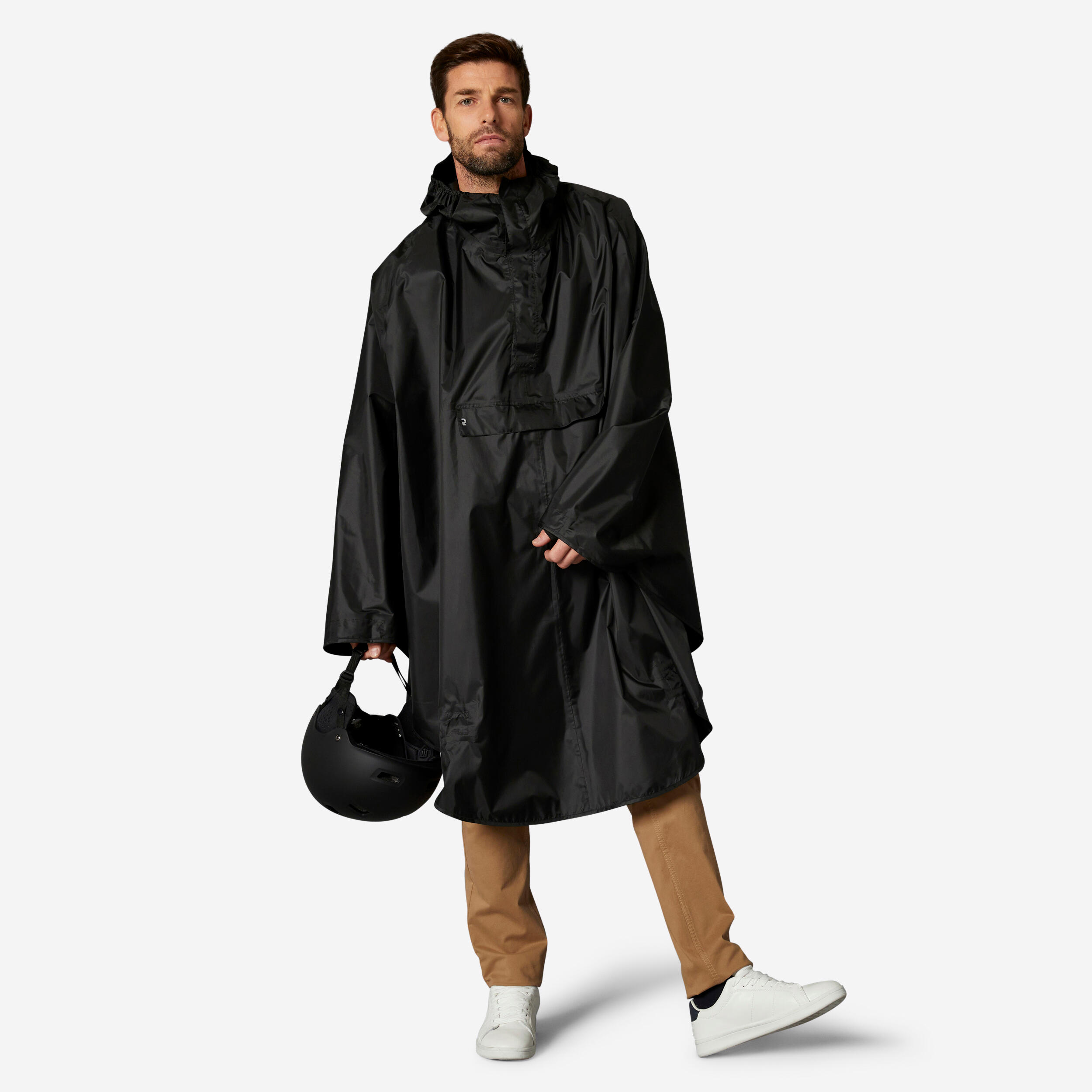
Water-column figures describe fabric resistance to water pressure, while complete-garment testing checks how seams, panels and closures behave together. The RC100 road jacket is intended for drizzle and uses fabric rated at 3,000 mm before washing and 2,000 mm after five washes. City rain overtrousers begin at 5,000 mm and include sealed seams plus integrated shoe covers, while the sampled city parka reaches 25,000 mm before washing. That parka also uses reflective forearm bands tested against NF EN 17353 requirements for category 2 personal protective equipment. Waterproof cycling trousers can protect everyday clothing during commuting, but reflective material still requires an external light source to become visible at night. Fabric ratings do not remove the need for ventilation, suitable layering and correctly closed zips.

After a ride, what care protects technical cycling apparel?

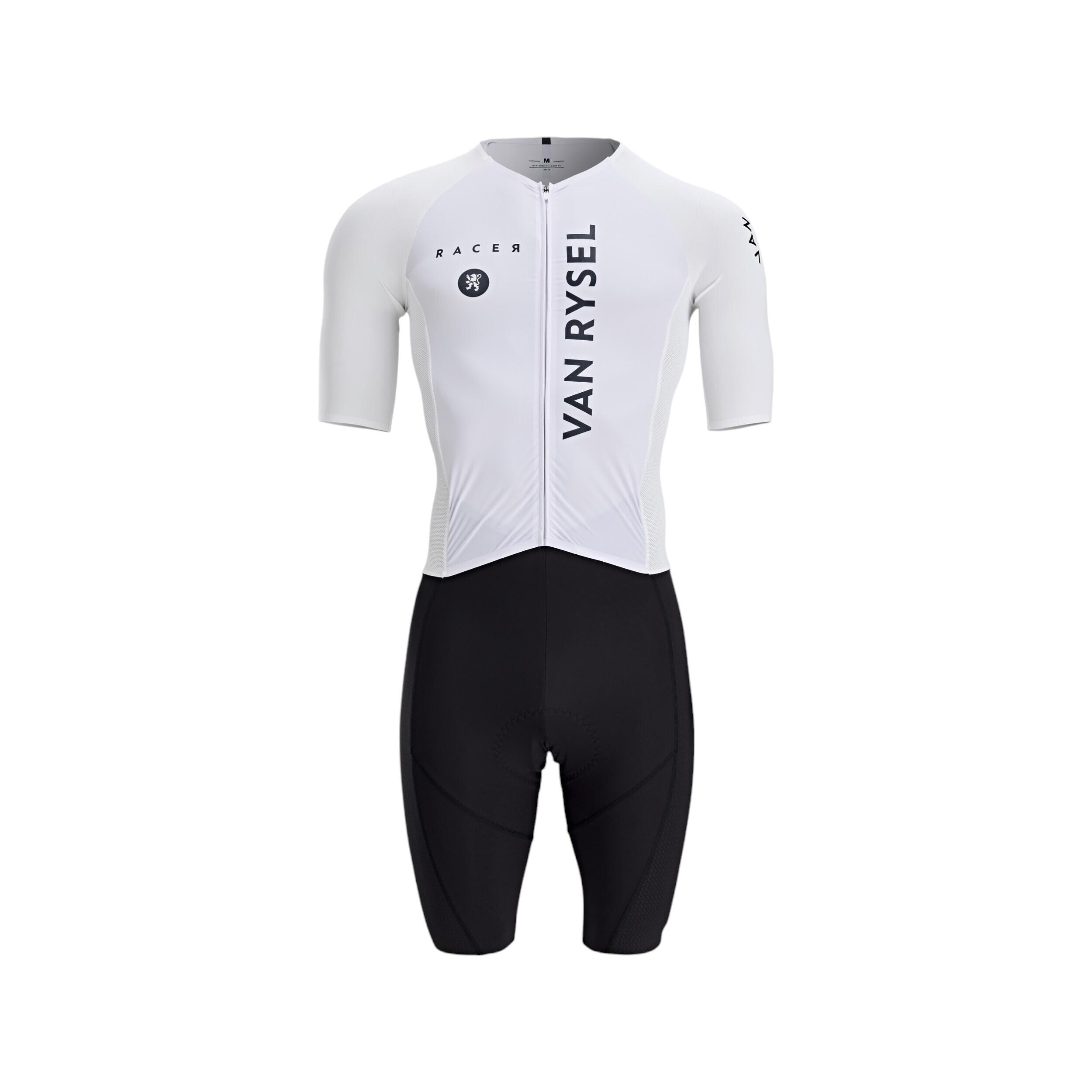
Turn padded shorts, tights and close-fitting jerseys inside out before washing, use a gentle 30 degrees Celsius cycle and avoid fabric softener. Softener can affect moisture-management fibres and technical finishes, while high heat may damage elastic sections, silicone grips, waterproof coatings and pads. Air drying is the safest general approach, although any product-specific care label takes priority where online advice and formal symbols conflict. Do not place damp cycling clothes directly on a radiator, and make sure the pad is completely dry before storing it. Aerodynamic one-piece cycling skinsuits need the same careful handling around zips, stretch panels and contact areas. Inspect seams, reflective sections, pocket openings and waterproof coatings regularly, particularly after frequent commuting or repeated washing, so worn garments can be repaired or replaced before their function deteriorates further.