21 items
4.8/5 based on 3916 reviews collected online and in stores

Climbing Cords FAQs

What are climbing cords used for on the rock and at the crag?

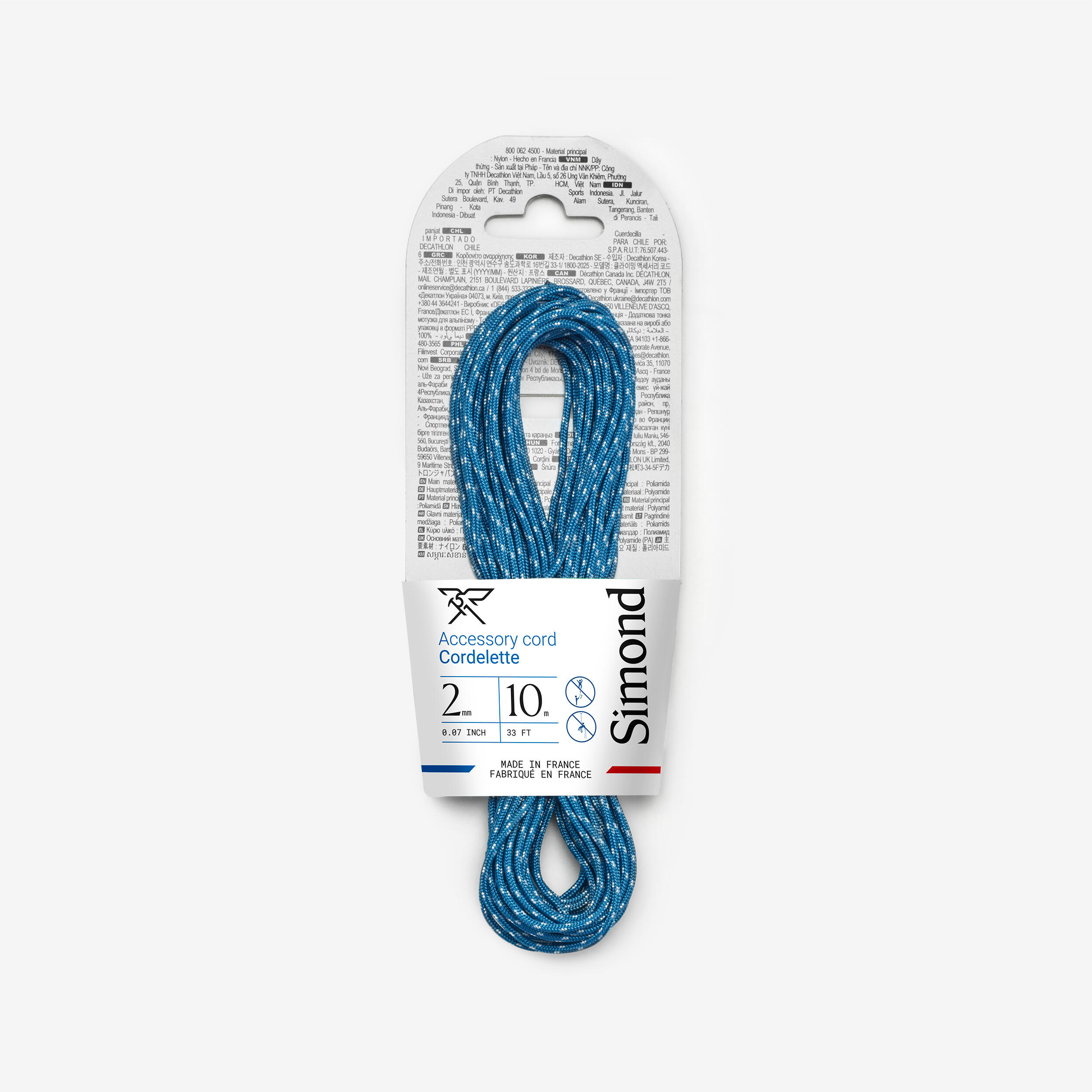
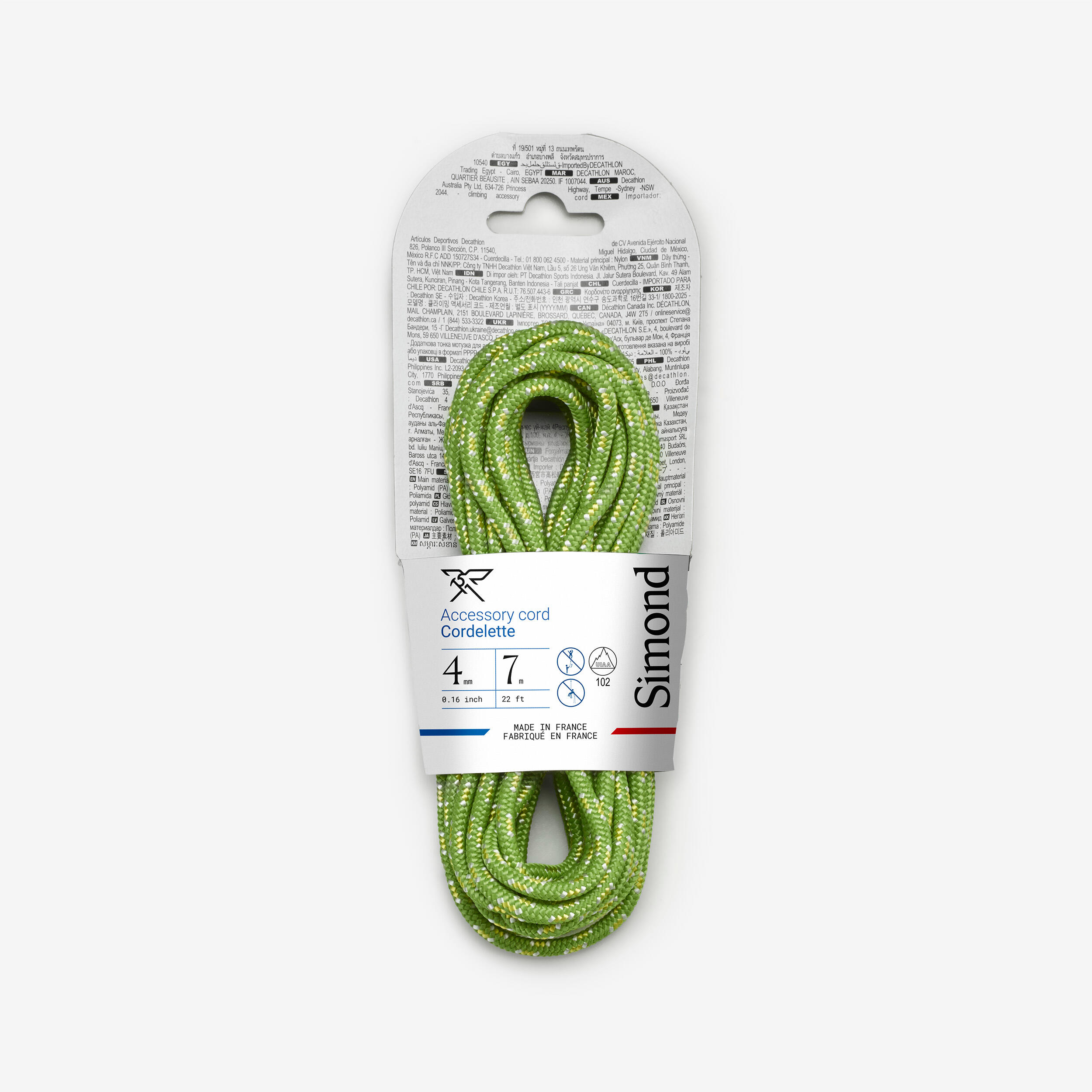
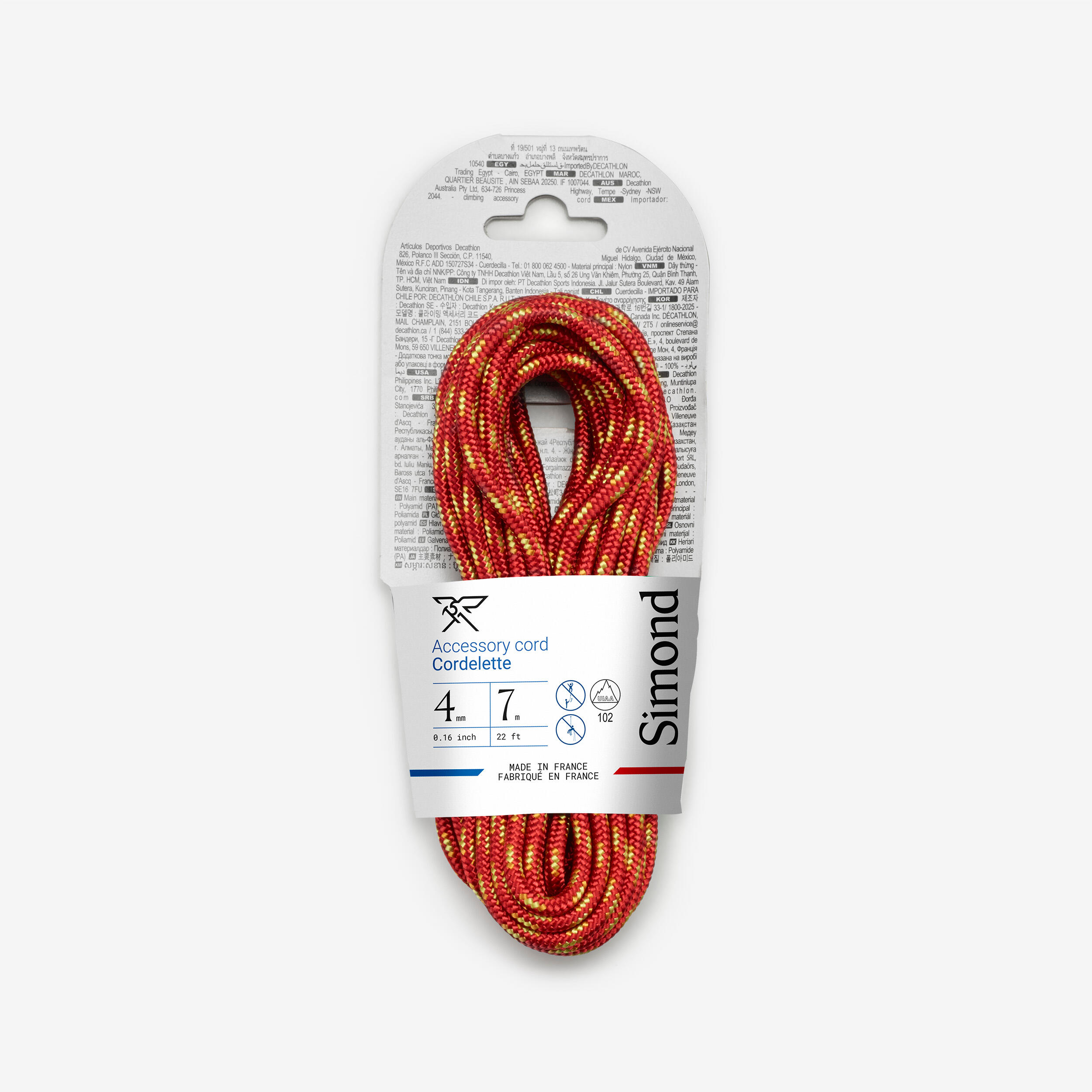
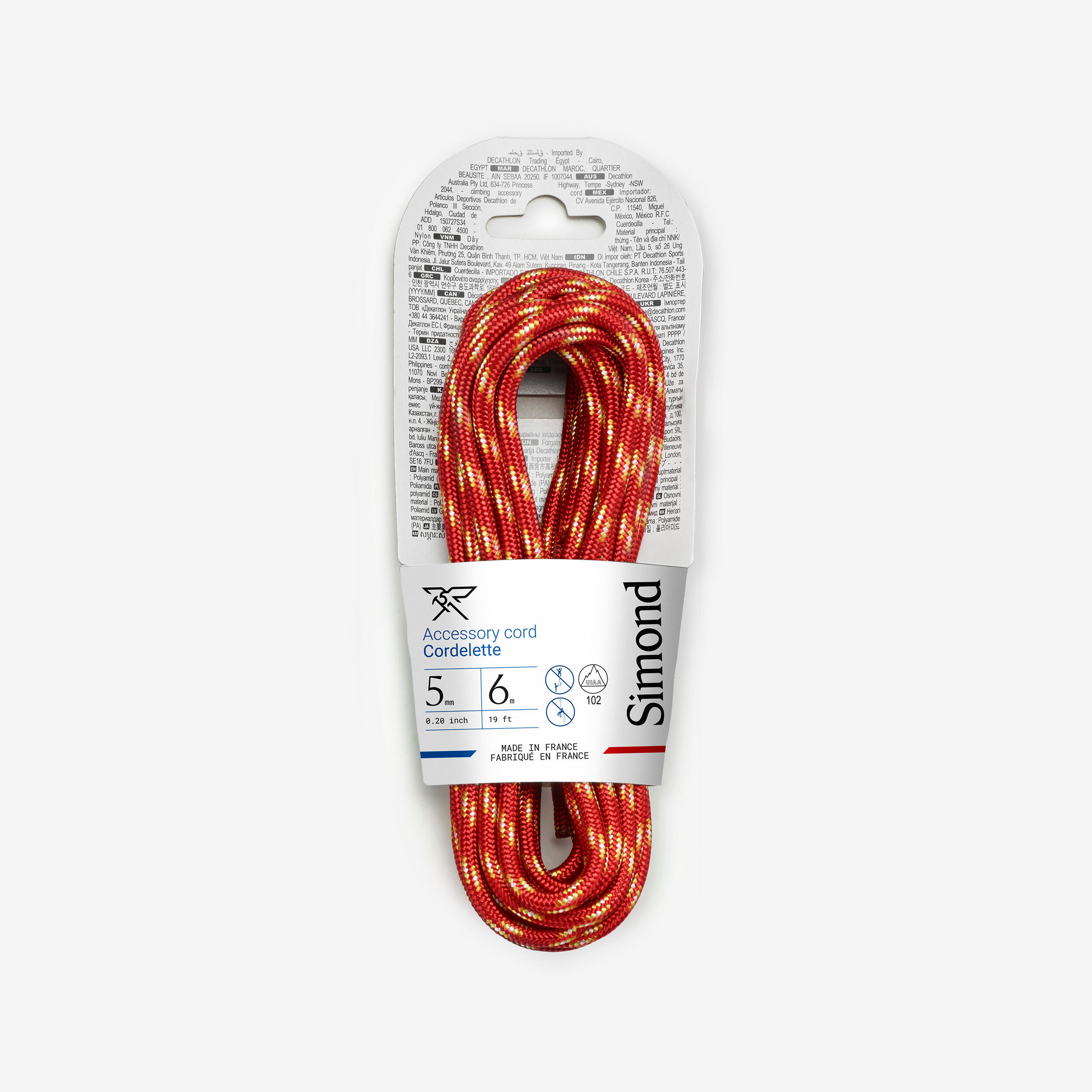
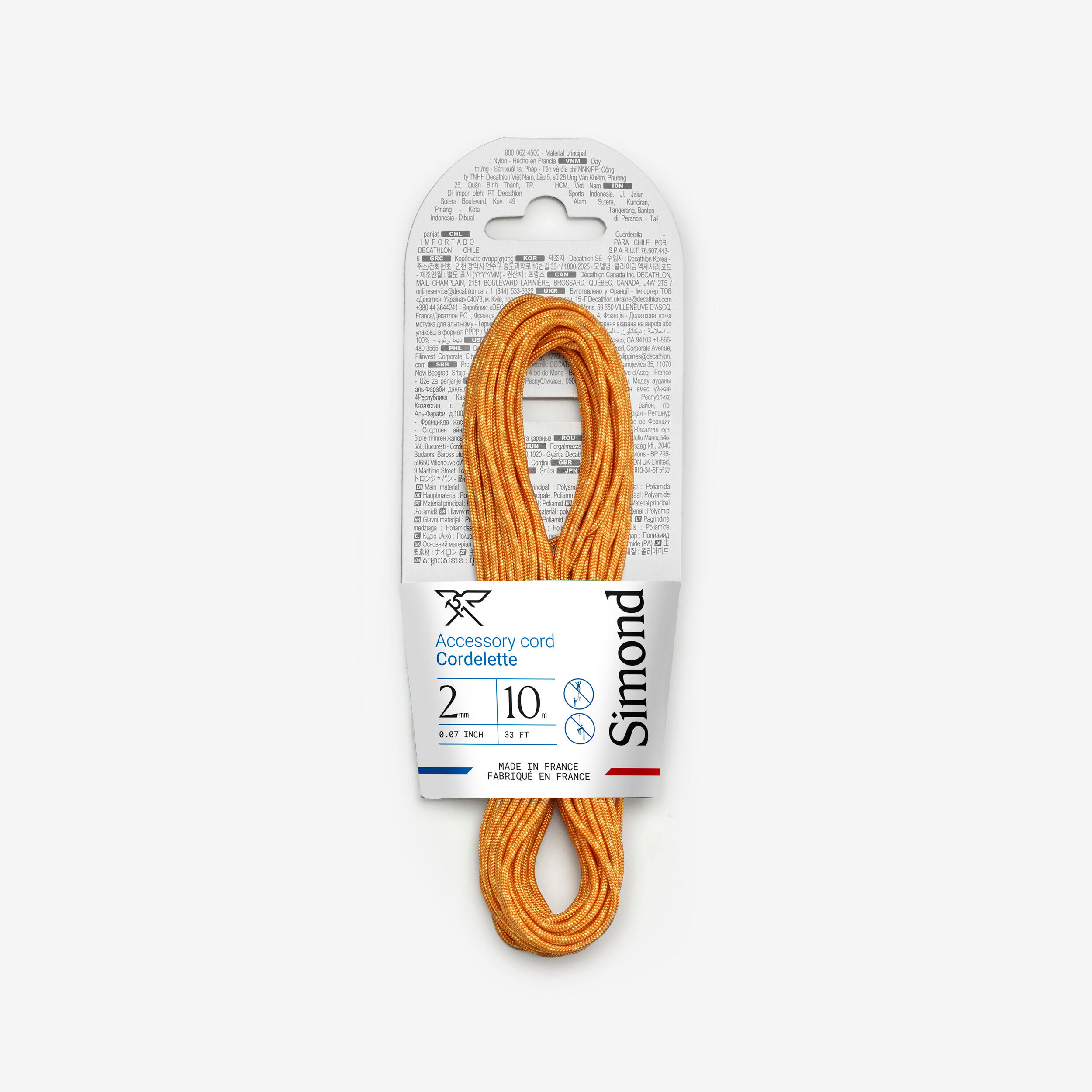
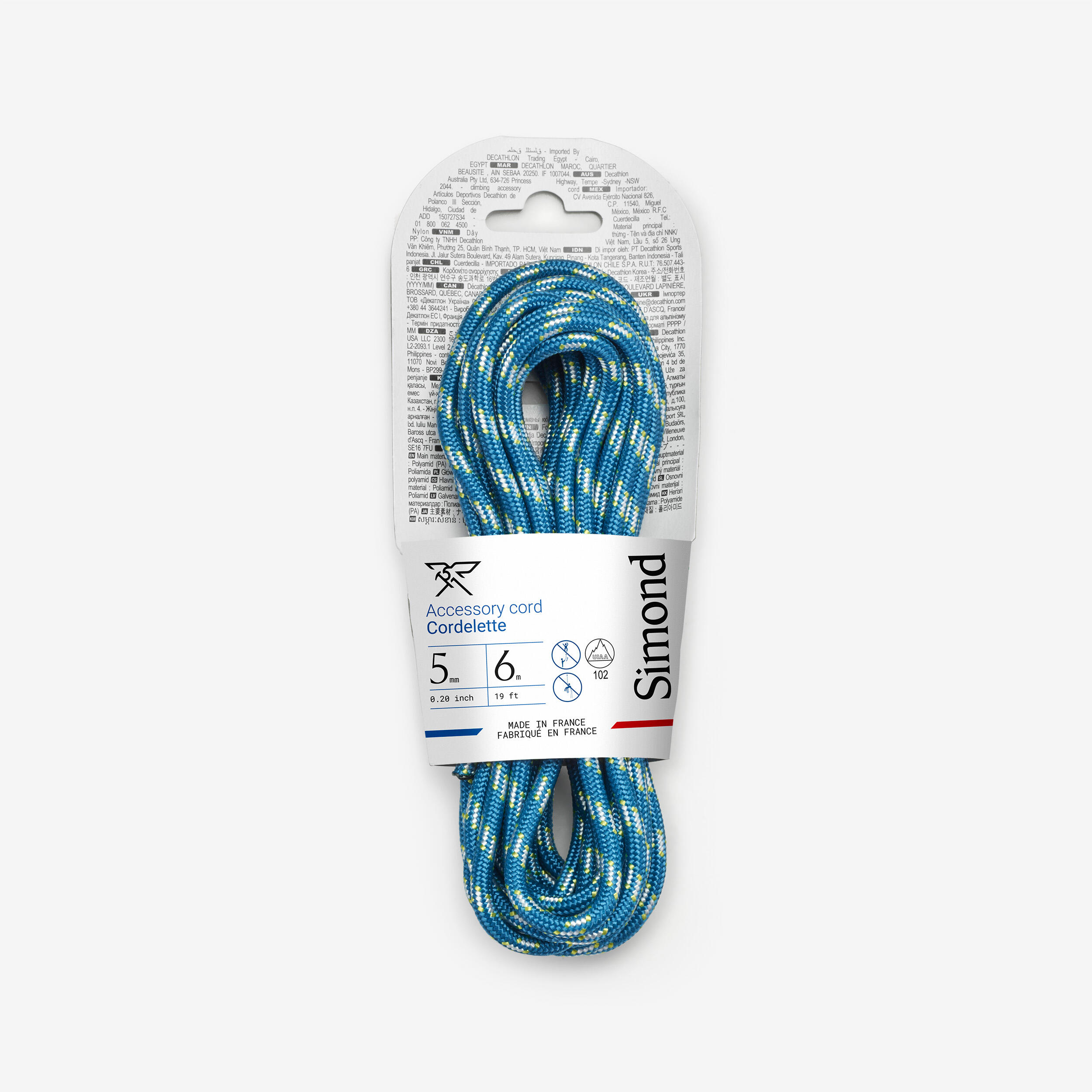
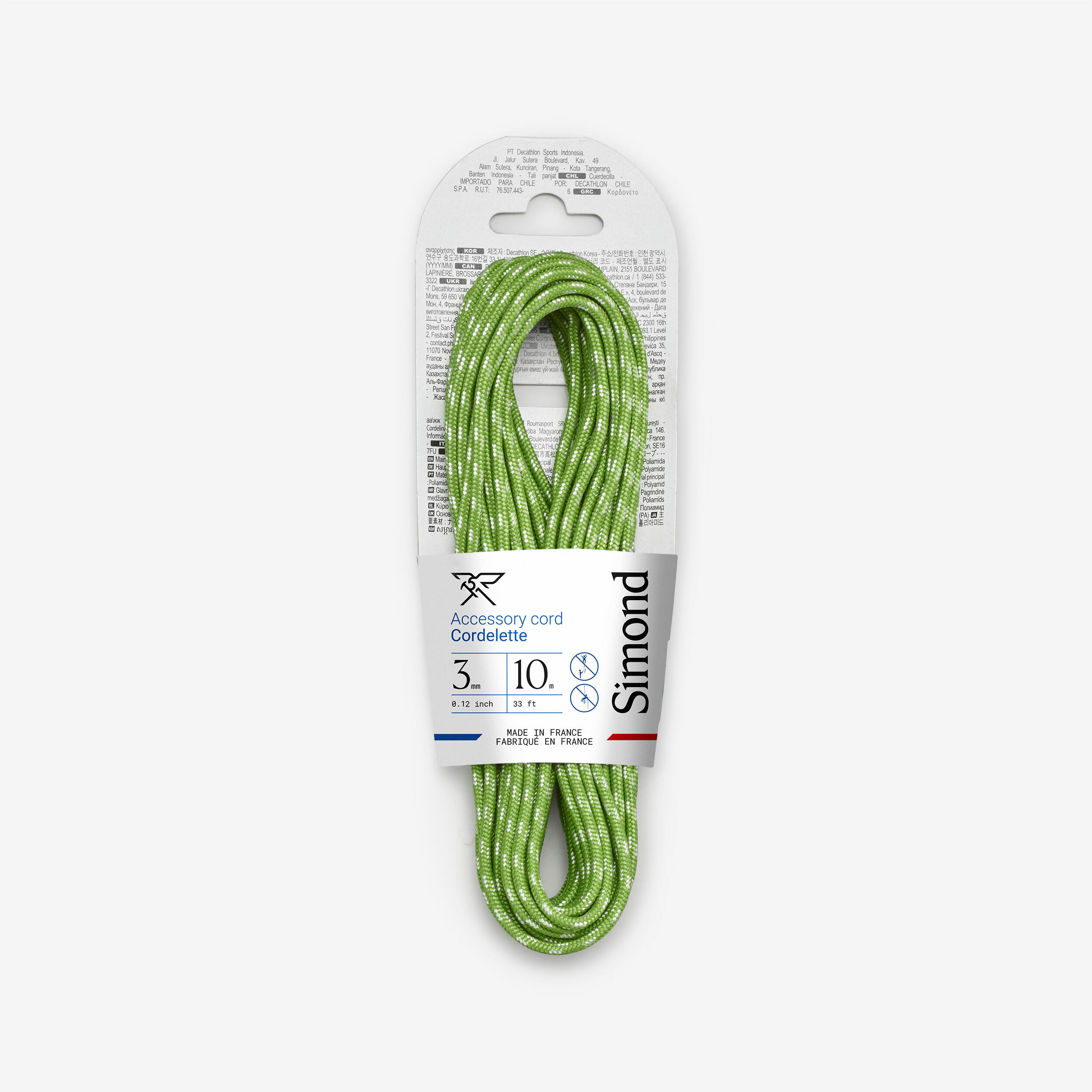
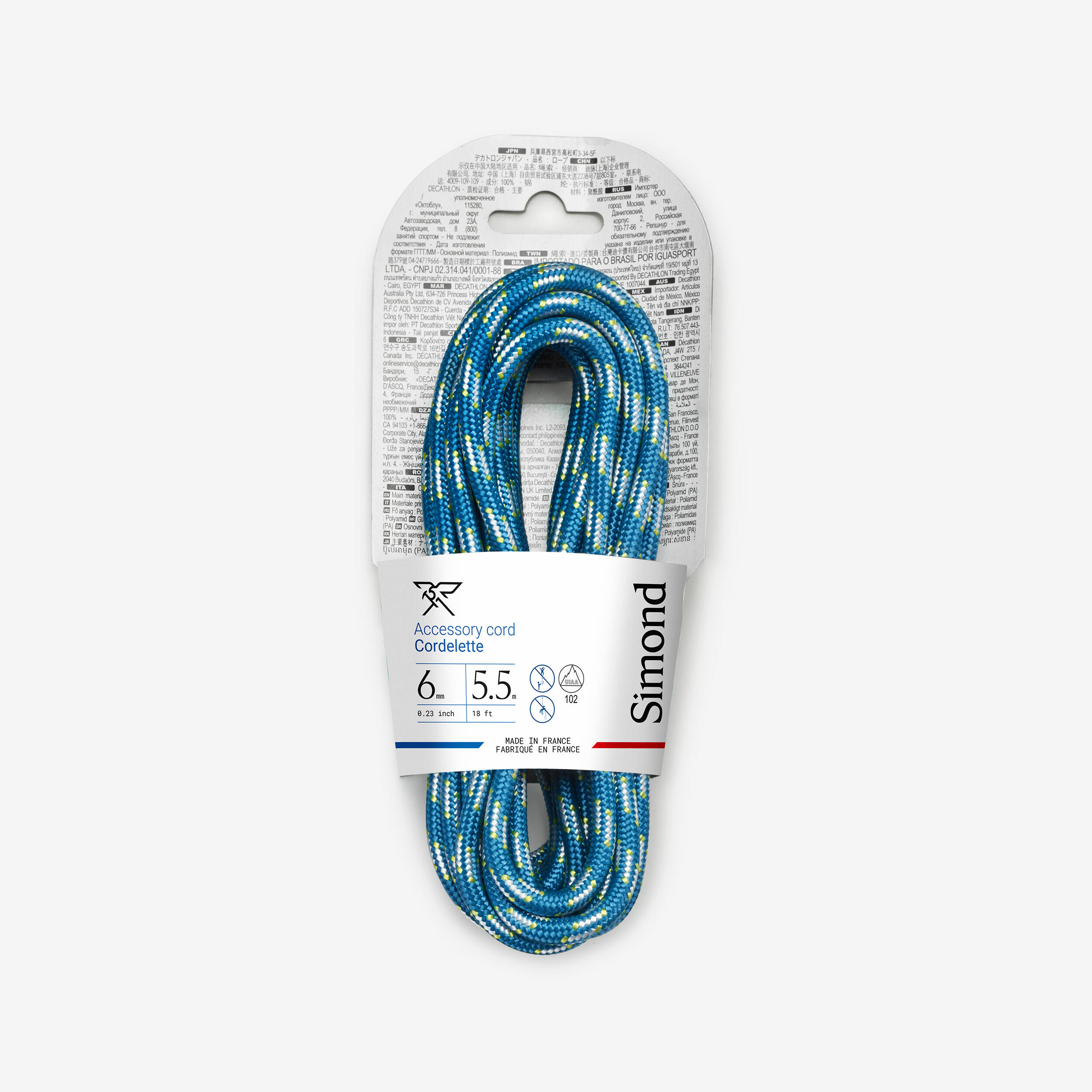
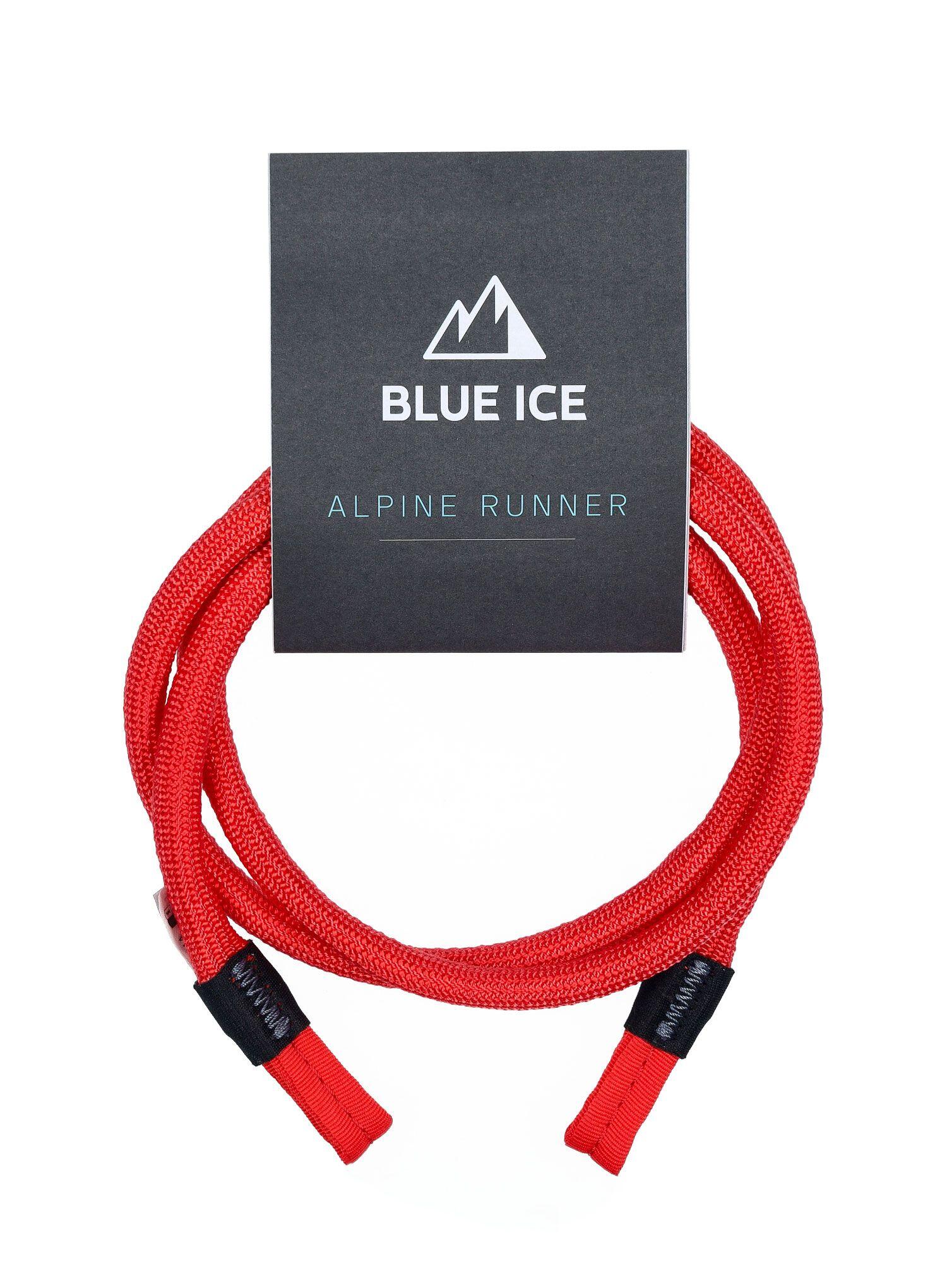
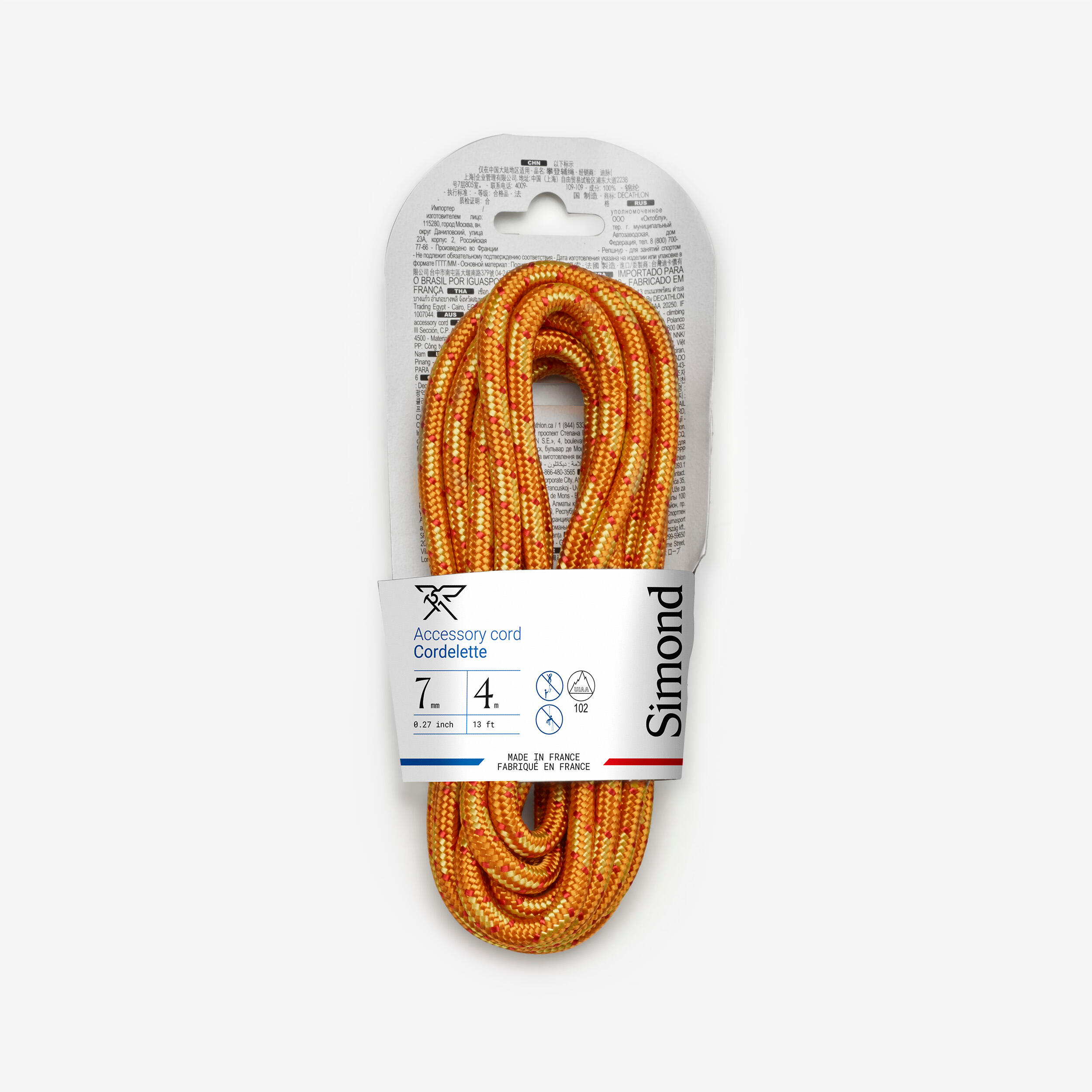
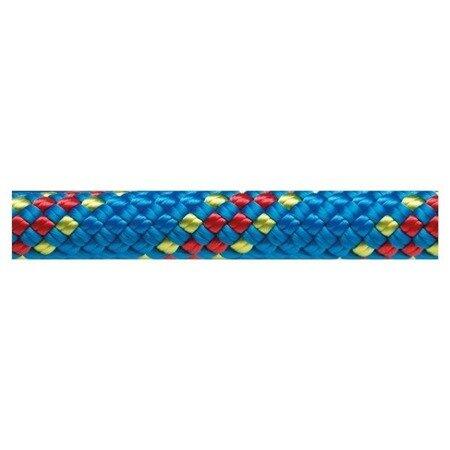
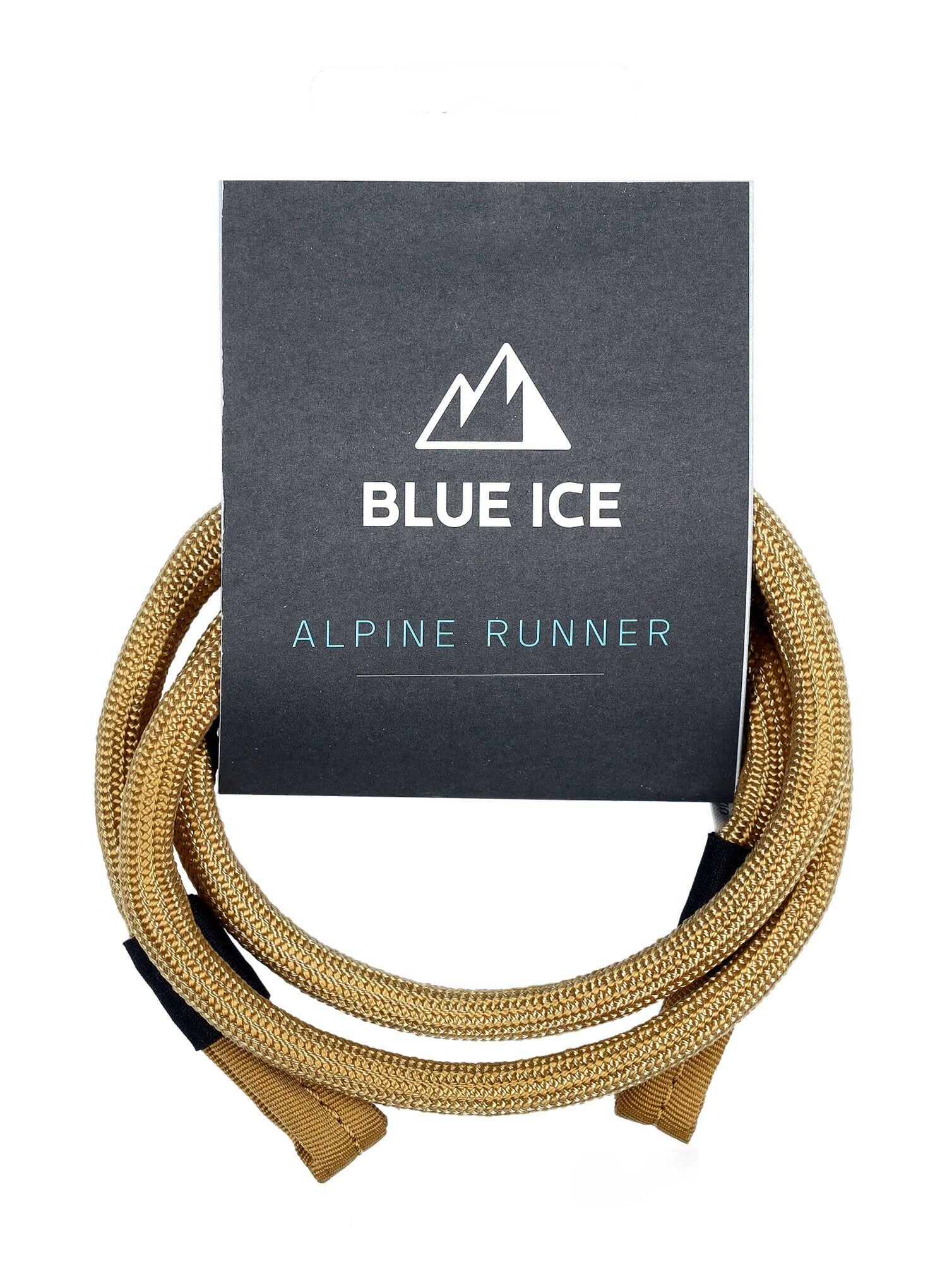
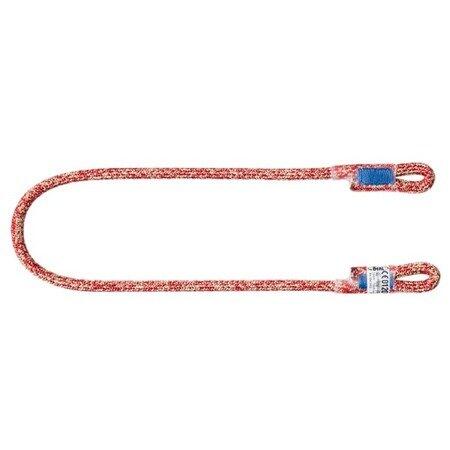
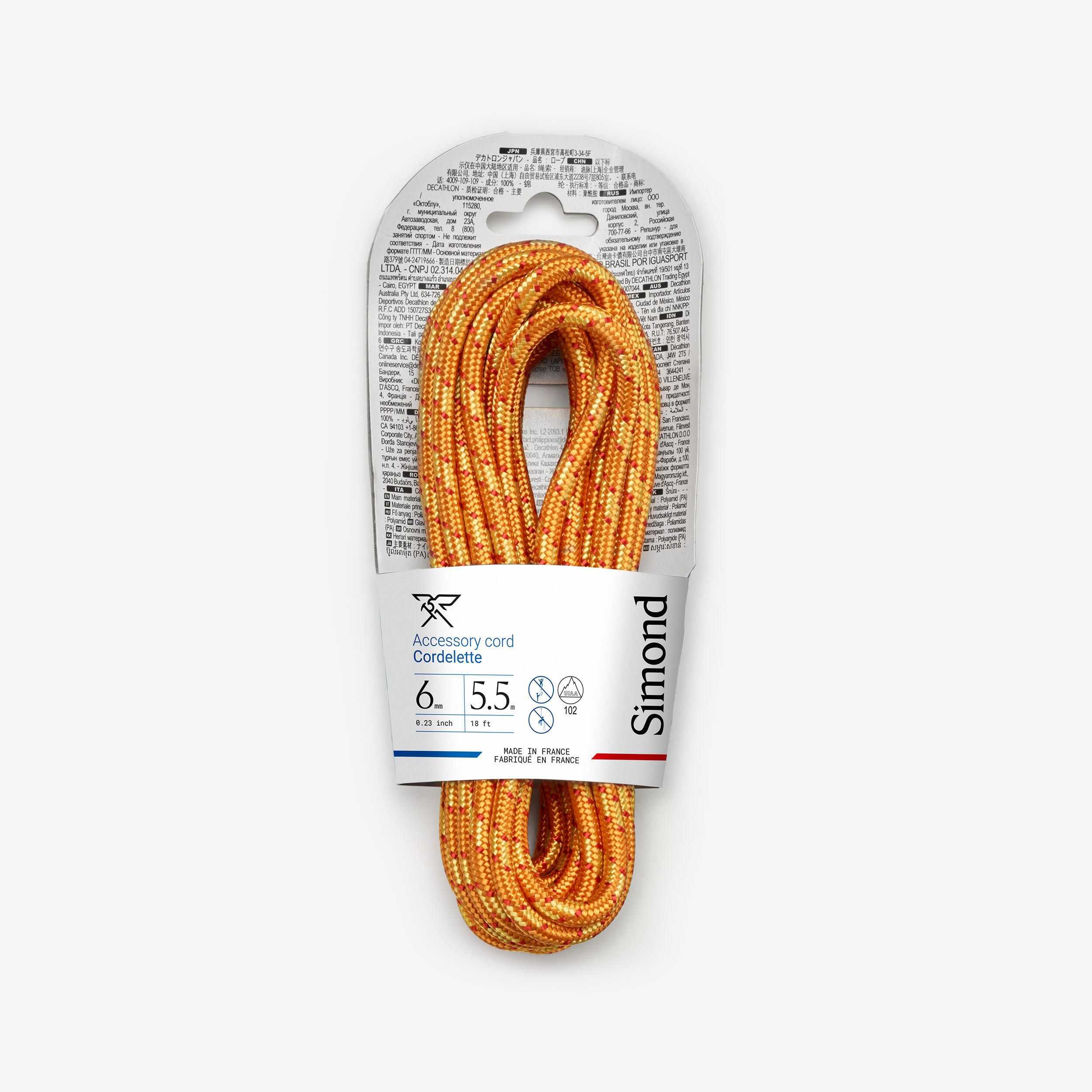
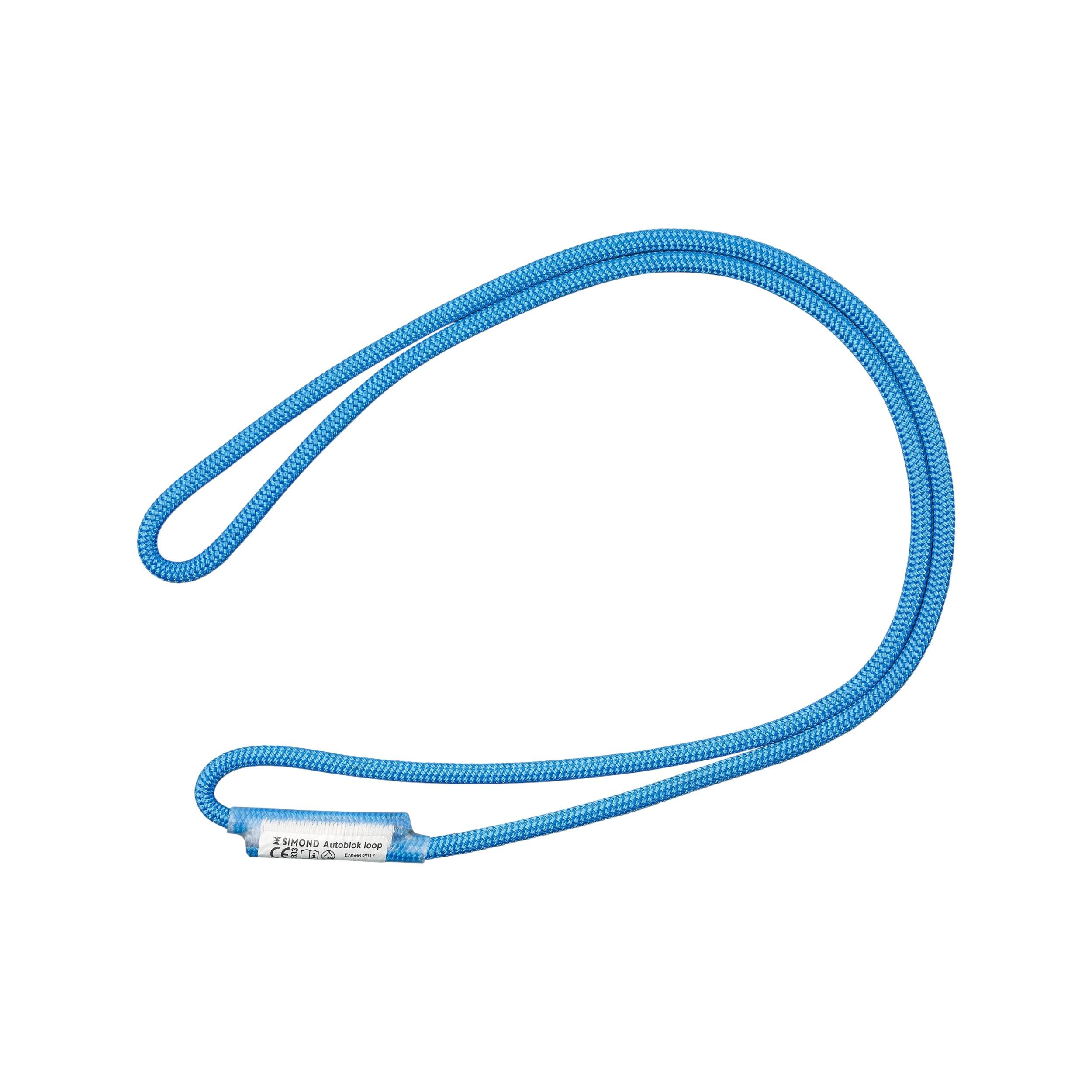
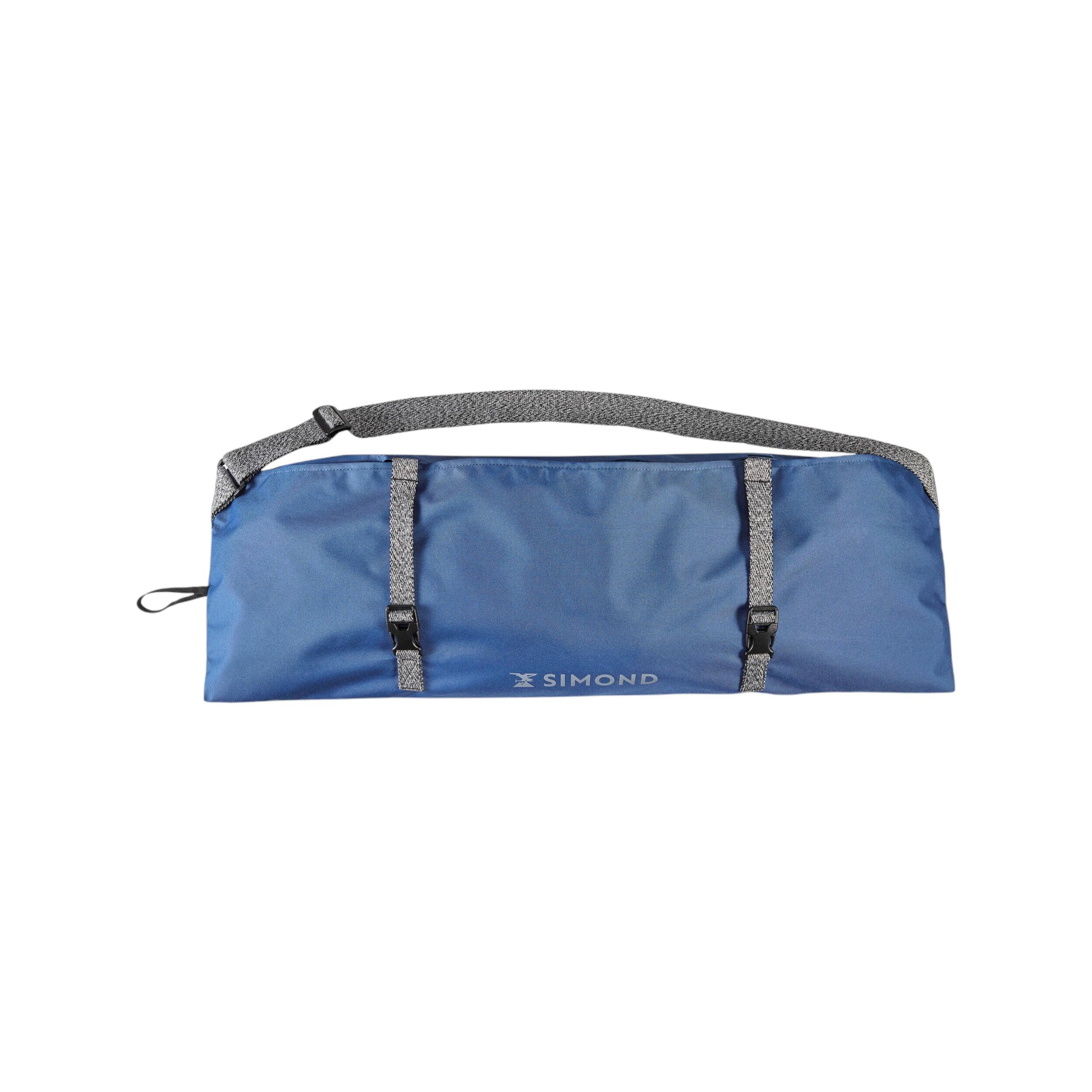
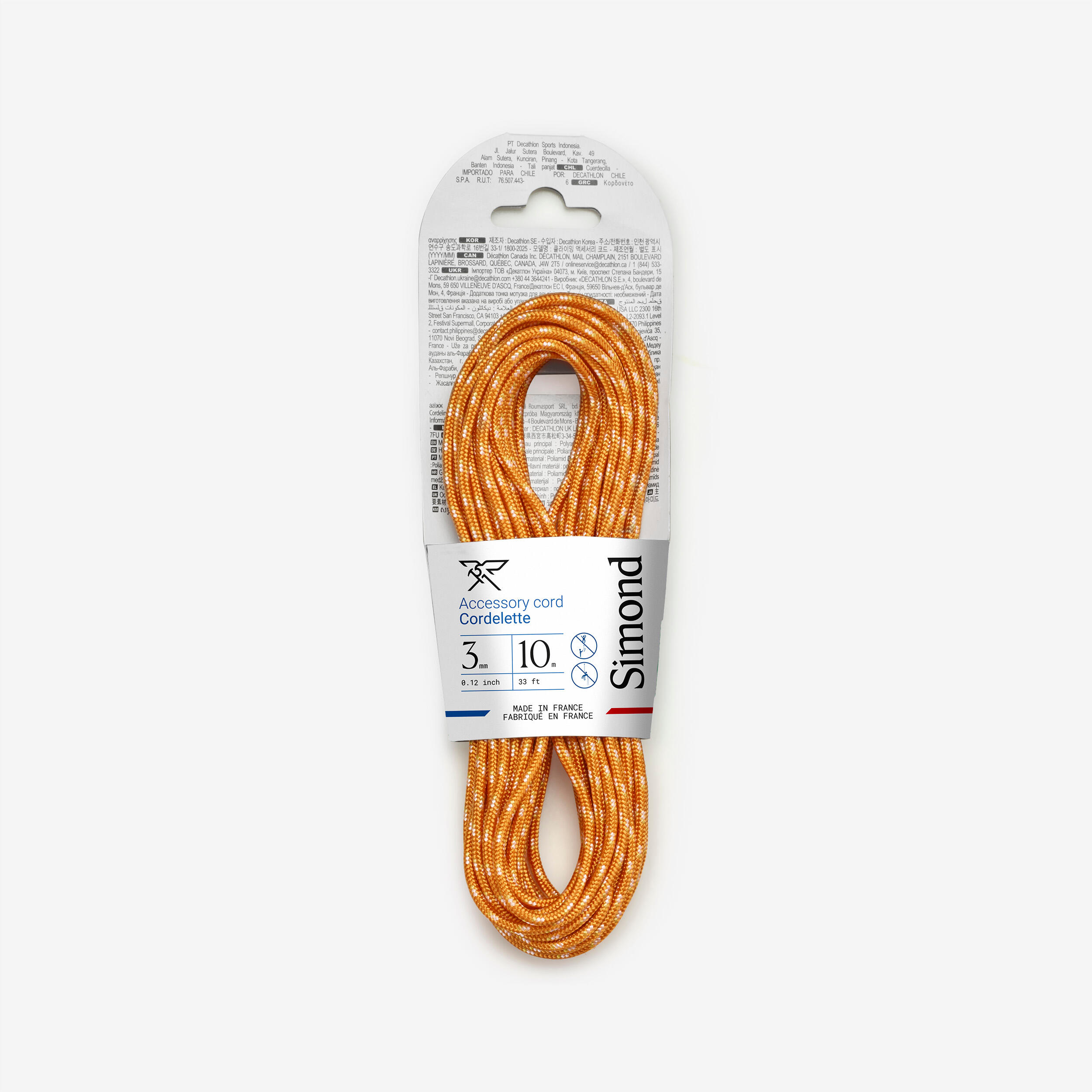
Climbing cords, often called cordelettes or accessory cord, are thin, strong, multi-purpose lengths of rope used by climbers for prusiks, anchor equalisation, abseil back-up systems, hauling gear, and tying off natural features like trees or rock spikes on multi-pitch routes. On a serious route, the safety logic is straightforward: a properly tied cordelette spreads the load across multiple anchor points, which keeps the system redundant and adds critical safety margin if one piece of gear fails under load. Climbing cords are not full dynamic ropes and should never be used as a main climbing rope, since they lack the stretch needed to absorb a leader fall. Practical advice: keep dedicated lengths for prusik loops pre-tied so they're ready to grab in a hurry on the crag. To organise cordelettes alongside the rest of the climbing rope kit, browse our range of rope bags across the Simond label in tarp-style, backpack, and compact carry builds.

What is the difference between climbing cords and climbing slings?

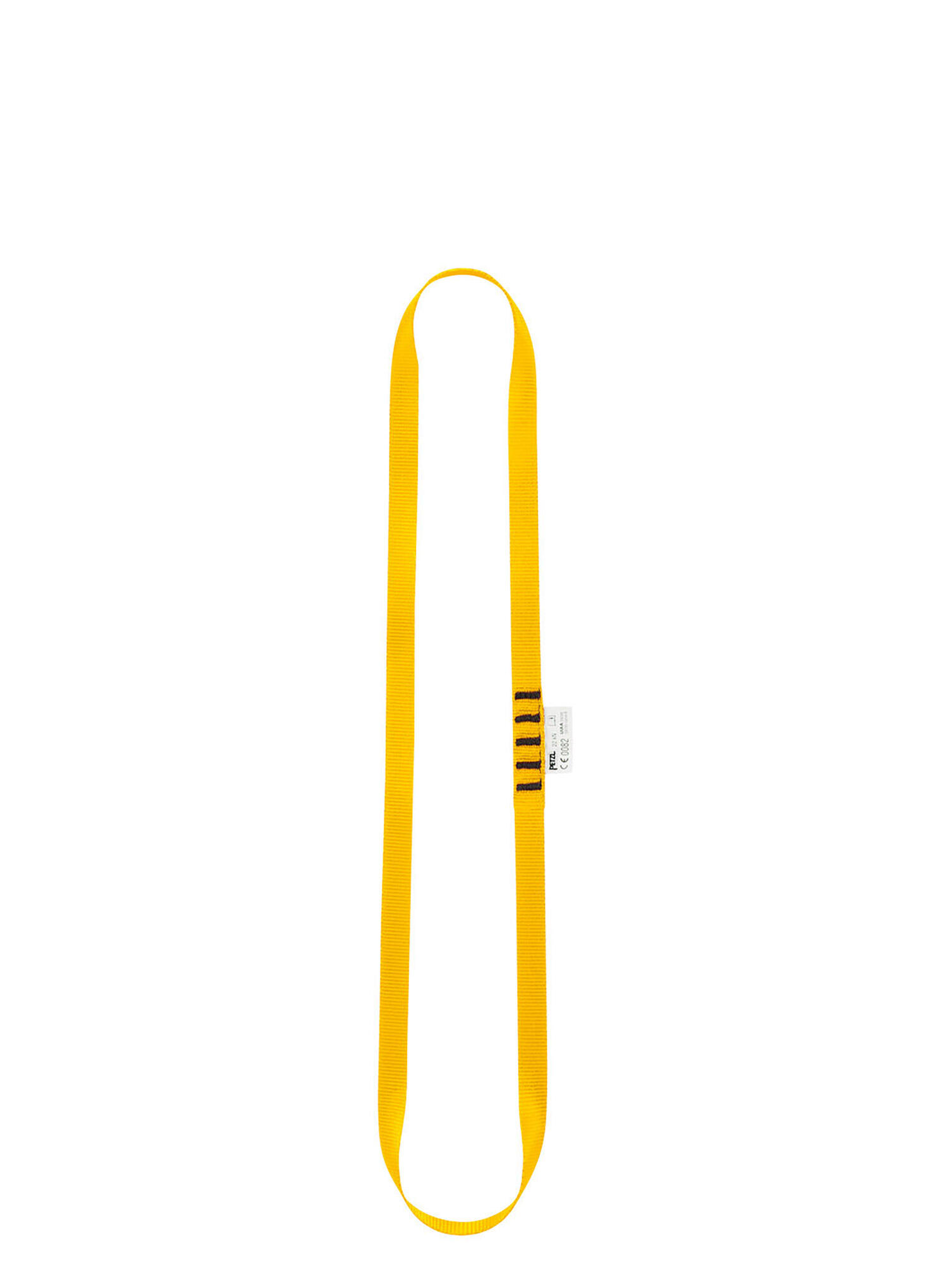
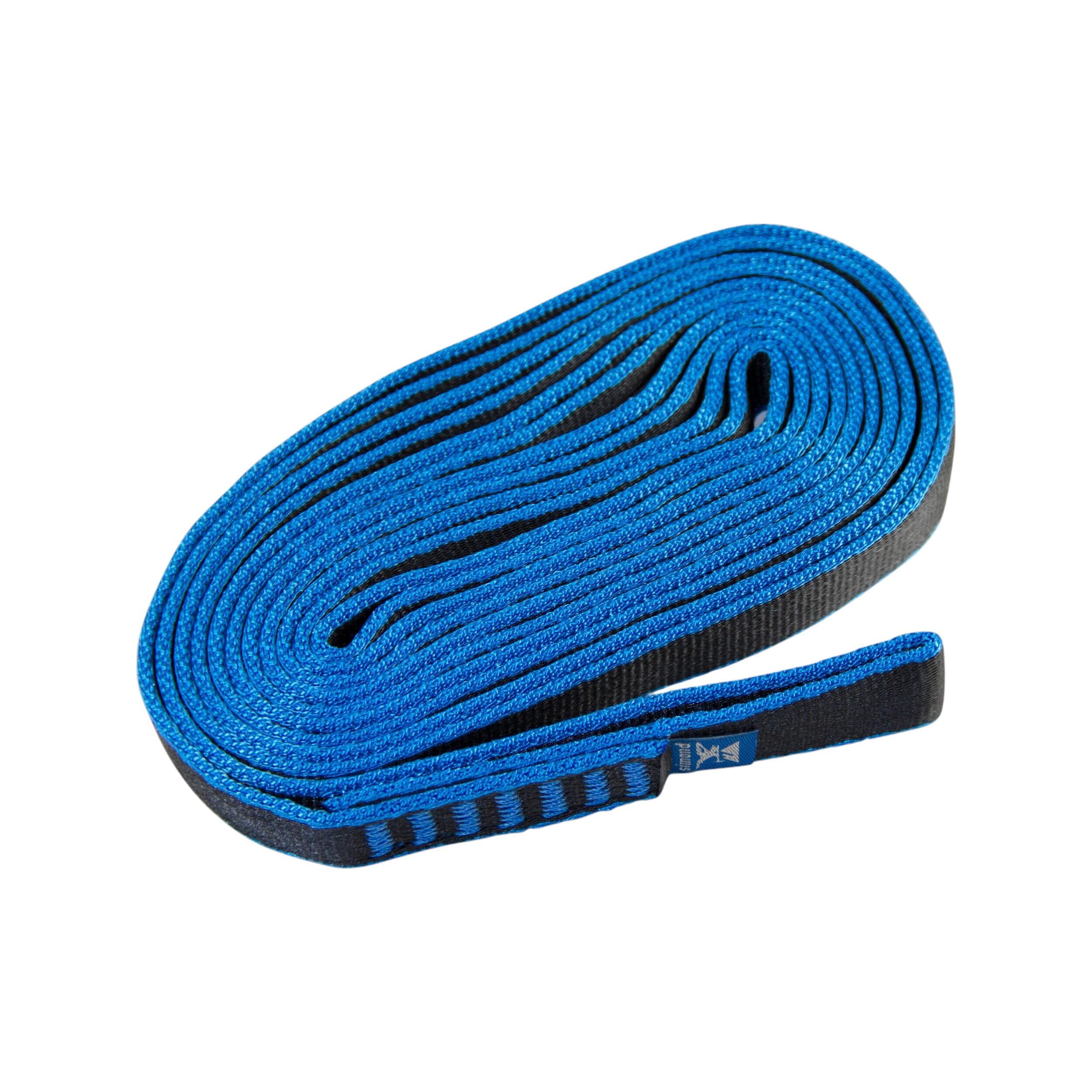
Climbing cords and climbing slings both build anchors, extend protection, and connect a climber to the system, but they differ in shape, construction and the jobs they handle best at the crag. Cords are sold in lengths that the climber cuts and ties into loops or prusiks, which makes them flexible for custom anchor building and friction hitches on the rope. Slings, by contrast, come pre-stitched into closed loops in nylon or Dyneema, which makes them faster to clip in and lighter to carry on the harness across long routes. Browse our range of climbing slings across the Simond label in nylon, Dyneema, and dual-material builds for trad, sport, and alpine use.

How do climbing cords compare with climbing lanyards for anchor work?

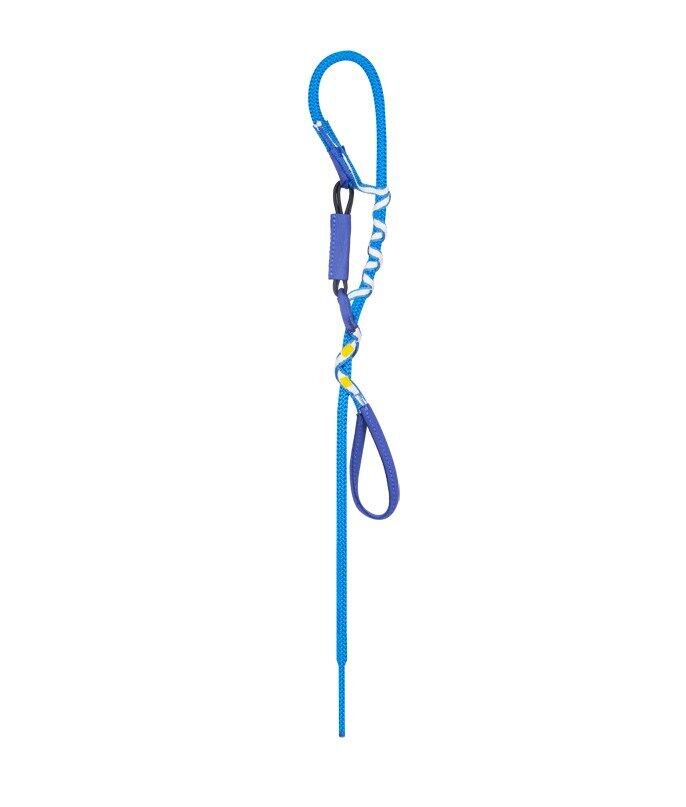
Climbing cords and climbing lanyards both connect the climber to the anchor, but they shine at different jobs across the climbing day. Cords give the climber the flexibility to build custom equalised anchors, tie escape-from-the-system rigs, and create prusik back-ups for abseiling. Lanyards, by contrast, are dedicated personal anchors used to clip in directly at belay stations, abseil rebelays, and the top of a route, where the climber wants a fast, simple, single-clip connection rather than a knotted cord rig. Browse our range of climbing lanyards across the Simond label in dynamic-rope, adjustable, and double-arm cuts for sport, trad, and via ferrata.

How do climbing cords differ from static ropes for hauling and rigging?

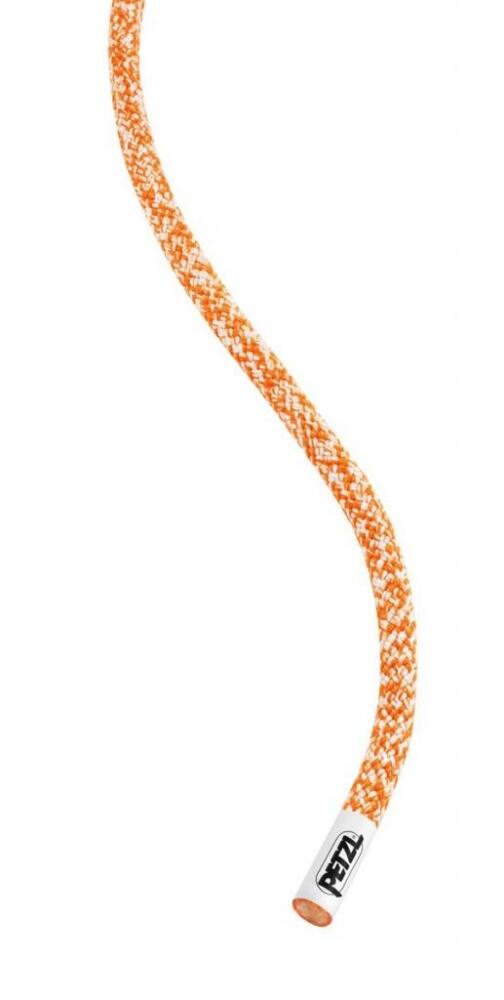
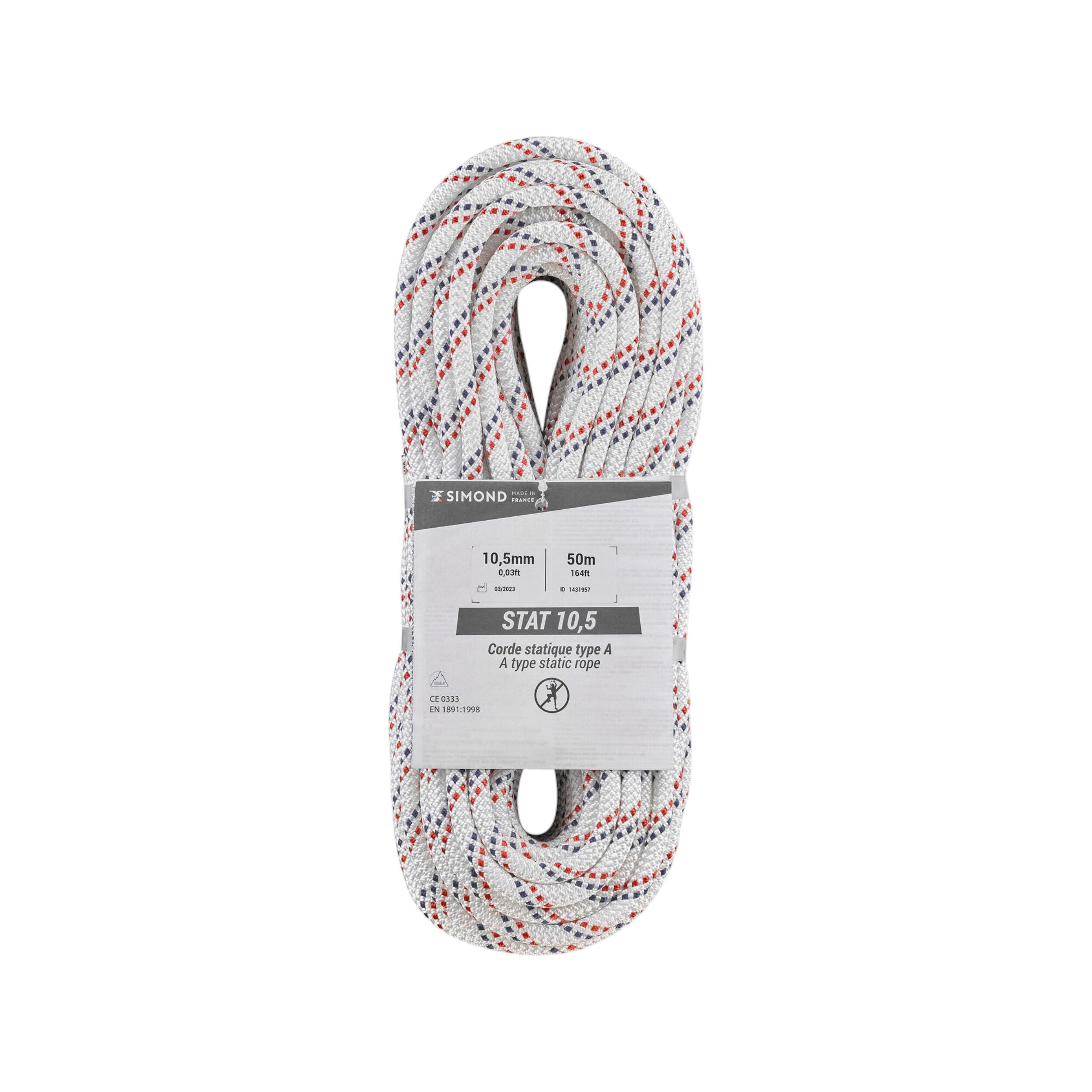
Climbing cords and static ropes both fall on the low-stretch side of the rope world, but they serve very different roles in the climbing system. Cords run thin and short, suited to anchor rigging, prusiks, and lightweight hauling on multi-pitch routes. Static ropes are far thicker and longer, suited to fixed-line rigging, big-wall hauling, top-rope abseiling, work-at-height, and caving where a controlled, low-stretch line is needed across long distances. Choosing the right tool for each task keeps the climbing system safe and efficient. Look into our range of static ropes across the Simond label in standard and long-line lengths.

How do climbing cords fit into a complete climbing rope system?

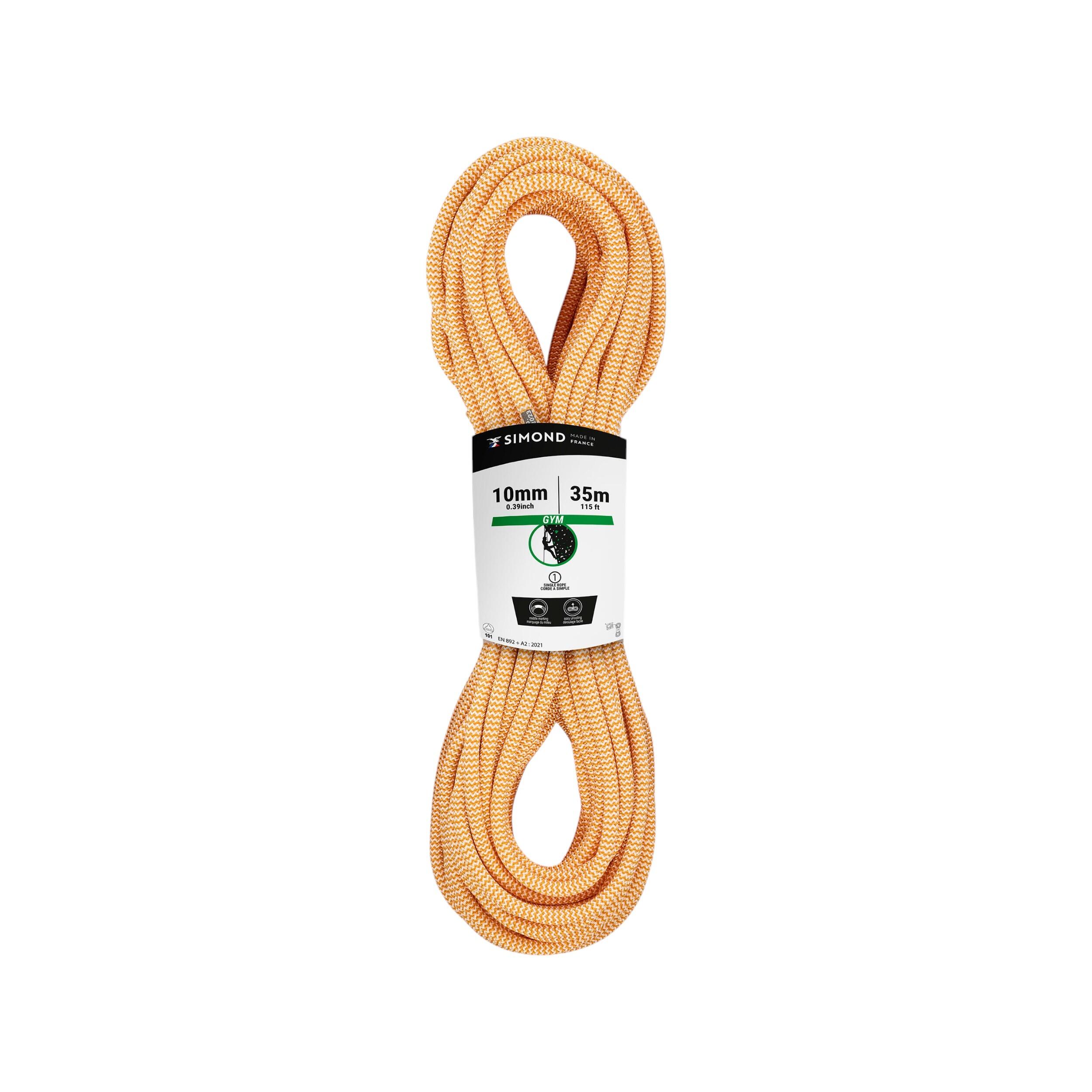
Climbing cords fit into a complete climbing rope system alongside lead ropes, static lines, slings, and lanyards that together support every protection, anchor, and rigging needed throughout a climbing day. The lead rope handles the dynamic catch on every fall, while cords, slings, and lanyards handle the static elements of anchor building, personal connection, and abseil rigging. Variety pays off across a multi-pitch route: the right mix of dynamic and static elements lets the climber adapt to whatever the route throws up. Browse our range of climbing ropes across the Simond label in single, half, and twin-rope builds for sport, trad, and multi-pitch use.