476 items
4.2/5 based on 38355 reviews collected online and in stores

FLEECE JACKETS AND JUMPERS FAQS

Are fleece jackets and jumpers warmer than traditional wool?

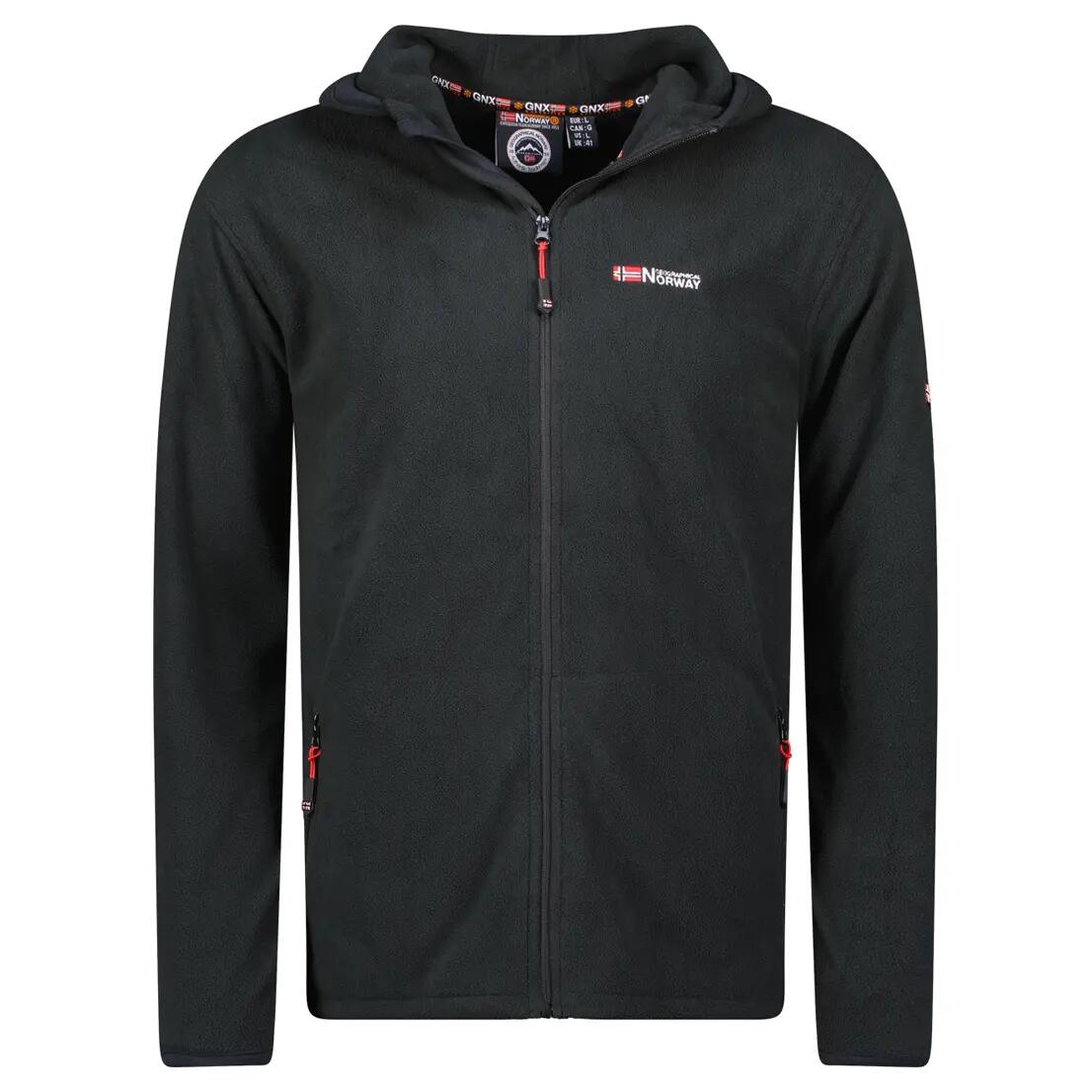
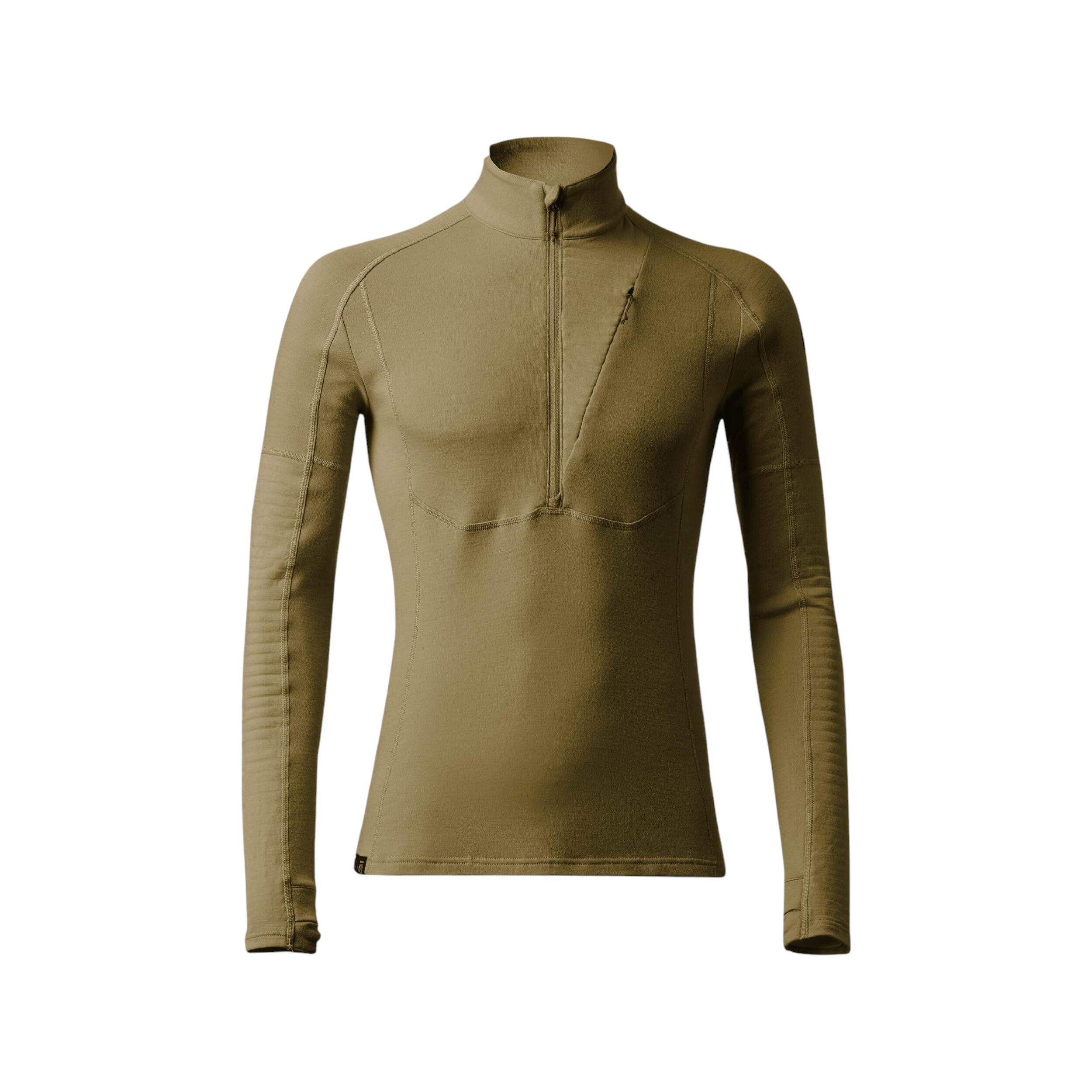
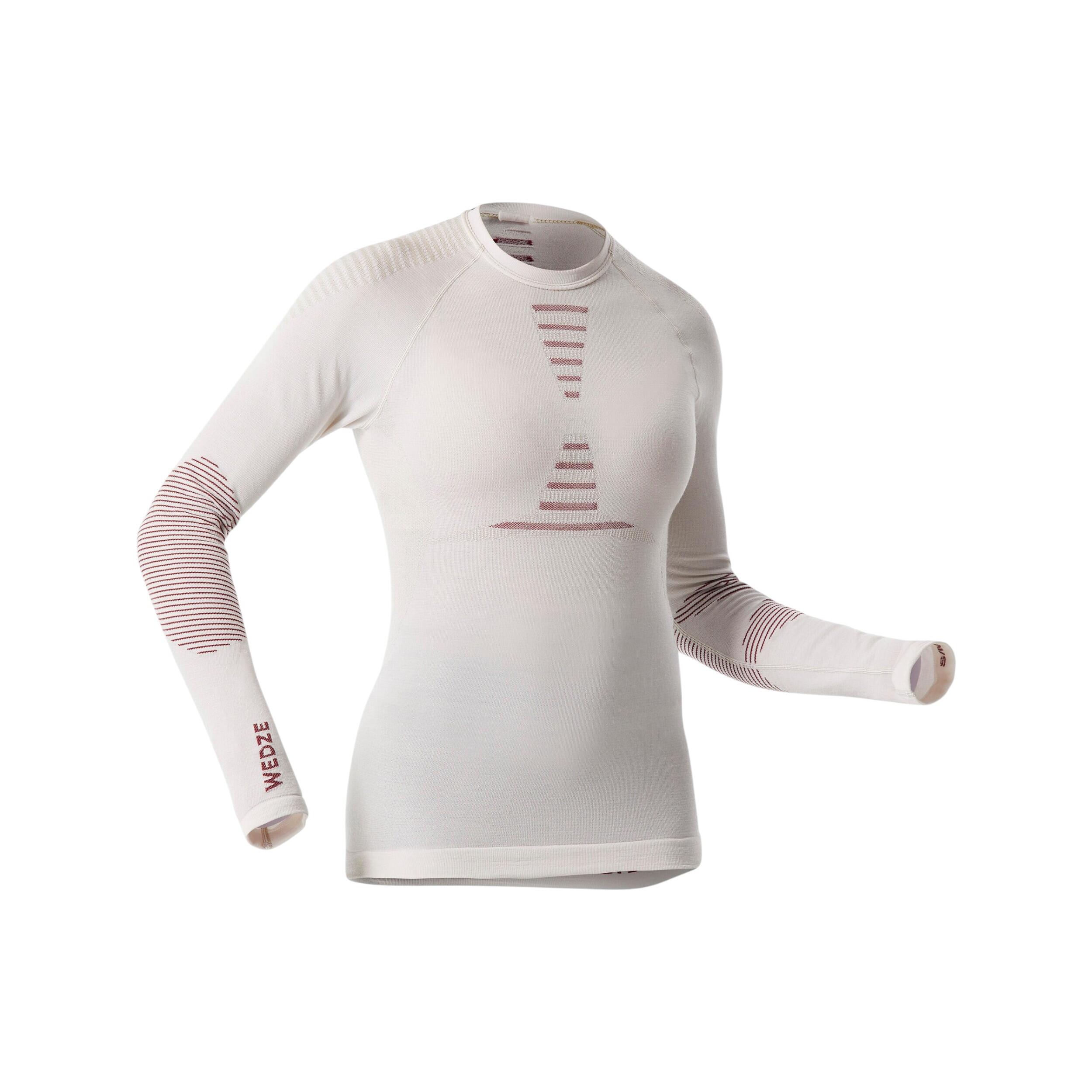
Fleece Jackets and Jumpers provide exceptional warmth-to-weight ratios compared to traditional heavy wool, making them the ideal choice for active outdoor enthusiasts. While wool is a natural insulator, synthetic fleece jackets are specifically engineered to trap body heat within a lofted structure while allowing moisture vapour to escape during high-tempo activities like hillwalking or coastal trekking. To maximise your comfort in extreme Atlantic conditions, it is often best to pair your fleece with a technical thermal base layer that sits directly against the skin to manage perspiration. The technical "why" behind synthetic fleece is its hydrophobic nature: unlike natural fibres that can absorb water and become heavy, fleece retains less weight in water. This ensures that even if you encounter a mist in the Wicklow Mountains, your mid-layer continues to provide thermal protection without sagging or losing its shape.
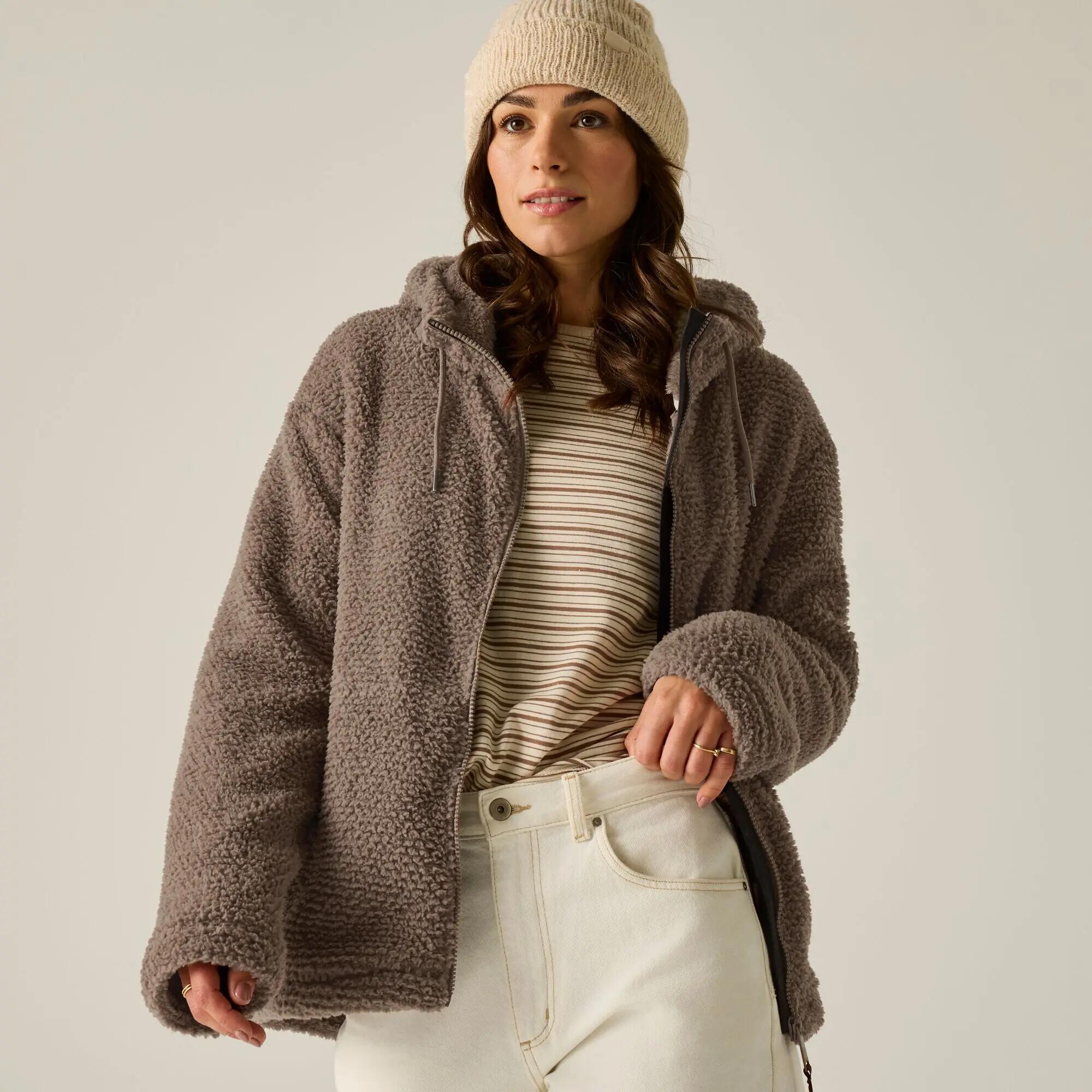
How should Fleece Mid Layer Jackets fit for maximum efficiency?

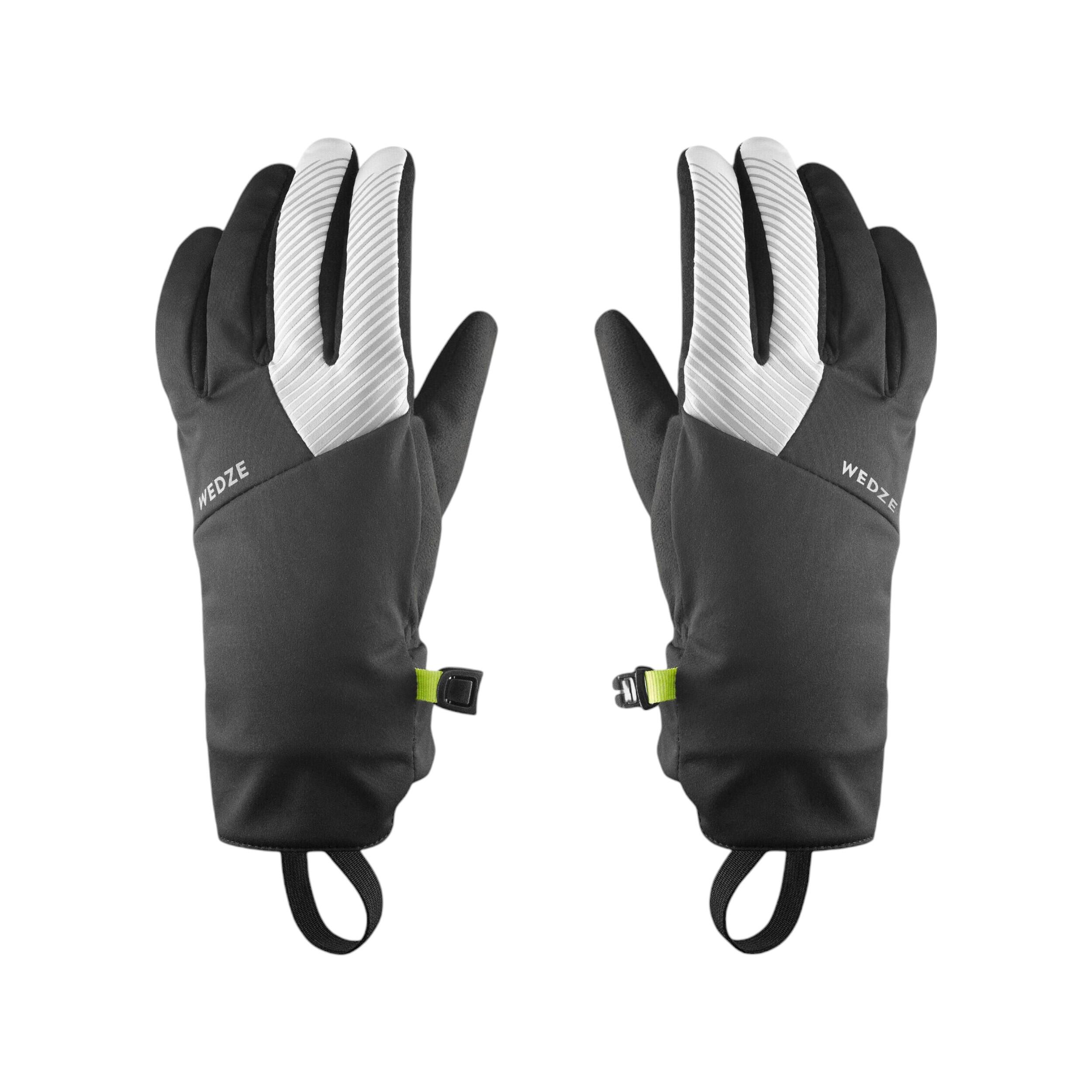
For the best thermal performance, fleece mid-layer jackets should have a structured, close-to-body fit without being restrictive across the shoulders or chest. A snug fit ensures there is minimal dead-air space for your body to heat up, which significantly improves the insulation properties of the garment. When you are static, such as taking a break on a summit, a well-fitted fleece prevents cold air from circulating near your skin. Smart tip: Ensure the cuffs and hem are elasticated to seal in warmth. To further protect your extremities in the biting winter wind, combining your mid-layer with high-quality winter accessories like thermal gloves and beanies is essential. This integrated approach to layering allows you to add or remove components easily as the weather shifts throughout the day, ensuring you stay in the "comfort zone" regardless of the external temperature or wind-chill factor.
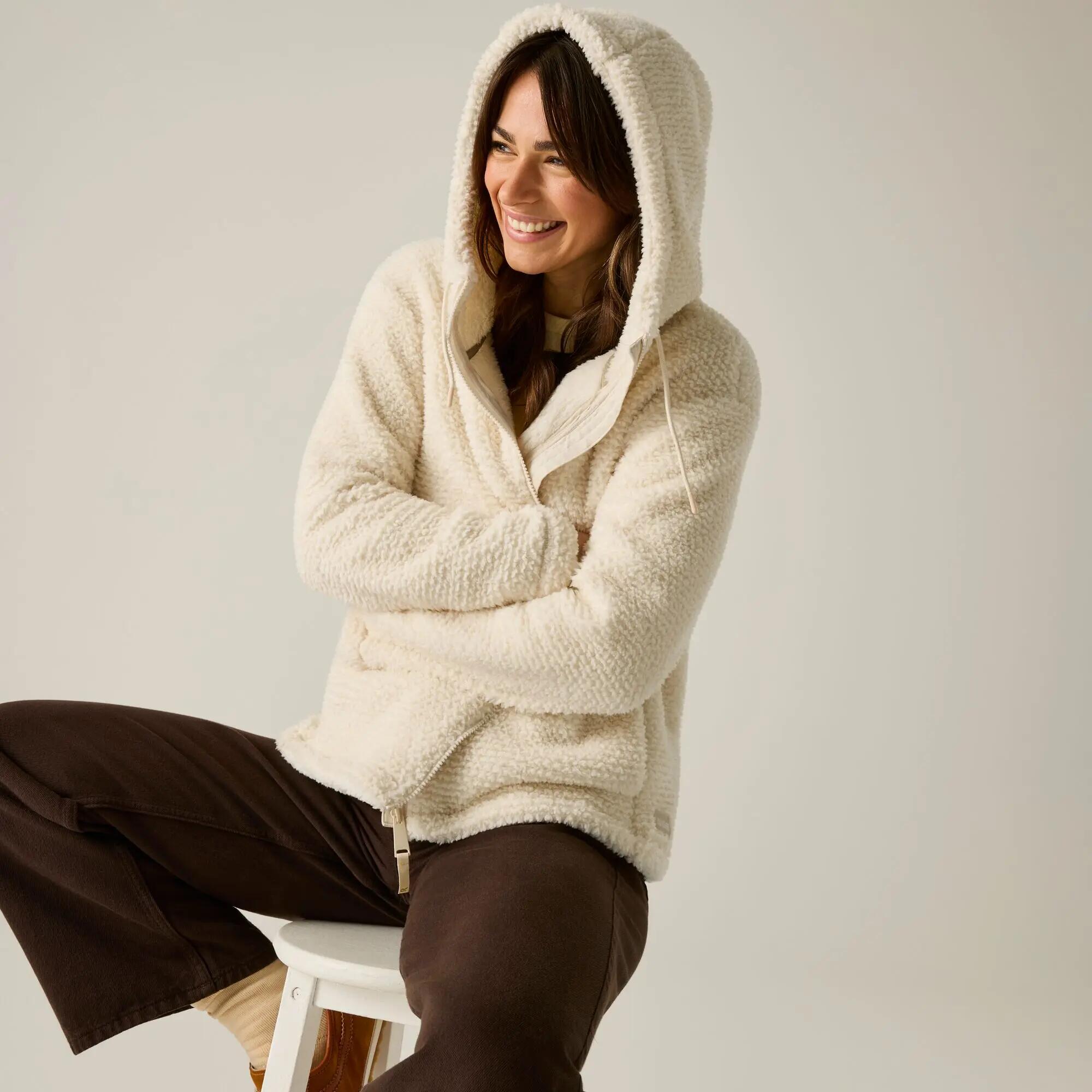
What is the difference between thermal fleeces and thermal jumpers?

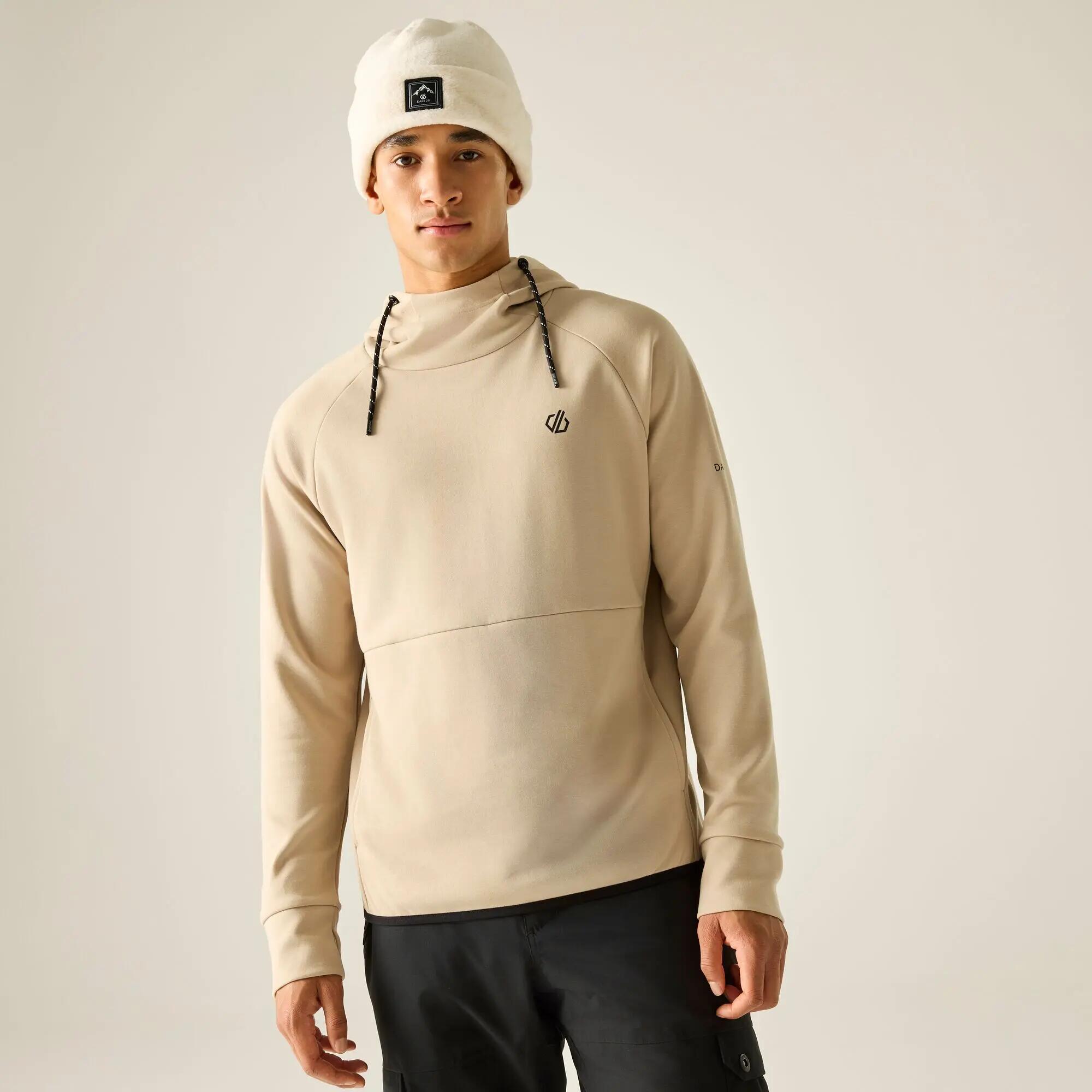
The primary difference between thermal fleeces and thermal jumpers lies in the knit construction and the intended use case. Thermal fleeces usually feature a brushed pile that creates a soft, fuzzy texture made specifically for trapping air and providing a lightweight barrier against the cold. In contrast, thermal jumpers may have a smoother exterior finish which makes them easier to layer under a waterproof shell as there is less friction between the fabrics. For those who prefer natural performance, merino wool thermal clothing offers an alternative with excellent odour resistance and temperature regulation. However, synthetic fleeces are often preferred for their rapid drying times and durability. The choice depends on your activity level, a high-loft fleece is perfect for stop-start activities where heat retention is vital during rest periods, while a thinner thermal jumper might be better suited for sustained aerobic efforts where breathability is the priority.

How do I maintain the loft of my Fleece Jackets?

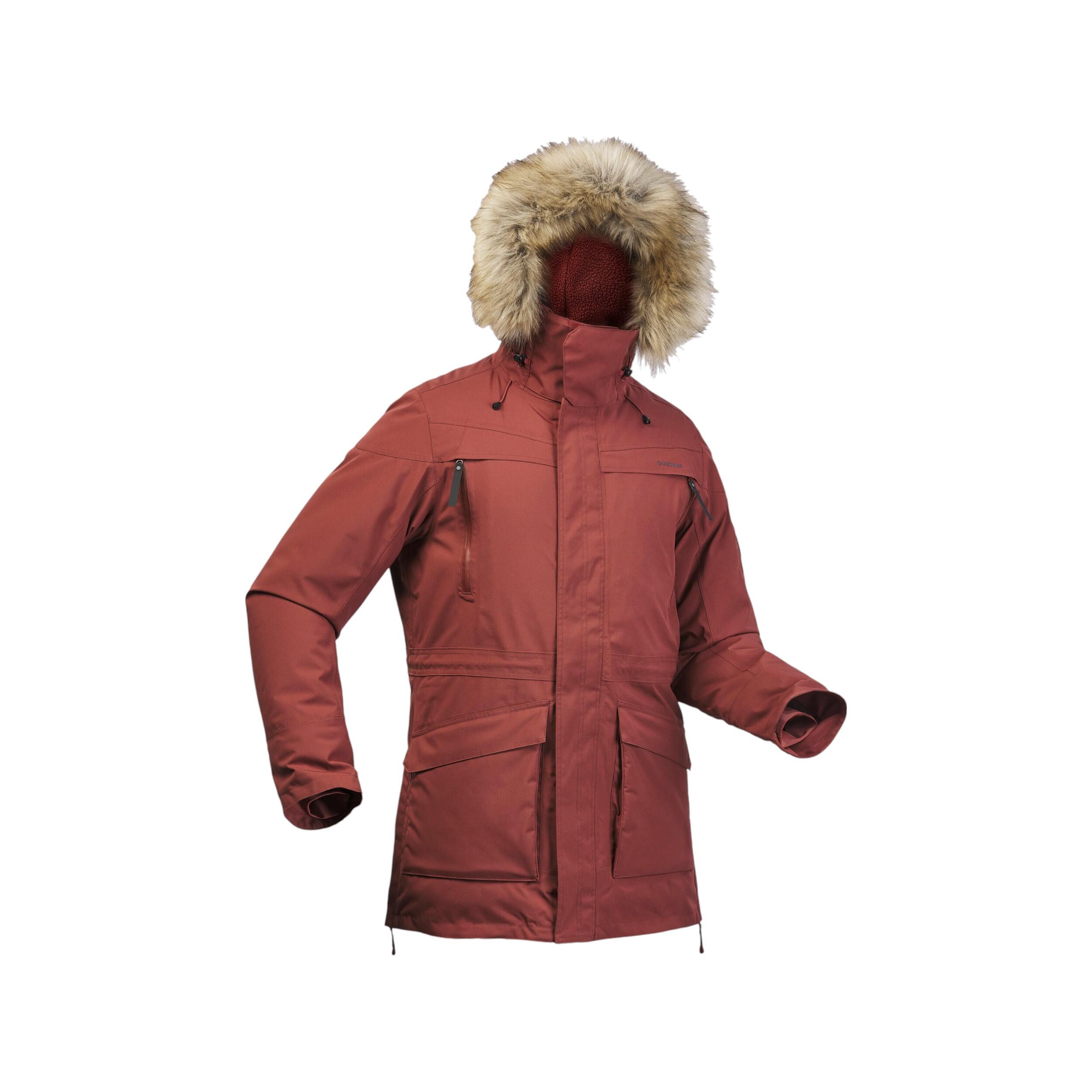
Maintenance is key to ensuring your fleece jackets remain effective over several seasons of use. Over time, dirt and body oils can flatten the synthetic fibres, reducing the amount of air the garment can trap. To restore the loft, wash your fleece on a cool cycle using a mild detergent and avoid fabric softeners at all costs, as they coat the fibres and reduce breathability. Expert advice: Turning the garment inside out before washing helps prevent pilling on the face fabric. While many people believe high heat is necessary to dry outdoor gear, fleeces should always be air-dried or tumbled on a very low setting to avoid melting the delicate polyester microfibres. Properly cared-for insulated winter hiking jackets will maintain their thermal integrity for years, providing reliable warmth for every family adventure from the local park to the rugged peaks of the Galtees. Always ensure the garment is completely dry before storing it in a rucksack to prevent any musty odours from developing.