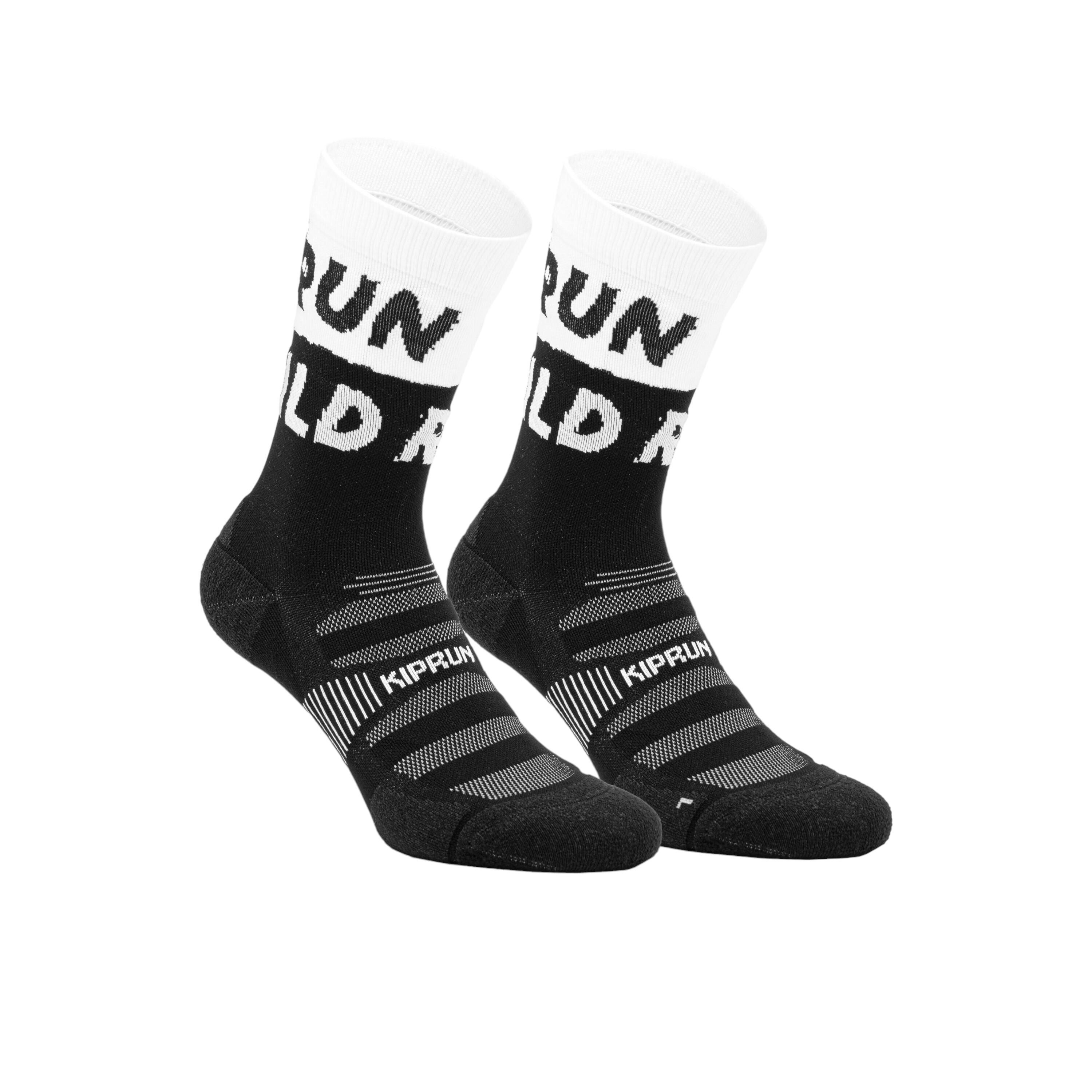
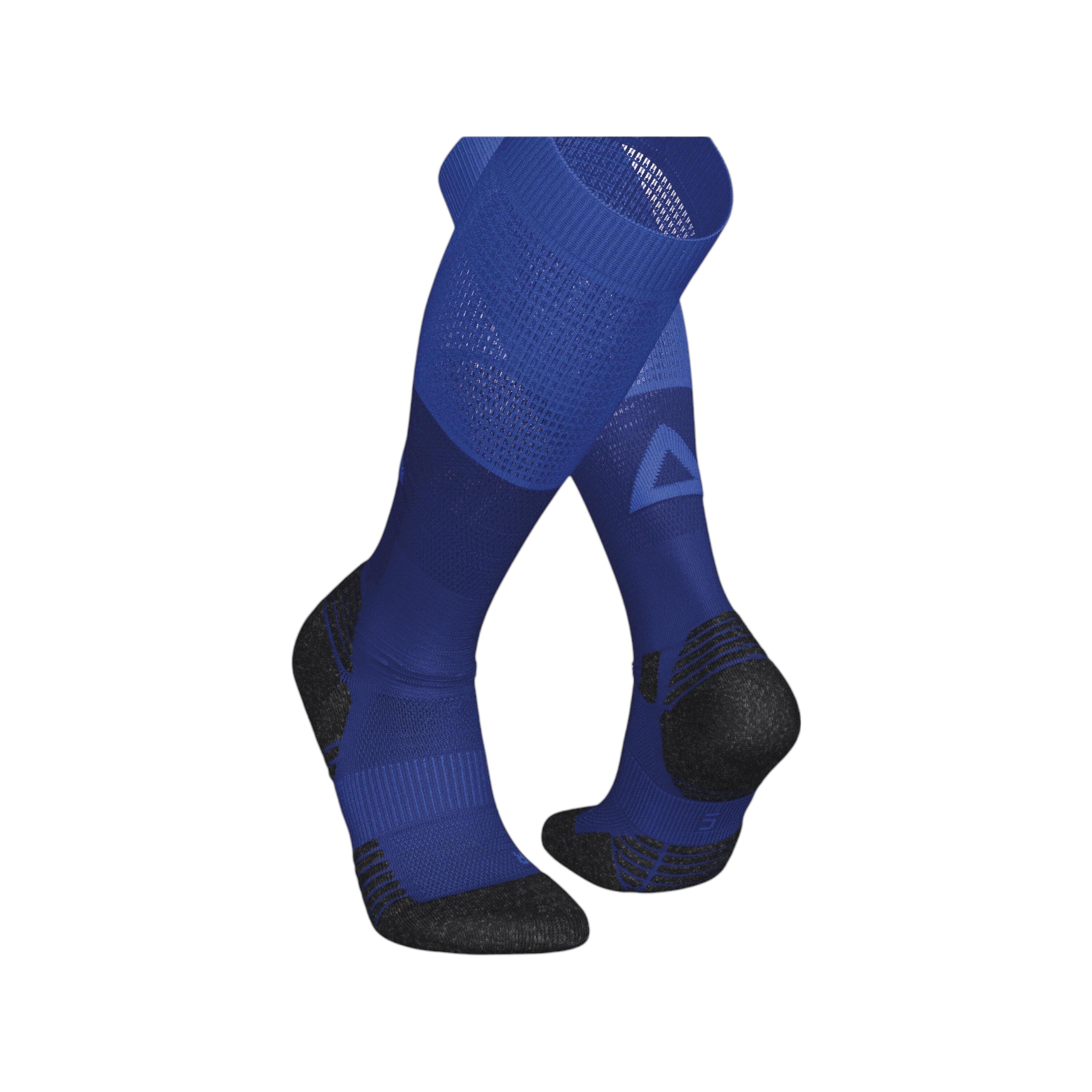
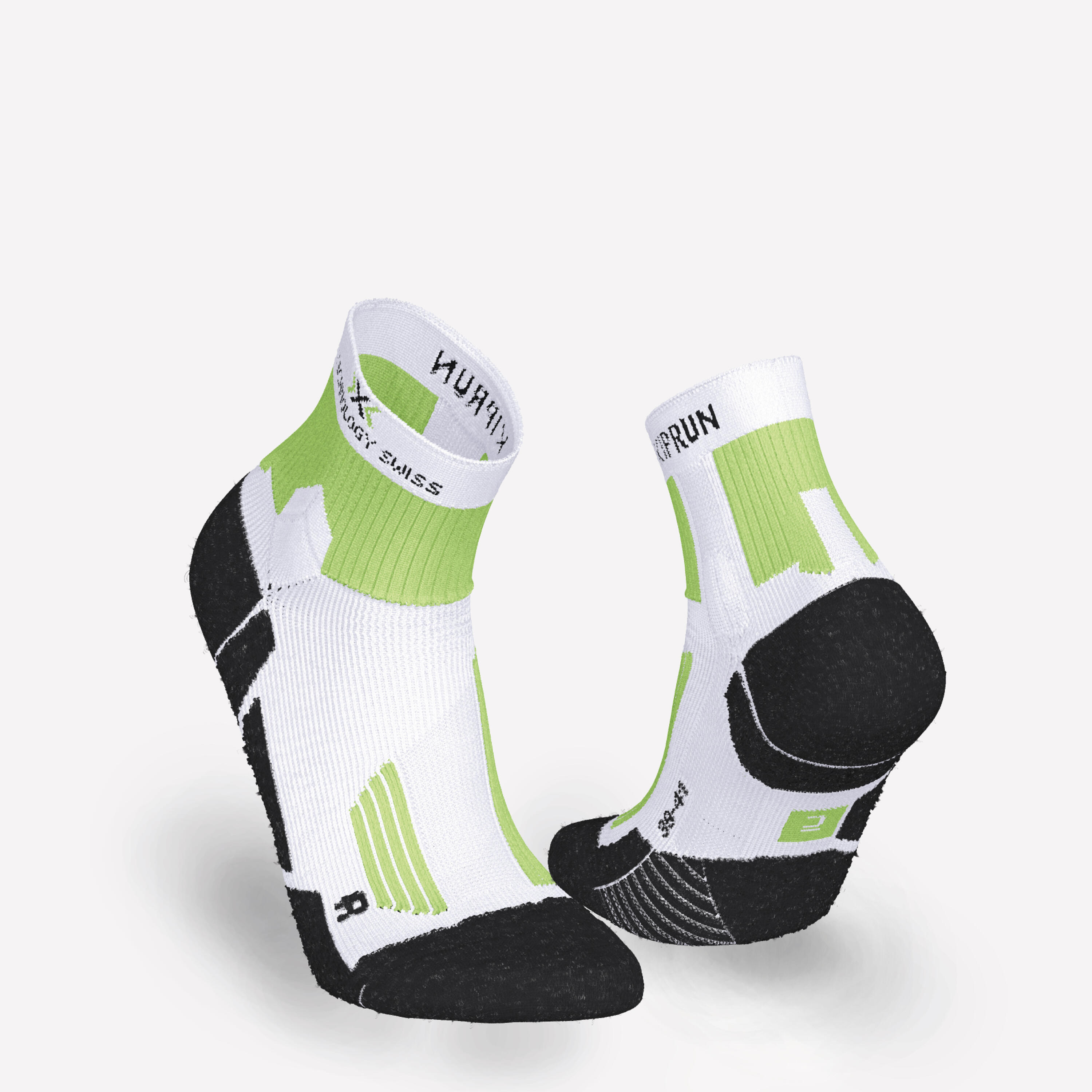
130 items
4.8/5 based on 195321 reviews collected online and in stores

Women's Trail Running Low Socks FAQs

How can you tell whether women's trail running low-socks fit correctly?

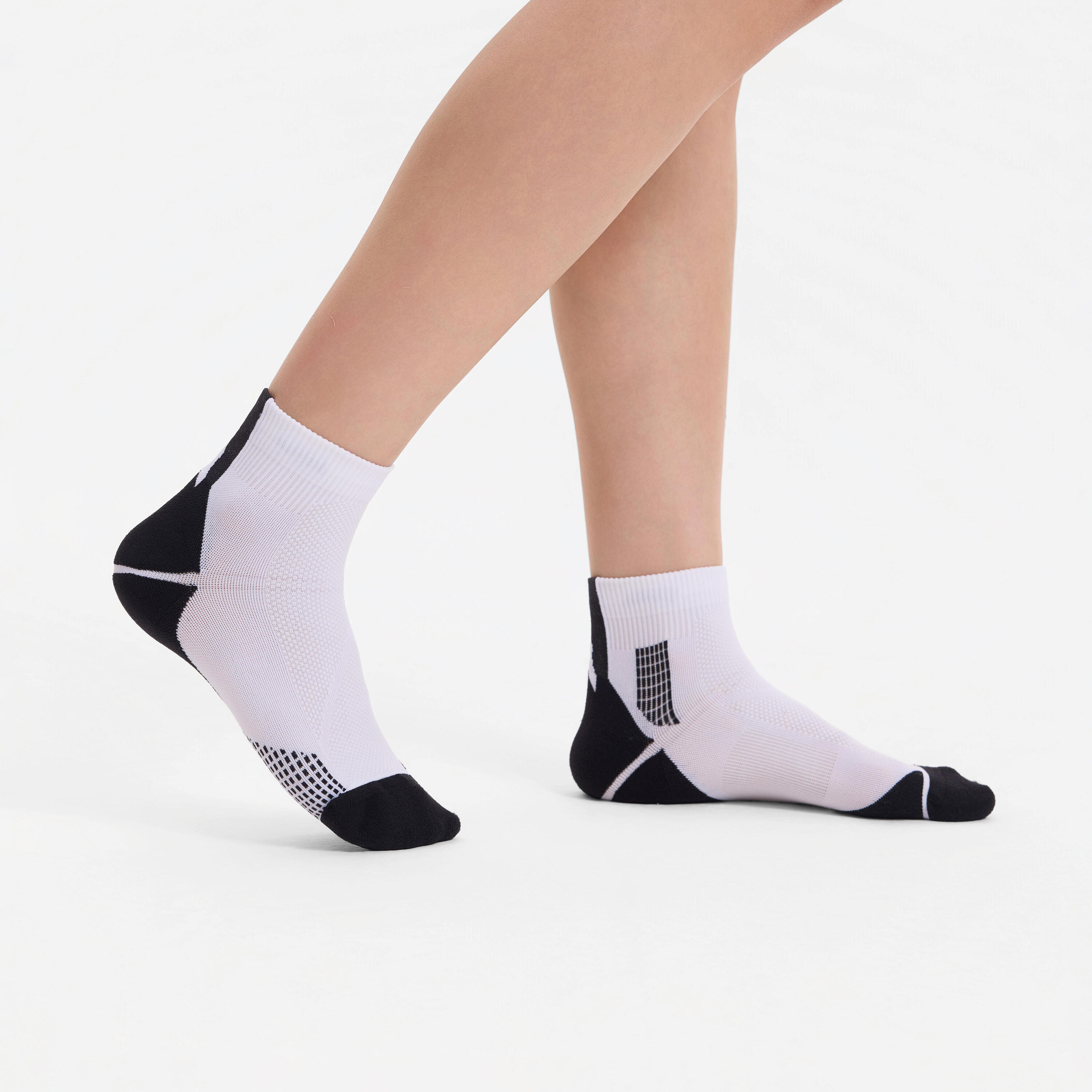
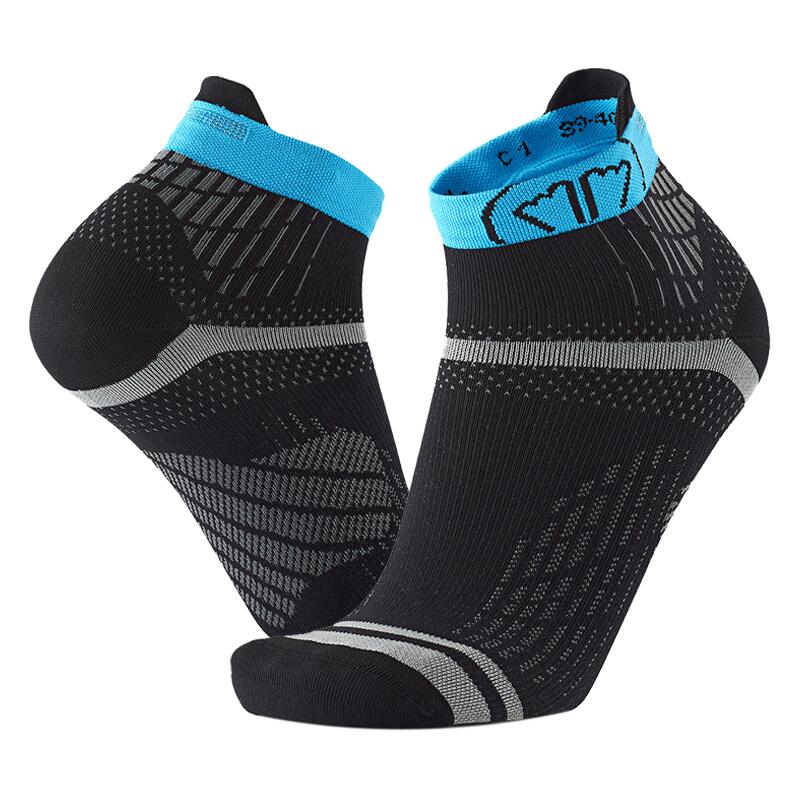
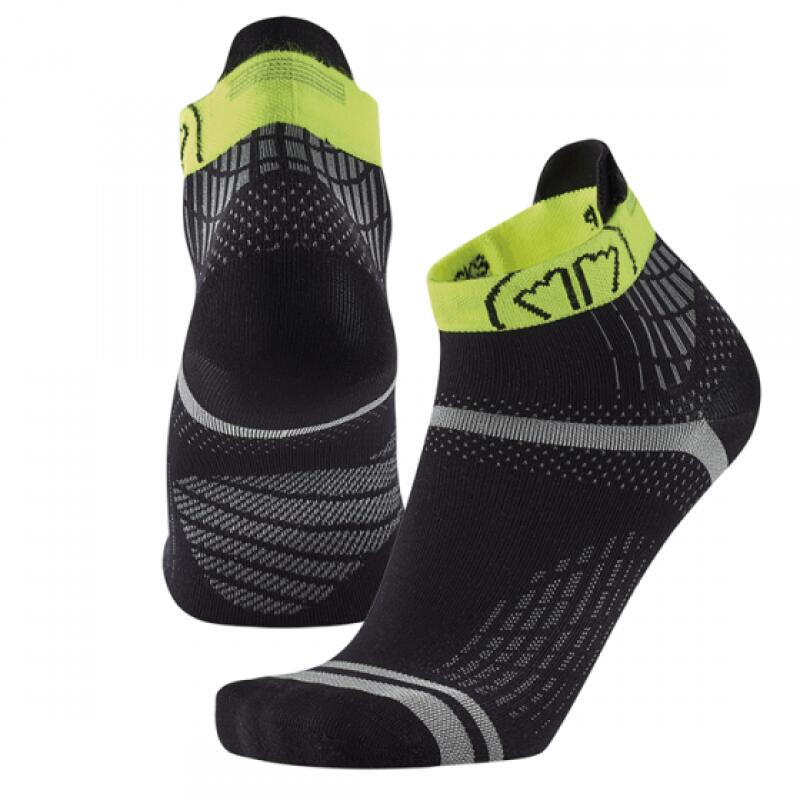
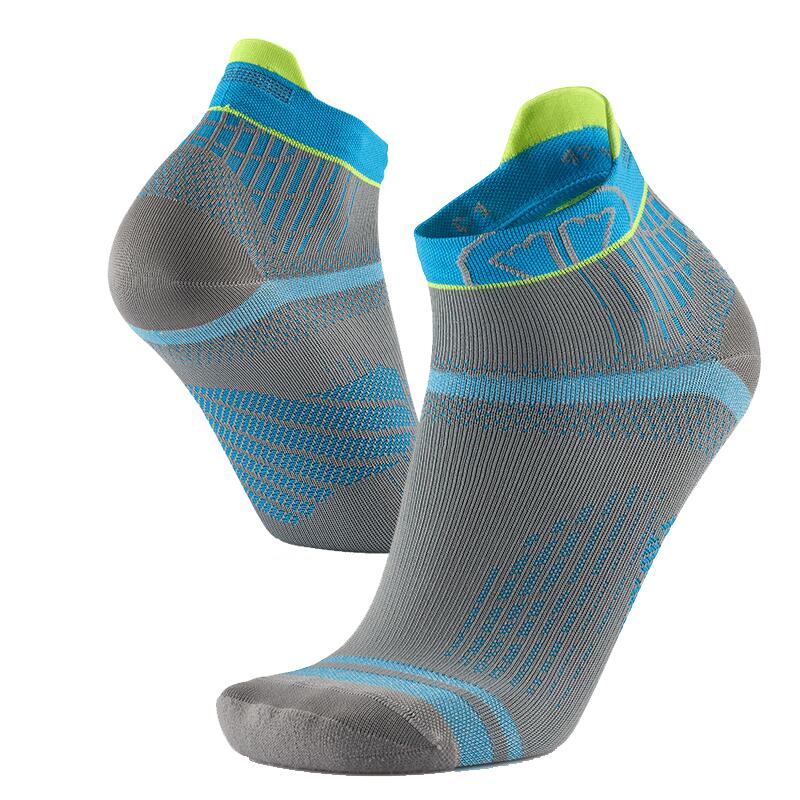
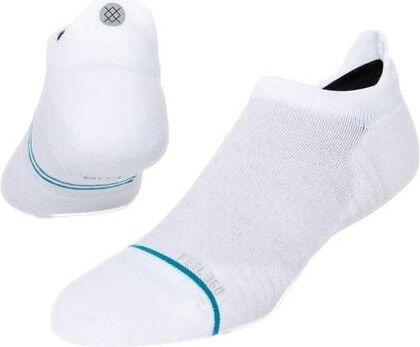
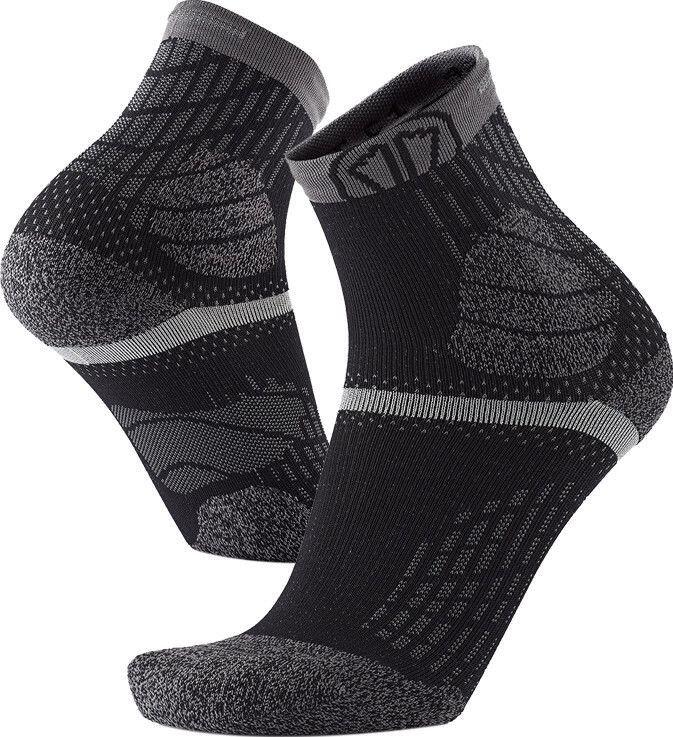
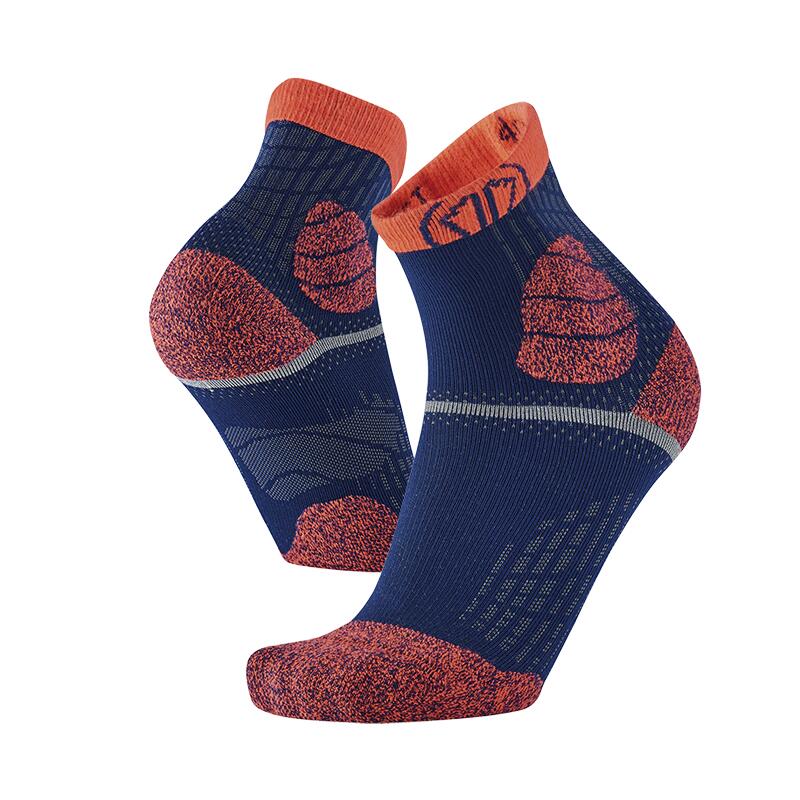
Women's trail running low socks should follow the shape of your feet without folding, slipping or squeezing your toes. The heel section should align with your heel, while the low cuff should sit securely around the shoe collar without disappearing beneath it. Check that the arch band feels supportive rather than restrictive and that the toe area stays smooth during descents. Sock thickness can change the available space inside your trail shoes, so always test the combination together. Different constructions within women's trail running socks may provide more ankle coverage when low-cut styles do not offer enough protection. A practical pro tip is to walk downhill and complete several quick turns before relying on a new pair.

Which conditions suit thin women's trail-running low socks?

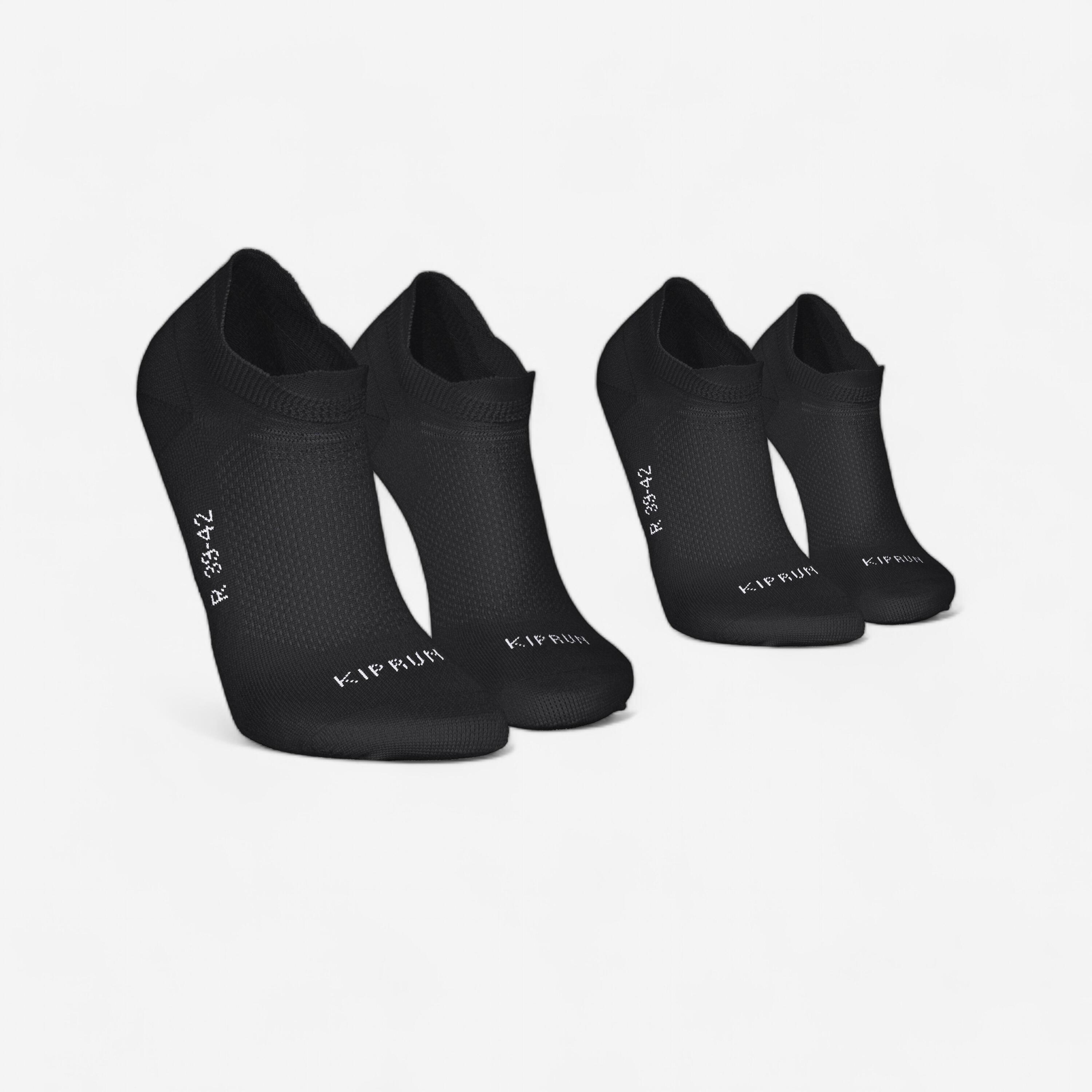
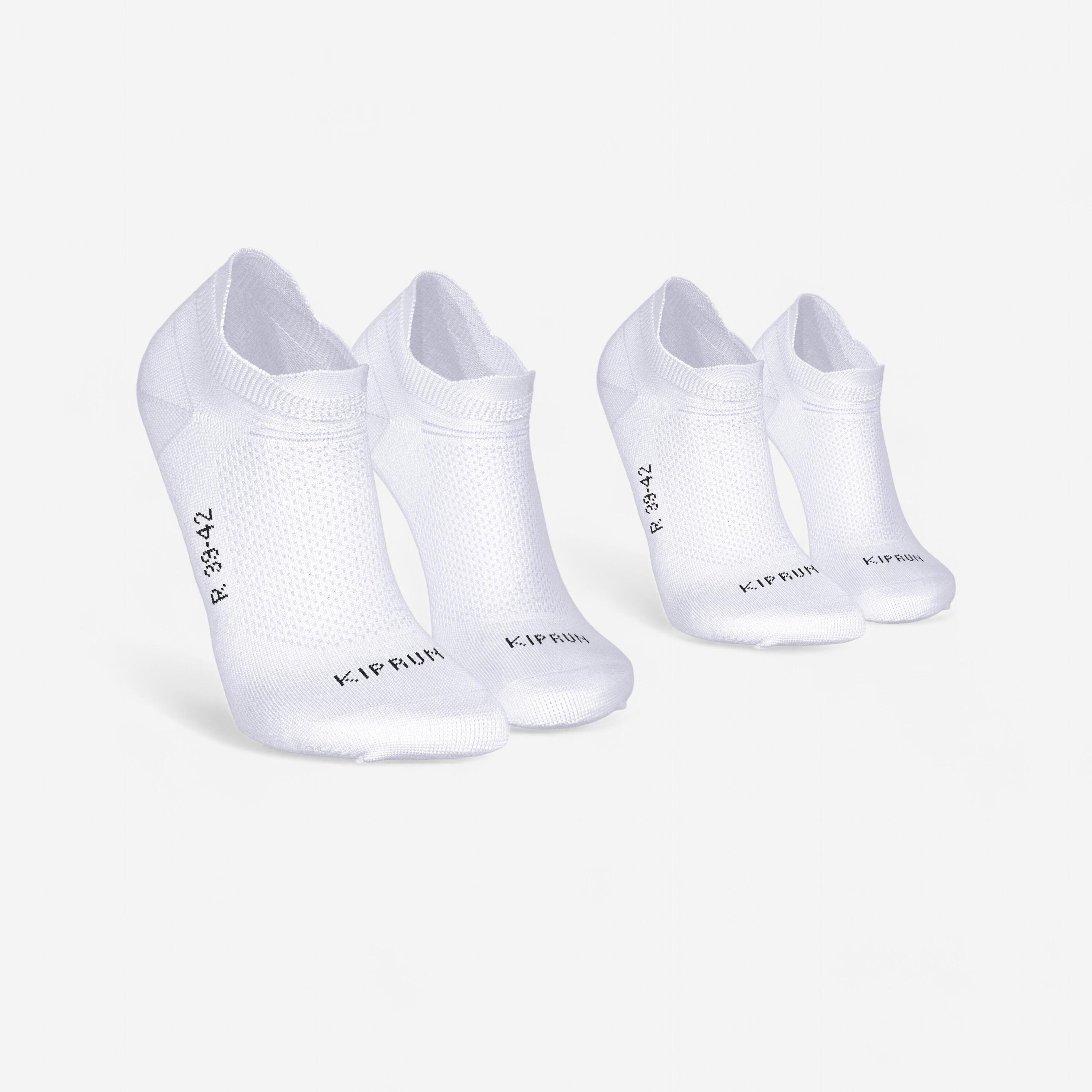
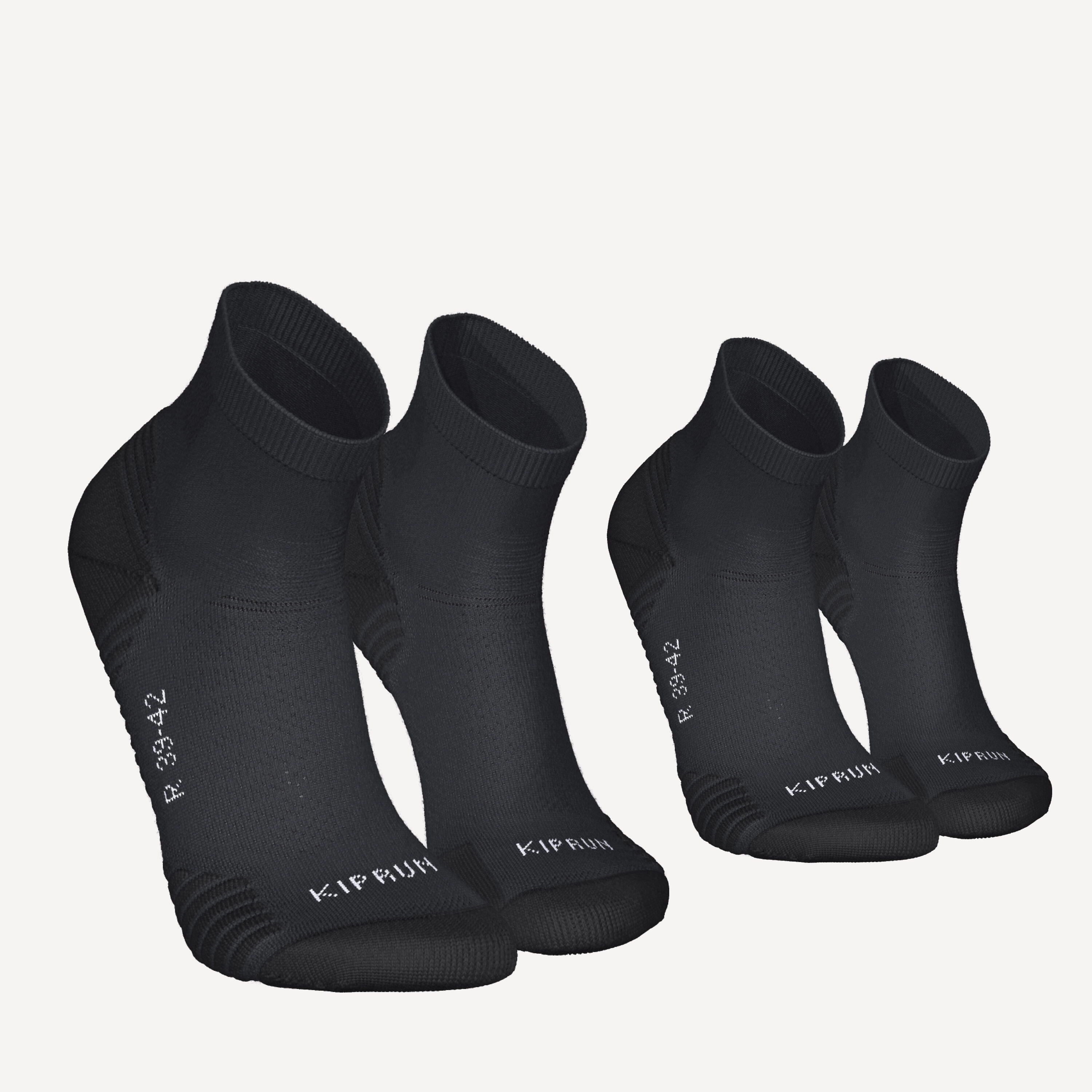
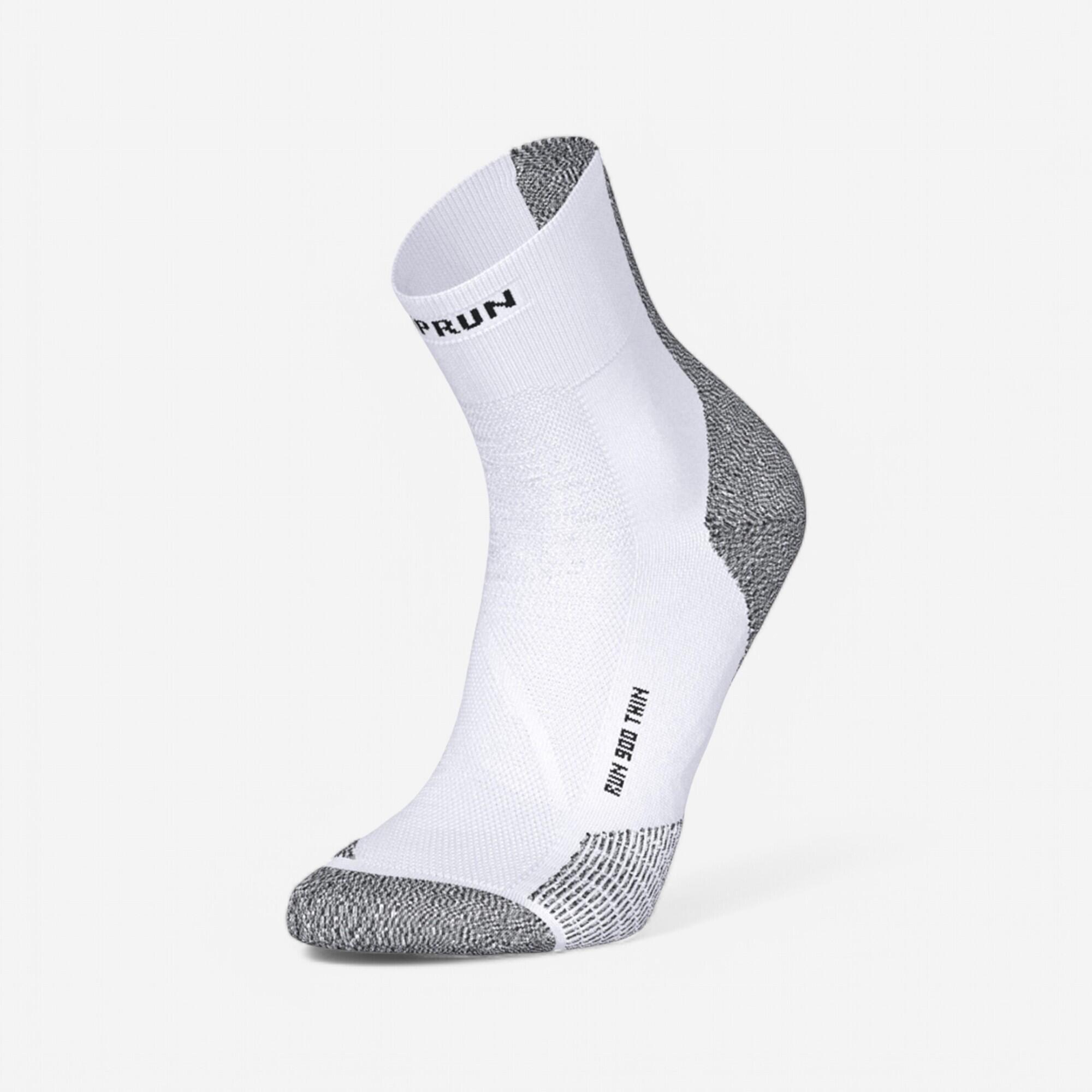
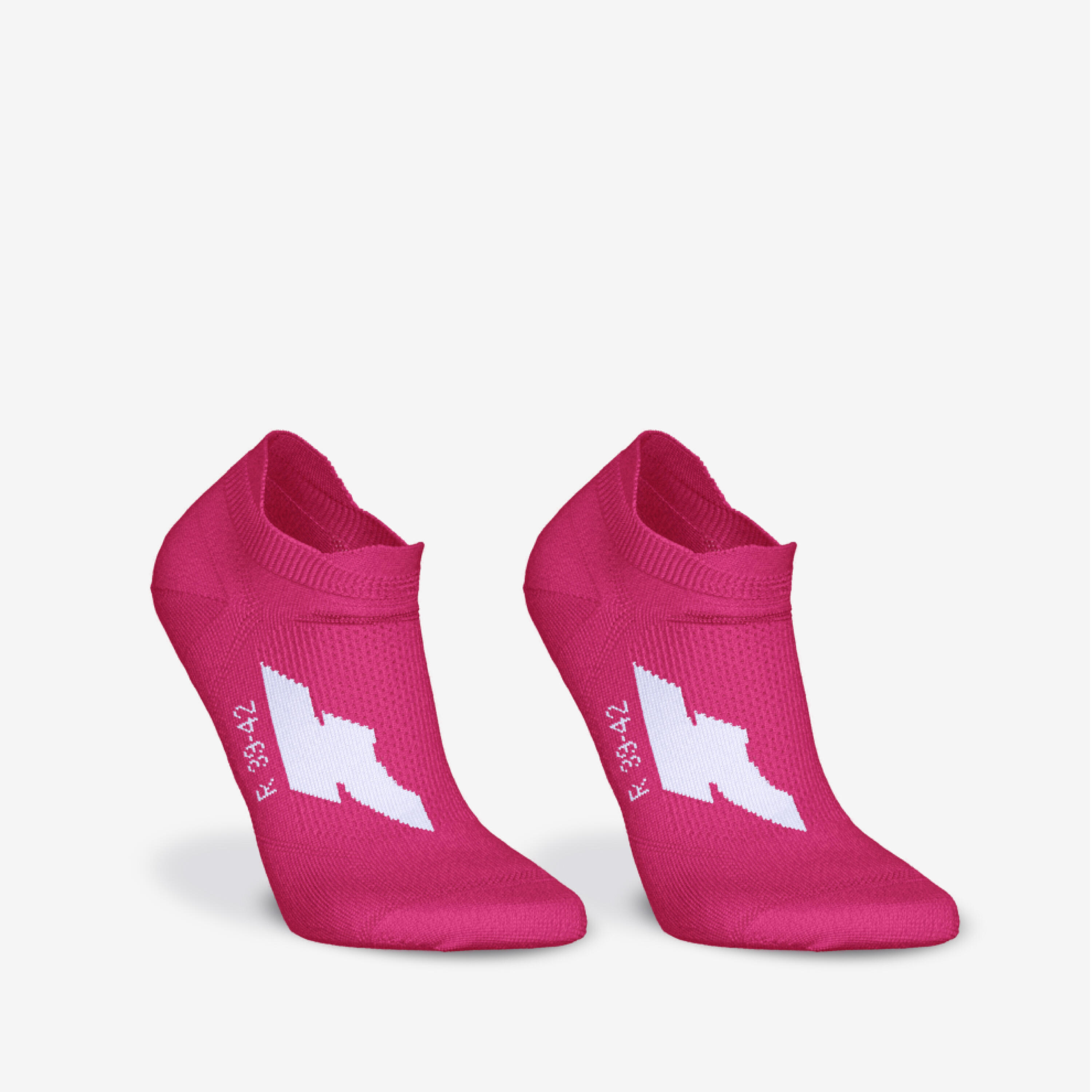
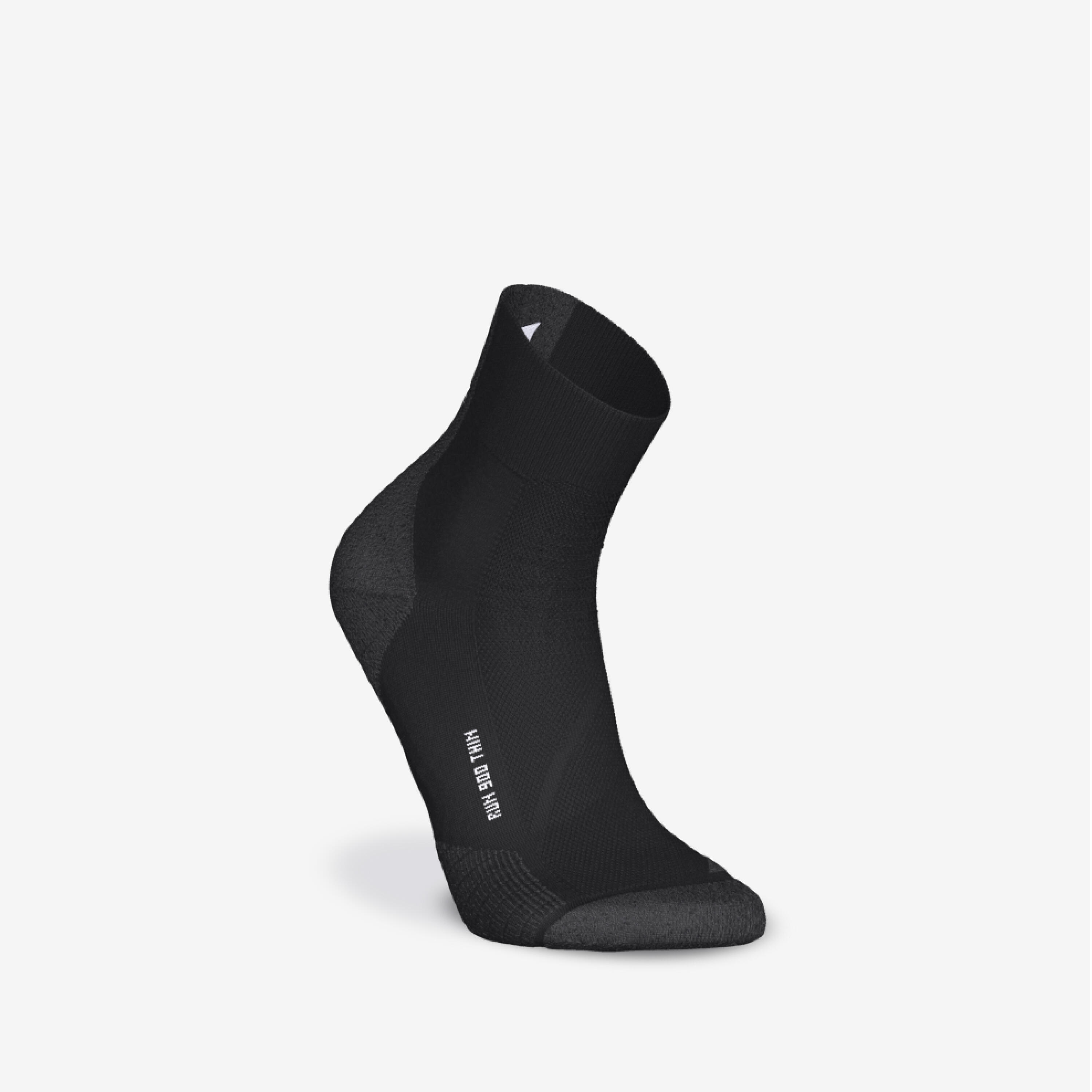
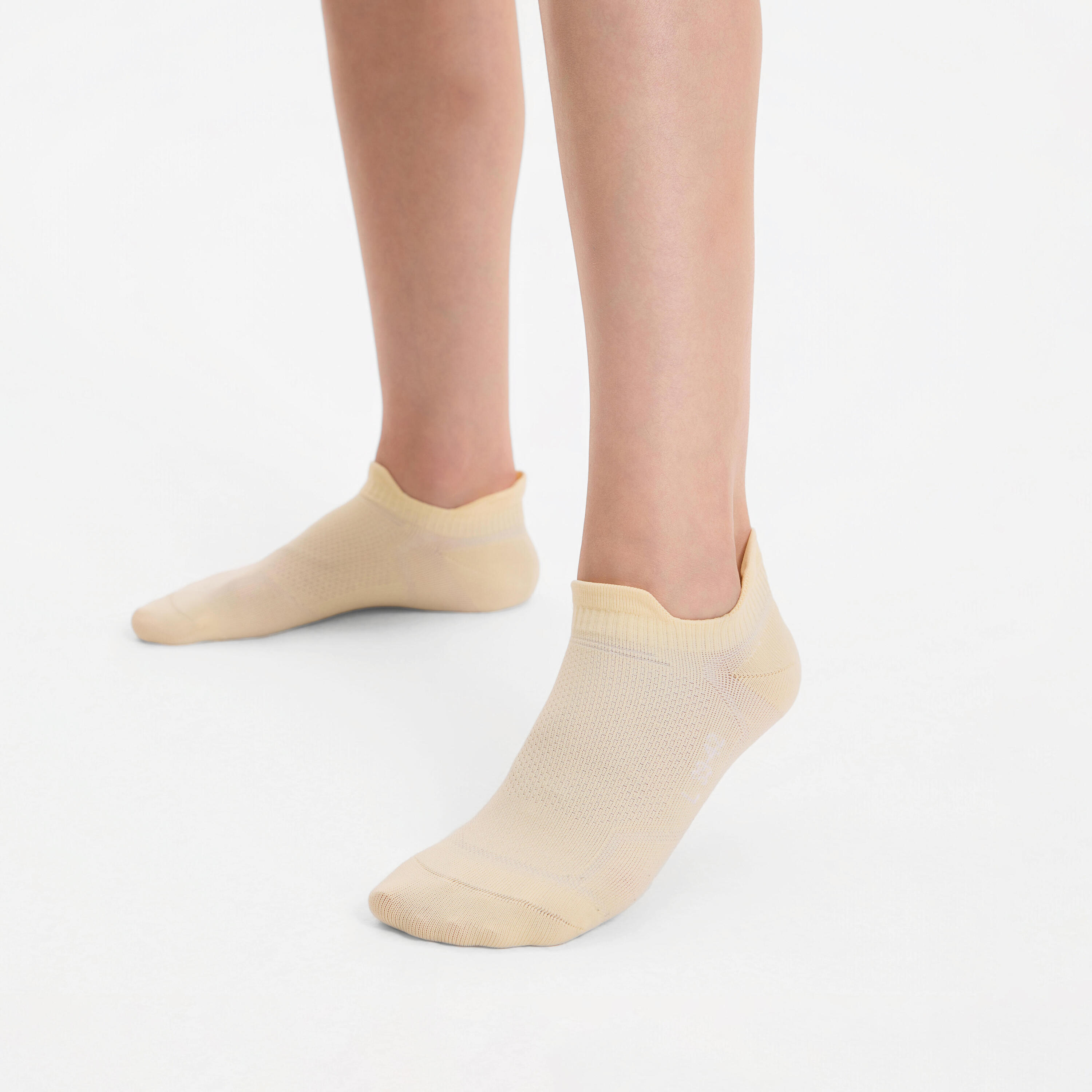
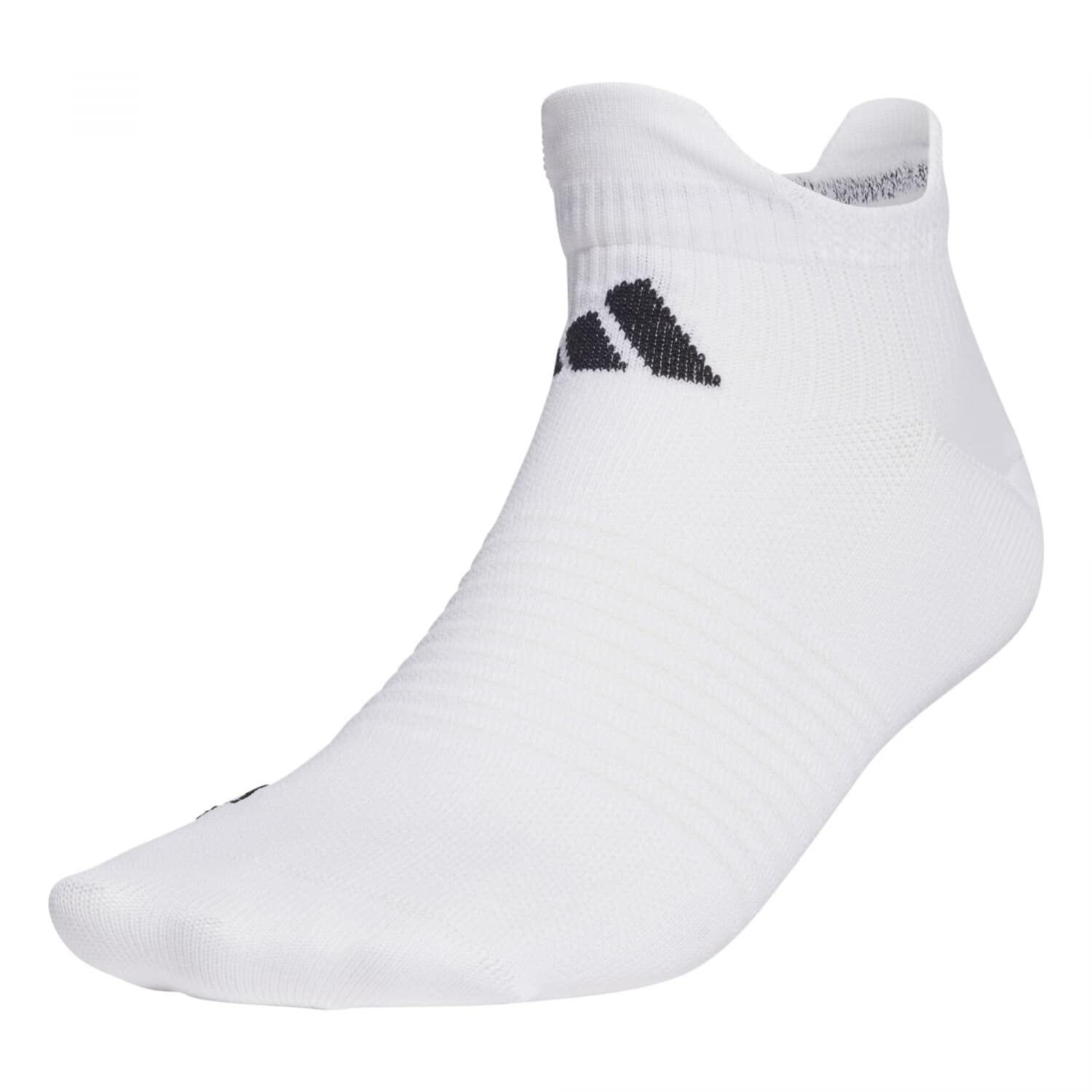
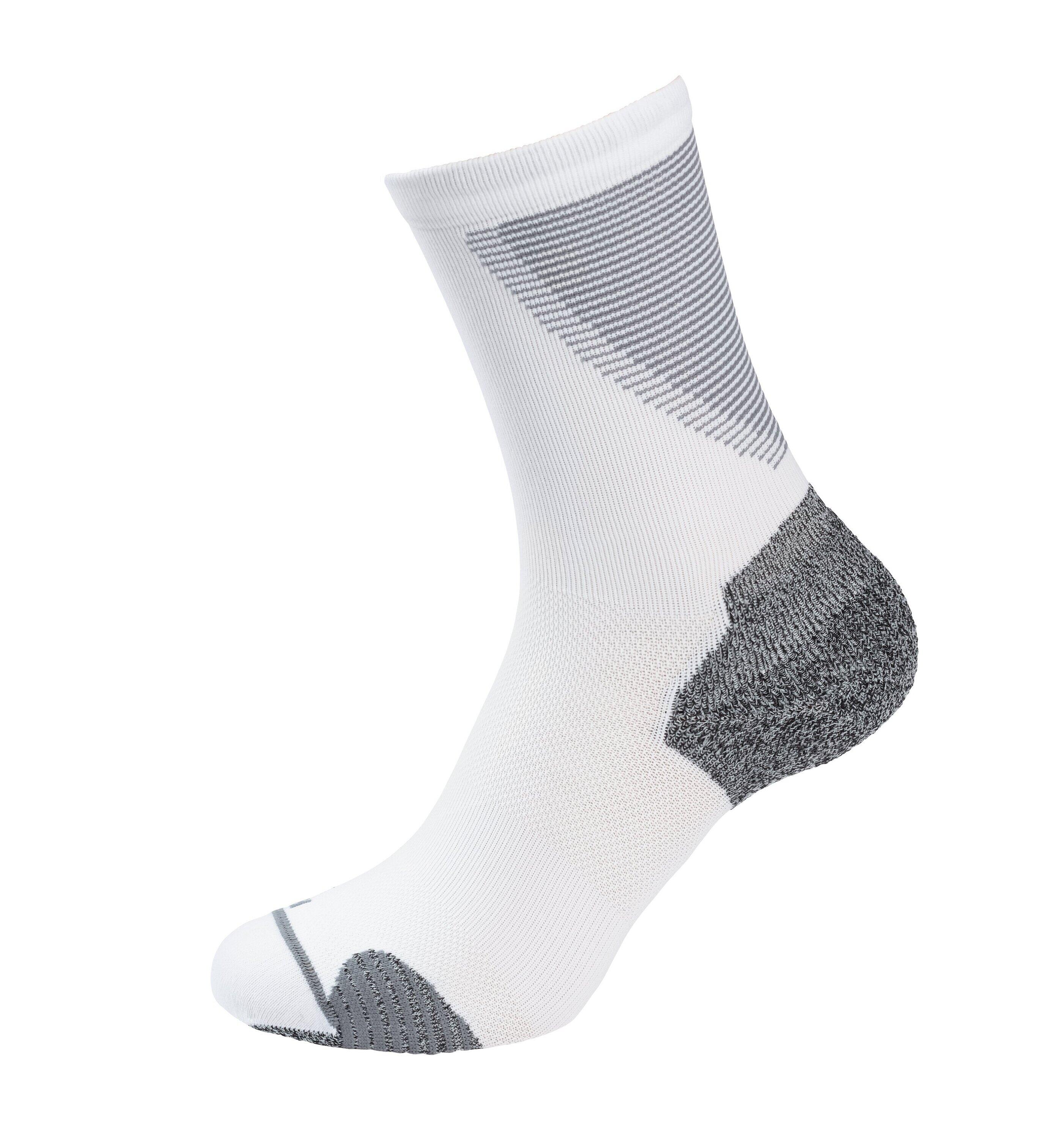
Thin socks can suit warm-weather trail sessions, faster runs and close-fitting shoes where extra padding would reduce toe space. Thin Run 500 running socks use a fine polyamide knit without plush loops, helping reduce weight and heat around the foot. A ventilation zone across the instep supports moisture transfer, while the toe-enclosure seam sits beneath the toes in a hollow area rather than across the upper foot. Low weight does not remove the need for a secure fit. Stop and smooth out any folds because thin fabric can still rub when dirt, perspiration and repeated movement combine.
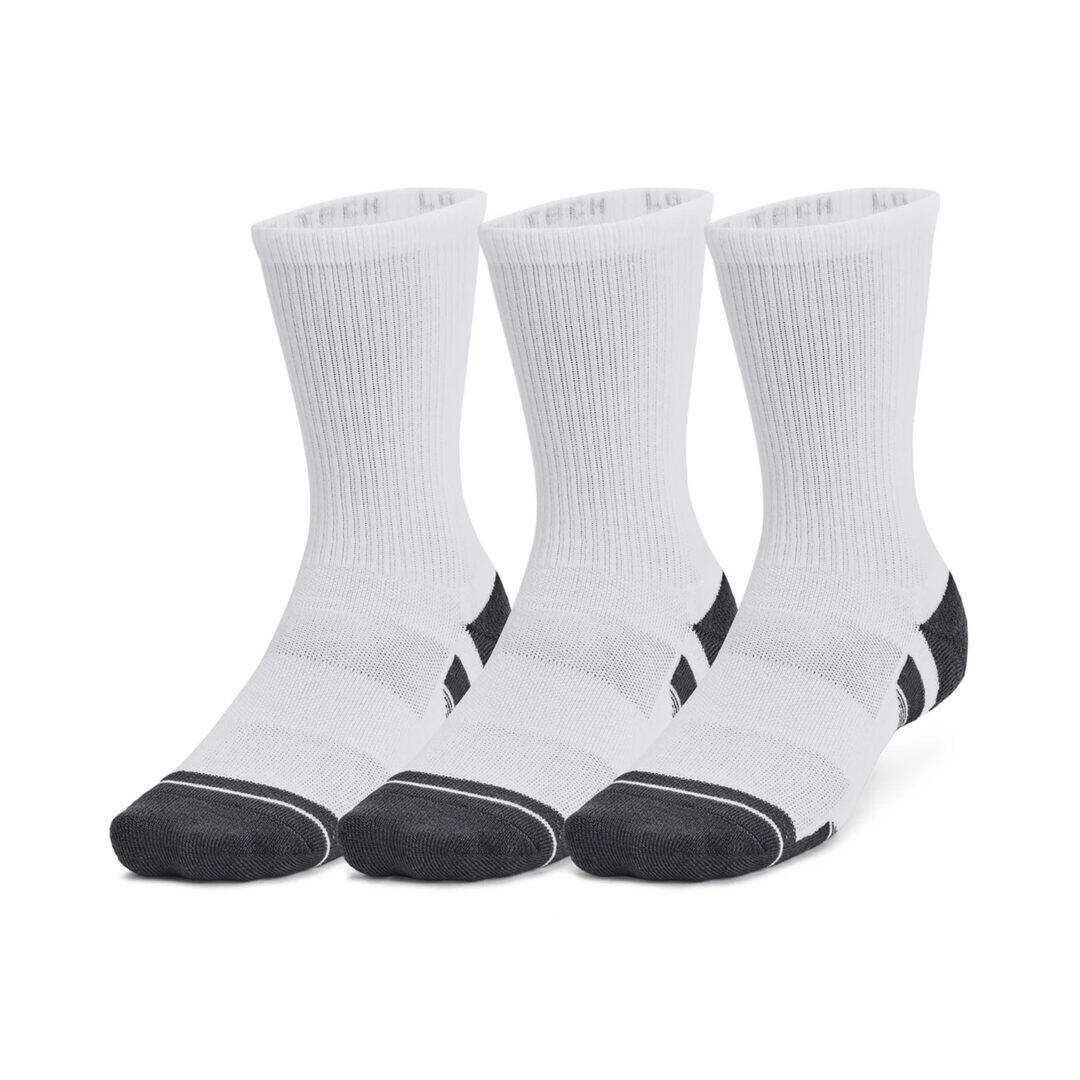
When are thicker, low-running socks useful on trails?

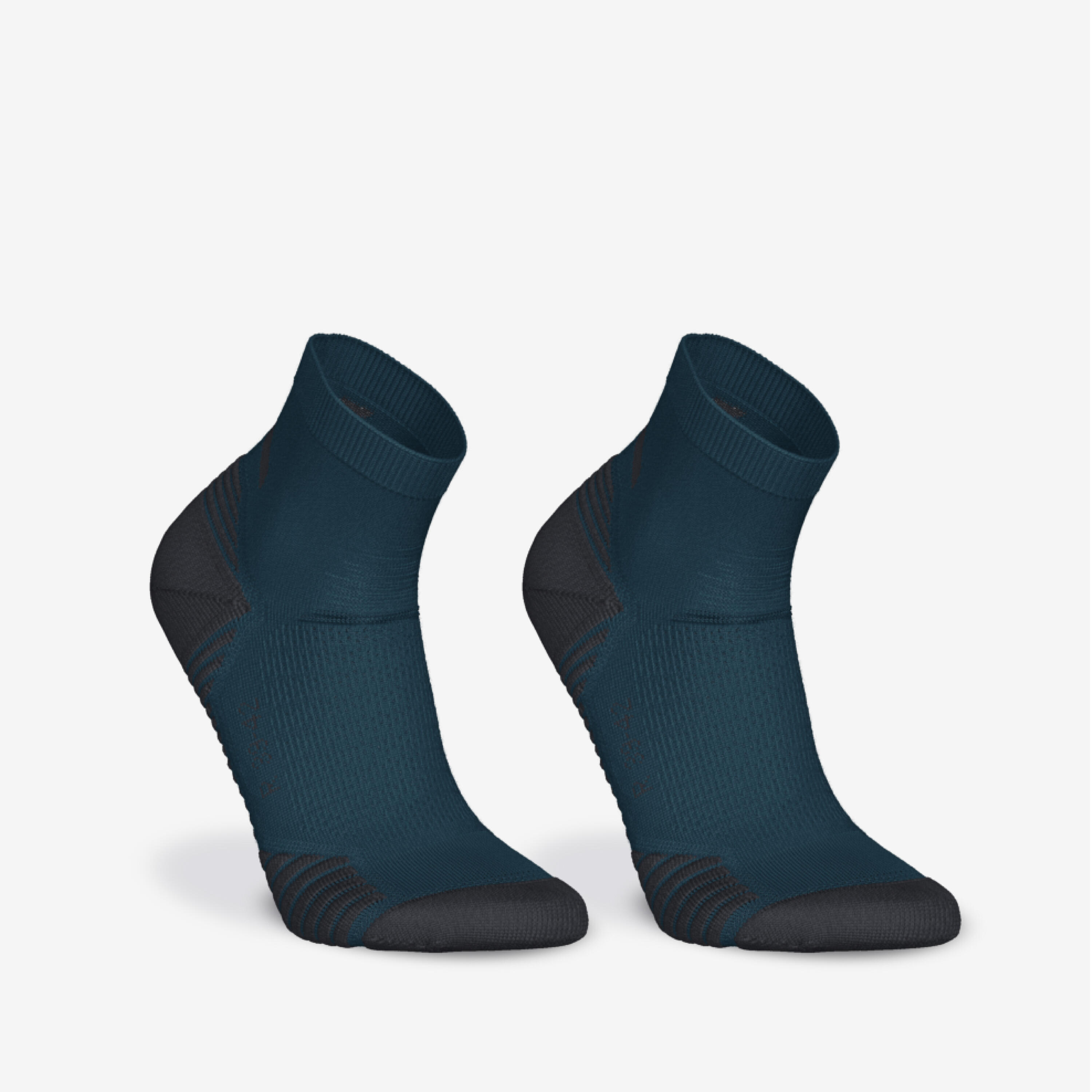
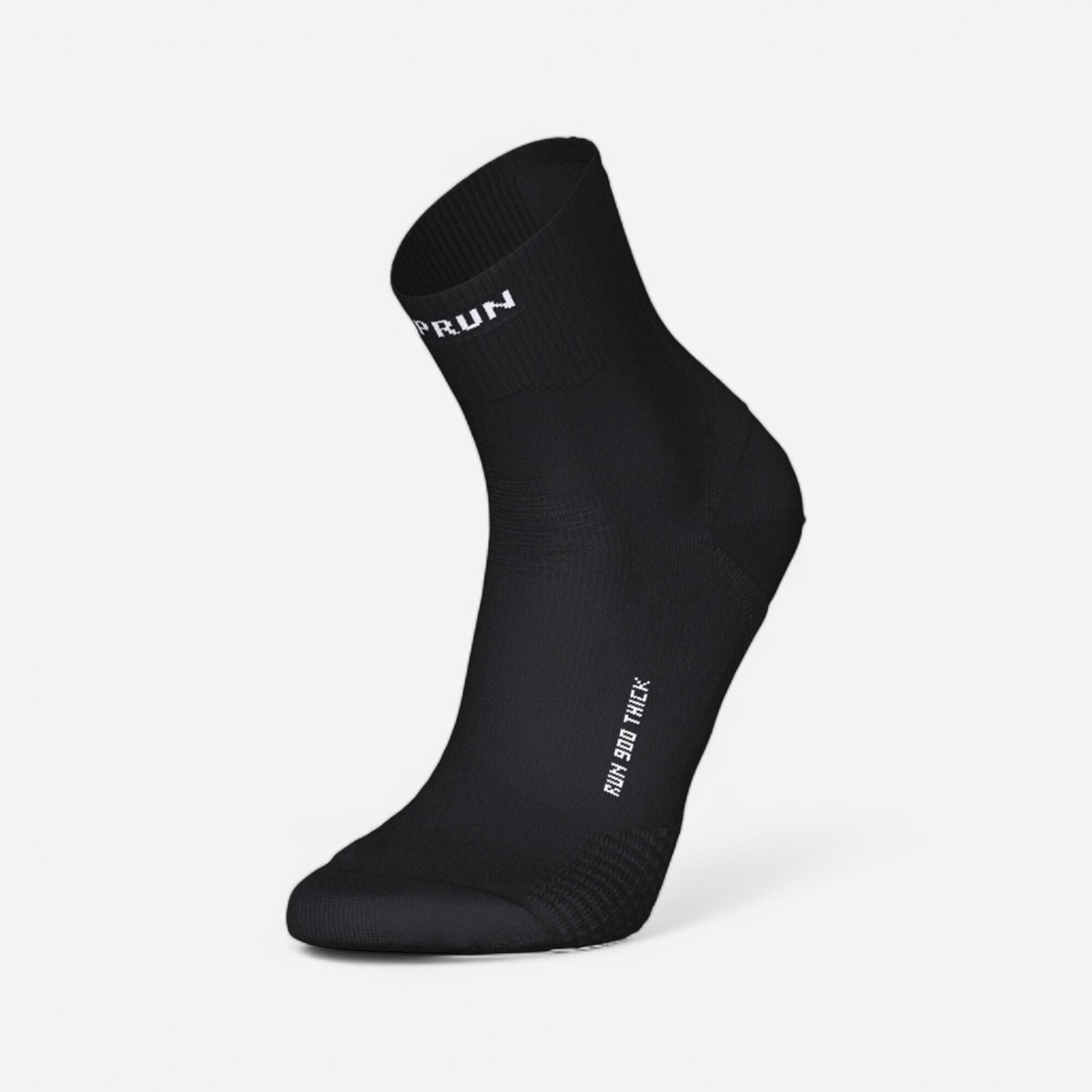
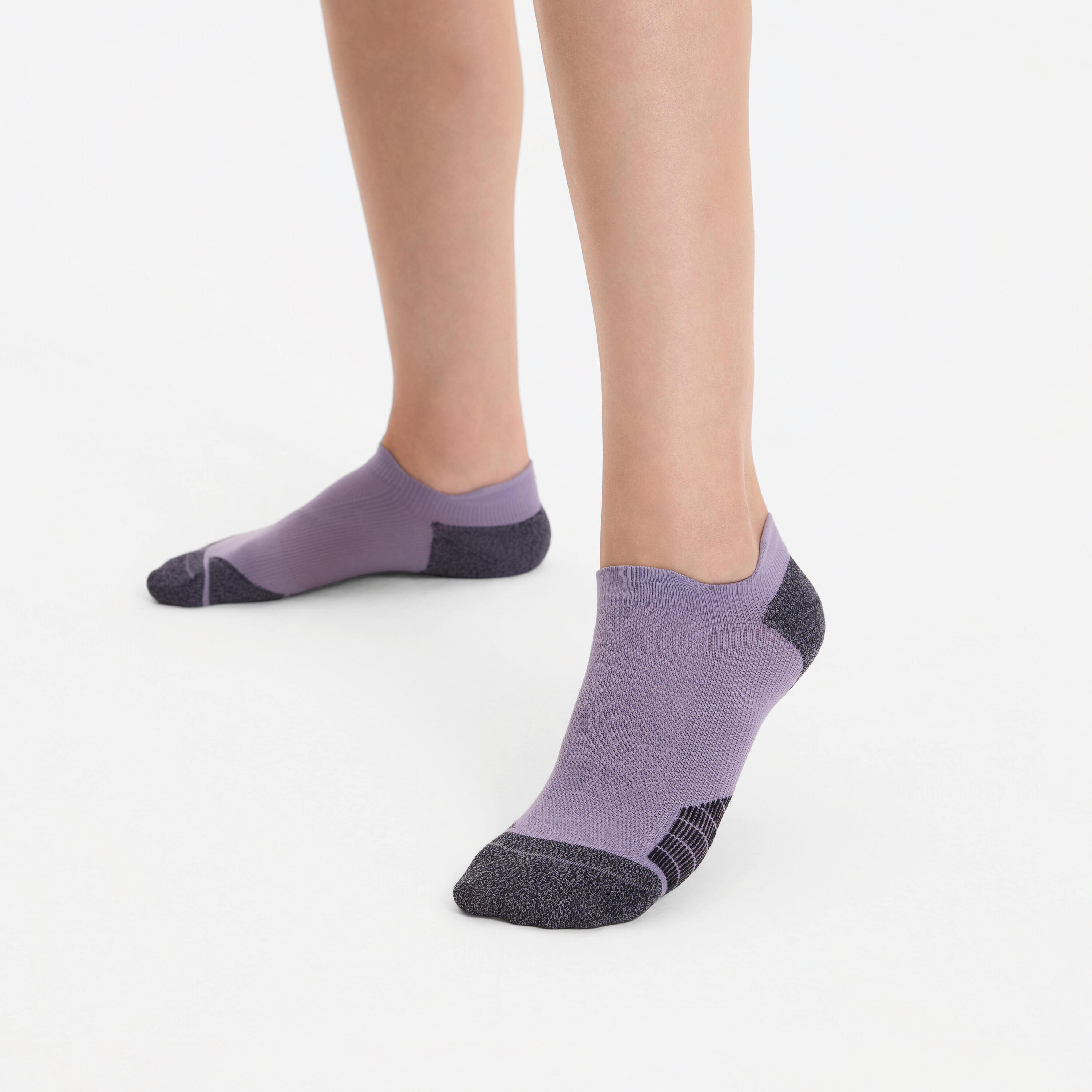
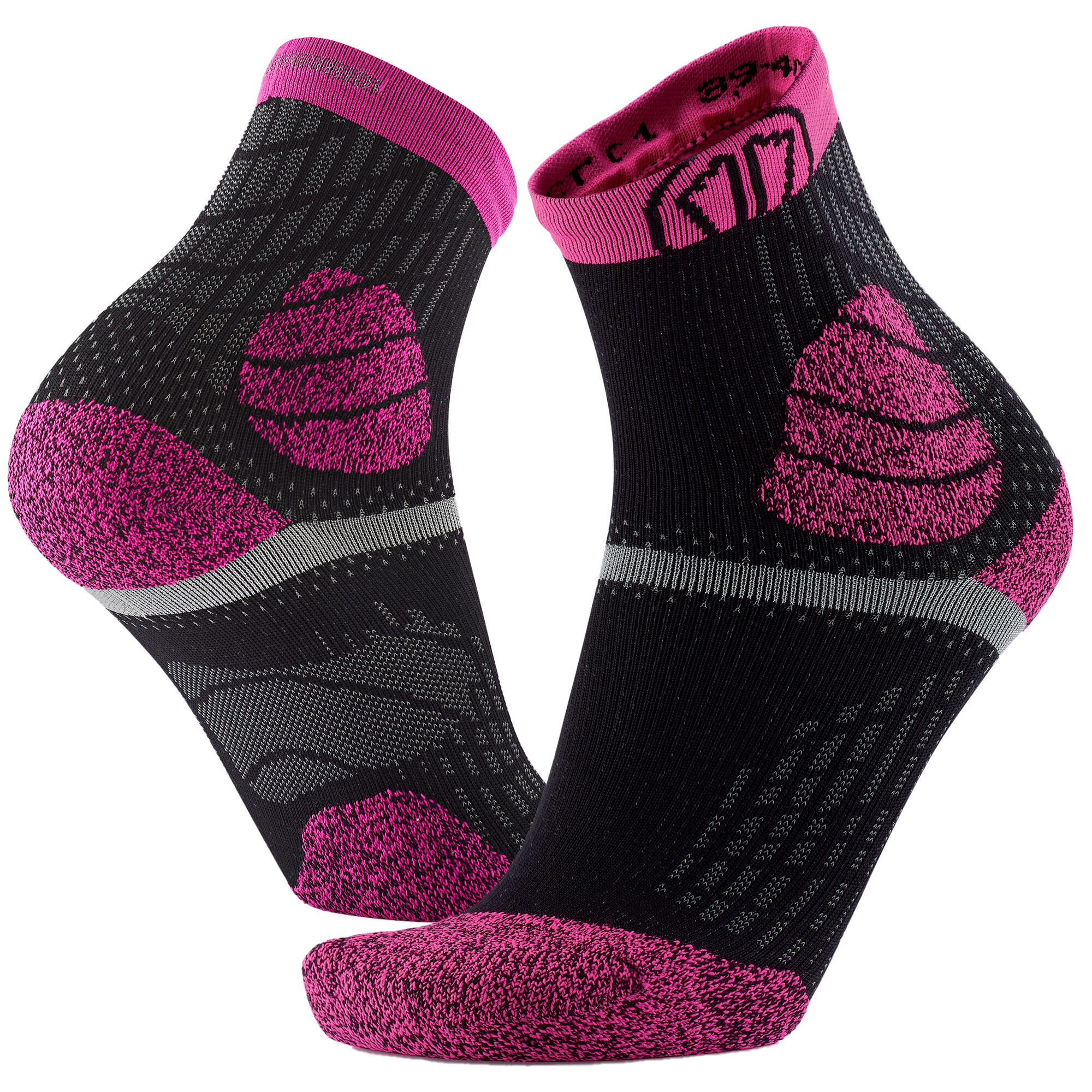
Thicker socks can add comfort when your shoes have enough internal space and you want light cushioning around pressure areas. Thick Run 500 running socks place fine plush loops around areas such as the heels and toes instead of making the whole sock uniformly bulky. This targeted construction can soften repeated contact on firm or uneven ground while retaining ventilation beneath the instep. Check your shoe fit carefully because excessive thickness may compress the toes or lift the heel. For longer routes, test the socks over similar terrain and distance rather than judging cushioning during a short walk indoors.

Can five-toe running socks help limit toe rubbing?

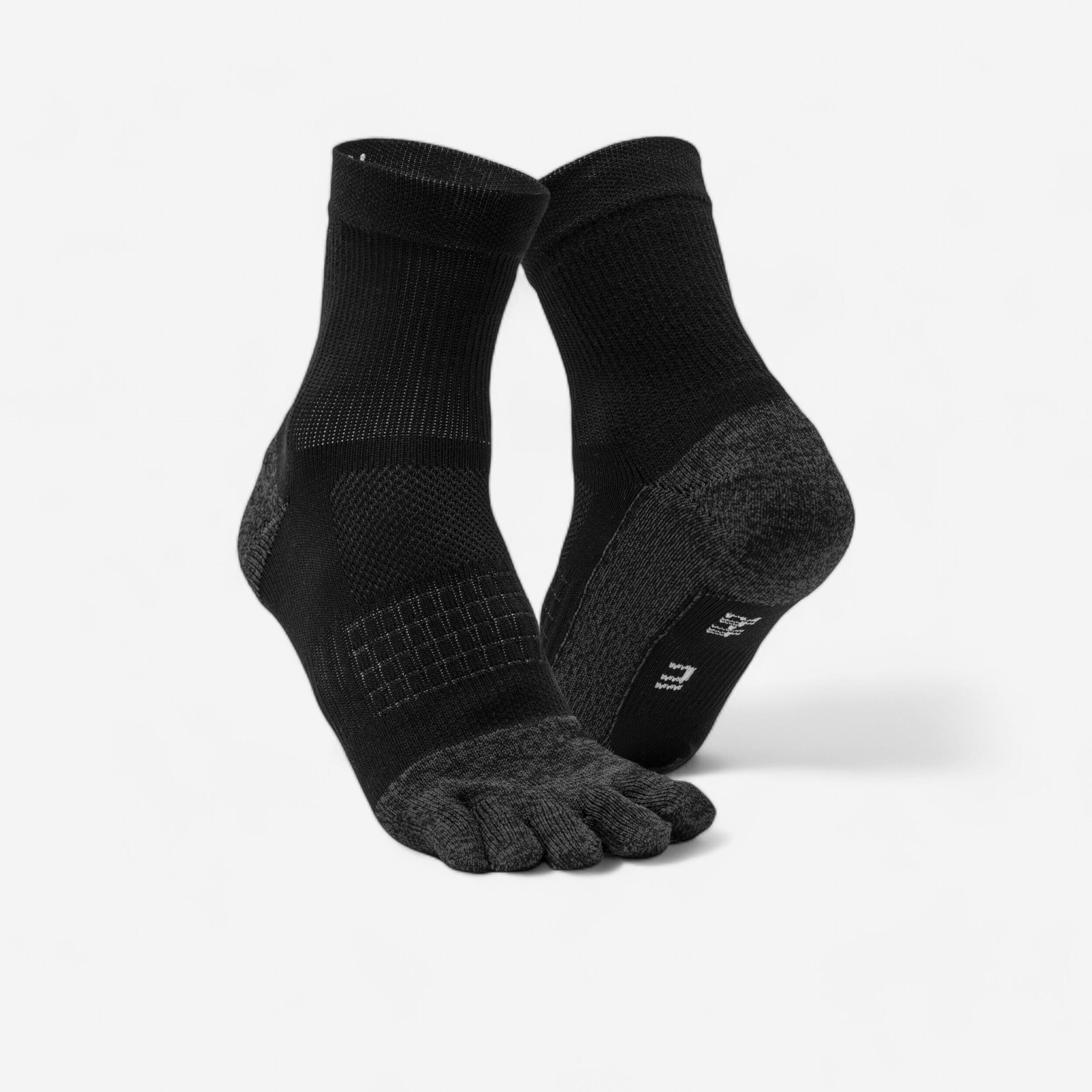
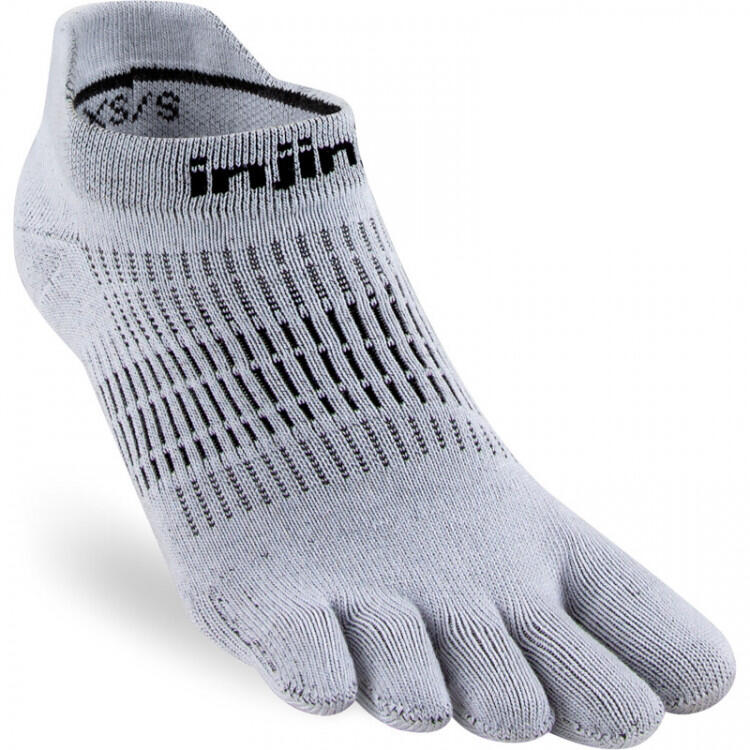
Five-toe socks separate each toe with fine fabric, reducing direct skin-to-skin contact during repeated movement. Run 900 five-toe running socks use anti-friction yarn around the toes, heel and midfoot, with ventilation and reinforcement zones positioned through Decathlon Sports Lab body mapping. This construction can suit runners who regularly notice irritation between their toes, but it cannot guarantee blister prevention. Each toe pocket must fit correctly without twisted fabric or excess length. Allow more time to put them on, then test them with your trail shoes because separate toe sections may feel different from an ordinary low sock.

Are supportive ankle socks suitable for trail running?

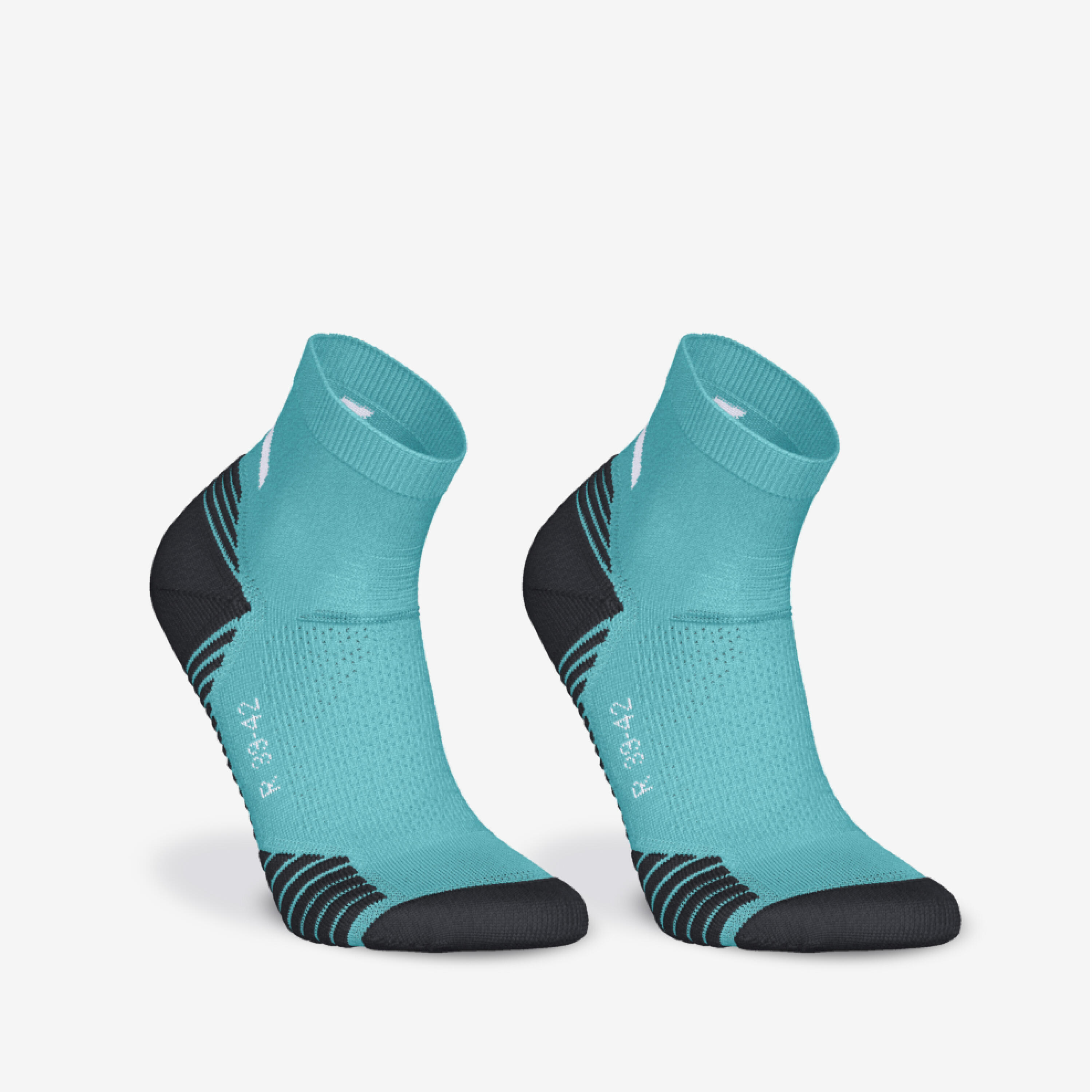
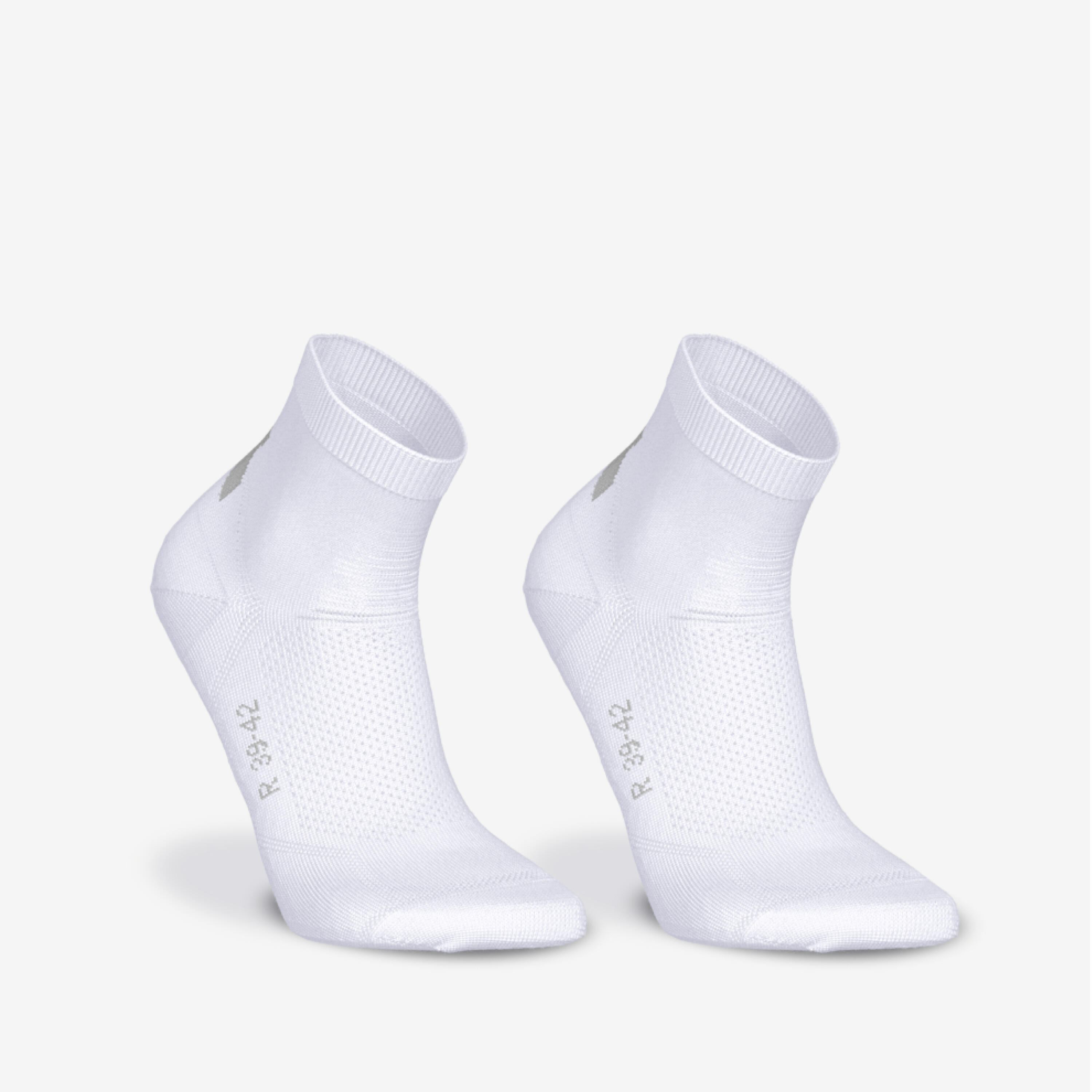
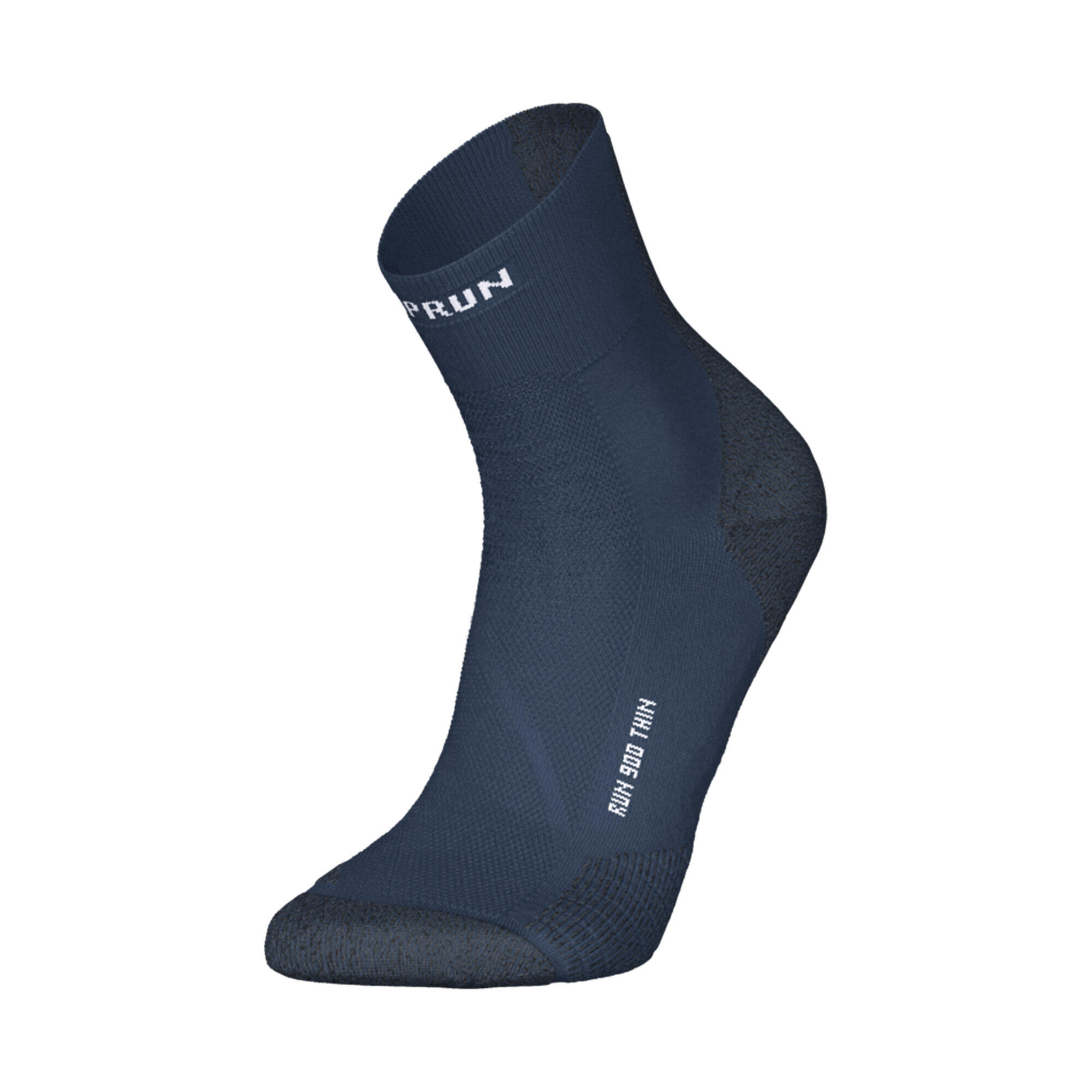
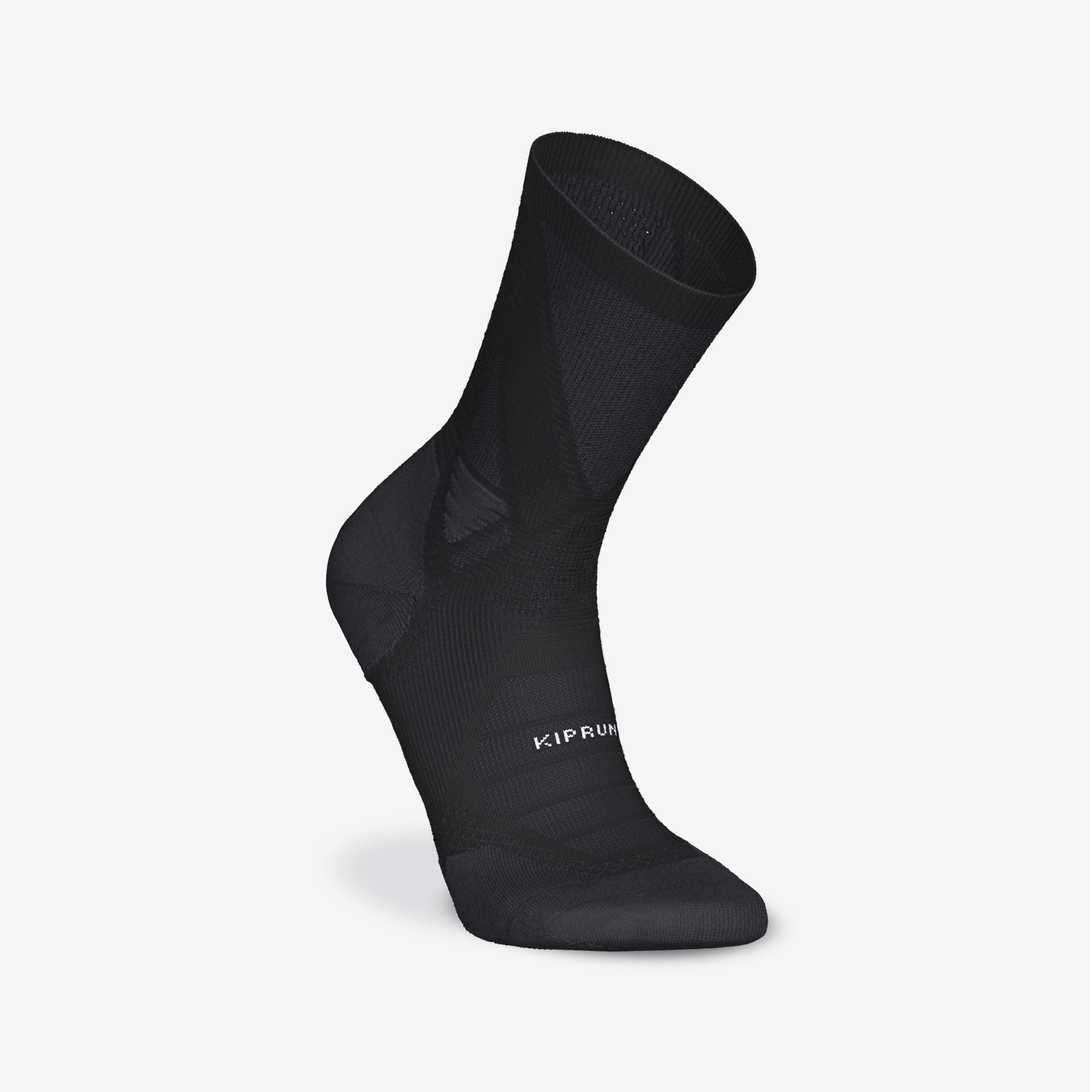
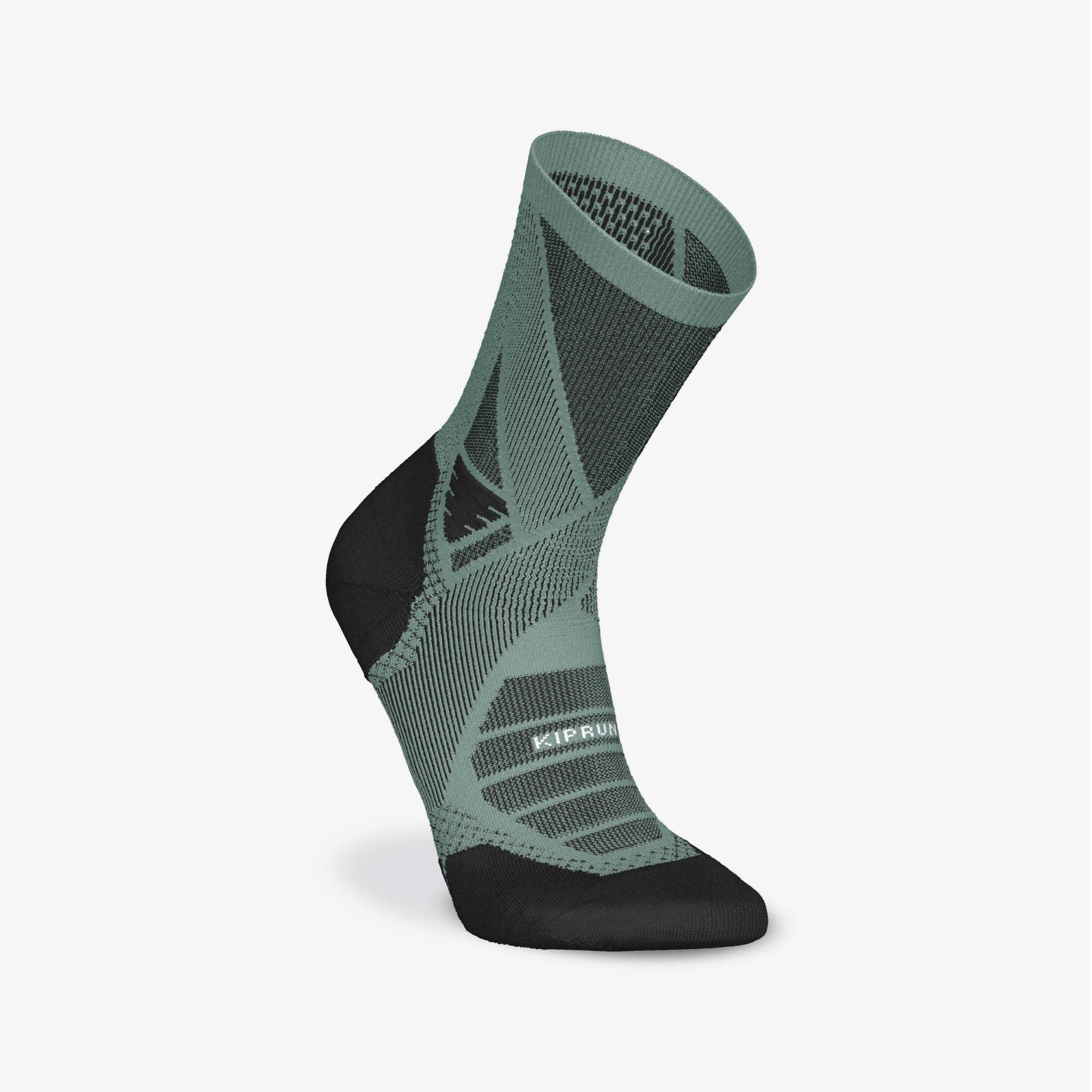
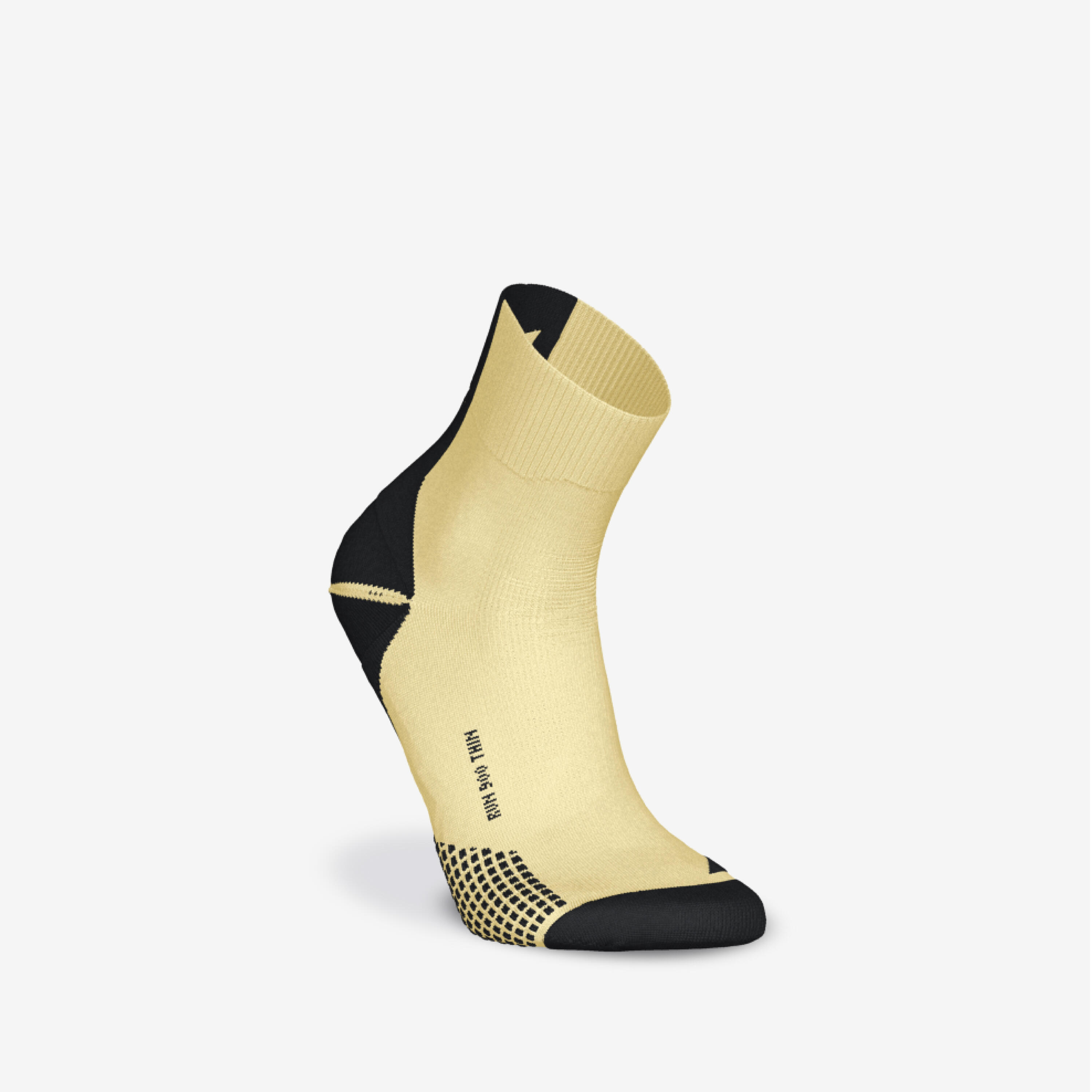
Supportive running socks can suit athletes who prefer a closer feeling around the ankle while maintaining a relatively low profile inside the shoe. KIPRUN Run 900 Strap running socks use highly stretchable woven zones around the ankle, along with specialist yarn at the heel and toes, to manage friction. This support is part of the sock construction and should not be treated as a medical brace or injury treatment. Check that the woven areas remain smooth and do not cause numbness or painful pressure. Wash new technical socks before an important run, test them on familiar terrain and air-dry them fully after washing at no more than 40 degrees Celsius.