1,583 items
4.4/5 based on 28705 reviews collected online and in stores

Athletics Competition Clothes FAQs

What should you wear for an athletics competition?

Choose an athletics competition outfit that matches your event, the weather and the amount of time you will spend warming up or waiting between rounds. Lightweight technical fabric helps perspiration dry quickly, while stretch supports sprinting, jumping and throwing movements. Competition clothing should remain secure without restricting your stride, shoulder movement or breathing. Pack a warm layer for waiting periods and suitable weather protection when rain or wind is expected. Keep your clothing, spikes, race number and other athletics competition essentials together before travelling. Pro tip: test the complete outfit during a demanding training session because waistbands, pockets and seams can feel different once you begin moving at competition intensity.

Why is seamless athletics apparel useful during competition?

Seamless tubular knitting removes conventional side seams, reducing raised contact points around the torso during repeated arm swing and body rotation. This can be useful for athletes who are sensitive to friction or who compete in hot conditions where sweat increases rubbing. The KIPRUN girls' seamless running T-shirt weighs approximately 57 g and uses an elastic knit that follows running, jumping and throwing movements. Decathlon tested the construction with girls aged 8 to 14 during very hot athletics sessions. A close technical fit should still allow comfortable breathing, and the neckline and armholes should remain secure when the athlete reaches overhead.

Can breathable running trousers be worn for athletics competitions?

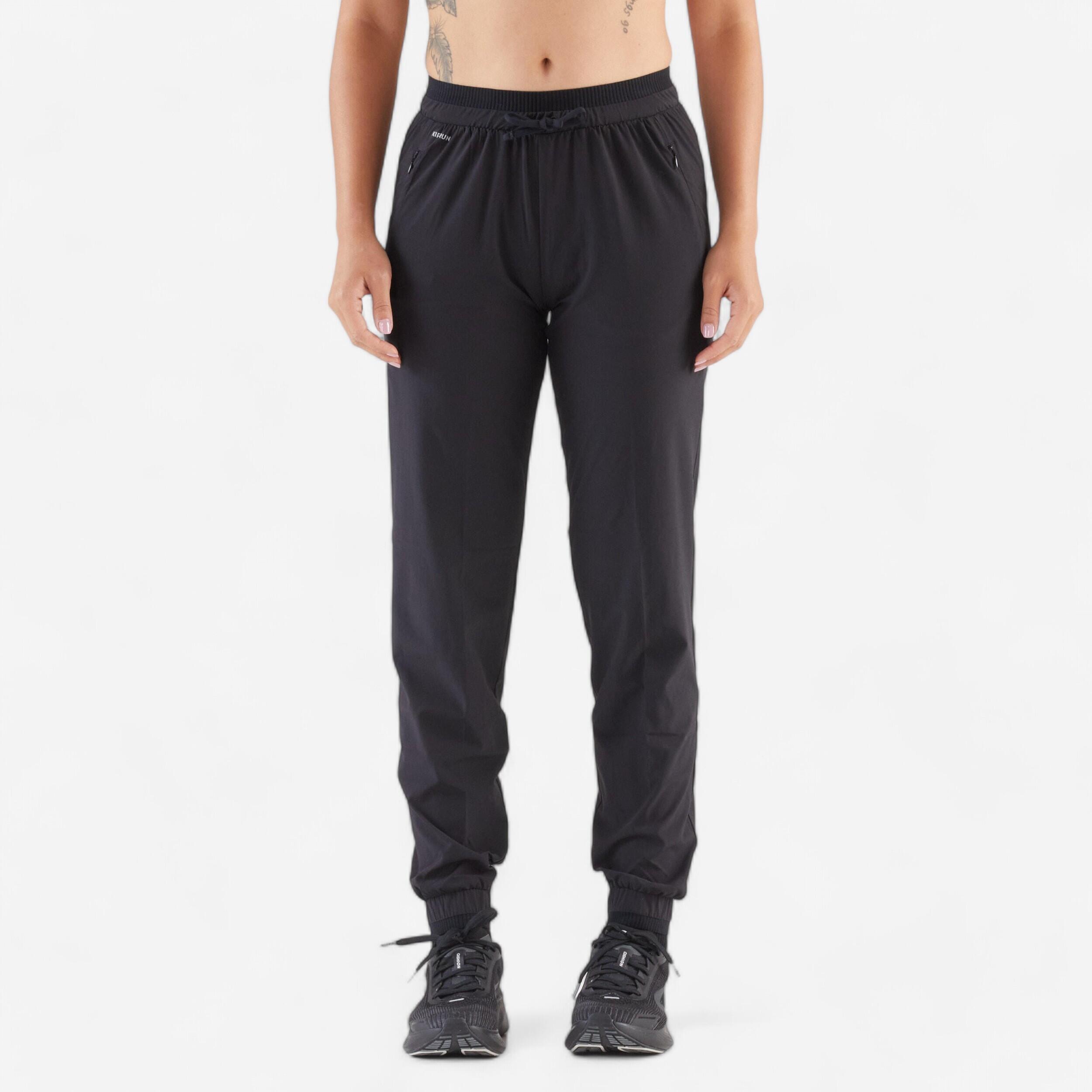
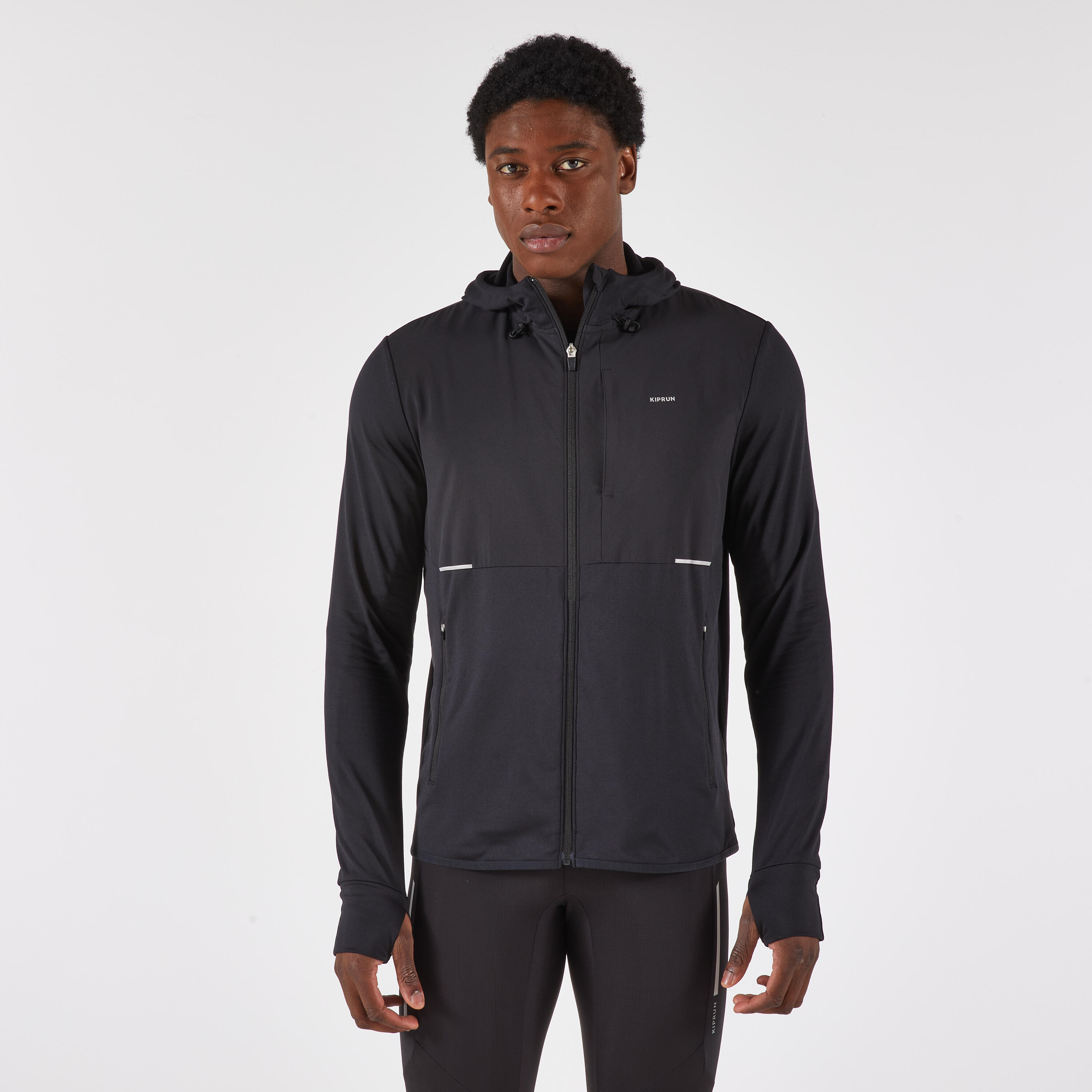
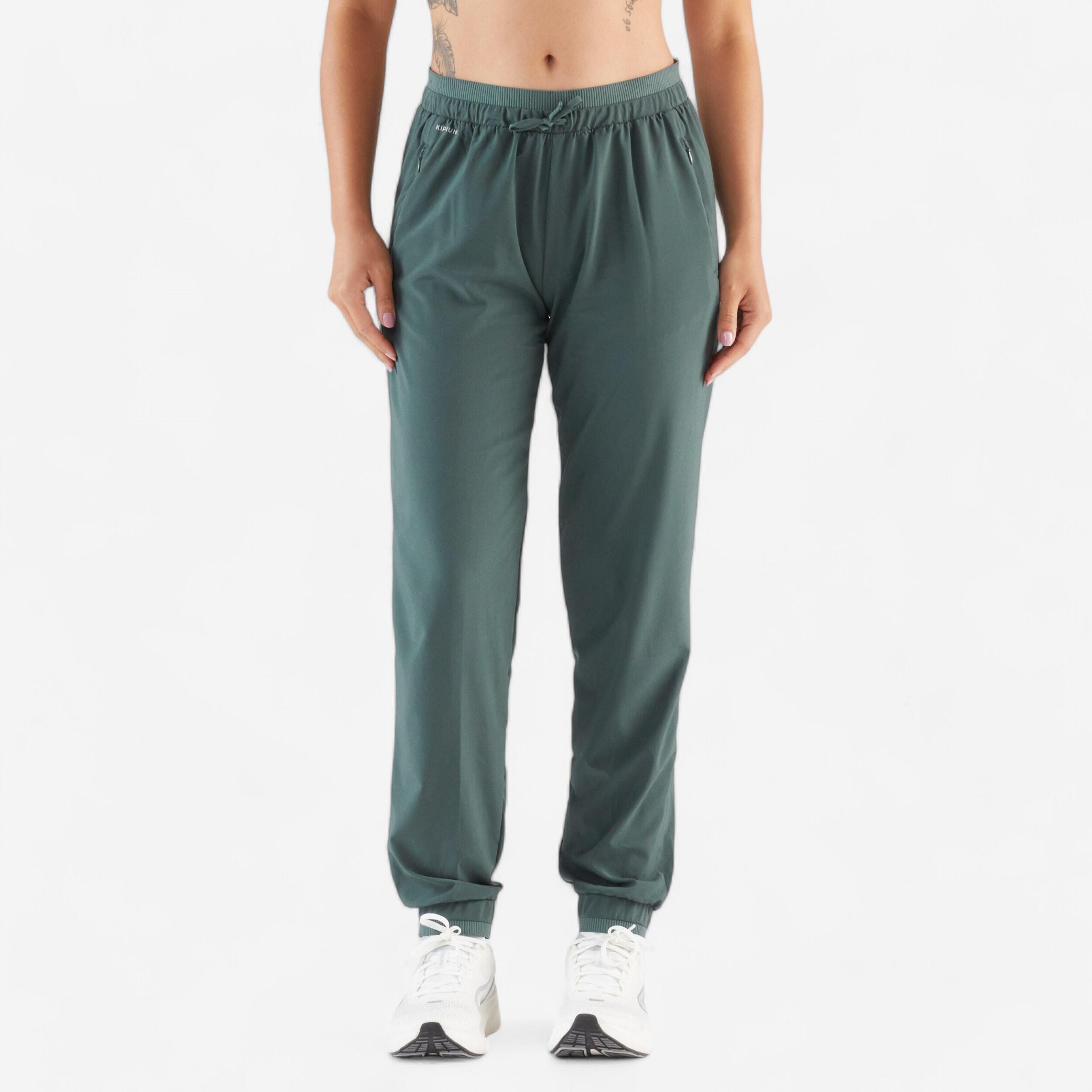
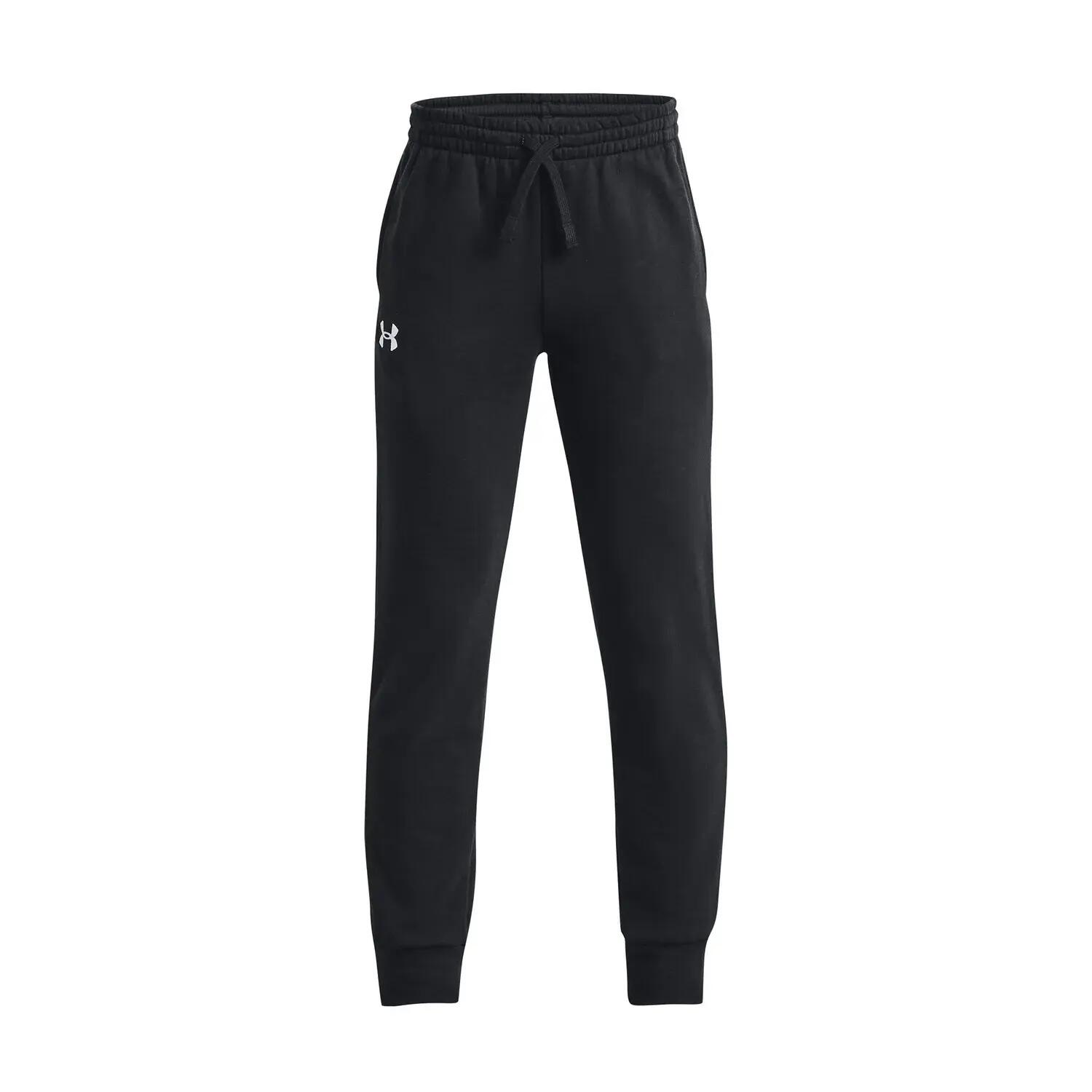
Breathable trousers can be useful during warm-ups, travel and waiting periods, especially when the athlete needs more coverage without wearing a heavy layer. Lightweight synthetic material transfers perspiration and allows easier movement than everyday trousers. The KIPRUN women's running trousers include three zipped pockets for securing small belongings and have undergone washing and drying tests for shape and colour retention. For the event itself, check whether the trouser cut suits the discipline or whether shorts, tights or competition briefs allow freer movement. Remove unnecessary items from the pockets before competing so stored objects do not bounce or alter your stride.

When should you wear a waterproof athletics jacket?

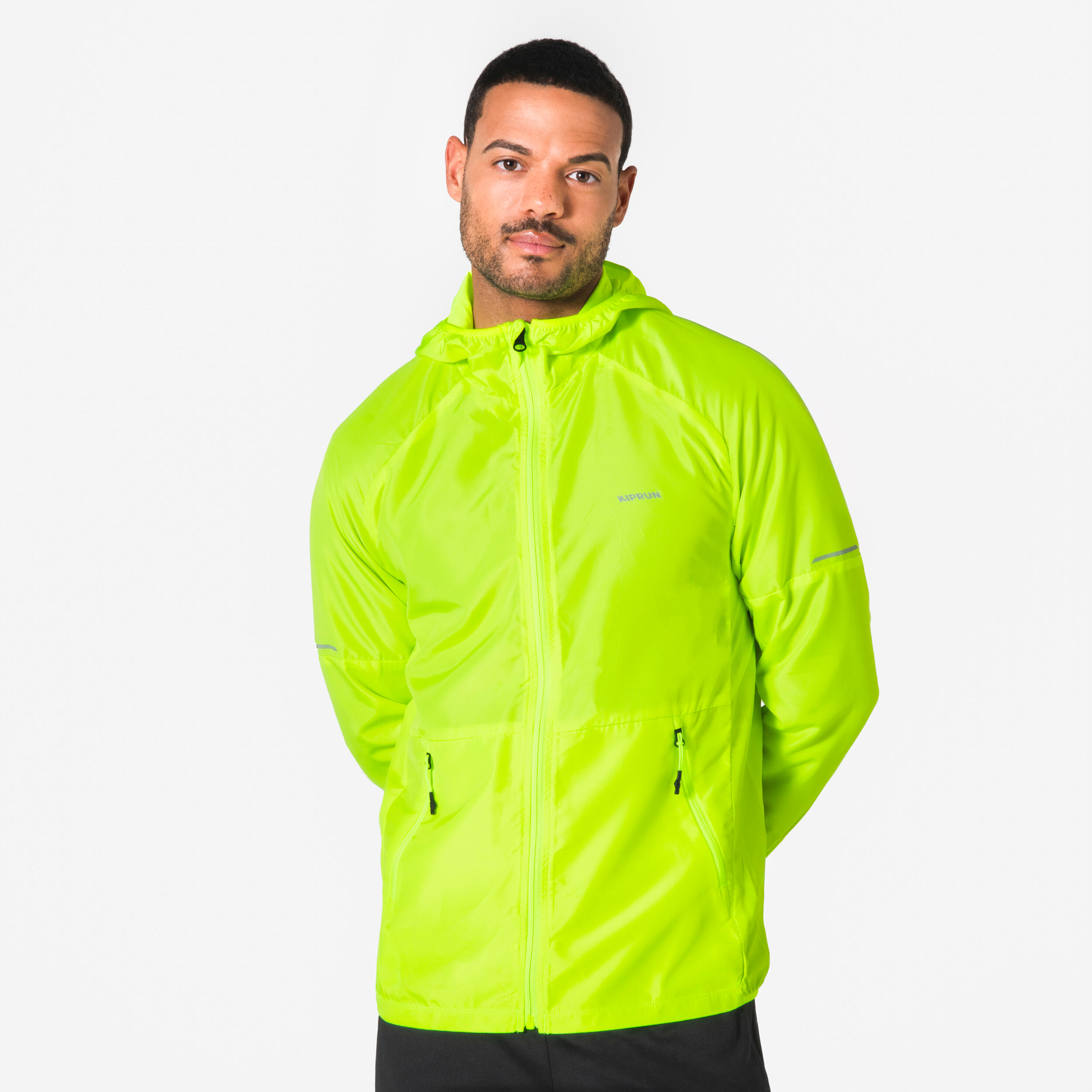
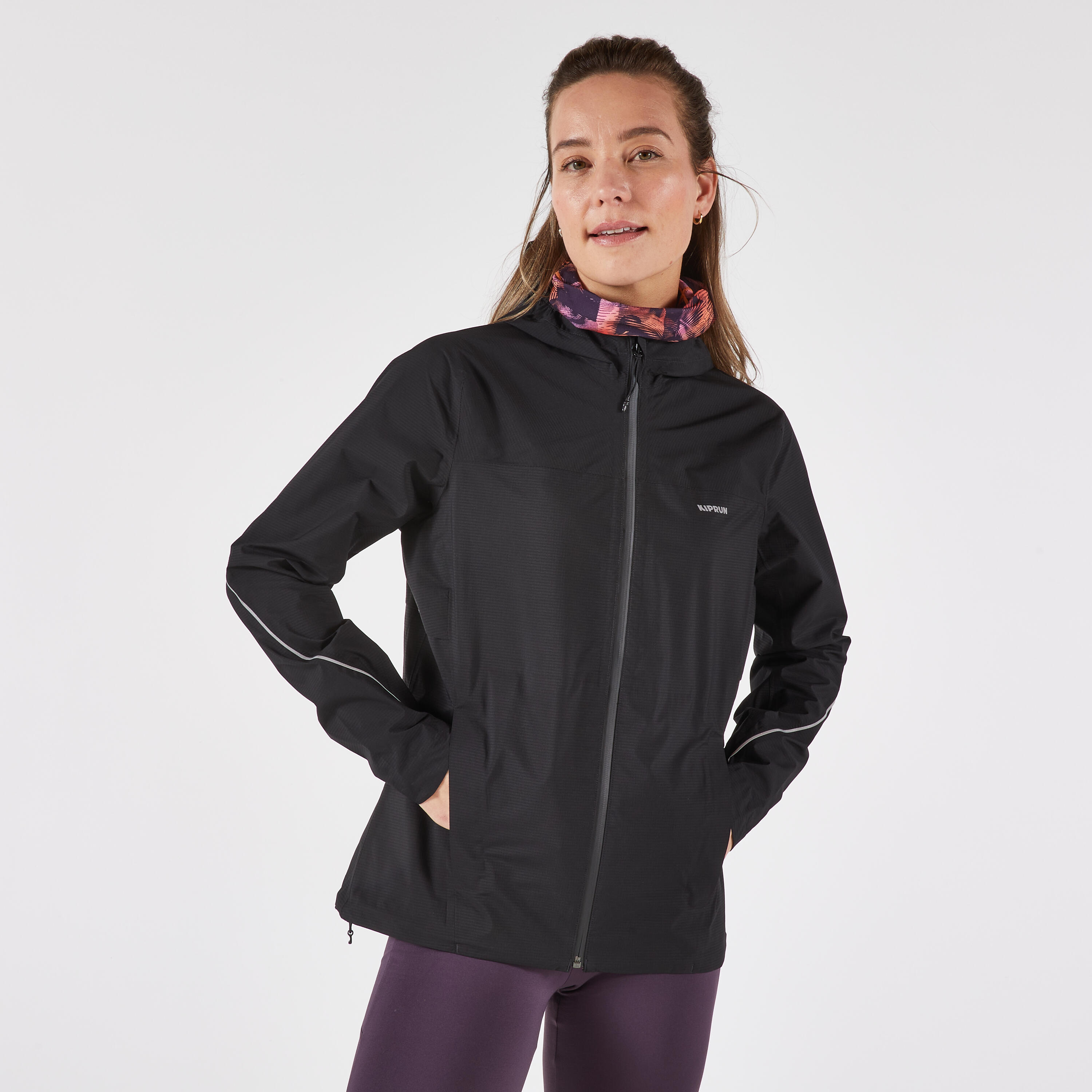
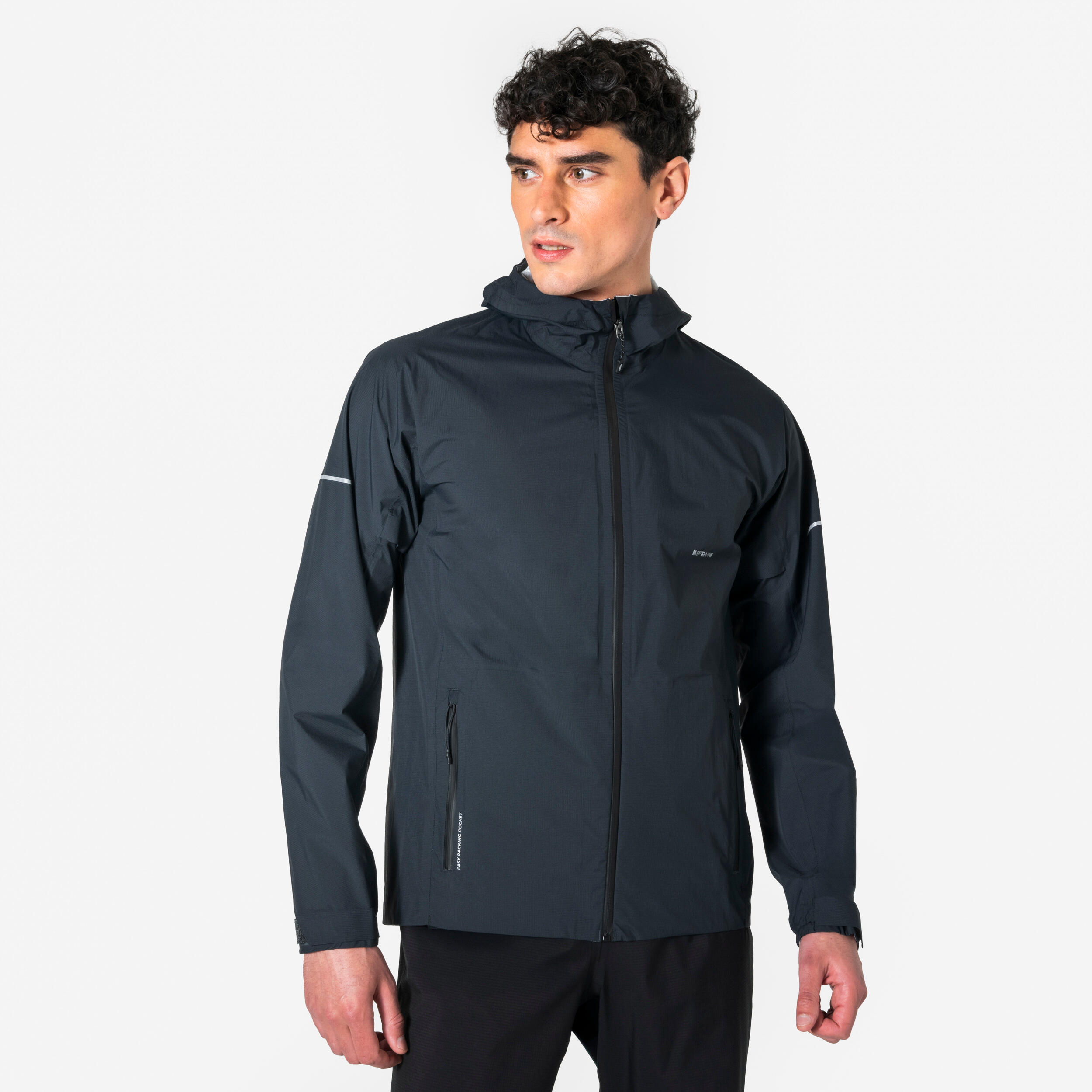
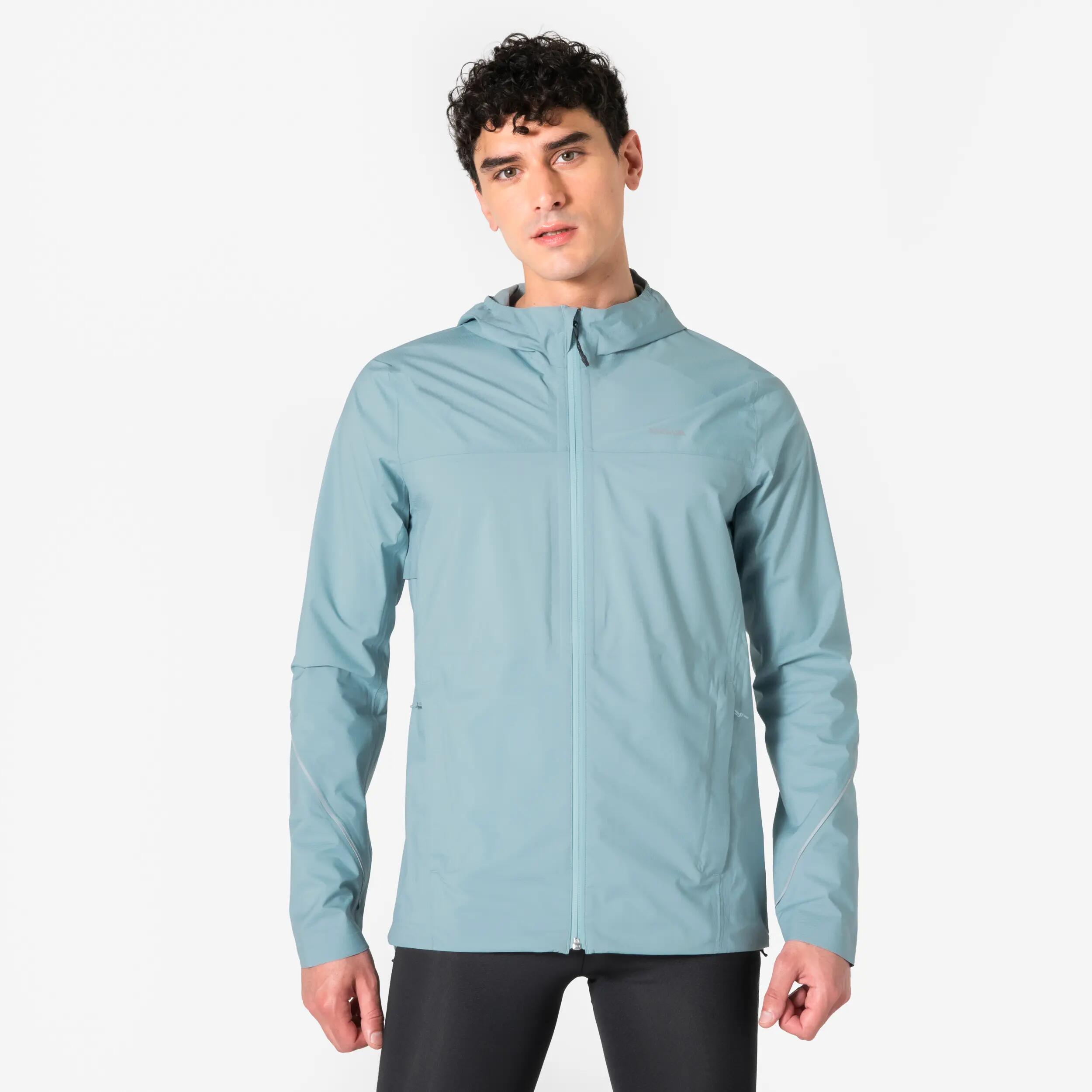
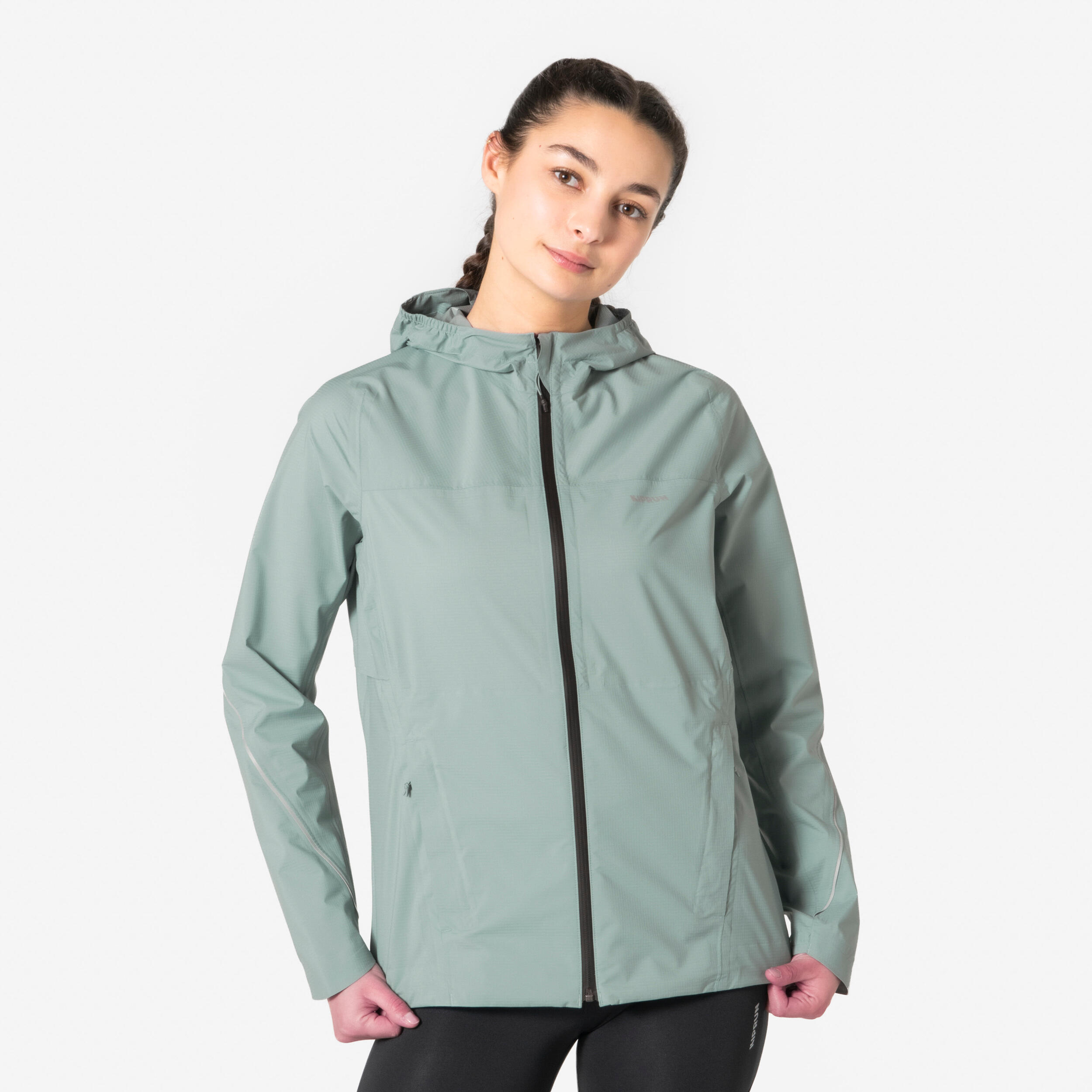
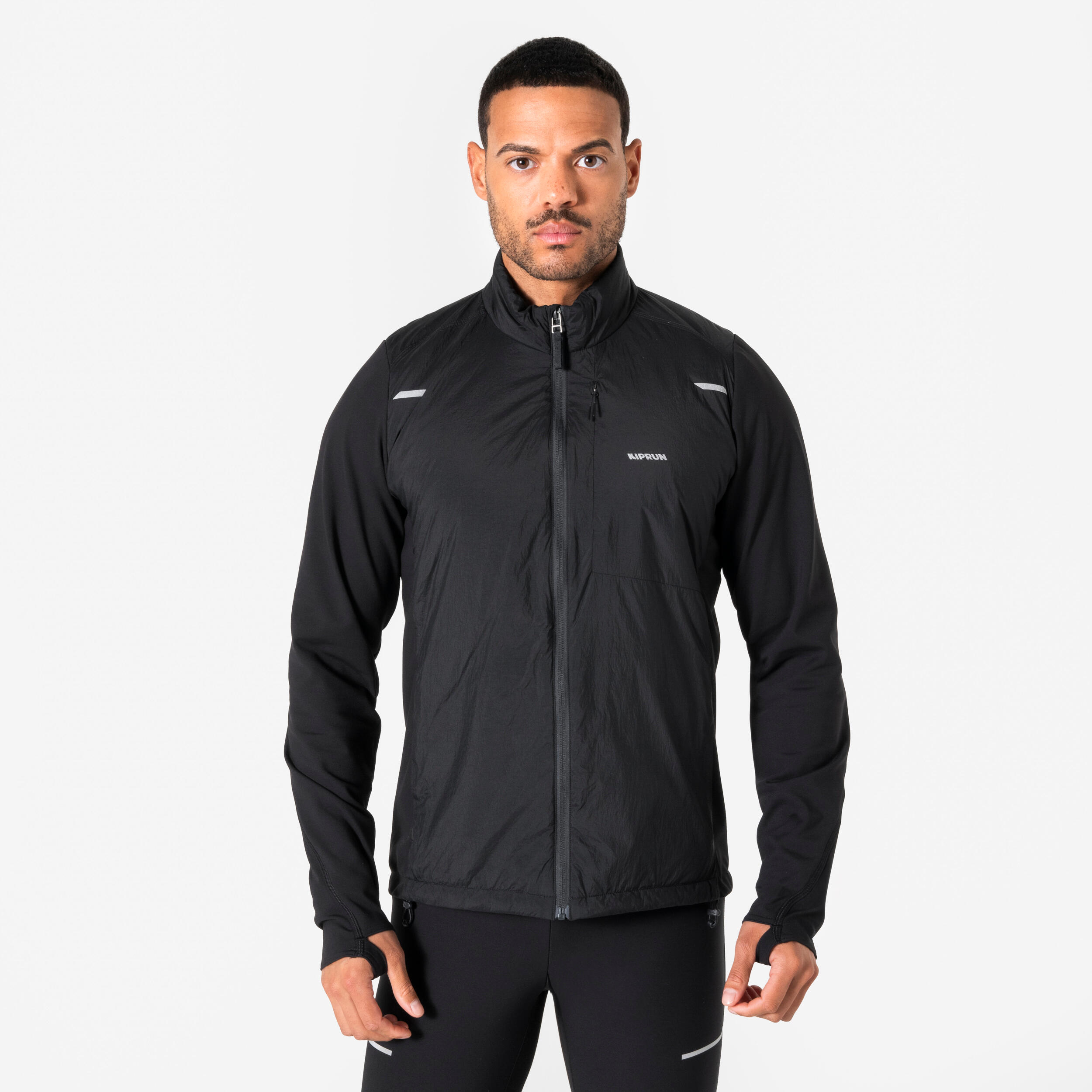
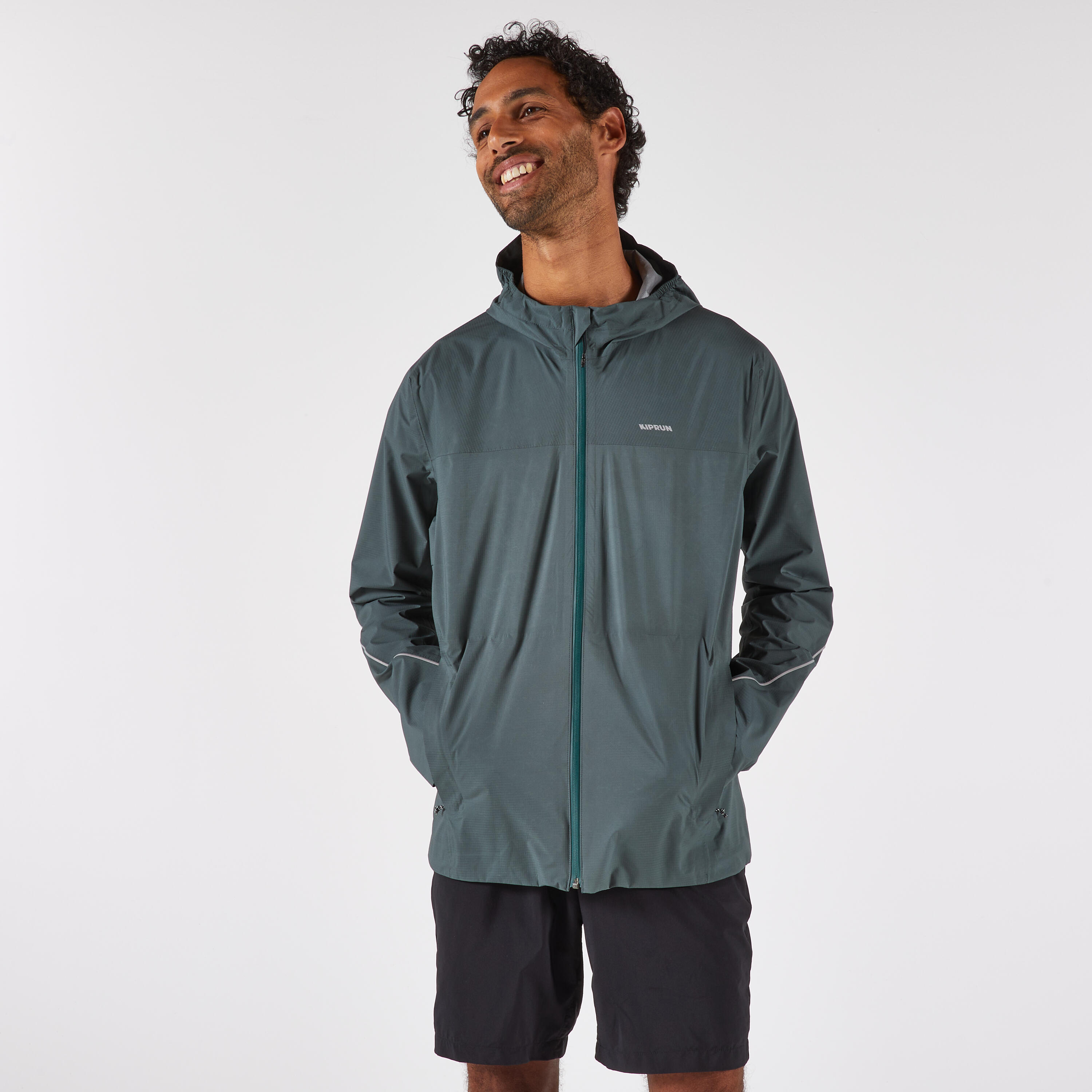
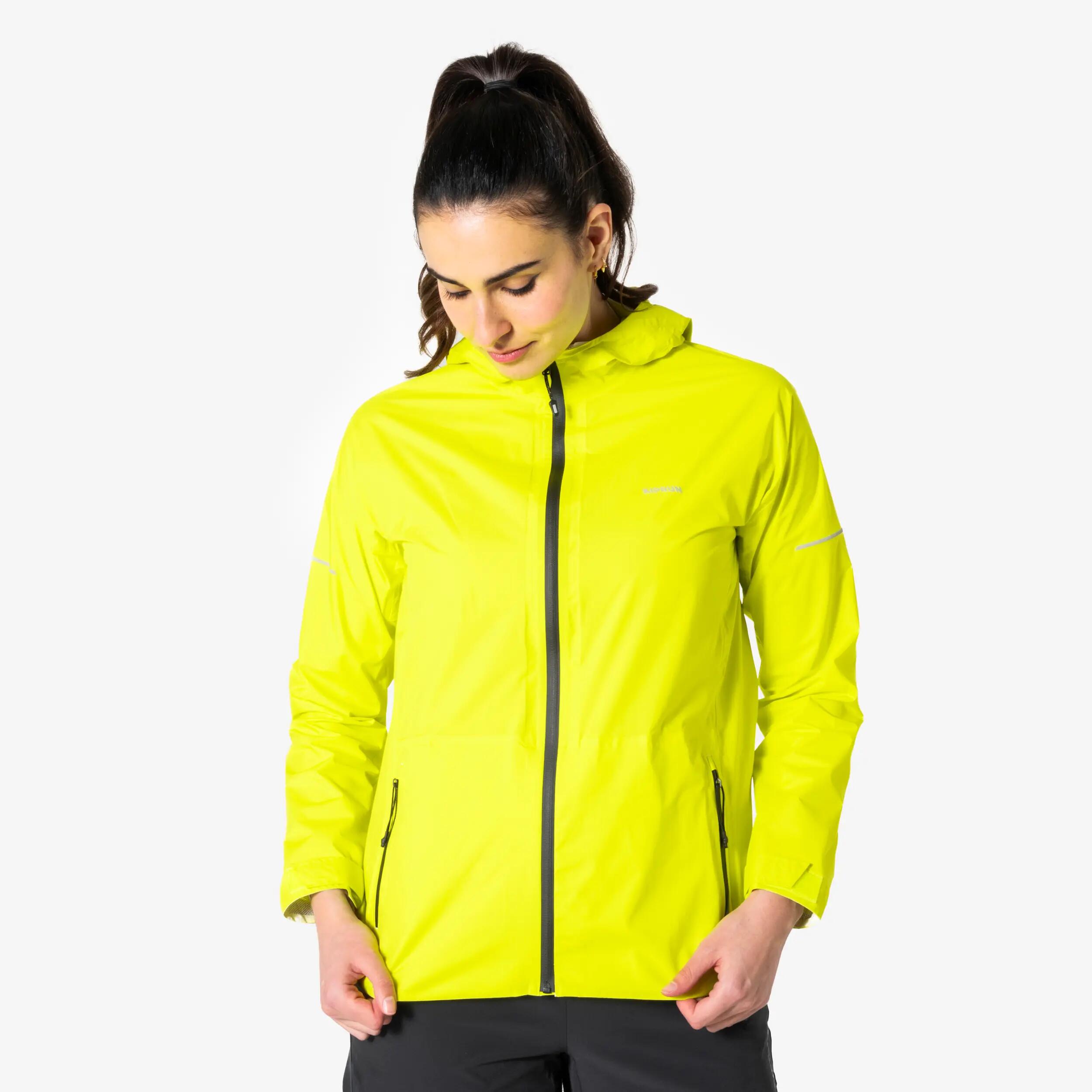
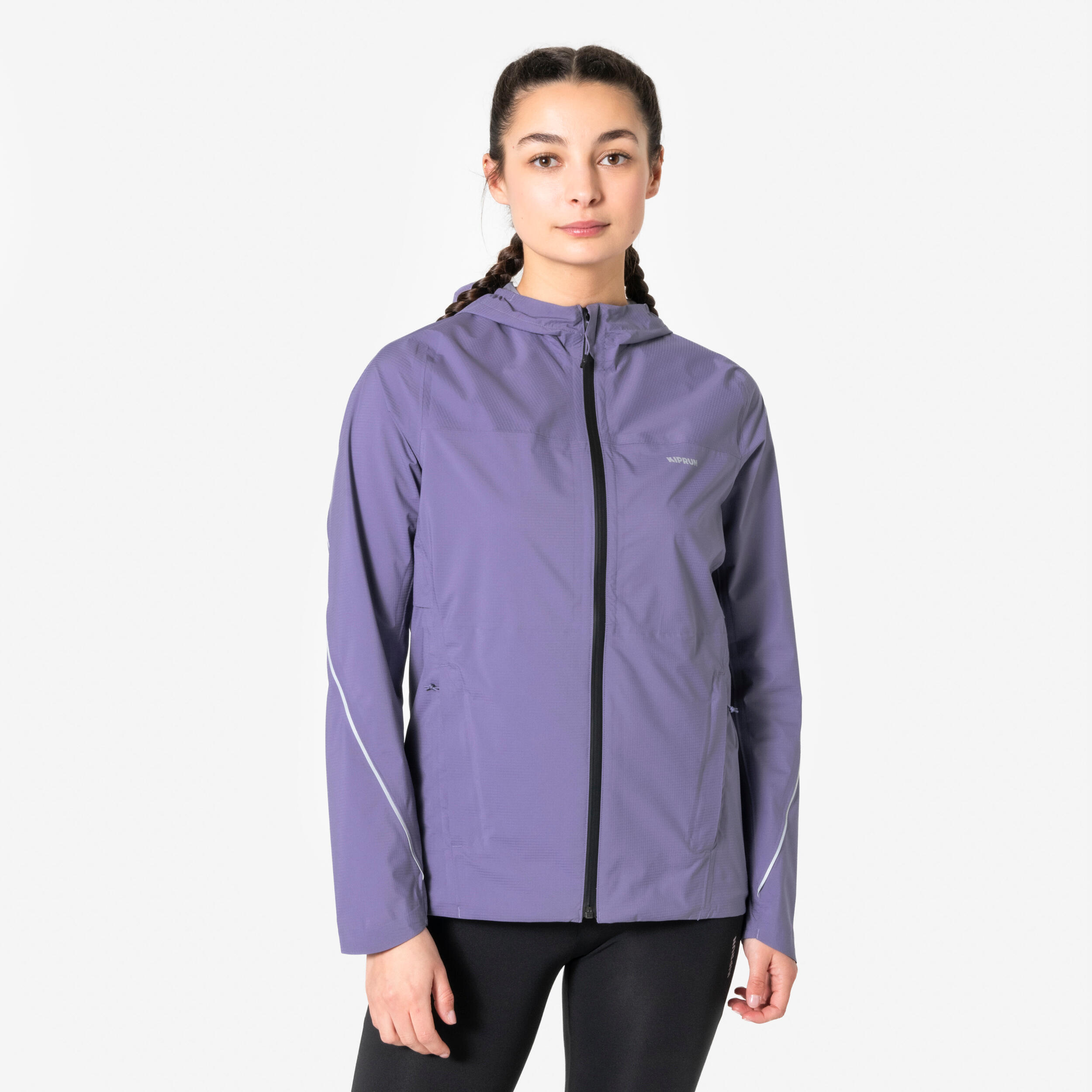
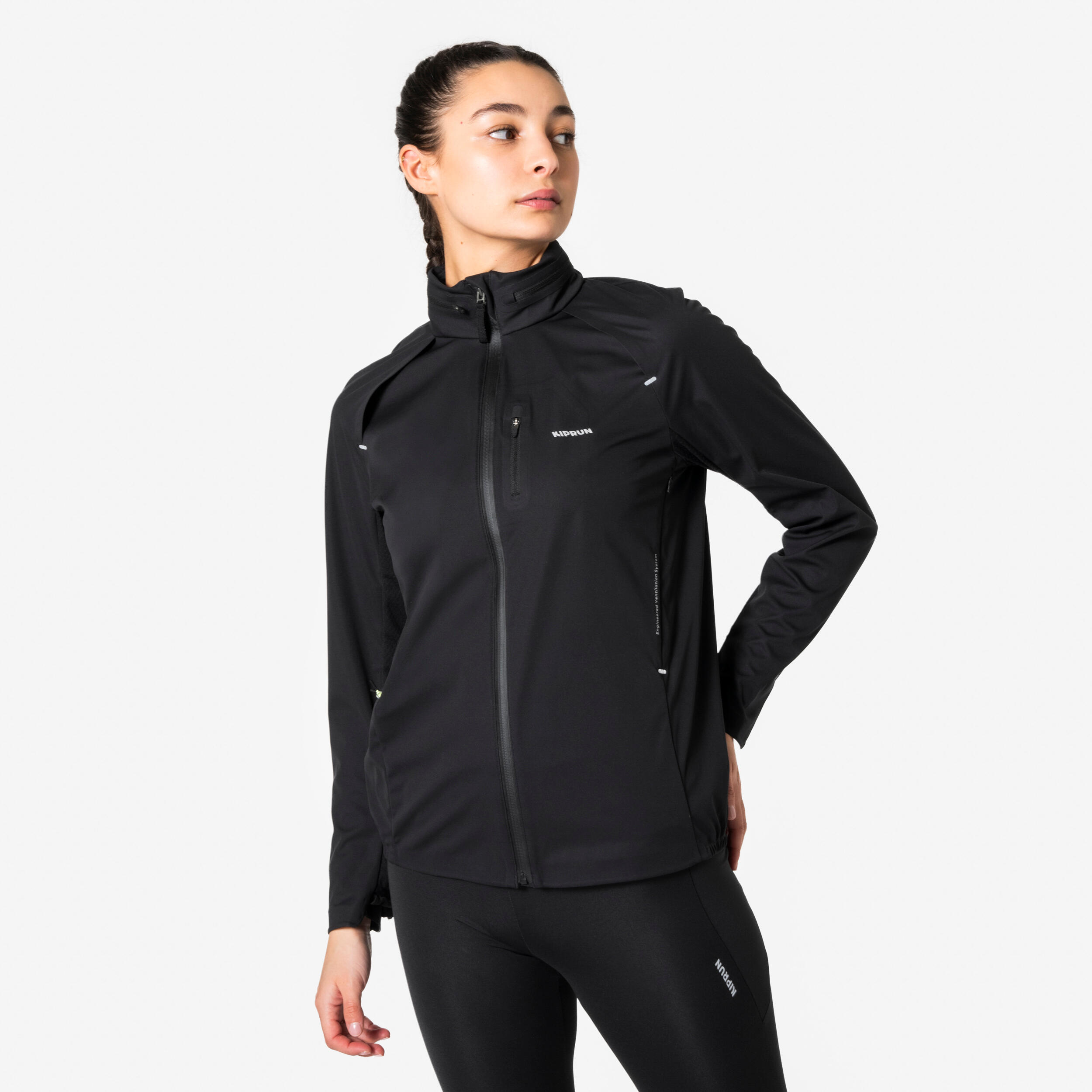
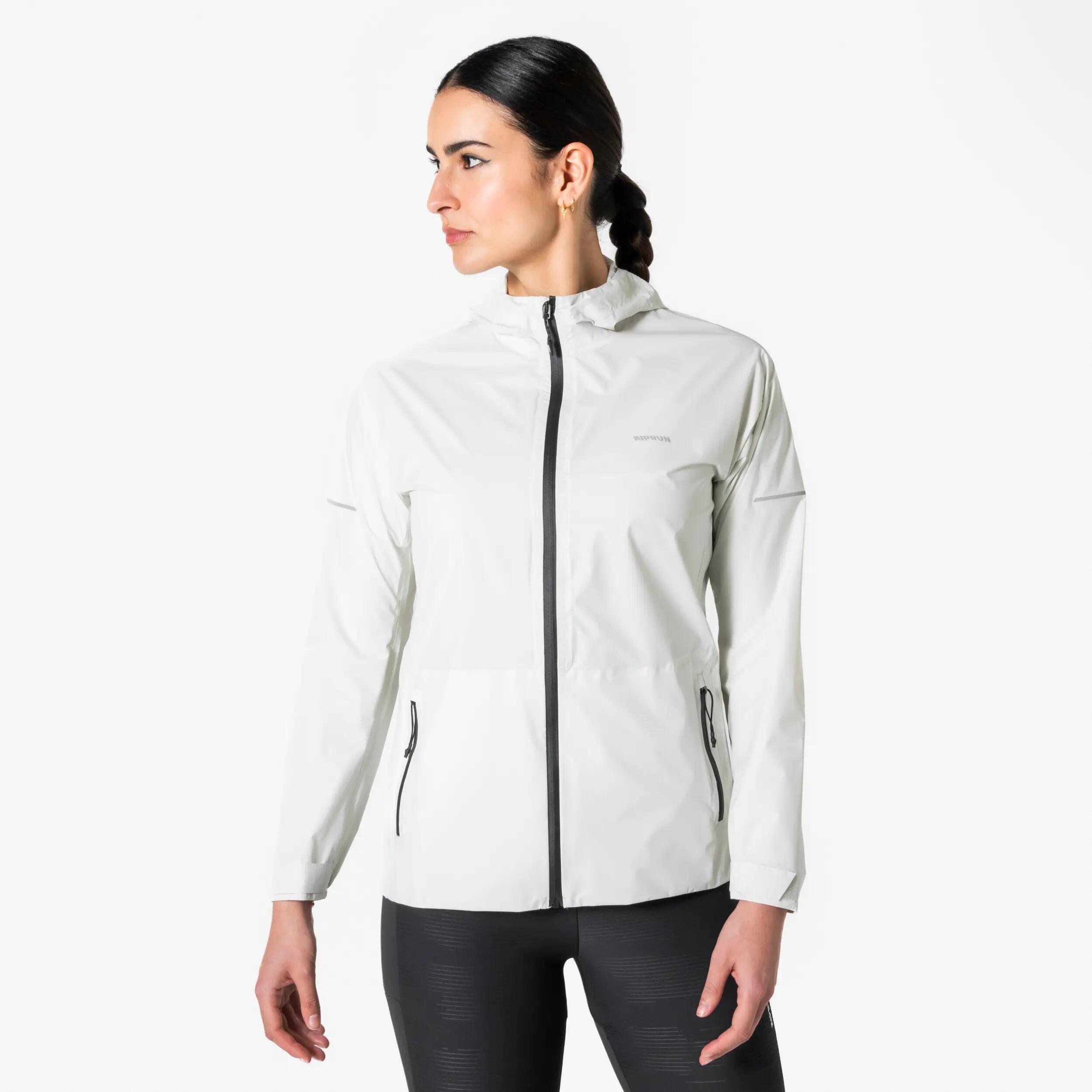
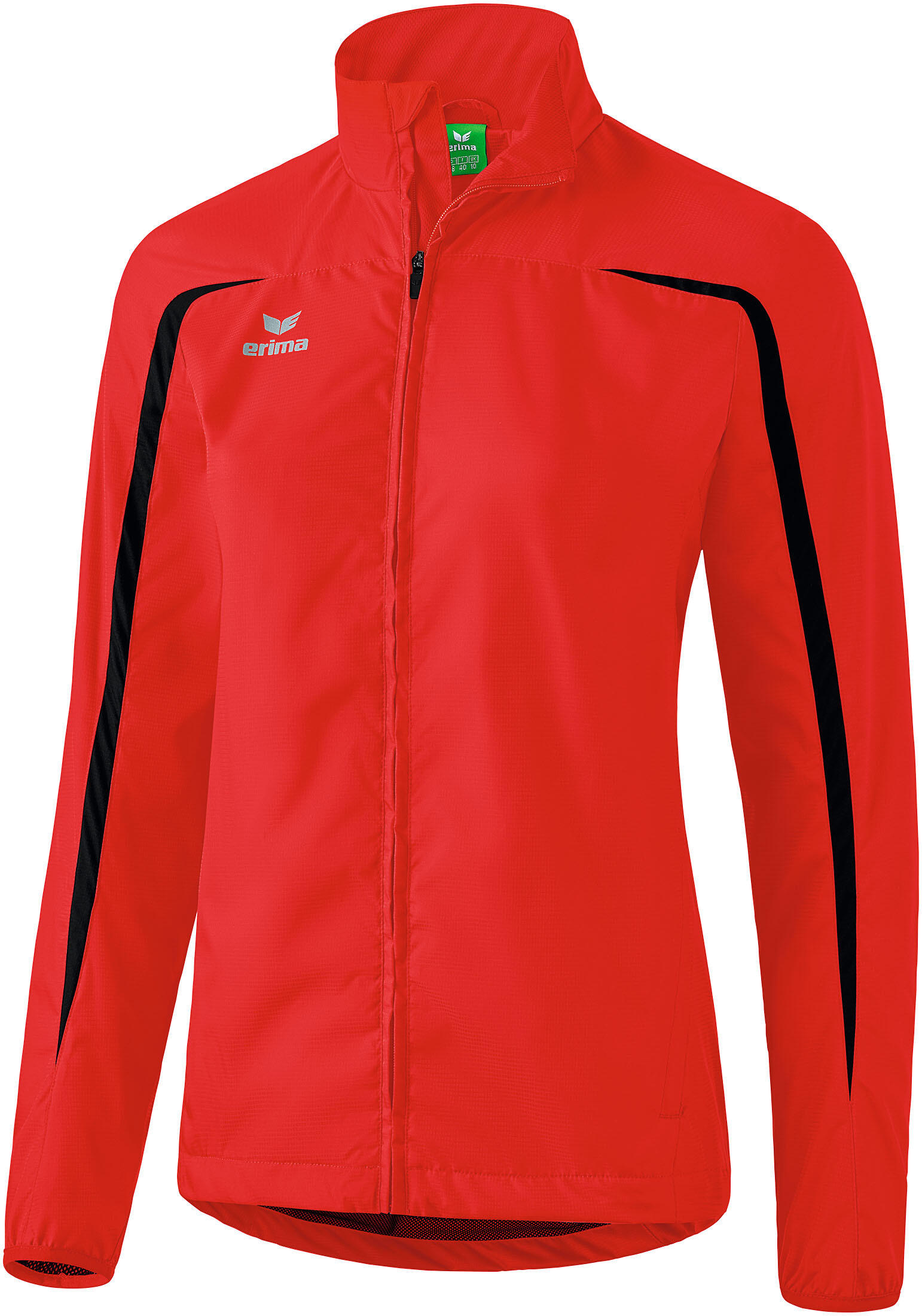
A waterproof jacket can protect you during wet warm-ups, outdoor waiting periods and travel between competition areas. Look for measurable waterproofing, covered seams and ventilation rather than relying on a general rain-resistant description. The men's running waterproof jacket uses fabric rated at 5,000 Schmerbers, mechanical ventilation and an adjustable hood with a visor. It can provide useful protection in rain, but it may feel too warm during a high-intensity event. Remove the jacket before competing unless the conditions, event rules and activity make it appropriate. Keep it accessible rather than buried beneath other equipment, and allow it to dry fully before storing it after wet conditions.
What is the right fit for children's athletics competition shorts?

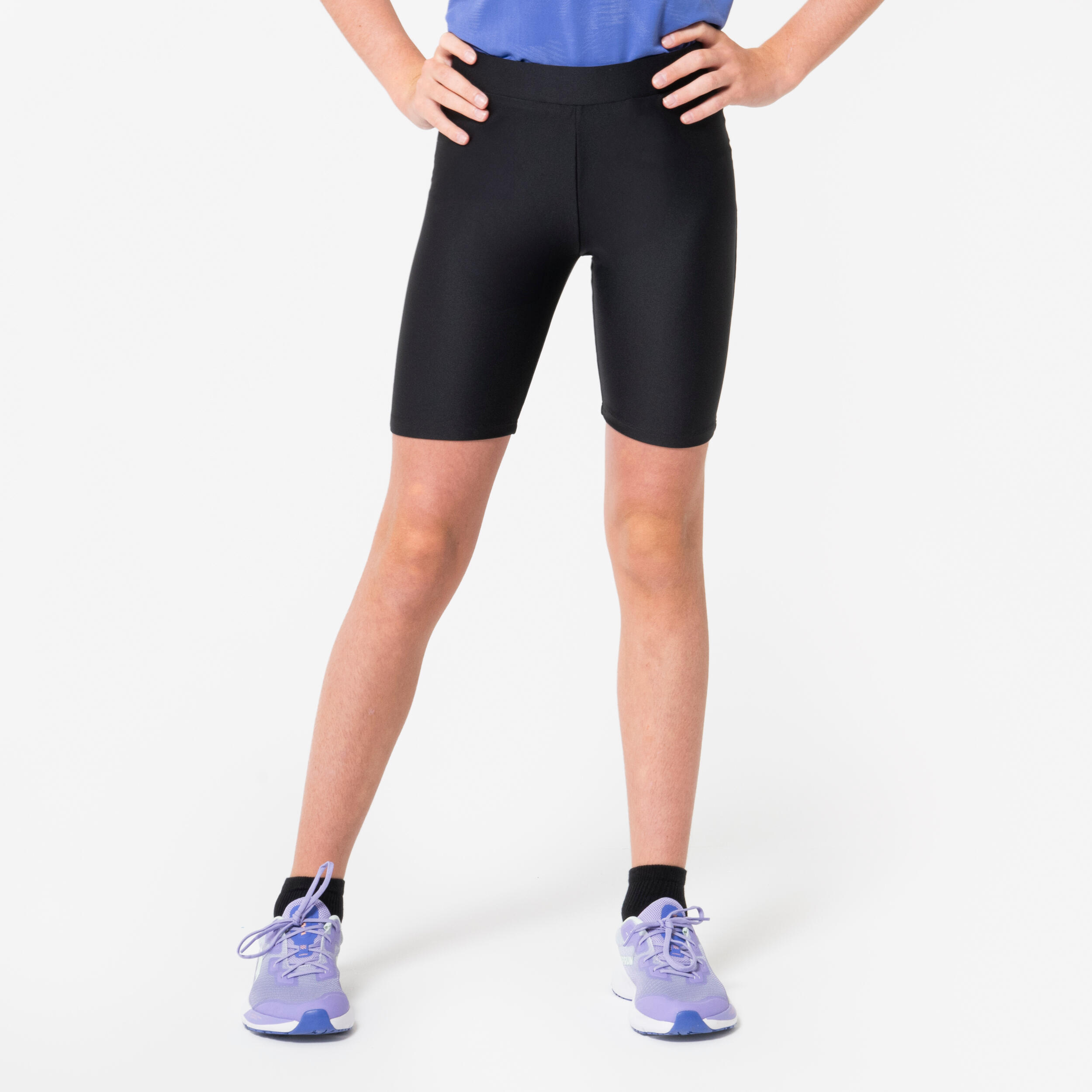
Children's shorts should stay secure during sprinting, jumping and throwing without restricting hip movement or pressing into the stomach. Stretch fabric and an adjustable drawcord can help refine the fit, while a mid-thigh length provides coverage without excessive material around the legs. The kids' breathable running shorts were tested by young athletes aged 8 to 14 in hot conditions, with breathability, low weight and practical movement assessed. Ask the child to complete high knees, lunges and short accelerations before competition day. Empty the zipped pocket before an event unless a small item is genuinely required, as unnecessary weight can move during faster activity.