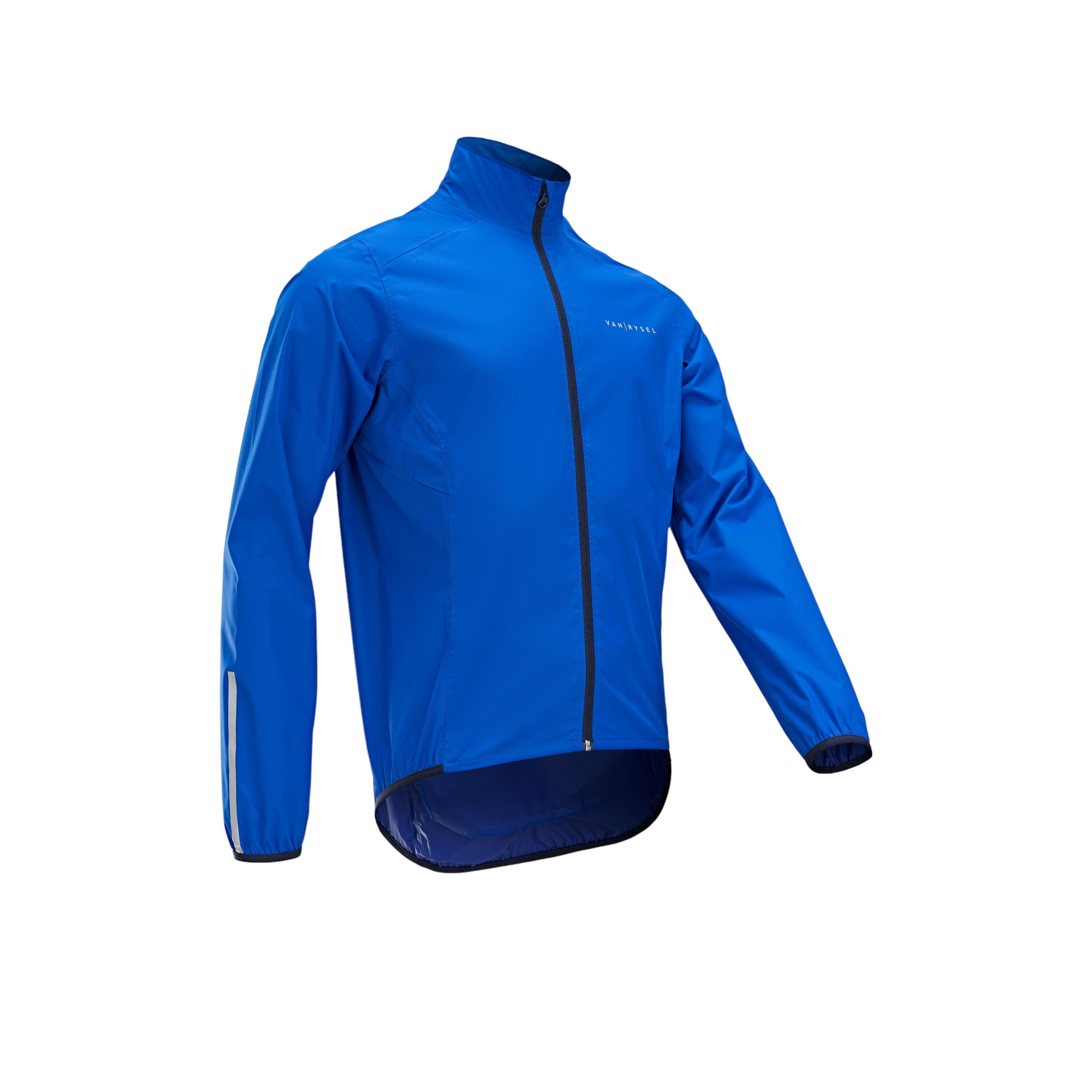
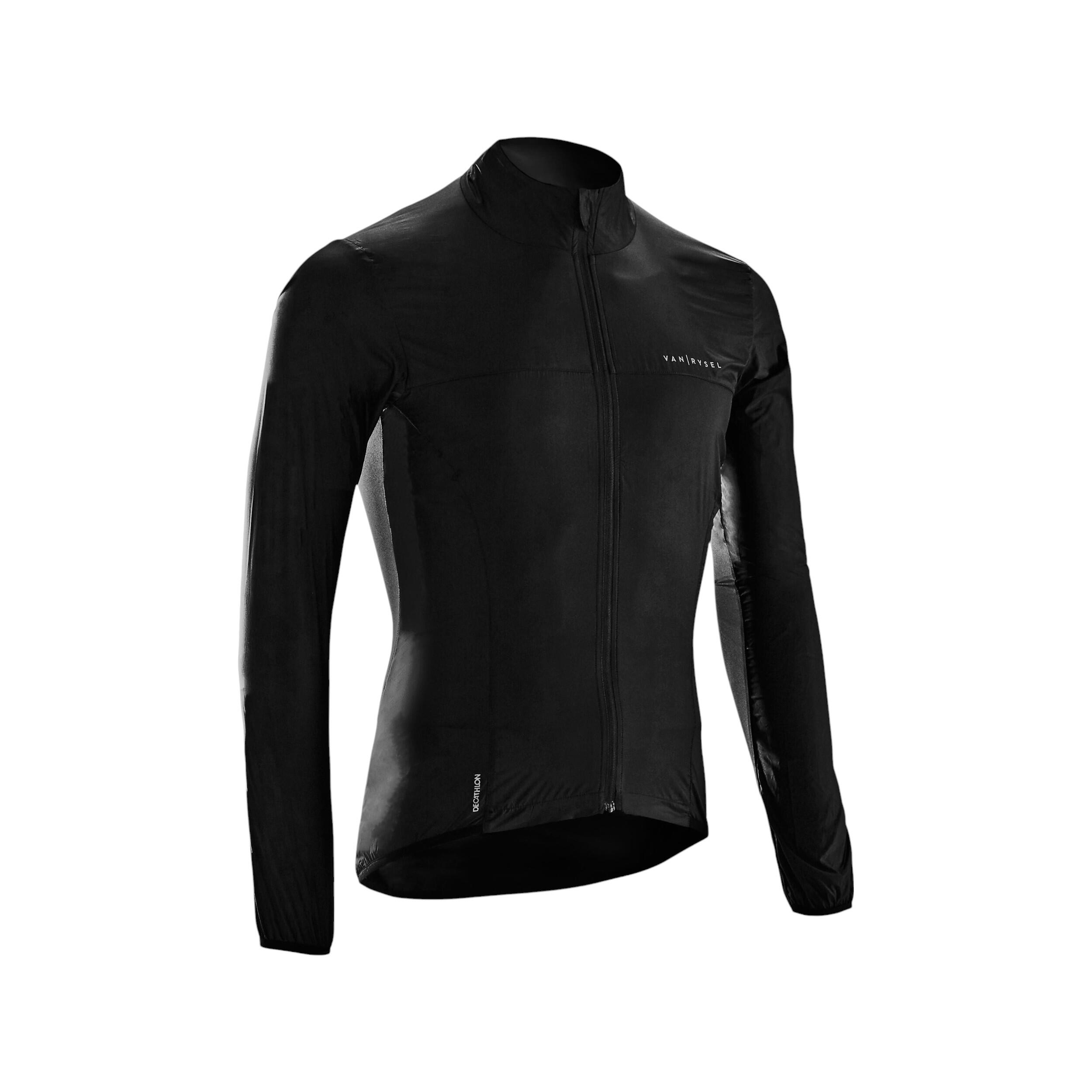
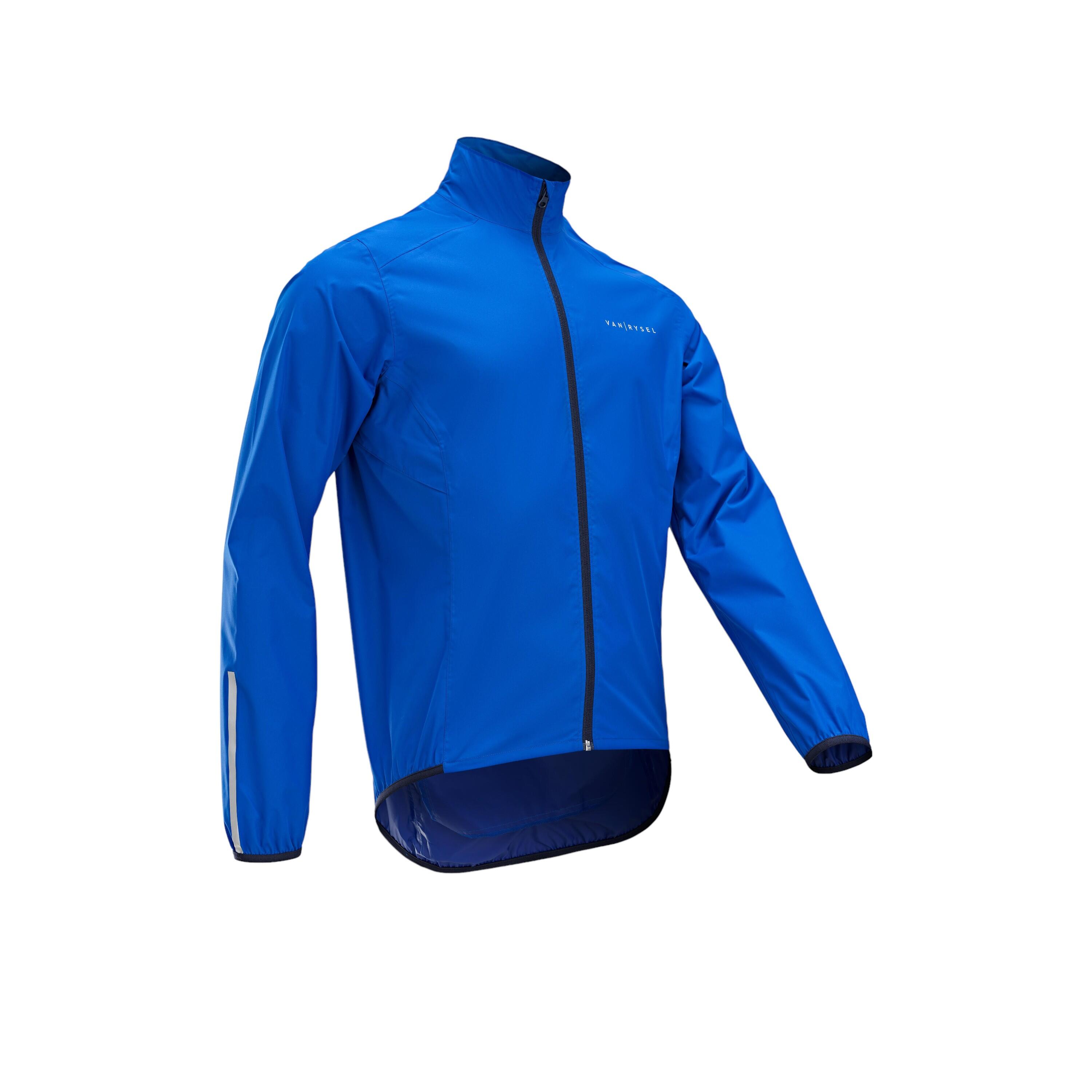
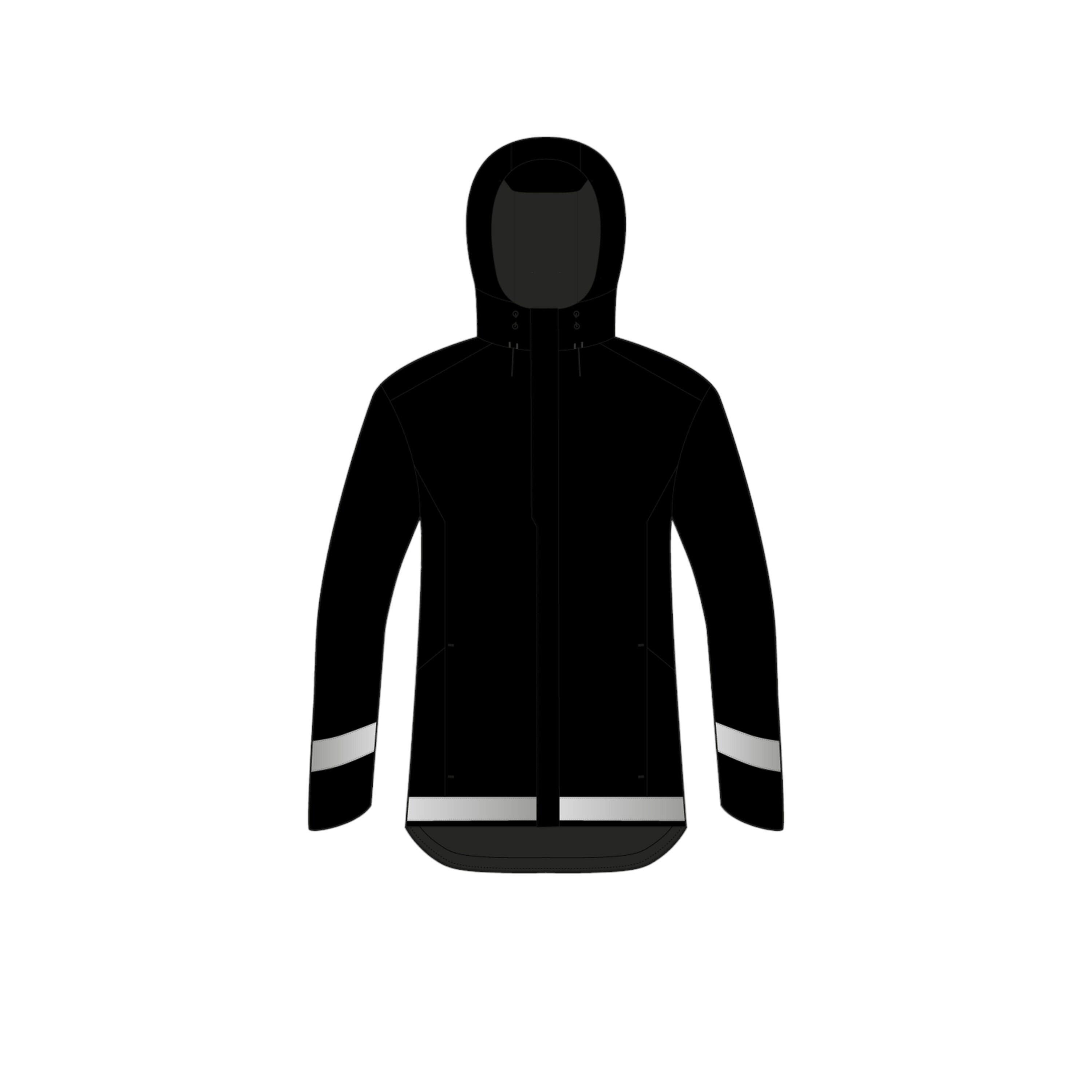
1,486 items
4.3/5 based on 24820 reviews collected online and in stores

CYCLING JACKETS FAQS

How do I choose between different cycling jackets for winter?

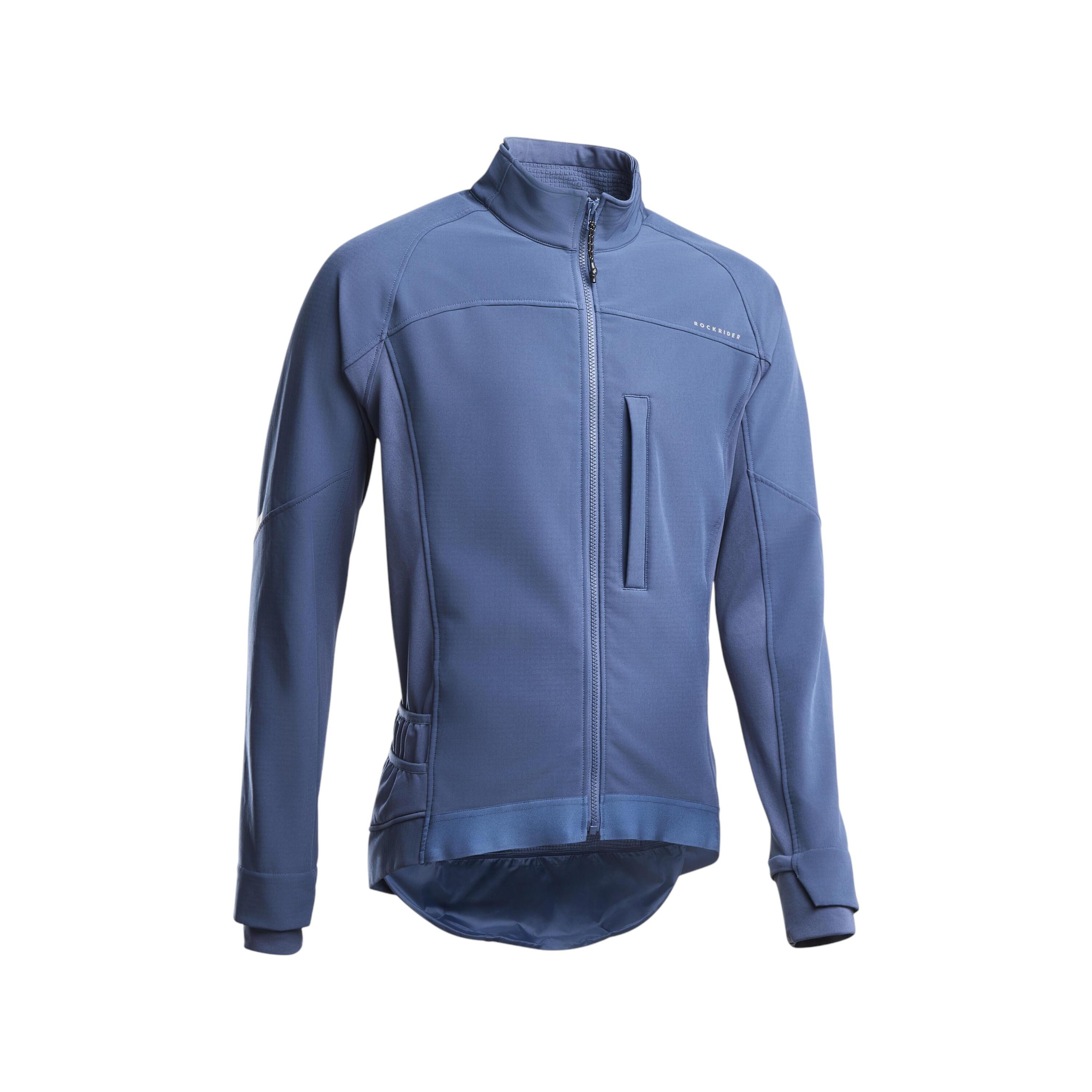
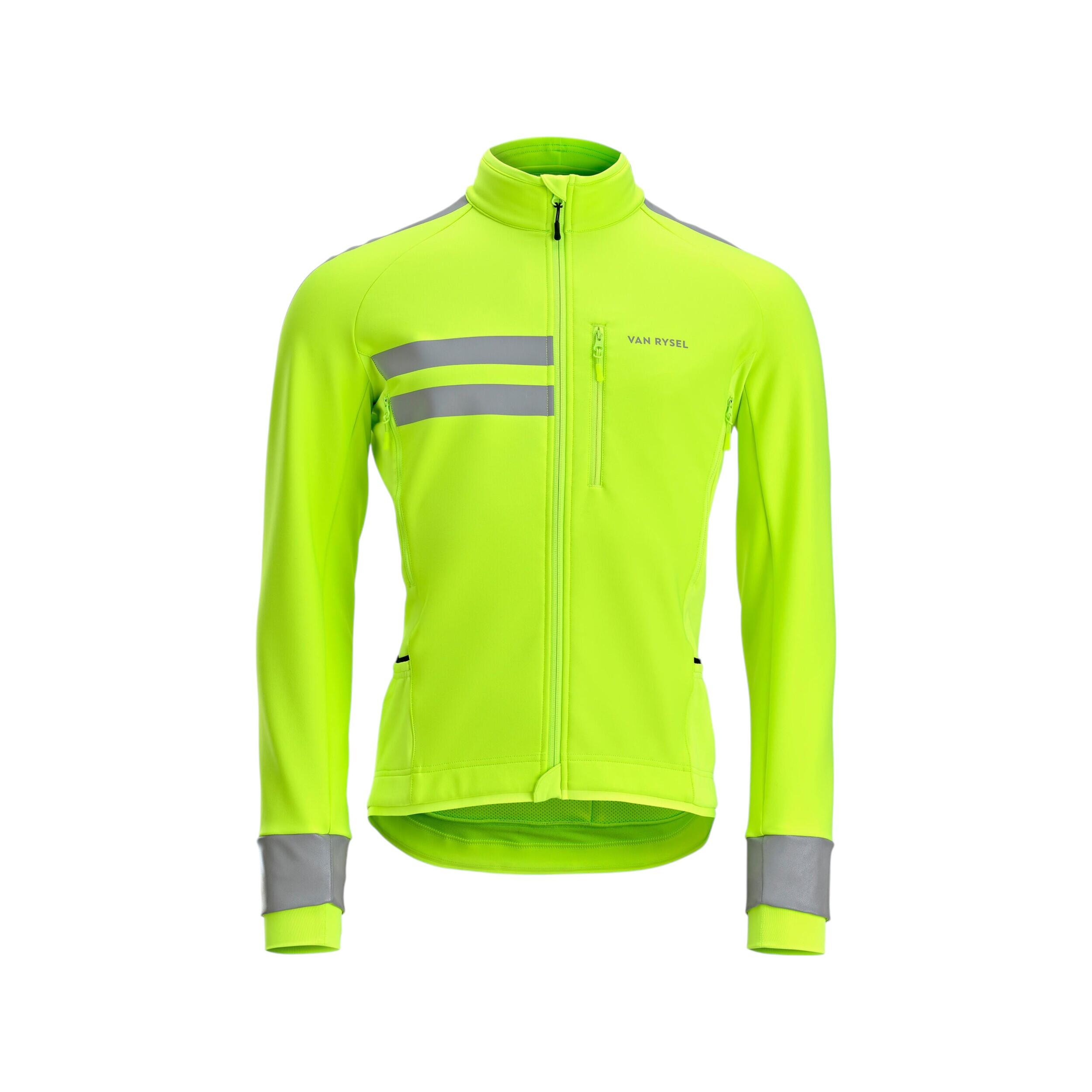
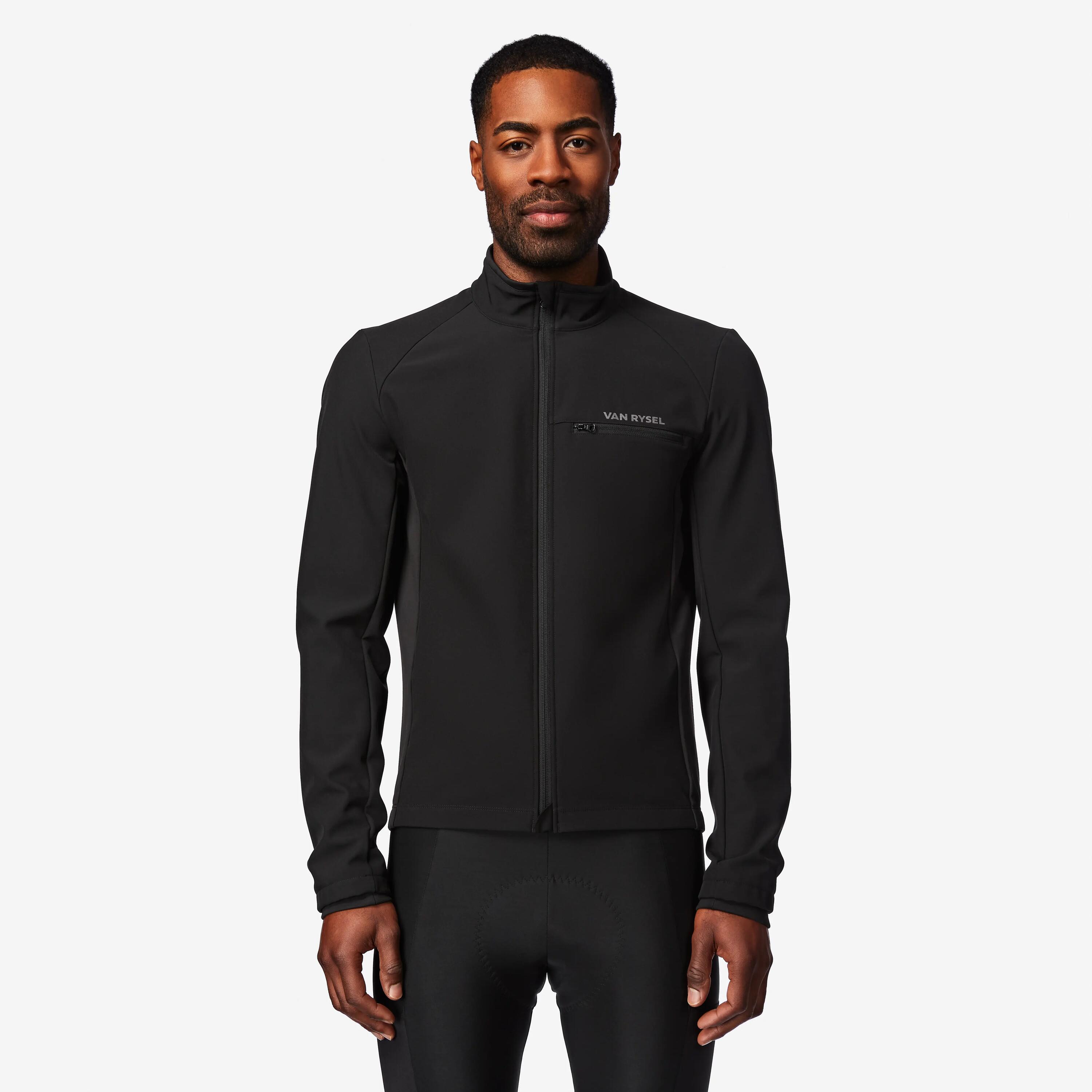
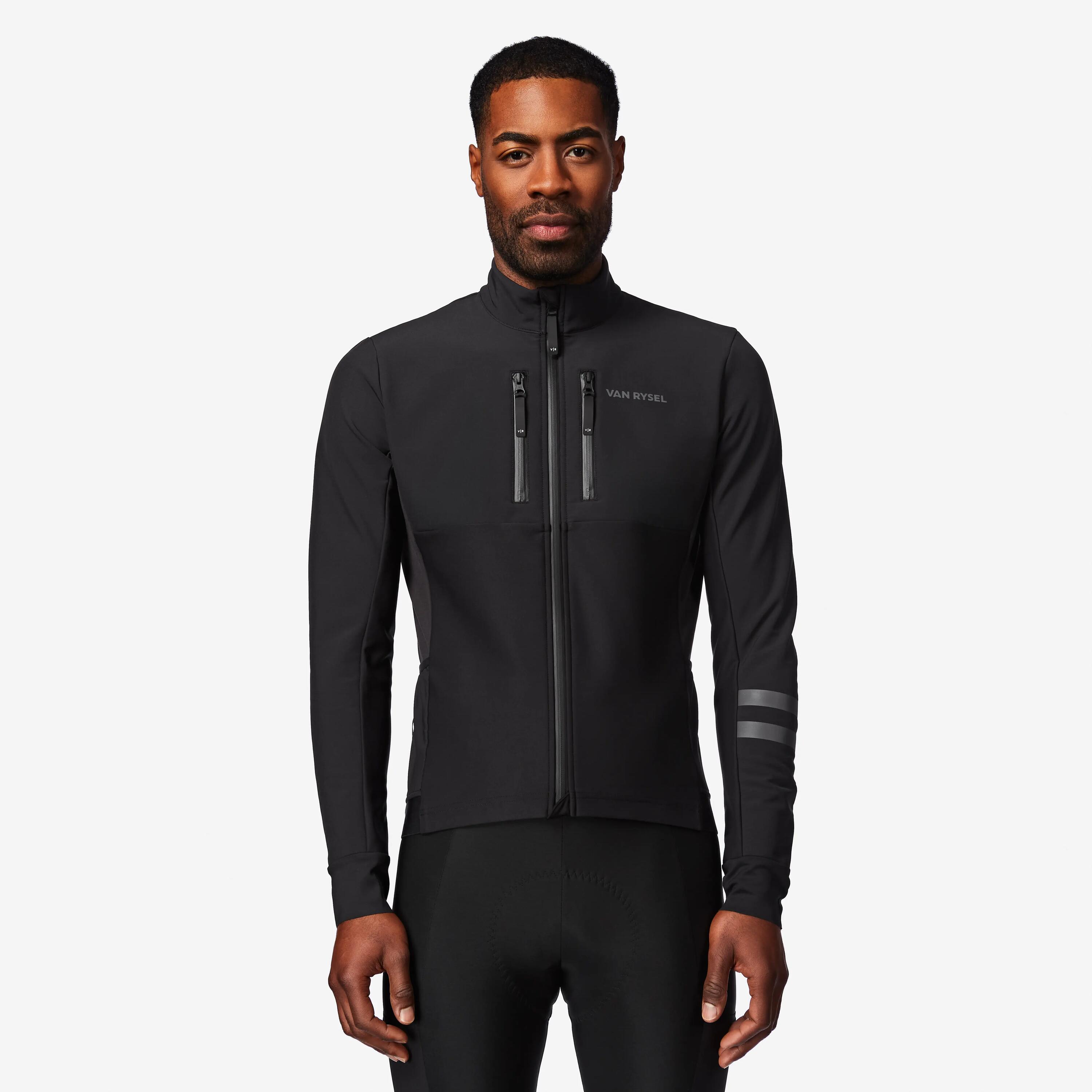
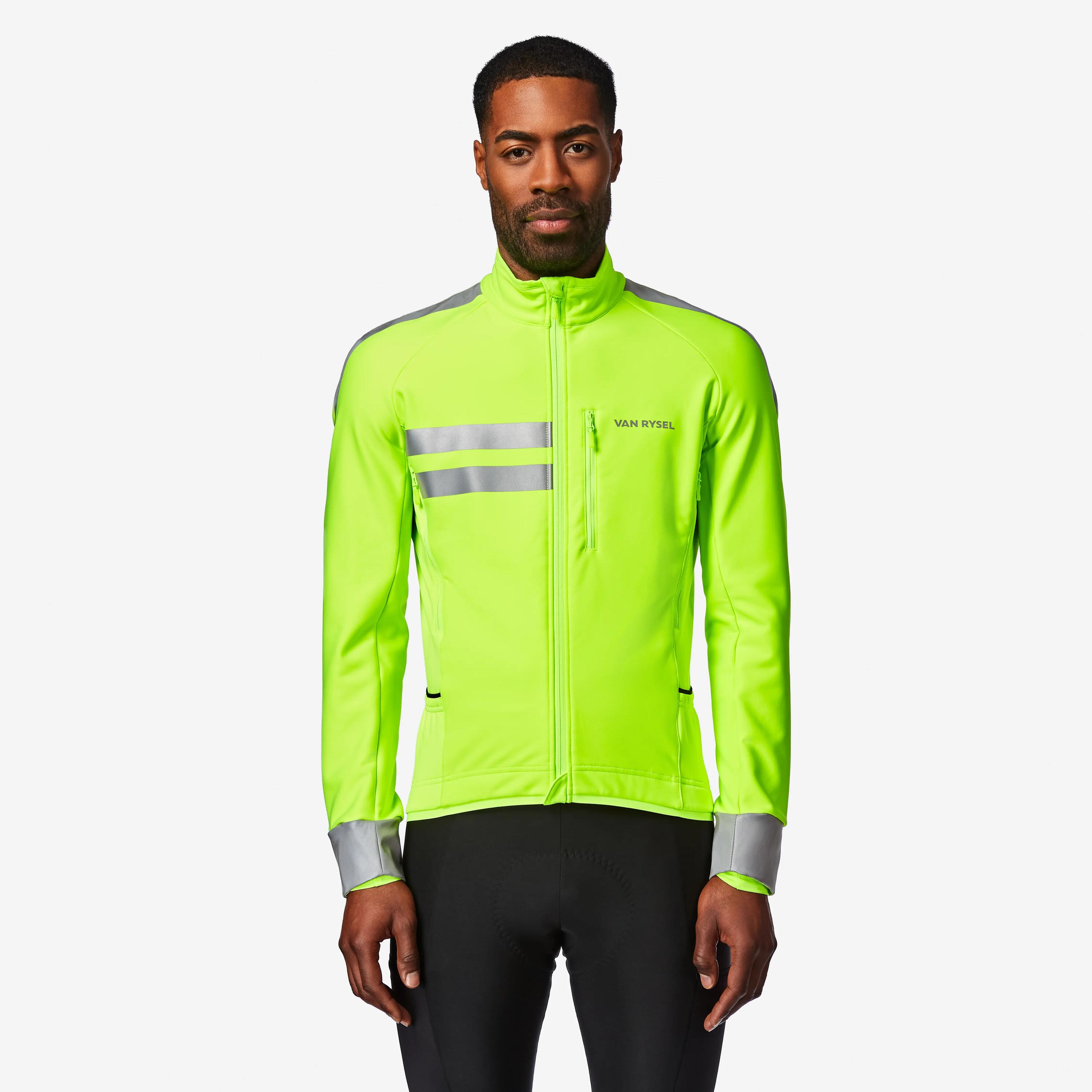
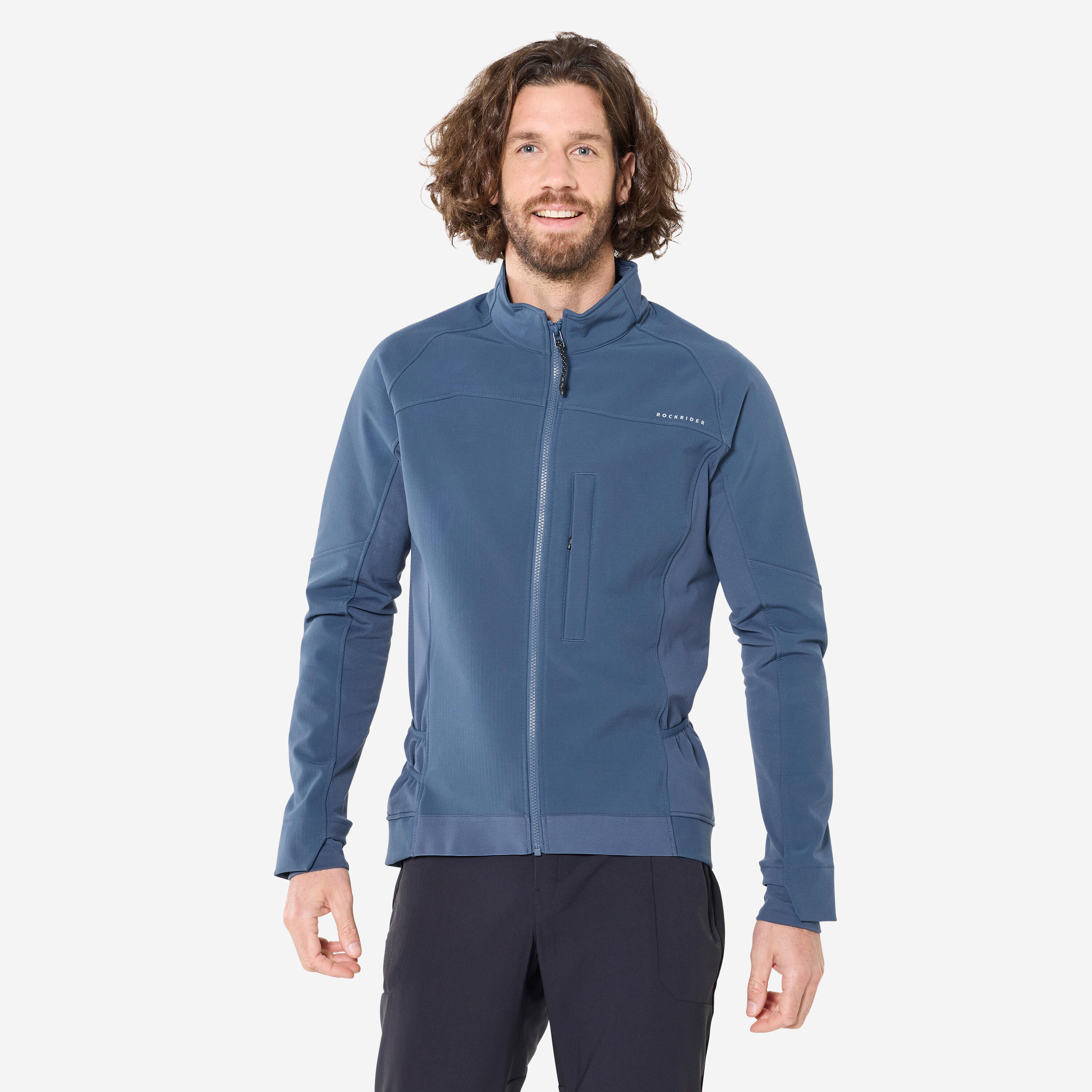
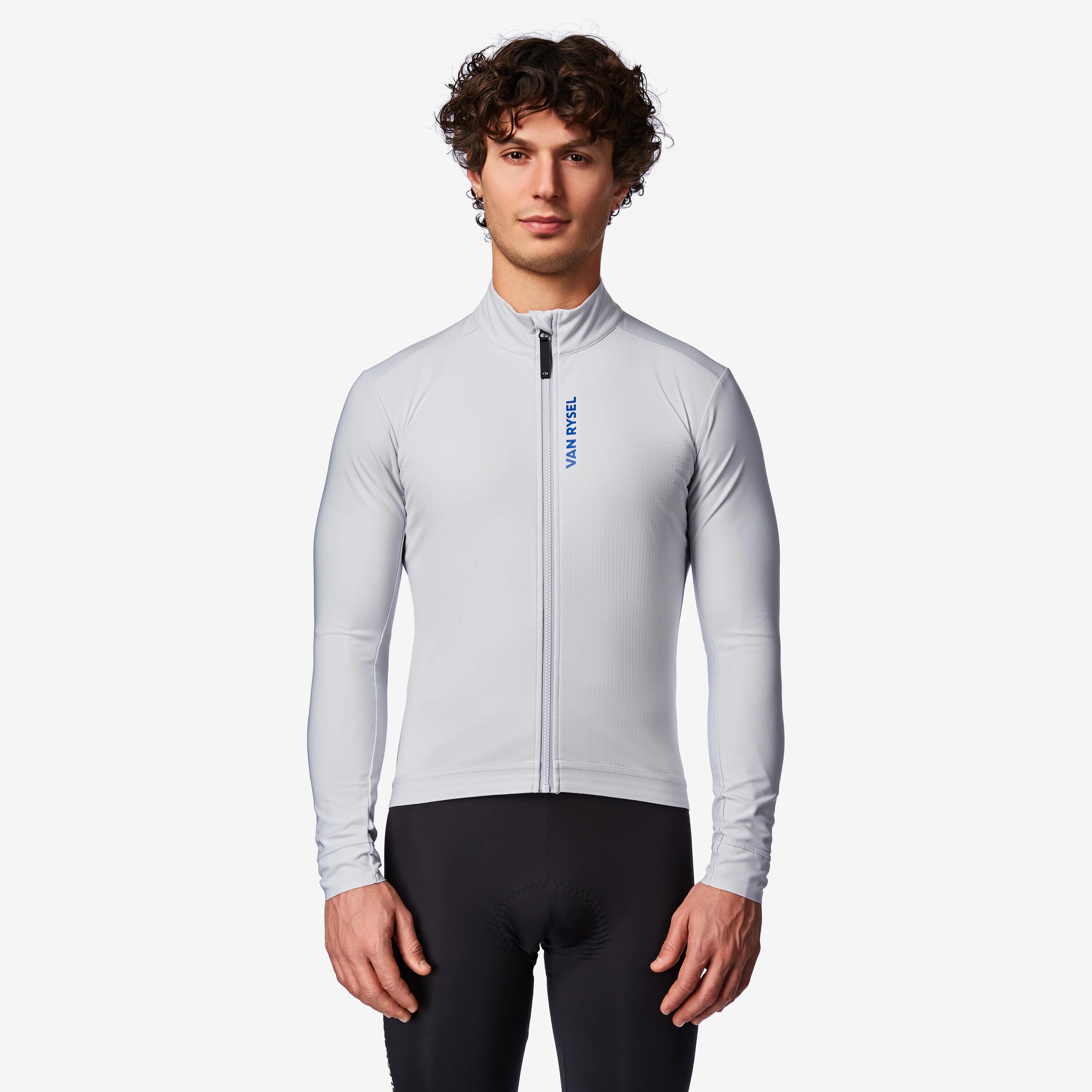
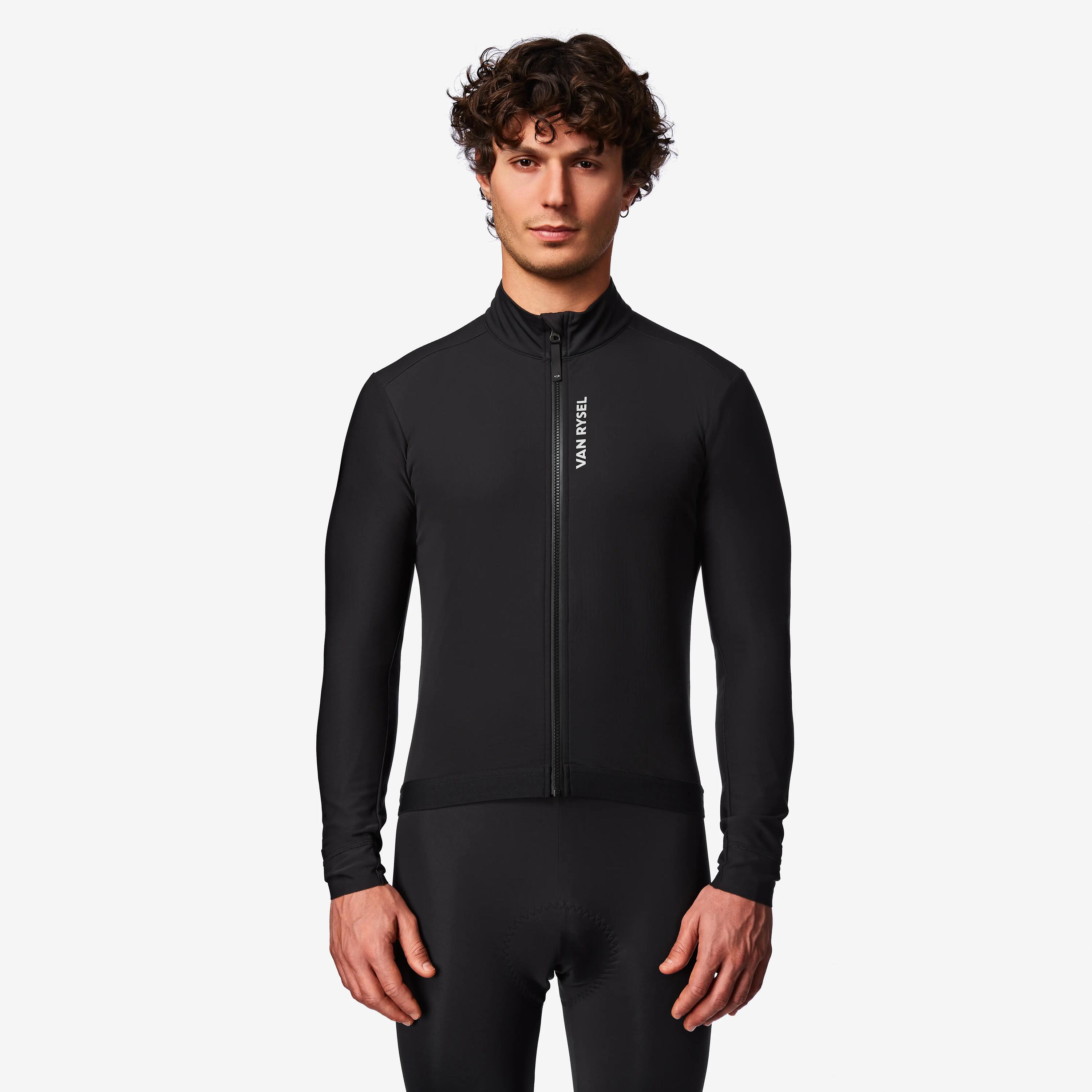
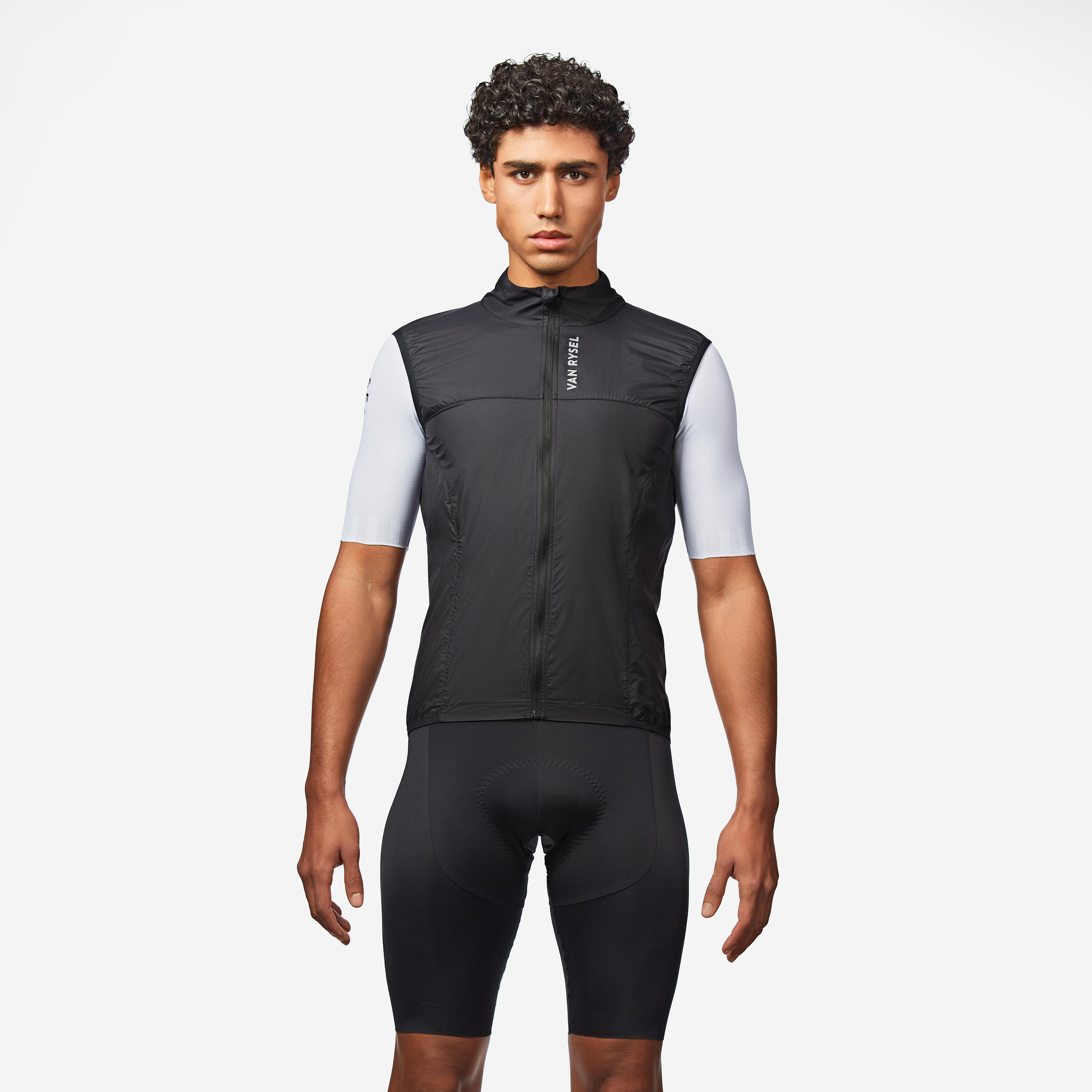
Selecting the right thermal protection depends on your intensity level and the ambient temperature during your morning commute or weekend club ride. For the high-tempo road cyclist, lightweight men’s cycling jackets feature windproof membranes on the chest to prevent wind chill while utilizing breathable mesh on the back to release excess metabolic heat. This design helps keep your body warm, while letting heat escape so you don’t get sweaty and cold after your ride. For those riding in temperatures below five degrees, choosing a jacket with a brushed fleece lining provides the necessary insulation to trap a layer of warm air against the skin. Expert advice: Look for a high-collar finish and elasticated cuffs, which act as mechanical barriers to stop cold drafts from entering the garment through the neck and sleeve openings.
What features make long-sleeved cycling jackets effective in the rain?

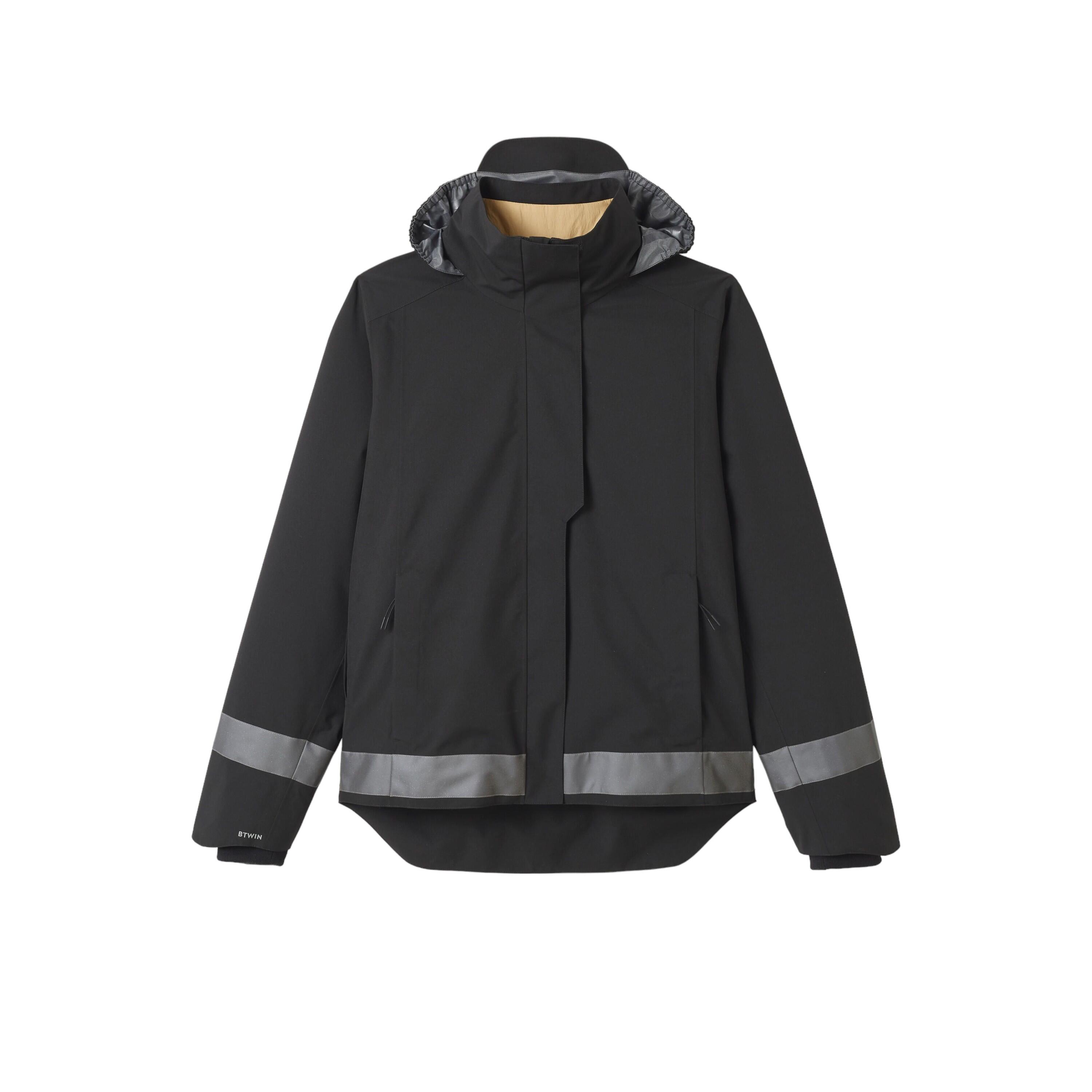
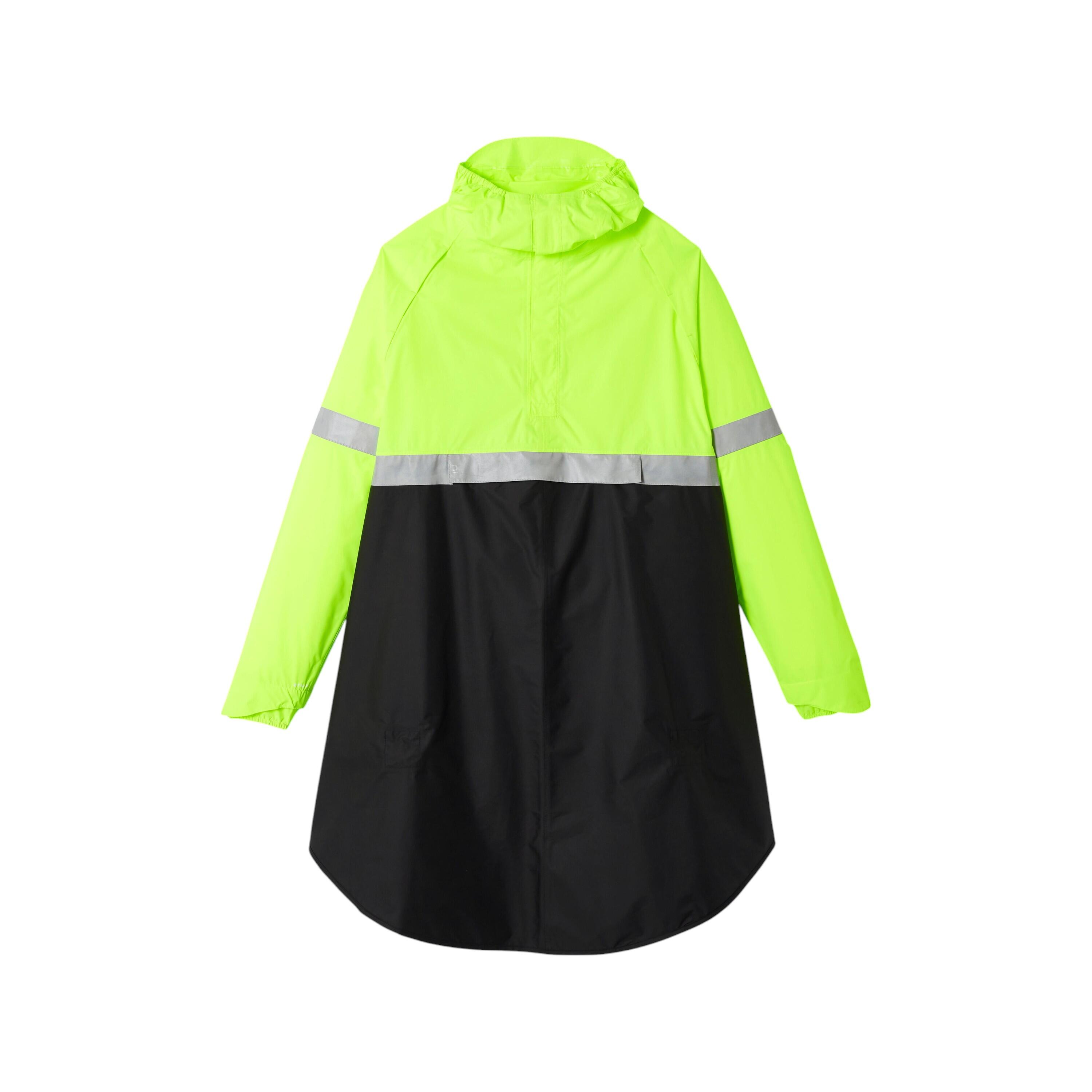
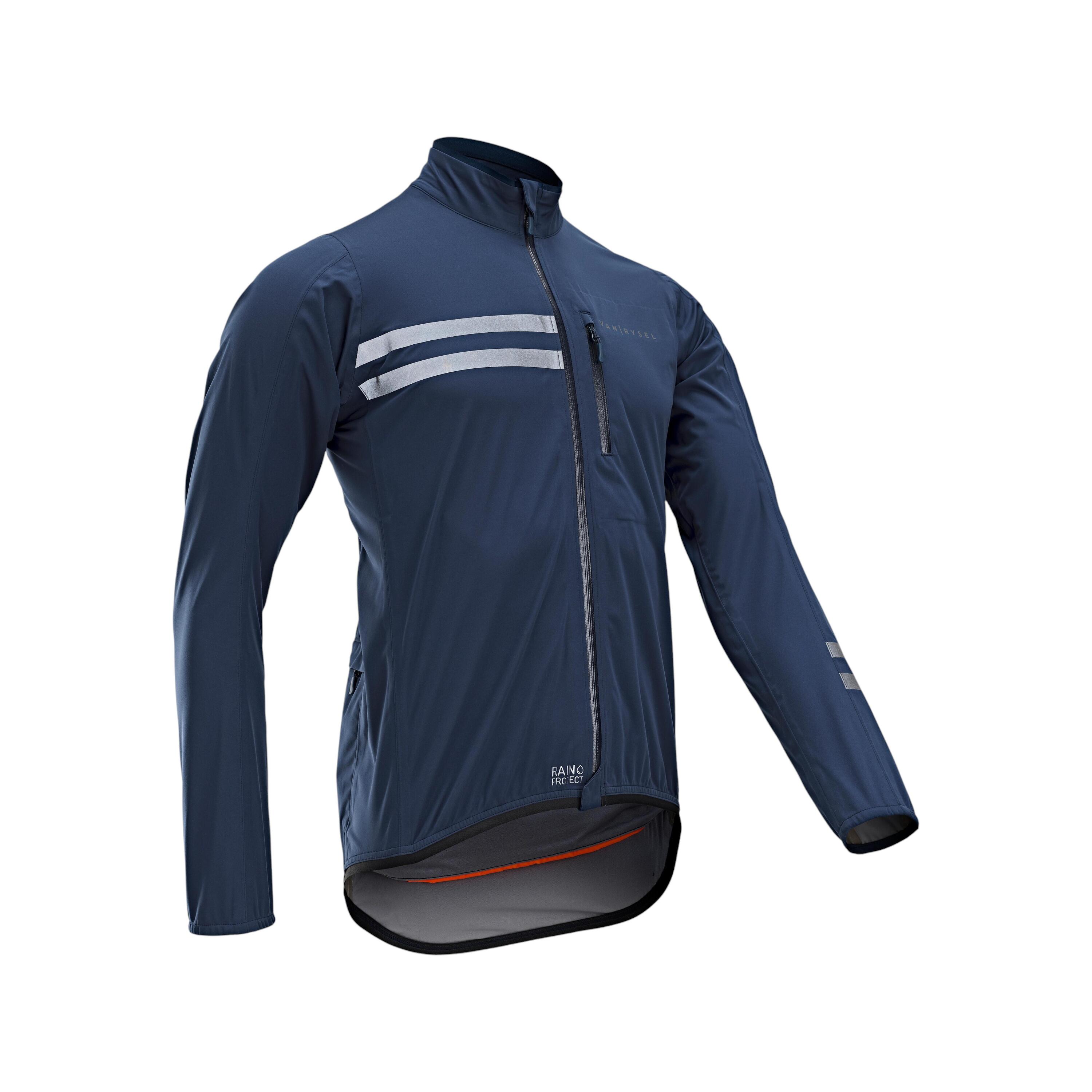
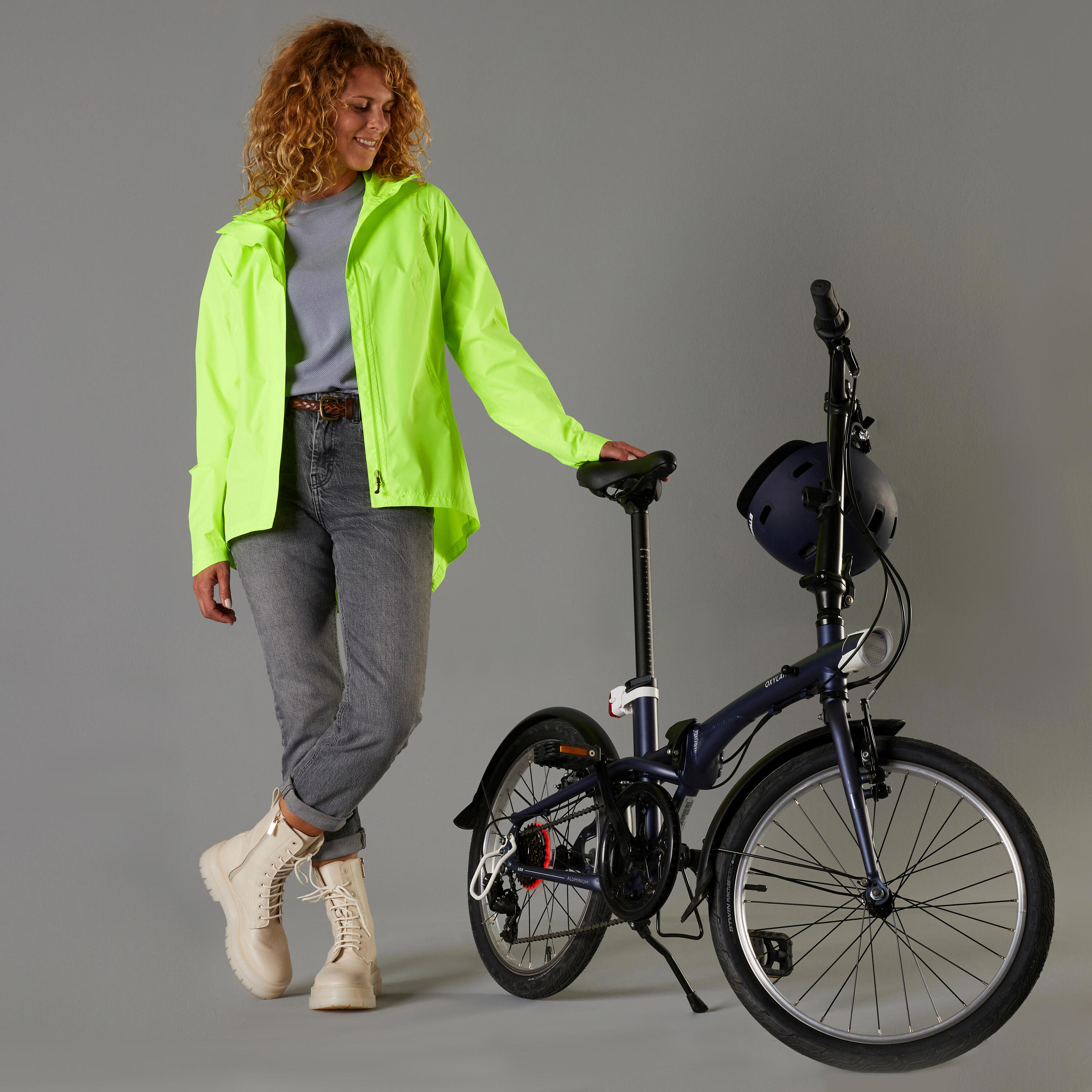
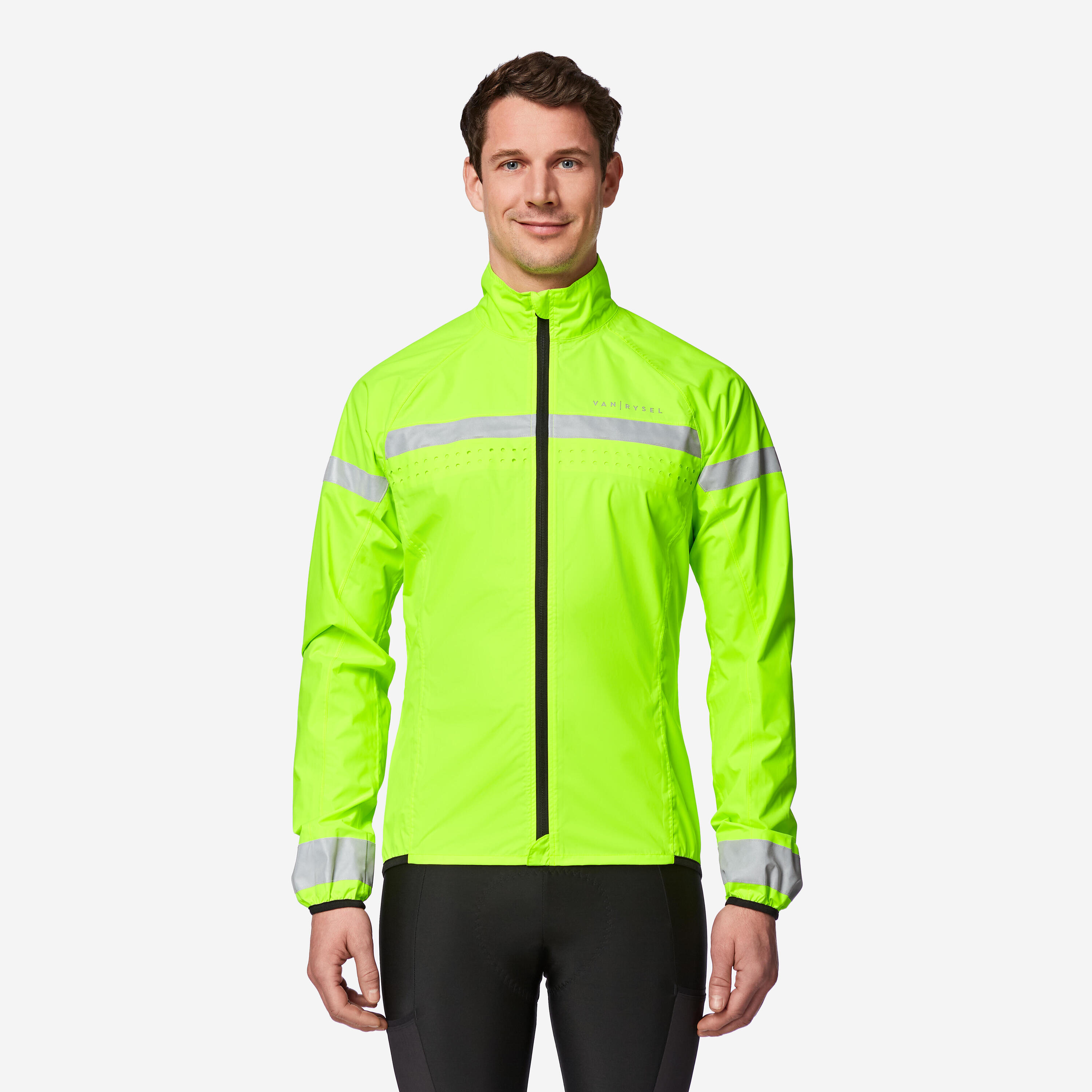
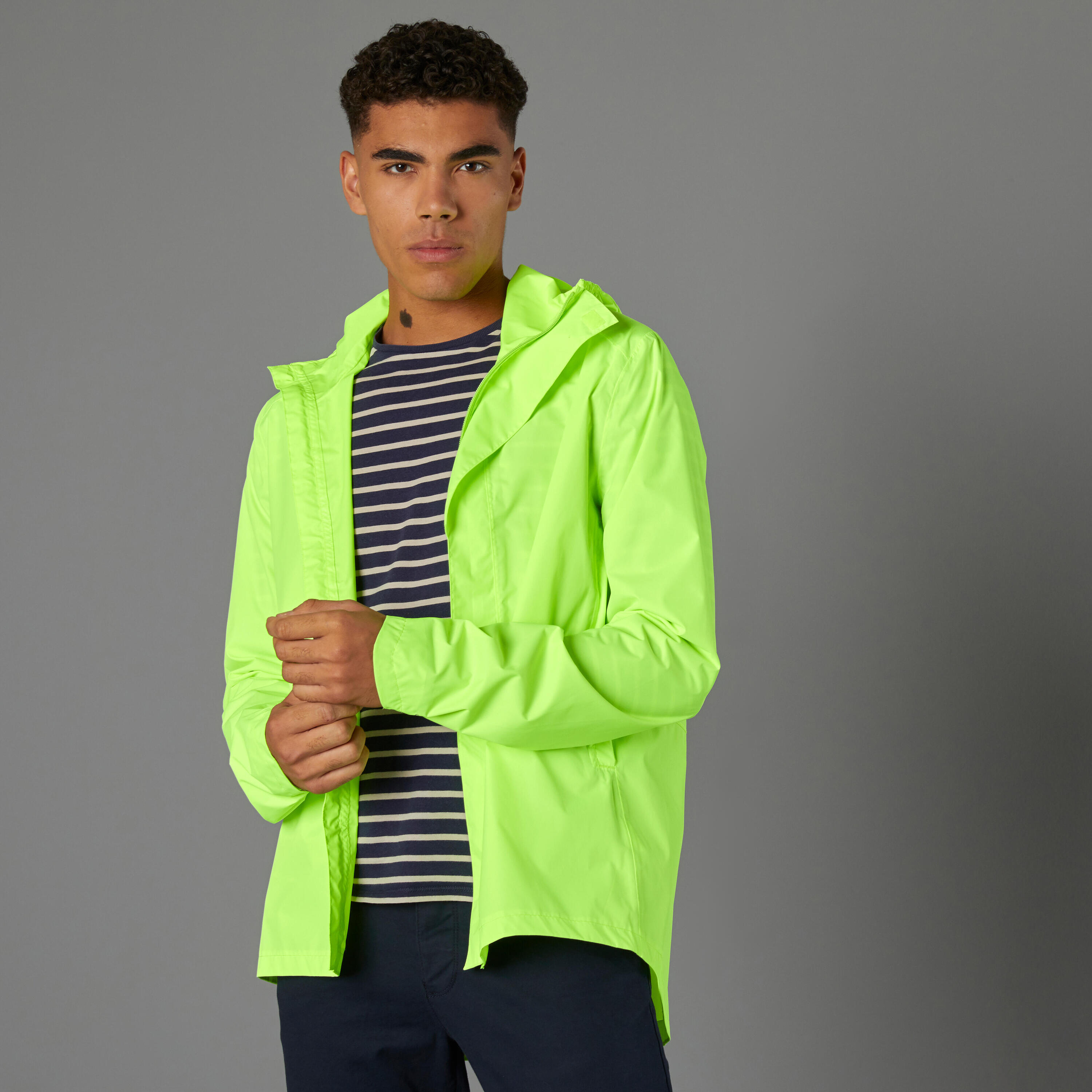
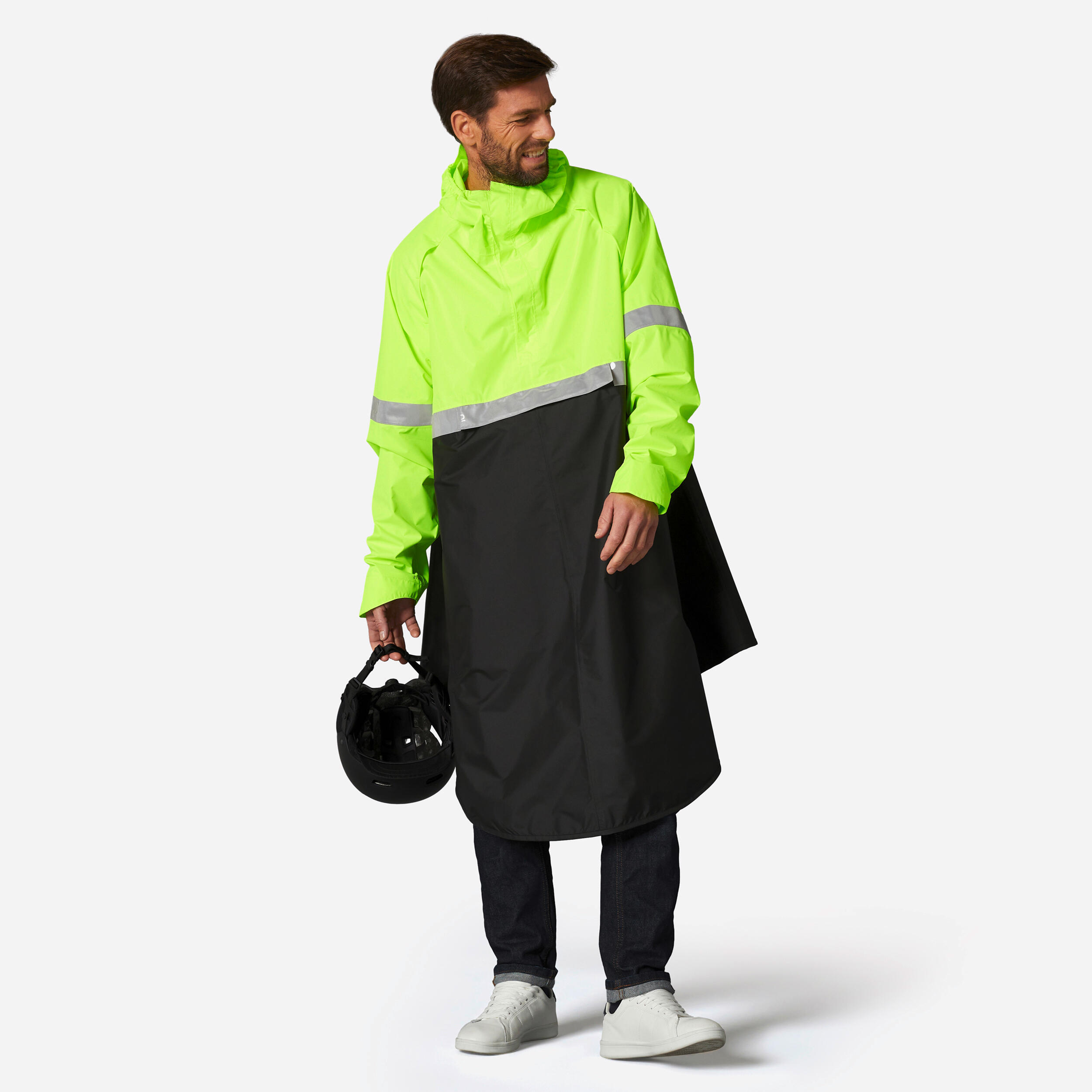
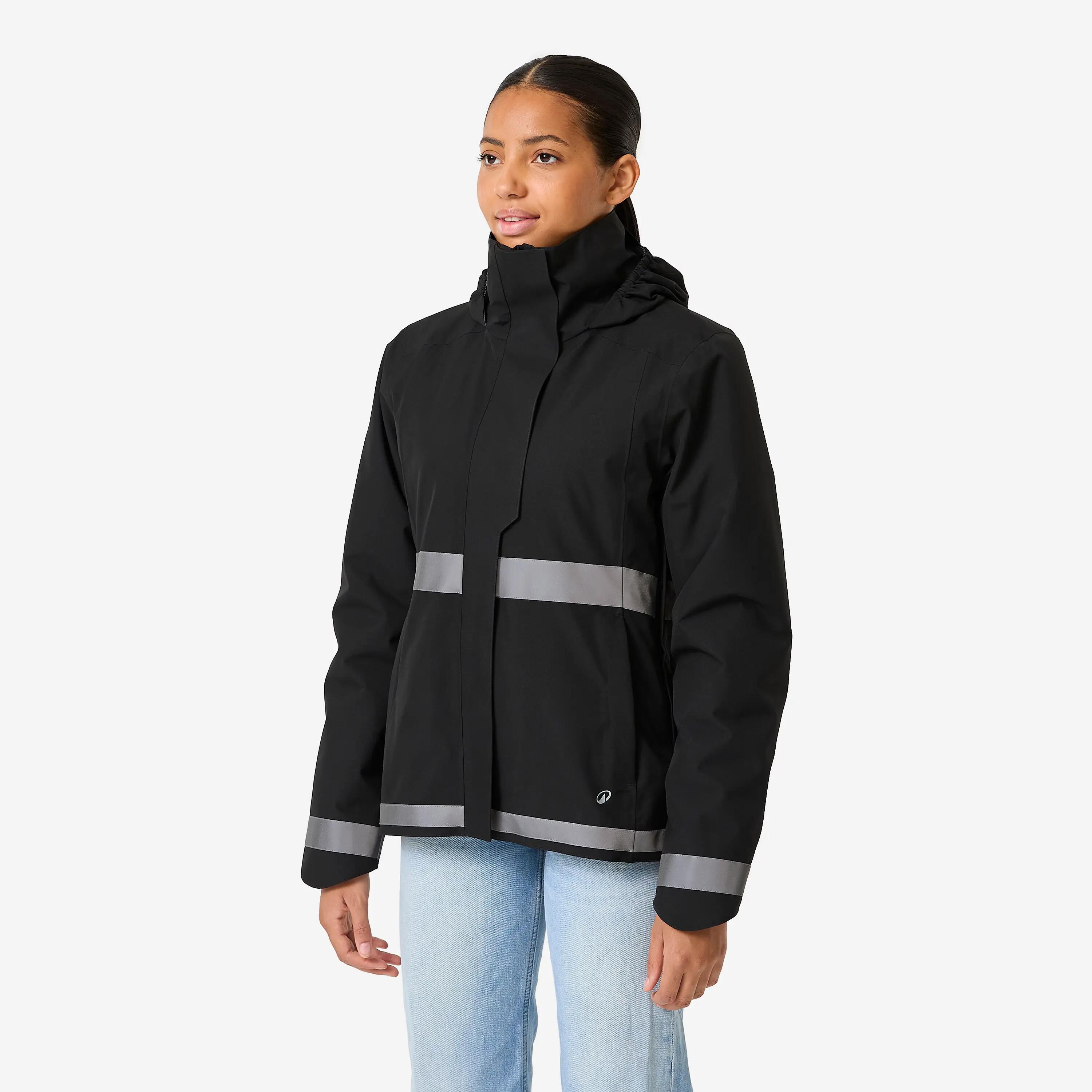
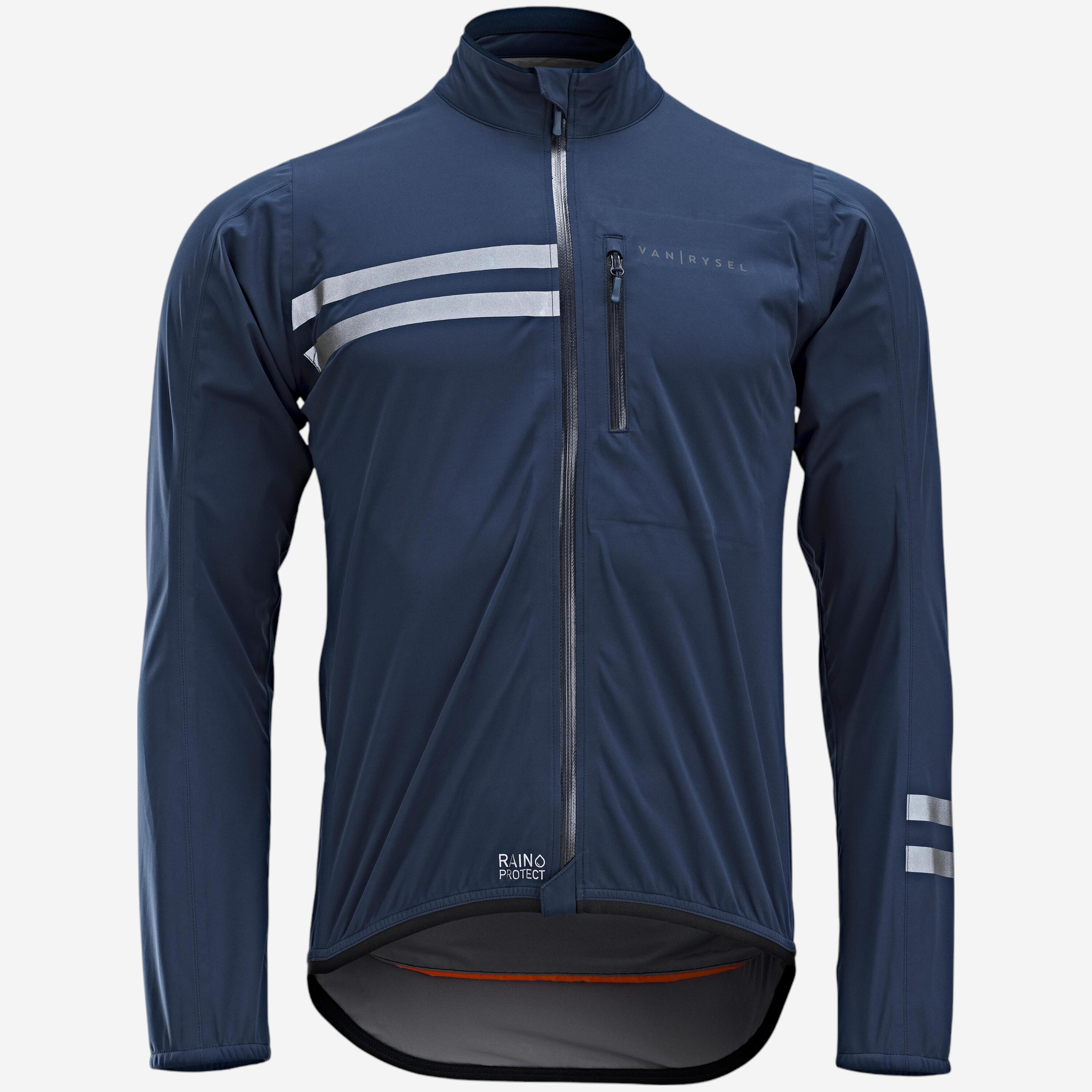
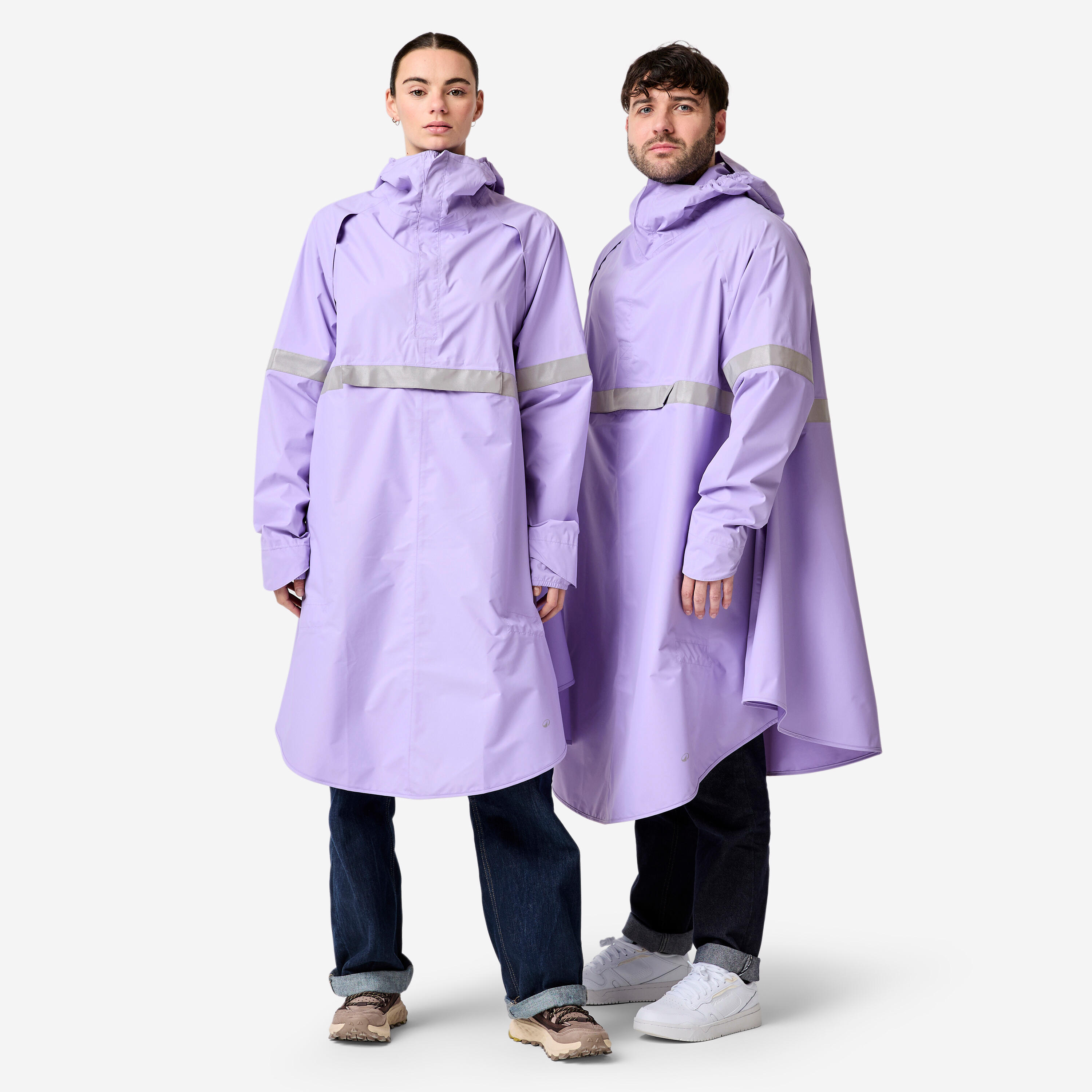
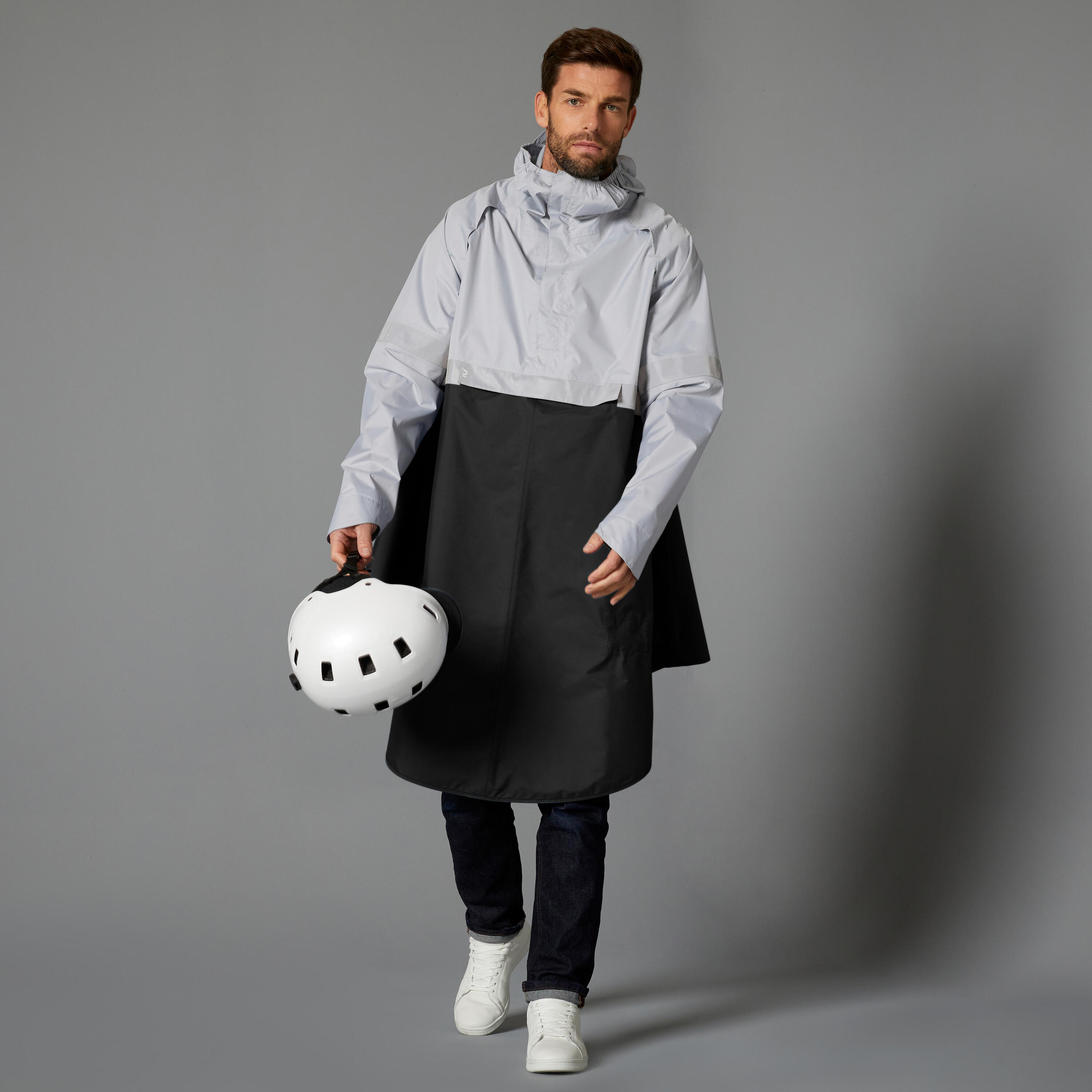
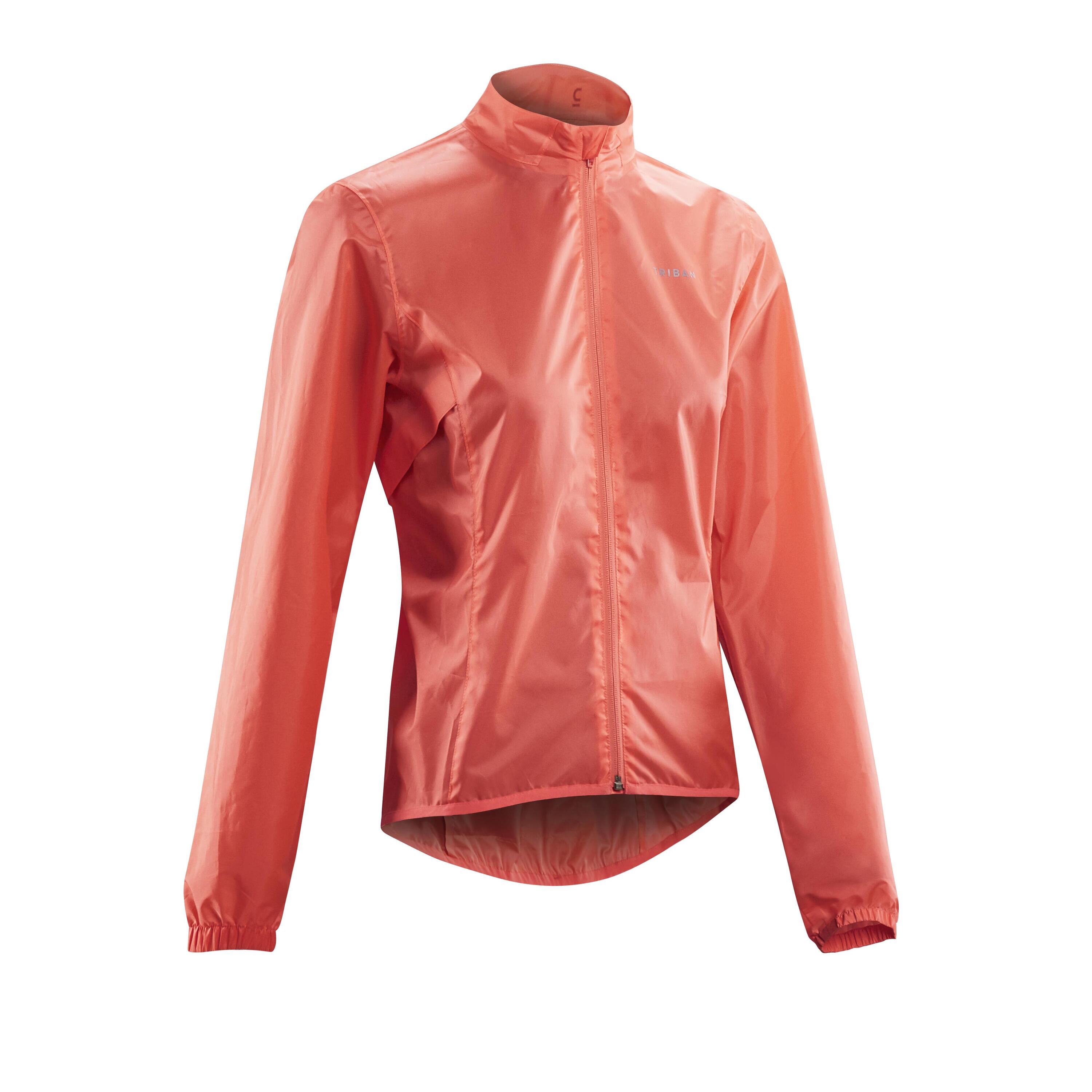
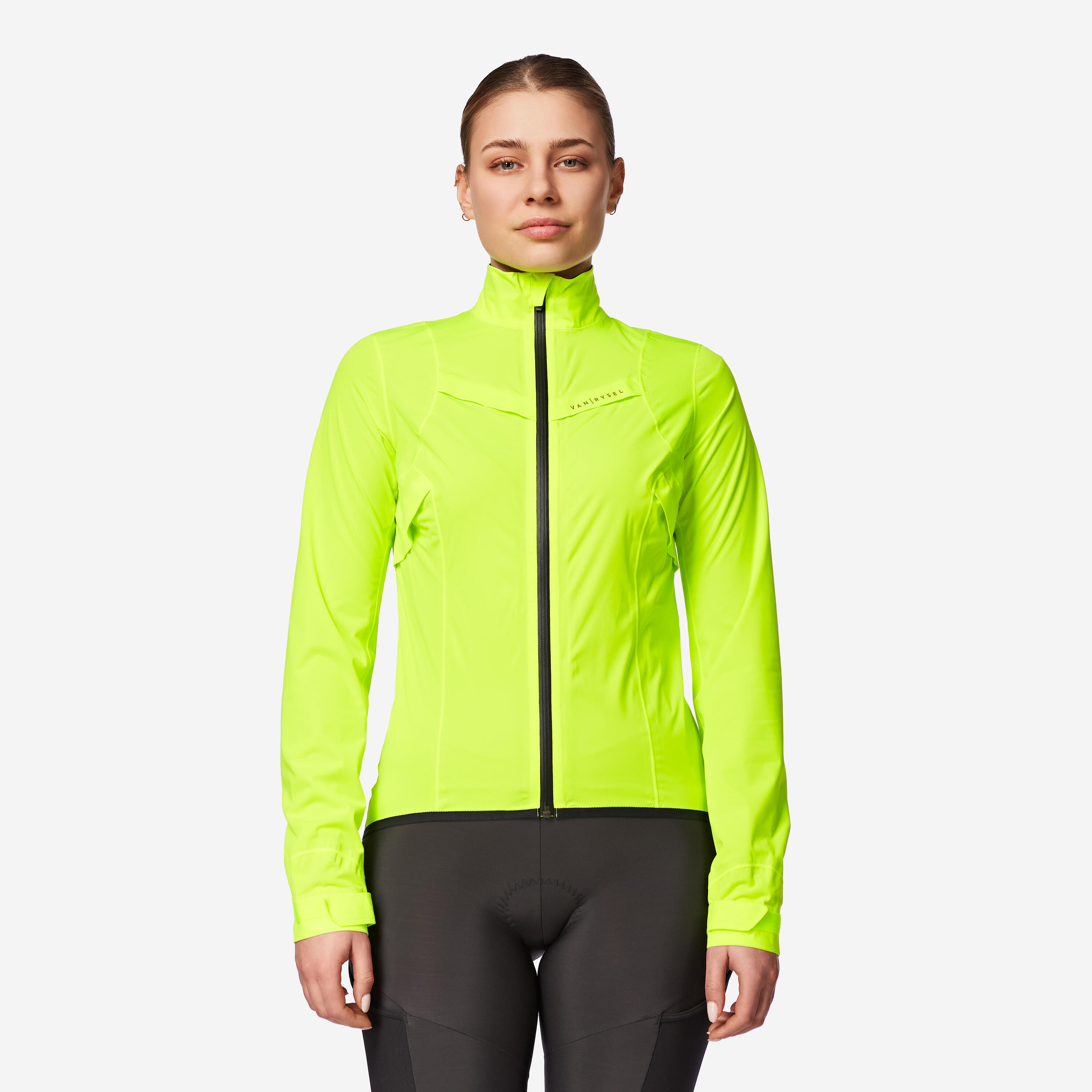
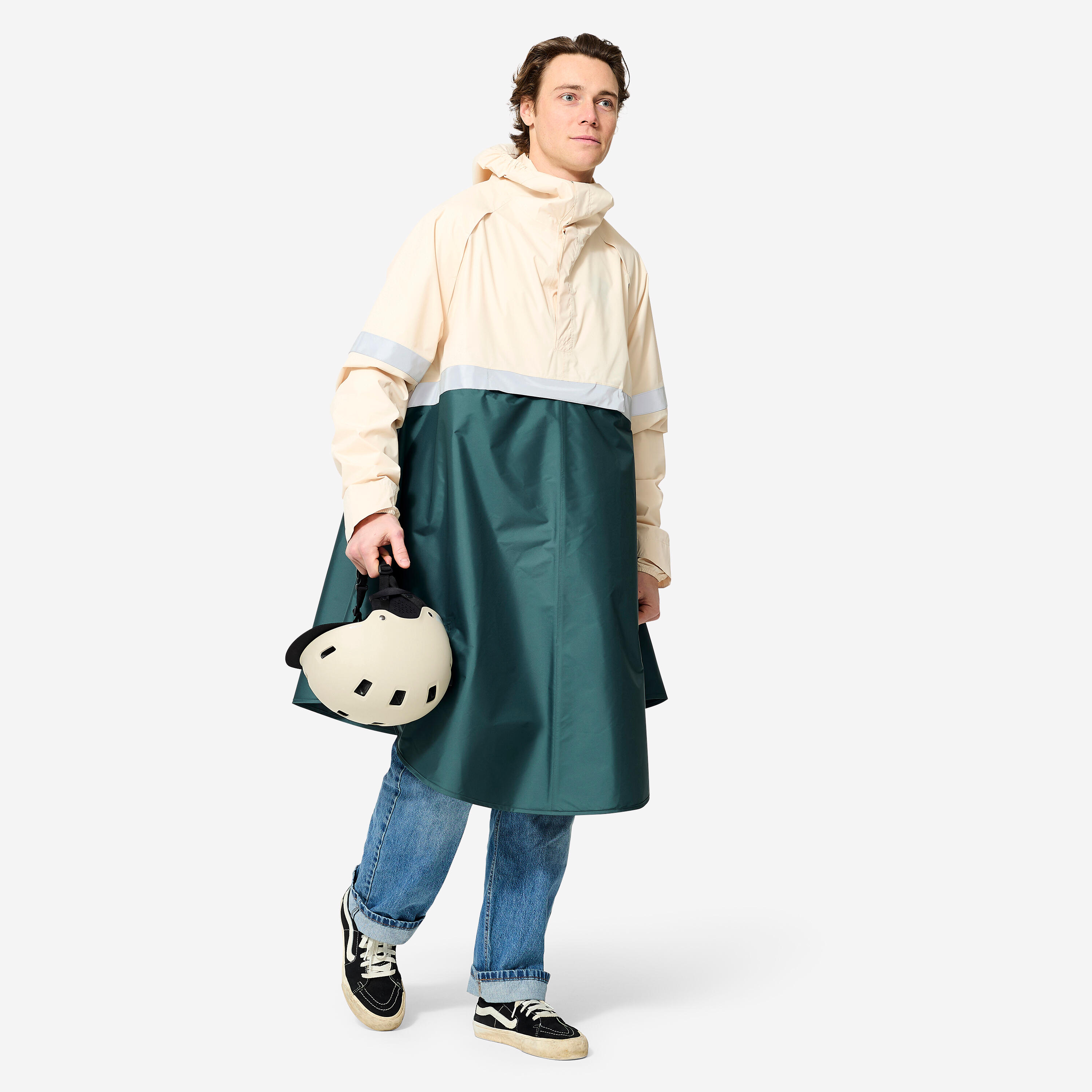
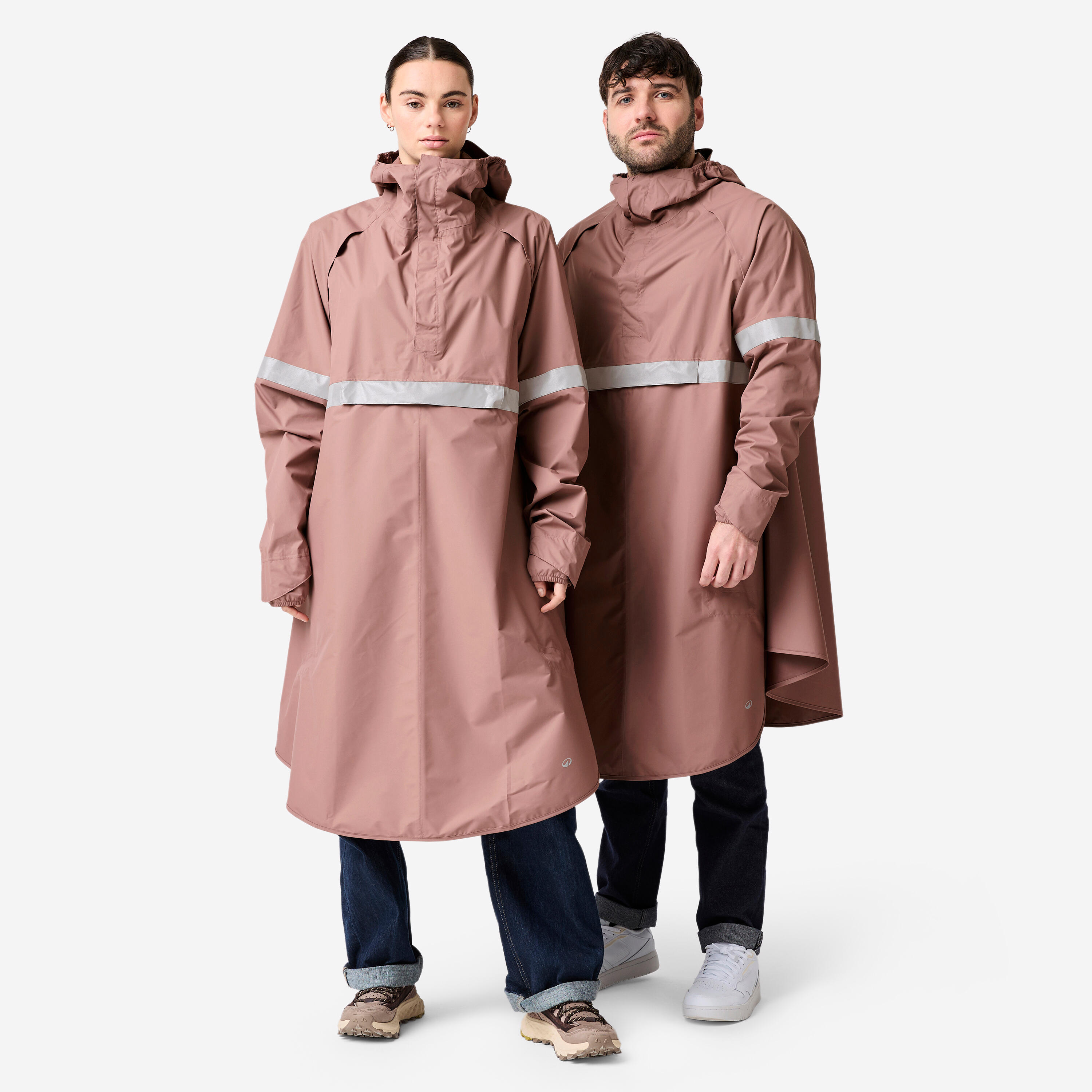
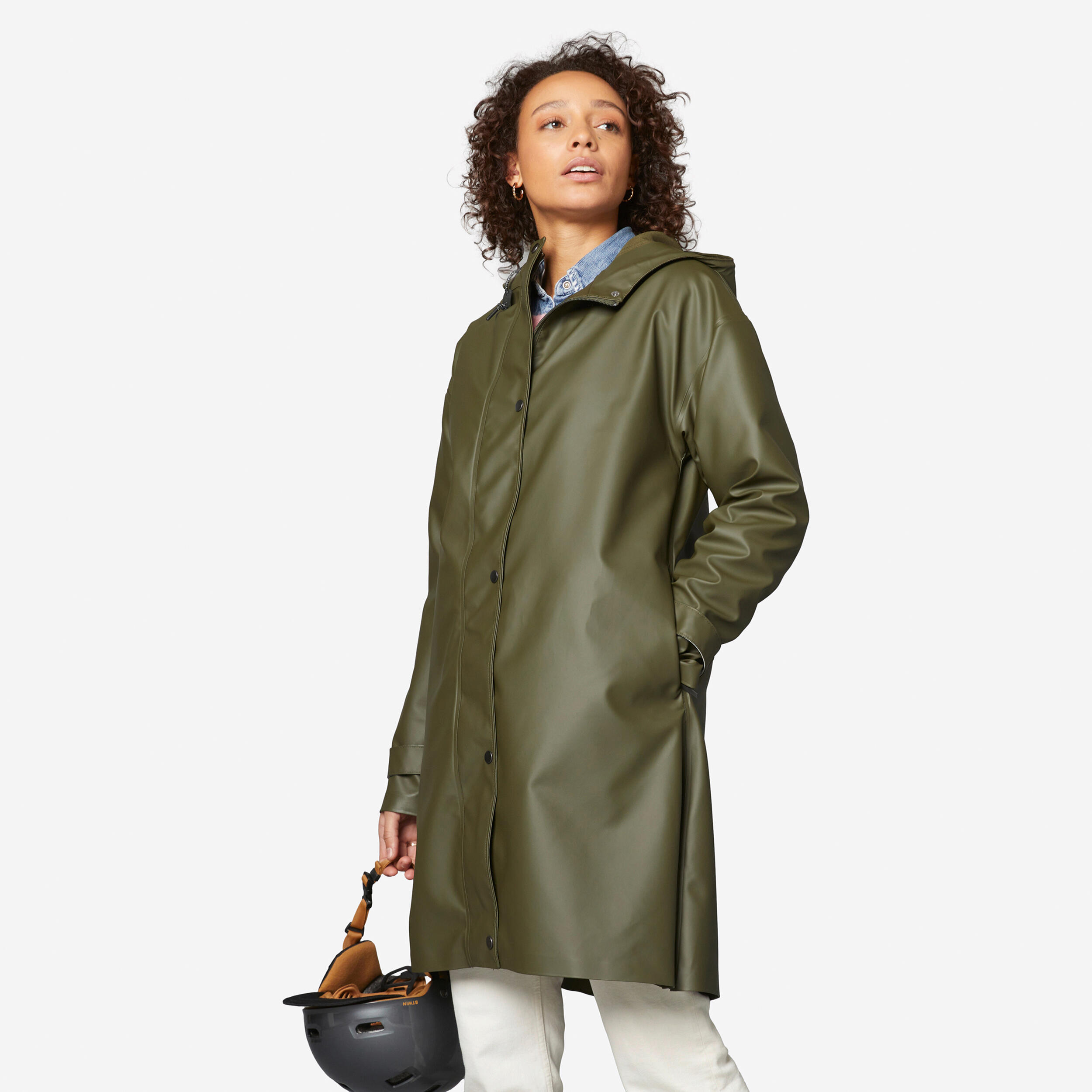
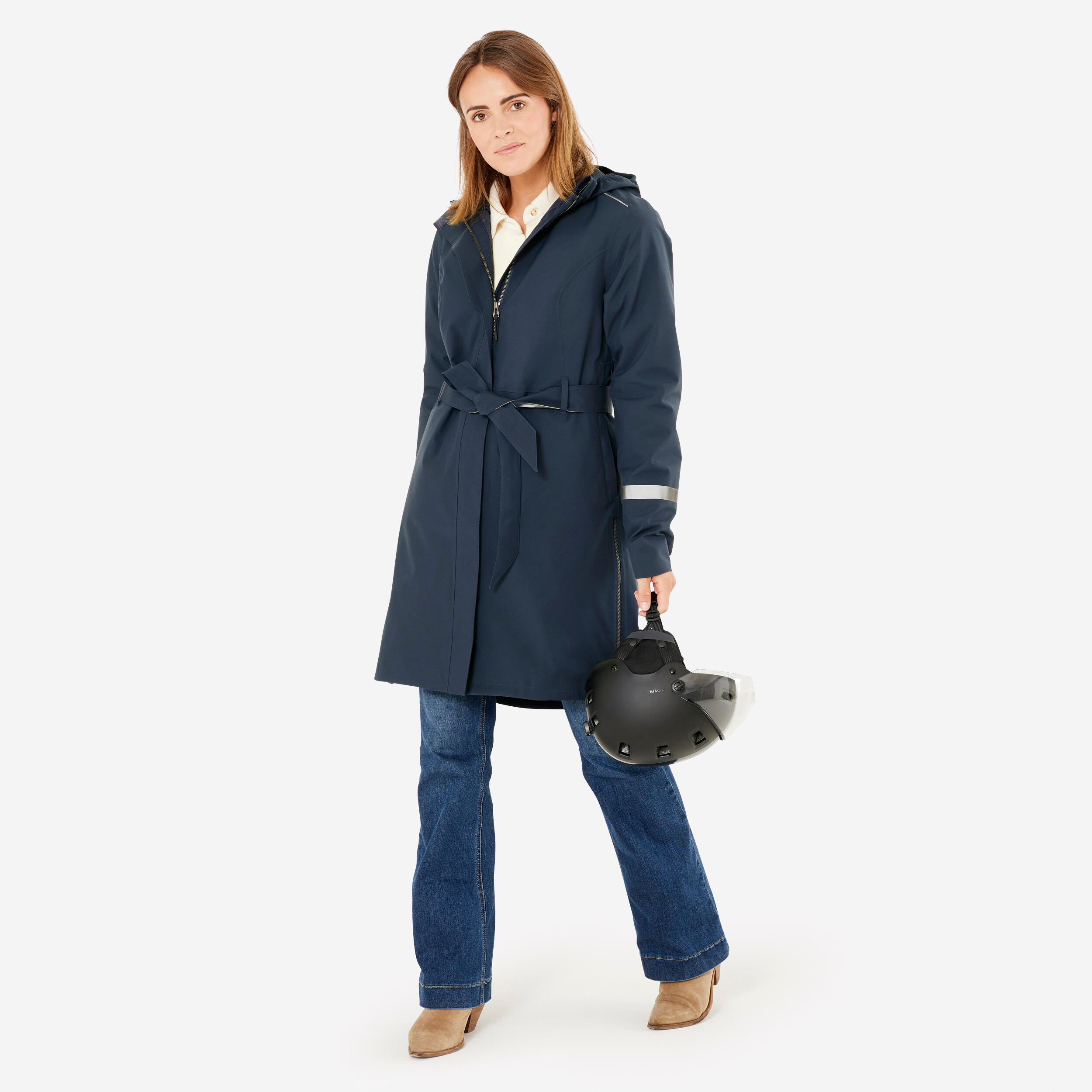
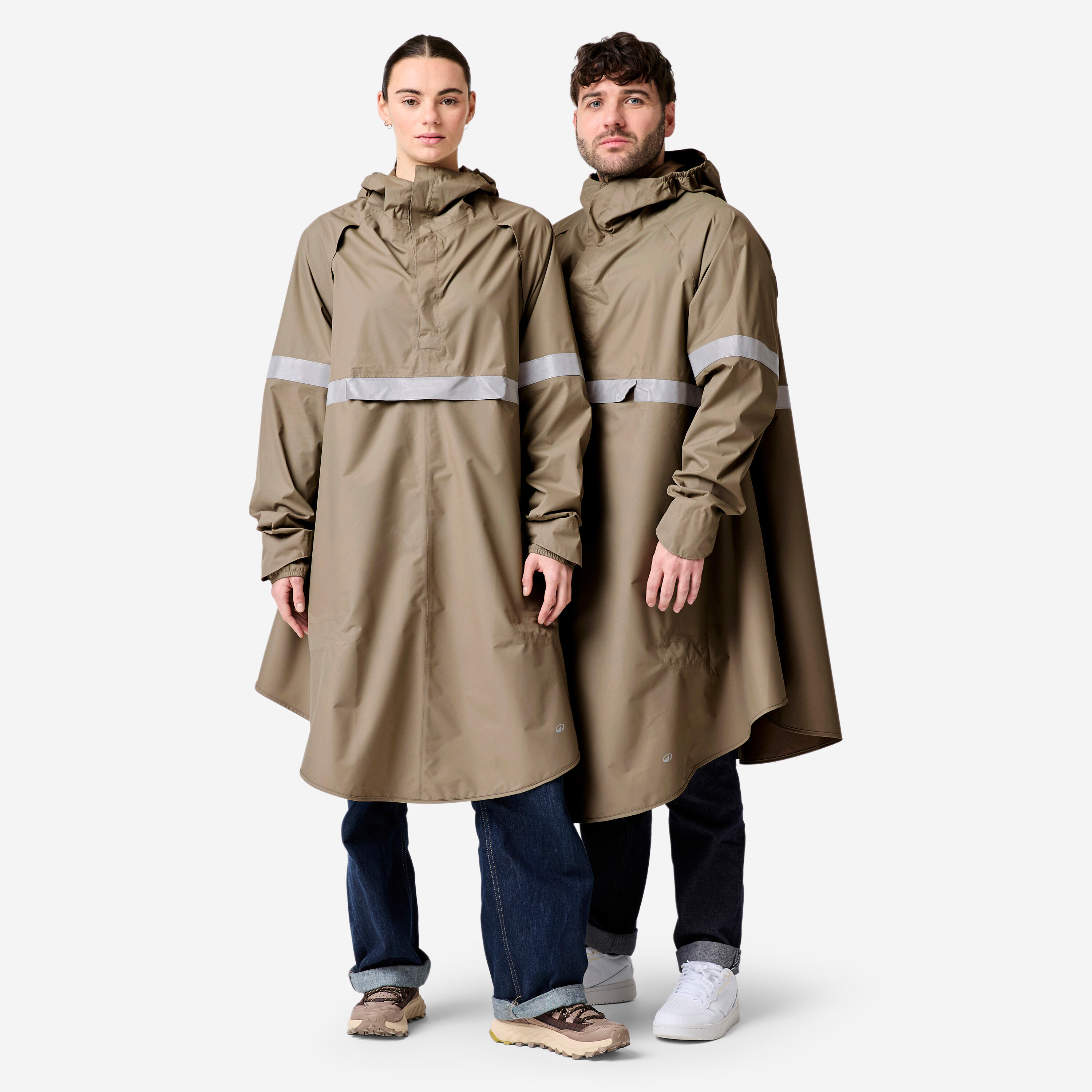
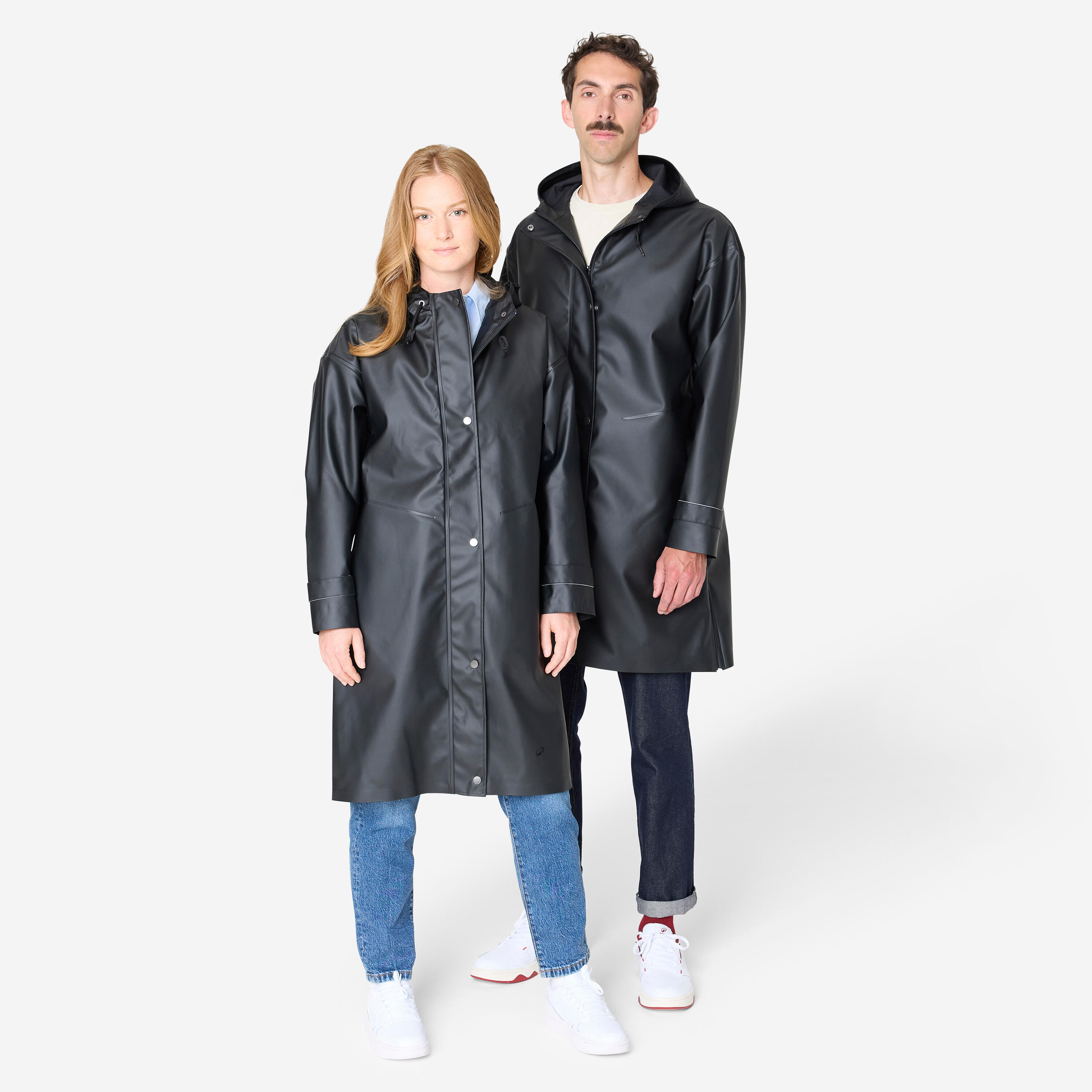
Long-sleeved cycling jackets keep you dry by using fabrics that block rain while still letting heat and sweat escape, so you don’t feel clammy on the move. Our range of women’s cycling jackets incorporates these advanced textiles along with taped seams to ensure complete moisture protection during prolonged downpours. The reason for the dropped-tail hem on these garments is to provide additional coverage for your lower back against the "rooster tail" spray kicked up by the rear tyre. Smart tip: If you frequently ride in heavy traffic during rainfall, select a model with integrated reflective strips or neon panels, as water on a car's windshield significantly reduces a driver's ability to spot cyclists in low-light conditions.
Why is breathability important in cycling jackets for kids?

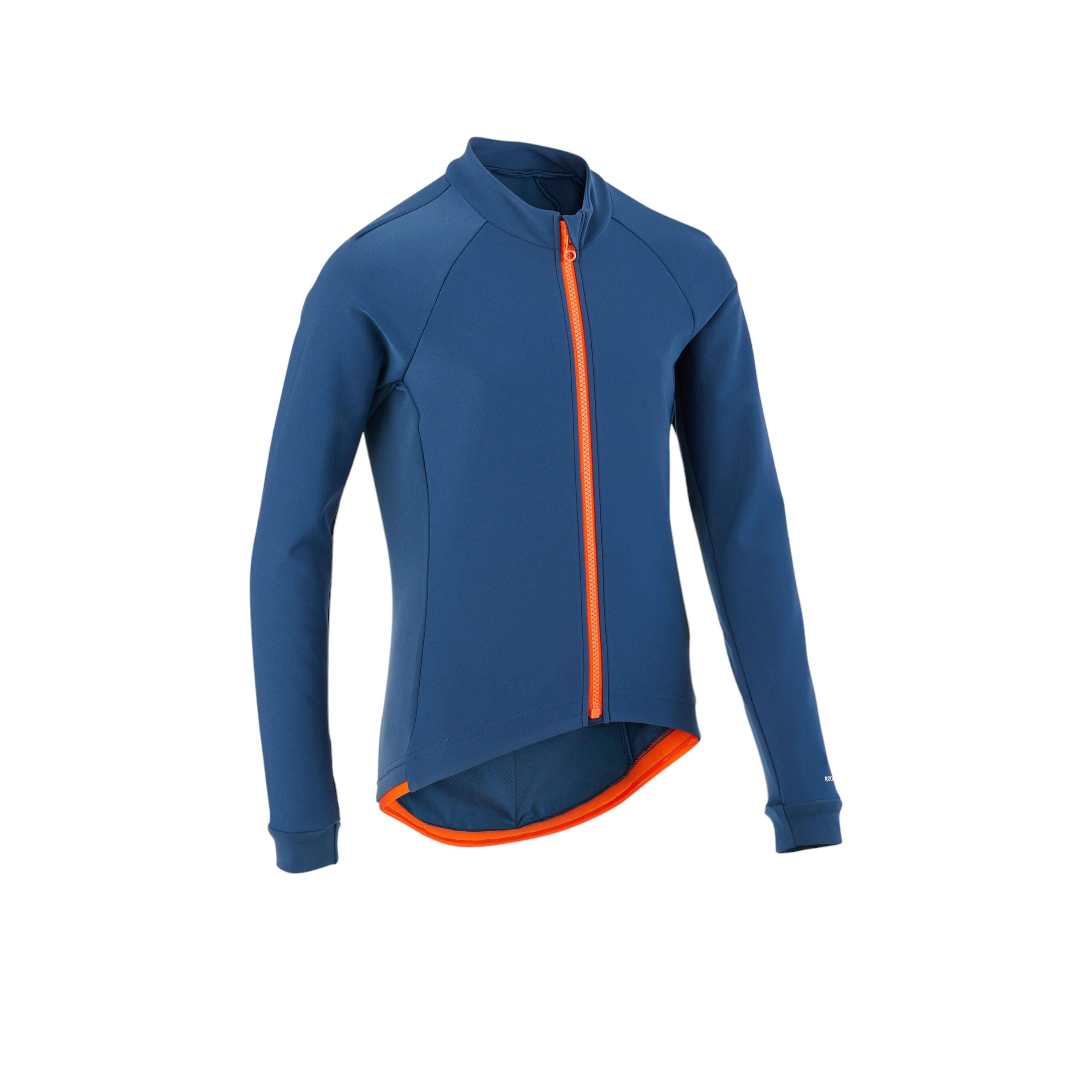
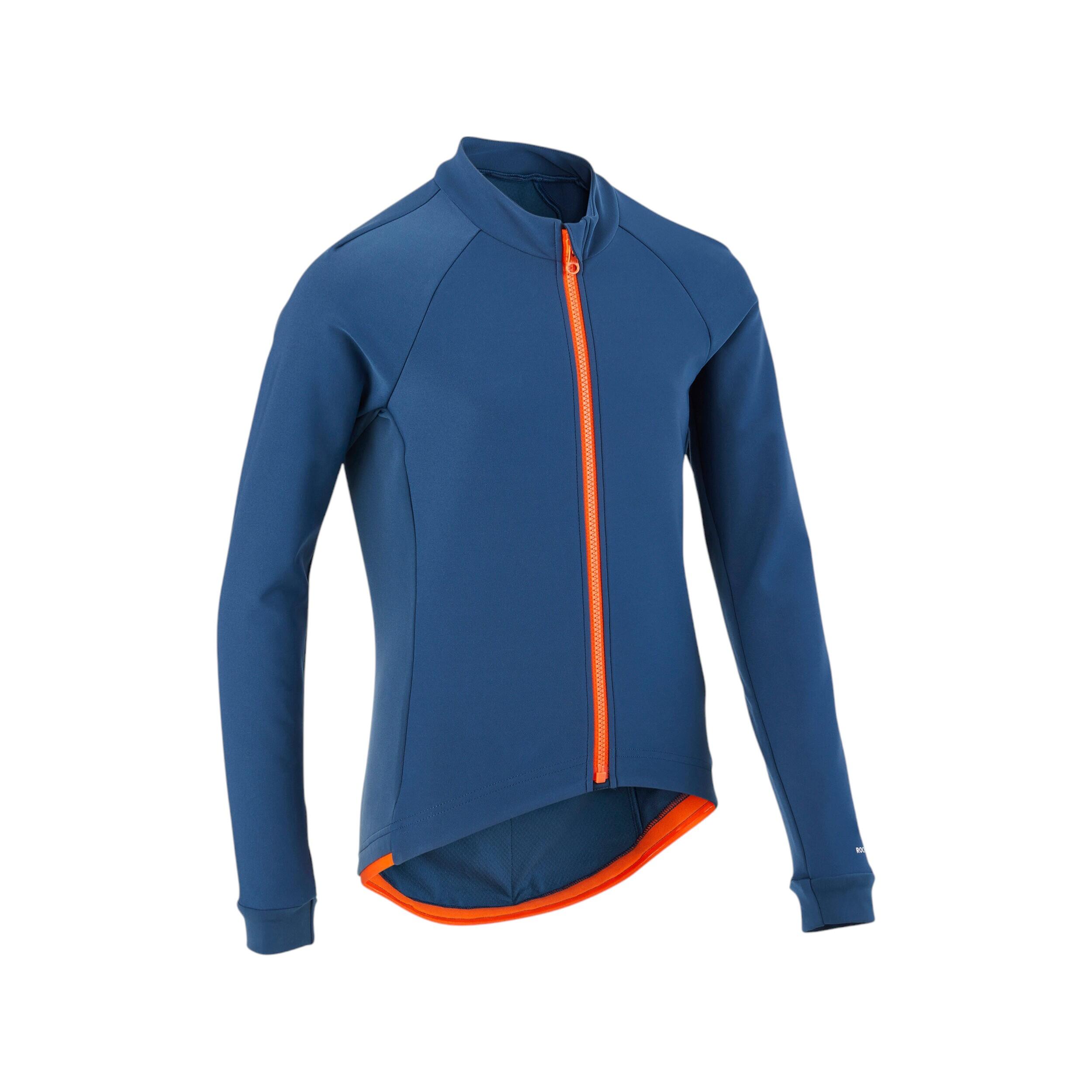
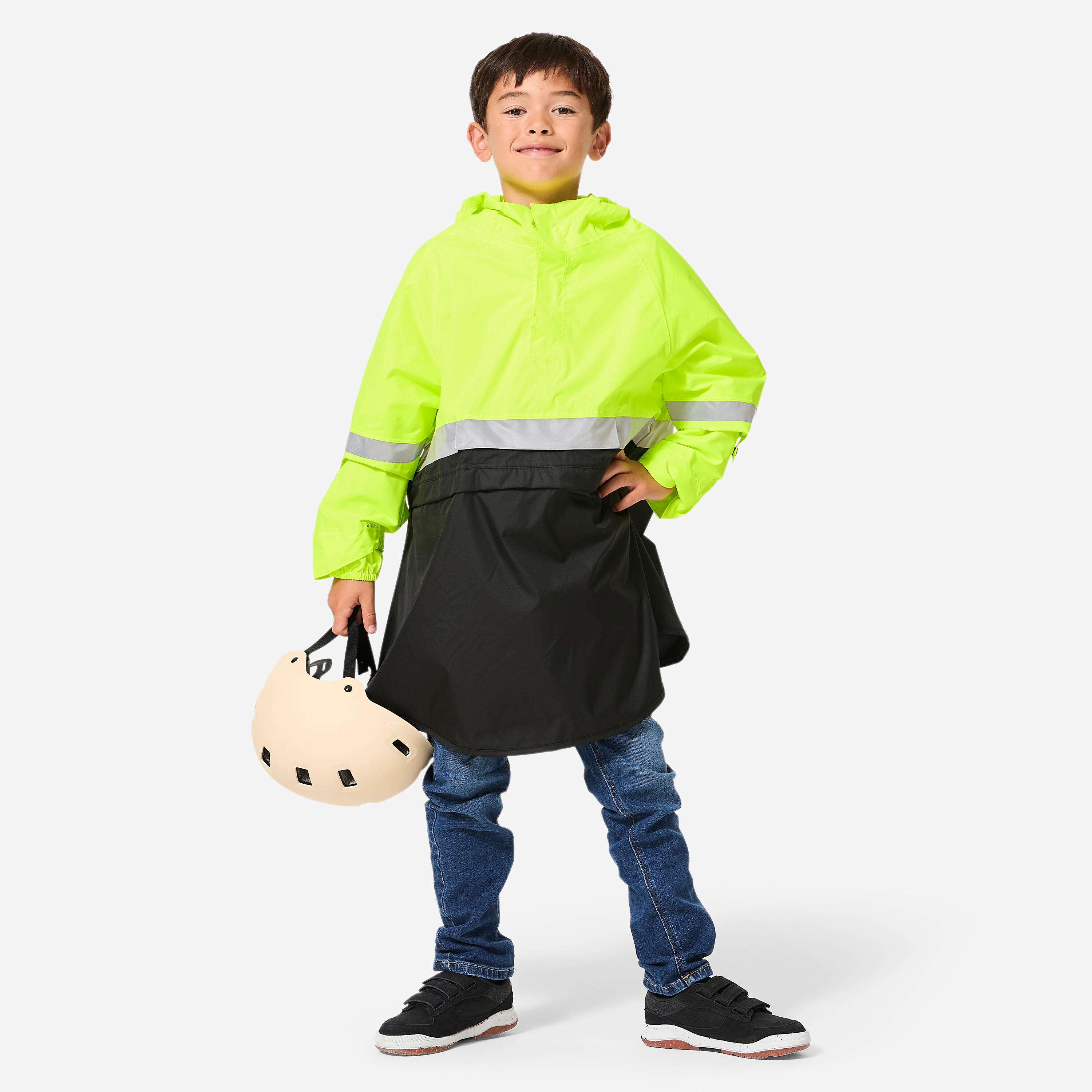
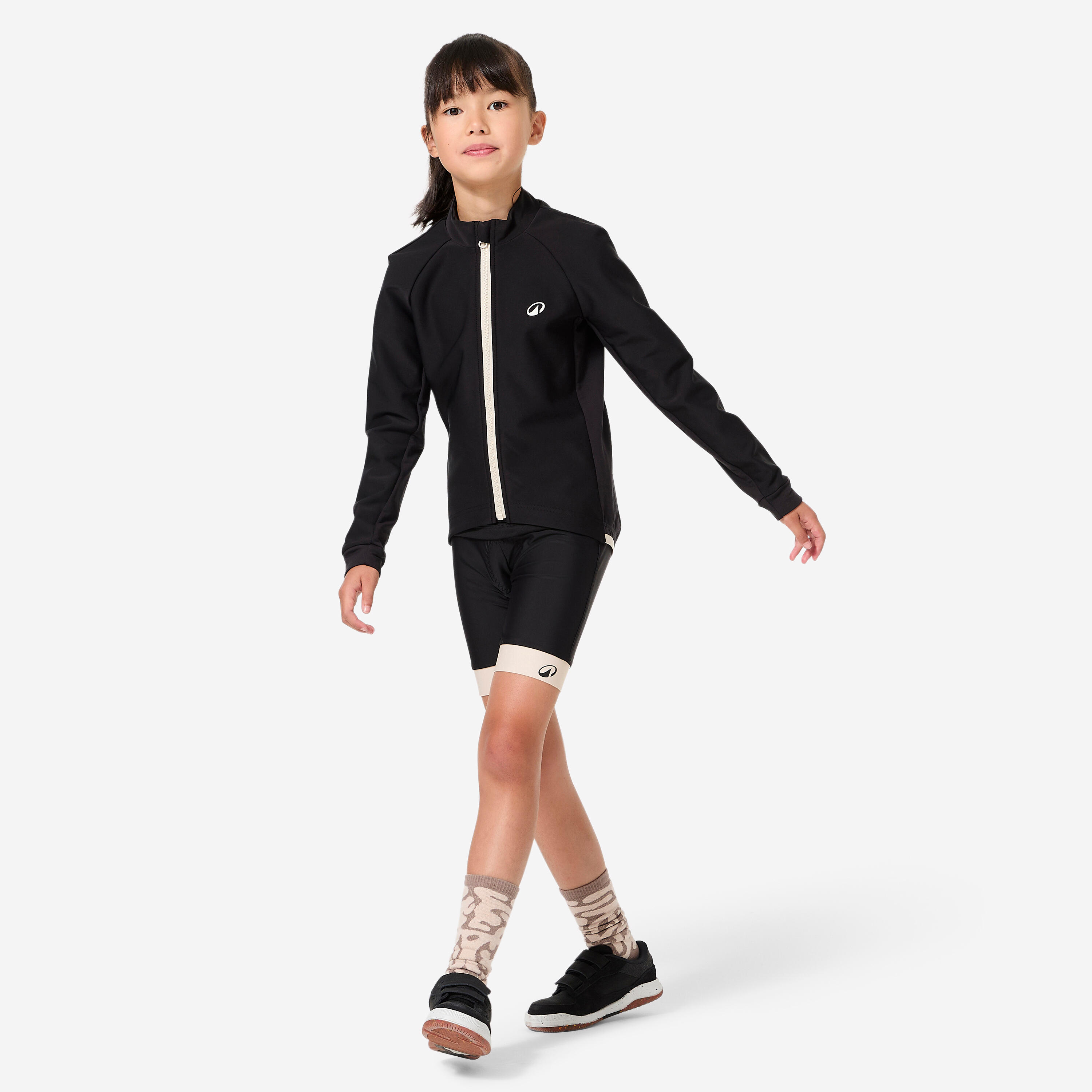
Younger riders often struggle with temperature regulation during physical activity, making moisture-wicking fabrics essential for their comfort and safety. Specialized kids’ cycling jackets are created with lighter synthetic blends that move perspiration away from the body much faster than standard cotton hoodies.This helps stop that damp, sticky feeling when sweat gets trapped inside your layers. A slim fit also keeps the jacket close to the body, so it doesn’t get stuck in the parts of the bike.

What is the difference between a cycling windbreaker and a hardshell jacket?

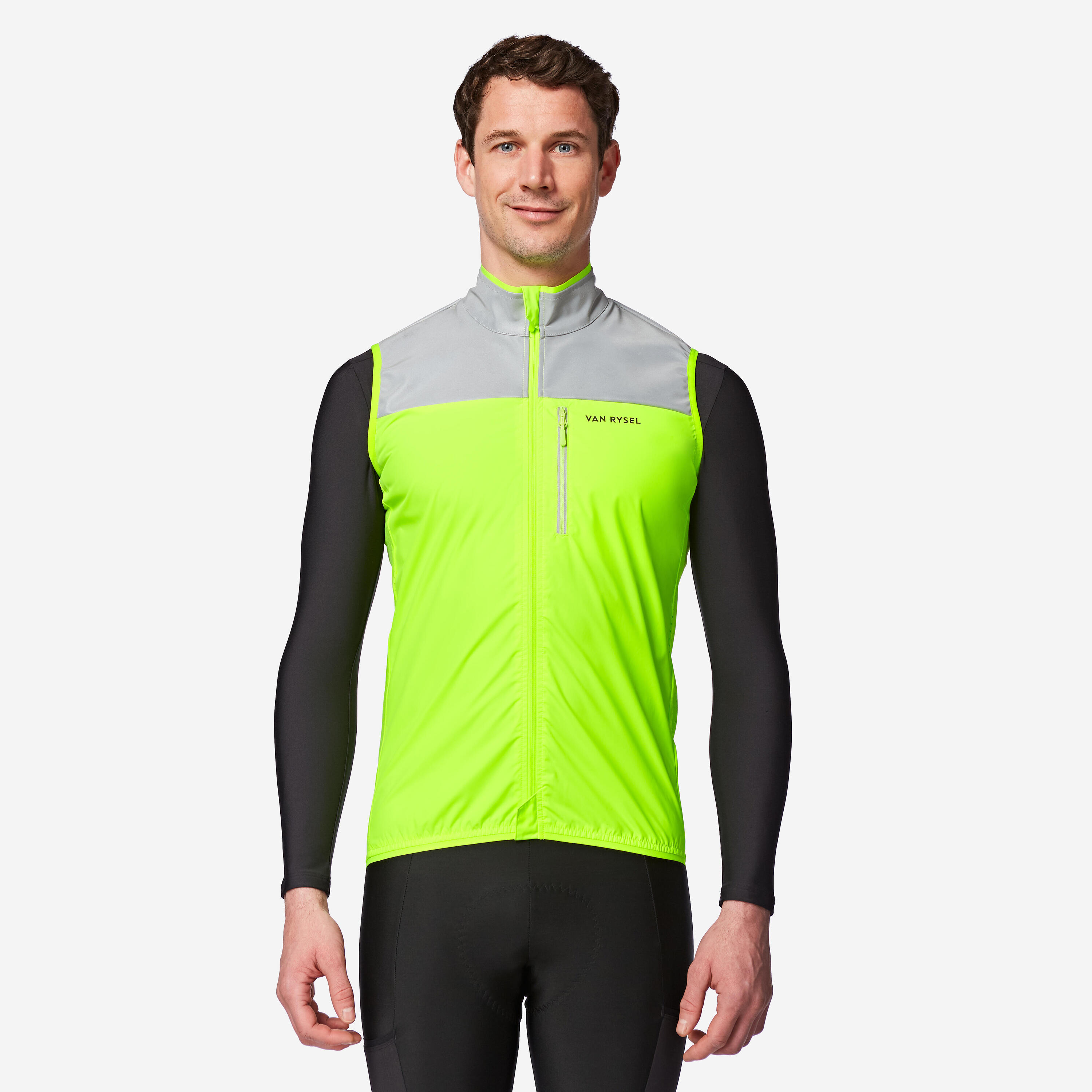
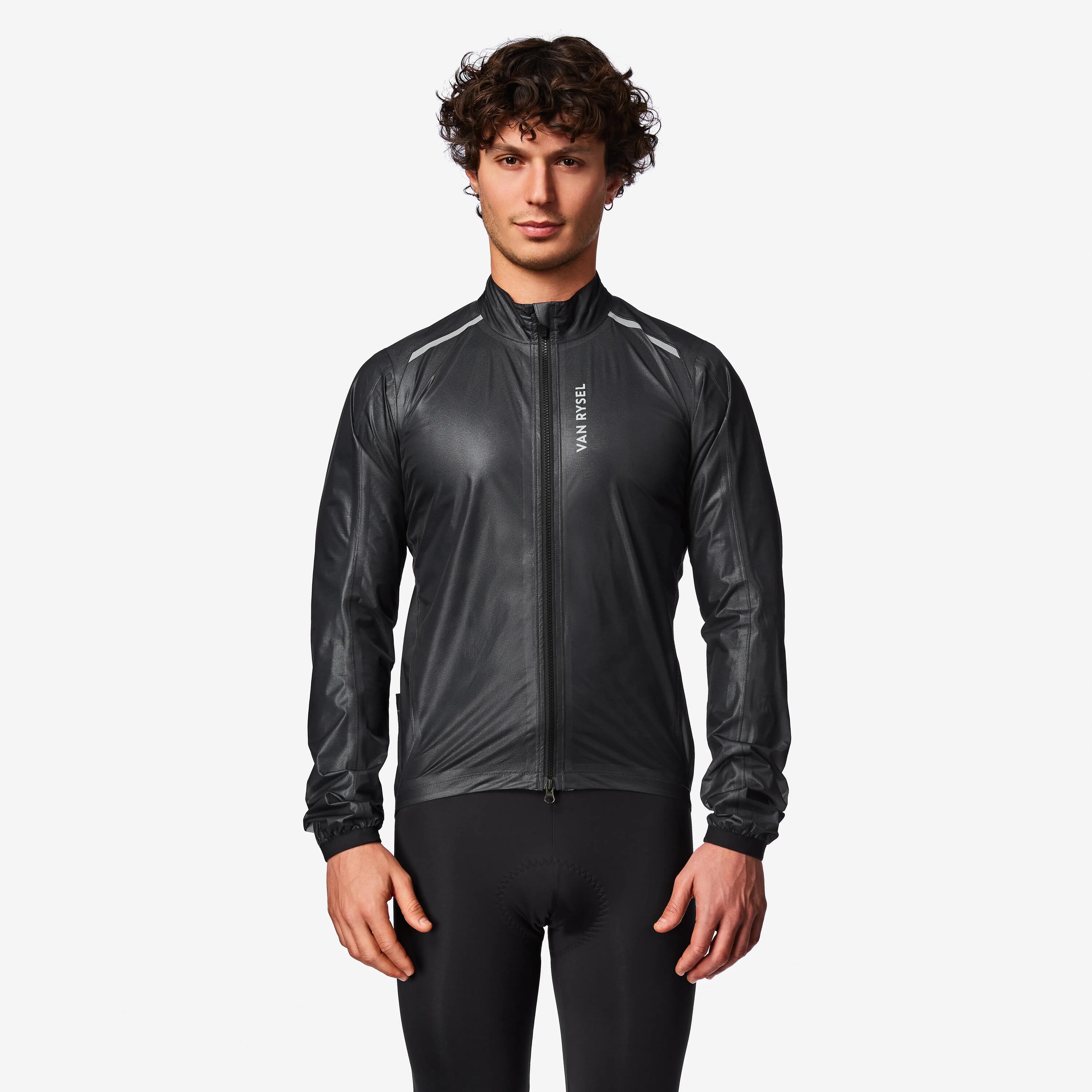
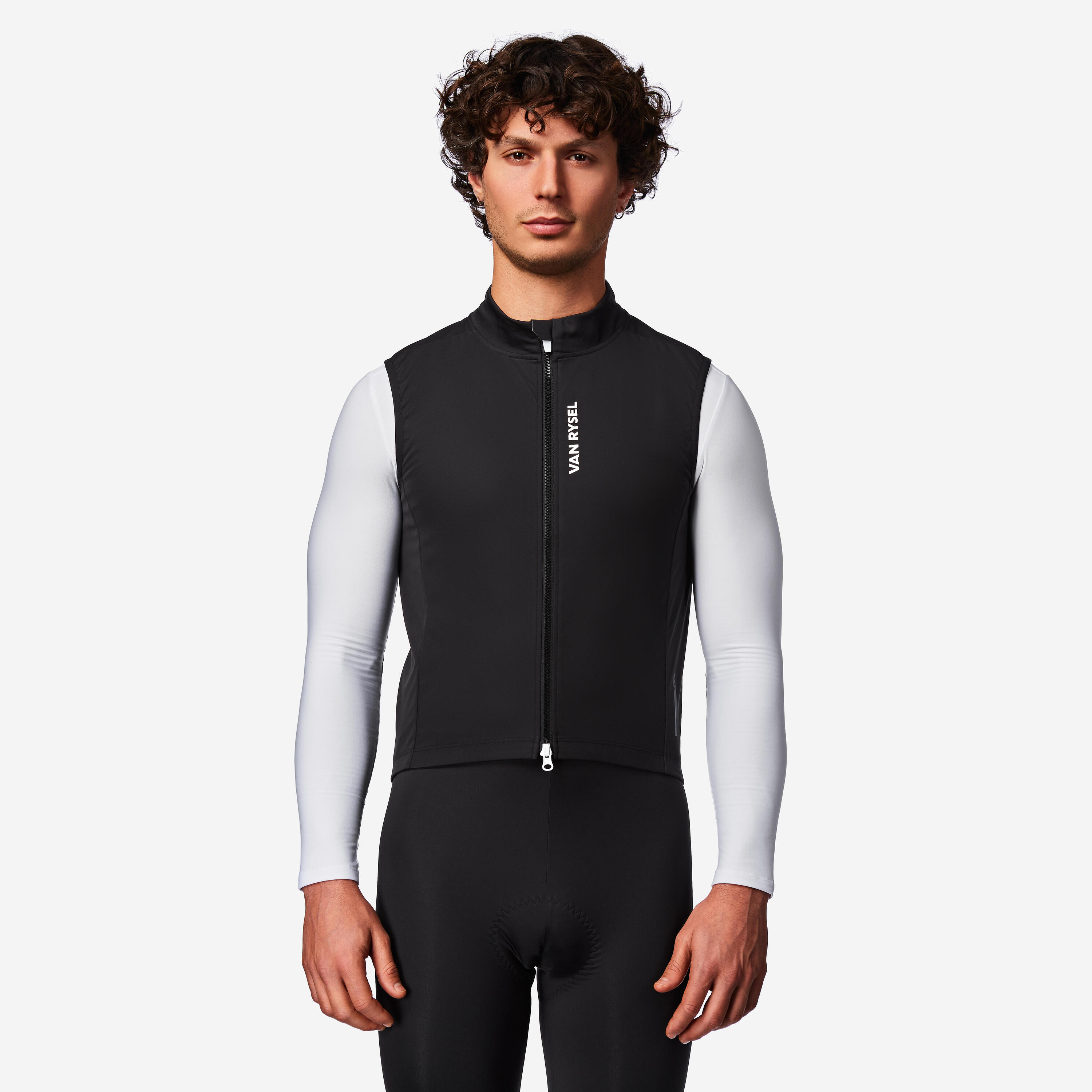
A windbreaker is a lightweight, often packable layer aimed at blocking the cooling effect of the breeze on dry days, whereas a hardshell is a more robust garment intended for severe weather and persistent rain. Cyclists covering long distances on paved routes often depend on streamlined road cycling jackets that combine wind resistance with breathable comfort for sustained performance. Windbreakers rely on a tight fabric weave to provide mechanical resistance to air movement, which keeps you warm on fast descents without the bulk of a heavy coat. Hardshells use a multi-layer laminate construction that offers a much higher Schmerber waterproof rating but usually results in a slightly stiffer feel and larger packed size. The technical trade-off involves prioritizing either weight and packability for variable conditions or maximum protection for deliberate wet-weather outings. Small advice: Always carry a compact windbreaker in your jersey pocket during mountain climbs, as the air temperature at the summit and during the subsequent descent is significantly lower than in the valley.

How should adult cycling jackets fit for optimal performance?

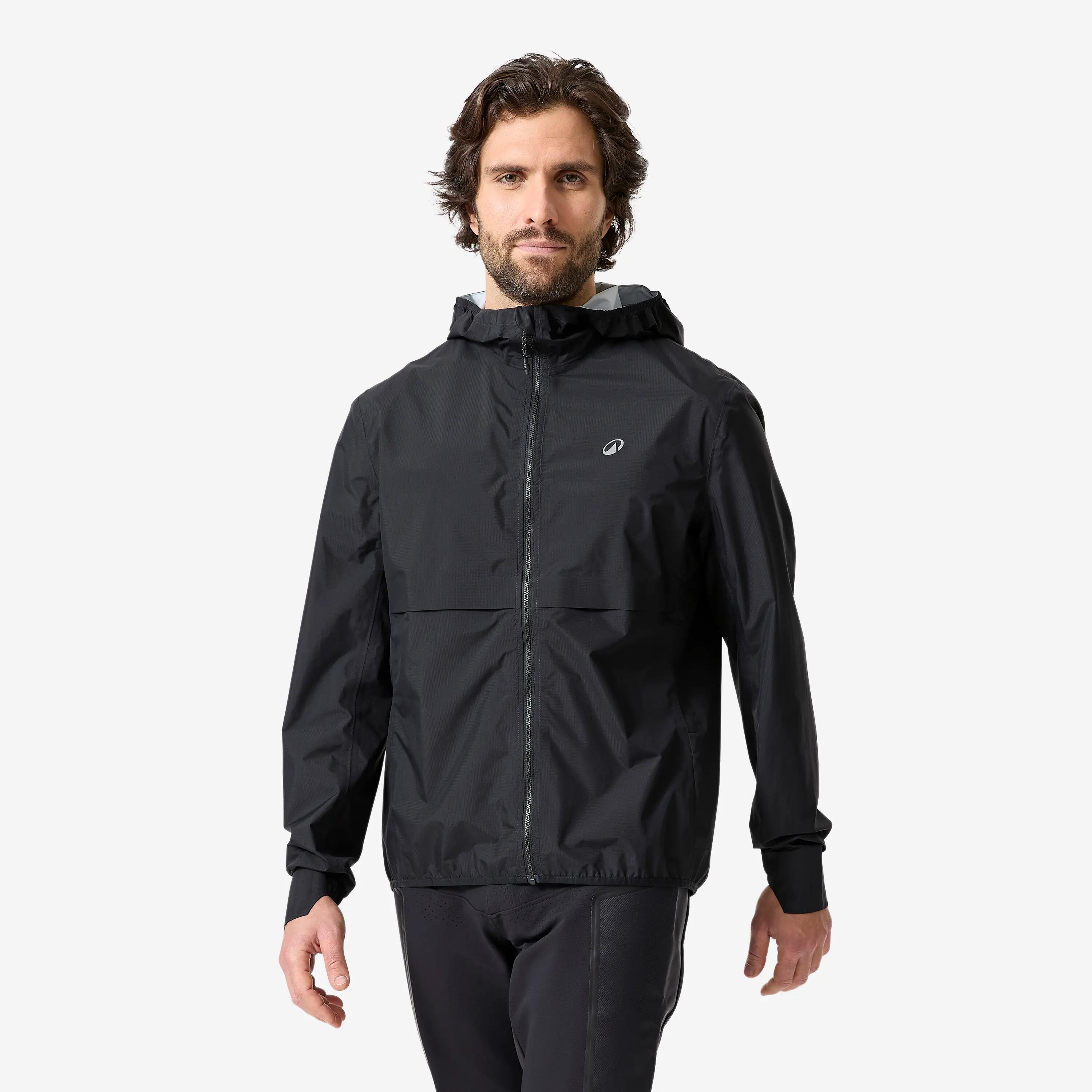
The fit of a performance jacket should be snug enough to prevent fabric flapping in the wind, which causes unnecessary noise and increases physical resistance, but loose enough to accommodate a thermal base layer. Riders tackling rough trails often prefer durable mtb jackets designed with reinforced fabrics and flexible cuts to handle aggressive riding positions. You should check the fit while in a crouched riding position rather than standing upright, as the articulated sleeves and elongated back are specifically patterned to provide full coverage when you are reaching for the handlebars. The reason for the silicone grippers found on many hems is to keep the jacket securely in place, preventing it from riding up and exposing your lower back to the elements. Expert tip: When trying on a new jacket, simulate the motion of reaching into the rear pockets; a well-cut cycling garment should allow this movement without the shoulders feeling tight or the front of the jacket bunching up uncomfortably against your chest.