152 items
4.5/5 based on 15688 reviews collected online and in stores

Trekking & Hybrid Bikes FAQs

Which type of trekking or hybrid bike suits mixed-surface journeys?

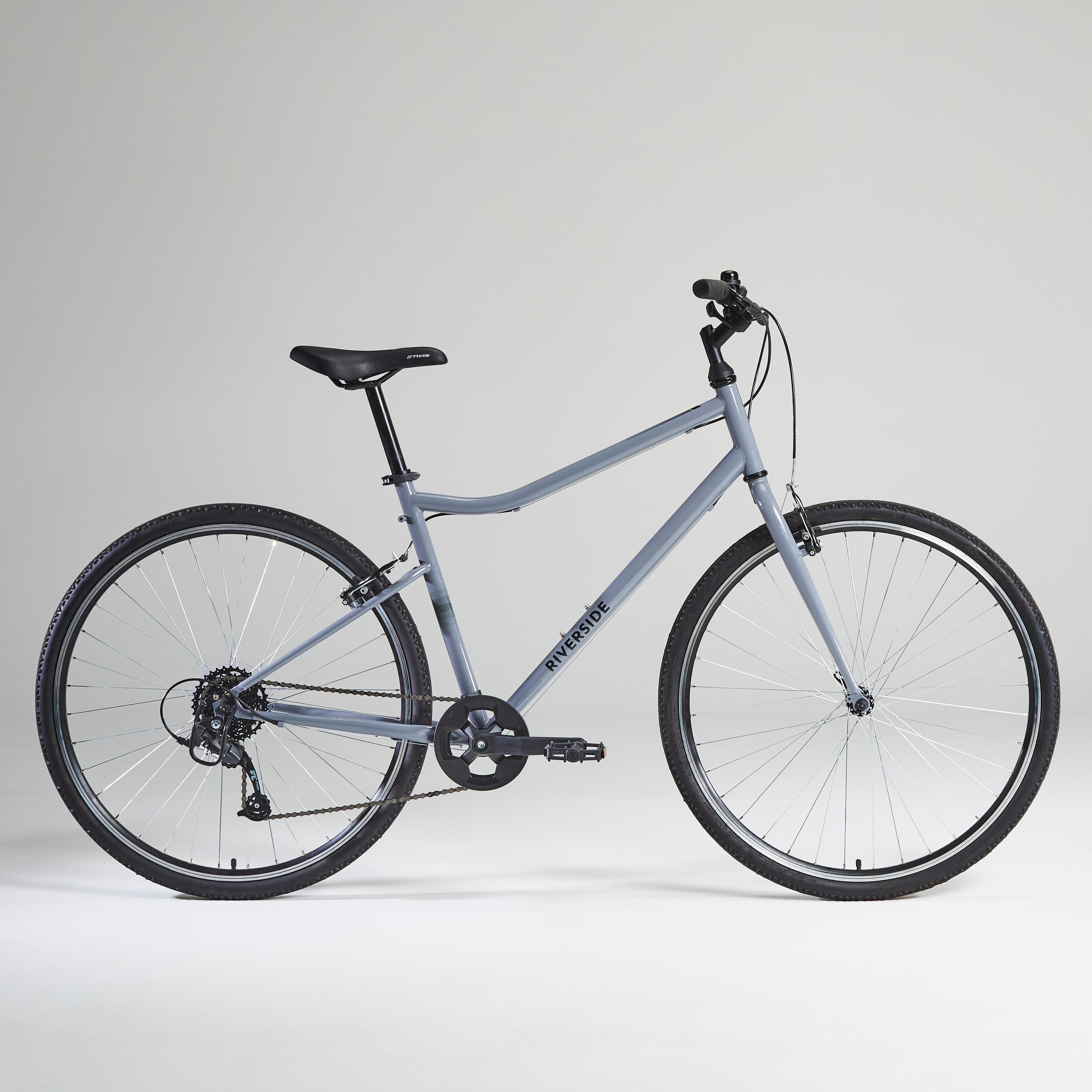
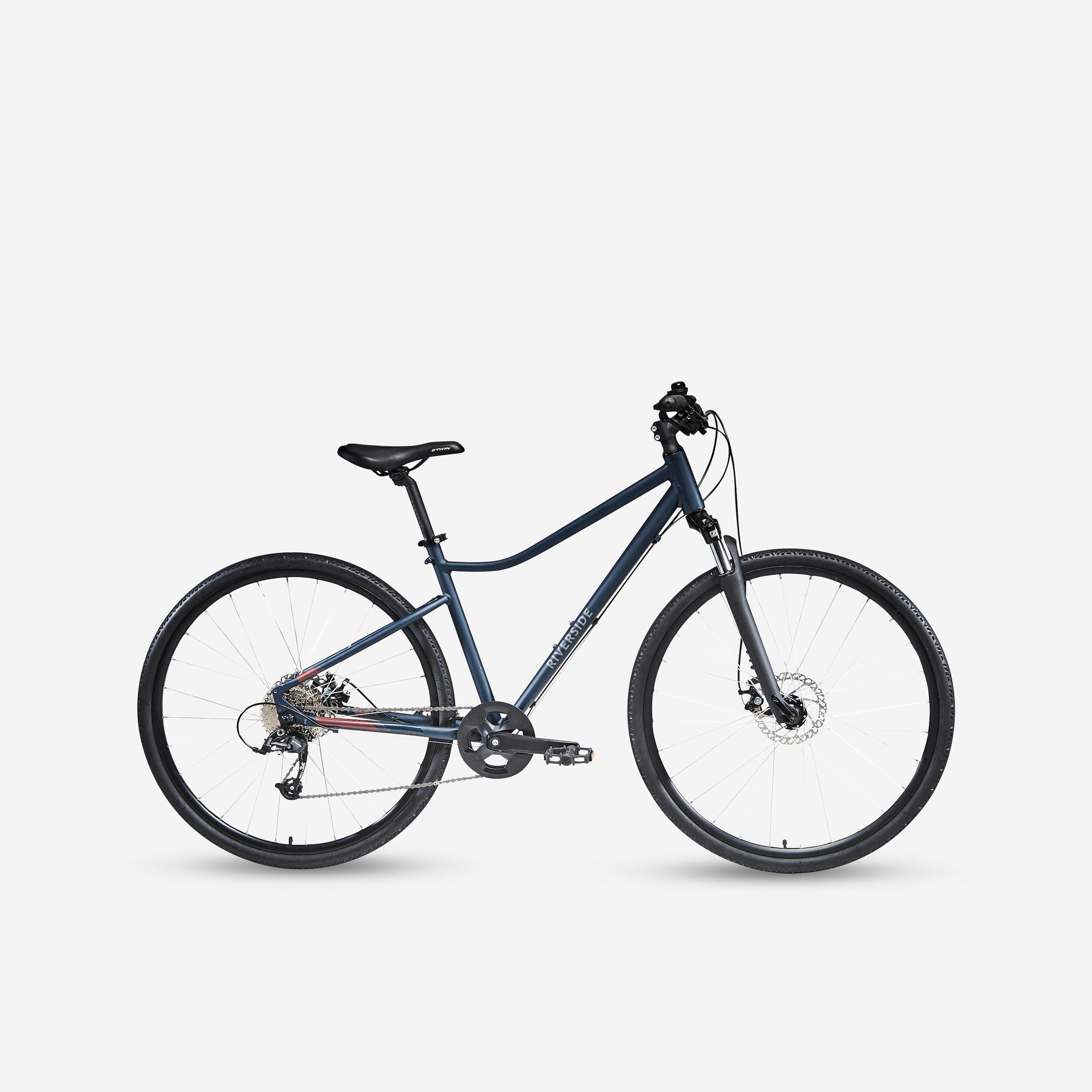
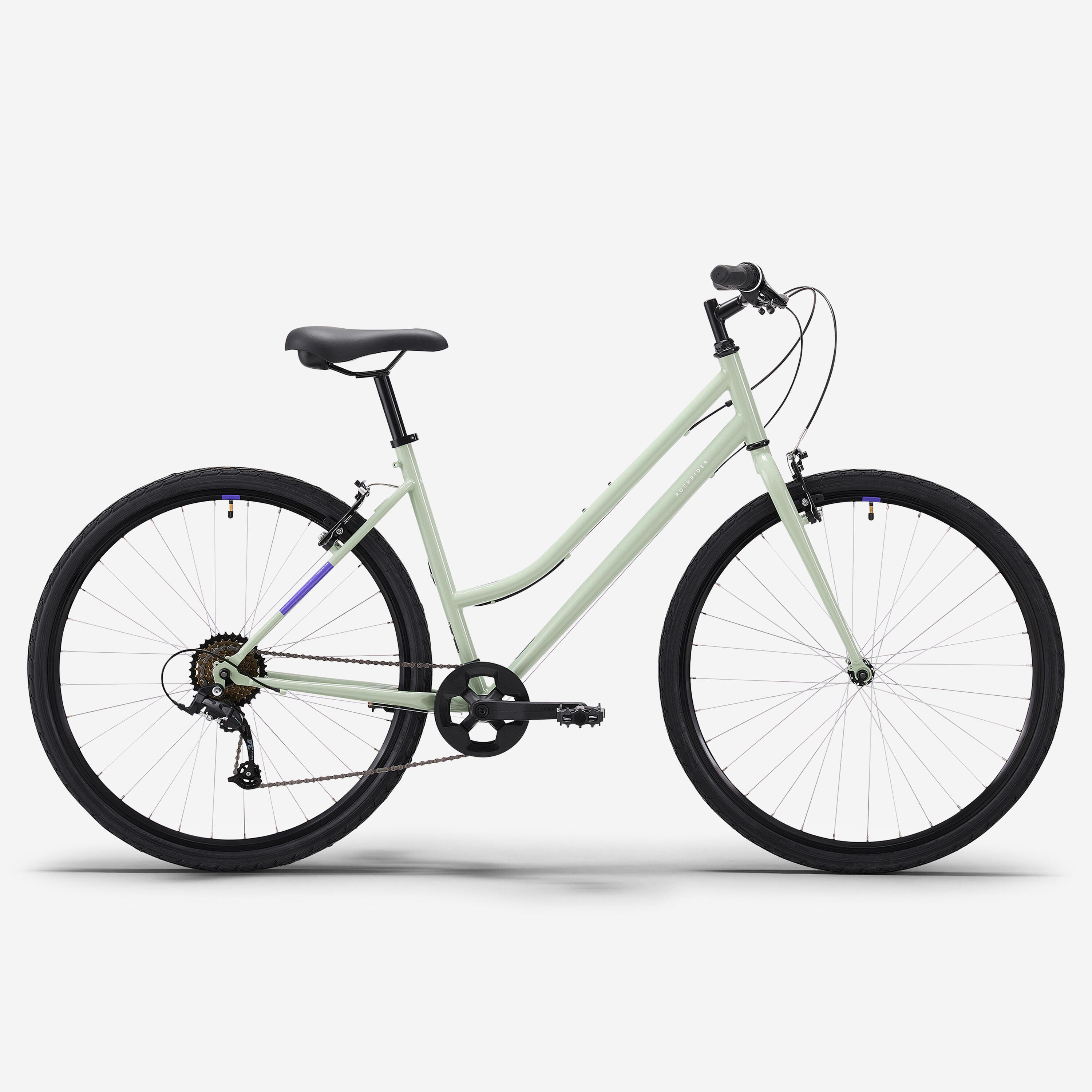
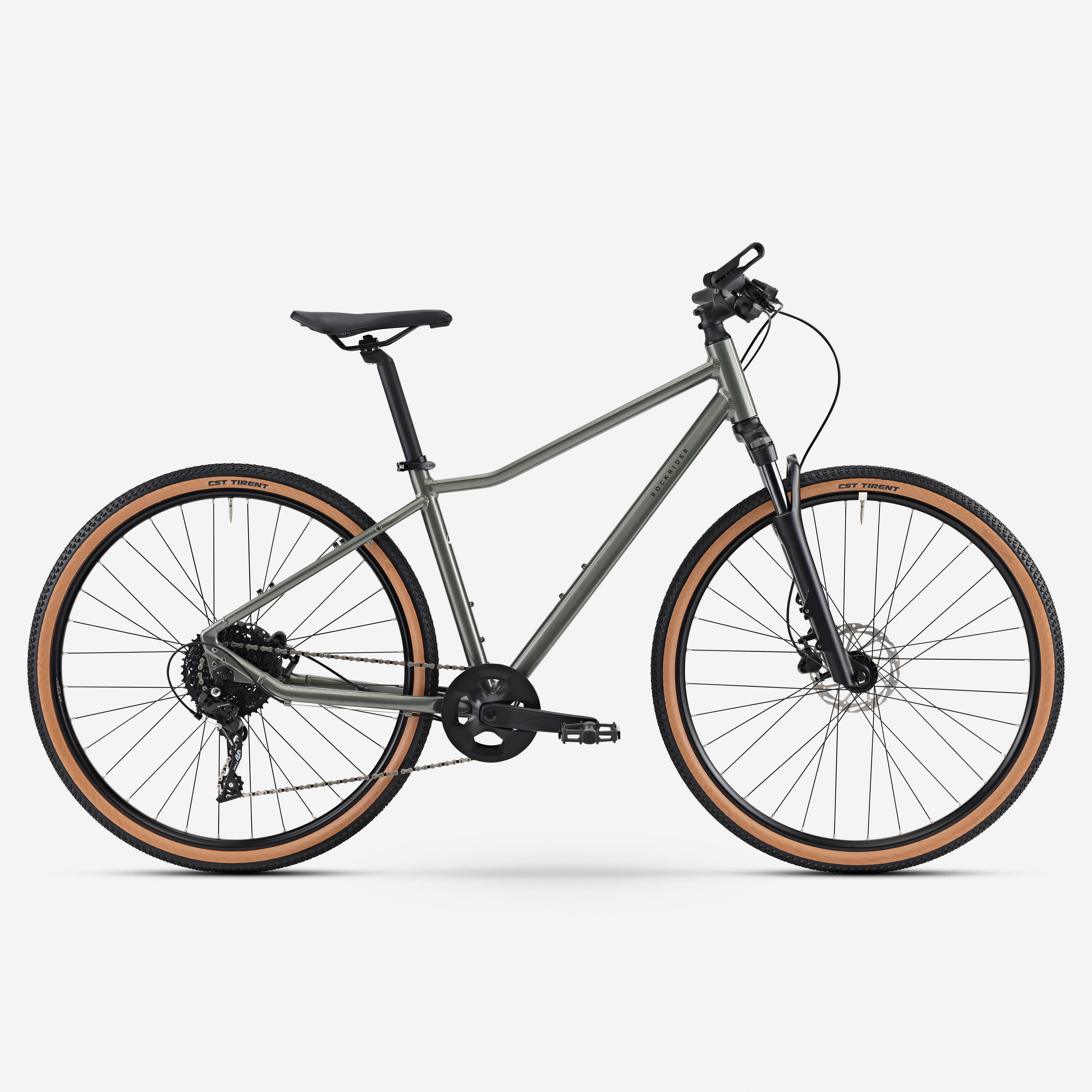
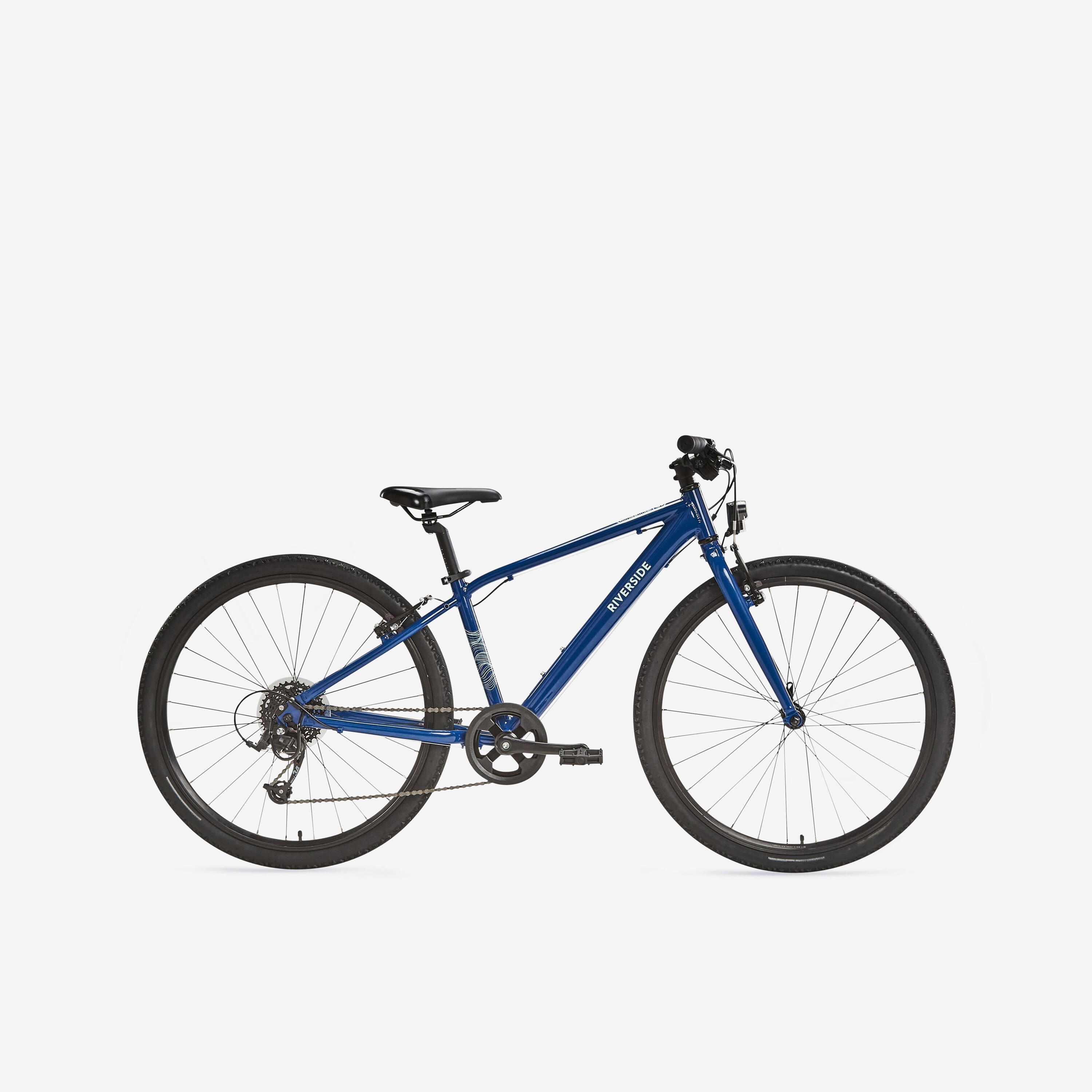
Start with where you ride most often and how much time you expect to spend on roads, cycle paths and lighter trails. A hybrid bike sits between a city bike and a mountain bike, giving you a practical balance of efficient rolling, stable handling and comfort over varied surfaces. Within the hybrid bikes range, tyre width, gearing, riding position and front suspension can vary according to the intended use. Wider tyres can add comfort and grip on rougher paths, while a simpler single-chainring drivetrain makes gear changes easier by keeping all shifting on one control. Pro tip: choose a setup suited to the roughest surface you regularly ride rather than the easiest section of your route. If most journeys stay on roads with occasional gravel or towpaths, you usually do not need the heavier equipment associated with technical mountain biking.
When is an electric hybrid bike useful for commuting and leisure rides?

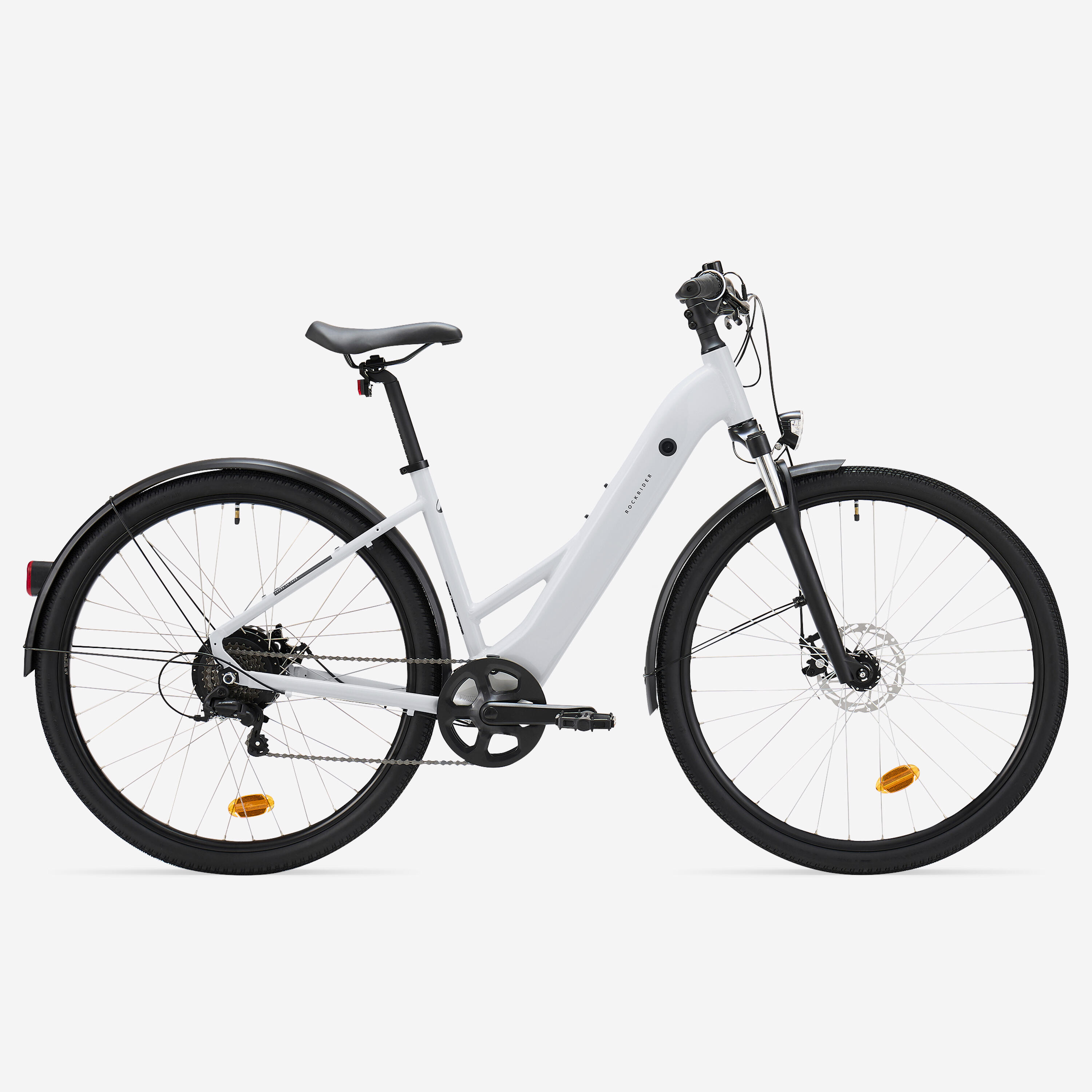
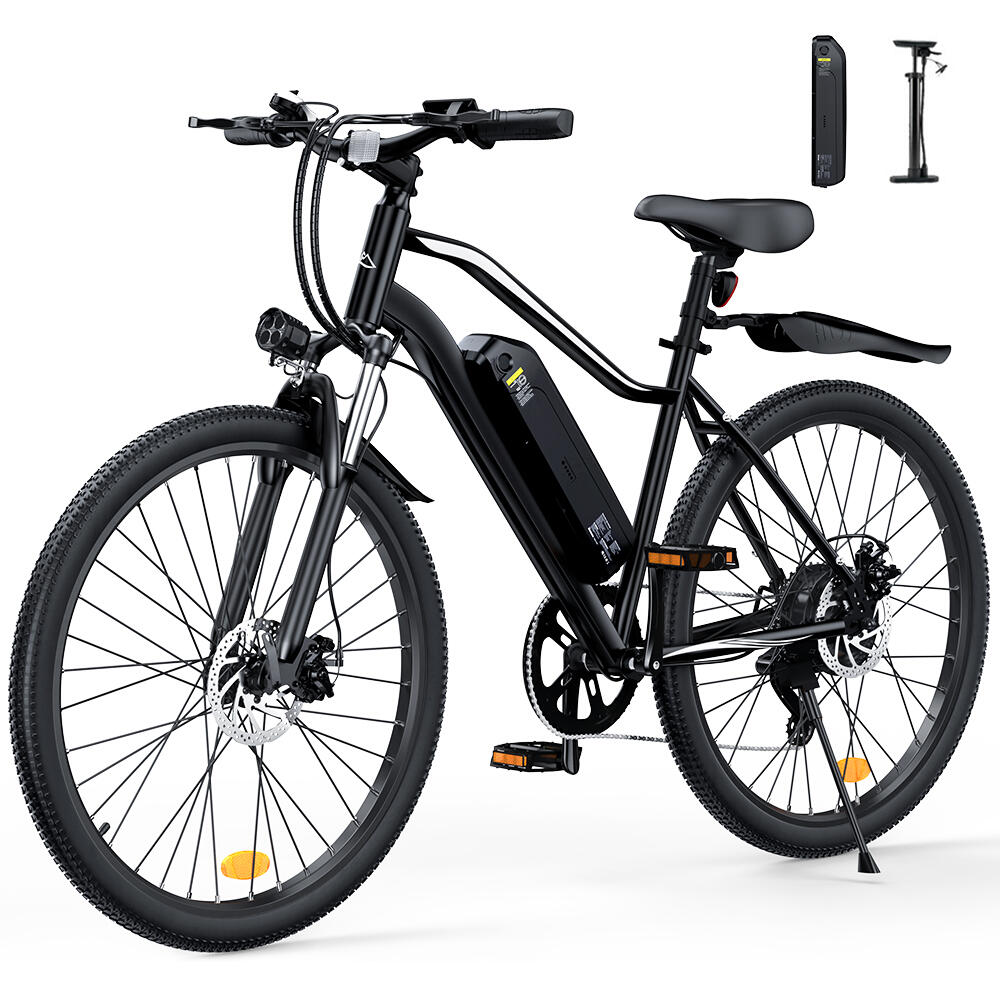
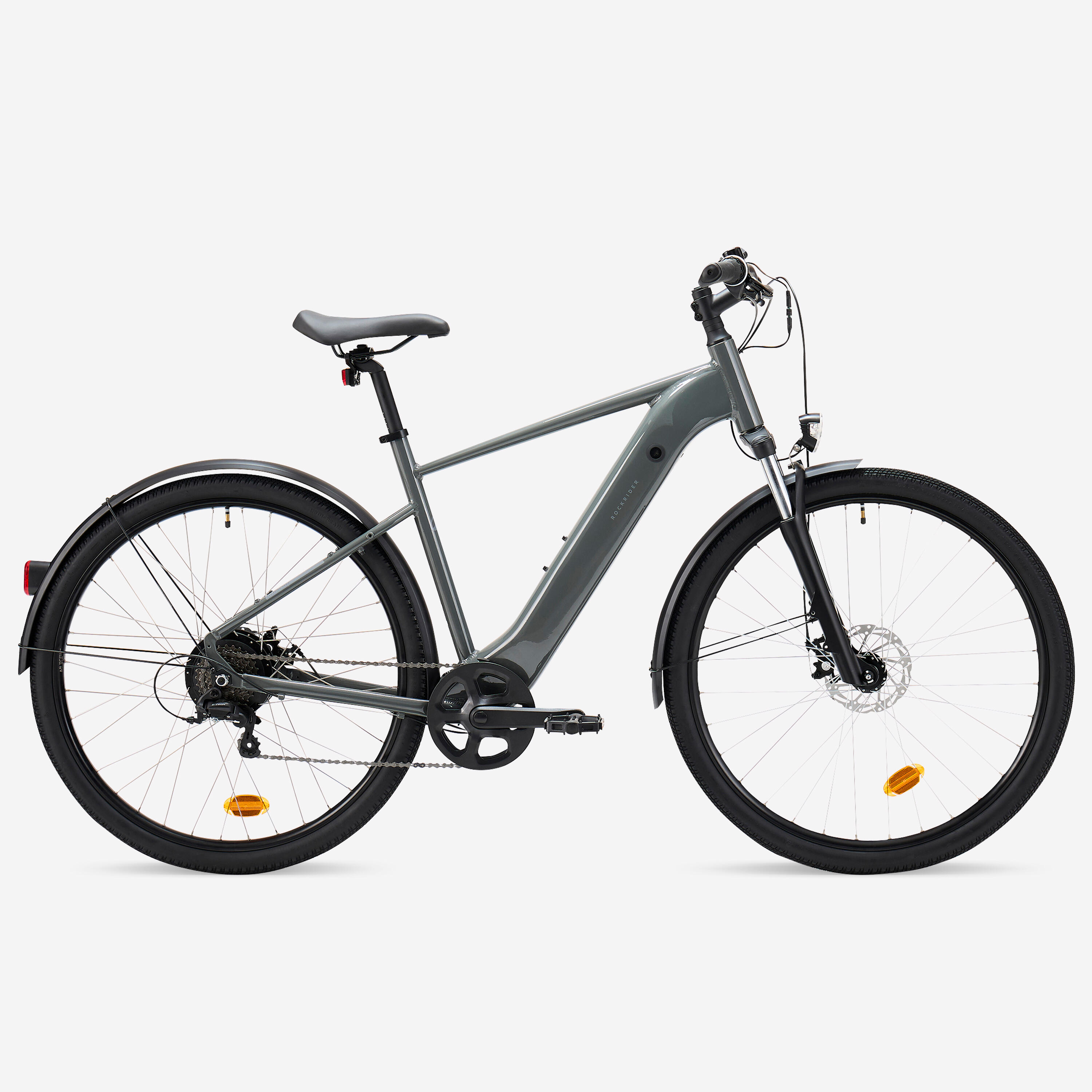
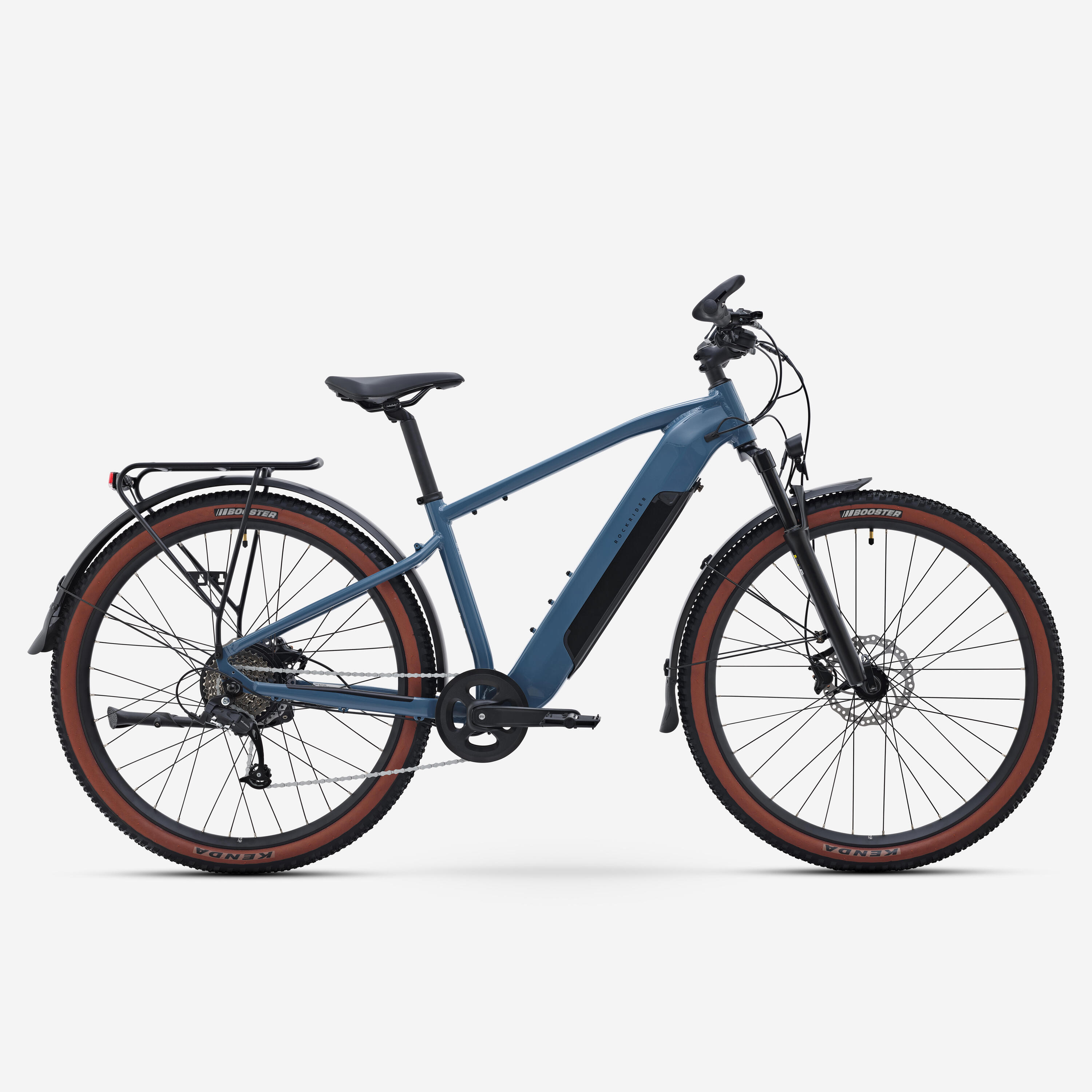
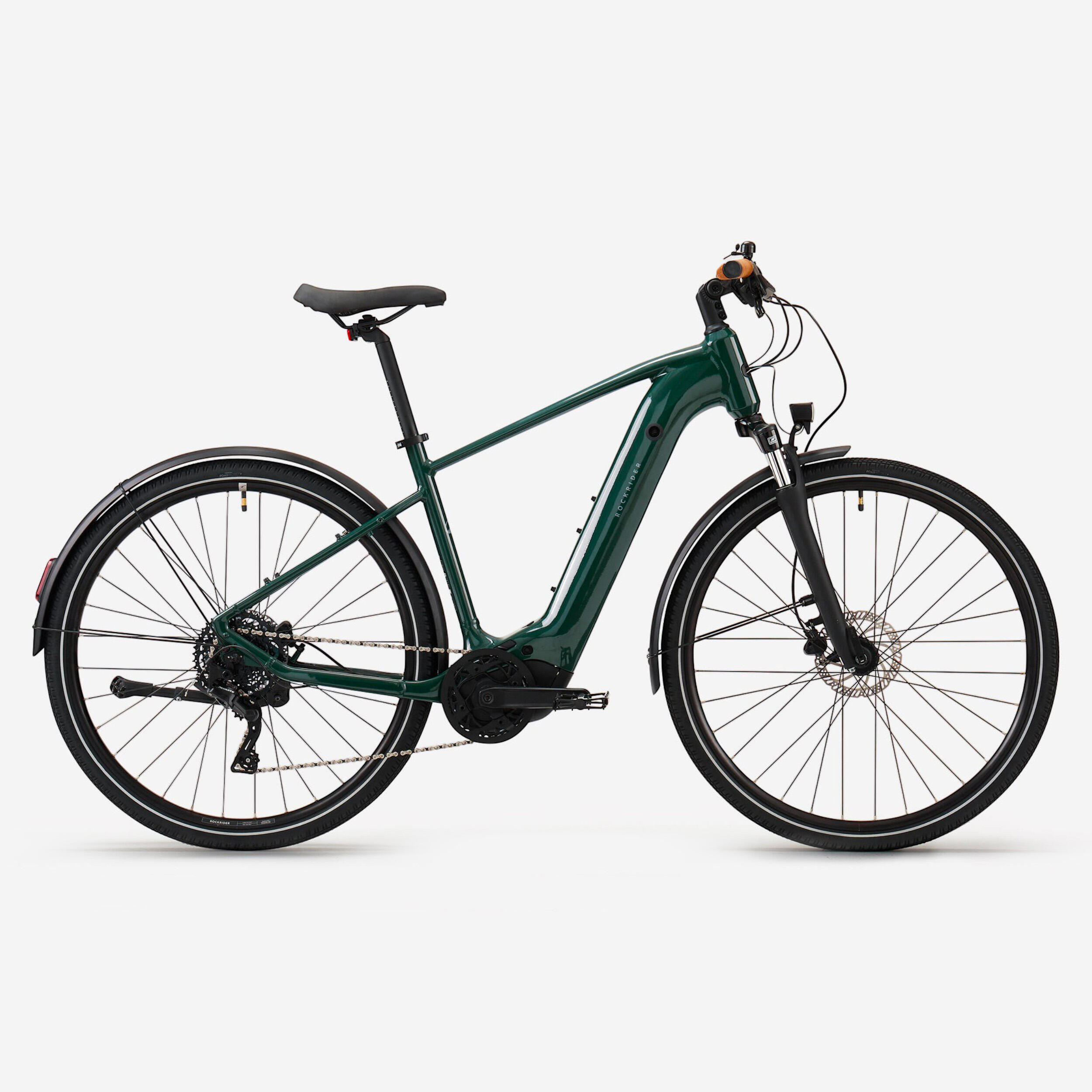
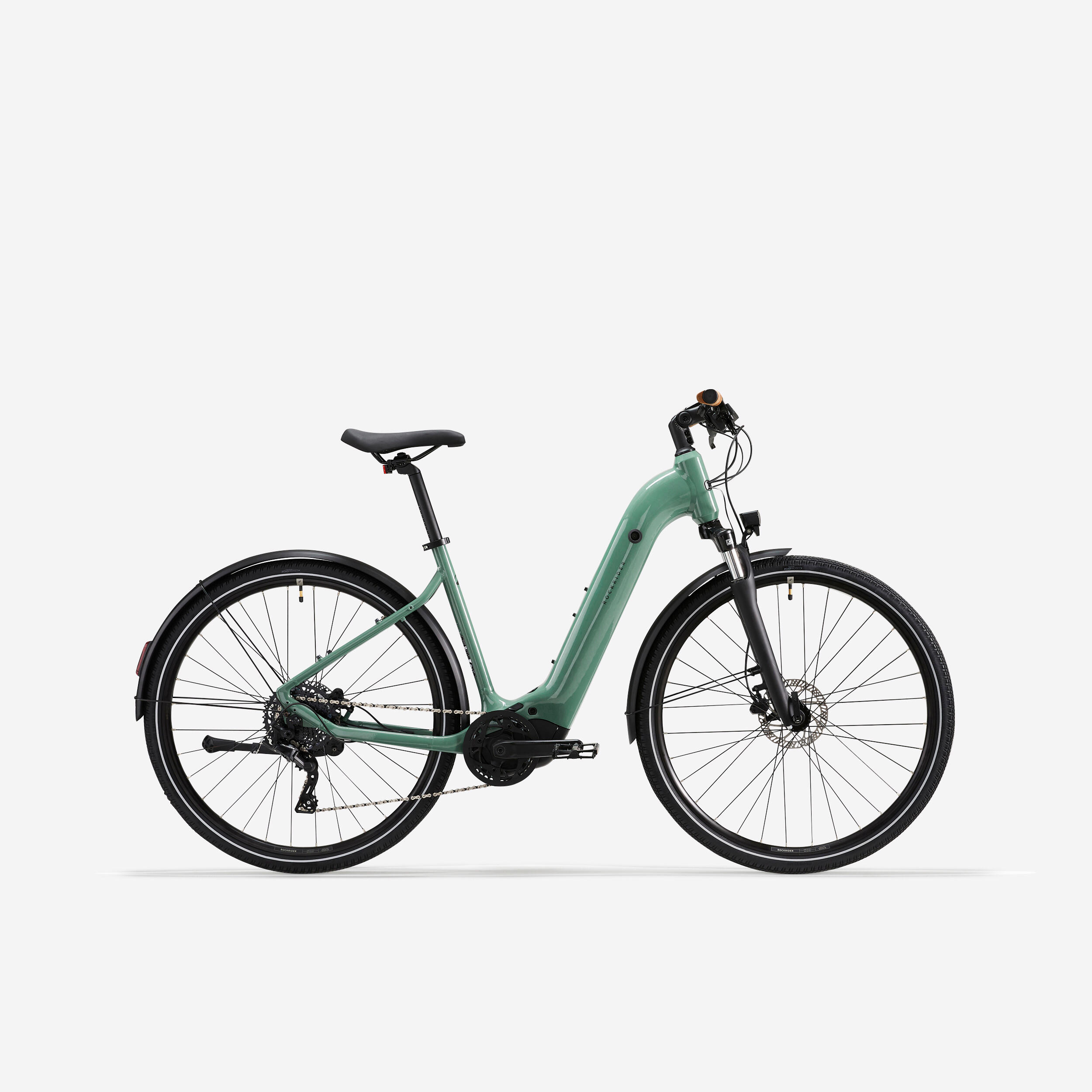
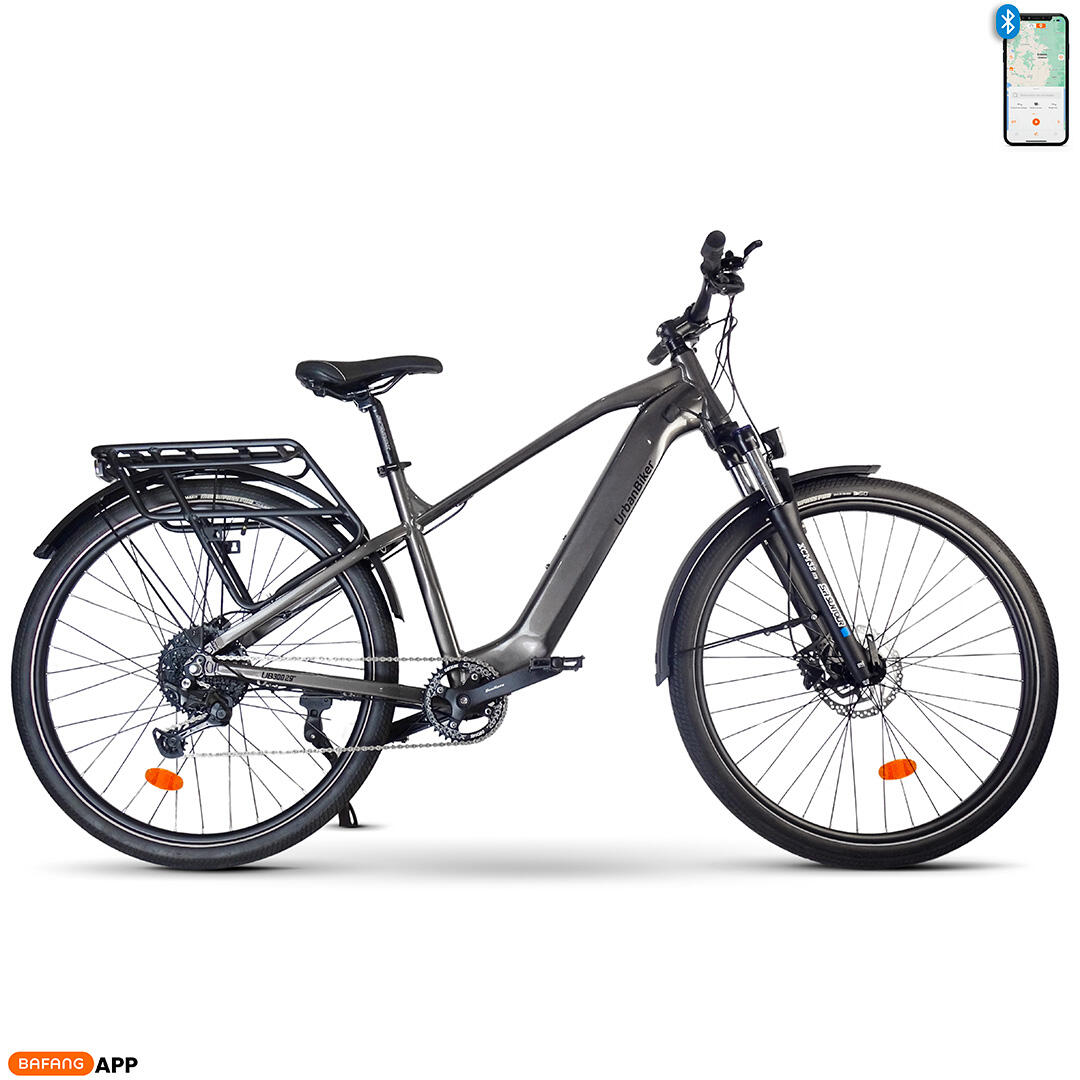
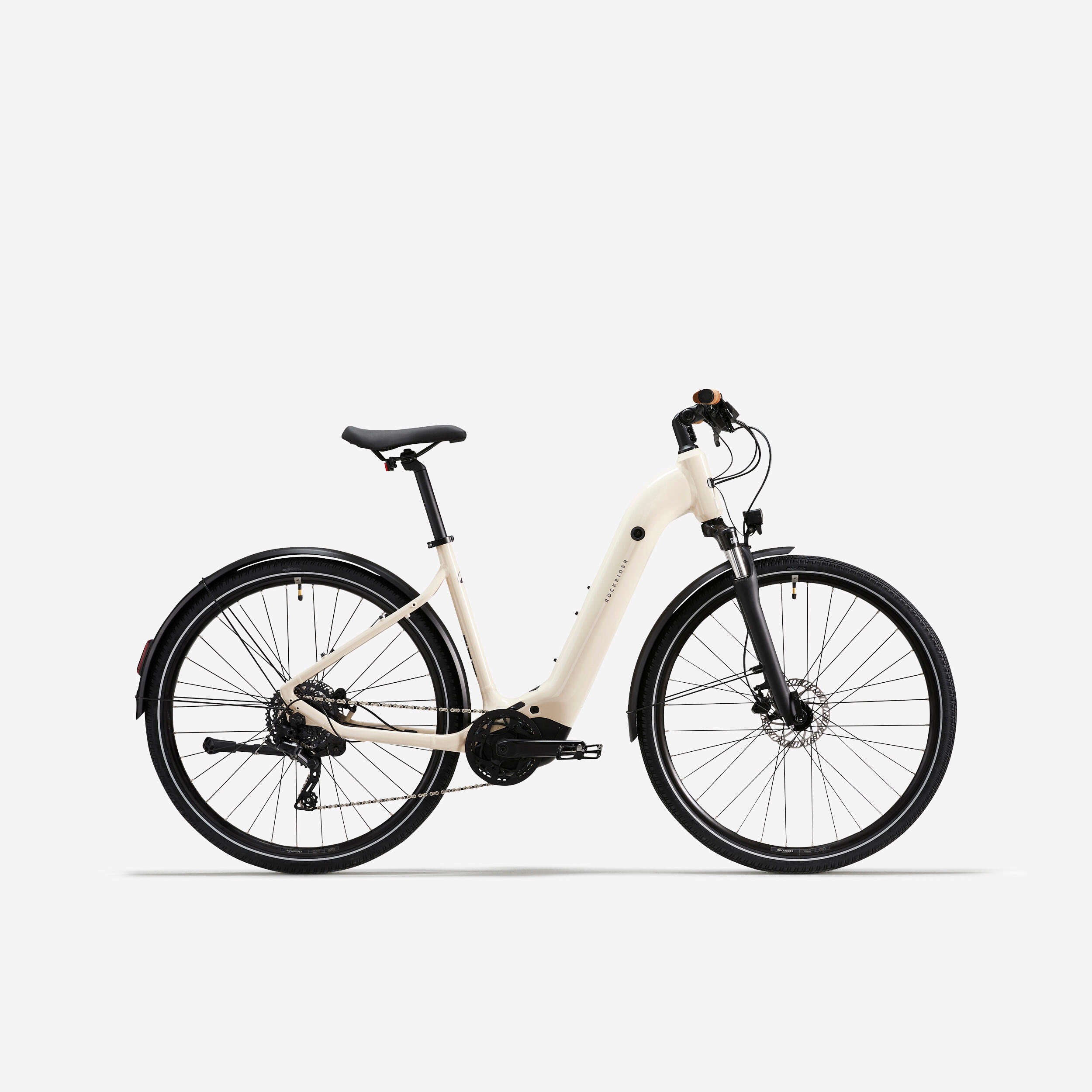
For longer journeys, regular hills or carrying extra weight, electric hybrid bikes can reduce the effort needed while retaining the flexibility of a bike suited to roads and light trails. Consider battery range as an estimate rather than a fixed distance, because assistance mode, elevation, wind, temperature, rider weight and luggage all affect energy use. Lower assistance usually extends range, while higher assistance drains the battery faster. A removable battery can also be practical if you store your bike away from a power socket. Pro tip: keep tyres properly inflated, as low pressure increases rolling resistance and reduces efficiency. For regular commuting, base your choice on your normal return journey with some battery reserve rather than the maximum claimed range alone.

What makes a touring bike different from a general hybrid bike?

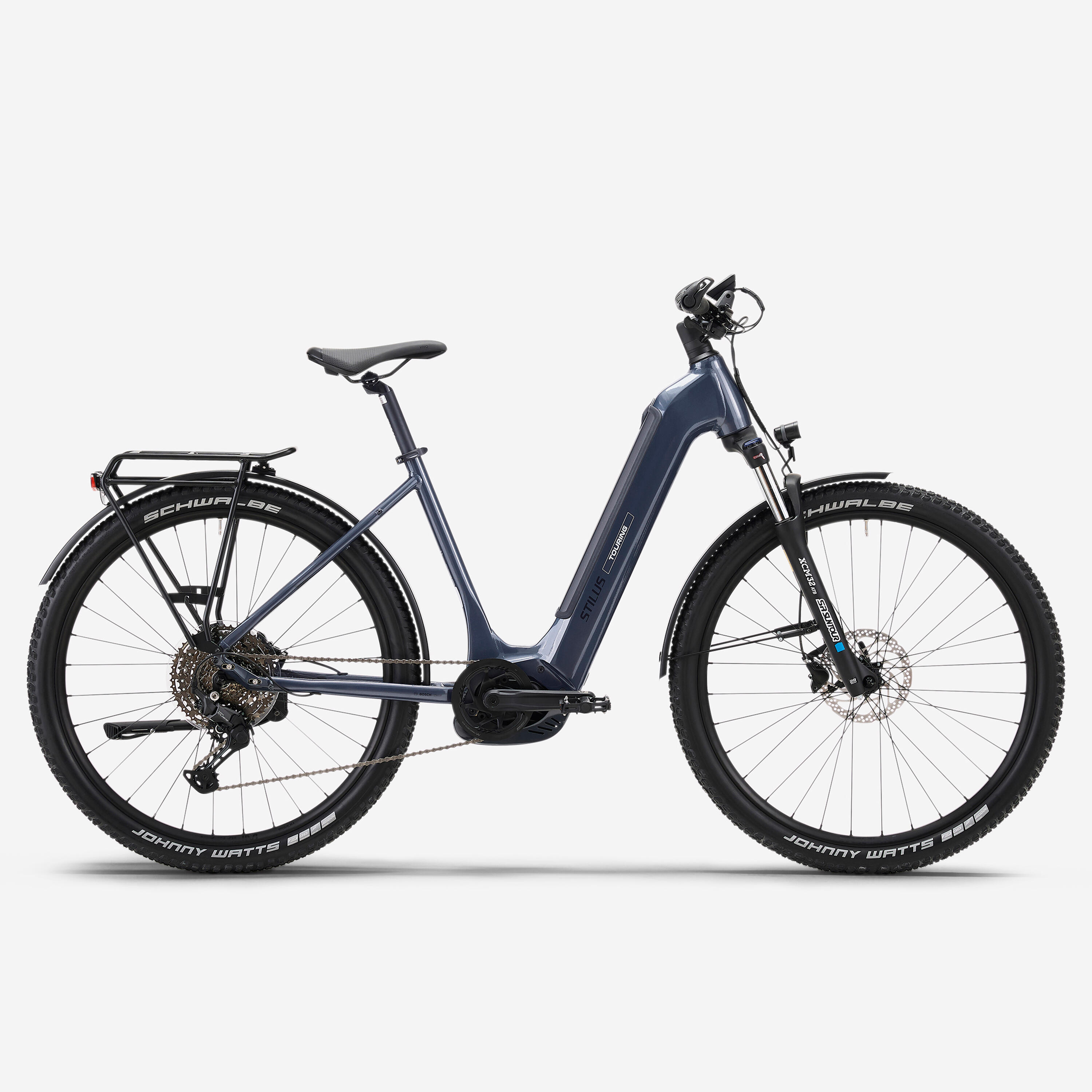
A touring bike places more emphasis on longer-distance comfort, carrying capacity and dependable handling when luggage is fitted. It may include or support racks, mudguards, bottle cages and other equipment needed for extended journeys. Before considering touring bikes, look at gearing as well as luggage compatibility. Lower gears can make loaded climbs easier because they reduce the force required at the pedals, even though you travel less distance with each pedal revolution. Tyre choice also matters: a tread that rolls efficiently on tarmac but retains enough grip for compact tracks can suit mixed touring routes. Pro tip: calculate the weight of your usual luggage before choosing carrying equipment, and distribute heavier items low and evenly so steering remains predictable when the bike is fully loaded.

What sets a hybrid bike different from other types of bikes?

Think about the surface that makes up most of your riding. City bikes often favour upright comfort and practical urban equipment, road bikes prioritise efficiency on smoother surfaces, and mountain bikes use components suited to rougher terrain. Hybrid and trekking models occupy the middle ground, making them useful when your routes regularly change between roads, cycleways and firm trails. If you are still comparing formats, looking across different bikes can help you judge differences in riding position, tyre width, suspension and gearing. Pro tip: avoid choosing a more specialised bike than your routes require. Extra suspension and aggressive tyres can help off-road but may add weight and rolling resistance if nearly all your riding is on tarmac.

Who can benefit from a low-frame hybrid bike?

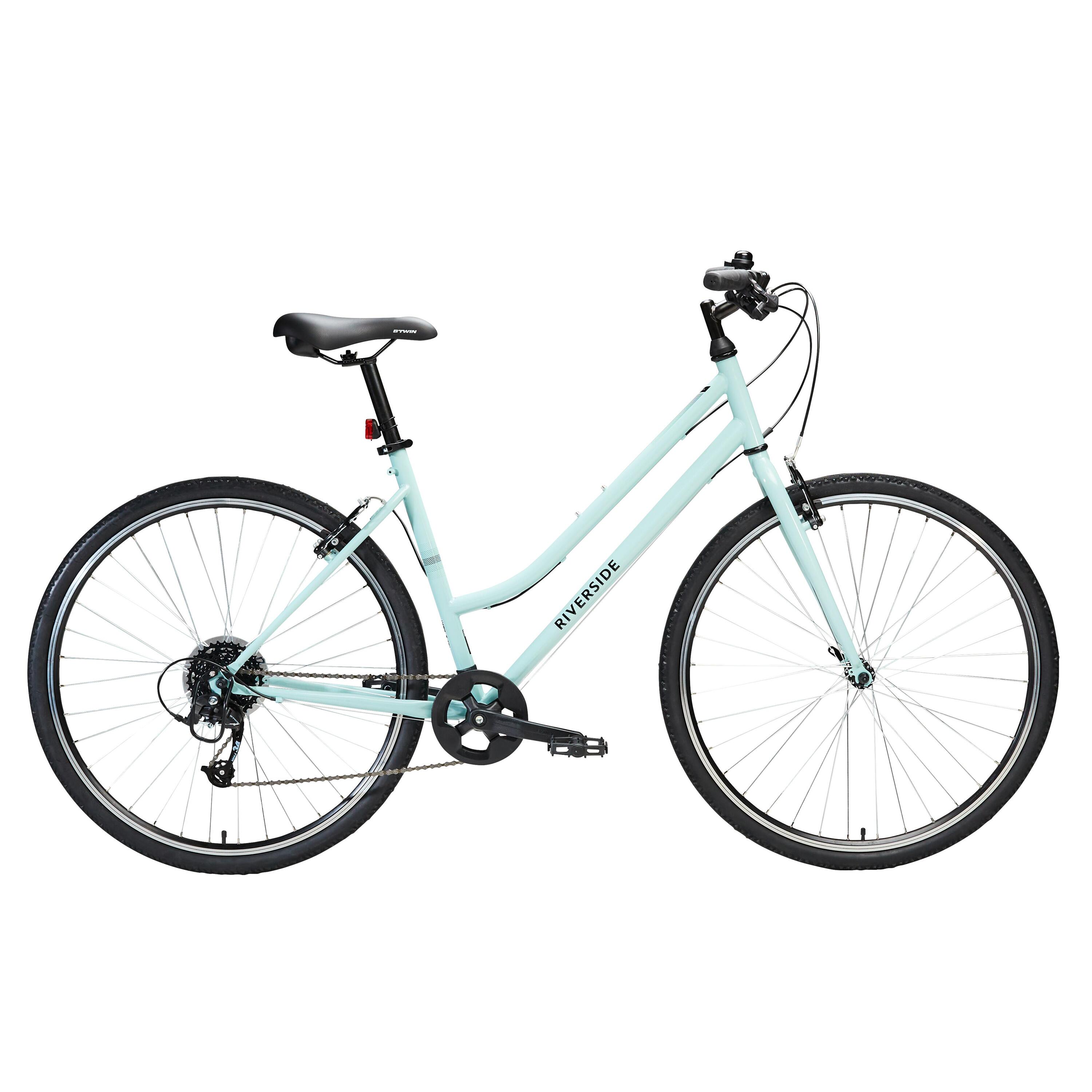
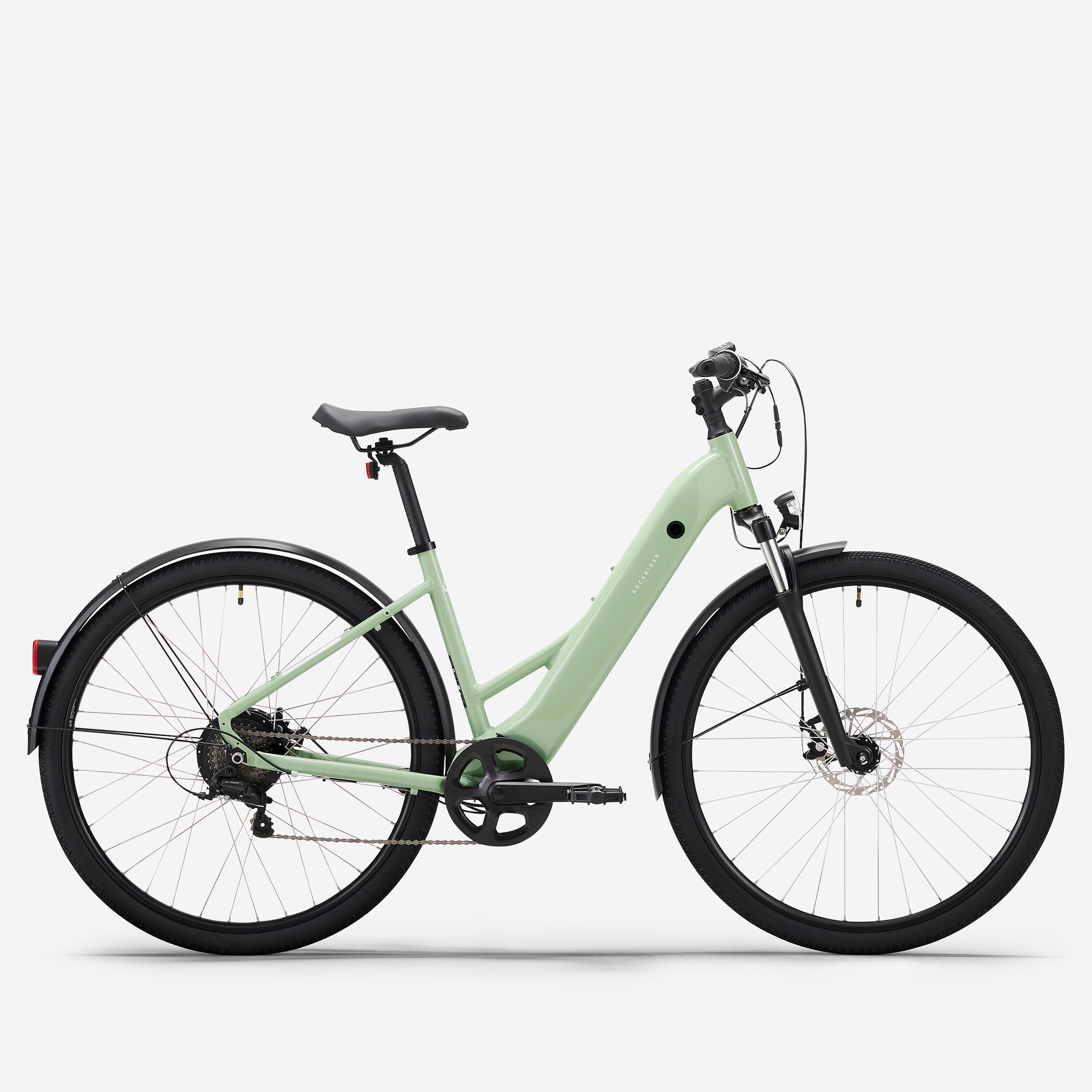
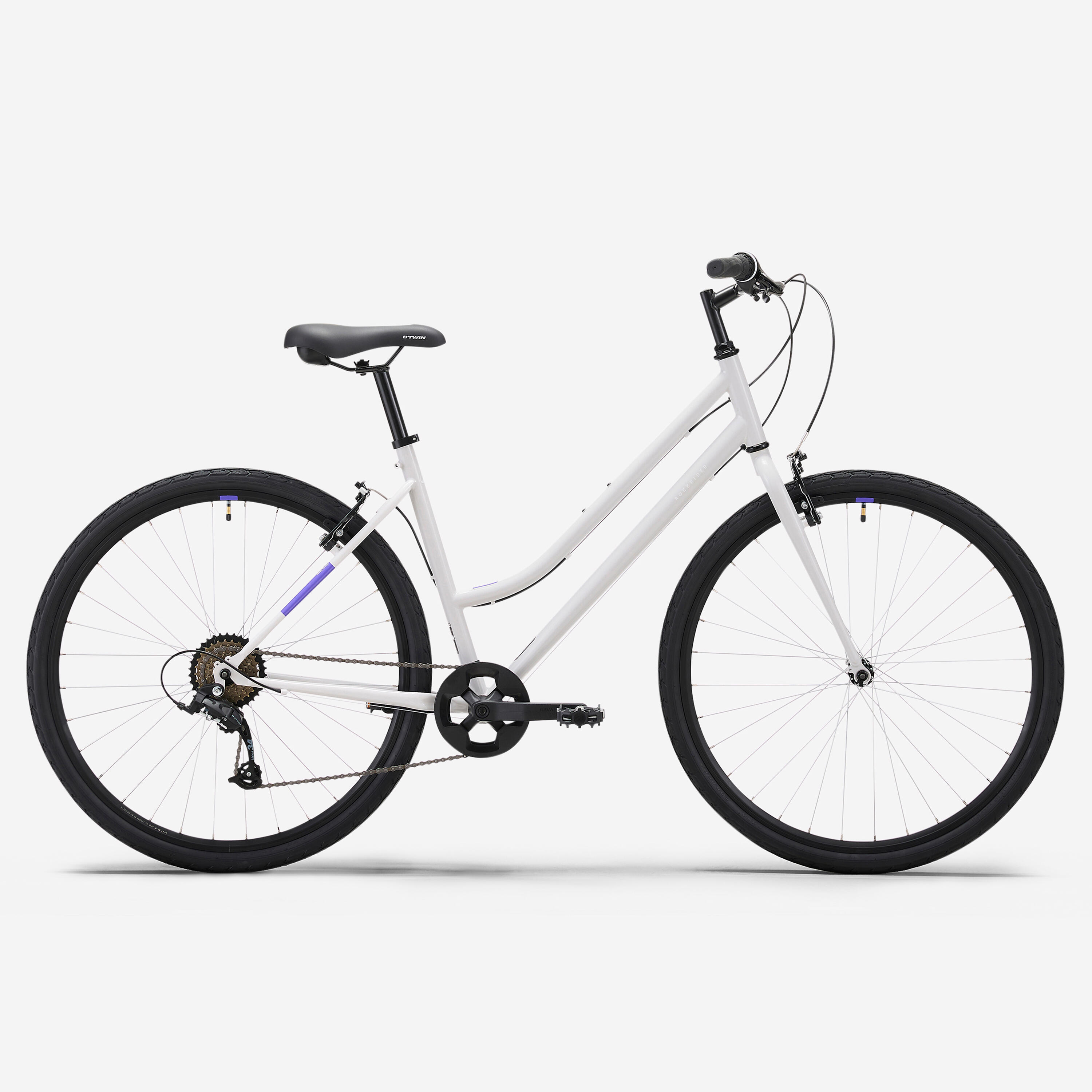
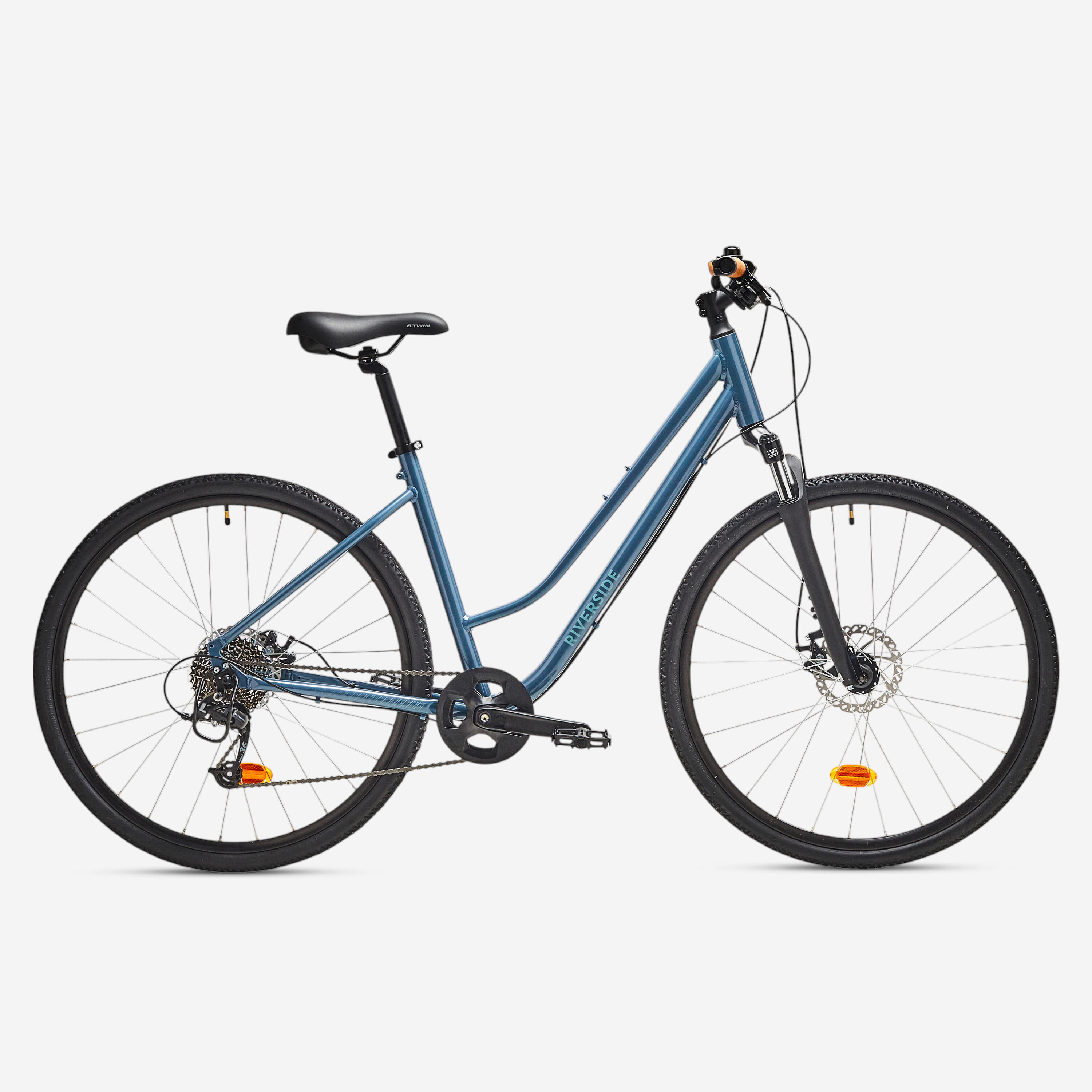
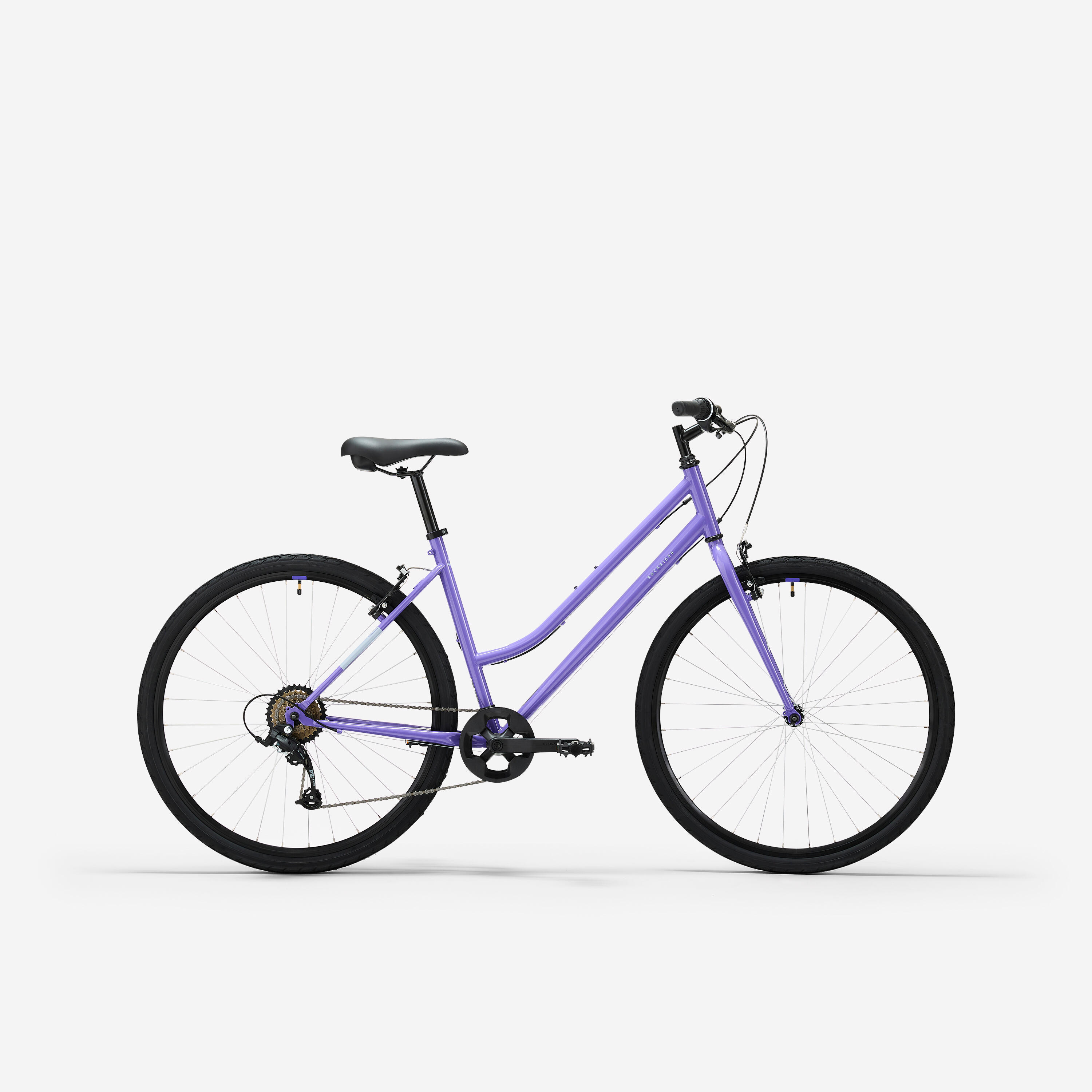
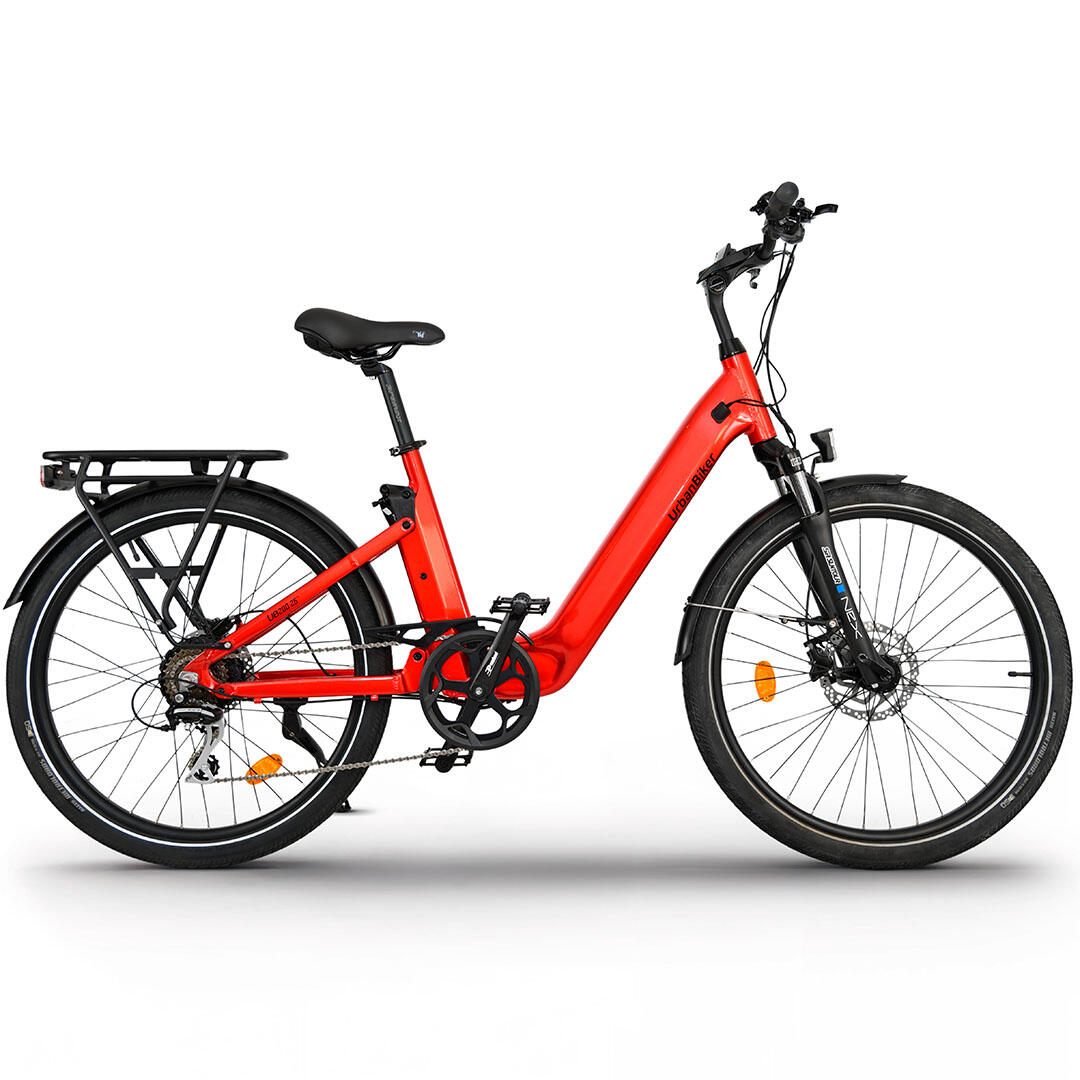
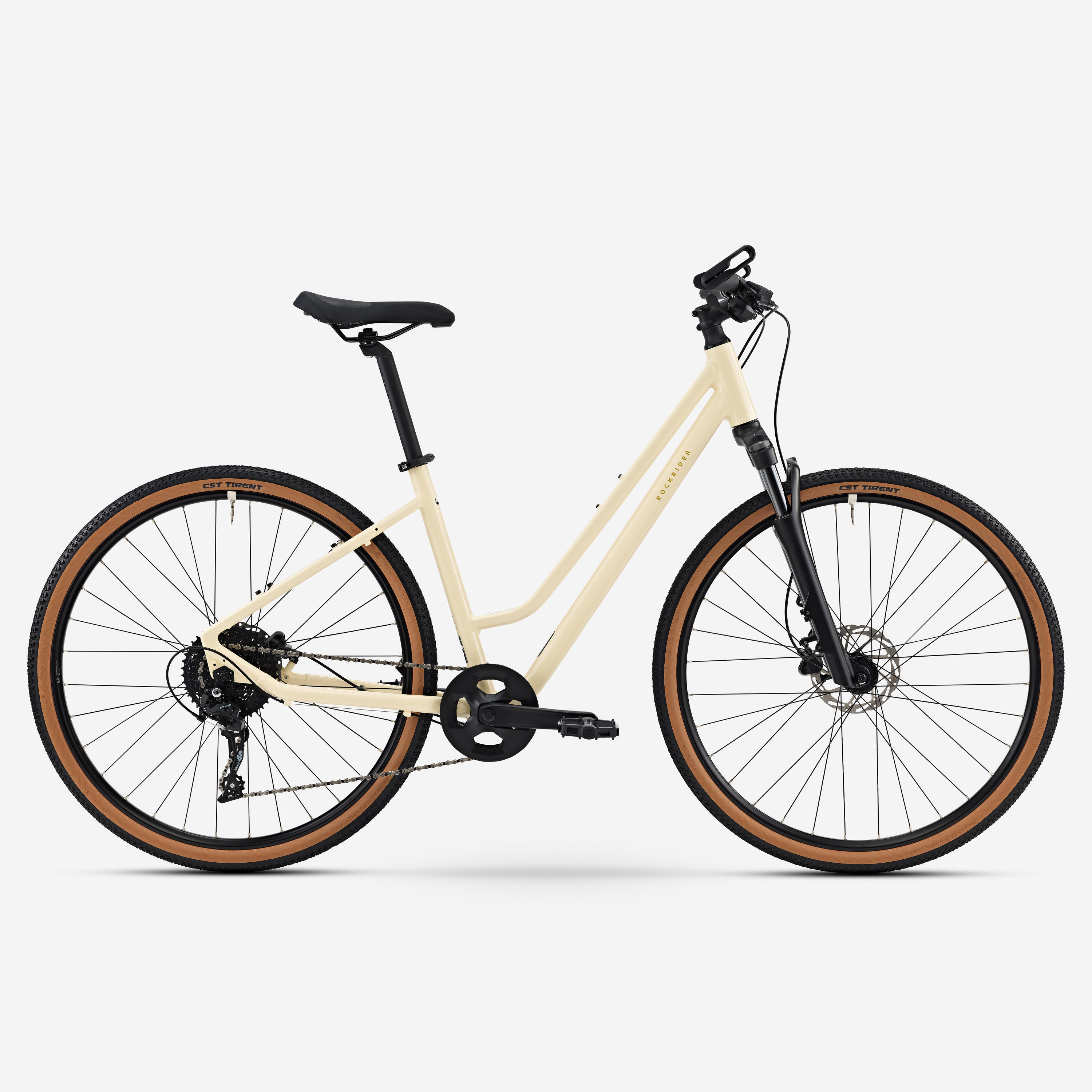
A lower frame can make mounting and dismounting easier because you do not need to swing your leg as high over the bike. This can help with frequent stop-start riding, reduced hip mobility, or when luggage or a child seat makes it awkward to lean the bike. A low frame hybrid bike still needs the same careful sizing as a high-frame model, so check rider height, reach and saddle adjustment rather than choosing from frame shape alone. Riding position also matters: a comfortable hybrid posture should let you control the handlebars without feeling excessively stretched. Pro tip: when you fall between two sizes, think about your priority. A slightly smaller frame can favour easier handling, while a larger frame may give a more extended position for riders who prefer a faster-feeling setup.