995 items
4.2/5 based on 39949 reviews collected online and in stores

Kids' Bikes FAQs

How should you choose the right kids' bike size?

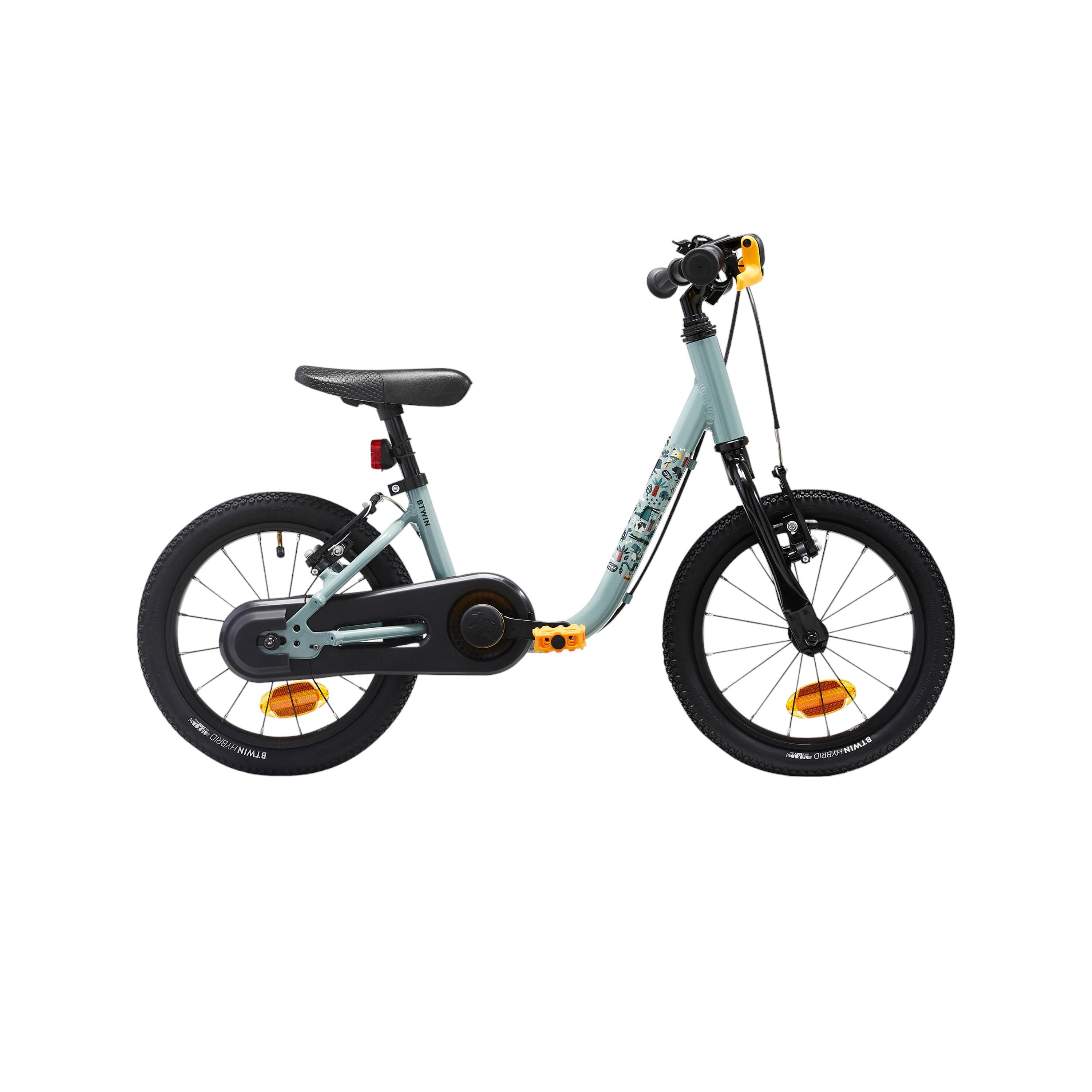
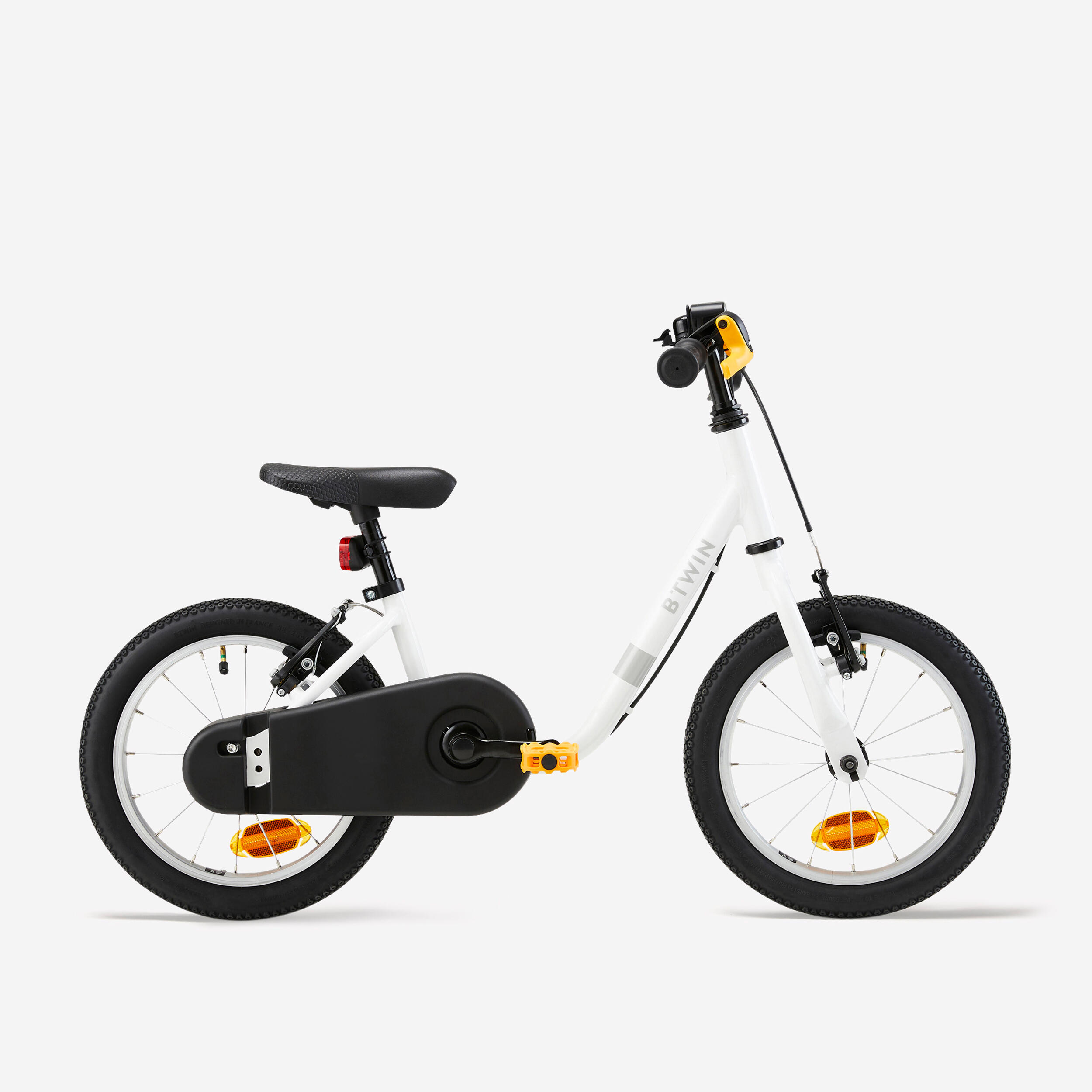
Use the child's height, reach and riding confidence rather than relying only on the age printed in the product title. Sampled 20-inch bikes generally suit children around 120-135 cm tall, while 24- and 26-inch ROCKRIDER models target riders around 135-150 cm. The child needs to reach both brake levers comfortably, place their feet securely when stopping and turn the handlebar without stretching. They also need enough clearance over the frame when standing. Wheel size does not describe every part of the fit, so check the individual geometry and size guide. Younger children who are still learning balance can begin with balance bikes and tricycles before moving to a pedal bike with brakes and gears.
When is a balance bike suitable?

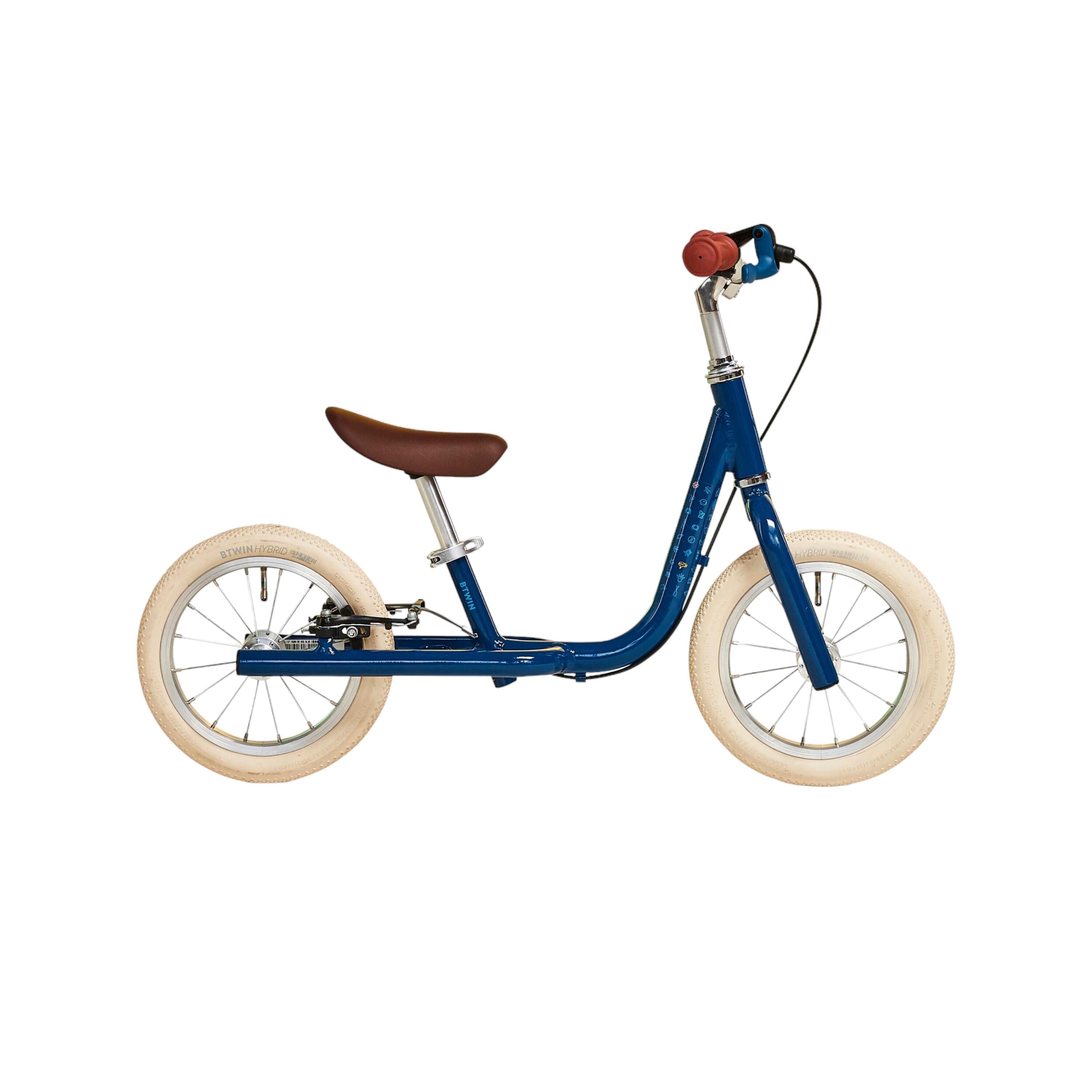
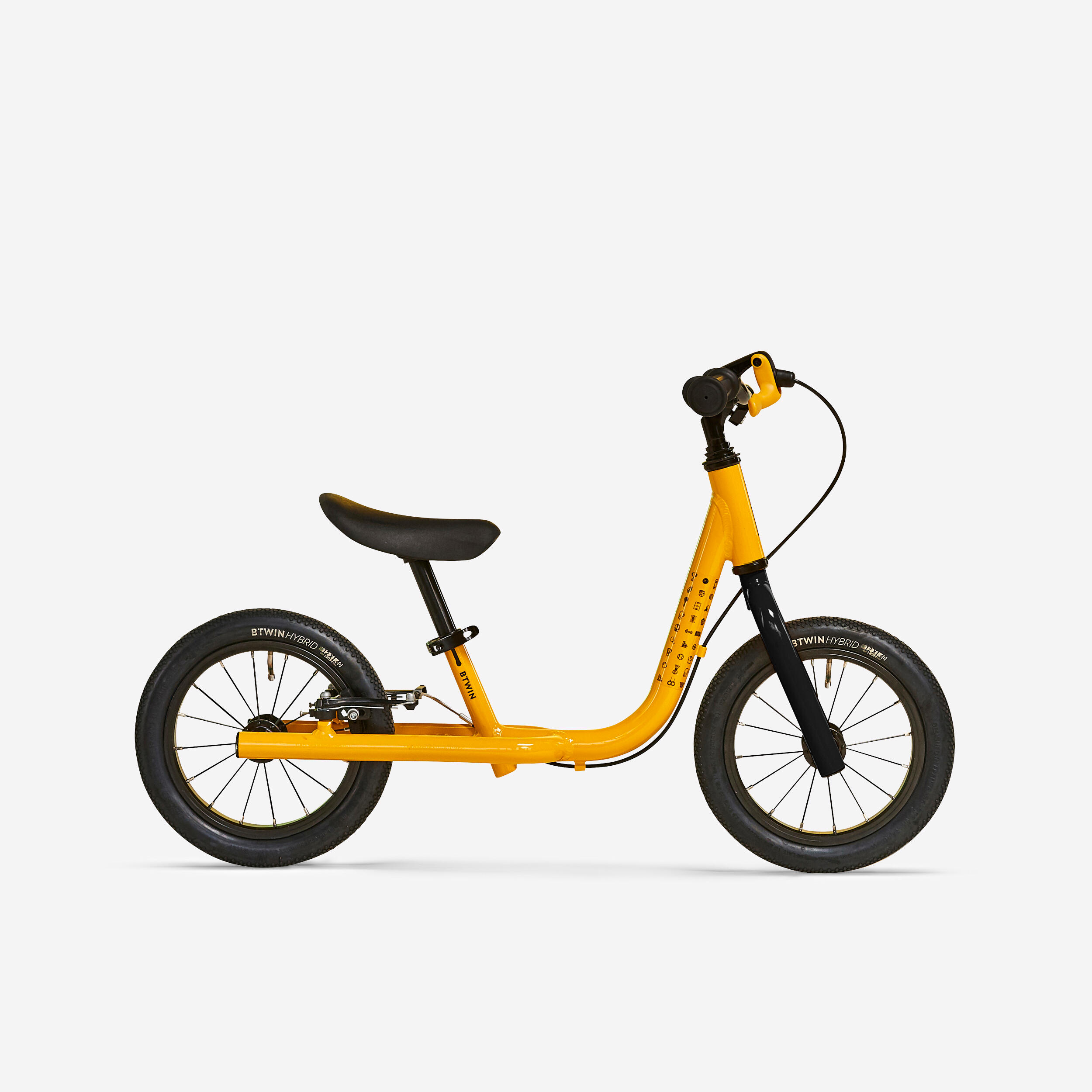
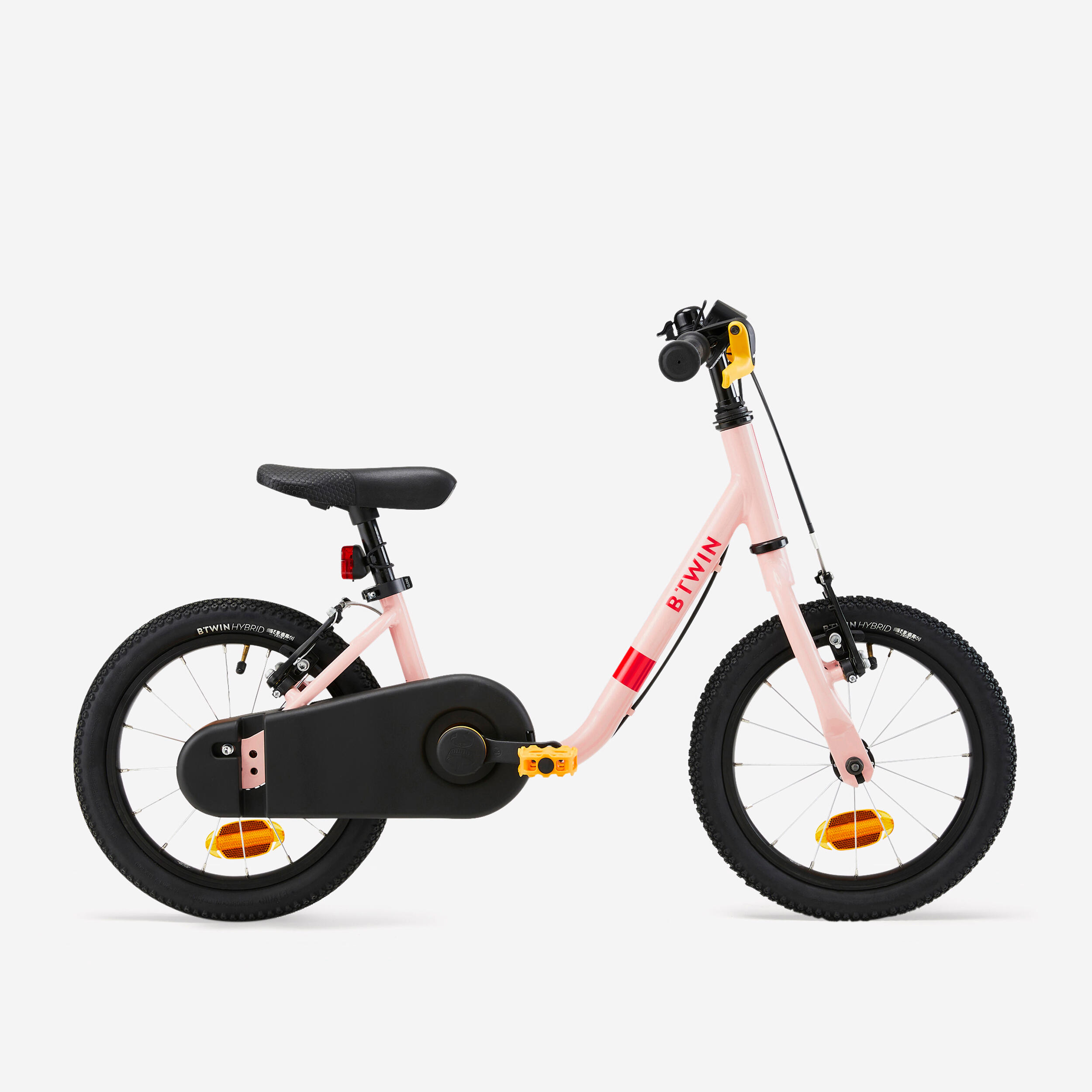
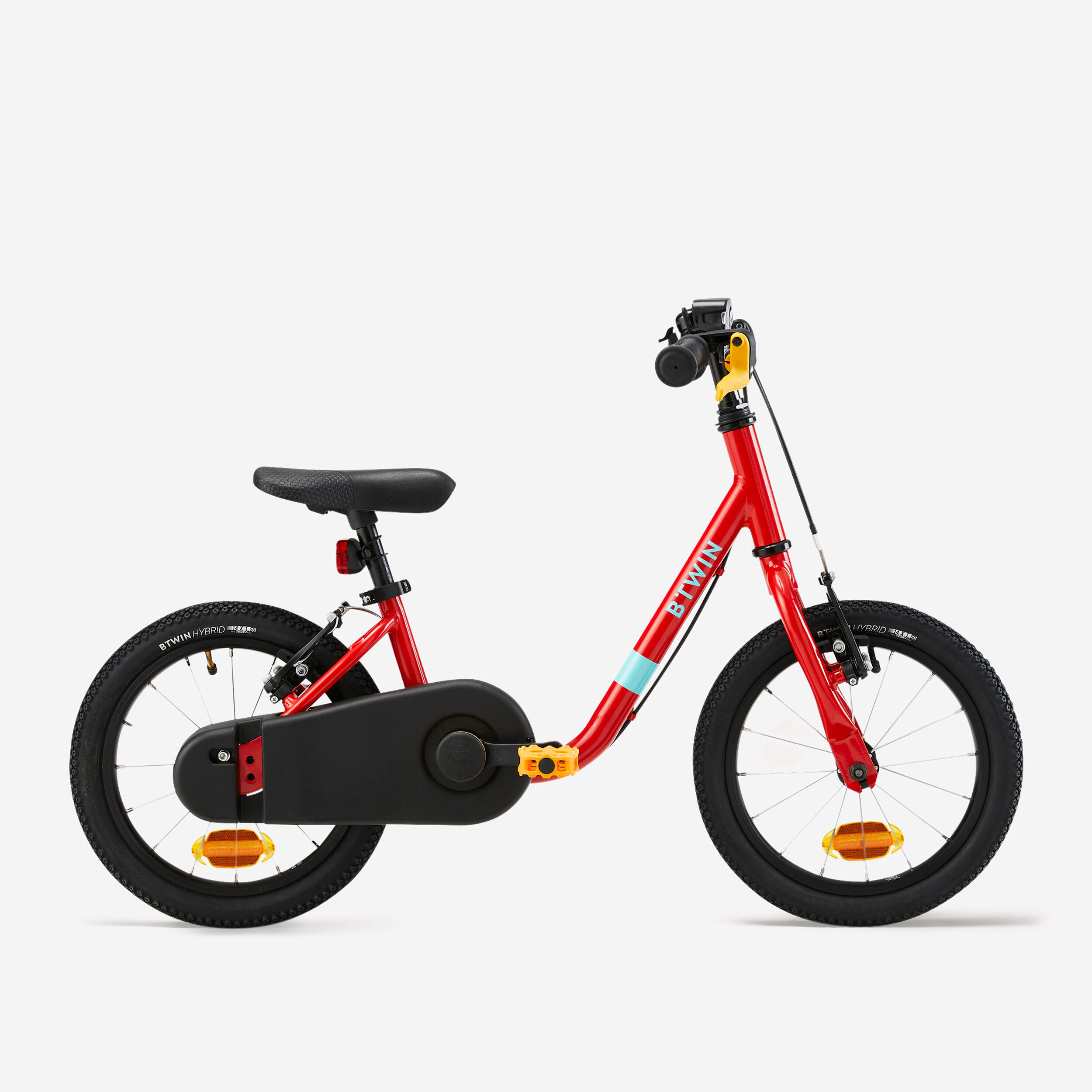
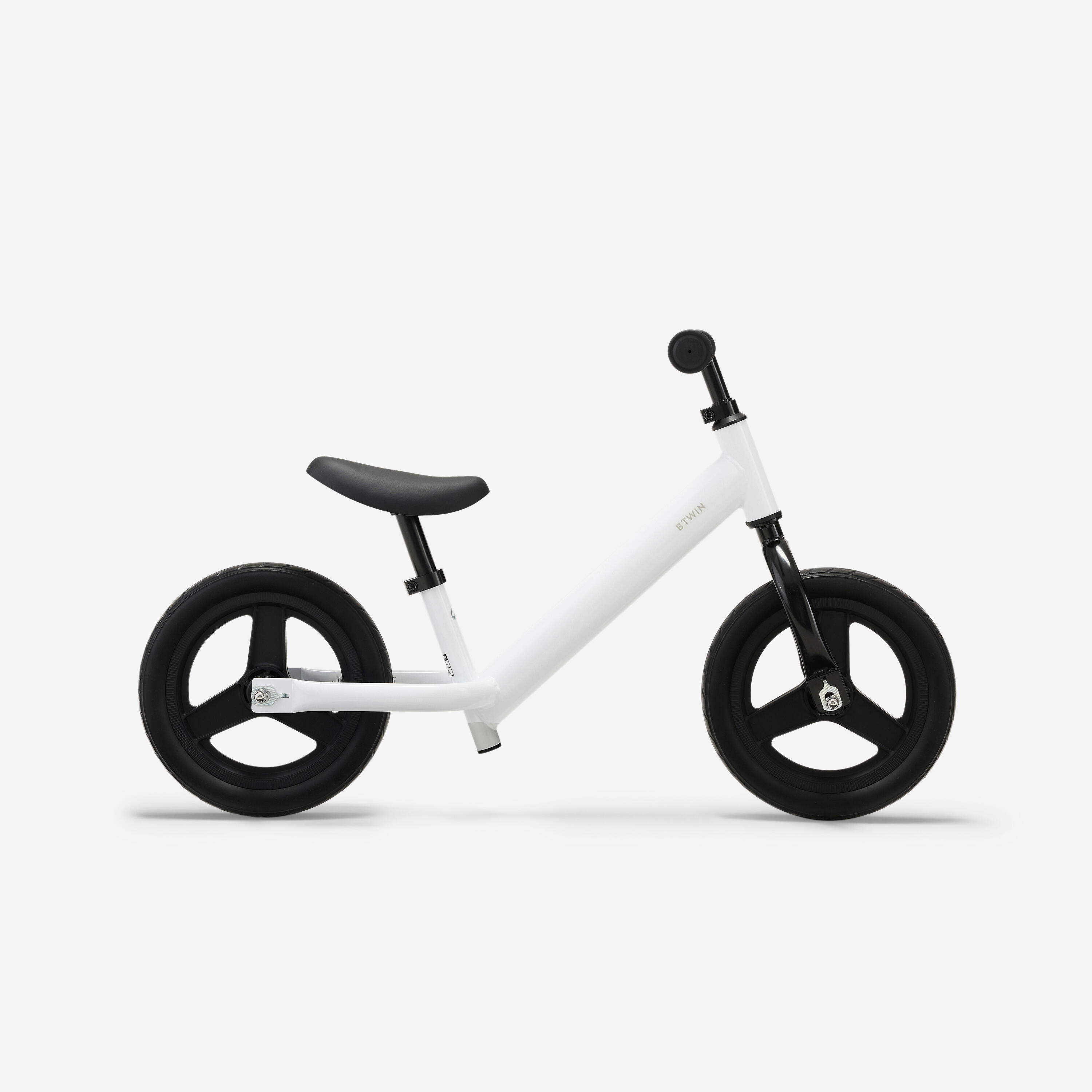
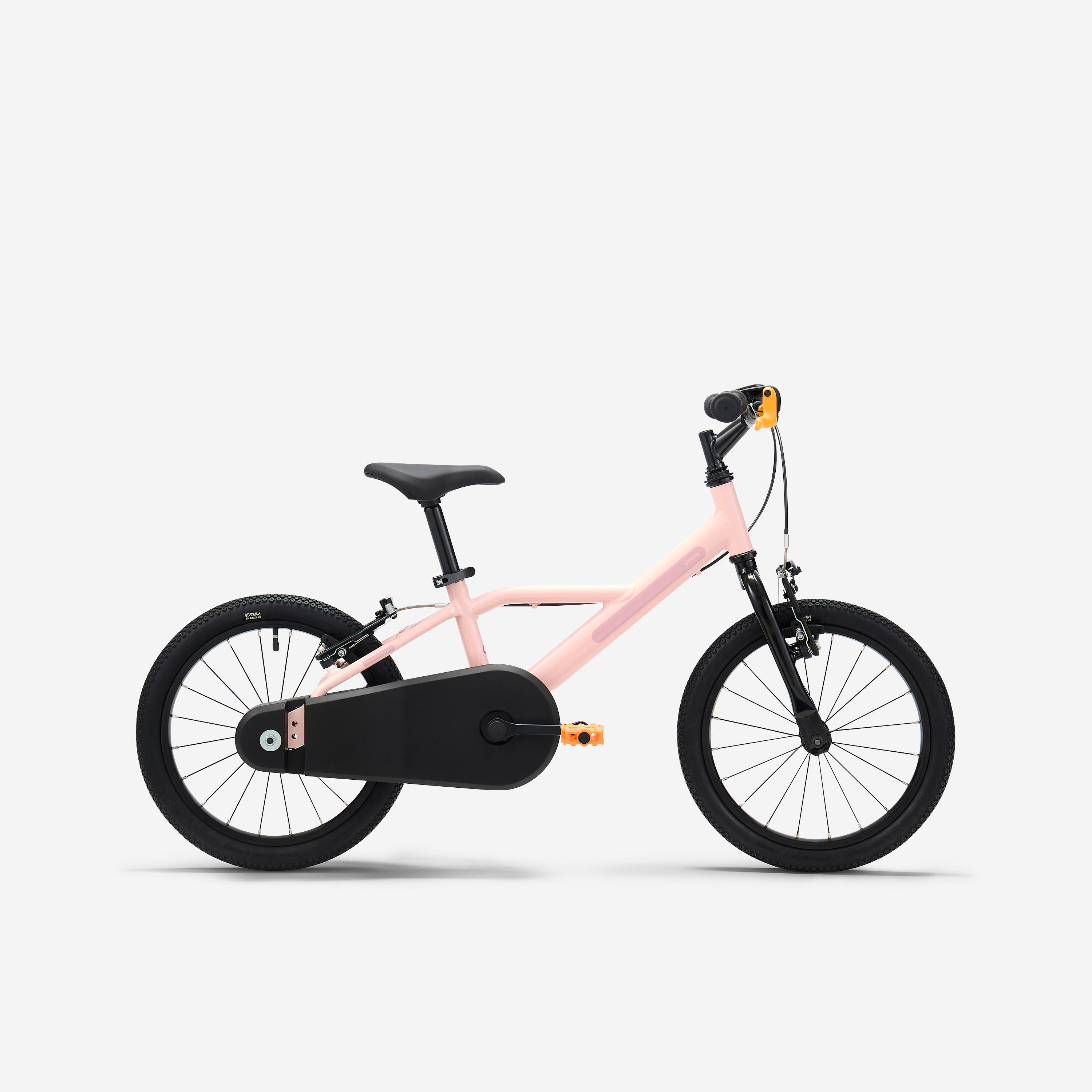
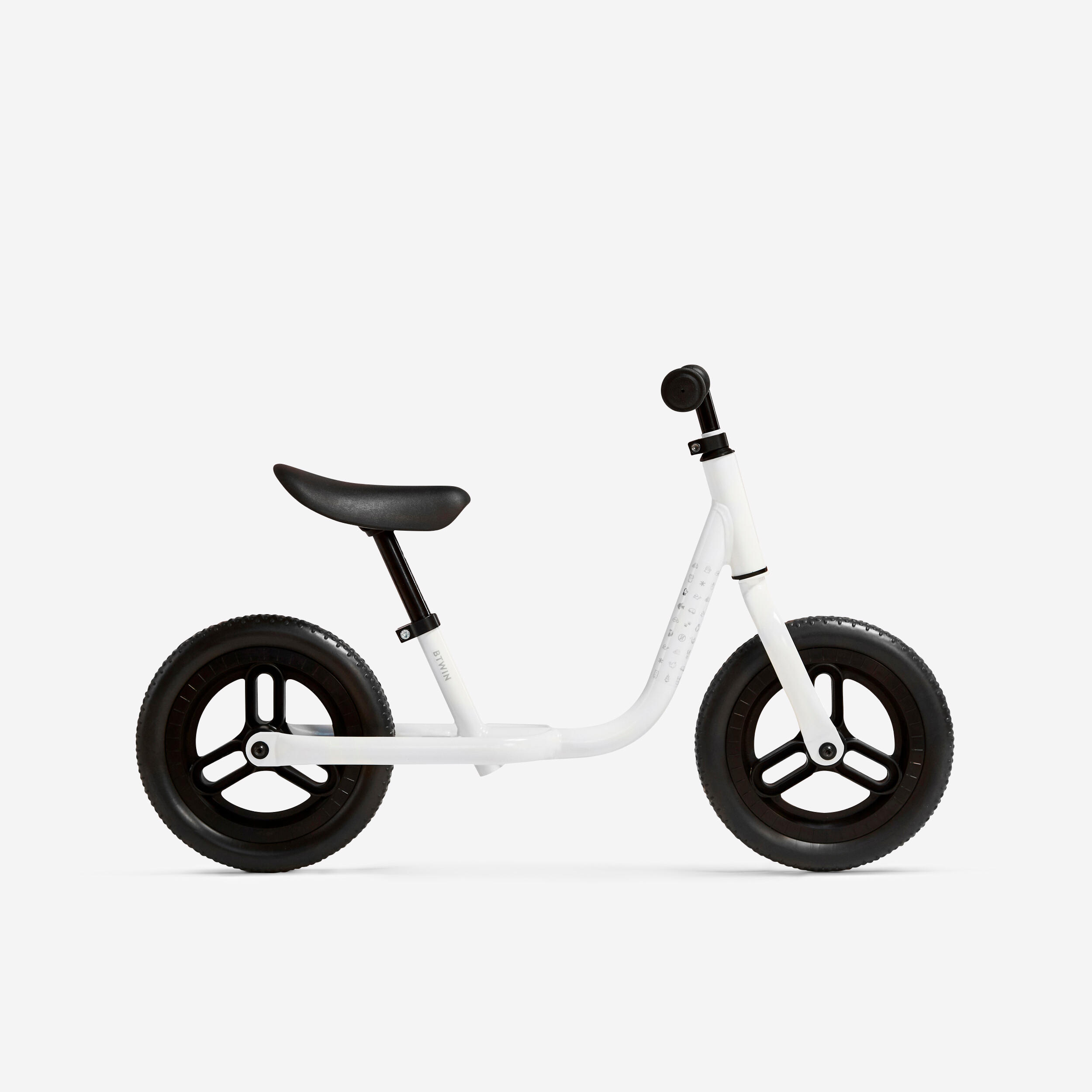
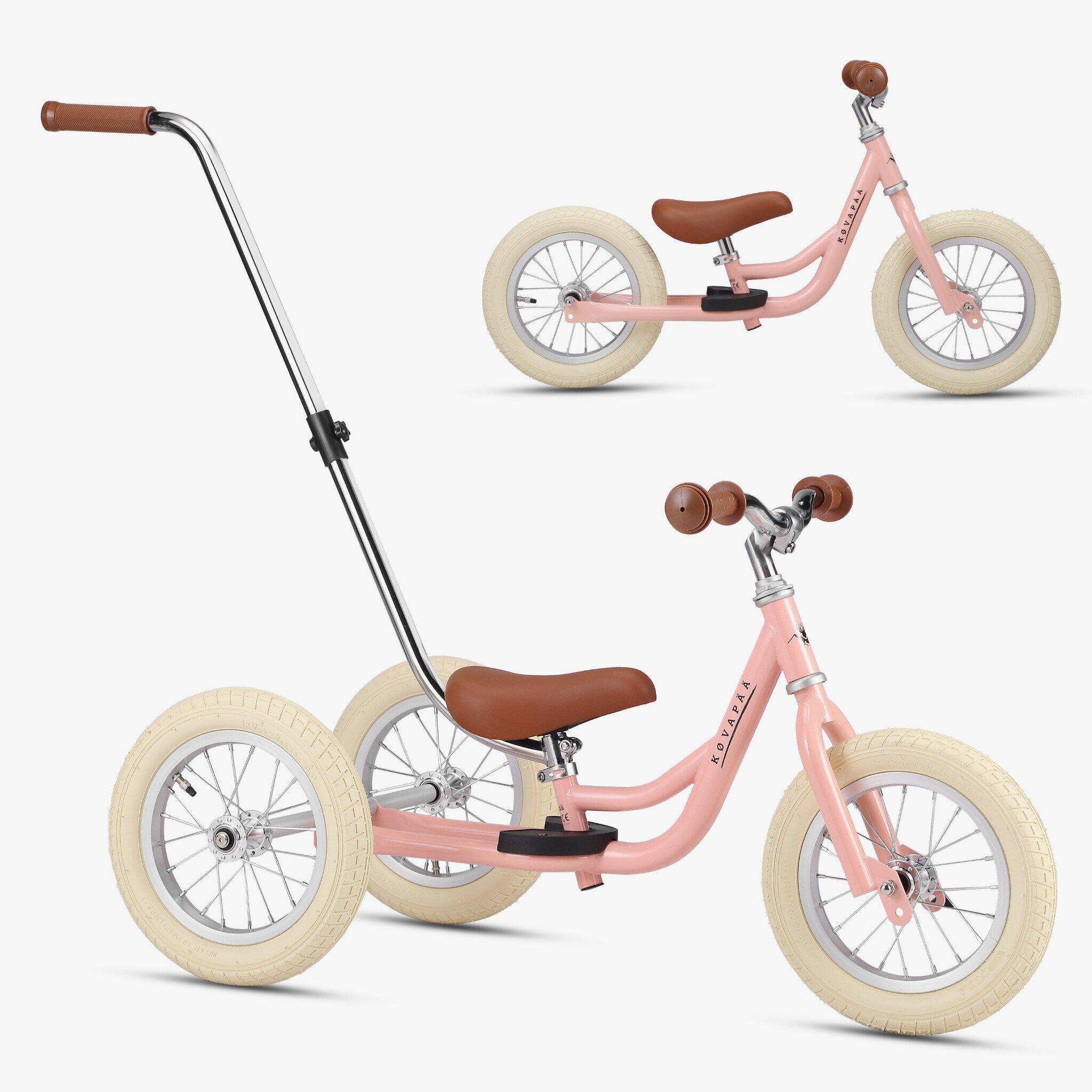
A balance bike suits young children who are learning to steer, move independently and remain upright without using pedals. The BTWIN Learn 100 is intended for children from approximately 18 months old and 80-105 cm tall. Its low frame makes it easier to get on and off, while the complete bike weighs 3.2 kg. Solid foam tyres cannot puncture and do not need inflation, reducing routine maintenance. The model is tested to EN 71 and carries a maximum user weight of 20 kg. It is not intended for use on public roads. Once a child can glide, steer and stop confidently, a small pedal model from the girls' bikes category may provide the next stage, but the transition depends on ability rather than reaching a fixed birthday.

Are girls' and boys' bikes different?

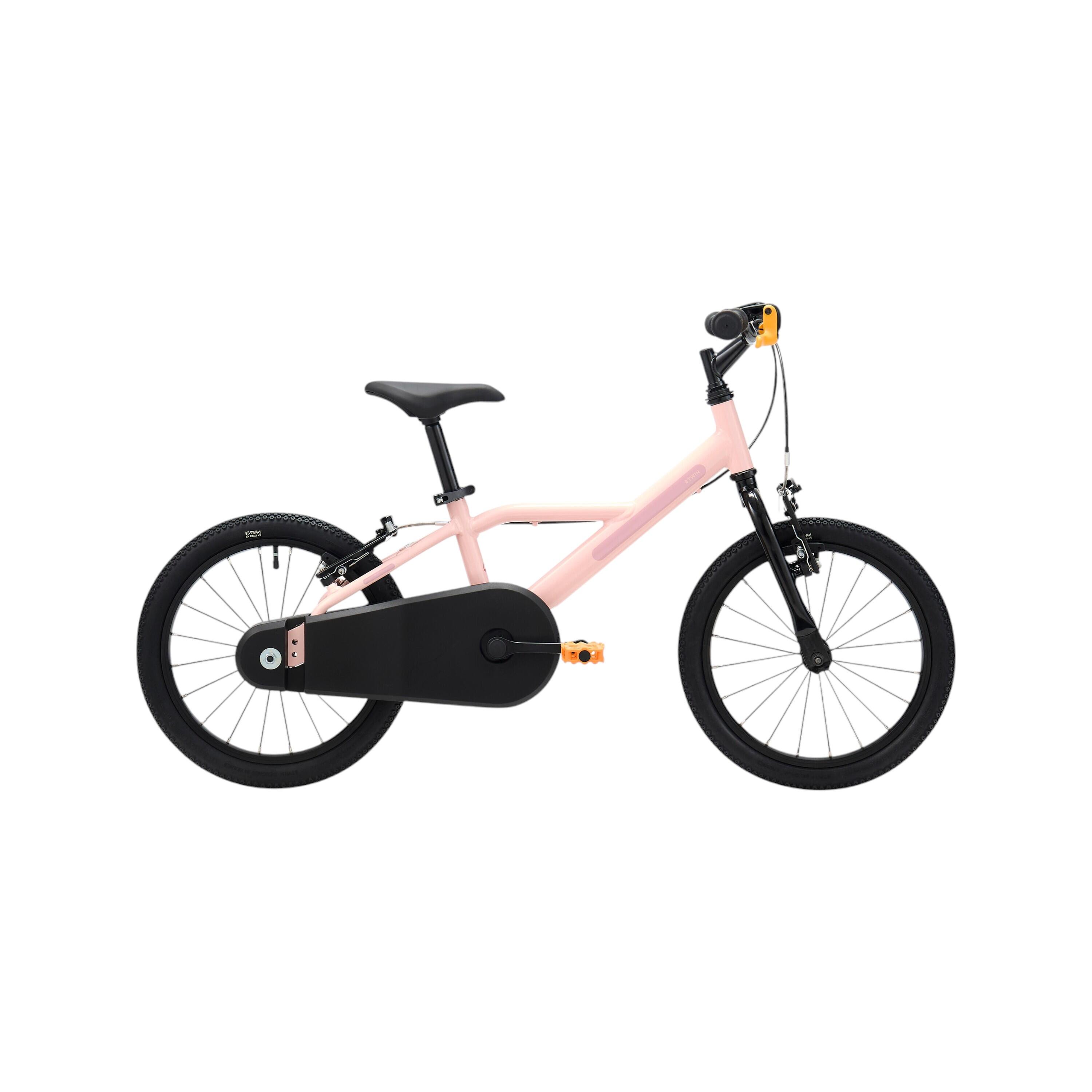
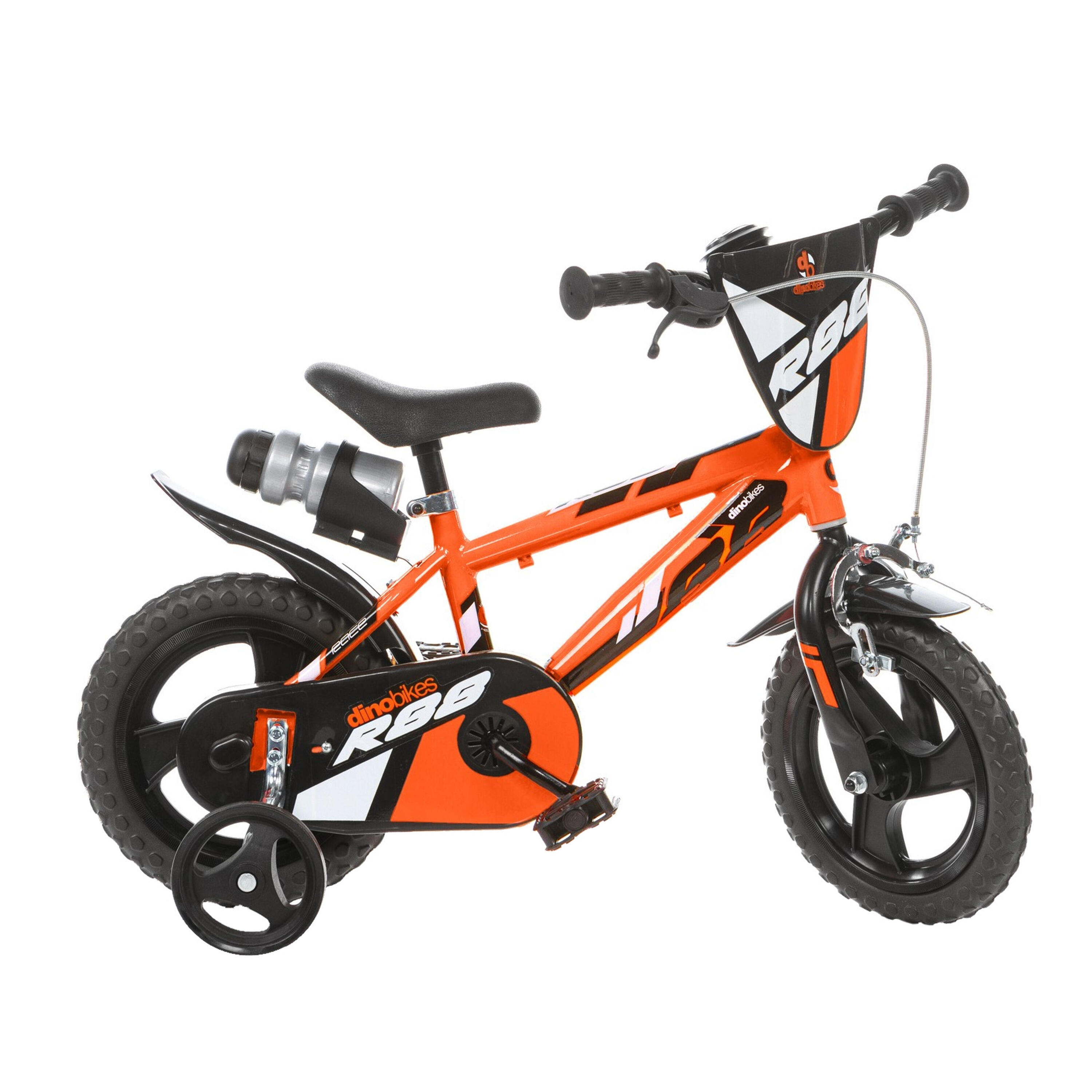
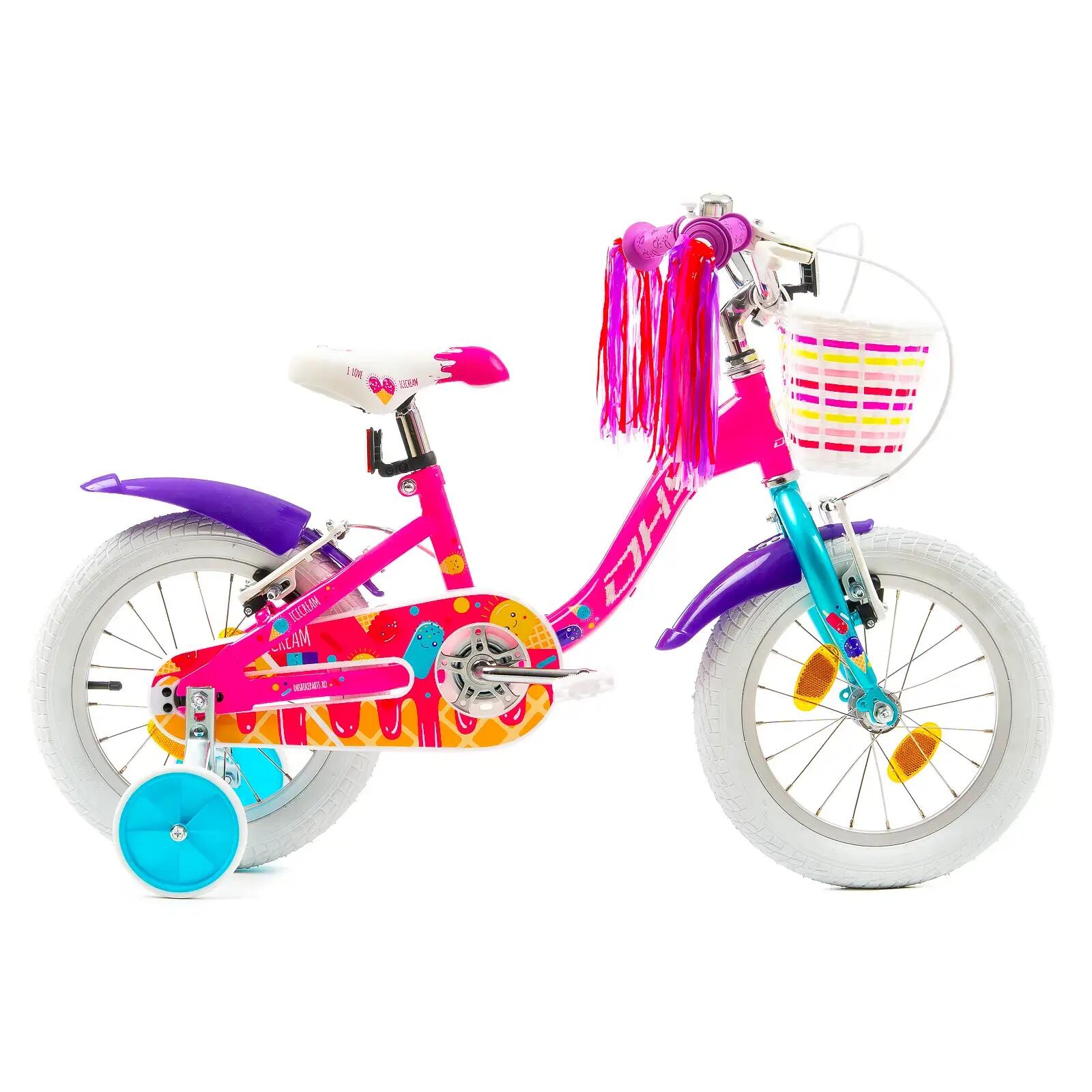
Colour and graphics often create the main difference between bikes sold through separate girls' and boys' categories. Many children's bikes share the same wheel size, frame platform, brakes, gears and riding position across several colour versions. Check the technical specification rather than assuming one label provides a different level of comfort or performance. The available boys' bikes still need to match the child's height, hand size and intended riding. Let the rider choose a colour they like after confirming that they can reach the brakes, control the bike and stand over the frame safely. Fit and confidence matter more than the category name.

What is the difference between 20, 24 and 26-inch bikes?

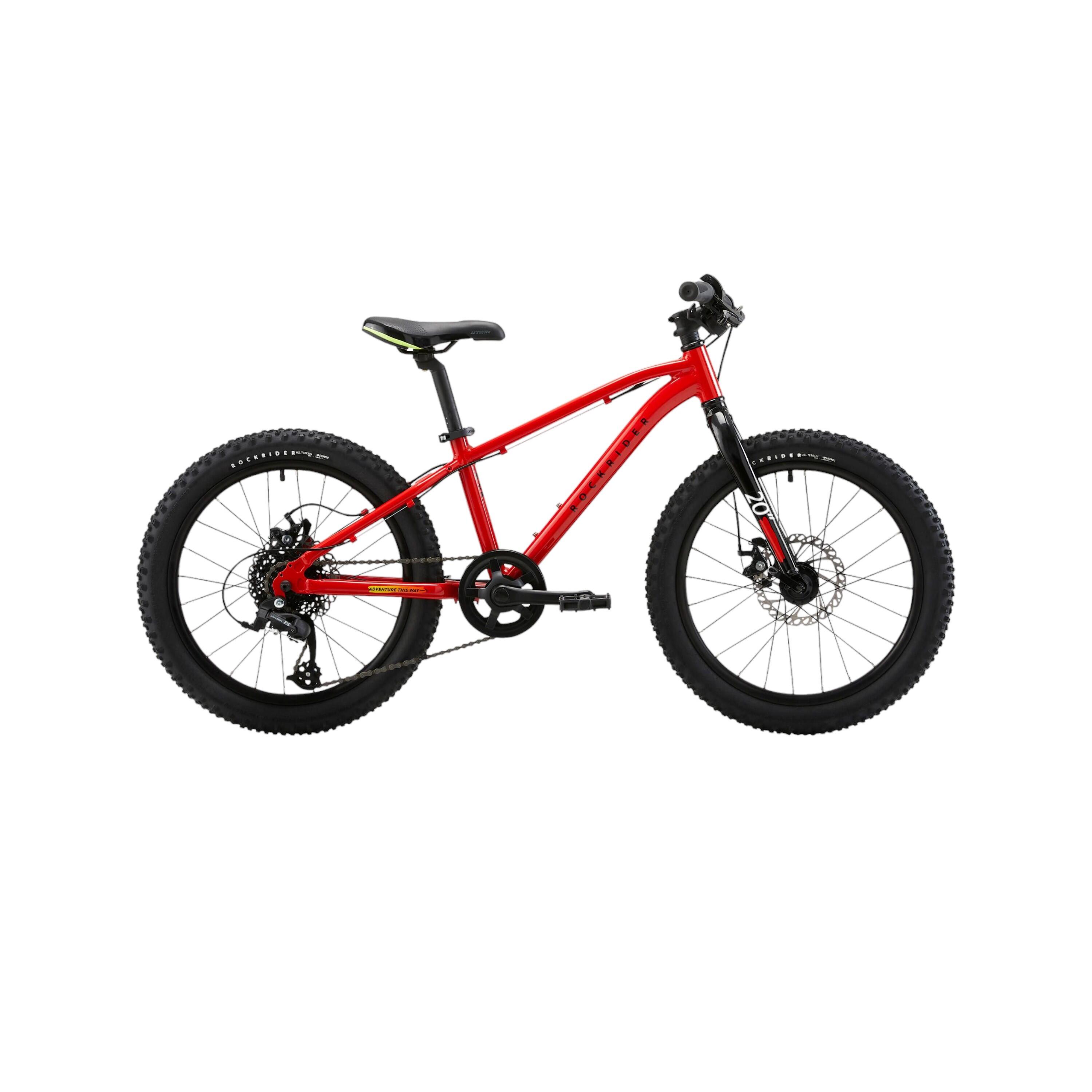
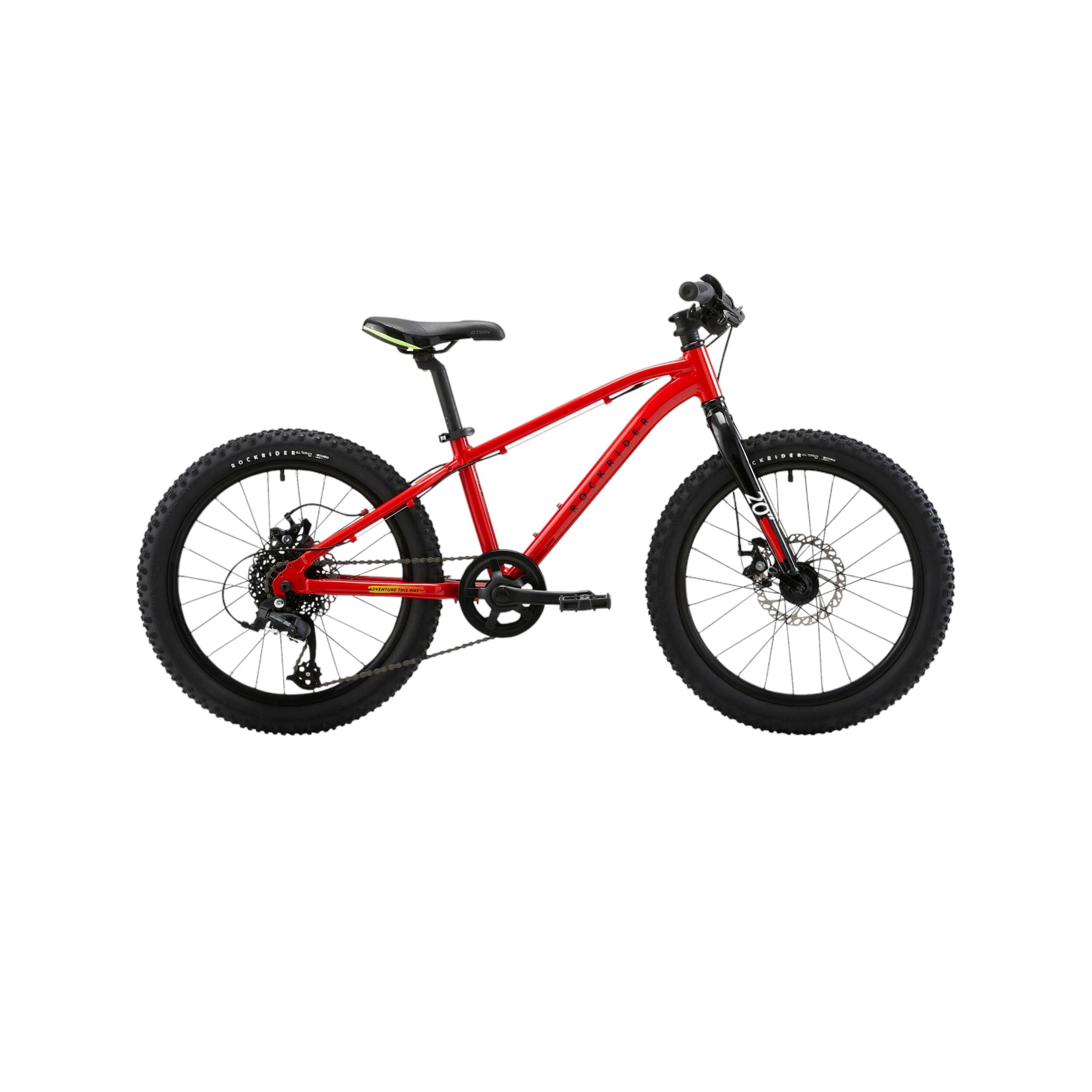
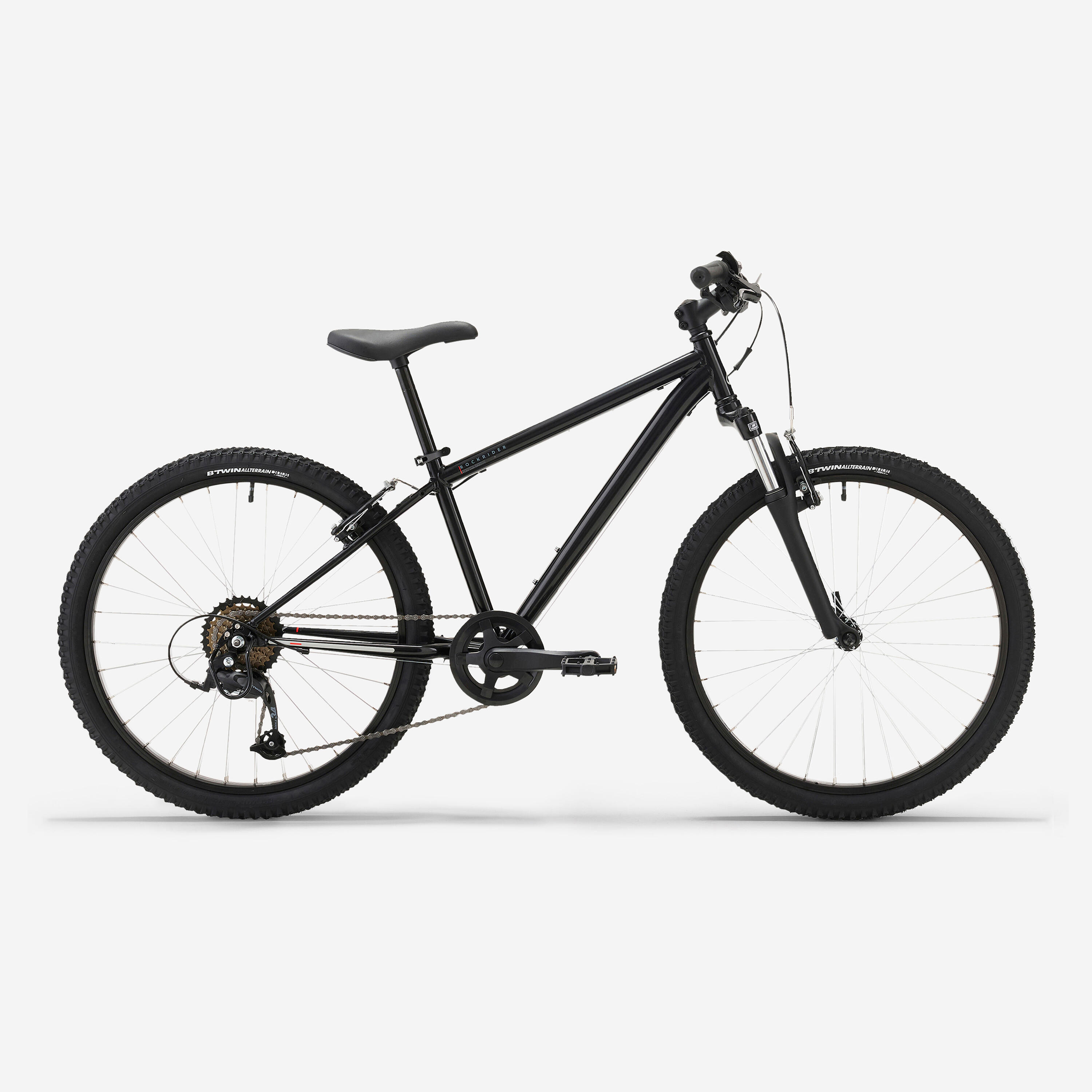
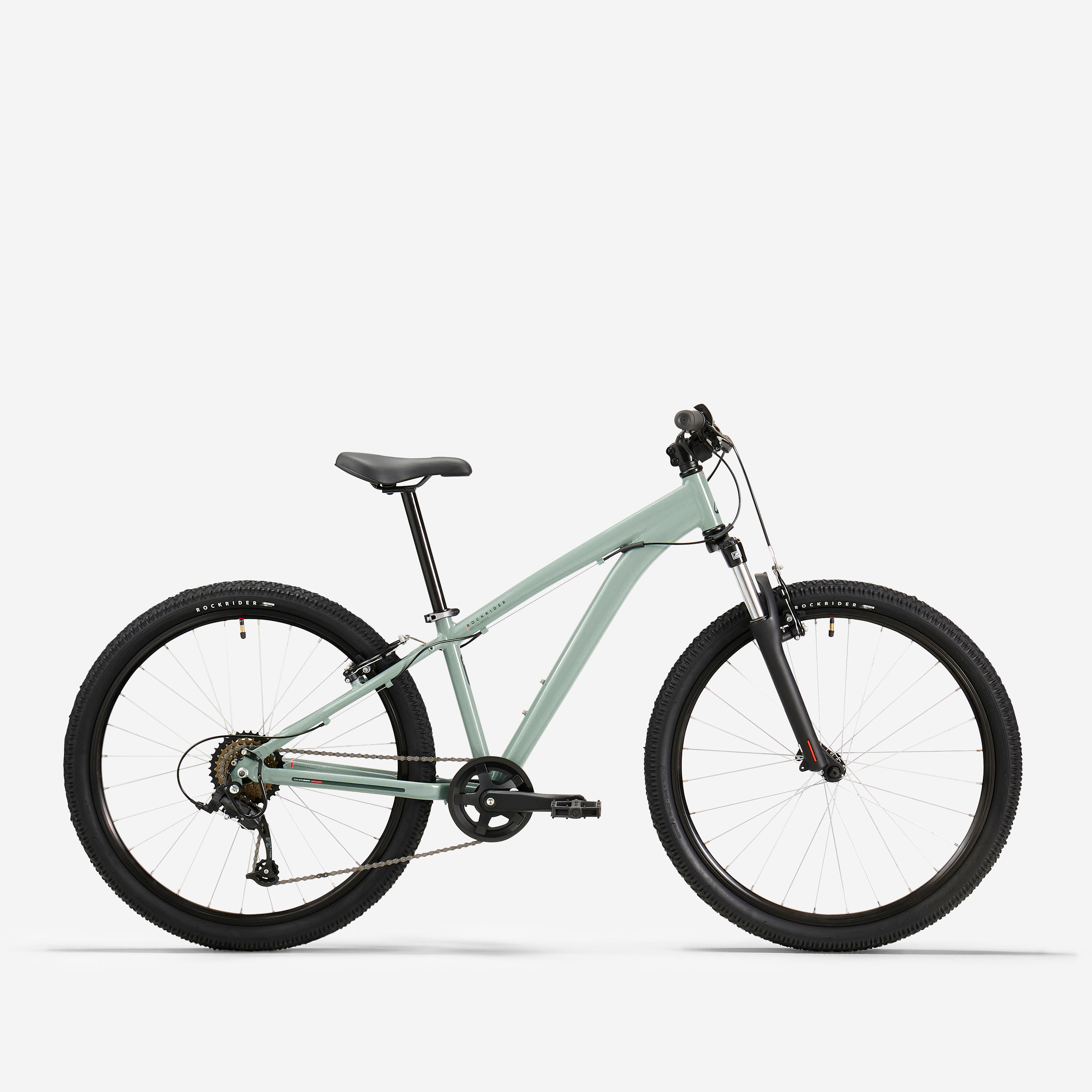
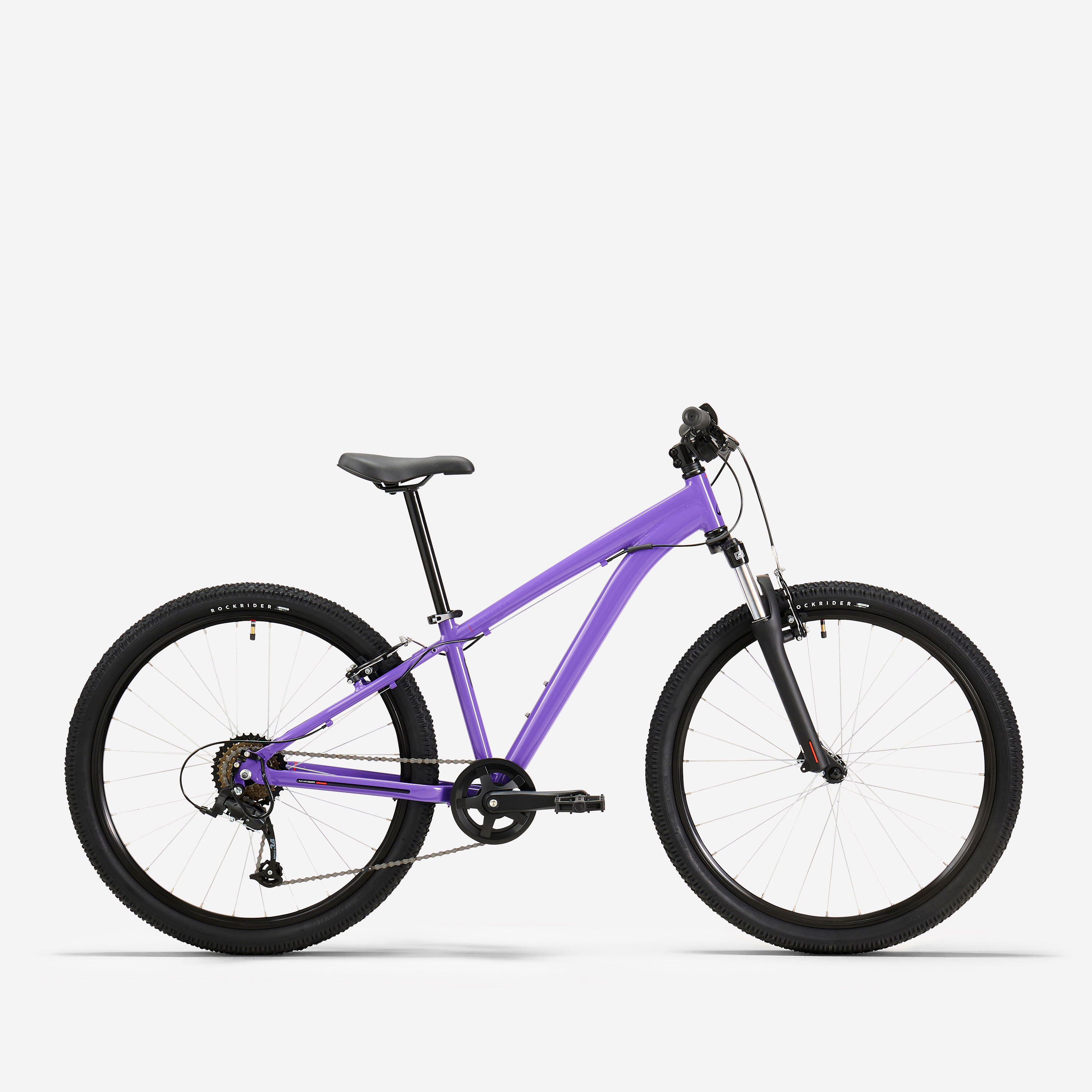
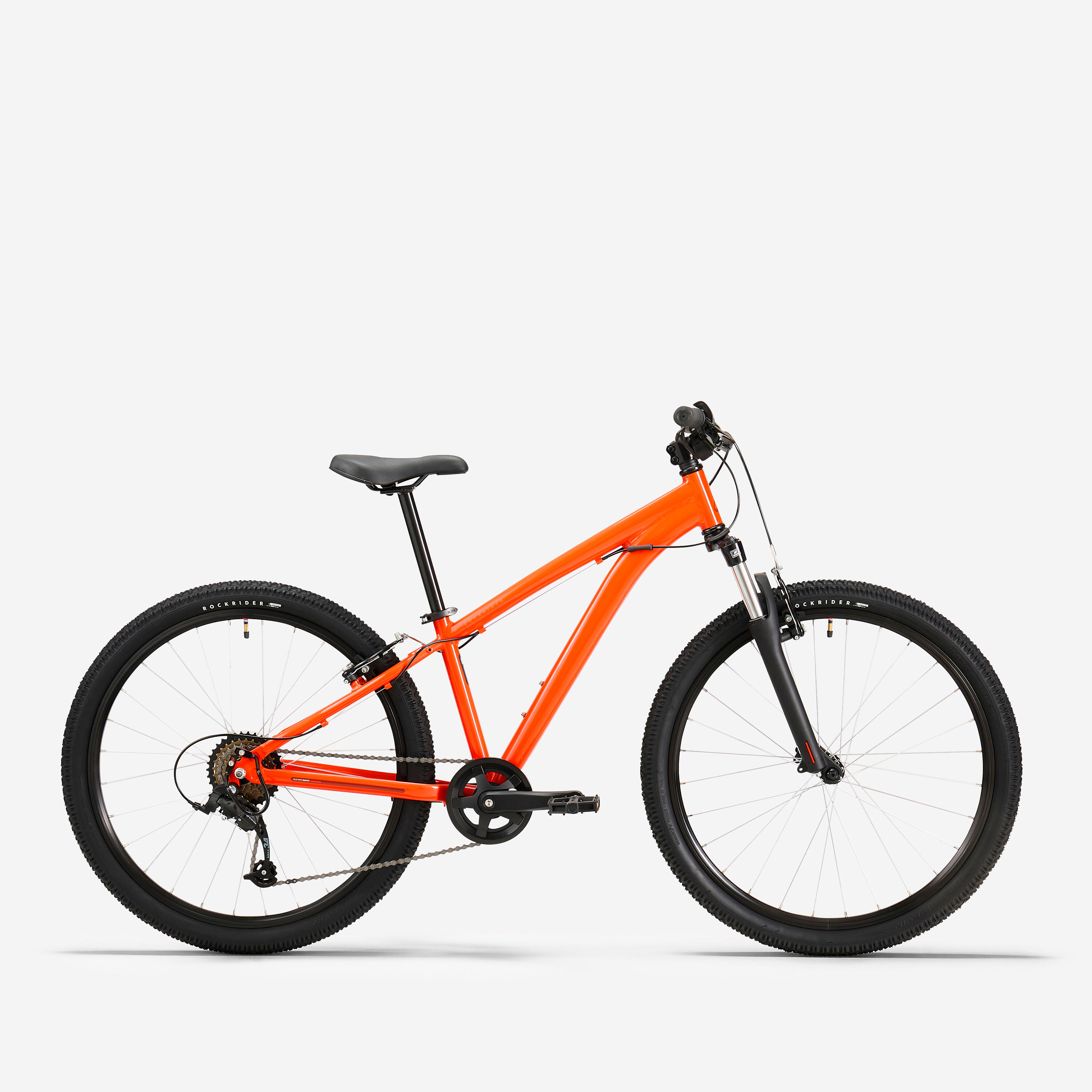
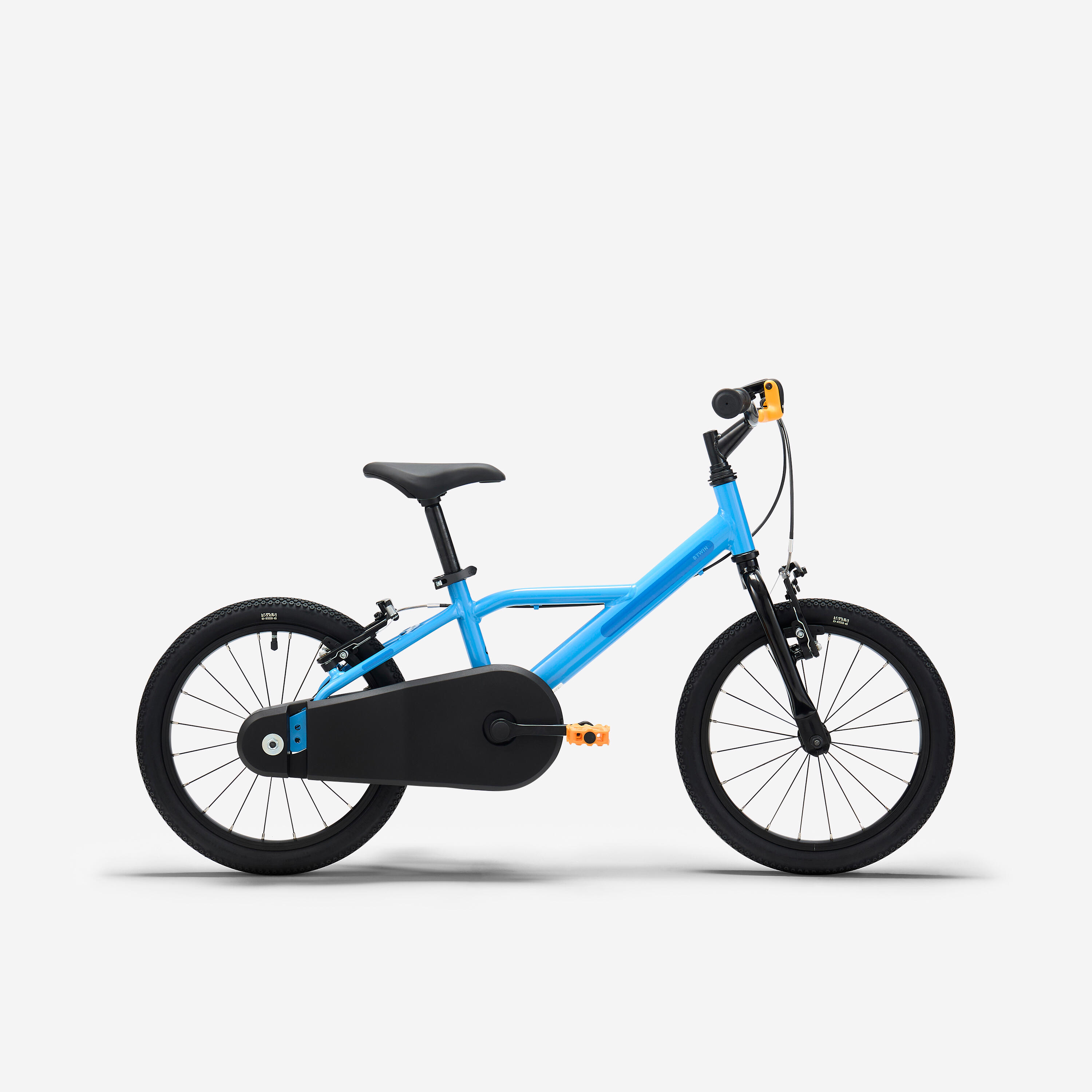
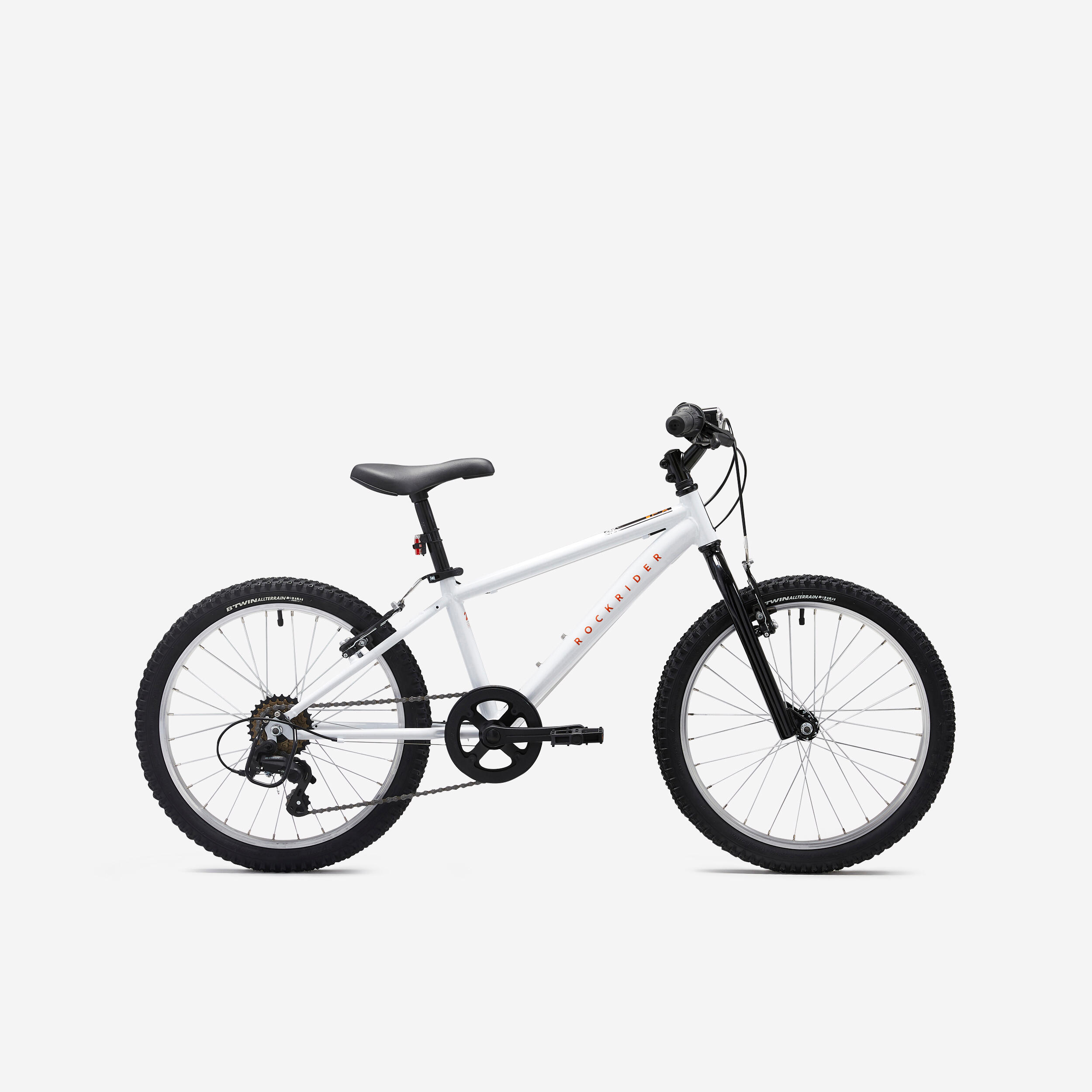
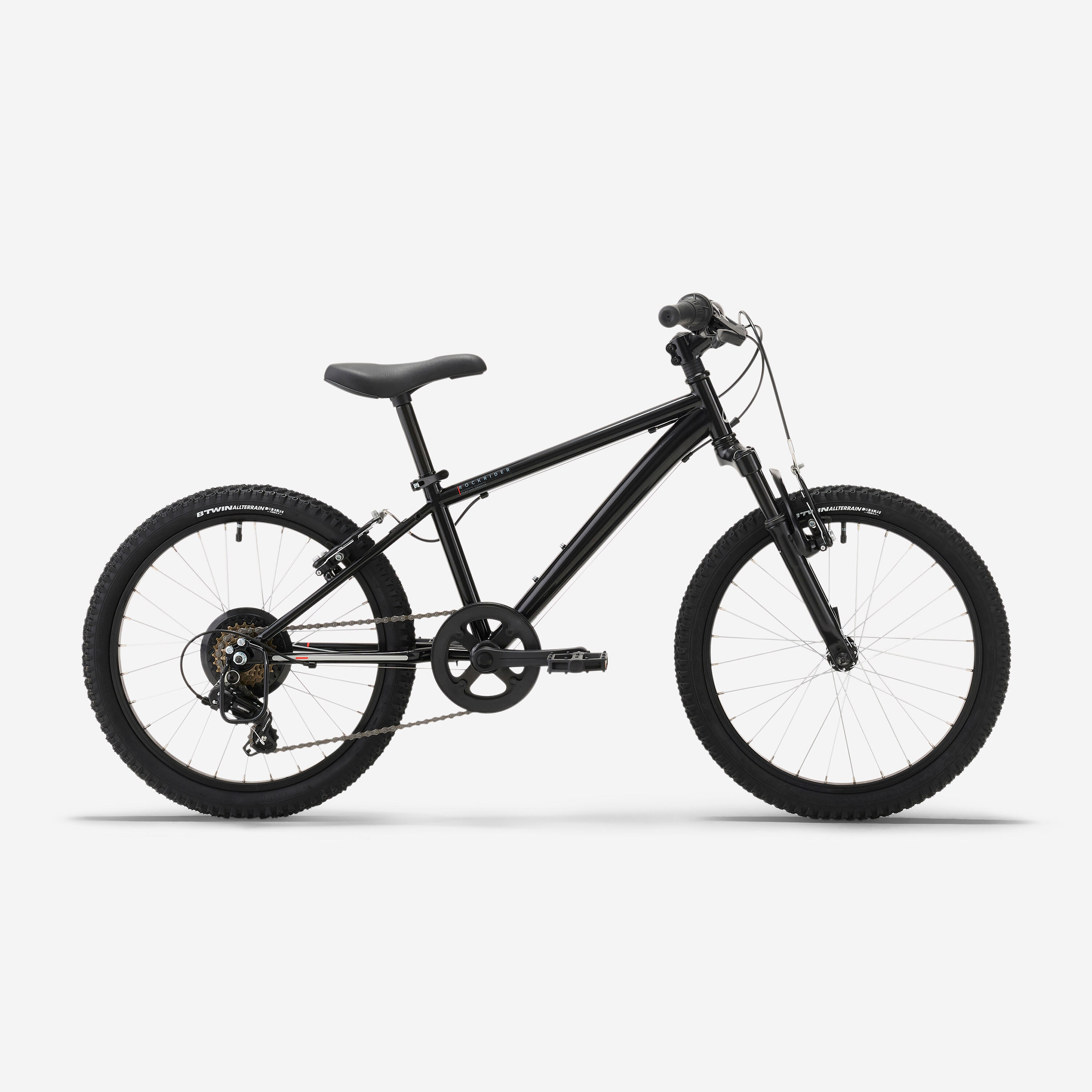
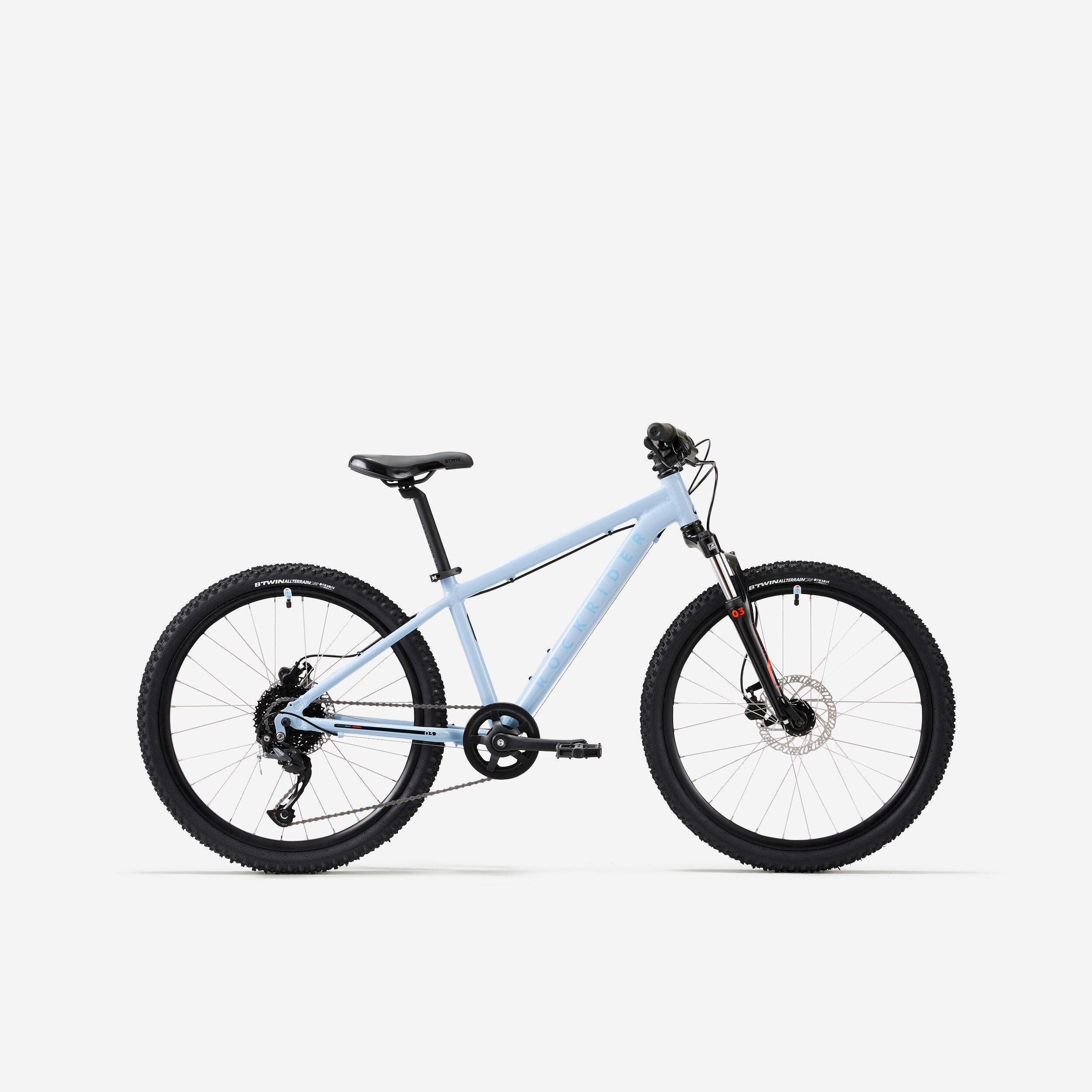
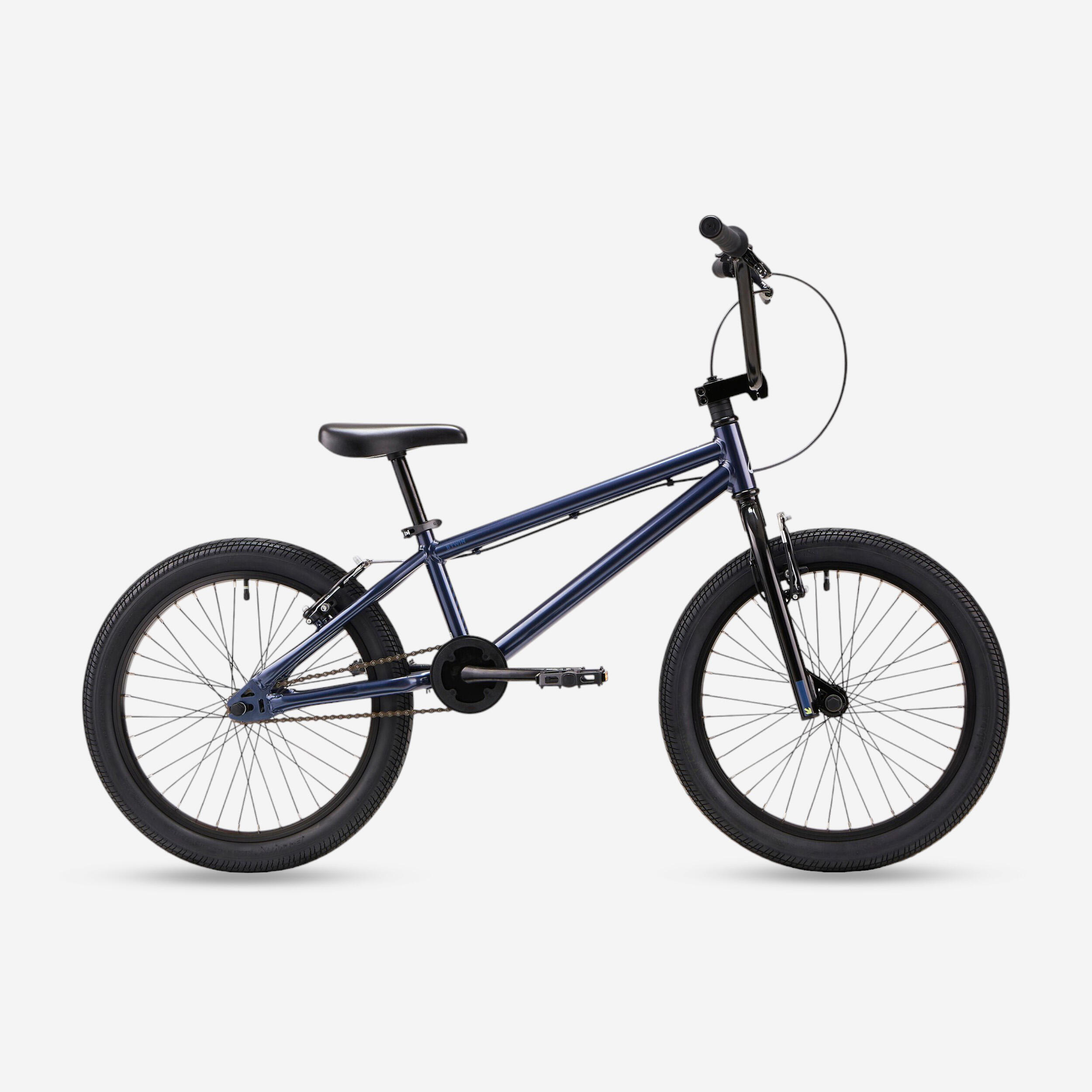
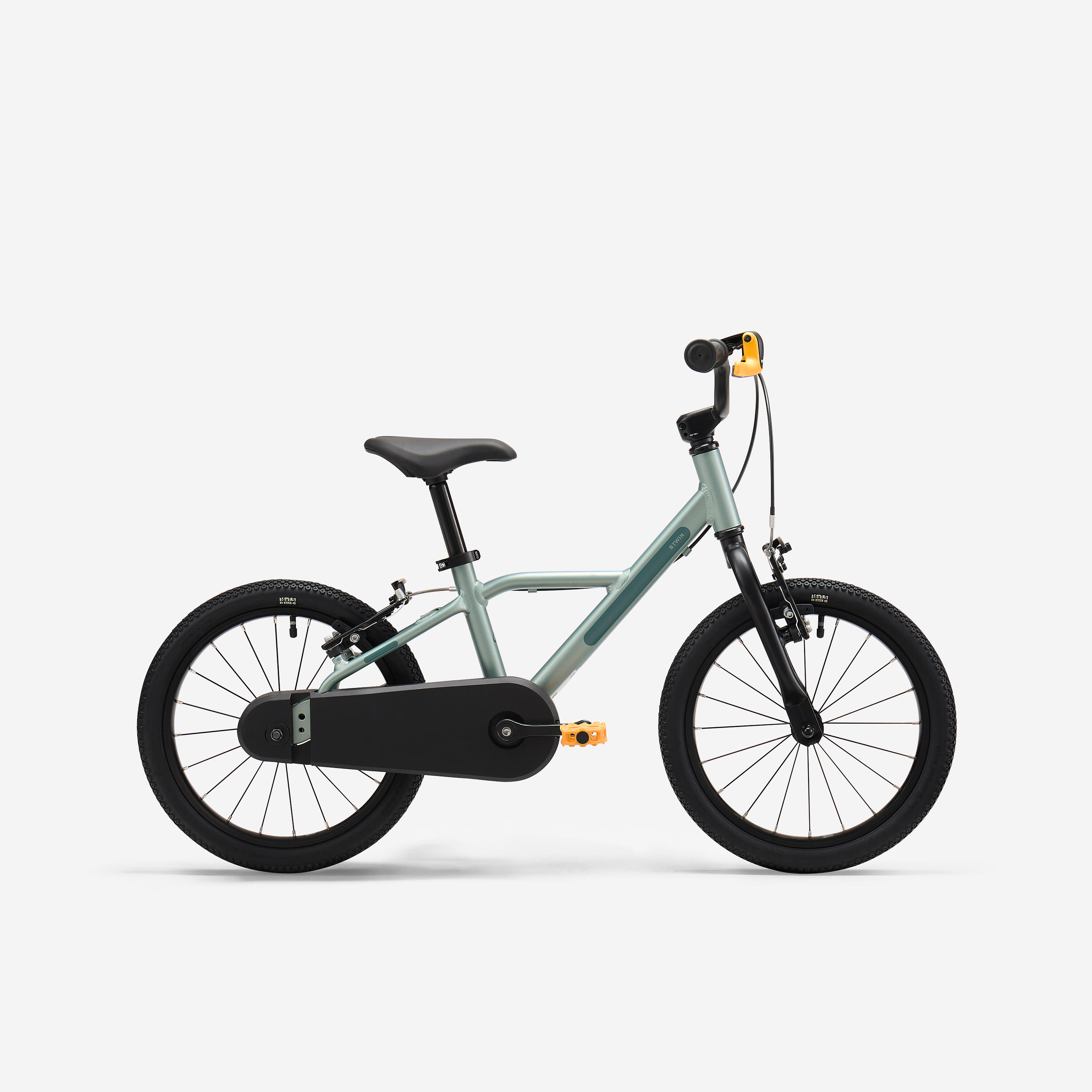
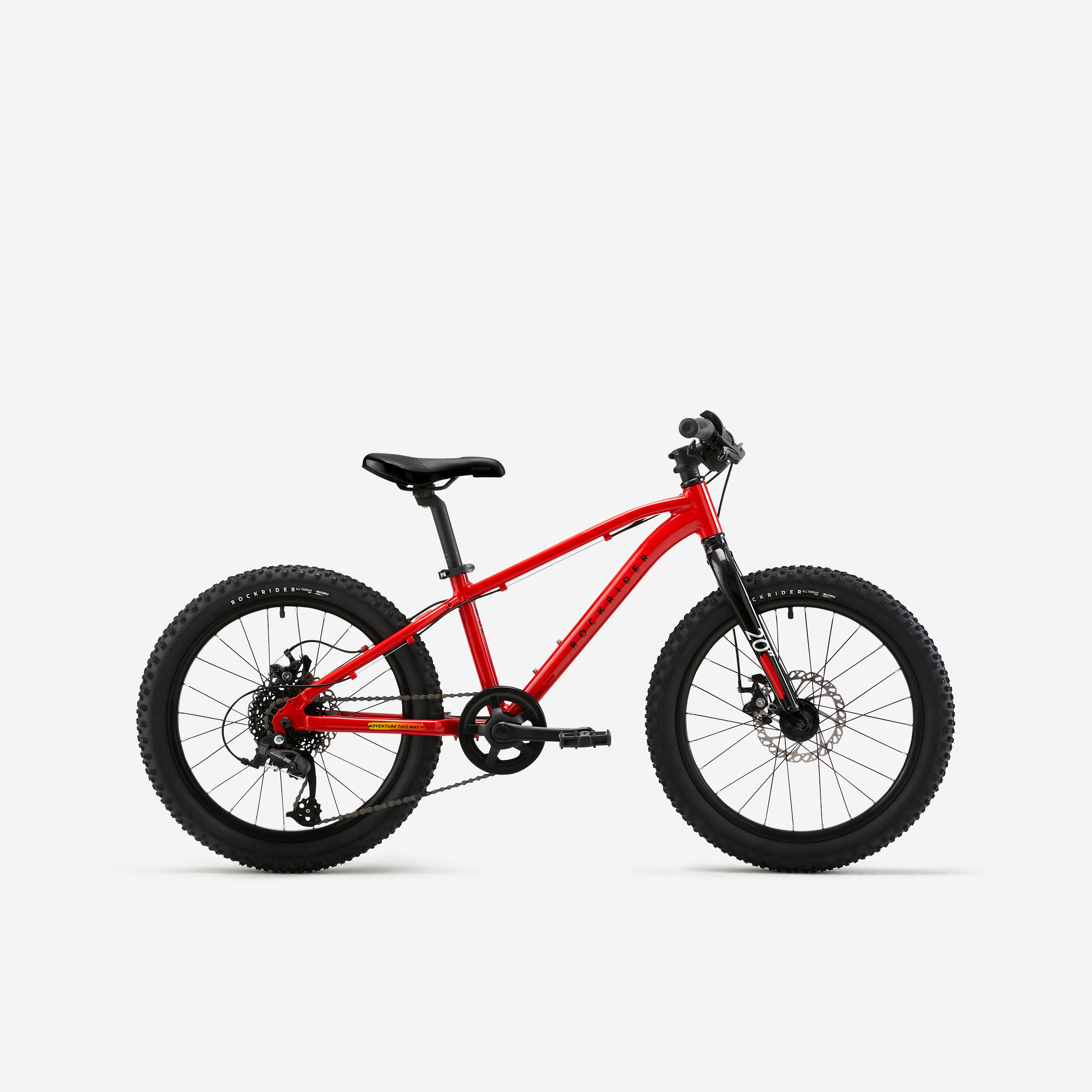
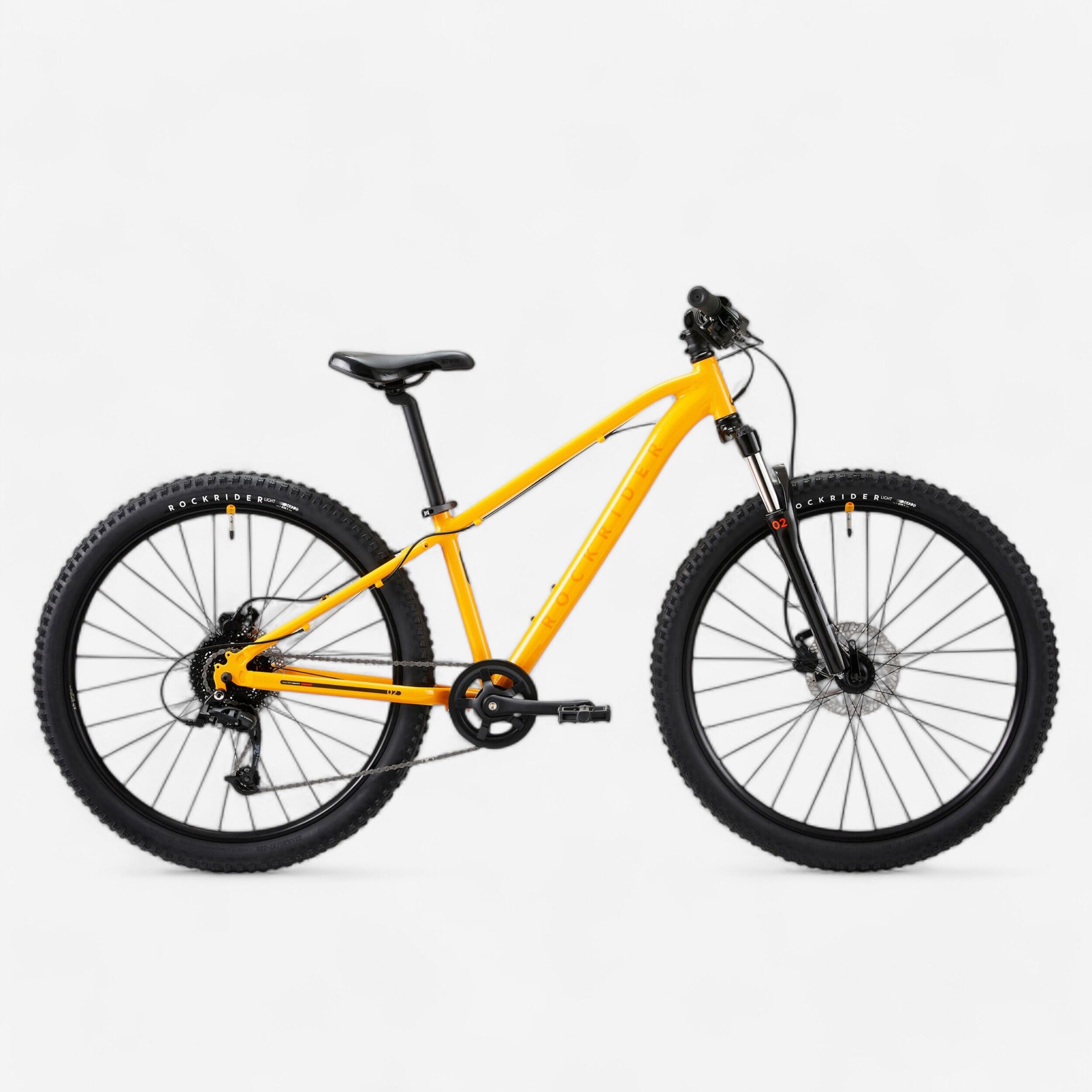
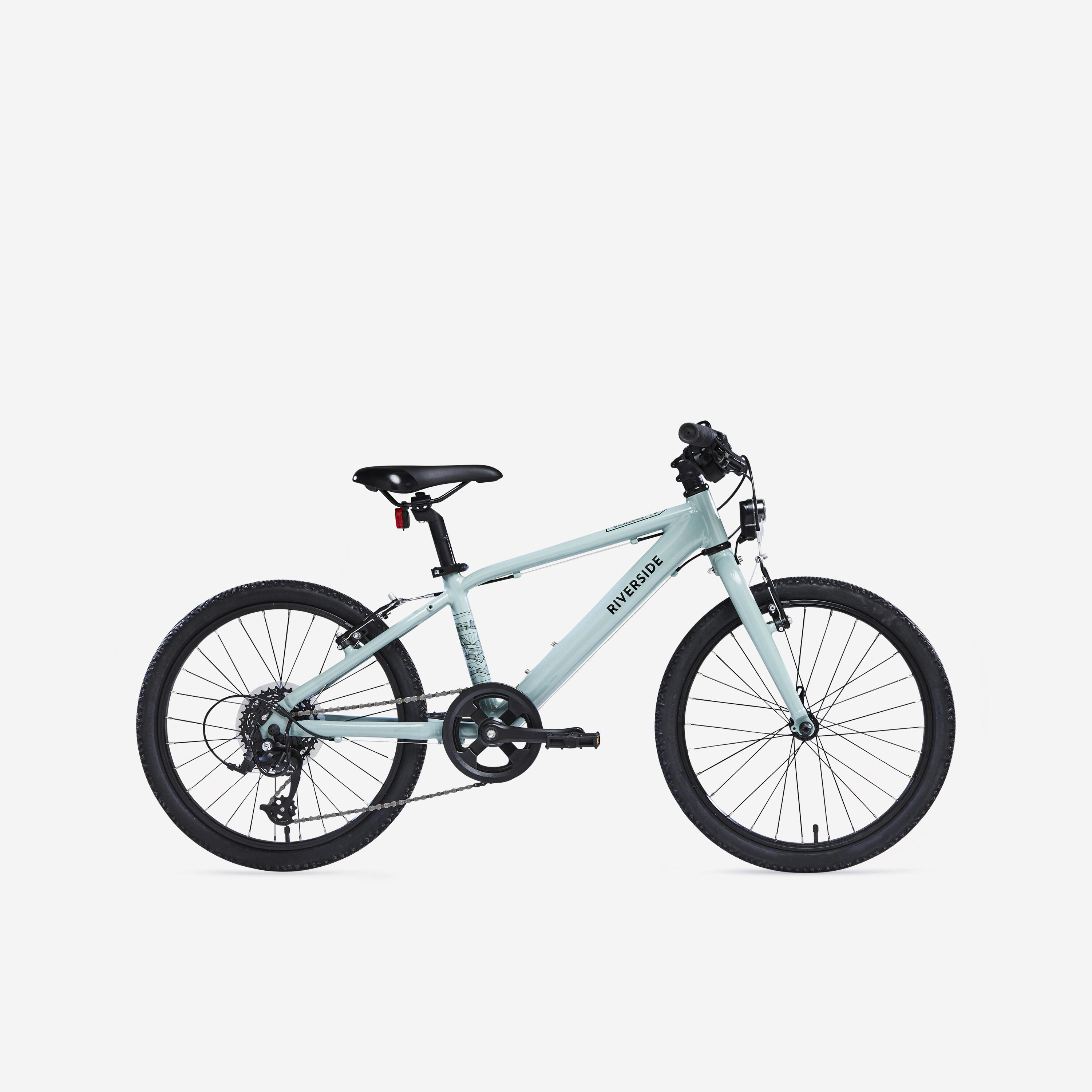
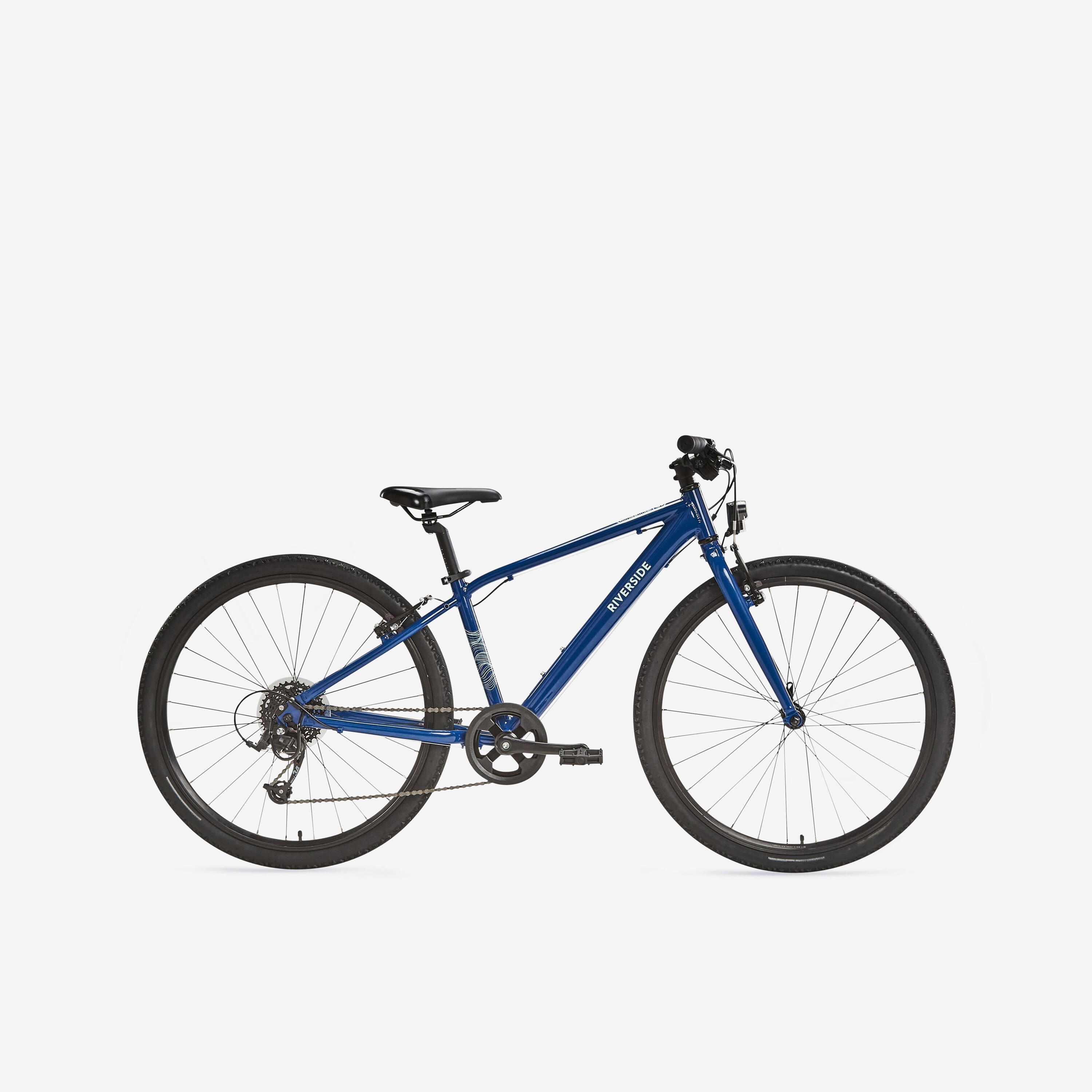
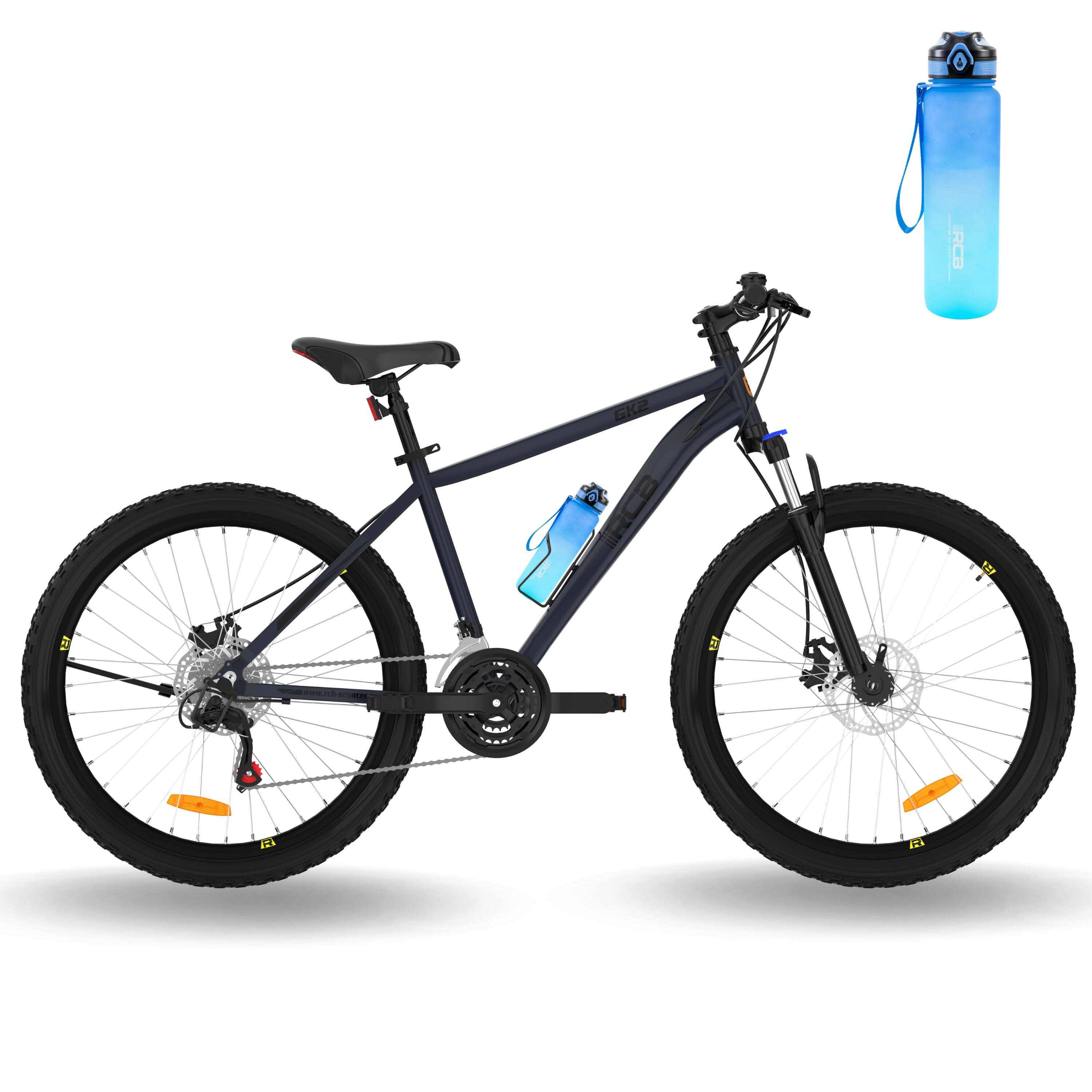
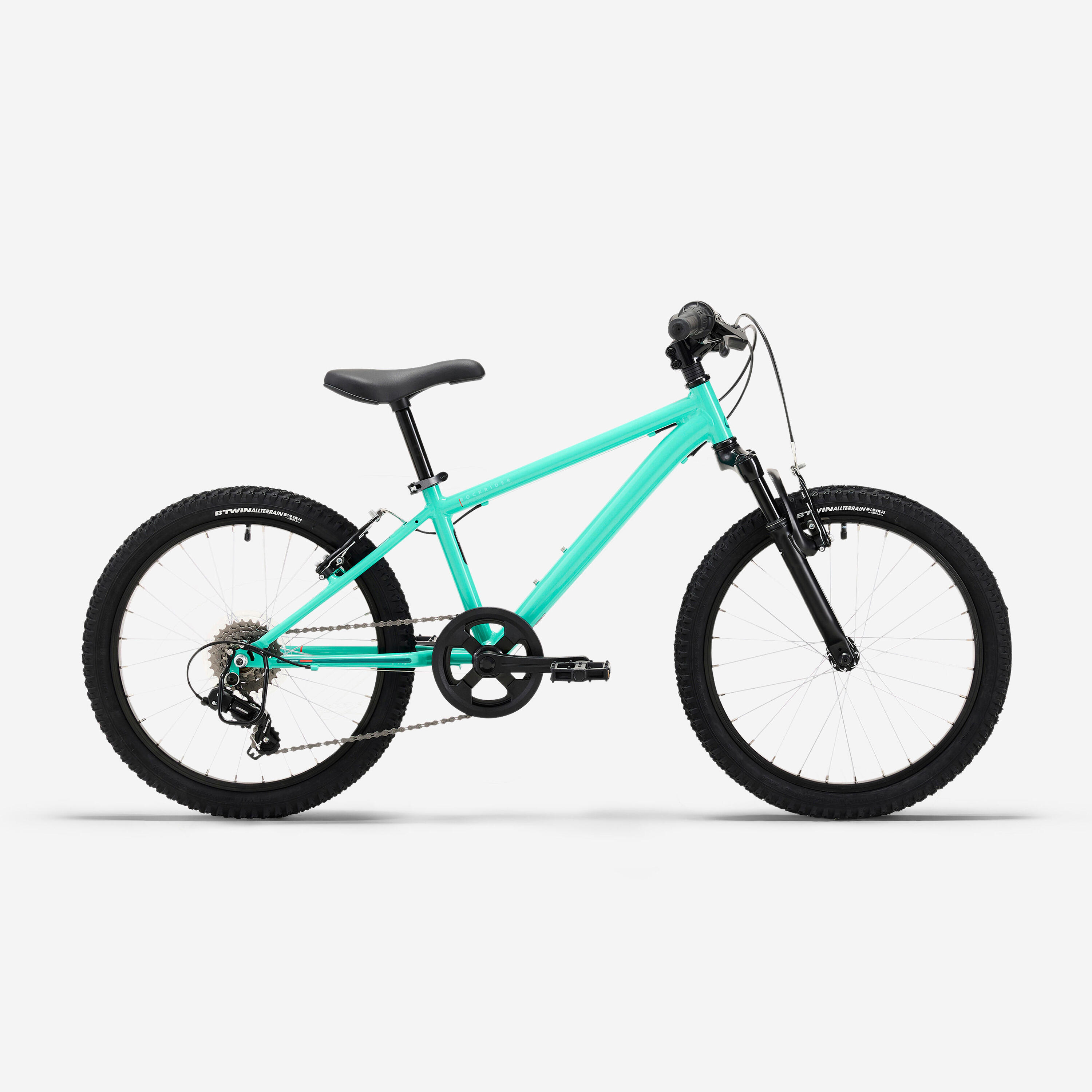
Twenty-inch models suit smaller riders and include child-adapted features such as short cranks, close-reach brake levers and simple six-speed controls. The EXPL 120 uses a rigid steel frame and V-brakes, while the EXPL 500 adds front suspension for more regular riding over uneven ground. Twenty-four-inch models increase wheel size and may add seven-speed Easytrigger shifting. The kids' EXPL 500 bike uses 26-inch wheels, an aluminium frame and a simple 1x7 drivetrain for riders around 135-150 cm tall. Larger wheels can roll more easily over roots and stones, but the child still needs to control the additional bike size comfortably.

What type of bike suits everyday family rides?

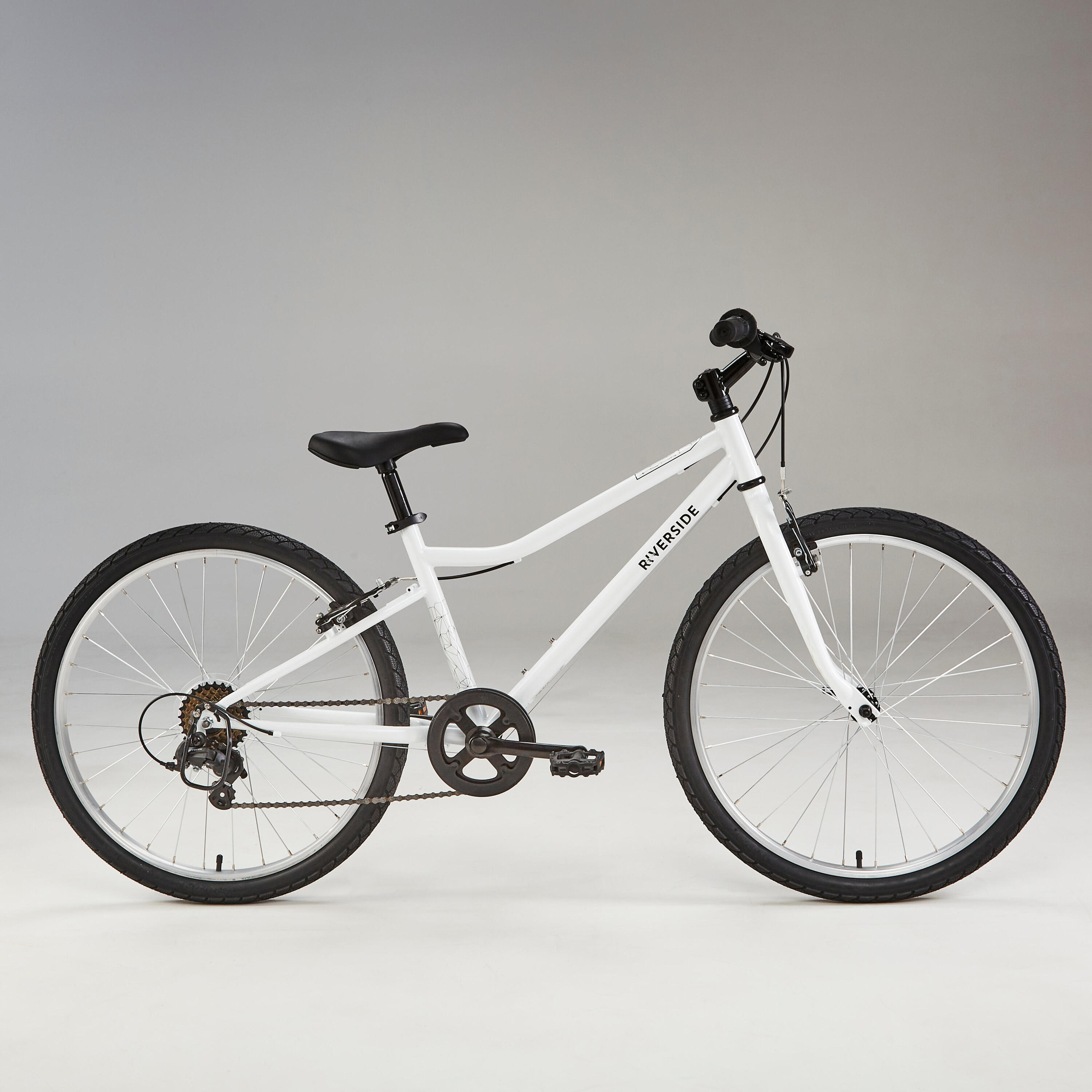
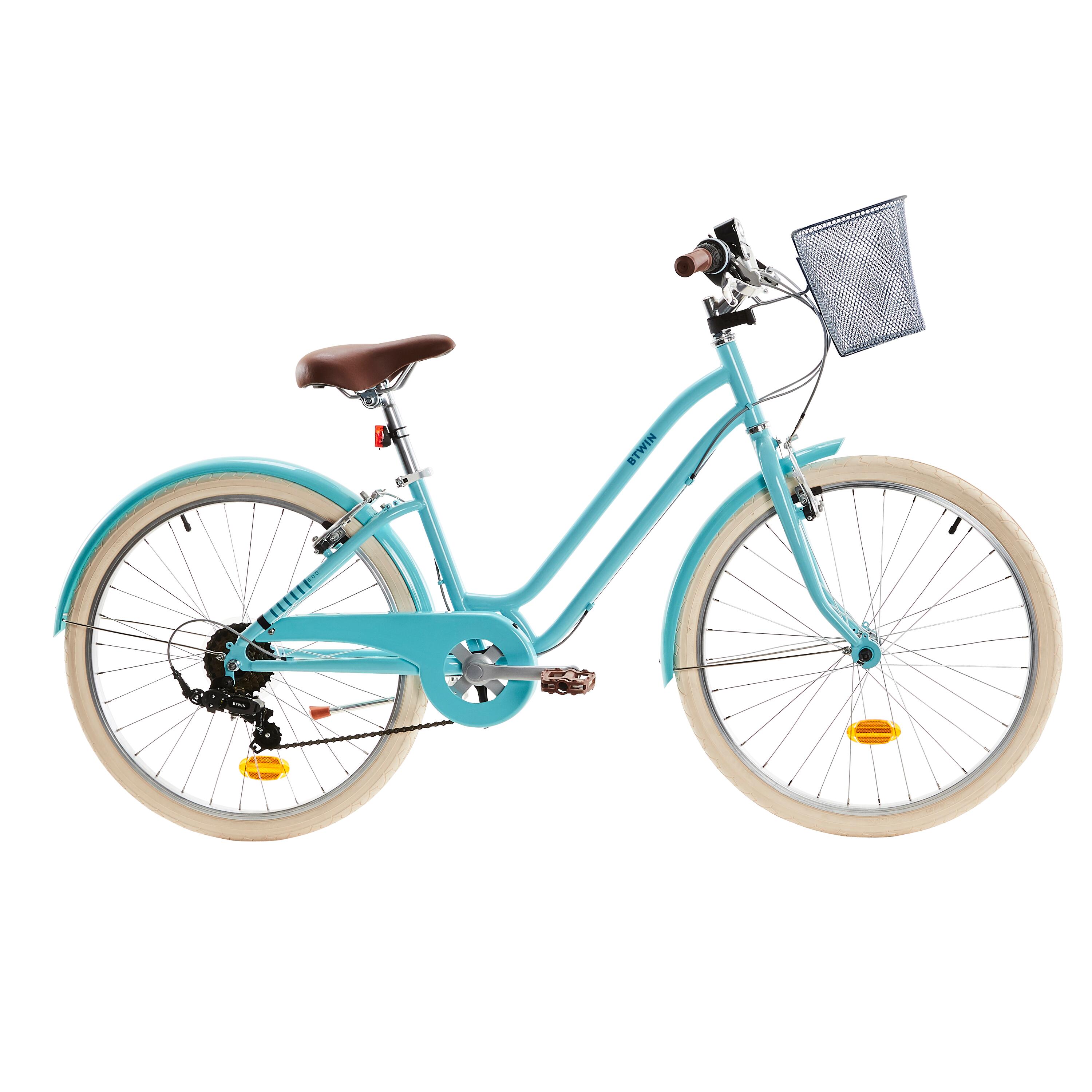
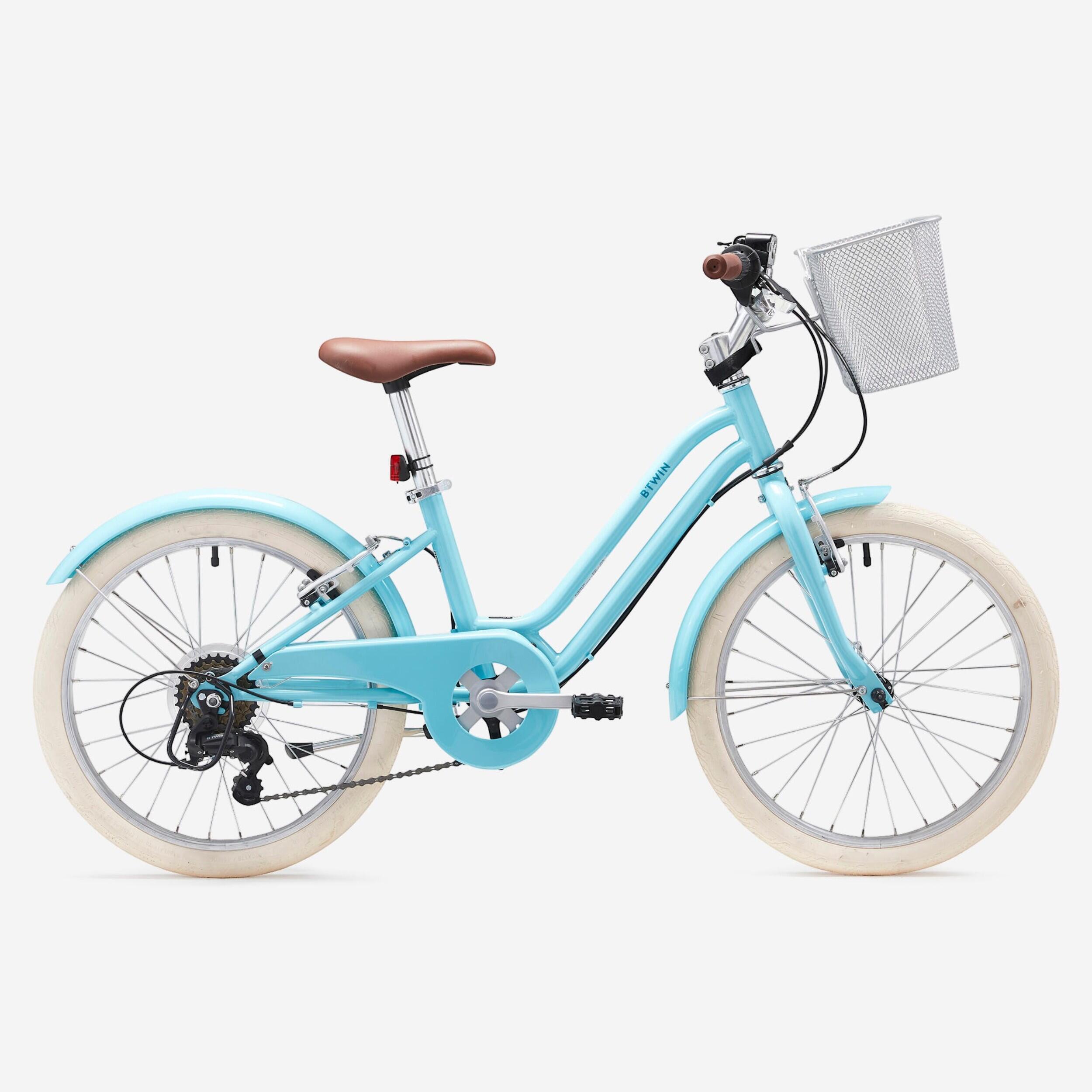
A mountain bike suits gravel paths and moderately uneven trails, while a hybrid model may feel more appropriate for parks, cycle paths and mixed everyday routes. The kids' hybrid bike provides an alternative to the mountain-bike-heavy opening assortment. Consider the surface, distance and frequency of use before choosing suspension, tyre tread or extra gears. After purchase, keep the tyres correctly inflated, clean and lubricate the chain and check that the brakes work before each ride. Store the bike indoors in a dry place and remove mud after wet outings. Home-delivered pedal bikes may require the handlebar and pedals to be fitted using the supplied tools and instructions before the first ride.