103 items
4.6/5 based on 651 reviews collected online and in stores

Coarse Fishing Spare Parts FAQs

Which spare part is compatible with your coarse fishing equipment?

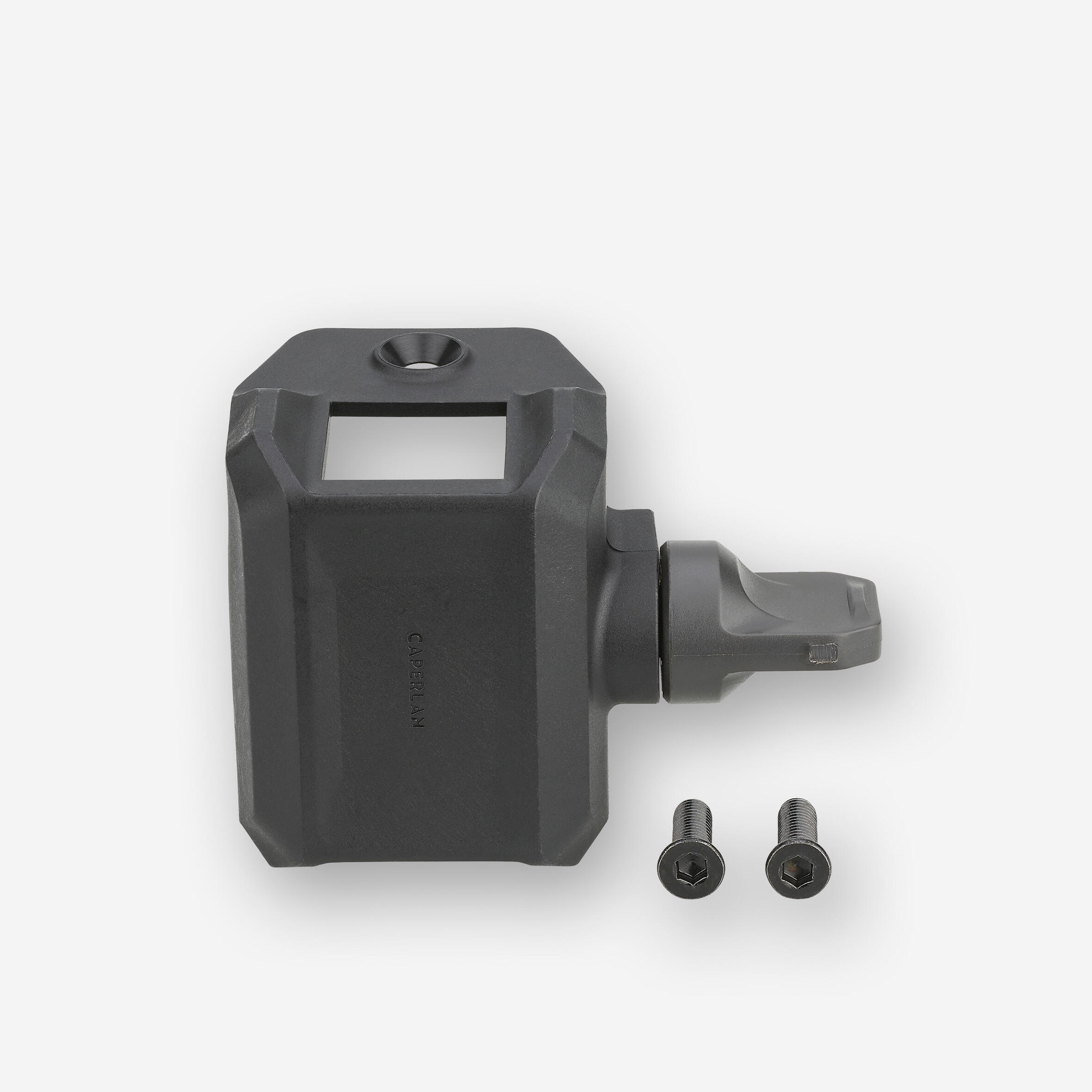
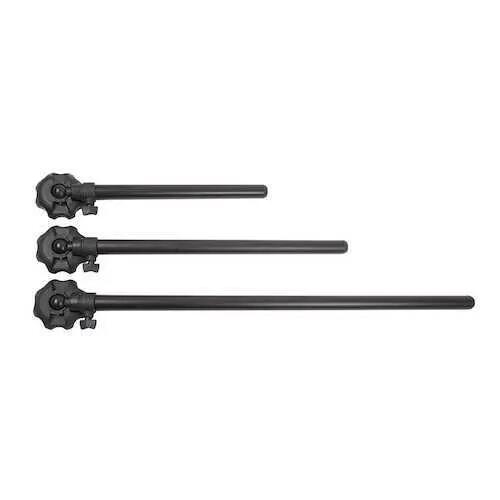
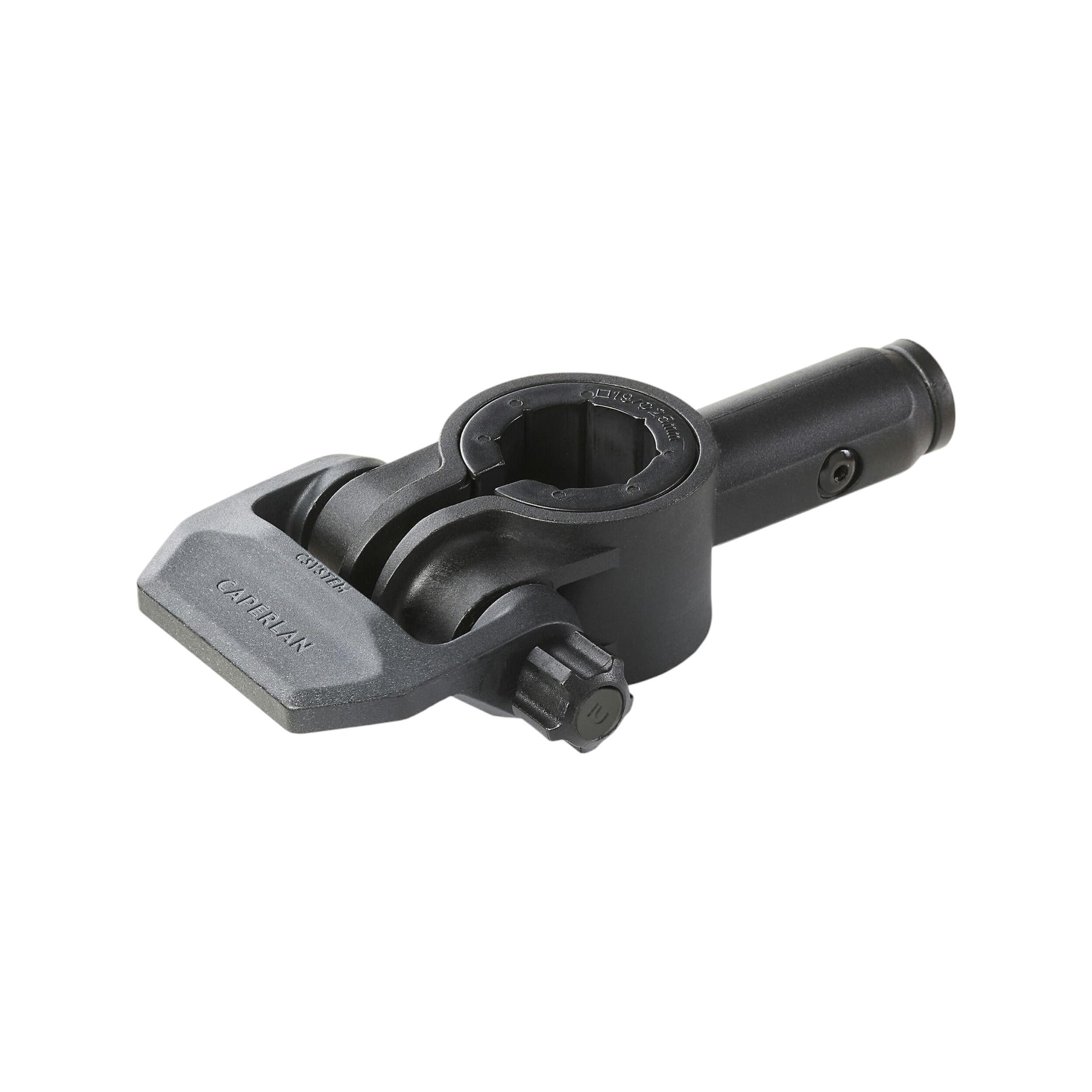
Start with the exact model of the rod, reel or fishing station rather than selecting a replacement by appearance alone. Caperlan spare parts are often linked to specific product families, station diameters or Decathlon references, which helps reduce the risk of fitting the wrong component. Even visually similar station parts can use different shapes or fixing points. The CSB station adjustbox, for example, is intended for compatible adjust and competition station setups. Check the model name and the part being replaced before ordering, and compare the original fixing points carefully. Keeping the product reference with your equipment can make future repairs much easier when a small component wears or becomes damaged.

What signs show that a coarse fishing reel spool should be replaced?

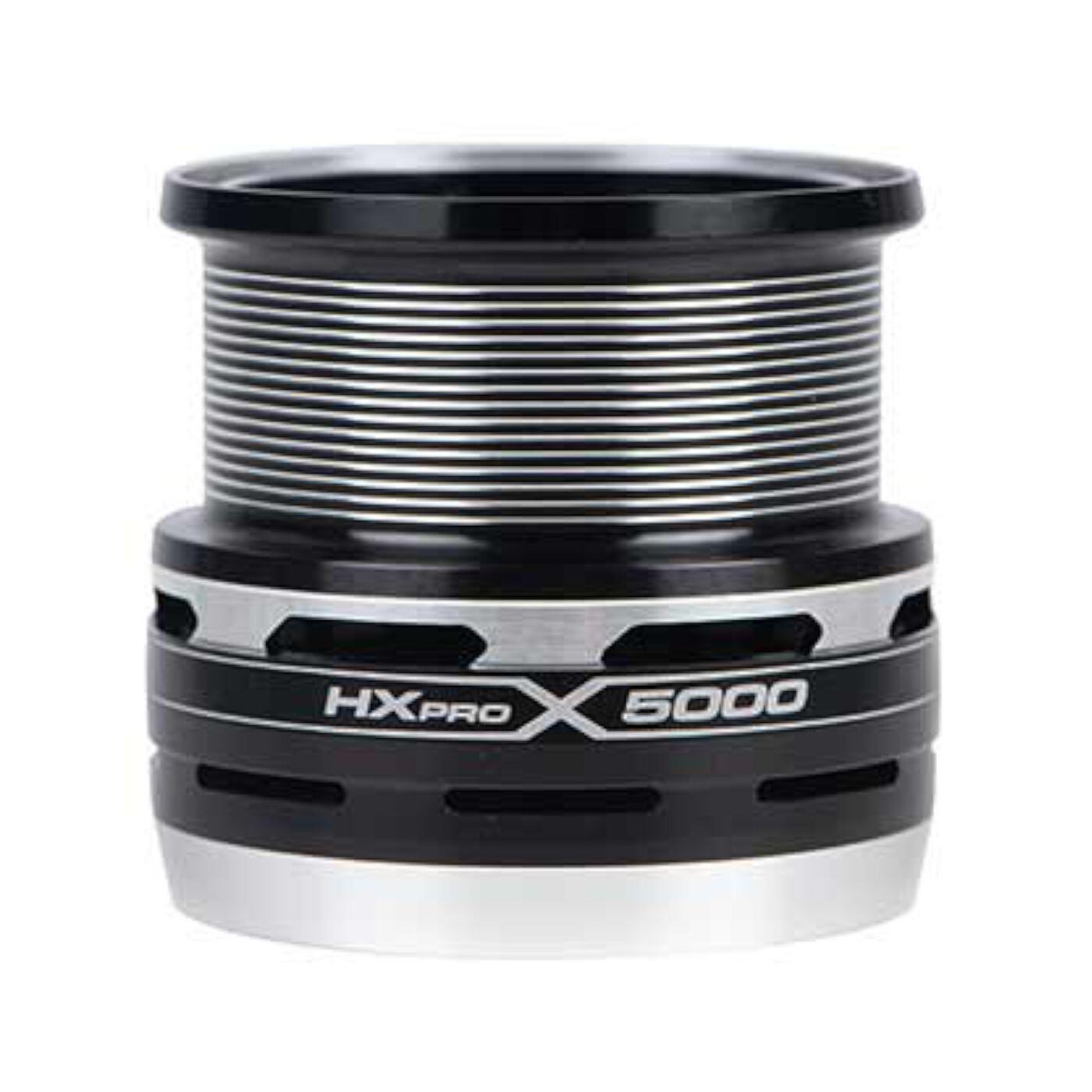
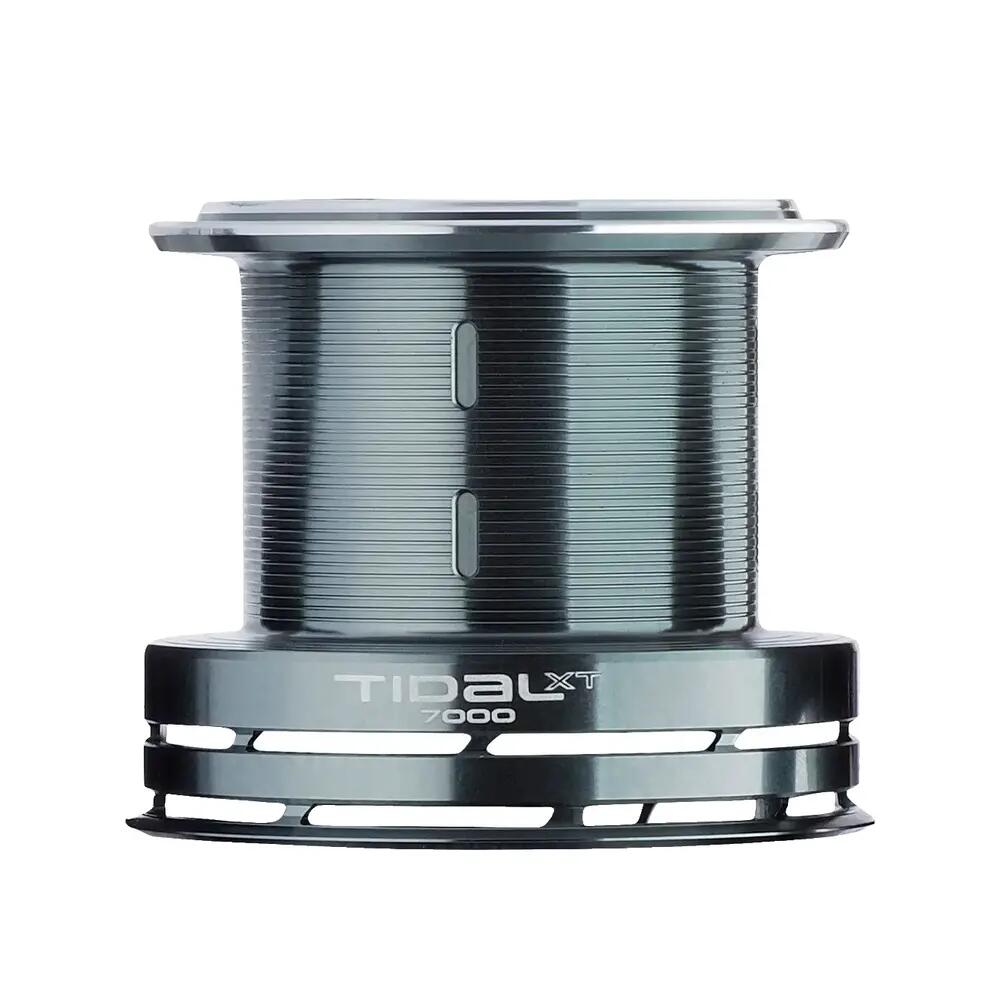
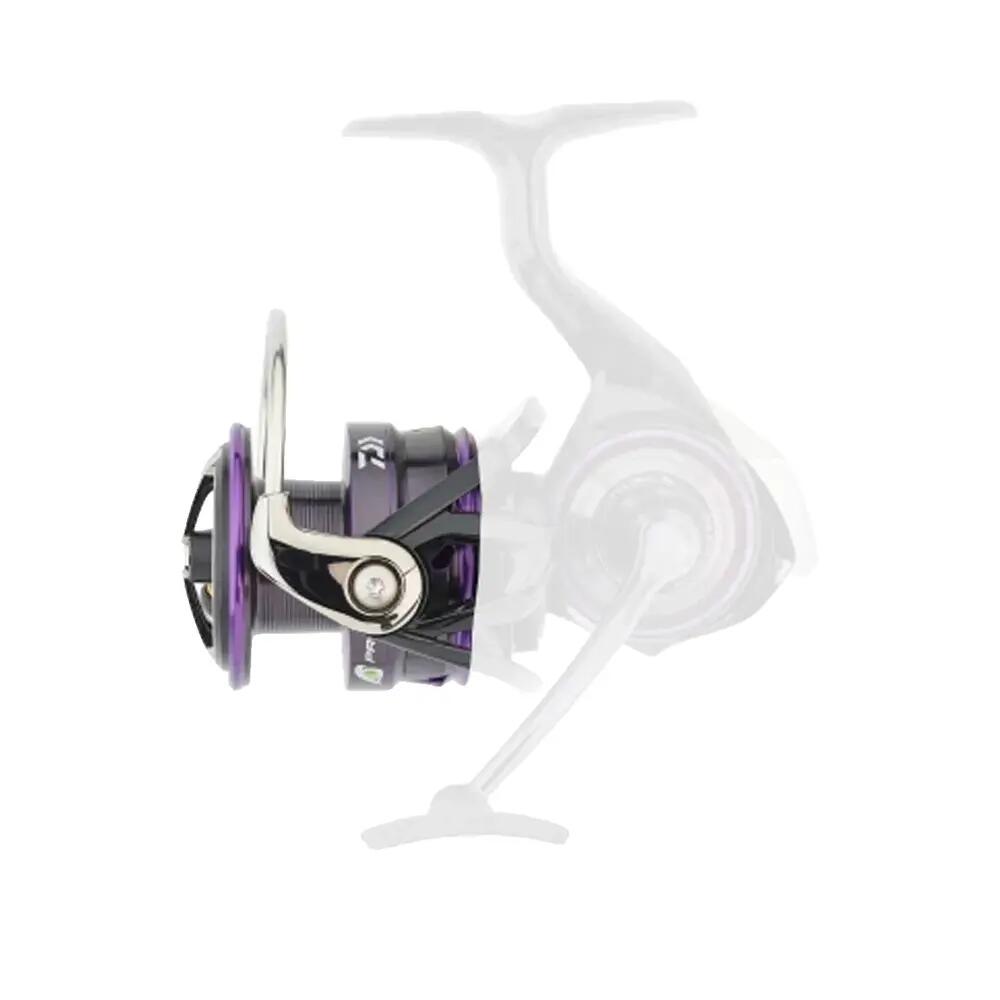
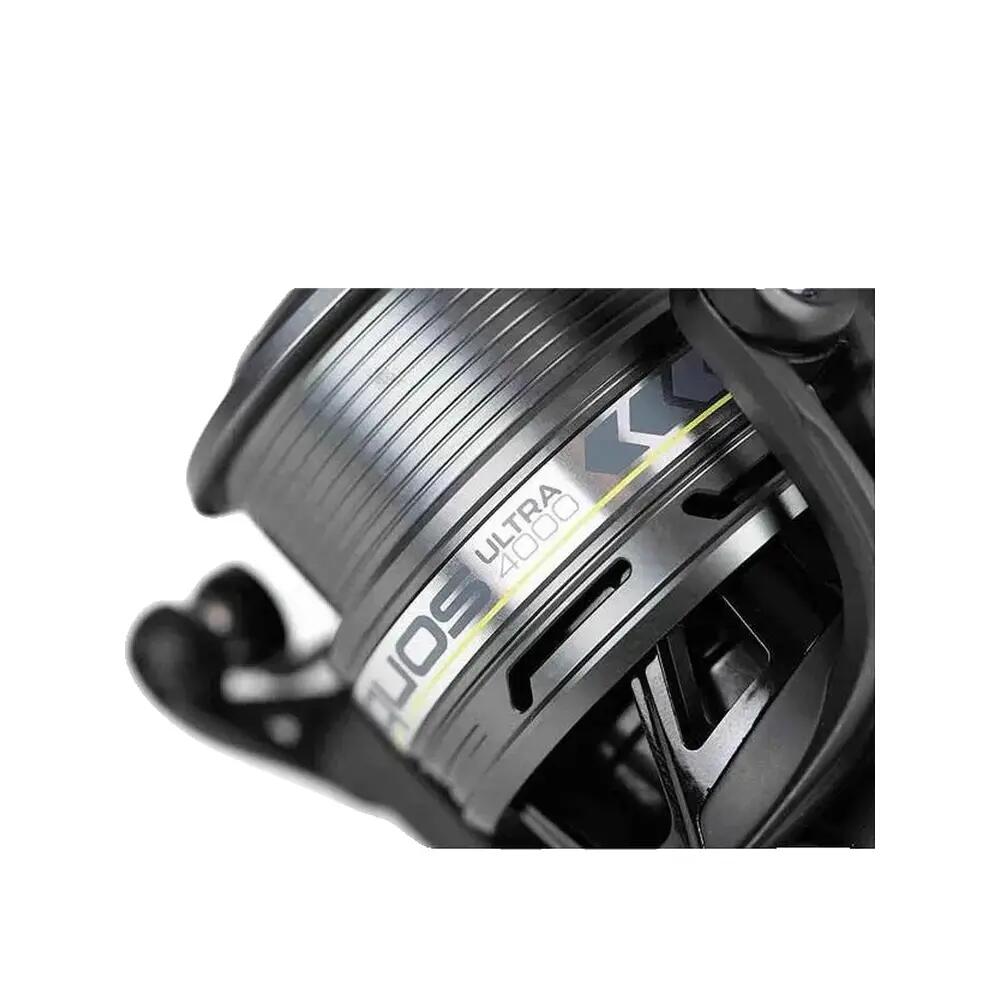
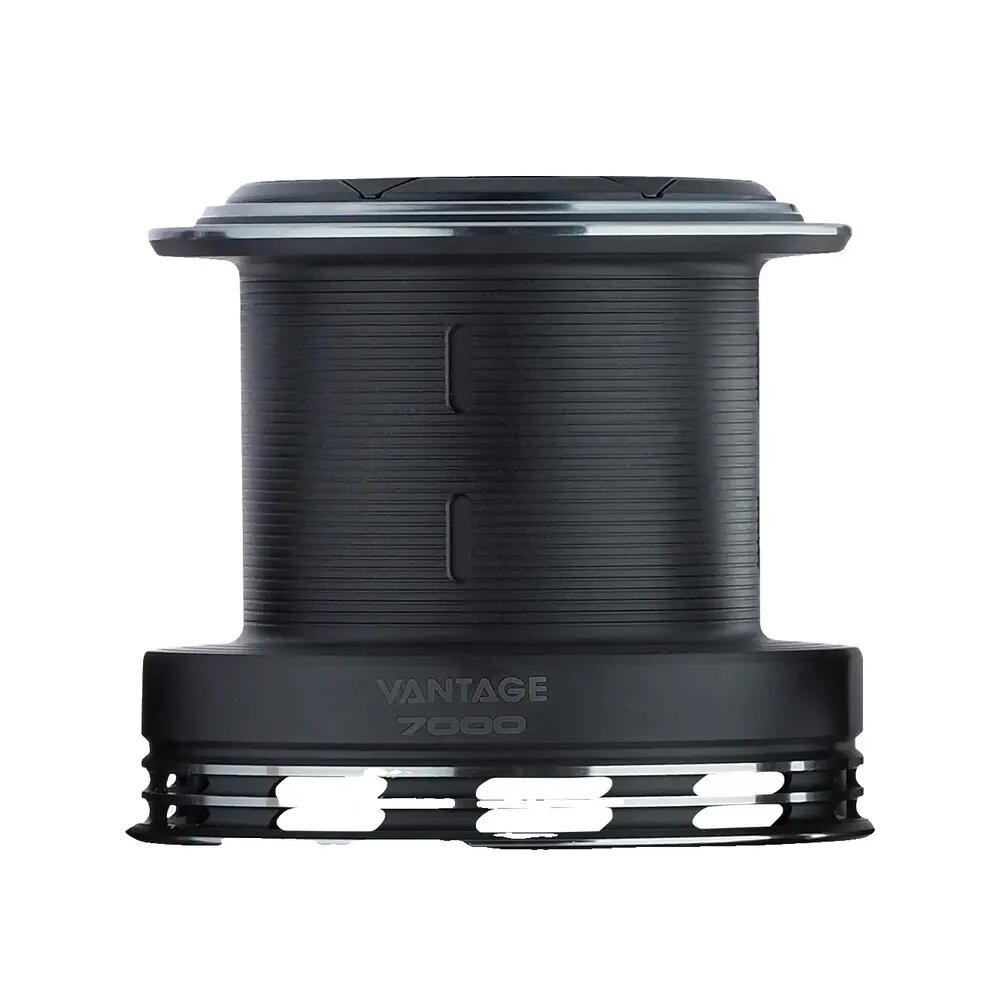
A reel spool may need replacing if the lip becomes damaged, the original spool is lost or you want another spool ready with a different line setup. Caperlan supports selected reels with like-for-like components rather than requiring replacement of the complete reel. The replacement free spooling reel spool is made for the Sensitiv 500 FS 4000 and retains the aluminium construction of the original component. Before fitting a new spool, confirm the reel model and size because spools that look similar may not share the same dimensions or drag interface. Keeping a second compatible spool can also let you prepare different line diameters for changing fishing situations without stripping line from the reel each time.

Can small fixing parts be replaced on a CSB fishing station?

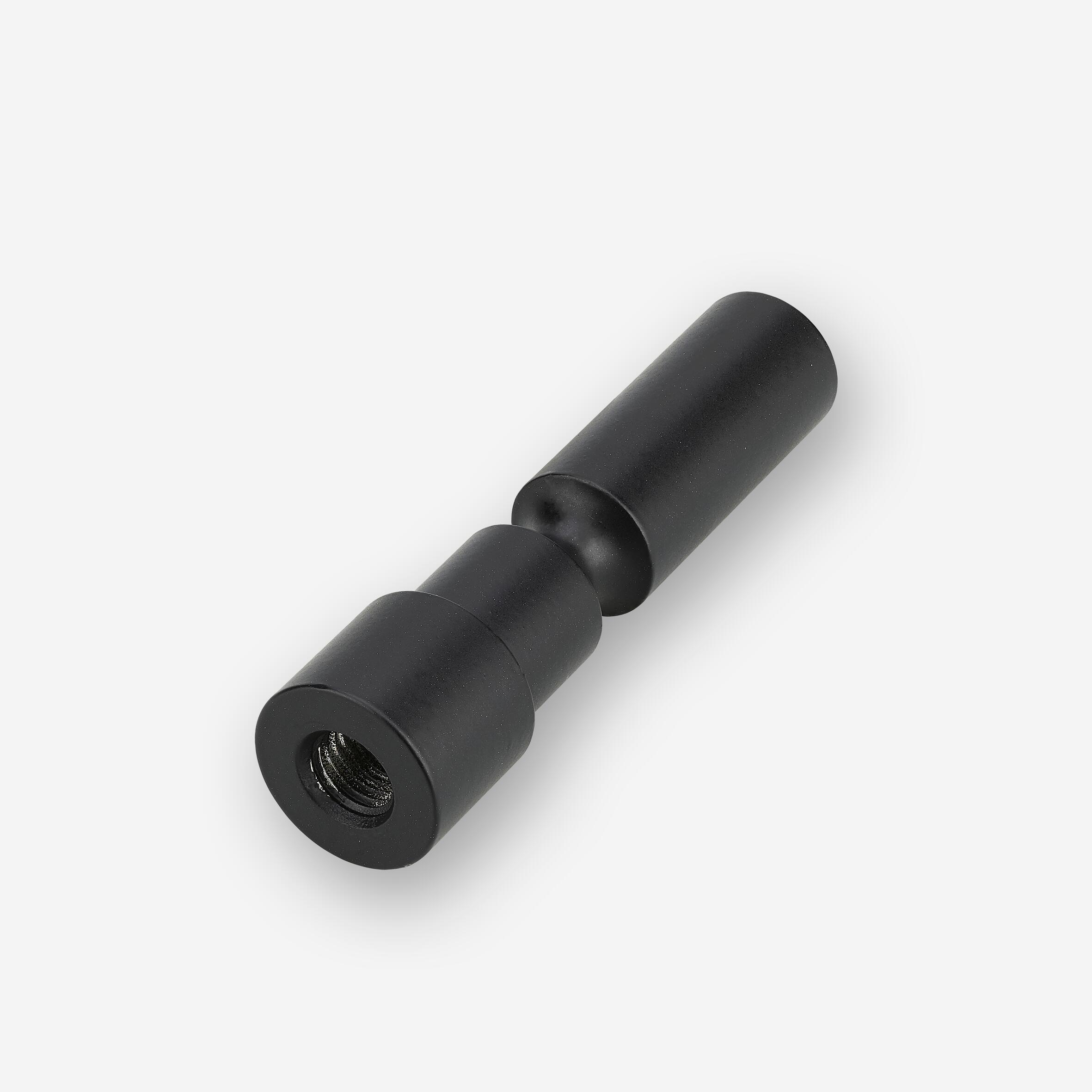
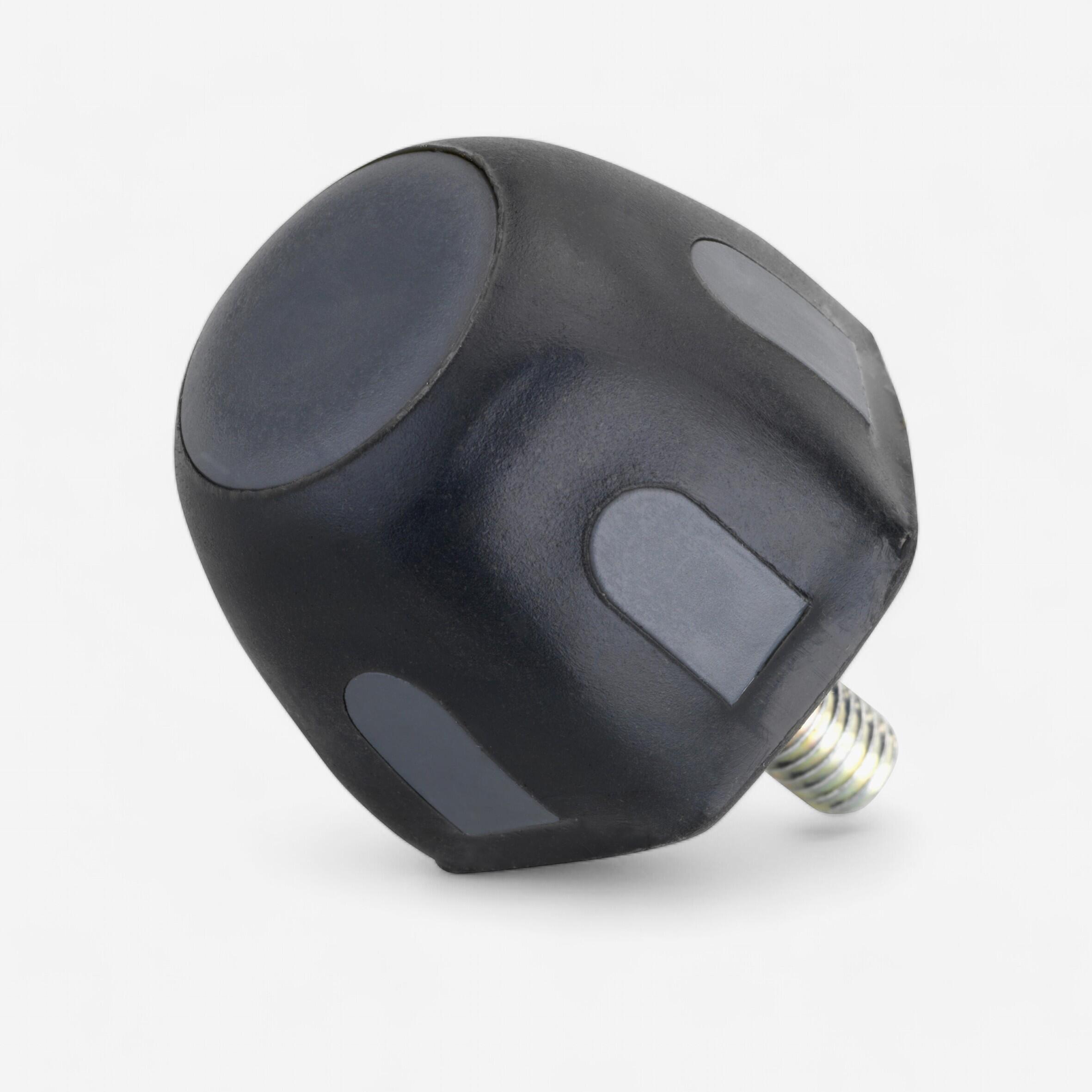
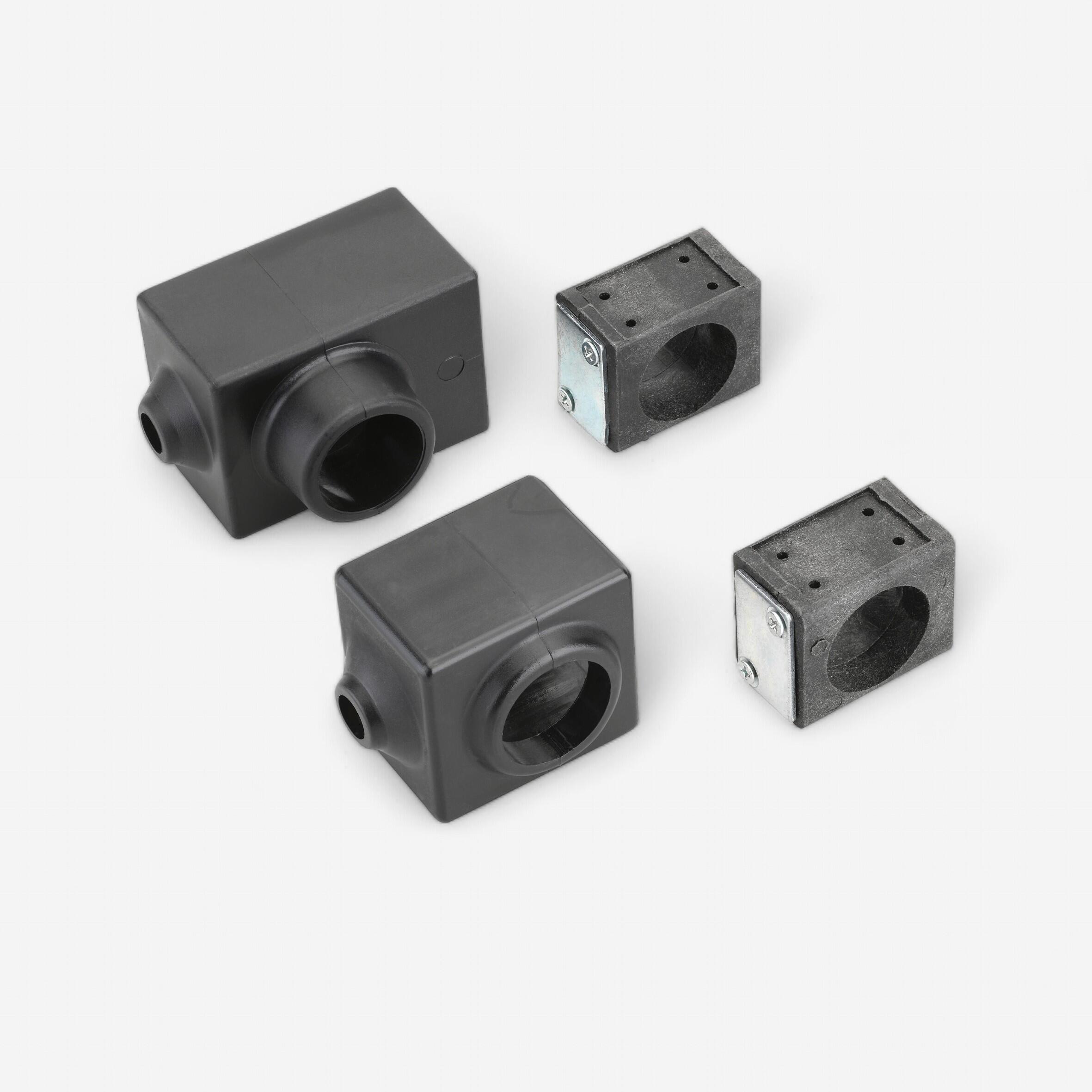
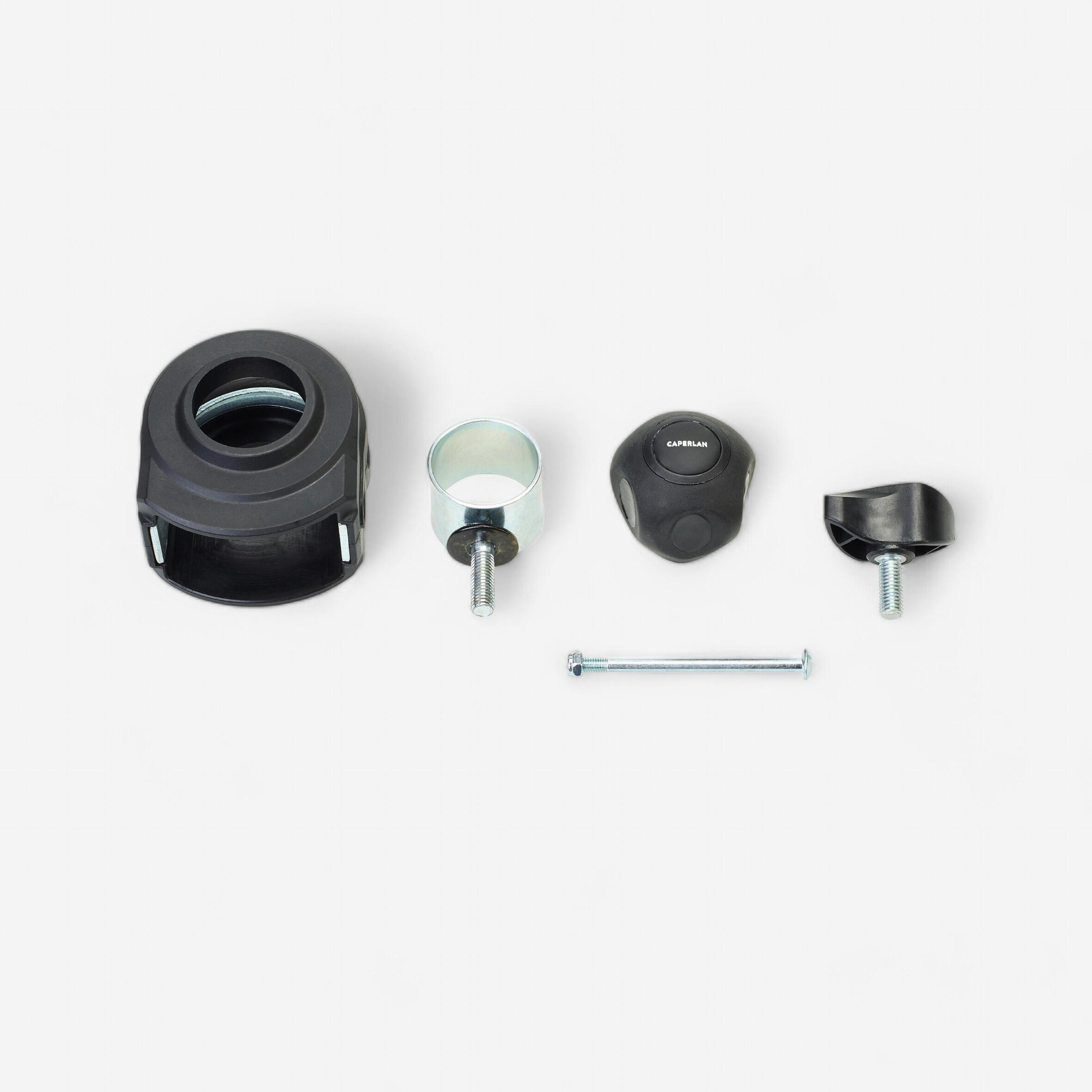
Yes. A loose or damaged fitting does not always mean that a complete station leg or chassis section needs replacing. Caperlan supplies small structural components for specific CSB models, including sockets and screw-related parts used around station feet and frames. The socket for CSB station foot screw is model-specific, which shows why compatibility checks matter even for a small repair. Compare the shape of the original socket and confirm the station family before fitting the replacement. During routine maintenance, clean grit from adjustment areas and check screws for movement, because dealing with a worn fixing early can prevent extra movement from placing unnecessary strain on neighbouring station components.

Which parts of a seat box or fishing station can be repaired separately?

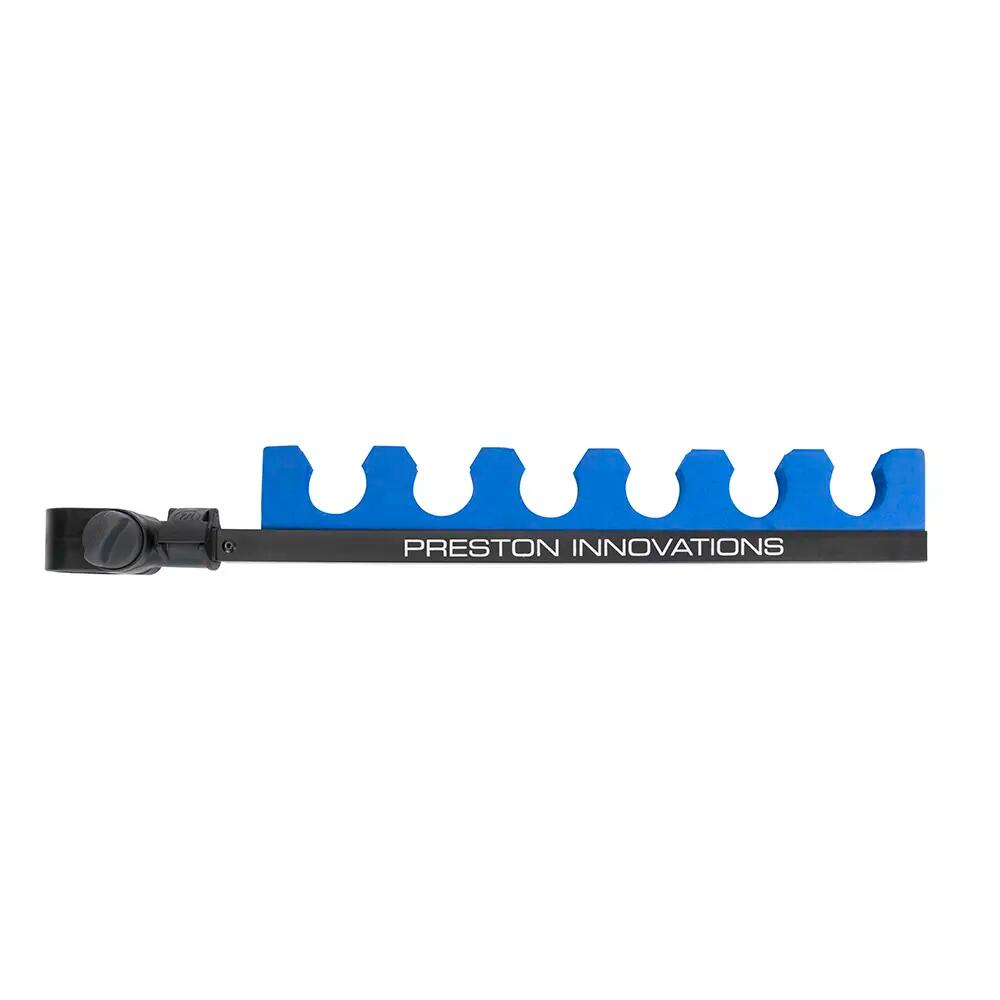
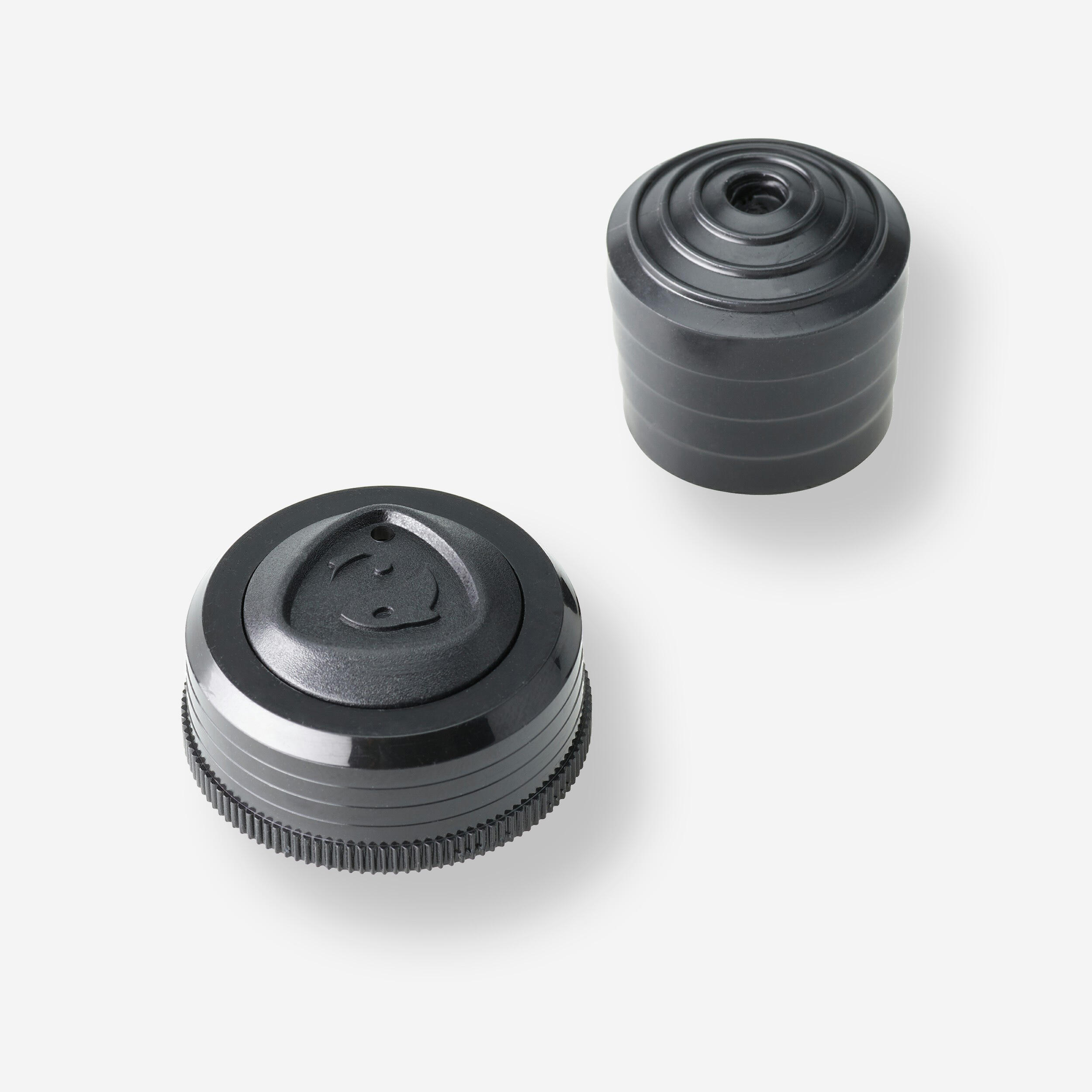
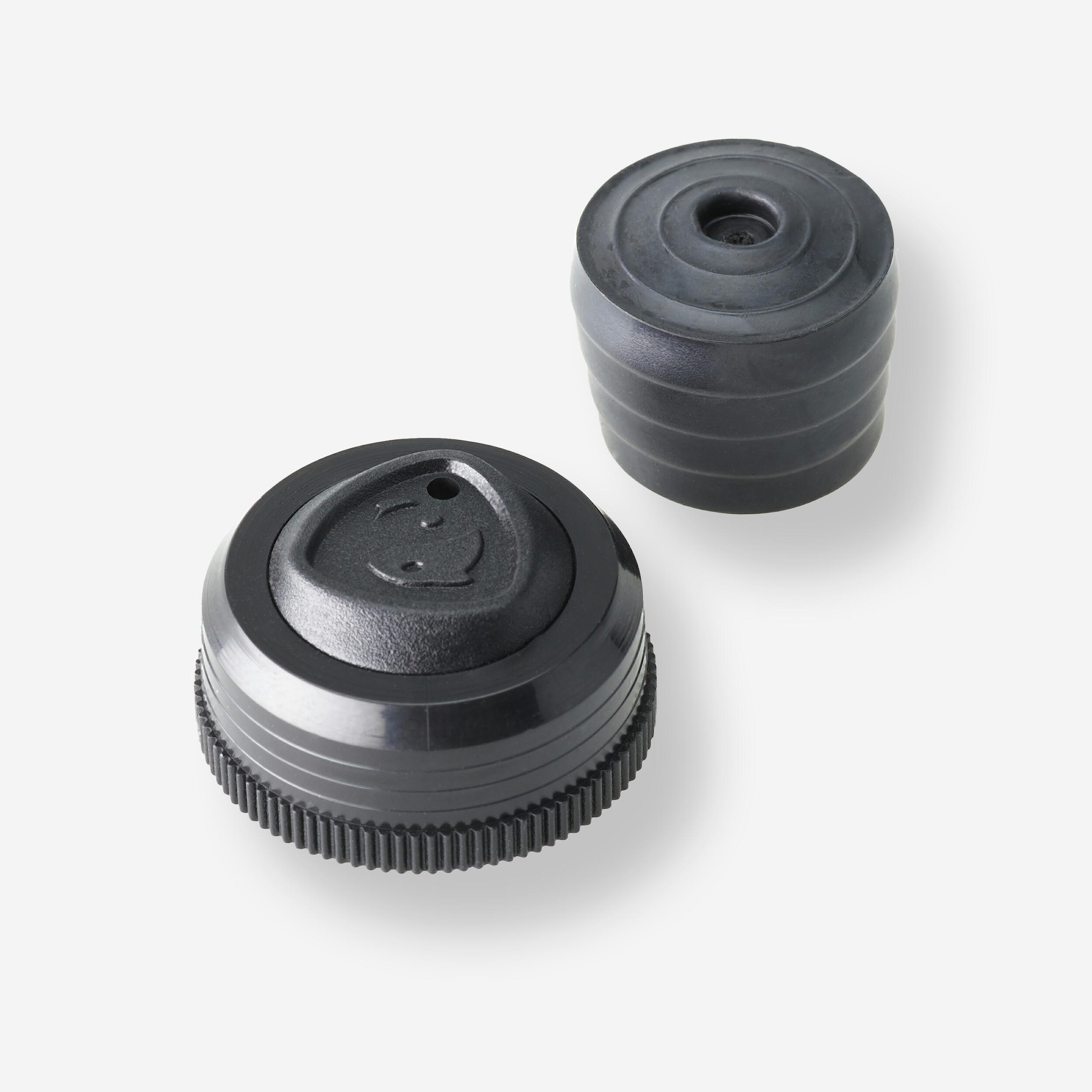
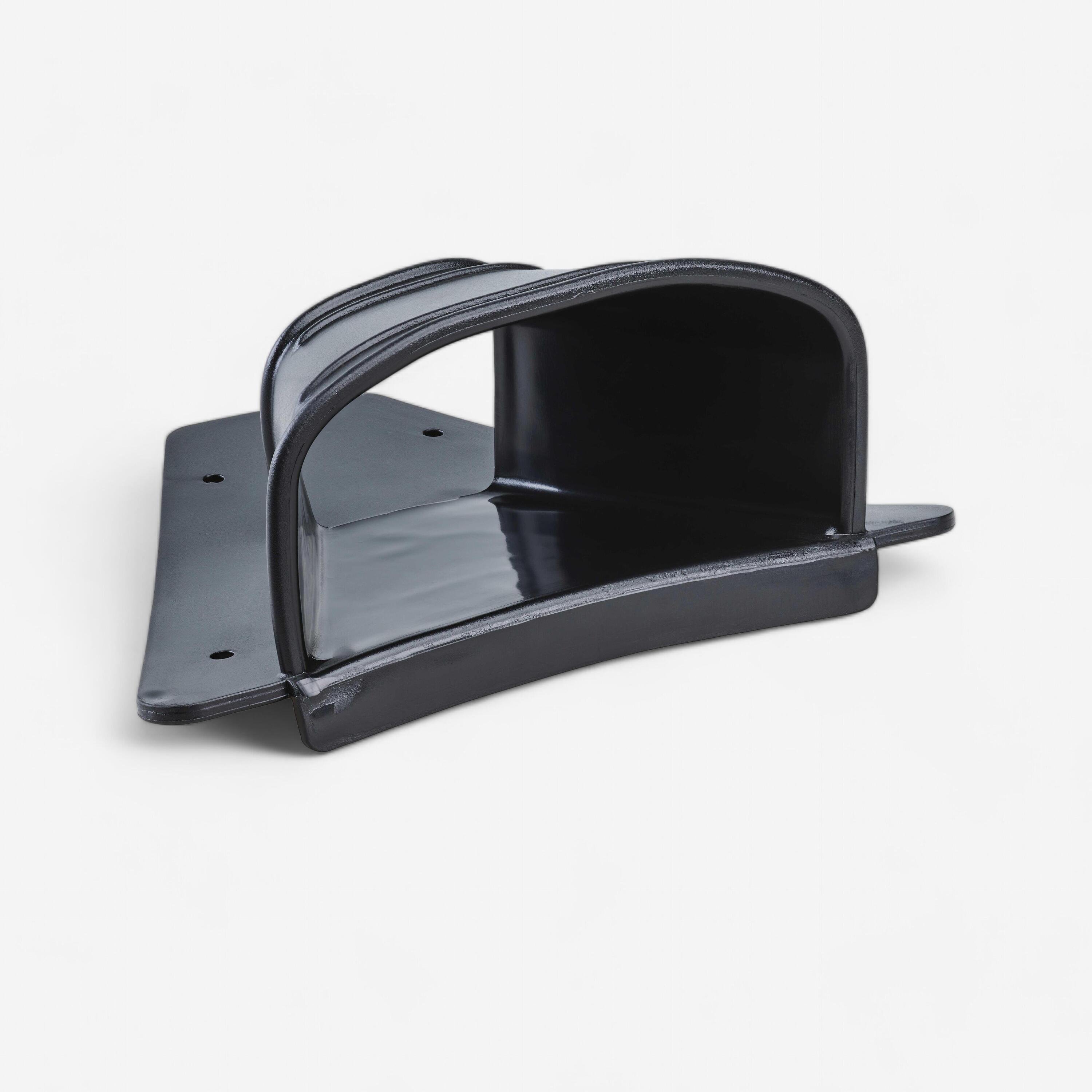
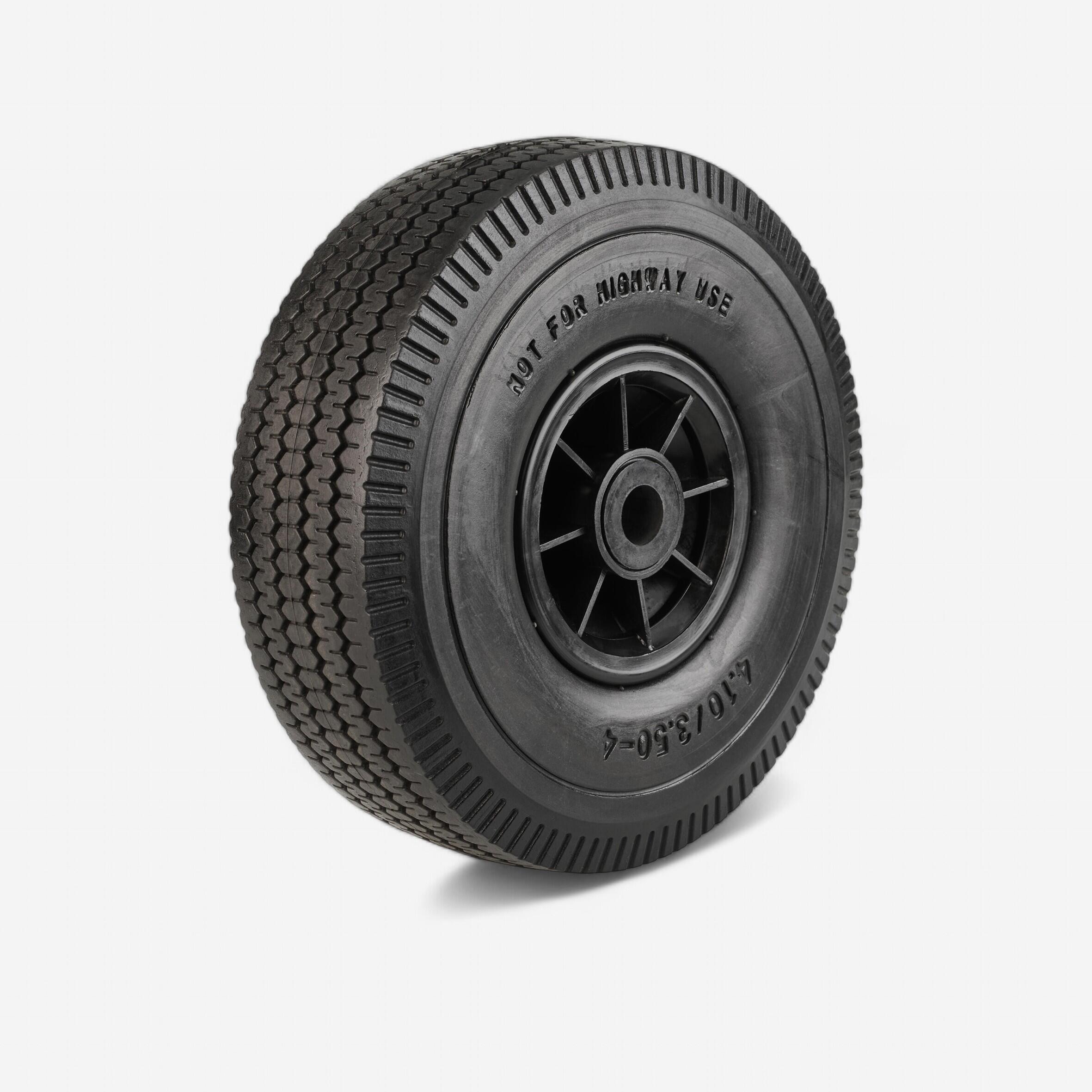
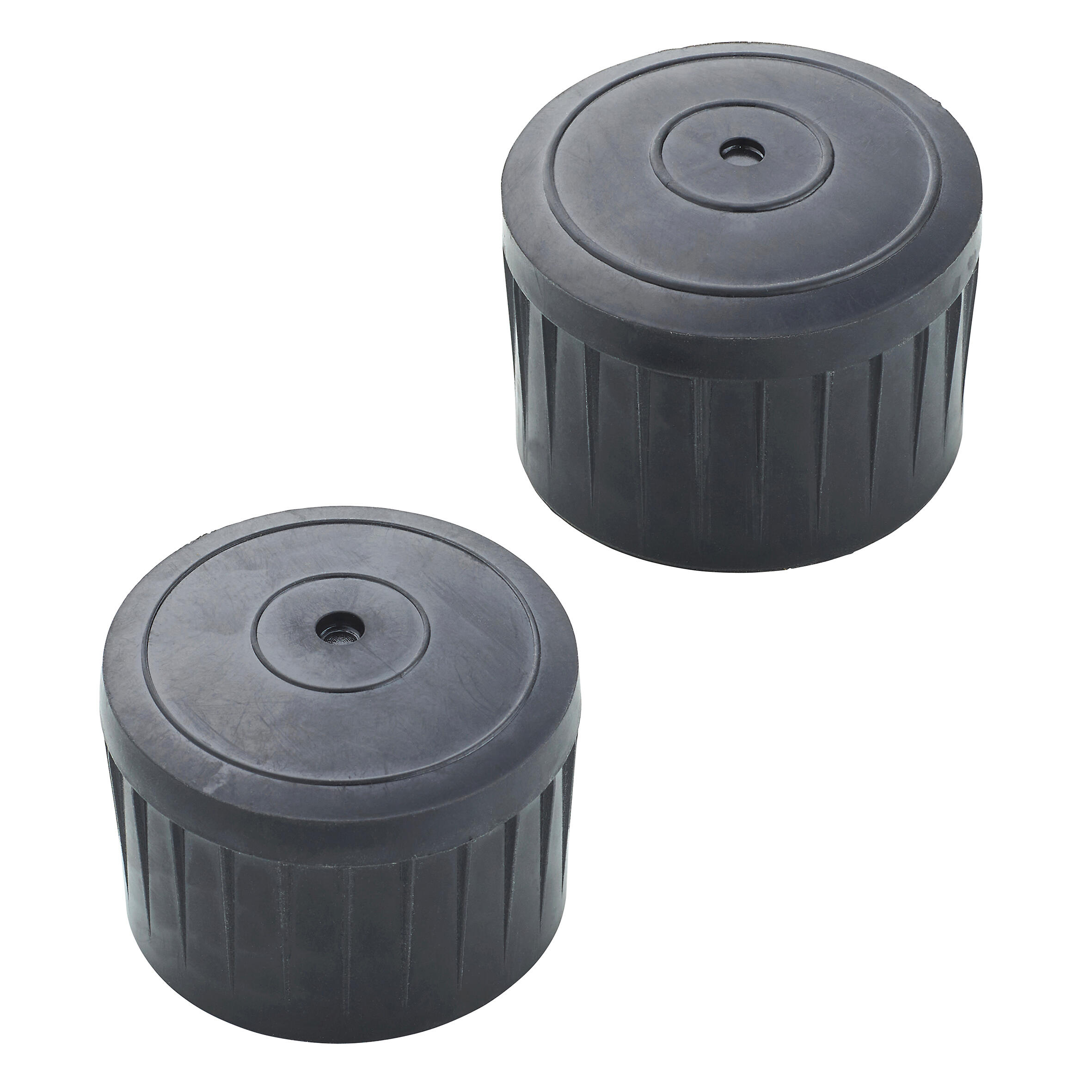
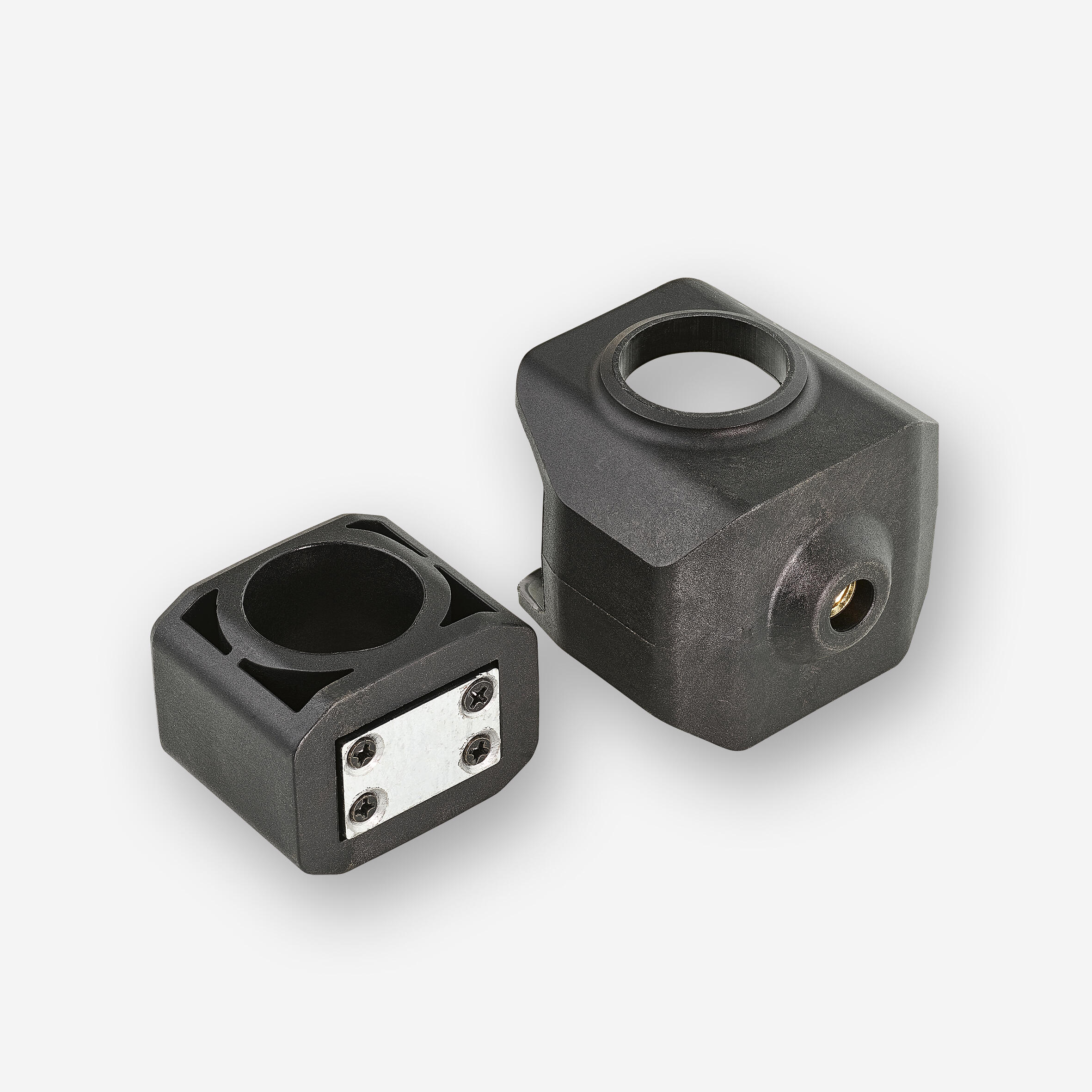
Caperlan's repair approach covers much more than complete legs. Depending on the station, replacement components can include telescopic feet, screw kits, chassis connectors, handles, cushions, platform parts, locking mechanisms and accessory supports. This makes the seat boxes and stations spare parts range useful when one worn component is affecting an otherwise serviceable setup. Identify the exact station model first, then check whether the replacement matches its leg diameter and fixing system. After fitting a new telescopic or moving component, operate it several times before taking the station to the bank. Rinse adjustable feet after muddy sessions and allow them to dry so dirt does not remain inside sliding mechanisms where it can interfere with later adjustment.

Can you replace a broken section of a coarse fishing rod?

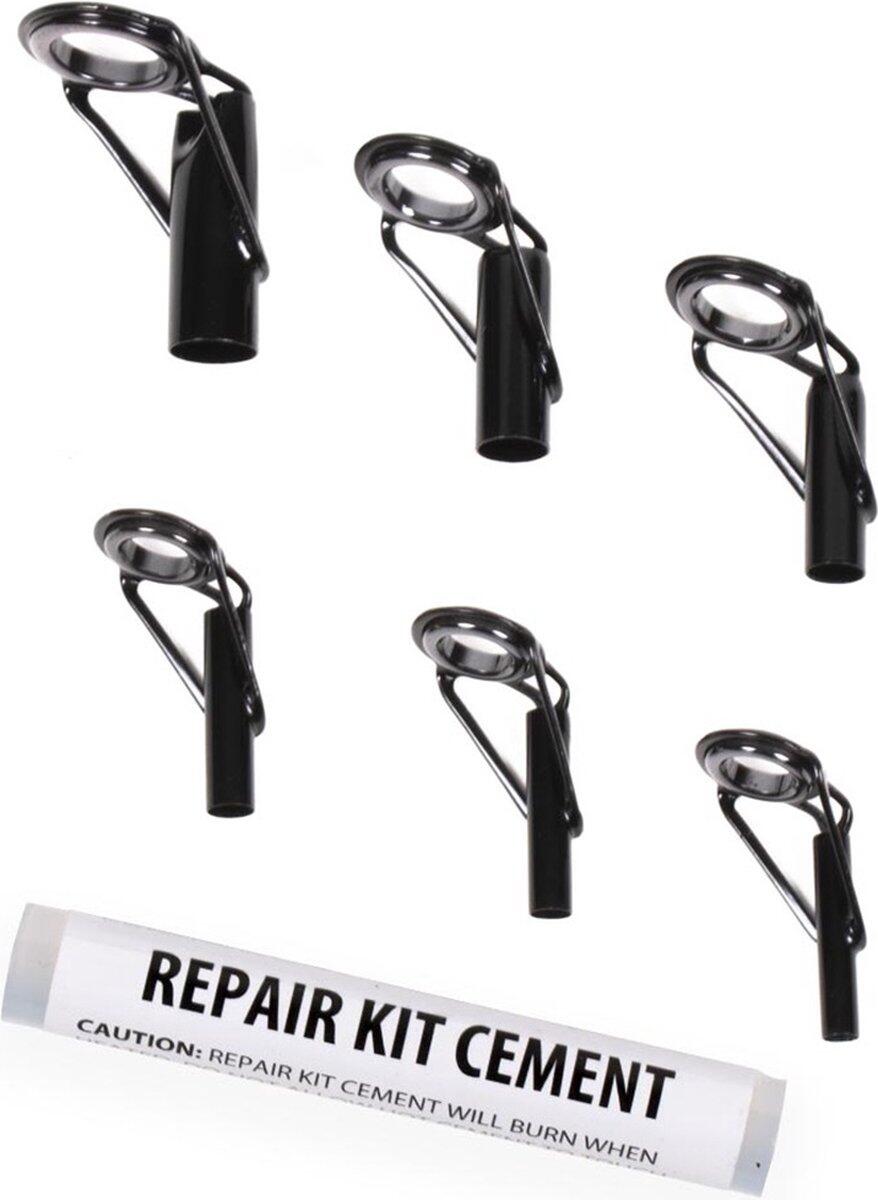
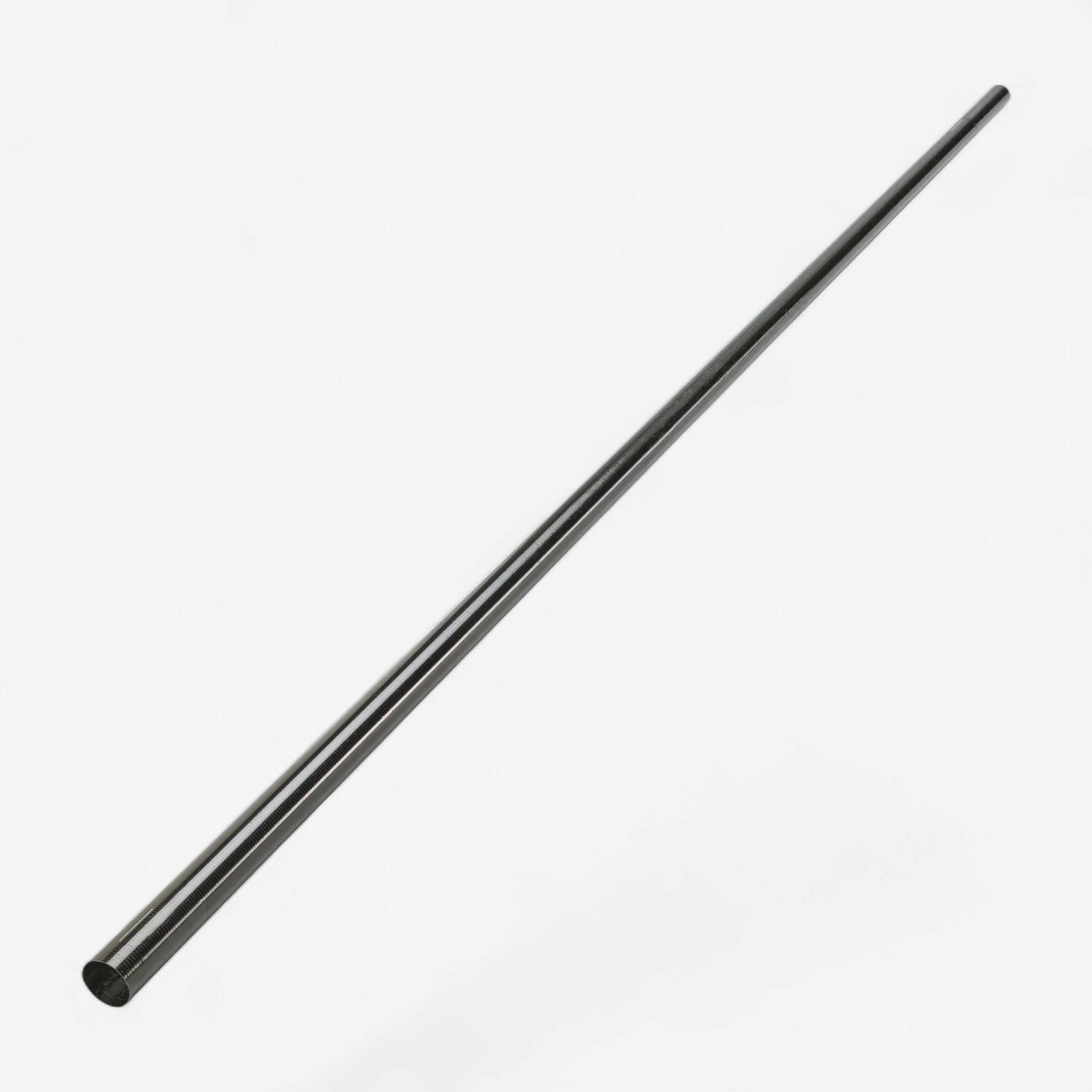
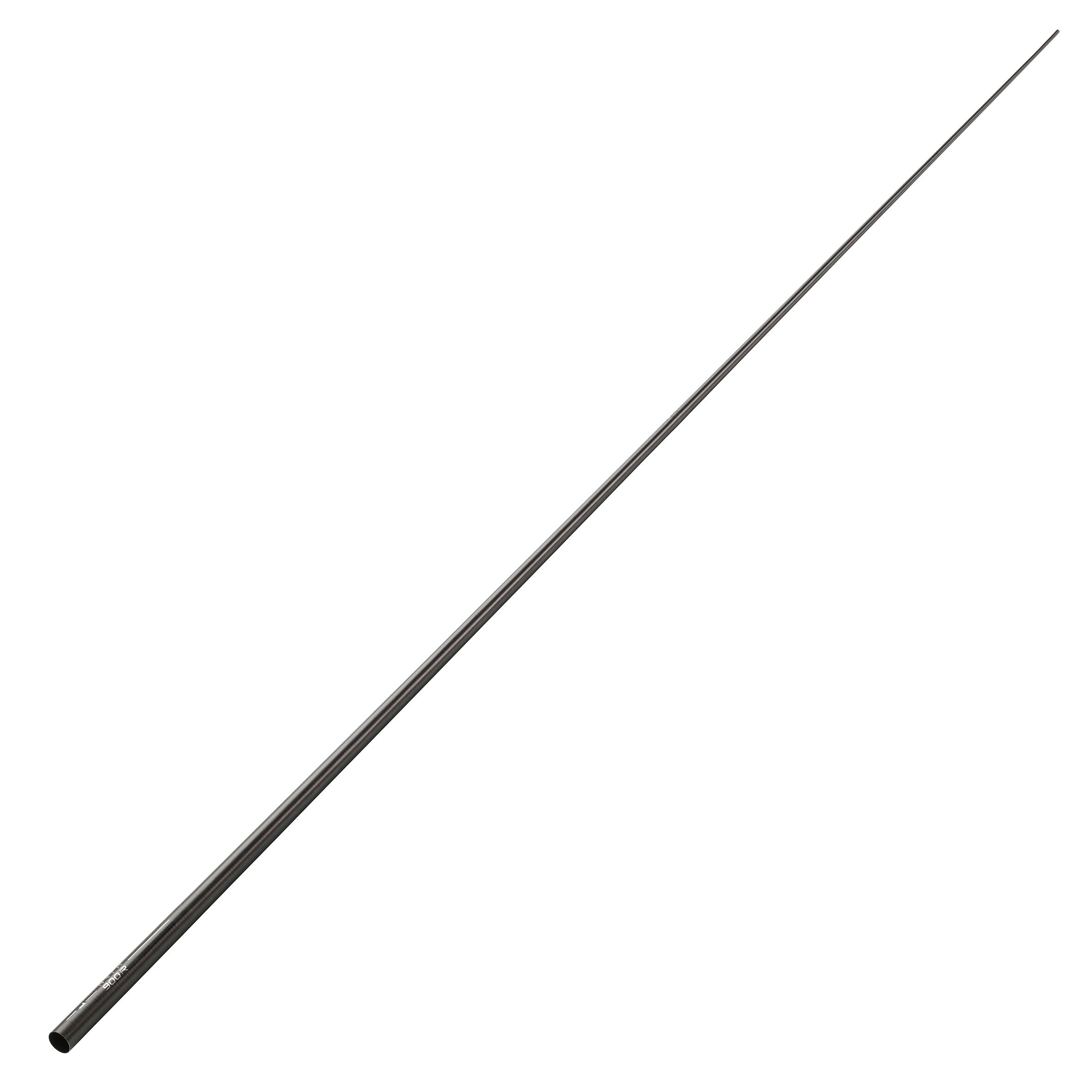
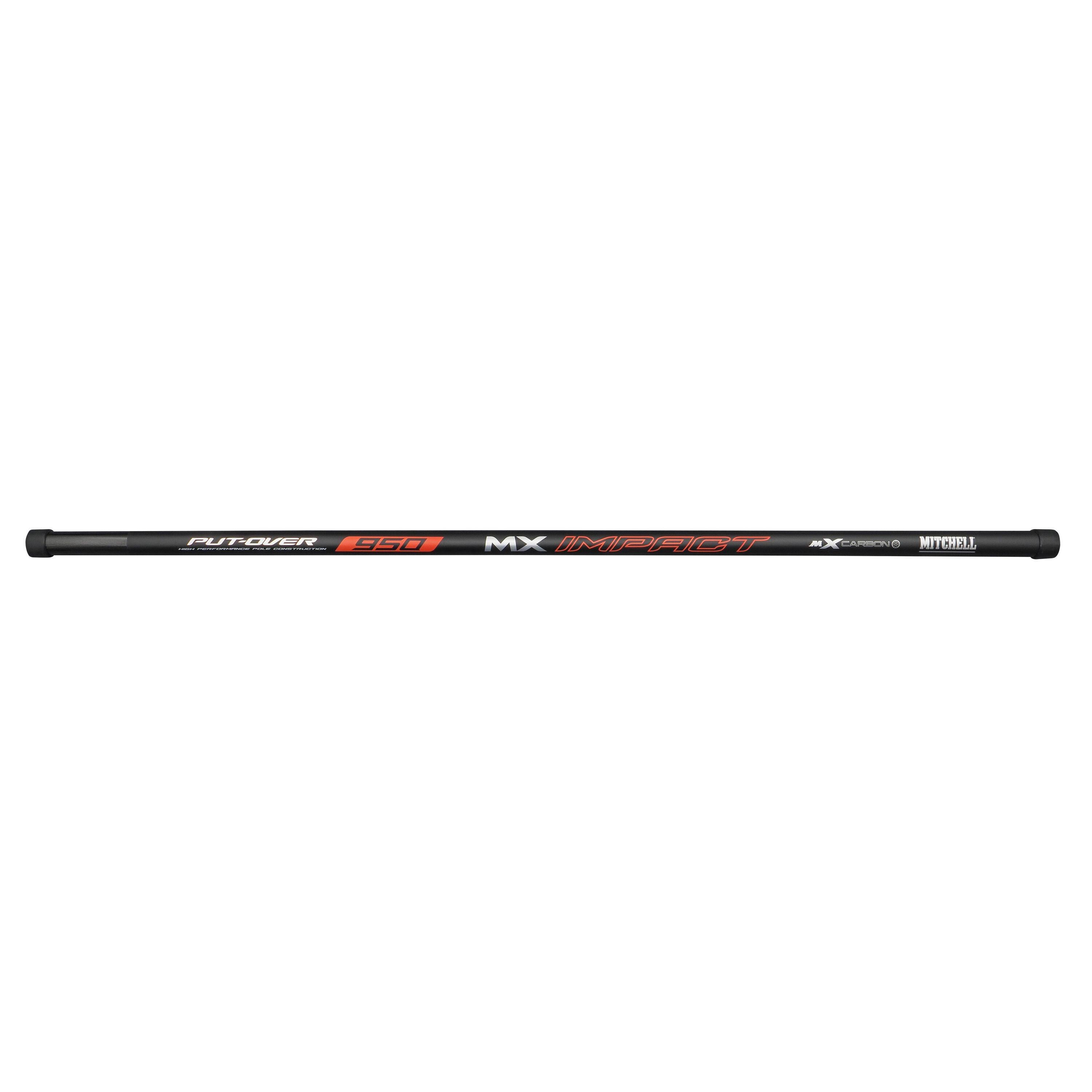
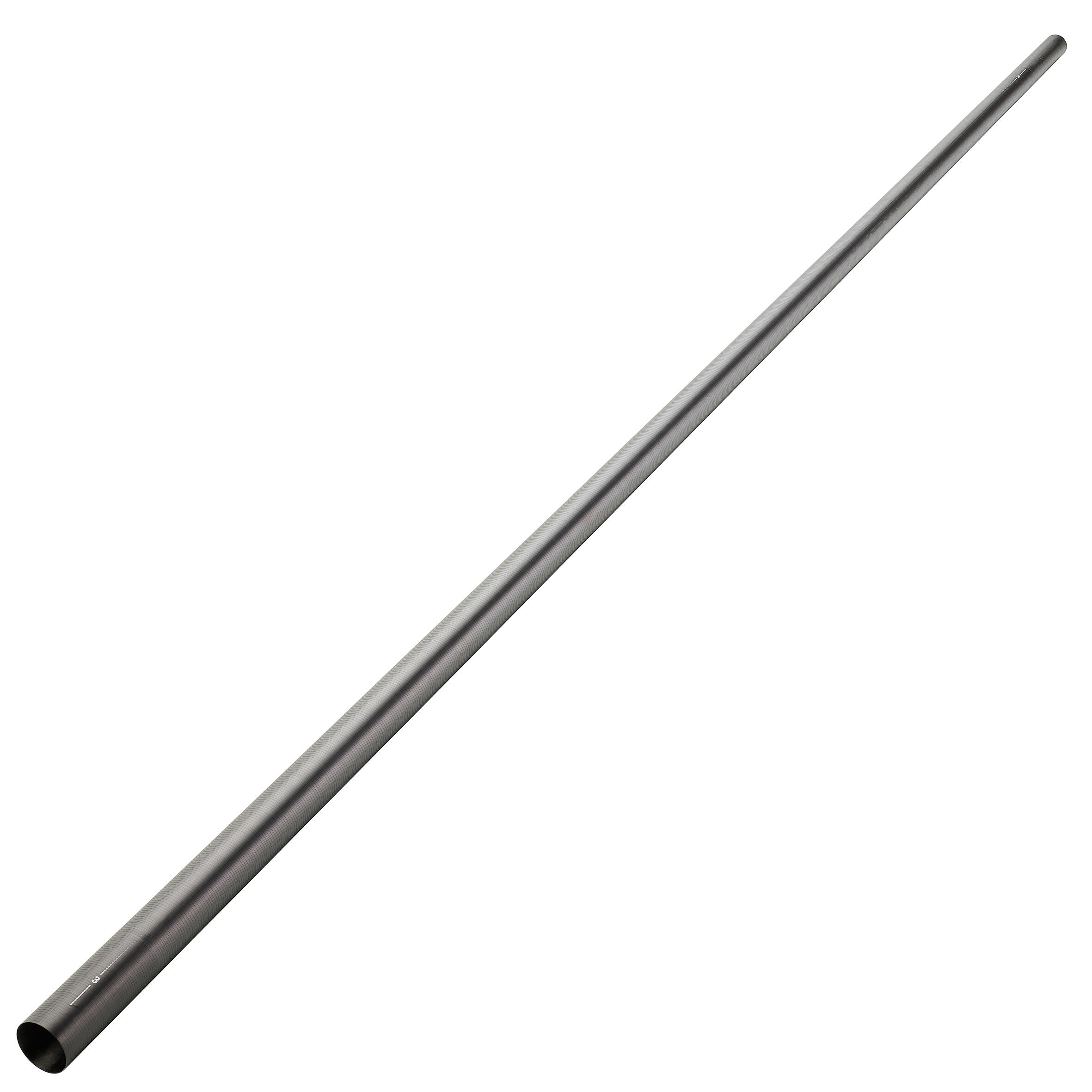
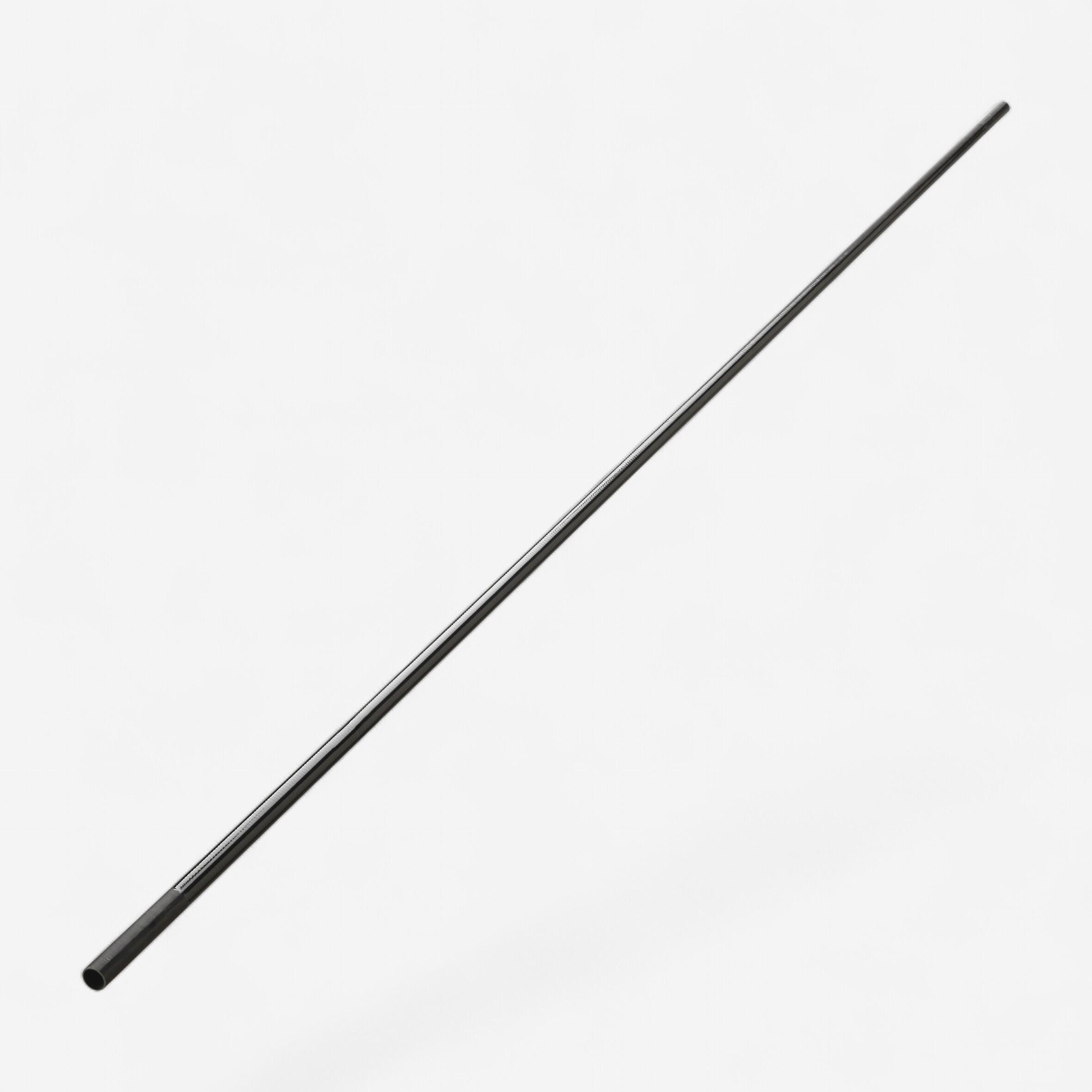
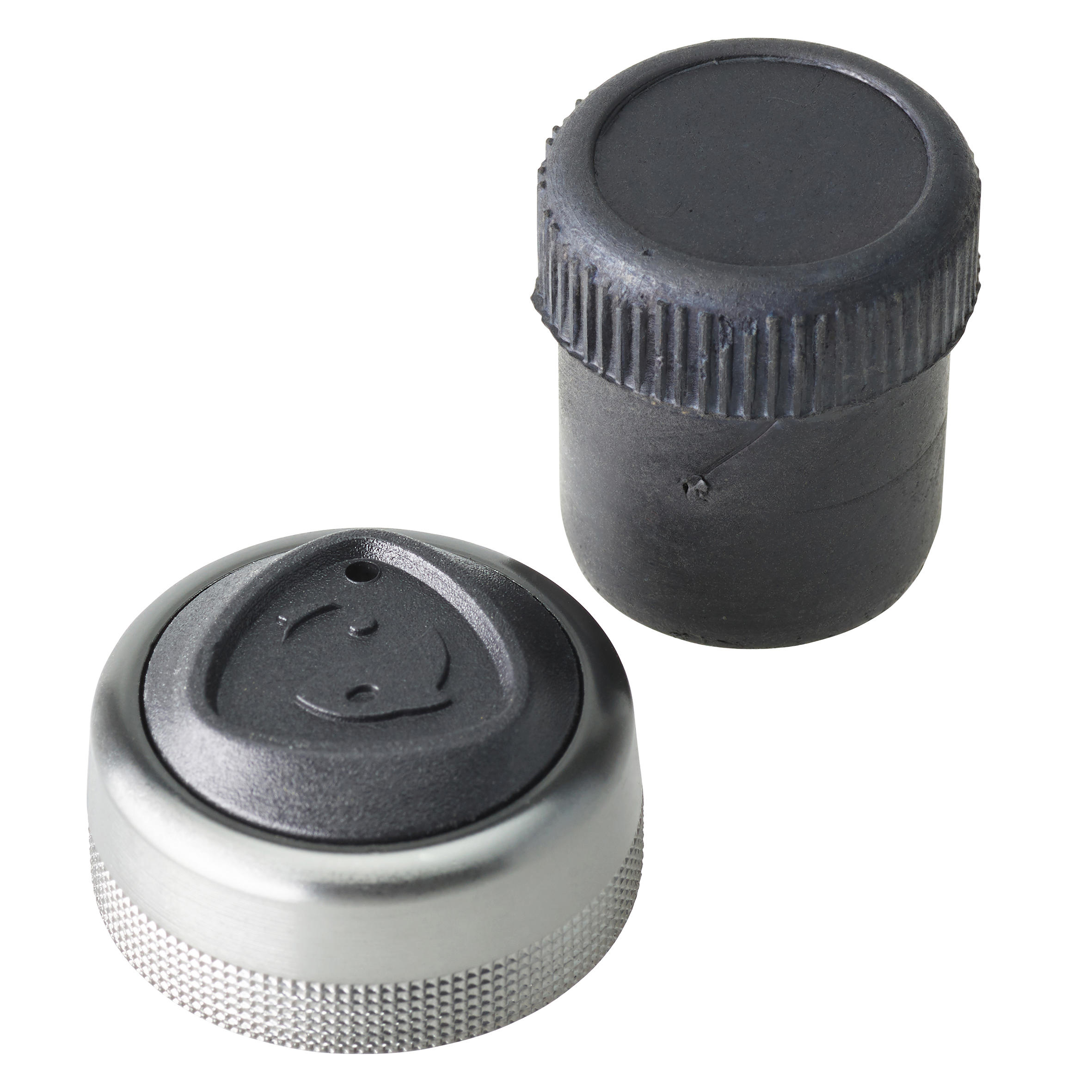
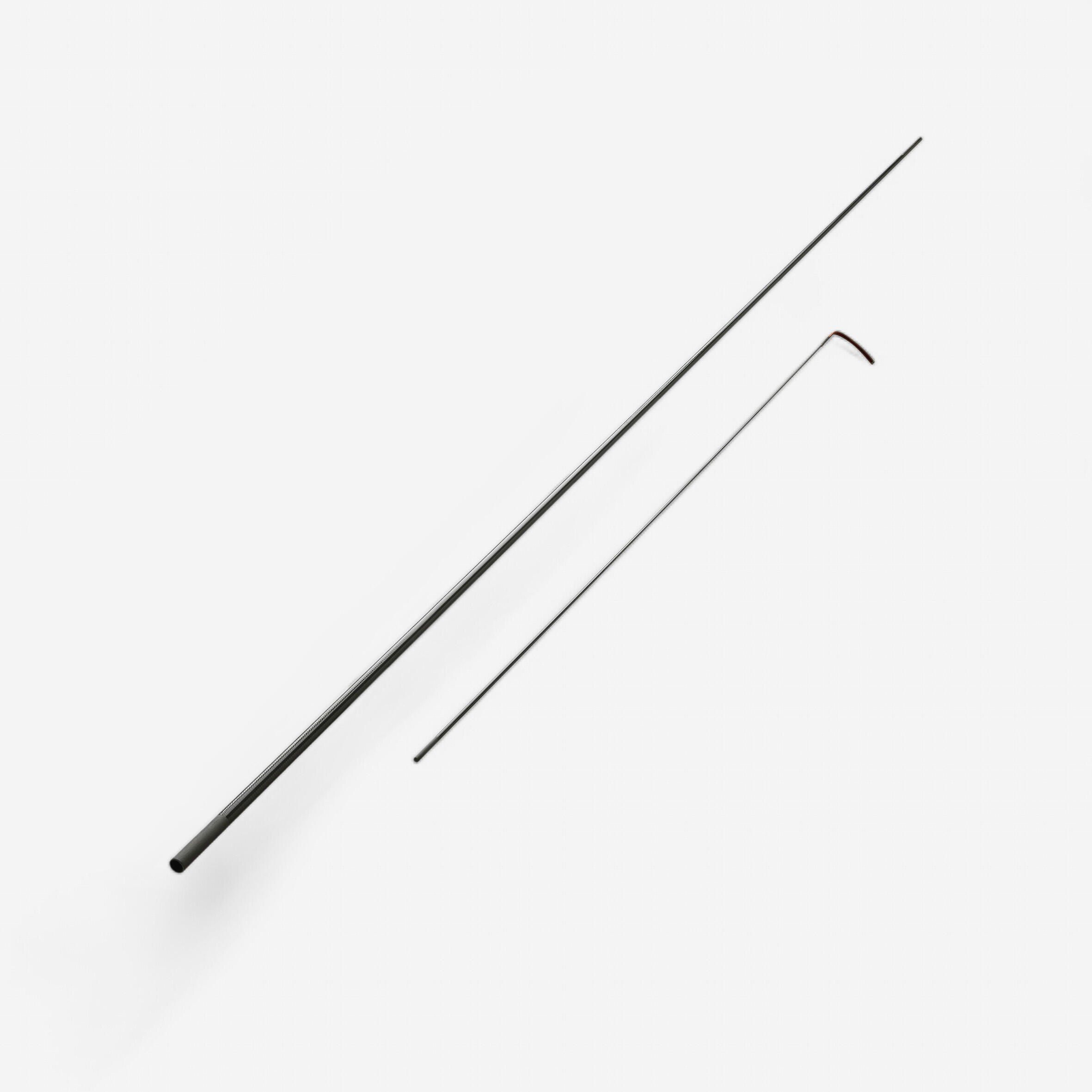
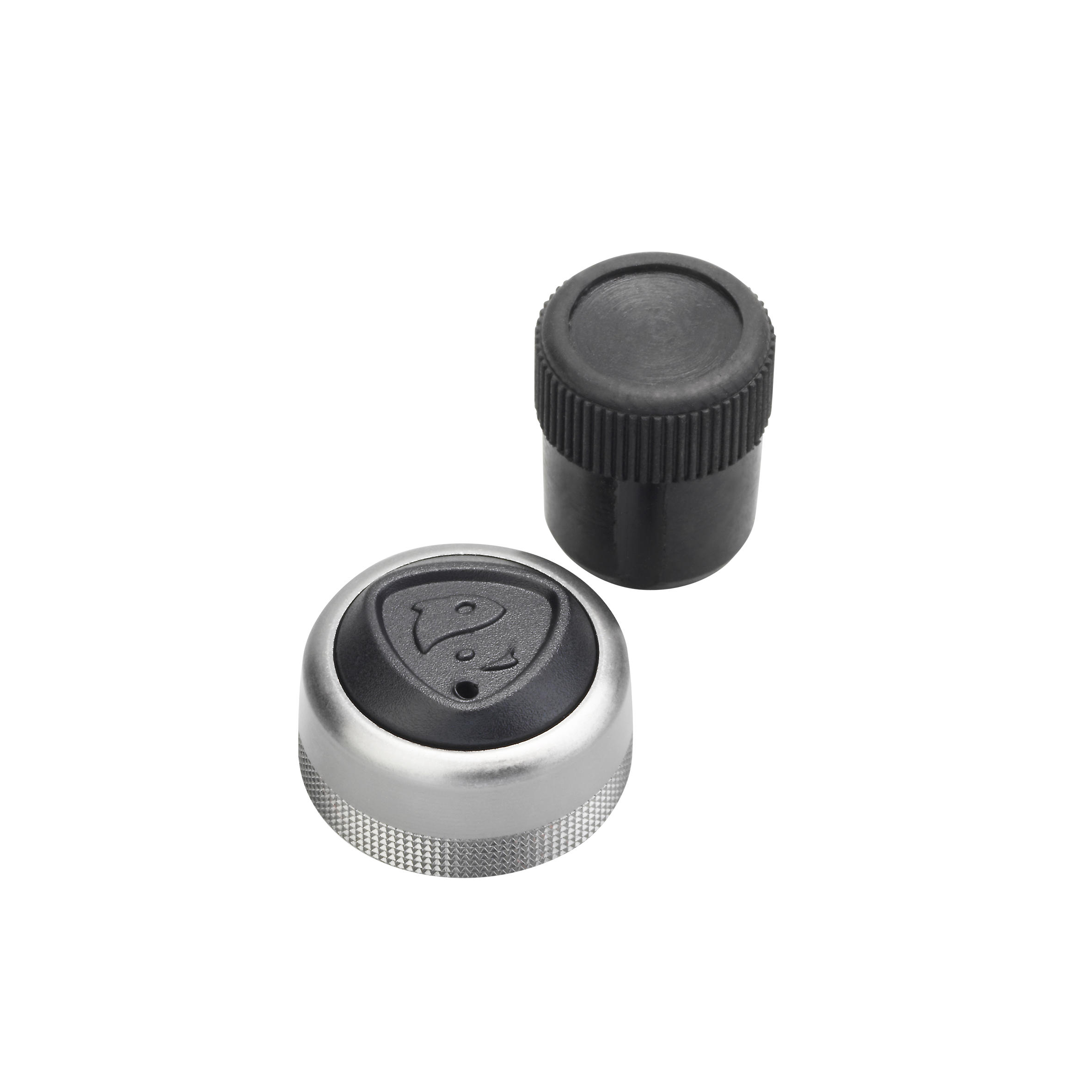
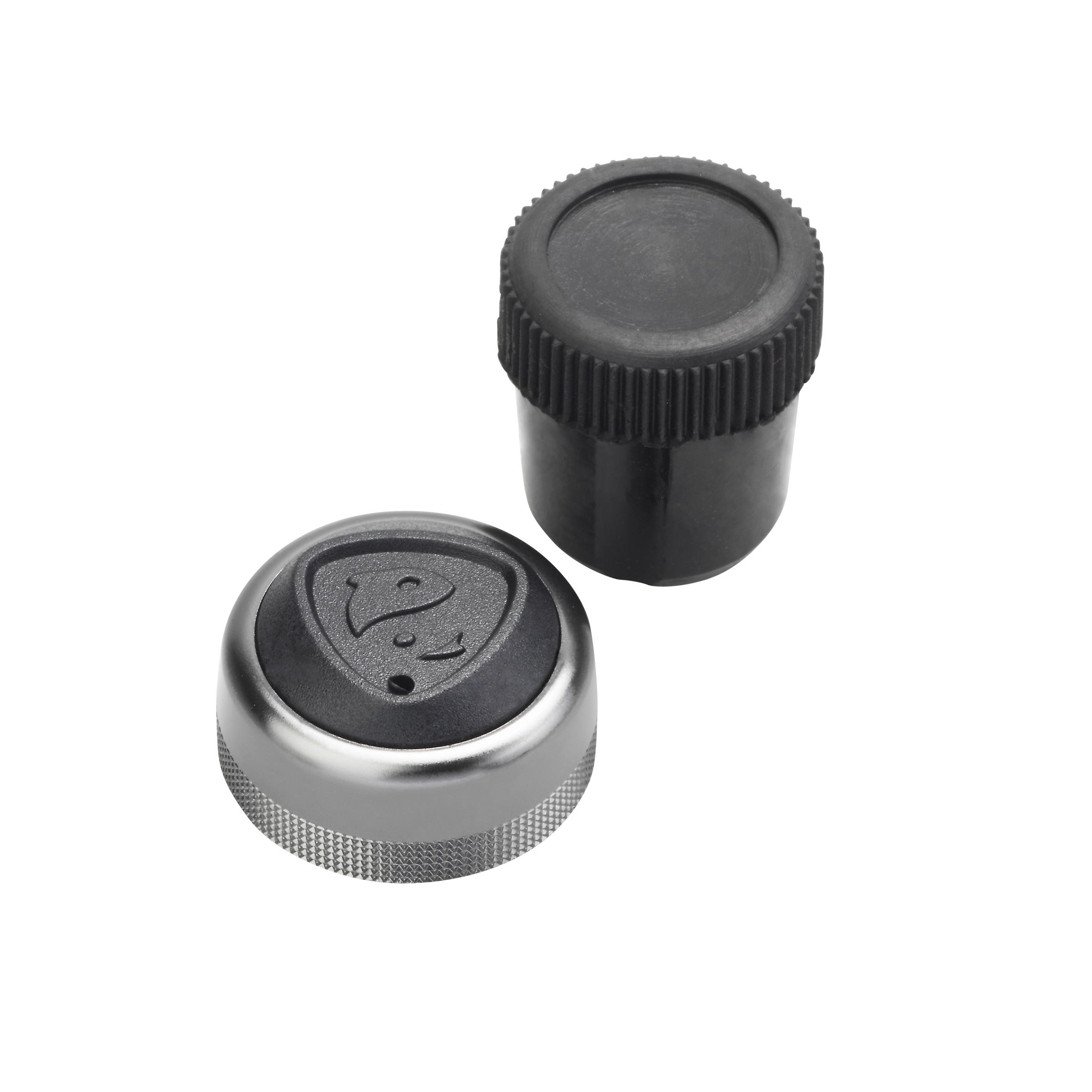
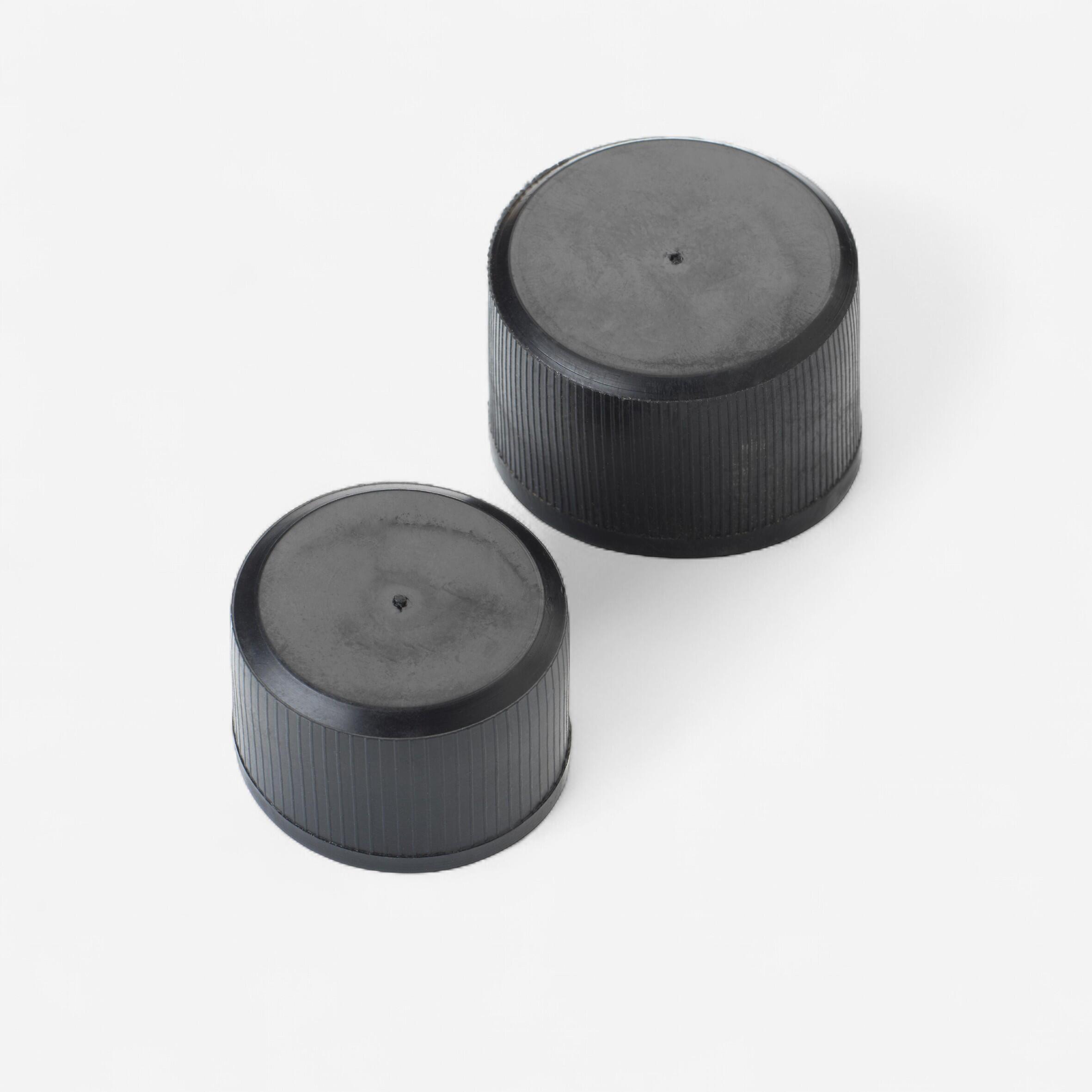
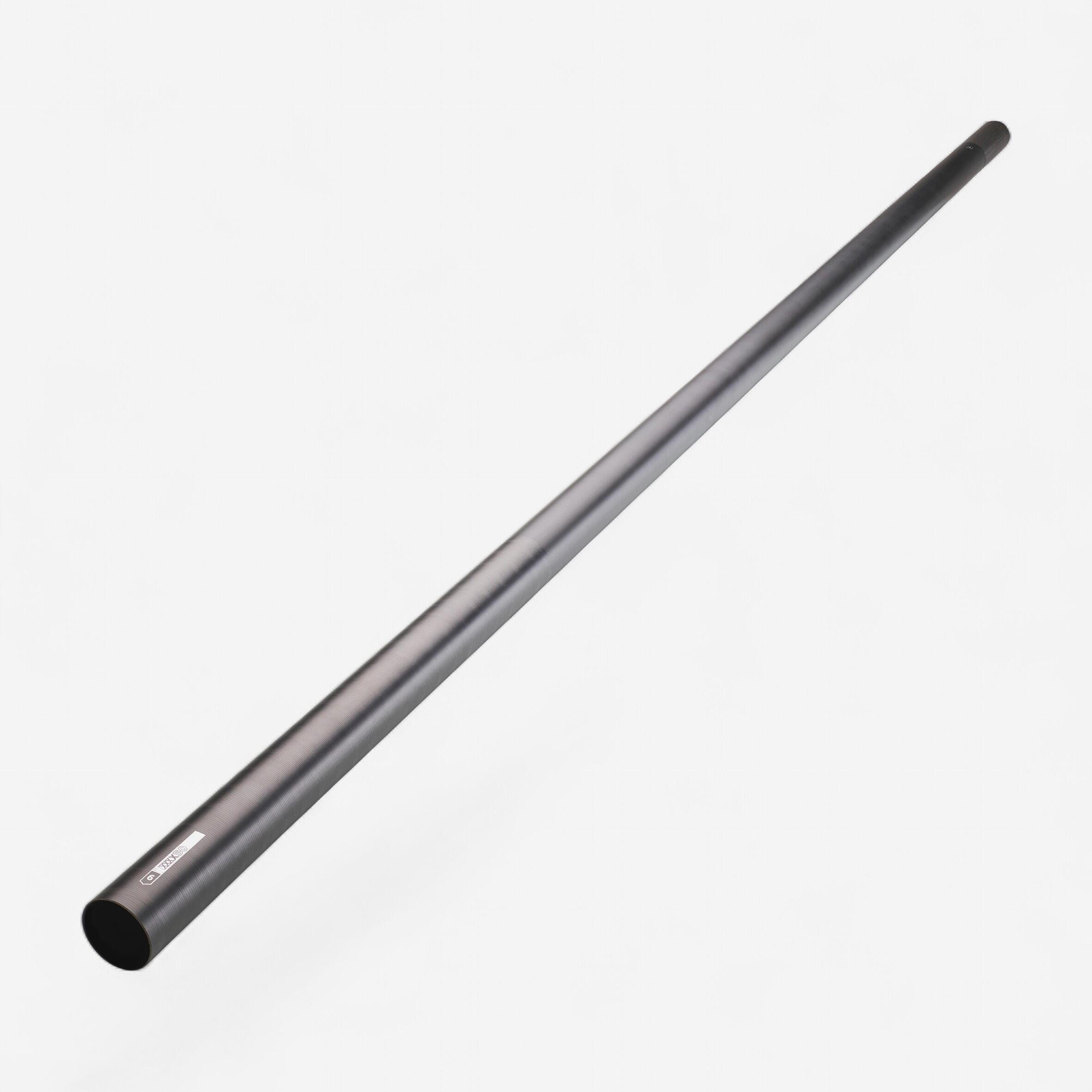
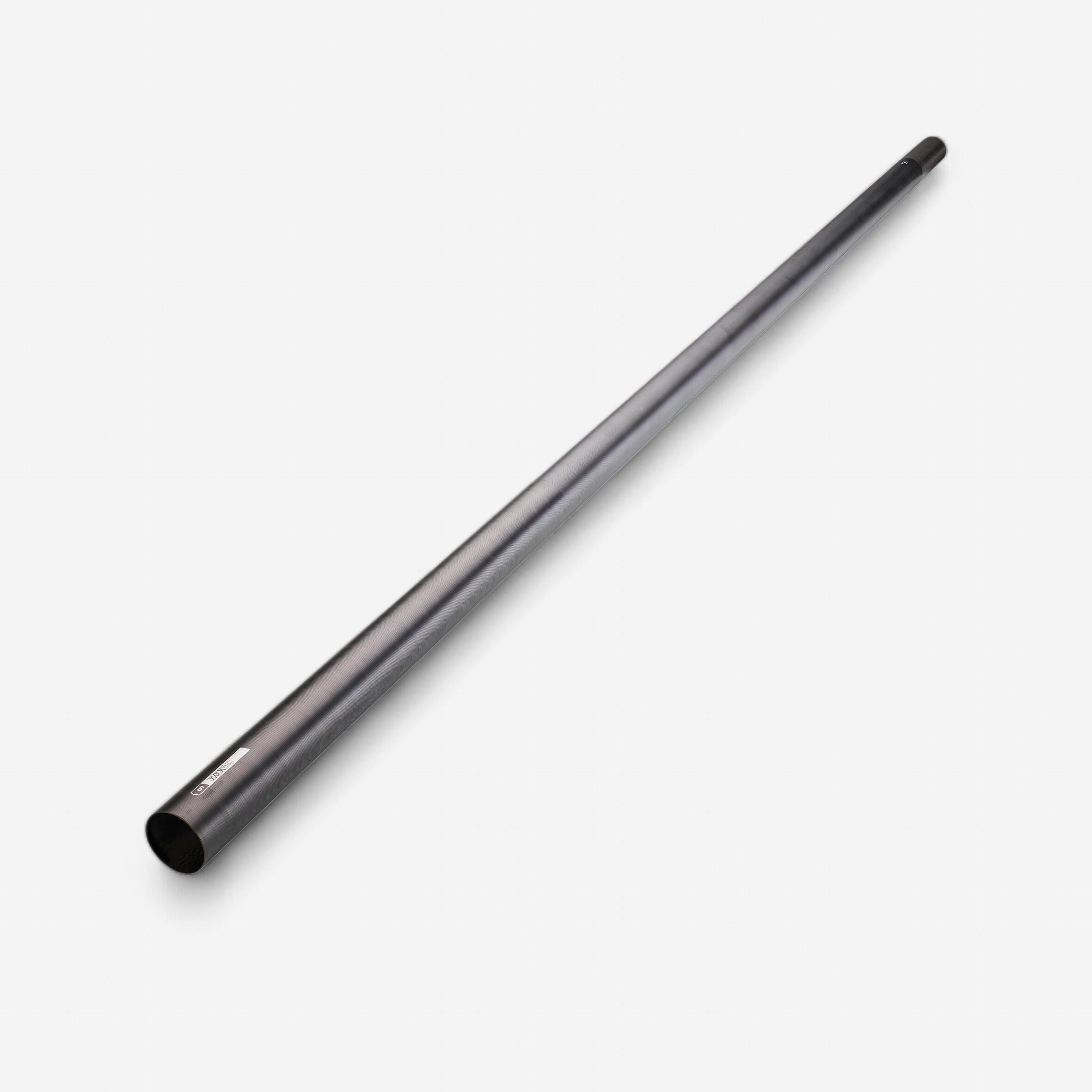
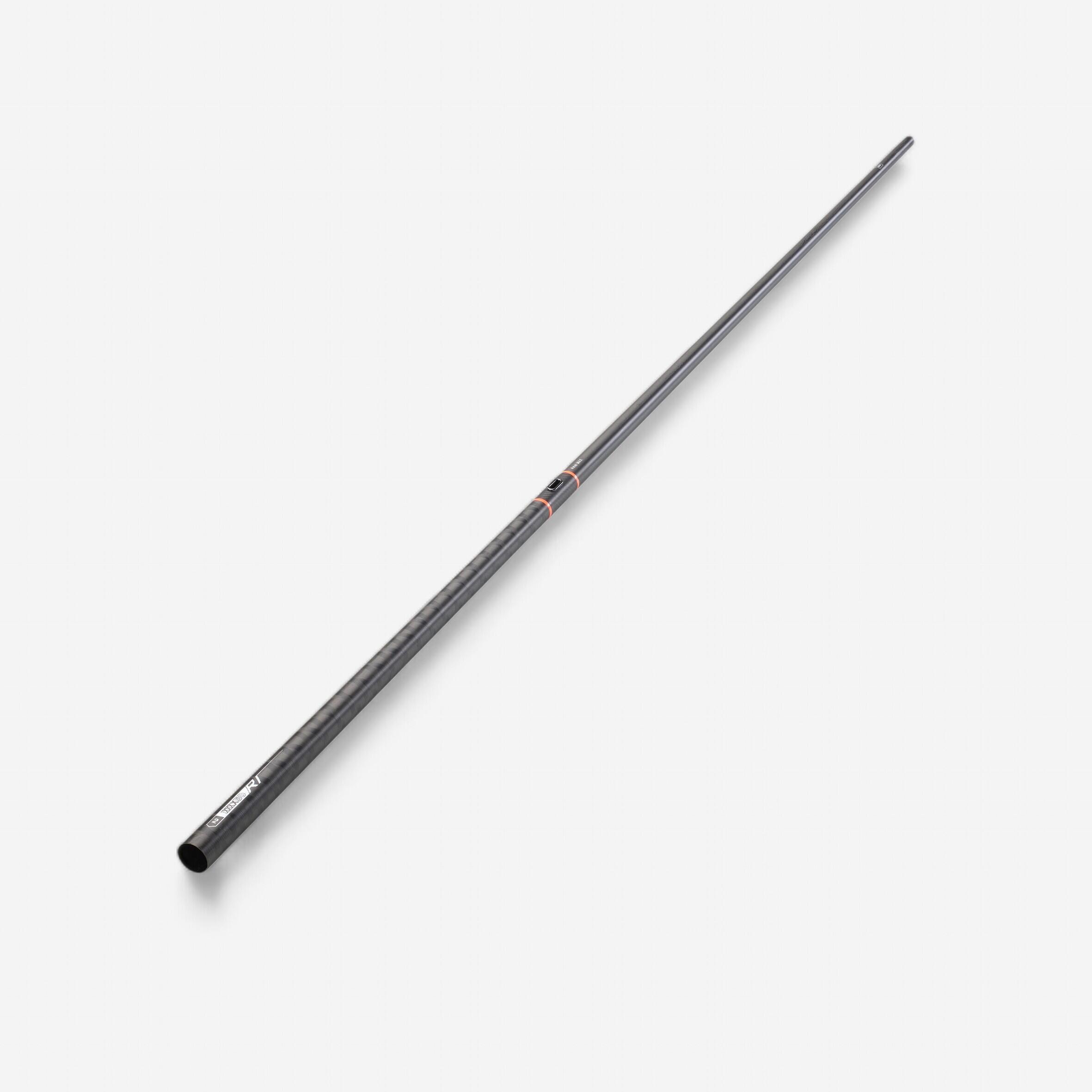
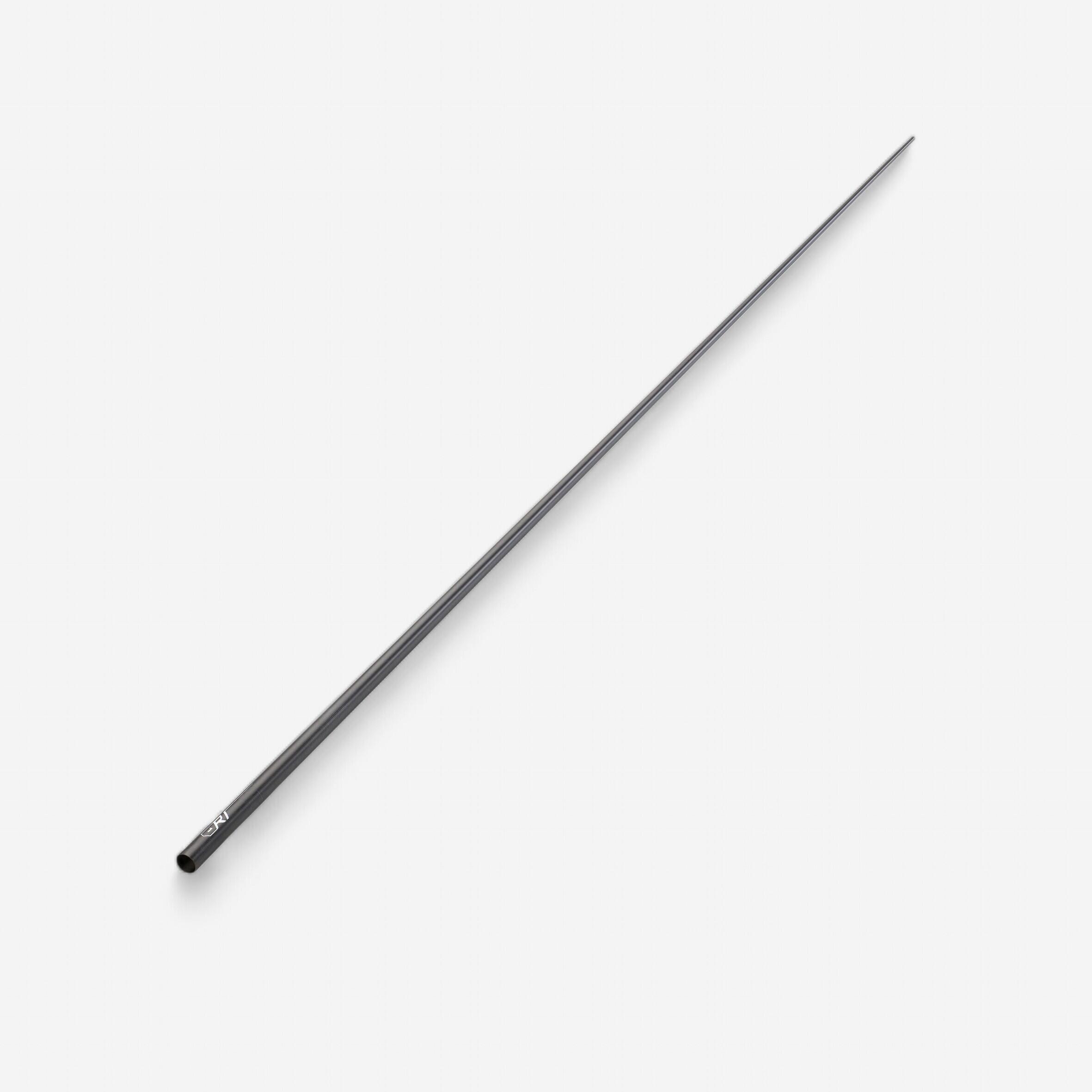
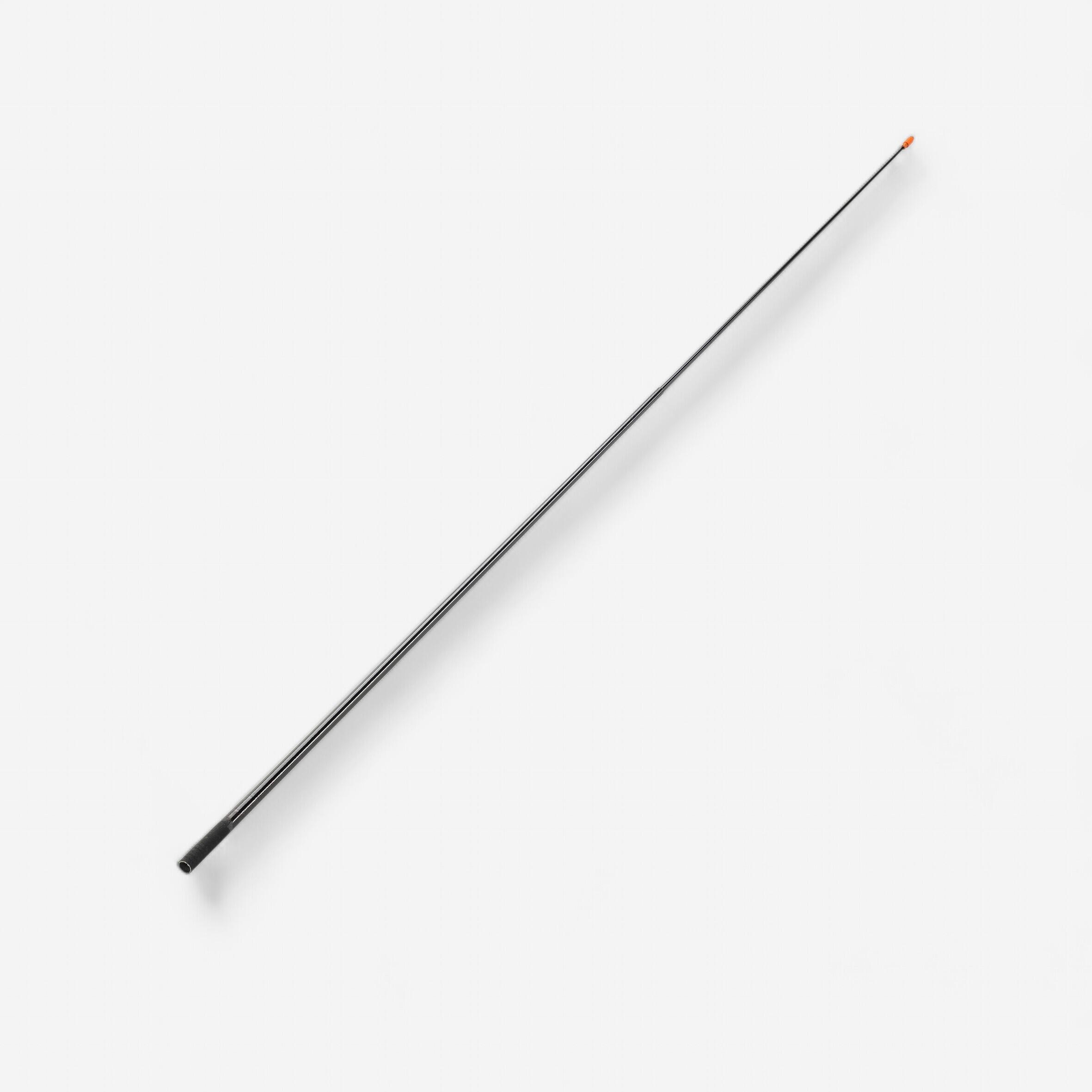
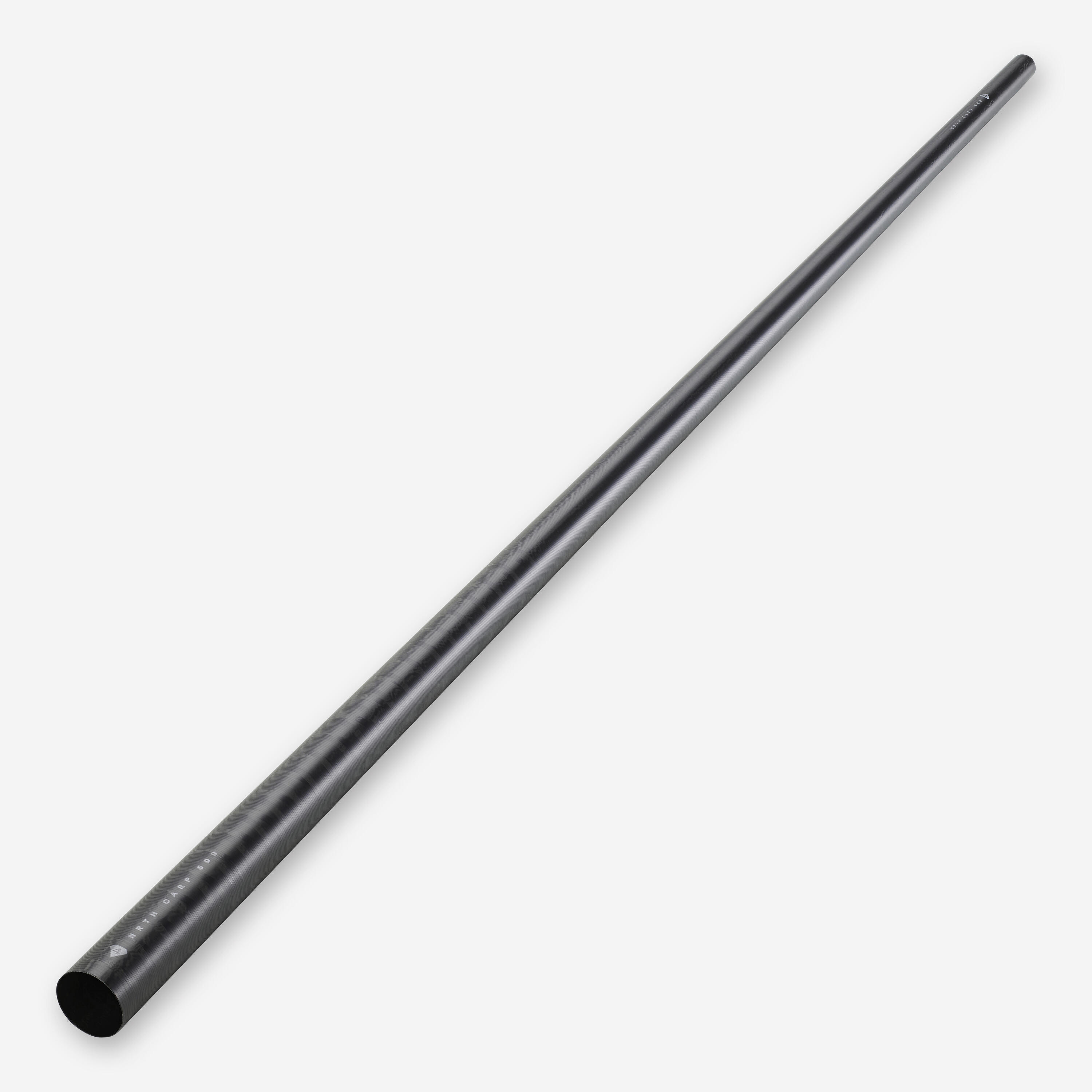
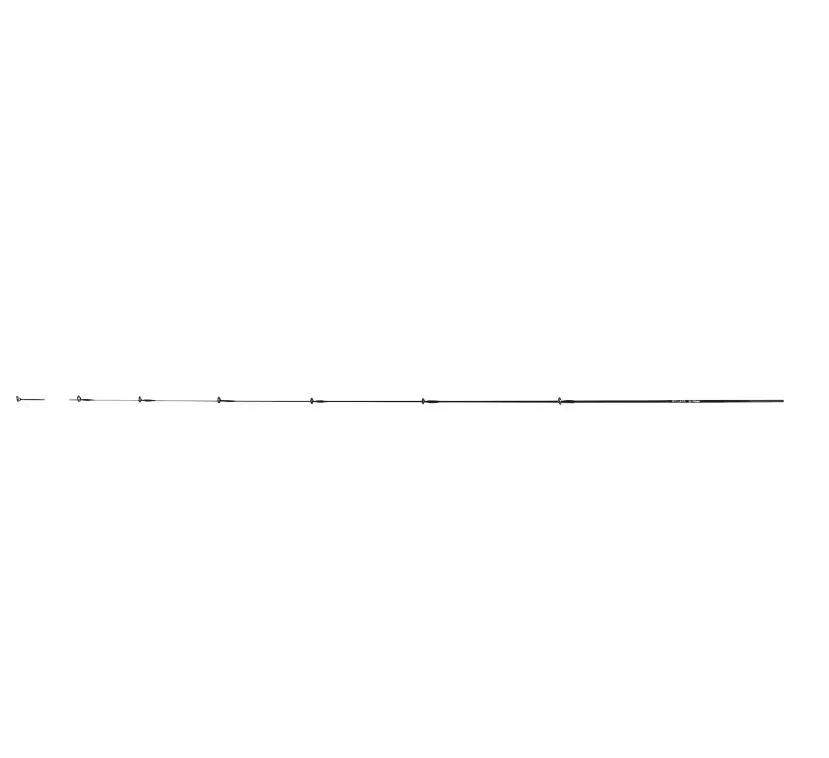
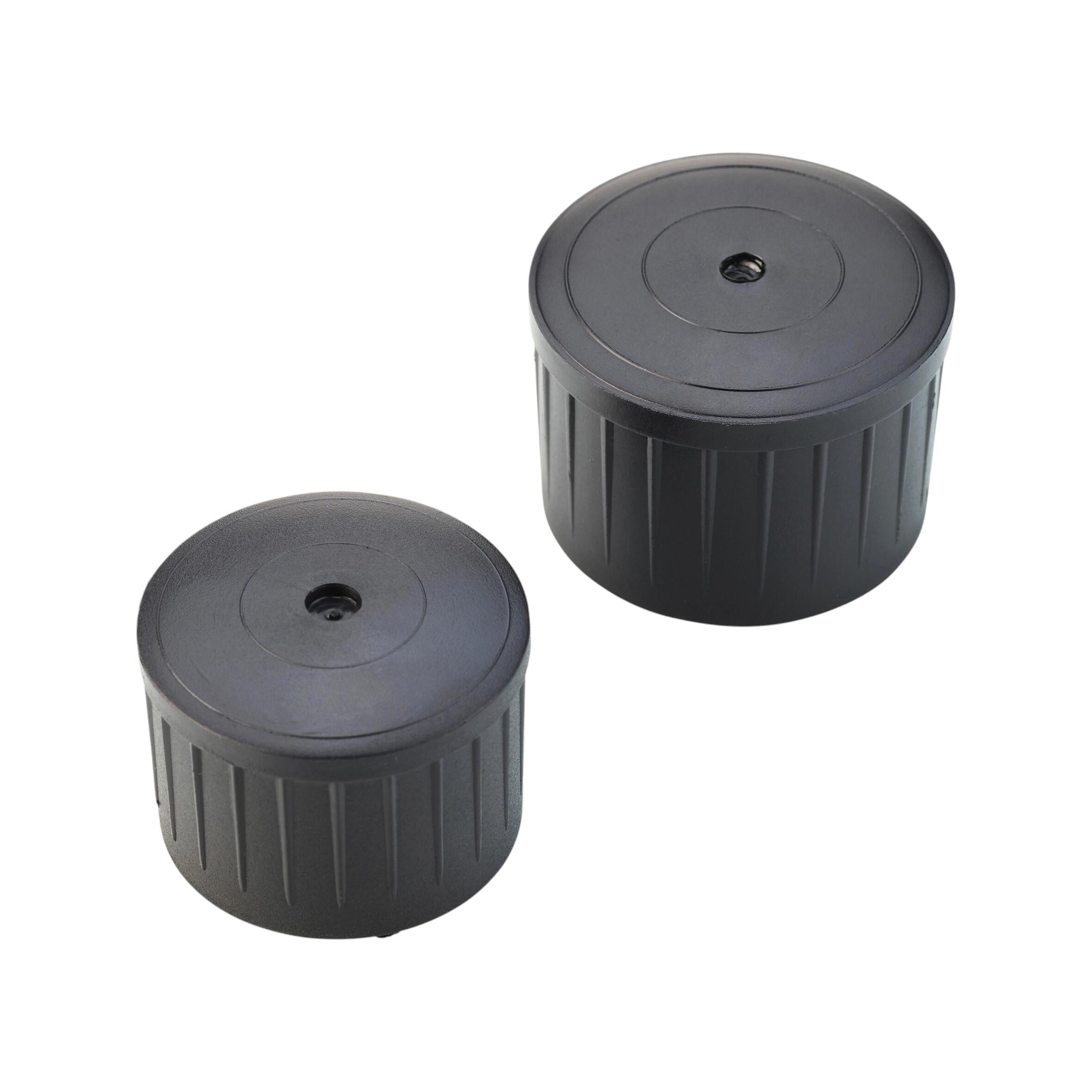
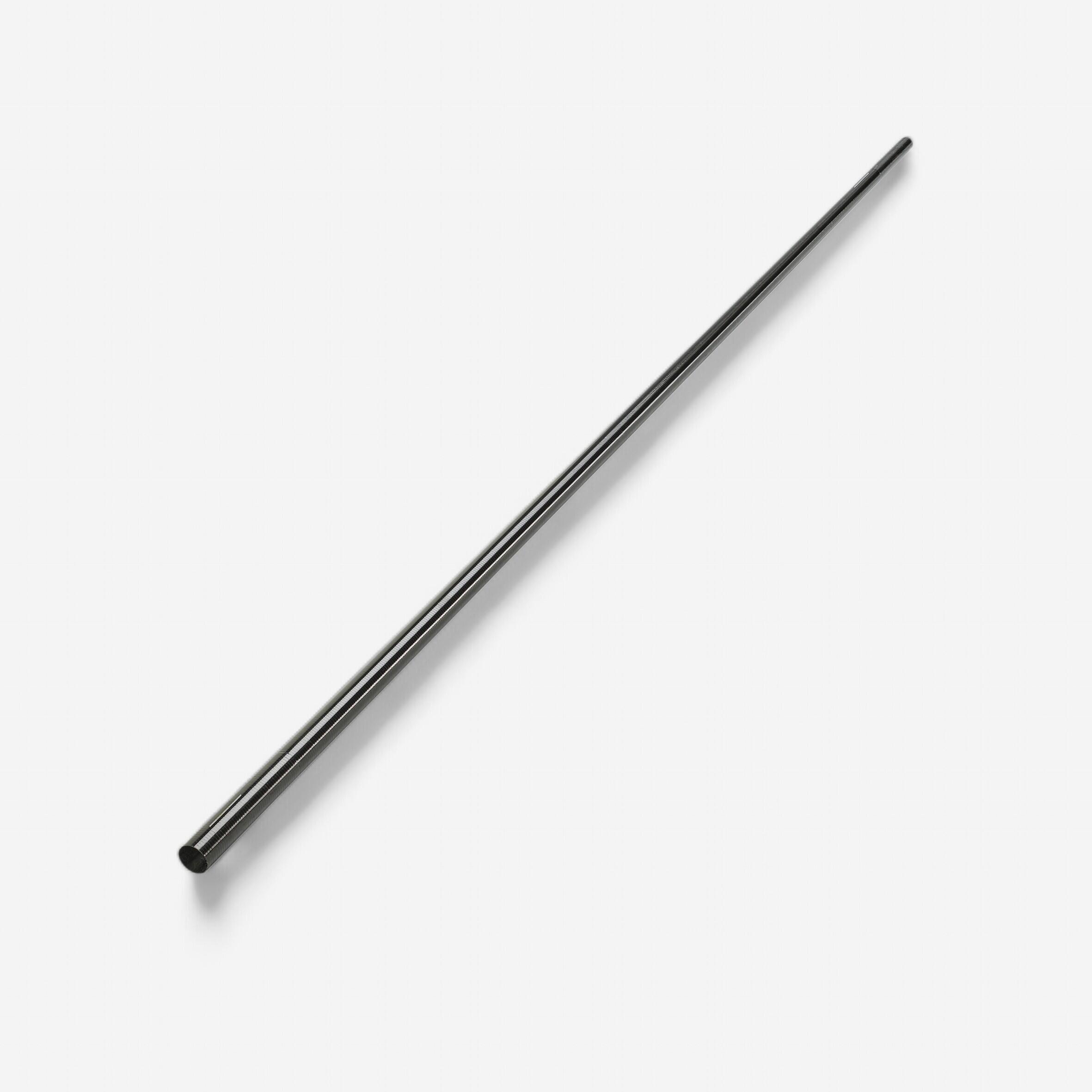
Selected Caperlan rods have individual tips, numbered sections, end caps and other components available separately, so damage to one part does not always require a complete new rod. Some replacement assemblies cover several rod lengths within the same family, while others correspond to one precise section and product reference. Use the coarse fishing rod spare parts range to match the damaged section to the correct rod family before ordering. Carbon replacement sections should be protected in a tube or padded sheath during transport because impact can damage a repaired section again. After repairing a carbon rod, continue to keep long sections well away from overhead power lines and avoid using or handling the rod during thunderstorms.