4,103 items
4.7/5 based on 185996 reviews collected online and in stores

Fishing FAQs

Which fishing equipment suits a first setup?

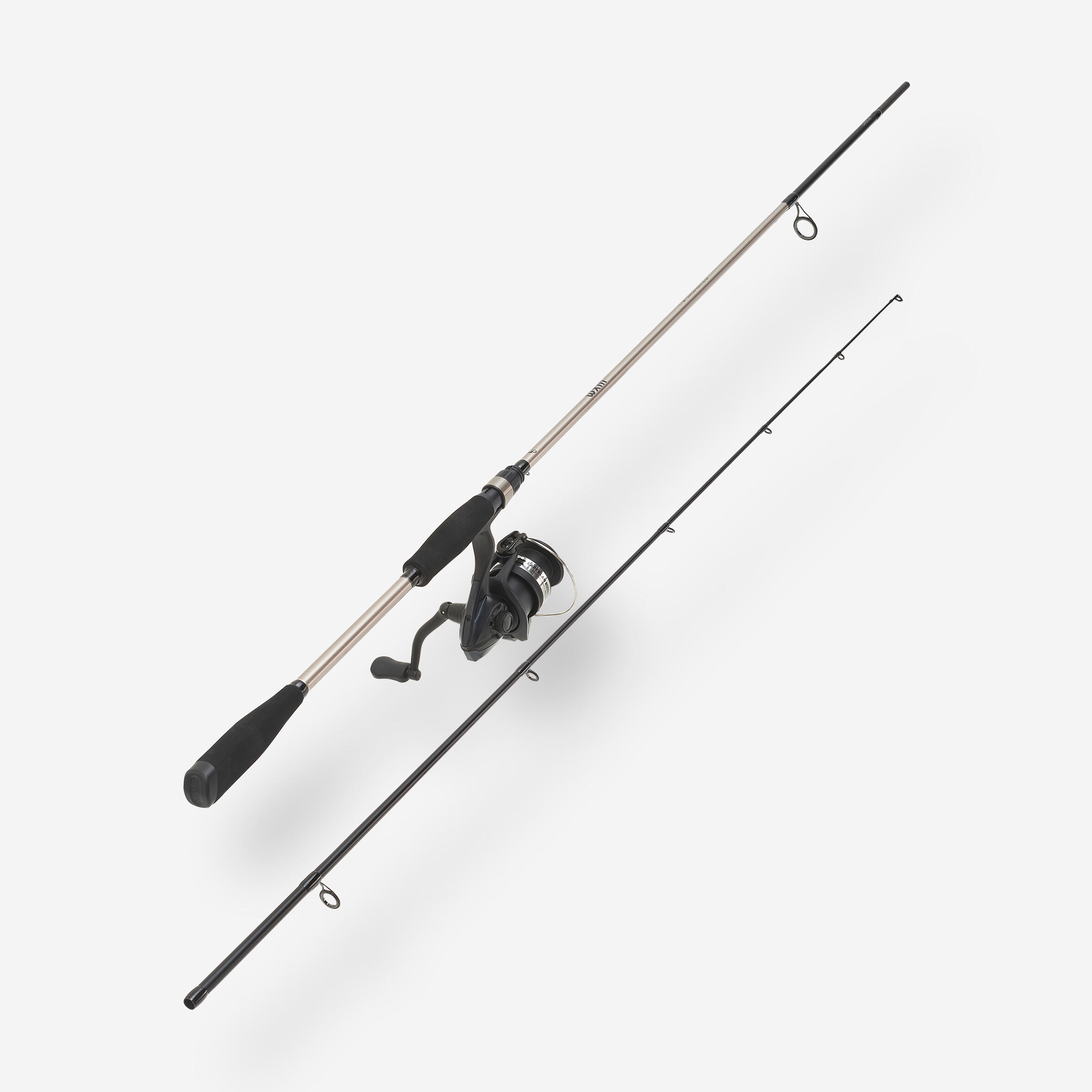
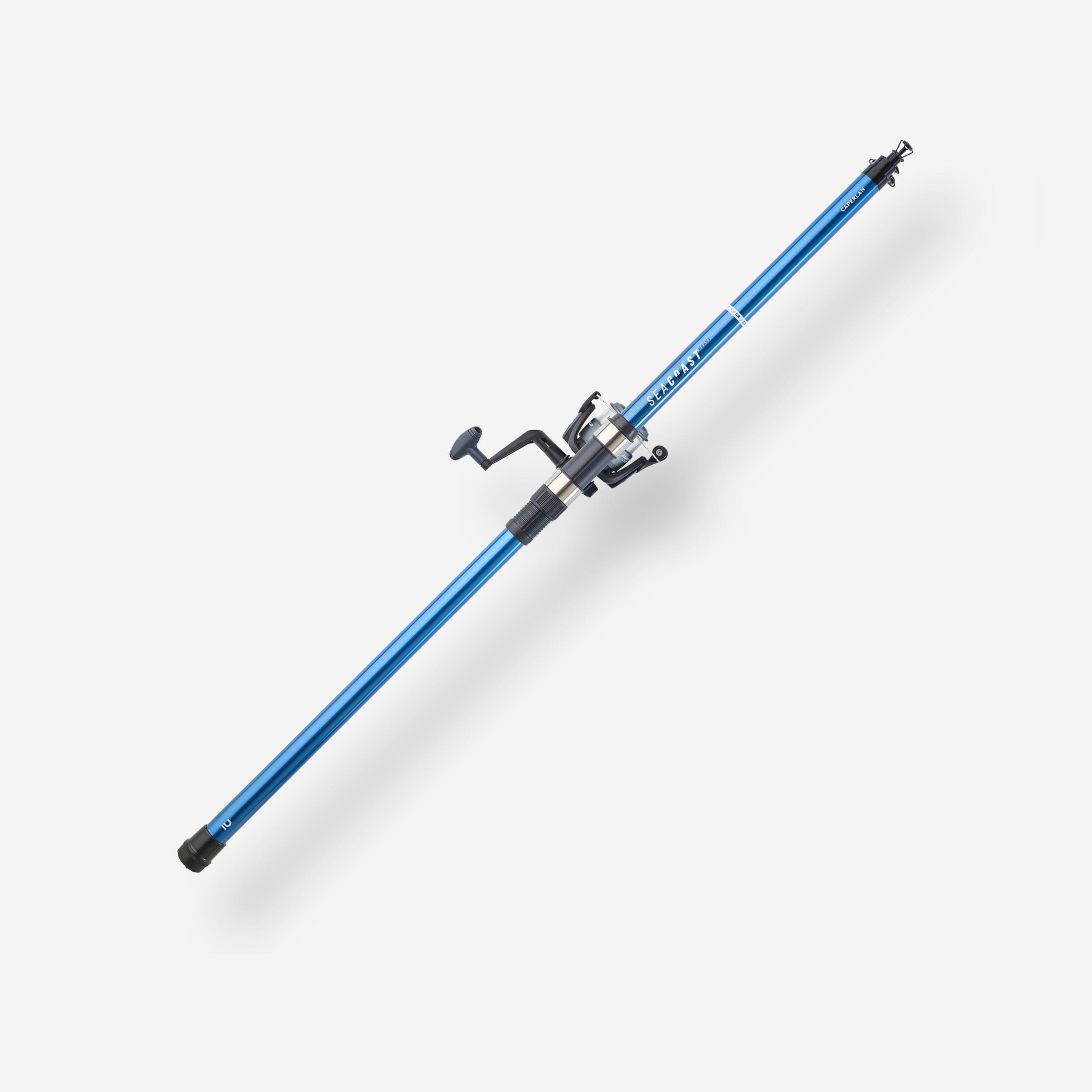
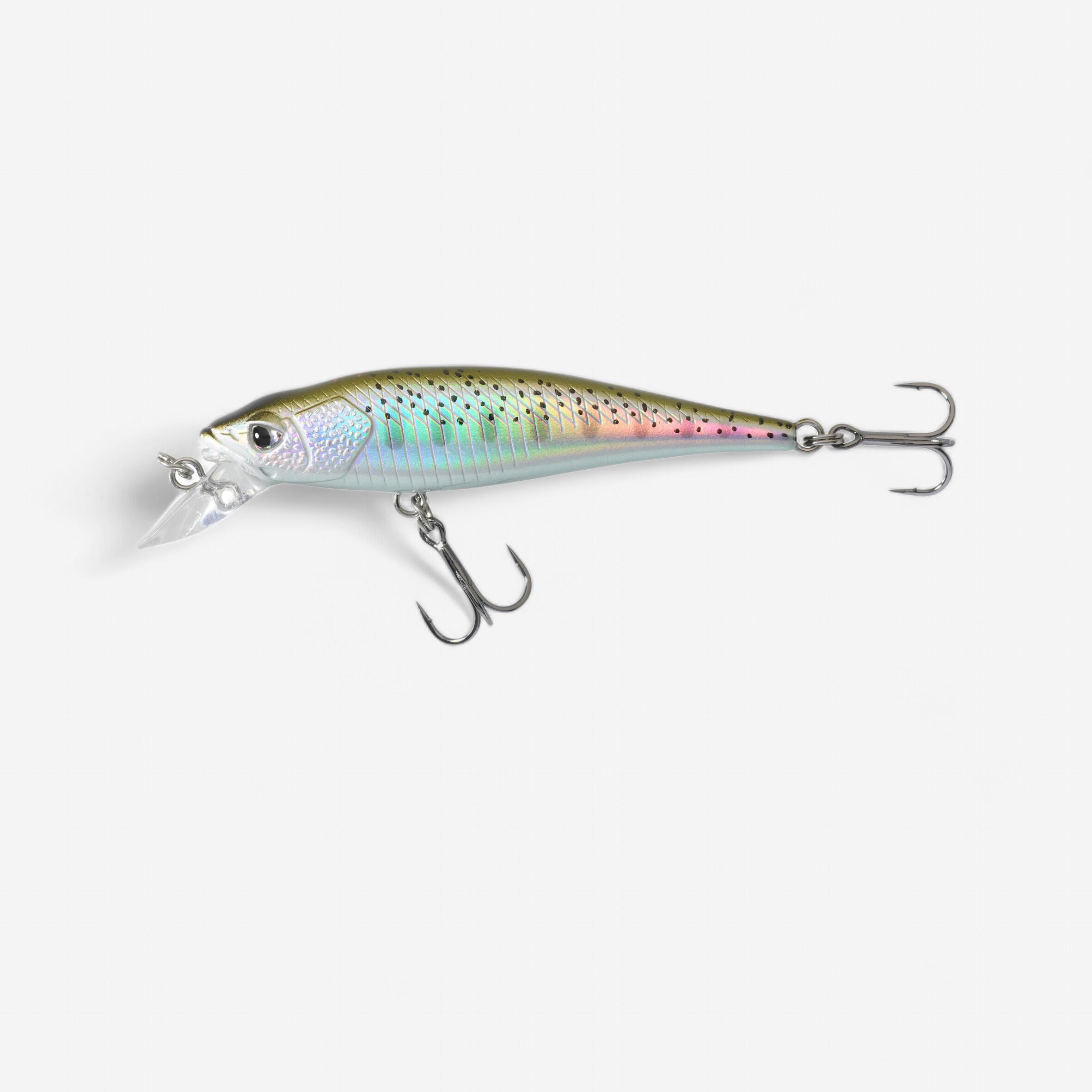
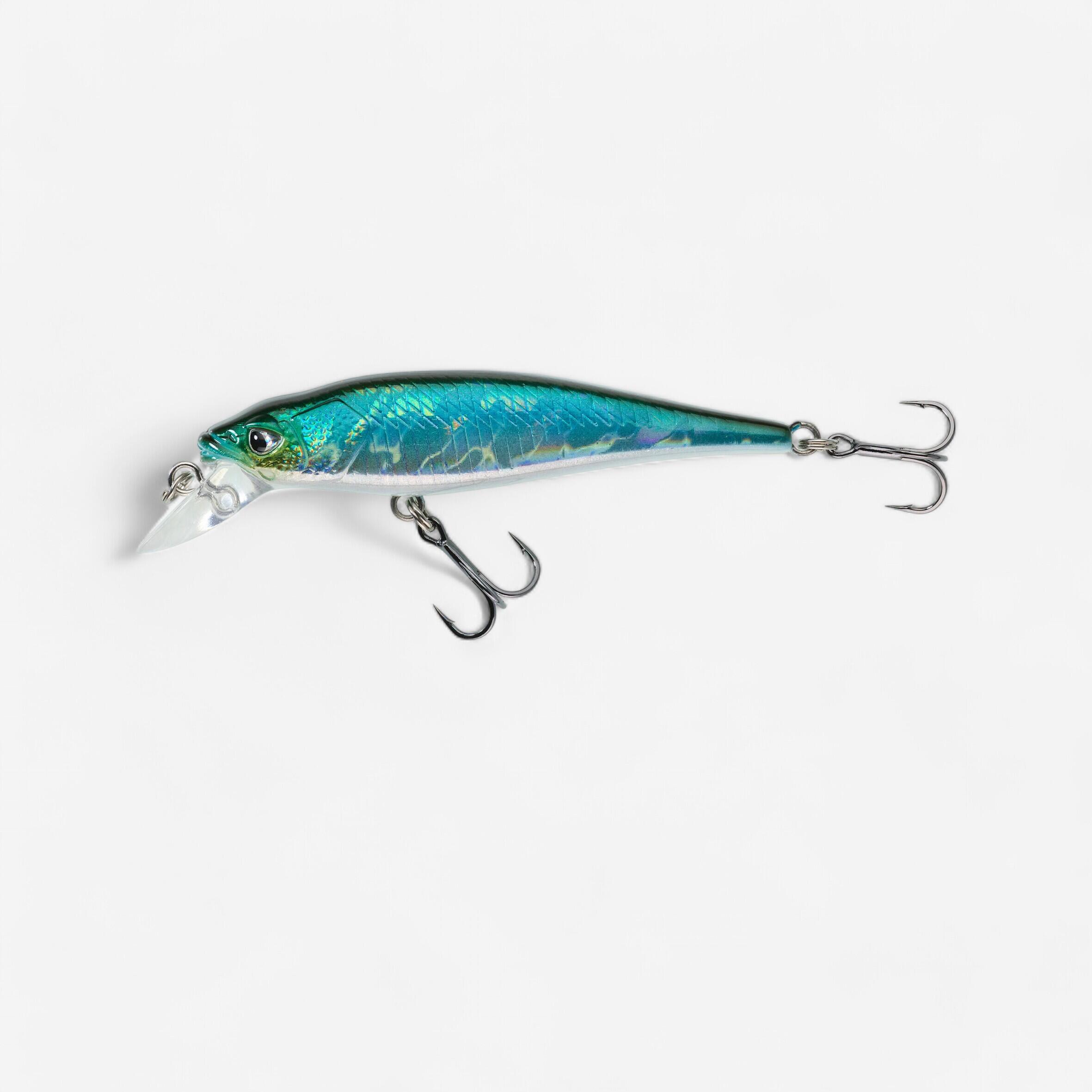
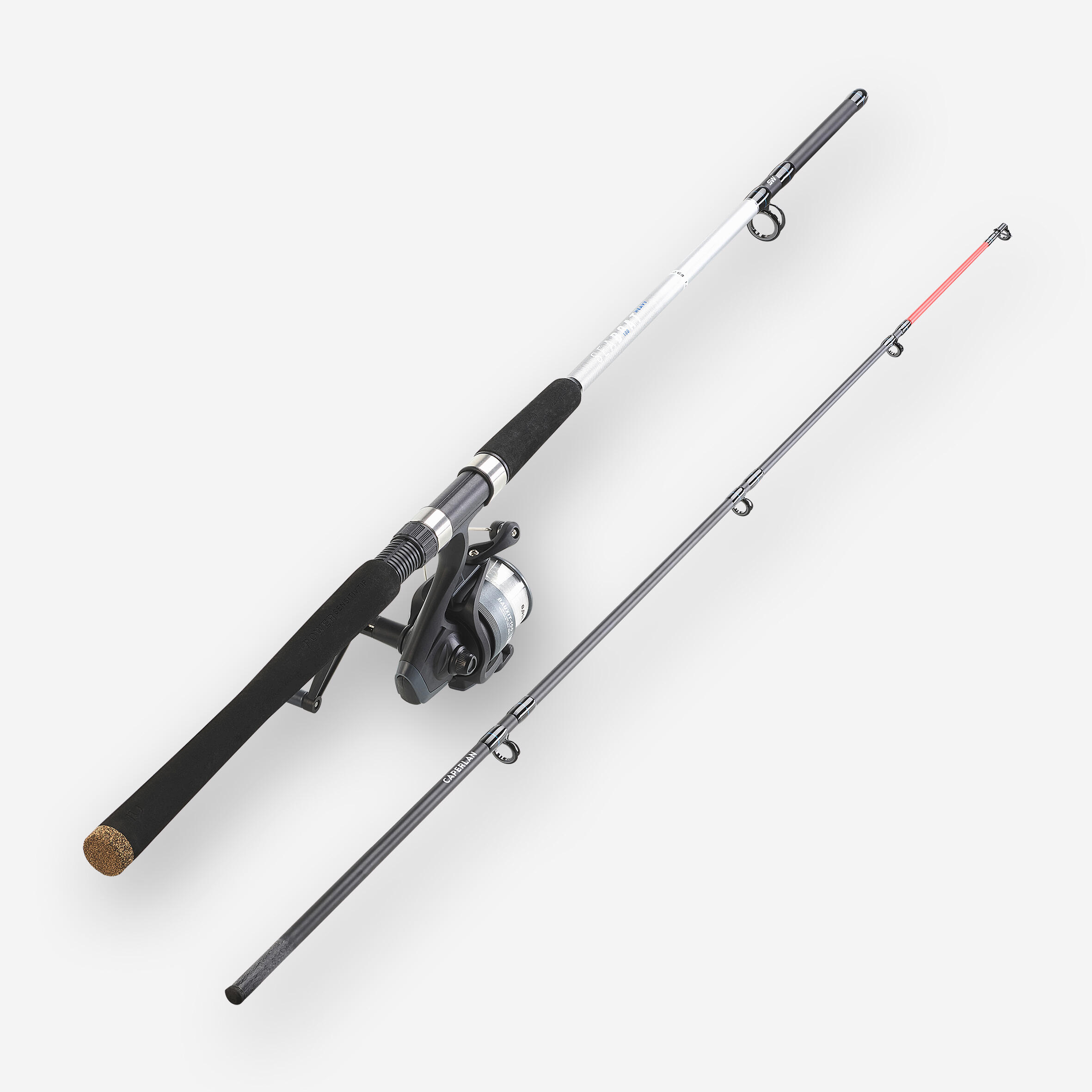
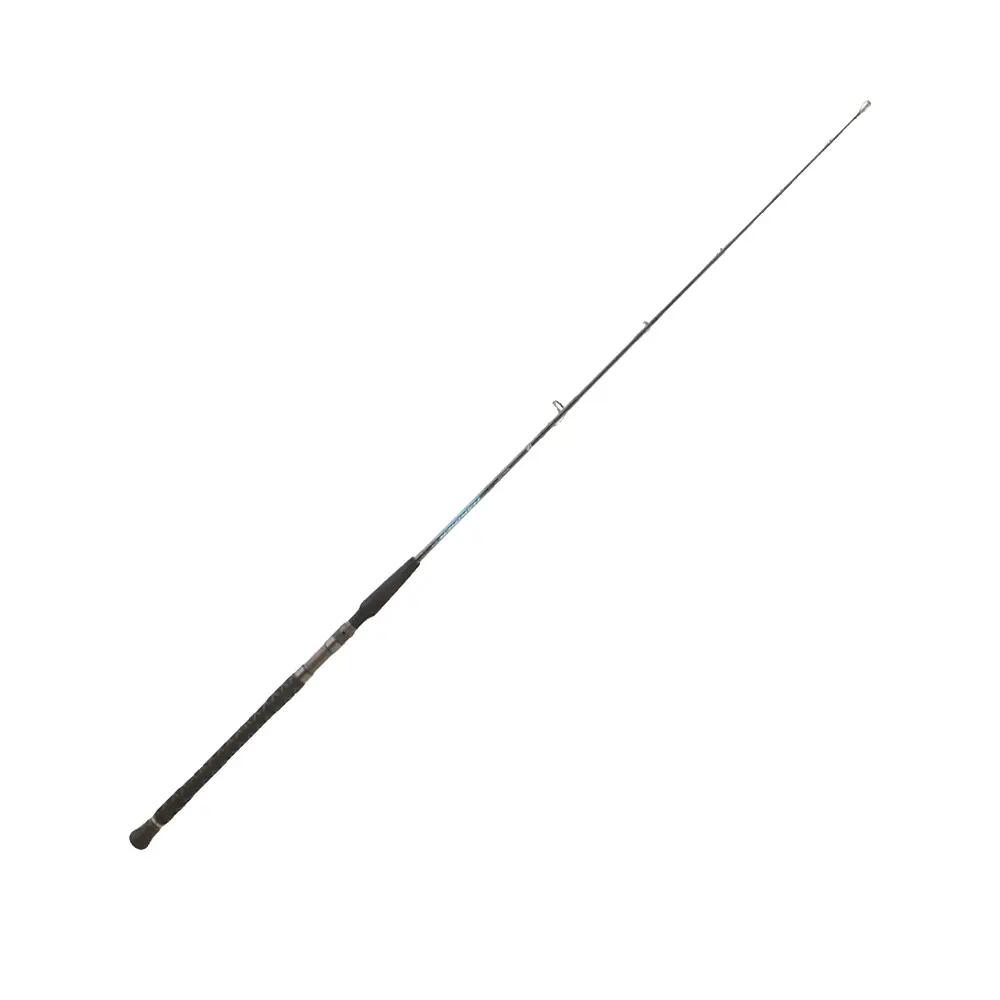
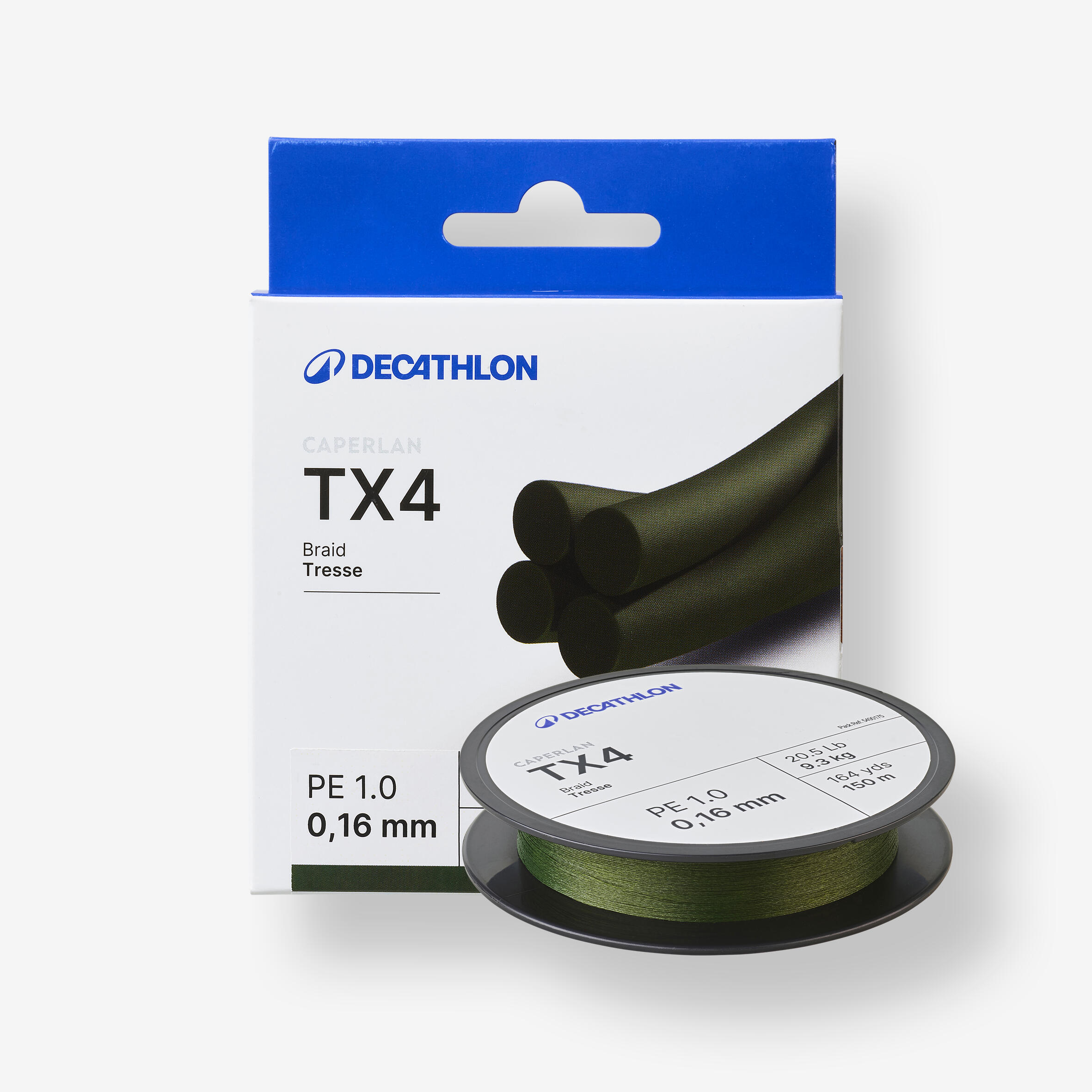
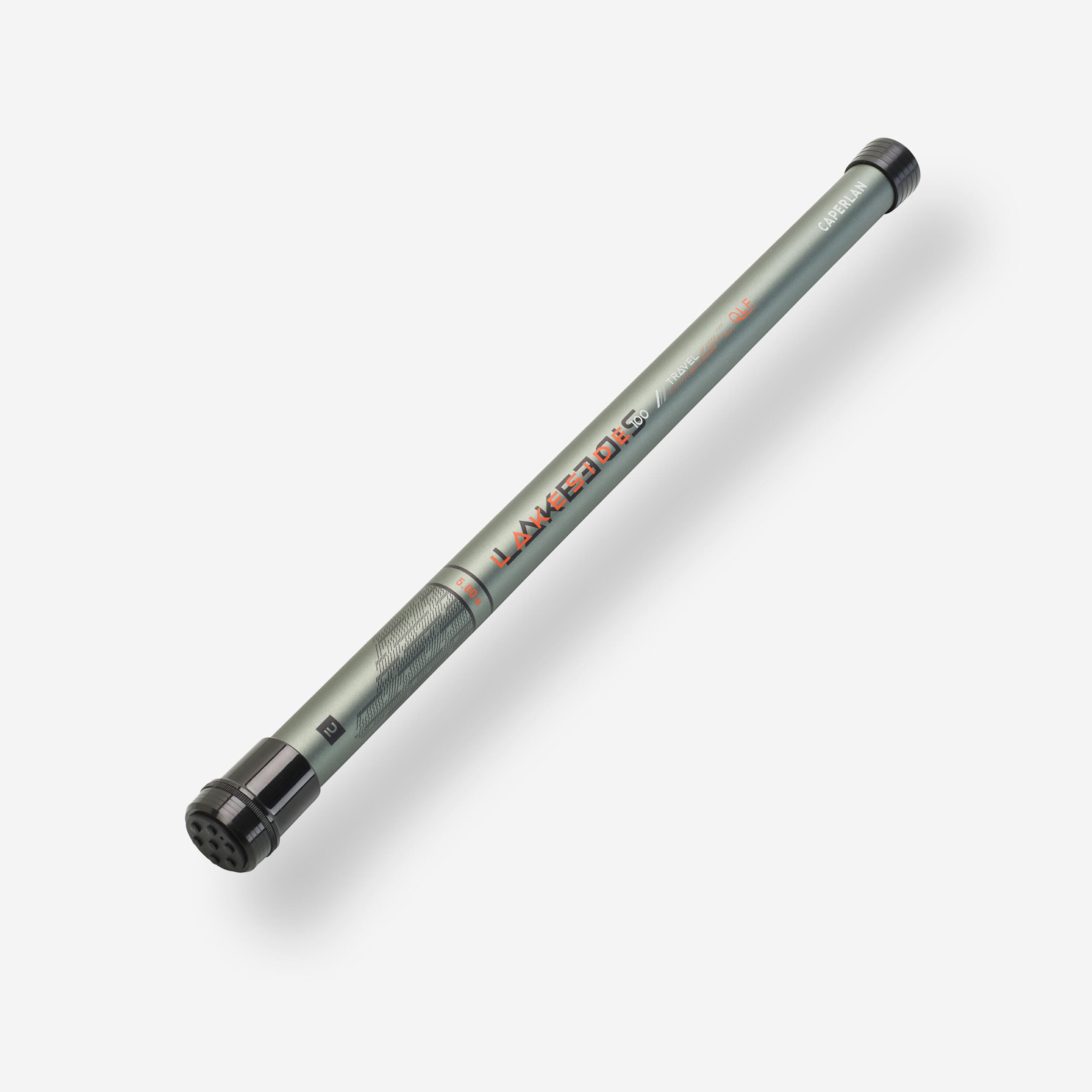
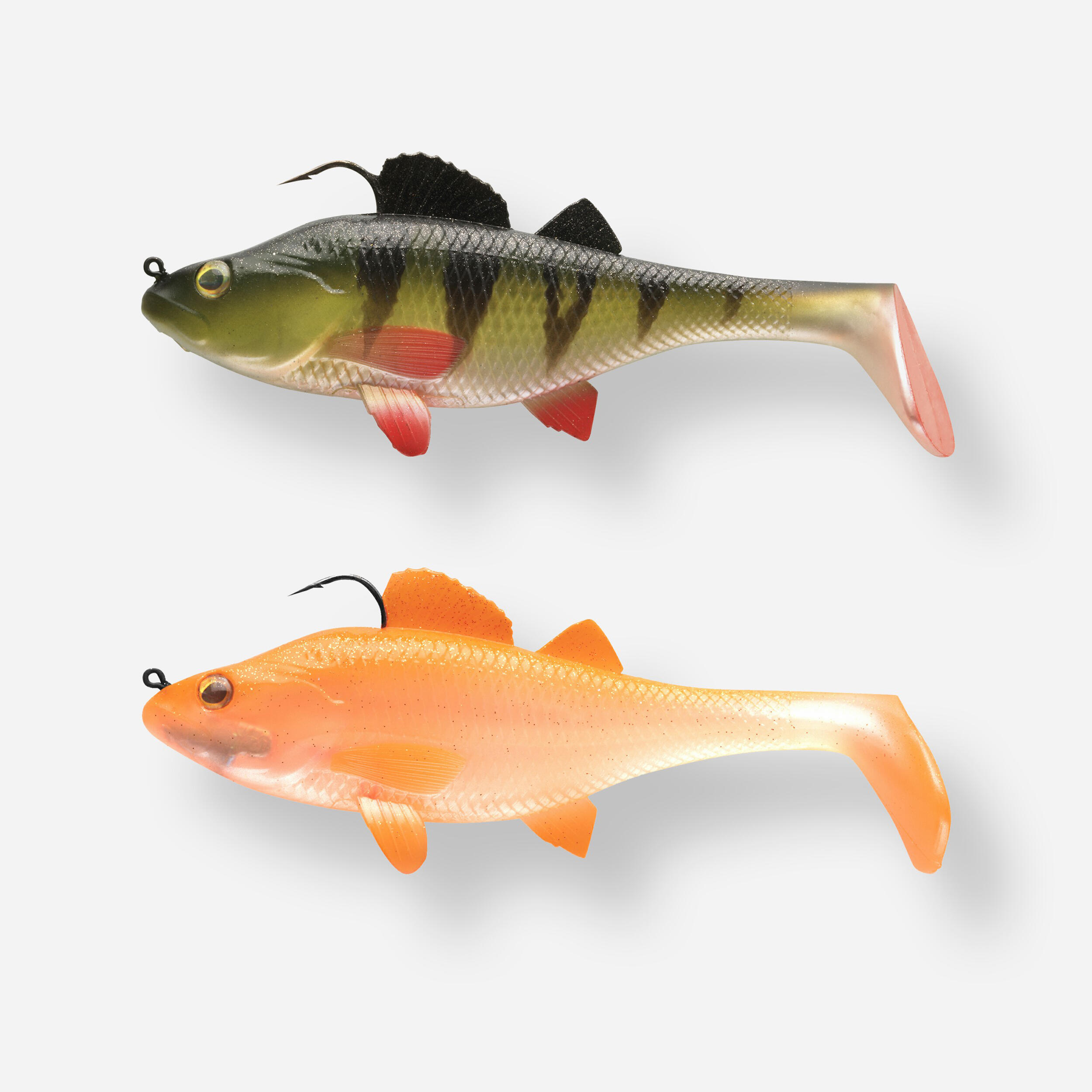
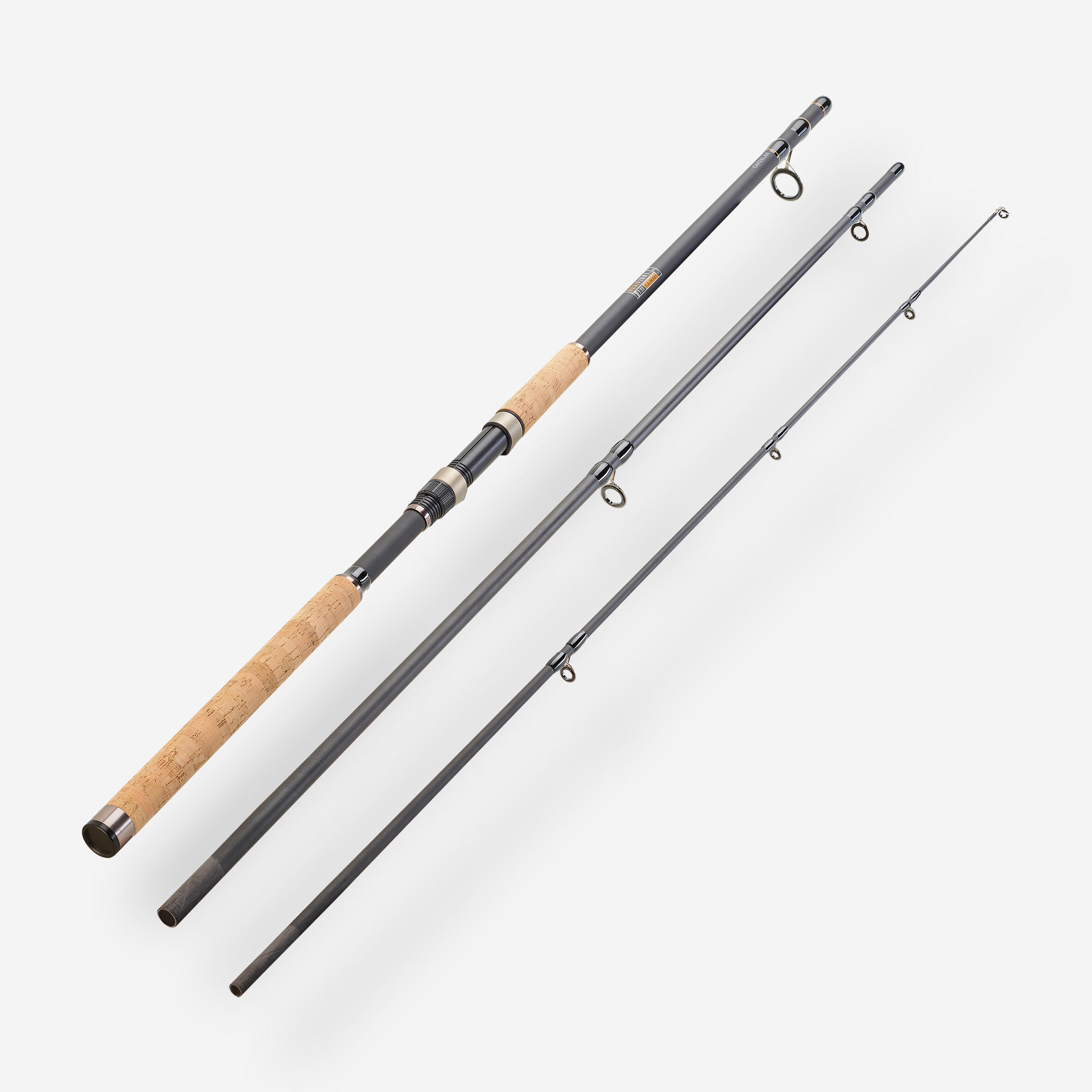
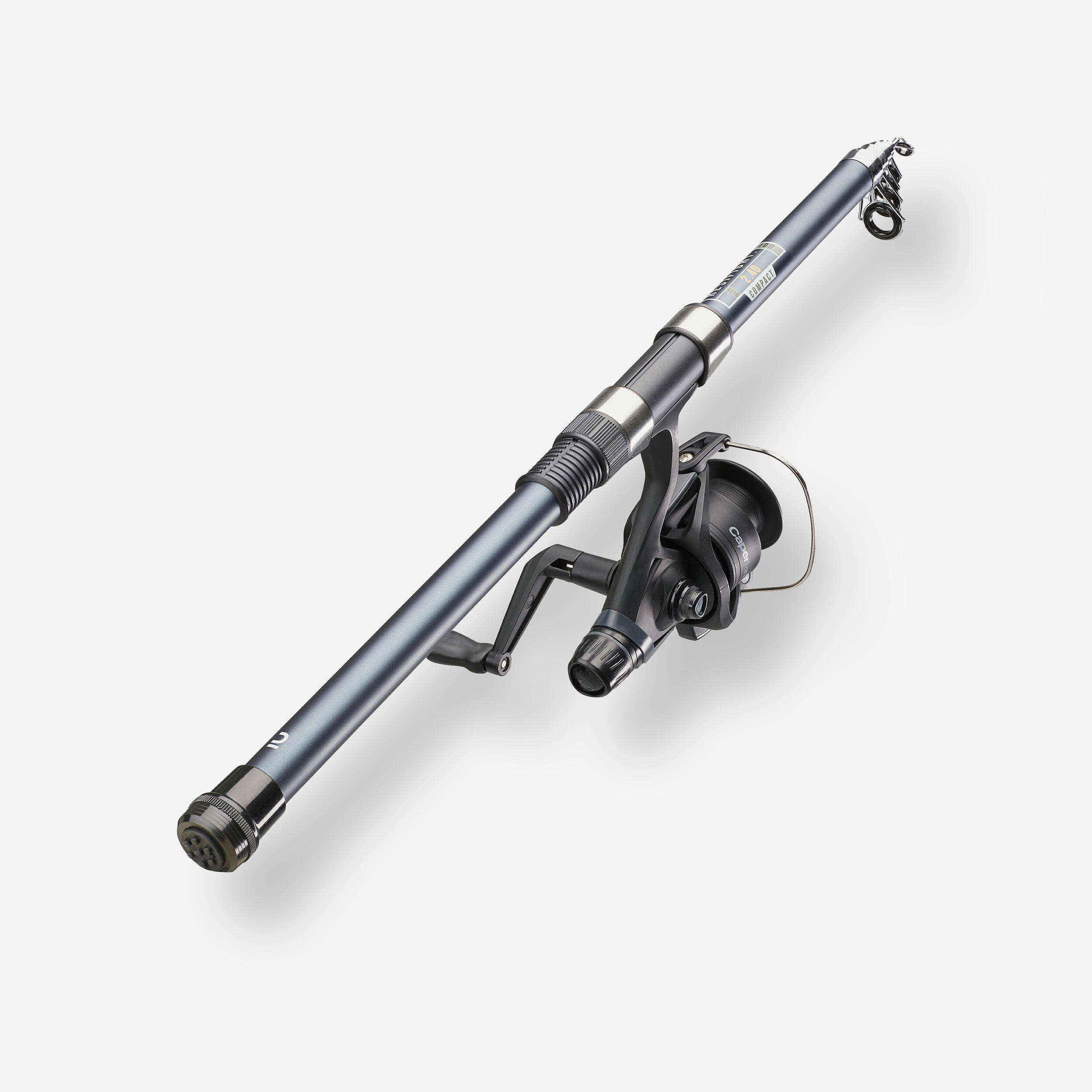
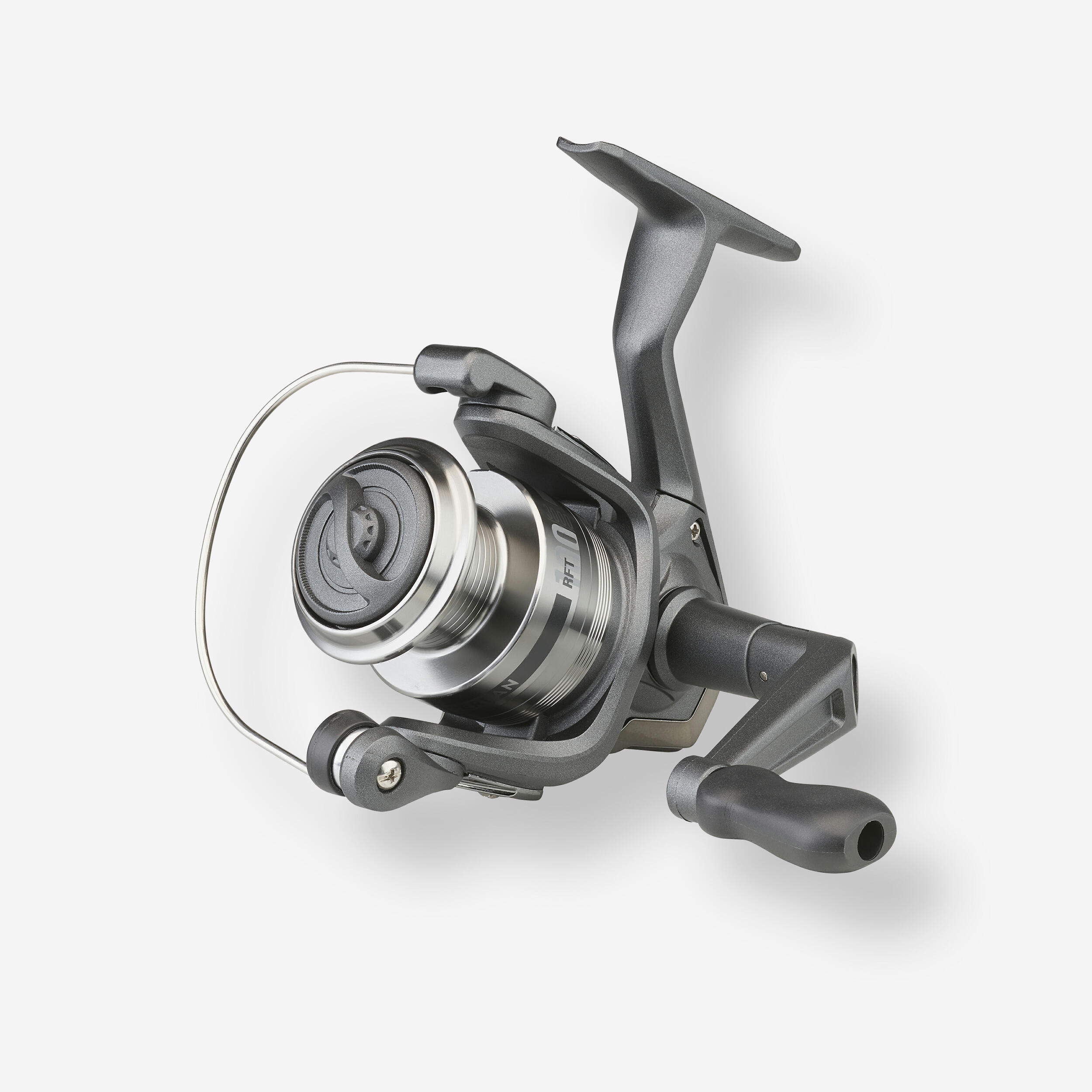
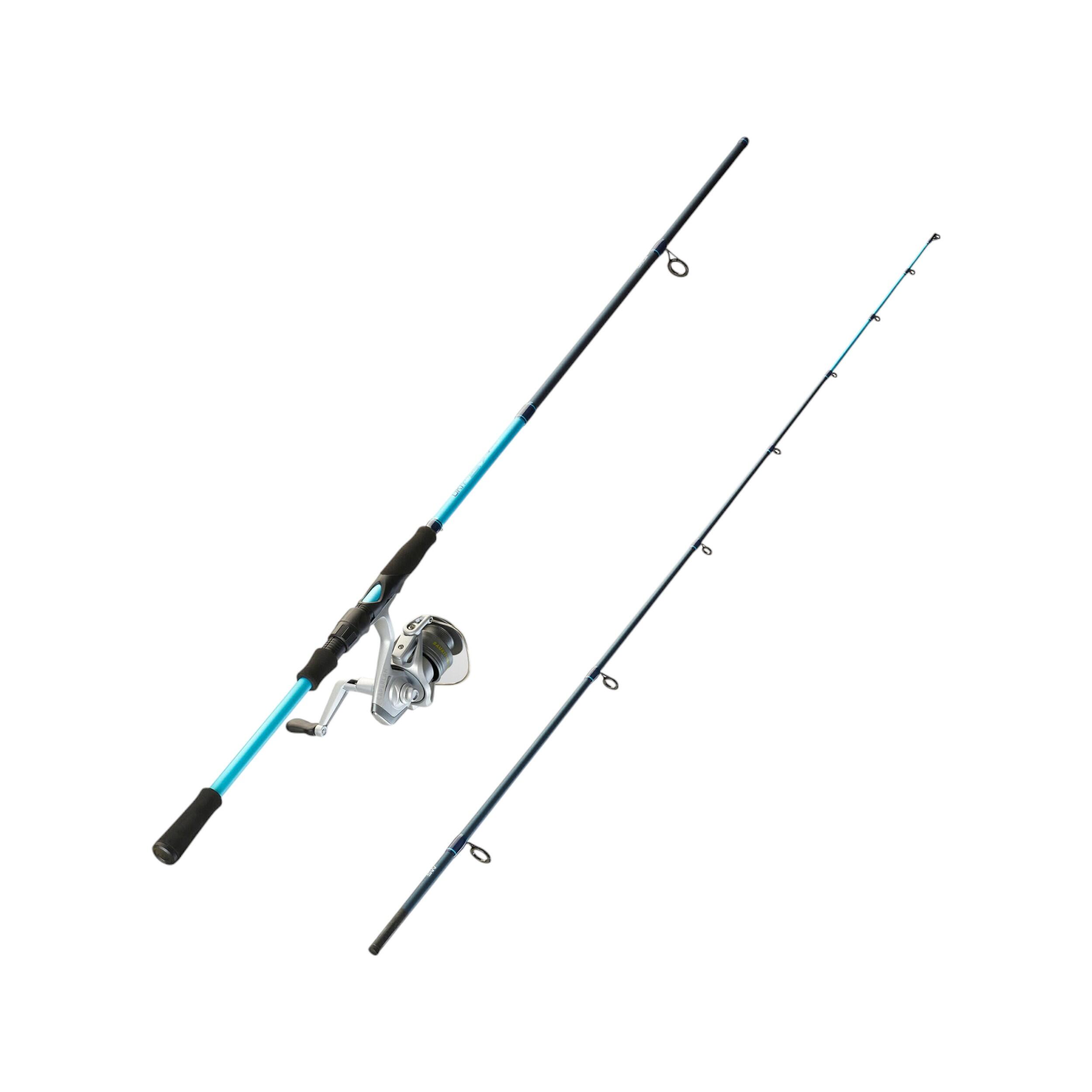
Start by matching the rod, reel, line and terminal tackle to the water, fish species and technique rather than buying unrelated items individually. A compact 2.40 m rod-and-reel combination can suit occasional ledgering or basic lure fishing, while multipurpose monofilament provides elasticity that helps absorb sudden fish movement. Anglers interested in active lure methods can build a more focused setup through predator fishing. Check rod casting weight, line diameter and sinker size before assembling the rig. Keep long rods away from overhead power lines and stop fishing during thunderstorms. Store monofilament away from direct light because prolonged exposure can reduce its robustness.

When does coarse fishing suit a beginner?

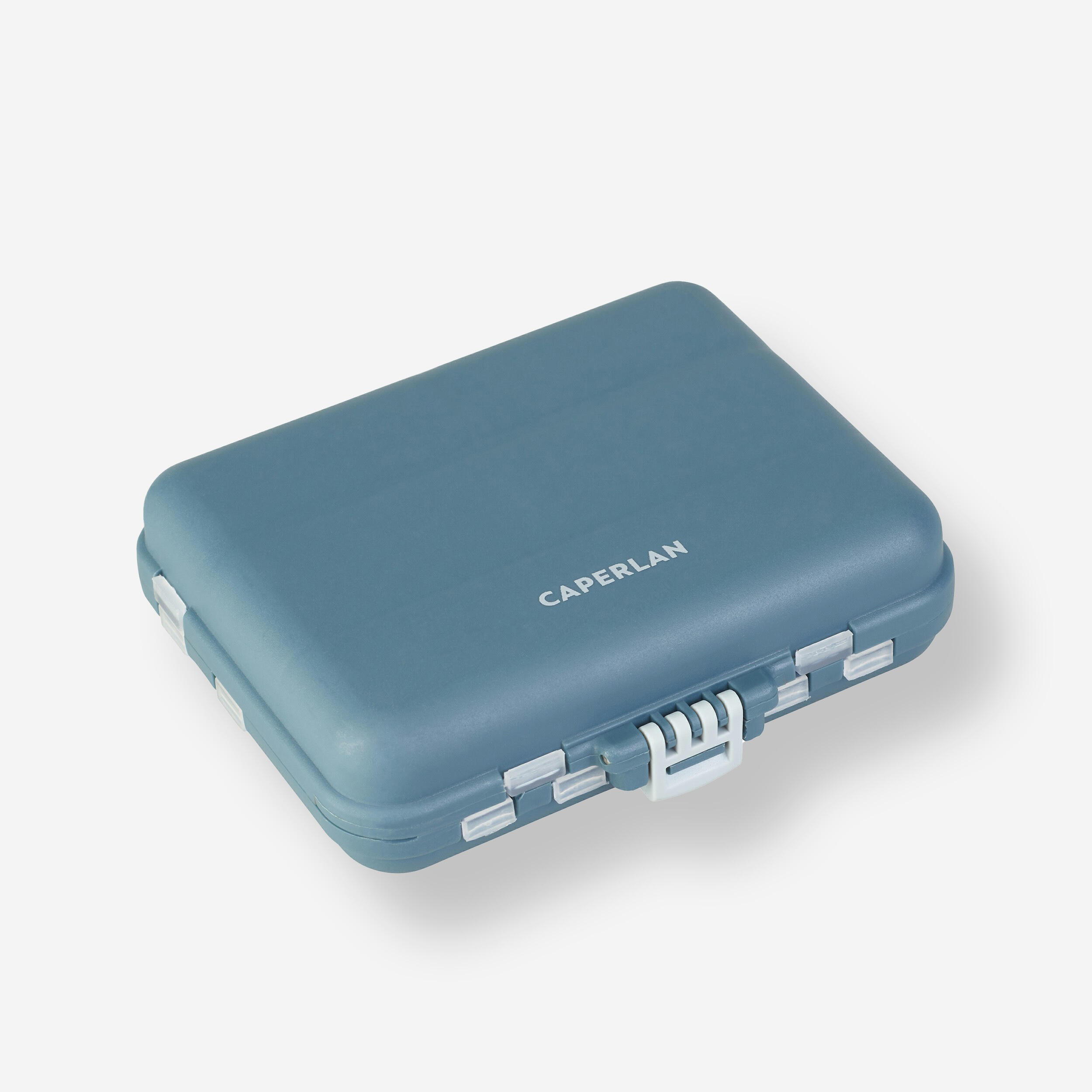
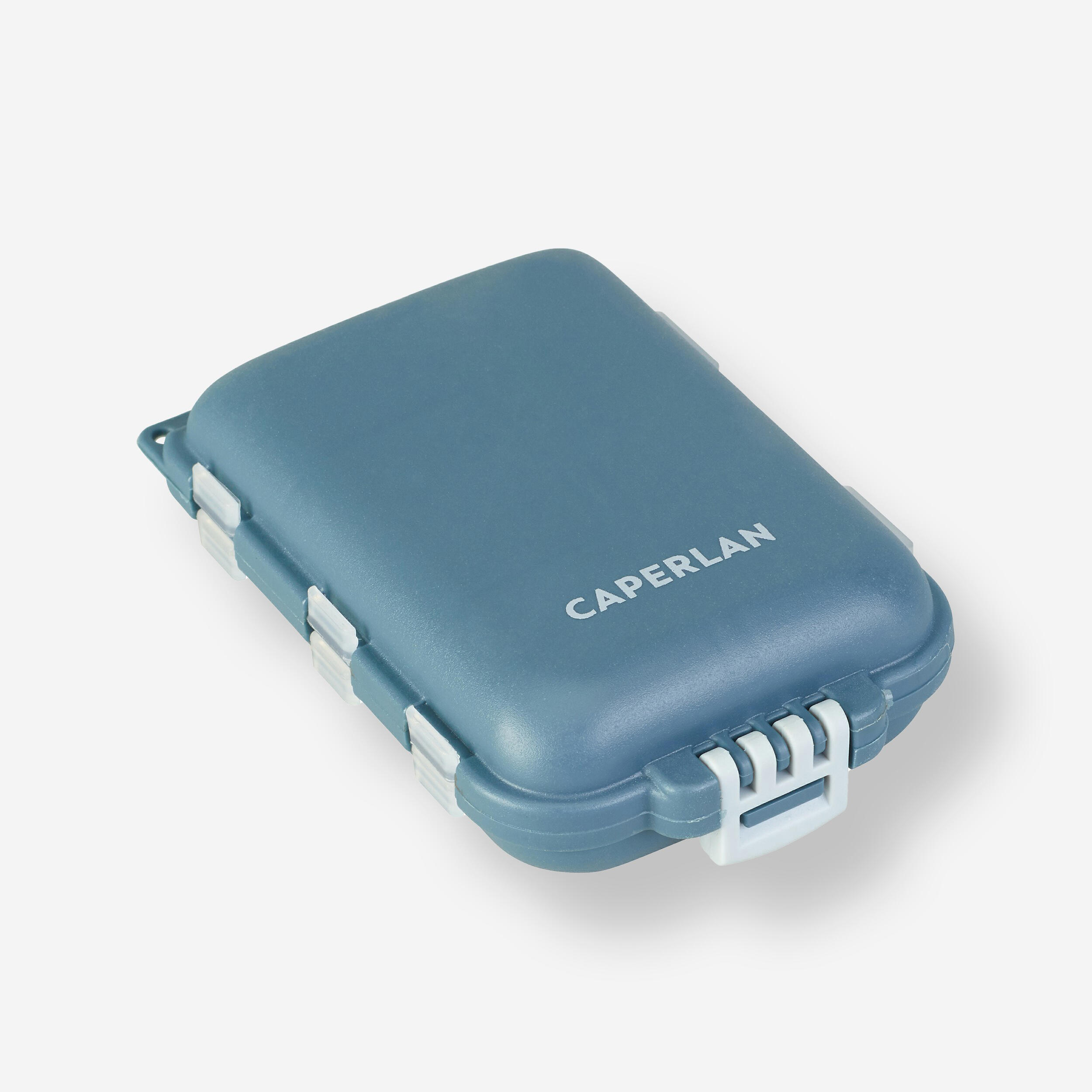
Coarse fishing can provide a straightforward introduction on lakes, canals and slow-moving rivers where anglers target freshwater species using floats, feeders or ledgering rigs. Equipment within coarse fishing may include rods, reels, line, hooks, split shot and other small tackle for controlling bait depth and presentation. A divided split-shot box can keep several weight sizes together, making it easier to adjust a float setup without carrying separate packets. Select the lightest practical weighting for the conditions and handle lead shot carefully. Wash your hands after touching lead products, keep food away from the tackle area and return every weight to a dry container after use.
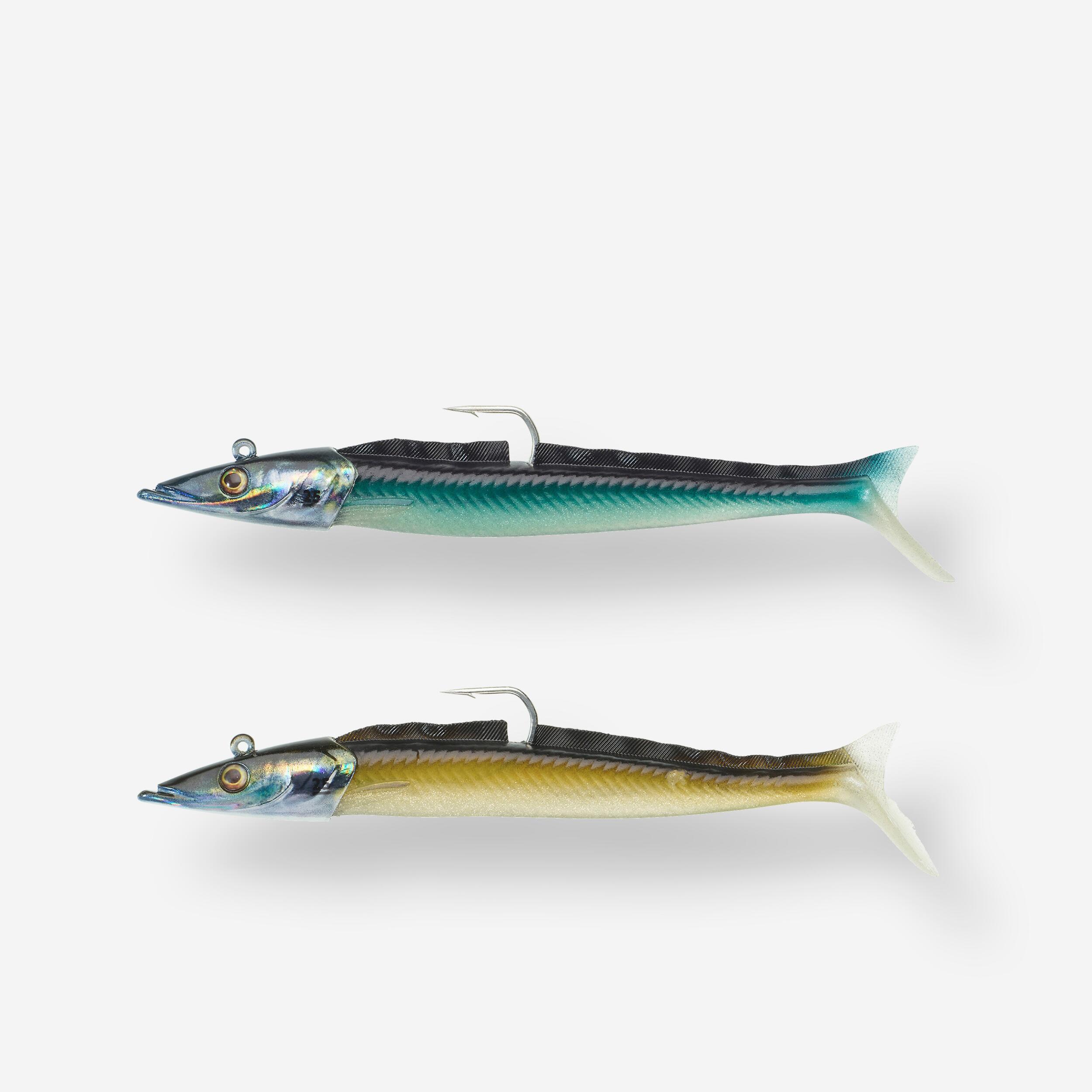
Which features are important for carp fishing?

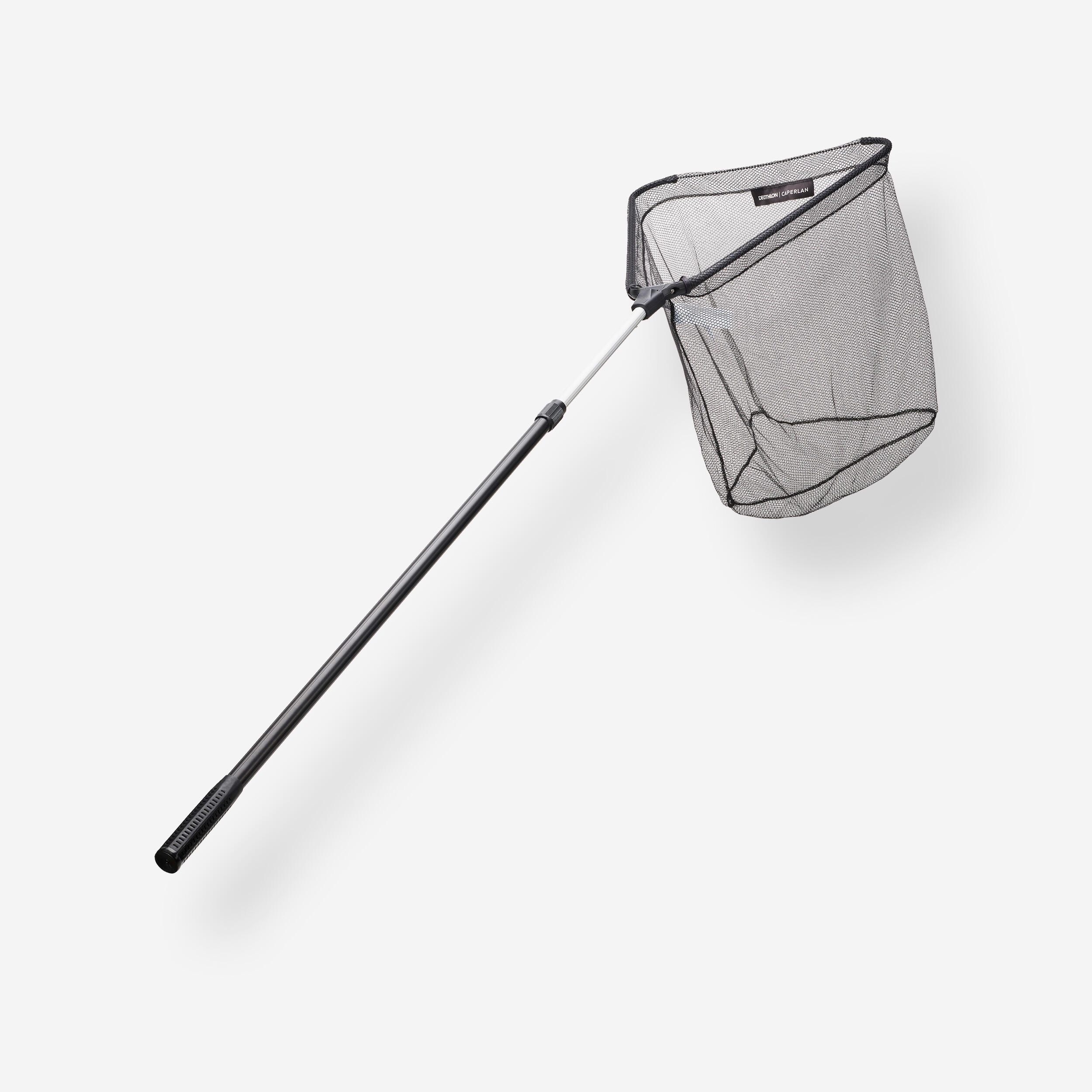
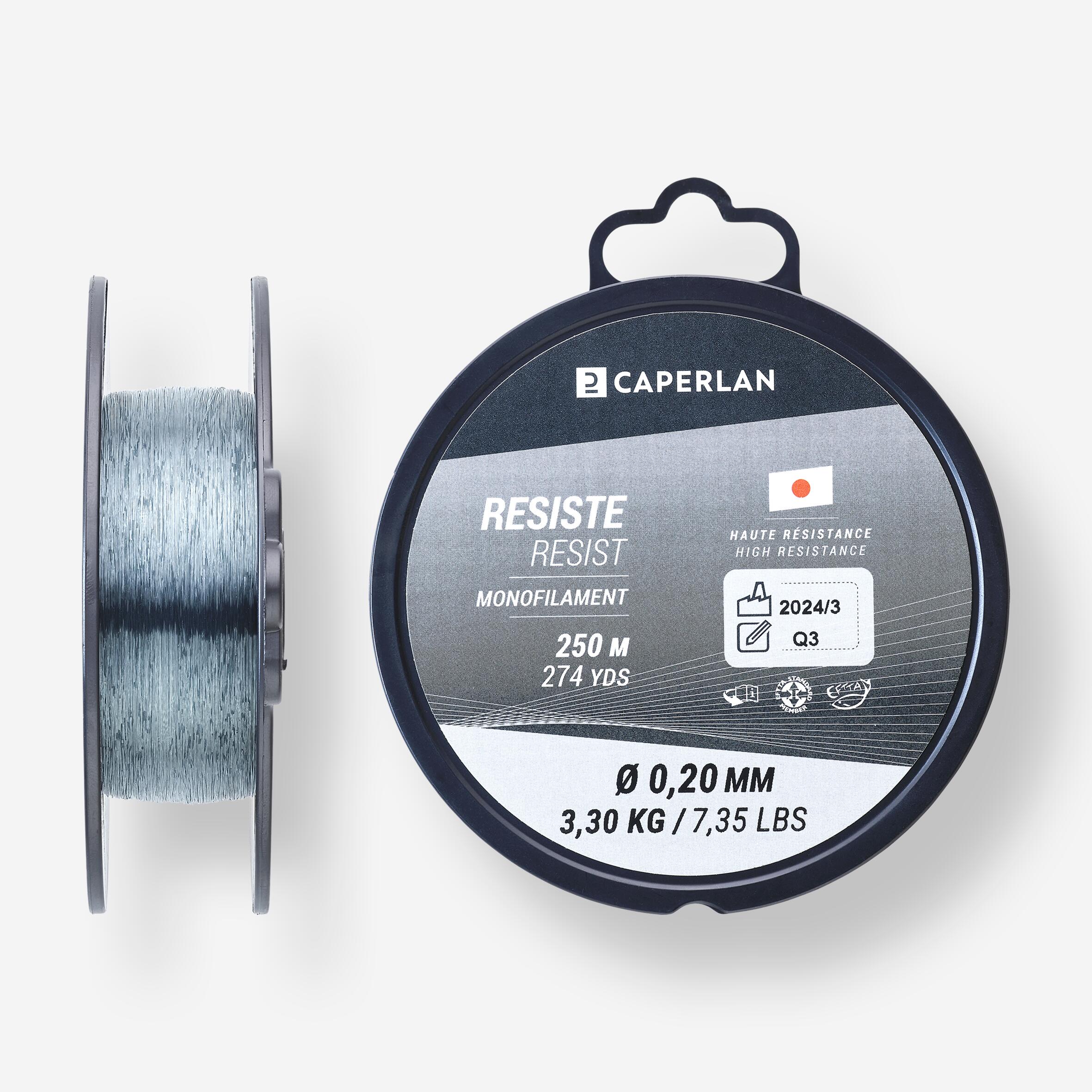
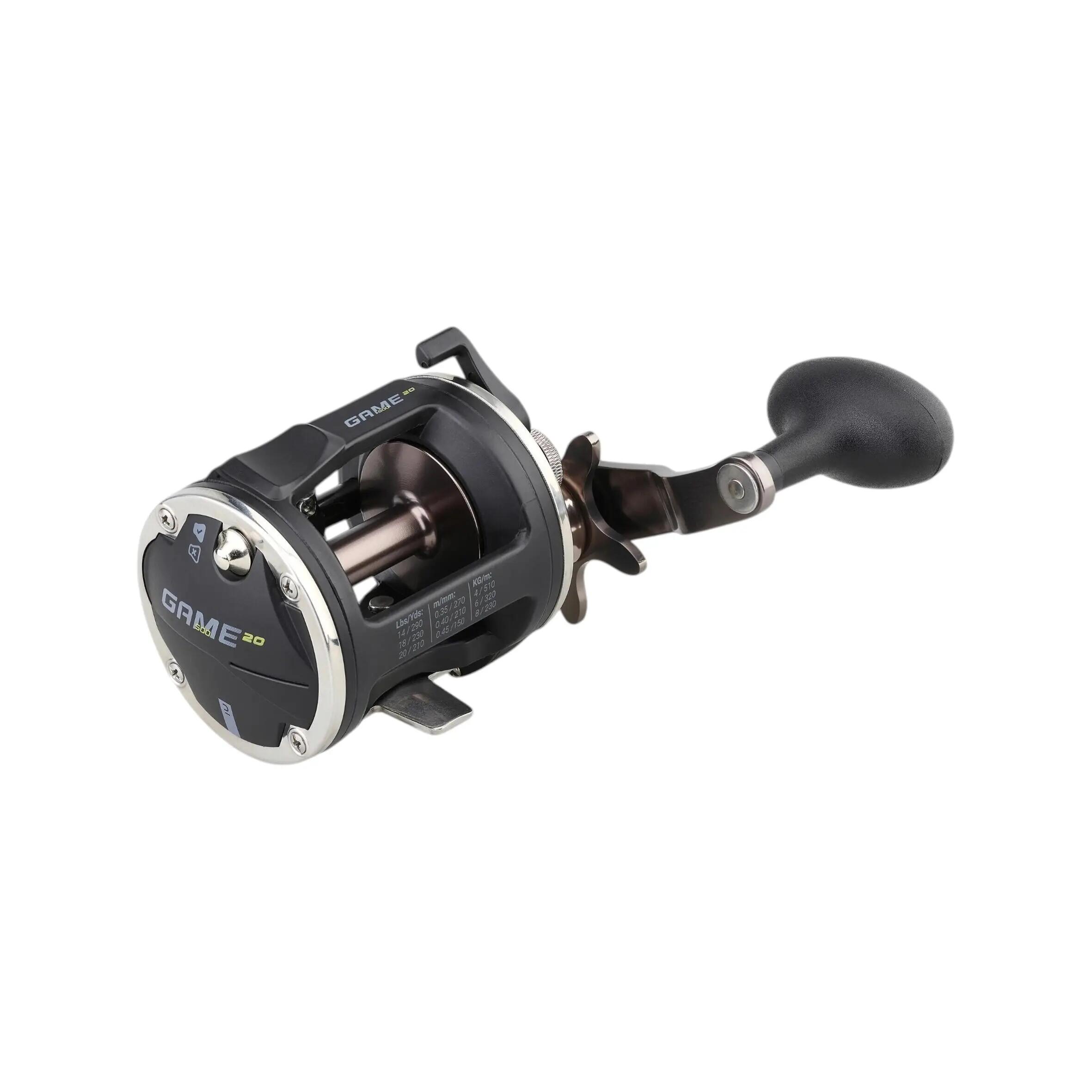
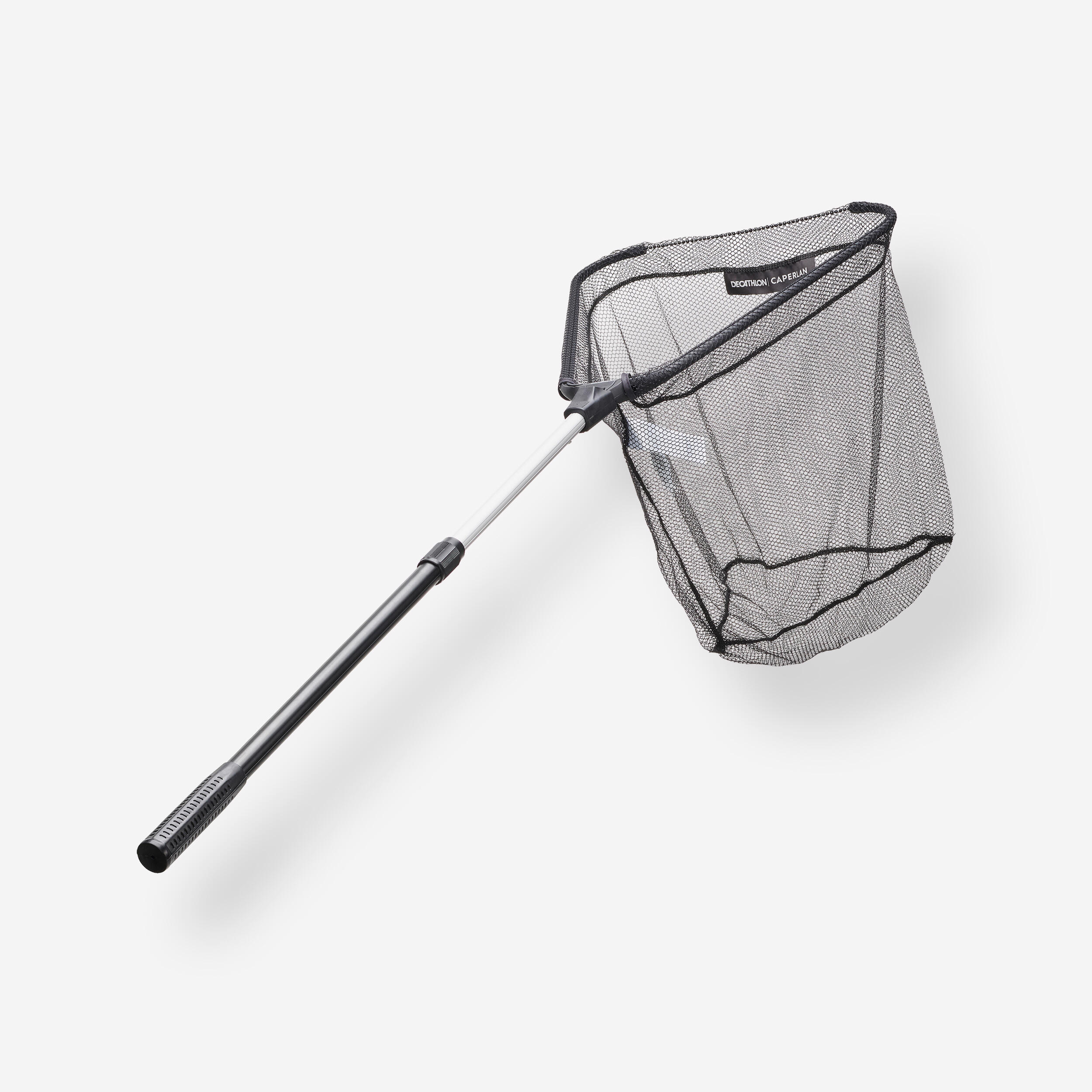
Carp fishing commonly involves stronger tackle, secure knots and equipment suited to longer sessions beside the water. Purpose-specific choices among carp fishing can help coordinate rods, reels, line, rigs, landing equipment and bankside storage. Pay close attention to the stated line diameter and breaking strain rather than selecting line by spool colour alone. Caperlan 4X4 monofilament uses published strength figures that comply with the EFTTA charter, while its elasticity can help absorb sudden pressure from a fighting fish. Inspect the line for abrasion before every session and replace damaged sections. A suitable landing net and unhooking setup also help control the fish once it reaches the bank.
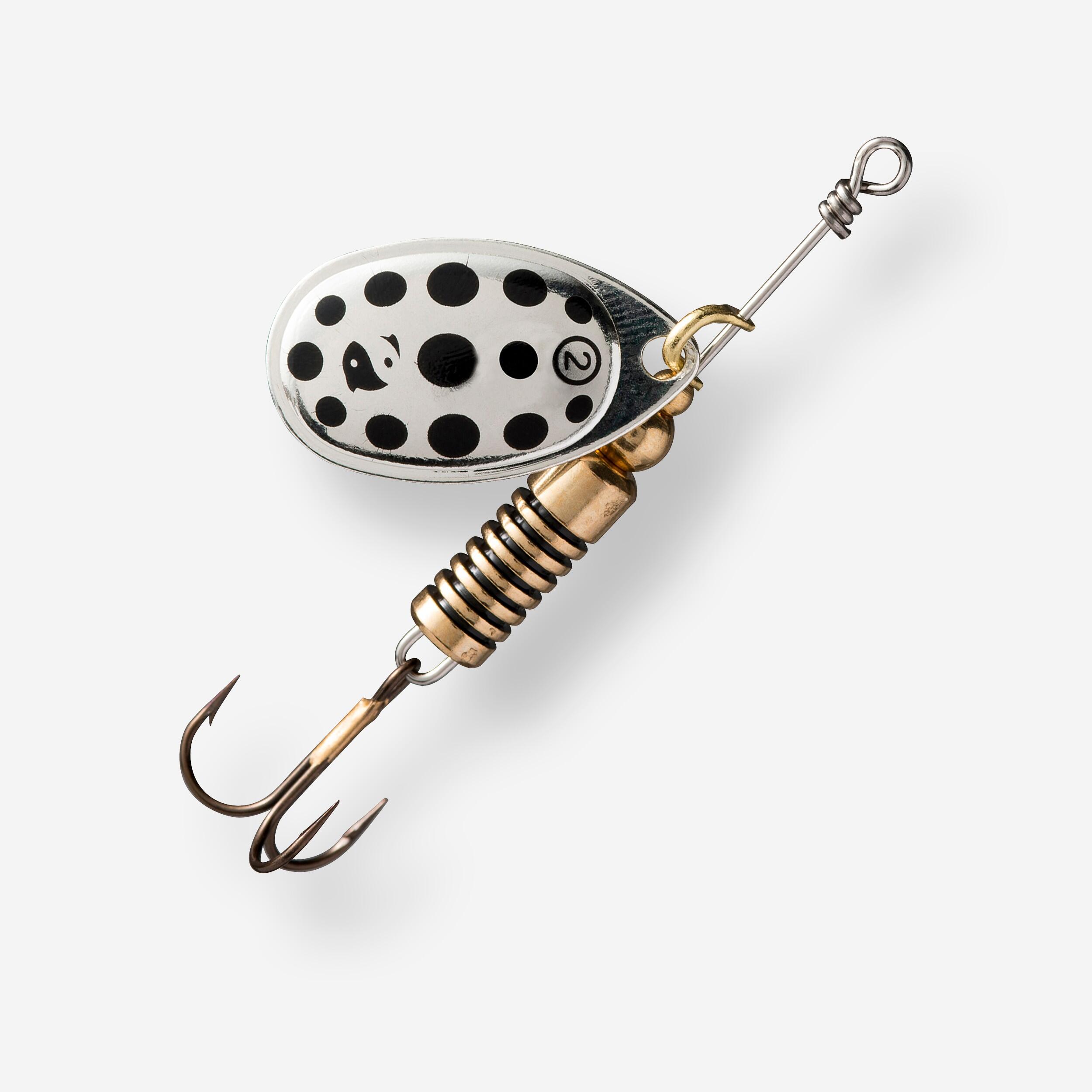
Can freshwater equipment be used for saltwater fishing?

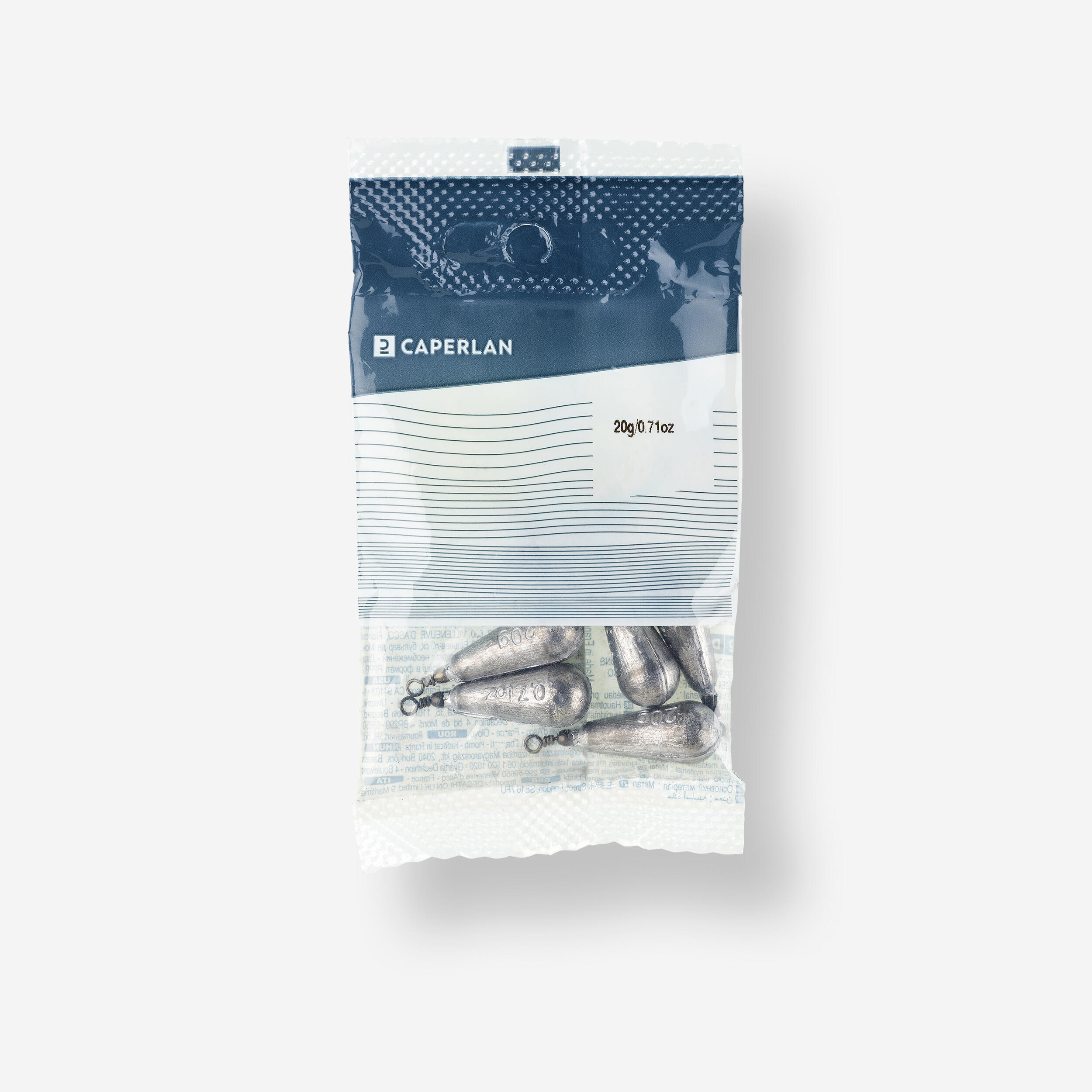
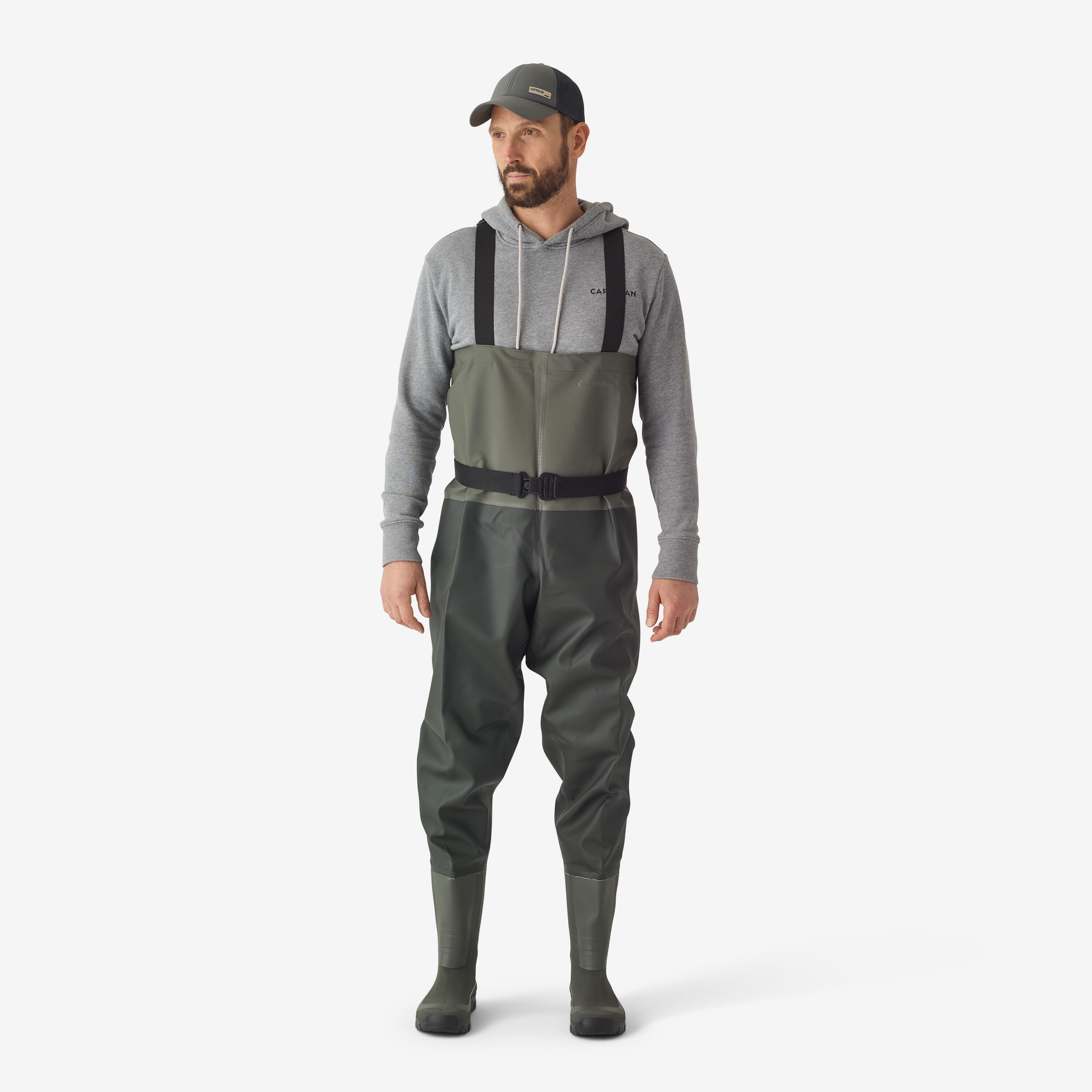
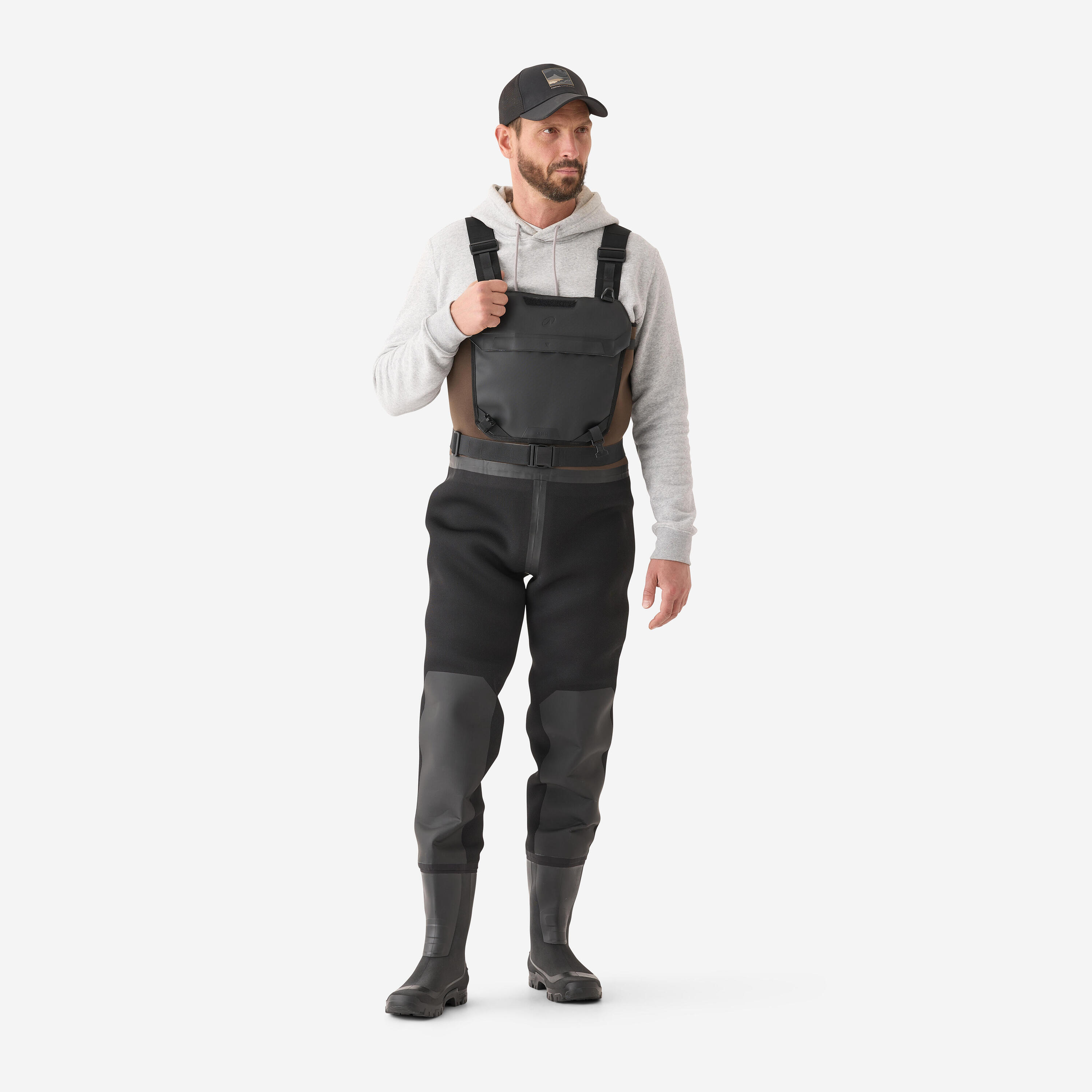
Some rods, reels and lines can work in more than one environment, but saltwater increases the need for corrosion care and suitable tackle strength. Planning a session through saltwater fishing helps separate shore, pier and boat requirements. Grey copolymer line may blend with rocky seabeds, while heavier drilled sinkers can support deeper presentations or longer casting where the rod rating permits. After fishing, rinse salt-exposed equipment with fresh water and let every part dry fully before storage. PVC waders also need fresh-water rinsing and complete drying after use. Check the boots, seams and straps for damage before entering the water, and avoid deep or fast-moving areas beyond your ability.

What distinguishes game fishing from other methods?

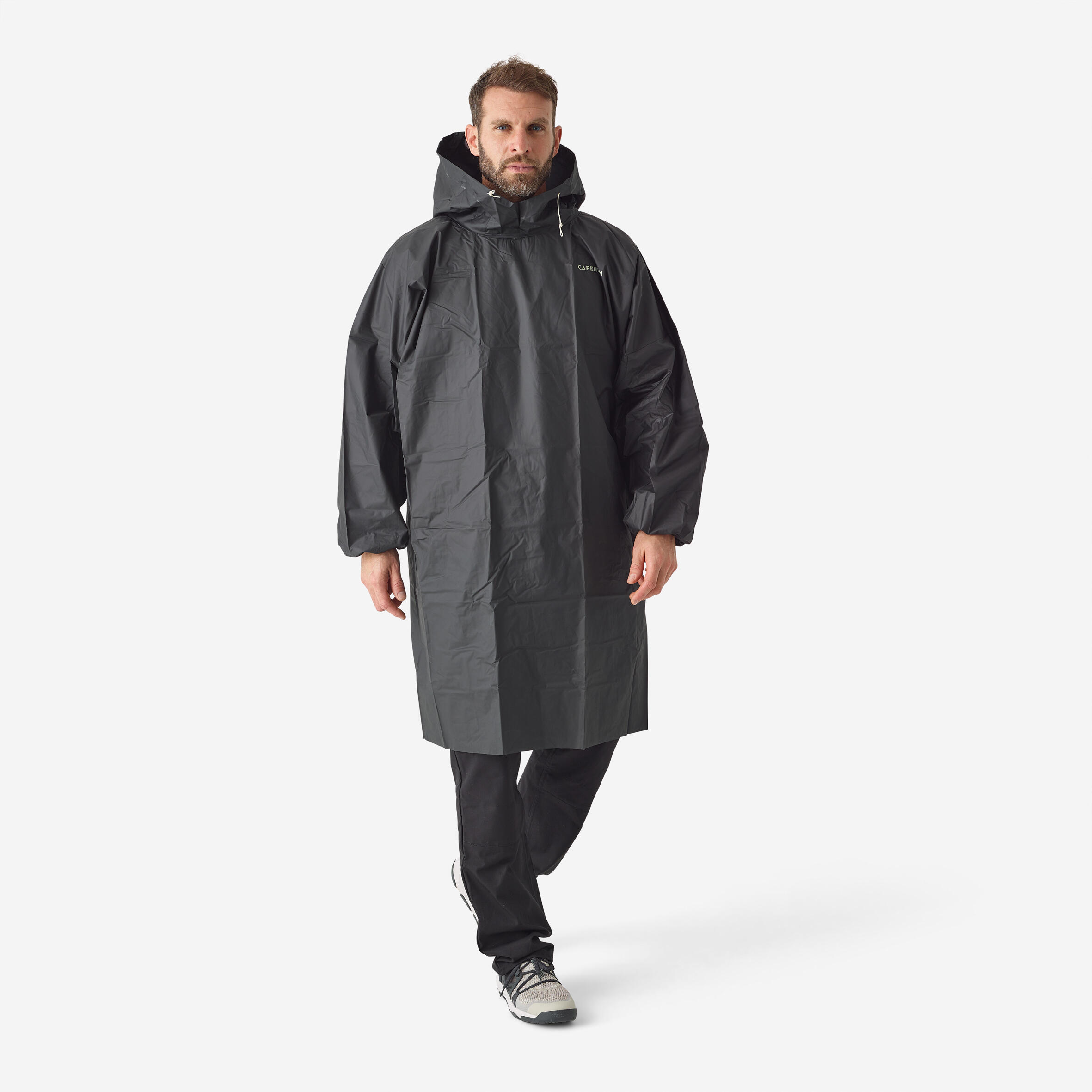
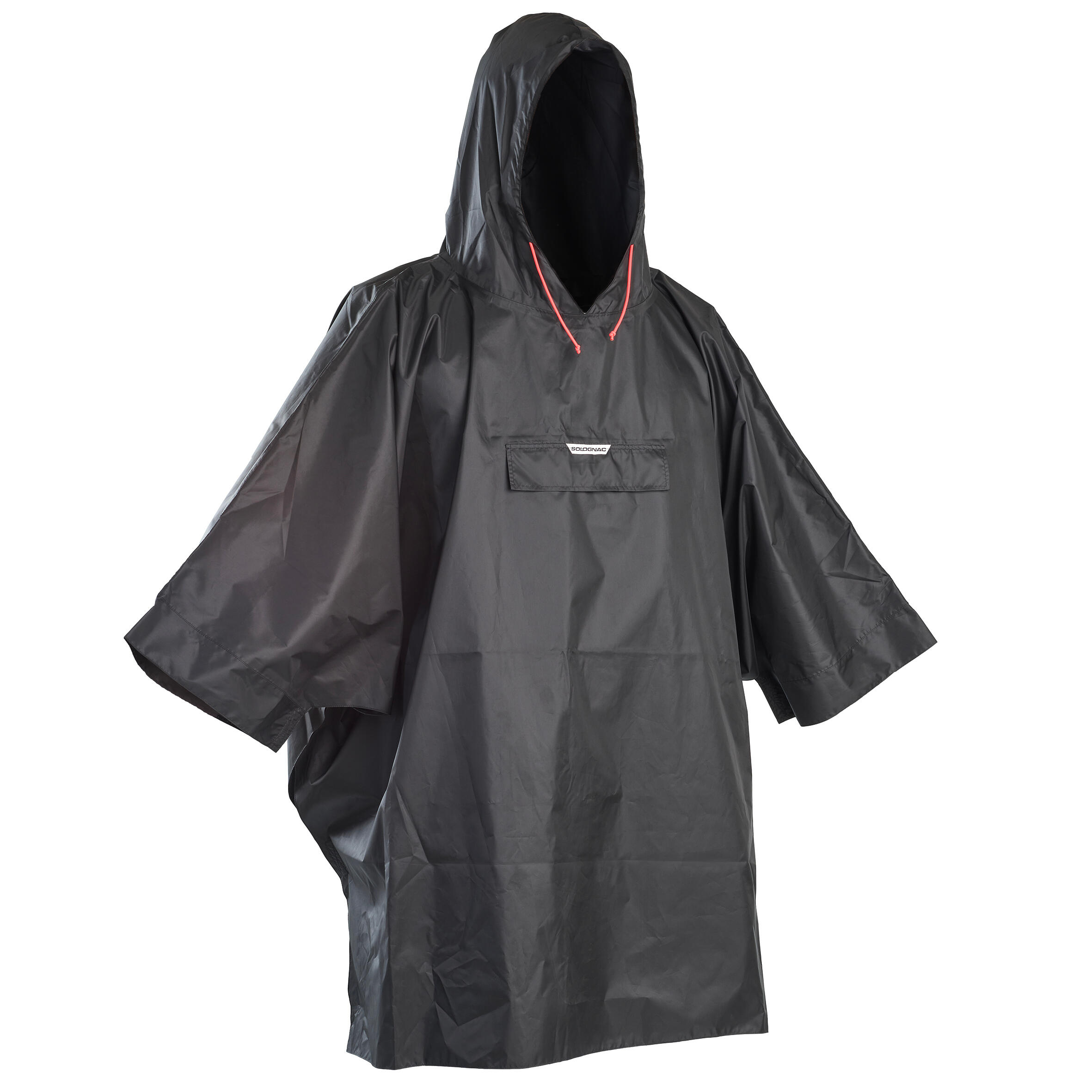
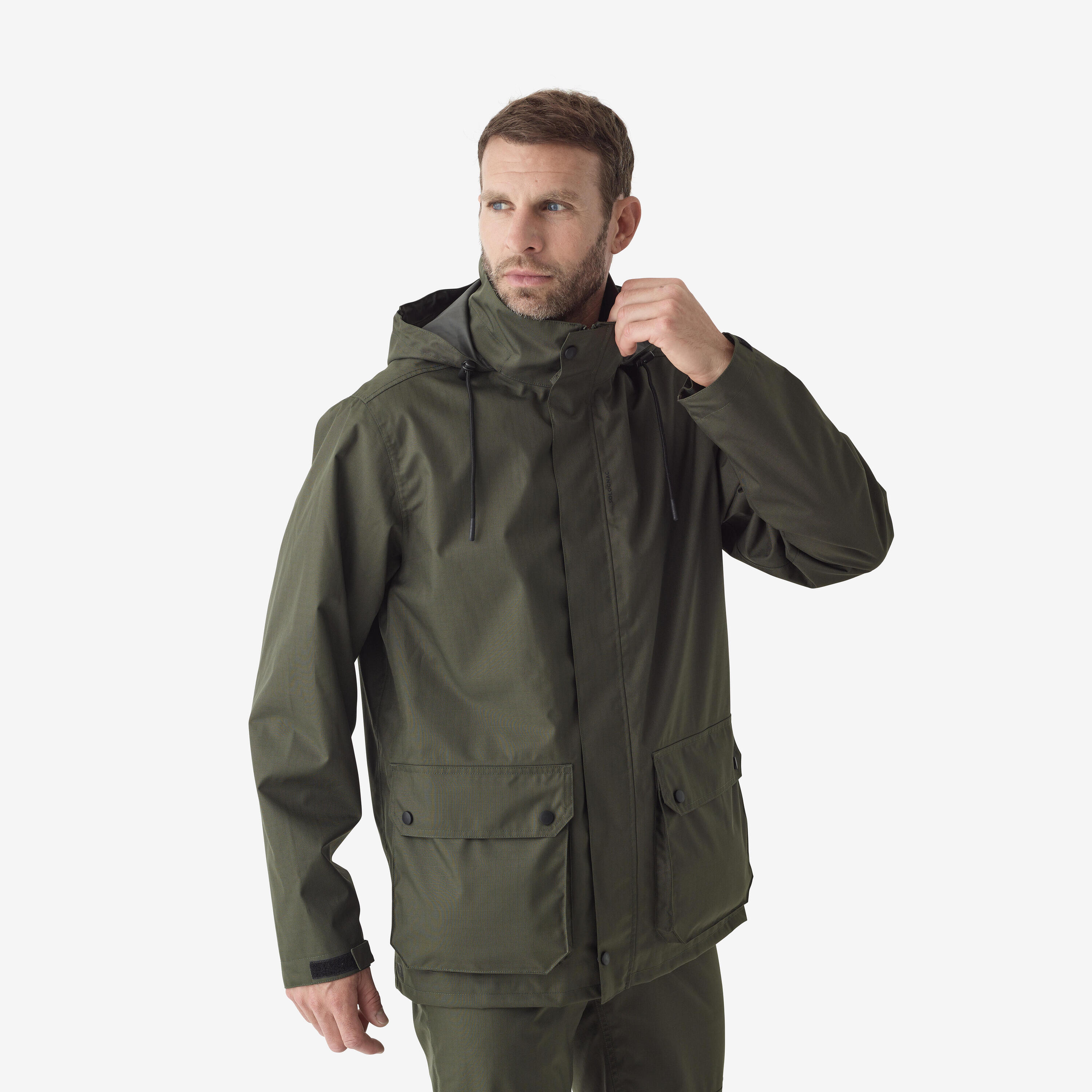
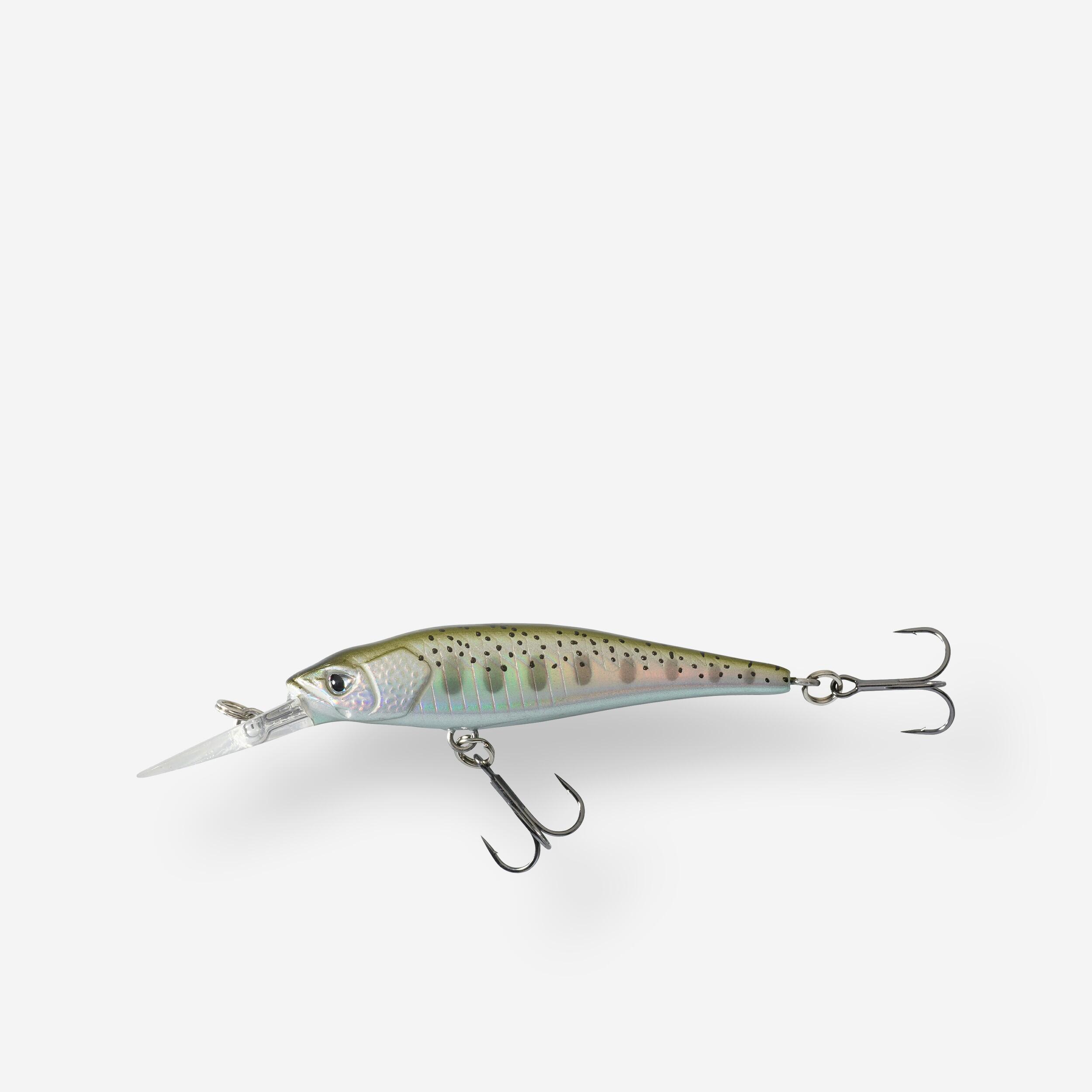
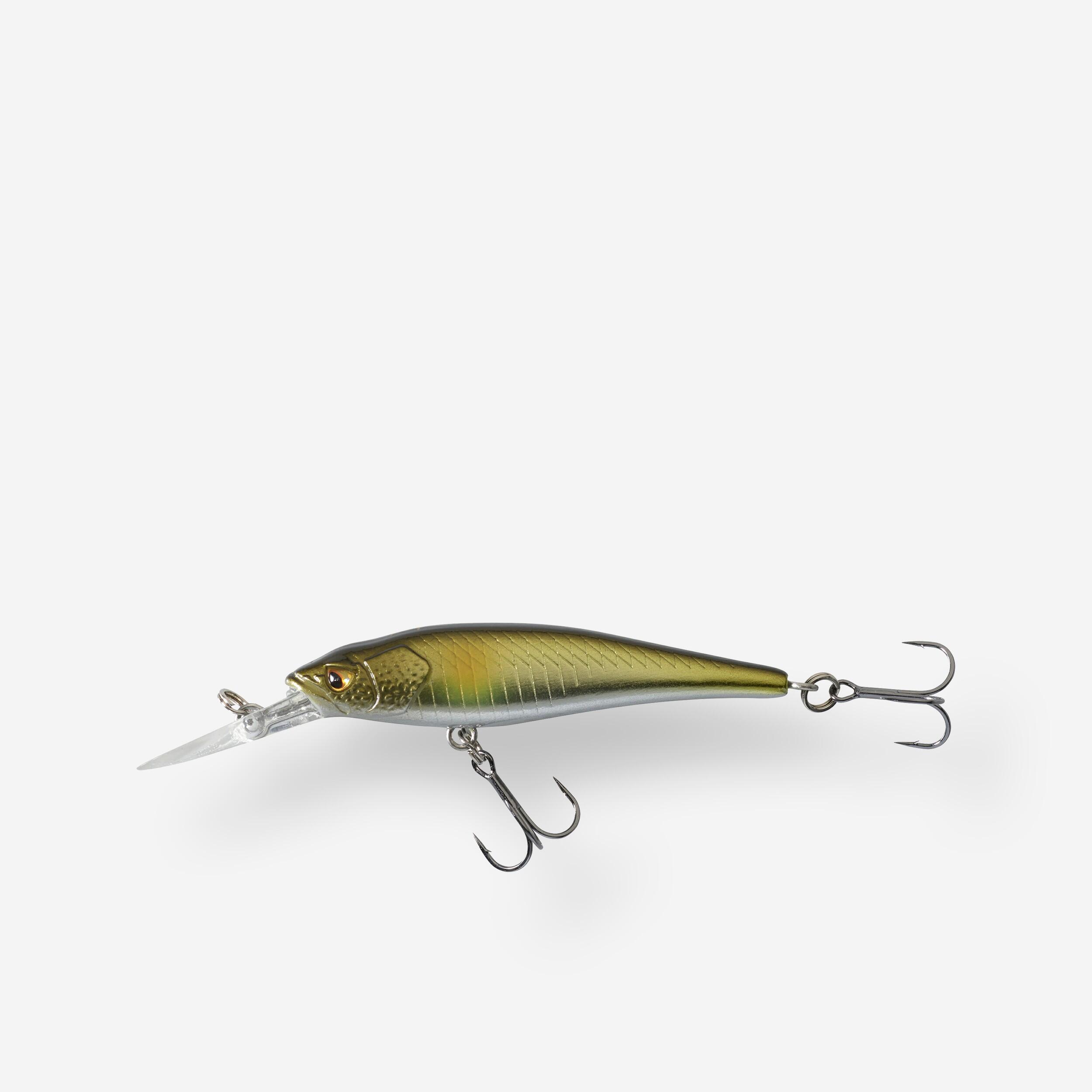
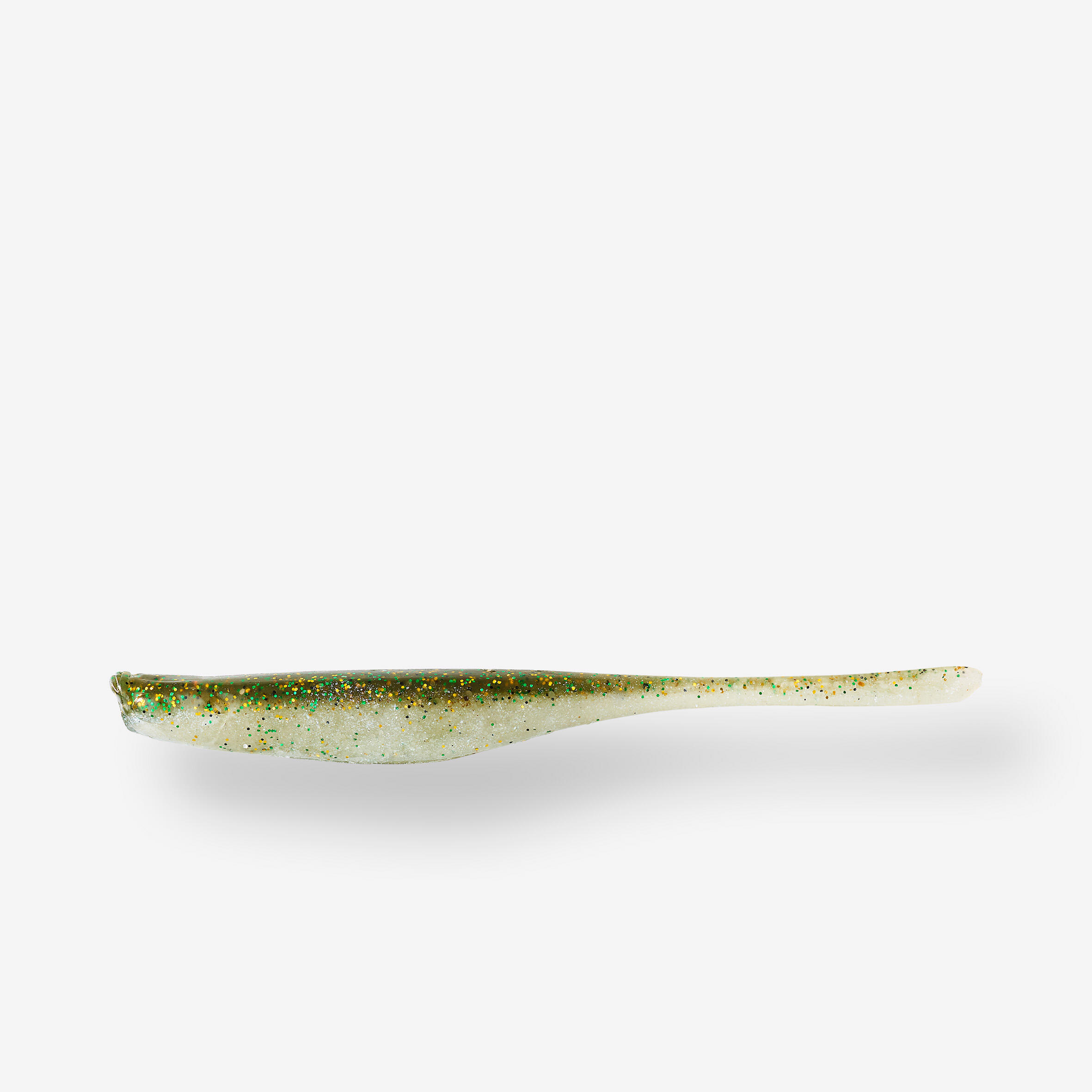
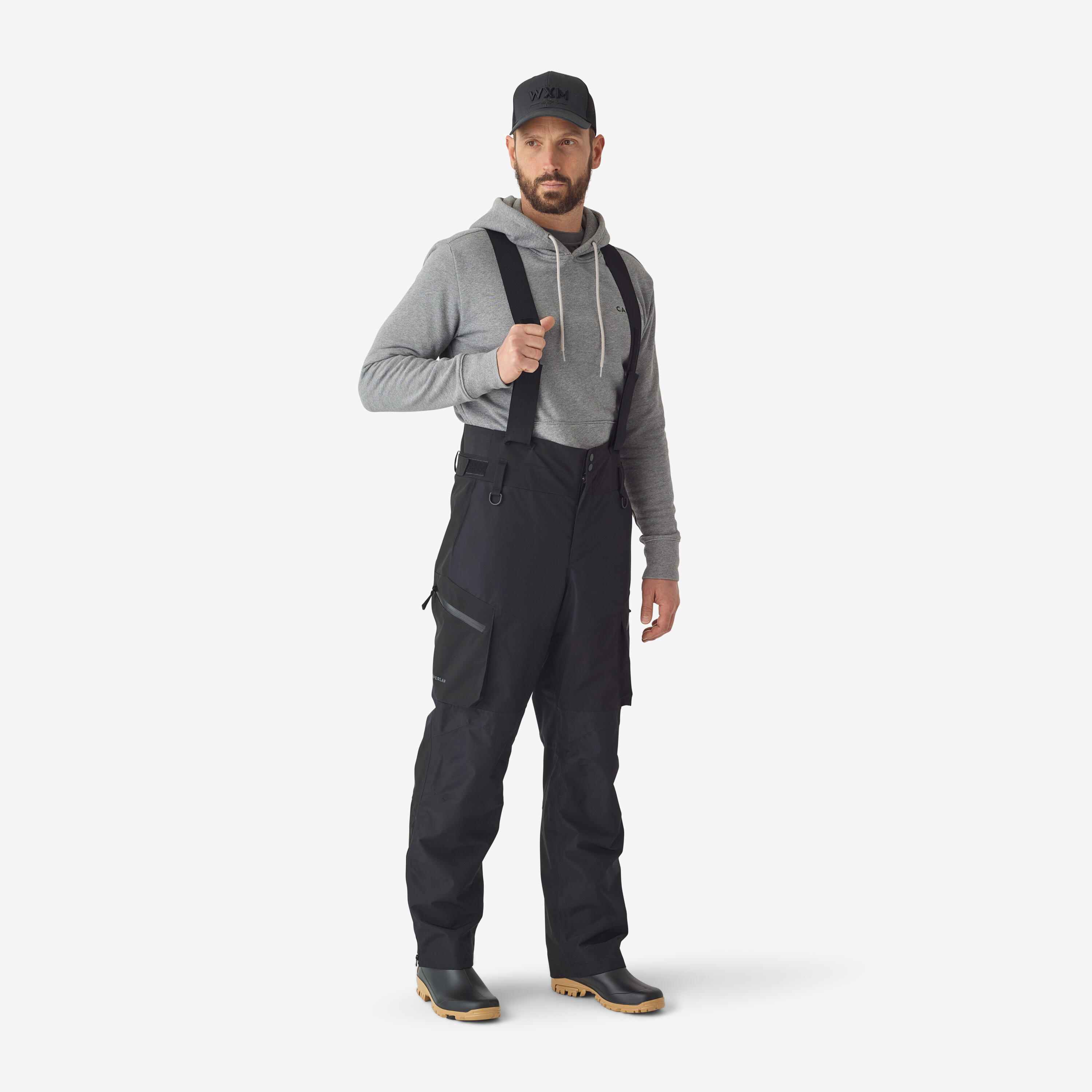
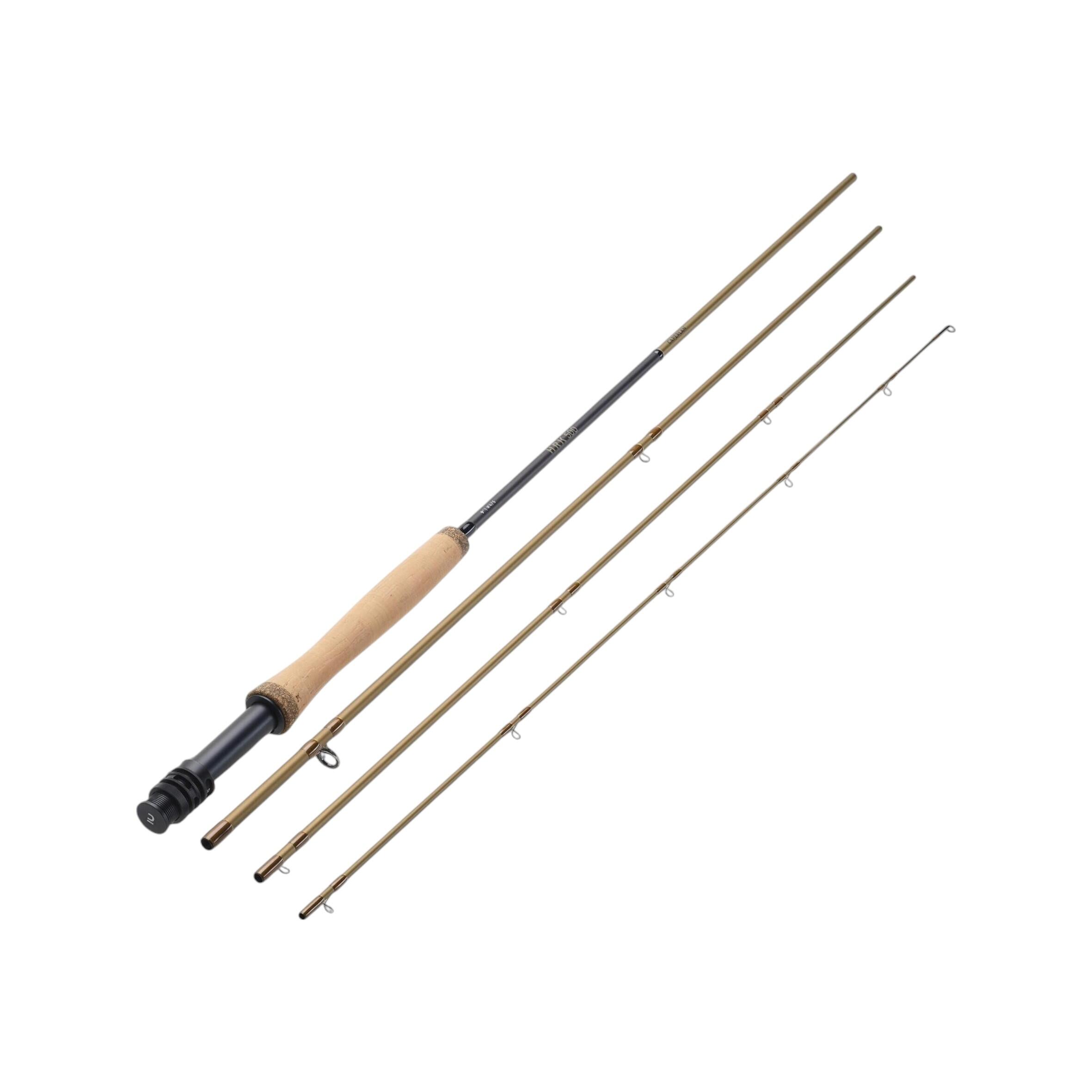
Game fishing focuses on species such as trout and salmon and may involve fly fishing, spinning or other methods permitted by the fishery. Specialist equipment within game fishing can differ in rod action, reel type, line construction and lure or fly presentation. Before travelling, confirm local licences, seasons, catch limits and permitted techniques because regulations vary by water and region. Carry waterproof clothing suited to the forecast, but distinguish shower protection from garments intended for prolonged rain. A compact poncho can provide useful emergency coverage, while waders need a secure belt, suitable underlayers and careful footing. Clean and dry nets, waders and outerwear completely before storing them to limit odour, trapped moisture and material deterioration.