4,856 items
4.6/5 based on 455482 reviews collected online and in stores

FOOTBALL CLOTHING FAQS

What clothing do you need for football?

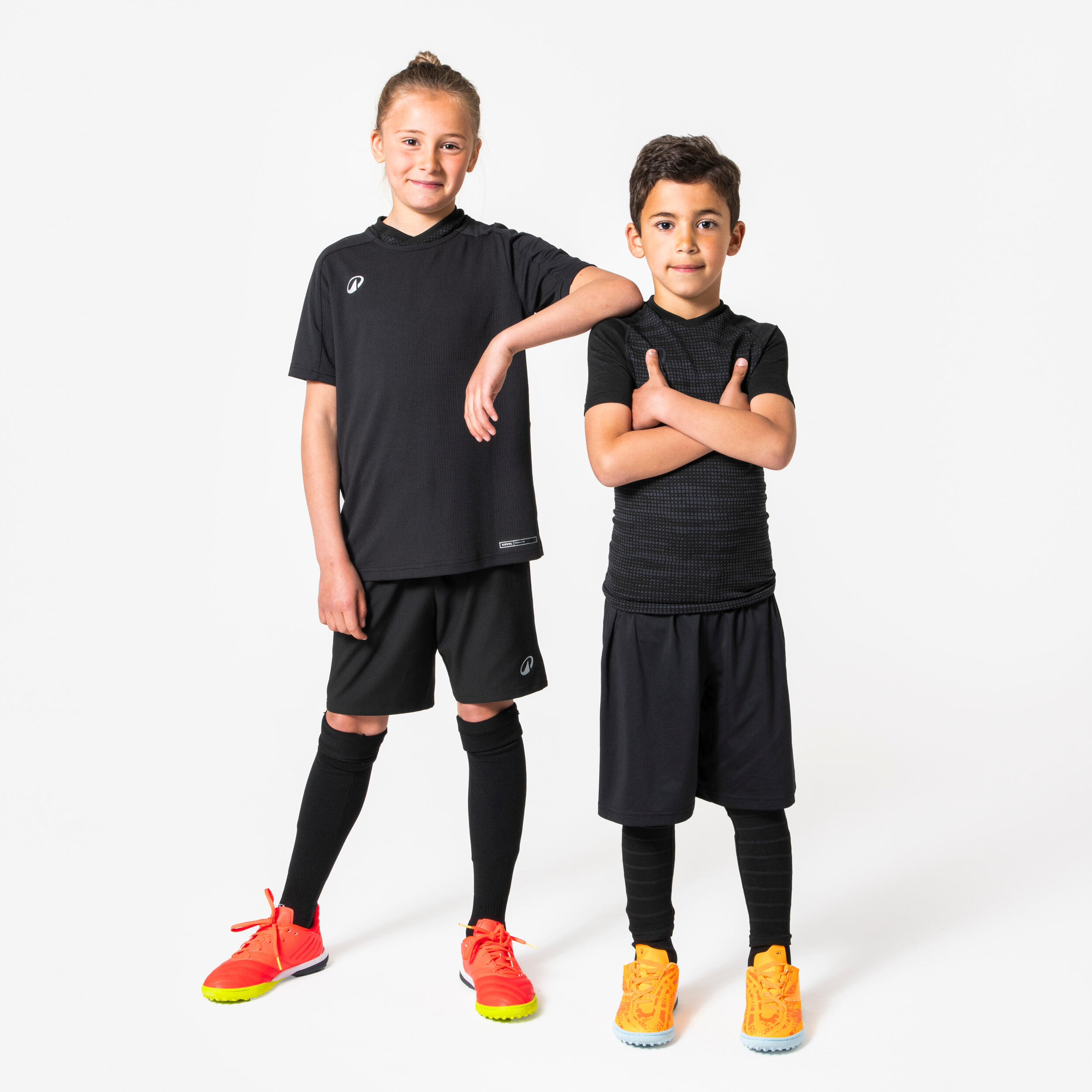
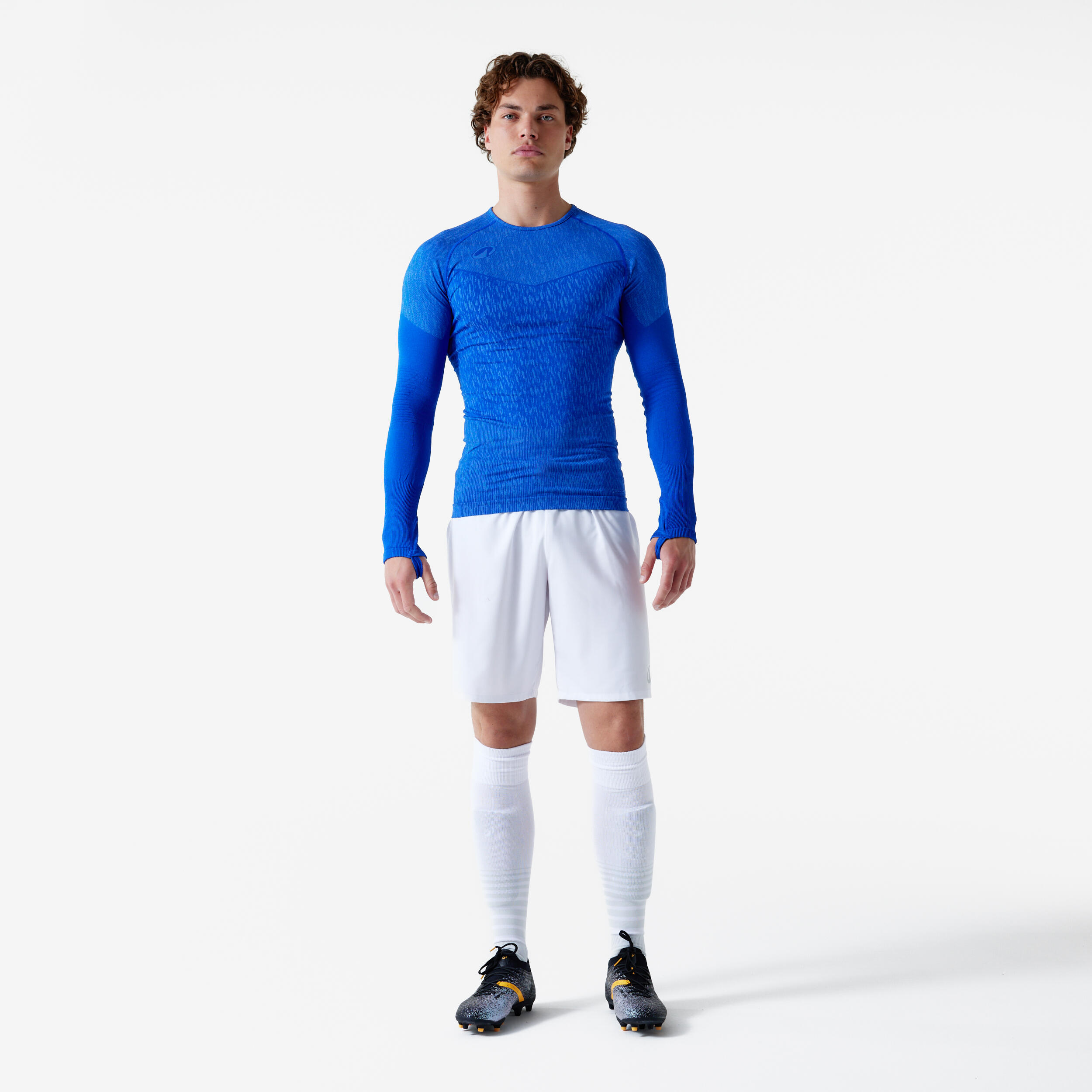
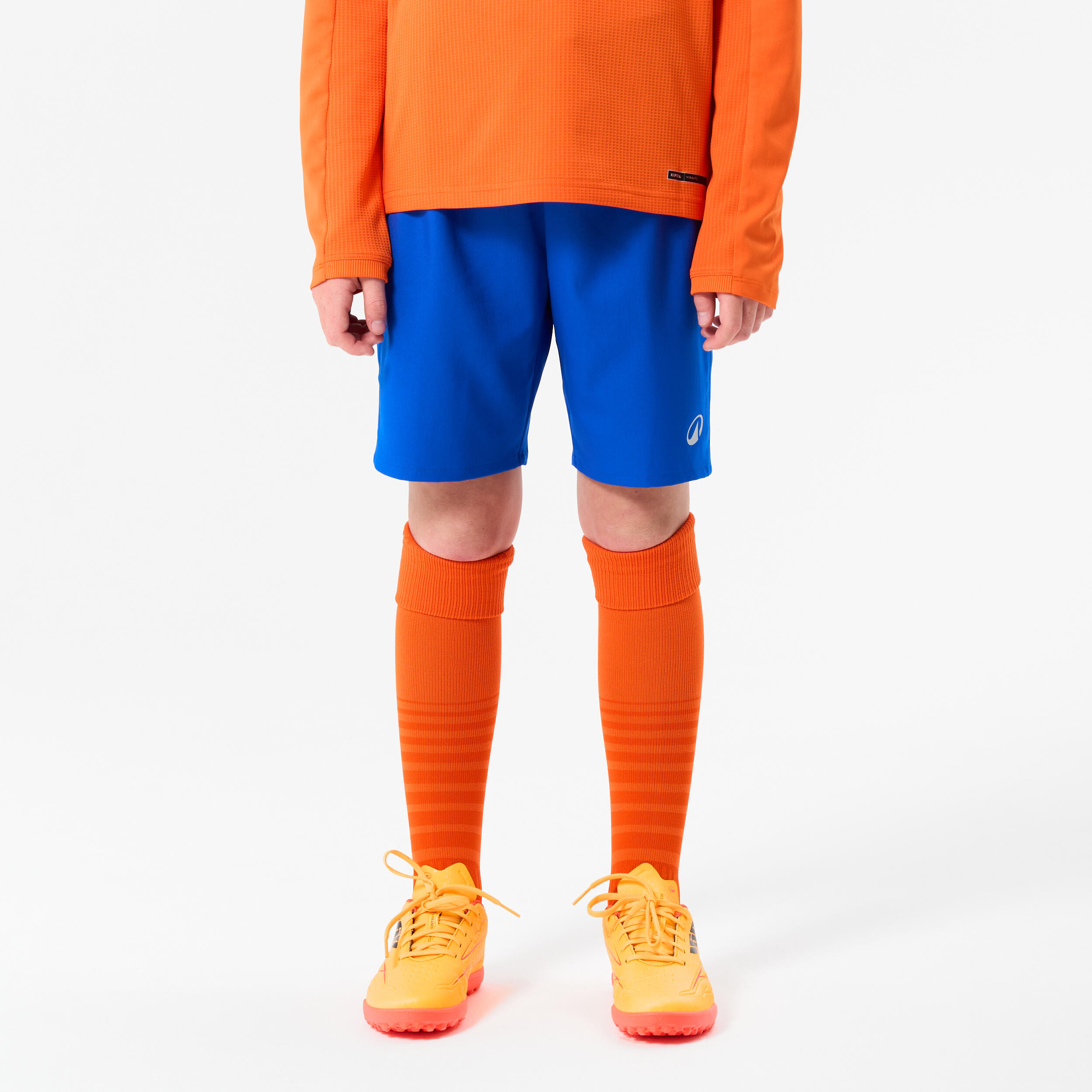
Choosing the right kit helps you stay quick, comfortable and protected every time you step onto the pitch. For official matches, the standard requirement includes a jersey, team shorts, and high-performance Men’s football clothing that provides the durability needed for physical challenges. Technical football t-shirts are produced using honeycomb or interlock weaves that facilitate rapid moisture evaporation, preventing the garment from becoming heavy with sweat. Proper football socks must be long enough to cover shin guards securely while offering arch support to reduce foot fatigue during 90 minutes of play. The technical reason behind Kipsta football clothing involves extensive lab testing to simulate match conditions, ensuring every seam withstands the high-tension pulling that occurs during corner kicks and defensive marking.

What football clothing is needed for winter?

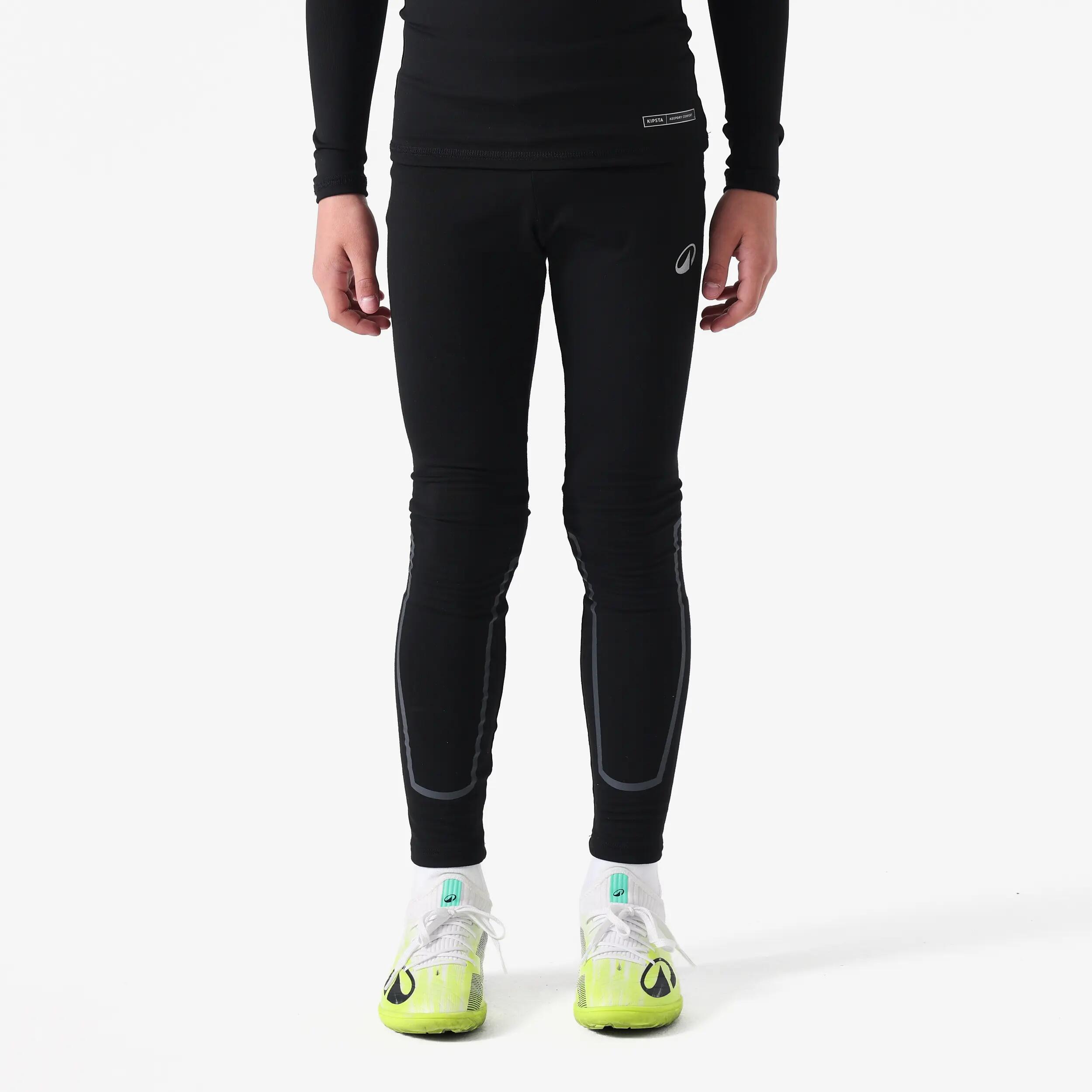
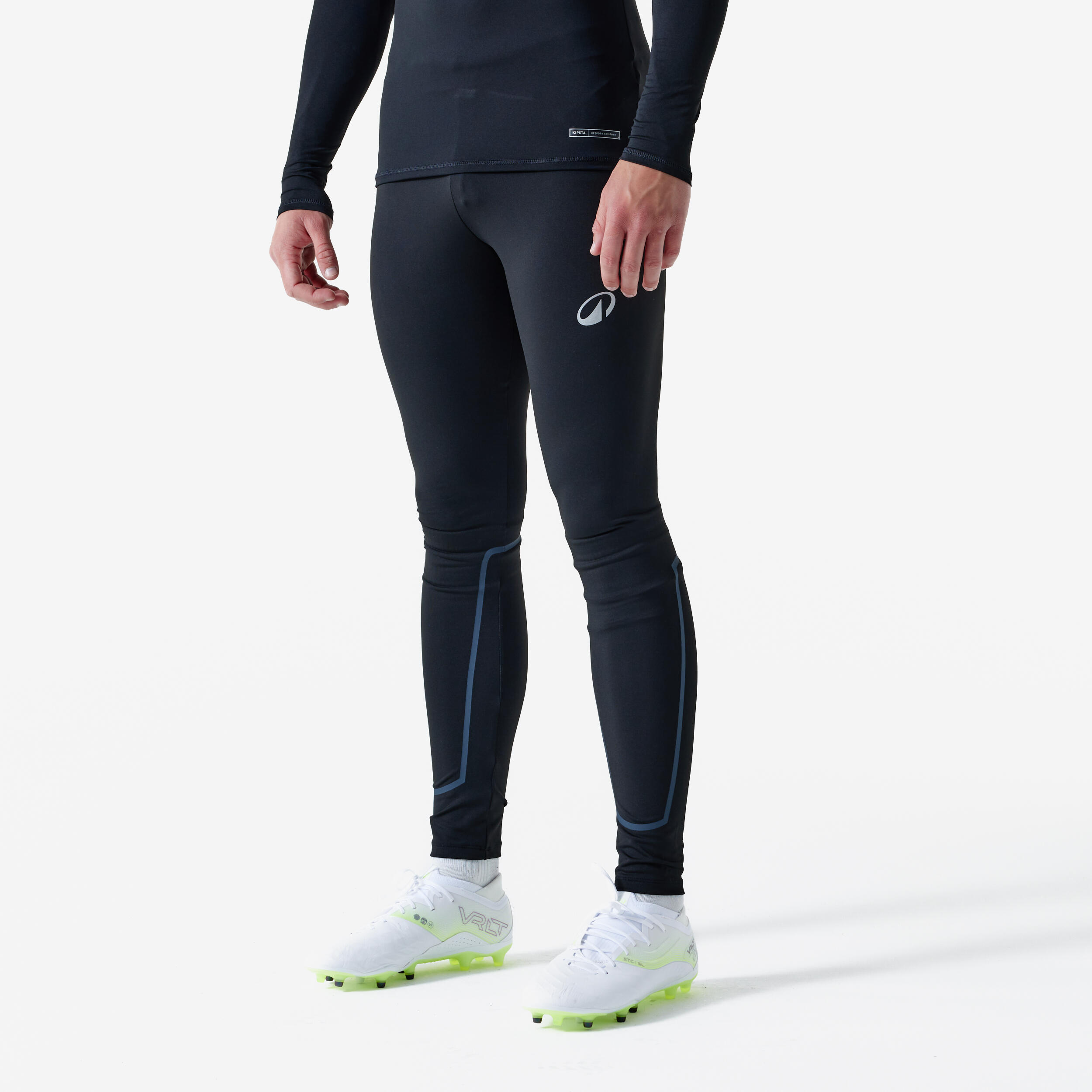
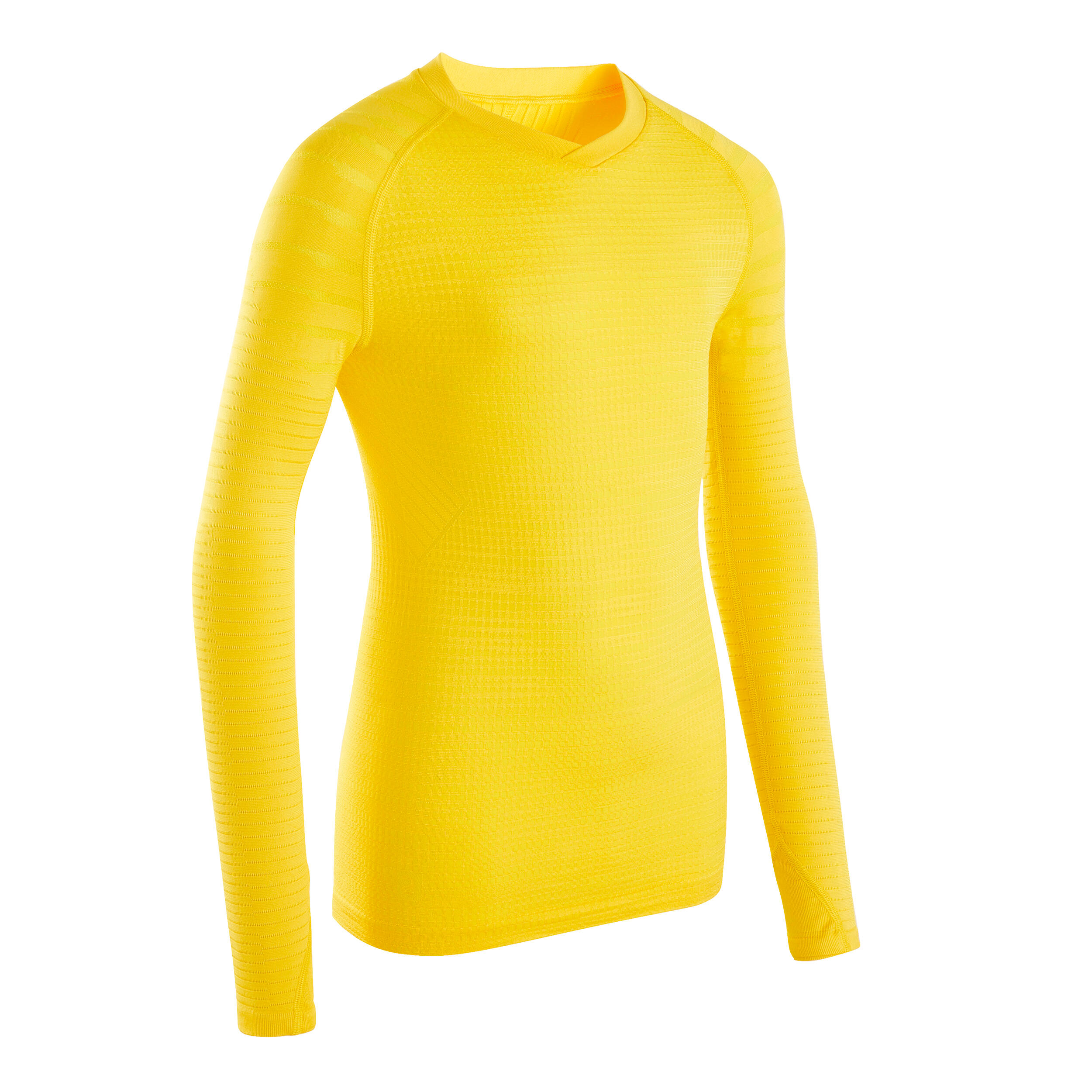
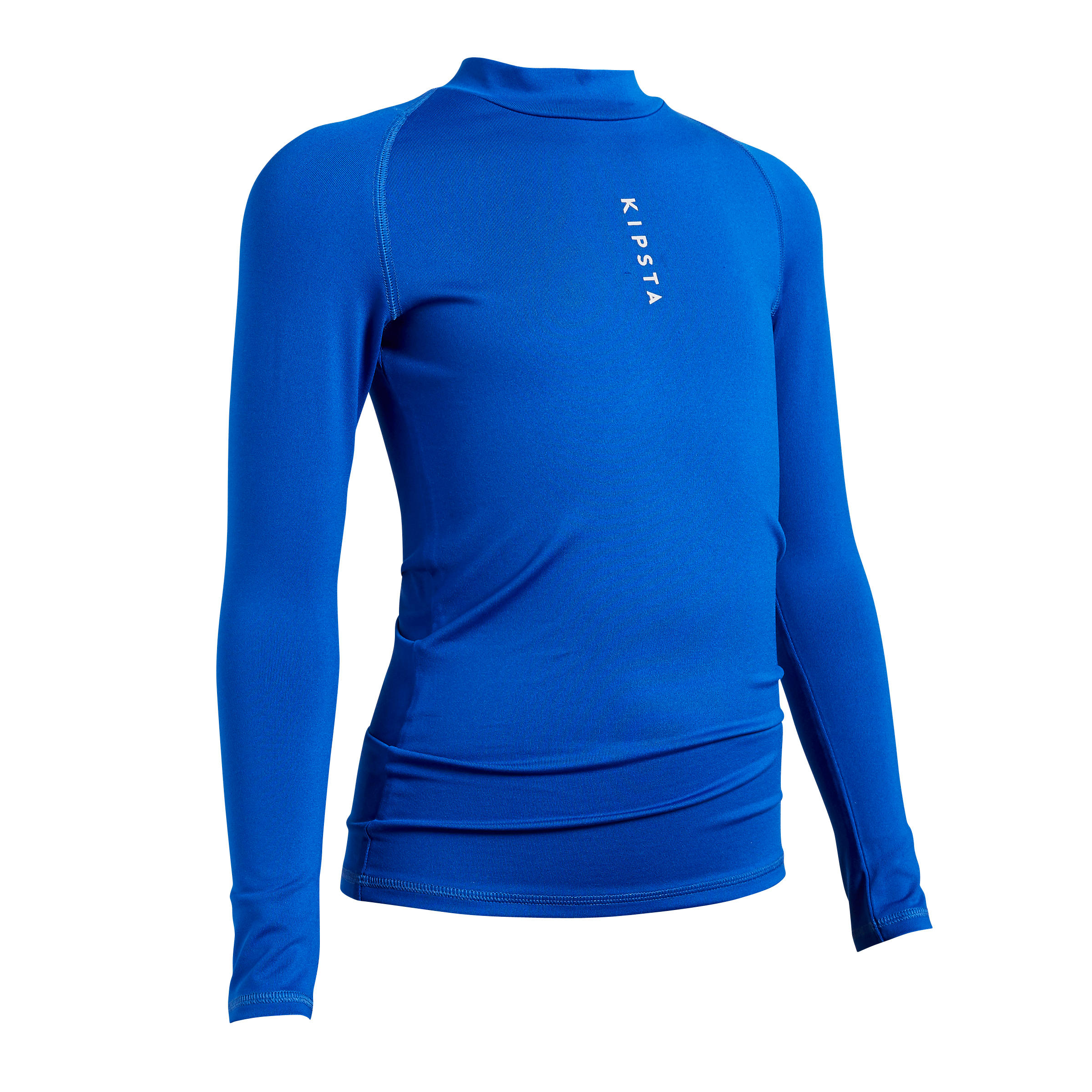
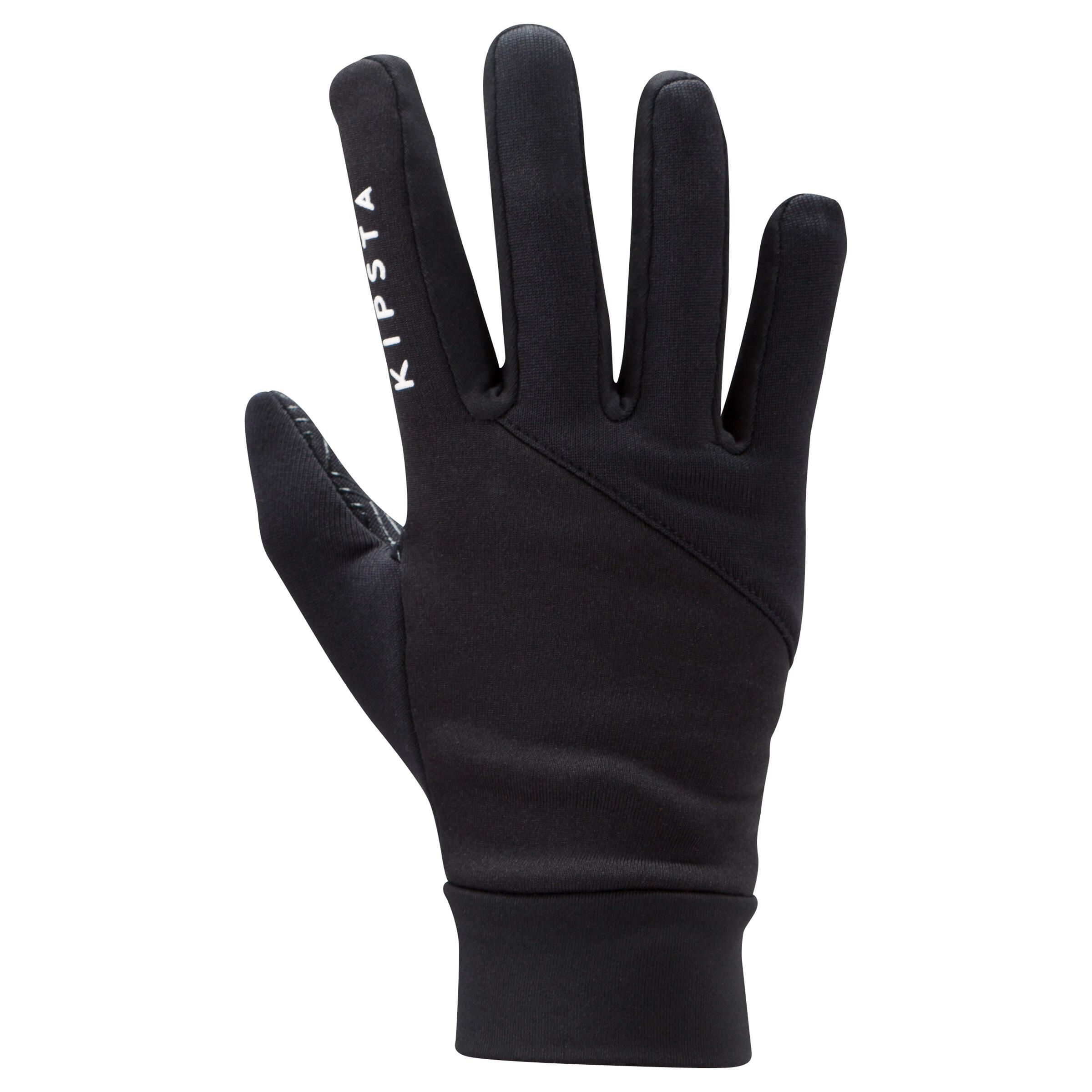
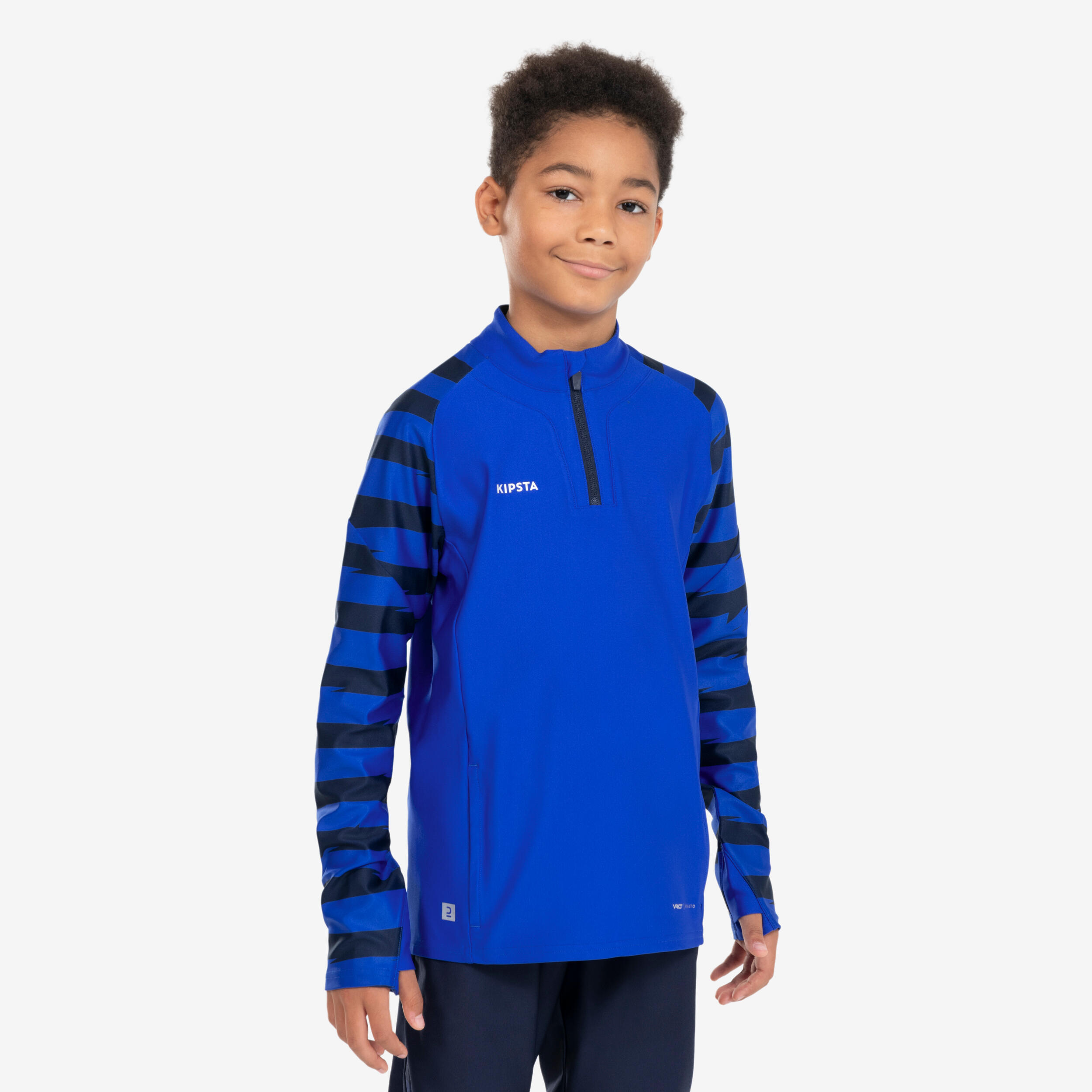
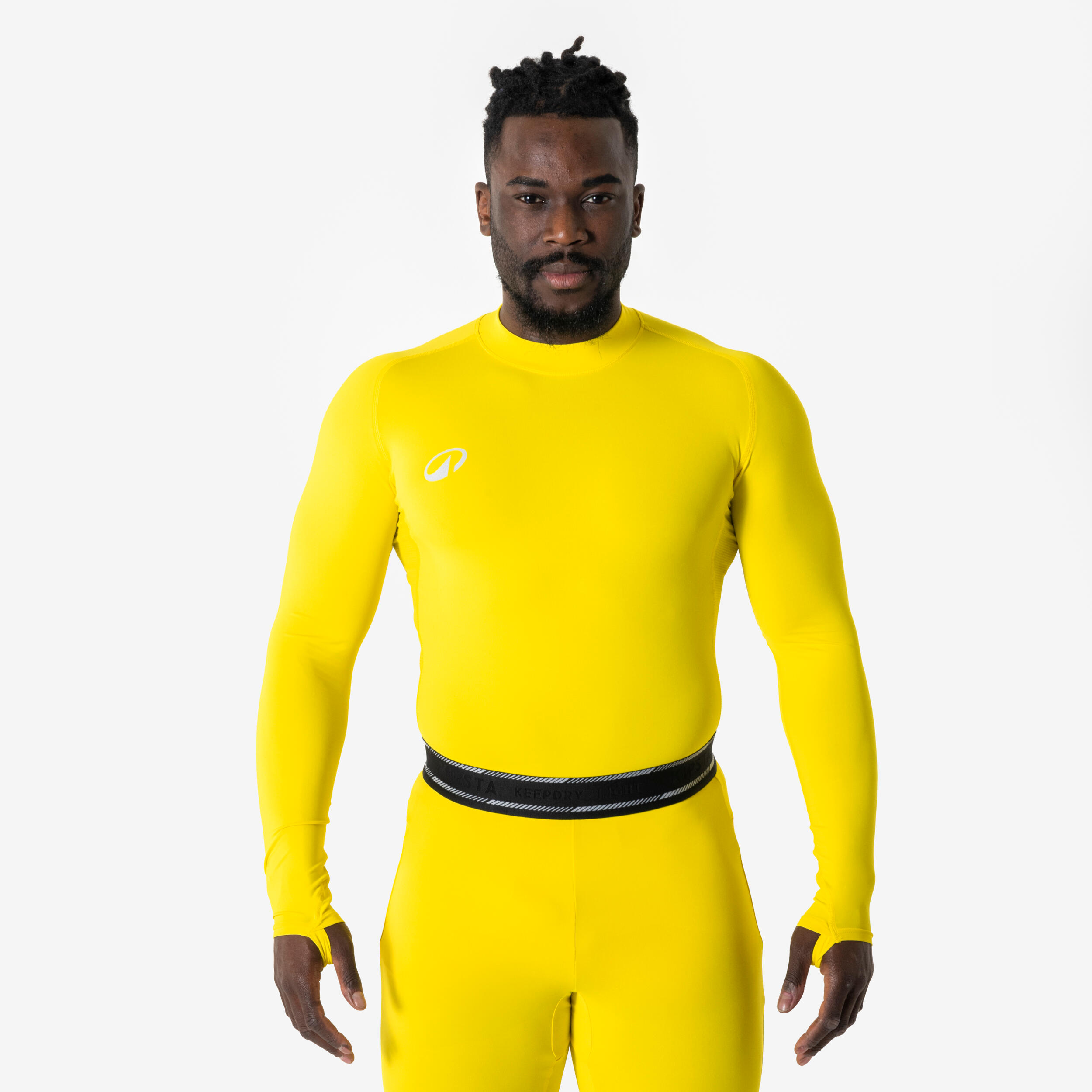
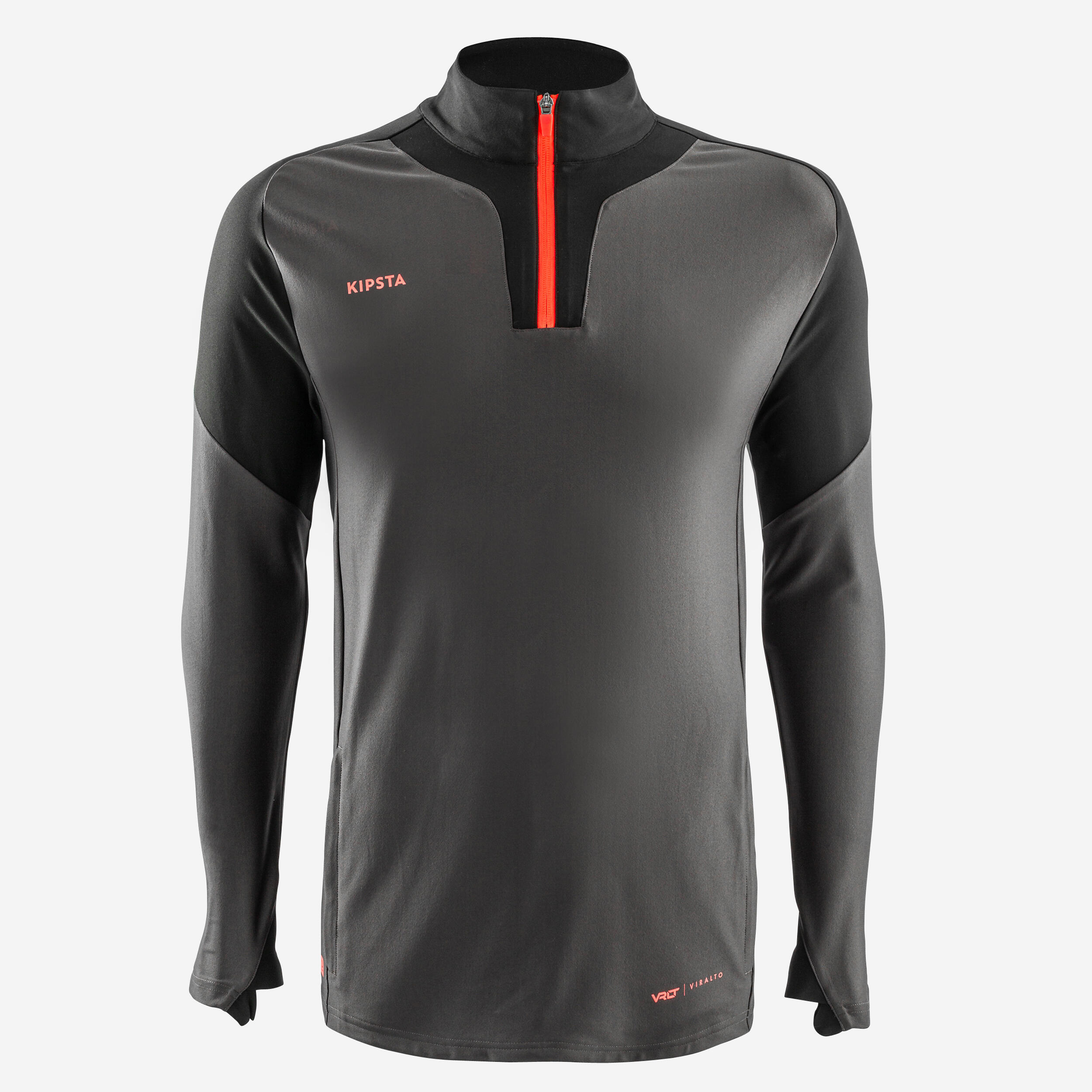
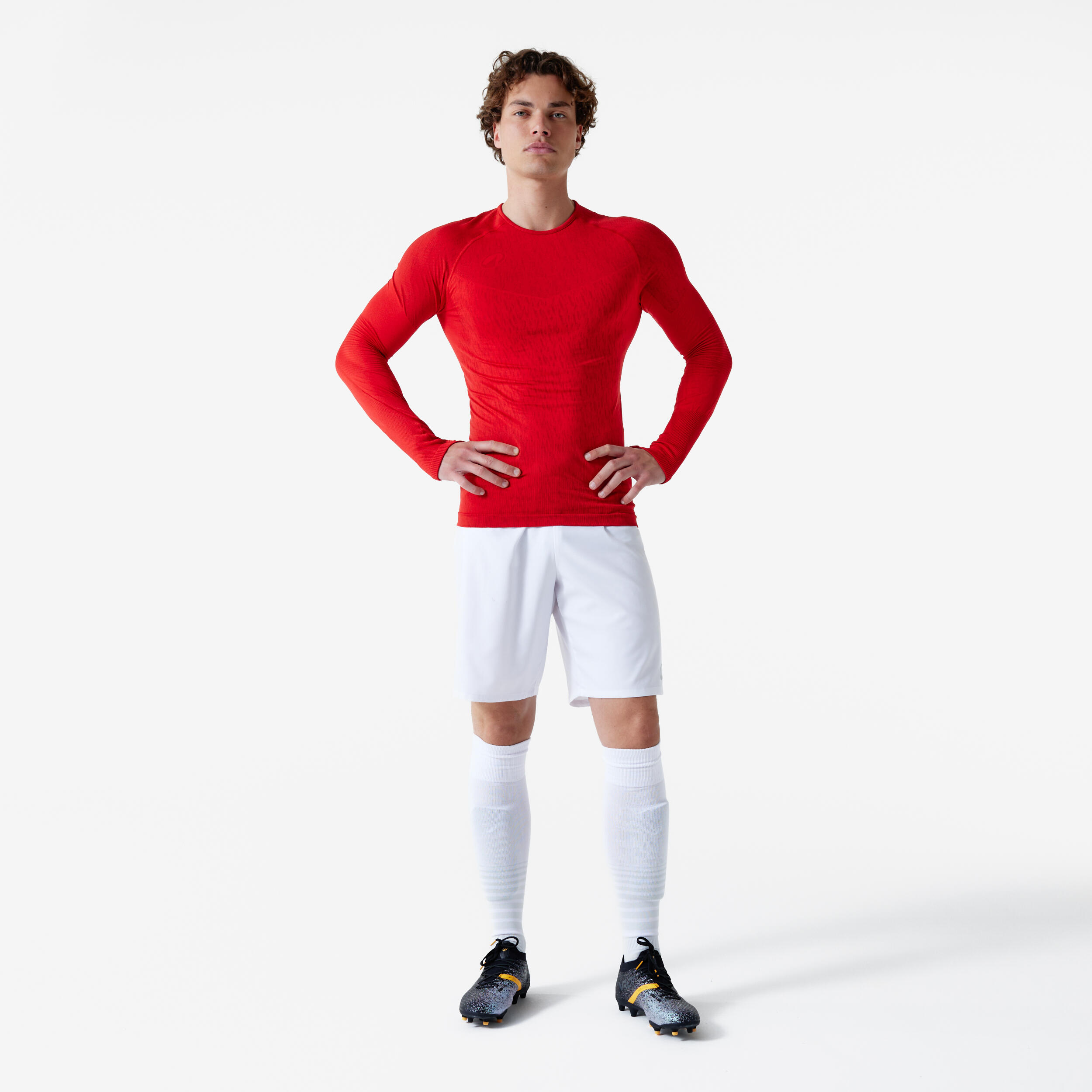
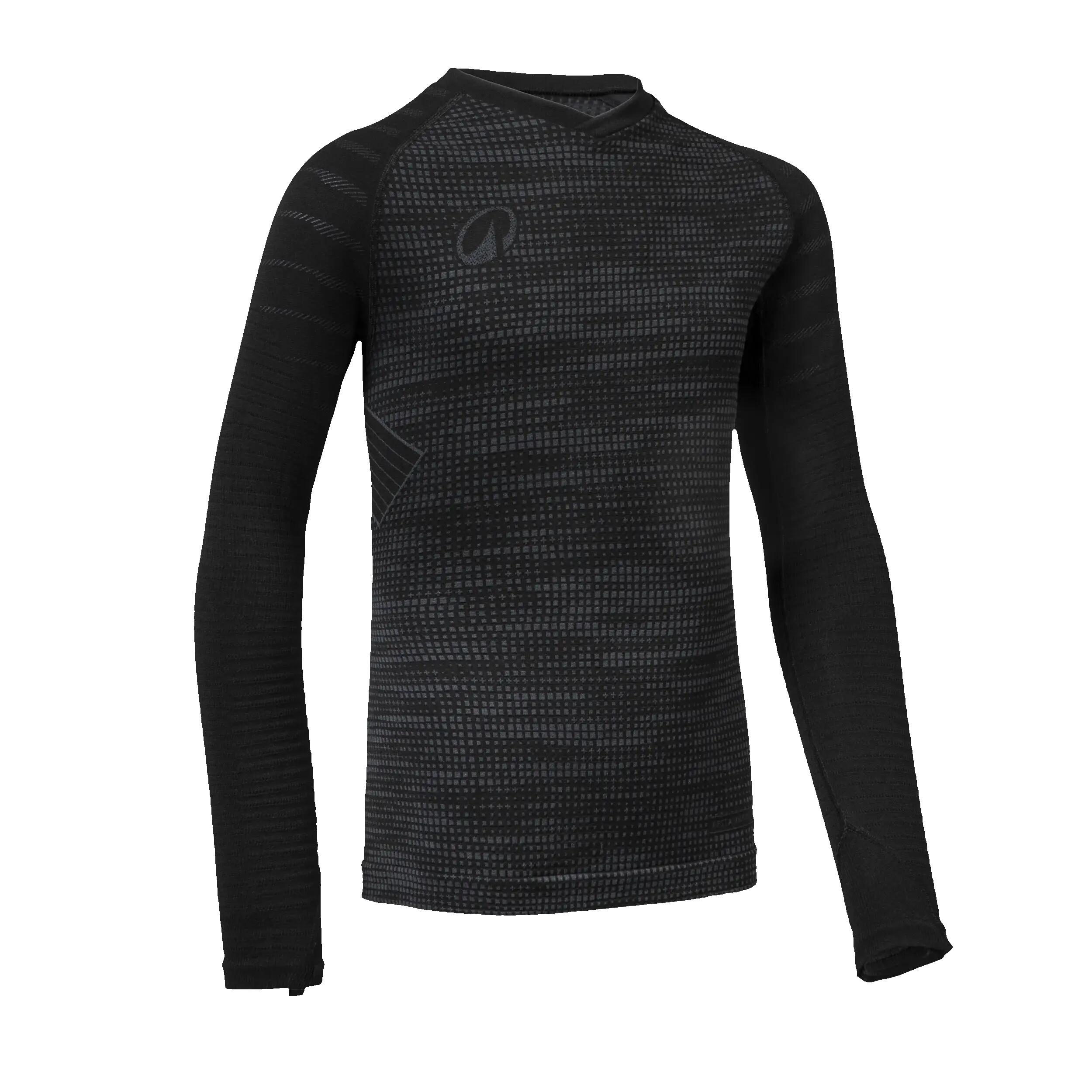
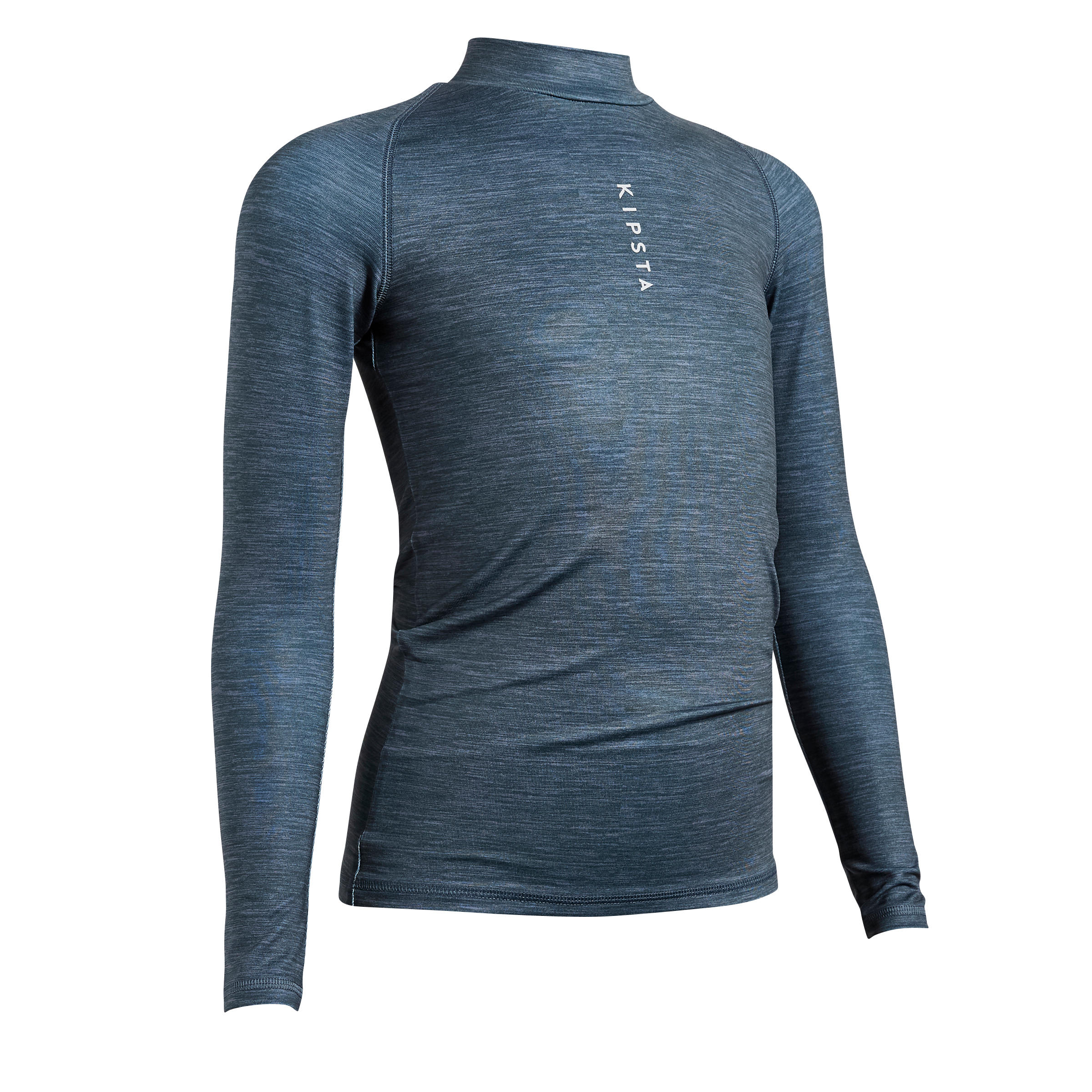
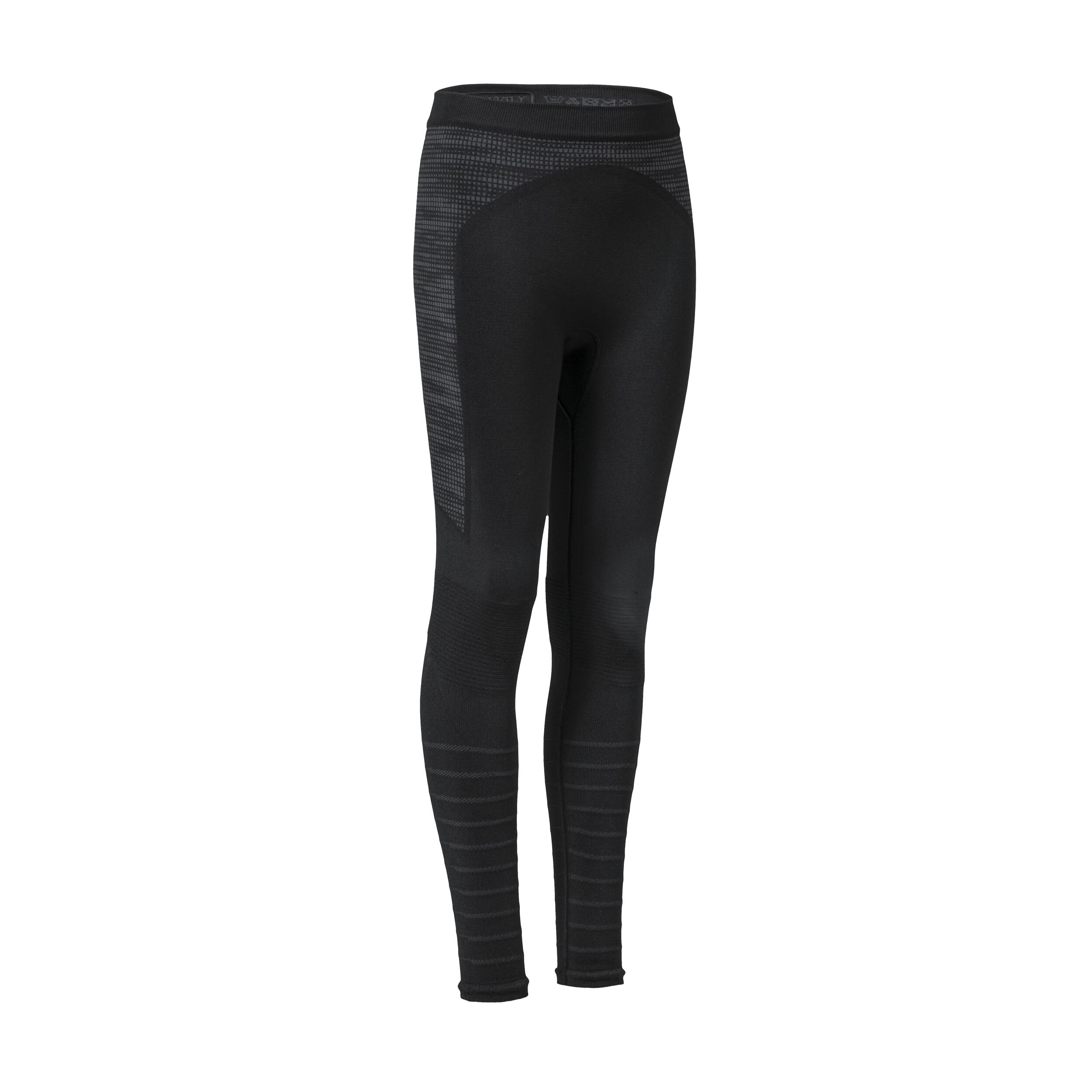
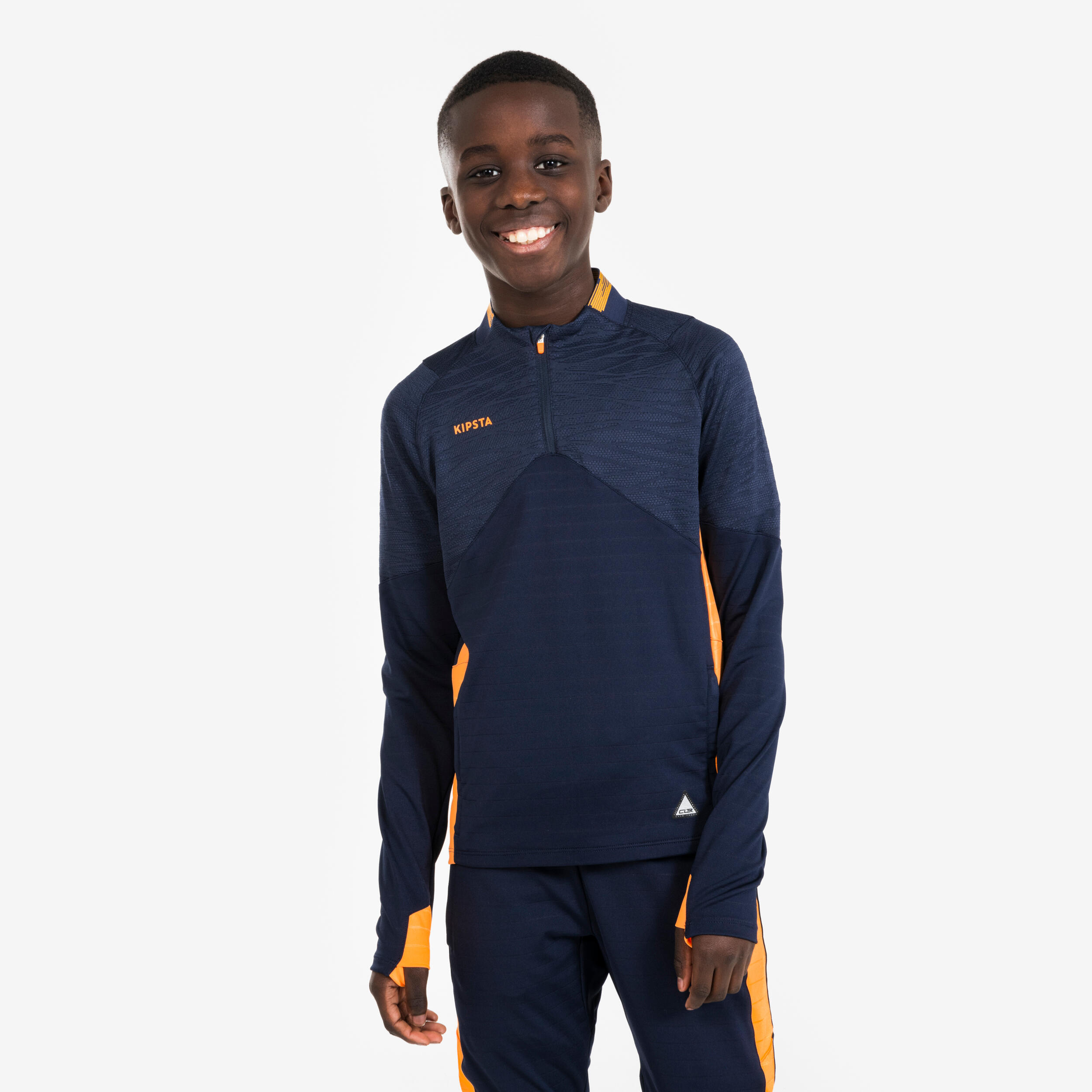
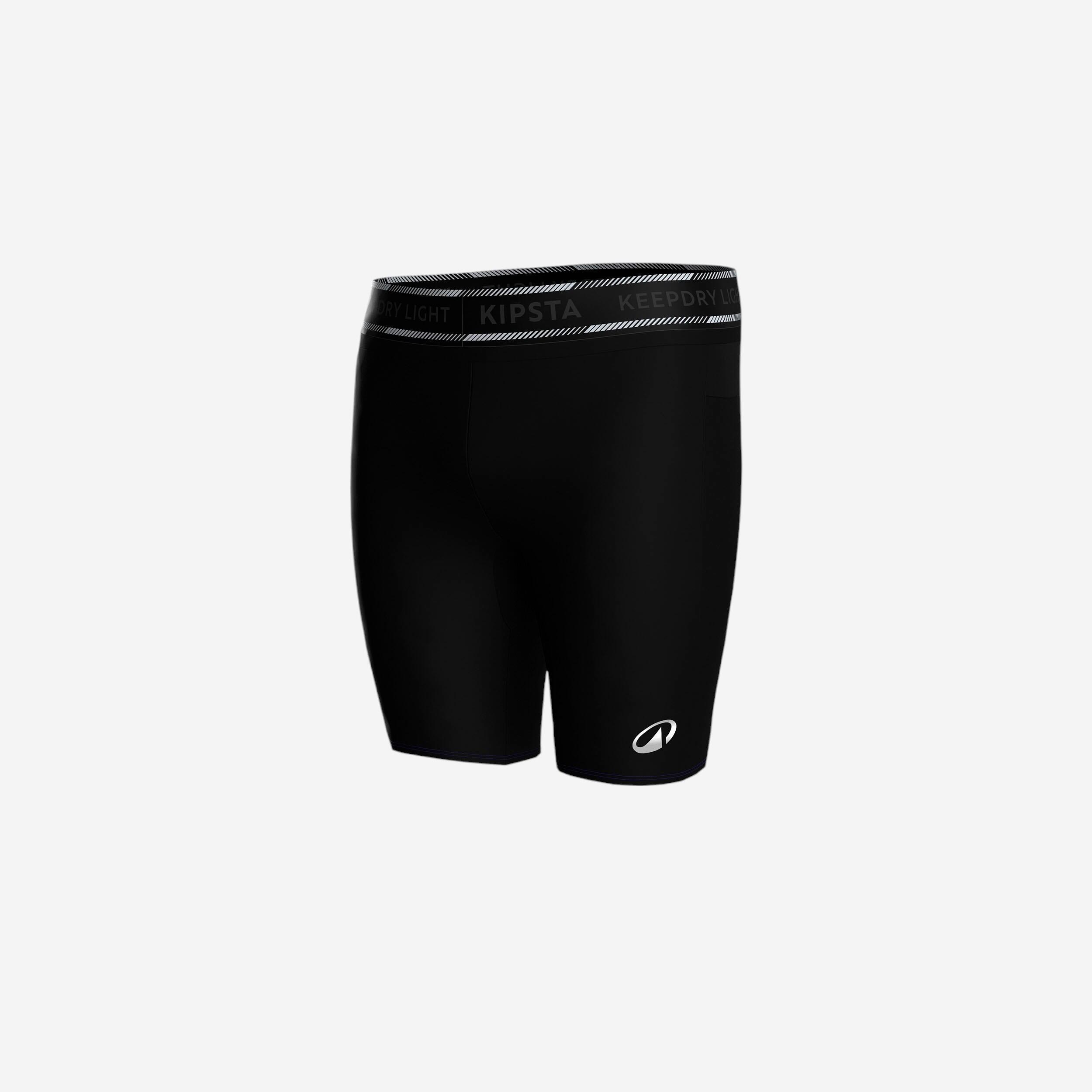
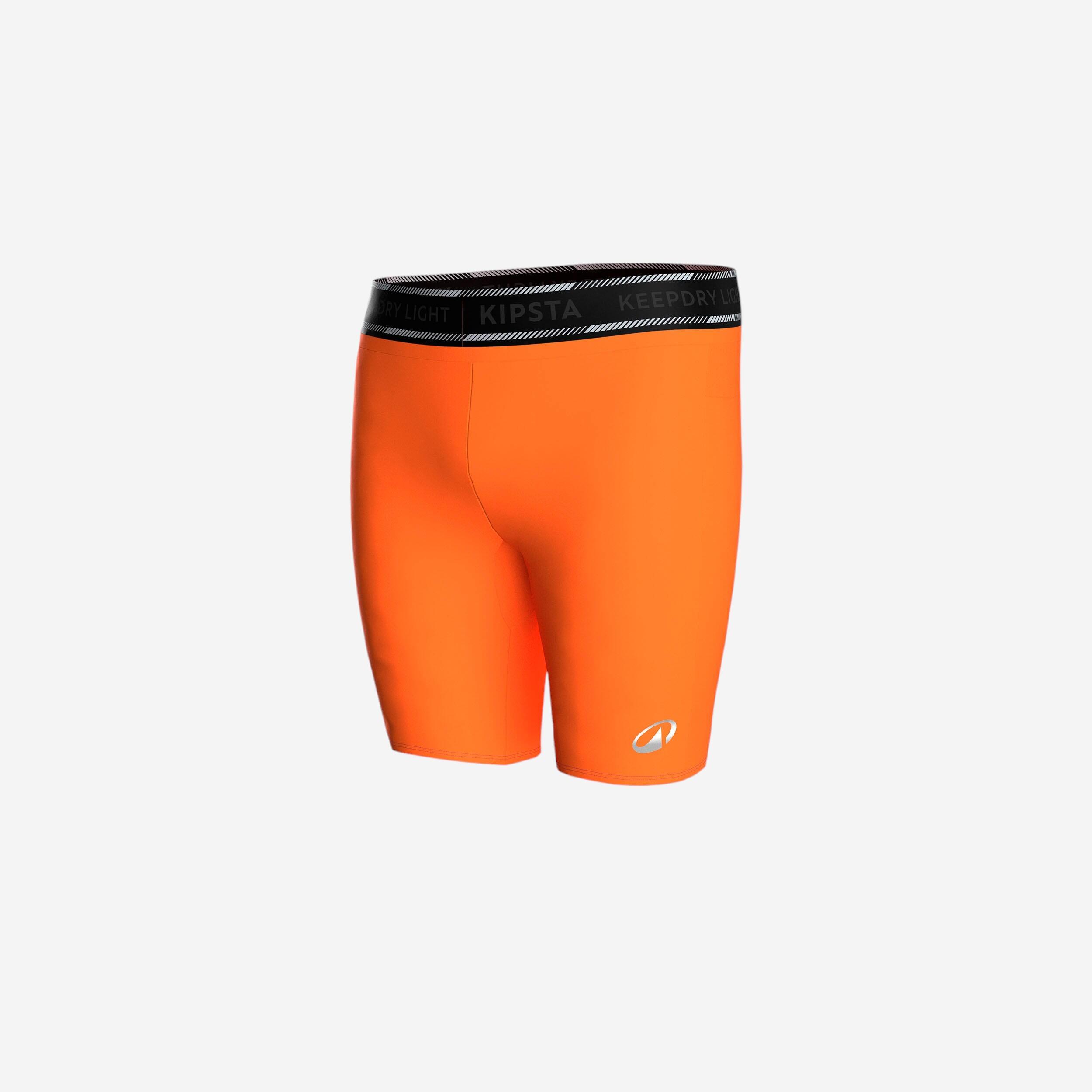
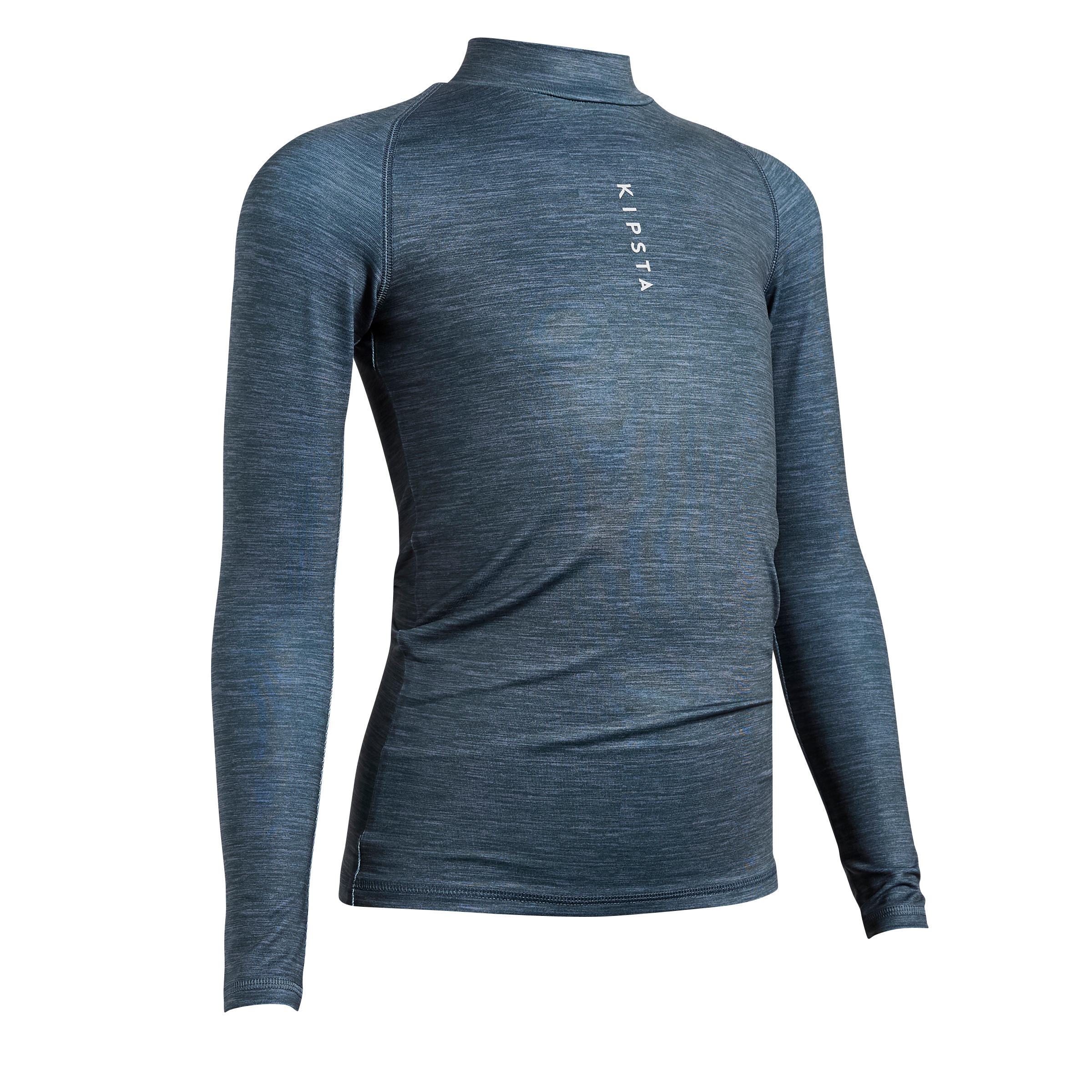
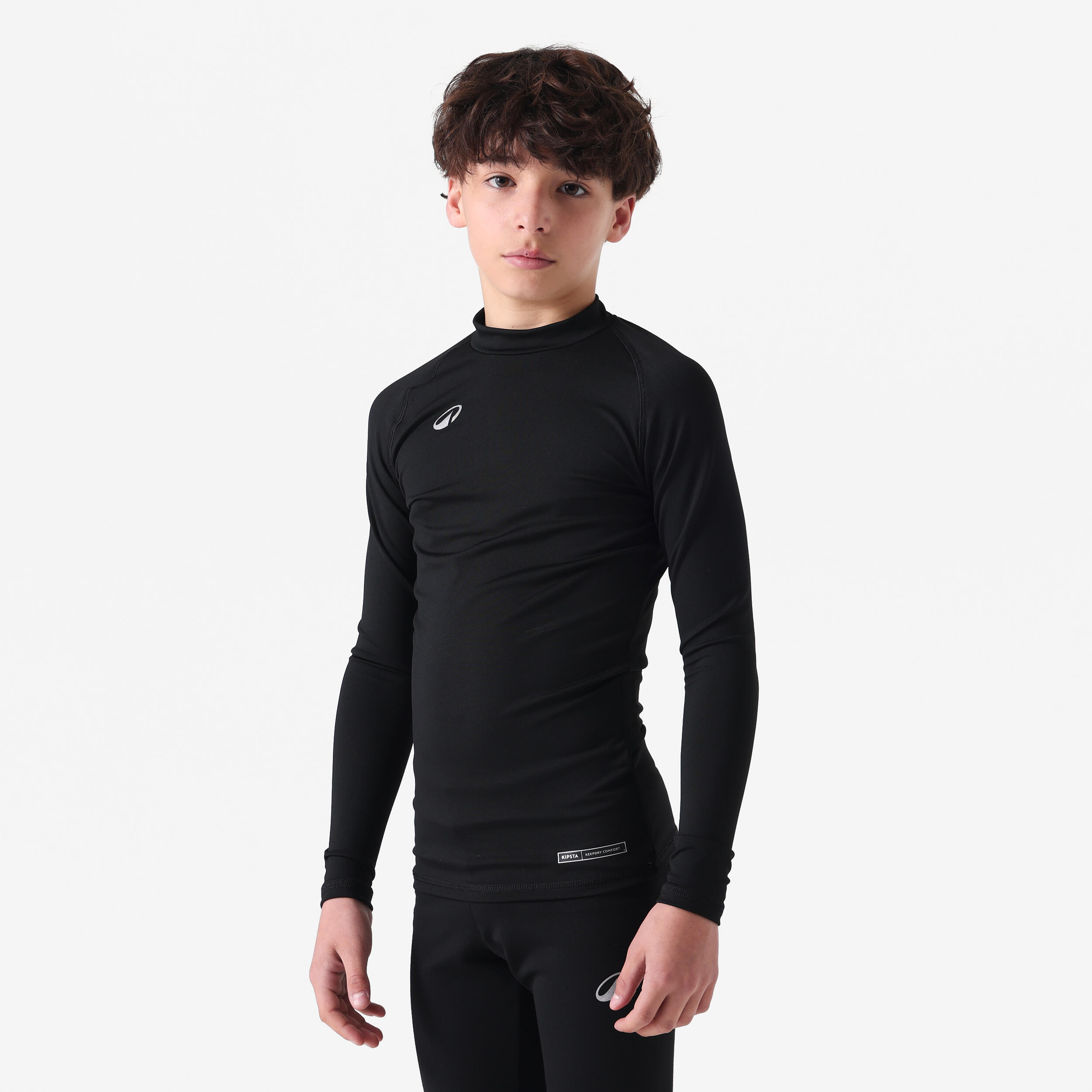
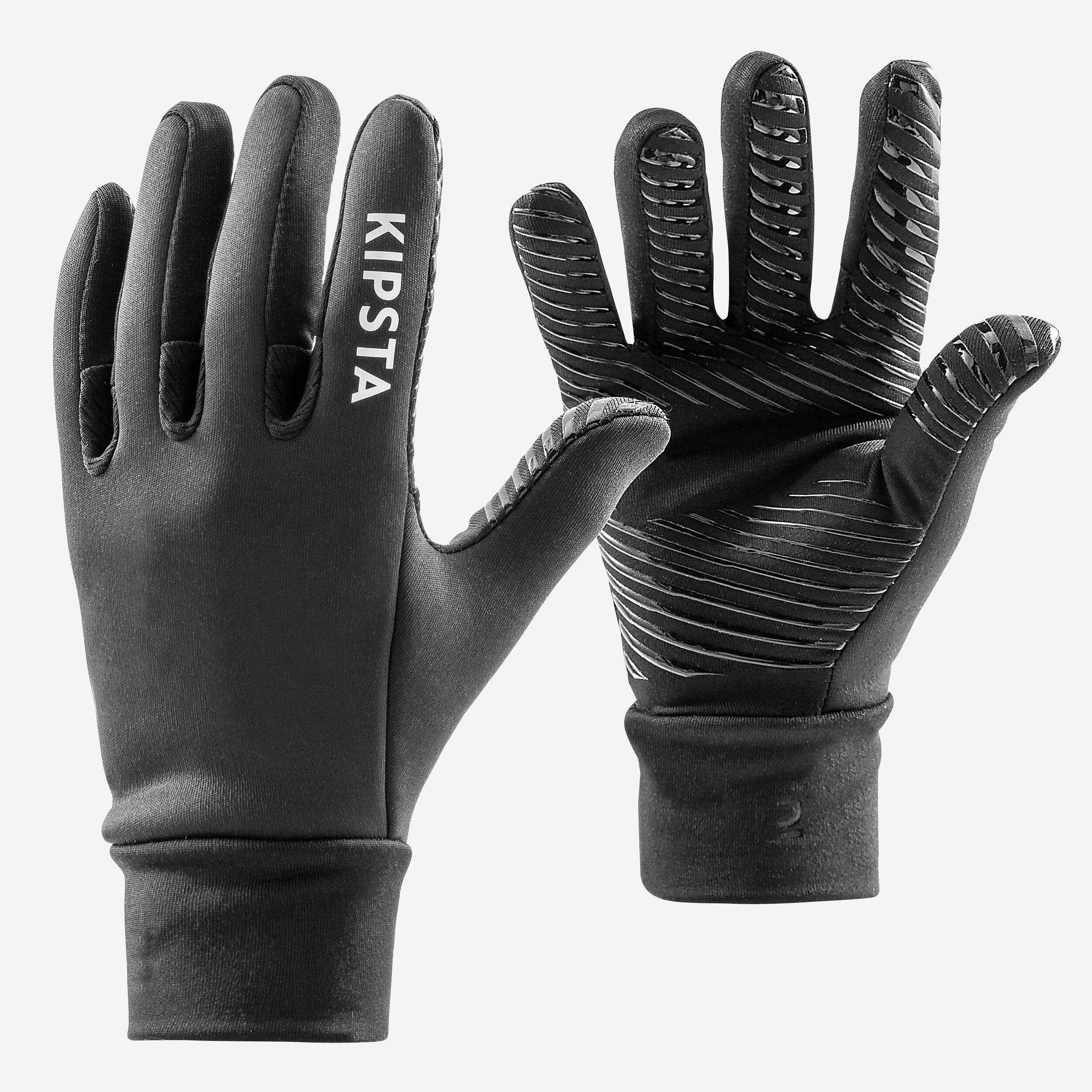
Maintaining core temperature during cold weather matches is vital for both performance and injury prevention. For younger athletes, specialized children’s football clothing includes thermal base layers and windproof tops that keep heat trapped near the body without restricting the arms. Football tights serve as a critical second skin, offering protection against the biting wind and preventing abrasions from slide tackles on hard or frozen ground. Smart advice: Look for gloves with silicone grip patterns on the palms; this feature is essential for maintaining control during throw-ins when the ball is wet and slippery. The technical goal is to layer effectively so that you can remove outer shells as your body temperature rises during the warmup.
How do I choose between different football t-shirts?

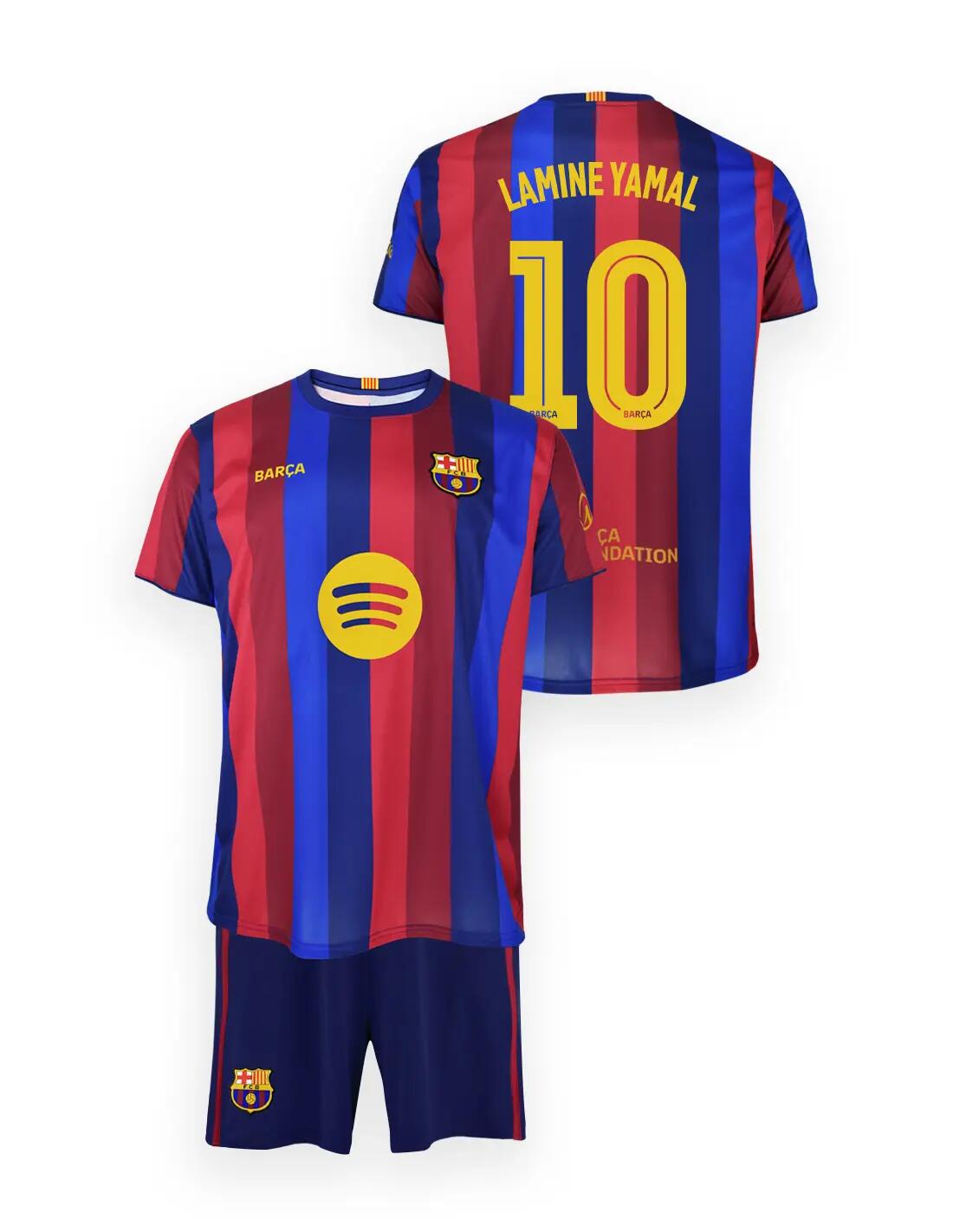
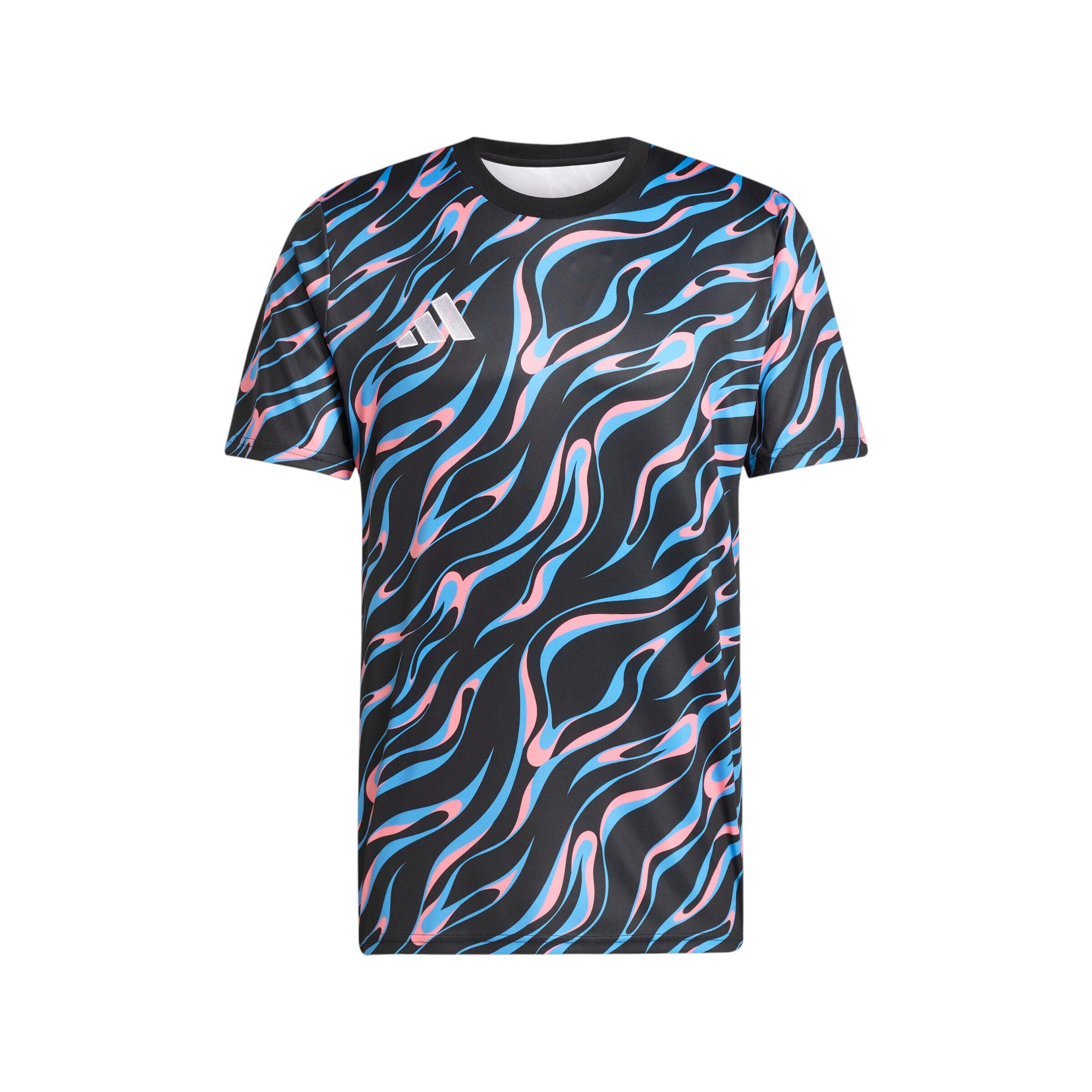
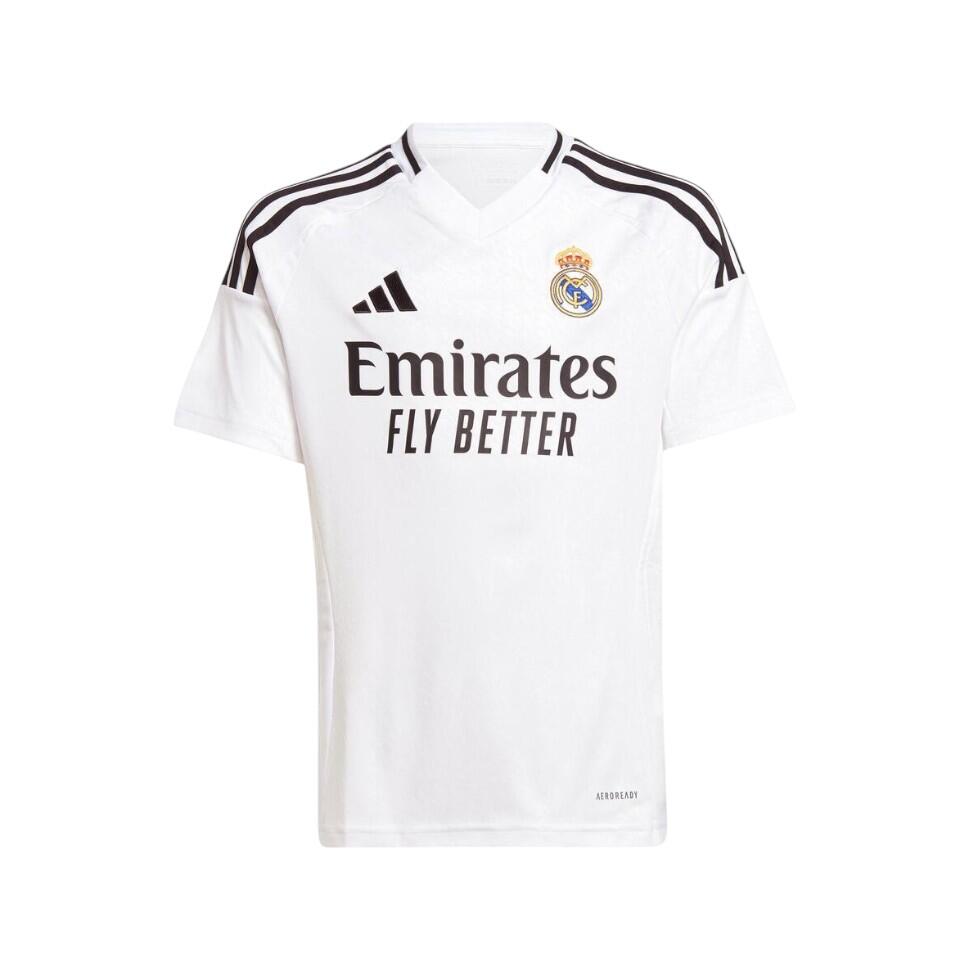
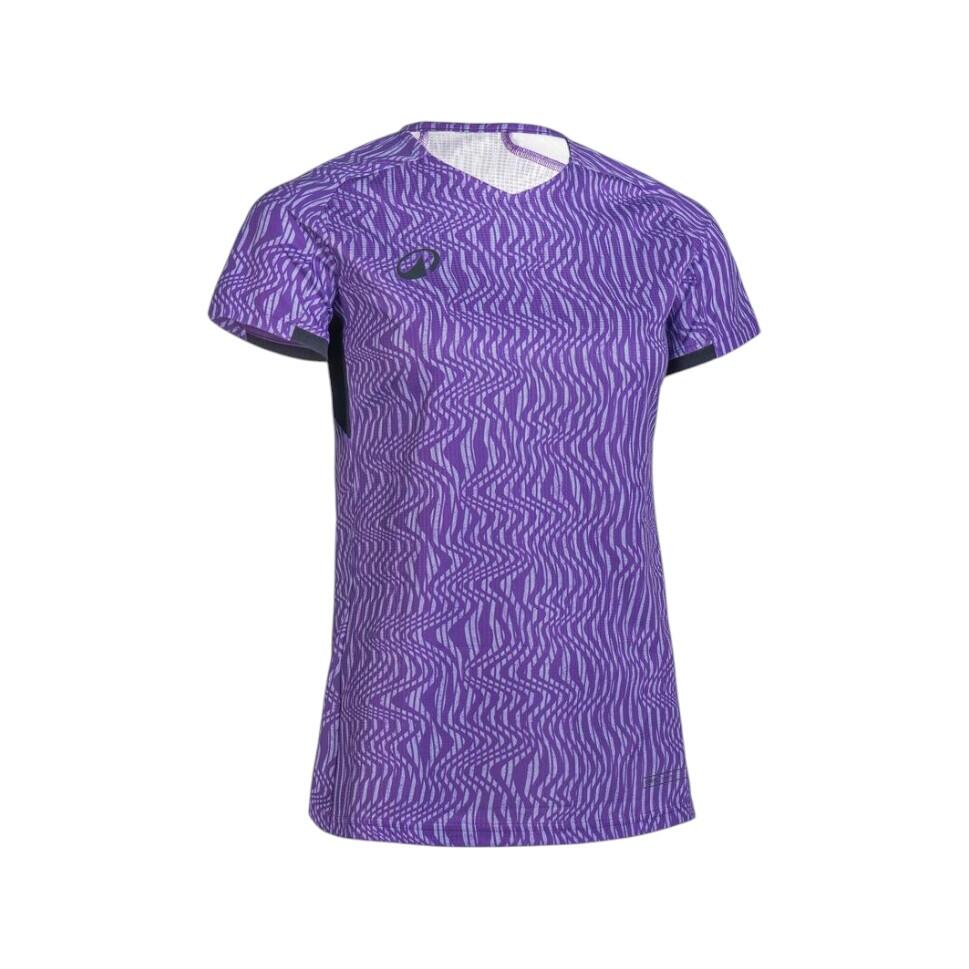
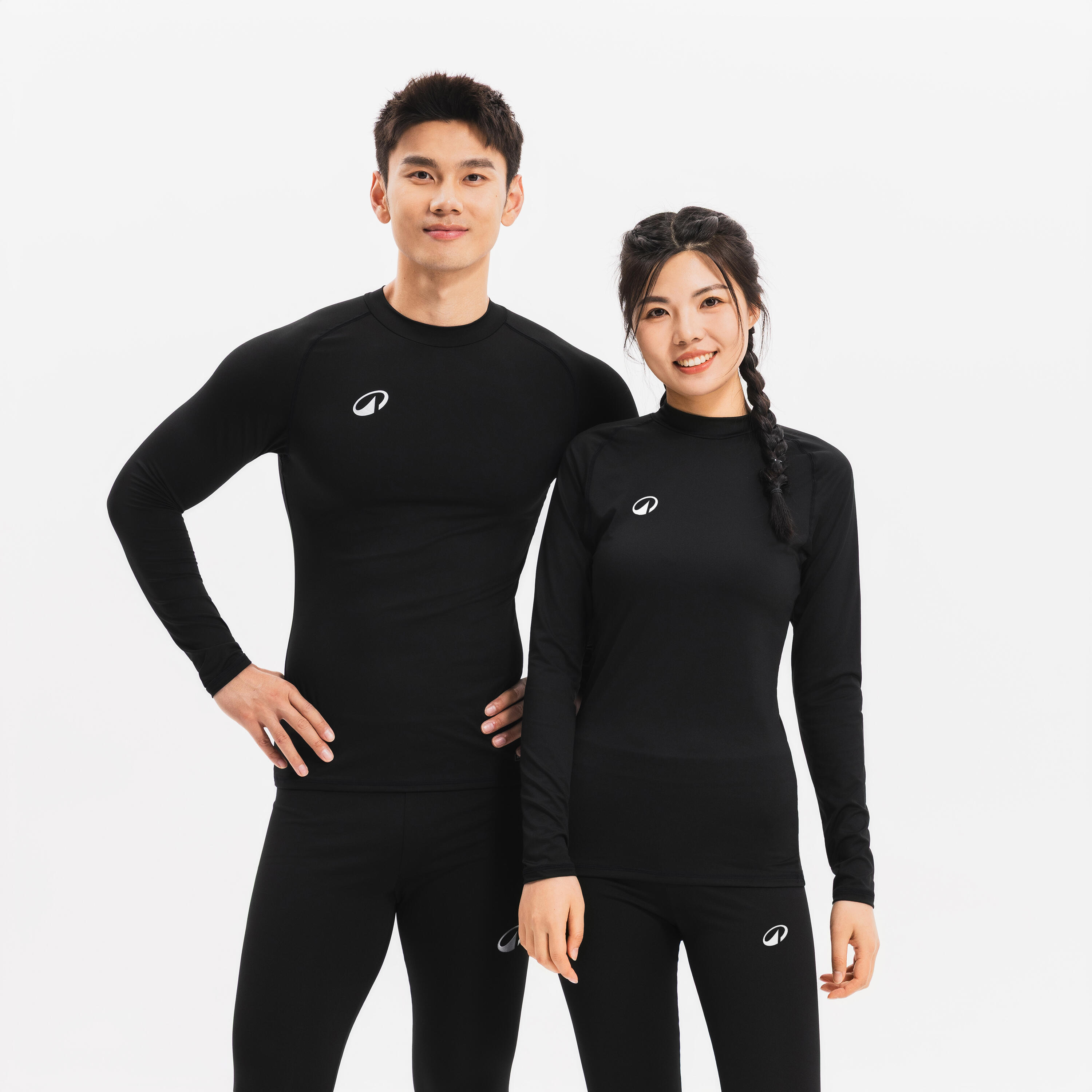
When choosing football t-shirts, you must consider the fit and the specific material composition. Players in specialized roles, such as a football goalkeeper, often look for jerseys with enhanced flexibility and moisture management to support quick dives and constant movement in the penalty area. Slim-fit jerseys are preferred by competitive players to prevent opponents from grabbing the fabric, whereas a regular fit offers more comfort for casual kickabouts. Kipsta football clothing utilizes recycled polyester in many models, which provides excellent durability while being lightweight. The reason for reinforced stitching at the neckline and sleeve cuffs is to ensure the garment maintains its shape despite frequent washing and the rigours of the sport. Expert advice: Check the weight of the fabric; a lighter jersey is better for summer agility, while a slightly heavier knit helps provide a barrier against mild wind during evening training sessions.
What football clothes do you need for training?

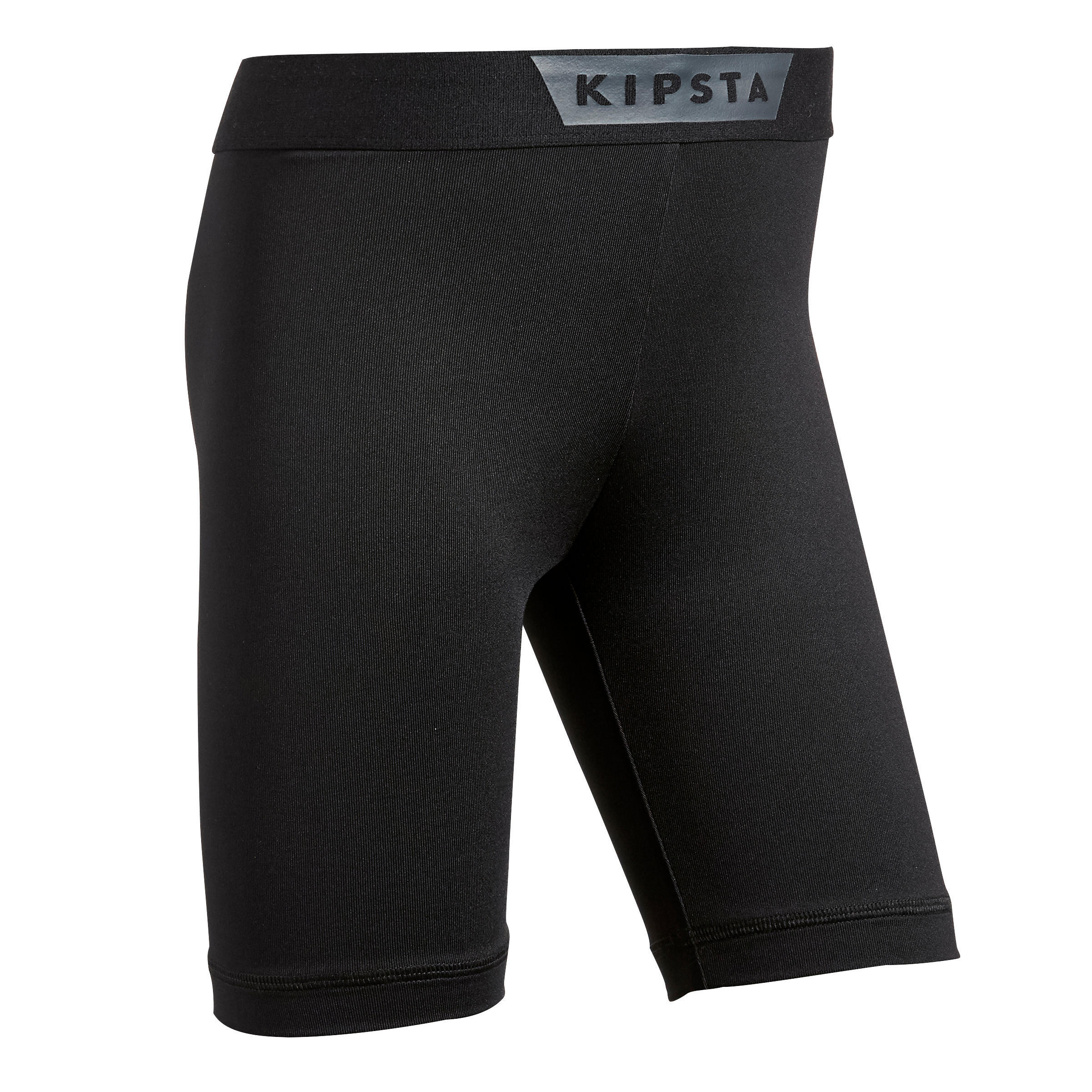
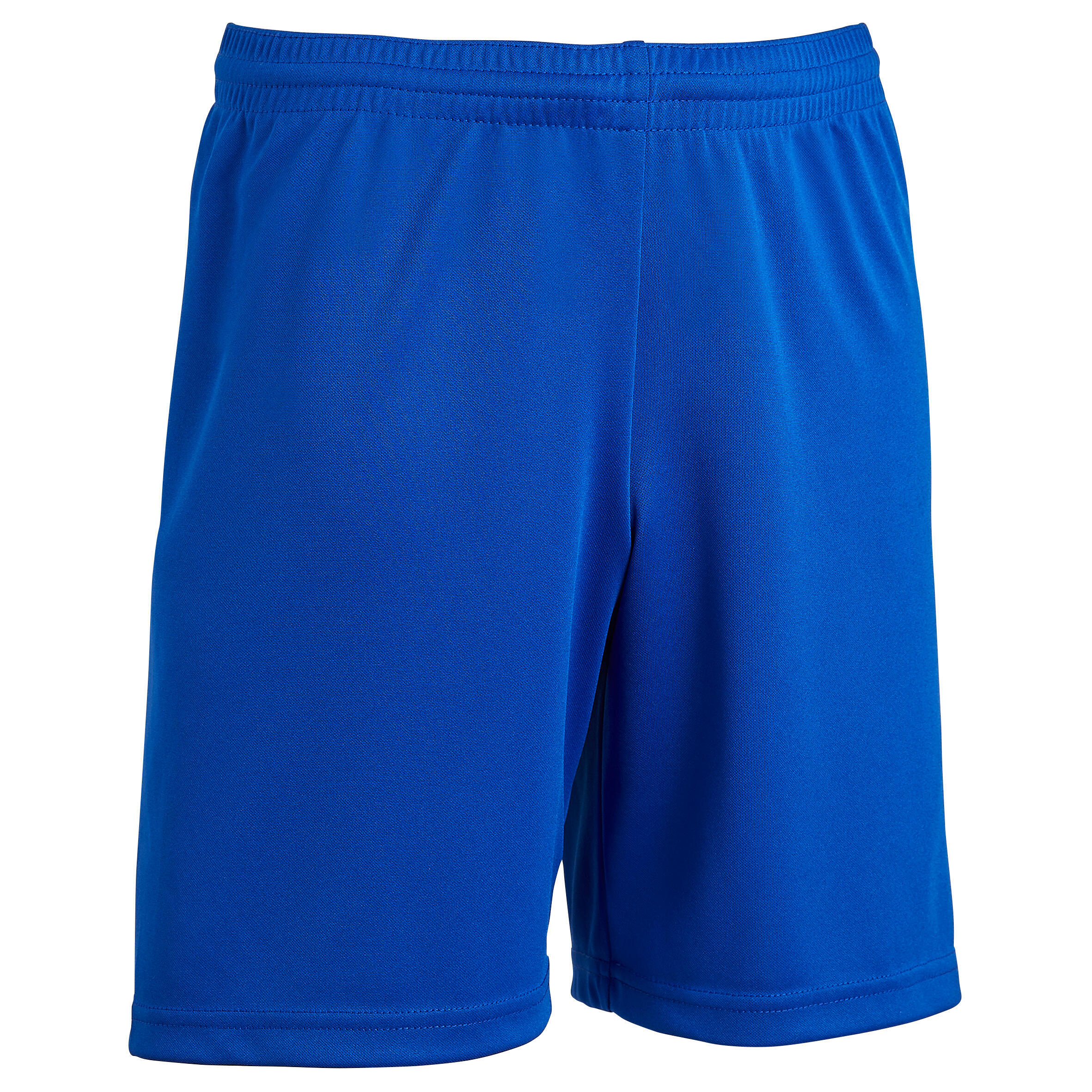
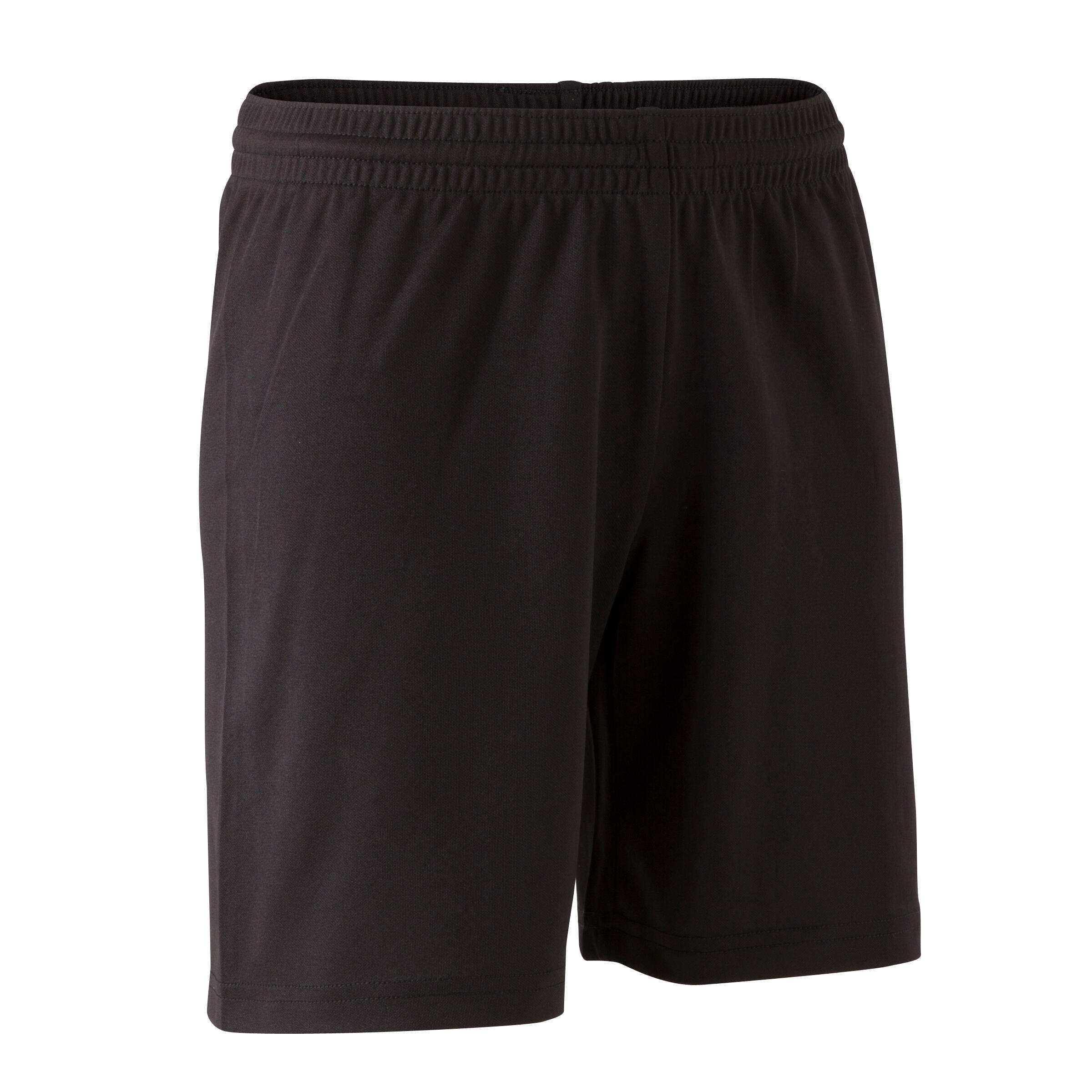
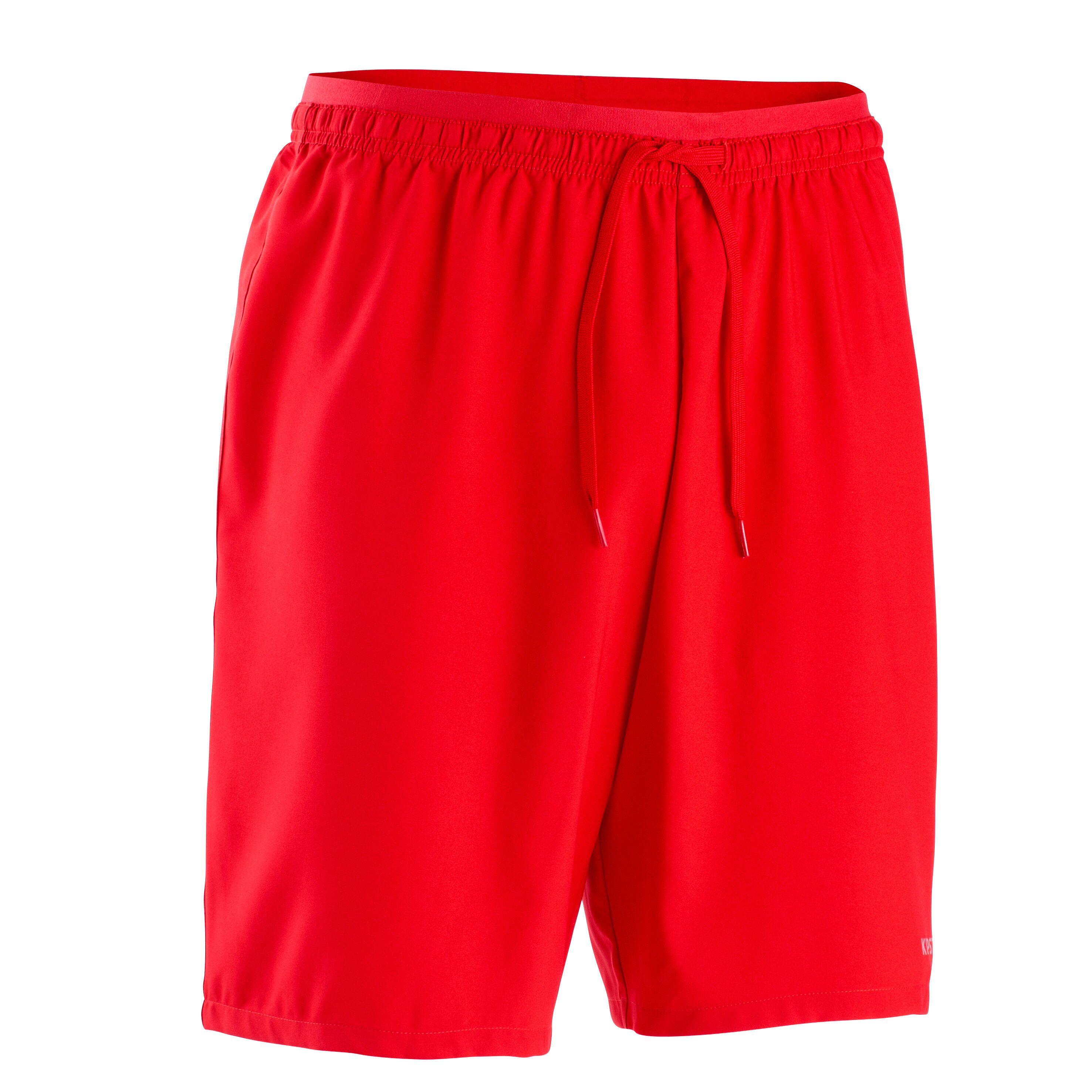
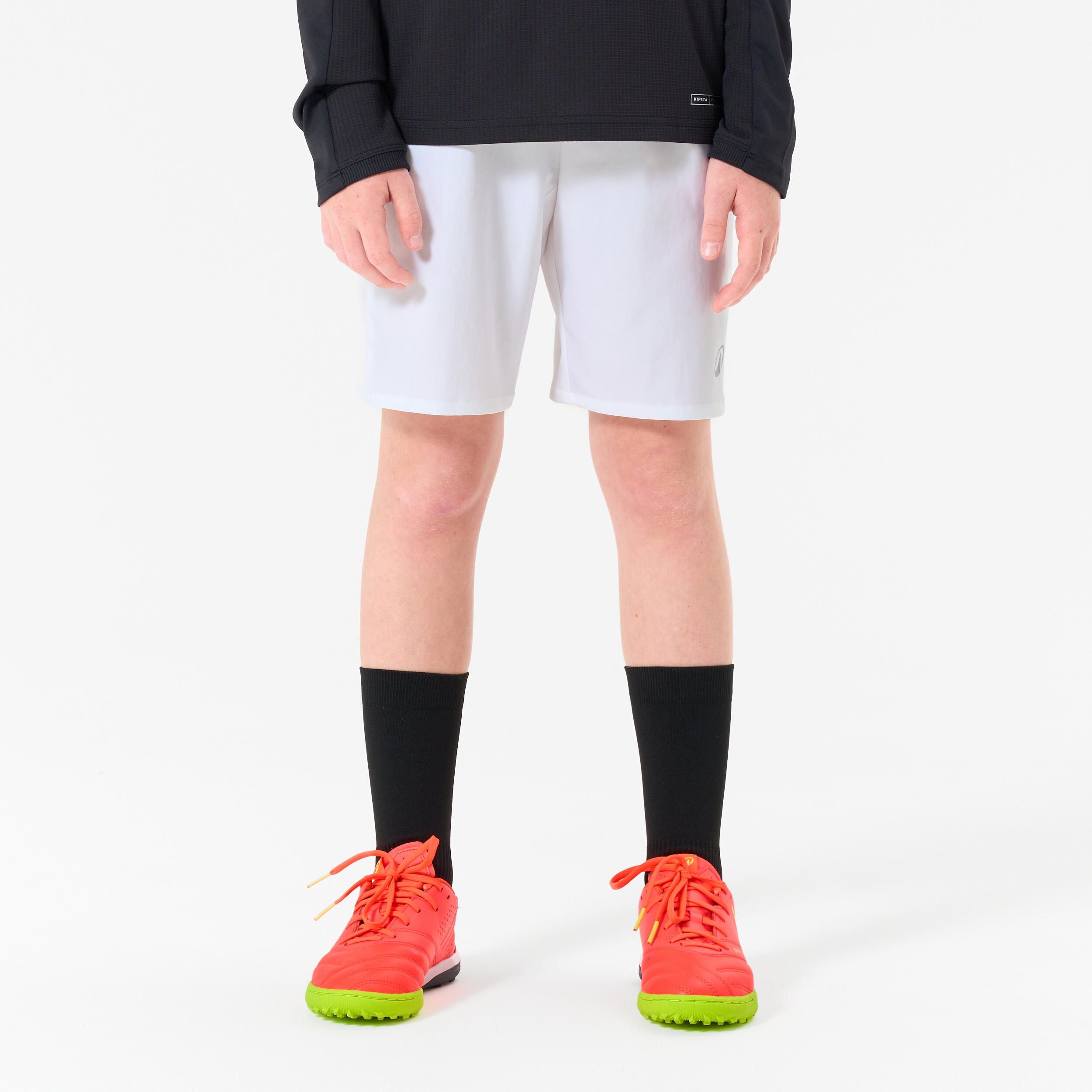
Training sessions require a focus on flexibility and moisture management to accommodate intense drills and cardio work. High-quality women’s football clothing often features ventilation panels under the arms and across the back to maximize airflow. Lightweight football shorts provide the freedom of movement necessary for rapid changes in direction, while integrated drawstrings ensure a secure fit during sprints. Expert tip: Utilize technical football tights or base layers under your shorts; the reason for this is to provide a gentle compression effect on the quadriceps and hamstrings, which can help in reducing muscle oscillation and the risk of minor strains during explosive movements.

What is the benefit of wearing specialized football socks?

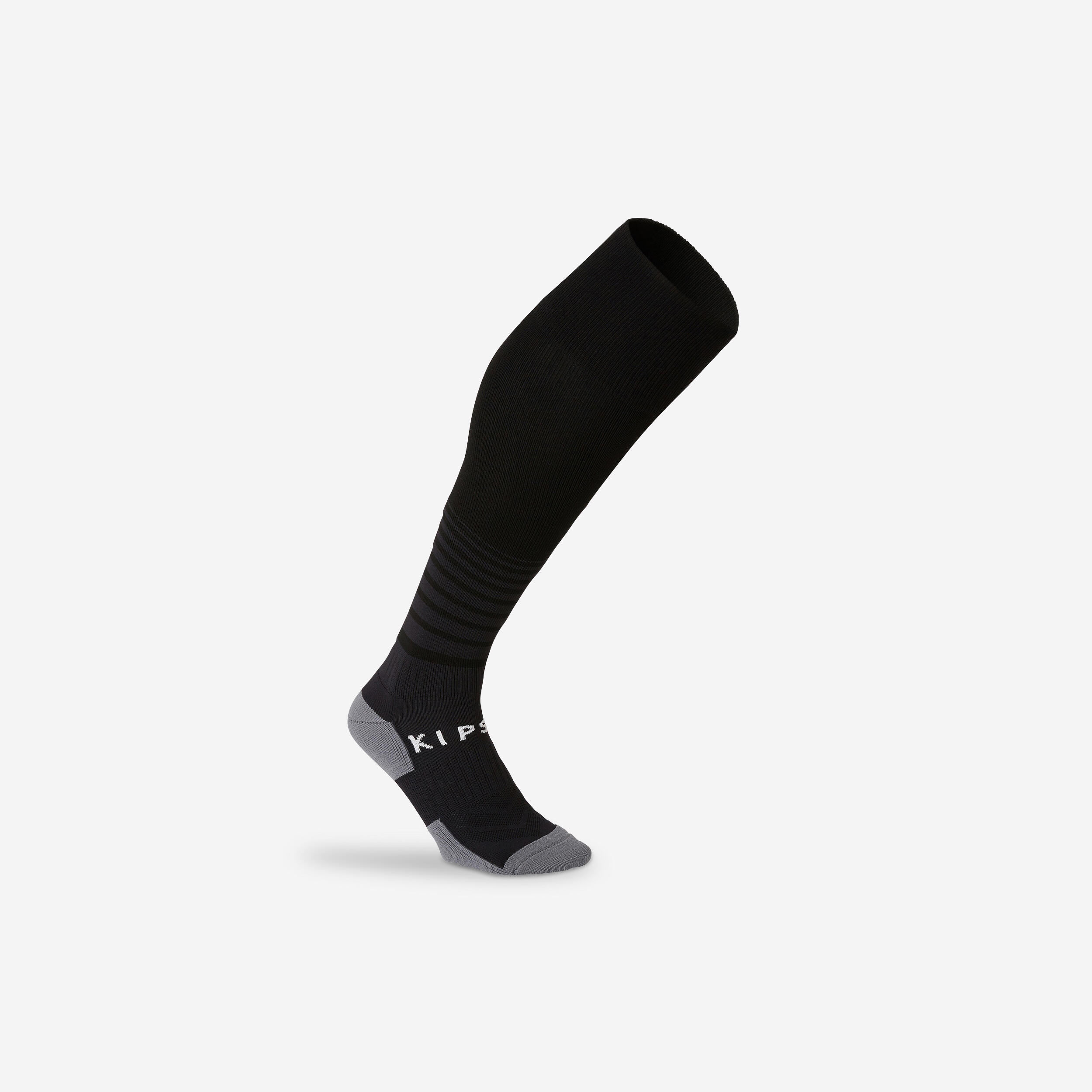
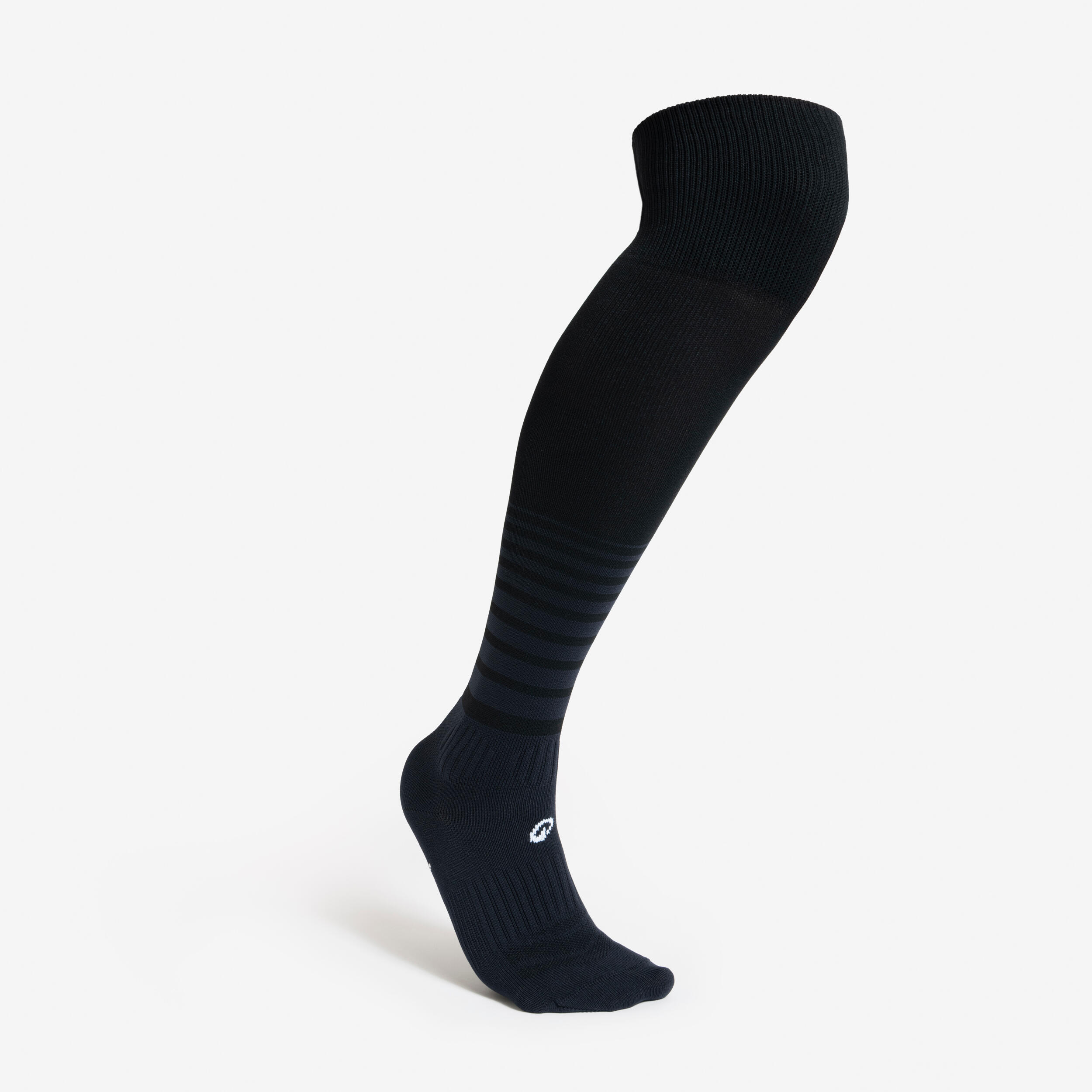
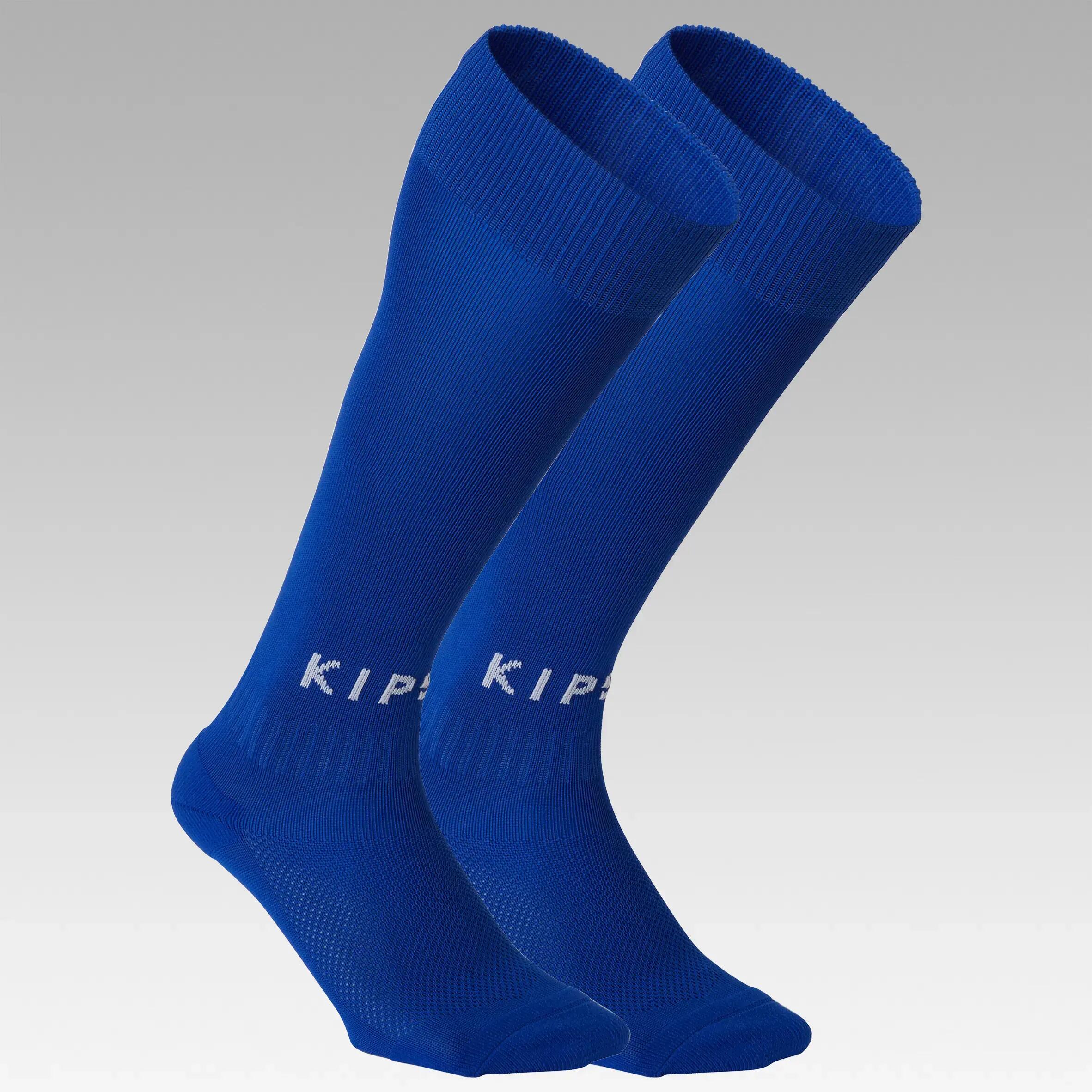
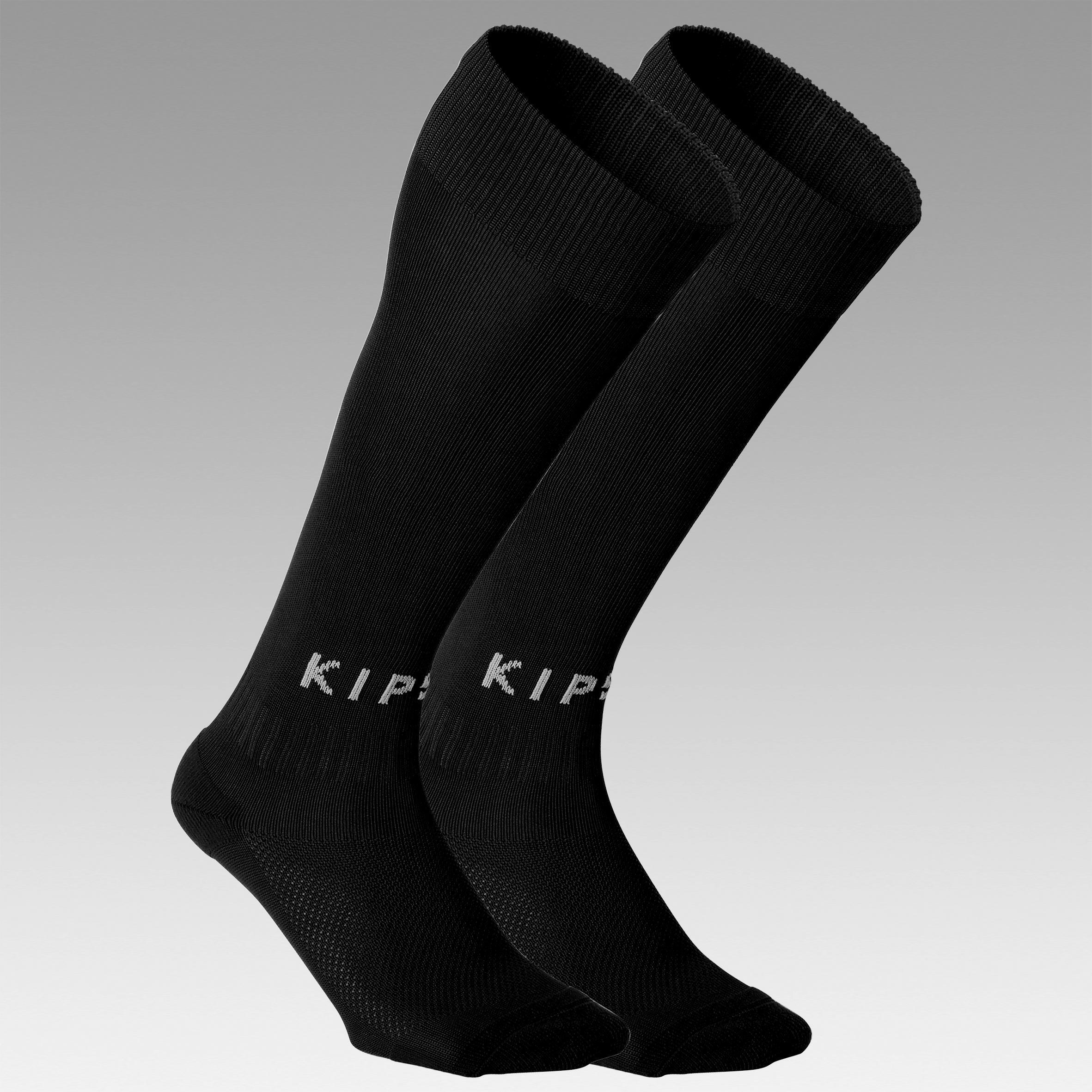
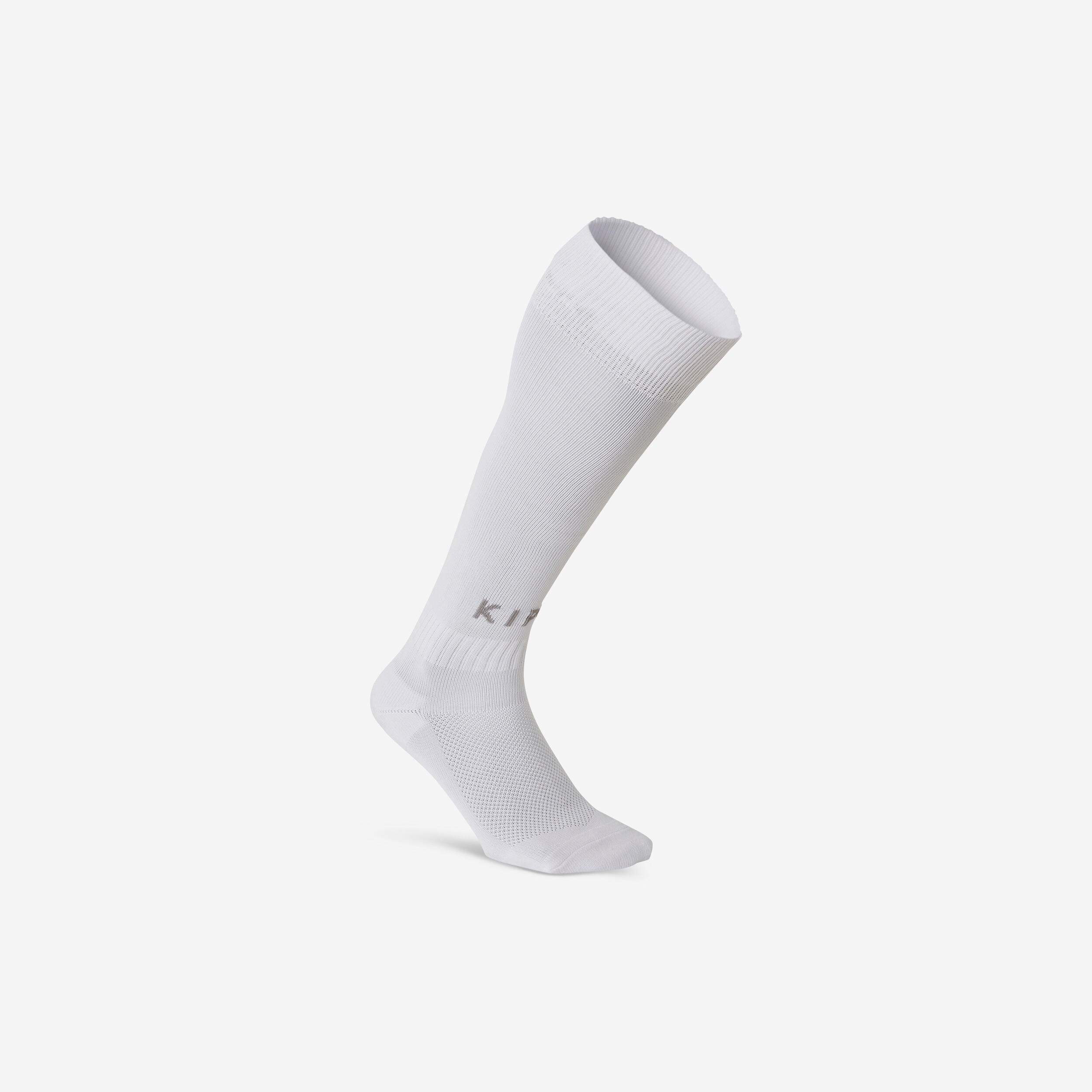
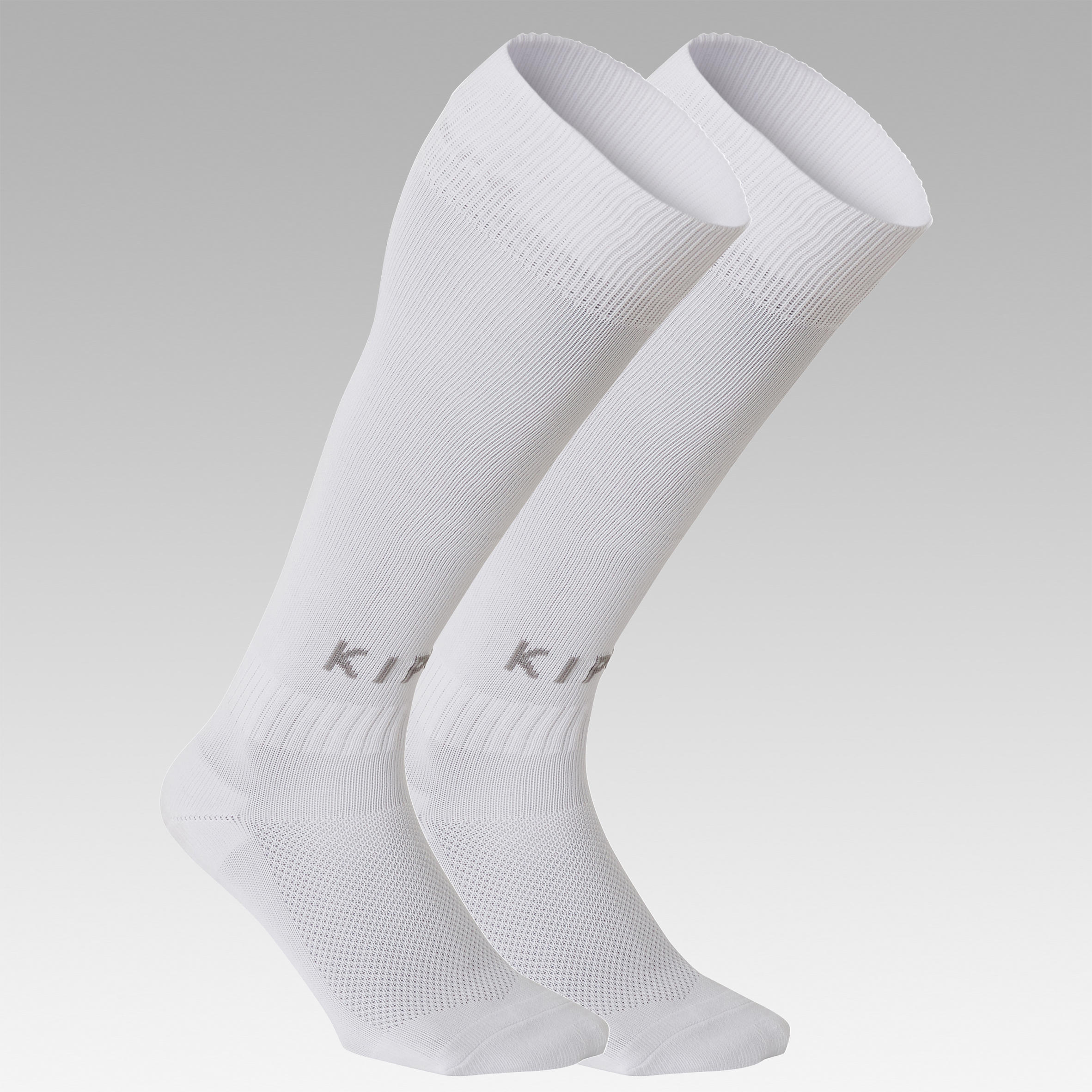
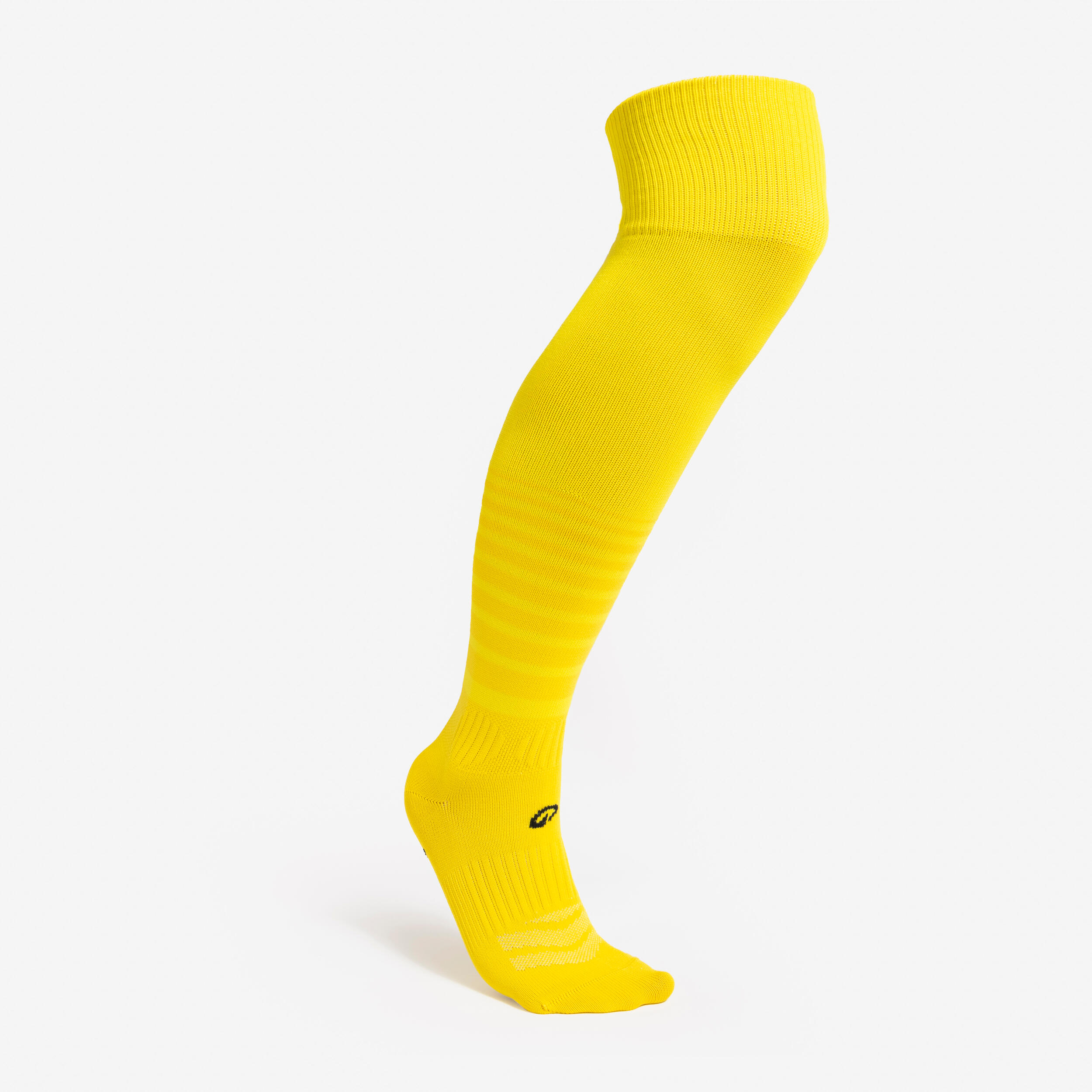
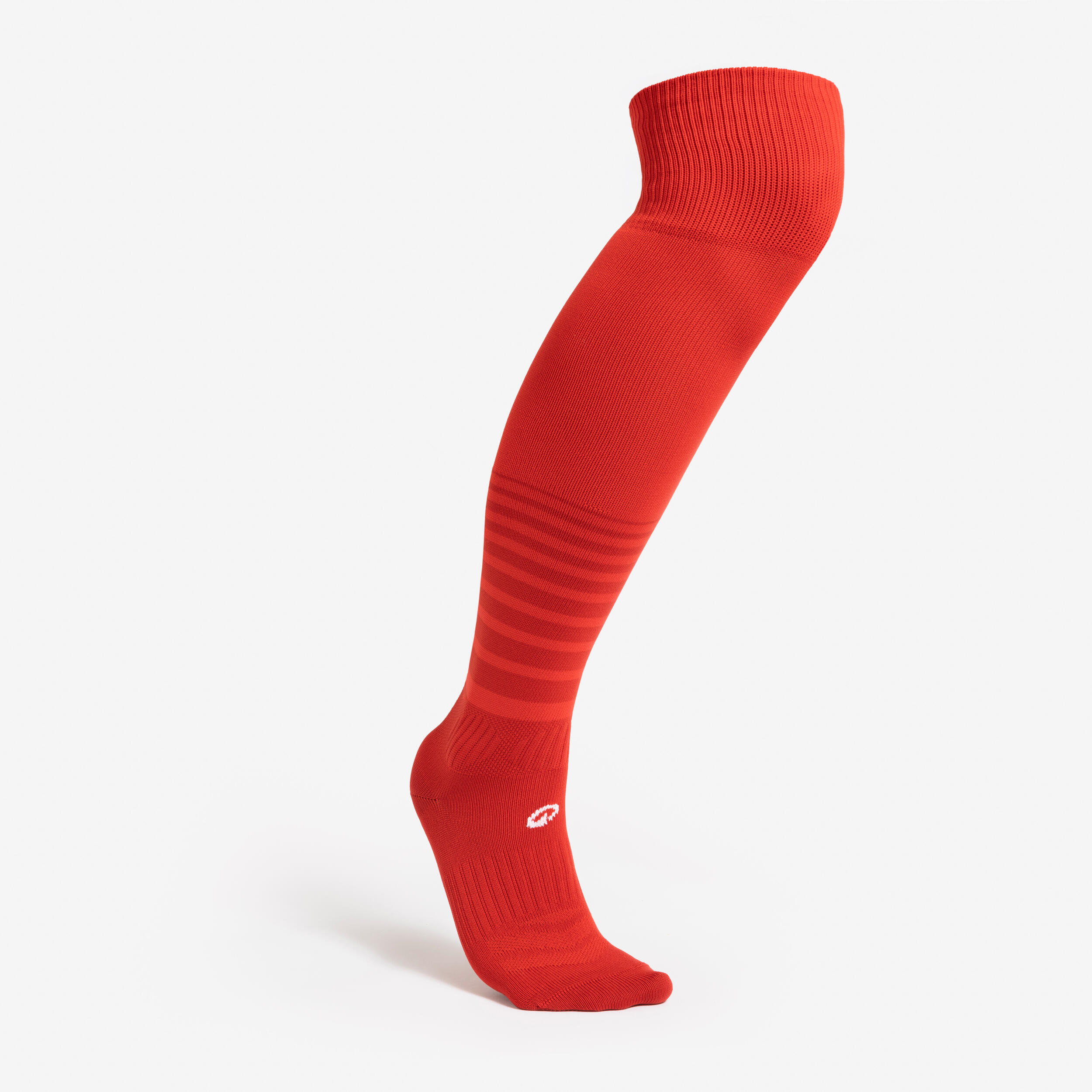
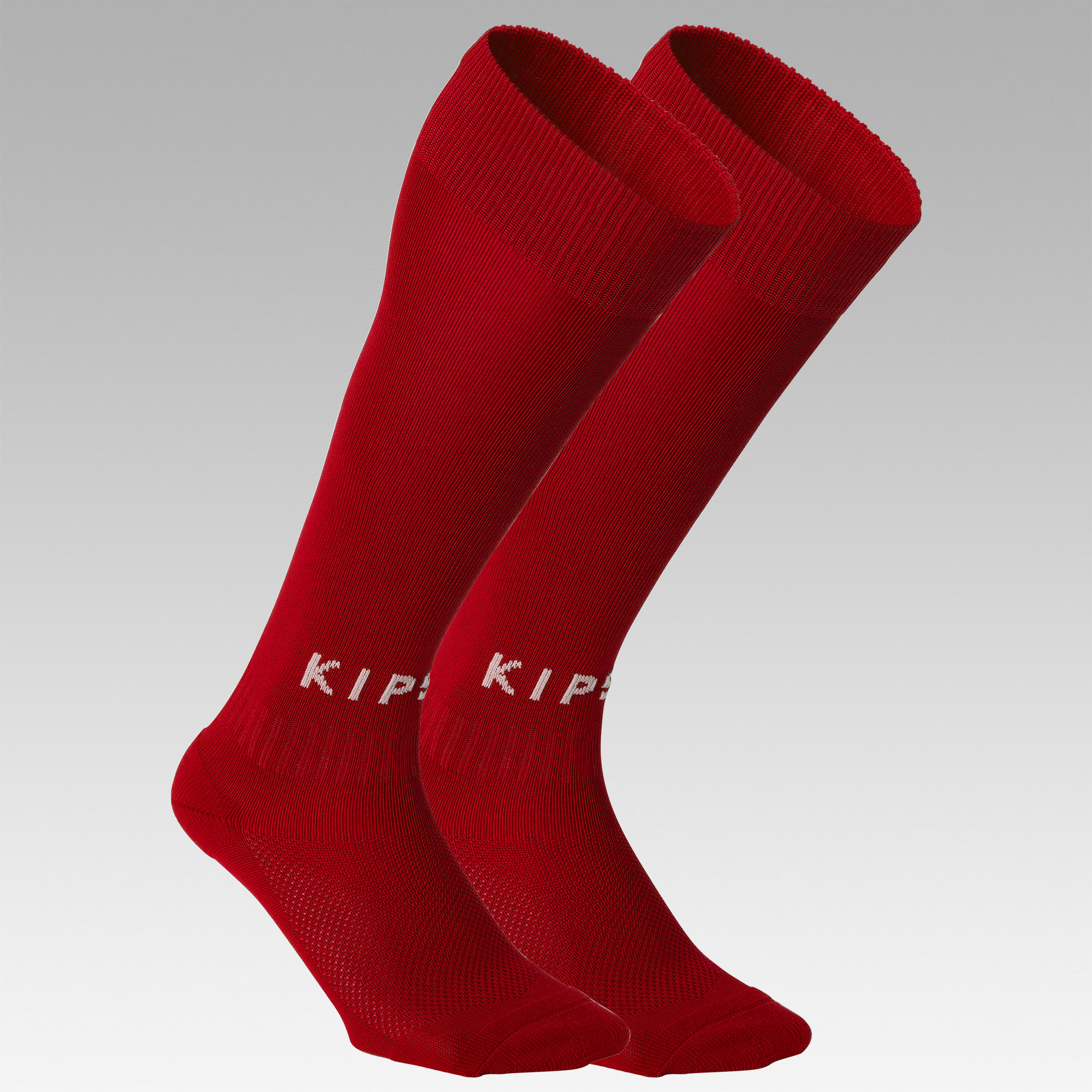
Generic athletic socks often lack the technical features required for the specific movements of a footballer. Technical football socks feature cushioned zones at the ankle and Achilles tendon to provide mechanical protection against boot friction and minor knocks. Pairing them with well-fitted football boots ensures optimal comfort, grip, and responsiveness during rapid sprints and sharp directional changes on the pitch. They also incorporate elasticated bands around the midfoot to prevent the sock from sliding inside the boot, which is the primary cause of blisters during sudden stops and turns. The reason for using synthetic blends like polyamide and elastane is to ensure the socks stay snug and do not absorb water, which would otherwise make your footwear feel heavy and unresponsive on a damp pitch. Smart tip: Ensure your socks are pulled all the way up to provide full coverage for your calf muscles, which helps keep them warm and active during intervals of lower intensity.