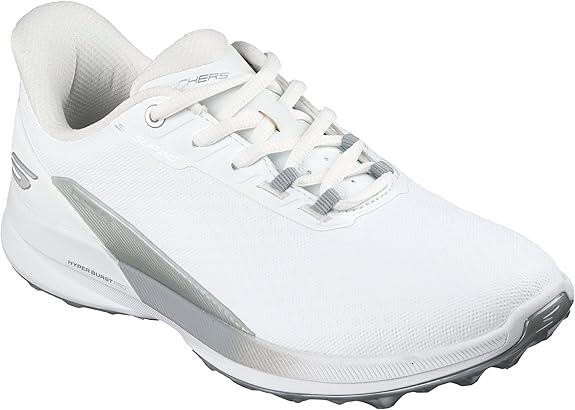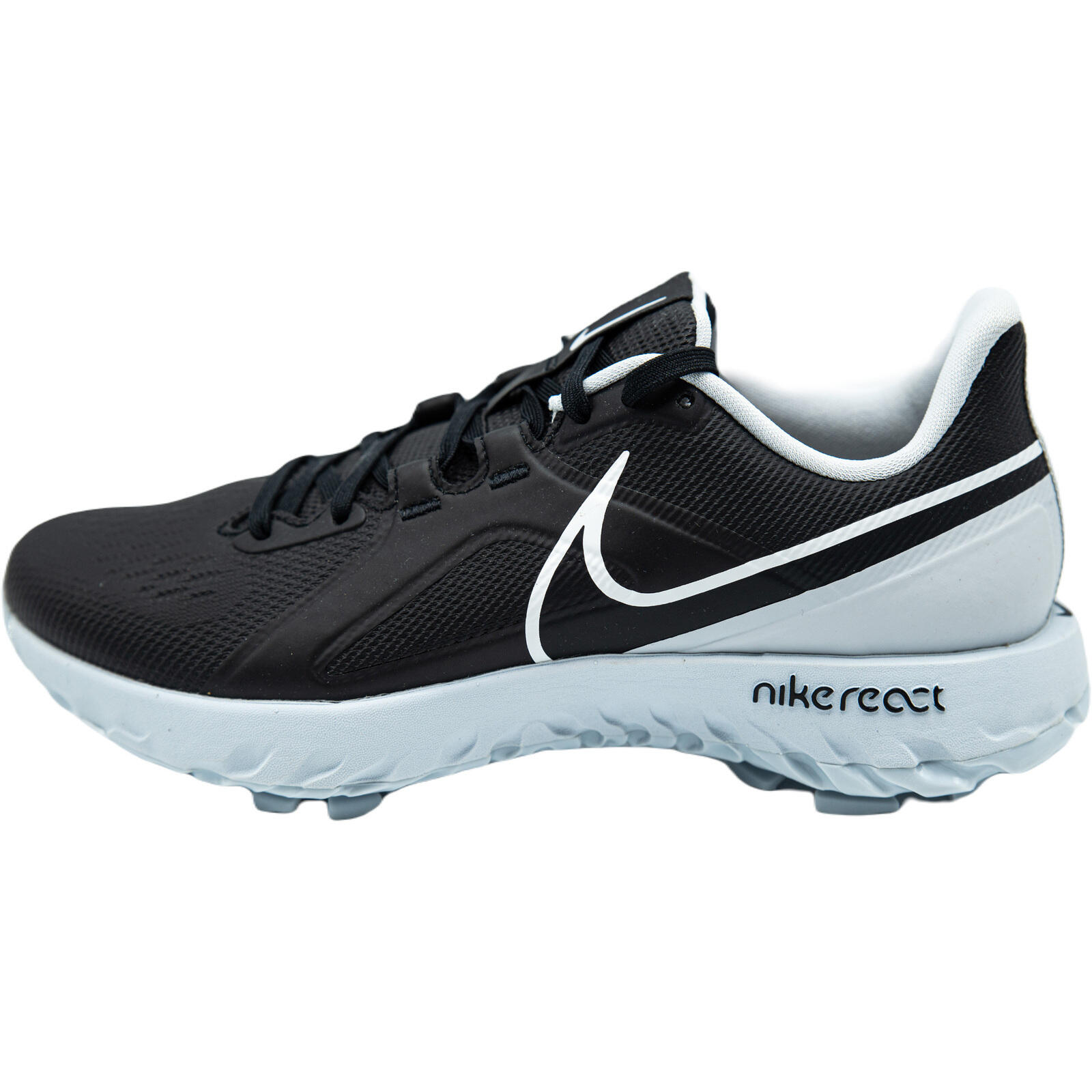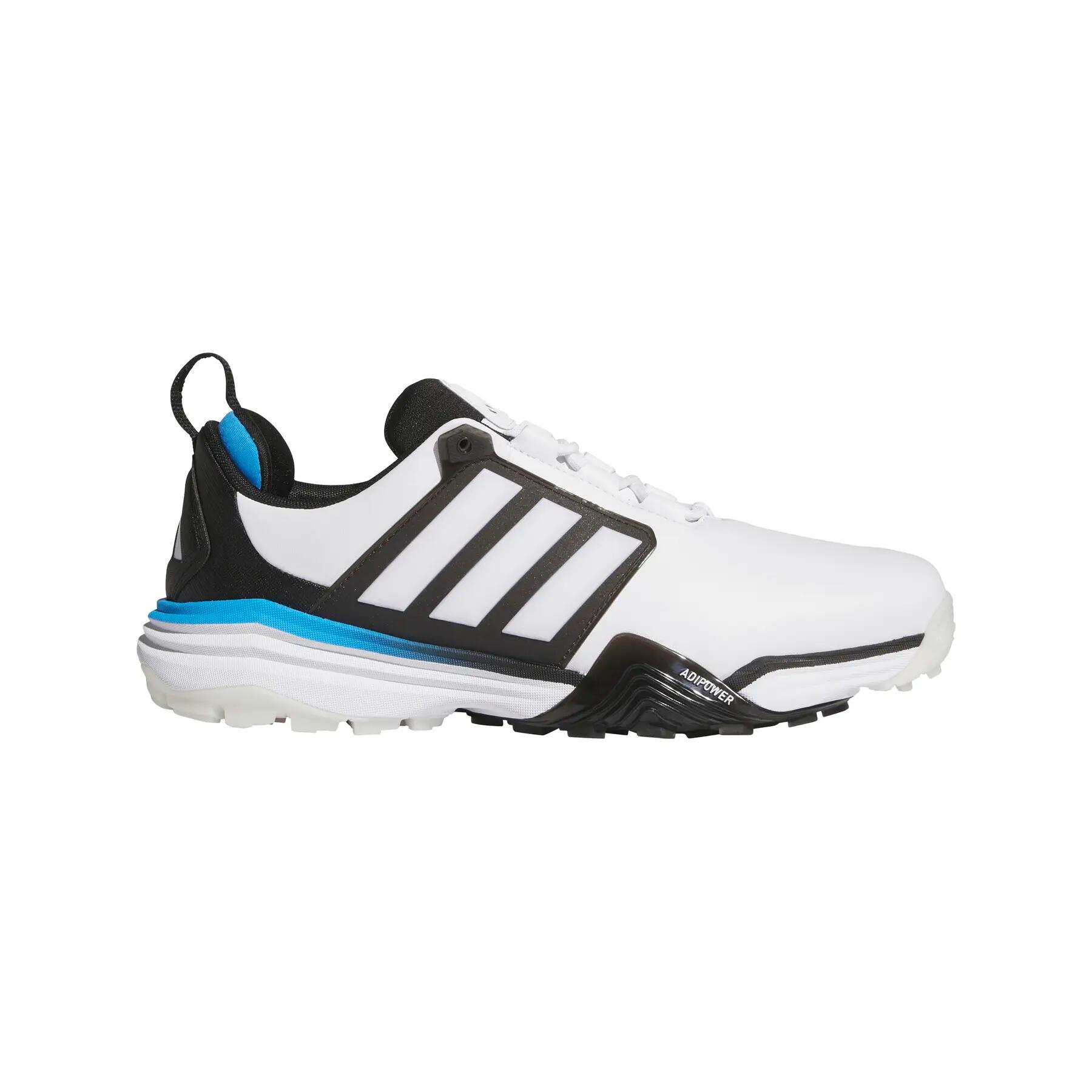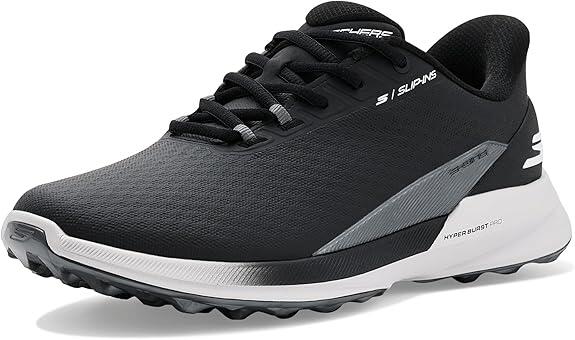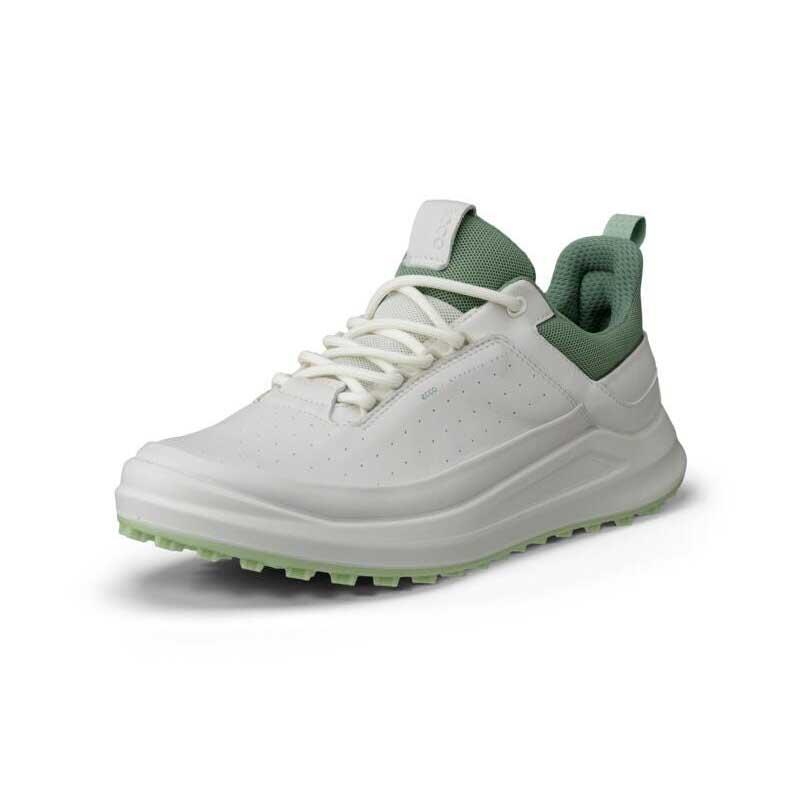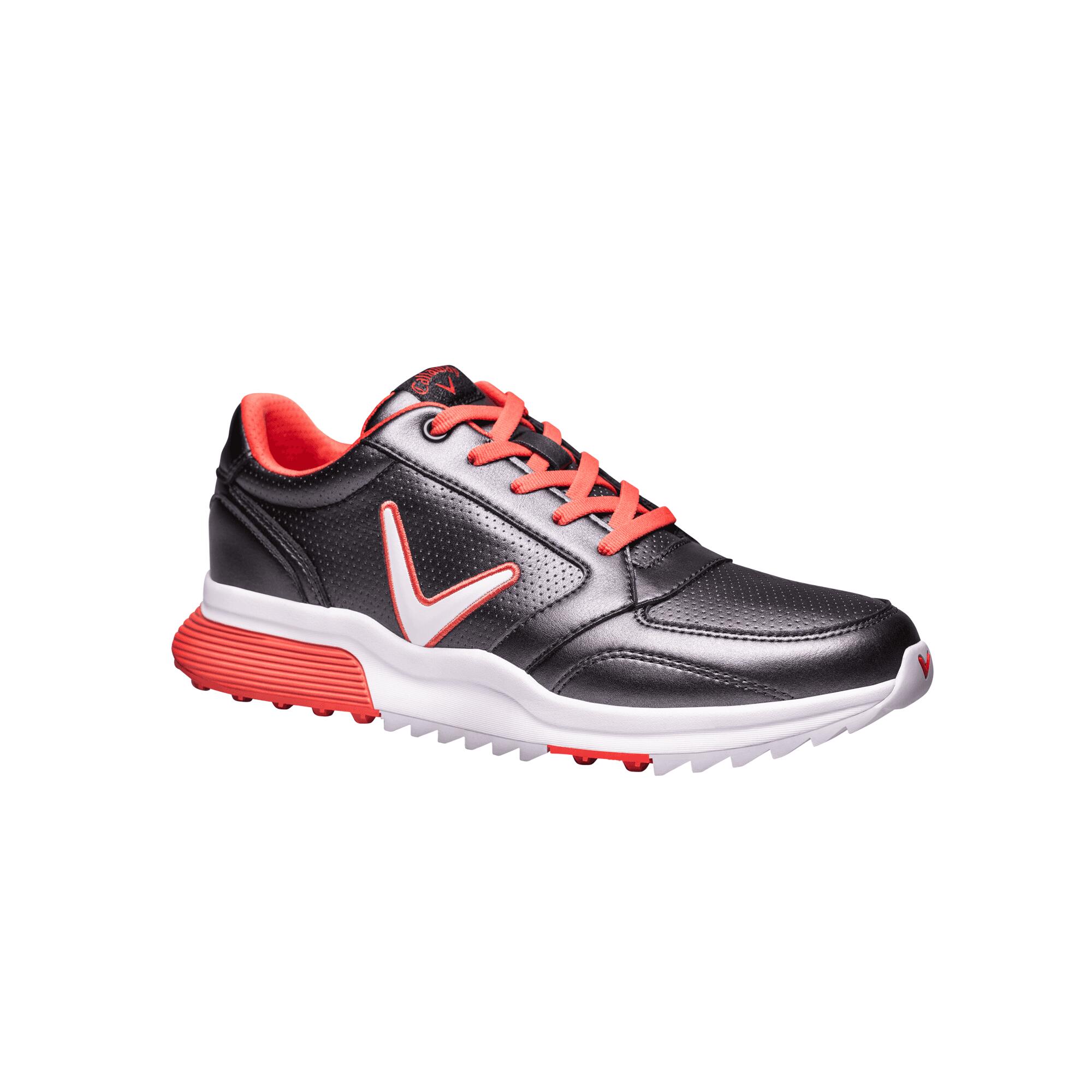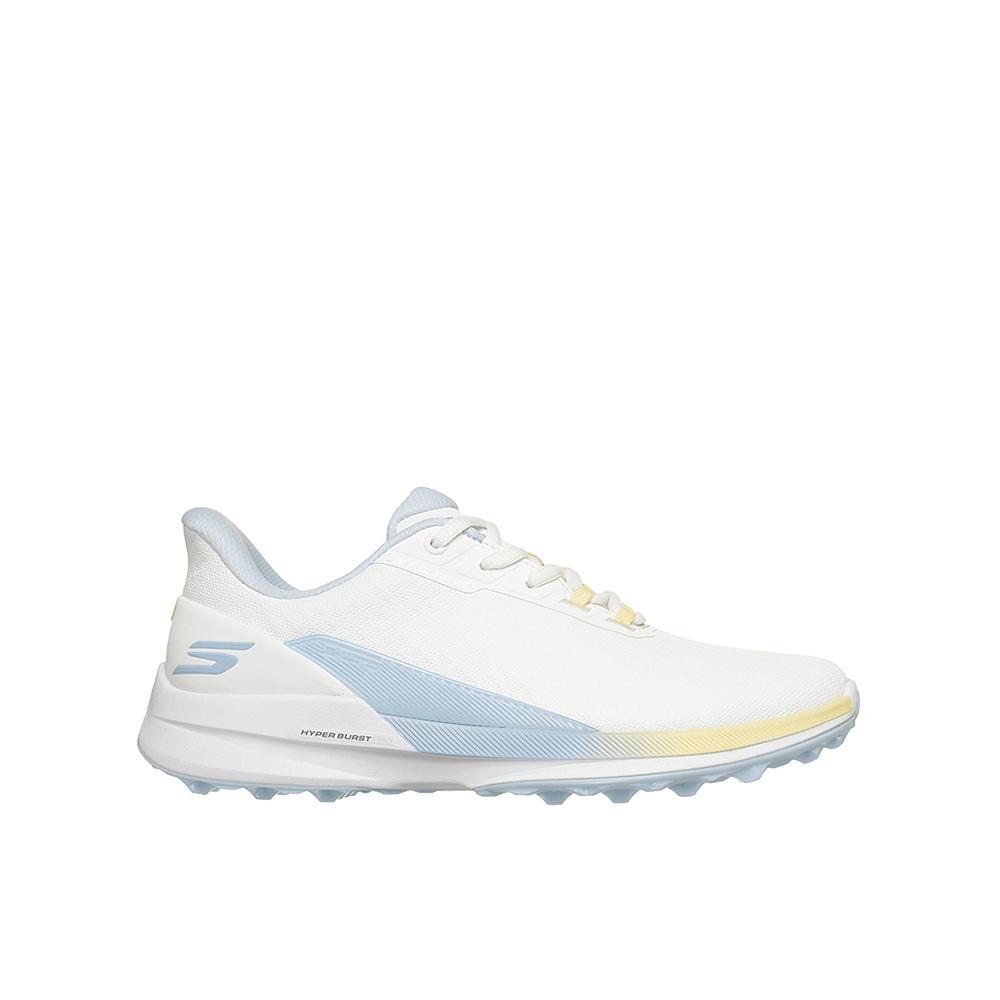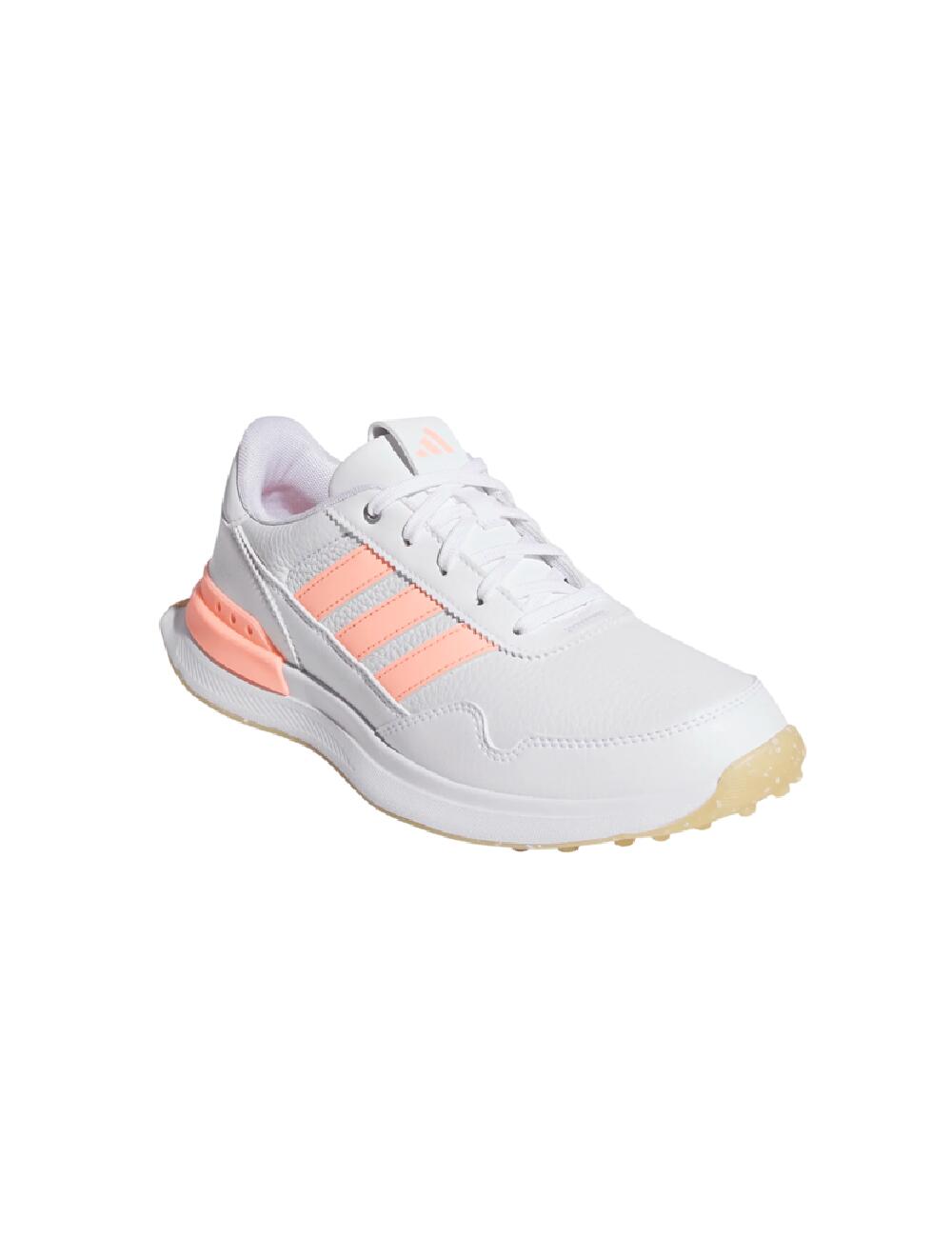
99 items
4.7/5 based on 2070 reviews collected online and in stores

Golf Shoes FAQs

Which golf shoes suit the conditions on the course?

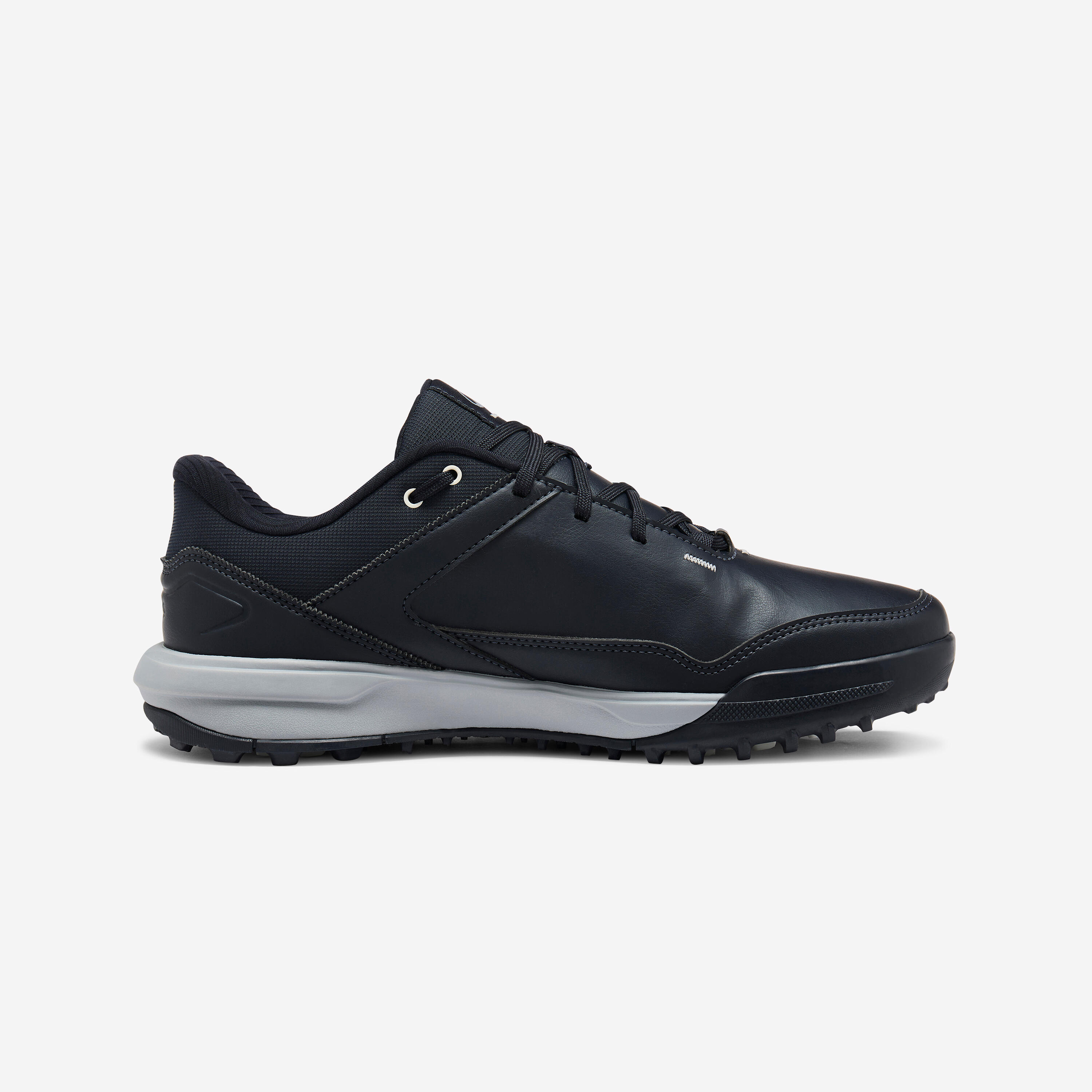
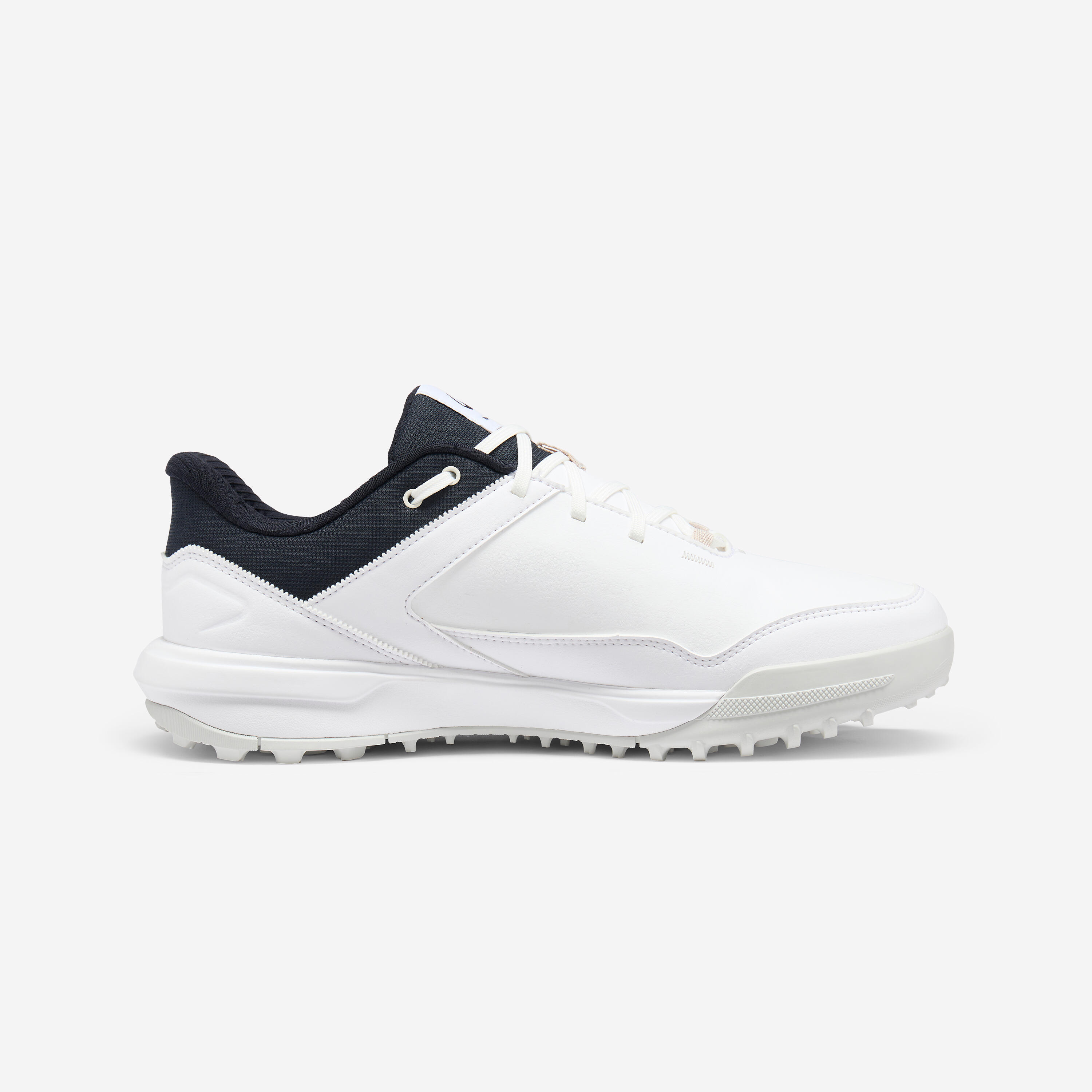
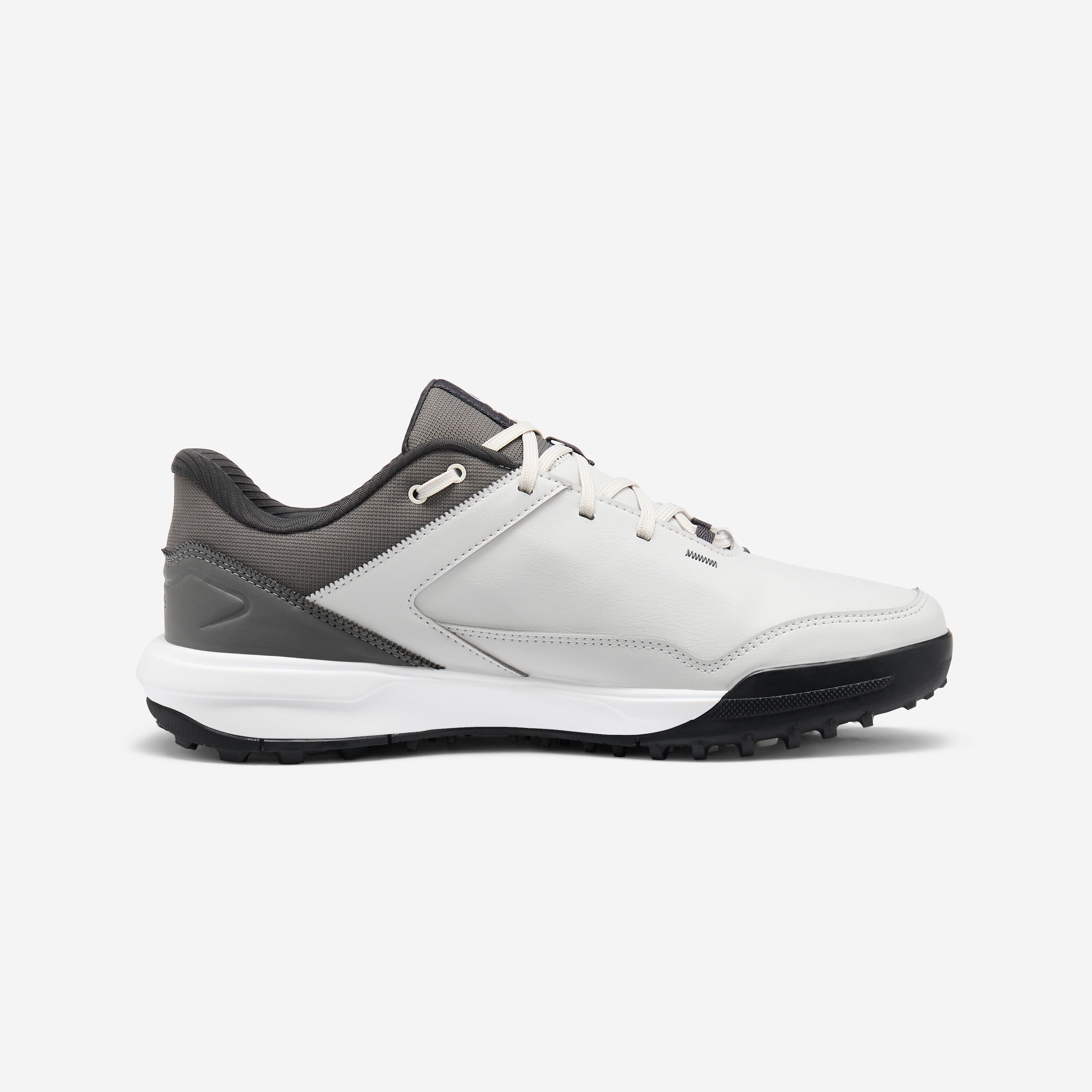
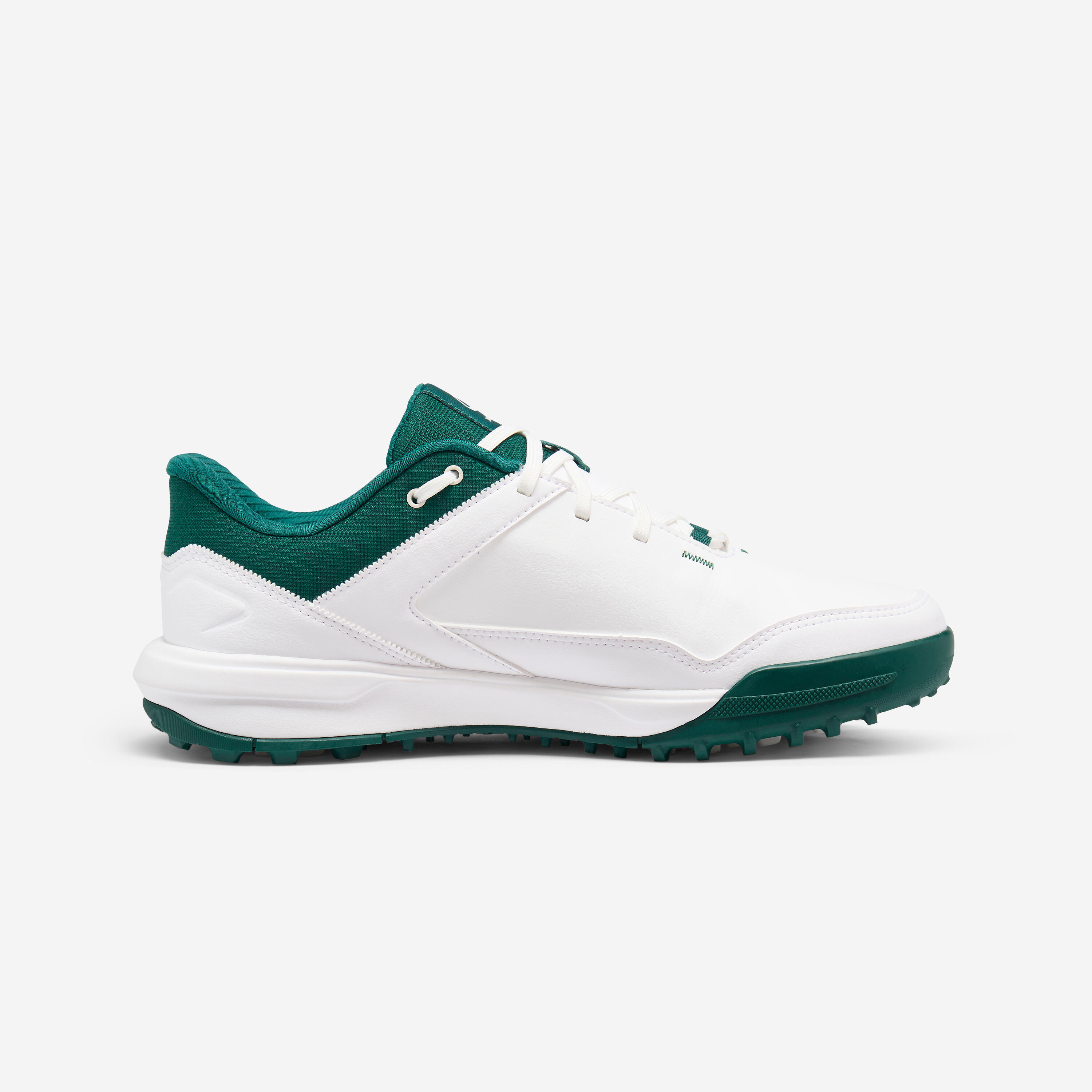
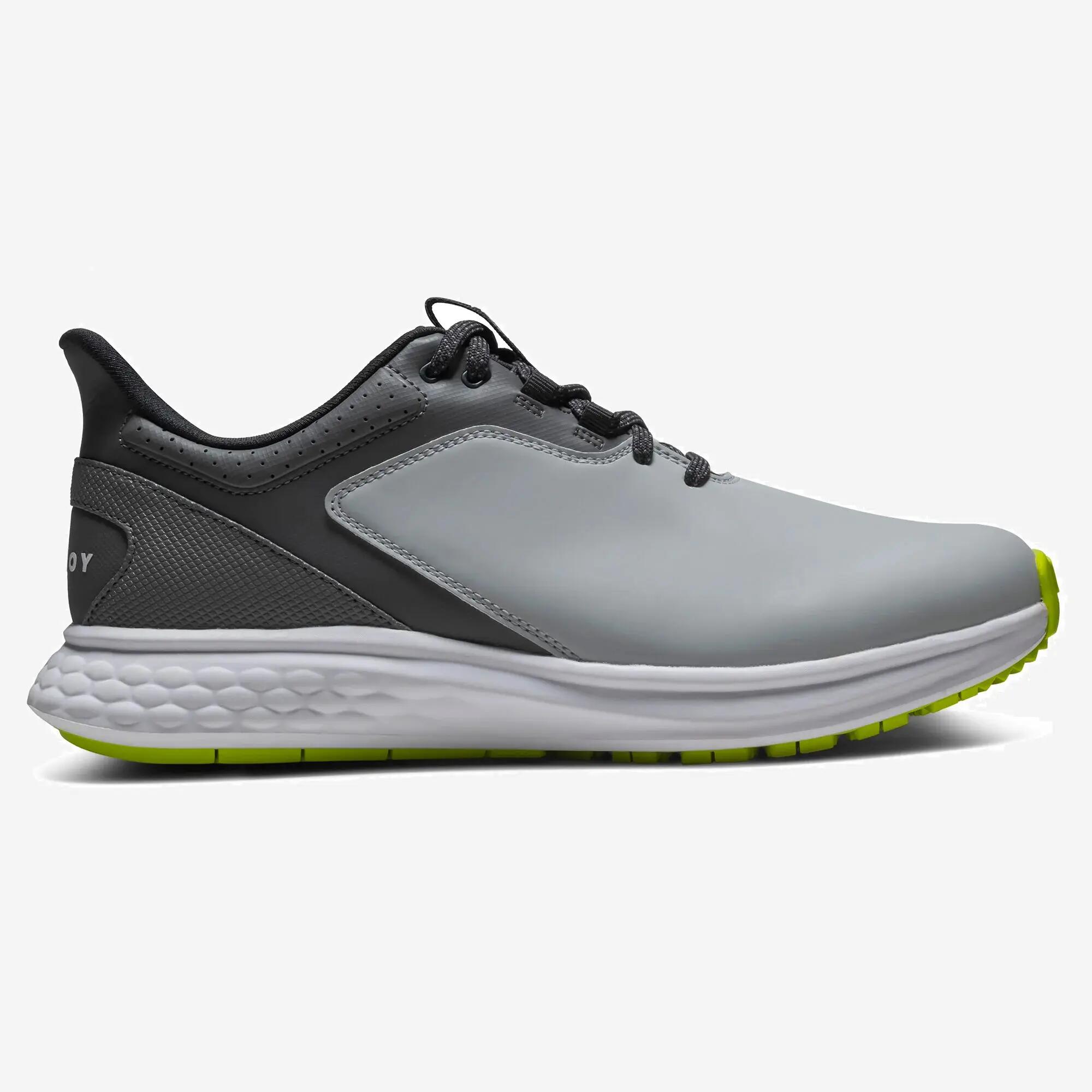
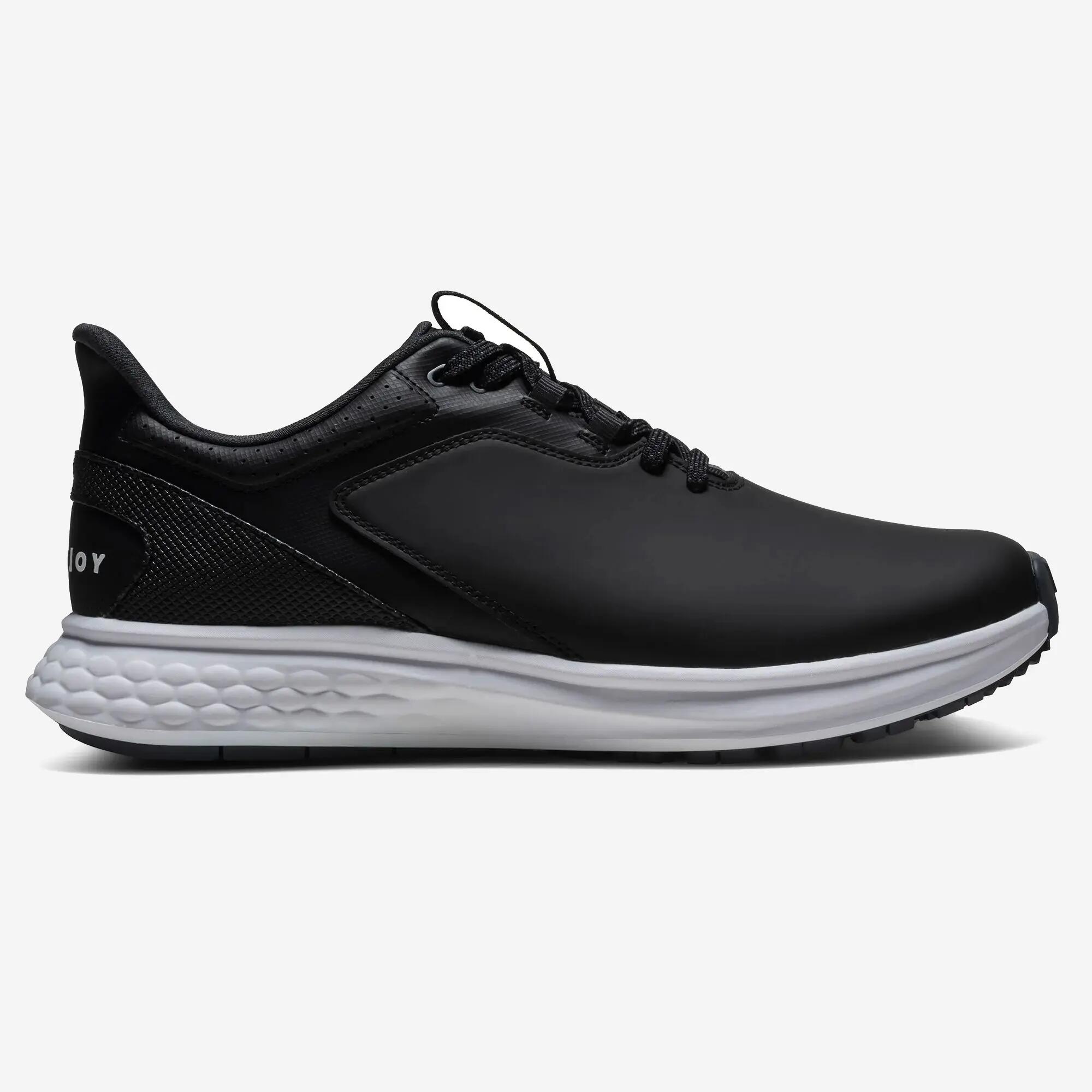
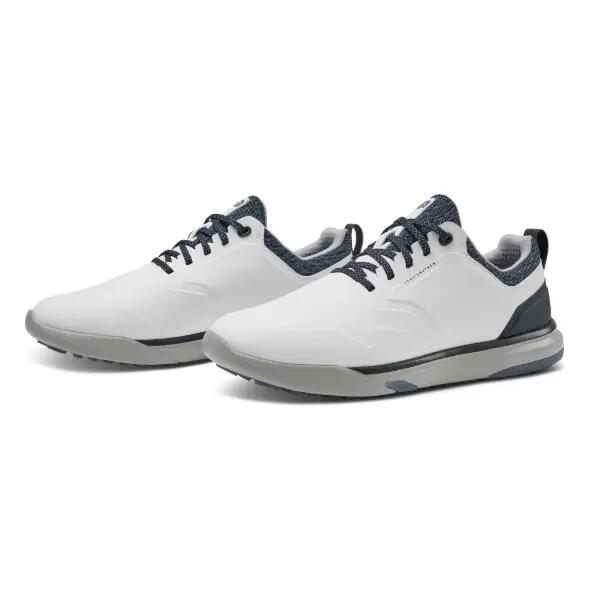
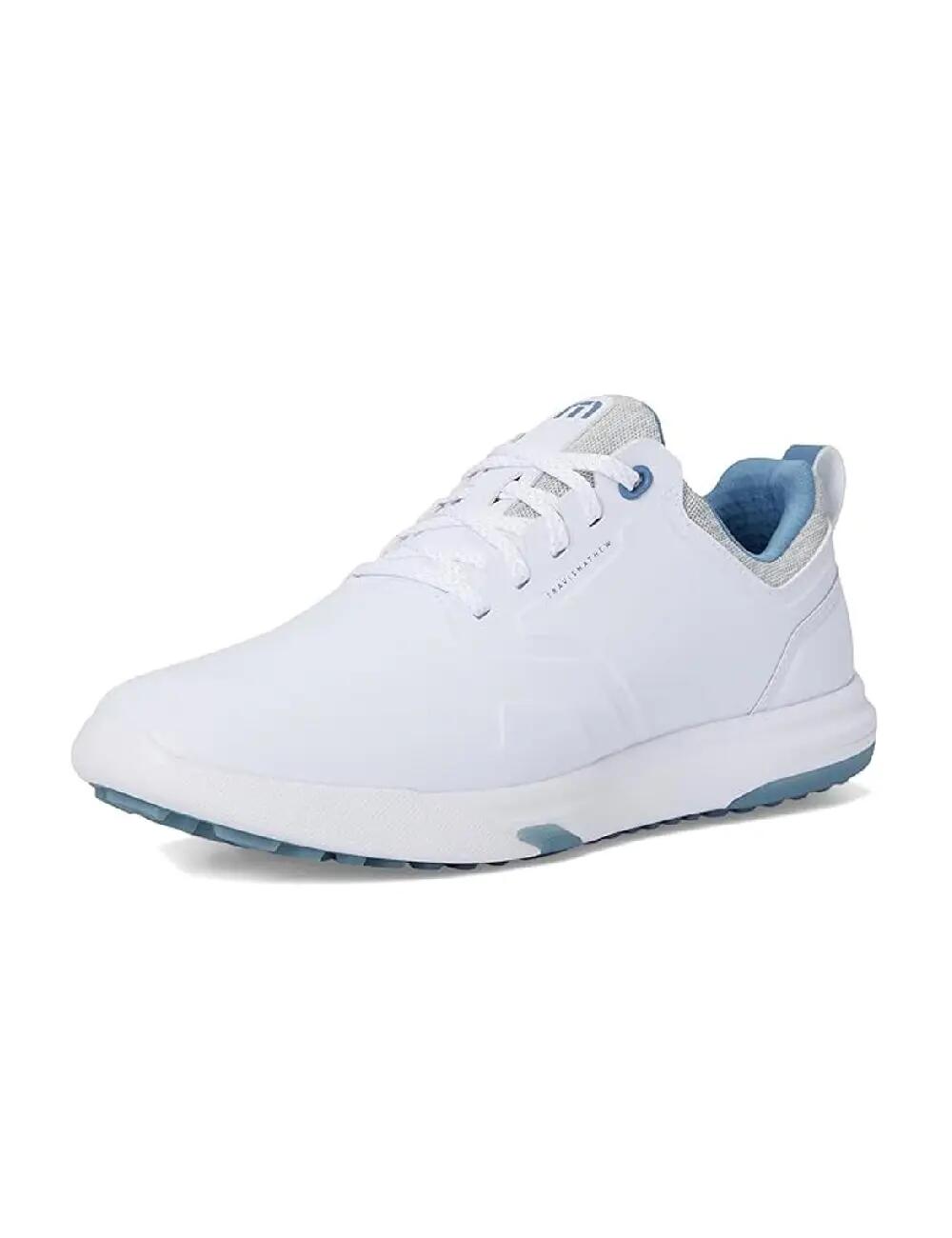
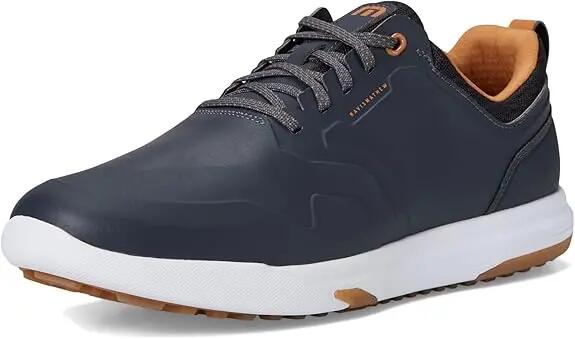
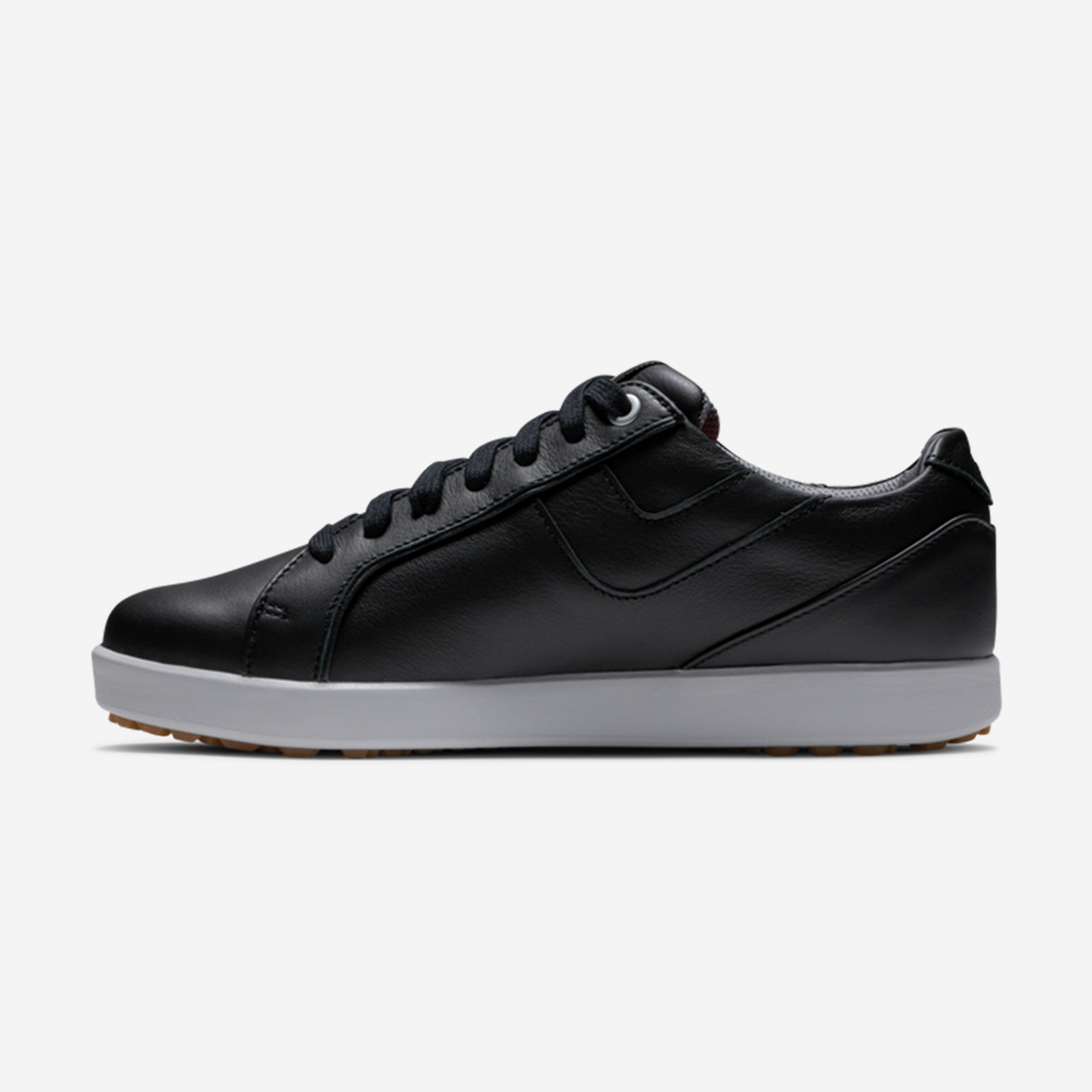
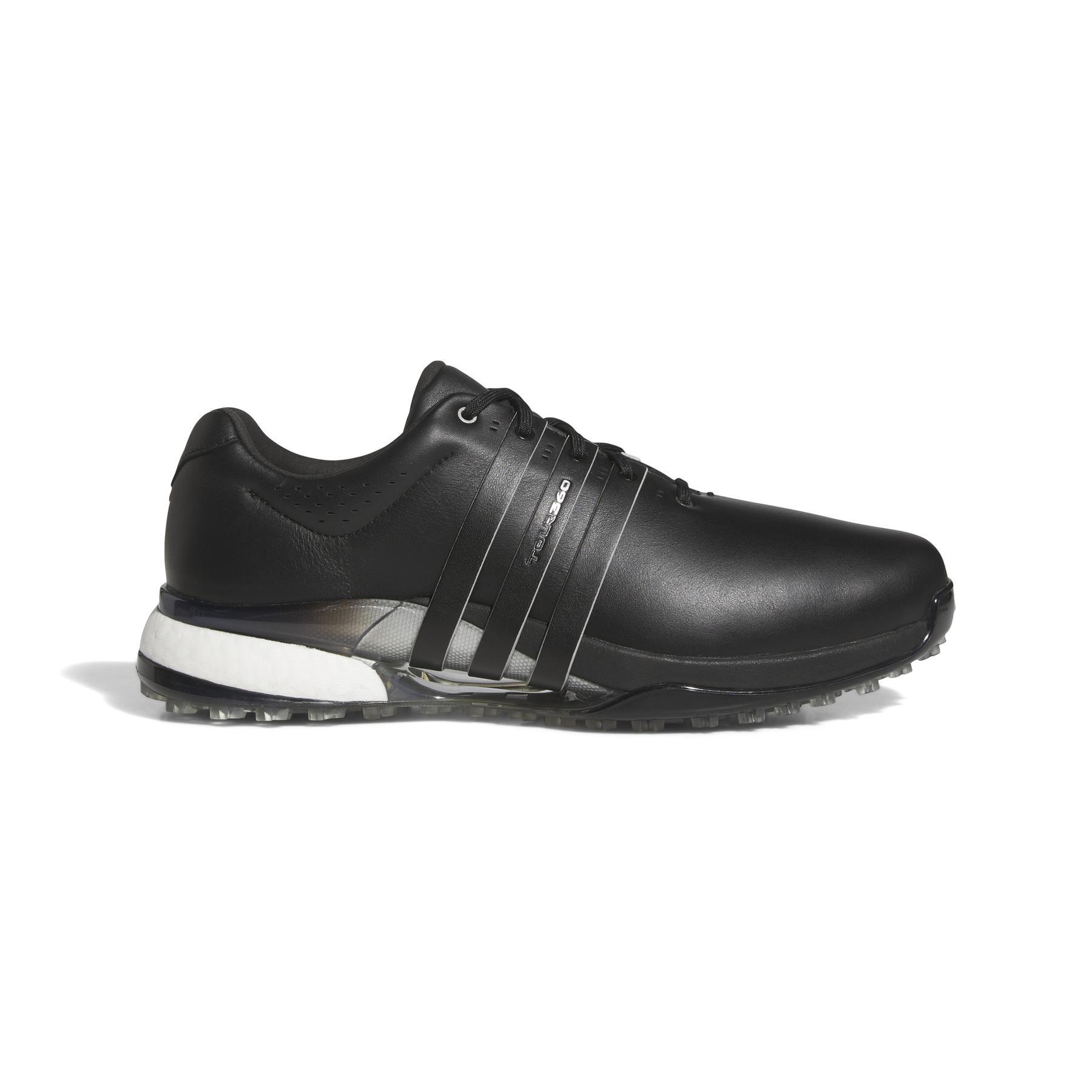
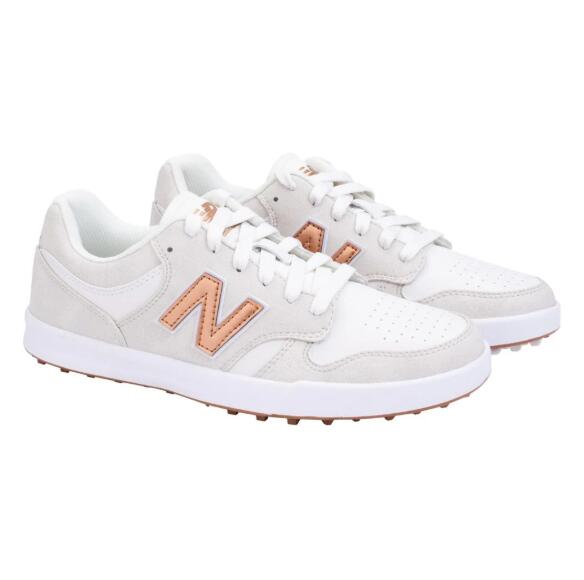
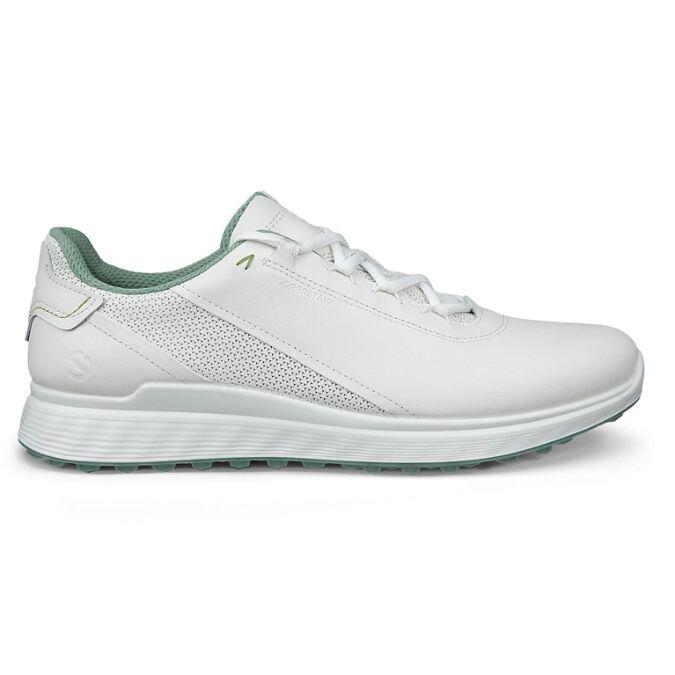
Match the shoe construction to the weather and ground you play on most often. Waterproof models use a membrane around the foot to limit water entering through the upper, making them practical for damp grass, light rain and cooler rounds. Breathable mesh footwear suits warmer, dry conditions because it allows more perspiration to move away from the foot. Many men's golf shoes also use rubber traction elements rather than removable metal spikes, supporting grip while walking and rotating through the swing. Check the published weather guidance for the individual model, as a ventilated summer shoe will not provide the same rain protection as a membrane-based option.
How do you check the fit of golf shoes?

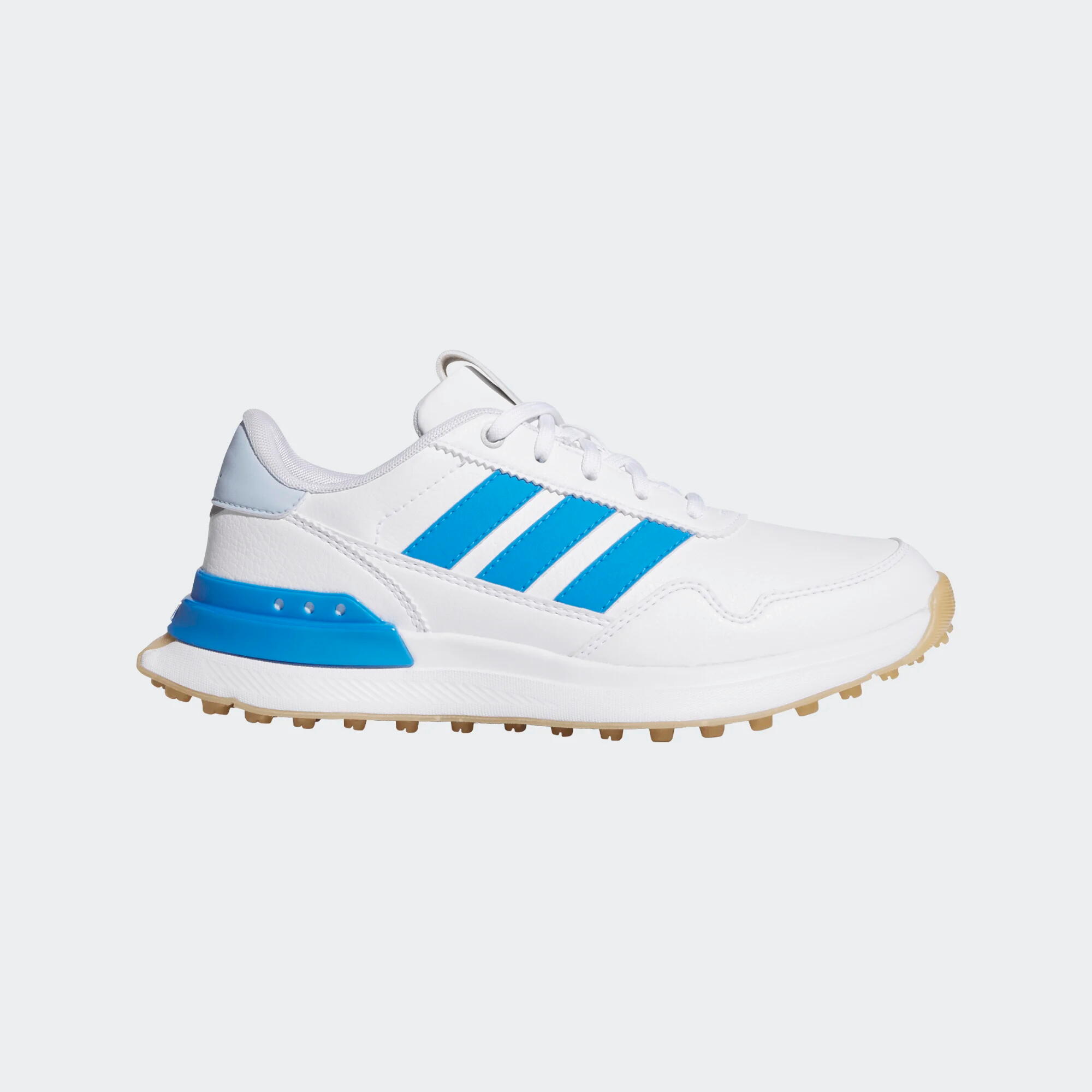
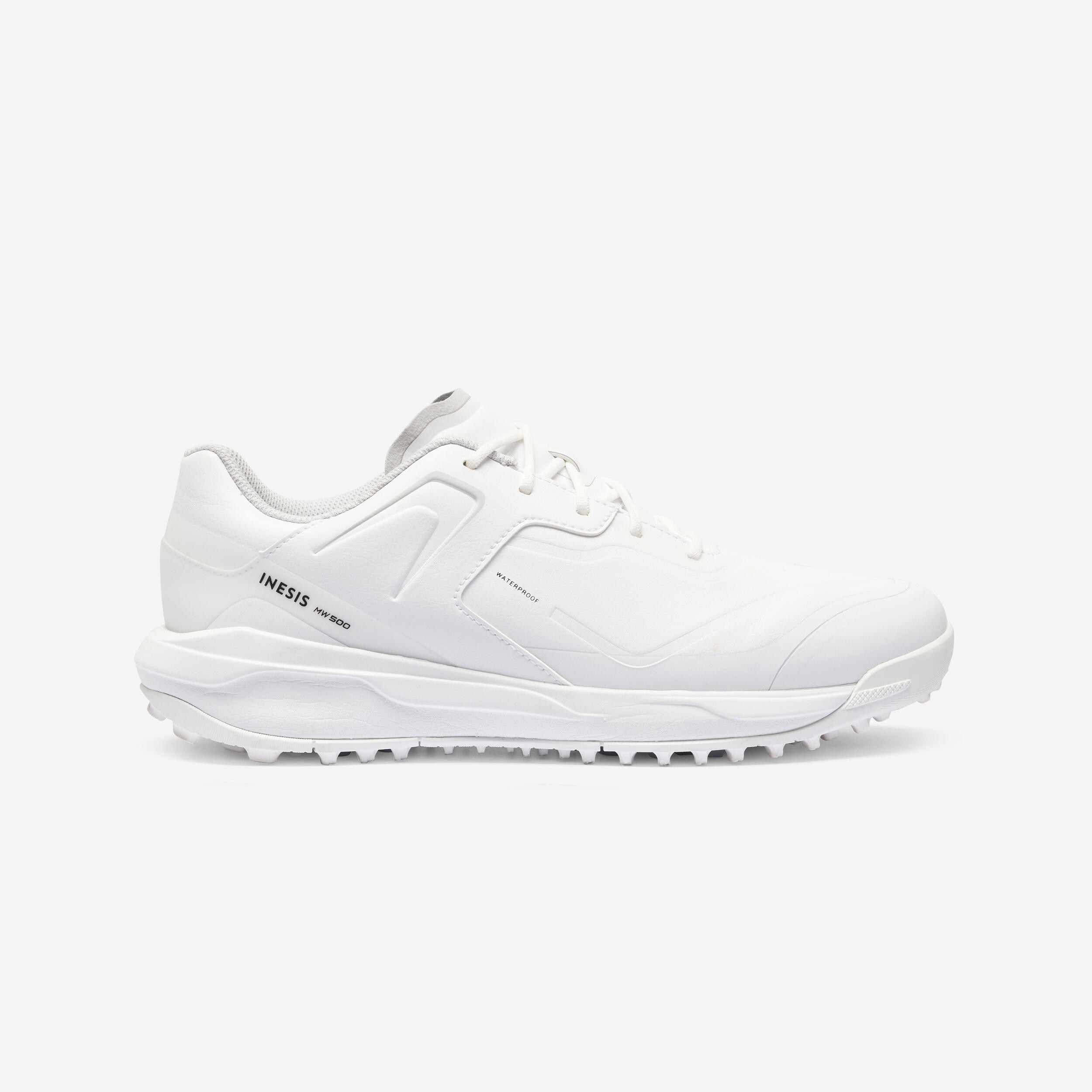
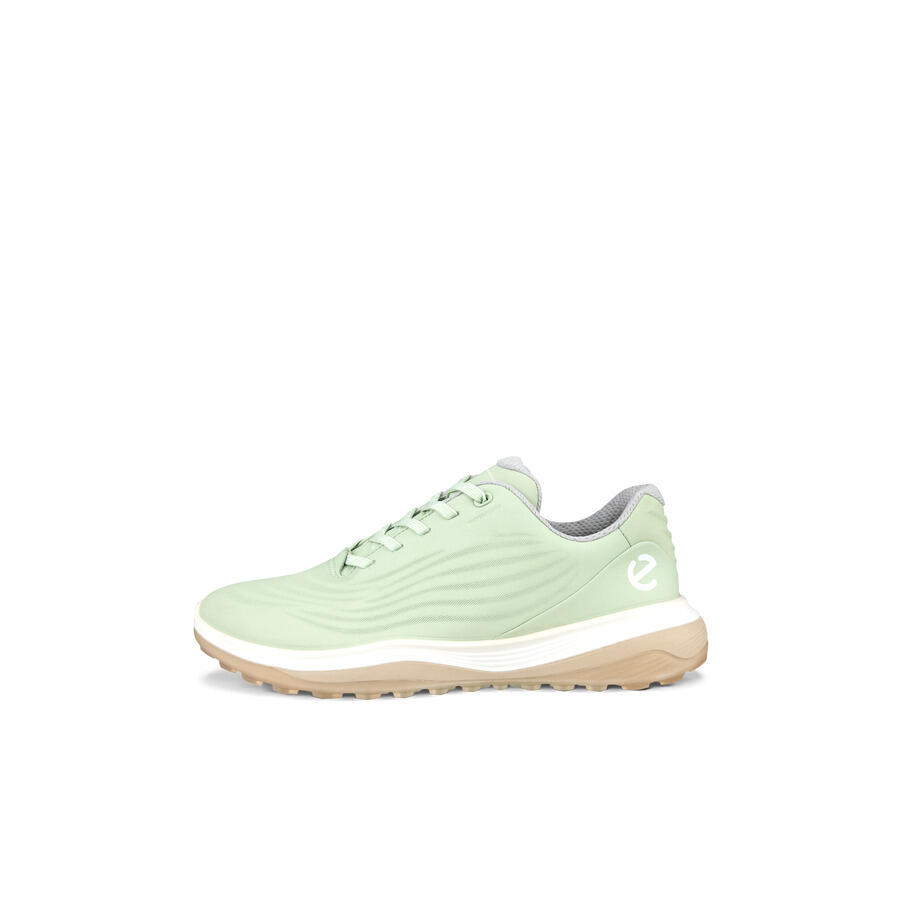
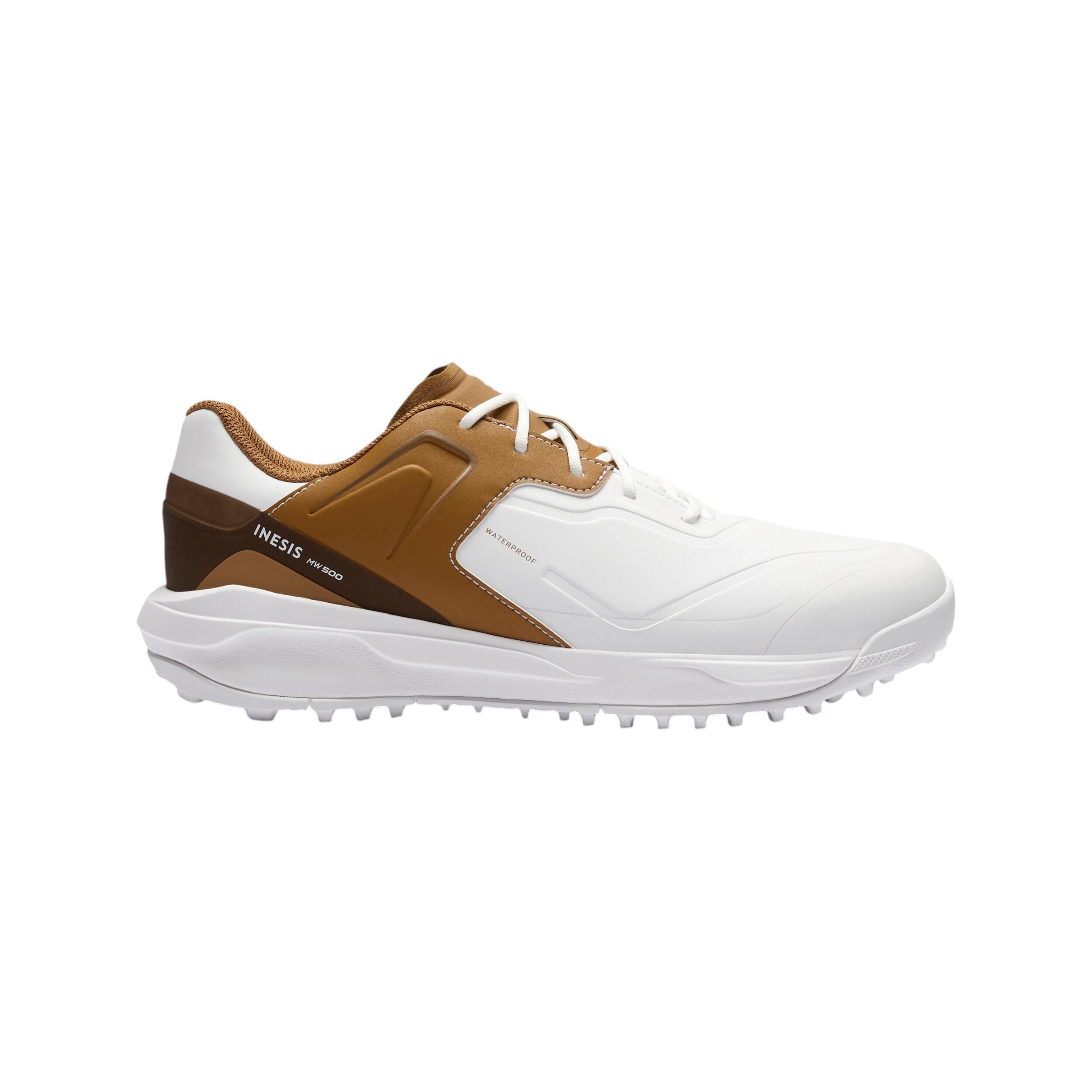
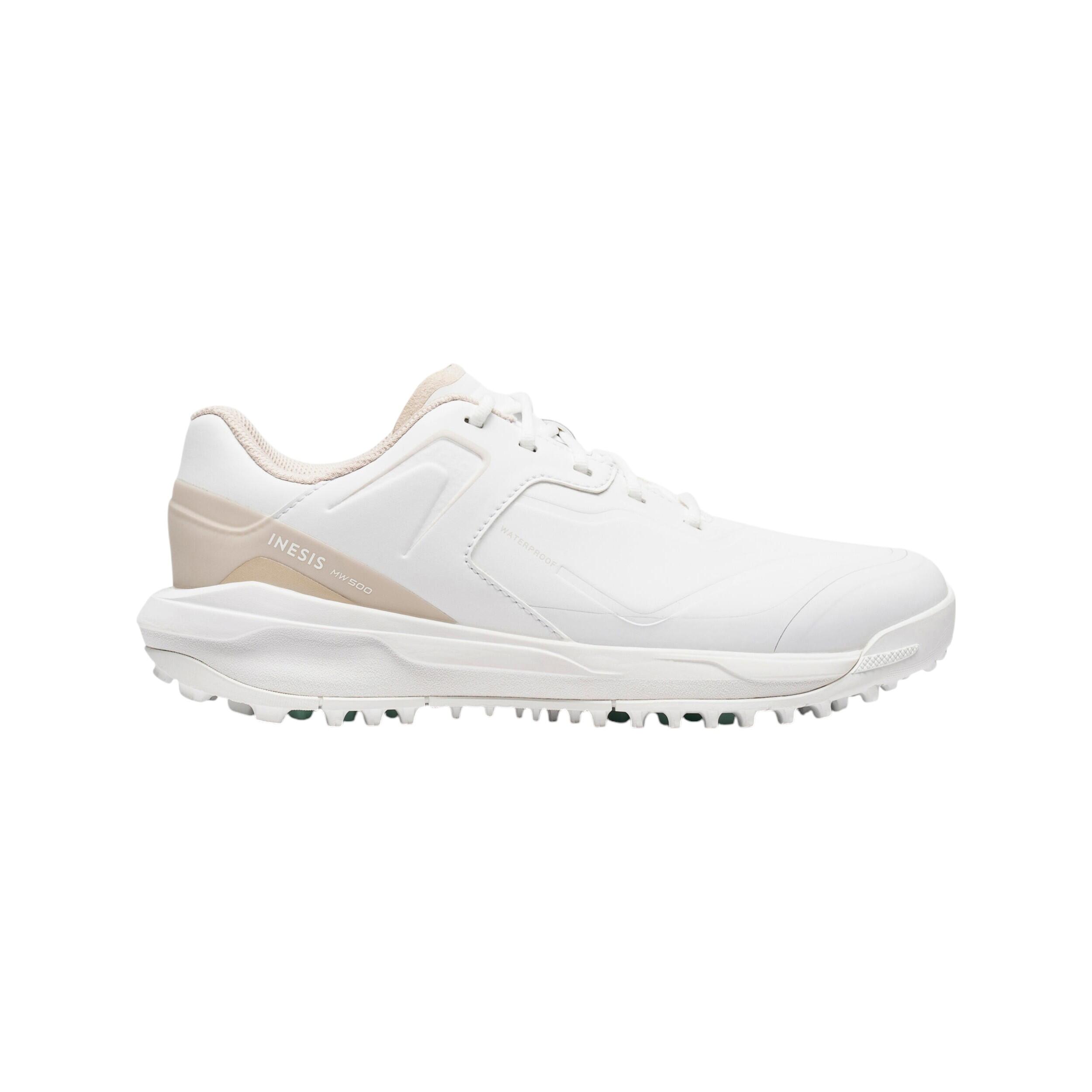
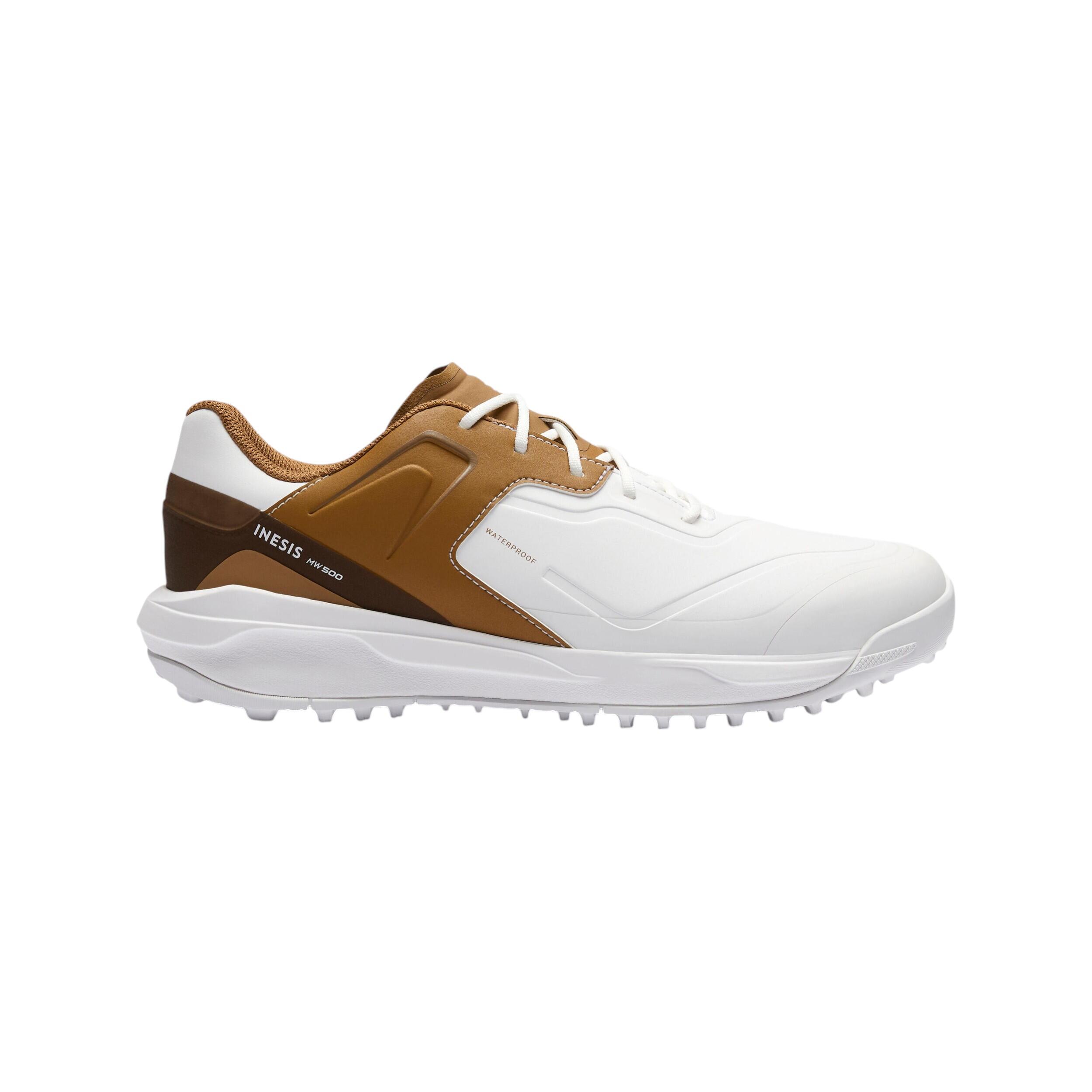
Try golf footwear with the socks you normally wear on the course and leave enough space for your toes to move without sliding forwards. Your heel needs to remain secure while walking, but the collar must not rub the ankle. Check the width through the forefoot because feet can expand during an 18-hole round, particularly in warm weather. The current MW500 construction is offered across sizes 36 to 47 and can suit different foot shapes, although the labelled size alone cannot confirm the fit. When comparing golf shoes for women, prioritise heel hold, forefoot comfort and stable contact with the sole rather than choosing only by colour or category label.

Are breathable golf shoes suitable for wet grass?

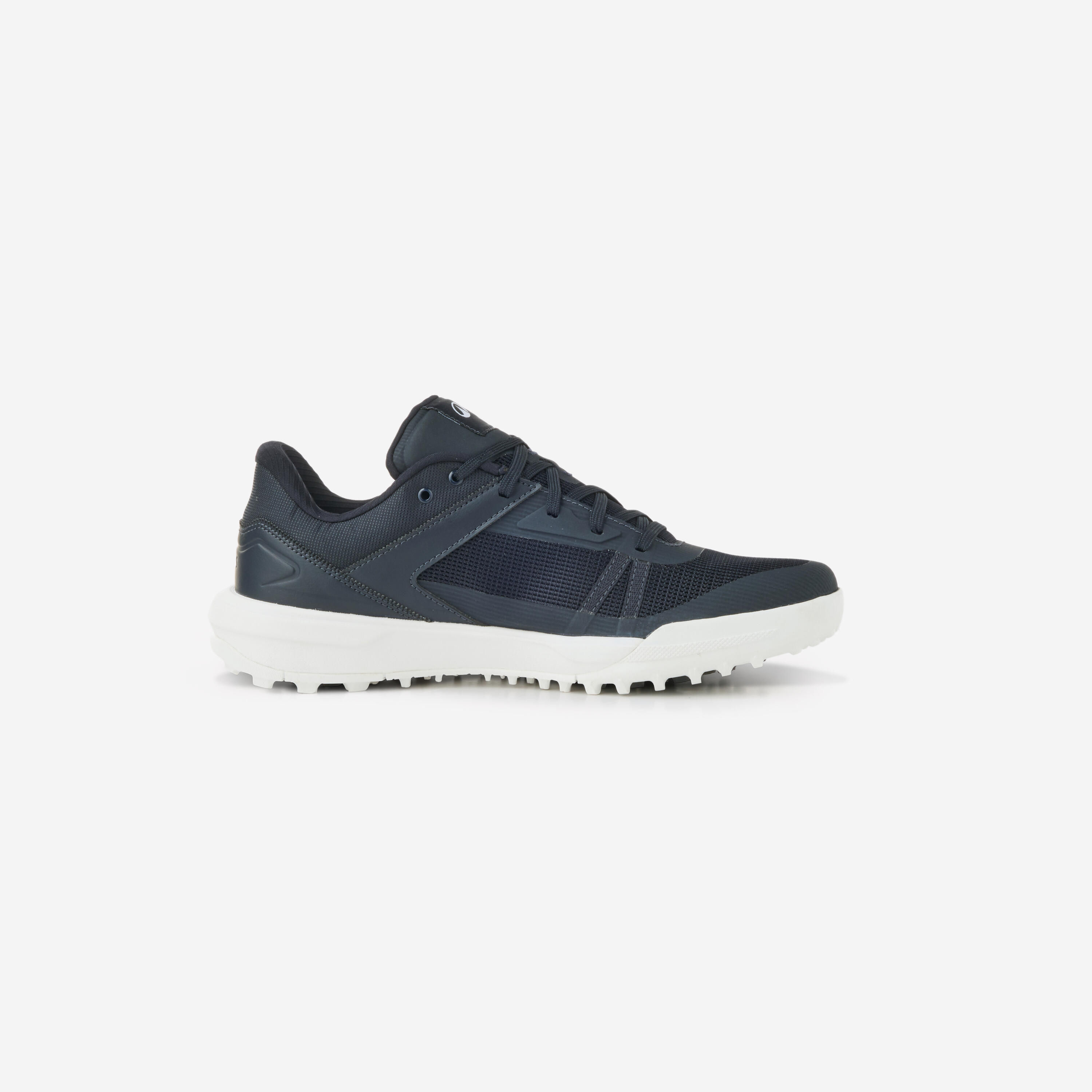
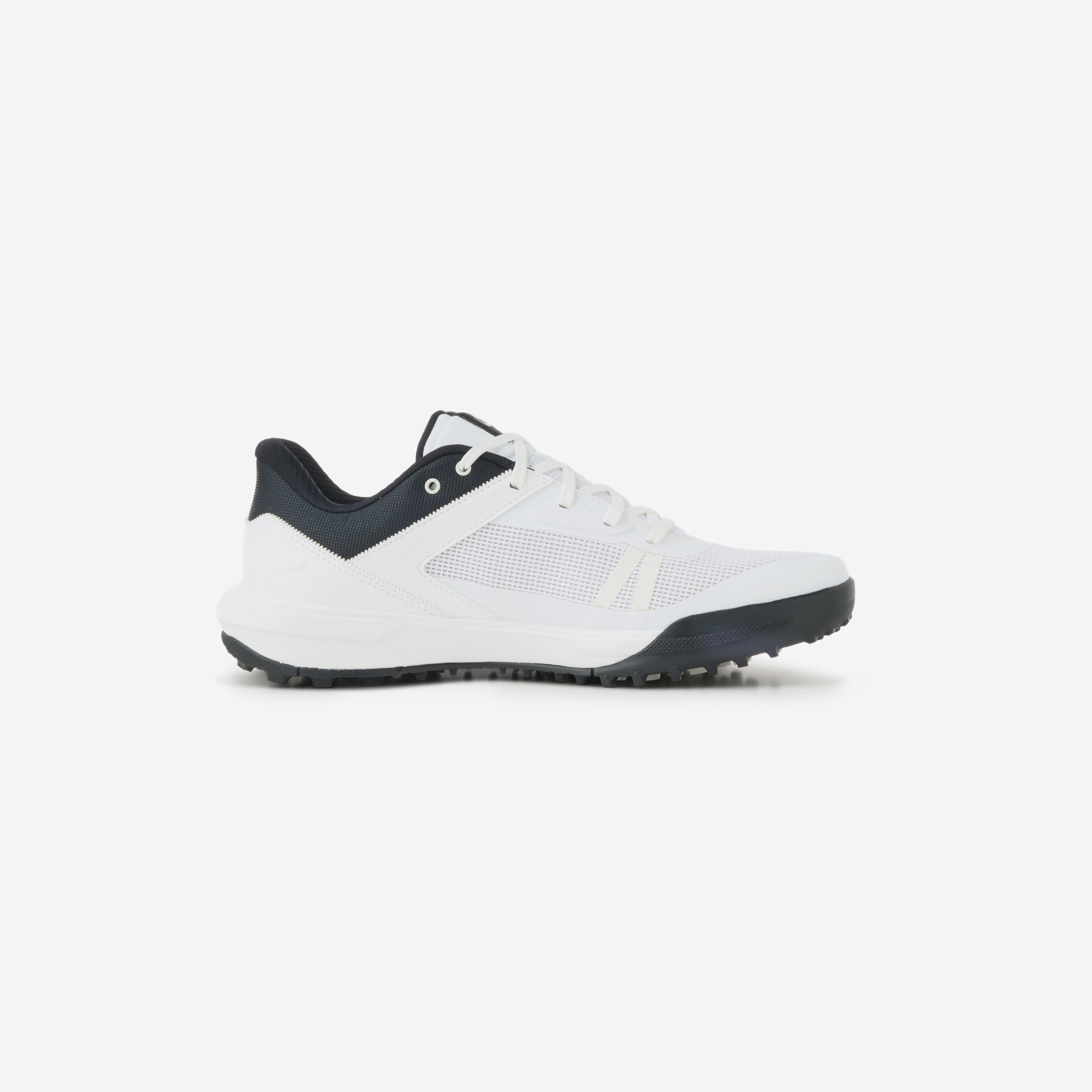
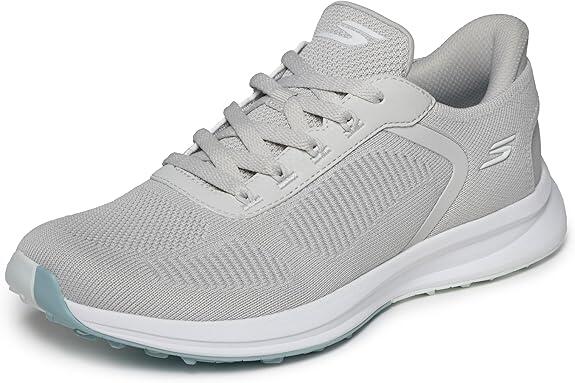
Breathable shoes can handle warm, dry rounds and may resist small amounts of surface moisture around reinforced lower sections, but they are not a substitute for waterproof footwear. The mesh used in breathable golf shoes helps release heat and perspiration, while open outsole sections reduce weight and add flexibility. This construction improves comfort during long walks in dry weather, but water can enter more readily through the upper during persistent rain or on saturated ground. Check the forecast and course conditions before leaving home. Carrying a spare pair of socks can also help when early-morning grass is wetter than expected, even if the rest of the day remains warm.

Why do golf shoes use rubber traction elements?

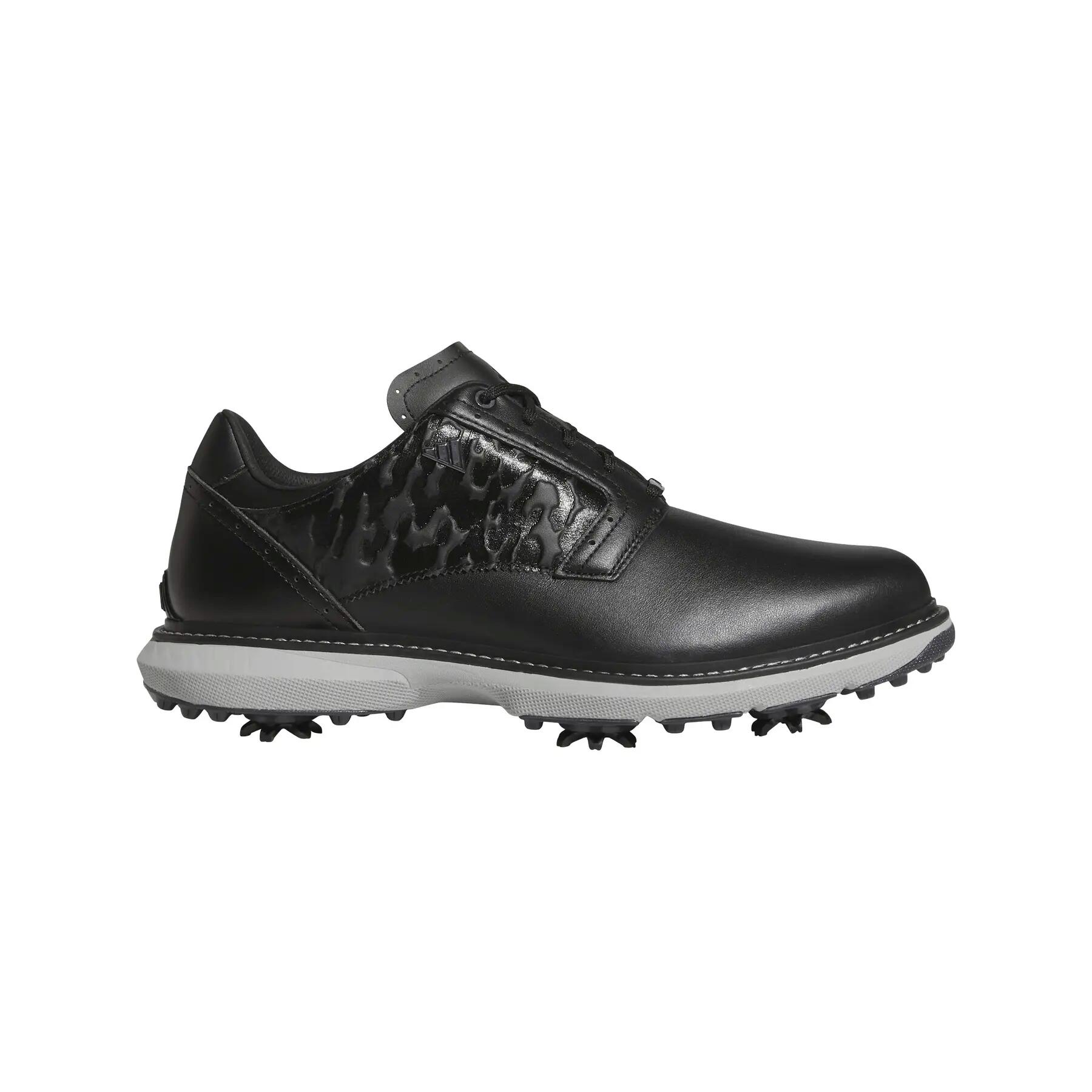
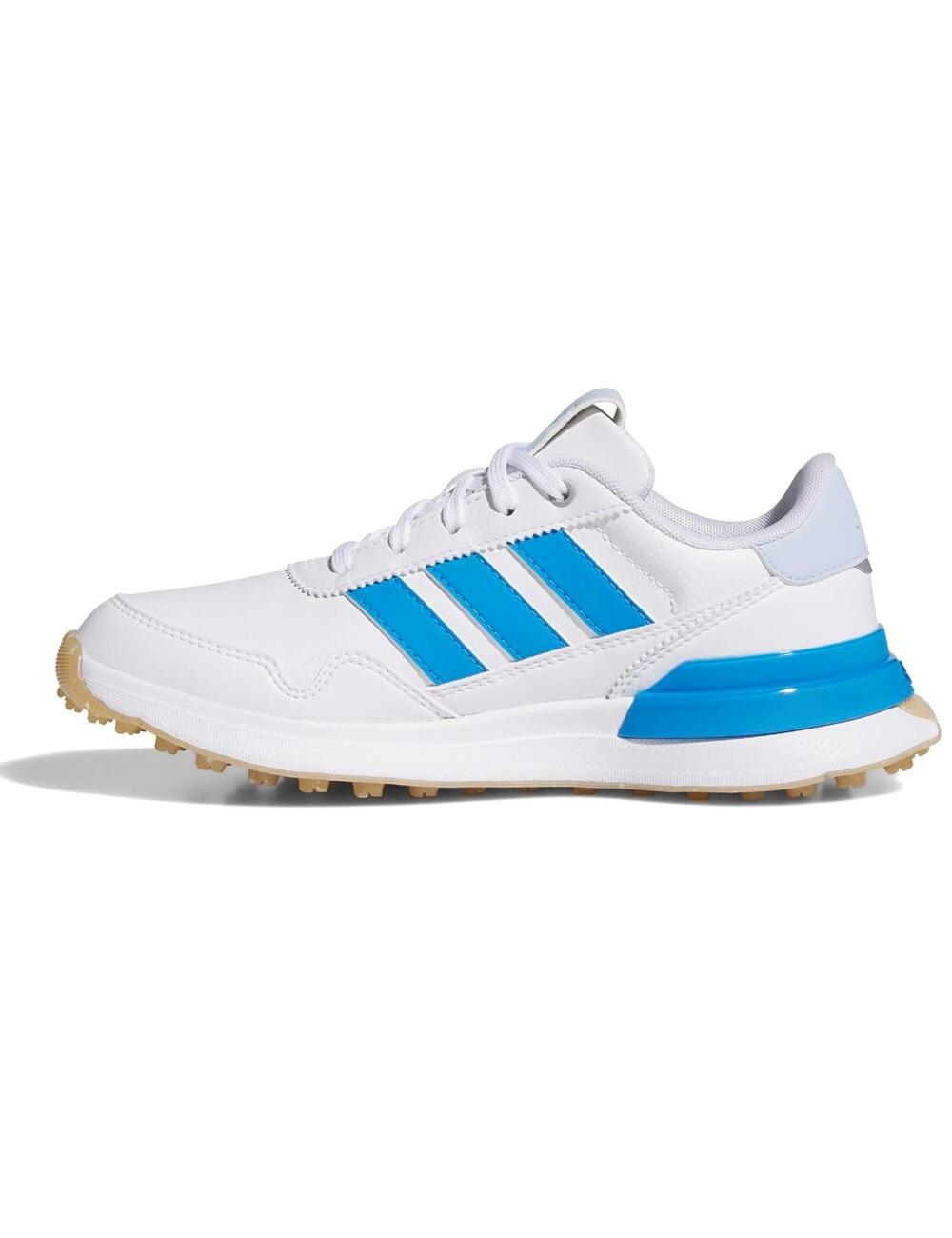
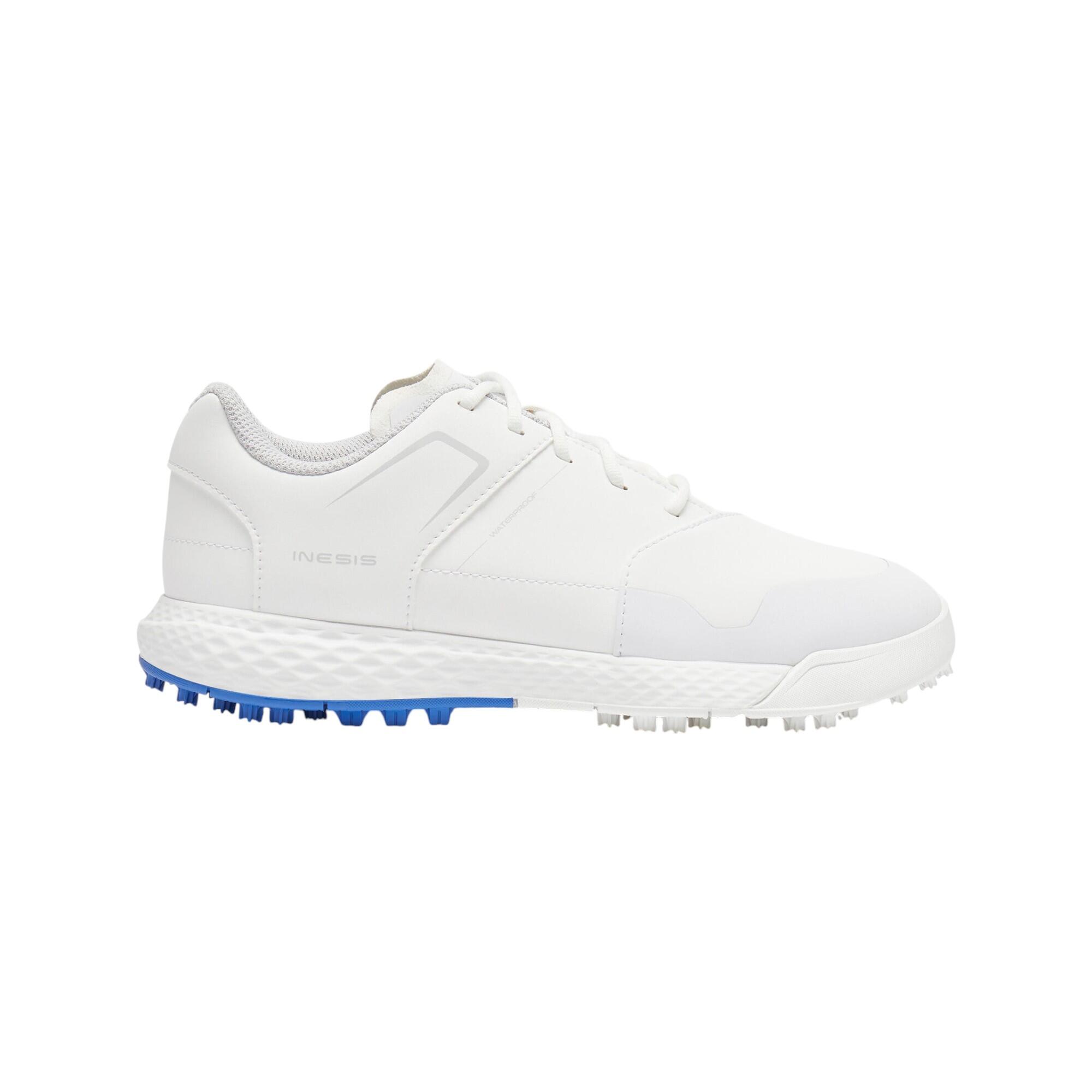
Rubber traction elements grip the ground without relying on removable metal spikes. Their position matters because each foot handles different forces while you walk and rotate through the golf swing. Inesis studied pressure intensity and movement direction under the left and right foot, then placed more pronounced traction in areas that need additional stability. Some soles vary the length, width and height of these elements to balance grip, flexibility and wear. The same principles matter when selecting junior golf shoes, although fit and manageable weight remain especially important for younger players. Replace footwear when the worn tread no longer holds confidently on damp slopes or during the swing.

What is the difference between waterproof and lightweight golf shoes?

Waterproof shoes usually add a membrane and more protective upper construction, while lightweight warm-weather models remove some of those layers to improve airflow and flexibility. Published Inesis weights illustrate this difference: the breathable WW500 is approximately 305 g in size 43, while waterproof MW500 versions are approximately 340 g or more, depending on the model. That small increase can be worthwhile when your regular course is damp or exposed to rain. Verify the construction within waterproof golf shoes rather than assuming every coated upper provides full protection. After play, remove loose dirt, allow footwear to dry naturally and keep it away from direct heat, which can affect adhesives, foam and upper materials.