29 items
4.1/5 based on 369 reviews collected online and in stores

BABY CARRIERS FAQS

How do I choose the best baby carriers for hiking?

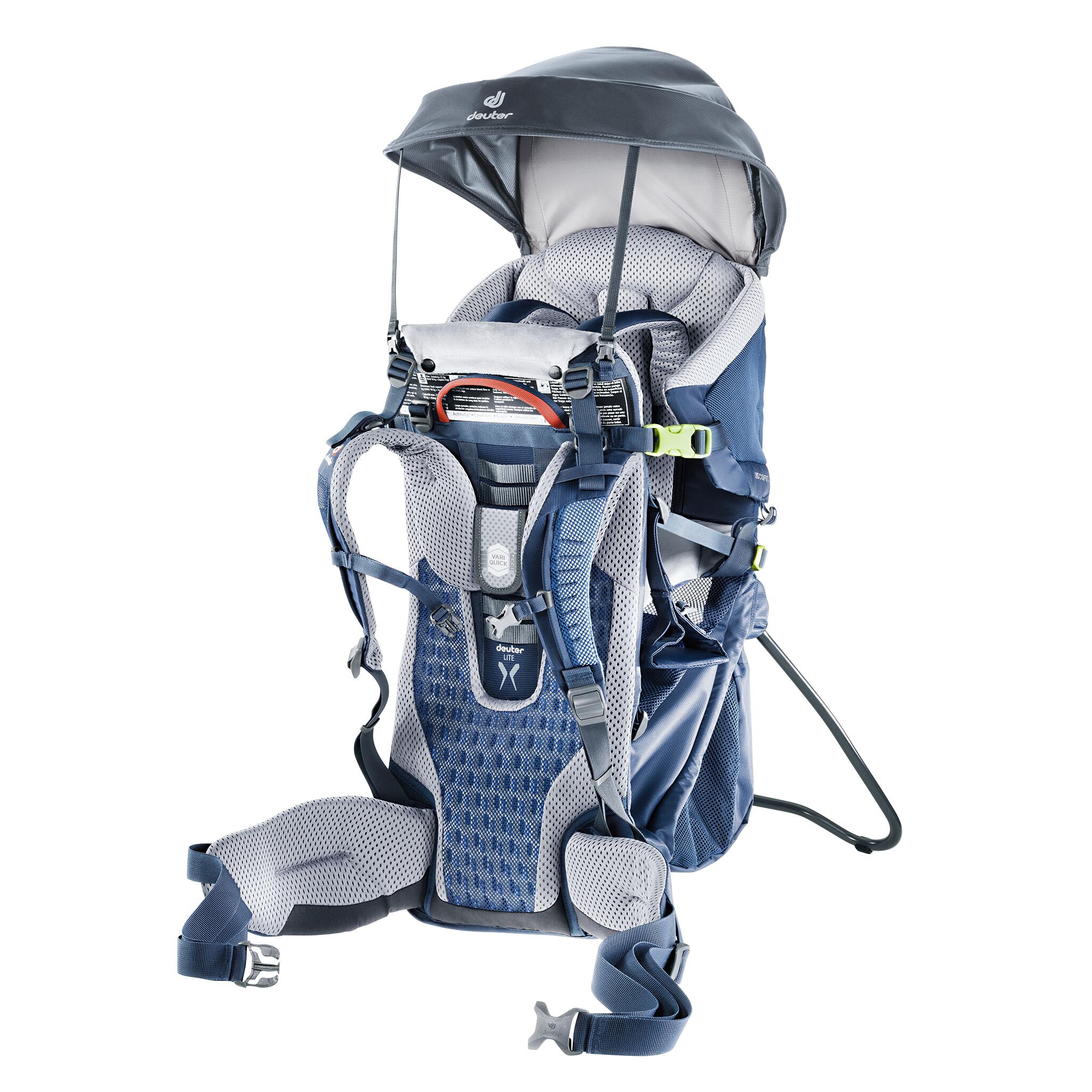
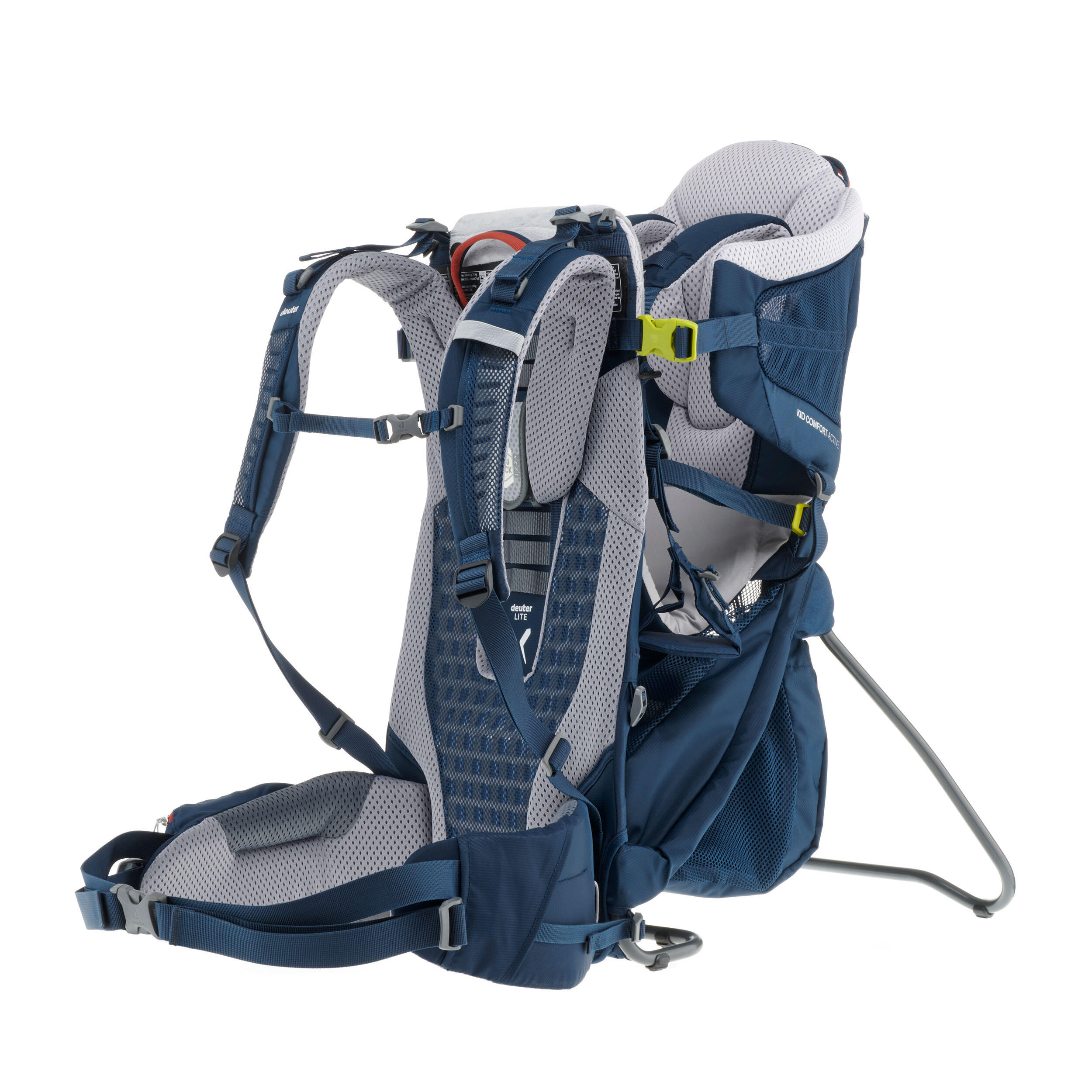
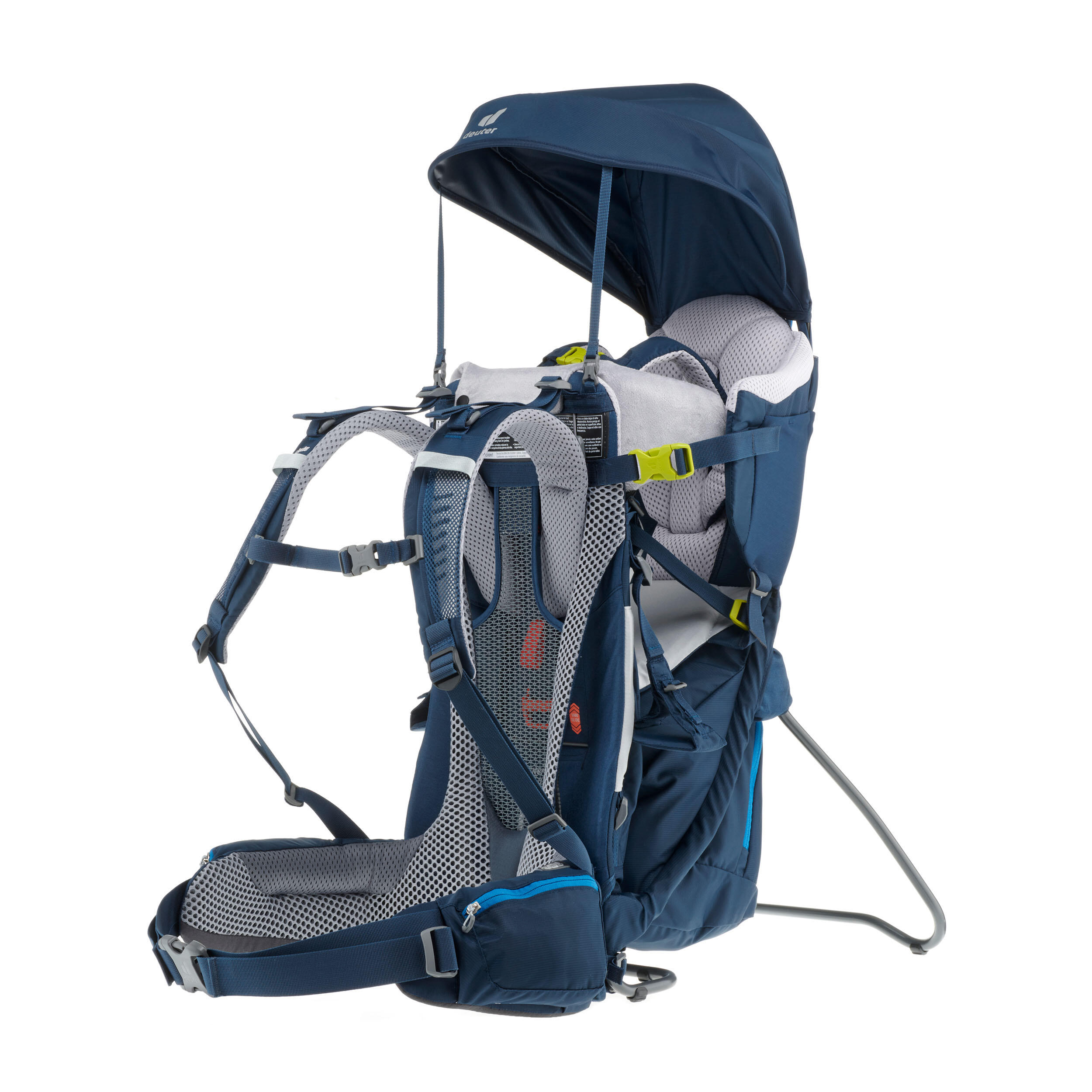
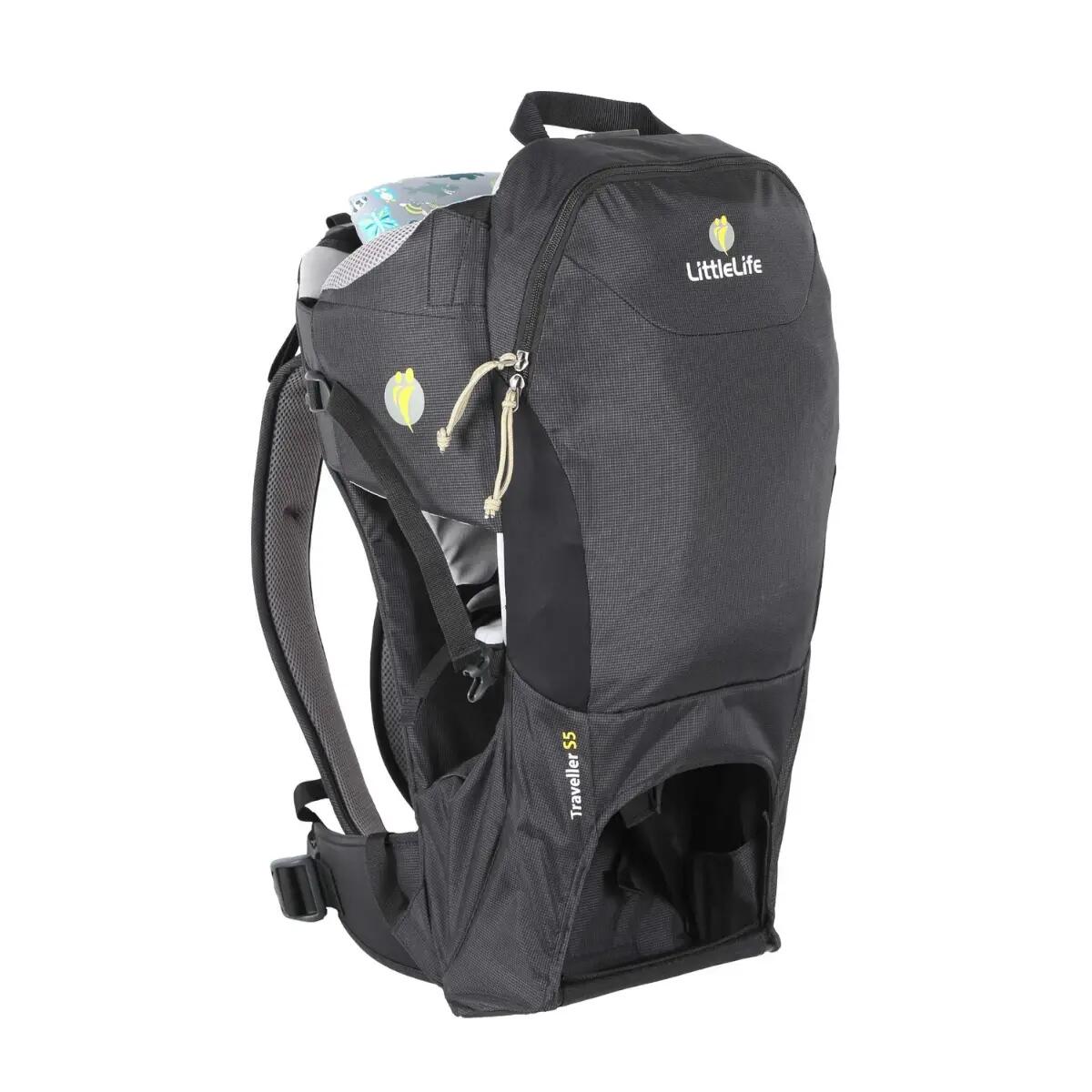
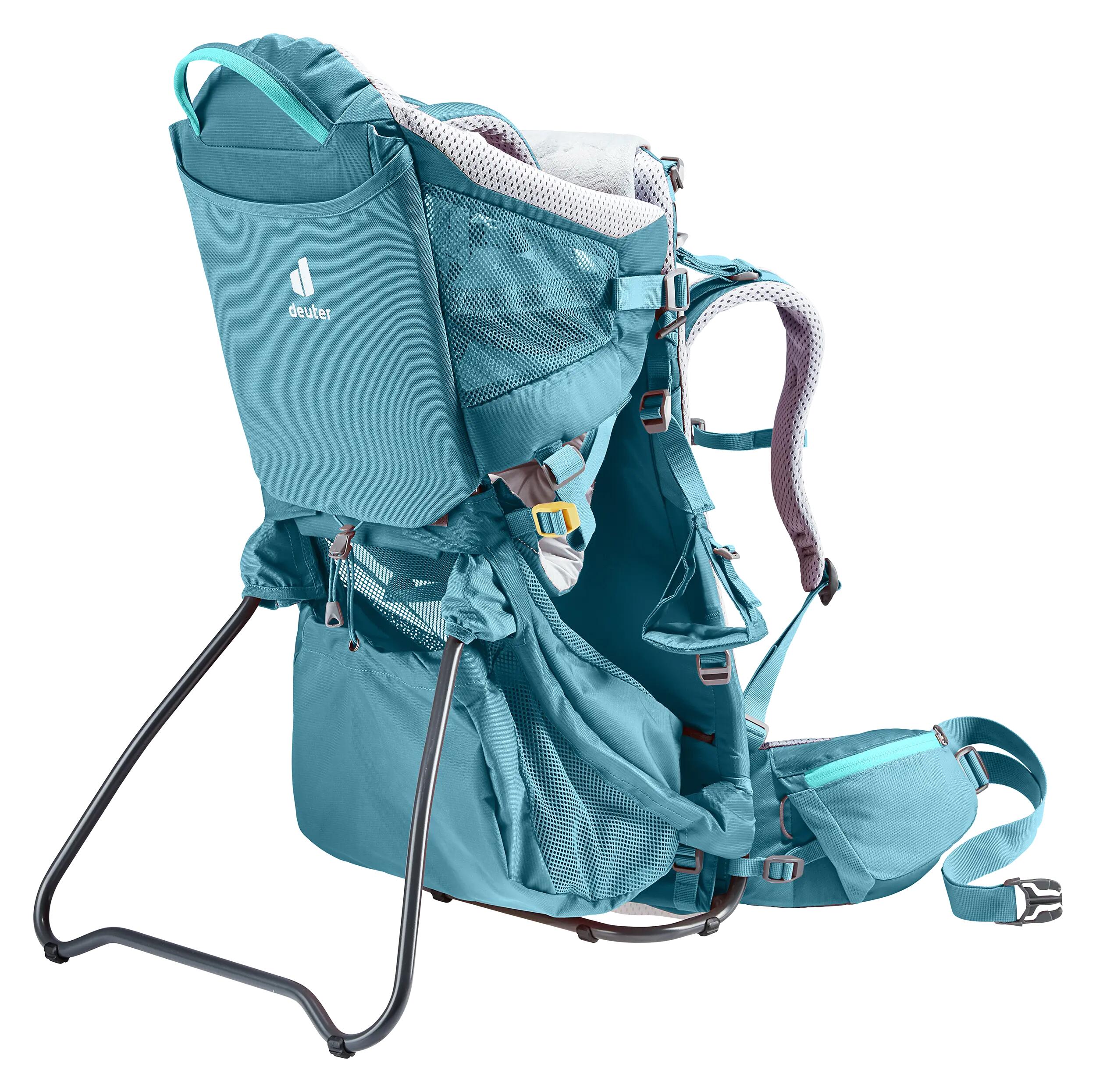
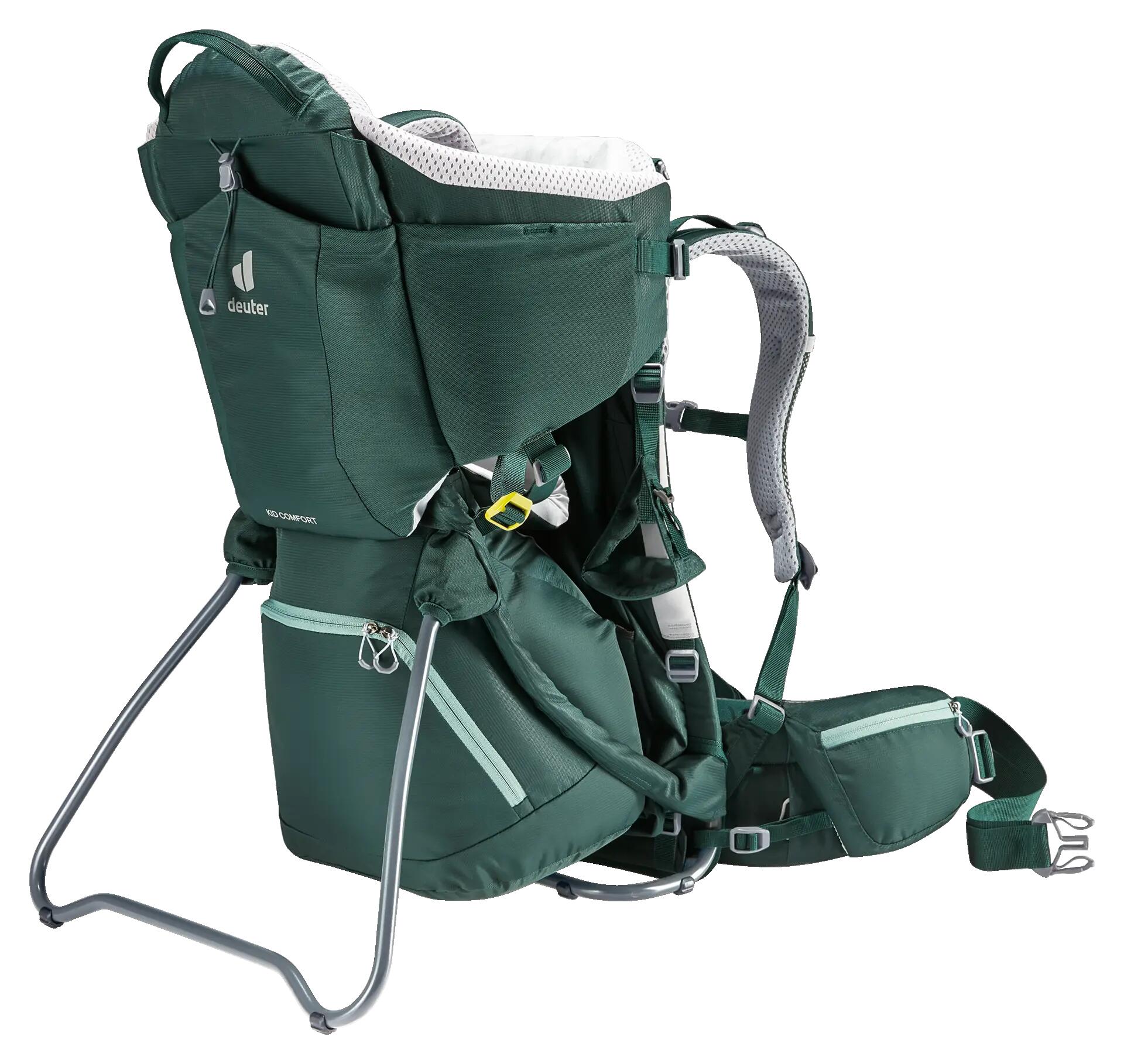
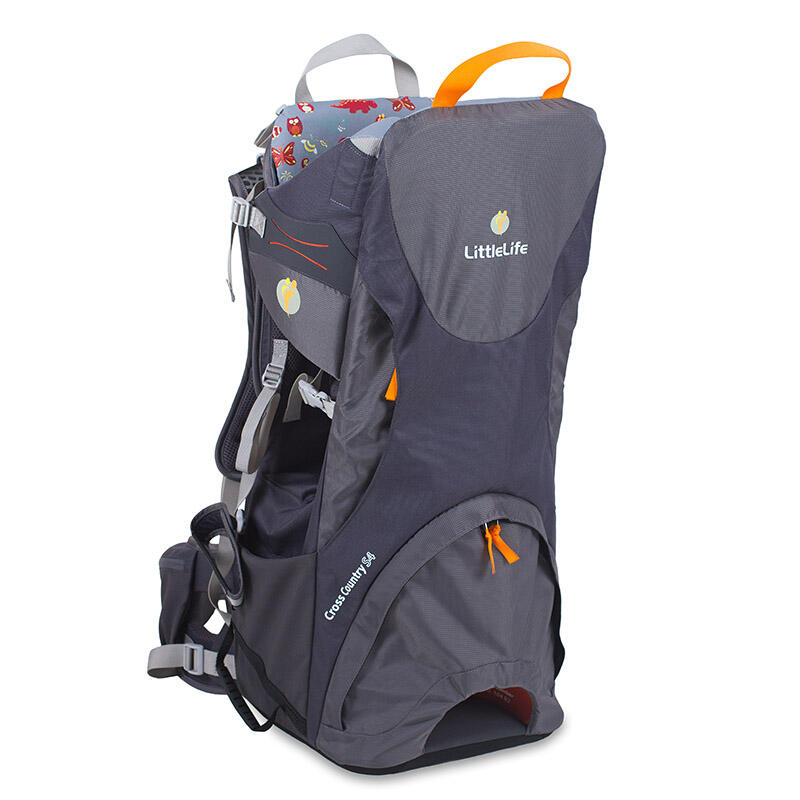
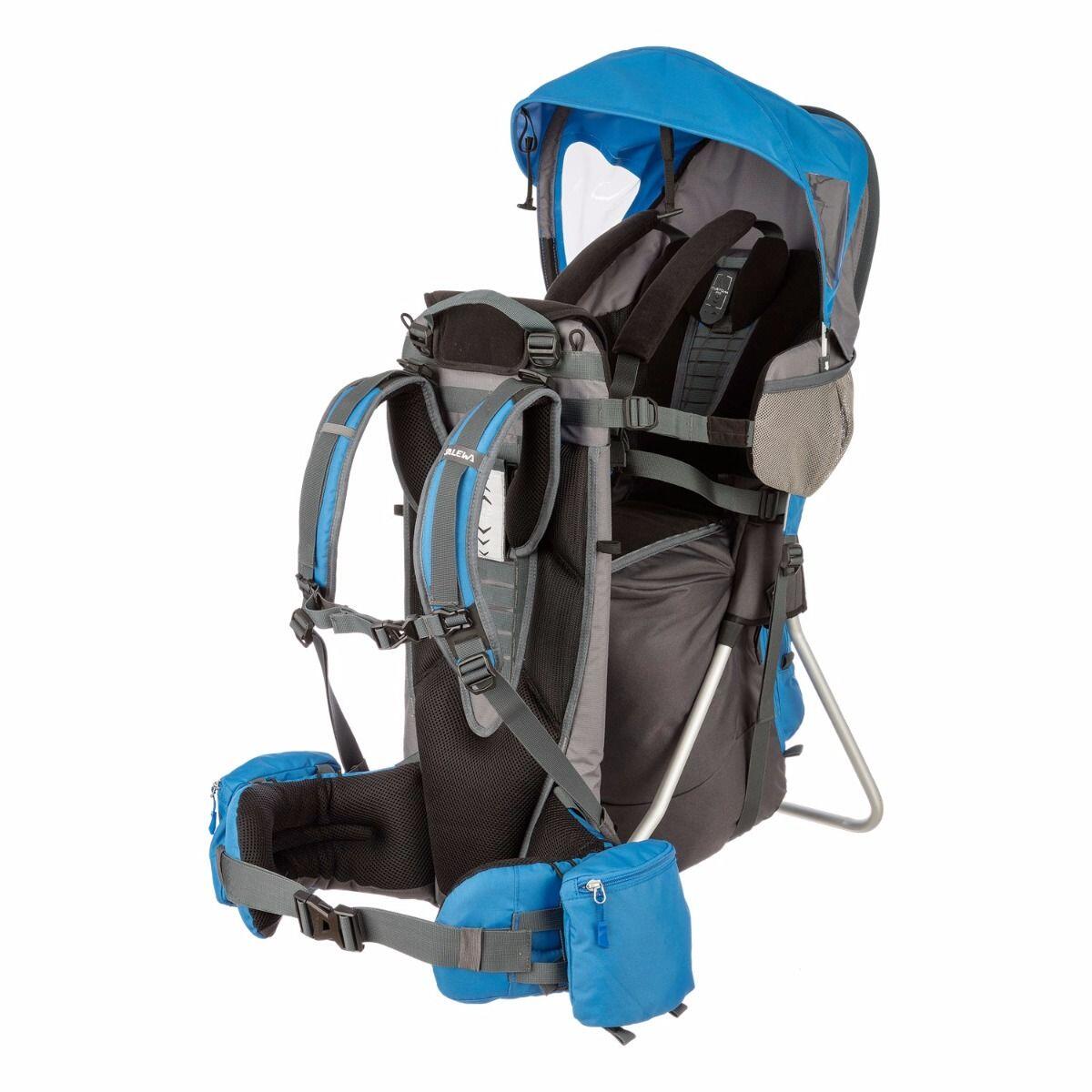
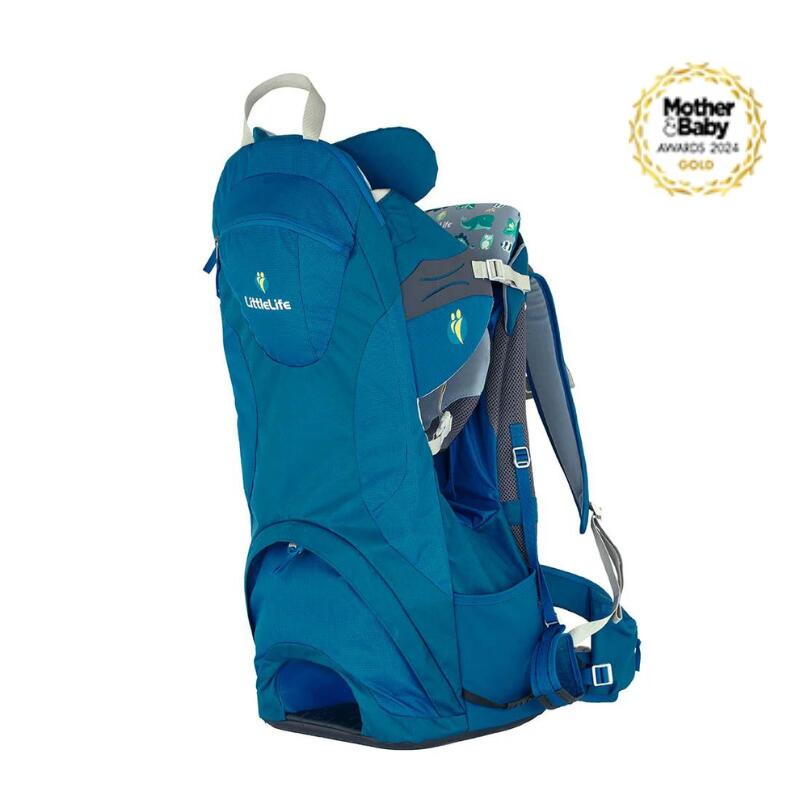
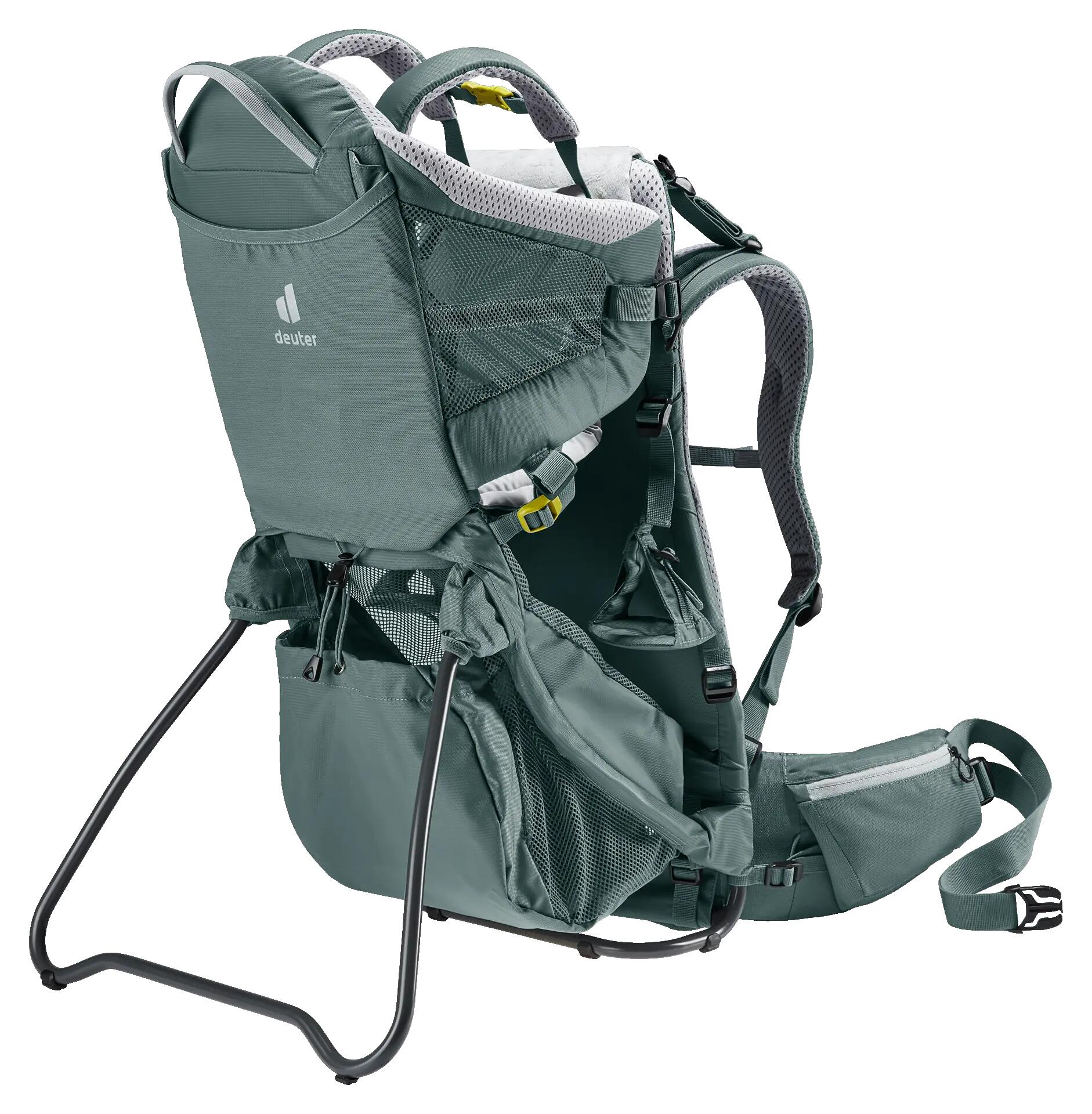
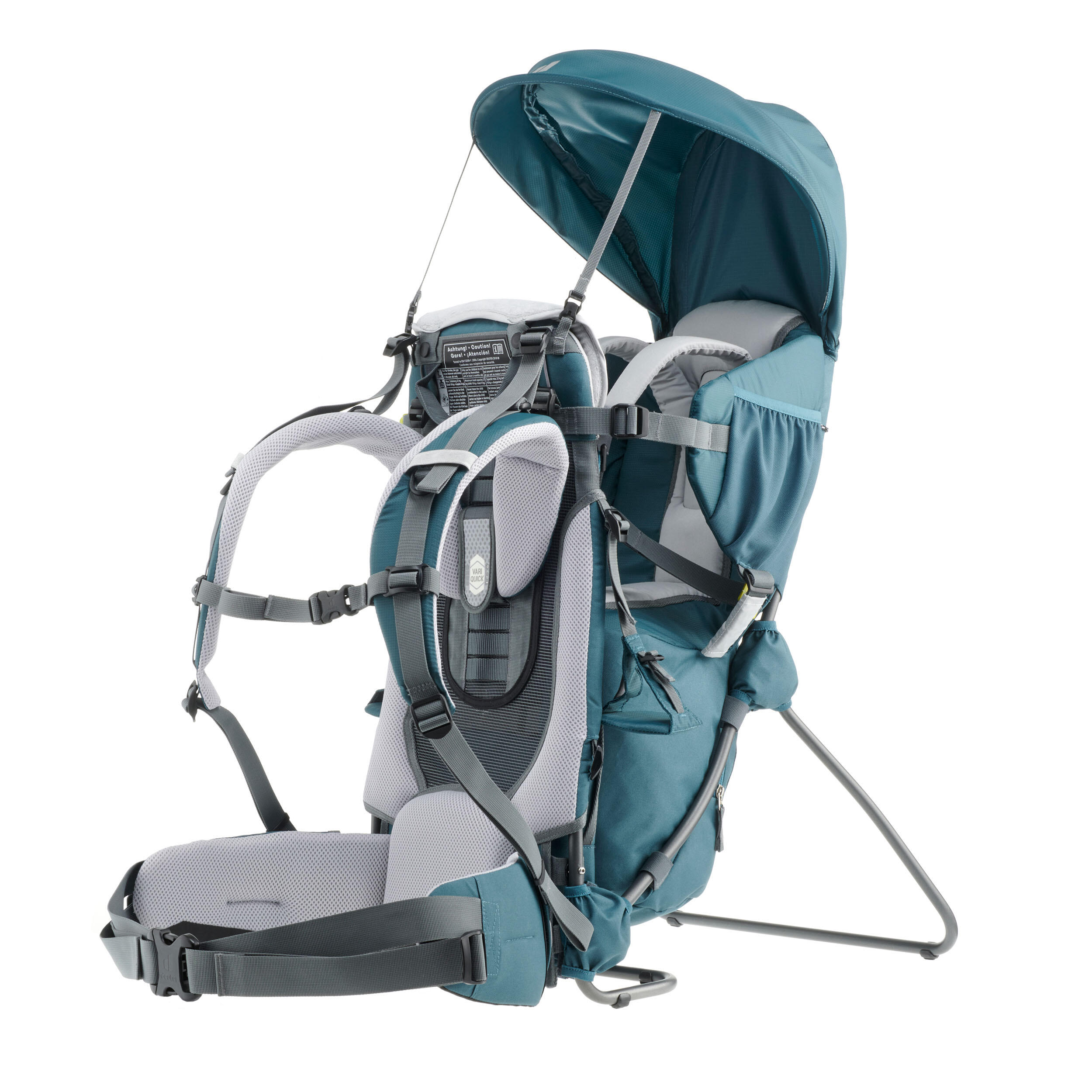
Choosing the right carrier depends on how long you plan to trek and your child’s age. For short walks, lightweight baby carriers are easy to carry and convenient. For longer hikes, it’s better to switch to sturdy backpacks and rucksacks for added support and comfort. These technical models feature adjustable back systems to ensure the centre of gravity remains close to your body, reducing strain on your back. When comparing different baby carriers, look for ventilated mesh panels and integrated sun shades to protect your passenger from the elements. The technical advantage of a framed backpack style is the kickstand feature, which allows for stable loading and unloading on uneven terrain. Expert tip: Ensure the child’s legs are supported in the "M-position" (knees higher than hips) to promote healthy hip development during long hours on the trail. Always check that the safety stirrups are adjusted to the correct height so the child can brace themselves comfortably without dangling.

How to carry a baby while hiking?

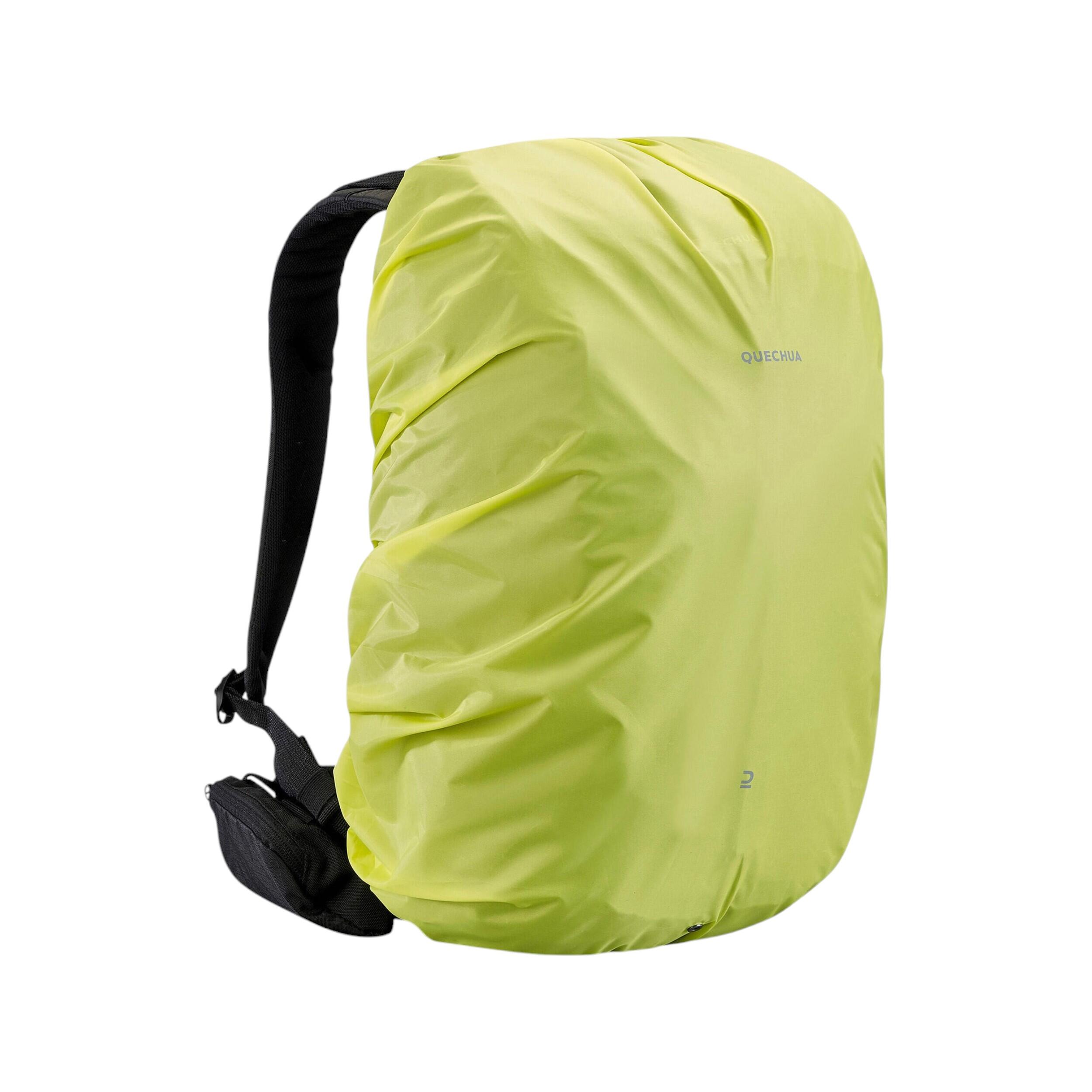
Carrying a child on a trail involves distributing the weight onto your hips rather than your shoulders to prevent premature fatigue. While you might use hiking backpack accessories like rain covers or chest straps for extra stability, the primary support comes from a wide, padded waist belt. Outdoor baby carriers utilize an internal aluminium frame to create a stable cockpit for the passenger while keeping the centre of gravity close to the wearer's back. The technical reason behind this positioning is to minimize the leverage effect that could pull you backward on uneven ground. Small advice: Adjust the torso length of the carrier so the waist belt sits directly on your iliac crest; this ensures that 70% of the child's weight is supported by your skeletal structure rather than your soft muscle tissue.

What is the best backpack carrier for baby hiking?

The ideal choice depends on the duration of your outings and the storage capacity needed for essentials like nappies and snacks. For those planning multi-day adventures, hiking travel bags might hold your main gear while the baby carrier manages the passenger. High-end deuter baby carriers are favored for their Aircomfort back systems, which provide a gap between the wearer and the pack to increase airflow. This technical feature prevents sweat accumulation, keeping the parent cool during high-intensity climbs. Look for models with five-point safety harnesses and stirrups; the stirrups are critical because they prevent the child's legs from dangling, which can lead to "dead leg" or restricted circulation during long sessions.

How do baby carrier backpacks protect against weather?

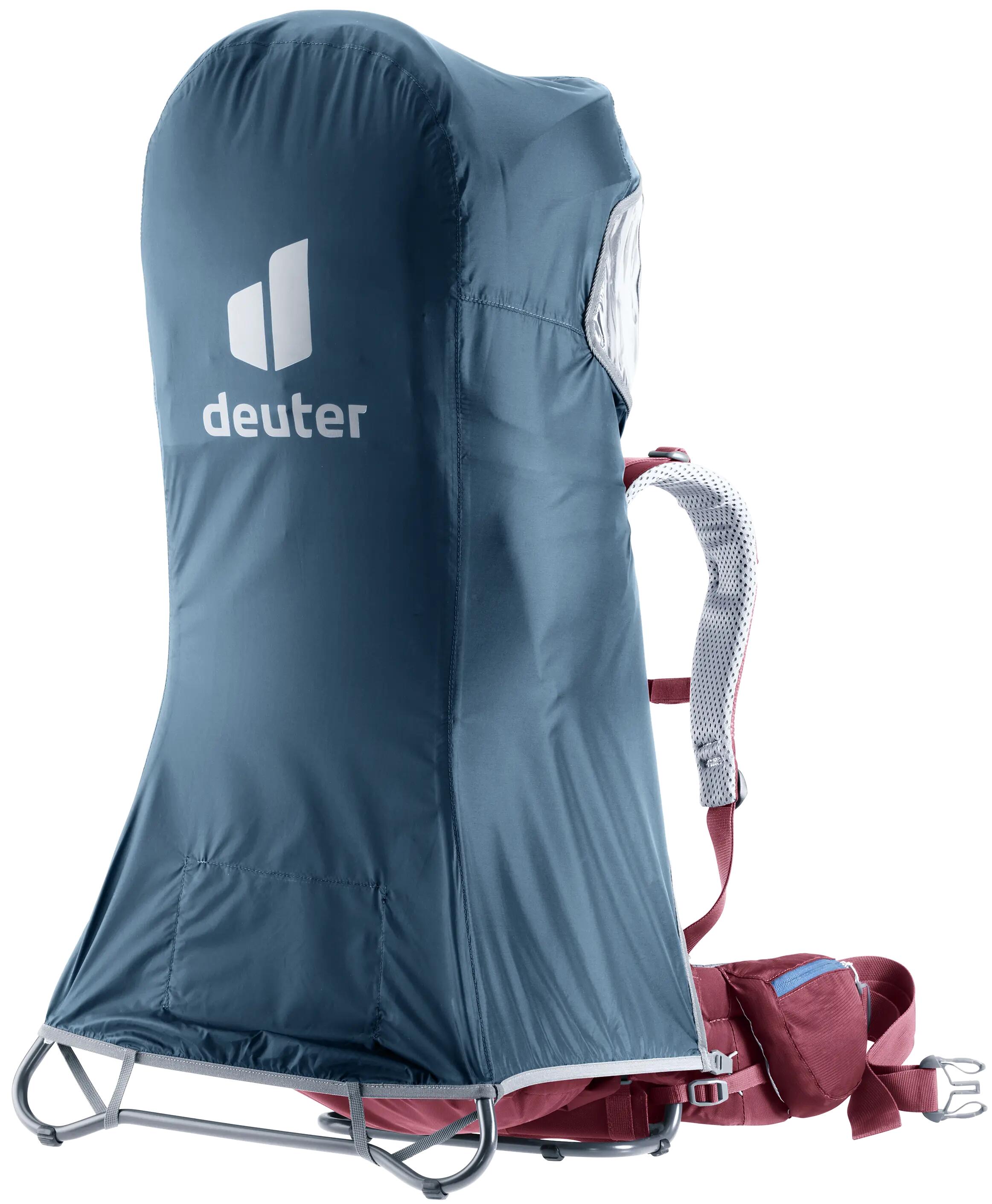
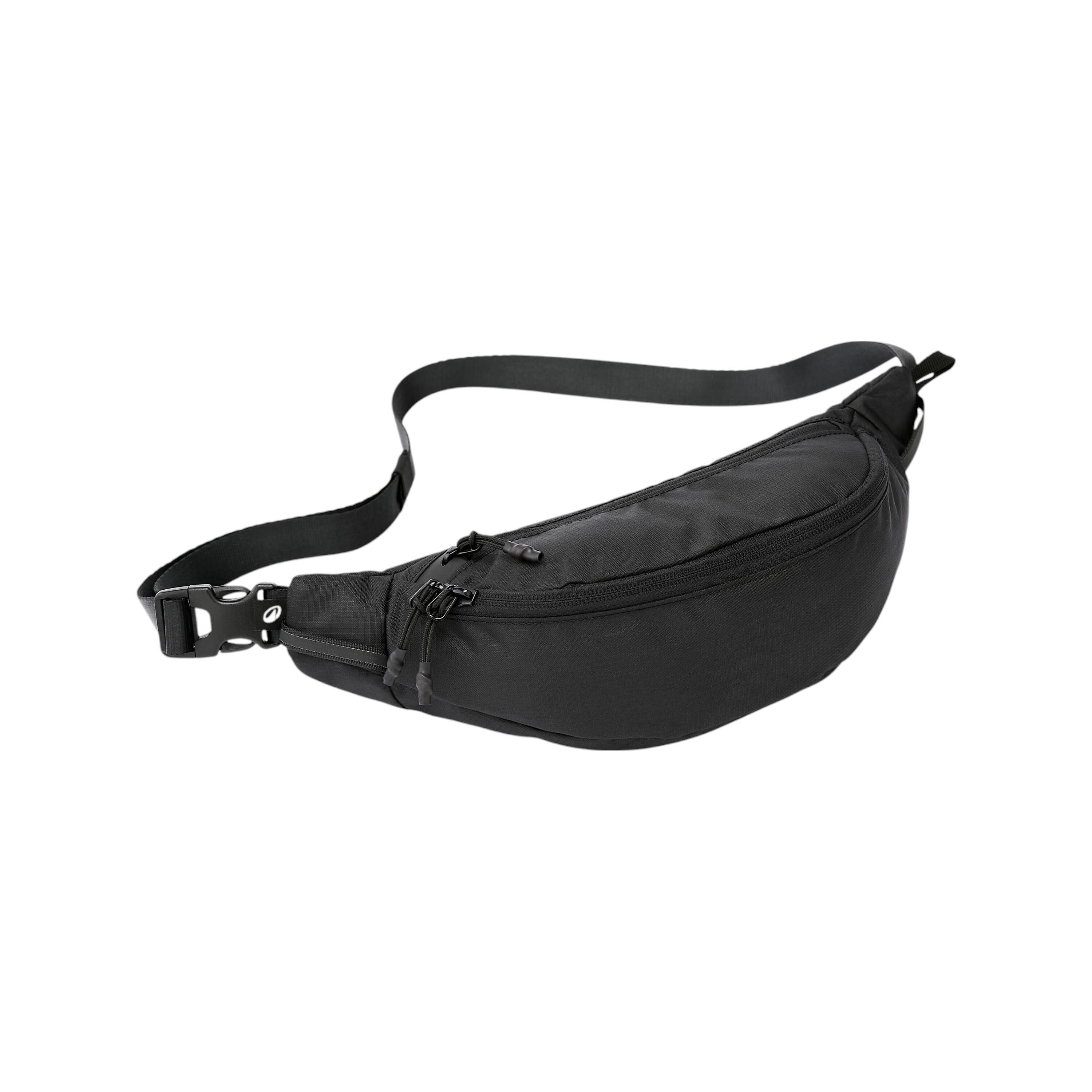
Protecting your little one in the mountains involves managing both UV exposure and sudden temperature drops. Many baby carrier backpacks feature integrated or detachable sunshades with high UPF ratings to shield sensitive skin. While you might keep small items like keys or a phone in hiking bum bags for quick access, the carrier itself should have space for a full rain cover that shields both the child and the pack's fabric. The technical reason for using water-repellent synthetic fabrics is to ensure the carrier doesn't gain weight by absorbing moisture during a downpour. Expert advice : Since a child in a carrier is stationary, they will feel the cold much faster than the person walking; always dress them in one extra layer of fleece or wool than you are wearing yourself to compensate for their lack of movement.

Why choose lightweight baby carriers for shorter walks?

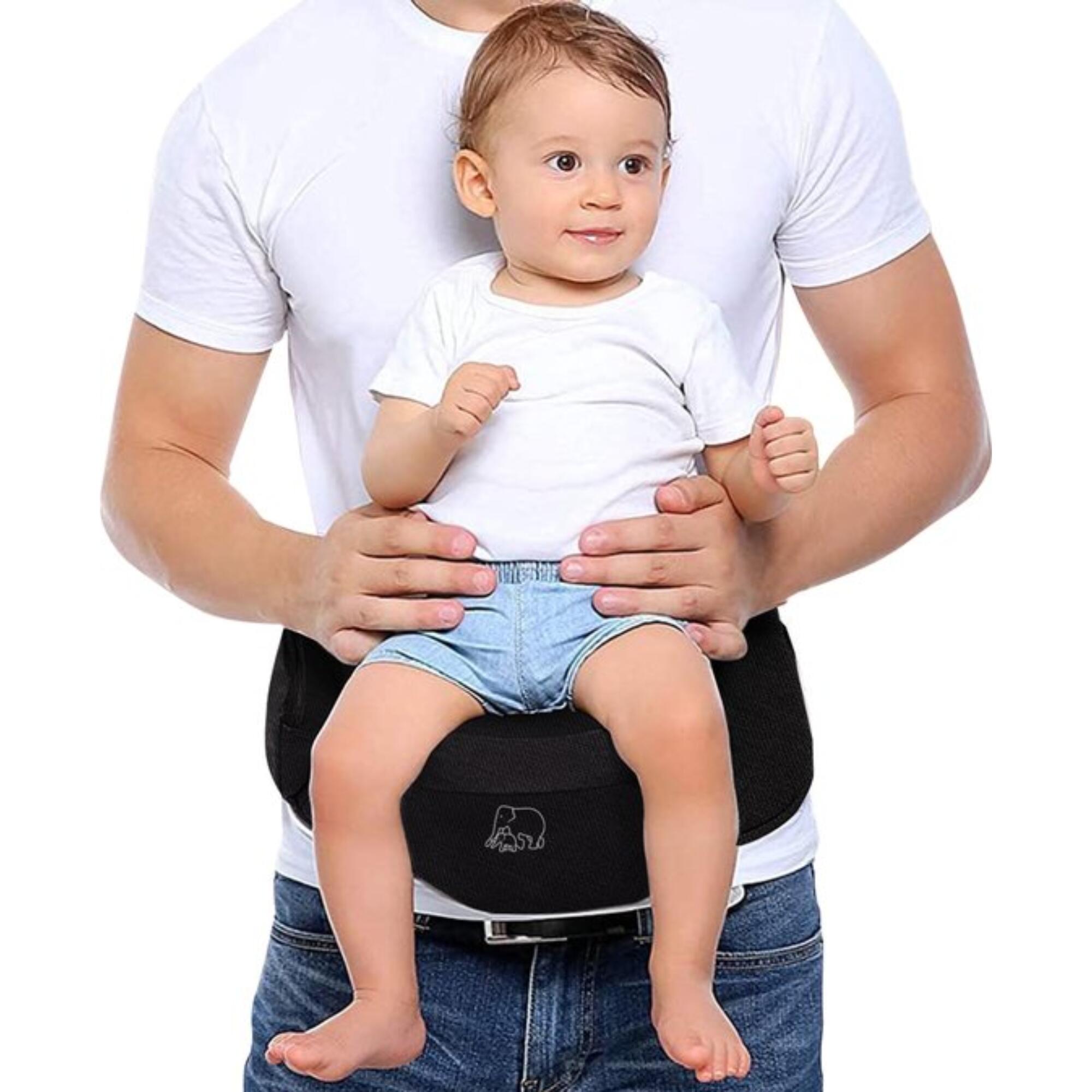
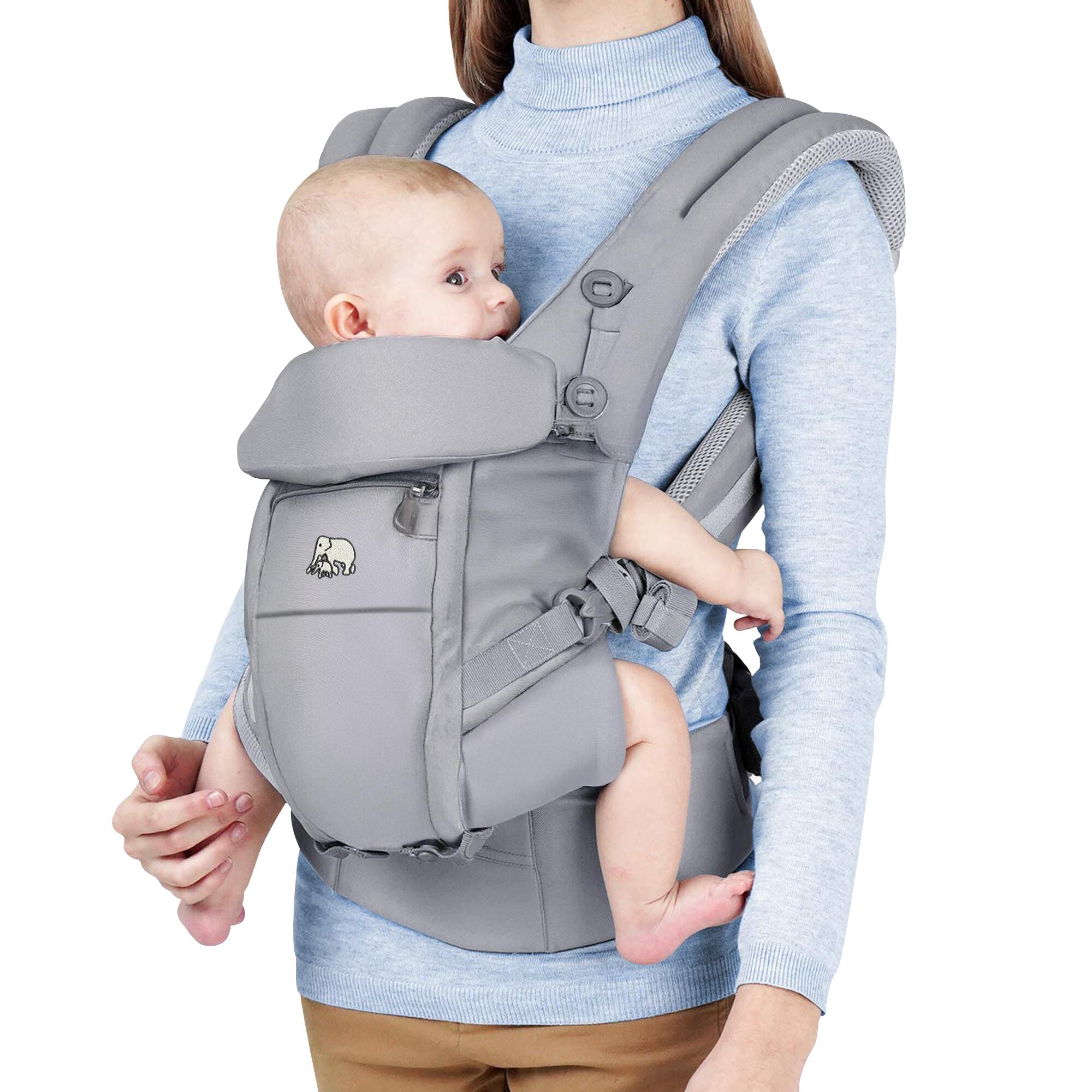
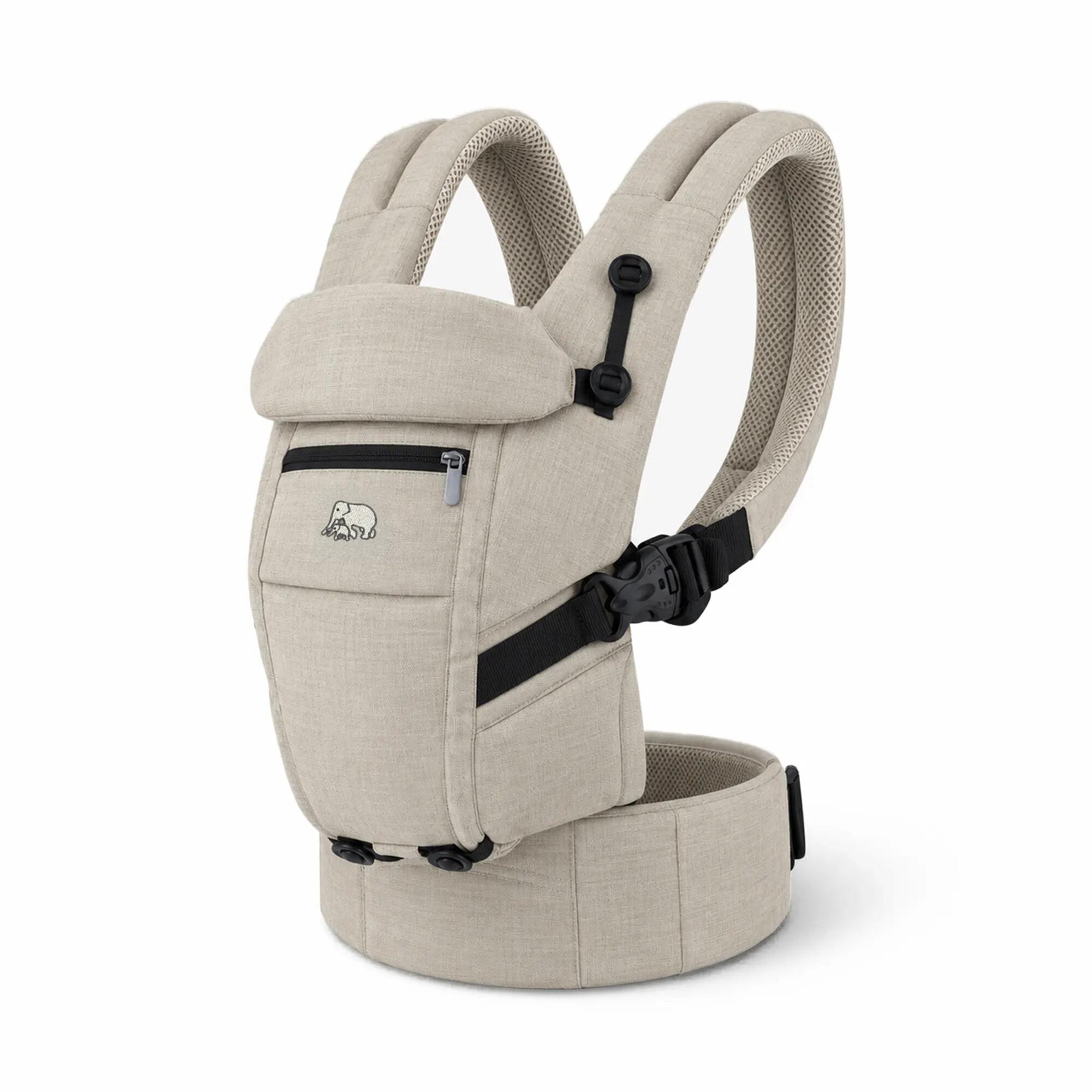
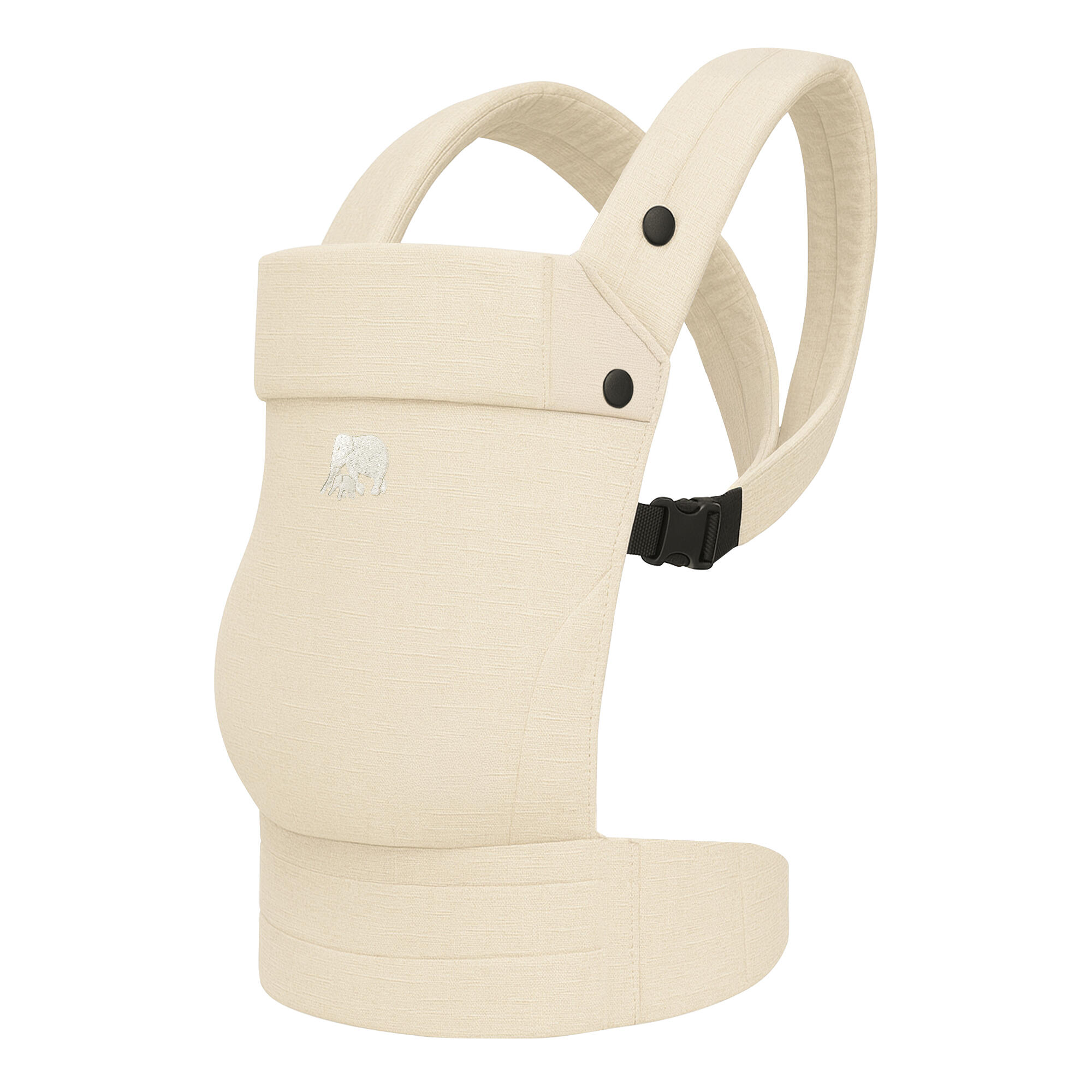
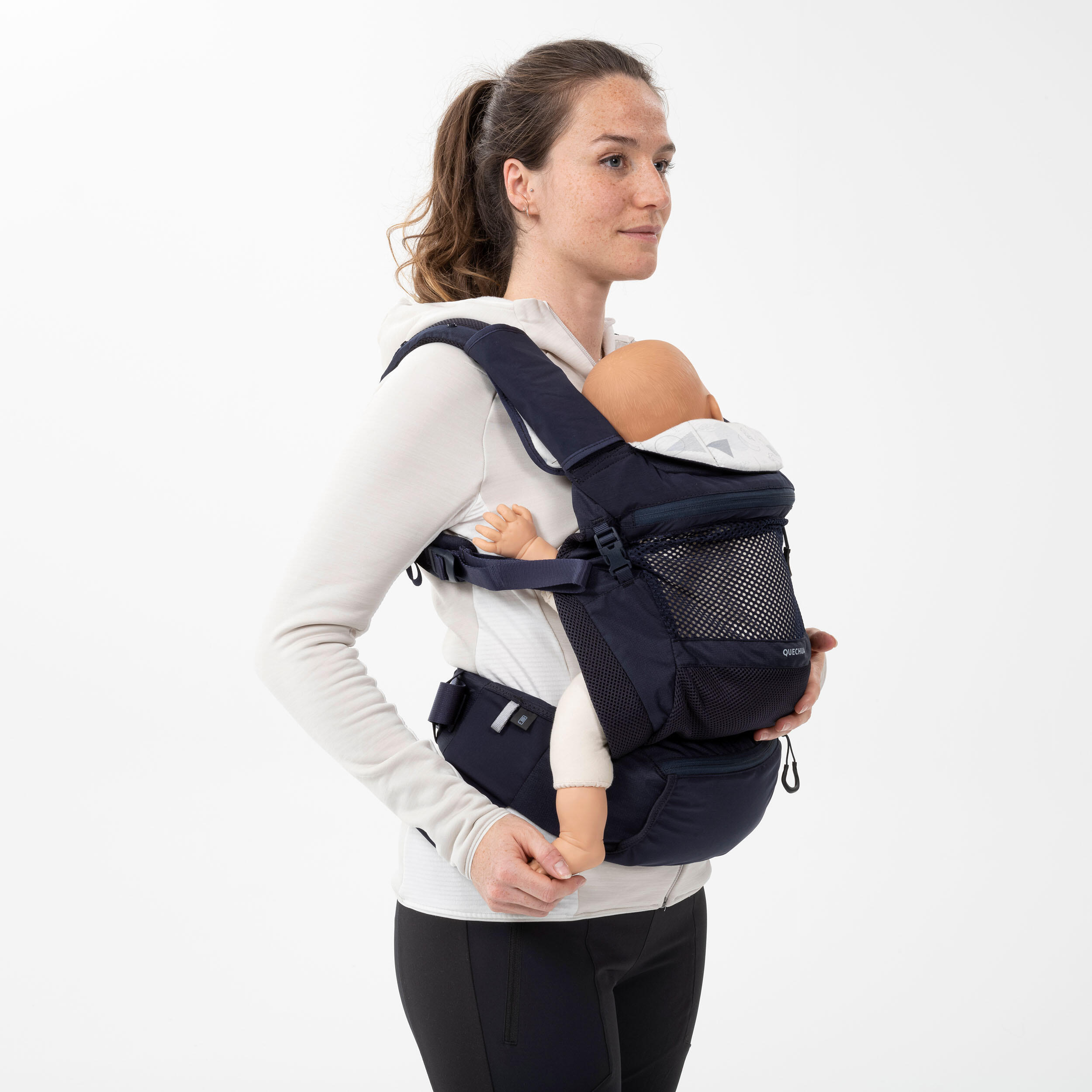
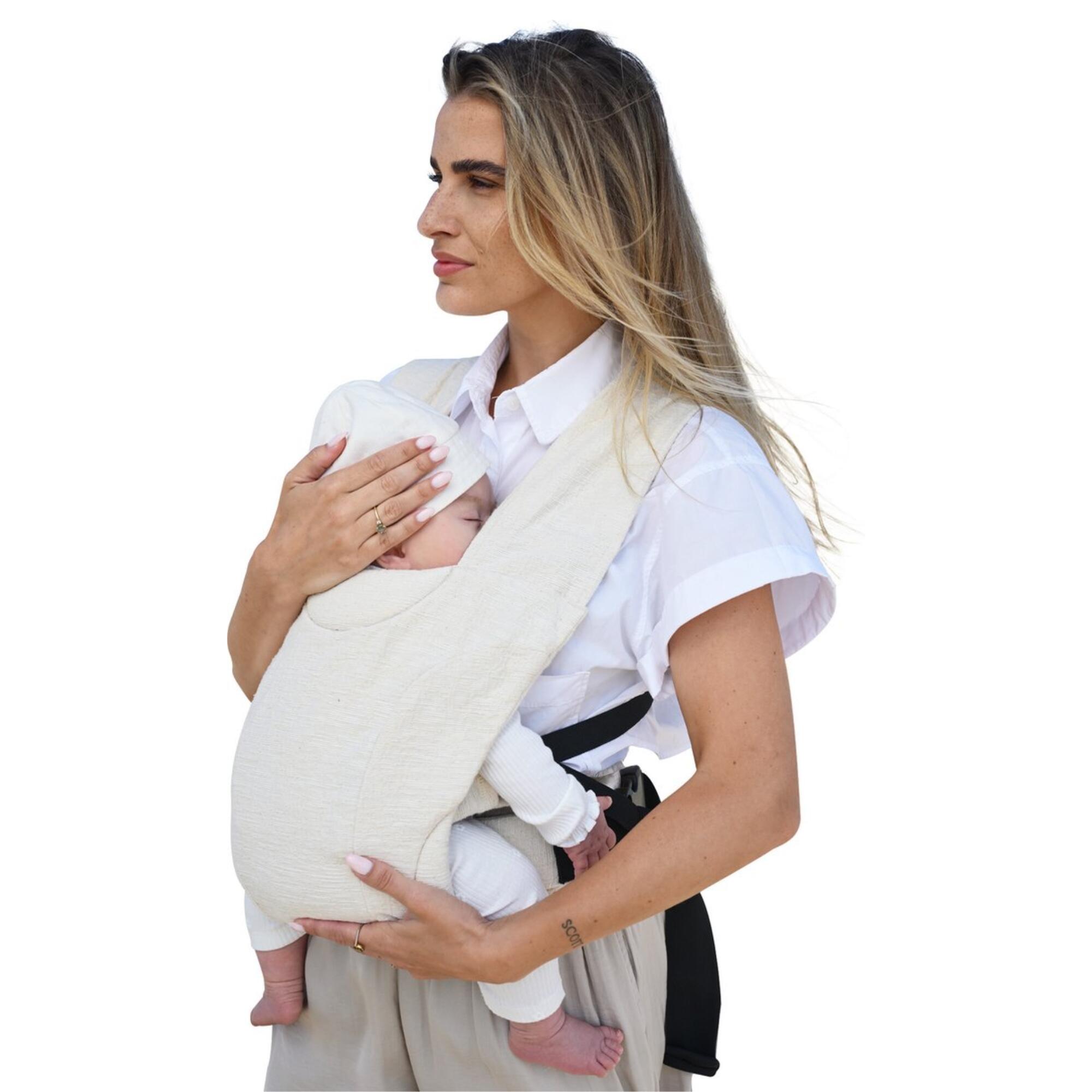
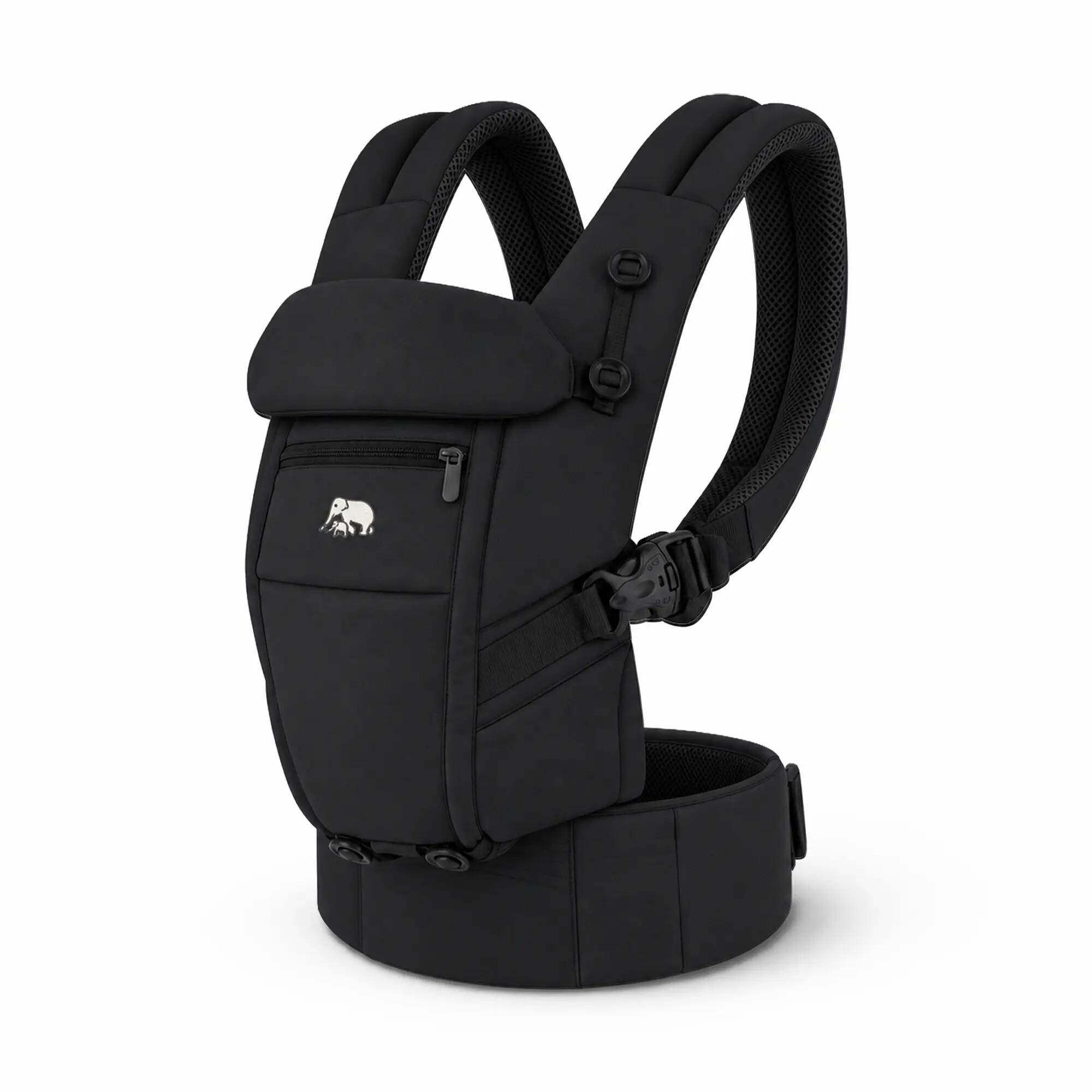
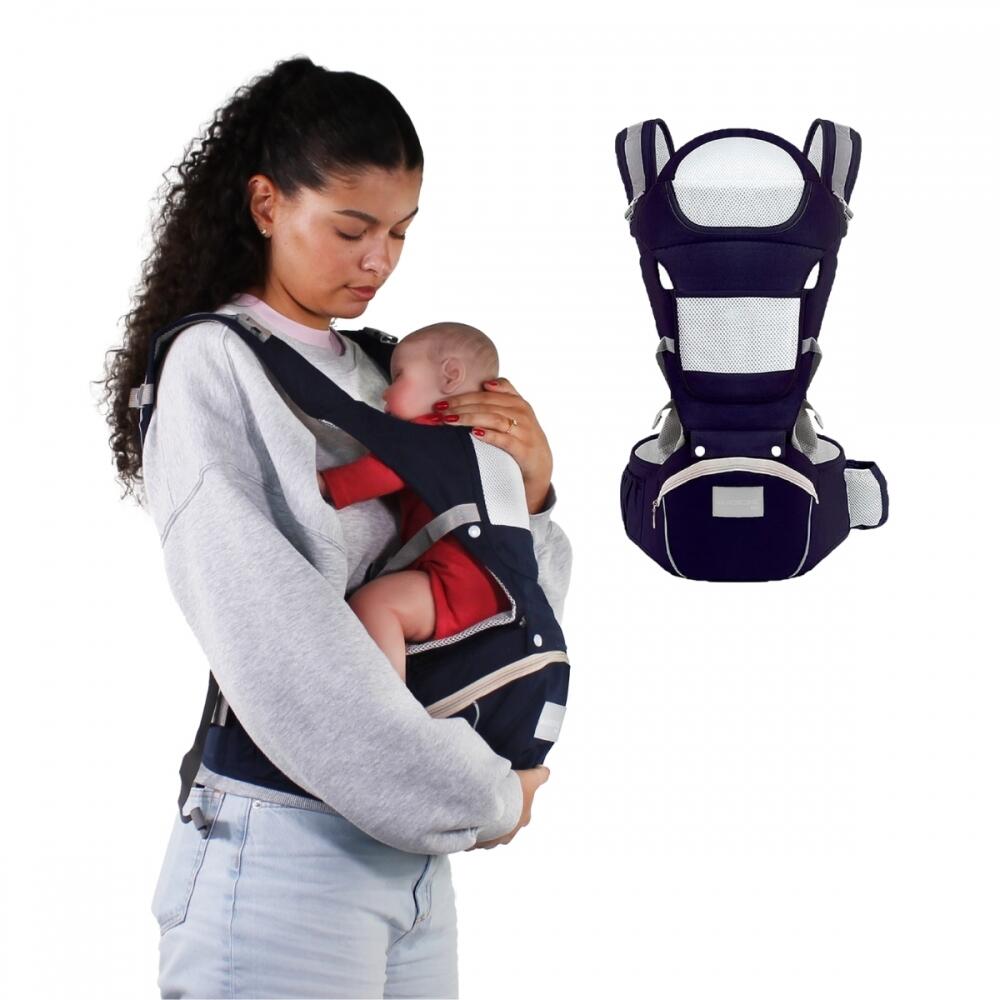
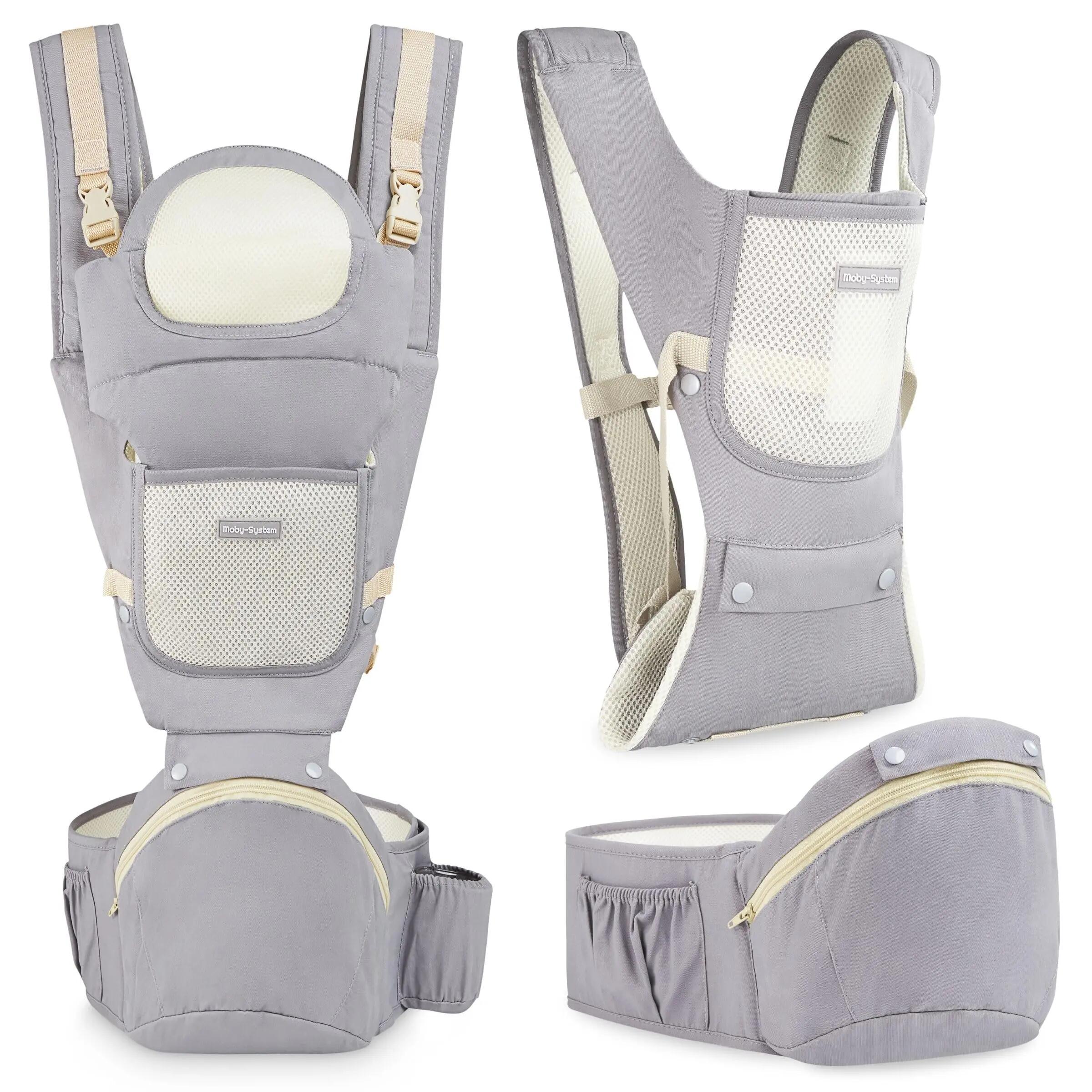
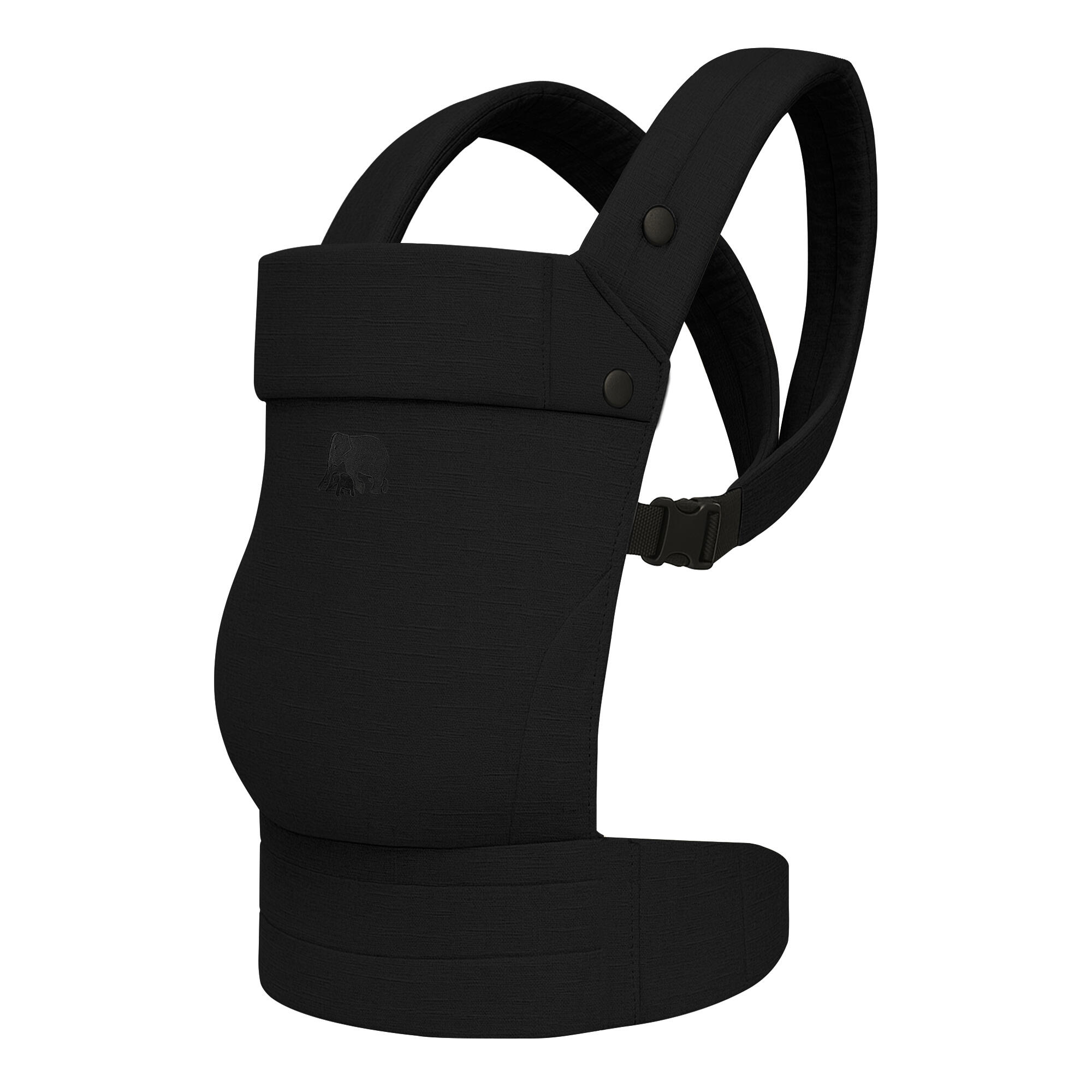
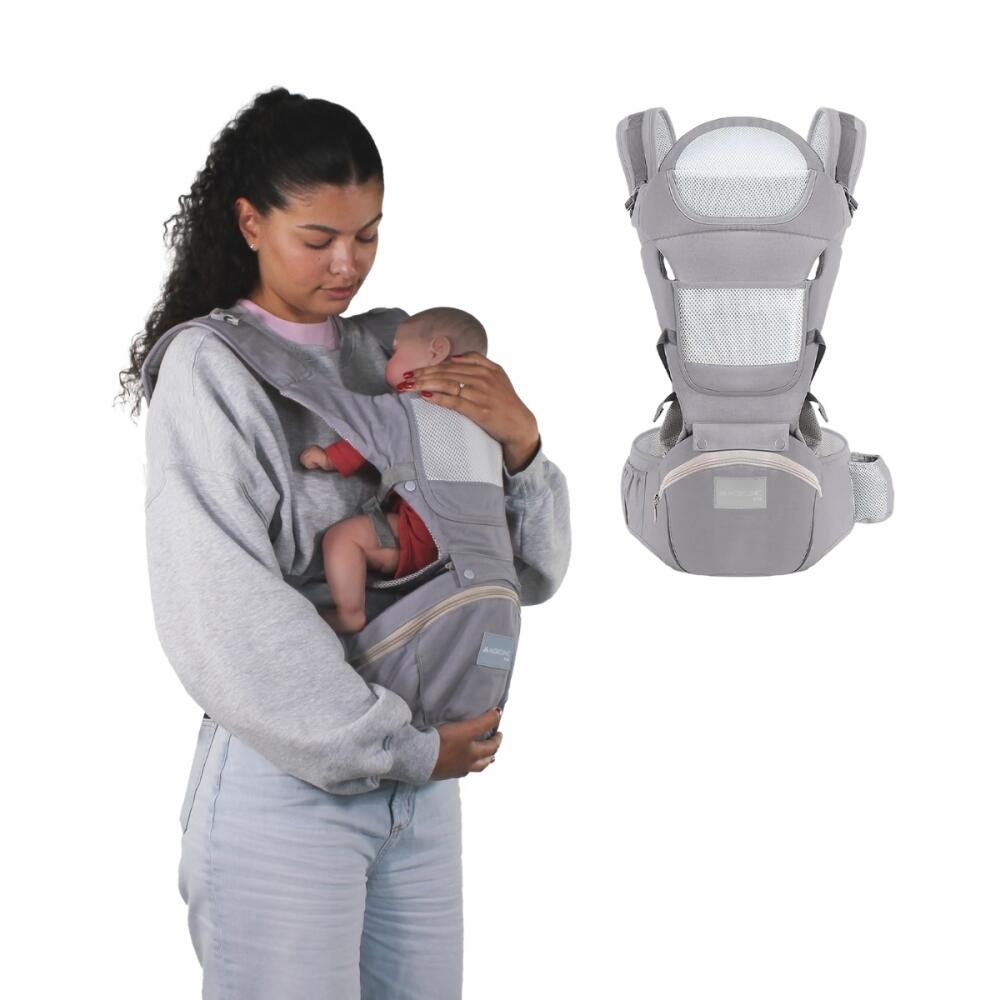
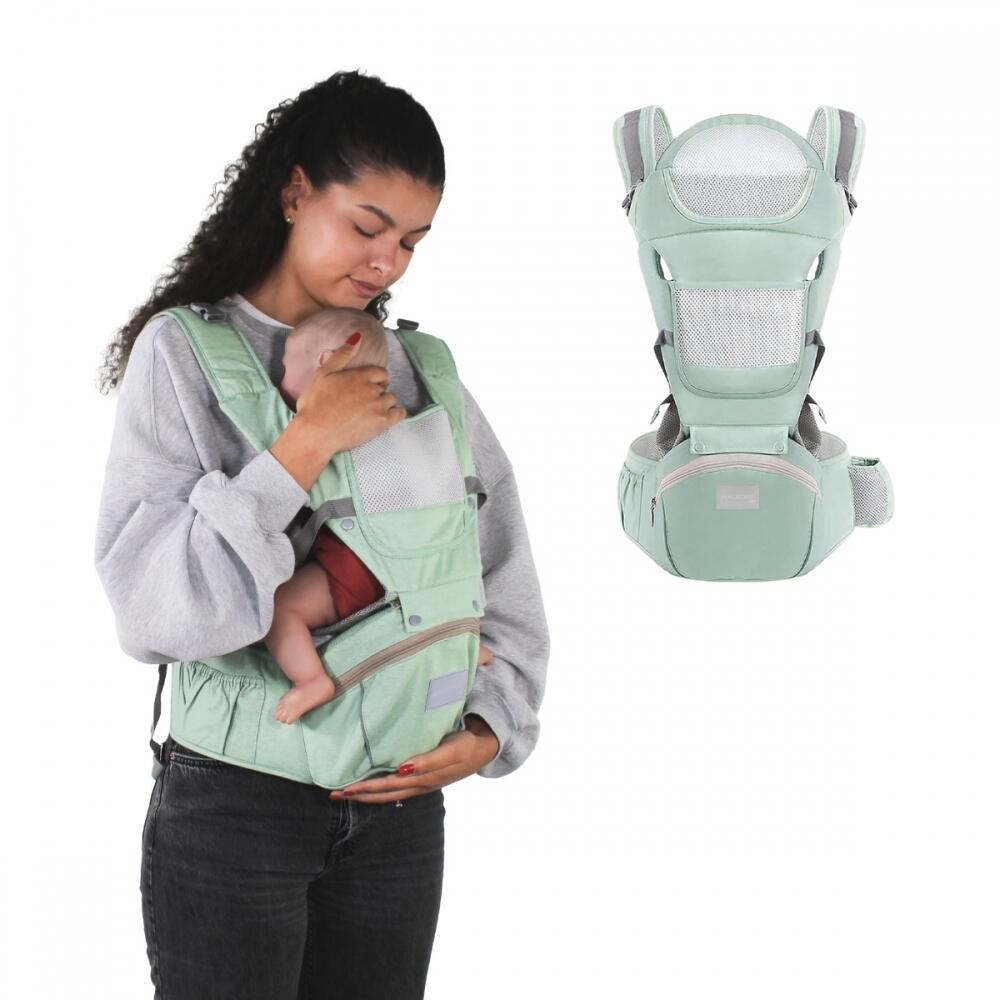
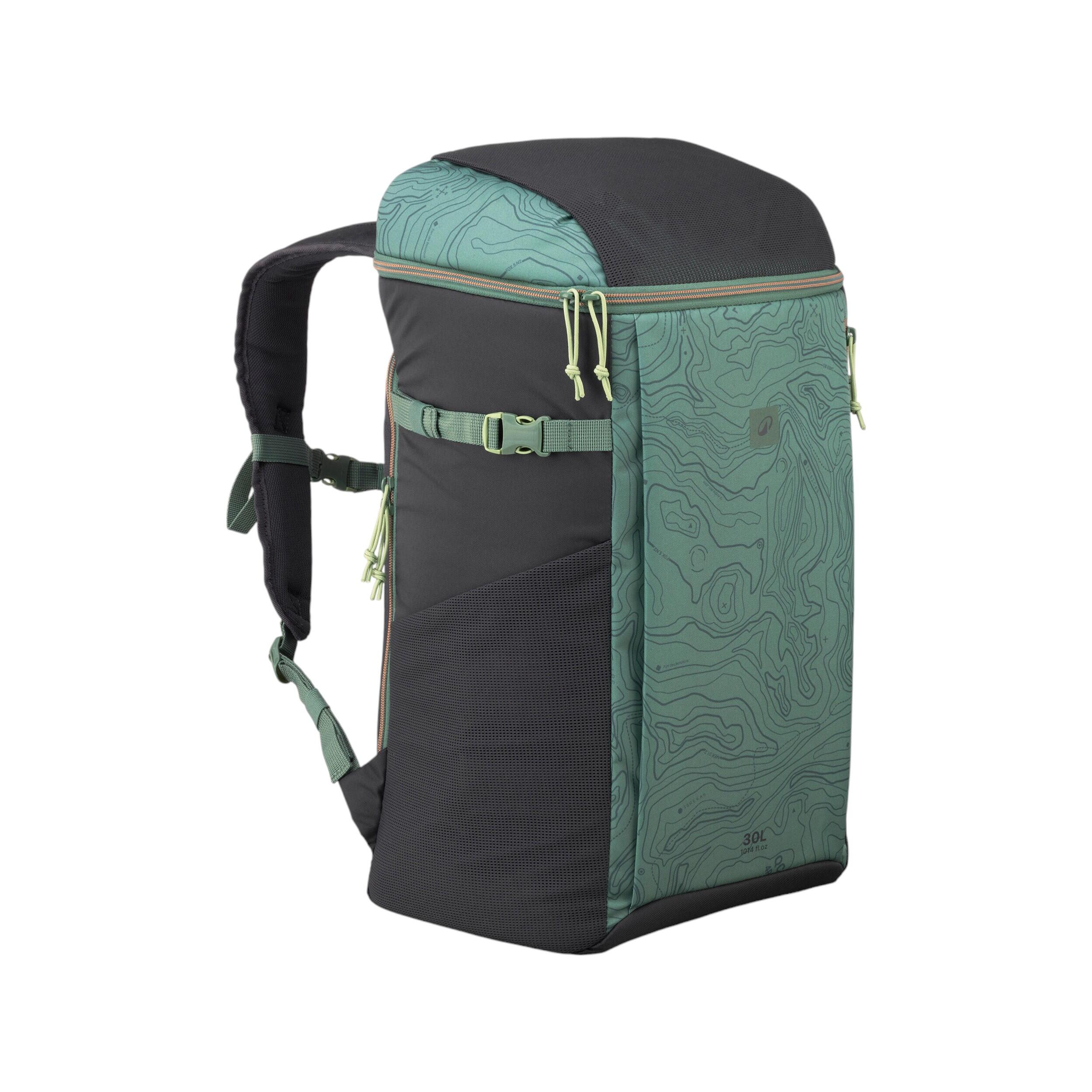
For casual strolls on flat terrain or short forest loops, a bulky frame may be unnecessary. Lightweight baby carriers offer a compact alternative that can be folded into a small pouch once the child wants to walk. Families planning picnics or day trips often pair their essentials with practical cooler backpacks to keep snacks and drinks fresh while keeping their hands free. These models rely on high-strength nylon webbing and ergonomic fabric seats to provide support without the 2kg to 3kg base weight of a framed backpack. The technical focus here is on portability and ease of storage in a car boot or overhead locker. Smart tip: Even with a lightweight model, ensure the seat is wide enough to support the baby's legs in the "M-position," where the knees are slightly higher than the bottom; this ergonomic stance is vital for healthy hip joint development during the first few years of growth.