790 items
4.5/5 based on 190578 reviews collected online and in stores

HIKING & TREKKING BOTTLES FAQS

How do I choose between plastic, aluminium, and stainless steel hiking bottles?

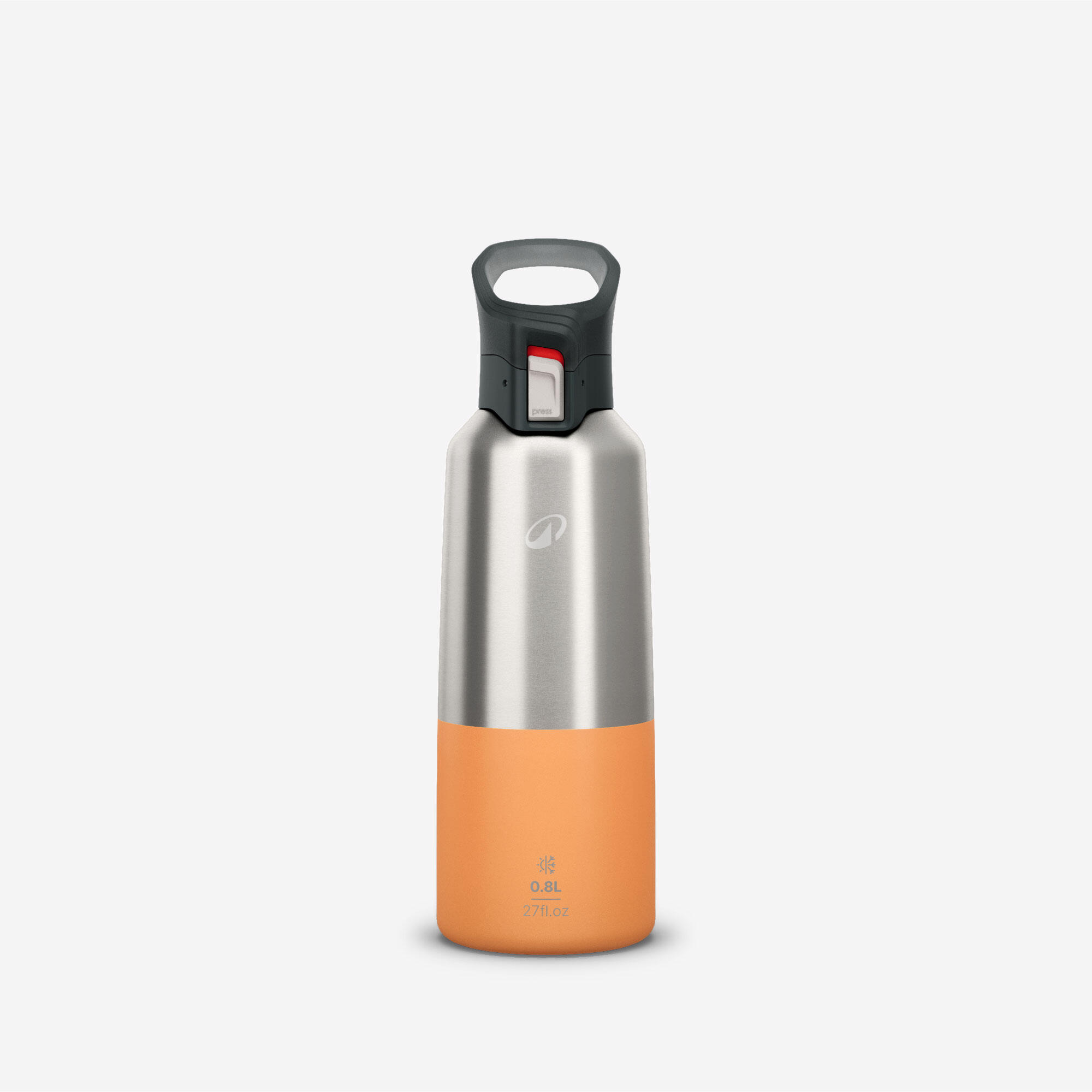
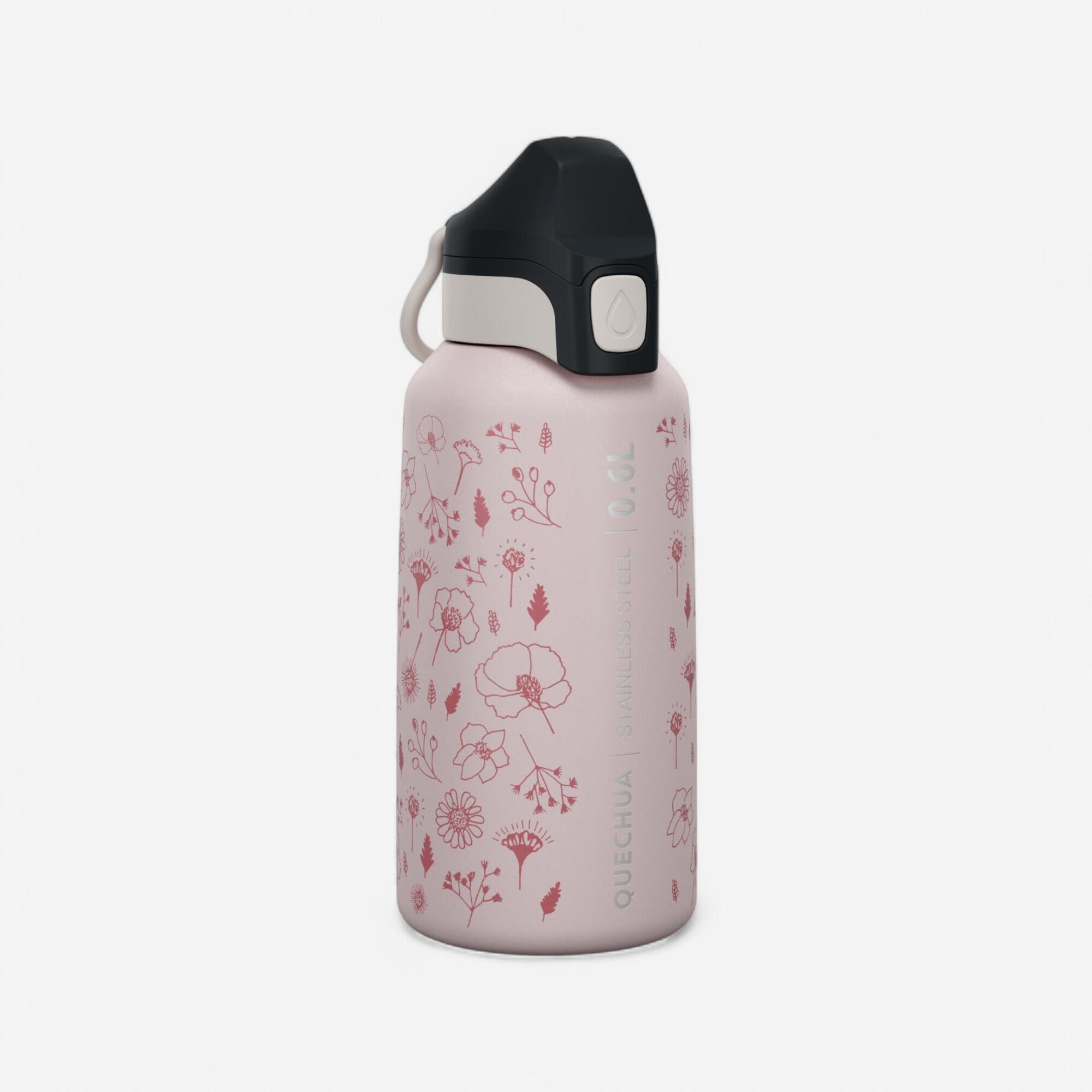
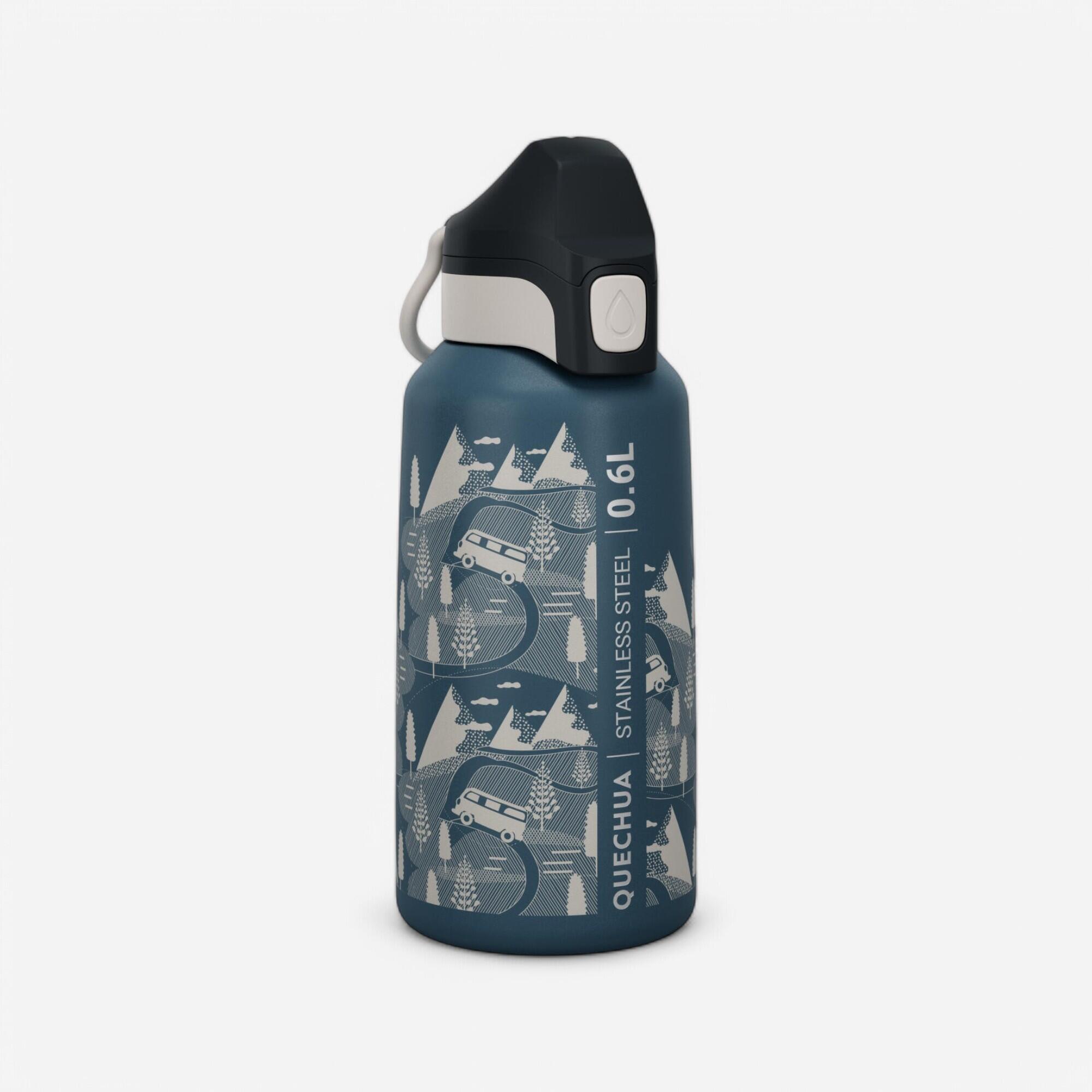
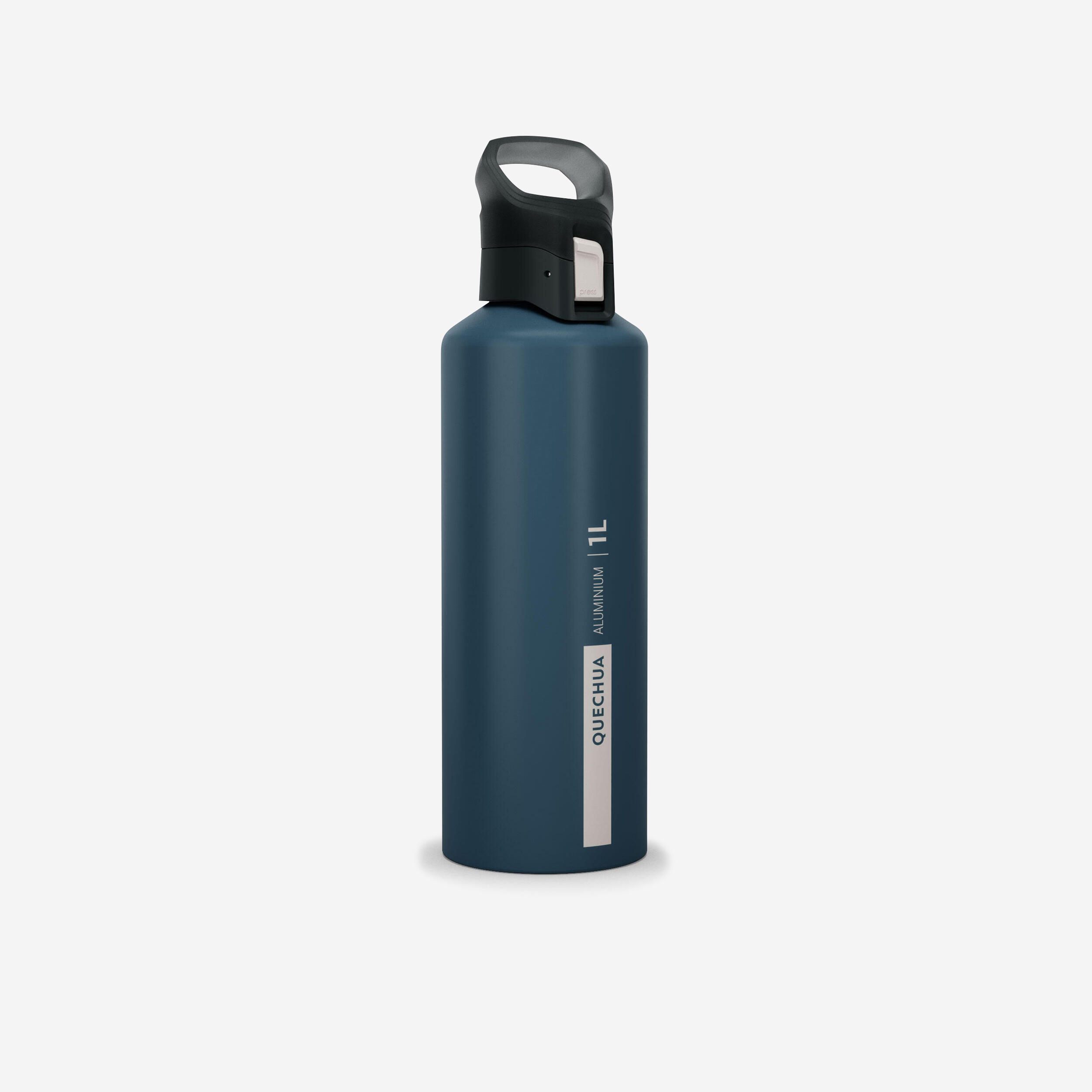
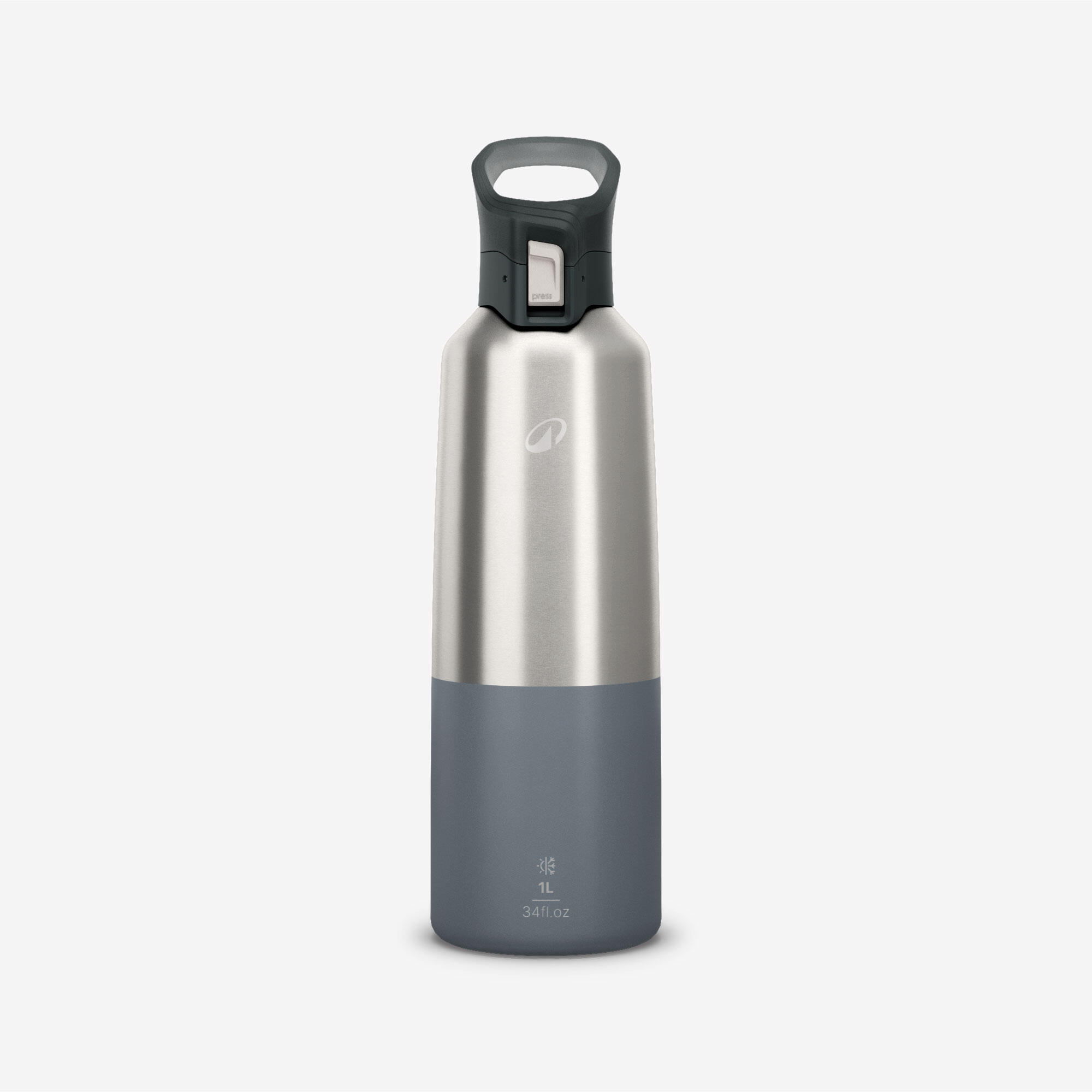
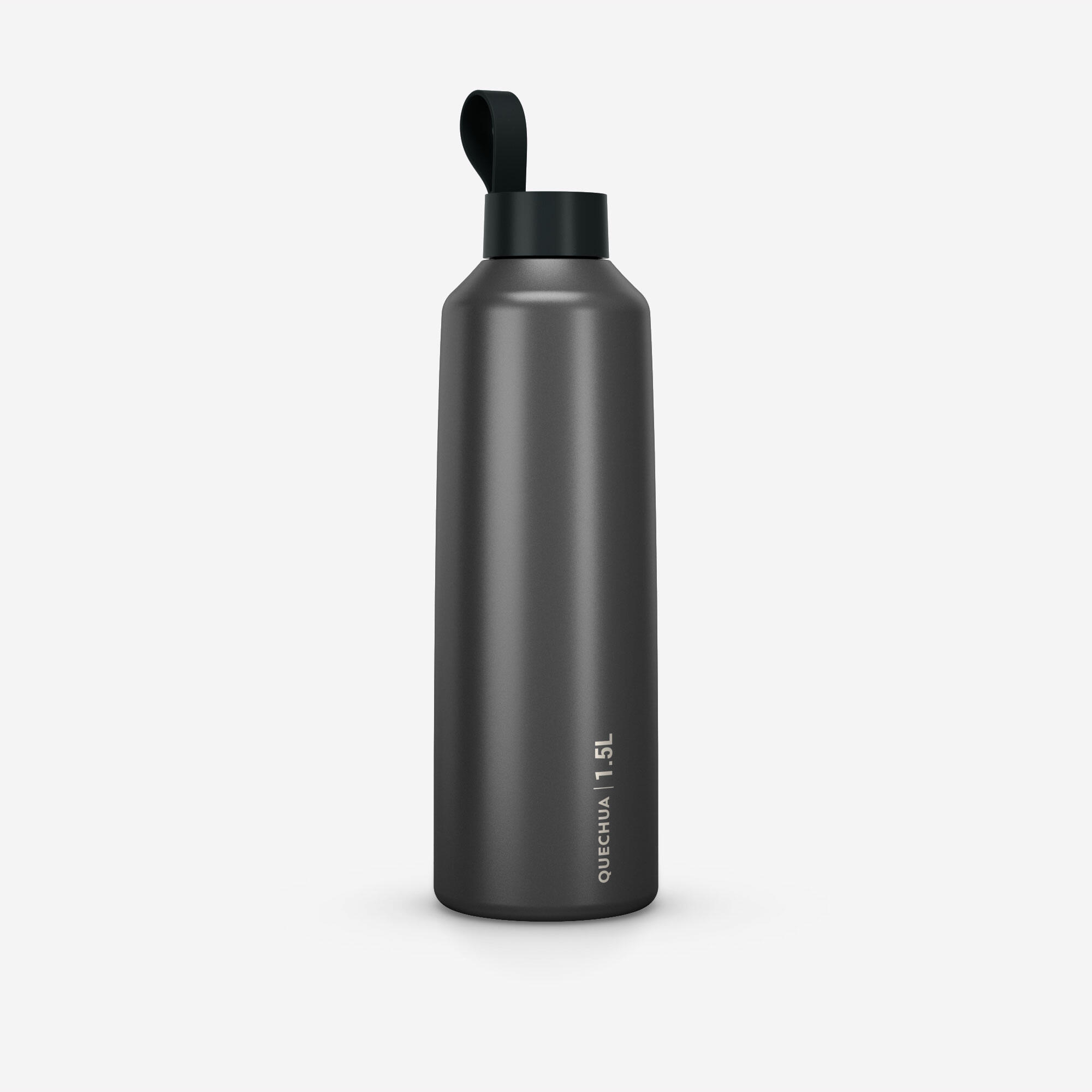
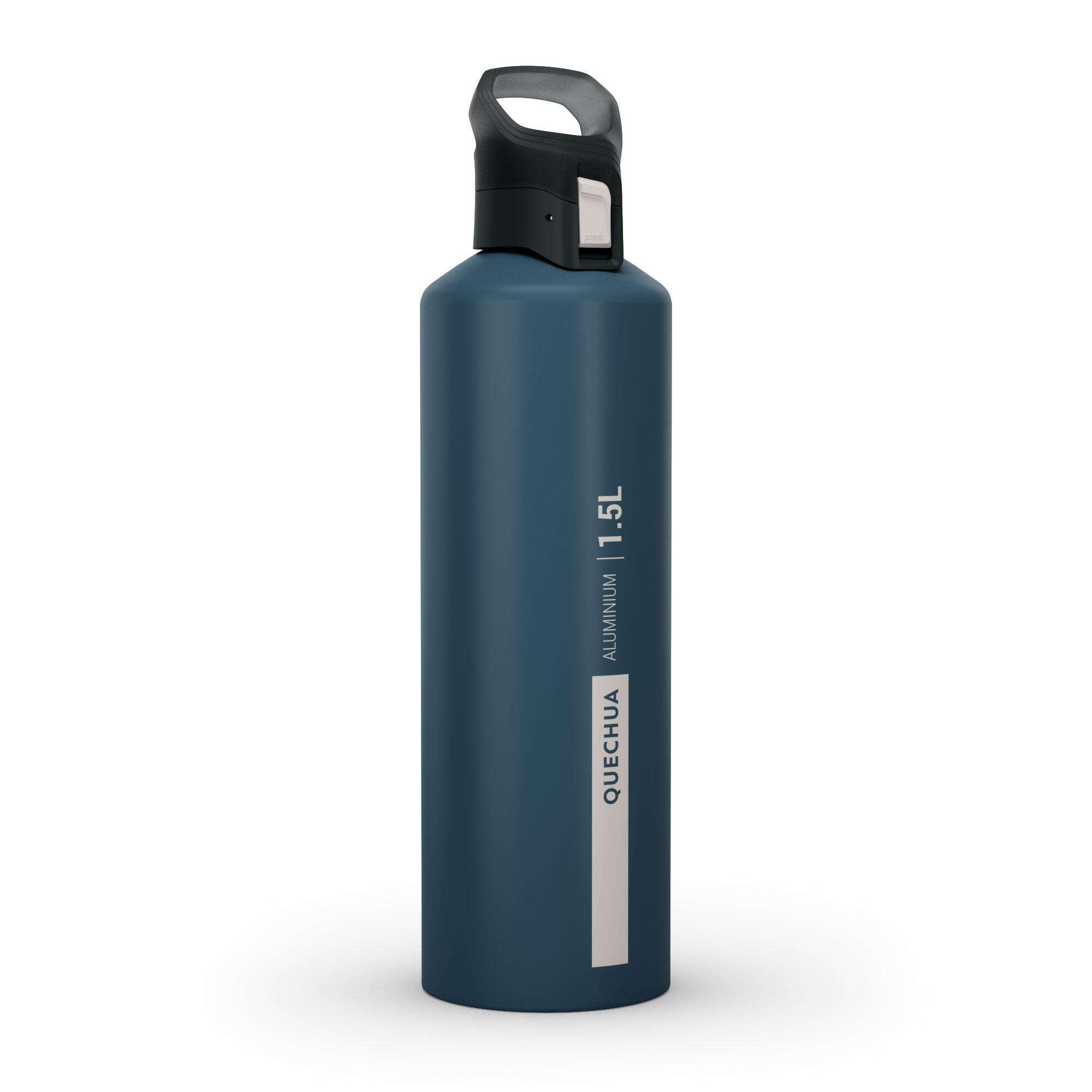
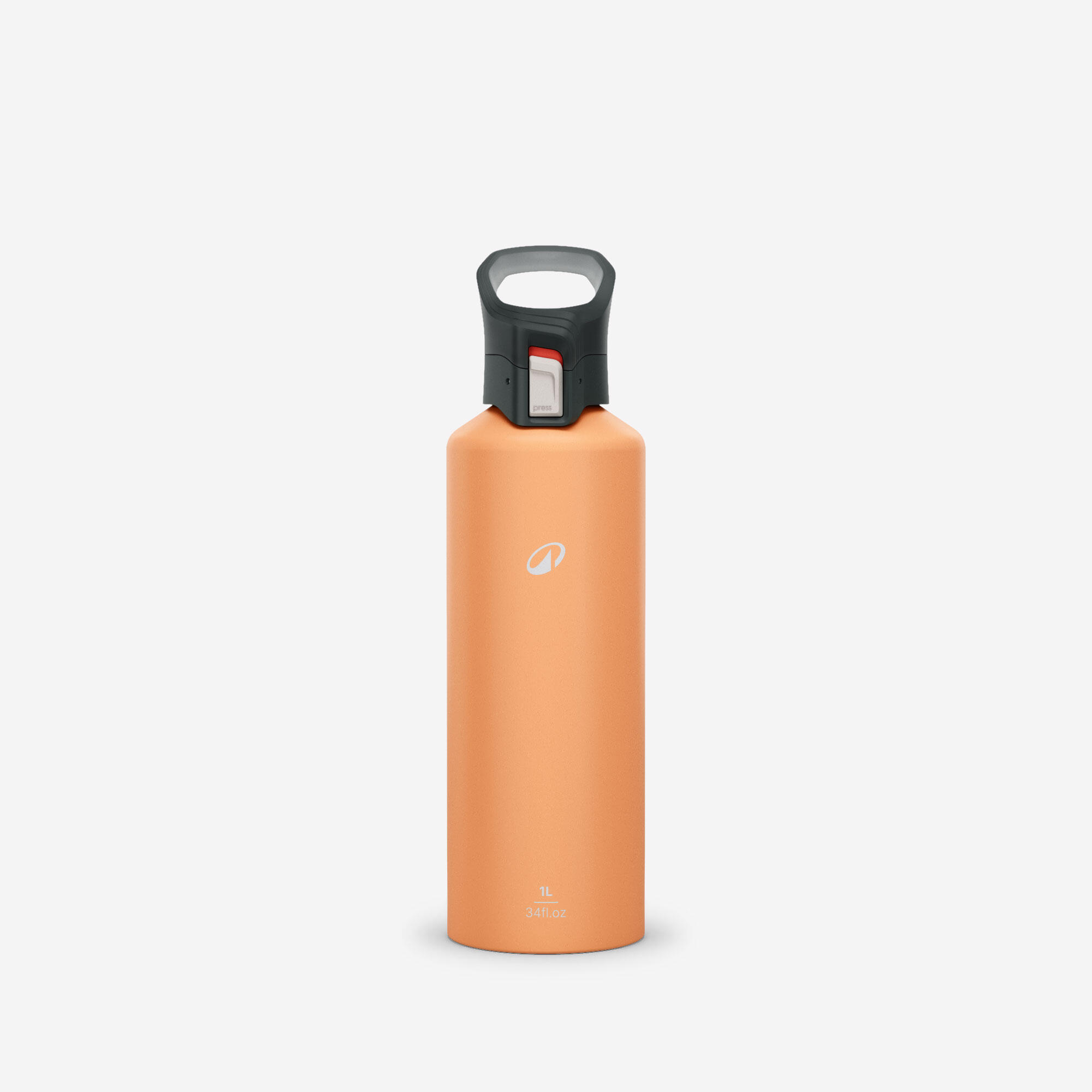
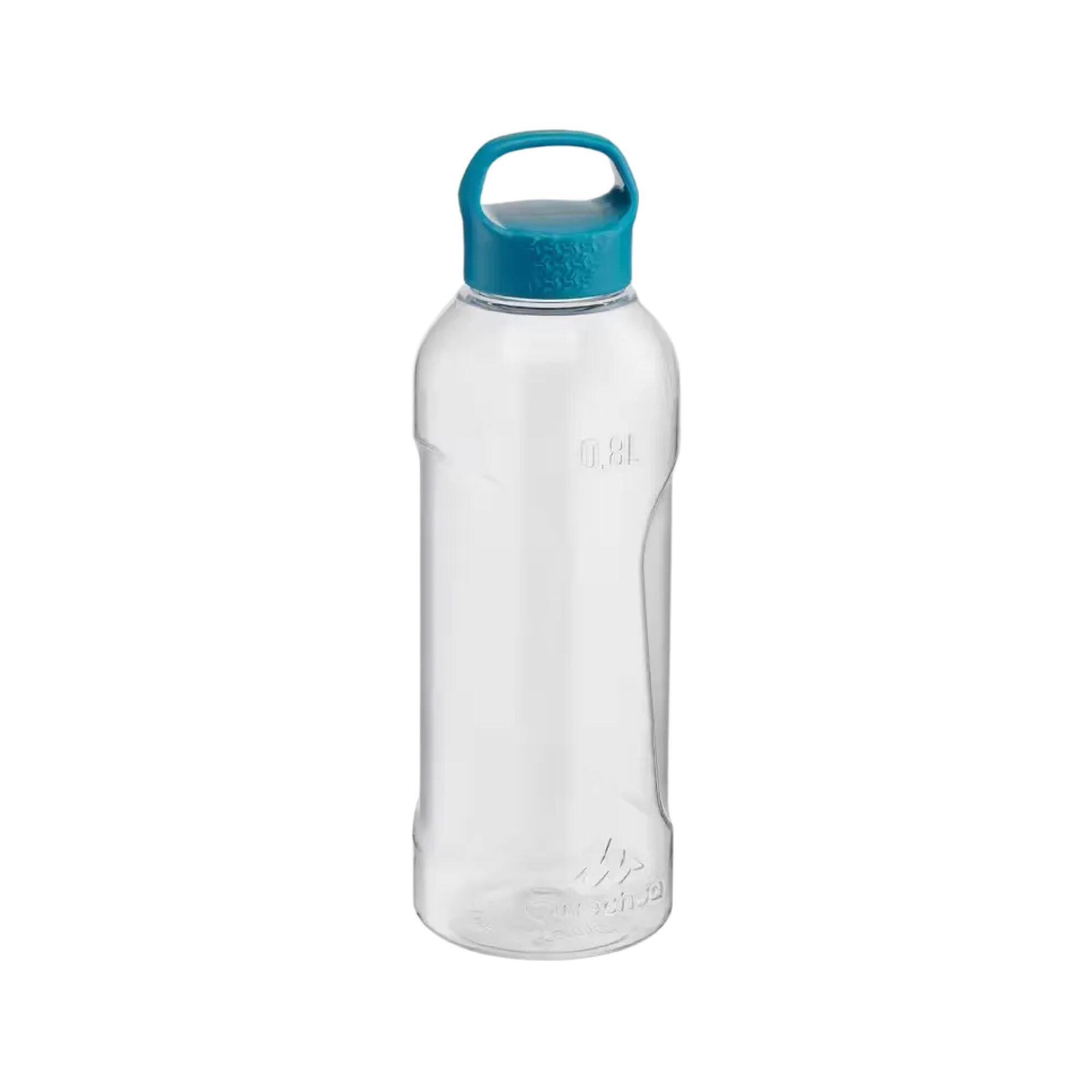
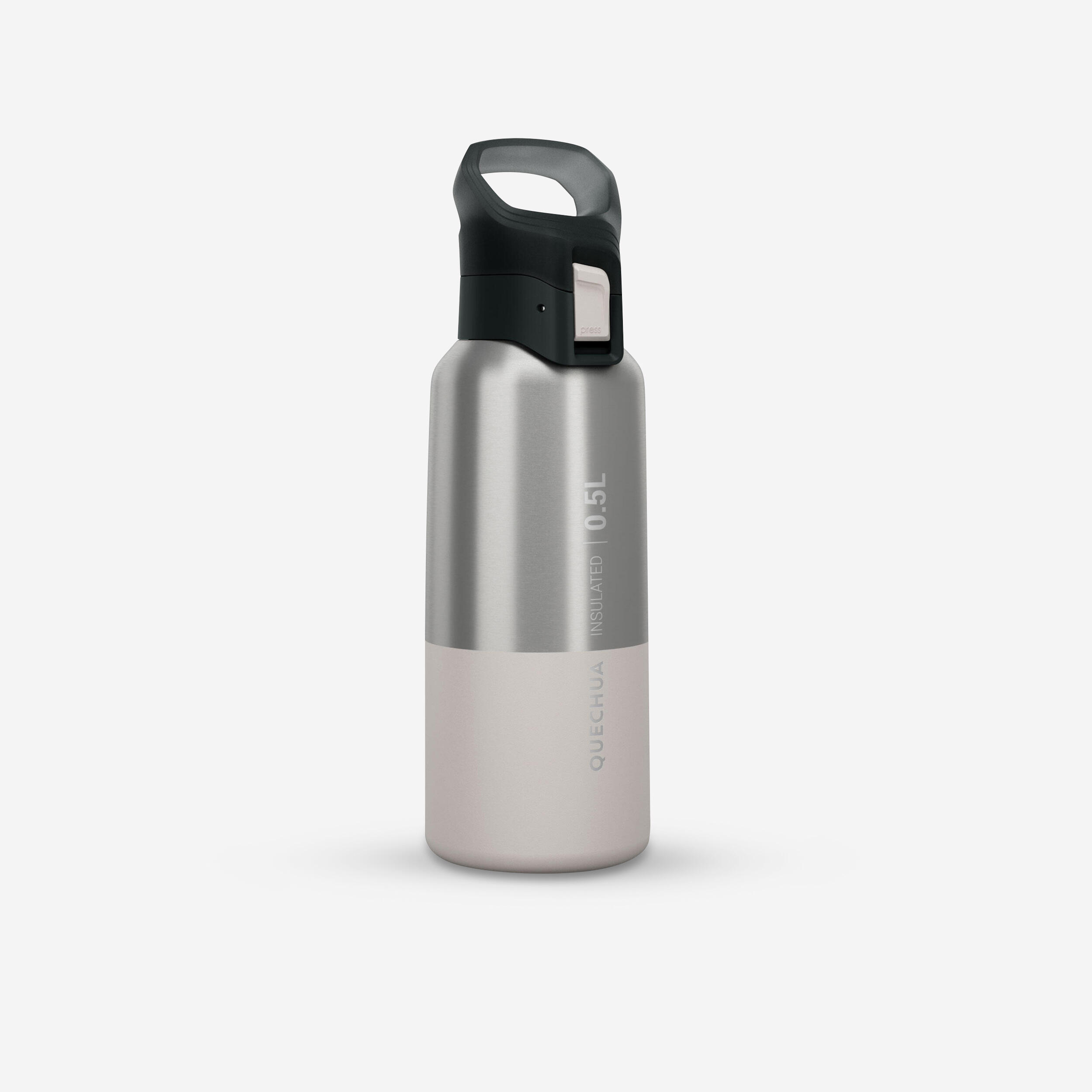
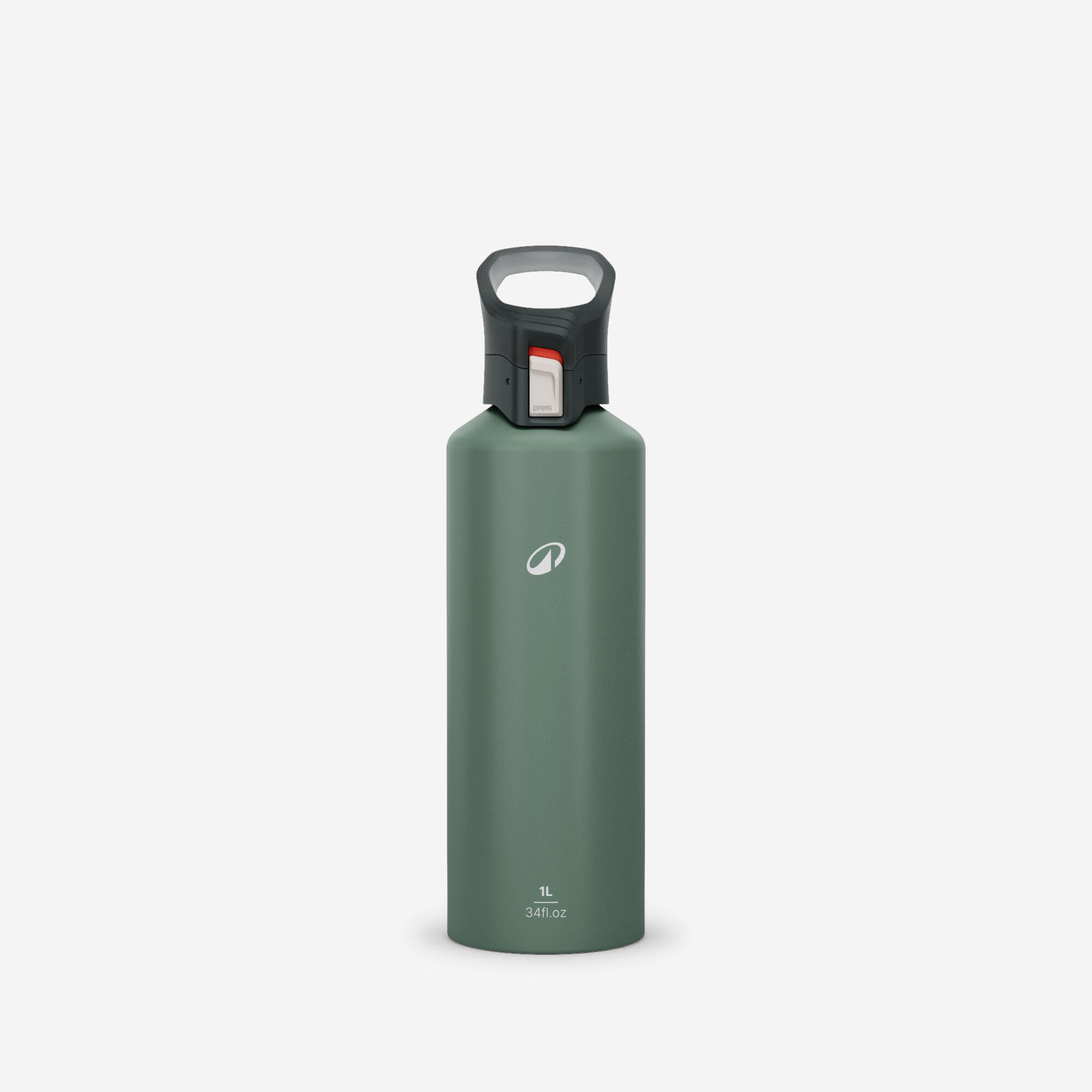
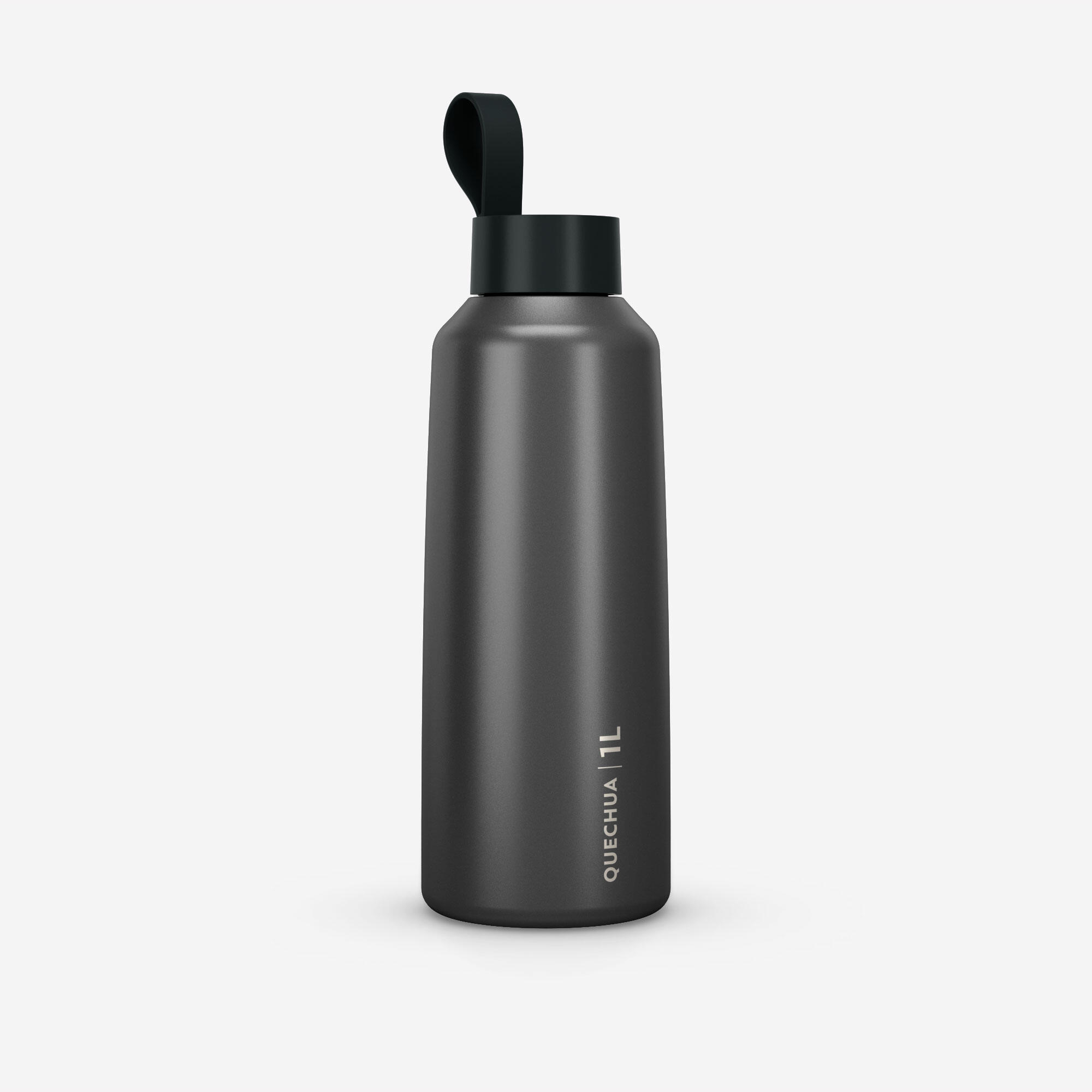
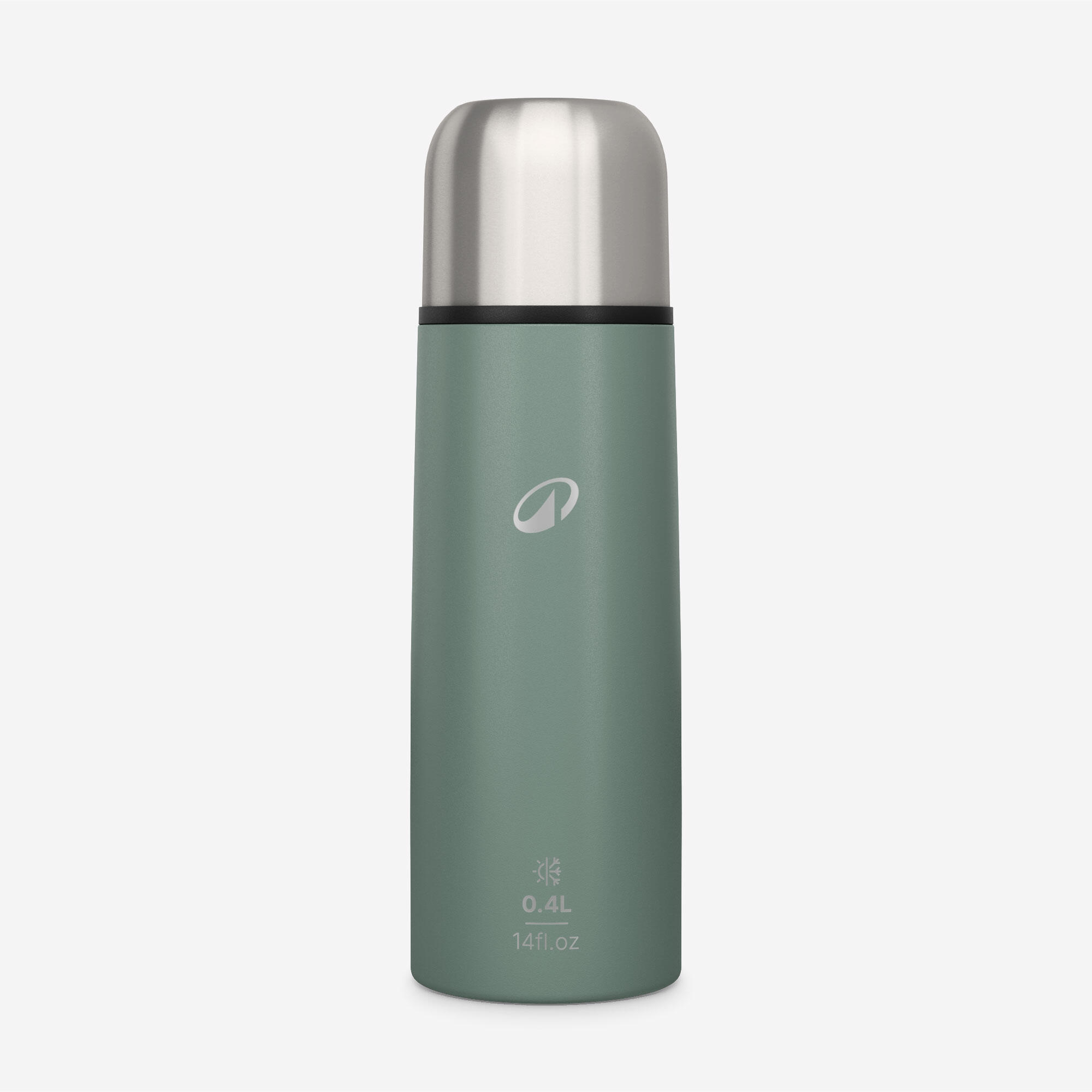
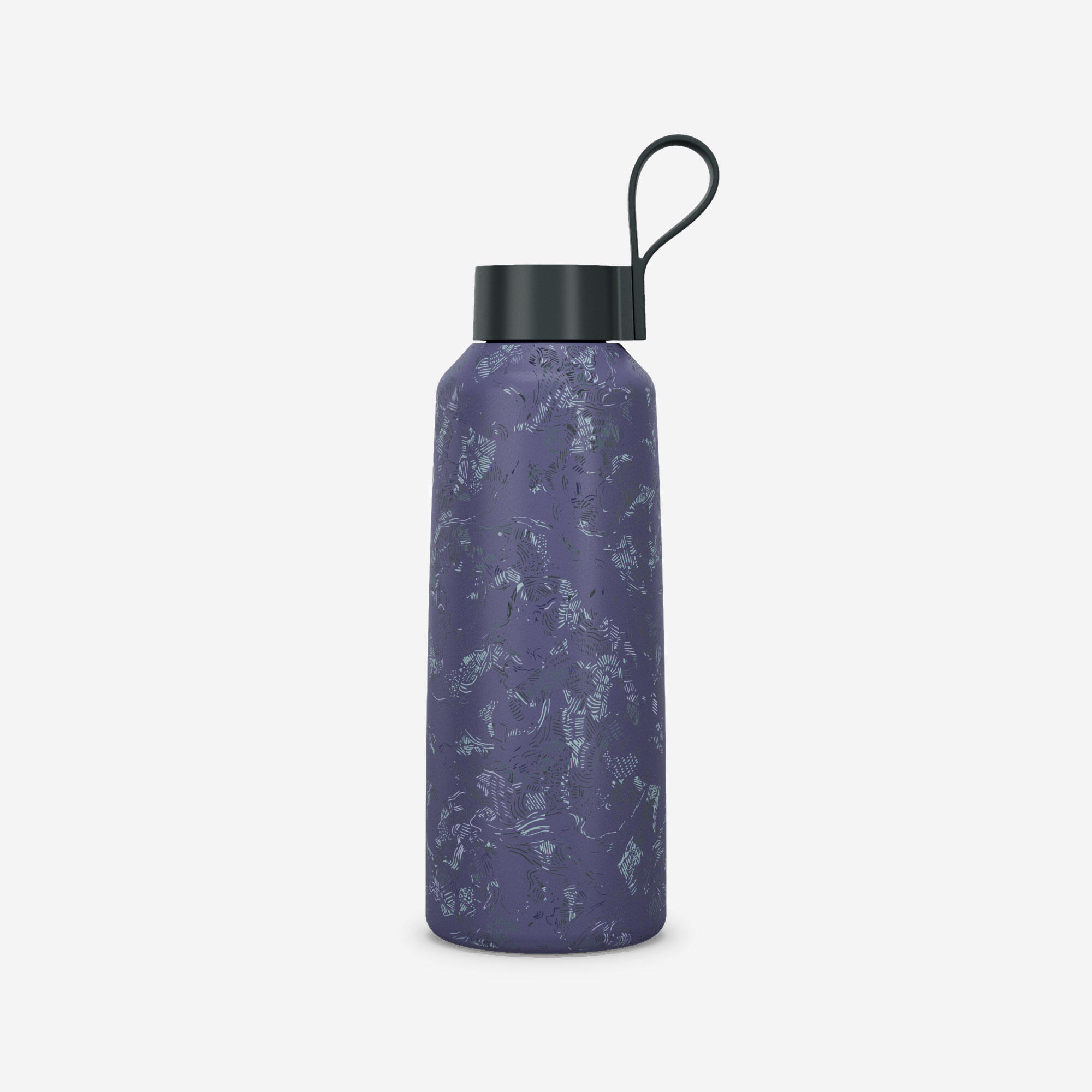
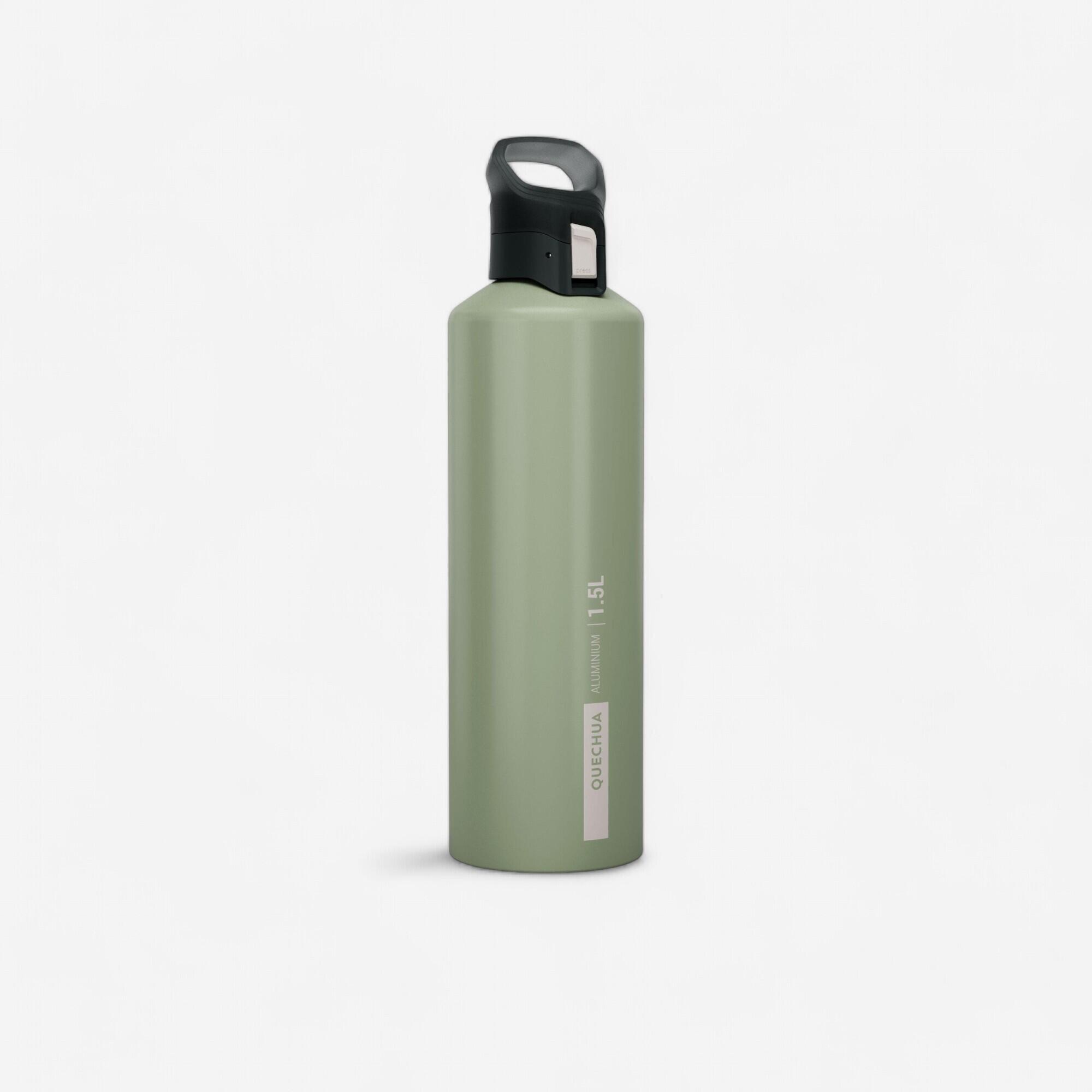
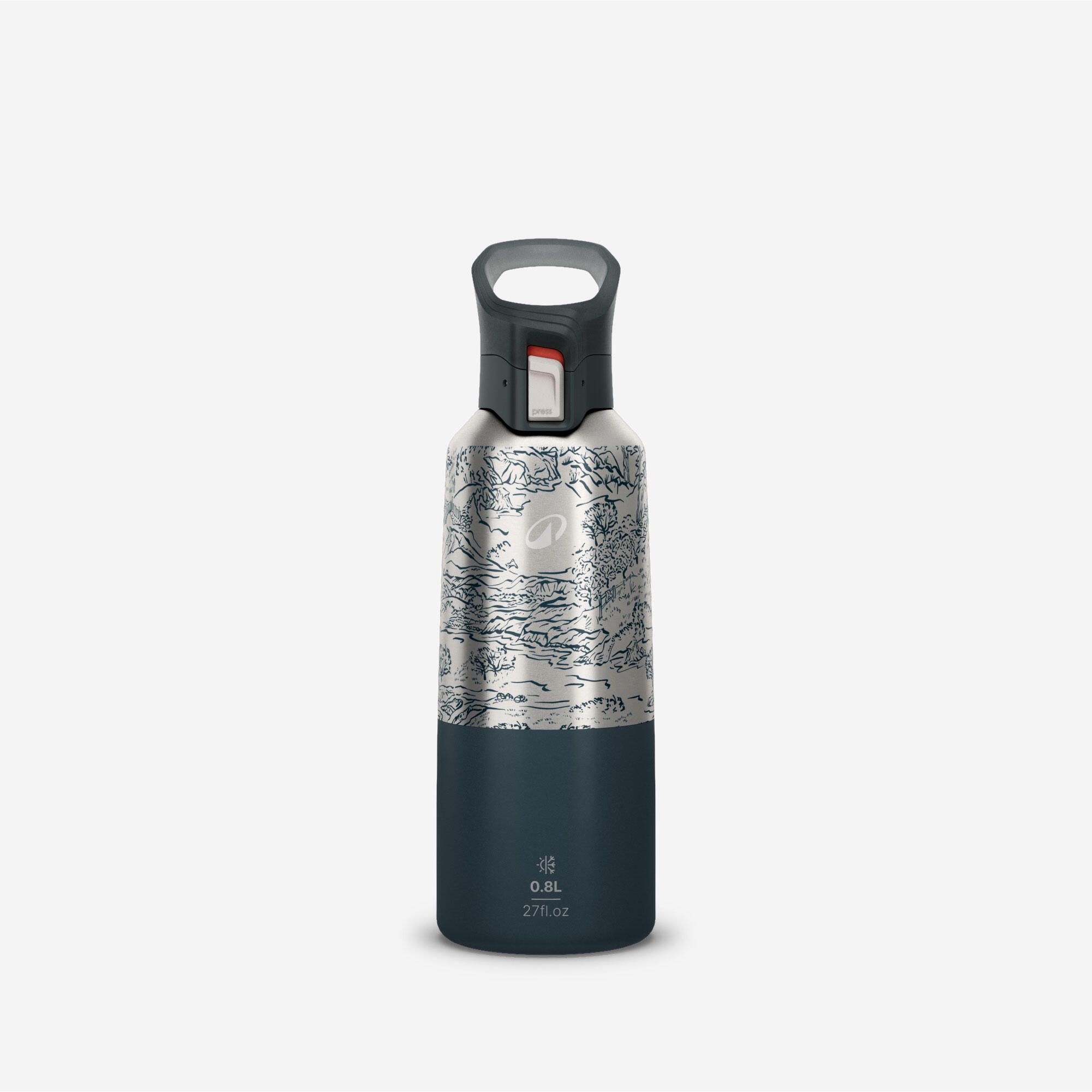
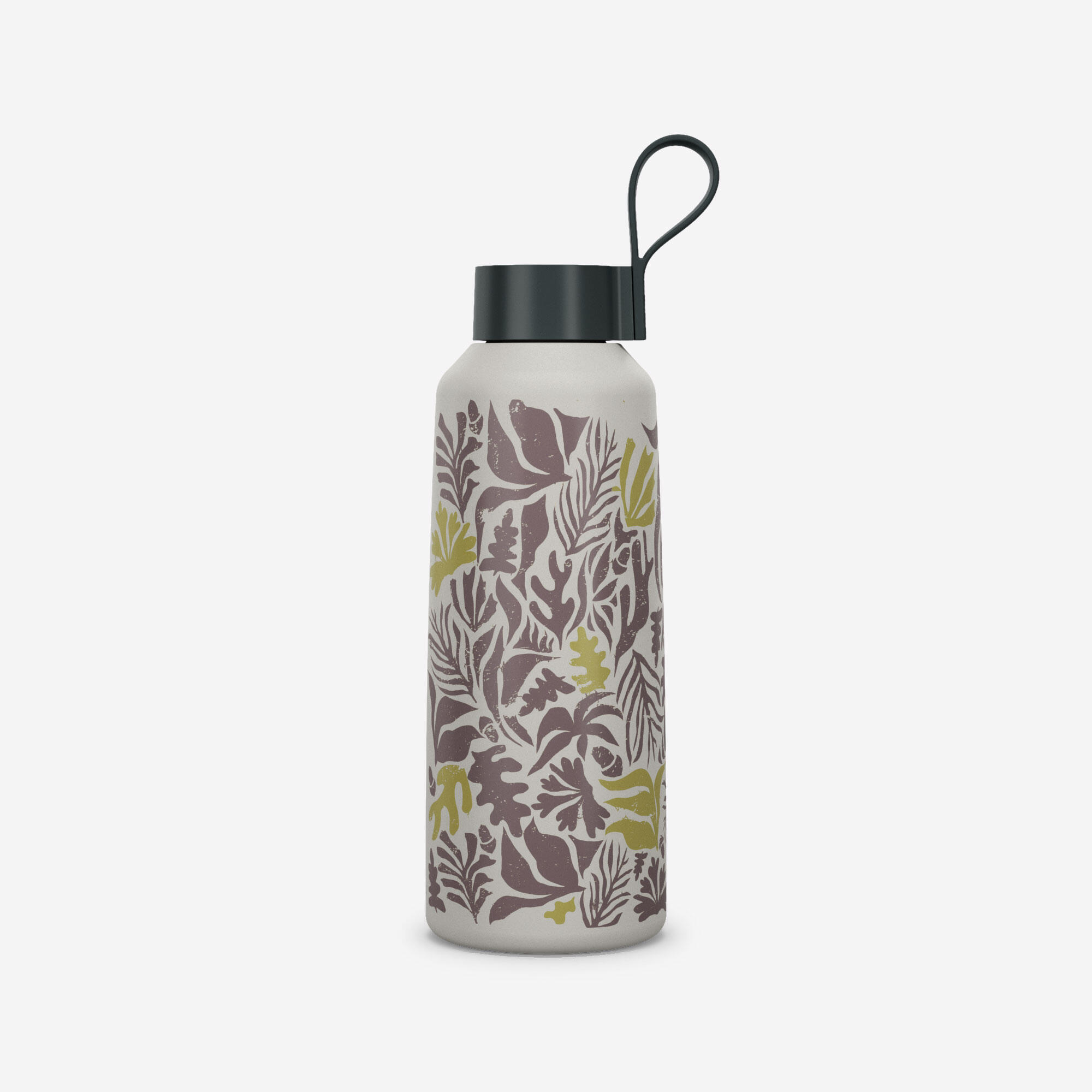
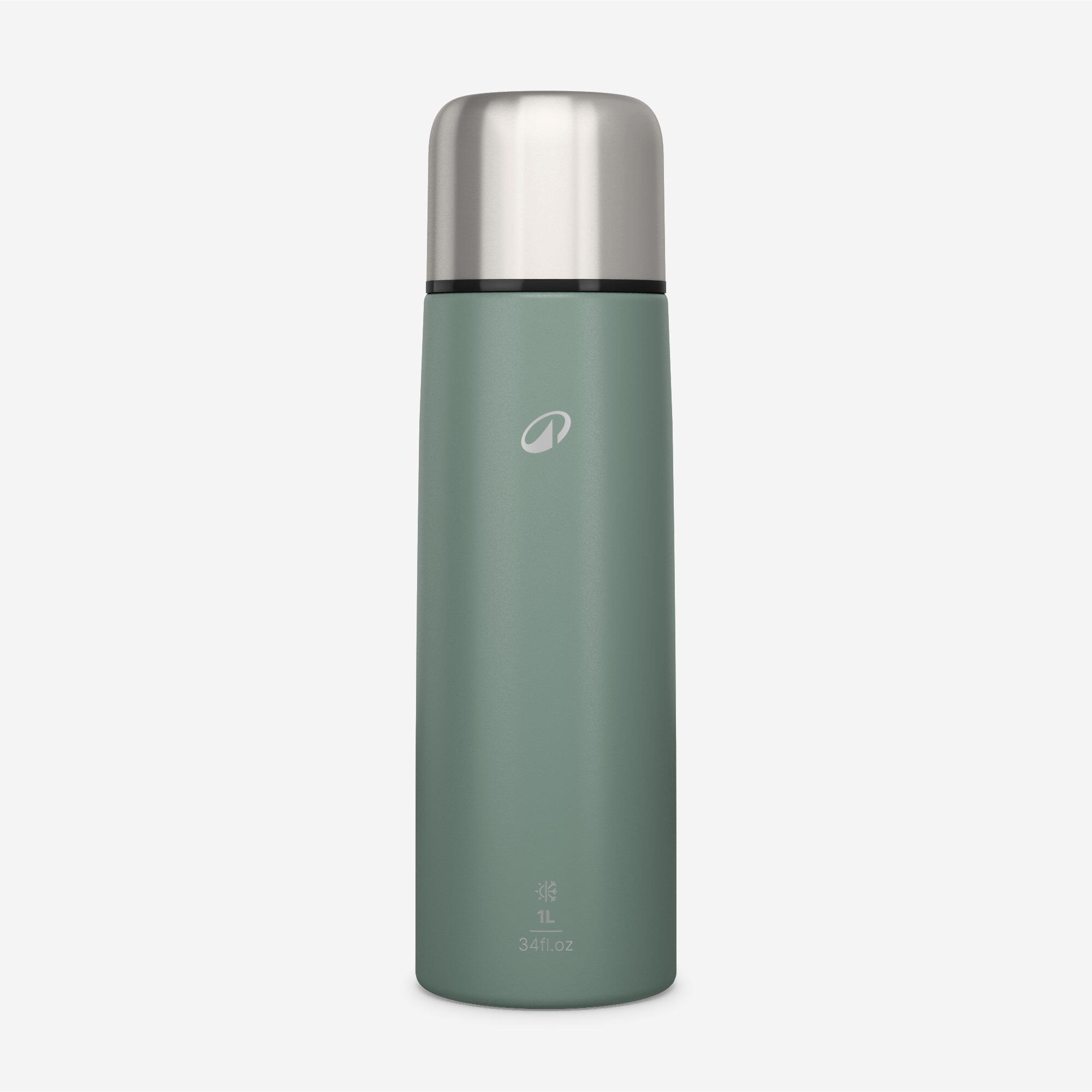
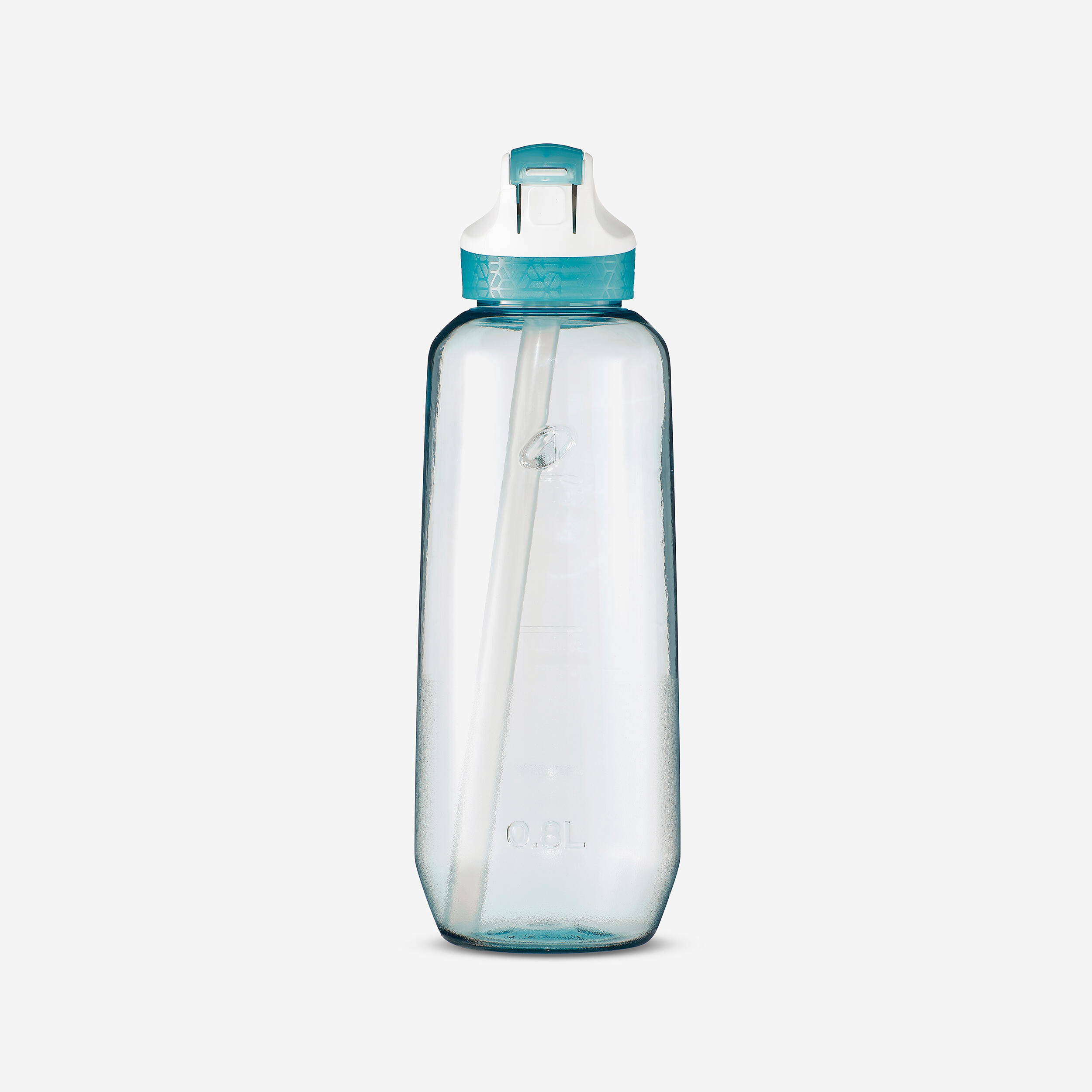
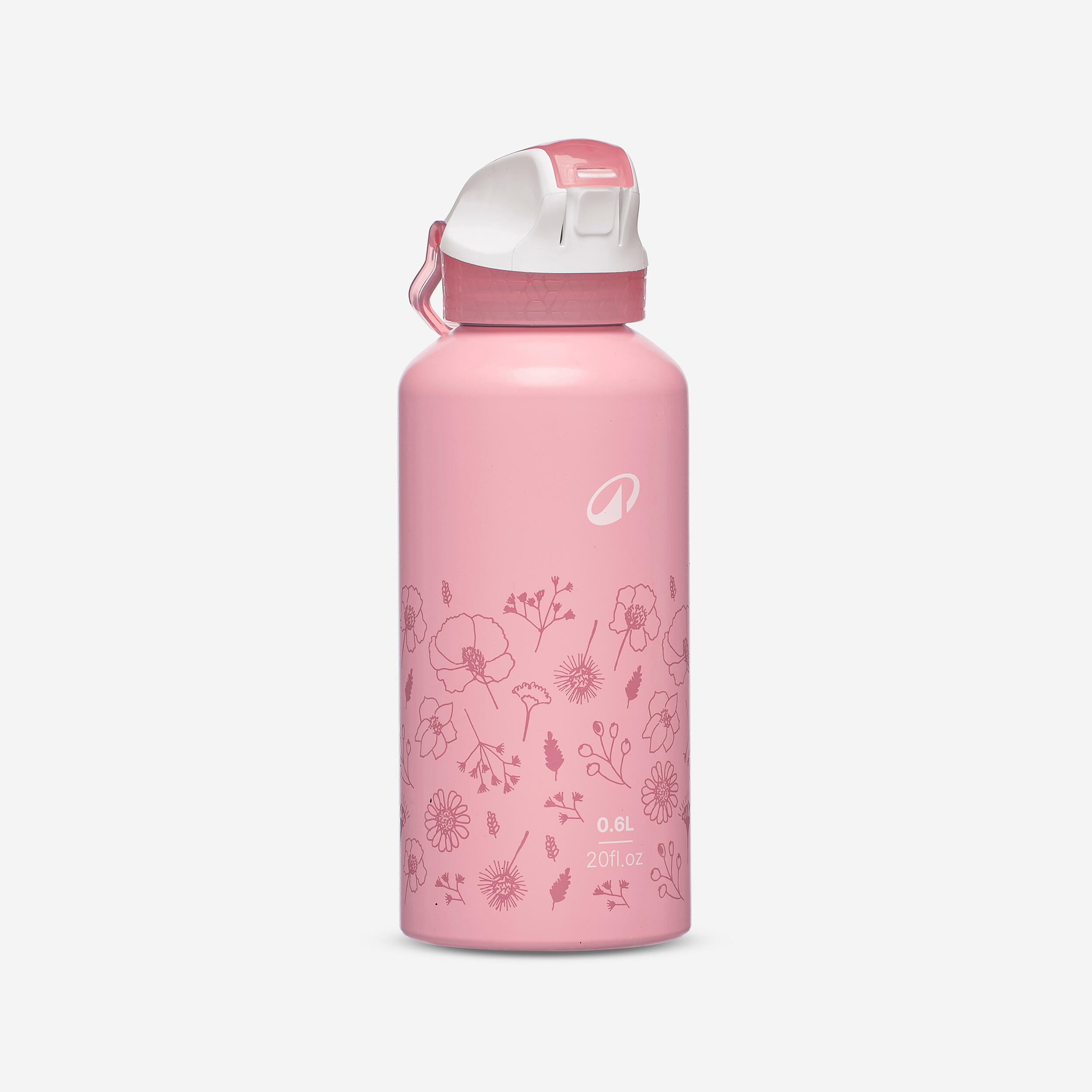
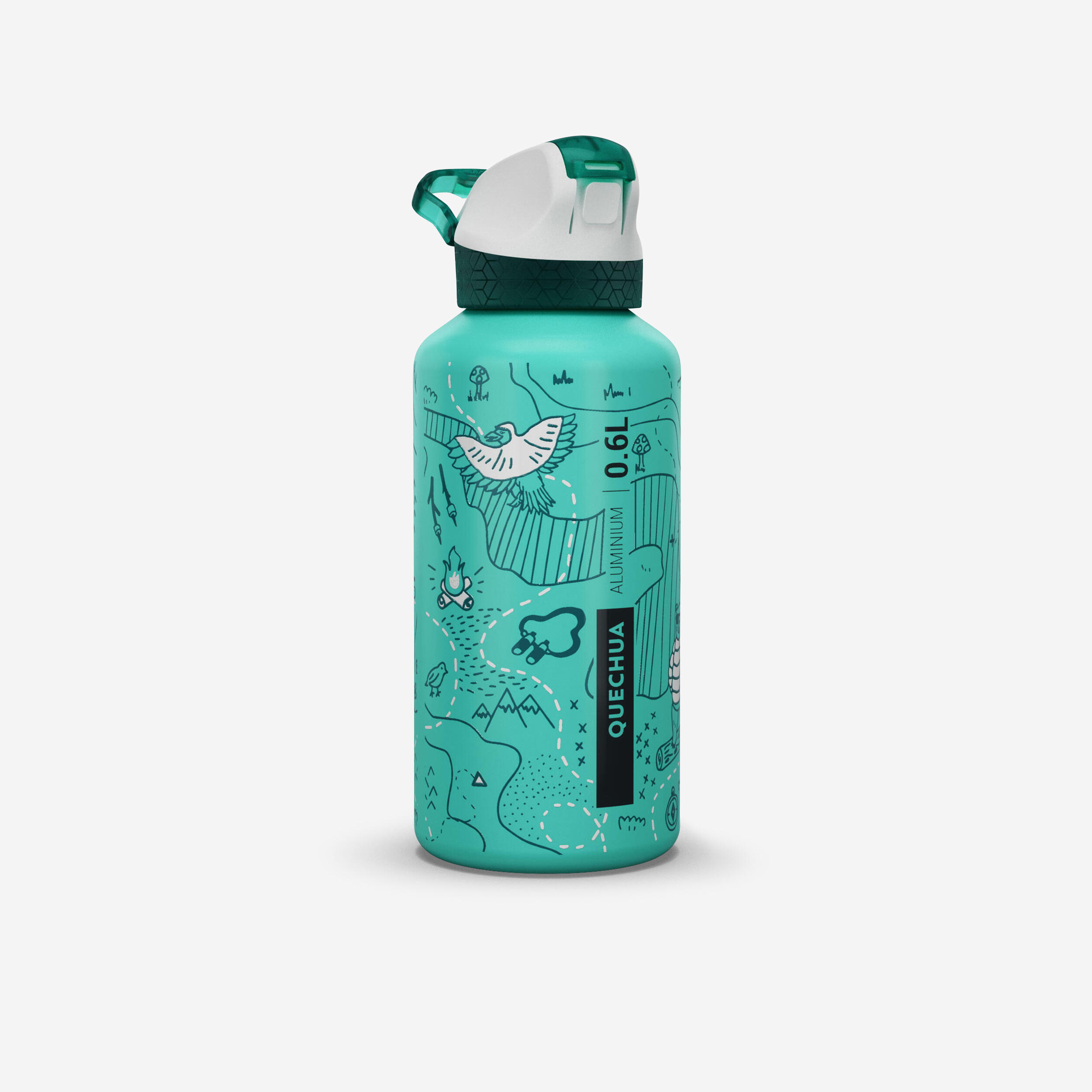
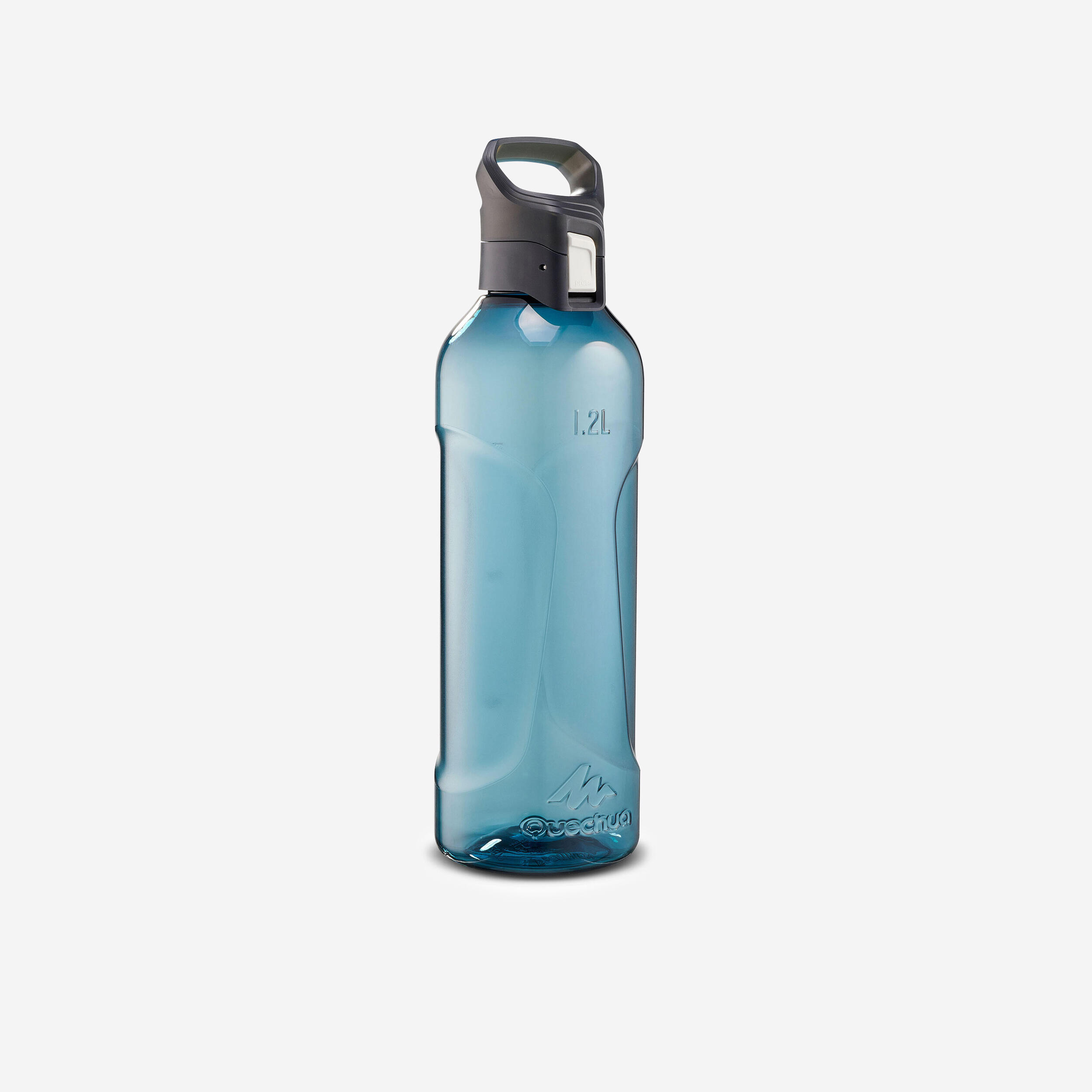
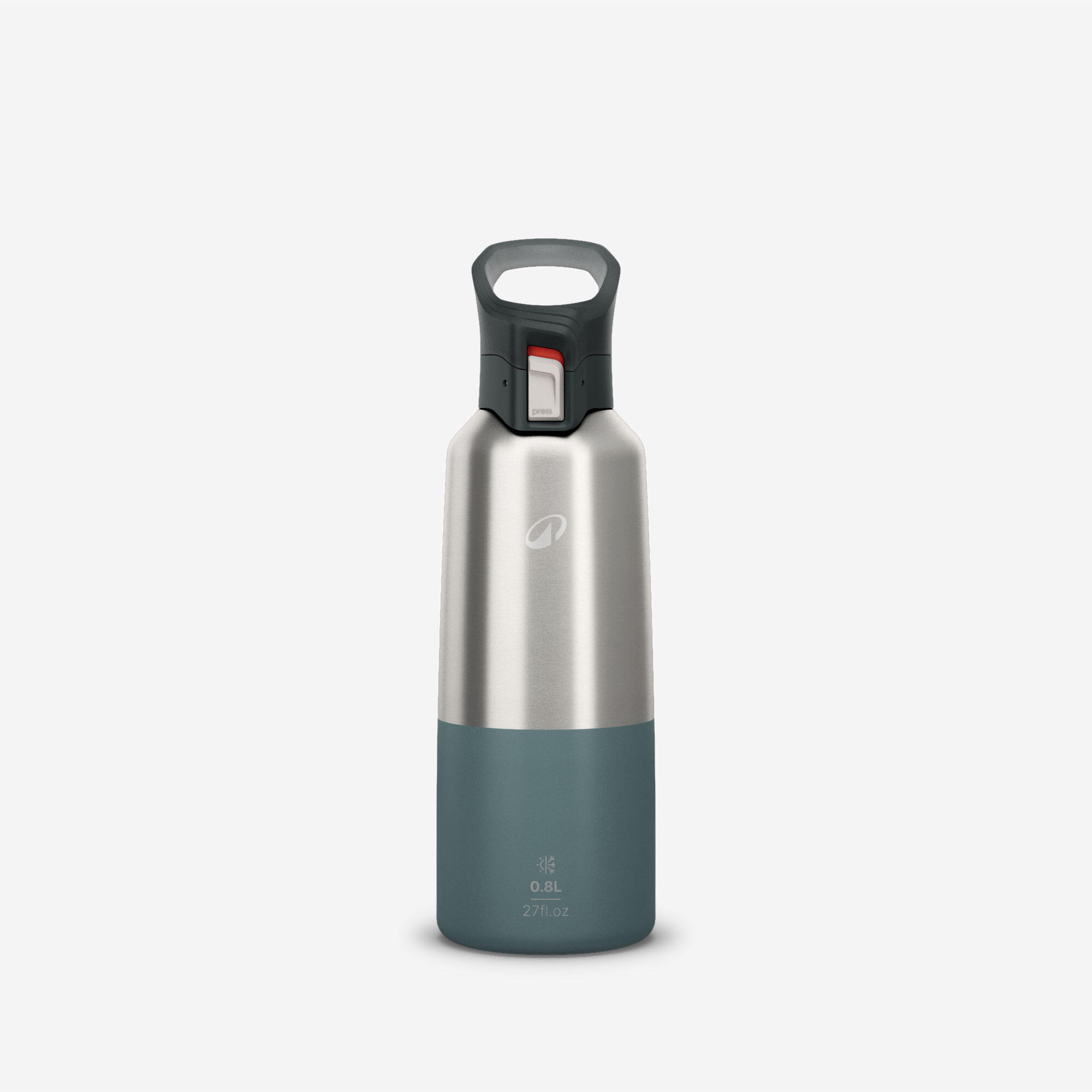
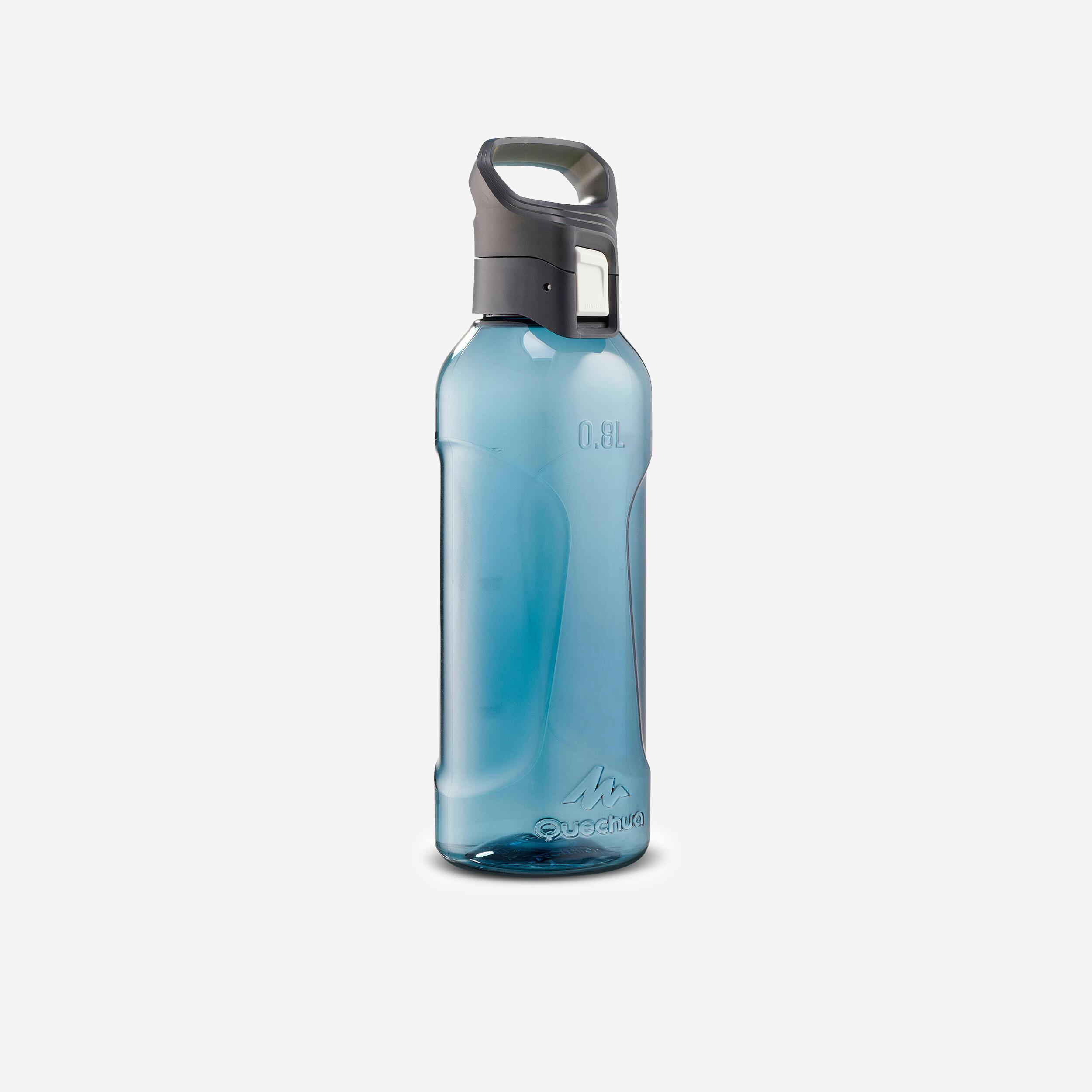
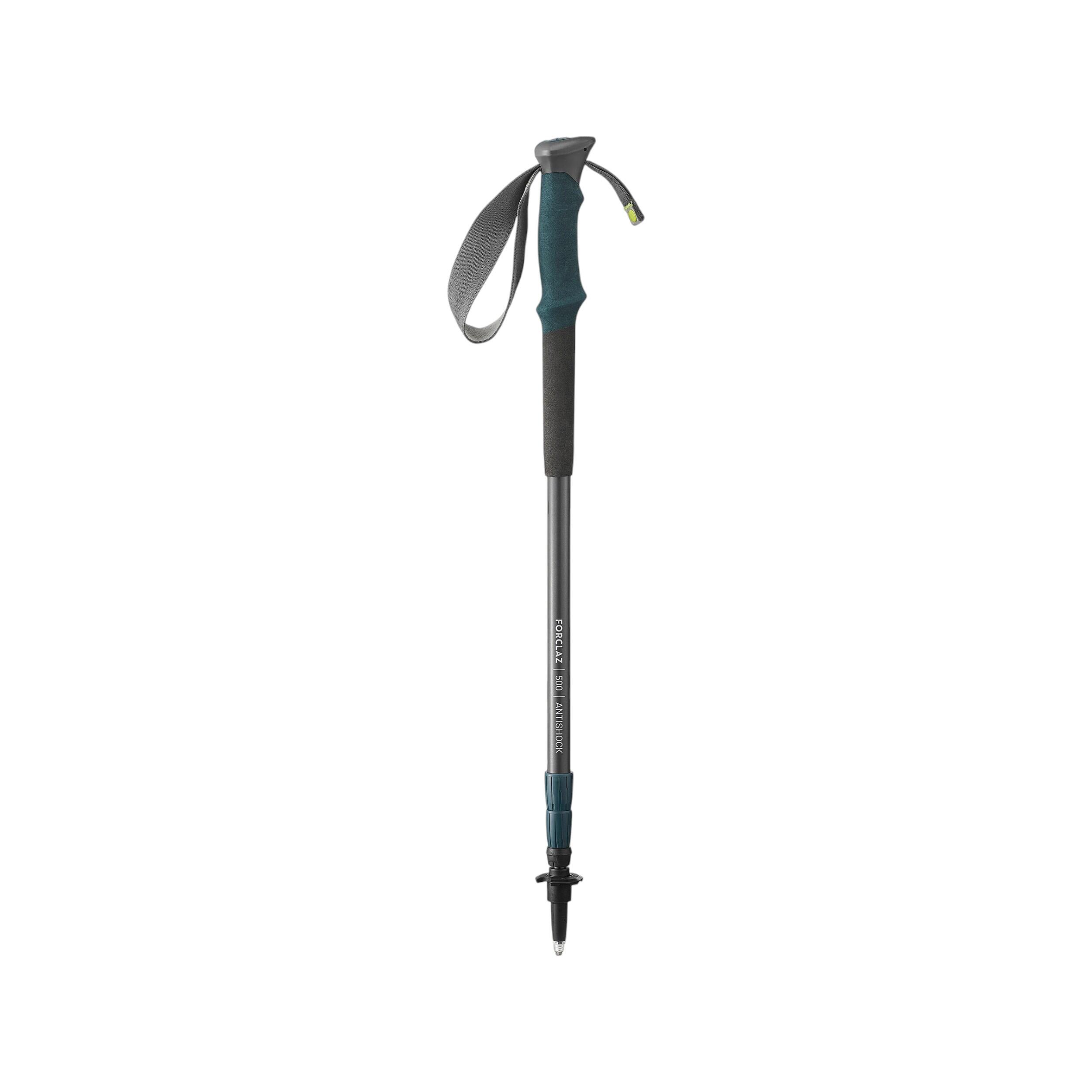
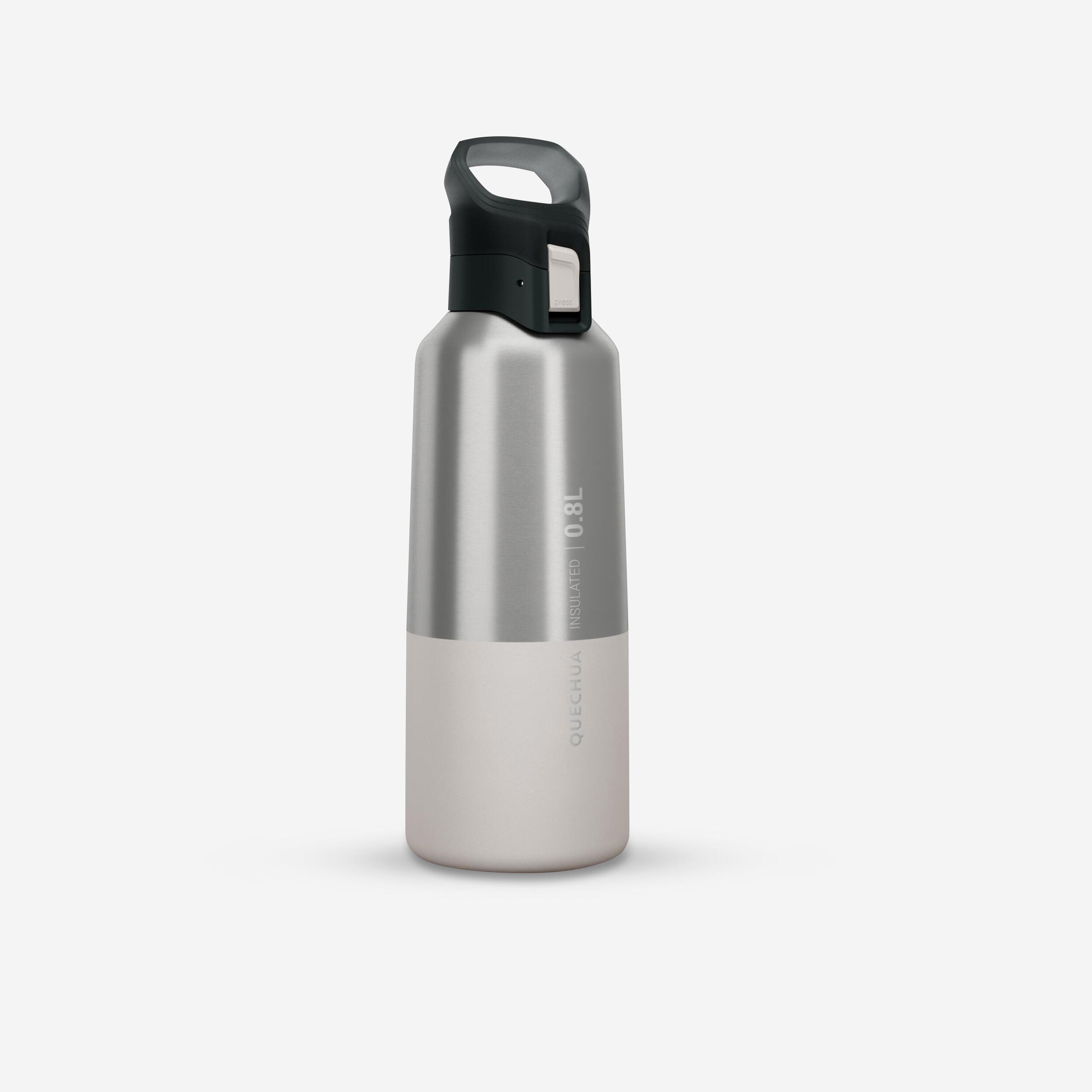
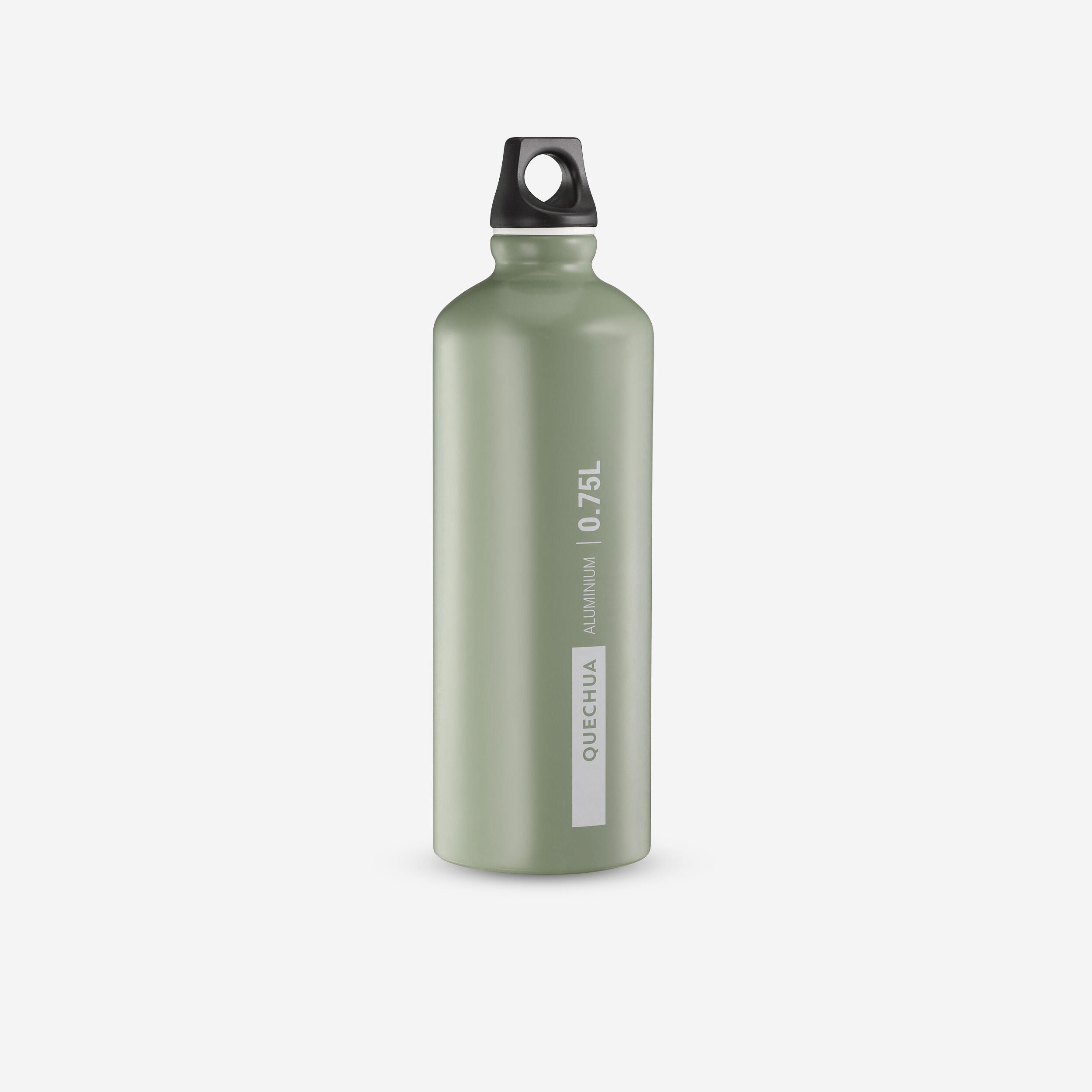
The material of your hydration container dictates its durability, weight, and thermal properties during long expeditions in the mountains. Tritan plastic models are incredibly lightweight and transparent, allowing for easy monitoring of fluid levels, while aluminium options offer a robust alternative that withstands heavy impacts on rocky trails. Stainless steel bottles, particularly double-walled vacuum versions, are the preferred choice for those needing to keep beverages hot or cold for over 12 hours. The technical reason behind this involves the specific heat capacity of the materials; metal retains temperature longer but adds more weight to your pack. For those navigating steep inclines, balancing the weight of your water with sturdy hiking poles helps redistribute the load and maintain stability. Expert tip: If you are prioritising speed and minimal weight, a BPA-free plastic bottle is the most efficient choice, as it reduces the physical strain on your shoulders during high-elevation gain.
What are the advantages of using a water bag over a traditional bottle?

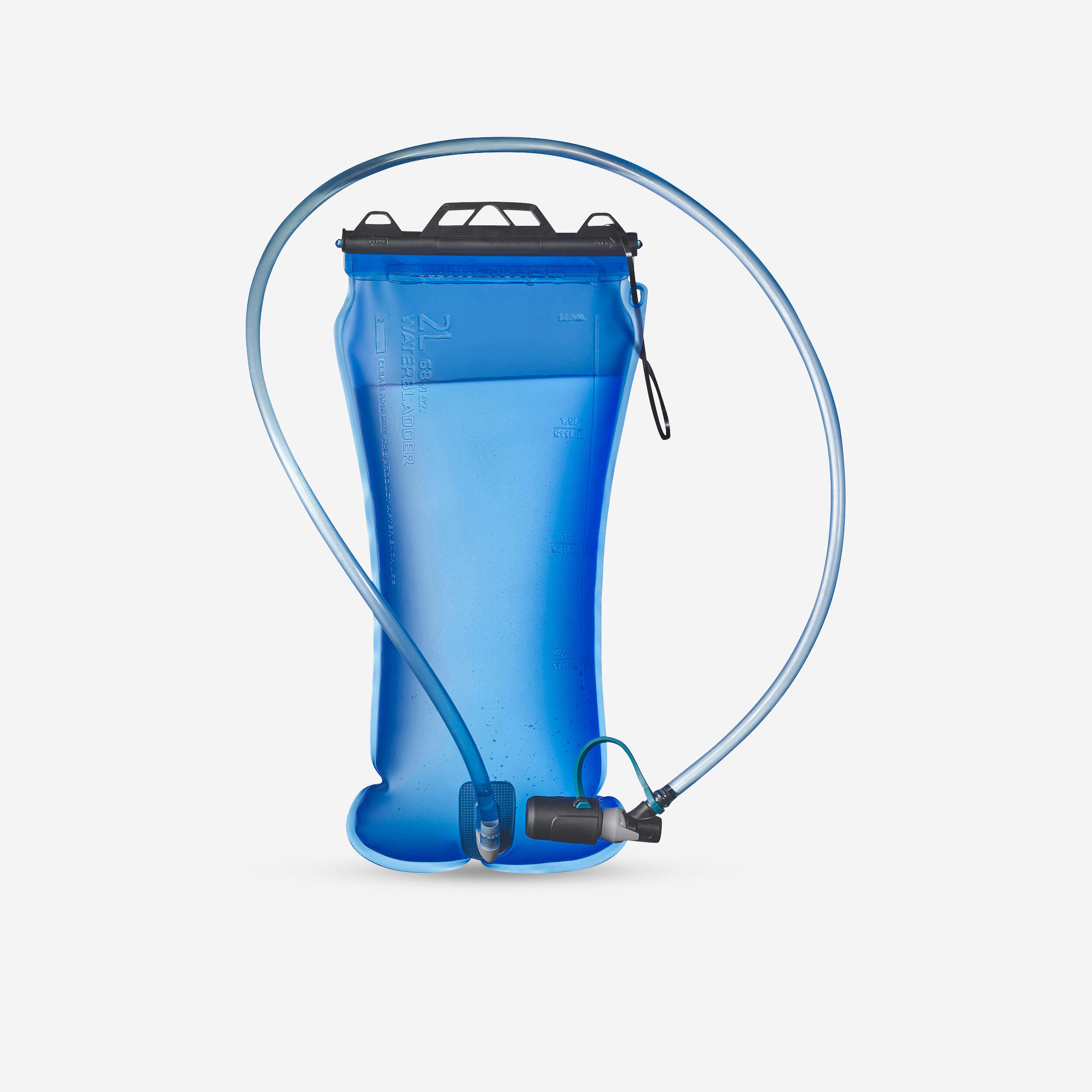
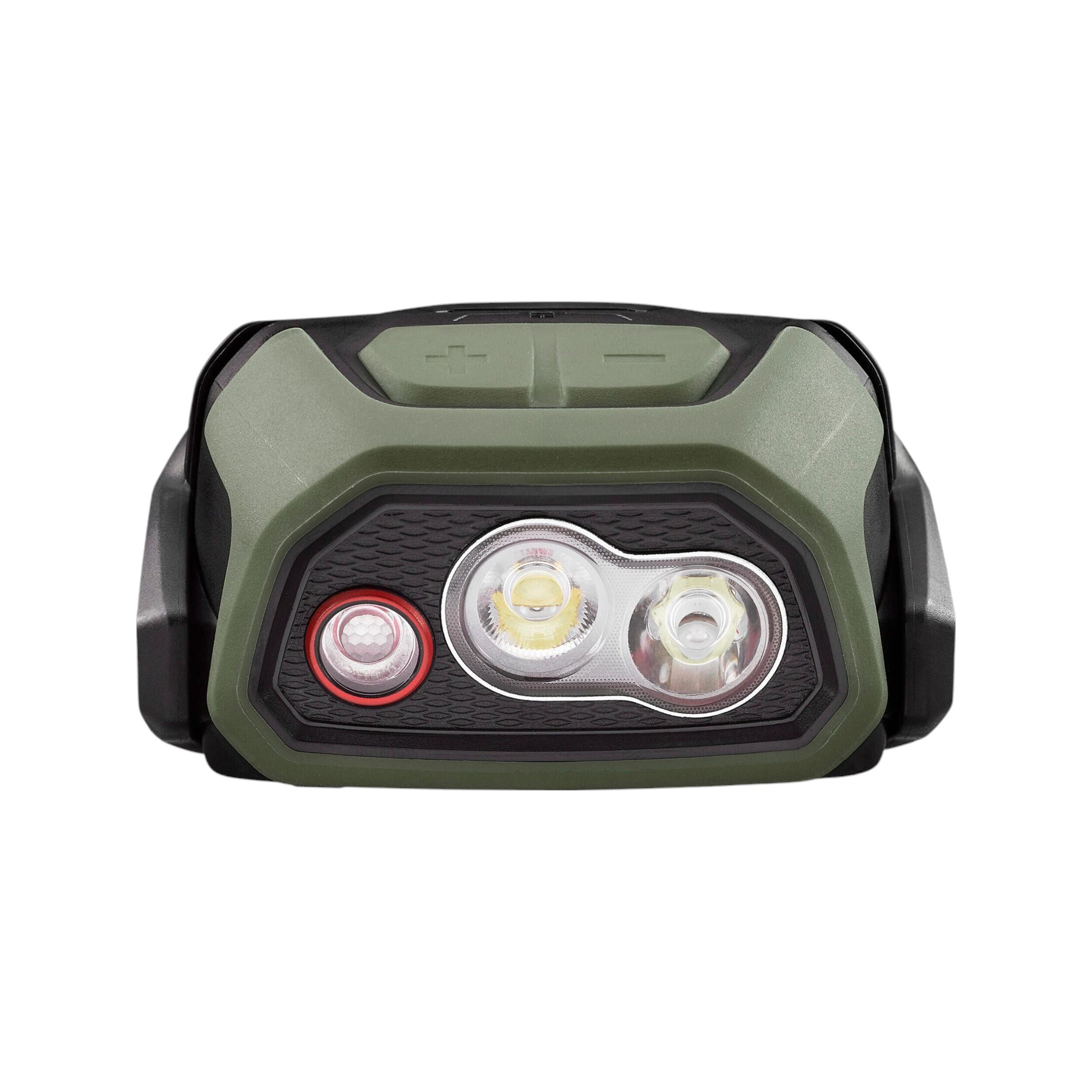
A hydration bladder or water bag allows for hands-free drinking through a tube, which ensures consistent hydration without the need to stop and remove your pack. This is especially useful when moving through terrain where you need both hands for balance. Many outdoor enthusiasts preparing for early-morning or late-evening treks also rely on reliable headlamps to maintain visibility while staying safely hydrated on the move. The reason a bladder is often more efficient for trekking is the distribution of weight; the liquid sits flat against your back, keeping your centre of gravity stable. Smart advice: To prevent a "plastic" taste in new water bags, fill the reservoir with a mixture of lemon juice and water, let it sit for two hours, and then rinse thoroughly. This neutralizes the material smell without damaging the food-grade TPU film used in the construction.

Do I need a filter water bottle for multi-day trekking trips?

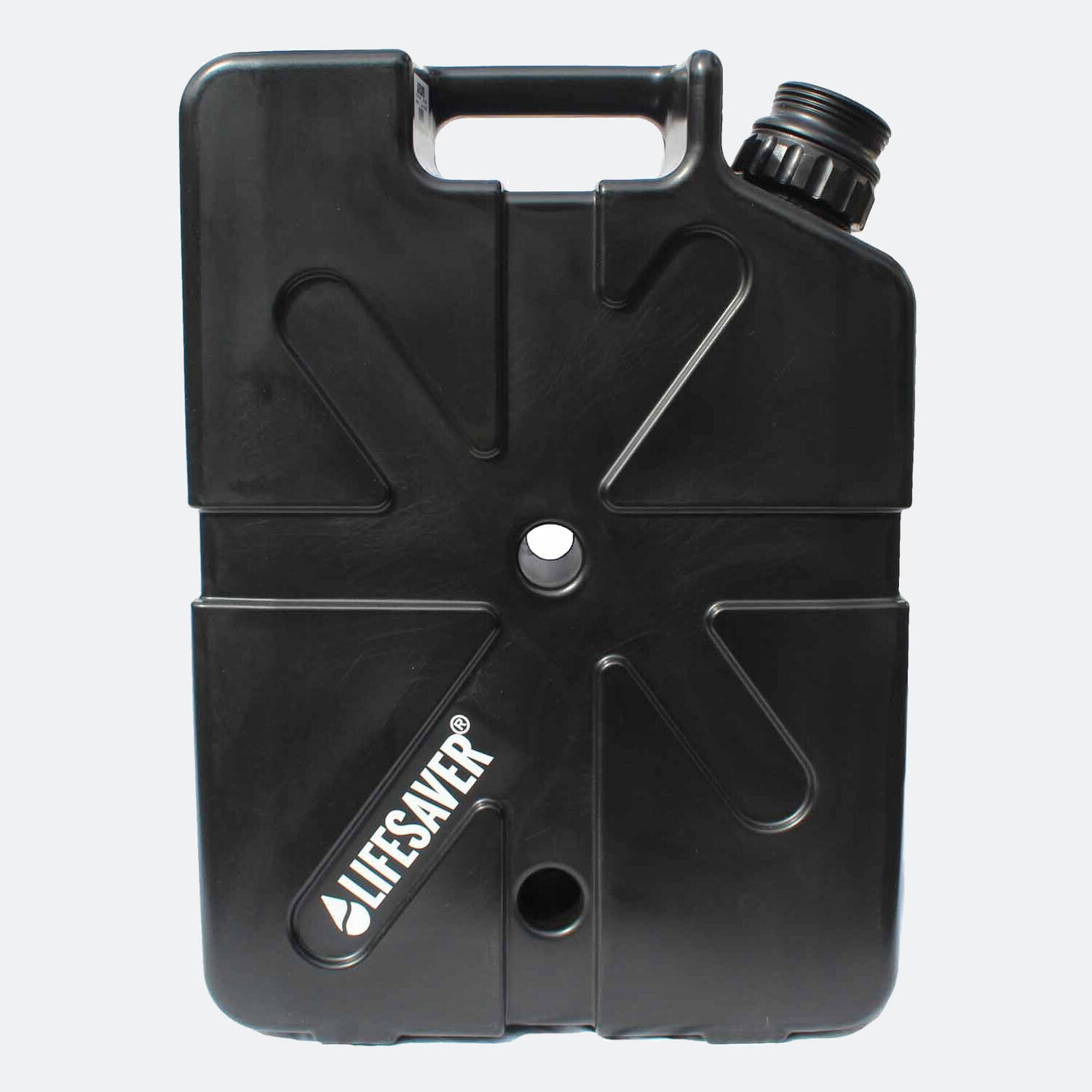
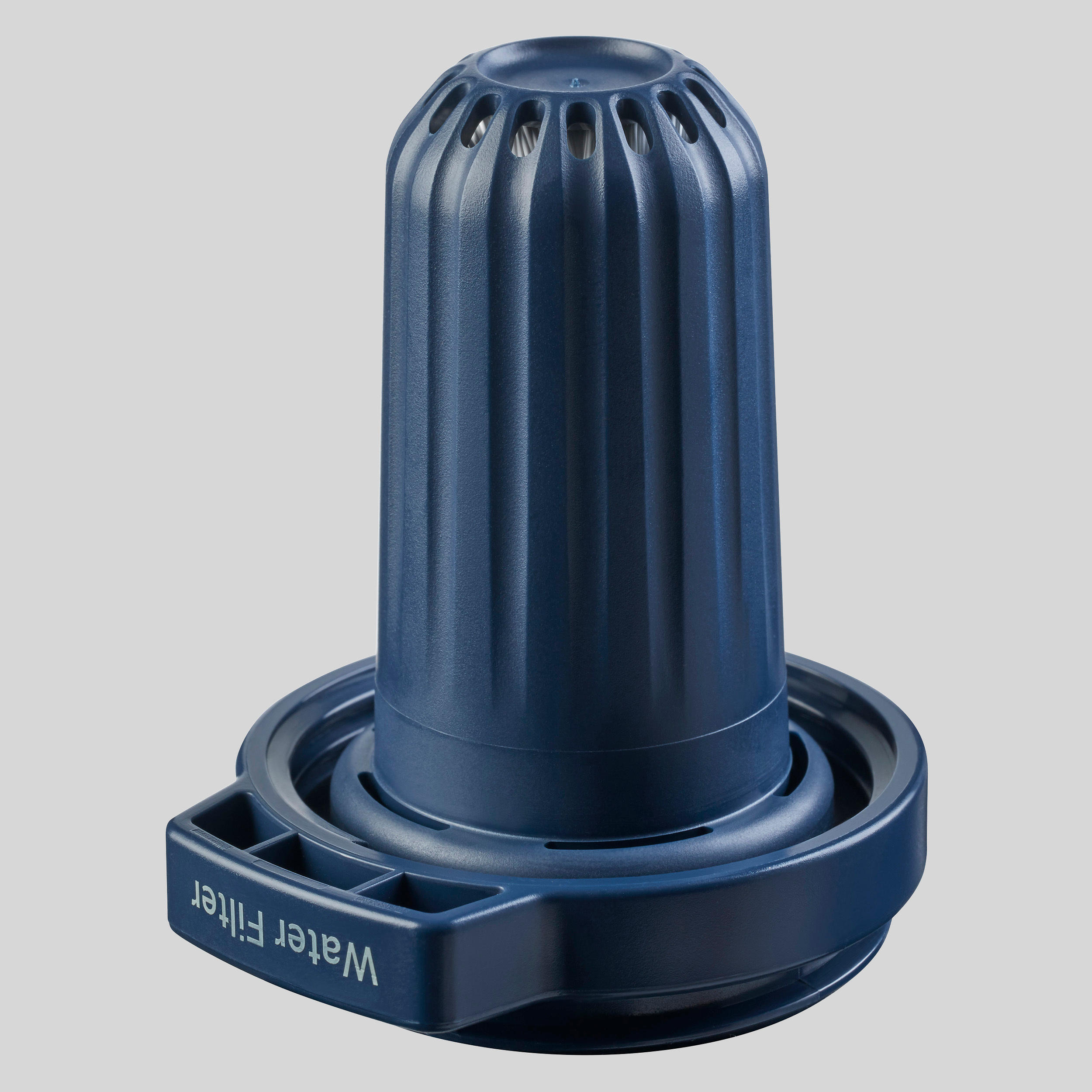
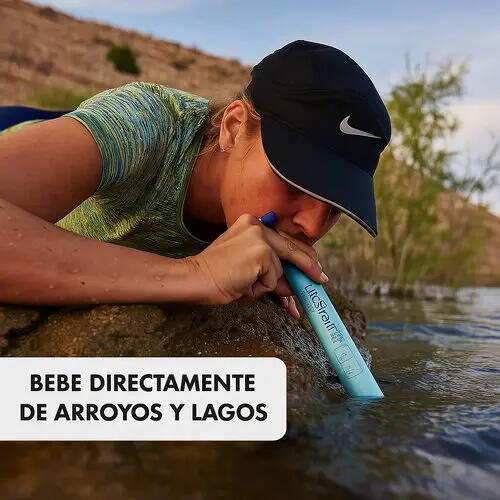
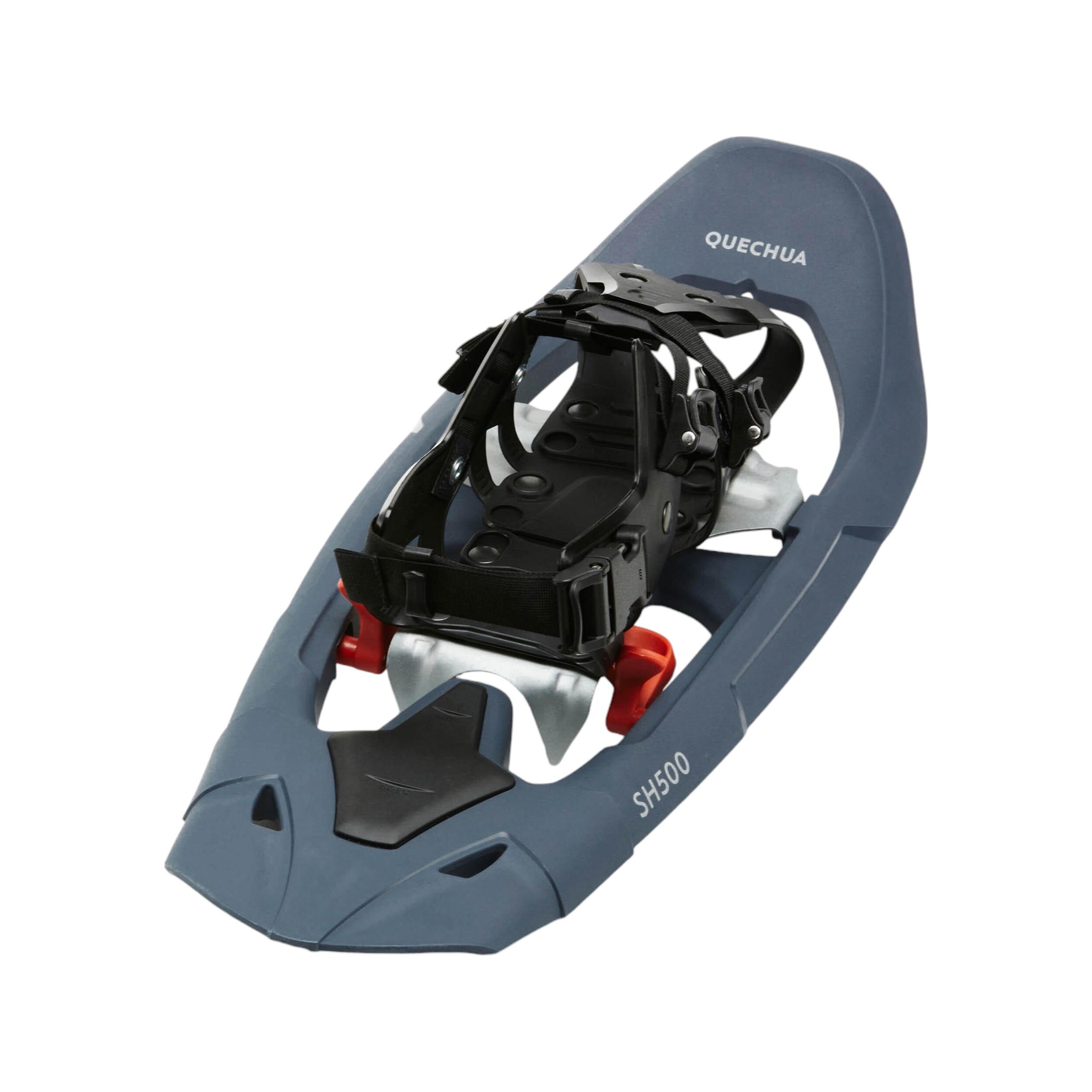
When you’re out in remote areas without access to tap water, a filtration bottle helps remove bacteria from streams or lakes, making the water safer to drink. These bottles utilize hollow-fibre membranes or activated carbon to purify water instantly as you drink. Adventurers preparing for winter expeditions often complement their gear with reliable snowshoes and grips to maintain traction and mobility on icy or snow-covered trails. The technical reason behind the 0.1 micron filter size is that it is small enough to physically block harmful pathogens while allowing water molecules to pass through under pressure. Small tip: Always blow back through the filter after use to clear any sediment or debris, which prevents the membrane from clogging and maintains a high flow rate for your next hydration break.

How can I prevent my water from freezing during winter hikes?

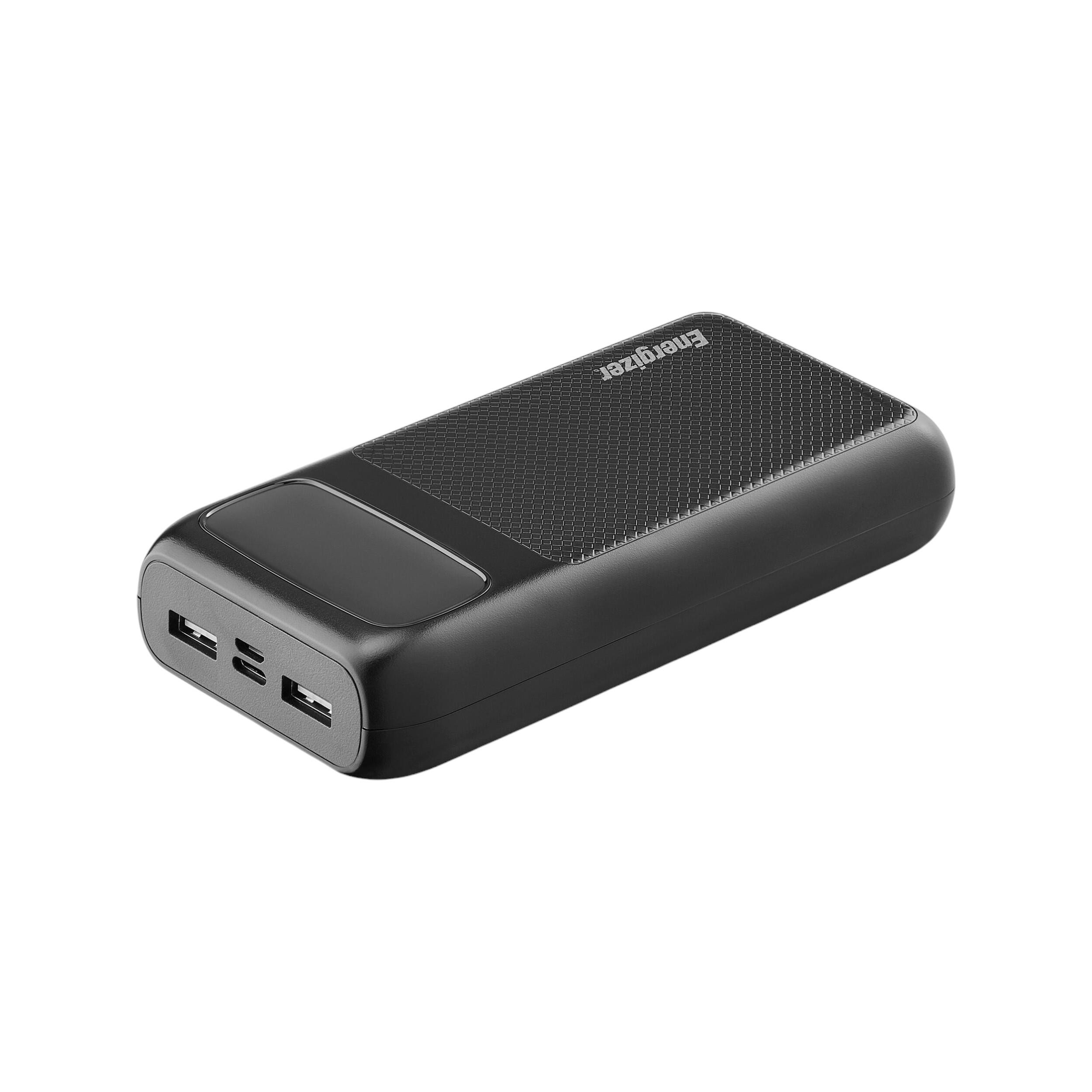
In freezing temperatures, water in the cap or the drinking tube freezes first, which can cut off your supply entirely. Using an insulated bottle sleeve or a double-walled flask prevents this by creating a thermal barrier between the liquid and the external air. Hikers heading into cold, remote environments often carry reliable power banks and solar panels to keep essential devices charged when temperatures drain battery life faster than usual. For those using water bags, blowing the water back into the reservoir after every sip ensures the tube remains empty and free of ice blockages. Expert advice: Store your bottle upside down in the side pocket of your pack. Since ice forms from the top down, the bottom of the bottle (which is now at the top) will stay liquid longer, allowing you to unscrew the cap and drink even if some freezing has occurred. Choosing a bottle with a wide mouth also makes it easier to break through thin layers of ice if the temperatures drop significantly overnight at camp.