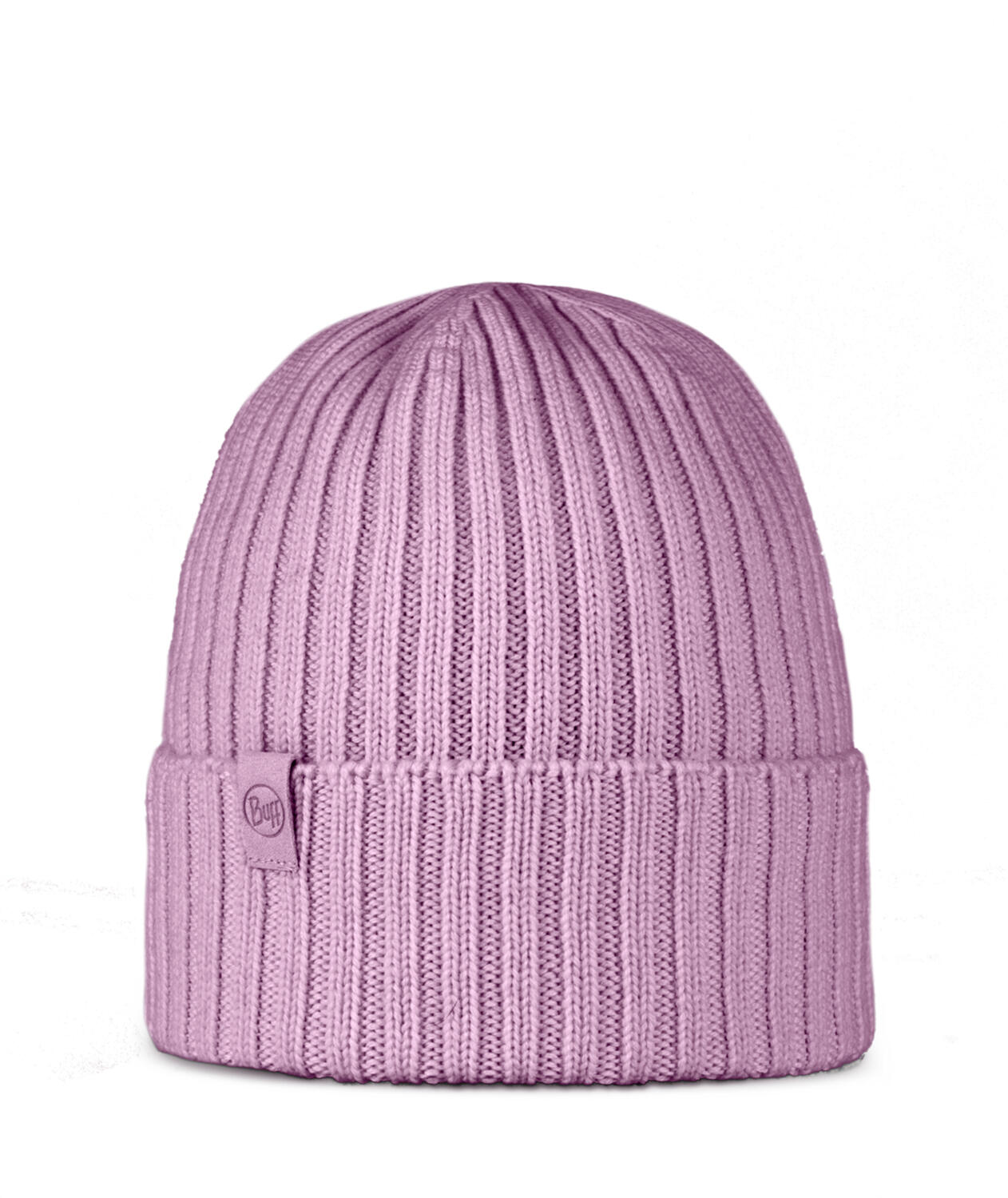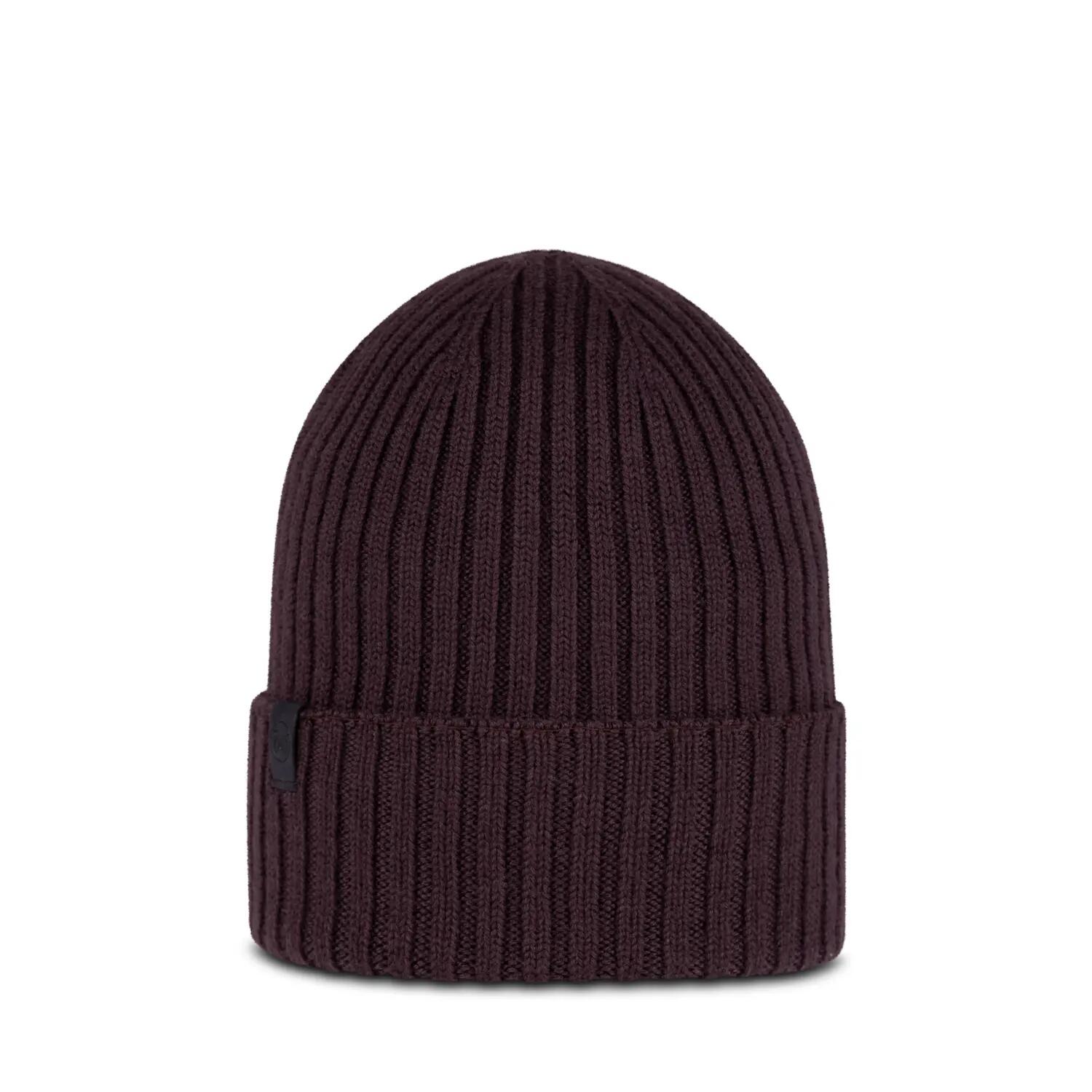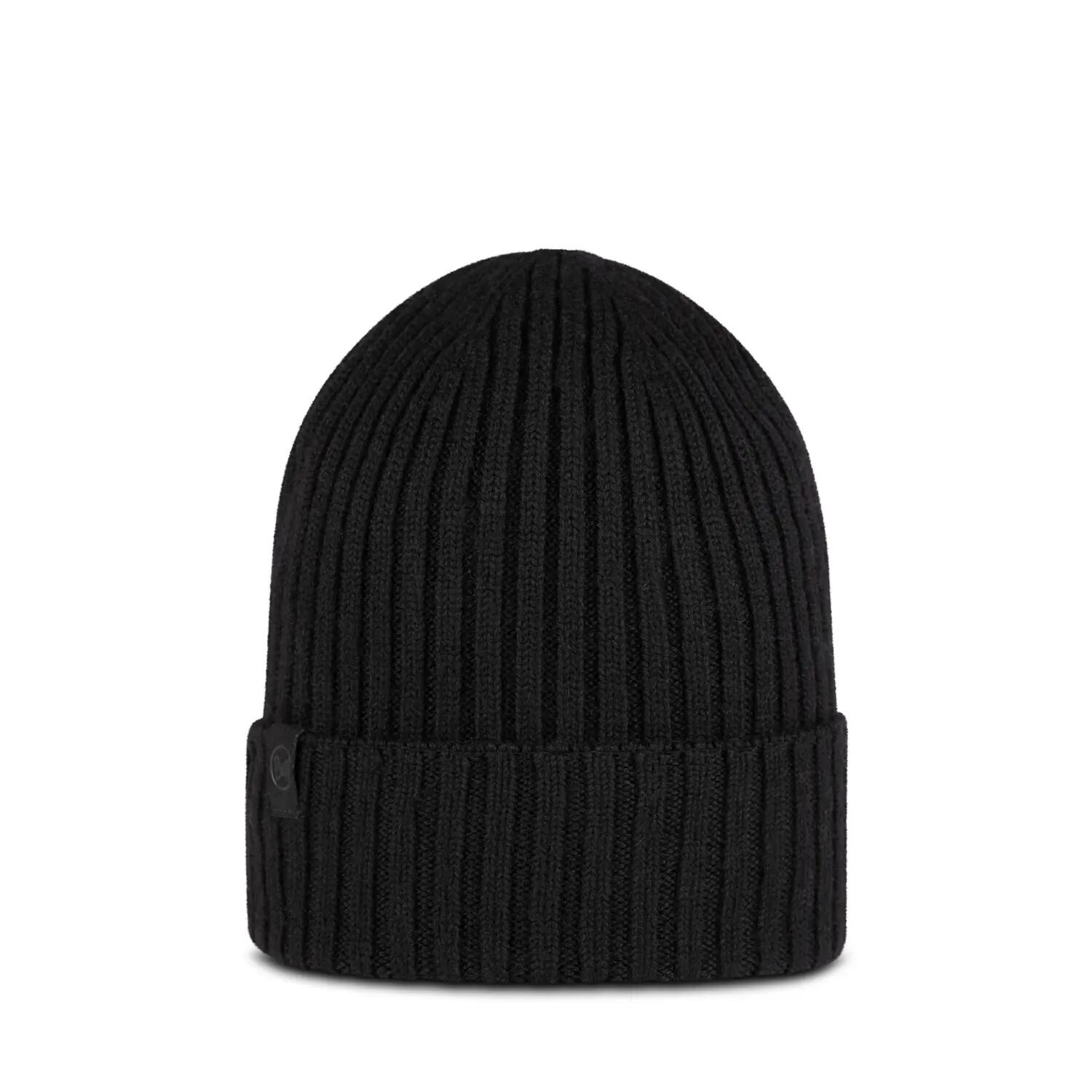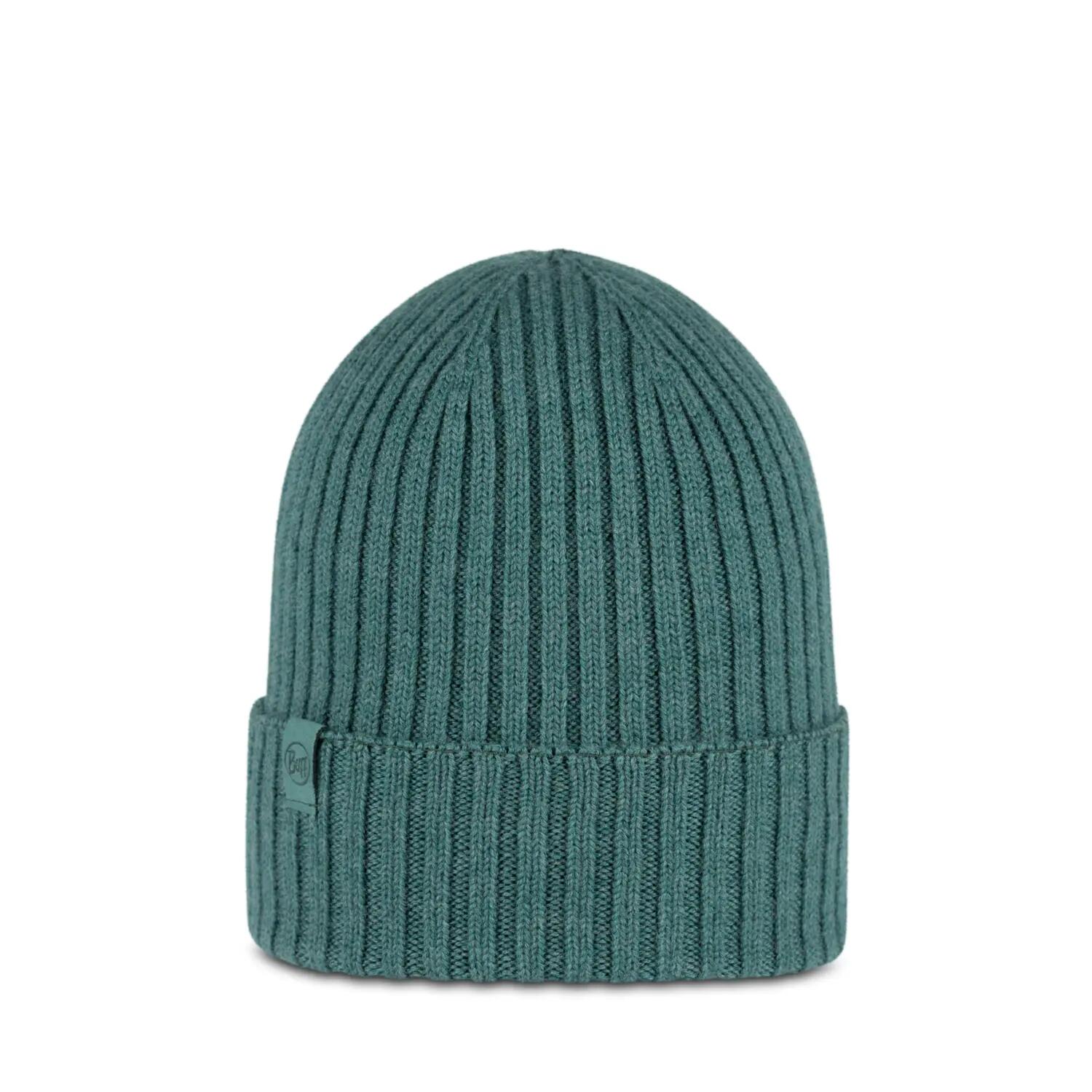
203 items
4.7/5 based on 91736 reviews collected online and in stores

Merino Wool Hiking Clothing FAQs

Why is merino wool a good choice for hiking clothing?

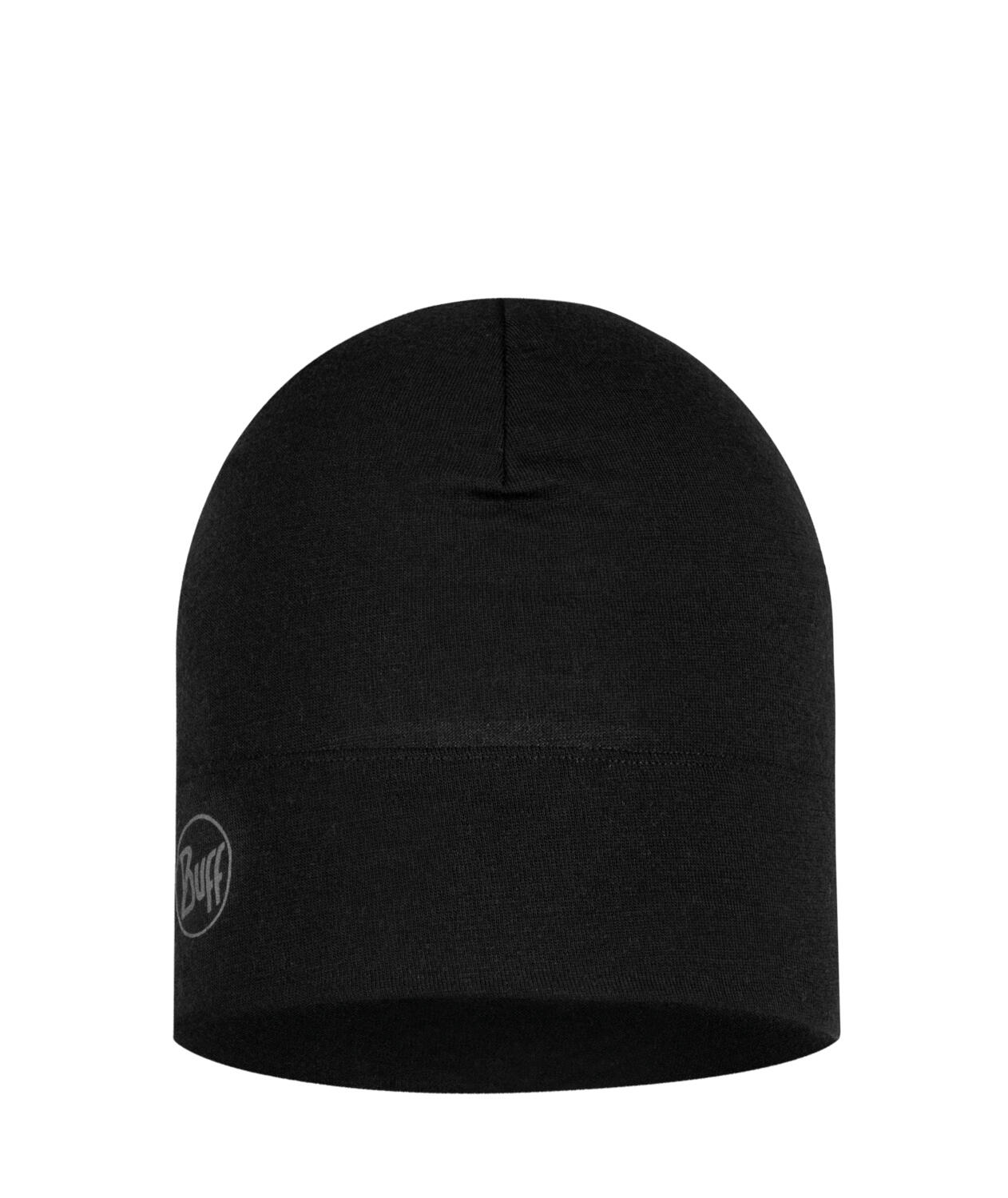
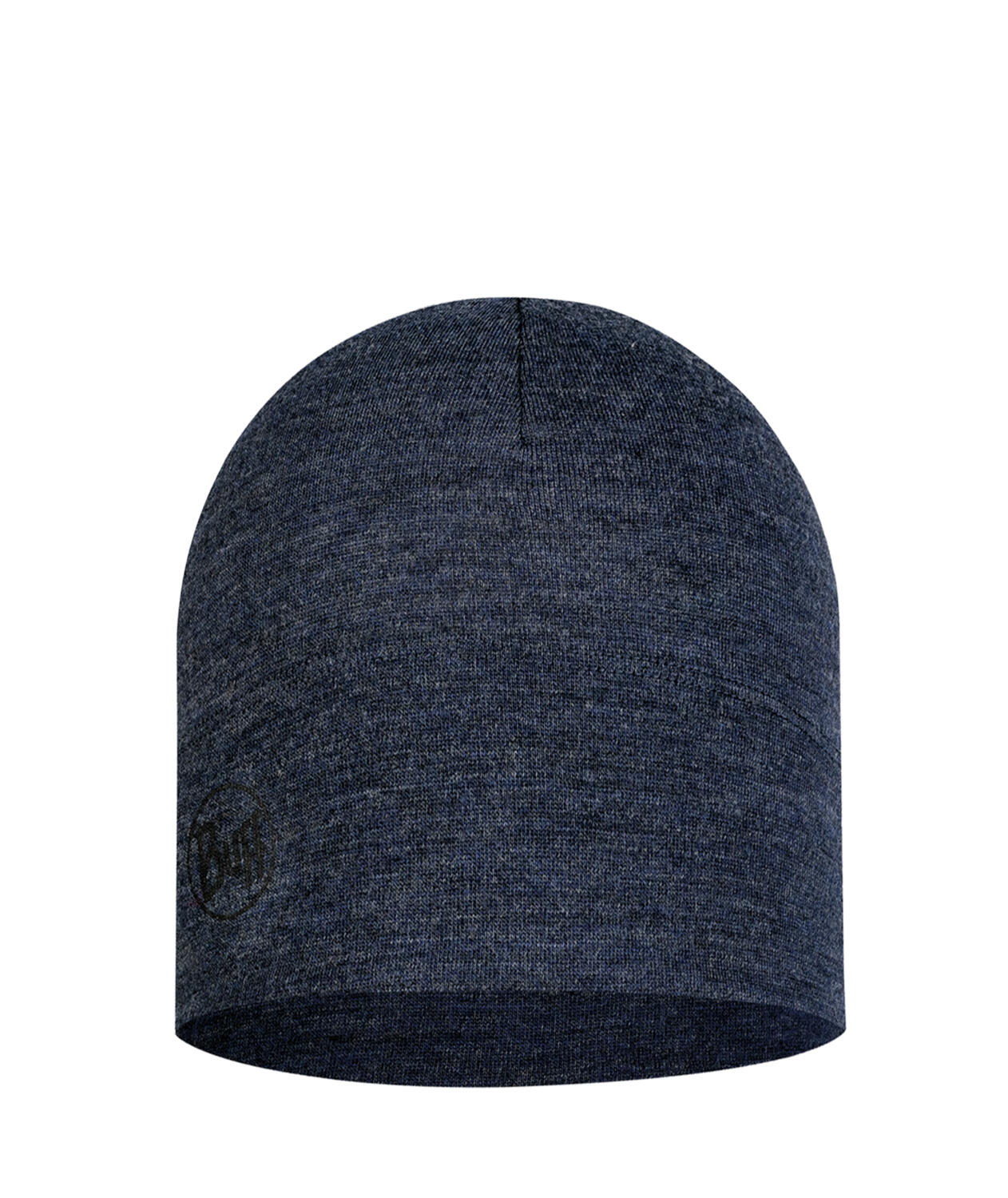
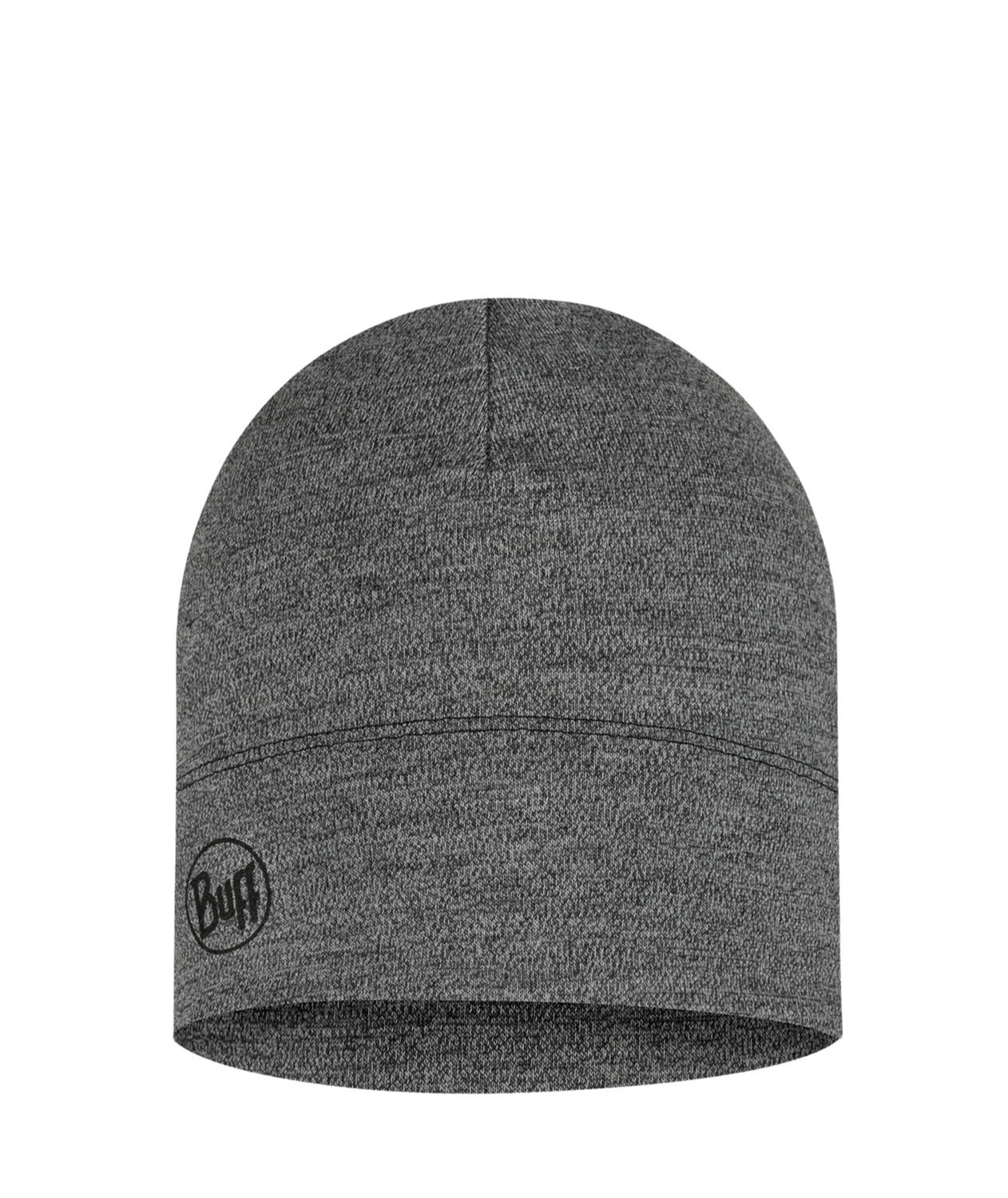
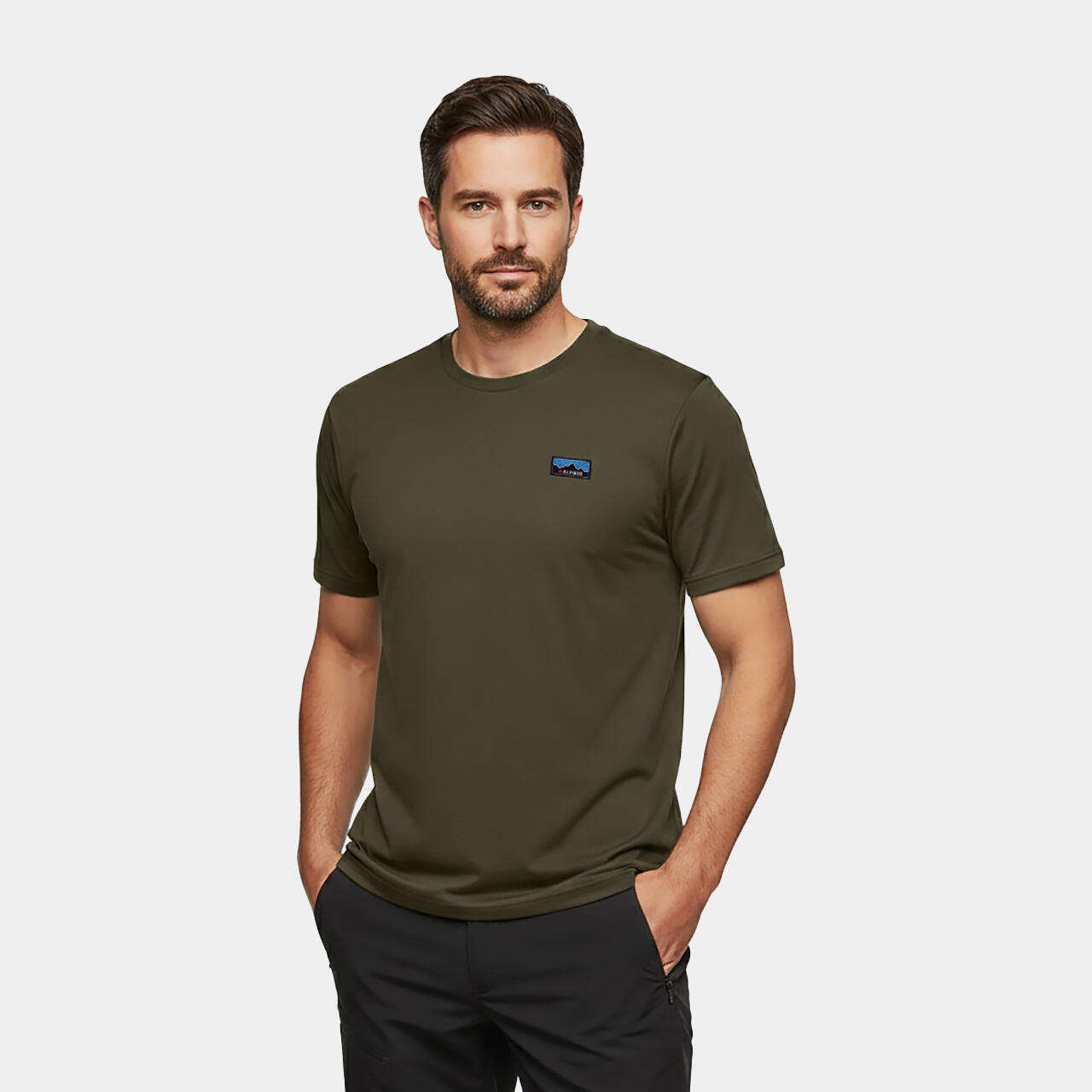
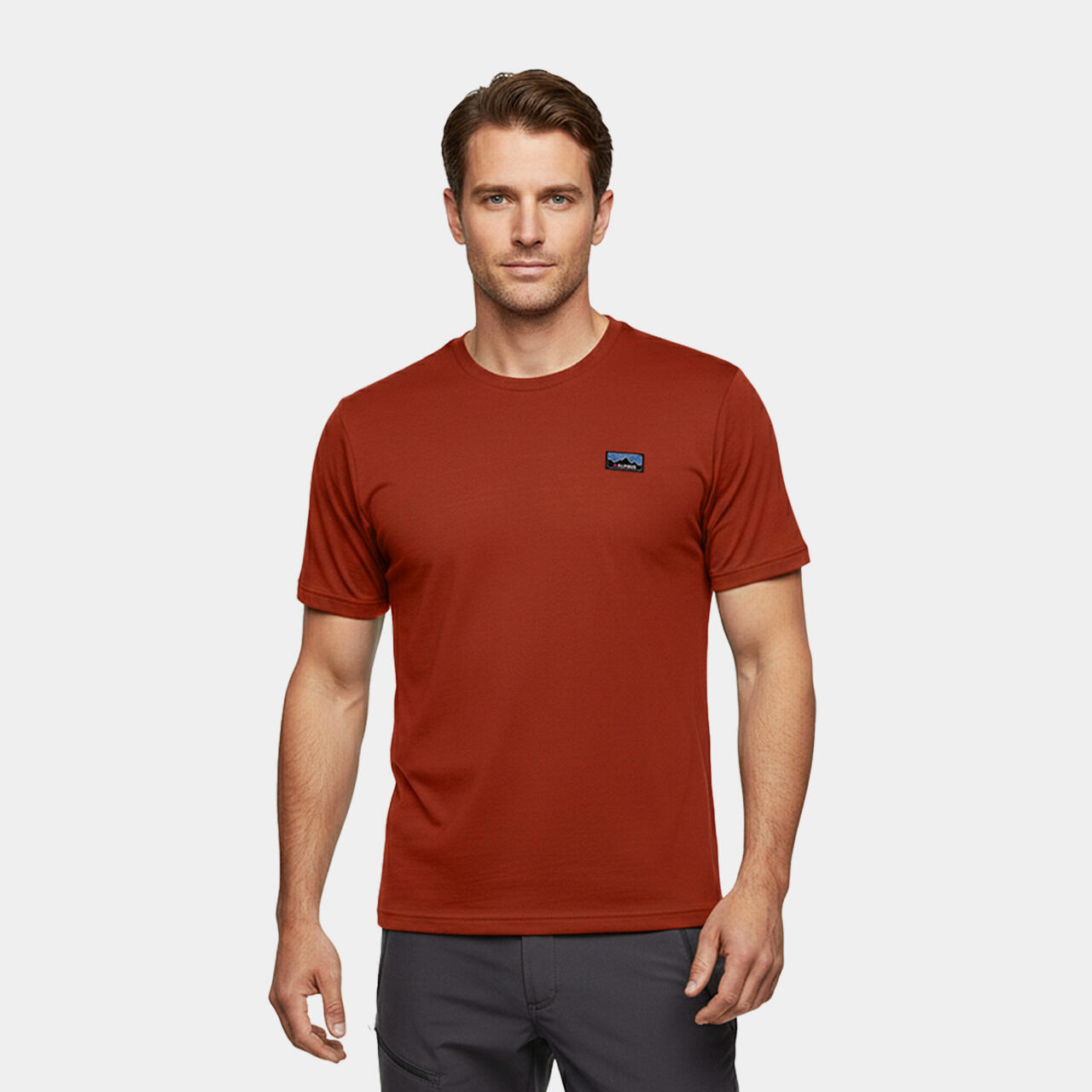
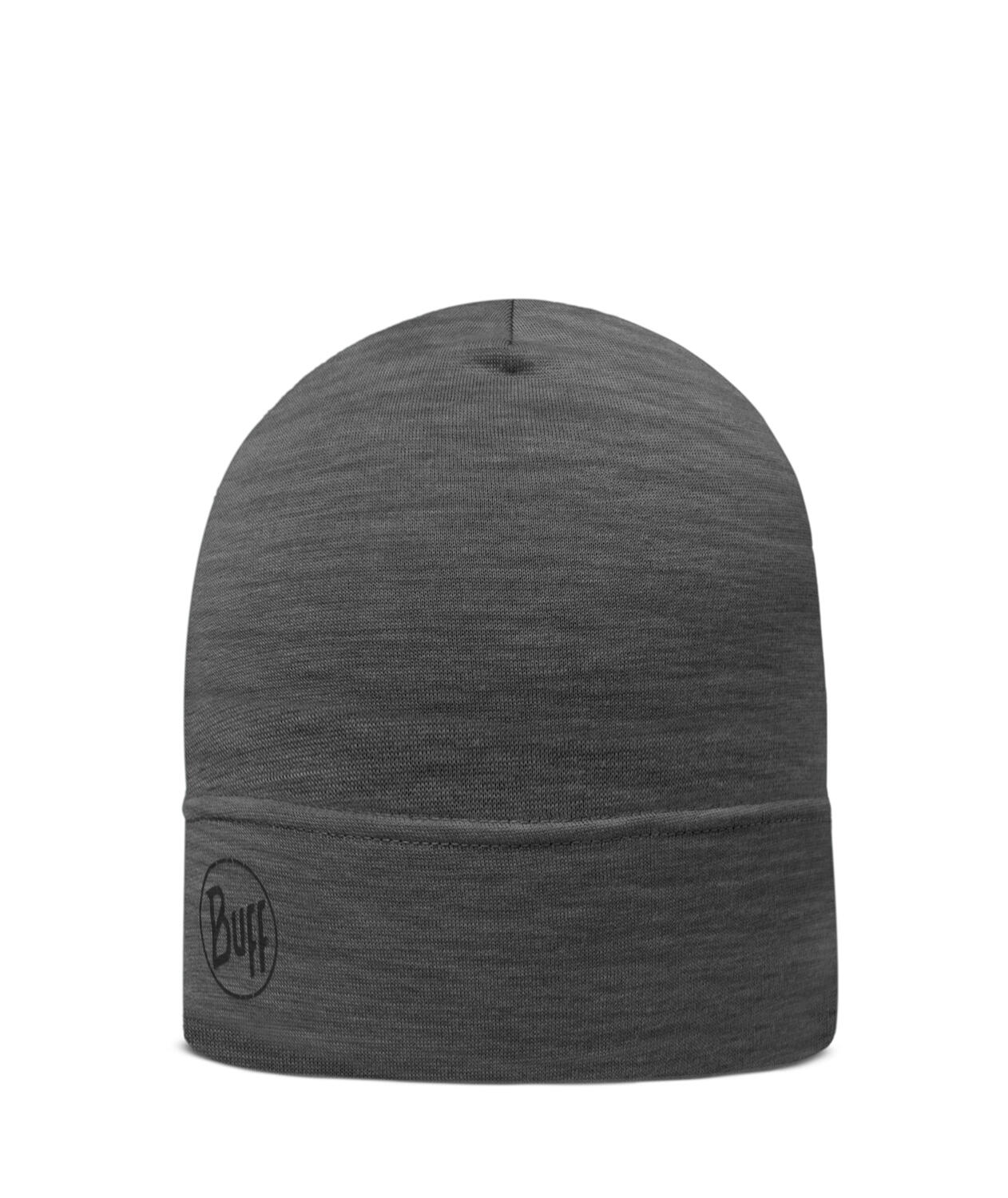
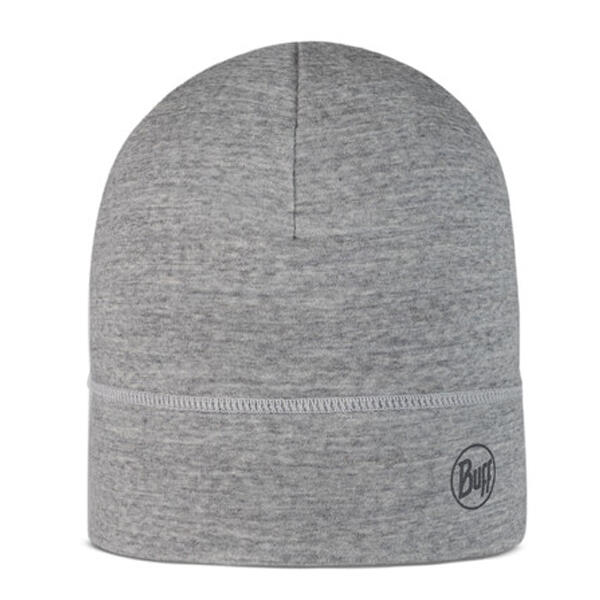
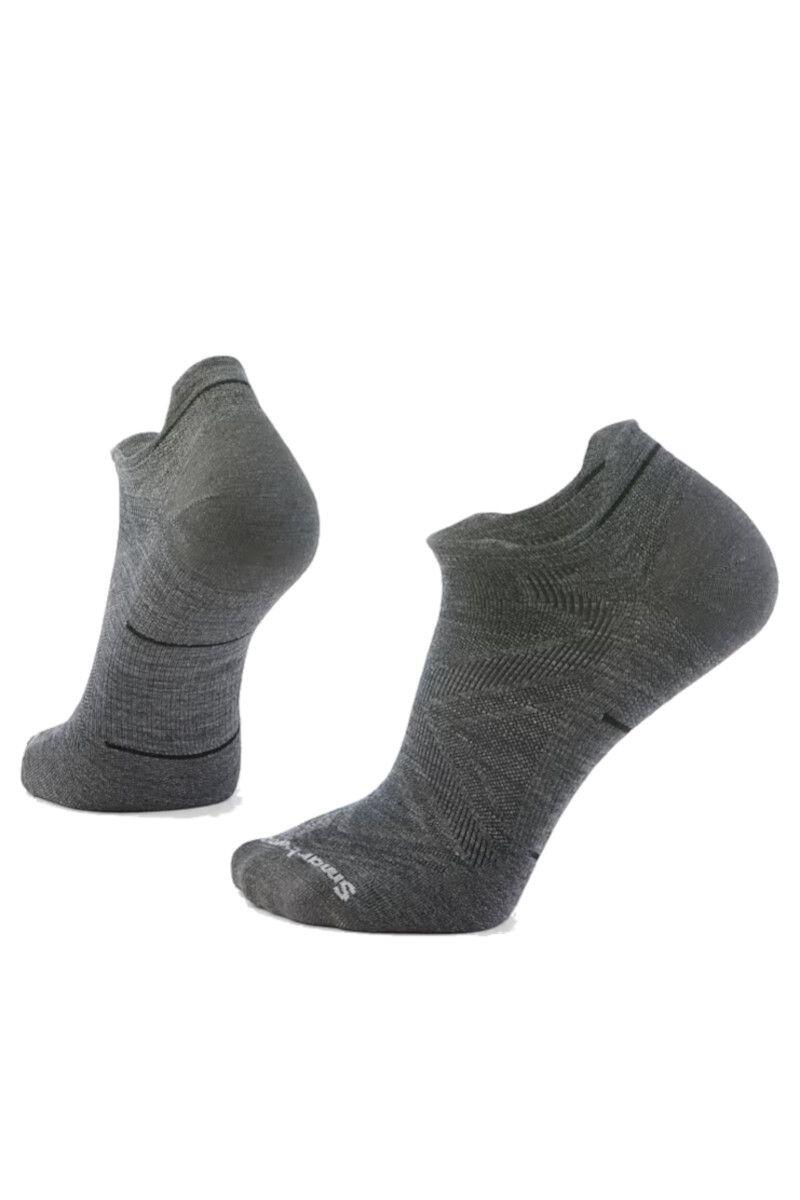
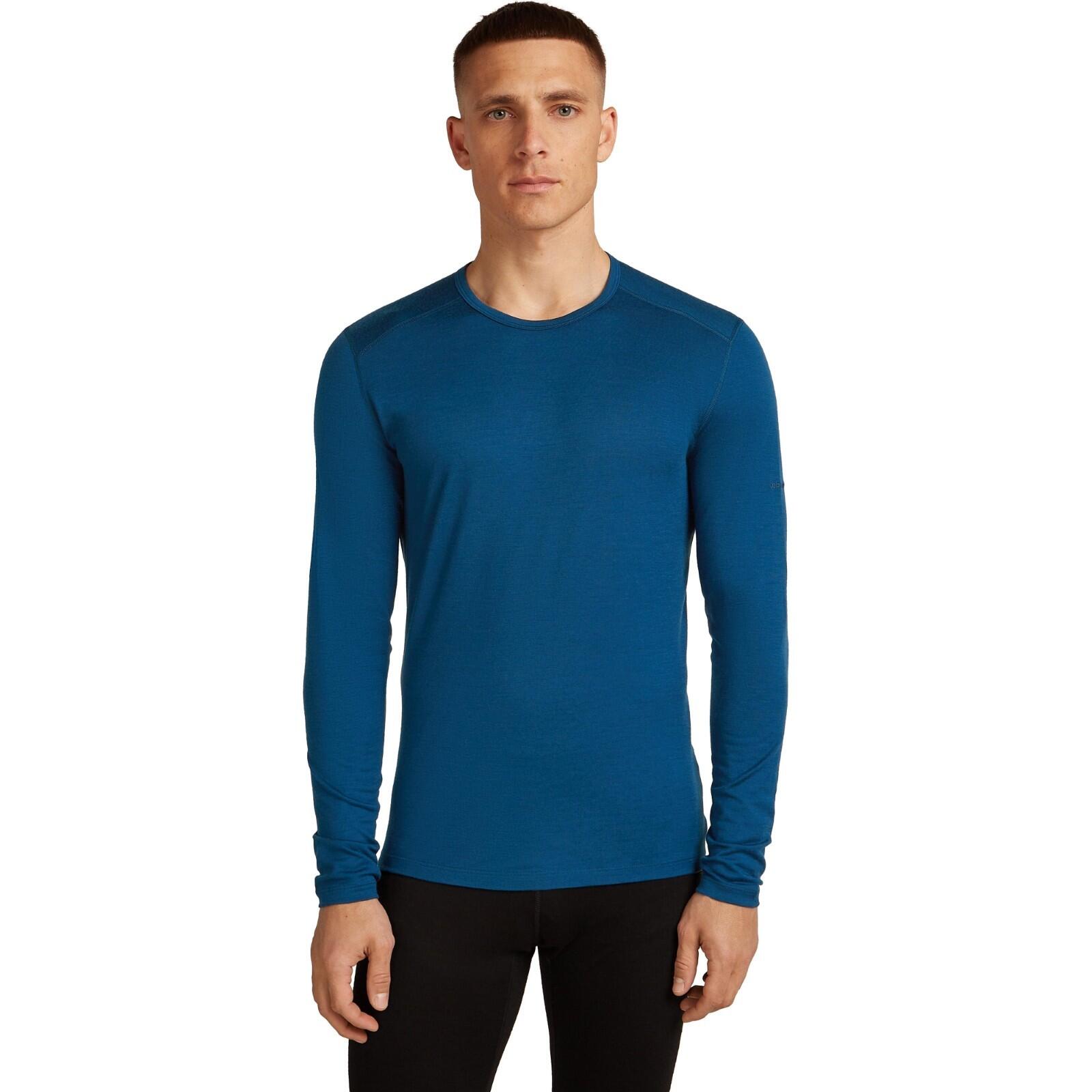
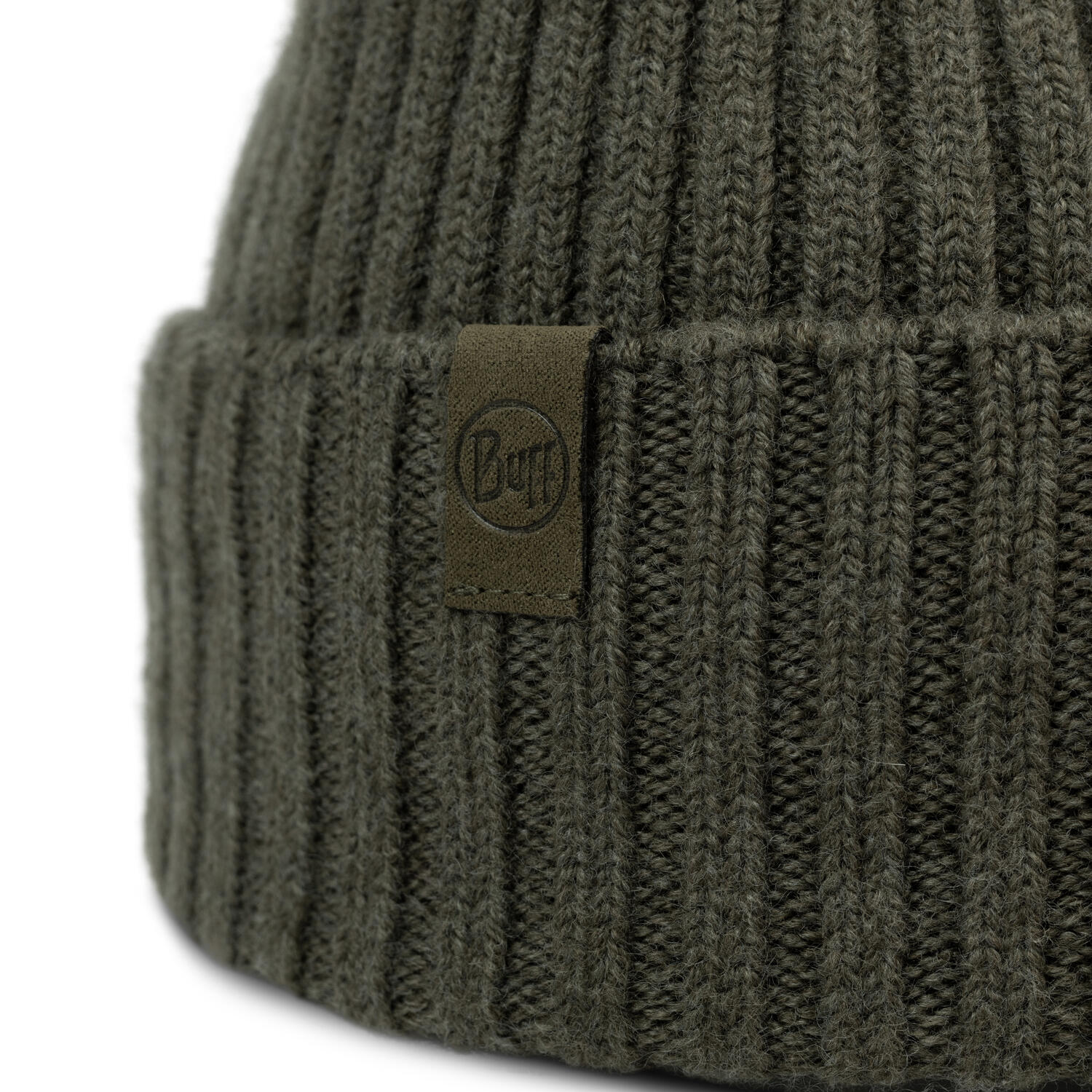
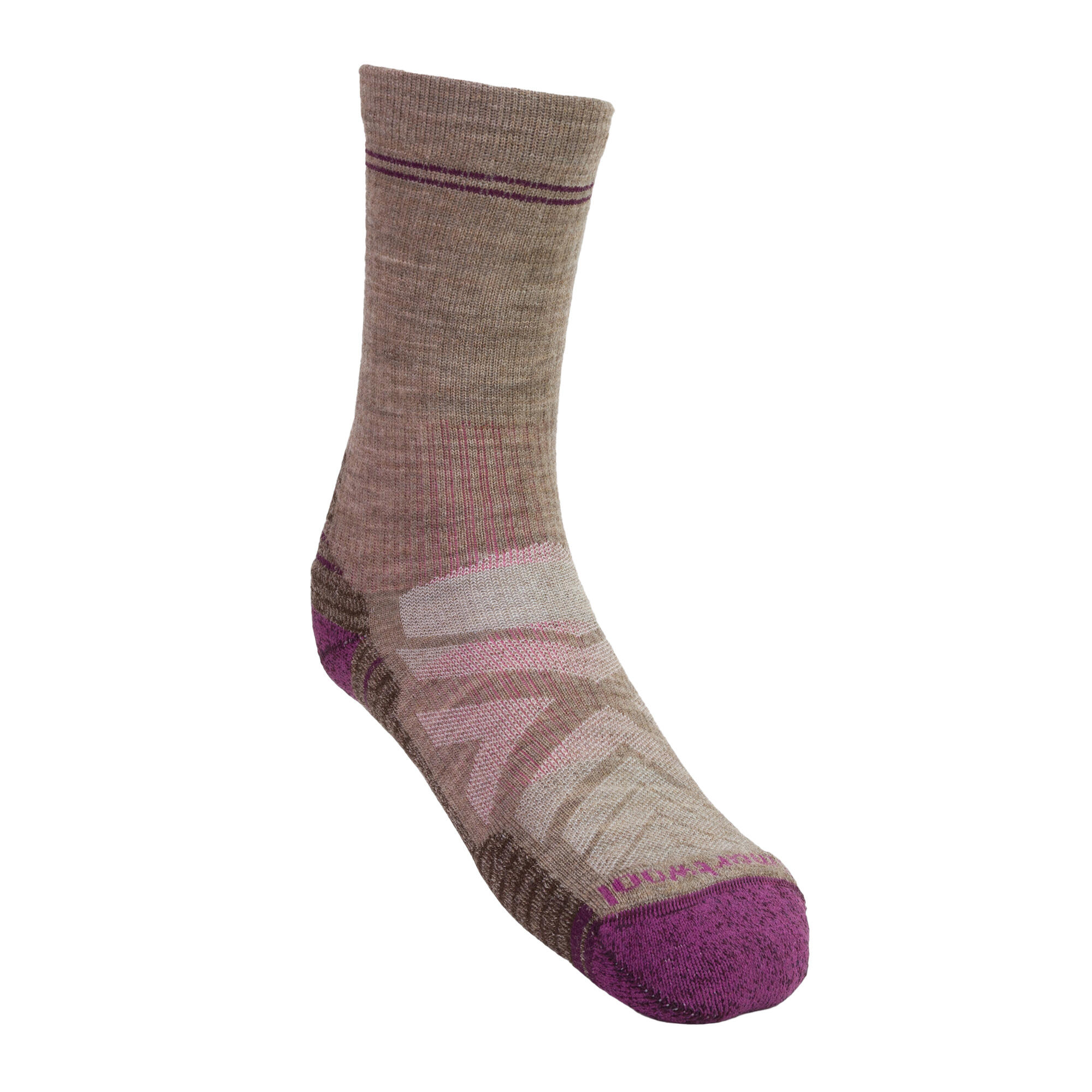
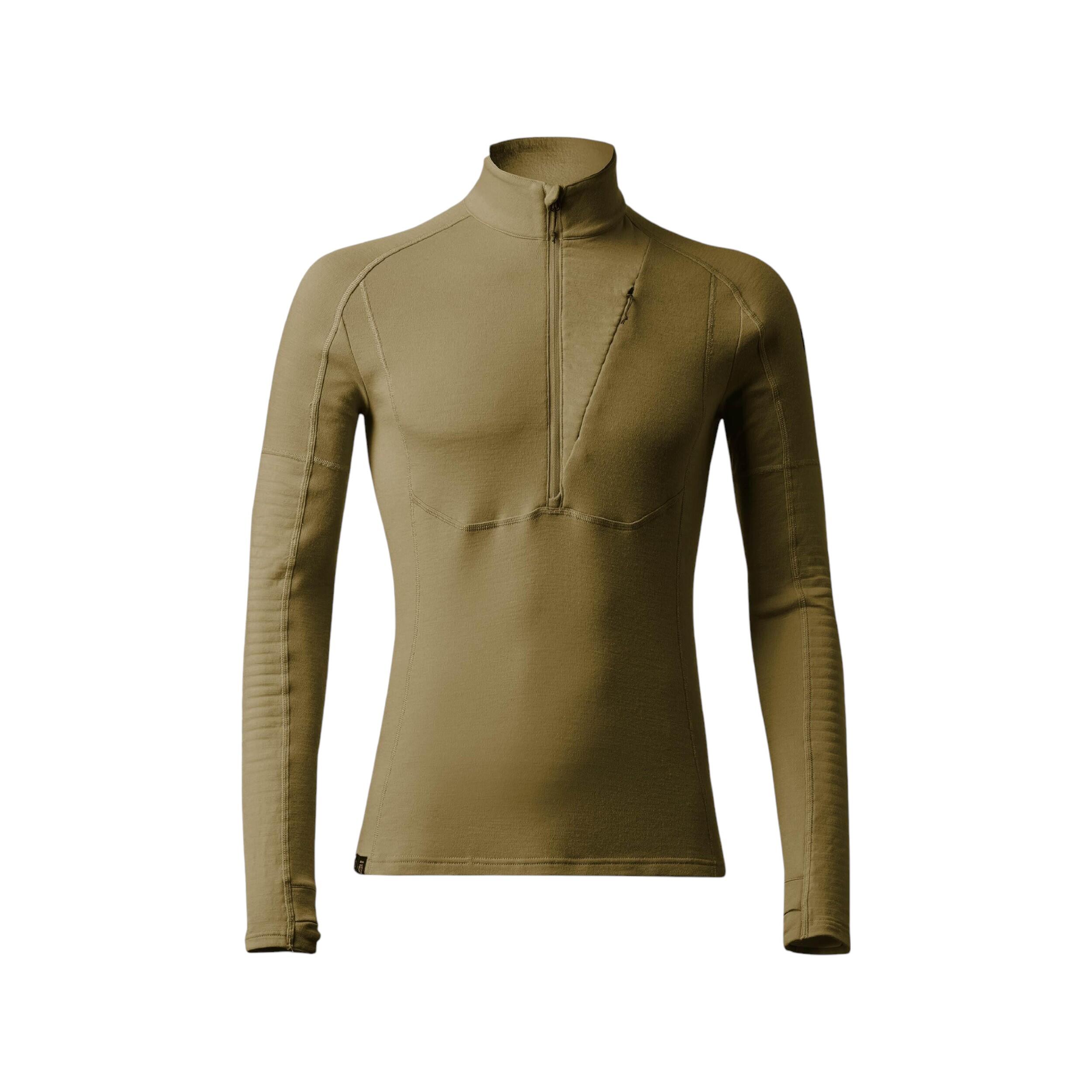
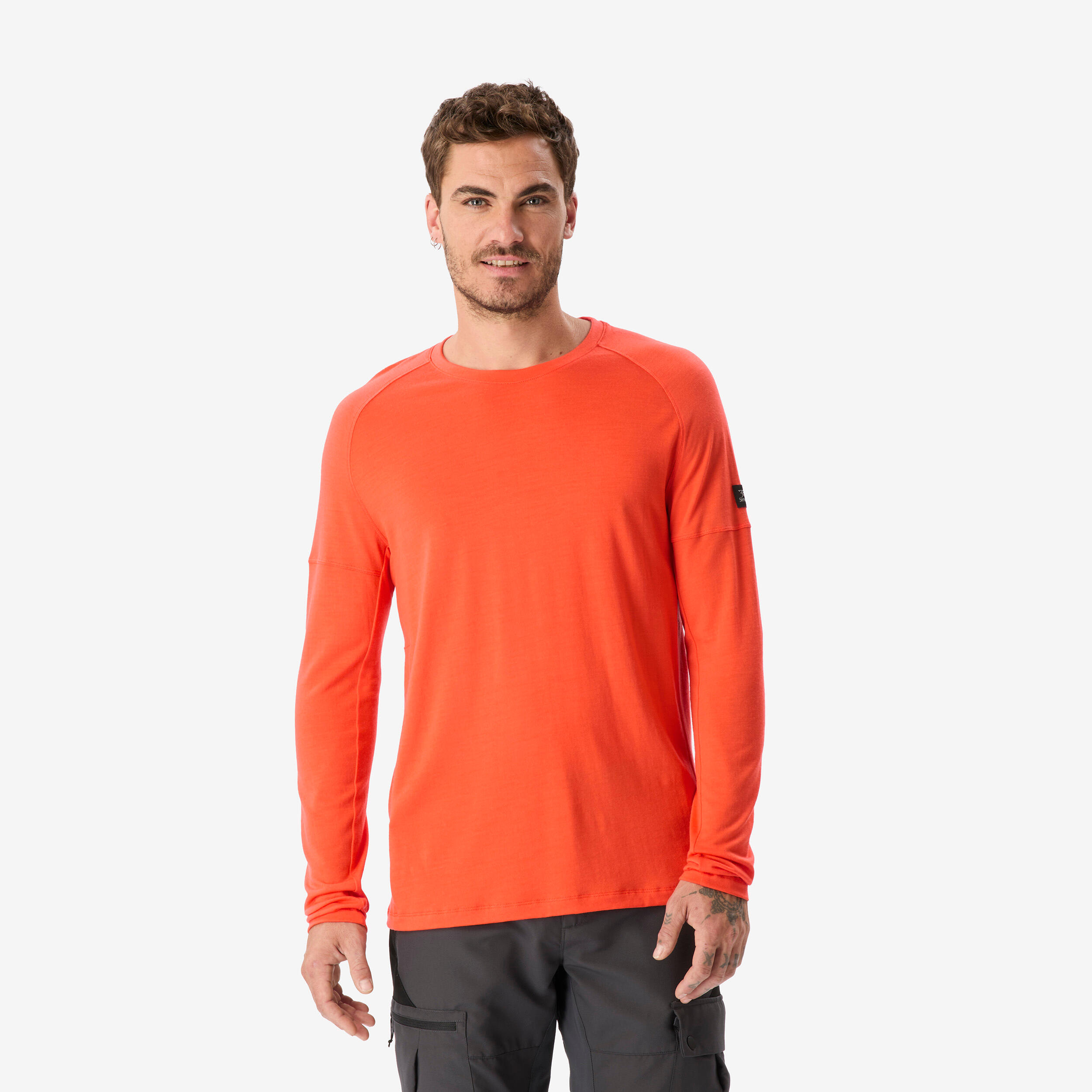
Merino wool earns its place in serious hiking wardrobes because the fibre handles moisture, temperature, and odour in ways that synthetic fabrics simply cannot match across a long day on the hills. This matters: merino fibres are finer and softer than traditional wool, which removes the itchiness that puts walkers off, while still trapping warm air against the skin to regulate body temperature on cold mornings. Merino also wicks sweat away from the skin and resists odour build-up across multi-day trips where laundry is not an option, which is why long-distance walkers and bikepackers rely on it. Small advice: pair a merino base layer next to the skin with a synthetic outer for the best balance of warmth and weather protection. For men building a complete merino layering system, browse our range of men's merino wool hiking clothes across the Forclaz and Quechua labels in base layers, T-shirts, and accessories.
How do women's merino wool hiking clothes fit and perform differently?

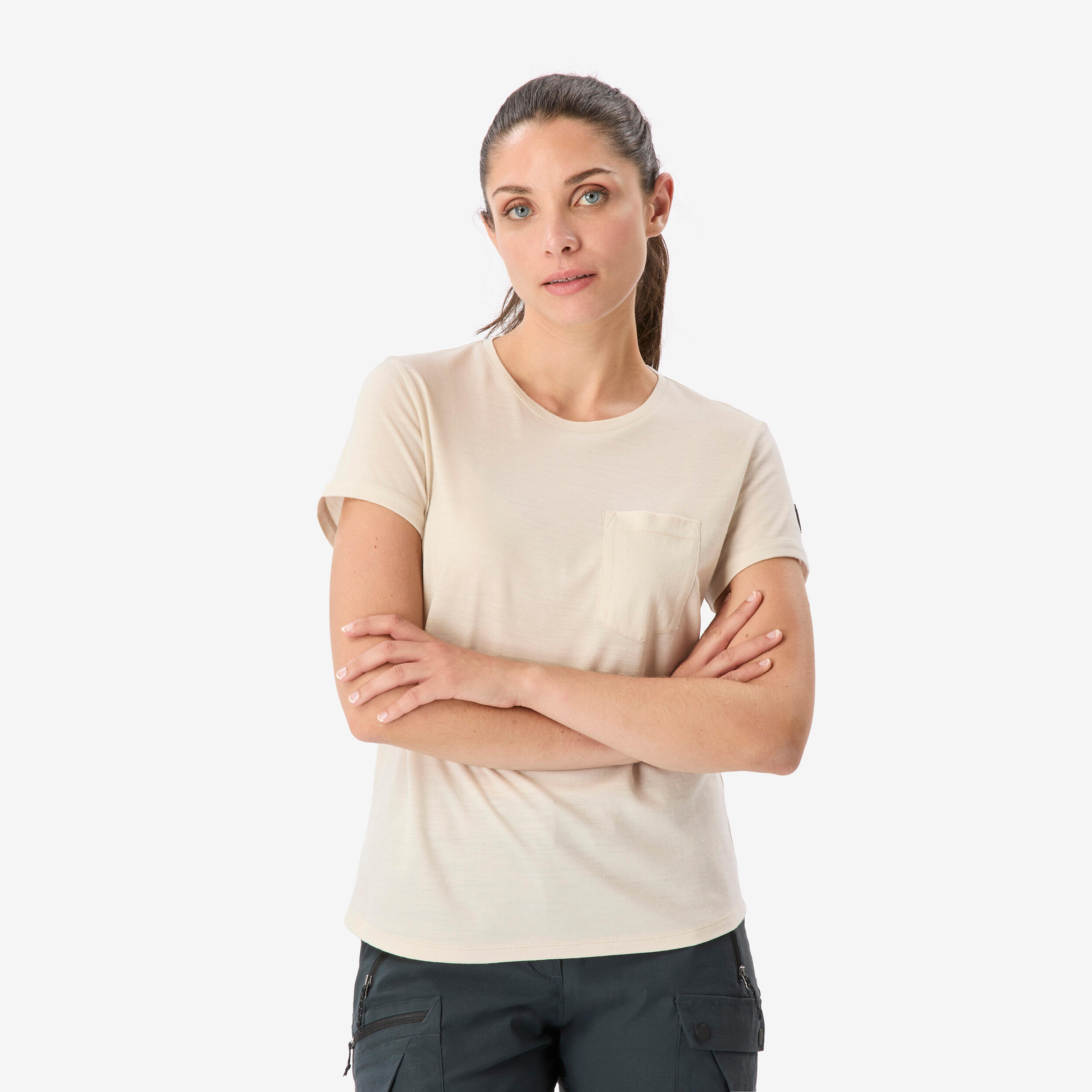
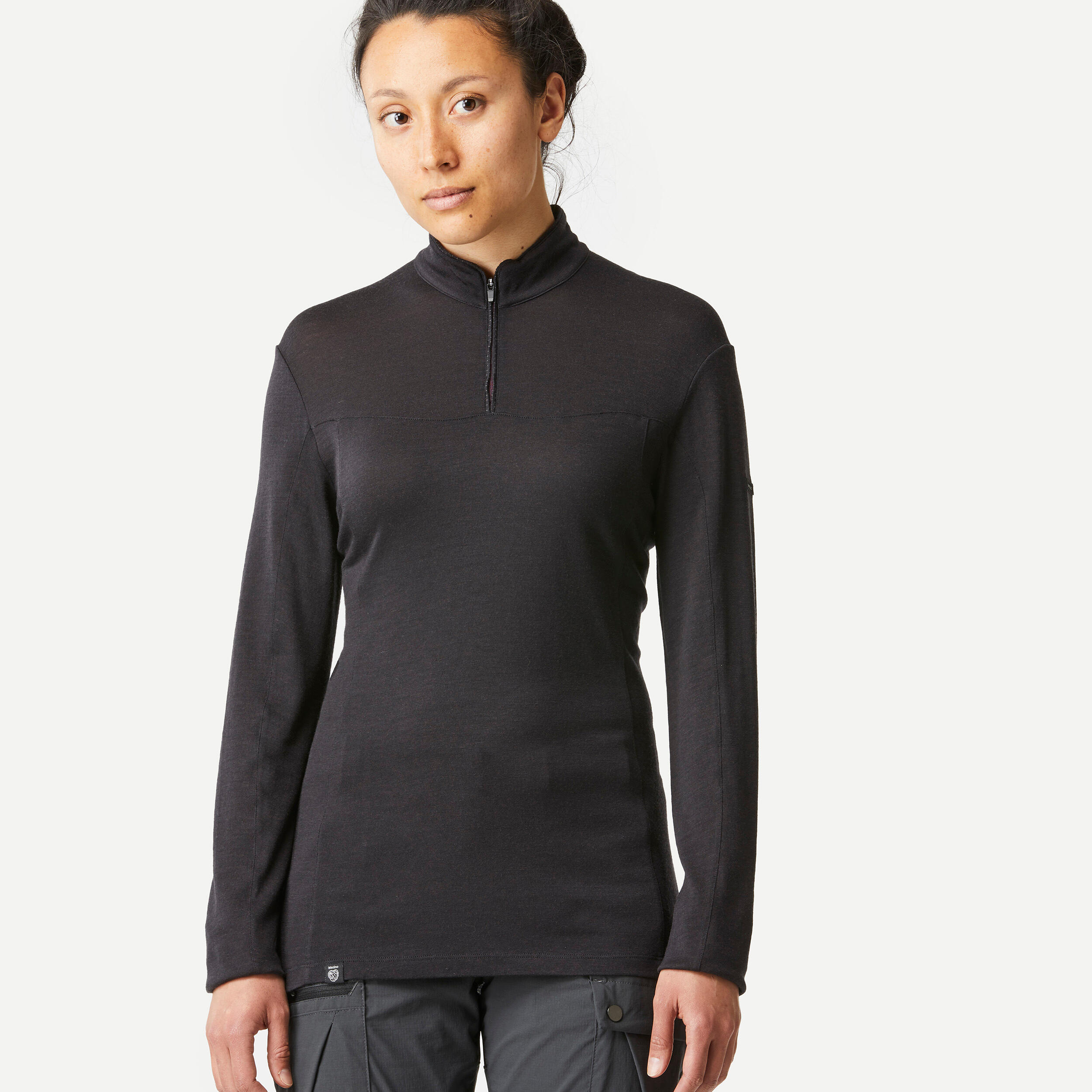
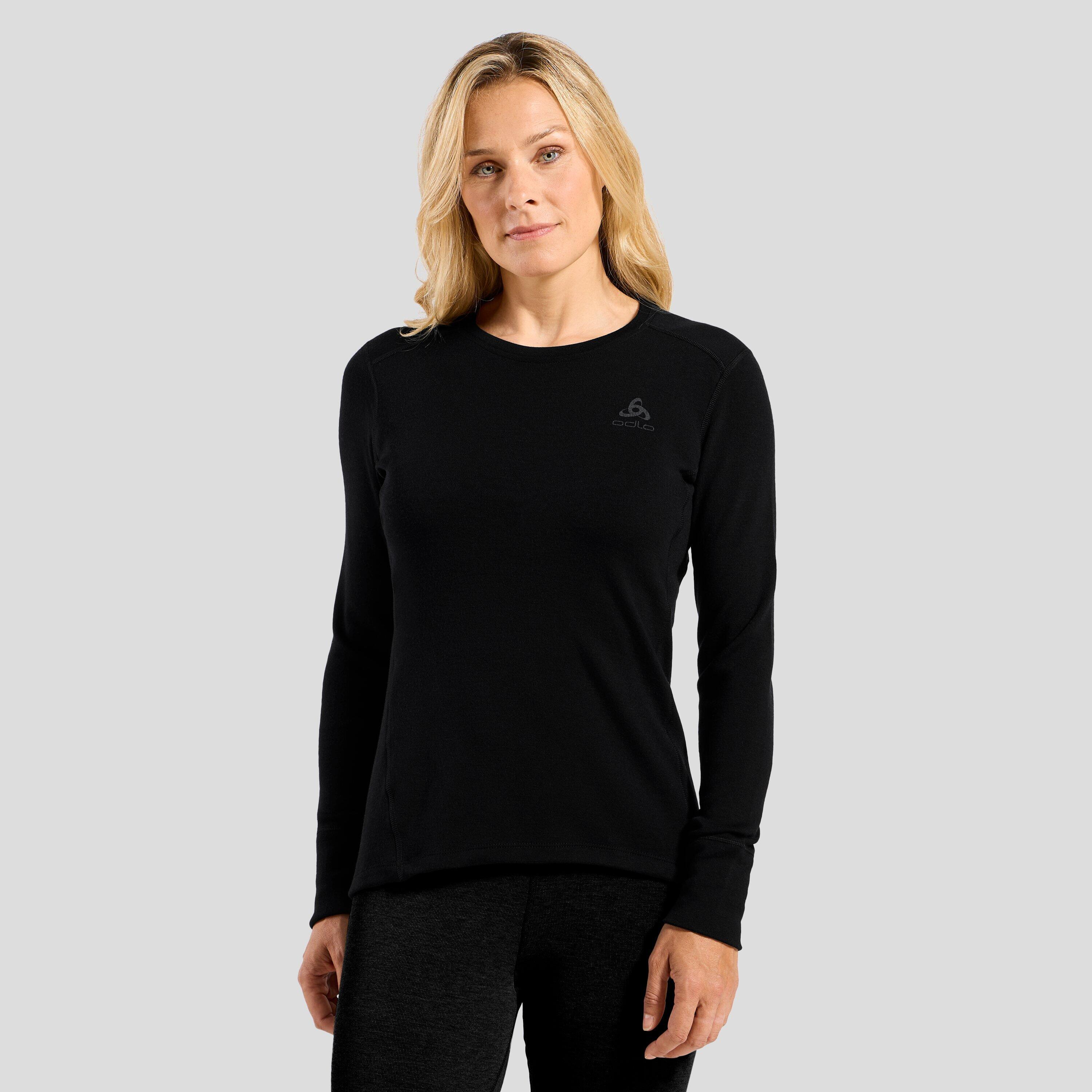
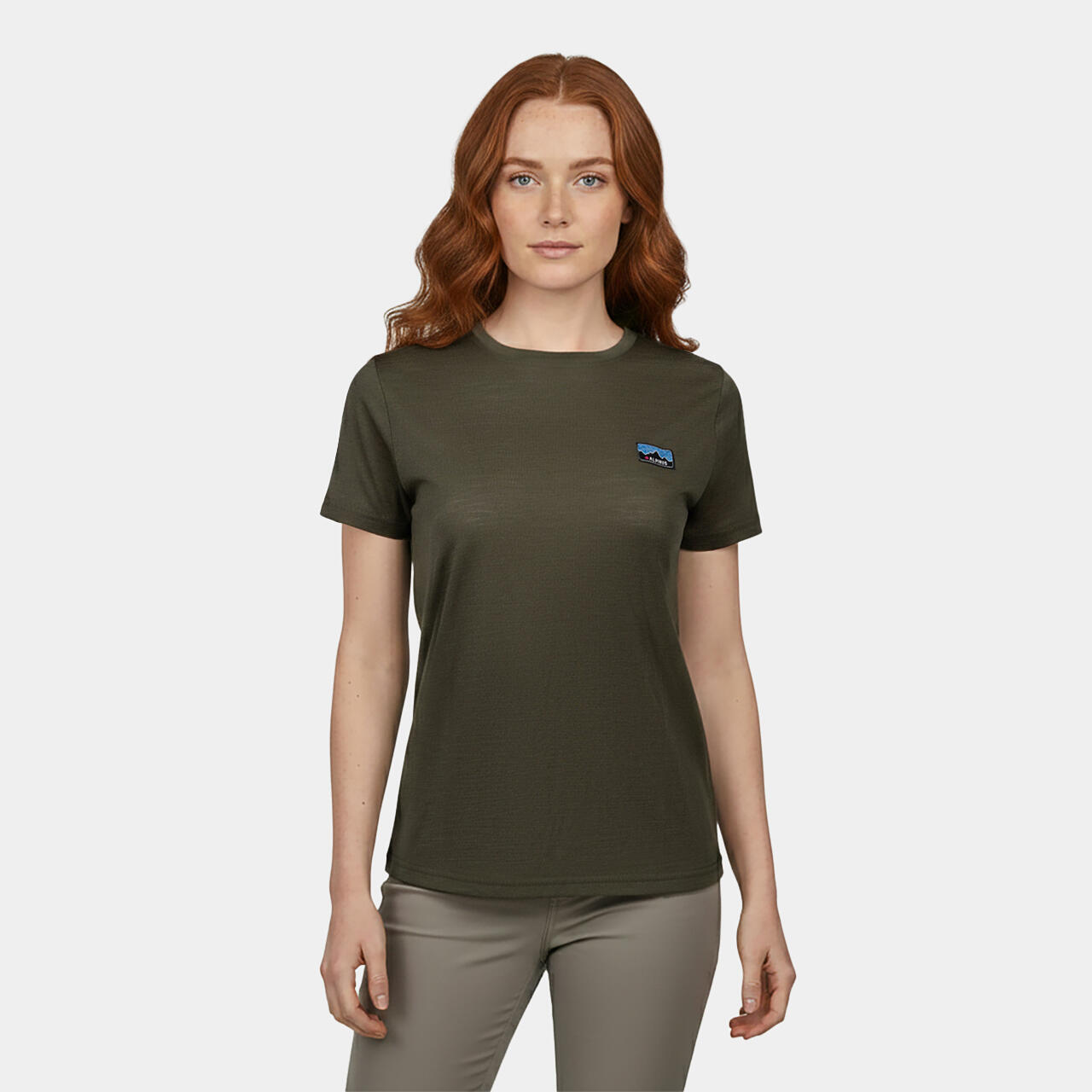
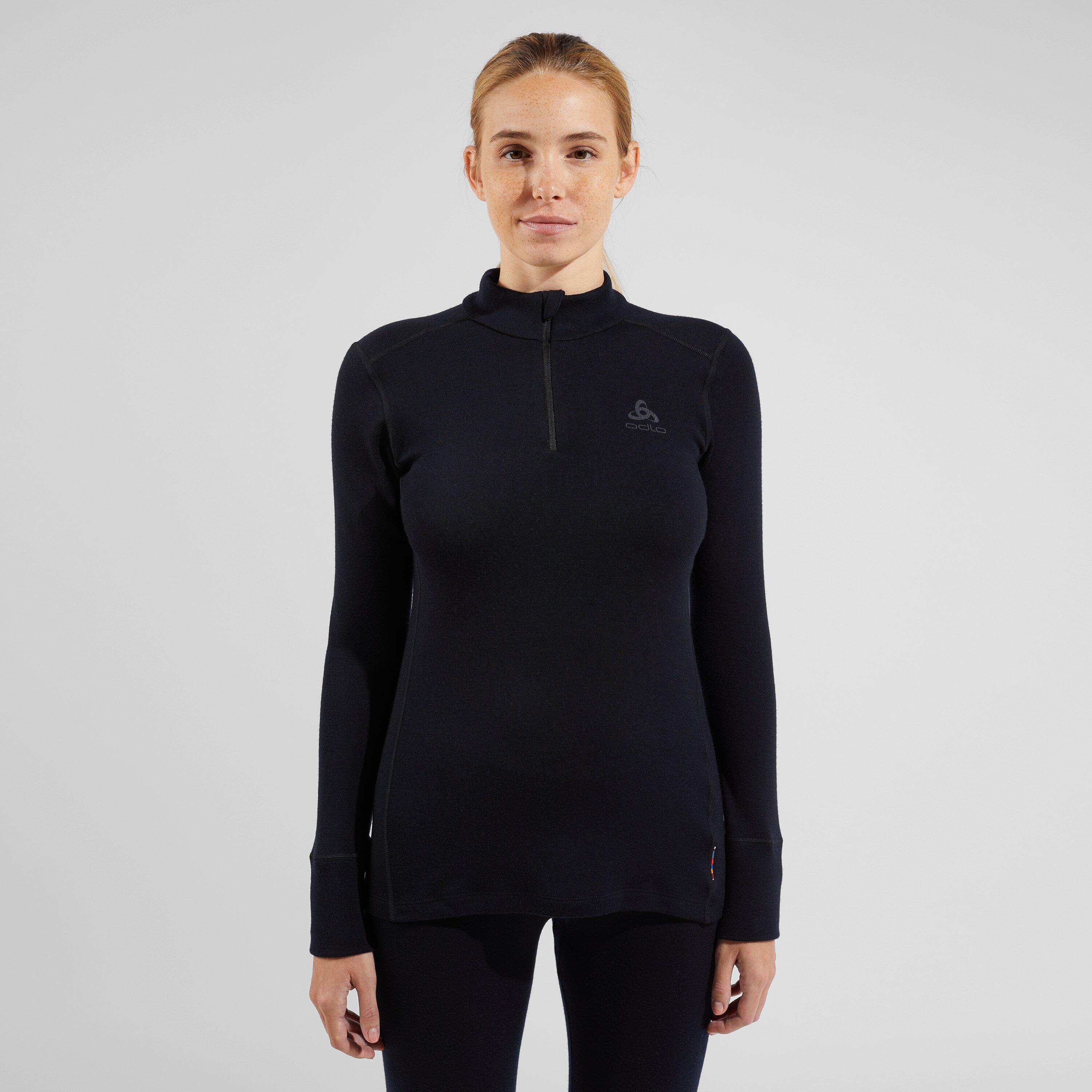
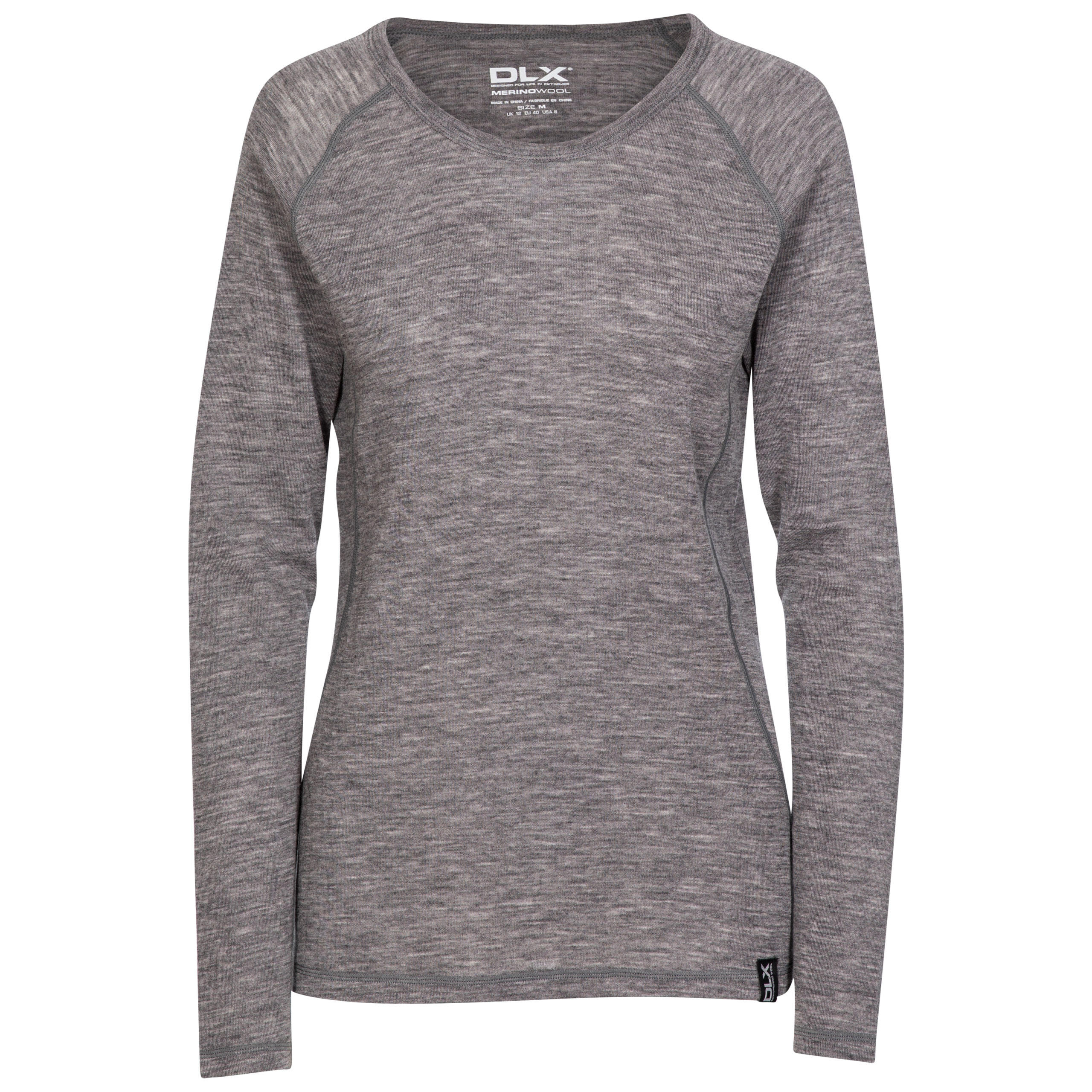
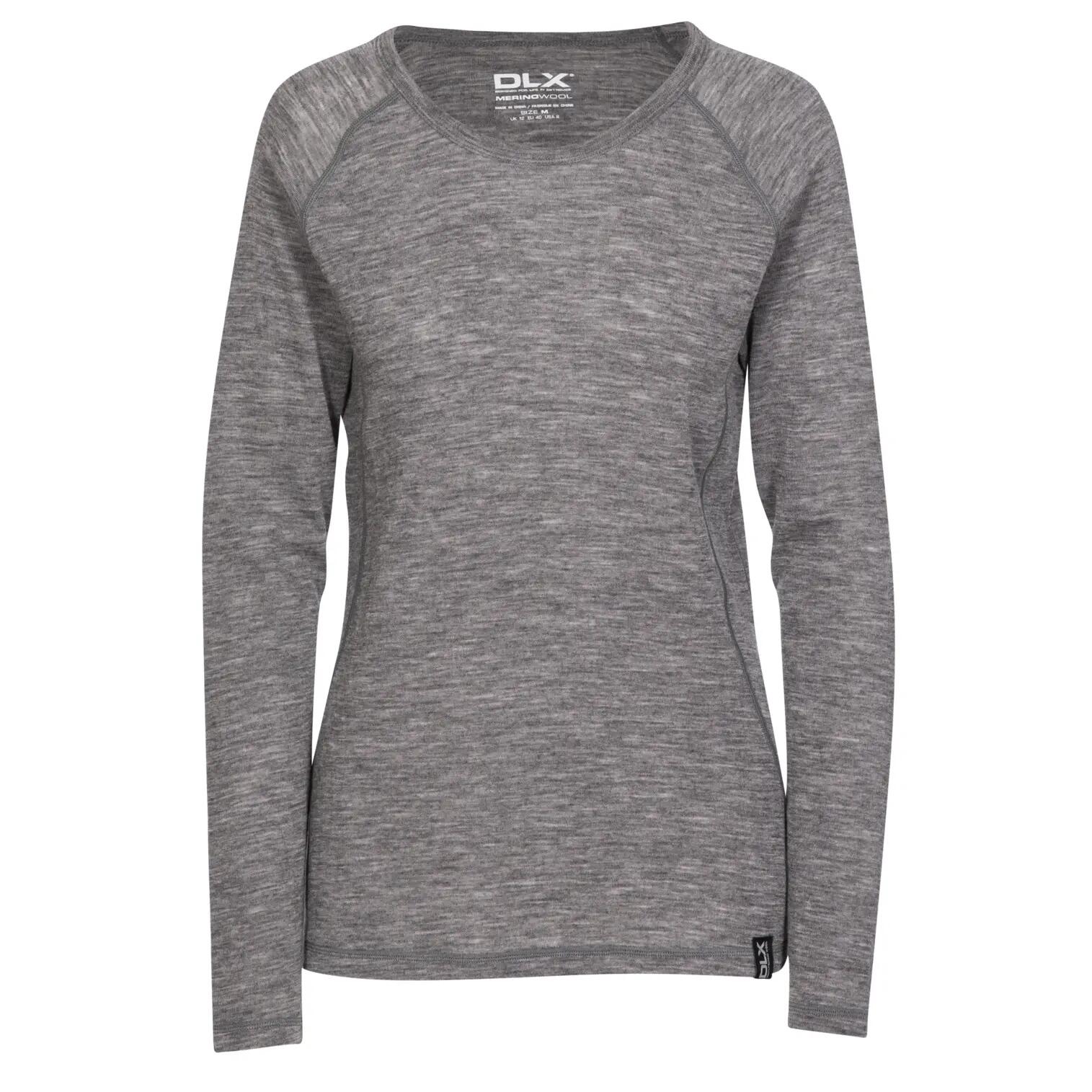
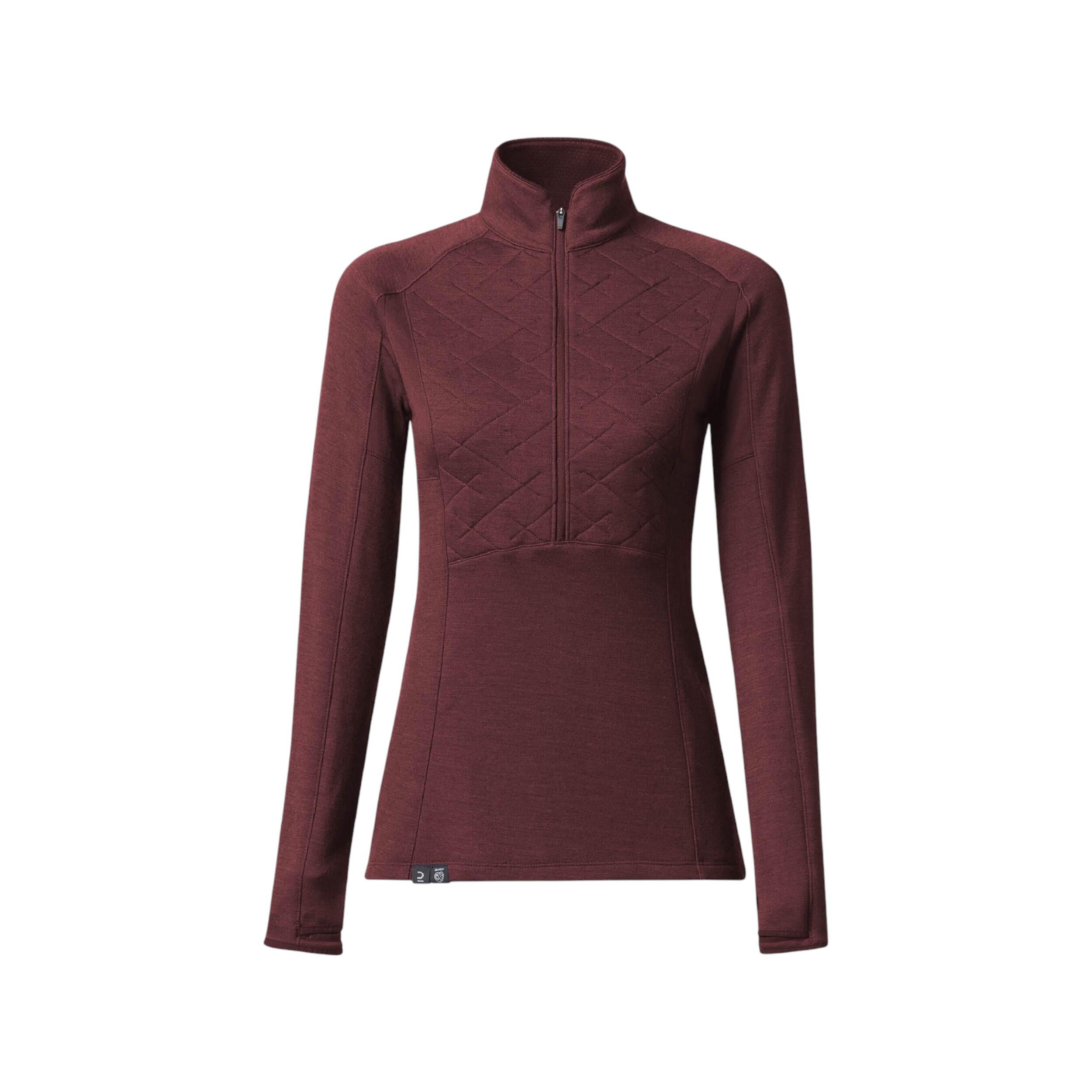
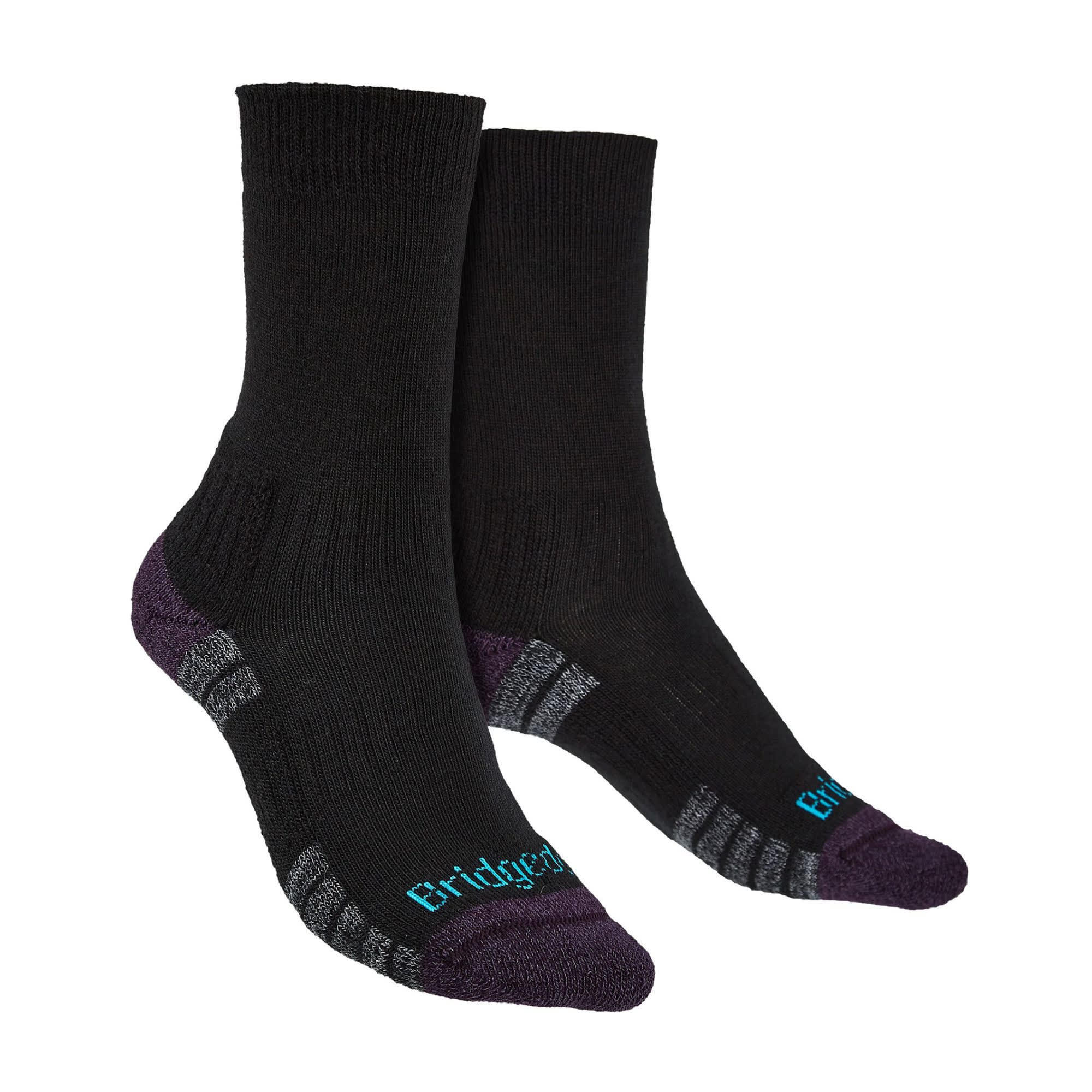
Women's merino layers follow the same fibre principles as men's pieces, but the cut, shoulder width, sleeve length, and waist shaping are tailored to female frames rather than adapted from a men's fit. The reason it matters across a long hill walk is freedom of movement: a poorly cut shoulder seam restricts the movement when using trekking poles, while a baggy waist allows cold air to creep under the layers on a windy ridge. The fibre itself still delivers the same warmth, moisture management, and odour resistance. Browse our range of women's merino wool hiking clothes across the Forclaz and Quechua labels in base layers, mid layers, and hiking accessories.

What should I layer over a merino wool base for cold-weather hiking?

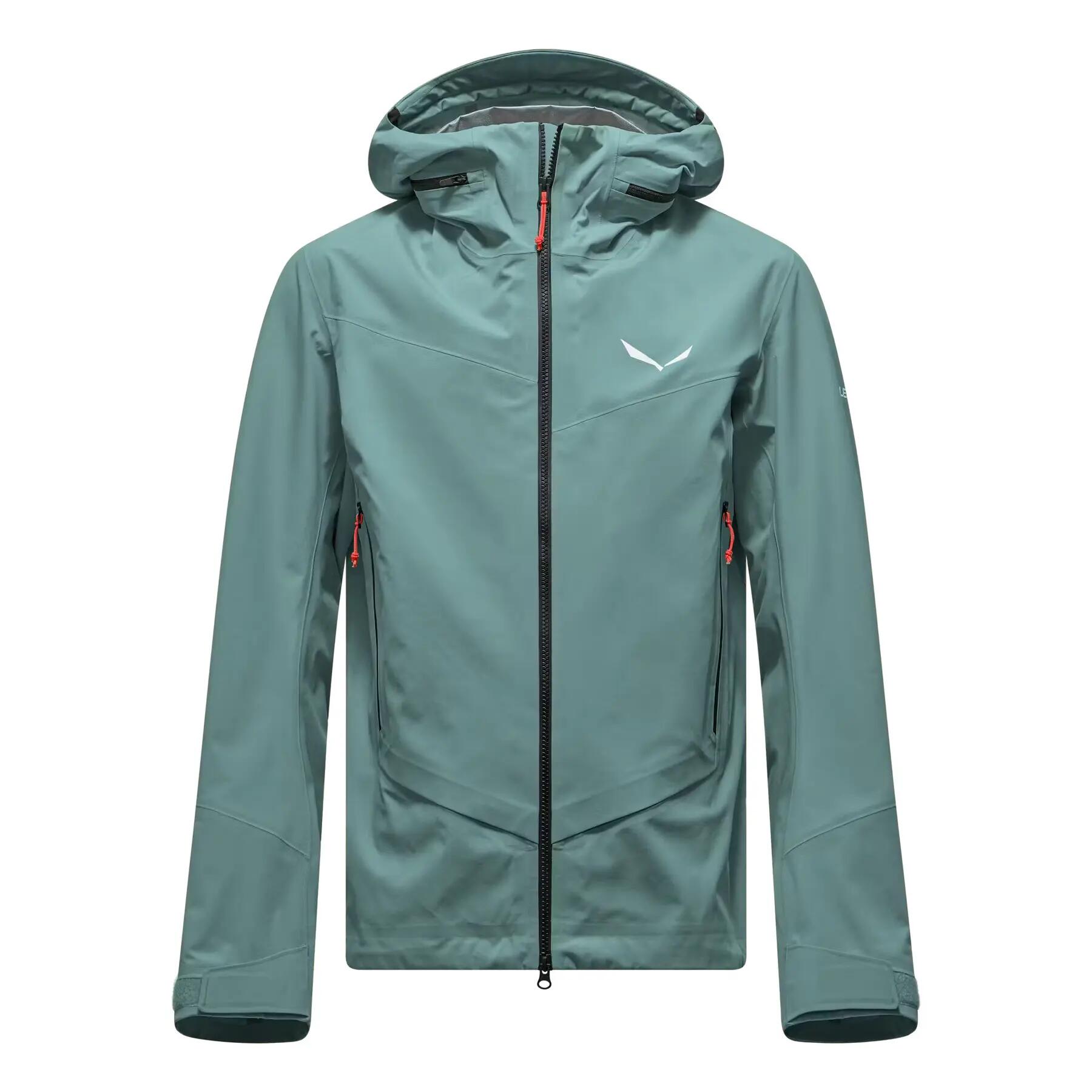
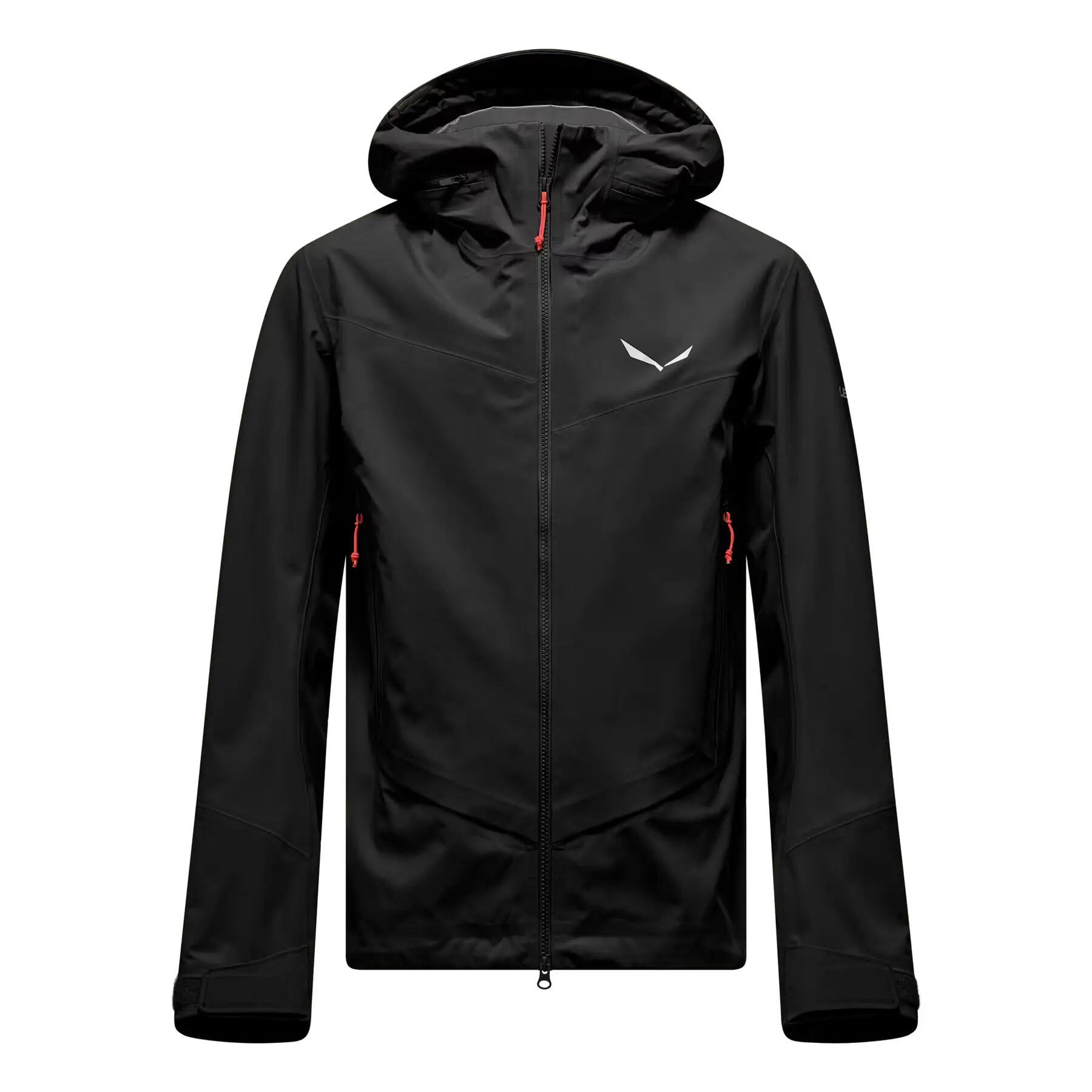
The right outer layer over a merino wool base completes a proper cold-weather hiking system, since the base layer manages moisture against the skin while the jacket on top blocks wind, rain, and snow from reaching the warm air trapped inside. Waterproof shells handle persistent rain, lightweight insulated jackets add warmth on still mornings, and softshell jackets balance breathability with weather resistance for moderate conditions. The reason layering matters is adaptability: removing or adding a single layer across the day keeps you comfortable across changing temperatures on a long hill route. Browse our range of hiking jackets in waterproof, softshell, and insulated builds across Quechua, Forclaz, and Helly Hansen.

How do merino wool hiking T-shirts compare with synthetic hiking T-shirts?

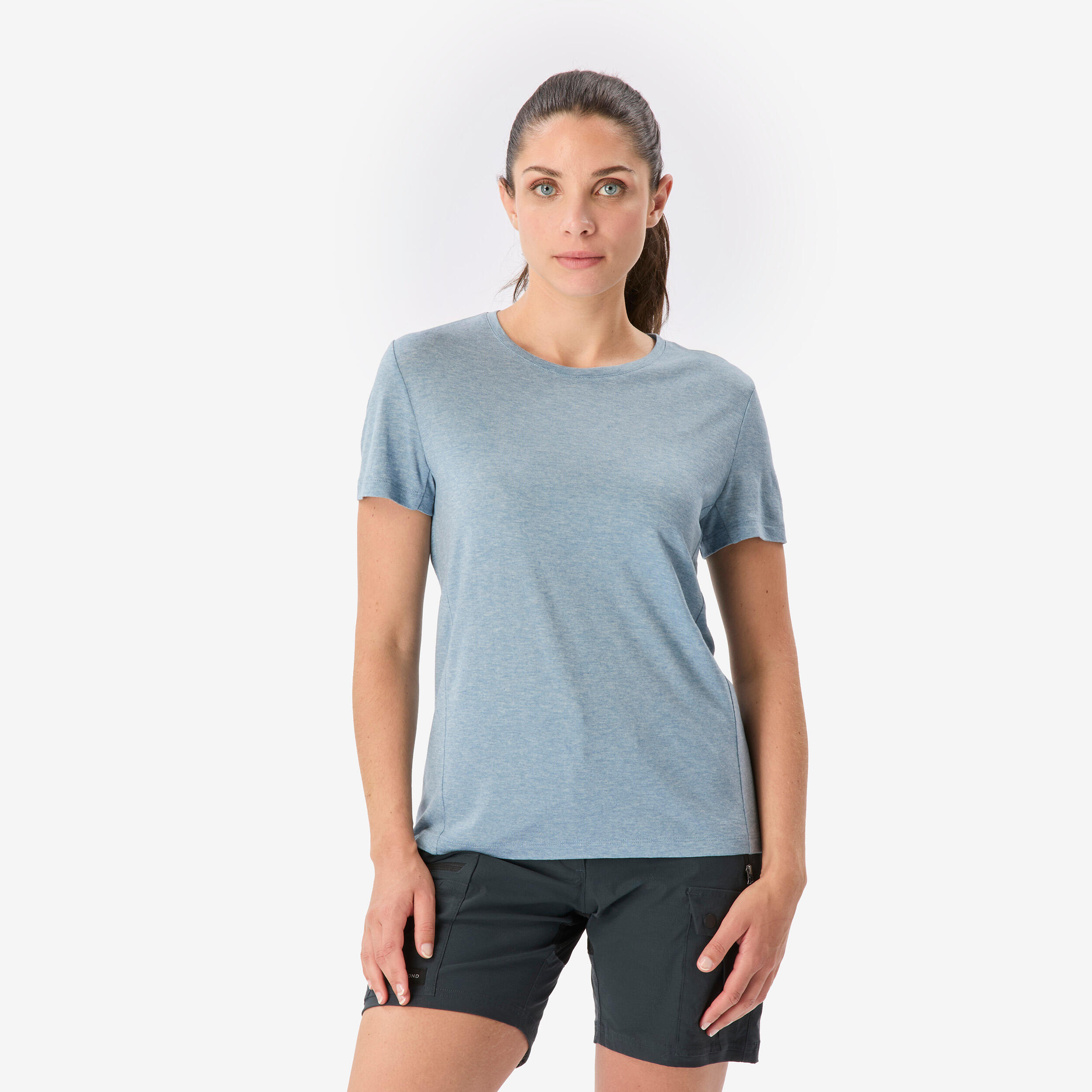
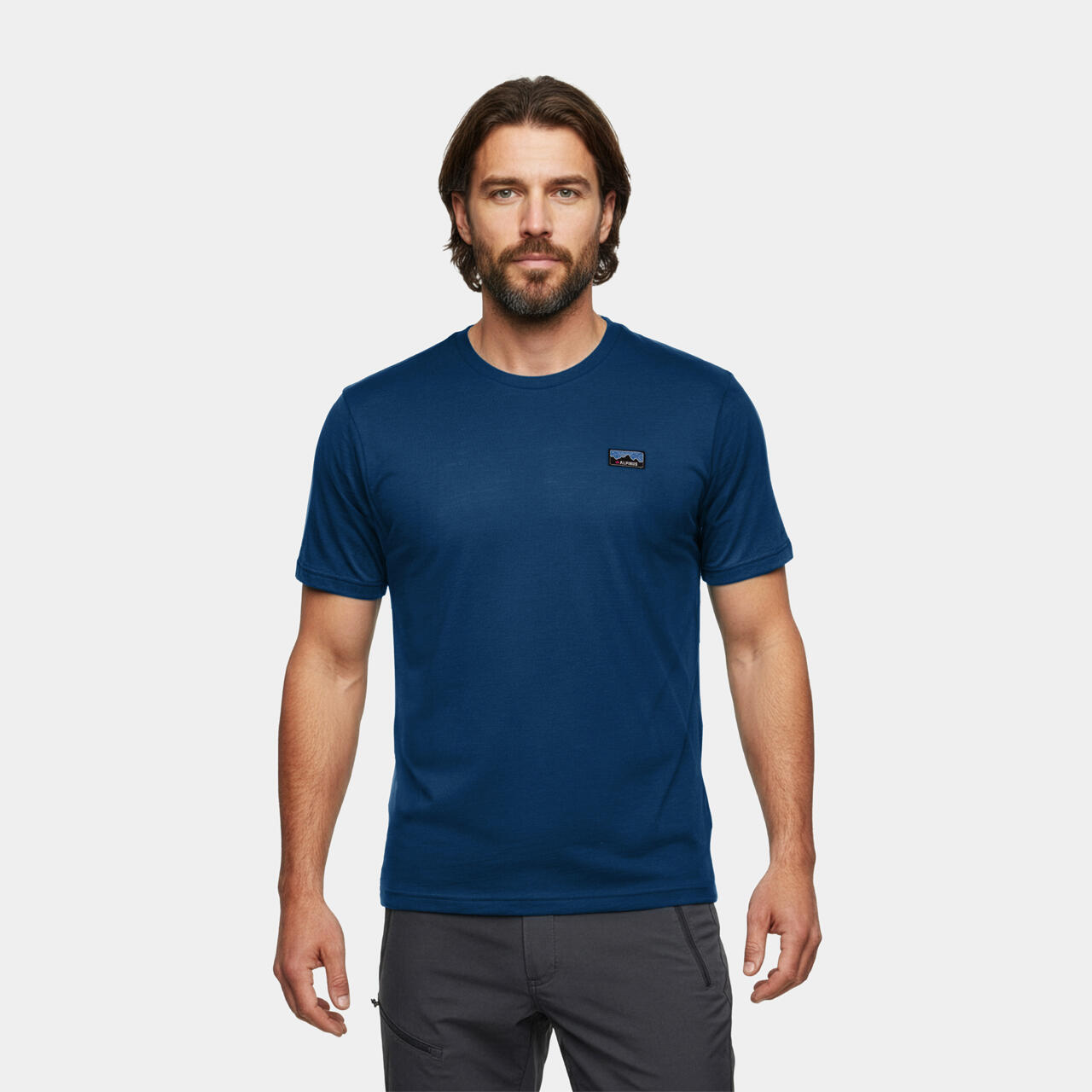
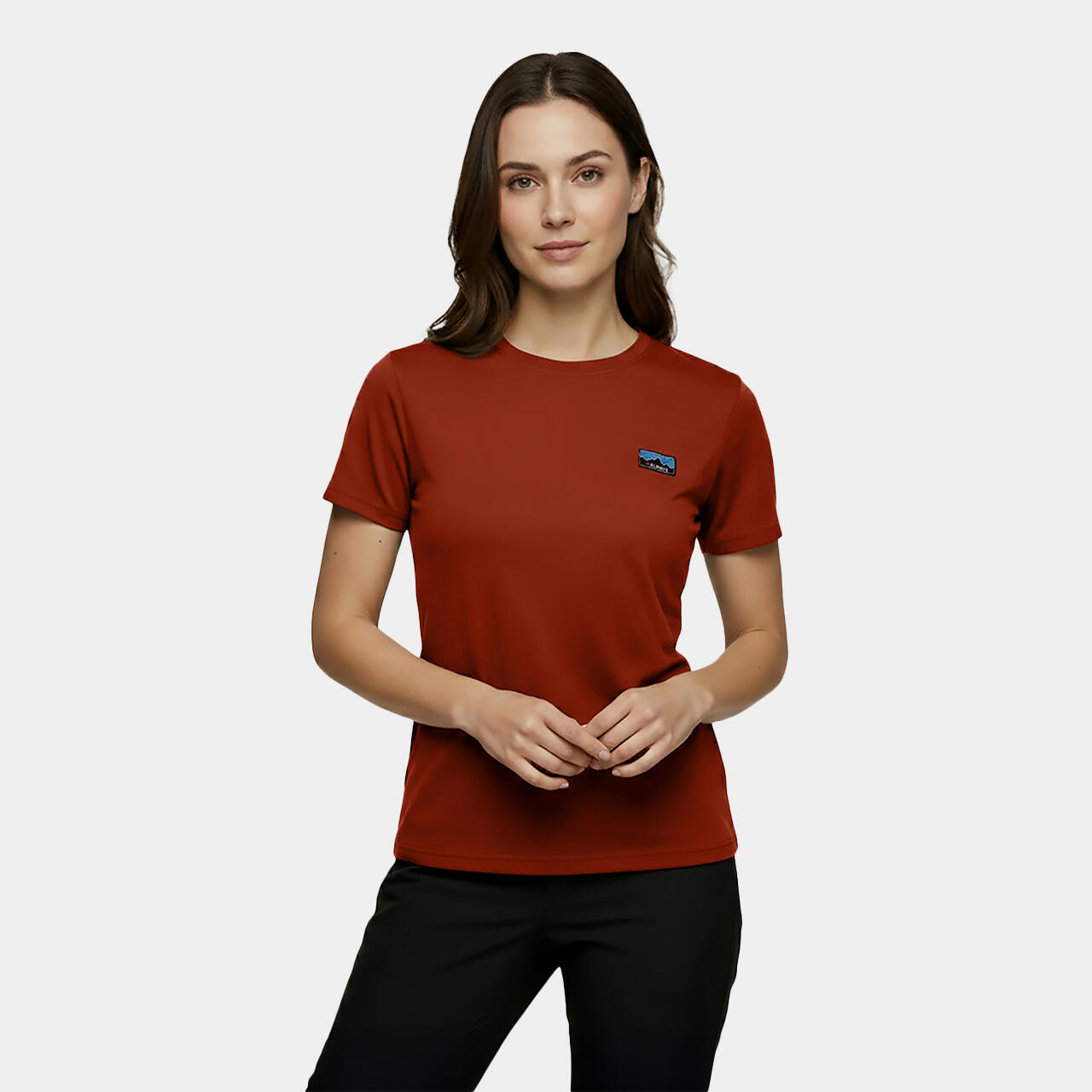
Merino wool hiking T-shirts and synthetic hiking T-shirts both wick moisture away from the skin, but they suit different priorities across the season. Merino delivers superior temperature regulation, natural odour resistance, and the softness needed for multi-day trips and travel days where laundry is limited. Synthetic T-shirts, by contrast, dry faster after heavy rain, are usually more affordable, and stand up better to repeated abrasion from a heavy pack across a hot summer trek. Many regular walkers keep both in rotation across the year. Browse our range of hiking T-shirts in merino, synthetic, and blended fabrics across the Quechua and Forclaz labels for warm-weather walking.

What should I wear on the lower body to complete a merino hiking kit?

Completing the lower half of a merino hiking kit comes down to trousers and leggings that match the conditions you walk in across the year. Stretch hiking trousers handle dry summer routes, water-repellent trekking trousers shed light rain on autumn walks, and warm-lined trousers keep the legs comfortable through cold winter outings. Lightweight hiking leggings shine on hot summer days and for layering under shells in the depths of winter. Pair them with merino wool boxer shorts as a comfortable base, since the fibre's odour resistance performs well on multi-day routes. Browse our range of hiking trousers and leggings across the Quechua and Forclaz labels for every season.