5,474 items
4.3/5 based on 16196 reviews collected online and in stores

Horse Equipment & Supplies FAQs

Which signs show that saddle equipment is suitable for your horse?

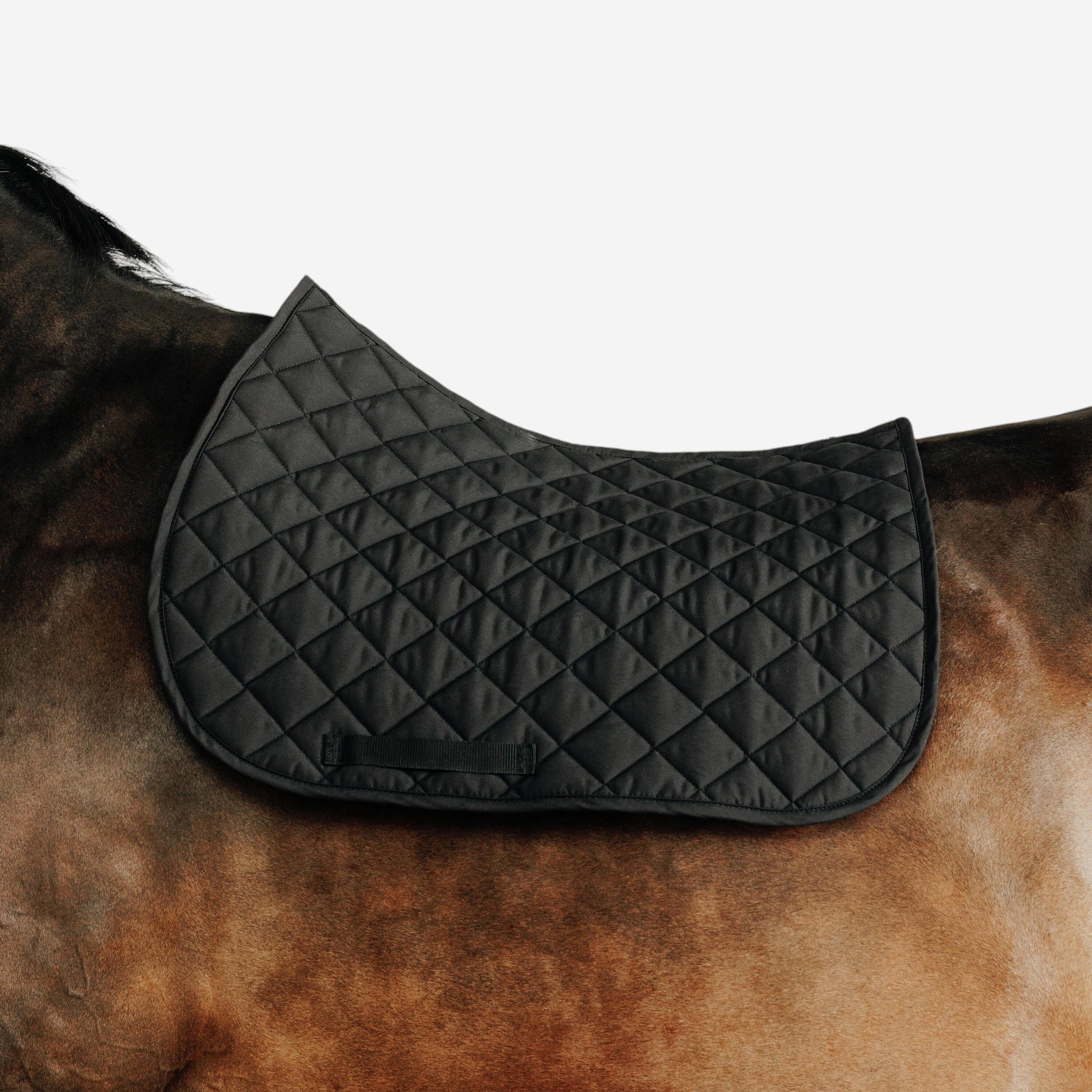
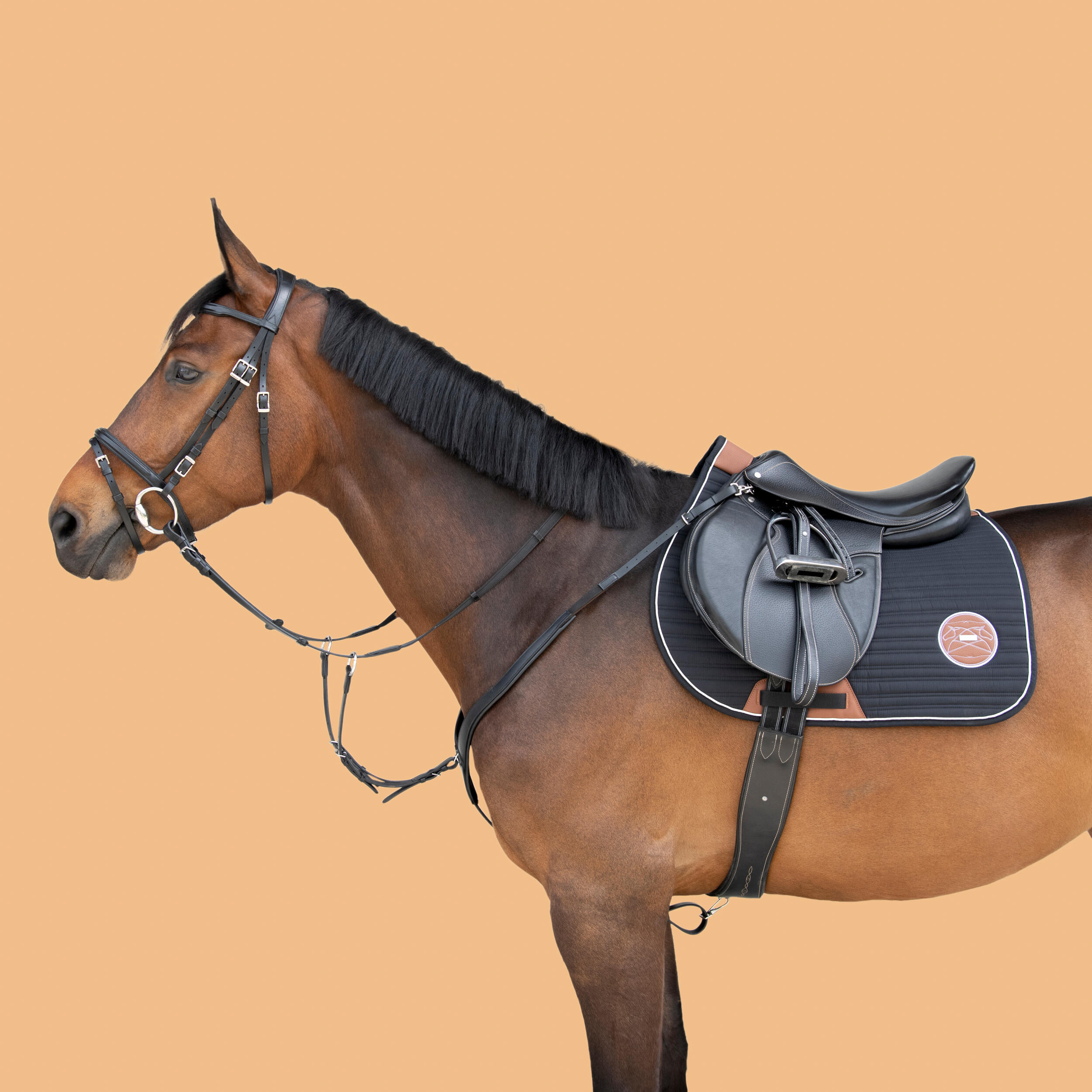
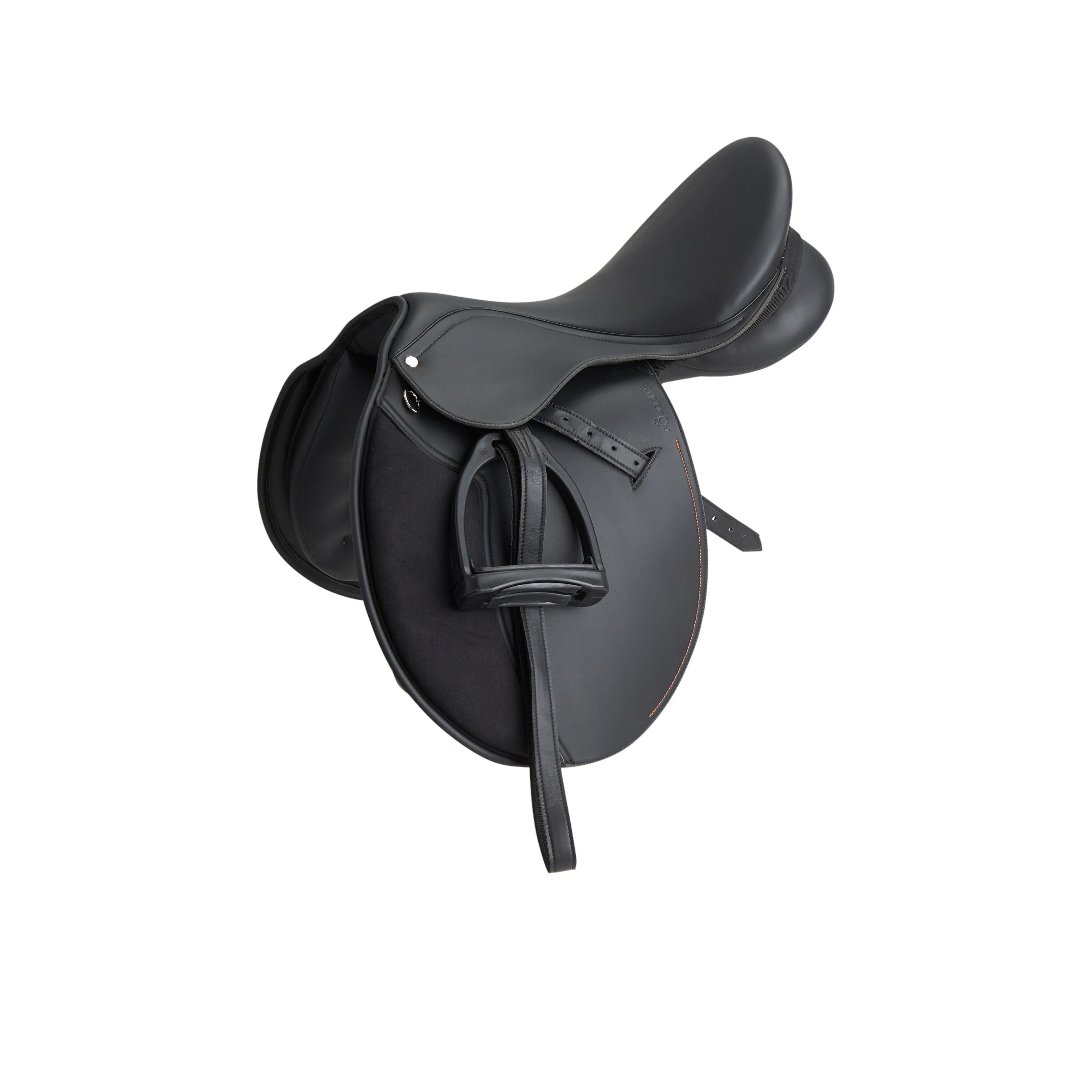
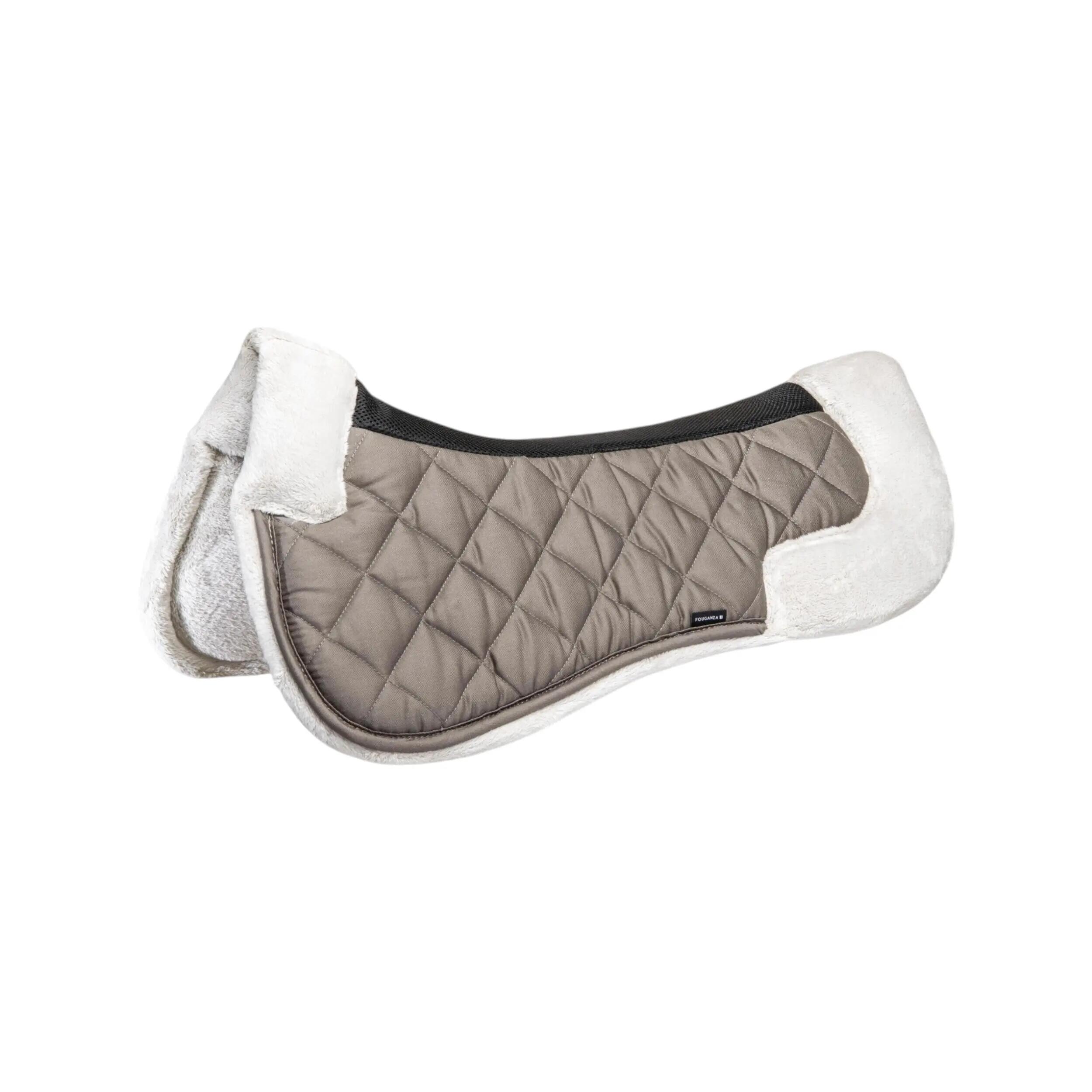
Saddle choice should be based on the horse's anatomy and pressure distribution rather than seat size alone. Fouganza's Saddle 500 was co-created with a saddle fitter and uses interchangeable gullets so the tree width can be adapted instead of relying on one fixed opening. Its polyurethane foam panels were also assessed with a pressure-sensor rug to study how pressure sits beneath the saddle. Fit matters when choosing saddle equipment, so check how evenly it sits, the available clearance and whether it stays balanced on your horse. Fouganza also provides guidance for choosing and changing gullets, while replaceable billets mean wear in one high-load component does not necessarily require replacing the complete saddle.
Which type of leg protection should you use for different riding activities?

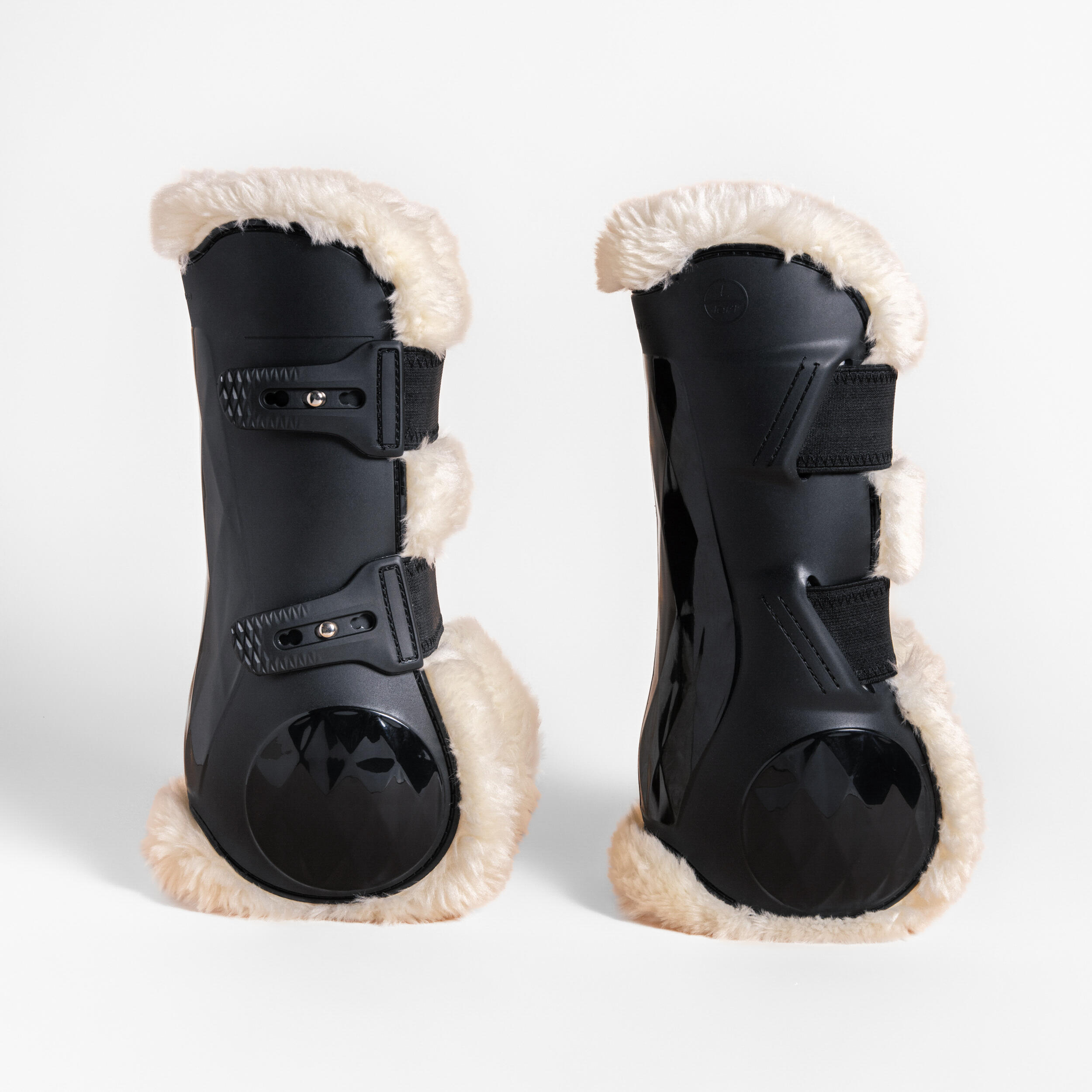
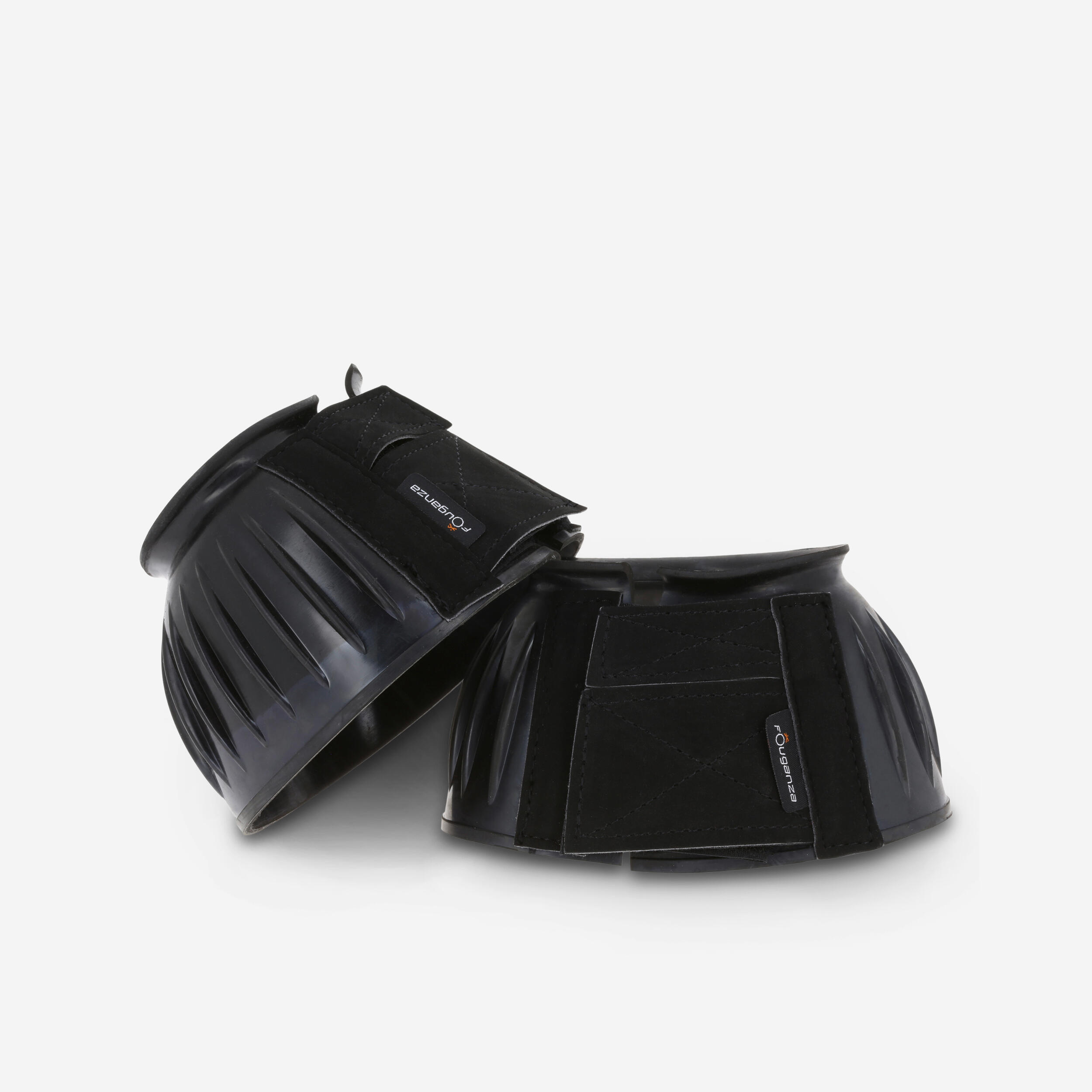
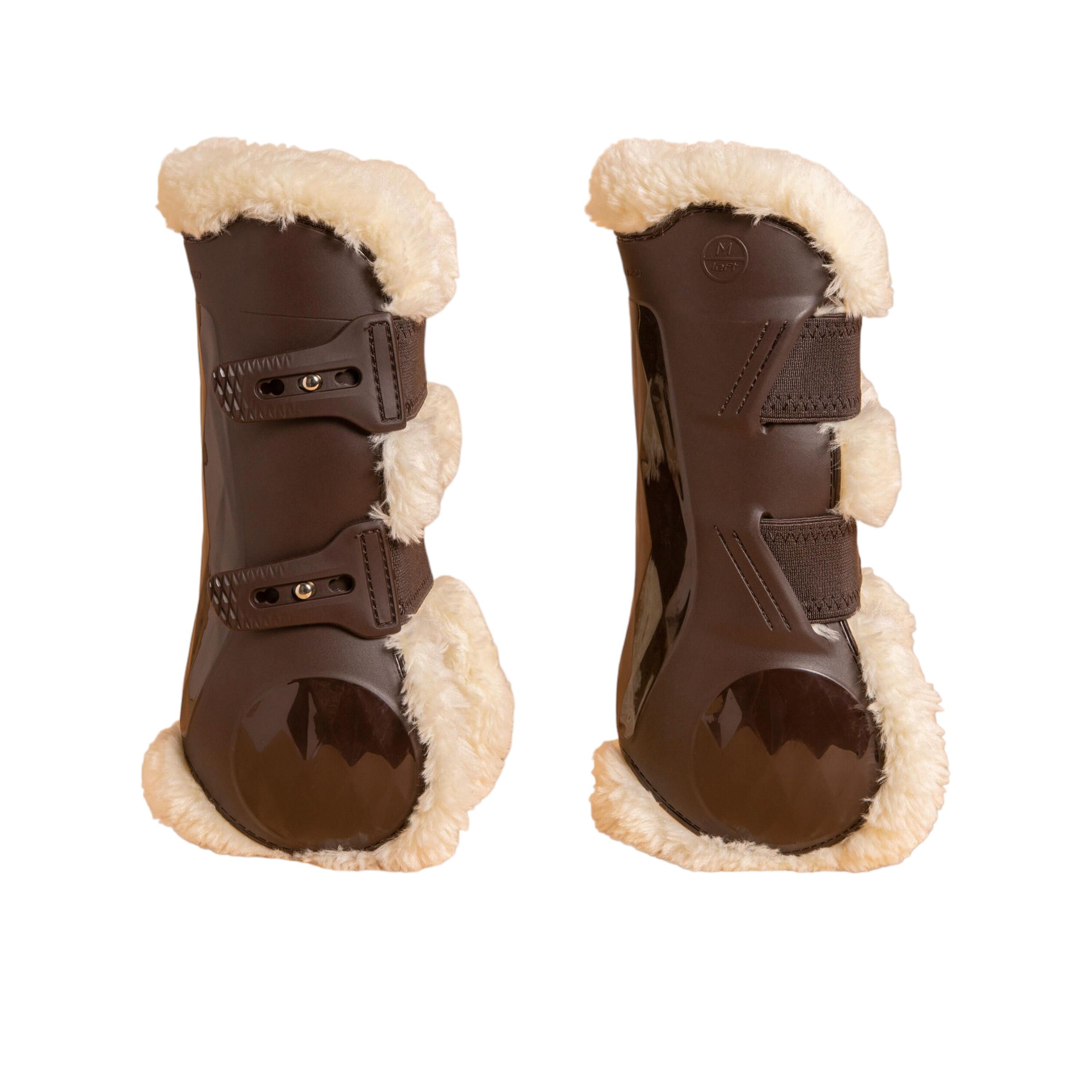
Choose protection according to the area at risk rather than treating every boot as interchangeable. Brushing boots wrap around the lower leg to help protect the fetlock and tendon area during activities such as flatwork, hacking, lunging and groundwork. Tendon boots focus on the rear tendon and fetlock areas for jumping, while overreach boots protect the bulbs and coronet from hoof strikes. Fouganza's horse protection equipment therefore uses different shell shapes and reinforcements for different contact risks. After use, remove mud and sand from horse-contact surfaces, let the boots dry completely, and store them somewhere clean and ventilated before putting them back on the horse.

Which features should you look for when choosing lunging equipment?

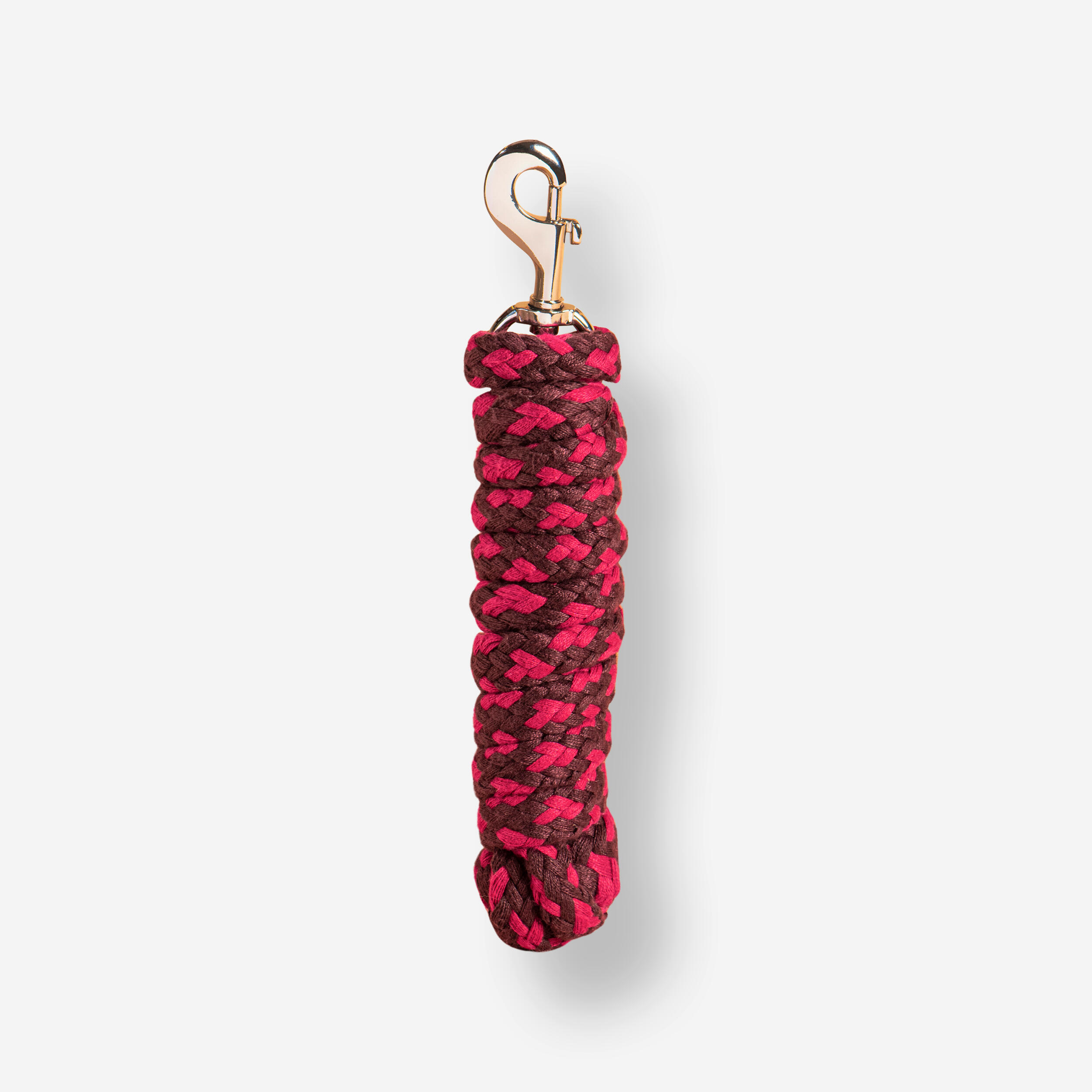
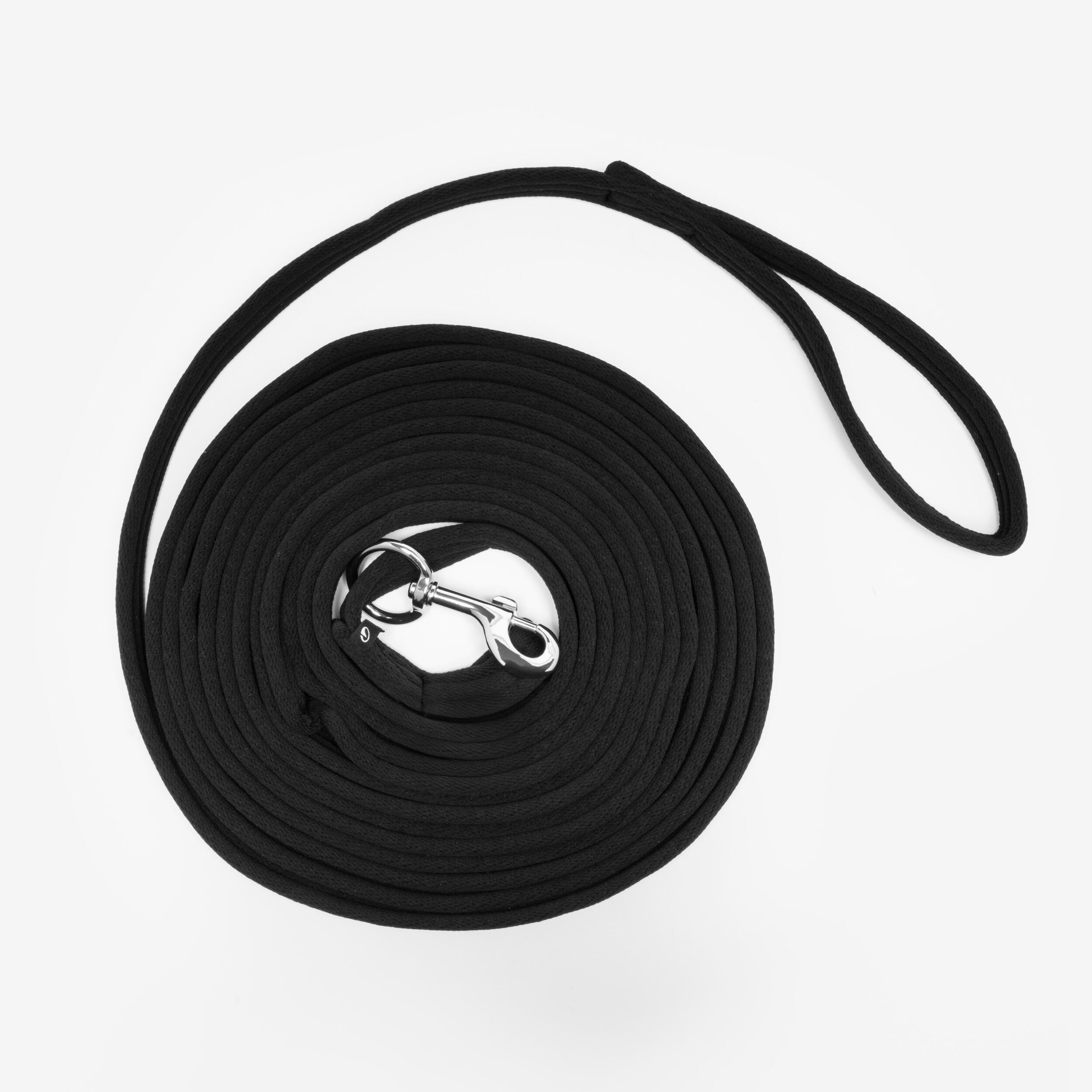
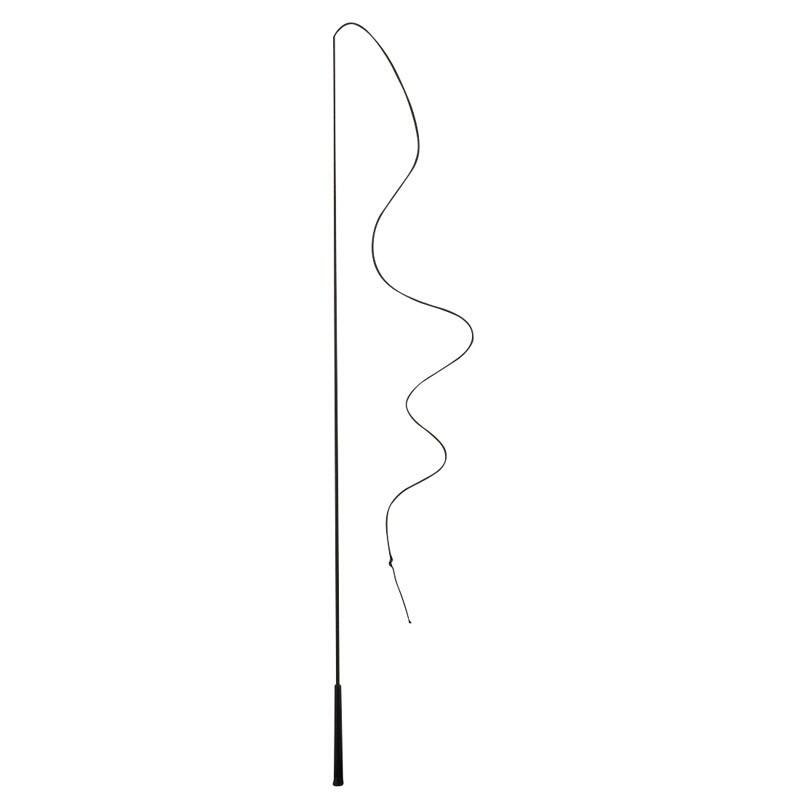
Lunging equipment should help you give clear aids while allowing the horse to move freely around the circle. Fouganza's lunging whip uses a fibreglass core to resist bending and combines a long rigid section with a flexible lash, giving reach without relying on a heavy construction. Its balance is intended to support controlled use rather than simply maximising overall length. Different lunging accessories can suit different types of training, from simple circle work to groundwork and liberty exercises. Before starting, check that lines, clips and fittings are not twisted or damaged and that the working area gives the horse enough room to maintain a consistent circle without equipment catching on fencing or other obstacles.

When can training aids be useful for a horse?

Training aids should have a clear purpose within the exercise rather than being fitted automatically for every session. Their setup should suit the horse's level, movement, and the work being asked for, while leaving enough freedom for the horse to maintain an appropriate posture. Fouganza's broader training aids for horses can be considered alongside lunging and groundwork equipment when you need a specific form of guidance rather than simply more restraint. Check fit before work begins, and reassess as the horse warms up. If you are unsure how a particular aid should be adjusted or what effect it is intended to have, use qualified instruction rather than tightening it by trial and error.

What care does horse equipment need when it is not in use?

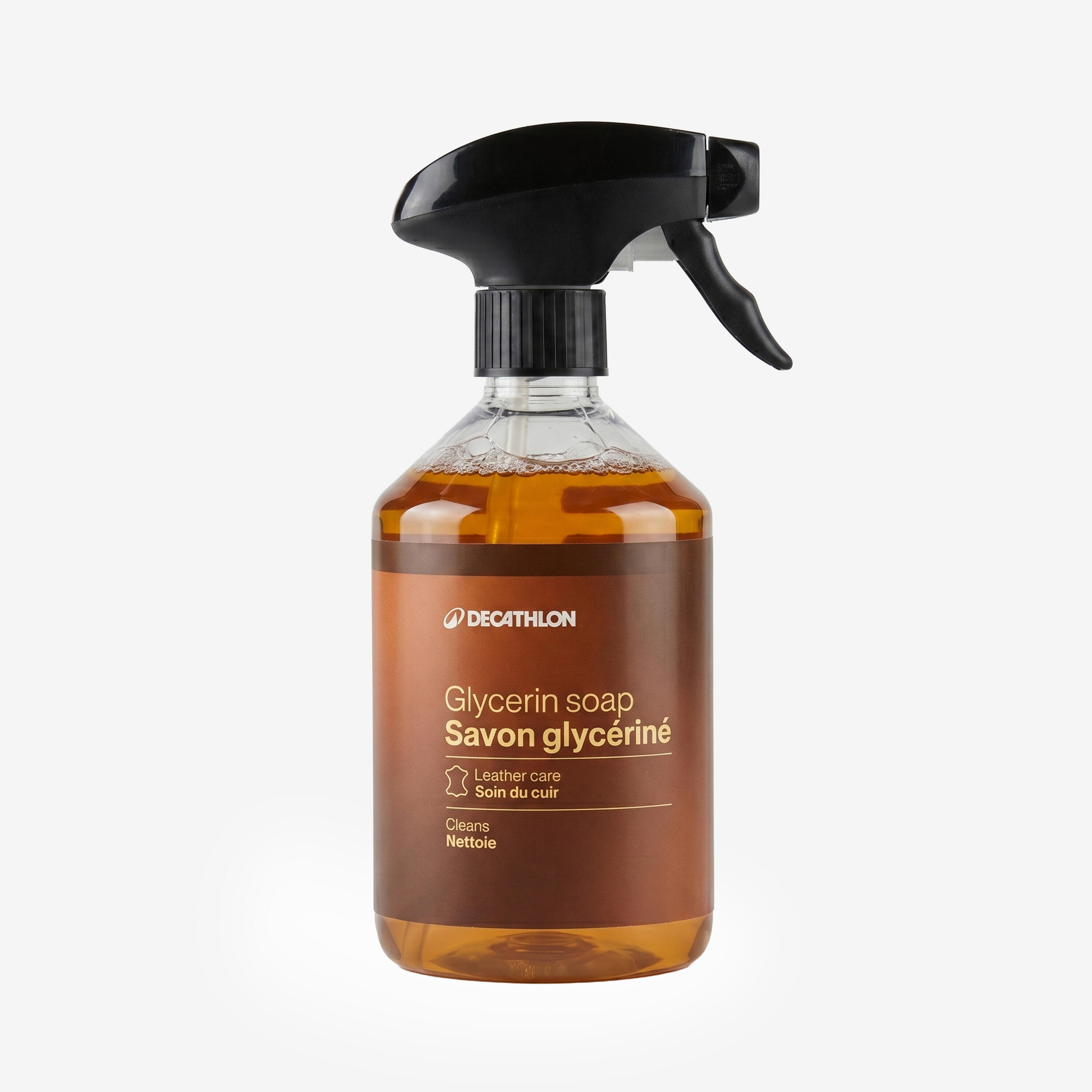
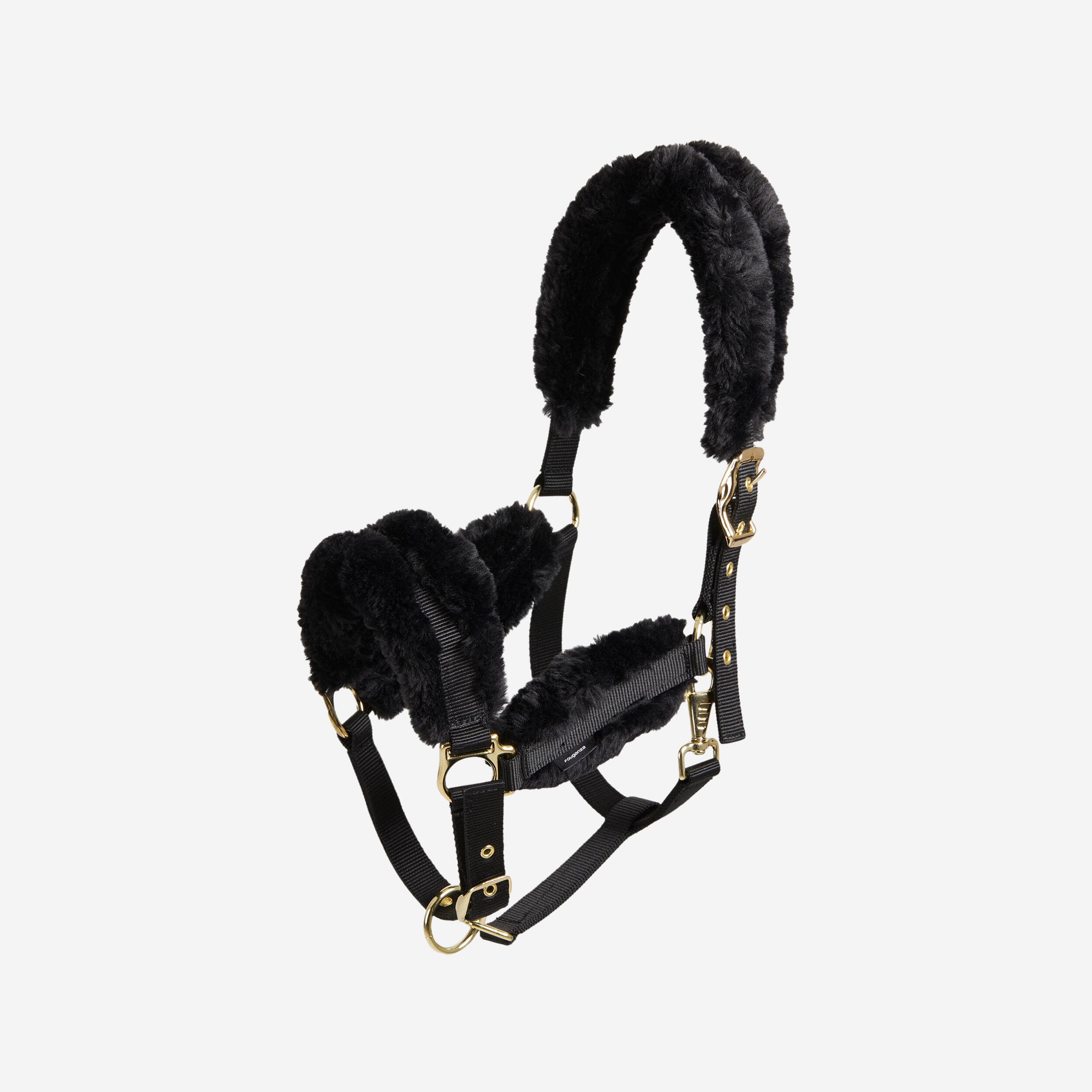
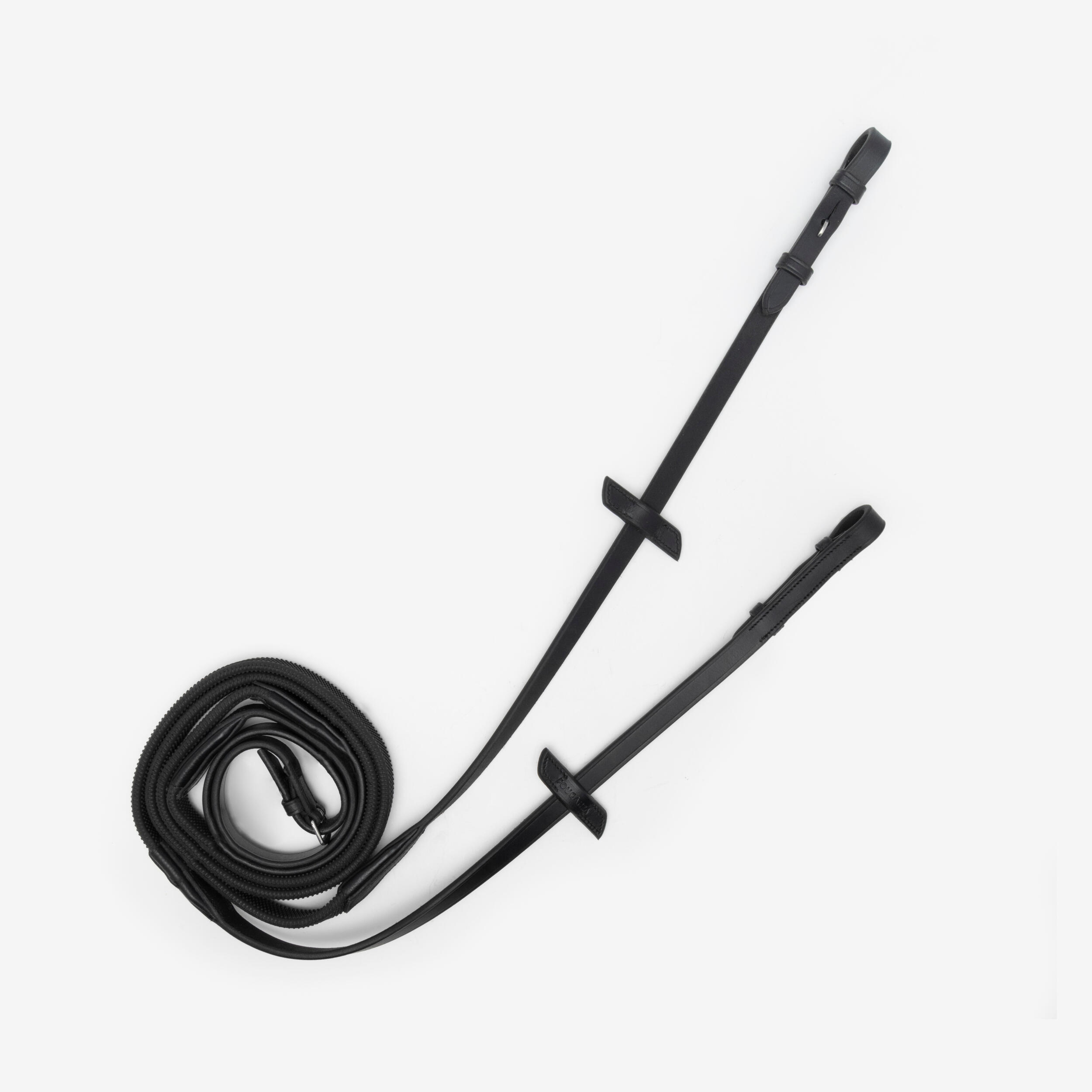
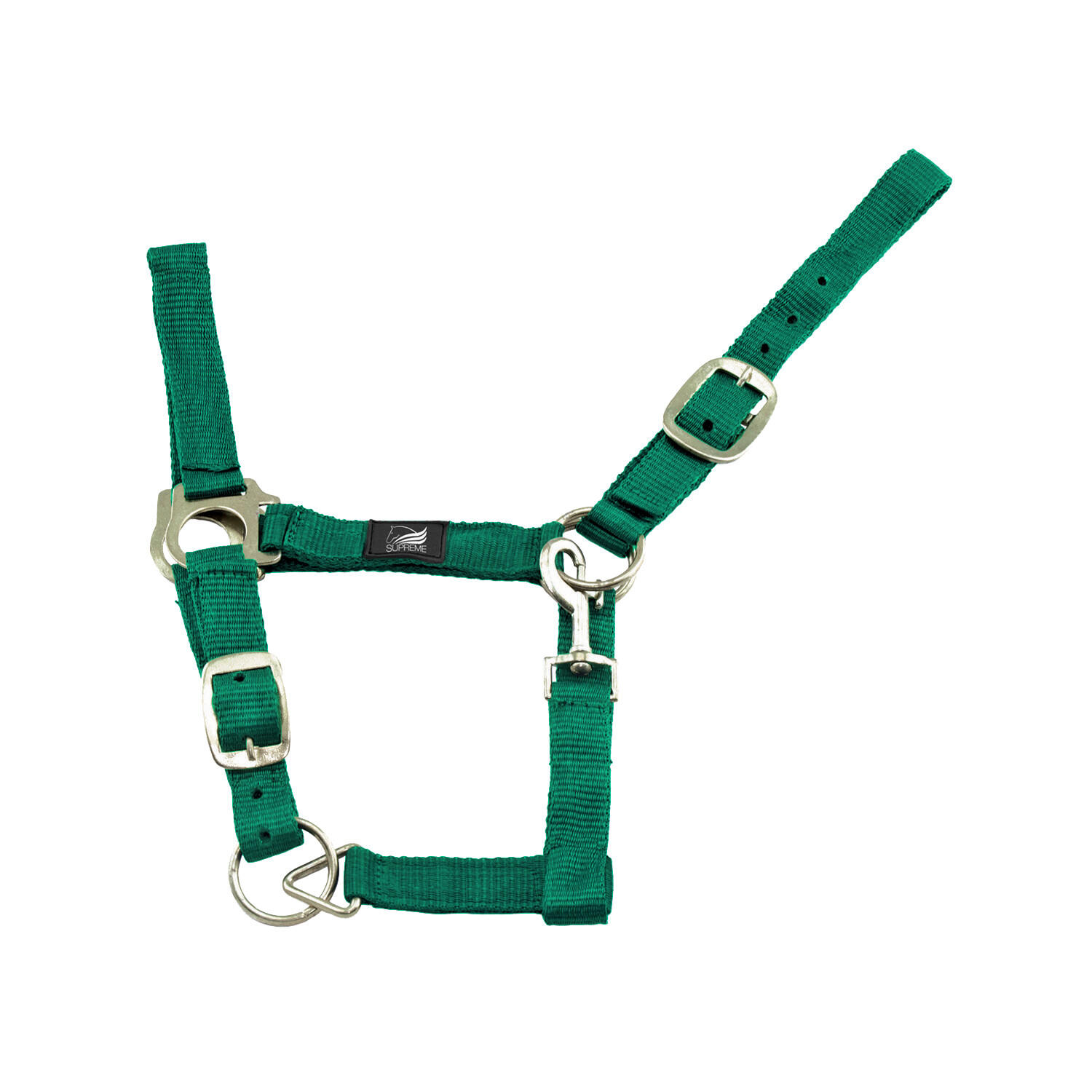
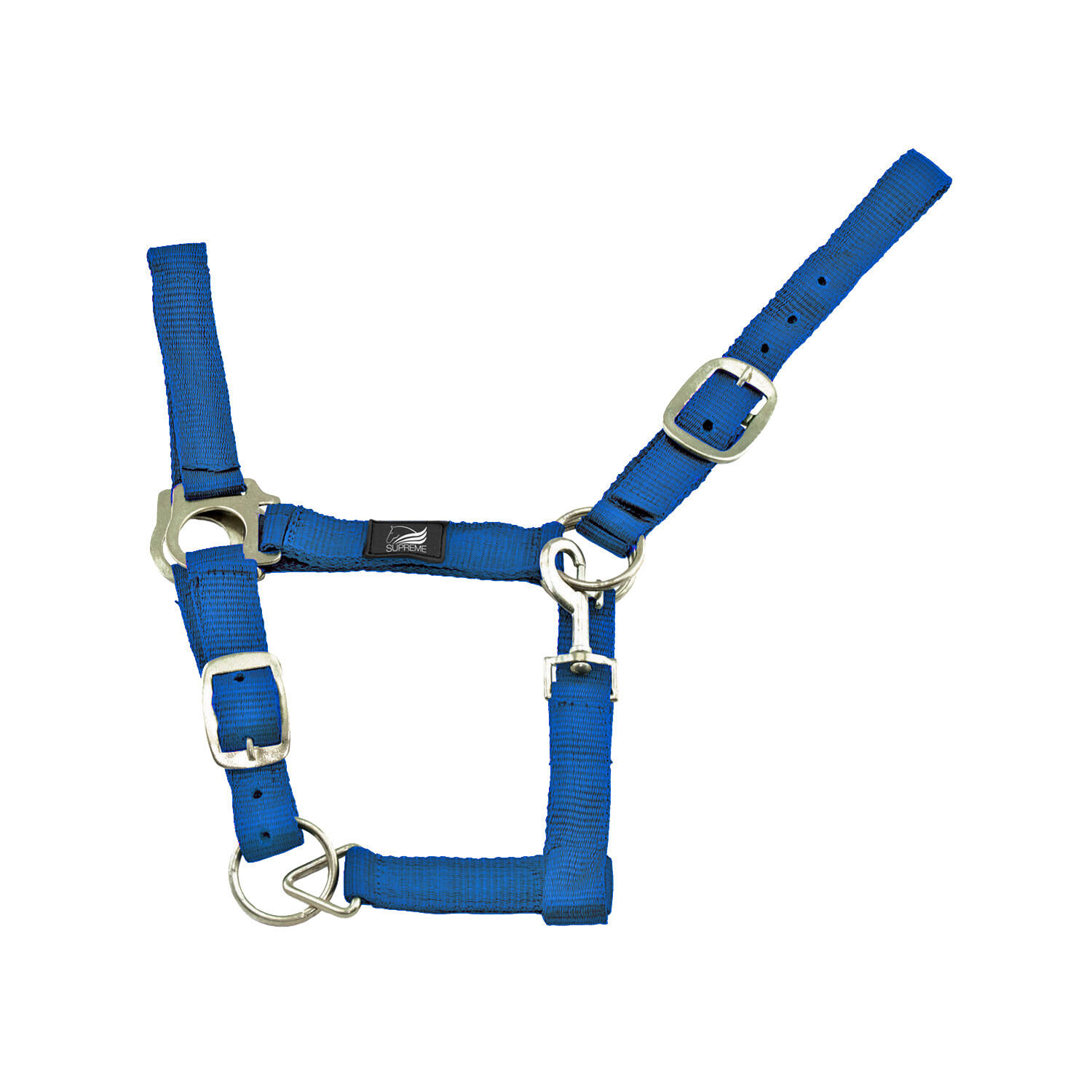
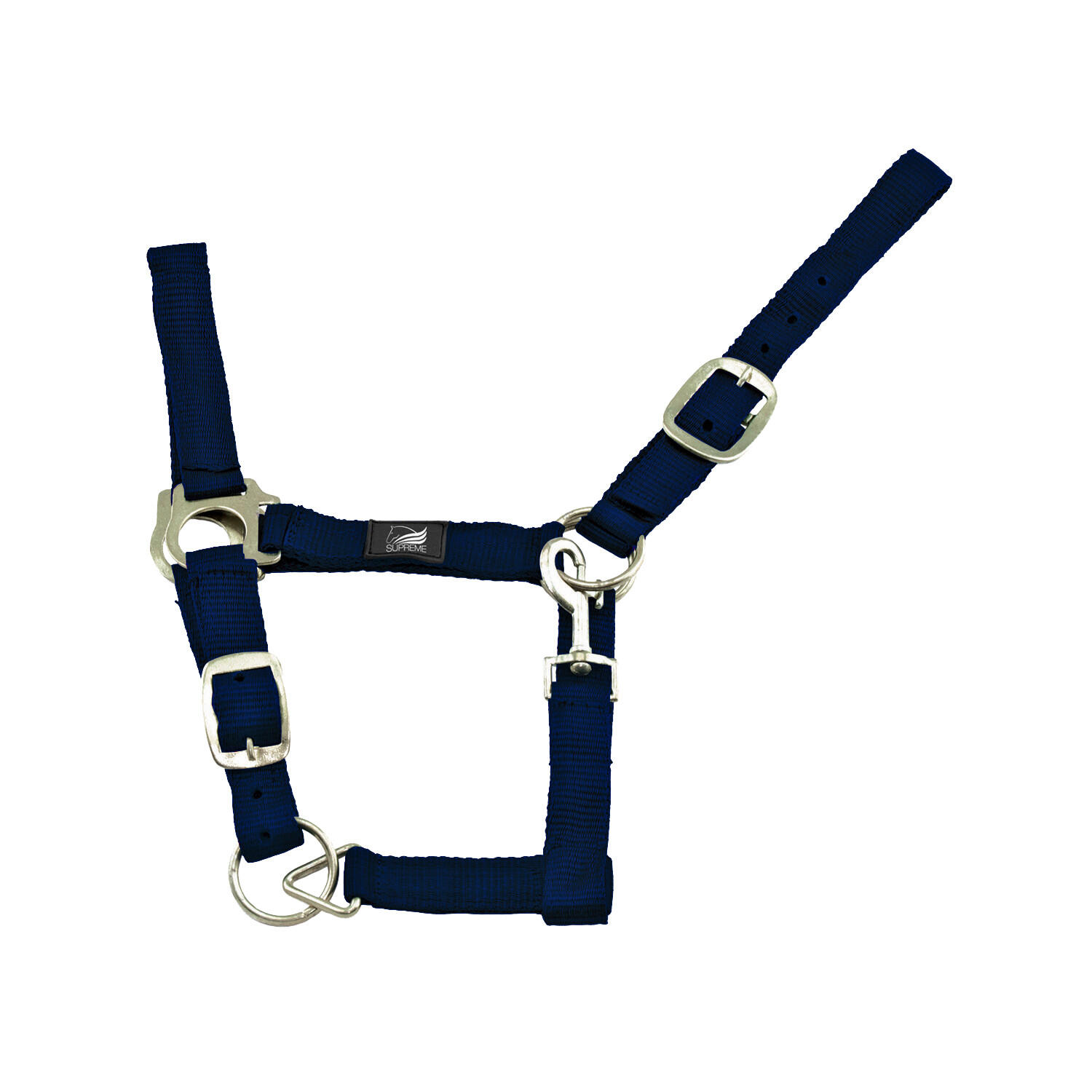
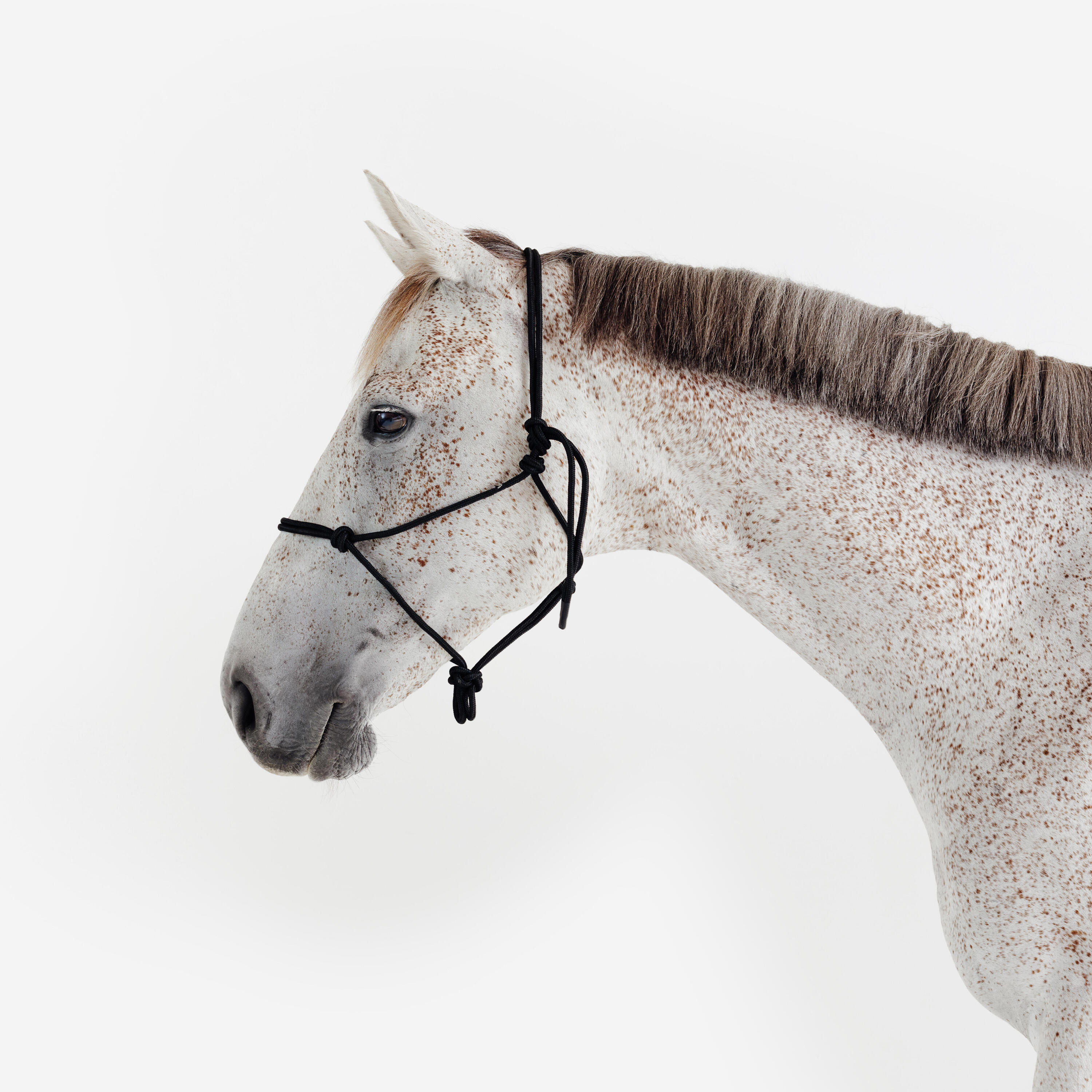
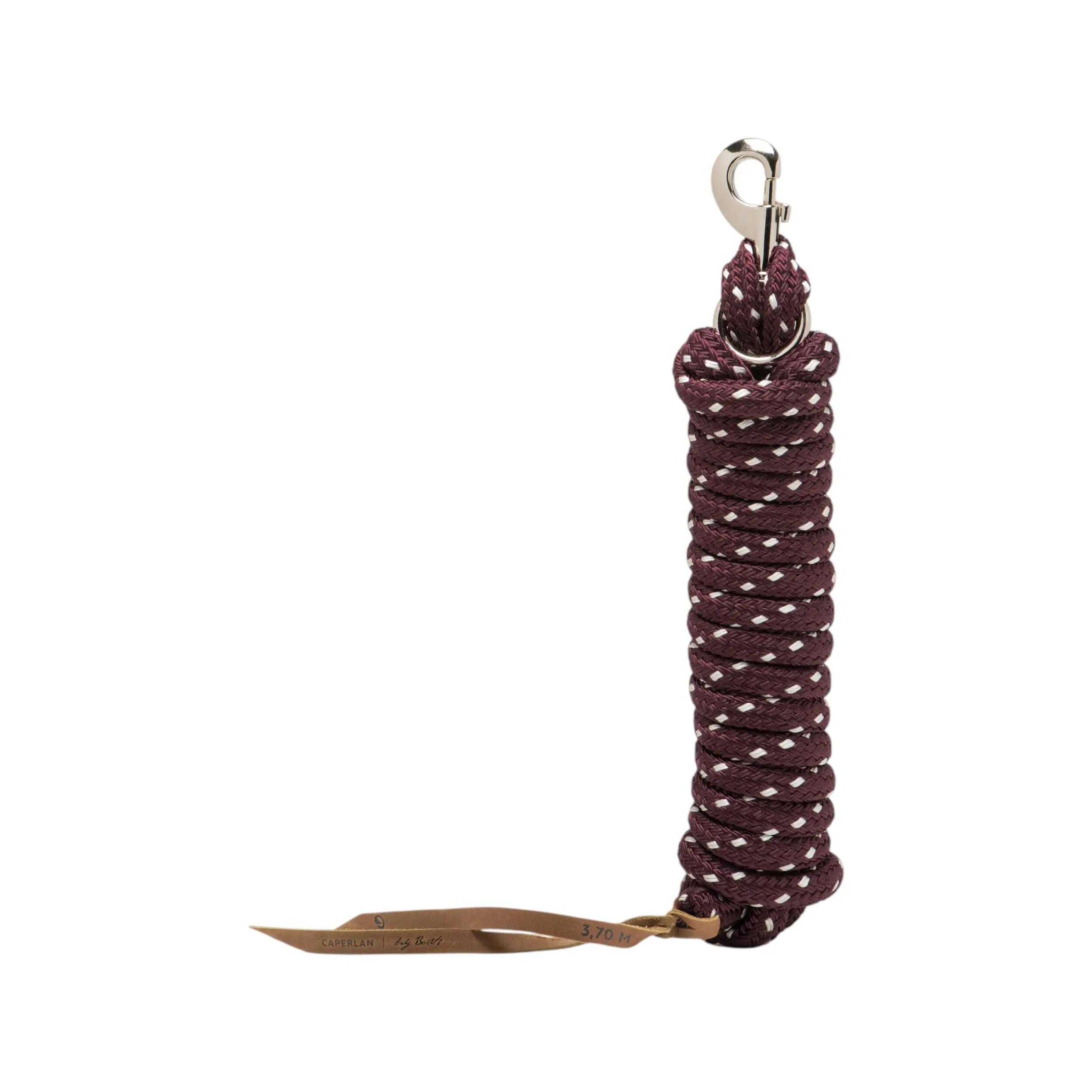
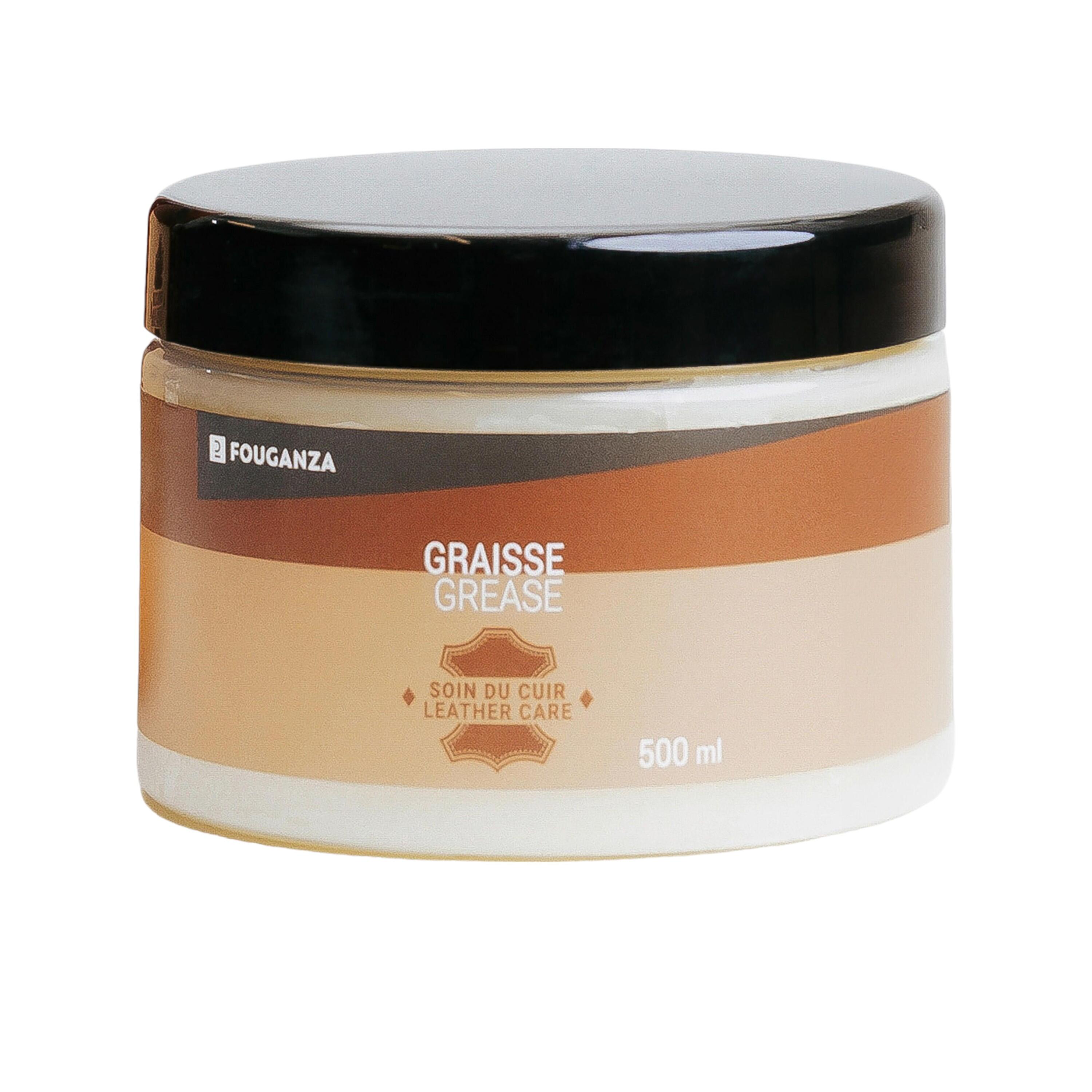
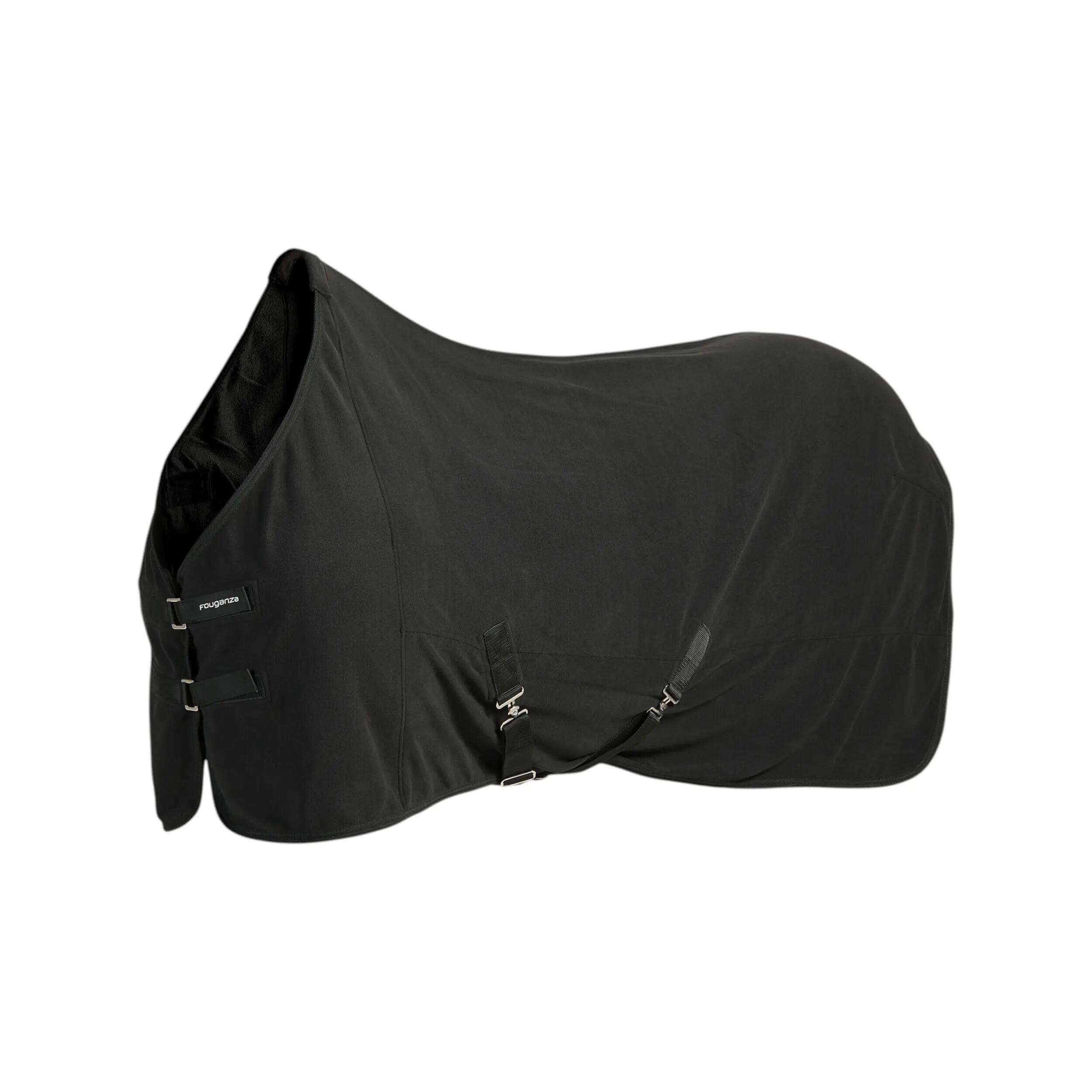
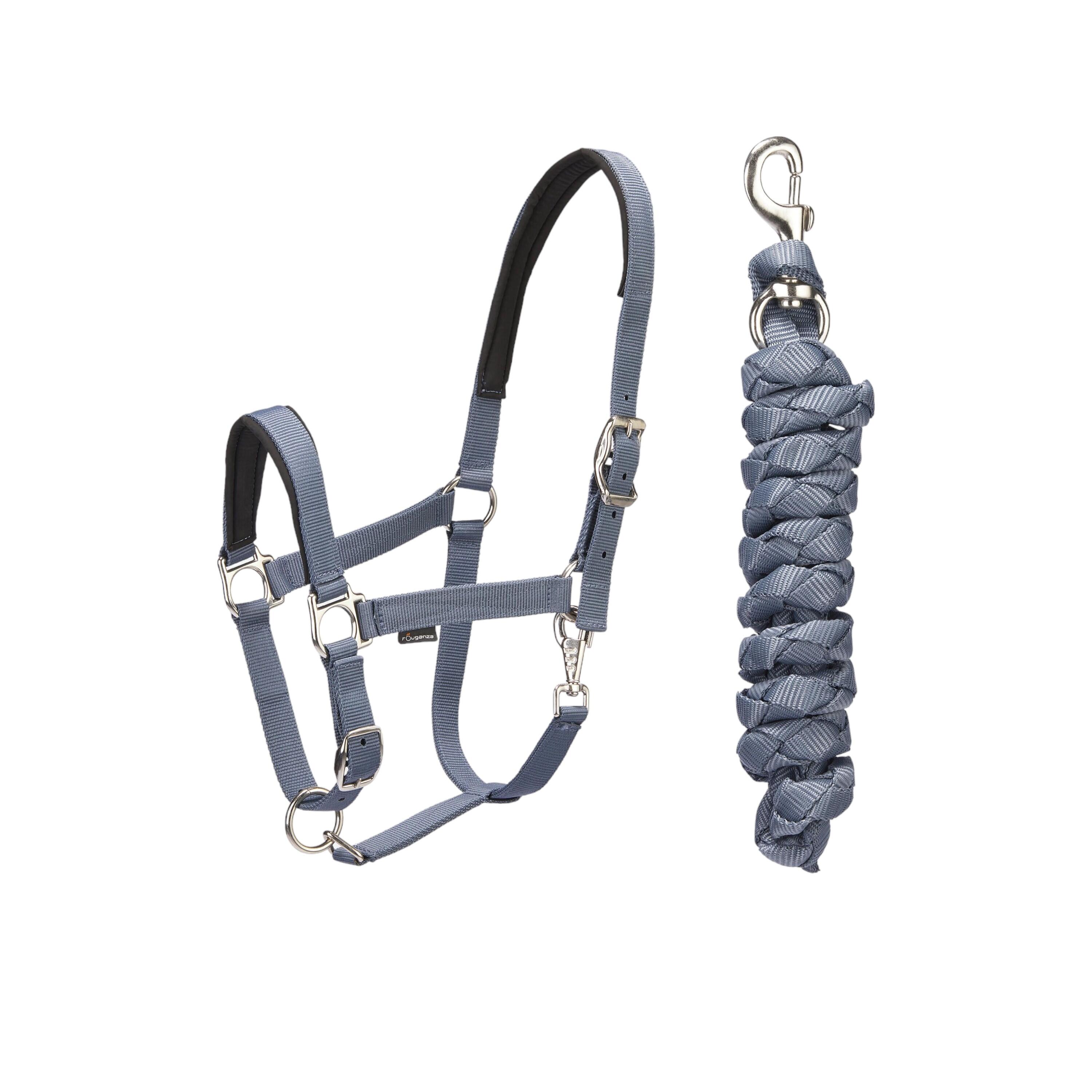
Separate leather tack, leg protection and stable textiles because each needs a different cleaning and drying routine. Fouganza recommends removing dirt from protective boots after use and allowing them to dry fully before storage. Clean leather tack with suitable glycerine soap, let it dry and condition it if needed; for naturally or water-dyed leather, patch-test a new care product first. Keep horse sheets dry and free from trapped dirt before storing them with other equipment. Also check bridles, halters and straps regularly for buckles, stitching and horse-contact areas. A simple clean-dry-check routine makes wear easier to spot before the next ride instead of discovering damaged equipment when the horse is already being prepared.