4,060 items
4.5/5 based on 83905 reviews collected online and in stores

Horse Rider Equipment FAQs

How should horse riding clothing fit in the saddle?

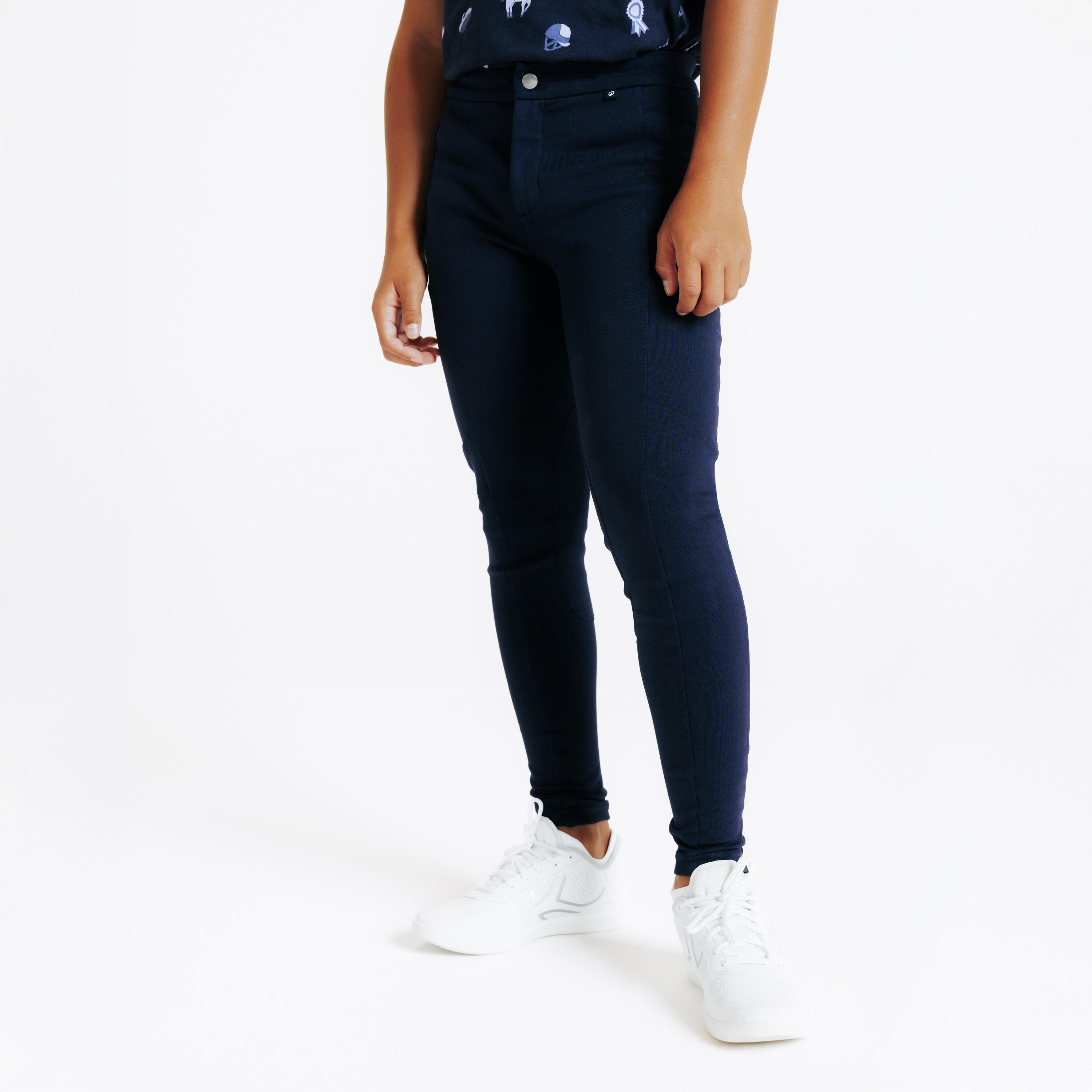
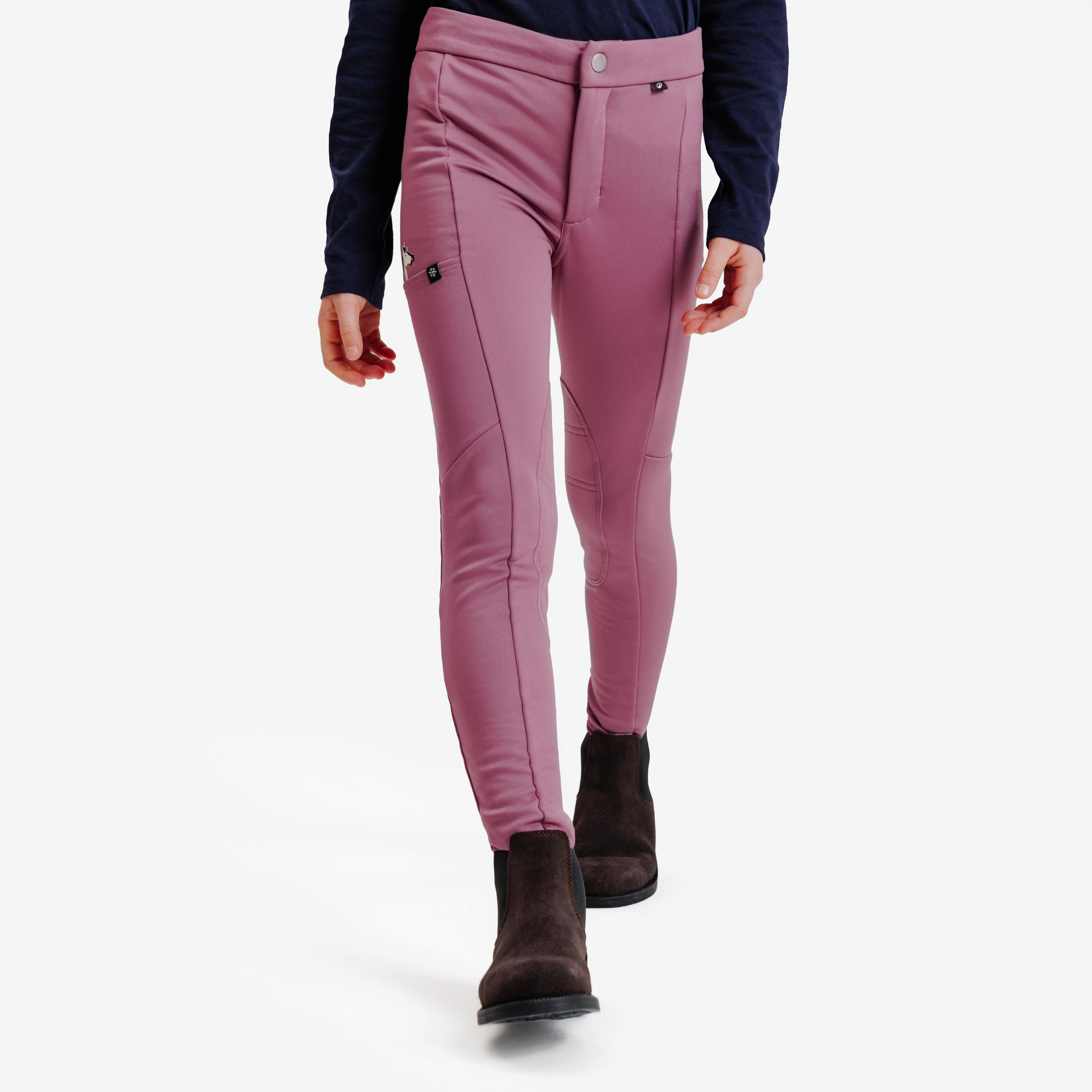
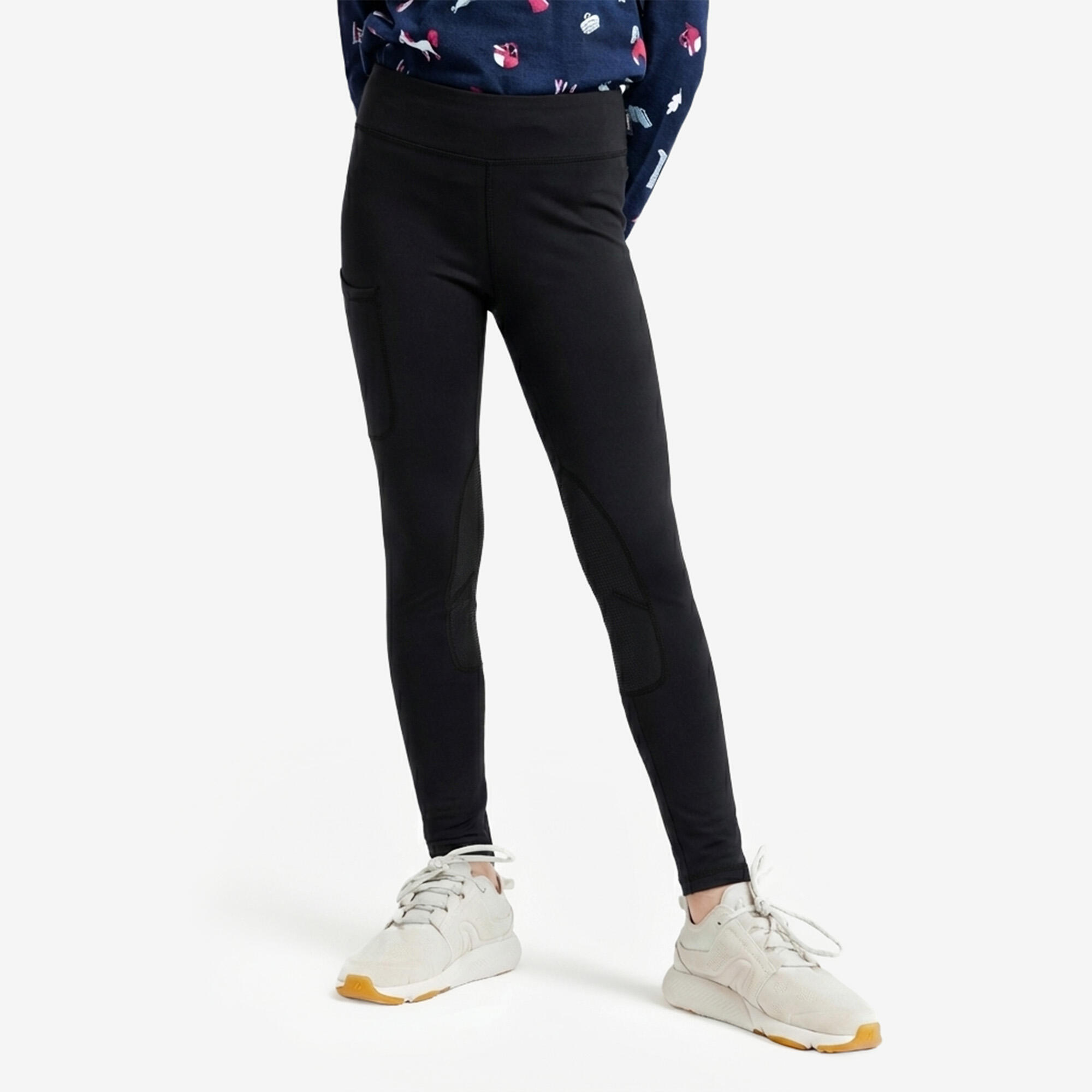
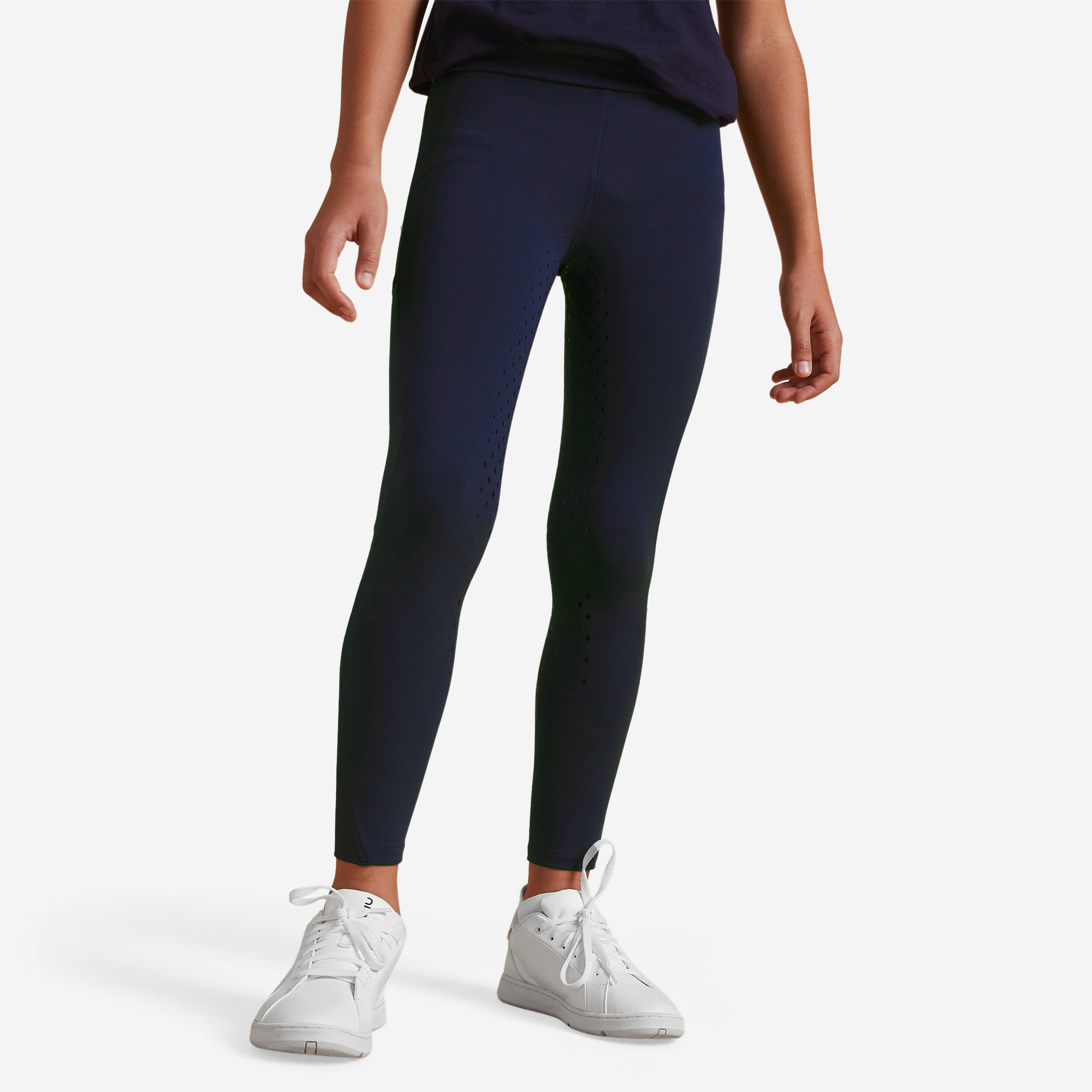
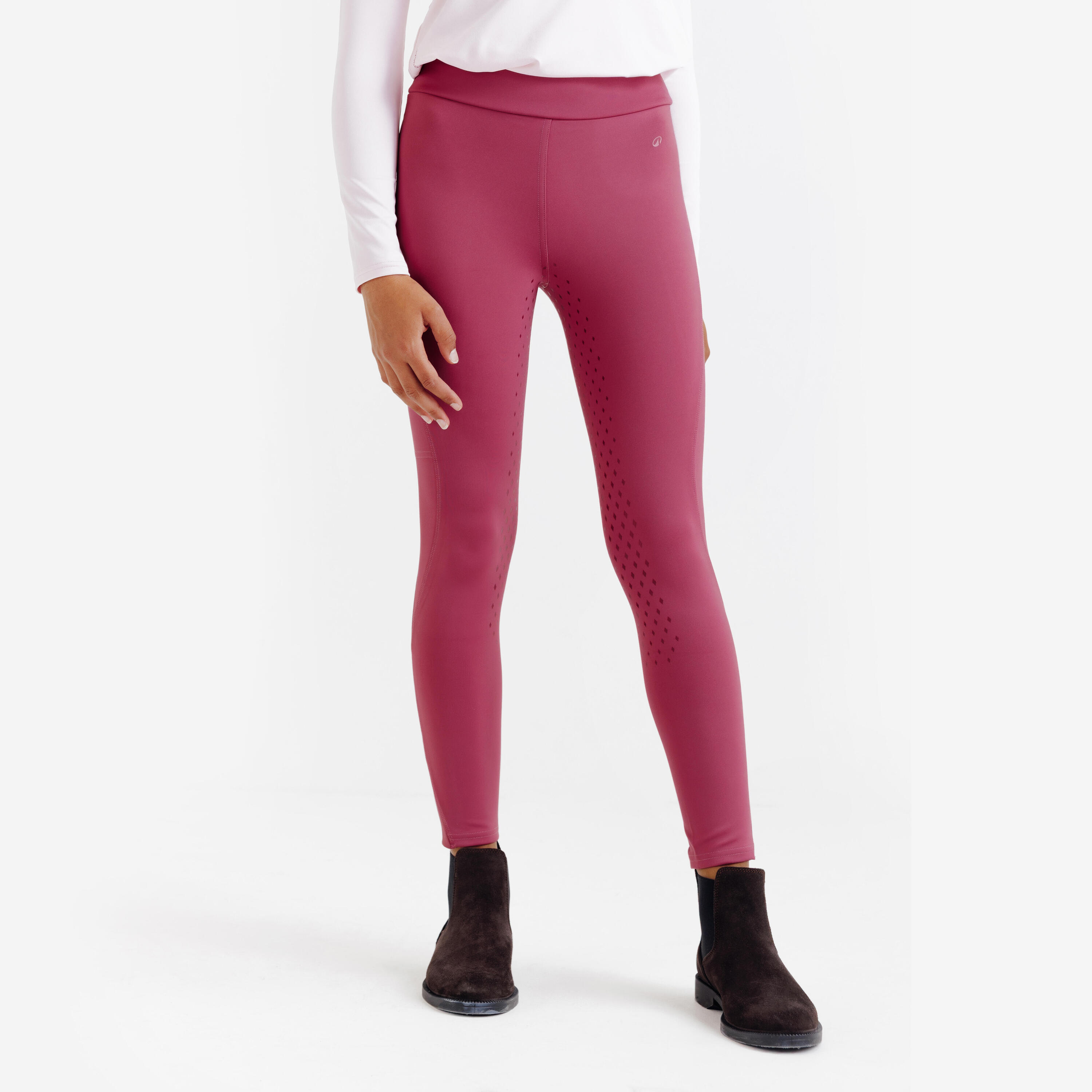
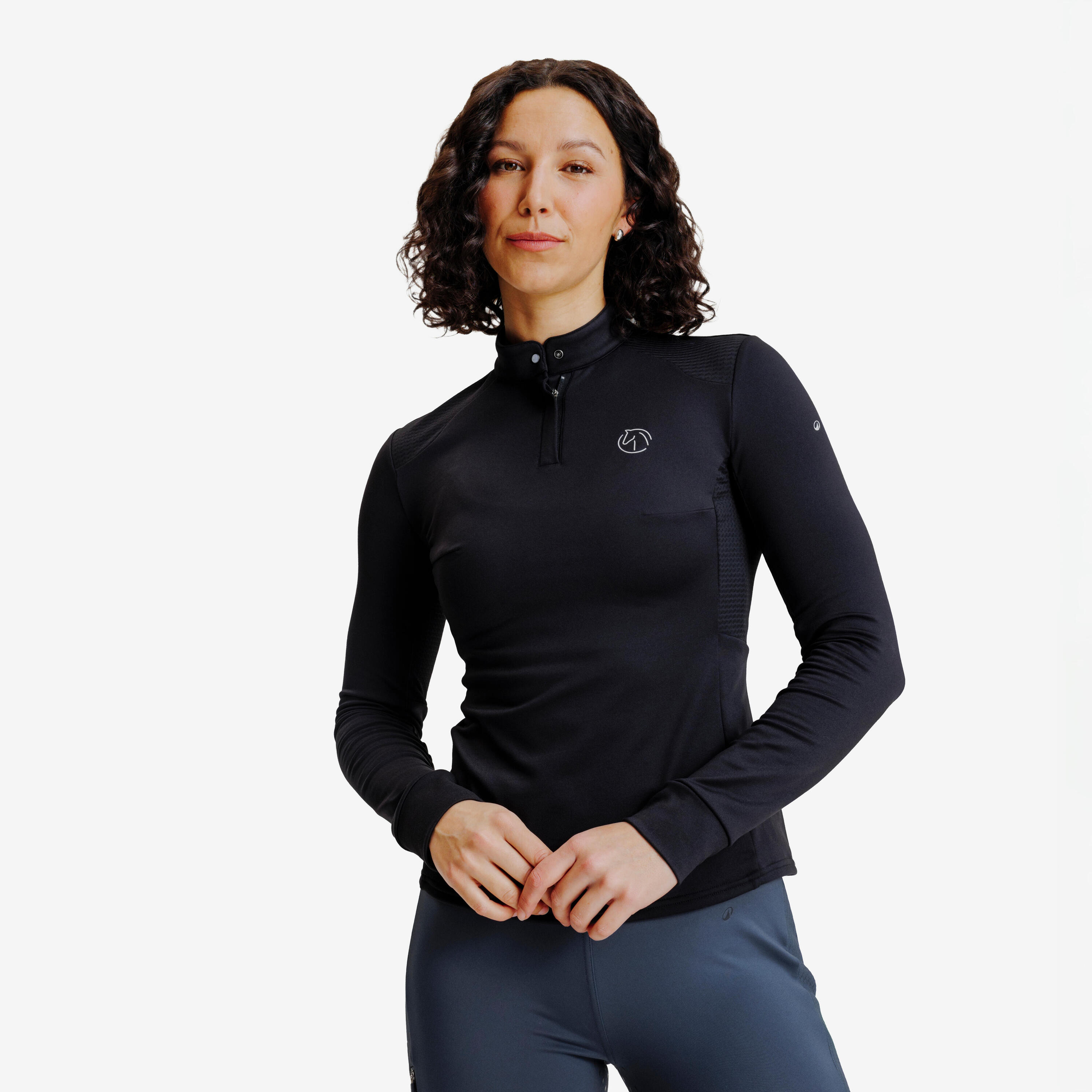
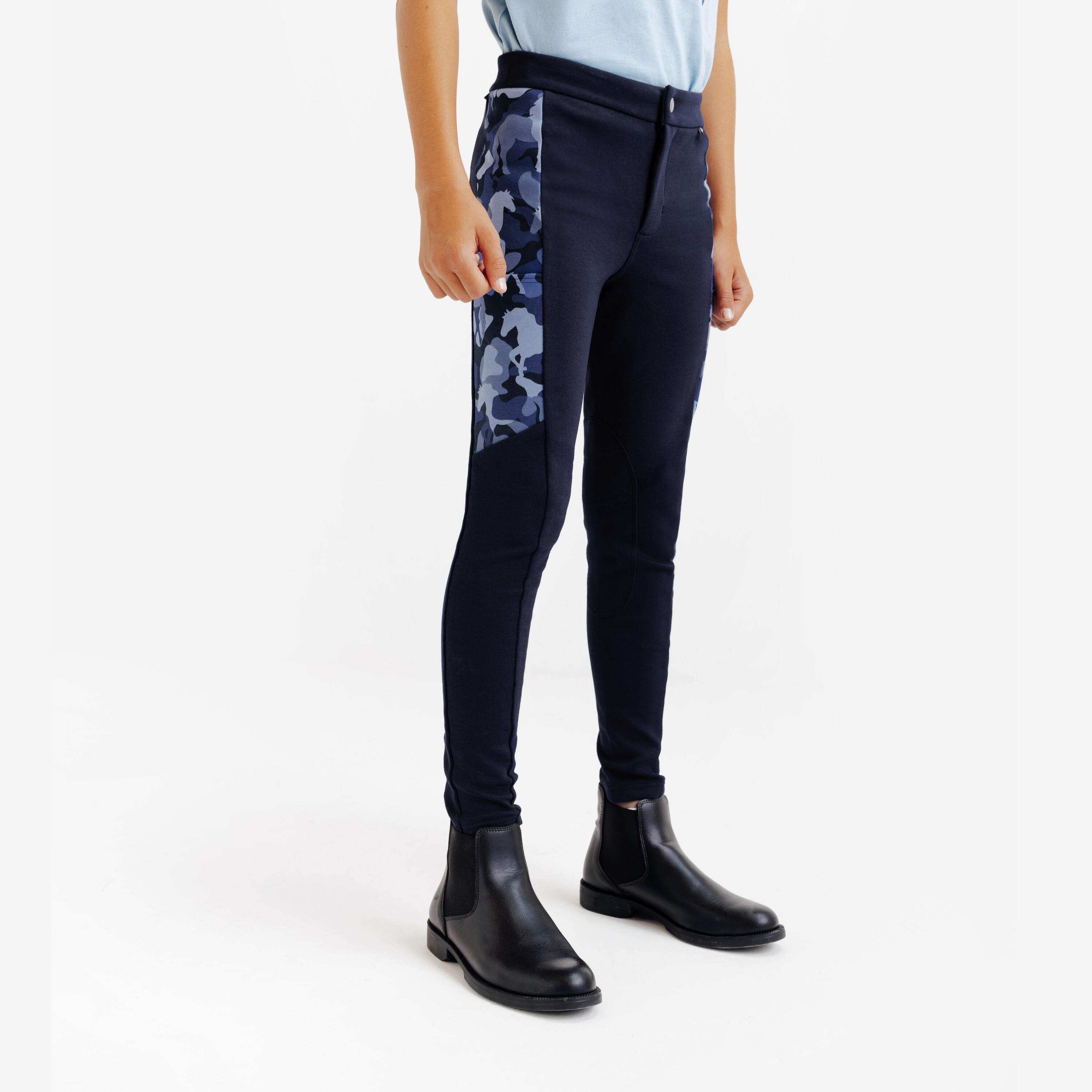
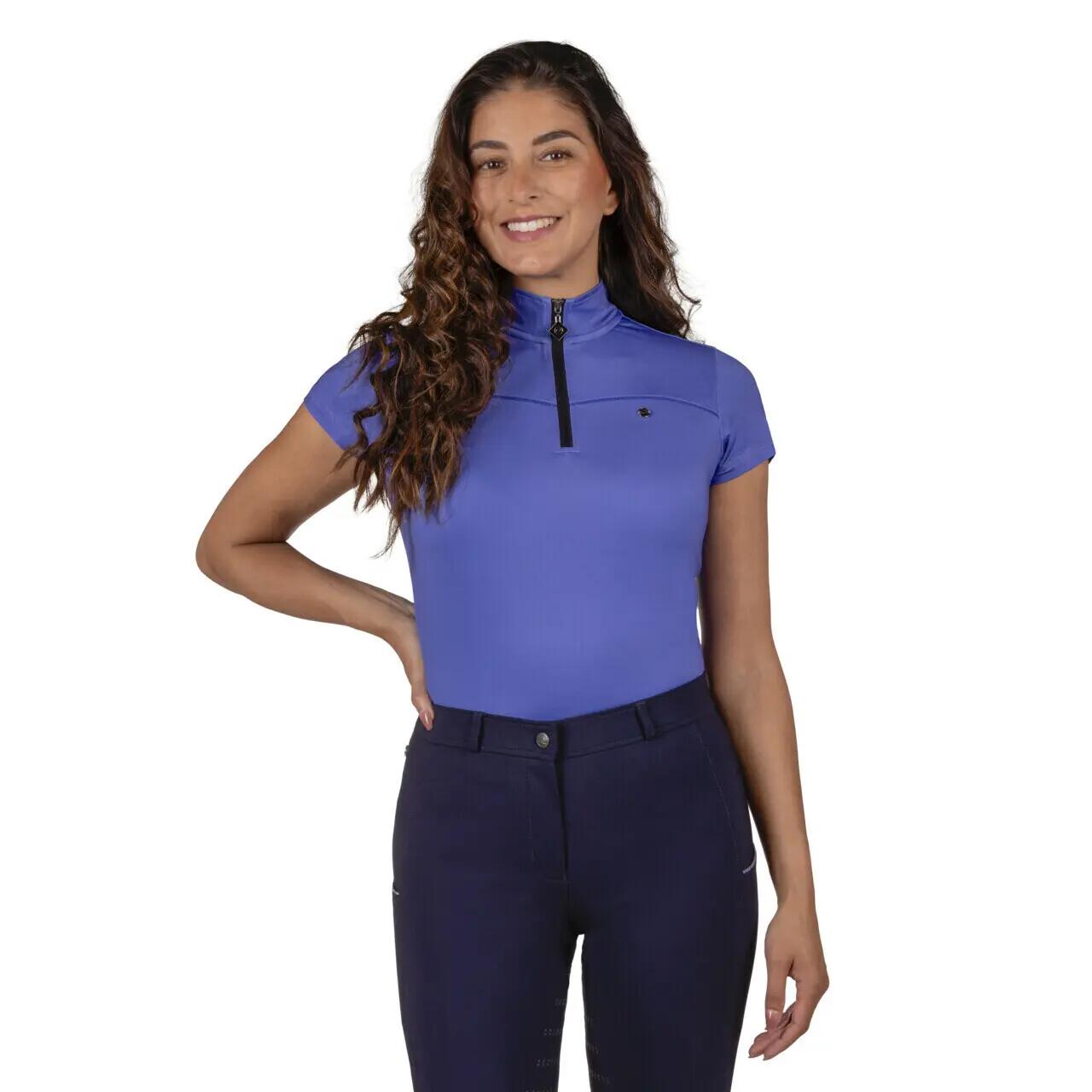
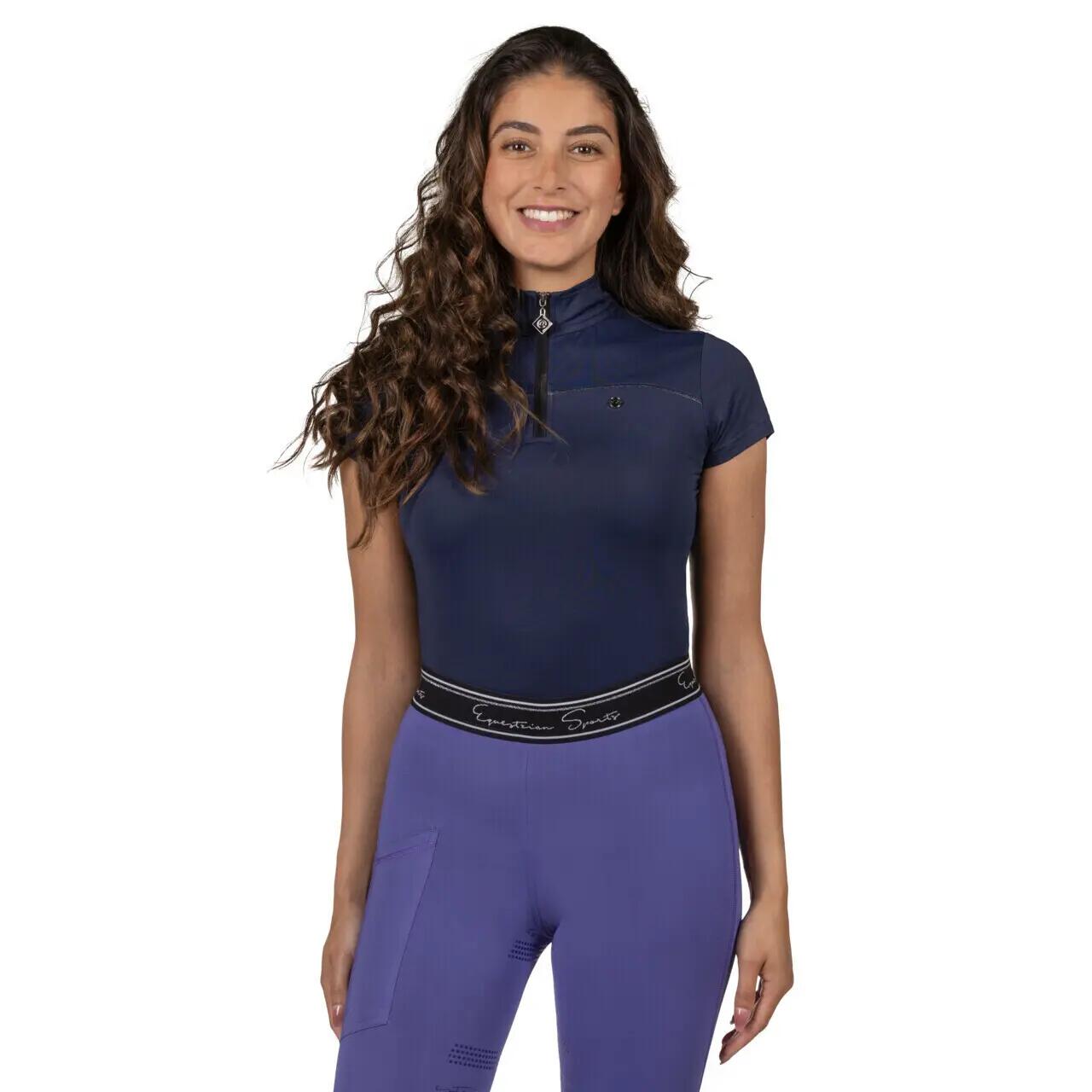
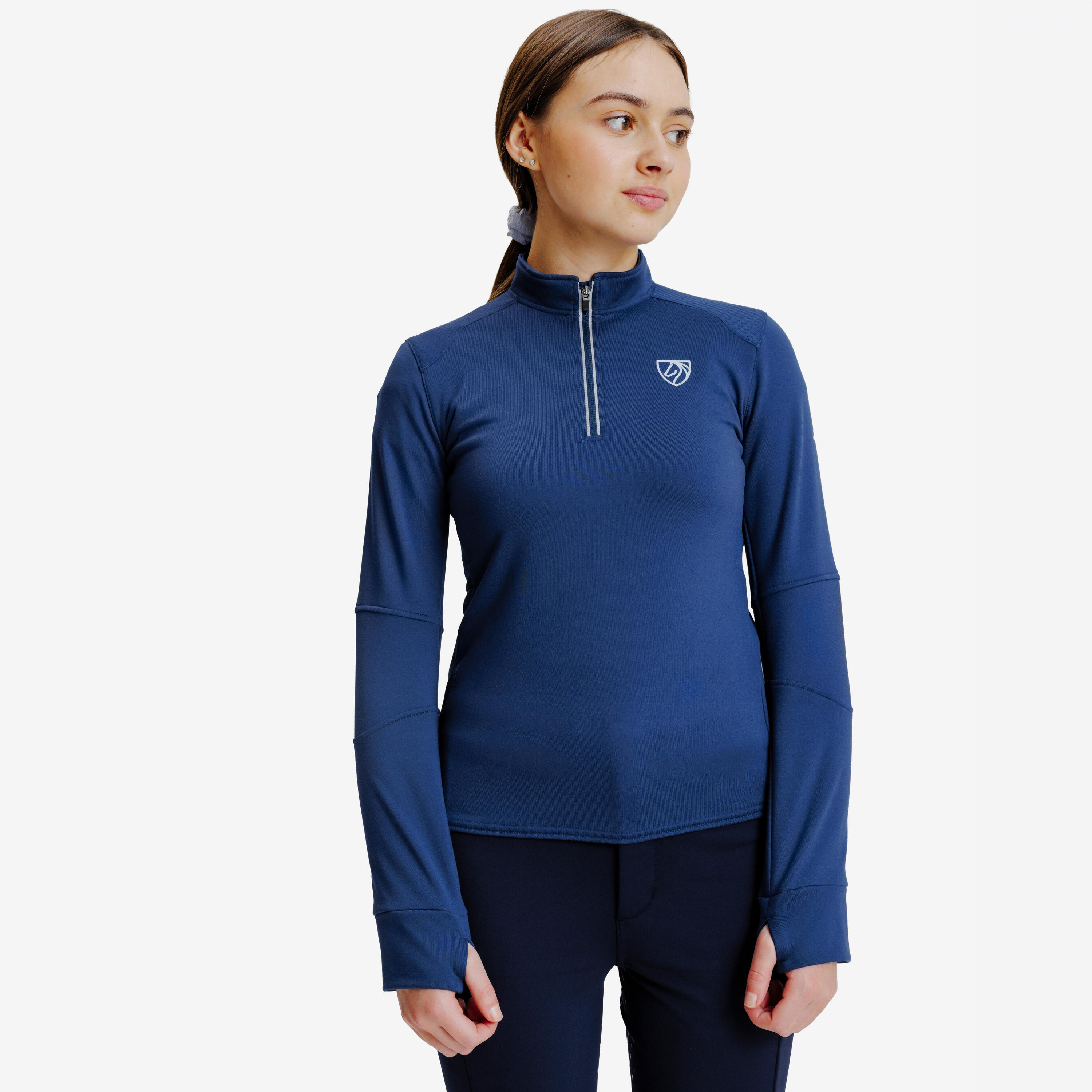
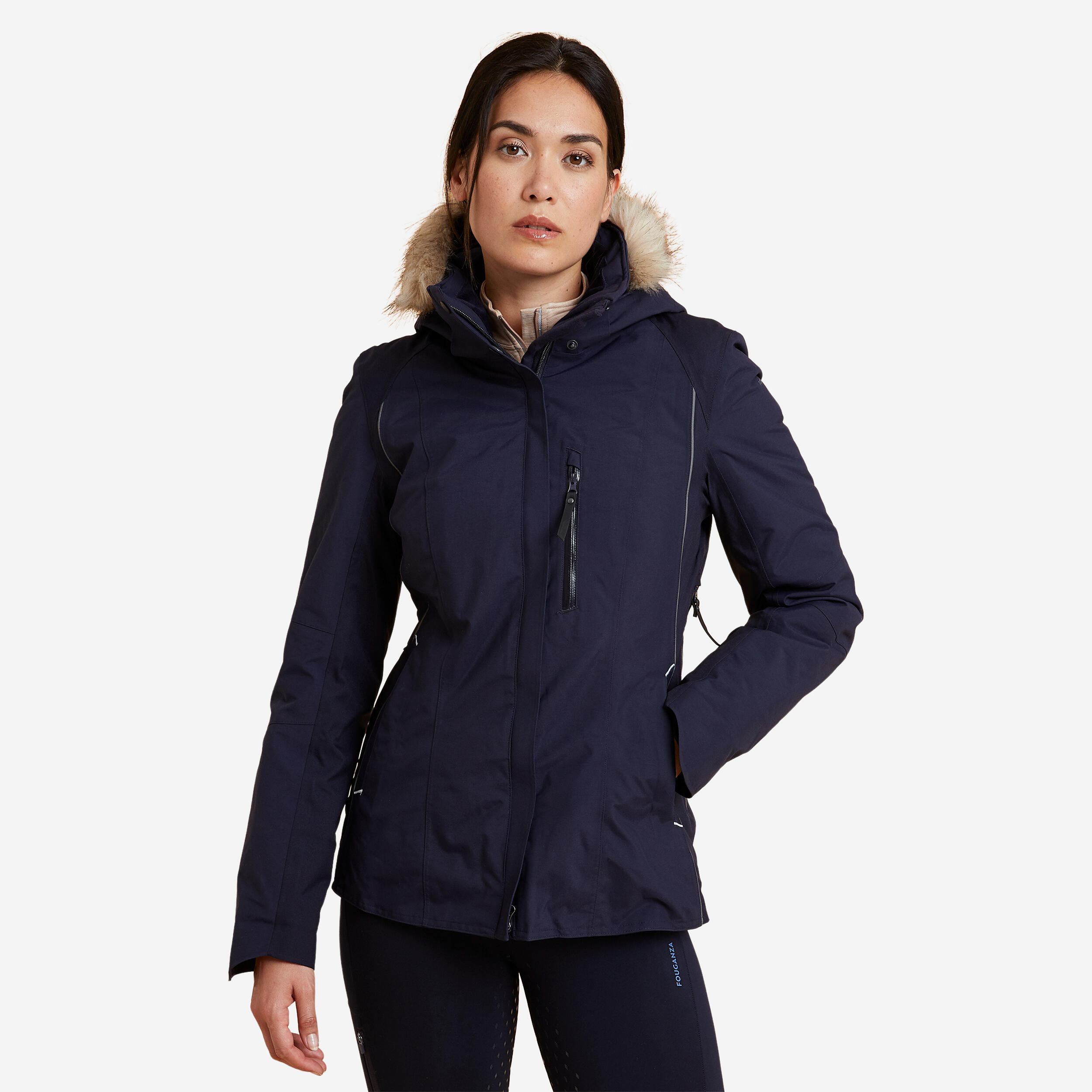
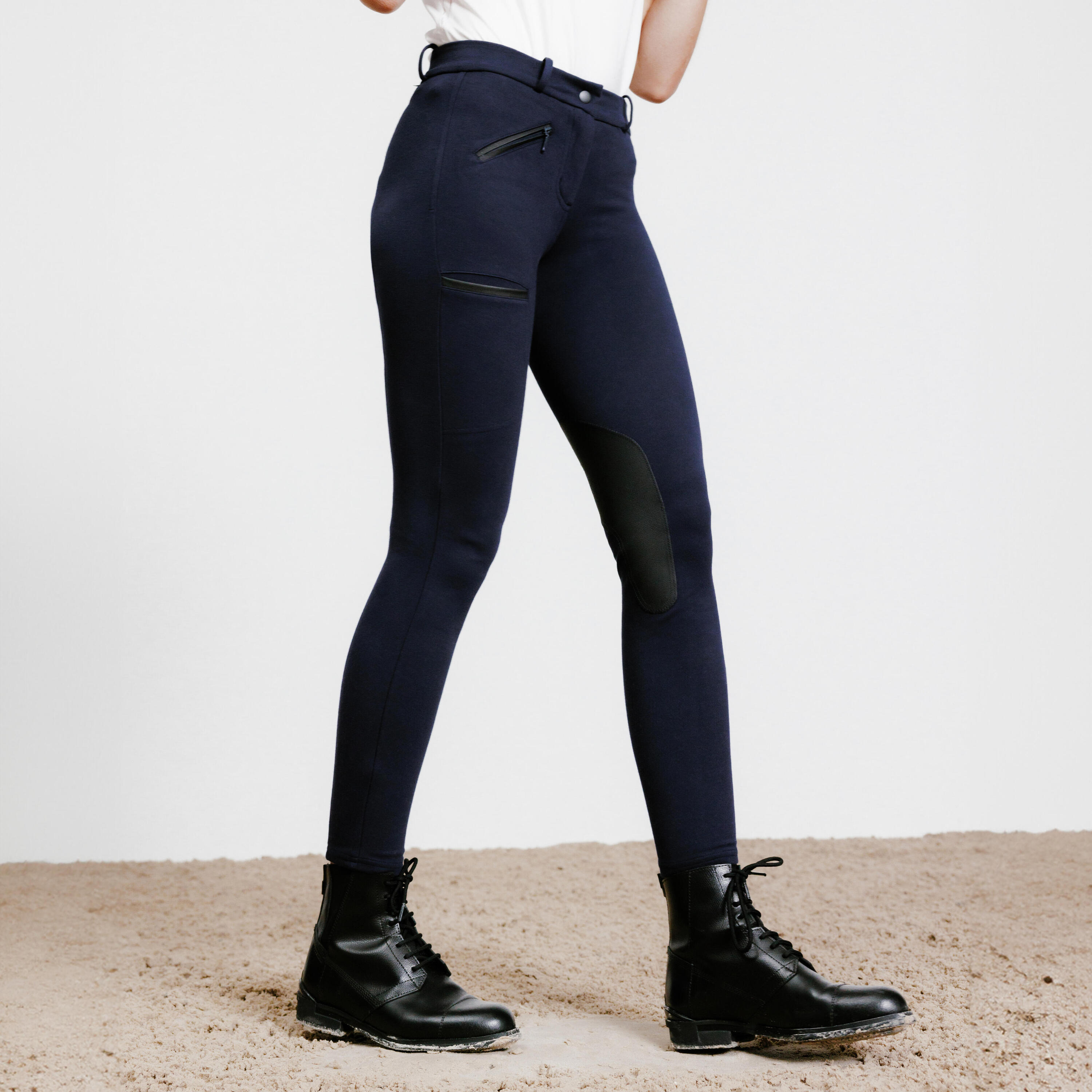
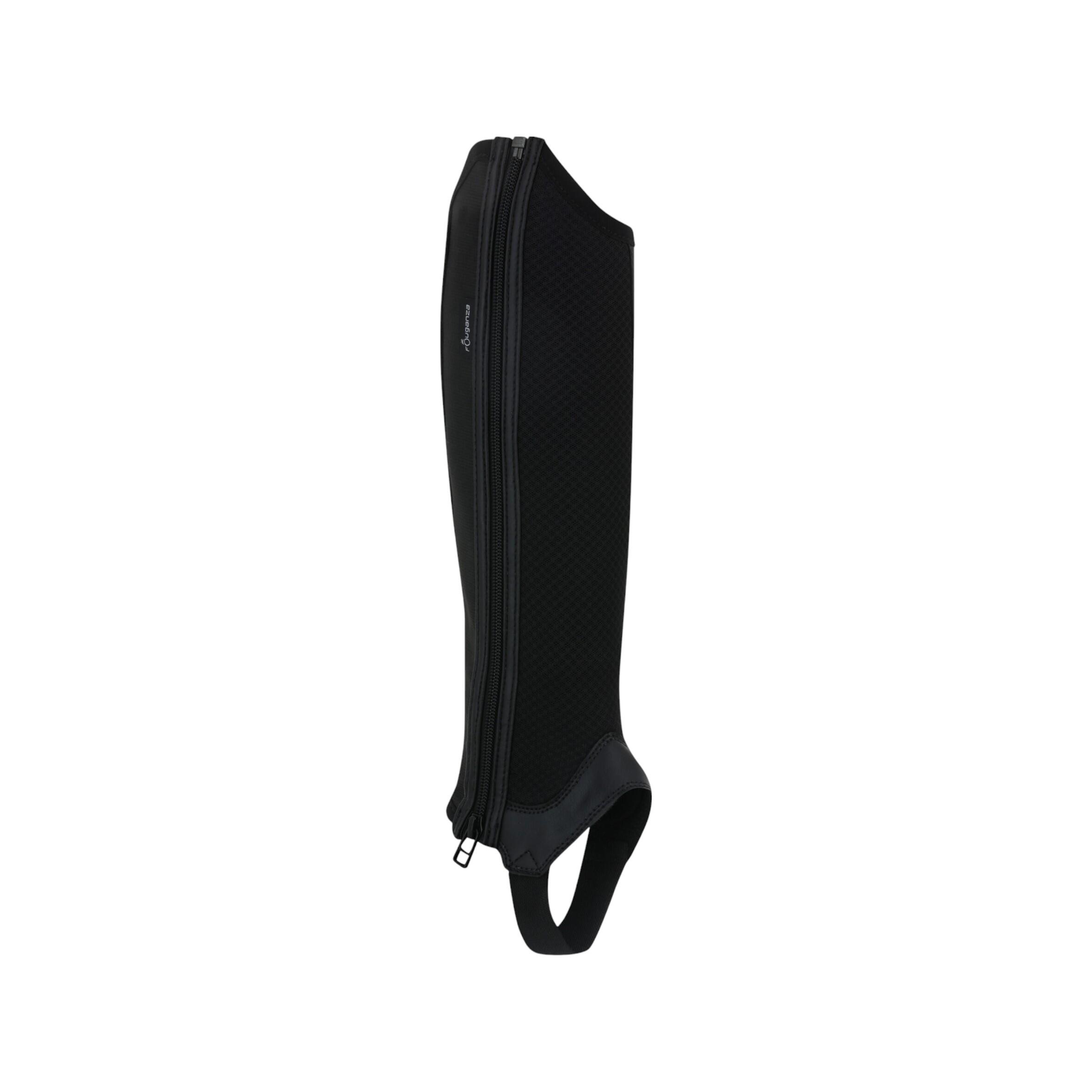
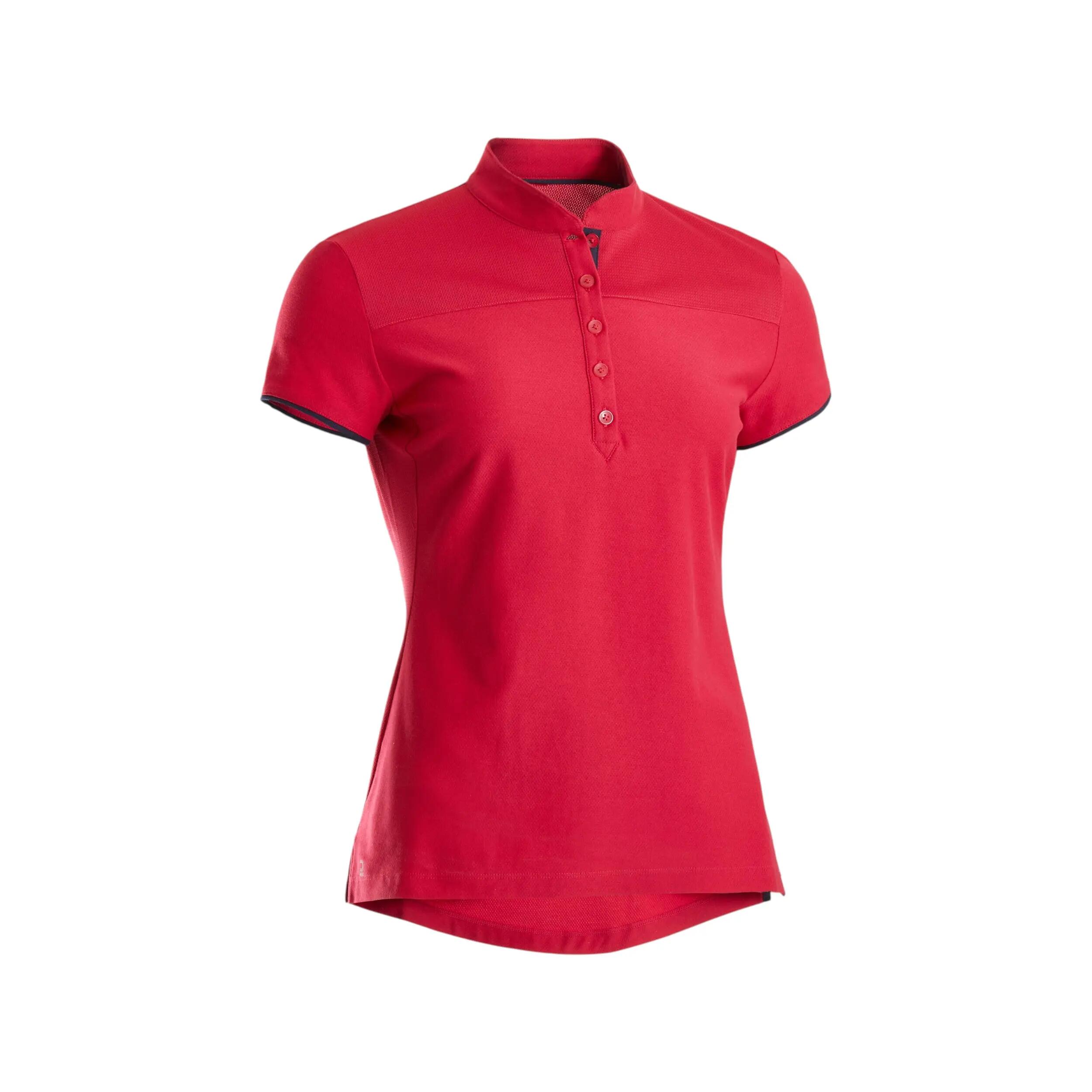
Riding clothes need enough stretch for hip and leg movement while limiting bulky fabric where your body contacts the saddle or fits inside riding boots. Fouganza jodhpurs use two-way stretch and carefully positioned seams to reduce restriction and repeated rubbing, while more technical leggings add silicone contact points for greater saddle grip. Straight lower legs and Lycra inserts can also help reduce bunching inside boots or half-chaps. Choose equestrian apparel by considering the grip provided as well as how easily the fabric stretches. Fabric knee patches give relatively moderate support, whereas full-seat silicone styles create more contact with the saddle. Try to assess fit in a seated riding position, as trousers that feel comfortable when standing can behave differently once your hips and knees are flexed.
What features make riding boots suitable for stirrup use?

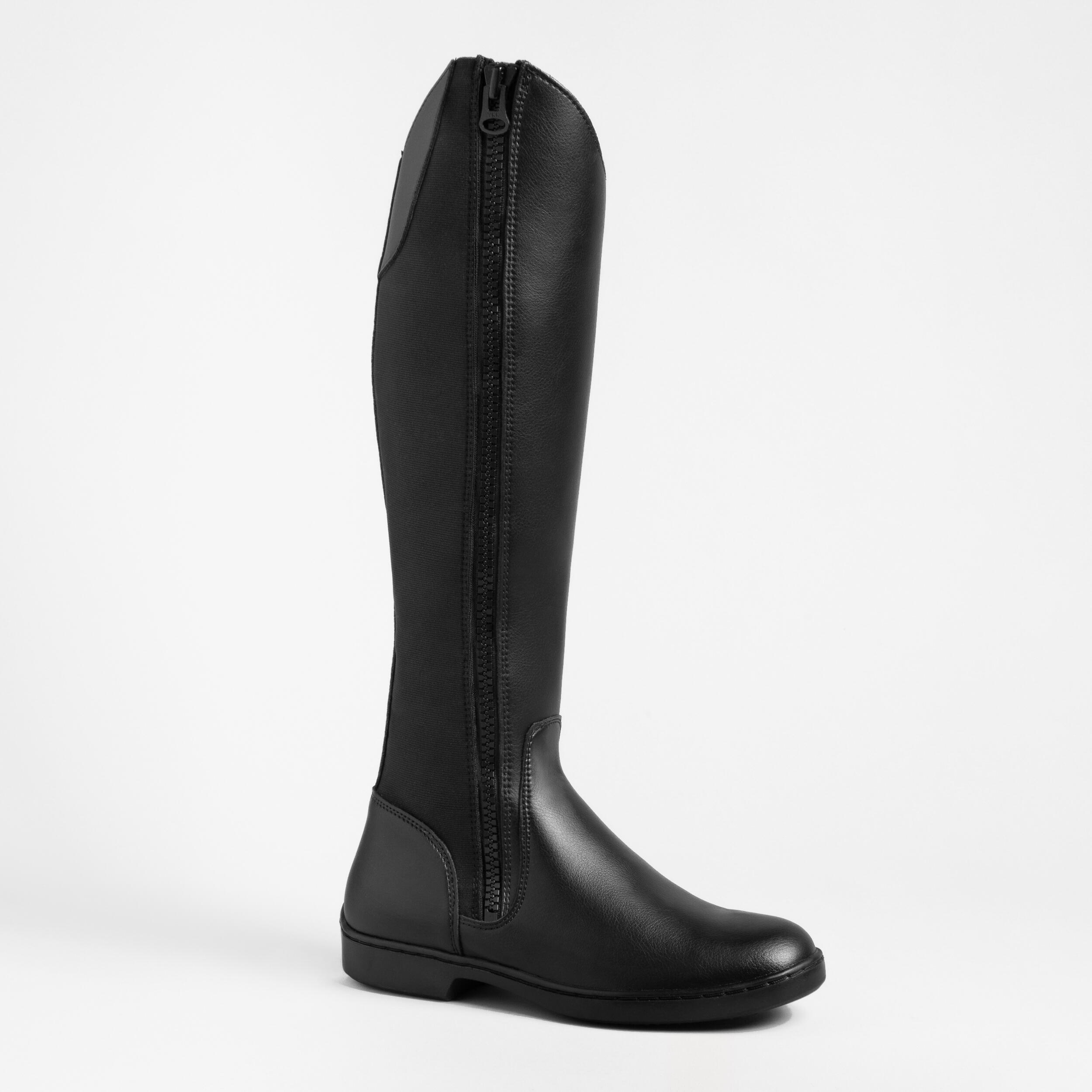
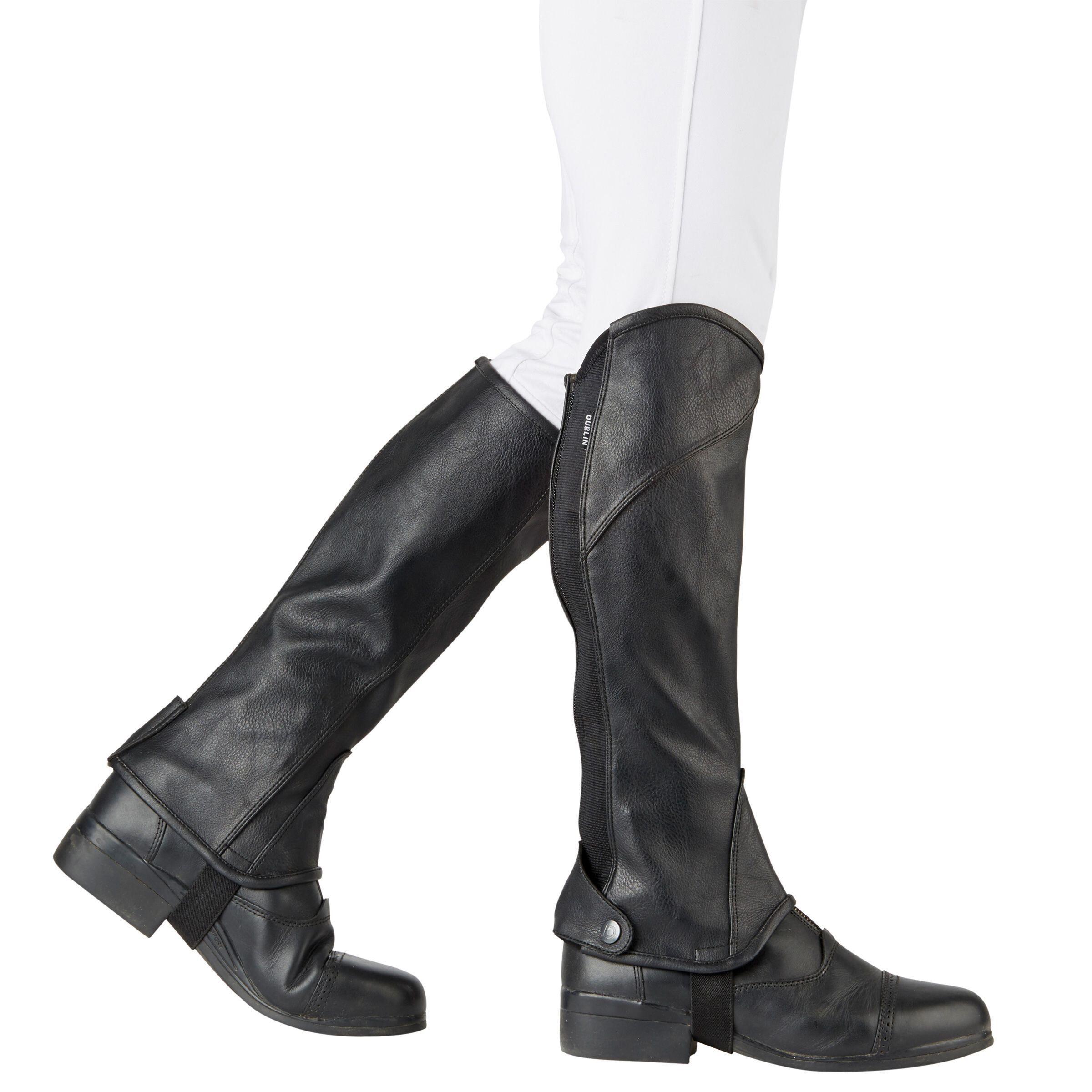
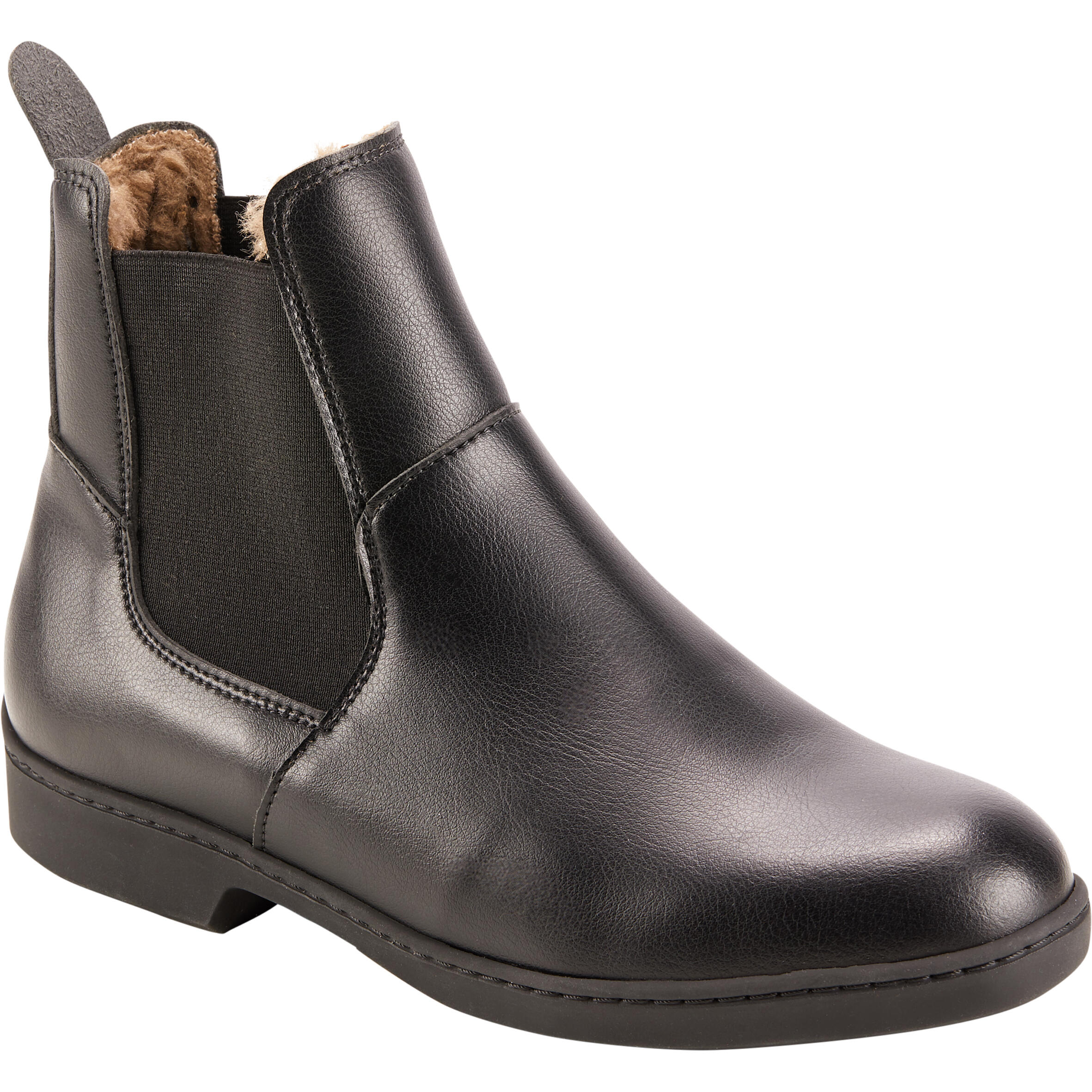
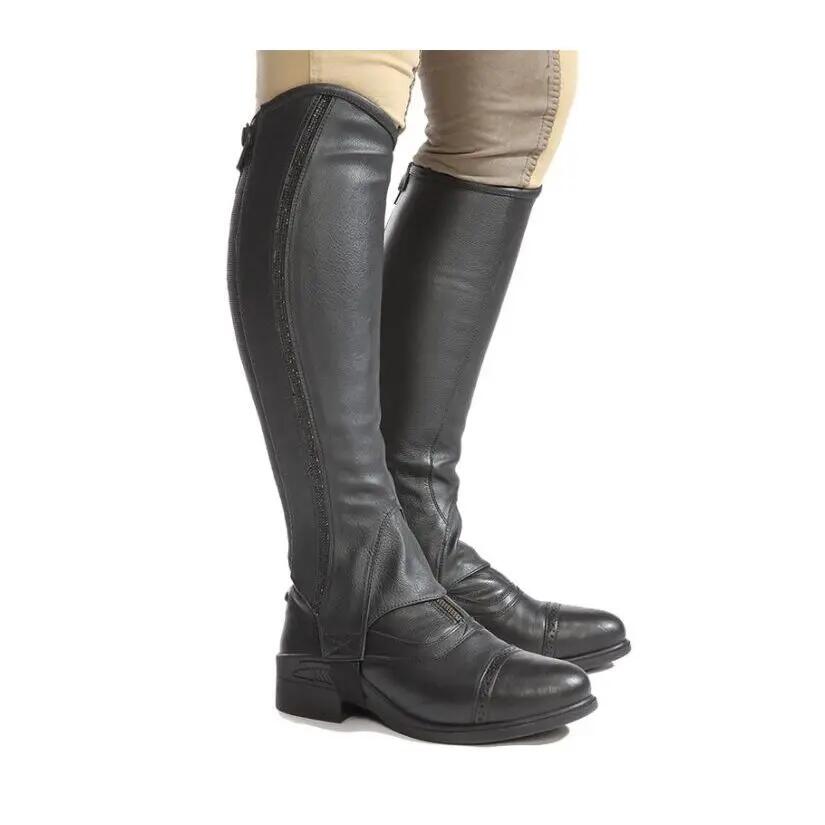
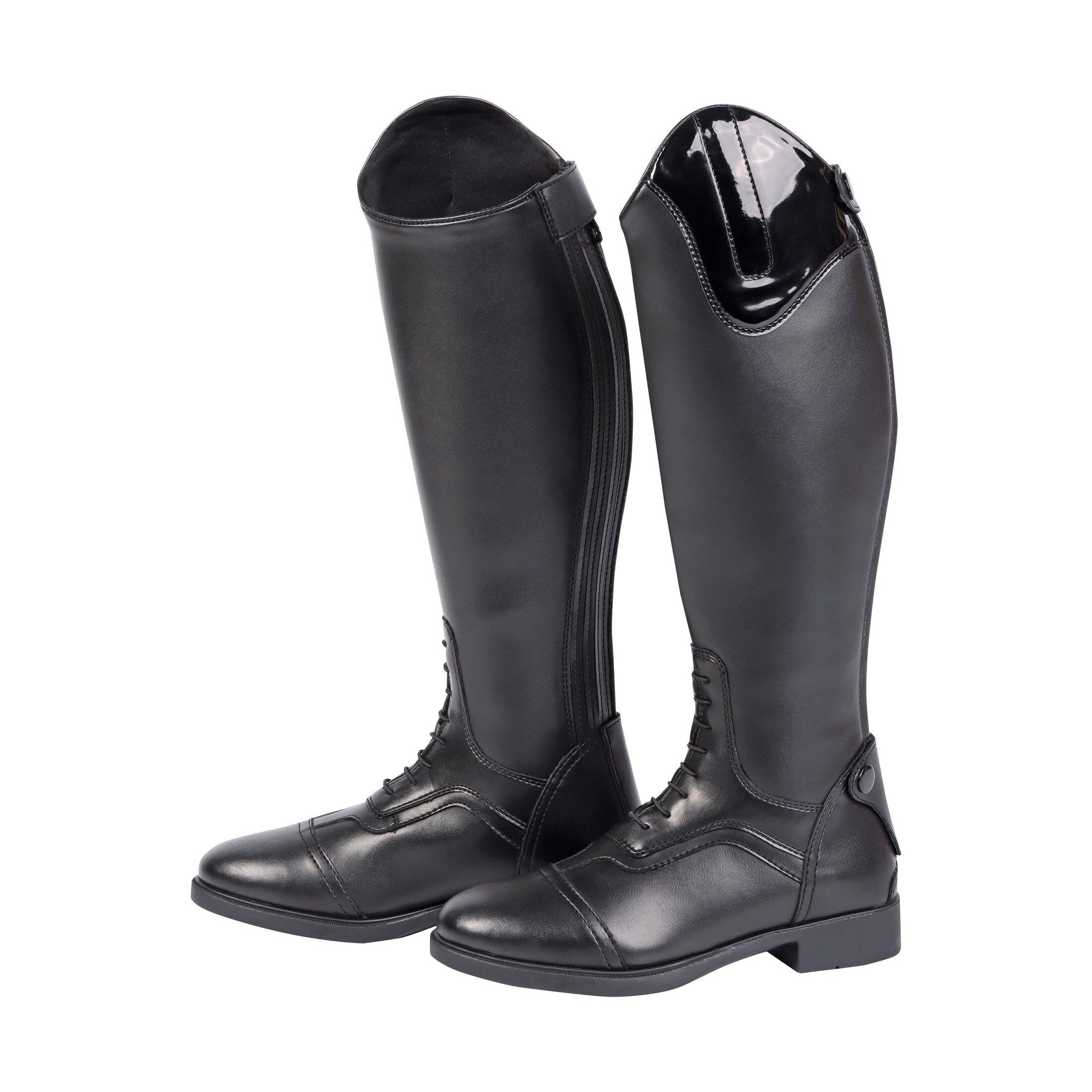
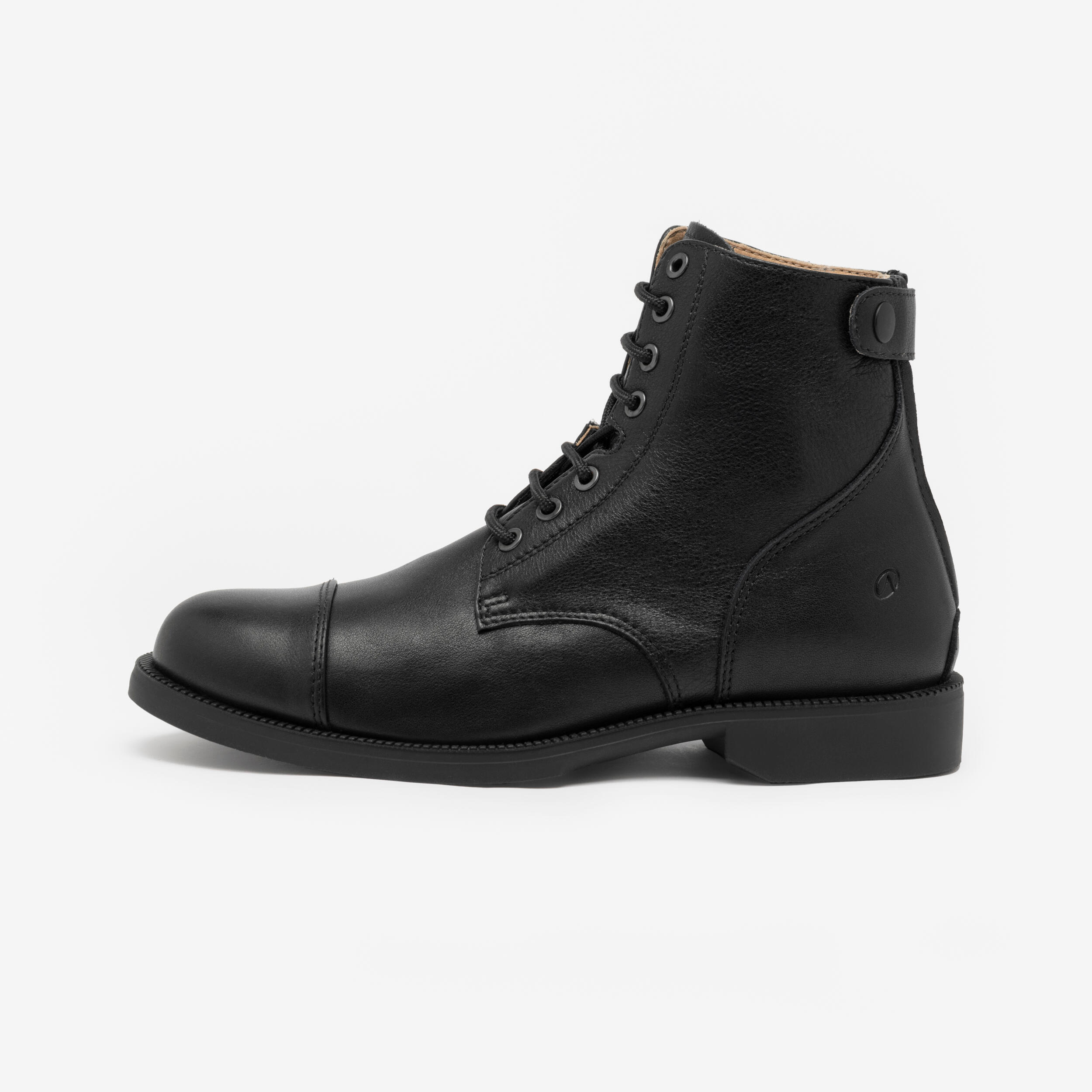
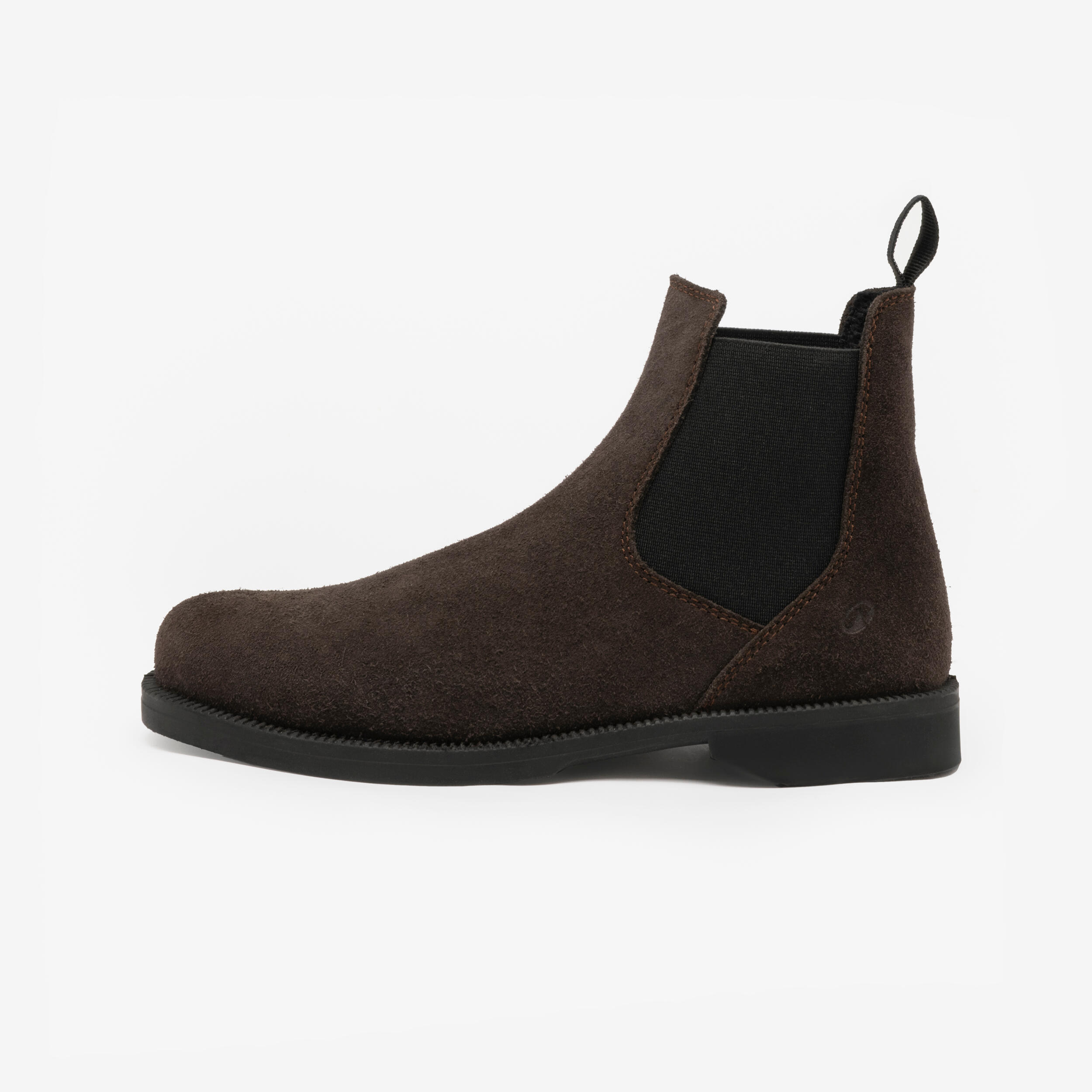
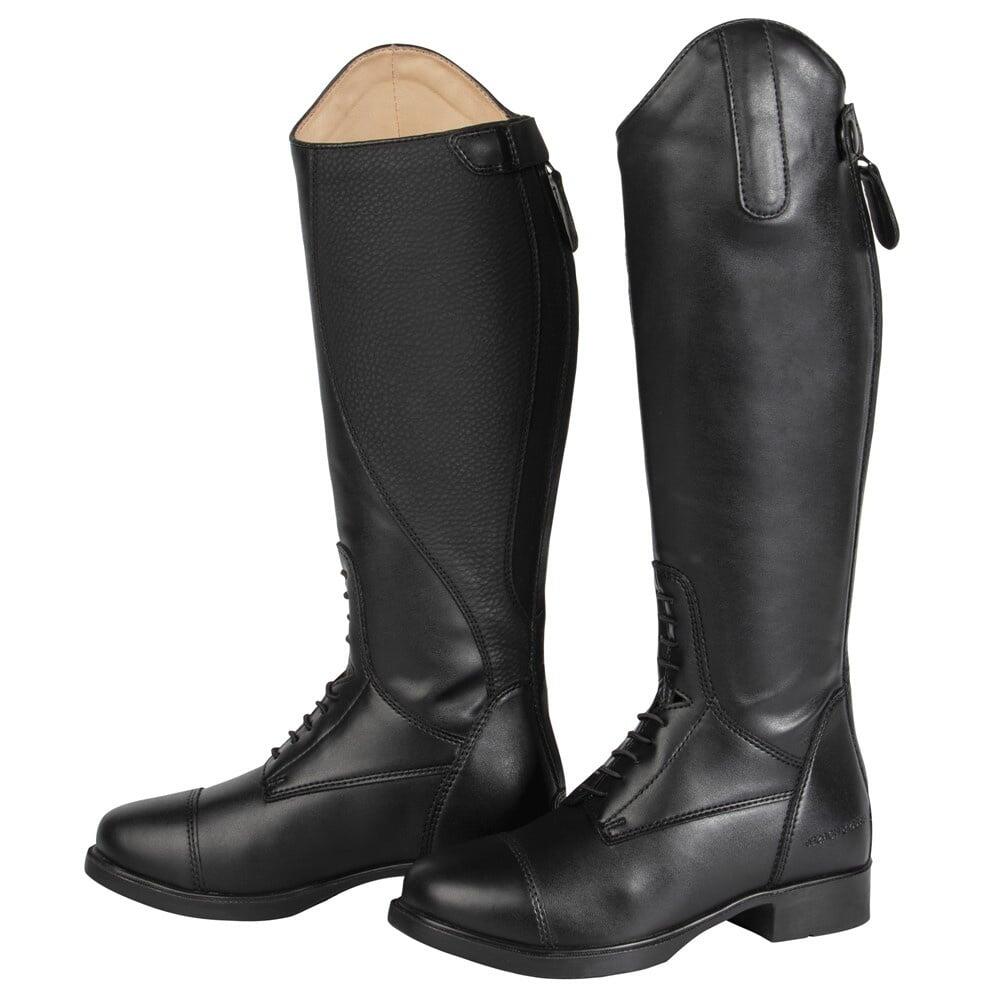
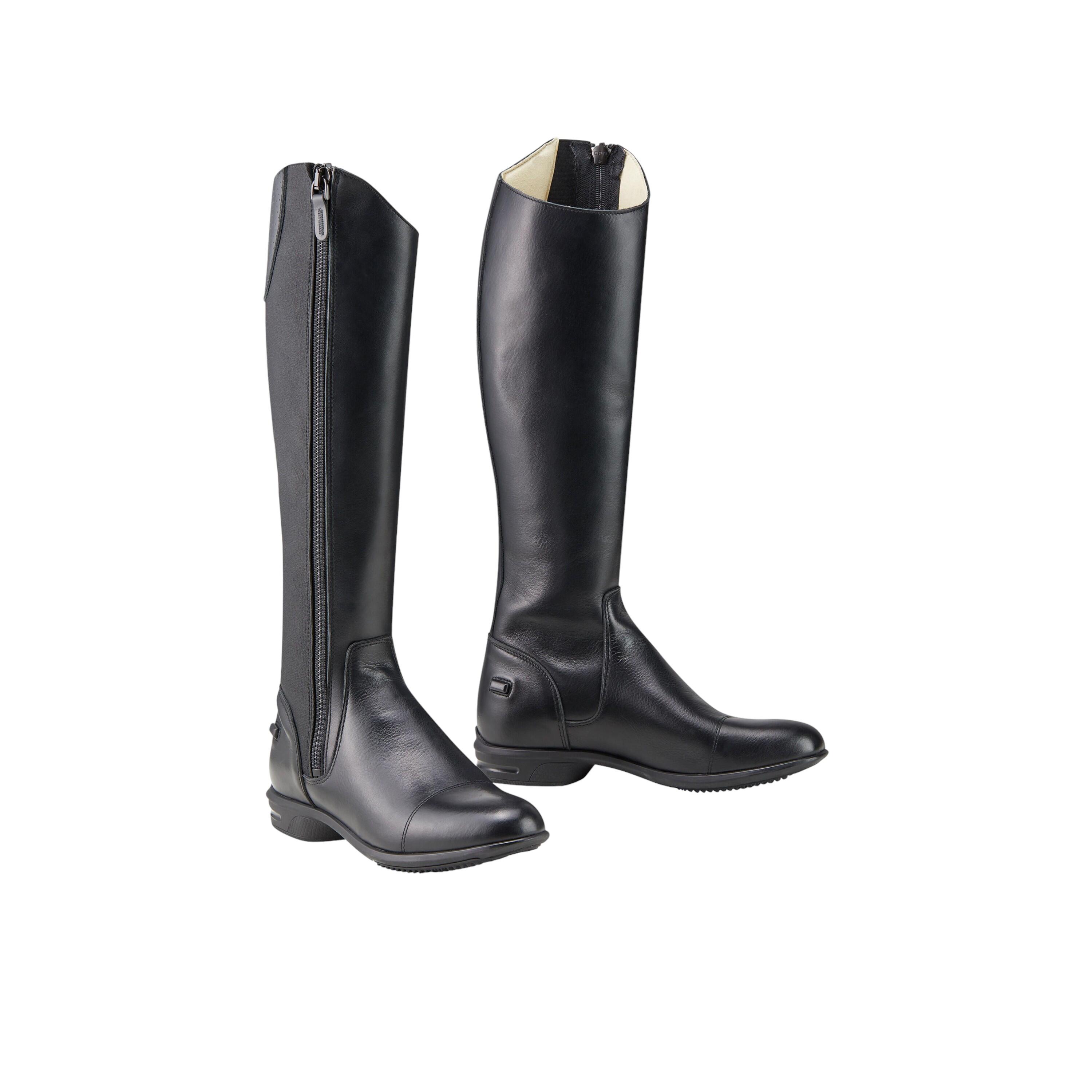
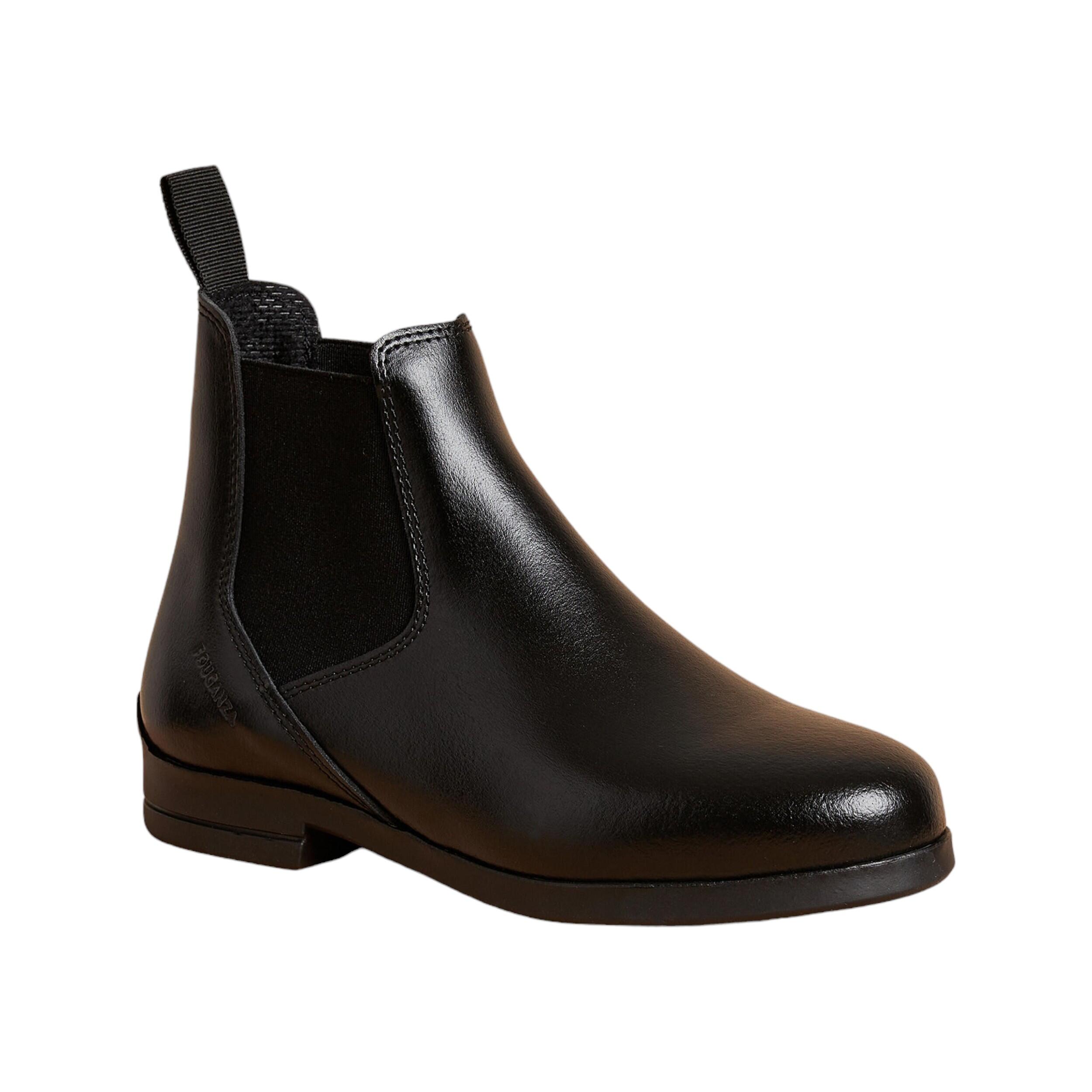
Riding boots need to work with the stirrup as well as cope with mud, yard surfaces and repeated saddle contact. Fouganza uses sole patterns and small grip features intended specifically for stirrup irons rather than relying only on general walking traction. Selected 100-series jodhpur boots also use a fully injected upper-and-sole construction, reducing the risk of the sole separating from the upper. Waterproof synthetic models can be rinsed after muddy sessions, while removable insoles make drying easier. Complete horse riding competition clothing with footwear that meets the requirements of your discipline and event. After wet use, remove excess mud and let boots dry naturally, rather than placing them beside a radiator, fire or other strong heat source.

Which riding gloves offer the right grip for handling the reins?

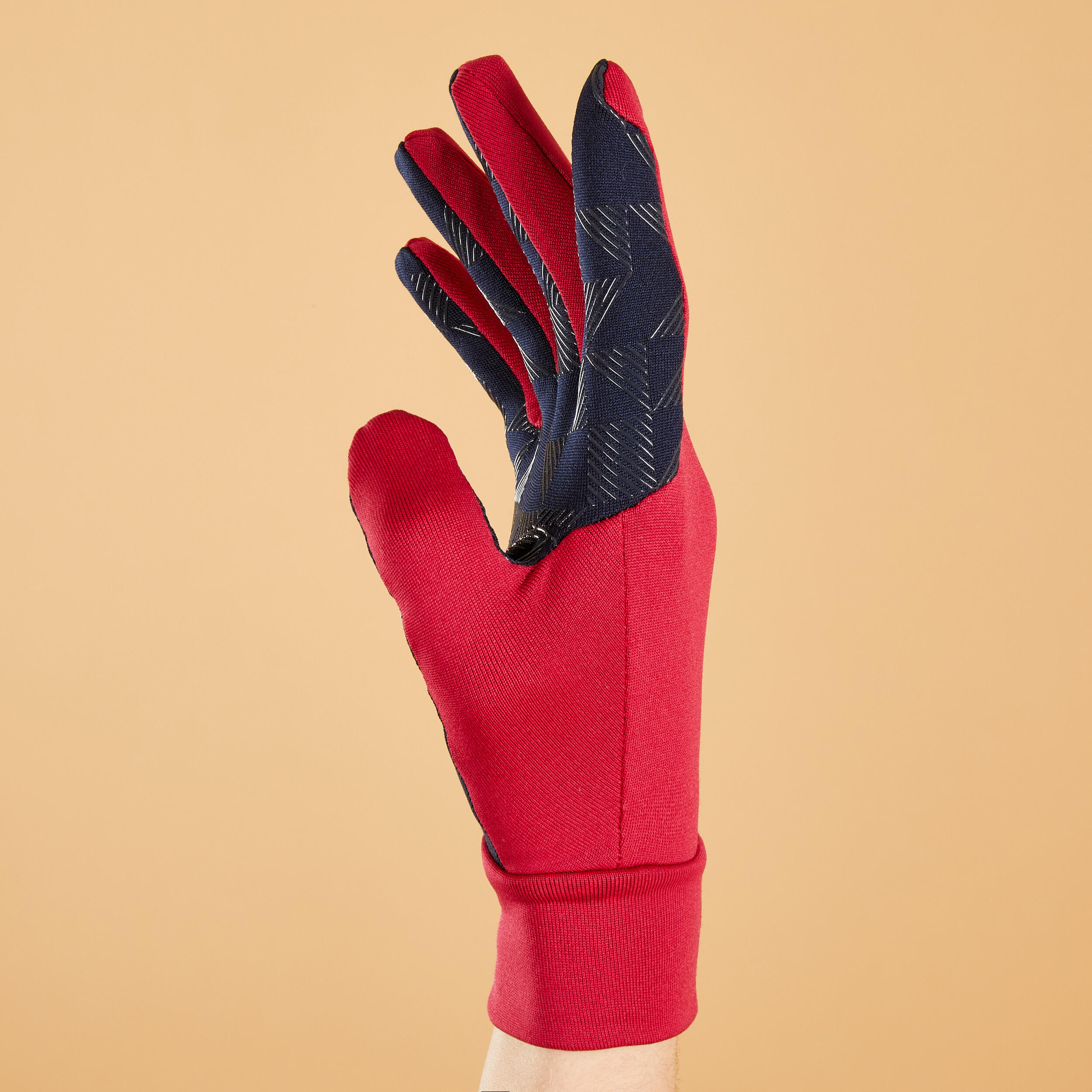
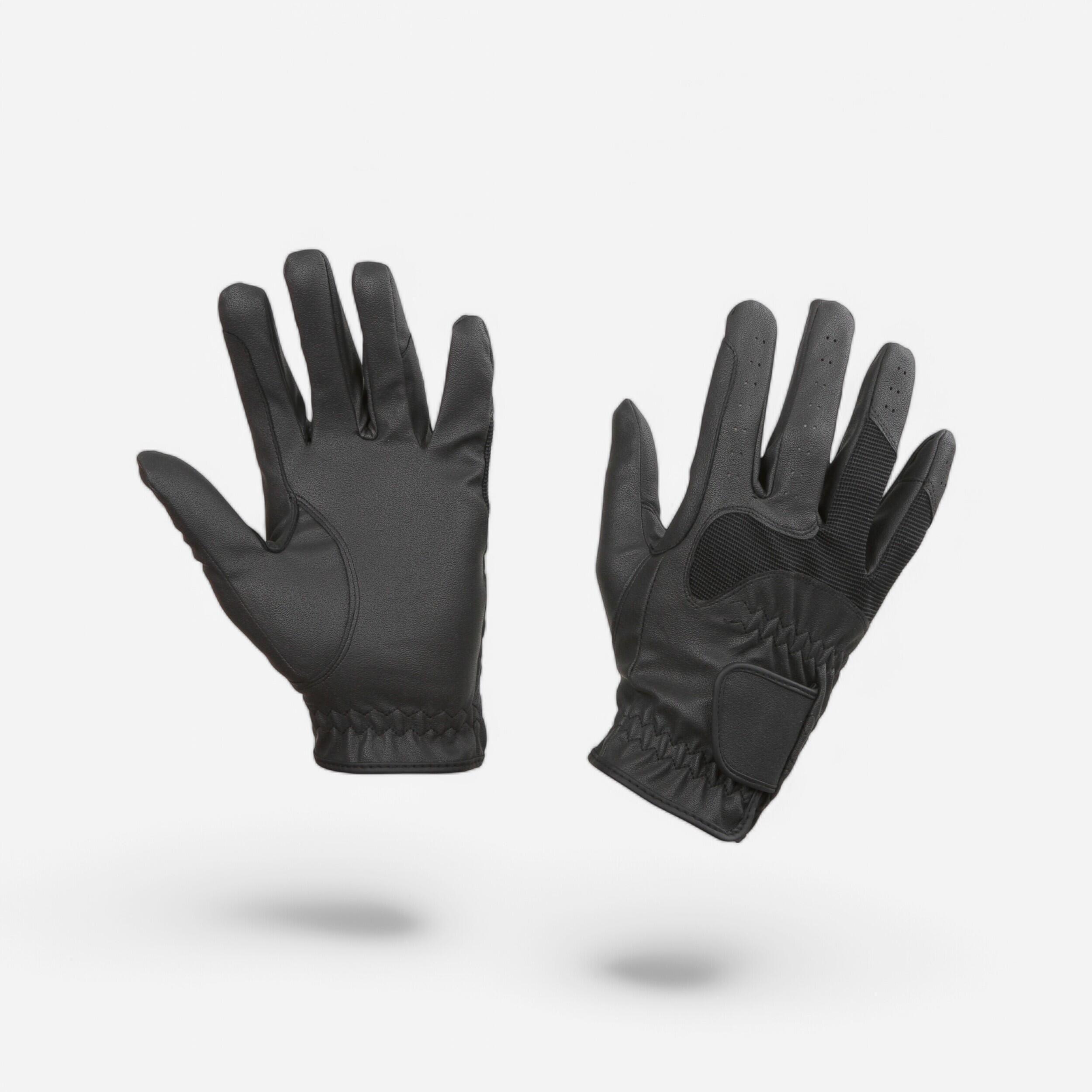
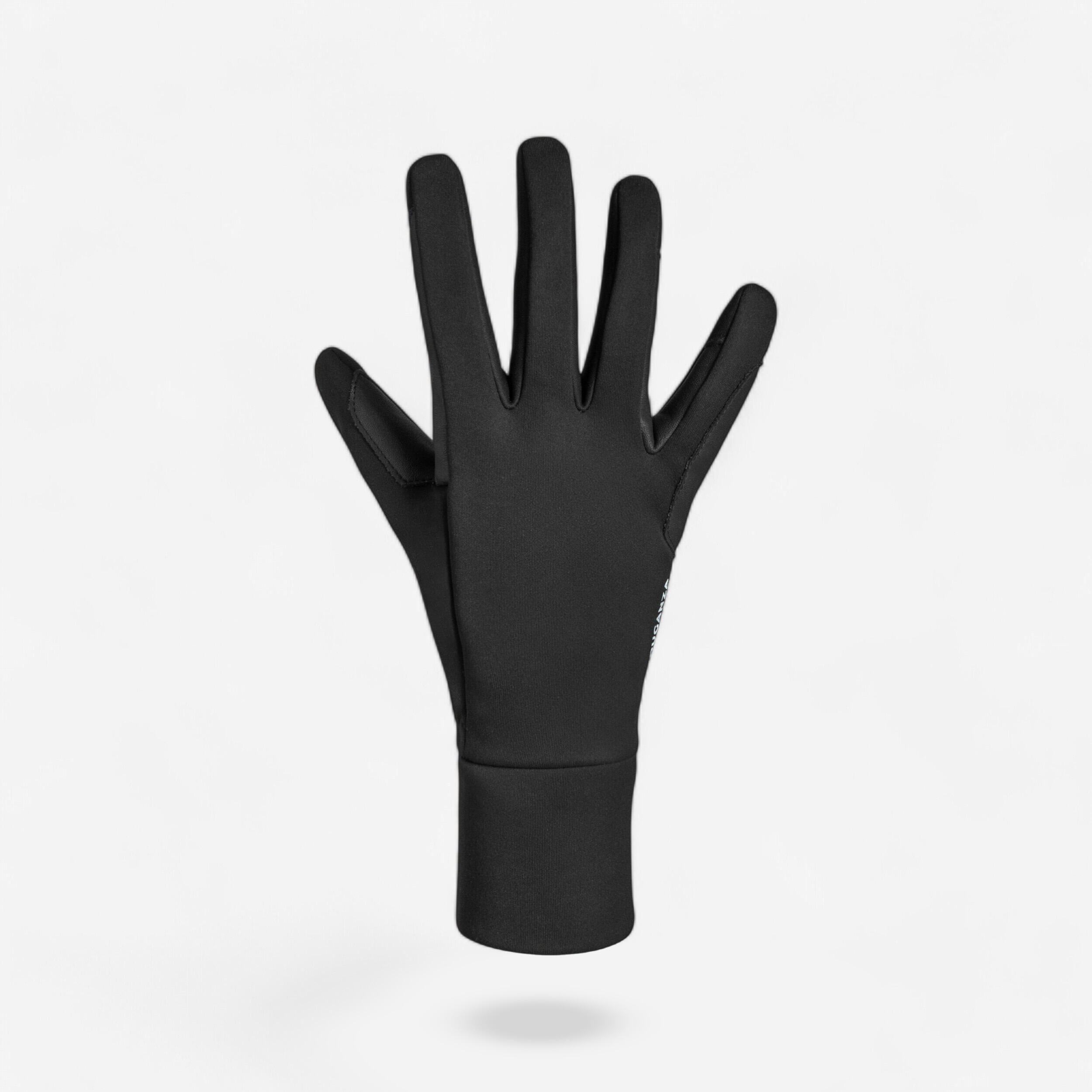
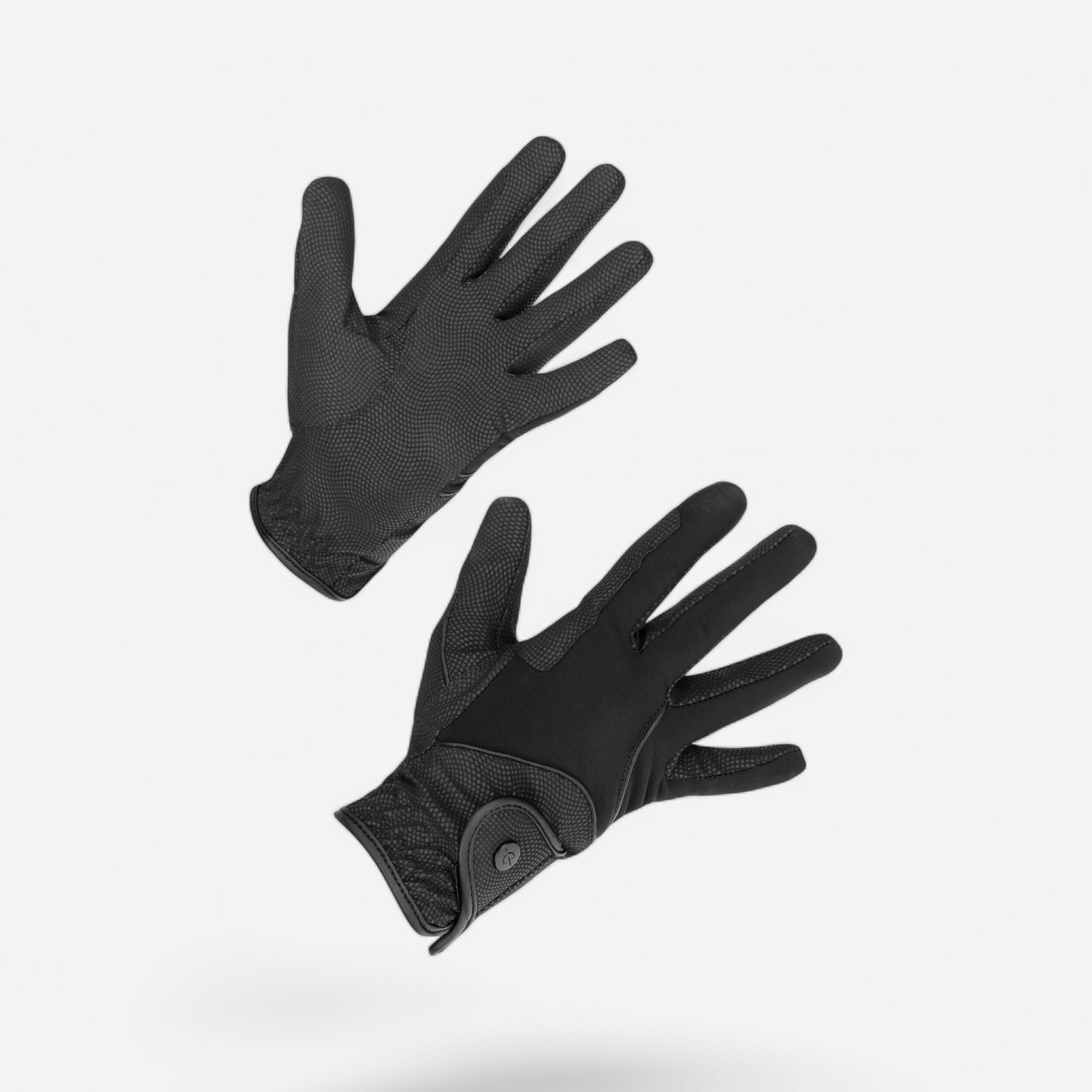
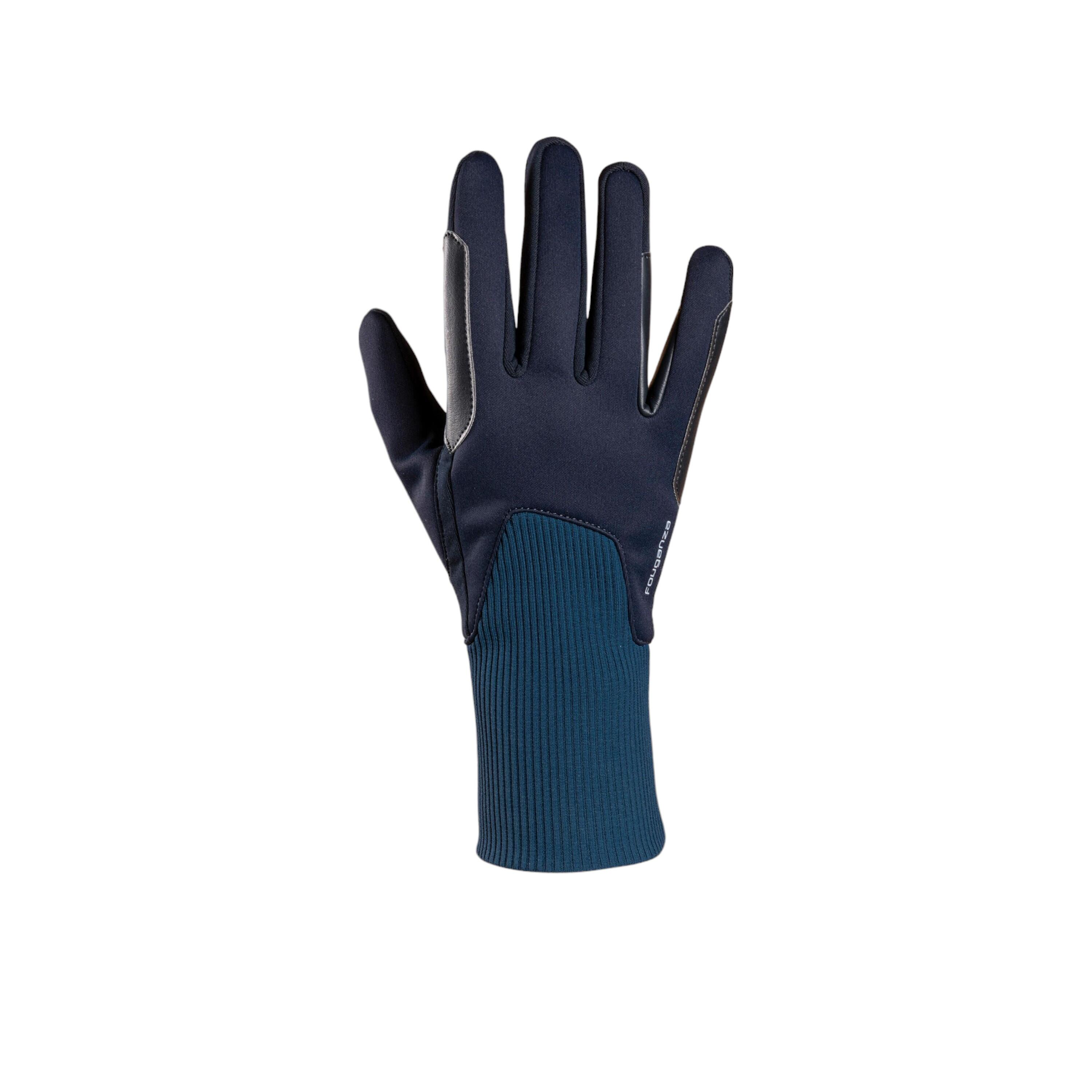
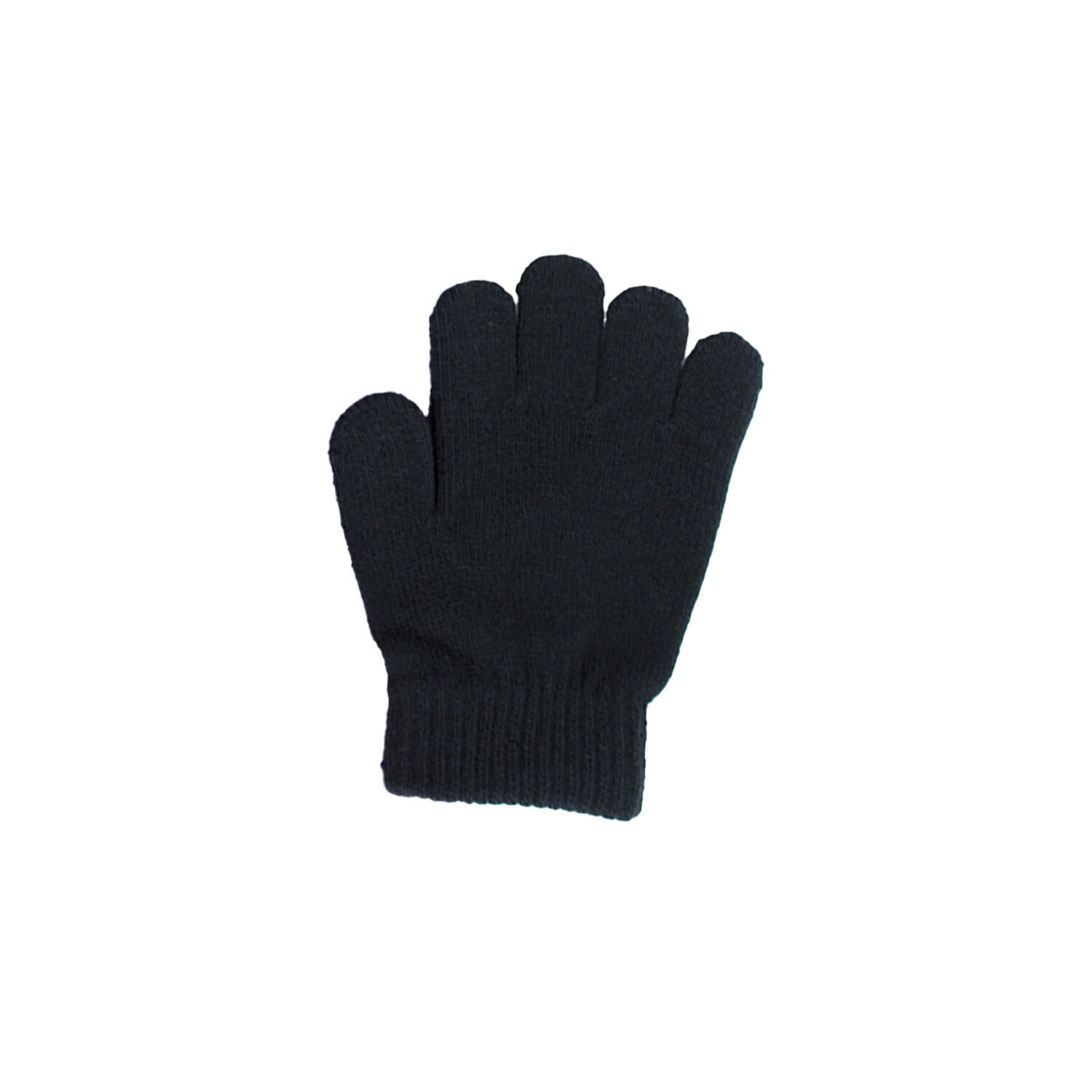
Look for a close fit that allows finger movement without leaving loose material between your hand and the reins. Fouganza's beginner gloves use thin stretch fabric and silicone grip across the palm, helping maintain rein contact while reducing chafing. More technical versions are pre-shaped to the riding position and combine synthetic palm material with ventilation between the fingers, including grip designed to stay effective in wet conditions. The range of equestrian gloves therefore lets you choose between straightforward rein grip and more supportive designs for regular riding. Check that you can close your hand comfortably around the reins before selecting a size. If gloves become wet from rain or perspiration, dry them flat at room temperature and away from direct sunlight or heaters.

What must you consider when choosing a horse riding helmet?

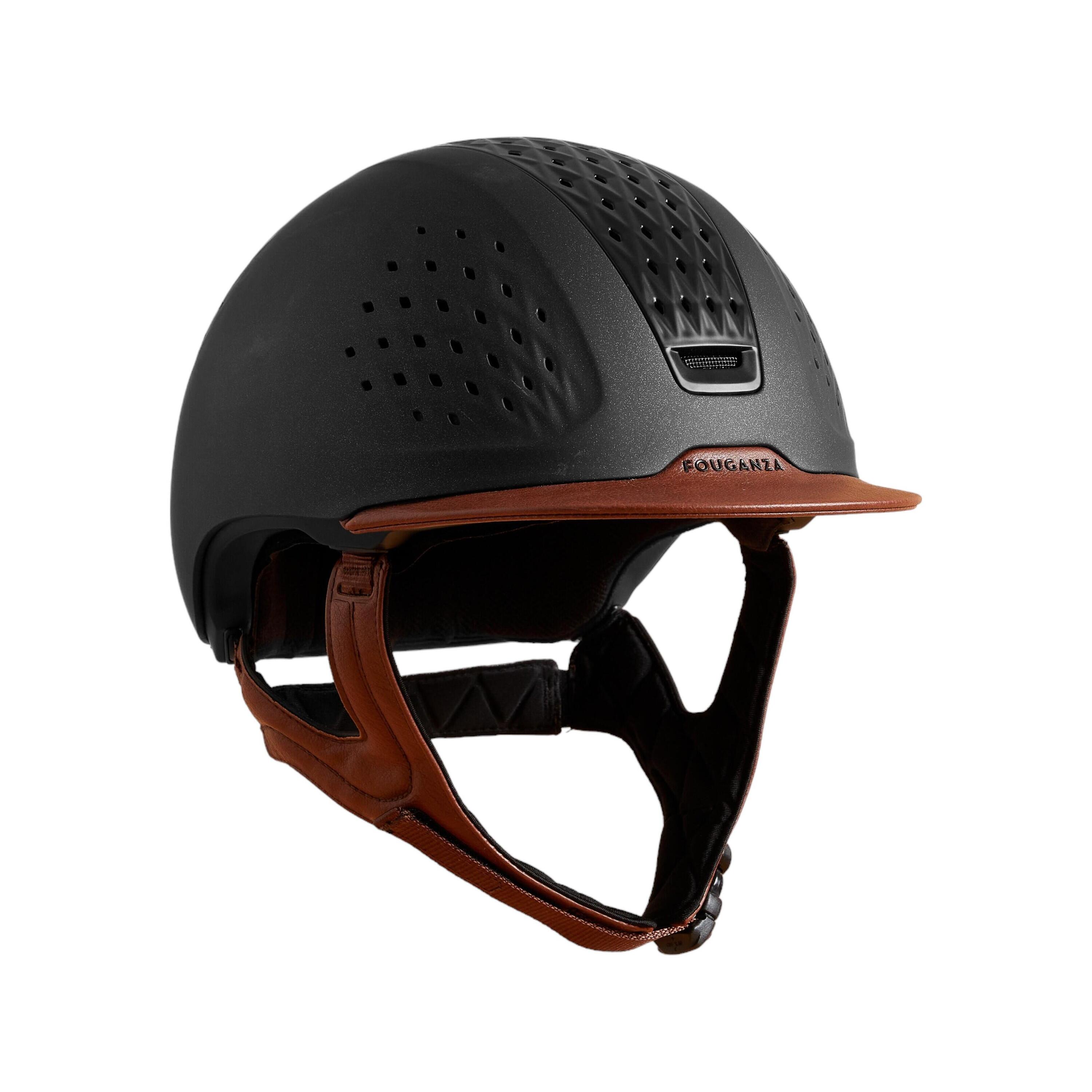
A helmet should fit securely and remain correctly positioned as your head moves rather than shifting during normal riding. Size and adjustment matter more than appearance, so follow the manufacturer's fitting instructions and check the helmet with the hairstyle you normally wear at the yard. The right horse rider helmet should sit level and secure while allowing the fastening system to be adjusted comfortably. Inspect straps, buckles and the outer shell regularly, particularly after transport. A helmet is protective equipment, not an ordinary clothing accessory, so follow the manufacturer's guidance on replacement after a significant impact and on service life, even when external damage is not immediately visible.

What helps keep horse rider equipment organised between events?

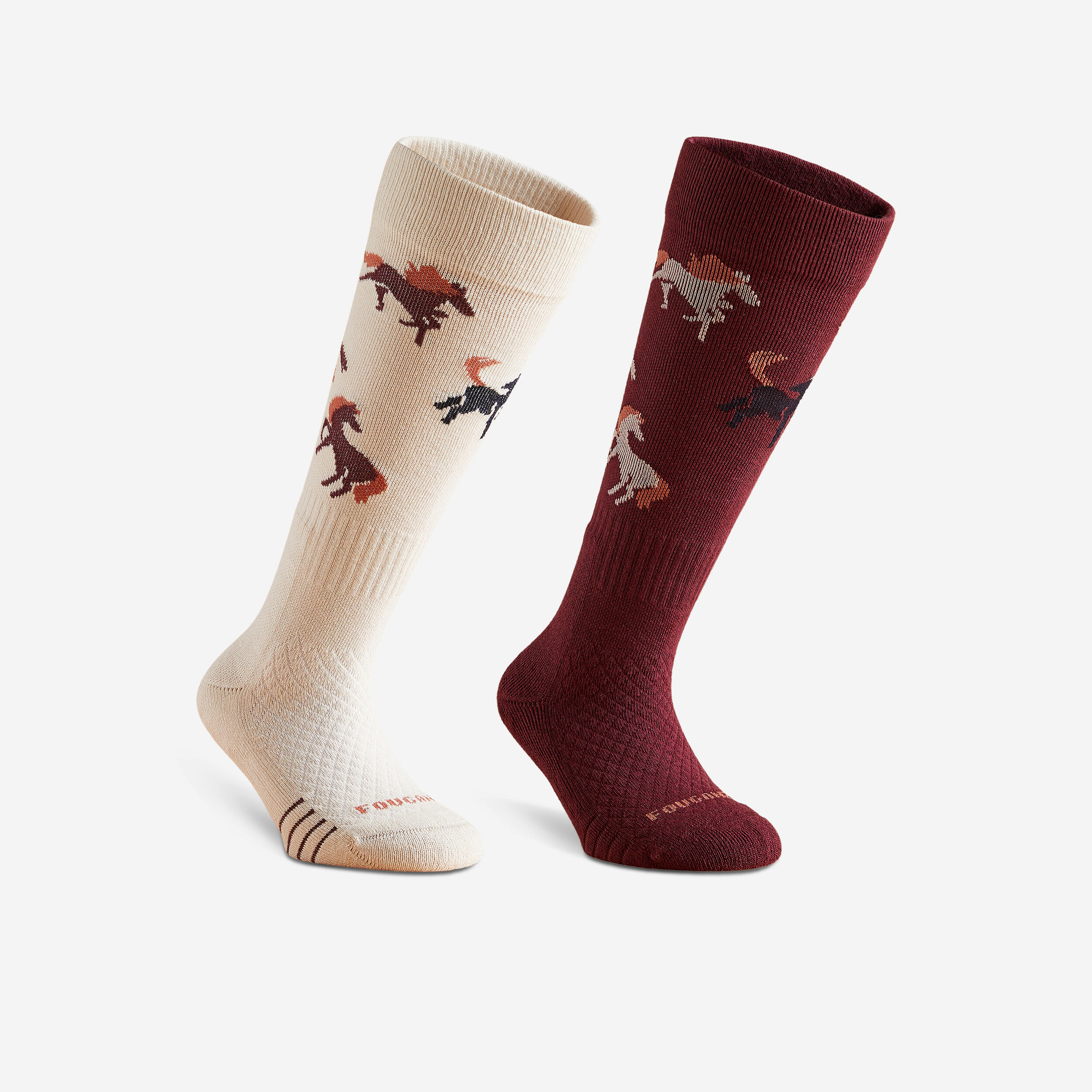
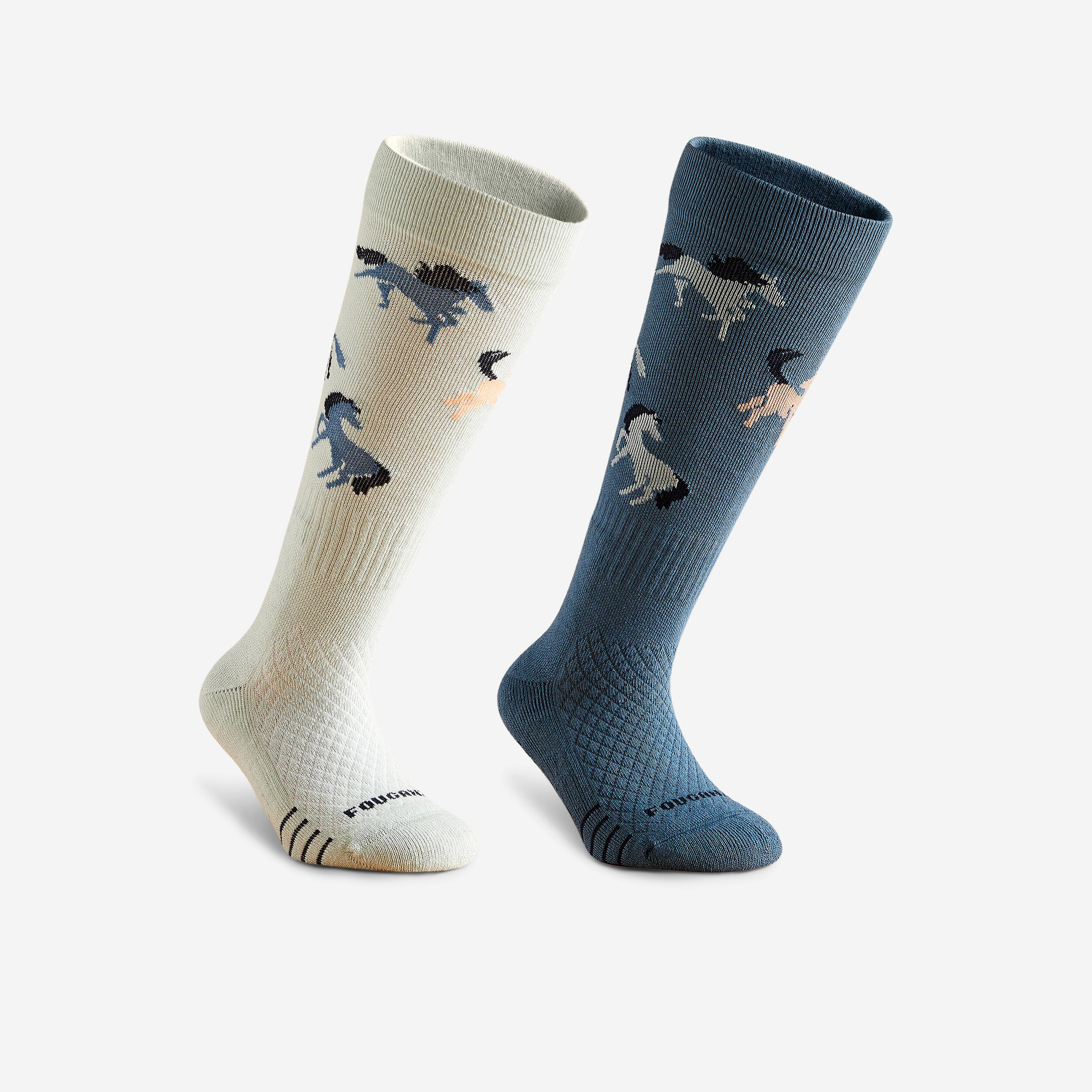
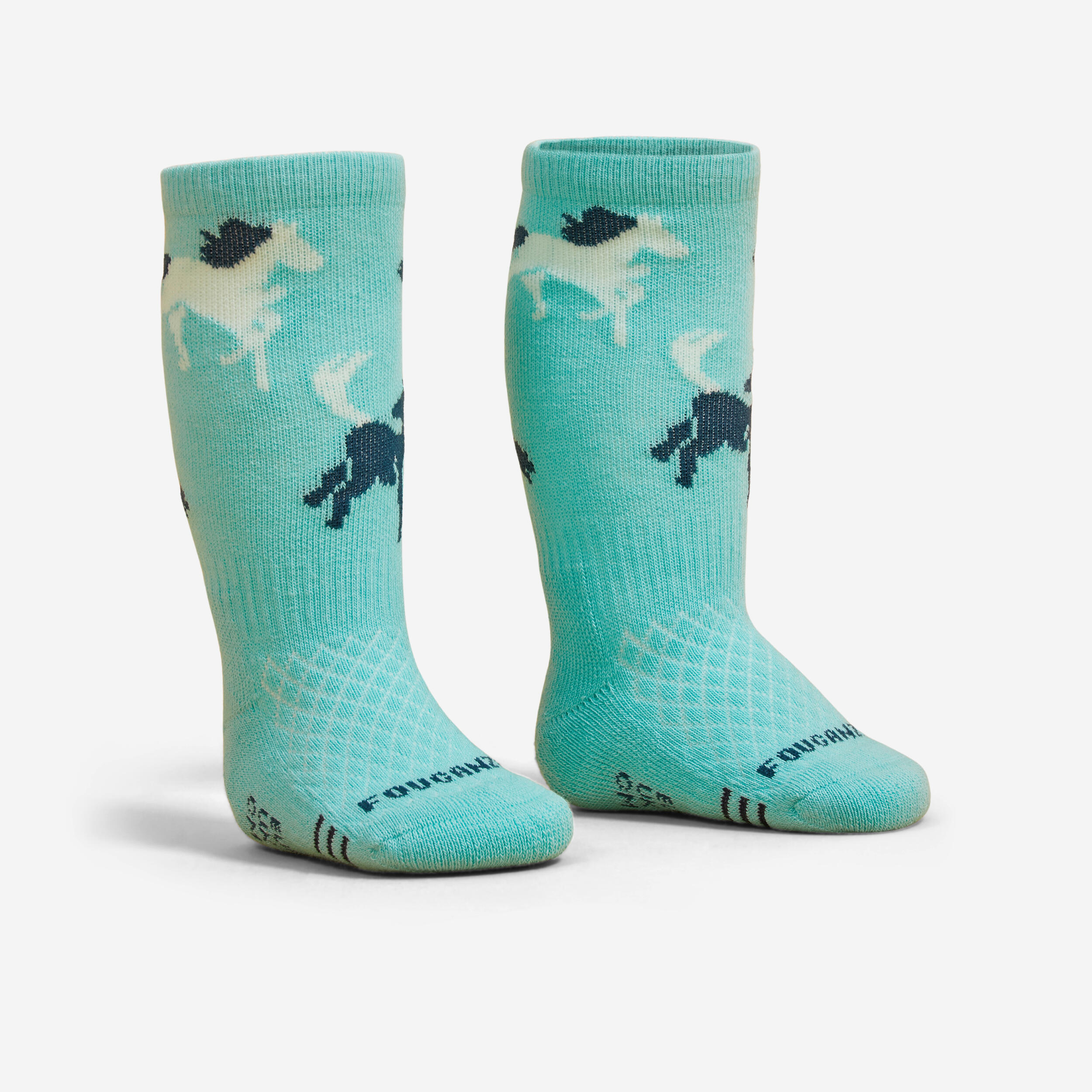
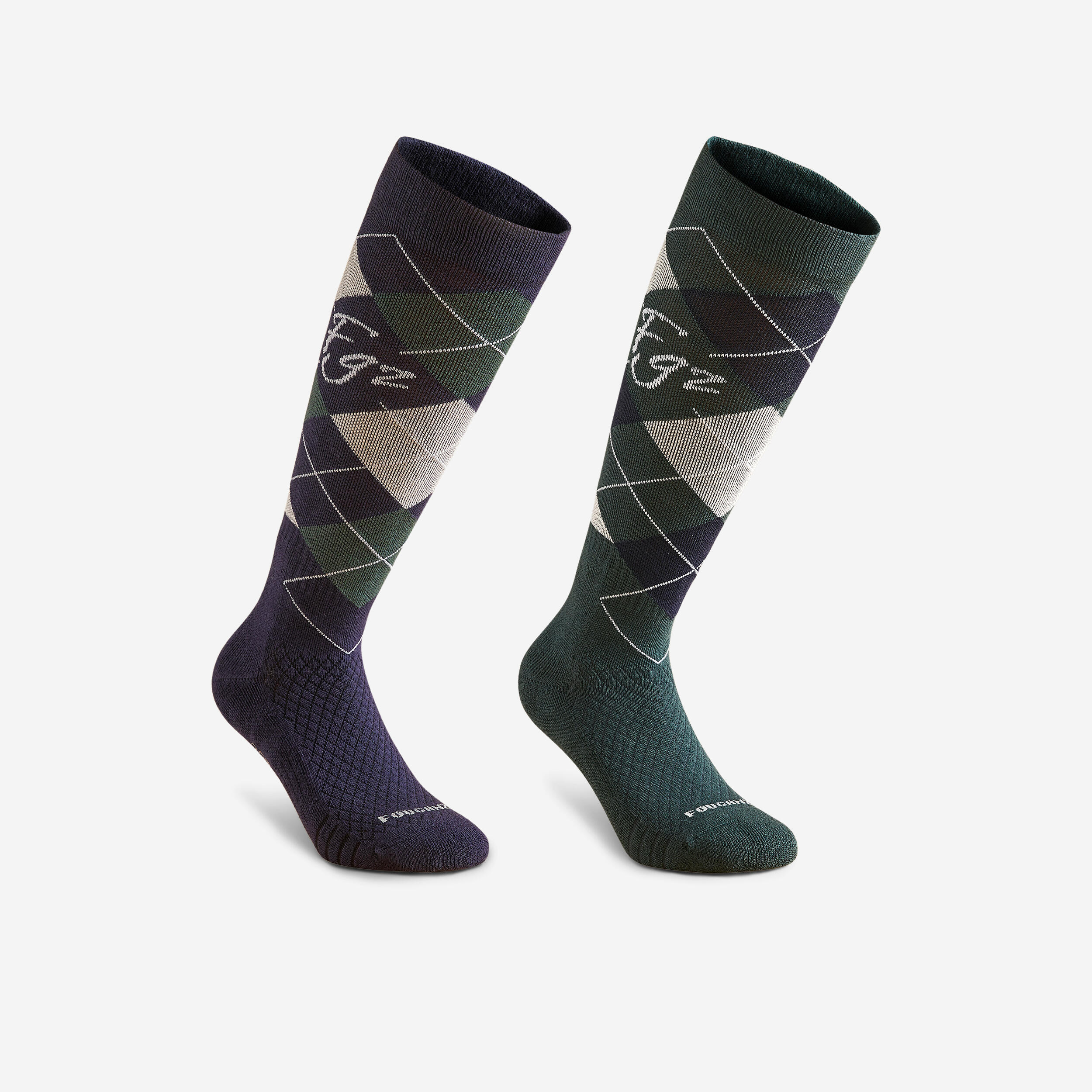
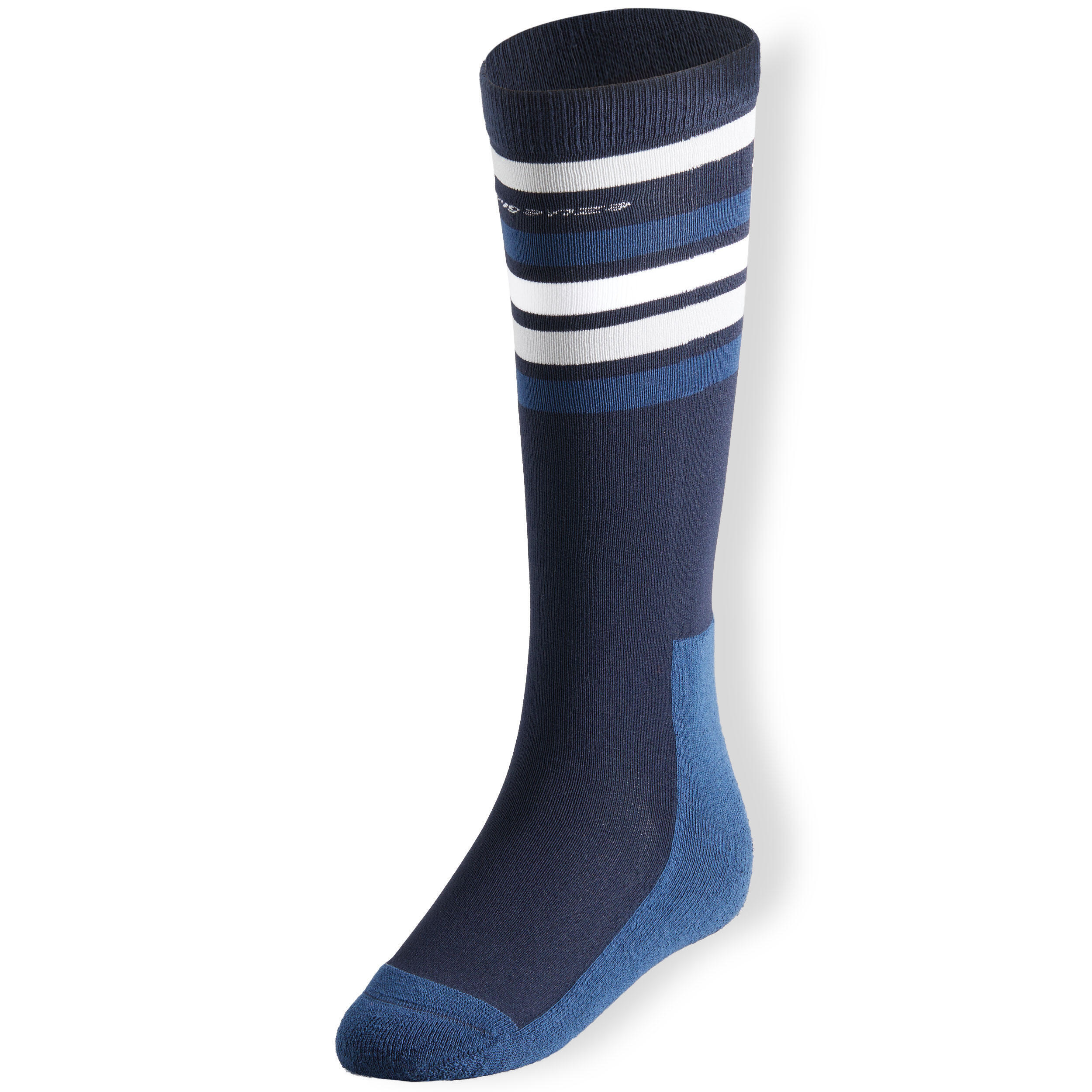
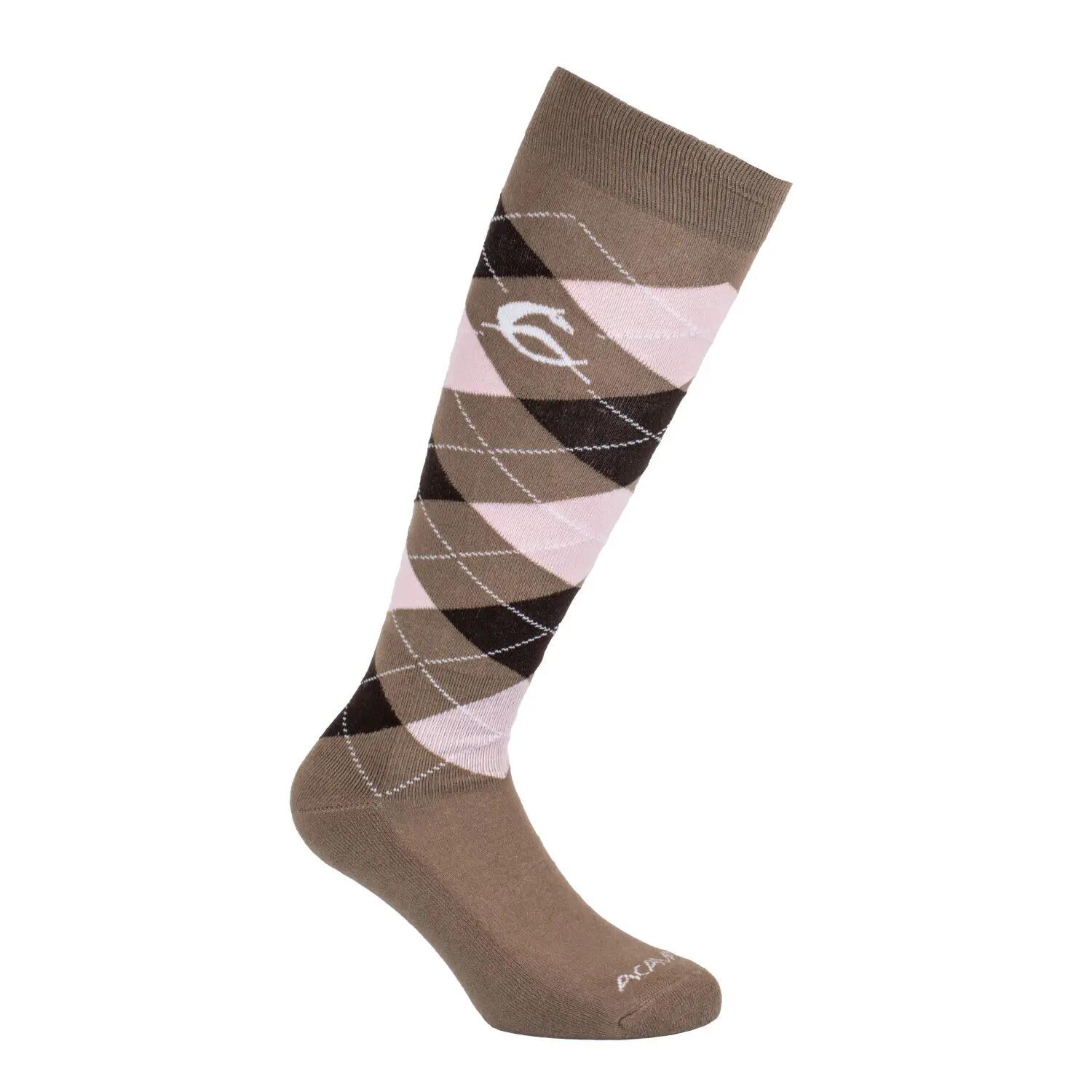
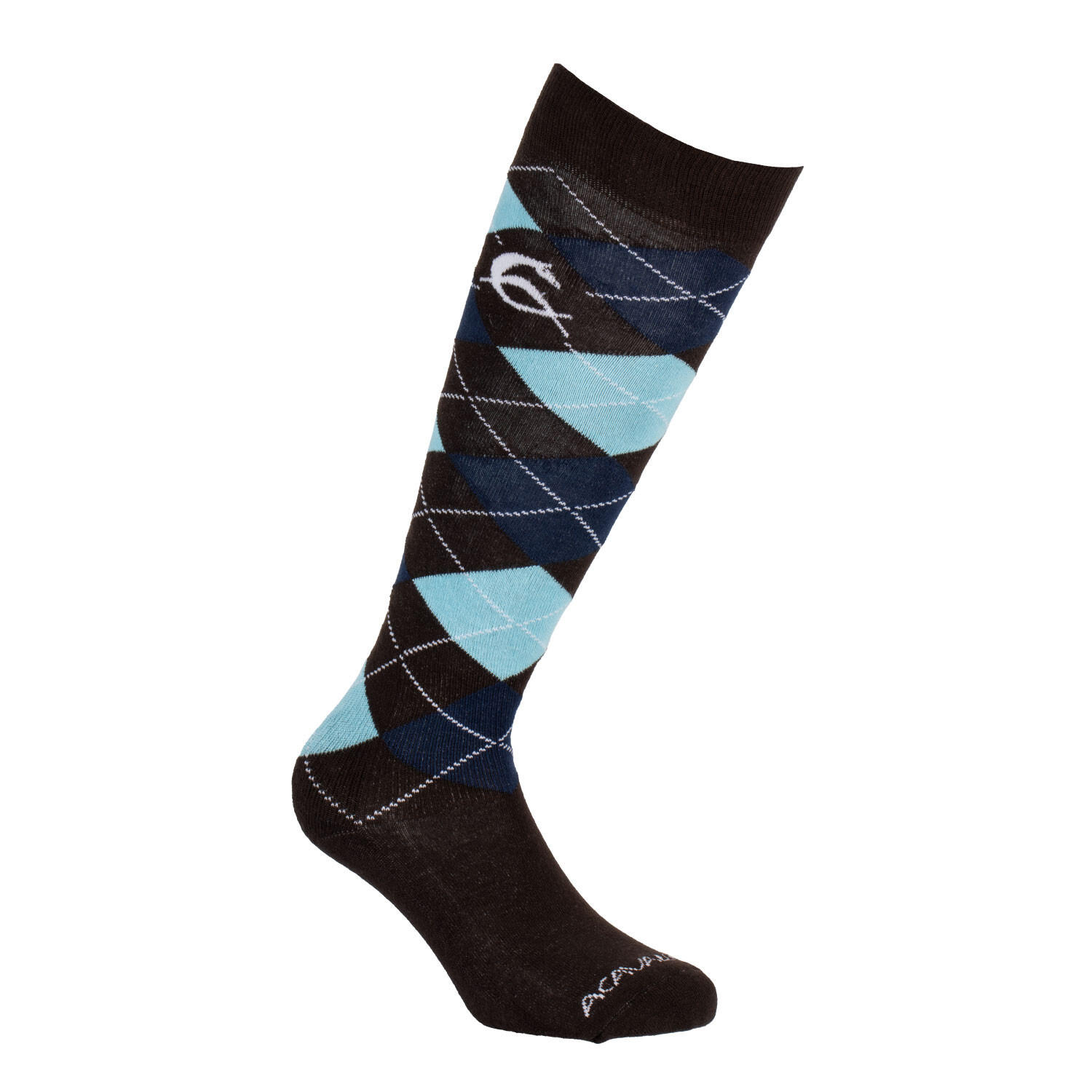
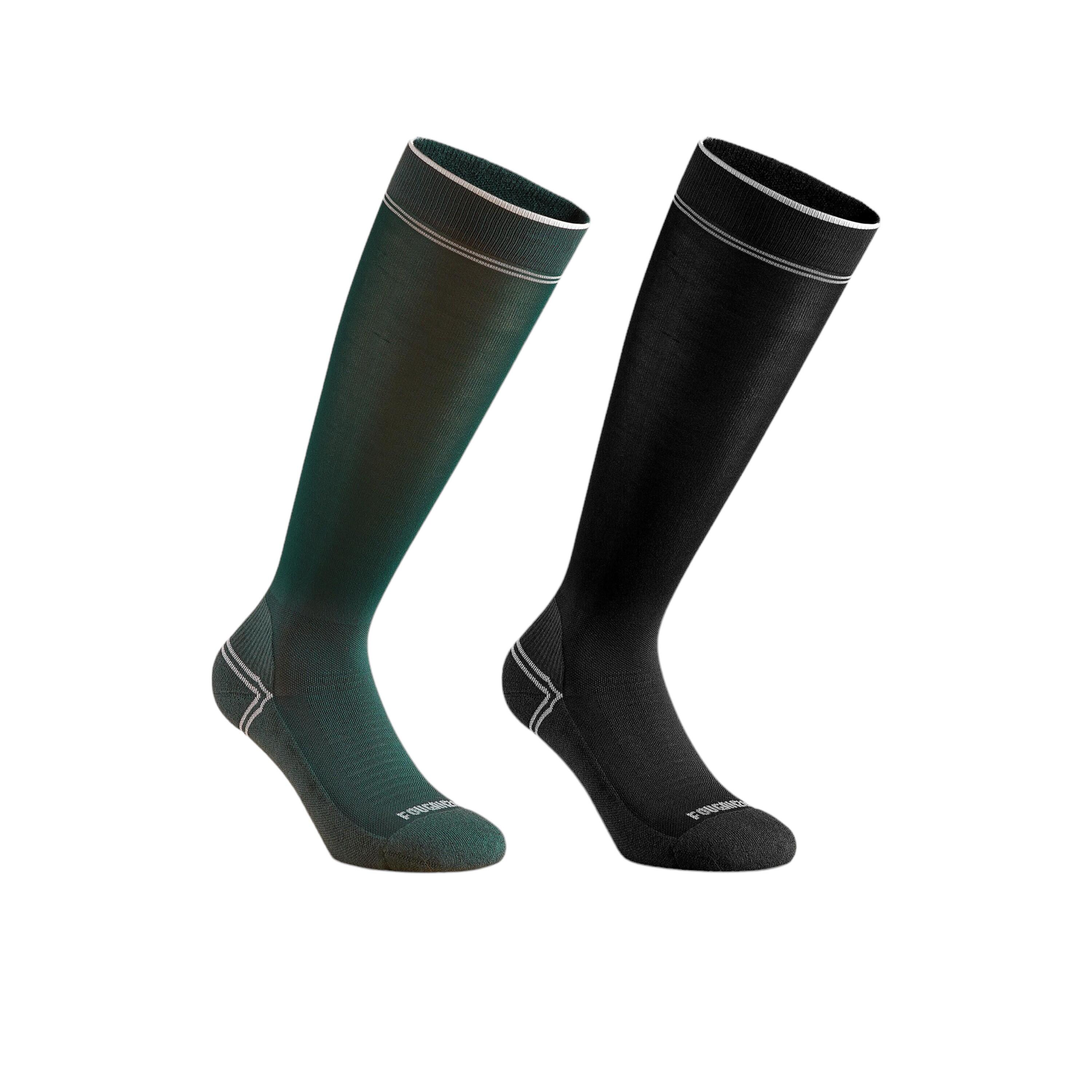
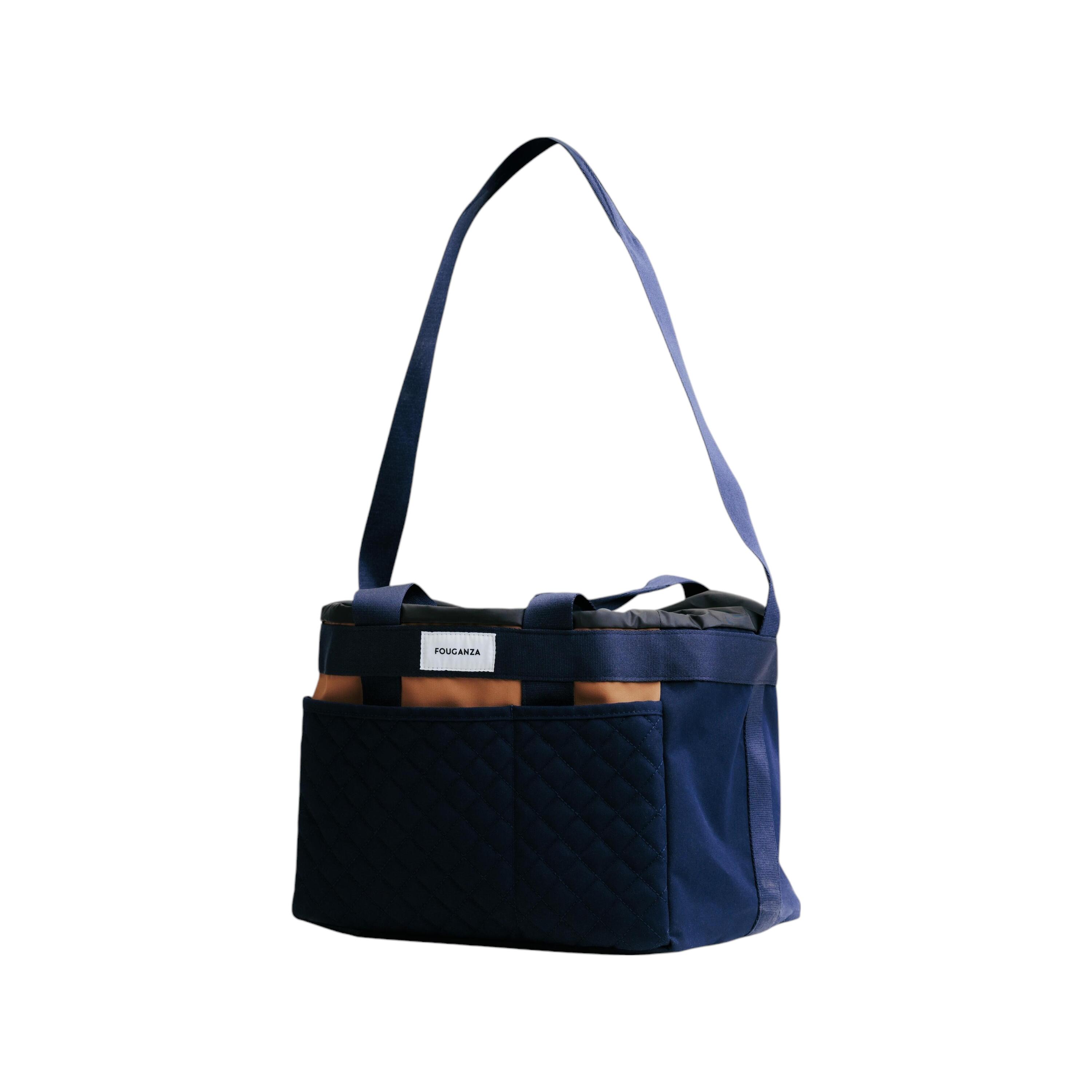
Separating clean riding clothing from muddy boots, gloves and stable items makes equipment easier to manage and reduces the chance of transferring dirt onto helmets or competition wear. Use dedicated equestrian bags to organise frequently used items by purpose, keeping smaller accessories in separate pockets for easier access. Allow damp gloves, socks and footwear to dry before packing them into closed compartments, and avoid storing a wet helmet alongside muddy yard gear. Fouganza riding socks are deliberately thin for fitted boots and use reinforced heel and toe zones, so keeping spare dry pairs available can help on longer days at the yard. Before leaving for a session, check high-use items such as boot soles, glove palms, fastenings and clothing seams rather than discovering wear once you are already mounted.