40 items
4.4/5 based on 2903 reviews collected online and in stores

Kayak Equipment FAQs

How do pressure demands dictate the choice of inflating systems for drop-stitch hulls?

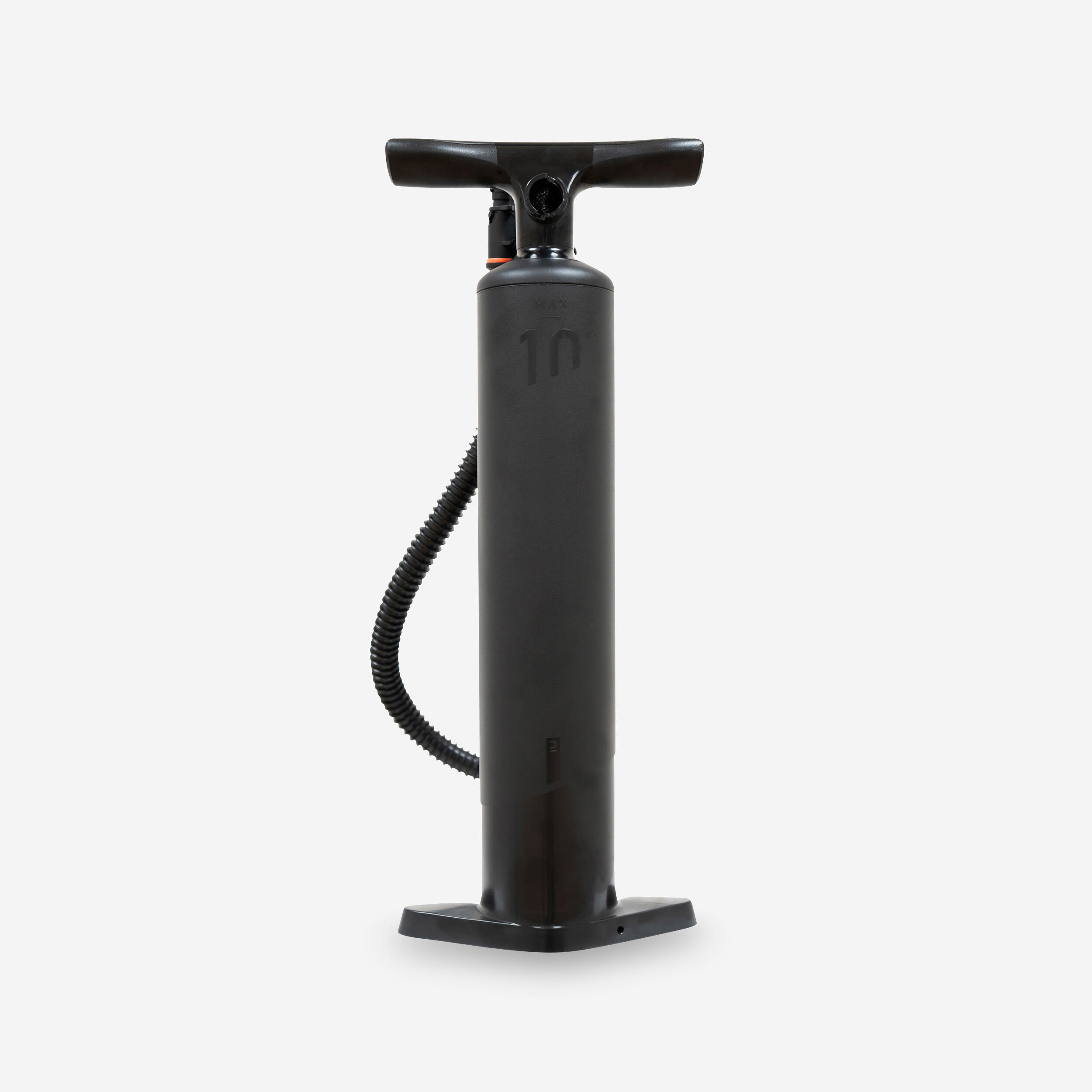
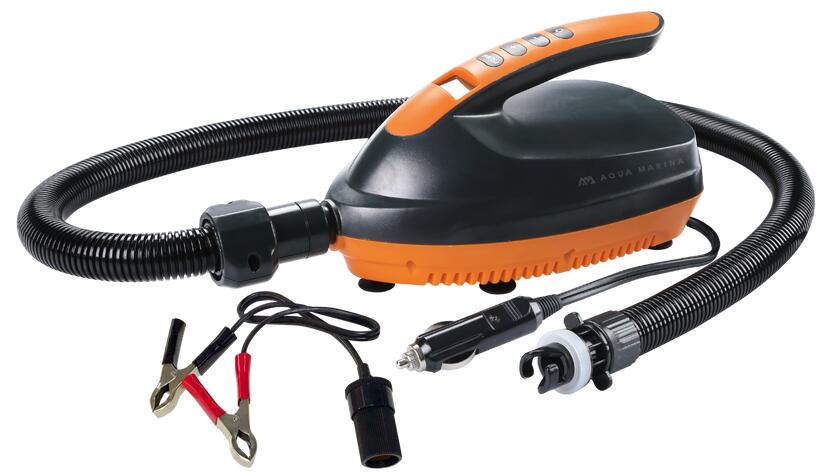
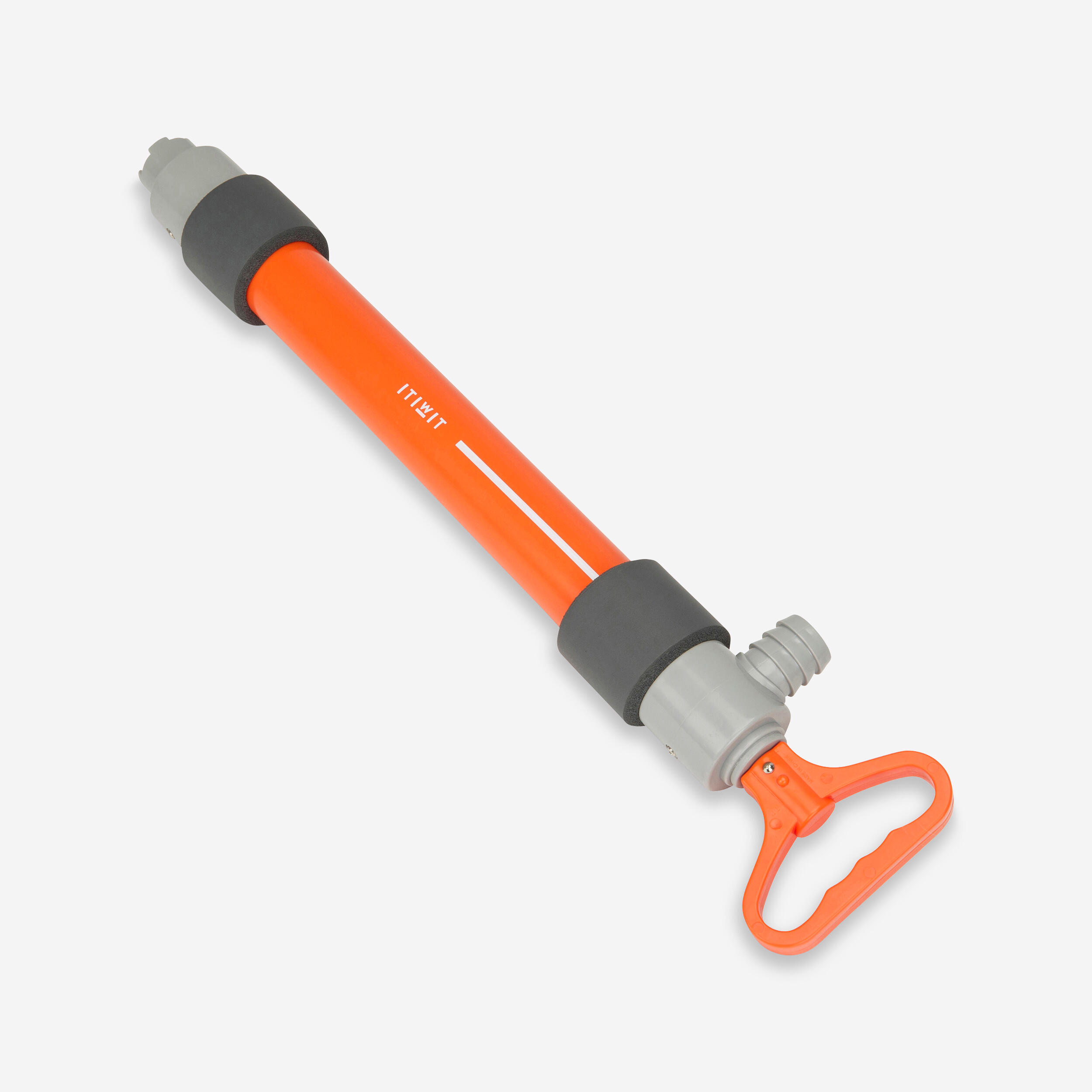
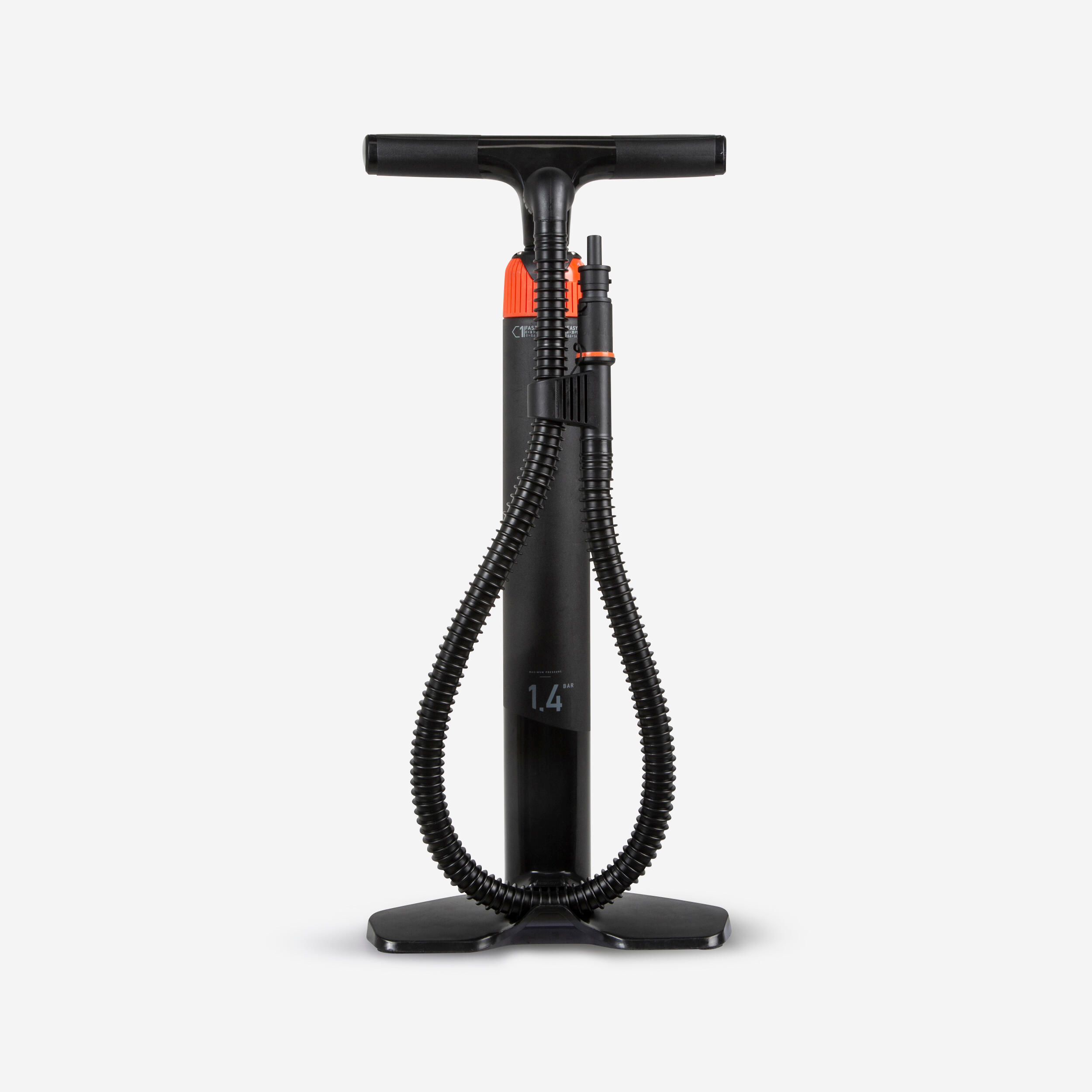
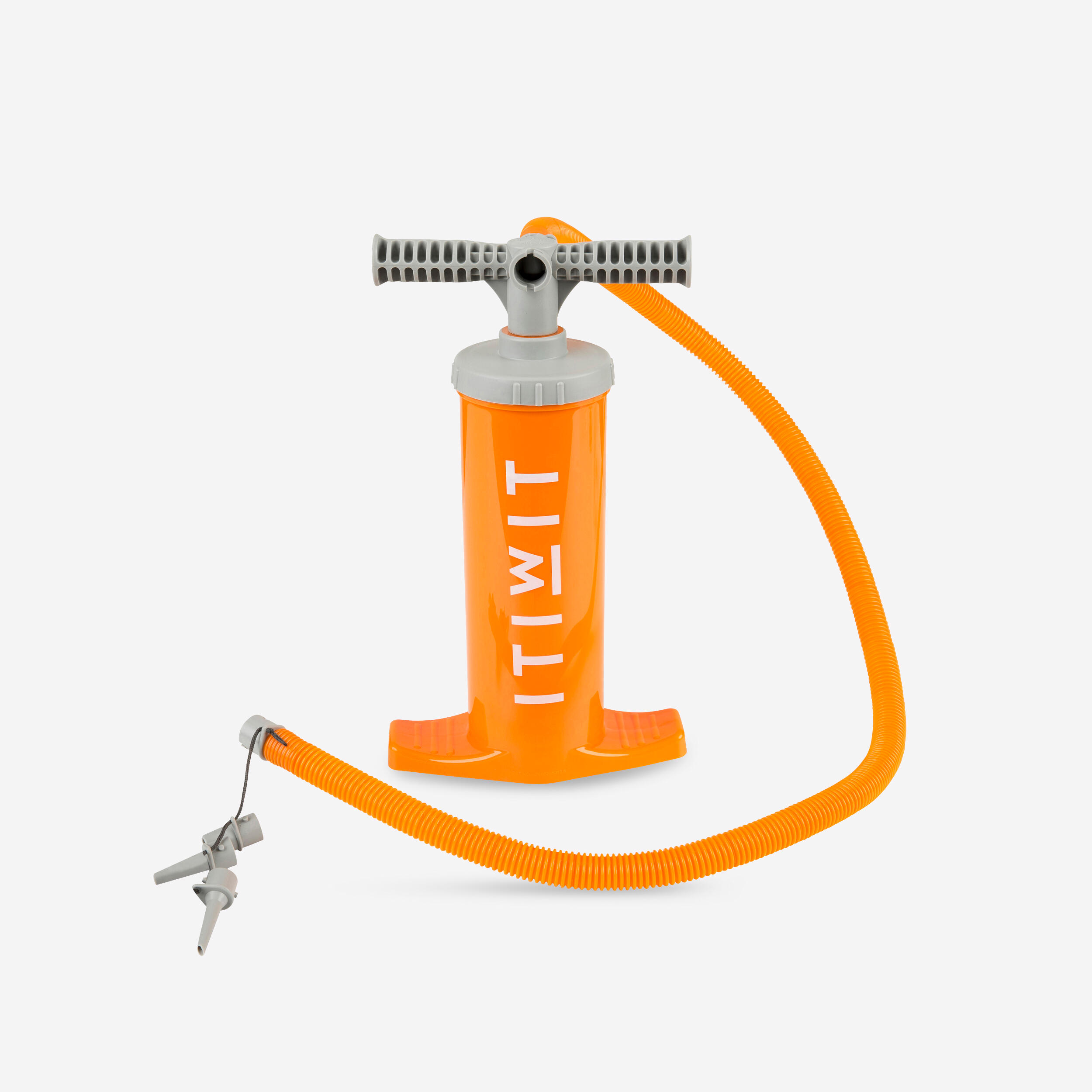
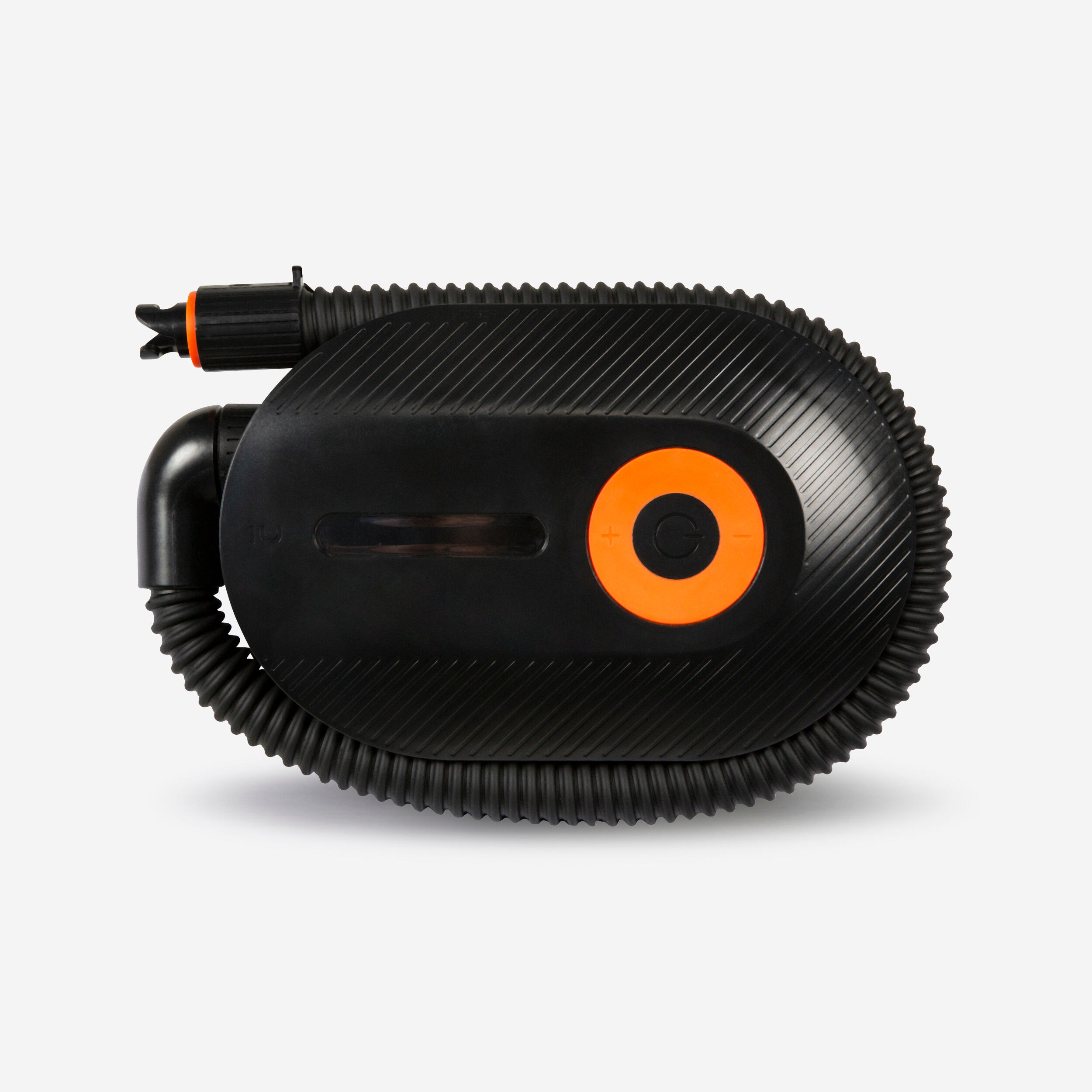
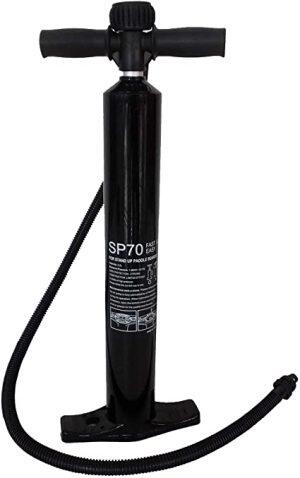
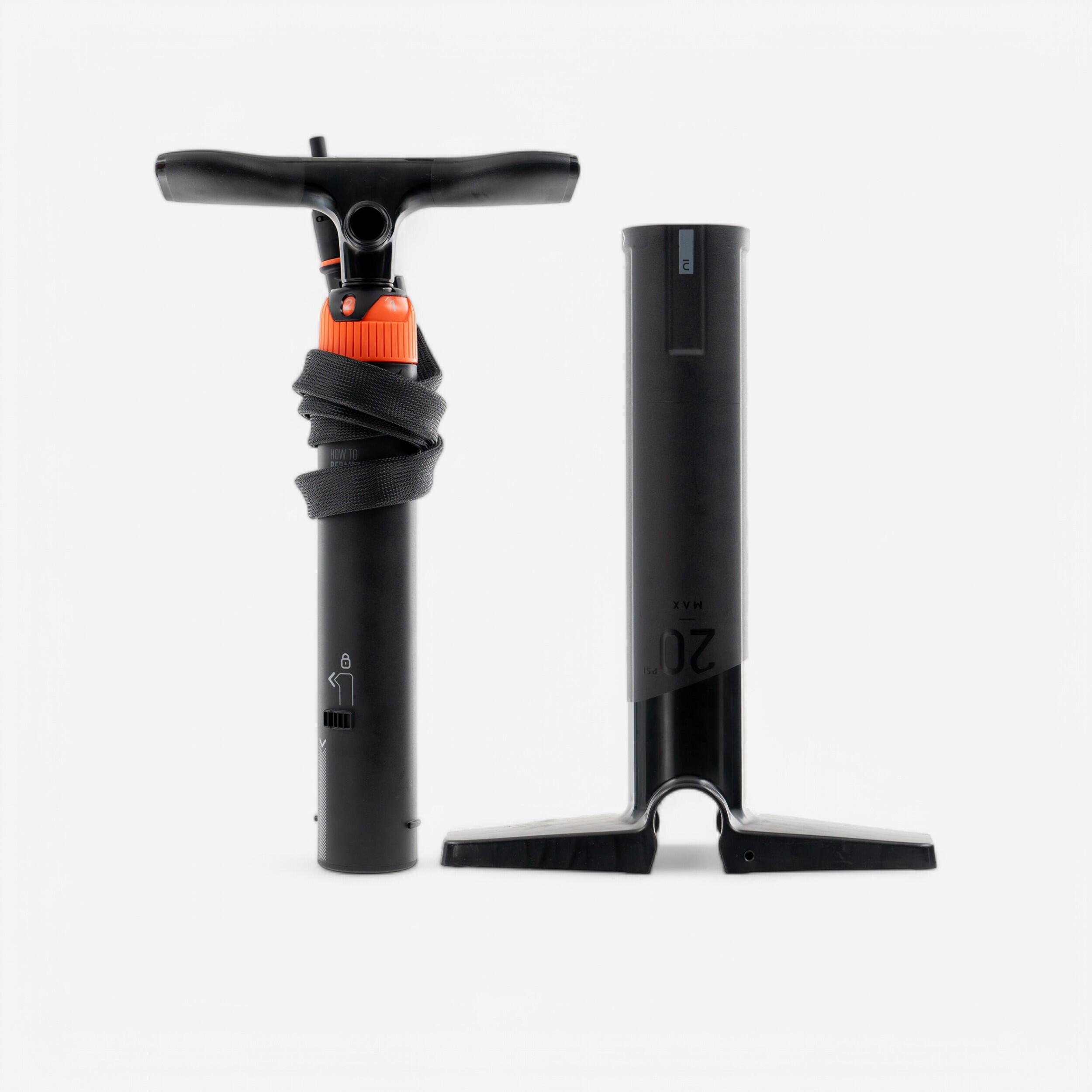
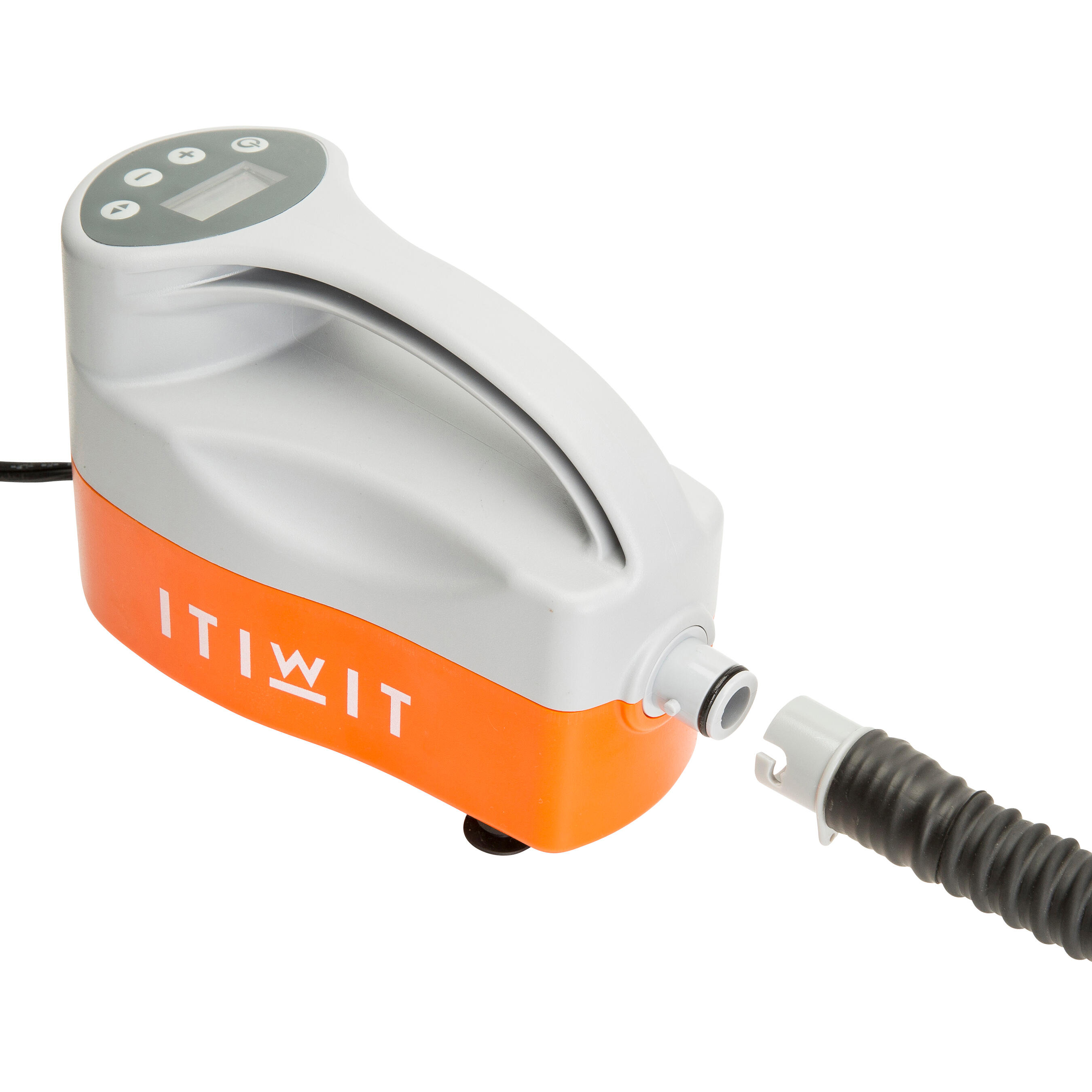
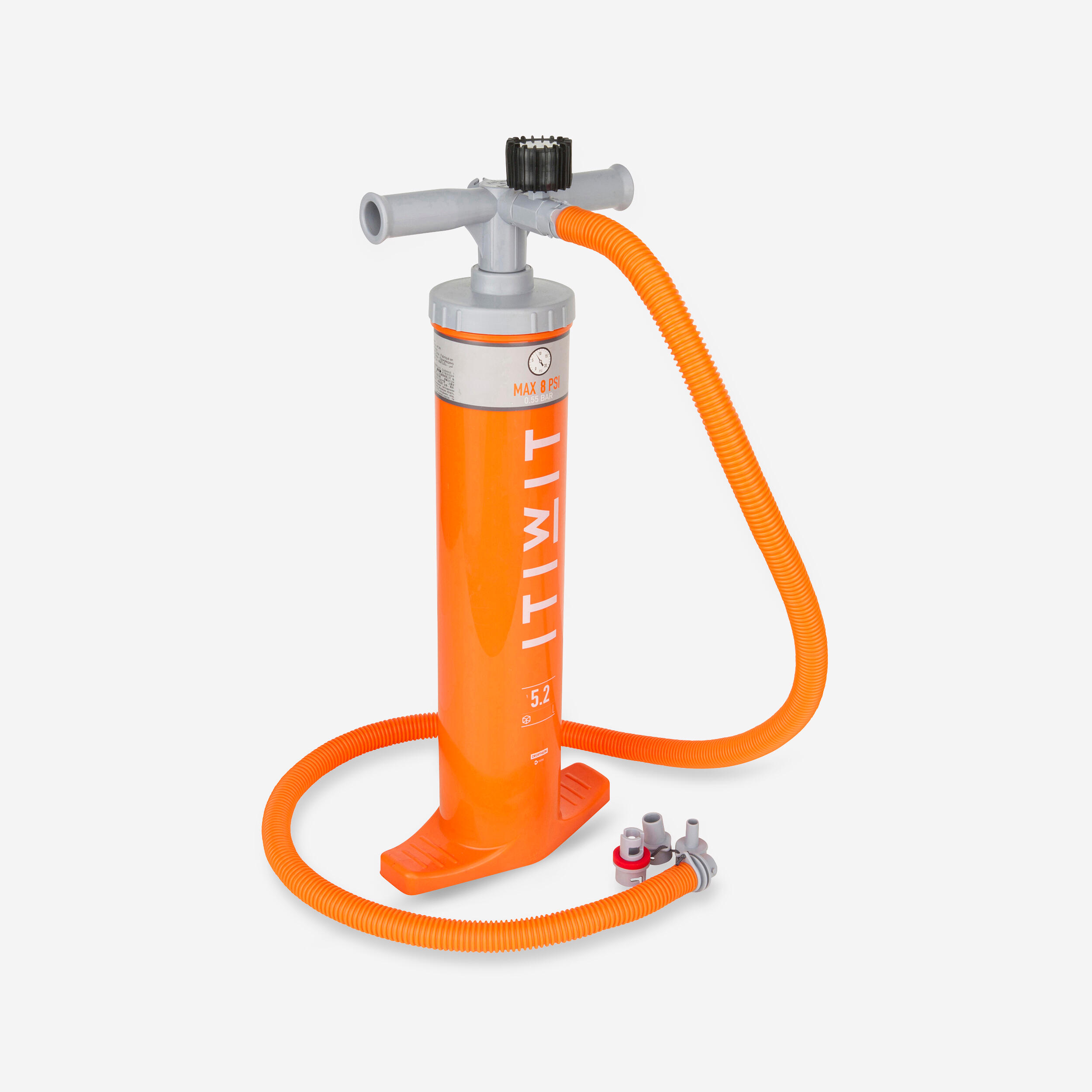
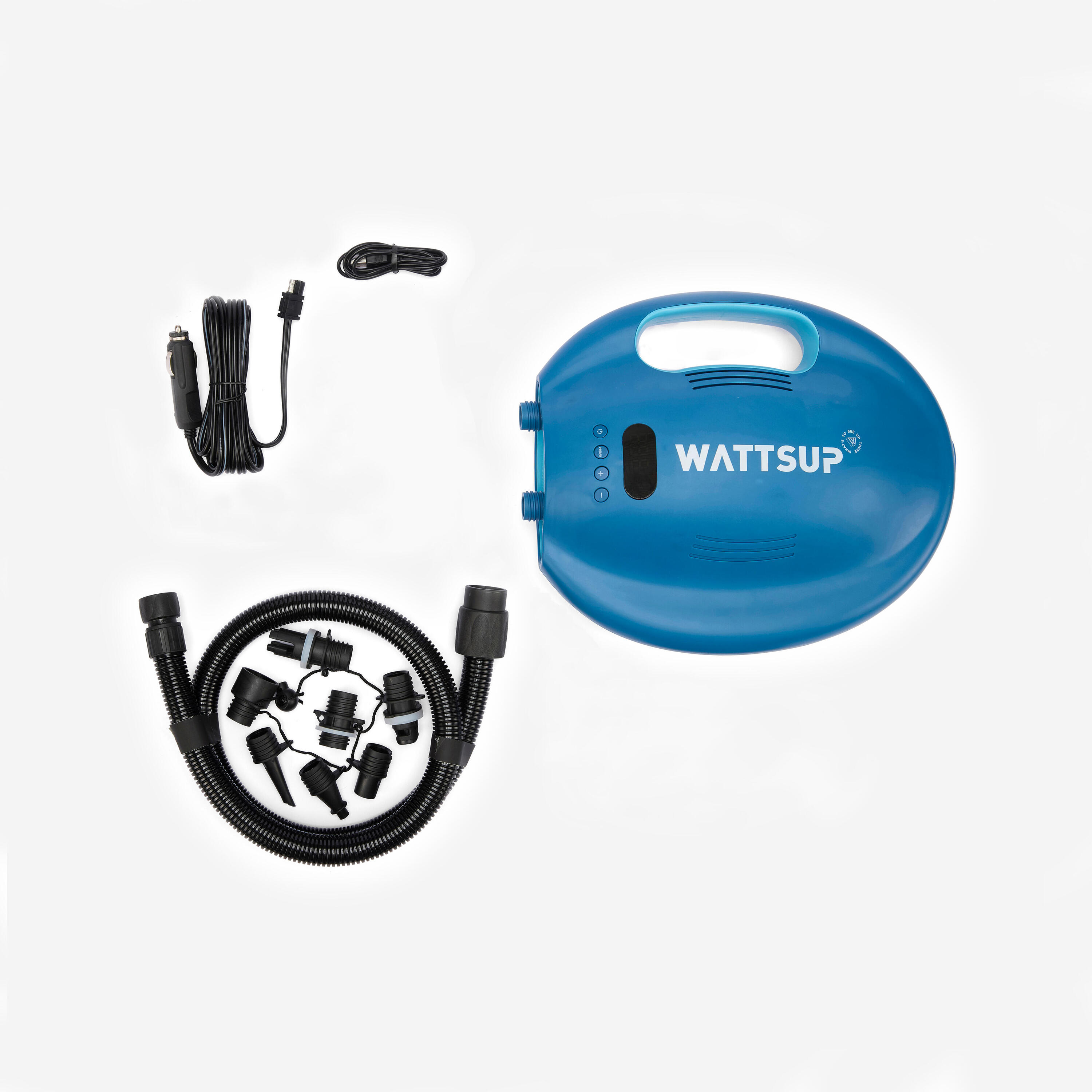
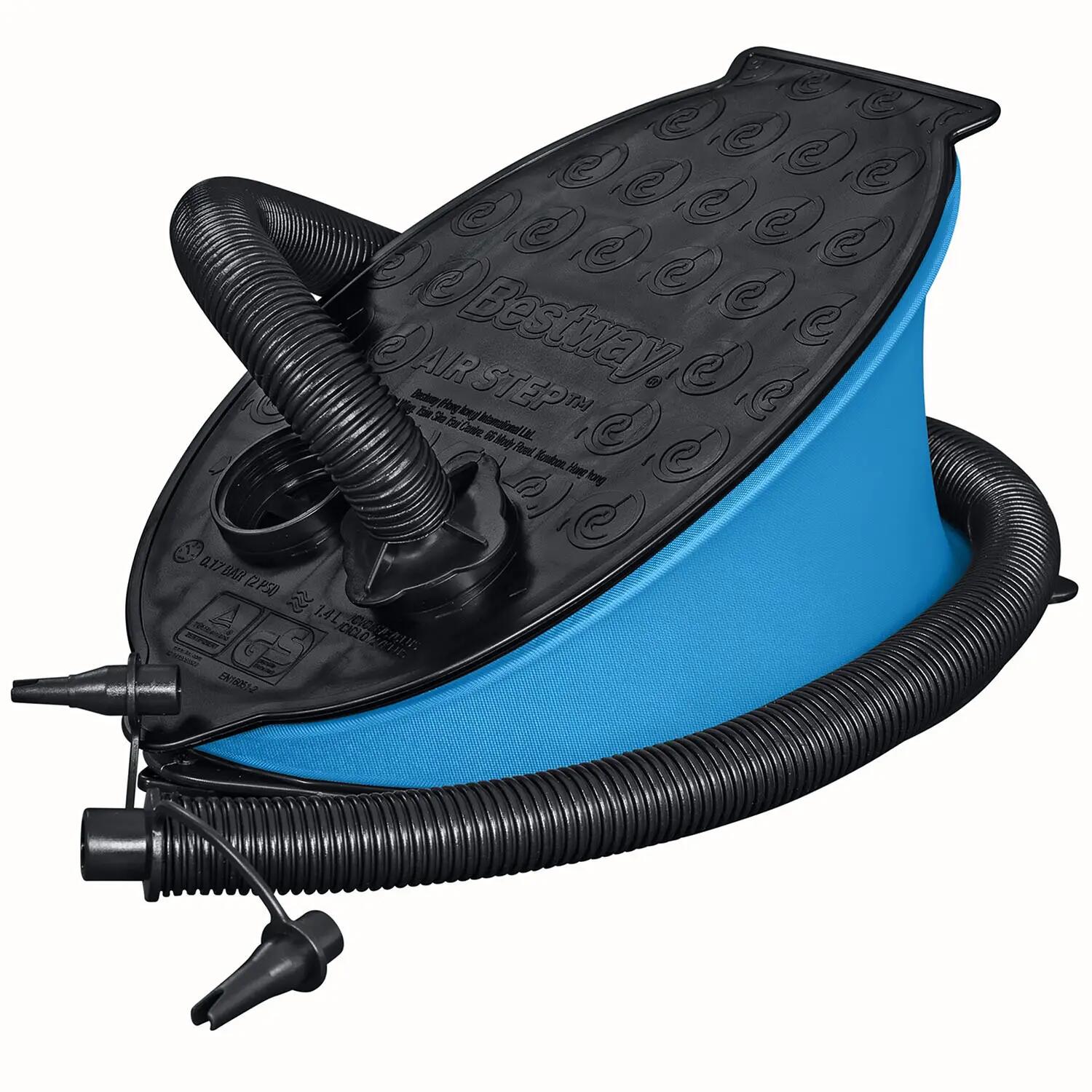
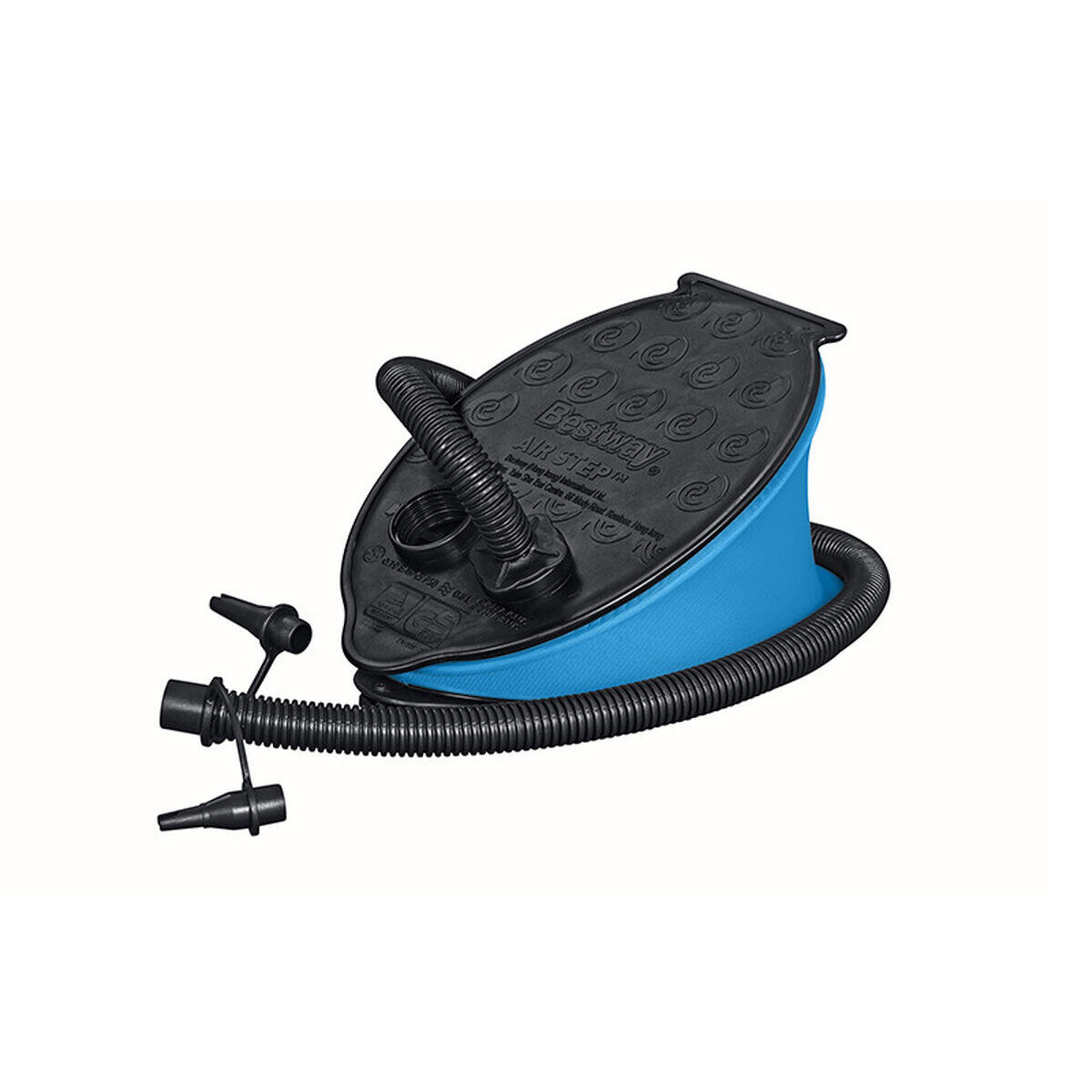
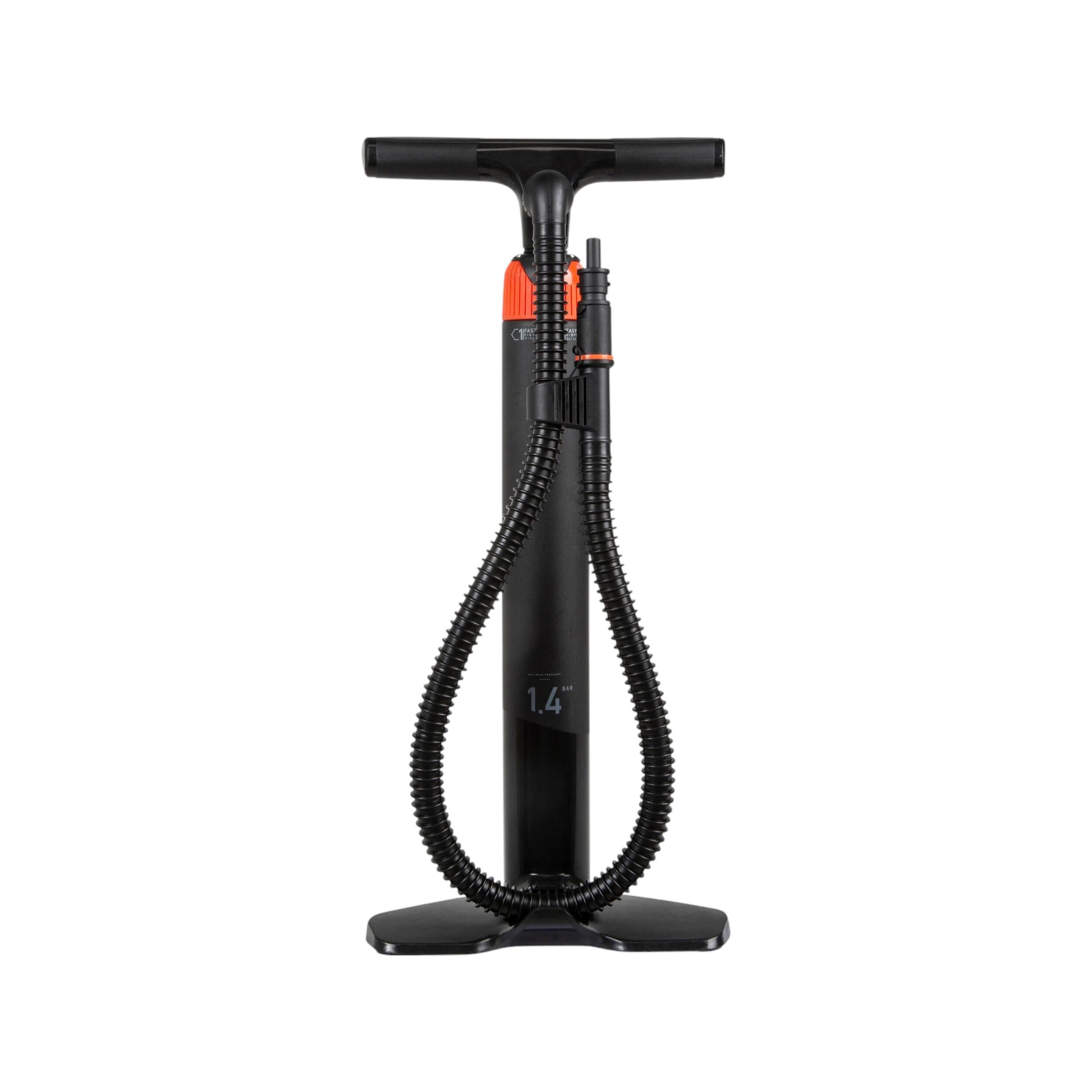
Achieving correct structural rigidity requires specialised inflation tools capable of matching precise bar specifications. Working with strong manual or electric kayak pumps ensures the floor panels reach optimal operating tension without risking over-inflation. Standard low-pressure bladders handle different pressure thresholds than modern high-density drop-stitch materials, which require up to 10 PSI to stay fully rigid. An unyielding floor prevents sagging beneath the weight of the paddler, directly improving straight-line hull speed across flat lakes and choppy estuaries.
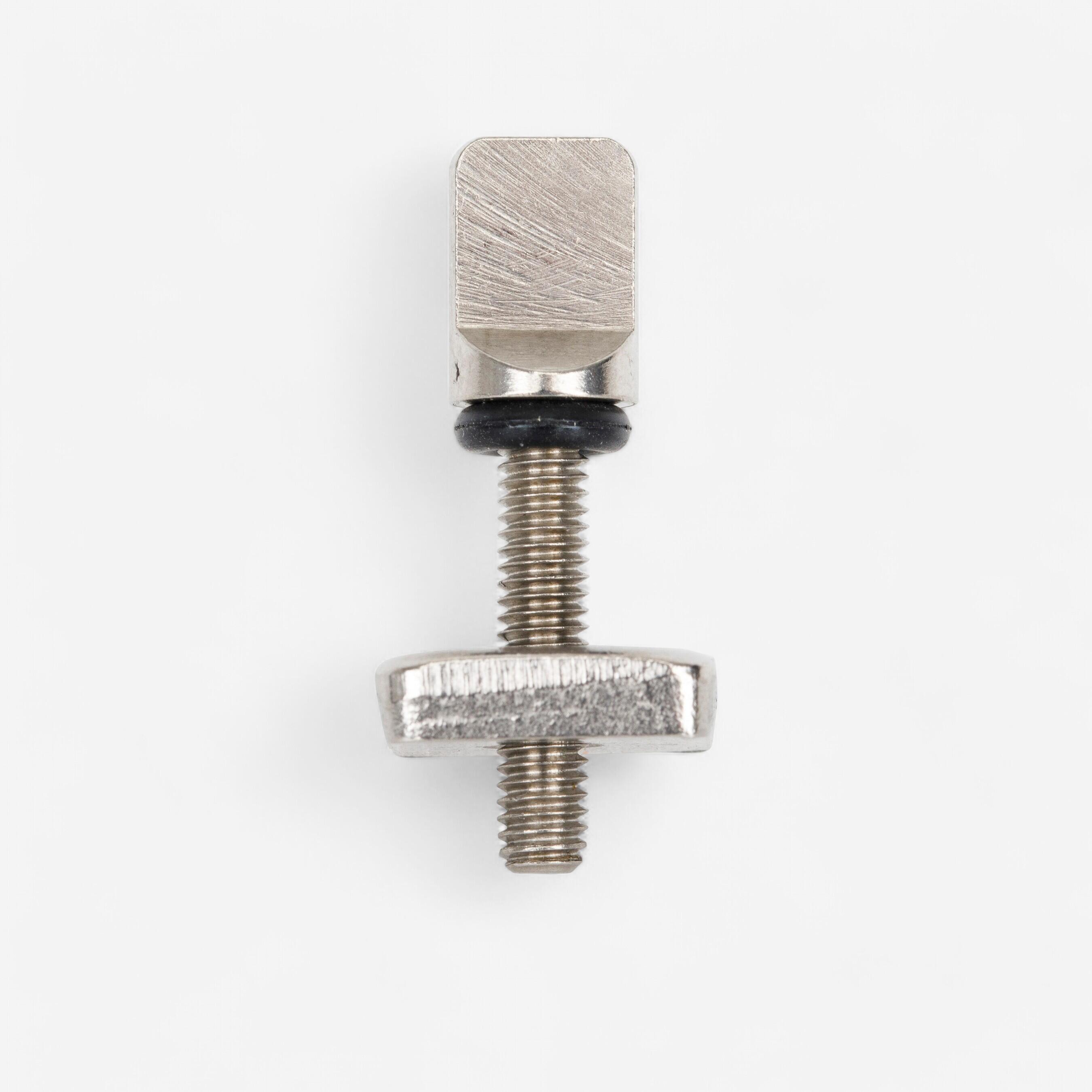
What structural attributes optimise tracking and stability in crosswind conditions?

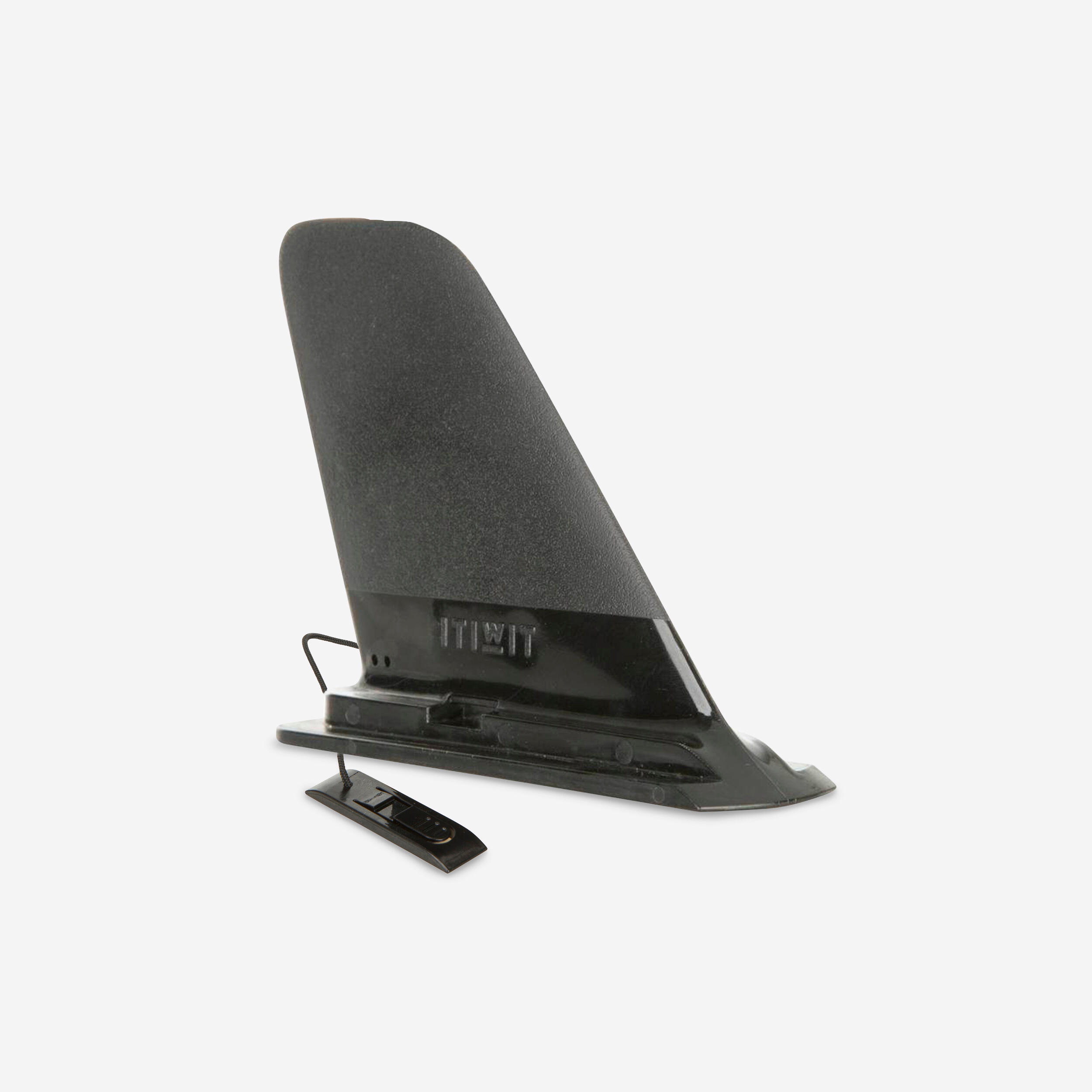
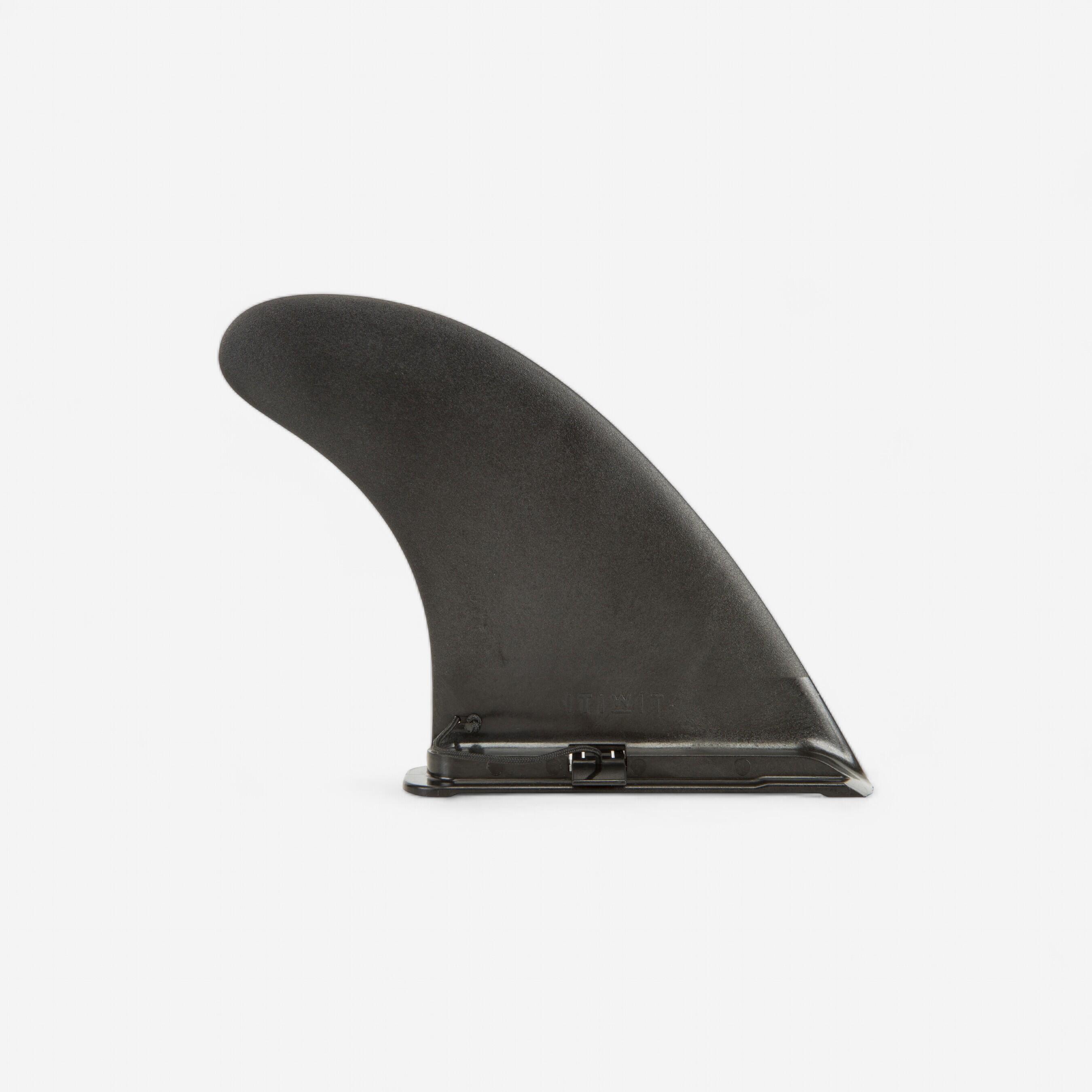
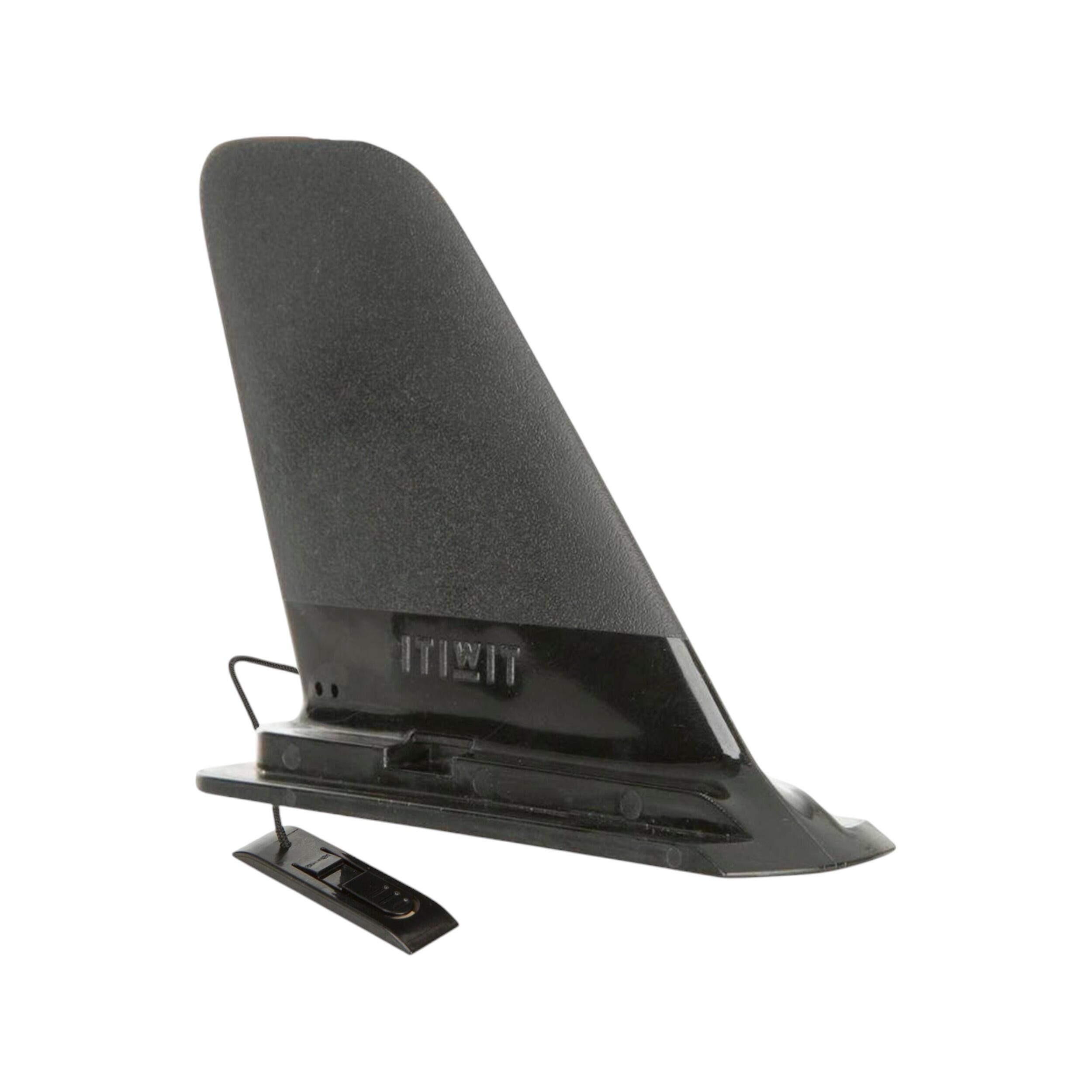
Open water outings often present challenging lateral currents that can push a small watercraft off its intended heading. Installing specialised tracking fins underneath the hull dramatically dampens side-to-side drift, while robust mechanical kayak fins and rudders allow for precise directional adjustments via foot pedal linkages. The physical depth of a skeg prevents the stern from sliding out during forceful turning manoeuvres. Having a responsive steering setup decreases the physical effort required to maintain a straight trajectory during long coastal crossings.

How do specialised cockpit seals maintain internal dryness during coastal swells?

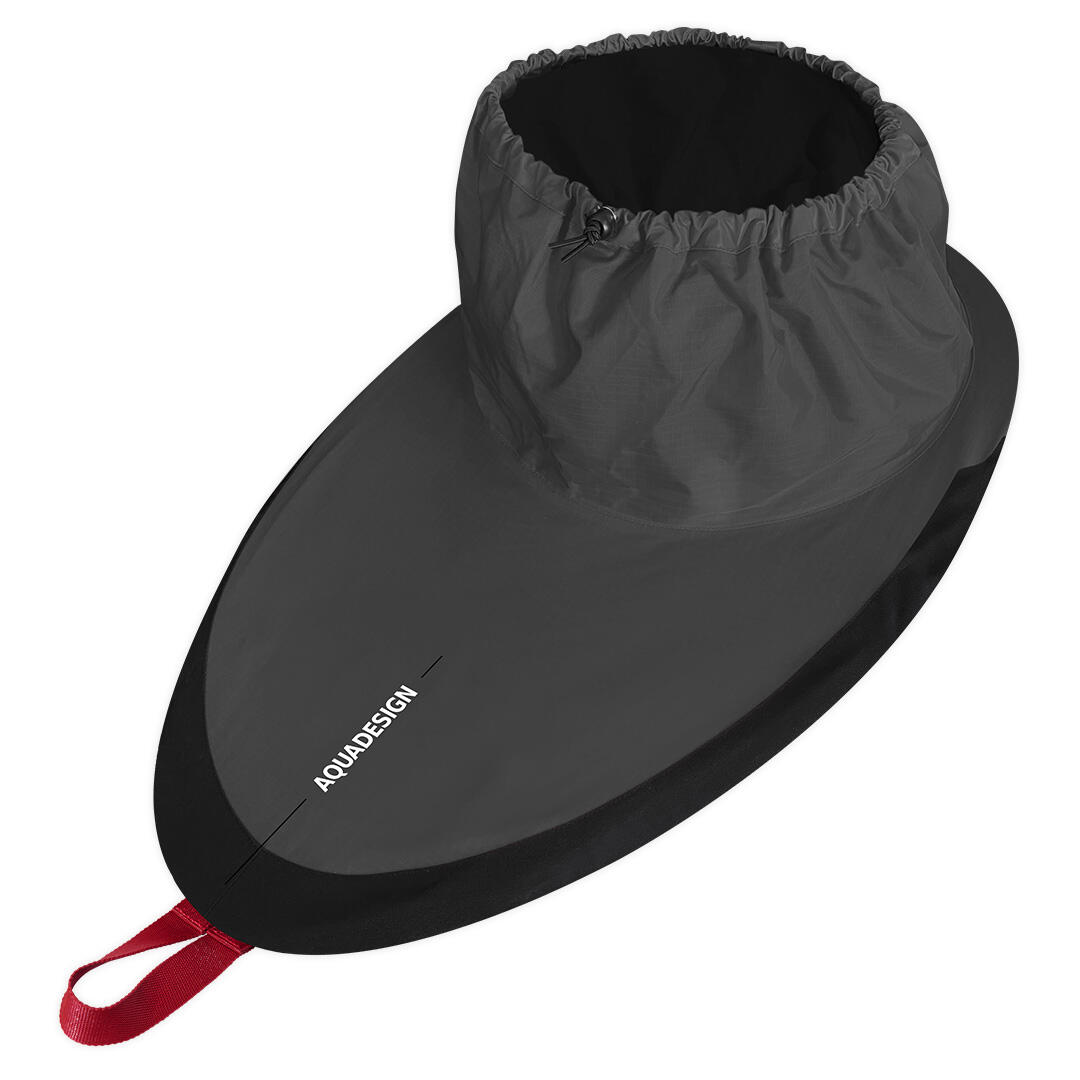
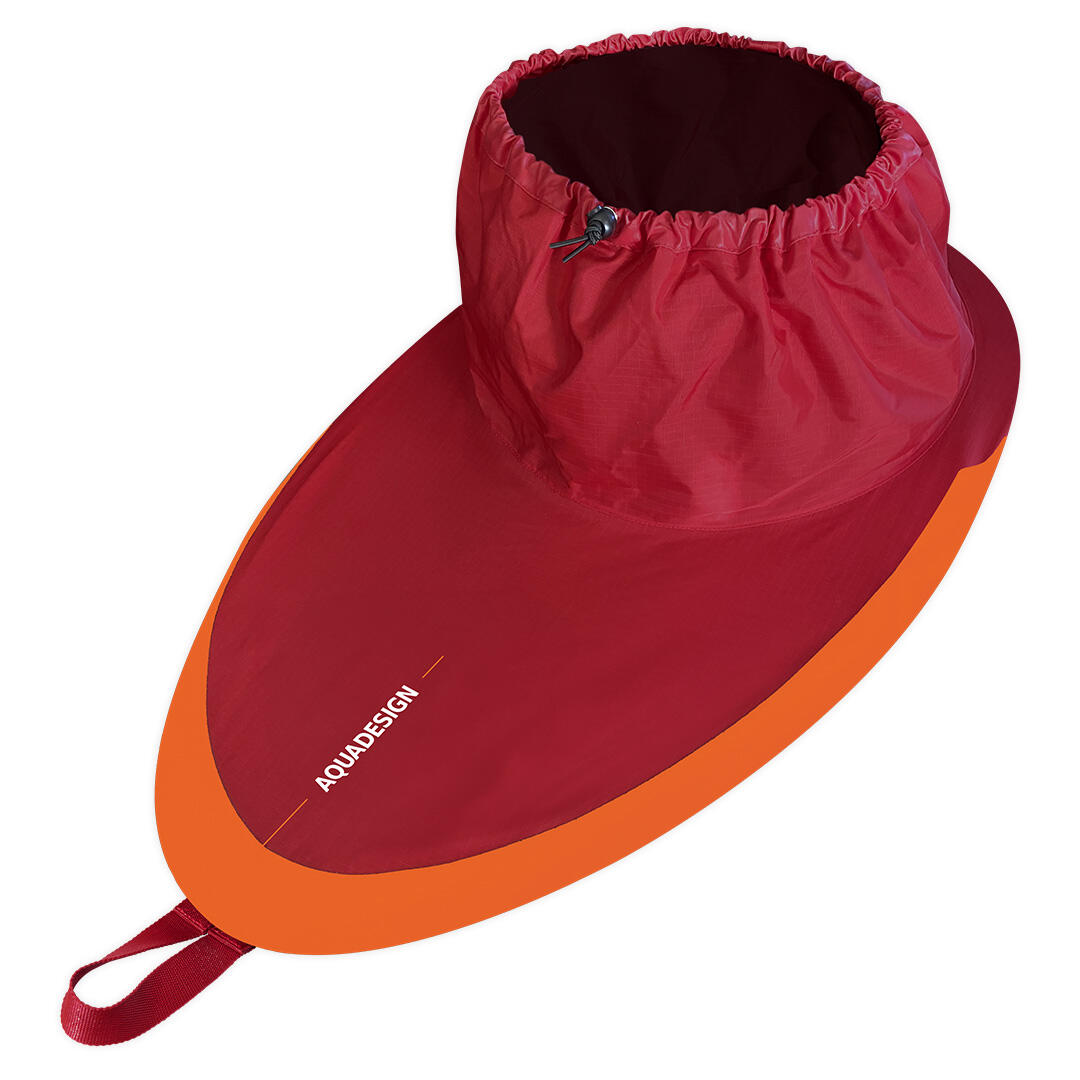
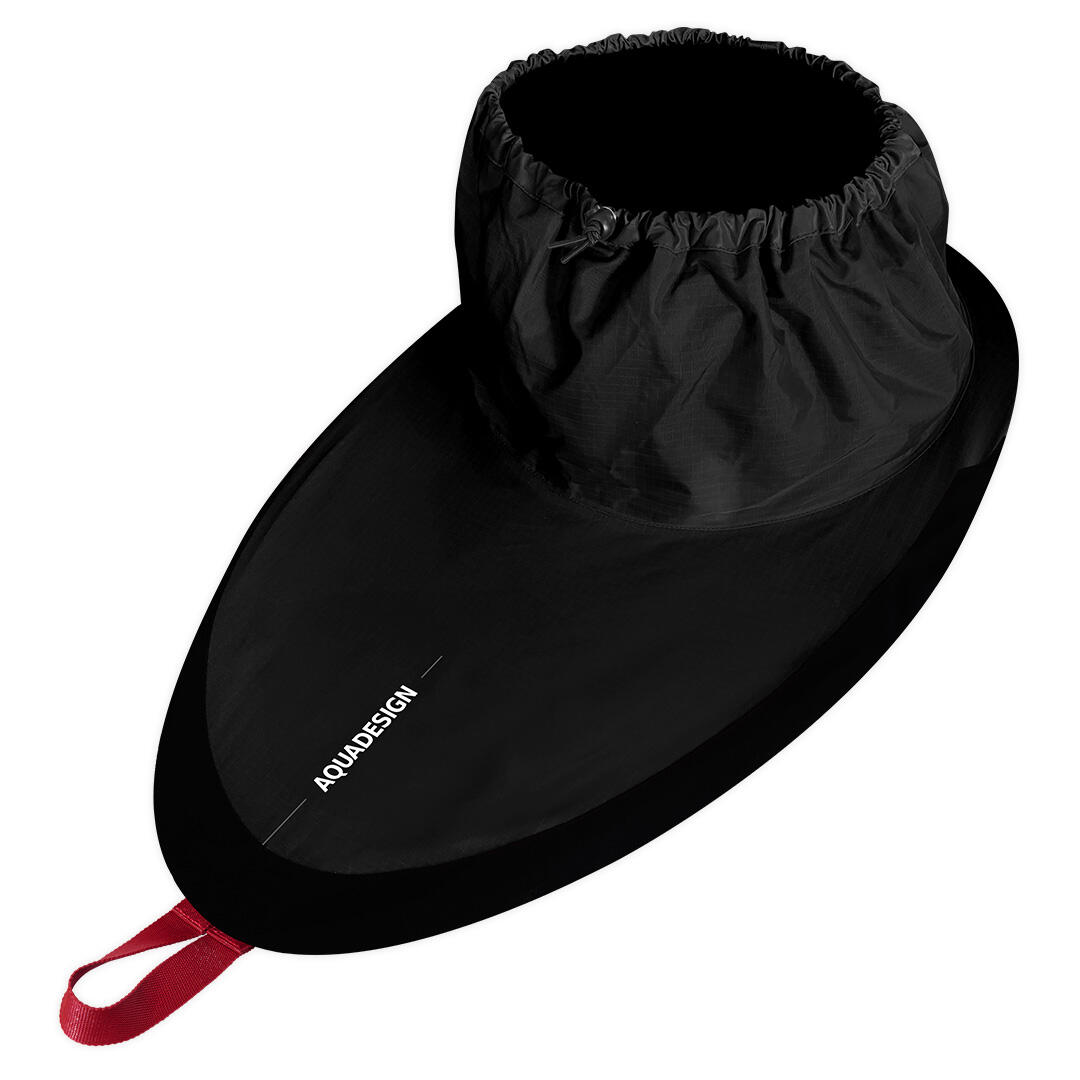
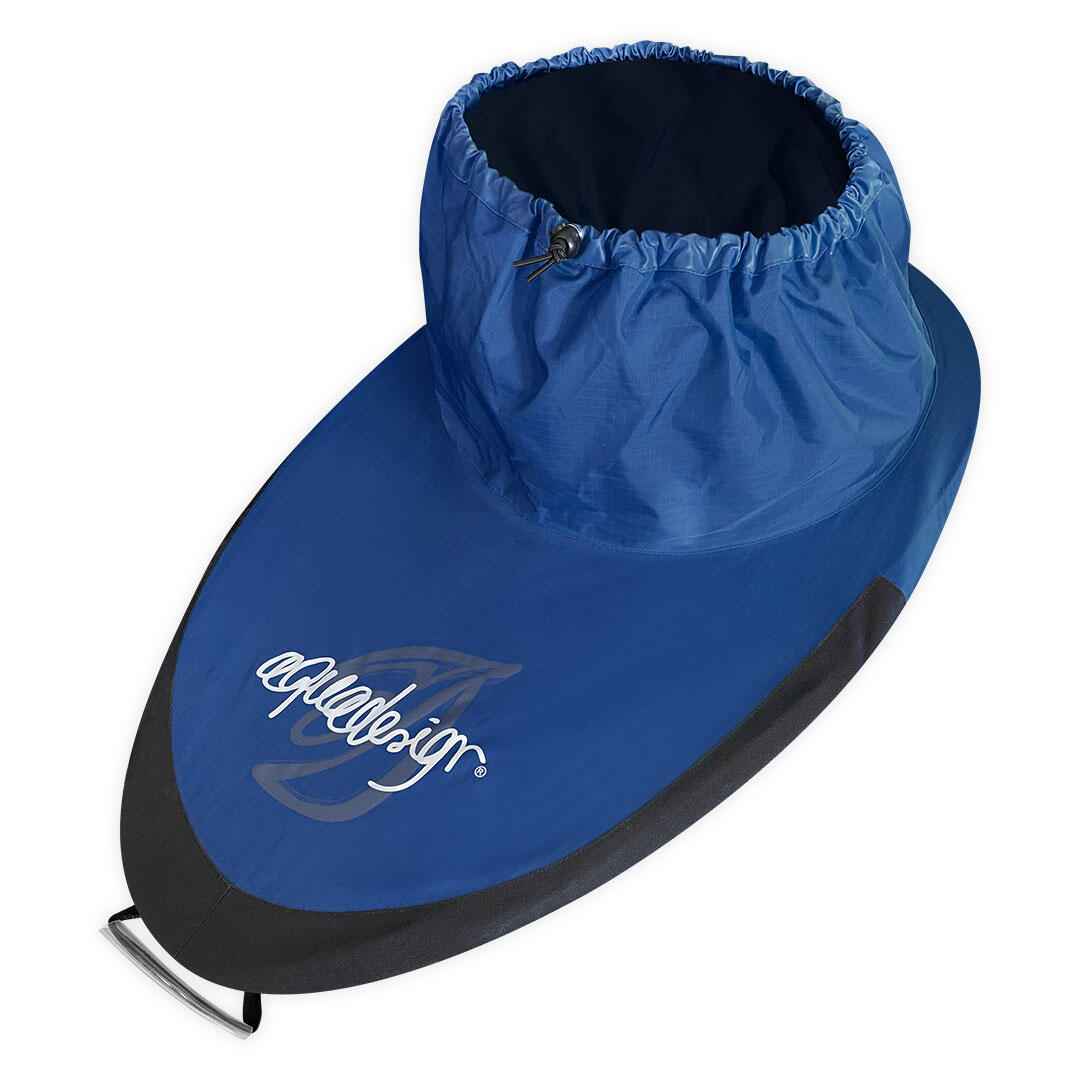
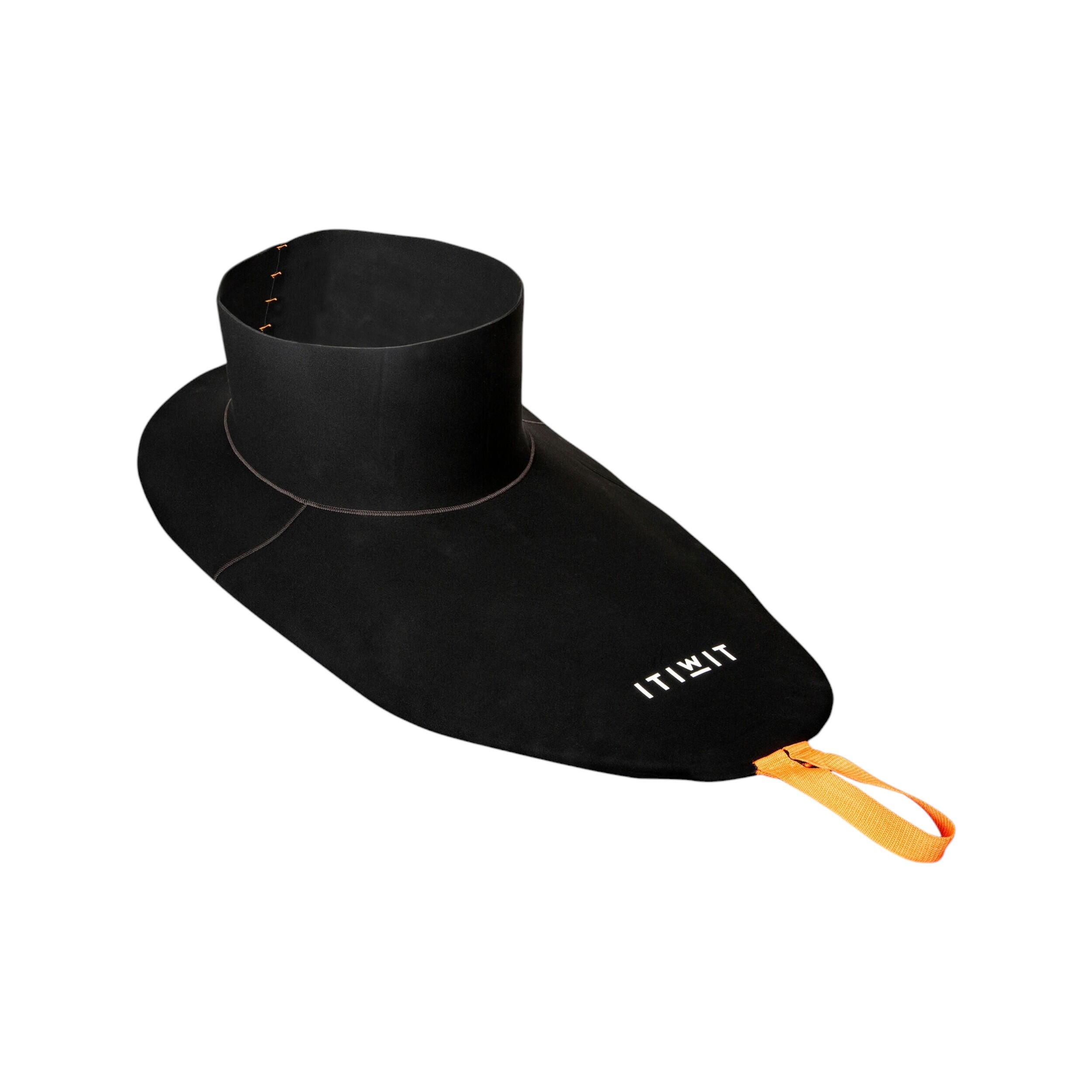
Sit-in touring boats feature open cockpits that quickly accumulate standing water when breaking waves roll across the forward deck. Stretching flexible neoprene kayak spraydecks over the raised coaming rim creates a tight perimeter seal that blocks cold water ingress completely. These taut nylon covers use elasticised rands to stay firmly attached during rolling whitewater but feature prominent release straps for emergency exits. Keeping the lower torso shielded from cold wind exposure prevents core temperature drops during extended winter paddles.

Which interior components enhance lumbar support and power transfer while paddling?

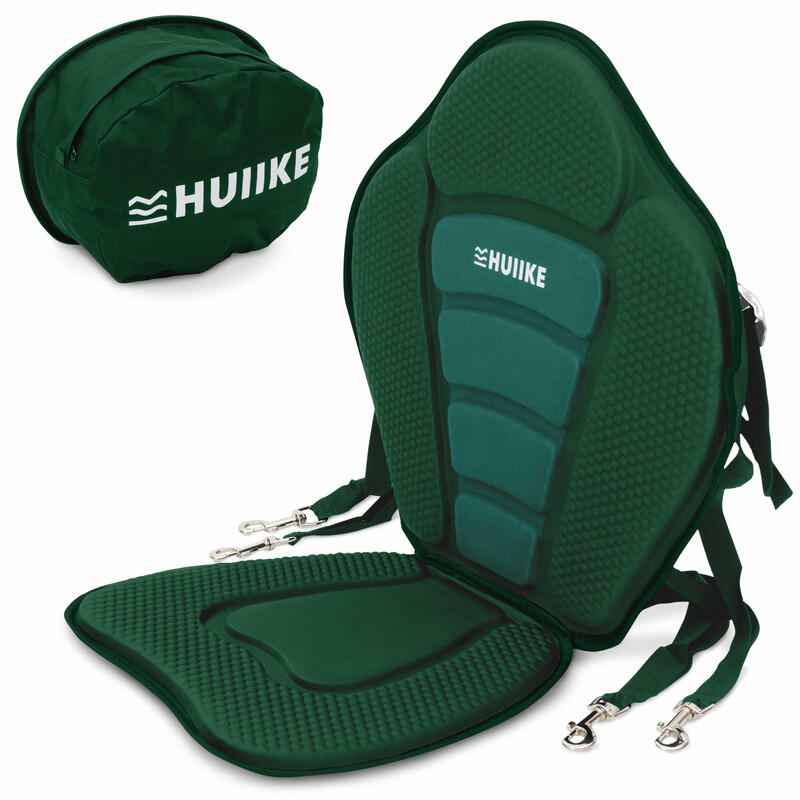
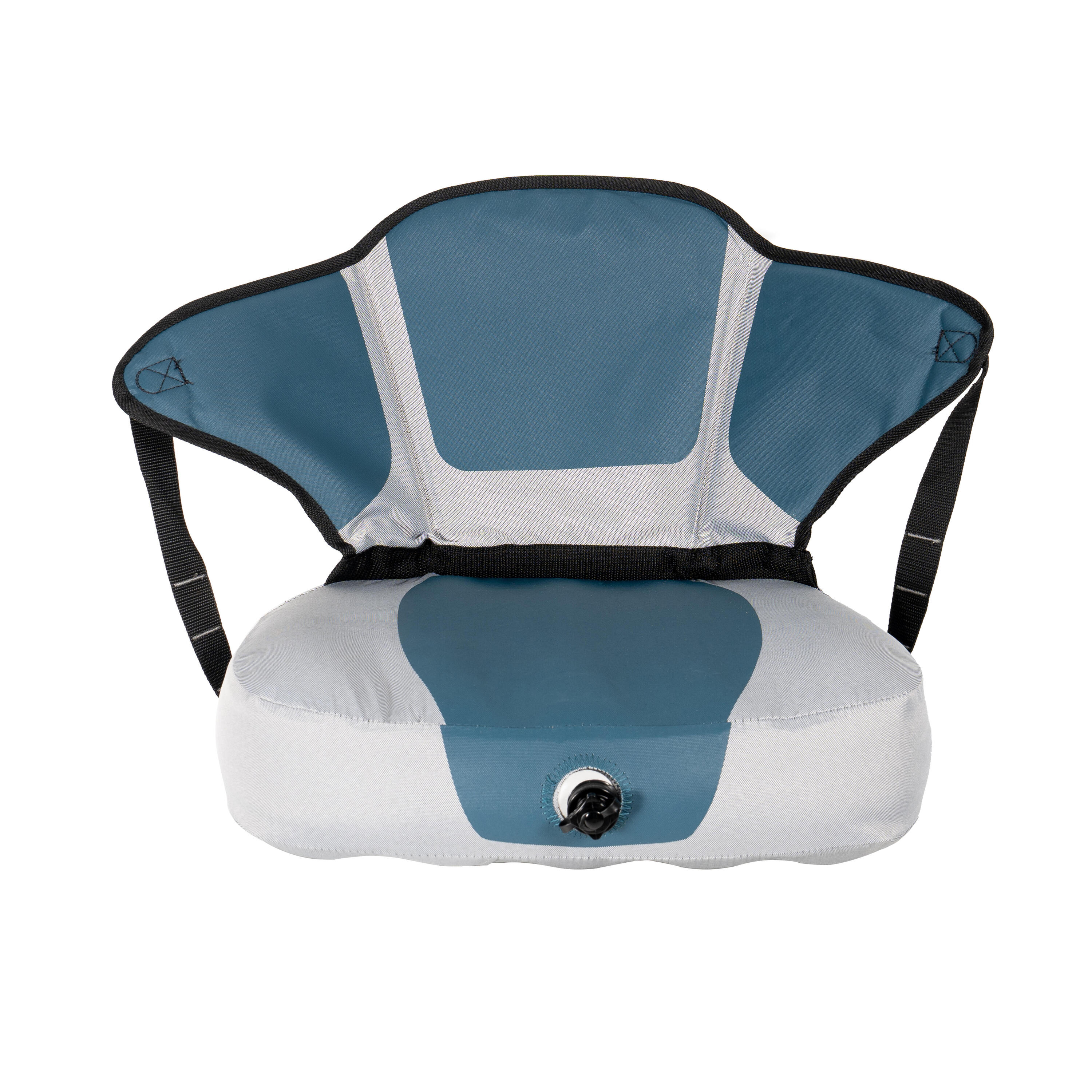
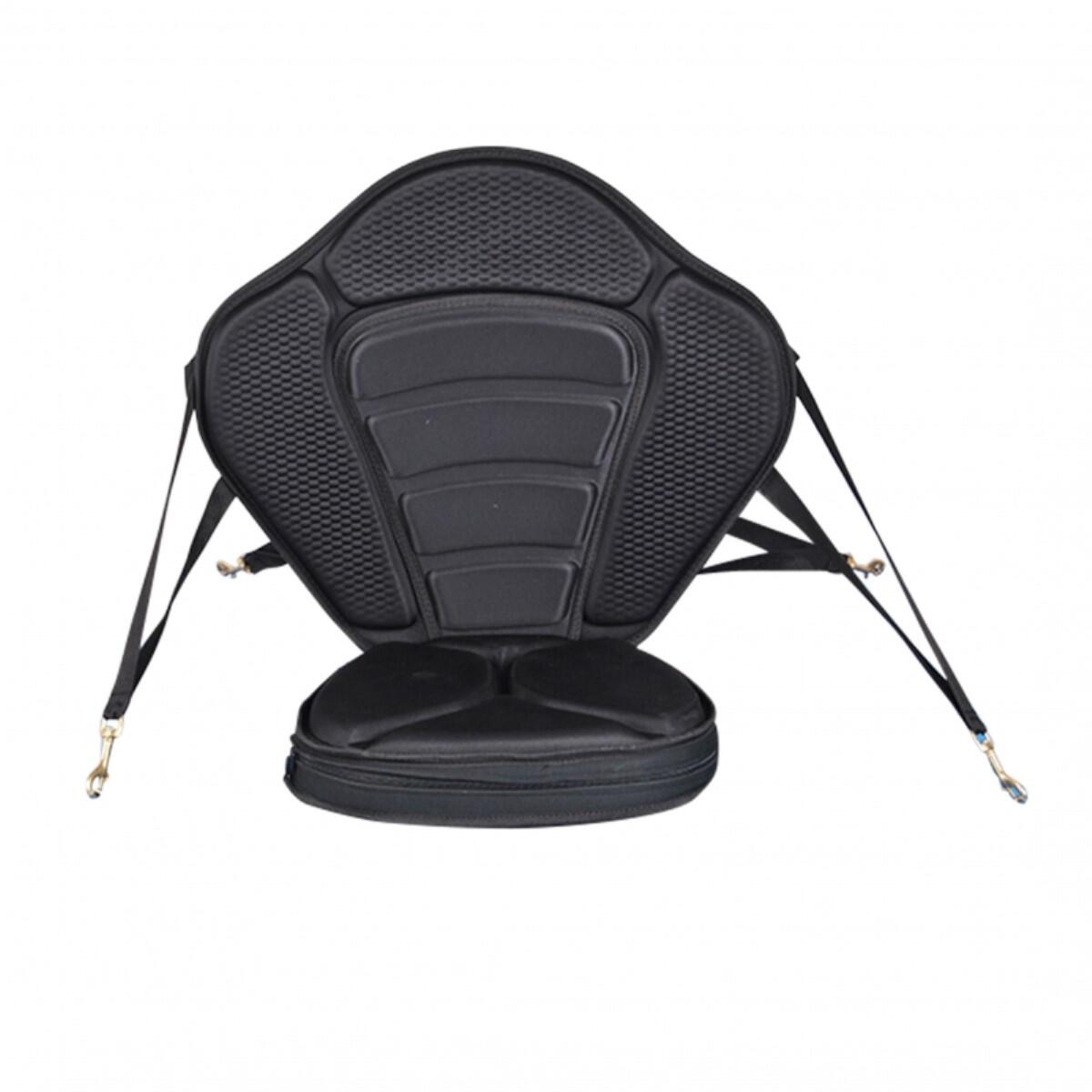
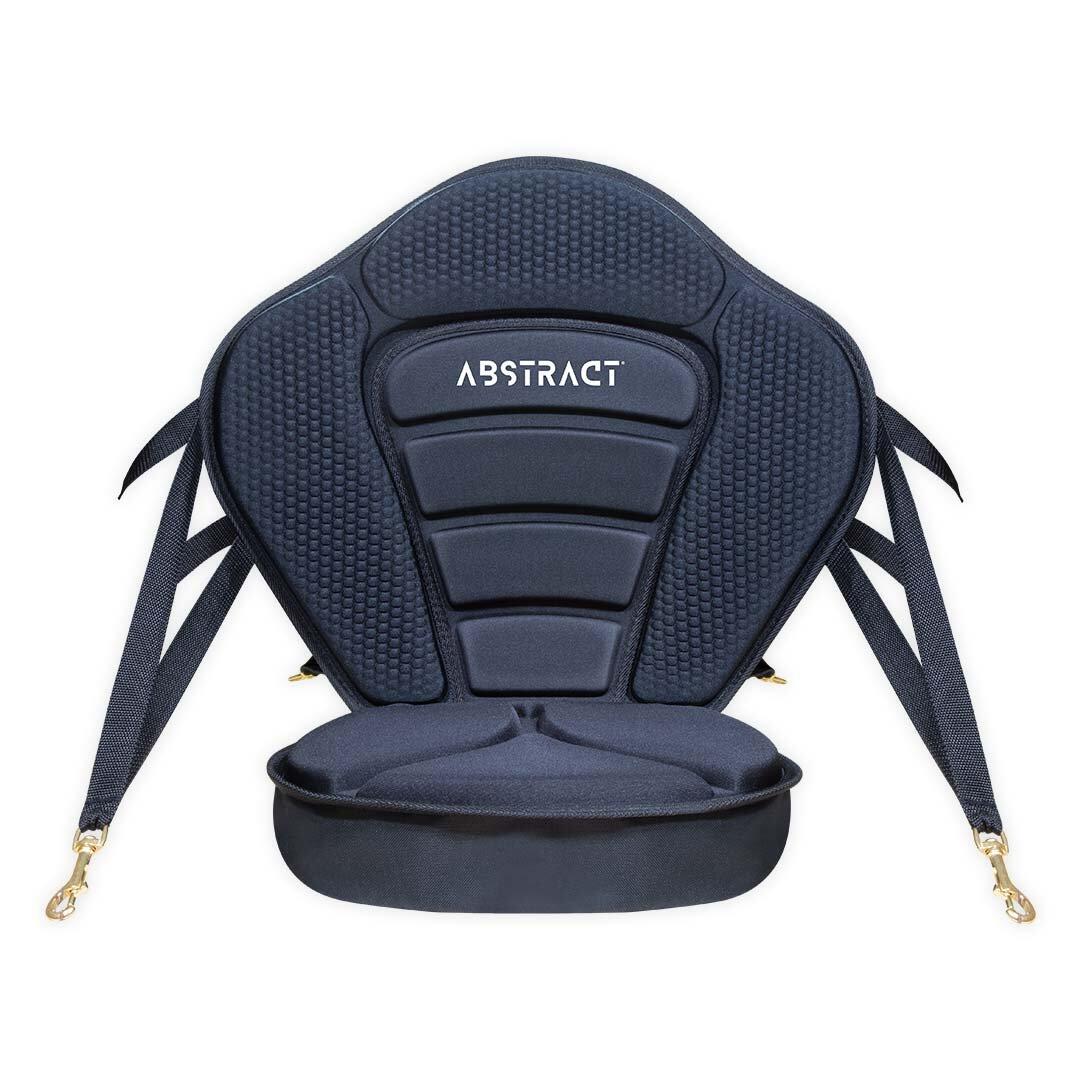
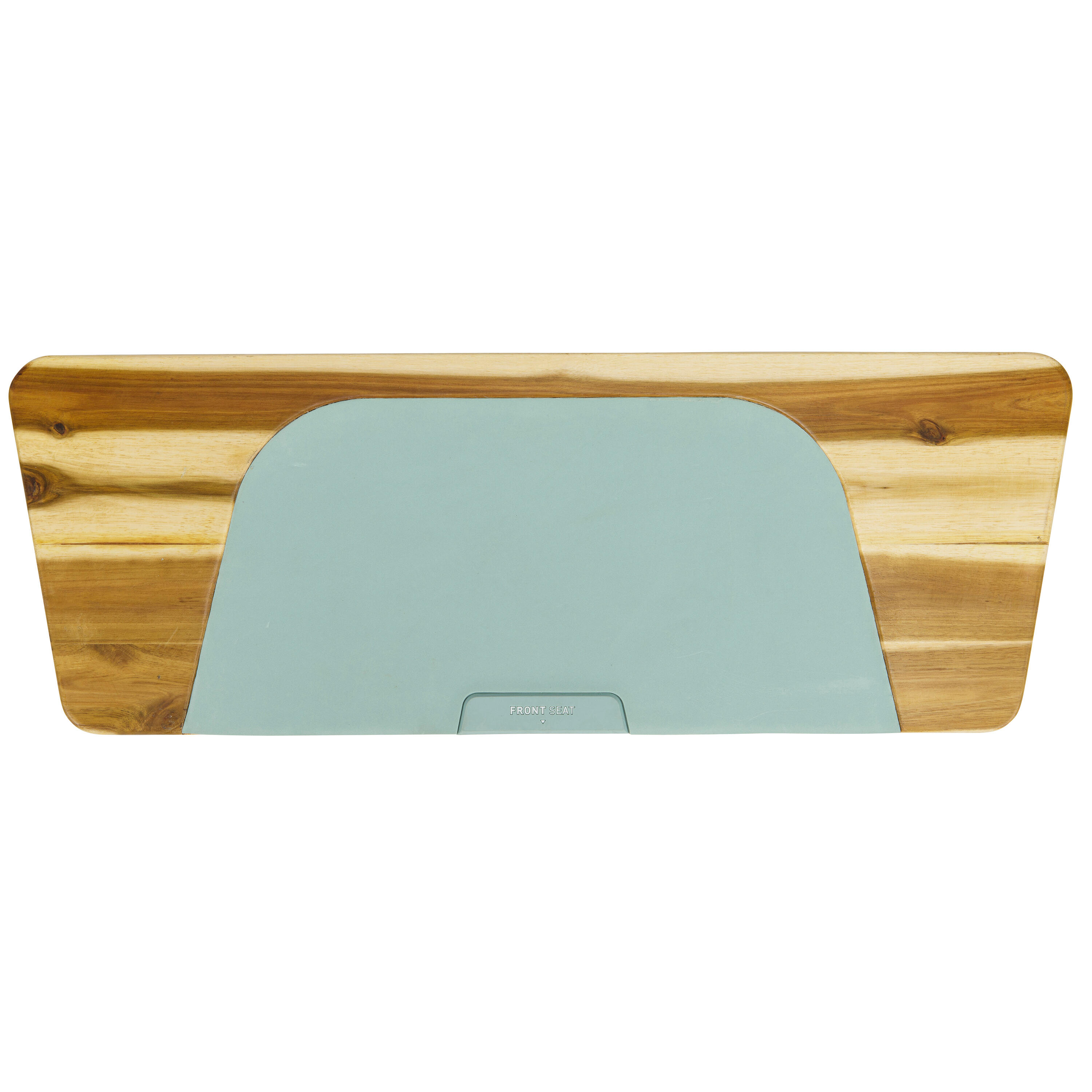
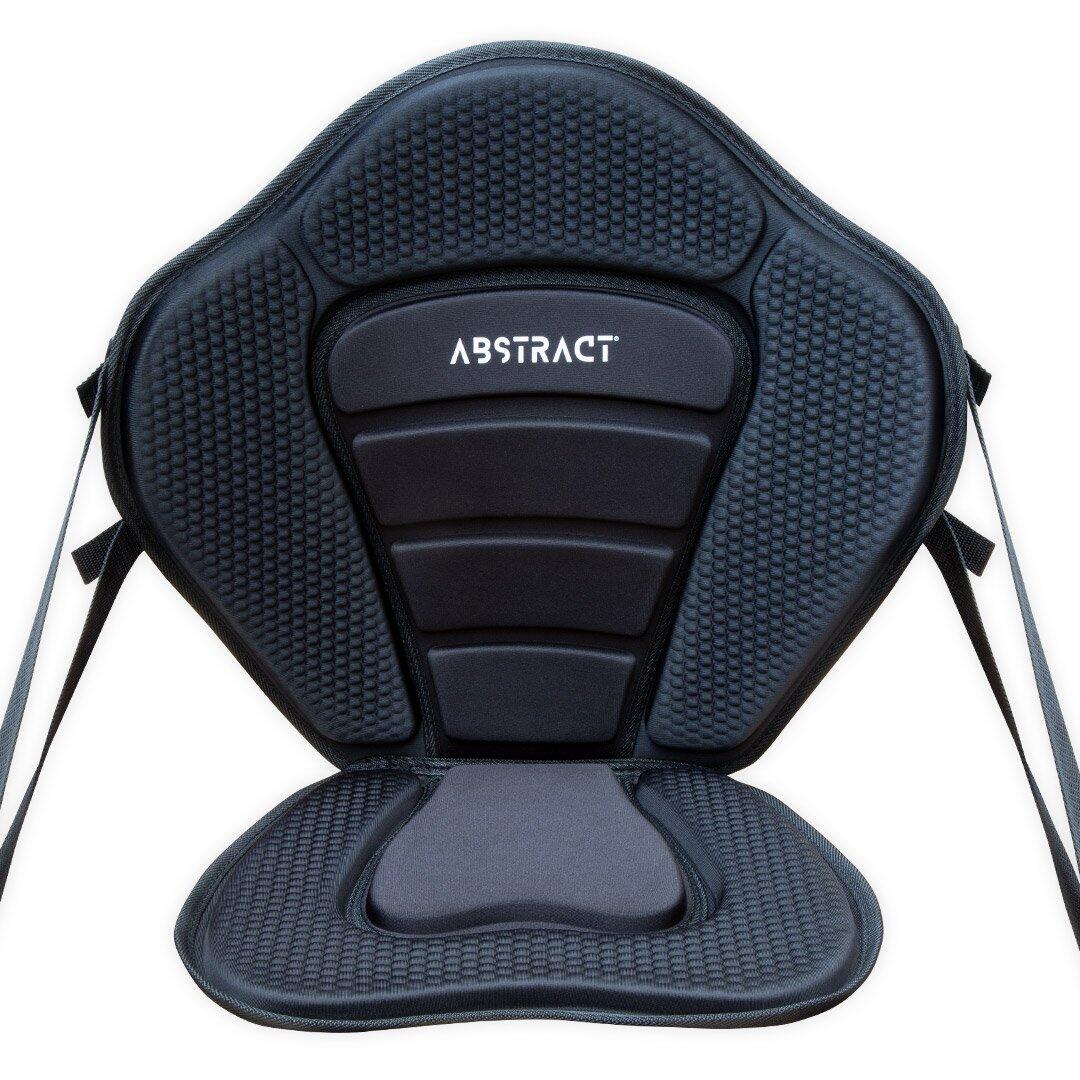
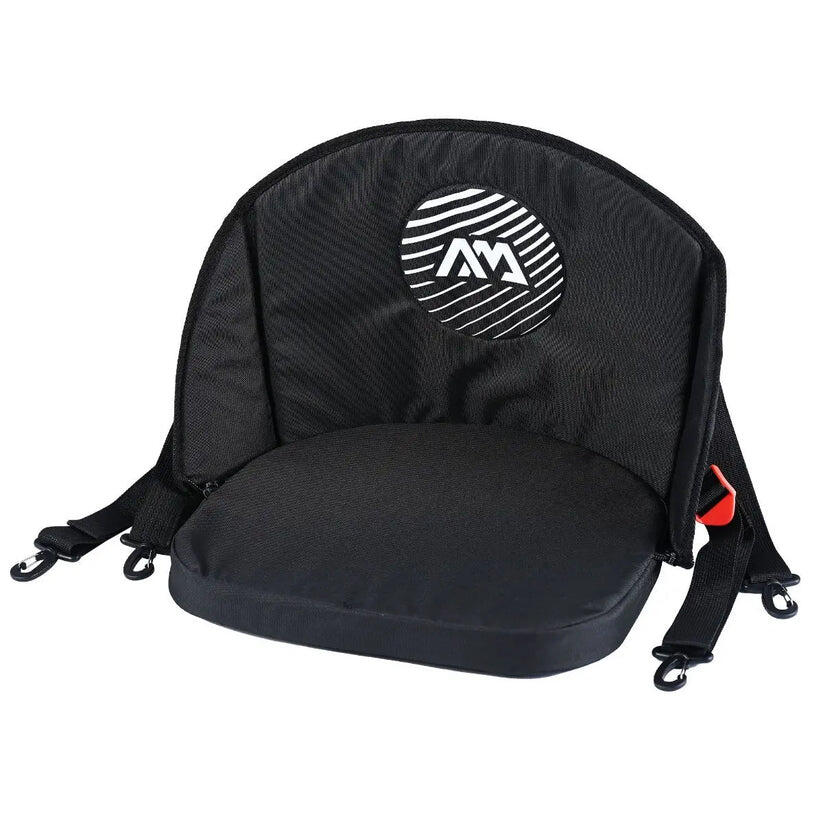
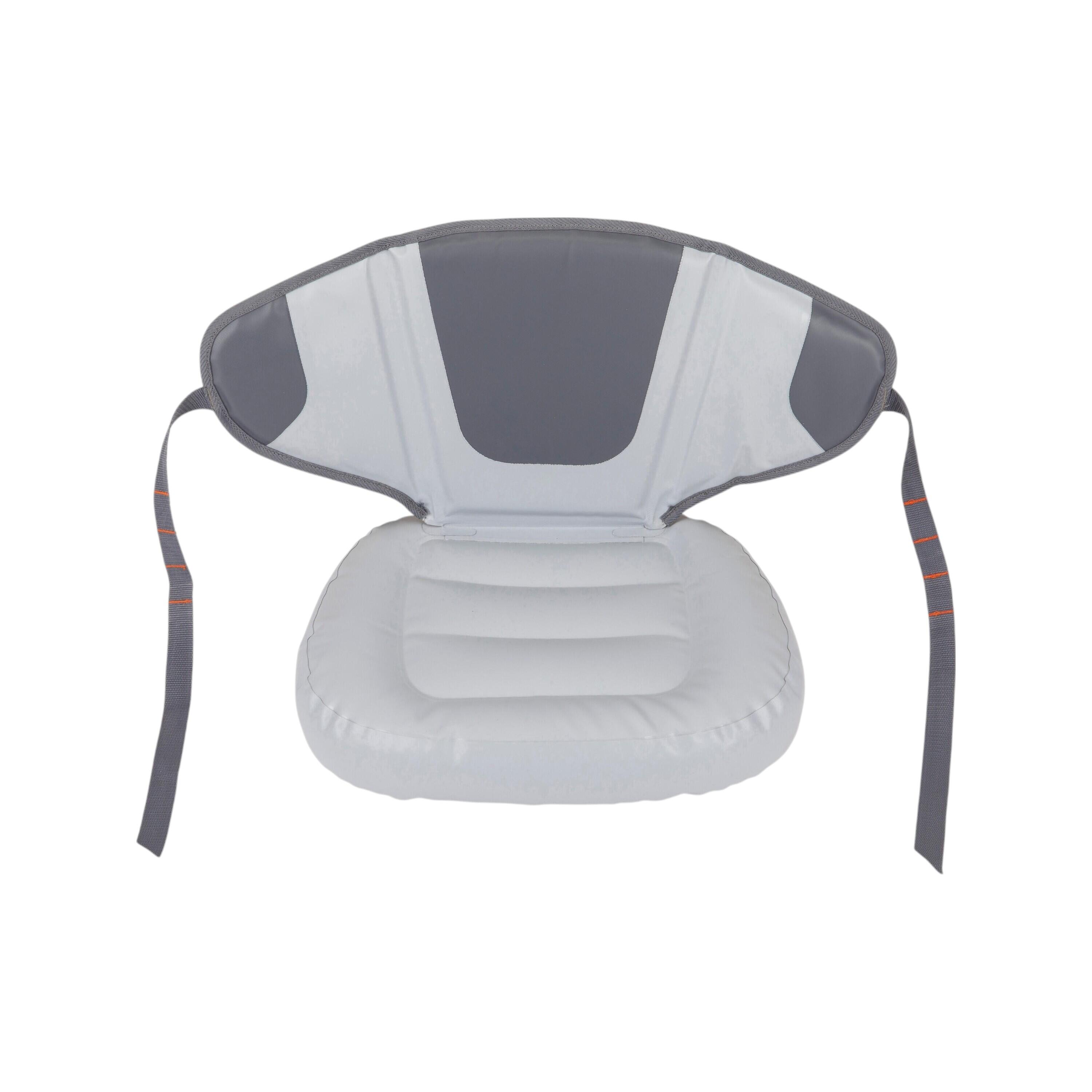
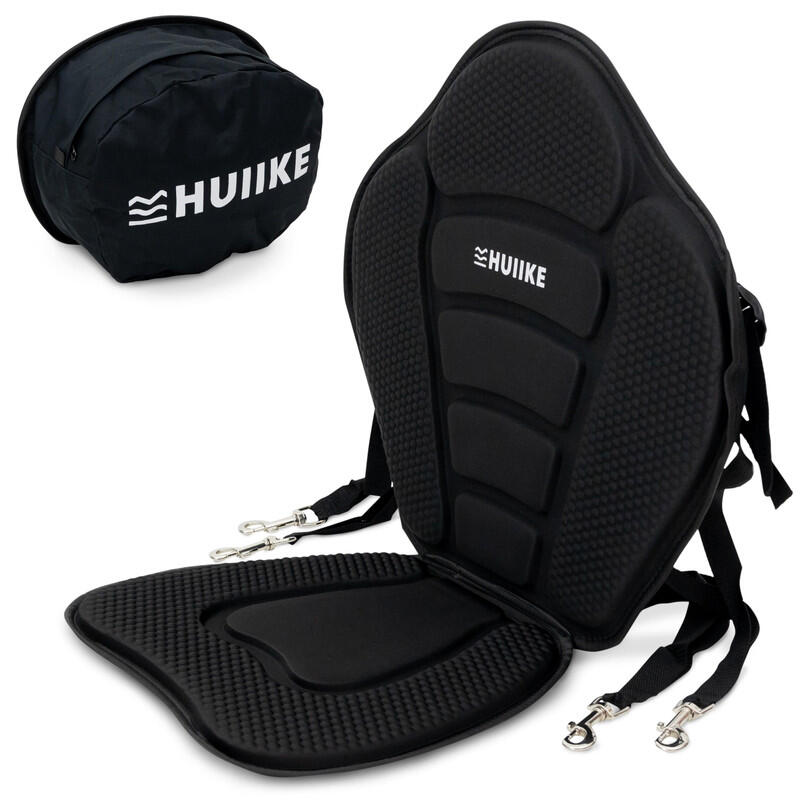
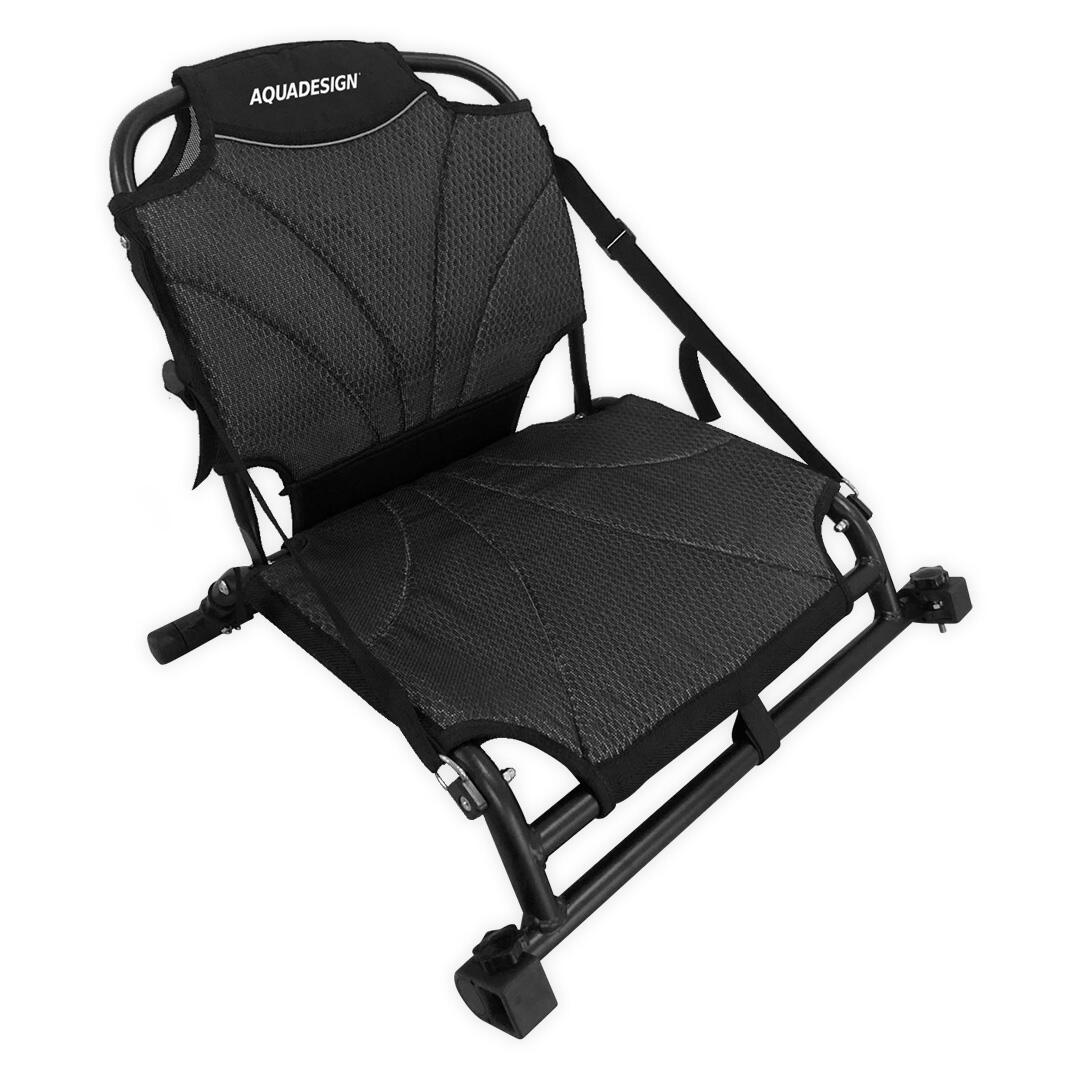
Proper posture is essential for sustaining a continuous, ergonomic forward stroke without putting undue stress on the lower back. Fitting adjustable ergonomic kayak seats, footrests and thigh braces establishes a firm three-point connection between your body and the vessel cockpit. Pressing the soles of your feet against rigid adjustable blocks allows your torso to rotate efficiently, turning core body strength into forward momentum. Thick foam backrests cushion the pelvis and stabilise the spine over hours of repetitive motion.

What security items are critical to prevent losing expensive gear during a capsize?

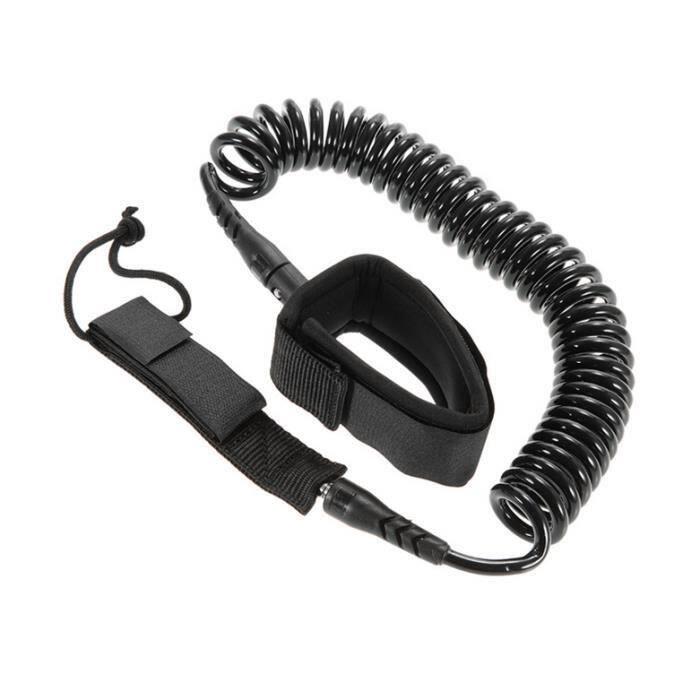
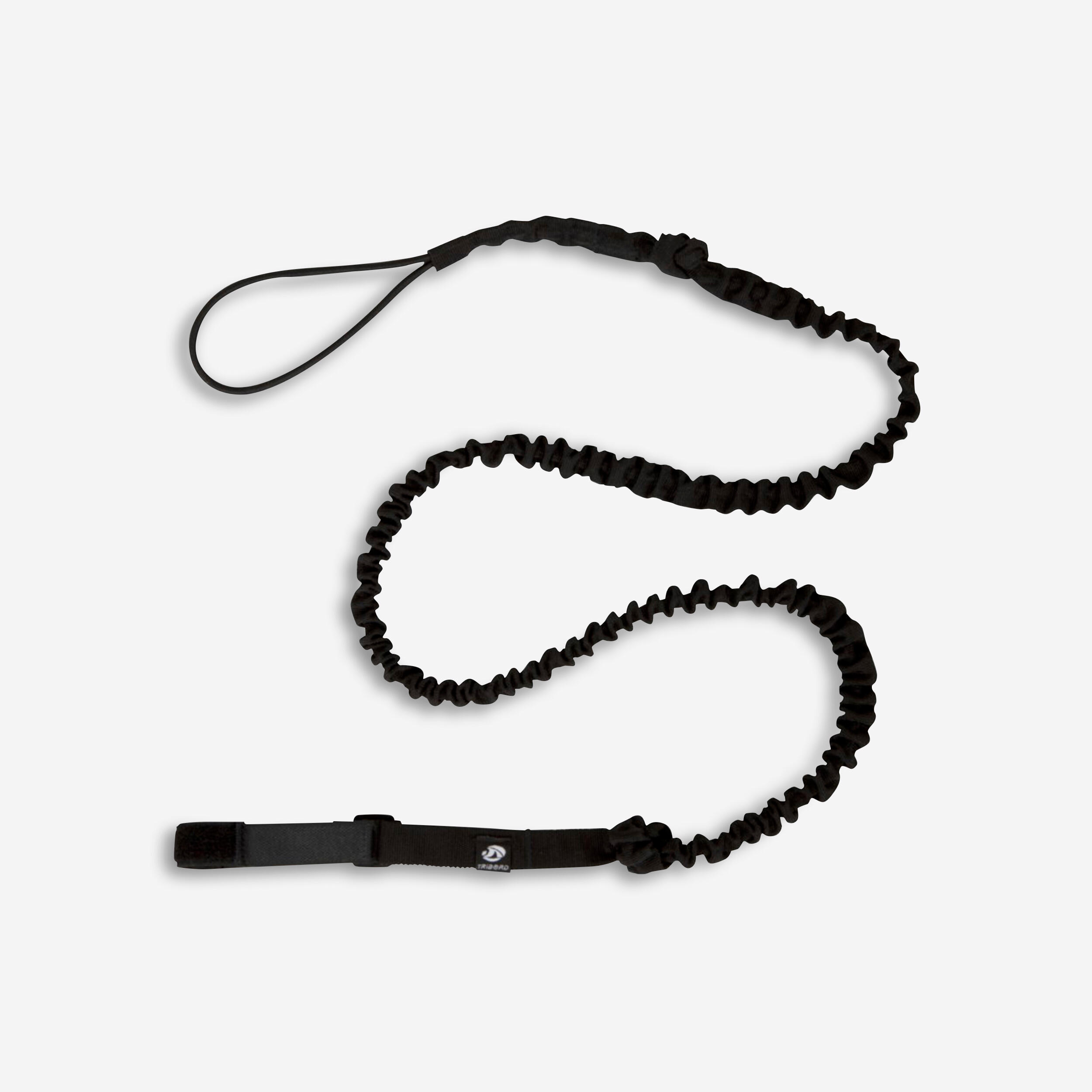
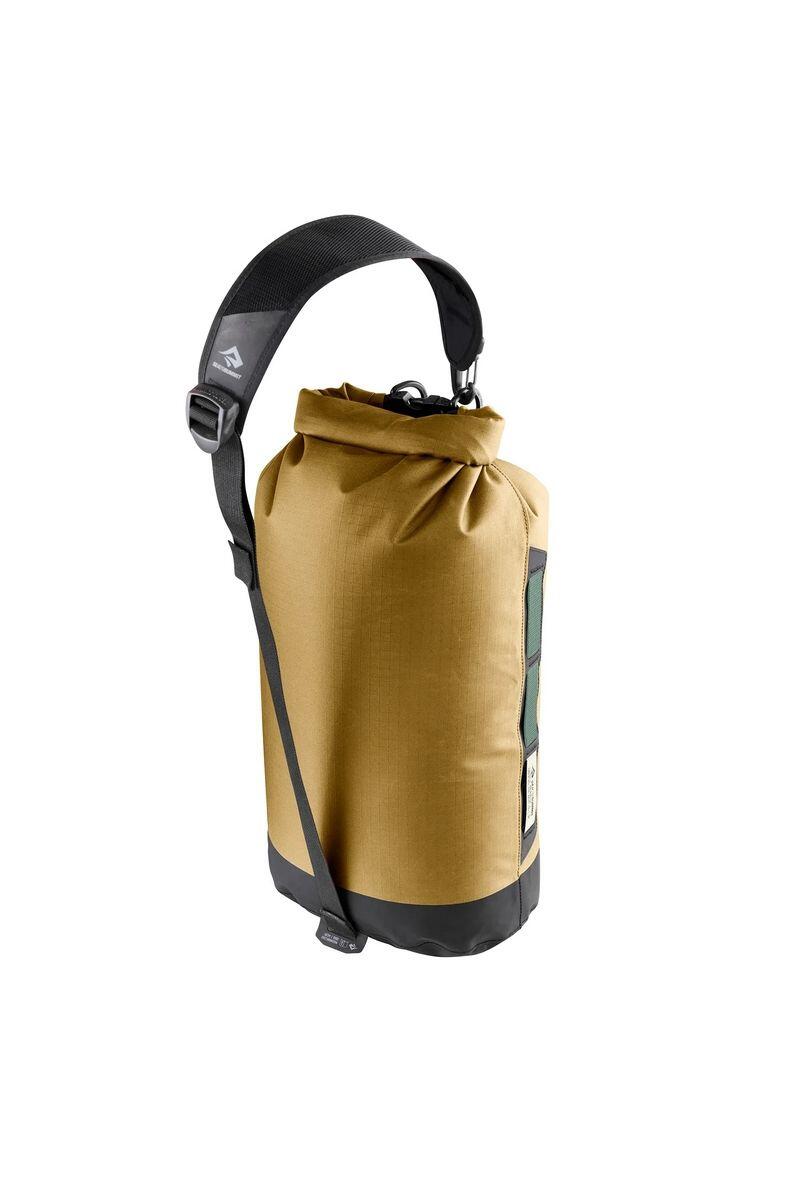
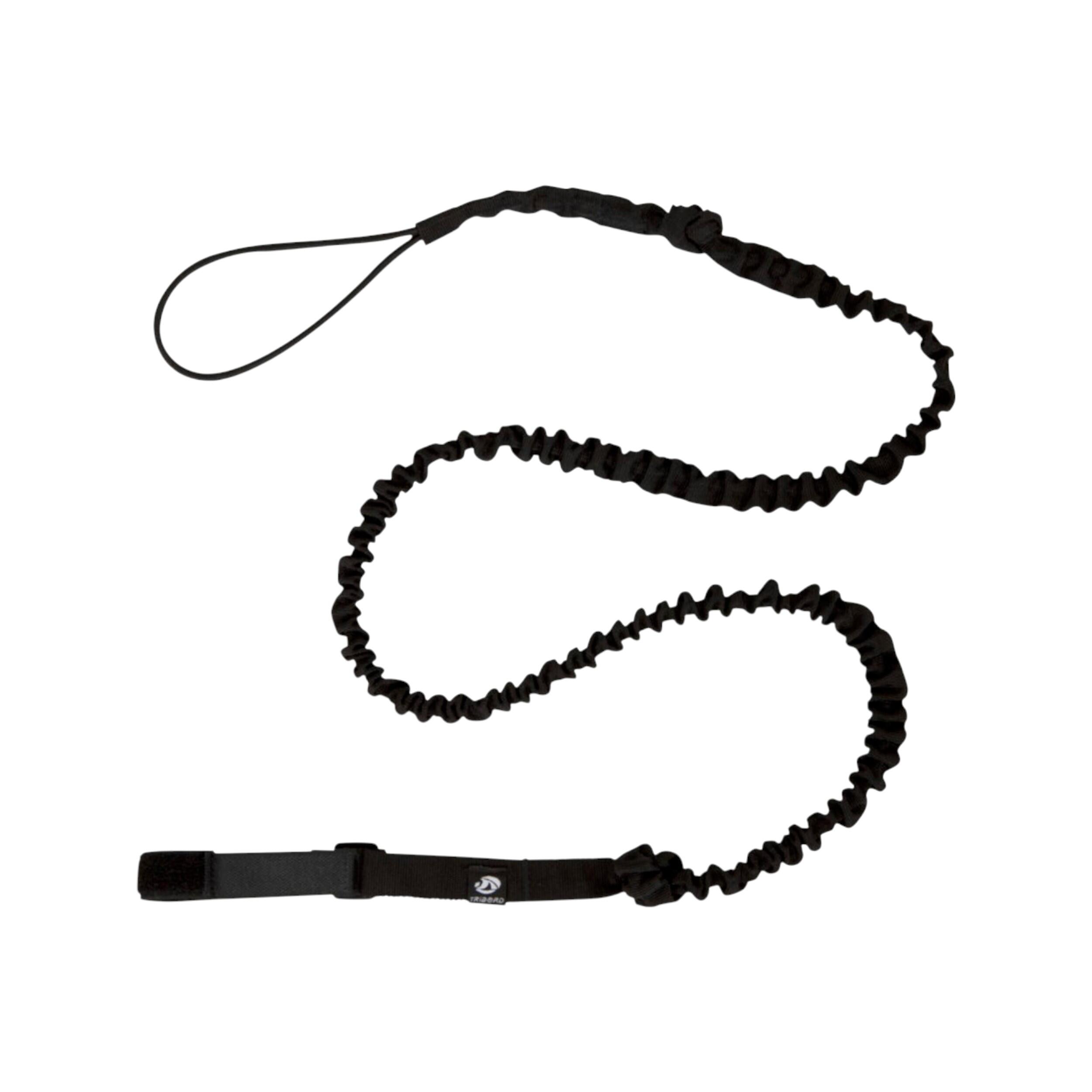
Unexpected submersions can instantly separate a paddler from vital equipment if items are not anchored to the deck lines. Clipping durable elastic coiled kayak leashes to your paddle shaft and heavy dry bags keeps your gear tethered closely to the hull during sudden overturns. These flexible tethers stretch fully during active paddling but contract neatly away to minimise entanglement hazards around your seat. Securing your paddles helps ensure you retain full self-rescue capabilities when navigating isolated coastal shorelines.