7 items
4.4/5 based on 15 reviews collected online and in stores

KAYAK MOTOR SPARE PARTS FAQS

Which components resolve electric drive connectivity and power delivery issues?

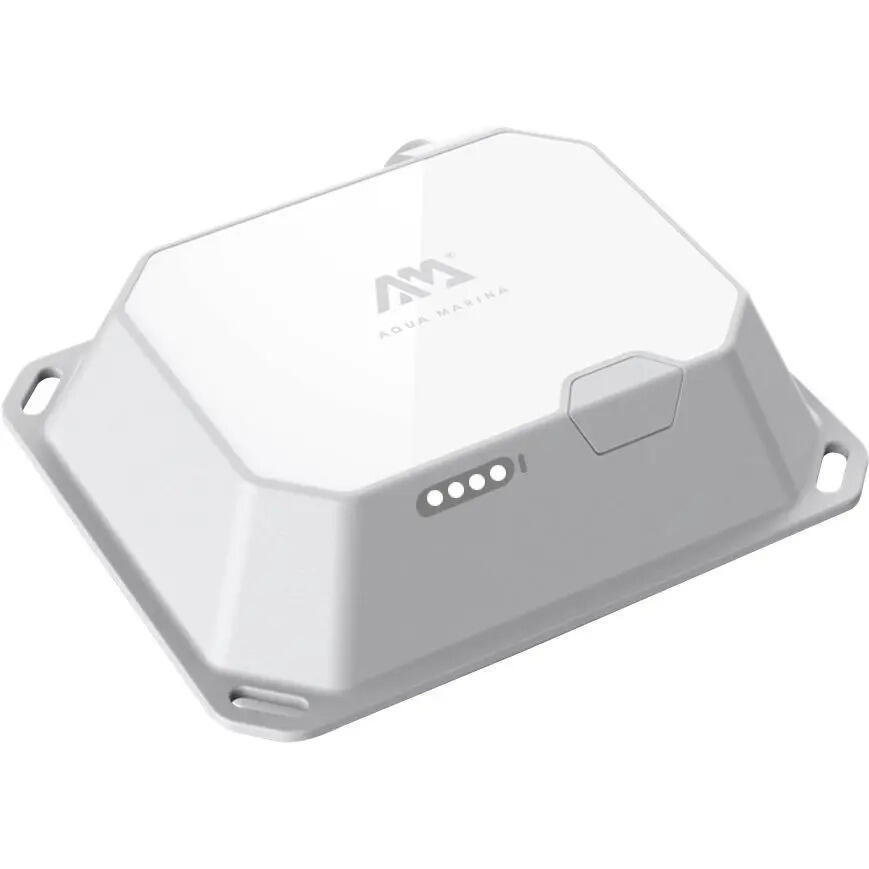
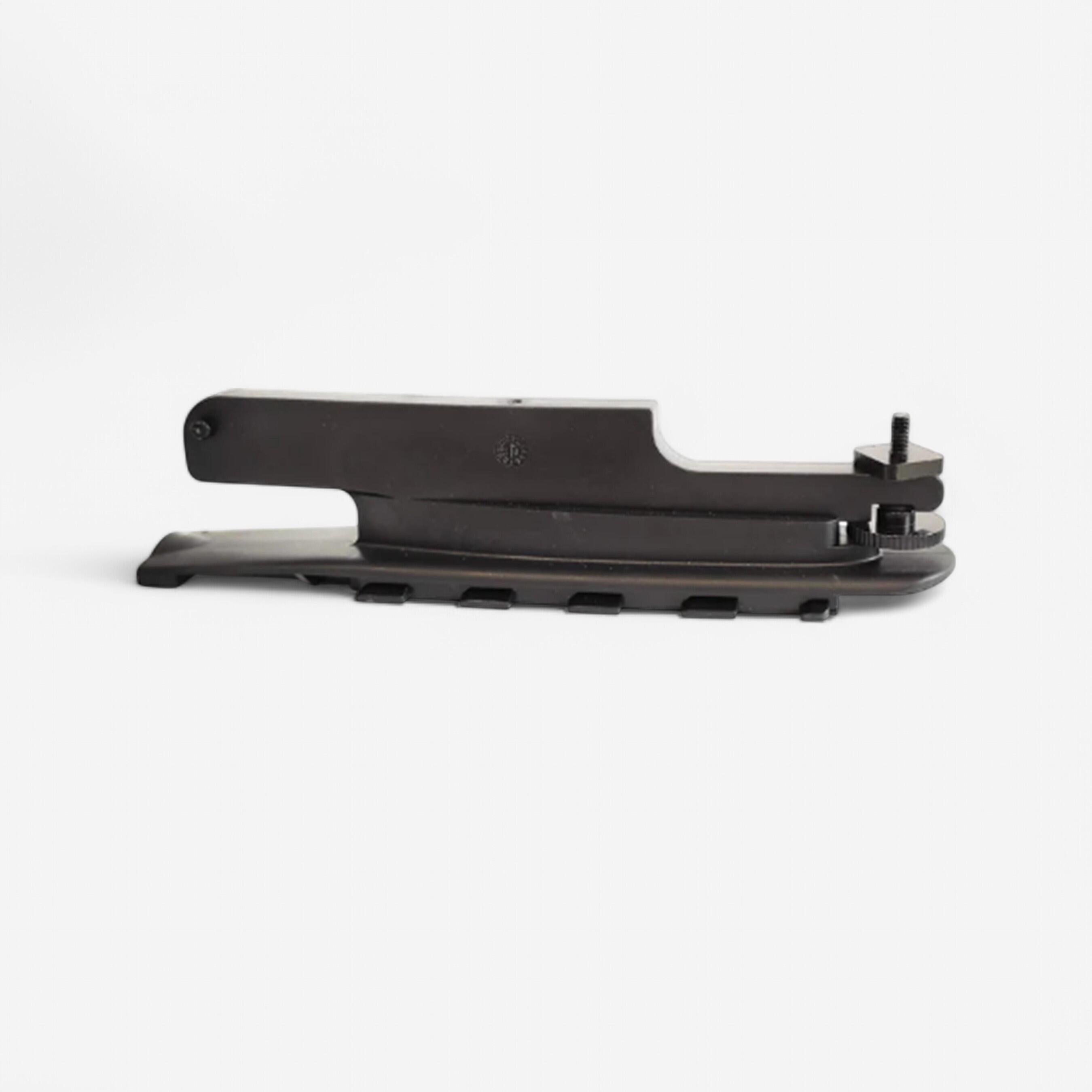
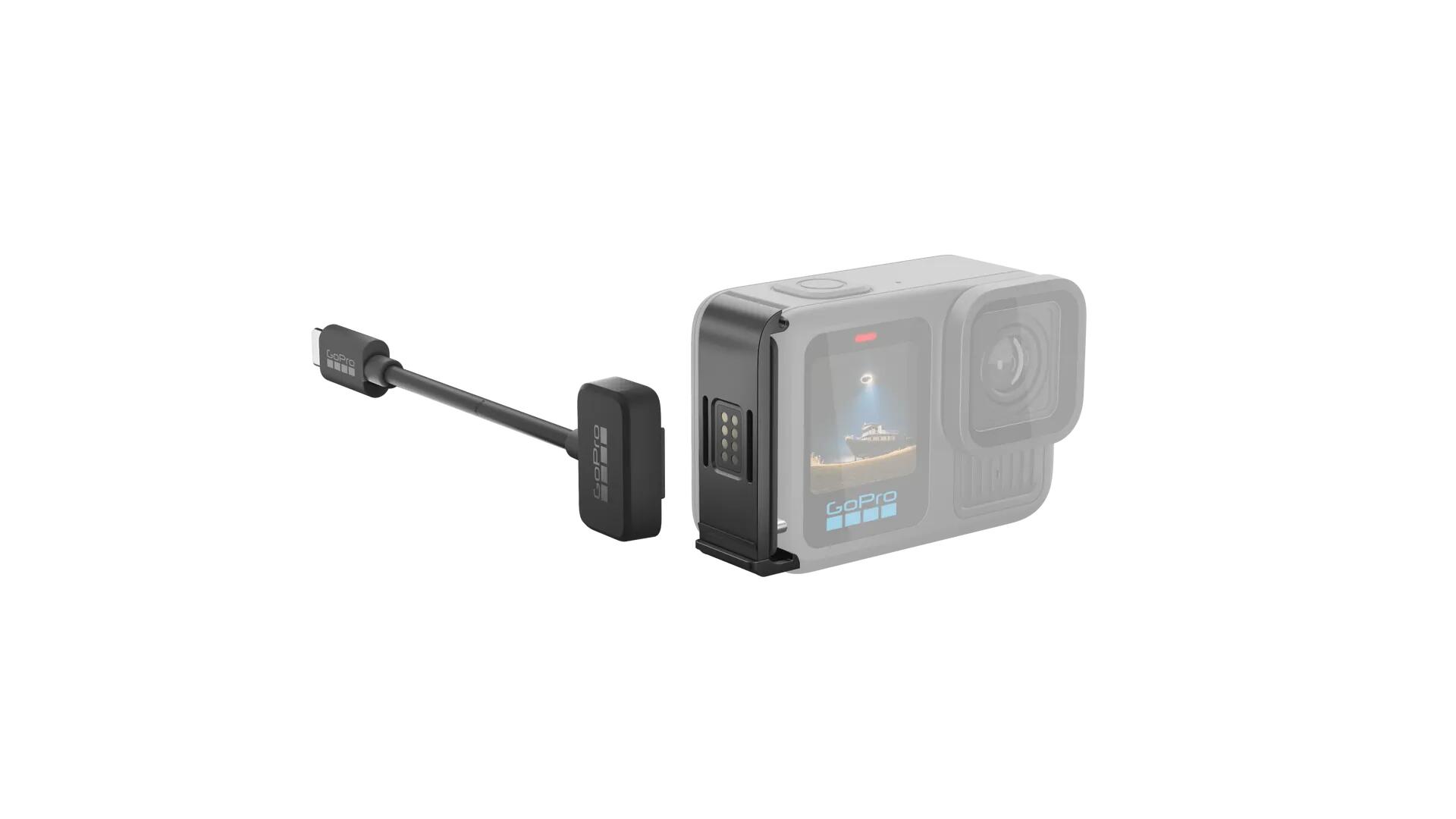
Restoring a stable electrical connection across your motorised propulsion system depends heavily on replacing worn seals, corroded terminals, and cracked casings. Swapping out damaged hull mounts or internal brackets using all motor spare parts helps preserve factory-spec alignment and minimises structural vibration during operation. The technical reason for maintaining strict connection integrity is that exposure to damp marine air accelerates voltage drops, which limits throttle responsiveness. Fitting precise hardware ensures energy transfers cleanly from your power pack to the propeller hub without overheating the onboard circuitry. This structural stability helps watercraft maintain a reliable heading when tracking across choppy, wind-swept bays where constant motor output is required.

How do battery upgrades prevent premature power loss during long open water journeys?

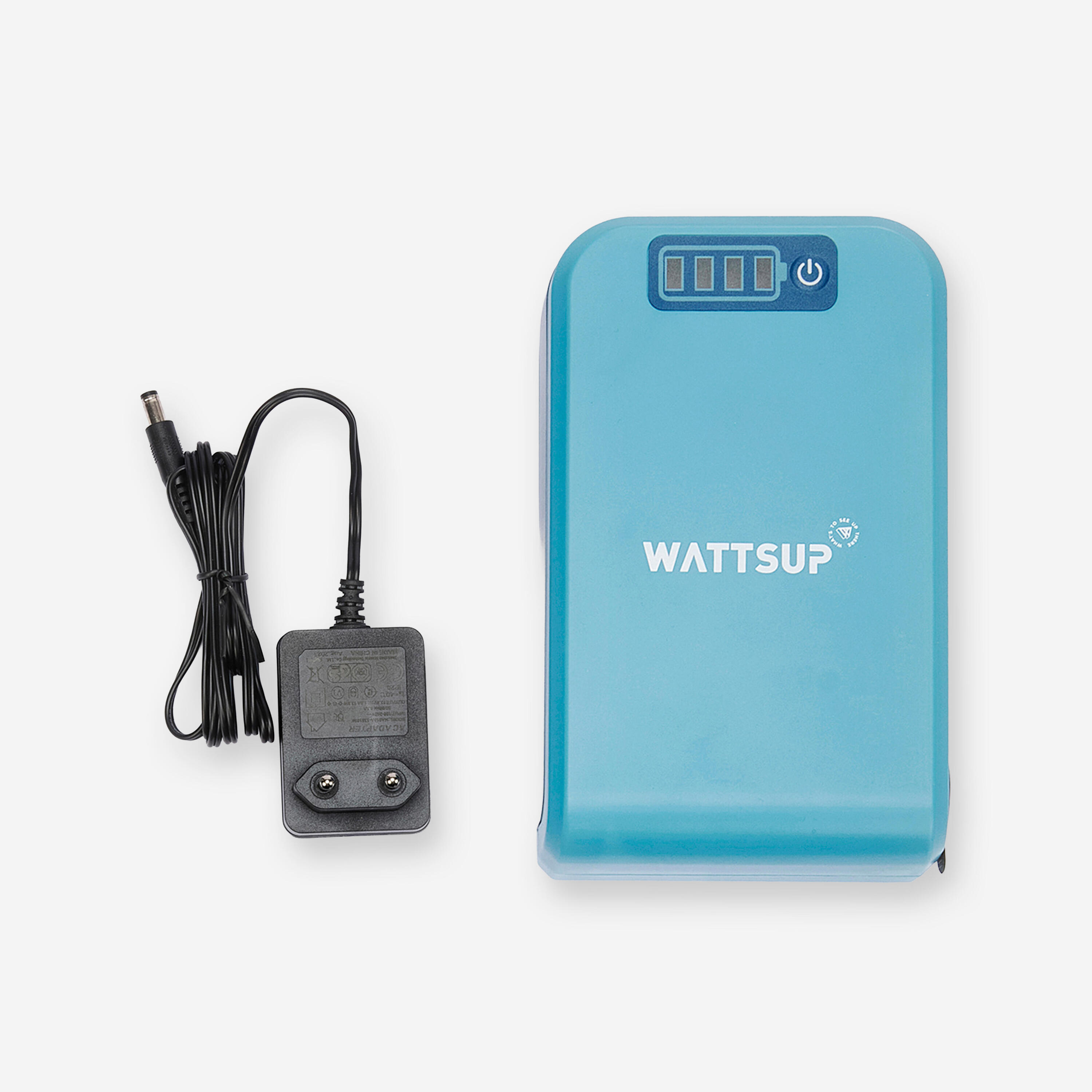
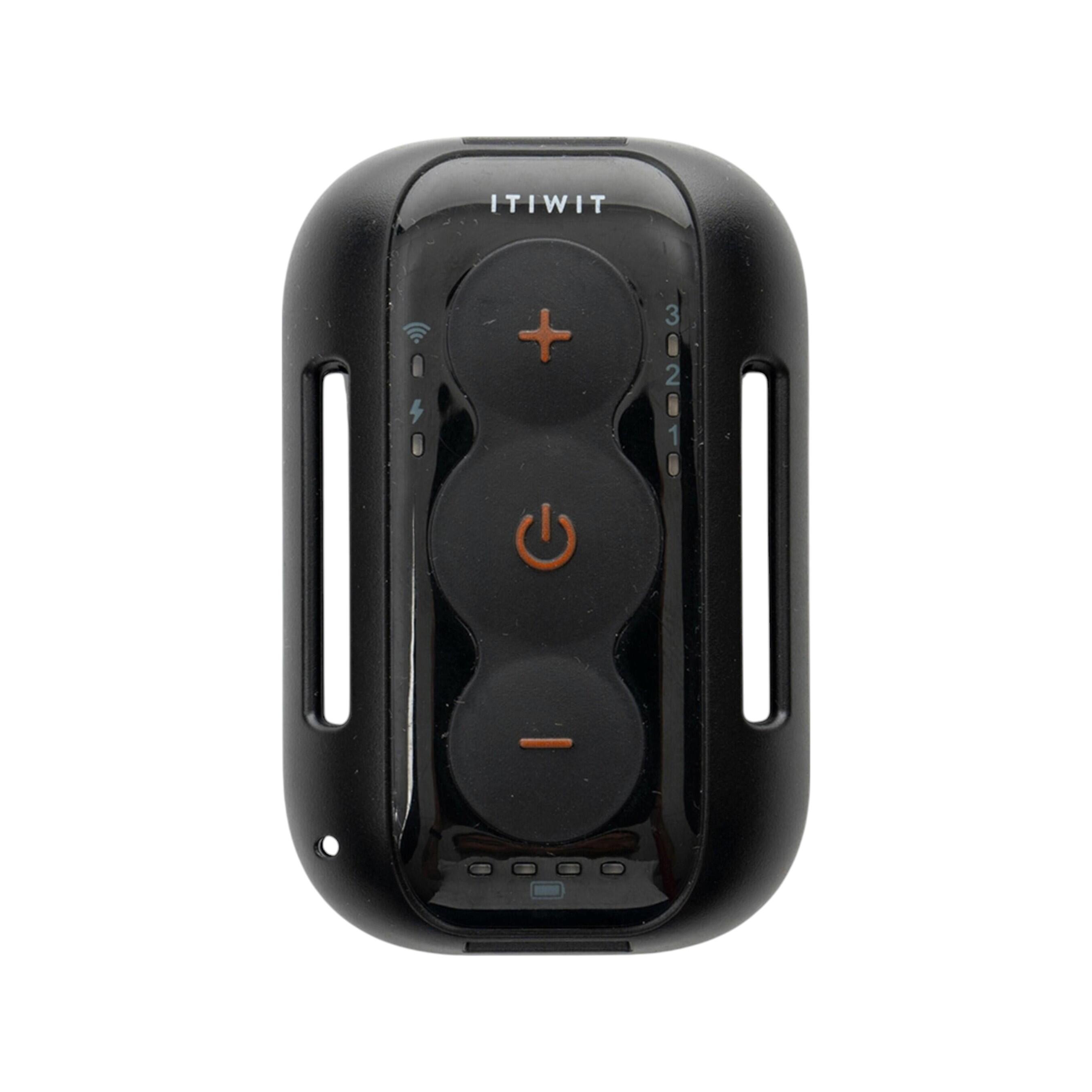
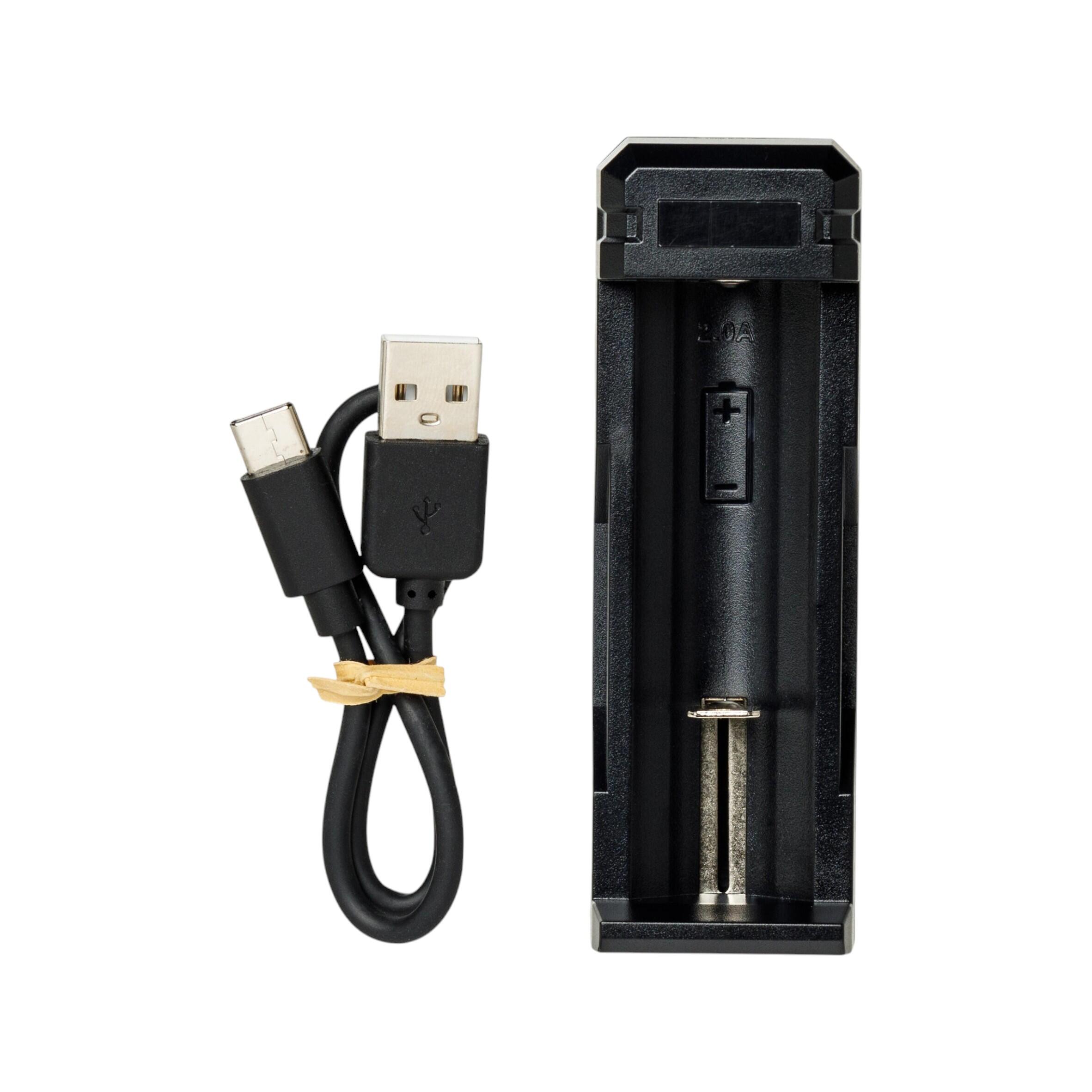
Extended water touring demands constant current delivery to handle resistance from heavy tides and headwinds. Upgrading a depleted system with a high-capacity kayak electric assistance battery and power cords setup keeps voltage consistent throughout the entire discharging cycle. Solid internal cells are encased in impact-resistant, sealed housings that prevent moisture from causing short circuits. Practical advice: Operating your auxiliary motor on an optimised power supply reduces stress on the internal brushless coils, ensuring cooler running temperatures and protecting the long-term lifespan of your hardware investment.

What backup gear secures propulsion if an electrical system failure occurs offshore?

Relying solely on motorised setups creates vulnerabilities when navigating remote coastal stretches or expansive inland waterways. Carrying dedicated emergency alternatives like robust kayak paddle spare parts ensures you can assemble a functional replacement paddle to regain physical steering control instantly. Heavy-duty push-button joints and replacement drip rings provide mechanical security when switching back to physical stroke techniques. Keeping essential manual hardware stored inside a dry hatch guarantees a reliable route home if the auxiliary battery depletes completely or a connection fails.

Which accessories optimise chamber inflation to ensure adequate motor mount support?

Low internal pressure in inflatable hulls causes structural flexing, which pushes the motor propeller out of line and increases hydrodynamic drag. Deploying authentic kayak pump spare parts like non-return valves and pressure gauge seals allows you to achieve the high bar ratings required for a rigid transom. This extreme internal rigidity ensures the stern stays perfectly level under the torque of an electric drive system. A firmly inflated hull prevents water from sloshing over the deck line, maintaining dry seating areas and keeping electronics safely above the splash zone.

Why do high-capacity auxiliary power banks require specialised drop-stitch platforms?

Integrating heavy battery setups requires a watercraft platform engineered to withstand significant localised load concentration without bowing in the centre. Light, reinforced multi-person vessels and advanced packraft spare parts utilise high-tension internal filaments to provide an ultra-stiff floor section capable of supporting heavy energy banks. This structural reinforcement prevents the floor from sagging under concentrated weight, ensuring the bow pierces incoming waves rather than ploughing through them. Keeping the hull flat and rigid preserves maximum tracking efficiency and prevents extra battery hardware from shifting positions during rapid turns.