323 items
4.9/5 based on 12405 reviews collected online and in stores

Kids' Running Tops FAQs

Which kids' running top suits the weather?

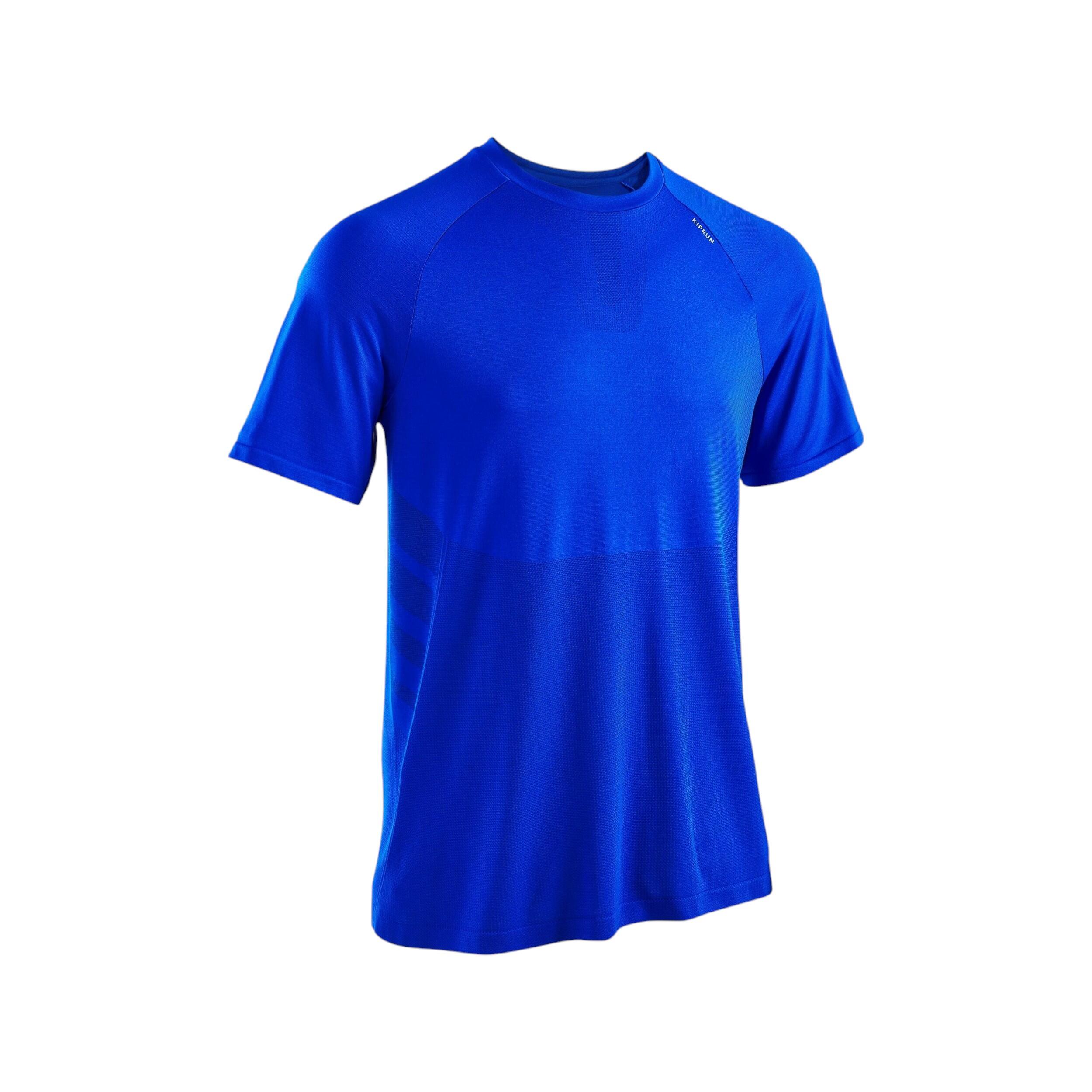
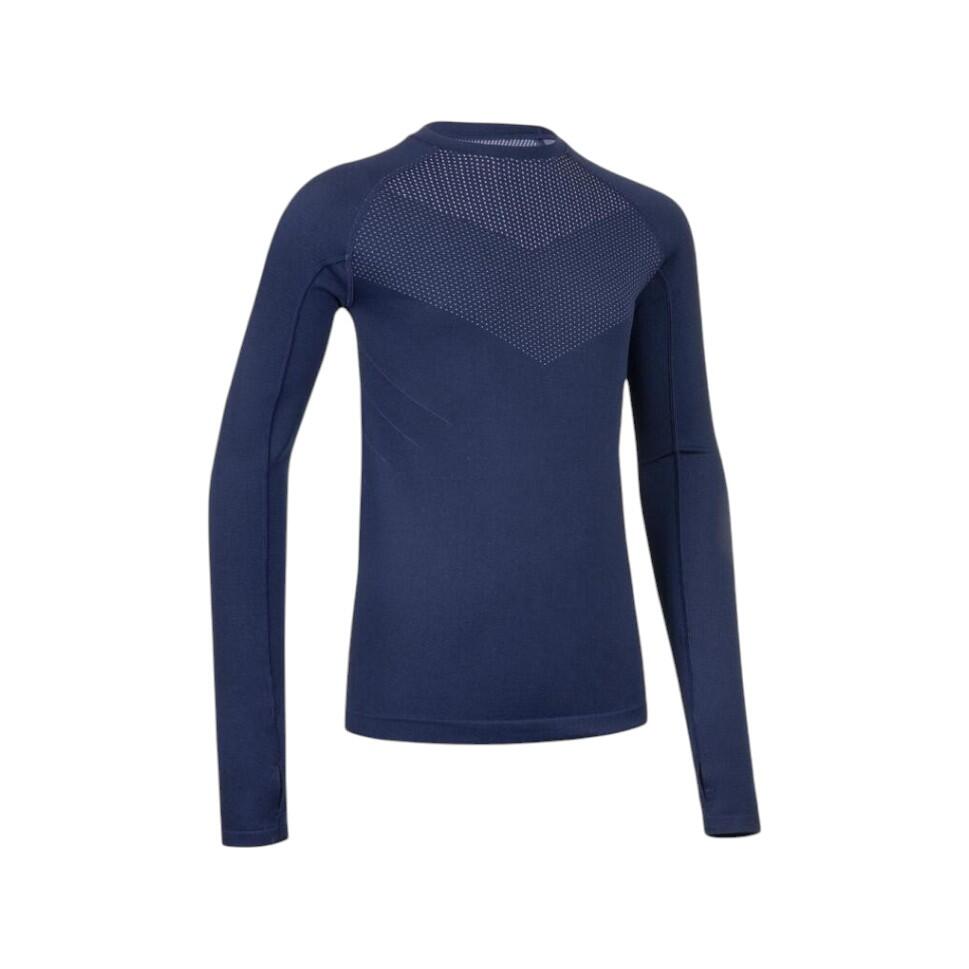
Choose a running top according to the temperature, training intensity and amount of coverage the child needs. Lightweight short sleeves and seamless tops suit warmer athletic sessions, while close base layers and brushed fabrics provide greater comfort in colder conditions. KIPRUN offers a clear progression from soft Dry+ 500 shirts to ultra-light Run 900 constructions and warmer SKINCARE or WARM 100 layers. To conduct outdoor winter training, compare kids' running long-sleeved T-shirts with different levels of insulation and body contact. Pro tip: children should begin slightly cool because their body temperature normally rises once running, jumping and throwing exercises begin.

What makes a kids' running top suitable for athletics?

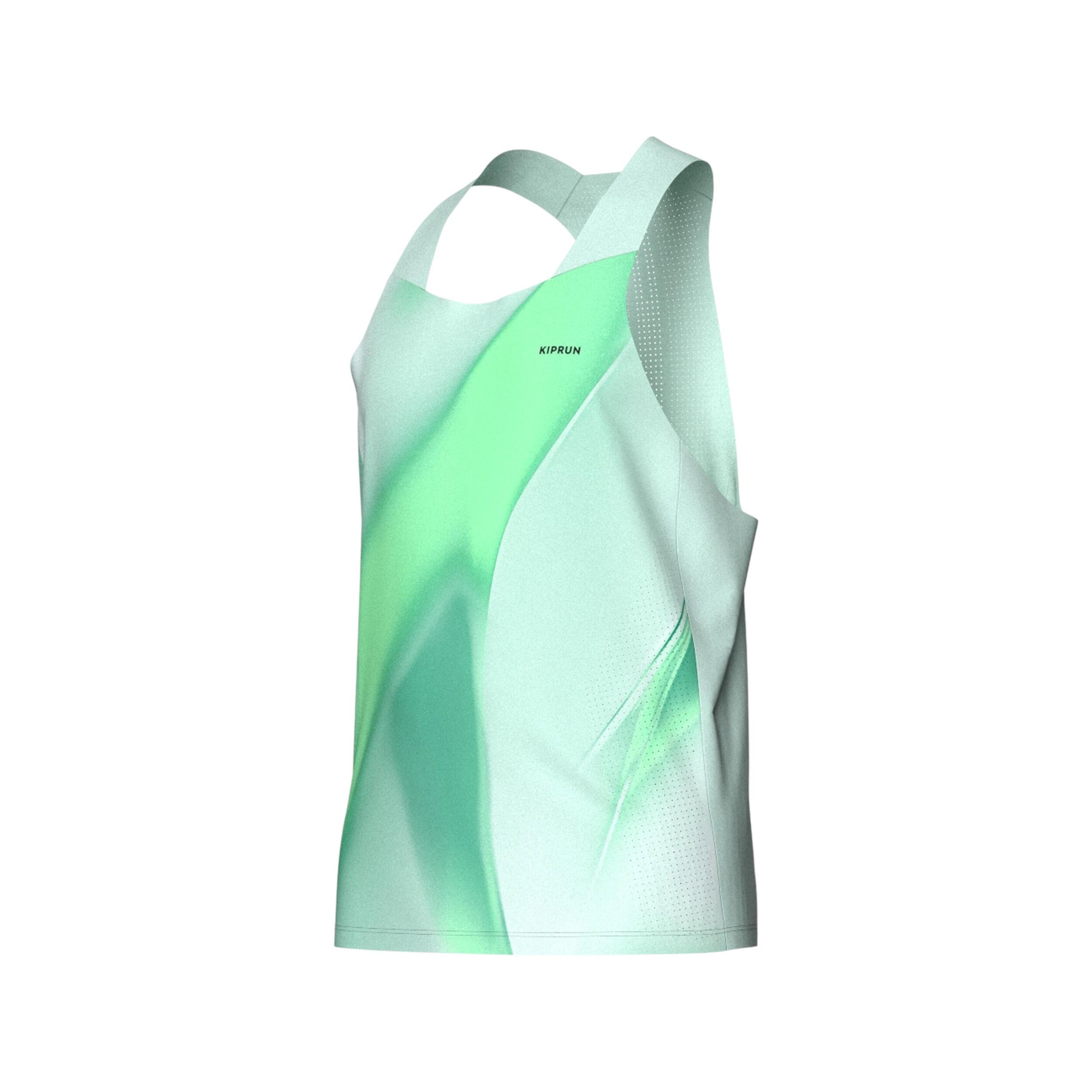
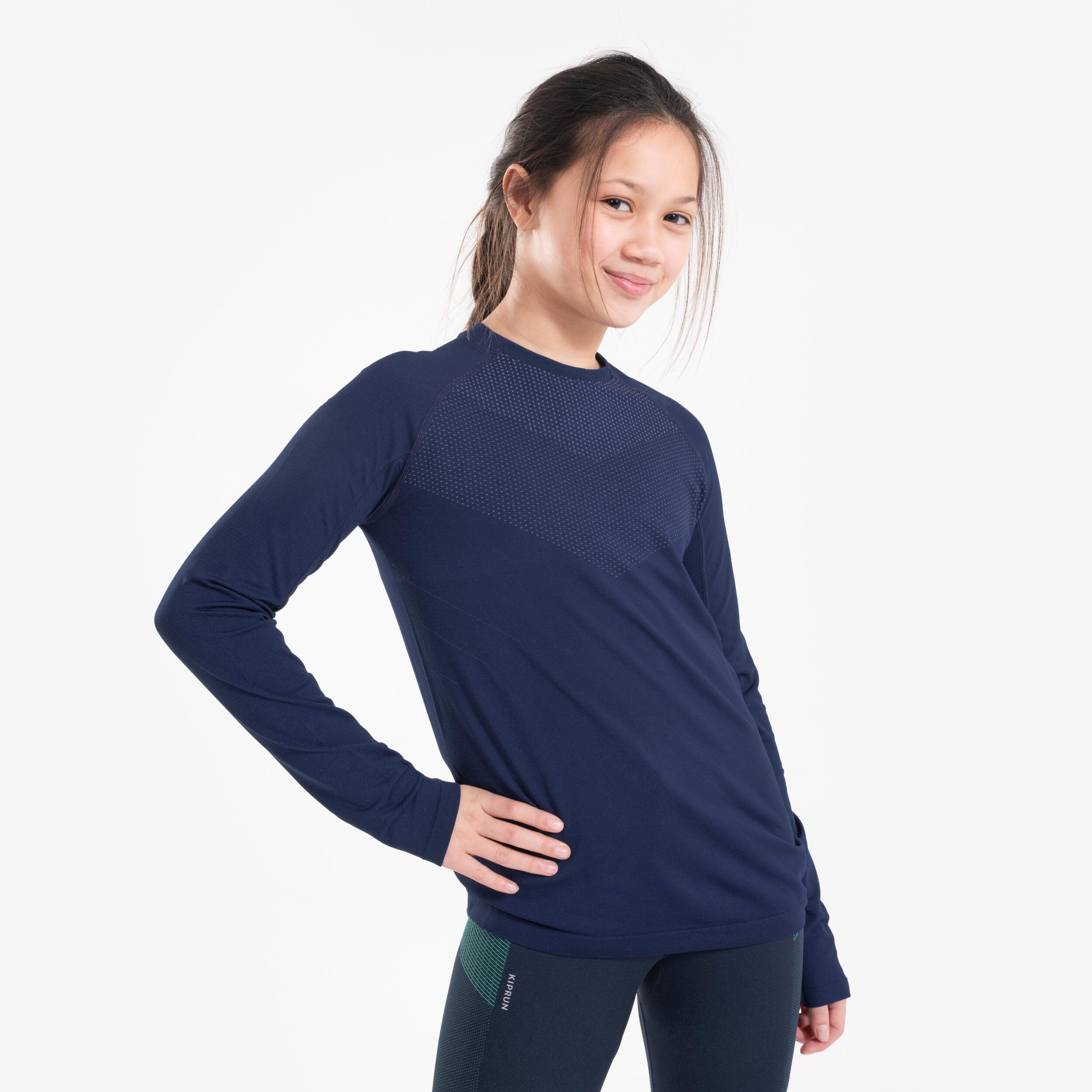
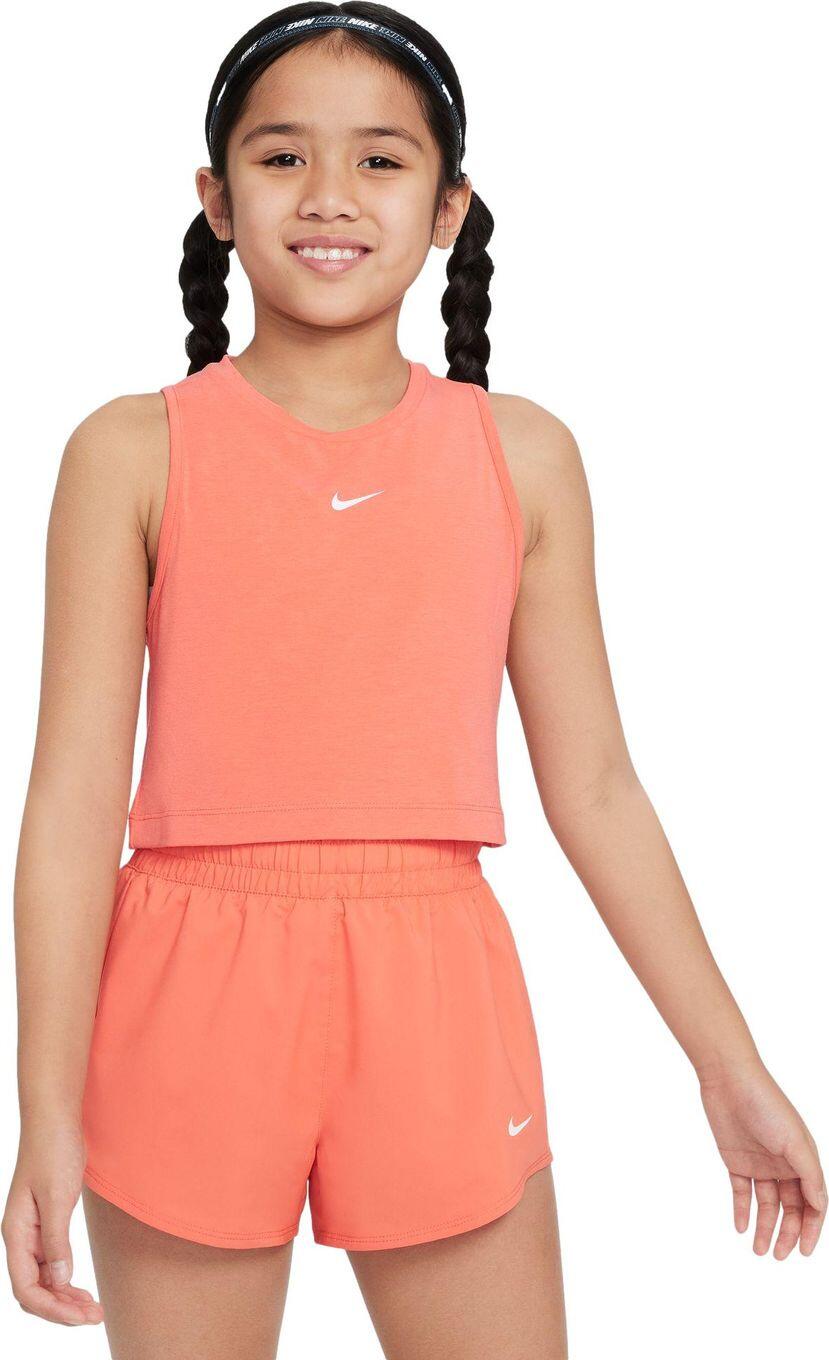
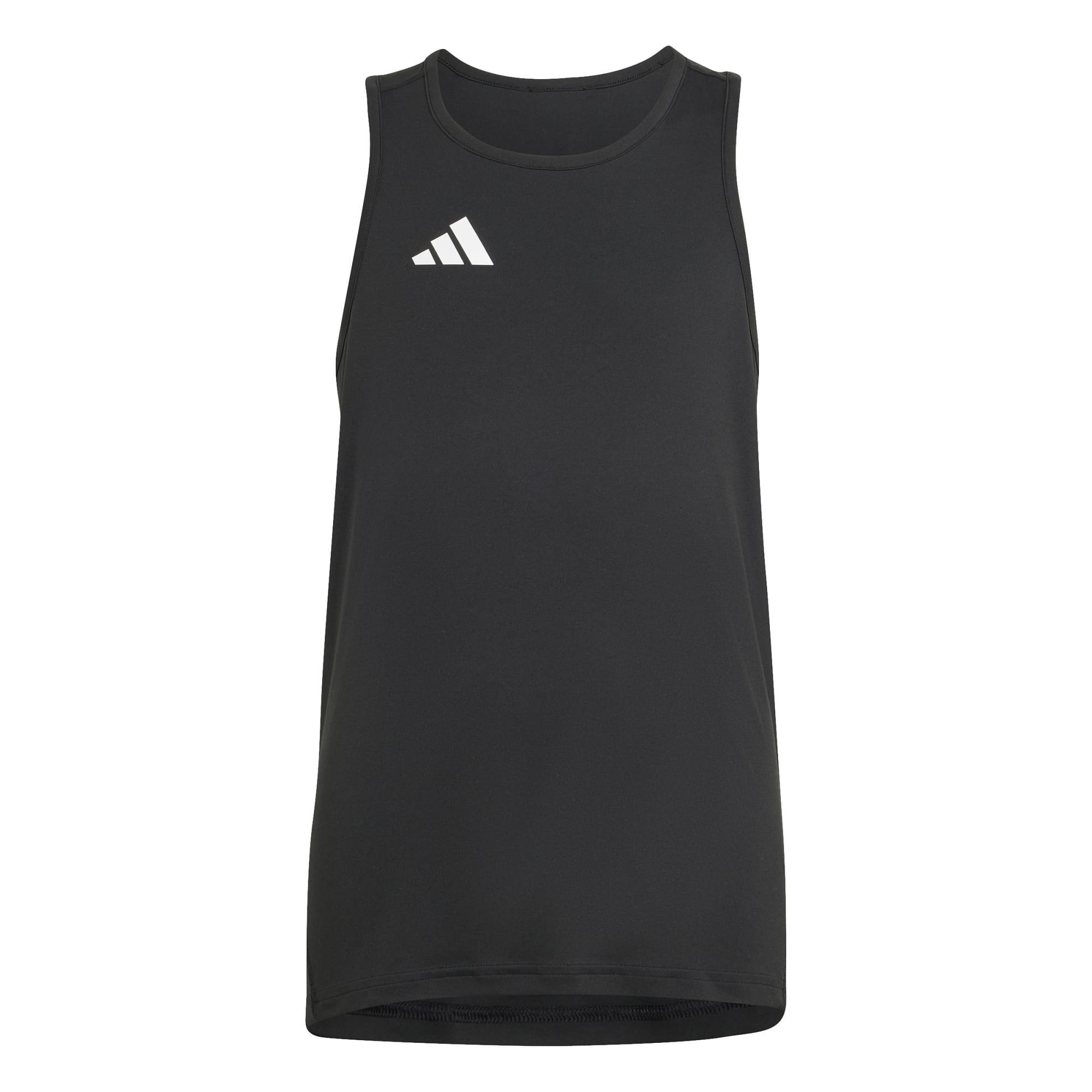
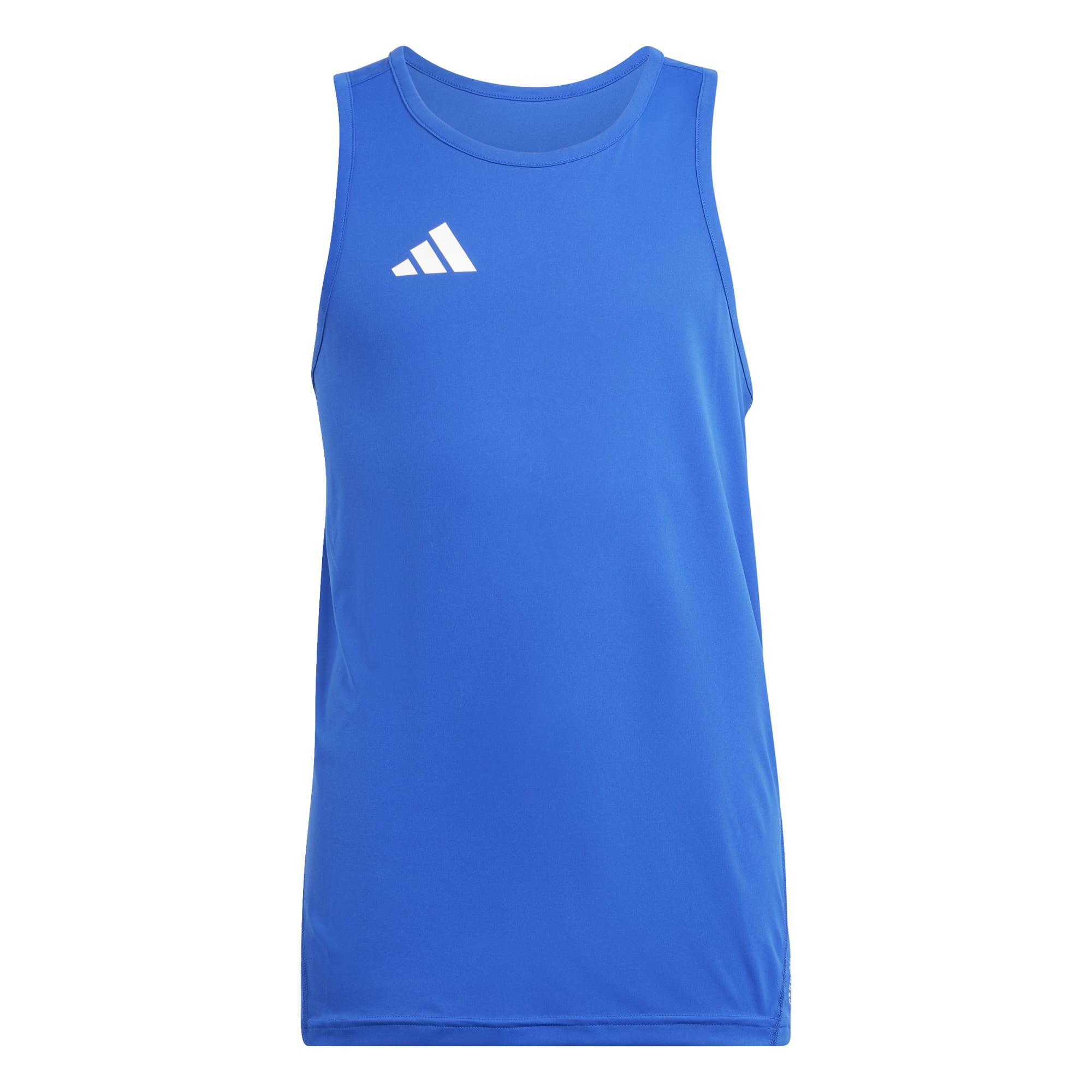
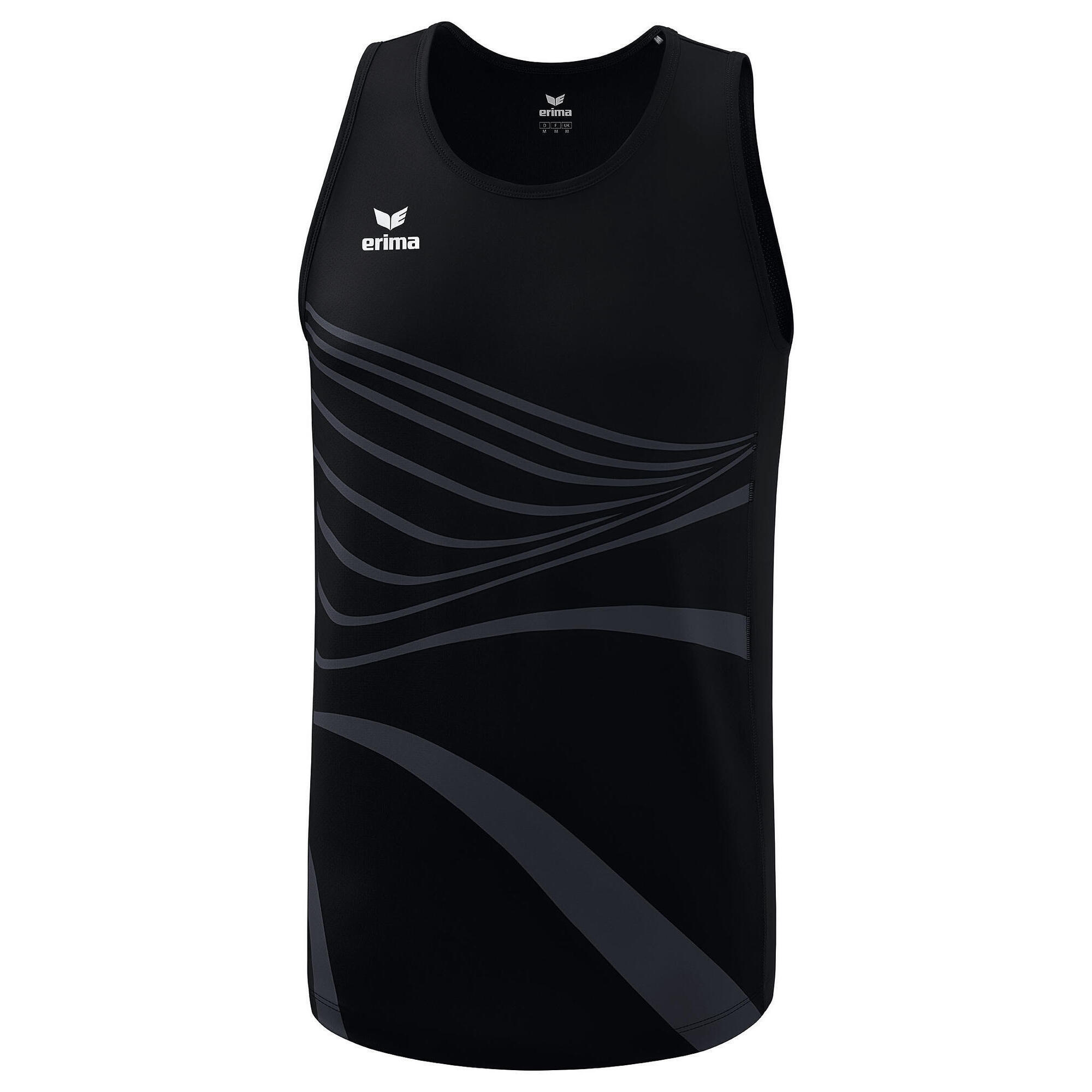
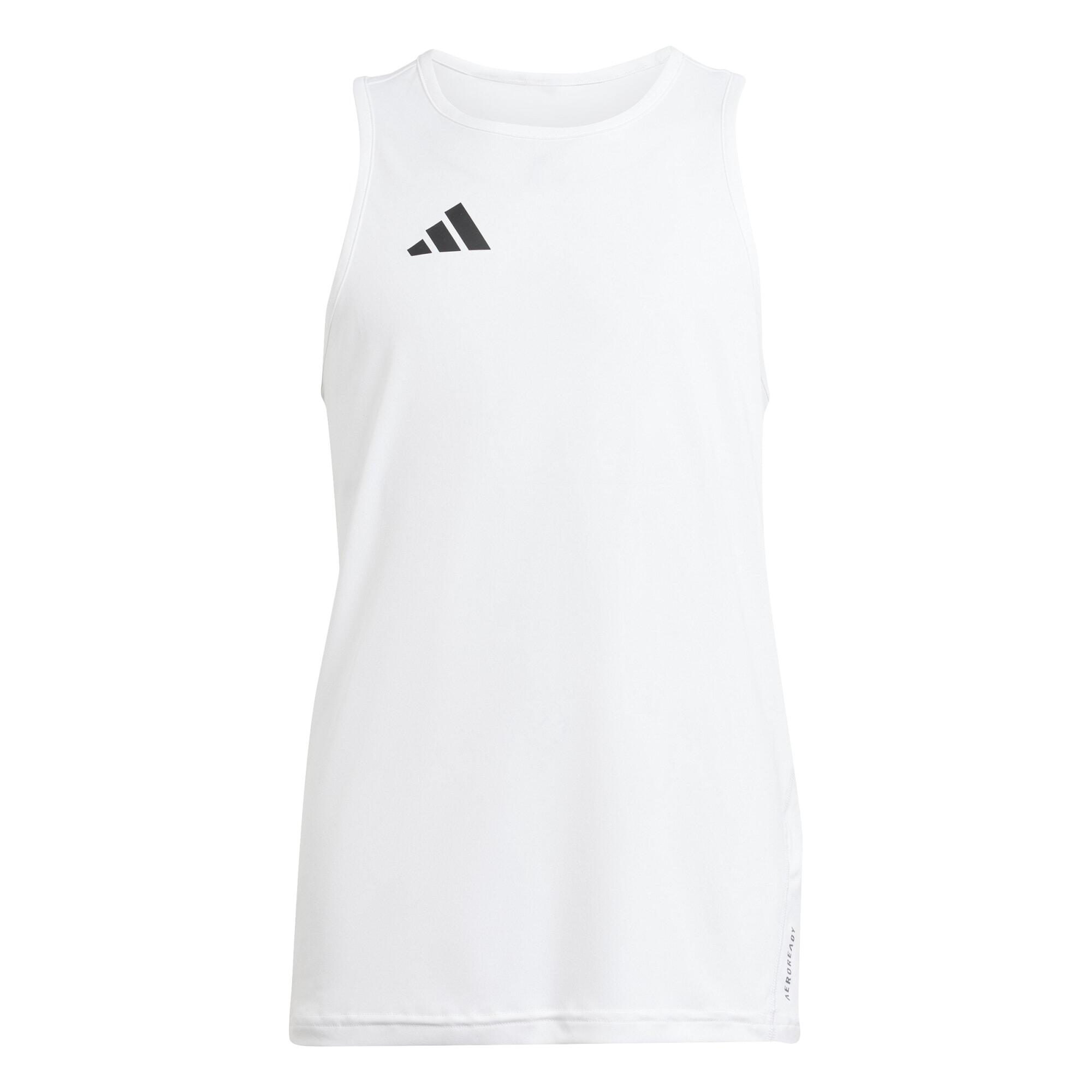
A suitable athletics top should allow free arm swing, shoulder rotation and torso movement during running, jumping and throwing. Stretch fabrics follow multidirectional movement, while lightweight synthetic fibres move perspiration away from the skin and dry more quickly than cotton. KIPRUN seamless 900 tops use tubular knitting to remove conventional side seams, reducing raised contact points during repeated movement. Decathlon tested these technical shirts with children aged approximately 8 to 14 during hot-weather athletics sessions. When used for particularly warm indoor or outdoor training, kids' running tank tops provide greater shoulder exposure and airflow. Check that the armholes and neckline remain comfortable when the child reaches overhead.

How should your child's running top fit?

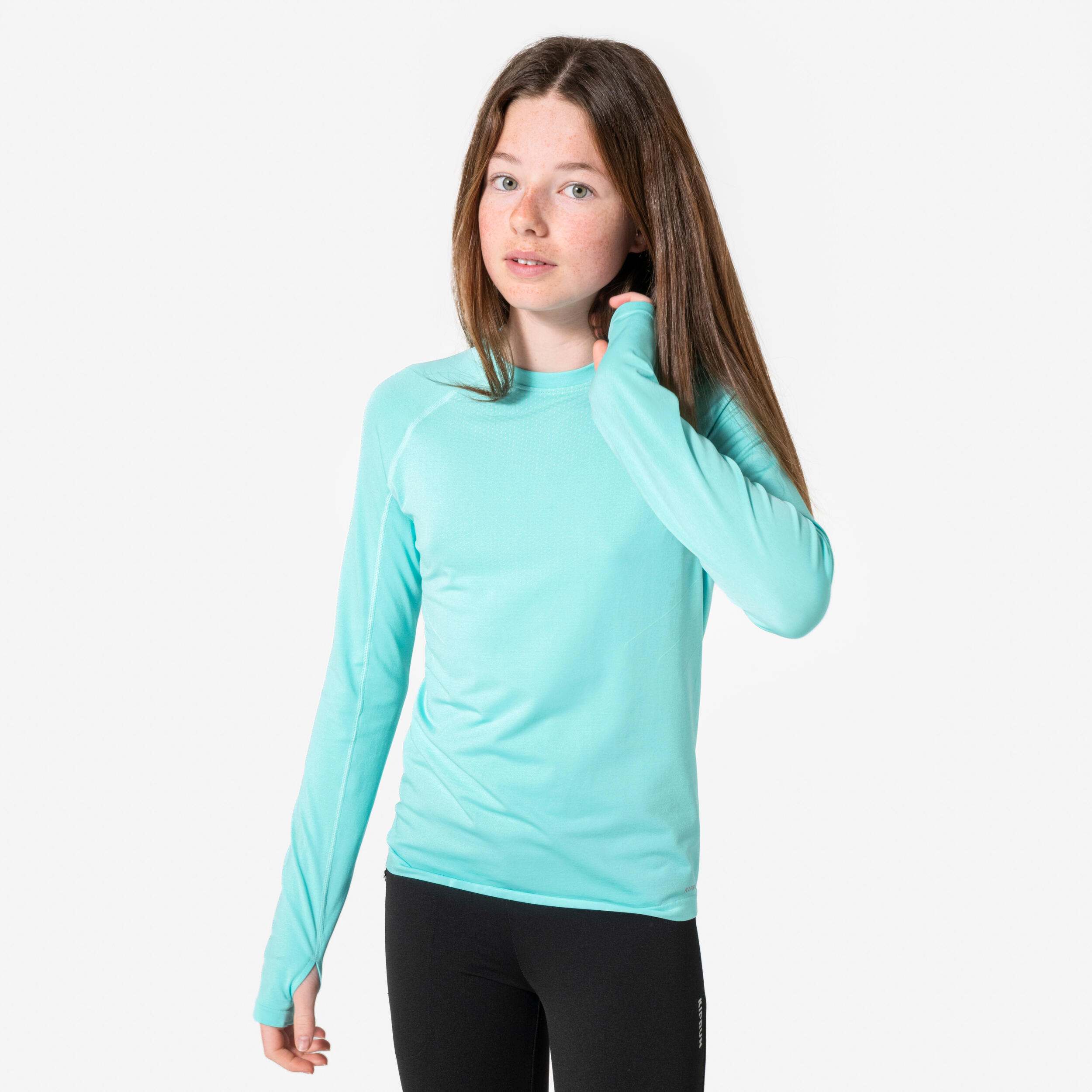
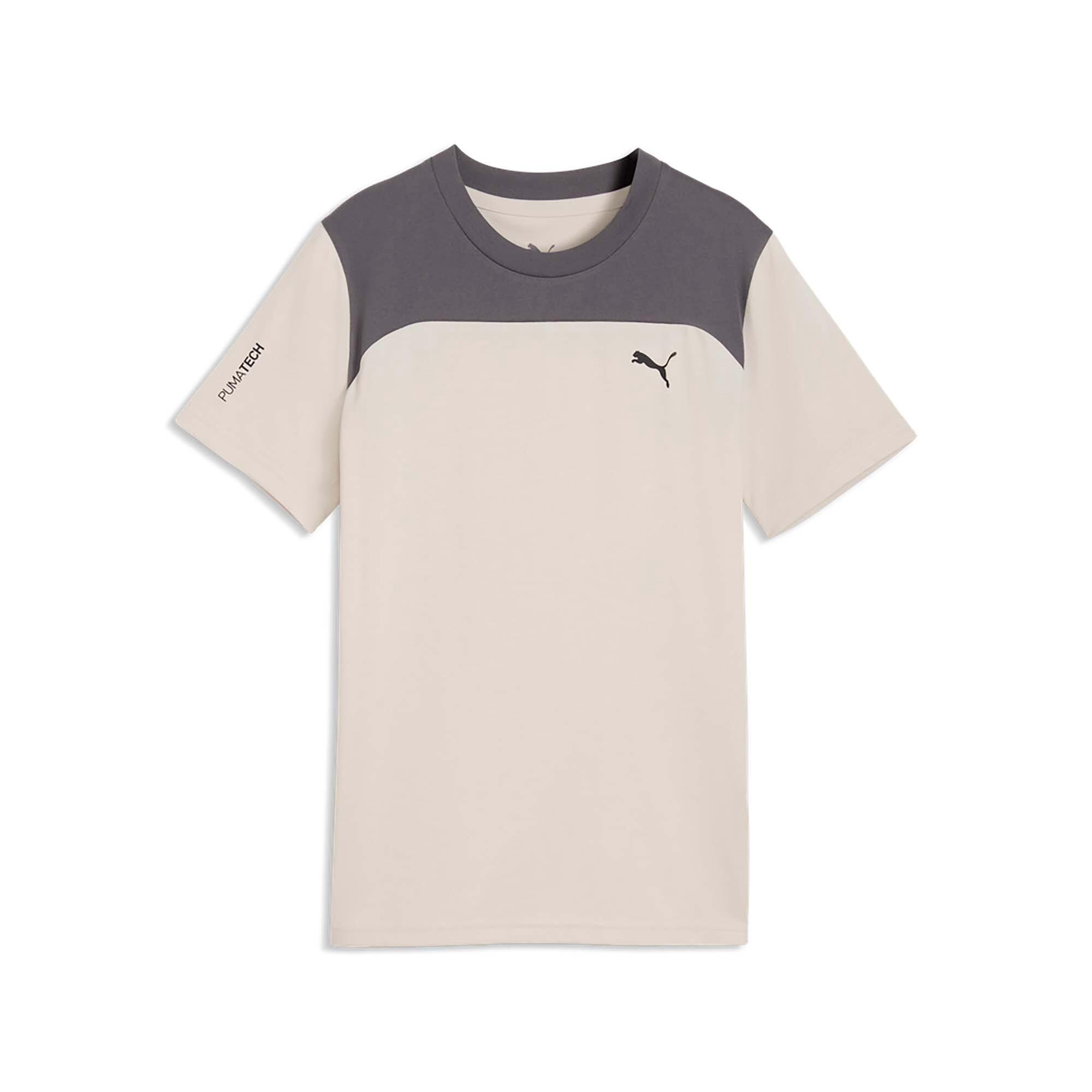
The top should sit securely without restricting breathing or leaving excessive fabric to flap during faster movement. A regular Dry+ shirt can provide a softer, more relaxed feel, while a seamless performance model may fit closer to the body. Winter SKINCARE tops use a second-skin construction so they can sit beneath another layer without bulky side seams. Height can be a more dependable sizing guide than age alone because children grow at different rates. Compare cuts across kids' running T-shirts, then ask the child to bend, jog and lift both arms. The hem should remain in place, and the neckline should not press against the throat.
How should children layer running tops in cold weather?

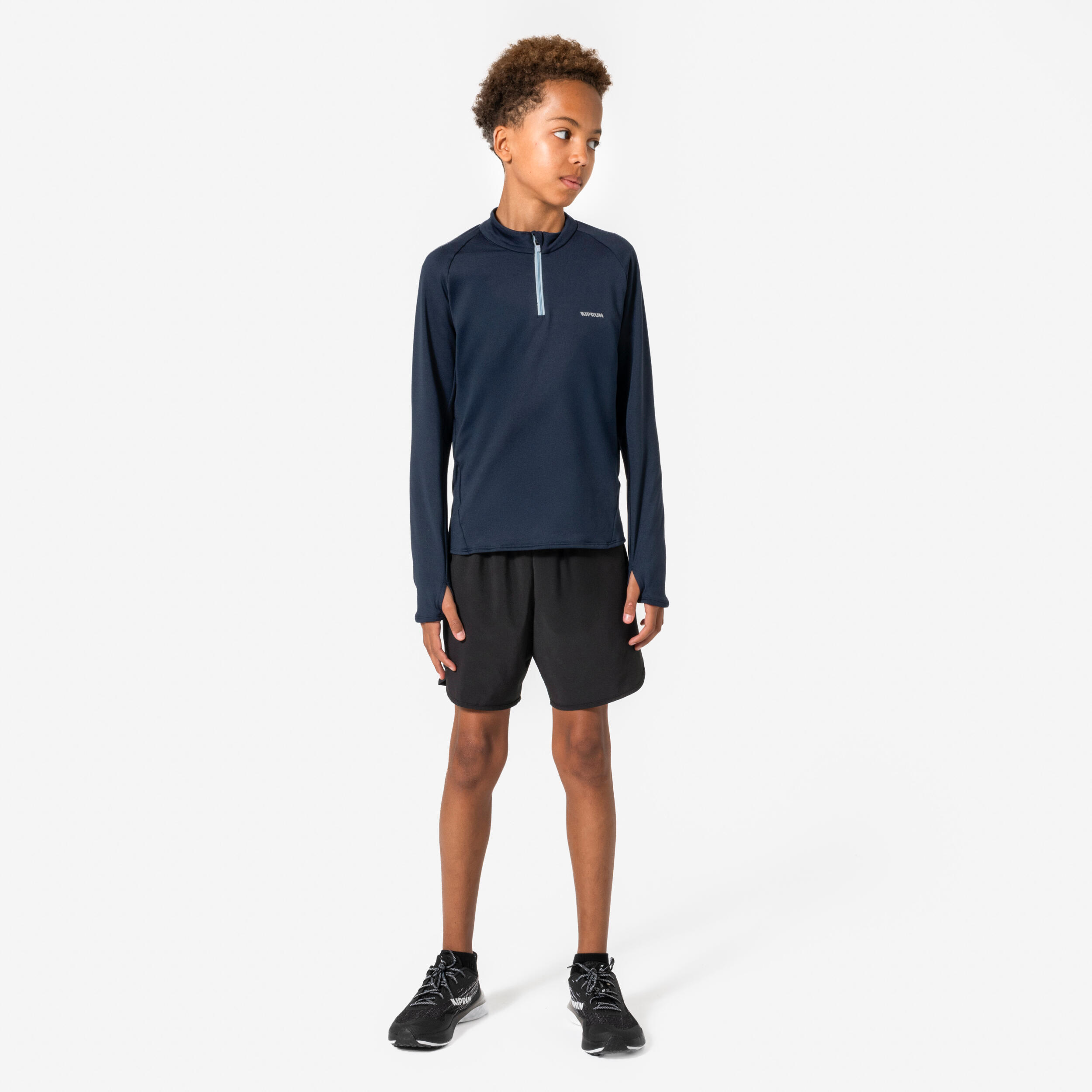
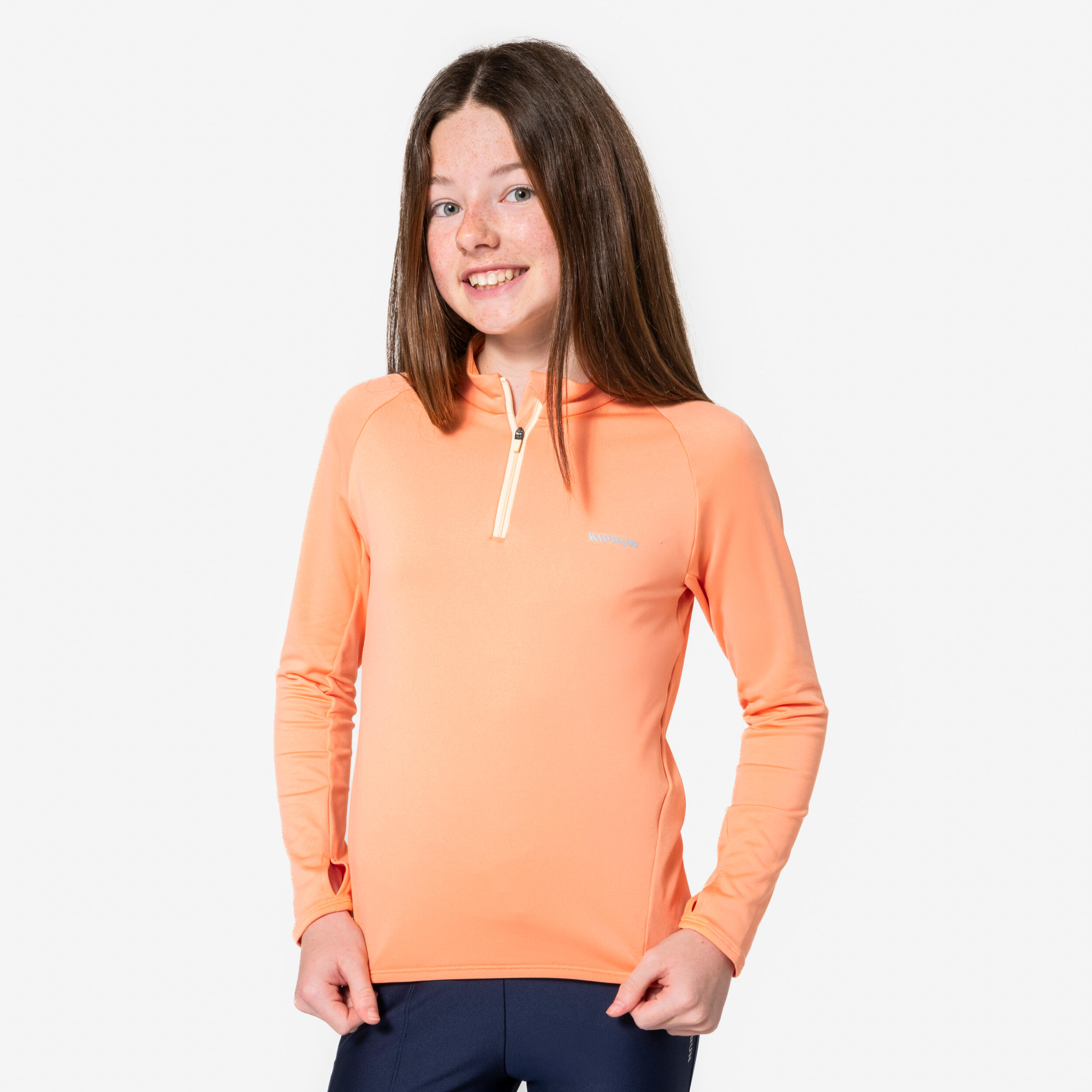
Start with a moisture-managing layer close to the skin, then add warmth and weather protection according to the conditions. A seamless SKINCARE top can function as a fitted base layer, while the brushed WARM 100 provides more insulation and includes a half-zip for easier dressing and temperature control. Pair the upper layers with suitable kids' running tights when full-leg coverage is needed. Avoid combining several heavy cotton garments because they can retain perspiration and become cold when activity slows. Remove damp clothing soon after training, particularly when the child is waiting outdoors or travelling home. Layers should move together without tight waistbands, bulky overlaps or restricted shoulder movement.

How should kids' running tops be washed and maintained?

Wash technical tops after sweaty sessions, so salt, dirt and body oils do not remain in the fibres. Most reviewed KIPRUN garments should be machine-washed at no more than 30 degrees and should not be tumble-dried, ironed, bleached or dry-cleaned. Avoid fabric softener because it can coat moisture-managing fibres and reduce their ability to transfer perspiration. Air dry each top fully and store winter base layers in a dry, ventilated place. Add suitable kids' running jackets when wind or rain requires an outer layer rather than using the jacket to replace breathable clothing underneath. Inspect seams, zips, stretch zones and hems regularly when the garment is used frequently for school sport or athletics clubs.