231 items
4.7/5 based on 226915 reviews collected online and in stores

MEN'S RUNNING SOCKS FAQS

When should you wear high running socks?

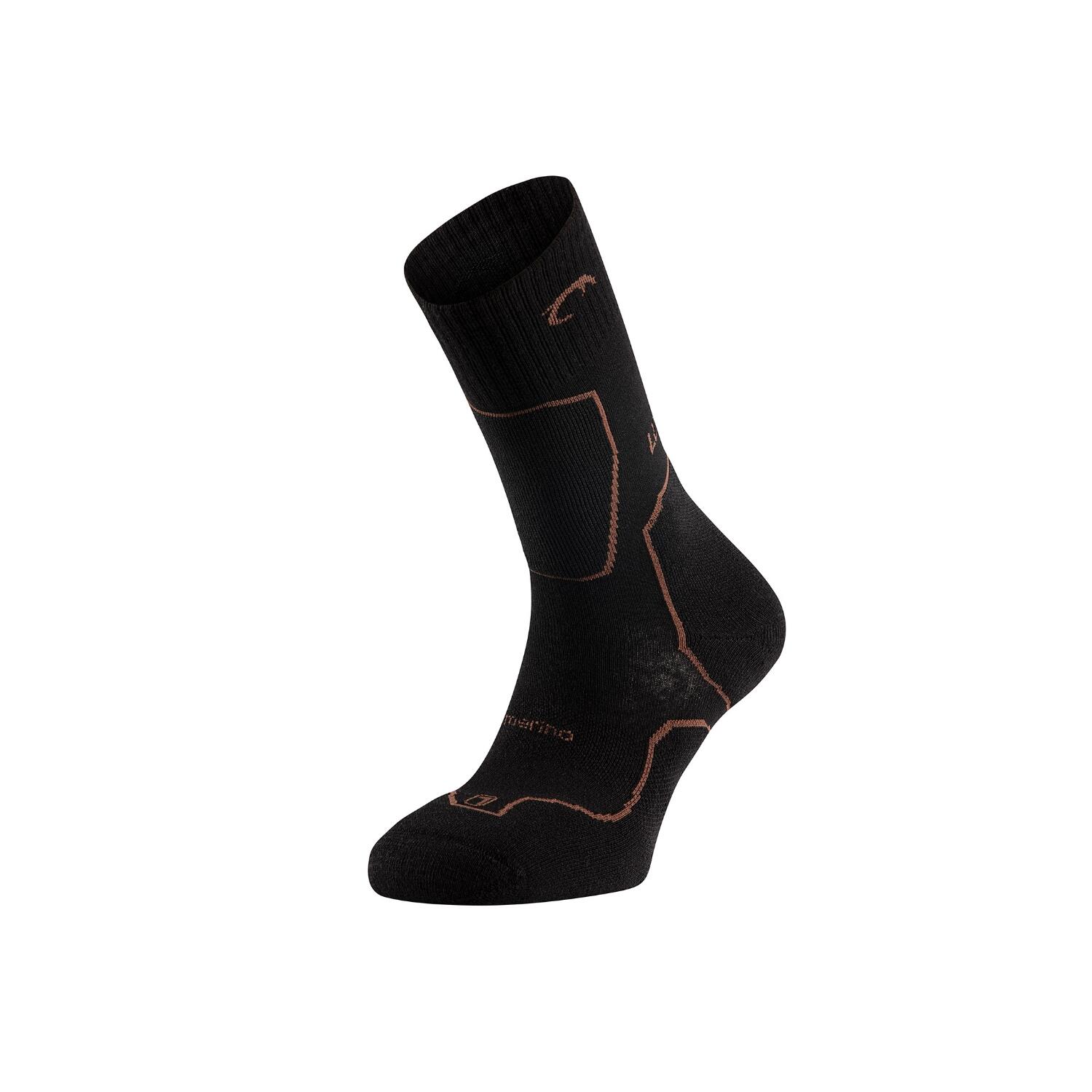
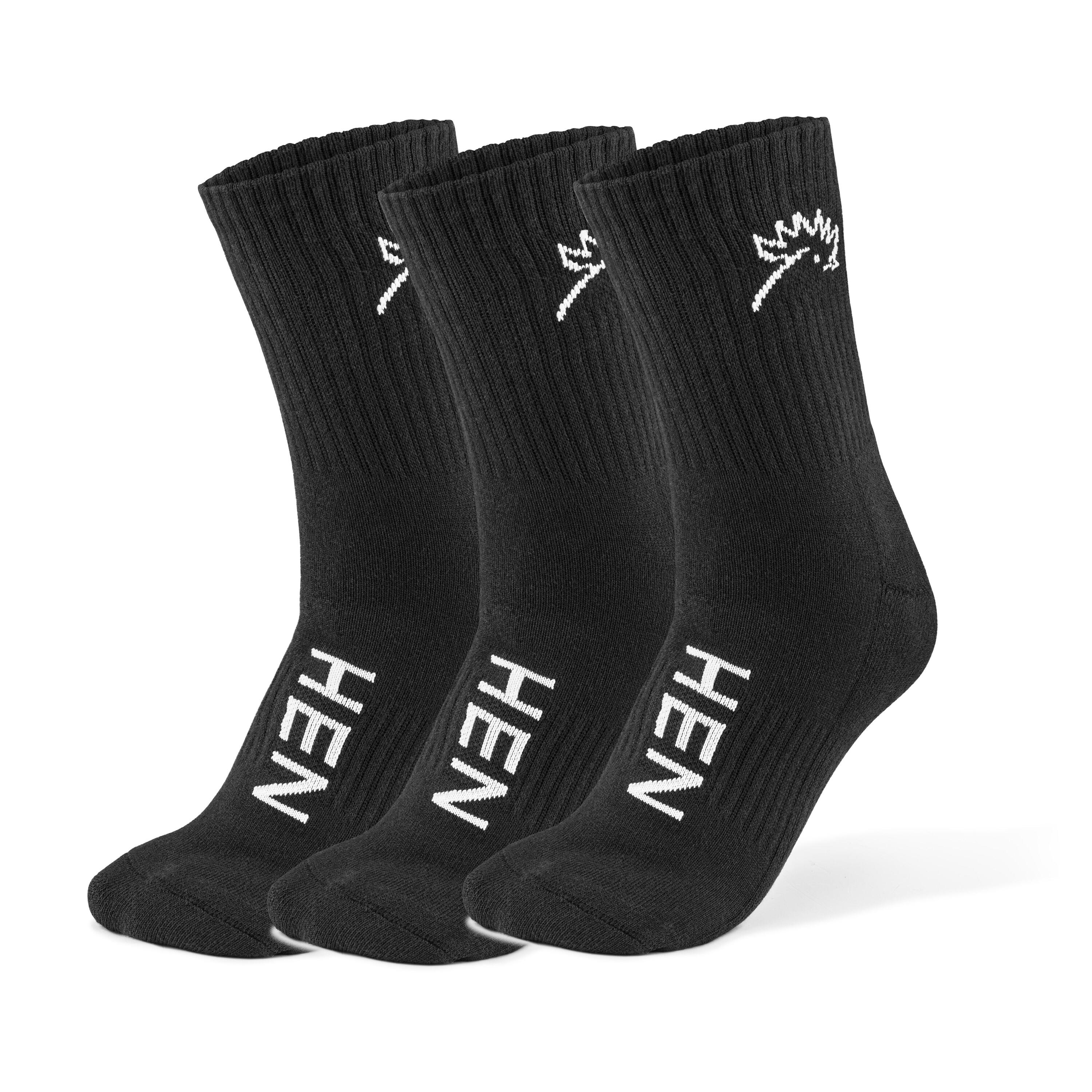
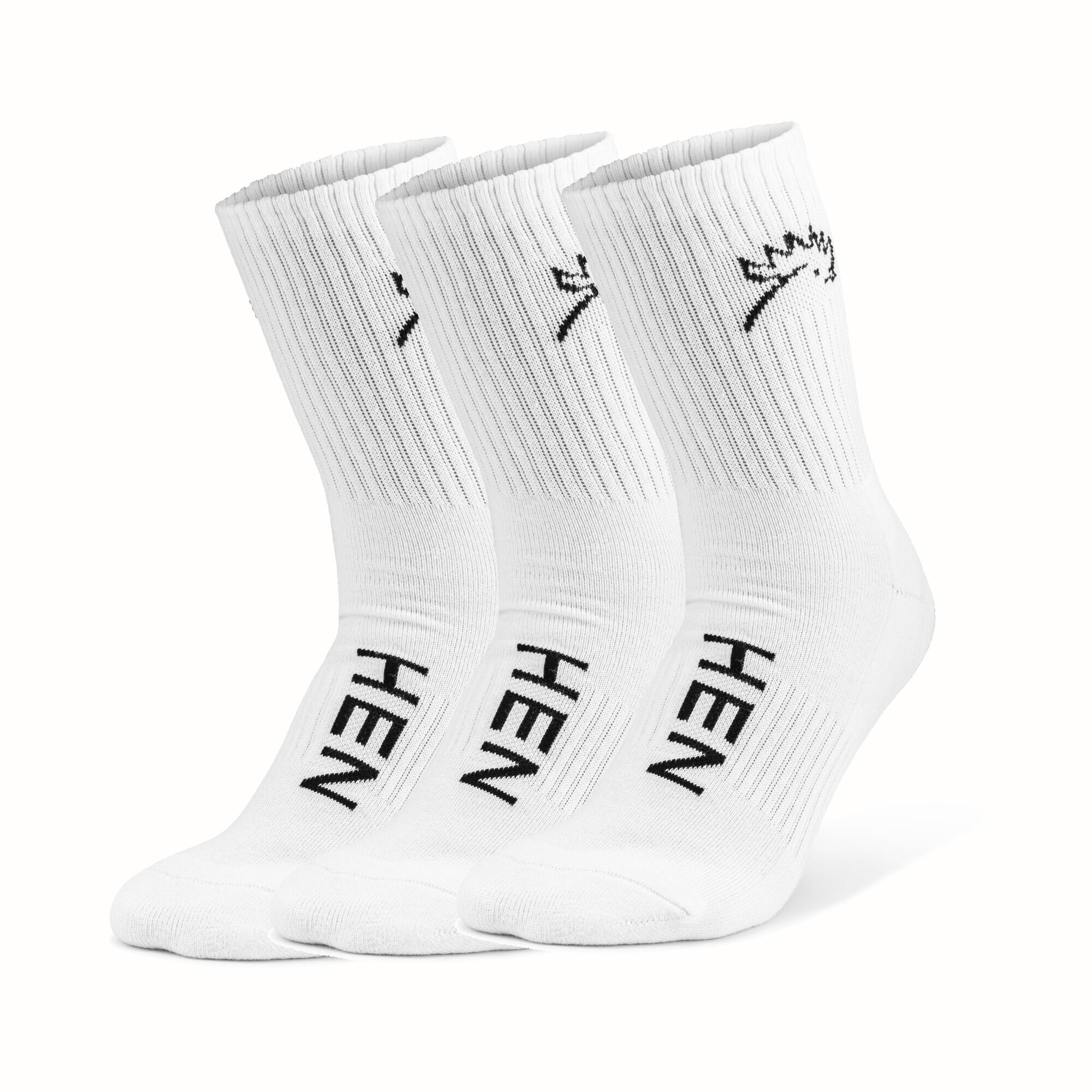
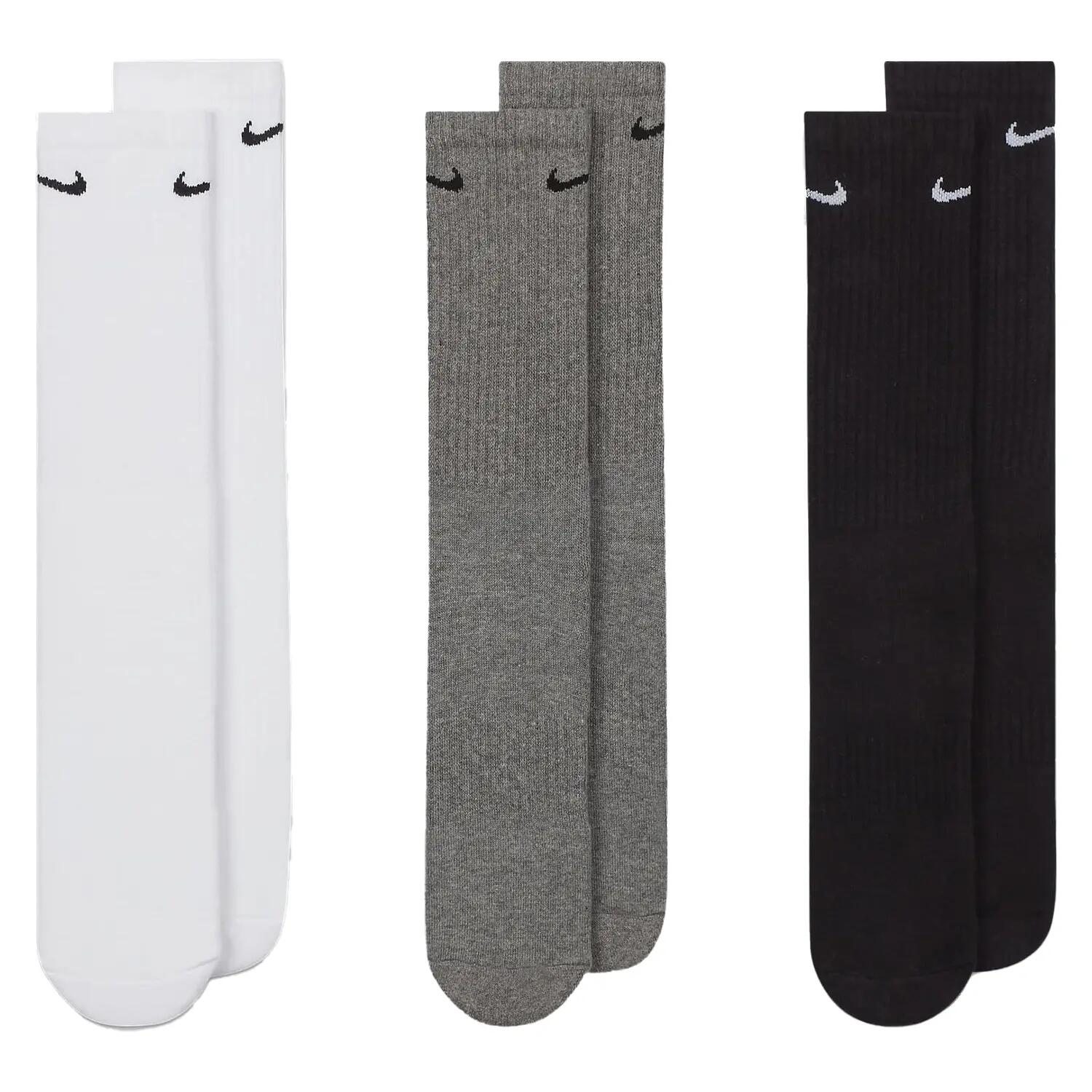
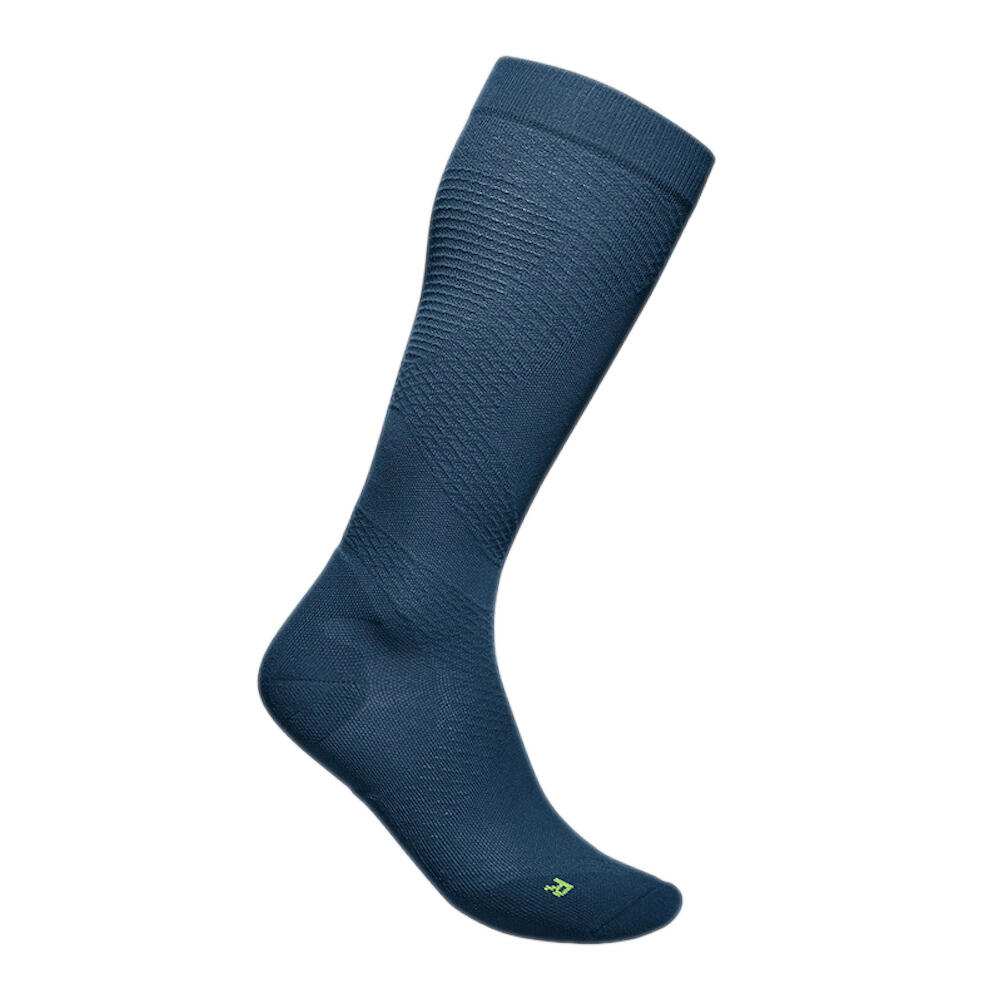
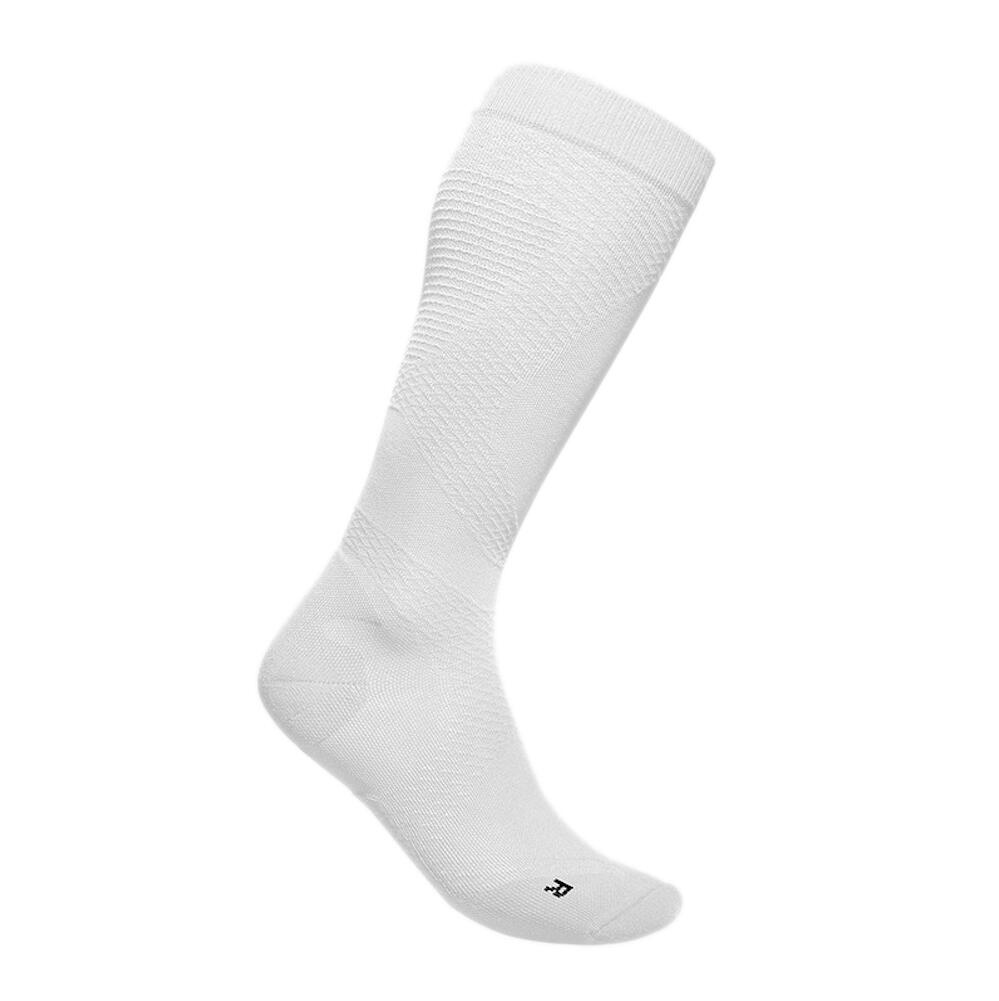
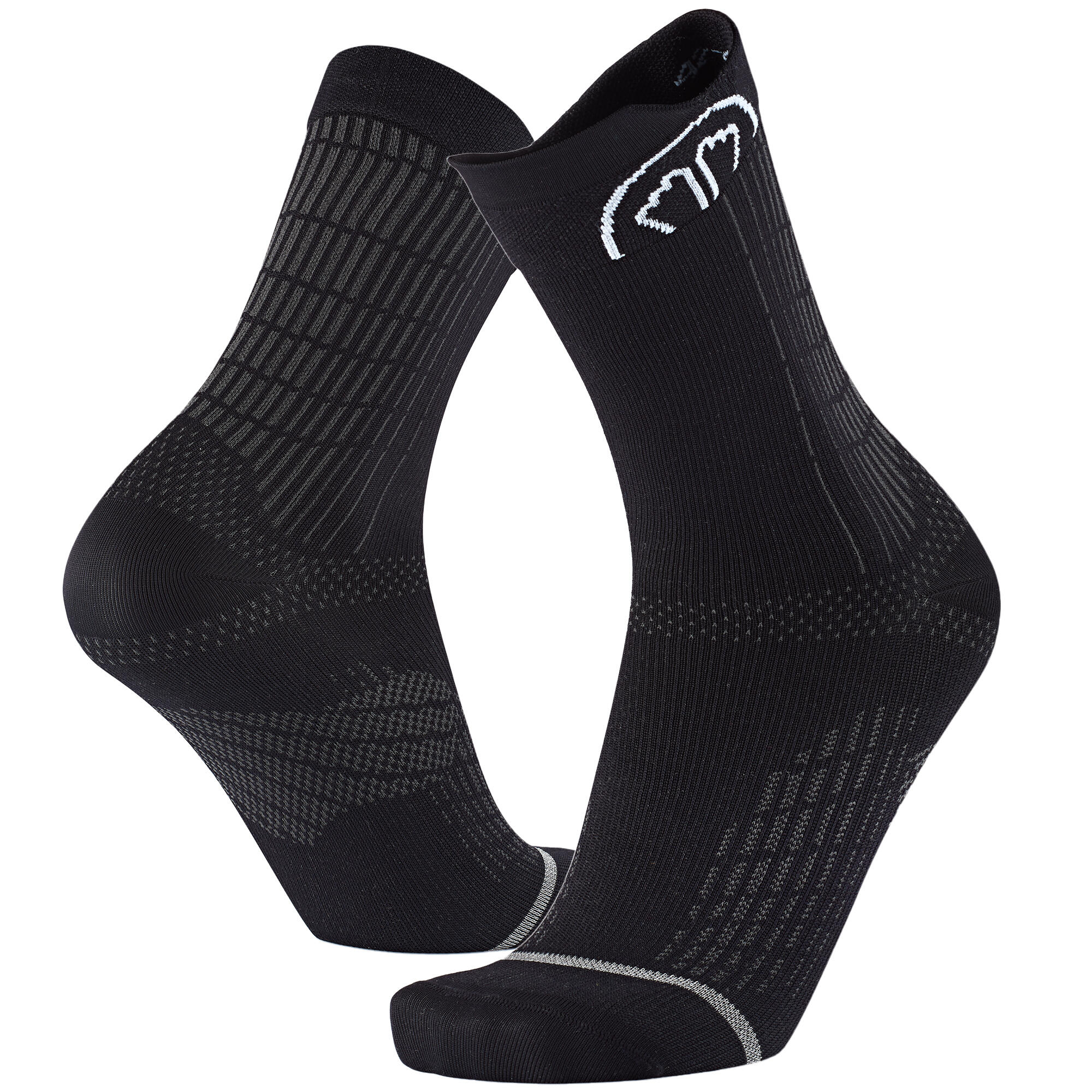
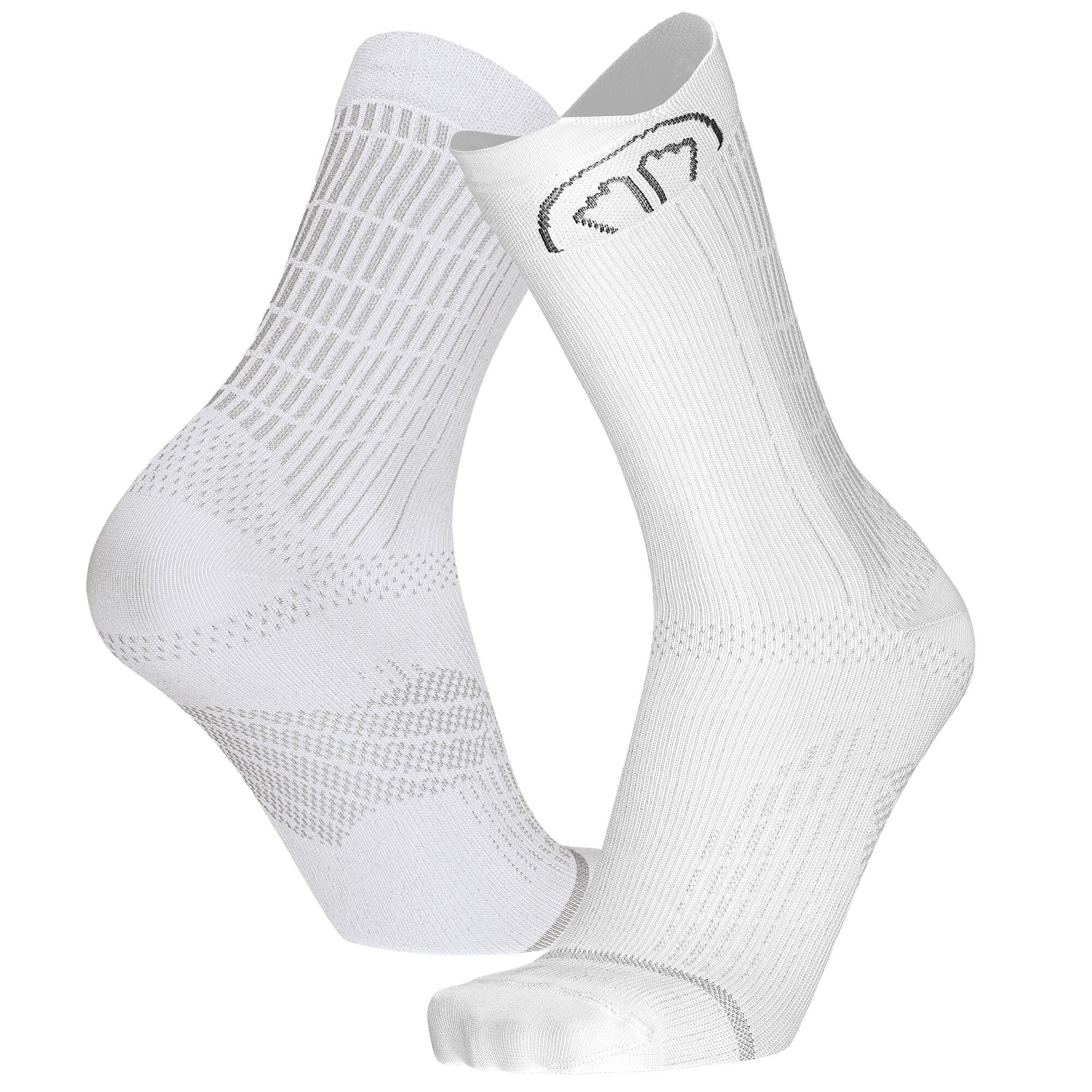
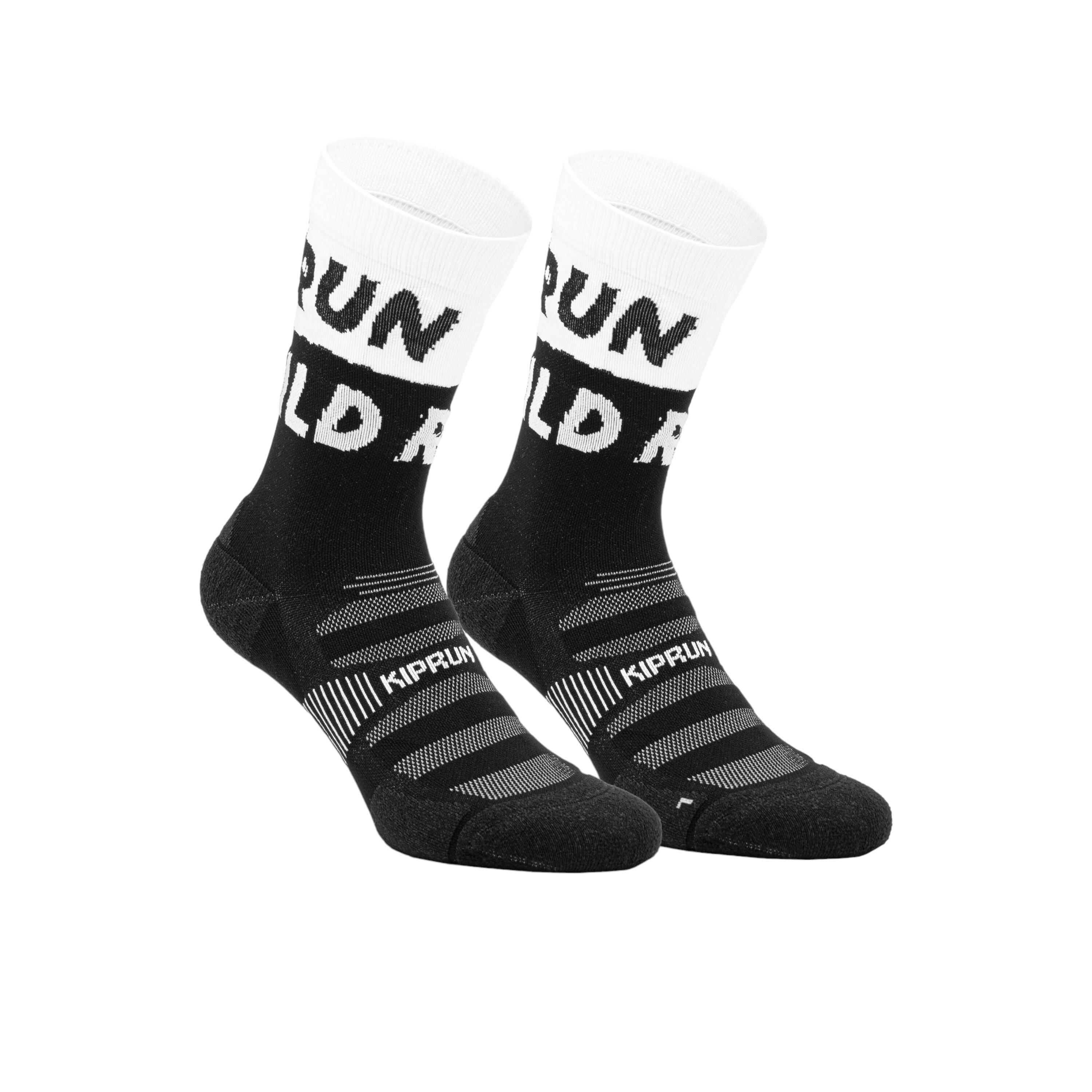
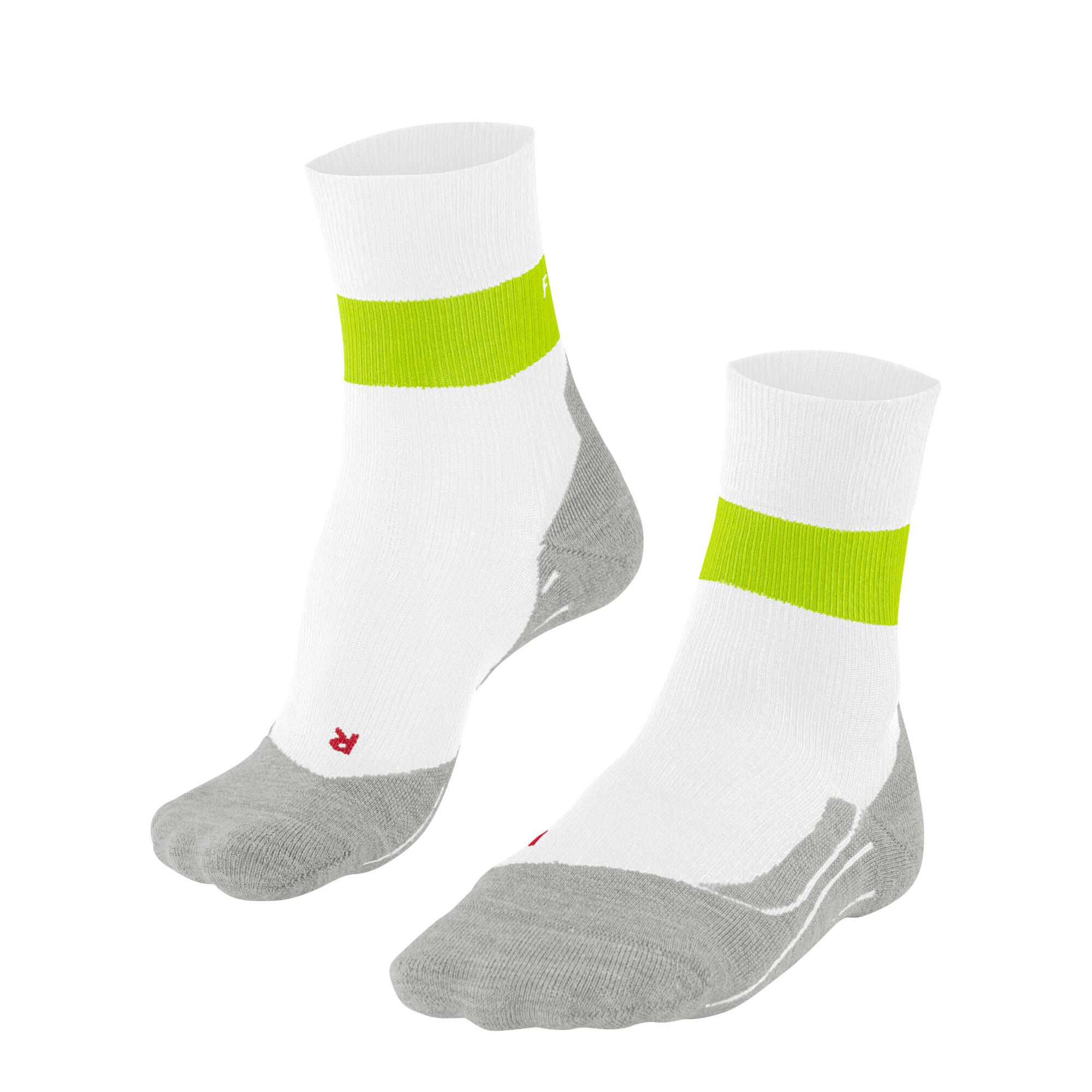
Sock height affects the level of coverage and protection your lower leg receives on the run. High running socks help shield the shin and lower calf from trail debris, cold wind and chafing during longer sessions. Men's running high socks also provide extra warmth and a secure fit through autumn and winter, staying comfortably in place on damp Dublin pavements without slipping mid-stride.

Which running socks suit fast summer road sessions?

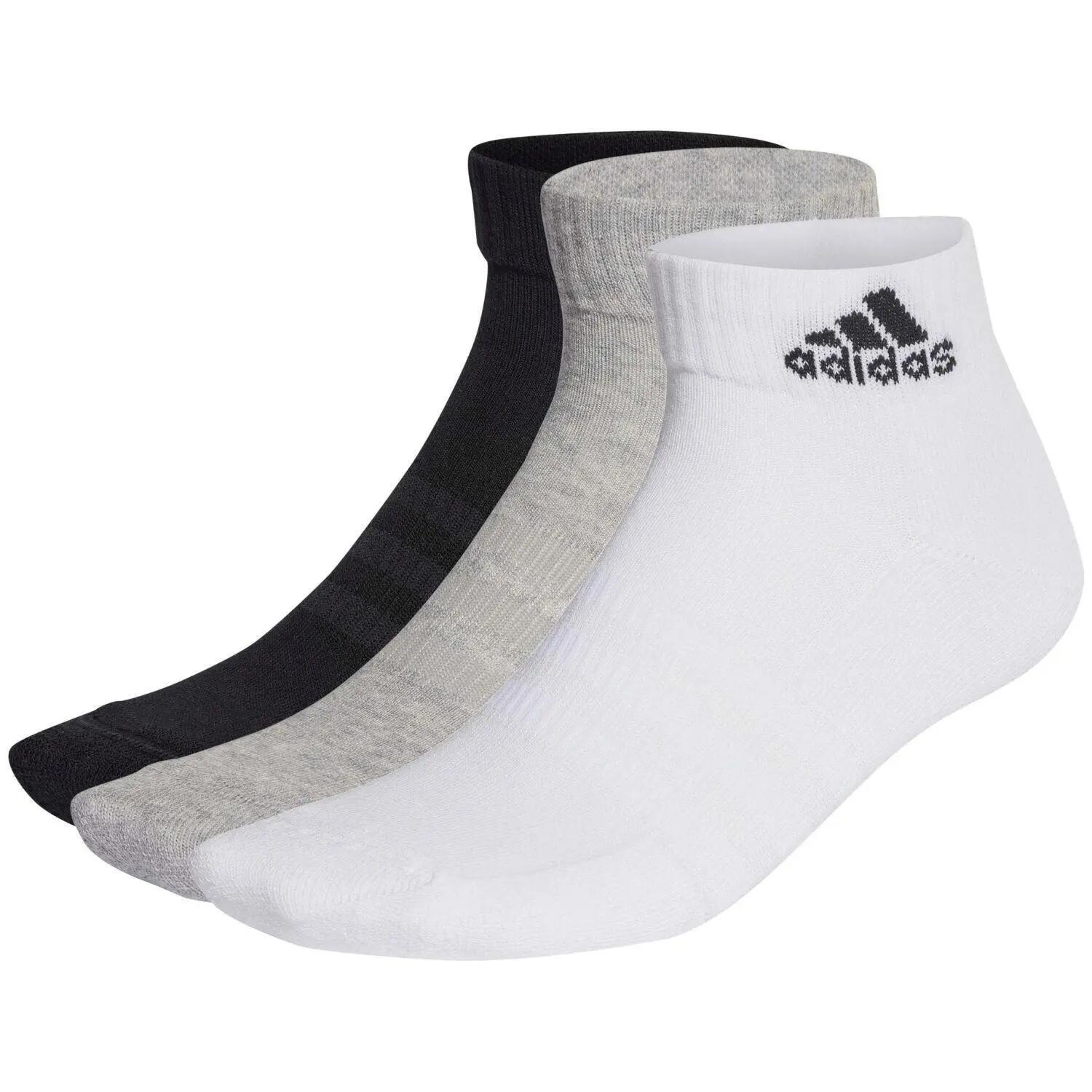
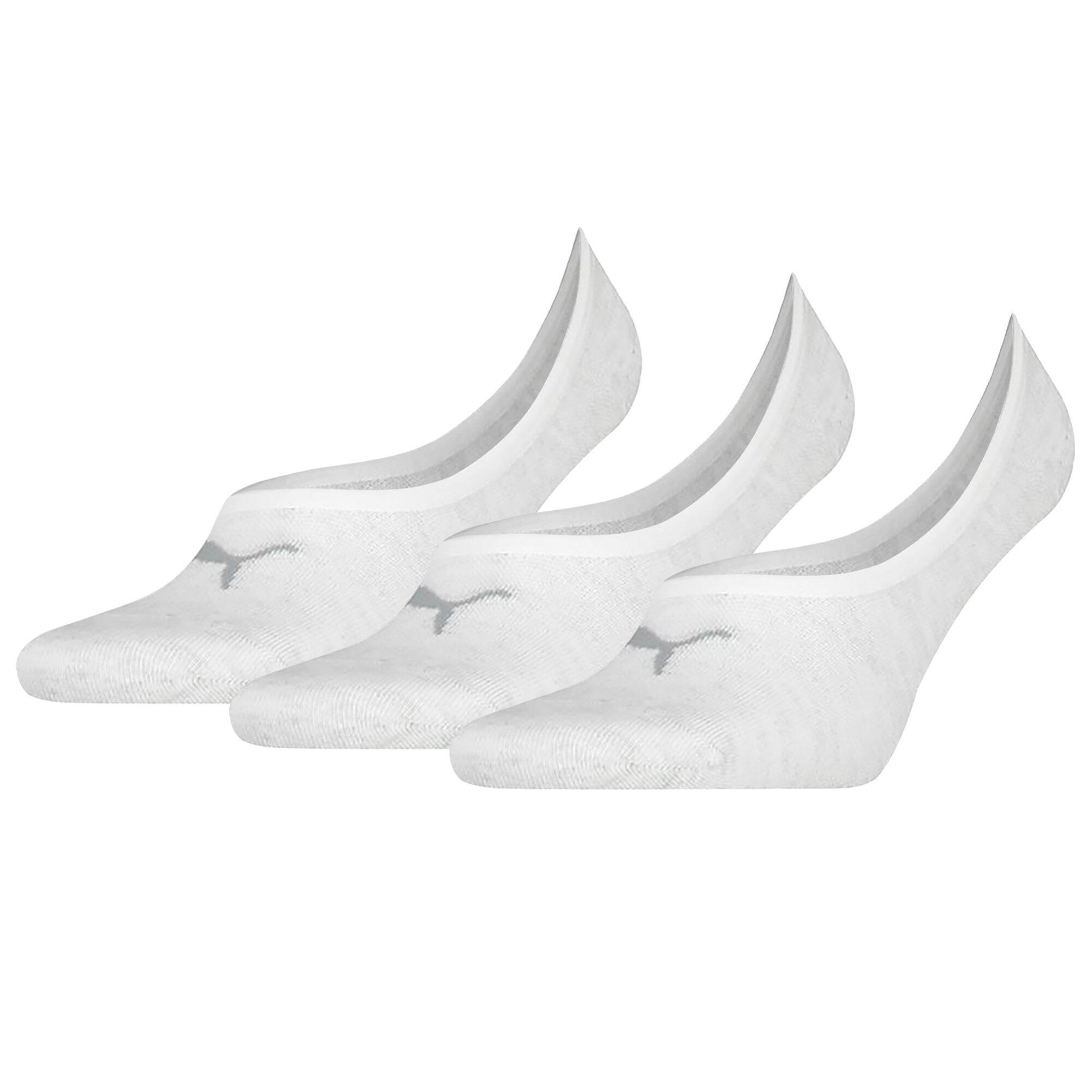
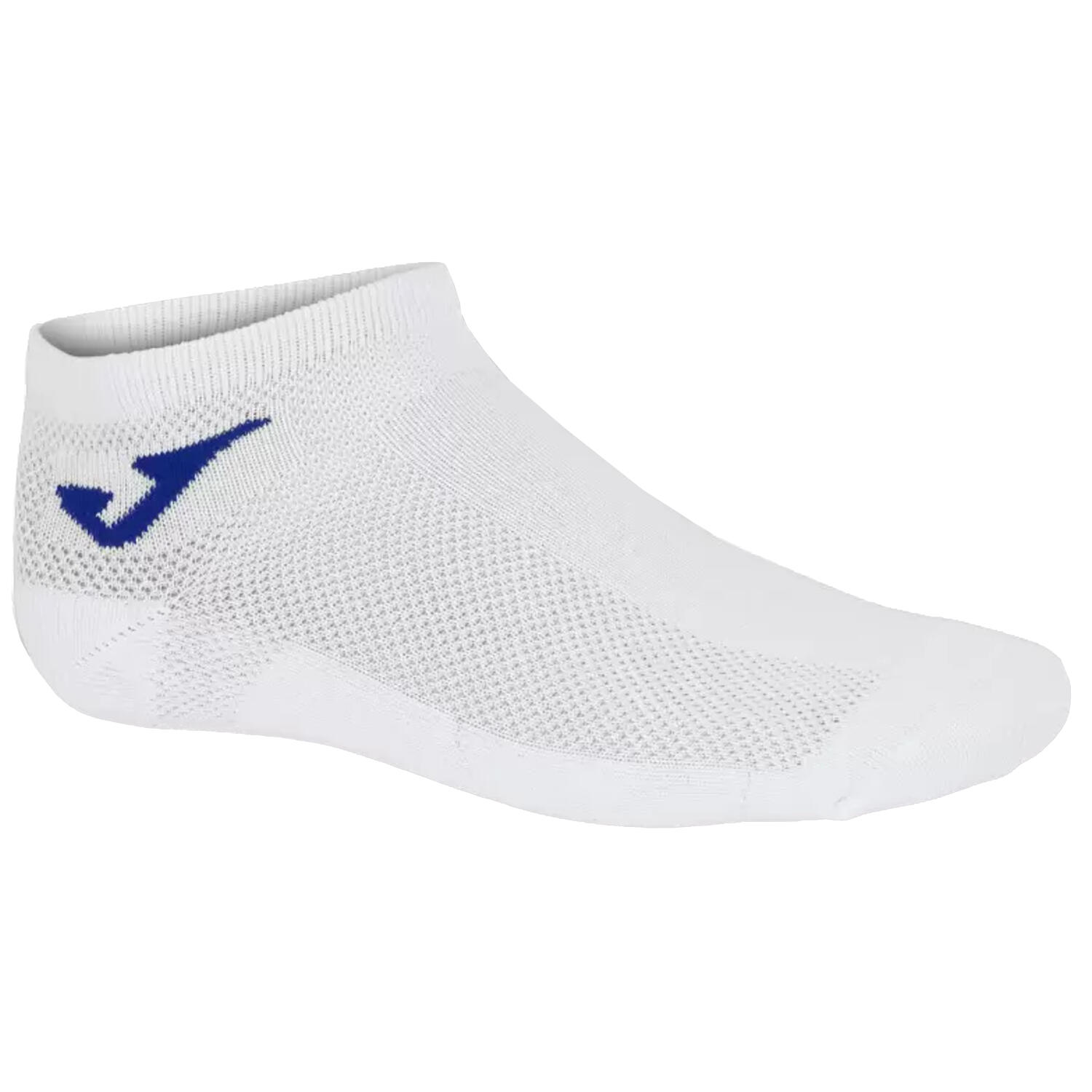
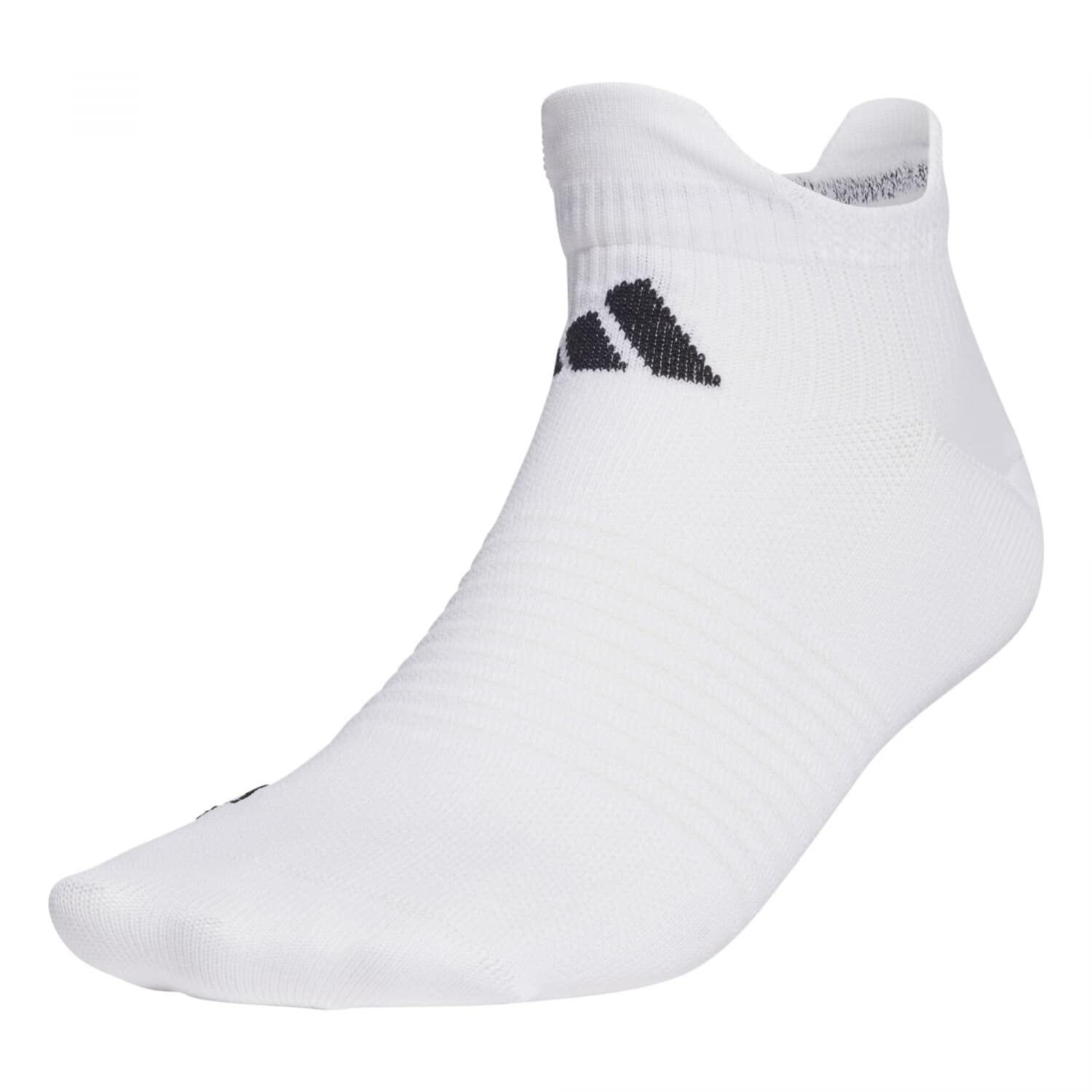
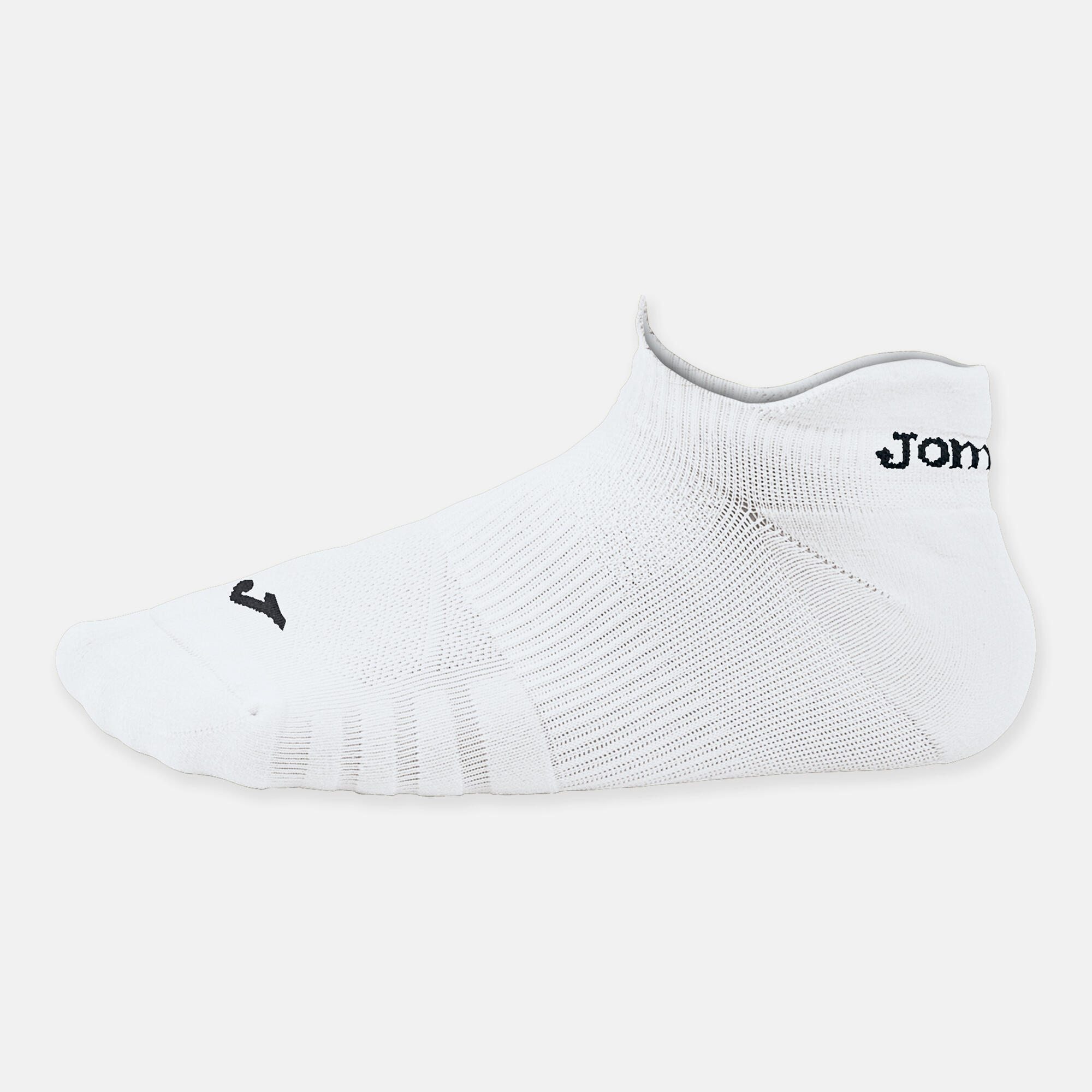
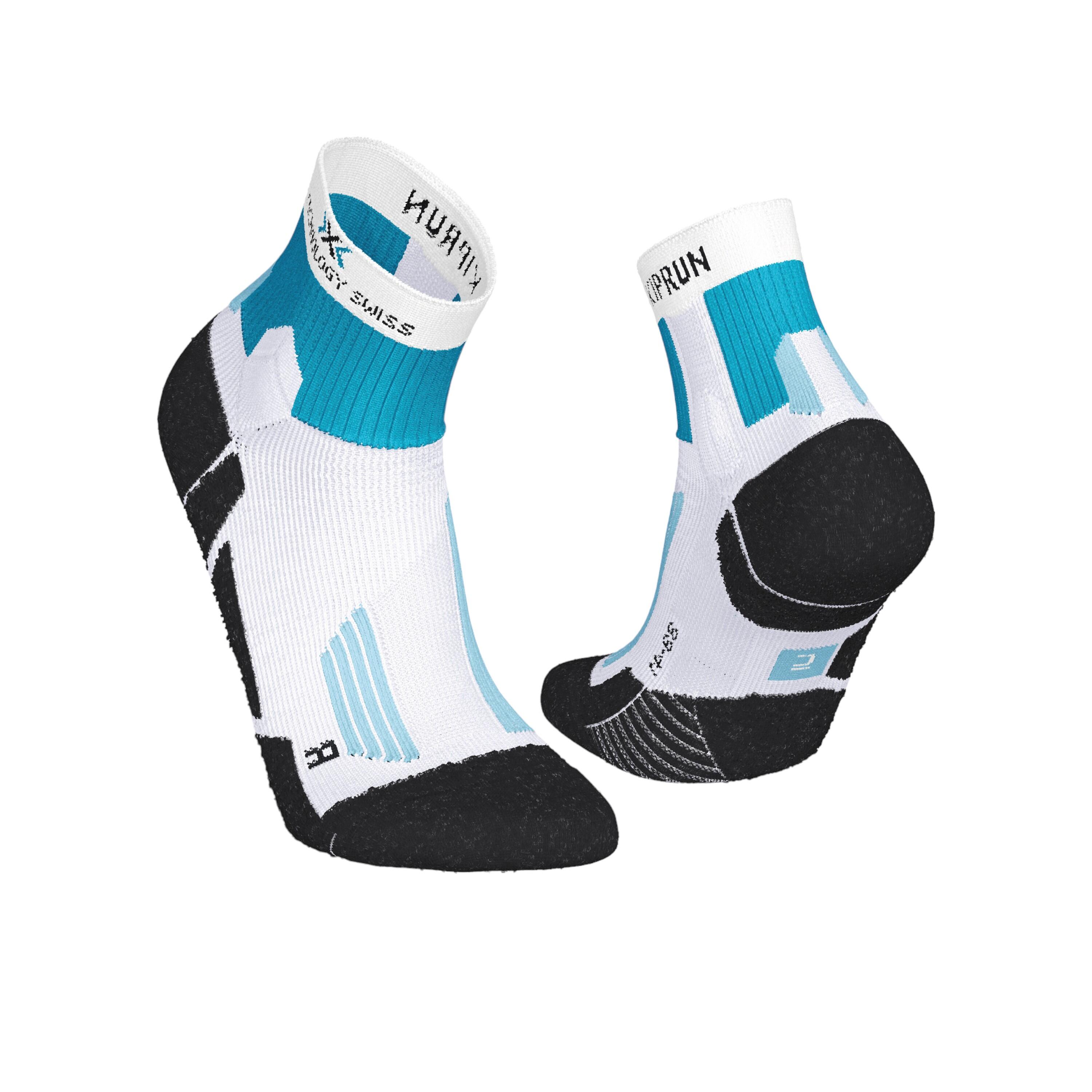
Warm, dry summer mornings call for a lighter setup that keeps feet cool once the pace lifts. Low-cut pairs sit below the ankle bone, trimming bulk and letting heat escape so your skin stays fresh across parkrun efforts and short, sharp interval reps. Breathable mesh panels across the top of the foot move sweat outward fast, cutting the squelch that leads to hot spots. Plenty of athletes switch to men's running low socks once the clocks change and the roads dry out, pairing them with breezy trainers for that fuss-free, fast feel. Practical advice: size down a touch in low-cut pairs so the heel cup grips and never slips below the trainer collar mid-run.

Do compression running socks help on long runs?

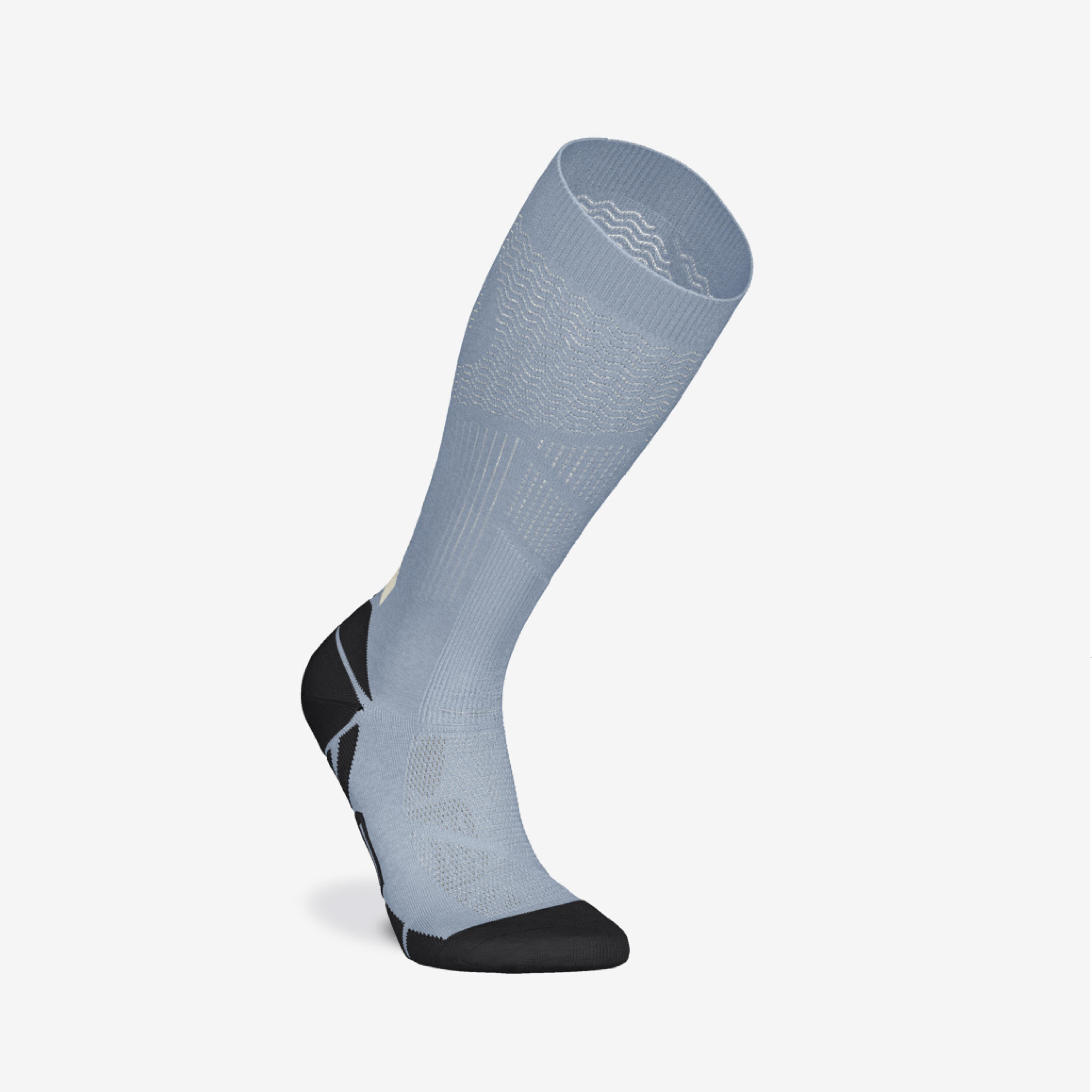
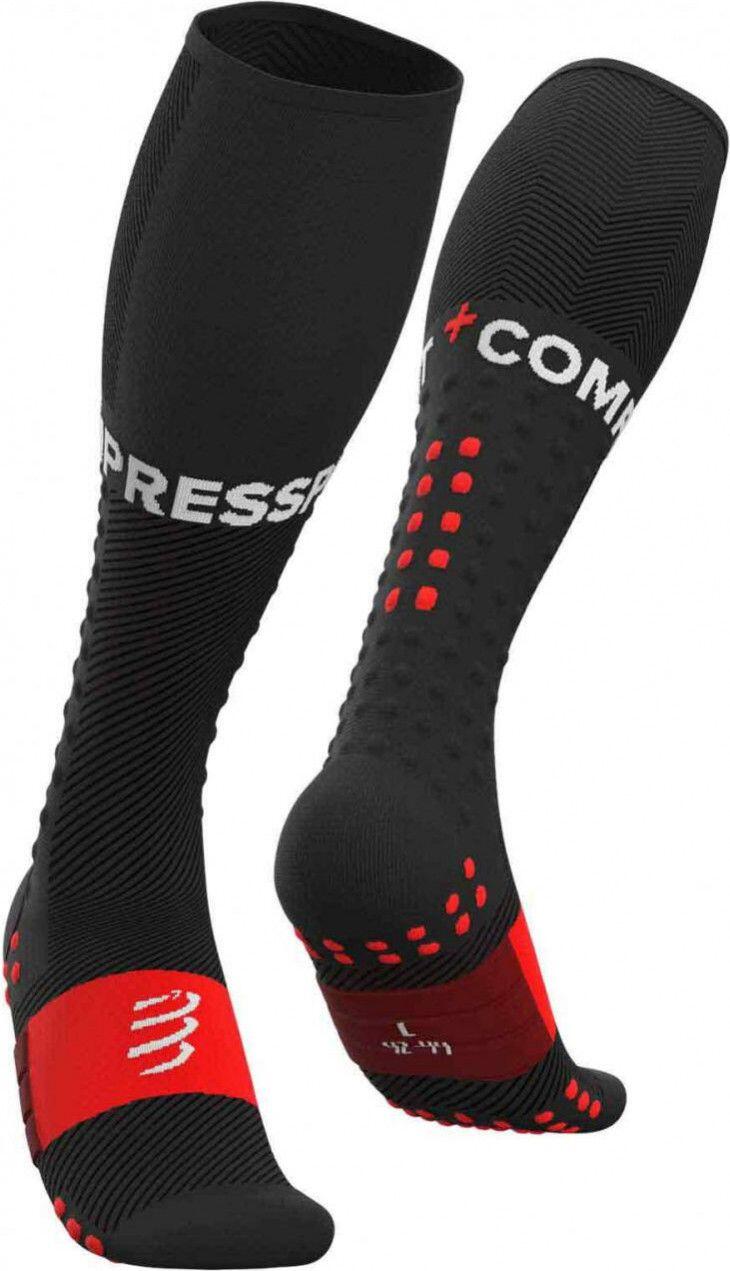
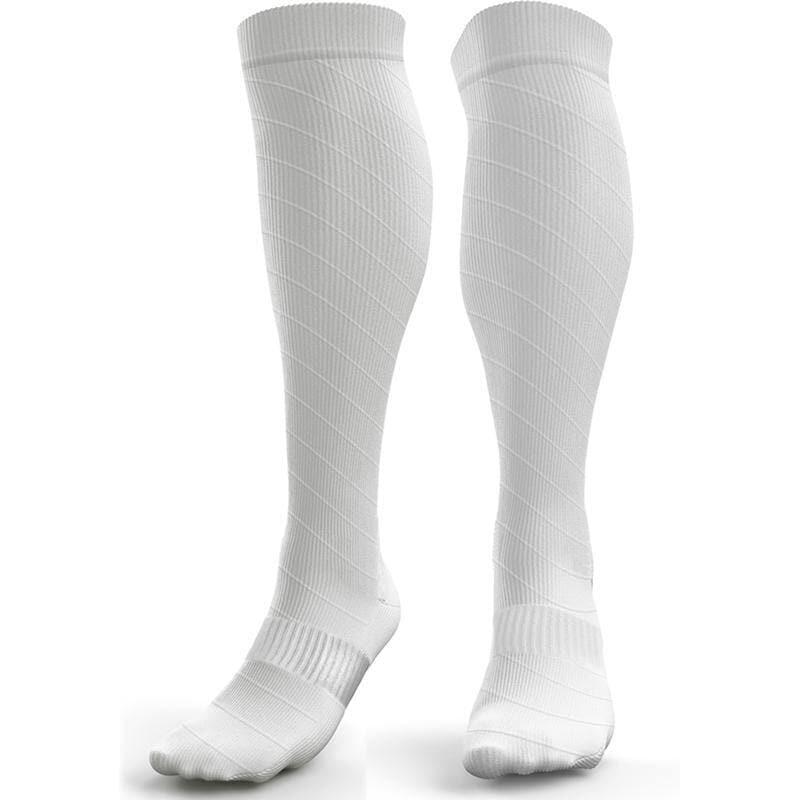
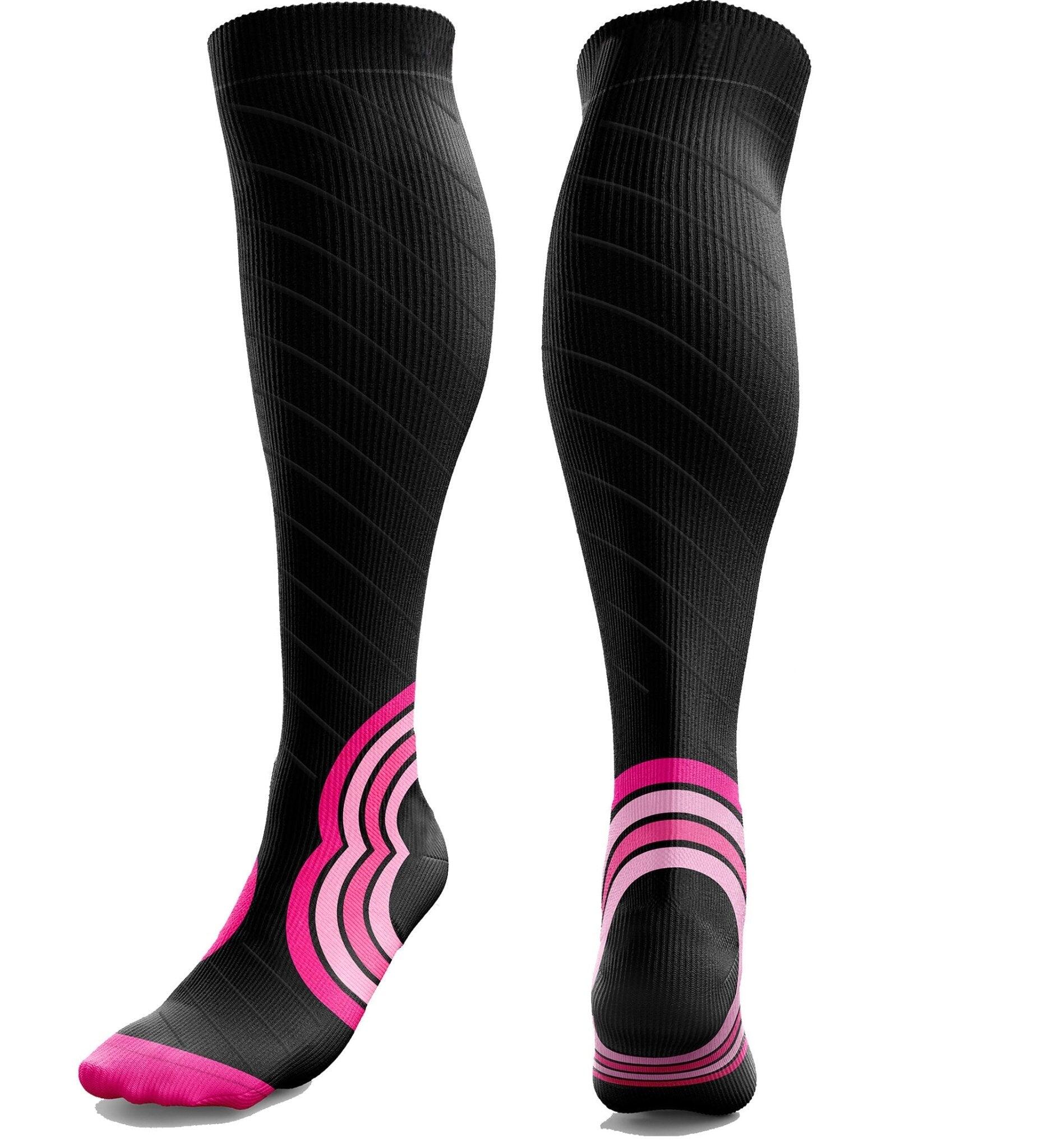
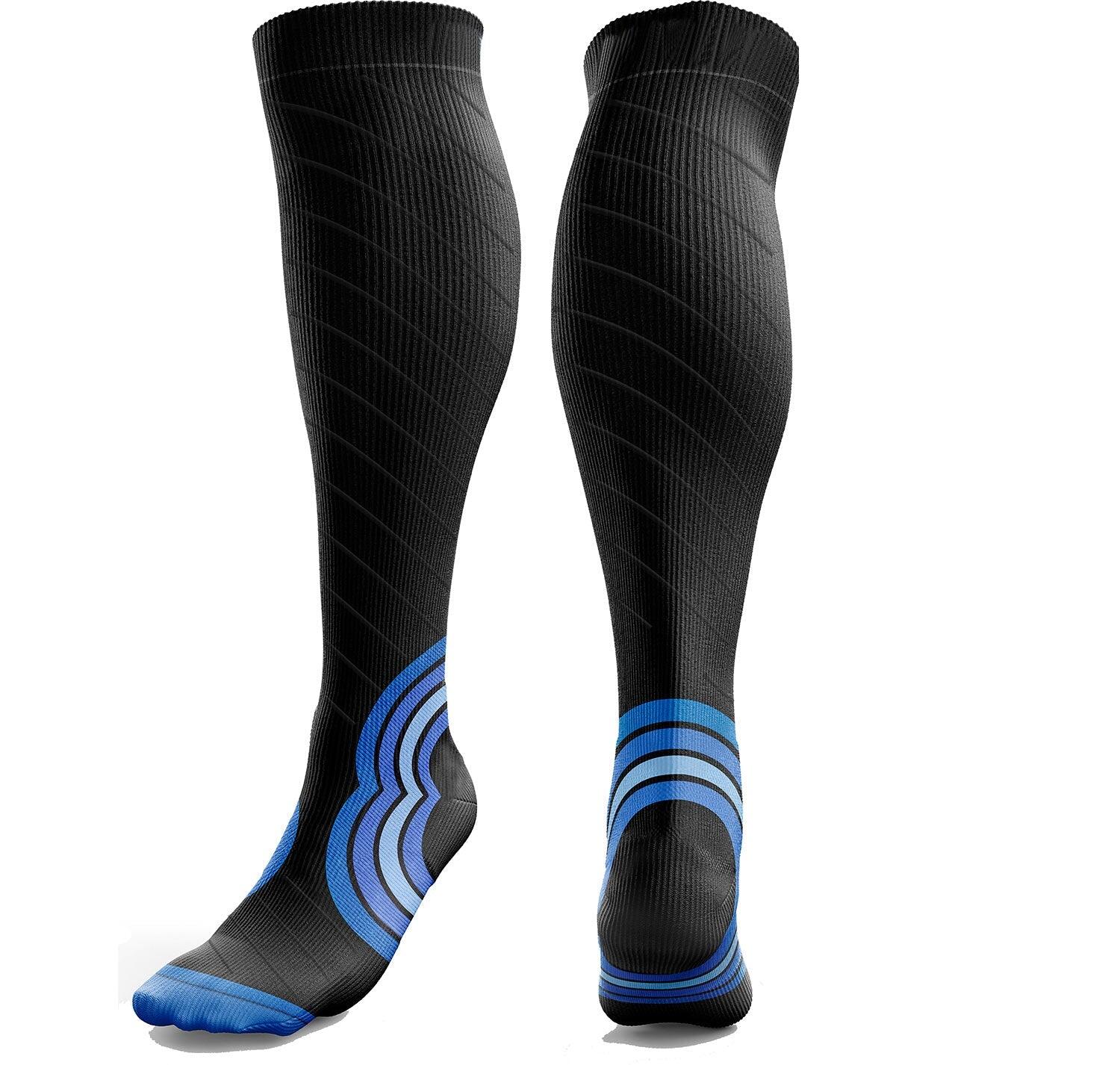
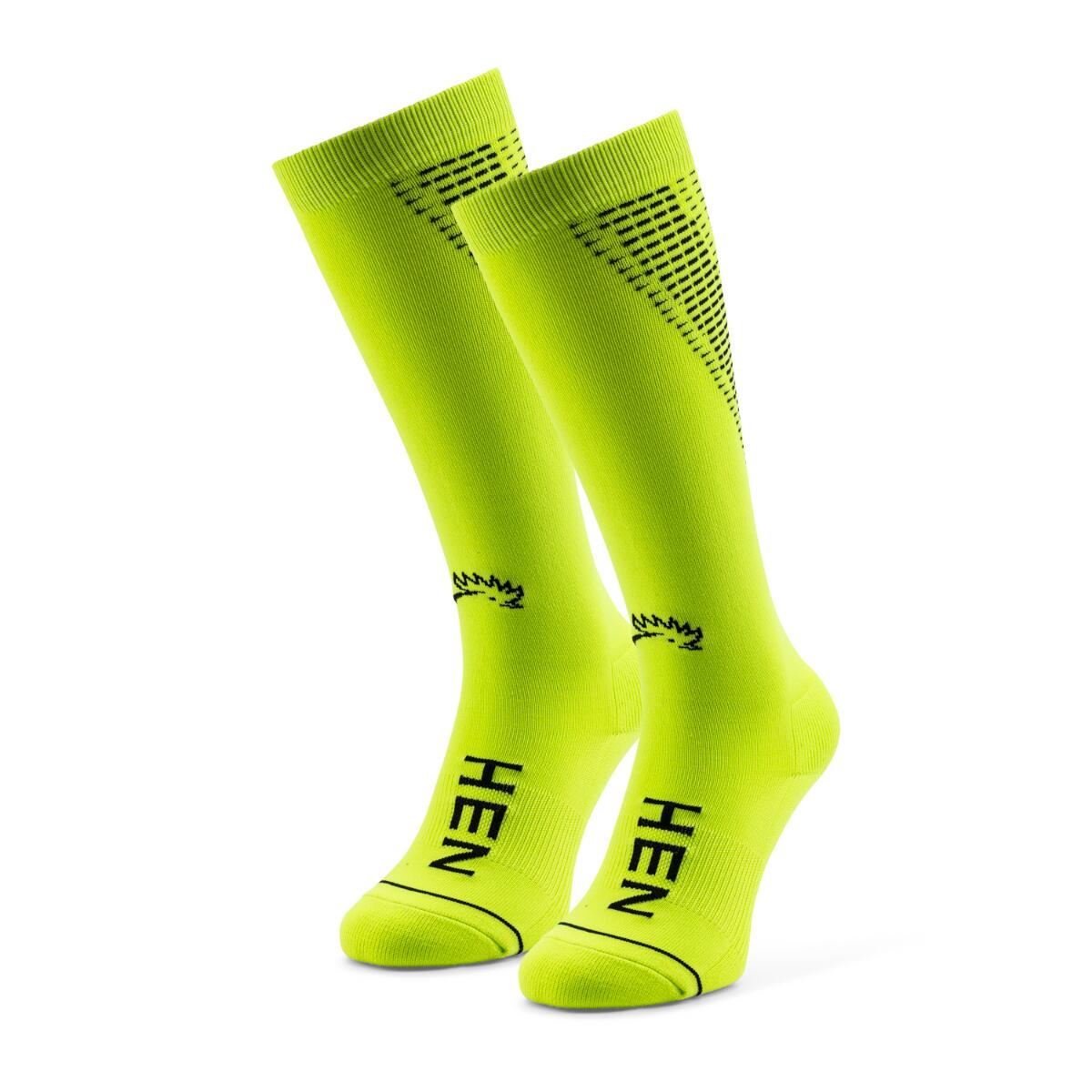
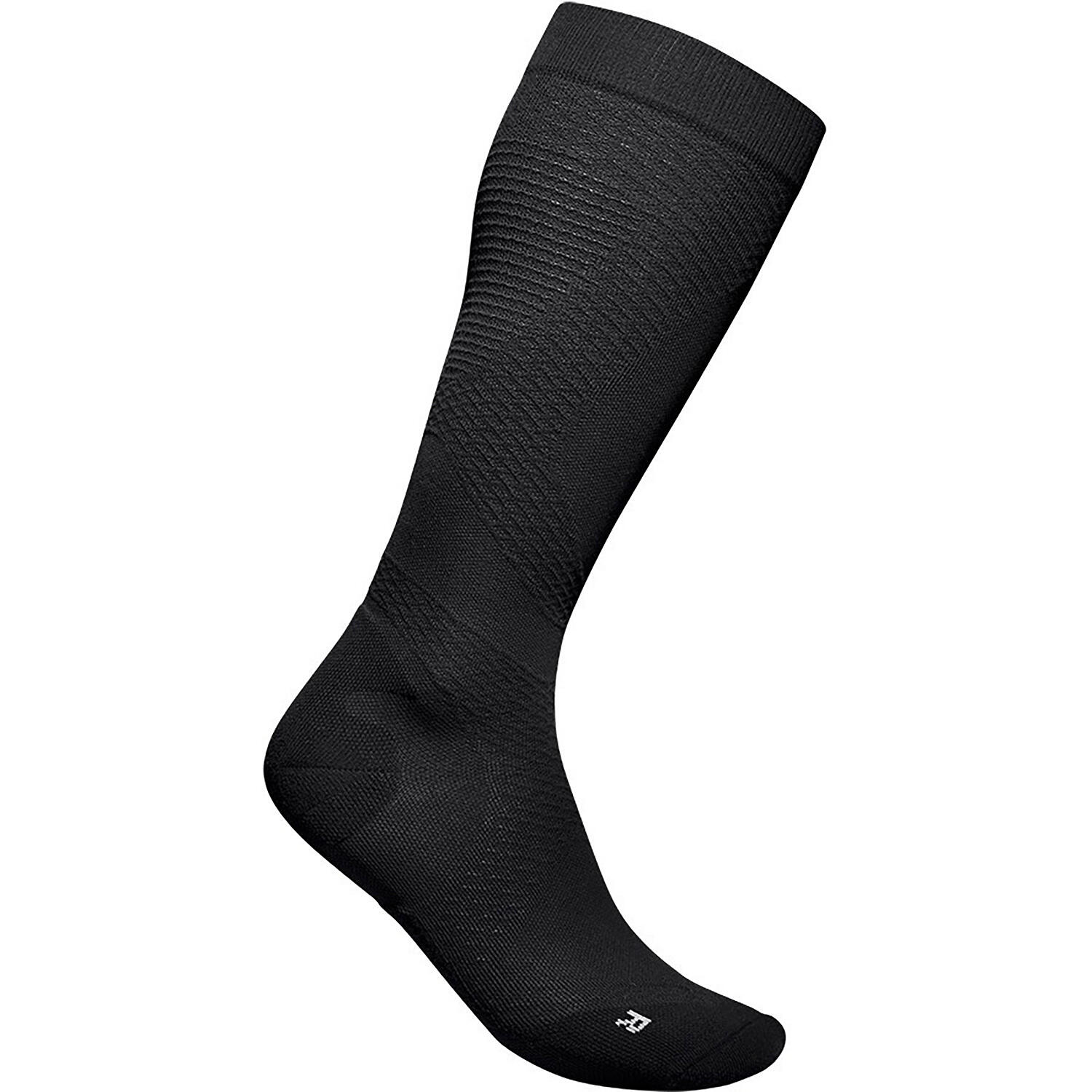
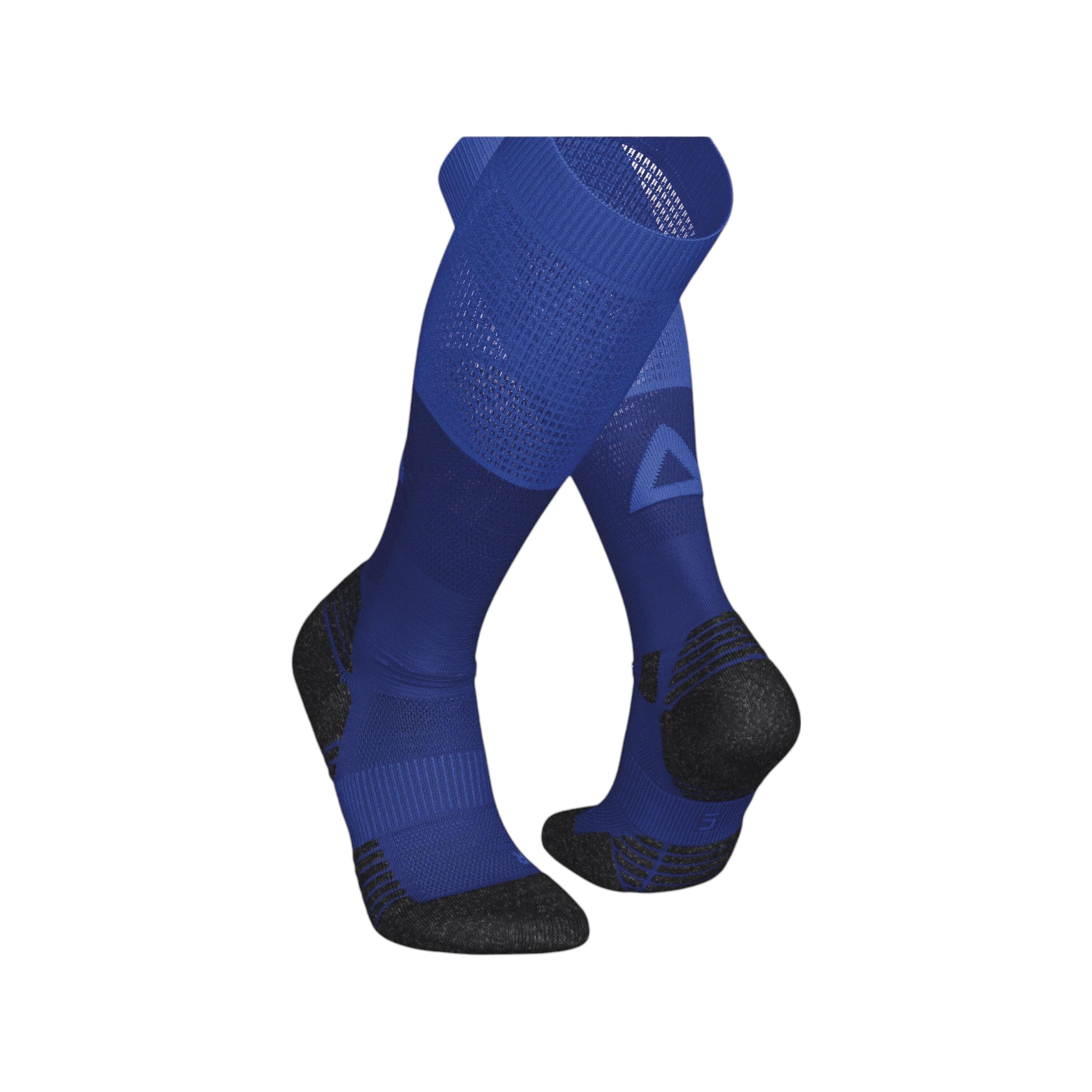
Heavy legs in the back half of a long run are often a circulation problem as much as a fitness one. Graduated compression hugs the calf tightest at the ankle and eases off higher up, nudging blood back toward the heart and trimming the muscle wobble that drains your turnover late on. The payoff shows up as fresher legs over half-marathon distance and a quicker bounce-back the morning after. Endurance athletes building big weekly mileage lean on men's running compression socks for that steady, propped-up feeling, and many wear them for travel and recovery between hard sessions, too. Expert tip: pull compression socks on first thing, before your feet swell, so the graduated squeeze sits exactly where it should.
What are the best anti-blister running socks for long-distance marathon training?

When training for a marathon over high weekly mileage, choosing specialized anti blister running socks is essential for preserving foot health and preventing friction breakdown. Anti-blister socks rely on friction-mitigating yarns like PTFE-treated synthetic fibers or friction-free polyamides in high-rub zones around the heel, toe box, and Achilles tendon. The technical "why" behind anti-blister engineering comes down to moisture management and dual-layer yarn sliding: when sweat builds up, wet skin softens and becomes highly vulnerable to shear forces against the shoe lining. Anti-friction fabrics pull moisture away rapidly while allowing micro-layers within the sock knit to absorb foot motion rather than transferring friction to your epidermal skin layers. Furthermore, high-performance designs from technical brands like Kiprun feature anatomical left-and-right foot shaping to eliminate excess fabric bunching in the arch and forefoot. Pairing specialized anti-friction socks with well-cushioned running shoes ensures a completely friction-free stride from first kilometer to the marathon finish line. Pro-tip: Ensure your running shoes have roughly a thumb's width of space at the toes to prevent friction pressure points when high-mileage runs cause natural foot swelling.

What are the best breathable running socks to help prevent black toenails?

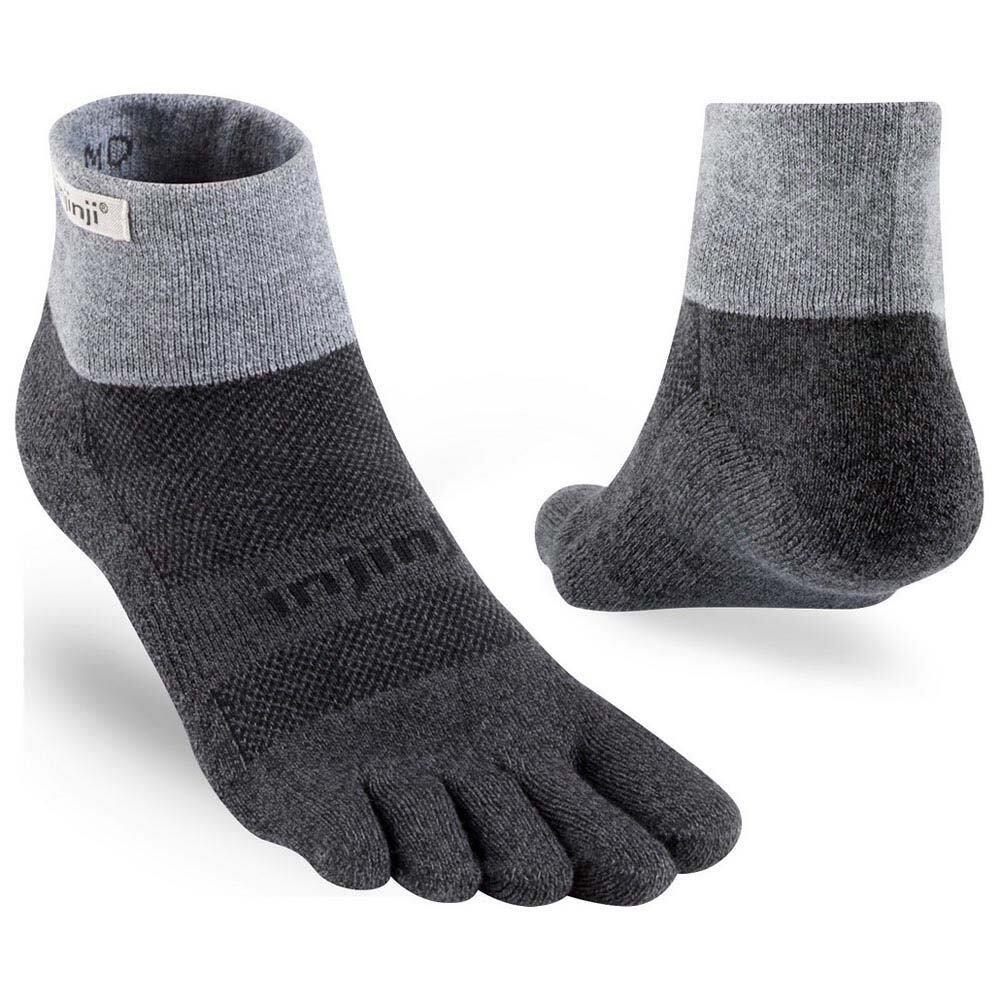
To prevent black toenails (subungual hematomas) caused by micro-trauma from repeated toe impact against shoe toe-boxes, selecting ultra-breathable running socks with dedicated toe padding and moisture-wicking open mesh is crucial. Black toenails typically occur when damp skin and swollen feet cause the toes to slide forward and repeatedly strike the front of the shoe, forcing blood to pool beneath the nail bed. Breathable running socks incorporate open-knit mesh ventilation zones across the top of the foot to accelerate sweat evaporation and maintain a cool internal shoe microclimate, minimizing heat-induced swelling. Additionally, seamless toe seam technology removes the raised stitch line over the nail beds, preventing friction pressure against sensitive nail tissue. Pro-tip: Always trim toenails straight across rather than curved before long runs, and choose socks with terry-loop padding beneath the toe tips to absorb forward impact forces on steep descents.

Which men's running socks work best with cold-weather running kit?

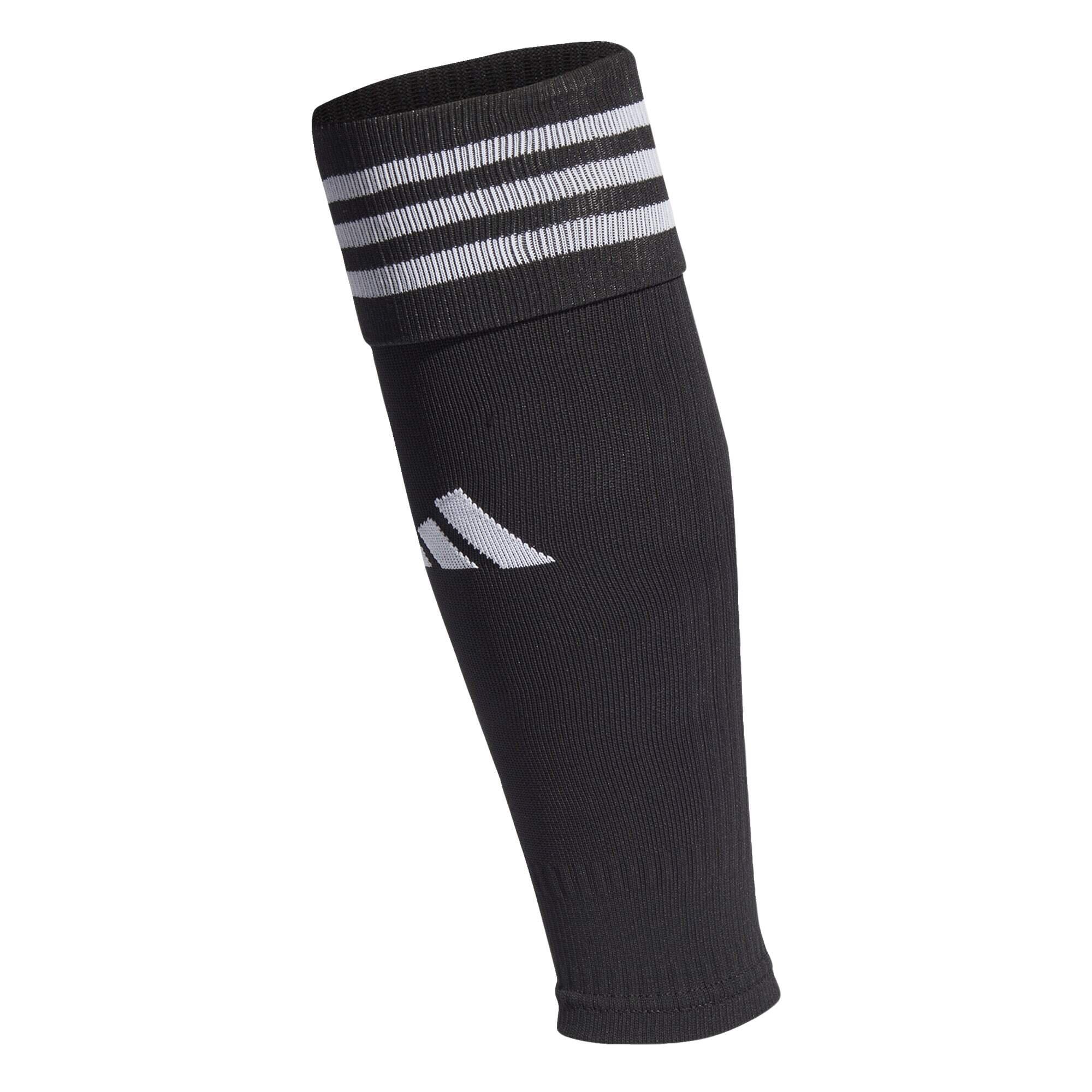
Sock choice rarely works in isolation once the temperature drops and the wind picks up along the coast. Tall socks overlap neatly with a fitted lower leg, sealing out draughts and stopping that cold gap at the ankle that ruins a frosty morning session. Full-length bottoms trap warmth around the calf and shin, where blood flow matters most, keeping muscles loose and ready to fire. Cold-season runners often pair thicker mid-calf pairs with men's running trousers cut close at the hem, creating a snug seal from knee to toe that holds up in January headwinds.

How do you build a running sock setup for changeable weather?

A smart sock rotation answers the forecast rather than the calendar, since one week can swing from bright and mild to lashing rain. Building a small stable of weights covers every outing: thin pairs for breezy speed days, cushioned mid-calf for chilly long runs, and seamless toe styles for blister-prone feet on rough ground. Match the height and thickness to the kit on your legs, so airy ankle socks sit happily beside men's running shorts on a warm evening loop, while taller, denser pairs carry the colder, wetter miles. Sorting this once means grabbing the right pair takes seconds before you head out the door.