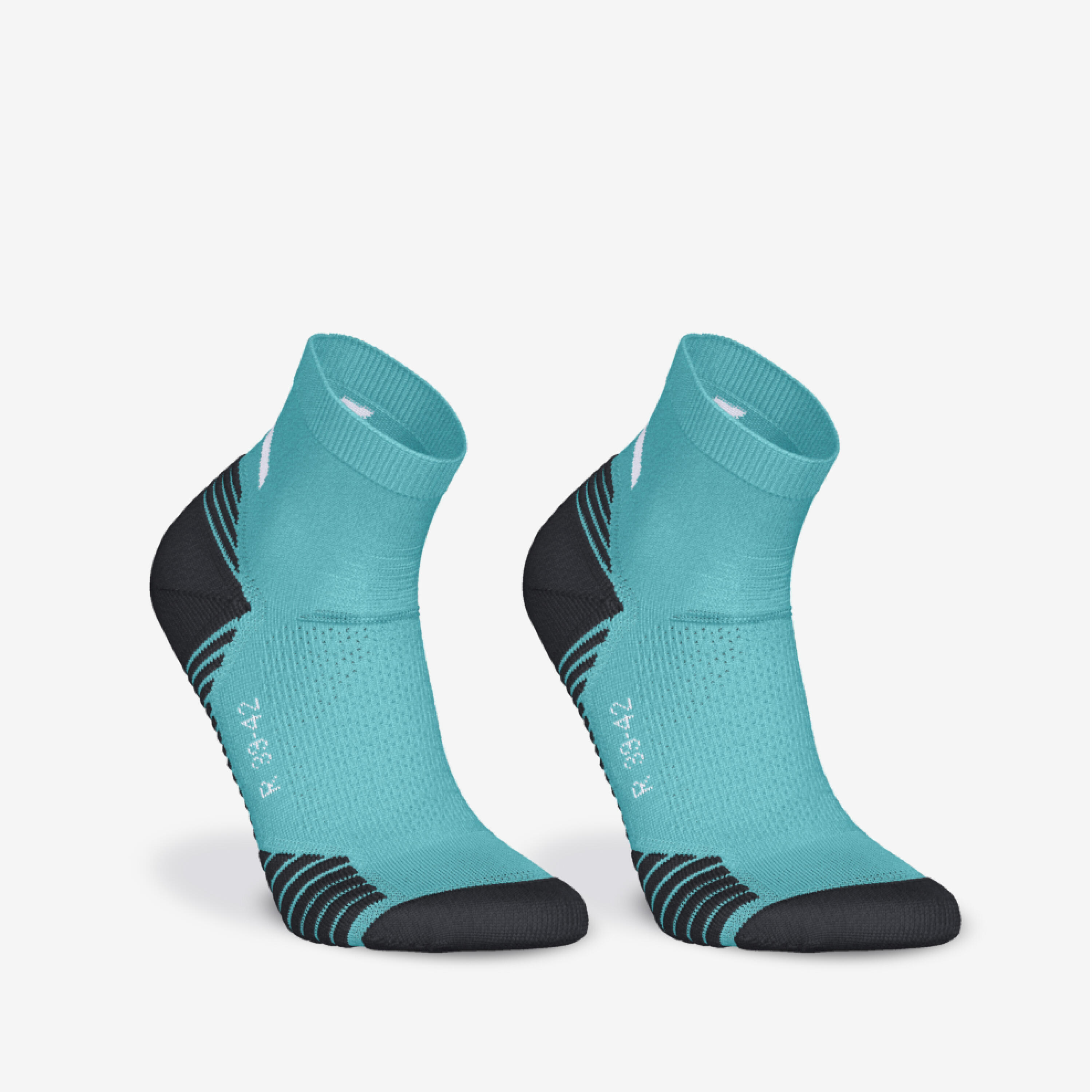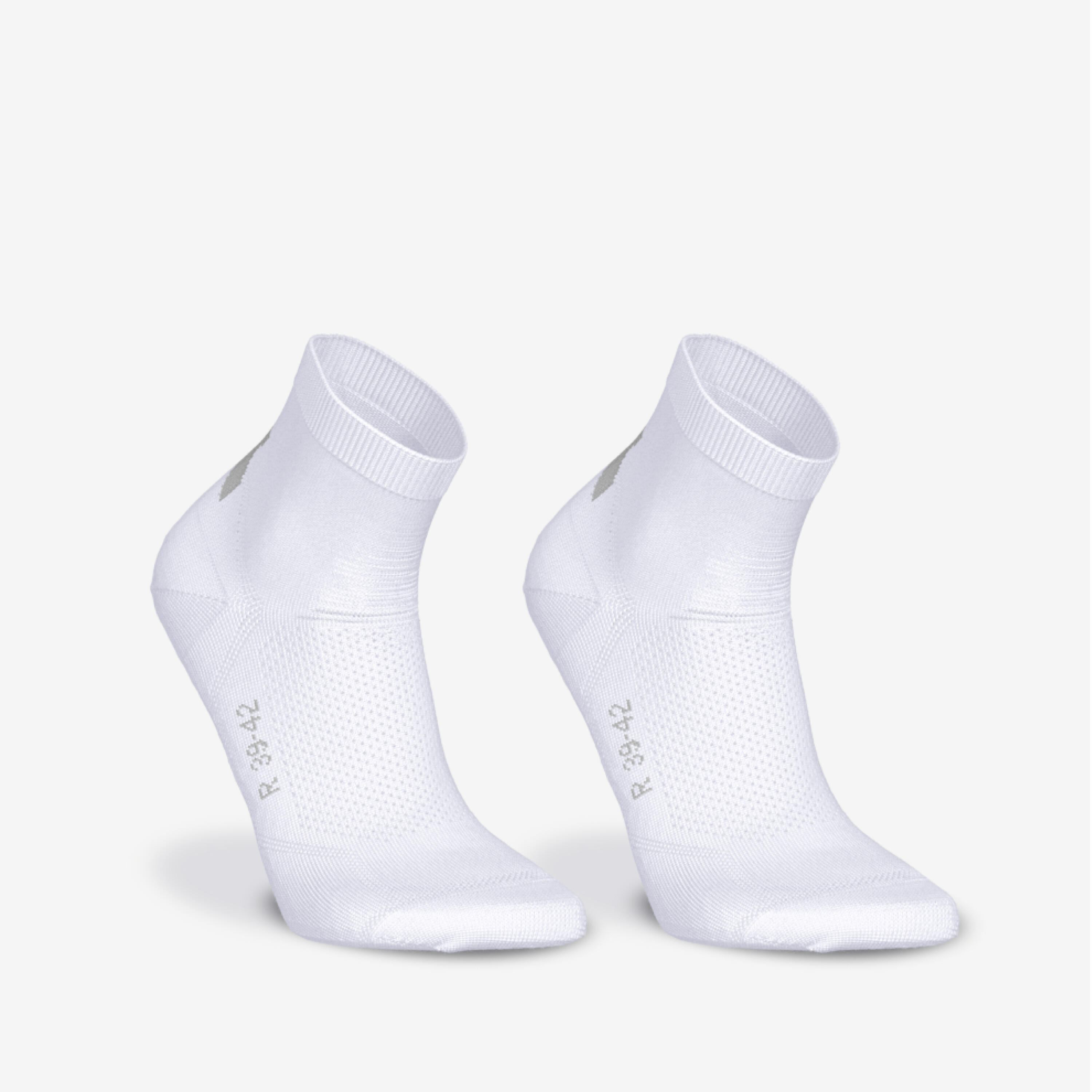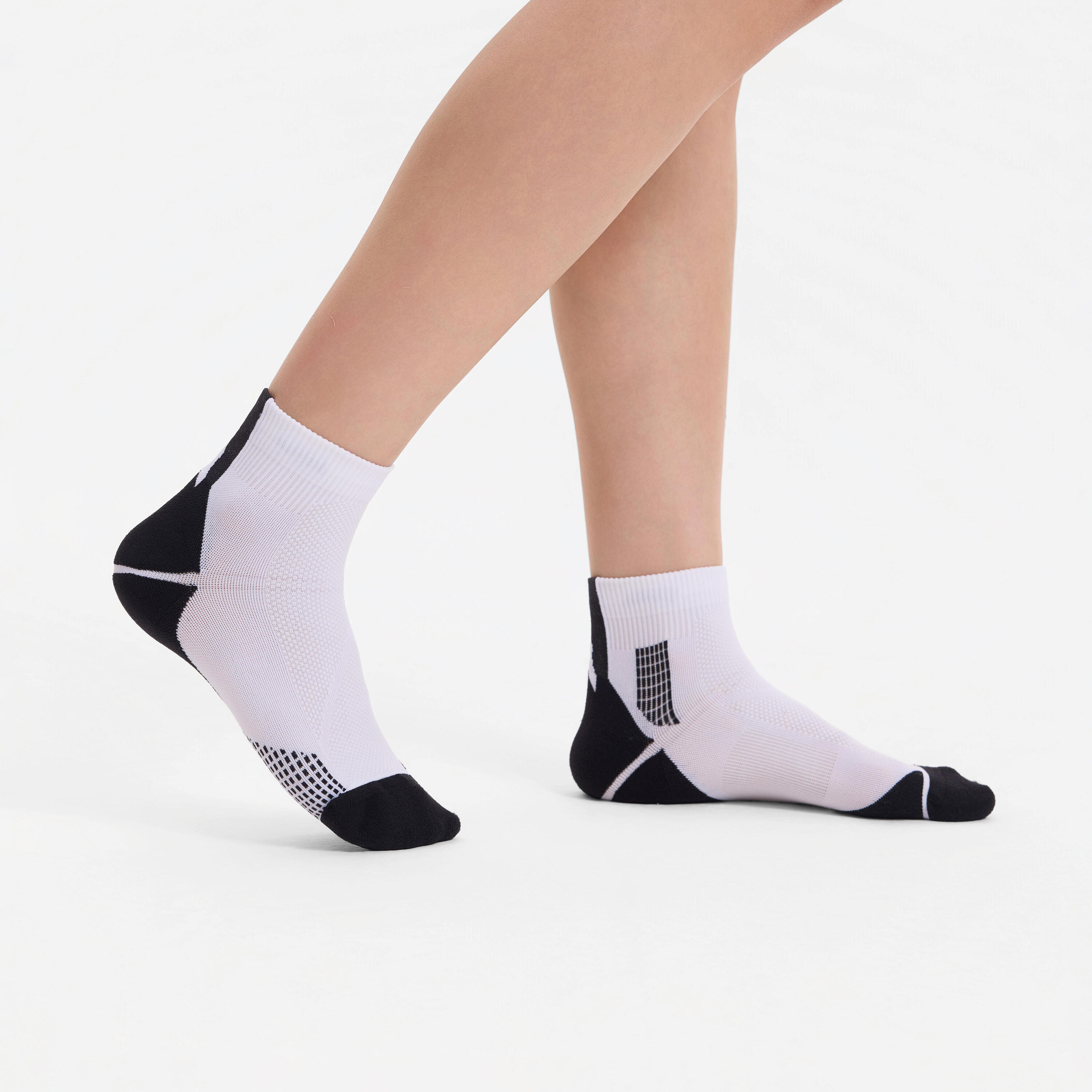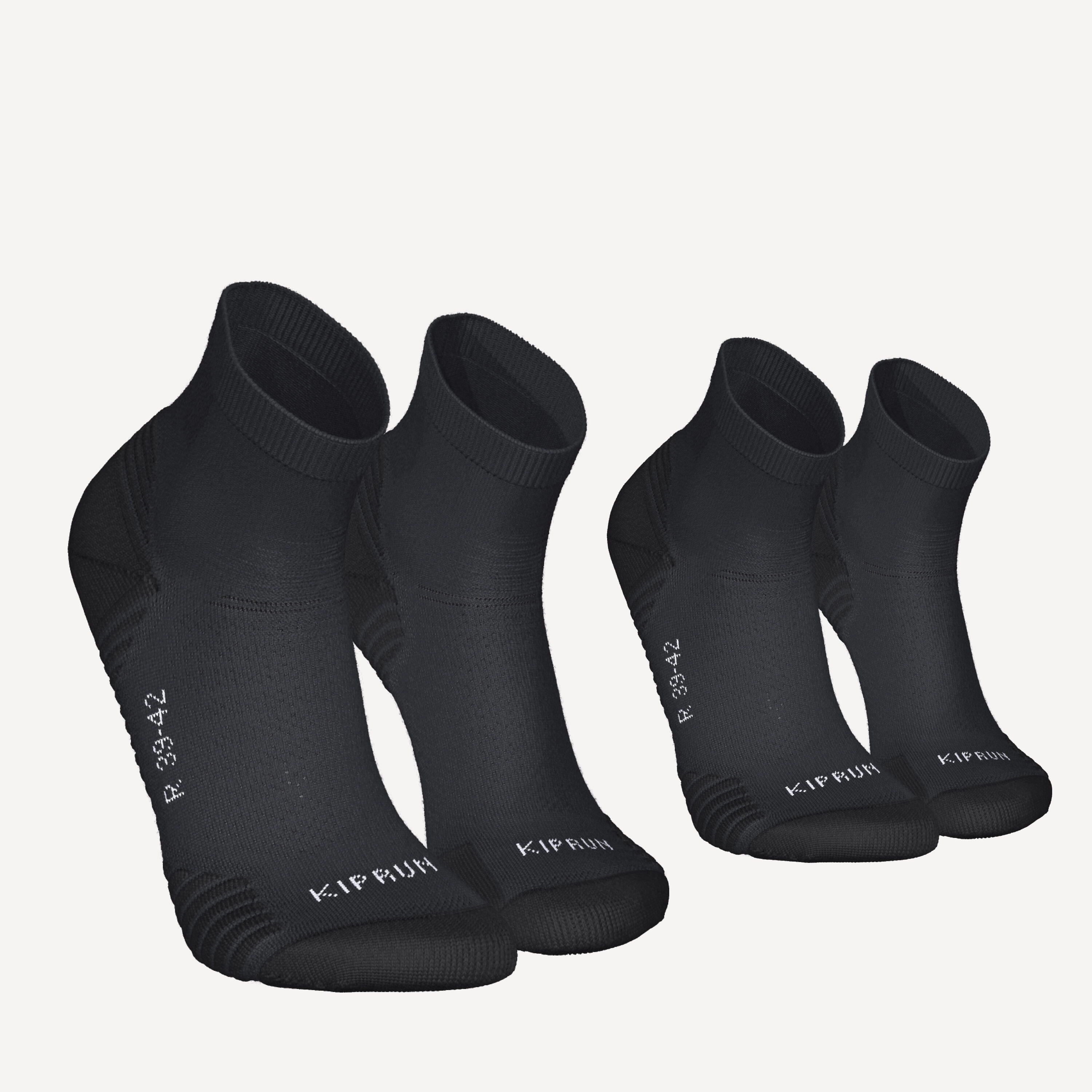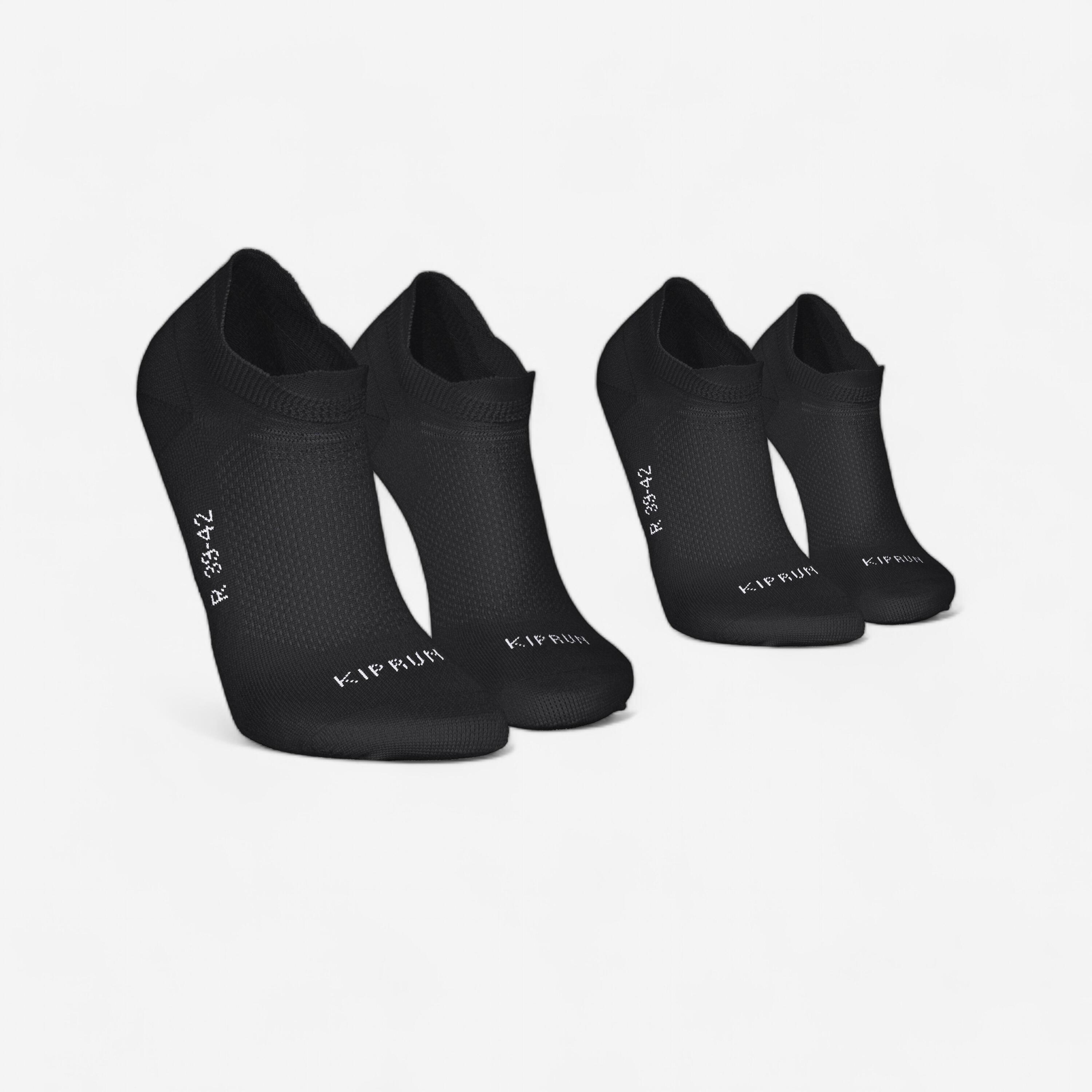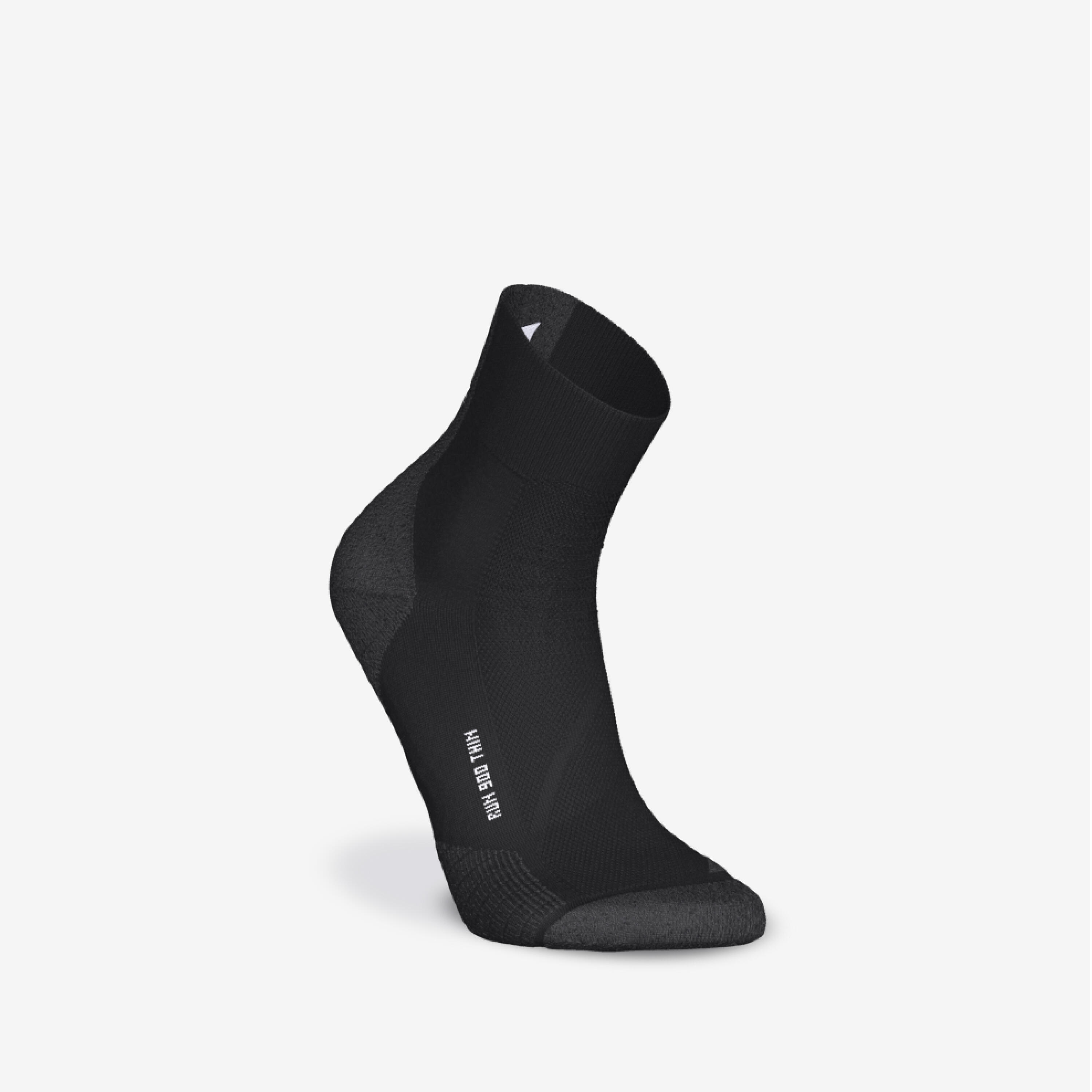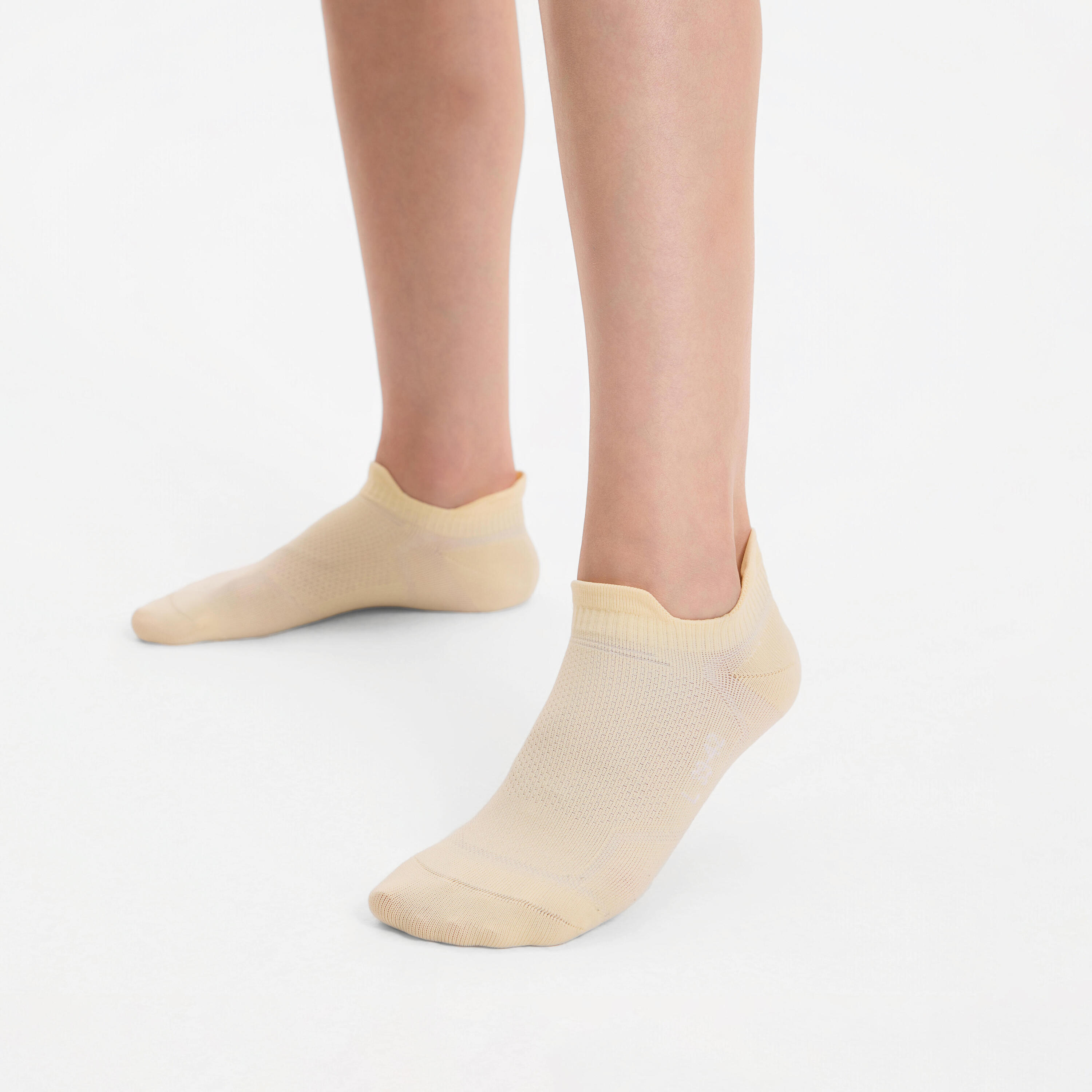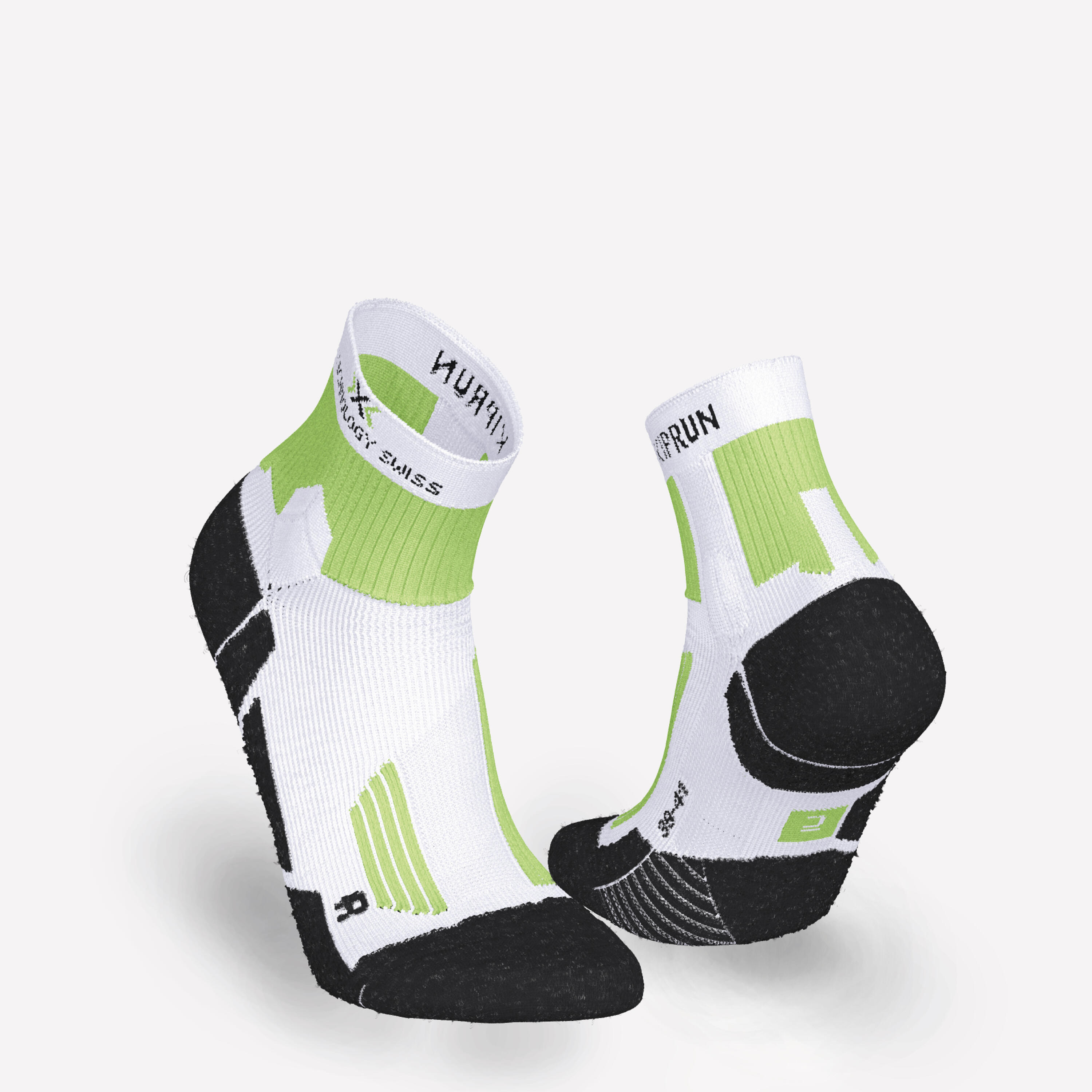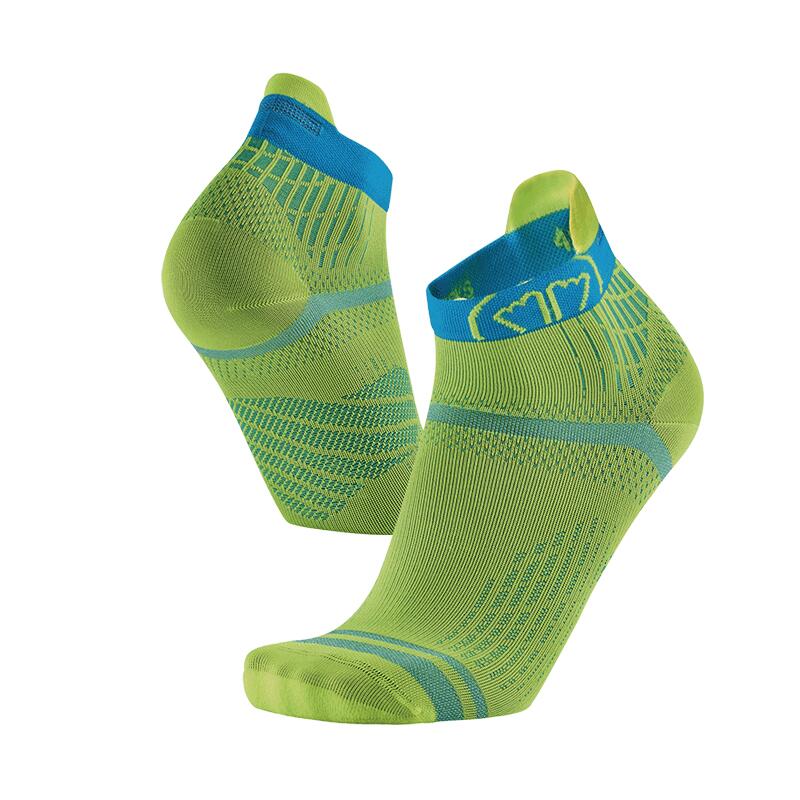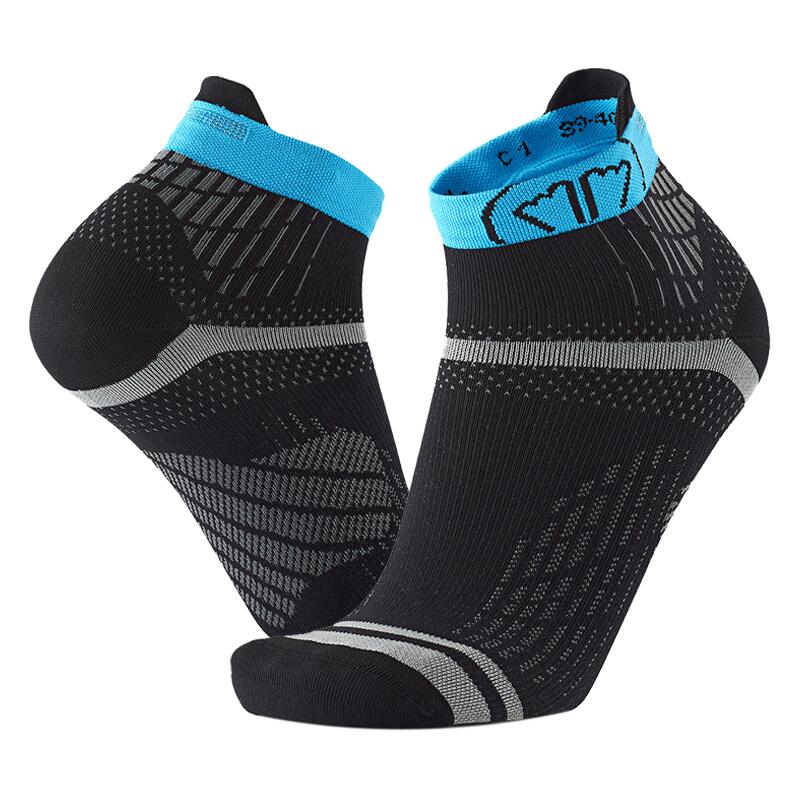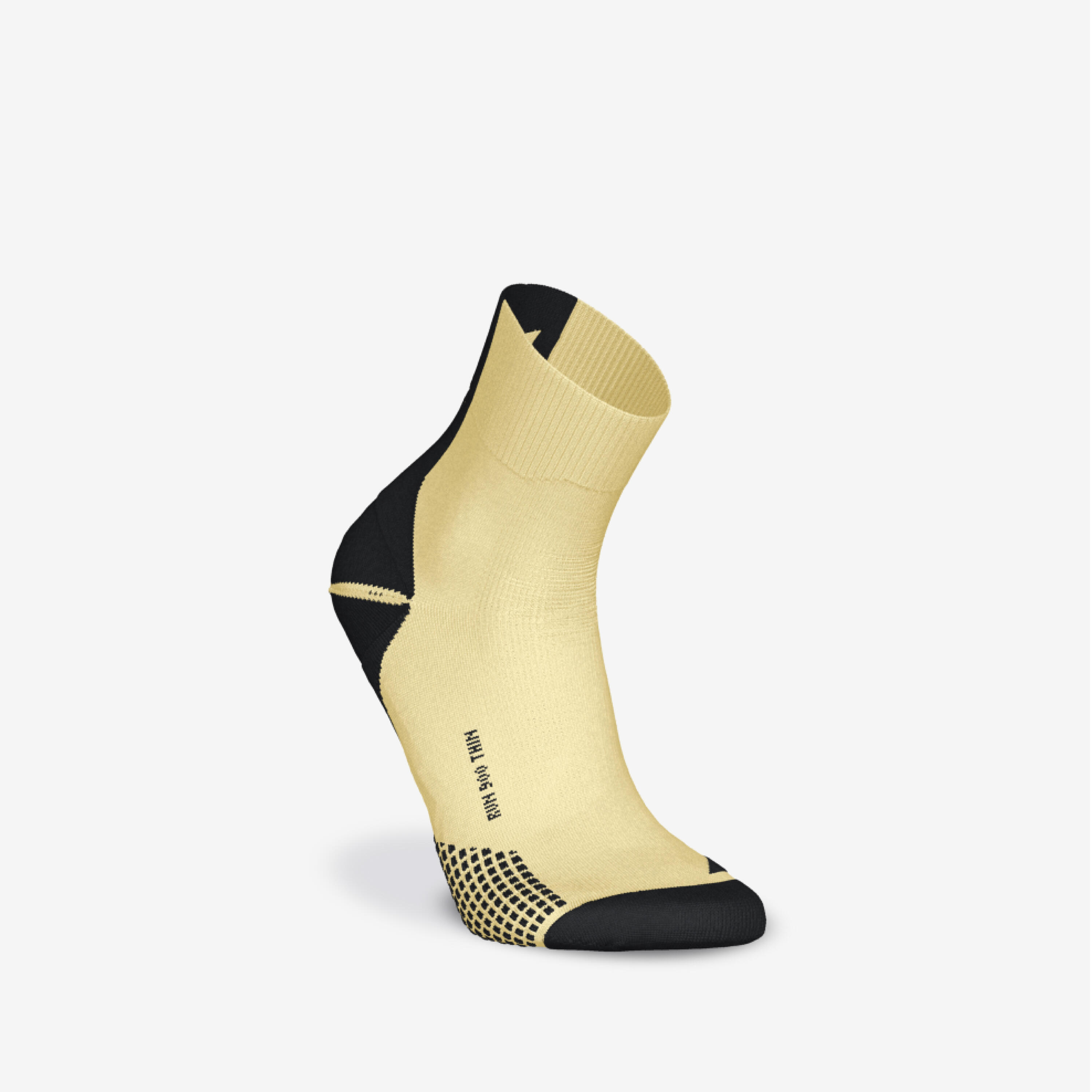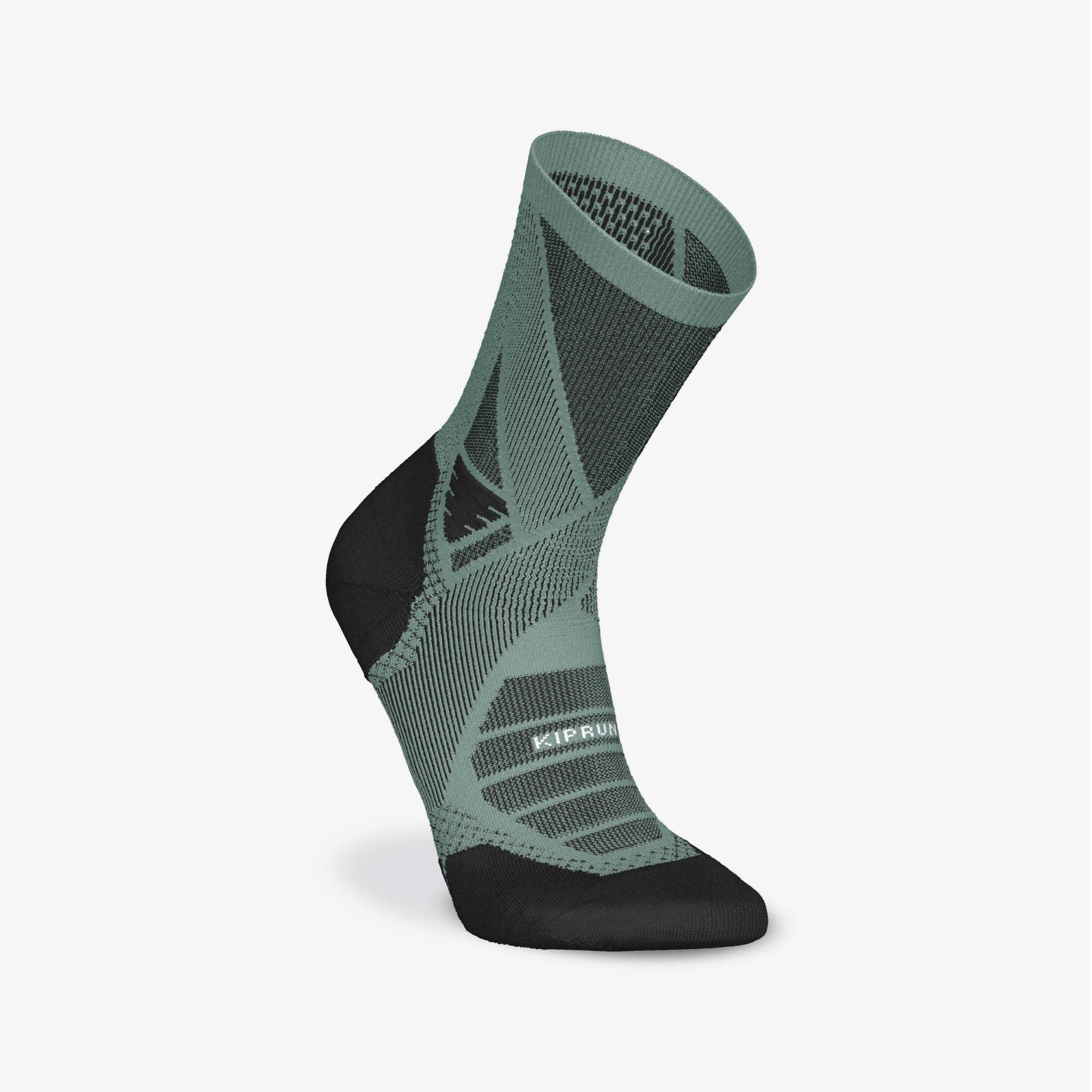
151 items
4.8/5 based on 195271 reviews collected online and in stores

Men's Running Low Socks FAQs

How should men's running low socks fit?

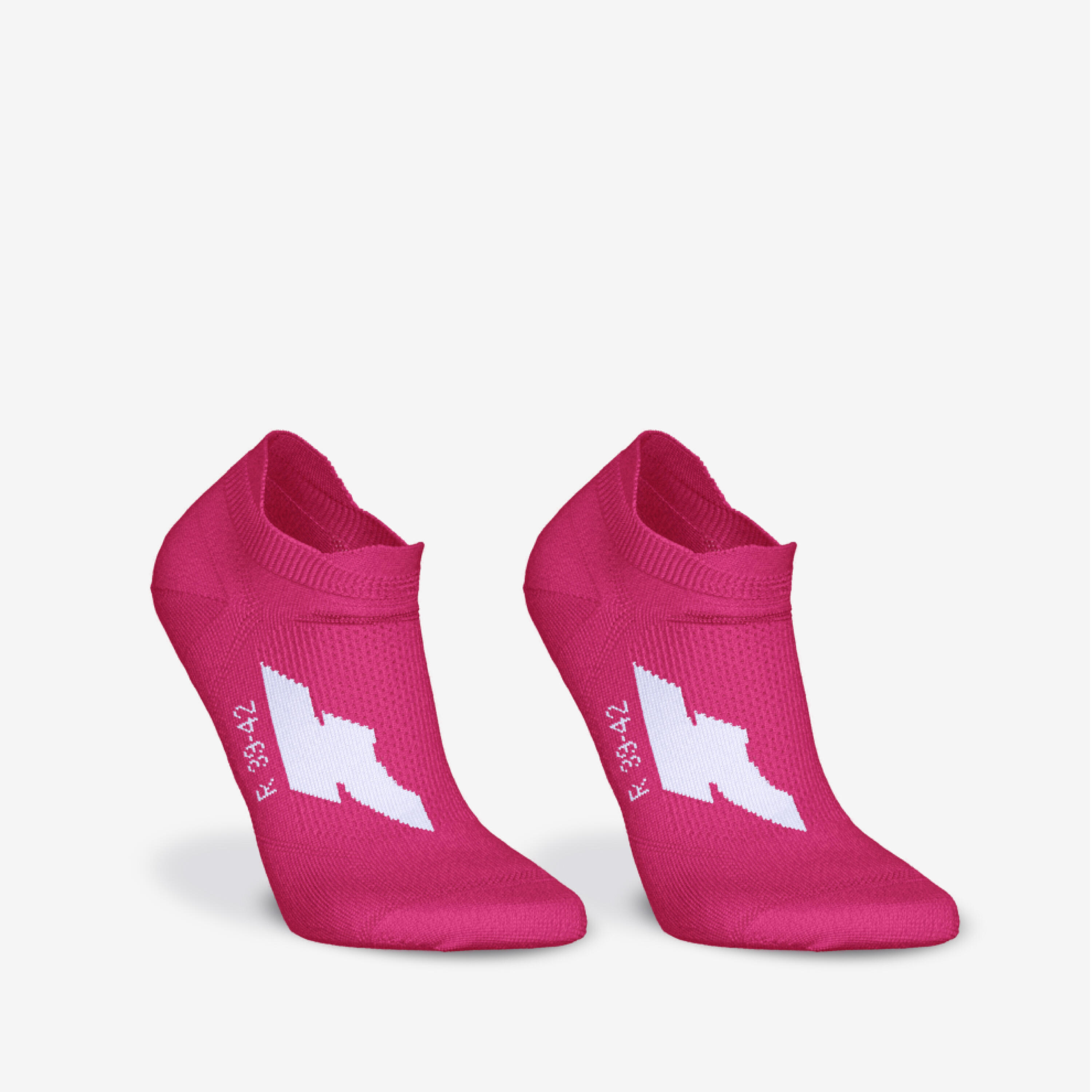
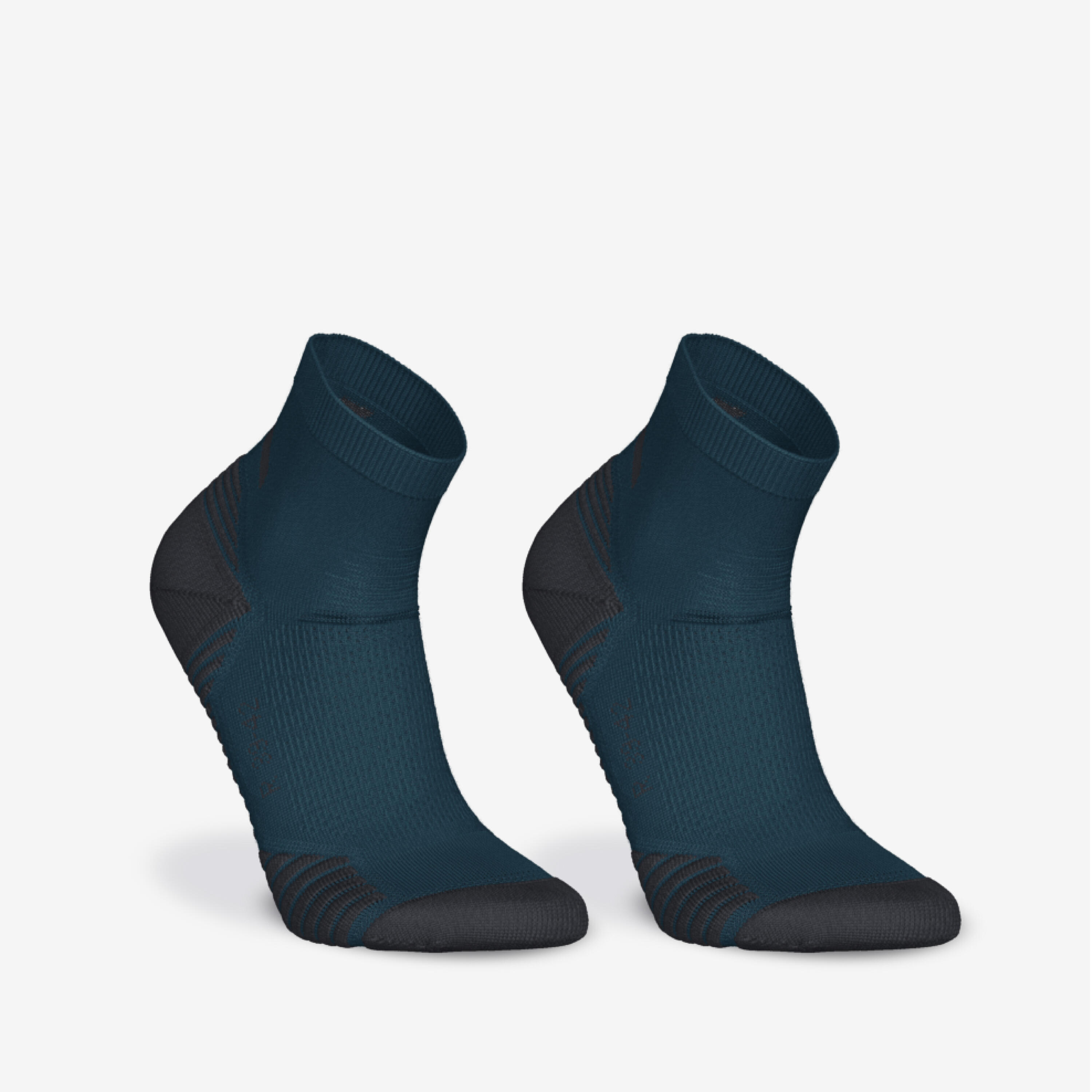
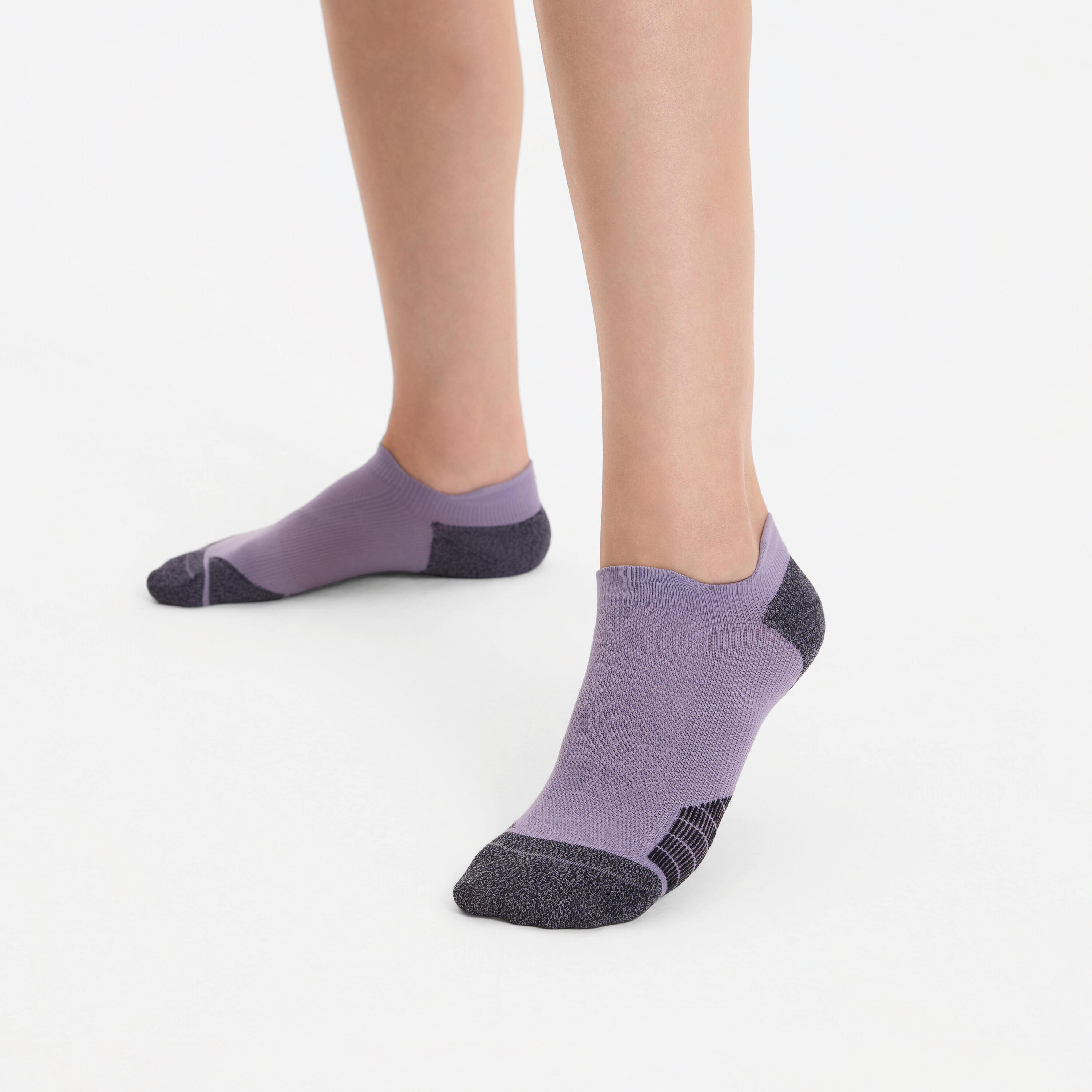
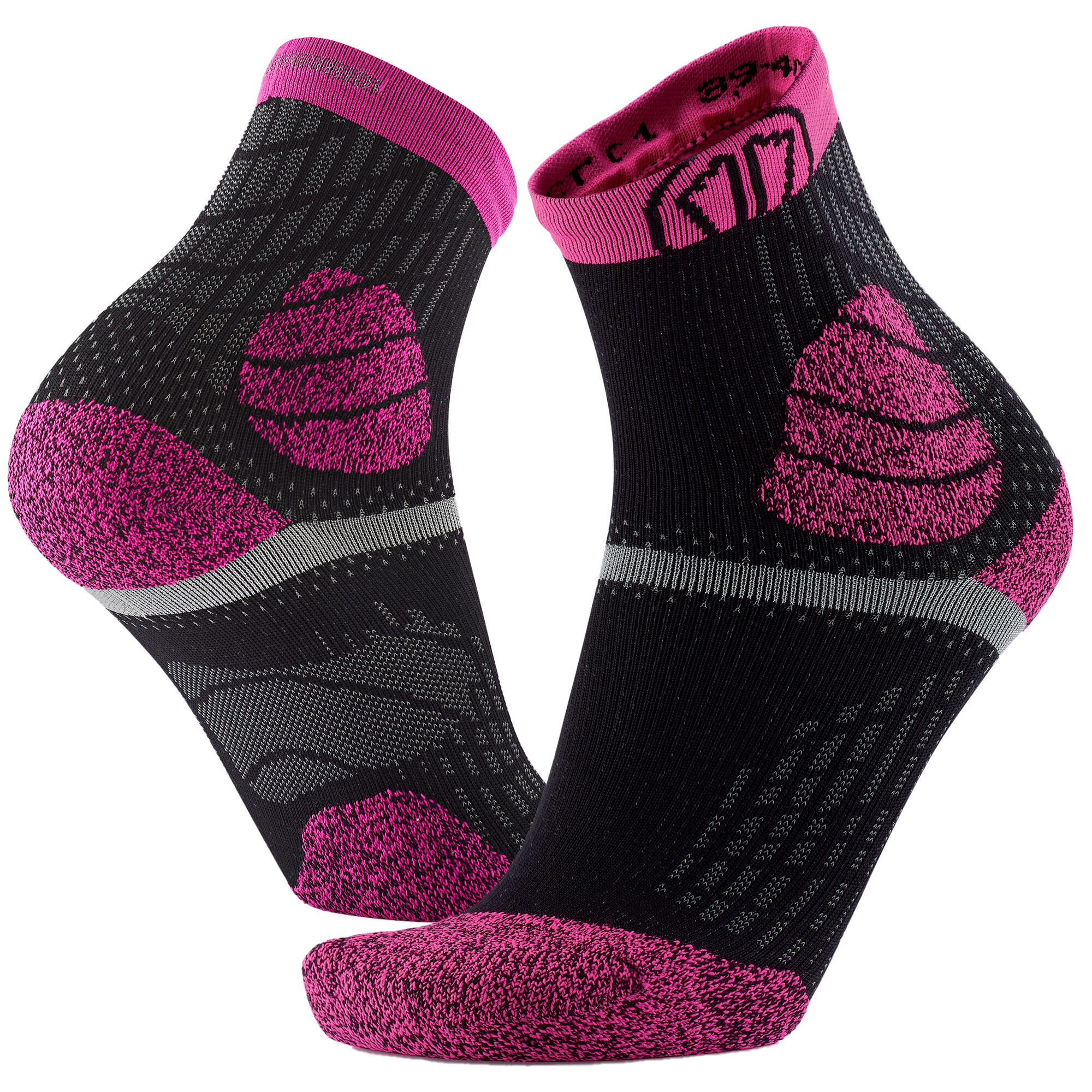
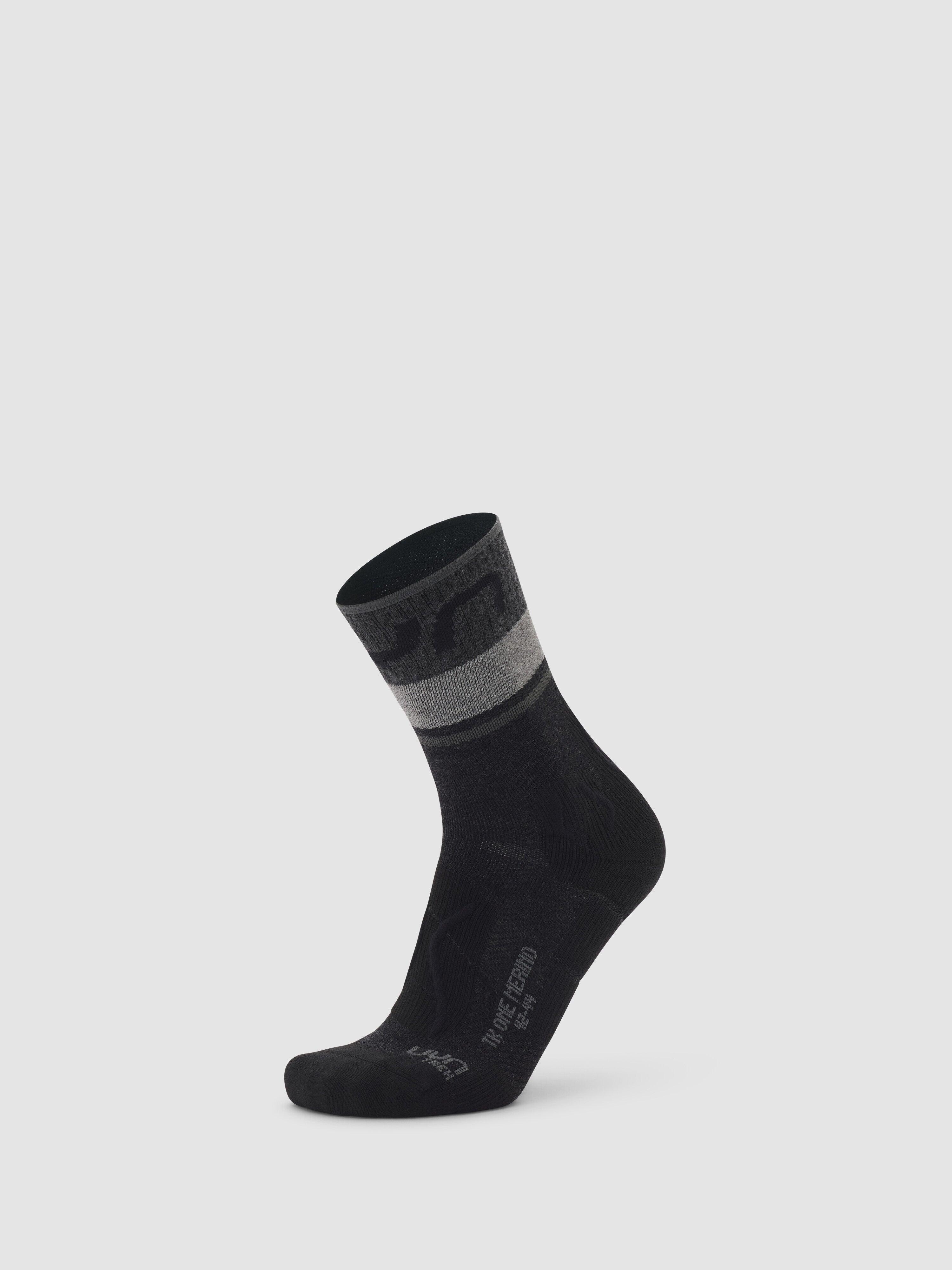
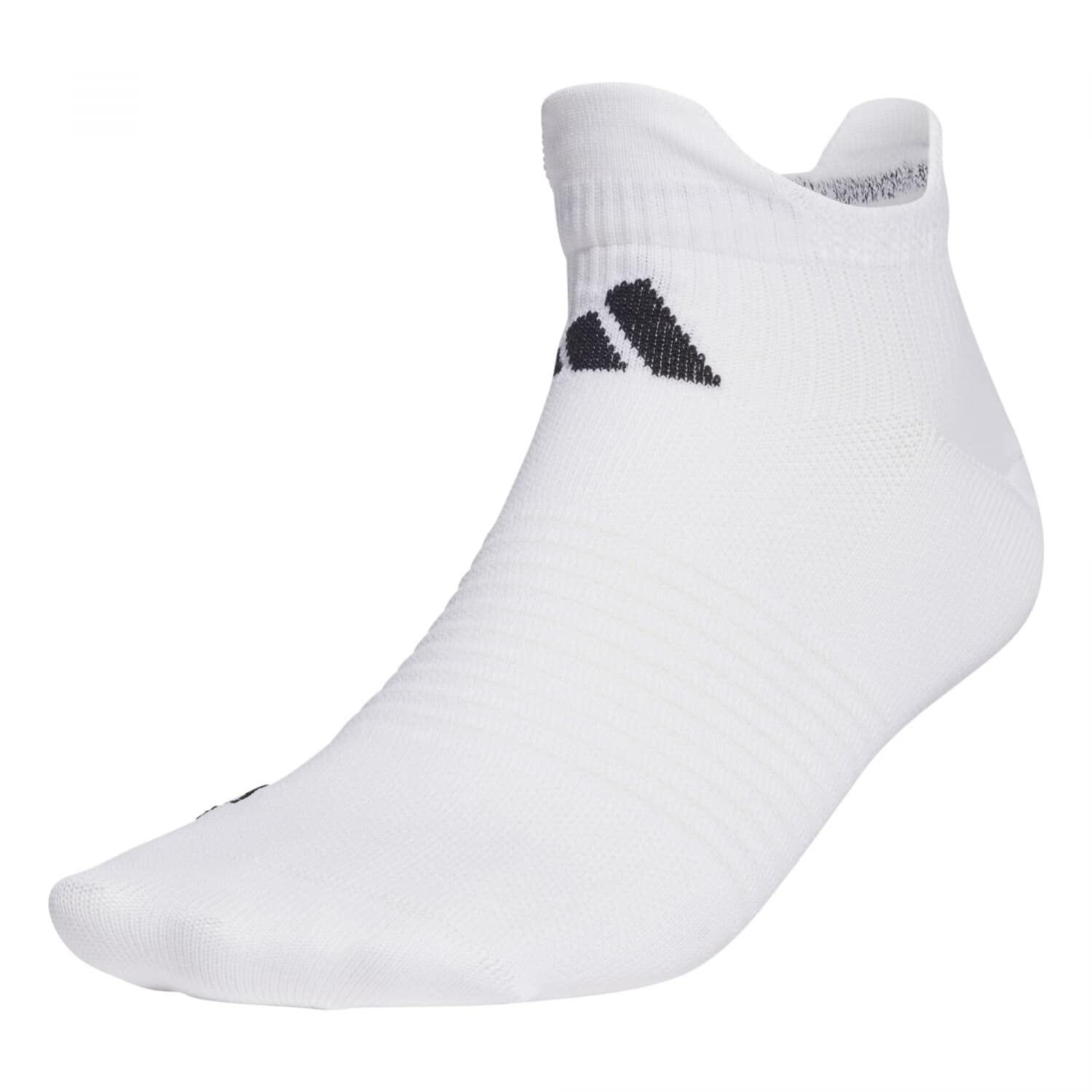
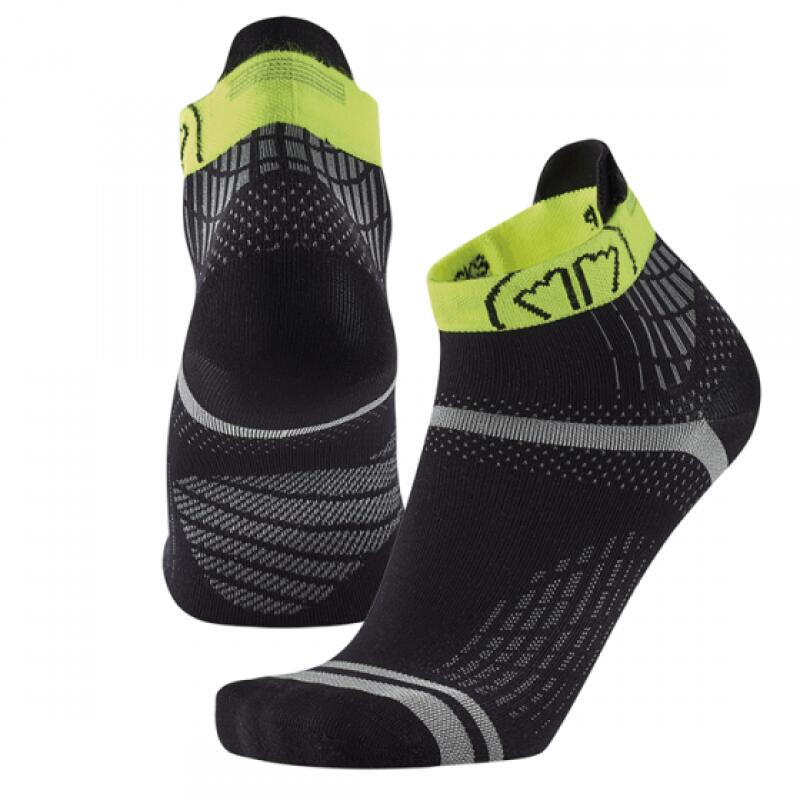
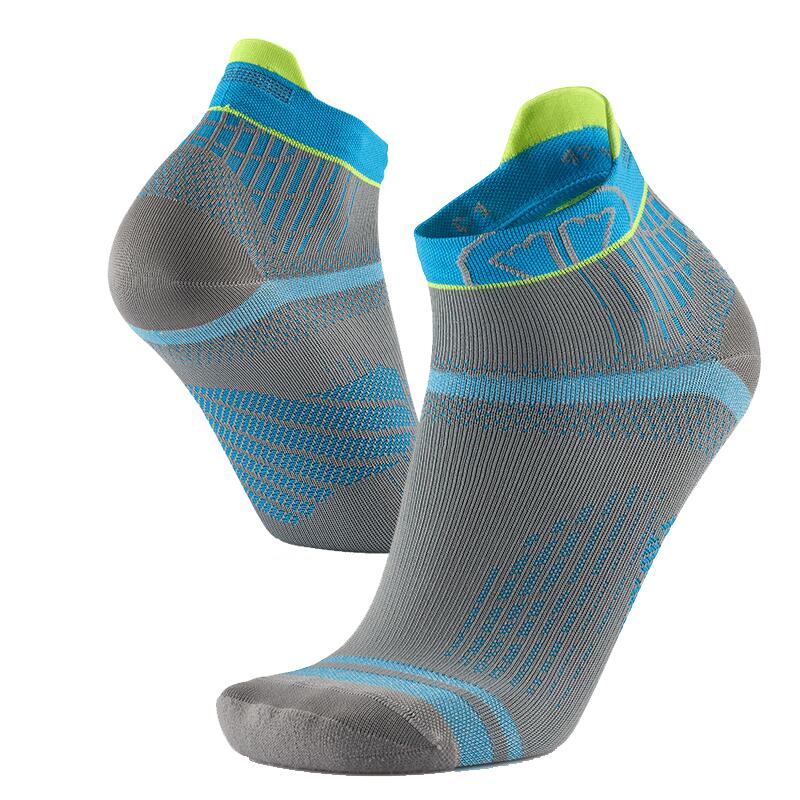
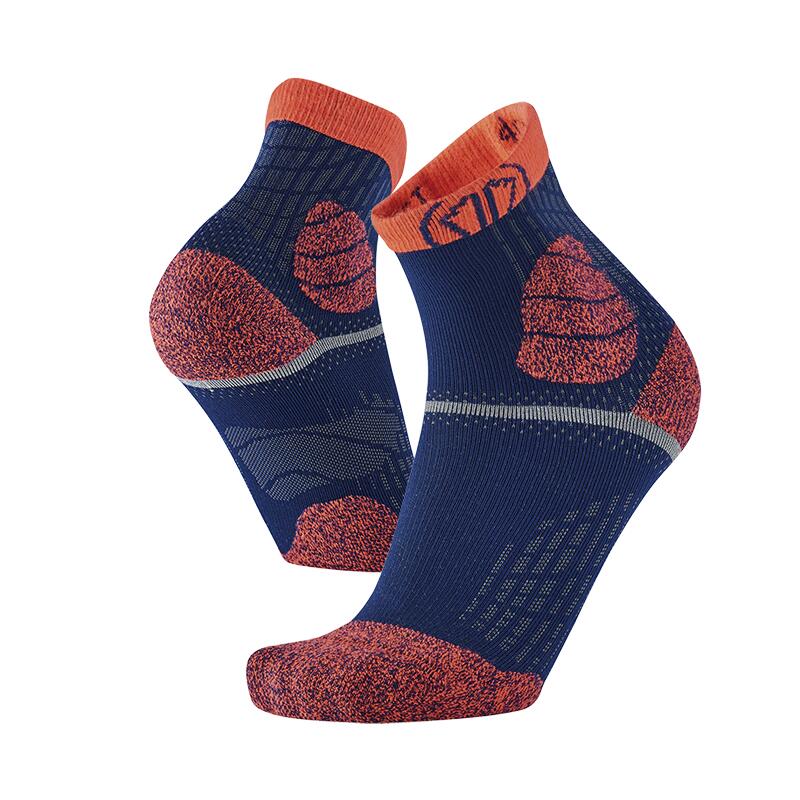
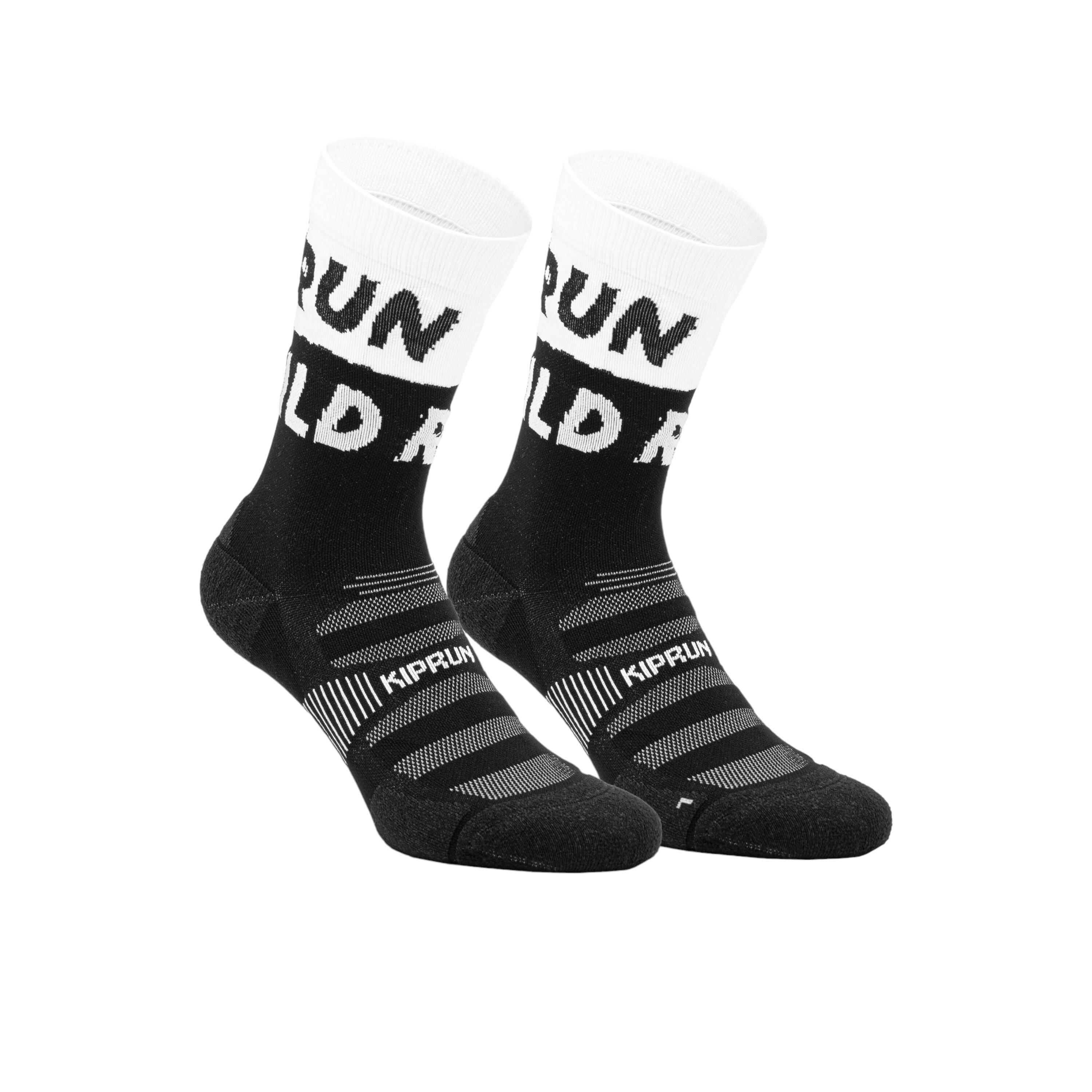
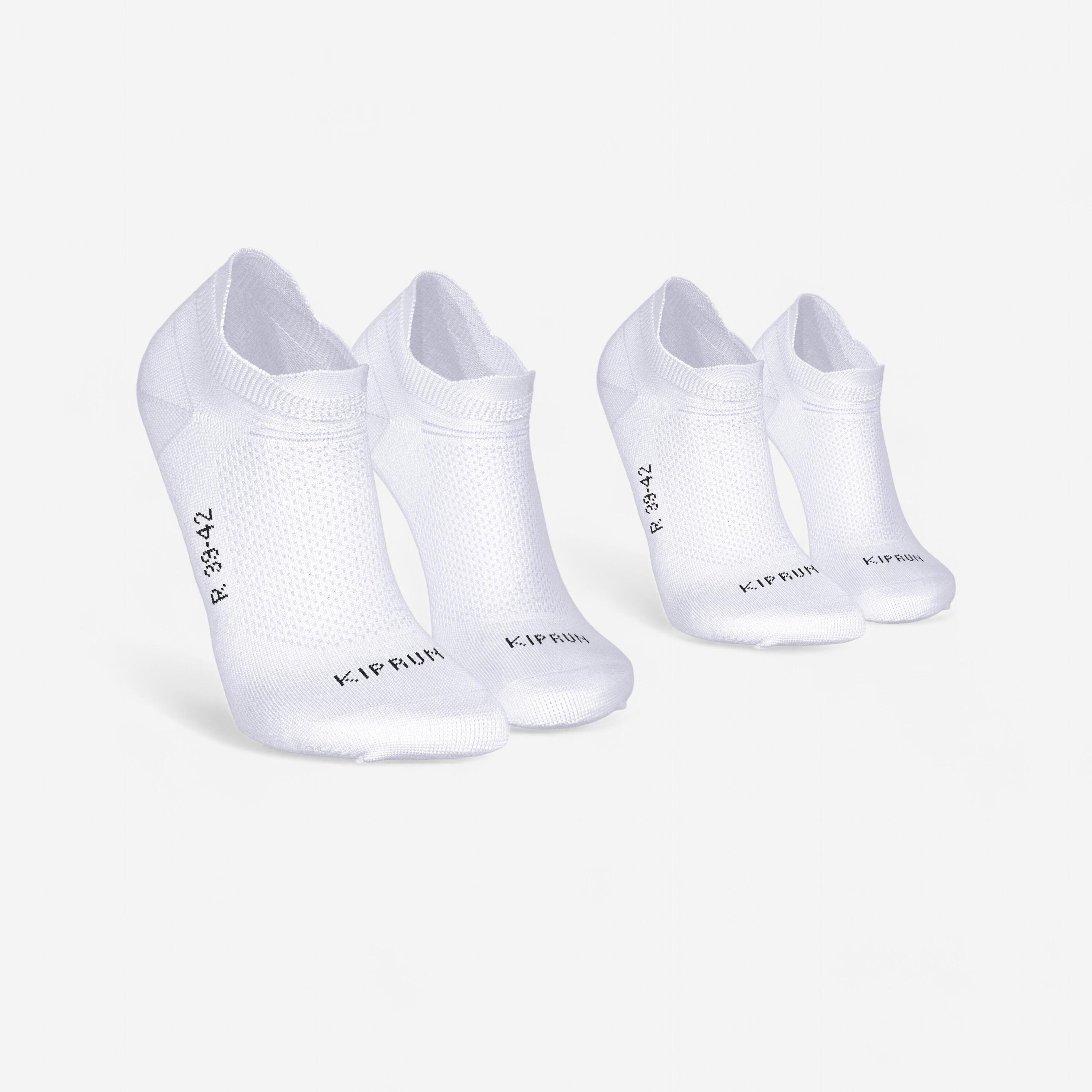
Running socks should sit close to your foot without squeezing your toes or leaving loose fabric inside the shoe. A secure fit limits folding, sliding and repeated rubbing as your foot moves through each stride. Look for an elasticated band around the arch, a shaped heel and size groupings that match your footwear closely. The cuff should stay above or below the shoe collar as intended rather than slipping beneath it. Low socks suit runners who prefer minimal leg coverage, while men's running high socks provide extra coverage around the ankle and lower leg. Pro tip: test the socks with your usual running shoes because collar height and heel shape can alter how the cuff feels.

Should you choose thin or cushioned running socks?

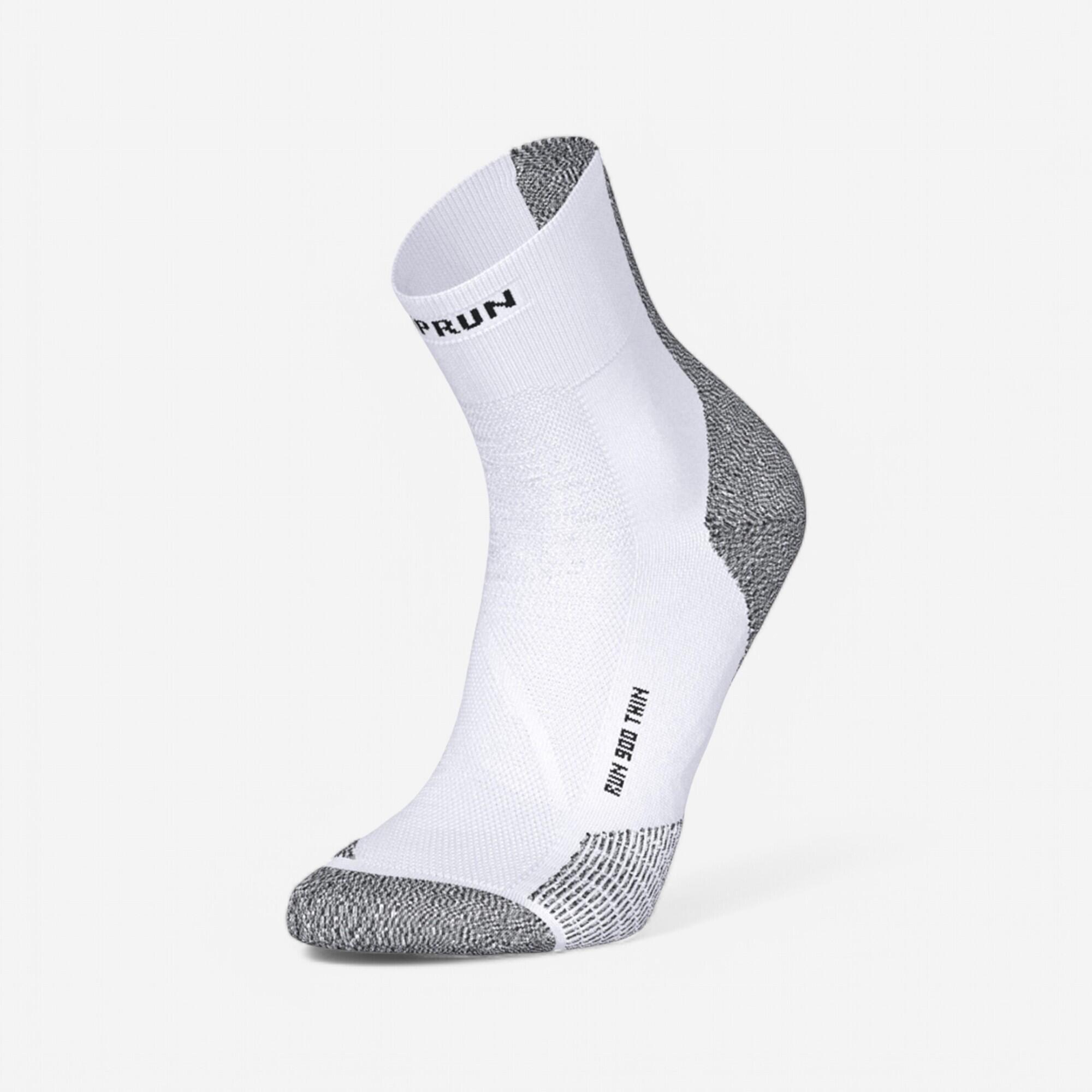
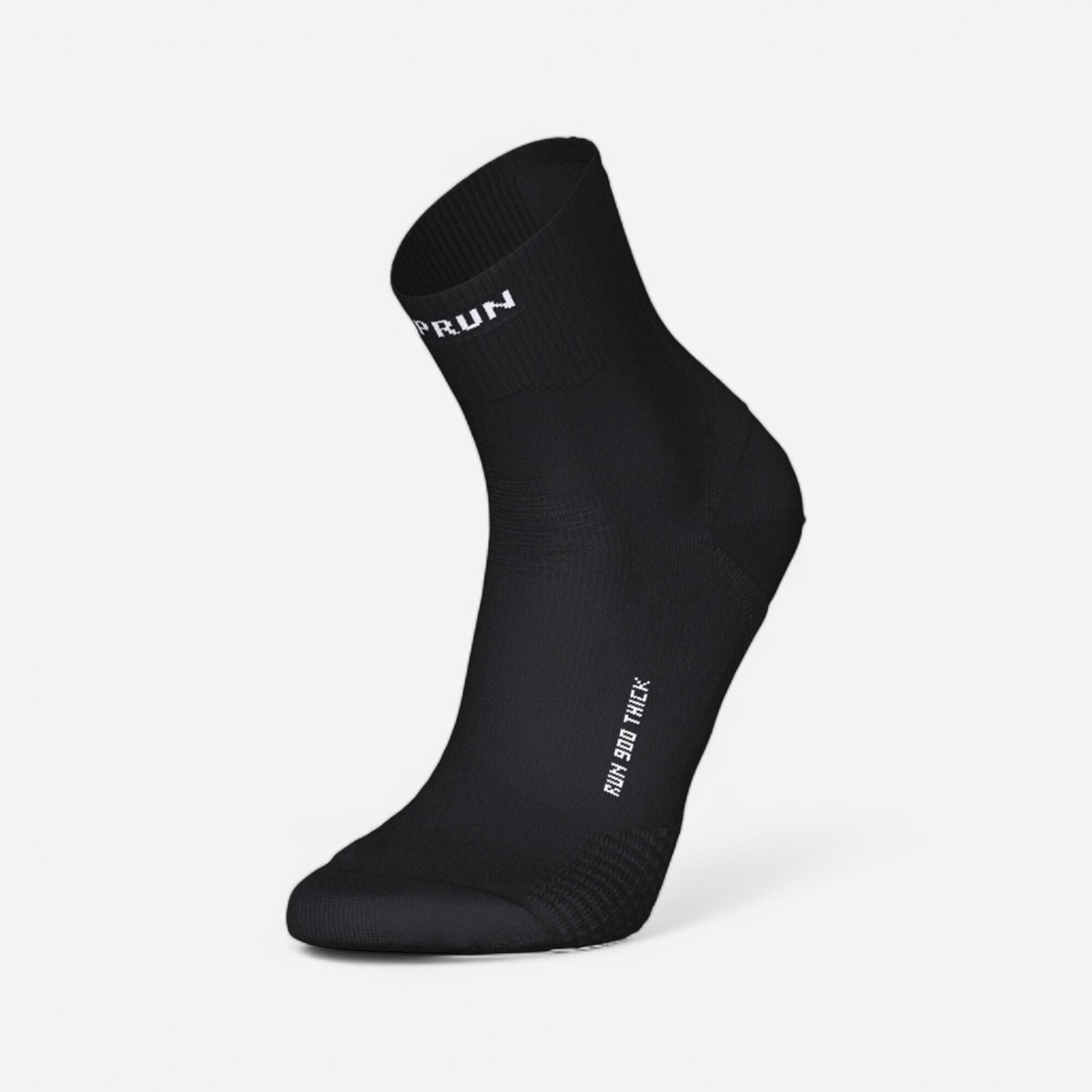
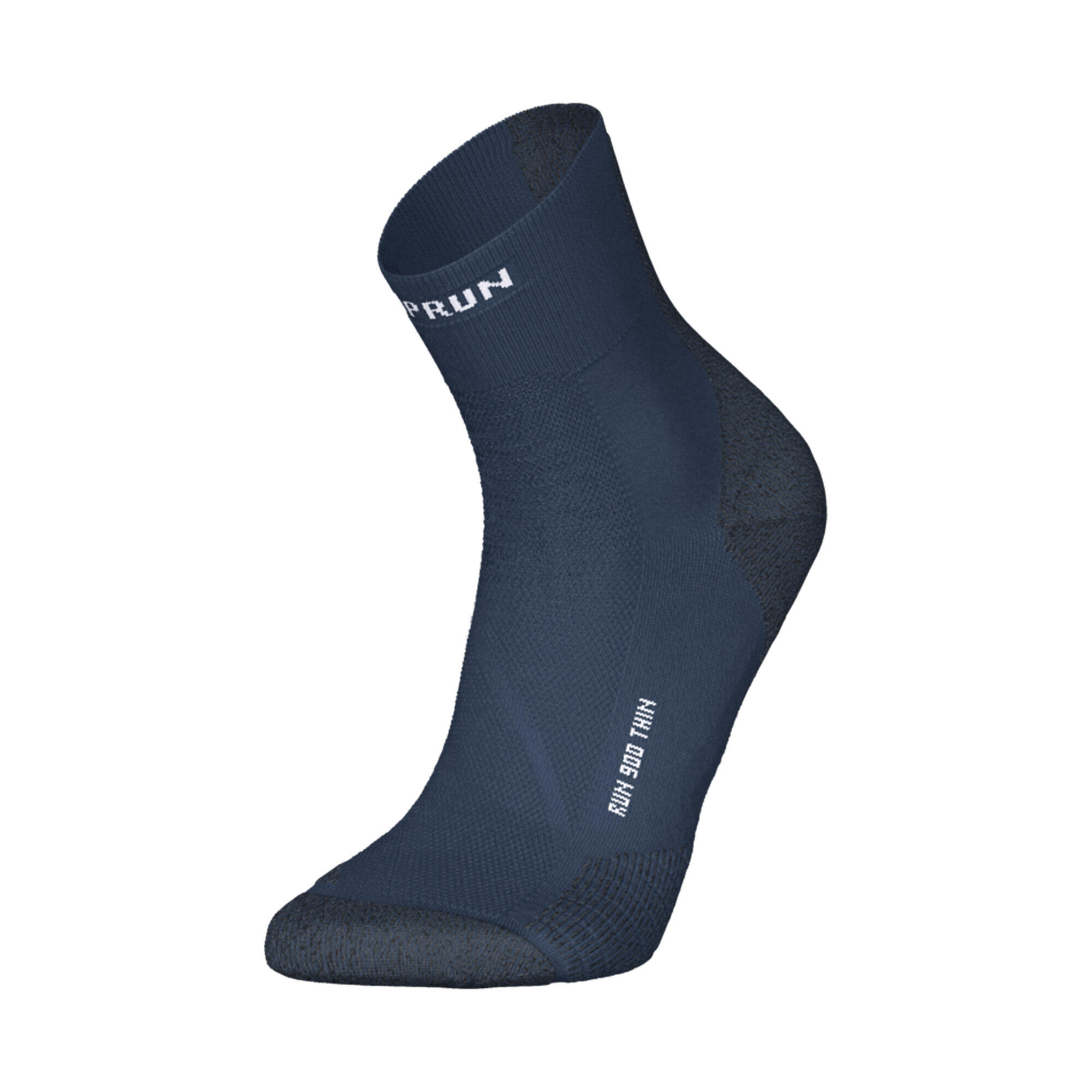
Thin socks reduce fabric bulk and give you a closer feel inside the shoe, which can suit warm conditions or footwear that already fits snugly. Ventilated knitting over the instep helps heat and perspiration move away from the foot. Cushioned socks use small loops around pressure areas such as the heel and toes, adding softness without making the whole sock equally thick. Extra cushioning can change how tightly your shoe fits, so check that your toes still have room to move. Pair moisture-managing socks with lightweight men's running shorts when building a breathable outfit for warmer training days.

How do low running socks help prevent blisters?

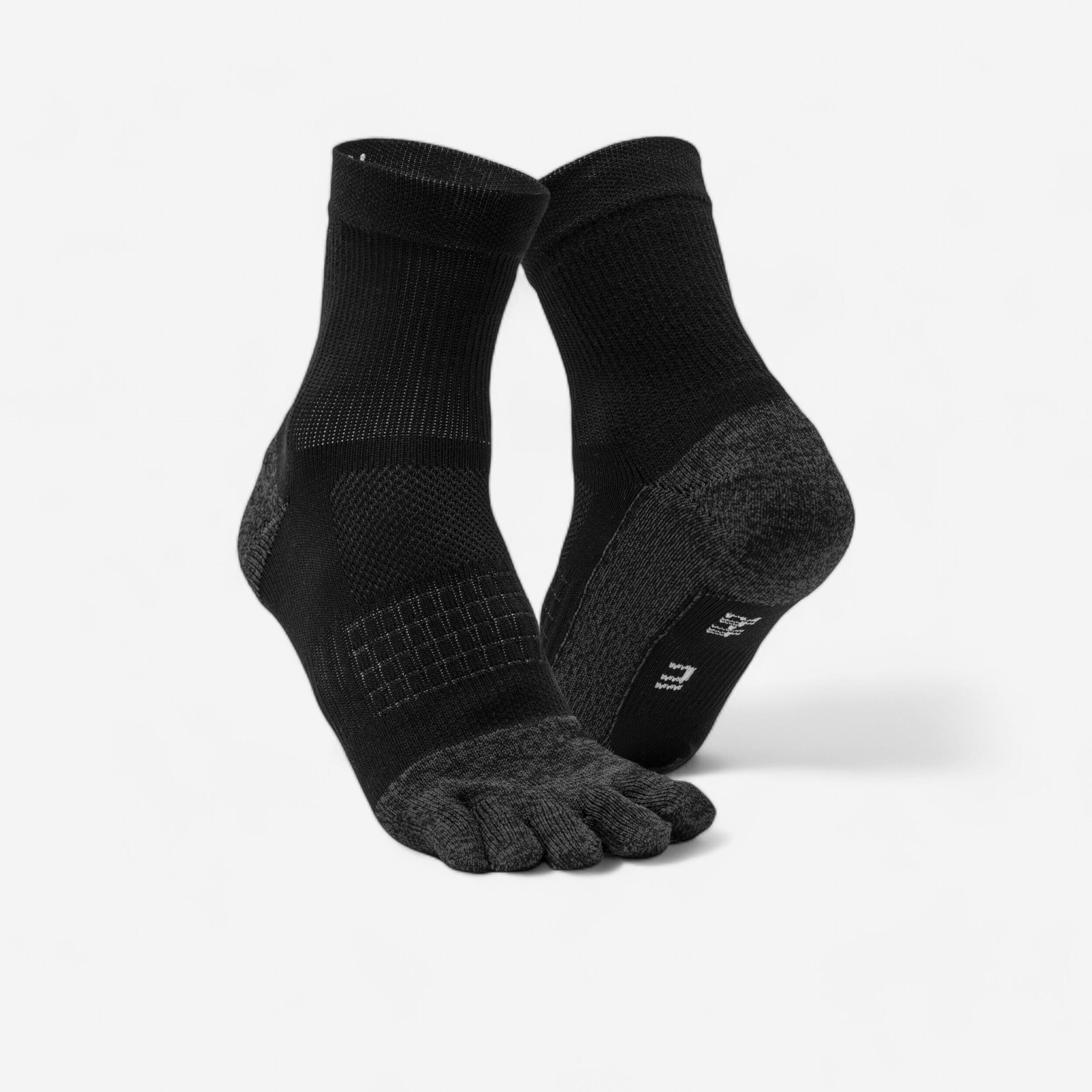
Blisters usually develop when friction, heat and moisture repeatedly act on the same area. Technical running socks help by holding close to the foot, moving perspiration and reducing raised seams in sensitive zones. KIPRUN models may place anti-chafing yarn around the heel, toes and arch, while shaped toe construction moves the closure seam away from the top of the toes. Five-toe socks can also separate the toes when skin-on-skin rubbing is a problem. Socks cannot correct poorly fitting shoes, so deal with heel movement or toe pressure as well. For longer efforts, men's running compression socks offer a different fit and taller coverage.

Are breathable low socks useful in cold weather?

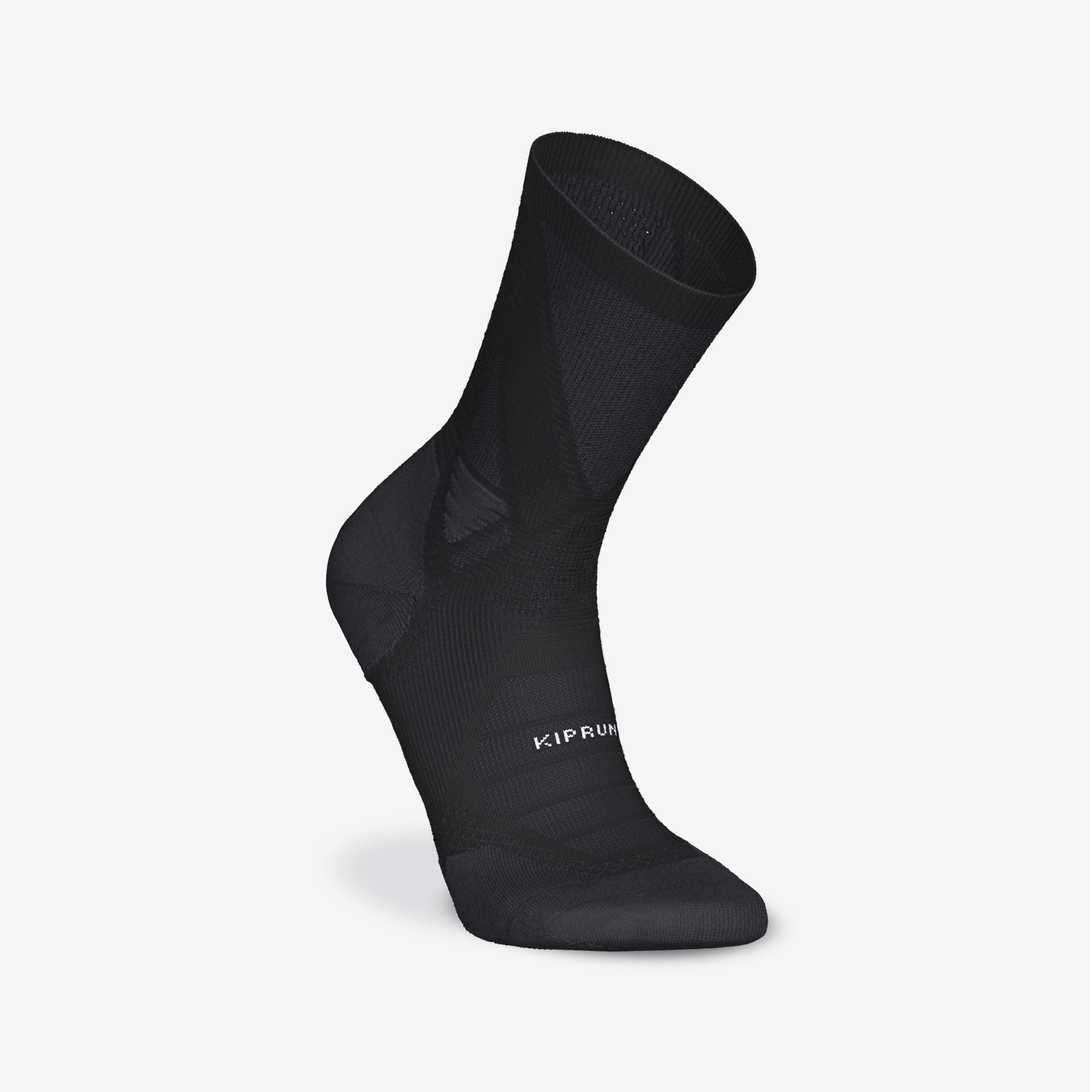
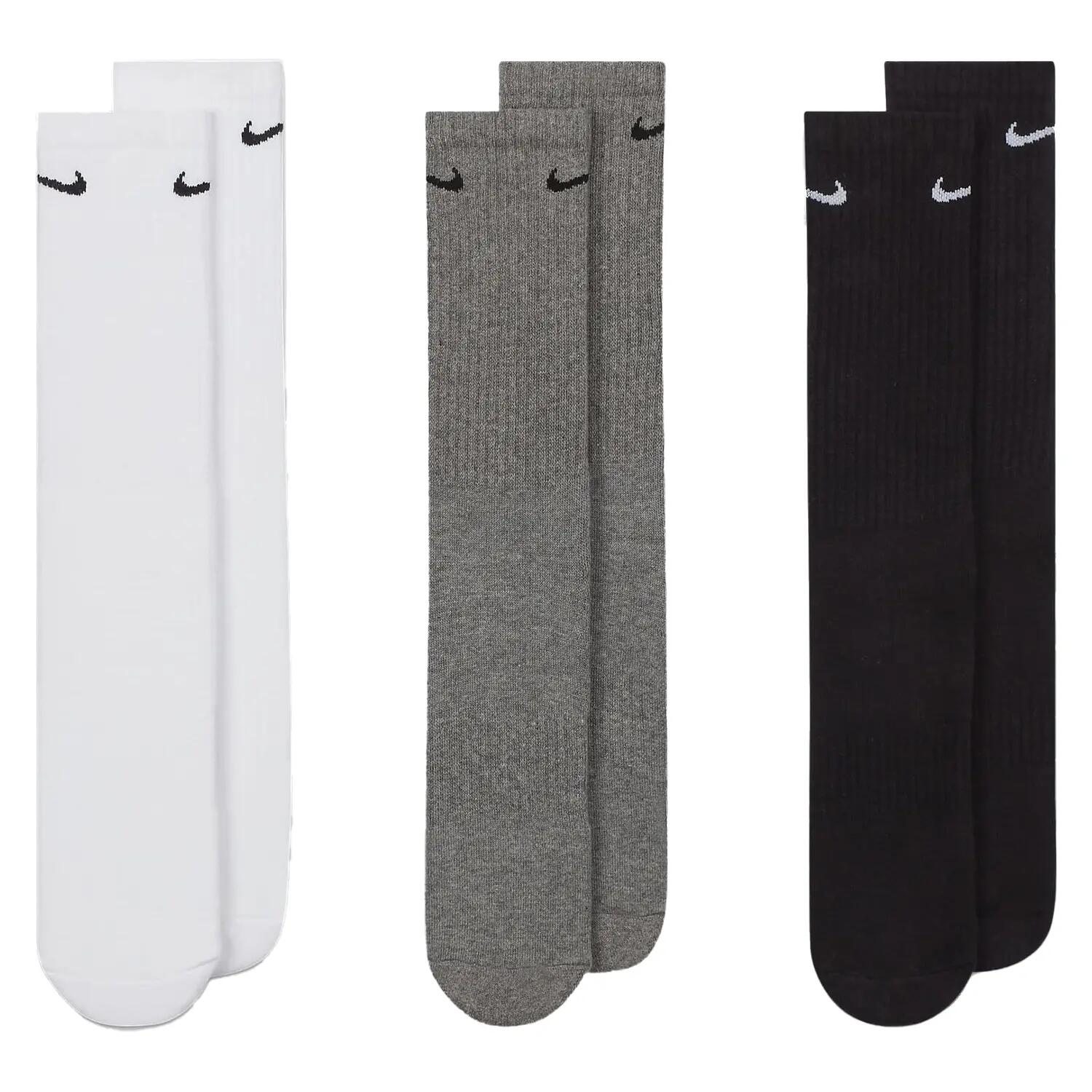
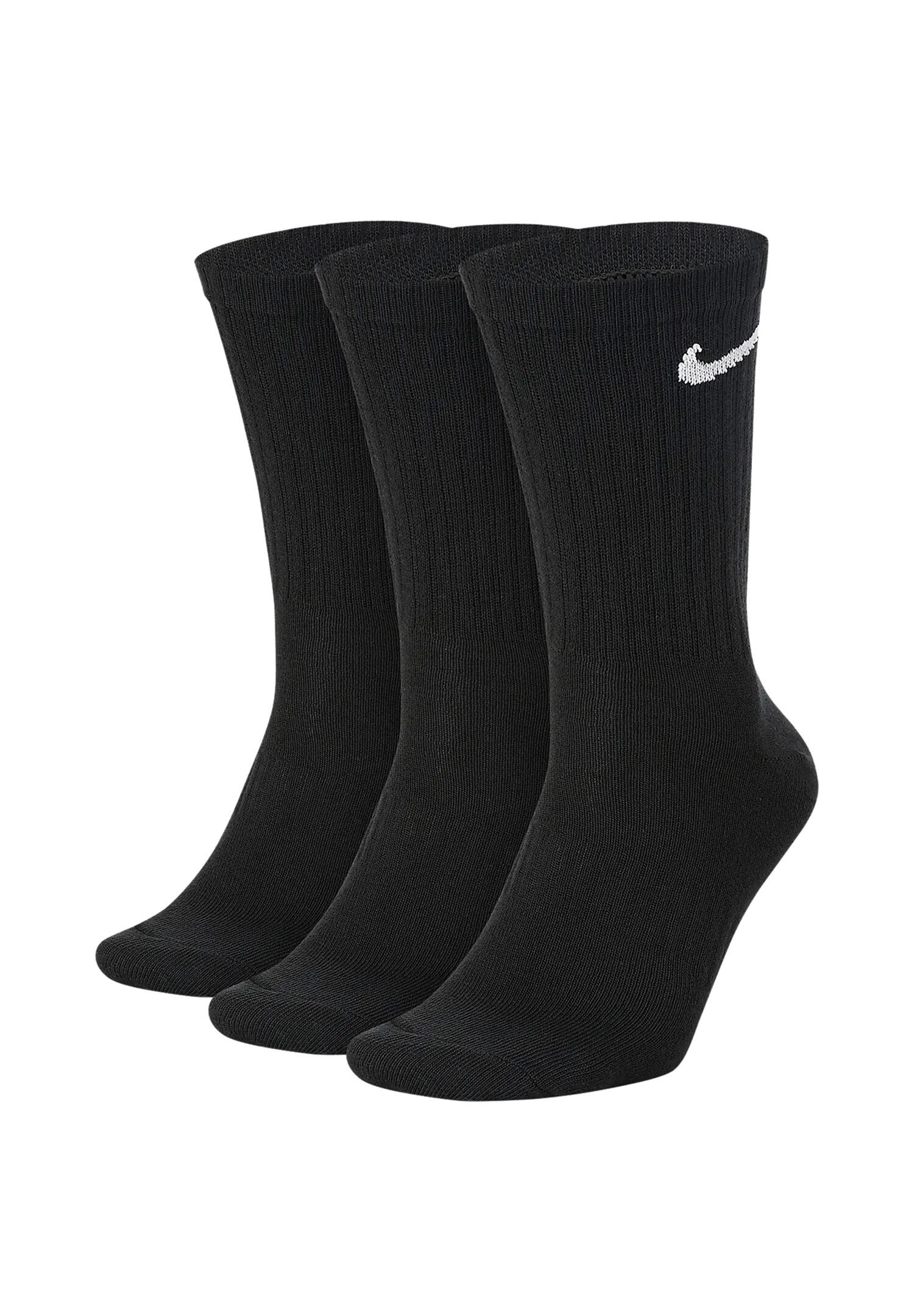
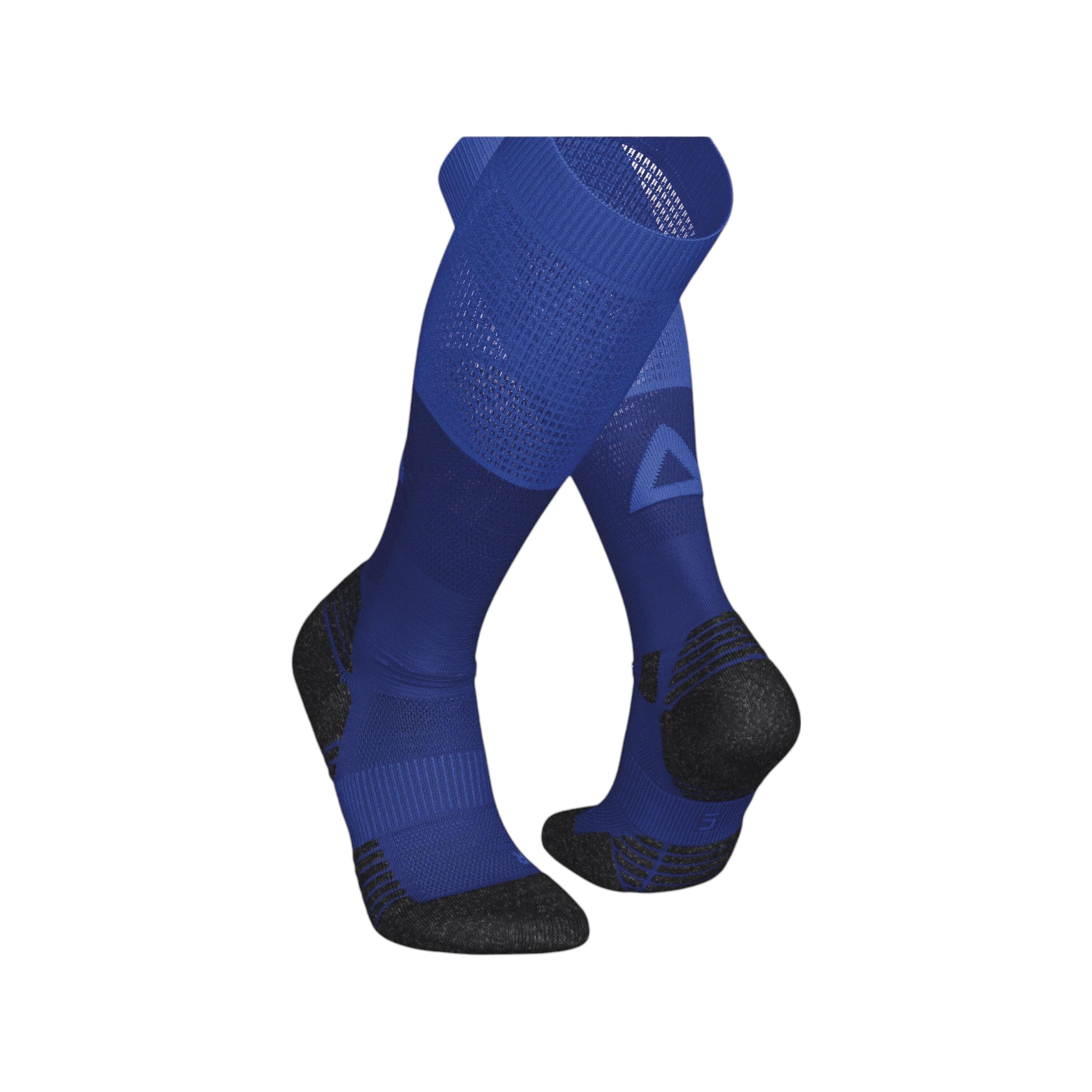
Breathability remains important in cool conditions because sweat trapped against your skin can leave your feet damp and uncomfortable. The sock should move moisture while your shoes provide the necessary protection from cold wind, rain or wet ground. Thin low-cut socks may suit mild days and faster sessions, while fine crew running socks can provide slightly more coverage around the ankle. Thicker constructions may also add cushioning and extra warmth around the foot. Match the rest of your layers to the conditions rather than relying on the socks alone.
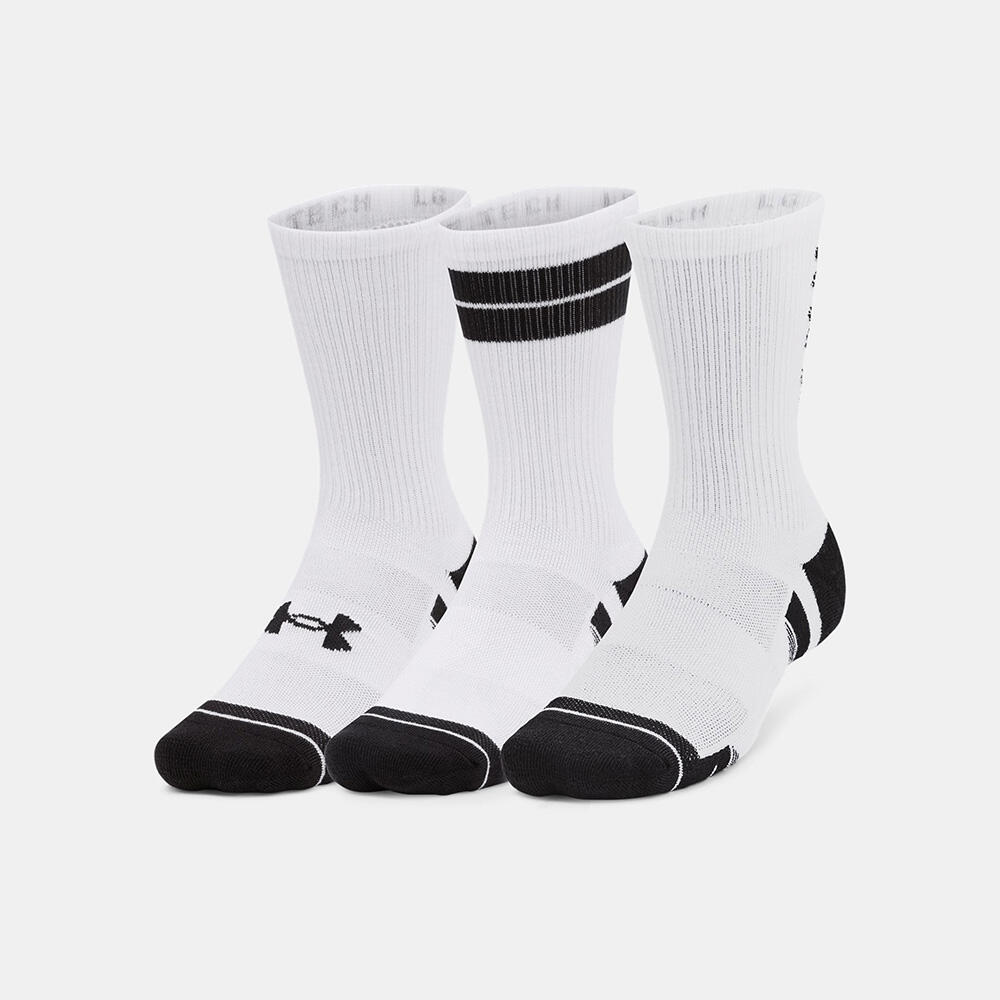
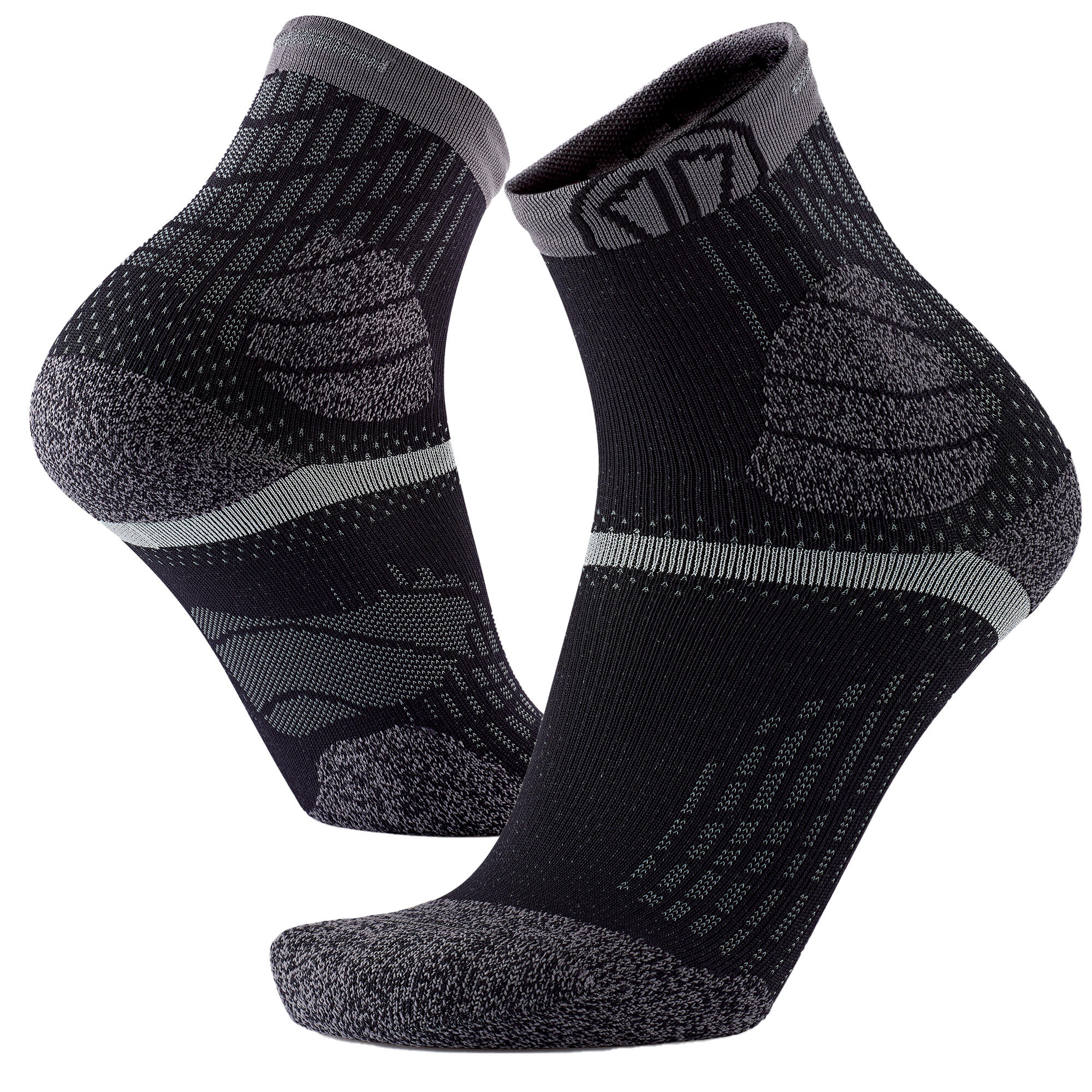
How should you wash and prepare running socks?

Wash new running socks before an important run because fresh yarn can have a smooth finish that allows more movement inside the shoe. Wear them during training first to check the cuff, arch support, toe space and any friction around the heel. Follow the care label, wash similar colours together and avoid high heat when the instructions rule out tumble drying or ironing. Heat can affect elastic fibres and reduce the sock's ability to hold its shape. Let each pair dry completely before storing it with your kit.