145 items
3.9/5 based on 4196 reviews collected online and in stores

MEN'S RUNNING WATERPROOF JACKETS FAQS

When should you choose a waterproof running jacket?

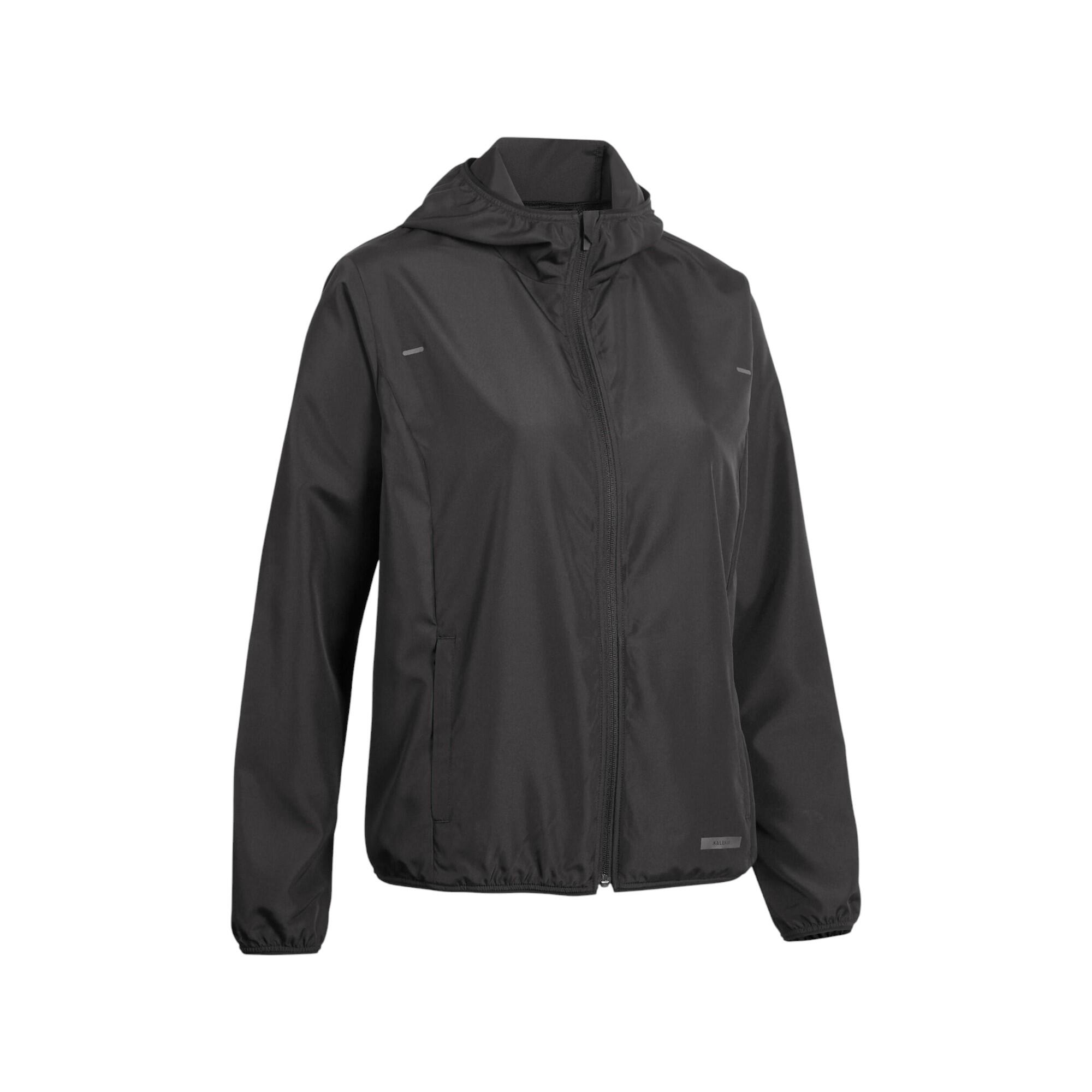
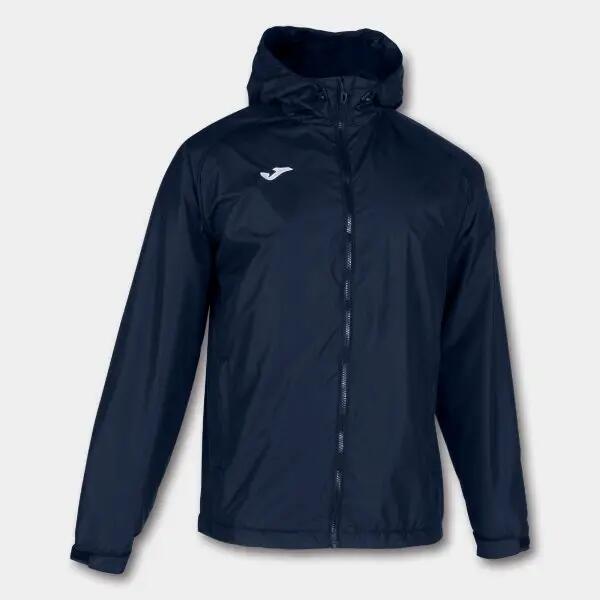
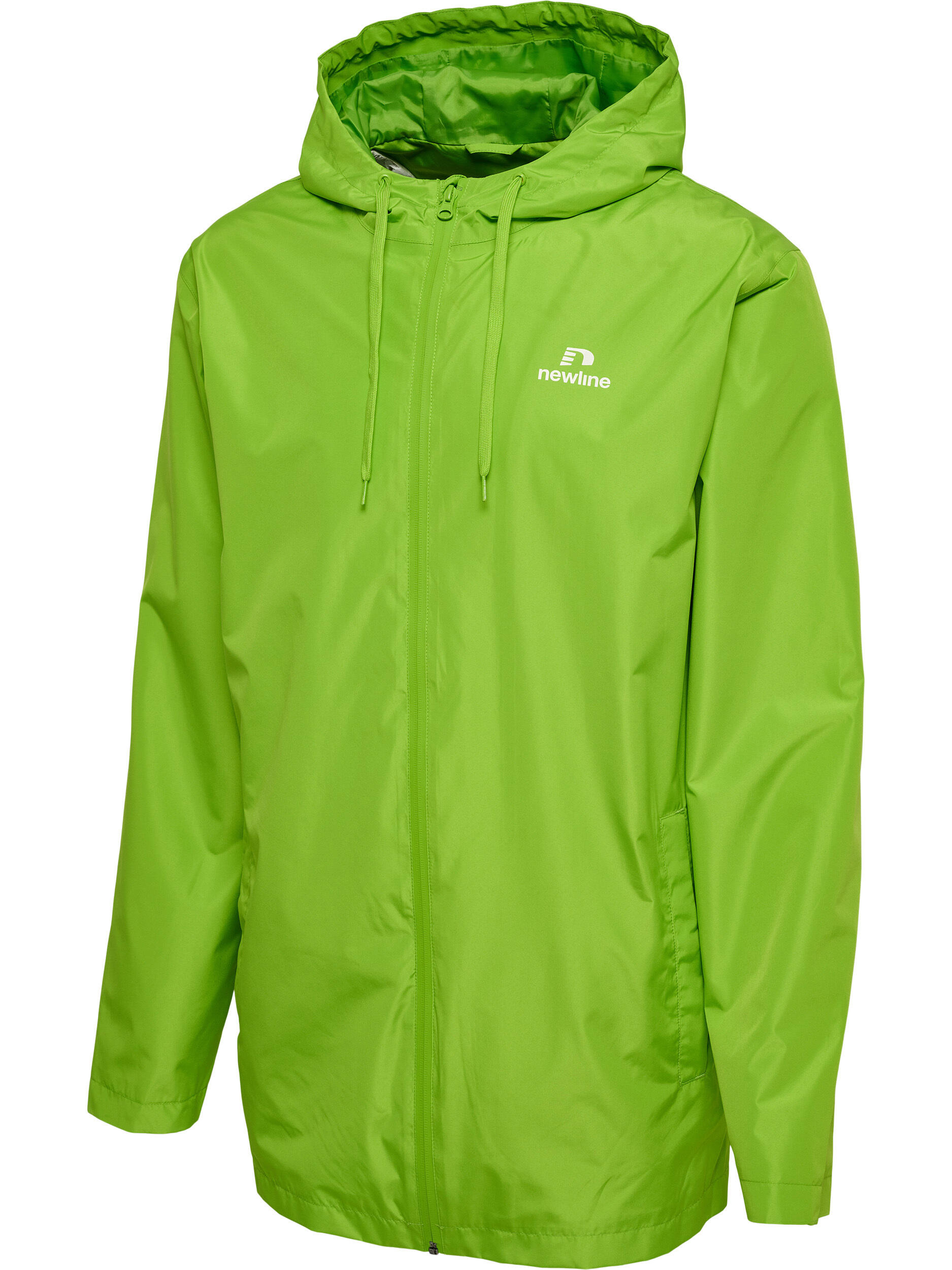
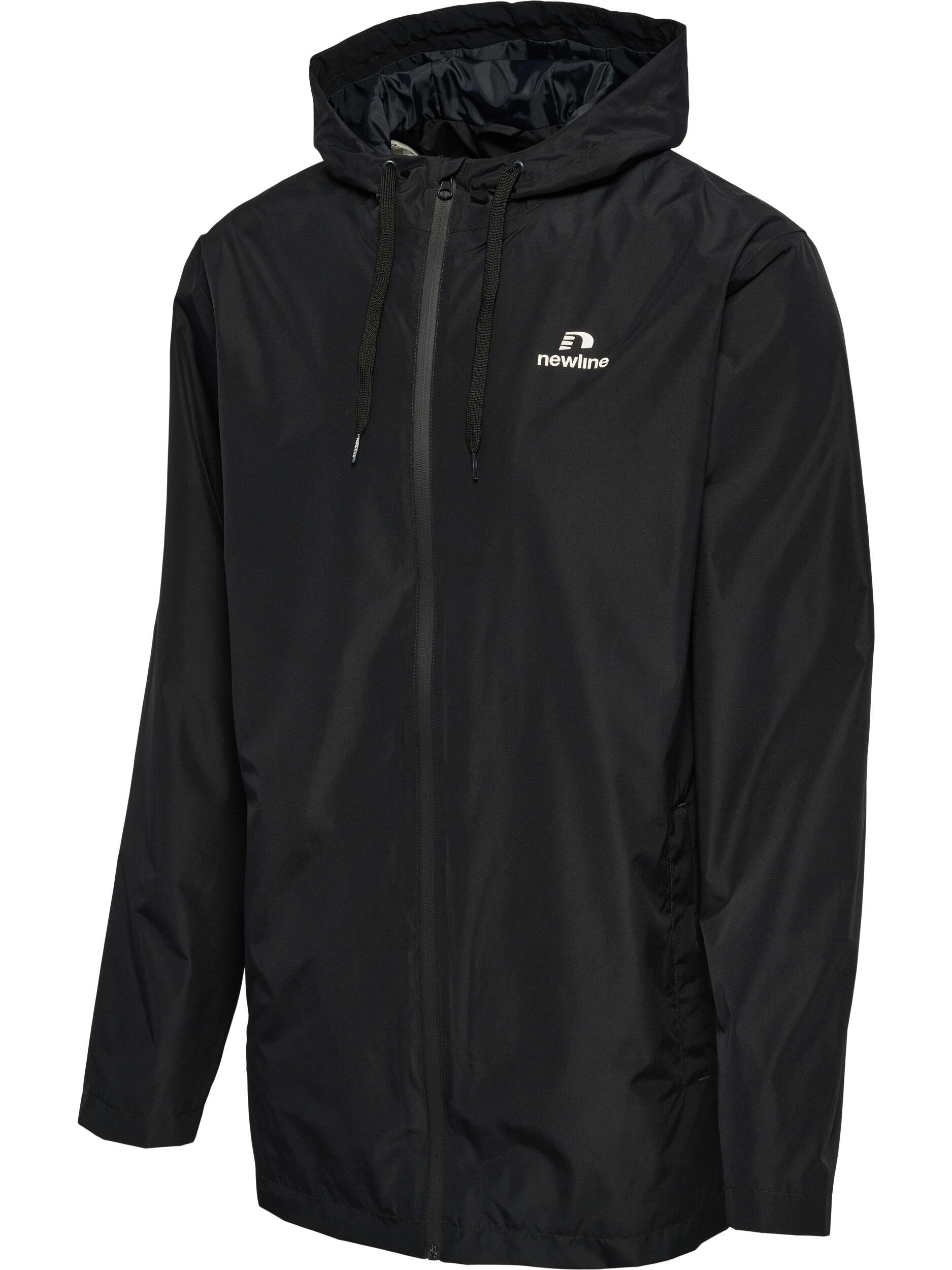
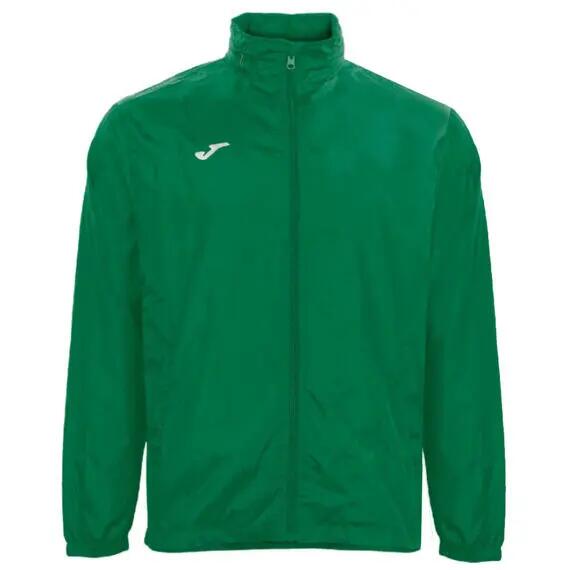
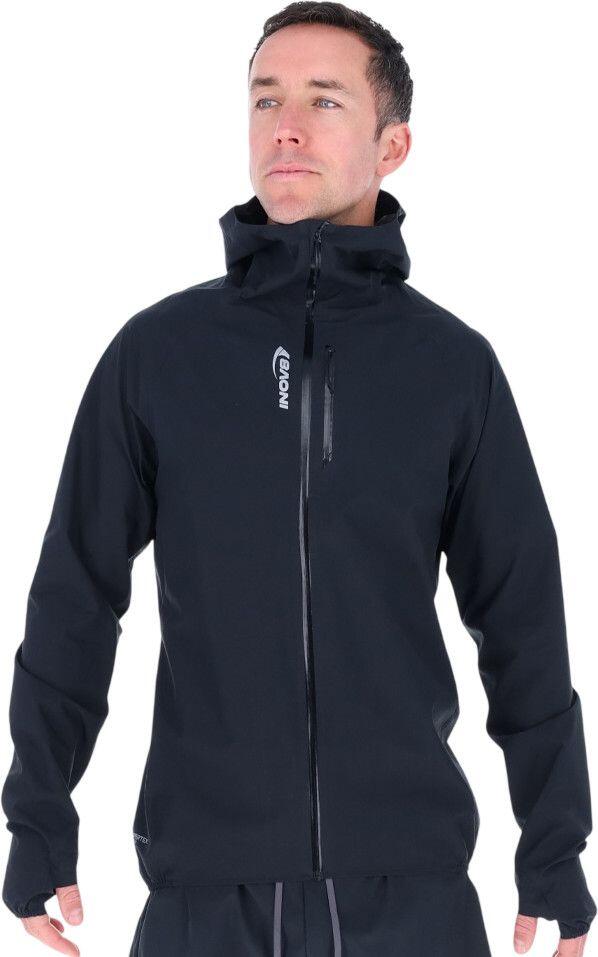
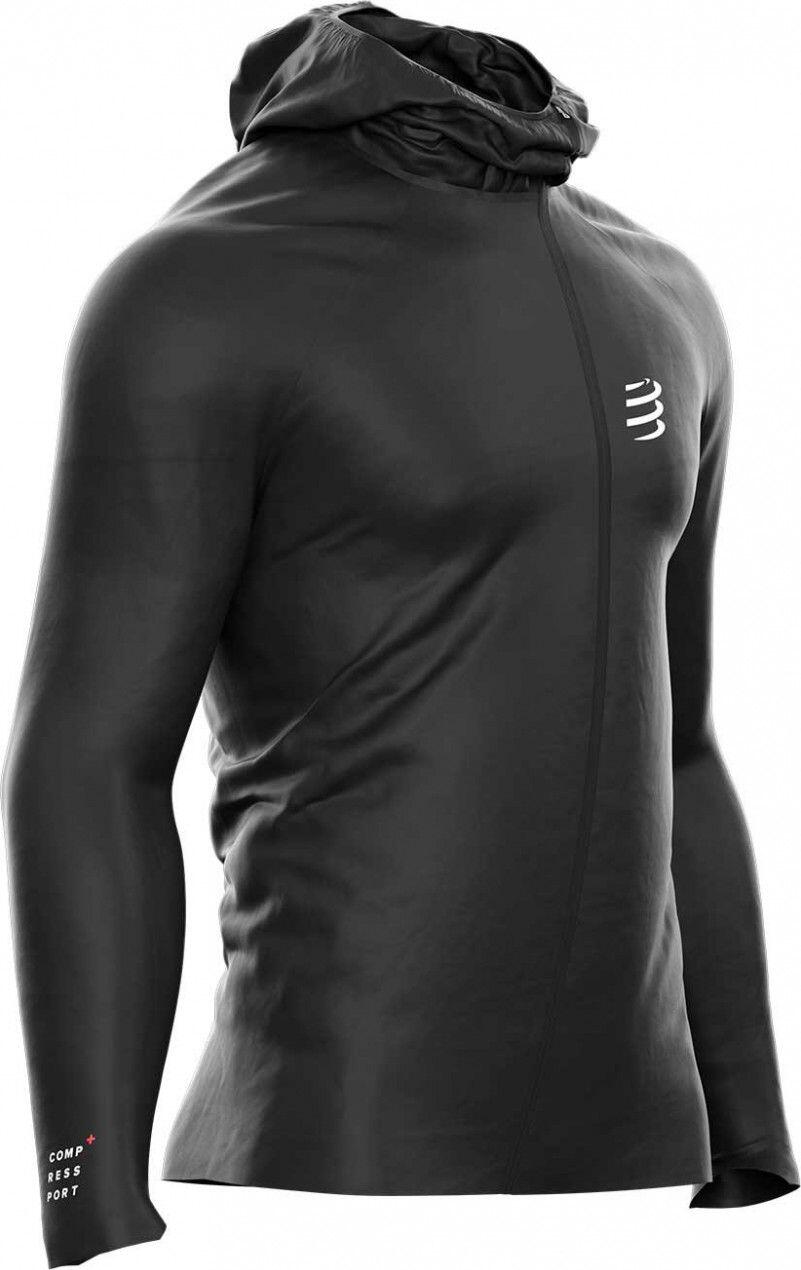
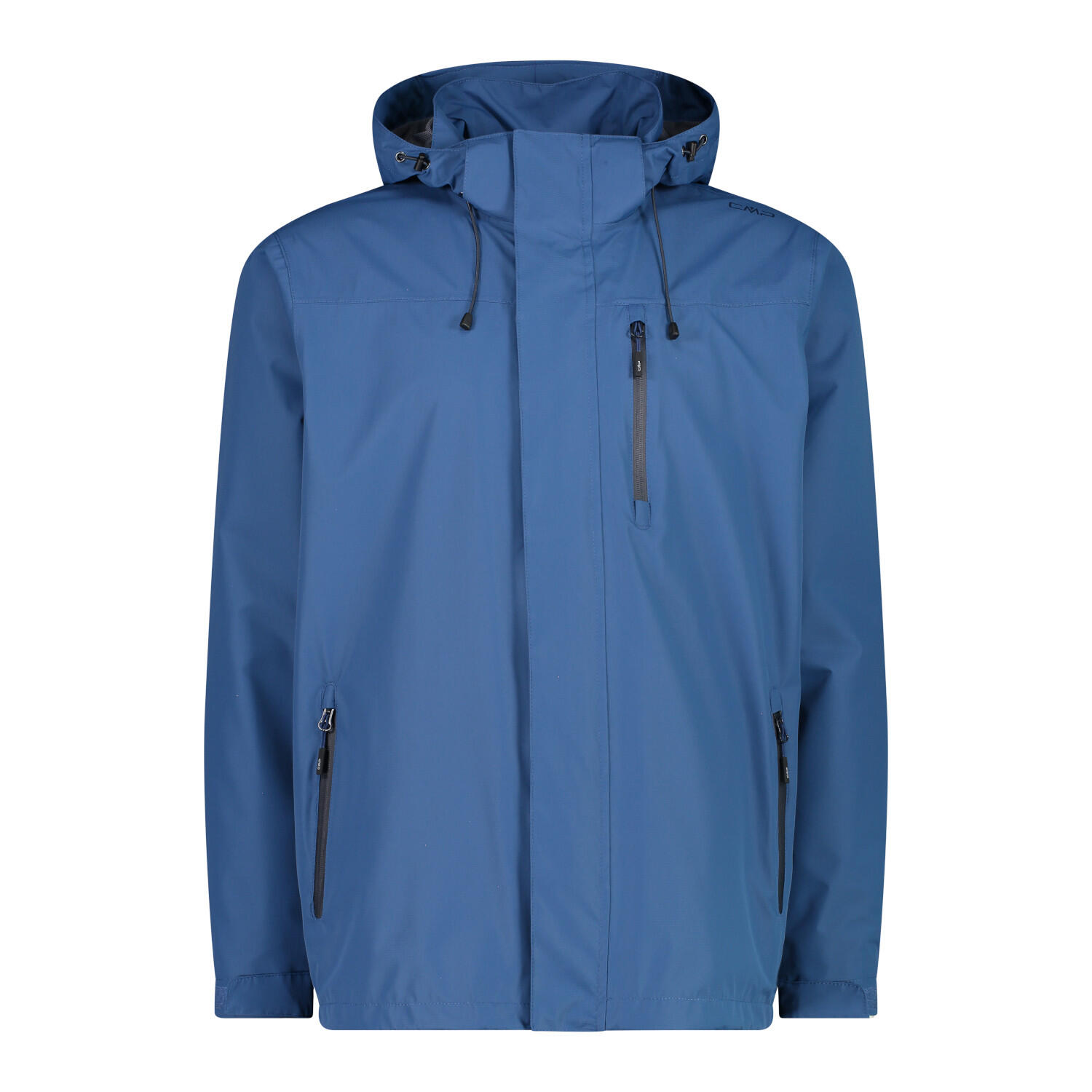
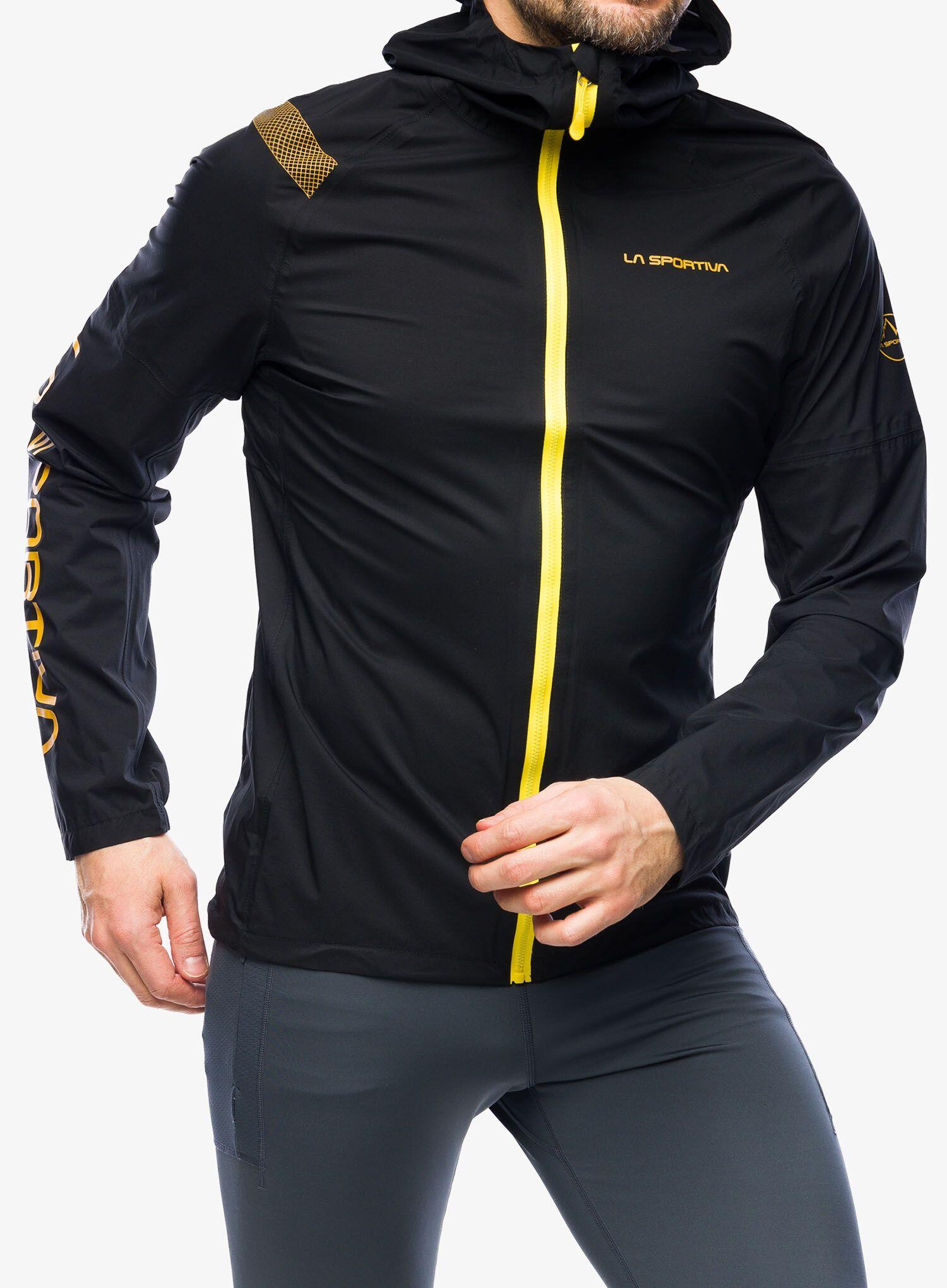
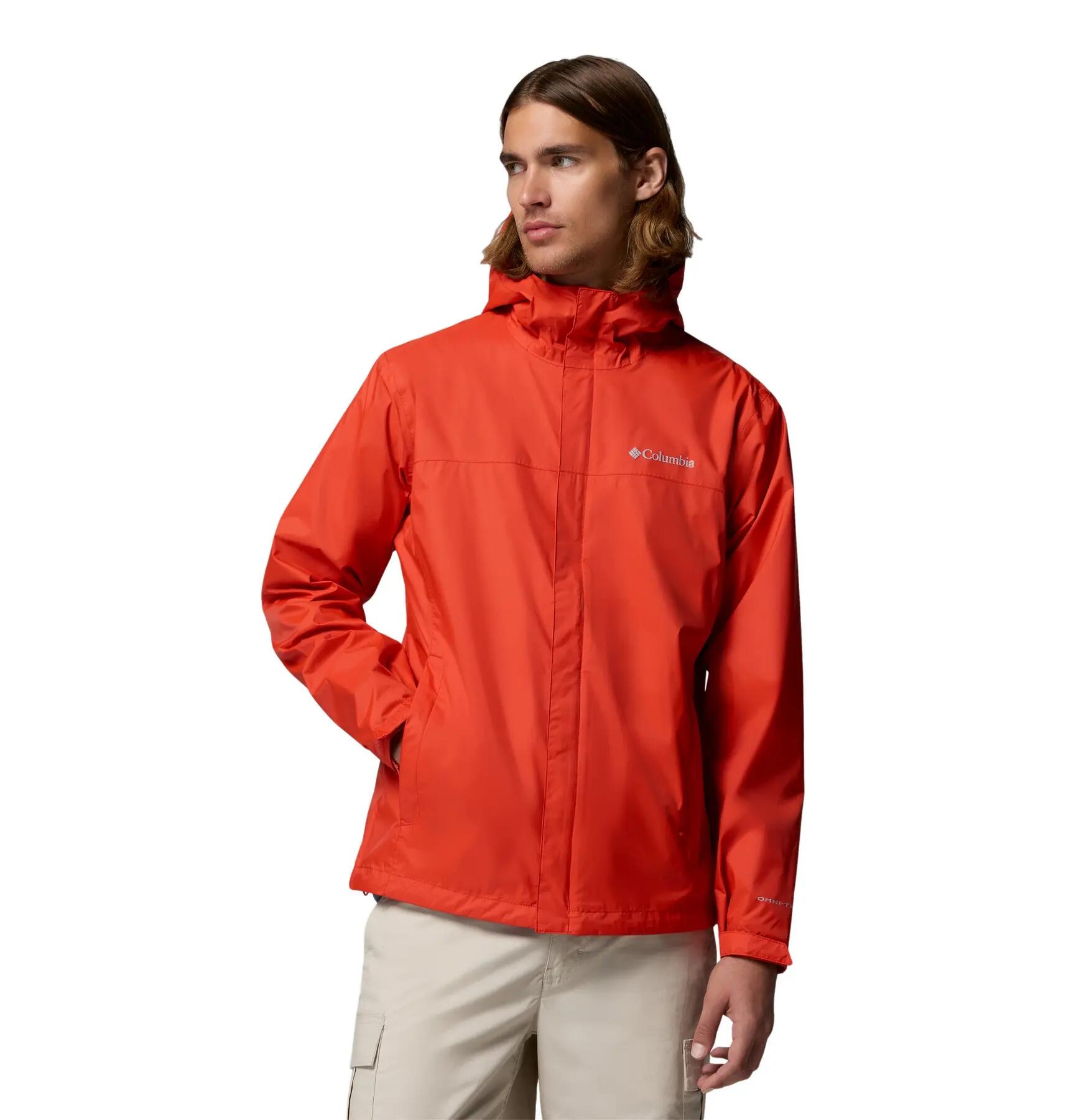
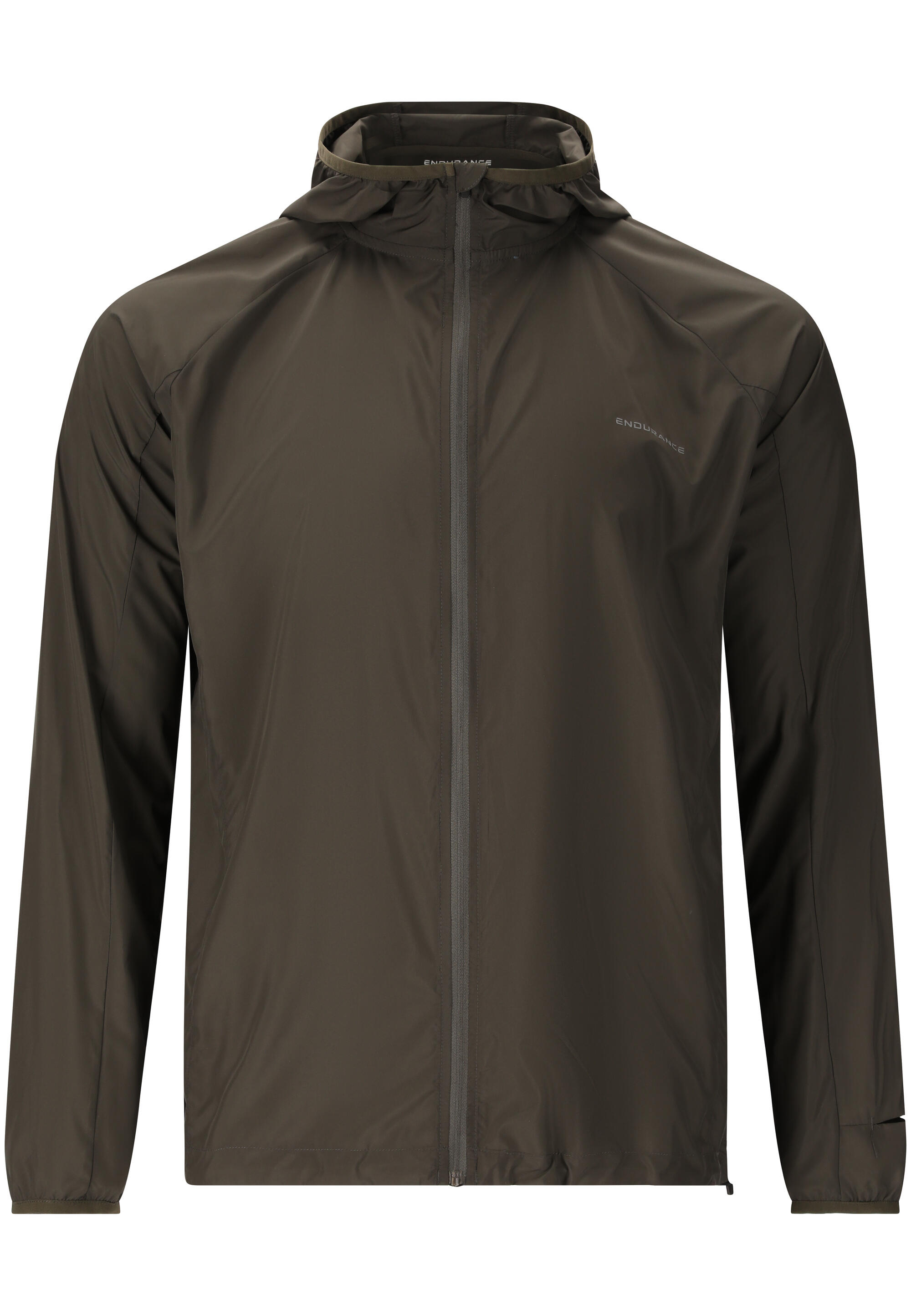
A true waterproof jacket is your shield when the heavens open mid-run. Look for taped seams, a hydrostatic-rated membrane and a snug hood that moves with your head, since these stop water from creeping in at the weak points. Across the broader men's running jackets collection, the waterproof models sit at the most protective end, built to keep you dry through sustained, soaking rain rather than just a passing shower on the way home.

Are waterproof running jackets suitable for every season?

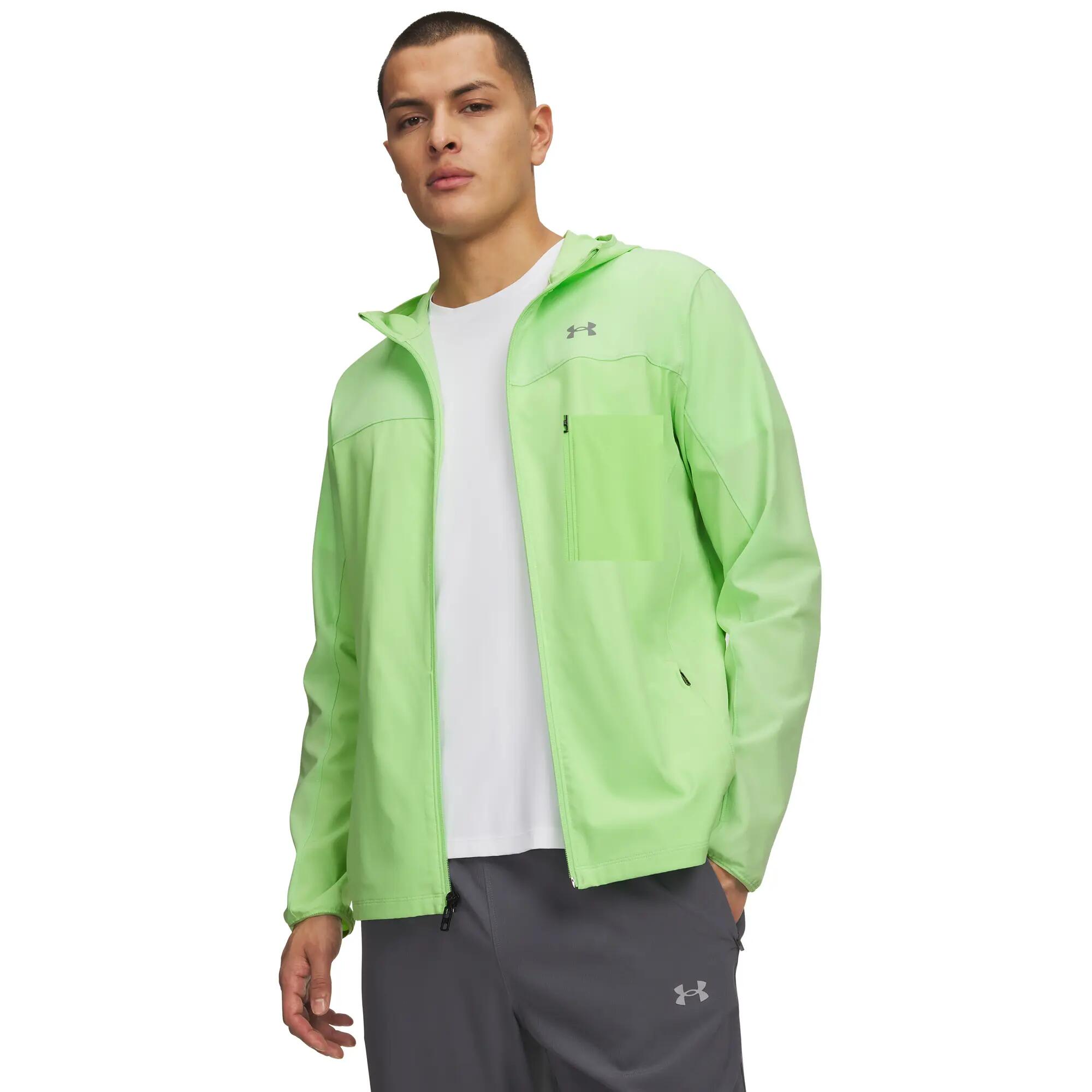
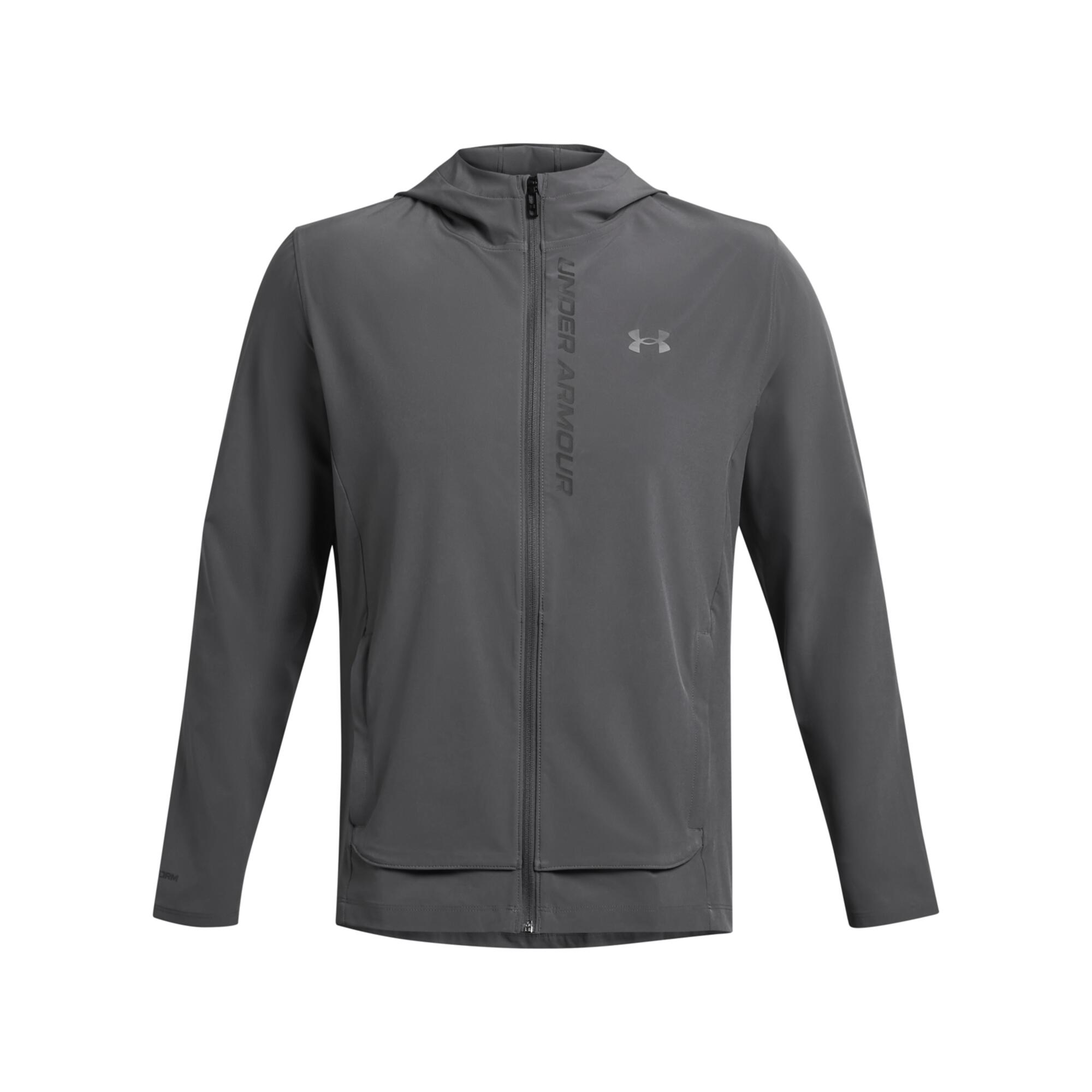
Waterproof running jackets are useful throughout the year, but the conditions determine how often you will wear one. They are ideal for wet autumn and winter runs, while lighter showers in spring or cooler summer mornings may only call for a lighter outer layer. When rain is unlikely and the main challenge is a strong breeze, men's running windbreakers offer a more breathable and packable alternative. Choosing the right jacket for the forecast helps you stay comfortable without carrying more than you need.

Are there waterproof running jackets that are actually breathable for summer rain?

Yes, high-performance waterproof running jackets engineered specifically for warm-weather downpours utilize advanced microporous or hydrophilic breathable membranes. Standard rain coats trap heat and sweat, creating a uncomfortable sauna effect when running at higher training intensities. In contrast, specialized technical running jackets feature multi-layer laminated fabrics with RET (Resistance to Evaporative Heat Transfer) ratings below 6. The technical "why" behind low RET membrane technology relies on microscopic pore physics: the pores in a hydrophilic membrane are thousands of times smaller than a water droplet, blocking rain completely while remaining significantly larger than water vapor molecules to let sweat escape freely. Technical performance ranges from Kiprun integrate laser-cut underarm vents and mechanical back flap openings to drive passive airflow during humid Irish summer showers. Wearing a breathable shell over moisture-wicking running tops maintains your body's natural thermoregulation without soaking you from the inside out. Pro-tip: Unzip the top quarter of two-way front zippers during steep uphill climbs in warm rain to boost chest ventilation without letting water reach your waistline.

Are there running jackets that are both waterproof and very lightweight?

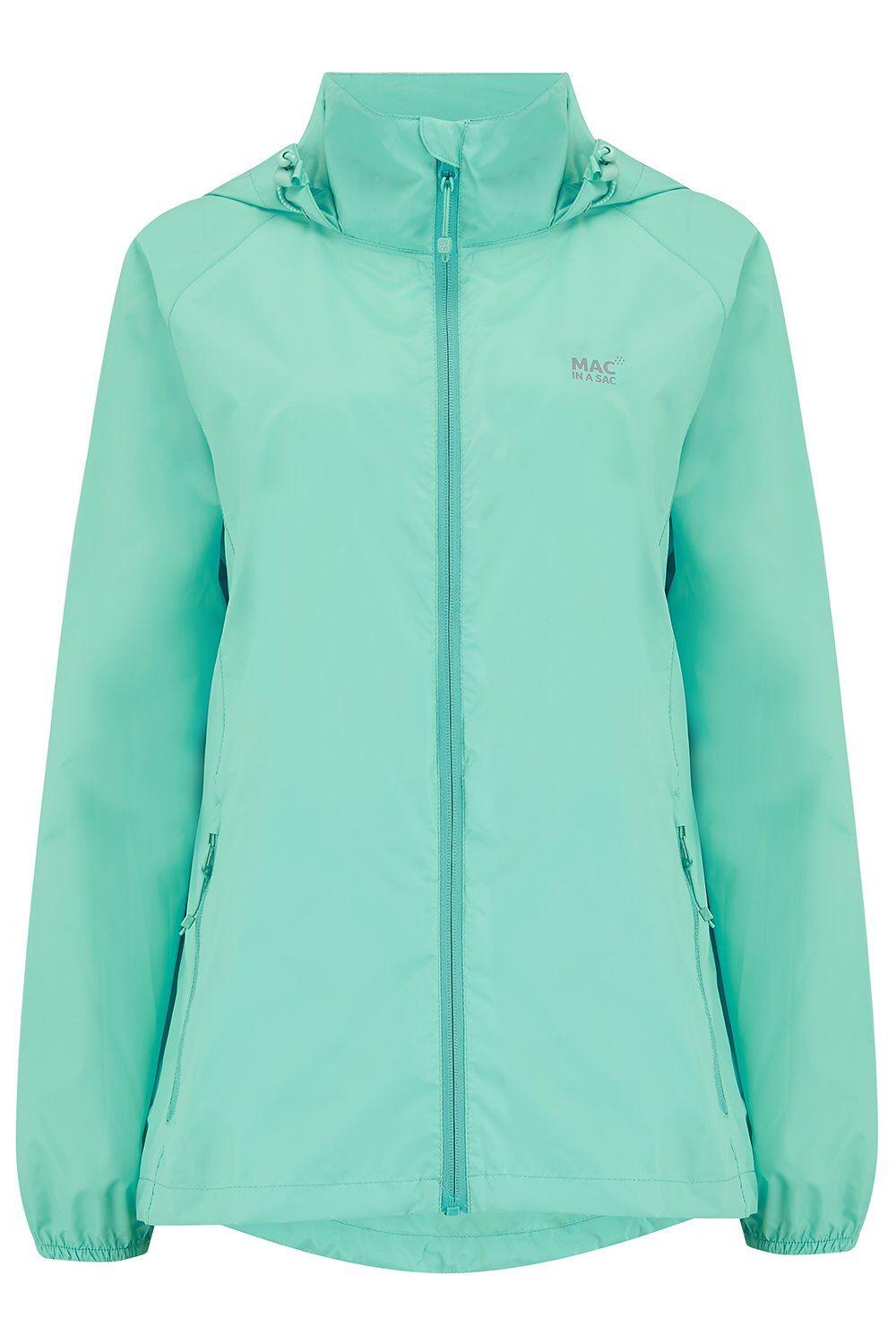
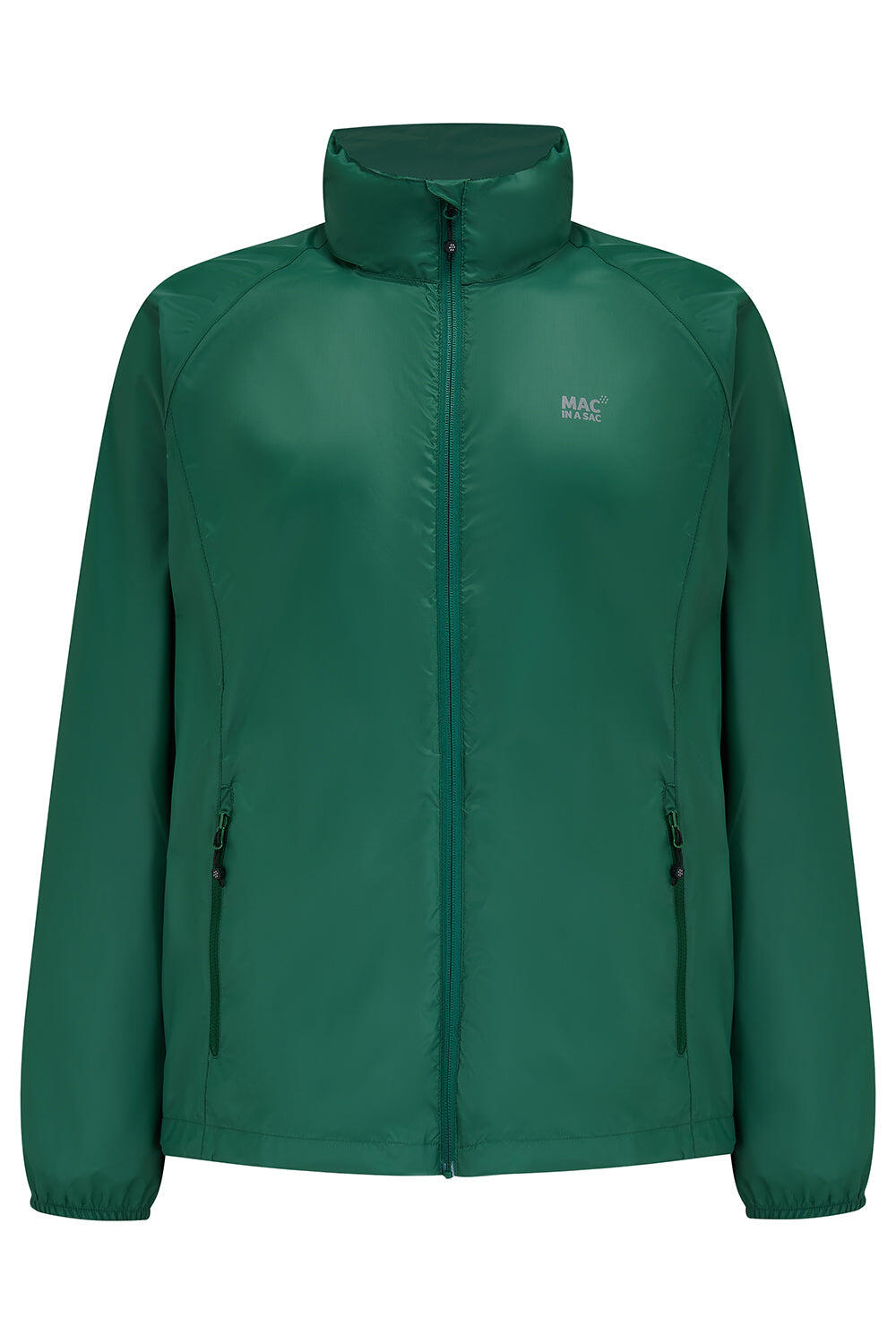
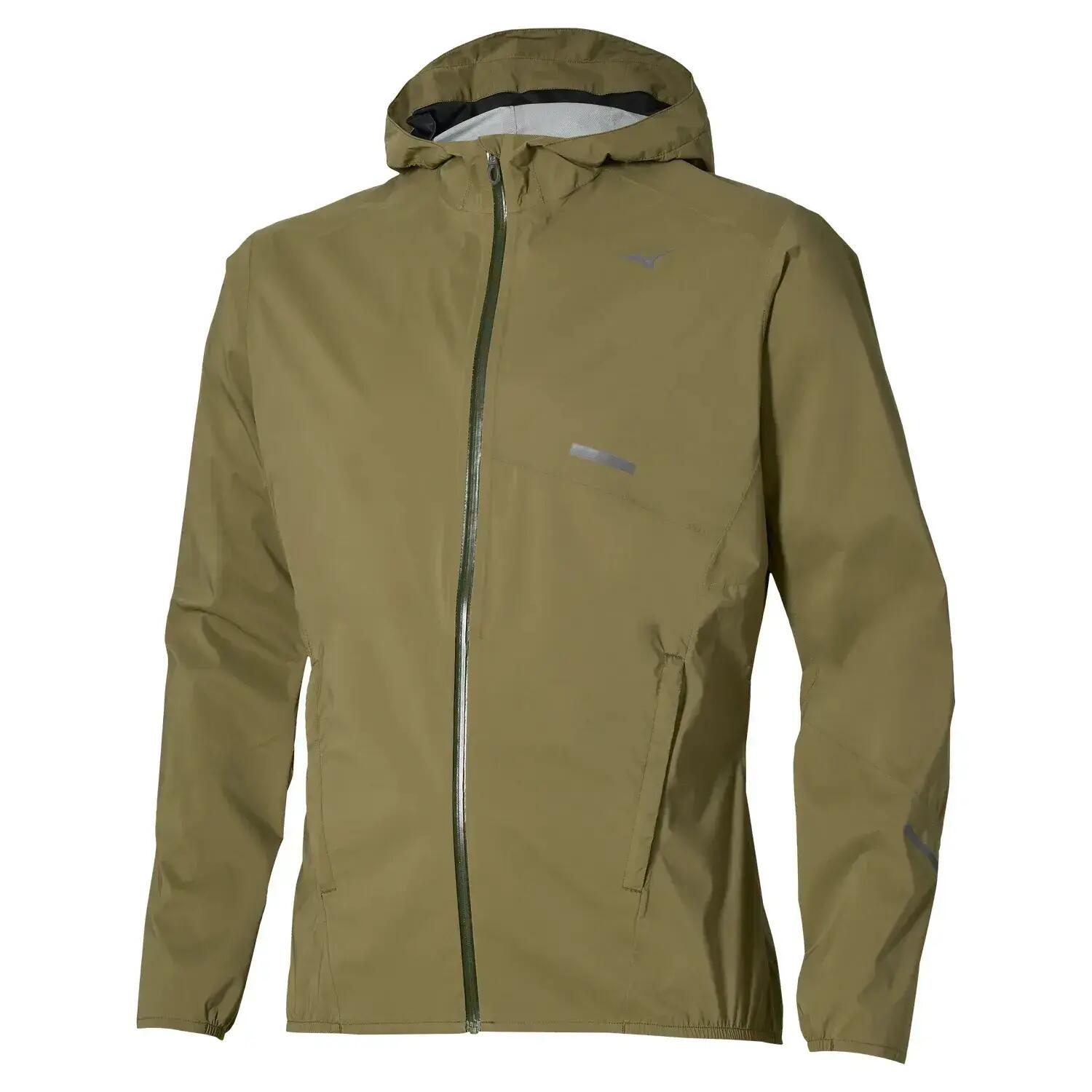
Modern textile engineering allows manufacturers to produce ultra-lightweight rain shells weighing between 130 and 180 grams while providing complete storm protection. A light waterproof running jacket uses ultra-fine denier ripstop nylon or polyamide outer faces combined with ultra-thin laminated membranes and micro-taped seams. The technical "why" behind achieving extreme lightness without sacrificing waterproofness lies in micro-seam sealing: replacing heavy 20mm seam tape with narrow 8mm heat-bonded tape seals every stitch hole against water ingress while trimming garment weight and improving packability. Finding the best lightweight waterproof running jacket gives trail runners and marathoners a packable layer that easily satisfies strict race mandatory gear requirements and stows away into a waistbelt pocket. Pro-tip: Look for jackets with an integrated chest snap-button, which lets you fully open the main zipper for cooling without the jacket flapping off your shoulders.
When does a warm running jacket make the biggest difference?

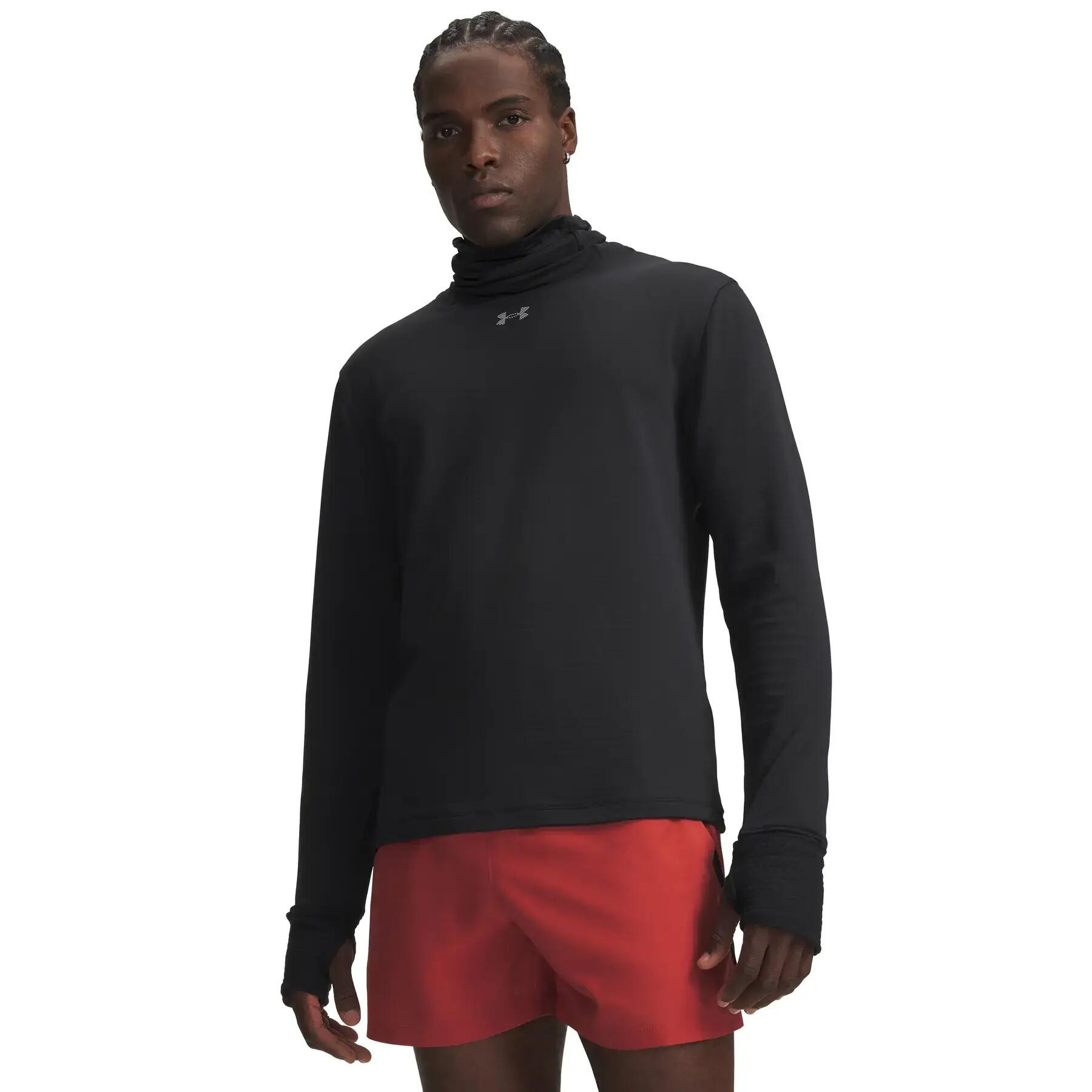
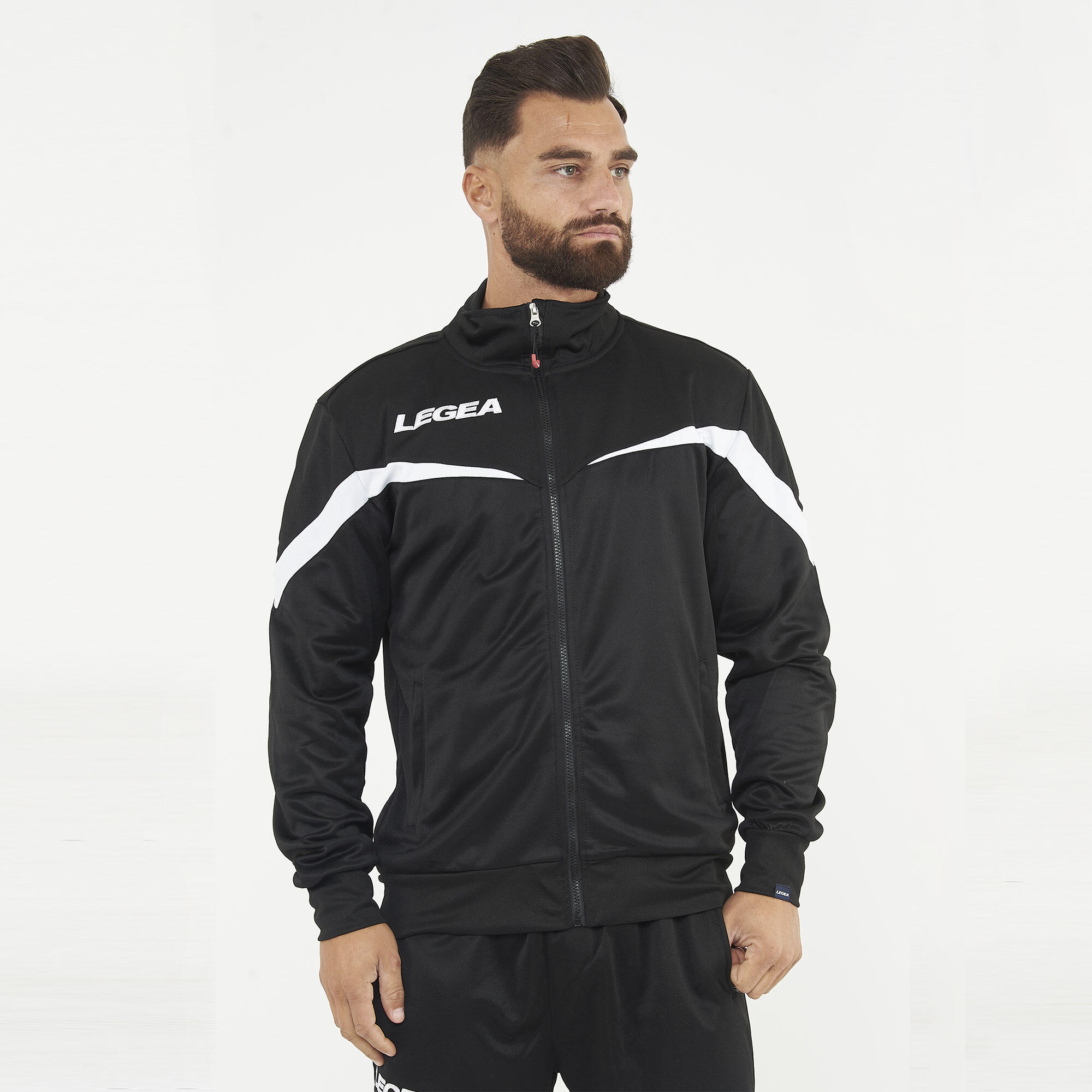
Once protection from the cold matters more than fending off rain, insulation takes priority over a thin shell. On freezing but dry mornings, or slow recovery jogs where you generate little body heat, a brushed, heat-holding layer keeps your core toasty. The men's running sweatshirts & warm jackets range delivers exactly that cosy warmth, so muscles stay loose and ready through the bitter heart of winter.

How do you stay dry on long, wet runs?

Total dryness comes from covering the whole body, not just the torso. Wear your shell with a peaked cap to keep rain off your face, and pull on gloves to protect cold fingers on the most exposed stretches of the route. Adding water-resistant men's running trousers then keeps the legs covered from spray and puddle splash, while tight cuffs and hems seal the gaps where water sneaks in. With every layer working together, you can brave a downpour and finish warm and dry.