




358 items
4.6/5 based on 1801 reviews collected online and in stores

New Balance Running Gear FAQs

Which New Balance running shoes suit your training?

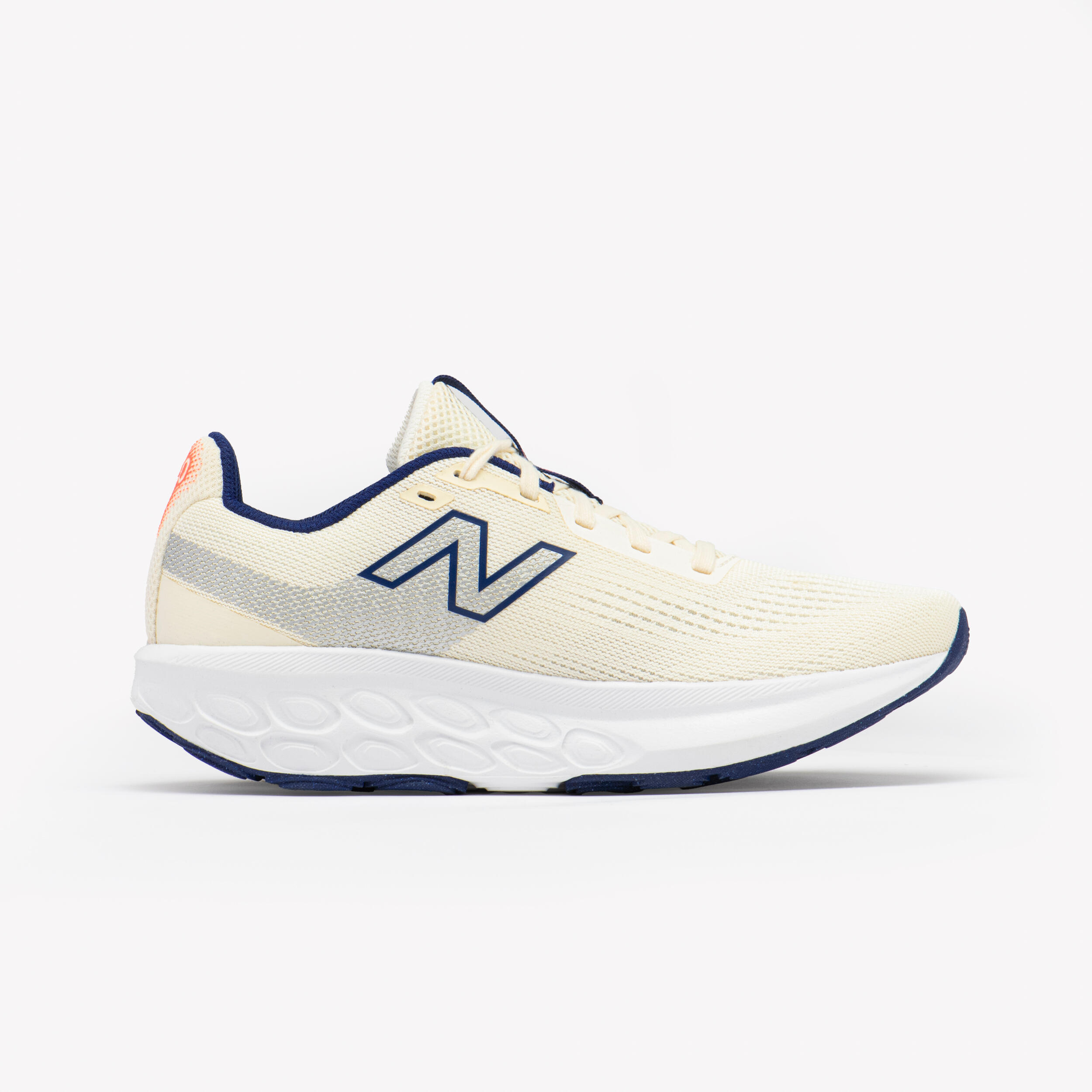
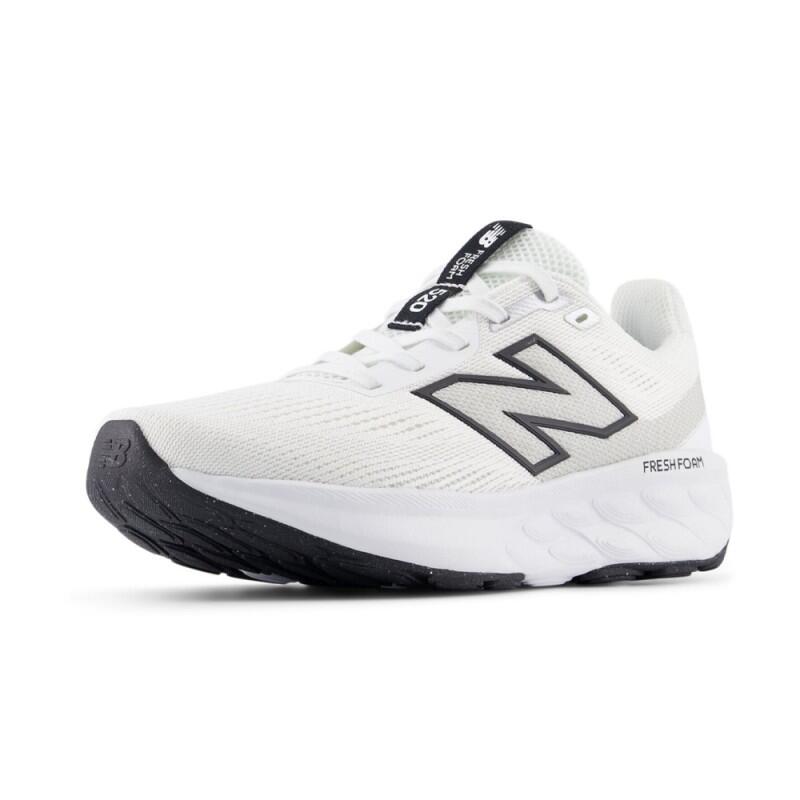
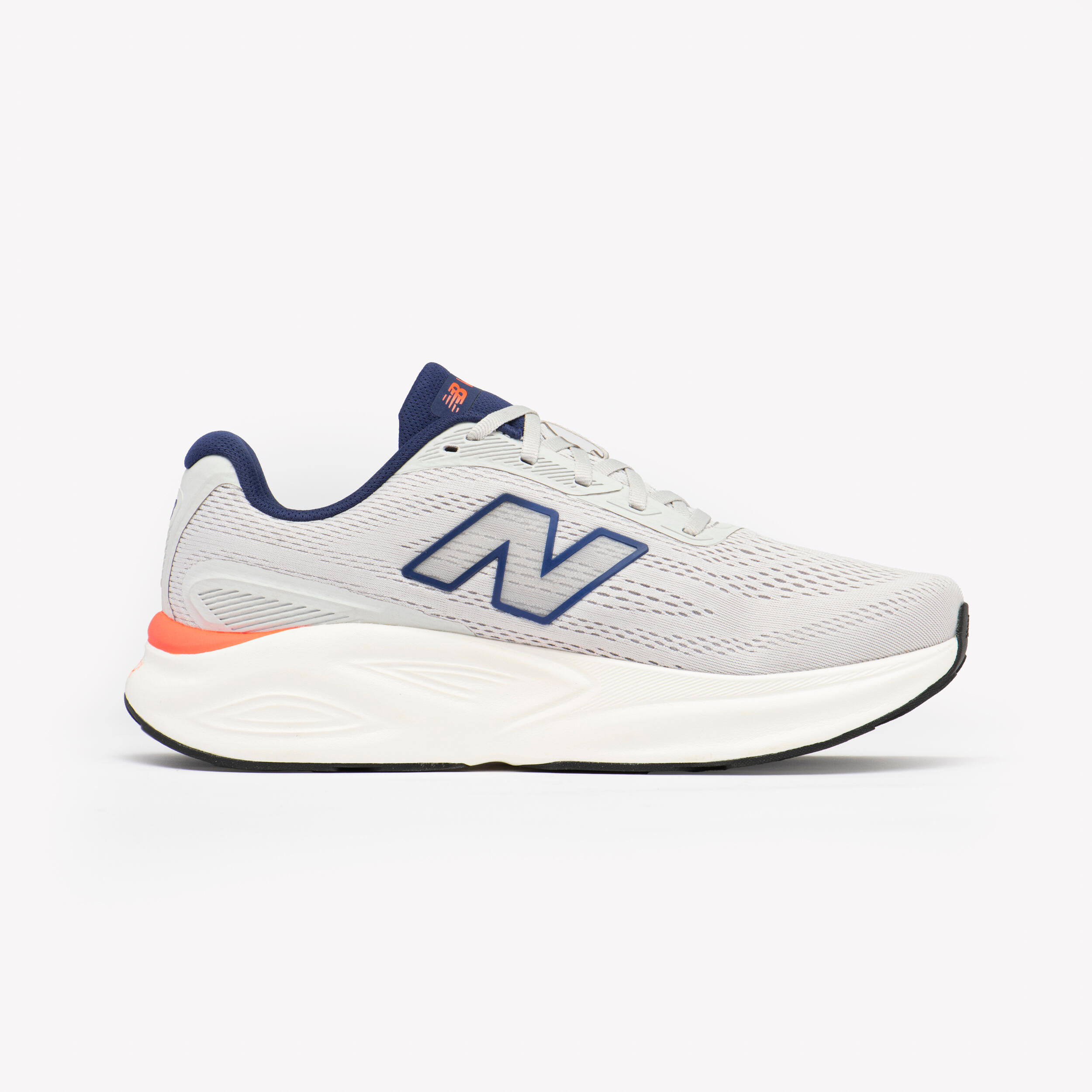
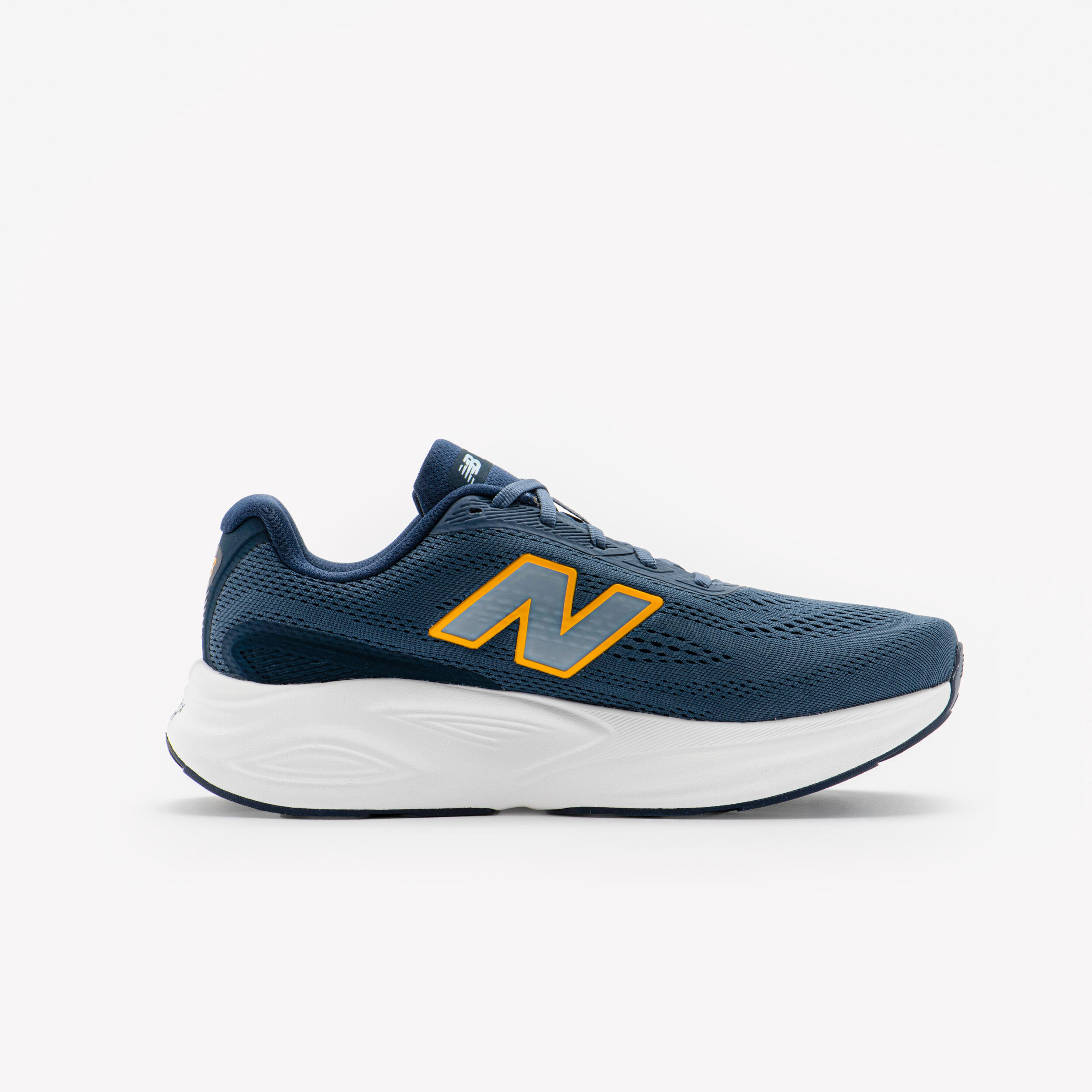
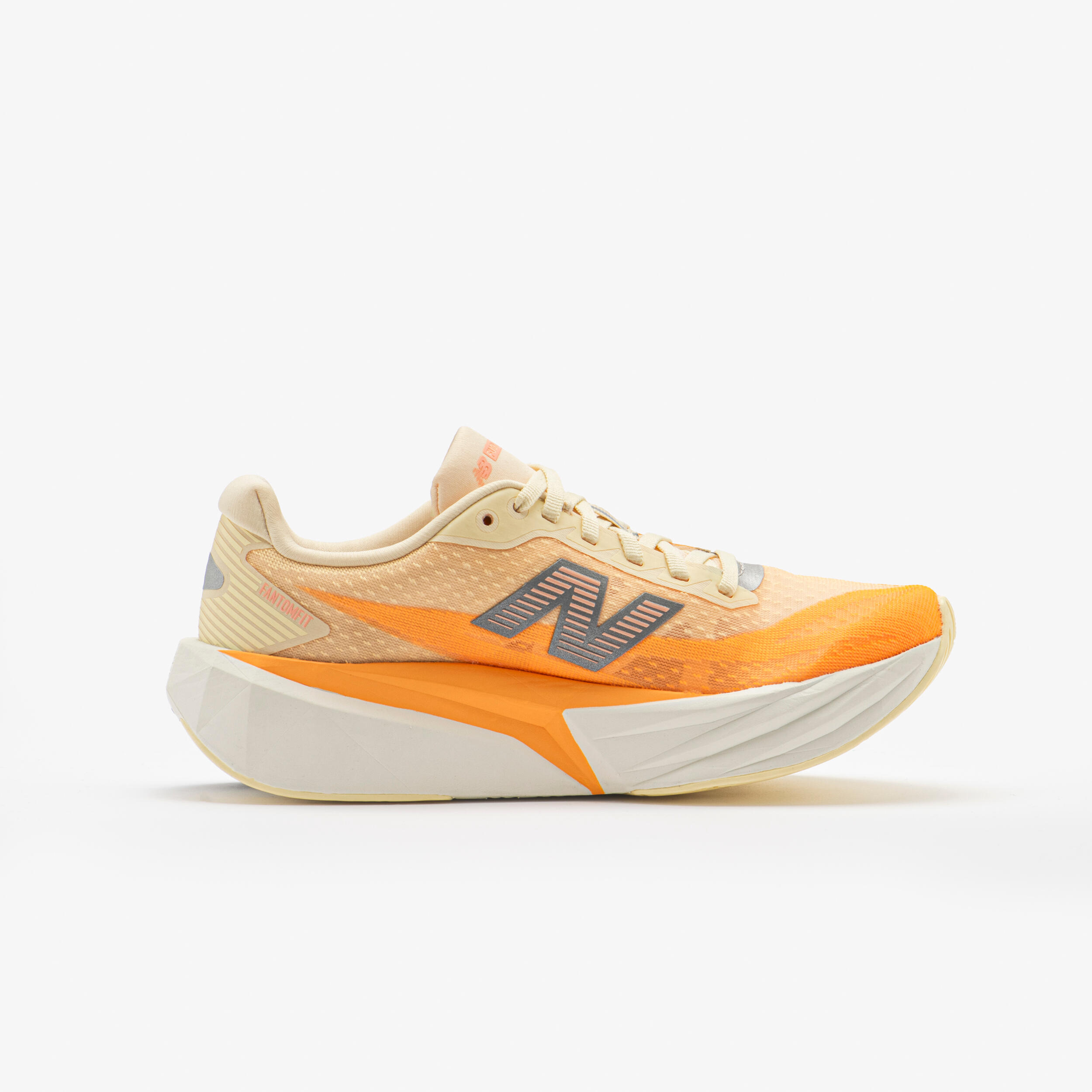
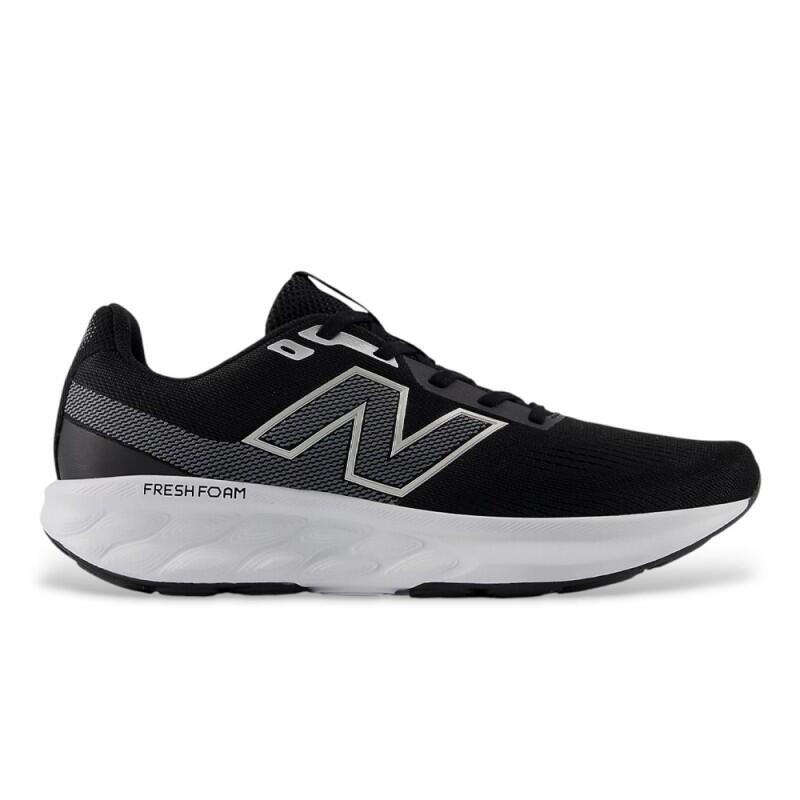
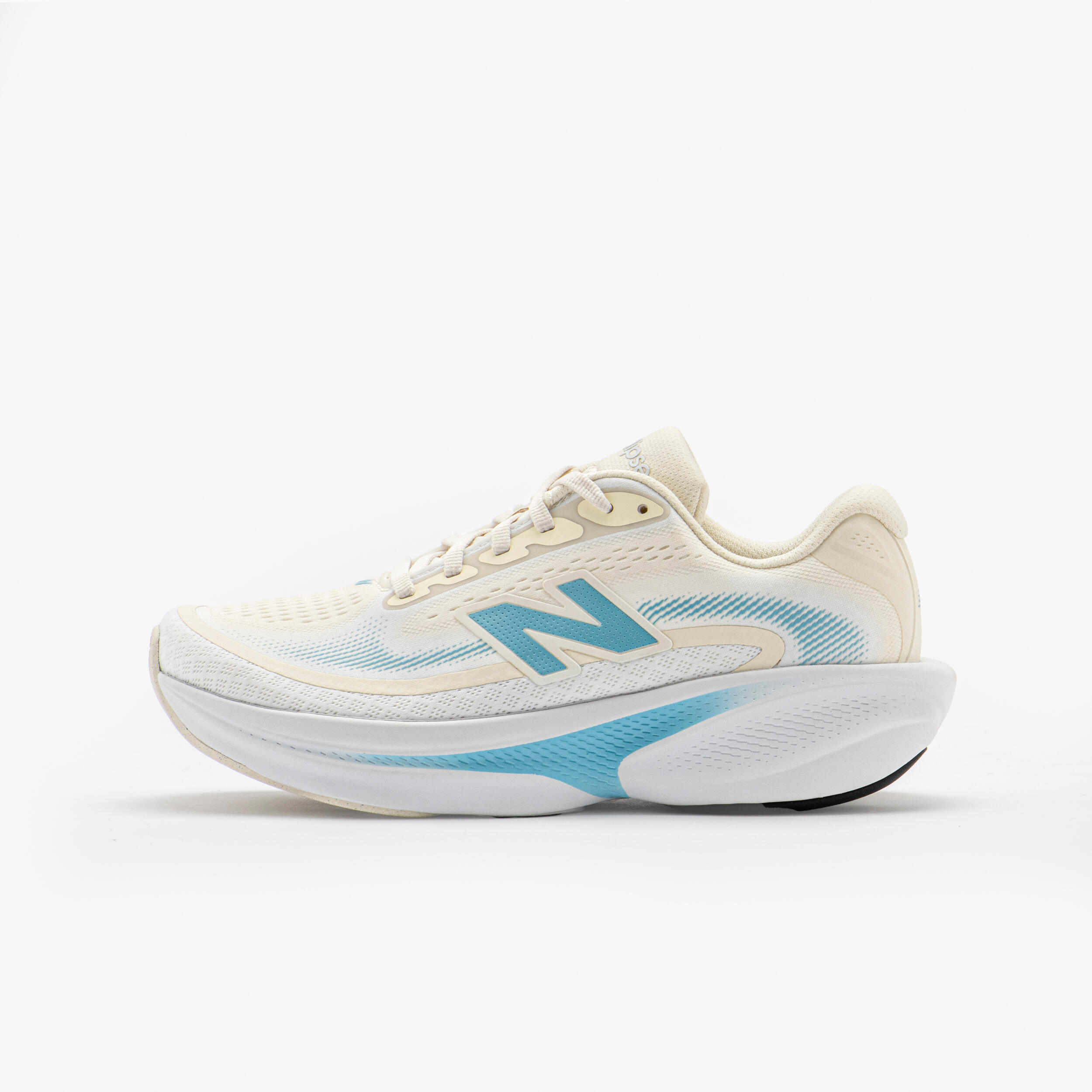
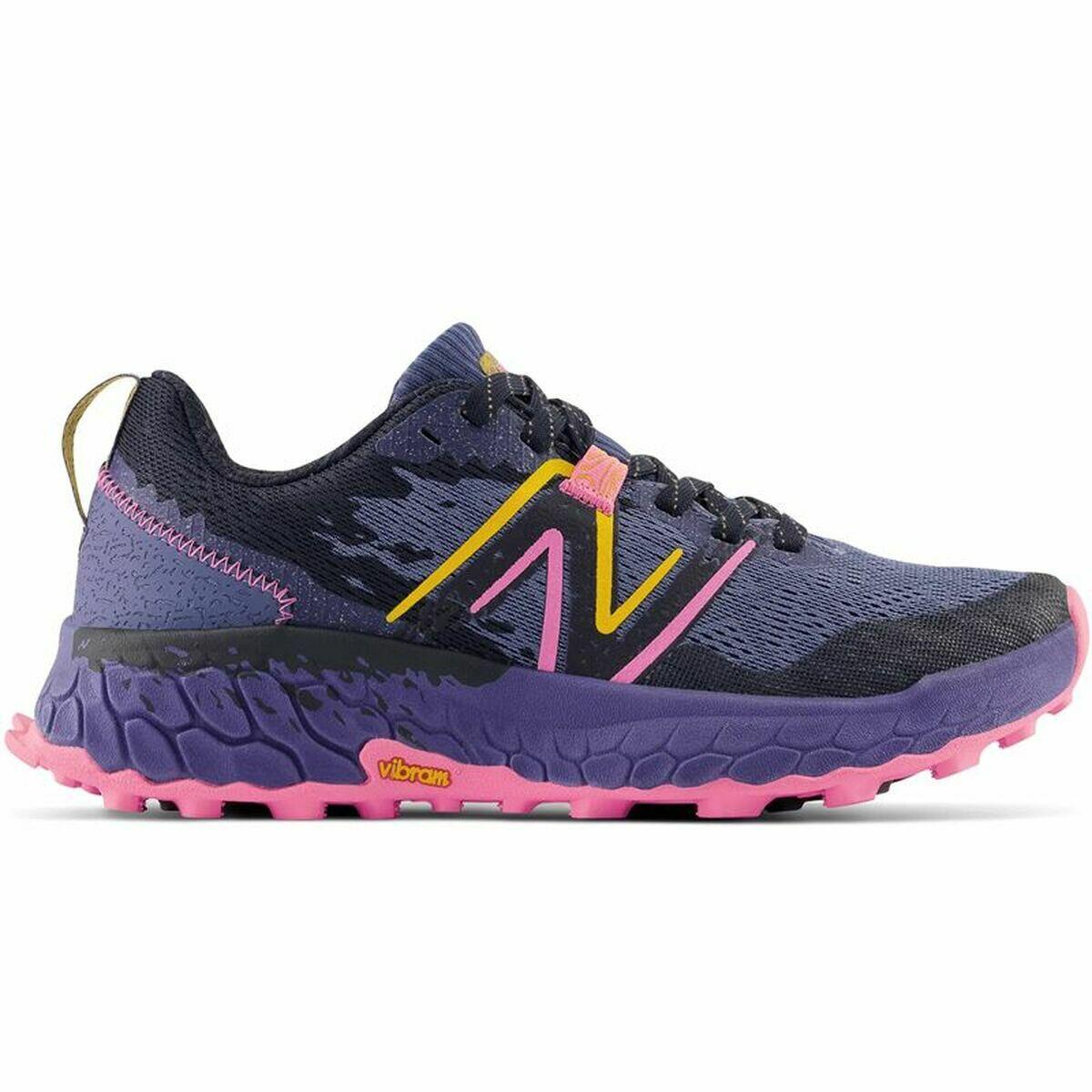
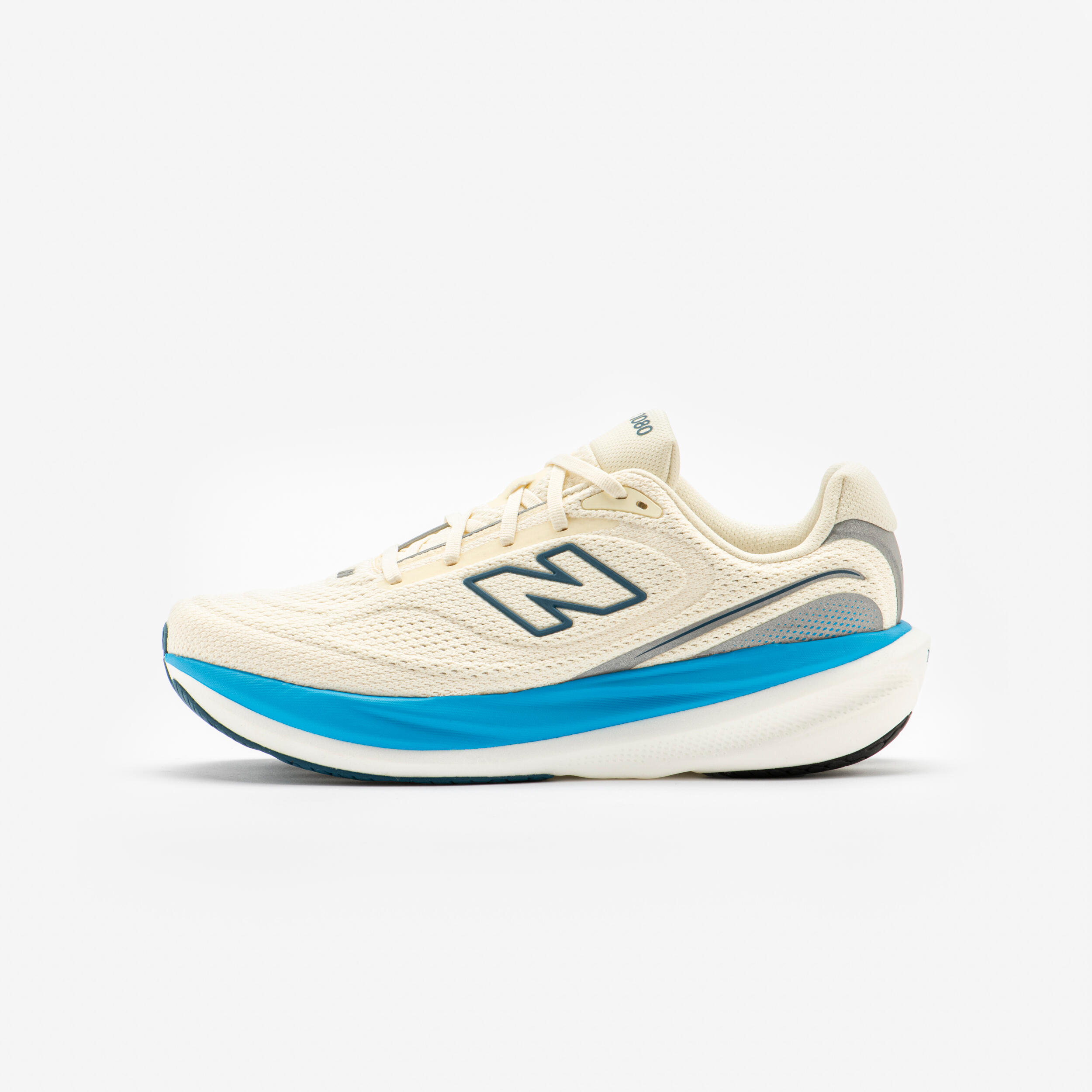
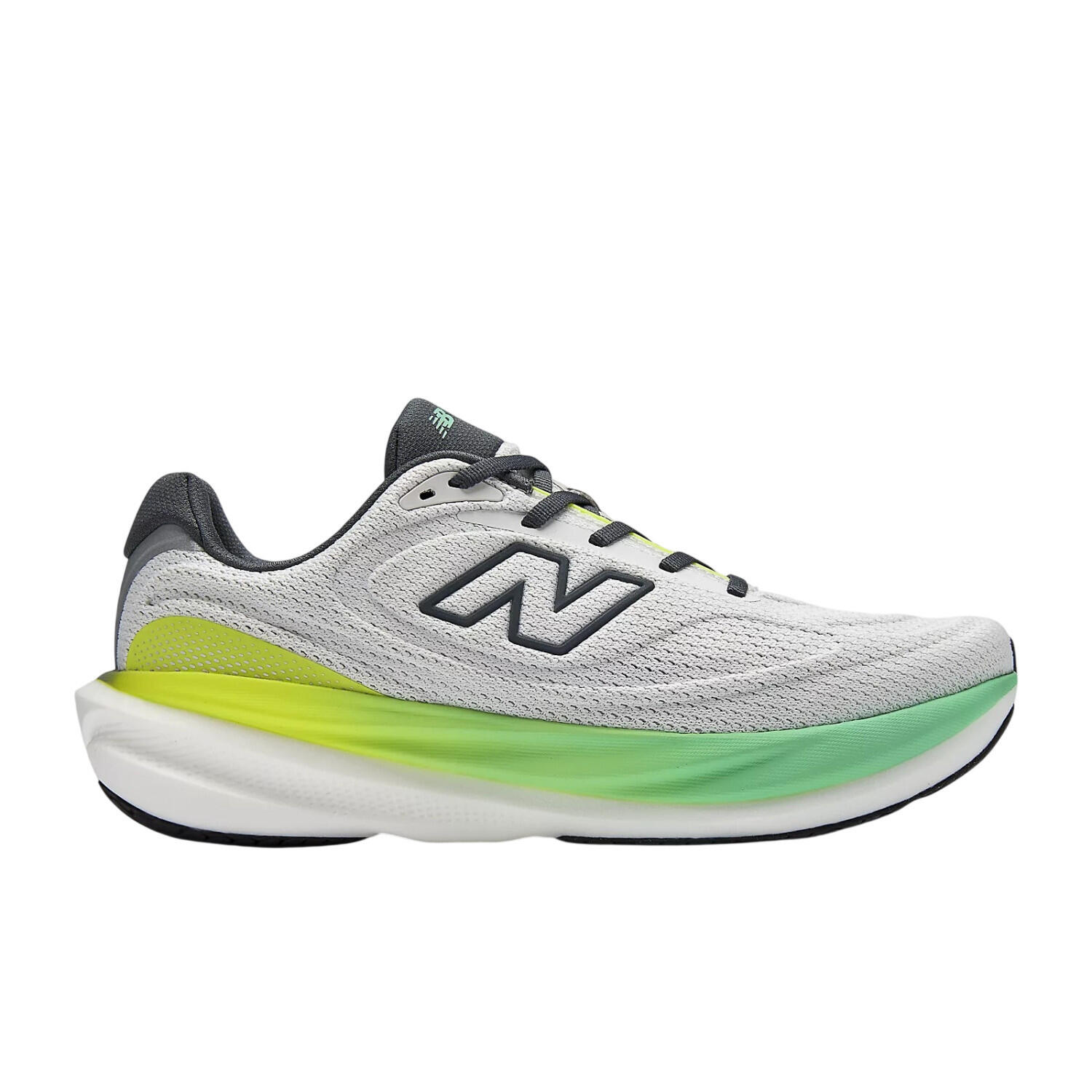
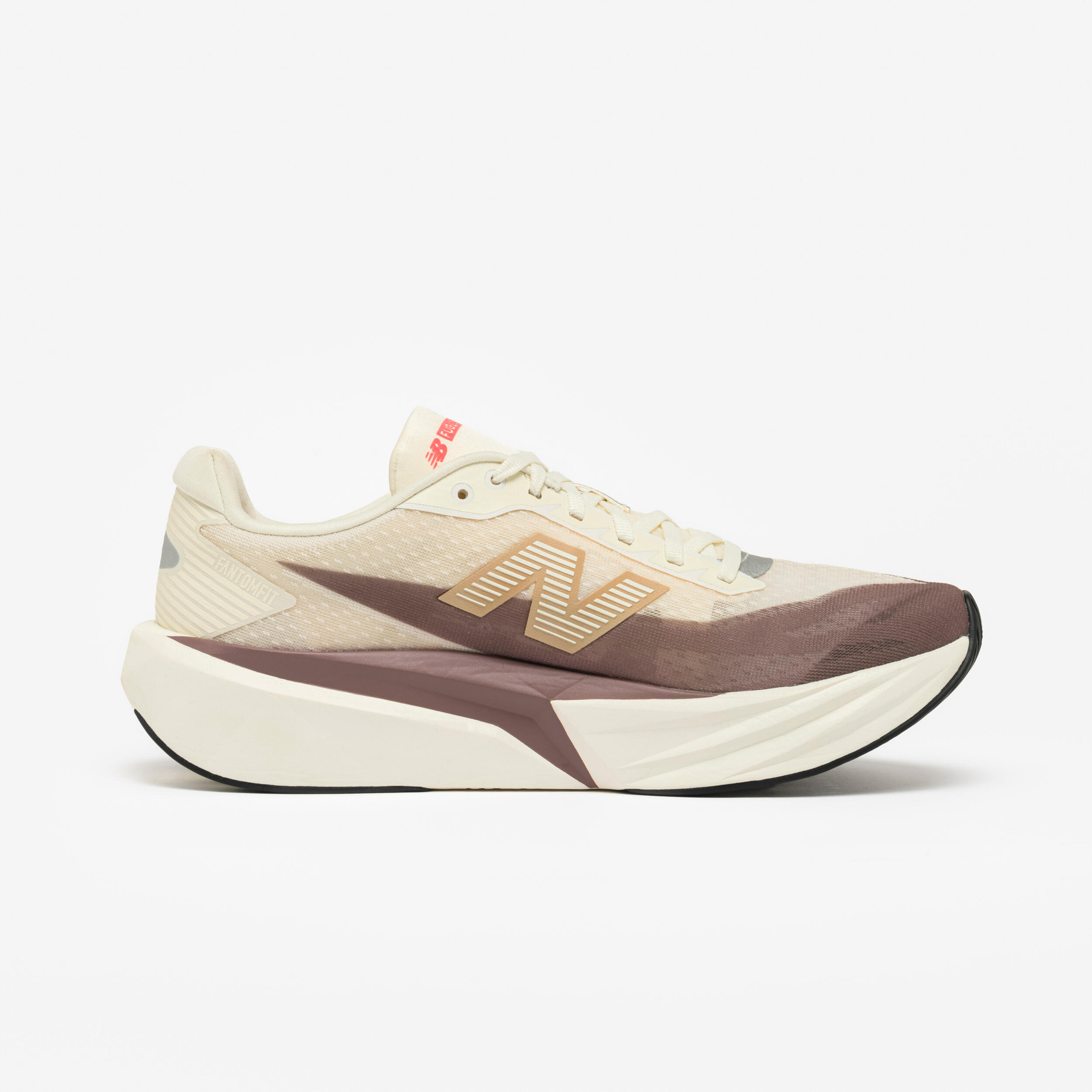
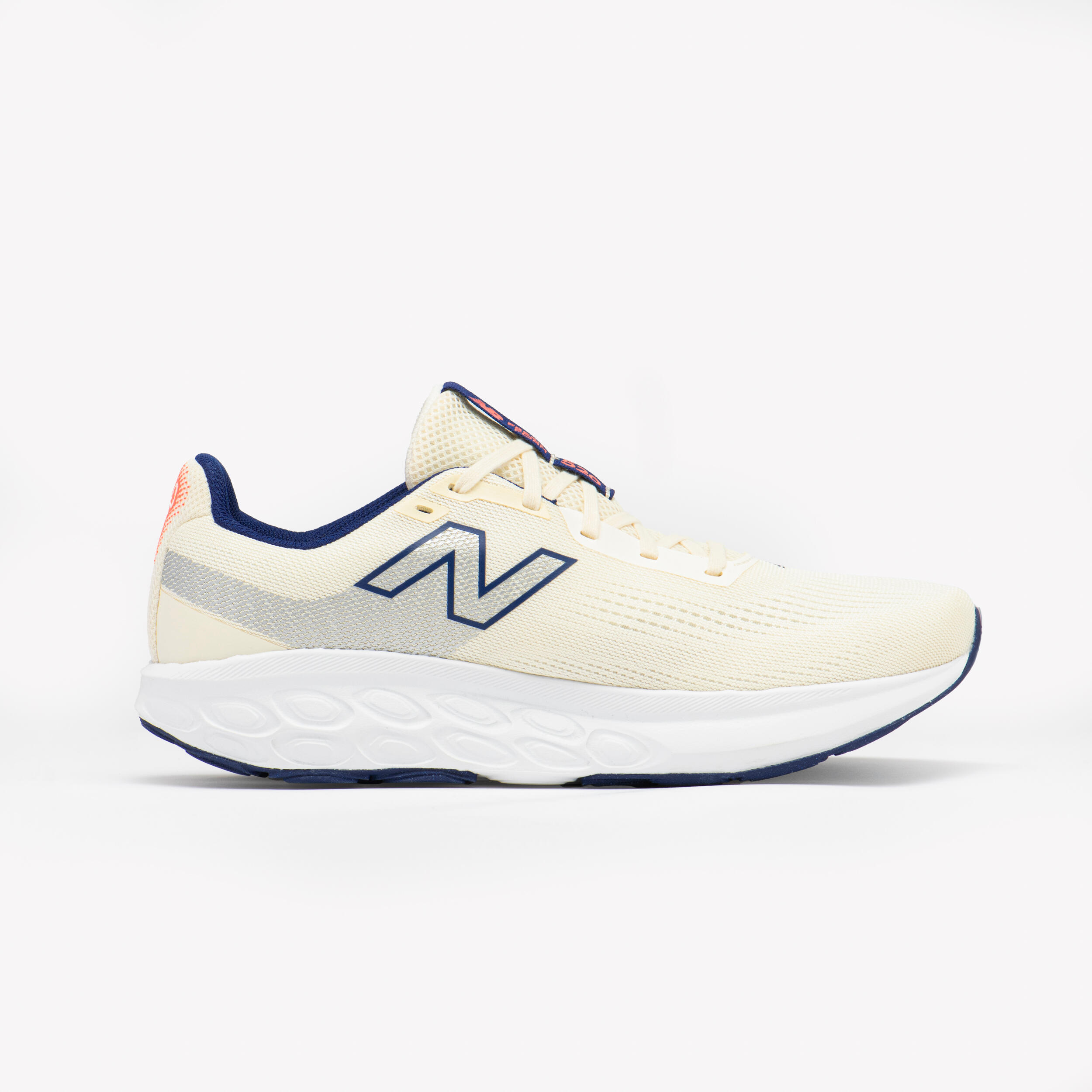
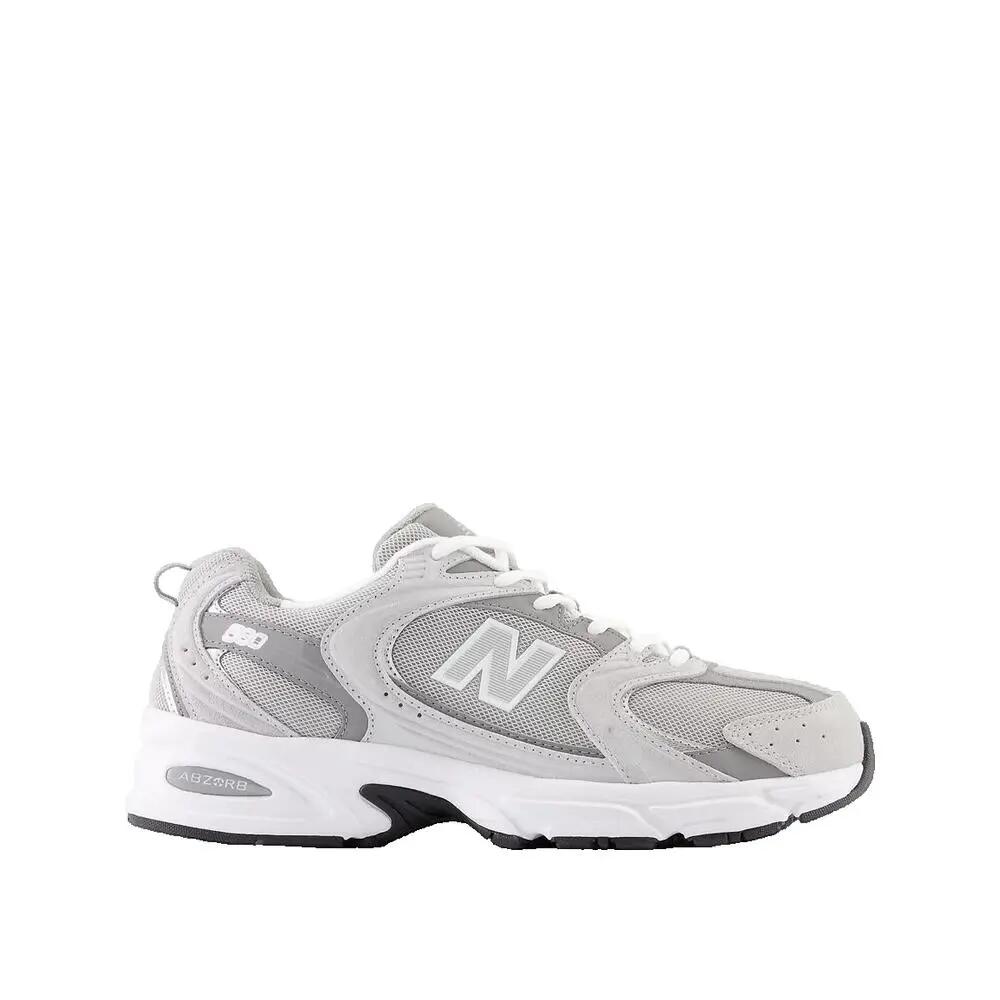
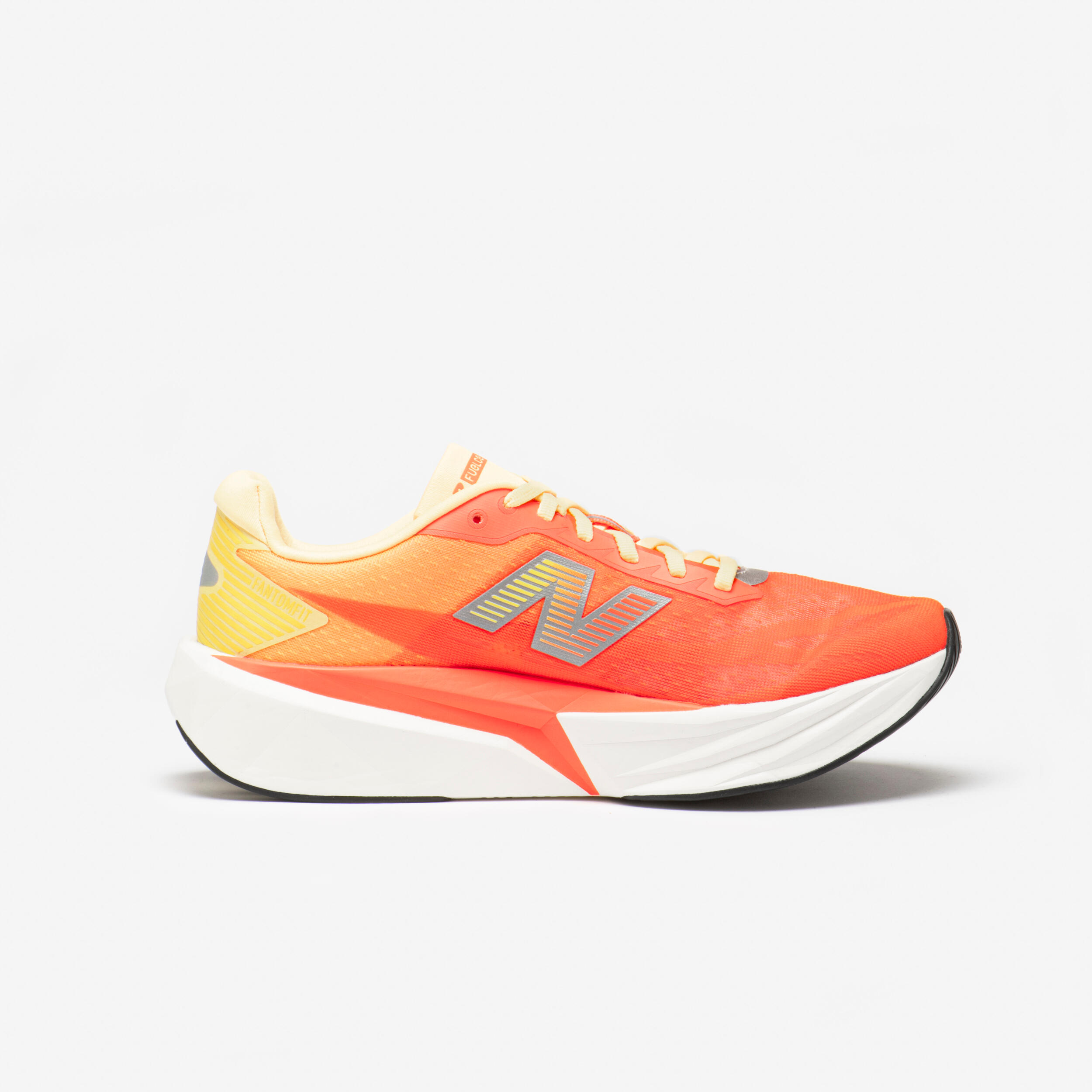
Choose according to the surface, pace and cushioning feel you prefer rather than treating every New Balance trainer as interchangeable. Fresh Foam X models generally focus on soft daily comfort, while FuelCell shoes provide a more responsive ride for faster sessions. The 520 V9 offers a simpler option for regular running, while the 1080 V15 and Kaiha V2 provide deeper cushioning for runners who value underfoot comfort. Rebel and Propel models add more rebound for tempo sessions or quicker training. Trail runners should consider the Hierro rather than a smooth-soled road model. You can compare these options with KIPRUN running gear when assessing different cushioning levels, surfaces and training goals. Pro tip: base your choice on the runs you complete most often.

What is the difference between Fresh Foam X and FuelCell?

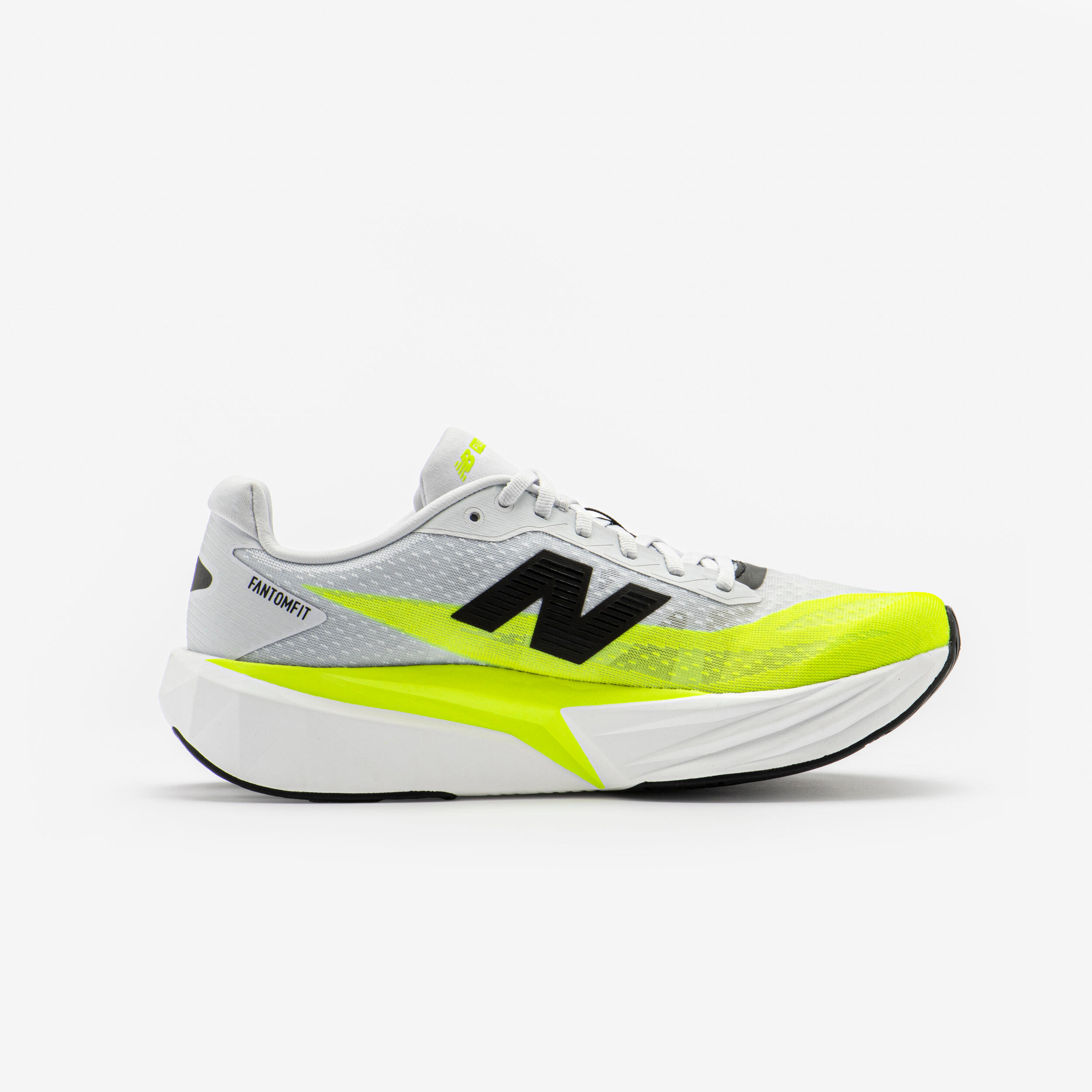
Fresh Foam X prioritises cushioning and a smooth transition through the stride, making it suitable for easy kilometres, everyday training and longer steady runs. FuelCell foam feels firmer and more energetic, returning more of the force applied during toe-off. The Rebel V5 uses a lightweight FuelCell construction with a PEBAX blend, while the Propel V5 combines FuelCell with a thermoplastic plate for added propulsion. Neither foam is automatically better because comfort depends on your pace and preferred ride. Compare Mizuno running gear when considering alternative cushioning systems and how responsive or controlled you want each stride to feel.

Which New Balance shoes provide grip for trail running?

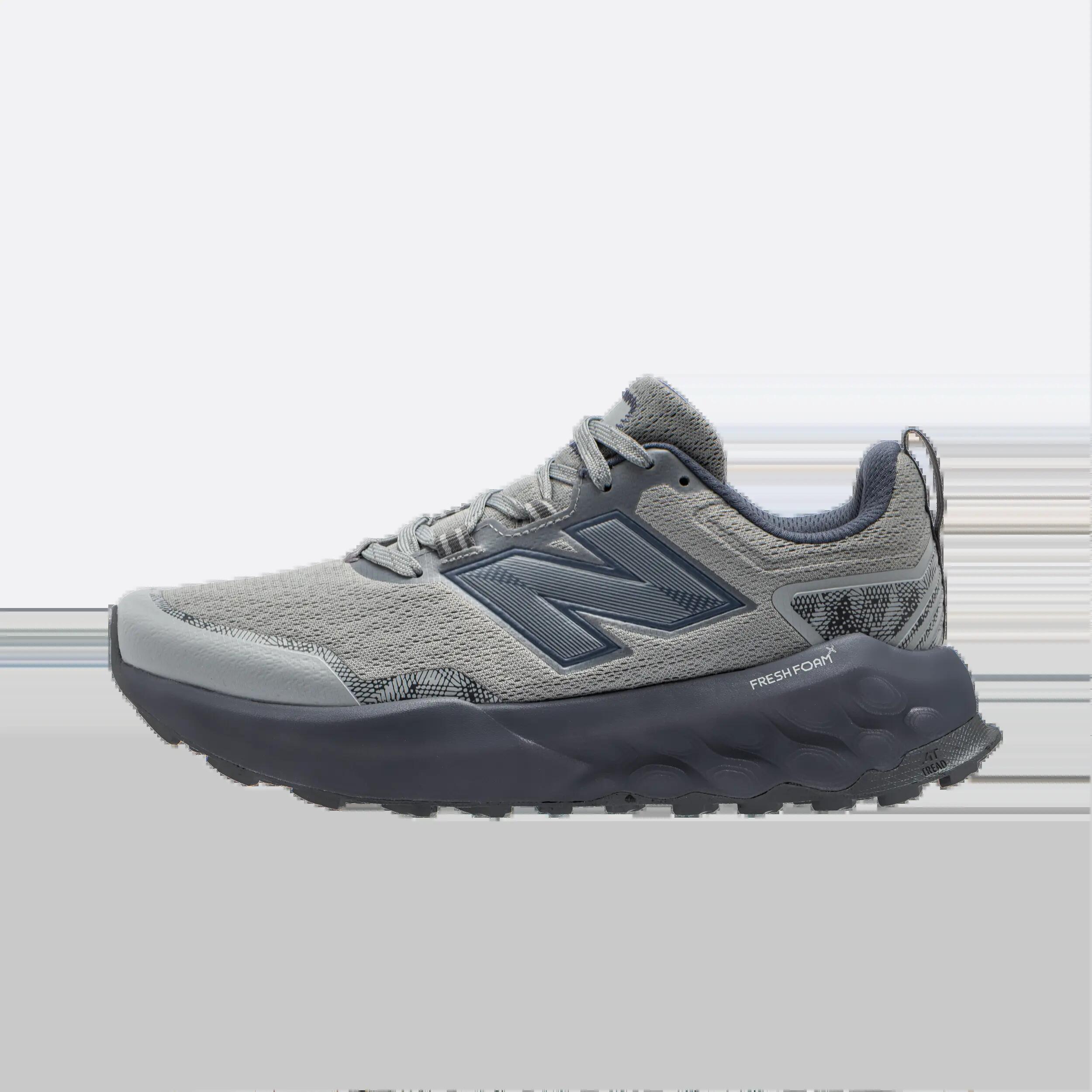
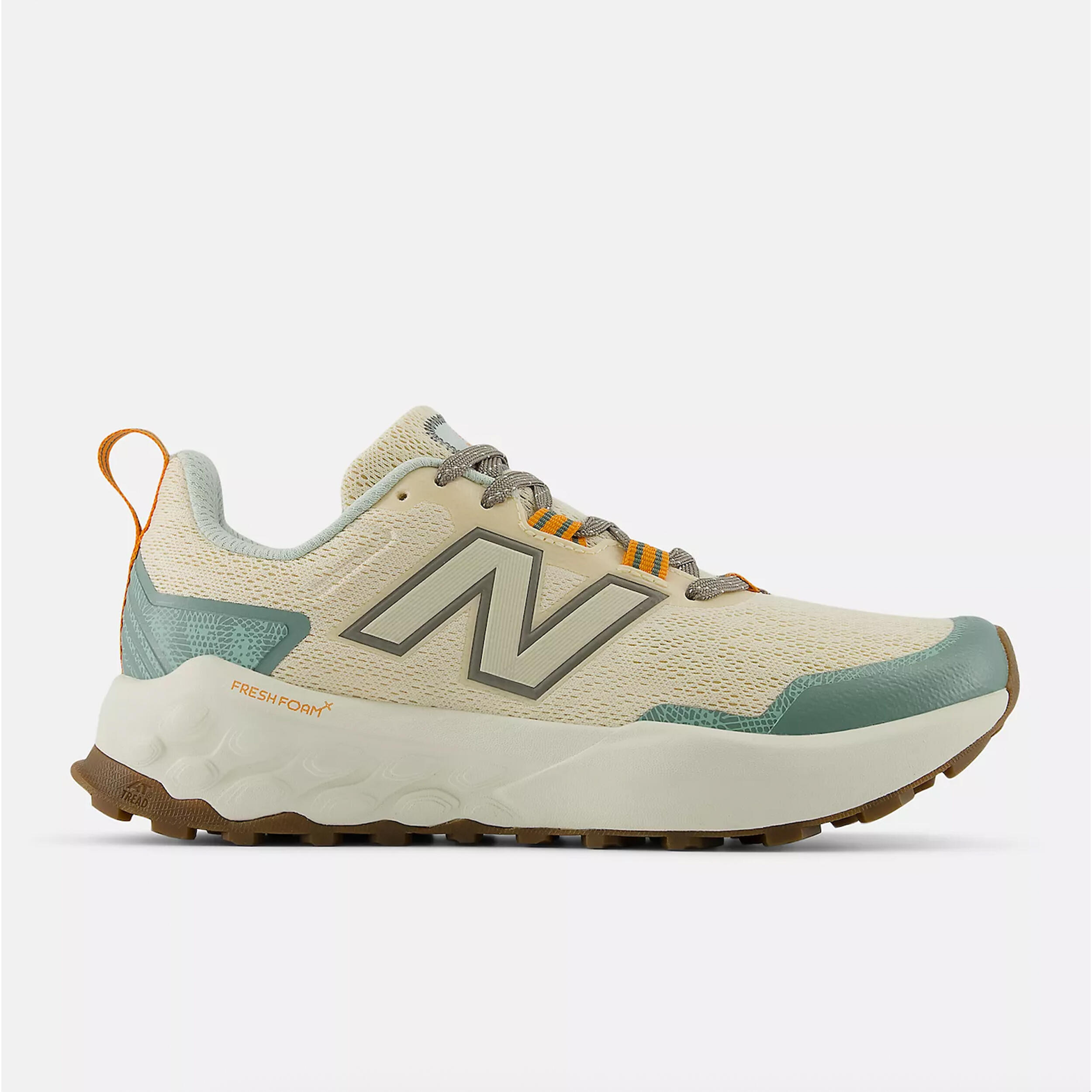
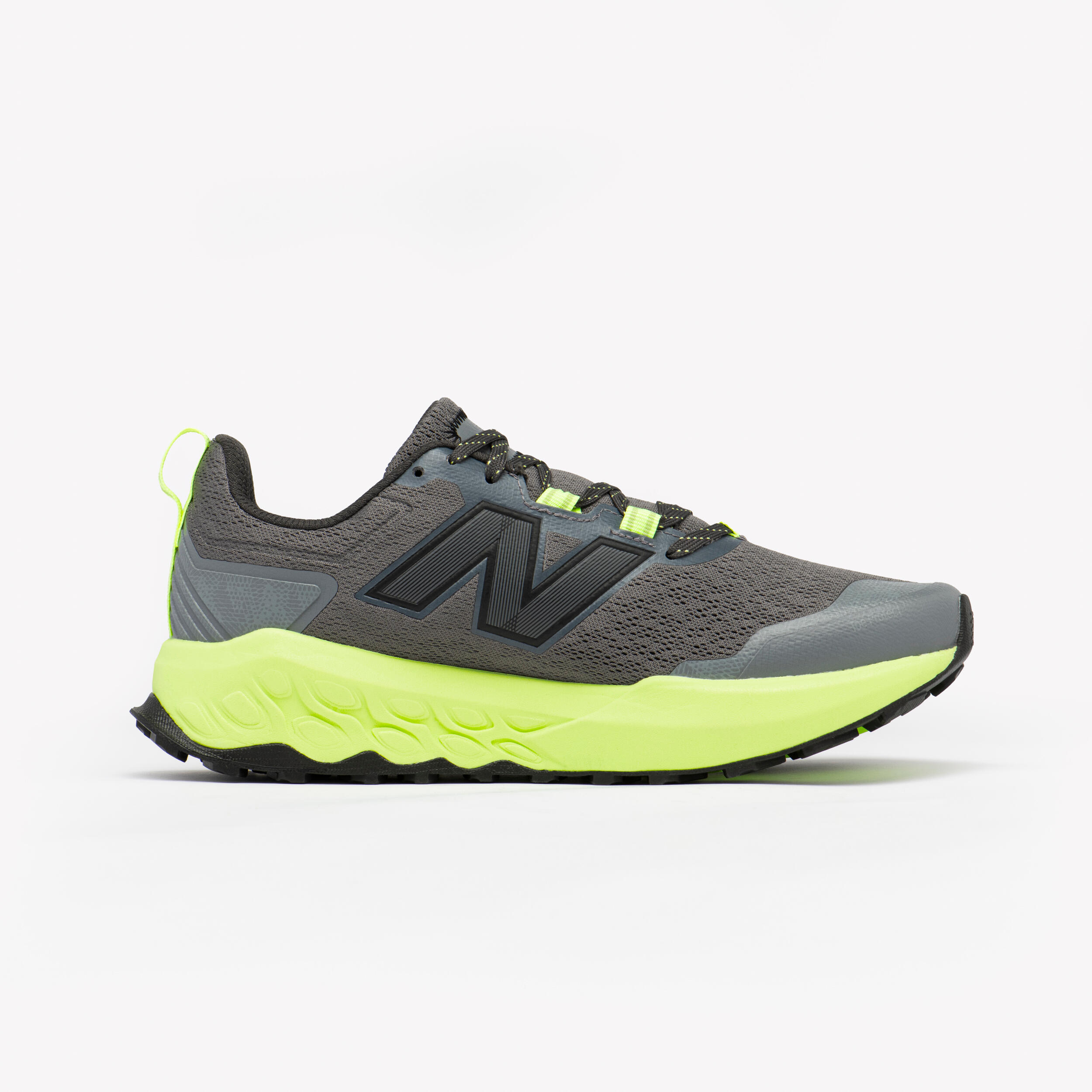
The Fresh Foam X Hierro V9 is the main trail-focused option among the opening products. Its Vibram Megagrip outsole and 4.5 mm lugs create traction by pressing into loose, damp and uneven ground, while the reinforced toe area protects against stones and roots. Fresh Foam X cushioning helps reduce repeated impact without removing the ground control needed on changing terrain. Road trainers such as the 1080, Rebel and Propel use outsole patterns intended for smoother surfaces and should not be treated as technical trail footwear. Compare the Hierro with Salomon running gear when judging lug depth, foot protection and grip for mixed or technical routes.

How should New Balance running trainers fit?

Your heel should remain secure without lifting, while the forefoot should leave enough space for your toes to spread naturally. Check the fit later in the day or after a short walk because feet can expand with heat and activity. The upper should hold the midfoot without creating pressure across the instep, and your longest toe should not strike the front during downhill movement. Drop also changes how the shoe loads your legs: the reviewed models sit between roughly 4 mm and 6 mm, so runners moving from a higher-drop shoe may need gradual adaptation. Compare Hoka running gear when considering different platform heights, heel shapes and cushioning profiles.

How should you clean New Balance running shoes?

Allow mud to dry before brushing away loose dirt, then clean the upper and outsole by hand using cool water, mild soap and a soft cloth or brush. Remove the insoles and loosen the laces so air can reach damp areas inside the shoe. Avoid washing machines, tumble dryers, radiators and direct high heat because these can affect adhesives, foam and bonded upper sections. Leave the trainers to dry naturally in a ventilated space, placing absorbent paper inside when needed. Rotate between pairs when frequent training leaves too little drying time. Get another road-running comparison, adidas running gear includes different upper constructions, cushioning systems and outsole patterns.