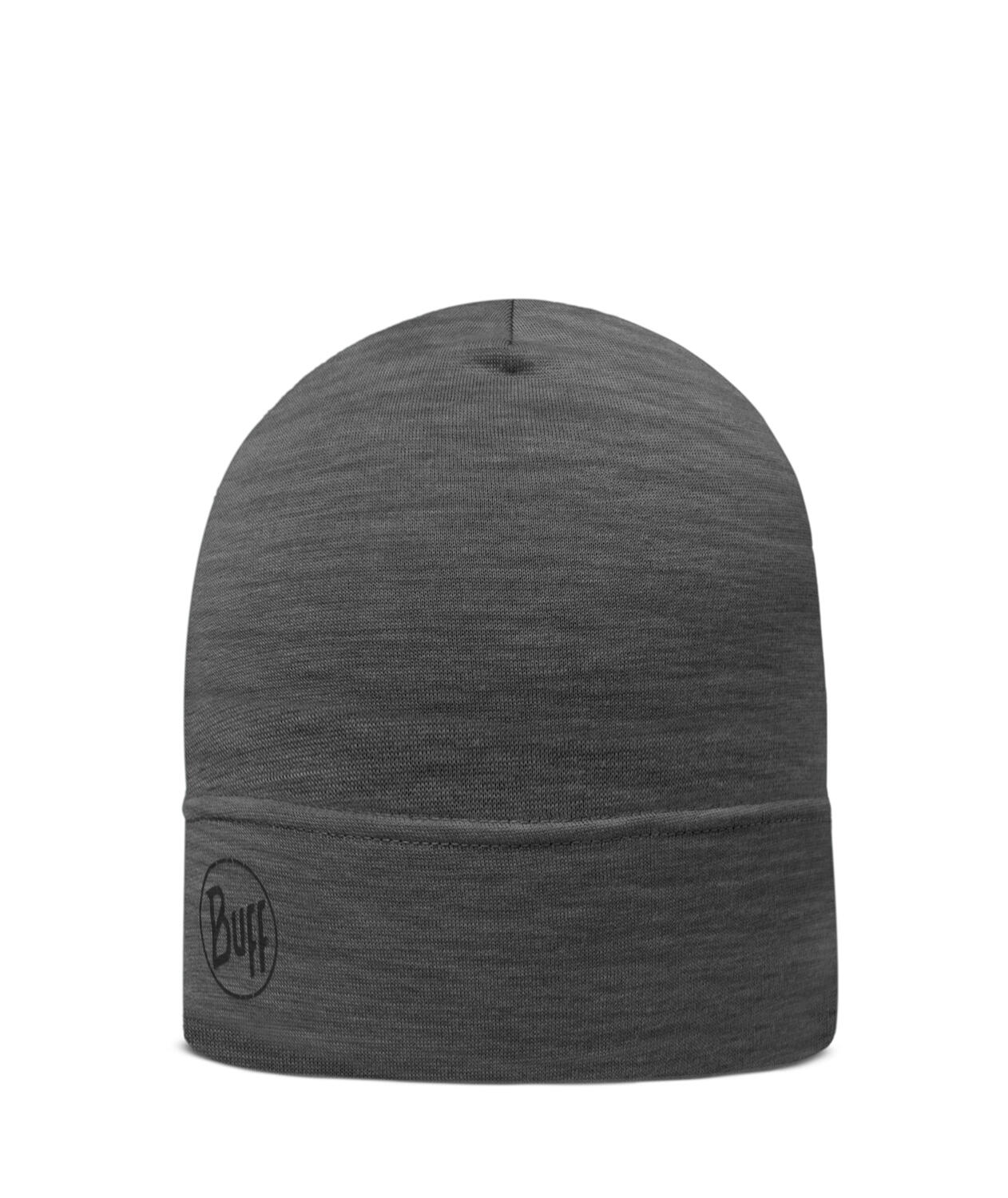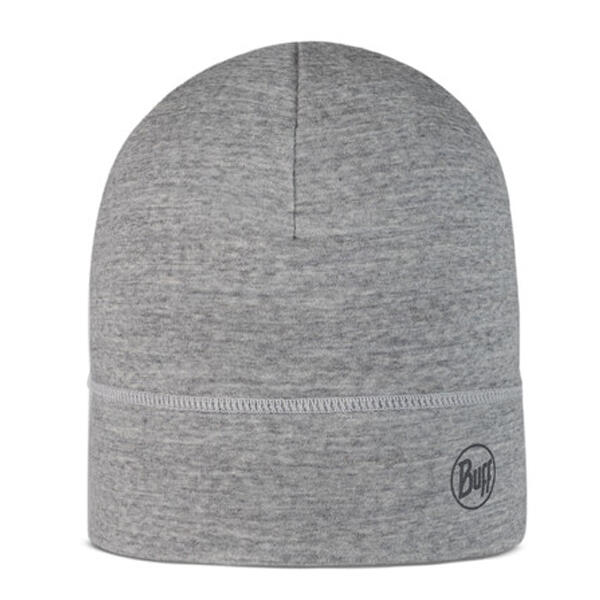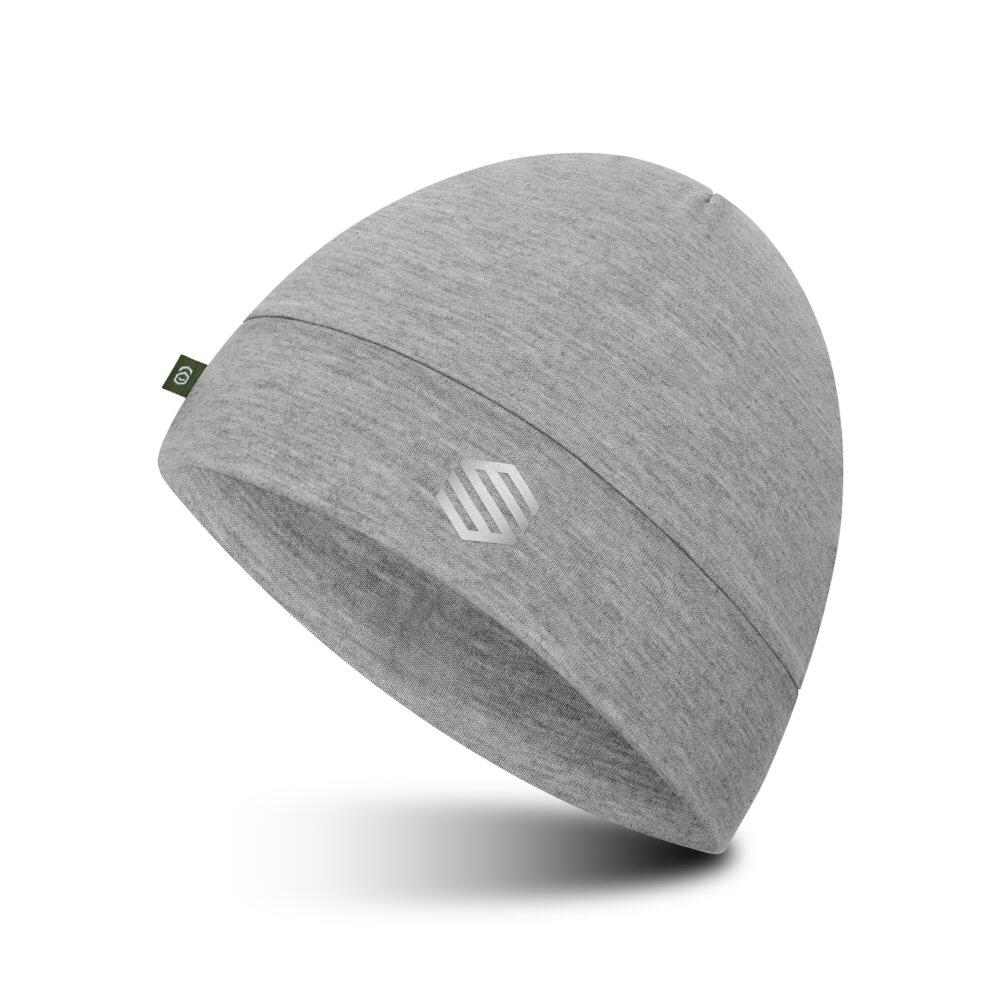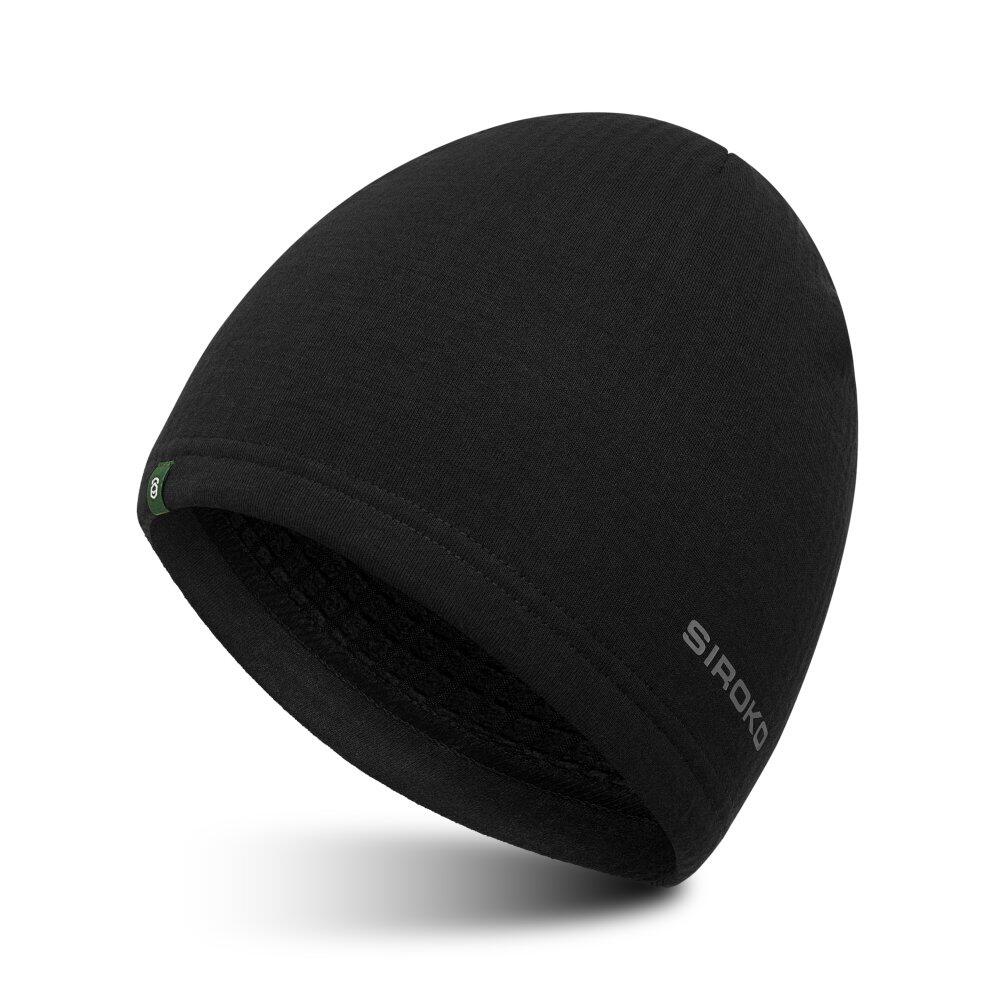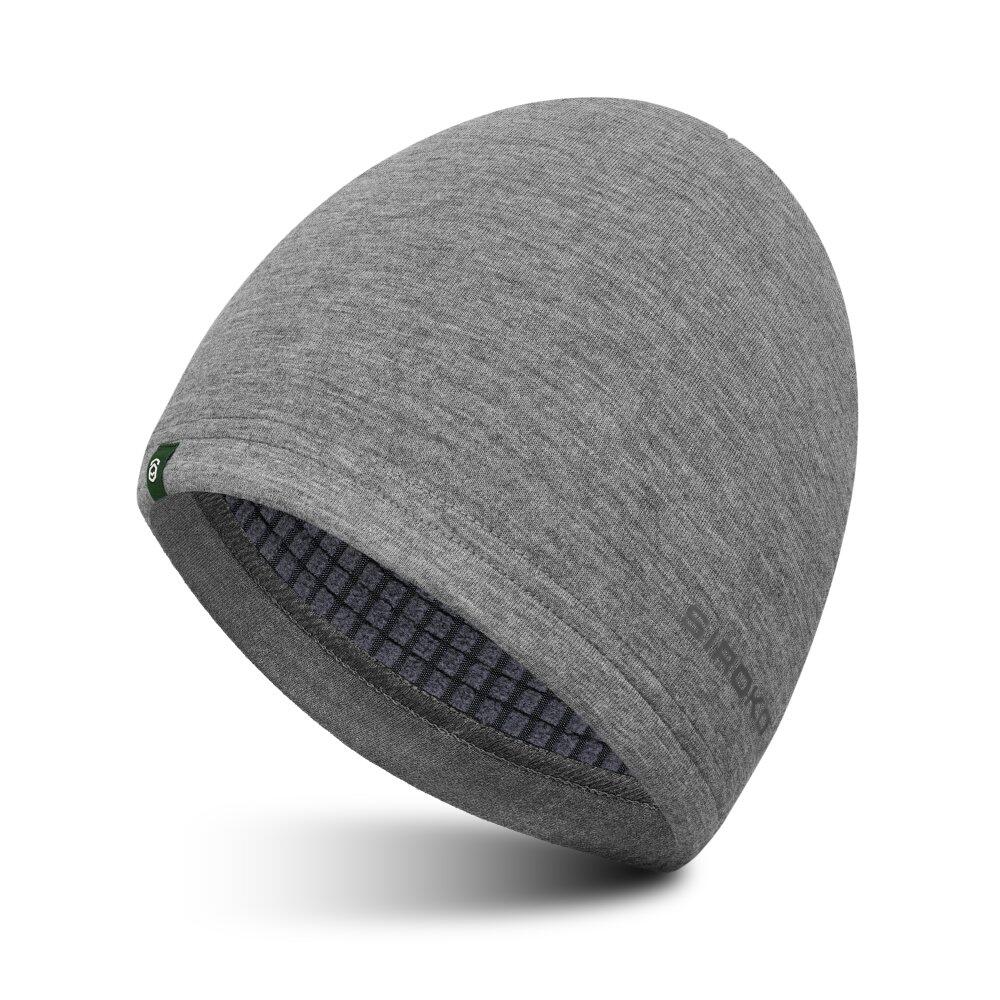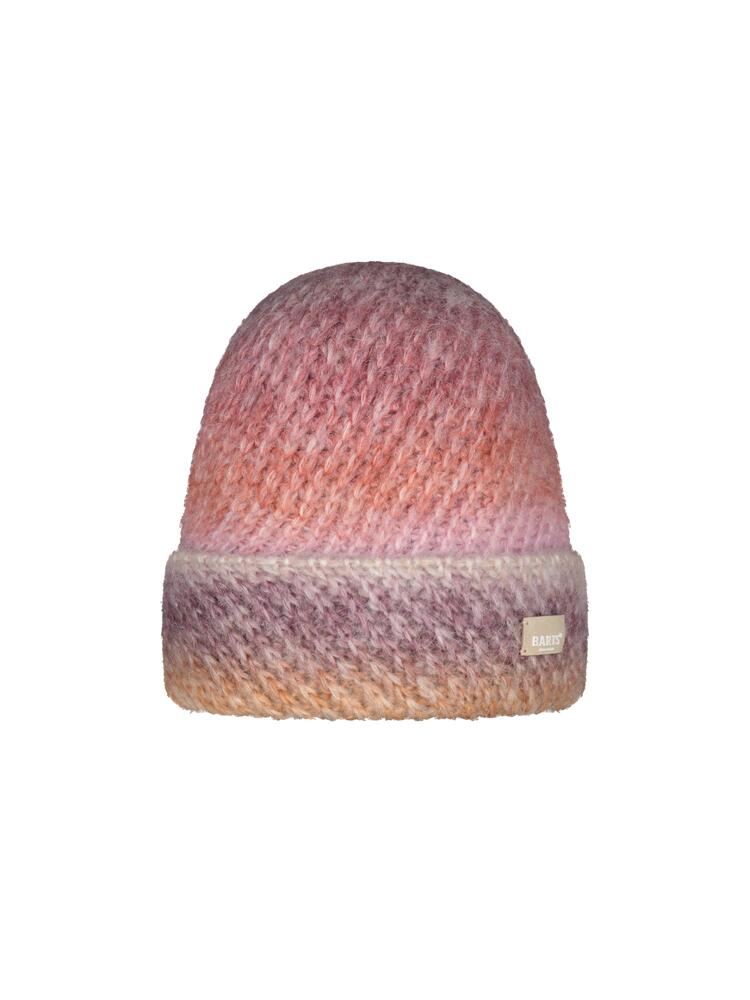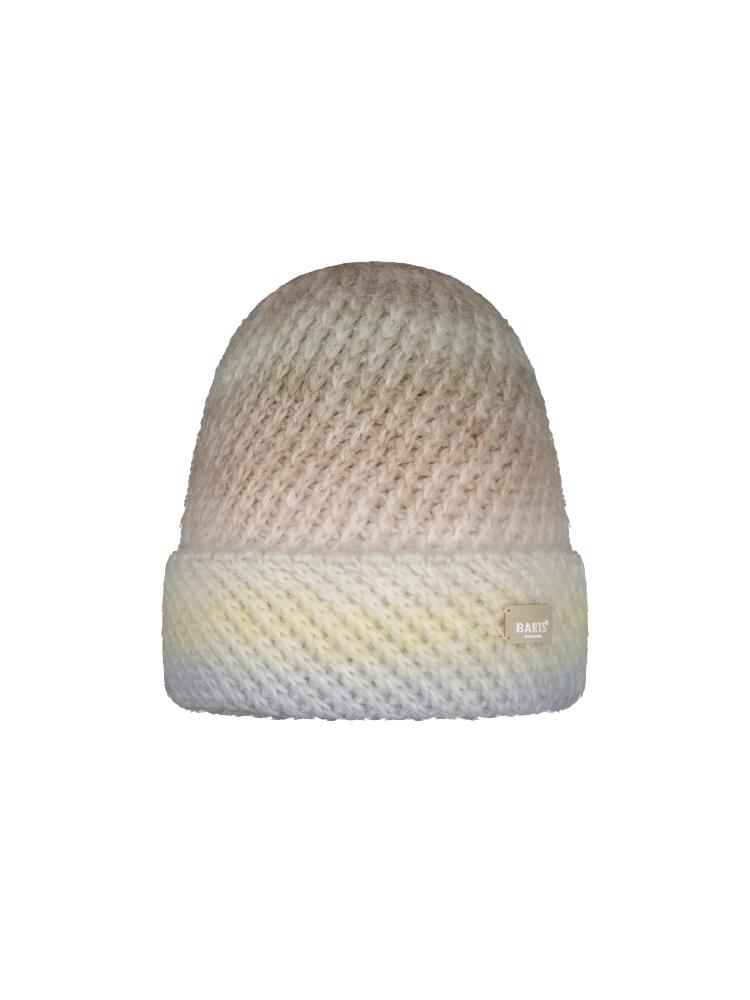
108 items
4.6/5 based on 19634 reviews collected online and in stores

RUNNING BEANIES FAQS

How do I select the right running beanies for sub-zero winter temperatures?

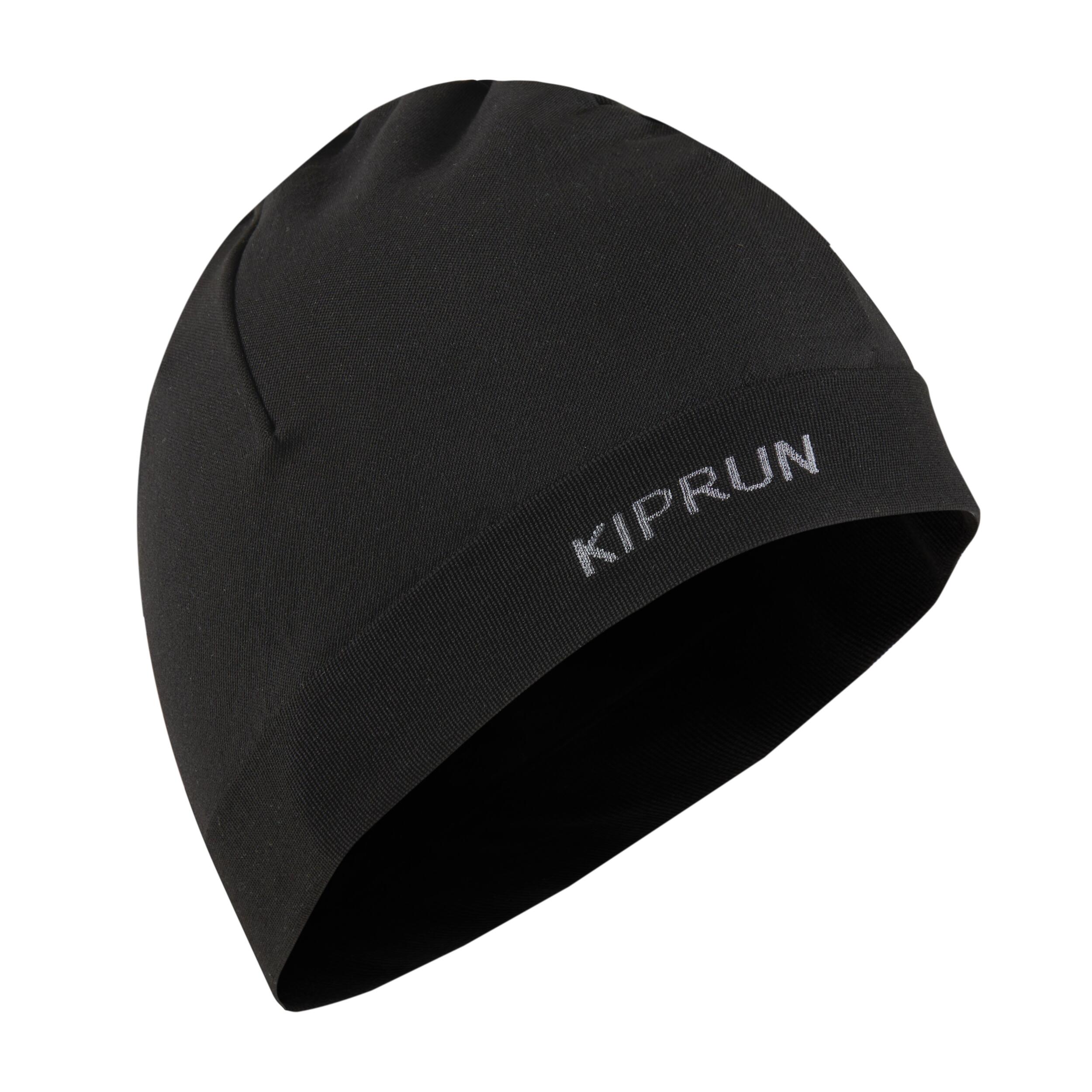
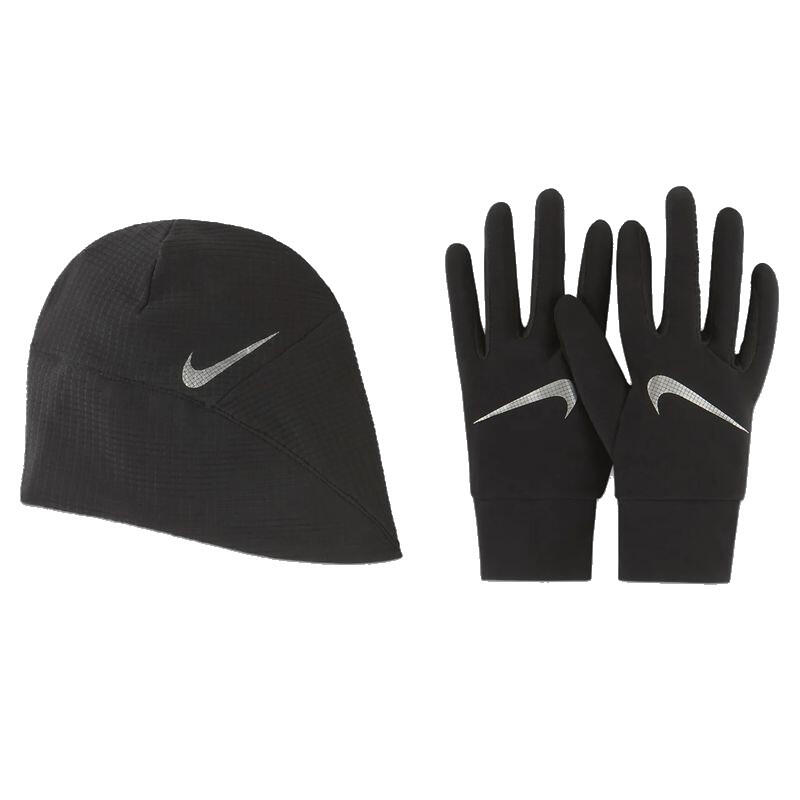
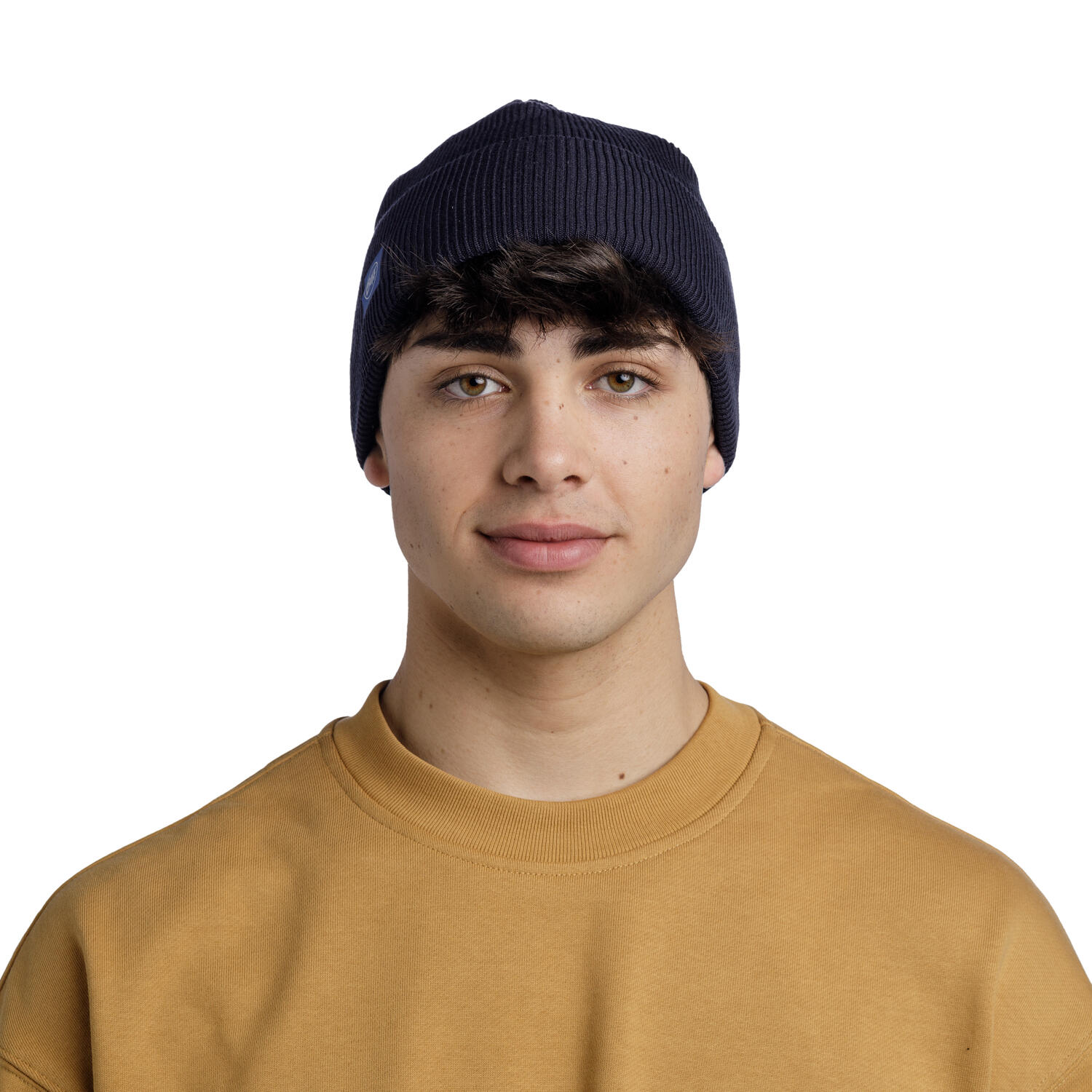
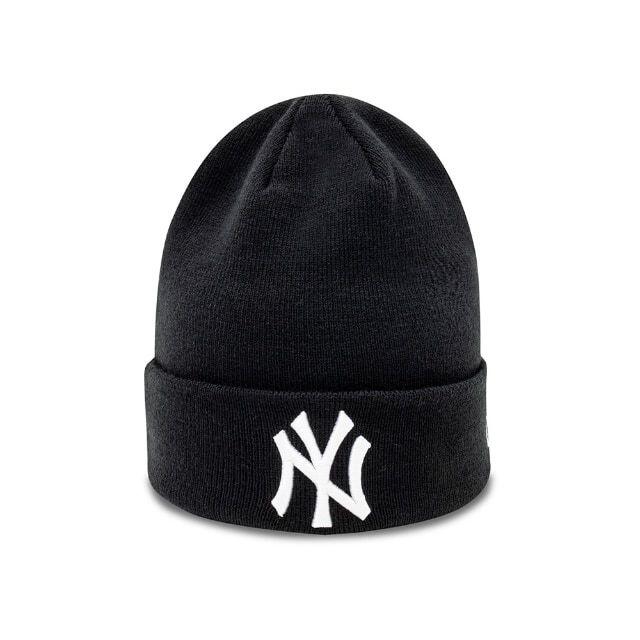
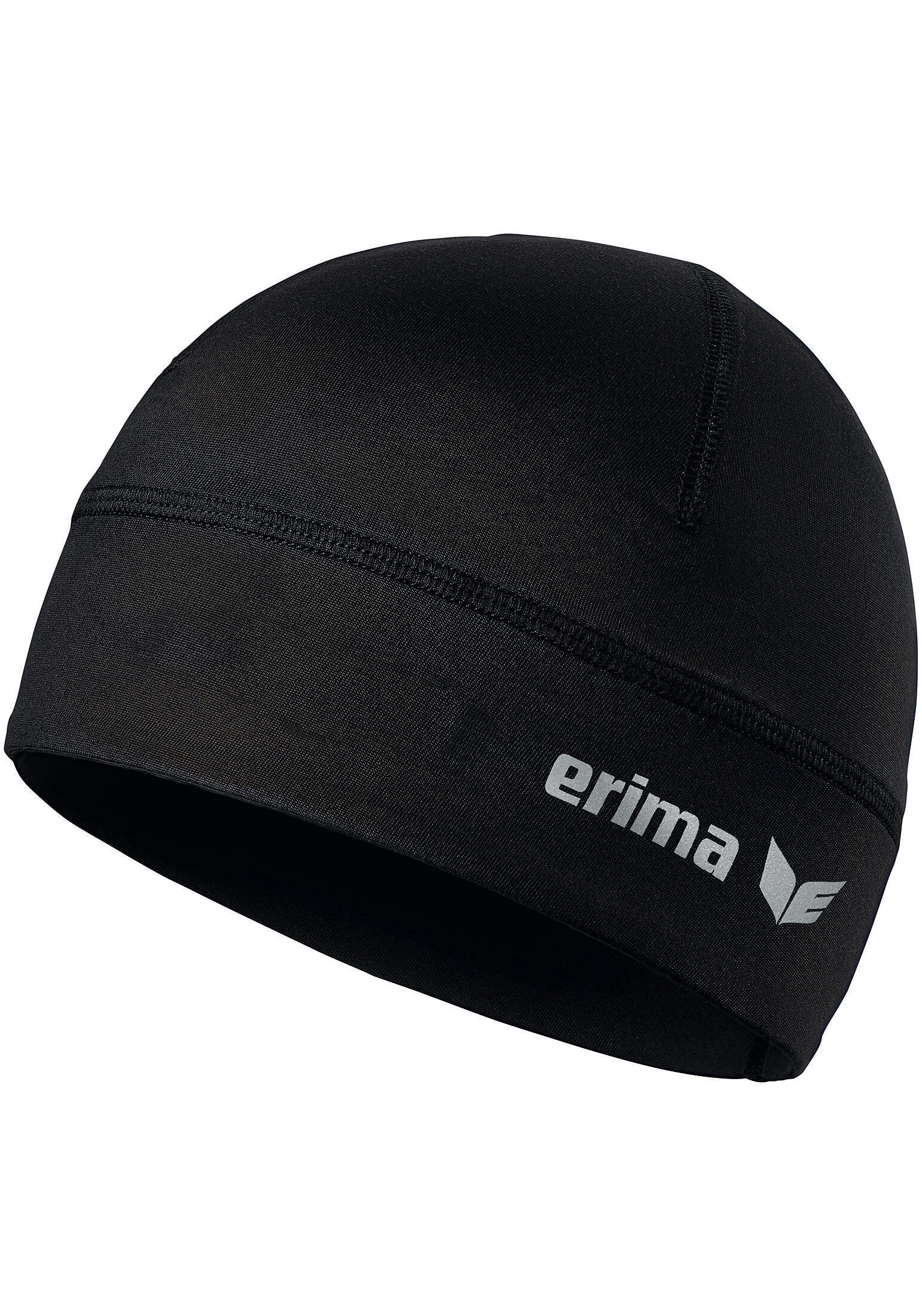
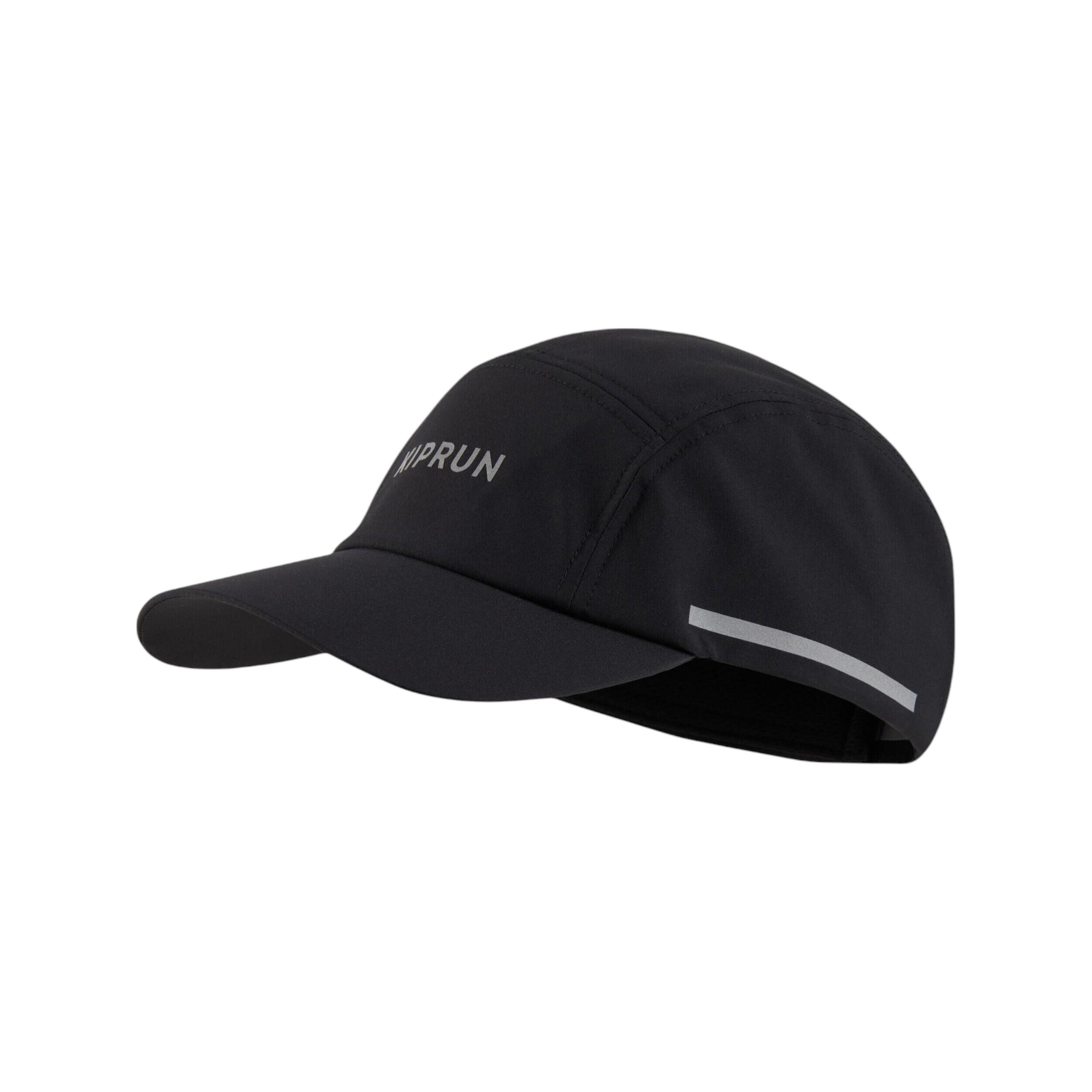
Material density and ear coverage are the main factors to consider when evaluating running beanies to ensure your body heat doesn't escape through your scalp on freezing morning runs. Regular woollen hats trap excessive moisture, leaving your head wet and cold, whereas dedicated thermal running beanies use brushed fleece interiors to create a warm pocket of air while keeping weight to an absolute minimum. When transitioning into changeable springtime conditions where overhead glare replaces freezing rain, switching to lightweight running caps helps block direct sunlight while letting rising body steam escape through open mesh panels. Pro tip: Ensure the lower hem sits completely flush against your neck hairline to prevent cold air from sneaking up.

How do breathable running beanies help regulate temperature?

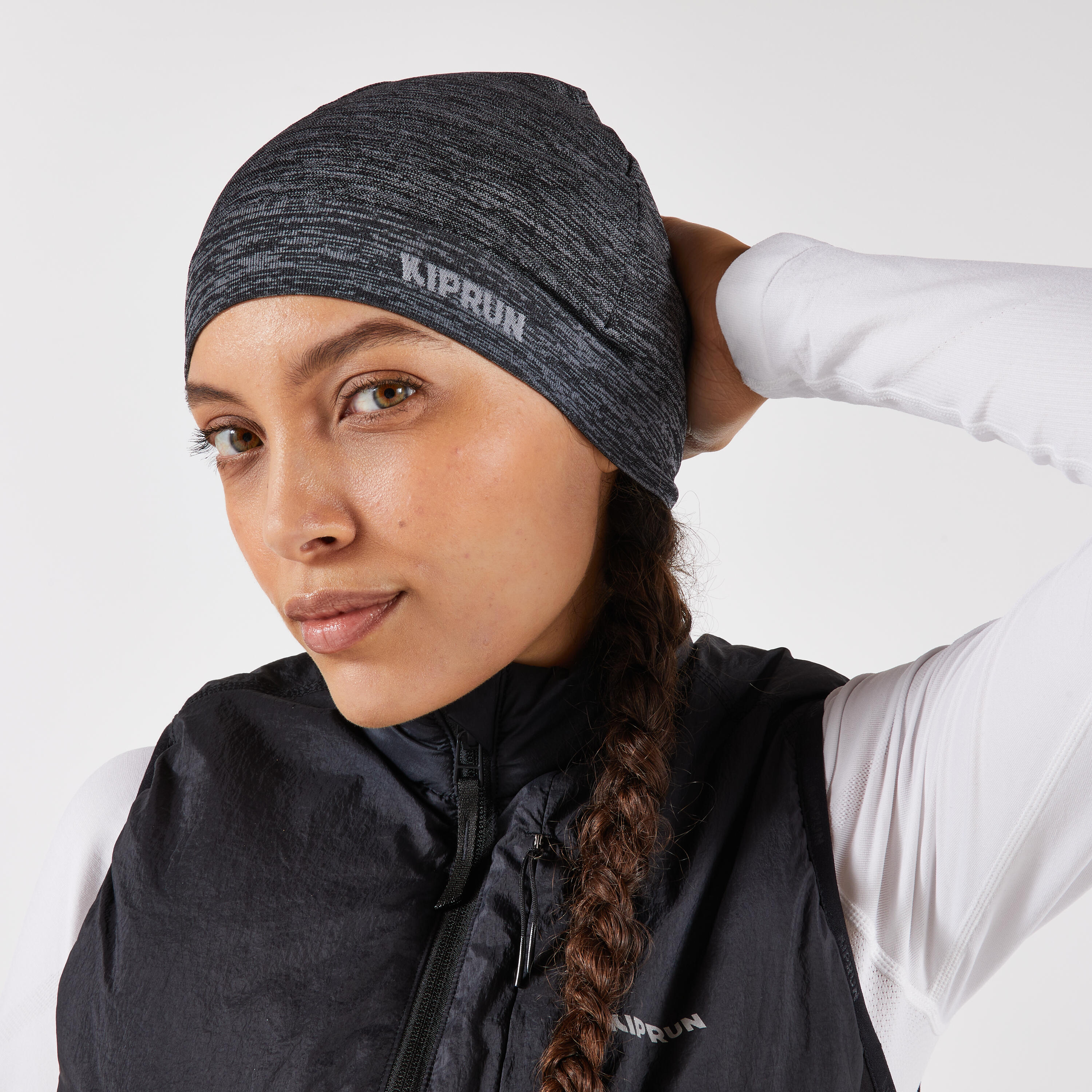
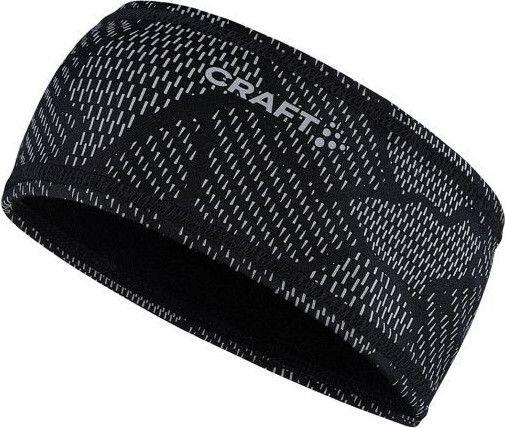
Breathable running beanies help regulate temperature by trapping just enough warmth while allowing excess heat and moisture to escape during your run. Technical fabrics wick sweat away from your skin, reducing the chance of feeling damp or chilled as your pace changes. On milder days, many runners switch to lightweight running headbands for light ear protection without the full coverage of a beanie. Runner's tip: choose a beanie with breathable panels if you regularly alternate between steady runs and faster intervals.
What features should you look for in a running beanie?

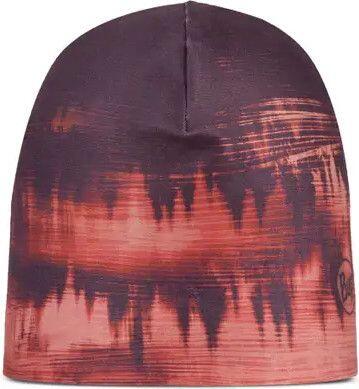
A good running beanie should combine lightweight insulation, moisture-wicking fabric and a close-fitting design that stays comfortably in place throughout your run. Flat seams help reduce irritation, while breathable materials prevent excess heat from building up during longer sessions. Pairing your beanie with running sunglasses also improves comfort by protecting your eyes from bright winter sun and glare on exposed routes. Runner's tip: choose a low-profile beanie that fits comfortably under a jacket hood when the weather turns windy.
Can you wear a running beanie with a head torch?

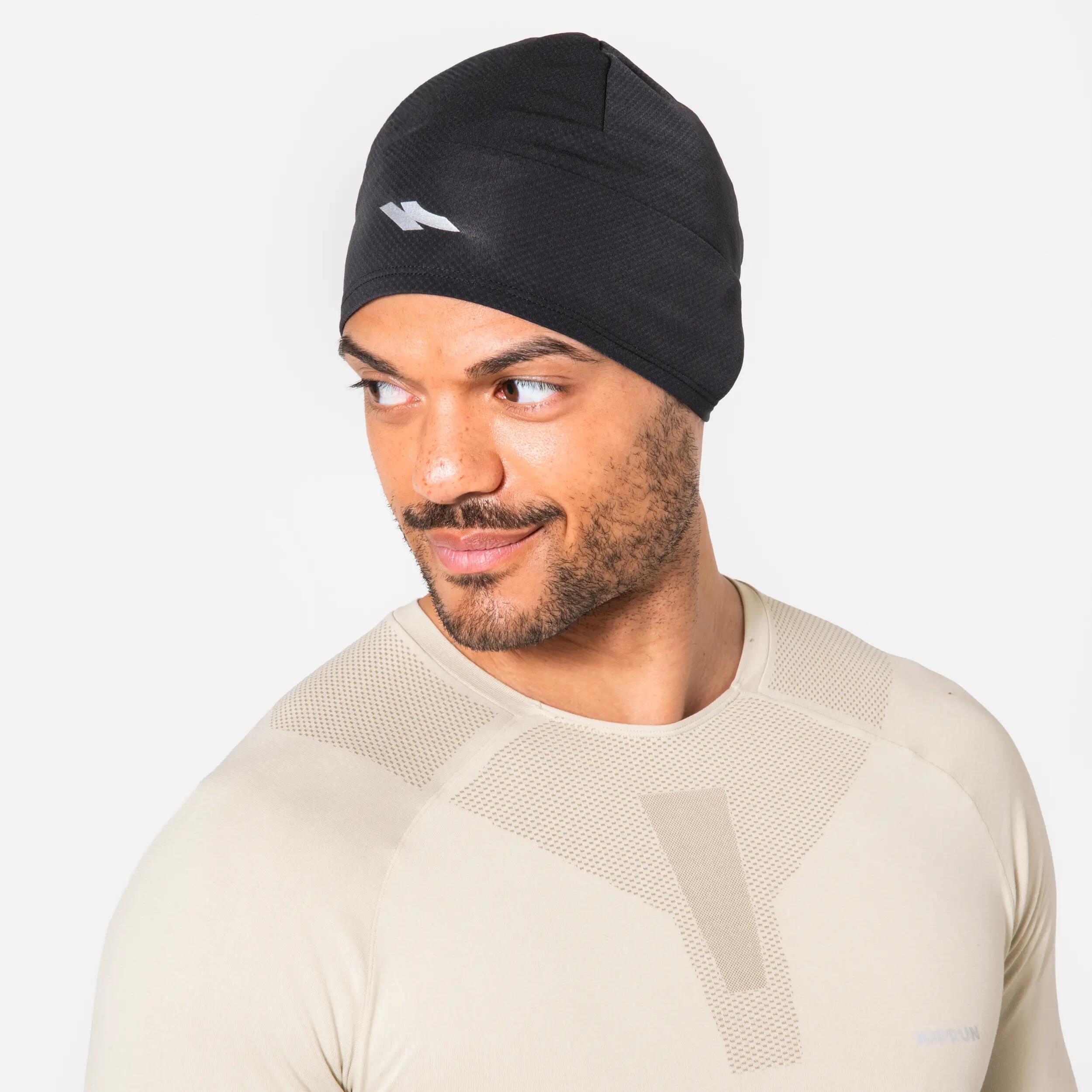
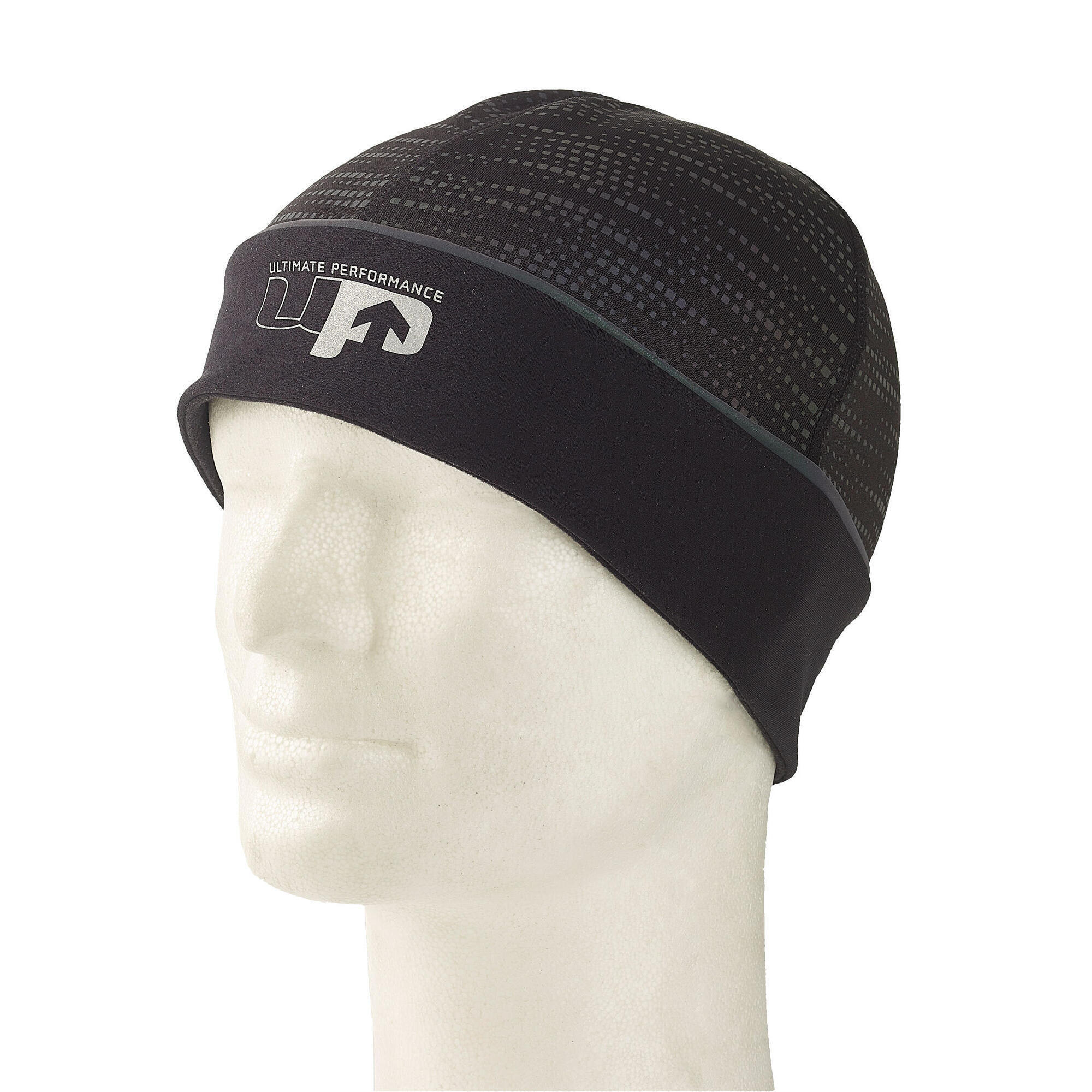
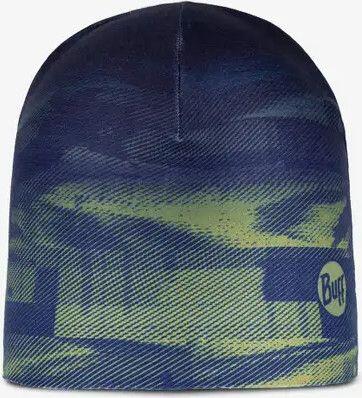
Yes, most running beanies are designed with a close-fitting profile that sits comfortably beneath a head torch without slipping or creating pressure points. Lightweight, stretchy fabrics keep the beanie securely in place while allowing the torch strap to fit snugly during movement. For extra visibility on dark routes, combine your beanie with running lights and visibility accessories to help you see clearly while remaining visible to others. Practical tip: position the head torch above the ears for a secure fit that stays comfortable throughout your run.
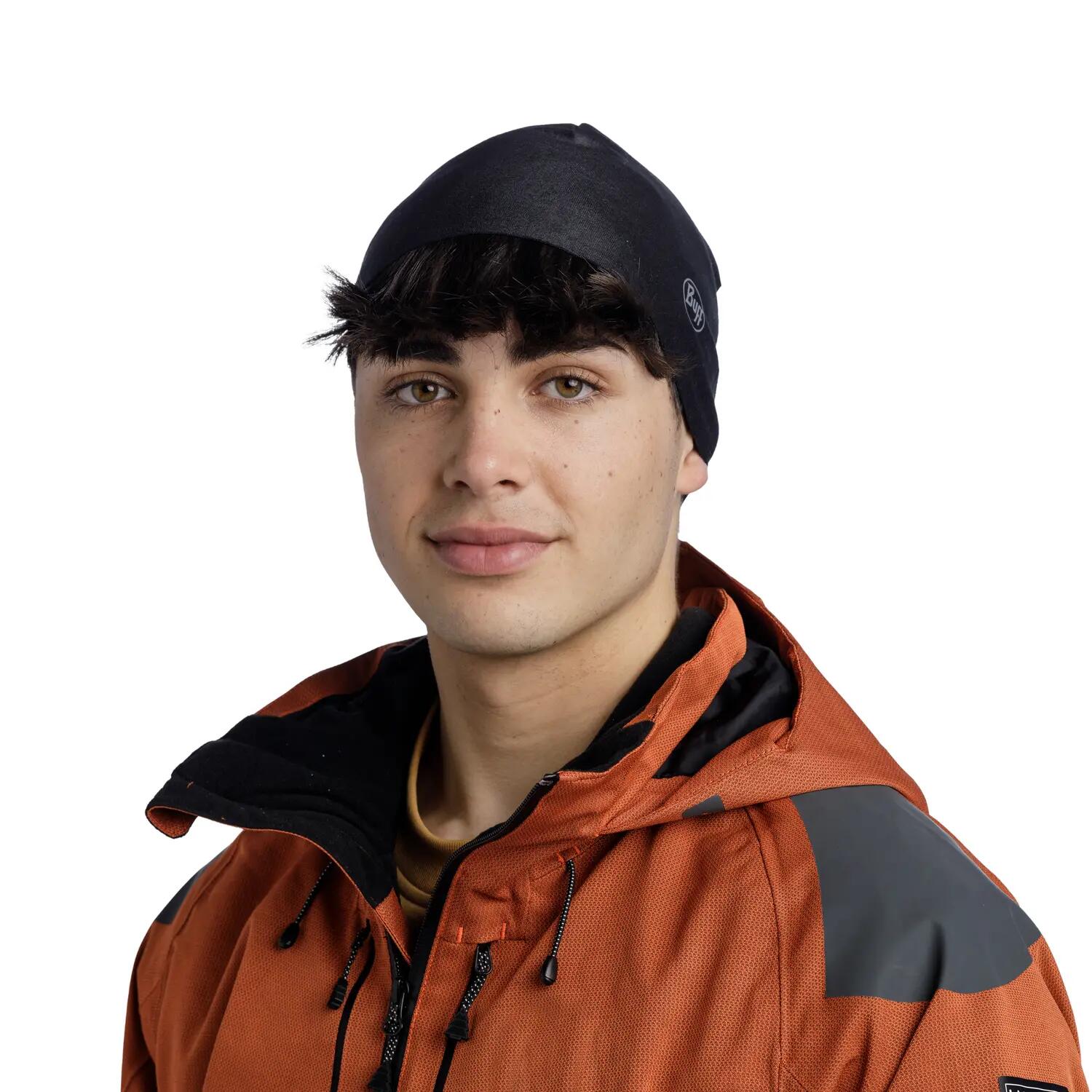
Why does the fit of a running beanie matter?

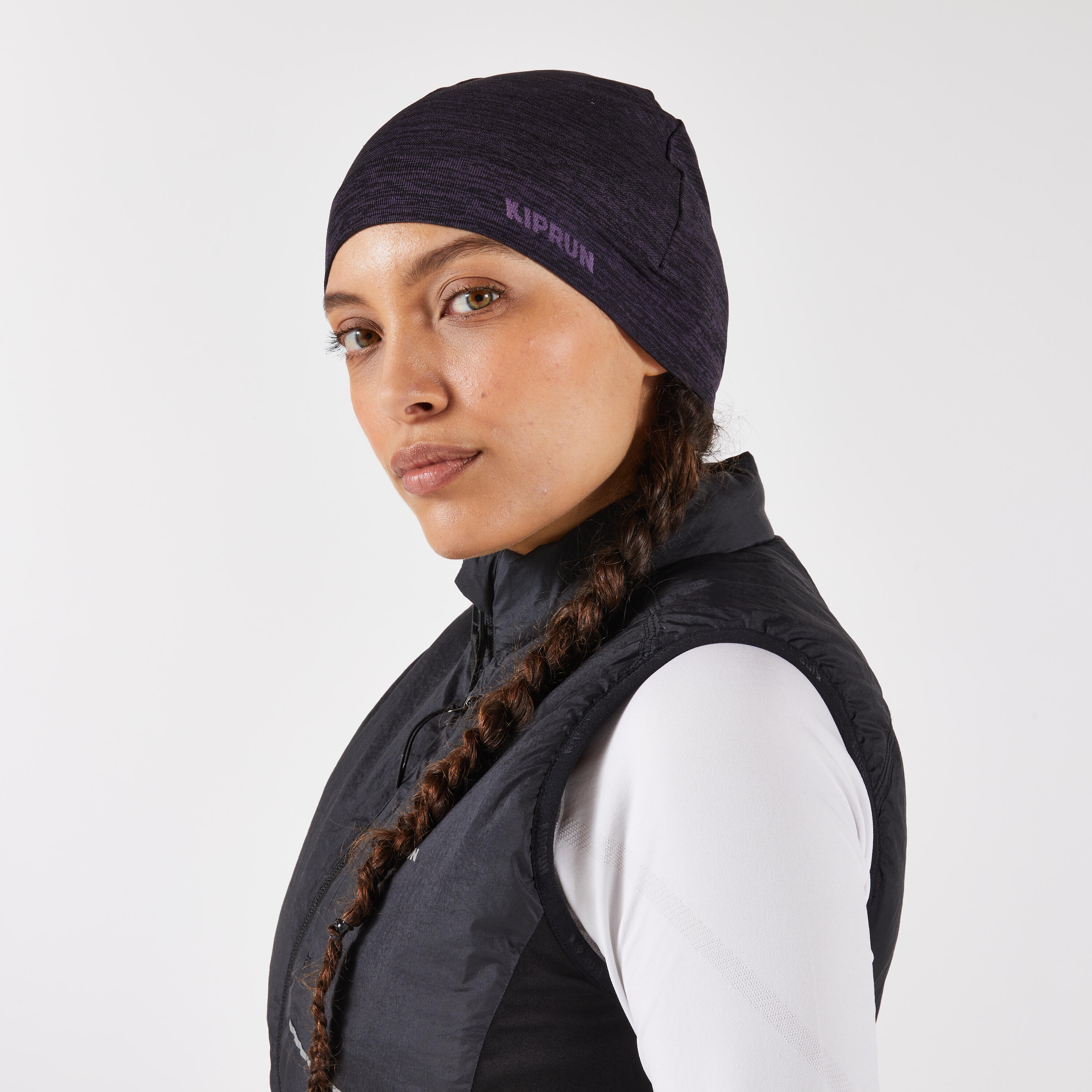
A properly fitting running beanie stays securely in place without feeling too tight, helping maintain warmth while preventing distractions during your run. Stretch fabrics and ergonomic designs follow the shape of your head for a comfortable fit that won't slip as your pace changes. For complete cold-weather comfort, many runners also wear running leg and arm sleeves to help regulate body temperature while keeping their layering system lightweight and flexible. Runner's tip: choose a beanie that fully covers your ears without restricting your hearing or movement.