138 items
4.4/5 based on 31524 reviews collected online and in stores

Running Care And Recovery FAQs

Which recovery essentials can support your running routine?

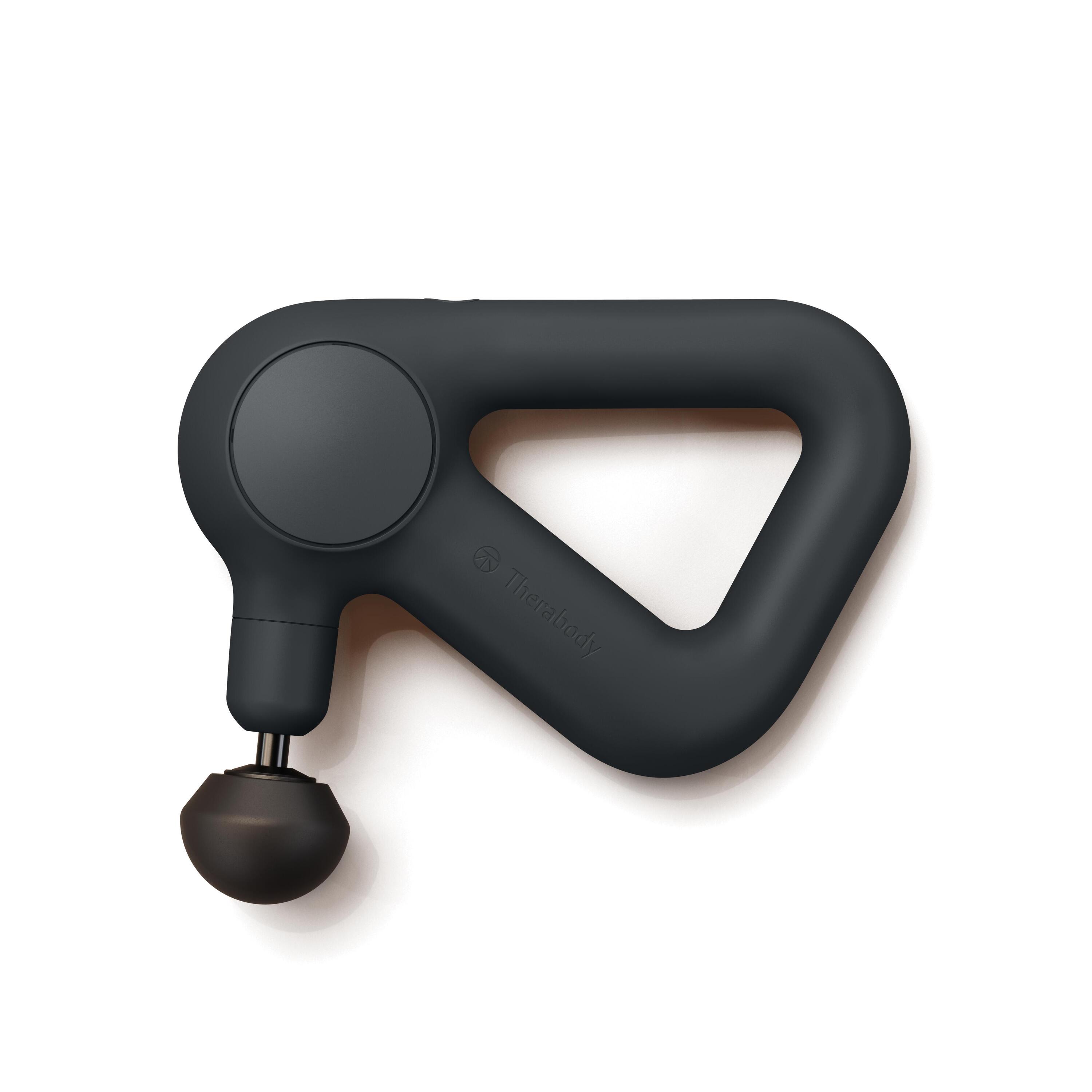
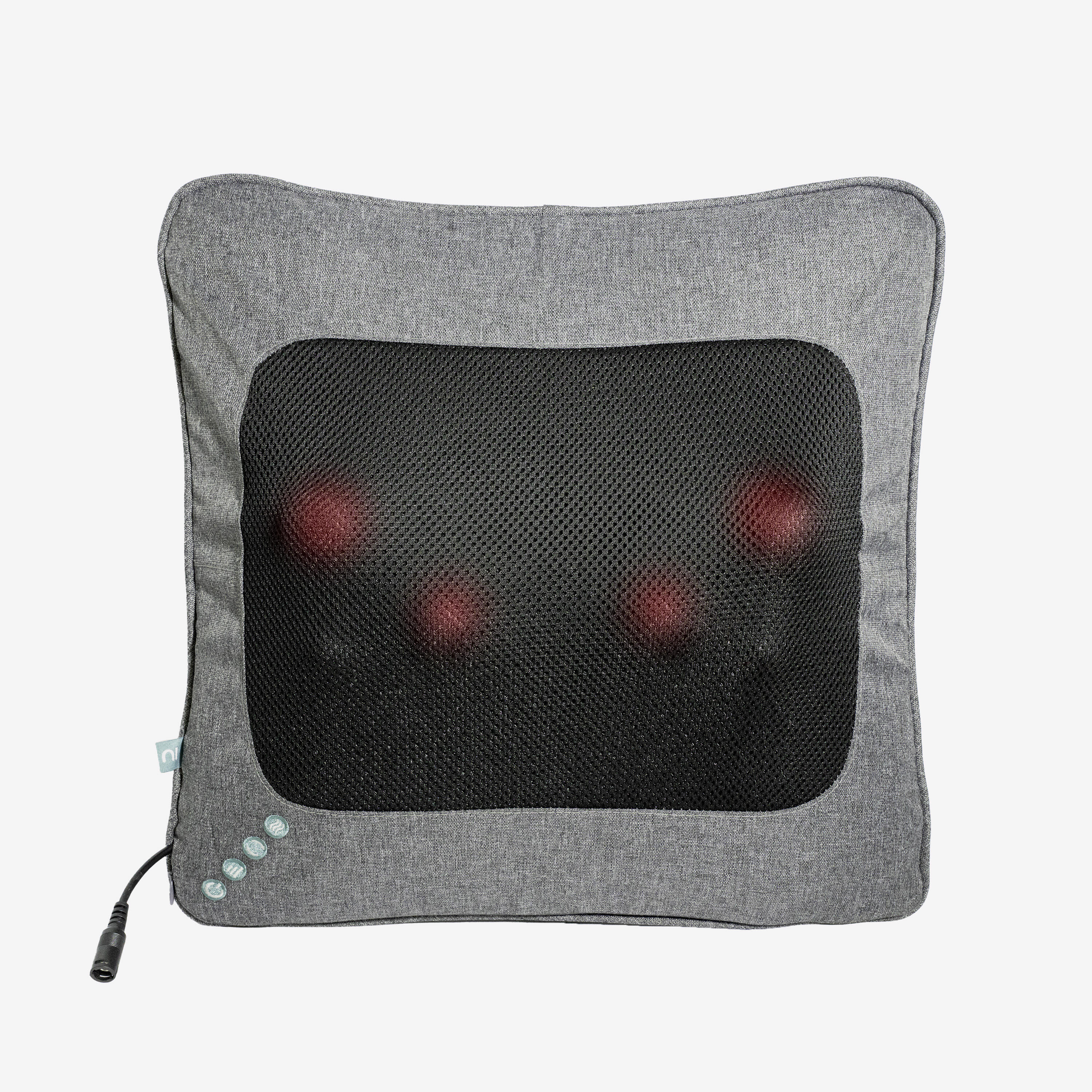
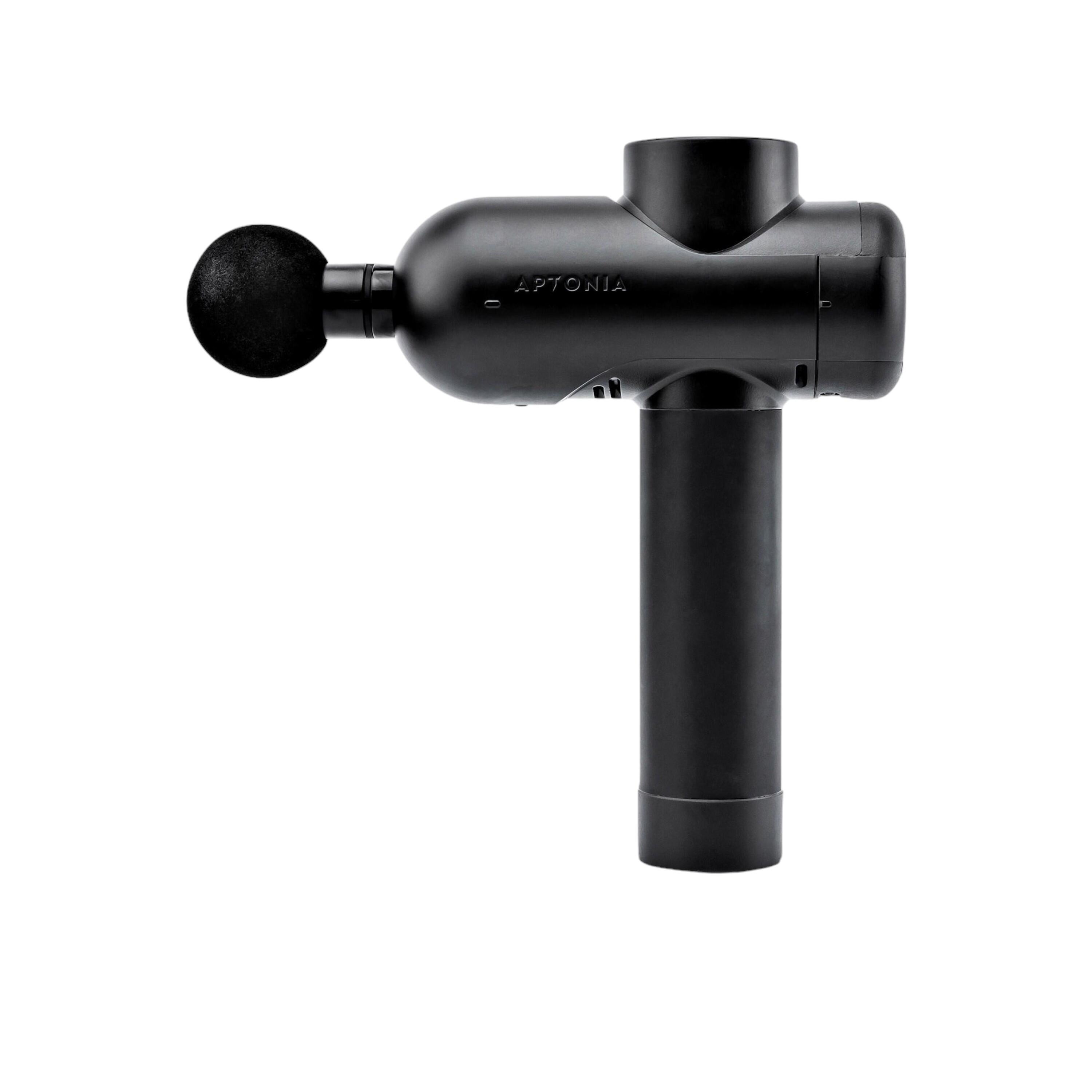
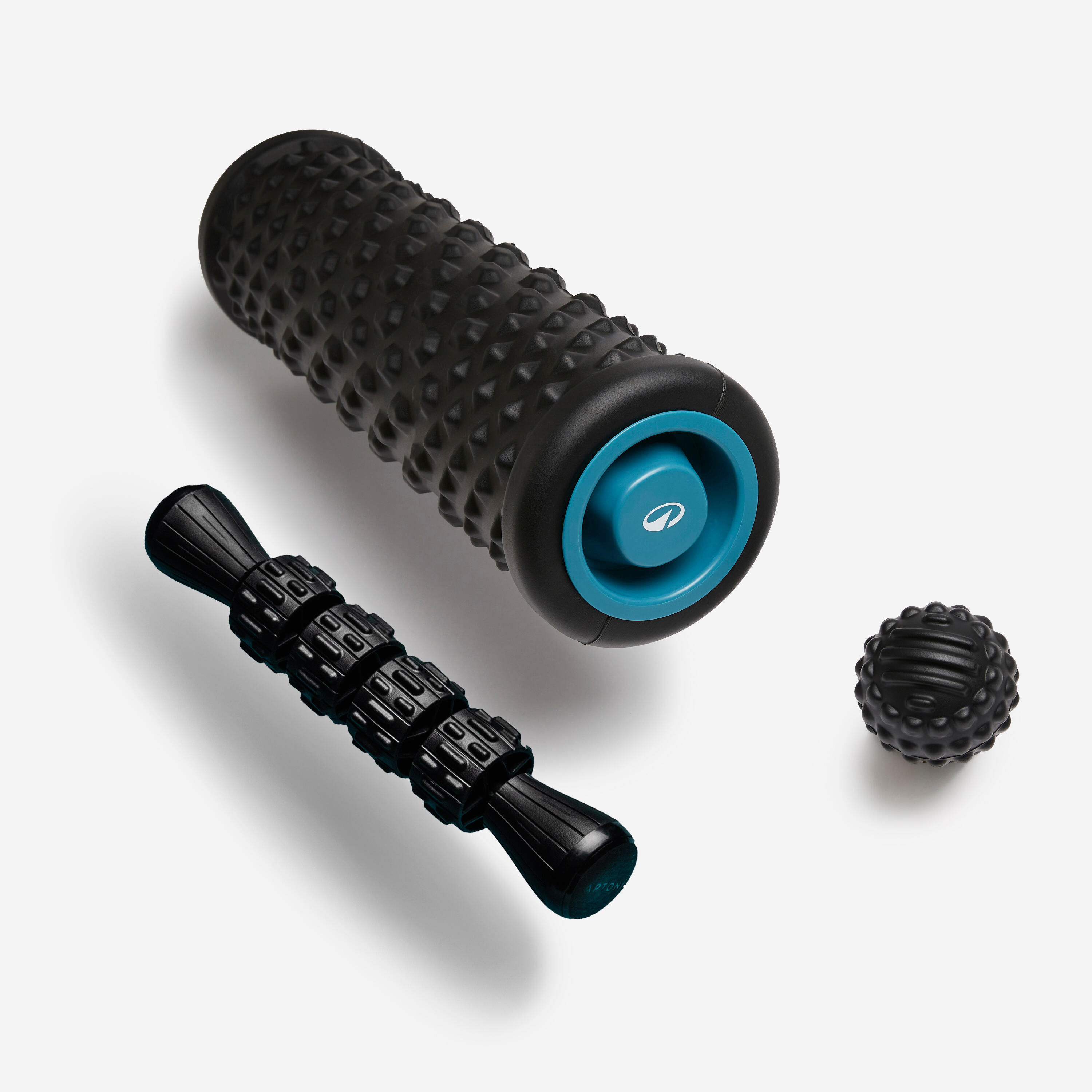
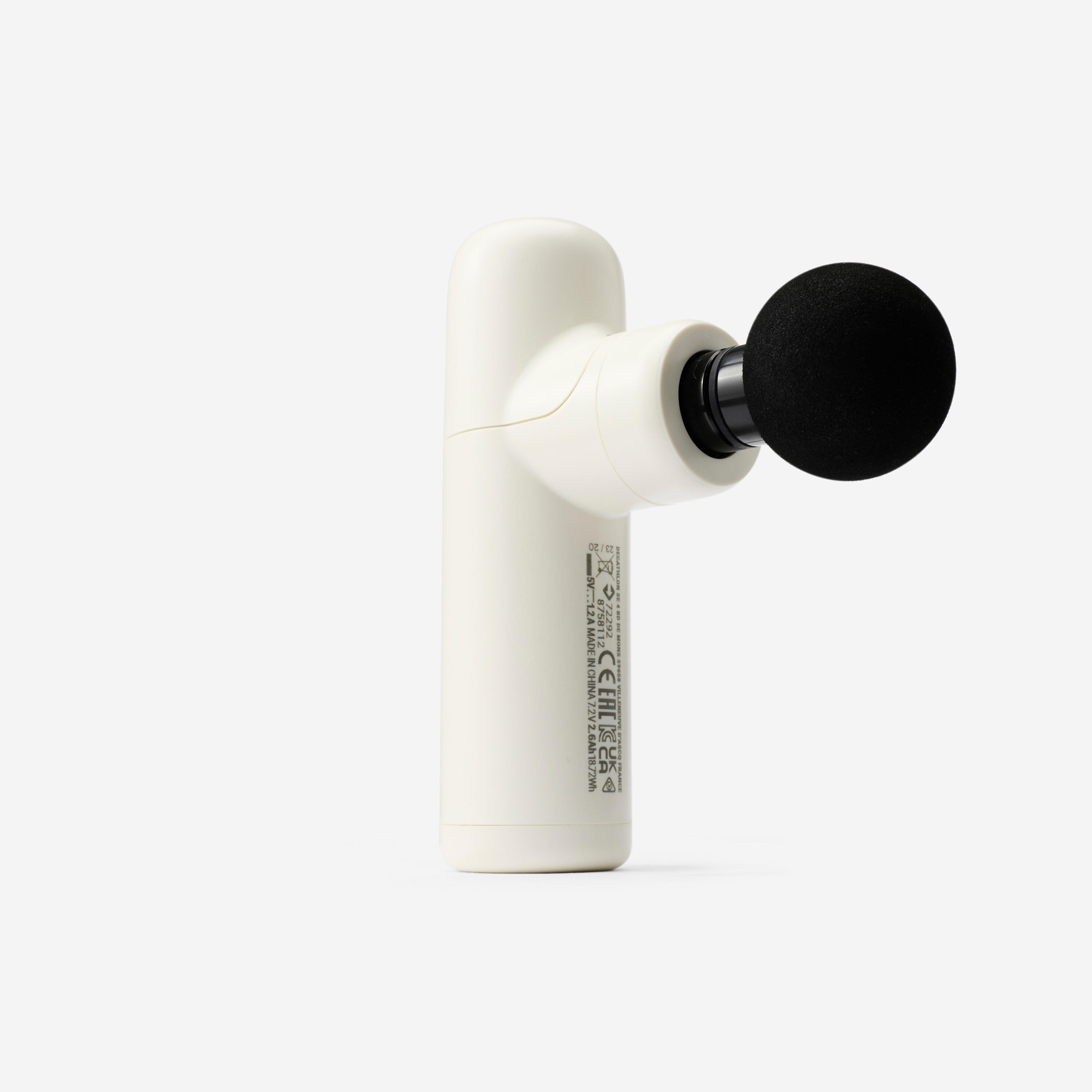
Build your routine around what helps you look after tired muscles, manage minor running issues and prepare properly for your next session. Self-massage can be one practical part of that routine, and running massage devices range from manual rollers and massage balls to compact percussion tools. Different formats suit different areas: rollers can cover larger muscle groups, while balls or smaller attachments can target more specific spots. Decathlon also gives clear usage guidance on several recovery tools rather than treating harder pressure as automatically better. Pro tip: keep massage controlled and comfortable, and stop if an area feels unusually painful. Persistent pain, swelling or an injury concern needs appropriate professional assessment rather than simply more self-massage.
How do running massage creams fit into post-run care?

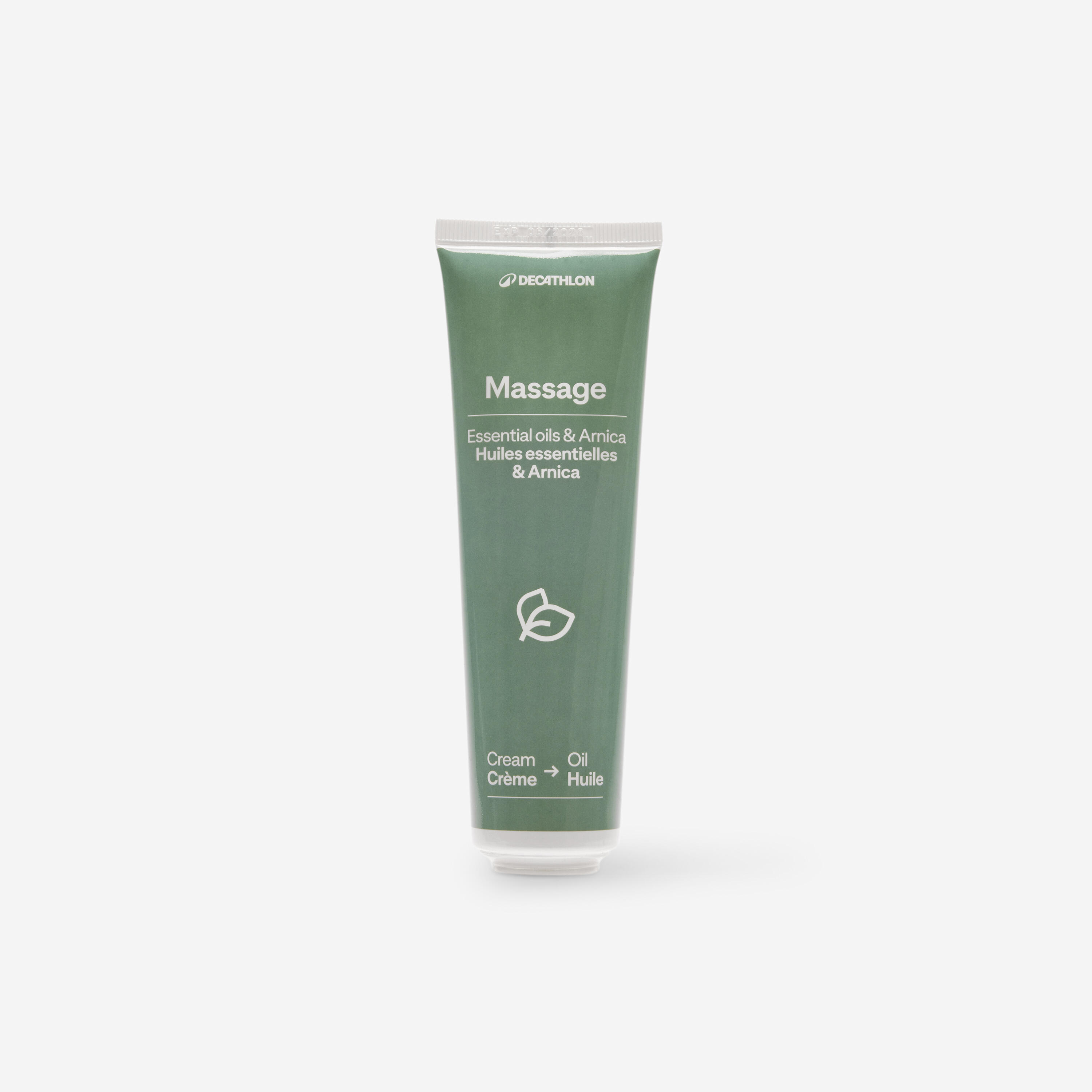
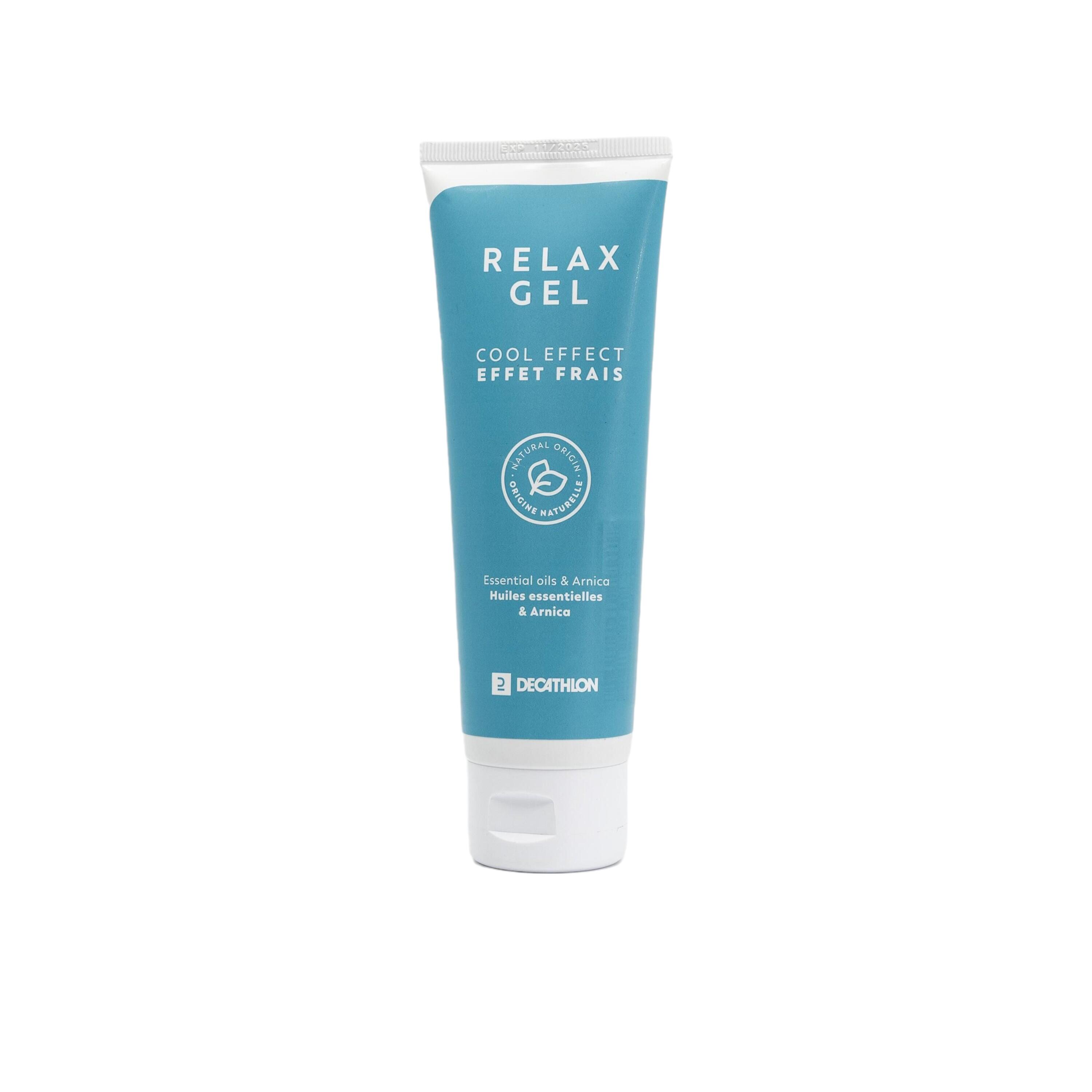
Running massage creams can provide glide for manual massage, making it easier to work over areas such as calves or thighs without excessive friction on the skin. Decathlon's reviewed massage cream changes from a cream to a more oil-like texture as it is worked in, helping extend the massage. Check the individual instructions carefully because topical products can have specific age, skin and application limits. Pro tip: test a new cream on a small area first and avoid applying it to broken or irritated skin. A massage product can support a comfortable self-care routine, but it should not be used to mask pain that keeps returning when you run.
Are running compression socks for recovery or for use while running?

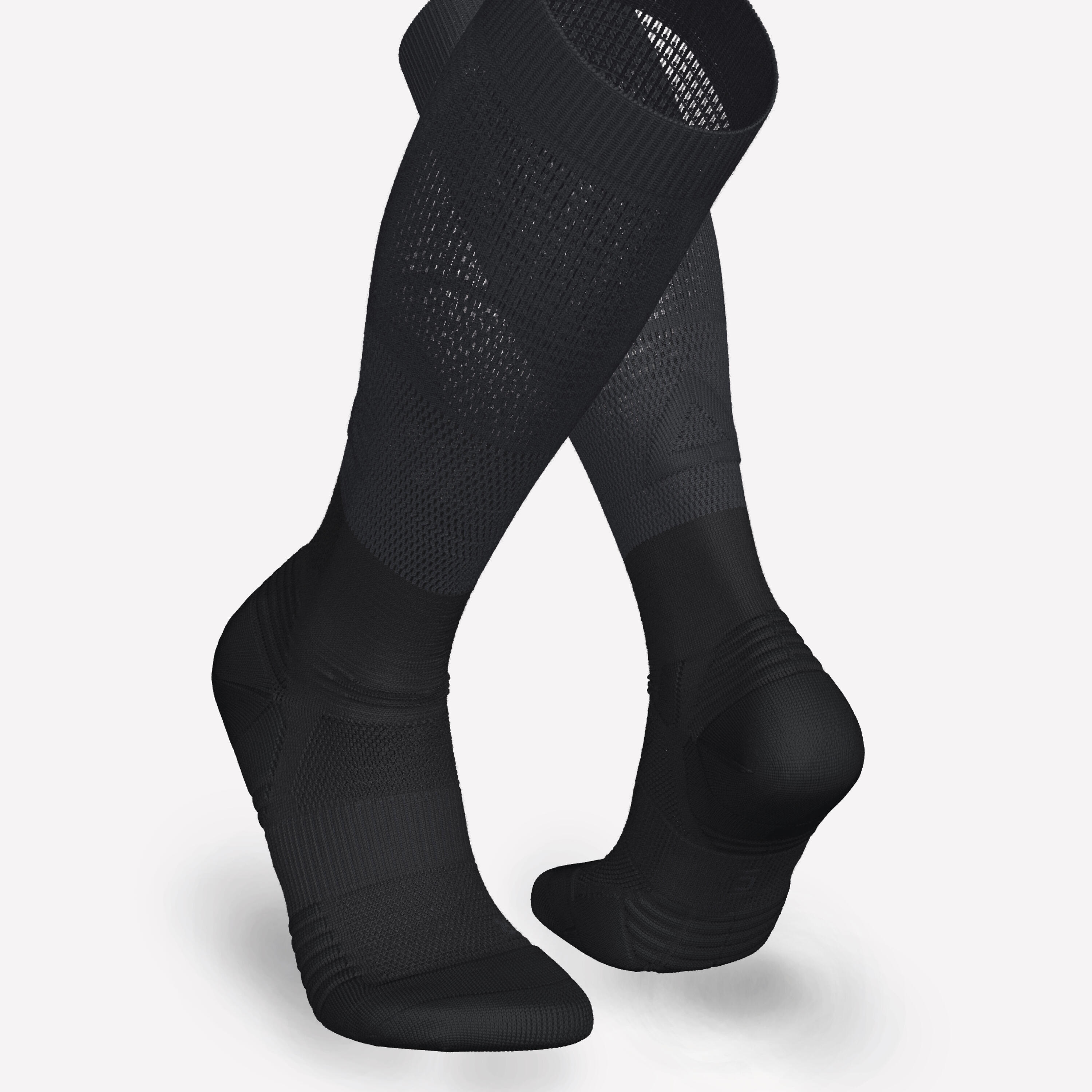
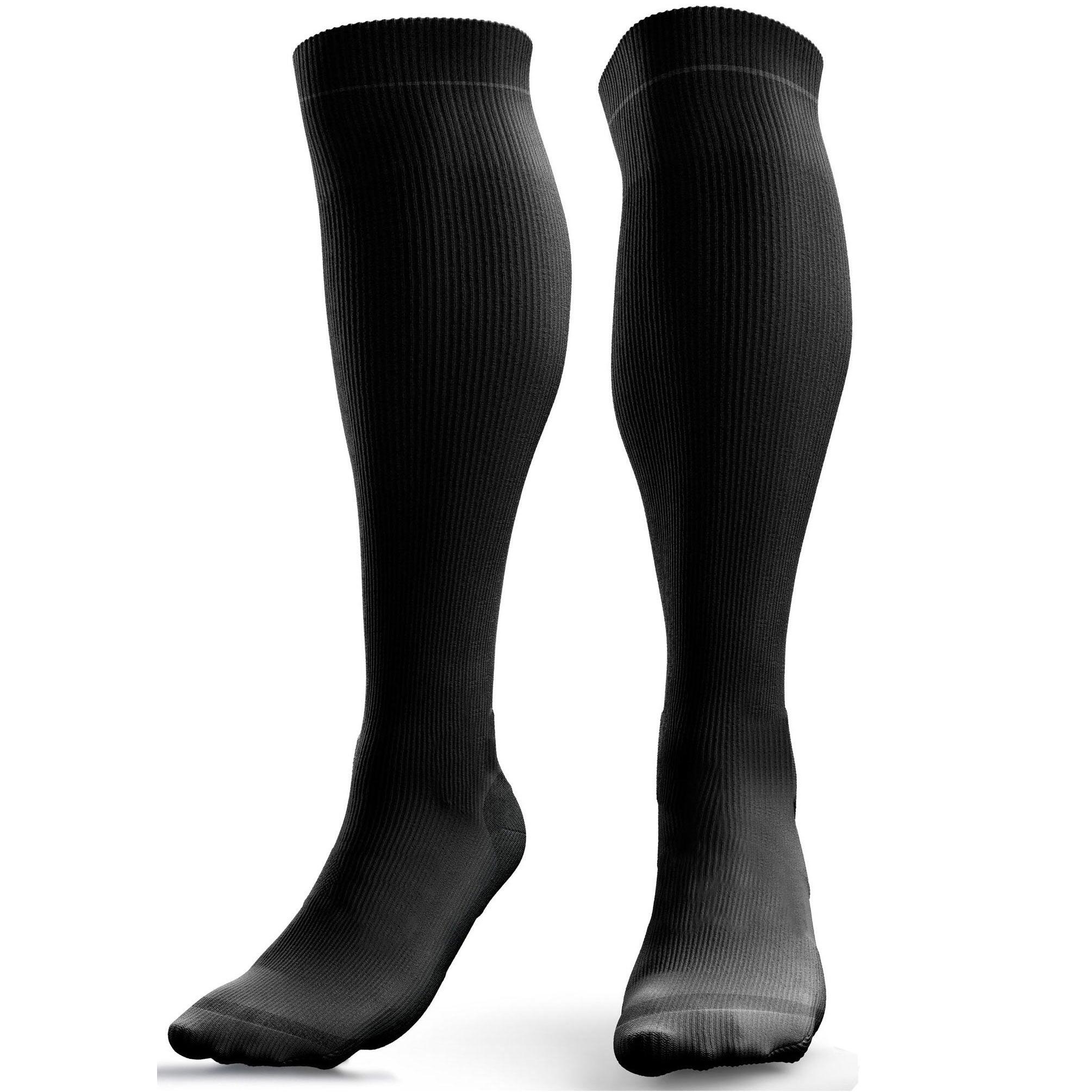
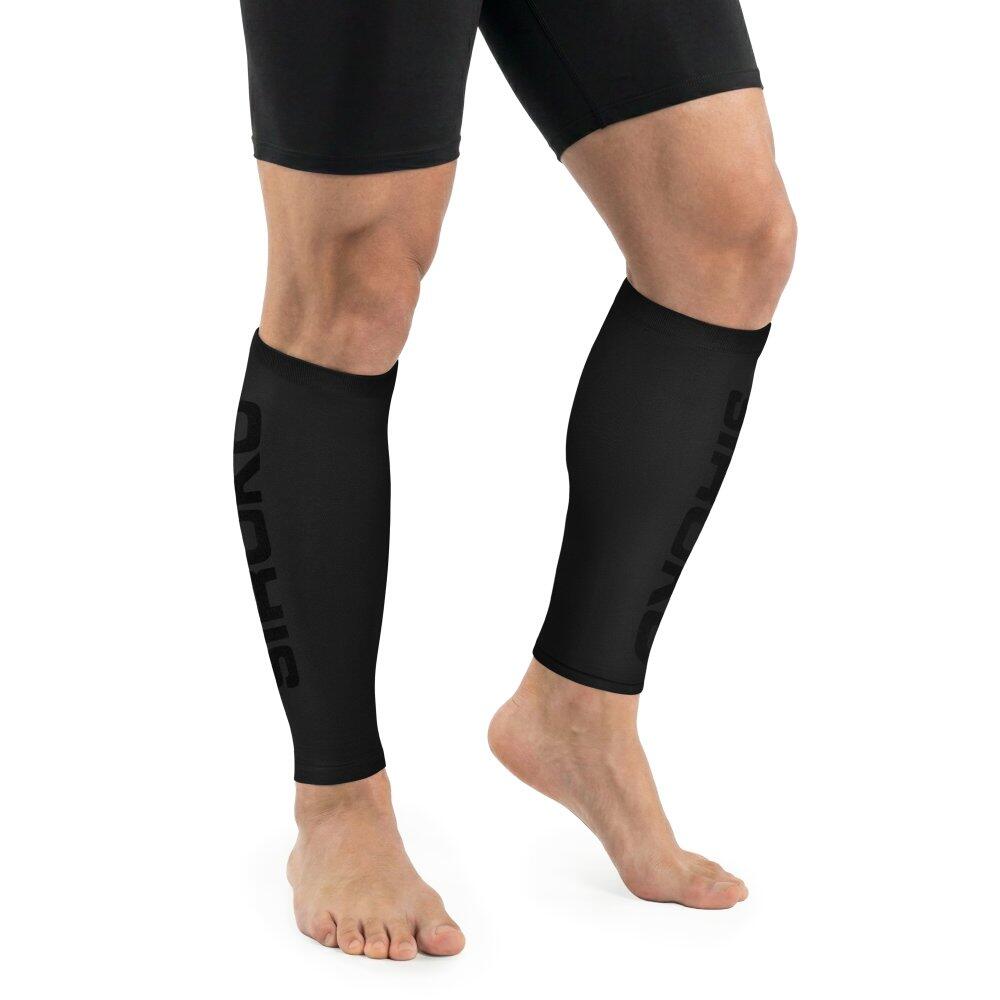
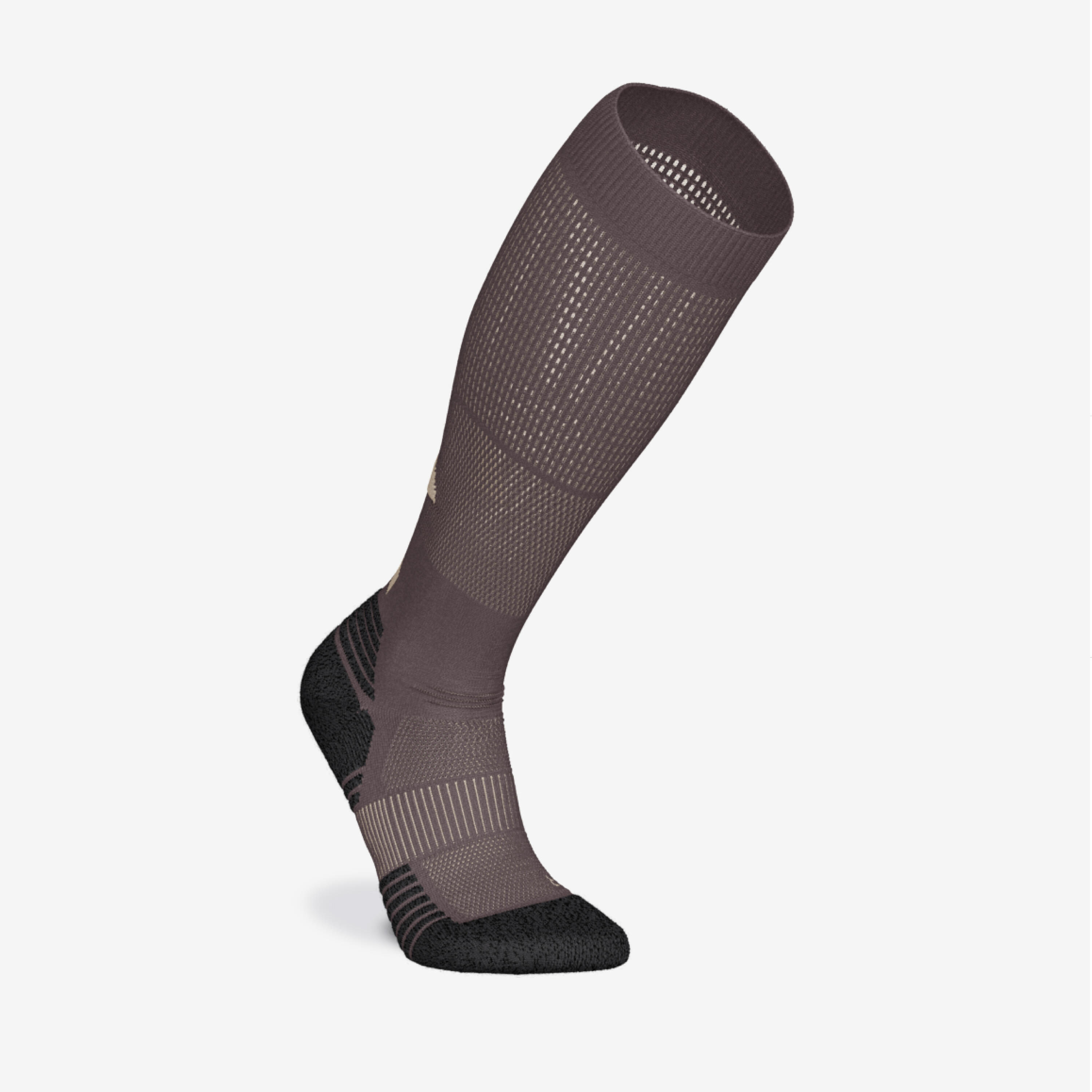
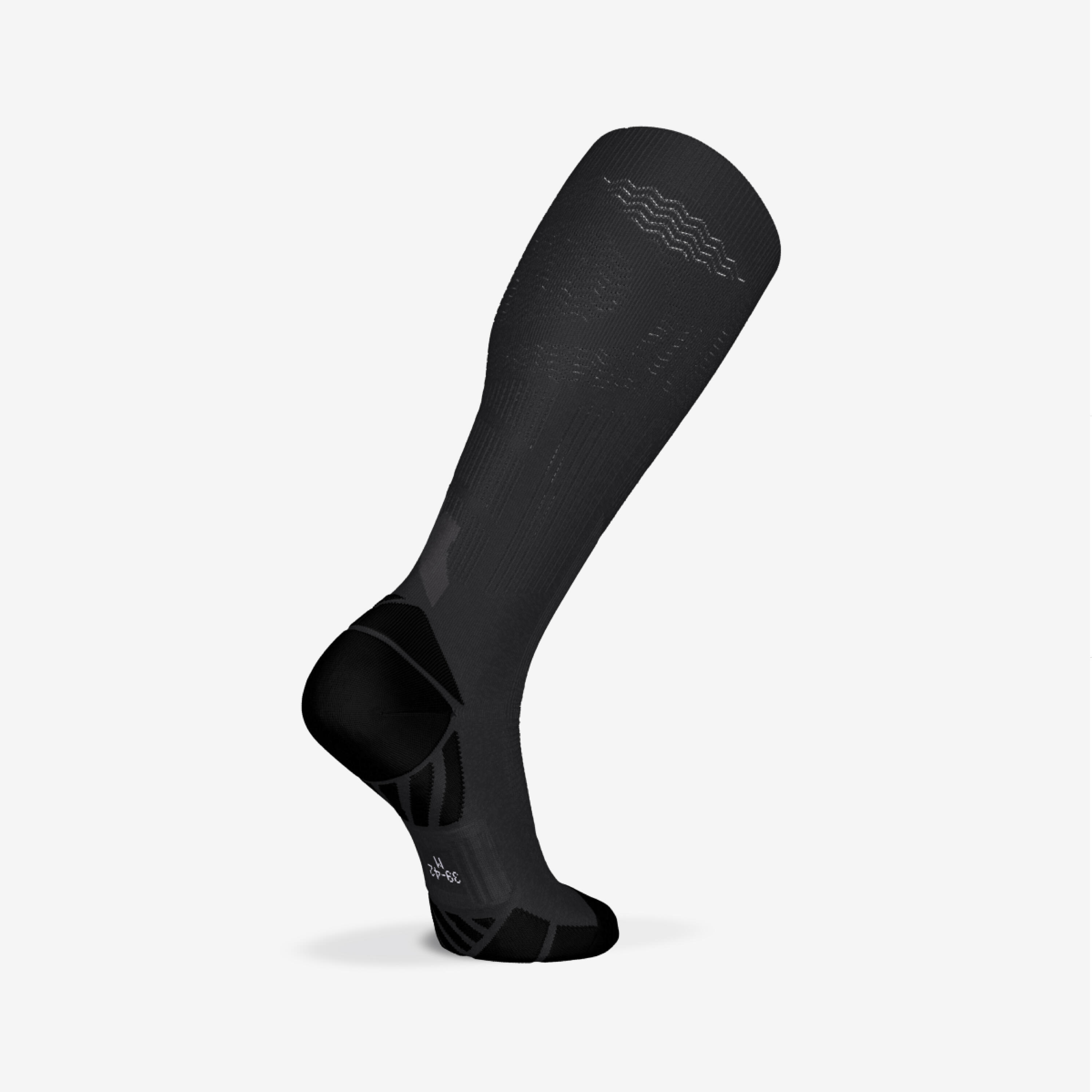
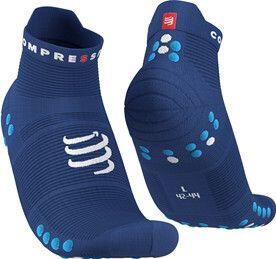
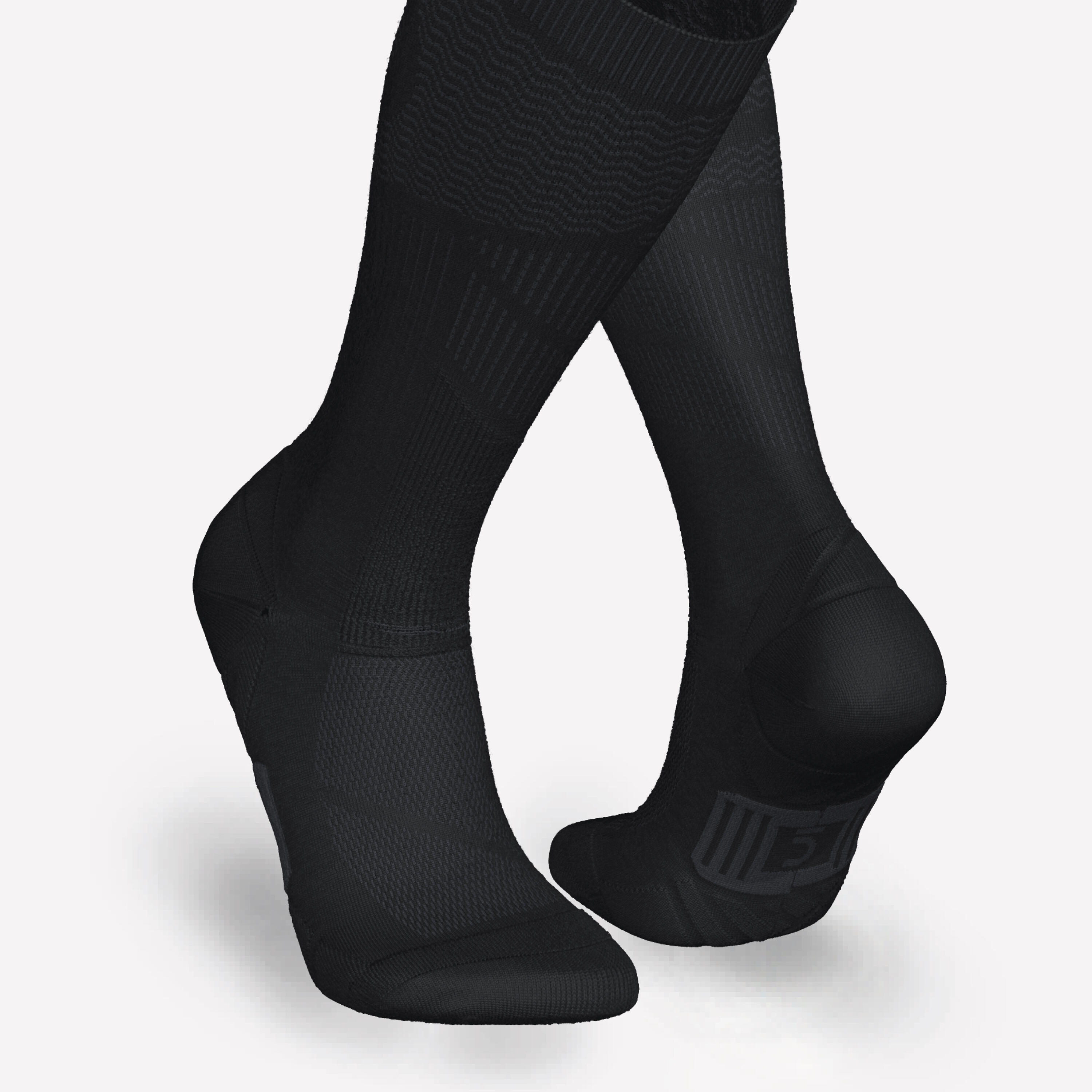
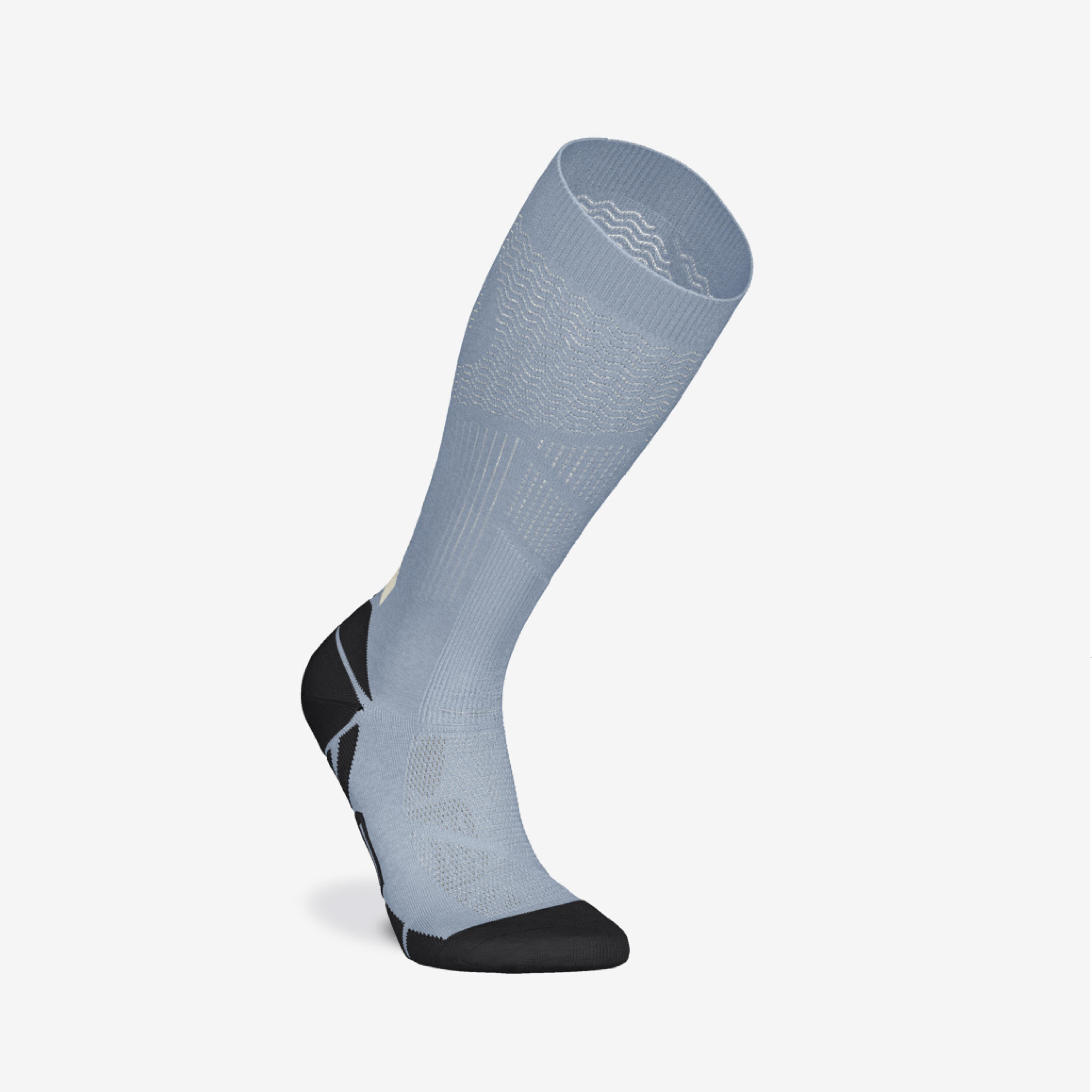
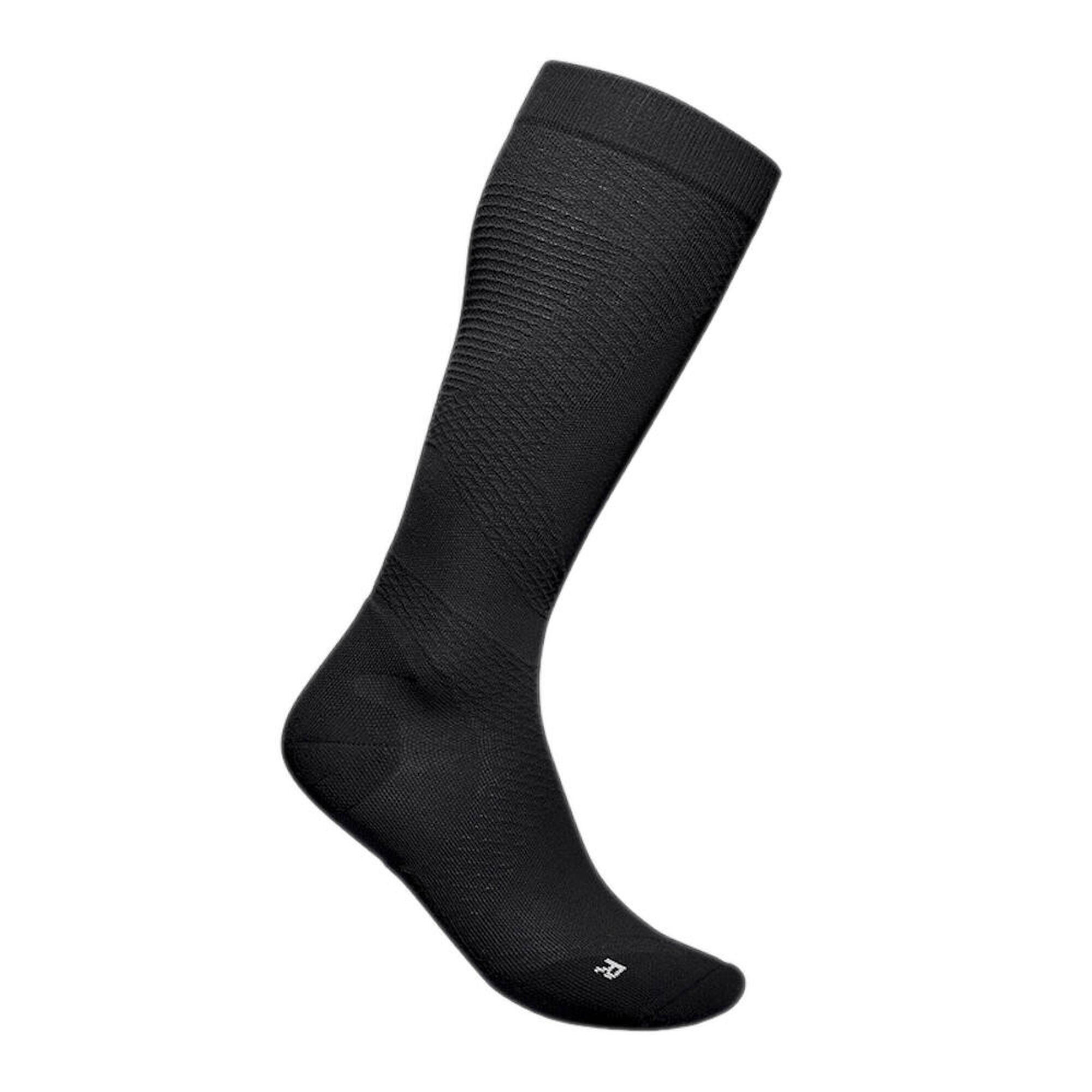
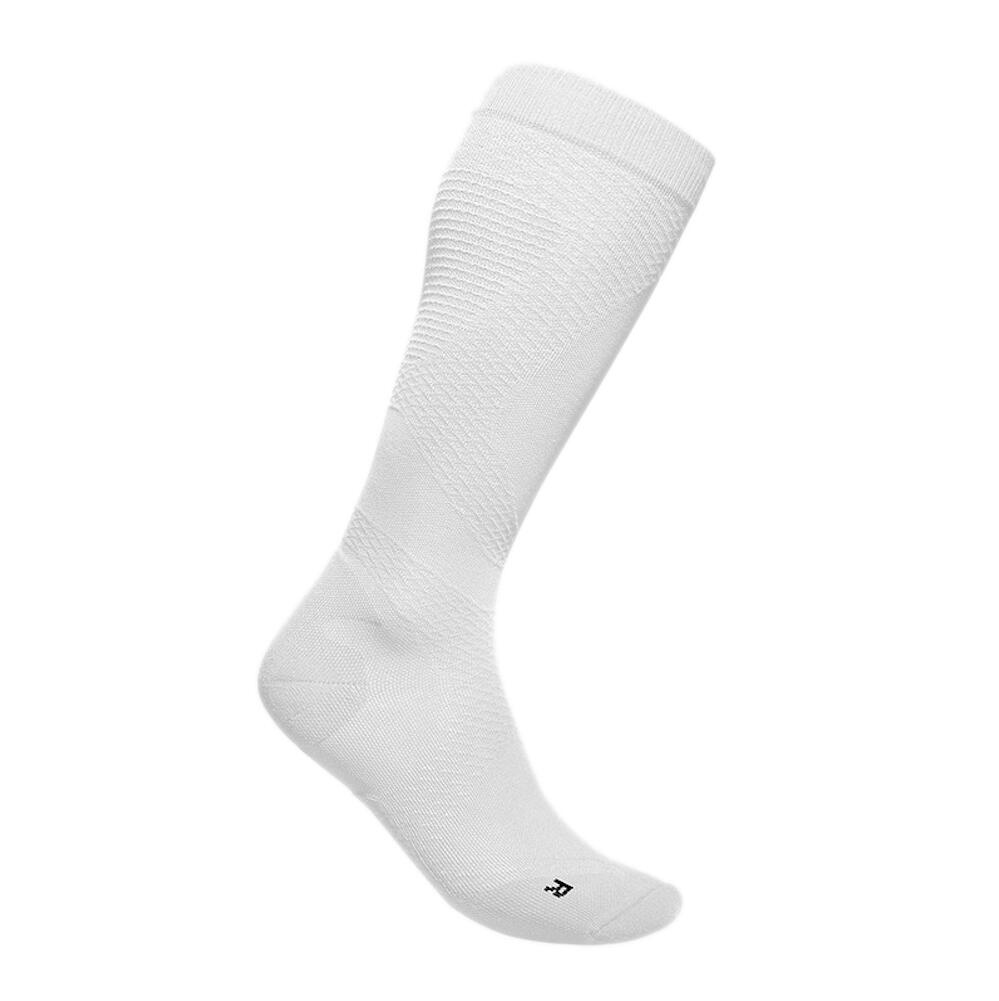
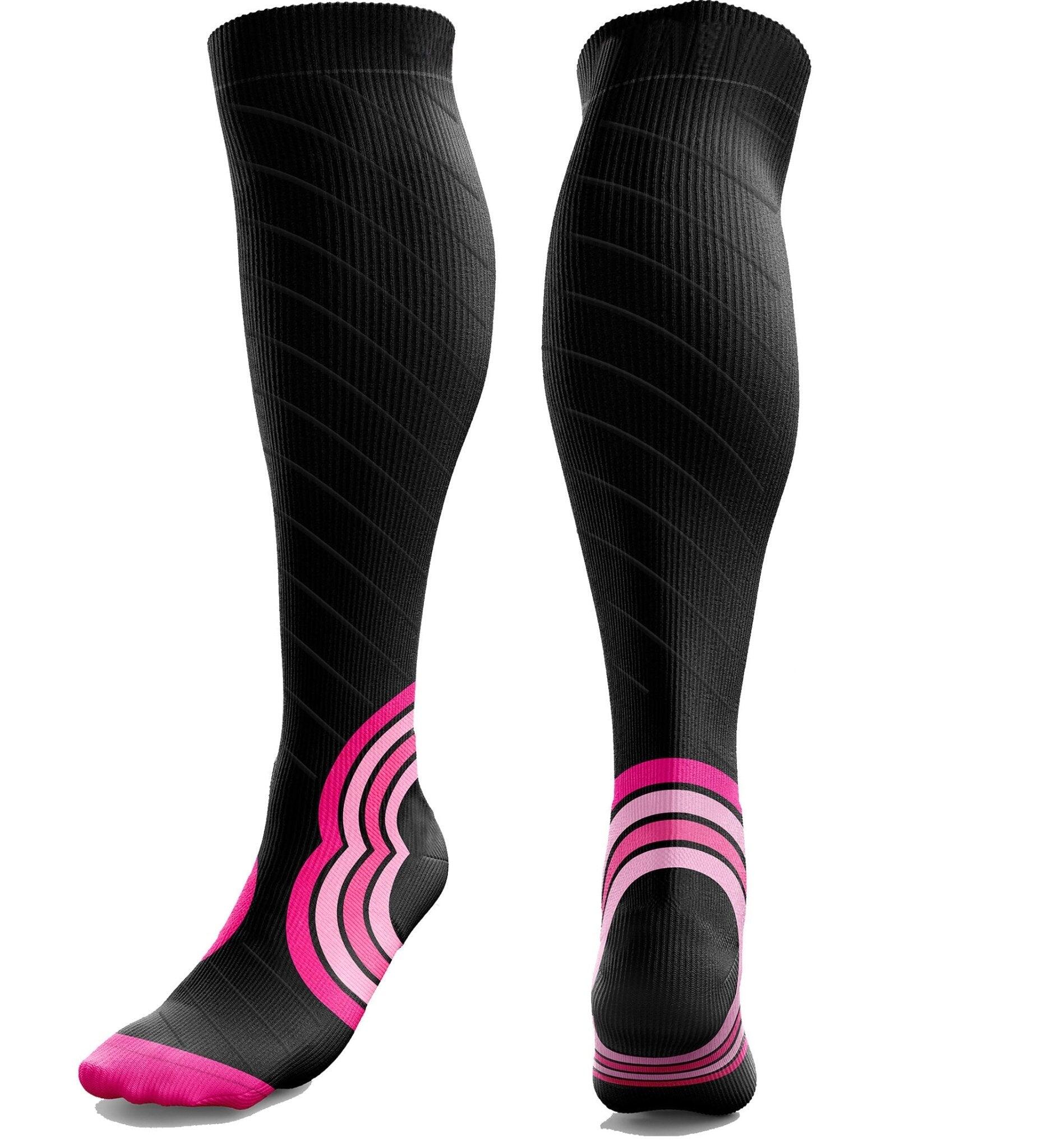
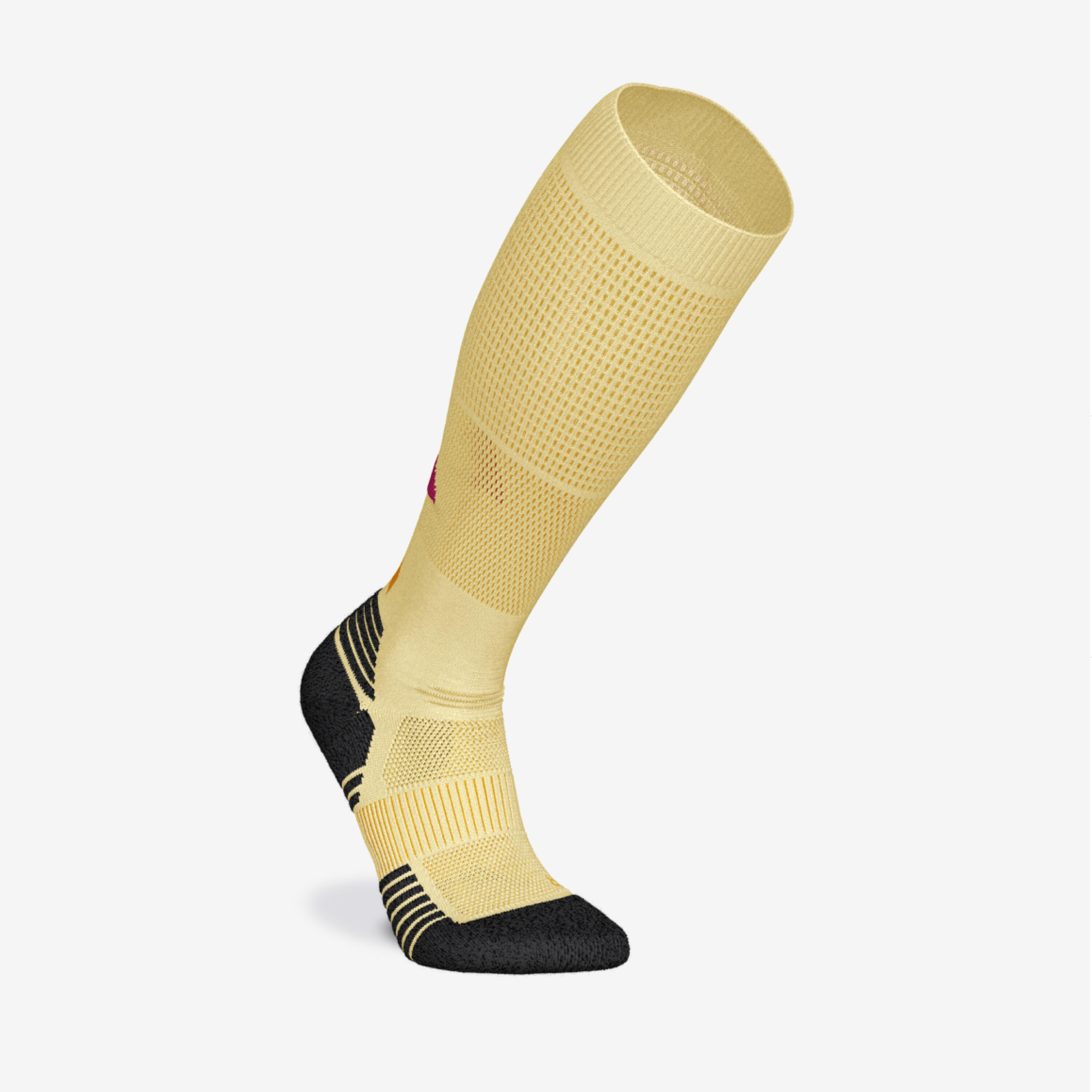
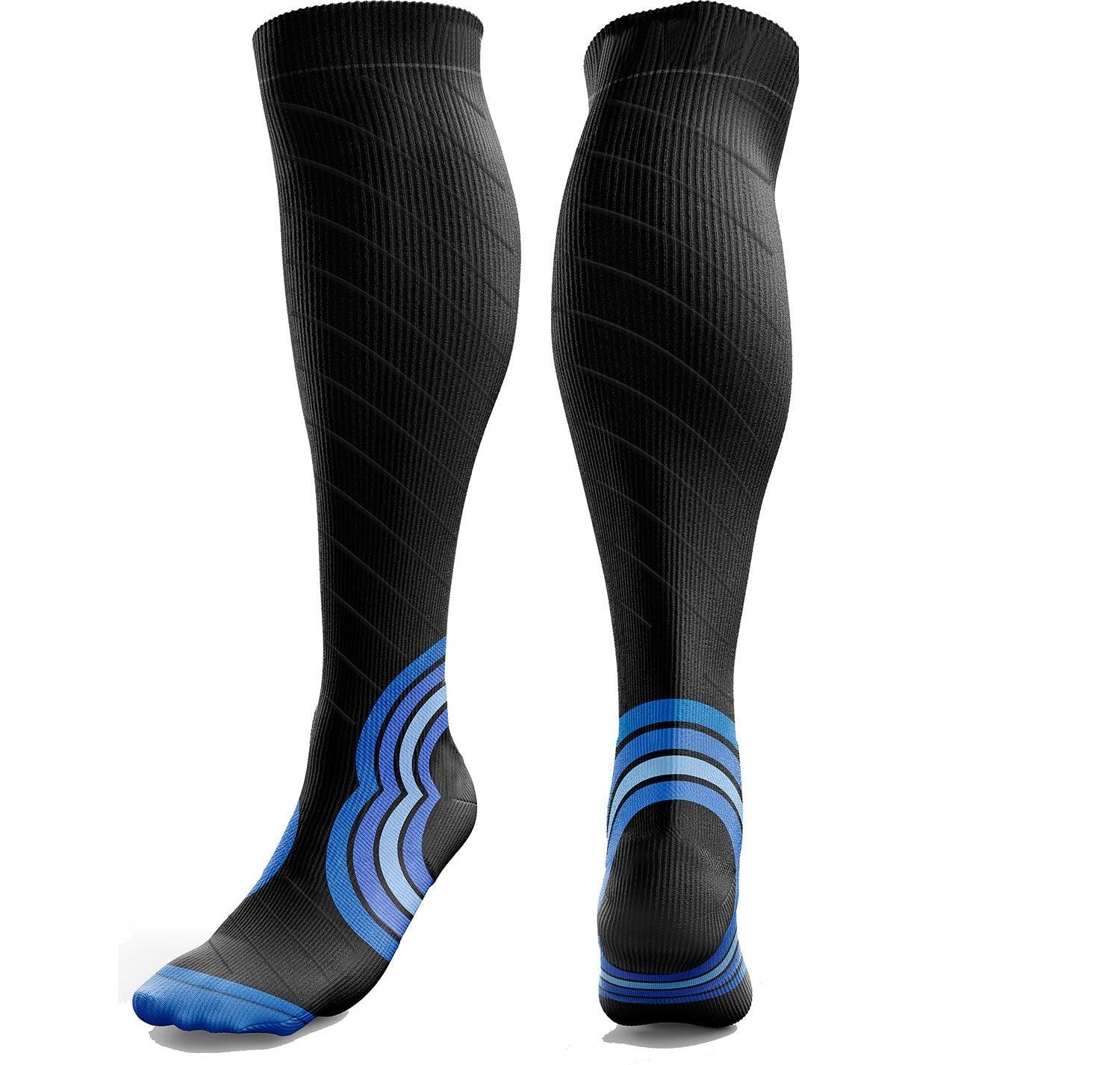
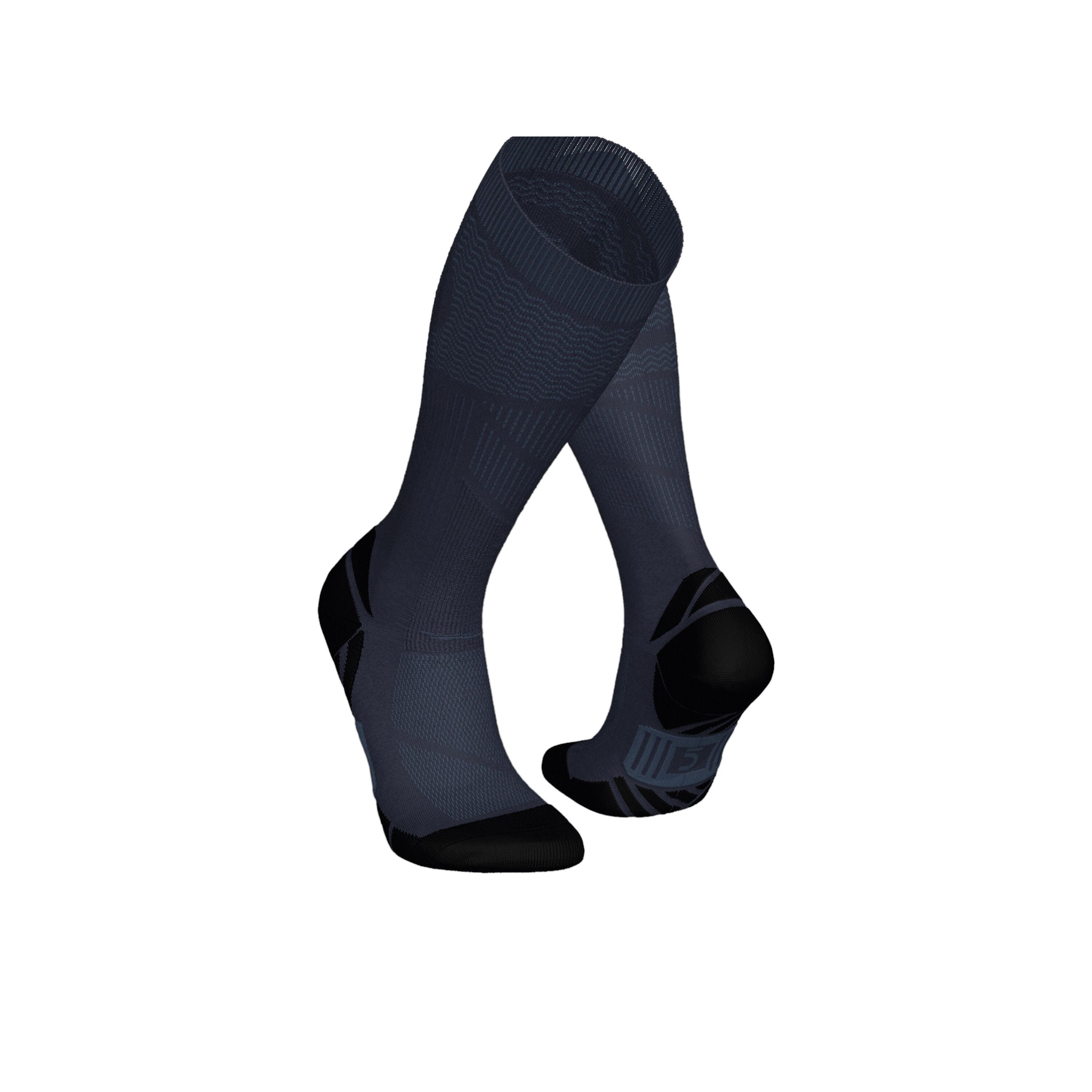
Do not assume every compression product serves the same purpose. KIPRUN running compression socks in the reviewed range are intended for use during running rather than as post-run medical or recovery garments. Fit is based on calf circumference, so measuring the widest part of your calf is more useful than choosing only from your normal shoe size. The pressure should feel supportive without creating numbness, pain or excessive restriction. Pro tip: follow the intended use stated for the specific sock and wash compression garments gently, typically at low temperatures without tumble drying, to help preserve their elasticity and fit over repeated sessions.

What first-aid items are useful to carry for running?

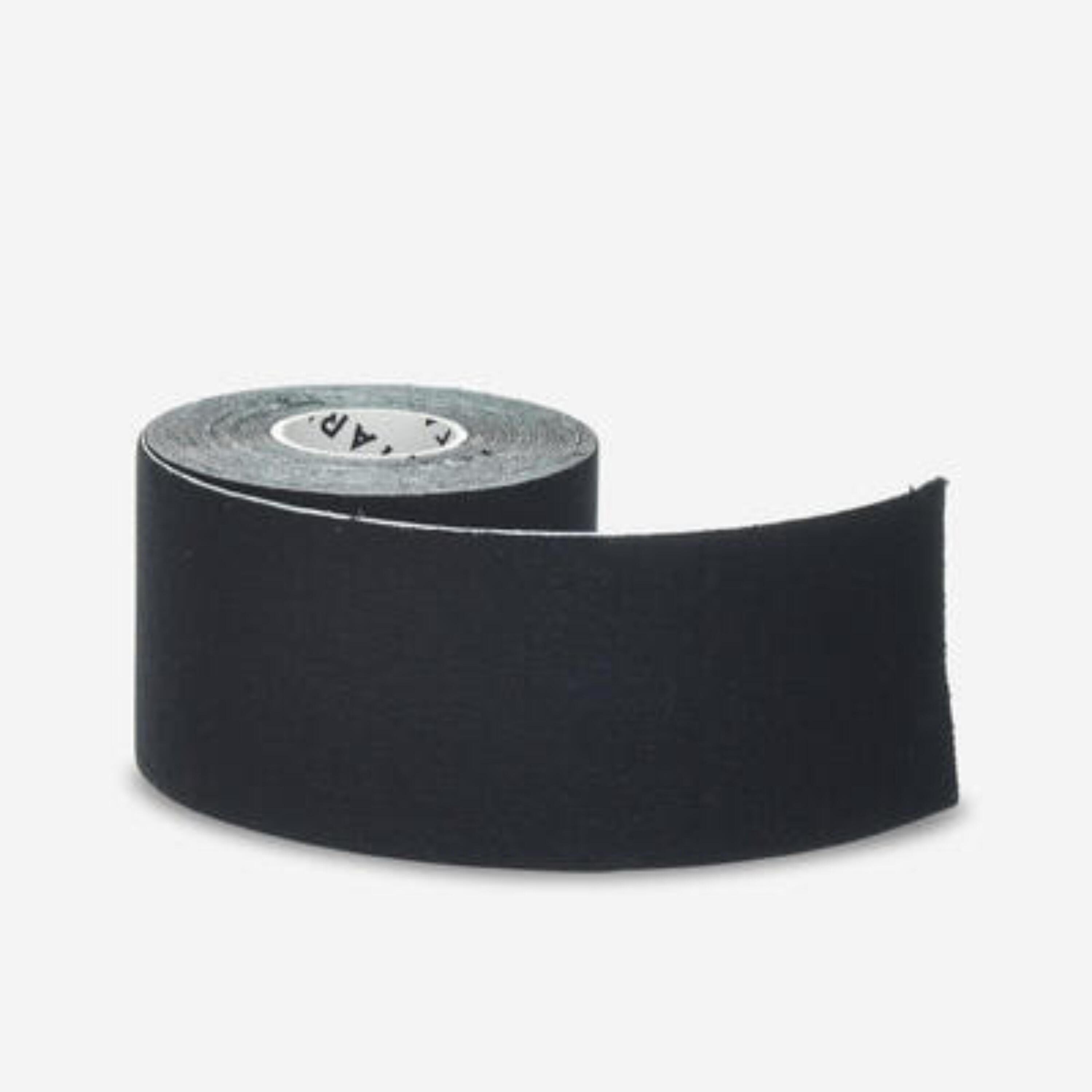
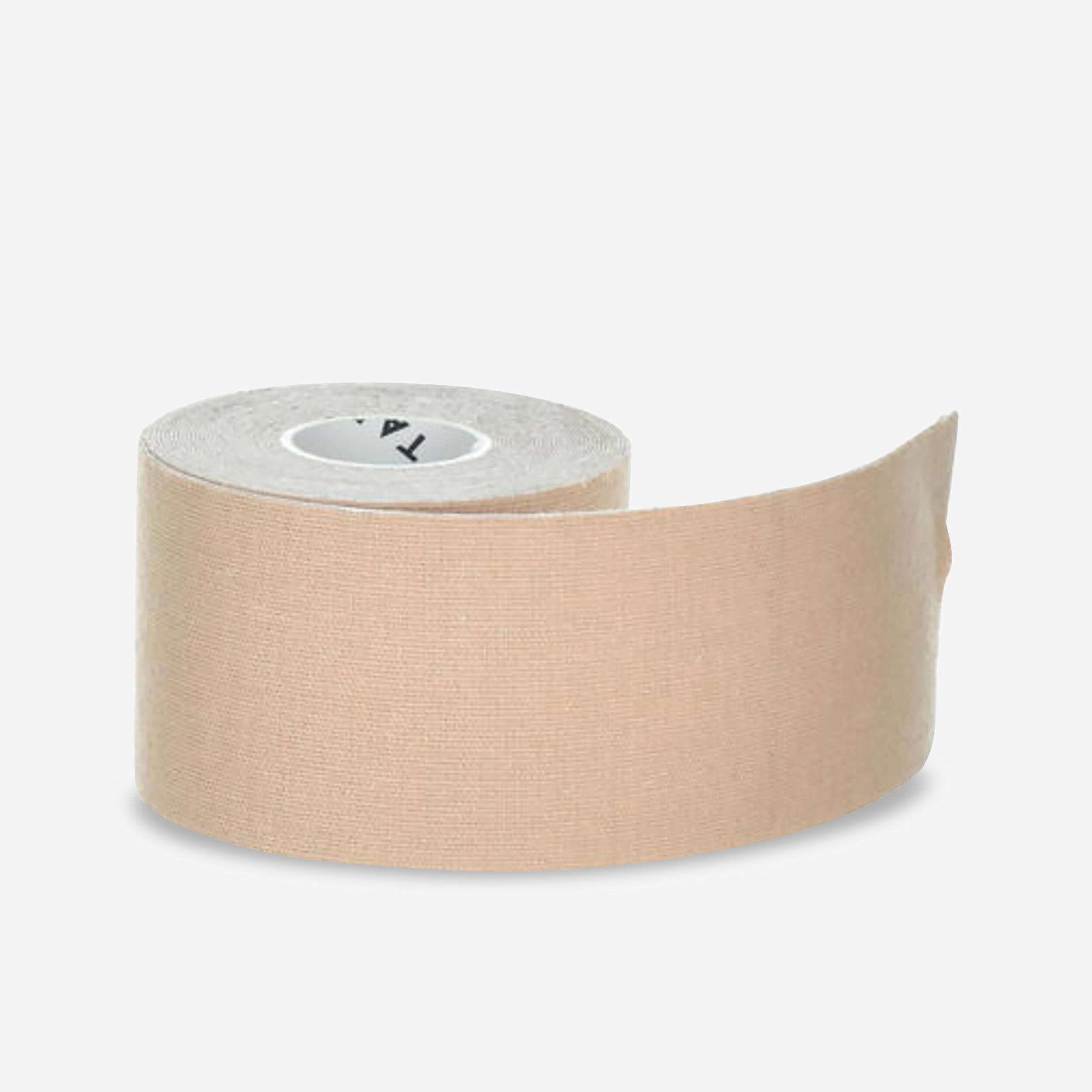
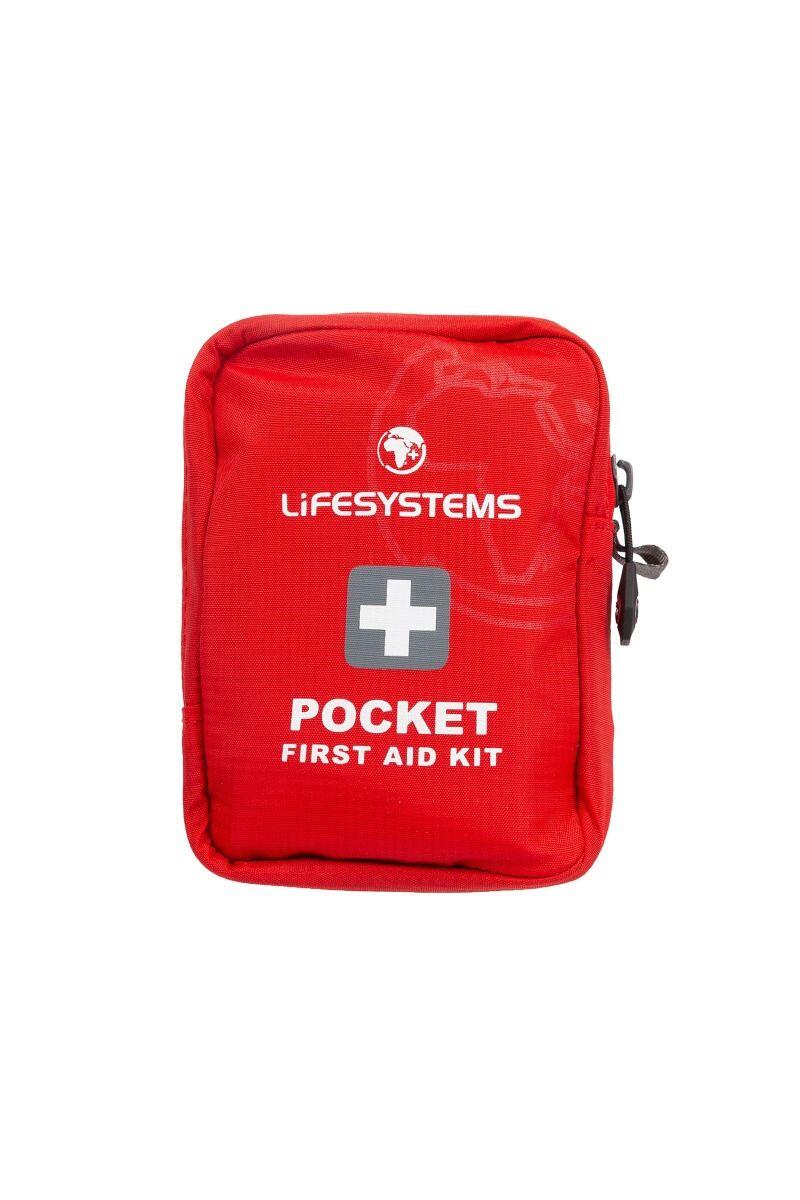
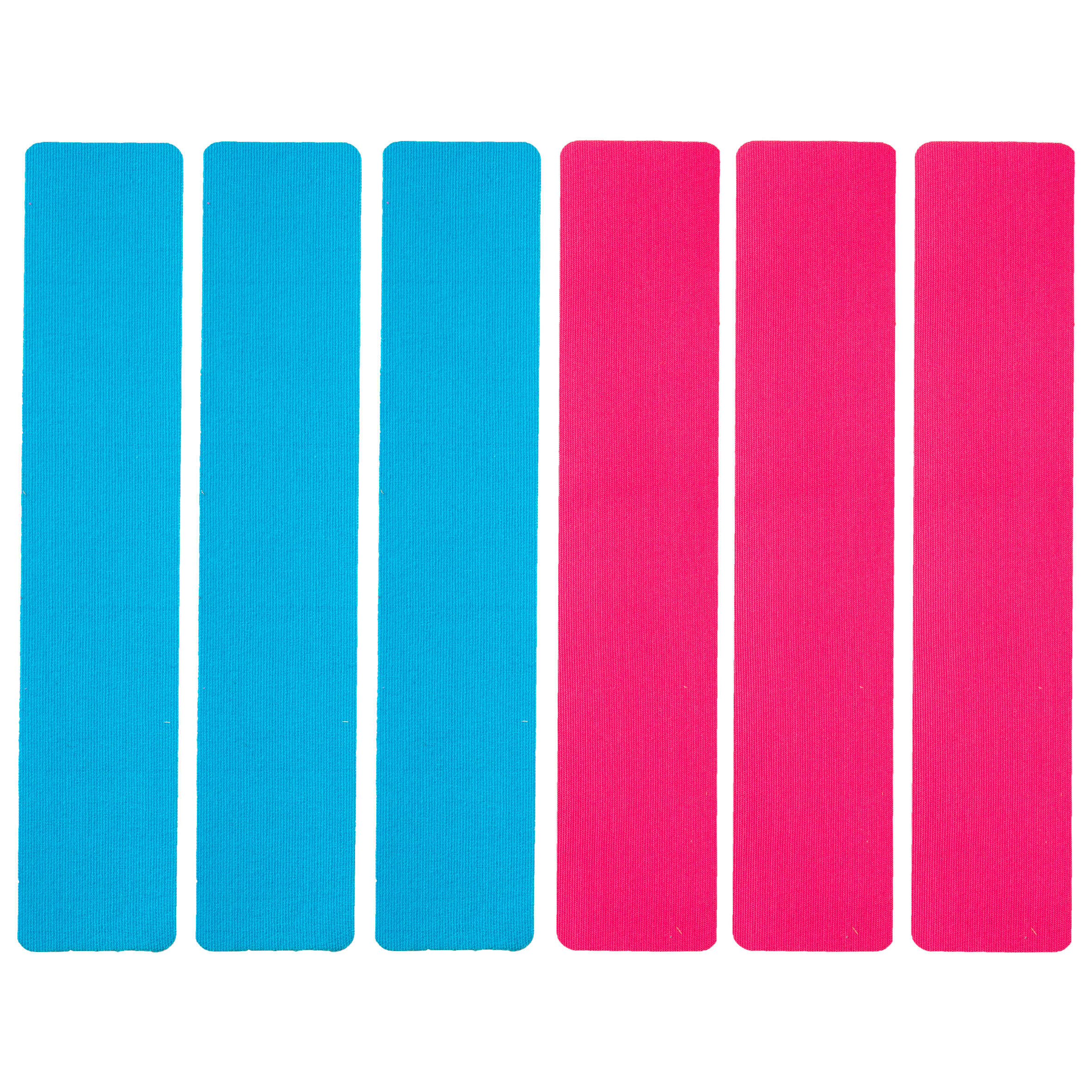
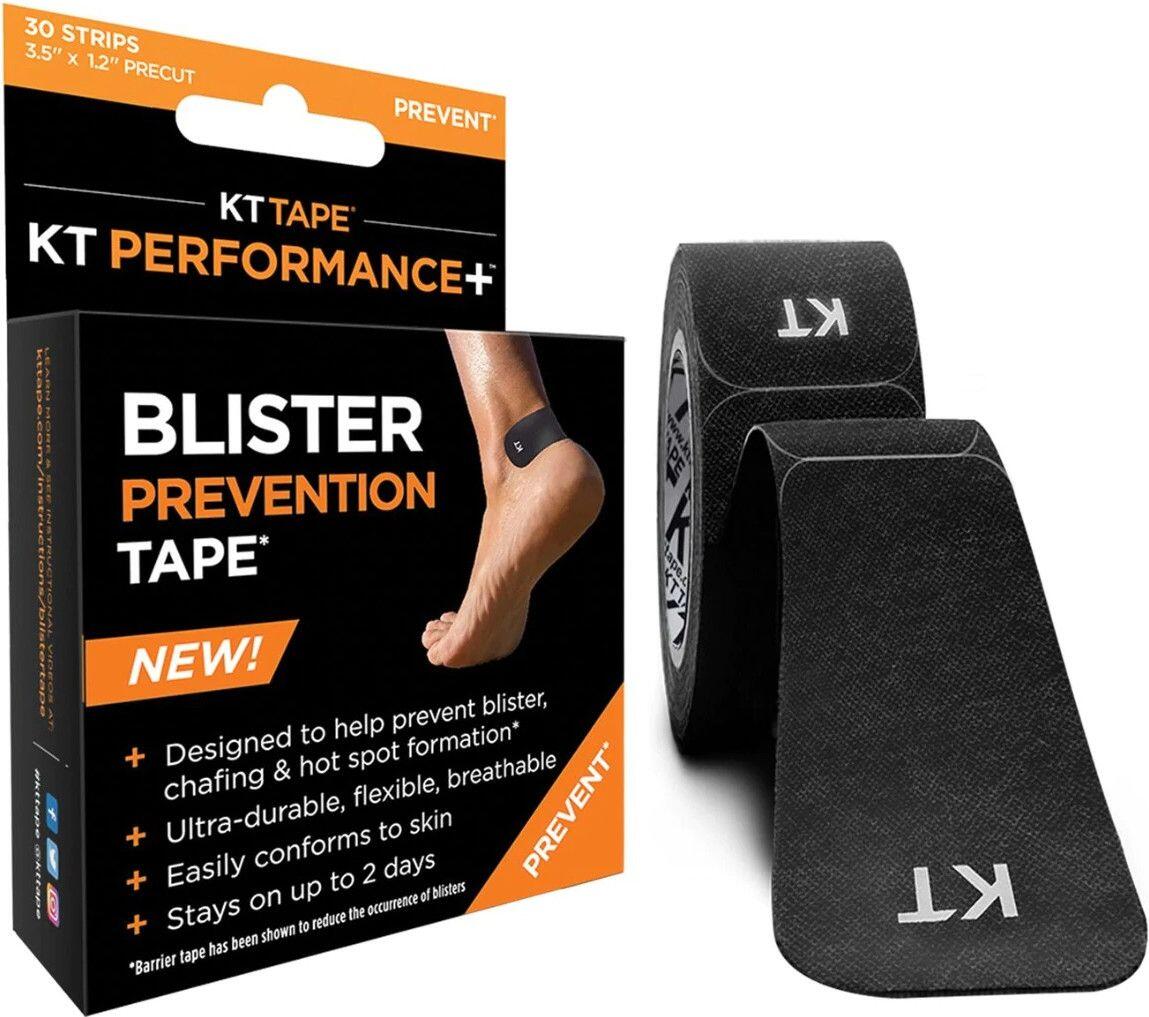
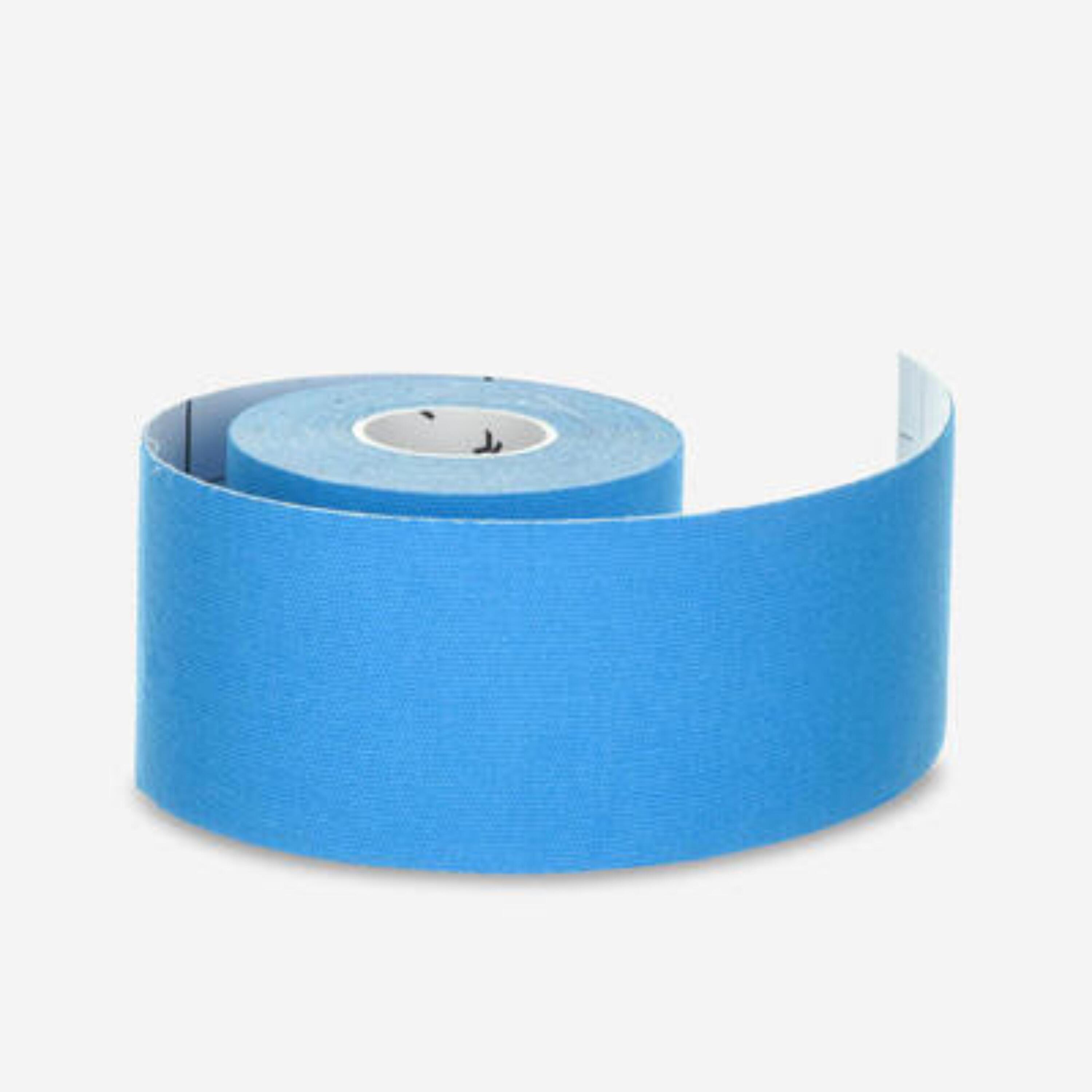
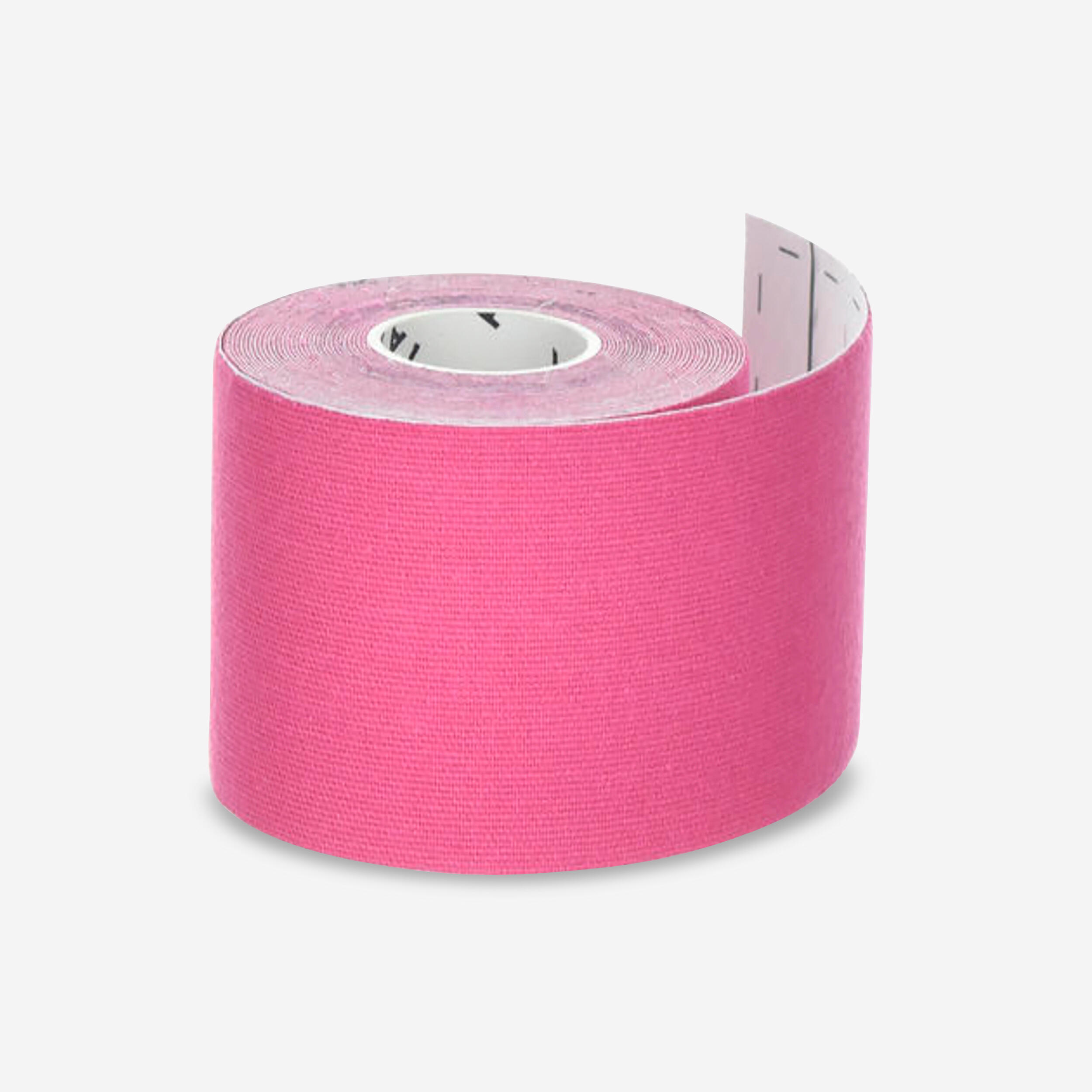
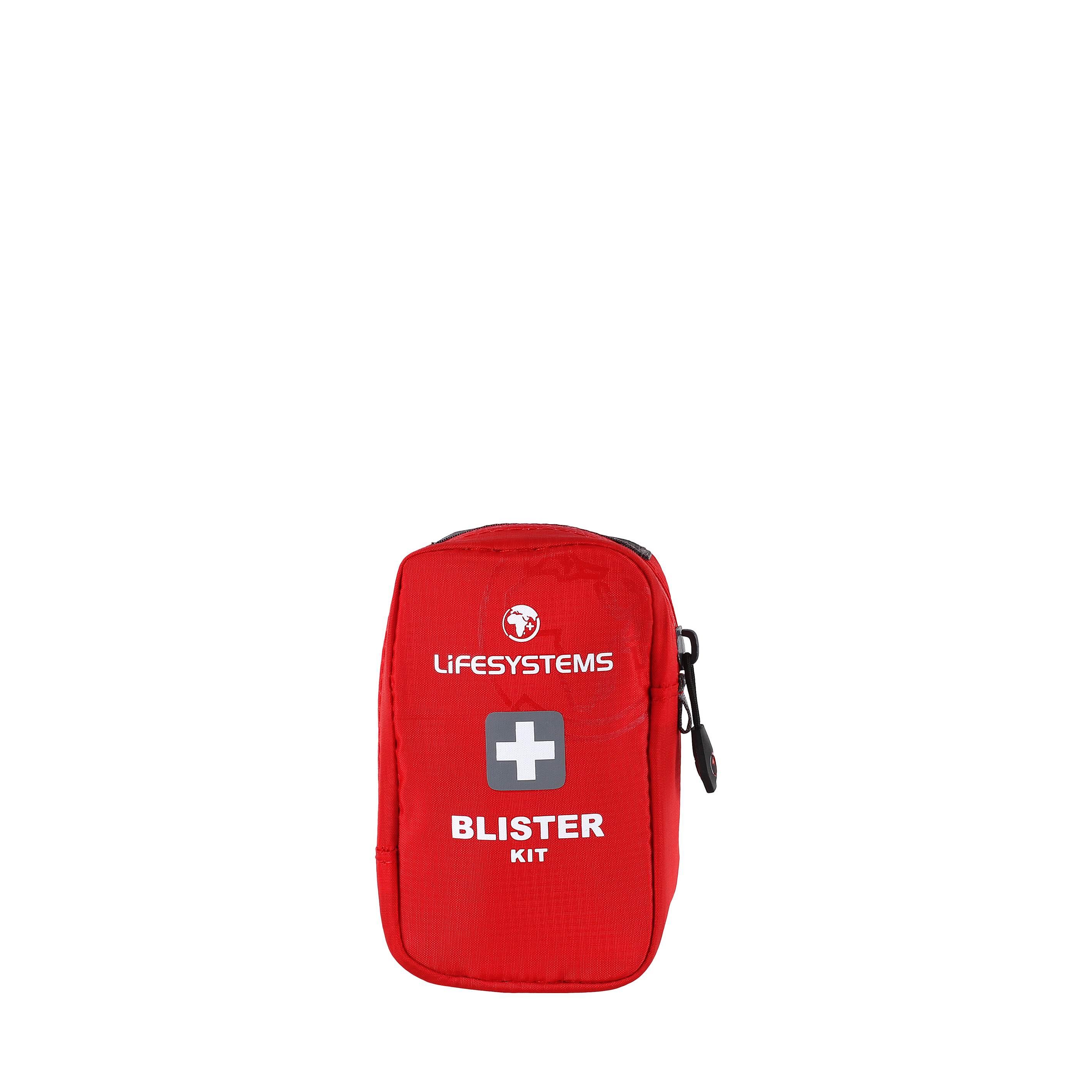
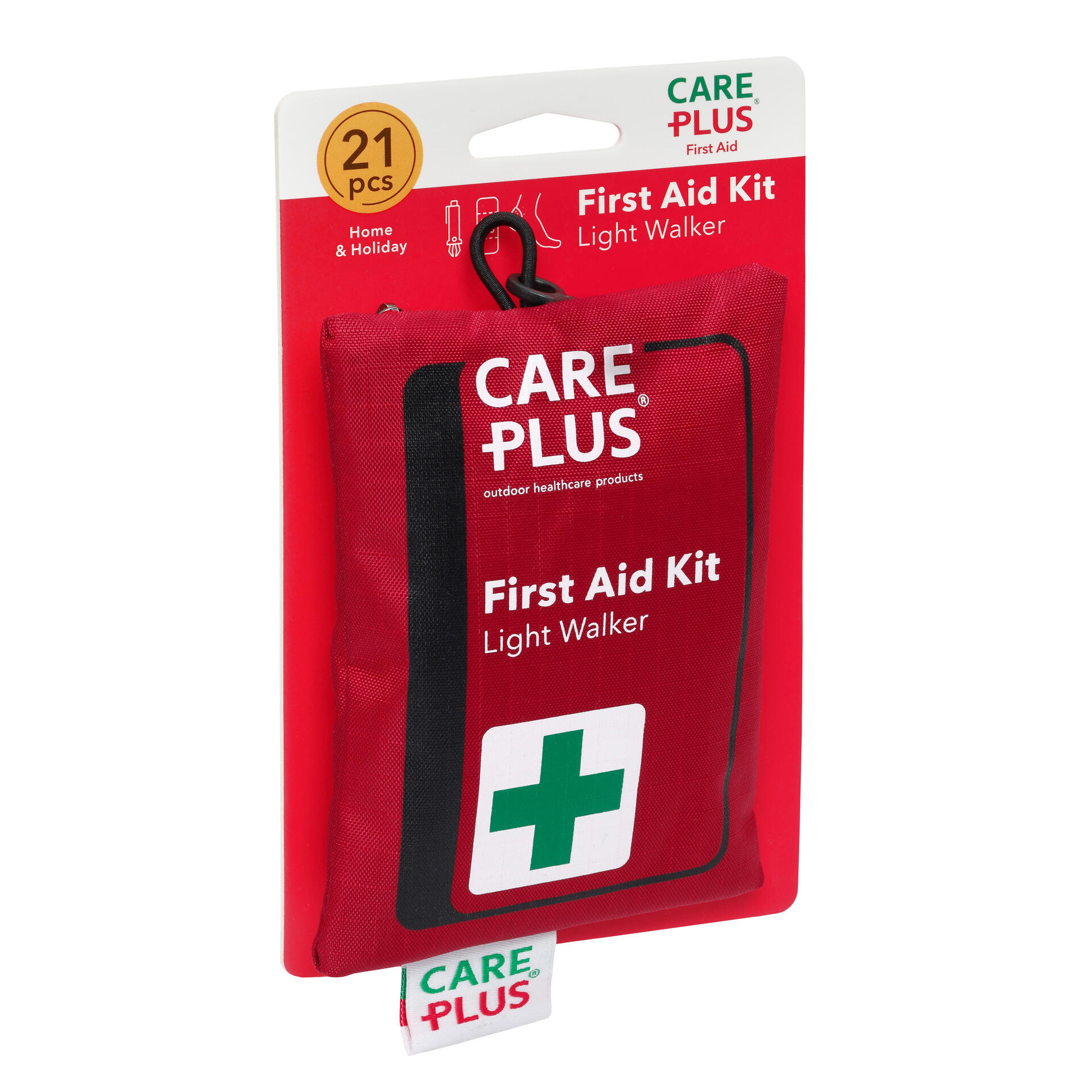
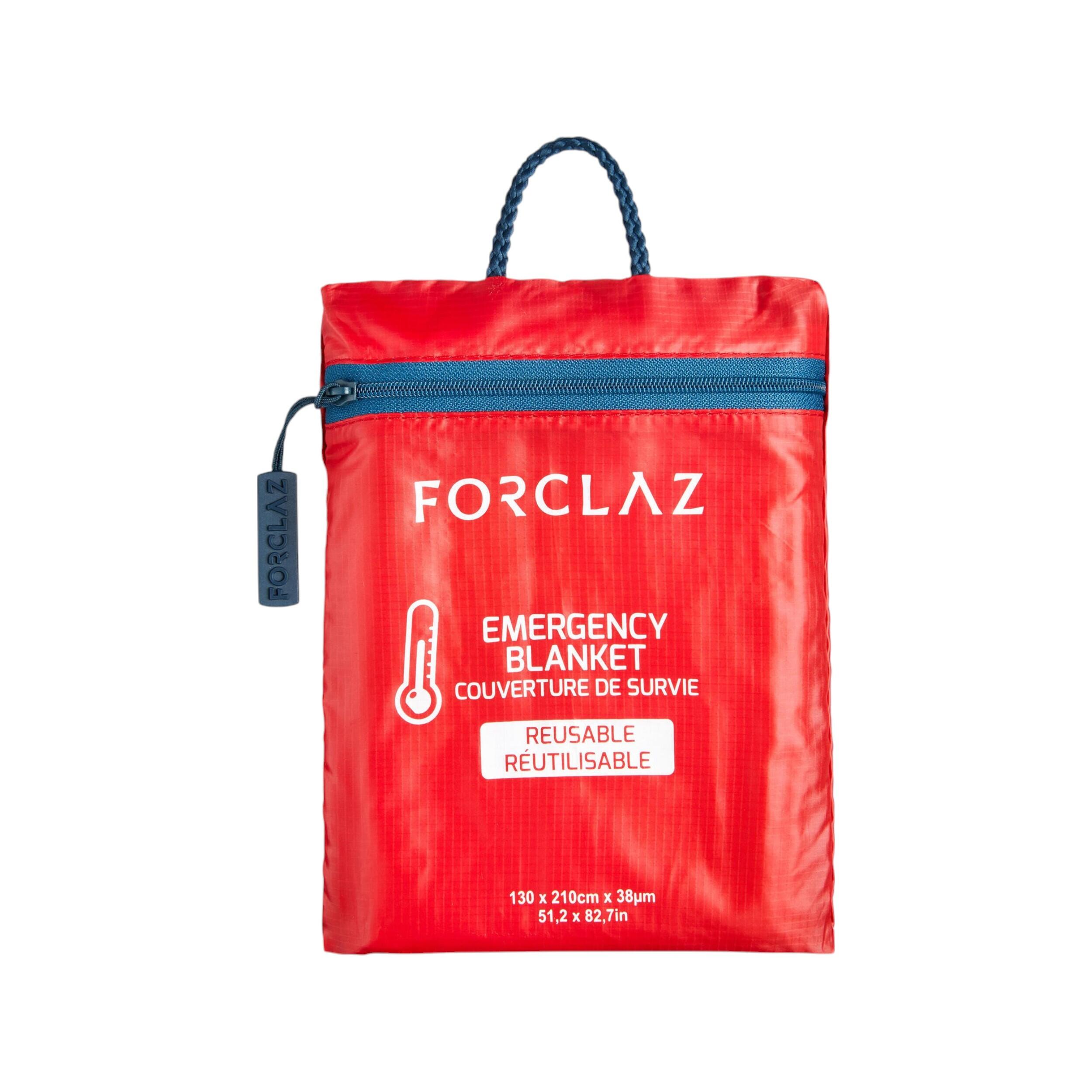
The most useful running first aid setup depends on where you run, how far you go and whether you will be close to help. Small items for minor cuts, rubbing or basic support can be practical on longer routes, while trail or remote running may justify a more complete kit. Kinesiology tape is also available within runner-care ranges, but it is not a substitute for diagnosis or medical treatment. Pro tip: keep any first-aid products clean, dry and within their expiry dates, and learn how to use them before you need them. For significant pain, suspected fractures, severe bleeding or other serious symptoms, seek appropriate medical help rather than continuing the run.

Which running conditions call for sunscreen protection?

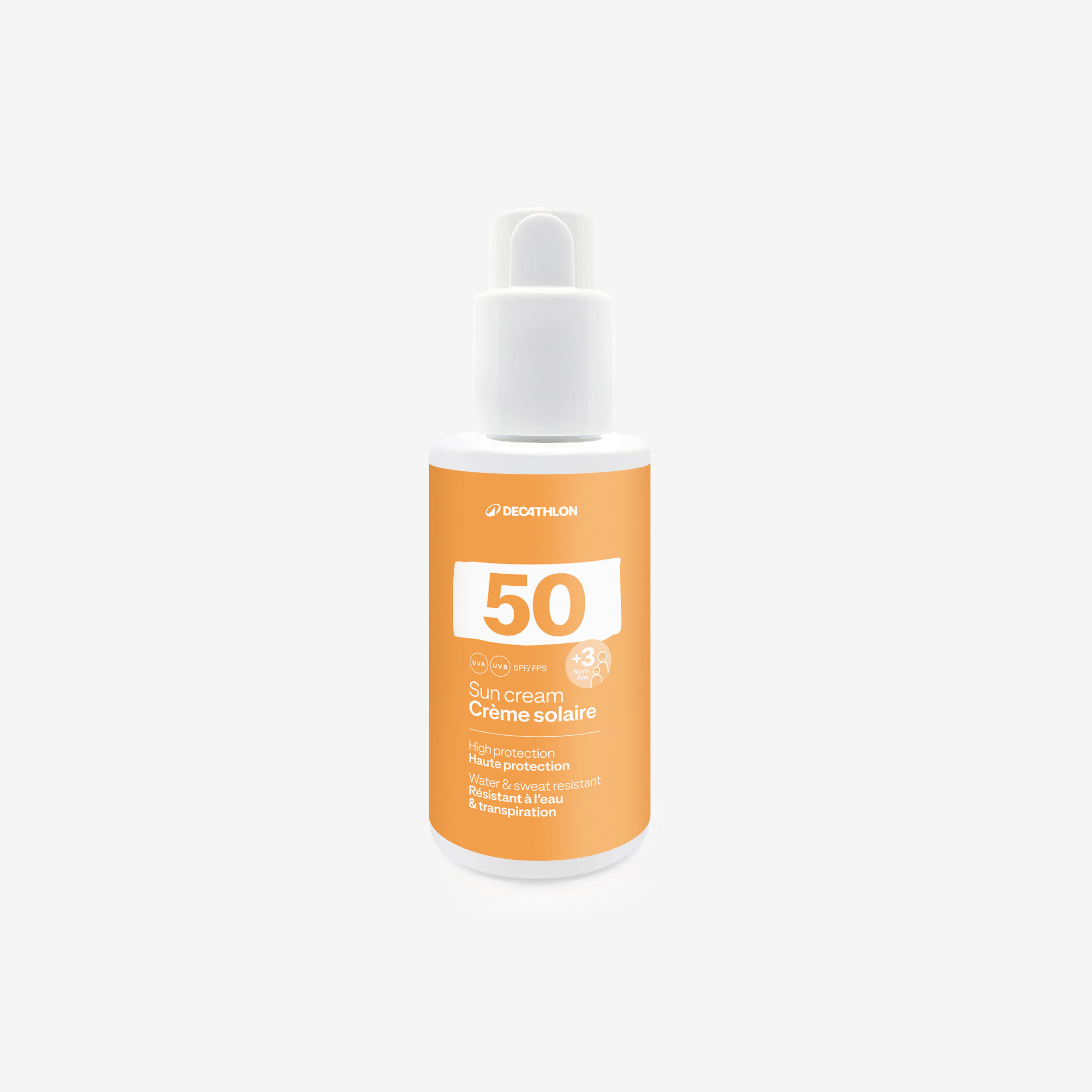
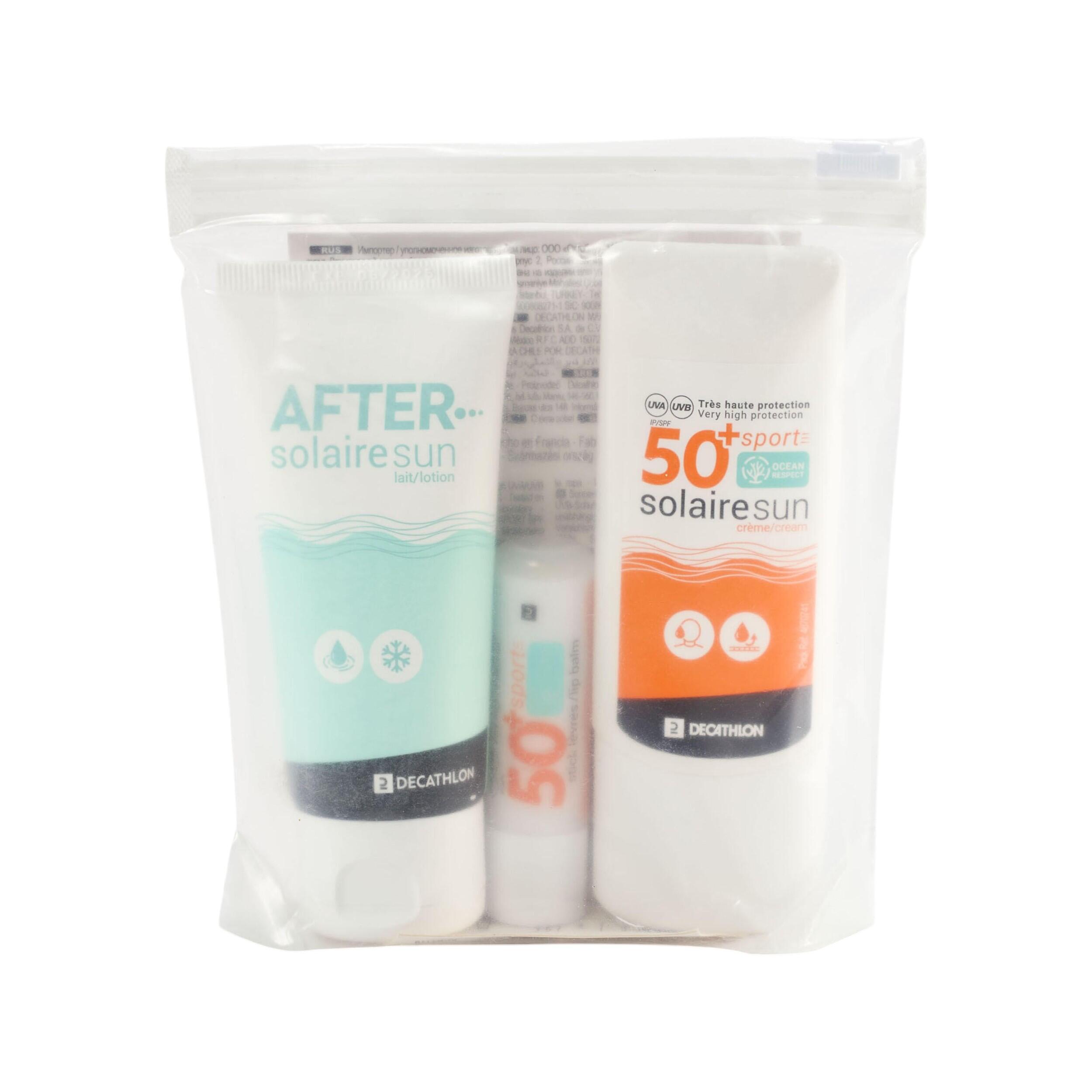
Outdoor runs can expose your skin to UV even when the weather feels cool or slightly cloudy, so running sunscreen can be a useful part of your kit for daytime training. Apply it to exposed areas before heading out and follow the product guidance on how much to use and when to reapply, especially during long sessions or heavy sweating. Headwear and suitable clothing can add further coverage but do not replace sunscreen on exposed skin. Pro tip: make sun protection part of your pre-run routine alongside checking hydration, weather and route conditions. For longer events, carry a format you can reapply easily rather than relying only on one application made several hours earlier.