410 items
4.3/5 based on 55930 reviews collected online and in stores

RUNNING GEAR FOR RAINY WEATHER FAQS

How do I choose the right running gear for rainy weather?

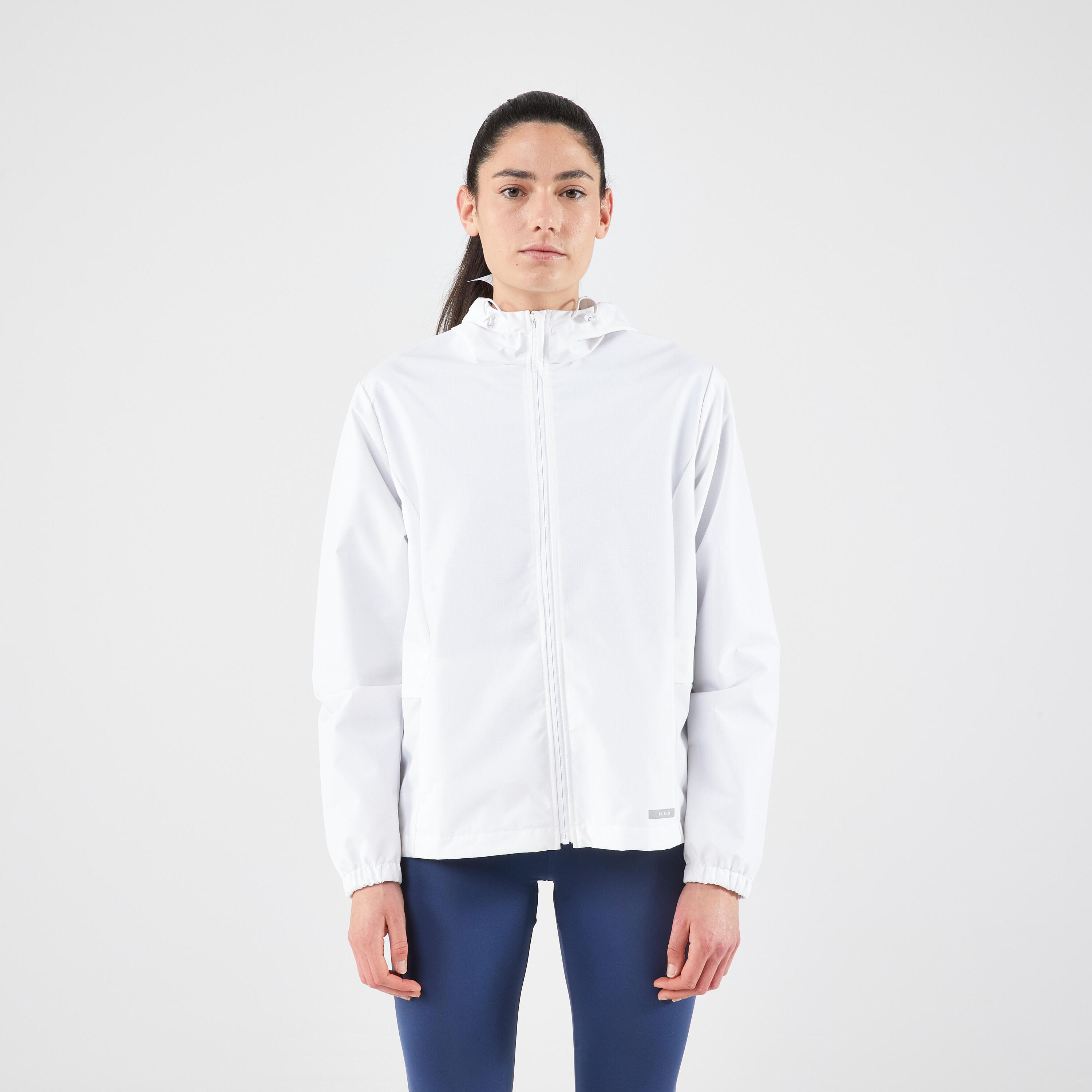
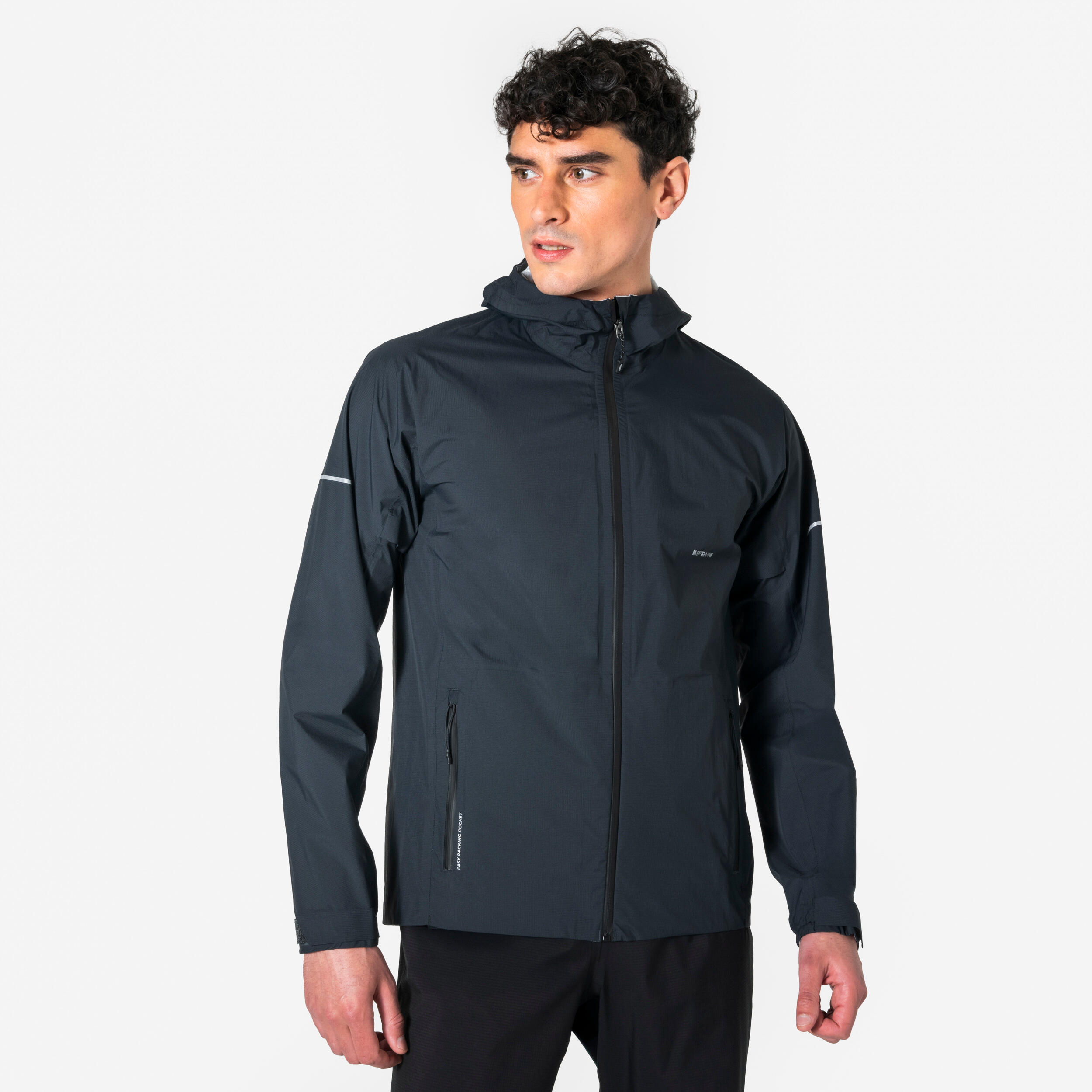
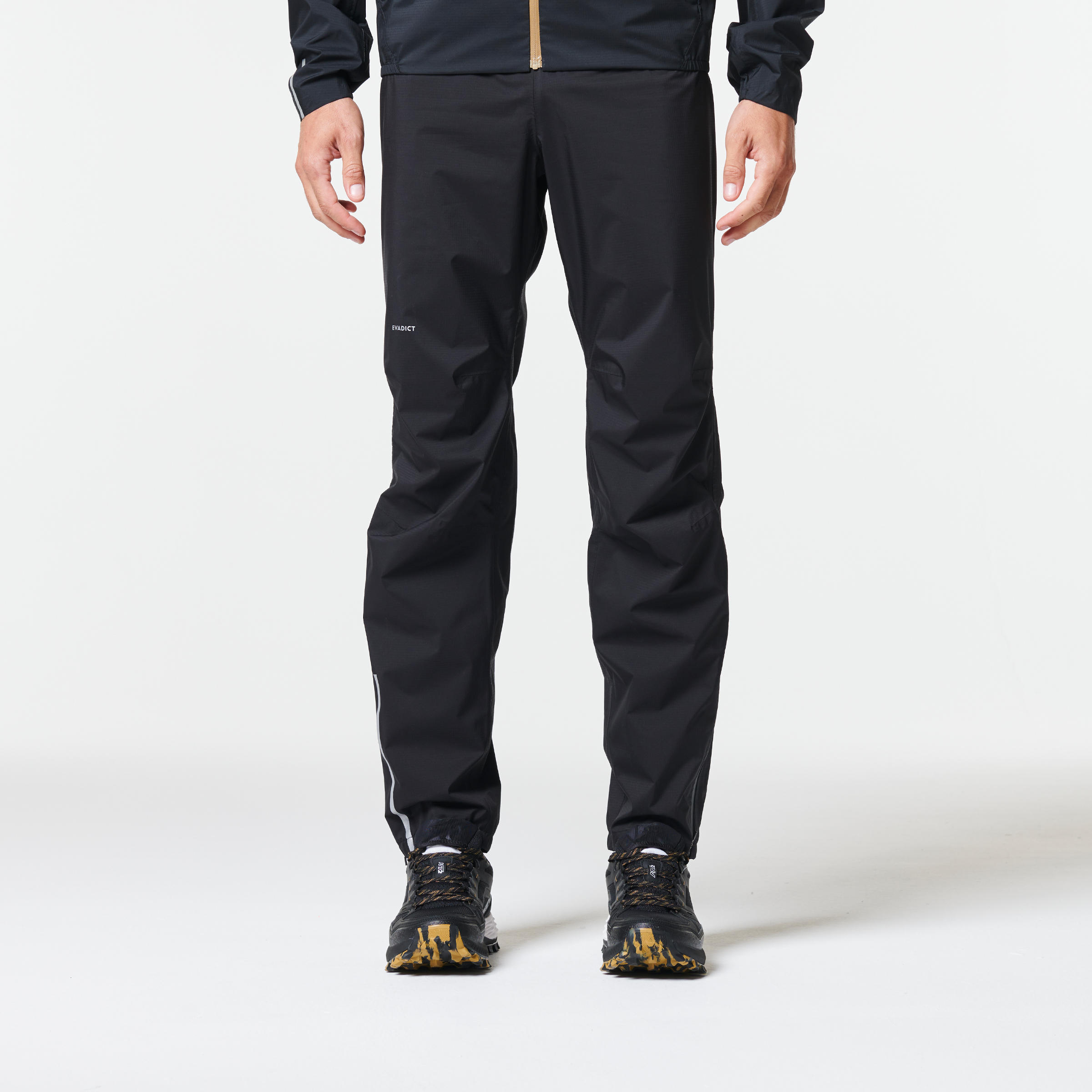
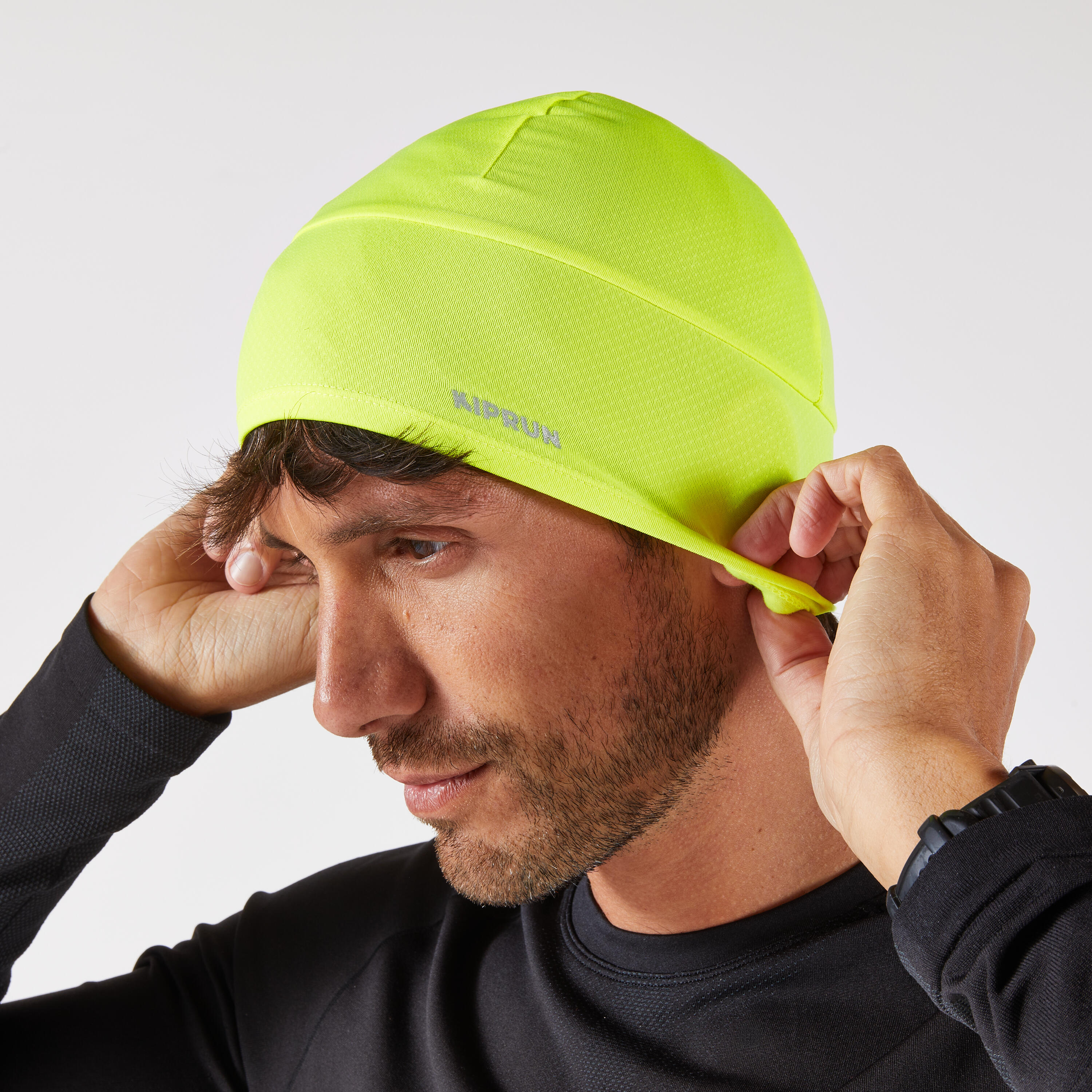
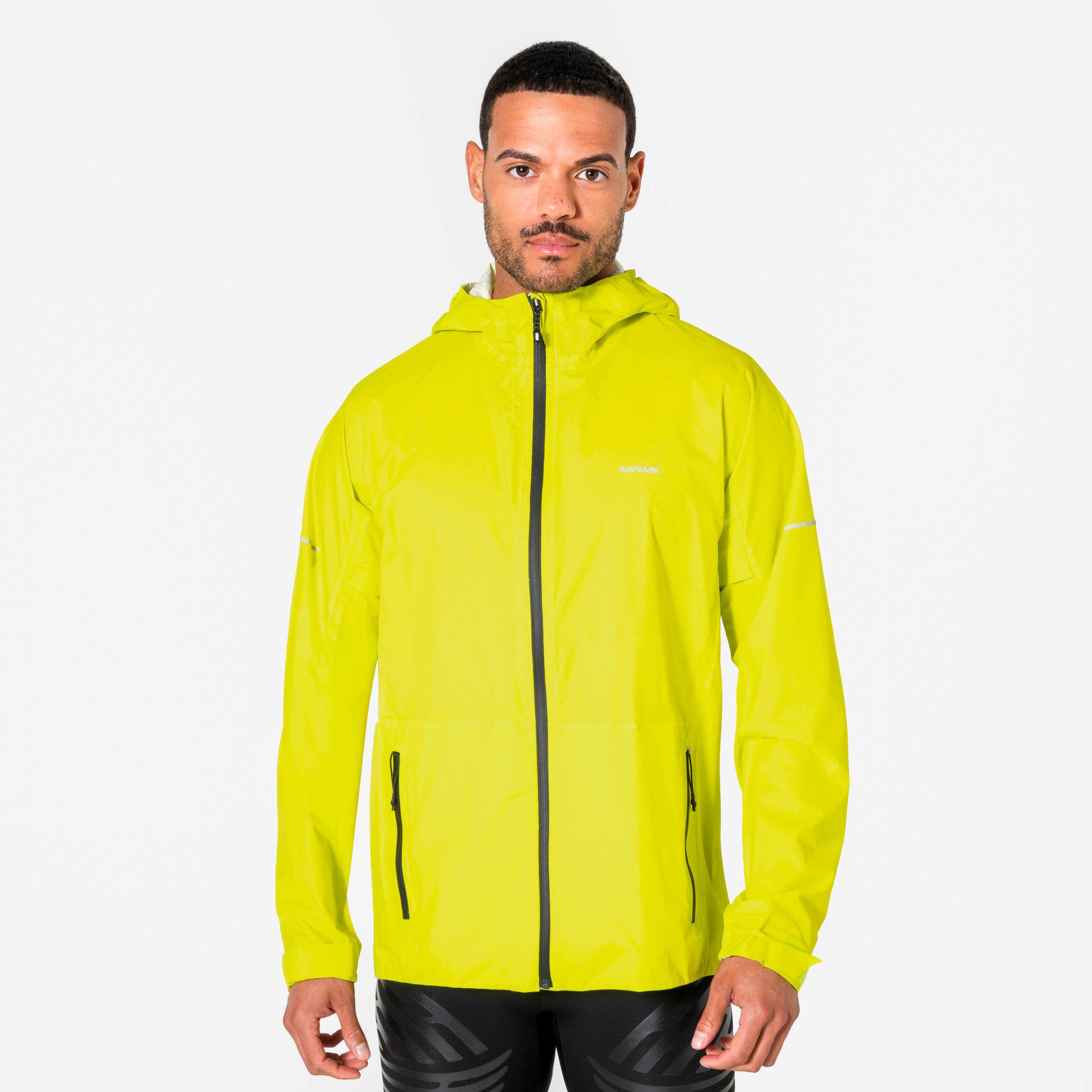
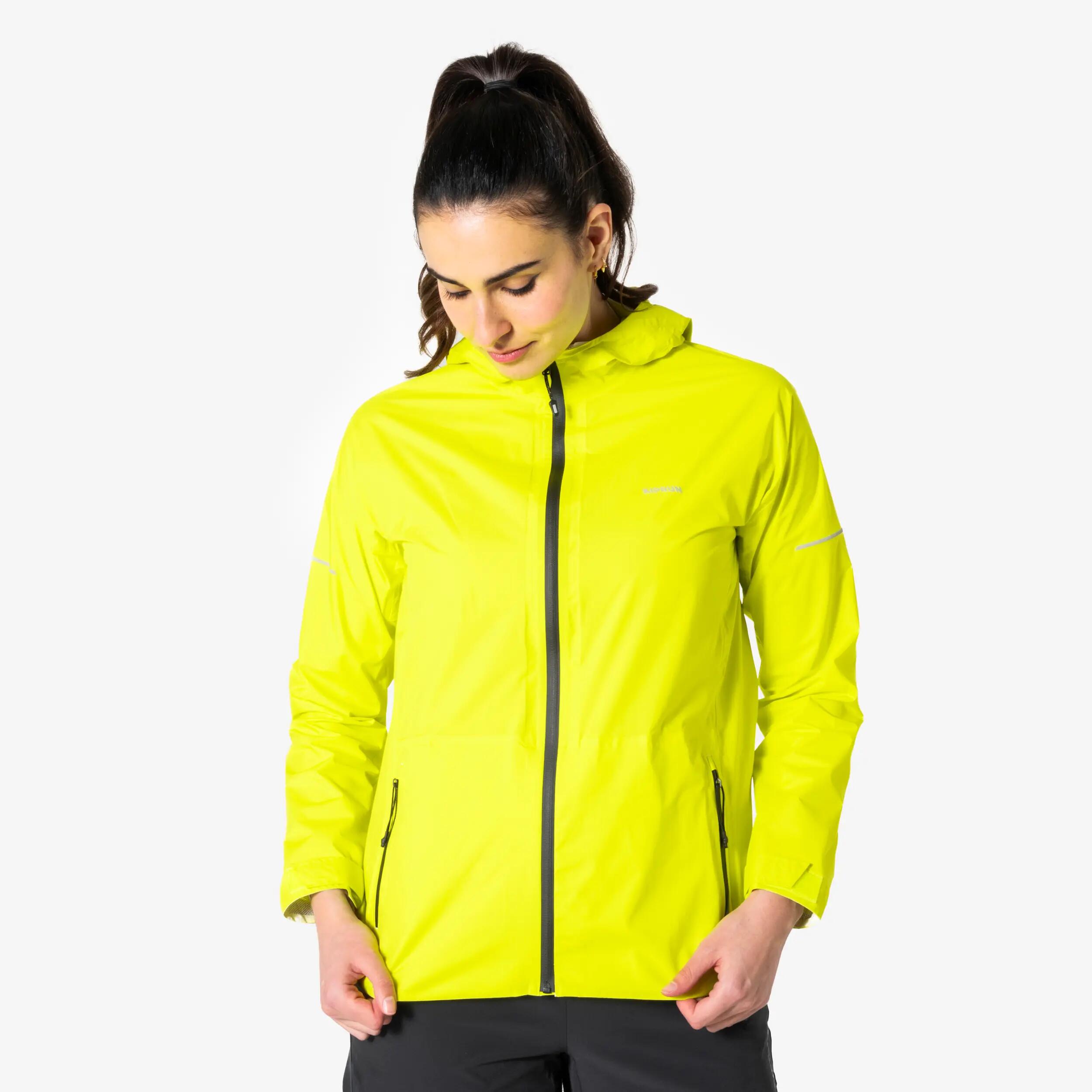
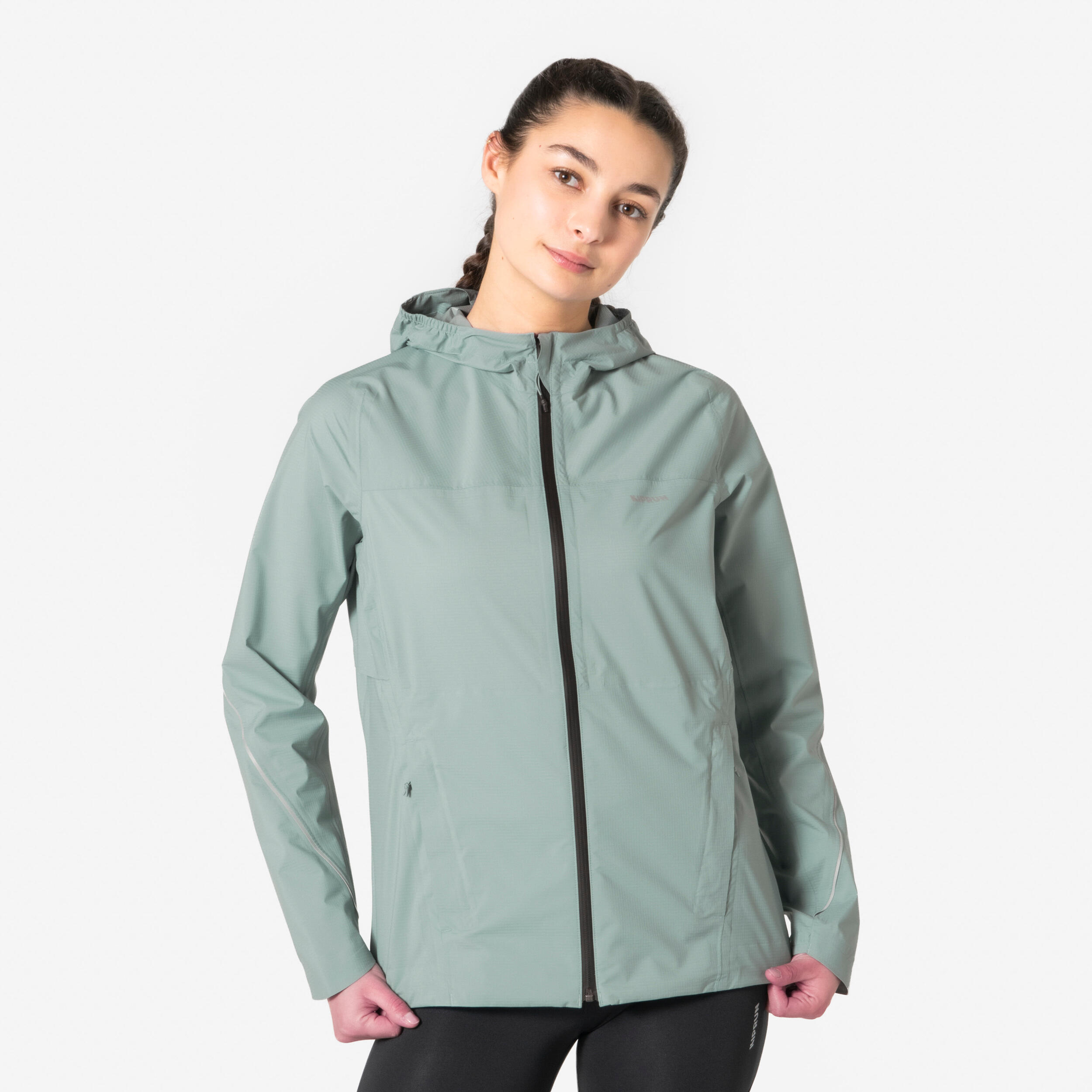
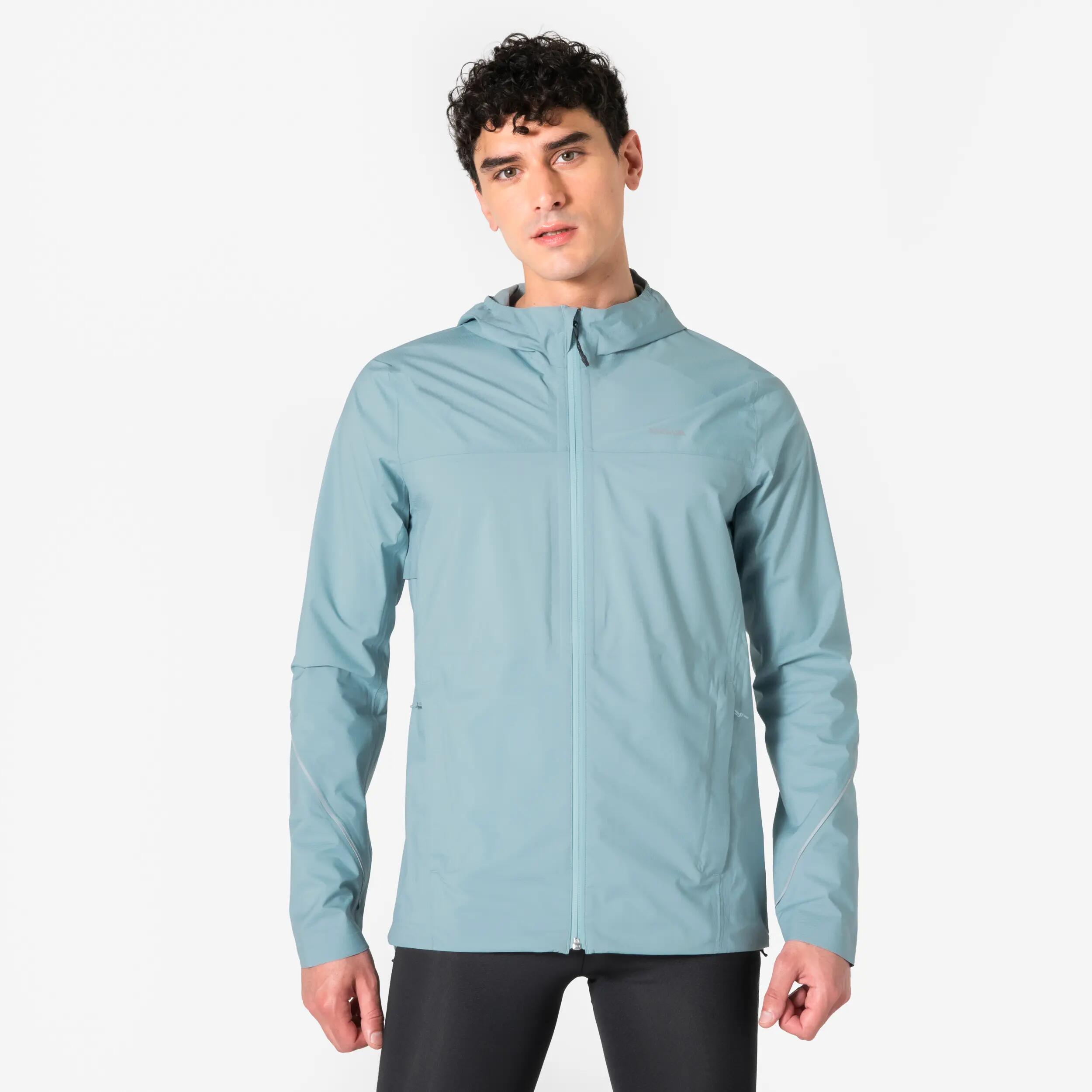
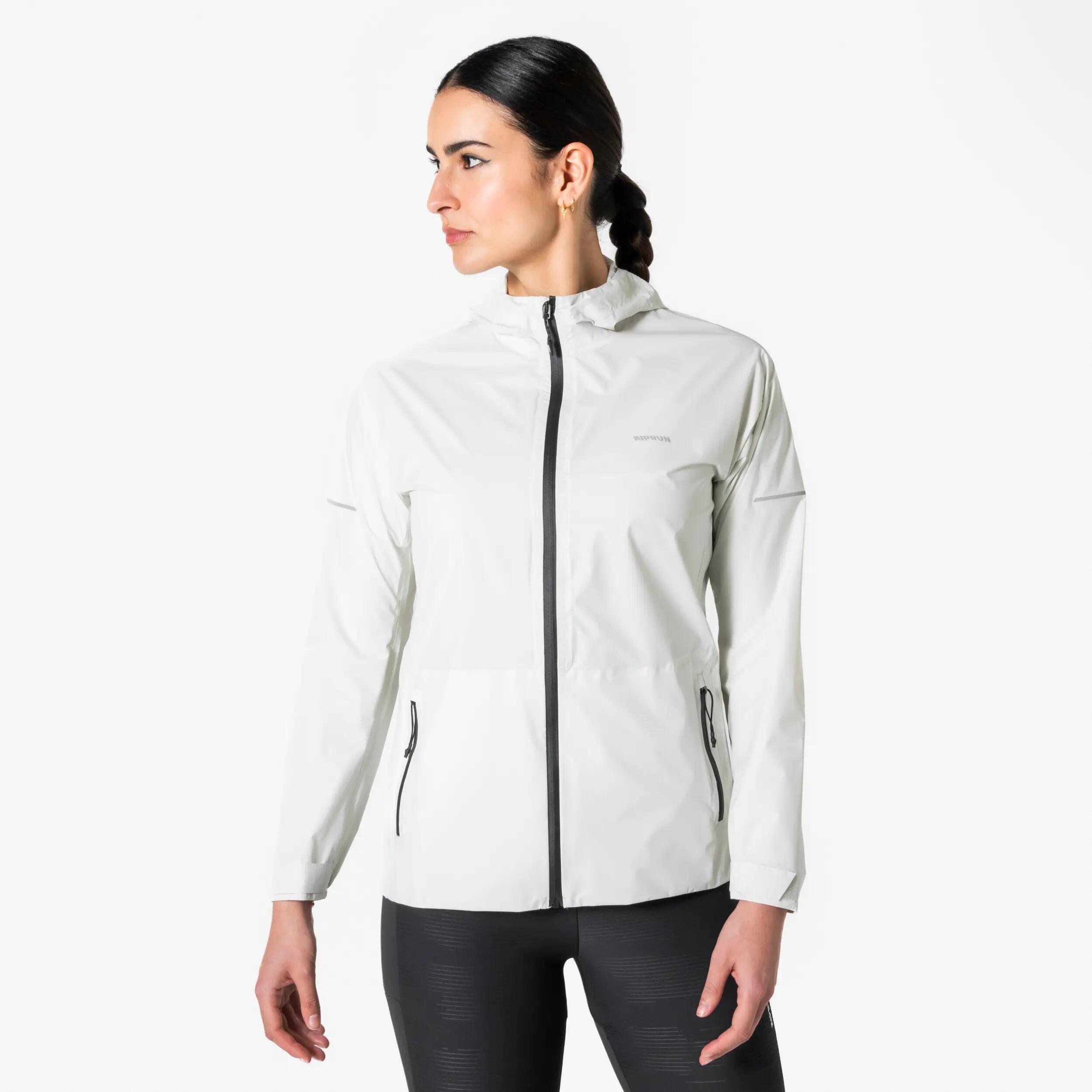
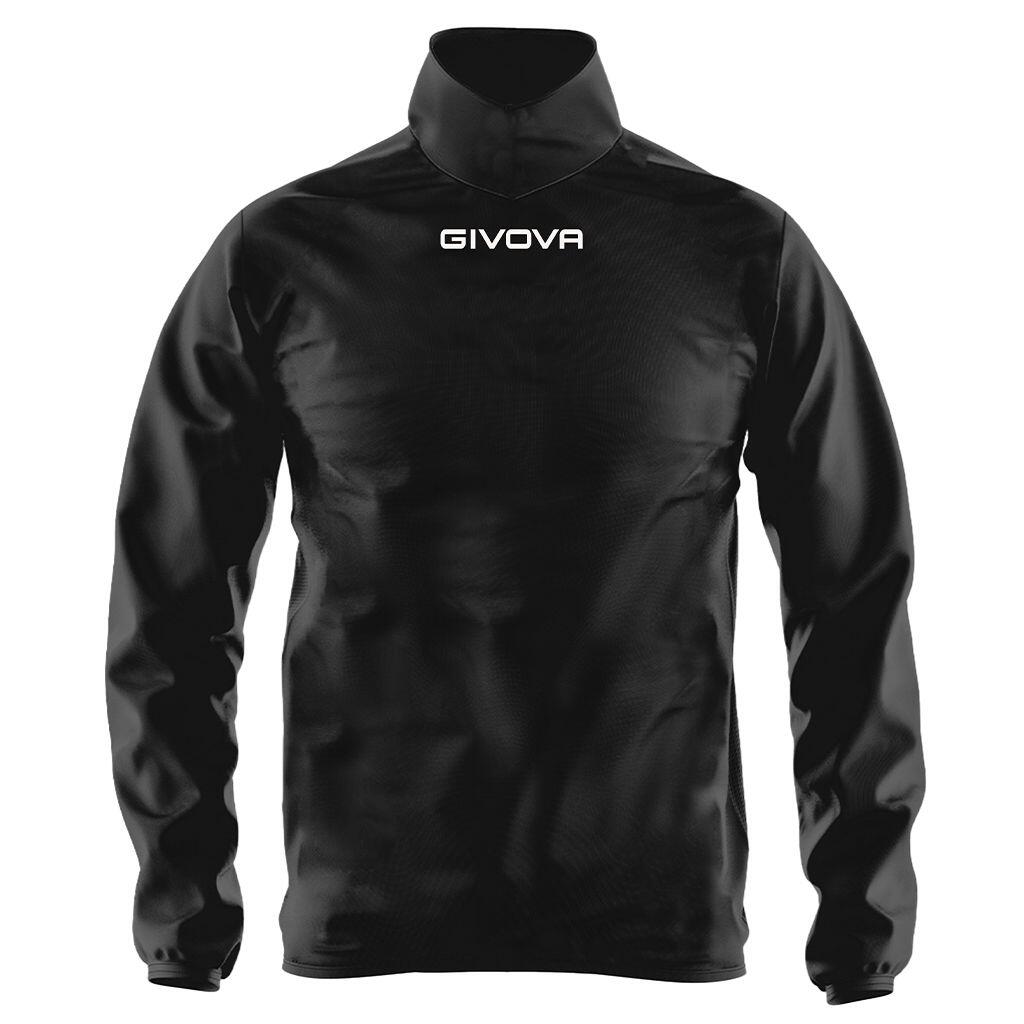
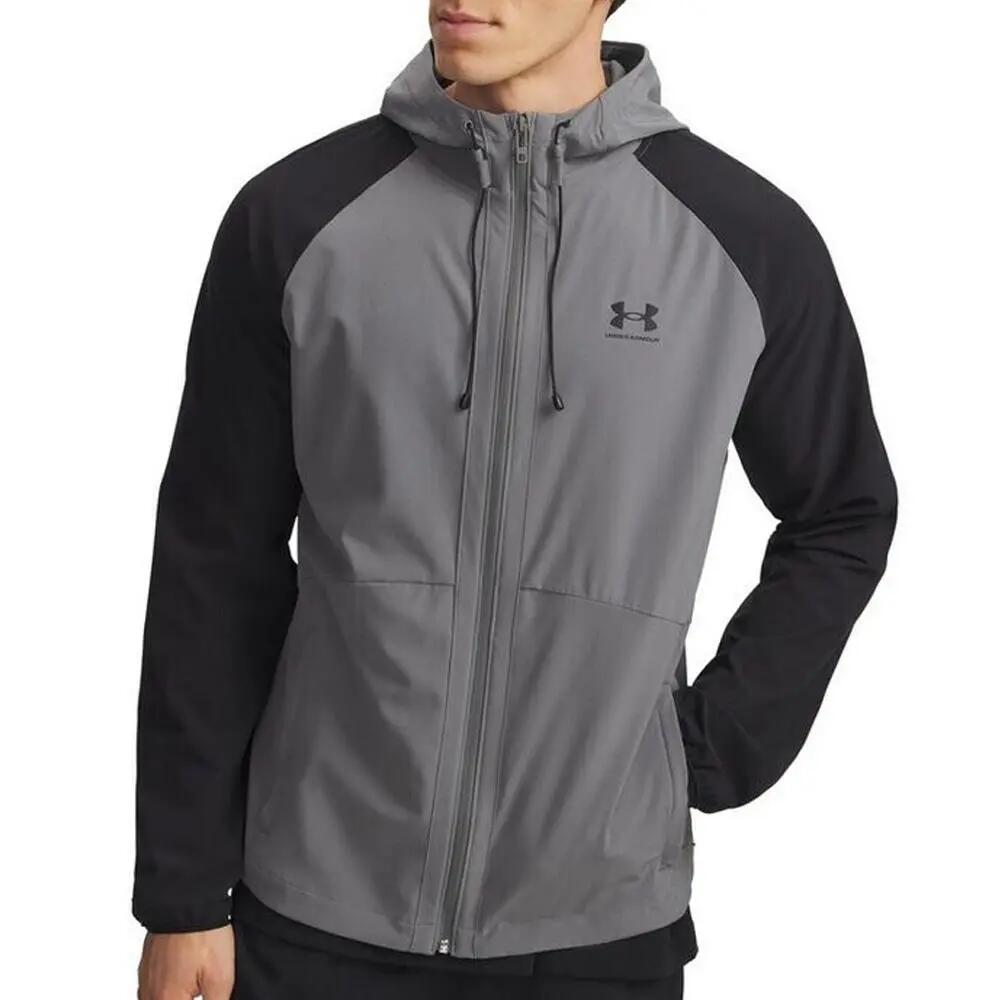
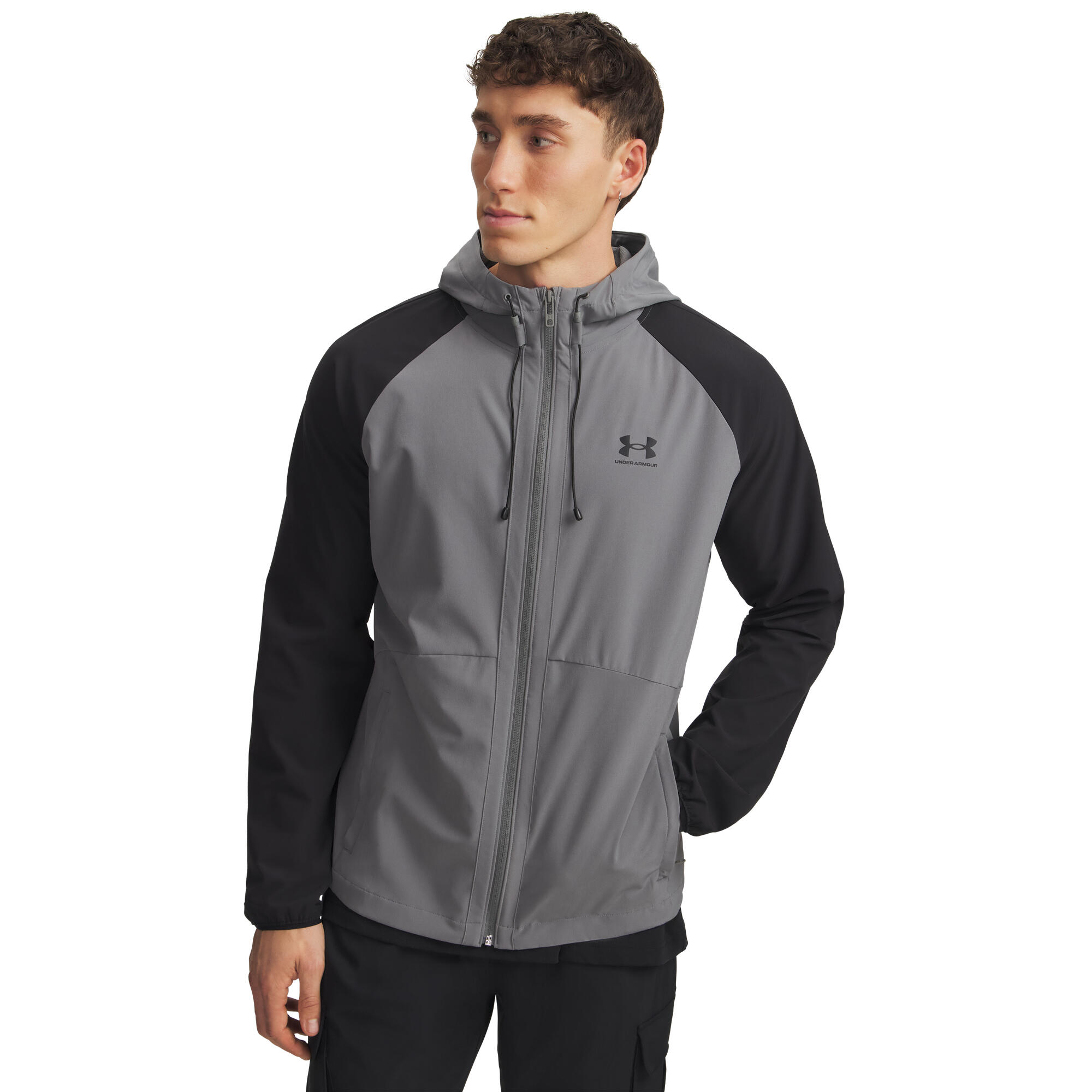
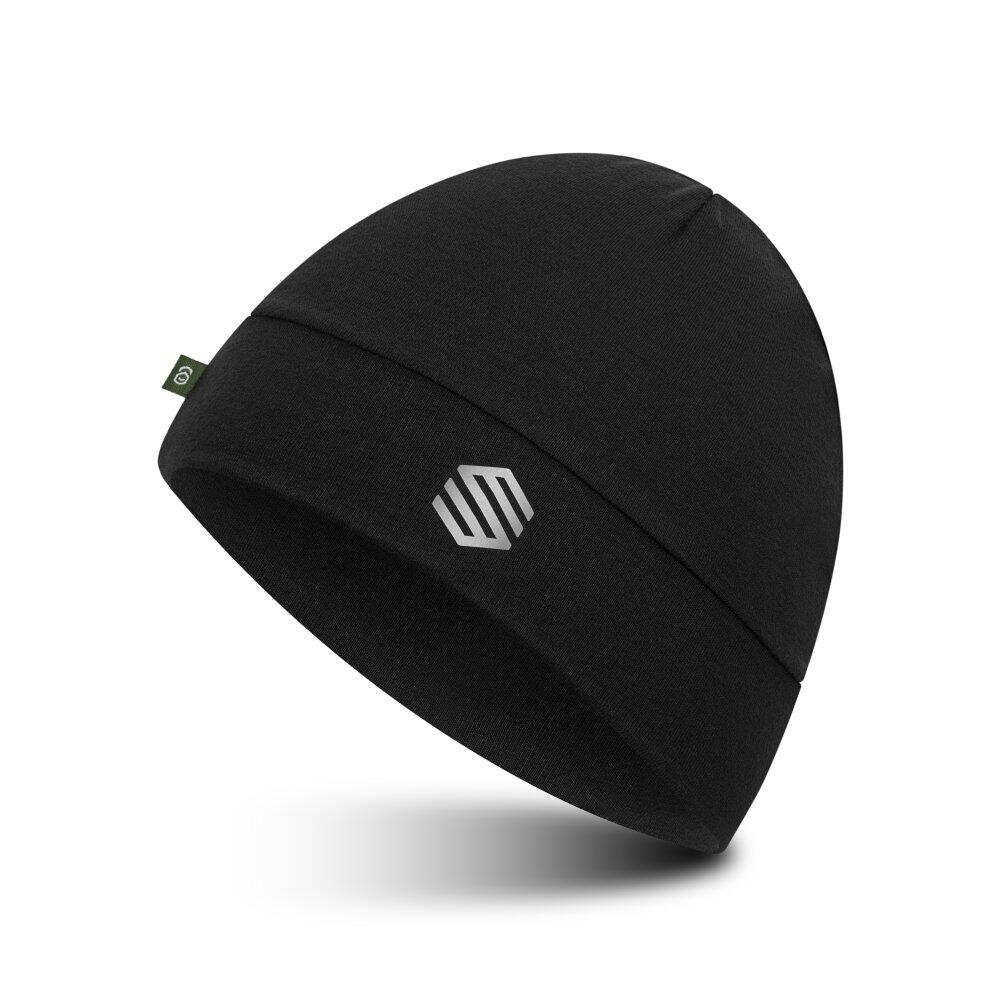
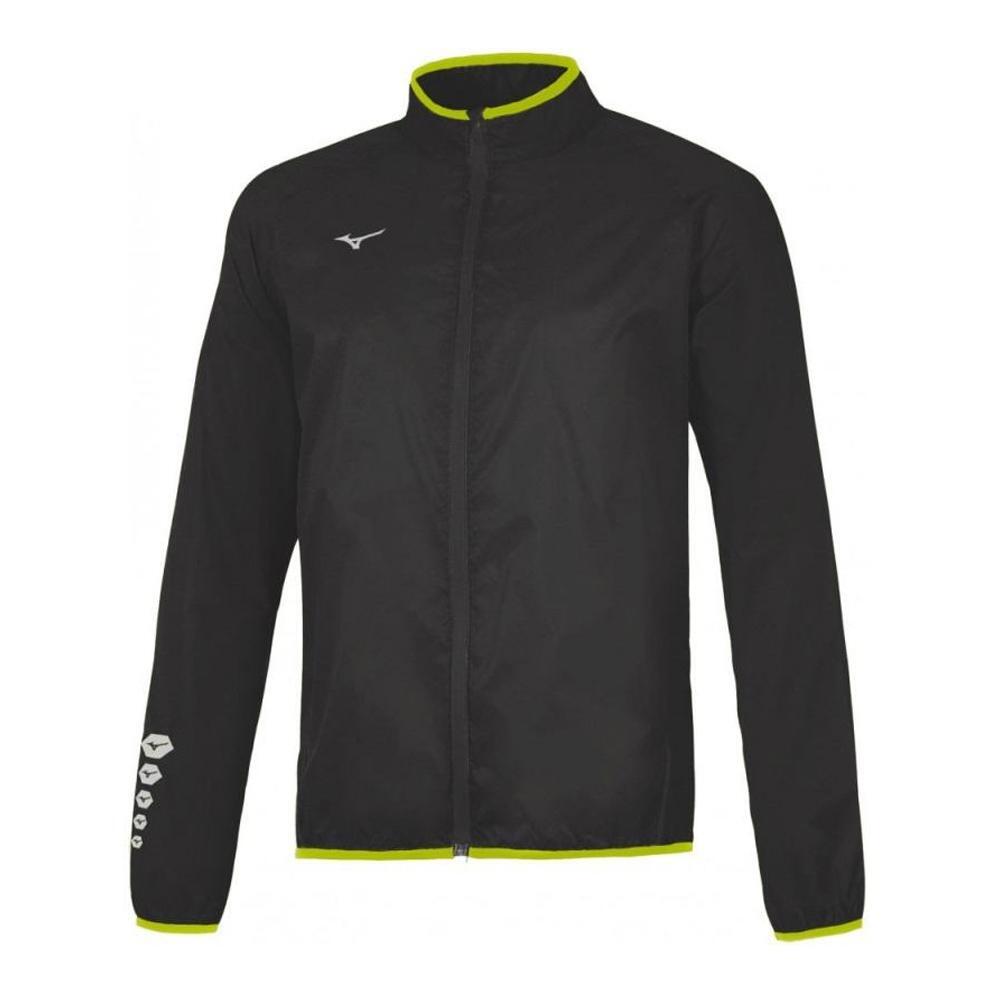
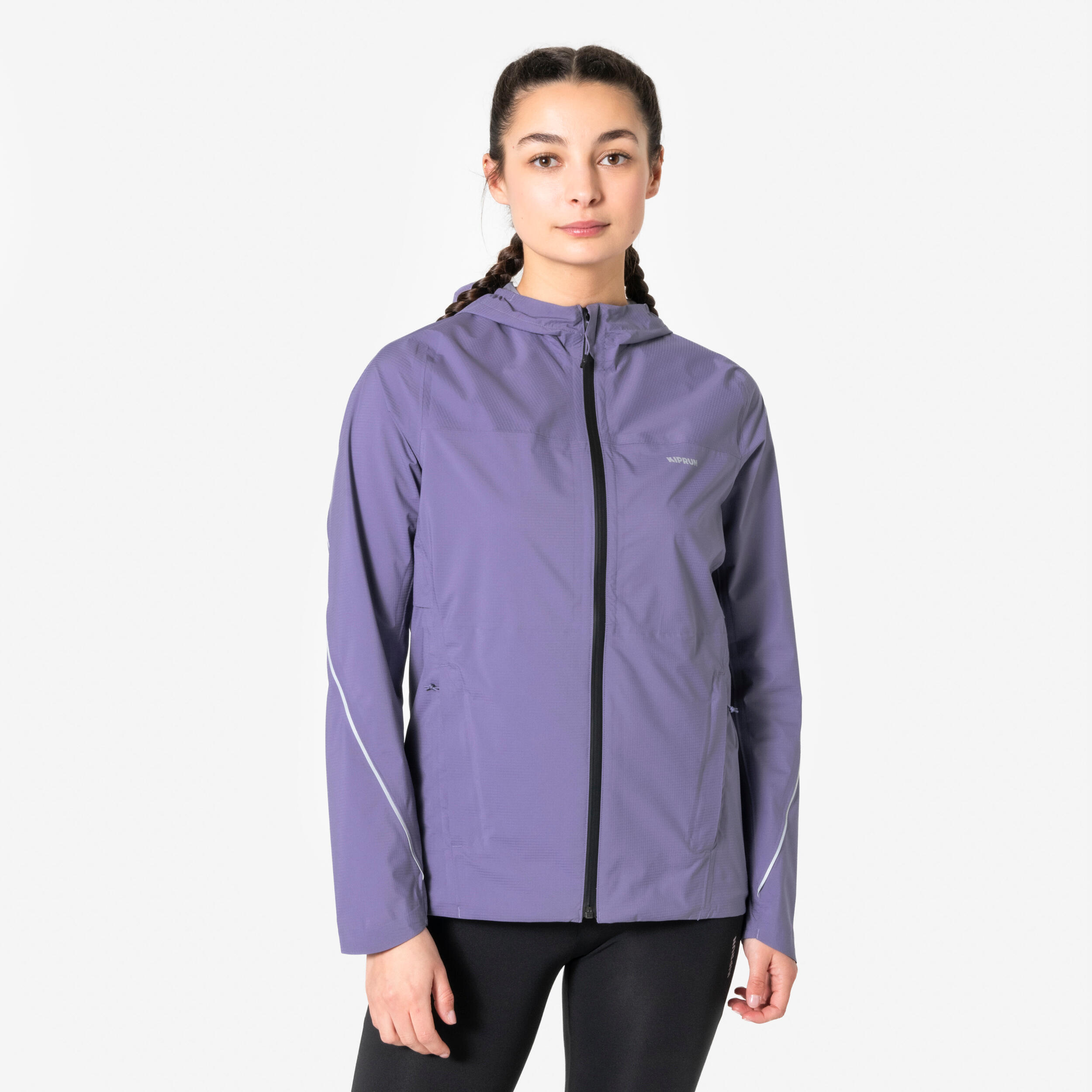
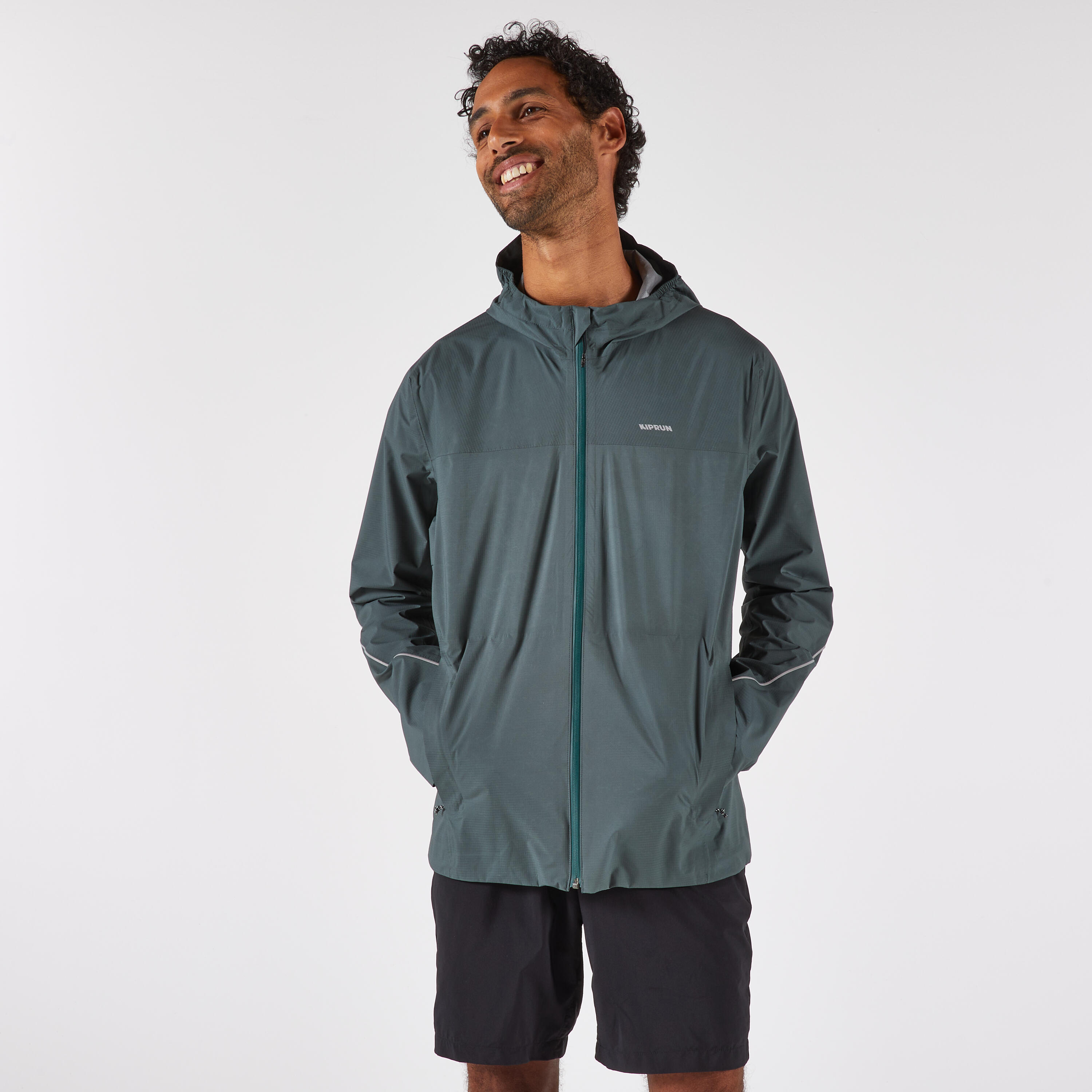
Choosing the right gear for rainy weather comes down to how heavy the rain is and how warm or cold it feels outside. For light drizzle, a water-repellent windcheater often suffices, as it prevents droplets from soaking into the fabric while maintaining high breathability for fast-paced sessions. However, in heavy rain, fully waterproof running gear with taped seams is key to keeping your upper body dry and comfortable. When the rain accompanies sub-zero temperatures, transitioning to specialised winter running gear provides the added thermal insulation needed to prevent muscle stiffness. Make sure your jacket has a fitted hood with a stiffened peak, which keeps water from running down your neck and into your base layers. Using a lightweight technical cap underneath the hood further improves peripheral vision by providing a secondary barrier against driving rain and wind.

What are the benefits of using waterproof running gear with reflective details?

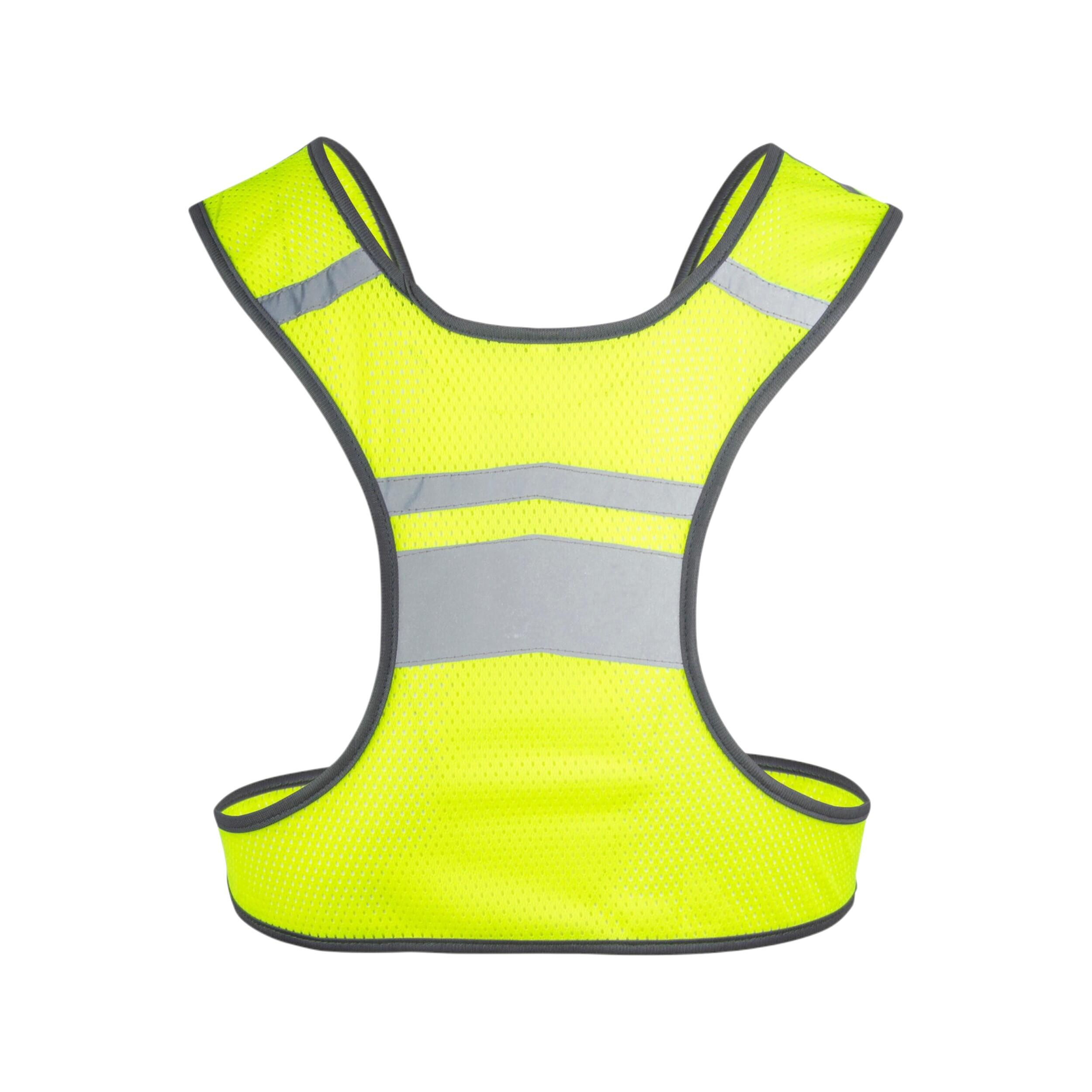
Visibility decreases significantly during rainstorms due to overcast skies and spray from passing vehicles, making safety features a priority. Many pieces of running rain gear incorporate high-visibility elements and fluorescent fabrics to ensure you remain seen by motorists in grey conditions. If your training schedule frequently pushes you into the twilight hours, pairing your waterproof shell with dedicated night running gear like LED armbands or chest lamps is a smart choice for total safety. The reason for integrating reflective panels into the back and sleeves is to provide 360-degree visibility as you move through urban environments. Expert tip: Test your jacket visibility by taking a flash photo in a dark room; if the silver strips glow bright white, the glass-microbe technology is functioning correctly to bounce light back to its source.
How does breathability work in waterproof running gear?

The main challenge with running rain gear is preventing the "boiler suit" effect, where sweat builds up inside the garment and leaves you damp from the inside. Technical running rain gear uses microporous membranes that are small enough to block water droplets but large enough to let sweat vapour escape. This balance is measured by the RET (Resistance to Evaporative Heat Transfer) index; a lower number indicates better moisture transport. During humid summer showers, you might prefer summer running gear with targeted ventilation zones or laser-cut underarm holes to maximise airflow without compromising the waterproof barrier.

What features should I look for in running rain gear for kids?

Junior athletes require gear that offers full protection while remaining flexible enough for unhindered movement during school sports or club training. Parents preparing young runners for year-round training often explore reliable options within the cold weather running performance collection to ensure proper insulation and weather resistance. Kids' waterproof running gear often features elasticated cuffs and adjustable hems to create a snug seal against the elements. Look for jackets with a "soft-touch" inner lining to prevent the cold, plastic feel often associated with traditional raincoats. The technical reason behind the lightweight design of these garments is to reduce the physical burden on smaller frames, allowing them to focus on their stride rather than heavy clothing. Small advice: Choose a jacket with a protected zip garage at the chin; this prevents the cold metal or plastic zip from rubbing against the skin during high-movement activities, ensuring the young runner stays comfortable and motivated regardless of the forecast.