508 items
4.5/5 based on 48344 reviews collected online and in stores

SCOOTERS FAQS

What do you call a non-electric scooter?

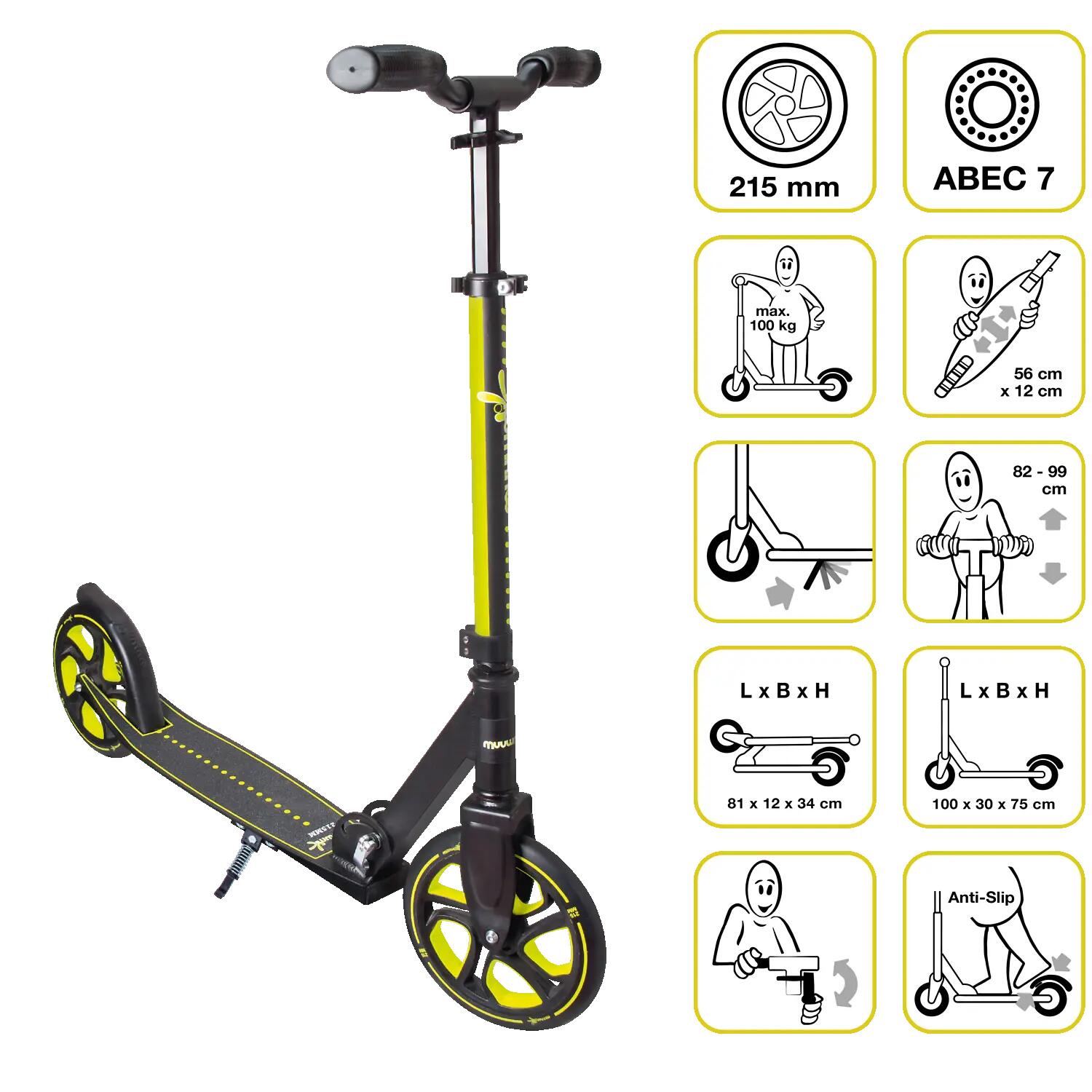
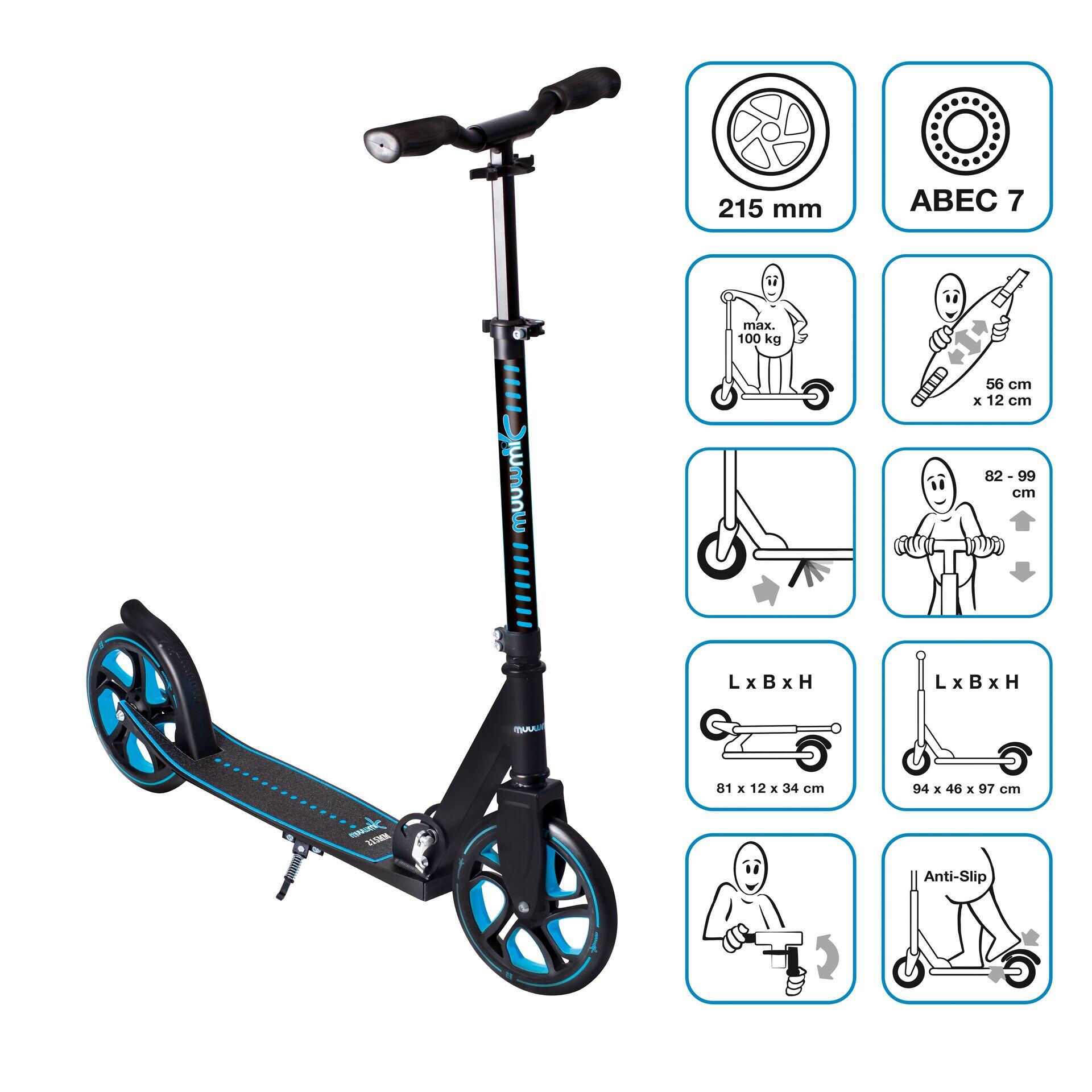
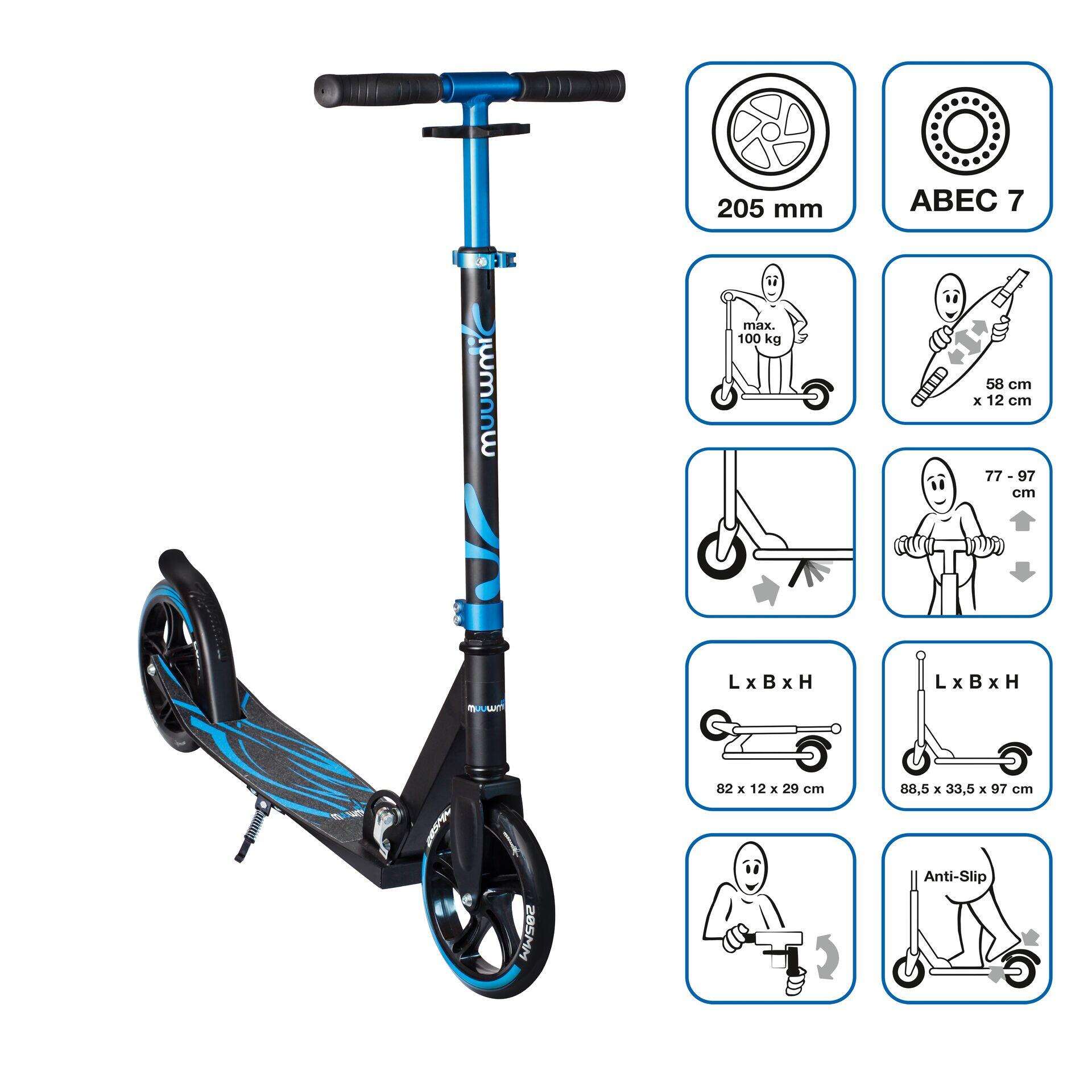
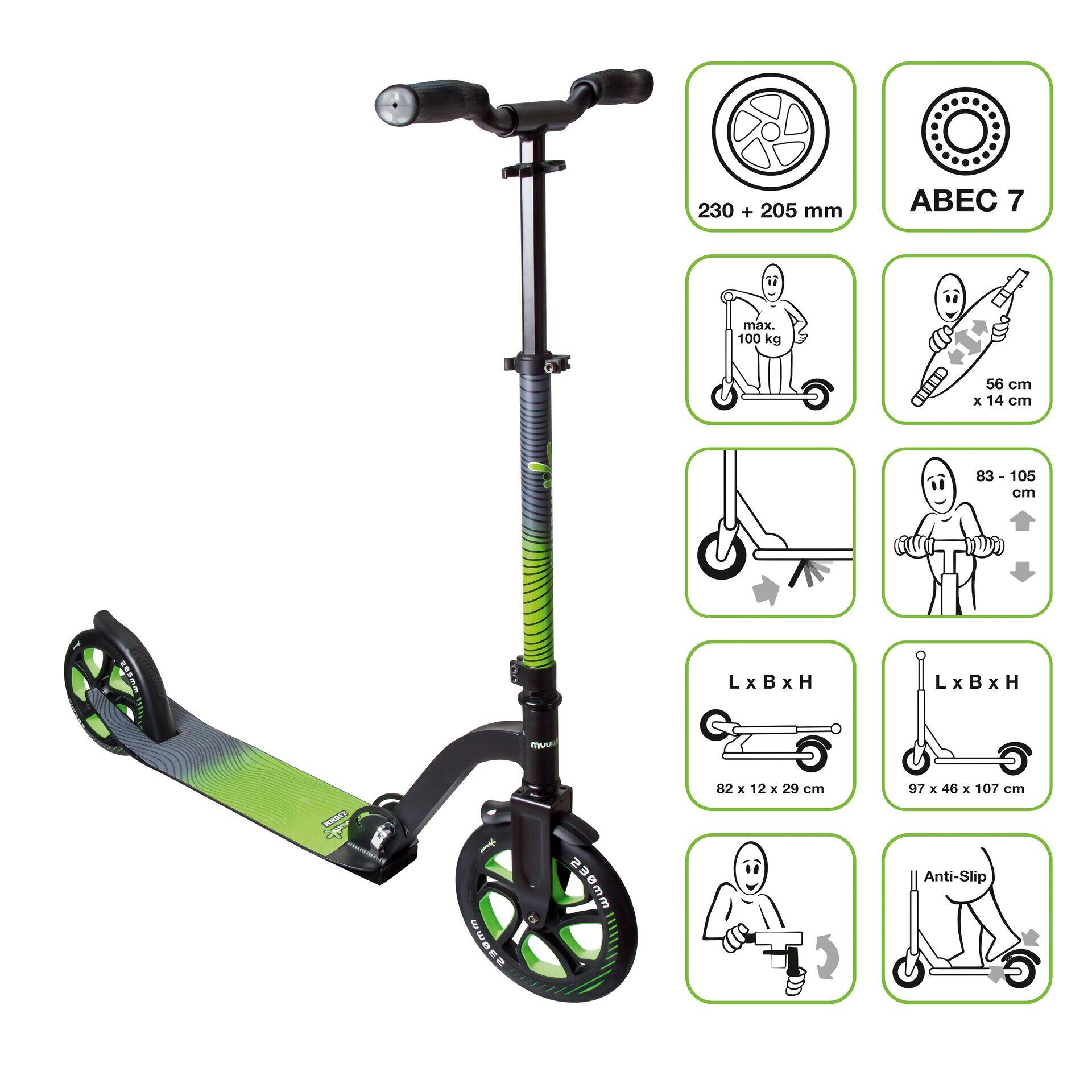
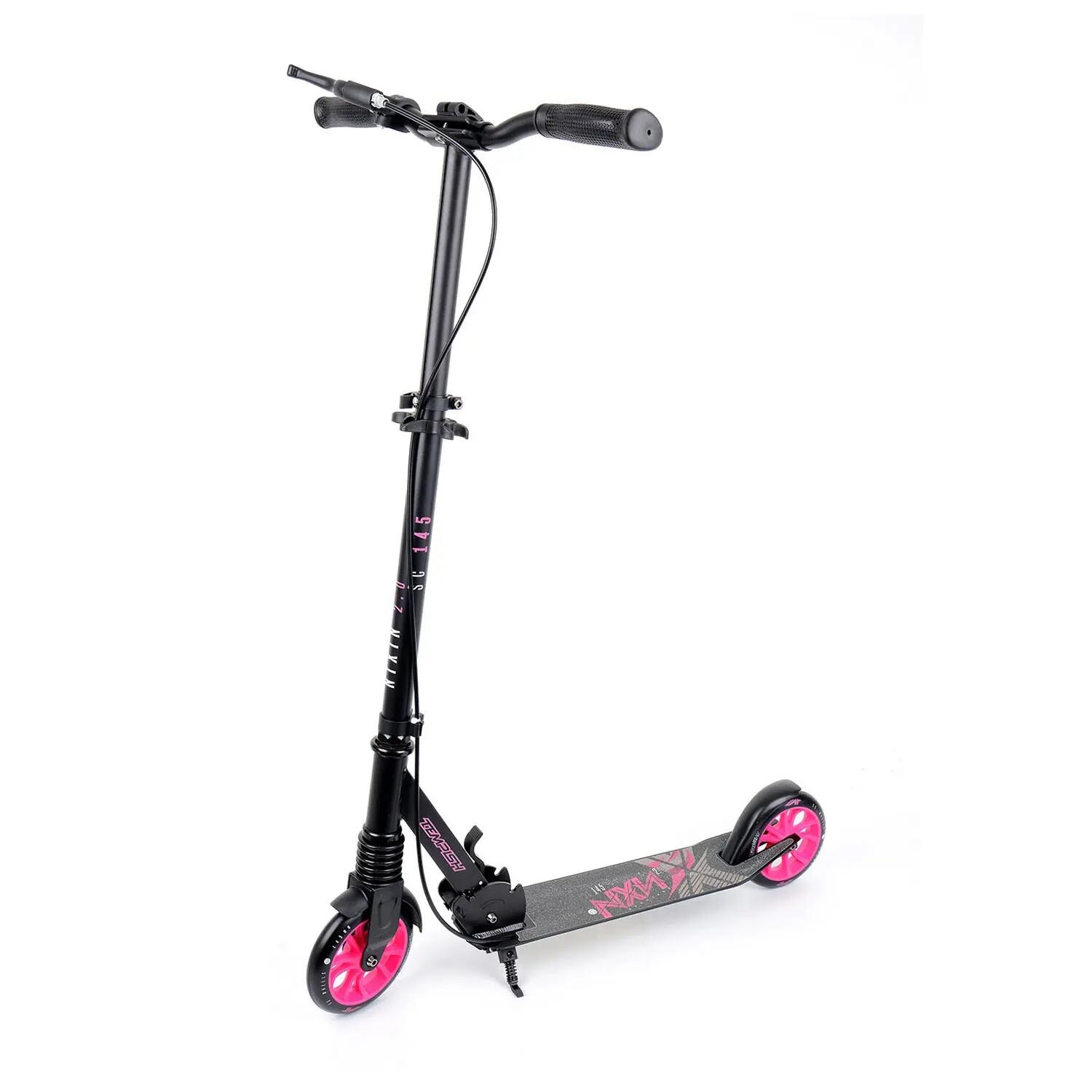
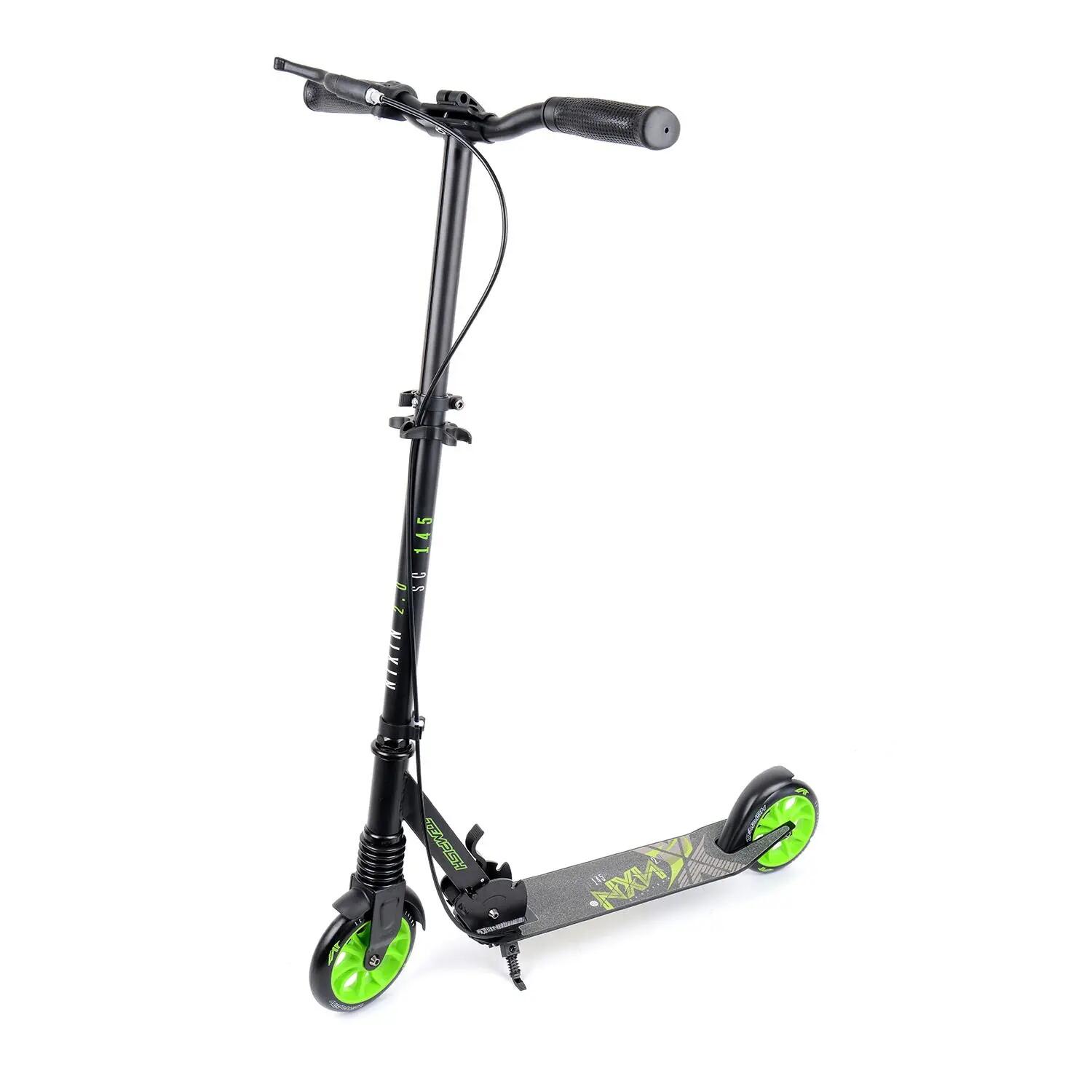
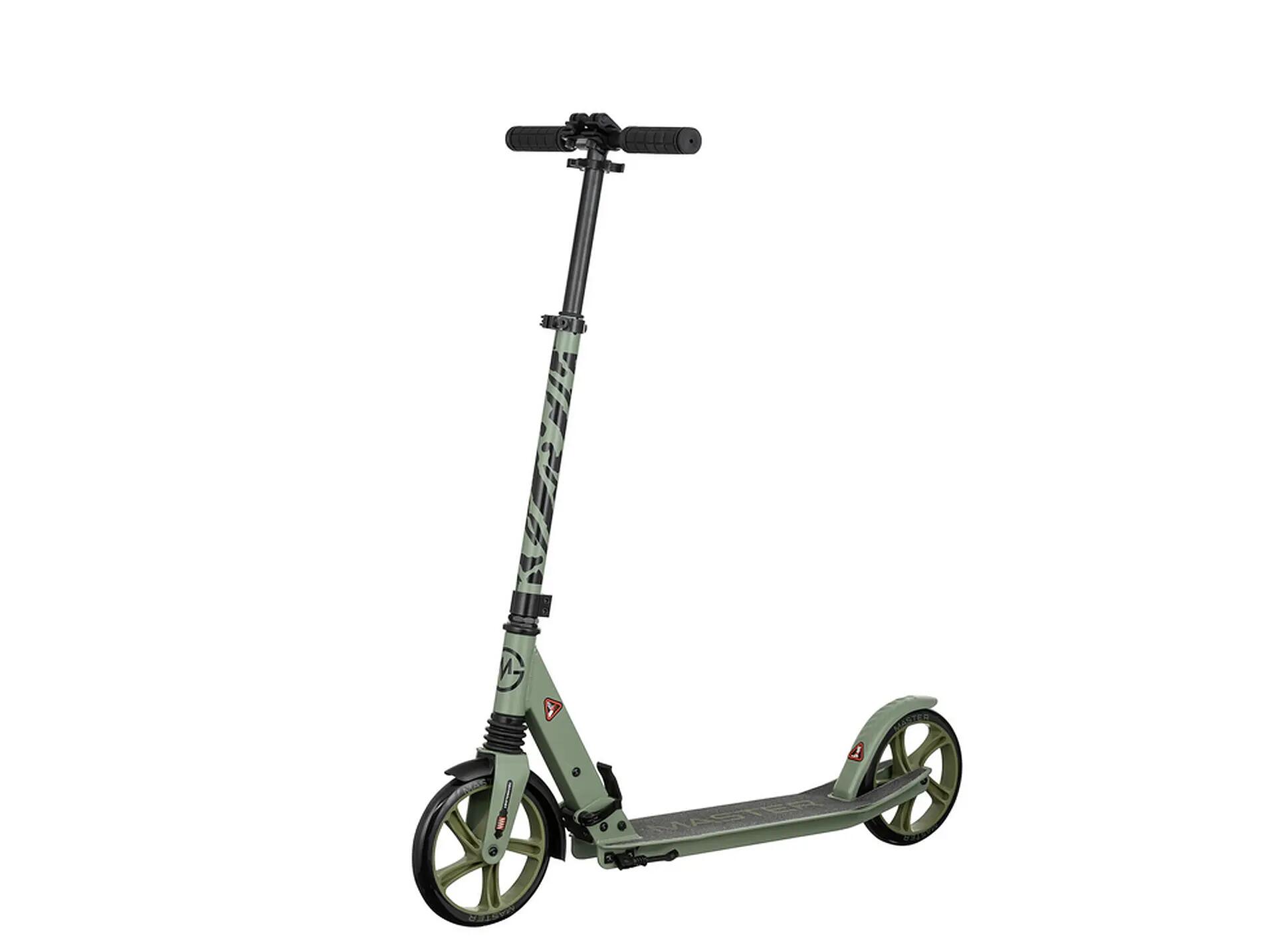
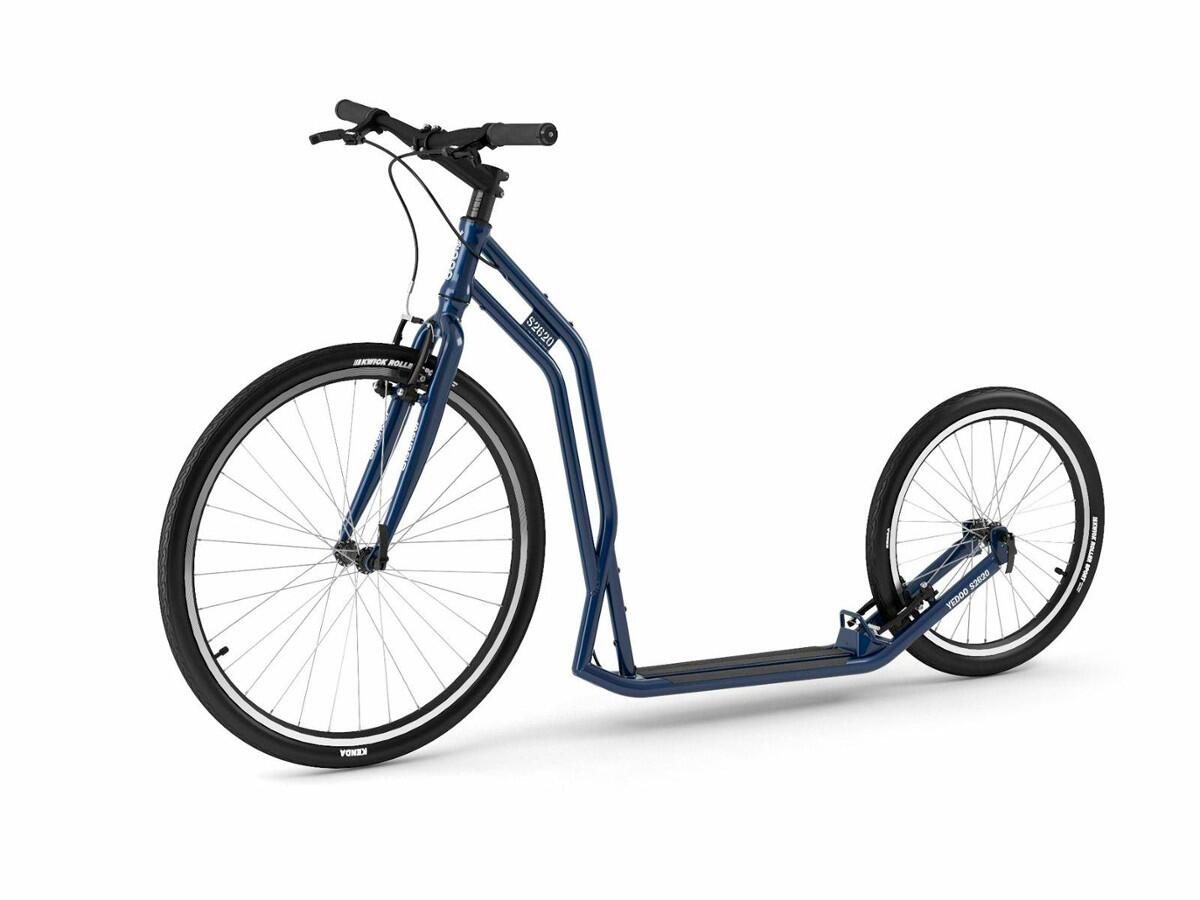
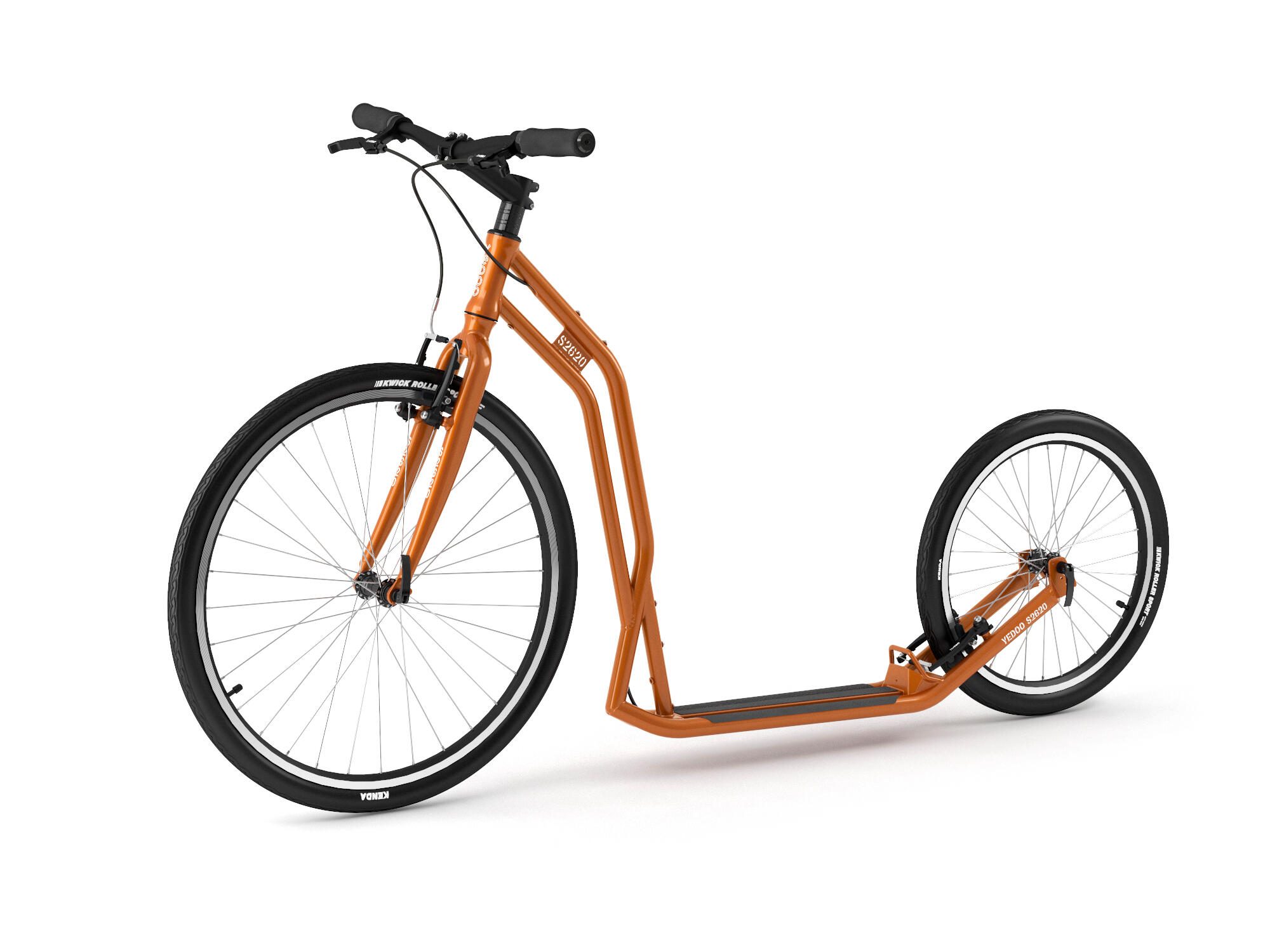
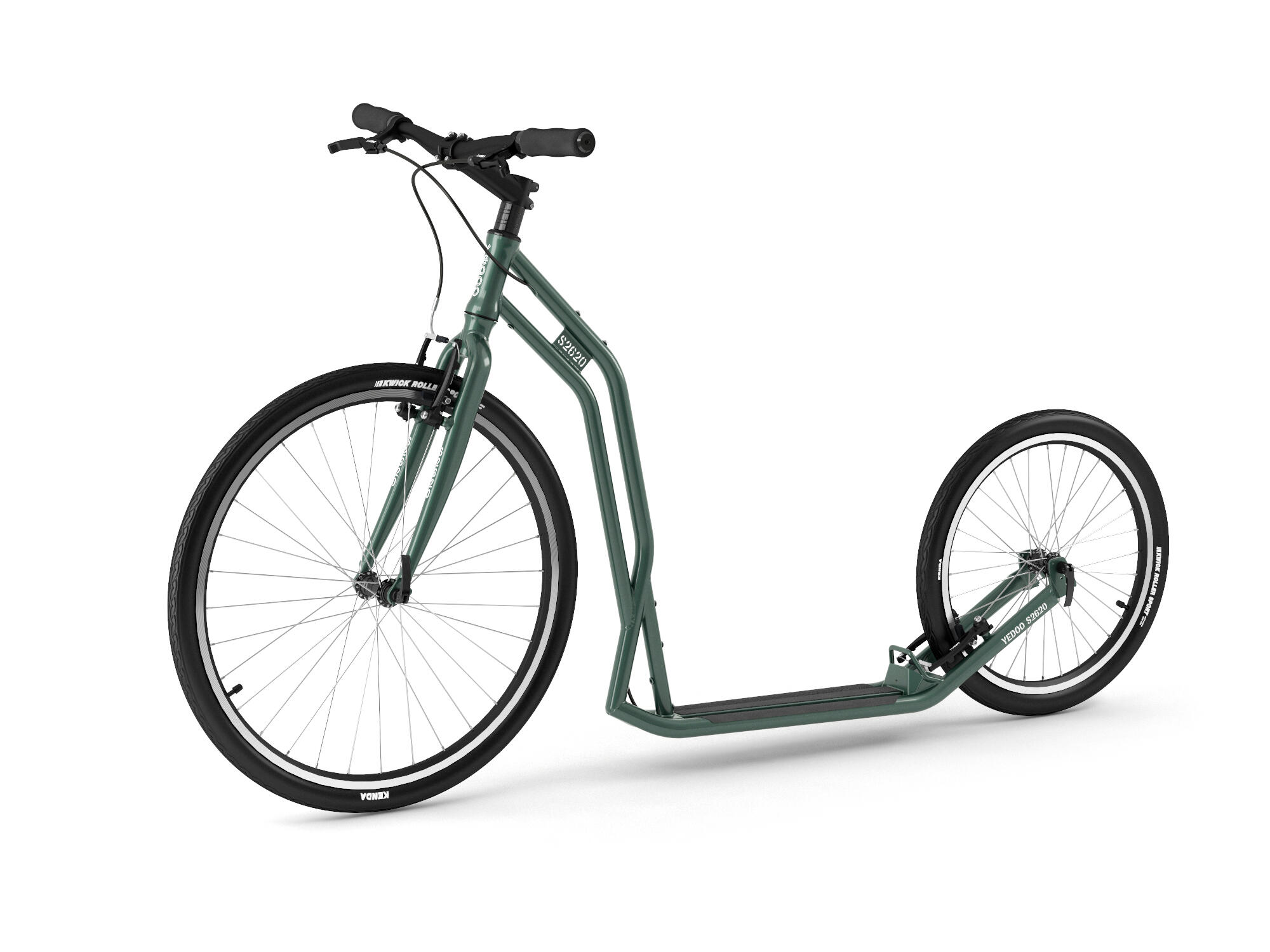
A non-electric scooter is commonly called a kick scooter, and it serves as a simple, manual transport solution powered entirely by rider effort. These scooters are popular because they’re lightweight, simple to use and reliable, making them great for quick city trips or relaxed rides in the park. For mature riders seeking a way to bypass traffic while gaining a light cardiovascular workout, adult scooters feature larger wheels and deck space to provide stability on varying pavement surfaces. Because these models rely on your physical push-off, they require no charging time and remain ready for use at a moment's notice. The technical "why" behind their popularity is the use of high-rebound polyurethane wheels which minimize rolling resistance. Unlike motorized versions, manual kick scooters are much easier to carry onto public transport or lift up stairs due to the absence of heavy lithium batteries or internal motors.
How fast can a kick scooter go?

The speed of kick scooters is determined by the rider's physical strength, the diameter of the wheels, and the smoothness of the terrain. On a flat concrete surface, a typical rider can maintain a pace of 10 to 15 mph, whereas competitive users on specialized stunt scooters or large-wheeled commuters can reach higher velocities. If you require more assistance for longer journeys or hilly areas, electric scooters provide a motorized boost to maintain a steady speed without physical exertion. The reason wheel size impacts speed is rooted in physics; larger wheels have a greater circumference, allowing you to cover more distance with each single push. Best tip: Keep your wheel bearings clean and lubricated with a light machine oil to ensure they spin freely, as grit and dirt inside the bearing housing will create friction and significantly slow your momentum over time.

Can I ride a kick scooter on the footpath?

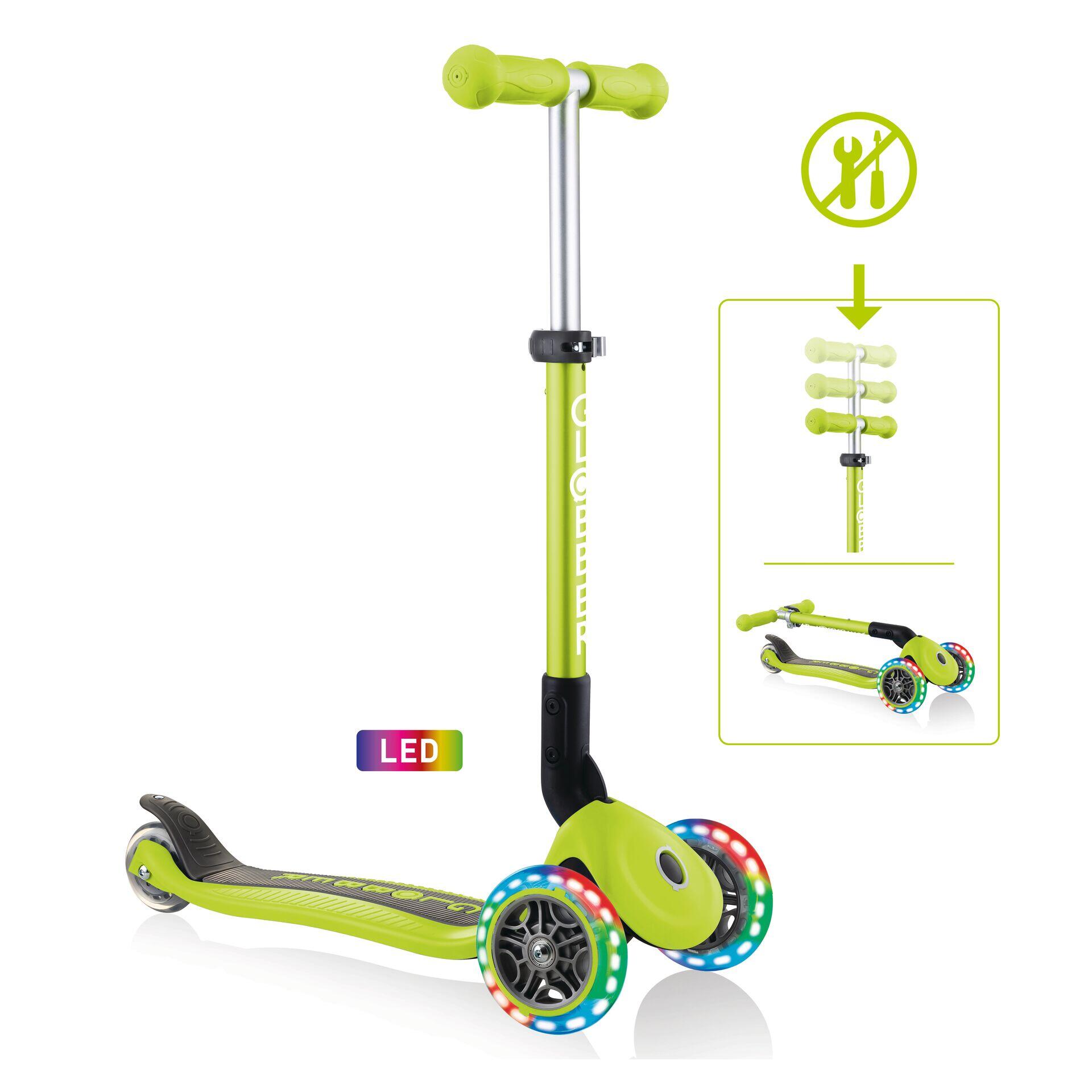
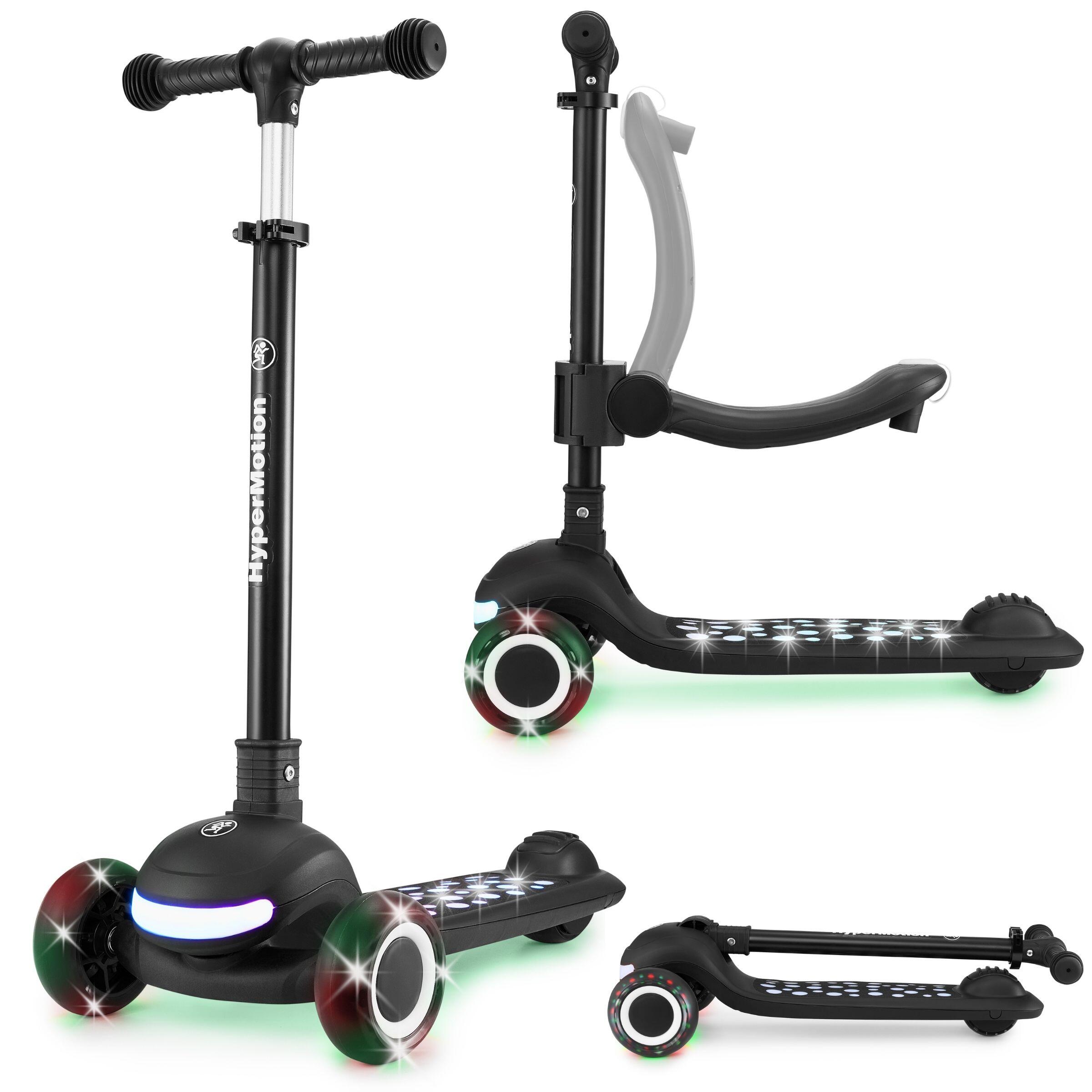
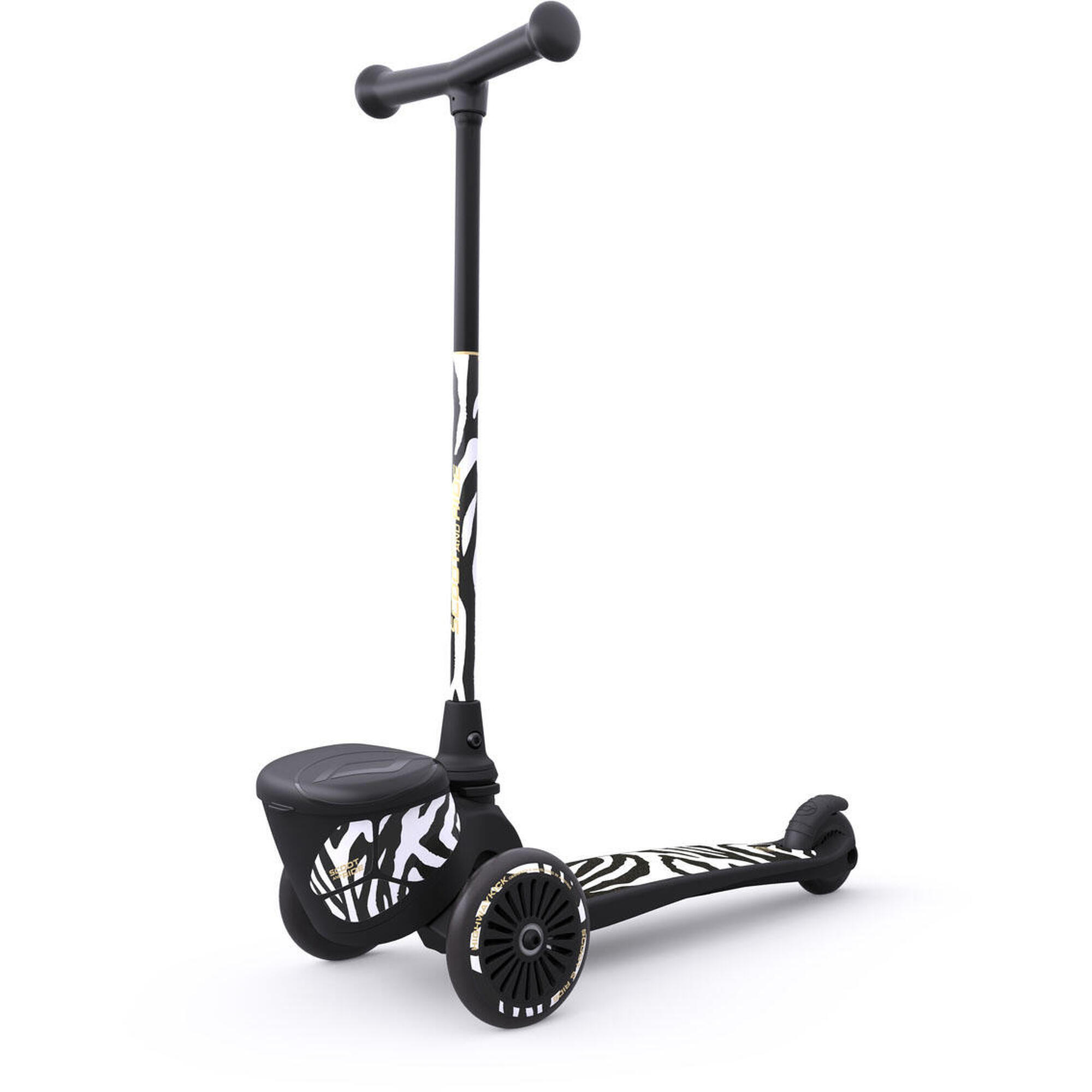
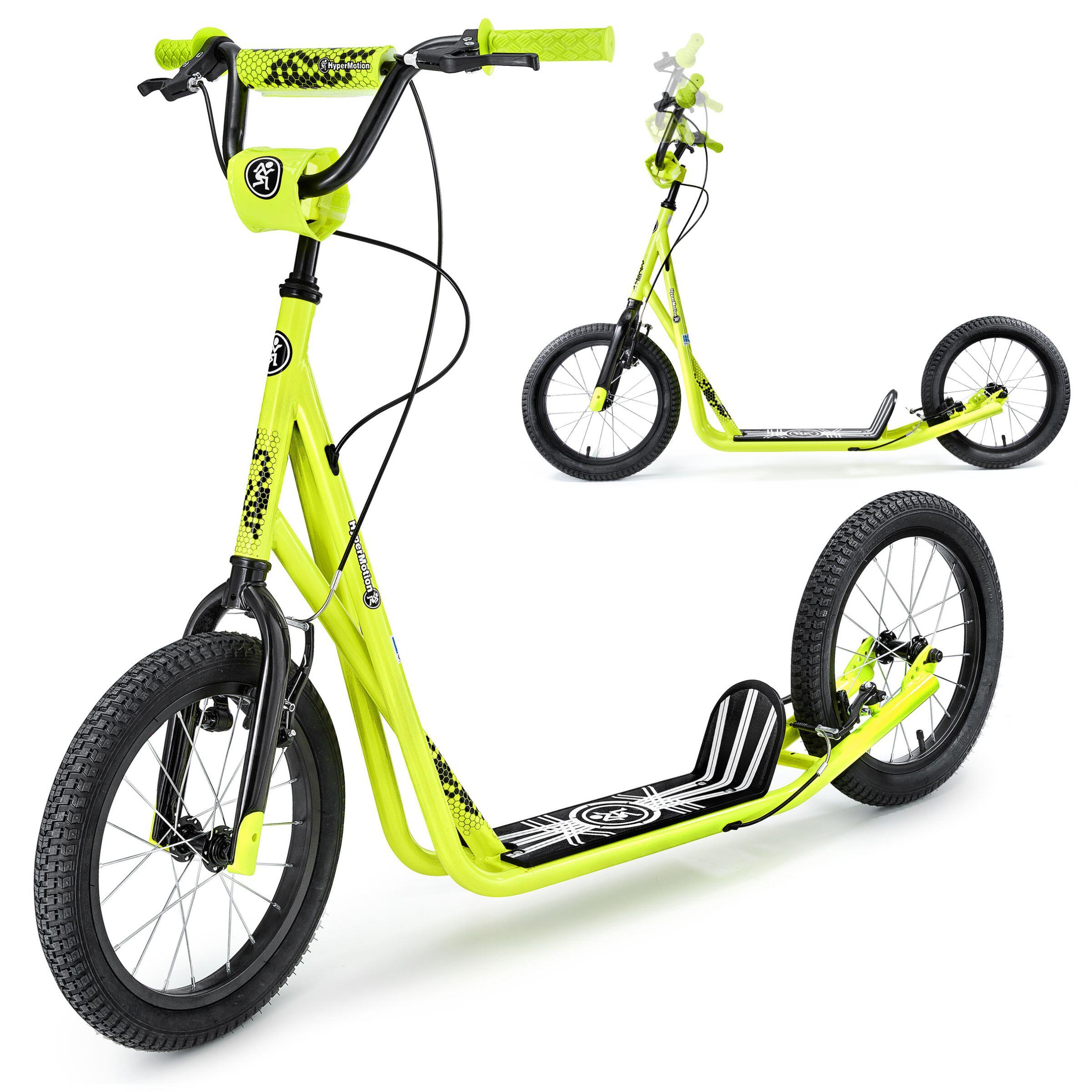
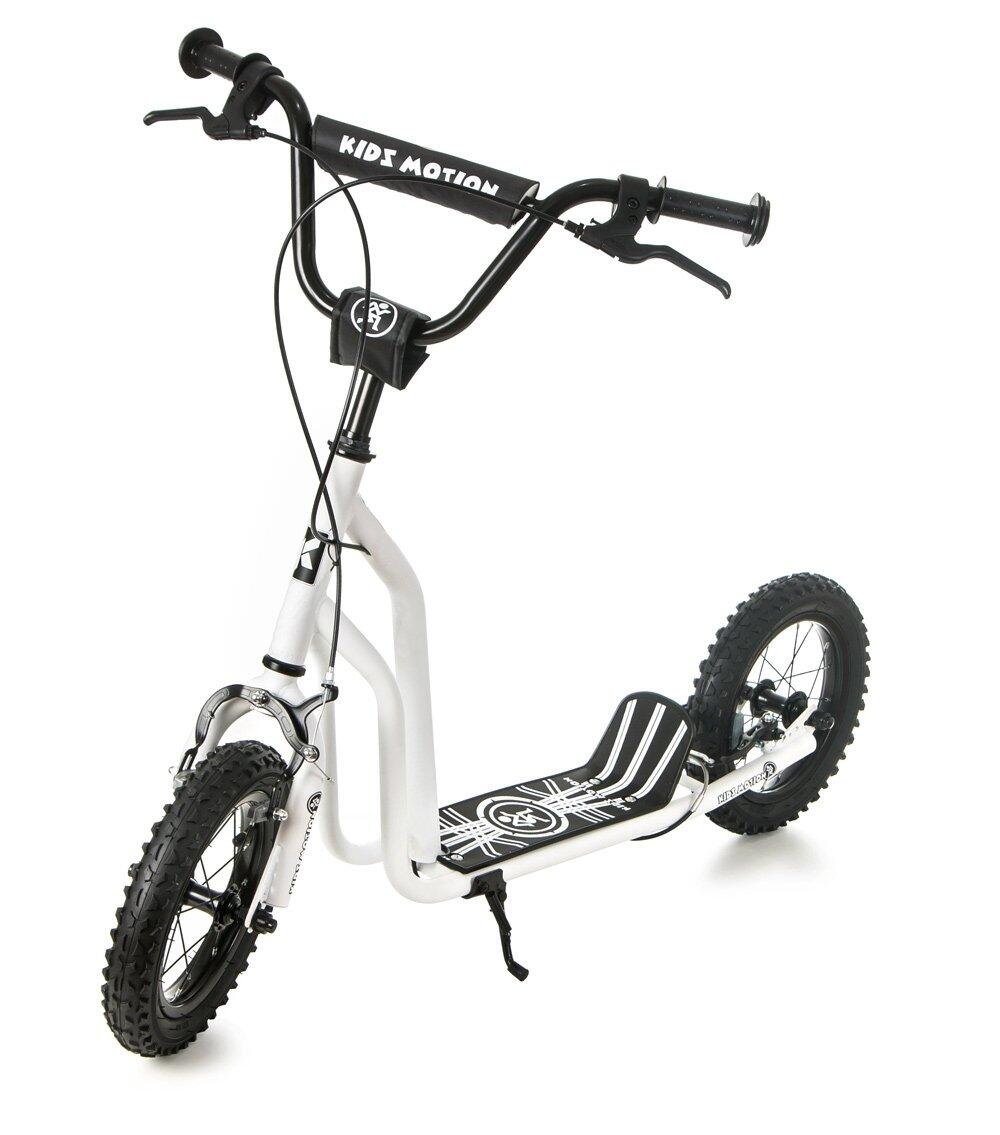
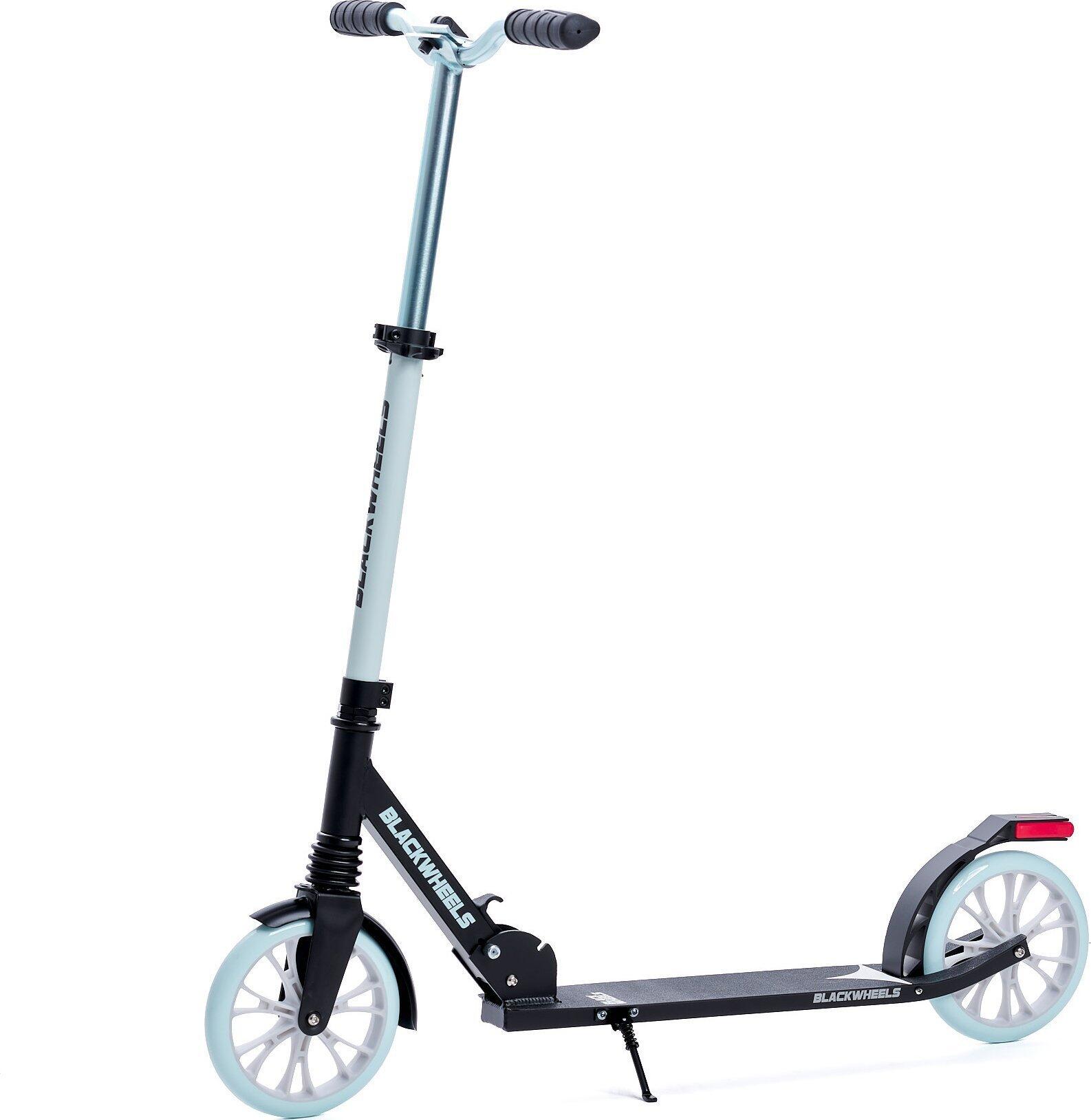
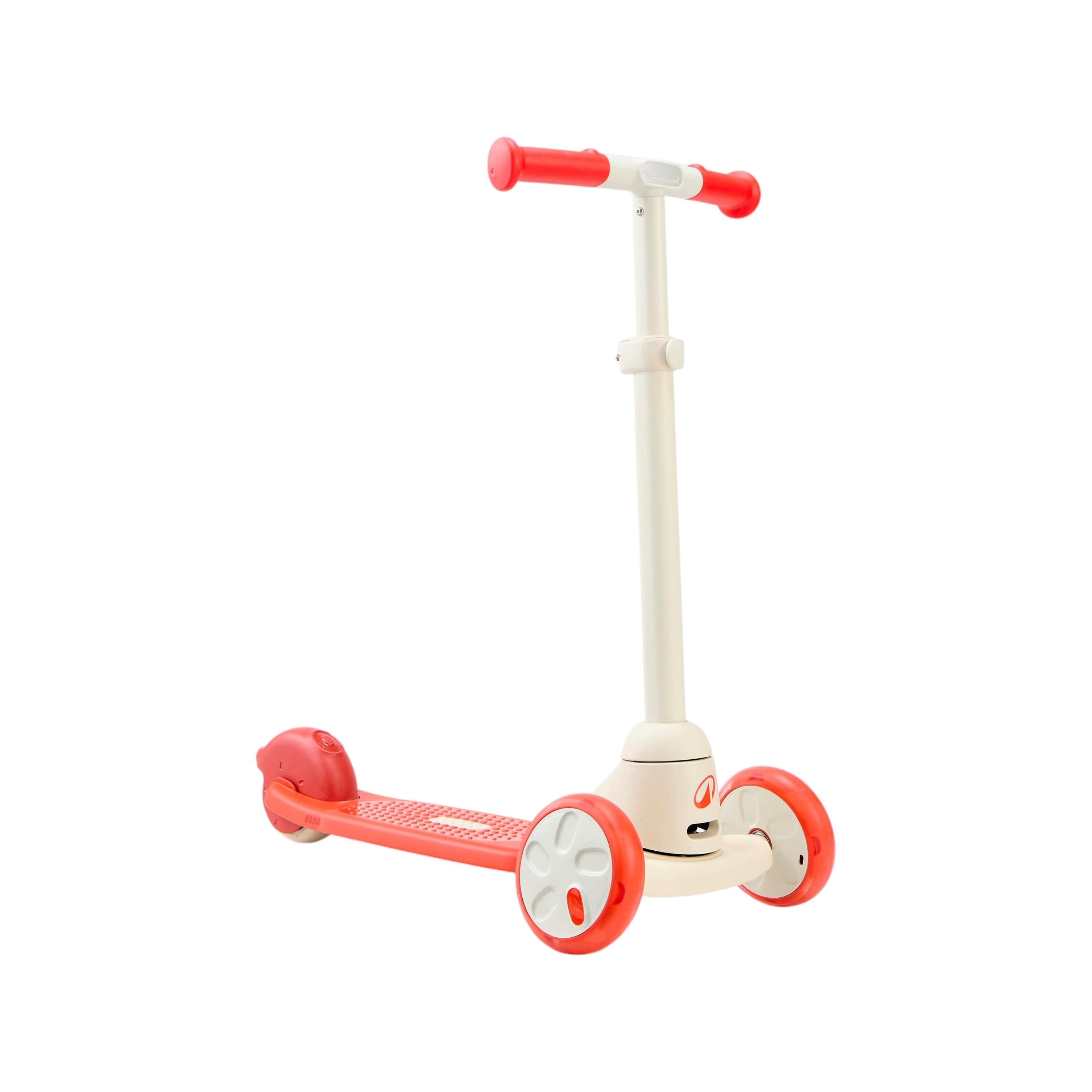
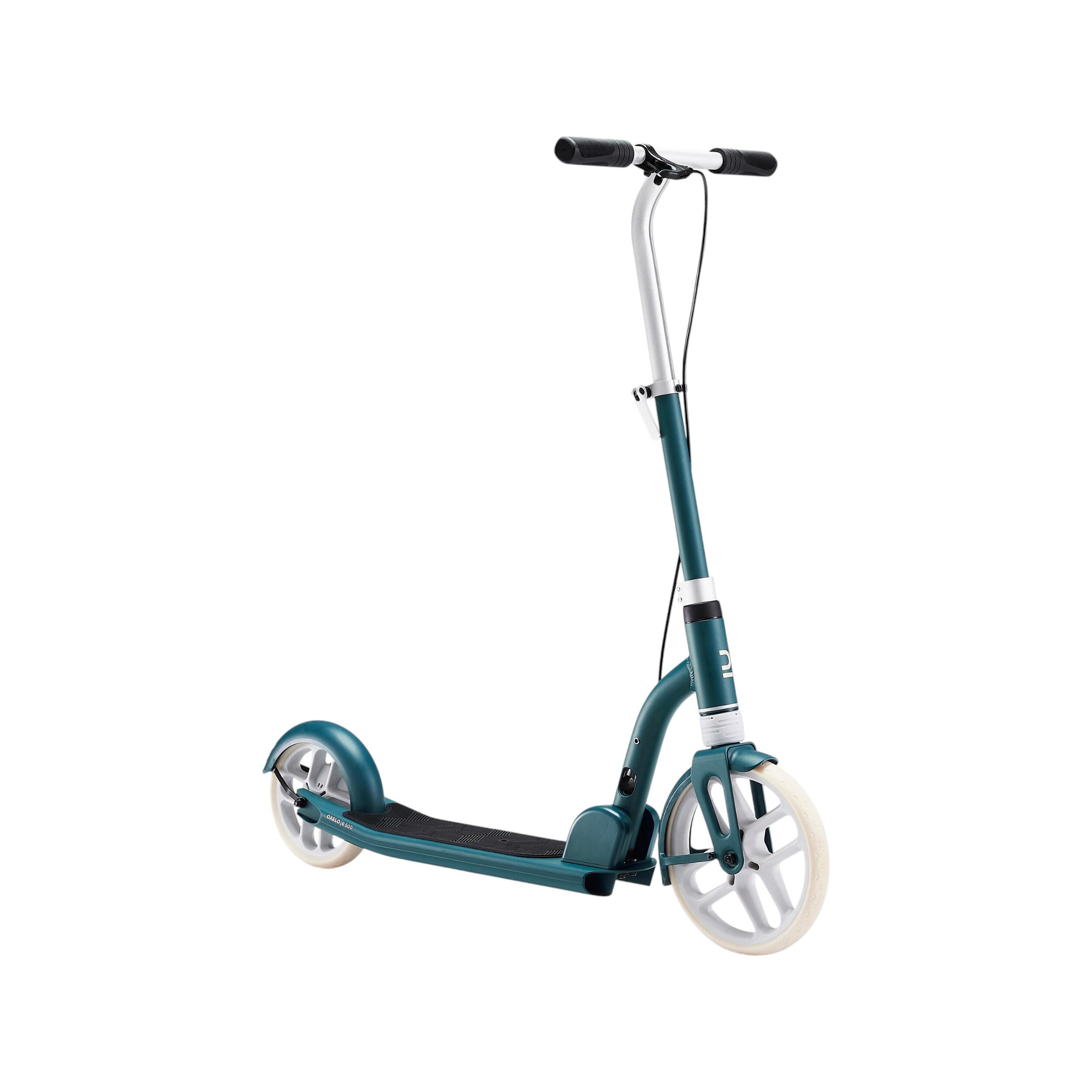
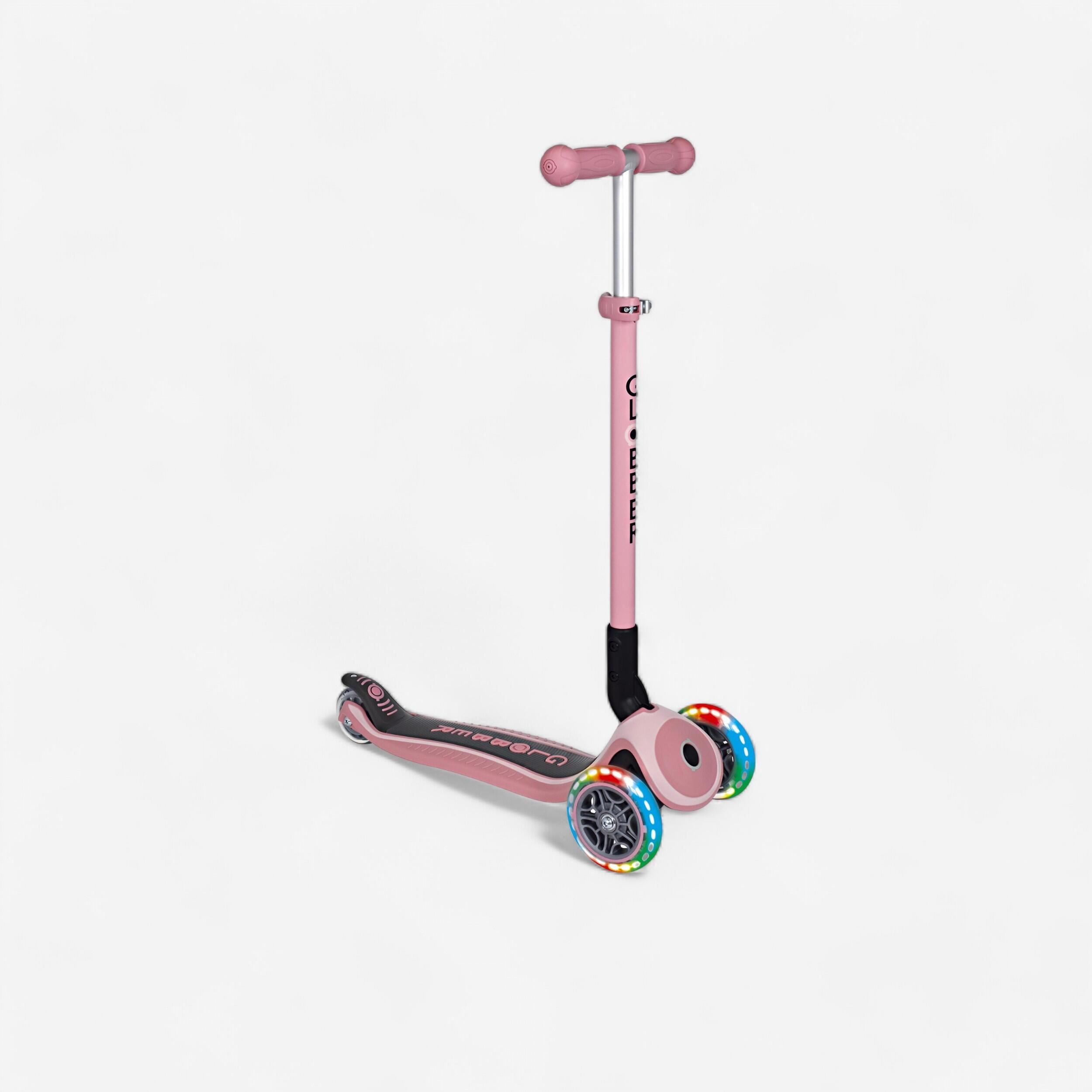
Regulations regarding riding scooters on footpaths depend on local bylaws, but generally, manual kick scooters are permitted as long as you prioritize the safety of pedestrians. When using folding scooters for a daily commute, it is essential to give way to those walking and maintain a controlled speed. For younger users, kids scooters are often used on sidewalks to stay away from road traffic, helping them develop balance and coordination in a safer environment. A foldable scooter is particularly useful in urban settings because you can quickly collapse the handlebar and carry the unit into shops or offices where riding is prohibited. Expert advice: Always wear a helmet and use reflective gear if you are out during twilight hours, as your low profile makes it difficult for other path users to spot you quickly.

What is the difference between stunt scooters and folding scooters?

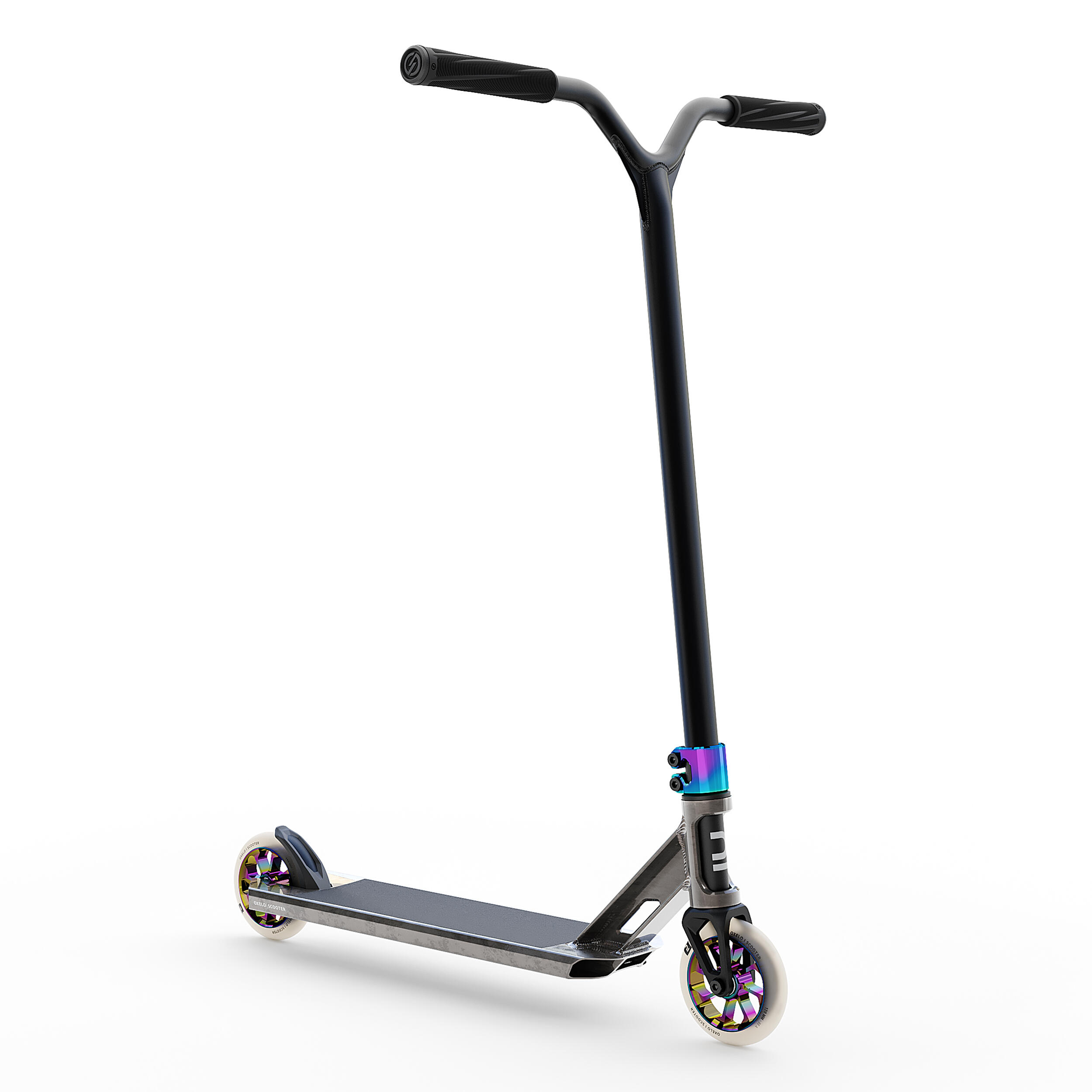
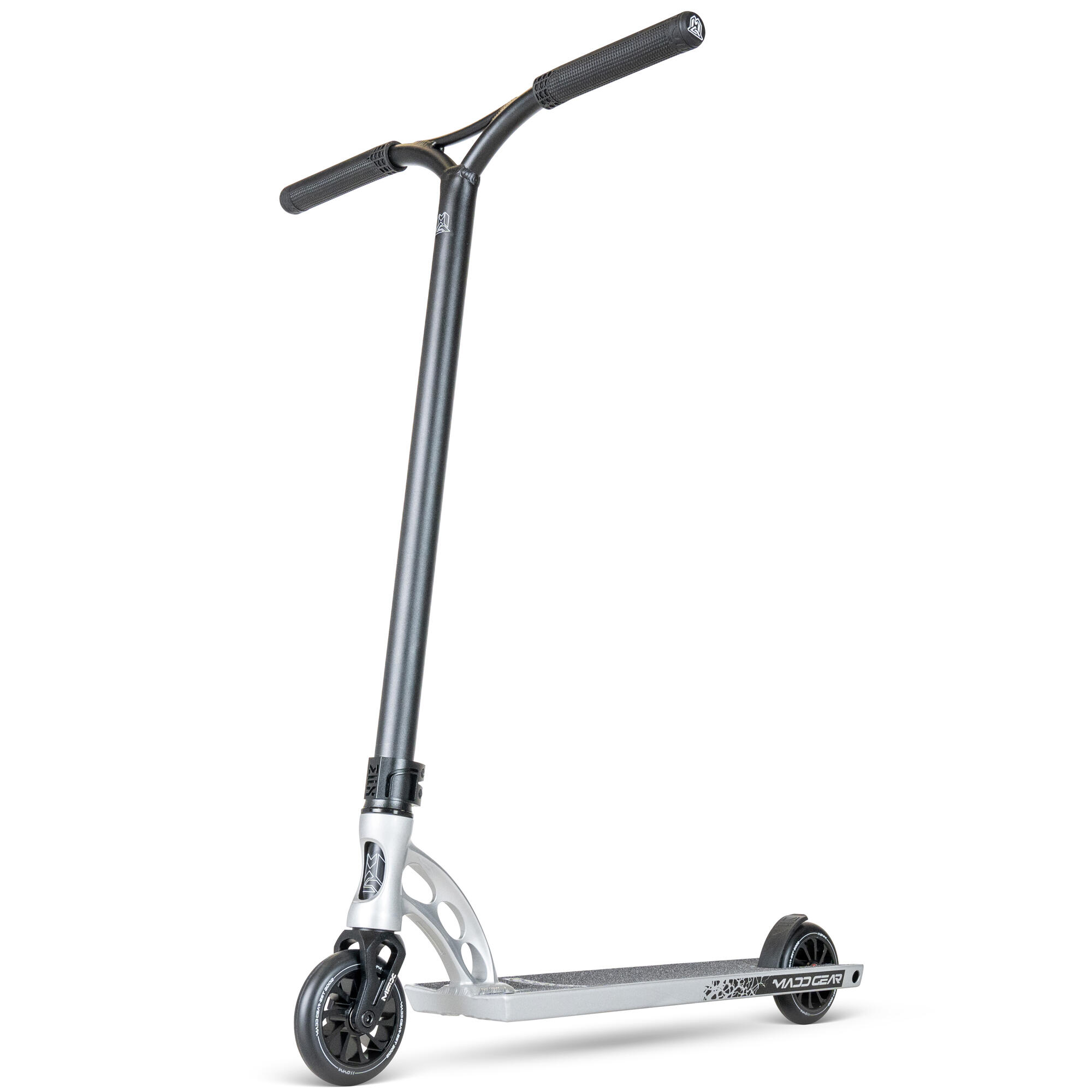
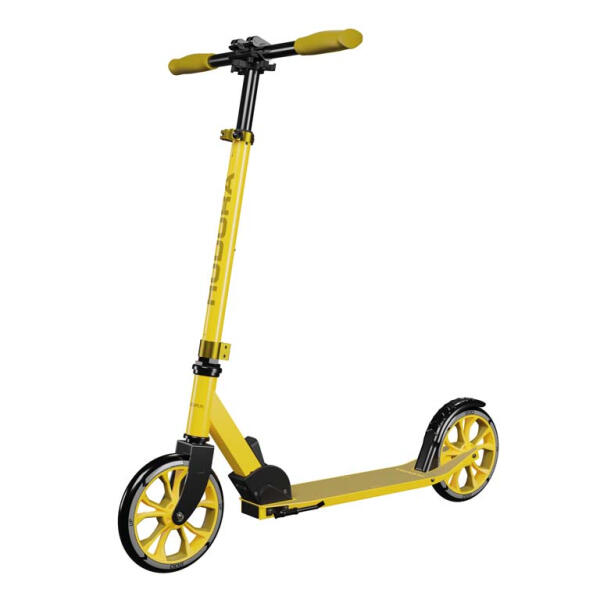
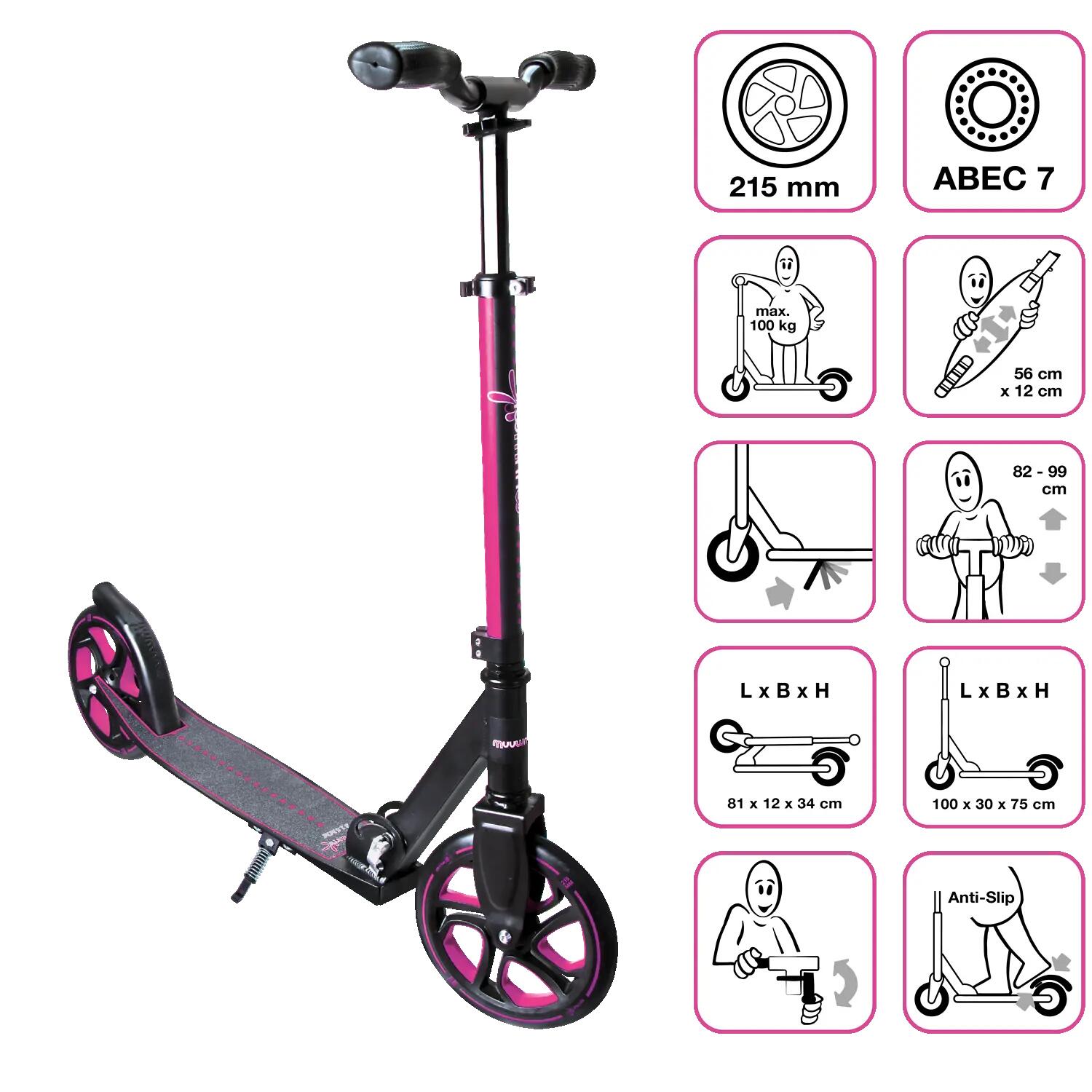
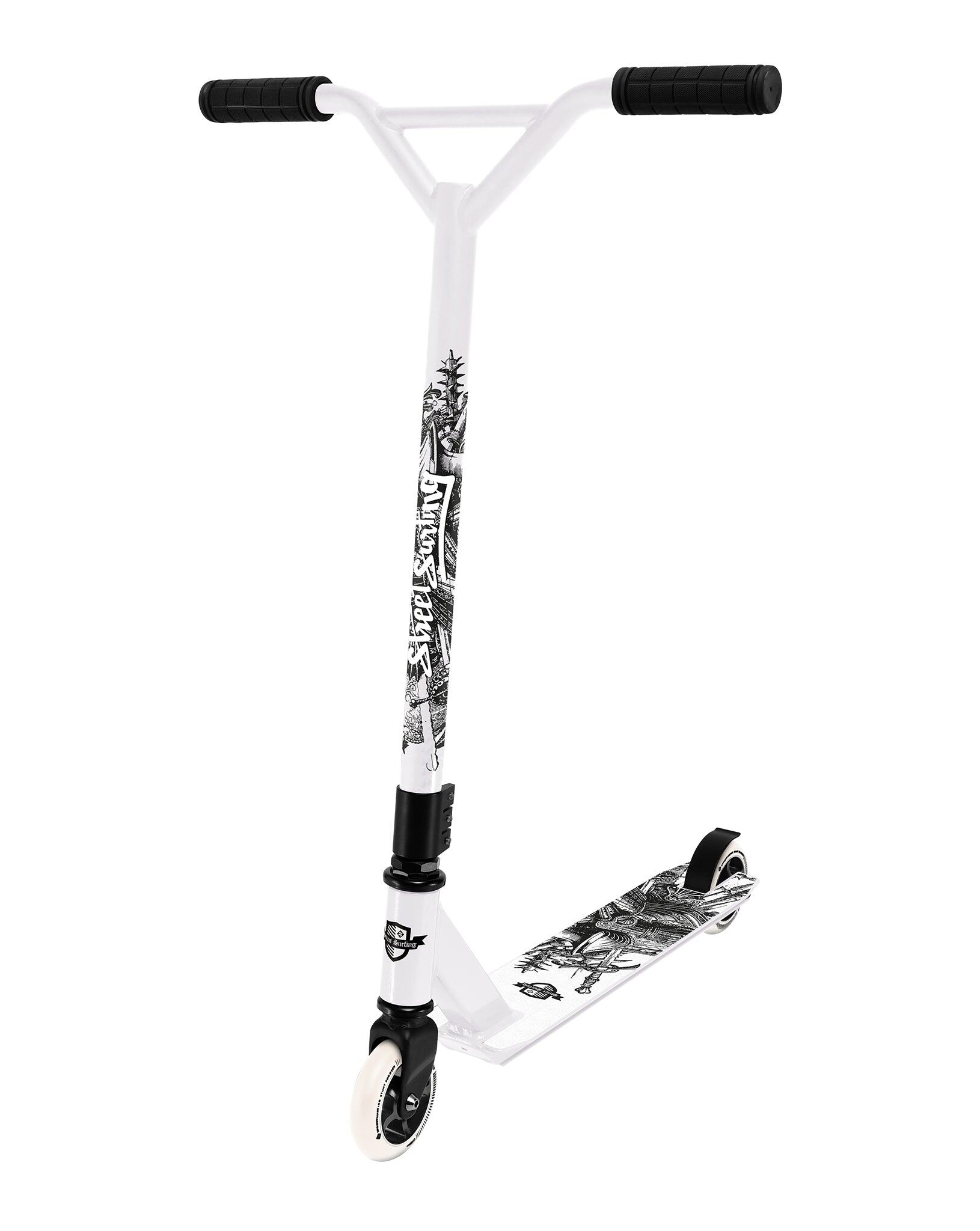
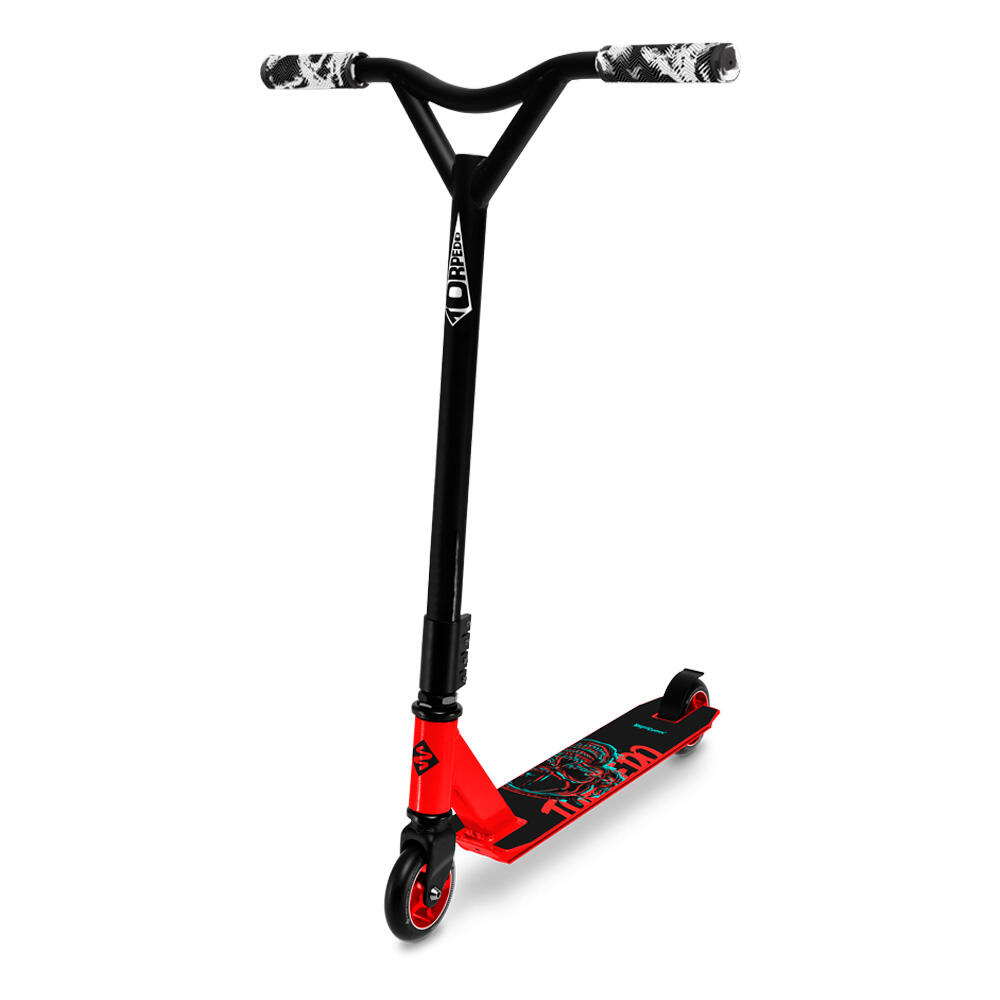
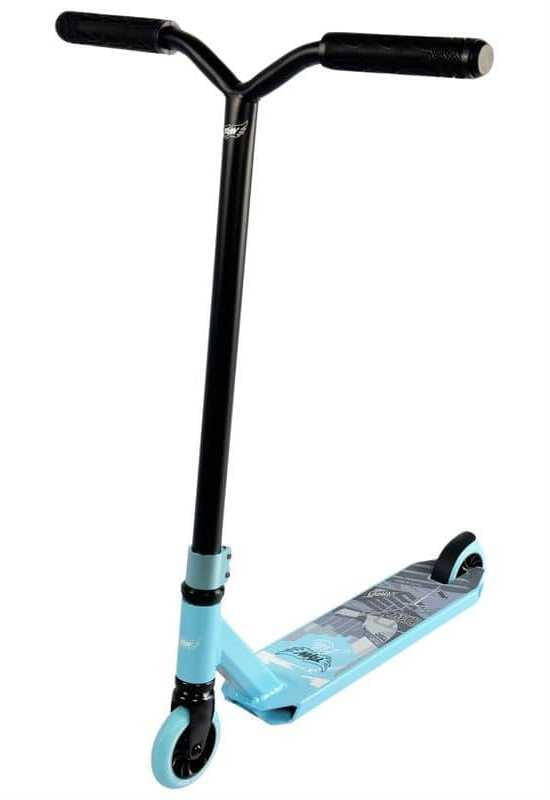
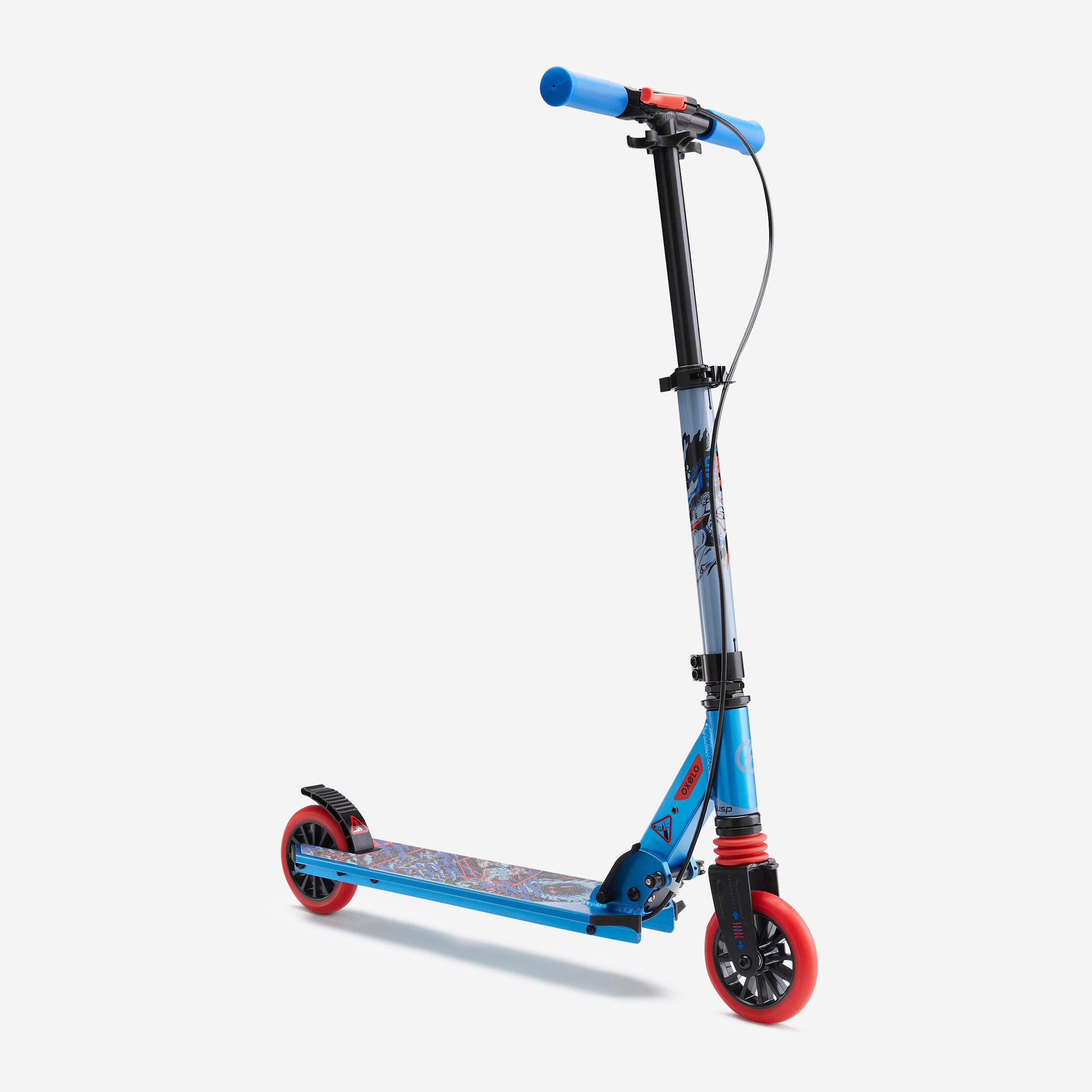
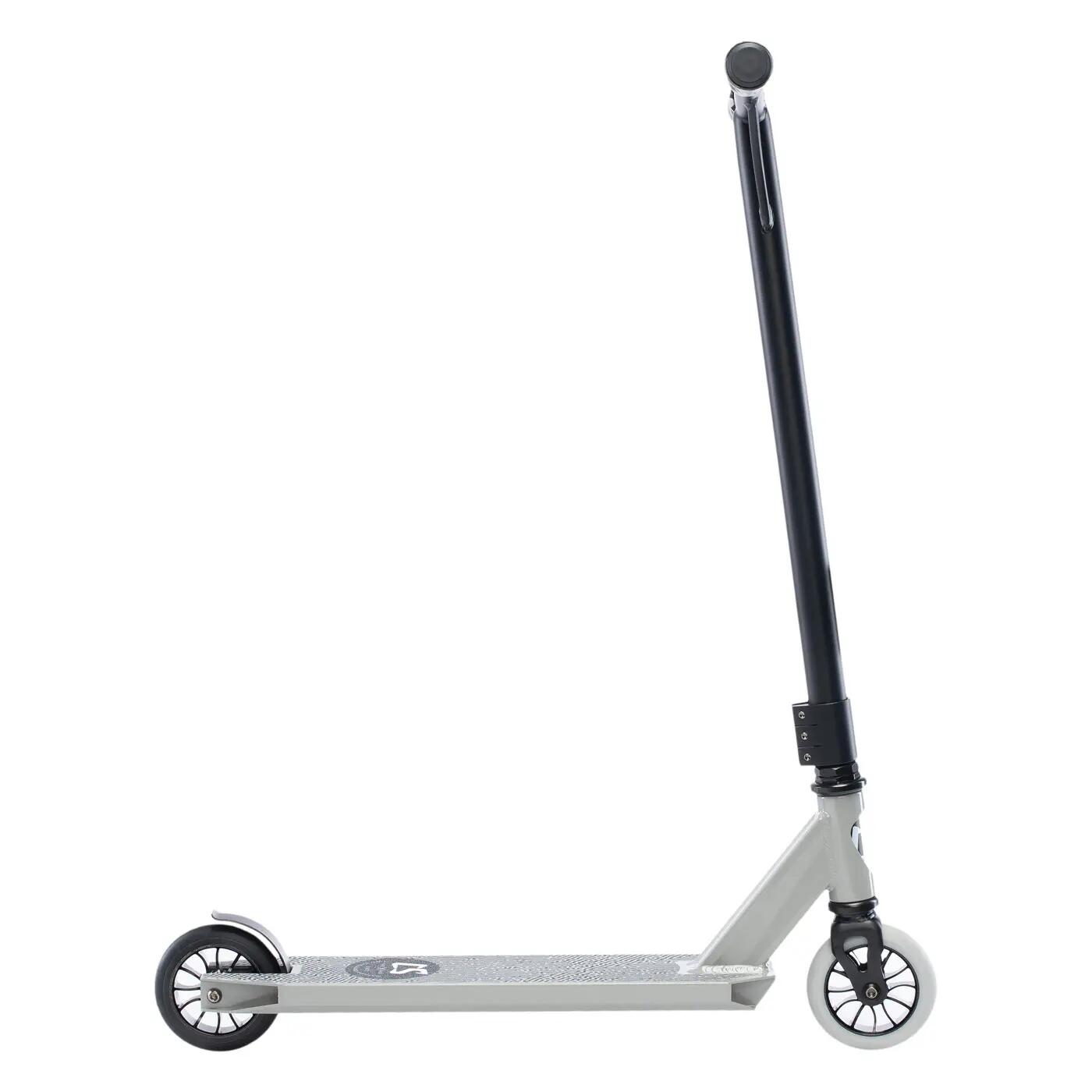
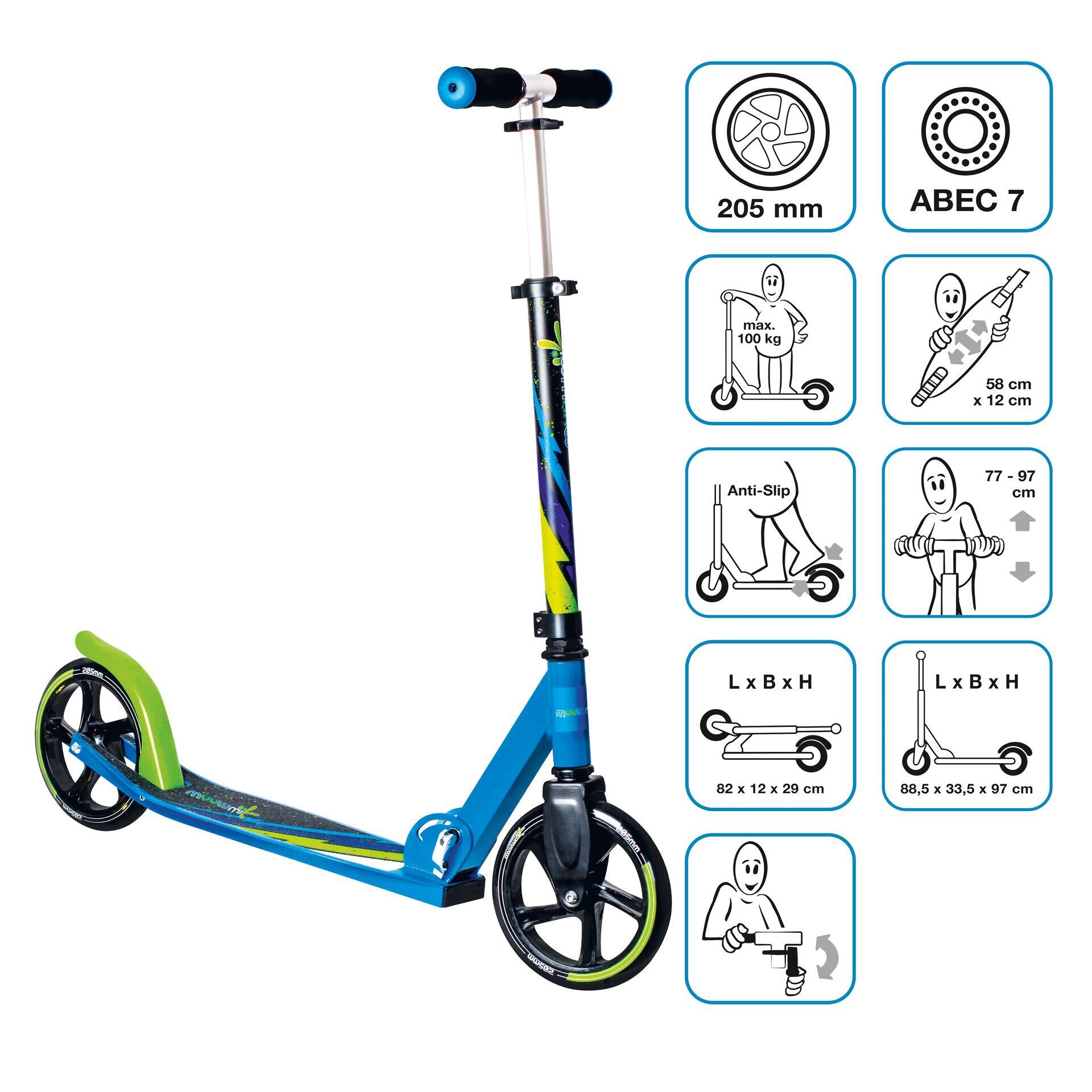
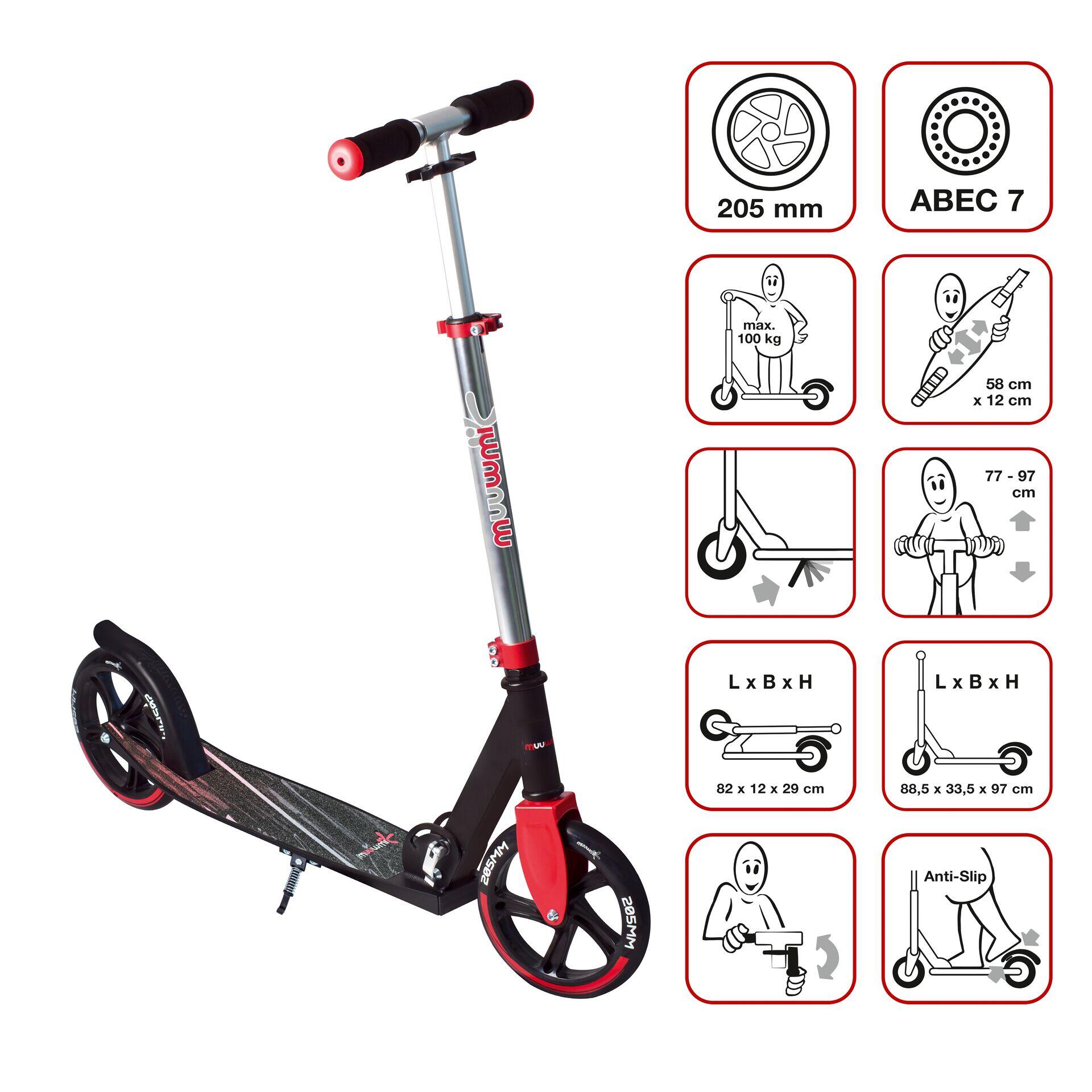
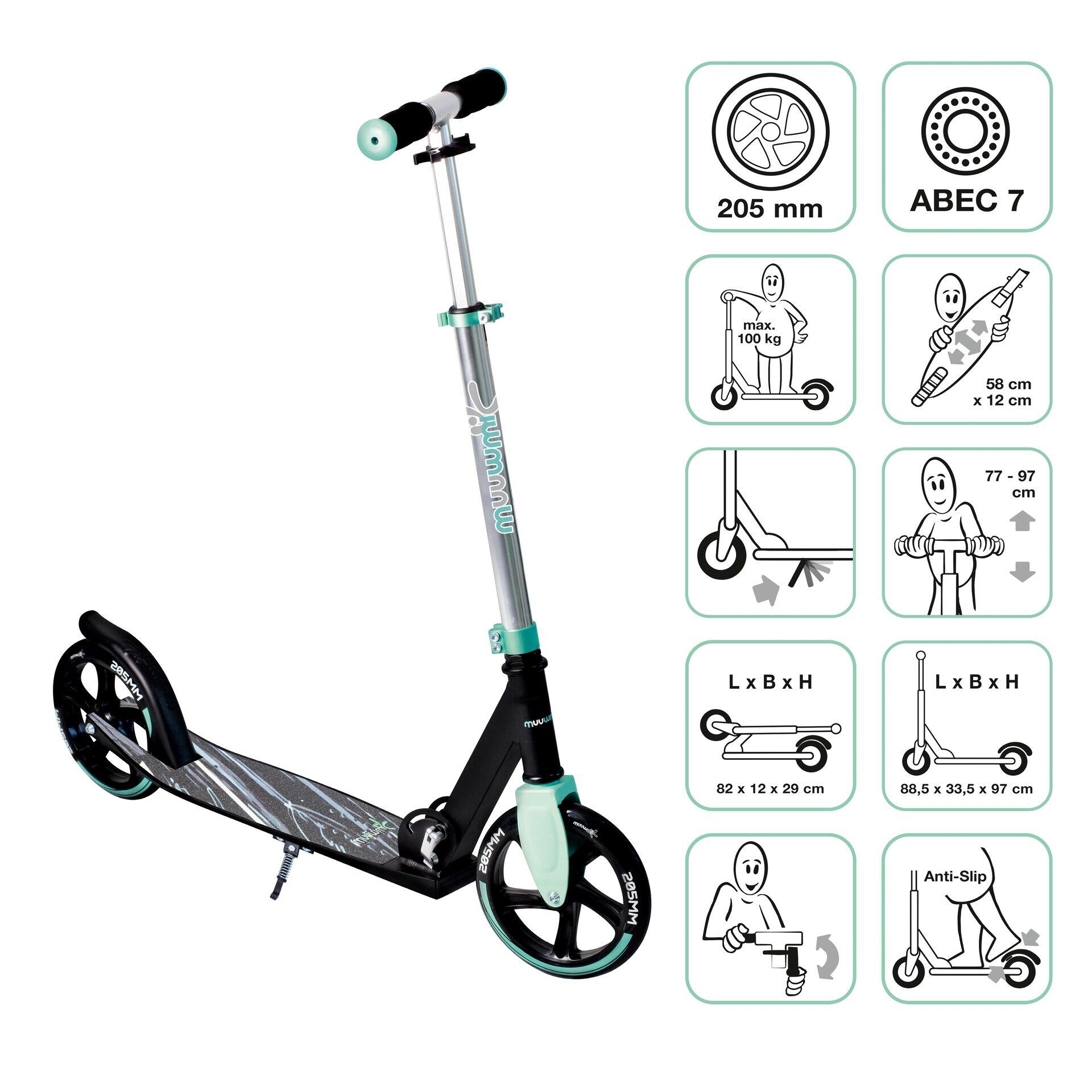
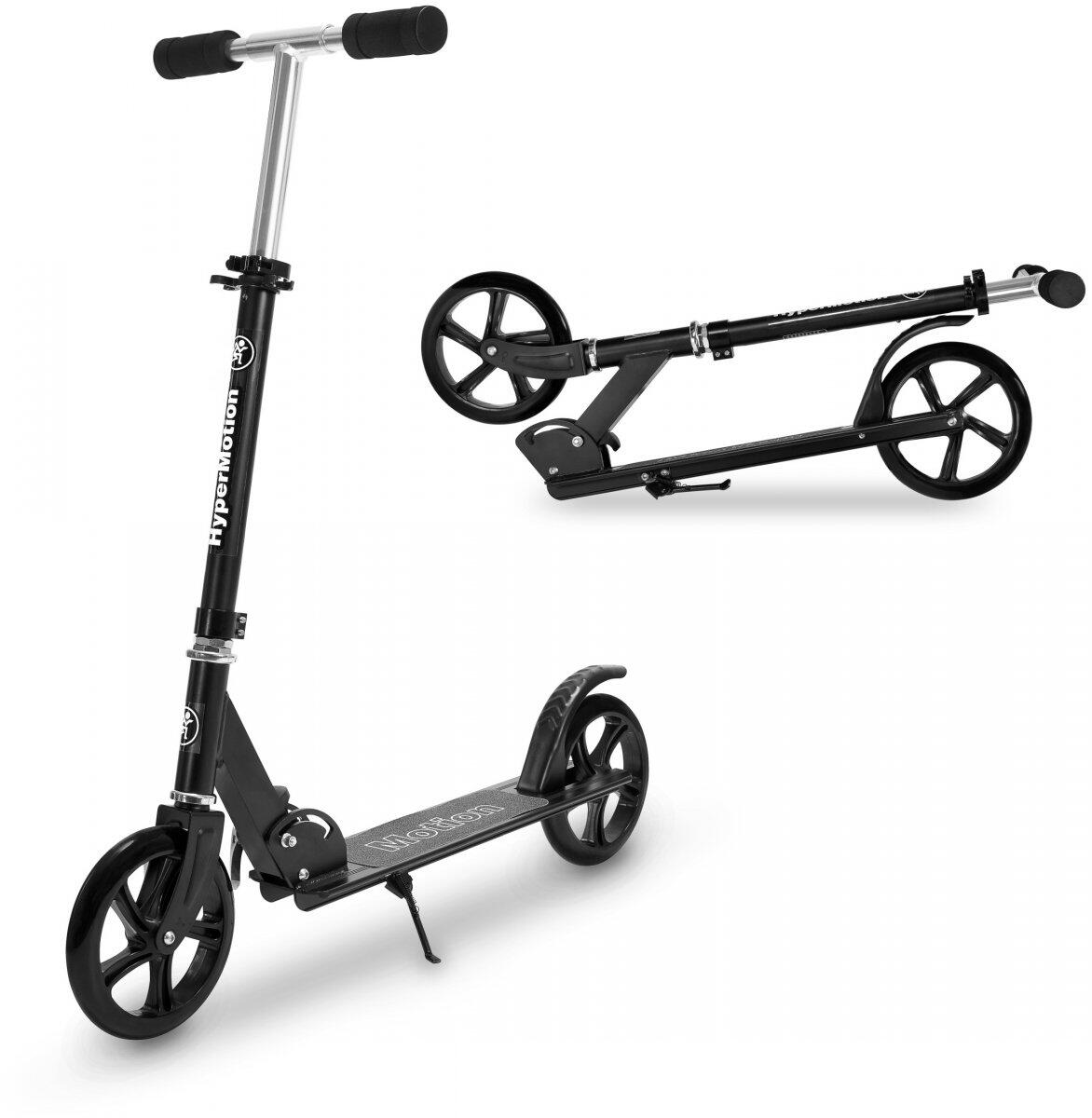
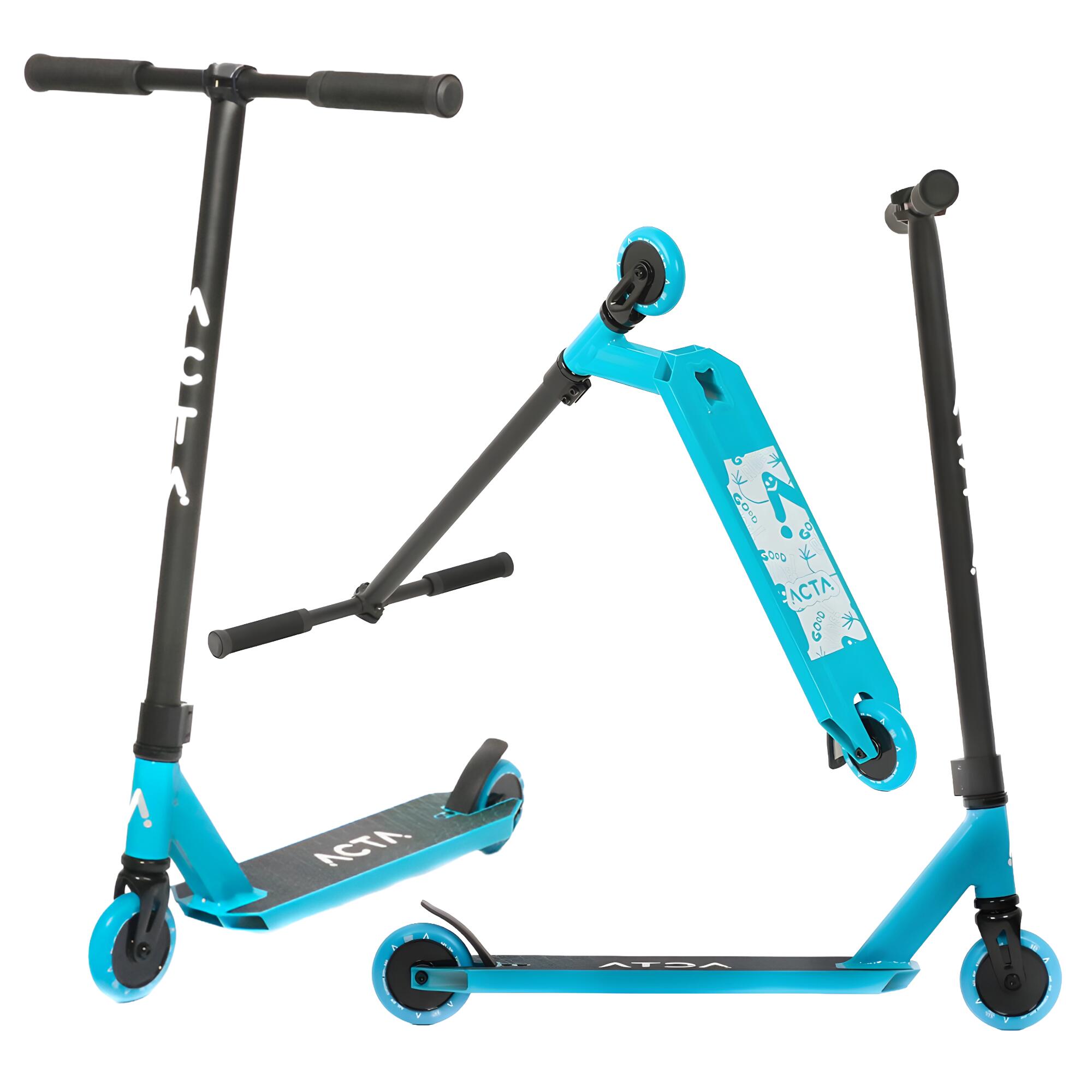
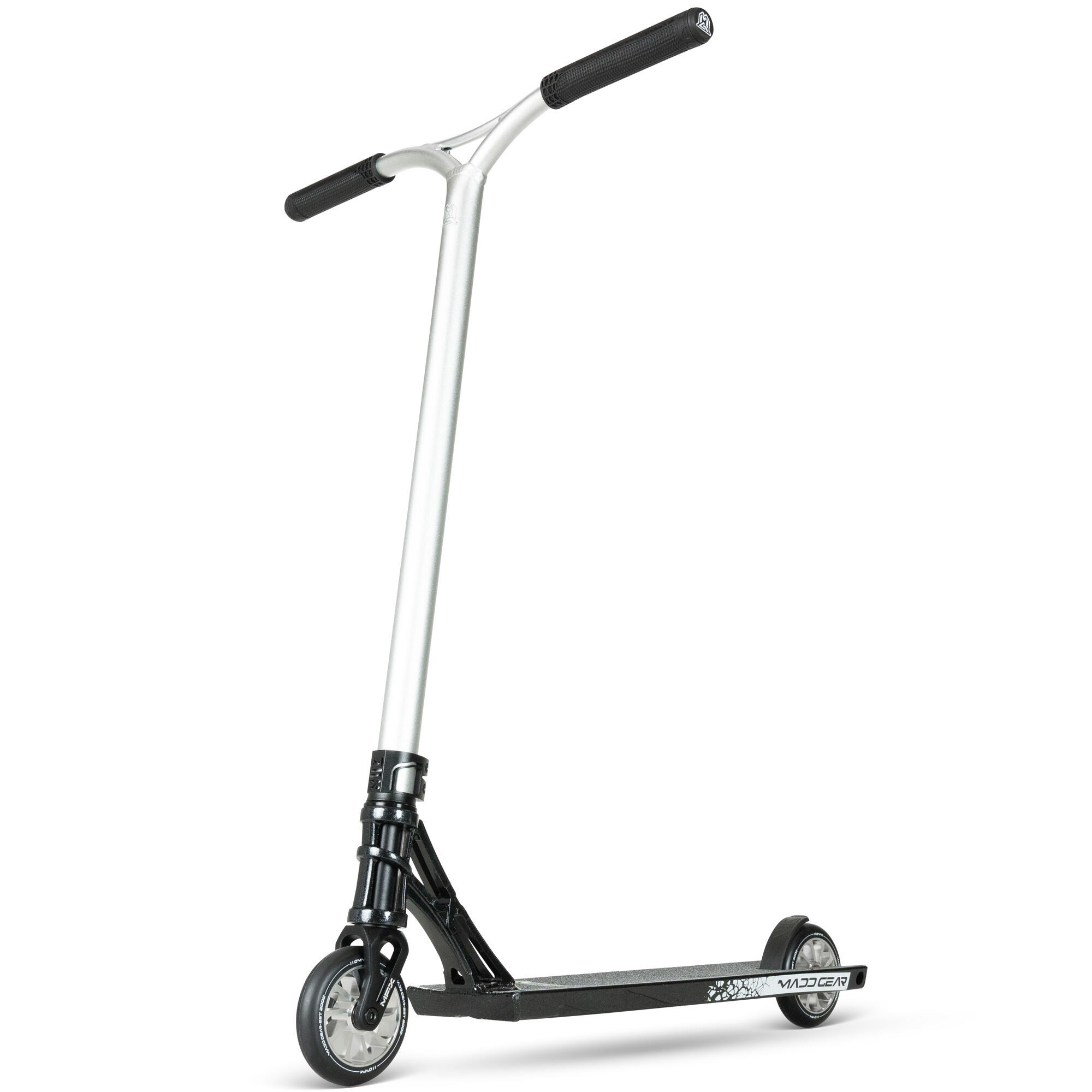
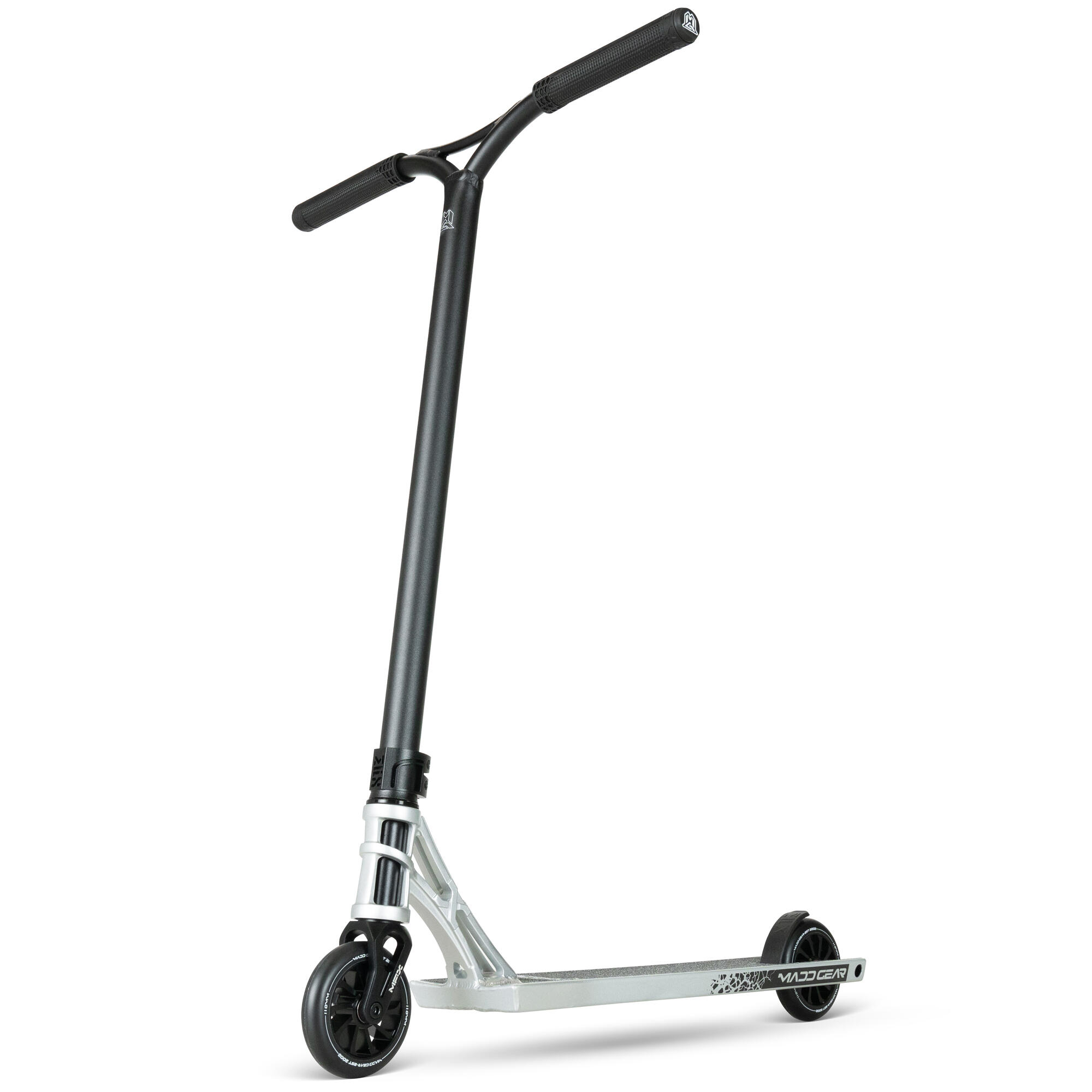
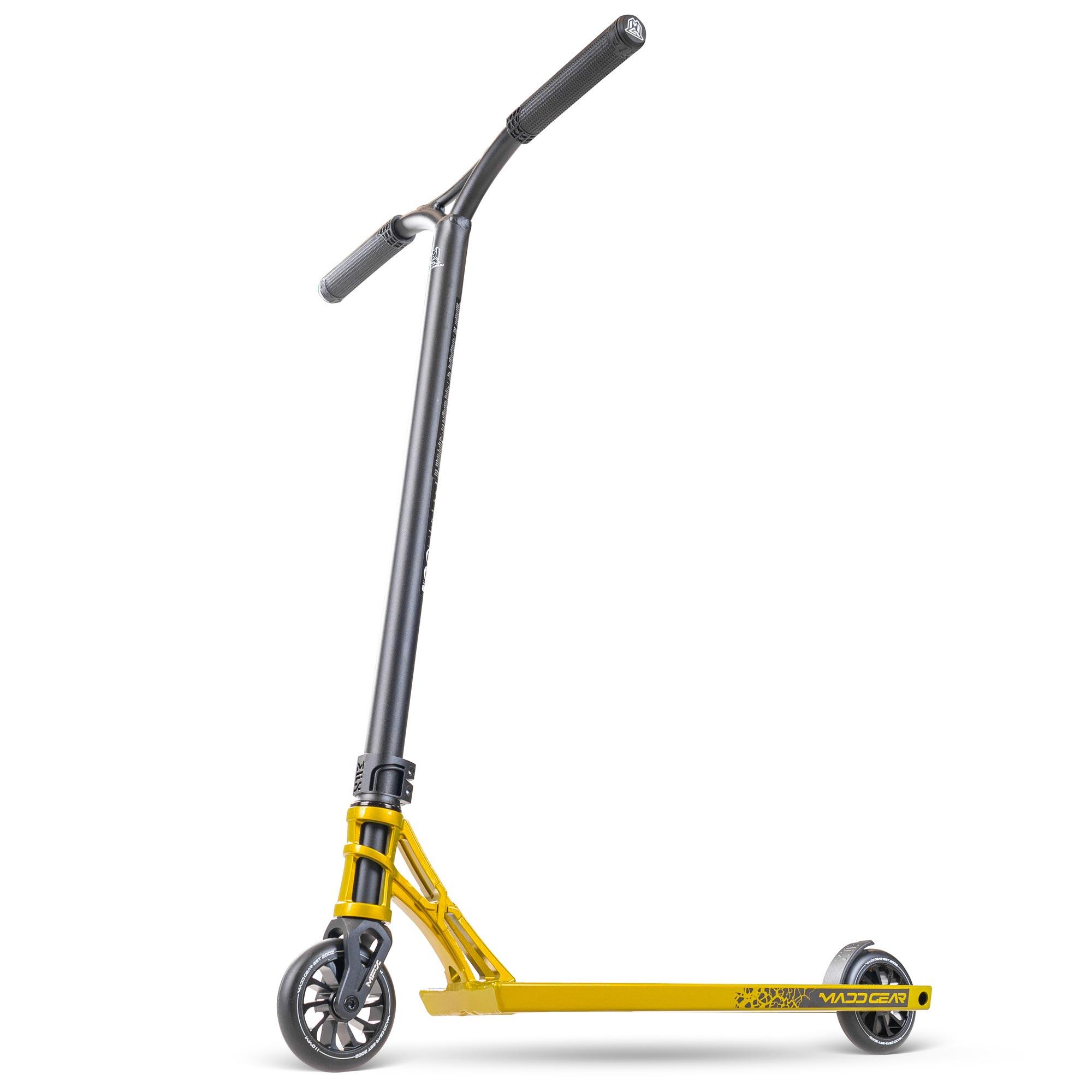
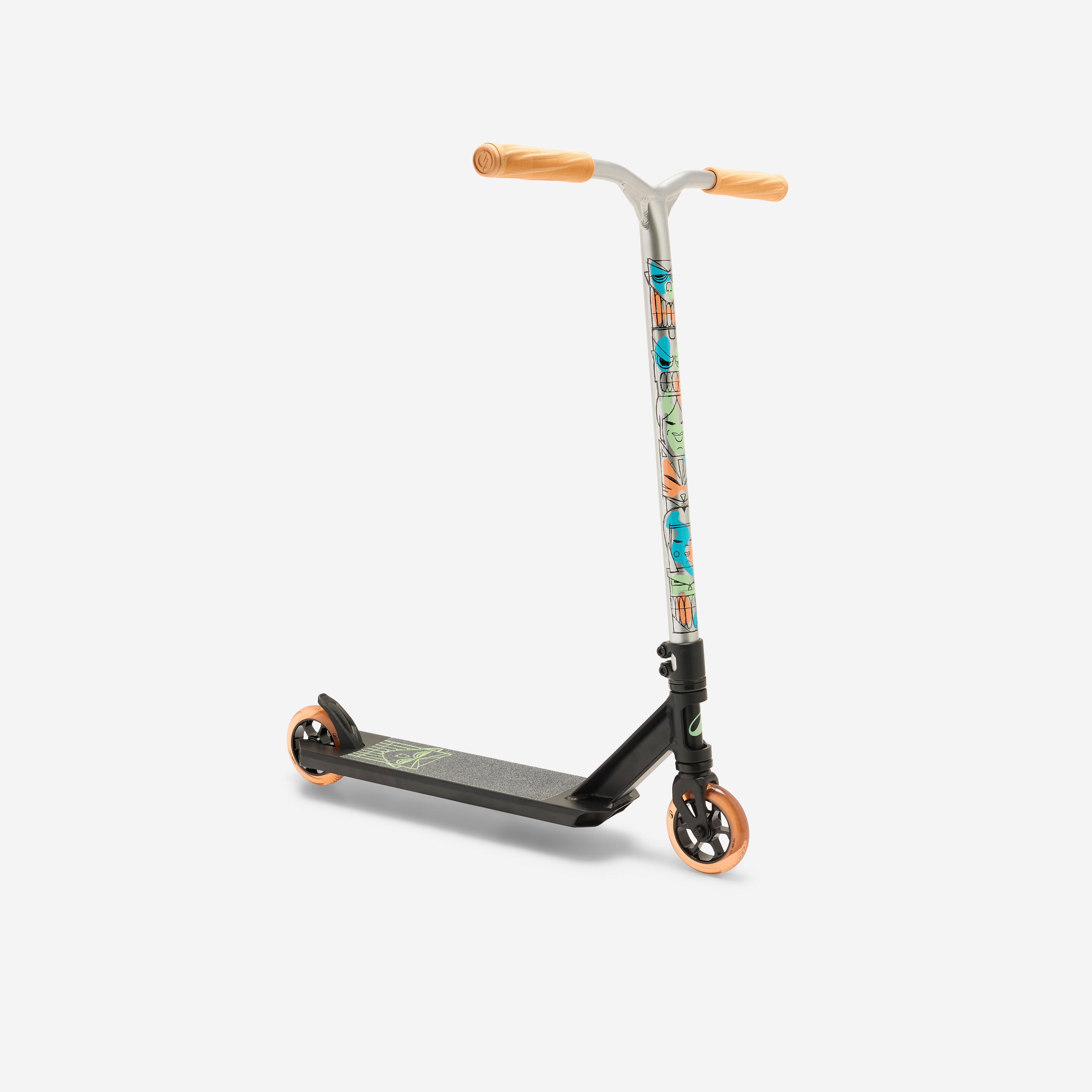
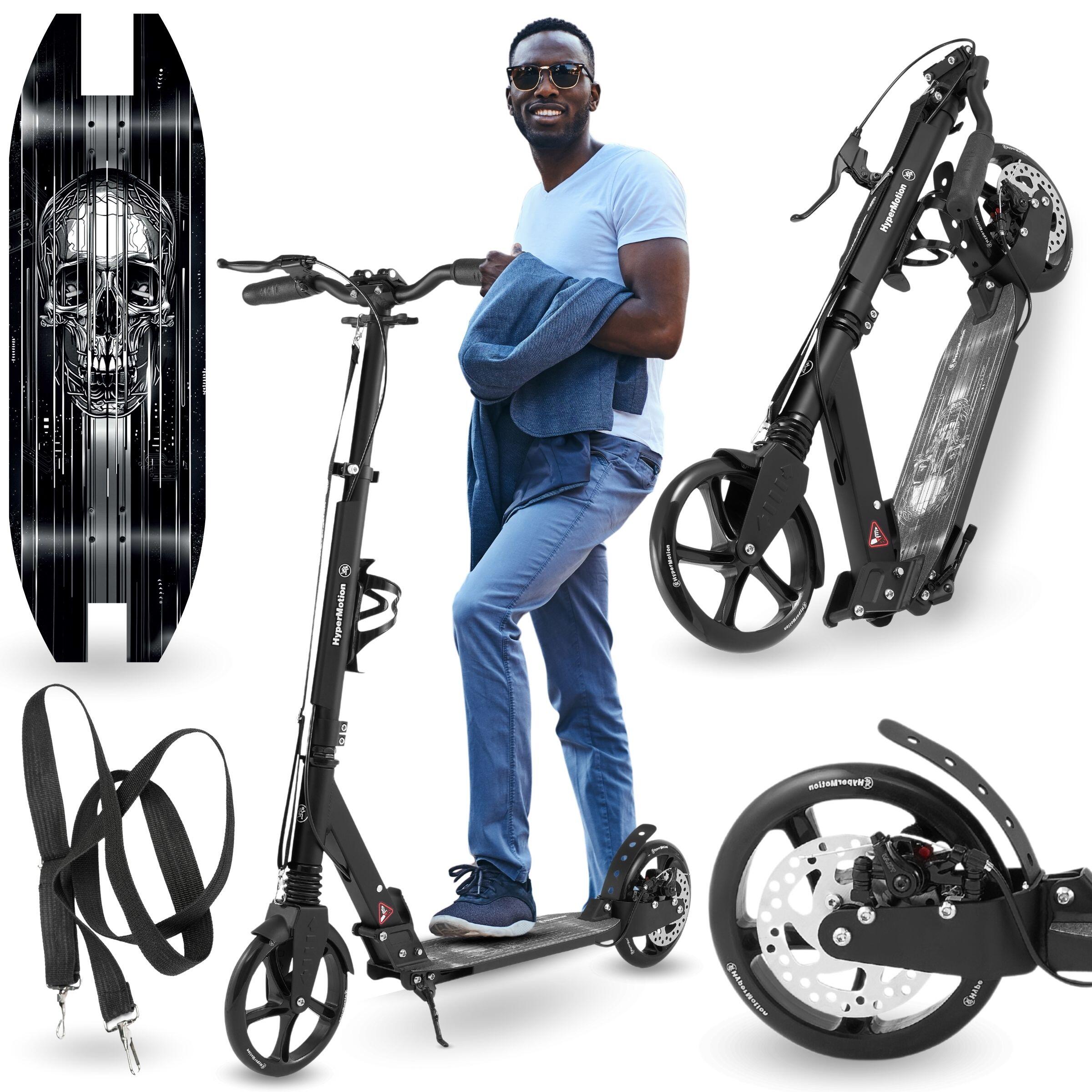
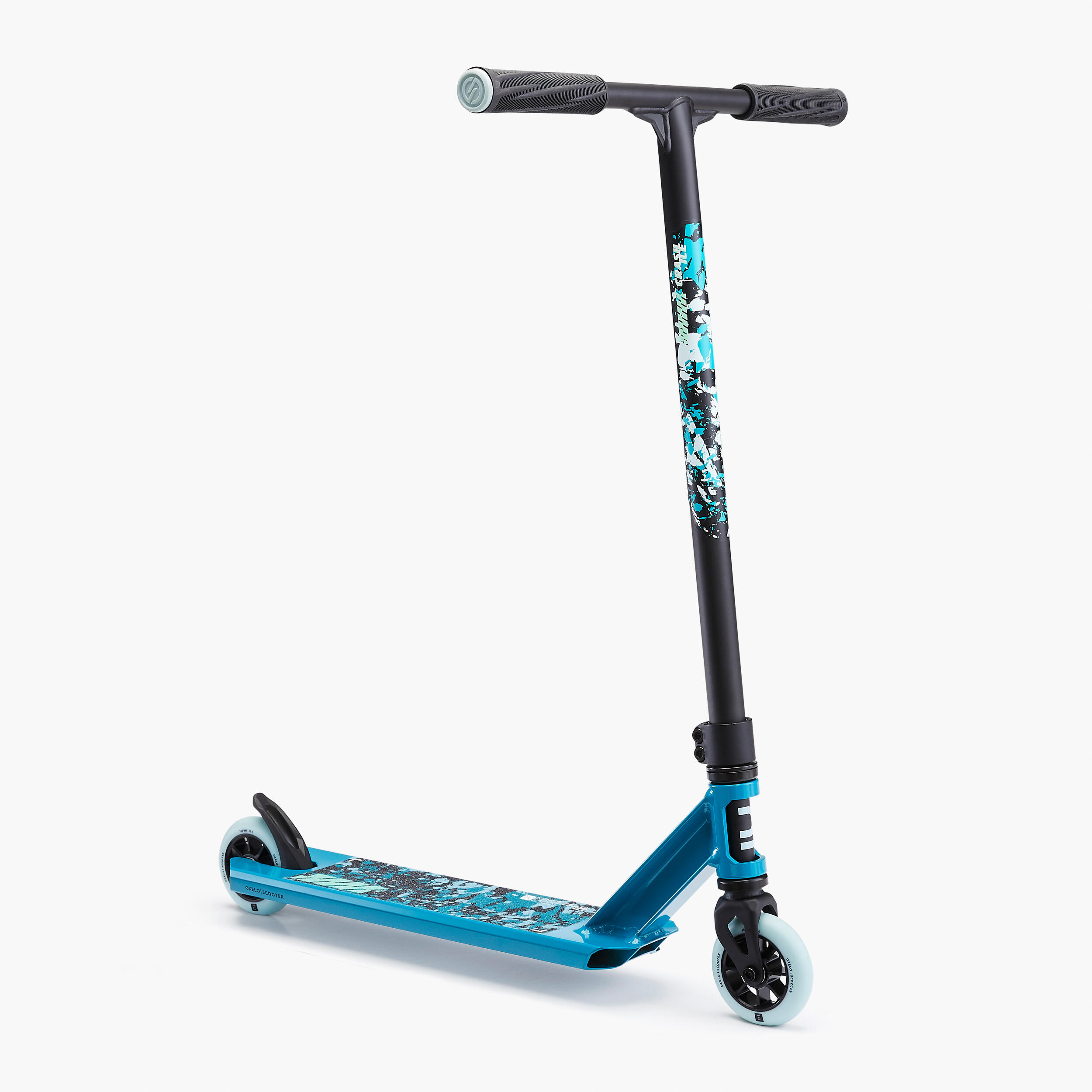
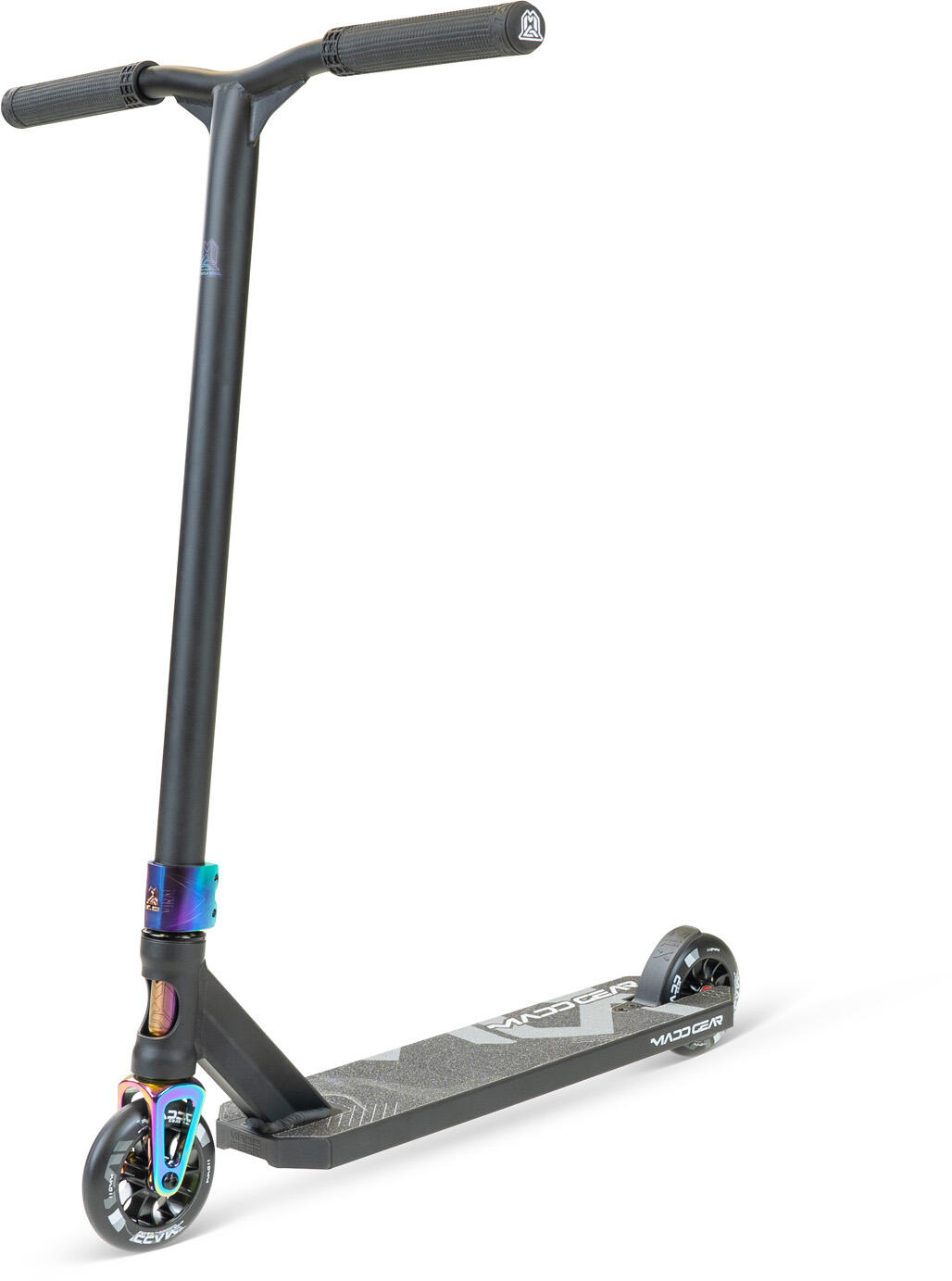
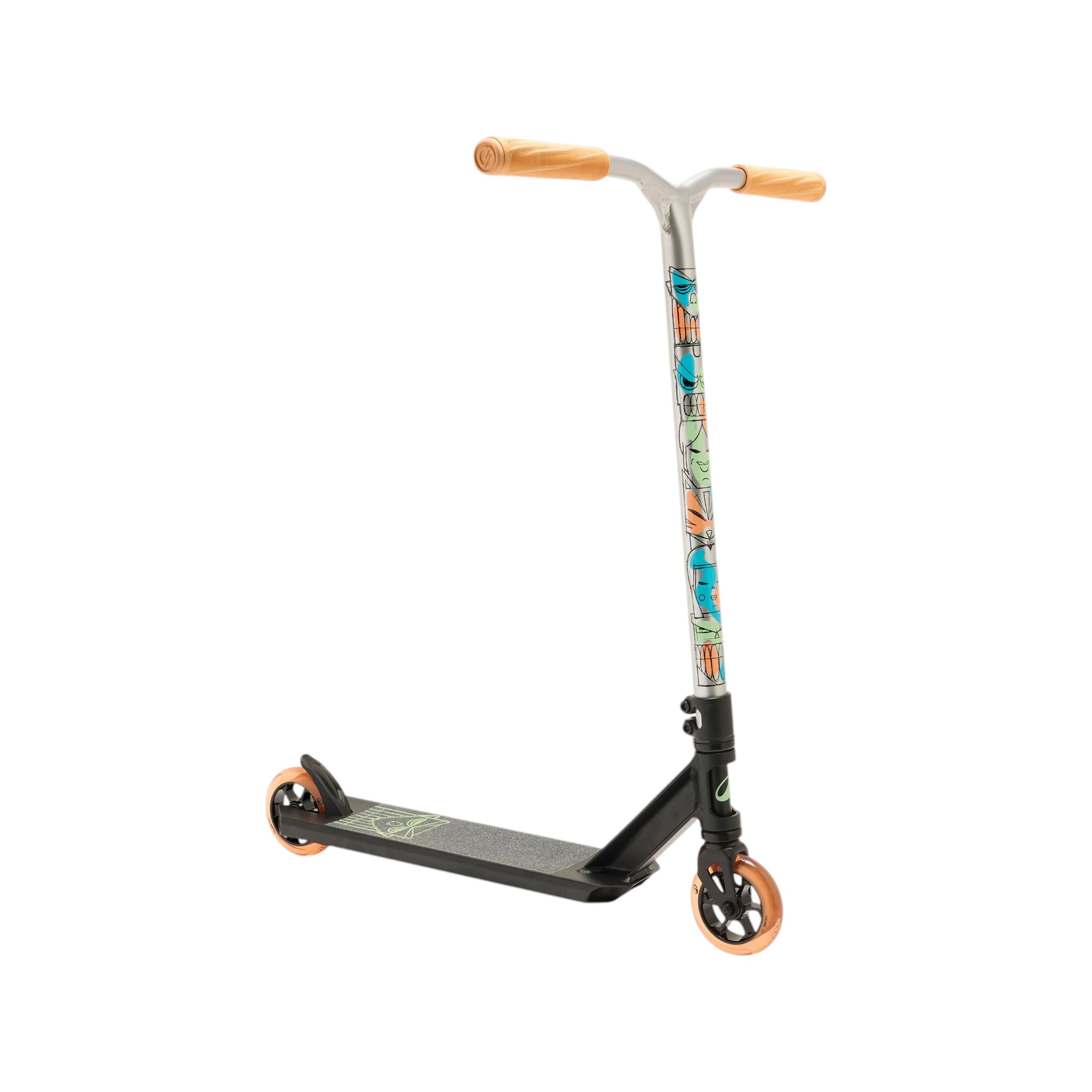
The main difference is the frame construction and the intended use case. Stunt scooters feature a one-piece fixed handlebar and a reinforced deck to withstand the high-impact forces of jumps and tricks in a skatepark. They lack a folding mechanism because a hinge would create a weak point that could snap during a heavy landing. Riders who enjoy performing tricks and park-style riding often choose durable freestyle scooters specifically engineered to handle repeated impacts and technical maneuvers. Conversely, folding scooters are built for convenience and portability, featuring a latch that allows the steering column to lay flat against the deck for easy storage. If you own a foldable scooter, regular inspection of the folding hinge is necessary to ensure the locking pin is fully engaged before you start your journey. The technical reason for the smaller wheels on trick-based models is to lower the centre of gravity, providing more control during mid-air maneuvers and technical grinds on rails or curbs.