277 items
4.2/5 based on 4869 reviews collected online and in stores

Adult Scooters FAQs

Why choose an adult scooter for commuting?

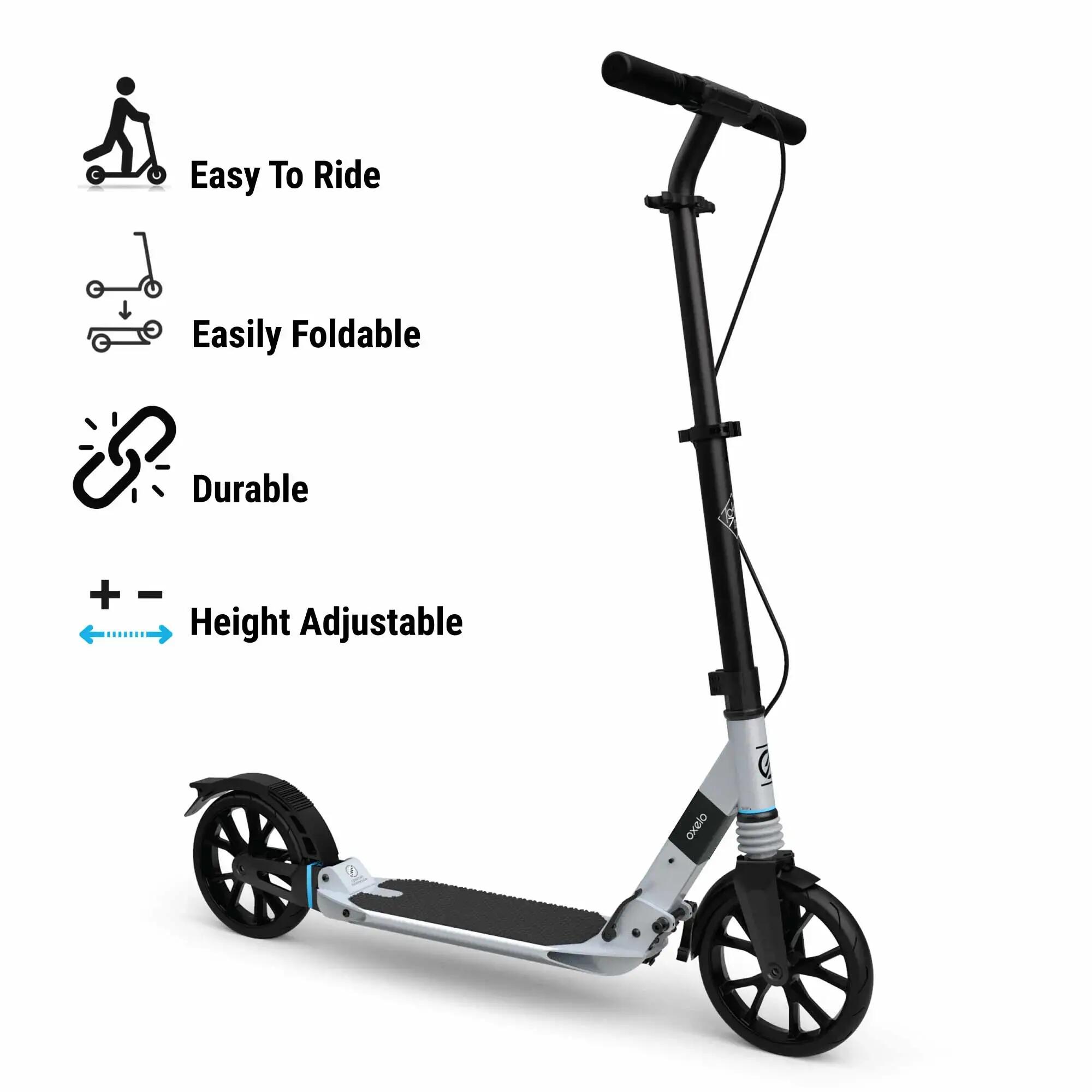
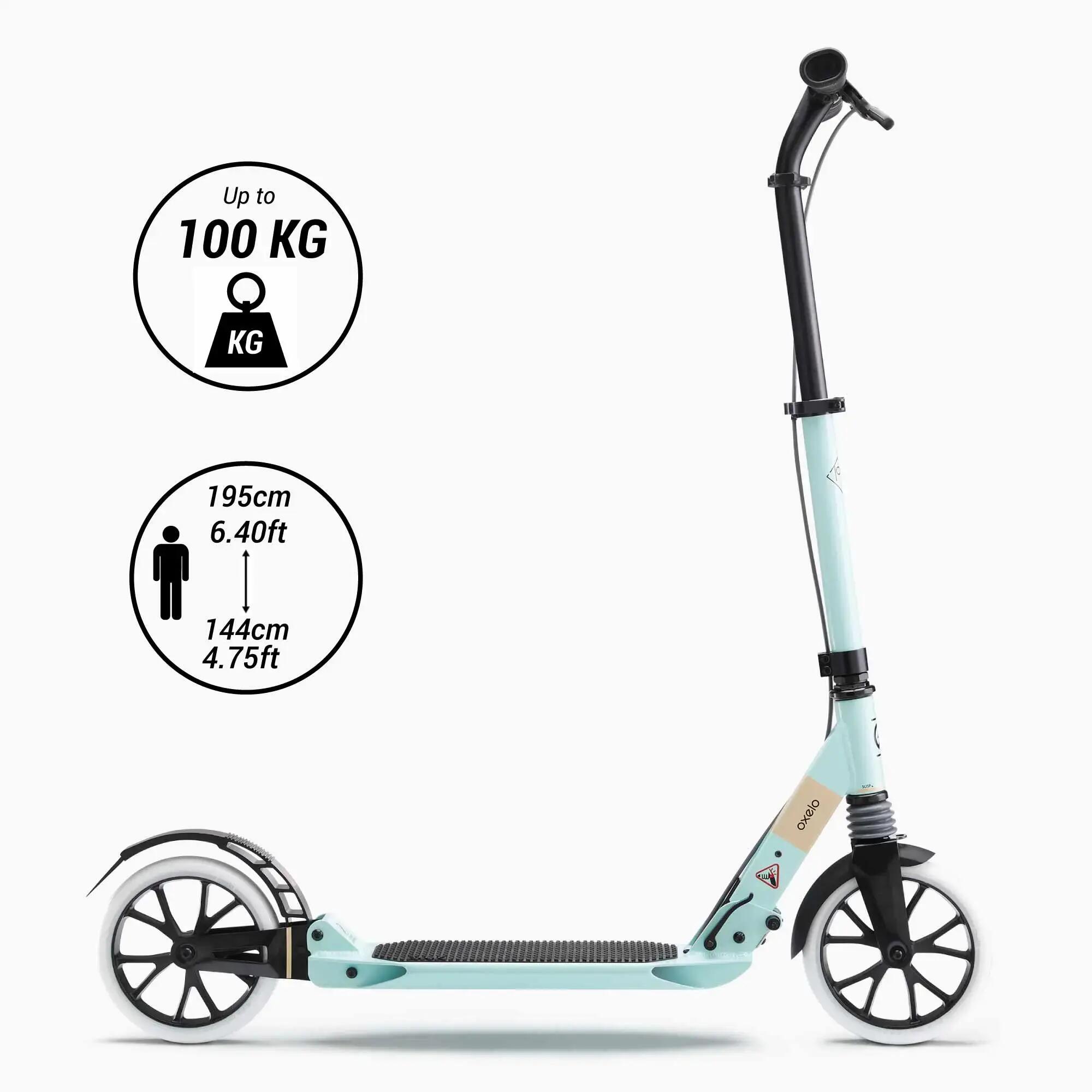
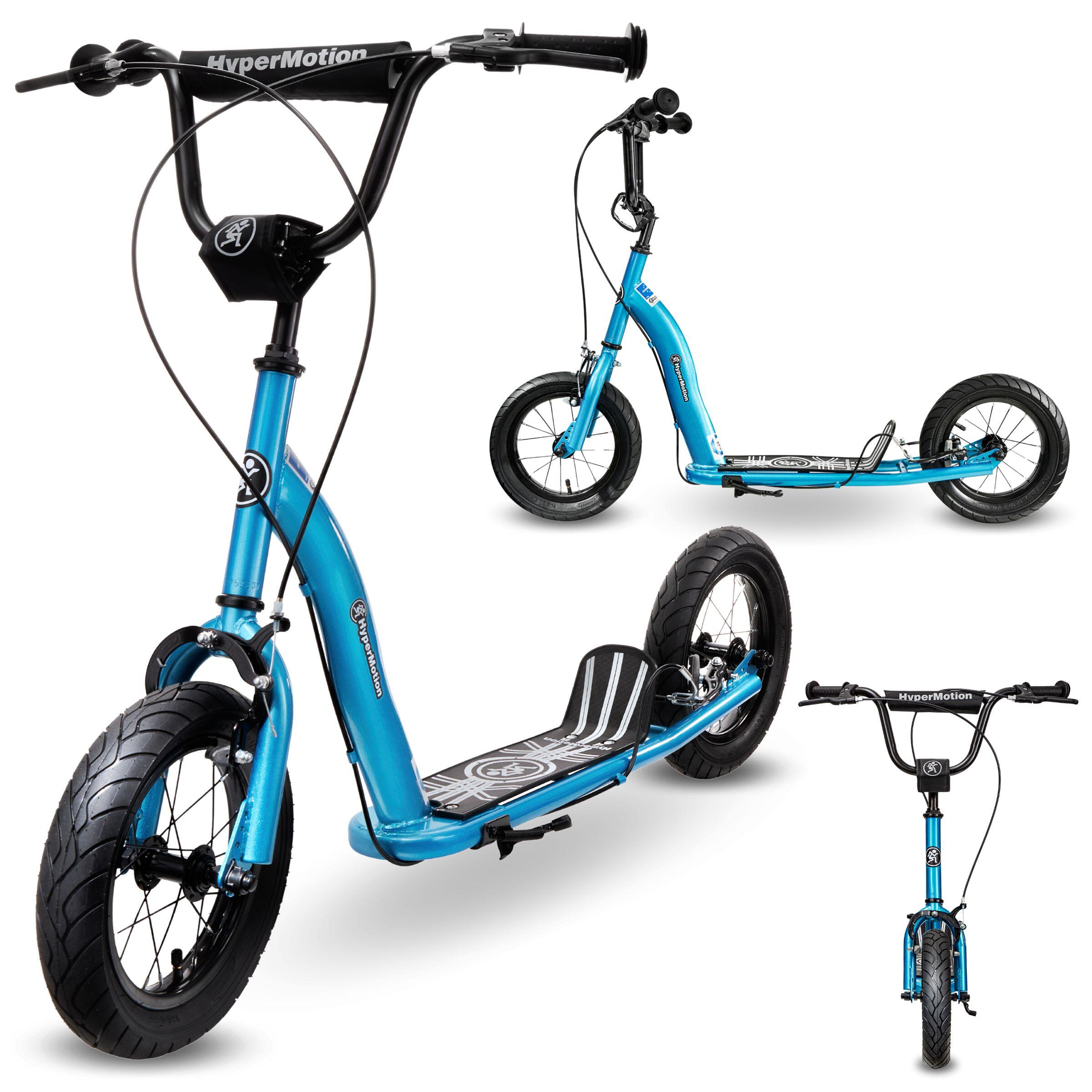
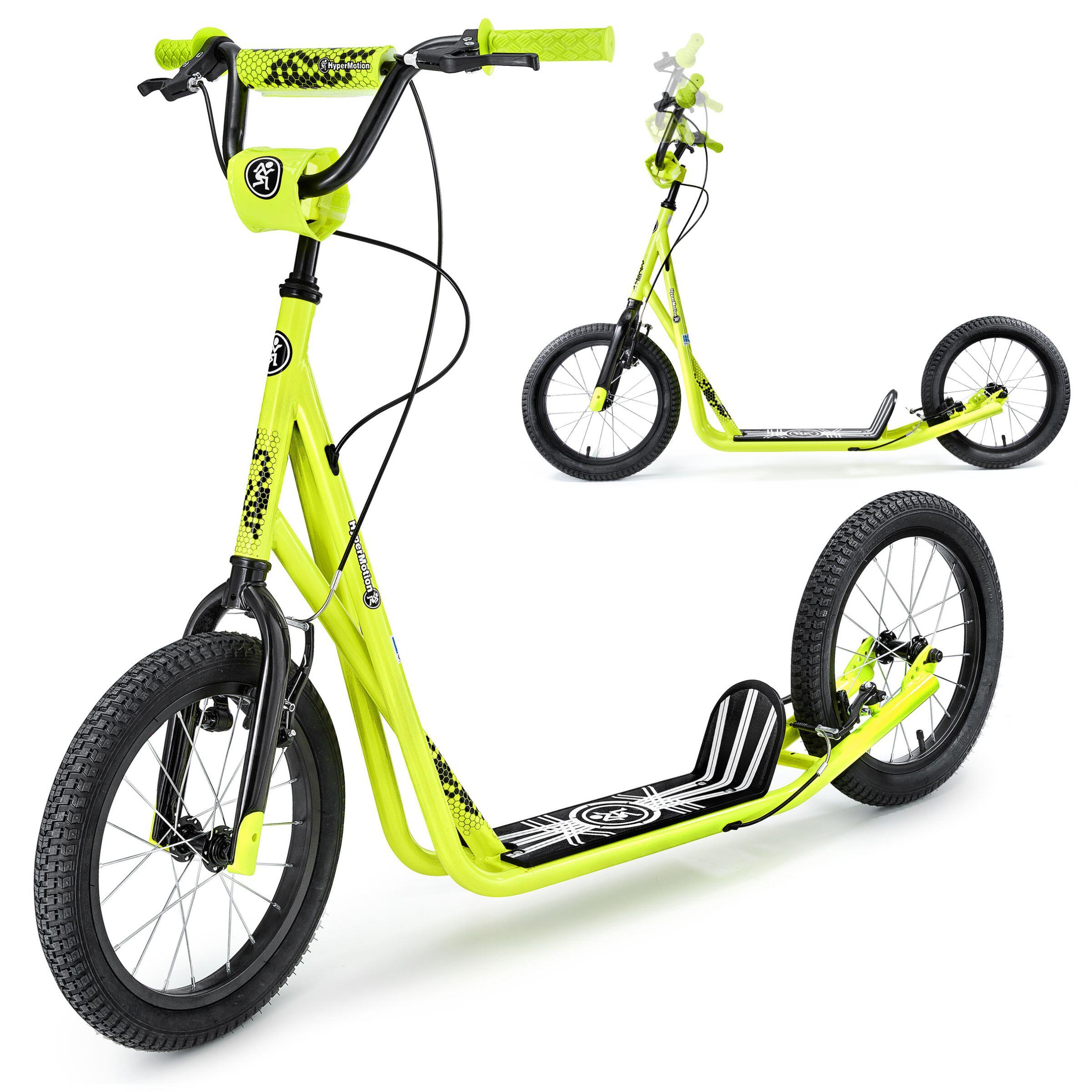
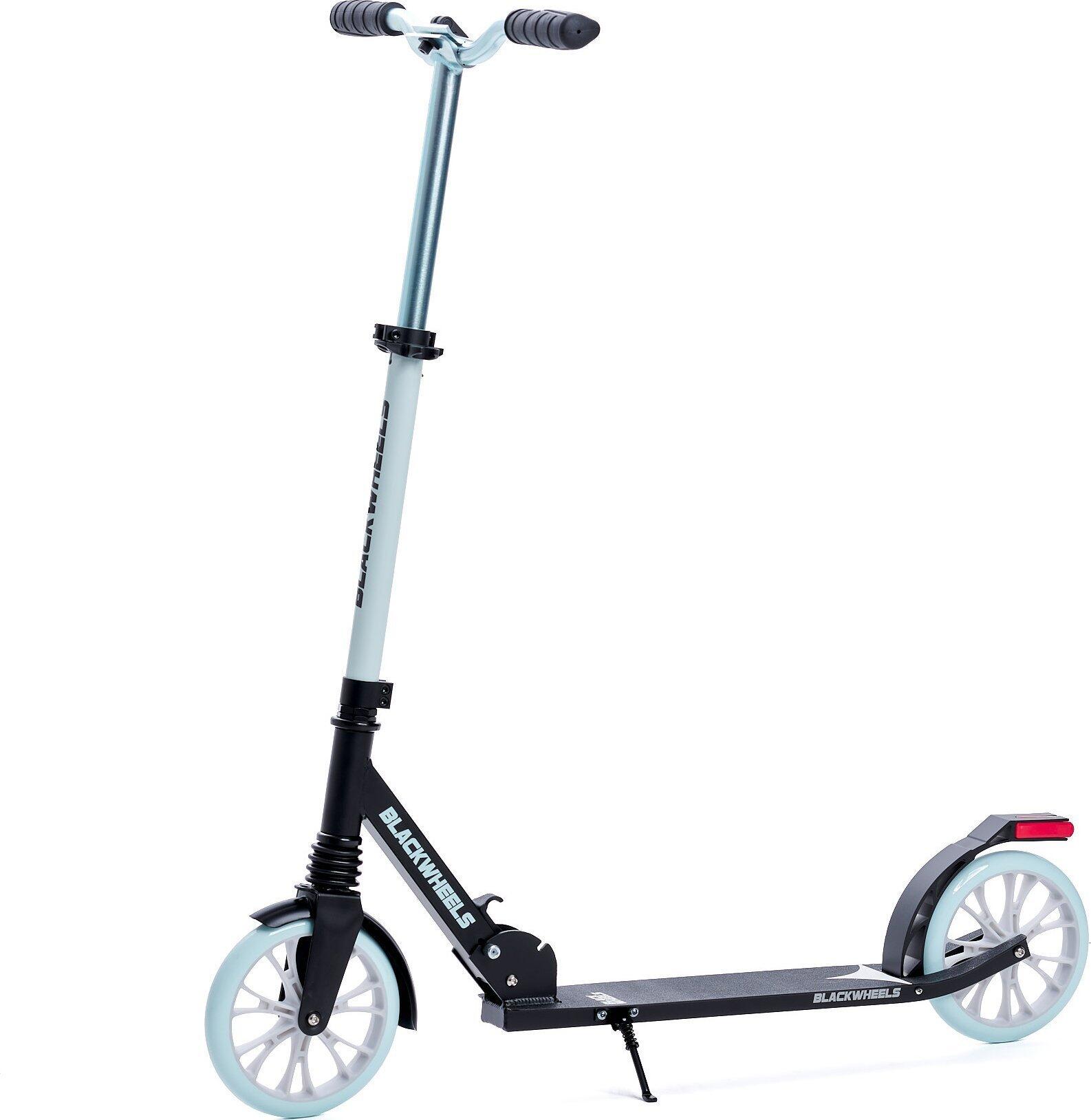
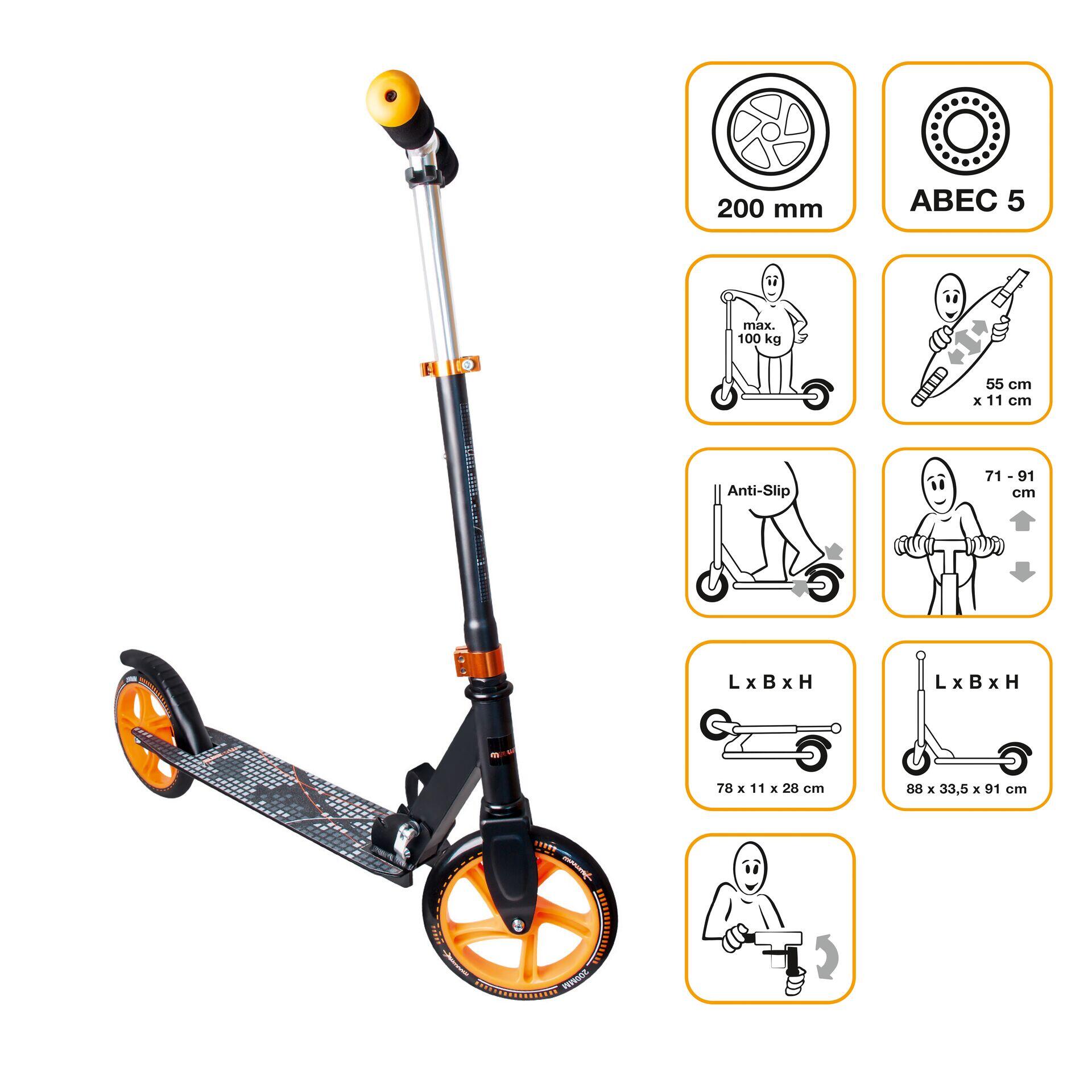
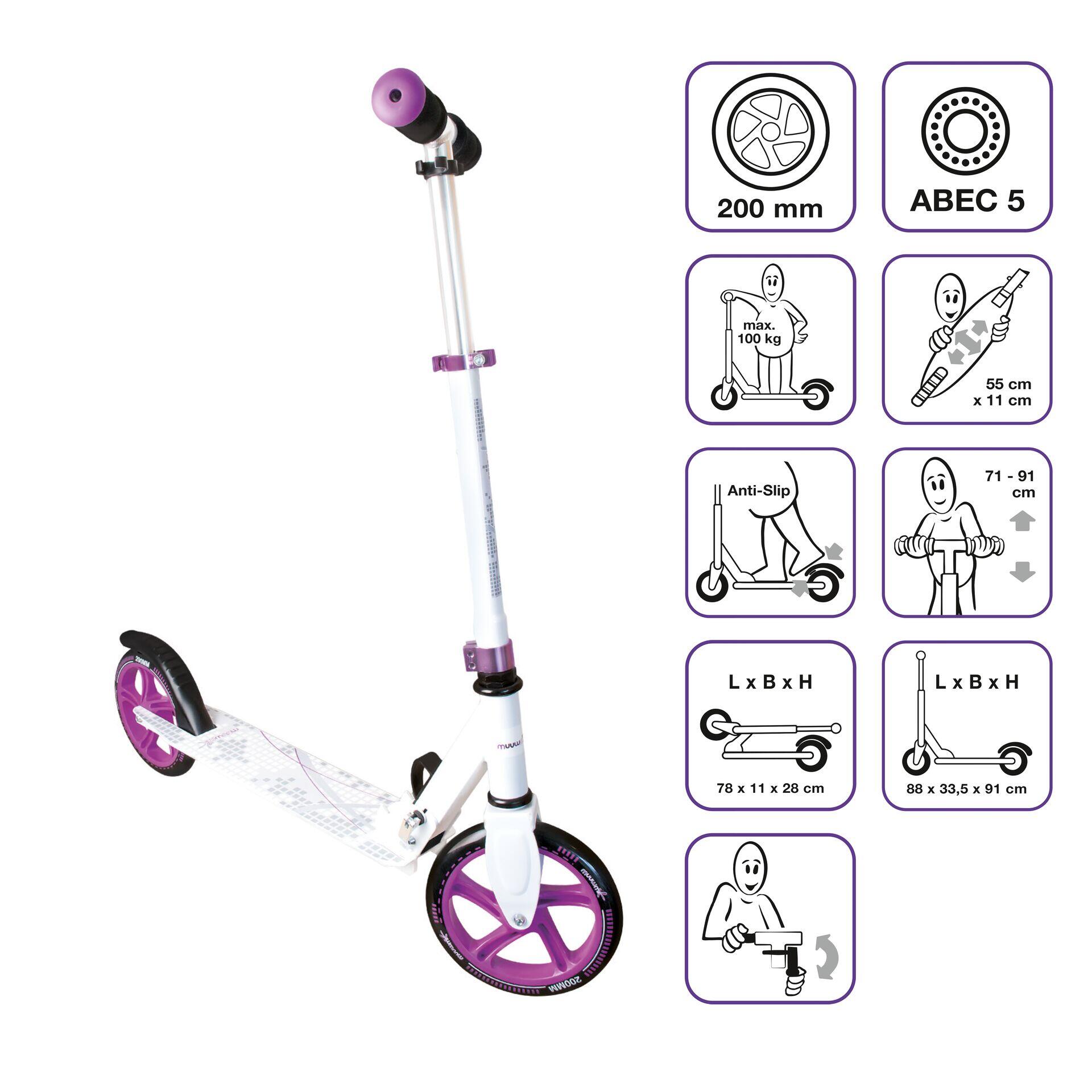
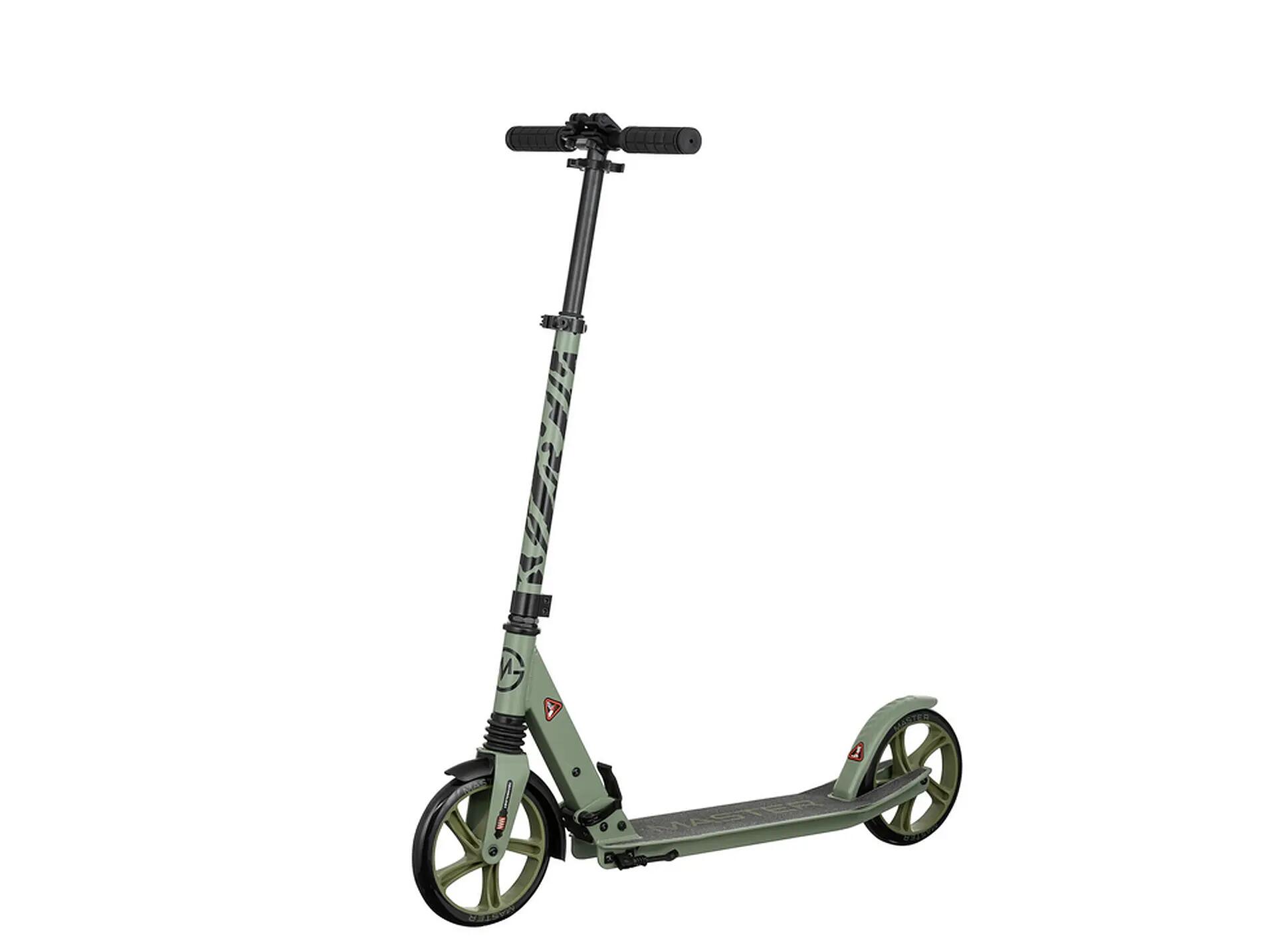
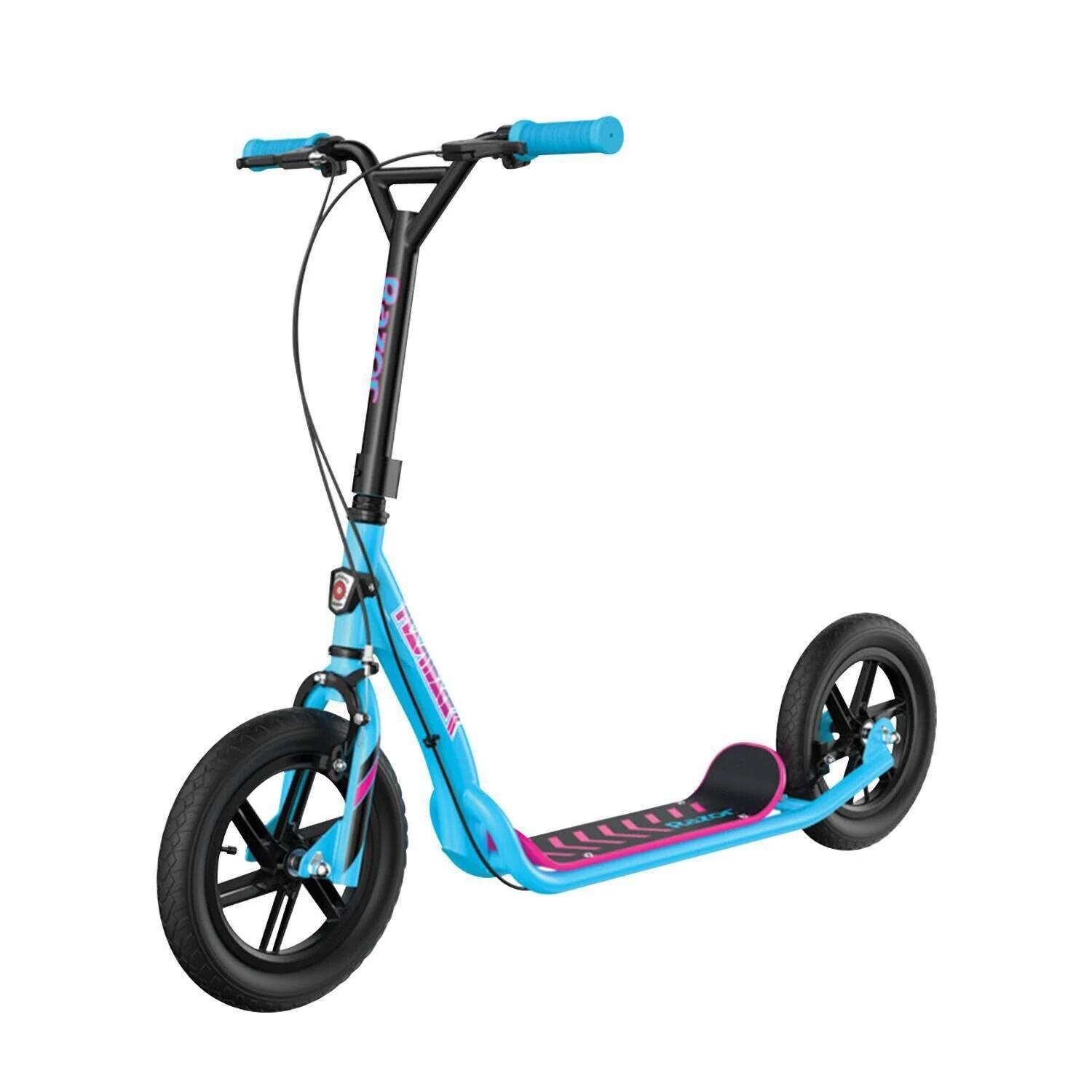
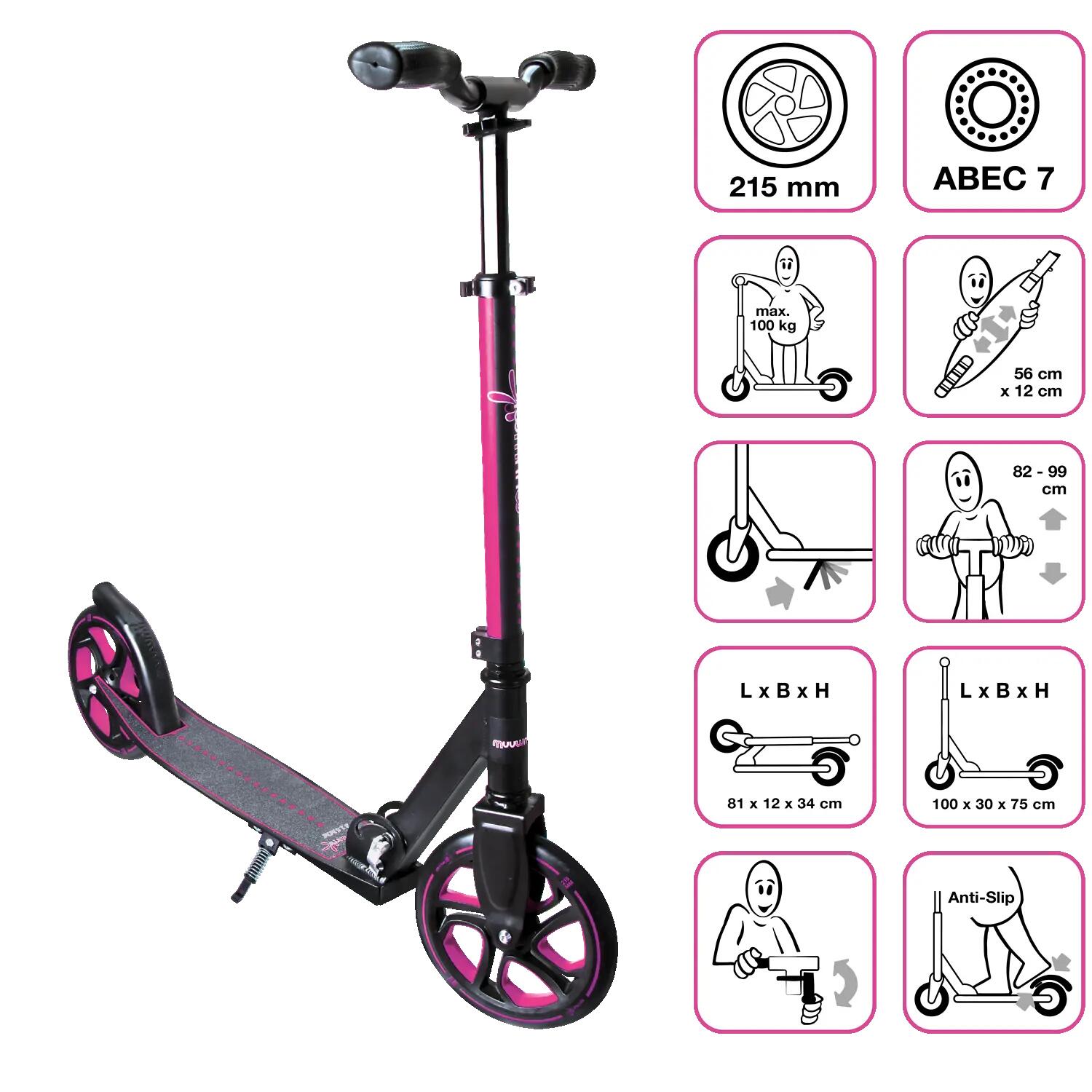
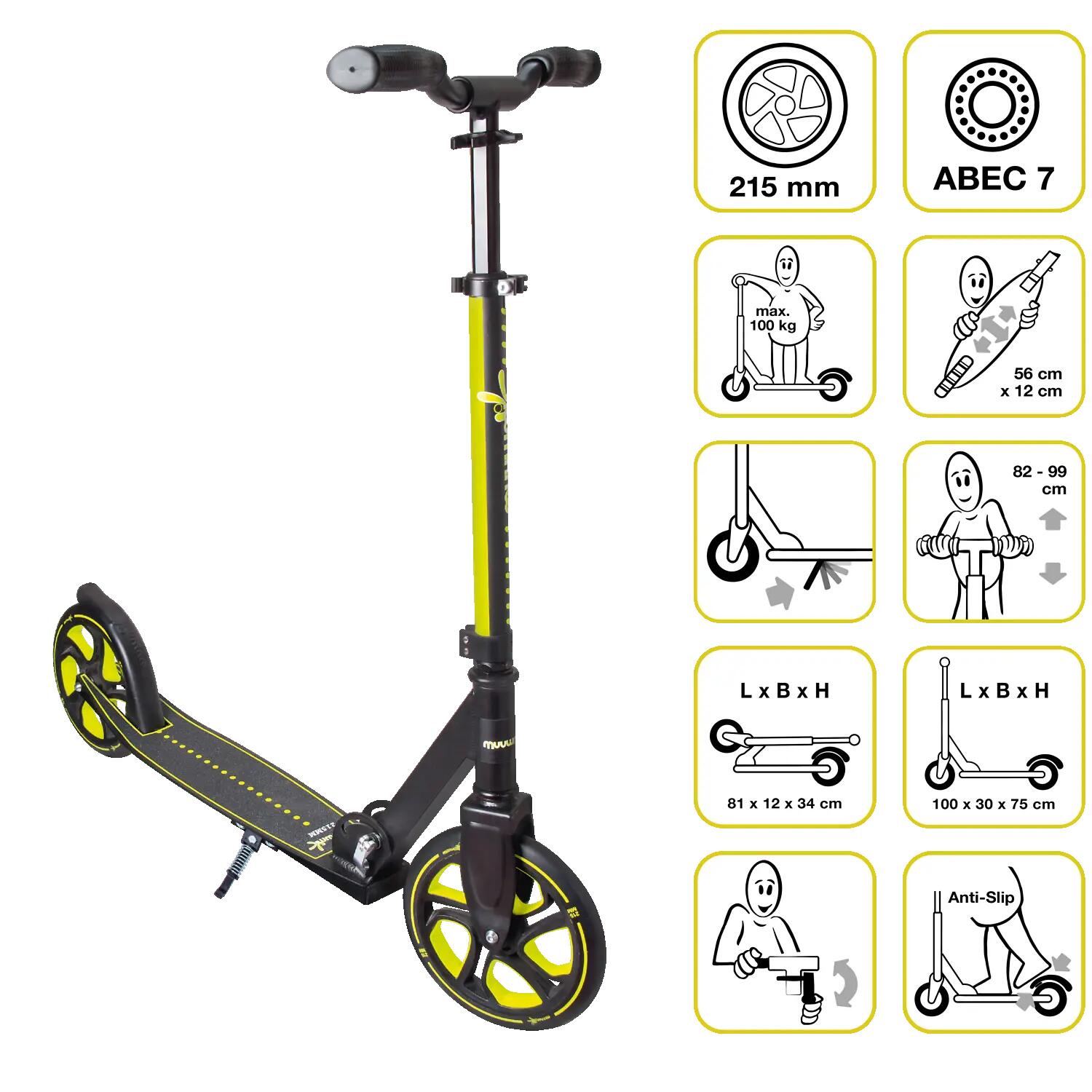
An adult kick scooter is a practical choice for short urban journeys, last-mile commutes, and connecting with public transport across cities. Unlike a bike, a scooter is lightweight and foldable, so you can carry it on the DART or Luas without a fuss and store it under your desk on arrival. Larger wheels (typically 200 mm or above) and a sturdy aluminium deck deliver a smoother roll over uneven pavements, kerbs, and tram lines, which is exactly what a daily commute demands. Expert advice: for stop-start city riding, look for ABEC 5 or higher bearings to reduce the number of kicks needed between sets of lights. If you prefer a powered ride for longer routes, our range of electric scooters offers motorised commuting with disc brakes and LED lighting suited to Irish road conditions.

Are foldable scooters suitable for adults?

Yes, foldable scooters combine portability with everyday durability, which is why they remain the most popular pick for commuters and casual riders alike. A quick-release clamp lets you fold the scooter down in seconds, tuck it under a café table, slide it into a car boot, or carry it onto the bus during peak hours. Modern foldable decks, despite their compact footprint, are reinforced to handle daily kerb hops and longer cruising distances. This matters because: a triangulated folding mechanism distributes load through the headset rather than the joint itself, which keeps the ride stiff and responsive even after thousands of folds. Pair the scooter with quality helmets and accessories for safer urban riding, especially in low-light Irish winter conditions.

What is the weight limit for adult kick scooters?

Most adult kick scooters are engineered to support riders between 100 kg and 120 kg, with reinforced commuter models extending beyond this. The right choice depends on your build, riding style, and how often you use the scooter. Heavier-duty frames feature wider decks, thicker aluminium tubing, and stronger headsets to ensure stability on bumpy urban surfaces. Small advice: check the maximum load rating on the spec sheet rather than the marketing copy, as it includes the weight of any rucksack or panniers you carry. To extend your scooter's lifespan and keep it rolling smoothly, our range of scooter accessories covers replacement wheels, bearings, brake pads, and grip tape, so you can refresh worn parts rather than replacing the whole scooter.

What is the difference between a kick scooter and a freestyle scooter?

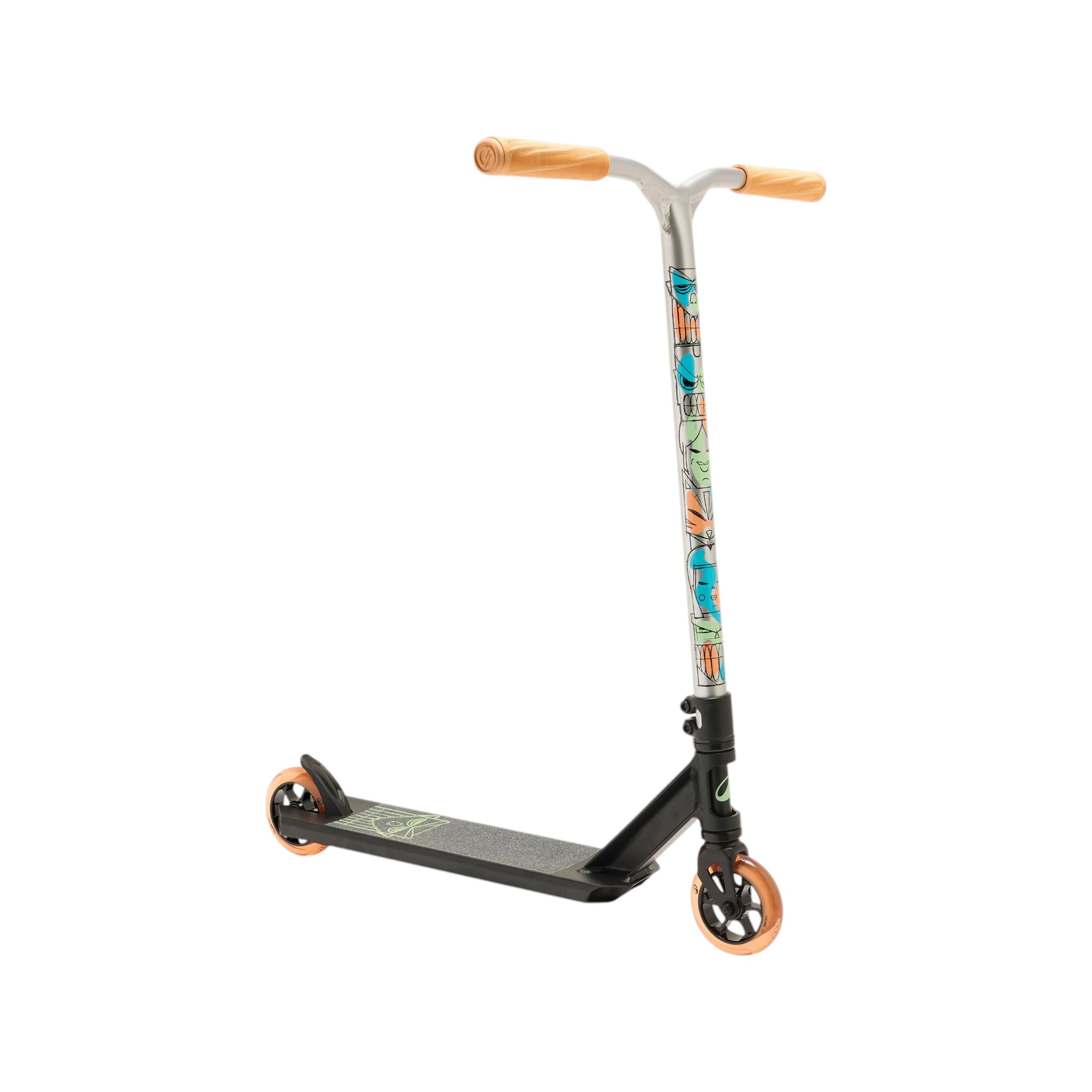
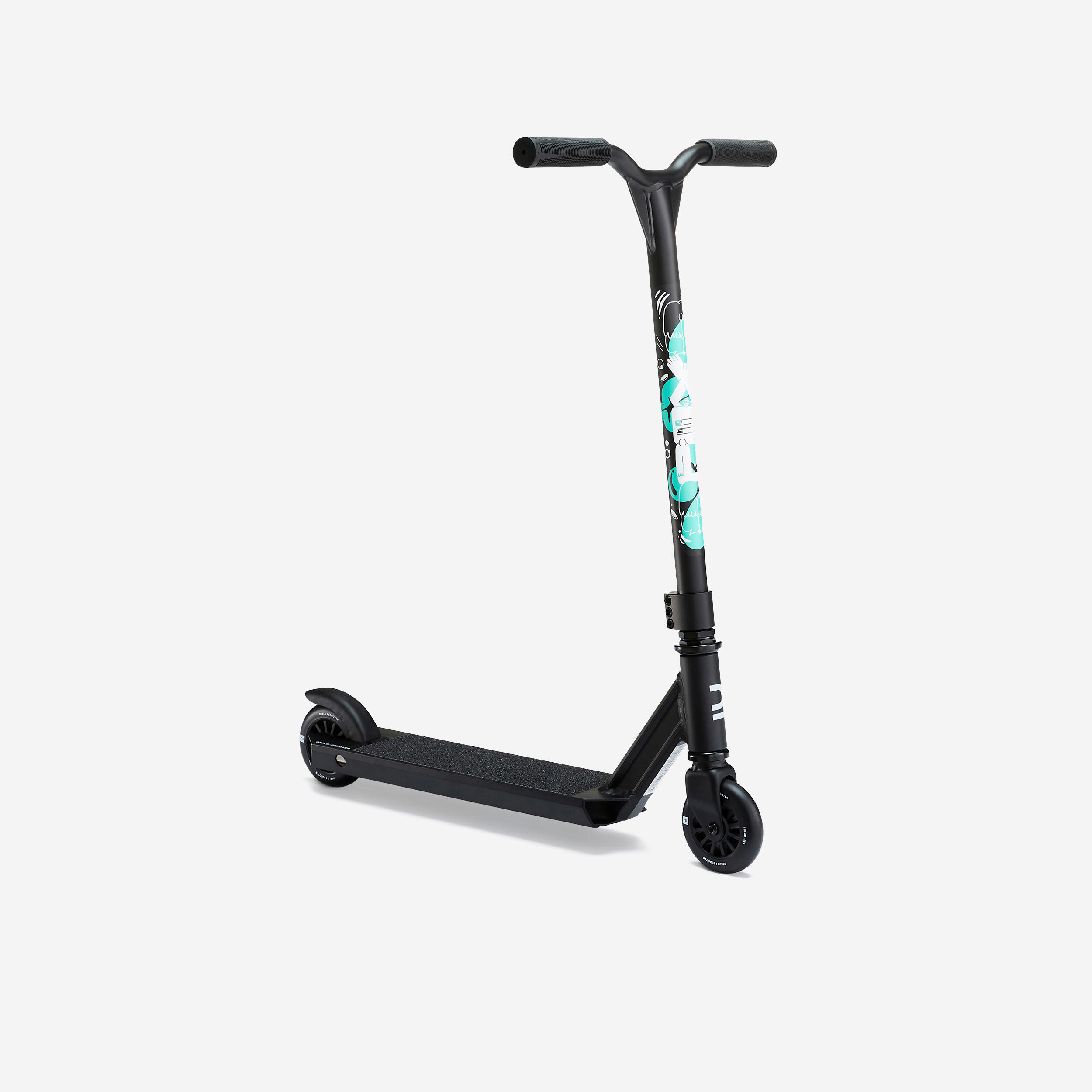
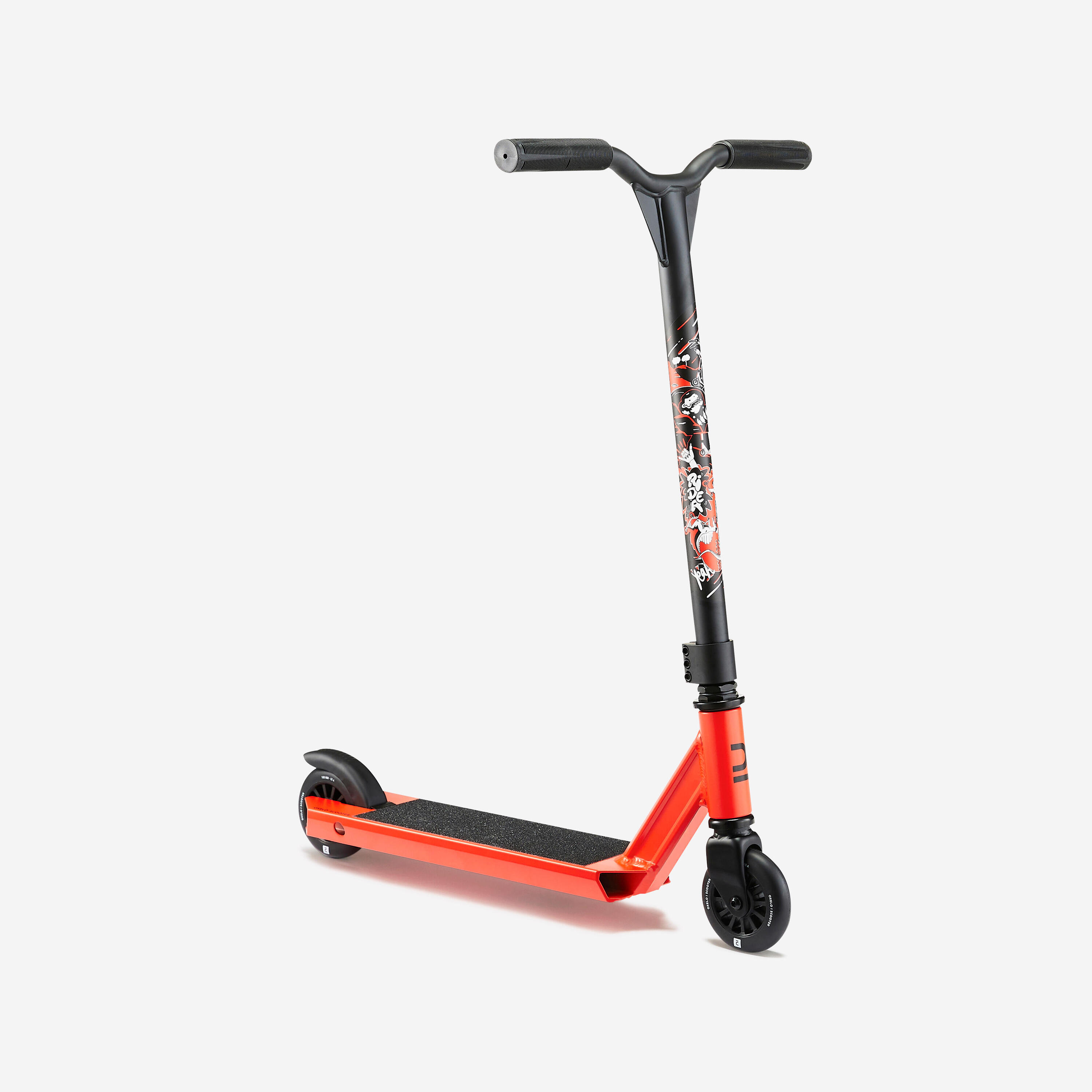
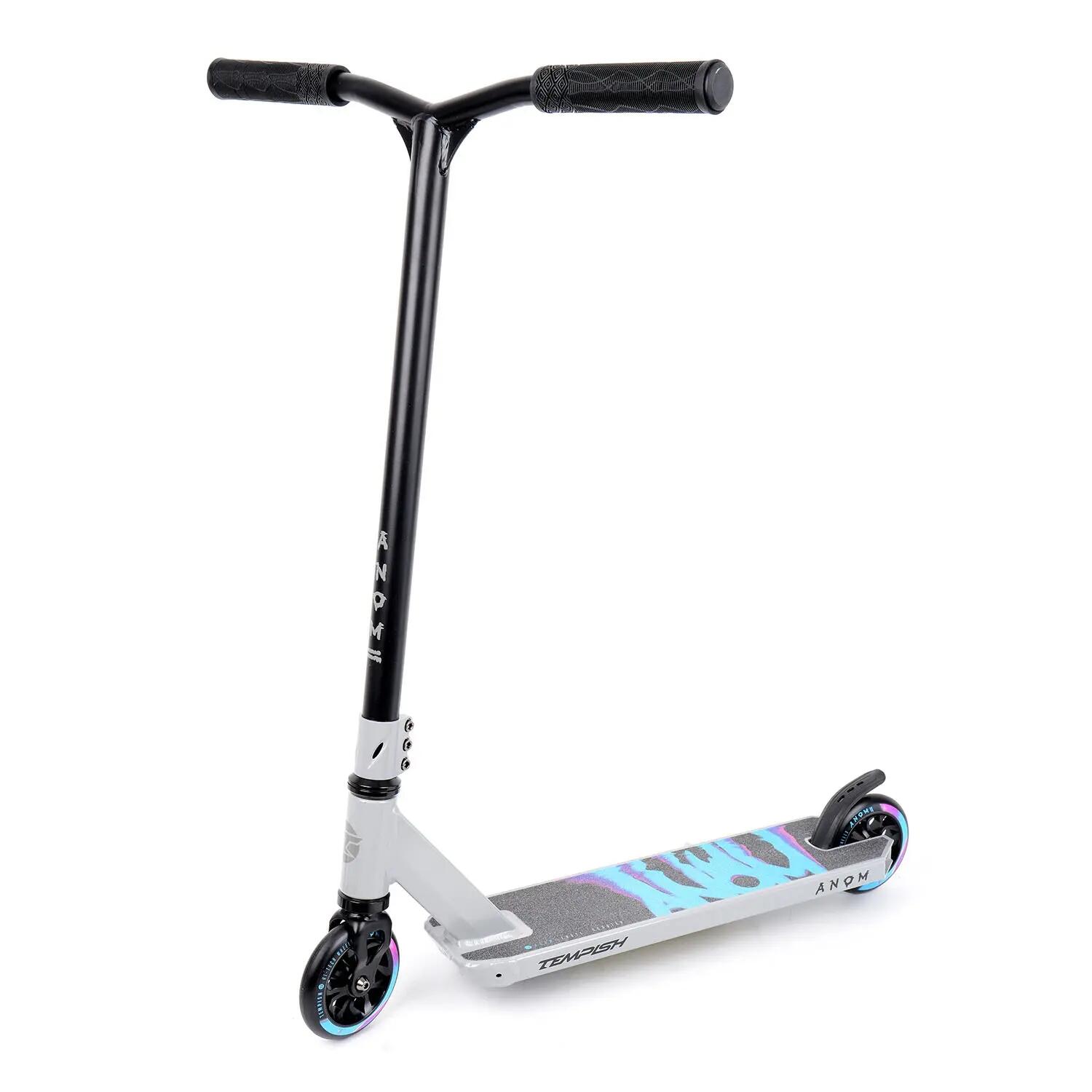
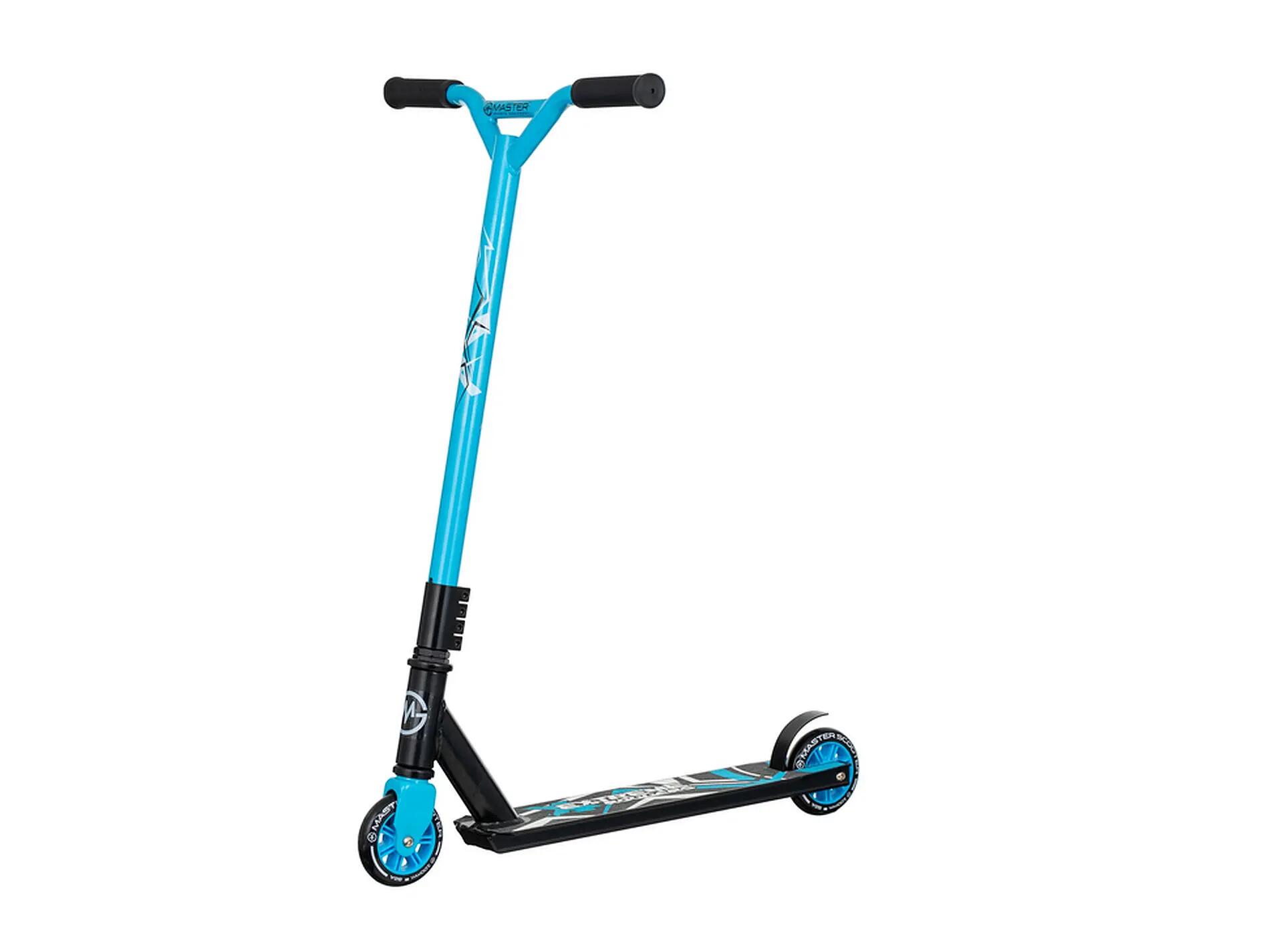
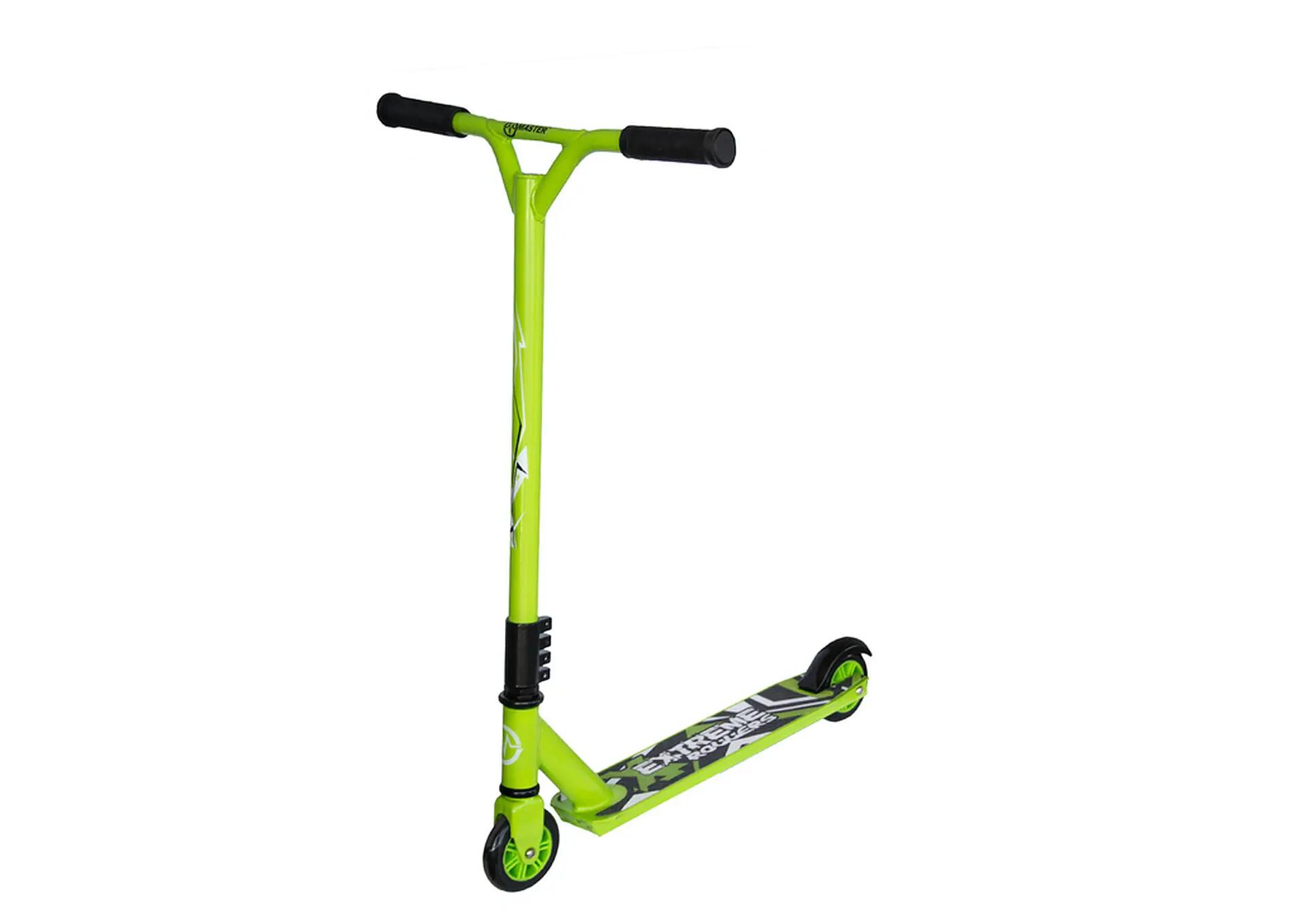
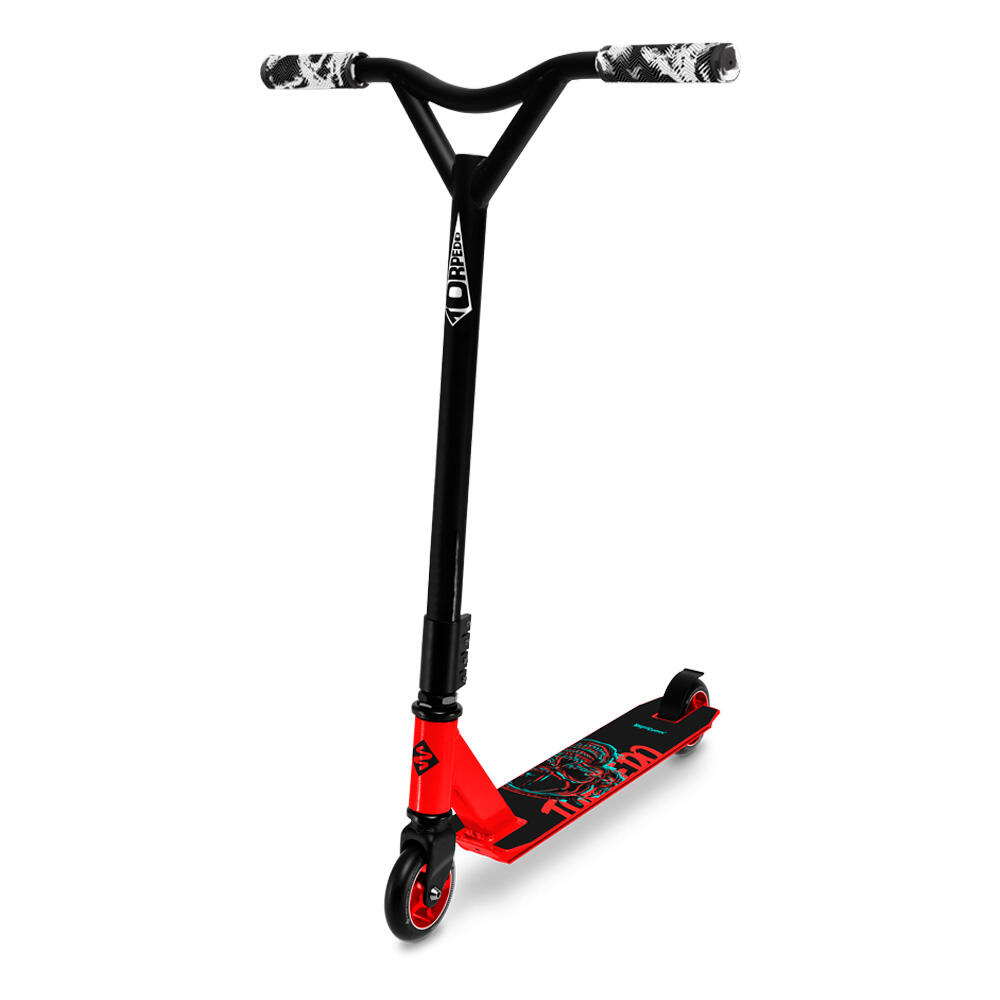
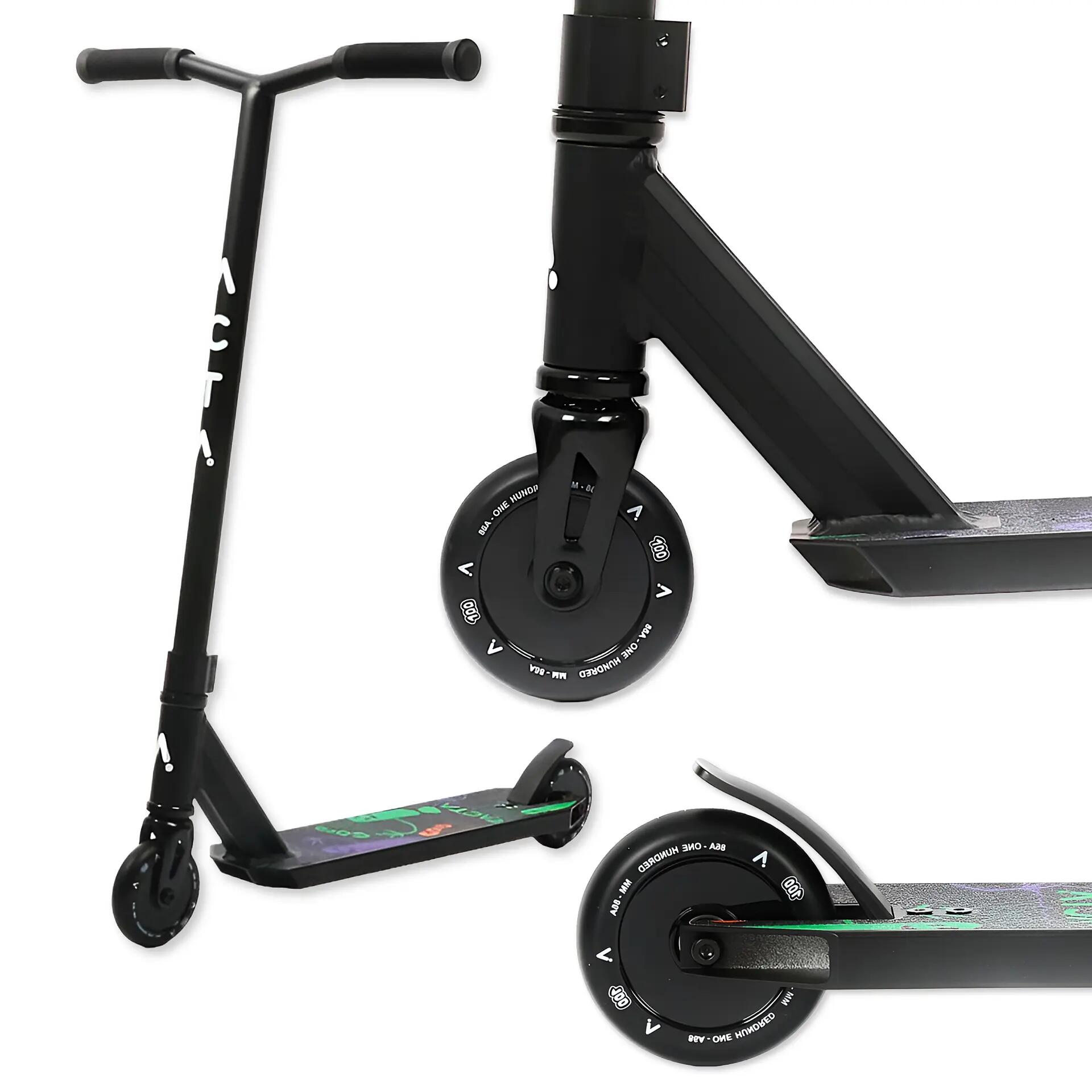
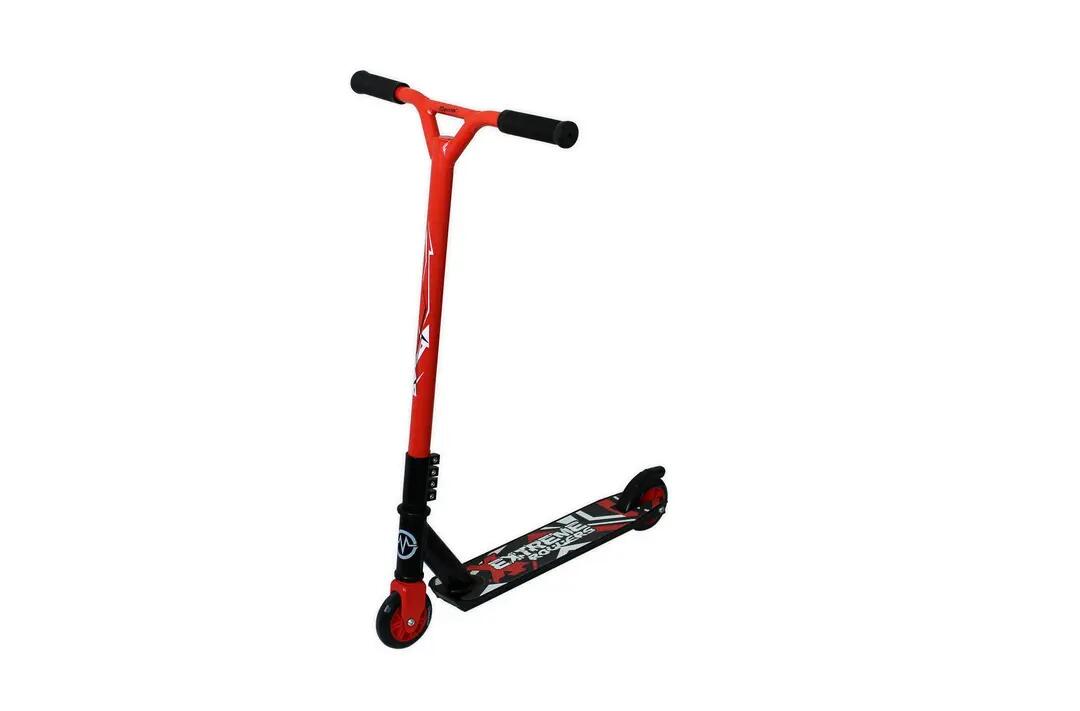
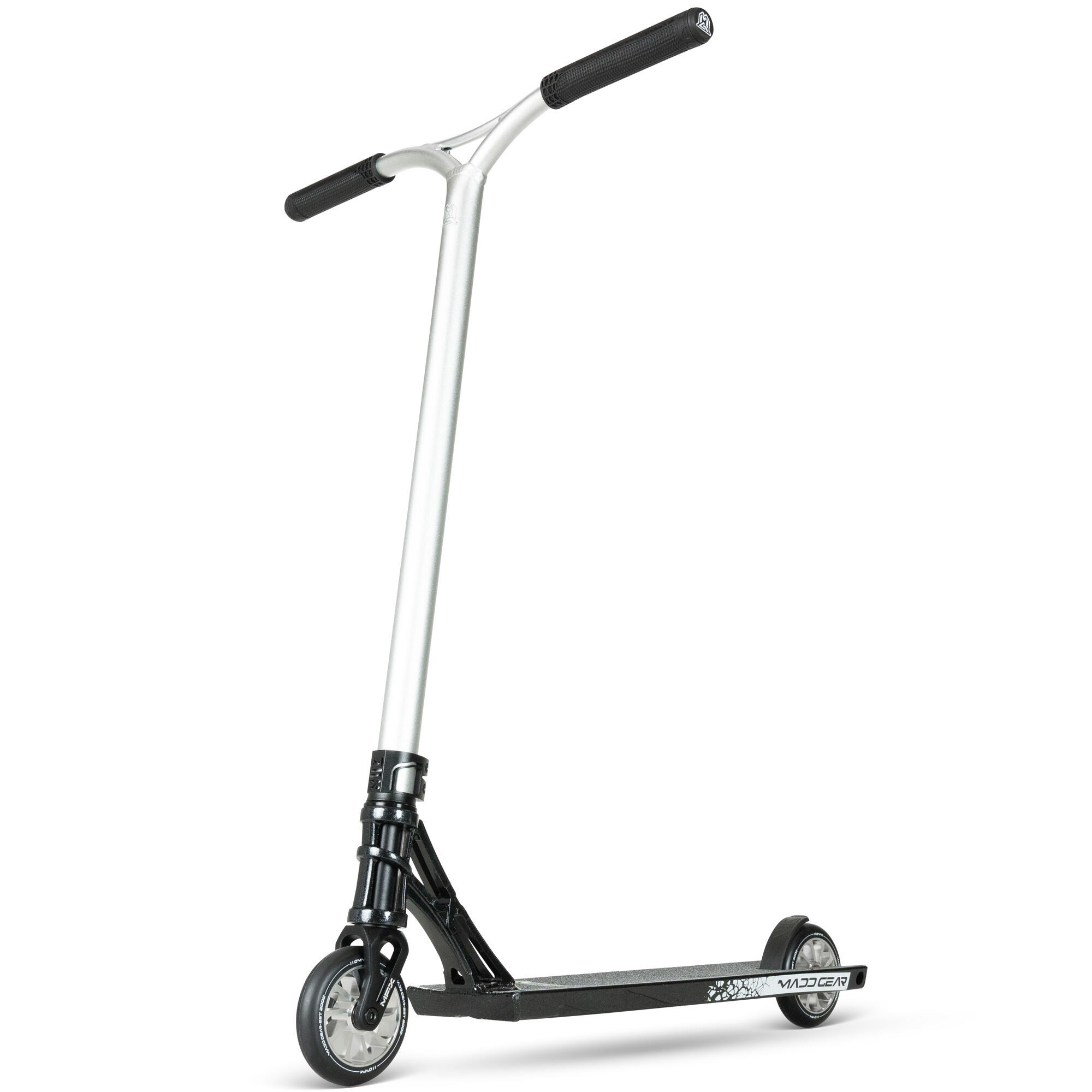
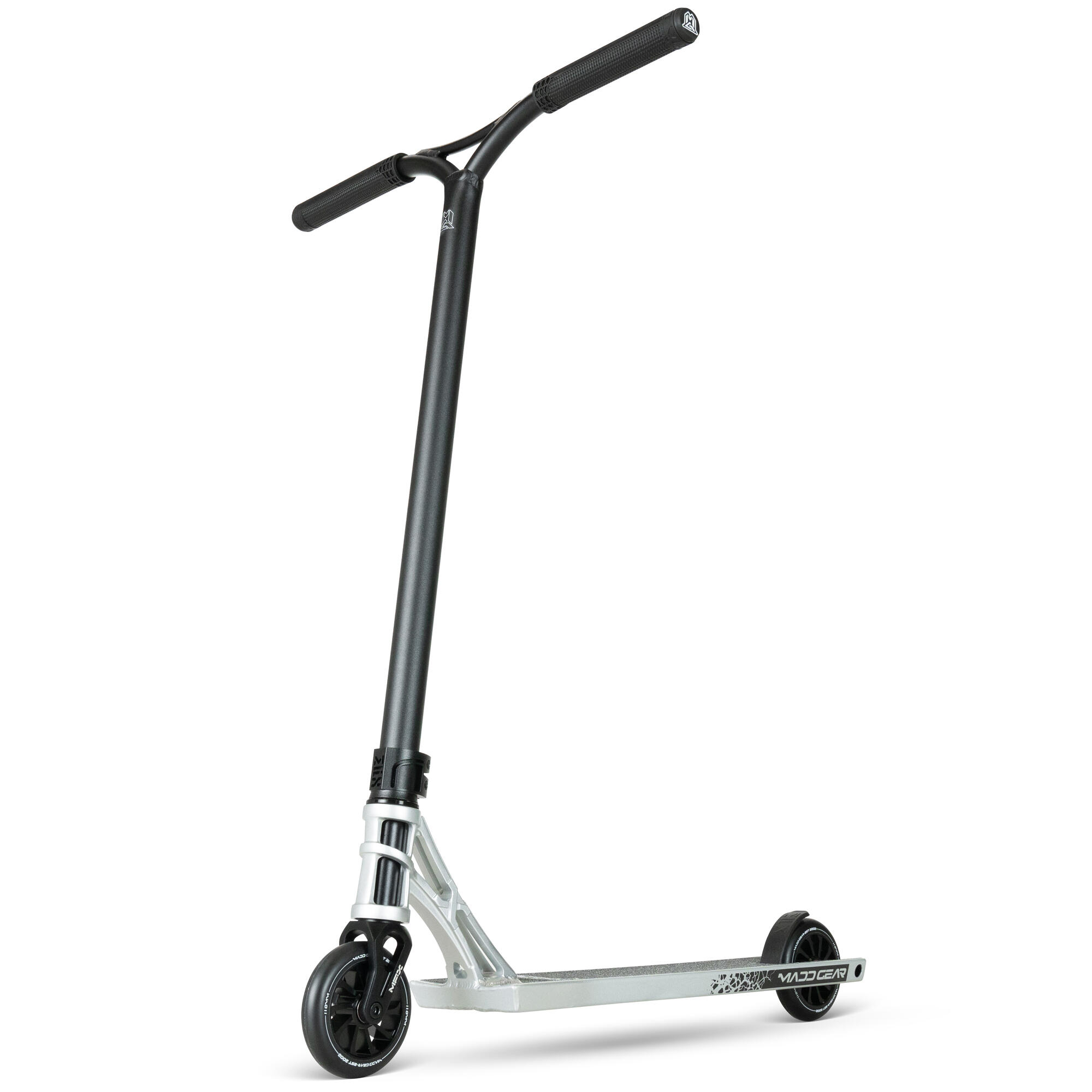
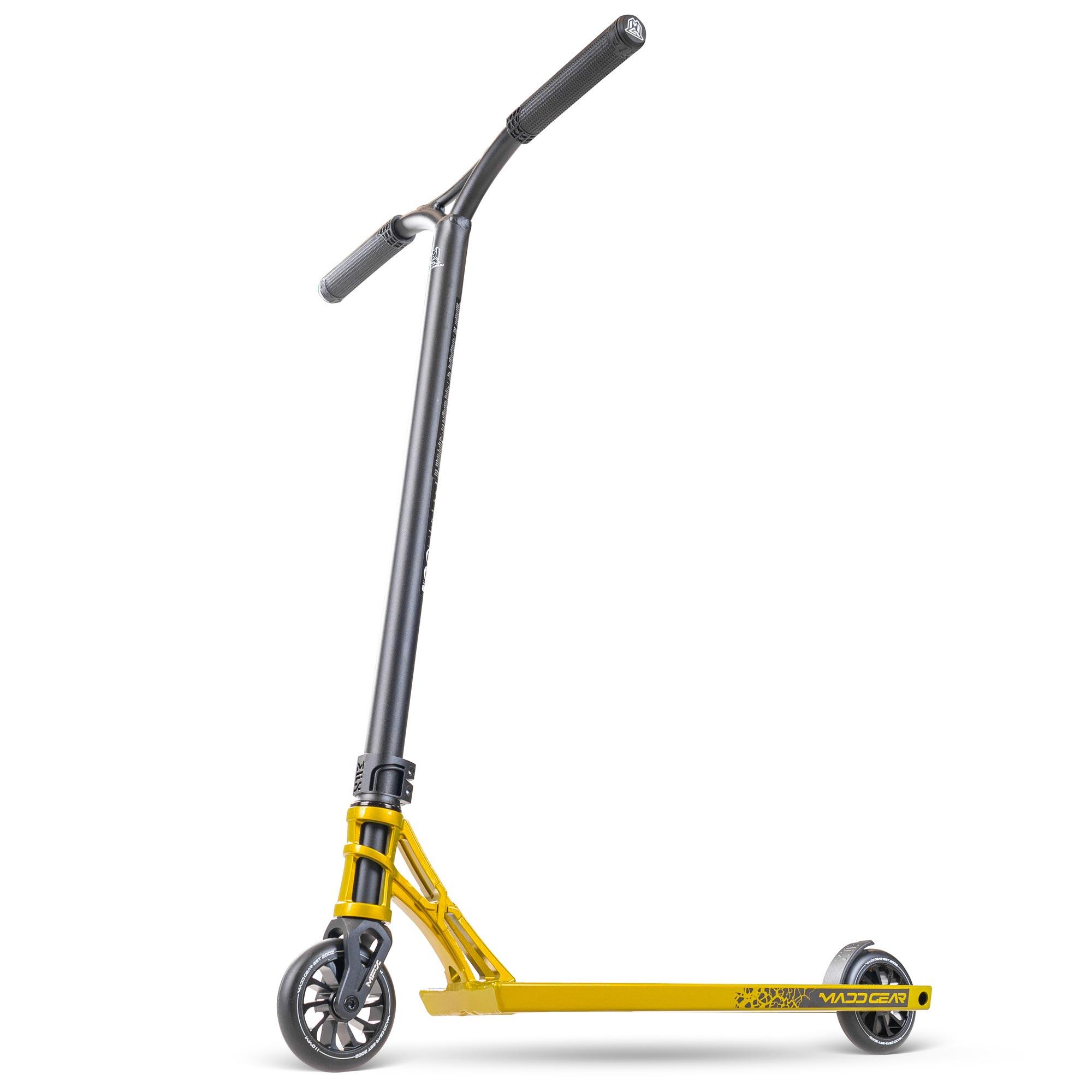
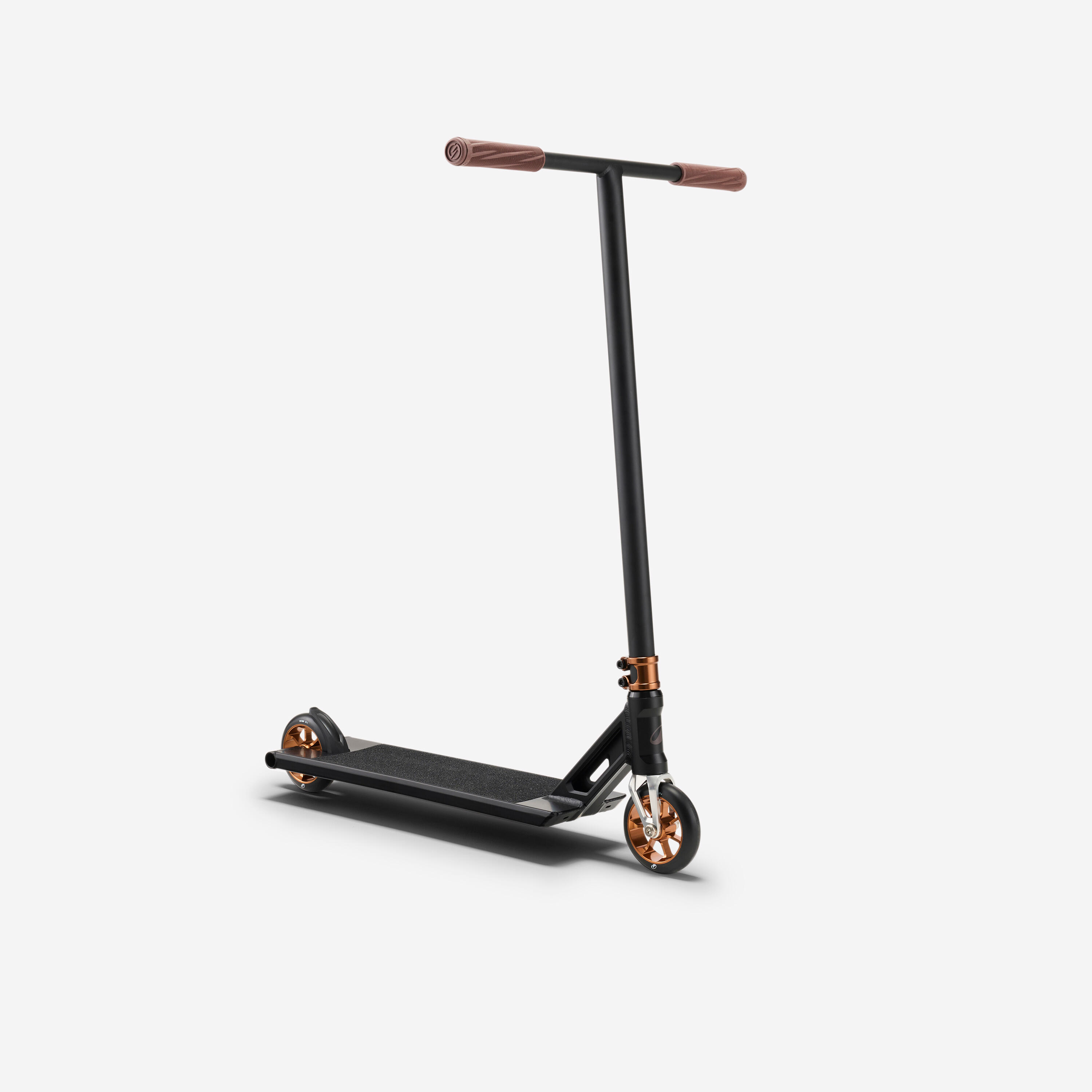
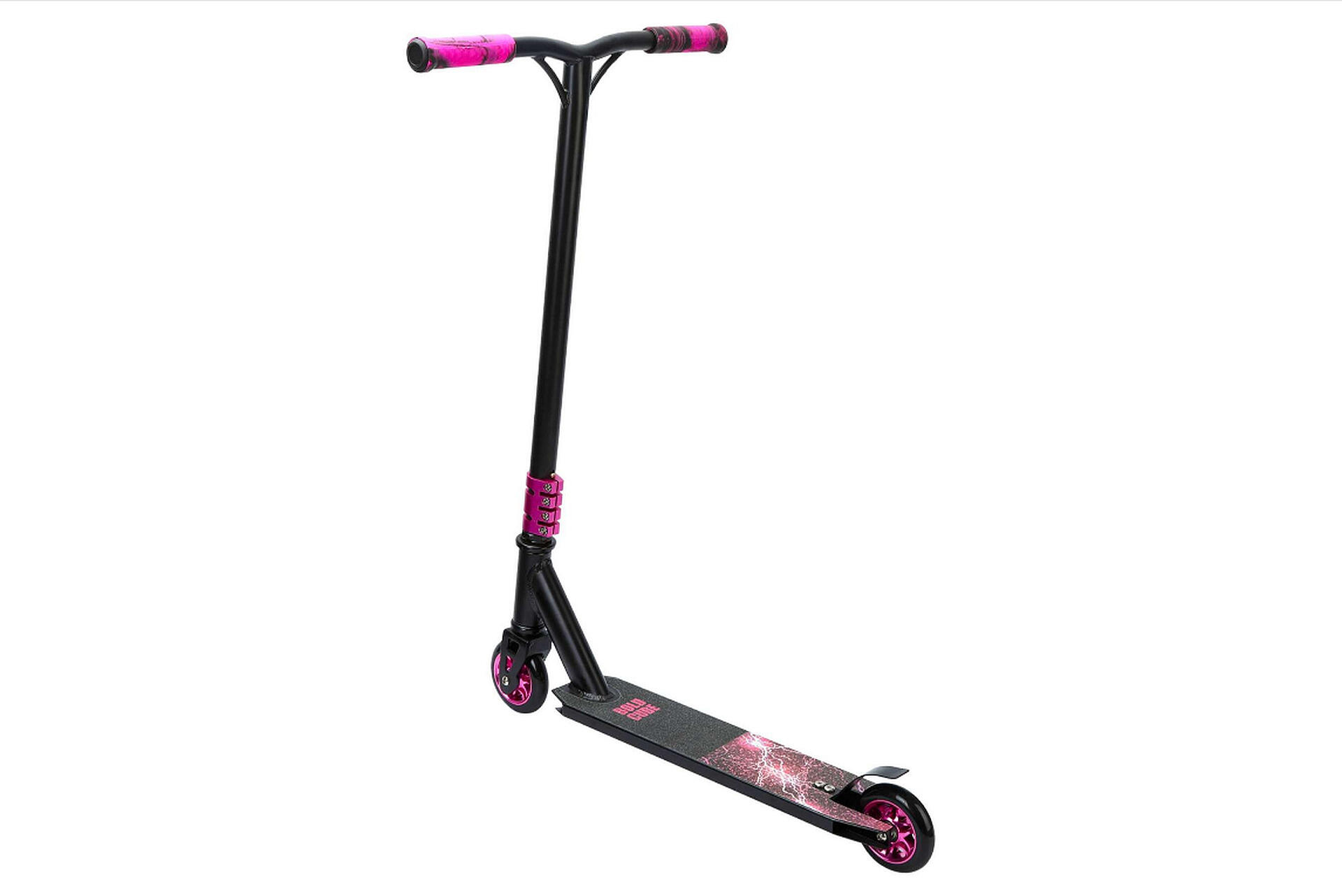
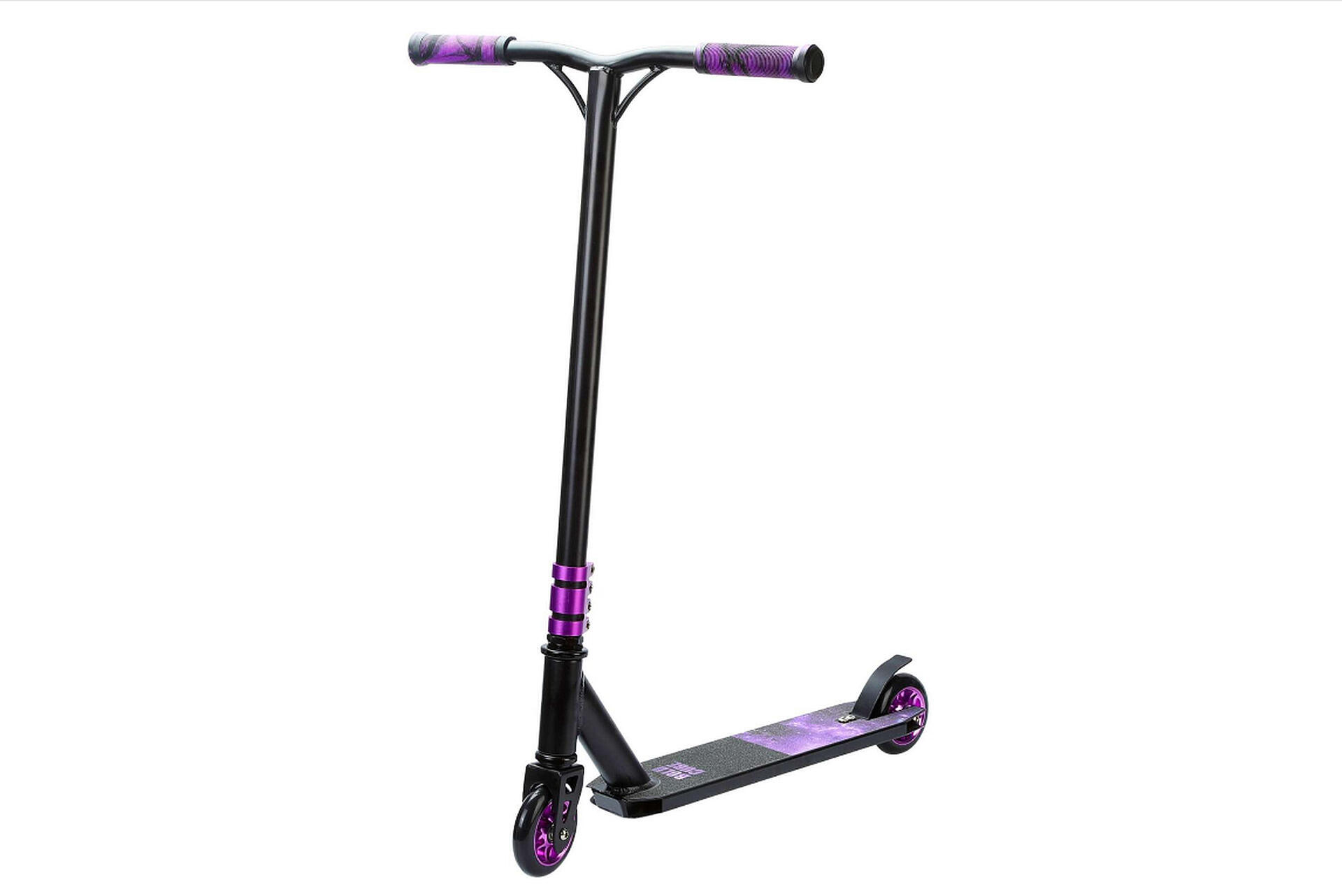
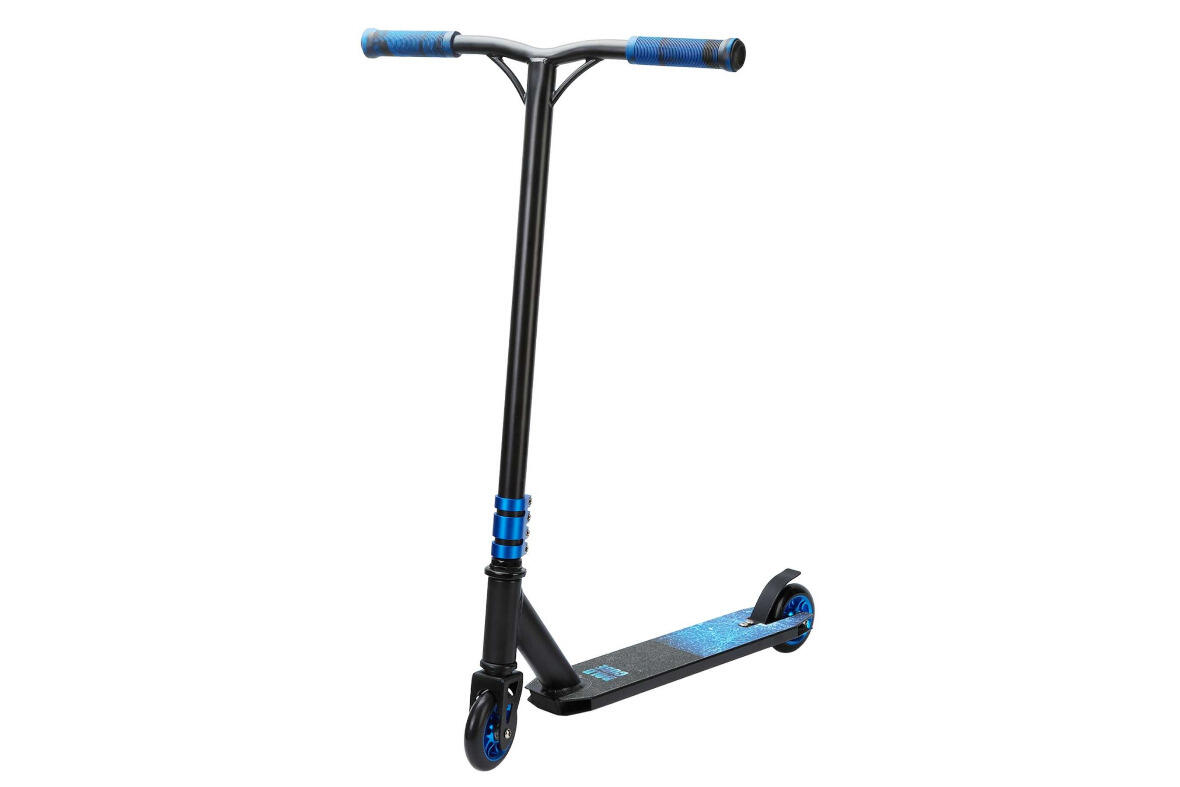
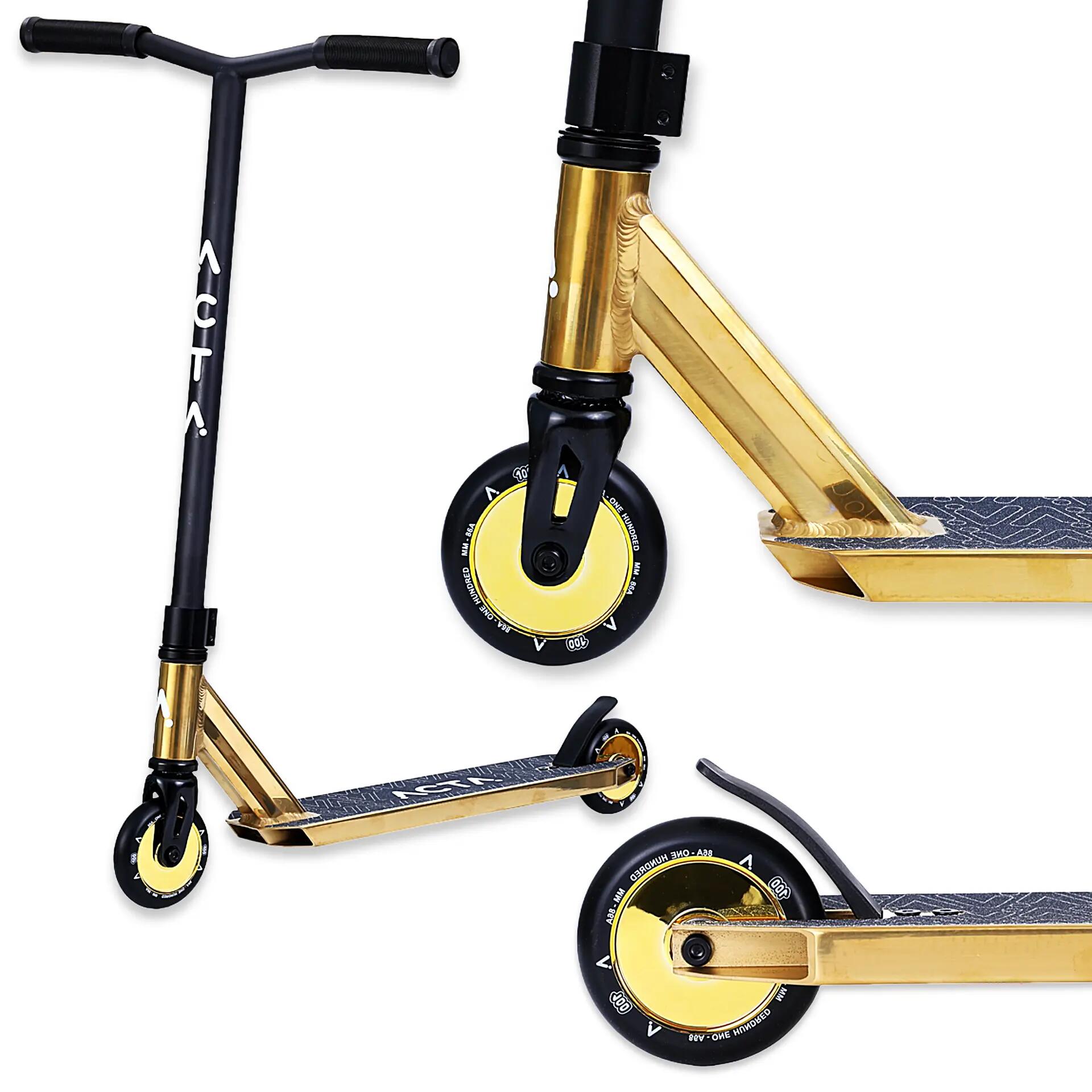
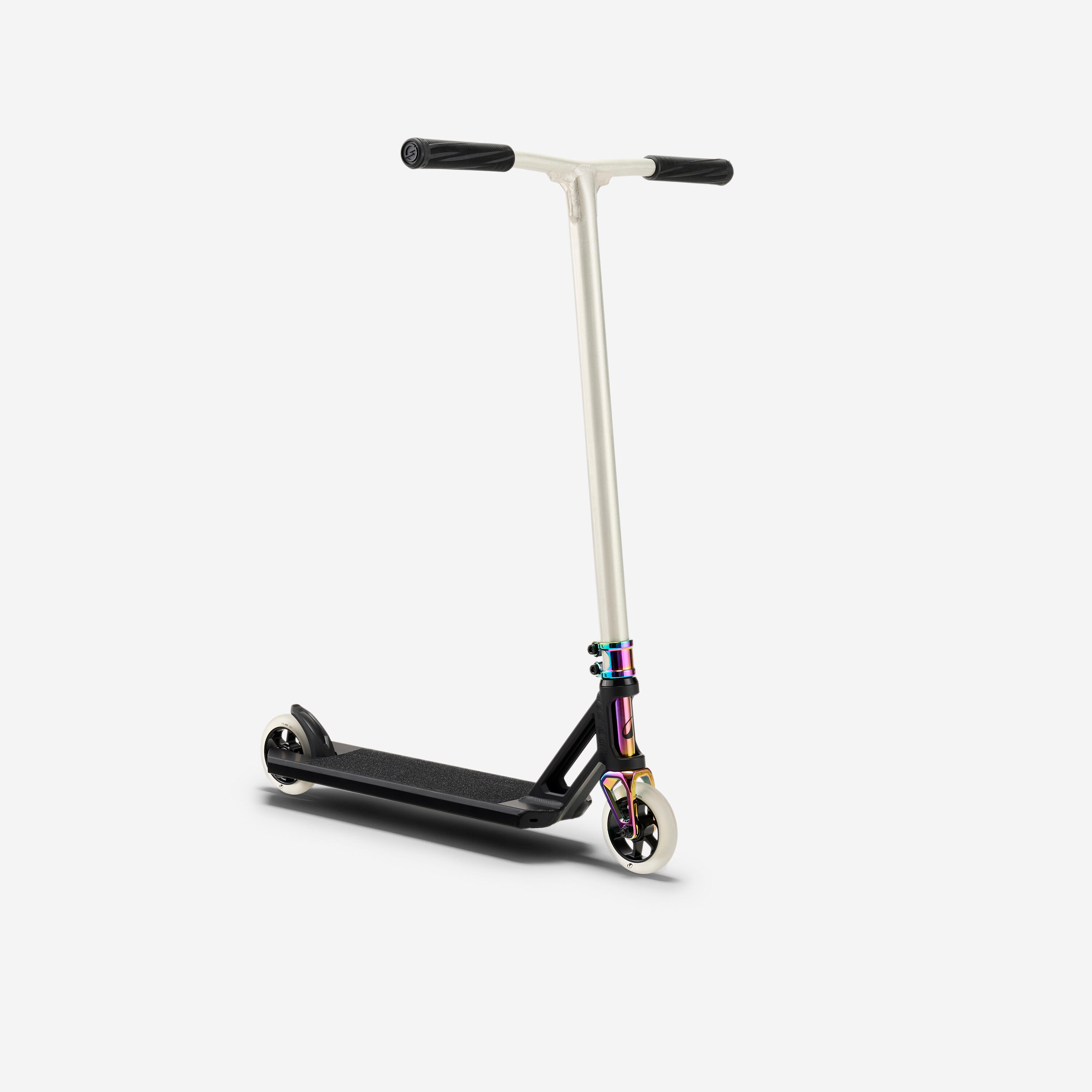
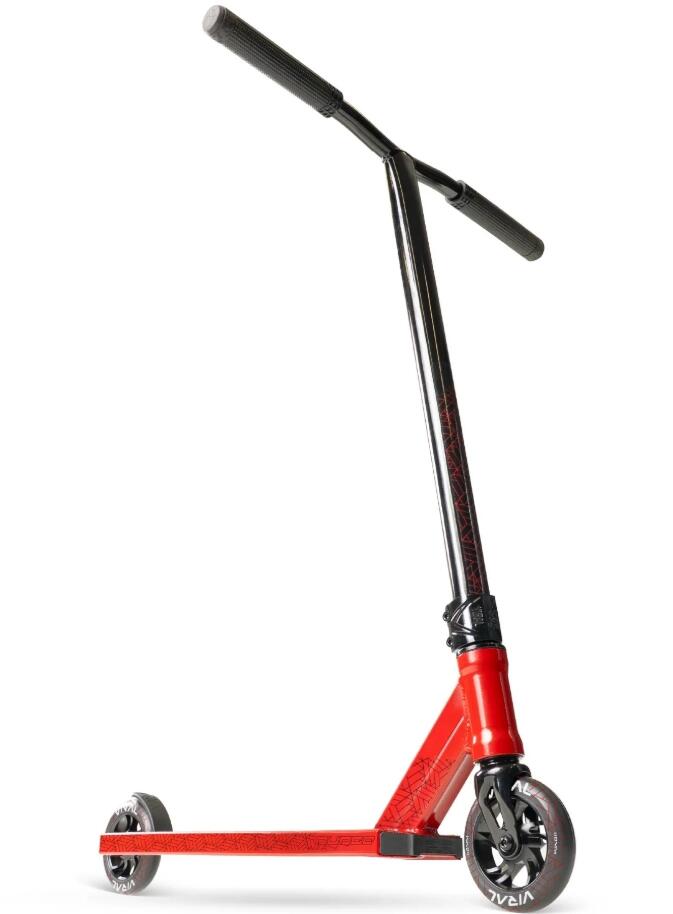
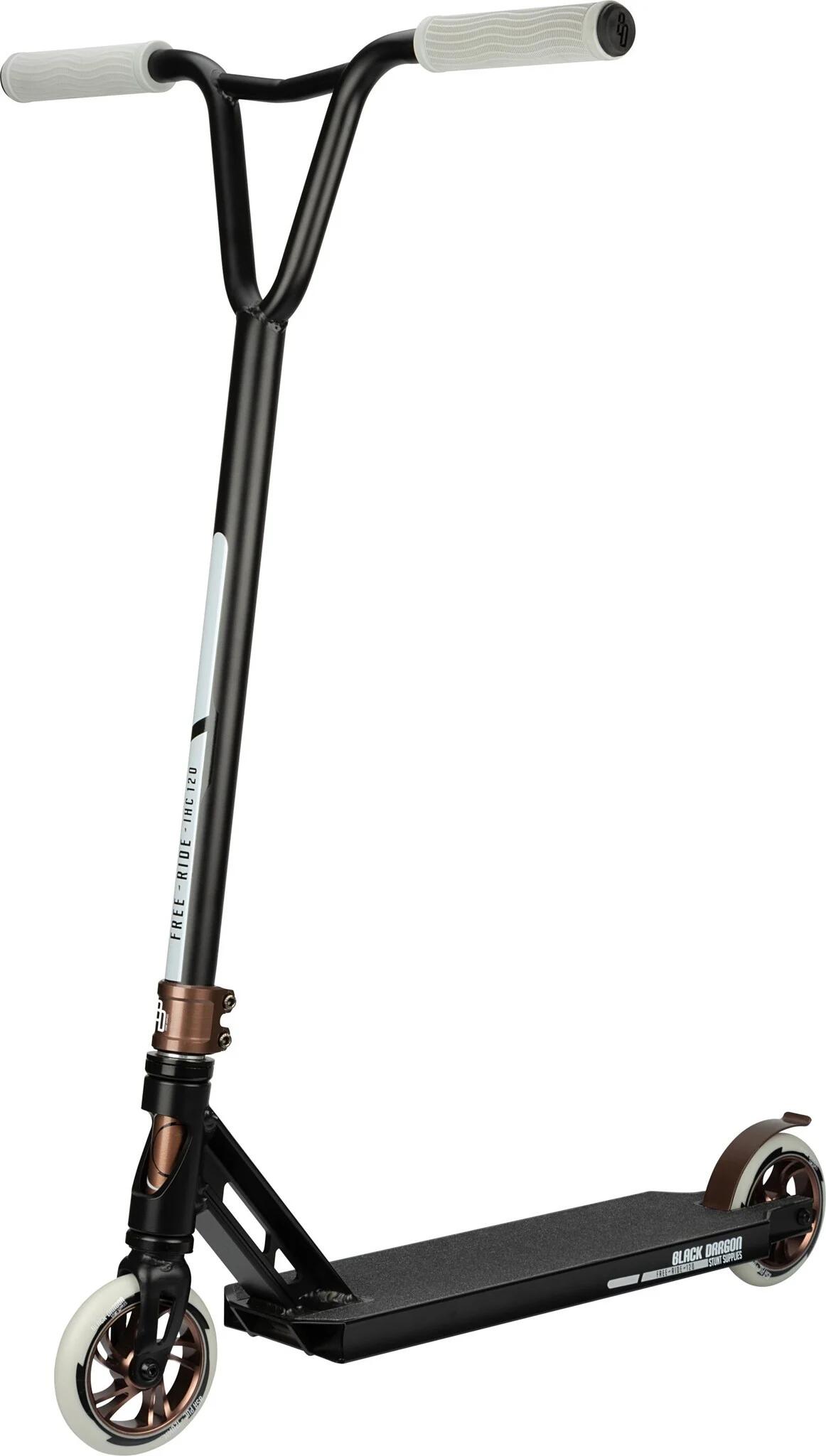
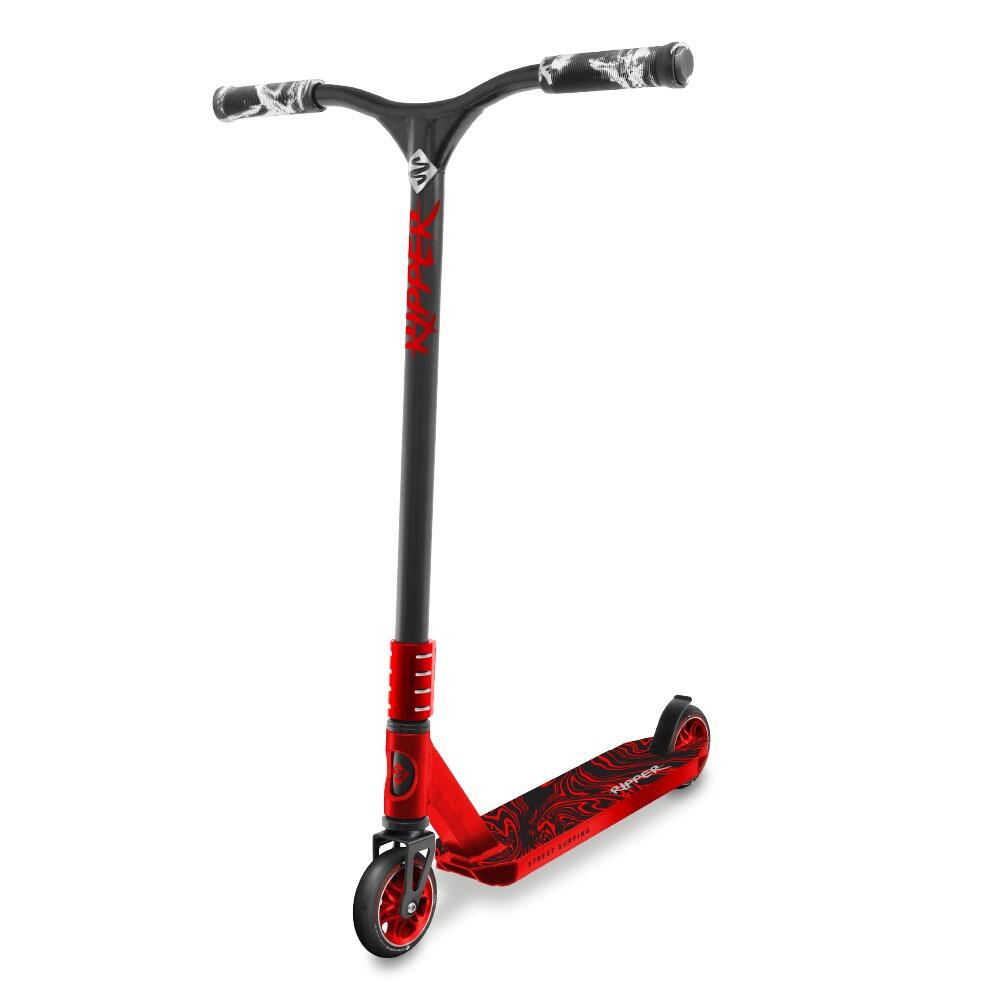
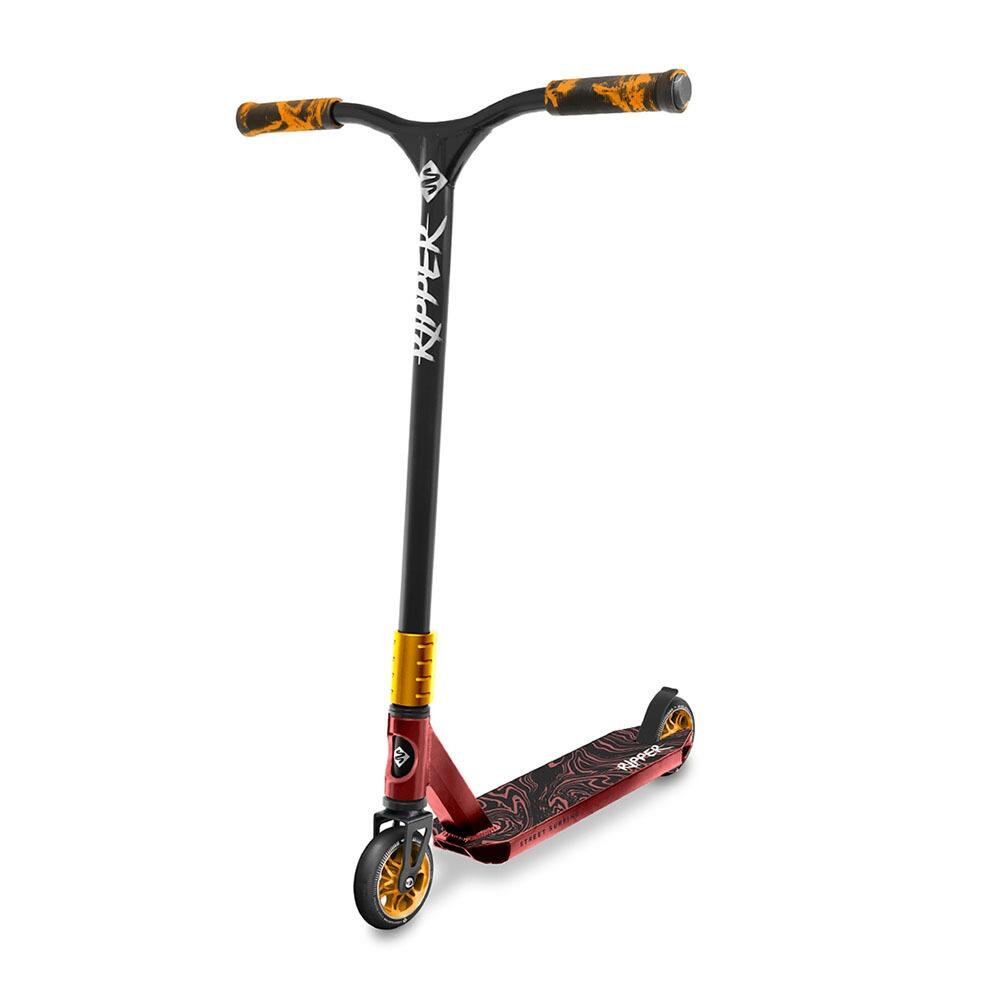
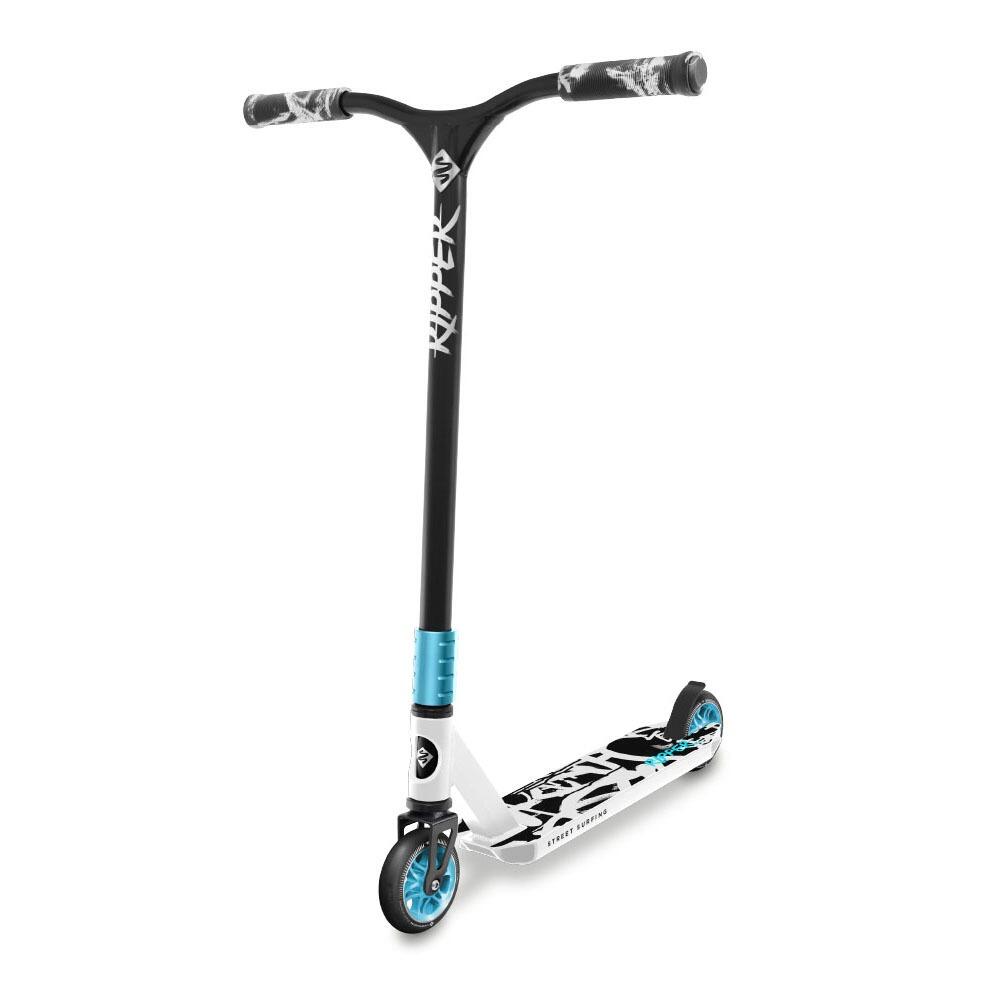
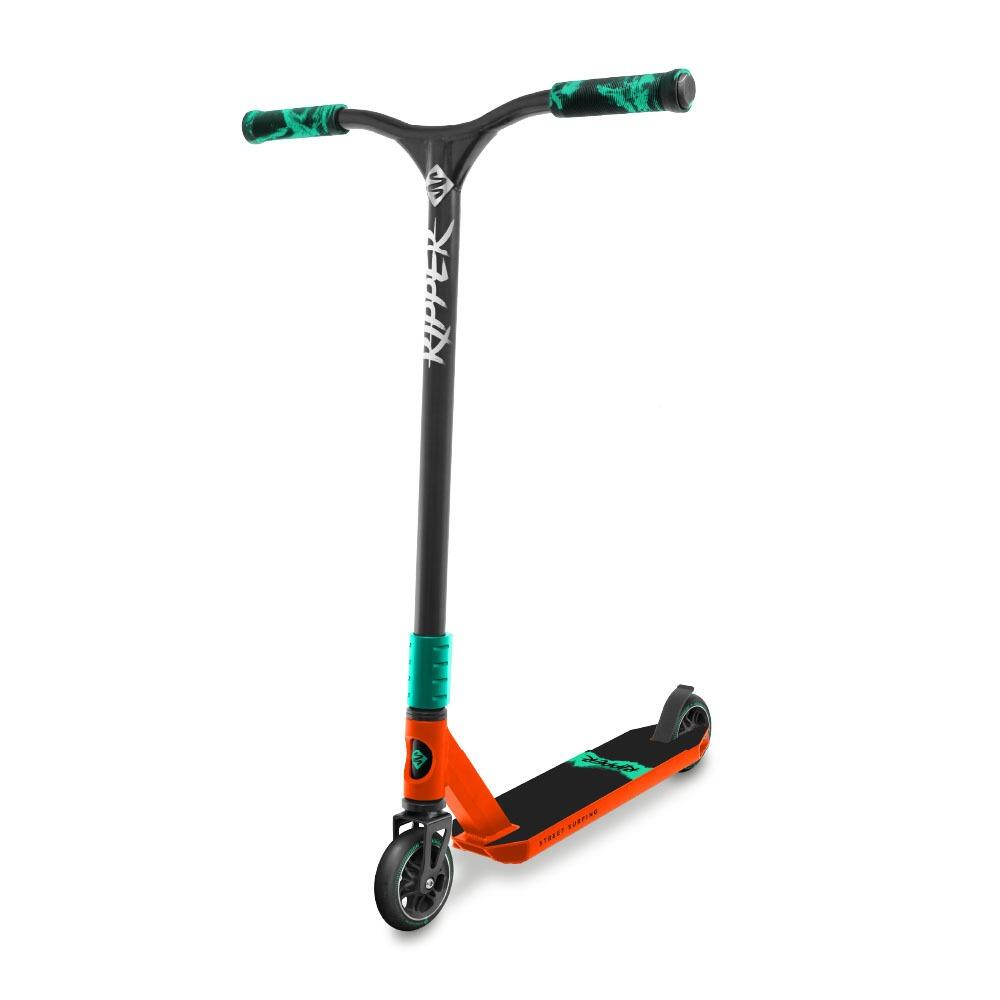
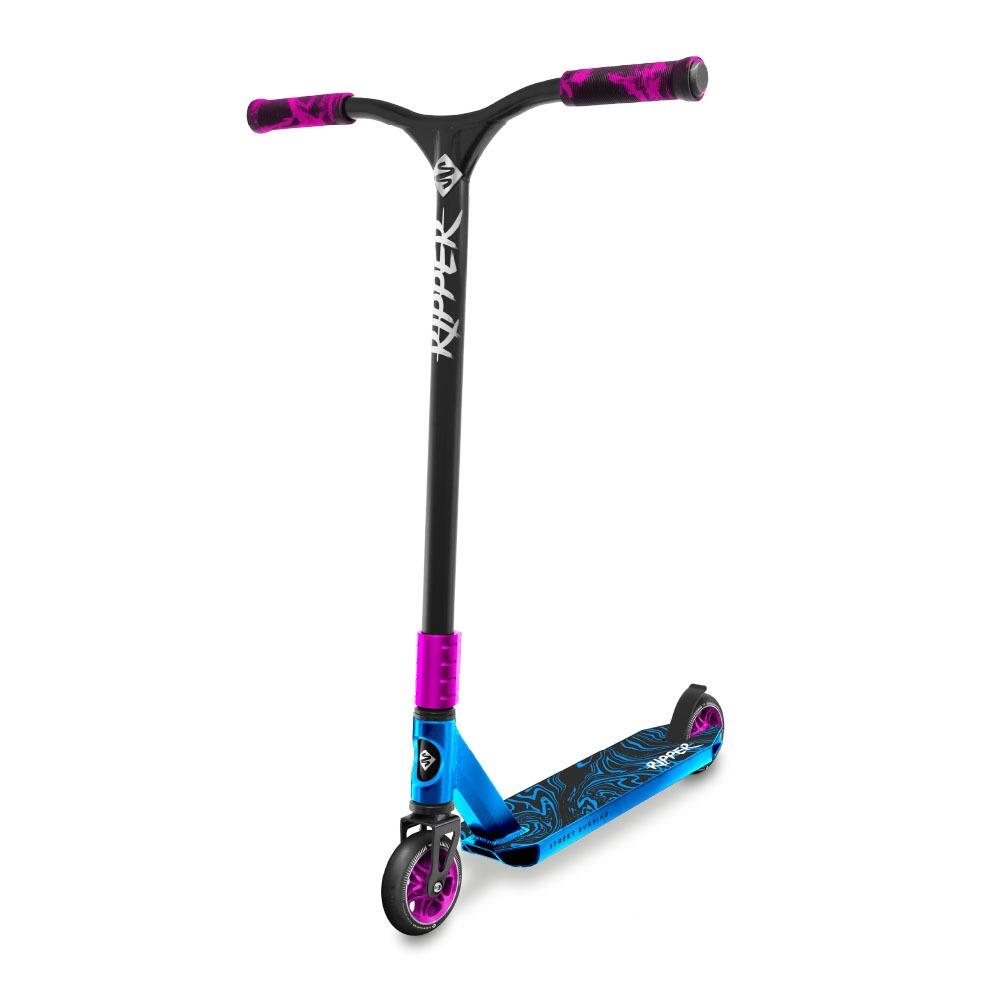
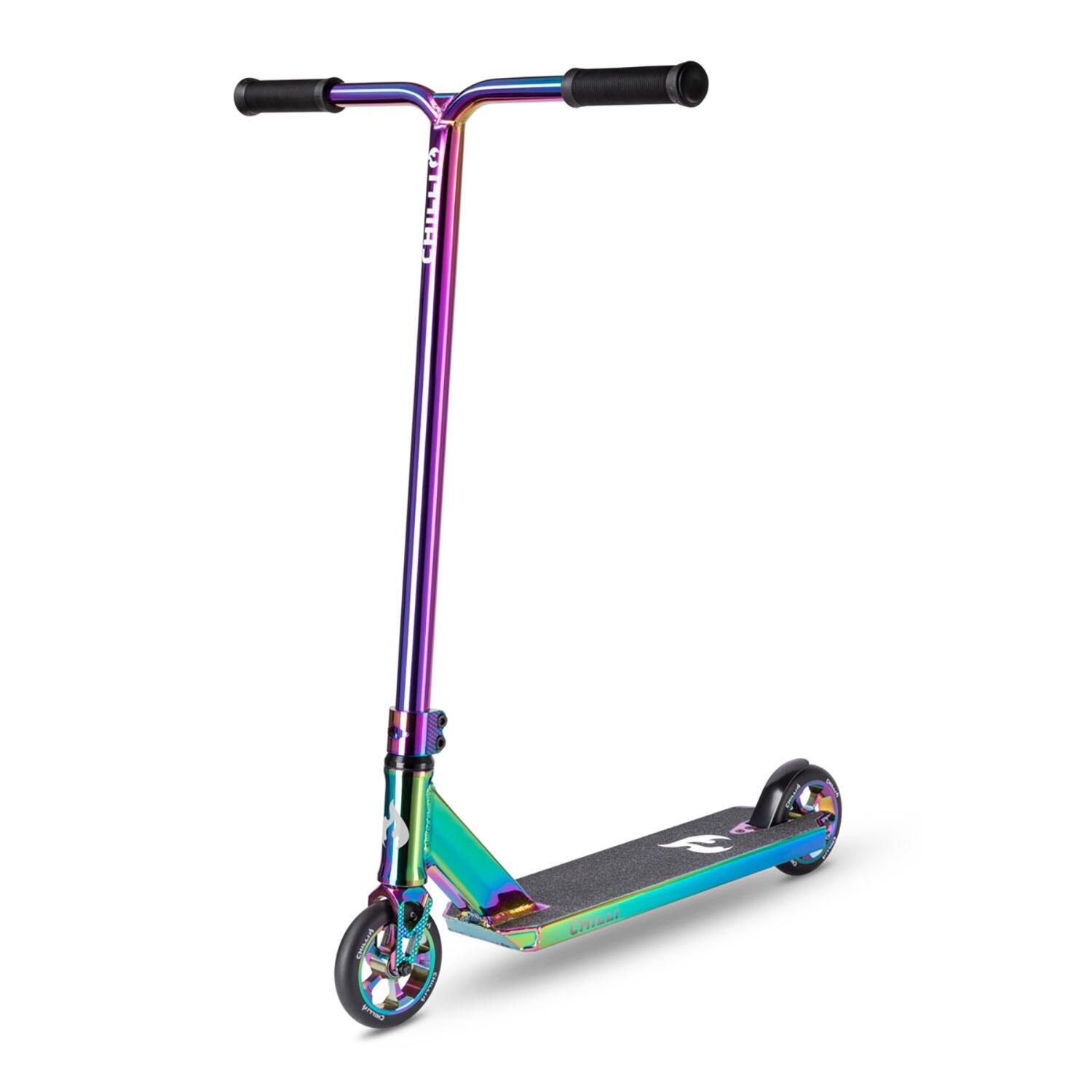
A commuter kick scooter and a freestyle scooter look similar at a glance but are built for very different purposes. Adult kick scooters prioritise large wheels (200 - 230 mm), folding mechanisms, handlebar brakes, and adjustable handlebar height for comfortable, longer-distance urban riding. A freestyle scooter, by contrast, has small, hard 100 - 110 mm wheels, a fixed one-piece bar, no folding hinge, and a stiff deck built to absorb hard landings in skateparks. The reason for the smaller wheels is responsiveness: tighter geometry lets the rider flick, spin, and bunny-hop with minimal effort. If your goal is tricks, grinds, and ramp riding rather than the daily commute, browse our range of freestyle scooters to find a deck and bar set-up matched to your skill level.
Can the whole family ride scooters together?

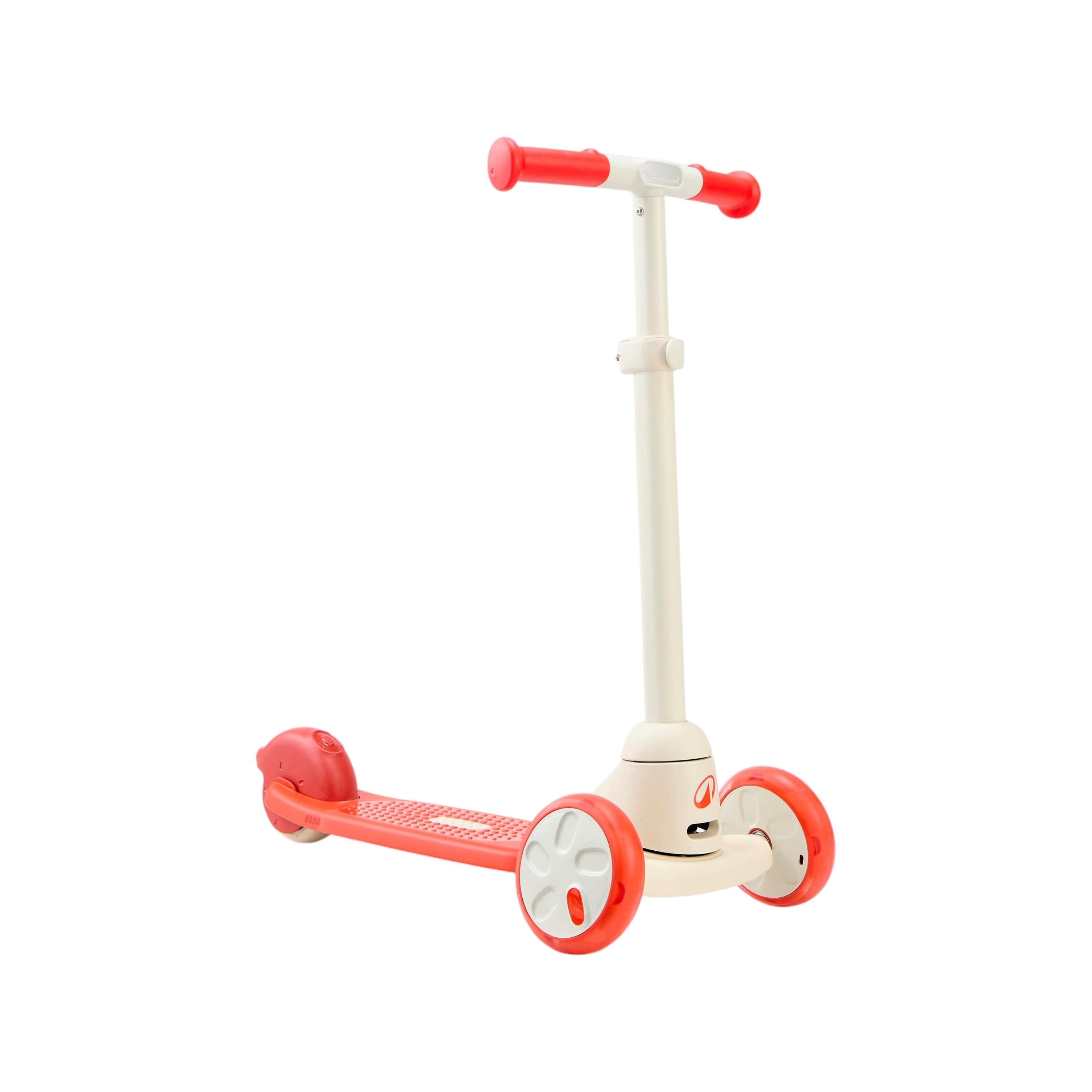
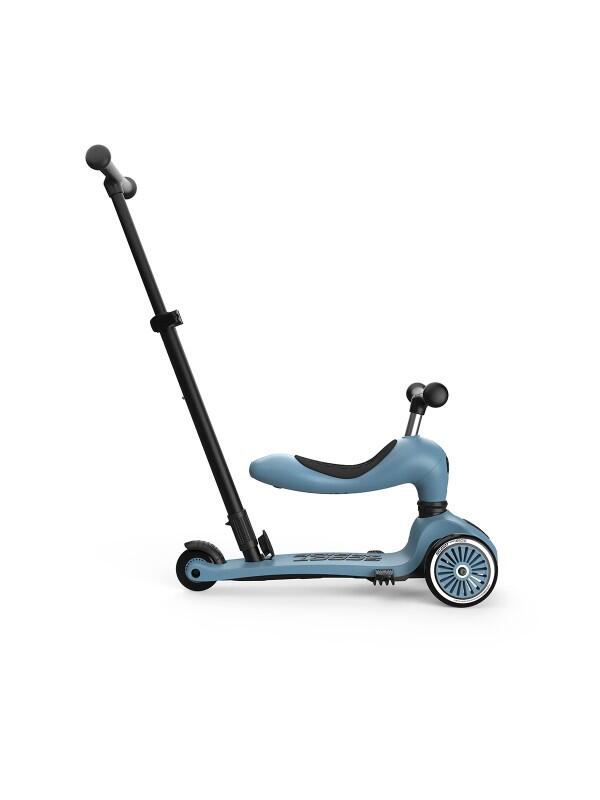
Yes, scootering is one of the easiest sports to enjoy as a family because the learning curve is short and the kit is affordable. The key is matching the scooter to the rider: adults need taller handlebars, larger wheels, and a load-rated deck, while younger riders need a lower centre of gravity, narrower grips, and gentler braking. For children aged 2 to 14, our range of kids' scooters covers three-wheel models for toddlers learning balance, two-wheel scooters for primary-school-age riders, and lightweight folding decks for older children commuting to school. Smart tip: when riding together along a greenway or park path, place the slowest rider at the front so the group naturally paces itself, and keep at least 2 m between riders to allow safe braking distance.