609 items
4/5 based on 20542 reviews collected online and in stores

Ski Goggles FAQs

How do I choose the right ski goggles for the slopes?

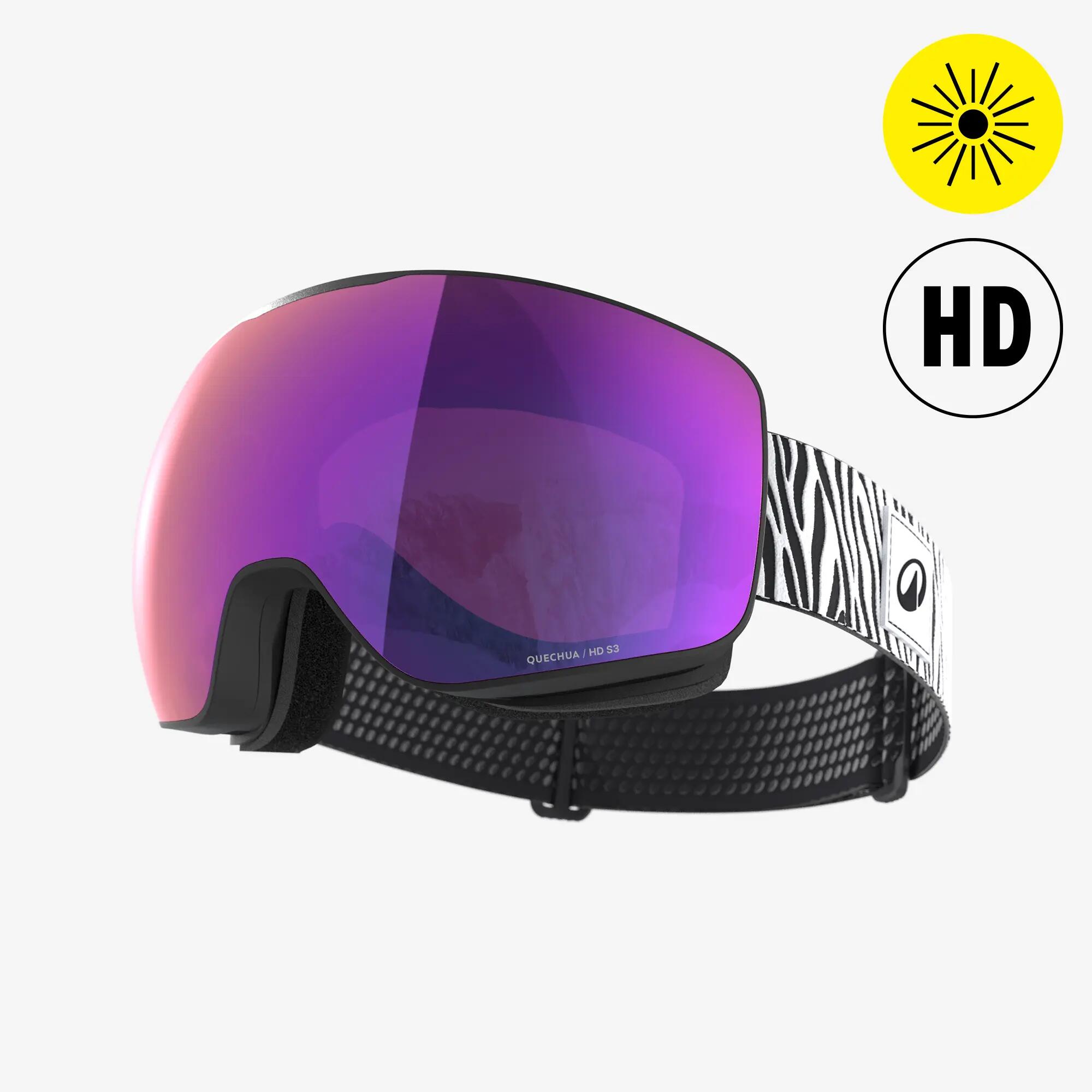
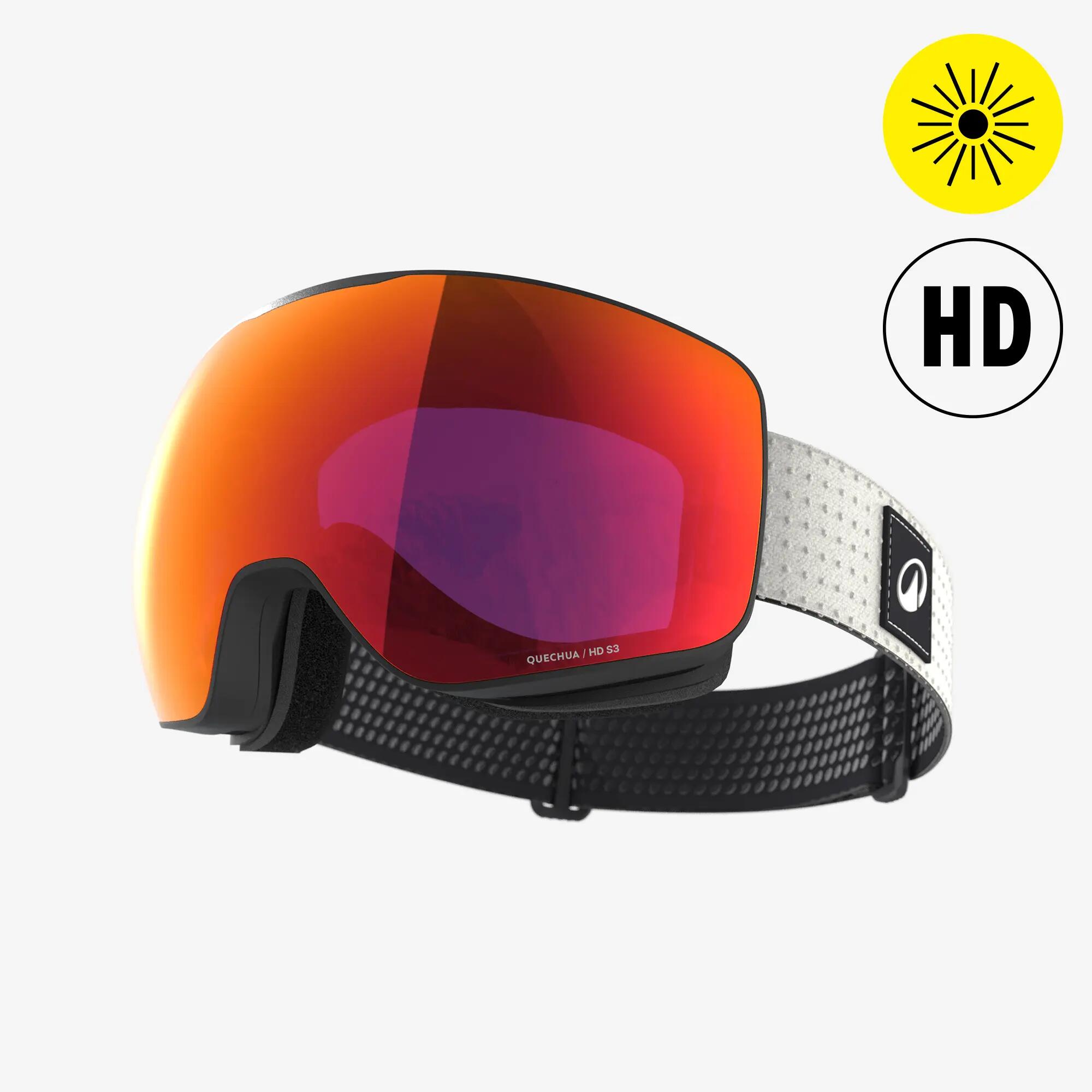
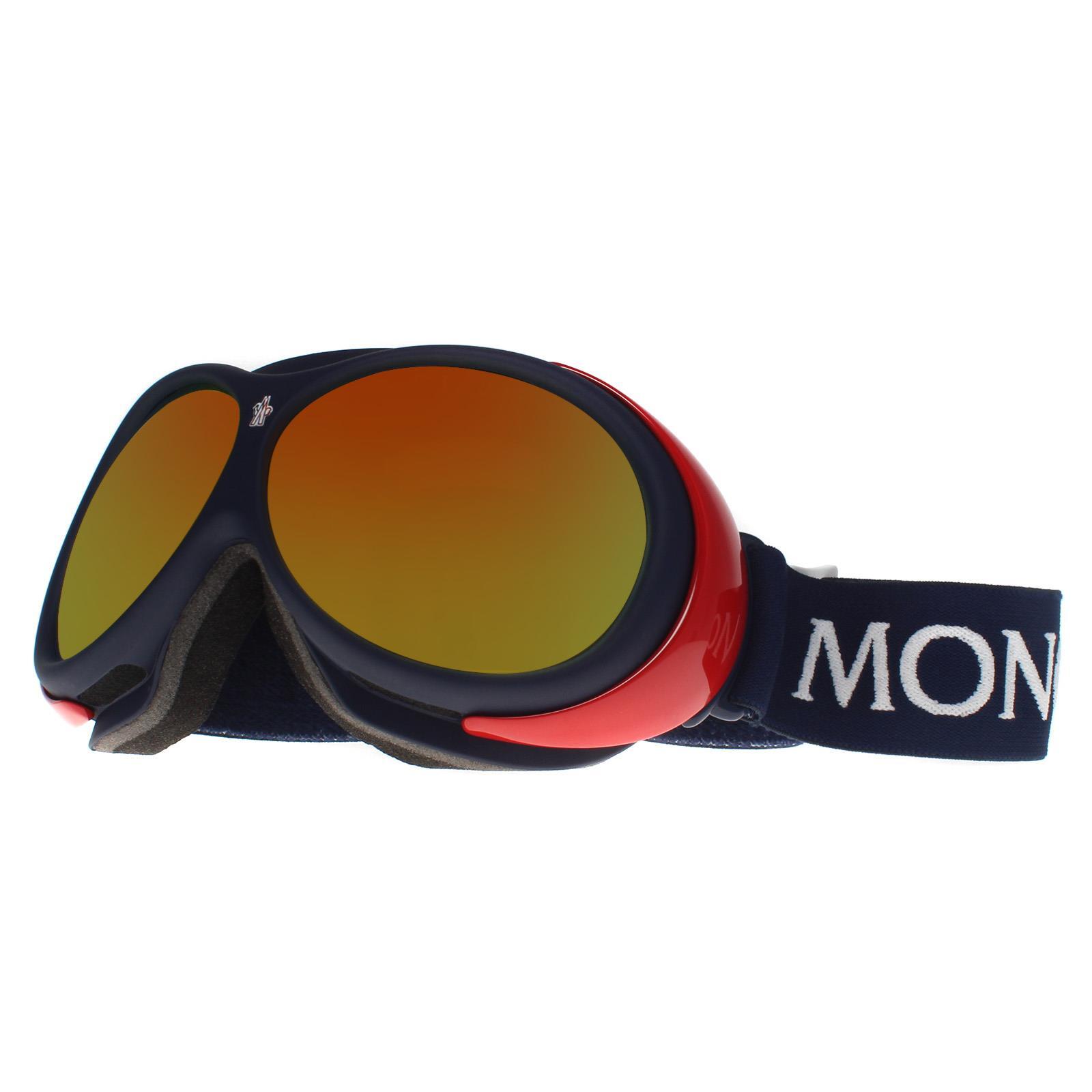
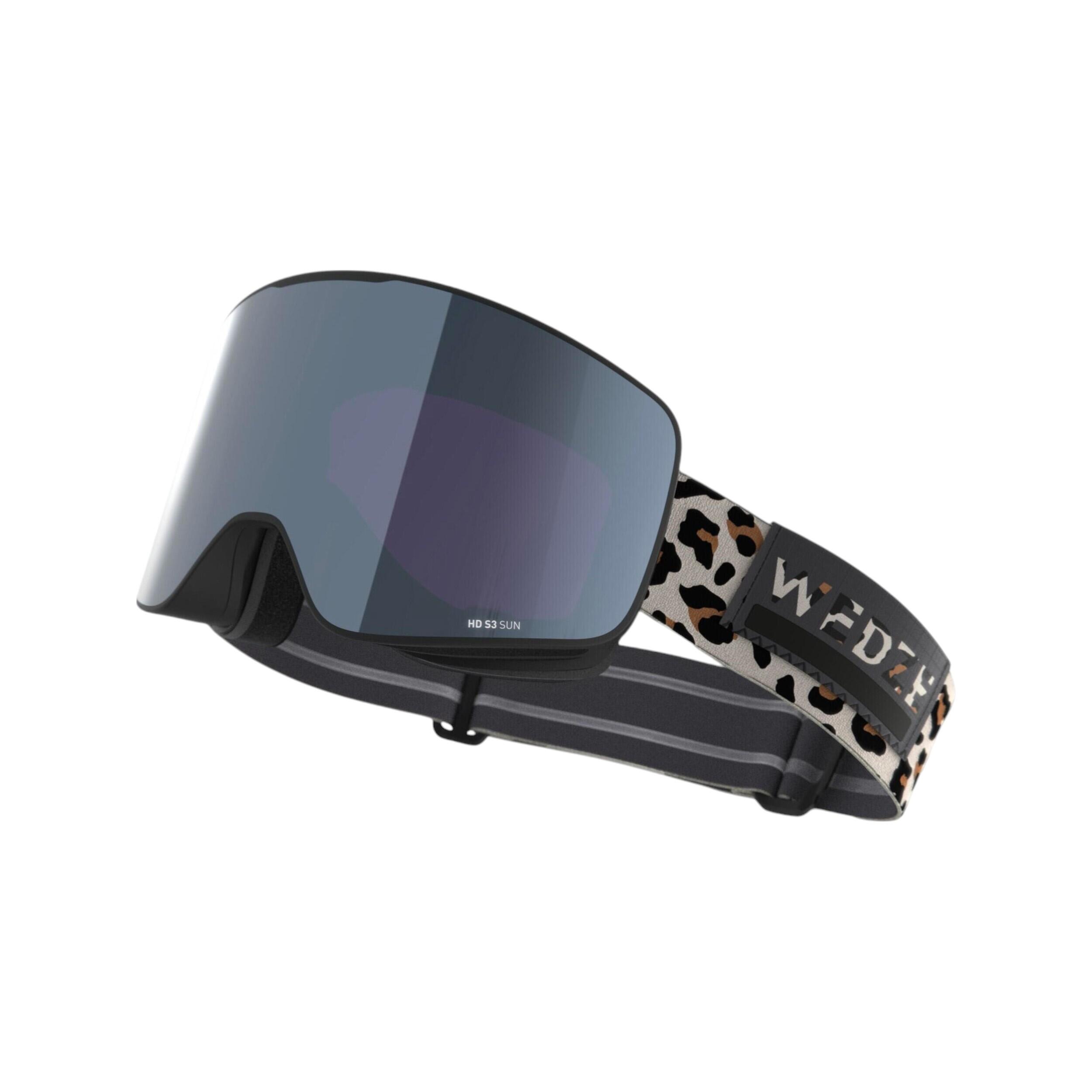
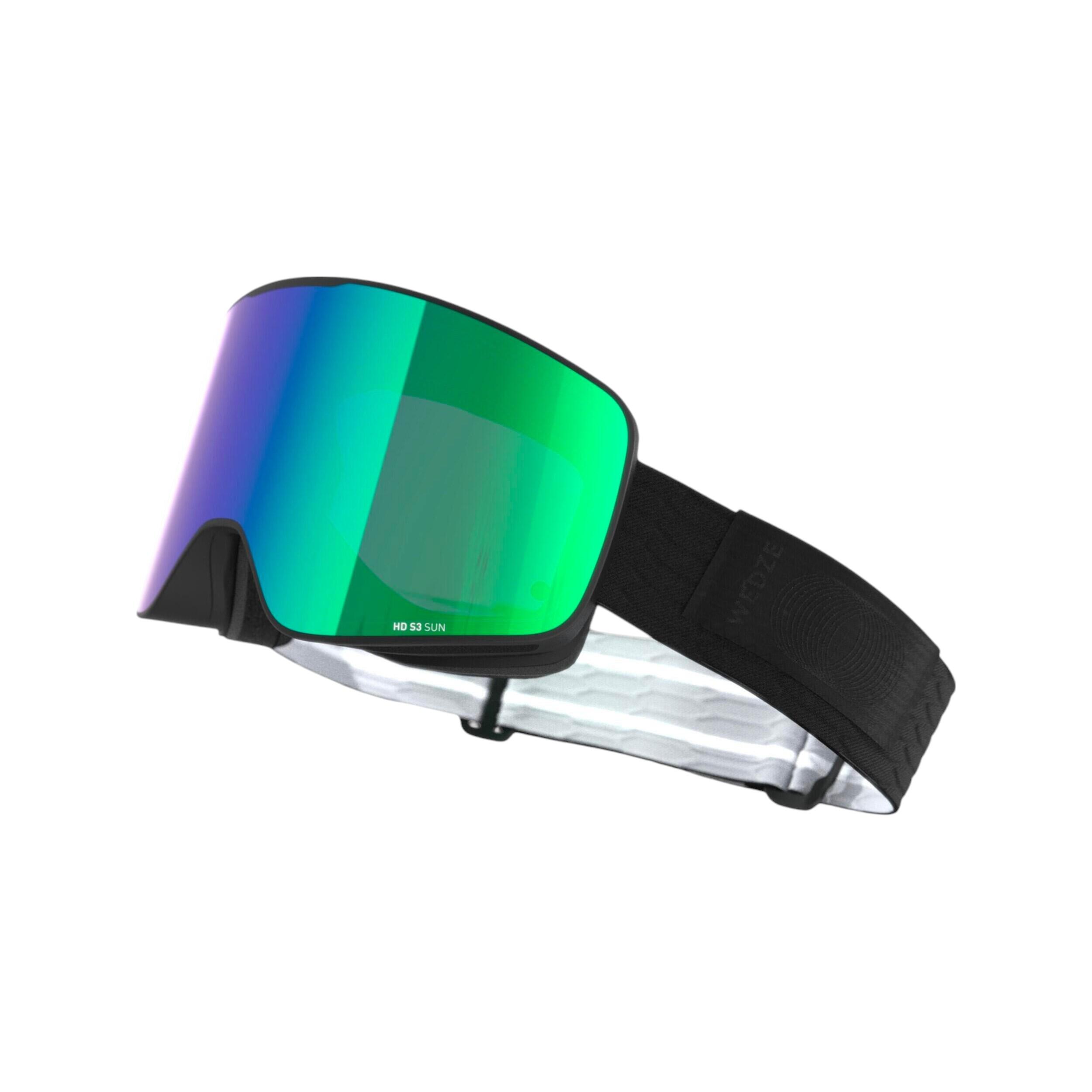
Choosing the right ski goggles comes down to fit, lens type, and the weather you most often ski in. Goggles need to sit flush against the face with no pressure points and pair cleanly with your helmet, since any gap above the nose lets cold air in and fogs the lens within seconds. Lens shape matters as much as the strap: cylindrical lenses sit closer to the face and suit a slimmer fit, while spherical and toric shapes wrap further around the eye for a wider field of view that helps on busy resort runs. The reason field of view matters is greater peripheral vision shortens reaction time when a snowboarder cuts across your line. Men's frames tend to run wider at the temples and longer across the brow, which is why our range of men's ski goggles includes broader-fit options across the Wedze, Salomon, and Smith labels.

Are men's and women's ski goggles cut differently?

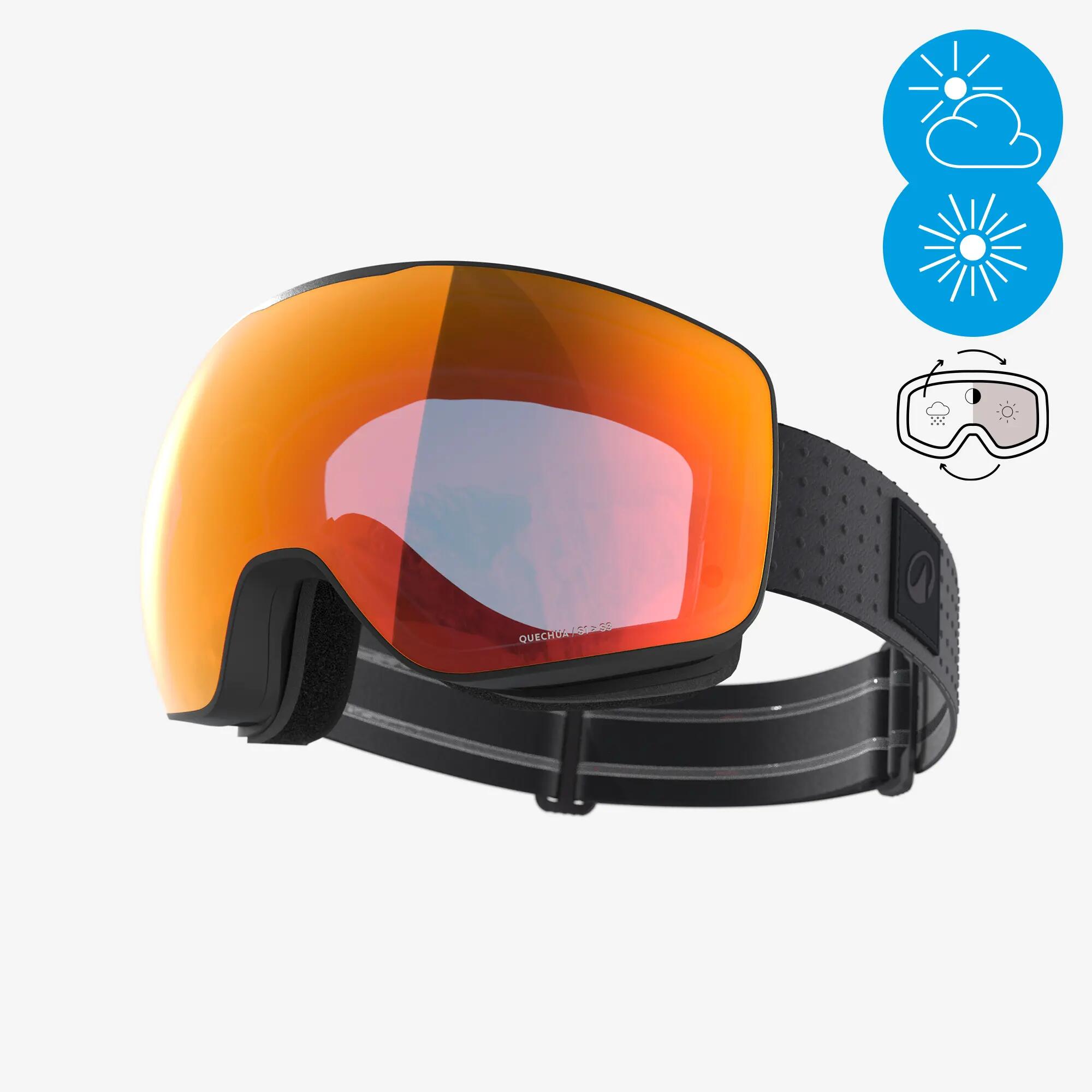
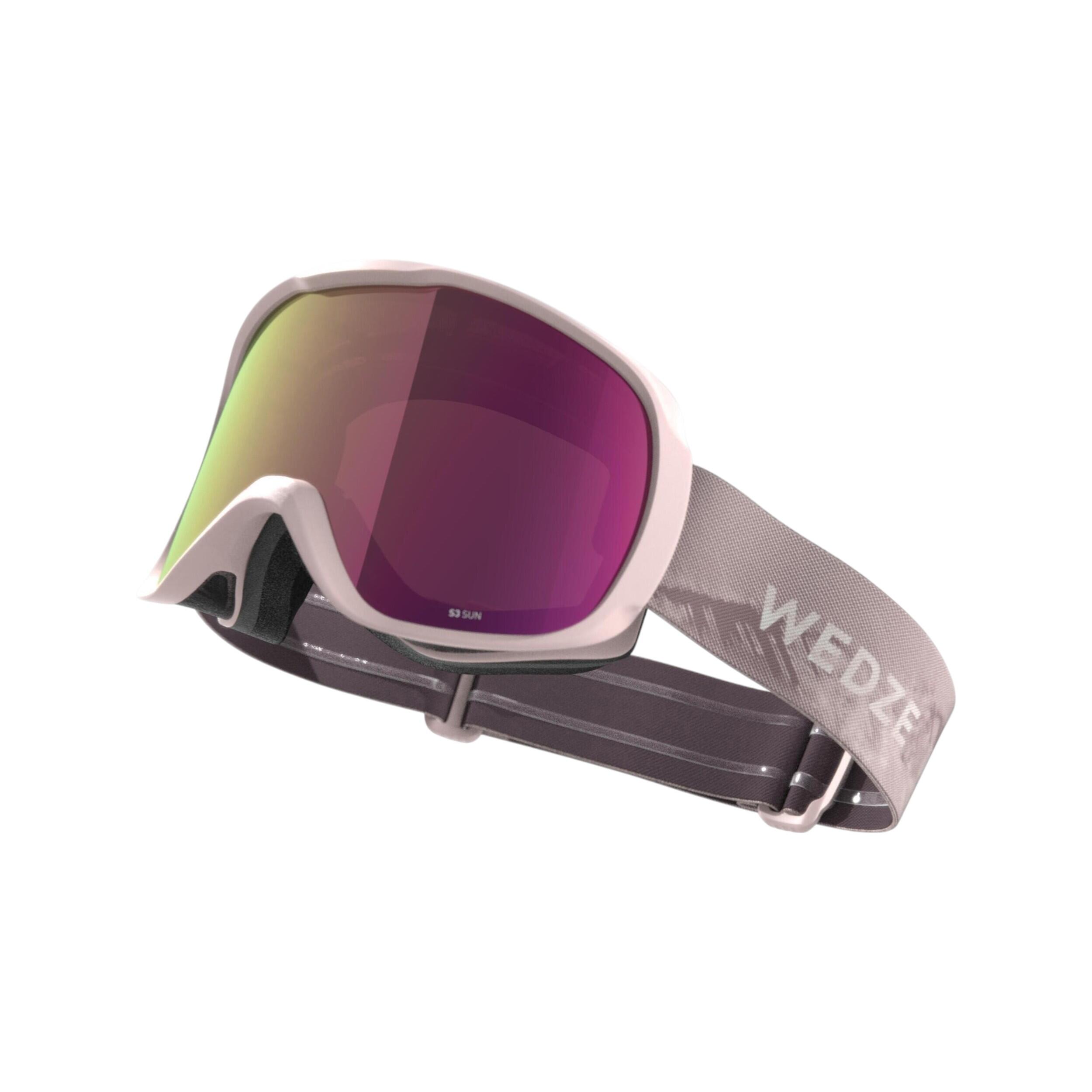
Yes, men's and women's ski goggles are cut differently, with frame size, nose-bridge shape, and strap length tuned around each face profile rather than colour alone. Women's frames usually run narrower across the temples and shallower at the brow, which delivers a closer seal and prevents the pressure points that ruin a long resort day. The reason a good seal matters is fog management: warm breath escapes through the venting system as designed only when the foam edge stays in contact with the skin, so a poor fit fogs the lens within minutes. Our range of women's ski goggles covers magnetic-lens models, photochromic options that adapt to changing light, and helmet-compatible frames across the Wedze, Salomon, and Smith labels.

What ski goggles work best for children on the slopes?

Ski goggles for children need a smaller frame, a shorter strap, and a softer, more forgiving foam that suits a developing face shape. The technical reason matters: an adult goggle perched on a smaller face leaves gaps at the cheek and temple, which not only fogs the lens but allows cold wind and reflected glare onto the eye during a long lift ride. Look for over-the-helmet strap routing to keep the frame stable through a tumble, and choose a lens with a yellow or rose tint for flat-light morning lessons. Our range of kids' ski goggles covers junior frames, mini-fit cuts for the youngest skiers, and helmet-compatible options across Wedze.

Can I replace just the lens or strap on my ski goggles?

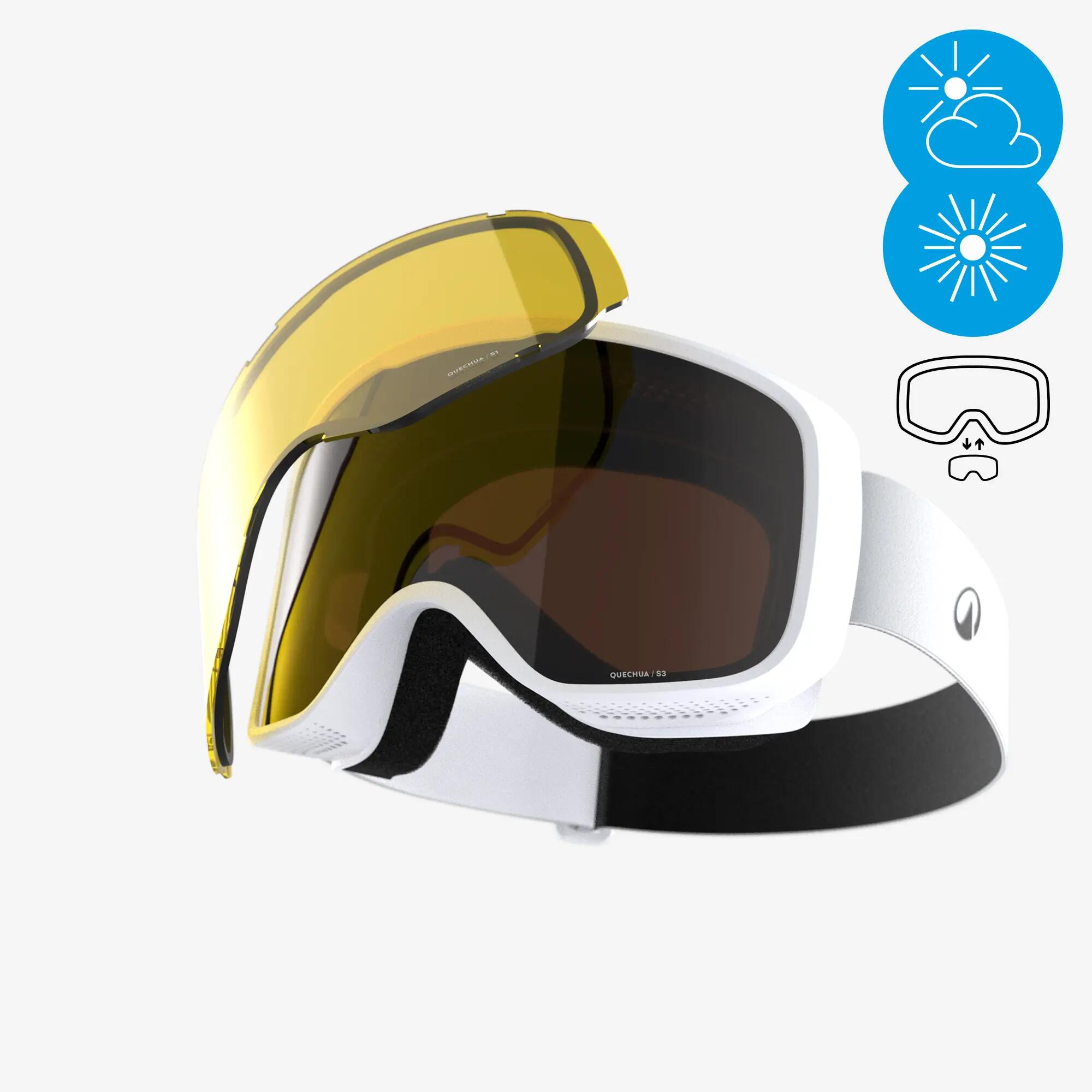
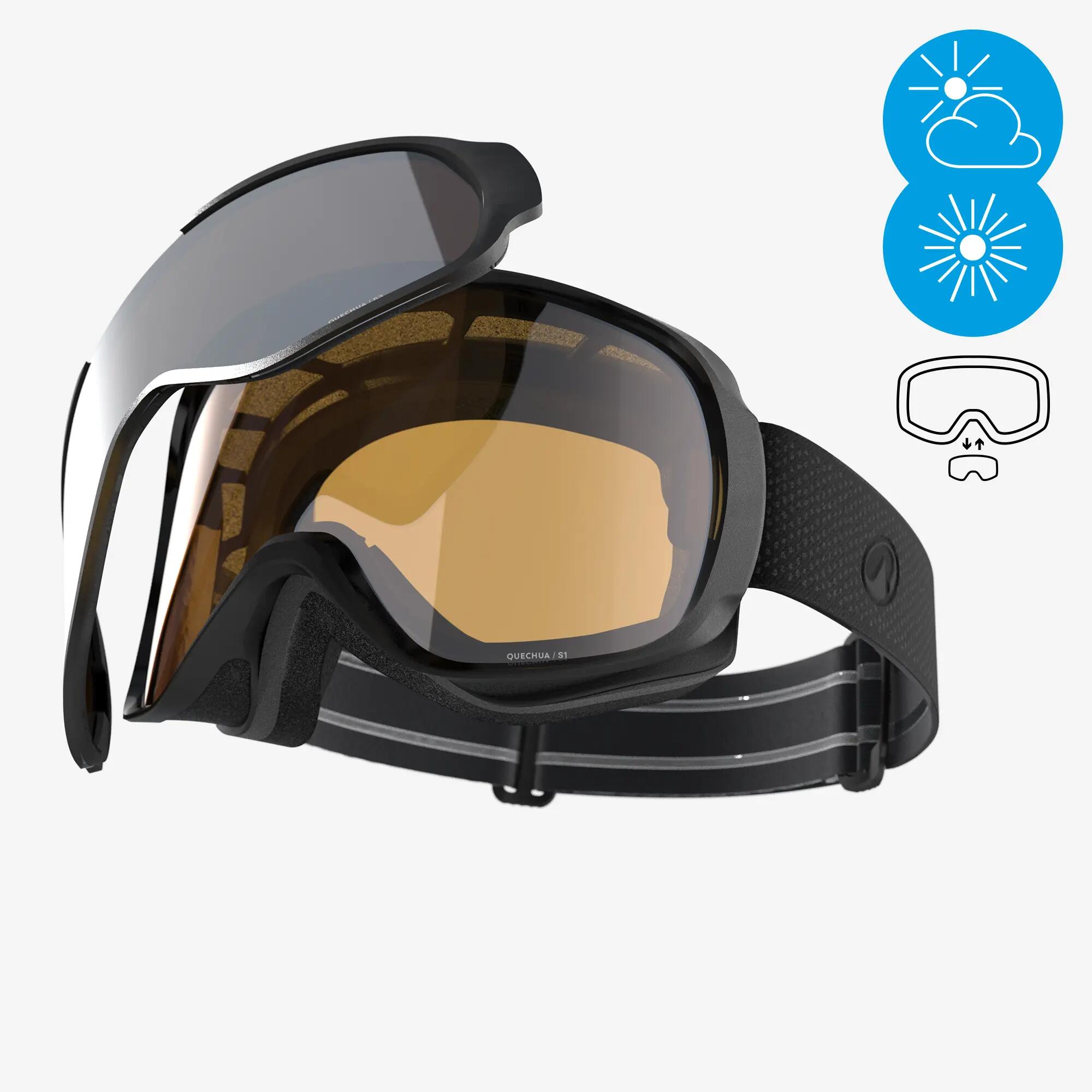
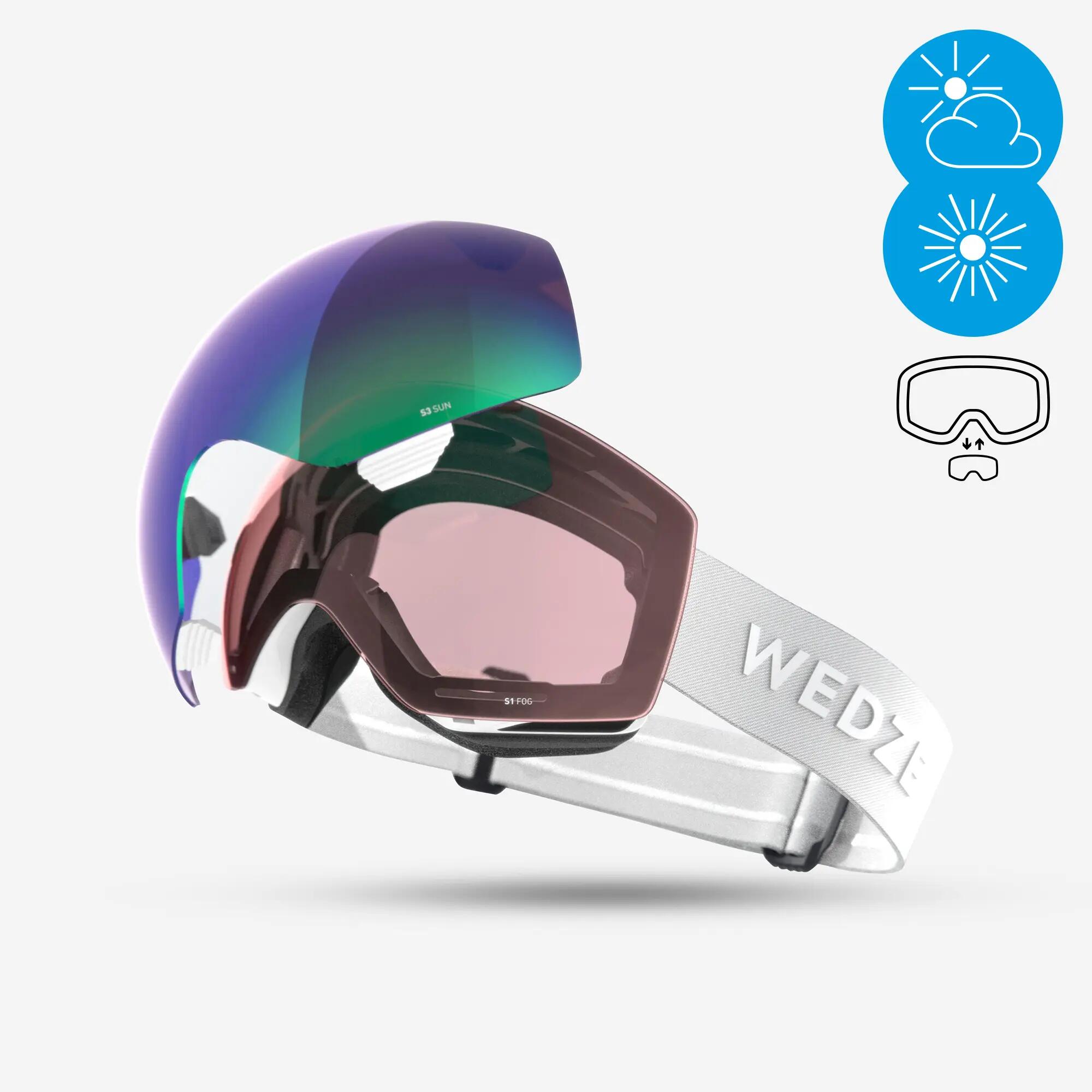
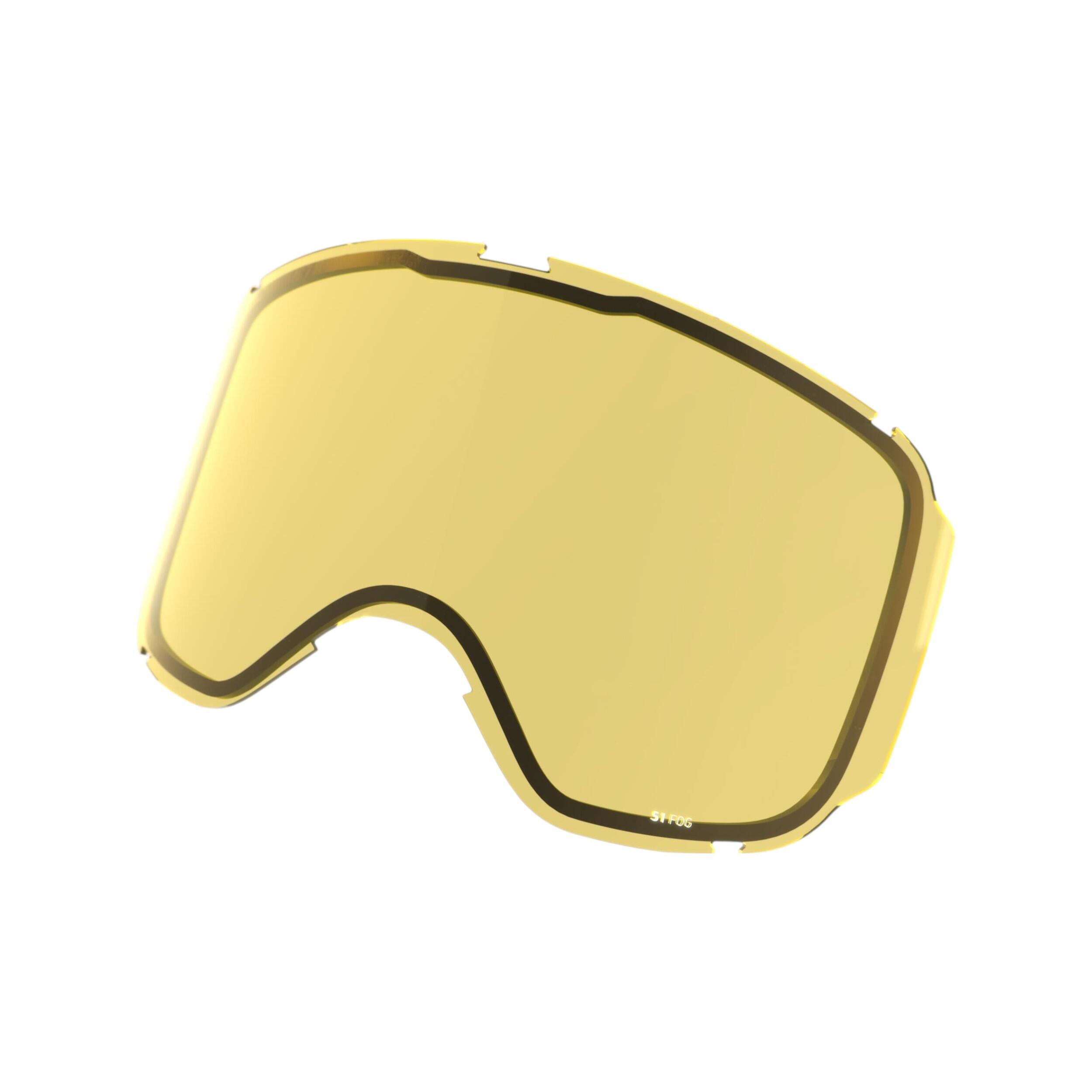
Yes, you can replace just the lens or strap on most modern ski goggles rather than buying a whole new pair, which is the smarter call when the frame and foam are still in good shape. Magnetic and quick-clip lens systems make the swap a thirty-second job in the lodge between runs, allowing you to switch between a dark mirrored lens for bright spring skiing and a low-light lens for overcast days or a snowstorm. Replacement straps cover broken buckles and stretched elastic, both of which are common after a season of helmet wear. Browse our range of ski goggle spare parts for replacement lenses, straps, and clip systems across Wedze, Salomon, and Bolle.

How should I store my ski goggles between trips?

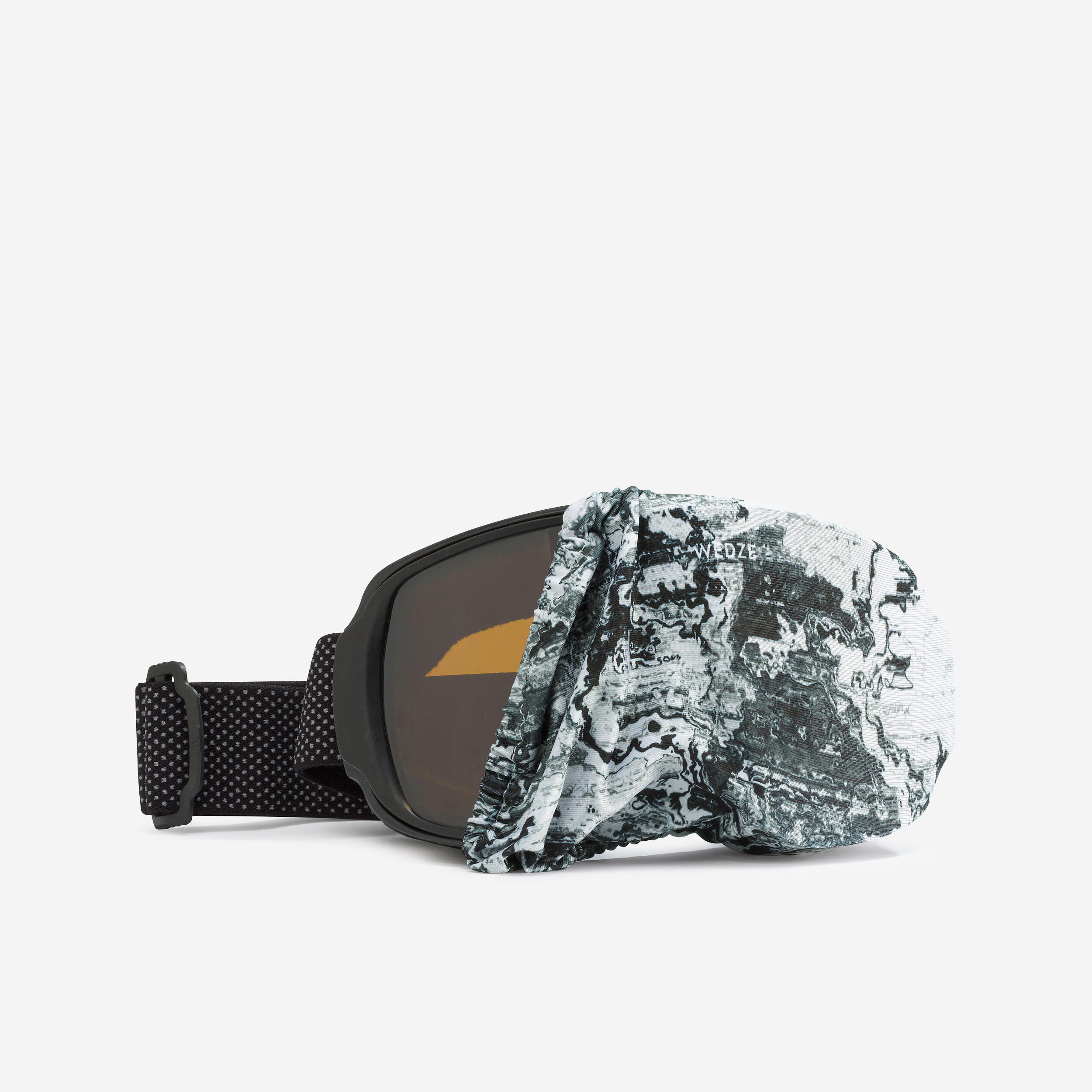
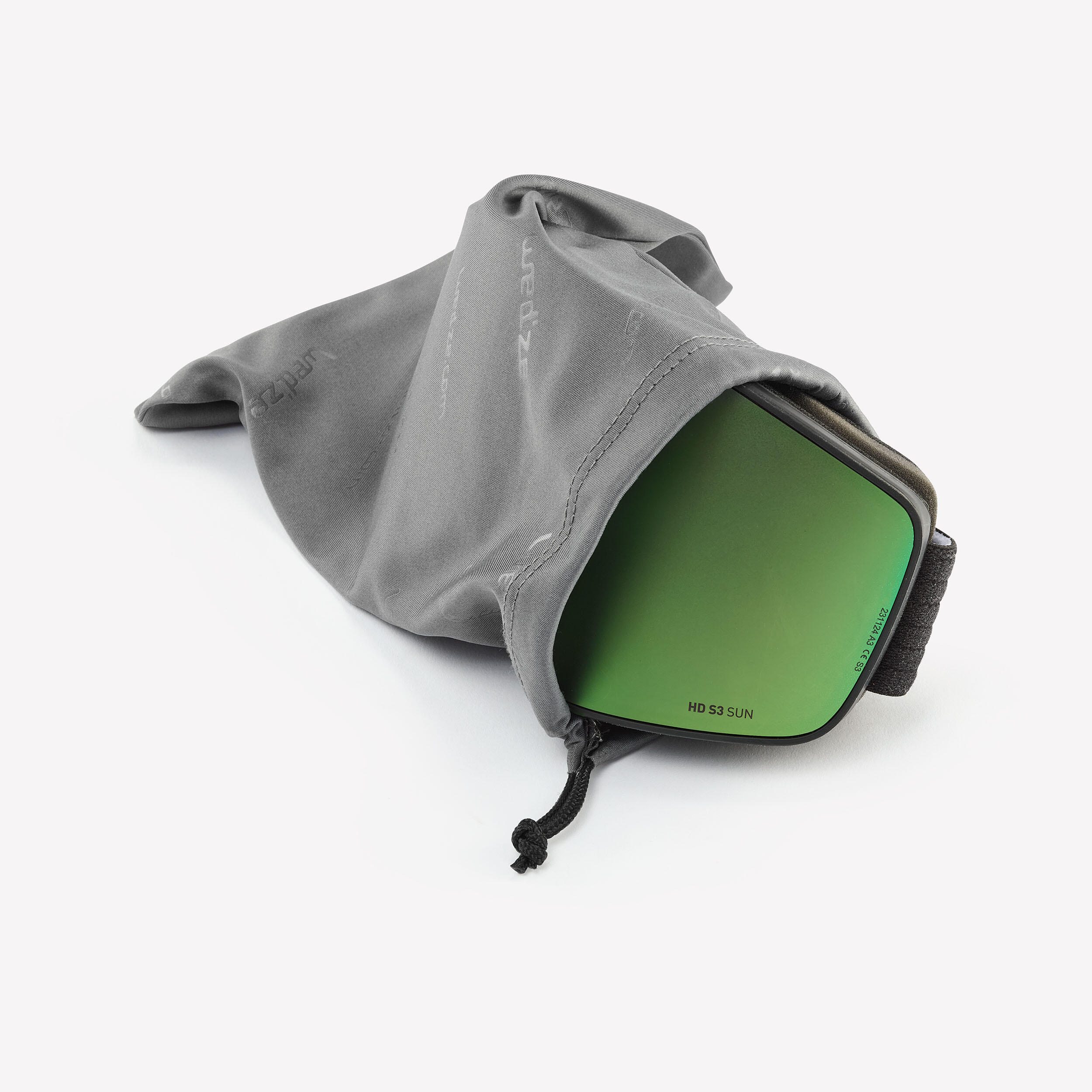
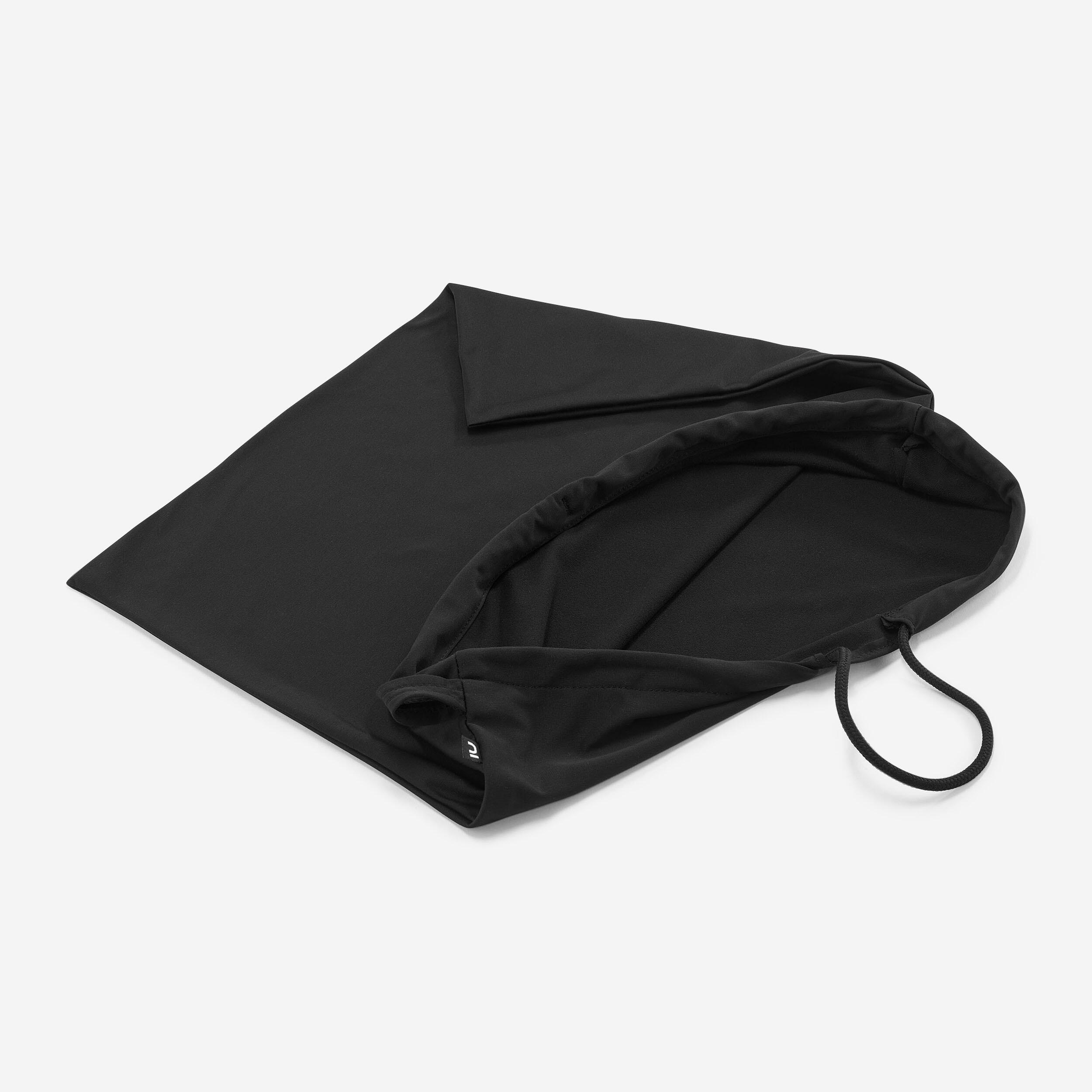
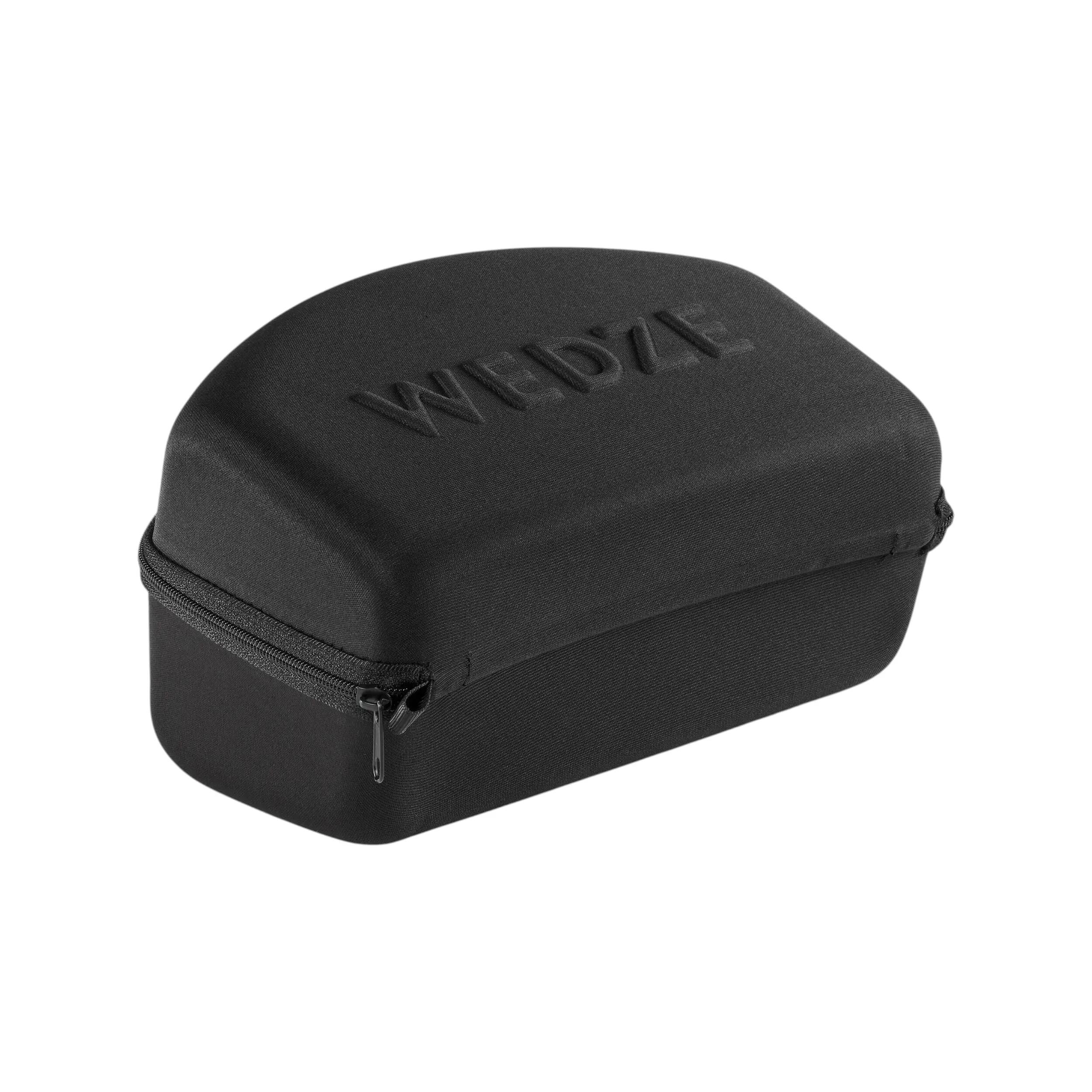
Storing ski goggles correctly between trips is the difference between sharp vision on day one of the next holiday and a scratched lens that ruins it. Always pack goggles in a protective case rather than loose in a ski bag, where keys, bindings, and helmet buckles can damage the lens coating. Avoid pressing the inner lens against fabric while warm, as moisture trapped between layers can degrade the anti-fog treatment over a season. A microfibre pouch protects the outer mirror while a hardshell case protects the frame from impact in checked luggage. Our range of ski goggle covers and cases covers soft pouches, hardshell cases, and travel sleeves across the Wedze label.