105 items
4.7/5 based on 831 reviews collected online and in stores

Squash Rackets FAQs

How do I choose the right squash racket for my level?

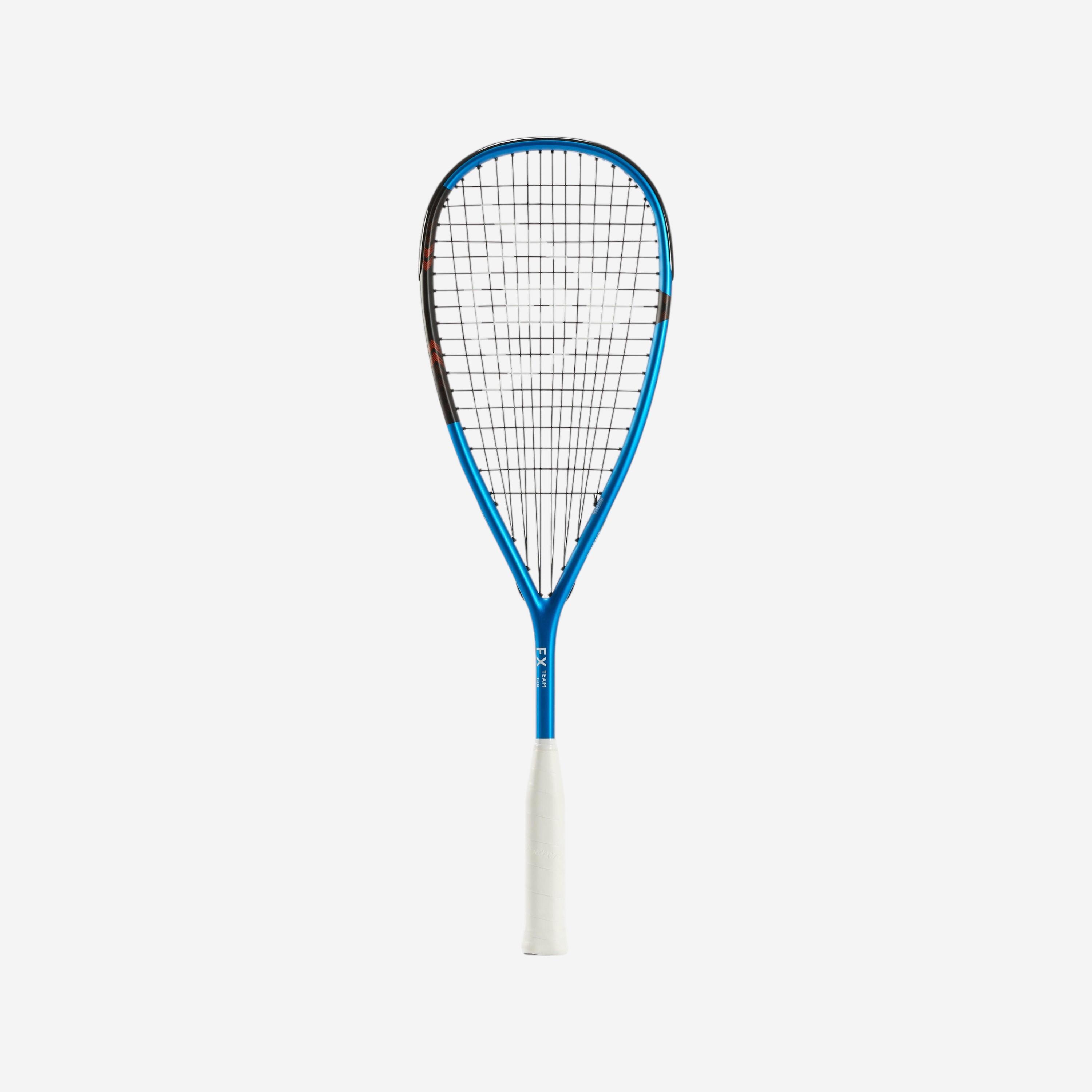
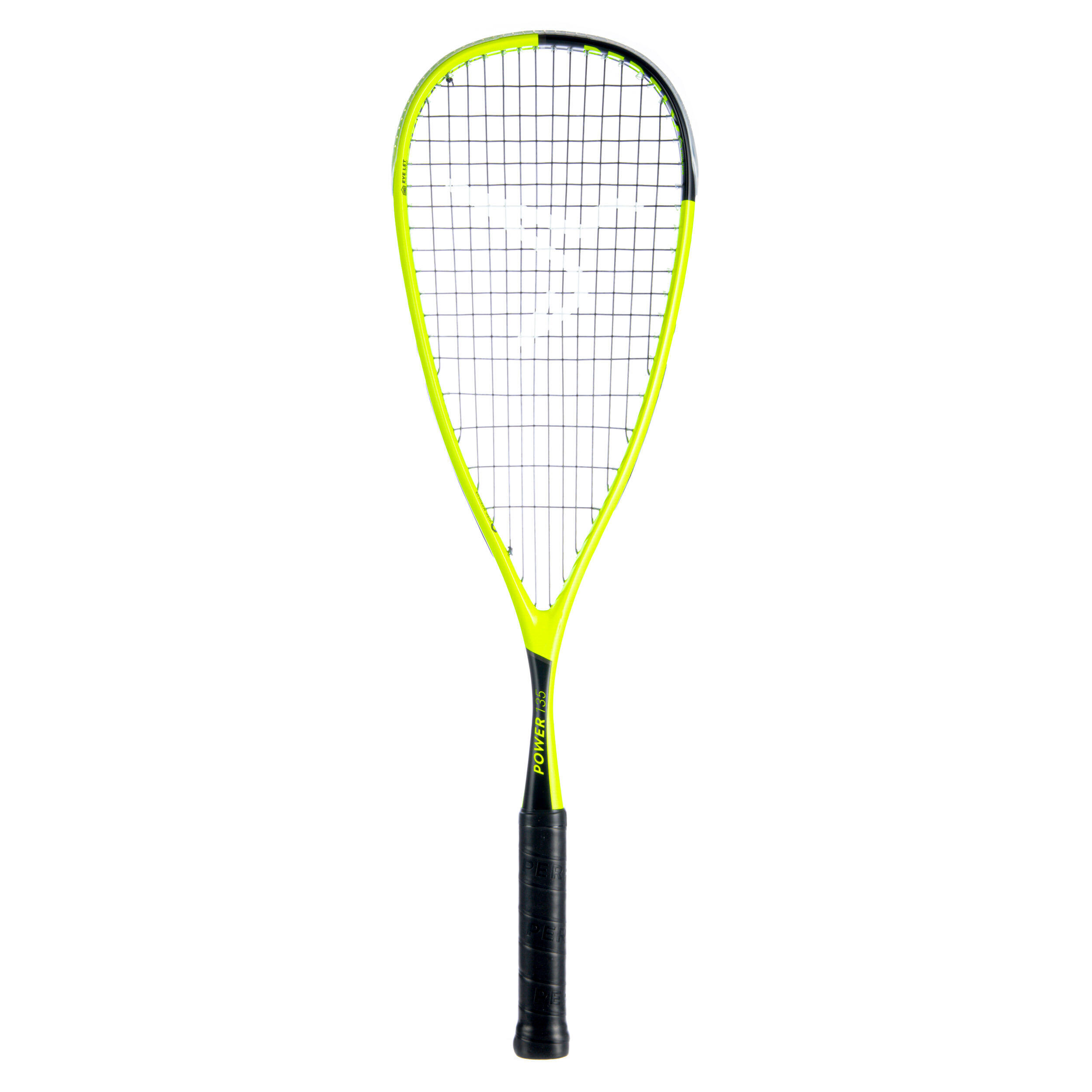
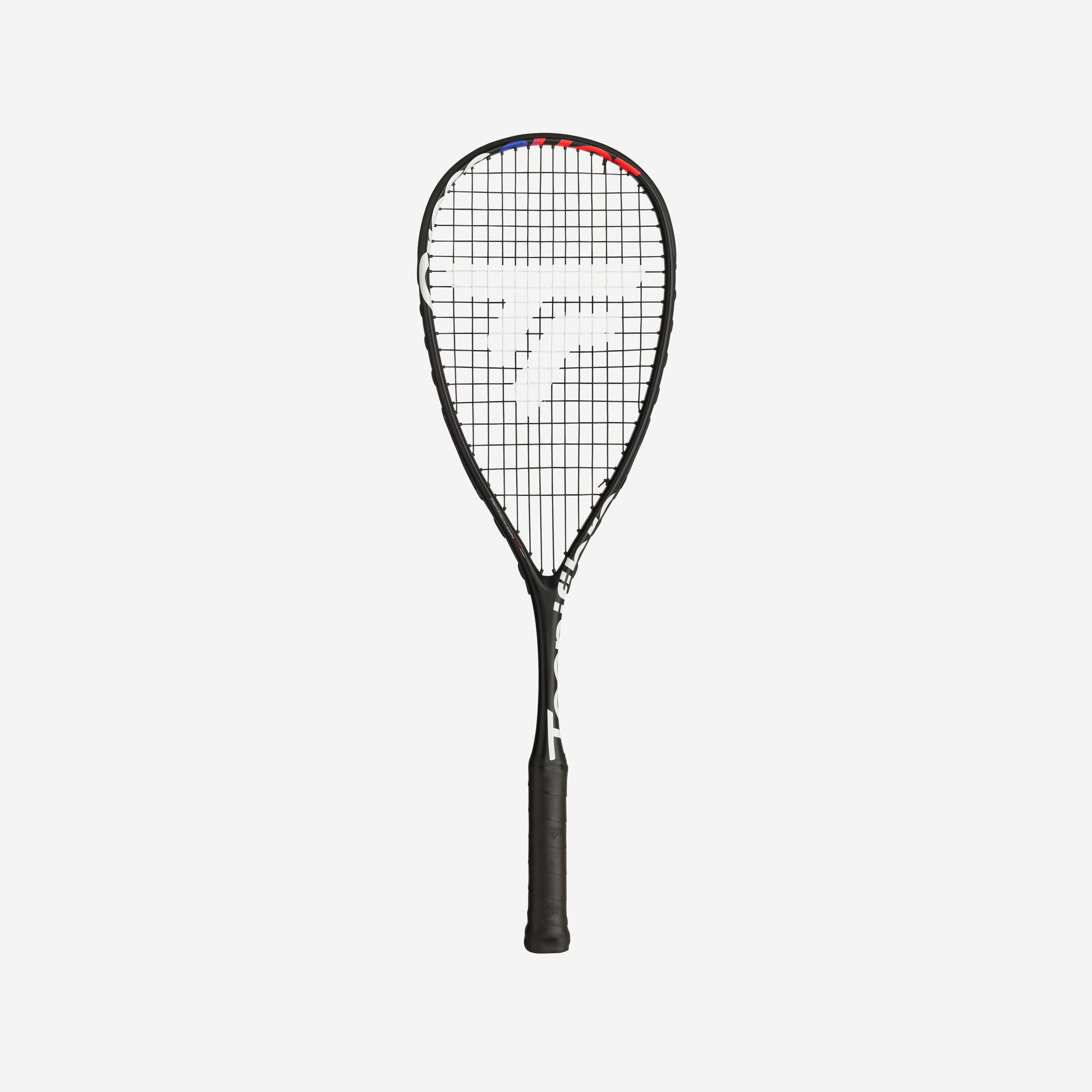
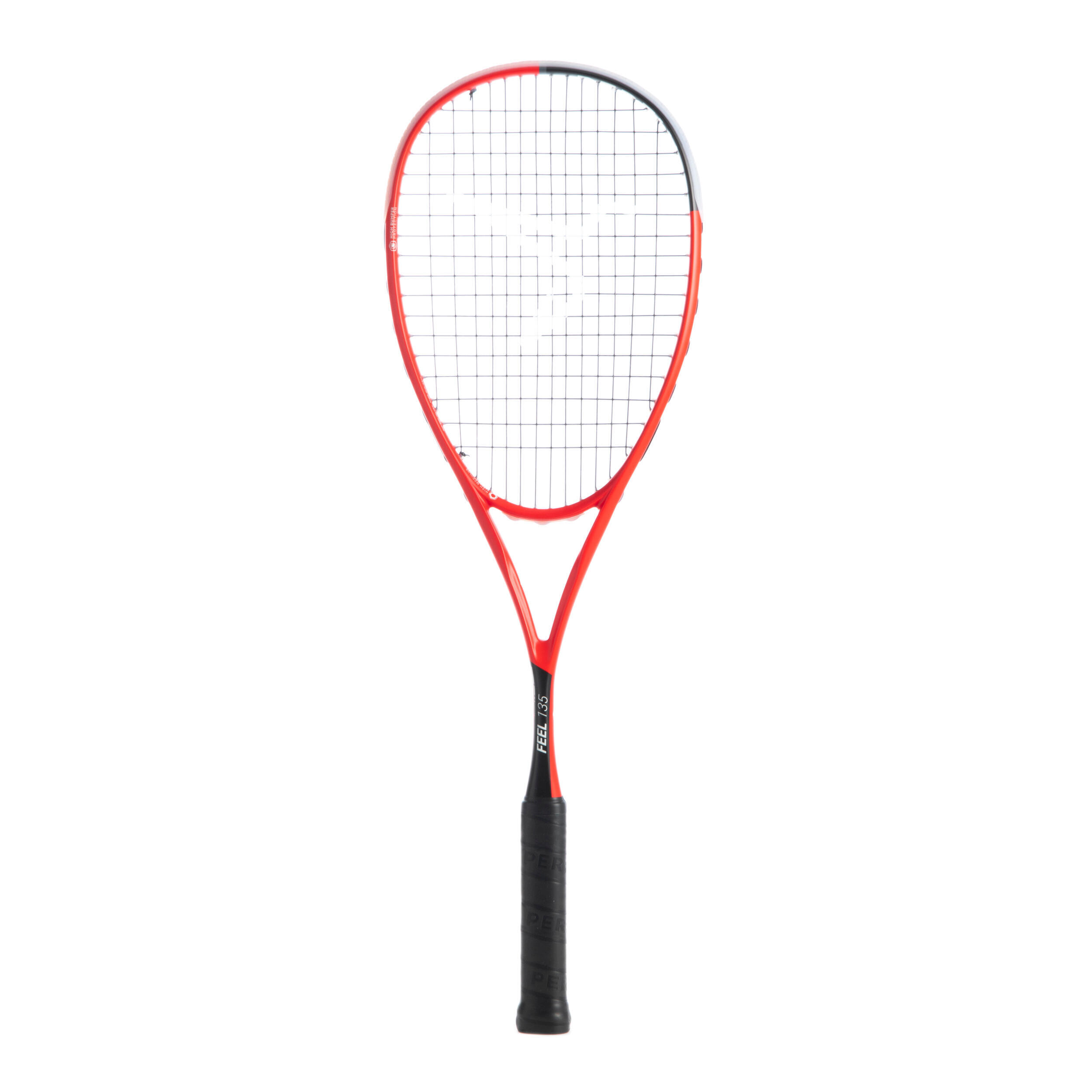
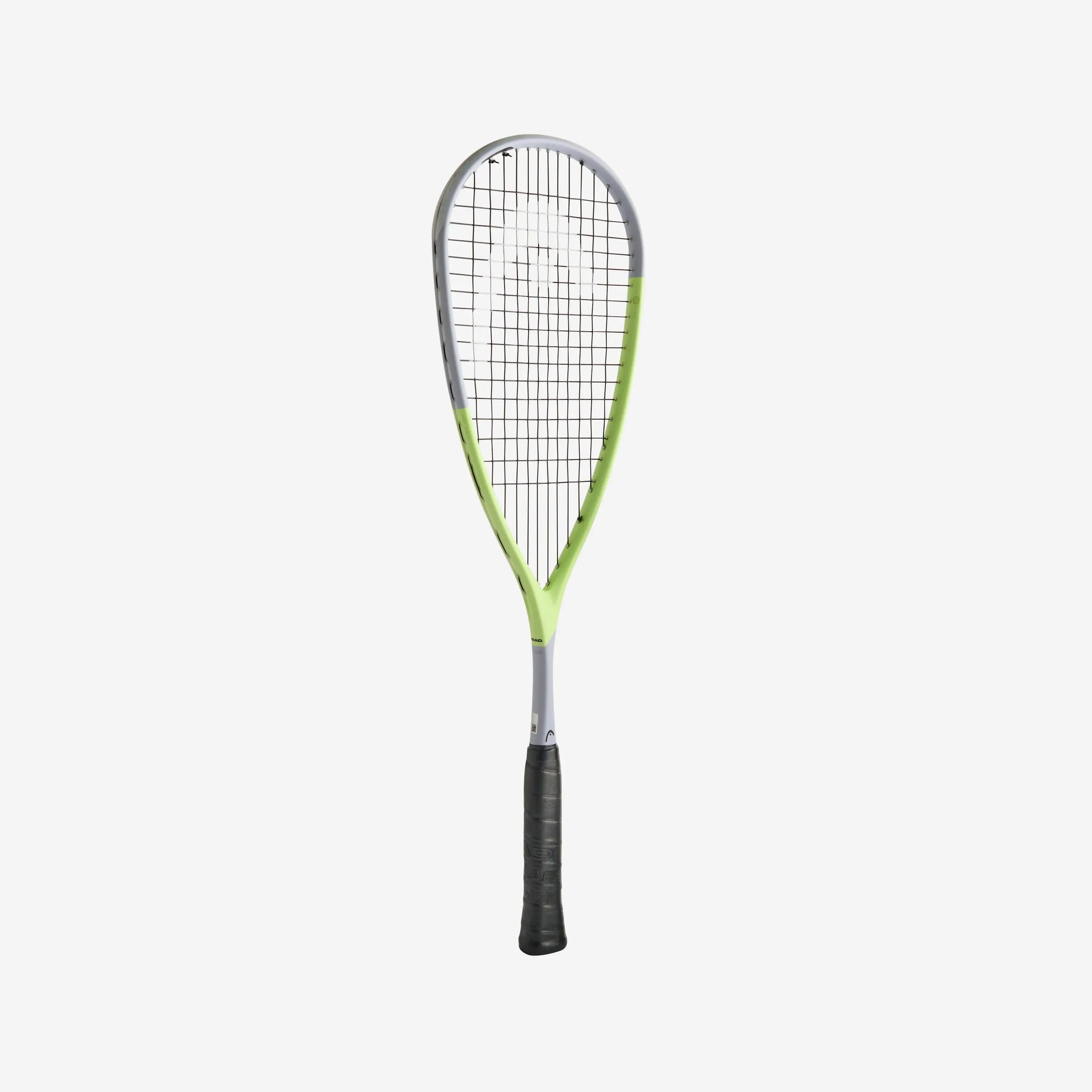
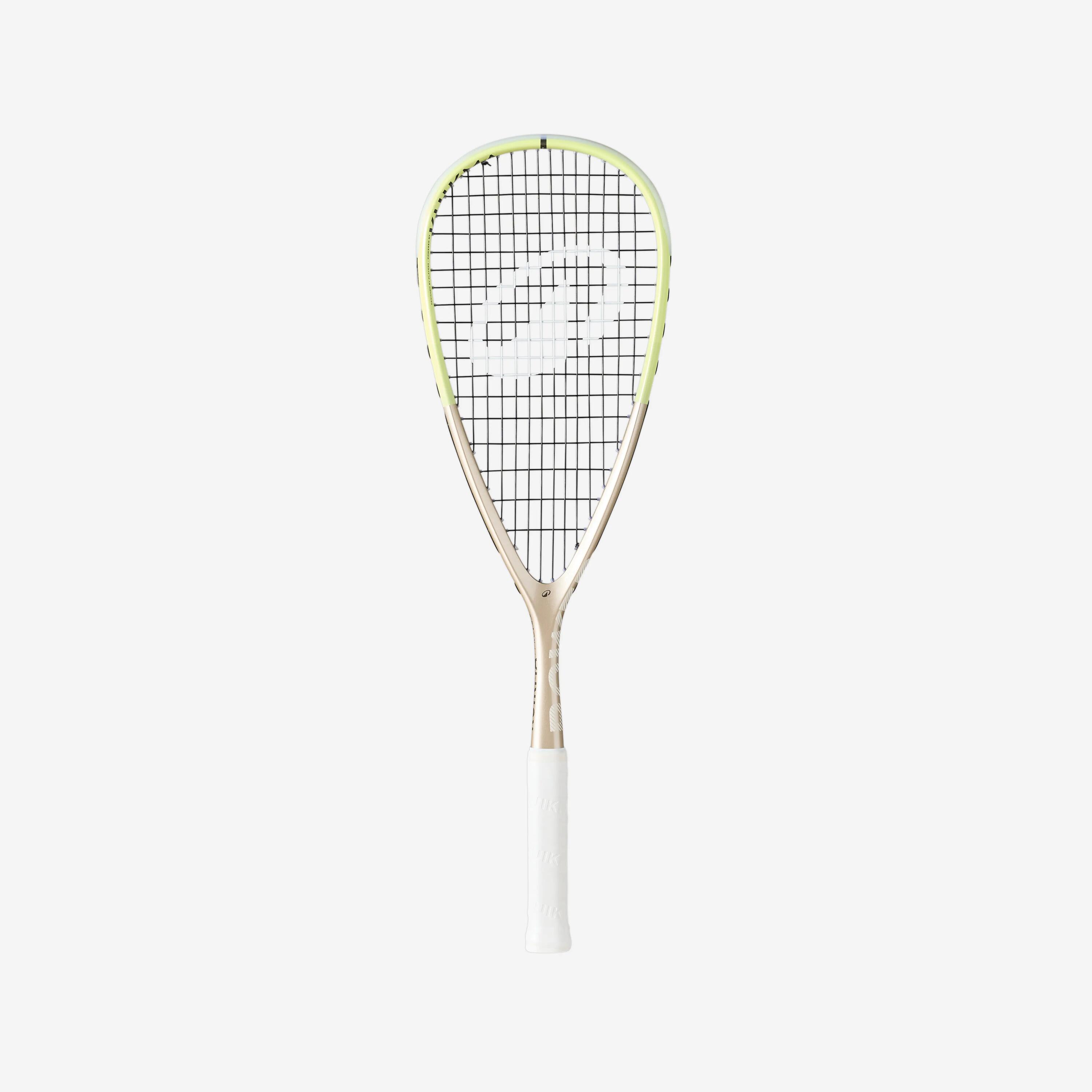
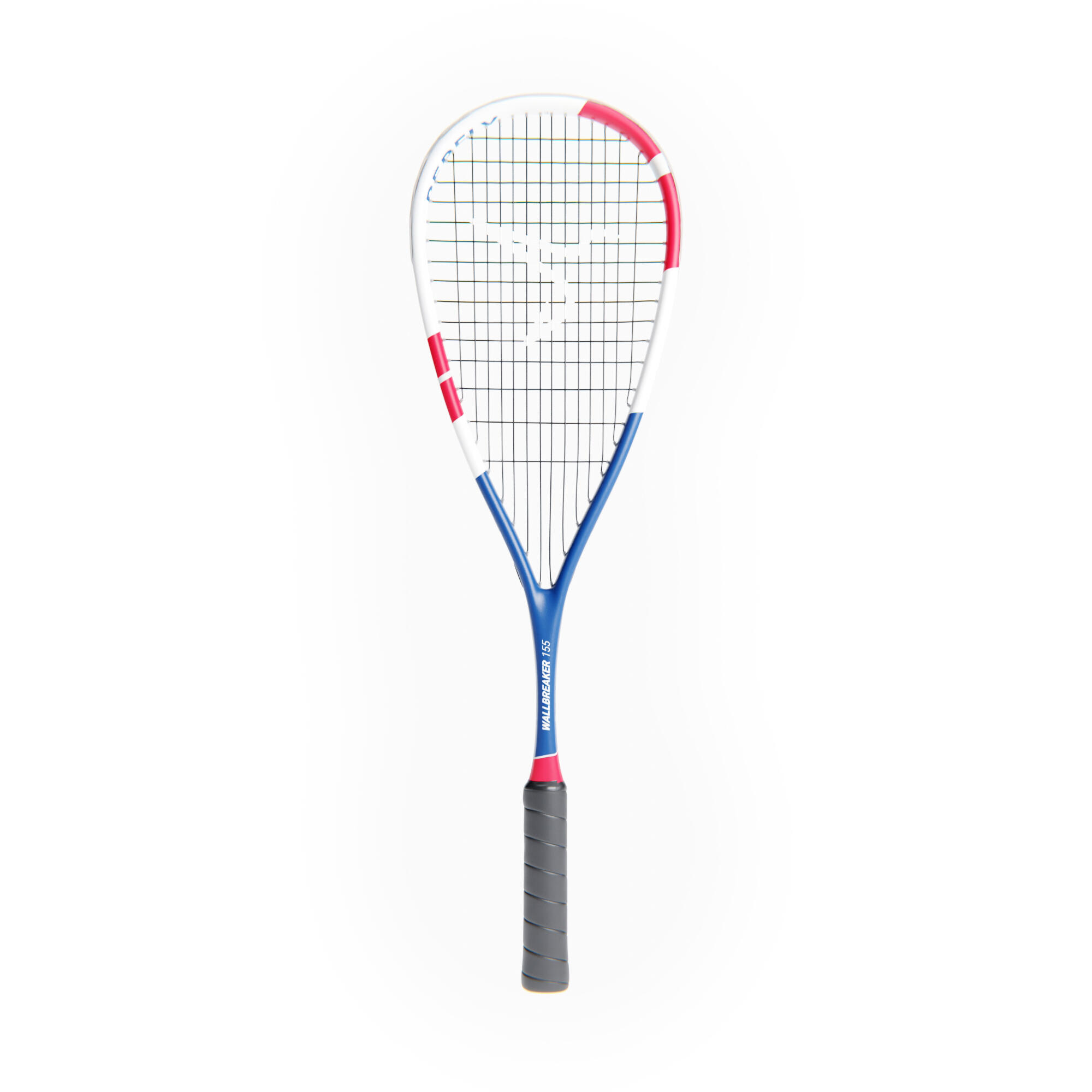
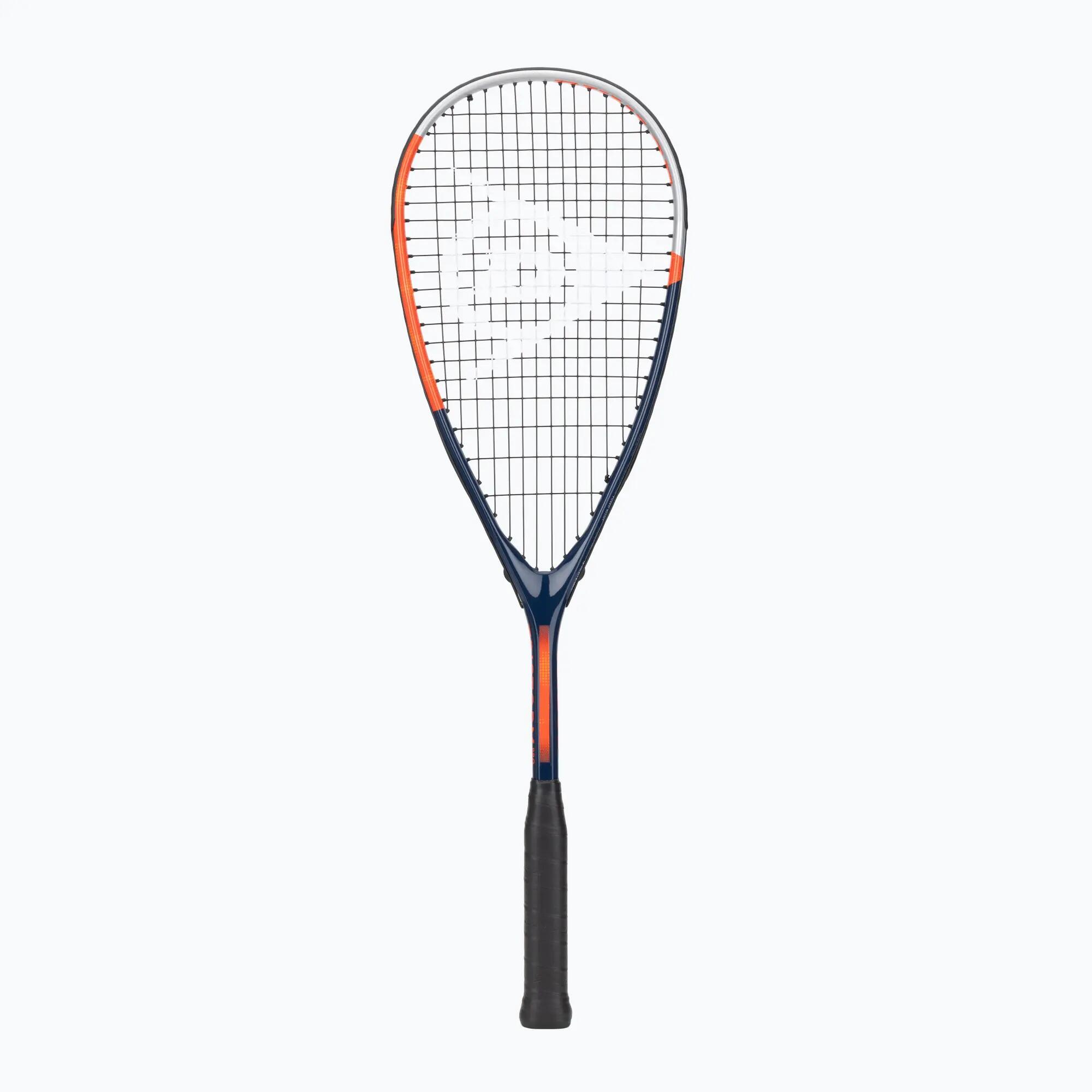
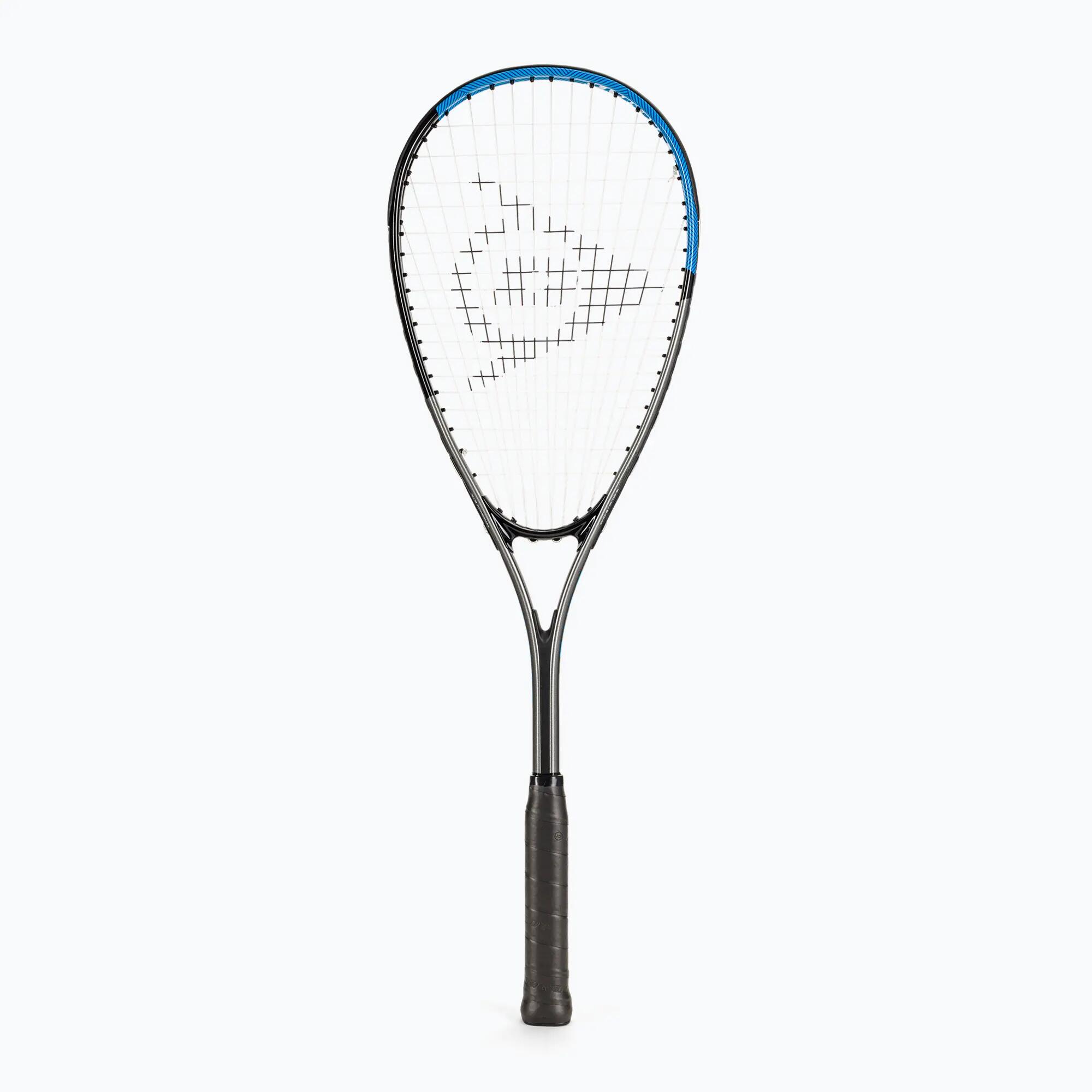
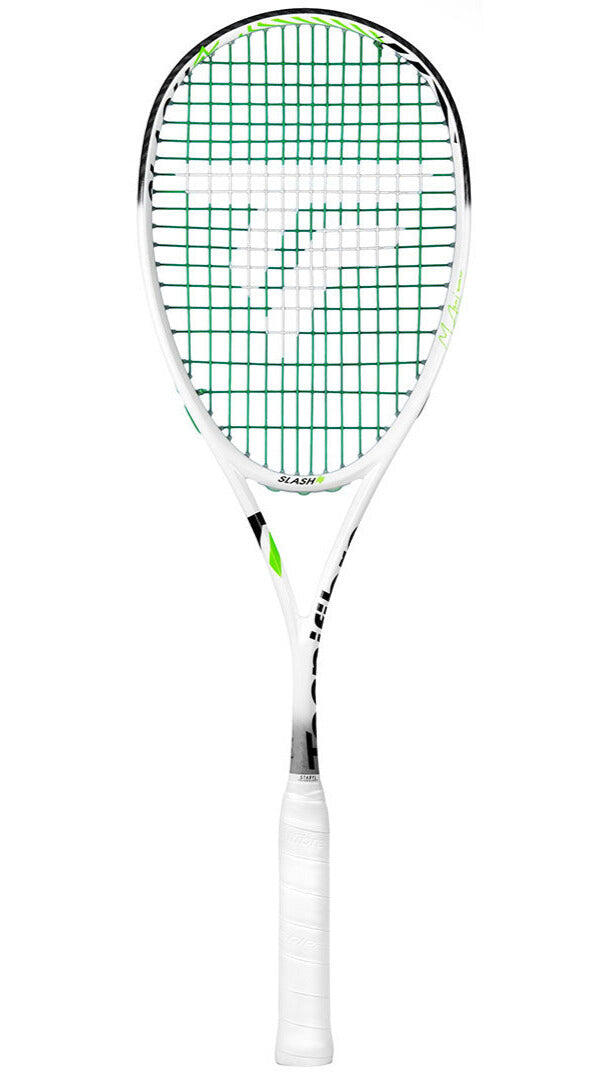
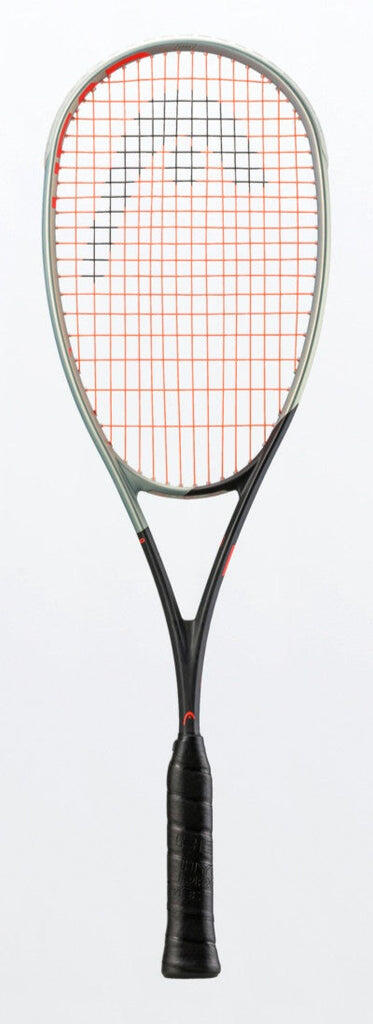
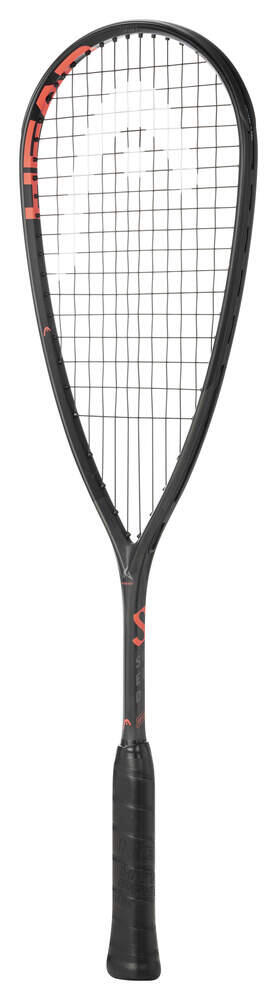
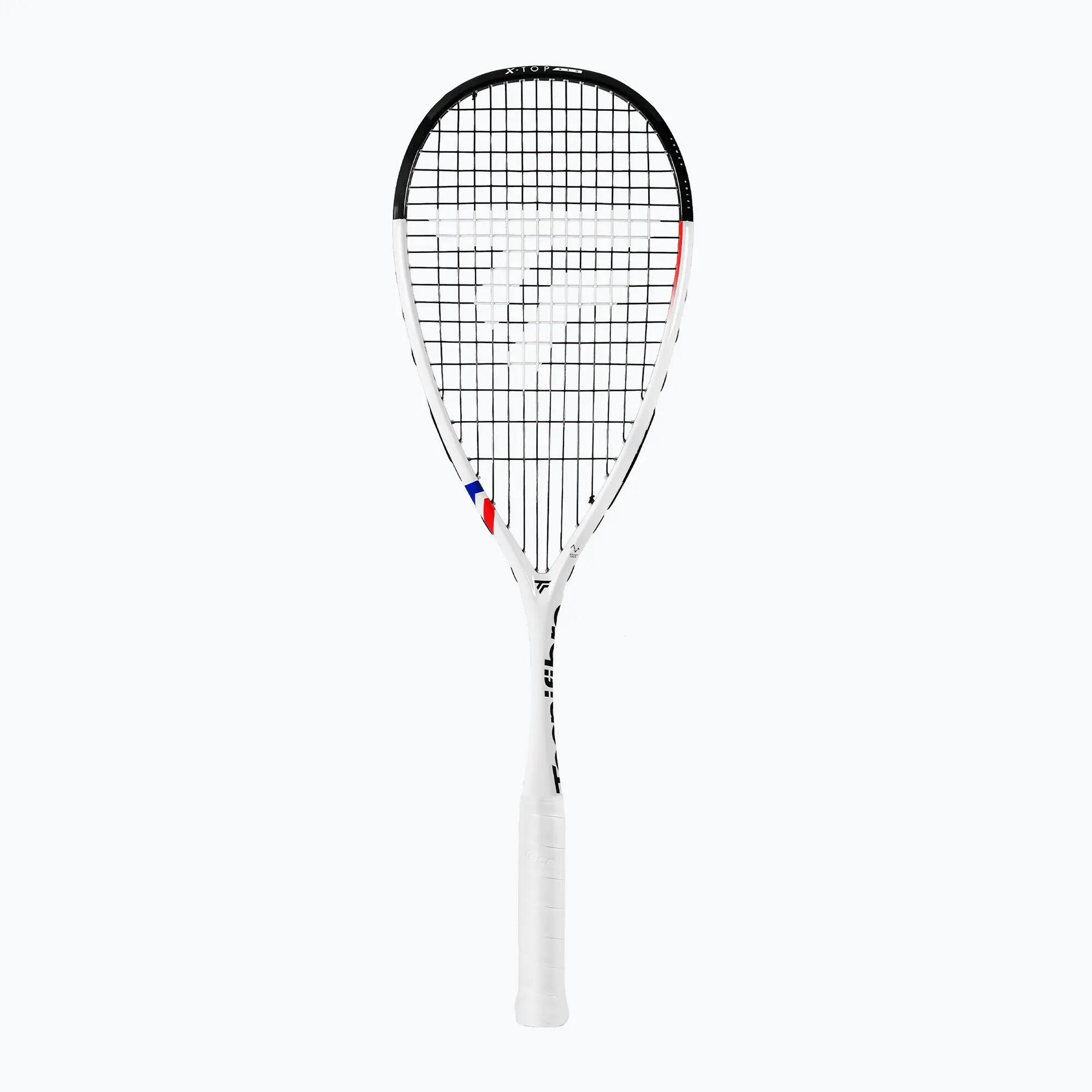
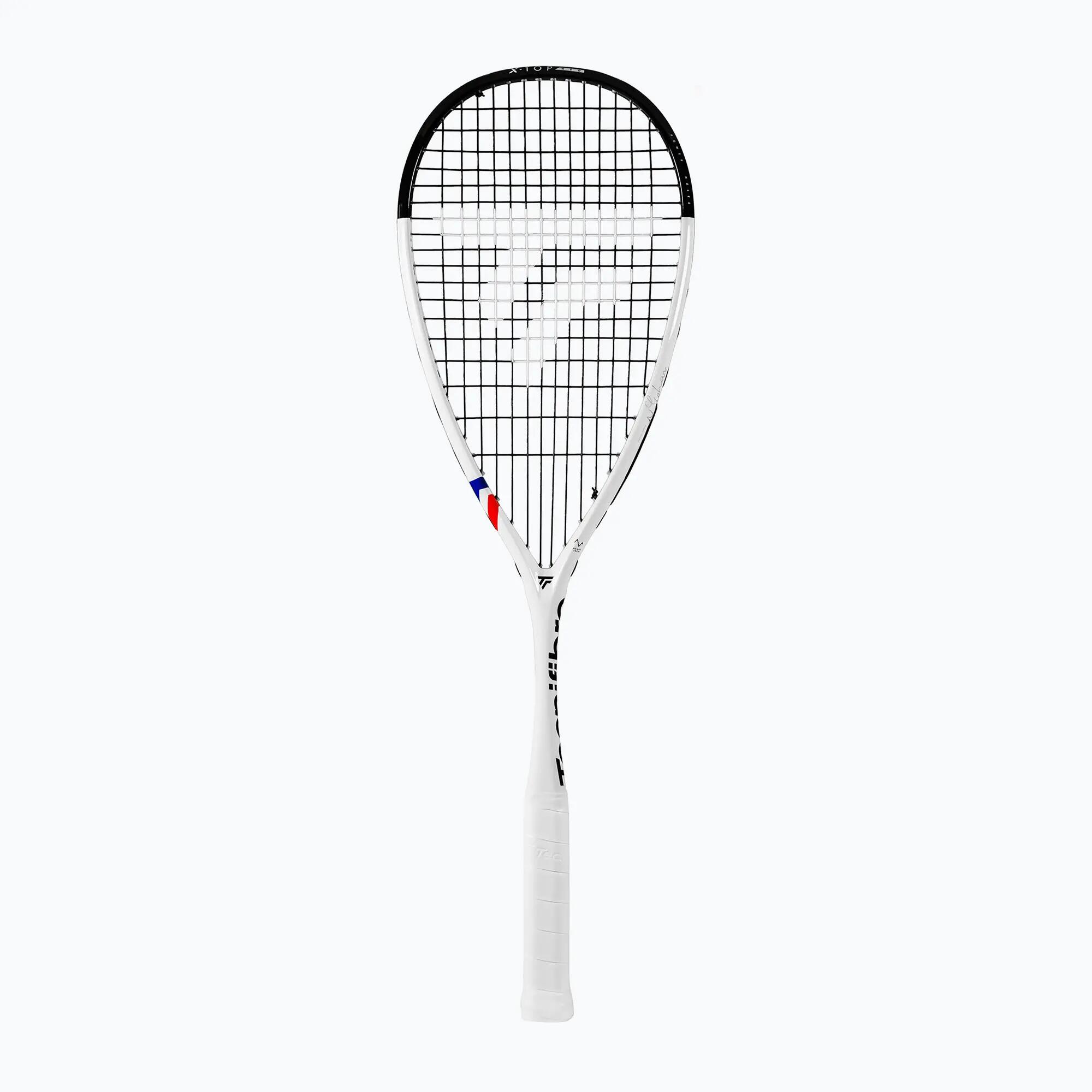
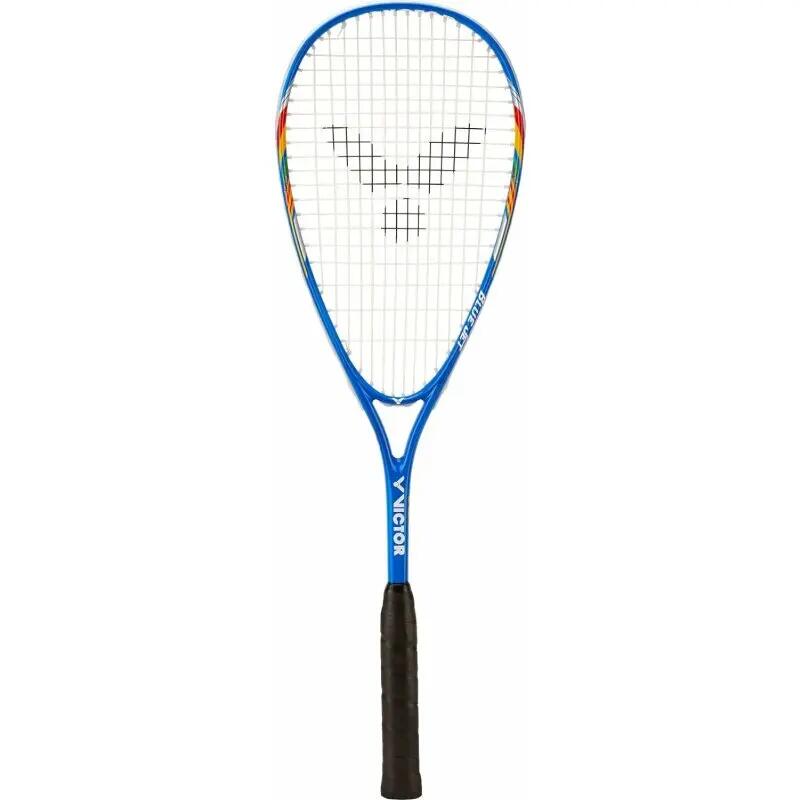
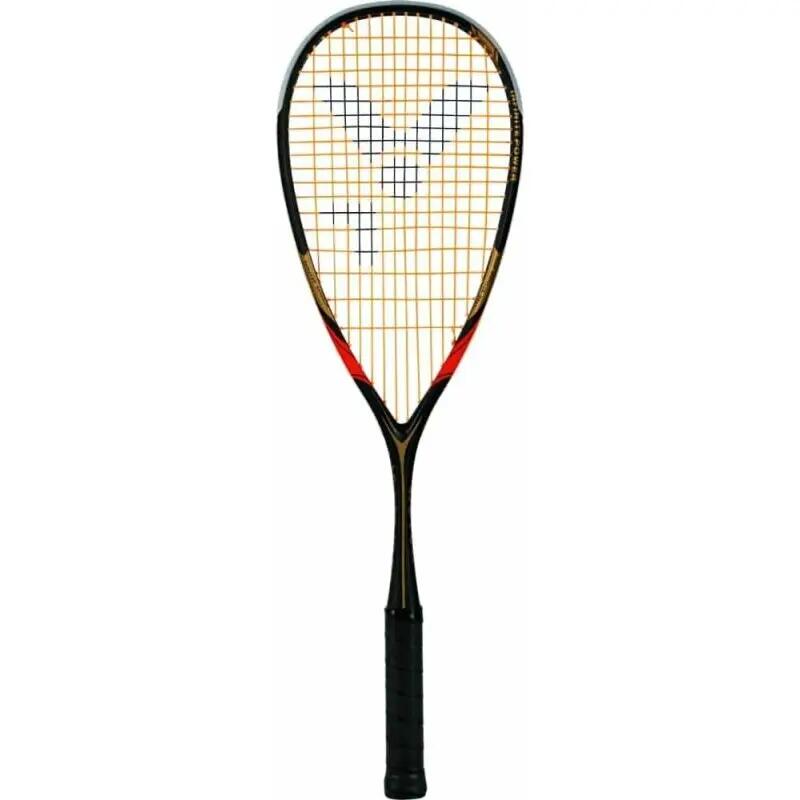
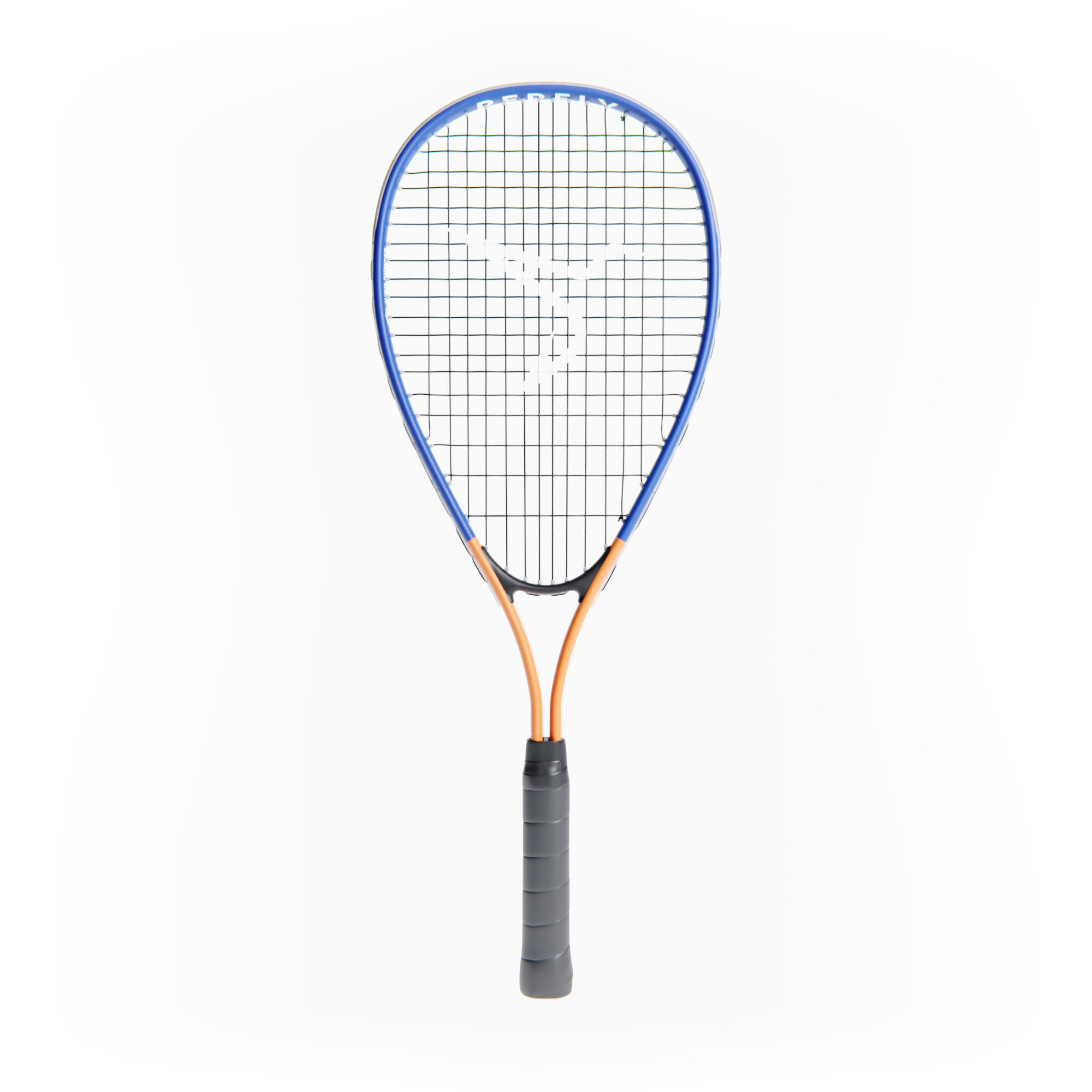
Choosing the right squash racket depends on your playing level, your stroke style, and the balance that suits the way you actually move around the court. Beginners benefit from rackets with a larger head size, since the bigger sweet spot forgives mishits and helps build consistency through the first few months on court. The difference shows up in long matches: a head-light frame swings faster through the air for quicker reactions at the front of the court and tighter volleys near the side walls, while a head-heavy frame drives the ball deeper into the back corners with less effort, which suits players who rely on power from the back of the court. Frame material also matters, with graphite frames offering the best mix of light weight, stiffness, and feel. Expert advice: match the racket balance to your strongest shot type rather than the brand on the throat. For younger players just starting in the sport, browse our range of junior squash rackets across the Opfeel and Tecnifibre labels in age-graded grip and length cuts.
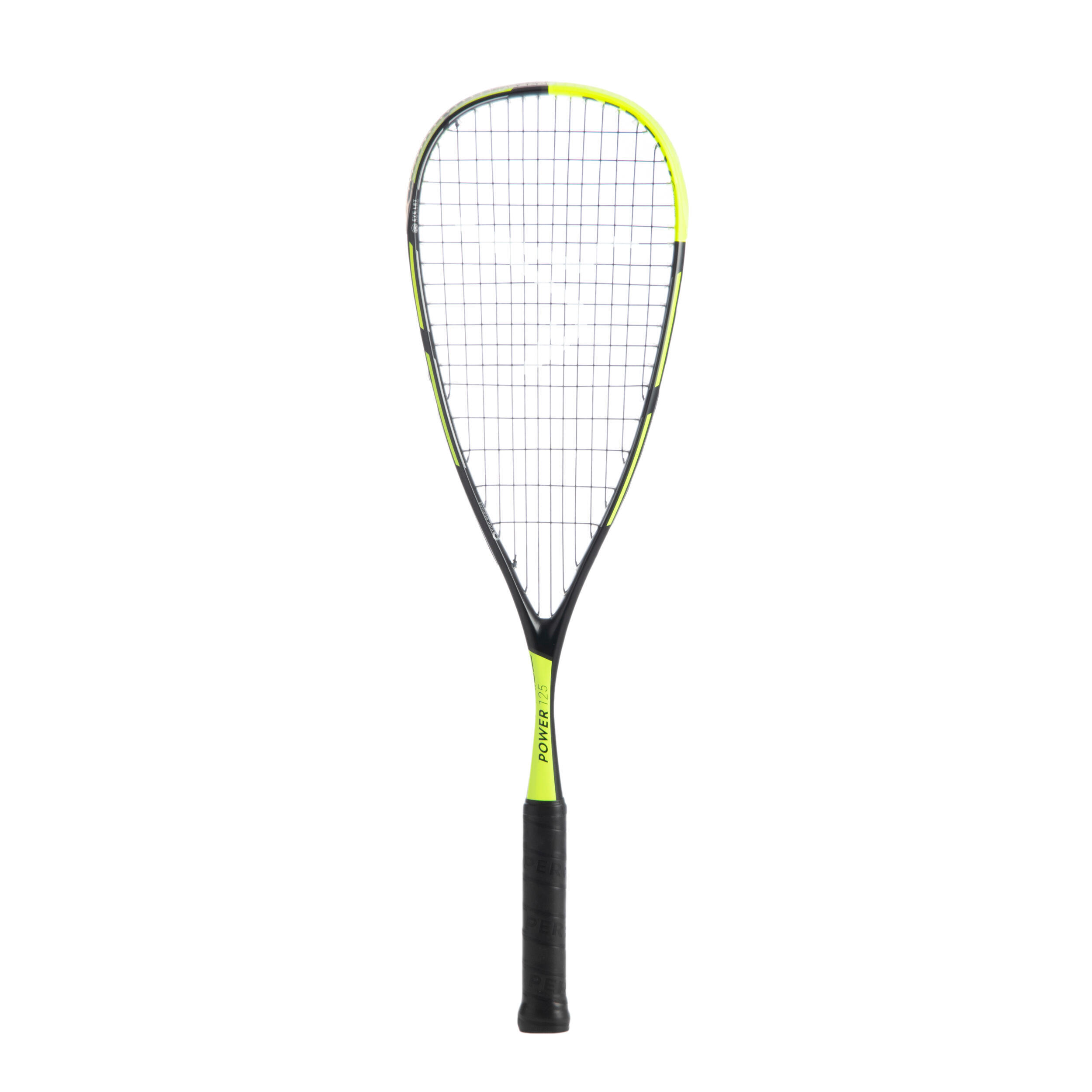
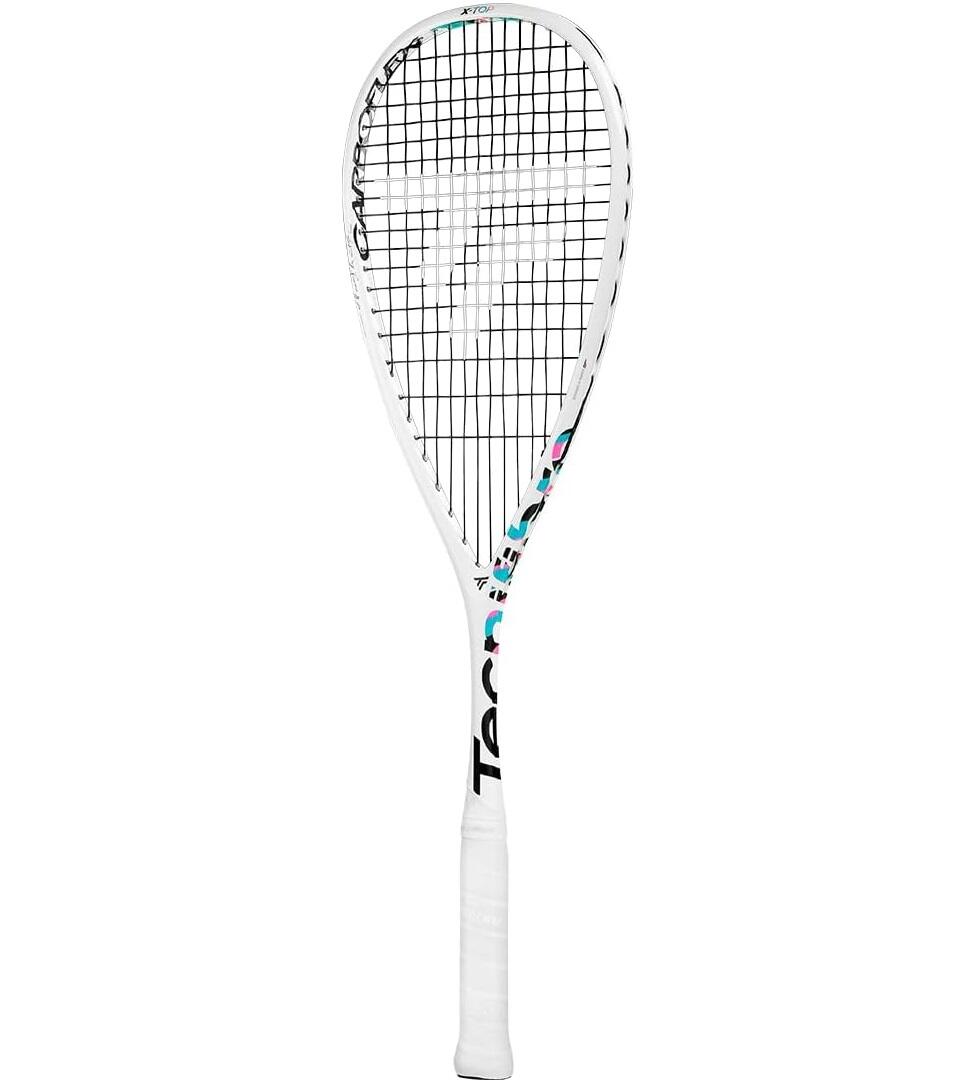
What is the difference between adult and junior squash rackets?

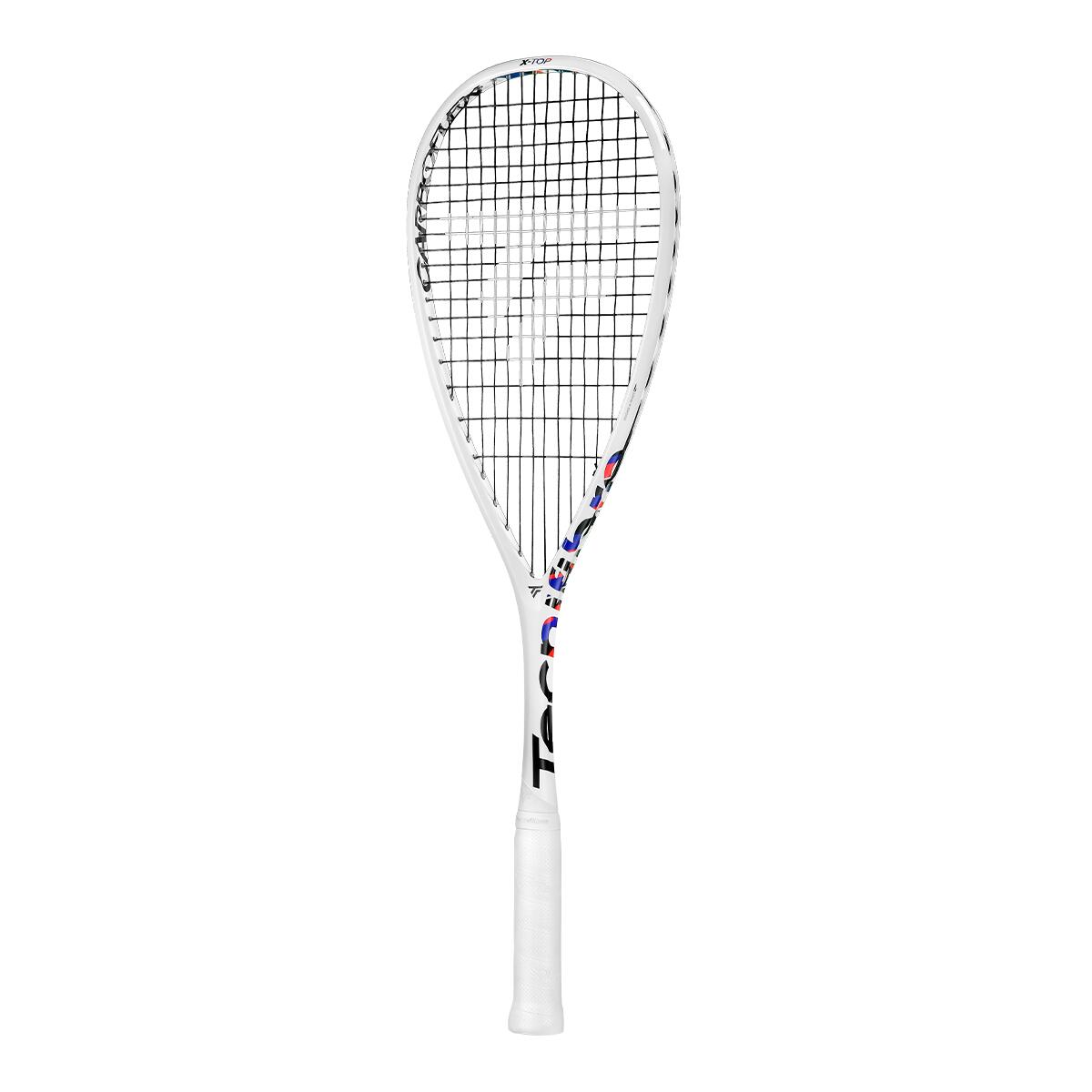
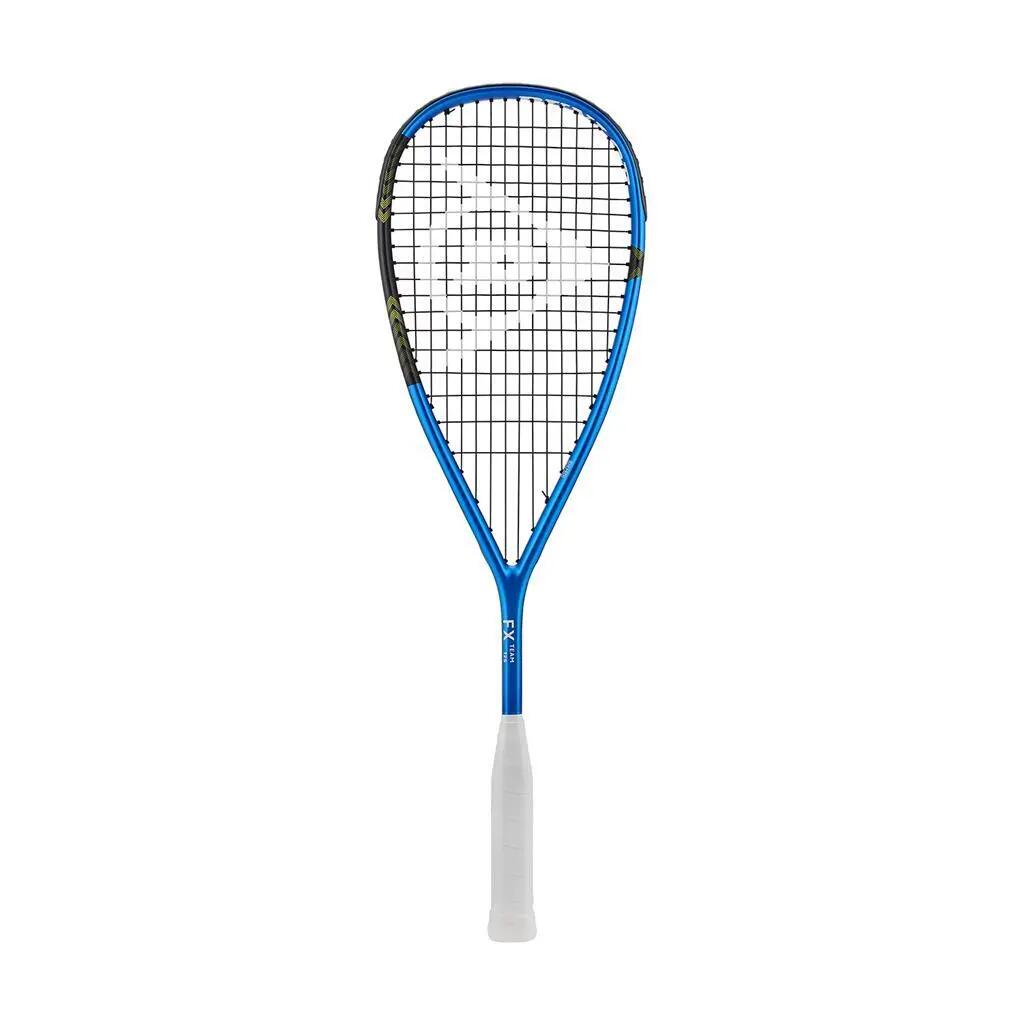
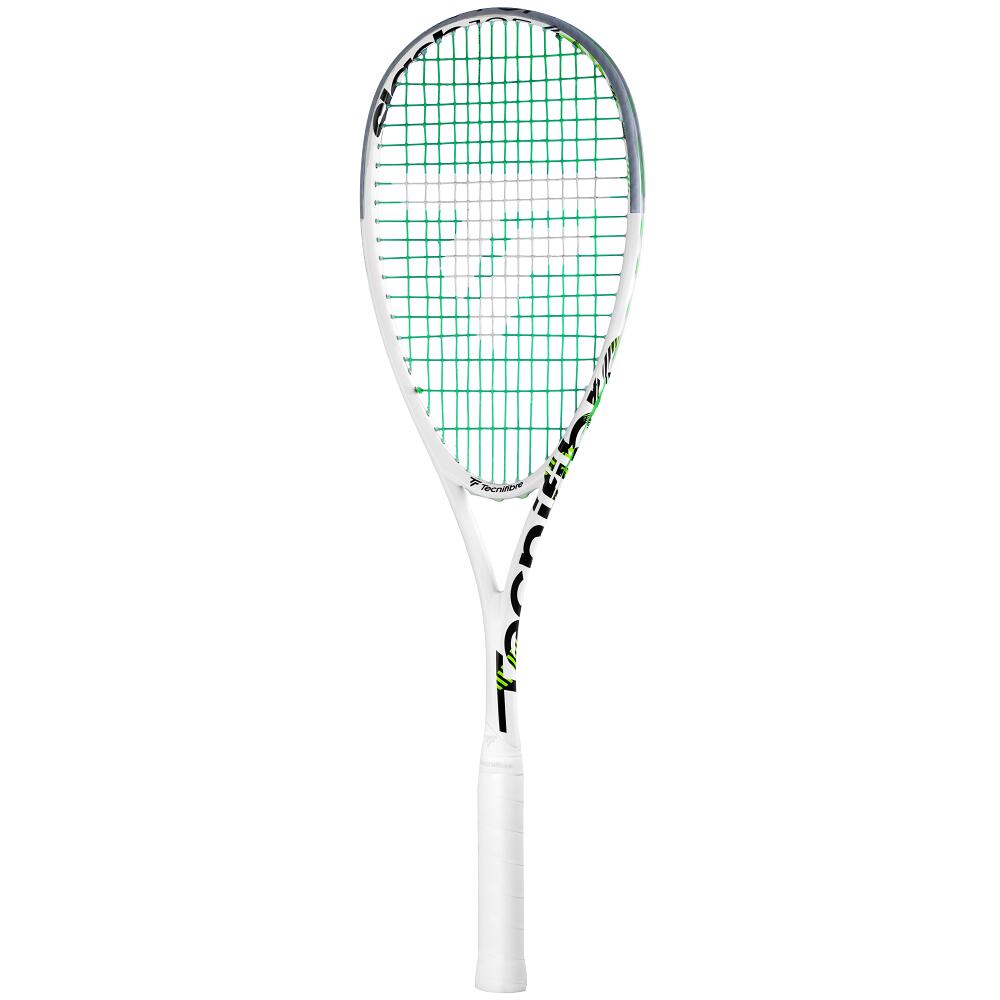
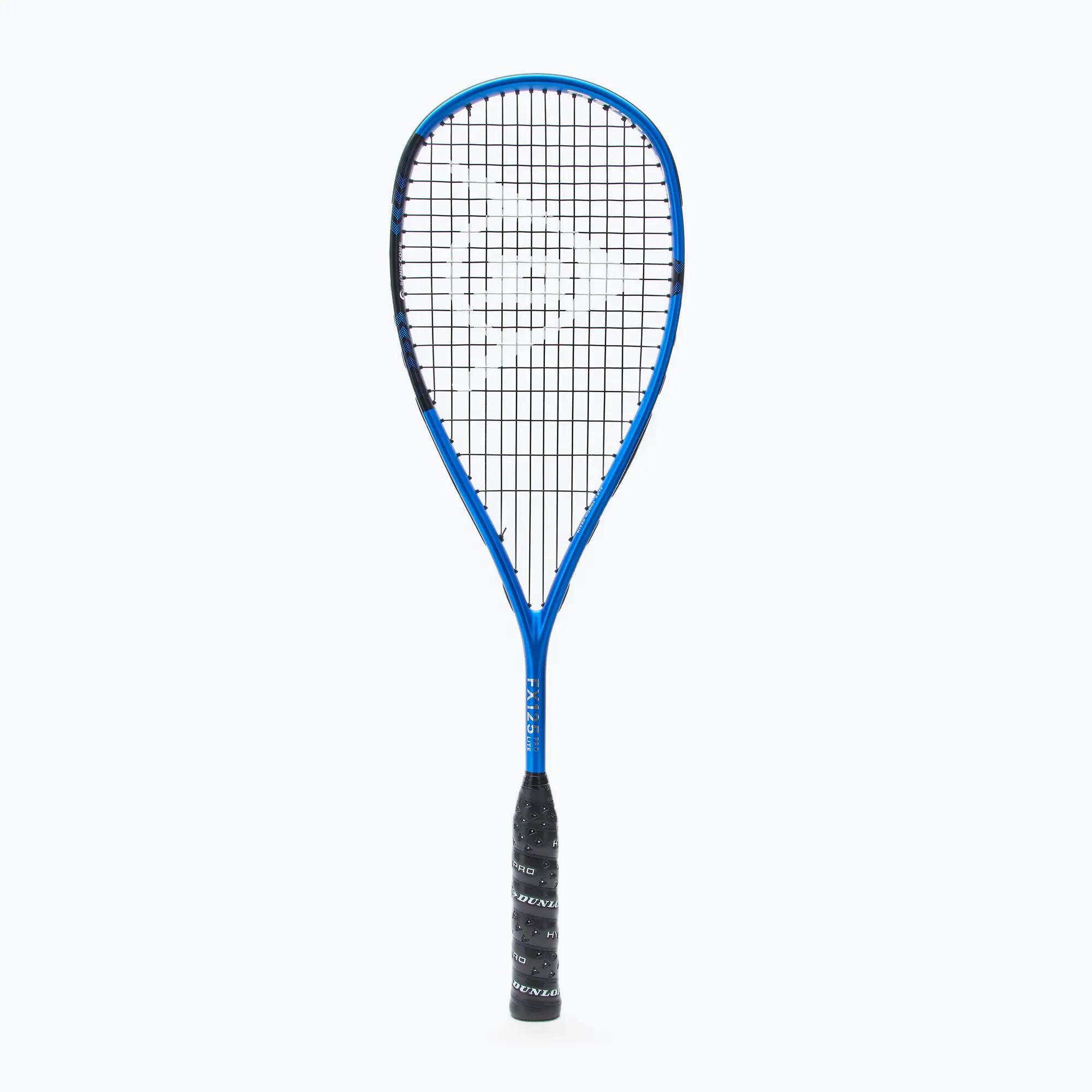
Adult and junior squash rackets share the same basic shape but differ across length, weight, grip size, and frame stiffness to suit the body, reach, and swing speed of the player. Adult rackets sit at the full standard length and weight that match a developed swing, while junior rackets shorten the frame, reduce the overall weight, and slim down the grip so a younger player can swing cleanly without dropping the head or muscling the racket through the shot. The impact is clearest in early development, because an oversized adult racket can encourage poor technique. Browse our range of adult squash rackets across the Opfeel, Dunlop and Tecnifibre labels in head-light, head-heavy, and balanced builds.

Are squash racket sets a good choice for beginners and casual players?

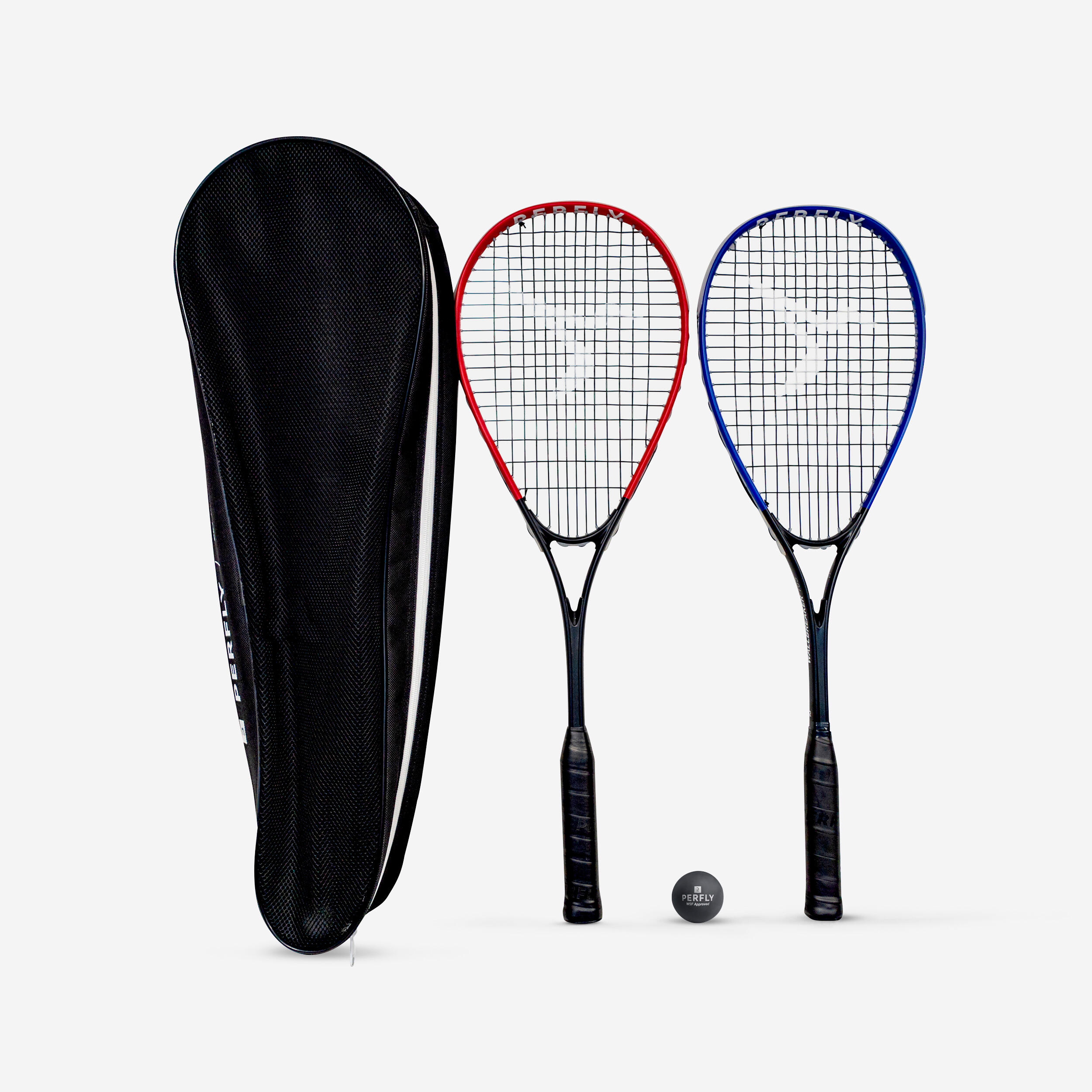
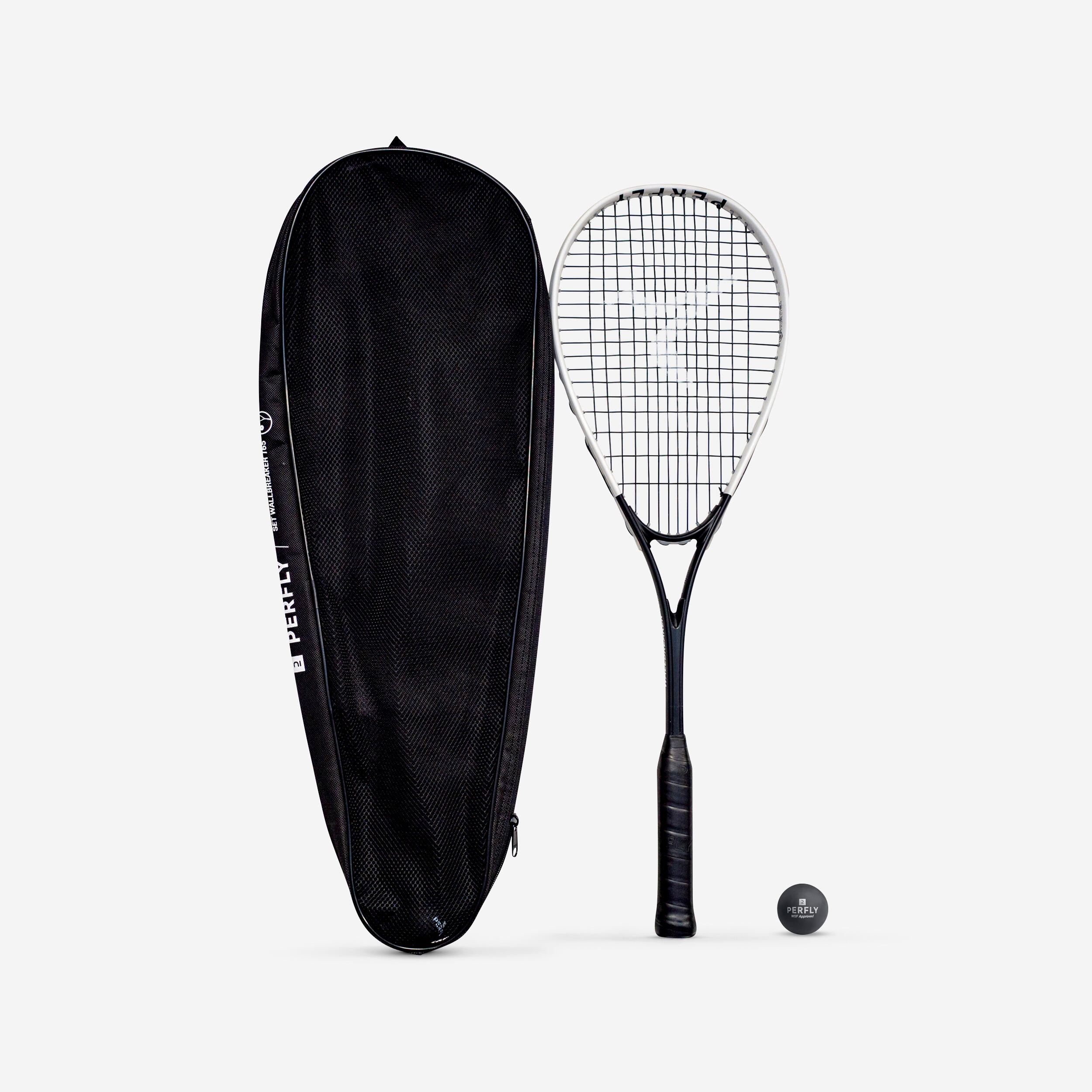
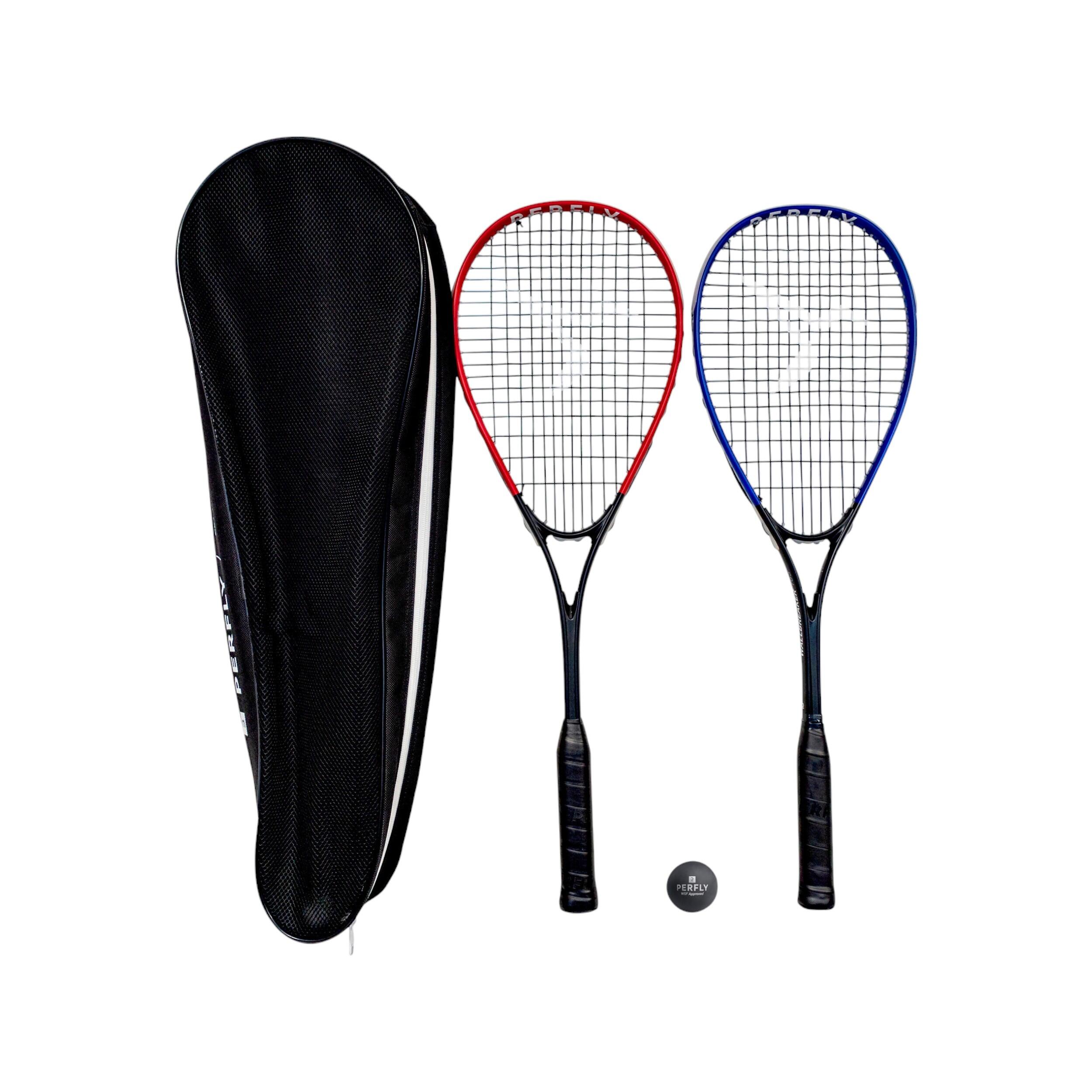
Squash racket sets are an excellent choice for beginners, casual players, and anyone who wants to introduce a friend or partner to the sport without buying everything piece by piece. A typical set bundles two rackets, a ball, and often a case, which removes the guesswork of pairing each item separately and saves money compared with buying each piece individually. The practical benefit is immediate: for the first season, a matched pair gives both players a similar feel on court, which speeds up rally building during the early lessons. Browse our range of squash sets across the Opfeel label in two-racket and three-racket builds with starter balls included.

What kind of squash ball should I pair with my racket?

The right squash ball matches your playing level, since balls vary in bounce, speed, and warm-up time depending on the dot colour on the side. Slower, low-bounce balls (double yellow dot) suit competitive and advanced players whose harder hitting heats the ball enough to keep it lively, while faster, higher-bounce balls (single yellow, red, or blue dot) suit beginners, juniors, and improvers whose softer hitting struggles to warm a competition ball into play. The effect is felt from the very first rally: a ball that does not bounce stops the rally before it starts. Browse our range of squash balls across the Opfeel and Dunlop labels for every playing level.

What other squash equipment should I pack into my kit bag?

A complete squash kit bag goes well beyond the racket, with eye protection, overgrips, vibration dampeners, head bands, wrist bands, and replacement strings all earning a regular place for league players, juniors, and competitive club players. Eye protection in particular sits at the top of the list for younger players, since the small, fast-moving squash ball poses a real injury risk to unprotected eyes during fast rallies and tin-finding shots near the front wall. The difference adds up across every match: small kit pieces transform comfort, safety, and on-court performance. Browse our range of squash equipment covering eye guards, grips, dampeners, and accessories across the Opfeel and Tecnifibre labels.

How do squash shoes pair with the racket to complete the on-court setup?

Squash shoes complete the on-court setup alongside the racket, ball, and protection kit, with non-marking soles, grippy gum-rubber outsoles, and lateral support purpose-built for the short bursts and direction changes of squash court movement. The consequence becomes clear in longer matches: running shoes lack the lateral support needed for sudden side-to-side movement, while soft court shoes from other sports often leave non-marking sole streaks across the polished wood floor of an indoor squash court. Browse our range of squash shoes across the Opfeel and ASICS labels for adult and junior players covering club, league, and competition use.